Nachdem es drei Demos und ein Split-Album mit vier gleichgesinnten Acts aufgenommen hatte, veröffentlichte das Quartett sein Debütalbum "Handed to Execution", auf das ein Jahr später die EP "Transylvanian Nightmare" folgte. Während beide von Kritikern und Fans gleichermaßen gut aufgenommen wurden, legen Phantom jetzt mit ihrem zweiten Album "Tyrants of Wrath" noch einen drauf. Die neue Platte ist eine Parforceritt durch die geschätzten Traditionen des Genres - man denke an Razor, Dark Angel, Merciless, Living Death und natürlich Slayer als Referenzen - und verleiht ihnen einen frischen Dreh, sei es in Form von ‚Nimbus', einer Hommage an Phantoms Einflüssen von Kultbands wie Manilla Road, Gotham City und Heavy Load, oder in Bezug auf die abenteuerliche Struktur von ‚Nazguhl', einem von vielen Ausflügen ins Unkonventionelle, die den extremen Metal der Mexiakner überraschenderweise nicht kompromittieren. "Tyrants of Wrath" wurde von der Band und Héctor Northen in den Nehtron Studios in Mexiko aufgenommen und abgemischt. Das Mastering übernahm Patrick Engel im Temple of Disharmony in Deutschland. Phantom touren im September/Oktober 2025 mit den Brasilianern Evilcult durch Europa.
m Herbst 2022 reiste Jerome Reuter, der luxemburgische Singer-Songwriter und Kreativkopf von ROME, erneut auf die grüne Insel, um dort einige entspannte Wochen mit seinen irischen Freunden zu verbringen. Wie nicht anders zu erwarten war, wurde viel getrunken und gelacht. Es entstanden aber auch Songs. Und am Ende der Reise erblickte eine weitere, faszinierende "Dublin Session" das Licht der Welt.
Wurden die Tracks der ersten Dublin Session noch im legendären "Sonic Studio" in der irischen Hauptstadt aufgenommen, zog man sich für die zweite Session bewusst in die grünen Hügel von Wexford County zurück, um in Brian Brodys "Ballycale Studio" vollkommen ungestört und ganz ohne Zeitdruck musizieren zu können. Alle daraus entstanden Lieder der "Dublin Session II" sind unveröffentlichte Neukompositionen, denen Dank renommierter, irischer Musiker der landestypische Folk-Sound innewohnt.
Auf "The Dublin Session II" verbindet sich auf fast schon ganz natürliche und vor allem sehr harmonische Art und Weise ROMEs ureigener Stil aus Proto-Folk mit dem Klang des Traditional Irish Folk. Hierfür rekrutierte Co-Produzent, langjähriger Freund und musikalischer Mitstreiter Brian Brody (Rack & Ruin) kurzerhand das Who-is-Who irischer Musiker wie Ronan O Snodaigh (Dead Can Dance, Kíla) am Bodhran, Eoin O Cionnaith (Van Morrison, Christy Moore) an den Uilleann Pipes, Matthew Hanaphy am Banjo und den Tin Whistles, Goshia Gasior auf der Violine und Andy Slowey am Bass.
Unter den Kompositionen befinden sich Lieder wie das eingängige, fast tanzbare "Hold the Line" oder das bitter-böse "The Tsarist Army", die einen Kontrapunkt zu melancholischeren Kompositionen wie "My White Rose" und "Muse of Fire" setzen. Nicht unbeeinflusst vom Kriegsgeschehen in Europa und den Zeichen der Zeit entstand so ein multilinguales Kleinod mit Liedtexten auf Französisch ("La Peau Dernière"), Deutsch ("An der Landwehr"), Englisch und Gälisch ("Eirigh Anois!" u.a.).
Totgeglaubte leben bekanntlich länger und so stellt man mit ROME fest: Der europäische Geist ist wohlauf!
Das traurige Mädchen aus dem Soft-Grunge der 90er Jahre. Beziehung am Ende, schwanger, Oma stirbt. Die übliche 21. Reise um die Sonne. Zwischen Erics Trip-Alben, Freunden und wechselnden Kleidergrößen klimperte Julie ihre niedergeschlagenen Schlafzimmer-Pop-Tagebücher durch ein Rat II-Verzerrerpedal und verließ die Szene. Die erweiterte Ausgabe zum 29. Jubiläum enthält seltene 7"-Tracks und ein Foto von Julie mit ihrem Hund Samantha.
Das traurige Mädchen aus dem Soft-Grunge der 90er Jahre. Beziehung am Ende, schwanger, Oma stirbt. Die übliche 21. Reise um die Sonne. Zwischen Erics Trip-Alben, Freunden und wechselnden Kleidergrößen klimperte Julie ihre niedergeschlagenen Schlafzimmer-Pop-Tagebücher durch ein Rat II-Verzerrerpedal und verließ die Szene. Die erweiterte Ausgabe zum 29. Jubiläum enthält seltene 7"-Tracks und ein Foto von Julie mit ihrem Hund Samantha.
Das traurige Mädchen aus dem Soft-Grunge der 90er Jahre. Beziehung am Ende, schwanger, Oma stirbt. Die übliche 21. Reise um die Sonne. Zwischen Erics Trip-Alben, Freunden und wechselnden Kleidergrößen klimperte Julie ihre niedergeschlagenen Schlafzimmer-Pop-Tagebücher durch ein Rat II-Verzerrerpedal und verließ die Szene. Die erweiterte Ausgabe zum 29. Jubiläum enthält seltene 7"-Tracks und ein Foto von Julie mit ihrem Hund Samantha.
Pop-Singer-Songwriter Marlon Hammer kündigt für das Frühjahr 2025 sein Debütalbum »Szenarien« an und macht schon mit seiner ersten EP deutlich: Hier ist einer, der sich etwas traut. 2022 veröffentlicht er »44803 Bochum 2«, ein Titel, der sich auf das Studioalbum »4630 Bochum« von Herbert Grönemeyer aus dem Jahr 1984 bezieht.
Und auch wenn direkte Vergleiche mit lebenden Ikonen immer dünnes Eis sind: Einige Parallelen lassen sich kaum von der Hand weisen. Marlon Hammer ist ein Kind des Ruhrpotts, und der Bochumer bringt einige unverkennbare Merkmale mit. Seine Stimme sticht aus der Masse heraus – sonor, markant, immer leicht belegt –, seine Texte machen mit kleinen Alltagsbeobachtungen große Bilder auf und, typisch Ruhrpott: Er singt, wie ihm der Schnabel gewachsen ist.
»Ich fass dich nicht« heißt die erste Single aus dem kommenden Debütalbum »Szenarien«, das am 11. April 2025 bei Telamo / BMG erscheint. Es ist der vorläufige Höhepunkt einer rasanten Entwicklung, die dem Pop-Singer-Songwriter in den letzten zwei Jahren eine schnell wachsende Fangemeinde, erfolgreiche Singles wie »Angenehm kühl« und mediale Präsenz bescherte, zuletzt etwa in der VOX-Primetime-Show »The Piano« (wo er neben seiner eigenen Single »Zu dir fällt mir nichts mehr ein« Grönemeyers Song »Halt mich« am Piano sang). Dabei entspann sich zwischen Igor Levit und Mark Foster beim heimlichen Beobachten von Marlons Performance folgender Dialog:
»Das ist gut. Das ist mehr als gut!« (Mark Forster)
»Er klingt nicht wie ein 19-Jähriger.« (Igor Levit)
»Er klingt wie ein 19-Jähriger mit einer geilen Stimme.« (Mark Forster)
»Besonderer Typ.« (Igor Levit)
Kann man so stehen lassen. Und beliebig ergänzen, denn Marlon Hammer ist für seine (mittlerweile) 20 Jahre tatsächlich ein beeindruckend kompletter Künstler. Und wie bei jedem Ausnahmetalent steckt auch dahinter: viel Arbeit. »Ich habe wirklich mega jung angefangen, Straßenmusik zu machen«, erzählt Marlon. Was damals den praktischen Nebeneffekt hatte, sein Taschengeld aufzubessern, ist heute der Grund dafür, dass er ein echtes Multitalent ist: Marlon spielt Gitarre und Klavier, schreibt seine Musik und Texte selbst und hat ein außergewöhnliches Gespür für gute Hooklines.
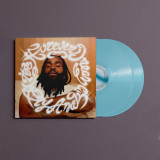
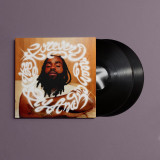
Fly Anakin is a rapper and producer who approaches his craft in a way few contemporaries can. Vigilant yet unorthodox, DIY-minded yet prolific, the Richmond, Virginia multihyphenate’s razor-sharp lyrics, ear for soulful production, and collaborative synergy are the result of over a decade of fundamental mastery. Described by Madlib as “one of the illest MCs,” the Mutant Academy cofounder was in his pocket well ahead of his acclaimed solo debut, Frank (2022). After years of consistent releases with his collective, Anakin broke major ground in 2020 with his and Pink Siifu’s joint project FlySiifu’s, followed by their $mokebreak EP in 2021. A student of the East Coast’s golden age, Anakin transmutes its spirit into music that’s both classicist and pioneering, having worked with the likes of Freddie Gibbs, redveil, BbyMutha, and MAVI. With the release of a Mutant Academy debut album completed, and his solo album (The) Forever Dream imminent, Anakin has cemented his place as a leader in rap’s underground Renaissance.(The) Forever Dream commemorates a new era of freedom for Anakin, who rarely approaches bodies of work without a preconceived concept. Executive produced by Quelle Chris, the project, which features the likes of Denmark Vessey, The Alchemist, BbyMutha, and Pink Siifu, includes songs that Anakin believes are some of his most experimental and ambitious. “The album is me and Quelle kicking it, smoking, learning each other, and playing video games,” he says of the project’s inspiration and recording process. “It was time to make some mindless music, to tackle production I would’ve otherwise picked up.” The long anticipated project comes after years of Anakin and Quelle developing a strong rapport, stemming back to 2019. “Quelle is one of the best collaborators ever—he’s not biased but he knows what he likes, open minded but stubborn at the right times,” Anakin says of his collaborative relationship with the Grammy nominated producer. “On the low we just alike but polar opposites, we can do no wrong together.”
Fly Anakin is a rapper and producer who approaches his craft in a way few contemporaries can. Vigilant yet unorthodox, DIY-minded yet prolific, the Richmond, Virginia multihyphenate’s razor-sharp lyrics, ear for soulful production, and collaborative synergy are the result of over a decade of fundamental mastery. Described by Madlib as “one of the illest MCs,” the Mutant Academy cofounder was in his pocket well ahead of his acclaimed solo debut, Frank (2022). After years of consistent releases with his collective, Anakin broke major ground in 2020 with his and Pink Siifu’s joint project FlySiifu’s, followed by their $mokebreak EP in 2021. A student of the East Coast’s golden age, Anakin transmutes its spirit into music that’s both classicist and pioneering, having worked with the likes of Freddie Gibbs, redveil, BbyMutha, and MAVI. With the release of a Mutant Academy debut album completed, and his solo album (The) Forever Dream imminent, Anakin has cemented his place as a leader in rap’s underground Renaissance.(The) Forever Dream commemorates a new era of freedom for Anakin, who rarely approaches bodies of work without a preconceived concept. Executive produced by Quelle Chris, the project, which features the likes of Denmark Vessey, The Alchemist, BbyMutha, and Pink Siifu, includes songs that Anakin believes are some of his most experimental and ambitious. “The album is me and Quelle kicking it, smoking, learning each other, and playing video games,” he says of the project’s inspiration and recording process. “It was time to make some mindless music, to tackle production I would’ve otherwise picked up.” The long anticipated project comes after years of Anakin and Quelle developing a strong rapport, stemming back to 2019. “Quelle is one of the best collaborators ever—he’s not biased but he knows what he likes, open minded but stubborn at the right times,” Anakin says of his collaborative relationship with the Grammy nominated producer. “On the low we just alike but polar opposites, we can do no wrong together.”
Fly Anakin is a rapper and producer who approaches his craft in a way few contemporaries can. Vigilant yet unorthodox, DIY-minded yet prolific, the Richmond, Virginia multihyphenate’s razor-sharp lyrics, ear for soulful production, and collaborative synergy are the result of over a decade of fundamental mastery. Described by Madlib as “one of the illest MCs,” the Mutant Academy cofounder was in his pocket well ahead of his acclaimed solo debut, Frank (2022). After years of consistent releases with his collective, Anakin broke major ground in 2020 with his and Pink Siifu’s joint project FlySiifu’s, followed by their $mokebreak EP in 2021. A student of the East Coast’s golden age, Anakin transmutes its spirit into music that’s both classicist and pioneering, having worked with the likes of Freddie Gibbs, redveil, BbyMutha, and MAVI. With the release of a Mutant Academy debut album completed, and his solo album (The) Forever Dream imminent, Anakin has cemented his place as a leader in rap’s underground Renaissance.(The) Forever Dream commemorates a new era of freedom for Anakin, who rarely approaches bodies of work without a preconceived concept. Executive produced by Quelle Chris, the project, which features the likes of Denmark Vessey, The Alchemist, BbyMutha, and Pink Siifu, includes songs that Anakin believes are some of his most experimental and ambitious. “The album is me and Quelle kicking it, smoking, learning each other, and playing video games,” he says of the project’s inspiration and recording process. “It was time to make some mindless music, to tackle production I would’ve otherwise picked up.” The long anticipated project comes after years of Anakin and Quelle developing a strong rapport, stemming back to 2019. “Quelle is one of the best collaborators ever—he’s not biased but he knows what he likes, open minded but stubborn at the right times,” Anakin says of his collaborative relationship with the Grammy nominated producer. “On the low we just alike but polar opposites, we can do no wrong together.”
"Acid Floresta" is the result of a process of sonic recognition and translation. A term that has taken shape over the past few years to name a search that, in reality, began more than a decade ago: the intersection between foreign rhythms and the music that inhabits the streets, with its social dynamics and its irreducible vitality.
This album is born from the observation and listening of the everyday sounds that shape the sonic identity of the neighborhood: the corner store, the metro, the billiard hall, the street corner. Spaces where music is not a choice but a constant pulse of life. The percussion of the street, the echo of a distant radio, the spontaneous phrasing of a conversation—these become raw material. From there, the process moves to the studio, where bass, synthesizers, drum machines, and samplers serve as tools of translation: what begins as a documentation of reality transforms into a musical interpretation.
At this point, a tension emerges between what is learned and what is felt. For years, tropical music and vallenato were part of a sonic landscape that coexisted with external influences, generating both distance and affinity. But within that push and pull—between the familiar and the unknown—a common thread was revealed: sabor. Not as a genre, but as an essence, a vital and irreplace able force.
"Acid Floresta" is structured in three and the performative stage, where music returns to the streets, closing the cycle. It is in this final moment that its true nature emerges: in the shared vibration, in danceability, in what connects beyond geography and context.
The album proposes a dialogue between intimacy and collective experimentation, between latineo and electronic music, between the raw and the processed. A space where the music of the streets and the music of the floresta converge to create a new sonic memory.
out of Stock
Last delivered 13 months ago available to reorder, subject to availability
All Bad, the latest album from Nick Shoulders, ultimately encapsulates everything that makes Shoulders’ inimitable form of country music so vital: a heady balance of dazzling musicianship and punk defiance, coupled with gritty eccentricity and a generational connection to the roots of the genre. With a singing style inherited from his family’s vocal lineage, Nick’s songs achieve the rare feat of imparting difficult truths while inciting a certain joyful abandon, balancing a sound forged by years of hard travel with a heartfelt reverence for the origins of country music. In the spirit of Hazel Dickens and Jimmy Driftwood, the incisive yet wildly jubilant All Bad vocally objects to the reckless destruction of the natural landscape and development run rampant, while still offering plenty of joy and dance-ready rhythms. Spanning a variety of early country styles, the album’s infectious harmonies shine alongside everything from jangling cajun waltzes to surf-rock infused bluesy ballads–all tied together by a voice seemingly out of place in this century, yet ever ready to speak up about its problems.
Released via Gar Hole Records (a label founded and co-owned by Shoulders), All Bad marks the first LP made with his longtime band, the Okay Crawdad, since 2019’s premier full-length Okay, Crawdad and their subsequent pandemic-imposed hiatus. After writing most of the album from the front seat of a tour van, the Fayetteville, AR-based musician and bandmates Grant D’Aubin (harmonies/bass), Cheech Moosekian (drums) and Jack Studer (lead guitar) recorded the album in a home studio on the banks of the mississippi river with New Orleans collaborators Ross Farbe and Sam Doores.
Following nearly 20 years of working together as a trio, and numerous cross-collaborations in different configuration between them, Ideologic Organ presents Placelessness, the debut full-length by Chris Abrahams, Oren Ambarchi, and Robbie Avenaim, comprising two long-form works at juncture of ambient music, minimalism, rigorous experimentalism and improvisation, and machine music. Having carved distinct pathways across a diverse number of musical idioms for decades, Chris Abrahams, Oren Ambarchi, and Robbie Avenaim are each, respectively, among the most noteworthy and groundbreaking figures to have emerged from Australia's thriving experimental music scene. Ambarchi and Avenaim first encountered Abrahams when seeing the Necks - the project that has served as the primary vehicle for his singular approach to the piano since its founding in 1987 - together during the late 1980s, not long after having met in Sydney's underground music community. The pair's collaborations date back more than 35 years, criss-crossing Ambarchi's pioneering solo and ensemble work for guitar and Avenaim's visionary efforts for SARPS (Semi Automated Robotic Percussion System), robotic and kinetic extensions to his drum kit. In 2004, fate brought the three together in a trio performance at the What Is Music? Festival, the annual touring showcase of experimental music founded and run by Ambarchi and Avenaim between 1994-2012. For the nearly two decades since, Abrahams, Ambarchi, and Avenaim have intermittently reformed in exclusively live contexts, in Australia and abroad, cultivating and refining the fertile ground first tilled in that early meeting. Placelessness is the first album to present this remarkable trio's efforts in recorded form. Placelessness is the joining of three highly individualised streams, working in perfect harmony; the point at which friendship, mutual respect, and decades of creative exploration produce a singular spectrum of sound. Featuring Abrahams on piano, Ambarchi on guitar, and Avenaim on drums, the album's two sides draw on each artist's enduring dedication to long-form composition. Its two pieces, Placelessness I and Placelessness II, initially began as a single, 40 minute work, before being divided and reworked into distinct, complimentary gestures for the corresponding sides of the LP. Beginning with restrained clusters of reverberant piano tones, Placelessness I progresses at an almost glacial pace, with Abrahams' interventions increasing met by sparse responses, darting within vast ambiences, on guitar and percussion by Ambarchi and Avenaim. Remarkably conversational within its convergences of tonal, rhythmic, and textural abstraction, over the work's duration a progressive sense of tension unfurls and contracts, refusing release, as each of the ensemble's members contribute to an increasingly tangled sense of density at its resolve.While an entirely autonomous work, Placelessness II rapidly realises a distillation of the energy hinted at across the length of its predecessor. Following a luring passage of harmonious calm, Abrahams' launches into shimmering lines of repeating arpeggios, complimented at each escalation of tempo by Avenaim's machine gun fire percussion work and Ambarchi's masterful delivery of tonality and texture, as the trio collectively generate dense sheets of pointillistic ambience within which individual identity is almost lost, before slowly unspooling into unexpected abstractions and dissonances that deftly intervene with the work's inner logic and calm. What could easily be termed a maximalist take on Minimalism, Placelessness is a masterstroke of contemporary, real time composition, that blurs the boundaries between ambient music, experimentalism, free improvisation, and machine music. Drawing on Chris Abrahams, Oren Ambarchi, and Robbie Avenaim's decades of respective solo and collaborative practice, and the culmination of nearly twenty years of working together as a trio, it's two durational pieces - Placelessness I and Placelessness II - take form with a startling sense of effortlessness and grace, neither shying away from explicit beauty or rigorously tension within their forms
Luke Titus is a Chicago-born drummer, songwriter, producer, and multi-instrumentalist known for his remarkable versatility and genre-spanning artistry. With deep roots in jazz and a knack for blending it seamlessly with experimental music, drum & bass, and beyond, Titus has earned a reputation as a world-class drummer and a dynamic force across the national musical landscape. Growing up in Chicago's vibrant music scene, Titus flourished alongside fellow young artists in the early 2010s. His work quickly positioned him as a key figure in the city's jazz, hip-hop, and R&B communities, leading to collaborations that propelled him to national recognition. Continue to follow the thread of Luke Titus' many contributions to jazz and alternative scenes across America, and what emerges is a singular weave between his roots in Chicago, LA and New York communities. From What Was Will Grow A Flower is the second LP from the prolific young songwriter and producer, codifying his many musical leanings into an emergent, nearly clairvoyant statement of musical intent. Blooming and innovative songwriting, effervescent vocal hooks, virtuosic instrumental passages, and meticulously studied production techniques abound. About the album, Titus says "This album is about spirituality and connectivity, both with the universe and the self, as told through my personal journey. It questions reality as a way to deepen one's connection to it. I dedicate this album not only to anyone who has been through hard times, but to anyone who relates to the cyclical nature of the human experience. And more than that, I dedicate this album to my mom." As a producer and songwriter, Titus' fingerprints can be found on numerous acclaimed projects, including Noname's Room 25, Luke Titus & Cisco Swank's Some Things Take Time, Orion Sun's Orion, and Ravyn Lenae's Hypnos. His co-production credits span across a roster of innovative talents like Steve Lacy, Monte Booker, Brian Sanborn, Teo Halm, Phoelix, Cisco Swank, Saba, Kiefer, Elijah Fox, and Itai Shapira. Titus has taken his talents to the global stage, performing at high-profile festivals and venues such as Lollapalooza, Coachella, Pitchfork, Blue Note NYC, North Sea Jazz Fest, Smoking Grooves, Fuji Rock Festival, Blue Note Tokyo, and NYC Winter Jazz Fest, amongst many others.
Luke Titus is a Chicago-born drummer, songwriter, producer, and multi-instrumentalist known for his remarkable versatility and genre-spanning artistry. With deep roots in jazz and a knack for blending it seamlessly with experimental music, drum & bass, and beyond, Titus has earned a reputation as a world-class drummer and a dynamic force across the national musical landscape. Growing up in Chicago's vibrant music scene, Titus flourished alongside fellow young artists in the early 2010s. His work quickly positioned him as a key figure in the city's jazz, hip-hop, and R&B communities, leading to collaborations that propelled him to national recognition. Continue to follow the thread of Luke Titus' many contributions to jazz and alternative scenes across America, and what emerges is a singular weave between his roots in Chicago, LA and New York communities. From What Was Will Grow A Flower is the second LP from the prolific young songwriter and producer, codifying his many musical leanings into an emergent, nearly clairvoyant statement of musical intent. Blooming and innovative songwriting, effervescent vocal hooks, virtuosic instrumental passages, and meticulously studied production techniques abound. About the album, Titus says "This album is about spirituality and connectivity, both with the universe and the self, as told through my personal journey. It questions reality as a way to deepen one's connection to it. I dedicate this album not only to anyone who has been through hard times, but to anyone who relates to the cyclical nature of the human experience. And more than that, I dedicate this album to my mom." As a producer and songwriter, Titus' fingerprints can be found on numerous acclaimed projects, including Noname's Room 25, Luke Titus & Cisco Swank's Some Things Take Time, Orion Sun's Orion, and Ravyn Lenae's Hypnos. His co-production credits span across a roster of innovative talents like Steve Lacy, Monte Booker, Brian Sanborn, Teo Halm, Phoelix, Cisco Swank, Saba, Kiefer, Elijah Fox, and Itai Shapira. Titus has taken his talents to the global stage, performing at high-profile festivals and venues such as Lollapalooza, Coachella, Pitchfork, Blue Note NYC, North Sea Jazz Fest, Smoking Grooves, Fuji Rock Festival, Blue Note Tokyo, and NYC Winter Jazz Fest, amongst many others.
Luke Titus is a Chicago-born drummer, songwriter, producer, and multi-instrumentalist known for his remarkable versatility and genre-spanning artistry. With deep roots in jazz and a knack for blending it seamlessly with experimental music, drum & bass, and beyond, Titus has earned a reputation as a world-class drummer and a dynamic force across the national musical landscape. Growing up in Chicago's vibrant music scene, Titus flourished alongside fellow young artists in the early 2010s. His work quickly positioned him as a key figure in the city's jazz, hip-hop, and R&B communities, leading to collaborations that propelled him to national recognition. Continue to follow the thread of Luke Titus' many contributions to jazz and alternative scenes across America, and what emerges is a singular weave between his roots in Chicago, LA and New York communities. From What Was Will Grow A Flower is the second LP from the prolific young songwriter and producer, codifying his many musical leanings into an emergent, nearly clairvoyant statement of musical intent. Blooming and innovative songwriting, effervescent vocal hooks, virtuosic instrumental passages, and meticulously studied production techniques abound. About the album, Titus says "This album is about spirituality and connectivity, both with the universe and the self, as told through my personal journey. It questions reality as a way to deepen one's connection to it. I dedicate this album not only to anyone who has been through hard times, but to anyone who relates to the cyclical nature of the human experience. And more than that, I dedicate this album to my mom." As a producer and songwriter, Titus' fingerprints can be found on numerous acclaimed projects, including Noname's Room 25, Luke Titus & Cisco Swank's Some Things Take Time, Orion Sun's Orion, and Ravyn Lenae's Hypnos. His co-production credits span across a roster of innovative talents like Steve Lacy, Monte Booker, Brian Sanborn, Teo Halm, Phoelix, Cisco Swank, Saba, Kiefer, Elijah Fox, and Itai Shapira. Titus has taken his talents to the global stage, performing at high-profile festivals and venues such as Lollapalooza, Coachella, Pitchfork, Blue Note NYC, North Sea Jazz Fest, Smoking Grooves, Fuji Rock Festival, Blue Note Tokyo, and NYC Winter Jazz Fest, amongst many others.
Northern soul is in the news again, as once more this most resilient of dance floor cults is discovered by a new generation. For four decades now Ace Records has been a natural home for the music and using that experience we are bringing you our first ever all classics collection of some of the scene's greatest hits. All on one LP.
The recordings featured on this release are tried and tested, often in the hot forge of the scene's earliest day, when new discoveries were coming thick and fast, and only the strong survived. These did.
So we have 14 tracks which filled floors in Wigan, Blackpool, Cleethorpes, London's 100 Club and many other legendary venues. From West Coast Mirwood and Kent/ Modern label classics by Jackie Lee, Bobby Garrett, Mary Love and Danny Monday, to the big City Chicago soul of Darrow Fletcher via the super rare recordings by Rita & The Tiaras and Little Ann, which are now accepted standards of the scene.
This is an album for the beginner, those who want to know what all the fuss is about, or those older hands who just want to relive some exceptional memories.
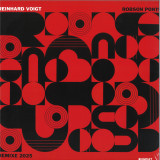
Robson Ponte isn't just anybody. He is the namesake of Reinhard Voigt's first Kompakt 12", one of the label's first big hits. Timeless, cool and unforgettable, the way this snotty, dry football field beat pushes you forward, over it, this constant, almost stoic, mantra-like rap repetition - Robson Ponte, Robson Ponte,...
That was a good 25 years ago. So it's high time to celebrate a bicycle kick with a fitting run to the goal. None other than FC Kompakt centre-forward Juergen Paape has been hired for the remix return match. In the first few minutes of the match, Paape scores with two straight disco-techno crosses! Team captain Reinhard Voigt himself seamlessly follows in the footsteps of the original - dressed in a new, stylish black, white and red sound jersey, he keeps the ball in play with aplomb. From the stands, guest of honour Thore Pfeiffer comments on a hymn-like, sacred ambient lament with an appropriate timbre.
Including art print of the sleeve artwork by Mareena von Cube
Robson Ponte ist ja nicht irgendwer. Und schon gar nicht nur irgendein ehemaliger Spitzenspieler von Bayer Leverkusen, sondern der Namensgeber der ersten Kompakt-Maxi von Reinhard Voigt - einer der frühen, großen Hits des Labels. Zeitlos, cool und unvergesslich, wie dieser rotzig-trockene Bolzplatz-Beat nach vorne schiebt - darüber diese stete, fast stoisch mantrahaft gerappte Wiederholung - Robson Ponte, Robson Ponte,...
Gut 25 Jahre ist das nun her. Höchste Zeit also für einen Jubiläums-Fallrückzieher mit angemessenem Zug zum Tor. Kein Geringerer als FC-Kompakt-Mittelstürmer Jürgen Paape wurde für das Remix-Rückspiel verpflichtet. Der wirft sich gleich voll rein und versenkt schon in den ersten paar Minuten zwei geradlinige Disko-Techno- und eine gedribbelte Schaffel-Flanke aus 25 Metern ins Tor. Mannschaftskapitän Reinhard Voigt selbst knüpft nahtlos an das Original an - verpackt in ein neues, schickes Sound-Trikot in schwarz-weiss-rot, hält er mit souveräner Sicherheit den Ball im Spiel. Von der Tribüne aus kommentiert Ehrengast Thore Pfeiffer mit passendem Timbre ein hymnisch-sakrales Ambient-Lamento.
out of Stock
Last delivered 18 months ago available to reorder, subject to availability
Belgium’s most ferocious metal band BARK returns to the spotlight with their highly anticipated fifth studio album, The Time Has Come, set to be released on Insert Release Date. This marks the band’s second collaboration with renowned French Metal label Listenable Records, solidifying their presence in the global scene. The Time Has Come encapsulates BARK’s relentless energy and raw power, delivering an unapologetic onslaught of heavy riffs, thunderous drums, and guttural vocals. The album showcases the band’s evolution while staying true to the no-holds-barred sound that has earned them a devoted following. With a mix of blistering anthems and dark, groove-laden tracks, The Time Has Come cements Bark’s reputation as one of Europe’s most formidable forces in modern metal. “This album is a statement,” says singer Ron Bruynseels. “We’ve poured all our passion into these songs. It’s about living the moment, confronting challenges head-on. We are telling stories that resonate with the listener because we have lived them first hand. We’re excited to unleash this beast with Listenable Records by our side again.” Recorded at their own studio Jurassic Recordings, under the guidance of guitarist Martin Furia (producer for Destruction, Nervosa, Toxik, Chemicide…) the album boasts a production that amplifies BARK’s signature sound while pushing their sonic boundaries even more to achieve their most brutal album to date. Standout tracks such as “Negativist”, “Shaman” and “On No One’s Word” offer a glimpse into the diverse yet cohesive journey that awaits listeners. BARK will be hitting the road shortly after the release, bringing their explosive live performances to fans across Europe. Tour dates will be announced soon.
Nach den letzten Jahren, die durch ein mit dem American Music Award und dem iHeart Radio Award ausgezeichnetes internationales Nummer-1-Album ”Impera”, das auch in Deutschland die Spitze der Charts
eroberte, eine RIAA-zertifizierte Platin- und eine UK-zertifizierte Gold-Single sowie eine massive Welttournee, die in dem rekordverdächtigen Kinofilm ”Rite Here Rite Now” verewigt wurde, welcher es bis auf
Platz 3 der deutschen Kino-Charts schaffte, geprägt waren, wird 2025 für GHOST das bisher geschäftigste,
ehrgeizigste und schlichtweg größte Jahr werden. Mit der Enthüllung von SKELETÁ, dem kommenden
sechsten Album der GRAMMY-gekrönten schwedischen Theatralik-Rock-Ikonen, und der heimtückischmelodischen Leadsingle „Satanized“ hat GHOST gerade erst die nächste Phase ihres unausweichlichen
Weges zur Weltherrschaft eingeleitet. Mit Hunderttausenden von bereits verkauften Tickets für den ersten
Teil einer weltweiten Arena-Tournee, bei der die Band zum ersten Mal als Headliner im Madison Square
Garden auftritt, ist GHOST bereit, das introspektivste und nach innen gerichtete Material der Bandkarriere
zum Leben zu erwecken - und das in einem angemessen grandiosen Stil: Auf der Tournee zu SKELETÁ
wird der neu getaufte Papa V Perpetua sein Debüt geben, der einer phantasmagorischen neuen Produktion
vorsteht, die verspricht, die Live-Rituale zu übertreffen, die den Debütfilm der Band, RITE HERE RITE
NOW, zum umsatzstärksten Hardrock-Kinoereignis der nordamerikanischen Geschichte machten
Marina y su Melao is a band from Barcelona led by Puerto Rican Marina Molina. After a period of live activity, in 2025 they will release their debut album, "Rezo al agua", where Puerto Rico's bomba, an eminently rhythmic genre, expands to fuse with the colours and flavours of other Afro-Caribbean sounds. Tradition and folklore are embodied in a powerful and innovative conception.
In "Rezo al agua", Marina Molina expresses an attachment to the land, the landscape, the culture, the beliefs and the environment where she was born, Puerto Rico. She does this through bomba, one of the country's most identifying musical expressions. Bomba is as old as the slavery of those who gave birth to it in order to tell their tribulations and hopes, armed with the instrument they had at hand: the drums. It is a kind of meta-genre that includes a multitude of rhythmic varieties.
But Marina is something more than bomba, the legacy she received from her elders and which she does not wish to turn into a frozen object of veneration, an untouchable totem, mystical and ruled by norms bequeathed by the years. Marina, who has Colombian blood in her veins, is an artist of today, of a world in which cultures can mix, people migrate, influence each other, travel, exchange their cultural traces, can see online what happens at the other end of the world and thus open the window that facilitates the mixing of identities. These mixtures redraw borders and genres, allowing popular music to avoid its fossilization.
Marina grows in this fertile territory. She has a ductile and powerful voice, as clear as her strong, independent mindset. This is a remarkable element in the lyrics of the album, which despite being written from a current perspective, contain the sense that popular lyrics have always had: they explain life with the small letters of the everyday. And all this is presented in the bomba genre. Impure. There is an African guitar, a pedal steel guitar, a Wurlitzer, an accordion and everything that Marina and Miguelito Superstar, the album's producer, thought was necessary to accentuate the musicality of a full voice and drums that resonate raw with the vibration of tradition. A tradition now in the hands of a woman who aspires to her own space in life, to write her own chapter.
Japanese free jazz legend Akira Sakata and Greek avant-garde guitarist Giotis Damianidis present Adyton, their first-ever duo recording. Having collaborated since 2018, the two musicians have developed an intuitive and electrifying musical dialogue, culminating in this live performance at Haekem, Brussels—the final concert of a two-week tour with Entasis in September 2023.
Sakata, who turned 80 on February 21st, 2024, delivers his signature fiery alto saxophone, evocative clarinet, expressive voice, and resonant bells, while Damianidis expands the sonic spectrum with textural guitar and effects, weaving a dynamic interplay between structure and chaos.
Titled after the "Adyton"—the innermost, most sacred part of an ancient temple—this album invites listeners into a raw, unfiltered space of musical exploration, where spontaneous energy and deep-rooted tradition converge. A testament to Sakata’s lifelong commitment to improvisation and Damianidis’ boundary-pushing approach to guitar, Adyton is a powerful, transcendental journey into the unknown.
Frizzy P & Mr Cole are a trip-hop duo blending old-school hip-hop, jazz, and analog sounds. Their intimate, melancholic music has earned them growing recognition on the independent scene. Frizzy P, a singer with a captivating voice, and Mr Cole, a beatmaker passionate about vintage sounds, have been collaborating since 2015. Their debut EP, Ladi Dadi (2017), became an underground success, racking up millions of streams and airplay on BBC Music 6 and FIP. In 2023, they followed up with Ladi Dadi II, further refining their musical identity. In 2024, they released The Backroom Tape, a mixtape featuring unreleased tracks, ahead of their final chapter, Ladi Dadi III, set for April 2025. This last installment will feature six new tracks, rich in melancholy and raw emotions. Their live performances have taken them across France and beyond. In 2025, they plan to expand their stage presence with additional musicians. Their unique approach to modern yet timeless trip-hop continues to solidify their place in the music scene.
out of Stock
Last delivered 16 months ago available to reorder, subject to availability
Born in the darkest days of a rainy summer, DRUUGG brews a raw garage rock, tinted with noise and romance under psychotropic influence. The trio, which quickly became a quartet, recorded its first tracks at the famous KOKO studio near Liège. In March 2023, nearly a year and a half after its formation, the band began performing, honing their skills from Wallonia to Brussels, through northern France and the Netherlands. Guitars keep screaming, walls shake, minds are marked, and nothing will ever be the same. In early 2024, after releasing their first EP, DRUUGG embarks on a crusade that will take them to Flanders and France. After spreading the gospel of FUZZ, the members retreat to their homeland to record their debut album, which will be available in spring 2025 through the Brussels label "EXAG' Records". In this world of chaos and illusion, DRUUGG is the ultimate cure that will lead you to illumination.
Trumpeter, santur player, vocalist, and composer Amir ElSaffar joins electronics performer and composer Lorenzo Bianchi-Hoesch in a new project exploring electro-acoustic spaces, maqam, microtonal harmonies, and improvised and composed structures in a modular musical composition that accommodates a variety of musical styles across genres. Together, they create an immersive sound that transcends notions of form, musical language, electronic, and acoustic categories in music. This new work will be a modular composition combining pre-determined structural elements with freely improvised sections, played live by ElSaffar and Bianchi-Hoesch. The work will explore electro-acoustic spaces in a microtonal environment that embraces the sonic spectra of multiple musical languages. Bianchi-Hoesch and ElSaffar are interested in creating a transcultural collaboration combining jazz, contemporary classical music, maqam, raga, and other musical backgrounds, inclusive of all the richness, complexity, and idiomatic expression, without compromising or oversimplifying in order to be compatible with others. They are in search of boundary-less spaces in music.
Mercenárias is an iconic band in the history of Brazilian punk and post-punk. They gained global recognition after being included in several compilations outside Brazil. Born in the vibrant alternative scene of 1980s Sao Paulo, Mercenárias is an iconic band in the history of Brazilian punk and post-punk. Formed in 1982 by Sandra Coutinho (bass and vocals), Rosália Munhoz (vocals), Ana Machado (guitar), and Edgard Scandurra (drums), the group stood out for their rebellious attitude, incisive lyrics, and raw sound that blended punk, post-punk, no wave and experimental elements. Their debut album, "Cadê as Armas?" (1986), is considered one of the most important records in Brazilian music history. Recommended for fans of The Slits, DNA, Malaria!, Kleenex, and Minutemen, the group stood out for their rebellious attitude, incisive lyrics, and raw sound that blended punk, post-punk, no wave and experimental elements. This is a compilation of rare tracks from 1983 to 1987. On the A side, there are 10 amazing songs that didn't make it onto their two albums. On the B side, there is a great live recording at the legendary Sesc Pompéia during their early days, as well as a "lost" studio session featuring some of their classic songs recorded for the cult film Vera. It has been remastered from the original tapes and includes an insert with previously unseen photos and a short text by Edgard Scandurra. .
The Spouse's self-titled album is a captivating compilation of nine tracks that embody their signature vintage sound and reverb-soaked vocals, featuring singles originally crafted as soundtracks for some of Indonesia's most acclaimed films directed by notable filmmakers such as Joko Anwar and Razak Robby Ertanto between 2015 and 2022.
The debut album from CEM, 'FORMA' was developed as a soundtrack to Mauro Ventura’s series of "action painting performances" and uses various bell sounds (cowbells, doorbells, Shinto bells, singing bowls) to pick out anxious giallo sequences and heaving Dadaist formations.
CEM's best known for pneumatic DJ sets that have propped up Berlin's queer underground for a decade at this point, but don't expect to find any vaped darkroom tek on 'FORMA'. Each of the six compositions were commissioned for Ventura’s performative installation at Volksbühne in 2022, and CEM opted to represent the piece's themes of labor and repetition by sampling an arsenal of bells and metal objects that anchor his varying widescreen vignettes. 'The Calling' is a relatively subtle introduction, establishing the space with double bass drones and ratcheting digitally altered chimes - it's 'Bells Corrupt' that cements CEM's concept more righteously, harking back to Goblin's iconic 'Suspiria' score without pastiching any of its Italo-prog themes. Cycling ritualistic bell loops with squashed, industrial-strength thuds and granulised laptop belches, CEM silhouettes the tension and the vivid color of Argento's film, chrome plating the result.
'An Industrial Satire' is even more convincing; this one takes its cues from legendary German sound artist Limpe Fuchs, and the first part integrates scraped, alien resonances with CEM's loping industrial rhythms and squelchy EBM bassline. The real shift occurs in the second part, when CEM's choppy electroacoustic minimalism falls away to unlock his rolling hand drum performance, that he matches with a ghaita sample lifted from the Master Musicians of Joujouka's 1971 album with Brian Jones. With the future-facing deconstructions a memory, 'Statue Garden' beds reedy organ drones in eerie gallery ambiance, and closer 'The New Sincerity Test' finds Lithuanian performance artist Gertrūda Gilytė skewering the wellness industrial complex over nauseous subsonic oscillations and scratchy noise.
1990's Recurring, the fourth and final studio album by Spacemen 3, is often considered the introduction of two brilliant solo projects (Spectrum and Spiritualized) rather than the work of a functioning band. While Spacemen 3's departing statement surely reveals a deep divide within the S3 camp – each side of the LP was written by Sonic Boom and Jason Pierce separately and, unlike previous releases, the two do not play on each other's songs – Recurring maintains a cohesive, dreamy feel with its chief sonic officers backed by fellow travelers Will Carruthers, Mark Refoy and Jon Mattock.
Opening saga "Big City (Everybody I Know Can Be Found Here)" marries ambient haze with narcotized indie rock, while "I Love You" manages to arrange a beautiful flute alongside a defiantly throbbing bass track. "Hypnotized," a reimagined fuzz-pop hymn, would become the group's first entry in the UK Singles Charts. Recurring lays bare the essence of Spacemen 3's persistent sound, rooted in both aural expansion and phenomenal songwriting.
Includes download card and new insert with liner notes by Marc Masters.
One of the UK’s most exciting breakout stars of the past decade, Rebecca Lucy Taylor AKA Self Esteem emerged from cult favourite status to mainstream hero following the huge success of her empowering, truth-telling 2021 single ‘I Do This All The Time’. The song resonated intensely as a perfect example of Taylor’s affectionately termed ‘trojan horse’ or ‘salad and chips’ approach, fearlessly packing important, emotive messages into witty, resonant pop music.
Self Esteem’s wildly acclaimed second album Prioritise Pleasure quickly followed, tackling the hypocrisies and joys found in her experiences of modern day womanhood across dating, friendship, comparison culture, self love, women’s safety and sexual assault and much more. Prioritise Pleasure received Mercury Prize, BRIT Award, Sky Arts and NME Award nominations, was crowned The Guardian and Sunday Times Culture’s Album of the Year, and ‘I Do This All The Time’ was also named The Guardian’s #1 song of 2021.
Quite the opposite of an overnight success, Taylor spent a decade as one half of indie duo Slow Club before adopting the pop star persona she’d always dreamed of. She released her first Self Esteem album Compliments Please in 2019, featuring fan favourite singles ‘The Best’, ‘Girl Crush’ and more.
Gathering a passionate and vast legion of fans ever since, Taylor has appeared on The Graham Norton Show, Celebrity Gogglebox, Friday Night Live & Taskmaster, performed three times on Jools Holland including the NYE Hootenanny, graced the covers of magazines from Grazia to NME to Sunday Times Style, and is one of a handful of artists to have been playlisted across BBC Radio 1, 2 and 6 Music simultaneously.
Having reached new heights of acclaim, Taylor continued to grow, diversify, and create in 2024. Branching out into the world of acting, Taylor starred in a regular role in the Sky series SMOTHERED before completing a run playing Sally Bowles in the multiple Olivier Award-winning production of 'Cabaret at the Kit Kat Club' in London's West End. Starring alongside Jake Shears (Scissor Sisters) as Emcee, the pair’s time on stage was extended due to popular demand and showcased the sheer range of talent in Taylor’s repertoire. Last year’s releases ‘Big Man’ and ‘Love Second Music First’ followed a collaboration with Becky Hill on her song ‘True Colours’.
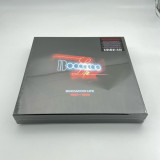
(10x12" box set, limited to 1000 copies, with premium finishing, uniquely numbered, incl. 10 records in individually printed sleeves, a booklet detailing the club's history & exclusive stickers) Boccaccio has secured its place among legendary venueslike Paradise Garage in New York and The Hacçinda in Manchester. Its bold fusion of emerging electronic genres such as New Beat, Acid, House, and Techno was way ahead of its time, drawing music lovers and clubbers from across Belgium and beyond.
Belgian label Music Man Records presents Boccaccio Life 1987-1993, a new compilation offering a fresh perspective on the legacy of the iconic Belgian club Boccaccio - often associated with the short-lived New Beat movement. The 40-track compilation highlights the raw and futuristic early house and techno sounds that were heard in the pioneering club.
Located in rural Destelbergen (Belgium), just a stone's throw from Ghent, Boccaccio has secured its place among legendary venues like Paradise Garage in New York and The Hacçinda in Manchester. Its bold fusion of emerging electronic genres such as New Beat, Acid, House, and Techno was way ahead of its time, drawing music lovers and clubbers from across Belgium and beyond. Sundays at Boccaccio were unlike anywhere else-offering sounds you couldn't hear anywhere else.
Boccaccio Life 1987-1993 is carefully curated by resident DJ Olivier Pieters and club regular Stefaan Vandenberghe, standing as the ultimate testament to a club that was more than just a venue. For those who experienced it, it was a community - a way of life. Hence the club's full name: Boccaccio Life.
This compilation stands as a testament to an innovative time in electronic music, capturing the raw, futuristic sounds of early house and techno. It sheds light on another side of Boccaccio, one that goes far beyond the short-lived New Beat scene. A carefully curated selection of 40 tracks, resonating with those who were there by offering familiar classics, while also reaching a new generation-those who never experienced it firsthand.
With tracks from Blake Baxter, Virgo, Frankie Knuckles, Tyree, and A Guy Called Gerald, the unmistakable influence of black American pioneers is clear-the originators of the firstanalog house and techno sounds. On the other hand, UK sound innovators such as The Orb and LFO bring both sharp textures and rough breakbeats to the table.
Club staple tracks include dreamy excursions from Roger Sanchez under his Egotrip moniker, the relentless basement house of Circus Bells by Robert Armani on Dance Mania, an uplifting take on a hip-house cut from The D.O.C. (Portrait of A Masterpiece in the CJ Ed-Did-It Mix), a timeless remix of UK Formation's Age of Chance from 1994, and an alternate take on The Tape by Boccaccio club regular and Belgian producer Frank De Wulf, taken from his B-Sides project.
While not always the obvious hits, these tracks have gracefully withstood the test of time, and were exclusive to Sundays at Boccaccio. Now, they are finally available to experience together in one collection, offering a timeless snapshot of a unique era.
out of Stock
Last delivered 14 months ago available to reorder, subject to availability
Kali Malone's The Sacrificial Code is the 2019 breakthrough album of the acclaimed composer's pipe organ pieces. Her temporally informed studies of harmonics and intonation breathed life into a suite of compositions which leaves the heart moved and mind still. This 2025 edition was mastered by Rashad Becker and features a new track Sacrificial Code III. Pitchfork praised the album for its "time-stretching properties" and "clean minimalism." Resident Advisor described the album as an "exercise in concentration, restraint, and focus." Tiny Mix Tapes emphasized the "intensity and intimacy" of the album, pointing out how Malone's close miking technique brings out every textural detail of the organ, creating a highly focused and immersive listening experience.
out of Stock
Last delivered 11 months ago available to reorder, subject to availability
Looking behind the obvious, forming an orchestra out of everyday surroundings.
Finding the essence in the trivial, clarity in the complex, poetry in simplicity. All of this is part of the goal, meaning and character of Oh No Noh, the project of Leipzig-based guitarist, robot programmer, magnetic tape crumpler and composer Markus Rom. All of this floats and shines through "As Late As Possible", the third Oh No Noh album, which will be released on April 4th, 2025.
The focus of this album, as the title "As Late As Possible" suggests, was patience. A creative lingering, the selfimposed principle of letting ideas mature, consciously leaving them lying and looking at them again in order to discover and refine new things. Always looking for new ways of producing musical sounds, Markus Rom has been blurring the boundaries between LoFi, Indietronica, Postrock, Kraut and Pop with his solo project for several years. His main instruments for this are electric guitar, MIDI robots, tapes and samples. For “As Late As Possible”, Rom expands his setup with a new sound sources (acoustic guitar, banjo, organ) and musical guests: Damian Dalla Torre (Squama) on bass clarinet and Andi Haberl (the Notwist, Sun) on drums.
“As Late As Possible” continues the signature of past releases and adds new facets. Rom's distinctive looping in and over each other is particularly evident in the tracks “Missing the Point”, “Orb” and “Almost Everywhere”. With "Loot", a straightforward and folk-pop piece finds its way onto the album and coexists with math-trained tracks like "Dog Years" or "Dot", which conjure up associations with Weilheim bands like COUCH. The tracks "Bliss of Disconnect" and "Fawn" were created in collaboration with the featured guests Liz Kosack and KMRU. The confidently unplanned is one of the principles around which Oh No Noh itself is also continuously evolving. Part of this development: the radio series "Oh No Noh Radioh", which has so far consisted of over 40 parts, for which Rom invites a guest in each episode to research music together along roughly defined concepts, ideas and inspirations. Together with technology composer Hainbach, free jazz artist Limpe Fuchs and sound artist Elsa M’Bala, for example, encounters were created whose patient search and find and whose controlled coincidences also characterize “As Late As Possible” – but here concentrated, concise, and with all the love of sound and experimentation always committed to the song. With this will to create a song-like narrative, to move, to develop, “As Late As Possible” remains suspended and searching. Its concentration seems light-footed, its happy accidents well-placed, the melancholic beauty of outdated technologies, forgotten musical toys and broken noise sources always forward-looking. Music like the one that comes about when someone programs an entire robot band, which then becomes just a friendly part of the whole.
The artwork for “As Late As Possible” was created by Leipzig comic artist Anna Haifisch. The album was mixed by Adam Lenox and mastered by Frida Claeson Johannsson.
out of Stock
Last delivered 17 months ago available to reorder, subject to availability
The Ibex Band, with Giovanni Rico and Selam Woldemariam at the creative helm, provided the musical backbone for legends like Aster Aweke, Girma Beyene, Tilahun Gessesse, Mulatu Astatke, and Mahmoud Ahmed, including the iconic album Ere Mela Mela, shaping modern Ethiopian music as we know it today. This 1976 album (Ge’ez Year 1968) played a pivotal role in that legacy and has now resurfaced to set the record straight.
There’s a tendency to talk about the seventies as a golden age of Ethiopian music. There are good reasons for that, and just as good reasons against it. However, the notion of a golden past privileges the role of Western explorers and suggests that the pinnacle of Ethiopia’s musical culture is something only a foreigner can appreciate and unearth. It downplays the complexities of Ethiopia’s culture and history, creating an artificial divide between then and now. And it underestimates the constantly evolving sound that has followed.
The legendary musical outfit The Ibex Band, later metamorphosed into The Roha Band, has played a central role in defining the sound of many of the greatest stars on the music scene of Ethiopia from the mid-seventies onwards–but their golden output has never really waned. The story of the origins of the band that provided the musical backbone for greats such as Aster Aweke, Girma Beyene, Tilahun Gessesse, backing the solo career of group member Mahmoud Ahmed as well as backing Mulatu Astatke and many others has yet to be properly told.
Two misconceptions plague the image of Ethiopian music, one is that the music is pure because it is, by some notion, unexploited, the other is that it is all traditional. To begin with, a combination of political changes between the late sixties and the mid-nineties created an environment where only the most dedicated and skilled musicians struggled on and pursued a musical career against fierce odds. The whole Ibex Band, with Giovanni Rico and Selam “Selamino” Seyoum Woldermarian at the creative helm, are arguably the origo of the vibrant scene in the mid-seventies, and the said pair are foremost responsible for not only navigating the band through troubled times, but also modernizing the 6/8 chickchicka rhythm to a contemporary form. Giovanni laid the rhythmic foundation with heavy looped basslines that reinvented traditional melodies as dance music, and with Selamino’s innovative guitar work they influenced scores of musicians from Abegaz Kibrework Shiota to Henock Temesgen. Even Giovanni’s Fender bass and Selamino’s Gibson guitar inspired younger musicians in their choice of instruments. Not only in choice of instruments but also in sound–even as the digital revolution hit Ethiopian music, a lot of popular music still took its cue from the masters from Ibex and Roha.
Ibex emerged out of the ashes of the sixties group the Soul Echos band, adding Giovanni and Selamino to their ranks and taking their cues from a slew of influences, such as Motown and The Beatles, fused with traditional music. A tighter-knit unit than most bands at the time – Ibex has remained six to seven members throughout their whole career, compared to many bands that were as large as fifteen or sixteen men strong when Ibex set out. Their playing has been viciously focused, economical yet heavy. Just a year before the recording sessions of the album in your hands, Giovanni and Selamino made a contribution to the popular musical lexicon of Ethiopia that was simply defining the popular sound: their arrangement and recording of bandmate Mahmoud Ahmed’s solo effort and real commercial breakthrough tune and eponymous album, Ere Mela Mela, from 1975.
Selamino has never limited himself to being an adroit lead guitarist, but has always been a scholar of history, and as such he has probably contributed as much to modern Ethiopian music with his guitar playing and compositions as with a deepened understanding of modern or contemporary – Zemenawi – Ethiopian music. Selamino’s contributions serve as a metaphor for those of the whole band, at one and the same time creating and defining a new, danceable and updated sound anchored in Giovanni’s bass, whilst also elevating the broader scene through their support for others on the scene and on top of that, increasing the understanding of the music.
There is an understandable desire to romanticize the musical heyday Ibex and Roha were at the forefront of, because so much of the output is sorrowfully hard to come by. Ibex creativity was nothing short of ridiculously fierce compared to many of their Western contemporaries. Based on their sheer recorded output alone they could have usurped the title “hardest working in show business” from James Brown, recording more than 250 albums or 2500 songs in the seventies and eighties. Some only surface as cassettes today, others were never given full LP release, and some are simply impossible to find today. In the light of that, it’s nothing short of a miracle that the recording Stereo Instrumental Music from 1976 (Ge’ez Year 1968) has resurfaced. Unearthed in perfect condition on a chrome cassette, this is musical history comes alive–to set the future straight. Stereo Instrumental Music was recorded in collaboration with Karl-Gustav Lundgren, a Swedish national working for the Radio Voice of the Gospel. It took two sessions at the Ras Hotel ballroom in Addis Ababa. The Ibex Band was the first band in Ethiopia to employ a four-track recorder for their recording (the first available in the country, lent by Karl-Gustav). Later the same week, Giovanni and Selamino realized that, lengthwise, the recorded material fell short of what they wished for, so they recorded four more tracks in one more session on a single-track recorder. The Ras Hotel and Ghion Hotel, where the Ibex Band held musical residencies were to Ethiopia in general and Addis Ababa in particular what Motown was to the USA and Detroit a few years earlier – a hotbed of musical creativity and showmanship.
The most astonishing thing about Ethiopian music of the last half century is how tradition and modernity are intertwined. Because of this feature, it’s kind of hard to tell when there ever was or when we are in a “golden age”. So much of music from the past has been criminally neglected, but because of the hardships in the past, it would be an oversimplification to say that said past was a golden age. Probably, the golden age is what we are approaching, because for the first time both the past and future are accessible, and the monumental contributions from before can lay a firm foundation for a thriving music scene today. The Ibex Band stands firmly in the past, present and the future. That, if anything, is golden.
The detailed history of Stereo Instrumental Music is in many ways unique. To begin with, it couldn’t have been recorded earlier (there were no four-track recorders available) and it really couldn’t have been recorded afterwards either, at least not in the years directly following, because of the toll the musical scene took from the unfavorable political climate that followed when the nascent Derg regime and rival groups tried to assert themselves, the musical equipment lent from The Voice of Gospel Radio simply disappeared from Ethiopia when the radio station folded in 1977. Karl-Gustav Lundgren,
the Swedish foreign national who assisted during the recording, worked with the Ethiopian Evangelical Church Mekane Yesus at the time, recalls how they only had about fifteen minutes to get the microphones in place for the recording as to not alert neither the management at Ras Hotel nor the authorities and most importantly, to complete the recording before the curfew came into effect at midnight. In leaping to the opportunity to use previously unavailable equipment to push their sound forward and improvising to meet the logistical challenges, the Ibex Band displayed the very avant-gardism and adaptability that explains their longevity as a band through the years. The recording of Stereo Instrumental Music is from a given time in history, but it sounds as beyond time.
Much of the energy that burst out of the scene that Stereo Instrumental Music came out of dissipated or got sidetracked during the societal changes Ethiopia went through in the 1970s and 80s. Whilst leaders might have professed to be revolutionary, the work ethic of the Ibex Band can truly be described as that. They never called it quits, but adapted, toured extensively abroad in Africa, Europe, and the Middle East, and found ways to work even in the face of the curfew that curtailed a lot of musical life. They even played major arenas in the nineteen eighties, despite said curfew and restrictions. The whole extent of their legacy has never been told, but their music speaks louder than words, so therefore… tune in to the Ibex Band’s Stereo Instrumental Music.
out of Stock
Last delivered 15 months ago available to reorder, subject to availability
Blank Code is a Detroit, USA techno outfit that have released music by artists like Bas Mooy, Mike Parker, Brian Sanhaji, DJ Hyperactive, Drumcell, and many more.
The newest Blank Code release is Decoder with his 'Distant Beings' EP, a fellow American from Dallas who has gained many devoted supporters from having releases on Jeff Mills' Axis Records, Amotik Records, TWR72's Float, Edit Select Records, Molecular Recordings, and Science Cult, amongst others.
Beginning with "Missing Sector," a dystopian and airy soundscape of captivating rattlesnake hisses and muted tones of melody and suspense amidst a stuttering kick pattern.
"Strange Interaction" follows with an abstract approach overall, but using a solid, rhythmic beat as a pulsing constant. Static crackles create mesmerising textures and light tom drums are met with wandering waves of analogue whispers and skipping hats.
"Farther" introduces deep and looping modular frequencies that dance around in a sci-fi aesthetic. This sublimely hypnotic track has an ethereal quality of patience and draws influence from dubby and atmospheric styling.
Finishing with "Elevation," it instantly has an experimental vibe that seems mysterious and menacing. Cyclical mid tones create a sonic suction before phasing pulses add even more tension to this esoteric adventure.
out of Stock
Last delivered 14 months ago available to reorder, subject to availability
'Coups Et Blessures' is the debut 7" EP from Paris Oi! band RIXE. The four track EP harks back to the glory years of Bologna's finest NABAT mixed with the classic 80's French Oi! sound via RAS or L'INFANTERIE SAUVAGE and a heavy BLITZ vibe. The sound is rough, direct and angry and driven by a distorted bass and a vocalist that chews on glass for fun. Like the now defunct CRIMINAL DAMAGE and newbies Pittsburgh's NO TIME and Brest's SYNDROME 81, RIXE are the new voice of a Generation.
Art Longo, multi-instrumentalist and composer, has just released your next favourite album. Dwelling in the self-selected confines of a humble home recording studio for years, cooking up psychotropical pop hits heavily influenced by the late eighties music culture and dub.
The album, Echowah Island, in its entirety manifests a soundscape drenched in orange sunsets and cool breezes. The production, smothered in spring reverbs, space echo delays and wah wah (Echo + Wah), always grounded by the satisfying chugging rhythms of various old drum machines.
It is a creative endeavour and prosperous collaboration alongside Claudia Jonas, whose airy mysterious voice brings to mind the classic french femme fatale singers of the sixties. Her lyrics, almost kaleidoscopic in nature paints a nostalgic, rose-tinted dreamworld but never fails to challenge the listeners imagination and sense of reality.
out of Stock
Last delivered 15 months ago available to reorder, subject to availability
For their second album 'The Foel Tower', Quade holed up in an old stone barn in the cradle of a Welsh mountain valley.
The valley was a stark and windswept backdrop with little daylight, as the band would huddle around crackling fires each evening. “There was very much a feeling of being on the complete fringes of society,” the band says. “The last vestiges of settlement before the unrelenting barren moors that loomed over us.”
It was an environment that would shape the band – a Bristol four piece made up of Barney Matthews, Leo Fini, Matt Griffiths and Tom Connolly – and the record they have made. It’s an album that is as dreamy as it is melancholic, and as quiet and tender as it is forceful and potent – gliding across genres like winds blowing over those wide-spanning Welsh hills – to arrive at something the band half-jokingly, yet somewhat accurately, describe as “doomer sad boy, ambient-dub, folk, experimental post-rock.”
Quade is a band but it’s also a very close-knit group that have been friends since childhood who use this musical vehicle for interpersonal explorations and connections. “We’ve individually experienced a lot of difficulty over the last several years and Quade has represented a space to shelter from these,” the band says. “This means we often communicate extensively with each other about the issues affecting us individually and collectively. These conversations and concerns are central to The Foel Tower.”
In many ways, the making of this record – or any Quade record – goes way deeper than the simple writing, construction and recording of music. It is a profoundly deep and meaningful experience. “A key theme of the album relates to why we connect with specific places in the way that we do,” the group says. “We often remove ourselves to isolated valleys, sheltered from some of the painful personal struggles that we have experienced as a band. These become spaces in which we collectively purge ourselves of some of these difficulties hoping to make Quade a physical and emotional place of solace. This album celebrates these places that we’ve been able to retreat to and recuperate.”
It is a deep, dense record that is stuffed with musical, cinematic and literary influences – from Ursula La Guin and Cormac MacCarthy through to RS Thomas and Yeats – but despite the heavy, introspective and anxious nature of some of the material, it is also a record that is remarkably deft, agile and considered.
Made with producer Jack Ogborne and mixer Larry ‘Bruce’ McCarthy, there is a pleasing duality to the final sound of the record. One that feels fragile and intimate but also powerful and forceful, as introspective as it is expansive, and a record that is as detailed and textured as it is wide open and spacious.
The album title also pays homage to the place that shaped it so greatly. Within this remote Welsh valley stands the Foel Tower, a stone structure filled with valves and cylinders that can raise and lower the level of the reservoir to draw off water. Which it can then send as far as 70 miles to Birmingham. However, in the late 1800s this land was occupied by local farmers and families in the hundreds until the British Government acquired the land, cleared the valleys, and promptly displaced them in order to begin serving the vastly expanding industrial English city. The band dug into the history and politics of this and wove it into the themes they were already thinking about, using what the Foel Tower stands for as something of a contemporary metaphor. “This tension was something that we wanted to explore without the haughty judgement of our more metropolitan lifestyles,” they say. “And to explore how this specifically relates to ourselves: how can we envisage a genuinely ecological future for ourselves – one that is accessible, affordable and in harmony with endangered rural practices.”
What makes The Foel Tower such an incredible record is that it feels born of a time, place and situation that only existed in that very moment. It’s a snapshot of those 10 days spent in rural Wales and all the feelings and anxieties the band were experiencing at that specific time, magically caught on tape. “The album very much feels tied to this valley for us and the conversations and experiences we shared there,” they say. “It brings up a great deal of poignancy for us, an emblem of some fleeting respite from the strains we all have to experience. But there’s also deep sadness knowing how transient these moments are – in fact, there’s just a great deal of sadness in this album. But it’s also a record that while personal, resigned, and emotionally burdened, is ultimately hopeful.”
out of Stock
Last delivered 17 months ago available to reorder, subject to availability
Newly mastered from restored audio fidelity tapes. Comes in digi sleeve with alternate sleeve artwork and includes a rare 8-page booklet. Includes the original version of 'Pop Corn', later a worldwide hit in 1972 . Adds rare single B-side as bonus track. This CD edition also adds exclusive mono mixes to the expanded tracklist.
One of the earliest & most influential Electronic albums OF ALL TIME "Audio Fidelity Records... believes Gershon Kingsley is a true genius and a worthy creative compliment to the electronic wizardry of Robert A. Moog, the creator of the Moog Synthesizer." 1969 The Beatles were influenced by him (and sampled his music on their 1968 Beatles Christmas EP). Since 1972, his music accompanies each day's Main Street Electrical Parade in Disney theme parks. Yet Gershom Kingsley (born: Götz Gustav Ksinski) remains a mystery to many, despite being one of electronic music's finest pioneers and earliest exponents of Robert Moog's synthesizer and the possibilities its use bought to music. Newly mastered from restored Audio Fidelity tapes - this reissue sounds incredible! The rare non-album B-side The First Step (The Sea Of Tranquility) has been added to the LP while the CD adds additional mono mixes and comes in the album's alternate cover. Both LP and CD include the rare 8-page booklet that came with initial copies of the Audio Fidelity LP. To repay The Beatles compliment of including one of his songs, Gershom Kingsley covered two Fab Four classics in his own unique electronic style and included them on Music To Moog By: 'Nowhere Man' and 'Paperback Writer'. "First-wave Moog enthusiast and electronic music pioneer...." Electronic Sound - The Electronic Music Magazine, January 2020.
Imagine having a song go viral for 17 years - without even knowing it. That's exactly what happened to the German 1980s band FEX. And this isn't just any song - it's The Most Mysterious Song on the Internet, a track that puzzled music detectives for decades before finally being identified in November 2024. Now, it has been officially released - twice.
The Story in Brief:
Sometime around 1984, a song was broadcasted on NDR Radio. The name of the song was Subways Of Your Mind - only found out 40 years later in November 2024. Back then, a listener recorded the NDR show on cassette, a common practice at the time. Decades later, the tape resurfaced, but while most songs from the recording were identified, one remained an enigma. On March 18, 2007, the track was uploaded to the internet in an attempt to uncover its origins. Due to its now-iconic opening lyric, it was tentatively titled Like The Wind. Over time, the mystery deepened, and the song was given a nickname: The Most Mysterious Song - or simply TMMS.
Starting in 2019, a dedicated Reddit group, TheMysteriousSong, now boasting over 63,000 members, took up the search. They meticulously documented every lead, hoping to solve the riddle of the song's origins. Then, in 2024, the breakthrough: Reddit user marjin1412 reached out to musician Michael Hädrich after discovering a reference to his band FEX in an old newspaper article. Hädrich, FEX's keyboardist, provided a recording from an old demo cassette which included an alternative version of the song. On November 4, 2024, the mystery was officially solved: FEX was the band, Subways Of Your Mind was the title.
What Happened Next:
Since then, FEX has released two singles - both featuring Subways Of Your Mind - through the Berlin-based independent label The Outer Edge. First, the demo cassette version was pressed onto vinyl, as the original NDR radio recording remained lost (see EDGE-028). The Remastered Demo Mix single instantly topped Bandcamp's global charts, holding the #1 spot for several days. By then, it was clear: this was more than just an internet curiosity. A real fanbase had formed. Enthusiastic comments on the sales page ranged from "best post-punk song to ever exist" to "FEX themselves (are) perhaps the most underrated musicians of all time."
But the story didn't end there. A higher-quality version of the NDR radio recording was rediscovered in late december, remastered, and now sent for a second vinyl pressing: the TMMS Version. This new vinyl 7" is backed with Talking Hands another great and unissued song that was found on the demo cassette.
Fame Comes with a Price
Suddenly, time isn't standing still for FEX. The band had to come to terms with the fact that they had become Lostwave super stars. A FEX fan club quickly formed on Reddit, fan-hosted FEX parties are popping up, and the internet is demanding more - an album, merchandise, live performances. But how does a band prepare for a comeback after a 40-year hiatus?
For now, FEX is carefully considering their next steps. Their demo cassette contains six songs - and a few other recordings have resurfaced which probably could be restored and compiled. But foremost, a brand new re-recording of Subways Of Your Mind is in progress.
One thing is certain: The Most Mysterious Song will continue its unstoppable journey around the world. Don't miss this (second) chance to own a piece of music history!
out of Stock
Last delivered 18 months ago available to reorder, subject to availability
Hard Top assembles the previously unreleased 1975 recordings of legendary South African saxophonist Kippie Moketsi (also spelled Moeketsi). The 2LP vinyl edition is presented in a gatefold sleeve featuring artwork by Mafa Ngwenya and comes from As-Shams Archive on the heels of the Tete Mbambisa's previously unreleased African Day album in 2024.
By 1975, at the age of 50, saxophonist Kippie Moketsi had already earned his stripes as a South African jazz figurehead. His tenure with the Jazz Epistles and the cast of the "South African Jazz Opera" King Kong in the late-1950s had not only marked his own rise to fame but also seen him help catalyse the ambitions of a younger generation of iconic artists who would go on to become the defining figures of modern South African jazz. While he didn't enjoy the same international attention as his protégés Miriam Makeba, Hugh Masekela and Abdullah Ibrahim, his humble and challenging career on the local jazz scene until his death in 1983 saw him forge an enduring legacy.
Owing to the efforts of record producer Rashid Vally, Kippie Moketsi's journey through the 1970s is beautifully documented, most notably on the albums Dollar Brand + 3 (1973), Tshona! (1975) and Blue Stompin' (1977), in which he shares the spotlight with Abdullah Ibrahim, Pat Matshikiza and Hal Singer respectively. As a featured performer on Soul of the City's Diagonal Street (1975) and Dennis Maple's Our Boys are Doing It (1977), Moketsi is seen embracing the popular orientations of South African jazz in 1970s but, having come up in the 1940s and 1950s, he never forgot his roots as a dedicated admirer and scholar of traditional American jazz.
While Moketsi did write some memorable compositions, it was in the role of interpreter that he shone most brightly. With its title derived from a good-natured nickname that nodded to Moketsi's elder status by way of his receding hairline, Hard Top is a covers album that looks back in time to the era of rhythm and blues while also indulging 1970s pop and funk with a decidedly South African vibe. Officially joining Kippie Moketsi's catalogue 50 years after it was recorded, Hard Top provides an opportunity to celebrate the multiple dimensions of a South African jazz legend and reflect on the unwavering support of his fan, producer and friend Rashid Vally, who passed away in December 2024.