non in magazzino
Ordina ora e ordineremo l'articolo per te presso il nostro fornitore.
13,87 €
Last In: 7 days ago
Ordina ora e ordineremo l'articolo per te presso il nostro fornitore.

Ordina ora e ordineremo l'articolo per te presso il nostro fornitore.
A record that feels introspective and timeless, balancing dancefloor functionality. With Early Reflections Pt. 2, Insect O. continues the journey with the same quiet confidence and emotional depth that made the first chapter so compelling. Once again rooted in Dub Techno and Dub House, this second installment feels like a natural continuation, deeper in mood, even more immersive in detail, and beautifully refined in its execution. The result is a record that feels introspective and timeless, balancing dancefloor functionality with a deeply emotive listening experience. Insect O. proves once again that true depth does not come from excess, but from restraint, sensitivity and a strong understanding of space and motion.
Questo articolo non è stato ancora rilasciato. È possibile pre-ordinare il prodotto ora.

Carlos Dafé (born October 25, 1947) is a singer and songwriter from Rio de Janeiro, recognised as one of the iconic voices of the Brazilian samba-soul era. Born into a family of musicians and trained at the conservatory, he rose to prominence in the 1970s alongside Tim Maia, Cassiano, and Hyldon, shaping the sound of Rio Noir with his warm baritone voice and soulful phrasing. His 1977 album, Pra Que Vou Recordar, became a cult classic among collectors and DJs worldwide, earning him the title of "Prince of Brazilian Soul." Still active today, Carlos Dafé remains an essential reference for artists exploring the boundaries between samba, soul, and MPB (Brazilian Popular Music). Released in 1977, Pra Que Vou Recordar reveals Carlos Dafé at the peak of his art, blending samba-soul, MPB, and the warm groove of the 1970s Rio de Janeiro scene. Surrounded by some of the city's finest musicians, Dafé showcases his baritone voice in deeply melodic arrangements and a series of songs that have become fan favourites. An album imbued with soul and elegance. The sound of BrazilianBlack music at its most sincere and timeless.
Ordina ora e ordineremo l'articolo per te presso il nostro fornitore.

Since 2020, 12 Inch Lovers have been releasing new samplers every year, eagerly anticipated by collectors. These samplers have now become a staple and are easily added to vinyl collections across Europe. They offer timeless classics and rare tracks that are often hard to find elsewhere.
With Samplers 11 & 12, they surprise again with a mix of modern classics and tracks that have never been released on vinyl or are difficult to find. By adding unique and exclusive tracks, the 12 Inch Lovers samplers remain innovative and high-quality. They are a must-have for DJs, collectors, and fans of contemporary classics!
SAMPLER 12
A1) Borai & Denham Audio - Make Me (original release 2023)
Released in 2023 on the British label Room Two Records (catalogue R212001) on twelve inch vinyl, Make Me combines breakbeat, house and speed garage with high energy, featuring clear use of Amen breaks, rumbling sub bass and sharp rave sounds. At the heart of the track lies an instantly recognisable vocal hook from the mid eighties, a sample taken from Donna Allen - Serious (1986). The result feels like a long forgotten rave anthem from the nineties wrapped in a modern sound.
The original twelve inch pressing quickly became a highly sought after collector's item and received a limited pink vinyl repress in 2025. This track, first issued only on orange vinyl in 2023, was officially re released once all samples were cleared. It has every ingredient of a future classic, a true underground anthem for fans of modern UK rave and jungle energy.
A2) Smoke City - Mr. Gorgeous (and Miss Curvaceous) (Mood II Swing Vocal Mix) (original release 1997)
Originally released in 1997 on the album Flying Away by Smoke City. The Mood II Swing Remix, produced by New York house duo John Ciafone and Lem Springsteen (also the producers behind Ultra Naté - Free), takes the song straight to the dance floor with a smooth groove, soulful vocals and a deep, hypnotic flow.
The iconic line "Cool and calm, Mr Gorgeous..." remains untouched, while the remix enriches the original Latin and trip hop influences of the band with that distinctive late nineties house atmosphere. The result is a timeless club favourite, almost nine minutes of pure vibe (the Mood II Swing Vocal Mix runs 9minutes and 20 seconds), adored by DJs who like to bring a touch of soul to their house sets.
Released on Jive Records, the track received great praise. Music Week highlighted its "tight ay ay ay hook" and noted that the Mood II Swing and Hyperspace mixes made it a real standout. The original version reached number one in Italy in 1997, and the Mood II Swing Remix has since gained cult status in the Belgian club scene and beyond as the perfect marriage between soul and dance floor energy.
B1) Chris Raven - I Know You Love Me Too (Bruce Norris Remix) (original release 1997)
Christian Raabe, better known as Chris Raven, is a German producer who made his name in the late nineties progressive trance scene.
The Bruce Norris Remix of I Know You Love Me Too (Additive Records, catalogue 12AD 027) first appeared in late 1997 and was officially released in early 1998. The remix builds an euphoric atmosphere witha beautiful melody, dreamy pads and powerful drums, all typical of the progressive trance sound of that period.
The track gained extra attention when it appeared on Northern Exposure 3: Expeditions by Sasha and John Digweed in 1999. Many fans first discovered it there (especially the Van Bellen Remix version), helping to cement the cult status of I Know You Love Me Too within the progressive and trance community.
B2) Grooveyard - Mary Go Wild (original release 1996)
One of the most recognisable and iconic club tracks in Belgian and Dutch underground house history is without a doubt Mary Go Wild, released in 1996 on EC Records. The track quickly became the defining anthem of the rave scene in the Low Countries.
With a raw groove around 133 BPM, pumping four to the floor drums and the hypnotic vocal sample "Mary... go wild!", the record set dance floors ablaze in the nineties. Producer Jeroen Verheij, also known as Secret Cinema (from the classic Timeless Attitude), perfectly captured the raw energy of the European house movement of that era.
To this day Mary Go Wild stands as a symbol of pure rave power, a timeless anthem that, as one Discogs collector put it, "still works on any dance floor." Original twelve inch pressings on EC Records and later issues on Blanco Y Negro are highly sought after, and the track remains a staple in retro house and classic DJ sets.
C1) Dave Swayze - Last Flight To Paris (original release 2000)
Dave Swayze, best known for his classic Goldwave, has several hidden gems to his name, and Last Flight To Paris is certainly one of them. Released in November 2000 on the Belgian label Yeti Records, the track is a subtle blend of trance and progressive house. It is known for its emotional melody, dreamy build up and strong percussion, built on the foundation of progressive trance but with thewarmth and groove of house.
At the time, Last Flight To Paris was frequently played by progressive trance DJs and soon became a cult favourite among vinyl collectors within the genre. Original pressings on Yeti Records are now extremely rare and much sought after. The mix of emotion, euphoria and timeless club energy makes Last Flight To Paris a hidden treasure from the late trance era of 1999 and 2000.
C2) Joe Goddard - Music Is The Answer (Hot Since 82 Remix) (original release 2017)
This remix by Hot Since 82 (Daley Padley, from Barnsley in the north of England) for Music Is The Answer by Joe Goddard is partly based on the original classic Celeda - Music Is The Answer (in the Danny Tenaglia Remix). It was released in February 2017 as a digital exclusive through Domino Records.
Hot Since 82 reworked the original, a vocal house track by Hot Chip member Joe Goddard, into a deep, grooving house track with a warm rolling bass line. The soulful vocals of Joe Goddard (featuring SLO) take on a subtle melancholic tone in his remix, creating a modern house classic filled with emotion and drive.
The remix became a major club favourite in 2017 and 2018, supported by leading names in the tech house scene and heard at festivals around the world. Interestingly, this popular version had never been released on vinyl, which only increased its cult status among collectors. Music Is The Answer (Hot Since 82 Remix) remained a digital classic for years, until now, finally available in this long awaited vinyl edition.
D1) Just A Man - I'm Sorry (Original Club Mix) (original release early 2000s)
The French project Just A Man consists of brothers Hervé and Nicolas Subrechicot. Their track I'm Sorry is an emotionally charged house record that perfectly captures the early 2000s club atmosphere.
Released in 2003, the song combines soulful male vocals with a warm, rhythmic production that blends UK garage and classic club house influences. The Original Club Mix (6 minutes and 14 seconds) builds gradually towards a powerful, uplifting climax, carried by rich chords and an irresistible groove.
Although I'm Sorry stayed somewhat under the radar at the time, it is regarded by connoisseurs as a hidden gem, a perfect balance of melody and groove. The twelve inch vinyl release (on RKG / Motor Music, 2003) is now hard to find and highly prized among vinyl and house collectors, which only adds to its appeal.
I'm Sorry embodies the pure sound of early 2000s vocal house: sincere, funky and danceable, with that unmistakable UK garage touch, even more evident in the G Box Garage Club Remix on the same EP. An unfairly overlooked track that has always remained a true timeless classic since the very beginning of 12 Inch Lovers.
D2) Teddy Pendergrass -Life Is A Song Worth Singing (Jamie Jones Remix) (original release 2019)
In 2019 Jamie Jones breathed new life into the classic soul song by Teddy Pendergrass with a contemporary house rework. The remix was released in March 2019 as part of the digital EP Mixmag Presents: Teddy Pendergrass - The Remixes, issued in honour of the documentary If You Don't Know Me, a film about the rise of Teddy Pendergrass, the first African American male artist to achieve five consecutive platinum albums in the United States during the seventies.
Jamie Jones stayed true to the feel good essence of the 1978 original but wrapped it in a modern club sound, with pulsing synths, a warm rolling groove and a tight four to the floor beat providing the perfect base for Teddy's powerful and instantly recognisable voice.
The result is a captivating, soulful house track that effortlessly bridges past and present without losing the emotional power of Pendergrass's vocal delivery.
Despite its widespread popularity in the international club scene, where it became a favourite among DJs who love to blend soul with house, this remix never had a physical vinyl release. Until now, with its long awaited appearance on 12 Inch Lovers Sampler 12.
Ordina ora e ordineremo l'articolo per te presso il nostro fornitore.

"We just wanted a kiss that makes you want to kiss..."
From a sample to the most iconic kiss in music video history… When Demon released "You Are My High" at the end of 1999, it created a frenzy. Nominated at the Victoires de la Musique and the MTV Awards, the track was on everyone’s lips—including the CSA's, which tried to censor it. 25 years later, the "You" shines brighter than ever, captivating each new generation in turn.
A Top 10 hit in France upon release and certified gold within months, "You Are My High" skyrocketed thanks to its video—three minutes of a single-shot French kiss. Briefly banned by the CSA (who quickly realized it’s hard to censor something you see in every film), the clip ended up playing non-stop on music channels, defining an entire era.
Today, the "You"—as its creator fondly calls it—is considered one of the crown jewels of French Touch 1.0 (Daft Punk, Stardust, Cassius, Modjo, The Supermen Lovers...). With nearly 150 million streams across platforms, its legacy holds strong and continues to inspire a new wave of artists. Among the most iconic reinterpretations: a lo-fi cover by Agar Agar, remixes by DJ Snake and Central Cee, the You and Me video by Disclosure and Flume, and even a Jean Paul Gaultier campaign.
Ordina ora e ordineremo l'articolo per te presso il nostro fornitore.

2026 Repress
ANNE & SERA J return for the second edition of their Symbiosis series on Mutual Rytm.
ANNE, known for potent techno on the likes of Soma and Hardgroove, and Nechto and Life In Patterns associate Sera J, have had standout years that have seen them put out a stream of essential club tracks. They are partners in both life and music, and the first volume of 'Symbiosis' on SHDW's Mutual Rytm imprint was their first release together. Delivering an honest representation of their innermost feelings, having also contributed to the label's 'Federation Of Rytm III' VA in February, this new six-track EP (plus bonus cuts) presents a 'mature and refined connection between their souls'.
The second instalment of 'Symbiosis' reflects not only their deep personal connection, but also their collaborative synergy as musical peers with the same goals. The EP captures the essence of their mutual artistic journey and showcases the strength of their bond both in life and through their shared creative vision - to create a storyline through sounds coming from their souls and convey a narrative that many listeners may find relatable.
SERA J kicks off with the lithe and melodically elegant techno of 'Your Soul Is Art' which will have both heart and heels dancing. 'Illusions' is a more heavy and dubby cut with paired back grooves and pulsing synths, while 'Glacial Pace' is an urgent deep techno roller with turbocharged stabs and huge icy hi hats locking you into a trance.
ANNE steps up on the B-side with 'Floating Waves' exploring physical, chunky drum funk and raw synth textures. 'Planetary Dust' is a dark and moody astral techno journey to the stars, before 'Sweet Seventeen' brings a more melodic cut with a sense of hope and joy in the bright pads that shimmer above the glitchy grooves.
Both artists also offer two digital bonus cuts with SERA J's 'Syncrosonix' and 'Space Velocity' delivering perfectly reduced minimal techno monsters, while ANNE's 'Gentle Loop' and 'Starburst' are interplanetary trips with widescreen cosmic synths.

"Happy Today" is the third album from guitarist/bandleader"s Jeff Parker"s long-running ETA IVtet, recorded live at Lodge Room in Los Angeles on August 20, 2025. This fresh entry into the IVtet"s catalog captures the instantly recognizable group sound of Parker and the band - including drummer Jay Bellerose, bassist Anna Butterss, and saxophonist Josh Johnson - on record outside of the now-shuttered Highland Park micro-club ETA for the first time ever. "Happy Today" is that sound - the IVtet"s signature syntax built around long-form, minimalist improvisation - expanding confidently into larger space while creating the same hypnotizing, deeply-tuned listening effect on visibly enraptured audiences. The album contains two sidelong pieces recorded as the band performed in the round at Lodge Room, surrounded by an audience of 400 or so deep listeners.
Ordina ora e ordineremo l'articolo per te presso il nostro fornitore.

Der US-amerikanische Musiker Anjimile Chithambo (ann-JIM-uh-lee) hat sich in den vergangenen Jahren als eigenständige Stimme etabliert. In der Indie-Szene Bostons bekannt geworden, entwickelte er einen persönlichen, ehrlichen Stil, der Spiritualität, Identität und Nähe miteinander verbindet. Mit dem gefeierten Album "Giver Taker" (2020) setzte sich Anjimile mit Zugehörigkeit und Selbstverständnis auseinander. "The King" (2023), sein erstes Album auf 4AD, thematisierte Selbstbestimmung und seine Erfahrungen als schwarze Trans-Person in einer Zeit tiefgreifender persönlicher und gesellschaftlicher Veränderungen. Diese Themen führt Anjimile auf seinem neuen Album "You"re Free to Go" weiter. Im Mittelpunkt steht die Frage, was geschieht, wenn man Kontrolle loslässt und neue Formen von Bindung und Freiheit zulässt. Das Album verarbeitet Trennungen, neue Beziehungen, Verluste und Neuanfänge und beschreibt einen Weg zurück zu Vertrauen ins eigene Leben. Der Titel spiegelt eine offenere Sicht auf Beziehungen wider, geprägt durch Erfahrungen mit non-monogamen Modellen. Produziert von Brad Cook (Bon Iver, Waxahatchee) und unterstützt von Gästen wie Sam Beam (Iron & Wine), entfaltet sich "You"re Free to Go" organisch und intim. Musikalisch verbindet Anjimile Folk mit Alternative-Pop-Einflüssen der späten 1990er-Jahre. Auch stimmlich zeigt er sich weiterentwickelt - eine bewusste Veränderung, die der emotionalen Tiefe des Albums zusätzliche Kraft verleiht.
Ordina ora e ordineremo l'articolo per te presso il nostro fornitore.

"Dieses Jahr feiert "Dirty Old Hip Hop" sein 20-jähriges Jubiläum, und wir feiern mit einer Neuauflage dieses absoluten Klassikers. Das ursprünglich 2006 erschienene und für die Worldwide Awards nominierte Album ist eine meisterhafte Sammlung von Tracks von Marc Mac (4hero). Mit den Musikern Somatik und Luke Parkhouse sowie den Rappern Voice und Capital A hat Marc Hip-Hop-Breaks & Beats neu interpretiert und in Grooves eingebettet, die den gesampleten Original-Tunes Tribut zollen. Dieser postmoderne Ansatz hat ein Album mit zeitloser Musik hervorgebracht, das Epochen überdauert und gleichermaßen frisch wie vertraut klingt. Und es funktioniert einfach." - Bob Hill. Remastertes 180g Doppelvinyl.
Ordina ora e ordineremo l'articolo per te presso il nostro fornitore.
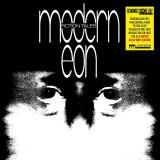
Reissued on vinyl for the first time, this is the sole and acclaimed album by seminal Liverpool post-punk/new wave band. Released in 1981 on Dindisc, the record showed the influence of the so-called "New Liverpool Scene" that sprang up in 1979-1980 around 'Eric's Club'. Modern Eon moved in the same milieu of influential local acts such as Echo & the Bunnymen, The Teardrop Explodes, Orchestral Manoeuvers in the Dark and Dead Or Alive. A small cult soon to be rediscovered !
Ordina ora e ordineremo l'articolo per te presso il nostro fornitore.
HLZ returns to Metalheadz with two singles from his upcoming debut album ‘All My Life’. ‘Roadblock’ pushes into more exploratory territory while retaining the classic Headz energy, and the title track ‘All My Life’ carries the soulful, timeless spirit that inspired the full-length record.
Ordina ora e ordineremo l'articolo per te presso il nostro fornitore.

Sem is the first album by Victor Negri under his own name, after a decade making music as Arubu Avua. Released via Stray Signals (Berlin) in partnership with Mutum (Portugal/Brazil), the album was composed between late 2023 and early 2025 during a prolonged period of compounded grief and relocation, and is built upon layers of guitar in irregular loops, alongside samples, experimental electronics, and field recordings.
Begun in Lisbon and finished in Campinas, Brazil, Sem (meaning “without”) deals with loss by juxtaposing new material with unfinished recordings from previous years. As the process unfolded, catharsis emerged as much through editing as through raw expression. The album became a symbolic attempt to glue together fragments and memories from a world that ceased to exist, in order to move forward.
Across its eight tracks, some pieces gradually unfold while others crumble or explode into distortion and feedback, while some seem almost suspended, as if unsure of the next steps. There is a loose trajectory from disorientation and collapse (“Voçoroca”) through astonished frustration (“Não”) and numb acceptance (“Obrigado”), toward a fragile optimism on the closing tracks “Os cacos” and “Boa continuação.” Negri’s first fully instrumental album, Sem contains no vocals at all. That absence emerged gradually after fruitless attempts at songwriting during the period; overwhelm and speechlessness ultimately prevailed. The result leaves room for ambiguity, wandering, and the unfamiliar.
Victor Negri is a Brazilian musician and songwriter. Previously known as Arubu Avua, he makes music framed by noise, feedback, irregular loops, and field recordings.
Ordina ora e ordineremo l'articolo per te presso il nostro fornitore.

The Dubplate series comes to the label’s spiritual home of Hackney, the stomping ground of the Douglas “Dougie” Waldrop and his Conscious Sounds label with the spin off Dub meets Funk project. The music of the Dub Specialists is presented with extended re-edits by label owners Piers Harrison and Stuart “Chuggy” Leath, alongside rising selector star Millie McKee and studio master extraordinaire Matt Bruce (Vanity Project).
Formed in 1989, Conscious Sounds and the Conscious Music studio have been mainstays on the UK Digital Roots scene to this day, working with the likes Bush Chemists, Johan Dan, Kenny Knots and Pablo Gad. The Dub Specialists was a project created by Dougie to put aside studio sessions and explore a new interest in samplers, working with friend Chris Petter (Love Grocer) and his interest in Jazz and Funk.
Using the Atari 1040 running Cubase, with a Soundcraft mixer, drum loops and Reggae basslines were played over Funk samples and layered with Petter’s chords to create a series of short tracks for DJ play. Releasing 3 albums between 1995 and 1999 on the sub label Crispy Music, they have more recently been gaining cult status.
The tracks chosen all come from the first and increasingly sought after LP, Dub To Dub Break To Break and have been extended, stretched, looped and dubbed by the label family to form a club friendly EP. From the dance floor jams of Dub De Funk and Funkin’ Dub to the deeper Movin Ya (with additional flute by Millie) and Murderous Style, this is a unique fusion of Funk and Digidub that fits perfectly the ideals of the Dubplate Series.
Break The Mystery.
Ordina ora e ordineremo l'articolo per te presso il nostro fornitore.

**BACK IN STOCK ON GREY VINYL** Blackball Records presents the 20th anniversary edition of Jawbreaker's Chesterfield King. Originally released in 1992, this groundbreaking EP has been remastered by John Golden from the original tapes, and the increased sampling rate boosts some of the bottom end and mid-range. Available on vinyl for the first time in years. 5 tracks of music that defined the term "emo"...
dovrebbe essere pubblicato su 12.05.2026

After a moment of calm, De Lichting returns with the fourth instalment in its double LP album series, Vier.
Never losing touch with its roots in emotional dance music, Vier is a tribute to the electronic soul, something increasingly overlooked on today’s dancefloors. queniv’s Frequency Match opens the album as a gentle invitation, built on minimal drum work and long, stretched pads. RDS’s Aerial Reflections continues in the same vein, leaning into a more serious mood with old school flavoured rhythms.
The first heavier club moment comes from Human Space Machine with Test Rec. A more tense, primetime leaning, proggy groove unfolds, washed in nostalgic strings and trippy elements for both body and mind. Nathan Kofi follows with Kinesis, a proper Detroit infused techno track that pushes the experimental edge further, darker and more driving.
On the second record, the mood shifts into deeper melancholy with Eversines’ Lift The Veil, featuring classic deep house textures of Rhodes chords and FM basses. Nearing the end of the album, Proxyan’s Another delivers pure credits rolling, emotion drenched analogue funk electro, a track the rest of the group had to beg Robbert to include. We are glad we did.
As a kind of bonus track, RDS and Eversines close Vier with a tech house rework of their earlier track Missing. Released on vinyl for the first time, it was previously available only in digital form via Kalahari Oyster Cult.
Ordina ora e ordineremo l'articolo per te presso il nostro fornitore.

Despite its tragic breakup, Yugoslavia as a political, social and cultural phenomenon still inspires generations, especially those who were born or lived at the time of this utopian land of South Slavs. Those who didn’t enjoy the privilege are still amazed by its 1970s and ’80s music scene and the number of very modern, high quality acts that were so often ahead of their time. Two such acts were Data and The Master Scratch Band, both founded by Zoran Jevtic and Zoran Vracevic, who introduced synth-pop, breakbeat, and hip-hop music in Yugoslavia in 1984 with their releases: SP Neka Ti Se Dese Prave Stvari/Ne Zovi To Ljubavlju and miniLP Deogut (Jugoton). Our latest release, “It Was Ridiculous, It Was Amazing!” gathers their earliest unreleased material from 1981-1983, showcasing a broader range of genres – alongside synth-pop and breakbeat/hip-hop, they also experimented with industrial, EBM, minimal synth, and electro-funk!
The whole record is divided into two parts: on A side there are 7 previously unpublished songs by group DATA, and on B side there are 4 previously unreleased recordings by The Master Scratch Band.
The Data side opens with two unexpected “shocker” tracks: Ja Nisam Kao Ti” (eng. I am Not Like You) and “Izumi” (eng. “Inventions”) from 1981, where they sound like early Deutsch-Amerikanische Freundschaft with unusual vocal pan sound effects on Serbian lyrics and uncompromising synth-based sound. Equally unpredictable are the next two songs: atmospheric “España” and dusty “Damage In My Head,” where Zoran Jevtić boldly steps into the lead vocal role. But the surprises don’t end there. The next two songs, France and Strahovi (eng. “Fears”), bring a mysterious and nostalgic atmosphere, elevated by the irreplaceable sound of the modular Roland System-100M. At the end comes the greatest surprise of all: Data covers YMO-Ballet in a song called Ne Zelim Da Tako Zive (eng, I Don’t Want Them Living Like That) and puts some extra energy in rhythm without losing the original song’s sensibility. Like in the original, the lyrics are tender and yet mysterious and provocative.
The Master Scratch Band side contains the very first versions of the songs Break War, Jailbreak, and Computer Break, originally recorded in studio Druga Maca in Belgrade in 1983. These versions were not released on their mini-LP album Dégout (Jugoton, 1984), and they are actually the first ever hip-hop/Breakbeat recordings in Yugoslavia. With great enthusiasm, every sound was uniquely crafted from scratch using the finest analog gear available in the early ’80s. The two young artists, aiming for international success, chose to write their lyrics in English. The album’s final track, “Mad Scratch,” showcases their talent for creating impressive sound effects, which would be a delight for contemporary DJs and producers who specialize in sampling and scratching old-school hip-hop.
This release is truly a “100% digger’s gem” – 11 previously unreleased tracks from legendary pioneers of electronic, hip-hop, and breakbeat. A collection to discover, enjoy, play, and treasure forever!
Ordina ora e ordineremo l'articolo per te presso il nostro fornitore.

We return to 2005 for the next chapter in the Drugsex repress series, revisiting DSEX003 – Hasty Retreat, a record that captured a rising UK producer shaping his sound within the underground. Produced by Rob Mooney with production from Dave Robertson (Reset Robot), the release reflects a period of exploration and technical refinement in his early career.
The A-side, Hasty Retreat, is a driving tech-house cut — tight, physical and weighted for the dancefloor. Robertson’s engineering contribution to Mooney’s fresh ideas and south coast underground house sensibilities added precision and sonic depth that would foreshadow his future work as Reset Robot across house and techno channels.
On the flip, and exactly the same as the original cut Up All Night appears in its remix form from label head honcho Rob Pearson. Pearson’s reinterpretation ensured it fitted like a glove on the Drugsex vibe . Rob deepened the groove, balancing pressure and atmosphere in a way that typified his trademark Croydon Tech sound of the time.
Looking back twenty years, the early Tech House coming out of South London feels as fresh as ever. These records weren’t about tricks or big drops — they were about deep grooves that you could lose yourself in, hypnotic basslines that carried the night, and subtle percussion and atmospheres that rewarded careful listening.
Ordina ora e ordineremo l'articolo per te presso il nostro fornitore.

Renowned Italian jazz master Nicola Conte presents an incandescent limited edition 7" single for Record Store Day 2026. "Terra Em Transe" and "Naquela Base" are brand new tracks from sessions for Conte's forthcoming Far Out Recordings album, drawing deep from early 70s Brazilian jazz and modal hard bossa while underlining the vital role of the arts in social and political struggle.
In Nicola's own words: "Terra Em Transe' is a dedication to visionary director Glauber Rocha and to all free thinkers willing to portray the conflicts, contradictions and lies of those in power around the world." The original composition takes inspiration from Milton Nascimento's vocal harmonies and Tamba 4's sophisticated samba-jazz.
'Naquela Base' is a stunning reinvention of João Donato's classic: pure modal hard bossa recorded entirely live in the studio. Inspired by samba-jazz classics like Tenório Jr.'s "Embalo" and Paulo Moura's "Fibra", the track is carried beautifully by Teppo Mäkynen's masterful drumming, with solos from Gaetano Partipilo on alto saxophone and Pietro Lussu on piano, supported by Ameen Saleem on double bass and Abdissa Assefa on percussion.
Having released music with Blue Note, Impulse! and Schema records, Nicola Conte's relationship with Far Out Recordings has produced his acclaimed Umoja project, his five-part Viagem compilation series, and most recently Viaggio, a compilation exploring Italy's library music renaissance from 1970-79.
'Terra Em Transe / Naquela Base' will be released as a limited edition 7" single for Record Store Day 2026 via Far Out Recordings.

After debuting on Delsin in 2023 as Reeko, Spanish techno icon Juan Rico now steps up as Architectural to present his second EP on the Amsterdam based label. Where Reeko is known for his adventurous, highly energized, broken techno bangers, his approach as Architectural is more fine-drawn. Over the course of four tracks, his tracks build slowly into immersive pulsations, pushing deep frequencies into captivating rhythm grooves layered with mesmerizing atmospheres.
Ordina ora e ordineremo l'articolo per te presso il nostro fornitore.
