Continuing in its series of Yoko Ono reissues, Secretly Canadian has announced that Ono’s seminal 1982 album It’s Alright (I See Rainbows) will be released August 28, 2026, in expanded CD and digital versions, and on vinyl for the first time in more than forty years, with expanded and enhanced artwork. Influenced equally by 1960s girl group vocals and 1980s synthesizer experimentation, It's Alright (I See Rainbows) is an album of “adventurous… lush… committed and convincing avant-gardism” (Rolling Stone). As Ono said in her 1992 Onobox liner notes, “It was ’82 and it seemed as though I was finally in sync with the world.” Vacillating from a widow’s never-truly-over grief, to the necessary uplift for an artist and mother to continue her life’s missions, tracks like “Loneliness” and “Spec of Dust” make way for poptimism via “Let the Tears Dry,” and title track “It’s Alright.” As Ono said of the album in 1983, “It’s like my diary that I went through… and I’m just saying, hey, I’ve got the same kind of emotions that you’ve probably got too, and here I am saying hello… Around December 8th or whatever, I was feeling really heavy and feeling sort of down, you know… and then, side two, it’s all right… It was Sean Lennon who says, ‘Wake up, wake up, mommy.’ Like an angel that came and said, ‘Wake up!’… Wake up and dream love, and let the tears dry and I see rainbows. And sort of I’m saying all that. In result of Sean waking me up, see?” Lennon, speaking of his mother in a more recent interview with NPR in 2025, “She would say that energy is just energy, so you can turn it into anything you like. And she always said that she would take that negative energy and turn it into something productive and creative… It never stopped her from creating and putting herself out there, and I really think that it paid off… You never know how long it'll take for people to appreciate you if you just kind of hang on and don't give up.”
Formed in New York City in 1993 around singer, guitarist and songwriter Chris Leo, the band emerged from the same fertile underground scene that gave rise to many of the most influential post-hardcore, indie rock and emo acts of the decade. Yet while many of their contemporaries went on to achieve wider recognition, The Van Pelt chose a different path: one built on artistic independence, restless experimentation and a stubborn refusal to fit comfortably into any scene or trend.
Across two landmark albums — Stealing From Our Favorite Thieves (1996) and Sultans Of Sentiment (1997) — The Van Pelt developed a singular language that combined intricate guitar interplay, spoken-word intensity, literary lyrics and emotional depth. Their music occupied a unique space between post-hardcore urgency, indie rock invention and the introspective sensibility that would later become associated with emo, influencing generations of musicians while remaining largely outside the spotlight.
After disbanding in 1997, the band's reputation continued to grow. What began as a well-kept secret among underground music fans gradually became a touchstone for listeners searching beyond the obvious narratives of 1990s alternative rock. Reunions in 2009 and 2014, the release of the long-lost Imaginary Third, and a series of acclaimed live performances introduced their music to a new audience while reaffirming their enduring relevance.
In 2023, The Van Pelt returned with Artisans & Merchants, their first collection of new material in more than twenty-five years. Rather than revisiting old formulas, the album expanded the band's sonic vocabulary while preserving the qualities that made them unique: curiosity, intelligence, vulnerability and an unwavering commitment to following their own instincts.
Now, more than three decades after their formation, The Van Pelt are set to return in 2026 with Remain Obscure, their fifth studio album. Continuing their tradition of defying expectations, the record pushes beyond the familiar boundaries of the band's sound while embracing the same spirit that has defined them from the beginning. A band whose influence has consistently exceeded its visibility, The Van Pelt remain one of independent music's most enduring and rewarding secrets.
Antorcha are one of the best-kept secrets of the Mexican underground rock scene. Their influences came from Iron Butterfly, Black Sabbath, Blue Cheer, Vanilla Fudge, and others. At times they also sounded like MC5, with whom they shared an anarchist and anti-establishment spirit. After a brief period during which they recorded only a couple of 7-inch singles for the Orfeón label that had a very limited distribution, Mexican rockers Antorcha fully embraced a DIY approach to managing their own career. They had evolved into a heavy psychedelic rock group, with no metaphors and no compromises. Anarchists in a country that could barely utter the word without trembling. It was the final years of the 1960s. They recorded five self-produced EPs, sold exclusively at their live performances, passed from hand to hand as if each record were a clandestine act. While MC5 stirred the streets of Detroit alongside the White Panthers, Antorcha was doing much the same in a Mexico that preferred to look the other way. The band operated as a cooperative: agreements were reached collectively, and income was shared equally. Antorcha became a forgotten band in their own country, overlooked even by Mexican rock experts. Yet their legacy proved influential on an organizational level for later groups in the independent scene, which followed Antorcha's model of self-releasing and self-managing their work. This compilation brings together the best of their discography, collecting self-released 7-inch records originally issued between 1971 and 1976, along with material that never appeared on their EPs. Includes an insert featuring liner notes by Carlos Icaza "Tropicaza" and photographs of the band.
Geoff Farina’s Southern Records tenure was not just about Karate. His late-90s guitar-and-vocal solo output included
the bedroom-recorded Usonian Dream Sequence that echoed The Secret Stars’ intimate lo-fi sentiments, Reverse Eclipse that rode the more delicate fringes of Unsolved-era Karate, and the single Steely Dan, a paean to a contemporaneous guilty pleasure. FFF collects all three long-out- of-print releases here on vinyl for the first time, fastidiously packaged and punctu- ated with Farina’s written reflections on their making.
Geoff Farina’s Southern Records tenure was not just about Karate. His late-90s guitar-and-vocal solo output included
the bedroom-recorded Usonian Dream Sequence that echoed The Secret Stars’ intimate lo-fi sentiments, Reverse Eclipse that rode the more delicate fringes of Unsolved-era Karate, and the single Steely Dan, a paean to a contemporaneous guilty pleasure. FFF collects all three long-out- of-print releases here on vinyl for the first time, fastidiously packaged and punctu- ated with Farina’s written reflections on their making.
The deluxe 10th anniversary edition of case/lang/veirs features the new track "Accidental Tattoo" and twelve never-before-released live recordings alongside the original studio album from supergroup of singer-songwriters Neko Case, kd lang and Laura Veirs. Released in 2016, case/lang/veirs is a true collaboration between three phenomenal, self-driven artists: "the strongest voices in their field - lang the full-voiced seductress, Case the hurricane, and Veirs the wry storyteller" (Pitchfork). The women wrote all 14 songs and shared lead vocals equally, sometimes even within the same track. Full of stunning harmonies and spellbinding rhythms, case/lang/veirs travels through aches and eras, torch songs and tributes to the undersung. "There"s a generosity of spirit to case/lang/veirs," NPR praised upon the album"s release, "a worthy extension of three tremendous catalogs, in which three great singer-songwriters sound enhanced and invigorated by the challenge of living up to each other"s legacies." They worked over two and a half years in Portland, Oregon, where lang and Veirs both live, sometimes in lang"s loft with a view of Mount St. Helens, others in Veirs" dining room or backyard studio. The album was written from the ground up without any real plan beyond a desire to make music together and a faith that it would reveal itself. They produced the album with Tucker Martine, at his Portland studio in November 2015.
The deluxe 10th anniversary edition of case/lang/veirs features the new track "Accidental Tattoo" and twelve never-before-released live recordings alongside the original studio album from supergroup of singer-songwriters Neko Case, kd lang and Laura Veirs. Released in 2016, case/lang/veirs is a true collaboration between three phenomenal, self-driven artists: "the strongest voices in their field - lang the full-voiced seductress, Case the hurricane, and Veirs the wry storyteller" (Pitchfork). The women wrote all 14 songs and shared lead vocals equally, sometimes even within the same track. Full of stunning harmonies and spellbinding rhythms, case/lang/veirs travels through aches and eras, torch songs and tributes to the undersung. "There"s a generosity of spirit to case/lang/veirs," NPR praised upon the album"s release, "a worthy extension of three tremendous catalogs, in which three great singer-songwriters sound enhanced and invigorated by the challenge of living up to each other"s legacies." They worked over two and a half years in Portland, Oregon, where lang and Veirs both live, sometimes in lang"s loft with a view of Mount St. Helens, others in Veirs" dining room or backyard studio. The album was written from the ground up without any real plan beyond a desire to make music together and a faith that it would reveal itself. They produced the album with Tucker Martine, at his Portland studio in November 2015.
Euro Disco History 1985 – Jetzt erstmals auch als Vinyl Edition erhältlich!
Die erfolgreiche CD-Compilation „Euro Disco History 1985“ ist ab sofort auch als hochwertige Vinyl Edition erhältlich.
Freuen Sie sich auf die größten Euro-Disco-Hits des Jahres 1985 – authentisch, klangstark und im klassischen VinylFormat. Mit legendären Künstlern wie Silent Circle, Fancy, Lian Ross, Grant Miller, Roger Meno und Fair Control vereint diese exklusive Vinyl-Ausgabe die unvergesslichen Klassiker einer der erfolgreichsten Epochen der Euro Disco.
Ein Muss für Sammler, Vinyl-Liebhaber und alle Fans des typischen 80er-Jahre-Sounds. „Euro Disco History 1985“ bringt das Lebensgefühl der goldenen Euro-Disco-Ära direkt auf den Plattenteller
Matrix Music Arhiv (MMA) are proud to announce a re-issue of the highly sought-after album 'Resistance' by the seminal Yugoslavian electronic rock band Borghesia, originally released in 1989 on Play It Again Sam/PIAS (Europe), Wax Trax (USA) and Jugoton (former Yugoslavia). Available on 2Lp, 2CD & 1MC (MC original album only). The re-issue features a carefully remastered edition along with the exclusive bonus live album "Dal Vivo A El Paso", recorded in December 1988 during their performance in Torino, Italy, on one of their European tours. This recording features very different, raw and at times 'dubbed up' versions of their early tracks such as 'Naked, Uniformed, Dead', Am I? and Him (On). The historical perfectly captures the atmosphere and energy of their live appearances at the time. Borghesia (Italian for 'bourgeoisie'), who were formed in Ljubljana (Slovenia) in 1982, had always considered its art to be far broader than just sonic. Borghesia's transgressive, transdisciplinary alloy of film expression, distinctively physical performative practices, usage of new technology and conveniently abrasive EBM (electronic body music) musical production hasn't only been ground-breaking in terms of the holistic, visual/sonic presence of an art collective, but had a rather decisive influence on the general aesthetics of the immensely important Yugoslav subcultural landscape of the 1980s. Borghesia was one of the first bands from the East of the Iron Curtain who used the VHS video medium to distribute their art and was also one of few projects from socialist Yugoslavia to successfully penetrate the curtain itself, reaching international audiences. A series of their releases in the fruitful period between the years 1987 and 1991, including the Resistance album itself, was released by the legendary Belgian label Play It Again Sam (PIAS). The band dissolved in the mid-1990s and then continued their work in 2014. In line with Borghesia's unique social engagement, progressiveness and political criticism, Resistance is one of their most powerful statements. It's the ultimate fight the power manifesto, which makes punk and hip-hop albums of the time sound like children's songs. This is not music for nodding your head to; it's tactical broadcast for the nocturnal resistance to this very day. Borghesia didn't address control only - they sampled the political top, the secret police and explicitly connected authority with dominance. The production of the album isn't clean or polished. On the contrary - Resistance sounds like it was created in a bunker, using stolen military equipment and synthesisers. Borghesia's genius lies in their understanding that the relentless, mechanical EBM beat was the sound of the State - and by hijacking it, turning the system's own rhythm against itself they created the most powerful form of sonic insurgency. And since history repeats itself while the little man learns slowly, the re-release of 'Resistance' comes at the right time. The dark clouds of violence are already looming over Europe, they've never really left the Middle East, and the levers of power and capital ever so louder, not even covertly at all incite: war, war, war! In these times the only appropriate answer is: revolt, rebel, Resistance!
Matrix Music Arhiv (MMA) are proud to announce a re-issue of the highly sought-after album 'Resistance' by the seminal Yugoslavian electronic rock band Borghesia, originally released in 1989 on Play It Again Sam/PIAS (Europe), Wax Trax (USA) and Jugoton (former Yugoslavia). Available on 2Lp, 2CD & 1MC (MC original album only). The re-issue features a carefully remastered edition along with the exclusive bonus live album "Dal Vivo A El Paso", recorded in December 1988 during their performance in Torino, Italy, on one of their European tours. This recording features very different, raw and at times 'dubbed up' versions of their early tracks such as 'Naked, Uniformed, Dead', Am I? and Him (On). The historical perfectly captures the atmosphere and energy of their live appearances at the time. Borghesia (Italian for 'bourgeoisie'), who were formed in Ljubljana (Slovenia) in 1982, had always considered its art to be far broader than just sonic. Borghesia's transgressive, transdisciplinary alloy of film expression, distinctively physical performative practices, usage of new technology and conveniently abrasive EBM (electronic body music) musical production hasn't only been ground-breaking in terms of the holistic, visual/sonic presence of an art collective, but had a rather decisive influence on the general aesthetics of the immensely important Yugoslav subcultural landscape of the 1980s. Borghesia was one of the first bands from the East of the Iron Curtain who used the VHS video medium to distribute their art and was also one of few projects from socialist Yugoslavia to successfully penetrate the curtain itself, reaching international audiences. A series of their releases in the fruitful period between the years 1987 and 1991, including the Resistance album itself, was released by the legendary Belgian label Play It Again Sam (PIAS). The band dissolved in the mid-1990s and then continued their work in 2014. In line with Borghesia's unique social engagement, progressiveness and political criticism, Resistance is one of their most powerful statements. It's the ultimate fight the power manifesto, which makes punk and hip-hop albums of the time sound like children's songs. This is not music for nodding your head to; it's tactical broadcast for the nocturnal resistance to this very day. Borghesia didn't address control only - they sampled the political top, the secret police and explicitly connected authority with dominance. The production of the album isn't clean or polished. On the contrary - Resistance sounds like it was created in a bunker, using stolen military equipment and synthesisers. Borghesia's genius lies in their understanding that the relentless, mechanical EBM beat was the sound of the State - and by hijacking it, turning the system's own rhythm against itself they created the most powerful form of sonic insurgency. And since history repeats itself while the little man learns slowly, the re-release of 'Resistance' comes at the right time. The dark clouds of violence are already looming over Europe, they've never really left the Middle East, and the levers of power and capital ever so louder, not even covertly at all incite: war, war, war! In these times the only appropriate answer is: revolt, rebel, Resistance!
Matrix Music Arhiv (MMA) are proud to announce a re-issue of the highly sought-after album 'Resistance' by the seminal Yugoslavian electronic rock band Borghesia, originally released in 1989 on Play It Again Sam/PIAS (Europe), Wax Trax (USA) and Jugoton (former Yugoslavia). Available on 2Lp, 2CD & 1MC (MC original album only). The re-issue features a carefully remastered edition along with the exclusive bonus live album "Dal Vivo A El Paso", recorded in December 1988 during their performance in Torino, Italy, on one of their European tours. This recording features very different, raw and at times 'dubbed up' versions of their early tracks such as 'Naked, Uniformed, Dead', Am I? and Him (On). The historical perfectly captures the atmosphere and energy of their live appearances at the time. Borghesia (Italian for 'bourgeoisie'), who were formed in Ljubljana (Slovenia) in 1982, had always considered its art to be far broader than just sonic. Borghesia's transgressive, transdisciplinary alloy of film expression, distinctively physical performative practices, usage of new technology and conveniently abrasive EBM (electronic body music) musical production hasn't only been ground-breaking in terms of the holistic, visual/sonic presence of an art collective, but had a rather decisive influence on the general aesthetics of the immensely important Yugoslav subcultural landscape of the 1980s. Borghesia was one of the first bands from the East of the Iron Curtain who used the VHS video medium to distribute their art and was also one of few projects from socialist Yugoslavia to successfully penetrate the curtain itself, reaching international audiences. A series of their releases in the fruitful period between the years 1987 and 1991, including the Resistance album itself, was released by the legendary Belgian label Play It Again Sam (PIAS). The band dissolved in the mid-1990s and then continued their work in 2014. In line with Borghesia's unique social engagement, progressiveness and political criticism, Resistance is one of their most powerful statements. It's the ultimate fight the power manifesto, which makes punk and hip-hop albums of the time sound like children's songs. This is not music for nodding your head to; it's tactical broadcast for the nocturnal resistance to this very day. Borghesia didn't address control only - they sampled the political top, the secret police and explicitly connected authority with dominance. The production of the album isn't clean or polished. On the contrary - Resistance sounds like it was created in a bunker, using stolen military equipment and synthesisers. Borghesia's genius lies in their understanding that the relentless, mechanical EBM beat was the sound of the State - and by hijacking it, turning the system's own rhythm against itself they created the most powerful form of sonic insurgency. And since history repeats itself while the little man learns slowly, the re-release of 'Resistance' comes at the right time. The dark clouds of violence are already looming over Europe, they've never really left the Middle East, and the levers of power and capital ever so louder, not even covertly at all incite: war, war, war! In these times the only appropriate answer is: revolt, rebel, Resistance!
ZOMBI 3 - THE SOUNDTRACK Classic Edition & Special Edition - Available Now on We Release Whatever The Fuck We Want ! WRWTFWW Records is delighted to unleash the complete uncut soundtrack for Lucio Fulci & Bruno Mattei's cult zombie-ploitation gem Zombi 3 (aka Zombie Flesh Eaters 2 aka Sanguelia 2, 1988) available on 2 different collector's edition vinyls for the first time ever. The Classic Edition comes in red is dead colored vinyl with a red Japanese Sanguelia 2 VHS obi and has a helicopter pictured on the back cover. The Special Edition has the same songs as the Classic Edition PLUS bonus skits/interludes with DJ Blue Heart talking (taken from the movie) on the b-side and comes in green inferno colored vinyl with a green Japanese Sanguelia 2 VHS obi and DJ Blue Heart pictured on the back cover. Both versions are housed in heavy old style Stoughton casebound tip-on jackets - pick your poison - get infected! This future deluxe edition OOP classic is packed with menacing synths, ghoulish melodies, and contaminated anthems remastered directly from the rare original reels of maestro Stefano Mainetti which were found at an abandoned top secret research facility.
Enamour returns to Crosstown Rebels with his latest EP ‘What U Said’, featuring SAM SHI. Featuring a remix from recent Crosstown signees Bonafique, the US producer continues his evolving relationship with the label following his 2025 contribution to SPIRITS VII and earlier remix work for bullet tooth.
LA-based DJ/producer Enamour has long operated outside of fi xed lanes and guidelines, shaping a sound defi ned by melodic depth and a psychedelic edge that translates across both club systems and through headphones. With regular support across his work from the likes of Solomun, CamelPhat, Hernán Cattáneo, Lee Burridge, and Damian Lazarus, alongside remixes for RÜFÜS DU SOL, RY X, and Lane 8, his catalogue reflects a balance of reach and individuality.
"What U Said" is about the moment language turns physical; when words create a chemical reaction you can’t take back” says Enamour. “It taps into the same quirky energy as my other records on the label, which I think heightens the feeling of surprise as the instrumental meanders underneath SAM SHI’s vocal It’s a track that pairs Enamour’s textured, immersive production with fellow LA-based artist SAM SHI’s vocal presence, shifting through atmospheres and rhythmic drive.
Making a return to the label, in-demand duo Bonafique step in on remix duties, reworking the original into a more hypnotic, groove-led interpretation built for deeper club moments. Closing track ‘Dip’ has already become a fixture in Enamour’s sets, operating as a trippy counterpoint to the vocal-led A-side and employing commanding drums, oscillating synths and a driving energy made to capture dancefloors. “‘Dip is a fan favourite and secret weapon that’s been a staple in mine and others’ sets for quite a while now,” he adds. “Balancing out the release with this one felt like the right time to finally get it out into the wild.”
out of Stock
Last delivered 9 days ago available to reorder, subject to availability
There’s a new sound shaking up the Upper East Side — and it’s not related to Serena this time.
It’s ‘gg’, the new track from Lolina.
We've all heard the rumors of L performing this one around the globe for months, & some of the lucky ones got the chance to catch it live... but now the wait appears to be over for the general public. There are officially plans to release the studio version of ‘gg’, and it's safe to say the track is scandalous. Meeting same time, same place to get to the bottom of it all. Confusion lingers, yet everything stays comfortably in strife. It all keeps moving.
Who is the city even for now? What’s our own involvement in the distress? That’s one secret I’ll never tell!
Why is it that L must use song to persist in this city that never sleeps? Have fables fallen so out of fashion that princesses have to do everything themselves now?
Well... according to some tips we received this doesn't seem to be the case. L has enlisted help from some very exciting sonic connoisseurs, resulting in remixes stronger than a knight in shining armor could ever provide.
So let's check out this track list, shall we?
A-Side
gg (Extended Version)
gg (NEW YORK Remix)
B-Side
gg (Arca Remix)
Sounds like the perfect soundtrack for eating a yogurt cup on the steps of the MET to me.
We seriously doubt you'll be able to ignore this release.
Run the credits, roll the dice.
xo xo
GOSSIP GIRL
Press release by Kaitlin Simotics
Mastering and additional mixing by Amir Shoat
Artwork by Lolina
Vinyl design by Termite Lounge
out of Stock
Last delivered 16 days ago available to reorder, subject to availability
Odisea is the new album, actually the real debut from Los Retros, out in April on Stones Throw. It draws inspiration from 1980s Japanese City Pop, and marks a new creative chapter from Mauri Tapia shaped by growth, reflection, and renewed purpose. It's been a journey since Tapia first captured hearts with the lo-fi magic of "Someone To Spend Time With", recorded at the age of 17 on a humble four-track in his parents' living room. Now 25, the Oxnard native has stepped into an entirely new season of life - he married his high school sweetheart, became a father to two daughters, and embraced spiritual faith. Earlier this year, he revisited his start with Early Days (2016-2019), a compilation of unreleased music from Mauri's teen years. "Jazz fusion has become my favorite genre and greatest inspiration of all time," Mauri says. "I made this album for the version of me that first fell in love with music. It's my full-circle moment - a sonic hat tip to my beginnings - as well as a nod to the forefathers of jazz fusion and city pop for leaving us with great music." Through it all, he's kept the same DIY spirit, writing and recording every note himself, only now in a home studio of his own. On Odisea, Tapia blends neon-lit City Pop with the melodic sensibility of Latin American soft rock. Mauri's deep love for 70s and 80s jazz fusion records anchors the album, yet Tapia filters those influences through a modern lens. Odisea features two Japanese vocalists, - Hikari and HITOMITOI. Also check out Los Retros new compilation "Early Days" released simultaneously. RIYL soul, bedroom pop, indie, modern jazz, downtempo, soft rock, Mac DeMarco, Thee Sacred Souls, Skinshape, Men I Trust
out of Stock
Last delivered 87 days ago available to reorder, subject to availability
Auf ,Reflections Vol. 3: Water Poems" bringen Félicia Atkinson und Christina Vantzou ihre Freundschaft und ihre atmosphärische Kunstfertigkeit in einem feierlichen Fokus zusammen. Gesprochene Worte und orchestrale Fantasie fließen wie Nebenflüsse in einen einheitlichen Strom und ergeben eine Sammlung traumhafter Lieder und Klanglandschaften, die im Meer, im Himmel und in den Steinen verankert sind. Mit elektroakustischen Instrumenten, Gesang und Umgebungsgeräuschen lädt Water Poems die Zuhörer in einen unbewussten Raum ein, irgendwo zwischen alltäglicher Intimität und dem Geheimnis des Ozeans, aus dem alles Leben entsteht. Atkinson und Vantzou haben sich 2009 kennengelernt und seitdem immer mal wieder zusammengearbeitet, aber ein Konzert 2019 in der Philharmonie in Paris hat dieses Projekt richtig in Gang gebracht. Da beide jetzt an der Küste leben (Félicia am Ärmelkanal, Christina am Mittelmeer), wurde das Meer natürlich zu ihrer Muse. ,Das Meer wurde nicht als monolithische Postkarte betrachtet", erklärt Atkinson, ,sondern eher als eine Person an sich; eine Energie, ein Geheimnis, ein komplexer Charakter, dem wir als Menschen, die am Meer leben, jeden Tag begegnen." Im Dialog mit dem Land und der Küste nahmen ihre Sprache und ihre Klänge einen sakramentalen Charakter an. ,Ein feierliches Gefühl, ein Gefühl des Dienens, zieht sich tief durch dieses Album", bemerkt Vantzou, ,ich habe das schon einmal gespürt, aber hier, in der Zusammenarbeit mit Félicia, ist es stärker." Stimme, Atem und wässrige Texturen prägen den Ton des maritimen Mysteriums von Water Poems. Neu in Vantzous Praxis und seit langem ein prägendes Merkmal von Atkinsons Werk, gewinnen ihre gesprochenen Worte hier an relationaler Intimität, indem sie sich gegenseitig und die Uferpromenade ansprechen. Die Texte wurden über zwei Jahre hinweg gemeinsam zusammengestellt. Mit radikaler Unschuld lenken sie das Bewusstsein auf die verborgene Auftriebskraft und die unbewussten Strömungen, die durch das Leben fließen: ,Wie kann ein Boot schwimmen? Wie kann ein Flugzeug fliegen? Wie kann ein Körper schwimmen? Wie kann ein Mensch träumen?" Was mit nah aufgenommenen Stimmen und Feldaufnahmen begann, wurde um Synthesizer, Gongs und Metallophone, Klavier, Vibraphon, Rhodes, Gitarren und Mellotron erweitert. Das Gezeitenklavier des Eröffnungstracks ,Film Still / The Sea" zieht uns in die unbewussten Gewässer des Albums. Enthalten sind Feldaufnahmen, die Vantzou in Delphi in der Nähe des legendären Orakels von Pythia aufgenommen hat - ihr griechisches Erbe verleiht diesem Ort der Vorfahren eine zusätzliche Dimension. Dieser Track und ,Water Poems" als Ganzes sind Ausdruck unseres geologischen Erbes und rufen zum Schutz der Küsten und zu einer Vertiefung unserer Beziehung zu unseren Küsten auf. Ein Teil der Einnahmen aus dem Album geht an Arion, ein gemeinnütziges Naturschutzprogramm für das griechische Mittelmeer. Der langjährige Freund und Mitstreiter John Also Bennett hat bei ,Scorpio Purple Skies", dem kosmischen Finale des Albums, mit E-Gitarre, Lap-Steel-Gitarre und Gesang mitgewirkt. Diese üppige Instrumentierung passt super zu den Science-Fiction-Visionen und der feierlichen Atmosphäre des Albums. Water Poems wurde in The Old Carpet Factory, einem Herrenhaus aus dem 18. Jahrhundert auf der griechischen Insel Hydra, in der Villa Medici aus dem 16. Jahrhundert in Rom und in Les Dunes, Atkinsons Heimstudio in der Normandie, aufgenommen. Mehr als das historische Prestige dieser Orte war es die spürbare Geschichte ihrer Landschaft, die die Musik geprägt hat. Atkinson sagt, dass sie sich zu ,Orten mit seltsamer Anziehungskraft" hingezogen fühlten. In der Villa Medici ,haben Steine und Mineralien das gesprochene Wort beeinflusst", bemerkt sie. ,Wir beide legen Wert auf Gefühl, Atmosphäre und Klang", fügt Vantzou hinzu, ,was er hervorruft und was er bewirkt. In unserem Fall konzentrieren wir uns auf die grundlegenden Elemente: Wasser, Luft, Fels, Kosmos - allesamt lebenswichtig.» Von der Insel Kreta aus arbeitete Vantzou den finalen Mix fertig und tauschte dabei Dateien mit Atkinson aus. Immer noch mit der Küste verbunden, verlief der Mixing-Prozess geduldig und wurde von wichtigen Pausen geprägt. Water Poems spiegelt wider, was die Meeresbiologin Rachel Carson uns in Erinnerung ruft: ,Am Rande des Meeres zu stehen bedeutet, Wissen über Dinge zu haben, die so nahezu ewig sind, wie es das irdische Leben nur sein kann." Es zelebriert rituell dieses ozeanische Gefühl als wichtige Quelle der Gelassenheit und Intelligenz. In einer Welt, die von hitzigen Meinungen und ökologischer Vernachlässigung geprägt ist, lenkt Water Poems unsere Aufmerksamkeit auf ,die Quellen der Quellen". Damit schafft es Raum, um uns wieder mit unseren elementaren, animalischen Instinkten zu verbinden und uns auf tiefere Strömungen einzustimmen. Water Poems von Félicia Atkinson und Christina Vantzou ist der dritte Band von Reflections, einer Reihe zeitgenössischer Kollaborationen von RVNG Intl..
Lance Ferguson (The Bamboos, Menagerie, Rare Groove Spectrum) presents his lush Exotica inspired 2016 album on LP for the first time in a limited edition deluxe gatefold sunset swirl coloured vinyl edition, with each pressing having a unique pattern.
For fans of Air, Martin Denny & DJ Shadow.
'The Double Sunrise' is a re-imagining of Exotica seen through Ferguson’s own lens, which includes Pop and Hip Hop elements plus samplers, synths and drum machines thrown into the mix. That combination of beats and lush cinematics owes as much to Exotica pioneer Martin Denny as it does to Air and DJ Shadow.
Guest vocalists include Melanie Pain (Nouvelle Vague), who brings a sweet Francoise Hardy and Jane Birkin influence to her songs, and Australian singer Meg Washington. As well as her own successful career, Bamboos fans would know Washington from her vocals from “The Wilhelm Scream” and “King Of The Rodeo”, as well as “Beautiful Trash” from the 2011 Lanu album ‘Her 12 Faces’.
Ferguson's own instrumentals are also gems of lush, nostalgic delight.
Reviews for ‘The Double Sunrise’
“Even with the clear influence of South Pacific exotica, this second LP is still typical Ferguson: tight, snappy and doused in retro airs.” - Rolling Stone Magazine
“Bamboos supremo Lance Ferguson uses South Seas exotica as a jumping-off point for a record that deftly crosses datelines. Giddy effervescent soundscapes such as “Tiny Dots” sit back to back with breakbeat grooves like “Nightmarchers””. The Age
“This is one of those summer albums you will return to every year. Stunning.” The Daily Telegraph
“The concept for The Double Sunrise is very specific, but it's executed brilliantly...It's one of those records that evokes a place and a feeling that most of us only ever dream about.” - Double J Radio (Feature Album)
Ever since the late 1950s bossa-nova revolution, Brazil’s influence on French music has been undeniable. Pierre Barouh, Georges Moustaki and a vast array of lesser known artists, all made the Musica Popular Brasileira (MPB) an axis of promotion at the service of a cool and metaphysical, modern and mixed Brazilian lifestyle. Some were seduced by the poetic languors of the bossa, some were looking for fun, and others just loved the American hybridization of jazz-bossa, jazz-samba.
What is bossa nova? One of its creators, Joao Gilberto said: "Its style, cadence, everything is samba. At the very start, we didn't call it bossa nova, we sang a little samba made up of a single note - Samba de uma nota so .... The discussion around the origins of bossa nova is therefore useless”. It is nevertheless useful to remember that these magnificent Brazilian songs, which the guitarist describes as samba, were shifted and balanced around improbable chords. "I like things that lean, the in-betweens that limp with grace," said Pierre Barrouh, quoting Jean Cocteau.
With emotion, arrangements for violin and supple guitar licks, bossa nova rapidly changed. A transformation that can be heard in the Tchic, tchic, French Bossa Nova 1963-1974 compilation, the result of a cultural reappropriation, which traveled through the United States and supplemented itself in France.
A musical revolution that has remained significant, bossa nova was born in Rio. From 1956 to 1961, Brazil lived through its golden years. In five years, the country had invented its modernist style. Elected president in 1956, Juscelino Kubitschek de Oliveira, an elegant man with a broad forehead, brandished a promising slogan: "Fifty years of progress in five years". He quickly got to work. Not worried about increasing debt, he launched the project for a new federal capital, Brasilia, designed by the communist architect Oscar Niemeyer. Volkswagen opened state-of-the-art factories and created the “fusquinha”, the Beetle. In Rio, the Vespa made its first appearance. The Arpoador Surf Club crew run into the “girl” from Ipanema, Helô Pinheiro - the tanned garota ("chick"), between a flower and mermaid, who at 17 walked by the Veloso bar, where the fiery author and composer, Tom Jobim and Vinicius de Moraes, were getting drunk on whiskey. From then on, bossa symbolized cool.
In 1958, Joao Gilberto recorded Chega de Saudade, which the directors of Philips denied, calling it "music for fagots". The marketing director, who believed in it, secretly pressed 3000 78-inch vinyls and distributed them at schools around Rio, creating a tidal wave.
American jazzmen then took over. In particular, trumpeter Dizzy Gillespie and guitarist Charlie Byrd. In November 1962, the Brazilian Ministry of Foreign Affairs funded a "Bossa-Nova" concert at Carnegie Hall in New York, inviting the genre’s pioneers. Unprepared, the show soon turned to disaster. But the troupe was invited to the White House by Jackie Kennedy. The first lady loved "the new beat" and in particular Maria Ninguem, a song by Carlos Lyra, later covered by Brigitte Bardot.
In Brazil, the 1964 military coup quickly ended this euphoria. The destructive atmosphere that ensued pushed many Brazilian musicians to leave, if not to exile. Thus, Tom Jobim, Sergio Mendes and Joao Gilberto arrived to the United States. In New York, Joao Gilberto met saxophonist Stan Getz. At the time, he was married to the Bahianese Astrud Weinert Gilberto, who had a German father. She had never sung before, but she knew how to speak English. Getz therefore asked her to replace her husband on The Girl From Ipanema. The Getz/Gilberto record with Tom Jobim on piano, was released in March 1964. Phil Ramone, the "pope of pop" was in charge of sound.
Bossa nova arrived in Paris through the classic “guitar-voice” channel (Pierre Barouh, Baden Powell, Moustaki…) But France loved jazz and Paris had already welcomed its American contributors. All these good people were to pass through Saint-Germain-des-Prés. The cabaret l'Escale became the Mecca of Latin American sound where one could find Pierre Barrouh and his friends, such as the Camara Trio, samba-jazz aces, whose only record was published by the Saravah label. With a band strangely called Les Masques (a band that included Nicole Croisille and Pierre Vassiliu, among others), the Camara Trio recorded an interesting Brazilian Sound, including the track Il faut tenir which is present on this tasty compilation of rarities.
Other enlightened musicians can also be found on the compilation, such as Jean-Pierre Sabar (songwriter for Hardy, Auffray, Leforestier ...) and the French pop rock organist Balthazar. In 1975, Sabar recorded Aurinkoinen Musiikkimatka on a Finnish label, which featured the crazy Vai, Vai, included on this record. We are now following the footsteps of Brazilian electronic musicians such as Sergio Mendes, Eumir Deodato or Marcos Valle who created funk and disco sounds on their keyboards and synthesizers. A style that influenced Véronique Sanson when she wrote Jusqu’à la Tombée de la nuit in 1969 for Isabelle de Funès, the niece of Louis and a great friend of Michel Berger - Sanson did end up singing this track on her 1992 Sans Regret record.
The pinnacle of exoticism and travel, Sylvia Fels’ Corto Maltese includes bongos, sea mist and ocean sounds. The title was taken from Jacky Chalard’s concept album written in 1974, Je suis vivant, mais j’ai peur (I am alive, but I am scared), based on Gilbert Deflez’s science fiction novel.
However, bossa nova extended the scope of popularity. "In the 1970s, I was a fan of Sergio Mendes, Getz / Gilberto. I fell in love with this music that I knew because I had been an orchestral singer, " explained Isabelle Aubret, who in 1971 delivered a composite record of covers by the very funky Jorge Ben, Orfeu Negro, Tom Jobim, Vinicius de Morais and Jean Ferrat. "I recorded this album for Meys Records in Paris, far from Brazil, with wonderful musicians, François Raubert, Roland Vincent, Alain Goraguer...". The latter wrote the arrangements for Casa Forte, a very percussive title borrowed from Edu Lobo, one of the initiators of the bossa who spent time in California. "Jazz and bossa came together and produced very rhythmic music. I love singing, it allows me to dream, to have fun, to feel a high on stage, and these songs brought me joy, made me swing, my singing felt like a dance.”
The world tours of French singers and their desire for the tropics, often brought them to Rio with its hills, forests, caipirinhas and tanned bodies. There are surprises though, like this Iemenja (Iemenja is the goddess of the sea in the Afro-Brazilian candomblé religion). Not unlike the composer and musician Jean-Pierre Lang, based in Sao Paulo, Claire Chevalier taught Brazil to Brazil. In 1970, the singer and painter published a 45-inch vinyl, Mon mari et mes amants (My husband and my lovers), under the improbable pseudonym of Clarinha (little Claire). She was then living in Rio, with her husband, Joël Leibovitz, who founded a band called Azimuth, and who owned a record label specialized in "sambas enredos" songs for samba school parades.
For its B side, she asked Pierre Perret to come up with lyrics for a song composed by Carlos Imperial: "Oh goddess of the sea, o goddess Iemenja, I bring a white rose to adorn your long hair ..." . "Perret came to see us, and we had fun, remembers Joël Leibovitz. We wrote Lemenja for fun, we recorded it at the Havaí studio, behind the Central do Brasil the central station. Erlon Chaves, the arranger who worked with Elis Regina, joined us" adding his share of Afro-Brazilian percussions and funky brass to the mix.
There is a common misunderstanding in Franco-Brazilian history: that bossa, admittedly hedonistic, is perceived as funny, even though the poets who wrote the texts are often philosophizing on the human condition. Its French interpreters pull it towards a carnival inspired universe, far removed from its fundamental essence. Thus, Jean Constantin covered the famous Samba da minha terra, an ode to the art of samba written by the classic Bahian composer Dorival Caymmi, renaming it with the enticing title of Pas tant de tchi tchi pompon: "On your pier there is no tchi tchi / when you arch your back, you know everything is alright ”(lyrics by Gérard Calvi). This expedited bossa aims for the absurd, but retains a certain elegance.
Indeed, Jean Constantin was not an idiot, the rather large man had a huge mustache and liked fantasy, (Les pantoufles à papa, Le pacha, inspired by cha-cha-cha-cha, salsa and jazz) but he was also the lyricist of Mon manège à moi interpreted by Edith Piaf, the composer of Mon Truc en plume by Zizi Jeanmaire and the soundtrack of François Truffaut’s 400 Blows. Le Poulpe, published in 1970, from which this bossa is extract, was arranged by Jean-Claude Vannier, an accomplice of Serge Gainsbourg’s Melody Nelson. In short: "There is enough of samba / By looking at the parasol / Because my poor cabeza / Is going to die in the sun".
Even the American actress Marpessa Down, who was at the heart of the bossa nova revolution with her role as Euridyce in Marcel Camus’ film Orfeu Negro, winner of the 1959 Cannes Palme d'or, fed the clichée with Je voudrais parler au petit cuica - "Tell me how you manage to always make people want to dance / It's true, I must admit that I cannot resist your magic" - in consequence, once can hear the cuica, a little drum inherited from the Bantu.
But bossa nova had many angles. Societal, of course, pushing actresses who were symbols of women's liberation like Brigitte Bardot, Jeanne Moreau, or Sophia Loren to engage in the exercise of accelerated bossa. In February of 1963, Sophia Loren made a record in French in Rome, Je ne t'aime plus, featuring the song De jour en jour, a bossa written by two Italians, Armando Trovajoli and Tino Fornai, which was released a little later by Barclay. Bossa accompanied the 1960s, a decade of moral liberation. Ann Sorel, who interpreted La Poupée des favellas, caused a sensation with L’amour à plusieurs, a provocative song written by Frédéric Bottom and Jean-Claude Vannier. As for the actress Andrea Parisy, she displayed her bourgeois cheekiness in Marcel Carné's Les Tricheurs before interpreting Les mains qui font du bien. And Magalie Noël, the friend of Boris Vian, who sung Johnny fais-moi mal, was hired to sing Une énorme Samba, composed by Alain Goraguer (arranger to Gainsbourg, Bobby Lapointe and Jean Ferrat) with lyrics by Frédéric Botton.
But in the end, of what wood is bossa nova made of? The answer is given by Christianne Legrand, daughter of Raymond the conductor, and sister to Michel the composer: "With me, with jà" - jà means "immediately" in Portuguese. In 1972, the singer, an expert in vocal jazz and a member of the Double Six, published Le Brésil de Christianne Legrand. Two songs included on the Tchic Tchic compilation that demonstrate how bossa, jazz, funk, rock, etc. work like a swiss army knife: the music is used to denounce broken systems, or miracles, HLM et ciné roman, Cent mille poissons dans ton filet, two songs from the O Cafona soundtrack, a successful telenovela broadcast, at the time in black and white, on TV Globo. The first was adapted in French by the fighter and friend of the Legrand tribe, Agnès Varda. The second is content with a play on words, jostling them into a summer fun.
Véronique Mortaigne
out of Stock
Last delivered 3 months ago available to reorder, subject to availability
For some time now, followers of Field Medic have been piecing together clues about Floral Prince. The name has been mentioned in late night Twitter hints, secret YouTube leaks, teaser riddles, Instagram live sets, and standalone single drops. This unconventional approach paints a bigger picture for the 11-track project as a whole, set for release October 2nd from Run For Cover Records. Part mixtape, part album, part collection, part musical patchwork quilt, Floral Prince is the latest offering from Field Medic, aka the preeminent Bay Area freak folk artist Kevin Patrick Sullivan. It’s a reflection of his unique approach to songwriting and a creative drive that can’t be contained to the traditional album format. Field Medic’s songwriting rarely slows down; even after the release of his 2019 full-length fade into the dawn and the busy touring schedule that followed, Sullivan still found himself flush with new songs and ideas. As he attempted to earmark certain songs for his next release Sullivan began to chafe at the pressures of a follow-up album. Longing for the spontaneity of Field Medic’s earlier work, Sullivan found inspiration in what he calls the “full-time freestyle” mindset where he writes and records songs on the fly with a four-track, usually with a self-imposed limit of three takes. “This style lends itself to more off-the-cuff lyrics and recordings that communicate their point much clearer to my ears,” he explains. “It’s also fun.”
The process proved surprisingly satisfying, often capturing the diary-like nature of Sullivan’s songwriting more accurately than some of the music he’d been poring over. “The songs born from this method aren’t always ‘hits,’ he says. “But they feel much more important to me…closer to how I really feel.” Some of these charming homespun missives made their way onto the internet, spurring fans to follow the breadcrumbs towards these first glimpses into Floral Prince and the ever-expanding Field Medic mythology. “I realized the songs I was saving for another album were much less focused and effective than some of the freestyles I had been creating and subsequently leaking,” Sullivan says. “I think that’s because I really enjoyed the process of writing and recording the freestyles, whereas the ‘hits’ I was attempting to make were being approached as more of a chore.” Floral Prince officially began to see the light of day through a series of stand-alone singles released throughout early 2020 in tandem with episodes of Sullivan’s homemade webseries, the field medic show. To invite fans further into Field Medic’s unique world of achingly beautiful melodies and conversational lyricism, songs like the atmospheric ballad “better way” and the Alex Menne (pickleboy/Great Grandpa) collaboration “talkin johnny & june (your arms around me)” were shared alongside the YouTube show’s accompanying live versions. Other tracks—like rousing opener “-h-o-u-s-e-k-e-y-z-” and the longing “i want you so bad it hurts”—were repurposed from the fade into the dawn sessions to finally find a home on Floral Prince. Elsewhere “it’s so lonely being sober” exemplifies the unvarnished appeal of the full-time freestyle attitude. The song’s direct lyrics and single-take phone recording preserve the deeply personal storytelling, relatable details, and palpable emotions that make Field Medic’s work so intimate and enthralling.
Although Floral Prince is culled from several years of Field Medic songs, its 11 tracks have a sense of cohesion that can be attributed to Sullivan’s singular vision and willingness to allow the listener into his life. “These songs were written through different seasons of my life but they all share a common theme of quiet, nagging, yet somehow defiant insecurity,” he explains. “To hear them all grouped together reminds me that I’ve always felt more or less the same way, and have had the same obsessive tendencies my whole life that have often led to self-destructive behavior. Maybe this is catharsis.” In the end Floral Prince is actually many things at once: a snapshot of an artist shaking off the perceived boundaries of his medium; a document of years of Sullivan’s life preserved in musical form; the closing of one songwriting chapter and the start of another. Or perhaps as Sullivan puts it, “All songs have their day…”
HOT CASA RECORDS is very proud to present two fantastic songs from 2007 by the great singer DULCE NEVES for the first time on vinyl .
Born on January 28, 1960, in Mansoa, in the Oio region, in northern Guinea-Bissau, Dulce Neves is one of the greatest voices in Bissau-Guinean music. Coming from a family of musicians, she began her professional singing career at the age of 16. After the country gained independence on September 24, 1973, she became the pioneer among female vocalists to join the famous group Super Mama Djombo (whose name references the protective god of warriors), with whom she recorded several albums delivering sublime, politically engaged music blending Tina and gumbe styles.
After completing primary school in Bubaque (an island in the Bijagos archipelago), then secondary school at the Kwame Nkrumah national high school in Bissau, and secretarial courses in 1976, Dulce Neves spent ten years working at the National Bank of Guinea-Bissau, all while continuing to sing.
In 1980, she decided to return to her passions — singing and music — and launched a solo career. Four years later, she won the “Prix Calao,” followed in 1985 by the “President of Mali Prize.” It wasn’t until 1996 that Nha Destino arrived, her debut album with its afro-zouk-gumbe flavors, sung in Portuguese Creole. In 2000, Dulce Neves was appointed Ambassador of Modern Bissau-Guinean Music by President Kumba Yala.
In 2007, the album Mundo Rabiba was released, blending gumbe and afro-zouk — and it was a massive success, going gold that same year.
out of Stock
Last delivered 3 months ago available to reorder, subject to availability
Random Color ReVINYL Edition. Never has a Songs: Ohia album's process been so integral to its overall feel as is the case with DIDN'T IT RAIN, the band's sixth proper full-length. The album, like the working class South Philadelphia neighborhood in which it was birthed, has a real used goods kinda feel to it. Engineer Edan Cohen employed what some may consider "old-fashioned" recording techniques -- the entire album was recorded live with no overdubs, the full band playing in one room with the players always within arms' reach of one another; singers Jason Molina, Jennie Benford and Jim Krewson (the latter two of Jim & Jennie And The Pinetops) sharing microphones singing live together, sometimes sitting in chairs, sometimes standing. The result is a sound which resembles the warmth and personality of the classic Muscle Shoals Sound recordings of the early- to mid-70s: Willie Nelson's PHASES & STAGES, the Rolling Stones' "Wild Horses", and others by Aretha Franklin, Boz Scaggs, Bob Seger, Lynyrd Skynyrd and Wilson Pickett.Inspired by the Mahalia Jackson song of the same name, the title track is a beautiful song about the shifting tides of life and the old cycle of "a lot of shit going down before shit clears up". It's a damn fine place to start an album that seems in no hurry whatsoever to make a universal statement, instead perfectly content to walk its own path toward resolution. And damn if Songs: Ohia principal songwriter Jason Molina hasn't gone and created a record that is even more intensely personal and healing than any of his previous works. Neil Young had his AFTER THE GOLDRUSH, this is Molina's DIDN'T IT RAIN. Indeed, this is the album with which Molina really leaves his mark as a serious songwriter and artist. On 1999's genre-bending Ghost Tropic full-length, Songs: Ohia made it clear that it could make a cohesive album that took its listener on a journey from front to back. Its dislocated feel set a haunting tone, and its largely instrumental and drone-like quality was the process of the Ohia eluding itself and its own tendencies, searching for the underside of its roots freshly yanked. With DIDN'T IT RAIN, Molina & Co. return to the beauty of the song form and offer up a startlingly soulful and introspective song cycle in which Molina -- accepting a comfortable degree of anonymity amongst the other players -- meditates on what it means to feel rooted again (in the city of Chicago, where he's called home for the past three years), sounding more sturdy at his core than ever.
For nearly four decades, since its founding during the mid 1980s, the Belgian imprint, Sub Rosa, has continuously plumbed the depths of numerous, radical creative histories, assembling a catalog of releases that has almost no equivalent, while remaining nearly impossible to nail down. That said, for most of its run, Sub Rosa has been primarily recognized for its rigorous explorations of the lesser explored shadows of experimental sound practice (sound-art, sound-poetry, early electronic and electroacoustic music, free-improvisation, etc.), delivering a remarkable body of artifacts that have collectively helped to rewrite history in their wake. While it's always been impossible to anticipate where the label might take us next, threading their catalog are plenty of releases that throw further wrenches in the cogs, expanding our understanding of what they pursue, as in the case of a handful of titles, appearing as early as the 1980s, dedicated to ethnographic field-recordings from various parts of the world. Among the most striking and celebrated of these was 2017's Ethiopian Urban And Tribal Music: Mindanoo Mistiru / Gold From Wax, comprising an astounding body of recordings made by Ragnar Johnson and Ralph Harrisson in Ethiopia during 1971, reissuing material originally released by Lyrichord the following year. Now, Sub Rosa returns to the incredible work embarked upon by the pair and captured on that same trip with Ethiopian Musics 1971, comprising the recordings originally released by Ocora shortly after their completion, expanded in this edition to include an entire disc of never before released music. Widely regarded as some of the most important field-recordings ever made of indigenous Ethiopian folk music (as captivating and intoxicating as they are revelatory: providing insights into the roots of the country's singular traditions of popular music and jazz that have come to be celebrated the world over), this incredible collection is issued by Sub Rosa in a beautifully produced 2LP edition, complemented by a four page insert providing detailed descriptions of each song, as well as notes by the ethnomusicologists and recordists, as well as a 2CD edition, with a twelve page booklet. Insanely good and absolutely essential for any fan of field-recording, ethnomusicology, the music of Ethiopia, or the label's mission at large. Once again, Sub Rosa has defied our expectations and delivered a remarkably important intervention in the history of recorded sound.
Located in the Horn of Africa region of East Africa, few cultures are distinctly singular, while being so diverse (containing 80 distinct ethnic groups who speak 70 languages and 200 dialects) as that of Ethiopia. The home to some of the oldest surviving sects of Judaism, Christianity, and Islam (each contributing important aspects of its collective cultural body), particularly the country's culinary and musical traditions have become celebrated the world over, and (generally speaking) feel entirely independent of those of its neighbors. Given this, it's unsurprising that, during the summer of 1971, the young ethnographer, Ragnar Johnson, accompanied by Ralph Harrisson, traveled to Ethiopia to begin his brief career as a field recording ethnomusicologist, capturing material on reels of magnetic tape that would be subsequently released across three LPs for Lyrichord and Ocora, respectively, coming to form a cornerstone of documentation and study of the country's many indigenous musical traditions, as well as providing wide, global access to them for the first time. While Johnson's recording career was relatively brief, ending toward the end of the decade when he began to focus more on teaching in UK universities, with a focus on the anthropology of art and social anthropology, his impact on the field was lasting. Between 1971 and 1979, in addition to those he made in Ethiopia, he made hugely significant recordings in Yemen (also issued by Lyrichord before being reissued by Sub Rosa) and Papua New Guinea, which were originally released by David Toop's Quartz Publications to wide celebration, before being revisited by Ideologic Organ in 2023.
While it's worth noting that commercial releases of ethnomusicological recordings by labels like Folkways, Lyrichord, and Ocora were still in their relatively early days when he entered the field, Johnson's recordings quickly stood apart for their vivid qualities and clarity of space, allowing them to stand the test of time. As he later stated: "I used a Uher Report L stereo tape recorder, BASF quarter inch tapes at a recording speed of seven and a half inches per second with two directional microphones mounted to record an isosceles triangle of stereo sound," he reveals. "The location of the microphones and musicians was critical. The musicians were fully informed of all aspects of the recording process."
Johnson's recordings are extremely vivid, there is a clear sense of space and the cries of the flutes exist across the entire stereo field. It's a reflection of Johnson's skill as a field recordist that his recordings continue to be reissued over forty years later. "I used a Uher Report L stereo tape recorder, BASF quarter inch tapes at a recording speed of seven and a half inches per second with two directional microphones mounted to record an isosceles triangle of stereo sound," he reveals. "The location of the microphones and musicians was critical. The musicians were fully informed of all aspects of the recording process… I used to enjoy being in the moment and hearing something wonderful despite the stress of the vigilance required to ensure that the recordings were accomplished according to plan. The responsibility is to record and document the music as effectively as possible so that it has been preserved for posterity. It is better to actually record music than to sit in a seminar room debating the ethics of recording music." It is this very ethos and sense of clarity that can be encountered across the length of Ethiopian Musics 1971.
For the sake of clarity, the two LPs of material that comprise Ethiopian Musics 1971 should be regarded as a single body of recordings alongside those made in Ethiopia by Ragnar Johnson and Ralph Harrisson during the summer of 1971 (previously issued by Lyrichord and reissued by Sub Rosa), and as two that have, until now, remained historically distinct. The first LP gathers that material released by Ocora during the early 1970s on Musiques Ethiopiennes, while the second comprises (as far as we can tell) twelve never before issued recordings, expanding the journey and making this the definitive edition of the release with its incredible total of 23 recordings of songs, allowing it ever greater scope to achieve the recordists' modus operandi of capturing the broadest and most diverse cross section of Ethiopia's many musical cultures, ranging from different forms of urban music captured in Addis Ababa, documenting largely orally transmitted idioms within which lyrical content is given greater emphasis than the instrumental components (played on masenko fiddles, craar and bagana lyres, washint flutes and kabaro drums), to folk idioms hailing from the Danakil desert and the border regions with Sudan and Kenya. There are songs sung and played in bars, divination chants, laments, dances, Christian songs, and Amharic sung poetry, to only begin to scratch the surface.
Ethiopian Musics 1971 is one of those rare albums where each musical moment is pure, intoxicating gold, while also being greater through the sum of its parts. There are the many songs, forming a rich tapestry of remarkable range across the respective two LPs/CDs (moments that wondrously flirt with sonic abstraction; hypnotic rhythms; pulsing chant; melodies that, in structural arrangement and tonal combination, help us reframe how such a thing might be understood, and a great deal more), each imbued with a remarkable directness and emotive sensibility, and there is the stunning quality of these recordings themselves, transporting each sound to our ears as though we intimately share its creator's space, while being imbued with the pure heart and remarkable spirit with which they were made. As we said before, it's little wonder, once heard, why these recordings and this music feels as fresh and relevant (enduring more than 50 years) today as when they were made. Once again, Sub Rosa has raised the bar with this essential addition to the incredible work that Ragnar Johnson and Ralph Harrisson did back in Ethiopia during 1971, radically expanding our access to the sounds that they captured with these stunning, beautifully produced 2LP and 2CD editions. Absolutely engrossing from the first sounding to the last, this one can't be missed.
Clear Vinyl mit blauer Marmorierung. Das luxuriöse Atelier Ryza (Original Soundtrack Trilogy)-Vinyl-Boxset enthält 45 Songs auf drei LPs, darunter die beliebtesten musikalischen Highlights aller drei Spiele. Jede Vinyl-Schallplatte steckt in einer polylined Innenhülle und befindet sich in vollständig illustrierten Covern mit Rücken. Das Set beinhaltet außerdem ein 24-seitiges Booklet mit Konzeptzeichnungen, Charakter-Artworks, Liedtexten sowie Liner Notes auf Englisch und Japanisch. Alles ist in einer hochwertigen, schweren Box verpackt, die diese Sammlung zu einem echten Must-have für jeden Fan des Spiels, seiner Kunst und natürlich der Musik macht, die immer ein wesentlicher Bestandteil des Erfolgs der Atelier Ryza Secret Trilogy war.Die Atelier-Serie ist ein JRPG-Franchise mit dem Thema Alchemie, entwickelt von GUST und seit 1997 laufend. Die ,Secret Trilogy" umfasst die Videospiele Atelier Ryza: Ever Darkness & the Secret Hideout (2019), Atelier Ryza 2: Lost Legends & the Secret Fairy (2020) und Atelier Ryza 3: Alchemist of the End & the Secret Key (2023). Sie ist die erste Reihe innerhalb der Atelier-Serie, die über mehrere Titel hinweg dieselbe Protagonistin zeigt. Die Geschichte folgt einem gewöhnlichen Mädchen, Reisalin ,Ryza" Stout, die die Alchemie entdeckt und gemeinsam mit ihren Freunden ein Sommerabenteuer erlebt, welches ihr persönliches Wachstum durch diese Erfahrungen widerspiegelt. Alle drei Titel im neu veröffentlichten Atelier Ryza Secret Trilogy Deluxe Pack bieten Verbesserungen hinsichtlich Bedienkomforts sowie zusätzliche Inhalte, um die ,Secret"-Reise weiter aufzuwerten.
Clear Vinyl mit blauer Marmorierung. Das luxuriöse Atelier Ryza (Original Soundtrack Trilogy)-Vinyl-Boxset enthält 45 Songs auf drei LPs, darunter die beliebtesten musikalischen Highlights aller drei Spiele. Jede Vinyl-Schallplatte steckt in einer polylined Innenhülle und befindet sich in vollständig illustrierten Covern mit Rücken. Das Set beinhaltet außerdem ein 24-seitiges Booklet mit Konzeptzeichnungen, Charakter-Artworks, Liedtexten sowie Liner Notes auf Englisch und Japanisch. Alles ist in einer hochwertigen, schweren Box verpackt, die diese Sammlung zu einem echten Must-have für jeden Fan des Spiels, seiner Kunst und natürlich der Musik macht, die immer ein wesentlicher Bestandteil des Erfolgs der Atelier Ryza Secret Trilogy war.Die Atelier-Serie ist ein JRPG-Franchise mit dem Thema Alchemie, entwickelt von GUST und seit 1997 laufend. Die ,Secret Trilogy" umfasst die Videospiele Atelier Ryza: Ever Darkness & the Secret Hideout (2019), Atelier Ryza 2: Lost Legends & the Secret Fairy (2020) und Atelier Ryza 3: Alchemist of the End & the Secret Key (2023). Sie ist die erste Reihe innerhalb der Atelier-Serie, die über mehrere Titel hinweg dieselbe Protagonistin zeigt. Die Geschichte folgt einem gewöhnlichen Mädchen, Reisalin ,Ryza" Stout, die die Alchemie entdeckt und gemeinsam mit ihren Freunden ein Sommerabenteuer erlebt, welches ihr persönliches Wachstum durch diese Erfahrungen widerspiegelt. Alle drei Titel im neu veröffentlichten Atelier Ryza Secret Trilogy Deluxe Pack bieten Verbesserungen hinsichtlich Bedienkomforts sowie zusätzliche Inhalte, um die ,Secret"-Reise weiter aufzuwerten.
In a Secret Room is a retrospective that reopens the sonic and visual archive of KKD, bringing back to light a trajectory that long remained underground within the history of Italian new wave. The tracks, recorded between 1979 and 1986, reflect a constantly evolving process shaped by experimentation, improvisation, and a drive toward new languages. The project takes shape inside a former hotel in Italy’s Po Valley, transformed into a studio, rehearsal space, and visual lab.
Here, among analog synthesizers, homemade electronics, and multitrack recorders, Kriminal Killer Division experimented with and pushed their available technology to its limits, developing a hybrid language: sounds captured from radio and the street, synthetic voices, guitars, and electronic sequences intertwine in compositions that move between art rock, minimal wave, and more industrial directions. This collection aims precisely to reactivate that imaginary. The vinyl is accompanied by a risograph fanzine that restores the project’s visual dimension: collages, photographs, and graphic materials reflecting the same experimental attitude found in the recordings. Sound and image move together, as parts of a single expressive device. In a Secret Room offers access to a hidden space where interference, noise, and intuition take form without mediation. Not a nostalgic operation, but a re-emergence: a living archive that continues to generate meaning in the present.
Sari Jordan ist Sängerin, Songwriterin und Musikerin mit einer Stimme, die durch ihre unverfälschte Ehrlichkeit und verspielte Kühnheit besticht. Ihre Musik ist komplex und ätherisch, funky und fröhlich - ein kontrolliertes Feuerwerk. Die in New Jersey geborene und in New Orleans lebende Künstlerin beschäftigt sich mit den Widersprüchen in Beziehungen, Macht und Liebe. Jordans einzigartige Stimme und ihre introspektiven Songs tanzen am Rande der vierten Wand, die zwischen Künstlerin und Zuhörer schimmert. ,PERFECT BE THE ENEMY" ist ihr Debütalbum. Das Projekt mit 11 Songs kehrt Trauer und Wandel von innen nach außen und schmückt die emotionalen Erdbeben des Lebens mit eklektischen Grooves, hypnotischen Gitarrenlinien und einem warmen, goldenen Licht - wobei Jordans Stimme und Geschichten durchscheinen. Aufgenommen in New Orleans im Lil Squeeze Studio von Ajaï Combelic, wurde das Projekt von Jordan, Comebelic und Robin Sherman koproduziert, der auf der Platte auch Bass spielt. Jeder Song ist wie ein lebhafter Eintrag in einem Sammelalbum - Sari nimmt uns mutig mit auf eine Reise ins Selbst. Sie erinnern uns daran, dass nichts endgültig ist, alles im Fluss liegt.
Mysticisms’ returns to the music of the Conscious Sounds label and their short-lived but highly prized Dub meets Funk project, Dub Specialists. Created by label head Dougie Waldrop and Chris Petter (Love Grocer) to explore their interest in samplers and a love of Funk and Jazz.
A hugely respected “Digital” and “Roots Reggae” label, Conscious Sounds has been a mainstay of the East London digidub sound for over 30 years. Dub Specialists released 3 albums on the Crispy Music sub label, they have recently gained considerable interest in digger circles, with rising prices to match.
As with their first Dubplate outing, the release features extended re-edits by the label and friends, this time featuring versions by Lexx, Miles J Paralysis, Chuggy and Vanity Project. Working with the simplicity and skill of his studio craft, Dougie utilised the Atari 1040, Cubase and Soundcraft mixer to effect. Petters’ chords sit atop reggae basslines, funk samples, loops and this time, a heavy dose of cut up vocals in to the mix.
While the first EP came from their debut album, Breat To Break, here the source material for the re-edits comes, in the main, from their second outing “Dub To Dub Beat To Beat”. A more expansive album that also dipped in to 4/4 rhythms and touches of House / Techno.
Opening track Dynamic Duo is a 4/4 stepper bomb – with samples from Adam West’s iconic interpretation of Batman – expertly extended by long-standing DJ, producer and edit master, Zurich’s own Alex Storrer aka Lexx, who dials things to max for a club stop. A new name on many lips, Miles J Paralysis takes it all back down with a beautifully drawn out, acid-tinged tripper. Bumpin’, the mid-tempo groove sucks you in, psychedelic and mind expanding.
The flip returns to the more traditional Dub Specialist vibes of Breaks’n’Funk’ cut ups, first with (co-)label head Chuggy’s faithful extension of Heavy Dub. Featuring the classic Ijahman Levi’s vocal, the breaks flow and piano / horns stab, a dance floor shaker for the discerning. To close, secret studio fixer to many, Matt Bruce again dons his Vanity Project moniker to perfectly tease and live dub (out) the half-stepper, Reality Dub and close this latest in the Dubplate series.
Beat The Mystery.
out of Stock
Last delivered 43 days ago available to reorder, subject to availability
Kristin Diable ist ein Original aus dem Süden - ihre Stimme ist so launisch und unnachgiebig wie der Mississippi. Ihre zeitlosen Melodien und scharfsinnigen Texte fangen das Mystische im Alltäglichen ein und enthüllen den Silberstreif am Horizont ganz gewöhnlicher Momente. Das Ergebnis ist ein Sound, der sich sowohl geerdet als auch jenseitig anfühlt. Diables vorheriges Album ,Create Your Own Mythology", das in Nashville mit Produzent Dave Cobb aufgenommen wurde, wurde von NPR, American Songwriter und Southern Living als eines der besten des Jahres gelobt. Ihr kommendes Album ,Impossible Things" schreibt das nächste Kapitel. Aufgenommen in den legendären Dockside Studios im Süden Louisianas mit Produzent Ben Alleman (Dr. John, Ryan Adams, Jenny Lewis, Madi Diaz), klingt es wie ein Radio, das auf zwei Zeitachsen gleichzeitig eingestellt ist: Dream-Pop-Echos, die durch ein Shotgun-Haus schweben, die Gnade eines Sonntagmorgens, an deren Stiefeln noch der Glitzer des Samstagabends klebt. Diese Songs haben es nicht eilig. Sie ziehen einen Stuhl heran, schieben einen Kaffee über den Tisch und sagen: ,Sag die Wahrheit und zuck nicht zurück." Diable zuckt nicht zurück. Sie schrieb diese Songs in Zeiten des Umbruchs und der Neuerfindung, während sie Verluste, den Tod geliebter Menschen, häusliche Gewalt, das Leben als alleinerziehende Mutter und die Abrechnung bewältigte, die damit einhergeht, ein Leben nach eigenen Vorstellungen neu aufzubauen. Was dabei entsteht, ist ein Werk, das eine Art spirituelles Jiu-Jitsu praktiziert und Last in Anmut und Schmerz in Architektur verwandelt. Dies ist ein Album, das nahelegt, dass Transzendenz nicht auf der anderen Seite der Not wartet, sondern genau hier in der Gegenwart lebt, wenn wir nur genau genug hinhören. Wenn der Song endet, sieht die Welt vielleicht noch genauso aus, aber du vielleicht nicht mehr. So fangen unmögliche Dinge meist an.
The Story — From the Streets of Rome to the Male Productions Label
In the early 1990s, Rome lived in a kind of suspended moment. The city was still tied to its historic clubs, yet in the outskirts—inside abandoned warehouses, quarries along the coastline, and the wooded parks north of the capital—something new was beginning to stir. A nocturnal, constantly shifting movement fuelled by a hunger for freedom and a sonic curiosity that reached far beyond the mainstream.
Moving through this ferment was Francesco “Chicco” Furlotti. First an organizer of unconventional parties and underground nights, he soon became one of the driving forces behind Rome’s itinerant rave scene. Furlotti sensed that a wave of change was about to sweep across the city. It wasn’t just about parties: it was the rise of a culture, a new way of thinking about music, community, and belonging.
It was within those nights—later held with official permits, properly built sound systems, and an ever-growing crowd—that Furlotti recognized the existence of a distinctly Roman sound, and the need to capture it, preserve it, and give it tangible form.
So, in 1991, he decided to take a bolder step: to found an independent record label—small, determined, and far removed from the commercial logic that dominated at the time.
That was the birth of Male Productions.
Male was not a label like any other: it was a workshop, a gathering point, a creative hub where DJs, producers, friends, and wanderers converged. Within that environment, an artistic core took shape—Stefano Di Carlo, Leo Young, and Mauro Tannino, along with other collaborators orbiting around Furlotti. From their synergy emerged a project whose very name declared its mission:
The True Underground Sound of Rome.
The collective did not simply aim to release music; it sought to tell a story of Rome through sounds that defied categorization: house, techno, ambient, electronic mysticism, psychedelic visions… a unique blend, instantly recognizable, emotional, and experimental. The sessions unfolded using essential yet razor-sharp gear: Roland drum machines, analogue synthesizers, Akai samplers, stripped-down mixers. Few tools, endless imagination.
The first result of this work was the 12” Secret Doctrine, released in 1991 in an extremely limited run—around 500 promotional copies, according to accounts. The record captured something that until then had floated only in the air of Roman raves: enveloping atmospheres, deep rhythms, melodies built to make the mind travel far beyond the dancefloor. A sound that did not imitate what was happening in Detroit, London, or Berlin, but absorbed those influences and re-sculpted them with a distinctly Roman sensibility.
Yet, precisely because it was independent and detached from commercial circuits, Male’s output remained sparse: few EPs, few copies, irregular distribution. Over time, those records became rare artifacts—almost mythical objects within the Italian electronic scene. The legacy of Male Productions seemed destined to survive only in the memories of those early years, in the stories told after raves, and in the private archives of a handful of collectors.
Many years later, thanks to the almost accidental rediscovery of a few original copies of the first two releases issued by Male Productions, it became possible to undertake a meticulous process of recovery and restoration of the audio etched into those grooves, with the aim of preserving as fully as possible the quality and character of that unrepeatable sound.
We are therefore able today to present — at last in a complete and faithful form — the first two mixes created for Male Productions, now released on a double vinyl that brings back into the present the exact moment when it all began: the nomadic nights of the raves, Furlotti’s vision, the creativity of Di Carlo, Young and Tannino, and the sonic identity of a Rome in the midst of transformation.
This is not merely a reissue.
It is a historical document.
A fragment of a culture that changed the city.
The authentic sound of the Roman underground, finally returned to the world.
out of Stock
Last delivered 45 days ago available to reorder, subject to availability
Im April 2026 bringt Eaves Wilder ihr heiß erwartetes Debütalbum ,Little Miss Sunshine" raus. Die Platte ist ein krasser Entwicklungssprung für die Singer-Songwriterin aus Nord-London, die 2020 mit 16 Jahren mit ihrem selbst aufgenommenen Lockdown-Release ,Won't You Be Happy" zum ersten Mal auf sich aufmerksam gemacht hat. Eaves begann mit der Arbeit an ,Little Miss Sunshine" nach einer Phase des Nachdenkens, in der sie sich fragte, ob sie der Musik in ihrem Kopf letztlich gerecht werden könnte. Wer sich mit dem Album beschäftigt, entdeckt zehn Songs, die sich an den Zyklen der Natur orientieren, um die emotionalen Stimmungen zu erklären und zu feiern, die uns zu Menschen machen. ,Als ich am Boden war", erinnert sich Eaves, die an einer Stelle sogar lacht, als sie sich daran erinnert, wie sie beschloss, die Musik ganz aufzugeben, um in ein Kloster einzutreten: ,Ich wollte einfach nur unmenschlich, gefühllos und unbewegt sein. Wie ein Berg oder ein Baum. Oder der Himmel. Das sind alles Dinge, die einen Zweck haben, aber ich wusste nicht, was mein Zweck war. Und so musste ich es herausfinden, Song für Song." Auf Little Miss Sunshine wird diese Geschichte in spannenden Episoden erzählt, angefangen mit den ersten Sekunden des Albums und der Lead-Single Hurricane Girl, einer sensationellen Synergie aus durchscheinenden Shoegaze-Harmonien und elementaren Rockgitarren, inspiriert durch Dokumentarfilme über Sturmjäger, wobei die Metapher verwendet wird, um ein Licht auf Freunde zu werfen, die gezwungen waren, stürmische Beziehungen zu suchen. ,Ich habe das Gefühl, dass dies mein Pearl-Jam-Song ist", erklärt sie. ,Das erste Mal, als ich Pearl Jam hörte, war ich auf einem riesigen Berg in Wales. In derselben Woche hörte ich auch zum ersten Mal Jagged Little Pill von Alanis Morissette." Von hier aus, bis hin zu seinem schmerzlich bewegenden Requiem an die Kindheit Summer Rolls fungiert jeder Song auf Little Miss Sunshine als leuchtender Koordinatenpunkt in einem Bogen der Selbstfindung. Da ist der hochfliegende Klangrausch Everybody Talks, mit seinem ansteigenden Crescendo aus aufdringlichen Stimmen, der auf beiden Seiten des Atlantiks große Unterstützung im Radio fand. Für Mountain Sized bezog sie sich auf Lily Allens Single The Fear aus dem Jahr 2009 - ,weil da diese eine Frau ist, die ganz beiläufig all die schlimmsten Dinge über sich selbst aufzählt, Dinge, die man sich eigentlich nicht trauen würde zuzugeben". In Eaves' Song wird diese aufkommende Angst jedoch durch einen panoramischen Refrain ausgelöscht, in dem sie die Grenzen ihrer realen Welt durchbricht, um zu verkünden: ,But in my mind/But in my mind/I am taller than the highest mountain sides." In dem schmerzlich melodiösen ,The Great Plains" hinterfragt Eaves ihre frühesten Erinnerungen, in denen sie ihre ältere Schwester Dora vergötterte. ,Sie war so zurückhaltend und wie eine Meerjungfrau", erinnert sich Eaves, ,und ich wurde von meinen Emotionen beherrscht - und je mehr ich versuchte, das nicht zu sein, desto mehr wurde mir klar, dass ich niemals wie sie sein könnte." In dem Song findet Eaves eine Art Selbstakzeptanz, indem sie auf die Natur schaut, um zu erfahren, dass es okay ist, so zu sein, wie sie ist: "As I erupt into a blaze / It's ok the sky will do the same/Let no-one bat an eye when / Every year I'll hibernate till May / Because no-one blames the clouds for rain / So take me as I am, tears down my face." Als die Sessions an Fahrt gewannen, fand Eaves Inspiration in zeitgenössischen Veröffentlichungen. Beispiele dafür waren Wolf Alice (,die einzige Band, die die Balance gefunden hat, die ich immer suche - die Kombination aus schweren Gitarren und hohen, ätherischen Vocals"), Mannequin Pussy (,sie gaben mir etwas von dem, was ich in der Ära von Riot Grrrl vermisst habe, als L7 und Babes In Toyland auf Tour waren") und CMATs ,geradlinig brillantes Songwriting". Weitere Highlights auf einem Album, das von ihnen geprägt ist, sind Daisy Chain Reaction, dessen glitzernder Power-Pop-Glanz einen Text über die Kultur des Wettbewerbs rund um Essstörungen verbirgt, und der unangenehme, mechanisierte Angriff von Just Say No, ein Song, der auf den brutalen Wahrheiten basiert, die Eaves und ihre Freundinnen in ihren Auseinandersetzungen mit missbräuchlichen Männern gesammelt haben. Zwei Jahre lang hat Eaves unermüdlich daran gearbeitet, jeden einzelnen Vers, Refrain, Pre-Chorus und Middle Eight auf Little Miss Sunshine zu verfeinern, bevor sie mit dem Co-Produzenten des Albums, Andy Savours (My Bloody Valentine, The Killers, The Horrors), ins Studio ging. Dies ist ein Album, auf dem jedes einzelne Detail seinen Platz verdient hat und das Zeugnis ablegt von der einzigartigen musikalischen Vision seiner Schöpferin.
When we were thinking about making an EP for Rupture, the first few tracks happened to already be finished, and fit together really nicely - but getting that final track done ended up being a bit more of a challenge!
The vision was to convey our individual styles in collaboration as best as we could - with dance ready tracks that also carry emotion. Rum Runna, as the A1 of the EP, all started from a break we found that had one of the loudest subs cutting through. Instead of looking for something else, we decided to lean into this and maximise the energy, before finally breaking through with the 808s. Drifting Through The Mist is more of a rolling vibe, focussed on vocals and funk to lift spirits in the dance, all the while teasing an amen drop that leans into a ragga fusion.
Northwest Passage is one of the earliest tunes we got finished - being made quite soon into our first meeting I believe. The result is a darker tip that focusses on dissonance and sub pressure that really thrives in the bassbins. Our final tune on the EP, Original Secret, is the most emotionally charged on the EP, again utilising our love for unique percussion and bongo hits along with rolling breaks, carefully chopped snares, atmospheric pads and emotional vox samples.
We are more than proud to release this body of work on one of our all time favourite labels, and have had the utmost pleasure to work with the team every step of the way.
out of Stock
Last delivered 83 days ago available to reorder, subject to availability
Die Botschaft, das Wesentliche, das sich teilen lässt, ist Licht; es ist der Samen in der Erde, der zu einer Pflanze wird und dann zu einer Blume, die in voller Blüte steht und schließlich unvermeidlich verwelkt, damit der Zyklus von Neuem beginnen kann; es ist die Suche nach Schönheit im Chaos, aus dem Harmonie entsteht, um es zu überwinden. Auf Volume III kehren Mathieu David Gagnon und sein Projekt Flore Laurentienne zurück, um die Pracht des Flusses und seiner floralen und waldreichen Umgebung zu feiern.Volume III ist zudem eine tiefere Erkundung der Verbindung von akustischen und synthetischen Elementen, die den Charakter von Flore Laurentienne ausmachen. Anders als bei den ersten drei Alben wurden die meisten Stücke gemeinsam mit den Bandmitgliedern während Residenzen und Konzerten entwickelt, bevor sie aufgenommen wurden. Dies bereicherte die Kompositionen in einer Phase, in der sie sich noch im Wandel befanden. Die Band treibt das Projekt an und inspiriert Gagnons Schreibprozess, indem sie den Klang weiterentwickelt, nährt und ihm erlaubt, neue Wege zu gehen.Dieser neue Meilenstein markiert zugleich den Abschluss einer Trilogie, die 2019 mit Volume I begann - mit dem inhärenten und parallelen Bestreben, ein drittes Volume zu erreichen, um Volume 3 von L'Infonie (einem Kultkollektiv aus Québec, das Jazz, Prog, Kunstmusik und Poesie verband) zu würdigen. Letzteres beeinflusste die Musik von Flore Laurentienne nicht direkt, sondern vielmehr das Verständnis von Freiheit in der Komposition, die Klassik und Improvisation vereint.Die Entwicklung von Volume III folgt der Evolution des Projekts: Während der erste Track ,Fleurs" dem ähnelt, was Volume II bot, gibt uns der abschließende Titel ,(A travers les) Chablis" einen Vorgeschmack darauf, wie der nächste Schritt klingen könnte. Es ist ein Album, das man zusammen mit seinen beiden Vorgängern genießen sollte - und dabei gespannt auf das Kommende blickt. Flore Laurentienne entwickelt sich ständig weiter, doch die Vision ist seit Beginn dieselbe geblieben: Musik zu schaffen, die lebendig, wahrhaftig, menschlich und kompromisslos ist.
Die Botschaft, das Wesentliche, das sich teilen lässt, ist Licht; es ist der Samen in der Erde, der zu einer Pflanze wird und dann zu einer Blume, die in voller Blüte steht und schließlich unvermeidlich verwelkt, damit der Zyklus von Neuem beginnen kann; es ist die Suche nach Schönheit im Chaos, aus dem Harmonie entsteht, um es zu überwinden. Auf Volume III kehren Mathieu David Gagnon und sein Projekt Flore Laurentienne zurück, um die Pracht des Flusses und seiner floralen und waldreichen Umgebung zu feiern.Volume III ist zudem eine tiefere Erkundung der Verbindung von akustischen und synthetischen Elementen, die den Charakter von Flore Laurentienne ausmachen. Anders als bei den ersten drei Alben wurden die meisten Stücke gemeinsam mit den Bandmitgliedern während Residenzen und Konzerten entwickelt, bevor sie aufgenommen wurden. Dies bereicherte die Kompositionen in einer Phase, in der sie sich noch im Wandel befanden. Die Band treibt das Projekt an und inspiriert Gagnons Schreibprozess, indem sie den Klang weiterentwickelt, nährt und ihm erlaubt, neue Wege zu gehen.Dieser neue Meilenstein markiert zugleich den Abschluss einer Trilogie, die 2019 mit Volume I begann - mit dem inhärenten und parallelen Bestreben, ein drittes Volume zu erreichen, um Volume 3 von L'Infonie (einem Kultkollektiv aus Québec, das Jazz, Prog, Kunstmusik und Poesie verband) zu würdigen. Letzteres beeinflusste die Musik von Flore Laurentienne nicht direkt, sondern vielmehr das Verständnis von Freiheit in der Komposition, die Klassik und Improvisation vereint.Die Entwicklung von Volume III folgt der Evolution des Projekts: Während der erste Track ,Fleurs" dem ähnelt, was Volume II bot, gibt uns der abschließende Titel ,(A travers les) Chablis" einen Vorgeschmack darauf, wie der nächste Schritt klingen könnte. Es ist ein Album, das man zusammen mit seinen beiden Vorgängern genießen sollte - und dabei gespannt auf das Kommende blickt. Flore Laurentienne entwickelt sich ständig weiter, doch die Vision ist seit Beginn dieselbe geblieben: Musik zu schaffen, die lebendig, wahrhaftig, menschlich und kompromisslos ist.
In the heart of an ancient forest deep in Europe, the Council, a secretive assembly of goblins and trolls, convenes under the light of the dancefloor. These beings, often misunderstood by the outside world, harness the power of music and sound to weave potent magick. Their rituals, held on hidden sound systems resonate with the echoes of nature. As the goblins fiddle their enchanted samplers and the trolls beat their massive drumbreaks, the air shimmers with vibrant energy. drawing the attention of mystical forces. Bound by ancient traditions, the Council safeguards the balance of the hardcore.
out of Stock
Last delivered 5 months ago available to reorder, subject to availability
Jards Macalé’s biography is a testament to the electrifying energy of music and the unwavering spirit of artistic rebellion. Macalé has remained true to his vision, unapologetically embracing the unconventional and challenging the status quo. His music, a conduit of emotion and a mirror to society, continues to weave a sonic tapestry that resonates with the souls of listeners.
In 2022, Macalé celebrated the momentous 50th anniversary of his debut solo album, a groundbreaking masterpiece released by Philips in 1972. This iconic record gifted us timeless tracks such as “Vapor Barato”, “Mal Secreto”, “Farinha do Desprezo”, “Revendo Amigos”, and “Hotel das Estrelas”. Its sheer brilliance united the realms of Brazilian music, infusing samba and bossa nova with the fiery essence of rock, classical harmonies, and the improvisational spirit of jazz. As the years passed, a new generation of musicians and fans discovered this gem, fueling its resurgent popularity and inspiring fresh collaborations.
Last year, Jards Macalé assembled a formidable new band, igniting stages across Brazil with a tour that now sets its sights on Europe. Together with Gui Held on guitar, the Paulo Emmery on bass, and Thomas Harres on drums, Macalé conjures an exhilarating homage to his illustrious body of work. This live performance embodies the untamed spirit and boundless musical freedom that define this visionary artist, transporting audiences to a realm where the past intertwines with the present in a breathtaking display of artistic prowess.
Abdou El Omari was born in 1945 in Tafraout, south of Agadir -- a village suspended between the pink granite peaks of the Anti-Atlas and the waves of the Atlantic. A landscape already musical in itself. He grew up in the dry mountain light, surrounded by the rhythms of nature and Berber's culture. Very little is known about the man -- a veil of mystery still surrounds his life, only deepening the fascination. In the 1970s, as Morocco was transforming, Abdou El Omari shaped a sound of his own -- a visionary blend of spiritual jazz, psychedelic funk, Moroccan traditions, and early electronic experimentation. Today, his work is resurfacing, rediscovered by a new generation of listeners in search of lost horizons. This record stands among its rarest and most precious fragments. At twenty-two, he founded his first group, Les Fugitifs, which gained him local fame. Soon after, he released records and cassettes on labels such as Cléopâtre, Hassania, Boussiphone, Hilali, and his own, Al Awtar, while performing on RTM (national radio and television). He also composed for artists like Naima Samih, Laila Ghofran, and Aicha El Waad. In 1976, through the label Gam, he released his only vinyl album, Nuits d'été -- a record that would become cult decades later, reissued in 2017 by Radio Martiko. In the 1980s, his music grew quieter, more secret. He tried to recover his old tapes from the studios he had recorded in, but gradually withdrew from the scene and returned to hairdressing. A pioneer of musical fusion, he opened paths that would remain unexplored for years. He passed away in 2010, never witnessing the rediscovery of his music by diggers, bloggers, and collectors online. One day, his close friend and poet Aziz Essamadi, rescued a cardboard box from the trash -- a box containing Abdou El Omari's personal archives. It was later entrusted to Casablanca based collector Ahmed Khalil, founder of the label Dikraphone. Inside were treasures preserved by chance: demos, rehearsals, private recordings, unseen photographs -- and a stunning, almost forgotten cassette. Here, El Omari sounds bolder than ever, exploring territories where pop, cosmic disco, electric blues, and Moroccan tradition merge without boundaries. Armed with his ARP Odyssey synthesizer, hypnotic grooves, and the celestial layers of his Farfisa, he expanded the dialogue between deep roots and electronic exploration. This album is the continuation of a vision -- a music of the Moroccan future: rooted, but reaching for the unknown. Colorful, magnetic and timeless, here is music for dancing as much as for dreaming.
Music From Memory is thrilled to present ‘Aquáticos’, a captivating new record from Los Angeles producer Eddie Ruscha and Brazilian guitarist Fabiano Do Nascimento. Blending Nascimento’s expressive, Afro-samba and choro-inflected guitar with Ruscha’s cosmic, groove-driven sound, ‘Aquáticos’ marks the start of a vibrant musical partnership—an organic, free-spirited collaboration full of interplay and vitality.
Conceived during the early 2020’s, ‘Aquáticos’ grew from a series of recording sessions in which the music unfolded naturally, in a state of effortless flow. Album opener ‘Nascer,’ the very first piece they recorded, captures such a moment perfectly: Nascimento’s 7- and 10-string nylon guitars weave seamlessly with Ruscha’s modular synths, drum machines, and vintage keyboards. Like much of Ruscha’s work under Secret Circuit and E Ruscha V, it is rich in lush, rhythmic textures—pulsing and bubbling with vibrant energy.
The initial session that produced the opening track set the tone for the record, establishing a template of intuitive interplay and musical freedom. Each subsequent session built upon the last, gradually shaping ‘Aquáticos’ across nine tracks, all characterized by melodic richness, rhythmic depth, and an unshakable sense of spontaneity.
‘Aquáticos’ pulls the listener gently into a celebration of musical conversation — a radiant, immersive journey where Ruscha and Nascimento’s instruments breathe together, echoing the joy, curiosity, and playful spirit that define their collaboration.
Sleeve art and design by Michael Willis.
out of Stock
Last delivered 4 months ago available to reorder, subject to availability
After the promo version flew off the sleeves, now comes the full picture sleeve, yellow vinyl version of French live trio, Oden & Fatzo’s chart topping, house smash hit, ‘Lauren’ limited to 1000 copies. A bootleg experiment that got out of hand, Oden & Fatzo’s Radio 1 A-listed single is the accidental hit that everyone is talking about.
So how do you go about making an ‘accidental hit’, by accident of course... The track came about when French DJ Fatzo tried to demonstrate the difference between an edit and a remix to his dad, “... I took a song from the band Men I Trust, sped it up and added a drum beat and violin. After playing it to Oden, they loved it, and in turn, added their secret ingredients.”
Unlike the name might suggest, Oden & Fatzo consists of three people: The Parisian underground collective are a powerful fusion of the electronic live duo Oden, and house DJ Fatzo. Back in 2020 a bootleg version of ‘Lauren’ was uploaded to the YouTube channel of the electronic label Novaj, kicking off an unforeseeable wave of enthusiasm. That video is now approaching 3 million views. Enthralled listeners begged for a commercial release, a year later Ministry of Sound/B1 cleared the sample and the track started its march across the airwaves and up the charts.
With its captivating beat and nostalgic catchiness, ‘Lauren’ makes up for the party nights lost to the pandemic lockdowns, and sees people dancing in their homes and on the streets, as concerts, parties, and live sets are finally making a return. As the trio put it: “This song was all about hope, freedom and a party atmosphere at a time when you couldn't go anywhere. We think it gave everyone who heard it a little bit of an escape, including us.”
Meanwhile in the UK, the track has seen early support, not only by names like Franky Wah, Danny Howard, Pete Tong, Annie Mac, Jax Jones, Jodie Harsh, HUGEL, Bakermat, Cut Snake, Salomé Le Chat, Piem, David Gausa and many more, but also by the incredibly ecstatic party crowds.
Press:
6th week A List at Radio 1
Plays from Radio 2 and added to Hits Radio Pride playlist
Airplay up +3% week on week
#1 Cool Cuts Chart
#1 Upfront Club Chart
#1 Pop Club Chart
#5 UK Shazam Chart
Holding at #12 on Shazam – over 200k tags for the track in the UK to date
Over 8.6m+ streams WW now across all platforms
Over 200k+ views for the music video
Averaging 50k daily streams in the UK
47k+ sales across UK OCC to date
#1 on Beatports Deep House for 16 consecutive weeks
Belgian electronic duo schntzl, known for their fearless live improvisation and playful fusion of jazz, Dada, and ’90s trance kitsch, invite listeners to hear sound anew with their latest album.
On their new album Fata Morgana, an illusory trip of emotion and confrontation, Belgian duo schntzl conjure mirages of fleeting realities while diving headfirst into a trance-driven, confrontational digital sound.
Fata Morgana unfolds like a hyper-visual journey, constructing enveloping dreamworlds through trance-infused live electronica. Yet trance here is present not in form but in essence—an intensity, a state of being. It may stir the same emotions as club music, but schntzl express them in a language entirely their own. Kitsch loops, improvisation, and distortion bend their music into illusions that dissolve and reappear, creating sonic worlds that never settle into habitual patterns.
The Helsinki-based Bowman Trio return with their second LP on We Jazz Records on October 18. "Persistence" is a strong effort, showcasing the young trio's knack at creating dynamic, sparse and memorable music which carries well the term "loft jazz" occasionally attached to it. Here, drummer Sami Nummela, trumpeter Tomi Nikku and bassist Joonas Tuuri present 9 strong originals, 8 of which are penned by Nummela and one by Nikku.
On the course of the new album, Bowman Trio moves from the introspective, calm moments of "Badwater", "Mac Elliot" and "Mä en jaksa" to the full swing of "The Chase" and the solid grind of "Persistence". The album closing track "Sista sommardagen" ("The last day of summer" in Swedish) is a hauntingly beautiful, delicately breezy ballad. Two years in the making, the album is a testament to the album title and a fine example of a band taking time in developing their sound to perfection.
Bowman Trio debuted in 2016 with the group's first LP also being the first release on Helsinki's We Jazz Records, and since then their reputation has grown in Finland and beyond. The trio is known for making music which invites the listener in and takes it sweet time in unraveling its secrets. Their sound is somewhat dry, naturally relaxed and there's a lot of room for manoeuvre within it for all of the players. That being said, each of the musicians in the trio know how to play for their team, and the compositions move forward constantly and effortlessly. Bowman Trio makes music which always feels close to you, like you're right there in the room with the band. That's "loft jazz".








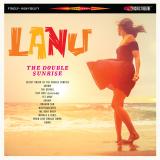




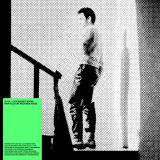
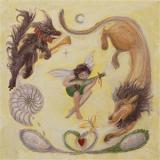





![The Council [Stekker & DJ Sofa] - We Must Proceed / On One](https://www.deejay.de/images/l/2/8/1126128.jpg)