The 18th Parallel strikes hard once again with its new riddim series called ‘BONANZA CHARGE’. Carefully produced in its Geneva studio, the collective of musicians presents two vocal cuts and one horns instrumental released as three 7” singles with dubs mixed by Roberto Sánchez. This is heavyweight roots reggae tailor-made for the heaviest sound systems!
First song recorded on the riddim, ‘Don’t Tell Me To Smile’ is NIGHTSHADE’s debut single on Fruits Records and it really is music with a powerful message. Turning an everyday frustration into a universal cry, Nightshade sings out loud what she always wanted to answer to the countless strangers who told her – like so many other women – to smile… because “a woman who smiles looks so much prettier”.
She says: “If it’s really such an innocent thing to say as some claim, why do men never say it to other men? Why do some feel entitled to tell complete (women) strangers how they should look, feel or behave? These so-called ‘small comments’, repeated over and over, are just one piece of the constant scrutiny and everyday violence many women face – and we can’t take no more of it.”
Carried by three united voices, ‘Don’t Tell Me To Smile’ reminds us that a woman is not a decorative object meant to please the male gaze. It’s a call to see through the trap: under the guise of compliments, what is at work is control over women’s bodies and minds. A smile should come from the heart, never from an obligation.
out of Stock
Last delivered 3 months ago available to reorder, subject to availability
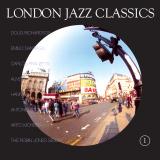
London Jazz Classics originally came out in 1993 - the first album ever to be released on Soul Jazz Records. The album brought together rare and obscure dance tracks in a unique mix of jazz dance and fusion, funk, Brazilian and Latin grooves.
The album was ironically titled - none of the music was from London, none of the music was traditionally classified as jazz, and all of the tracks were at the time practically unknown to most people. Instead these were tracks that were filling dancefloors in a nascent jazz dance scene in London being created by a small group of DJs – Paul Murphy, Gilles Peterson, Sylvester, Patrick Forge and a few others.
As demand for these rare groove jazz tracks grew, previously unknown records such as Alive!’s ‘Skindo Le Le’, Doug Richardson’s ‘Salsa Mama’, Carlos Franzetti’s ‘Cocoa Funk’ and Emilio Santiago’s ‘Bananeira’ became sort after and even-harder-to-find items with original copies going for £100s of pounds.
These tracks became part of the soundtrack to this jazz dance scene which has now spread across the world. This music paved the way for the arrival of many of the UK’s new wave of current artists such Shabaka Hutchings, Nubya Garcia and Ezra Collective who today offer a uniquely London sensibility of fusing jazz with wide-ranging cultural influences – everything from afrobeat to soul.
London Jazz Classics was the first album to bring this jazz dance music featured here to a wider audience. More than 30 years since its initial release Soul Jazz Records are releasing this new 2026 edition, bringing the music once more to a new generation of listeners.
out of Stock
Last delivered 3 months ago available to reorder, subject to availability
Maria is the debut album from renowned Brazilian electric bassist and composer Moyses Dos Santos. A homecoming for the London-based artist, Moyses’ debut reconnects him with his North-Eastern roots while assembling an international cast of collaborators including legendary Brazilian arranger Arthur Verocai, US trumpet sensation Theo Croker and London-based vocal star Lynda Dawn.
After relocating from Brazil to London in the early 2000s, Moyses dos Santos quickly became one of the capitals’ most in-demand players, sharing stages, studios, and writing credits with best-selling artists including Nile Rodgers, Janelle Monáe, Emile Sandé, Gregory Porter and Omar.
In 2022, Moyses toured with Brazilian jazz-funk legends Azymuth, completing the rhythm section alongside Brazilian drumming master Ivan "Mamão" Conti. "It felt like he was my wise Brazilian grandfather figure." Moyses recalls. "When you spend so many years working internationally, you unconsciously start to leave certain parts of yourself behind. Mamão encouraged me to reconnect with Brazilian music, and that's where this record really began."
Brazil’s North-east, where African, indigenous and European traditions collided and fused most intensely, produced a musical heritage unlike anything else on earth, Moyses dos Santos is a product of this syncretism. On Maria, named after his mother, Moyses brings the musical vocabularies of his youth to the fore. From the soul of the church band where he began to learn his trade as a musician, to the rolling batucadas – maractus, baiaos, sambas and frevos – which he played throughout his teenage years.
Drawing on the lineage of North American electric bass giants like George Duke, Jaco Pastorius, and Stanley Clarke, Moyses runs Brazilian musical traditions through jazz, funk, soul and disco: his sound charged with the cosmopolitan energy of London's contemporary jazz scene.
Lead single and album opener “Boa Viagem’ is joyous, carnivalesque dancefloor jazz: a timeless groove for the nightclub and street party alike. Calling directly to a higher power “Brazilian Spirit” is an astral-jazz phenomenon, featuring the transcendent trumpet playing of Grammy nominated Theo Croker. On “Saudade” Moyses calls upon iconic Brazilian maestro Arthur Verocai, whose signature string arrangements cascade around the divine vocals of ascendant London artist Lynda Dawn.
With impeccable style, charisma, warmth and virtuosity, Moyses steps forward with his stunning debut Maria: out on vinyl, LP, CD and digitally on the 12th June 2026.
out of Stock
Last delivered 37 days ago available to reorder, subject to availability
Antal, founder of the Amsterdam-based Rush Hour Records & Store and renowned for his global DJ touring and eclectic sets spanning house, techno, rare funk, soul, and jazz, curates a personal selection from the historic label Timeless Records.
For Timeless Presents From The Archives, he handpicked highlights from 1974–1994 by jazz luminaries such as Art Blakey and the Jazz Messengers, Pharoah Sanders, Carter Jefferson, Gary Bartz, Woody Shaw, and more. “I want to thank the Wigt family for allowing me to dig deeper into their catalog to compile a selection of personal jazz favorites. Their passion for jazz and independent labels has inspired me as a DJ and record store owner. A great song is a great song, no matter when or where it was made,” Antal reflects. For this double album, Antal shares his love for modal and spiritual jazz, celebrating a pivotal era in jazz and creating a must-have for collectors, selectors, and new explorers.
Timeless Presents From The Archives 1974-1994 is packed in a gatefold sleeve, featuring notes by Antal and artwork by Dirk-Jan Deckwitz. Affixed on the protective sleeve is the 50th Anniversary Timeless Jazz sticker.
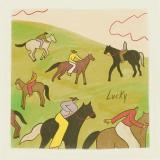
LUCKY is the self-titled debut album by the San Francisco band, born of a collaboration between songwriters Andrew St James (French Cassettes, Juan Wayne) and Peter Kegler (Half Stack). Now a full band featuring, the group combines anthemic indie-rock with y’allternative twang, the perfect soundtrack for long drives and late night revelries.
The story begins when St James booked Kegler’s band Half Stack for a show with Juan Wayne at the Rickshaw Stop in San Francisco. The two immediately recognized each other as kindred spirits and before long they were spending late nights at The Lucky Horseshoe in Bernal Heights, where they pledged to make an album together. Much like Lennon-McCartney or Jagger-Richards, St James and Kegler showed up with their own songs and helped each other dial them in, the songs becoming something totally unique in the process. Pretty soon they recruited Elsasser and headed into the studio with producer Joe Santarpia (Mac DeMarco), where they blazed through more than half a dozen songs in a few days, capturing first takes of raw energy.
Album opener “Falling Through”, written by Kegler on a long drive over HWY 17 to Santa Cruz, pairs talkin’ country vocals on the verse with a hard hitting chorus, eventually ramping up to a phased out guitar solo and a truly epic bridge with gang vocals and an ad lib from St James. Meanwhile, lead single “Traveler” was the first song written for the album, originally a folky shuffle, St James thought it was a goner but Kegler helped recast it as a mid-tempo rocker with a twangy alt-country edge. “Friends” is a true-to-life account of St James’ lifestyle as he shuttled between San Francisco and Los Angeles, paying homage to the City’s legendary House of Prime Rib with a propulsive beat that recalls Girls, Kings of Leon, and the grandiose energy of the E Street Band.
Highly anticipated debutalbum from LUCKY. Press coverage includes reviews and features in Various Small Flames, Glide Magazine, Broken Dreams Club, and more.
“...equal parts laidback swagger and earnest emotion…” - Various Small Flames
“LUCKY is becoming one of the most exciting figures to emerge in alt-country in some time.” - Glide Magazine.
Because It Happens dokumentiert ein außergewöhnliches Live-Treffen dreier Meister der freien Improvisation - aufgenommen im legendären Café OTO in London. Mikolaj Trzaska (Saxofon, Bassklarinette), John Edwards (Kontrabass) und Mark Sanders (Schlagzeug) begegnen sich nicht im klassischen Sinne des Jazzspiels, sondern verstehen ihre Musik als "Live-Komposition" - einen offenen Prozess, in dem Publikum und Raum Teil des musikalischen Geschehens werden. Zwischen eruptiver Energie und lyrischer Verdichtung entfaltet sich ein intensiver Dialog, der weit über Technik hinausgeht: Musik als unmittelbare Erzählung, als Risiko, als Entdeckung. Ein Album voller Spannung, Freiheit und bewegender Momente.
Jazz, afrikanische Musik und elektronische Elemente verbinden sich auf dem neuen Album von Nduduzo
Makhathini zu einem dynamischen Ganzen. Der Pianist und Komponist wurde 2020 als erster südafrikanischer Jazzmusiker bei Blue Note Records unter Vertrag genommen, seine Alben gewannen internationale
Preise wie den Edison Jazz Award, den Preis der Deutschen Schallplattenkritik und den Deutschen Jazzpreis. Seine Konzerte sind weltweite Erfolge.
“Seit einiger Zeit beschäftige ich mich mit der Frage, wie verschiedene Gesellschaften ihre Mythen finden
und welche Gemeinsamkeiten sie haben“, sagt Nduduzo Makhathini über sein viertes Blue-Note-Album,
das er zusammen mit seinem achtzehnjährigen Sohn Thingo Makhathini produziert hat. Makhathini selbst
ist an Piano und Keyboards, sowie als Sänger zu hören, neben seinem Trio mit Bassist Dalisu Ndlazi und
Schlagzeuger Lukmil Perez (sowie auf einigen Stücken Ayanda Sikade) sind als Gäste Shabaka Hutchings
(Flöte) und eine Reihe hochkarätiger südafrikanischer Talente zu hören: DJ und Produzent Black Coffee,
Trompeter Robin Fassie, Gitarrist Keenan Ahrends, Sänger Muneyi sowie die Sängerinnen Thando Zide
und Omagugu, Makhathinis Ehefrau und langjährige musikalische Weggefährtin.
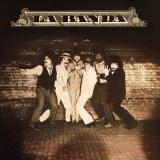
Soul, jazz-rock, candombe and funk blend in the cocktail of La Banda's first and sole album. Often regarded as Argentina's first supergroup, the ensemble built a reputation on their explosive live performances during a time of political repression. Short-lived but unforgettable, the six-piece brought together top-tier jazz musicians—five Argentinians alongside Uruguayan icon Rubén Rada—to deliver a deep, hard-hitting sound that resonates far beyond its era.
Rada arrived in Buenos Aires bruised — a romantic disaster and a string of empty concert halls back in Montevideo had pushed him to start over at 35. Behind him lay a remarkable journey: from inventing candombe beat with El Kinto, to leading the Latin rock powerhouse Tótem, to recording cosmic jazz with Opa alongside the Fattoruso brothers. Trumpeter Benny Izaguirre, the band's architect, gathered around him a cast of heavyweights: pianist Jorge Navarro, an essential figure in the Buenos Aires jazz scene since the 1950s; saxophonist Bernardo Baraj, forged in Alma y Vida, Argentina's jazz-rock champions; and the irresistible rhythm section of bassist Ricardo Sanz and drummer Luis Ceravolo, both veterans of Astor Piazzolla's quintet. All three — Baraj, Sanz and Ceravolo — were simultaneously part of Banda Spinetta, the jazz-oriented project of Argentine legend Luis Alberto Spinetta.
The sessions also drew in two guests who needed no introduction: guitarist David Lebón — veteran of Pappo's Blues, Pescado Rabioso, Color Humano and Serú Girán, one of Argentine rock's true giants — and guitarist and producer Daniel Homer, a quietly indispensable figure across Buenos Aires' jazz and rock scenes.
Recorded in 1979 and gone almost as soon as it arrived — La Banda's brief existence and this sole album are what Buenos Aires sounded like when it was allowed to breathe. Between raids, between disappearances, in the stolen hours when music was louder than fear.
Faellesskab reveals their most critical and emotionally charged work to date, a deeply personal voyage into the heart of Nordic black metal, where raw emotion and melodic depth keep reveling in sorrow and longing beauty. Translating to "Community", Faellesskab's six tracks weave a strong musical oeuvre within the Afsky canon; their walls of haunting melancholia, interwoven with vital intensity, have never been more powerful. Yet, this new work also sees the band at its sharpest in social criticism, as Ole Luk of Afsky notes: Faellesskab - Overture to the Downfall. Here, community is praised like herd animals fleeing responsibility.
A parade of moral superiority, where truth is trampled in the name of consensus. Where unity means silence, and doubt is a crime. Six songs of shame disguised as care, of freedom suffocated, and of the solitary few who still dare to question. A chorus of hollow words, where silence screams the loudest. Welcome to the celebration - the curtain hasn't just risen, it's been torn away! Afsky will mark the release with a special show in Copenhagen on October 17, graced by a full European album release tour kicking off the following week. Two singles are set to be unveiled in the lead-up to the release. While Afsky continues to refine their signature sound, this release is set to be another landmark in the band's uncompromising discography.
With "Una Lama D'Argento", TENEBRO take their most extreme and visionary step yet: an entire album conceived as a tribute to Dario Argento, the undisputed master of horror, giallo, and thriller cinema. Eleven tracks that are not just songs, but episodes of a single nightmare, a journey through the dark and obsessive atmospheres of the films that shaped cinema history: Deep Red (1975), Suspiria (1977), Inferno (1980), Tenebre (1982), Phenomena (1985), and Opera (1987). TENEBRO translate Argento's universe into sound: riffs sharp as blades, guttural vocals emerging from the darkness, relentless drumming, and atmospheres shifting between pure violence and suffocating tension. Iconic scenes such as the mirror revealing the killer in Deep Red, the brutal mutilation in Tenebre, or the larva-filled bathtub finale in Phenomena are transformed into brutal, immersive sonic attacks, capturing the full horror and tension of the films. As with every album, TENEBRO continue to evolve, introducing new symphonies, styles, and melodies, while remaining distinctly separate from the wider underground scene. Their music explores new horizons without ever betraying the pulsating heart that has always defined their sound: extreme, theatrical, and viscerally horror-driven.
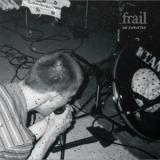
Post-Hardcore nach Philly-Art. Unzufrieden mit dem metallischen Youth-Crew-Format, verfolgte Frail die wilde, lärmende Wut der Generation X gegen alles und jeden im rasanten Tempo von San Diego. ,No Indus Try" - die erste und einzige Vinyl-Compilation des Quintetts - enthält wichtige Singles für die Labels Yuletide, Bloodlink und Kidney Room sowie seltene Compilation-Tracks aus ihrer Zeit von 1993 bis 1995. Kommt mit 24-seitigen Zine, das die Band in Notizen, Zitaten, Fotos, Flyern und revolutionärer Literatur dokumentiert. Make Your Own Noise.
Limited Silver Vinyl. The Rapture wurde im Frühjahr 1998 von Vito Roccoforte und Luke Jenner gegründet. Mit einem scharfen Ohr für Visionäre wie PIL, Television und Chrome erlangte die Band unter ,Kennern" im ganzen Land schnell einen Ruf für ihre energiegeladenen, oft chaotischen Live-Auftritte; wobei Jenner wie ein auf Steroiden stehender Trottel herumhüpfte, während die Rhythmusgruppe ihren patentierten ,sonic deathfuck groove" zum Besten gab. Im Herbst desselben Jahres wurden zwei Alben aufgenommen: eine LP mit acht Titeln, die auf dem wegweisenden Art-Punk-Label Gravity Records aus San Diego erschien, sowie eine Single, die bei Sonny Kayes Gold Standard Laboratories veröffentlicht wurde. Nach diesen beiden Veröffentlichungen nahm die Band ihre ,Make-it-fucked-up"-Philosophie mit auf Tour und tourte mit Sunny Day Real Estate, Gogogo Airheart und Nuzzle. Im Mai 1999 zog die Band nach New York City um. Matt Safer, der kurz zuvor aus Washington DC zugezogen war, übernahm den Bass. Mit einer solideren Besetzung als je zuvor stürzte sich die Band in die Erforschung von Dance- und Popmusik und erweiterte ihre bisherigen Einflüsse um Chic, The Byrds, The Happy Mondays und Timbaland. Auf der darauf folgenden EP - Out Of the Races and Onto the Tracks aus dem Jahr 2001 - festigte The Rapture ihren ikonoklastischen Stil wild-energetischen Rocks, der sich ebenso sehr an Dance-Musik wie am Post-Punk orientierte.
180gm marble vinyl.
Baratro was born when Fede (Council of Rats) and Dave (Unsane) met at a show in legendary Milan squat Cox18 and started to trade riffs and song ideas. After a while they decided to shape these experiments into a proper band and got Luca (Marnero) behind the drumkit to complete the line up.
After a few months of practice and a couple of shows in Italy, the band recorded their very first six songs in the empty concert hall of Cox18, which were later released as the “Terms and conditions” EP via Sangue Dischi records (July 2021).
Given the worldwide shutdown of live performances through 2020/2021 the band focused on writing new music, and in August 2021 they started tracking down their first full length effort, “The Sweet Smell of Unrest”, which was released February 2024 via Improved Sequence.
In 2024 Baratro joined forces with cellist Matteo Bennici to experiment as a quartet, both for composition and live. With this new formation and new found chemistry, the band simply let the dynamics and trust in each other shape the outcome of the music.This new creative process led, about a year later, to the recording sessions of their second full-length “No comply”, to be released by Supernatural Cat.
feeble little horse is naturally delighted to present their third full-length LP, bitknot. The album was written, arranged, produced, and recorded by Sebastian Kinsler, Lydia Slocum, and Jake Kelley across their respective homes in Pittsburgh, Pennsylvania. A spirited investigation into the unnatural space created between human nature and a culture of convenience, a synthesis of dirt and digital, bitknot by feeble little horse creates a language wherein one can re-imbue a sanctity of interdependence away from consumptive “self-suciency” and materialism. Slocum’s meandering introspection playfully harmonizes against Kinsler’s hooks, walls of noise, a supercharged car battery’s worth of synths and samples dropped in the ocean of their guitar-driven songwriting framework.
feeble little horse is naturally delighted to present their third full-length LP, bitknot. The album was written, arranged, produced, and recorded by Sebastian Kinsler, Lydia Slocum, and Jake Kelley across their respective homes in Pittsburgh, Pennsylvania. A spirited investigation into the unnatural space created between human nature and a culture of convenience, a synthesis of dirt and digital, bitknot by feeble little horse creates a language wherein one can re-imbue a sanctity of interdependence away from consumptive “self-suciency” and materialism. Slocum’s meandering introspection playfully harmonizes against Kinsler’s hooks, walls of noise, a supercharged car battery’s worth of synths and samples dropped in the ocean of their guitar-driven songwriting framework.
A two-headed, four-handed groove-and-space-based understanding & alignment of purpose laid out in pure BCMC DNA. Cooper Crain and Bill MacKay"s keyboard and guitar duo make unbridled electro-ecstatic, intuitive assembly of deep and wide trans-hemispheric sounds. Even if you only like Ummagumma, Nino Rota, King Crimson, Sandy Bull, Crystal Silence/Hotel Hello, you will still want to dig deep into BCMC"s Stash.
A two-headed, four-handed groove-and-space-based understanding & alignment of purpose laid out in pure BCMC DNA. Cooper Crain and Bill MacKay"s keyboard and guitar duo make unbridled electro-ecstatic, intuitive assembly of deep and wide trans-hemispheric sounds. Even if you only like Ummagumma, Nino Rota, King Crimson, Sandy Bull, Crystal Silence/Hotel Hello, you will still want to dig deep into BCMC"s Stash.
The 18th Parallel strikes hard once again with its new riddim series called ‘BONANZA CHARGE’. Carefully produced in its Geneva studio, the collective of musicians presents two vocal cuts and one horns instrumental released as three 7” singles with dubs mixed by Roberto Sánchez. This is heavyweight roots reggae tailor-made for the heaviest sound systems!
Three months only after the release of the hit song ‘More Work To Be Done’, Young Kulcha – the rising star of European sound systems – returns with a second single on Fruits Records! In stark contrast to the heavy stepper riddim of The 18th Parallel, Young Kulcha’s high-pitched voice tackles the classic rasta theme of mystical revelation. This ‘Mystic Revelation’ is spiritual music designed to be danced to at sound system community gatherings. Scorcher!
Puccinis Oper „Turandot“ wurde am 25. April 1926 uraufgeführt, und Decca Classics feiert dieses hundertjährige Jubiläum mit der dritten Ausgabe einer Reihe brandneuer, limitierter Deluxe-Editionen der
Pavarotti-Puccini-Wiederveröffentlichungen.
Pavarottis Verbindung zu dieser Oper ist untrennbar. Obwohl er die Rolle des Calaf nur selten auf der
Bühne sang, wurde die Arie „Nessun Dorma“ zu seinem Markenzeichen, als die BBC die Aufnahme von
1972 als Titelmelodie für ihre Berichterstattung über die FIFA-Weltmeisterschaft 1990 in Italien verwendete.
Die meistgestreamte Opernarie aller Zeiten wurde nun anhand der Original-Masterbänder von 1972 neu
gemastert und in audiophilen Formaten wie LP und SACD veröffentlicht:
Die LPs wurden von Miles Showell in den Abbey Road Studios im Half-Speed-Verfahren gemastert und auf
180-g-Vinyl gepresst. Die Hybrid-SACD-Edition enthält eine 24-Bit-Audioschicht
Chico Buarque - ”Vida” (1980): Der Sänger und Songwriter offenbart auf seinem bereits elften Album
eine neue künstlerische Reife, die bei Kritikern und Fans großen Anklang fand. Er begann, in seinen
Kompositionen, die mit zeitgenössischer brasilianischer Popmusik flirteten, persönlichere und poetischere
Themen zu behandeln. Limitierte Auflage in grünem Vinyl
Nachdem es Produzent Norman Granz 1956 gelungen war, die Sängerin Ella Fitzgerald aus ihrem Plattenvertrag mit Decca loszueisen, hob er eigens für seinen neuen Star das Label Verve Records aus der Taufe.
Das erste Album, das noch im selben Jahr dort erschien, war “Ella Fitzgerald Sings the Cole Porter Song
Book”. Es markierte einen wichtigen Wendepunkt in Ellas Karriere und war zugleich der Auftakt zu ihrer
bahnbrechenden “Song Book”-Reihe, die viele andere Künstler inspirierte. Für das Doppelalbum sang sie,
begleitet von einem Orchester unter der Leitung von Buddy Bregman, auf ihre einzigartig swingende Weise
32 zeitlose Klassiker aus der Feder von Cole Porter ein.
The dogs bark and the heavy-metal caravan tears through everything in its path. What lies ahead is a twisting, high-voltage journey for anyone with a taste for contemporary sound, and this record offers no lukewarm sightseeing, no pre-retirement indie pop-rock playlist drift. You'll have to learn to dance off-beat, wringing out every neuron before the final rinse. Drink your sweat, not your tears, and burn off the bitterness: that's the intended destination of the trip. This monstrous album has a computer where its heart should be. Three humans are wired into it: Michel Cloup, Manon Labry and Julien Rufié. Layer after layer, they've fed this sandpaper-and-digital-custard mille-feuille. On the menu, heaped and hurtling by the wagonload, the beast is stuffed with screams, laughter, melodies, noise: a frantic feast. It even leaves you wondering who's driving whom. Who seized control? The flesh? The printed circuits? Michel as a Titanic-'n'-Roll conductor? Julien and Manon as demolition apostles? Doesn't matter. For now, it rips, it saws, it strafes, it smashes, without pause. Rock debris_post or not_grumbling Parmentier-pop mash, white-hot hip hop spinning out, electro-disco-kraut fissuring, furious new French chanson: everything shoves its way into the blender. The real free world is here. Michel veers between naïve chants of dwindling hope, barking tsunamis of black fury and other delights, recounting the world in full 360 degrees as well as the twenty metres outside his front door. As ever, he speaks of himself, of us, speaks a lot, speaks too much. The intensity barely drops below the danger line; even the lows are stratospheric. Foot to the floor, calmly. In the thick of it, you'll wander room to room through the small theatre of France's grand political tragicomedy (David, Goliath and Godzilla), the consultation chamber of our disappointments (2027), the community repair shop of our hopes (Catharsis), the literary gym (The Poison, The Antidote), the torture room (H&M, with old Toulousain comrade Fredo Nonstop), the nightclub in flames (Shame, RIP), the electronic shooting gallery (Maria, Background Noise), the XXL confessional (For Whom? For What?) before ending in the Munch Room, the chamber of the primal scream (SISRAHTAC). "In the end, there are no words left. It howls, it howls, and it doesn't stop."
Das fünfte Lemonheads-Album 'It's A Shame About Ray', wird zum 34.Jahrestag wieder als Single Vinyl auf grünem Vinyl mit der Original-Tracklist nachgepresst. Beschrieben von Musikjournalist und Autor Everett True als "Ein 30-minütiger Einblick in das, was es heißt, hart und schnell und locker und glücklich mit gleichgesinnten Kumpels zu leben, angetrieben von einer gemeinsamen Liebe zu ähnlichen Bands und Drogen und Alkohol und Freiheit". It's A Shame About Ray" hatte in jenen berauschenden, sorglosen Tagen des Jahres '92 eine beträchtliche Wirkung. Die Platte fängt perfekt Dandos Fähigkeit ein, die Sehnsucht und Lust der Teenager mühelos in einem zweiminütigen Popsong zu verpacken. Singles wie "My Drug Buddy" und der luftig-perfekte Pop des Titeltracks mögen herausstechen, aber die eigentliche Stärke des Albums liegt in den Tracks dazwischen; das wirklich fantastische 'Confetti' (über die Scheidung von Evans Eltern) und die atemberaubend lässige Akustik-Coverversion von 'Frank Mills' (aus dem Hippie-Musical Hair), eine Version, in der jedes Quäntchen Pathos und Gefühl für die verlorene Generation der 1960er mitzuschwingen scheint. Wenn Evan Dando Zeilen wie "I love him/but it embarrasses me/To walk down the street with him/He lives in Brooklyn somewhere/And he wears his white crash helmet" singt, weiß man erst richtig zu schätzen, wie wunderbar und verlockend Popmusik sein kann. Und dann gibt es da noch den Ansturm von Aufsässigkeit und Unverfrorenheit im wunderbar verkürzten 'Bit Part'; das aufgedrehte 'Ceiling Fan In My Spoon'... das war Jungs/Teenager-Popmusik mit Stil auf einem Niveau mit The Kinks, den frühen Undertones und den Wipers. "Ray sounds revelatory in its restlessness, mixing college pop with country flair and relocating Gus Van Sant's Portland atmosphere to New England." Pitchfork *****½
Vacation. A backpack trip through Australia, a campfire in the Schrebergarten. Cruising in the car with friends through the Lüneburger Heide or just a short holiday in the mind, during a rainy lunch break or with a glass of Sprizz on the balcony. And this all includes music, music, music! Grooves which roll like an intercity train into the horizon, Rhodes chords as soft as sand on the beach and synthesizers that sparkle like the reflections on the ocean. Music as colourful as a Hawaiian shirt and as warm as the morning sun.
Welcome to Erobique’s second album “Erobique No. 2”. Here even the song titles are in a holiday mood: “Ahoj!” greets the young “Springinsfeld”. The “Mantas” glide elegantly around the “Acquamarina”. “Salut Les Copines!” we shout to the yacht next to us. “Come on the ‘Ravedave!’” they echo cheerfully. “Riding Low” is the motto while the “Arpeggiator” beautifully condenses the “Synaesthesia” of our dazed senses. The “Italotape” in the cassette deck plays the “Hitsong Von uns Beiden”. It’s all so beautiful “Verkackt”, it sounds like “Zukunftsmusik”!
Carsten Meyer released his debut album “Erosound” in 1998 under the name “Erobique”. Exactly 25 years later, the now 50-year-old releases his second Erobique album on his own label A-sexy. Thirteen diverse tracks ranging from holiday disco to rhythm box rave, recorded and produced with many of his friends and companions. Twenty-five years, that's pretty much the time it took disco to evolve from the legendary loft parties of pioneer David Mancuso to the impressive mass spectacles of Daft Punk's performances, or from Meyer's birth to his first full-length record. So why only now a second album as “Erobique”?
For nearly four decades, since its founding during the mid 1980s, the Belgian imprint, Sub Rosa, has continuously plumbed the depths of numerous, radical creative histories, assembling a catalog of releases that has almost no equivalent, while remaining nearly impossible to nail down. That said, for most of its run, Sub Rosa has been primarily recognized for its rigorous explorations of the lesser explored shadows of experimental sound practice (sound-art, sound-poetry, early electronic and electroacoustic music, free-improvisation, etc.), delivering a remarkable body of artifacts that have collectively helped to rewrite history in their wake. While it's always been impossible to anticipate where the label might take us next, threading their catalog are plenty of releases that throw further wrenches in the cogs, expanding our understanding of what they pursue, as in the case of a handful of titles, appearing as early as the 1980s, dedicated to ethnographic field-recordings from various parts of the world. Among the most striking and celebrated of these was 2017's Ethiopian Urban And Tribal Music: Mindanoo Mistiru / Gold From Wax, comprising an astounding body of recordings made by Ragnar Johnson and Ralph Harrisson in Ethiopia during 1971, reissuing material originally released by Lyrichord the following year. Now, Sub Rosa returns to the incredible work embarked upon by the pair and captured on that same trip with Ethiopian Musics 1971, comprising the recordings originally released by Ocora shortly after their completion, expanded in this edition to include an entire disc of never before released music. Widely regarded as some of the most important field-recordings ever made of indigenous Ethiopian folk music (as captivating and intoxicating as they are revelatory: providing insights into the roots of the country's singular traditions of popular music and jazz that have come to be celebrated the world over), this incredible collection is issued by Sub Rosa in a beautifully produced 2LP edition, complemented by a four page insert providing detailed descriptions of each song, as well as notes by the ethnomusicologists and recordists, as well as a 2CD edition, with a twelve page booklet. Insanely good and absolutely essential for any fan of field-recording, ethnomusicology, the music of Ethiopia, or the label's mission at large. Once again, Sub Rosa has defied our expectations and delivered a remarkably important intervention in the history of recorded sound.
Located in the Horn of Africa region of East Africa, few cultures are distinctly singular, while being so diverse (containing 80 distinct ethnic groups who speak 70 languages and 200 dialects) as that of Ethiopia. The home to some of the oldest surviving sects of Judaism, Christianity, and Islam (each contributing important aspects of its collective cultural body), particularly the country's culinary and musical traditions have become celebrated the world over, and (generally speaking) feel entirely independent of those of its neighbors. Given this, it's unsurprising that, during the summer of 1971, the young ethnographer, Ragnar Johnson, accompanied by Ralph Harrisson, traveled to Ethiopia to begin his brief career as a field recording ethnomusicologist, capturing material on reels of magnetic tape that would be subsequently released across three LPs for Lyrichord and Ocora, respectively, coming to form a cornerstone of documentation and study of the country's many indigenous musical traditions, as well as providing wide, global access to them for the first time. While Johnson's recording career was relatively brief, ending toward the end of the decade when he began to focus more on teaching in UK universities, with a focus on the anthropology of art and social anthropology, his impact on the field was lasting. Between 1971 and 1979, in addition to those he made in Ethiopia, he made hugely significant recordings in Yemen (also issued by Lyrichord before being reissued by Sub Rosa) and Papua New Guinea, which were originally released by David Toop's Quartz Publications to wide celebration, before being revisited by Ideologic Organ in 2023.
While it's worth noting that commercial releases of ethnomusicological recordings by labels like Folkways, Lyrichord, and Ocora were still in their relatively early days when he entered the field, Johnson's recordings quickly stood apart for their vivid qualities and clarity of space, allowing them to stand the test of time. As he later stated: "I used a Uher Report L stereo tape recorder, BASF quarter inch tapes at a recording speed of seven and a half inches per second with two directional microphones mounted to record an isosceles triangle of stereo sound," he reveals. "The location of the microphones and musicians was critical. The musicians were fully informed of all aspects of the recording process."
Johnson's recordings are extremely vivid, there is a clear sense of space and the cries of the flutes exist across the entire stereo field. It's a reflection of Johnson's skill as a field recordist that his recordings continue to be reissued over forty years later. "I used a Uher Report L stereo tape recorder, BASF quarter inch tapes at a recording speed of seven and a half inches per second with two directional microphones mounted to record an isosceles triangle of stereo sound," he reveals. "The location of the microphones and musicians was critical. The musicians were fully informed of all aspects of the recording process… I used to enjoy being in the moment and hearing something wonderful despite the stress of the vigilance required to ensure that the recordings were accomplished according to plan. The responsibility is to record and document the music as effectively as possible so that it has been preserved for posterity. It is better to actually record music than to sit in a seminar room debating the ethics of recording music." It is this very ethos and sense of clarity that can be encountered across the length of Ethiopian Musics 1971.
For the sake of clarity, the two LPs of material that comprise Ethiopian Musics 1971 should be regarded as a single body of recordings alongside those made in Ethiopia by Ragnar Johnson and Ralph Harrisson during the summer of 1971 (previously issued by Lyrichord and reissued by Sub Rosa), and as two that have, until now, remained historically distinct. The first LP gathers that material released by Ocora during the early 1970s on Musiques Ethiopiennes, while the second comprises (as far as we can tell) twelve never before issued recordings, expanding the journey and making this the definitive edition of the release with its incredible total of 23 recordings of songs, allowing it ever greater scope to achieve the recordists' modus operandi of capturing the broadest and most diverse cross section of Ethiopia's many musical cultures, ranging from different forms of urban music captured in Addis Ababa, documenting largely orally transmitted idioms within which lyrical content is given greater emphasis than the instrumental components (played on masenko fiddles, craar and bagana lyres, washint flutes and kabaro drums), to folk idioms hailing from the Danakil desert and the border regions with Sudan and Kenya. There are songs sung and played in bars, divination chants, laments, dances, Christian songs, and Amharic sung poetry, to only begin to scratch the surface.
Ethiopian Musics 1971 is one of those rare albums where each musical moment is pure, intoxicating gold, while also being greater through the sum of its parts. There are the many songs, forming a rich tapestry of remarkable range across the respective two LPs/CDs (moments that wondrously flirt with sonic abstraction; hypnotic rhythms; pulsing chant; melodies that, in structural arrangement and tonal combination, help us reframe how such a thing might be understood, and a great deal more), each imbued with a remarkable directness and emotive sensibility, and there is the stunning quality of these recordings themselves, transporting each sound to our ears as though we intimately share its creator's space, while being imbued with the pure heart and remarkable spirit with which they were made. As we said before, it's little wonder, once heard, why these recordings and this music feels as fresh and relevant (enduring more than 50 years) today as when they were made. Once again, Sub Rosa has raised the bar with this essential addition to the incredible work that Ragnar Johnson and Ralph Harrisson did back in Ethiopia during 1971, radically expanding our access to the sounds that they captured with these stunning, beautifully produced 2LP and 2CD editions. Absolutely engrossing from the first sounding to the last, this one can't be missed.
Originally released in 2012. A long-in-the-making soundtrack to acclaimed filmmaker Grant Gee's documentary about German writer WG Sebald. »Patience (After Sebald)« is a multi-layered film essay on landscape, art, history, life and loss - an exploration of the work and influence of German writer WG Sebald (1944-2001), told via a long walk through coastal East Anglia tracking his most famous book »The Rings Of Saturn«. Much like The Caretaker's oeuvre, Sebald's works are particularly focused on themes of memory, both personal and collective, making Kirby the ideal candidate for this score.
Grant tasked him with soundtracking responsibilities, but rather than thrift shop shellac, the source material for »Patience« was sourced from Franz Schubert's 1827 piece 'Winterreise' and subjected to his perplexing processes, smudging and rubbing isolated fragments into a dust-caked haze of plangent keys, strangely resolved loops and de-pitched vocals which recede from view as eerily as they appear. Mastered by Lupo at D&M, the album is adorned with another specially commissioned painting by Ivan Seal.
out of Stock
Last delivered 3 months ago available to reorder, subject to availability
You are Spring!" beginnt mit einer gewundenen Klangwand, A-cappella-Stimmen, die sich in üppiger Harmonie überlagern und den halb-titelsgebenden Frühling besingen. Sofort entführt uns Tasha aus dem tristen, grauen Winter in eine Welt voller Bilder und Empfindungen von neuem Leben. Stell dir vor: ein Feuerwerk aus glockenförmigen Blüten; Rosa, Citrin und Buttergelb; der Himmel klar, eine Lunge voll Blau; Wärme, überall, die die über den Winter geheilte Haut küsst und sich nach Berührung sehnt; Leichtigkeit nach dem Leiden; ein tiefer Atemzug nach dem Ersticken. "Don't die now / There's life to be found now,", beginnt sie. In Texten, die von Gwendolyn Brooks' Gedicht "To The Young Who Want To Die" inspiriert sind, formuliert Tasha die These dieses Albums mit exquisiter Präzision. Es gibt Jahreszeiten der Härte, Jahreszeiten der Schwierigkeit, ja. Aber hier, in diesem Album, meditieren wir über den Frühling über eine Zeit des Feierns, die umso süßer ist, weil wir wissen, was man ertragen muss, um dorthin zu gelangen. "Alive now / It's spring now / Alive now / You're spring now" schließt sie, getragen von den samtigen Stimmen von Jamila Woods und Taja Cheek von L'Rain, die auf diesem Track zu hören sind, und lädt uns in die paradiesische Schatzkiste ein, die sie hier geschaffen hat. Für Tasha ist der Frühling ein Ort, an dem wir ankommen, aber auch ein Zustand, in dem wir uns befinden, eine Art, wie wir geworden sind. Wenn sie darüber spricht, was das Album ihrer Hoffnung nach vermitteln soll, erläutert sie die Bedeutung von "You Are Spring!" weiter und sagt: Es ist eine Art zu sagen, dass du das bist, worauf sich andere Menschen freuen; du bist das, worauf wir warten; du bist das Schöne." Wenn es im vorherigen Album um Sehnsucht ging, darum, sich nach einer Fülle zu strecken, von der du weißt, dass sie kommt, dann ist "You are Spring!" eine Gelegenheit, innezuhalten und alles in dich aufzunehmen, sobald du in deine Fülle eingetreten bist. Das heißt, You Are Spring!" ist in seiner Aufmerksamkeit für die Glückseligkeit so eindringlich wie sein Ausrufezeichen, aber es hat auch einen klaren Blick auf die Welt um sich herum. Die zweite Hälfte des Albums bewegt sich auf diesem schmalen Grat zwischen Wonne und Untergang. Sieh dir zum Beispiel "Actor" an und seine Auseinandersetzung mit den Gesten, die wir in einer Liebe machen, die hohl geworden ist, gefolgt von Special" und seinem aufwendig arrangierten Klangteppich, komplett mit Tashas Klarinetten-Debüt. Im letzten Titel, Quick!", steigt Tashas Stimme in einer fast Stephen-Sondheim-artigen Tonfolge empor und drängt uns singend: "Quick! See how this beauty rushes by?" Es gibt Dissonanzen im Klimpern der Akkorde, das Keuchen ihrer Finger, die über den Gitarrenhals gleiten, eine raue, fast wie von einer Kassette klingende Qualität der Produktion, wieder von Gregory Uhlmann. Aber wir werden noch nicht aus dem Garten vertrieben; der Song klingt langsam aus, zurück in den Glockenblumenhain von Tashas sanftester Stimmlage. "You Are Spring!" fordert uns heraus, uns an unserer Gegenwart zu erfreuen, uns selbst als die lang ersehnte Jahreszeit des neuen Lebens und Wachstums zu sehen. Und wenn der Winter wiederkommt, wie er es immer tun muss, die Trauer sich einschleicht, Herzschmerz vor der Tür steht, gibt Tasha uns etwas, an dem wir uns festhalten können. Die Gewissheit, dass der Frühling wiederkommen wird, selbst dann. Dass die Schönheit und Fülle, die uns jetzt umgibt, uns wieder umgeben wird, noch einmal.
Atkinson first saw Les yeux sans visage when she was a teenager, around the turn of the century. The film made an impact for its iconic imagery and the way Franju draws on the aesthetics of early filmmaking, from its score that relies on stylistic markers typical of the 1940s or 50s to the decision to shoot in black and white. Even four decades after its first release, it was clear that this was a work that stood outside of the cultural moment that birthed it, speaking through time in ways that were uncanny, but profound.
A quarter-century later, Atkinson was approached by the Belgian cultural center VIERNULVIER to create a new score for Les yeux sans visage for its celebrated Videodroom series, which has seen artists like claire rousay, Mabe Fratti, Lee Renaldo, and many more create new original scores for cult classics and genre cinema. Atkinson's music, with its sublime meditations on space and proximity, its elusive sense of narrative development, mirrors the pacing and mystery at the heart of horror filmmaking. There is a shadow at the heart of her soundtrack to Les yeux sans visage, an ever-shifting wisp and an insinuation of encroaching transfiguration. Echoing a climactic moment in the film, the music obliquely points to "the Beyond," an impossible place of discovery and revelation.
Atkinson envisioned her music as something akin to the air moving throughout and beyond the many cages that appear in the film, unconstrained by the bars and with undefined borders. Those cages hold the victims of a madman surgeon, determined to graft a new face onto his daughter, the protagonist Christiane Génessier, who lost hers in a car accident while he was behind the wheel. Atkinson was reminded of her predecessors at the pioneering French studio the GRM, who approached sound in a less sinister, but similarly surgical manner, and took inspiration from their playful approach to cerebral soundmaking for the electroacoustic topography into which the piano is embedded. As such, Atkinson’s reactions to the larger themes and the minute-by-minute happenings onscreen are both audible simultaneously.
A film about a man who destroys the lives of young women marked by their beauty and similarity to his daughter in a shame-fueled rage has clear, continuous cultural resonance. "Through the music, I decided to bring back their empowerment despite what they endure," says Atkinson. "This is why the record is also dedicated to Gisèle Pelicot, whose trial happened while I was in the process of composing the music and kept thinking of her strength and her decision to share her trial in order to reverse the shame."
This recorded version of the soundtrack is a 34-minute synthesis of the full 90-minute score, presented on LP along with an essay by writer-musician Claire Cronin and drawings by Momo Gordon, together forming a complex reflection on the film's themes. If these sounds move as if the bars of cages are no barrier, they also intimate the freedom and power of those held behind them. Rather than simply mirroring the fear and confinement shown onscreen, Atkinson offers an elusive escape, a beacon for the characters, and the listener, to follow as they reckon with the narrative and move through it.
out of Stock
Last delivered 3 months ago available to reorder, subject to availability
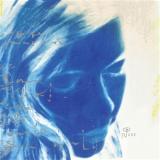
Eine Ambient-Symphonie aus ätherischem Verfall, die zum Klassiker des 21. Jahrhunderts avanciert ist. Aufgenommen zu Hause im Jahr 1992 mit einer 12-saitigen Gitarre, einem 4-Spur-Recorder, einem Loop-Pedal, unendlichem Hall und dem strukturierten Gurren der rätselhaften Sängerin Melissa Arpin Duimstra verwandelte Scott Cortez' Projekt ,loveliescrushing" postadoleszentes Tagträumen im Schlafzimmer in ein ruhiges, mondbeschienenes Gleiten auf einem endlosen Meer. Diese erweiterte und remasterte Doppelalbum-Edition enthält fünf weitere, von Verzerrung geprägte Reflexionen aus dem Archiv, zusammen mit Texten und einer Nachbildung einer Postkarte, in denen man sich unterwegs verlieren kann. Hier braucht man keine Augenspülstation - Blindheit ist beabsichtigt.
out of Stock
Last delivered 3 months ago available to reorder, subject to availability
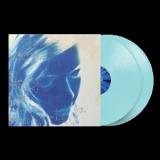
Sky Blue Opaque Vinyl. Eine Ambient-Symphonie aus ätherischem Verfall, die zum Klassiker des 21. Jahrhunderts avanciert ist. Aufgenommen zu Hause im Jahr 1992 mit einer 12-saitigen Gitarre, einem 4-Spur-Recorder, einem Loop-Pedal, unendlichem Hall und dem strukturierten Gurren der rätselhaften Sängerin Melissa Arpin Duimstra verwandelte Scott Cortez' Projekt ,loveliescrushing" postadoleszentes Tagträumen im Schlafzimmer in ein ruhiges, mondbeschienenes Gleiten auf einem endlosen Meer. Diese erweiterte und remasterte Doppelalbum-Edition enthält fünf weitere, von Verzerrung geprägte Reflexionen aus dem Archiv, zusammen mit Texten und einer Nachbildung einer Postkarte, in denen man sich unterwegs verlieren kann. Hier braucht man keine Augenspülstation - Blindheit ist beabsichtigt.
out of Stock
Last delivered 3 months ago available to reorder, subject to availability
Zeitgleich mit dem 40-jährigen Jubiläum der Band wurde Complete B Sides: 1988-97 von Pixies neu remastert und wird 25 Jahre nach seiner ursprünglichen CD-Veröffentlichung erneut herausgebracht. Das Album erscheint als Doppel-LP auf schwarzem Vinyl, als Doppel-LP auf klarem Vinyl sowie als Doppel-CD. Außerdem wird diese Veröffentlichung damit zum ersten Mal überhaupt auf Vinyl gepresst. Complete B Sides versammelt alle B-Seiten aus der klassischen 4AD-Ära der Band und enthält einige der besten "anderen" Songs der Pixies, darunter "Wave of Mutilation (UK Surf)", "Into The White" und "The Thing". Ursprünglich 2001 auf CD veröffentlicht, als sich die Band bereits seit fast einem Jahrzehnt in einer Pause befand, enthielt Complete B Sides: 1988-97 alle 19 Nicht-Single-Tracks aus der unglaublichen Reihe von Singles, die die Band zwischen 1988 und 1991 veröffentlichte. Zum Abschluss wurde die instrumentale Version von "Letter to Memphis" hinzugefügt, die zuvor nur auf der US-Version der Veröffentlichung der Alec Eiffel-Maxi-Single erschienen war. Da auf vier Vinylseiten Platz für mehr Musik vorhanden ist, enthält diese aktualisierte Version zusätzlich sechs Live-Tracks, die aus späteren Pixies-Veröffentlichungen stammen, darunter aus der 1997 erschienenen Neuauflage von Debaser. Für diese aktualisierte Edition wurden alle Titel von ihren ursprünglichen analogen Bändern von Kevin Vanbergen neu remastert. Das Ergebnis klingt erstaunlich frisch und vervollständigt zugleich seine umfangreiche Arbeit am gesamten Katalog der Band. Diese neue Vinyl-Edition fungiert außerdem als Begleitstück zur kürzlich erschienenen Compilation Live at the BBC. Designer Chris Bigg (v23) hat dafür ein eindrucksvolles neues Artwork geschaffen und dabei Fotos aus dem Archiv von Simon Larbalestier verwendet, die ursprünglich für die Pixies vorgesehen waren, später jedoch verworfen wurden. Beide arbeiteten seit vielen Jahren mit der Band zusammen und gestalteten beide Veröffentlichungen parallel, um an den verstorbenen visuellen Direktor der Band, Vaughan Oliver, zu erinnern und ihn zu ehren.
out of Stock
Last delivered 3 months ago available to reorder, subject to availability
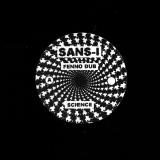
Sans-i, the new brainchild of Sunny Seppä, aka Sansibar, is a project that takes a deeper dive into a more expressive, expansive and entropic world. The debut Fenno Dub is a two-track EP featuring “Science” and “Paranormal.” Both tracks echo (…echo, echo, echo…) from different sides of the same coin—which one will you choose? Sans-i stirs a potent brew on the Fenno Dub EP, where the sound emerges from the continuum of The Bush Chemists, The Disciples, Jah Shaka, On-U Sound, Conrad Schnitzler, and The Slits, just to name a few.
out of Stock
Last delivered 13 days ago available to reorder, subject to availability
DJ Support: Claptone, Adam Beyer, Joris Voorn, Kaskade, Martin Solveig, Bob Sinclar, Deeper Purpose, Malaa, CID, Valentino Khan, Claptone, Malaa, Danny Howard, Fatboy Slim, Bob Sinclar, James Hype, Tita Lau, Format:B, Fedde Le Grand, Mark Knight & more.
Toolroom Trax’s next Sampler showcases 4 big releases from Shiba San, CID, Nausica, ALL U NEED, Twolate, NIINE, Dario Nunez, Alex Now (ES), Gloria IT & Danny Rhys.
Vor zehn Jahren gründeten drei Mitarbeiter von JI's Market and Cafe die Band Styrofoam Winos. Lou Turner, Trevor Nikrant und Joe Kenkel fanden zueinander durch ihre gemeinsame Begeisterung für Bob Dylan, Patti Smith, Leonard Cohen und Country-Platten aus dem Schnäppchenkorb. Sie beflügelten sich gegenseitig in ihrer Begeisterung und waren total aus dem Häuschen bei jedem neuen Song, den sie entdeckten. Nachdem ein Freund weggezogen war und ein Schlagzeug zurückgelassen hatte, lernten alle drei Winos, Schlagzeug zu spielen. Die ersten Versuche im gemeinsamen Songwriting entstanden aus Jam-Sessions und Erasure Poetry, bei der man Wörter in alten Büchern schwärzte, um neue Gedichte zu schaffen. Sie sangen alle mal die Leadstimme und tauschten regelmäßig die Instrumente. Michael Hurley zum ersten Mal zu sehen, hinterließ einen bleibenden Eindruck und gab der Band einen ihrer kreativen Leitsterne. Jahre später gab Snock den Winos selbst seinen Segen, ihre Kassette mit Coverversionen seiner Songs zu veröffentlichen. Die Styrofoam Winos sind immer mit dem Strom geschwommen, was ,Any River" zu einem passenden Titel für ihr neues Album macht, dem Nachfolger von ,Real Time" aus dem Jahr 2024. Ihre spielerische Herangehensweise wird durch das Können erfahrener Musiker untermauert, die bereits viele hundert Konzerte gespielt haben - sowohl gemeinsam als auch als Tourmitglieder von Ryan Davis and the Roadhouse Band, MJ Lenderman and the Wind und als Solokünstler. Das ist eine ihrer größten Stärken, die man gar nicht hoch genug einschätzen kann: Sie sind extrem gute Musiker! Wenn drei talentierte Menschen eine so tiefe Chemie entwickeln, ist das Ergebnis einfach grandios. Jeder Song auf ,Any River" entstand aus Jam-Sessions in Turners und Nikrants Heimstudio, und schon bald folgte ein gemeinsames Google-Dokument mit den Texten. Sie nahmen in Louisville auf - ihr erstes Album außerhalb von Nashville - zusammen mit Roadhouse-Bandkollege und Equipment Pointed Ankh-Mastermind Jim Marlowe. Marlowes zurückhaltende Produktion brachte die einzigartige Synergie der Band voll zur Geltung. Das führt zu einem weiteren wesentlichen Punkt dieser Band. Es gelingt ihnen, eine perfekte Balance zwischen Ehrfurcht und Respektlosigkeit gegenüber den musikalischen Traditionen zu finden, in denen sie arbeiten. Ihr Wissen über den Kanon ist gelehrt, aber diesem Wissen folgt immer ein Augenzwinkern. Kein Moment auf der Platte verkörpert dies besser als das Trompetensolo in ,New Friend". Es ist eine geschickte Darbietung, aber die Art und Weise, wie Kenkel unter die Tonika absinkt, bevor er die letzten Noten des Solos auflöst, ist urkomisch. Bei Live-Auftritten spielt er das Solo Note für Note auf einer Kazoo, während er gleichzeitig Schlagzeug spielt. Diese Musik stammt von erfahrenen Verwandlungskünstlern, die sich einer einfachen Kategorisierung entziehen und dennoch sofort wiedererkennbar bleiben.
Die vollständigen originalen Studioaufnahmen des aus San Diego stammenden, über Boston geformten Alternative-Trios - remastert, restauriert und in einem opulenten Boxset vereint. Wait A Lifetime versammelt die unvergleichlichen Alben der Band Junk und This Afternoon Malady sowie R.I.P., erweitert um ihr unvollendetes drittes Album, Singles, Split-Veröffentlichungen und Beiträge zu Compilations. Das begleitende 68-seitige Booklet zeichnet die gesamte Geschichte anhand eines Essays von Nina Cocoran und Dutzender zeitgenössischer Fotos nach. Alles ist untergebracht in einer beeindruckenden, kaschierten und lackierten Box. Sink in die Erde - und flieg.
Die vollständigen originalen Studioaufnahmen des aus San Diego stammenden, über Boston geformten Alternative-Trios - remastert, restauriert und in einem opulenten Boxset vereint. Wait A Lifetime versammelt die unvergleichlichen Alben der Band Junk und This Afternoon Malady sowie R.I.P., erweitert um ihr unvollendetes drittes Album, Singles, Split-Veröffentlichungen und Beiträge zu Compilations.Das begleitende 68-seitige Booklet zeichnet die gesamte Geschichte anhand eines Essays von Nina Cocoran und Dutzender zeitgenössischer Fotos nach. Alles ist untergebracht in einer beeindruckenden, kaschierten und lackierten Box.Sink in die Erde - und flieg.
Strut Records presents a brand new reissue of the 1975 Brian Auger’s Oblivion Express original album Reinforcements. A gem from the later years of the Oblivion Express band, Reinforcements sees Auger evolve from his early ‘70s jazz-rock fusions towards smoother jazz funk sophistication, continuing his journey from the previous year’s Straight Ahead.
With two former Oblivion Express drummers joining Average White Band, there are obvious comparisons to draw as several tracks lean into groove-driven arrangements and polished mid-’70s production.Never one to follow a predictable path, Auger crafts a steadfast, stylish album that captures the evolving sound of the era, offering a rich snapshot of mid-’70s British soul and jazz-funk.
A fan favourite, the album also marks the return of vocalist Alex Ligertwood (later of Santana), whose soulful delivery is a highlight of many Oblivion Express recordings.
He is joined by Jack Mills (guitar), Lennox Langton (percussion), Dave Dowle (drums), and new addition Clive Chaman (bass, flute) – a family affair with their various kids joining for the cover shoot, the full cast adorned in an array of fine mid-‘70s tank tops.
Album highlights include the heavy funk instrumental jam ‘Brain Damage,’ a dynamic, keyboard-driven showcase of Auger’s virtuosity alongside the burning latin jazz workout ‘Something Out of Nothing’ and soaring closer ‘Future Pilot’ taking us from our present day troubles to “thread the skies to a new location.”
‘Big Yin’ is a heartfelt tribute to former drummer Robbie McIntosh following his untimely death. As with all Auger albums, the energy is nothing but positive and soulful – his back cover quote states “May the love you bring to this world be reflected upon you.”
This new Strut reissue of Reinforcements is curated by Greg Boraman of Impressive Collective in collaboration with Brian and Karma Auger. Fully remastered from the original tapes by United Archiving’s Bill Smith, it is presented as a high-quality single LP replica edition.