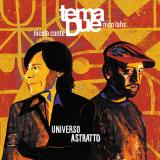
Three musicians, three worlds: raga, jazz, and their own imagination. East, West, and the fusion in between. Rhythm, melody, and harmony. Past, present, and future.With 3, Ragini Trio experiences a rebirth - after years of deep exploration into long-form ragas, South Indian Carnatic traditions, konnakkol, and Western jazz.Thirteen years after their debut, this album stands as an homage to both worlds. By refusing to play things "as they should be played," Ragini Trio finds the in-between space - that magnetic tension where jazz and Indian classical music meet and transform each other.
Inspired by the traditional Indian trio of tabla, flute, and tanpura, Ragini offers its mirrored jazz response: drums, saxophone, and double bass. The result unites jazz, which seeks freedom within structure, with raga, which seeks structure within freedom. Far from purism or imitation, Ragini Trio crafts a living dialogue between rhythm, melody, and tone colour.
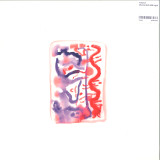
And it's a statement. Bursting with energy, depth, and self-irony, 3 is a vibrant antidote to the algorithmic recycle-music of today and tomorrow - born from the chemistry of three exceptional artists: saxophonist Nathan Daems, drummer Lander Gyselinck, and double bassist Marco Bardoscia.

Buscar:saxophone
- 1: Human Rights
- 2: Being
- 3: Human Impact
- 4: Filia
- 5: Human Spirit
- 6: Human Nature
- 7: Human Instinct
Denmark s forward forward-thinking trio Human Being Human return with a luminous new collaboration featuring acclaimed American saxophonist Chris Cheek. Rooted in lyricism, groove, and connection, Being captures the essence of what it means to create music as a shared act of humanity. Formed by bassist Torben Bjornskov, pianist Esben Tjalve, and drummer Frederik Bülow, Human Being Human have quickly earned a reputation as one of Europe s most distinctive piano trios. Their blend of Nordic lyricism and modern rhythmic vitality has drawn international acclaim for its compositional voice and cohesive ensemble sound. On Being , the trio expand their world through the unmistakable voice of Chris Cheek - a player known for his warm tone and intuitive lyricism, whose credits include work with Paul Motian, Brad Mehldau, and Charlie Haden. A long long-time admirer of Cheek s work and humility, Bjornskov reached out and invited him to Denmark to collaborate with the trio. In the studio, the chemistry was undeniable, as most of the album s tracks were captured in just one or two takes, preserving a sense of immediacy and spontaneity. Reflecting on what it means to be human, our capacity to make decisions and shape the world around us, as well as the damage our species has done to our planet, the quartet channels a spirit of contemplation and rediscovery through elegant, organic compositions. Tracks like Human Rights showcase the group s deft interplay and melodic clarity, while the tender ballad Being highlights Cheek s burnished tone and Tjalve s spacious harmonic sense. On Filia , a duo between bass and saxophone, the music unfolds in weightless dialogue and pure musical empathy. True to the group s name, Being reflects on what it means to live, connect, and create as humans in a complex world. The essence of music is working together, being open, being positive, and wanting to experience new things, things," says Bjornskov. That s essentially what jazz is - it s influenced by any and every culture in the world, every kind of music and race, and every person is part of it.
- Fragmentarium
- Run
- Such Is Fate
- Stilleben
- Concession
- Recover
- Rebuild
- Shimmering (For Mm)
Danish bassist and composer Jesper Thorn has become one of Scandinavia s most distinctive musical voices, known for blending introspective storytelling with the understated lyricism of Nordic jazz. His award award-winning albums Boy and Dragor earned international praise for their emotional honesty and cinematic depth, establishing a sound world where fragility, melancholy, and quiet beauty intertwine. A deeply personal meditation on the search for calm, connection, and meaning in a world that often feels overwhelming, the album continues his exploration of sound as refuge, a place to pause, reflect, and breathe. Joined by long long-term collaborators Marc Méan (piano), Andreas Bernitt (violin), Cecilie Strange (saxophone), and Maj Berit Guassora (trumpet), Thorn reunites with producer Mette Damm and engineer August Wanngren to craft an atmosphere both intimate and expansive. Where 2023" s Dragor confronted the ghosts of Thorn s past, STILLE (meaning quiet " or silent " in Danish) looks outward - and inward - toward reflection. For me, music has always been a refuge, Thorn writes. It s a place where I can reflect and immerse myself - both as a listener and, maybe even more, as a composer. Each composition functions as a kind of musical still image : fragments of emotion captured in time, responding to both the chaos and fragile beauty of the modern world. From the flickering calm of Fragmentarium , to the urgent, primal fear of Run (written as wildfires swept through California) to the tender domestic peace of Stilleben , these pieces balance melancholy and hope in equal measure. Thorn s writing continues to thrive on collaboration and trust. Such is Fate emerged from a discarded melodic fragment, reimagined through the expressive playing of Bernitt on violin. Recover and Rebuild form a quiet hymn to resilience, with Guassora and Strange lending understated, breath breath-like power to the ensemble. The closing track, Shimmering (for MM) MM), is dedicated to pianist Marc Méan, a constant presence in Thorn s projects since 2014 and, as Thorn puts it, the touch and sound I hear in my head when I compose ". I wanted to create a space that feels like silence, peace and quiet in a noisy world that often moves faster than it feels possible to keep up with. says Thorn.
A house is something that is so deeply temporary, yet it can hold so much energy. How do we carry or leave behind those energies while transitioning into new spaces? How does each space we occupy for some time shape us and how do we tear ourselves away from it and its influence once it’s time to go? These are some of the core questions behind CC Sorensen’s new album for mappa, ‘Phantom Rooms’ – it’s a record about movement, change, transformation, family, juxtapositions… but most of all, home.
CC Sorensen was reflecting a lot on their childhood home in rural Kansas, USA while working on this music. The album could be characterised by a familial, chamber feel and both of CC Sorensen’s brothers, Ryan and Nyal Ruehlen, make an appearance on ‘Phantom Rooms’, among other instrumentalists. Using a wide palette of sounds – CC Sorensen alone in charge of keyboards, software instruments, voice, electronics, percussion, trumpet, guitar and field recordings, in addition to guests on pedal steel, voice, chimes, saxophone and drumset – the American musician crafts music as mysterious as it is inviting. The idea behind it would be almost surrealist – ghostly rooms in houses where we live – if we all didn’t know exactly what CC Sorensen means. Home isn’t something concrete, but it’s also not just an abstract concept. It’s a space beyond space; home in itself is a phantom room we enter. And what enables us to enter is the object of exploration here.
CC Sorensen’s approach is playful – tracks like “Beat Bot” and “Plastic Portals” are almost fun – but also contemplative. They make thoughtful, meandering chamber music intertwined with field recordings and electronics. Reeds, strings and percussion often set the atmosphere – sometimes airy, gentle, at other points more insistent – as the music grapples with departure, instability, deep reflection and imagined future spaces. Especially in the closing “Bexar” there’s a tangible yearning for a stable home, a longing to rekindle and keep ablaze this beautiful familial connection to a physical place. It’s both music that invites to reflect and music that in itself reflects; desires, hopes and dreams.
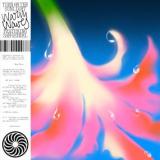
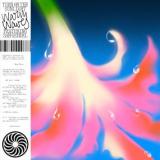
Released by Fair Weather Friends Records, "Woven" marks a new chapter for the acclaimed Thessaloniki-based ensemble, featuring special guests Harris Lambrakis on ney and James Wylie on saxophone. Their collaboration expands the trio’s sound with new colors and textures, weaving together tradition and modern expression.
Its cover art is designed by the internationally celebrated and award-winning design studio Beetroot, giving the project a distinctive visual identity that mirrors its sonic depth.
This new quintet formation is a vision that Yako Trio have long aspired to bring to life. The collaboration with Lambrakis and Wylie adds new layers of texture and expression to the band’s music. The mystical, meditative tone of the ney intertwines with the emotive voice of the saxophone, expanding the trio’s sound into new territories. The result is a dialogue full of color, energy, and imagination — connecting tradition with modernism, East with West, and collective memory with contemporary creation.
- A1: Bleach
- A2: Ether
- B1: In Bloom
- B2: Opiate
- B3: Halogen
The Italian music scene is enriched by an intriguing new jazz trio: Chromogen.
Led by bassist and composer Matteo Magnaterra, the project features three members: tenor saxophone, bass, and drums. Using an unconventional lineup, they pursue a well-defined exploration of sound and timbre, creating ample space for dialogue and experimentation. They
pave the way for a new, holistic jazz style, clearly defined in their first album, "Chromogen."
The name is inspired by a parallel passion of the artist-composer: analog photography.
Chromogen is, in fact, the English name for the chemical compound capable of transforming a negative image, dyeing it with color. Those
same colors will then animate the artist's songs, developing imagery tied to his way of observing, portraying the world around him in vivid
colors.
CREDITS
Matteo Magnaterra: compositions, electric bass
Matteo Diego Scarcella: tenor saxophone
Vincenzo Messina: drums
Jacopo Trapani: recording, mixing
Francesco Brini: mastering
- A1: Wave
- A2: Solitude
- A3: A Child Is Born
- A4: Killing Me Softly With Her Song
- B1: Black Is The Color Of My True Love's Hair
- B2: Good Morning Heartache
- B3: What Are You Doing The Rest Of Your Life
Acoustic Bass: Nobuyoshi Ino
Acoustic Piccolo Bass: Isao Suzuki
Alto Saxophone: Sadao Watanabe
Arranged, Conducted, and Piano: Masahiko Satoh
Drums: Motohiko Hino
Guitar: Sadanori Nakamure
The beautiful new world that master bassist Isao Suzuki built with the support of a diverse group of musicians finally returns to life after nearly 50 years!
With his deep musical insight and collaboration among some of Japan’s finest jazz artists, Isao Suzuki created a work of timeless beauty that now resonates
once again in the modern era.
- A1: Jah Jah Harmony
- A2: Natty Congo Rides On
- A3: Soulful Times
- A4: Jumping Up
- A5: Freedom Smile
- A6: Taking You Somewhere
- B1: Nanny Skank
- B2: Look At Life
- B3: Hard Times
- B4: Pray To Play
- B5: Too Bad Bull
- B6: No Get Dub Over
Jackie Mittoo, organ and piano maestro, was also one of the founding members of Jamaica's top session band The Skatalites. Musical arranger for Studio One he provided the backbone to so many of Jamaica's finest tunes. The invention of Ska music and the sounds that rode through the Rocksteady and Reggae period all carry his stamp. Whether it be in his various incarnations, the aforementioned Skatalites, The Soul Brothers, Soul Vendors and the Sound Dimension or under his own name, his distinctive organ and piano sound and musical arrangements have all played a major part in Jamaica's musical history.
Jackie Mittoo (born 1948, Kingston, Jamaica) began playing musical instruments at a very early age. Taught piano by his grandmother he was performing live by the age of 10 and recording by the age of 15. Two Kingston bands that he played with the Rivals and the Sheiks brought him to the attention of Studio One's founder Coxsone Dodd. Who at the time was putting a group of musicians together to be his studio band. Impressed by his skills on both the organ and the piano, Jackie was asked to join in what would become Jamaica's foremost band The Skatalites. The fellow band members were Lloyd Brevett (bass), Lloyd Knibbs (drums), Don Drummond (trombone), Tommy McCook, Roland Alphonso and Lester Sterling (Sax), Johnny Moore (trumpet), Jah Jerry (guitar) and Mr Mittoo (piano). This line up ruled the Jamaican scene between 1964 - 1965 as well as inventing the Ska sound, they also performed the backing duties for the other top labels of the time including Duke Reid's Treasure Isle and Justin Yap's Top Deck label.
1965 saw The Skatalites disband and Jackie Mittoo move on to his next musical project The Soul Brothers. Formed with fellow Skatalite Roland Alphonso, this band would back all the hits coming out of Studio One for the next three years with Jackie Mittoo working as band leader and musical arranger. Around this time Jackie also had his own single released, a Ska underground classic called 'Got My Bugaloo'. Rare, as it also features Jackie in the unusual role for him, as lead singer!!!!.
1966 saw the Ska sound evolve into Rocksteady, again with Jackie's band at the helm, and his first hit single the Rocksteady cut 'Ram Jam'. The success of which would lead to a solo career and album releases under his own name such as 'Now', 'Macka Fat', 'Evening Time', 'In London' and 'Keep on Dancing', to name but a few. In1967 the hits at Studio One were still flowing when The Soul Brothers morphed into The Soul Venders and began backing such luminaries as Ken Boothe, Alton Ellis, Delroy Wilson, The Heptones, The Cables, The Wailers and many other of the labels solo artists.
By 1968 Jamaican music was ready for another change and Rocksteady rolled into a slower groove soon to be called Reggae. Jackie Mittoo would be at the forefront with his latest band The Sound Dimension. A line up that included Leroy Sibbles (bass), Roland Alphonso and Cedric Brooks (saxophone), Eric Frater and Ernest Ranglin (guitar) and Bunny Williams (drums). Being the house band at Studio One they backed all the leading names of the time, John Holt, Horace Andy and Alton Ellis, all of Studio One's output carried his sound.
Jackie Mittoo emigrated in the late 60's to Canada, but travelled to Jamaica and London to record with many of the big new names, who were trying to redress Studio One's supremacy and needed his magic touch. Such Producers as Bunny Lee used Jackie Mittoo on many of his sessions, Sugar Minott among others were always glad of his services.
We have captured some fine 1970's cuts that feature Jackies numerous talents, showing his ability to embellish tracks with a feel that few could better, Musical arranger, band leader all round studio ace. We hope you enjoy the set and I'm sure you'll agree with us Jackie Mittoo does indeed Ride On.........
- 1: Jeu De Plomb
- 2: Honky Whale
- 3: Thirdal
- 4: Shallow Dive
- 5: Hildegund
- 6: Cantantor
- 7: Foremostly
- 8: Old Segotia
- 9: Swallow Dive
- 10: Reverse Burst
- 11: Oíche Crua Sna Sléibhte
From the opening notes – arriving as if in mid-air – to its final, cheerful burblings, Sean Mac Erlaine and Caoimhín Ó Raghallaigh’s Old Segotia is an album about friendship: both musical and human, the product of two distinctive musicians visiting each other’s worlds with a sense of veneration, and a sense of joyful wonder.
Here, Mac Erlaine (This is How We Fly, Quiet Music Ensemble) and Ó Raghallaigh (The Gloaming, This is How We Fly) meet on common ground developed over 20 years of playing together, with Mac Erlaine’s musical language rooted in jazz and sonic experimentation, and Ó Raghallaigh emerging from an Irish traditional music that he has shaped and reshaped in a deeply personal way.
In this place, Mac Erlaine and Ó Raghallaigh’s music is profoundly integrated and emotionally textured: at times bursting with explosive energy, at times almost sighing into life, but always searching. Here are the touching unison duets of ‘Cantandor’, the lyrical wanderings of ‘Swallow Dive’, or the flirtations with finding a groove in ‘Reverse Burst’.
The palette of instruments speaks to the album’s feeling of abundance, with Mac Erlaine performing on clarinets, chalumeau d’amore, three different flutes, car hooter, percussion, live electronics, Wurlitzer, synthesiser, vocals and alto saxophone; and with Ó Raghallaigh bringing his signature hardanger d’amore sound plus a turn on the flute and live electronics, too.
With the title echoing a well-worn Dublinese expression for “friend”, Old Segotia plays out with ‘Oiche Crua Sna Sleibhte’ (A Hard Night in the Mountains), with ornithologist Seán Ronayne’s field recordings of birdsong rising out of the musicians’ playful explorations, offering a taste of life echoing music, echoing life.
Força Maior combines the vital saxophone explorations of Pedro Alves Sousa with the infinitely subtle electronic processing of Pedro Tavares. Sousa (aka Má Estrela) is known for manipulating his woodwind through guitar pedalboards & amplifiers, creating far-from-ordinary sonics rooted in unceasing curiosity. For his part, Tavares (aka funcionário) conjoins video & sound work to create space for the pensive wanderings where memory and imagination interlace.
The album Morte Lilás was recorded over a week in June 2023 in Pedro Alves Sousa's family farm, located in the village of Ferreirim, near Lamego, in Portugal. The partly abandoned farm served as the residency, studio, and inspiration for the album: it is a 400-year-old granite farm that belonged to a member of the "40 conspirators"—a group that led the revolution for Portugal's independence from Spain in the 17th century.
Morte Lilás is a remarkable album of committed meditation. Each day on the farm was a recording day for the two Pedros: Sousa on sax & electronics, Tavares on sampler & processing. Apart from slight sonic incursions from the surrounds—the birds on 'Quinta à tarde'—and the sporadic use of sine tones, the source sounds all start from the saxophone. It is then processed both by Sousa & Tavares. The album unfolds as a saxophonic tapestry that breathes with quiet intensity. Each piece invites close listening, revealing fine gestures and tonal shifts that shape a contemplative, ambient space. Força Maior move with calm precision.
The album opens with the unhurried overture 'Quinta à Tarde' a Portuguese pun on Eno's Thursday Afternoon that announces the textures at play. Sousa's breathy entrance is paired with a soft, delicately shifting, backdrop. As the track progresses, time seems to stretch. The arrangement resists urgency, favouring subtle evolution over dramatic turns. Pensive layers shift & drift, creating a sense of suspended motion that brings the listener into the environs of Morte Lilás. 'Quinta à Tarde' is a long-form fade, shifting emphasis from Sousa to Tavares.
'Cubos' continues the gauzy feel, but with a more up-tempo tilt. Rhythmic clicks & pings setup a swung time for the sax to interpose melodic lines that are fed back & bent with cascading delays. Força Maior in distilled form.
Força Maior is in top form on the title track 'Morte Lilás', a sprawling centrepiece that showcases their command of atmosphere & emotional pacing. By turning up the reverberation & leaning into a continuous format, they dissolve the gap between hypnotic trance & articulate reverie. Then, a moment of stillness. The track pauses, not abruptly but like a tide pulling back, revealing the contours beneath. What follows is a return to the album's more relaxed architecture: understated rhythms, softened textures, and a sense of spaciousness that opens space for reflection. It is a transition that feels organic, as if the song itself needed to exhale before settling back into its contemplative groove.
'Menta' is another short-form miniature of the band's signature contours: beautiful loops of air pressure gradients that carry an emotive weight & light.
The album closes with 'Cascata do Inferno'. The title suggests violence, but the music whispers instead—an atmospheric cascade of breath & tone that emerges in slow, deliberate waves. Short melodic cycles are matched by shimmering electronic chords. It's a piece that rewards patience, draws the listener in to drift downstream, eyes closed, into the serene turbulence of its current.
ATA Records are proud to present the new release by Work Money Death, A Portal to Here. This album continues WMD’s exploration of Spiritual Jazz and the sounds and styles that evolved out of the 60s New Thing, particularly the recordings of
Alice Coltrane and Pharaoh Sanders. The first WMD album released since the tragic death of ATA guitarist Chris Earl Dawkins in early 2025, all four tracks reference the journey that band members and the studio have been on – in many ways this record is a testament and tribute to Chris, his musicality and creativity.
Featuring WMD stalwarts Tony Burkill, Neil Innes, Sam Hobbs, and Sam Bell, the album introduces Sorcererskeyboardist Johnny Richards to the WMD sound. Richards brings a fresh new take to the piano role here, drawing on what is clearly a broad knowledge of jazz history and channelling that through his own unique 21st century musical perspective.
The album also features contributions from Alice Roberts on harp, bringing the spirit of Alice Coltrane, Ben Powling on baritone saxophone, Richard Ormrod on woodwind, and Kev Holbrough & Steve Parry on brass. Those Sun Ra-esque horn sections lift the mood whenever they appear.Standout tracks are the second, Dance of the Spirits, with a strong core of Baptism and The Blues and some lovely playing by Richards, and the third track, Brother Earl, which begins with Tony on flute over rhythms that are directly reminiscent of open-hearted, late-60s spirituality. Tony later moves to tenor and, as on all four tracks here, eventually builds to the peaks of shattering emotional intensity that fans of Work Money Death - and spiritual jazz in general - love.
Brooklyn based baritone saxophonist Jonah Parzen-Johnson presents his new work "Imagine Giving Up" on Helsinki's We Jazz Records. The album, to be released on 17th January of 2020 sees Parzen-Johnson move into new domains of sound as he uncovers newfound energy and pulse in his music.
In addition to the sonically rich analog synth elements that accompany his earlier solo saxophone work, Jonah has layered heavily sound designed samples of his own saxophone to create truly one of a kind percussive snaps, reverberant basses, and warbling leads. At it's core, the music remains deeply devoted to almost vocal sounding melodic lines and patiently developed compositional ideas.
A compact set of 6 originals, "Imagine Giving Up" is Jonah Parzen-Johnson's most ambitious album yet. While taking a step away from the previous world of "ambient jazz", his new music stems from the use of drone-like sounds for baritone saxophone, a style which is uniquely his own. Electronics are blended in for good measure, creating a coherent vision of abstract jazz with depth. As with all of Parzen-Johnson's releases, the music comes with a deeper narrative which he will continually explore in live performance.
The manifesto for the album reads as follows: "Only a few people can really start over. Everyone else is left to struggle down the path they were assigned. The option to give up, to choose your own path, is power, and, hopefully, a call to action: take a risk to help someone." "Imagine Giving Up" by Jonah Parzen-Johnson, will be available via 'We Jazz Records' on violet and black vinyl versions, CD and digitally.
We Jazz Records kicks off their new series of archival 7" releases with Esa Pethman "In Belgium 1967" released 23 September 2022. The two-tracker is licensed from the Belgian VRT radio archives and both of the pieces are previously unreleased. Finnish jazz legend Pethman, heard here on alto flute and tenor sax, joins forces with European jazz greats such as Heinz Bigler, Uffe Karskov and Jean Fanis. This is a small but valuable piece of unheard European jazz history from the early heyday of modern jazz. The physical release is a quality "inside-out"-styled EP with 3mm spine and small center hole on the 45rpm vinyl.
An excerpt from the liner notes by Mikko Mattlar:
"Esa Pethman (b. 1938) was one of the key figures of modern Finnish jazz in the 1960s. His album The Modern Sound Of Finland was the first Finnish modern jazz album and his composition "The Flame" a true modern Fenno-jazz evergreen.
Pethman was born in Kuusankoski, 135 kilometres from Helsinki in the Kymenlaakso area. The jazz scene was active even though it was an area of rural landscapes and paper mills. Pethman discovered jazz when he heard a Charlie Parker record being played at a local music shop in the late 1940s. Following Parker, bebop became his favourite style of jazz.
Young Pethman played flute and saxophone in local bands who accompanied schlager singers. They played tangos and waltzes for dancers, but usually started a typical dance event with an hour of jazz. In 1959 Pethman moved to Helsinki to study music at the Sibelius Academy. Back then it was a strictly classical music academy, but Pethman later described the studies as crucial for his development and career. He quickly made his way to studio sessions and into the best orchestras in Helsinki.
As a student of composition, Pethman also began writing his own music. "The Flame" was a melody he just got on his mind one night, and he decided to write it down. The catchy composition was released as a 7" single in 1964, a year before Pethman's debut album. Both records stand as benchmarks for modern Finnish jazz. The album consisted entirely of Pethman's compositions, not versions of jazz standards like a lot of the Finnish jazz released until then.
In the mid 1960s, Finnish jazz was also taking its first international steps. Pethman's quintet took part in the first Montreux Jazz Festival in Switzerland in June 1967. At the Montreux jazz band competition, the quintet came in fourth of the twelve contestants. Despite not winning the competition, the band got an honourable mention, and Pethman was now recognized outside Finland.
In December 1967 Pethman travelled to Brussels. His visit was organised by the national Finnish broadcasting company Yleisradio and their jazz program producer Matti Konttinen. Konttinen was supposed to go to Brussels with Pethman, but the musician ended up traveling alone.
In the Decca recording studios Pethman played two songs. He recorded a version of his most famous composition "The Flame", where he played the alto flute and was accompanied by Belgian musicians. On Swiss saxophonist Heinz Bigler's composition "Like Steel", Pethman played the tenor saxophone. The band was now more international, consisting of Bigler, the Italian Francesco Santucci, the Dane Uffe Karskov, a Belgian rhythm section and Pethman. After 55 years, Pethman still remembers Bigler's remarkable skills as a saxophonist.
The two-day visit included the recording session, a dinner and a concert. Pethman and the other non-Belgian musicians came to Brussels mainly to play at a jazz concert organised by the European Broadcasting Union EBU. They played at the studio first, and the concert was held the following day. Pethman and all the other soloists played as members of an international big band. The studio and live session were produced by the Belgian Radio and Television jazz section leader Elias Gistelinck."
Heavyweight psychedelic improvisers EarthBall are back with their third and most monstrous record to date: ‘Outside Over There’, released on Upset The Rhythm (Nov 7th). Born from the haunted basements of Nanaimo, Canada, the quintet thrives on spontaneity, shaping improvisation into jagged hallucinations and ecstatic eruptions.
Recorded live-off-the-floor in 2024 in Jeremy, Izzy, and Kellen’s basement, and mixed by drummer John Brennan, ‘Outside Over There’ is an album that feels both summoned and inevitable. Each track lands with uncanny purpose, as if uncovered rather than written.
The opener, 100%, features a cameo from comedian and English icon Stewart Lee, who lent his blessing for the band to use a fragment of his stand-up. The album was mastered by John Dieterich (Deerhoof), with liner text contributed by longtime comrade John Olson (Wolf Eyes). Olson describes the album in his unmistakable style:
“This eight-track odyssey unfolds like a dreamscape, where whispered incantations brush against the shadowy fringes of the cosmos, and wild, Cézanne-inspired rock anthems erupt like geysers of color in the midst of a western warm and wet rain storm… culminating in the sprawling eleven minute masterpiece, ‘And The Music Shall Untune The Sky,’ aptly dubbed the Earth Crusher. A creation so utterly deconstructed and intertwined with the pulse of nature itself that if AI was called upon to conceive ‘Outside Over There’ anew, it would just spit back, “F.U. in Tree Font”. An enchanting invitation for even the flat-earthers to join the circle, if only just a little.”
EarthBall’s trajectory has been relentless. Their 2024 album ‘It’s Yours’ was praised by The Quietus as “fully aggressive and fully life-affirming,” and by The Wire as "a boisterous mind-melting album”. The band’s live double set LP ‘Actual Earth Music Vol. 1 & 2’ (2025) captured blistering performances: a performance opening for Wolf Eyes at the Fox Cabaret, and a Café OTO improvised throw-down featuring Chris Corsano and Steve Beresford. These releases on their own confirm them as one of Canada’s most vital experimental exports, not to mention the impressive self-released discography on their Bandcamp. The band’s reach has stretched far beyond their west coast roots with a UK tour May 2024, plus this past June, EarthBall closed Montreal’s Suoni Per Il Popolo Festival alongside Pulitzer Prize-winning composer Raven Chacon. This November they will perform at Le Guess Who? Festival in Utrecht, with a European tour to follow (tour dates below). Outside of EarthBall, each member carries their own torch. Jeremy Van Wyck, founding member of the legendary Shearing Pinx, has toured extensively, released over 100 records, and has been a vital force in the Vancouver and West Coast underground for the past 25 years. He and Isabel Ford (Izzy) play together not only in EarthBall, but also in Psychedelic Dirt, Shearing Pinx, Behaviours, and Crotch.
John Brennan collaborates widely, including recently with Endlings (Raven Chacon and John Dieterich), Evichen (Victoria Shen), Francesco Fonassi, Plan Your Future (with Greg Saunier of Deerhoof), Brennan/Corsano duo and Physics with John Dieterich. Kellen Maclaughlin performs with KVMP and Ora Corgan, while saxophonist Liam Murphy is a west coast staple, playing with the best across Vancouver Island and the mainland. On three of the tracks of ‘Outside Over There’, the band is joined by their comrade Justin Patterson, who also plays with Brennan in the duo Modale. This cross-pollination fuels EarthBall’s sound - a collective improvisation, psychically overdriven, and grinding into bloom.
Outside Over There’ is more than an album though, it is a ritual, a gathering of sound at the forest’s edge; where feedback, saxophone screams, and ecstatic vocals dissolve the boundary between chaos and clarity. EarthBall invite you into their circle, to share in the joyful terror of spontaneous creation. ‘Outside Over There’ will be released on November 7th through Upset The Rhythm digitally and as a limited blue-in-black vinyl LP.
Koma Saxo, the explosive quintet led by Berlin-based Swedish bassist/producer Petter Eldh, returns on We Jazz Records with their new album, cut live at We Jazz Festival in Helsinki, December 2019. Whereas their lauded debut was a triumph of remapping the goal posts for an acoustic jazz combo for the 2020's, "LIVE" takes you right to the heart of the actual ensemble sound, with 5 musicians tearing the place down, no post production. From the fiery opening sequence kicking off with "Euro Koma", on to the much calmer beauty of "Waltz Me, Waltz Me Baby, All Night Long" and the first single "Fiskeskärsmelodin", the 8-song set is pure fire, never failing to convey the extraordinary intensity of the group: Eldh on bass, Otis Sandsjö (Y-OTIS), Jonas Kullhammar and Mikko Innanen on saxes, and Christian Lillinger on drums.
An excerpt of liner notes by Peter Margasak:
"When I first saw Petter Eldh's quintet Koma Saxo in Berlin in September of 2019 I was floored. The raw, sprinting energy of the band was both infectious and astonishing, but what I most remember was a sense of cognitive dissonance. Was this the same combo that recorded a fantastic eponymous 2019 studio album that represented one of the most convincing, pleasurable, and driving hybrid's of searing post-bop and the production ethos of hip-hop? There have been endless stabs by producers trying to remap the machinations of an organic, all-acoustic jazz band with electronic post-production, but Eldh, channeling a sonic language heavily informed by J Dilla, nailed it in a way I'd never experienced before. Having the trust of his three imaginative, high-octane saxophonists—Jonas Kullhammar, Otis Sandsjö, and Mikko Innanen—he used their grainy sound as raw material, smudging and smearing it like a painter creating new hues on a palette, and then extending, editing, and powering it up within the imperturbable grooves meted out by he and drummer Christian Lillinger. He didn't really alter the essential core of the band's performances. There's no question that a seriously burning quintet had laid the tracks down, even if the performances reflected the kind of concision many jazz groups adapt for a studio endeavor. But the way his jacked-up bass lines and Lillinger's impossibly peripatetic, stuttering rhythms buffeted the massed saxophones elevated Koma Saxo to plane all its own, and I repeatedly returned to that place—half the time trying to figure out what the hell Eldh had done, and the other half lost in giddy ecstasy.
The live show, on the other hand, featured the band without any production tricks. Its soaring, pithy repertoire came alive in a different way, and this excellent live recording from the 2019 We Jazz Festival, has reminded me of how fun and visceral that experience was."
Koma Saxo "LIVE" is released by We Jazz Records on 30 April 2021 on two vinyl editions (silver + black), as a bundle with an unreleased 7" (+ silver vinyl edition), on CD and digitally. The vinyl versions plus the CD come complete with silver embossed lettering. The vinyl is delivered on heavy-duty tip-on sleeve, complete with an insert featuring liner notes by Peter Margasak, Andreas Müller, Matti Nives and Petter Eldh.
a 01: Euro Koma (Live) feat. Otis Sandsjö, Jonas Kullhammar, Mikko Innanen & Christian Lillinger
b 02: Puls Koma (Live) feat. Otis Sandsjö, Jonas Kullhammar, Mikko Innanen & Christian Lillinger
c 03: Fanfarum for Komarum III (Live) feat. Otis Sandsjö, Jonas Kullhammar, Mikko Innanen & Christian Lillinger
[d] 04: Waltz Me Baby, Waltz Me All Night Long (Live) [feat. Otis Sandsjö, Jonas Kullhammar, Mikko Innanen & Christian Lillinger]
[e] 05: Otis and Christian (Live) [feat. Otis Sandsjö & Christian Lillinger]
[f] 06: Blumer (Live) [feat. Otis Sandsjö, Jonas Kullhammar, Mikko Innanen & Christian Lillinger]
[g] 07: Fiskeskärsmelodin (Live) [feat. Otis Sandsjö, Jonas Kullhammar, Mikko Innanen & Christian Lillinger]
[feat. Otis Sandsjö, Jonas Kullhammar, Mikko Innanen & Christian Lillinger]
Silver Vinyl
Koma Saxo, the explosive quintet led by Berlin-based Swedish bassist/producer Petter Eldh, returns on We Jazz Records with their new album, cut live at We Jazz Festival in Helsinki, December 2019. Whereas their lauded debut was a triumph of remapping the goal posts for an acoustic jazz combo for the 2020's, "LIVE" takes you right to the heart of the actual ensemble sound, with 5 musicians tearing the place down, no post production. From the fiery opening sequence kicking off with "Euro Koma", on to the much calmer beauty of "Waltz Me, Waltz Me Baby, All Night Long" and the first single "Fiskeskärsmelodin", the 8-song set is pure fire, never failing to convey the extraordinary intensity of the group: Eldh on bass, Otis Sandsjö (Y-OTIS), Jonas Kullhammar and Mikko Innanen on saxes, and Christian Lillinger on drums.
An excerpt of liner notes by Peter Margasak:
"When I first saw Petter Eldh's quintet Koma Saxo in Berlin in September of 2019 I was floored. The raw, sprinting energy of the band was both infectious and astonishing, but what I most remember was a sense of cognitive dissonance. Was this the same combo that recorded a fantastic eponymous 2019 studio album that represented one of the most convincing, pleasurable, and driving hybrid's of searing post-bop and the production ethos of hip-hop? There have been endless stabs by producers trying to remap the machinations of an organic, all-acoustic jazz band with electronic post-production, but Eldh, channeling a sonic language heavily informed by J Dilla, nailed it in a way I'd never experienced before. Having the trust of his three imaginative, high-octane saxophonists—Jonas Kullhammar, Otis Sandsjö, and Mikko Innanen—he used their grainy sound as raw material, smudging and smearing it like a painter creating new hues on a palette, and then extending, editing, and powering it up within the imperturbable grooves meted out by he and drummer Christian Lillinger. He didn't really alter the essential core of the band's performances. There's no question that a seriously burning quintet had laid the tracks down, even if the performances reflected the kind of concision many jazz groups adapt for a studio endeavor. But the way his jacked-up bass lines and Lillinger's impossibly peripatetic, stuttering rhythms buffeted the massed saxophones elevated Koma Saxo to plane all its own, and I repeatedly returned to that place—half the time trying to figure out what the hell Eldh had done, and the other half lost in giddy ecstasy.
The live show, on the other hand, featured the band without any production tricks. Its soaring, pithy repertoire came alive in a different way, and this excellent live recording from the 2019 We Jazz Festival, has reminded me of how fun and visceral that experience was."
Koma Saxo "LIVE" is released by We Jazz Records on 30 April 2021 on two vinyl editions (silver + black), as a bundle with an unreleased 7" (+ silver vinyl edition), on CD and digitally. The vinyl versions plus the CD come complete with silver embossed lettering. The vinyl is delivered on heavy-duty tip-on sleeve, complete with an insert featuring liner notes by Peter Margasak, Andreas Müller, Matti Nives and Petter Eldh.
a 01: Euro Koma (Live) feat. Otis Sandsjö, Jonas Kullhammar, Mikko Innanen & Christian Lillinger
b 02: Puls Koma (Live) feat. Otis Sandsjö, Jonas Kullhammar, Mikko Innanen & Christian Lillinger
c 03: Fanfarum for Komarum III (Live) feat. Otis Sandsjö, Jonas Kullhammar, Mikko Innanen & Christian Lillinger
d 04: Waltz Me Baby, Waltz Me All Night Long (Live) [feat. Otis Sandsjö, Jonas Kullhammar, Mikko Innanen & Christian Lillinger]
[e] 05: Otis and Christian (Live) [feat. Otis Sandsjö & Christian Lillinger]
[f] 06: Blumer (Live) [feat. Otis Sandsjö, Jonas Kullhammar, Mikko Innanen & Christian Lillinger]
[g] 07: Fiskeskärsmelodin (Live) [feat. Otis Sandsjö, Jonas Kullhammar, Mikko Innanen & Christian Lillinger]
[feat. Otis Sandsjö, Jonas Kullhammar, Mikko Innanen & Christian Lillinger]
[a] 01: Euro Koma (Live) [feat. Otis Sandsjö, Jonas Kullhammar, Mikko Innanen & Christian Lillinger]
[b] 02: Puls Koma (Live) [feat. Otis Sandsjö, Jonas Kullhammar, Mikko Innanen & Christian Lillinger]
[c] 03: Fanfarum for Komarum III (Live) [feat. Otis Sandsjö, Jonas Kullhammar, Mikko Innanen & Christian Lillinger]
[d] 04: Waltz Me Baby, Waltz Me All Night Long (Live) [feat. Otis Sandsjö, Jonas Kullhammar, Mikko Innanen & Christian Lillinger]
[e] 05: Otis and Christian (Live) [feat. Otis Sandsjö & Christian Lillinger]
[f] 06: Blumer (Live) [feat. Otis Sandsjö, Jonas Kullhammar, Mikko Innanen & Christian Lillinger]
[g] 07: Fiskeskärsmelodin (Live) [feat. Otis Sandsjö, Jonas Kullhammar, Mikko Innanen & Christian Lillinger]
[feat. Otis Sandsjö, Jonas Kullhammar, Mikko Innanen & Christian Lillinger]
Between 1996 and 2003, Jack West released five remarkable albums with his evolving band Curvature. The recordings showcased West on 6 and 8-string acoustic guitar in small, acoustic ensembles including marimba, second acoustic guitar, saxophone, percussion, and pedal steel. Essential Curvature is a Best-Of Collection. Jack West’s music is a new genre of American acoustic music influenced by jazz, rock, folk, and funk, in equal measure - one that features extraordinary acoustic guitar playing.
When percussionist, pianist and vibe player Ricardo Marrero recorded the ultra-rare Latin jazz meets funk LP “A Taste” in 1976, little did he know that decades later that sealed copies of the original album would exchange hands among collectors for thousands of dollars. A veteran of the New York salsa and Latin jazz scene since the mid-1970s, Marrero has worked with luminaries such as The Fania All-Stars, Pete “El Conde” Rodriguez, The 5 Stairsteps, Dave Valentin, Angela Bofill and most recently - Ruben Blades. Full of up-tempo funky gems and sizzling slow burners, “A Taste” also includes Marrero’s crossover hit “Babalonia” that received quite a bit of airplay in the mid-1970s. Originally pressed in a very limited quantity on Don King and Lloyd Price’s TSG Records, and with little or no promotion, “A Taste” nevertheless pushed the boundaries of New York City salsa forward and has subsequently become one of the rarest, sought after and expensive records the vinyl world has ever seen. Suffice it to say that the music on this obscure jewel is priceless, featuring some of the greatest players of the era, directed by the great maestro Marrero on keyboards, percussion, vibraphone and vocals with the legendary Dave Valentin (flute, percussion, coro), Ralphy De Jesus (bongos, percussion, quinto), Erasto Bernard (congas), Tito Marrero (drums, timbales, percussion), George Oldziey (flugelhorn, trumpet), Nancy O’Neil (lead vocals, coro), John “Figgy” Figueroa (tenor saxophone, soprano saxophone, baritone saxophone), Sean Mahony (trombone) and John Dearth (trumpet). A taste of Ricardo Marrero & The Group is one that’s sure to satisfy.
- Debut album by percussionist, Pianist, Vibraphonist and two time Grammy Award winner
- Rare 1970 melange of Latin Jayy, Soul, Funk and Salsa from New York City
- Features legendary flutist Dave Valentin
- A1: Bad Luck (Eric Kupper Remix)
- A2: Bad Luck (Eric Kupper Remix Instrumental)
- A3: Love Train (Eric Kupper Remix)
- B1: Love Train (Eric Kupper Remix Instrumental)
- B2: The Love I Lost (Eric Kupper Remix)
- B3: The Love I Lost (Eric Kupper Remix Instrumental)
- C1: Back Stabbers (Eric Kupper Remix)
- C2: Back Stabbers (Eric Kupper Remix Instrumental)
- D1: I Don't Love You Anymore (Eric Kupper Remix)
- D2: I Don't Love You Anymore (Eric Kupper Remix Instrumental)
- E1: Love Is The Message (Eric Kupper Remix)
- E2: Love Is The Message (Eric Kupper Vocal Remix)
- F1: Do It Any Way You Wanna (Eric Kupper Remix)
- F2: Do It Any Way You Wanna (Eric Kupper Remix Instrumental)
Remixer extraordinaire Eric Kupper takes a set of epic, lost recordings from 1982, that feature the cream of the crop session musicians behind the soulful sound of Philadelphia - Earl Young (Drums), Ronnie Baker (Bass), Norman Harris (Guitar), Lenny Pakula (Organ), Larry Washington (Percussion), Vince Montana, Jr (Vibes, Keyboards), John Bonnie (Saxophone) - along with powerhouse vocalists Joe Freeman, David Simmons, Bobby Love and Ron Tyson, and lovingly applies his own modern sheen, spinning them into ear candy for today’s listener as well as those who were there from the very beginning. These incredible remixes, which have individually been topping the charts on Traxsource, can now be had in one place - this exclusive 3-LP vinyl collection that is not just a tribute to the past, but a vibrant continuation of the legacy these legendary musicians helped create.
RYOZO BAND’s New Single “QUIET FOG / FUGITIVE” Coming to 7-Inch Vinyl!
Following their previous release Pleasure and a remix by French beatmaker Lex (de Kalhex) that drew attention from multiple directions, RYOZO BAND
kicks off 2026 with a two track single available on streaming and 7-inch vinyl.
The lead track, “Quiet Fog,” is a mid tempo piece highlighted by a powerful horn ensemble, with an awe-inspiring saxophone solo that steals the spotlight.
It’s a track that showcases the band’s evolving groove and ensemble maturity.
Released simultaneously with the 7-inch, “Fugitive” is a cover of a hidden gem by Jamaica’s legendary ska band The Skatalites.
While paying homage to the original, RYOZO BAND reimagines it with their signature energy and dynamism, delivering an uptempo arrangement full of drive
and vitality. The result is an energetic yet sophisticated sound that promises to ignite live audiences.
RYOZO BAND is led by Ryozo Obayashi (SANABAGUN.), joined by an all star lineup: drummer Masaaki Nagata (Zainichi Funk), saxophonist Takehide
“KIDS” Hashimoto (Zainichi Funk), guitarist Tetsuta Otachi (SAHAS), keyboardist Yusei Takahashi (Setagaya Trio, Terumasa Hino Quintet), percussionist
Ryotaro Miyasaka (Yuta Orisaka Ensemble), and trumpeter Kyotaro Hori (ACO, TAMTAM). Each member brings a highly acclaimed background, blending
their influences into an ensemble rich in depth and vitality, modernizing ska and jazz elements with a contemporary twist.
A release brimming with passion and love for music—perfect for ushering in 2026. This single is proof that RYOZO BAND is evolving to the next stage.
Grupo um celebrate 50 years with release of lost dictatorship-era album nineteen seventy seven!
First time release - vinyl comes with printed innersleeves
Brazilian avant-jazz vanguardists Grupo Um celebrate their 50th anniversary, sharing a second previously lost 1970s album from the vaults. Nineteen Seventy Seven (titled after the year it was recorded) is another rip-roaring instrumental fusion treasure from the band which spawned from within Hermeto Pascoal’s famed mid-1970s São Paulo collective.
Like their debut album Starting Point, Grupo Um’s Nineteen Seventy Seven was recorded when Brazil's military dictatorship was at its most repressive. “There were no open doors to those who dreamt to be protagonists in creative instrumental music”, remembers drummer Zé Eduardo Nazario, “even popular composers and singers had to submit their songs to censors and many records were banned and confiscated from the stores.”
Just like Hermeto Pascoal's Viajando Com O Som (1977) and Grupo Um's previous album Starting Point (1975), both of which remained unreleased until the 21st century, Zé Eduardo asserts that the 1977 album was flatly 'without any chance to be released at that time."
Recorded at Rogério Duprat’s Vice-Versa Studios in São Paulo, the group were under both time and space restraints, “we chose the small Studio B,” Lelo Nazario recalls, “which had a Tascam (TE AC) 12x8 console and a 4-channel AMPEX AG 440 machine. Therefore, we had to record without overdubs, everything straight to tape.”
Expanding from a trio to a quintet, original Grupo Um members Lelo Nazario (keys), Zé Eduardo Nazario (drums), and Zeca Assumpção (bass) were joined by saxophonist Roberto Sion and percussionist Carlinhos Gonçalves. Carlinhos, Zé and Zeca had already played together in the group Mandala, while brothers Lelo and Zé had just finished a stint backing Hermeto Pascoal during his years in São Paulo.
Lelo was deeply immersed in modular synthesizer experimentation during this period, working extensively with the ARP2600 and EMS Synthi AKS. These electroacoustic explorations formed the sonic foundation for "Mobile/Stabile," one of his first compositions to merge modular synthesis with Brazilian music, a fusion that would ripple throughout the Brazilian jazz scene. The piece premiered at the first São Paulo International Jazz Festival in 1978, performed by Grupo Um with guest trumpeter Márcio Montarroyos. In a shocking moment, festival organizers interrupted the show mid-performance, sparking fierce backlash from both audience members and journalists who denounced the incident as artistic censorship during Brazil's era of political and cultural repression. The version on Nineteen Seventy Seven is the first recording of the composition.
Nineteen Seventy Seven combines Afro-Brazilian rhythm, modular synthesis and a plethora of whistles, percussion and effects pedals. Album opener “Absurdo Mudo” - so titled for the absurd difficulty it poses to the musicians performing it - starts out in a cloud of mysterious dissonance, before the haze breaks for a glorious keyboard and saxophone interplay atop an uptempo samba groove. “Cortejo dos Reis Negros (Version 2)” (Procession of the Black Kings), based on the maracatu rhythm, inverts the traditional jazz song structure by beginning with improvisations, which are followed by the theme and a final coda. “The studio also had two Parasound electronic reverb units,” Lelo notes, “and the timbre is very audible on the soprano sax and percussion.”
Grupo Um’s daring music represents a manifesto of resistance during the dictatorship years, but it’s one which remains just as relevant today. As Lelo puts it: “For me, the aesthetic issue has always been about combining contemporary avant-garde languages with Brazilian music, independent of categories and commercial interests. The result of this fusion takes music to a new level.”
Recording credits (1977)
Recorded at Vice-Versa B Studio, São Paulo, November 9, 1977
Produced by Lelo Nazario and Zé Eduardo Nazario
Engineered by Ricardo “Franja” Carvalheira
Lelo Nazario – Wurlitzer electric piano, acoustic piano, signal generator, percussion
Zé Eduardo Nazario – drums, percussion
Zeca Assumpção – electric bass
Carlinhos Gonçalves – percussion
Roberto Sion – soprano sax, clarinet
Release credits (2025)
Produced by UTOPIA Studio, São Paulo
Project Coordination in Brazil by Irati Antonio (Utopia Studio)
Tape Restoration and Digital Mastering by Lelo Nazario at Utopia Studio, July 2025
Liner Notes by Lelo Nazario and Zé Eduardo Nazario
Photography by Jorge Las Heras, Lelo Nazario, and artists' personal archives
Photo Restoration by Lelo Nazario
Artwork and Design by Alessandro Renaldin
"Brooklyn-based pianist Eva Novoa returns with The Freedom Suite: Novoa / Carter / Mela Trio, Vol. 2 — the second radiant release from her compelling trio with saxophone icon Daniel Carter and celebrated drummer Francisco Mela. This marks Novoa’s sixth album with 577 Records. The trio first came together live in 2021, followed by a series of performances, including appearances in Cambridge (Boston) and later at the Brooklyn edition of the NY Forward Festival.
"The Freedom Suite is an homage to jazz titan Duke Ellington — particularly his masterful big band suites and legendary orchestra featuring Johnny Hodges and other luminaries who helped define an era of jazz greatness. In contrast, Novoa presents her Suite in a more intimate format: the piano trio. The album comprises twelve pieces — mostly brief — with a few extended tracks such as Free to Be Free and Cyborgs.
"For this recording, Novoa also steps in as a vocalist on several tracks, including Mainstream Media, Big Grande, Global, Free to Be Free, Dream, and Cyborgs. These pieces often feature a vocal dialogue between Novoa and Mela, whose expressive, word-infused style draws from rich Cuban traditions.
'Words are powerful,' says Novoa. 'They define who we are, where we come from, and who we hope to become. Without words, there is no conversation — and without conversation, there is no real sense of time, space, or connection.'
The Freedom Suite emerged from deep philosophical and creative conversations — spoken, written, and improvised — between Novoa, Carter, and Mela. In the studio, Novoa introduced printed texts that served as thematic foundations for spontaneous, in-the-moment musical interpretation. The result is an urgent and organic interplay, where instruments speak to one another in a language as fluid as it is fearless.
"Standout track Cyborgs begins with Novoa’s percussive piano, exemplifying the trio’s dynamic, conversational energy. Creative Destruction features Novoa on electric harpsichord in a wild, electric exchange. While Free to Be Free stands out as the album’s leading single, it also captures the essence and message of the entire Suite.
"Recorded in 2021 at New York City’s legendary Sear Sound Studio, the album captures a creative explosion of sound and spirit. Novoa dazzles on piano, Fender Rhodes, electric harpsichord, Chinese gongs — even whistle — showcasing her expansive sonic palette. Together, the trio embodies the power of free improvisation and emotional storytelling.
"Originally from Barcelona, Spain, Eva Novoa has been cultivating her distinctive voice since childhood. Now a staple of the New York creative music scene, she has performed across the globe and collaborated with some of the most adventurous voices in jazz and beyond."
Berlin-based Swiss vocalist Lucia Cadotsch returns with her celebrated Speak Low trio for their second album, released by We Jazz Records on 27 Nov. "Speak Low II" features Cadotsch on voice, Otis Sandsjö on tenor saxophone and Petter Eldh on double bass, and introduces guest artists Kit Downes on hammond organ and Lucy Railton on cello. "Speak Low II" picks up where their genre-bending and forward-looking debut album left off, introducing new shades into the band's sound and also diving even deeper into the songs they tackle. What makes Speak Low special is their approach to really get to the heart of each composition with seemingly minimal means, yet generating a sound which is both instantly recognisable and remarkably impactful.
"Speak Low II" comes almost five years after the band's lauded debut, and proves the depth of the band's approach right from the start. At the core of the trio's operation is an openness to their love of the music and to their surrounding scene(s). The album comes across as a unified collection of songs made truly theirs and found through listening to records and spending time with their musician friends, often on the road. The highly evolved band sound and the equality of the musicians shines through on the Speak Low sound, as the group uses their 100+ performances together as a vehicle for the development of their music.
"The first album was filled with pretty famous songs, but that was actually not at all intentional" explains Cadotsch. "Those were just my favourite songs of the previous 10 years and we started working on making them ours, musically. We were playing around with concepts for the second album, but soon realised that we just needed to find the right songs and adapt them organically, which comes through in how we interact with the songs and each other. This time around, we wanted to dig deeper and made finished arrangements of around 20 tracks, half of which we ditched in the process. The ones that made the cut have been through a lot and they just felt right for us."
In a way, the Speak Low approach could be described as archaeological. Three music lovers connecting with songs found at various sources, readily throwing away any ideas that don't seem natural to them, and hanging on tight to the ones that do.
Turns out there is a concept to "Speak Low II". It's the band itself, their shared musical development and their love of music.
"Speak Low II" will be available on We Jazz Records on vinyl (PURPLE and BLACK editions), CD and digitally. The vinyl versions come with a heavy duty tip-on sleeve and a printed inner sleeve. CD in digisleeve with no breaking plastic parts.
After two decades in the experimental music scenes of New York and Western Massachusetts, Wednesday Knudsen might be known equally as a sought-after improv collaborator and the vocalist and guitarist for the beloved long-running psych band Pigeons or, more recently, as a member of the New England psych-folk ensemble Stella Kola. Though her forthcoming release, Atrium, is Knudsen’s fifth solo album, it is both her first solo work to appear on vinyl and a double LP, marking her rich recording history with a stunning masterwork. Channeling the “atmosphere of presence” alongside the legions of Éliane Radigue, Hiroshi Yoshimura, and Joanna Brouk, on Atrium, Knudsen plays it all—alto saxophone, flute, guitar, synth, piano, autoharp, bass guitar, and vocals. The collected compositions are studies in the tones, timbres, and pacing particular to the woodland environment of the Taconic Mountains where she lives. Atrium’s tracks are sculptural rather than ambient, with a release into the gorgeous hold of gravity that insists we don’t escape or drift away. This is music for remembering time. This is music that reinforces the power of art as resistance. The songs on Atrium distill our attention in a language that Knudsen calls “the opening of the heart,” reminding us that subsistence and community results from our own actions and engagement with our exterior. Atrium is a refuge, vital in our current moment and imbued with resonant power for our future.
- A1: Upliftment - Bugle & Agent Sasco (Assassin)
- A2: Blessings - Lutan Fyah
- A3: Jah Is Always So Near - Sizzla
- A4: Jah Is In Charge - Chezidek
- A5: Knock Knock - Turbulence
- A6: Change We Want - Eesah
- B1: Can’t Break Our Souls - Peetah Morgan
- B2: Tired Of The Drama - Capleton
- B3: Bla Bla Bla - Lutan Fyah
- B4: Rumours Of War - Jah Mason
- B5: Old School Rule - Luciano
- B6: Badda We Badda - Brother Culture & Eesah
- B7: Double Standard - Fantan Mojah
black vinyl All riddims produced by Derrick Sound (Etienne et Nicolas Maître). This album is dedicated to the memory of our friend Chaouki Abbas. All brass instruments are played by Romain Tingueli (saxophone) and Zacharie Ksyk (trumpet and trombone). Featuring artists like Sizzla, Capleton, Peetah Morgan, and Luciano, this album stands as a true tribute to reggae excellence.Side A1.UpliftmentBugle & Agent Sasco (Assassin)2.BlessingsLutan Fyah3.Jah Is Always So NearSizzla4.Jah Is In ChargeChezidek5.Knock KnockTurbulence6.Change we wantEesahSide B1.Can’t Break Our SoulsPeetah Morgan2.Tired Of The DramaCapleton3.Bla Bla BlaLutan Fyah4.Rumours Of WarJah Mason5.Old School RuleLuciano6.Badda We BaddaBrother Culture & Eesah7.Double StandardFantan Mojah
A great mixture of jazz, funk, afrobeat and house on new album by Italian outfit Asakaira for Quattro Bambole. "Asakaira is the name of a place that does not exist, an "invisible city" that is the backdrop to the meeting of four musicians. Michele Vassallo (sax and efx), Giuseppe Desiderio (bass), Francesco Fasanaro (percussion) and Giuseppe Limpido (drums) who together have already gone through various experiences to immerse themselves in an imaginary space, of the border! So, they exploit this nature to transcend the limit, throwing caution to the wind with carefree abandon, but not before carefully noting the history and legacy of jazz, hip-hop and afrobeat. Asakaira' s sound is psychedelic, fluid, constantly evolving: afrobeat & jazz punk alternate with funk, electronic music of Mediterranean culture. An absolutely "stateless" sound, while maintaining its own timbre and stylistic coherence to make it recognizable. The choice of not having a harmonic instrument present in the lineup gives ample space to electronic effects and the groove, creating a sort of modern ritual. The eponymous debut album, released by Quattro Bambole Records, consists of seven tracks, in which the ability to reinterpret their native sounds with polysemic rhythms emerges in a work where layered drums and percussions intertwine with effected saxophones and psychedelic bass lines. A path that moves between songs with a more "ethereal" ancestry, such as the opening track "Night Tales", an acoustic groove that rests on the use of the handpan, an idiophone instrument that gives the song a psychedelic vibration and like "Chatting With You" where a soft and extended overlapping of multiple musical meters emerges, between neo soul, jazz and hip-hop."
- 1: A Hate Inferior
- 2: Dör För Långsamt
- 3: Repeater Ii
- 4: Backengrillen
- 5: Socialism Or Barbarism
Yellow Vinyl[24,16 €]
“The GRILL will fucking rule things…” – Backengrillen’s debut album out in January "Backengrillen's music is a paean to chaos and destruction. The basic idea is to take a death/doom metal, or noiserock riff and play it until it loses meaning and then break it apart like a ravenous cat would a tiny forest mouse. It's filled to the brim with the self-hatred endemic to the province of Västerbotten from whence the member’s hail. The record was written on a Thursday during their first ever rehearsal, performed live on a Friday and recorded on a Saturday, so what you're hearing is raw, stupid, gut instinct music played by seasoned purveyors of hardcore punk, metal, free jazz, noise et cetera. Record no 2 is in the making, less stupid, more ugly. Stay tuned and fuck the pigs." - Backengrillen, November 2025 Backengrillen is a new ensemble with their roots in HC, punk, noise and free Jazz. All members from Umeå, with roots in the original version of Refused – and one with starting points in the jazz-rock ensemble Nirvana (1980). With a solid and yet varied background in the creativities of Refused, TEXT, INVSN, Fire Orchestra, The International Noise Conspiracy, The End, Serpent, The Thing, Final Exit and other classic jazz combos we will now start our journey of 4 colliding locomotives, creating a new form of beauty and energy. Antifascist, antiracists free form death – jazz – in the memory of Lars Lystedt – Backengrillen arrives with new perspectives on jazz. And punk. In-your-face HC jazz inspired by The Cramps, Little Richard, Albert Ayler, Polly Bradfield, Entombed, John Zorn, Misfits, Stooges, Lars Gullin, Can and much more. Backengrillen’s self-titled debut album is out on January 23rd, 2026 on vinyl, CD, and digitally on Bandcamp via Svart Records. Backengrillen Dennis Lyxzén – vocal and effects Mats Gustafsson – saxophones, flutes and live electronics Magnus Flagge – bass David Sandström – drums and electronics
- 1: A Hate Inferior
- 2: Dör För Långsamt
- 3: Repeater Ii
- 4: Backengrillen
- 5: Socialism Or Barbarism
Black Vinyl[23,32 €]
“The GRILL will fucking rule things…” – Backengrillen’s debut album out in January "Backengrillen's music is a paean to chaos and destruction. The basic idea is to take a death/doom metal, or noiserock riff and play it until it loses meaning and then break it apart like a ravenous cat would a tiny forest mouse. It's filled to the brim with the self-hatred endemic to the province of Västerbotten from whence the member’s hail. The record was written on a Thursday during their first ever rehearsal, performed live on a Friday and recorded on a Saturday, so what you're hearing is raw, stupid, gut instinct music played by seasoned purveyors of hardcore punk, metal, free jazz, noise et cetera. Record no 2 is in the making, less stupid, more ugly. Stay tuned and fuck the pigs." - Backengrillen, November 2025 Backengrillen is a new ensemble with their roots in HC, punk, noise and free Jazz. All members from Umeå, with roots in the original version of Refused – and one with starting points in the jazz-rock ensemble Nirvana (1980). With a solid and yet varied background in the creativities of Refused, TEXT, INVSN, Fire Orchestra, The International Noise Conspiracy, The End, Serpent, The Thing, Final Exit and other classic jazz combos we will now start our journey of 4 colliding locomotives, creating a new form of beauty and energy. Antifascist, antiracists free form death – jazz – in the memory of Lars Lystedt – Backengrillen arrives with new perspectives on jazz. And punk. In-your-face HC jazz inspired by The Cramps, Little Richard, Albert Ayler, Polly Bradfield, Entombed, John Zorn, Misfits, Stooges, Lars Gullin, Can and much more. Backengrillen’s self-titled debut album is out on January 23rd, 2026 on vinyl, CD, and digitally on Bandcamp via Svart Records. Backengrillen Dennis Lyxzén – vocal and effects Mats Gustafsson – saxophones, flutes and live electronics Magnus Flagge – bass David Sandström – drums and electronics
- A1: Intro: Soushiki (01:26)
- A2: Shingontachikawa (05:27)
- A3: Doman Seman (05:33)
- B1: Imiuta (03:14)
- B2: Shikigami (06:22)
- B3: Outro: Higeki (01:31)
Marble Vinyl[27,31 €]
Japanese black metal legends Sigh formed in 1989/1990. The genre-classic debut ‘Scorn Defeat’ followed on Euronymous’ Deathlike Silence Productions in 1993 & with each subsequent release, Sigh grew to become one of the country’s greatest & most revered metal exports. With a journey through the strange & the psychedelic, incorporating a whole eclectic mix of genre styles & experimentation throughout their career, Sigh has remained a vital creative force in the avantgarde field whilst maintaining their old school roots, as witnessed with the stellar 2022 album, ‘Shiki’. 2025 also saw Sigh reimagining their ‘Hangman’s Hymn’ album for a release on Peaceville as part of the band’s 35th anniversary celebrations, in the shape of ‘I Saw The World’s End: Hangman’s Hymn MMXXV’.
Maintaining the core trio of Mirai Kawashima, Shinichi Ishikawa & Satoshi Fujinami & on the back of the epic & darkly symphonic opus ‘Infidel Art’ (1995), Sigh adopted a more boundary-defying approach to their writing, whilst still keeping the dark foundations & traits of the band’s fundamental sound. The result was ‘Ghastly Funeral Theatre’ which surfaced in 1997 & draped in Eastern & horror-based atmospherics, the band also embraced elements outside of metal with what was their most experimental offering to date; utilising instruments such as the saxophone as well as acoustic passages & notoriously drawing comparisons to the moods of bands such as The Beatles at times, featuring catchy hooks & structures in line with the rock music genre, but masterfully woven into Sigh’s unique blackened metal tapestry.
Continuing with Peaceville’s re-issues of Sigh’s classic early ( & until now, hard to find) works, this edition of ‘Ghastly Funeral Theatre’ contains a new master created by Patrick Engel at Temple of Disharmony, featuring a new transfer from the original DAT source.
The release also includes a new interview with main-man Mirai Kawashima conducted by Dayal Patterson of Cult Never Dies, delving into the history & inspirations behind ‘Ghastly Funeral Theatre’.
This edition of ‘Ghastly Funeral Theatre’ is presented on black vinyl.
- A1: Intro: Soushiki (01:26)
- A2: Shingontachikawa (05:27)
- A3: Doman Seman (05:33)
- B1: Imiuta (03:14)
- B2: Shikigami (06:22)
- B3: Outro: Higeki (01:31)
Black Vinyl[21,81 €]
Japanese black metal legends Sigh formed in 1989/1990. The genre-classic debut ‘Scorn Defeat’ followed on Euronymous’ Deathlike Silence Productions in 1993 & with each subsequent release, Sigh grew to become one of the country’s greatest & most revered metal exports. With a journey through the strange & the psychedelic, incorporating a whole eclectic mix of genre styles & experimentation throughout their career, Sigh has remained a vital creative force in the avantgarde field whilst maintaining their old school roots, as witnessed with the stellar 2022 album, ‘Shiki’. 2025 also saw Sigh reimagining their ‘Hangman’s Hymn’ album for a release on Peaceville as part of the band’s 35th anniversary celebrations, in the shape of ‘I Saw The World’s End: Hangman’s Hymn MMXXV’.
Maintaining the core trio of Mirai Kawashima, Shinichi Ishikawa & Satoshi Fujinami & on the back of the epic & darkly symphonic opus ‘Infidel Art’ (1995), Sigh adopted a more boundary-defying approach to their writing, whilst still keeping the dark foundations & traits of the band’s fundamental sound. The result was ‘Ghastly Funeral Theatre’ which surfaced in 1997 & draped in Eastern & horror-based atmospherics, the band also embraced elements outside of metal with what was their most experimental offering to date; utilising instruments such as the saxophone as well as acoustic passages & notoriously drawing comparisons to the moods of bands such as The Beatles at times, featuring catchy hooks & structures in line with the rock music genre, but masterfully woven into Sigh’s unique blackened metal tapestry.
Continuing with Peaceville’s re-issues of Sigh’s classic early ( & until now, hard to find) works, this edition of ‘Ghastly Funeral Theatre’ contains a new master created by Patrick Engel at Temple of Disharmony, featuring a new transfer from the original DAT source.
The release also includes a new interview with main-man Mirai Kawashima conducted by Dayal Patterson of Cult Never Dies, delving into the history & inspirations behind ‘Ghastly Funeral Theatre’.
This edition of ‘Ghastly Funeral Theatre’ is presented on black vinyl.
- A1: Yamame
- A2: Memories Through Thick Glasses
- A3: Fly Casting
- A4: Like Someone In Love
- B1: Out Of Nowhere
- B2: Le Crepuscule Embaume
- B3: Like Sonny
'Yamame' (the Japanese name for a kind of freshwater salmon) was recorded in 1962 and was Miyazawa’s first album, but the sharpness and avant-garde modernity of the music creates a completely timeless quality. Miyazawa is one of a group of musicians who laid the foundation of the Japanese jazz scene. He wanted to express his cultural heritage by doing something he felt “only someone Japanese” could do, and so he dedicated himself to a pursuit of “Japanese jazz”. Incidentally, the album was originally simply titled “Akira Miyazawa”, but perhaps due to the impression the cover art and the track titles made, it was reissued in 1977 as “Yamame”, and has gone by that title ever since. This is an historic masterpiece of Japanese jazz.
Tenor Saxophone – Akira Miyazawa
Alto Saxophone, Flute – Sadao Watanabe (tracks: B1 to B3)
Baritone Saxophone, Clarinet – Tadayuki Harada (tracks: B1 to B3)
Trombone – Mitsuhiko Matsumoto (tracks: B1 to B3), Yasuhiro Tomoto (tracks: B1 to B3)
Trumpet – Akira Nakano (tracks: B1 to B3)
Piano – Masahiko Sato
Bass – Masanaga Harada
Bass Trombone – Takeshi Aoki (tracks: B1 to B3)
Drums – Kanji Harada, Takeshi Inomata
Supervised By – Jiro Kubota
Kulture Galerie releases its 3rd Digital Artefacts cassette tape: "Mediterranean Blue" by NYC's own Alien D. Alien D is back on Kulture Galerie. Prior to this, Daniel Creahan has been featured on labels such as Lillerne Tapes, Banlieue Records, and Theory Therapy, and now shares a 6 track EP called Mediterranean Blue that lands on Filippo MSM's tapes series Digital Artefacts, the label's more experimental output.
The work is something of a companion piece to his recent release on Theory Therapy, “For the Early Hours of the World in Bloom,” exploring similar states with a more hazy, fluid sensibility. The compositions here trace back to a week spent several years prior on the Puglia coastline, where, in the midst of a read through of Helene Cixious’s Tomb(e), he began compiling a series of works drawing the gleaming sun, swirling waves and jagged, rocky coastline of the region, mixing in fragments of slow, pulsing low end, wafting synth elements and a range of processed samples dwelling on states of transition, life and love. Waves and dripping water swirl around lilting saxophone, kick drums drown the mix in heavily side-chained throbs of bass, and breaks rush in and out of the mix, making for a series of recordings that seem to view the dancefloor as a dream, always front of mind but hazily remembered.
“I was obsessed with these balances between the light-washed, dusty landscape and these quiet modest homes dotting the hills, and all I could think about was the passage of time, falling in and out and back in love, and the slow drift of memory,” he says. “It was like waking up with a new thought.”
- A1: Little Old Lady
- A2: Village Blues
- B1: My Shining Hour
- B2: Fifth House
- C1: Harmonique
- C2: Like Sonny
- D1: I'll Wait And Pray
- D2: Some Other Blues
Analogue Productions (Atlantic 75 Series) Celebrating the 75th Anniversary of Atlantic Records! Coltrane playing with his former Miles Davis bandmates Featuring originals "Harmonique" and "Like Sonny" 180-gram 45 RPM double LP Pressed at Quality Record Pressings Tip-on old style gatefold double pocket jacket by Stoughton Printing The first album to hit the shelves after Giant Steps, Coltrane Jazz was recorded in November and December 1959, although one of the eight tracks ("Villiage Blues") was recorded in late 1960.
On everything save the aforementioned "Village Blues," Coltrane used the Miles Davis rhythm section of pianist Wynton Kelly, bassist Paul Chambers, and drummer Jimmy Cobb AllMusic describes Coltrane Jazz as the saxophone legend's preparation for his launch into his peak years of the 1960s. There are three standards aboard, but the group reaches their peak on Coltrane's original material, particularly "Harmonique" with its melodic leaps and upper-register saxophone strains and the winding, slightly Eastern-flavored principal riffs of "Like Sonny," dedicated to Sonny Rollins. The moody "Village Blues" features the lineup of McCoy Tyner on piano, Elvin Jones on drums, and Steve Davis on bass; with the substitution of Jimmy Garrison on bass, that personnel would play on Coltrane's most influential and beloved 1960s albums. Sound excellence can be found on this definitive deluxe 180-gram 45 RPM 2LP Analogue Productions (Atlantic 75 Series) reissue of Coltrane Jazz.
Electric Satie is a one-off conceptual project by Japanese composer Mitsuto Suzuki, who is mostly known for his work on Final Fantasy soundtracks. Released on CD-only in 1998, “Gymnopédie ’99” reimagines Erik Satie’s beloved piano compositions in electronic form ranging sonically from downtempo bossa-nova (featuring Brazilian percussionist Marco Bosco and vocalist Silvio Anastacio) to freestyle ambience and chillout room IDM, not far from the music featured on Music from Memory’s “Virtual Dreams II” or Warp Record’s “Artificial Intelligence.” A deeply imaginative composer and arranger, Suzuki harnesses a unique mix of drum machines, synthesizers, live percussion, soprano saxophone, piano, and spoken word to craft a lush and vividly futuristic sound world that video game soundtrack enthusiasts will easily fall into.
The scottish singer-songwriter and multi-instrumentalist James Yorkston and the english guitarist with a fluid fingerpicking touch, David A. Jaycock, already played together in the first formation of the experimental folk ensemble Big Eyes Family Players. Their encounter with Swedish saxophonist Lina Langendorf gives rise to a little gem of pure acoustic candour, perfectly balanced between chamber avant-garde and neo-folk. As on an endless autumn evening in front of a lake in Finland or Estonia, the trio's nordic soul creates atmospheres that recall hidden nostalgia. In a process of rarefied sound matter, elegiac paintings spring up, moments that flow slowly and silently in a tension that is always suspended and unresolved. Soft, crepuscular passages, at times sharp and cold guitar, but also the velvety breath of the nickelharpa, combine with a saxophone that still blows dramas of distant Norwegian fjords, but can also become more Mediterranean and arabesque. The music becomes like a warm warmth around the fire, reflecting a hidden twilight zone of the soul, in a quiet, gentle whisper between poetic abstraction and arpeggiated themes of more recognisable narrative melody, typical of a certain Northern folklore.
Co-Release with We are busy bodies.
- A1: Primetime
- A2: Turboframe
- A3: All You Did (Feat. Elvin Brandhi)
- B1: Top Suki Girl
- B2: Hunter Hunted
- B3: Cavalier
Assembled by Pedro Alves Sousa, Má Estrela is a conjuration of ideas and obsessions around dub, leftfield dance phenomena and the hypnotic potential of urban somnambulance.
In a levitating state, not exactly detached from the unease of these end times, Sousa surrounds himself by a number of accomplices from past and present endeavours to project a scrying mirror reflection of distinct languages of trance and liberation - dub's space and infinity, jungle and footwork's broken shards, DJ Screws legacy perpetually reanimated via numerous slowed down anonymous versions on Youtube and the lyricism and fire of jazz.
Temporarily a quartet, comprised of Sousa on saxophone and its electronic processing, Bruno Silva and Simão Simões on electronics and Gabriel Ferrandini on acoustic and electronic drums, after the departure of Miguel Abras, Má Estrela had in their 2022 debut album their first document of this ongoing process that’s now continued with ‘Tornada". Miguel Abras has since been replaced with Bruna de Moura and Má Estrela came back to being a five piece.
Coming out in November through Discrepant, with Miguel Abras' bass still present, 'Tornada' deepens the symbiotic connection between those rhythmic, melodic and textural particles in a mutating flux of continuities and disruptions throughout seven tracks. Featuring the invocations of Elvin Brandhi in 'All You Did', 'Tornada' makes its way amidst harmonic spectres, rhythmic debris that breathe for life and a certain, implicit idea of ritual that sustains itself liminally between the ethereal dissolution of time and the physical projection of space.
- A1: Loveland, Island
- AA1: My Own Sunshine
This is the fourth 7-inch vinyl release of Tatsuro Yamashita covers from Junk Fujiyama, a leader in the city pop scene.
Junk has been collaborating with creator Itsuki Kamiya in recent years, and the track was produced by him.
Juny-a plays alto saxophone, while Itsuki Kamiya plays guitar, chorus, and all other instruments. Junk sings this emotional and reverent song over an exhilarating
track that recreates the original sound.
The B-side is the popular track "Boku Dake no SUNSHINE," which has topped Spotify's viral chart three times.
The jacket is an original illustration by hikari&-, evokes a summer feeling.
This package evokes those vivid summer feelings, brought back to life at Christmastime.
Junk's passionate vocals and spirit vividly color Tatsuro Yamashita's timeless summer song.
Of course, the B-side is Junk's own popular summer tune.
(Kanazawa Toshikazu)
Dragutesku’s new EP "Tenebre" immerses listeners in a dark sonic universe, featuring four tracks that explore obscure energies through deep basslines and rhythmic layers. The title track pulses with acid synths and ethereal vocals, while "Ciclon" creates a sonic storm with spatial effects and fleeting snippets. "Contrabass" offers an organic groove with violins and saxophone, and "Macabru" combines glitching piano with punchy drums for an intense storytelling experience. Hypnotic and atmospheric, "Tenebre" showcases Dragutesku’s evolving sound, captivating the mind, body, and soul.
An alto saxophone and acoustic piano engage in an intimate musical dialogue, reflecting on the current state of improvised music. Okuda and Dyberg’s album unites two artists at the peak of their musical collaboration, deconstructing jazz history into shimmering fragments, reassembling them in new forms that deliberately move away from traditional references. The music incorporates diverse influences—glimpses of classical composers like Webern and Prokofiev, abstract electronic elements reimagined acoustically, and a genuine spirit of exploration seeking a unique musical fusion.
Rooted in jazz, the Okuda / Dyberg Duo performs conceptual improvisations that include pulse, durations, interactions, natural/everyday life objects, soundalized: water dropping, light rain comes to a coffee-filter dripping, construction work or glass breaking sounds. Born in 2018. Glasscut is their third release – the first on vinyl – after Nigatsu 二月 (2019) and Naboer (2020).
Marbled Vinyl[21,22 €]
Uzed is the fourth album by Belgian band Univers Zero. It was released three years after 'Ceux du Dehors', due to a change in line-up and a new repertoire, although the EP 'Crawling Wind' had been released in the meantime.
The album marked a turning point for the band. Univers Zero explored new electric colors, giving it a more rock feel with the addition of new musicians such as Jean-Luc Plouvier, who introduced the synthesizer, guitarist Michel Delory, who played a memorable solo in 'Célesta (For Chantal)', and André Mergen on electric cello and alto saxophone, who enriched the orchestral texture. Dirk Descheemaeker on clarinet and soprano saxophone, the return of Christian Genet on bass, this evolution can also be explained by the arrival of new musicians. UZED'is entirely composed and arranged by Daniel Denis
The recording and mixing were done at Daylight Studio in Brussels in 1984, but to bring out UZED, the sound had to be improved by giving it more dynamic range, which was done at ICP Studios in 2024.