"Wir sind die reinste Party, wir sind Pöbel & Gesocks" "Bei uns kann jeder mitzieh`n ob in Turnchuhen oder Docs!" Seit Jahrzehnten ist die ursprünglich unter dem Namen "Becks Pistols" umtriebige Band aus dem Ruhrpott um Frontsau "Willi Wucher" mit ihrem sympathischen Asi-Charme aus der deutschen Punkszene nicht mehr wegzudenken. Die Konzerte, Schlachtrufe und oft derben Hits von Pöbel & Gesocks sind längst legendär! Jetzt erscheinen zwei seit über zwanzig Jahren nicht mehr erhältliche Kultscheiben der "Oi-Punk-Pervers"-Ikonen als Collector's Reissue mit komplett neuem Artwork und streng limitiert in farbigem und schwarzem Vinyl sowie original CD-Version. 5 Millionen (1998) & Lieder Über Leben Und Tod (2002) "Pöbel & Gesocks" ein Leben lang_! Lieder Über Leben Und Tod als klassisch todschwarze LP, klares blaues Leben-Vinyl oder CD (Original Digipak) erhältlich!
Cerca:sel
"Wir sind die reinste Party, wir sind Pöbel & Gesocks" "Bei uns kann jeder mitzieh`n ob in Turnchuhen oder Docs!" Seit Jahrzehnten ist die ursprünglich unter dem Namen "Becks Pistols" umtriebige Band aus dem Ruhrpott um Frontsau "Willi Wucher" mit ihrem sympathischen Asi-Charme aus der deutschen Punkszene nicht mehr wegzudenken. Die Konzerte, Schlachtrufe und oft derben Hits von Pöbel & Gesocks sind längst legendär! Jetzt erscheinen zwei seit über zwanzig Jahren nicht mehr erhältliche Kultscheiben der "Oi-Punk-Pervers"-Ikonen als Collector's Reissue mit komplett neuem Artwork und streng limitiert in farbigem und schwarzem Vinyl sowie original CD-Version. 5 Millionen (1998) & Lieder Über Leben Und Tod (2002) "Pöbel & Gesocks" ein Leben lang_! Lieder Über Leben Und Tod als klassisch todschwarze LP, klares blaues Leben-Vinyl oder CD (Original Digipak) erhältlich!
Ihr neues Album "The Darkest Place I've Ever Been", das Ende April 2025 erscheint, verspricht ihr bisher ehrgeizigstes und persönlichstes Projekt zu werden. Es taucht tiefer in die Selbstbeobachtung ein und behält dabei die rohe Intensität bei, die die Fans lieben gelernt haben.
Mit unermüdlichen Tourneen über Kontinente und Auftritten bei großen Festivals haben sich LANDMVRKS einen Ruf für ihre rasanten LiveShows aufgebaut, die das Publikum atemlos zurücklassen. Während sie sich auf dieses nächste Kapitel vorbereiten, beweisen sie weiterhin, warum sie eine treibende Kraft im modernen Metalcore sind, und führen ihr Genre in mutiges und unerforschtes Terrain.
Seit mehr als ȓȖ Jahren bieten Sacred Steel eine trendfreie Alternative zu aufgeblasenem EpicɞMetal und langweiligen Klischeesounds
Sacred Steel sind sich selbst immer treu gebliebenɎ haben ihren traditionellen Stil immer wieder neu erfunden und einige hochgelobte Klassiker veröffentlicht
- Prelude
- Meet Me In The Garden
- Joyride
- Her Story (Interlude)
- Warrior Princess
- Breathe
- Note To Self (Interlude
- Lifeline
- Give It All To You
Meet Me in the Garden is a richly textured exploration of love, loss, and renewal. Co-produced by Felix Bloxsom (SIA, Genesis Owusu), Daniel Mougerman (The Bamboos), and Rita Satch herself, and mixed by Grammy-winning engineer Ben Kane (D’Angelo, Emily King), the album features contributions from some of Naarm/Melbourne’s finest, alongside a sweeping 12-piece string orchestra.
Blending smooth soul, contemporary R&B, orchestral flourishes, and stacked harmonies reminiscent of D’Angelo and Bilal, the album unfolds with cinematic beauty and emotional depth. It opens with a stirring string prelude by Mougerman before transitioning into the dreamy title track. Standouts include the meditative Breathe, the funk-fuelled Joyride, and Warrior Princess - a heartfelt tribute to Satch’s late grandmothers that helped her process grief through song.
Rooted in personal loss and spiritual growth, the album draws from Satch’s Kabbalistic studies and her belief in reunion beyond this life. With its timeless soul and modern edge, Meet Me in the Garden is a bold, soul-stirring debut that leaves a lasting impression.
The Spouse's self-titled album is a captivating compilation of nine tracks that embody their signature vintage sound and reverb-soaked vocals, featuring singles originally crafted as soundtracks for some of Indonesia's most acclaimed films directed by notable filmmakers such as Joko Anwar and Razak Robby Ertanto between 2015 and 2022.
Black Vinyl[27,69 €]
Wie macht man als gefeierter Progressive-Rock-Musiker, der schon Dutzende von Alben produziert hat, ein Album, das anders ist als das, was man normalerweise erwartet? Eine Antwort ist, mit Musikern zusammenzuarbeiten, die ebenfalls über jahrzehnte-lange Erfahrung und weltweite Anerkennung verfügen, ein paar Samen zu säen und dann abzuwarten, was passiert. Für das Projekt Cosmic Cathedral und das Debütalbum "Deep Water" hat Neal Morse genau das getan und sich mit Chester Thompson (Genesis), Phil Keaggy und Byron House zusammengetan. Ein Großteil des Albums entstand in Jam-Sessions, aus denen Mor-ses langjähriger Audiopartner Jerry Guidroz die besten Stücke zusammenstellte, wie zum Beispiel das 38-minütige Epos "Deep Water Suite". "Auch Time To Fly", so Morse, "entstand direkt aus einer dieser Jam-Sessions, bei der wir eine von Phils Ideen aufgriffen und zu viert weiter ausarbeiteten. Herausgekommen ist ein eher Groove-orientiertes Album, das Morse als eine Art "Prog meets Yacht Rock meets The Beatles" bezeichnet, mit einem unverkennbaren Jazz-Fusion-Einfluss: "Diese Jungs sind echte Groover: Selbst wenn sie Prog spielen, klingt es eher wie Steely Dan, aber wenn Phil und ich anfangen zu singen, klingt es wie The Beatles! Erhältlich als Limited CD Digipak, Gatefold 2LP & Digital Album.
Yannis Philippakis von Foals veröffentlicht sein erstes Solowerk, eine Kollaboration mit dem verstorbenen legendären Schlagzeuger Tony Allen. Yannis & The Yaw" präsentieren die EP 'Lagos Paris London', die nach den Orten benannt ist, an denen sie geschrieben und aufgenommen wurde und an denen sie beide gelebt haben. Das fünf Tracks umfassende Werk wird am 30. August auf Transgressive veröffentlicht.
Im Jahr 2016 bot sich Yannis die Chance seines Lebens: eine zweitägige Session mit dem großen Schlagzeuger Tony Allen, den er für seine einflussreiche, genreübergreifende Arbeit mit Künstlern wie Fela Kuti, Sébastien Tellier und Jeff Mills sehr bewundert.
Als Yannis sich in ein verrauchtes 70er-Jahre-Studio in Paris begab, erwartete er, dass sie eine nostalgische Afrobeat-Platte aufnehmen würden. Doch es kam etwas ganz anderes dabei heraus. Die beiden entwickelten schnell eine intuitive Telepathie, die Musik entstand aus Jams und Loops, und die verschiedenen Berührungspunkte - Rock, Funk, Jazz, Dub und mehr - wurden durch die einzigartige Atmosphäre des Aufeinandertreffens zweier Kulturen und kreativer Köpfe ergänzt, deren Ausdruck durch das Musizieren im und für den Moment selbst befreit wurde.
Zusammen mit Tonys regelmäßigen Mitstreitern Vincent Taeger (Schlagzeug), Vincent Turrell (Tasten, Marimba) und Ludovic Bruni (Bass, Gitarre) entstand bei diesem ersten Treffen eine Handvoll fast fertiger Songs, die in einigen nachfolgenden Sessions weiter entwickelt wurden. Aufgrund von Terminproblemen und Corona-Einschränkungen wurden die Aufnahmen jedoch nie abgeschlossen, bevor Tony im April 2020 im Alter von 79 Jahren verstarb.
Yannis fühlte sich zutiefst verpflichtet, das Projekt zu vollenden, nicht nur als bittersüße Art, seinen alten Freund zu ehren und zu feiern, sondern auch, weil Tony so begierig darauf gewesen war, diese Songs mit der Welt zu teilen. Das Ergebnis ist die kommende Fünf-Track-EP 'Lagos Paris London' unter dem Dach von Yannis & The Yaw - ein Projekt, zu dem er in Zukunft zurückkehren möchte, um weitere Kollaborationen mit inspirierenden Musikern aus der ganzen Welt einzugehen.
- Ltd. 12" EP
- A1: Blake Baxter - Sexuality
- A2: Suburban Knight - The Worlds
- B1: E-Dancer - Feel The Mood (N.y. Groove Mix)
- B2: Yvette - Pump Me (Mayday Mix)
- A1: Qx-1 - I Won't Hurt You (I Swear)
- A2: Fred Brown - Roman Days
- B1: Mr. Fingers - I'm Strong (Instrumental)
- B2: Laurent X - Machines (Apocalypse Mix)
- A1: Revelation - First Power (Original Mix)
- A2: Egotrip - Dreamworld (World Of Dreams Mix)
- B1: 33 1/3 Queen - Searchin
- B2: Bobby Konders - Let There Be House
- A1: Steve Poindexter - Computer Madness
- A2: Age Of Chance - Time's Up (Timeless)
- B1: Lfo - Lfo (Leeds Warehouse Mix)
- B2: Alice D In Wonderland - Time Problem (Techno Speed Work)
- A1: Joeski - My English Lover (Acid Mix)
- A2: Pleasure Zone - Fantasy
- B1: Mellow Man Ace - Rhyme Fighter (House Dub)
- B2: The Gherkin Jerks - Strange Creatures
- A1: The D.o.c. - Portrait Of A Masterpiece (Cj's Ed-Did-It-Mix)
- A2: Robert Armani - Circus Bells (Full Length Original Mix)
- B1: Todd Terry Presents Cls - Can You Feel It (In House Dub)
- B2: Virgo - Free Yourself
- B1: A Homeboy, A Hippie & A Funki Dredd - Total Confusion (Heavenly Mix)
- B2: 2 Men From Jersey - Track Werk (After Dark Mix)
- A1: Human Resource - Dominator (Frank De Wulf Remix)
- A2: Frankie Knuckles - Your Love
- B1: Simon Sed - Criminal
- B2: Tyree - Hardcore Hip House (Joe Smooths Too Deep Mix)
- A1: Frankie Bones - Call It Techno (House Mix)
- A2: Frank De Wulf - The Tape (Remix)
- B1: A Guy Called Gerald - Automanikk (Derrick May The Force Be With You Mix)
- B2: Sheer Taft - Cascades (Hypnotone Mix)
- A1: Tronikhouse - The Savage & Beyond (Savage Reese Mix)
- A2: The Orb - A Huge Evergrowing Pulsating Brain That Rules From The Centre Of The Ultraworld (Orbital Dance Mix)
- B1: Mental Mayhem - Where Are They Hiding
- B2: Edwards & Armani - Acid Drill
- A1: Njoi - Jupiter Re-Dawn
- A2: Basex - U-R-Self-Go (All Night Mix)
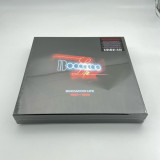
(10x12" box set, limited to 1000 copies, with premium finishing, uniquely numbered, incl. 10 records in individually printed sleeves, a booklet detailing the club's history & exclusive stickers) Boccaccio has secured its place among legendary venueslike Paradise Garage in New York and The Hacçinda in Manchester. Its bold fusion of emerging electronic genres such as New Beat, Acid, House, and Techno was way ahead of its time, drawing music lovers and clubbers from across Belgium and beyond.
Belgian label Music Man Records presents Boccaccio Life 1987-1993, a new compilation offering a fresh perspective on the legacy of the iconic Belgian club Boccaccio - often associated with the short-lived New Beat movement. The 40-track compilation highlights the raw and futuristic early house and techno sounds that were heard in the pioneering club.
Located in rural Destelbergen (Belgium), just a stone's throw from Ghent, Boccaccio has secured its place among legendary venues like Paradise Garage in New York and The Hacçinda in Manchester. Its bold fusion of emerging electronic genres such as New Beat, Acid, House, and Techno was way ahead of its time, drawing music lovers and clubbers from across Belgium and beyond. Sundays at Boccaccio were unlike anywhere else-offering sounds you couldn't hear anywhere else.
Boccaccio Life 1987-1993 is carefully curated by resident DJ Olivier Pieters and club regular Stefaan Vandenberghe, standing as the ultimate testament to a club that was more than just a venue. For those who experienced it, it was a community - a way of life. Hence the club's full name: Boccaccio Life.
This compilation stands as a testament to an innovative time in electronic music, capturing the raw, futuristic sounds of early house and techno. It sheds light on another side of Boccaccio, one that goes far beyond the short-lived New Beat scene. A carefully curated selection of 40 tracks, resonating with those who were there by offering familiar classics, while also reaching a new generation-those who never experienced it firsthand.
With tracks from Blake Baxter, Virgo, Frankie Knuckles, Tyree, and A Guy Called Gerald, the unmistakable influence of black American pioneers is clear-the originators of the firstanalog house and techno sounds. On the other hand, UK sound innovators such as The Orb and LFO bring both sharp textures and rough breakbeats to the table.
Club staple tracks include dreamy excursions from Roger Sanchez under his Egotrip moniker, the relentless basement house of Circus Bells by Robert Armani on Dance Mania, an uplifting take on a hip-house cut from The D.O.C. (Portrait of A Masterpiece in the CJ Ed-Did-It Mix), a timeless remix of UK Formation's Age of Chance from 1994, and an alternate take on The Tape by Boccaccio club regular and Belgian producer Frank De Wulf, taken from his B-Sides project.
While not always the obvious hits, these tracks have gracefully withstood the test of time, and were exclusive to Sundays at Boccaccio. Now, they are finally available to experience together in one collection, offering a timeless snapshot of a unique era.
Looking behind the obvious, forming an orchestra out of everyday surroundings.
Finding the essence in the trivial, clarity in the complex, poetry in simplicity. All of this is part of the goal, meaning and character of Oh No Noh, the project of Leipzig-based guitarist, robot programmer, magnetic tape crumpler and composer Markus Rom. All of this floats and shines through "As Late As Possible", the third Oh No Noh album, which will be released on April 4th, 2025.
The focus of this album, as the title "As Late As Possible" suggests, was patience. A creative lingering, the selfimposed principle of letting ideas mature, consciously leaving them lying and looking at them again in order to discover and refine new things. Always looking for new ways of producing musical sounds, Markus Rom has been blurring the boundaries between LoFi, Indietronica, Postrock, Kraut and Pop with his solo project for several years. His main instruments for this are electric guitar, MIDI robots, tapes and samples. For “As Late As Possible”, Rom expands his setup with a new sound sources (acoustic guitar, banjo, organ) and musical guests: Damian Dalla Torre (Squama) on bass clarinet and Andi Haberl (the Notwist, Sun) on drums.
“As Late As Possible” continues the signature of past releases and adds new facets. Rom's distinctive looping in and over each other is particularly evident in the tracks “Missing the Point”, “Orb” and “Almost Everywhere”. With "Loot", a straightforward and folk-pop piece finds its way onto the album and coexists with math-trained tracks like "Dog Years" or "Dot", which conjure up associations with Weilheim bands like COUCH. The tracks "Bliss of Disconnect" and "Fawn" were created in collaboration with the featured guests Liz Kosack and KMRU. The confidently unplanned is one of the principles around which Oh No Noh itself is also continuously evolving. Part of this development: the radio series "Oh No Noh Radioh", which has so far consisted of over 40 parts, for which Rom invites a guest in each episode to research music together along roughly defined concepts, ideas and inspirations. Together with technology composer Hainbach, free jazz artist Limpe Fuchs and sound artist Elsa M’Bala, for example, encounters were created whose patient search and find and whose controlled coincidences also characterize “As Late As Possible” – but here concentrated, concise, and with all the love of sound and experimentation always committed to the song. With this will to create a song-like narrative, to move, to develop, “As Late As Possible” remains suspended and searching. Its concentration seems light-footed, its happy accidents well-placed, the melancholic beauty of outdated technologies, forgotten musical toys and broken noise sources always forward-looking. Music like the one that comes about when someone programs an entire robot band, which then becomes just a friendly part of the whole.
The artwork for “As Late As Possible” was created by Leipzig comic artist Anna Haifisch. The album was mixed by Adam Lenox and mastered by Frida Claeson Johannsson.
2025 Blue Vinyl Repress
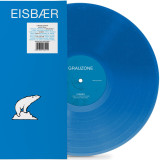
WRWTFWW Records is very honored to announce the official reissue of Grauzone's essential 1981 maxi single with timeless classic "Eisbär", proto-techno beast "FILM 2", and romantic synth ballad "Ich Lieb Sie", just in time for the 40th anniversary of the Swiss band's formation. The three-track vinyl is sourced from the original reels, cut at 45rpm, and comes with its iconic artwork on a 350gsm sleeve.
Ich möchte ein Eisbär sein...Written by Martin Eicher after a nightmare in which he saw talking polar bears on the walls, and with music by the Grauzone crew consisting of Martin and his brother Stephan Eicher, Marco Repetto, Christian "GT" Trüssel, and Claudine Chirac (on saxophone), "Eisbär" is the most recognizable title from the band, a sublime mix of ingredients reflecting the transitional era it comes from - the raw energy of punk music still palpable, combined with the audacity of early electronics, the warm groove of a disco gem, beautifully fragile lyrics, and one of the best basslines ever. It became a mega hit, totally unplanned, but how could you resist such a track
"FILM 2" is the ultimate b-side monster, a menacing all-instrumental pre-techno masterpiece, slowly building to a magnetizing frenzy. An instant underground favorite, it was famously heard played at both speeds depending on the scenes and DJs you were frequenting, 45rpm as it was first intended, and 33rpm for the cosmic experience (search Daniele Baldelli's Cosmic C75 1982 mixtape online for a great example of this).
The maxi single ends with "Ich Lieb Sie", a synth-pop meets doo-wop ballad, a true love song oozing with innocence. Simple, stylish, and just right.
At the crossroads of post-punk, new wave, pop, and electronic experimentation, the Eisbär maxi offers three songs that are technically different but hold the same spirit, the perfect embodiment of Grauzone's music - wild, unpredictable, and youthful, yet sophisticated, catchy, and ingenious. The magic recipe for the good stuff.
Stephan Eicher went on to be, arguably, the most successful Swiss musician ever, with an international career extending from pop chanson to experimental escapades and collaborations with Moondog, artists Sophie Calle and John Armleder, and author Martin Suter among many other luminaries. Marco Repetto flourished as a techno and ambient producer, releasing multiple projects including releases on Aphex Twin's Rephlex label.
Grauzone and WRWTFWW will continue to collaborate on the band's 40th anniversary reissue campaign, with numerous projects planned for the year, including a vast selection of music, visuals, and literature never available before.
WRWTFWW Records is honored to announce the first ever vinyl release of Joe Hisaishi’s original soundtrack for the critically acclaimed and all around classic 1993 Japanese yakuza/crime/thriller movie Sonatine. The legendary album comes in a limited edition housed in a luxurious heavyweight sleeve with selective varnish printing and a special paper obi belt.
The celebrated Sonatine was directed, written and edited by Takeshi Kitano, who also takes center stage as the main protagonist of the thrilling yakuza film. Director, screenwriter, comedian, actor, tv personality and icon, 'Beat' Takeshi is also known for Boiling Point, Hana-Bi, Battle Royale, Johnny Mnemonic, Ghost in the Shell and many many more.
Considered one of the greatest ever, Joe Hisaishi is a composer, musical director, conductor and pianist behind over 100 film scores including Kitano’s A Scene at the Sea, Kikujiro, and Brother, as well as his famed work for director and animator Hayao Miyazaki’s Studio Ghibli masterpieces Castle in the Sky, My Neighbor Totoro, Princess Mononoke and the list goes on. Little known fact: his first ever produced-album is a collaboration with percussionist Midori Takada (Through the Looking Glass): MKWAJU Ensemble’s MKAWJU also released on WRWTFWW Records.
The Sonatine movie score showcases the composer’s more contemplative, minimalistic, and intimate side in a superb and deeply evocative neo-classical and ambient musical journey. The depth and emotional resonance of the compositions make for an exceptional and timeless soundtrack. It is known to be one of Hisaishi’s own favorites.
Sonatine (Original Soundtrack) by Joe Hisaishi follows the release of the soundtrack of Takeshi Kitano’s Violent Cop (1989), as well as music from another groundbreaking Japanese movie, Shin’ya Tsukamoto’s Tokyo Fist (1995). Collect them all on WRWTFWW Records!
With the Do For You EP, Fossar embarks on a deeply personal yet universal journey that’s as adventurous as our label’s name - Zissou. Known for his beautifully textured releases on Fuck Reality and Feuilleton, Fossar delivers a five-track exploration into the highs and lows of forging your own path. Each track reflects a different shade of the journey - passion, doubt, euphoria, and self-discovery, all woven together through Fossar’s signature warm basslines, hypnotic melodies, and crisp, driving rhythms.
More than just an EP, Do For You is a soundtrack for the summer, a call to take charge, and a reminder that the true adventure lies within. The path isn’t always clear, but the music is here to guide you.
The Ibex Band, with Giovanni Rico and Selam Woldemariam at the creative helm, provided the musical backbone for legends like Aster Aweke, Girma Beyene, Tilahun Gessesse, Mulatu Astatke, and Mahmoud Ahmed, including the iconic album Ere Mela Mela, shaping modern Ethiopian music as we know it today. This 1976 album (Ge’ez Year 1968) played a pivotal role in that legacy and has now resurfaced to set the record straight.
There’s a tendency to talk about the seventies as a golden age of Ethiopian music. There are good reasons for that, and just as good reasons against it. However, the notion of a golden past privileges the role of Western explorers and suggests that the pinnacle of Ethiopia’s musical culture is something only a foreigner can appreciate and unearth. It downplays the complexities of Ethiopia’s culture and history, creating an artificial divide between then and now. And it underestimates the constantly evolving sound that has followed.
The legendary musical outfit The Ibex Band, later metamorphosed into The Roha Band, has played a central role in defining the sound of many of the greatest stars on the music scene of Ethiopia from the mid-seventies onwards–but their golden output has never really waned. The story of the origins of the band that provided the musical backbone for greats such as Aster Aweke, Girma Beyene, Tilahun Gessesse, backing the solo career of group member Mahmoud Ahmed as well as backing Mulatu Astatke and many others has yet to be properly told.
Two misconceptions plague the image of Ethiopian music, one is that the music is pure because it is, by some notion, unexploited, the other is that it is all traditional. To begin with, a combination of political changes between the late sixties and the mid-nineties created an environment where only the most dedicated and skilled musicians struggled on and pursued a musical career against fierce odds. The whole Ibex Band, with Giovanni Rico and Selam “Selamino” Seyoum Woldermarian at the creative helm, are arguably the origo of the vibrant scene in the mid-seventies, and the said pair are foremost responsible for not only navigating the band through troubled times, but also modernizing the 6/8 chickchicka rhythm to a contemporary form. Giovanni laid the rhythmic foundation with heavy looped basslines that reinvented traditional melodies as dance music, and with Selamino’s innovative guitar work they influenced scores of musicians from Abegaz Kibrework Shiota to Henock Temesgen. Even Giovanni’s Fender bass and Selamino’s Gibson guitar inspired younger musicians in their choice of instruments. Not only in choice of instruments but also in sound–even as the digital revolution hit Ethiopian music, a lot of popular music still took its cue from the masters from Ibex and Roha.
Ibex emerged out of the ashes of the sixties group the Soul Echos band, adding Giovanni and Selamino to their ranks and taking their cues from a slew of influences, such as Motown and The Beatles, fused with traditional music. A tighter-knit unit than most bands at the time – Ibex has remained six to seven members throughout their whole career, compared to many bands that were as large as fifteen or sixteen men strong when Ibex set out. Their playing has been viciously focused, economical yet heavy. Just a year before the recording sessions of the album in your hands, Giovanni and Selamino made a contribution to the popular musical lexicon of Ethiopia that was simply defining the popular sound: their arrangement and recording of bandmate Mahmoud Ahmed’s solo effort and real commercial breakthrough tune and eponymous album, Ere Mela Mela, from 1975.
Selamino has never limited himself to being an adroit lead guitarist, but has always been a scholar of history, and as such he has probably contributed as much to modern Ethiopian music with his guitar playing and compositions as with a deepened understanding of modern or contemporary – Zemenawi – Ethiopian music. Selamino’s contributions serve as a metaphor for those of the whole band, at one and the same time creating and defining a new, danceable and updated sound anchored in Giovanni’s bass, whilst also elevating the broader scene through their support for others on the scene and on top of that, increasing the understanding of the music.
There is an understandable desire to romanticize the musical heyday Ibex and Roha were at the forefront of, because so much of the output is sorrowfully hard to come by. Ibex creativity was nothing short of ridiculously fierce compared to many of their Western contemporaries. Based on their sheer recorded output alone they could have usurped the title “hardest working in show business” from James Brown, recording more than 250 albums or 2500 songs in the seventies and eighties. Some only surface as cassettes today, others were never given full LP release, and some are simply impossible to find today. In the light of that, it’s nothing short of a miracle that the recording Stereo Instrumental Music from 1976 (Ge’ez Year 1968) has resurfaced. Unearthed in perfect condition on a chrome cassette, this is musical history comes alive–to set the future straight. Stereo Instrumental Music was recorded in collaboration with Karl-Gustav Lundgren, a Swedish national working for the Radio Voice of the Gospel. It took two sessions at the Ras Hotel ballroom in Addis Ababa. The Ibex Band was the first band in Ethiopia to employ a four-track recorder for their recording (the first available in the country, lent by Karl-Gustav). Later the same week, Giovanni and Selamino realized that, lengthwise, the recorded material fell short of what they wished for, so they recorded four more tracks in one more session on a single-track recorder. The Ras Hotel and Ghion Hotel, where the Ibex Band held musical residencies were to Ethiopia in general and Addis Ababa in particular what Motown was to the USA and Detroit a few years earlier – a hotbed of musical creativity and showmanship.
The most astonishing thing about Ethiopian music of the last half century is how tradition and modernity are intertwined. Because of this feature, it’s kind of hard to tell when there ever was or when we are in a “golden age”. So much of music from the past has been criminally neglected, but because of the hardships in the past, it would be an oversimplification to say that said past was a golden age. Probably, the golden age is what we are approaching, because for the first time both the past and future are accessible, and the monumental contributions from before can lay a firm foundation for a thriving music scene today. The Ibex Band stands firmly in the past, present and the future. That, if anything, is golden.
The detailed history of Stereo Instrumental Music is in many ways unique. To begin with, it couldn’t have been recorded earlier (there were no four-track recorders available) and it really couldn’t have been recorded afterwards either, at least not in the years directly following, because of the toll the musical scene took from the unfavorable political climate that followed when the nascent Derg regime and rival groups tried to assert themselves, the musical equipment lent from The Voice of Gospel Radio simply disappeared from Ethiopia when the radio station folded in 1977. Karl-Gustav Lundgren,
the Swedish foreign national who assisted during the recording, worked with the Ethiopian Evangelical Church Mekane Yesus at the time, recalls how they only had about fifteen minutes to get the microphones in place for the recording as to not alert neither the management at Ras Hotel nor the authorities and most importantly, to complete the recording before the curfew came into effect at midnight. In leaping to the opportunity to use previously unavailable equipment to push their sound forward and improvising to meet the logistical challenges, the Ibex Band displayed the very avant-gardism and adaptability that explains their longevity as a band through the years. The recording of Stereo Instrumental Music is from a given time in history, but it sounds as beyond time.
Much of the energy that burst out of the scene that Stereo Instrumental Music came out of dissipated or got sidetracked during the societal changes Ethiopia went through in the 1970s and 80s. Whilst leaders might have professed to be revolutionary, the work ethic of the Ibex Band can truly be described as that. They never called it quits, but adapted, toured extensively abroad in Africa, Europe, and the Middle East, and found ways to work even in the face of the curfew that curtailed a lot of musical life. They even played major arenas in the nineteen eighties, despite said curfew and restrictions. The whole extent of their legacy has never been told, but their music speaks louder than words, so therefore… tune in to the Ibex Band’s Stereo Instrumental Music.
- A1: Opening (3 11)
- A2: Crabby Beach (3 03)
- A3: Dark Ruins (3 02)
- A4: Cryptic Relics (3 08)
- A5: Stadium Attack (3 07)
- B1: Crumbling Castle (3 10)
- B2: Frosty Retreat (Inside) (3 09)
- B3: Frosty Retreat (Outside) (3 05)
- B4: Snowy Mammoth (3 24)
- B5: Specter's Factory (Outside) (2 05)
- C1: Thick Jungle (Woods) (2 55)
- C2: Thick Jungle (River) (3 04)
- C3: Molten Lava (2 52)
- C4: Results (1 03)
- C5: Molten Lava (T-Rex) (3 04)
- C6: Coral Cave (3 35)
- D1: Specter Circus (2 49)
- D2: Hot Springs (3 07)
- D3: Hot Springs (Maze) (3 08)
- D4: Laboratory (0 58)
- D5: Monkey Madness (2 58)
- D6: Wabi Sabi Wall (3 09)
- E1: Staff Roll (Normal) (2 59)
- E2: Opening (3 11)
- E5: Tv Tower (3 11)
- F1: City Park (3 04)
- F2: Stage Select (0 49)
- F3: Specter Boxing (2 54)
- F4: Primordial Ooze (3 22)
- F5: Western Land (3 12)
- F6: Fossil Field (3 10)
- G1: Staff Roll (2 59)
- G2: Dexter's Island (3 05)
- G3: Specter's Theme (2 57)
- G4: Ski Kidz Racing (Type A) (2 52)
- G5: Ski Kidz Racing (Type B) (3 04)
- G6: Ski Kidz Racing (Type C) (2 53)
- H1: Movie From Opening (1 05)
- H2: Movie From Shifting Time (1 34)
- H3: Crumbling Castle (Alternative Version) (3 11)
- H4: Hot Springs (Alternative Version) (2 59)
- H5: Specter Boxing (Training Version) (2 21)
- E3: Sushi Temple (3 17)
- E4: Peak Point Matrix (3 09)
4XLP. Hardcover slipcase box. Liner notes from Soichi Terada, Colour: translucent red, clear, blue, and yellow vinyl
It has been 25 years since the release of Saru Get You (サルゲッチュ), known stateside and in the UK as Ape Escape. Ape Escape marked a significant milestone for the PlayStation, as it was the first game to require use of the PlayStation's DualShock (analog) controller. In Ape Escape, the use of the analogue sticks goes beyond camera rotation and acts as an extension of Kakeru's (Spike's) own character, controlling his many gadgets like the stun club, time net, and sky flyer. It's a unique form of control that, really, didn't become popularized until the release of the Nintendo Wii. It feels like a distinctly Japanese design, the sort of off-the-wall design that is either embraced or rejected on a global scale. In Ape Escape's case, the mechanic caught on.
Ape Escape is fast, frantic, and—at times—downright frustrating. Pipo monkeys dash, taunt, and swim away from your advances. They ride water monsters, fly UFOs, and even shoot uzis! Whether it's Kakeru, his friends, or the monkeys themselves, the characters are always running across the levels. This mad dash is enhanced by the game's soundtrack, composed by legendary composer Soichi Terada. As he recalls, the director of the production said, "Spike and his friends always have the image of running." In response, Terada happily produced fast songs with an average speed of over 170bpm. The resulting gameplay and audio is a match made in heaven.
Ape Escape is the first game soundtrack Mr. Terada ever created. The producers of the game heard one of his singles, "Sumo Jungle," and thought his frenetic drum-and-bass (Jungle) would be perfect for the game. The marriage of Ape Escape's charming overworld and Soichi's upbeat compositions is nothing short
of sublime. Especially now, it is difficult to separate the mischievous Pipos and fast-paced action from Soichi Terada's silky smooth synthesizer and heart-pounding bass. Earlier this year (2024), Soichi Terada's Ape Escape work was celebrated by the six-track EP Apes in the Net, which includes music from Ape Escape 1 and 3 (Terada did not compose the series' second installment). The label, Rush Hour Music, has prestigiously championed almost all of Soichi Terada's music, especially his (specifically non-VGM) house, jungle, and drum and bass releases (Sounds from the Far East, Asakusa Light, and more).
Before Apes in the Net, Terada's Ape Escape music was only available on CD, released in Japan around 2010. This release featured reconstructed tracks created by Mr. Terada himself, identical to the music arrangements featured in the game. The biggest difference, of course, was that they were of higher fidelity than was originally available on the PS1 disk format. Completing all of the aforementioned releases is this box set, released by Far East Recording in partnership with Cartridge Thunder and officially licensed by Sony Computer Entertainment. This box set release includes four LPs, housed individually by a hardcover slipcase. This box set includes every song from Ape Escape 1, except those available on Apes in the Net. This box set release also includes one bonus song, previously unreleased anywhere else (including the game itself!).
The music on this box set was meticulously mastered by Justin Perkins of Mystery Room Mastering. Using Mr. Terada's premastered source files, the music was completely and specifically mastered for vinyl. Rounding out the audio is absolutely stunning artwork created by Gobo3D. CT worked with Gobo to recreate some of Ape Escape's most iconic characters, referencing the original Japanese guidebook and other promotional materials. The result is visually delicious 300dpi artwork that takes you straight back to 1999. As uber-fans of the original PlayStation game, Cartridge Thunder and Far East Recording are proud to celebrate Soichi Terada's music and pay our respects to such a legendary PlayStation franchise—on the original hardware's 30th anniversary no less! It's with a happy heart, then, that Far East Recording and CT present to you Soichi Terada's Ape Escape Originape Soundtracks in a Box.
Please note: due to licensing exclusivity, this release does not include tracks previously released on Apes in the Net
Percussion mastermind Ploy arrives on Dekmantel with a double-pack of unbridled dancefloor heat that sees him reconnecting with his house roots.
Before he made a striking breakthrough as Ploy with wayward broken techno for Hessle Audio and Timedance, Samuel Smith's first releases as Samuel were leftfield house excursions. On this release for Dekmantel he wanted to reflect on a decade of releasing music and the many high-impact dancefloors he's shared with the label, from Selectors to De School, over the years.
The common denominator across these eight tracks is no-nonsense house, offering up grooves that will serve a DJ exactly what they want in the mix. At the same time, Ploy doesn't dilute the distinctive edge of his sound, from the abundance of perfectly balanced percussion to the nagging hooks of an off-key synth line dropped at just the right moment. Wry samples inject the mischievous humour he's always creeping into his craft. This is where dancefloor magic is nurtured, hitting the sweet spot between rock solid reliability and the wild card energy that brings a heads-down set to life.
From 'Admirer's big room peaks to 'It's Later Than You Think's cosmic incantations, this is the sound of Ploy showing exactly what it takes to make laser-focused club bombs without losing one iota of his inimitable style.
Art Longo, multi-instrumentalist and composer, has just released your next favourite album. Dwelling in the self-selected confines of a humble home recording studio for years, cooking up psychotropical pop hits heavily influenced by the late eighties music culture and dub.
The album, Echowah Island, in its entirety manifests a soundscape drenched in orange sunsets and cool breezes. The production, smothered in spring reverbs, space echo delays and wah wah (Echo + Wah), always grounded by the satisfying chugging rhythms of various old drum machines.
It is a creative endeavour and prosperous collaboration alongside Claudia Jonas, whose airy mysterious voice brings to mind the classic french femme fatale singers of the sixties. Her lyrics, almost kaleidoscopic in nature paints a nostalgic, rose-tinted dreamworld but never fails to challenge the listeners imagination and sense of reality.
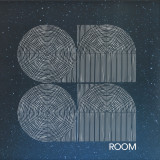
ANAN is a project born from the musical inspiration of DJs Roberto Agosta and Massimo Napoli (Galathea). The name ANAN comes simply from the repetition of the initials of their surnames. Room, their new album, refers to the space in Catania, Sicily, where the two artists create their music.
Room is a mature and intense album that draws inspiration from the two composers' favourite musical genres: jazz, 70s psychedelia, afrobeat, cumbia and soul. The ethereal sound of the album draws the listener into a melting pot of these musical styles that blend perfectly together, making the album versatile and innovative. Valuable arranger and performer Salvo Bruno ‘Dub’ masterfully colours and enriches the deep melodies of the recordings, as if it were a live session coordinated and directed by the two DJs on a super cinematic journey.
Âsan’s self-released Beychen EP is a raw odyssey through the chaos and catharsis of creation. Across four relentless tracks, the producer mirrors the turmoil of nearly losing their passion for music—only to rediscover it by dismantling old habits and surrendering to the unknown. What emerges is a vortex of psychedelic techno, where layered rhythms spiral into the deep-down and morphing soundscapes warp time itself.
The title track Beychen channels the claustrophobic unease of a creative block with its brainmelting progression, only to erupt in a complete loss of control and, therefore, relief. The other three tracks deliver visceral techno in similar fashion, each piece evolving like an own entity with hypnotic force. This is music for darkened rooms and muddy forest stages, where the dancefloor becomes a mirror for Âsan’s internal reckoning. Here, the anxiety of creation is not conquered, but alchemized.
Âsan, a New York-based producer and co-founder of the label Cellar Door, always chases a certain feeling in his work—an elusive sensation that guides his creative journey. For him, dancing begins in the head, as rhythms and soundscapes take shape in a space between thought and intuition. His music invites listeners to step into that headspace, where the body follows the mind’s spiraling patterns.
After many years of digging deep and sharing music with like-minded individuals through various channels, 'The Wapstation' is proud to present its first release as a label.
This record comes from the masterful hand of producer, Roberto Manolio. Born and based in Italy. Following a series of sellout releases, Roberto graces the label with three stellar productions. The EP touches on multiple underground textures, blending shades of Techno, House, Electro, and Miami Bass. To top it off, shooting star of the scene Christopher Ledger delivers a wicked Electro flip of the title track.