Pocketmoth offers the second volume of its home-grown 'POCKET' v/a series, showcasing the diverse sounds of Brisbane/Meanjin. Featuring four-club ready numbers from a talented crop of local characters, the release explores slick future garage, hypnotic electro and stomping breakbeat.
Force Placement's AEROBICIDE EP is a killer workout of afterhours acid and galaxian breakbeat.
Four hypnotic bangers from Los Angeles with remix support from DJ Manny, D.I.E., and Martyn Bootyspoon
Los Angeles – Following releases on 100% Silk, Clave House, BANK NYC and Lost Soul Enterprises, FORCE PLACEMENT arrives on EVAR Records with four tracks of naughty squelching acid and breakbeat techno hypnotically calling you to the afterhours, backed by a trio of remixes from Martyn Bootyspoon, Detroit In Effect, and DJ Manny, representing North American excellence in techno, electro, and footwork, respectively.
A longtime friend of the EVAR crew from renegade breakcore parties in Santa Barbara to underground experimental electronics happenings in Los Angeles, Into the Woods and The Black Lodge resident Jason "Force Placement" James taps into his love of weird trippy atmospherics, rhythmic complexity and DIY punk/noise aesthetics to create this quartet of mystic, mysterious bangers, crafted with the MPC1000, Elektron's Octatrack sampler, the Korg minilogue, and Ableton.
The AEROBICIDE EP begins its killer workout with "Yeeks," a cabalistic ass-mover driven by a haunted female vocal sample floating atop locomotive bass and shakers – a factory's worth of industrial sounds and eerie accents move in and out of the mix, adding intrigue and interest.
Moving to the main room of the rave, "Balloon Animal" shoots you through an inflatable tube of squelchy acid techno as knives cut the air around you, while "Upsetter" adds a shuffling breakbeat rave bounce into the acid mix. "Quartered" chops it up with Clone-style dark analog electro that gets increasingly deconstructed by dirty, stretched percussion and rivulets of synth reverb raining down the walls.
Rounding out this occult aerobics class, some of North America's most compelling forces in dance music are called in for remix duty. Unsung electro hero Detroit In Effect aka D.I.E. – the man behind such classics as "RU Married" and "Get Up" – leans deep into the classic Motor City palette, pairing lush, spacey pads with that hard-swung Detroit bounce to create a mellow groover that will keep you going all night. Montreal's world-class party starter M. Bootyspoon recalls Substance Abuse-era Hawtin and mid-'90s Midwest techno on his "Balloon Animals" remix, with nasty claps and concentric loops of hard acid bleeps and squelches. And who better to tackle "Upsetter" than Southside Chicago's footwork futurist DJ Manny? The Teklife king eschews the romantic R&B tones of his recent Planet Mu album for a tough-as-nails rework that ups the tension and the tempo to create an otherworldly saga for the dance circle.
• A Guy Called Gerald’s soundtrack to Trevor Miller’s Trip City novel was originally released in 1989 on cassette bundled with the book. It went on to sell 12,000 copies in a year before becoming an underground cult classic.
• Reissued in 2021 on vinyl for the first time as part of a bundle with the book, the vinyl is now available to buy on its own.
In the summer of 1989, when Trevor Miller’s Trip City book was first released with a five-track cassette EP by A Guy Called Gerald, there had been no other British novel like it. For 2021, Trip City came back and the original soundtrack by A Guy Called Gerald was also reissued on vinyl for the first time as part of a bundle with the book. Now the vinyl is available to buy on its own.
“I remember back in the 80s, in my hometown, Tony Wilson (of Factory Records fame) was fond of calling Shaun Ryder the WB Yeats of his day. In that vein, whether or not I like to see myself in the canon of Anthony Burgess and Clockwork Orange - with these five tracks, A Guy Called Gerald feels very much like the Ludwig Van to my Alex DeLarge.” Trevor Miller
“Coming on the heels of the acid house classic “Voodoo Ray”, the cut-up vocals, driving bass and hand claps of “FX” and “Trip City” blurred the line between the fictional Tower club and its real-world counterpart The Limelight. This reissue further blurs the lines between past and present, memorialising those heady times
of the Second Summer of Love that anyone invested in the counterculture, much like Valentine, can’t afford to forget.” The Wire
“The EP comprises five acid rollers that showcase his transition into the world of sampling, with the title track functioning as the main theme.” The Quietus
It started with a night out at New York’s Sound Factory - and turned into an obsession, Inner City main man Kevin “Reese” Saunderson and his then manager, Neil Rushton, were at the NY uber house club when The Pressure by The Sounds Of Blackness got its’ debut World play, with the ecstatic response from the crowd meaning it was spun three times in a row.
Nobody was more knocked out than Kevin who vowed there and then to come up with a Detroit answer, much to the delight of Soul mad Rushton, co-owner of the Network label.
The idea of The Reese Project was quickly turned into House Heaven reality as Kevin recruited Detroit vocalist diva Rachel Kapp to record the anthemic Direct Me & The Colour Of Love as the first two singles.
Network made the group a main priority, coming with a whole slew of remixes to complement the original USA mixes on the subsequent album. Three of the most loved Network remixes are on this wonderful timeless 12.
The Dave Lee Joey Negro mix from 1991 is rated by many as one of Network’s finest moments, and maybe Lee’s finest ever “remixed with extra production” epics.
Rushton remembers meeting Lee to collect the remix, and instantly phoning Saunderson proclaiming “you won’t believe this”.
Underground Resistance’s Mike Banks added his magic to the 1991 original mixes of “The Colour Of Love” and the results were so overwhelming great that the idea of subsequent remixes was daunting.but the classic 1994 Network remix by The Playboys flew the flag for U.K. House.
C.J, Mackintosh set the production standards for U.K. Soul filled House and his 1993 remix of “So Deep” - sung by La’Trece - is a gem to be cherished forever and a day.
Network’s passionate crusade to crossover The Reese Project from House Music superstars to Pop success came tantalising close but never quite happened. But the Network remixes are a glorious legacy of House Music’s golden age and three of the very finest are remastered here and presented on one glorious 12.
Belgian Kristof "(DJ) 4T4" Michiels has been around for a while, but this is only his second album under this name. It's practically impossible to categorize, since it holds elements of all eras of dance music. It switches effortlessly from new wave to electro, from punk funk to deep house, without ever feeling concocted. This album's got it all, but the main factor these 10 tracks share is soul. You can feel this wasn't thought up in lab, they're are organic sounds made with nothing but love for music, which grants Union Escapade a timeless feel. If you love club music of all ages, and have an open mind, you should check this out.
"Dreams are painful experiences; they are not real, but they are true," says Metoronori, whose very own ‘Evenings’ will finally see the day of light on vinyl thanks to Spanish reissue label Glossy Mistakes.
The label’s first release of 2022, by Japanese musician Metoronori, whose electronic sounds have previously appeared on Orange Milk Records and Virgin Babylon Records, will mark the start of a busy year for Glossy Mistakes. After appearing for the second year in a row on the prestigious ‘Best reissues of the year’ list for The Vinyl Factory, the label continues its own discovery path with what is meant to be one of its most cherished releases to date.
‘Evenings’ is a unique and nocturnal collection of songs. The 13-track record came from an unstable few years for the artist, during which she found solace in the night-time atmosphere of the various Tokyo wards that became her home. A voiced ode to dreams.
With her musical alias as a fun play on words meaning 'metro rider', ‘Evenings’ is a seamless and insular night-time journey from Metoronori, real name Hikari Okuyama. The journey though isn't charting train tunnels and rail tracks, but various dreamscapes, as underpinned by electronics and hints of free jazz.
While musical influences are too broad to pin down for such a singular sound, ‘Evenings’ comes with visual inspiration from esteemed directors such as Michelangelo Antonioni, Kiyoshi Kurosawa and Fritz Lang. Surrealism and noir bleed through the sounds, making for the visual texture of an out-of-context movie scene, much like part of a dream.
Dream pop sounds merge with ambient pads, soft vocals and oniric instrumentals throughout the whole piece, on a rollercoaster of emotions and feelings. An album to enjoy from start to finish, paying attention to detail as every sound on the records sums up to the overall meaning of the concept.
In May 2018, Belgium's Amelie Lens launched LENSKE, the fruit of working on new music and collaborating with her peers. The aim was to create a platform to release her own and friend's music that they use to tear apart dance floors around the globe. Less than two years after, LENSKE is putting out their 10th release and it's evolved into something more than just a label, but a family.
During this relatively short time, the prolific crew formed by Amelie Lens, Farrago, Milo Spykers, AIROD and Ahl Iver have released a collection of contemporary anthems, storming techno cuts and acid weapons. The imprint's catalogue illustrates their exploration for a shade of techno particularly focused on the hi-NRG factor. You can usually catch them at the Exhale showcases worldwide - at the likes of fabric London, Off Sonar in Barcelona and Dour in Belgium- testing their new productions that the crowd highly anticipate for their release.
For this fresh record, each artist contributes a track for a mini VA compilation showcasing the label's sound. Belgian producer Milo Spykers opens up with 'Traversing', a heavy-hitting cut with a ravenous sound design. Hot on the heels of her recent compilation for the fabric presents series, Amelie Lens steps up with her brand new tune 'The Future' featuring energetic synth hooks with her signature vocals. AIROD goes ravey with 'Divine Power' introducing jungle elements, while on the other side, Farrago delivers a catchy vocal-led slammer with 'Step Up'. Ahl Iver, the newest addition to the label, brings the final touch with the intoxicating 'Night Creature'. The future is bright!
SUMMER OF SEVENTEEN are MONIKA KHOT (NORDRA, ZEN MOTHER), WILLIAM FOWLER COLLINS, DANIEL MENCHE, FAITH COLOCCIA (MAMIFFER), and AARON TURNER. (SUMAC, SPLIT CRANIUM).
Wildfires plagued Washington state during the summer of 2017, their smoke drifting westward toward the Seattle area and toxifying the air. Shortly before that trauma, MONIKA KHOT, WILLIAM FOWLER COLLINS, DANIEL MENCHE, FAITH COLOCCIA, and AARON TURNER had gathered at the latter two musicians' House Of Low Culture studio on idyllic Vashon Island with revered producer RANDALL DUNN. There they cut eight songs that capture the makeshift band's feelings of what COLOCCIA calls "a kind of doomsday lurking in the background." It's as if these highly attuned players had a premonition.
"Summer Of Seventeen" -which was edited and arranged by MONIKA KHOT, who records apocalyptic music solo as NORDRA and plays in the avant-rock band ZEN MOTHER—is a nuanced admixture of these musicians' sounds and a culmination of all of their previous collaborations. COLOCCIA and TURNER have created eldritch folk and chamber rock for over a decade in MAMIFFER while engaging in various solo and group projects that explore their profound spirituality in sound. MENCHE has been a fixture on the abstract composition scene for 31 years and COLLINS is a savvy explorer of drone and ambient forms. Their ephemeral summit meeting has yielded a masterwork for the ages.
A heaven/hell and beauty/beastliness dichotomy pervades the album—as if a titanic struggle was transpiring in that small studio. The fearsome trumpet fanfare that starts "Chorus Of The Innocents" heralds a baleful fate. With a subliminal industrial rhythm bristling beneath the eerie exhalations, the song submerges us in a slow-motion maelstrom, a horror-film facsimile of MILES DAVIS' "Bitches Brew". "Perceived Slight" threads death-metal screams through a stark, suspenseful atmosphere, with austere glints of guitar and beats like fists on a casket lid intensifying the dread.
Angelic chants and celestial drones perfume the air in several of the songs on "Summer Of Seventeen", countered with muted blast beats, serrated hums, jagged glitches, simulacra of grinding gears and lightning. It's as if no good deed goes unpunished. "Spirits Of Redeemer" could be an elegy for the human race while "Cultural Orphan" sounds like a symphony for a malfunctioning factory. The album ends with "Theatre Needs An Audience," a harrowing ballad somewhere between EINSTÜRZENDE NEUBAUTEN and MERZBOW; it's a savage rent in the space-time continuum.
"Thinking about this record now," COLOCCIA recalls, "it seems like we were all sort of anticipating something like this current pandemic happening, although we were thinking about it as fire in the hands of man (literal fire, and also gunfire) that would overturn the normal running of things and reveal the current false beliefs systems holding up most of America."
That grave aura infiltrates "Summer Of Seventeen", However, a hopefulness bubbles beneath the foreboding architecture of sound and noise summoned here. The bunker is the new penthouse.
After more than 30 years Early Sounds and Halfway Ritmo are finally releasing unpublished recordings (1982-1989) from former Tangerine Dream and Iggy Pop's drummer Klaus Krüger.
Advanced Dance combines a sweeping mix of Krüger's handcrafted acoustic drums and distinctive electronic sounds of the late Berlin-School years, creating a unique blend of advanced polyrhythms.
Krüger achieved a balance between creativity and classic drum patterns giving birth to an unconventional and avant-garde type of music that could be easily defined as a precursor of techno.
His progressive mentality led him to delve further into the tape collage technique and unique ways of triggering his drums. It was a whole new world of music - sustained by his artistic surroundings, which included collaborations as well as friendships with other influential artists such as David Bowie, Martin Kippenberger and Helmut Newton.
In the time of German division, the pulsating West Berlin became a melting pot of creativity and international encounters. Advanced Dance is the result of the blazing heat feeding the unstoppable thirst of discovery which characterized that generation, creating tunes that transform the listener's experience into one blissful moment amidst beautiful confusion.
Immersed in the early days of the 90s midwest rave scene, Bill Converse began DJing at a young age in Lansing, Michigan. Luminaries such as Claude Young, Traxx, and Twonz were key early influences. Since moving to Texas in 1998, he has experimented with analog techniques in varied studio bunkers. Early techno, noise, ambient, tape, and paranormal processing are all part of his uncanny sound palette. Warehouse Invocation' is Converse's debut 12 release, collecting material from a cassette release on Obsolete Future plus a new unreleased song. Three of the tracks, Warehouse Invocation', Senys Magick' and Consulted Acid', were recorded in Austin TX between 2012-2013 at home and direct to tape with no overdubs or multi-tracking. Riverbank' was also recorded at home in early 2014 in one take with a mic placed outside of the window to record the the sounds of the river late at night. Bill is informed by his surroundings, influenced by scenes of desolation in nature, the sea, the desert, and places of industry, like power stations, old factories, and warehouses. The songs on this EP length reveal a sublime influence from Detroit techno, early Chicago house, and Acid. The album was recorded and mixed by Bill at his home studio in Austin and mastered by Dave Alex. All songs were EQed for vinyl by George Horn at Fantasy Studios in Berkeley. A custom-made jacket designed by Eloise Leigh features a mystical collage by Josua Dorje Ngodup with acid yellow hues on a deep blue-purple background. Each copy includes a postcard with notes and a Buddhist mandala
With her fifth solo studio album, Half An Owl And A Full Moon Rising, landing on Dekmantel Records, Steffi harnesses the energy of the dancefloor for a powerful, uplifting ride into the core of what makes this culture so transformative. From her years as a dedicated raver in the late 80s, through to her global tours, prolific production and ceaseless love for music in its many forms, Steffi's innate understanding of the dancefloor informs this new body of work. Key to all of this is the joy of the club experience: the high energy and the vibrational field that's created when the DJ, their musical selections and the dancers align on the same wavelength. The "Feel Factor" as she calls it. Even the title is a reference: half an owl meaning half a pill.
Each track is imbued with pure, unfiltered club energy. Steffi's approach with her albums is to start from scratch, working up and out from a core idea rather than compiling music from an existing collection, and Half An Owl And A Full Moon Rising is comprised of eight cuts, whittled down from over 40. Opening with 'The Rolling Wave', the album immediately transports the listener into a world of emotionally and physically moving soundscapes. Across all eight tracks Steffi weaves together potent drum programming with ethereal pads, strings, heartrending melodies and straight up grooves: honest, no fluff productions that are designed for a very specific purpose. Listening to cuts like 'Sweeping Leaps', you can hear echoes of the huge variety of house and techno Steffi has absorbed. The title track wraps you up in its scintillating rhythms and heady strings, while, midway through, 'Acoustics Of Space' fires on all cylinders with its dynamic tempo, relentless drums and euphoric pad work.
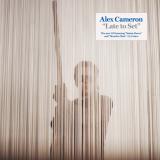
Im Januar 2025 sprengte Alex Cameron sein Leben in einer kontrollierten Detonation in die Luft, die vom Universum weitgehend ignoriert wurde. Die verkohlten Überreste von Camerons Leben zerfielen in Fragmente und fügten sich zu neun Songs im Stil des Synthetic Rock zusammen, die die tiefe Verwirrung und die Reue seiner Welt beschreiben.
Er findet weiterhin Teile seines eigenen Spiegelbilds in den zerrissenen Charakteren, die er erschafft und verkörpert. Der versprochene Messias. Agamemnons Kriegslust. Mel Gibsons Lösegeldforderung. Das kriegsbefürwortende Schicksal der Menschheit. Eine Trennung im Kalten Krieg. Dies sind Lieder des Protests gegen das Leben selbst. Dies ist die Welt, die unsere Väter fürchteten, und hier ist ihr Soundtrack.
Family Christmas ist der perfekte Soundtrack für festliche Stunden mit Familie und Freunden.
Mit unvergänglichen Weihnachtsaufnahmen von Ella Fitzgerald, Nat King Cole, Elvis Presley, The Andrews Sisters und vielen weiteren Legenden versprüht diese Sammlung nostalgischen Weihnachtszauber.
Ein liebevoll zusammengestellter Klassiker voller Wärme, Harmonie und unvergesslicher Festtagsstimmung. Erhältlich auf Vinyl - transparent orange!
Christmas Crooners vereint die schönsten Weihnachtsklassiker, interpretiert von den größten Stimmen des Goldenen Zeitalters der Unterhaltungsmusik. Mit Legenden wie Elvis Presley, Frank Sinatra, Nat King Cole, Dean Martin, Bing Crosby und Eartha Kitt sorgt diese Sammlung für die perfekte Mischung aus festlicher Nostalgie und zeitloser Eleganz. Ein stimmungsvoller Soundtrack für die Weihnachtszeit, der Wärme, Charme und die Magie klassischer Crooner-Klänge in jedes Zuhause bringt. Erhältlich als exklusives Transparent Red Vinyl.
Experience the emotion of The Last of Us like never before with this stunning Blue & Grey Marble double LP.
Performed by London Music Works, Music From The Last of Us brings together the most iconic themes from the acclaimed video games and TV series, featuring the unforgettable music of Gustavo Santaolalla, along with a piece composed by Max Richter. A must-have release for fans of the franchise and soundtrack collectors alike, presented on a beautifully crafted vinyl edition that is as striking as it is immersive.
[d] a4 The Last of Us (Goodnight) [from "The Last of Us Part I"]
[e] a5 All Gone (No Escape) [from "The Last of Us Part I"]
[f] a6 The Path (A New Beginning) [from "The Last of Us Part I"]
[n] c3 It Can't Last (Sunset) [from "The Last of Us: Season 1"]
[p] c5 All Gone (Flashbacks) [from "The Last of Us: Season 1"]
[q] c6 The Last of Us (Vengeance) [from "The Last of Us: Season 1"]
[r] c7 All Gone (Ephemeral) [from "The Last of Us: Season 1"]
[t] d2 Left Behind (The Journey) [from "The Last of Us: Season 2"]
Montréal-based sound artist Steve Bates expands his strategies and stylistic influences on An Infinite Antenna, his second solo album for Constellation, giving freer reign to melodic components and textural dynamics: leftfield synth work, deconstructed drum machine, pointillist electric guitar, and radiostatic blur are all part of the new brew swirling around his bruitist signal-bending and field-recording sensibility. Arguably a more ambient album than his acclaimed 2022 Constellation debut, An Infinite Antenna is at the same time more densely packed with ideas, dynamics, evocations and earworms. Coming out of the anarcho-punk scene of the Canadian Prairies in the 1990s, Bates founded Winnipeg’s experimental sound festival Send + Receive in 1998 before moving to Montréal to become Sound Coordinator at Hexagram (Concordia University), delving further into sonic research and theory, tape-based composition, and installation work. Alongside the curatorial arc of his own sound art label The Dim Coast, Bates released several solo and collaborative albums on ORAL_records leading up to All The Things That Happen, the 2022 Constellation debut praised by Boomkat for its “grittily iridescent ambient billow rendering maximalist panoramas” and by Backseat Mafia as “extraordinary soundscapes of unstable, destructive cacophony and tender calm, echoes of the threat of power.” Where that album was noisier and single-minded, made with the self-imposed limit of a Casio SK-1, Bates plays more widely with instrumentation and atmospheres on An Infinite Antenna, also drawing on his post-hardcore roots in seeking a sort of track-by-track concision nonetheless driven by the album’s coherence as a seamless work. “I was trying to set durations I associate with punk rather than the longer, sprawling music coming from more ambient styles (that I very much love), and while I wasn’t able to quite pare it down to Minutemen durations, I had that reduction to essential elements as a sort of whisper over my shoulder.” Incorporating source recordings made throughout 2023-2025, including at artist residencies and site-specific sound installation visits in Bosnia and Herzegovina (the album’s cover photo was taken in Sarajevo), Austria, Greece, and Saskatchewan, An Infinite Antenna combines Bates’ “idea of slowly scanning a radio dial” with a soundworld of recurring timbral and textural touchstones that forge an integrated whole.
The album’s 12 tracks work effectively as stand-alone pieces, replete with shifting undercurrents, buried melody, and stuttering kinetics, and as a sequential flow where the brief interstitial silences between them are like short pauses to flip the next page in a sketchbook of perspectival studies of a wide but singular tableau. The glistening atonal synth expressionism of opener “Pink pink pink pink…pink pink” drifts gently toward submerged ambience, darkened by the noised rumble and static interference of “Green as a ghost”, which introduces broken beats and piano chords in its denouement. Tracks like “Battles and sieges and street trees” and “Easier sad than done” work the foundations of low-end field-recording resonance, but dappled with lovely melodic droplets of treated guitar and synth. “Waste, songs of the world” and “Disaster loans” are among the album’s most explicit stylistic references to posthardcore, with distorted ambient bass and gently abrasive drum sampling. Closing track “Swamps and factories”, the album’s longest piece, is perhaps most reminiscent of Bates’ previous record with its sustained dissonant glimmer-drone, but the journey An Infinite Antenna traces to get there is Bates at his most dynamic, diverse, distinctive, and engaging. Thanks for listening.
Montréal-based sound artist Steve Bates expands his strategies and stylistic influences on An Infinite Antenna, his second solo album for Constellation, giving freer reign to melodic components and textural dynamics: leftfield synth work, deconstructed drum machine, pointillist electric guitar, and radiostatic blur are all part of the new brew swirling around his bruitist signal-bending and field-recording sensibility. Arguably a more ambient album than his acclaimed 2022 Constellation debut, An Infinite Antenna is at the same time more densely packed with ideas, dynamics, evocations and earworms. Coming out of the anarcho-punk scene of the Canadian Prairies in the 1990s, Bates founded Winnipeg's experimental sound festival Send + Receive in 1998 before moving to Montréal to become Sound Coordinator at Hexagram (Concordia University), delving further into sonic research and theory, tape-based composition, and installation work. Alongside the curatorial arc of his own sound art label The Dim Coast, Bates released several solo and collaborative albums on ORAL_records leading up to All The Things That Happen, the 2022 Constellation debut praised by Boomkat for its "grittily iridescent ambient billow rendering maximalist panoramas" and by Backseat Mafia as "extraordinary soundscapes of unstable, destructive cacophony and tender calm, echoes of the threat of power." Where that album was noisier and single-minded, made with the self-imposed limit of a Casio SK-1, Bates plays more widely with instrumentation and atmospheres on An Infinite Antenna, also drawing on his post-hardcore roots in seeking a sort of track-by-track concision nonetheless driven by the album's coherence as a seamless work. "I was trying to set durations I associate with punk rather than the longer, sprawling music coming from more ambient styles (that I very much love), and while I wasn't able to quite pare it down to Minutemen durations, I had that reduction to essential elements as a sort of whisper over my shoulder." Incorporating source recordings made throughout 2023-2025, including at artist residencies and site-specific sound installation visits in Bosnia and Herzegovina (the album's cover photo was taken in Sarajevo), Austria, Greece, and Saskatchewan, An Infinite Antenna combines Bates' "idea of slowly scanning a radio dial" with a soundworld of recurring timbral and textural touchstones that forge an integrated whole. The album's 12 tracks work effectively as stand-alone pieces, replete with shifting undercurrents, buried melody, and stuttering kinetics, and as a sequential flow where the brief interstitial silences between them are like short pauses to flip the next page in a sketchbook of perspectival studies of a wide but singular tableau. The glistening atonal synth expressionism of opener 'Pink pink pink pink_pink pink' drifts gently toward submerged ambience, darkened by the noised rumble and static interference of 'Green as a ghost', which introduces broken beats and piano chords in its denouement. Tracks like 'Battles and sieges and street trees' and 'Easier sad than done' work the foundations of low-end field-recording resonance, but dappled with lovely melodic droplets of treated guitar and synth. 'Waste, songs of the world' and 'Disaster loans' are among the album's most explicit stylistic references to posthardcore, with distorted ambient bass and gently abrasive drum sampling. Closing track 'Swamps and factories,' the album's longest piece, is perhaps most reminiscent of Bates' previous record with its sustained dissonant glimmer-drone, but the journey An Infinite Antenna traces to get there is Bates at his most dynamic, diverse, distinctive, and engaging. Thanks for listening
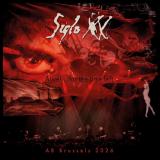
Belgian Limburg-based Cold Wavers Siglo XX, were a leading coldwave band, successfully touring around Europe,and active between 1978 and 1989. Often called the Belgian Joy Division with their dark sound they made quite an impression in their heydays. Their backcatalogue and their liveshows still sound today timeless and fresh.
The past year they started touring again and played an impressive and powerful concert on January 17th in Ancienne Belgique, Brussels. On the set list an exquisite selection of their best work. This live album captures that performance as if you were there yourself, and maybe you were!
'The Roundhouse Tapes' contains a captivating Opeth performance from
the Camden Roundhouse, London, UK, on November 9th, 2006 (a gig
which also featured Goth metal legends Paradise Lost), & sees mainman
Mikael Akerfeldt & co in scintillating form, churning out a selection of
classics from their illustrious career to date
Since their formation in 1990 in Sweden, Opeth has risen to the forefront of the
metal world over the years; bringing many aspects of progressive rock/metal to a
whole new audience by combining soft acoustic ambience with complex, melodic
& heavy guitar often familiar to forms of death/black metal, perfectly concocted
into a completely peerless sound. A constant factor of their success is that the
band have never been afraid to experiment with their song- writing, taking us
through some truly magical & hypnotic soundscapes from blackened death/prog
debut opus, 'Orchid' back in 1995, through to the highly accomplished prog/rock
outfit witnessed in recent years
Set sail for the next leg of the journey! Diggers Factory is thrilled to present the One Piece: Into the Grand Line (Soundtrack from the Netflix Series) Deluxe Vinyl Boxset.
Following the Straw Hat Crew as they finally move Into the Grand Line, the soundtrack captures the epic, high-seas energy of the hit series. Composed by the powerhouse duo Sonya Belousova & Giona Ostinelli, the score blends orchestral scale with pirate folk-rock grit, now pressed on stunning colored wax.
Whether you're dodging Baroque Works or looking for a giant whale, this box set is the ultimate treasure for any Straw Hat at heart.
2LP Black Audiophile Vinyl: Two black vinyl representing the fiery spirit of adventure and the deep mysteries of the Grand Line.
Custom Die-Cut Jackets: Two single jackets featuring a central die-cut hole that reveals the beautiful map-work of the inner labels.
16-Page Booklet: A deep dive into the production with exclusive set stills and behind-the-scenes imagery from Season 2.
Double-Sided Poster (20" x 27"): Choose your vibe with the cinematic group shot of the crew or the iconic "Grand Adventure Awaits" sunset art.
6 Exclusive Postcards: Vintage-style travel postcards from legendary stops like Loguetown, Little Garden, and Drum Island.
Sticker Board: A collection of high-quality stickers including Laboon, the Going Merry, and Luffy's legendary $30,000,000 Wanted Poster.
Collector's Box: All contents are housed in a premium, wooden-textured outer box.
Netflix's epic high-seas pirate adventure, ONE PIECE, returns for Season 2-unleashing fiercer adversaries and the most perilous quests yet. Luffy and the Straw Hats set sail for the extraordinary Grand Line-a legendary stretch of sea where danger and wonder await at every turn. As they journey through this unpredictable realm in search of the world's greatest treasure, they'll encounter bizarre islands and a host of formidable new enemies.
There was an immediate buzz surrounding This Is What I Know About Being Gigantic, the 2001 debut EP by Seattle indie phenomenon Minus the Bear. It wasn’t the kind of viral interest that translated into a string of sold-out tour dates, but it meant that the tuned-in crowd eagerly anticipated their next move. To help stir up the excitement for their first proper full-length, the band followed up Gigantic with a promo CD featuring two tracks from their upcoming album, a short instrumental interlude, an exclusive new song, and a demo version of another album track. Packaged in a cardboard slipcase, it was the kind of cheaply manufactured promotional item that could be handed out for free at shows or thrown in as a bonus in online orders—a relic of the final years of the CD age before the advent of the iPod and mp3. The sampler CD was christened Bands Like It When You Yell “YAR!” At Them in a nod to the upcoming album Highly Refined Pirates.
While these kinds of promotional items typically had an ephemeral existence, filed away in some neglected binder of CDs or tossed out during one of the many apartment-to-apartment moves of the band’s principal demographic of urban twentysomethings, Bands Like It When You Yell “YAR!” At Them had a curiously persistent presence. Perhaps it was because it was packaged more like a proper EP than a sampler. It certainly helped that it was a free release, meaning anyone who came to a show likely walked away from the evening with the cardboard slipcase tucked in their jacket pocket. It’s also noteworthy that the EP showcased three songs from the back half of Highly Refined Pirates rather than the album’s live staples and fan favorites from side A. Whatever the combination of factors at play, “YAR!” took on a life of its own and was ultimately re-packaged in a jewel case and sold as a proper EP in 2004 in the wake of Highly Refined Pirates’ success. And now in 2026, it’s getting its first proper release on vinyl.
Opening with the driving beat, chirping guitars, and funky low-end of “Spritz!!! Spritz!!!,” Bands Like It When You Yell “YAR!” At Them quickly cements Minus the Bear’s foundation of sophisticated revelry, a spirit further emphasized in the Highly Refined Pirates title choice. Part of the Bear’s lore involves them playing their first show three days after 9/11, and just as New York City’s indie rock scene took a sharp turn towards nightclub debauchery and a rejection of ‘90s rock’s dour fatalism in the wake of the World Trade Center tragedy, so did the Bear turn away from the Seattle’s scene’s penchant for gloom and angst towards a cerebral after-hours pop sound. The inclusion of “Women We Haven’t Met Yet” helped elevate what could have otherwise been seen as an album deep cut into a lead track. The fact that these first two songs essentially served as preview singles over future Pirates hits like “Monkey!!!Knife!!!Fight!!!” and “Absinthe Party At The Fly Honey Warehouse” speaks to the high quality of every song the band cranked out in their early years. The EP’s exclusive track “Drop It Like It’s Hot” presaged Snoop Dogg’s mega-hit single of the same name by two years, but whereas Snoop leaned into restrained minimalism, the Bear unleashes some of their fiercest work here, building off of interwoven riffs and electronic layers to a climax of stabbing guitars and hollered vocals. Much like Nirvana’s Hormoaning EP, Minus the Bear’s Bands Like It When You Yell “YAR!” At Them was initially more of a marketing gimmick than a proper release, but given the popularity of the pivotal studio albums that stemmed from the same recording sessions, these extended plays serve as compelling companion pieces that have earned a special spot in their respective fanbases’ hearts. Suicide Squeeze is proud to offer Bands Like It When You Yell “YAR!” At Them on vinyl on September 18, 2026, nearly 25 years after the band’s first show.
Remastered for vinyl by Bernie Grundman with lacquers cut at 45rpm, this limited edition pressing of 1000 copies on Puget Sound-colored vinyl helps document and preserve the exciting early years of one of American indie rock’s most beloved acts.
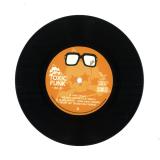
The Toxic Funk series keeps pushing the boundaries of funk and hip-hop on wax, and Volume 23 welcomes DJP with two heavyweight remix cuts tailor-made for party-rocking DJs and golden-era hip-hop lovers alike. Packed with dusty breaks, sharp cuts and undeniable boom-bap energy, this 7” delivers pure underground flavor from start to finish.
On the A-side, The Nod Factor (DJP Remix) flips a true hip-hop classic into a groove-heavy breakbeat weapon loaded with crisp drums, funky rhythms and that unmistakable head-nodding swing. DJP injects fresh energy into the timeless vocal flows while keeping the raw essence fully intact.
The B-side, How Many Emcees (Must Get Dissed) (DJP Remix) dives even deeper into rugged East Coast vibes with rolling breaks, punchy basslines and expertly chopped funk elements that hit hard on any sound system. DJP balances classic hip-hop attitude with dancefloor-ready funk pressure, making this another essential weapon for selectors who like their beats raw and funky.
Toxic Funk Vol. 23 continues the series’ tradition of bringing heavyweight grooves to 7” vinyl, serving up another limited edition double-sider for crate diggers, breakbeat heads and party DJs worldwide.
b B1: How Many Emcees (Must Get Dissed) [DJP Remix]
[b] B1 | How Many Emcees (Must Get Dissed) [DJP Remix]
out of Stock
Last delivered 32 days ago available to reorder, subject to availability
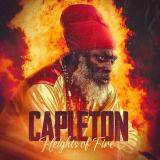
Heights Of Fire” by Capleton is being released as an LP via Diggers Factory and presents a brand-new album produced by Evidence Music. The release once again puts Capleton’s distinctive voice front and centre, while also speaking to collectors who value a high-quality pressing.
Musically, “Heights Of Fire” blends classic reggae foundations with modern production elements; weighty bass foundations, precise drums, and organic arrangements carry the messages. Guest appearances by Damian Marley and Stephen Marley, along with collaborations with Derrick Sound, Little Lion Sound, Eesah, Mista Savona, Mixing Finga, and L’Entourloop, provide sonic variety and international influences. Lyrically, the tracks revolve around spirituality, resistance, and personal reflection, which Capleton delivers with emphatic rhetoric.
Key characteristics of the LP include its distinct production signature and the collaboration with established reggae heavyweights, which give the album both depth and a contemporary freshness. The arrangements move between dense roots passages and airy choruses, making the record resonate with both traditional listeners and a younger audience. The release on Diggers Factory also underscores the clear collector focus of the physical rollout.
Nichts ist so beständig wie der Wandel. Kaum eine Band verkörpert diesen Gedanken derzeit so konsequent wie Musa Dagh. Die Formation um Aren Emirze bewegt sich seit dem selbstbetitelten Debüt von 2021 durch die Zwischenräume von Noiserock, Alternative und Post-Hardcore - laut, sperrig, emotional aufgerissen und zugleich getragen von einem feinen Gespür für Dynamik, Atmosphäre und Melodie. Der Bandname verweist dabei auf den historischen Kontext des armenischen Genozids und bildet einen leisen, aber prägenden Resonanzraum im Selbstverständnis der Gruppe. Von Anfang an wirkt Musa Dagh weniger wie eine klassische Band als ein offener Prozess. Keine feste Konstruktion, sondern ein Zustand permanenter Bewegung. Unterschiedliche musikalische Erfahrungen, Persönlichkeiten und Energien treffen hier aufeinander, verschieben sich gegenseitig und erzeugen genau daraus jene Spannung, die zum Kern dieser Musik geworden ist. Schon die ersten Aufnahmen entstanden aus dieser Offenheit heraus. Begegnungen und Arbeitsphasen mit Thomas Götz, Sascha Madsen und Aydo Abay wirkten dabei weniger wie klassische Kooperationen, sondern eher wie Reibungsflächen, die den Sound immer wieder neu ausrichten. Musa Dagh klangen nie nach Stillstand - jede Verschiebung öffnete neue Räume. Mit "Endurance" tritt die Band nun in eine neue Phase ein. Die Veränderung wirkt nicht wie ein Bruch, sondern wie eine Erweiterung dessen, was Musa Dagh immer ausgemacht hat: Bewegung, Offenheit und Transformation.
Silbernes Vinyl, limitiert auf 500 Exemplare. Nichts ist so beständig wie der Wandel. Kaum eine Band verkörpert diesen Gedanken derzeit so konsequent wie Musa Dagh. Die Formation um Aren Emirze bewegt sich seit dem selbstbetitelten Debüt von 2021 durch die Zwischenräume von Noiserock, Alternative und Post-Hardcore - laut, sperrig, emotional aufgerissen und zugleich getragen von einem feinen Gespür für Dynamik, Atmosphäre und Melodie. Der Bandname verweist dabei auf den historischen Kontext des armenischen Genozids und bildet einen leisen, aber prägenden Resonanzraum im Selbstverständnis der Gruppe. Von Anfang an wirkt Musa Dagh weniger wie eine klassische Band als ein offener Prozess. Keine feste Konstruktion, sondern ein Zustand permanenter Bewegung. Unterschiedliche musikalische Erfahrungen, Persönlichkeiten und Energien treffen hier aufeinander, verschieben sich gegenseitig und erzeugen genau daraus jene Spannung, die zum Kern dieser Musik geworden ist. Schon die ersten Aufnahmen entstanden aus dieser Offenheit heraus. Begegnungen und Arbeitsphasen mit Thomas Götz, Sascha Madsen und Aydo Abay wirkten dabei weniger wie klassische Kooperationen, sondern eher wie Reibungsflächen, die den Sound immer wieder neu ausrichten. Musa Dagh klangen nie nach Stillstand - jede Verschiebung öffnete neue Räume. Mit "Endurance" tritt die Band nun in eine neue Phase ein. Die Veränderung wirkt nicht wie ein Bruch, sondern wie eine Erweiterung dessen, was Musa Dagh immer ausgemacht hat: Bewegung, Offenheit und Transformation.
In Walter Benjamin’s seminal essay “Art in the Age of Mechanical Reproduction”, he posits that the aura of art objects is destroyed by the ability to photographically reproduce them. When you had to make a pilgrimage to a work it remained elusive, charged, ever distant; but when you can easily see a reproduction, such aura dissipates. What Benjamin did not anticipate is that in the age of AI and the frictionless fount of digital content, we have imbued mechanical and analog means of media production with aura. Film cameras from the last 100 years are in high demand (the point and shoot Olympus Mju I featured in Wim Wenders film Perfect Days still sells for $200), vinyl sales continue to grow year by year, 35mm and 70mm film screenings have become aura-drenched events people travel across country for, and as to the world of vintage and analog synthesizers, when a friend asked for the price on the Yamaha CS-80 synth used on Toto’s “Africa”, the answer was a cool $60,000.
Despite the ability to simulate almost any synthesizer on a computer, the original physical units retain their mystique. Perhaps this lies in the physical process, many of these synths are temperamental and difficult to fully utilize, and the effort and ingenuity can be felt in ways that will always be absent from easy digital simulacra. Perhaps there is an aura in their imperfection, as Brian Eno wrote: “Whatever you now find weird, ugly, uncomfortable and nasty about a new medium will surely become its signature. CD distortion, the jitteriness of digital video, the crap sound of 8-bit - all of these will be cherished and emulated as soon as they can be avoided.” Some may call this nostalgia, but such sonic imperfections are the sounds of humans interacting with the physical world, and it is understandable to feel a pang of emotion and attachment in a time of exponential alienation.
Marche 22 was recorded over a week at the Museo Del Synth Marchigiano in Macerata, Italy. The museum is filled with rare and obscure synths (especially CRB, GEM & Elka) as well as salvaged materials from a nearby shuttered Farfisa organ factory, including MARS, an unfinished realtime audio processing application developed by IRIS - similar to the now well known MAX/MSP. Kyle Dixon and Michael Stein play a suite of pieces that encompasses the last sixty years of synthesizer music—there are nods to Cluster, Tangerine Dream, Jean Michel Jarre, and Morton Subotnick. Dixon and Stein are like jazz masters playing the American songbook with their own riffs and quotations. What shines through in these varied works that are sometimes rhythmic, sometimes melancholic, and sometimes both, is a soul, a spirit, an emotion vibrating through the tones like the charge of coming rain or the thrum of a distant train on the tracks. - Neil Fauerso
Released in 1993 and never reissued on vinyl since, this album was recorded at Music Works Recording Studio, which was renamed that same year Anchor Recording Studio, well known among reggae enthusiasts. It was produced by Doctor Dread and mixed at the prestigious Lion & Fox Recording Studio, the American base of the RAS Records label.
The line-up is impeccable, featuring of course Flabba Holt on bass, Tee Bird on keyboards, Dwight Pinkney on guitar, and Sky Juice on percussion—in short, the full Roots Radics line-up.
As usual, Skelly, Wiss, and Apple take turns singing lead while the other two enhance the vocals with high-pitched melodic harmonies.
In a Roots Rock Reggae vein, this album is a cornerstone of the group’s discography, presented to you remastered, with a sound it had never been given before. The 180g vinyl pressing, glossy finish, and 350g sleeve make it a choice piece for all lovers of quality Roots reggae.
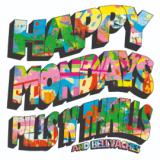
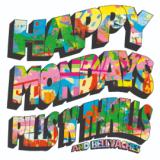
Originally released in 1990 by Happy Mondays, Pills ‘n’ Thrills and Bellyaches captured the chaotic, euphoric spirit of the Madchester movement, blending indie rock, acid house rhythms and funk grooves into a sound that helped reshape British alternative music. Featuring era-defining tracks such as “Step On” and “Kinky Afro,” the record became both a commercial breakthrough and a cultural snapshot of a generation fuelled by dance culture and Northern nightlife.
More than three decades later, its grooves, attitude and genre-blurring production still resonate strongly with contemporary audiences, influencing modern indie and electronic artists alike.
1LP Red Edition. All original audio remastered from Factory Records master tapes. Includes original album and brand new liner notes by James Brown.
5 x LP
60-page hardback book
Black vinyl
Printed labels
Printed inners
Slipcase
A2 poster
Slipmat
Originally released in 1990 by Happy Mondays, Pills ‘n’ Thrills and Bellyaches captured the chaotic, euphoric spirit of the Madchester movement, blending indie rock, acid house rhythms and funk grooves into a sound that helped reshape British alternative music. Featuring era-defining tracks such as “Step On” and “Kinky Afro,” the record became both a commercial breakthrough and a cultural snapshot of a generation fuelled by dance culture and Northern nightlife.
More than three decades later, its grooves, attitude and genre-blurring production still resonate strongly with contemporary audiences, influencing modern indie and electronic artists alike.
5LP Edition. All original audio remastered from Factory Records master tapes. Includes original album, Hallelujah + Madchester Rave On, Baby Big Head Bootleg Album (Live at Elland Road, 1991), classic and new remixes, 60-page hardback book with brand new essays from James Brown and Central Station designers, fold-out A2 tour poster and Madchester slipmat.
Phonica unveil the second in a series of three 12" samplers featuring a selection of tracks from their new compilation 'Ten Years Of Phonica'.
Phonica favourite Lo Shea kicks off Sampler number 2 with the ominous 'Home', a bassline-heavy house cut that continues on from his streak of high quality and inventive 12" releases on Seaghdha. Medlar and Red Rack'em join forces for the submerged 'Morning Light'. It's deep house in its truest form and here's hoping they continue to collaborate, because on the basis of this, they're onto something very special.
Moiré is another producer Phonica have been hugely impressed with, his highly original 12"s for Werk Discs and Rush Hour blew us away and his contribution 'Solar Signs' doesn't disappoint. Cult producer STL rounds out the 12" with 'Freaky Fingers'. His distinctively twisted take on house and techno is in full effect on this one, whistles and all. As STL releases on labels other than Something or Smallville are a rarity, it's yet another coup for Phonica.
Phonica Records was established in September 2003 and set up shop in Soho, London, adding to the high concentration of independent records stores that inhabited the area. Founders; Simon Rigg, Heidi Vanden Amstel and Tom Relleen joined The Vinyl Factory with the aim of creating an exciting outlet for innovative dance music, traversing all sub-genres and cultures. Over the past decade the emporium has developed into a well-respected destination for DJs and enthusiasts, and has subsequently become a bustling hive of conversation and inspiration as part of a wider community of music lovers.
While trends and movements in music have grown and faded over these years, Phonica has always remained in a state of evolution. It is this openness to change alongside a commitment to it's original ethos and an enduring ardour for quality, cutting-edge sounds that has fuelled the shop's staying power.
To celebrate reaching this milestone, Phonica Records have invited some of their favourite artists to produce a track for an eclectic yet cohesive compilation, which will hopefully go some way towards sonically unfolding the 'Ten Years of Phonica.'
Footjob welcomes a vibrant new release from Sheffield’s own Adelphi Music Factory, delivering a EP that radiates pure dancefloor energy.
Known for their uplifting blend of classic house, disco influences, and soulful club aesthetics, Adelphi Music Factory continue to carve out a distinct space between nostalgia and forward-thinking production. With previous releases championed across underground and crossover scenes alike, their sound bridges raw house sensibilities with infectious musicality.
The Sneaking Out The Back EP features four tracks crafted for both peak-time moments and deeper dancefloor journeys.
out of Stock
Last delivered 74 days ago available to reorder, subject to availability
The band's name stems from the idea of reinterpreting and renewing what already exists: a creative drive that has underpinned their songwriting and the development of their sound from the very beginning. Following the EP/ demo 4 Little Hanged Toys (Copro Records/Casket Music), they made their debut in 2012 with Technicolor Noise (Zeta Factory), an album blending alternative rock, electronica and industrial influences. In 2015, they released Daytime Sleepwalkers on This Is Core, marking an evolution towards darker atmospheres, in which dark and new wave elements are woven more consciously into their sound. The following year saw the release of DSRMX, a collection of remixes that further expands the project's electronic dimension. After a hiatus due to personal circumstances, the band returned in 2026 with Faithless on Overdub Recordings, an intense, conceptual and political album that heralded a new artistic chapter, deeply influenced by their lived experiences.
Ever since the late 1950s bossa-nova revolution, Brazil’s influence on French music has been undeniable. Pierre Barouh, Georges Moustaki and a vast array of lesser known artists, all made the Musica Popular Brasileira (MPB) an axis of promotion at the service of a cool and metaphysical, modern and mixed Brazilian lifestyle. Some were seduced by the poetic languors of the bossa, some were looking for fun, and others just loved the American hybridization of jazz-bossa, jazz-samba.
What is bossa nova? One of its creators, Joao Gilberto said: "Its style, cadence, everything is samba. At the very start, we didn't call it bossa nova, we sang a little samba made up of a single note - Samba de uma nota so .... The discussion around the origins of bossa nova is therefore useless”. It is nevertheless useful to remember that these magnificent Brazilian songs, which the guitarist describes as samba, were shifted and balanced around improbable chords. "I like things that lean, the in-betweens that limp with grace," said Pierre Barrouh, quoting Jean Cocteau.
With emotion, arrangements for violin and supple guitar licks, bossa nova rapidly changed. A transformation that can be heard in the Tchic, tchic, French Bossa Nova 1963-1974 compilation, the result of a cultural reappropriation, which traveled through the United States and supplemented itself in France.
A musical revolution that has remained significant, bossa nova was born in Rio. From 1956 to 1961, Brazil lived through its golden years. In five years, the country had invented its modernist style. Elected president in 1956, Juscelino Kubitschek de Oliveira, an elegant man with a broad forehead, brandished a promising slogan: "Fifty years of progress in five years". He quickly got to work. Not worried about increasing debt, he launched the project for a new federal capital, Brasilia, designed by the communist architect Oscar Niemeyer. Volkswagen opened state-of-the-art factories and created the “fusquinha”, the Beetle. In Rio, the Vespa made its first appearance. The Arpoador Surf Club crew run into the “girl” from Ipanema, Helô Pinheiro - the tanned garota ("chick"), between a flower and mermaid, who at 17 walked by the Veloso bar, where the fiery author and composer, Tom Jobim and Vinicius de Moraes, were getting drunk on whiskey. From then on, bossa symbolized cool.
In 1958, Joao Gilberto recorded Chega de Saudade, which the directors of Philips denied, calling it "music for fagots". The marketing director, who believed in it, secretly pressed 3000 78-inch vinyls and distributed them at schools around Rio, creating a tidal wave.
American jazzmen then took over. In particular, trumpeter Dizzy Gillespie and guitarist Charlie Byrd. In November 1962, the Brazilian Ministry of Foreign Affairs funded a "Bossa-Nova" concert at Carnegie Hall in New York, inviting the genre’s pioneers. Unprepared, the show soon turned to disaster. But the troupe was invited to the White House by Jackie Kennedy. The first lady loved "the new beat" and in particular Maria Ninguem, a song by Carlos Lyra, later covered by Brigitte Bardot.
In Brazil, the 1964 military coup quickly ended this euphoria. The destructive atmosphere that ensued pushed many Brazilian musicians to leave, if not to exile. Thus, Tom Jobim, Sergio Mendes and Joao Gilberto arrived to the United States. In New York, Joao Gilberto met saxophonist Stan Getz. At the time, he was married to the Bahianese Astrud Weinert Gilberto, who had a German father. She had never sung before, but she knew how to speak English. Getz therefore asked her to replace her husband on The Girl From Ipanema. The Getz/Gilberto record with Tom Jobim on piano, was released in March 1964. Phil Ramone, the "pope of pop" was in charge of sound.
Bossa nova arrived in Paris through the classic “guitar-voice” channel (Pierre Barouh, Baden Powell, Moustaki…) But France loved jazz and Paris had already welcomed its American contributors. All these good people were to pass through Saint-Germain-des-Prés. The cabaret l'Escale became the Mecca of Latin American sound where one could find Pierre Barrouh and his friends, such as the Camara Trio, samba-jazz aces, whose only record was published by the Saravah label. With a band strangely called Les Masques (a band that included Nicole Croisille and Pierre Vassiliu, among others), the Camara Trio recorded an interesting Brazilian Sound, including the track Il faut tenir which is present on this tasty compilation of rarities.
Other enlightened musicians can also be found on the compilation, such as Jean-Pierre Sabar (songwriter for Hardy, Auffray, Leforestier ...) and the French pop rock organist Balthazar. In 1975, Sabar recorded Aurinkoinen Musiikkimatka on a Finnish label, which featured the crazy Vai, Vai, included on this record. We are now following the footsteps of Brazilian electronic musicians such as Sergio Mendes, Eumir Deodato or Marcos Valle who created funk and disco sounds on their keyboards and synthesizers. A style that influenced Véronique Sanson when she wrote Jusqu’à la Tombée de la nuit in 1969 for Isabelle de Funès, the niece of Louis and a great friend of Michel Berger - Sanson did end up singing this track on her 1992 Sans Regret record.
The pinnacle of exoticism and travel, Sylvia Fels’ Corto Maltese includes bongos, sea mist and ocean sounds. The title was taken from Jacky Chalard’s concept album written in 1974, Je suis vivant, mais j’ai peur (I am alive, but I am scared), based on Gilbert Deflez’s science fiction novel.
However, bossa nova extended the scope of popularity. "In the 1970s, I was a fan of Sergio Mendes, Getz / Gilberto. I fell in love with this music that I knew because I had been an orchestral singer, " explained Isabelle Aubret, who in 1971 delivered a composite record of covers by the very funky Jorge Ben, Orfeu Negro, Tom Jobim, Vinicius de Morais and Jean Ferrat. "I recorded this album for Meys Records in Paris, far from Brazil, with wonderful musicians, François Raubert, Roland Vincent, Alain Goraguer...". The latter wrote the arrangements for Casa Forte, a very percussive title borrowed from Edu Lobo, one of the initiators of the bossa who spent time in California. "Jazz and bossa came together and produced very rhythmic music. I love singing, it allows me to dream, to have fun, to feel a high on stage, and these songs brought me joy, made me swing, my singing felt like a dance.”
The world tours of French singers and their desire for the tropics, often brought them to Rio with its hills, forests, caipirinhas and tanned bodies. There are surprises though, like this Iemenja (Iemenja is the goddess of the sea in the Afro-Brazilian candomblé religion). Not unlike the composer and musician Jean-Pierre Lang, based in Sao Paulo, Claire Chevalier taught Brazil to Brazil. In 1970, the singer and painter published a 45-inch vinyl, Mon mari et mes amants (My husband and my lovers), under the improbable pseudonym of Clarinha (little Claire). She was then living in Rio, with her husband, Joël Leibovitz, who founded a band called Azimuth, and who owned a record label specialized in "sambas enredos" songs for samba school parades.
For its B side, she asked Pierre Perret to come up with lyrics for a song composed by Carlos Imperial: "Oh goddess of the sea, o goddess Iemenja, I bring a white rose to adorn your long hair ..." . "Perret came to see us, and we had fun, remembers Joël Leibovitz. We wrote Lemenja for fun, we recorded it at the Havaí studio, behind the Central do Brasil the central station. Erlon Chaves, the arranger who worked with Elis Regina, joined us" adding his share of Afro-Brazilian percussions and funky brass to the mix.
There is a common misunderstanding in Franco-Brazilian history: that bossa, admittedly hedonistic, is perceived as funny, even though the poets who wrote the texts are often philosophizing on the human condition. Its French interpreters pull it towards a carnival inspired universe, far removed from its fundamental essence. Thus, Jean Constantin covered the famous Samba da minha terra, an ode to the art of samba written by the classic Bahian composer Dorival Caymmi, renaming it with the enticing title of Pas tant de tchi tchi pompon: "On your pier there is no tchi tchi / when you arch your back, you know everything is alright ”(lyrics by Gérard Calvi). This expedited bossa aims for the absurd, but retains a certain elegance.
Indeed, Jean Constantin was not an idiot, the rather large man had a huge mustache and liked fantasy, (Les pantoufles à papa, Le pacha, inspired by cha-cha-cha-cha, salsa and jazz) but he was also the lyricist of Mon manège à moi interpreted by Edith Piaf, the composer of Mon Truc en plume by Zizi Jeanmaire and the soundtrack of François Truffaut’s 400 Blows. Le Poulpe, published in 1970, from which this bossa is extract, was arranged by Jean-Claude Vannier, an accomplice of Serge Gainsbourg’s Melody Nelson. In short: "There is enough of samba / By looking at the parasol / Because my poor cabeza / Is going to die in the sun".
Even the American actress Marpessa Down, who was at the heart of the bossa nova revolution with her role as Euridyce in Marcel Camus’ film Orfeu Negro, winner of the 1959 Cannes Palme d'or, fed the clichée with Je voudrais parler au petit cuica - "Tell me how you manage to always make people want to dance / It's true, I must admit that I cannot resist your magic" - in consequence, once can hear the cuica, a little drum inherited from the Bantu.
But bossa nova had many angles. Societal, of course, pushing actresses who were symbols of women's liberation like Brigitte Bardot, Jeanne Moreau, or Sophia Loren to engage in the exercise of accelerated bossa. In February of 1963, Sophia Loren made a record in French in Rome, Je ne t'aime plus, featuring the song De jour en jour, a bossa written by two Italians, Armando Trovajoli and Tino Fornai, which was released a little later by Barclay. Bossa accompanied the 1960s, a decade of moral liberation. Ann Sorel, who interpreted La Poupée des favellas, caused a sensation with L’amour à plusieurs, a provocative song written by Frédéric Bottom and Jean-Claude Vannier. As for the actress Andrea Parisy, she displayed her bourgeois cheekiness in Marcel Carné's Les Tricheurs before interpreting Les mains qui font du bien. And Magalie Noël, the friend of Boris Vian, who sung Johnny fais-moi mal, was hired to sing Une énorme Samba, composed by Alain Goraguer (arranger to Gainsbourg, Bobby Lapointe and Jean Ferrat) with lyrics by Frédéric Botton.
But in the end, of what wood is bossa nova made of? The answer is given by Christianne Legrand, daughter of Raymond the conductor, and sister to Michel the composer: "With me, with jà" - jà means "immediately" in Portuguese. In 1972, the singer, an expert in vocal jazz and a member of the Double Six, published Le Brésil de Christianne Legrand. Two songs included on the Tchic Tchic compilation that demonstrate how bossa, jazz, funk, rock, etc. work like a swiss army knife: the music is used to denounce broken systems, or miracles, HLM et ciné roman, Cent mille poissons dans ton filet, two songs from the O Cafona soundtrack, a successful telenovela broadcast, at the time in black and white, on TV Globo. The first was adapted in French by the fighter and friend of the Legrand tribe, Agnès Varda. The second is content with a play on words, jostling them into a summer fun.
Véronique Mortaigne
out of Stock
Last delivered 3 months ago available to reorder, subject to availability
On Y-3004, Solitary Dancer wade into the depths of their sonic palette for Y-3's Fall/Winter 2026 Presentation, an occasion marked by the sportswear label's turn into the world of motorsport, unveiling a partnership with Mercedes-AMG Petronas F1 Team. Dark, moody, and measured, the score reflects on the early era of automotive industrialization. Inspired by the factories which captured the sounds of nascent processes operating at their own rhythm, the vast physical potential of the Palais d'Iena allowed the space to further explore such repetition. The composition proved a masterful exercise in tension & restraint, ascending from hypnotic, low-end pulsations to brightly shimmering, metallic delays and a decidedly techno finale.
out of Stock
Last delivered 78 days ago available to reorder, subject to availability
Random Color ReVINYL Edition. Never has a Songs: Ohia album's process been so integral to its overall feel as is the case with DIDN'T IT RAIN, the band's sixth proper full-length. The album, like the working class South Philadelphia neighborhood in which it was birthed, has a real used goods kinda feel to it. Engineer Edan Cohen employed what some may consider "old-fashioned" recording techniques -- the entire album was recorded live with no overdubs, the full band playing in one room with the players always within arms' reach of one another; singers Jason Molina, Jennie Benford and Jim Krewson (the latter two of Jim & Jennie And The Pinetops) sharing microphones singing live together, sometimes sitting in chairs, sometimes standing. The result is a sound which resembles the warmth and personality of the classic Muscle Shoals Sound recordings of the early- to mid-70s: Willie Nelson's PHASES & STAGES, the Rolling Stones' "Wild Horses", and others by Aretha Franklin, Boz Scaggs, Bob Seger, Lynyrd Skynyrd and Wilson Pickett.Inspired by the Mahalia Jackson song of the same name, the title track is a beautiful song about the shifting tides of life and the old cycle of "a lot of shit going down before shit clears up". It's a damn fine place to start an album that seems in no hurry whatsoever to make a universal statement, instead perfectly content to walk its own path toward resolution. And damn if Songs: Ohia principal songwriter Jason Molina hasn't gone and created a record that is even more intensely personal and healing than any of his previous works. Neil Young had his AFTER THE GOLDRUSH, this is Molina's DIDN'T IT RAIN. Indeed, this is the album with which Molina really leaves his mark as a serious songwriter and artist. On 1999's genre-bending Ghost Tropic full-length, Songs: Ohia made it clear that it could make a cohesive album that took its listener on a journey from front to back. Its dislocated feel set a haunting tone, and its largely instrumental and drone-like quality was the process of the Ohia eluding itself and its own tendencies, searching for the underside of its roots freshly yanked. With DIDN'T IT RAIN, Molina & Co. return to the beauty of the song form and offer up a startlingly soulful and introspective song cycle in which Molina -- accepting a comfortable degree of anonymity amongst the other players -- meditates on what it means to feel rooted again (in the city of Chicago, where he's called home for the past three years), sounding more sturdy at his core than ever.
Capturing the full scope of the Straw Hat Crew’s journey into the Grand Line, this collection brings together the massive, high energy score by award winning composers Sonya Belousova and Giona Ostinelli. From the shores of Loguetown to the snowy peaks of Drum Island, every moment of the voyage is brought to life through soaring orchestral arrangements and unforgettable pirate anthems.
2LP Audiophile Black Vinyl: Two 12 inch records pressed on high quality black vinyl for a classic look and superior sound fidelity, delivering every orchestral swell with crystal clear precision.
Double CD Set: Two discs featuring the complete original score and songs, presented in a premium compact format.
Premium Packaging: A double gatefold jacket for the vinyl edition and a three fold digipack for the CD, both showcasing vibrant cinematic artwork of Luffy and the Straw Hat Crew.
Complete Soundtrack: Over 40 tracks spanning the entire second season, including character themes, emotional moments and epic battle motifs.
Whether at home or on your own journey, this release is the perfect way to keep the spirit of adventure alive, immersing you fully in the world of One Piece.
Netflix’s epic high seas pirate adventure, ONE PIECE, returns for Season 2, unleashing fiercer adversaries and the most perilous quests yet. Luffy and the Straw Hats set sail for the extraordinary Grand Line, a legendary stretch of sea where danger and wonder await at every turn. As they journey through this unpredictable realm in search of the world’s greatest treasure, they will encounter bizarre islands and a host of formidable new enemies
ReVINYL Random Color Edition. Concrete is a bracing jolt of a song, racing forward on a tightly wound post-punk riff, its call-and-response vocals capturing the turmoil and schizophrenic internal dialogue of the song's subject matter."It's about someone who's trapped in a relationship and they're being pummelled into surrender," says singer and lyricist Charlie Steen. "It's not about a physically abusive relationship - more an emotionally and psychologically draining one. The call-and-response vocals between Steen and bassist Josh Finerty is the central figure's own internal dialogue. They are dealing with two different things that they don't want to address."The band cite The Fall, Country Teasers, Television Personalities and Wire among their biggest influences, and the icily claustrophobic sound of Concrete sets it in a lineage with Magazine, Joy Division. As a lyricist, Steen is a modern flâneur, forensically observing the lives of others around him as they unspool and fracture, with Hubert Selby Jr and Irvine Welsh his primary literary influences. "That graphic and harsh style of writing always interested me," he explains. "It's not about the shock factor; it's about the fact they are talking about these things in such great detail without stripping anything back."The London five piece have swiftly earned a reputation as one of the most visceral and exhilarating live bands in the UK, their combustible shows being honed through a heavy touring schedule in the UK and across Europe. Cutting their teeth on the squat-punk scene in the Queen's Head in Brixton in 2015, where they were taken under the wing of Fat White Family, the white heat of their gigs quickly landed them support slots with Slaves and Warpaint. They were also personally invited by Billy Bragg to play the Left Field stage at Glastonbury this year.Following two singles - the AA single The Lick/Gold Hole and Tasteless on Fnord Communications as well as the digital-only Theresa May-baiting Visa Vulture (described by Steen as "the worst love song ever") - Concrete is the first track to be released as part of their record deal with Dead Oceans."We started this band as a joke that went too far," deadpans Steen. "What we do is quite strange and quite weird, but I get to meet a lot of people and I get to hear a lot of things. I am interested in the surrealism of reality."
Yellow Days' new album Rock And A Hard Place is a tour de force which sees George van den Broek returning to his soul roots, channelling everyone from Stevie Wonder to Gil Scott-Heron to his idol, Ray Charles, in a set of emotionally charged songs constructed with an attention to detail worthy of the Brill Building.
Beautifully sung, brilliantly played and almost glowing with intelligence, it's the sound of Yellow Days coming of age.
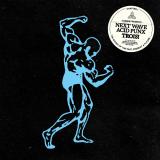
Starting in 2021 the critically acclaimed Next Wave Acid Punx series has seen Luca Venezia, aka Curses, celebrate the music that has shaped both his life and career. Across the first two compilations Luca took usfrom the industrial and post-punk sounds of the late 70s, through the emergence of EBM, new beat and freestyle in the 1980s and onto the music he both makes and plays himself in clubs today. Bringing the series to a close Next Wave Acid Punx TROIS sees the Berlin-based musician and DJ return full circle, this time exploring the sounds that first initiated him into Brooklyn's rave scene and the music that, in some way, continues to embody its eclectic spirit today.
Spread across three 2LPs and 3CDs Next Wave Acid Punx TROIS captures a moment whose influence can still be heard reverberating around clubland today. With the nascent rave scene obliterating boundaries, this was a moment where the darker, harder industrial electronic sounds of the mid 1980s were crashing headfirst into the ecstatic wave that was washing over clubland creating thrilling juxtapositions. Whether in the clubs and warehouses of New York, London, Frankfurt, Valencia and beyond, electronic music would never be the same again as countless new genres we take for granted today were born from the chaos and energy that had been unleashed.
Featuring 46 hard-to-find, new and exclusive tracks, Next Wave Acid Punx TROIS both documents that fertile period and shows how, despite rumours to the contrary, that early anarchic spirit can still be found today. From the Detroit Techno of Model 500 to Nitzer Ebb's EBM and the proto-Trance of Age of Love and onto brand new tracks from some of today's best producers such as Zaatar, Italo Deviance and Leona Jacewska, this compilation closes out a series that has to date revelled in exploring the darker corners of clubland in uplifting style.
This is Chapter 1.
out of Stock
Last delivered 10 days ago available to reorder, subject to availability
The single will be a limited edition release of 500 vinyl copies as part of the Blow Up 45 Series. All sleeves for the Blow Up 45 series are die cut with the record centre dinked.
The distinctive in-house design which has been utilised since the year 2000.
Broadcast embargo until 5/05/26 – Exclusive first play on 4th May on Roman Jugg’s Roman show (Truly Electric Camembert – Phoenix FM). The band were recently featured in Shindig magazine and were described as “bringing a forceful new twist to vintage tinged rock ‘n’ roll.
The Now She’s Gone single are the first tracks to be completed from the recording sessions at the Fish Factory in Willesden London in December 2025. Sixteen tracks were recorded in the sessions with additional overdub recording taking place at Soundbody studios London between January and February 2026. The single was produced by The Forty Fours and former member of The Damned, Roman Jugg. Whilst Paul Tunkin of Blow Up is the executive producer of the sessions. The remainder of the tracks for the debut album are currently being mixed by Nick Terry in Oslo, Norway for release later in 2026. The Forty Fours are a London based three-piece group, who originally formed in Cornwall as teenagers.
The Forty Fours are : Oliver Harriss – Electric Guitar / Vocal, Jason Bazeley – Bass guitar / Vocal, Andrew Stander – Drums / Vocal.