1000 copies worldwide. Deluxe 30th anniversary re-issue of cult Boston band's 1992 debut. Featuring the intense guitar interplay of Thalia Zedek and Chris Brokaw. Acclaimed by Dinosaur Jr's J Mascis, Husker Du's Bob Mould and Kurt Cobain. An awe-inspiring collision of noise via American blues-rock with thunderous rhythms holding together every six-string duel. A cathartic and euphoric hail of noise that's succinctly tailored for maximum effect. An album that defined Zadek and Brokaw's songwriting partnerships as one of the most original bands of the 90s, tirelessly meshing their blues-infected ballads with feedback and epic instrumental breakdowns. "A uniquely sludgy, electric, and strong fusion of sounds and styles, combining extreme angst and commanding power." AllMusic // In addition, the nine original tracks are extended with the 'Fast Piss Blues' single and its flipside, a cover of The Rolling Stones' 'I Got the Blues'. The re-issue package also includes a download link to 'Live At Vermonstress Festival' recorded on the 10th on November 1992. "Like watching someone howl into a rainstorm."" Entertainment Weekly // "A suitably visceral live recording." Record Collector
It was the summer of 1996 in London. Rat Scabies had his studio 'The Arch' underneath Kew Bridge, in which various projects were recorded. At some point, Rat (The Damned), Derwood Andrews (Generation X) and Glen Matlock (Sex Pistols) drifted in to rehearse and write songs to record an album. Pretty soon they were ready to start recording, but they didn't have a singer. They called upon an old friend Gary Twinn (20 Flight Rockers), who flew in on the red eye from Los Angeles and immediately started recording. It may have been a good idea to give Gary time to get over the jet lag, and write some more songs. But Gary's lyrics were working well and it was sounding so good they started laying down the tracks. A day or so later, Martin Lee Stephenson, a young hot mixer came down to the Arches and mixed the seven tracks that were recorded. The plan was to do a few more songs and have a finished album. Gary went back to the west coast and started booking shows. It was all looking good, and it was fun. Then Glen called to say the Pistols had offered him to reform with a world tour called Filthy Lucre, and he'd be doing that for the next six months at least. So, Dead Horse was truly dead, and the whole idea was abandoned. These tapes have been on the shelf for almost 30 years. These tapes are being released in the interest of music history, and the fact that they were never quite finished shouldn't matter to anyone. The quality of the people involved shines through.
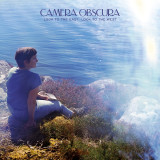
"Look to the East, Look to the West", das neue Album von Camera Obscura, ist eine Offenbarung. Die von Tracyanne Campbell geleitete Band hat sich wieder mit dem Produzenten Jari Haapalainen zusammengetan und ein Album geschaffen, das daran erinnert, warum die langjährigen Fans sie seit Jahrzehnten heiß und innig lieben, und das gleichzeitig ihr bisher anspruchsvollstes Werk ist. Es ist auch das am härtesten umkämpfte Album in der Karriere von Camera Obscura. Nach dem Tod von Gründungsmitglied, Keyboarder und Freund Carey Lander im Jahr 2015 (an den der vorletzte Track "Sugar Almond" gerichtet ist), ging die Band in eine längere Pause. Sie blieben in Kontakt, aber ihr Status war ungewiss. Nachdem sie eingeladen worden waren, im Rahmen von Belle & Sebastians Kreuzfahrtfestival Boaty Weekender 2019 aufzutreten, kündigten sie ihre Rückkehr an. Donna Maciocia (Keyboards und Gesang) stieß bei diesen Shows zu den Gründungsmitgliedern Kenny McKeeve (Gitarre und Gesang), Gavin Dunbar (Bass) und Lee Thomson (Schlagzeug und Perkussion) und ist seitdem Songwriting-Partnerin von Campbell. Aufgenommen im selben Raum, in dem Queen "Bohemian Rhapsody" schrieb, fühlt sich "Look to the East, Look to the West" groß an, eine Breitwand-Neuinterpretation des Camera Obscura-Sounds, bei der die Band paradoxerweise zu den Grundlagen zurückkehrte - es gibt keine Streicher- oder Bläserarrangements, der Schwerpunkt liegt auf Klavier, Synthesizern, Hammond-Orgel und Drumcomputern, und, was vielleicht am auffälligsten ist, die Gruppe hat den Hallschleier fallen lassen, der ihre früheren Alben charakterisierte. Der Hauch von Country und Soul, der Camera Obscuras barocke Interpretation von Popmusik so bittersüß macht, war noch nie so offensichtlich - die Gitarren schimmern in die Ferne, die Tasten spuken, und Campbells Stimme sucht nach dem Herzen, reflektiert über Liebe, Verlust und den Lauf der Zeit. "Look to the East, Look to the West" ist Camera Obscura in seiner besten und eindrucksvollsten Form, ein Album, das den emotionalen Kern des Hörers völlig neu ordnet und ihn gleichzeitig traurig und beschwingt zurücklässt. Der Katalog von Camera Obscura ist voll von Liedern, die Menschen als lebensverändernd bezeichnen, Lieder, die sie ihr ganzes Leben lang begleiten werden. "Look to the East, Look to the West" hat 11 davon zu bieten.
Galaxy Vinyl-
blue + white vinyl pressed galaxy effect in a gatefold jacket with lyrics.
"Look to the East, Look to the West", das neue Album von Camera Obscura, ist eine Offenbarung. Die von Tracyanne Campbell geleitete Band hat sich wieder mit dem Produzenten Jari Haapalainen zusammengetan und ein Album geschaffen, das daran erinnert, warum die langjährigen Fans sie seit Jahrzehnten heiß und innig lieben, und das gleichzeitig ihr bisher anspruchsvollstes Werk ist. Es ist auch das am härtesten umkämpfte Album in der Karriere von Camera Obscura. Nach dem Tod von Gründungsmitglied, Keyboarder und Freund Carey Lander im Jahr 2015 (an den der vorletzte Track "Sugar Almond" gerichtet ist), ging die Band in eine längere Pause. Sie blieben in Kontakt, aber ihr Status war ungewiss. Nachdem sie eingeladen worden waren, im Rahmen von Belle & Sebastians Kreuzfahrtfestival Boaty Weekender 2019 aufzutreten, kündigten sie ihre Rückkehr an. Donna Maciocia (Keyboards und Gesang) stieß bei diesen Shows zu den Gründungsmitgliedern Kenny McKeeve (Gitarre und Gesang), Gavin Dunbar (Bass) und Lee Thomson (Schlagzeug und Perkussion) und ist seitdem Songwriting-Partnerin von Campbell. Aufgenommen im selben Raum, in dem Queen "Bohemian Rhapsody" schrieb, fühlt sich "Look to the East, Look to the West" groß an, eine Breitwand-Neuinterpretation des Camera Obscura-Sounds, bei der die Band paradoxerweise zu den Grundlagen zurückkehrte - es gibt keine Streicher- oder Bläserarrangements, der Schwerpunkt liegt auf Klavier, Synthesizern, Hammond-Orgel und Drumcomputern, und, was vielleicht am auffälligsten ist, die Gruppe hat den Hallschleier fallen lassen, der ihre früheren Alben charakterisierte. Der Hauch von Country und Soul, der Camera Obscuras barocke Interpretation von Popmusik so bittersüß macht, war noch nie so offensichtlich - die Gitarren schimmern in die Ferne, die Tasten spuken, und Campbells Stimme sucht nach dem Herzen, reflektiert über Liebe, Verlust und den Lauf der Zeit. "Look to the East, Look to the West" ist Camera Obscura in seiner besten und eindrucksvollsten Form, ein Album, das den emotionalen Kern des Hörers völlig neu ordnet und ihn gleichzeitig traurig und beschwingt zurücklässt. Der Katalog von Camera Obscura ist voll von Liedern, die Menschen als lebensverändernd bezeichnen, Lieder, die sie ihr ganzes Leben lang begleiten werden. "Look to the East, Look to the West" hat 11 davon zu bieten.
Before "Svengali" came to describe any vaguely megalomaniacal personality in the entertainment industry-from the genuinely evil Phil Spector and Colonel Tom Parker all the way to their Diet Rite equivalent Jack Antonoff-he was a literary character who was probably the prototypical megalomaniacal personality in the entertainment industry. The antagonist in the famously mid and otherwise unmemorable 19th century novel Trilby, Svengali is depicted as a machiavellian manipulator who transforms the guileless titular character into a famous singer. Mo Troper's Svengali is a deeply psychological record with the throbbing heart of a fragile giant. It is a meditation on evil-ness. At certain points across Svengali's 13 tracks, Troper relishes his own innate evil-ness; just as often he's repulsed by it. Like any Mxo Troper album, Svengali is a collection of razor-sharp pop songs that sound like they were written yesterday, or in 1990 by Paddy McAloon, or in 1966 by Brian Wilson, or in 1936 by some unheralded Tin Pan Alley great. Troper has always belonged in the Pop Hook Hall of Fame but his latest and sixth LP of original material is, lyrically, a "look, there are levels to this" moment.
It's been a decade since John Carpenter recorded the material that would become Lost Themes, his debut album of non-film music and the opening salvo in one of Hollywood's great second acts. Those vibrant, synth-driven songs, made in collaboration with his son Cody Carpenter and godson Daniel Davies, kickstarted a musical renaissance for the pioneering composer and director. In the years since, Carpenter, Carpenter, and Davies have released close to a dozen musical projects, including a growing library of studio albums and the scores for David Gordon Green's trilogy of Halloween reboots. With Lost Themes IV: Noir, they've struck gold again, this time mining the rich history of the film noir genre for inspiration. Since the first Lost Themes, John has referred to these compositions as "soundtracks for the movies in your mind." On the fourth installment in the series, those movies are noirs. Like the film genre they were influenced by, what makes these songs "noirish" is sometimes slippery and hard to define, and not merely reducible to a collection of tropes. The scores for the great American noir pictures were largely orchestral, while the Carpenters and Davies work off a sturdy synth-and-guitar backbone. The noir quality, then, is something you understand instinctively when you hear it, as in connected in an emotional way. The trio's free-flowing chemistry means Lost Themes IV: Noir runs like a well-oiled machine_the 1951 Jaguar XK120 Roadster from Kiss Me Deadly, perhaps, or the 1958 Plymouth Fury from John's own Christine. It's a chemistry that's helped power one of the most productive stretches of John's creative life, and Noir proves that it's nowhere near done yielding brilliant results.
It's been a decade since John Carpenter recorded the material that would become Lost Themes, his debut album of non-film music and the opening salvo in one of Hollywood's great second acts. Those vibrant, synth-driven songs, made in collaboration with his son Cody Carpenter and godson Daniel Davies, kickstarted a musical renaissance for the pioneering composer and director. In the years since, Carpenter, Carpenter, and Davies have released close to a dozen musical projects, including a growing library of studio albums and the scores for David Gordon Green's trilogy of Halloween reboots. With Lost Themes IV: Noir, they've struck gold again, this time mining the rich history of the film noir genre for inspiration. Since the first Lost Themes, John has referred to these compositions as "soundtracks for the movies in your mind." On the fourth installment in the series, those movies are noirs. Like the film genre they were influenced by, what makes these songs "noirish" is sometimes slippery and hard to define, and not merely reducible to a collection of tropes. The scores for the great American noir pictures were largely orchestral, while the Carpenters and Davies work off a sturdy synth-and-guitar backbone. The noir quality, then, is something you understand instinctively when you hear it, as in connected in an emotional way. The trio's free-flowing chemistry means Lost Themes IV: Noir runs like a well-oiled machine_the 1951 Jaguar XK120 Roadster from Kiss Me Deadly, perhaps, or the 1958 Plymouth Fury from John's own Christine. It's a chemistry that's helped power one of the most productive stretches of John's creative life, and Noir proves that it's nowhere near done yielding brilliant results.
It's been a decade since John Carpenter recorded the material that would become Lost Themes, his debut album of non-film music and the opening salvo in one of Hollywood's great second acts. Those vibrant, synth-driven songs, made in collaboration with his son Cody Carpenter and godson Daniel Davies, kickstarted a musical renaissance for the pioneering composer and director. In the years since, Carpenter, Carpenter, and Davies have released close to a dozen musical projects, including a growing library of studio albums and the scores for David Gordon Green's trilogy of Halloween reboots. With Lost Themes IV: Noir, they've struck gold again, this time mining the rich history of the film noir genre for inspiration. Since the first Lost Themes, John has referred to these compositions as "soundtracks for the movies in your mind." On the fourth installment in the series, those movies are noirs. Like the film genre they were influenced by, what makes these songs "noirish" is sometimes slippery and hard to define, and not merely reducible to a collection of tropes. The scores for the great American noir pictures were largely orchestral, while the Carpenters and Davies work off a sturdy synth-and-guitar backbone. The noir quality, then, is something you understand instinctively when you hear it, as in connected in an emotional way. The trio's free-flowing chemistry means Lost Themes IV: Noir runs like a well-oiled machine_the 1951 Jaguar XK120 Roadster from Kiss Me Deadly, perhaps, or the 1958 Plymouth Fury from John's own Christine. It's a chemistry that's helped power one of the most productive stretches of John's creative life, and Noir proves that it's nowhere near done yielding brilliant results.
It's been a decade since John Carpenter recorded the material that would become Lost Themes, his debut album of non-film music and the opening salvo in one of Hollywood's great second acts. Those vibrant, synth-driven songs, made in collaboration with his son Cody Carpenter and godson Daniel Davies, kickstarted a musical renaissance for the pioneering composer and director. In the years since, Carpenter, Carpenter, and Davies have released close to a dozen musical projects, including a growing library of studio albums and the scores for David Gordon Green's trilogy of Halloween reboots. With Lost Themes IV: Noir, they've struck gold again, this time mining the rich history of the film noir genre for inspiration. Since the first Lost Themes, John has referred to these compositions as "soundtracks for the movies in your mind." On the fourth installment in the series, those movies are noirs. Like the film genre they were influenced by, what makes these songs "noirish" is sometimes slippery and hard to define, and not merely reducible to a collection of tropes. The scores for the great American noir pictures were largely orchestral, while the Carpenters and Davies work off a sturdy synth-and-guitar backbone. The noir quality, then, is something you understand instinctively when you hear it, as in connected in an emotional way. The trio's free-flowing chemistry means Lost Themes IV: Noir runs like a well-oiled machine_the 1951 Jaguar XK120 Roadster from Kiss Me Deadly, perhaps, or the 1958 Plymouth Fury from John's own Christine. It's a chemistry that's helped power one of the most productive stretches of John's creative life, and Noir proves that it's nowhere near done yielding brilliant results.
A continuation of a sound and sentiment from the mind of Pete Woosh (DiY Soundystem)
Love is the Most Important thing captures a unique moment in time with a meeting of spiritual, uplifting and healing sounds that ring true to Pete’s spirit. This first EP sees the debut of several lesser-known artists from Nottingham. Allow yourself to drift through a varied soundscape; from cosmic loops and gentle pads to uplifting mantras and rolling breakbeats.
RIP Pete Woosh aka The Peaceful Ones – 1965 - 2020
out of Stock
Last delivered 2 years ago available to reorder, subject to availability
Im Geiste der klassischen jamaikanischen Aufnahmen der späten 70er und frühen 80er Jahre präsentiert uns Pachyman sein zweites Album mit Ausflügen in Dub und Roots Reggae. Inspiriert von der Roots Radics Band, erweitert Pachyman diesmal seine Erkundung des frühen Studio One-Sounds, Sly & Robbies Steppers-Stil und ein wenig Soul-Jazz-Reggae. Gemischt mit den Techniken von Scientist und King Tubby zollt Pachyman der Klangpalette der Dub-Meister Tribut. Aufgenommen zwischen April und Oktober 2019 in seinem eigenen 333 House Studio.
out of Stock
Last delivered 2 years ago available to reorder, subject to availability
Repress of Child's EP "I". "If you're familiar with CHILD and are particularly a sucker for the keyboard, I'm afraid I've got some bad news - It's mostly gone. Fear not, though, as their fuzz-infused blues is alive and kicking and is sure to continue to appeal to a lot of fans of different genres. The three songs follow as their lengths increase, starting with "Age Has Left Me Behind", clocking in at 03:47 and ending with "Going Down Swinging", a 10:20 jam which definitely raises the temperature and which I'm confident will be talked about for a long time. In-between, one can find "The Other Song", which is not just another song, but a sublime cover of Spirit's "The Other Song", originally released as part of the album "Son of Spirit" in 1975. A great tune started only by Michael (drums) and Danny (bass), to whom Mathias and his guitar join after around 20 seconds, and later with a lovely vocal melody which stands throughout the whole song - the less fuzzy song of the EP but definitely a pure beauty (so is the original)." - More Fuzz
Orange vinyl, limited to 350 copies. Repress of Child's EP "I". "If you're familiar with CHILD and are particularly a sucker for the keyboard, I'm afraid I've got some bad news - It's mostly gone. Fear not, though, as their fuzz-infused blues is alive and kicking and is sure to continue to appeal to a lot of fans of different genres. The three songs follow as their lengths increase, starting with "Age Has Left Me Behind", clocking in at 03:47 and ending with "Going Down Swinging", a 10:20 jam which definitely raises the temperature and which I'm confident will be talked about for a long time. In-between, one can find "The Other Song", which is not just another song, but a sublime cover of Spirit's "The Other Song", originally released as part of the album "Son of Spirit" in 1975. A great tune started only by Michael (drums) and Danny (bass), to whom Mathias and his guitar join after around 20 seconds, and later with a lovely vocal melody which stands throughout the whole song - the less fuzzy song of the EP but definitely a pure beauty (so is the original)." - More Fuzz
Backwater Collage ist das erste Soloalbum von James Hoare, das er unter dem Namen Penny Arcade veröffentlicht. Dem ein oder anderen wird er als Musiker/Songwriter bei Bands wie Veronica Falls, The Proper Ornaments oder Ultimate Painting bereits über den Weg gelaufen sein. Backwater Collage ist in der Tat ein Album bei dem die Gesamtheit der Songs als Ganzes wirken und nicht einzelne Songs die anderen überstrahlen oder ausblenden. Vom ersten bis zum letzten Ton hält die Stimmung und begleitet den Hörer auf seiner ganz persönlichen Reise. Die elf vertraut klingenden Songs, die das Album ausmachen, sind in bester Homerecording-Tradition entstanden, aber dennoch (behutsam) produziert. James entwickelt und entfaltet reine, unaufgeregte Melodien, in denen sich seine sanfte, melancholische Stimme mit dem weichen, warmen Gesang von Nathalia Bruno vermischt. Angedeutete Gitarrensoli unterbrechen manchmal die klare, ungeschliffene musikalische Linie. Der langjährige Freund Max Claps hat Keyboard-Parts beigesteuert, die die minimale Nostalgie der Tracks aufgreift und dabei jeglichem tränenreichen Pathos entgegenwirken. Um diesen homogenen Sound, diese Sounddichte zu erreichen hat James sich Zeit gelassen. Das er seine Songs aus verschiedenen Aufnahmesessions retten musste, die von einer Reihe von Missgeschicken geprägt waren, an die er, wie er amüsiert zugibt, gewöhnt ist: kaputte Multitracks, versagende Tonbandmaschinen oder selten verfügbare Schlagzeuger, die in der Hauptstadt leben, kam ihm dabei sicherlich zu Hilfe. Ähnlich wie Jack Name oder Syd Barrett - nur weniger psychedelisch - sitzt Hoare auf dem schwarz-weißen Sofa von Velvet Underground und verleiht seinem Album eine unterirdische Note. Zeitweise unruhig, aber leichtfüßig, ohne unnötige Effekte, tritt die Platte in die Fußstapfen einer weniger lauten, aber ebenso rohen und schmucklosen Jesus and Mary Chain. Mit Backwater Collage, allein am Ruder unter einem stürmischen Himmel, lädt James Hoare seine Hörer ein, es sich bei einer Tasse Tee gemütlich zu machen.
Backwater Collage ist das erste Soloalbum von James Hoare, das er unter dem Namen Penny Arcade veröffentlicht. Dem ein oder anderen wird er als Musiker/Songwriter bei Bands wie Veronica Falls, The Proper Ornaments oder Ultimate Painting bereits über den Weg gelaufen sein. Backwater Collage ist in der Tat ein Album bei dem die Gesamtheit der Songs als Ganzes wirken und nicht einzelne Songs die anderen überstrahlen oder ausblenden. Vom ersten bis zum letzten Ton hält die Stimmung und begleitet den Hörer auf seiner ganz persönlichen Reise. Die elf vertraut klingenden Songs, die das Album ausmachen, sind in bester Homerecording-Tradition entstanden, aber dennoch (behutsam) produziert. James entwickelt und entfaltet reine, unaufgeregte Melodien, in denen sich seine sanfte, melancholische Stimme mit dem weichen, warmen Gesang von Nathalia Bruno vermischt. Angedeutete Gitarrensoli unterbrechen manchmal die klare, ungeschliffene musikalische Linie. Der langjährige Freund Max Claps hat Keyboard-Parts beigesteuert, die die minimale Nostalgie der Tracks aufgreift und dabei jeglichem tränenreichen Pathos entgegenwirken. Um diesen homogenen Sound, diese Sounddichte zu erreichen hat James sich Zeit gelassen. Das er seine Songs aus verschiedenen Aufnahmesessions retten musste, die von einer Reihe von Missgeschicken geprägt waren, an die er, wie er amüsiert zugibt, gewöhnt ist: kaputte Multitracks, versagende Tonbandmaschinen oder selten verfügbare Schlagzeuger, die in der Hauptstadt leben, kam ihm dabei sicherlich zu Hilfe. Ähnlich wie Jack Name oder Syd Barrett - nur weniger psychedelisch - sitzt Hoare auf dem schwarz-weißen Sofa von Velvet Underground und verleiht seinem Album eine unterirdische Note. Zeitweise unruhig, aber leichtfüßig, ohne unnötige Effekte, tritt die Platte in die Fußstapfen einer weniger lauten, aber ebenso rohen und schmucklosen Jesus and Mary Chain. Mit Backwater Collage, allein am Ruder unter einem stürmischen Himmel, lädt James Hoare seine Hörer ein, es sich bei einer Tasse Tee gemütlich zu machen.
In the dynamic landscape of contemporary jazz, Scottish pianist and composer Fergus McCreadie has carved a remarkable niche. Since 2021, his career has skyrocketed, marked by two acclaimed album releases that propelled him into the limelight – shortlisted for the Mercury Prize and clinching the Scottish Album of the Year (SAY) for "Forest Floor." His debut with Edition Records, "Cairn" (2021), set the stage for a journey deeply rooted in natural themes. McCreadie's latest venture, "Stream," continues this intriguing exploration, this time delving into the essence of water. Accompanied by his long-standing comrades, David Bowden and Stephen Henderson, the album flows with the fluidity of its namesake. It's a musical stream that flows through the rich landscapes of Scottish folklore and the sophisticated avenues of contemporary jazz, blending them seamlessly. The album's narrative is a testament to the trio's evolving musical identity, meticulously crafted to mirror a journey from darkness to light. McCreadie shares, "What I like most about this album is that it evolves from dark to light as the album goes on. It's a sort of cloudy skies to sunnier skies journey, quite different from previous albums where the track sequence was more arbitrary." Their sound, a nuanced tapestry woven with delicate touches and bold strokes, speaks of their confidence and exuberance in forging a distinct path. "Stream" is an exploration of shared passions and expressions, pushing the boundaries of their musical language and vocabulary to new depths. With "Stream," Fergus McCreadie, Bowden, and Henderson offer a refreshing antidote to the predictable. Their music is a celebration of individuality, a journey that resonates with the trio's unique voice. It's an invitation to listeners to immerse themselves in a soundscape that's both familiar in its Scottish roots and revolutionary in its jazz execution – a goal every artist aspires to achieve. "Stream" is a musical narrative that flows like water – sometimes calm, sometimes tempestuous, but always moving forward. For those seeking a fresh, engaging, and authentic musical journey, Fergus McCreadie's "Stream" is a listening adventure not to be missed.
Stream by Fergus Mccreadie, released 3 May 2024, includes the following tracks: "Driftwood", "Sun Pillars", "Stony Gate", "Coastline" and more.
Our third Trip 10" with two long storytelling acid tracks is from our resident artist SOUR, boss of the Warehouse303 club in Florence, Italy.
SOUR takes you on an acid journey with twisted basslines, deep and distorted sounds and trippy synths!
out of Stock
Last delivered 19 months ago available to reorder, subject to availability
Longtime music activists Rawmance and Asymmetrical from Rome have joined forces to create new music under the name 'La Nuit Je Mens'. Their debut work, titled 'Les Nuits Magnétiques', features two
of their songs on a hand-stamped 7" vinyl. Utilizing a bass guitar, analog synthesizers and vintage drum machines, their music is infused with French vocals, lending it a cinematic touch and a sense of depth.
While strongly inspired by the sound of the 80s, this record establishes its own unique identity, offering something new and refreshing.
out of Stock
Last delivered 2 years ago available to reorder, subject to availability
One of the most important progenitors of the Louisville scene, a soulful take on an urgent garage punk sound, Babylon Dance Band released very little during their incarnation. These two tracks ‘Someday’ and ‘Rubbertown’ made up their second single, released well after they broke up in late 1981.
Laura Quirke and Claire Kinsella’s collaboration charms audiences into a world of intimate observations and uncomfortable questions with irresistible chemistry, charisma, and humour. ‘Why are all the good men, too old, taken or dead?’ The rare alchemy of the duo’s voices together cuts through a minimal and dramatic soundscape; coloured by the warmth and grit of Kinsella’s Cello, and distinctly underpinned by Quirke’s cyclical, trance-like guitar playing. While embedded in Irish and Folk roots, Lemoncello’s sound embraces the freedom of carving out its own song structures, entwined with a love of off-kilter Indie Pop, Jazz extemporisation and Romantic and Contemporary Classical music. A vital voice in the thriving alternative folk scene in Ireland, Lemoncello have been nominated for Best Folk Song and Best Emerging Folk Act at the RTE Radio 1 Folk Awards and opened for and collaborated with many esteemed artists such as Lisa O'Neill, Sam Amidon, Glen Hansard, Cormac Begley & Joshua Burnside. Now, they present their self-titled debut album, available on CD & vinyl.
Scriabin · Scarlatti creates a dreamlike meditation in which the boundaries between pieces, eras and states of mind fade away. Asal’s full performance of the Sonata is framed by a selection of Scriabin’s etudes and preludes, six sonatas by Scarlatti and two improvisatory Transitions by the pianist himself. Julius Asal chose two different Steinways for the recording, one for its sumptuous dark sonorities, the other for its clear, crisp sound. “These miniatures by Scriabin and Scarlatti are like mythical creatures from another dimension, with their own character, their own life, their own past, present and future.” Everything’s possible in a dream”, says the 27-year-old artist, who has a rare talent for innovative programme curation. “Even seemingly different materials from different times and with different densities can merge and create a new substance that’s never existed before.
Nach fünf Jahren Funkstille versammelte Martin Fry seine Gruppe ABC 1997 für das erfolgreiche Comeback-Album “Skyscraping”. Nach einer Pause mit eher Dance-Pop-orientierten Alben, kehrte die Band zu ihrem geliebten und eingängigen Sound des vielleicht ultimativen neuen romantischen Pop-Albums, “The Lexicon of Love”, zurück. Auf “Skyscraping” hat Martin Fry eine traumhafte Zusammenarbeit mit einem weiteren Helden der Popmusik der frühen 80er Jahre: Glenn Gregory von Heaven. 17. Das Ergebnis ist eine wunderbare Rückkehr zu den glorreichen Tagen von ABC, aber dieses Mal mit einem Blick auf das neue Jahrtausend. Das Album brachte drei Singles hervor, die alle die UK Singles Chart erreichten und die Band wieder ins Licht der Öffentlichkeit brachten. “Skyscraping” ist auf BLACK 180g Vinyl erhältlich und enthält einen Druckbeileger
This star-studded soundtrack to the acclaimed 2013 indie film Winter In The Blood is out for the first time on a deluxe limited edition 2-record, white vinyl set. The original score is written and performed by indie darlings Heartless Bastards, and the song list includes tracks by Robert Plant & Patty Griffin, Cass McCombs, Sonny & The Sunsets, Sallie Ford & The Sound Outside, Them Savages, Alemayehu Eshete, Cowboy & Indian, and Youth & Valor.
Legendary Swiss punk band from the late 70s - "You can't dispute Liliput's status as pioneers of feminist art-punk - Along with fellow travelers like the Slits and the Raincoats, this (mostly) female Swiss group took advantage of punk's anything-goes attitude and created jittery, spirited pop that was both in step with the times and completely singular. The early material is a riot of exuberant energy, taking stylistic cues from peers like Gang of Four and Wire-- propulsive bass, skittering pop rhythms, slashing guitars-- and adding distinctive overlapping vocal patterns, which are sung, shrieked, and hiccupped in three languages and made- up dadaistic slang. More than 20 years on, it still sounds fresh." - Lisa Gidley
Finally available again – in a special new psychedelic splatter vinyl limited edition of 600 copies! Kvartetten Som Sprängde (The Quartet That Exploded) “Kattvals” (“Cat Waltz”). A reissue of one of the most beautiful and sought after psych rock, progressive pre-jazz rock instrumental albums ever recorded in Sweden. Originally released during the summer of 1973 by the obscure Gump label. Powered by a C-3 organ, Ludwig kit and 50-watt Marshall head with a home-built cabinet, this skilled 3-piece (not a quartet) absolutely soars and blast away heavenly. The delicate use of the studio echo-chamber lends a magical, gossamer reverb to the whole sound. Includes a 4-page insert with rare photos and extensive liner notes by Reine Fiske (Dungen).
2024 repress and recut inna green transparent plate.
Excellent acid mental tribe EP from Winprod. A loud sick mental sound, full of good evolutions and uncomon efficient kicks. B side long tune kicks a 168 BPM, and on A side you get a 187 and a 177 BPM tunes.
Great vocals from Capleton and Jr Cat on driving UK steppers riddims. Leeds' finest reggae rhythm constructors are back with an industrial strength combination enlisting two of Jamaica's top lyricists. Following the success of their last 12 inch release, Up Deh with Mark Iration, the duo have laid down two heavy duty slabs of pure sound system mayhem. Mercy features the unmistakable voice and flammable lyrics of ferocious rockstone deejay Capleton. Thunderclap gives a similarly hard stepping backdrop to the younger brother of Supercat, Junior Cat, who carries the hypnotic family style. The Capleton vocal comes with a pair of spiky, heavily filtered dubs, making mass movement a must. This release was originally due to come out in 2020, but got locked down in the lockdown and is now back due to popular demand.
1000 LPs pressed for RSD. 20th Anniversary Release, and first time ever on vinyl LP, of Hayseed Dixie's "Let There Be Rockgrass" album. This is the original manifesto that started the entire Rockgrass genre. Containing many of the band's best know songs, "Let There Be Rockgrass" sold more than 100,000 CD copies in Europe alone in its year of original release. Never previously available in the USA. This vinyl LP edition is cut at 45rpm and spread across 2 12" LPs for the highest possible sound quality.
Pull the Rope, the new record by Ibibio Sound Machine, casts the Eno Williams and Max Grunhard-led outfit in a new light. The hope, joy, and sexiness of their music remain, but, further honing the edge of their acclaimed 2022 album Electricity, the connection they aim to foster has shifted venues from the sunny buoyancy of a sunlit festival to a sweat-soaked, all-night dance club. Williams and Grunhard attribute this shift to a matter of collaborators, recording Pull the Rope with Sheffield-based producer Ross Orton (Arctic Monkeys, M.I.A.) over the course of two weeks. The way the pair wrote songs changed significantly_rather than Eno penning lyrics to music generated by Max and company's jamming, Orton started with Eno and Max writing together before adding the band. With less time in the studio and a new way of considering how they built songs, the duo found making decisions about Pull the Rope's sound quicker and more instinctual than before. "Ross is from Sheffield, which has an edgier, more industrial vibe than London," Grunhard explains. "He hears things differently than us, is more grounded in rave and grungier sounds, and knew when to add drums or push the instrumentation more. It was very different for us, but it lends itself to where Ibibio Sound Machine is going." In melding their songwriting process, Grunhard and Williams have, impossibly, pulled the trick of making Ibibio Sound Machine a tighter band than ever before, building out from their core in a way that highlights the electrifying group of musicians they play with. Rather than recording with the full band in the room, Pull the Rope was sculpted, elements added and shaped by Grunhard, Williams, and Orton along the way. As a result, Pull the Rope is a nimble, sleek machine that's thrilling from the first note of the opening title track, Eno's otherworldly voice and PK Ambrose's throbbing bass driving through a kaleidoscopic array of house, post-punk, funk, Afrobeat and disco, bangers and ballads, making an argument for unity that begins on the dancefloor. "We are the places we grew up, the places we've been, and the people we've met along the way," Williams says. "Hopping around the globe, we've found that people are fundamentally the same_they're people. Opposing sides push and pull, but there is an alternative to war, violence, and suffering." Lead single "Got to Be Who U Are" literally globetrots, name checking locales across the world that would feel disparate were it not for how well-traveled they are. Eno growing up in the musical melting pot of the Ibibio region of Nigeria and Max being a conservatory-trained musician from Australia, one could call their meeting in London and formation of Ibibio Sound Machine predestined. "Mama Say" and "Let My Yes Be Yes" touch themes of female empowerment. They're indicative of the band's depth as they push further into the electronic; "Mama Say" hits notes of electropop while "Let My Yes Be Yes" fuses electro to Afrobeat. Ibibio Sound Machine have always imbued their music with political consciousness, and the light that shines through in Williams' vocals and voice has never felt more necessary. The sound of Pull the Rope, then, is hope in darkness, bliss in spite of bleakness. Once again, Ibibio Sound Machine are here to provide the soundtrack to the best night of your life, and the better world to come.
out of Stock
Last delivered 2 years ago available to reorder, subject to availability
Cate Brooks is back with her seventh release for Clay Pipe Music. Never one to stand still, ‘Easel Studies’ finds her pushing the boundaries of sound synthesis and experimentation on the Buchla Music Easel while still sounding beautifully beguiling and hypnotically melodic.
"On this day in 2015, at exactly Midday, I took delivery of a wildly exotic musical instrument. To call it a synthesizer would be a misrepresentation; it’s really more of a tactile, living, breathing entity than anything else. It had originally supposed to have been delivered on the day before, but had somehow been mislaid in the labyrinths of the Royal Mail sorting office at Elephant and Castle.
I sat patiently and quietly all morning, waiting for its imminent arrival. I had already read through the ‘manual’, which is more of a concept / design for living, written by synthesis legend Allen Strange.
With Noon approaching, I became a little anxious- my local postie, Barrie, was usually here by about 10:30am and there was no sign of him.
At 11:58, Barrie walked past, completely ignoring my house. Obviously concerned, I stood at the door and waited for him to walk back toward his van. As he came back, he smiled and I called out, quizzically “Barrie?”. His reply was “Yes I have!” and walked back to his van, collecting a large box and bringing it to my door. I remember the weather was muggy and my neighbour was attending to her rose bushes, as the cheery and helpful postie deftly navigated around her busy secateurs.
I took the box inside, opened the top and just looked at the inner box for a while. I took a photo of it, which I still have. It felt like quite a momentous occasion, because I felt that this instrument would take me to different sonic spaces than I was used to. It wasn’t my first experience with Don Buchla’s instruments by any means, as I’d learned to use his 200e system. But this was quite a different beast.
My cat Brillo came to inspect the box and I set the Music Easel up on the floor and plugged it in. The result of that very first experiment became “Pendula”.
In the following days and weeks of that summer, I created many more experiments on the Easel, quite often with Brillo either sat on me as I played, or trying to climb up on the instrument itself, attempting to move the faders and switches himself.
By the end of August, I had amassed some thirty-something pieces, which I put aside for future reference. I had learned a lot about this instrument, its idiosyncrasies, subtleties and ways of working.
Sadly, Brillo died in September of 2015. I like to think that his last summer with me was a comforting experience, curling up and listening to the sonic experiments taking place, as he regularly did for the sixteen years he was with me. The first track on the album, “Con Brillo” is my little tribute to him.
Fast forward to 2021 and I rediscovered all of these experiments. Some were almost unlistenable, but some had a beguiling charm about them- perhaps the sound of someone not really knowing what they’re getting into. They needed mixing and balancing, so I set to work. I also wrote a new piece, with exactly the same recording chain, in the same way, in the same room. This became the suitably titled final track “Hindsight”.
The Music Easel has remained a constant source of sonic worlds for me to explore. It because the main instrument on the album Agri Montana, for example and has cropped up on many other records I’ve made since.
I would especially like to thank David at Postmodular for selling the Music Easel to me, after phoning him and disturbing his Sunday afternoon outing to Hyde Park (sorry about that David). I always promised I would send him a copy of something I had produced on it, so hopefully he will enjoy Easel Studies."
As I finish writing this, I notice that it is, once more, exactly Midday.
I hope you enjoy Easel Studies too.
Cate Brooks (21st of May, 2023).
out of Stock
Last delivered 2 years ago available to reorder, subject to availability
The Path is the latest album from Belbury Poly (aka Ghost Box records founder Jim Jupp). This time round Jupp has recruited a full band roster to expand his own unique electronica. He is joined by occasional Belbury Poly collaborator Christopher Budd on Bass and Guitar, Jesse Chandler (of Midlake, Mercury Rev & Pneumatic Tubes) on flute, clarinet and keyboards, Max Saidi on drums plus narration from author and poet, Justin Hopper.
Musically it takes as its starting point a particular moment of early 1970s British film soundtracks by the likes of Roy Budd and Roger Webb; a soundworld of easy-going jazz and funky rhythms gently coloured with pastoral strings and flutes. The Path, however, is unmoored from time or place thanks to Hopper’s narrative style, Chandler’s rustic flutes and keys, Budd’s soulful psychedelic guitars and Jupp’s production and electronics. The co-writers were all chosen for their unique abilities and an
intuitive understanding of the ongoing Belbury Poly project. The spoken word elements form a loose, open-ended narrative; very much an album with spoken word rather than a spoken word album.
The Band and Album Recording:
Christopher Budd: Electric Bass, Double Bass, Guitars, Electric Sitar
Jesse Chandler: Piano, Synths, Mellotron, Flute, Clarinet
Justin Hopper: Narration
Jim Jupp: Electric Piano, Synths, Mellotron, Percussion, Sound Effects
Max Saidi: Drums, Percussion
The project came together over two years, beginning with a conversation between Hopper and Jupp during a walk on the Sussex South Downs. Originally, it was to tell the tale of an American academic unravelling while adrift in an alienating English landscape. From the beginning, the pair wanted on a narration integrated lyrically into the piece, rather than dropped on top. The words gradually became more film-noir and open to interpretation; occasionally a little tongue-in-cheek. The final
texts explore a folklore of alienation; the way we impact the landscape and it impacts us.
Belbury Poly:
Jim Jupp has released EPs, singles and seven albums on Ghost Box as Belbury Poly. It’s generally a solo project, but he calls on a floating roster of like-minded musicians to extend the sound beyond studio based electronica. He is also one half of The Belbury Circle along with Cate Brooks (of The Advisory Circle) - occasional collaborators with John Foxx. He has recorded library tracks for KPM, BMG and Lo-Editions. He’s remixed tracks for several artists including Beautify Junkyards,
John Foxx and Bill Ryder-Jones (The Coral) and co-written a song with Paul Weller for his 2020 album On Sunset.
out of Stock
Last delivered 2 years ago available to reorder, subject to availability
In the dimly lit corners of a nondescript basement party, amidst the cacophony of laughter and clinking glasses, a pulsating beat cuts through the haze of alcohol-induced euphoria. It's a track that none have heard before, yet it feels instantly familiar, echoing the electrifying energy of Underworld's iconic 'Born Slippy'. The song, discovered by accident during a drunken deep-dive into the depths of an online music platform, becomes the unexpected anthem of the night. Titled "Macht over het Stuur", this track is an odyssey of sound, blending relentless techno rhythms with haunting, ethereal vocals that seem to drift in from another world. The opening notes are a siren call, drawing listeners into a whirlpool of synths and beats that mimic the heartbeat of the city at night. It's music that doesn't just want to be heard; it demands to be felt, pulsating through the veins and igniting a fire in the soul. As "Macht over het Stuur" unfolds, it weaves a narrative without words, telling tales of fleeting connections, electric glances, and the raw, unfiltered essence of human emotion. It captures the spirit of those who chase the dawn, those who find beauty in the blur of lights as they speed past on their way to nowhere. The track is a paradox, both a celebration of the present moment and a longing for something just out of reach, a sound that encapsulates the feeling of being utterly lost yet exactly where you're supposed to be. The discovery of "Macht over het Stuur" on that drunken night feels like unearthing a treasure, a secret shared among friends that would soon ripple out to captivate a wider audience. As word of the track spreads, it becomes more than just a song; it's a movement, a collective memory etched into the minds of those who experienced it firsthand. It stands as a testament to the power of music to unite, to transform an ordinary night into something magical, a reminder that sometimes, the most unforgettable moments are those we never see coming.
out of Stock
Last delivered 2 years ago available to reorder, subject to availability
The music of Large Plants could be characterised as psych rock, with this outing having a folkier, proggier and more fantastic feel than the heavier biker-rock of the 2022 debut, The Carrier. The tracks on The Thorn also weave synths into the traditional four-piece sound palette.
The Thorn was partly recorded at the same time as the The Carrier, with more songs added subsequently. However, all tracks for both albums were recorded and performed entirely by Jack Sharp in a barn, since demolished. “It was a dirty, rusty, metal shack with no insulation or sound treatment, and it was full of junk, but it sounded weirdly great, and I loved it.” Sharp told Shindig magazine.
out of Stock
Last delivered 2 years ago available to reorder, subject to availability
Getting into an album by Cyril Cyril is being invited to a party where you thought you didn't know anyone, only to realize that this chap's gal is your bro's cuz, and leave with everyone's cell. Their music seems familiar because it's not deaf to its neighbors, in the broadest sense : Geneva, their lair, Europe, their playground as a duo, and the world, their grocery store. There's plenty in those two heads, but just the two of them on stage. For their third Born Bad album, they have invited two lads from Orchestre Tout Puissant Marcel Duchamp, Ines Mouzoune, multi-instrumentalist from Amami, and Violeta Garcia's cello on Le Futur ca marche pas. On the ruins of Switzerland, people dance hard but consciously, and won't complain about them having a go at the homeland - notably in " Sweetzerland Bunker Love ", where they claim it's time to "free the money from the banks". There's something rotten in the state, wherever it may be, and they prefer to put its fall to music. And they're not shy about it, either: this album features heavy guitar/drums text-driven ballads (beautiful "Mensonge" opens the album with a certain gravitas), polyrhythmic noisy drum splatter with crafty vocal knitting ("Plus rien a? faire"), deconstructed and harmonically ambitious compositions ("Les Phoenix de l'amour"), and latino frogs croaks, because yes, why not. Since their previous efforts "Certaine Ruines" and "Yallah Mickey Mouse", it turns out that the future isn't working out so badly for the two Cyrils. (Not so) Quietly sitting on crates of records, they patiently build their sound. Never tired of sick networks and never-ending struggles, Cyril Cyril is a rousing mess, shouting out the common spleen while still managing to have a good laugh.
out of Stock
Last delivered 9 months ago available to reorder, subject to availability
Fernando Pulichino's slinky, syrupy dance floor records - all of which sit in a triple frontier death zone between rock, funk, and electronic sounds - have been cycling through DFA DJ bags for years, so it was only a matter of time until he made an official appearance on company letterhead. The original version of "I Got, She's Got," which appears here on B2, is a romping, scuzzed-out, howl-at-the-moon burner, but it's the remix (a little more clarity of purpose, a lot more arpeggios) that really goes and notched the A1 placement cut at 45RPM. Sandwiched between the two is another innocuous bomb, "She's Playing With Fire." Three tracks, all weapons, trust us. Written, produced, and performed by Fernando Pulichino in Buenos Aires. Saxophone on "She's Playing With Fire" by Gustavo Buchiniz. Mastered and cut by Bob Weston at Chicago Mastering Service. Pressed by Furnace Record Pressing in Alexandria, VA.
out of Stock
Last delivered 2 years ago available to reorder, subject to availability
Randy Wiper is only known for this highly sought-after 100% pure Italo-Disco song from 1984, but the reason why he hasn't published anything else is that the artist embarked on a career as a film actor immediately after. The beginning of the song "I'd Like To Know" could be divided into three, the pattern of which is repeated in the subsequent instrumental parts, the piece possesses the sidereal energy of space disco. When it seems that we will leave the planet on board a shuttle, the soloist's voice enters, full of personality, it is that of Marcello Arcangeli and has the gift of inflections that sometimes recall that of Roy Orbison, at other times that of David Bowie. What remains most imprinted on the listener is the romantic part of the ballad, highlighted by the piano and passion. Finally there is the chorus which sounds exclamatory, imploring, but at the same time casual and danceable. Through a unique theme, that of a rare piece like "I'd Like To Know", we explore space, the heart, the disco.
out of Stock
Last delivered 11 months ago available to reorder, subject to availability
Miguel Seabra brings us four cosmic dancefloor bombs between tech house, breakbeat and electro, for the latest instalment in Carpet & Snares’ popular Lab series. From propulsive, straight-to-the-feet 4/4 on the A1 and B1 to tension-building breaks on the A2 and B2, these tracks use classic grooves and futuristic sounds to build a fresh sound world for every dancefloor.
out of Stock
Last delivered 19 months ago available to reorder, subject to availability
9-piece powerhouse Nubiyan Twist embark on a fresh musical odyssey with their vibrant fourth album "Find Your Flame". Over 12-track the band seamlessly weaves together global grooves, soul and jazz; expertly intertwined with electronic elements, horn-led melodies and spontaneous improvisation. The album marks a significant evolution for the group as they welcome Sheffieldbased vocalist Aziza Jaye to the forefront, adding a fresh dimension of Patois and RnB to their sound.
out of Stock
Last delivered 17 months ago available to reorder, subject to availability
Ibelisse Guardia Ferragutti is an Amsterdam-based mutli-medium artist who has worked as a performer, theatre maker, vocalist, visual artist, musician and teacher. Raised in Bolivia within Bolivian and Brazilian families. Her notable musical collaborators include: Alabaster DePlume, jaimie branch, Ab Baars, Wilbert de Joode, Eric Boeren, Mary Oliver, Paul Koek, and The Paper Ensemble. Frank Rosaly is a Puerto Rican drummer, composer, and sound designer with several decades of touring, performing, recording, and creating to his name. Born and raised in Arizona, Rosaly was known for his fifteen years of creative work on the Chicago jazz and improvised music scene, before moving to his current residence in Amsterdam, The Netherlands, in 2016.
out of Stock
Last delivered 2 years ago available to reorder, subject to availability