Kito Jempere has spent more than two decades building a universe of his own, with releases on Mule Musiq, DFA and other influential labels, alongside remixes from Ewan Pearson and others. With Other People’s Aesthetics, that universe finally opens outward. After years of protecting his own musical language, Kito lets the outside world in—embracing the sounds, artists and scenes that have shaped him, from house and techno to Aphex Twin, Warp, Ninja Tune and Omar-S. The result is a personal universe merging with the world beyond it. The album opens with “Change For Now,” a collaboration with longtime friend Lipelis (L.I.E.S., Public Possession, Running Back), marking a friendship that has grown over the past decade. “Teaser,” originally released on Mule Musiq, returns in a new album “Dub” version, with fewer vocals and a stronger garage-house feel—a direct statement of love for David Lynch. “OPA” looks back to Kito’s original half-jazz, half-drum’n’bass sound and the Uniquetunes era of the early 2000s, alongside the music he absorbed from CDs by Amon Tobin, Squarepusher, Skalpel and The Cinematic Orchestra. “Listens To Selected Ambient Works Once” is a direct homage to Aphex Twin, given a Warehouse-style treatment for bigger dancefloors. “I’m Not A Doctor, Either,” featuring mishinuki—previously heard on Green Monster in its Moloko homage—builds towards an epic, euphoric string finale. “Kobayashi Porcelain” closes the record by combining memories of Usual Suspects with Moby-like atmosphere and an Omar-S-type beat. The release of Other People’s Aesthetics will be followed by a Japan tour in December 2026 and Kito Jempere’s ongoing residency at Honeycomb Hi-Fi in Dubai. Early support from: Ata, Reznik, Horse Meat Disco, Vladimir Ivkovic, Tim Sweeney, Max Pask, Rich Thair of Red Snapper, Ame, Ellen Allien, Benji B, John Tejada, The Blessed Madonna, Hard Ton
Fast-rising pianist and producer Yoni Mayraz presents his debut LP ‘Dybbuk Tse!’ revealing the story of a malicious possession that is taking over one’s body and soul.
Dybbuk, known from Jewish folklore, is a malevolent wandering spirit that enters and possesses the body of a living person. It’s a cursed soul of a dead one that wanders tirelessly for sins committed during their life. The most vulnerable victims are the young and the sinful. Possession can be taken literally or as an analogy to the burden that young people carry generations back, which they have no influence on, and which they have to accept. Dybbuk can only be removed by exorcism. The titular ‘Dybbuk Tse!’ is a command to remove the spirit from the possessed body. The album is a story about possession but also about exorcism through music.
Recorded live with his band over the course of a spring week last year, ‘Dybbuk Tse!’ is indeed experimenting with the ‘darker side of things’, but yet with a somewhat lighthearted approach which is so typical of Yoni’s work. He easily combines jazz with the sound of 90’s New York hip hop and raw old school breakbeat. The album interweaves unique Middle Eastern melodies, sophisticated structures and sounds, and beautifully crafted solos played by some of the promising talents on the scene.
London based Israeli born pianist and producer Yoni Mayraz has set foot in the instrumental music scene with his EP ‘Rough Cuts’ released in 2020. Since then, Yoni and his band have been playing major venues and festivals around the world including the legendary Ronnie Scott’s and The Jazz Cafe, to name a few, bringing raw energy to stage with live versions of the studio materials, and stretching the melodies and structures into a Dancefloor-focused take on jazz.
It’s rare for a hardcore punk band to make four full-length albums, and rarer still for the fourth album to be the band’s masterpiece. Yet Paratiisi, the fourth album from Helsinki punks Kohti Tuhoa, stands as the undeniable coup de grâce of a catalog overflowing with classic hardcore punk. If you’re already a fan, it’ll comfort you to know Paratiisi leans heavily on the strengths Kohti Tuhoa has possessed since their earliest releases: a timeless sound that combines UK82 drive and hooks with dramatic metal flourishes; a captivating vocalist with the perfect balance of grit and clarity, who can both howl like a banshee and carry a tune; and a particularly Finnish way with a driving, medium-fast tempo. But for all the continuities with Kohti Tuhoa’s excellent previous records, Paratiisi almost feels like the work of a new band. The riffs and choruses that anchor the album are impossibly catchy; Paratiisi bulges with huge moments that practically force you to air guitar and sing along (even if you don’t speak a word of Finnish), the band’s peerless chops and the rich and clear recording driving these climaxes to dizzying highs. But while the hooks are memorable, there isn’t a moment on Paratiisi that feels dumbed-down or overly familiar.
In fact, the album feels notably ambitious, pulling influences from across punk’s historical and aesthetic breadth and digesting them seamlessly into Kohti Tuhoa’s distinctive sound. The lyrics (don’t worry: English translations are included!) meet the same high bar as the music. They’re direct, assertive, and punk, but they’re also subtle and insightful, whether they’re tackling huge issues like microplastics or sharing a very personal account of a sexual assault and its aftermath. And then there’s Paratiisi’s most unexpected moment, “Eliitin Psykopatia,” a free punk freakout in the tradition of “Why (Reprise)” and “L.A. Blues.” If Kohti Tuhoa’s brief foray into free jazz tries your patience, though, don’t worry, because after three minutes of building tension, they reward you with what is bound to be the best riff of 2026, a clash of chords potent enough to blow holes through walls the world over. Paratiisi is the sound of one hardcore punk’s most exciting bands at the height of their powers.
"From the Toolkit of Lovers" is the latest from Brian Leeds, known publicly under several monikers: Huerco S., Pendant, and Loidis - a play on his own surname. Recorded over the summer of 2025, Leeds expounds upon the sound of One Day in a 110-minute meditation on life, love and dub
IRST ALBUM IN 10 YEARS.
TOURING WITH TROPICAL FUCK STORM IN NOVEMBER (DATES BELOW).
PRODUCED BY DAN LUSCOMBE (THE DRONES) WHO IS ALSO PART OF THE LIVE BAND.
PREVIOUS ALBUMS ON HARDLY ART/SUB POP AND REMOTE CONTROL.
VERY LIMITED BLACK VINYL AND INDIES ONLY PINK VINYL . NON-RETURNABLE.
‘Jarrod Quarrell, creator of Lost Animal, is one of the most underrated songwriters in Australia and one of our all-time favourites. He creates poetic expressions. His work is very interesting in a highly original way and richly emotional. The songs reveal themselves more over many listens and always feel fresh. His powerful, beautiful, transformative, and unforgettable songs possess the vast depth of the human spirit.’ - GIMMIE GIMMIE GIMMIE ZINE
‘Quarrell has developed a collaged techne that embodies a heart-on-sleeve attitude. Lush melodic delays wash with an influx of lyrics that pierce with uncanny imagery and diction.’ - VICE
It’s not every day you hear about a new Lost Animal album. In fact, it’s been ten years between drinks. The debut Ex Tropical (Hardly Art/Sub Pop) was released in 2011, and followed by You Yang (Remote Control) in 2016. So what happened, and where’s frontman/mastermind Jarrod Quarrell been for the last ten years?
From the horse's mouth, “I don't give a fuck about productivity”. A humbling reply. It confirms Quarrell's MO: here’s an artist as a non-conformist. And when he does see fit to bless us with his unique vision of what music can sound like, it has the ability to completely charm and disarm. Amongst a sea of rock bands, LA is essentially a solo act. Simply put; LA is JQ. But on the other hand, amongst an ocean of solo acts, LA possesses the grandiosity of a full band, punk in spirit, but without being fast, or heavy.
Armed with keys and synths, timbres align more with what a toucan might listen to, as opposed to what's heard commonly throughout Melbourne's gig economy. Strings are gently plucked and horns are tenderly blown. These are the colourful brush strokes that decorate the upper frequencies. They’re the ticket to a far away land;exotic, and potentially very dangerous. If the crew from Hear My Eyes are reading this, consider Lost Animal performing Give Some Get Some as the soundtrack to the next time you screen The Hangover Part 2. Yeah, the one where shit gets super fried in Thailand.
The album examines the underbelly of what a ten year journey might rub up against. As one may expect, a lot of that action is below the belt. Tracks like Do That Thing, and In
Rewinding, a few things have happened in the past ten years that are worth illuminating. Shags is no longer commandeering the bass full time. Though he does make an appearance on a couple tracks. The main difference from present day to yesteryear LA is Dan Luscombe (The Drones). Luscombe has jumped into the role of producer (and also part of the live band). One could say he’s a producer of the Spector-ilk: playing a hands-on approach and assisting Quarrell's song crafting. He may have suggested to add a chorus or two, but the chord progressions remain distinctly Lost Animal. You'll recognise them easily by their beauty, combined with either fragility or rigidity. Luscombe is arguably the defining force that made this album happen. Perhaps he had Quarrell at gunpoint. Yet to be confirmed. Regardless, thank fuck for Luscombe because it may have been another decade.
But the album's defining feature is arguably Quarrell's lyricism. He may not cross-examine where he's been, but his voice does unmask where he is: absolved and reincarnated. The decade-long journey has resulted in him looking inwards and unlocking himself. The album's many mantras suggest that he may be a bird (I'm a Bird Now), or that he is living on another planet (Never is Forever). Whatever and wherever he may be,
Give Some Get Some invites the listener to reflect on their own journey over the past decade. Because the game's got a price. So ask yourself what have you taken, and what have you given? Life ain't a box of chocolates. It's a bowl of berries. And when fruit symbolizes temptation, get some.
IRST ALBUM IN 10 YEARS.
TOURING WITH TROPICAL FUCK STORM IN NOVEMBER (DATES BELOW).
PRODUCED BY DAN LUSCOMBE (THE DRONES) WHO IS ALSO PART OF THE LIVE BAND.
PREVIOUS ALBUMS ON HARDLY ART/SUB POP AND REMOTE CONTROL.
VERY LIMITED BLACK VINYL AND INDIES ONLY PINK VINYL . NON-RETURNABLE.
‘Jarrod Quarrell, creator of Lost Animal, is one of the most underrated songwriters in Australia and one of our all-time favourites. He creates poetic expressions. His work is very interesting in a highly original way and richly emotional. The songs reveal themselves more over many listens and always feel fresh. His powerful, beautiful, transformative, and unforgettable songs possess the vast depth of the human spirit.’ - GIMMIE GIMMIE GIMMIE ZINE
‘Quarrell has developed a collaged techne that embodies a heart-on-sleeve attitude. Lush melodic delays wash with an influx of lyrics that pierce with uncanny imagery and diction.’ - VICE
It’s not every day you hear about a new Lost Animal album. In fact, it’s been ten years between drinks. The debut Ex Tropical (Hardly Art/Sub Pop) was released in 2011, and followed by You Yang (Remote Control) in 2016. So what happened, and where’s frontman/mastermind Jarrod Quarrell been for the last ten years?
From the horse's mouth, “I don't give a fuck about productivity”. A humbling reply. It confirms Quarrell's MO: here’s an artist as a non-conformist. And when he does see fit to bless us with his unique vision of what music can sound like, it has the ability to completely charm and disarm. Amongst a sea of rock bands, LA is essentially a solo act. Simply put; LA is JQ. But on the other hand, amongst an ocean of solo acts, LA possesses the grandiosity of a full band, punk in spirit, but without being fast, or heavy.
Armed with keys and synths, timbres align more with what a toucan might listen to, as opposed to what's heard commonly throughout Melbourne's gig economy. Strings are gently plucked and horns are tenderly blown. These are the colourful brush strokes that decorate the upper frequencies. They’re the ticket to a far away land;exotic, and potentially very dangerous. If the crew from Hear My Eyes are reading this, consider Lost Animal performing Give Some Get Some as the soundtrack to the next time you screen The Hangover Part 2. Yeah, the one where shit gets super fried in Thailand.
The album examines the underbelly of what a ten year journey might rub up against. As one may expect, a lot of that action is below the belt. Tracks like Do That Thing, and In
Rewinding, a few things have happened in the past ten years that are worth illuminating. Shags is no longer commandeering the bass full time. Though he does make an appearance on a couple tracks. The main difference from present day to yesteryear LA is Dan Luscombe (The Drones). Luscombe has jumped into the role of producer (and also part of the live band). One could say he’s a producer of the Spector-ilk: playing a hands-on approach and assisting Quarrell's song crafting. He may have suggested to add a chorus or two, but the chord progressions remain distinctly Lost Animal. You'll recognise them easily by their beauty, combined with either fragility or rigidity. Luscombe is arguably the defining force that made this album happen. Perhaps he had Quarrell at gunpoint. Yet to be confirmed. Regardless, thank fuck for Luscombe because it may have been another decade.
But the album's defining feature is arguably Quarrell's lyricism. He may not cross-examine where he's been, but his voice does unmask where he is: absolved and reincarnated. The decade-long journey has resulted in him looking inwards and unlocking himself. The album's many mantras suggest that he may be a bird (I'm a Bird Now), or that he is living on another planet (Never is Forever). Whatever and wherever he may be,
Give Some Get Some invites the listener to reflect on their own journey over the past decade. Because the game's got a price. So ask yourself what have you taken, and what have you given? Life ain't a box of chocolates. It's a bowl of berries. And when fruit symbolizes temptation, get some.
YARN welcomes René Audiard for its tenth release with "Makes Me Feel", a four-track EP from one of underground electronic music’s most singular voices.
Across years of dub techno, minimal and leftfield electronic experimentation, René has developed an approach to stripped-down music that feels anything but limited. Where minimalism can often become an exercise in taking things away, his work finds possibility in what remains. "Makes Me Feel" is a particularly fitting example: immersive, at times strange, but always full of feeling.
‘Lovin’ opens the EP in familiar Audiard territory: murky low-end, locomotive groove, reduced rhythmic compositions and an understated framework swimming in a pool of detail. 'Possession' lets in more light. Vocal echoes, persistent rhythms and occasional string phrases give it a cinematic quality, while a groove that seems to circle endlessly takes on an almost shamanistic pull. The EP’s 11-minute behemoth, 'Flesh', fills most of the release’s B-side while making a convincing case for patience and sophistication. There are echoes of minimal’s golden age here, but Audiard never mistakes repetition for standing still. Tiny rhythmic fragments sit alongside expansive orchestral gestures, with samples working at every scale of the arrangement. Warmth and cinematic drama run through the track, but it's the playful programming underneath that keeps it moving. 'Night' closes the record on a different note, recalling Audiard’s work with Ali Çakır in Düve. Percussive samples, accordion and Middle Eastern guitar phrases bring a more acoustic character to his reduced 808-infused broken beats, making for a playful, occasionally melancholic ending with a distinctly microtonal feel.
What makes René Audiard’s music so rewarding is how readily you recognize his hand in it. There is a particular grain to the sounds, a way of placing details within a groove, and a willingness to follow an idea wherever it leads. Across “Makes Me Feel”, those instincts give four quite different tracks a shared identity. Even when working within familiar forms, Audiard makes them sound entirely his own. It’s the holy grail of music production: a personal sound signature. And a thoughtful addition to YARN’s growing repertoire of reduced, sophisticated dancefloor music.
Continuing his compelling exploration of dubwise pressure at 170, the relentlessly prolific Brendon Moeller returns to Samurai Music with six stunning demonstrations of purposeful minimalism and spatial intrigue. Arriving in tandem with a second EP of introspective meditations on Samurai sub label SAIBAI, Codebreaker finds Moeller's peerless run of shadowy broken dub techno yielding startling new forms as the upstate New York artist continues to mine a rich seam of inspiration.
There's a pronounced economy of sound exacted on Codebreaker that binds the tracks together aesthetically, taken to the furthest reaches of subtlety on 'Dorian Grey Frequencies' as filigree slithers of percussion skitter across a brooding surface of sub bass with little in the way of distraction. This approach allows the microscopic detail of Moeller's engineering to shine through, as every inflection and murmur crackles with lithe movement to give each track its captivating energy.
Fractured beatdowns creep into earshot on 'Static Possession', edging towards Gescom-informed B-boy structures head-spinning in cryo-stasis surrounded by the hum of machines from a distant future and punctuated with occasional bullet points of delay soaked acid. Even when the bass starts to snarl and the hi-hats start ticking faster on 'Interzone Pulse', they're managed with brutal precision and a narrative flow of anti-build-ups that maintains a nail-biting tension throughout.
The decision to lean into a stripped-back sound on Codebreaker shows the faith Moeller places in his particular interpretation of bassweight 170, as his jaw-dropping sound design speaks volumes with the most modest of lexicons in a dialect never heard before.
Aaron Dilloway kehrt mit ,No Skill Comedy Mind Reading" zu Dais Records zurück - seinem ersten echten Album in voller Länge seit 2017, einer Sammlung von typisch verstörendem, absurdem Material. Geprägt von seinen typischen Verzerrungen und Verformungen - von Feedback umhüllte Fundstücke, Feldaufnahmen und Gesangsimprovisationen - versammelt ,No Skill" fast ein Jahrzehnt ausgewählter Soloarbeiten und wirkt dennoch ganz und gar zeitgemäß: ein sprunghaftes Produkt der Unbeständigkeit, zugleich hart und humorvoll. Nur wenige zeitgenössische Experimental-Künstler des letzten Vierteljahrhunderts sind so produktiv und verehrt wie Dilloway, ein Pionier der amerikanischen Noise-Szene im Mittleren Westen, ehemaliges Mitglied von Wolf Eyes und Gründer des in Oberlin ansässigen Labels und Plattenladens Hanson Records. Doch trotz seines immensen Gesamtwerks hat er nur zwei richtige Solo-LPs veröffentlicht, neben einer regelmäßigeren Produktion von Kassettenveröffentlichungen und Kollaborationsprojekten. Mit ,No Skill" vollendet er nun eine vieldeutige Albumtrilogie, die mit seinem wegweisenden Werk ,Modern Jester" aus dem Jahr 2012 begann. ,Ich habe fast das Gefühl, dass sie irgendwie Teil eines Ganzen sind. Alle drei Alben versuchen, in den schlimmstmöglichen Situationen Humor zu finden. Je nachdem, wer zuhört und wie die jeweilige Einstellung ist, könnten sie als lustig oder einfach nur als grauenhafte, schreckliche Alben empfunden werden." Halb im Ernst fährt Dilloway fort: ,Für mich ist dieses hier das Ergebnis von, na ja, verkorksten Sachen: psychische Erkrankungen, Medikamente, Scheidung, komischer Scheiß. Das Eintauchen in seltsame Dinge fasziniert mich immer auf die eine oder andere Weise." Neben den bereits erwähnten Einflüssen aus der menschlichen Erfahrung greift ,No Skill" auf verschiedene technische und ästhetische Kuriositäten zurück: das methodische Sounddesign von Alvin Lucier, Andy Milligans Low-Budget-Kult-Horrorfilm ,The Weirdo" aus dem Jahr 1989 und die pop-exzentrische Art des Filmkomponisten Hugo Montenegro. Dilloway stieß bei einer Lagerraumversteigerung auf dessen skurrile Habseligkeiten, darunter Notizen zu den frühen elektronischen Experimenten des Komponisten. Einige der beunruhigendsten Momente des Albums, wie das Lachen, das ,Bring Me The Head Of The Unknown Comic" heimsucht - klanglich eine Anspielung auf die Avantgarde-Größen Nurse with Wound und thematisch auf den Komiker aus den 1970er Jahren mit der Papiertüte über dem Kopf -, lassen sich auf den Einfluss dieses wahrhaft ungewöhnlichen Fundes zurückführen. ,No Skill" knüpft zudem an Dilloways jüngste künstlerische Ausflüge an: seine Umsetzung von John Cages 88-Band-Loop ,Rozart Mix"; die Originalmusik für ,The Absence of Milk In The Mouths of the Lost"; Gemeinschaftsalben mit Lucrecia Dalt (Lucy & Aaron) sowie Kim Gordon & Bill Nace (Body/Dilloway/Head). Während er an diesen und anderen Projekten arbeitete, legte er in Gedanken einen Ordner für sein nächstes Dais-Album an und sammelte Aufnahmen, die zu einer ziemlich vagen Vision passten. ,Dieses Album hat mich irgendwie völlig in Beschlag genommen, seit ich ,The Gag File` 2017 fertiggestellt habe. Zuerst dachte ich, es würde eher ein Pop-Album werden, aber dann hat mir das Lucrecia-Projekt diese Idee irgendwie aus dem Kopf getrieben. Es begann, eher wie meine Live-Sets zu fließen." Er entschied sich für eine Abfolge, die den Hörer ein wenig im Ungewissen lässt - ob erschrocken, amüsiert oder verwirrt; der Effekt soll absichtlich den Eindruck erwecken, dass etwas kaputt ist. Das Album beginnt mit schrillen Kreischen, bevor es in Drone-Passagen eintaucht, die durch zwei aneinander geriebene nepalesische Sarangi-Bögen entstehen, begleitet vom ersten Auftauchen seiner ogerartigen stimmlichen Präsenz. Anschließend werden mehrere Minuten von weißem Rauschen verschluckt (,Forced Auctioneer"). Dilloway verweist auf The Weirdos seltsamen Einsatz ausgedehnter Übergänge mit schwarzem Raum und seine lebenslange Liebe zum Bandrauschen. Er bekam Kassetten von älteren Kindern und hörte diese Geräusche als Teil der Songs, nur um später zu erfahren, dass es sich um klangliche Artefakte handelte, die von Generationen des Kopierens auf Kassette übrig geblieben waren. ,Ich stehe total auf die Idee, all diese Schichten aufzubauen und sie in etwas anderes zu verwandeln. Wenn ich zum Beispiel live spiele, kann es rauer zugehen als bei meiner aufgenommenen Musik, und dafür wollte ich genau dieses Gefühl einfangen - dass diese Ausbrüche laut sind, aber ein bisschen gedämpfter. Dieser totale Rauschklang, fast so, als wärst du unter Wasser." Dilloway sammelt Tonpoesie-Platten, und obwohl er seine eigene Arbeit nicht gerne in dieses Genre einordnet, spricht die Absurdität dieses Handwerks - die Verwendung von phonetischen Lauten und nonverbalen Geräuschen als Ersatz für traditionelle semantische Bedeutung - durch sein Werk. Auf ,Possession Audition Tape" liest er verschiedene Passagen aus einem Buch vor, das von einer französischen religiösen Gruppe aus dem 18. Jahrhundert handelt, die zu öffentlichen Unruhen neigte, und schneidet diese digital auseinander, wodurch er im Mix seine eigenen, echoartigen Stotterausbrüche erzeugt. ,No Skill Comedy Mind Reading" endet mit einem Stück aus Synthesizer und Orgel-Rhythmusmaschine, das auf Musik basiert, die er für den Film ,Supporting Actor" von Pieter Schoolwerth und Phil Vanderhyden komponiert hat - in dem ein Avatar von Dilloway in ein Portal gezogen wird. Dort trifft er in einem fantastischen Club auf posthumane Wesen. Die Szene, die sich irgendwie auf Audio übertragen lässt, versetzt das Set in einen passend verwirrenden Traumzustand. Ein Star der Noise-Musik, ein moderner Hofnarr, der aus dem Unbekannten berichtet.
With one foot in the Mexican underground rock scene and the other one in the global tape trading circuit, Las Ánimas del Cuarto Obscuro found themselves in the middle of a crossroad after their first LP. México wasn´t the same country as when the band first started. Even though access to non-commercial music still was a difficult task in the late eighties, the fringes of culture had way more resources thanks to the stubbornness of certain anonymous heroes: dwellers of El Tianguis Cultural del Chopo, niche record stores, illegal underground parties and hosts of late night Mexican public radio shows.
Ubiquitous social unrest expressed itself in every way possible. The aftermaths of the 1985 earthquake weren’t the only matters on the table. Protests erupted after a rigged presidential election and a student strike hit Mexico’s biggest public university. This was just the tip of the iceberg of issues PRI’s perfect dictatorship was or wasn’t addressing. The clash of the authoritarian regime against new and fresh ideas.
If the first record was about the loneliness of self-destructive youth and it’s urban phantasmagories, LACO’s second LP dealt with change as the axis of human existence. Las Ánimas is just the beginning of the sonic metamorphosis Toño Sánchez went through until this very moment.
The departure of former bandmembers set a different approach towards more experimental and atmospheric sounds. As the project’s only member, Toño Sanchez took an alchemical trip aiming for more mysterious horizons.
Despite the fact that we can still find conventional dark pop and catchy songwriting, the record rests on sound landscapes closer to Jorge Reyes or Tuxedomoon and This Heat than the orthodox ways of so called post-punk, seasoned of course with the lack of music gear and the economic reality prevalent in Mexico of those convulsed times.
Las Ánimas is a goodbye letter to underground but not because the next move is the mainstream. Far away from it, it’s a farewell to traditional rock and a the first steps down into the depths. From now on, Toño Sánchez will dedicate his musical efforts to weirder sounds and scarcer audiences in the search of the arcane, possessed by a mania of constant change that infects the soul after crossing the black door’s threshold.
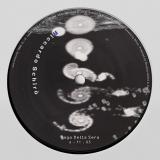
For ONO006 we welcome born ‘n’ based Palermo producer, DJ, record shop owner and label head Riccardo Schirò to the ever evolving ONO roster. The Sicilian madman plates a killer exxxtended single, Raga Della Sera, complete with a royal remix treatment from downright hero DJ Sotofett.
Riccardo’s Raga Della Sera is a ritualistic summoning of the 303s and 808s of the past, calling on the sounds of old to conjure up a thrilling 11-minute freakout. Signor Schirò combines an acid-inflected proto-trance and a certain Gregorian Giallo flavour to bring forth one truly unique piece of music. Bellissimo!
On the flip, DJ Sotofett reshapes Raga Della Sera with a signature 909 dub, tried and tested at his preferred romping grounds, Globus. The maestro contorts, unravels and reassembles the mystical original into a club demon – ferociously dance-direct and itching to possess heads around the world.
Riccardo has been producing and releasing music on his excellent Gravity Graffiti imprint since 2019, with more than 20 records under his belt he is a hard working and brilliant musician and label curator in our humble opinion. We are proud to be welcoming him to the family and have this brilliant record as a part of the ONO arsenal.
We are beyond excited to unleash this disc upon the world, with both versions coming to a dancefloor near you very, very soon! Let it rip and turn it up!
Our favorite London duo „ddwy“ are back on Public Possession with a 4 track EP titled „Tell Me, Told You“.
„Drink the real flowers“ is soft, emotional, cinematic stuff, giving hard late 90s early 2000s Trip Hop vibes. Check the B-Side for a very lush D.J. mix by „Stone“.
The title giving „Tell Me, Told You“ is peaking psychedelia, a warm, intense hug.
„Told You, Tell Me“ is orientated more towards the dancefloor and can surely create some serious ecstasy if played in the right moment.
In all this, the multiple layers of sounds intertwined with Naomi’s voice create one remarkable, organic whole that is full testament to the continuous evolution of these super talented musicians.
Dive in, fall slowly, land very gently.
Available in the following Territories: Wordwide minus Japan & Korea
NOTON is pleased to announce12 Conversations, a collaborative album by Ryuichi Sakamoto and Alva Noto to be released on 18 September 2026.
The partnership between the legendary musician and composer Ryuichi Sakamoto and the German artist Carsten Nicolai (aka Alva Noto) has produced some of the most distinctive and enduring works in contemporary electroacoustic music. Beginning with Vrioon in 2002, the artists spent more than two decades fusing and expanding their disciplines, with Sakamoto's evocative, sustain-drenched piano compositions finding their counterpart in Nicolai's skilful and sensitive electronic detailing.
Each successive project further deepened their artistic dialogue: from the five studio albums of the V.I.R.U.S. series (Vrioon, Insen, Revep, Utp_ with Ensemble Modern, and Summvs), to their score for Alejandro G. Iñárritu's The Revenant; Glass (2017), a wholly improvised performance inside Philip Johnson's iconic Connecticut landmark, in which the pair fixed contact microphones to the glass walls, playing the architecture itself as an instrument; and Two (2019), a document of their live performance at the Sydney Opera House.
Across these works, their distinct approaches achieved a rare synthesis, a brilliantly sustained dialogue between piano and electronics, Sakamoto's warmth and melodic finesse meeting Nicolai's abstract electronic formalism to invoke a mesmeric quietude as deeply satisfying in its melodic resolutions as in the merger of its filmic romanticism and meditative subtlety.
12 Conversations brings together musical exchanges recorded in November and December 2022. Rooted in the same creative period that gave rise to Sakamoto's final solo album 12, these recordings were not originally intended as a standalone release. It was only after the completion of 12 that Sakamoto and Nicolai decided to present these exchanges as a work in their own right.
The album reflects the vitality and curiosity that defined more than two decades of shared inspiration: fluid, exploratory, and forward-looking. Created with openness and trust, it captures a creative process in constant transformation - sounds expanding, altering, and evolving through attentive listening.
Conceived as the continuation of an artistic dialogue extending beyond the physical, 12 Conversations honours Sakamoto's wish that these encounters should exist beyond the archive, offering an enduring testament to one of contemporary music's most revered collaborations.
Carsten Nicolai writes:
"A heavy breath can be heard in the recordings. Yet this work is not about remembrance but continuation, vitality, curiosity, and the spirit of experimentation that shaped an artistic relationship over decades.
The twelve pieces we exchanged in November and December 2022 possess extraordinary density: sounds expanded, altered, recontextualized. Initially, every intervention felt almost inappropriate. Yet this was part of our openness and trust: adding, shifting and radically yet softly transforming.
Even in these final exchanges, plans for future projects continued to take shape, mindful of finite yet firmly believing in the power of new ideas. We chose the name Conversations, which has become a space of memory and vision, where past, present and future intertwine.
For a long time, releasing this music seemed impossible. The loss felt too sudden, and the emotional connection too profound. As time passed, it became clear that these twelve musical encounters should have life outside the archive. To honor Ryuichi's wish, these pieces are now being released as the continuation of a dialogue that extends beyond the physical."
The first single, Conversation 3, will be released on Tuesday, July 14, 2026. The second single, Conversation 6, will be be released on Wednesday, August 26, 2026.
12 Conversations will be available worldwide on vinyl, CD and digitally. A Japanese edition will be available on Ryuichi Sakamoto's commons.
Channeling his honed sample craft towards the ominous portent of modern times, Romare returns with his fifth album Oblivion, with the previous 3 out of 4 LP's appearing on Ninja Tune. Across a suite of downtempo, broken beat, bubbling grooves and brooding reveries Archie Fairhurst threads a narrative that wrestles with the big questions of the present moment — the tipping points of the planet and technology, the fight for social justice and the power structures that govern our existence. While his trademark source material continues to cast a long line back through recorded history, this is Romare at his most contextual.
Nothing is placed by accident. 'Machines' hums its throbbing 4/4 pulse along to a German language recital of Johann Wolfgang von Goethe's 'Blessed Longing' — an enduring reflection on the human condition that rings true from way back in the 19th Century when it was written. 'Computer Love' slinks into a sumptuous trip-hop lull laced with sci-fi flourishes sculpted from samples of old computer documentaries — a bittersweet romantic backdrop to our complicated situationship with the devices in our lives. 'Take Us' goes one step further on its hard-stepping boom-bap strut as a subtle tale of possession by screens unfolds around Romare's signature strain of technicolour mutant funk.
There is space for optimism in the message on Oblivion as well — the strength of the suffragettes as a benchmark for social justice and activism amidst the speakeasy slink of ‘Deeds, Not Words', and spring-loaded acid house joint 'Change' pointing to the need for positive action in the face of imminent calamity.
The artwork for the album follows Fairhurst's thought process, drawing on Edvard Munch's iconic 'The Scream' along with Philippe Halsman and Salvador Dali’s ‘Voluptuous Death’ to help render the ideas of the album visually.
The wild ride of Oblivion races towards a final beguiling opiate on 'The Last Lullaby' — the perfect sedative after the rush of information and emotion that comes with a full-length trip through Romare's vivid, uniquely creative world of sound.
Spring Back, Ball Forward is the Soda Gong debut from Jung dj, nom de plume of shapeshifting multi-instrumentalist Randy Riback. Following a series of uniformly great self-releases and cassettes on the dearly missed Lillerne Tapes, this collection observes the spacious and angular dynamics of 1990s Midwestern post-rock through the lens of the bedroom electronic music producer.
Perhaps surprisingly, amp worship lies at the center of the album: a fascination with the grain, pressure, and emotional charge of amplification and gain, refracted through the strange remove of digital amp modeling. Tubes, speakers, sag, and in-the-red textures are a critical part of the album’s expressive vocabulary, imparting density and colorful saturation while lending even its most weightless passages a vital sense of physical presence. Over the course of twelve tracks, wistful ambience gives way to blunt heaviness and roiling catharsis, underpinned by a palpable sense of loss and grief.
The album’s auspicious cast of collaborators further complicates its emotional terrain. Spoken contributions from Natalia Panzer and Angelina Nonaj occupy strikingly different registers: Panzer’s diffuse and oblique, drifting in and out of the music’s contours; Nonaj’s a vivid travelogue, grounding the record in place and lived experience. Elsewhere, Soda Gong veteran Mister Water Wet joins a small constellation of guests whose playing folds naturally into Riback’s arrangements, blurring the boundaries between computer and ensemble music.
For all of its attention to texture, process, and the material qualities of sound, Spring Back, Ball Forward is first and foremost an emotionally potent work, possessed of a directness that can feel rare within experimental electronic music. Riback draws from a rich and idiosyncratic musical vernacular, arriving at something deeply felt and difficult to place: a singular statement whose pathos exceeds the sum of its references.
alex wilcox releases his second solo ep on трип: ‘rumpelstiltskin’ alex wilcox possesses a rare quality of transforming simplicity of a known form into something that sounds as fresh and modern as contemporary music should in 2026. his glassy, chiptune heavy, razor sharp production combined with quite some synth warmth, sounds like classic IDM created in detroit in 2050. if that wasn't enough, add a bit romanticism, a fairy tale like atmosphere and wonder "who is rumpelstiltskin?" spin to win.
Chapter 9 in the ever growing Yellow Jackets catalogue is this double A sider that brings two takes on the Acid sound coming straight from Chicago and Detroit.
Legendary K Alexi’s raw and relentless ‘Sex O’Clock Rains’ gets the 2026 remaster treatment while on the flipside Pirahnahead’s epic ‘Mirror Muse’ sounds almost like a deep acid symphony! As usual vinyl only and properly cut for dj use!
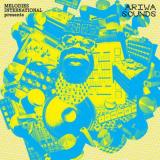
In 1979, Neil Fraser (artistically known as Mad Professor) founded Ariwa Sounds, the longest-serving and one of the most influential independently owned Reggae studios and record labels in the UK. From humble beginnings set up in the front room of Neil's home in South London recording on 4-track and homemade equipment, Ariwa would go on to record and release over 300 albums including works from some of the most impactful and storied artists of their time in the genres of Reggae, Dub, and Lovers Rock
Whilst our previous release in collaboration with Ariwa captured the label's early sound, a shared performance with Neil in Osaka and regular visits to his South London studio inspired us to assemble this 15-track compilation, showcasing the label's output across 45 years. Our release emphasizes some of the label's greatest vocalists: Johnny Clarke, Sandra Cross, Kofi, U Roy, Sister Nancy, Queen Omega, Aisha, Garnett Cross, Abel Miller, Horace Andy and more — presenting the Motown and Stax influences in the Lovers Rock, but also provides a glimpse into the dubbier and more experimental side of the label, showcasing Ariwa's commitment to quality but also their personality, philosophy and their humour. Love songs, break-up songs, socially engaged songs, dub experimentations — this compilation is not a "best of" Ariwa but a diverse and honest celebration of the label through the lens of Melodies International.
The compilation will be out in July in vinyl 2xLP, CD, digital formats, mastered from the original tapes by Frank Merritt (the Carvery), pressed at Optimal, artwork created by Jason Evans with design and assembly contributions from Nevil Bernard and Will Sweeney, animated teaser by Nevil Bernard and Melozine designed by Mafalda Meireles.
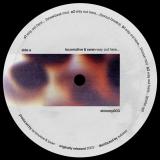
Paul Guido and Laron McNally, AKA Locomotive & Swan, conjured up ‘Way Out Here…’ in the living room of a tiny apartment in San Francisco in 2003. The duo were part of a bustling West Coast scene inspired by the pioneers that came before them, pushing the music into a more experimental direction. Their sound was a hybrid of looping tech-house with a freshly dubbed-out soul, soft-edged pumpers made with long sessions on the dance floor in mind.
The four versions of ‘Way Out Here…’ contain the same tripped-out samples and driving percussion, but with their own distinct attitude. The ‘Breakbeat Mix’ provides the most bone-rattling bassline of all time, balanced by the more restrained and stripped back ‘Bonus Breaks’. The ‘House Mix’ subtly plays with pressure and release, while ‘Posse Up’ goes full throttle lift-off.
With this four tracker all bases are covered - each track is suited to different moments across a night’s arc from warm up, to peak time, to after hours. This EP is a testament to the grooves and groovers of the time, reflecting an era of music that informed much of what we cherish today. The shimmy is strong with this one, and we are happy to give it another lap.
Devo Marries Gritty Guitars with Expansive Keyboard Canvasses on Duty Now for the Future:
Transitional Album Furthers the Band’s Satirical Stance, Includes Cover of “Secret Agent Man”
Hear the 1979 Record in Audiophile-Grade Sound and at 45RPM for the First Time:
Mobile Fidelity’s Numbered-Edition 180g 45RPM 2LP Set
Benefits from Enhanced Definition and Presence
1/4” / 15 IPS Dolby A analogue master to DSD 256 to analogue console to lathe
“Pop music needs a big enema.” Devo created Duty Now for the Future with that mission statement, relayed to the press by co-founding bassist/vocalist Gerald Casale, in mind. Though unfairly pegged by some as an example of the common sophomore slump, the record spurred the group’s interest in electronic instrumentation, extended its penchant for biting social satire, and contained another transformative cover song in the form of “Secret Agent Man.” Above all, the 1979 work proved the Ohio pranksters were anything but a joke even if they would have to wait one more year until for their mainstream breakthrough.
Sourced from the original master tapes, mastered by engineer Krieg Wunderlich, pressed at Fidelity Record Pressing in California, and housed in a Stoughton gatefold jacket, Mobile Fidelity's numbered-edition 180g 45RPM 2LP set presents Duty Now for the Future in audiophile-grade sound. Benefitting from the extra groove space on this first-ever 45RPM version, it plays with enhanced definition, deep-black backgrounds, and ultra-quiet surfaces.
Though certain band members later expressed regret with some of his decisions, the merits of Ken Scott’s production emerge like never before. A lurking edginess serves as a signpost in Devo’s progression before it fully embraced keyboards as a primary tool. Guitars possess punch and grit and, along with the crisp arrangements, are sharpened with an ear toward accuracy and vibrancy. It all helps give Duty Now for the Future a direct immediacy that answers the complaints of listeners who felt the affair too processed or sterilized.
Notably, a majority of the material here stems from the same grab bag of songs Devo banked before Warner Bros. signed it to a deal. The album marks a capstone to Phase One of a career that for all intents and purposes began in 1973. And just like many of the group’s performances of that era, Duty Now for the Future remains just as famous for the critical disdain it inspired as the music itself. A vicious review in Rolling Stone — the very publication that a few decades later would trumpet the band as one of the most important of its age — ended with the writer offering to send readers shards of the LP he planned on smashing to bits.
Perhaps he just needed to experience this new-wave effort with the restored sound that makes everything now feel so explosive and urgent. Whatever the case, the songs hold up and, amid a contemporary period which gives increasing license to artificial intelligence and behemoth conglomerates, seem more apt than ever before.
Consider “Blockhead,” which skewers the predictable appearances and numb-to-the-world actions of a rule follower. Or the similarly themed “Clockout,” an uptempo ditty whose thumbing-its-nose bravado and sardonic lyrics send up corporate culture with an irresistible smirk. As for the wiry, hard-hitting urgency of “Wiggly World” and Mark Mothersbaugh’s loud declaration that “They say the fittest shall survive/Yet the unfit may live”: Evidence these art-school rabble-rousers still had some punk fury to flush out of their system. And the sincere allure of the charged power pop and wishful circumstances of “The Day My Baby Gave Me a Surprize” cannot be denied.
To point to an interesting bit of history that makes Duty Now for the Future all the more intriguing, particularly for the most committed Spuds, more than half its tracks were selected for Greatest Misses — a 1990 anthology that celebrates lesser-known cuts and functions as a rejoinder to a hits compilation from the same year. (The only track from the 1979 album to make the “hits” disc: “Smart Patrol/Mr. DNA.”)
Indeed, tunes like the riff-driven albeit controversial “Pink Pussycat,” atmospherically twitching “S.I.B. (Swelling Itching Brain),” and ceremonial instrumental “Devo Corporate Anthem” may lack the catchy appeal and all-together coherence of what follows on the group’s third and most commercially successful effort, Freedom of Choice. Yet in order to get there, to de-evolve if you will, the band needed the smorgasbord that is Duty Now for the Future.
Baba Stiltz continues to showcase his songwriting capabilities with Relief.
Backed by Ilari Larjosto on drums, Relief sees Stiltz delving deeper into the slacker-country territory explored on his last album, Paid Testimony, though here the sound is more refifined and hi-fifi. The track hints at the indie apathy of decades past while maintaining a distinctly contemporary sensibility.
A dubby yet fractured-sounding bassline and sparse three- chord verse structure intertwine with Theo Stocks’ beautiful lap steel arrangement, while Larjosto’s steady, Moe Tucker- esque drumming keeps the song moving forward.
Lyrically, Stiltz navigates pop songwriting tropes with restraint and precision. The repeated refrain of “congratulations” feels both strung-out and melodic, while fragmented, Garielle Lutz- like imagery — “tick tock, wrist watch, clif bar, trunk car, its cargo” — quietly sets the scene. Somehow, the juxtaposition resolves elegantly.
When asked about the theme of the song, Stiltz simply responded: “There is relief in acceptance.”
With Relief, Stiltz offers another compelling glimpse into his evolving songwriting practice, and perhaps an indication of what is still to come. The release follows a prolifific start
to the year for Stiltz, including Blurb 2 with Okay Kaya, co- production, writing and mixing work on Ana Roxanne’s Poem 1, and co-production and mixing on the SY3 EP for Music From Memory.
What's the point of the howl of string to speaker, the hammering of stick-on skin? Is it transcendence, elevating the human spirit by catharsis in sound? Or is it summoning chaos, a purgatory in which to bask in all that’s unclean, the better to feel alive?
Why not both? Because that’s what’s on offer on Diet Of Worms, the second Rocket release by The Shits, Leeds via Newcastle’s titans of disgust and deliverance. This is a feast for the senses in the worst way possible - primal rock boiled down to its essence and flung full in your face. Using repetition, tortured vocal invective and heads-down intensity as blunt instruments, these eight tracks are an unprecedented torrent of acidic salvation. Whilst lurking somewhere on the decadence-destruction axis between the nihilism of prime Stooges and the bloody blackout of Braimbombs, Diet Of Worms is possessed of a legitimately uncompromising hostility that both elevates and debases it to co-ordinates unknown.
There are revelations here in the riffage and the rancour, even if they are the kind that occur in the bleary miasma of the lock-in, or witnessing the streetlight blur of the subsequent stagger home. Even more single-minded and remorseless than the band’s Rocket debut ‘You’re A Mess’, this is a record that demands full immersion. Whether it’s ‘Then You’re Dead’ hammering on a pulverising garage-stinking riff until it begs for mercy, or ‘Change My Ways’, whose Creedence-In-Hell swagger and lurch is that of abjection transmuted into joy, this is psychedelia forcibly removed from its comfort zone of pastiche, and thrust into a bad-trip realm of the vivid and nightmarish.
But rarely has the process of making beauty and horror indivisible seemed like so much fun. If Werner Herzog was right, and the only harmony in the universe is that of overwhelming and collective murder, then The Shits are the true music of the spheres.
Field Records proudly presents the first complete vinyl edition of Monolake’s seminal excursion into experimental dub techno, Hongkong. Originally released on the now-classic Chain Reaction label in 1997, this collection of early singles by Robert Henke and Gerhard Behles has gone on to become a vital listening experience in its own right - a genre classic alongside the other groundbreaking works from the likes of Porter Ricks and Vladislav Delay.
The tracks which make up Hongkong were made while Henke and Behles studied computer science and immersed themselves in Berlin’s techno scene. Their early forays into computer-based music production were enabled by the use of the Max/MSP programming environment, forming a backdrop to the landmark work they would undertake in developing the Ableton Live DAW. Henke and Behles travelled to Hong Kong in 1996 to attend the annual International Computer Music Conference, and while there recorded extensive field recordings. These recordings became the glue that pieced together their collaborative tracks into a fluid listening experience for a CD-compilation at Chain Reaction’s request.
While absolutely rooted in the embryonic sound of European dub techno, Monolake’s early work possesses a back room, headphone-ready demeanour which lends itself to the album listening experience. In the cascade of rhythms created by precision engineered delays and subliminal, expansive spatial world building occurring throughout Hongkong, the stage is set for a full and thorough immersion. Before the Monolake sound progressed into a more pointillist form of computer music as Henke’s solo project, Hongkong presented a gritty, grainy sonic still tied in some way to the traditional methods of techno production, even as the artists’ ideas were sending the sequencing and arranging in exciting new directions.
Remastered and presented for the first time as a complete double 12” package, this is the definitive edition of an essential work in the evolution of experimental techno. As Henke himself explains, “twenty-five years later, this record still holds immense value to me in many ways.”
Signal Threat is the debut vinyl release of DRUUM aka James Orvis, an exhilarating and boisterous chest pumping collection of electro anthems. Raw and packed with energy, DRUUM’s productions are explosive and have serious bite. His sound is distorted and bold unfiltered, drawing inspiration from the infamous electro punk scene where he has carved out a name for himself. His impeccable use of rap vocals is unique and authentic its rhythmic and aggressive.
DRUUM’s bridging of various styles and use of heavy breakbeats are stunningly edgy. Each sound is carefully modulated and designed purposefully; it’s like a cage fight met a high stakes heist, buzzing with ruggedness. As some who have been following DRUUM are aware, he suffered two strokes in 2025. As DRUUM makes a strong recovery, Dionysian Mysteries felt obligated to get a posse of remixers to help raise money and awareness for this bad ass release. An absolute stellar group of producers are behind this release in support of DRUUM. Featuring remixes from the likes of Umwelt and Ben Pest.
In the evolving landscape of modern Southern hip-hop, the pairing of Starlito and Bandplay stands out as a unique bridge between street-level authenticity and refined, calculated musicality. Their collaborative project, Not The Country You Know, functions less like a standard release and more as a manifesto—a masterclass in the chemistry between a seasoned, introspective lyricist and a producer who possesses an intuitive grasp of the region's pulse. It is an exploration of legacy and adaptation, capturing the tension between where they came from and where the culture is currently headed.
Bandplay, long recognized for sculpting the sonic identity of Memphis icons, brings his signature, trunk-rattling 808s to the project, yet he manages to pivot here. The production feels remarkably expansive, masterfully blending the raw, stripped-back aesthetics of classic Tennessee rap with forward-thinking textures that refuse to be confined to a single sub-genre. Complementing this, Starlito operates with his trademark mix of cynical observation and genuine vulnerability. He navigates these beats with the weary grace of an artist who has weathered the music industry's relentless cycles, treating every bar like a necessary piece of a larger, ongoing story.
The album’s title serves as a direct commentary on these shifting tides. Across the tracklist, the duo investigates the growing disparity between the romanticized South and the cold realities of the streets, alongside the inevitable evolution of the music business itself. There is no frantic chasing of streaming-era trends or algorithmic bait here; instead, the project remains a stubborn, confident assertion of artistic identity. By weaving together Starlito’s "voice-of-reason" flow and Bandplay’s evolving, genre-bending sound, Not The Country You Know challenges the listener to abandon their preconceived notions of the region, offering instead a complex, urgent vision of a South that is as haunting as it is vibrant.
We are pleased to announce the first FEX live album, Don't Look Back. The release features selected recordings from two concerts in Paderborn and Uelzen, both captured in 1985. All tracks on the album are previously unissued, including entirely unheard songs such as It's a Hard Life, Just Get Back, Legend, and Waiting Song, alongside a previously unreleased version of Subways of Your Mind, widely known as "The Most Mysterious Song on the Internet."
One of the most striking aspects of the album is the remarkable sound quality of the live recordings, as well as the strength of the performances themselves - particularly given that FEX were still considered a newcomer band at the time. The four-piece lineup consisted of singer, guitarist, and primary songwriter Ture Rückwardt, Michael Hädrich on keyboards and occasional second guitar, Norbert Ziermann on bass, and Hans-Reimer Sievers on drums. In 1985, the band was preparing for broader exposure through a nationwide tour organized by the small promotion company HBM-Musikbüro.
The album opens with the psychedelic Skyscraper, a track Rückwardt reportedly regarded as a personal favorite to perform. Hädrich contributes dynamic synthesizer layers, while Ziermann underpins the track with a distinctive slap bass groove. This is followed by the energetic rock number It's a Hard Life, which once again demonstrates that the band possessed multiple songs capable of matching the impact of their best known track Subways of Your Mind.
After this energetic opening, the album shifts into a more restrained mood with the synth-pop ballad I Got My Eyes On You. It is followed by Strange Feeling, presented here in a particularly compelling live version that arguably surpasses the previously released studio demo featured on the Skyscraper LP, with Rückwardt delivering one of his most expressive vocal performances. On Goldrush, another fan favorite, it is Hädrich's DX7 synthesizer work that stands out.
Don't Look Back continues to flow seamlessly, moving between styles such as new wave, synth pop, and a blues-influenced form of classic rock. On It's Good To Know, a song addressing the theme of stardom, the band returns to a heavier rock sound. In contrast, the synth-driven Just Get Back reflects on the conflict in Northern Ireland, then ongoing at the time. Lines such as "It's the money, it's the money why they come along" are directed at mercenary soldiers, while "even Sunday's a killing time" directly references Sunday Bloody Sunday by U2.
Previously known songs such as Dirty Slapstick and Heart in Danger lead into We Don't Want It No More, perhaps the band's most striking pop ballad. It is easy to imagine that the track had the potential to achieve radio success in the 1980s. The following piece, the epic Legend, explores themes of loneliness and love simultaneously. With poetic and abstract lines such as "some isolate in the falling rain" and "that's why I count all the reasons they call out for living, sadness is falling inside," it builds an almost eerie atmosphere.
One of the final highlights of the album is Subways of Your Mind, recorded in Uelzen. In this version, Rückwardt's vocal performance is even more on point than on the previously issued recording from Paderborn. Another notable moment is the driving, 1970s-inspired rock 'n' roll track Waiting Song. Both the composition and its live performance carry an energy that could easily stand alongside the repertoire of bands such as AC/DC. It was usually the track that FEX ended their concerts with, calling out each band member at the end of the song.
This leads to a broader reflection: it is striking that FEX did not achieve a wider breakthrough at the time. The performances captured here suggest a band capable of delivering consistently, song by song, note by note. It is not difficult to imagine FEX performing in large venues and engaging sizeable audiences. In reality, however, most performances in 1985 took place in front of relatively small crowds. The recordings featured on this album originate from the Roxy club in Paderborn and a small, unknown venue in Uelzen, likely in front of fewer than fifty attendees.
An essential figure behind these recordings is the engineer known only under his nickname Hase (German for "rabbit"), who was responsible for capturing not only these concerts but many other surviving FEX recordings. Bringing his own mixing desk to performances, he developed a deep familiarity with the band's material and was able to shape the live sound with precision, including the timely use of vocal effects. The original recordings existed only on cassette and required careful and extensive restoration work. Zoey Cairs was finally responsible for bringing them to their present quality.
This album marks the beginning of the Live Waves series, following the rediscovery of additional recordings that have gained international attention since November 2024, when they surfaced through what has been described as the largest "lost wave" music search to date. The title of this first live LP Don't Look Back carries a certain paradox. While the album invites listeners to revisit recordings from forty years ago, FEX themselves were always oriented toward the future. In that spirit, further releases of brand new material are already planned.
The cover artwork is once again based on an image by Magnussen from the Kiel archive, depicting the Prinz-Heinrich-Brücke. The bridge, once located in the northern part of the city, no longer exists. As a symbol, however, it remains fitting: a bridge stands for movement and connection - qualities that FEX sought to embody on tour, bringing their music to different places and audiences.
‘Sustained’ is the new album by Jungstötter, the solo project of Berlin-based songwriter and musician Fabian Altstötter. With sparse, poignant arrangements of piano, strings, electronics, and noise, Jungstötter composes a tender, raw, and poetic song cycle of exquisite romanticism, featuring a cast of close collaborators including the Berlin-based artist Ronja (Roomer). Evoking the fervent vocal versatility of ANOHNI and Scott Walker, Jungstötter adopts the human breath as a central metaphor in a miraculously moving opus of intimacy, vulnerability, and communion.
Across ten tracks of experimental pop songcraft, notes oscillate, soft strings linger, piano ambles, noise billows up and sears back into itself – and all of it is bound by a distinct voice that roams from a remote, warped undertone to an immediate melodic intensity.
Distorting the soft edges of vocal melody with rattling tactile noise, ‘Sustained’ is a mercurial portrait of layered lyric and contracting sound. The third album by Jungstötter, ‘Sustained’ bends away from the more dense, knotted sounds of his last two solo albums, ‘Love Is’ (2019) and ‘One Star’ (2023), toward a particular rawness that reestablishes the strength of poetics, of vocal sound, and the softness of song when reduced, restrained, redirected.
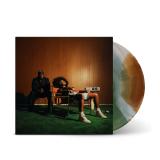
BLK ODYSSY is an Austin-based artist and producer whose boundary-pushing sound blends soul, hip-hop, rock, funk, and pop. Born in Plainfield, New Jersey, and raised in a household steeped in neo-soul, BLK began channeling his voice through music after the unjust killing of his older brother by police at age 12. That life-altering loss and the experience of growing up Black and male in 21st-century America fuels his raw, layered storytelling. His debut album, BLK VINTAGE (2021), written and produced with close collaborators, served as both a celebration and a critique of Black identity in America. It was met with critical acclaim and re-released in 2022 via Empire as BLK VINTAGE: The Reprise, featuring Mereba, Benny the Butcher, George Clinton, and Baby Rose. The project has since amassed over 100 million streams and positioned BLK ODYSSY as a standout voice in modern soul. His 2023 sophomore album, DIAMONDS & FREAKS, continued his ascent, merging surrealism and social commentary with contributions from Rapsody, KIRBY, Bootsy Collins, Cory Henry, and production from The Alchemist. NPR called BLK “a surrealist R&B auteur,” while Pitchfork praised his ability to bend genre into a cinematic sonic experience. In 2024, following a surreal Tiny Desk performance and festival appearances across Europe—including a headline set at North Sea Jazz Festival and Lollapalooza in Chicago—BLK ODYSSY launched a bold new chapter, with his third studio album, 1-800 FANTASY. The first single from the album, “WANT YOU” (co-produced by Tyler Johnson, known for his work with Harry Styles), marked a shift in tone. That was followed by “XXX” featuring Wiz Khalifa, and “STANK ROSE” featuring Joey Bada$$. Now averaging over 1M+ weekly streams, BLK ODYSSY is unleashing his fourth project, MOOD CONTROL, a ten-track album pushing alt-R&B, soul, and funk to new heights. 1xLP, pressed on Green, Brown & White 3 Color A Side B Side Vinyl.
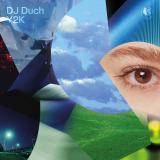
DJ DUCH's debut EP is a sonic time machine that transports listeners straight into the Y2K aesthetic, celebrating the unique optimism and rawness of the turn of the millennium. The Wroc?aw-based digger, publisher, and producer- the era's sound by building the entire production foundation exclusively on samples from Polish tracks of that time, giving the release a distinct local flavor. In doing so, DJ DUCH proves that domestic recordings from the late 90s and early 2000s still possess immense potential to fuel modern dancefloors.
The project is rounded out by a broad and surprising list of guests whose vocals add a multi-dimensional character to the whole. The EP features appearances by Renata Lewandowska, rapper Eldo, Cezary Ostrowski (known as Bexa Lala), as well as Nath and Kacha from the duo Coals.
Münchenbuchsee, a suburb of Bern, Switzerland. Stephan Eicher is the youngest of three children. His father, a radio and TV repairman, is also a jazz violinist and a sound tinkerer in his spare time. In the family home's converted fallout shelter turned studio, Mr. Eicher experiments with homemade sequencers, tortures handcrafted drum machines, and abuses reel-to-reel tape recorders—all under the fascinated gaze of young Stephan.
The boy quickly develops a musical curiosity, exploring sound through various experiments and wanderings. Alongside his younger brother Martin, Stephan crafts audio plays on a homemade multi-track recorder (essentially several cassette decks hooked together!), which they write, record, add sound effects to, and perform for family and friends. Just a couple of nice kids, really...
Then comes 1972, and Lou Reed's Transformer album changes everything for the Eicher kids. For 13-year-old Stephan, it's a revelation—especially "Vicious", the opening track, which he plays on repeat for months. He convinces his father to buy him an electric guitar. Not stopping there, his father also builds him a tube amp using an old radio.
Then comes adolescence. A rough one. Stephan leaves home at 16 and moves to Zurich. With obvious artistic talent, he persuades his art teacher to help him get into F+F, a radical, alternative art school—despite his young age. Accepted, he starts learning video techniques, determined to become a filmmaker.
At F+F, Stephan organizes Dada-style happenings and concerts with a group of friends known as the Noise Boys. Among them: one of his teachers on bass, Veit Stauffer on drums (who would later found ReR/Recommended Records), his girlfriend Sacha on vocals, and Stephan on guitar. In one of their early performances, they release a remote-controlled mouse covered in dull razor blades into the audience to create panic and chaos. Keeping with this aggressive, confrontational spirit, they once played a concert while wearing headphones blasting Tristan and Isolde, trying to perform their own songs simultaneously—to maximize the cacophony. The goal was always the same: clear the room.
Their “songs,” if you can call them that, followed suit. Take "Hungeriges Afrika", for instance—performed entirely with power drills and some drum feedback.
To make ends meet, Stephan returns to Bern on weekends to work as a waiter at the Spex Club, the city’s main punk venue. On September 16, 1980, during a show by proto-electro group Starter, the police raid the club and arrest everyone. Stephan, who manages to avoid arrest, seizes the opportunity to “borrow” Starter’s gear left behind. He suddenly finds himself in possession of a Roland Promars synth, a Korg MS20, and a gorgeous CR78 drum machine, which he runs through a Big Muff distortion pedal to get that perfect gritty sound.
He then sets out to reinterpret some Noise Boys tracks, reworking them during impromptu sessions recorded on a dictaphone (yes, a dictaphone—now the lo-fi sound makes more sense, doesn’t it?). He ironically titles the resulting cassette "Stephan Eicher spielt Noise Boys" ("Stephan Eicher plays Noise Boys"). This gem features seven tracks, which are the ones reissued here.
Back in Zurich, he visits his friends Andrew Moore and Robert Vogel, who have a DIY cassette duplication setup. They make 25 copies of Stephan Eicher spielt Noise Boys for Stephan and his friends. Robert encourages him to visit Urs Steiger of Off Course Records and play him the tape.
Without much hope, Stephan shows up at Urs’s office. But Urs is instantly hooked and suggests releasing a 7” single. Due to space constraints, they reluctantly drop two of the seven tracks ("Hungeriges Afrika" and "One Second"). As for the musical score featured on the cover—it was randomly chosen and remains a mystery to this day. Calling all music theory nerds!
The 7-inch is pressed in 750 copies and released in the first week of December 1980—a date Stephan remembers well, as it’s the same week John Lennon was killed. Smartly, Urs sends a promo copy to François Murner, Switzerland’s answer to John Peel, who hosts a show on alternative station Sounds. Murner falls in love with the record and starts giving it airtime. To Stephan’s surprise, sales follow—and people actually seem interested in his music.
Even this modest underground success scares Stephan a bit. He stops making music for a year and moves to Bologna, where he works as a programmer at Radio Città, a feminist radio station.
Meanwhile, Stephan’s younger brother Martin, who’s also involved in the punk scene, joins the band Glueams as a singer and guitarist. Glueams, named after the fanzine run by two of its members (drummer Marco Repetto and bassist GT), eventually rebrands as Grauzone. Stephan is invited to their shows to project hacked Super 8 visuals live on stage.
Urs Steiger, now working on a compilation titled Swiss Wave – The Album, asks Grauzone to contribute alongside bands like Liliput, Jack and the Rippers, The Sick, and Ladyshave (Fall 1980).
For the album, Martin tasks Stephan with producing their recording sessions. Under Stephan's artistic direction, two tracks emerge: "Raum" and "Eisbär". During "Eisbär", Martin plays a minimalist bass line borrowed from post-punk band The Feelies (just an open string). Drummer Marco Repetto struggles to keep time. Later that evening, unhappy with the takes, Stephan builds a four-bar drum loop from a ¼-inch tape and uses it instead of the flawed original. He then adds bleepy synths and wind sounds to complete the track’s icy vibe before handing it over to Urs.
The Swiss Wave – The Album compilation is released quietly at first, but things snowball thanks to "Eisbär", which eventually becomes a smash hit—selling over 600,000 singles.
Meanwhile, Stephan plays in a rockabilly band called SMUV (named after Switzerland’s social security agency) and begins producing artists, including the debut album of Starter (1981), which includes a more pop-oriented version of "Minijupe".
By early 1982, Stephan starts spending time with the post-punk girl band Liliput (formerly Kleenex). They’re older than him, and he happily drives them around in his Renault Major, acting as their roadie.
By 1983, Grauzone—signed to the major label EMI, which turned out to be a misstep—is falling apart. Stephan begins to pivot toward a more mainstream pop sound with his debut solo album Les Chansons Bleues.
Chicago legend K. Alexi returns to Dark Entries with K.A. Posse’s Strkes Again, an EP of preleased unreleased acid and house mayhem. K’Alexi Shelby’s illustrious career has included releases on legendary labels such as Trax, DJ International, and Transmat, as well as collaborations with high-profile artists like Marshall Jefferson and Pet Shop Boys. But his musical journey began at the young age of 12, when he befriended Ron Hardy and Frankie Knuckles while frequenting the Music Box and Warehouse. In high school, he began to write songs and hone his poetic craft. “I recognized I had a gift to say what I was thinking. I would study Prince and Marvin Gaye, figure out what they meant and put my spin on it. The power of the word. I was writing love notes for all my boys in high school and making a killing. I would know what to say and what they should do.”
Dark Entries previously reissued Shelby’s debut record, Essence of a Dream, which was recorded under the name Risque III in 1987. Strikes Again brings us six tracks recorded in Chicago between 1988 and 1990, which come courtesy of Mike Dunn’s personal archive. This record showcases the rawer, more immediate side of Shelby’s sound, with tracks full of overdriven 808’s, careening sirens, and dangerously funky breakbeats. “Imported Taste” brings Shelby’s signature deep pads to the front of wild congo-laced percussion. “Suckas Be Ready” is a slamming hip-house cut featuring vocals from MCD-TA, while disco-samples duel with crunchy 909s on the jacking “Muzic Box.” Strikes Back showcases the real underground sound of Chicago, where sonic abstraction meets full-body kinetics. The record comes housed in a retro-styled sleeve designed by Eloise Shir-Juen Leigh.
For Fuse Imprint's eleventh release and the first of 2026, Rosati unveils 'Divina Nostalgia', an ode to vibrancy in dance music through four truly euphoric tracks. The Italian artist focuses on the enduring power of vintage production with a much-needed spotlight on techno's optimistic underbelly, resulting in a sound that is both charismatic and electrifying.
'Division' sets the tone of the EP with playful percussion and bright synth work that unravels as the track progresses. Rosati utilizes the full character of the 909 for the flair that drives the record: rides, claps, and open hi-hats thunder through the arrangement in celebration of each transition. The artist then zeros in on 'Echoes', tightening the energy with an unflinchingly analog bassline and lush pads that round out the harsher edges of the percussion. This serves as a more linear approach for immediate effect; where the track favors minimalism, it provides maximum impact.
Gradually turning up the energy, 'Orbital' jumps through toms and filtered chord stabs to emphasize the record's extroverted nature. The synths dazzle along the rolling drums for a track that possesses house's temperament but techno's insistence. Finally, the title track 'Divina Nostalgia' concludes the EP in a moment of pure release. If you wondered where jazz comes into the picture, just ask Rosati. Organs, Rhodes, swing, and sustained tension slice through to a victorious finish line that highlights dance music's command of the present moment.
Sound Department listens to the well-known Italian club of the international underground scene returns with another ep only Vinyl produced by its resident Deejay Fisherman. The EP contains 4 bomb tracks that range in the genre "Techno, Acid Progressive House"
In the wake of their widely-acclaimed album Union, JUNO-nominated duo ÈBONY rematerialize on the dancefloor with the otherworldly Shades of Meridian EP, projecting a waking futurist dream haunted by echoes of Detroit techno, Chicago house, South African melodies, and the rich mythology of Ancient Toronto.
Opener "Break My Skin explores a hidden pocket of after-hours techno space-time with an ethereal vocal by James Baley, leading into the tense, disembodied jack of "Forever." Next, "Dull Side First" rides a spectral break through a sepulchral warehouse trip, "RIFT" invokes peak-time witchcraft, and closer "My Daylight" entrances even the most self-possessed sound-and-lighting guys to spam the smoke machine until reality itself is occluded.
And to those who say that working with JUNO-nominated artists proves that Turbo is just a cog in the CanCon cabal, we would like to familiarize you with the facts: Canadian Tire refused to carry our 2023 Bryan Adams remix LP and we have rejected five separate demos from Justin Trudeau's tech-house alias "Arabian Nights." It's called integrity - try looking it up sometime.
Sea Oleena is the project of Montreal-based musician Charlotte Oleena. Drifting between ambient dream pop and atmospheric folk, her music is rich with textural warmth. With her softly whispered vocals and atmospheric tones, Oleena's music has been compared to acts like Grouper and Julianna Barwick, though in her more structured moments there are echoes of alternative pop icons the Cocteau Twins and Julee Cruise. Alded by her brother Luke Loseth, she released a stf-titled mini-album in 2010, followed by a second LP titled Sleeplessness a year later. Her third release, Shallow, arrived in 2014. Six years later, Sea Oleena returned with Weaving a Basket, a seven-track album that combines austere piano and guitar arrangements with ebbing swells of instrumentation and misty harmonies layered in a spectral chorus. Throughout the record, Oleena embraces the ambient backdrops of her surroundings - birds chirping, wind rustling, urban traffic - creating a close, intimate, and lived in listening experience. Released one year ago, in late fall 2020, these sounds capture the dual interiority and solemnity of that moment. The result is a wistful and impressionistic collection of songs, in turns haunting and hymnal.
With their musical roots deeply immersed in the fertile soil of Afro-American music, the Buttshakers have found a new direction for their nostalgia-heavy soul music. With Lessons In Love, their third album on Underdog Records, their early heartaches and furies have faded in favor of a more composed harmony – a sound enveloped in love and soaked in the blues. Guided by their singer Ciara Thompson, the Buttshakers have taken a more intimate path, whose compass, in the chaos of emotions and the modern world, points only in one direction: the light.
Seen from the sky, the view appears limitless. Accentuated by the sun, the ochre and sandy hues of the open road only reinforce this feeling of immensity. The sky stretches and the green stands out in striking contrast. In lighter tones, a road is drawn -- without bends or contours. This is the worn and weary road of soul music, which The Buttshakers explore on each album in new and unique ways. Soul music – a rare place to find a French band.
Vast, the musical direction could have taken them to lighter pastures. Yet the Buttshakers chose to evolve in a different way; to take a heavier load. Two paths – one sparked by social unrest, the other purely sentimental, Lessons In Love explores the deep roots of soul music, in the steps of Curtis Mayfield or Al Green. It is here that the heart and mind cross paths, merge, and become one. A weary road -- that brings together the agitation of a world where good intentions never rise above the level of digital outrage, and a faith in love which, however it manifests and expresses itself, remains the only truth that never loses its power.
Less rage and more compassion, it is through the haunting words and now tempered inflection of Ciara Thompson's voice, which opens to distinct emotions and perspectives, that the listener is guided. With its gaze fixed on the horizon, the acoustic guitar of Gotta Believe invites us on an intimate stroll through the open plains, while Dream On carries us away with a clavinet riff and a possessed saxophone; reconnecting the electric heat and neurosis of a city full of dreams. The senses are moved by the conjuring potion of the guitar which distills throughout Troubled Waters; the body is brought back into a visceral dance by the keys and brass section that are put to the test by Sure As Sin and its irrepressible rhythm. Passing through clouds of dust and sand has left a bluesy imprint on their groove: the miles travelled became hundreds, then thousands.
All of this leaves the listener bewitched by the halo of resilience that now surrounds Ciara's performance, as the ten tracks let the light fade. But certainly not hope in a better day. Like the sunflower that always lifts its head towards the sun’s rays, the Buttshakers continue to resource their sounds in the deep roots of soul music. Into the rich layers of African-American music of the 60s and 70s, The Buttshakers capture the spirit as much as the musical aesthetics of the epoch. A sound that reaches into the meanderings of the soul, bringing light to dark places and hope for all. A sound for the most parched of hearts, living in a damaged world, Lessons In Love confirms that even the tiniest beam of light can illuminate one’s path.
Nine Inch Nails returns with over 70 minutes of new music for the motion picture TRON: Ares, the first soundtrack / score work from Trent Reznor and Atticus Ross that will live under the Nine Inch Nails moniker; consisting of all original music, complete at 24 tracks. Reznor and Ross bring their Grammy and Oscar-winning sonic vision to the Grid, crafting a soundtrack that hums with menace, melancholy, and momentum. More than an album, its architecture in sound: pulsating synths, distorted textures, and haunting melodies that rewire the TRON universe from the inside out. It is the collision of analog soul and digital dread—a score that doesn't just accompany the film, it possesses it.
Magic Thread is Susumu Yokota’s deeply soothing and delicate debut release on the Skintone label. With a spartan palette of sounds and textures, Yokota taps into a fundamentally human need to fuse and connect disparate fibres, magically forming work which glistens and pulsates with life.
Magic Thread originally came out in 1998 as a limited-edition CD release of 500 copies. Initially intended for the Japanese market, it came without any artwork in a standard transparent CD case adorned only by a sticker containing essential album information and a quote:
‘Somewhere in the process of evolution, the spinning and weaving of thread became possible for humankind. How did this come to pass? It can only be that the thread is possessed of magical properties.’ – Yokota, 1998.
Spanning 14 tracks, Serotonin includes standout singles like the acclaimed ‘Burn’ with Tom Walker, ‘Seventeen’ with YOTTO & White Lies, and ‘You & I’ with Nathan Nicholson. Written over several years in his studio, on tour, and at his childhood home in the Netherlands, the album’s creation spanned a period in Joris’s life that possessed significant emotional challenges, but as the title suggests, is firmly fixed on a strong sense of positivity and euphoria for the path ahead.
From ambient soundscapes, melodic house and immersive techno, Serotonin spans a rich emotional and sonic range—always warm, organic, and unmistakably Joris Voorn.
Marking more than two decades at the forefront of electronic music, Serotonin captures the sound of an artist in full bloom.
“This album really reflects how I’ve grown into my own sound,” says Voorn. “I’m not chasing trends—just making something honest, hopefully timeless, and able to move people on the dance floor. I want listeners to feel Serotonin—to let go, be free, even if just for a moment."
Originally released following his acclaimed sophomore album, HYBRIDISM finds Ecuadorian producer Nicola Cruz at the height of his exploratory powers. Now reissued on limited editon green vinyl, this expansive EP re-emerges with renewed relevance—blending North African rhythms, ethereal Persian motifs, and vocal fragments that evoke both ancient traditions and imagined worlds. A contemporary take on global exotica, HYBRIDISM is a vital entry in Cruz’s ever-evolving sonic journey.
'Aima’, named after the refrain sung by Igbo girls from Nigeria, creates the illusion that you’ve dusted off a lost LP. The aesthetic details recall expertly produced French exotica from the 70s, an overall feeling of warmth and character rarely pulled off with such panache.
‘Naeku,' in Cruz’s words, is "a sorrowful song in minor tonalities, but with a warrior energy, strength and forward vision: a soul departs, but a new one arrives in the name of Naeku, a maasai child. Not all grief needs to be a suffering; a feeling which I can relate to the place I come from with a Quechua word: Llaquilla - triste, pero feliz (sad, but happy). As always, the 303 adds that heart touching feeling.” If there’s a template for Multi Culti’s ethos, Cruz has synthesized the formula: Masai lamentation filtered through Quechua wisdom with a touch of 303 for the soul.
'Drom Tradisie' is a nostalgic vignette that captures the fantasy of a scenic horizon on a lost beach, a portrait done with the FM domain of synths that somehow associates with tropical imagery.
'Third Eye Dub’ takes things deeper, exploring the fractal realm of concentration, a point where the Oud (played by Nasiri) acts on the pineal gland. This inward journey through the cavernous depths of the subconscious sails on a smooth modular groove that transports the listener across this psychic expanse, a filigree of Persian harmonies (in Shur, to be exact) tracing outlines in the dark.
Finally, 'Kawe’s Dream’ ventures even further into the imaginary spaces of the mind. It is an aural reconstruction of the Tibetan Bardo Thodol, or ‘Book of the Dead’, a sacred text that guides the spirit through the passage out of the body. In Nicola’s words "To paint that depth, I had these Tibetan chants in mind, that I ended up crafting with Ableton's vocoder over a piece of Ayan’s vocals (sung in a made-up language). A few notes, and it gave the gravity I was looking for in the song.” Stuff that only a producer as capable as Cruz could pull off.
Hybridism’s five tracks are sonically diverse, yet all possess an ephemeral quality, a pastoral, transitory feeling that travels through the music - we listen to the sounds pass us by, we might even catch a hook or two, but the feeling is of sand running through our hands, deep, elusive, beautiful.