Pariter continues its acclaimed archive series with another essential London tech house reissue from the Strange Weather Studios catalogue. Produced by two of the scene's key figures, Timmy S and Justin Bailey, this release captures a defining moment in the evolution of the UK sound.
Originally released on Wiggle in 2001, the EP arrived during the golden era of Nathan Coles and Terry Francis's legendary Fabric residency, when Strange Weather was helping shape the future of London's underground tech house. More than twenty years on, these tracks have lost none of their impact.
Meticulously remastered from the original DAT masters, the EP features three deep, tripped-out, acid-tinged tech house cuts, now presented on heavyweight 180g vinyl for the first time. Gold.
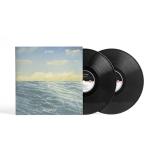
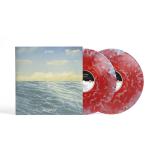
While there have been countless performances, recordings and releases of Glass's works, this is the first time that an entire album is devoted to new studio recordings of his original film scores. Over the past decades Philip Glass has become a household name in contemporary music thanks to his prolific activity and output across many music genres, including operas, concertos, symphonies and music for theatre. He has also systematically sought out collaborations with musicians and artists from all over the world. Due to his highly idiosyncratic and distinctive style, the American composer has been considered one of the frontrunners of minimalism in music, even though he himself regards his work rather as music with repetitive structures, in a continual search to integrate harmony, melody and rhythm into a single musical expression. In 2025 he received the World Soundtrack Lifetime Achievement Award for his contribution to the art of film music.
A limited 45, lifting two of the most transportive moments from Manifest, the fifth studio album from BALTHVS, and pressing them together on a standalone 7". "Eternal Flow" closes Side A of the LP, a slow-building groove that became the lead single of the album campaign. "Pale Blue Dot" opens Side B, a meditation on smallness and the cosmos that stretches out over nearly five minutes.
BALTHVS is the Colombian trio of guitarist and producer Balthazar Aguirre, bassist Johanna Mercuriana, and drummer Santiago Lizcano. Over five years the band has amassed more than 140 million streams, performed in over 26 countries, earned a Libera Awards nomination, and appeared at Electric Forest, Austin City Limits, Outside Lands, Lollapalooza, Jam Cruise, and SXSW Sydney. Manifest, out 10/9/2026, marks their most adventurous work to date, reaching past psychedelic rock into drum and bass, Ethio-jazz, and trip hop.
This 7" is a collector's companion to that album, not a reissue of it. Both sides are drawn from the LP sequence and paired here as a standalone 45 for the shops and the heads who chase the format. Limited to 300 copies worldwide. The band supports the release with a US fall tour running October 8 through 25.
A collection by Peruvian visual artist Jonathan Castro between 2024-26 at home studios while living in Amsterdam, then Rotterdam, NL. The compositions were made using various synthesizers, samplers, electronic percussion, congas, and an array of effects pedals. Knackered out salsas, looped up and chucked down into a custom dub chamber.
New formation Broken Code gets their first release on Natural Positions with remixes by Will Hofbauer and Patrice Meiner. Papi can’t get to the phone right now. It’s late, but eventually the elusive late night lover picks up and the game is on. Will Hofbauer and Patrice Meiner make sure you make it through the night, rewired, refreshed and ready for a new dawn.
Papi Pt. II is the product of a late night jam session at Max Bulk studios, re-coded for the wax aficionado by four of South East London’s loneliest robots. Their soundsystem affiliates Will Hofbauer and Patrice Meiner reinterpret the original, picking up the pace and then breaking it down for a final early morning rotation. This release has all the flavours to bake the cake that keeps you awake.
credits
Rio de Janeiro producer, composer and multi-instrumentalist Fabio Santanna returns with Copa Astral, an eight-track journey through modern Brazilian boogie, disco and Balearic grooves. Released by Rio’s Onda Boa, a label founded by Joutro Mundo, the album captures the warmth of the city's sunlit days and the cinematic glow of its nights, blending lush synths, live horns, percussion and rich vocal arrangements into an unmistakably Brazilian sound.
Opening with the slow-burning title track, introduced by the unmistakable cry of a cuíca, Copa Astral sets the mood before unfolding into the rolling grooves of "Ponto de Areia" and the Afro-Brazilian pulse of "Odoya Beat". Elsewhere, "Nesse Tempo" drifts into dreamy nostalgia, while side B moves effortlessly through the carefree boogie of "Jabuticaba", inspired by Brazil's beloved fruit; the warm, enveloping feeling of longing in "Senti Saudade"; the seaside romance of "À Beira Mar"; before closing with "Cantagalo", a heartfelt tribute to the neighbourhoods, memories and spirit that continue to shape Santanna's music.
Inspired as much by Rio's beaches as its neon-lit avenues, Santanna draws from Brazilian boogie, 1980s cinema, vintage record sleeves and classics such as Junior Mendes' Copacabana Sadia, filtering those influences through the city's unique rhythm. Produced at his Copacabana studio with live brass, percussion and vocal harmonies, Copa Astral is both timeless and contemporary - an album equally at home on the dancefloor, by the ocean or during a late-night drive along the coast.
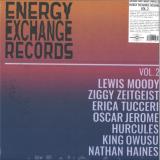
Energy Exchange Ensemble follow-up on the acclaimed 'Vol.1' continuing the legacy of label-curated studio sessions by in-house production duo, Lewis Moody and Ziggy Zeitgeist.
Offering a unique take on the 'Various Artist' compilation in the sense that the production team have enlisted an A list of players in informal jam sessions, gracefully guiding the sessions into their own unique brand of dancefloor and spiritual jazz.
In the spirit of cultural exchange and spontaneity the sessions are gathered over the course of a few years between Berlin, London and Melbourne. Naturally boasting a long list of collaborators including Erica Tucceri (Deep Matter), King Owusu (Jembaa Groove), Oscar Jerome, Hurcules (Kokoroko), Nathan Haines (ChilliFunk records) to name a few.
This is a unique and creative setting for the duo to explore a more intimate and exploratory approach in the studio further cementing their reputation as a dynamic and innovative team in contemporary jazz crossover.
When the first JIM album Love Makes Magic was released in 2023, it was the end product of an experiment that had begun during the strange days of the pandemic. Cooped up in his studio, James Baron started fiddling about with an as-yet unnamed new album idea. It became Vicious Charm’s first LP release. Labelled variously as Balearic, folktronica, blue-eyed soul and Laurel Canyon, Love Makes Magic was perhaps all and none of those things: a record rooted less in Californian mythology than in Baron’s own musical world, somewhere between Sherwood, Nottingham, classic songwriting, electronic soul and the no-nonsense good times that have long run through his work under his other monikers (principally the anagrammatic Ron Basejam and, of course, Crazy P) One thing was indisputable, it connected with people... and still does.
The album was a minor hit, appearing in many a Best of 2023 chart and voted Album of the Year in Bill Brewster’s Furtive 50. A tour and a few memorable festival appearances – his 2024 We Out Here Festival being one of those wonderfully timed ‘moments’ - perfectly captured the horizontal vibes on the album, while injecting some live energy into its delivery. While there was a follow-up remix album for Love Makes Magic, JIM was already preparing a sophomore LP: “I wrote the majority of The Curious Case Of Existence in a couple of months at the beginning of 2024, then it was just a case of making the record over the next couple of years in between everything else.”
Psychedelic rock, pop punk, and trippy hop tracks against animal exploitation.
Canine Cracks is the new artistic project of Benedetta and Romain Play (aka Camion Bazar). Known as DJs, event organizers, producers, and vinyl collectors, they're now returning to their roots and their first love: rock, post-punk, and massive mosh pits, instruments plus drum machines, and intense live performances. Everything is created in their own studio, located in the French countryside, where they retreat to escape the mad world. These two friends are animal rights activists fighting for animal liberation and are using this album and project to say ""fuck"" to animal exploitation and human supremacy over minorities."
Riva Starr teams up with Australian duo Close Counters for a sun-soaked debut on Heist.
What do you get when you put an Italian house legend in the studio with 2 of the most talented artists from Melbourne? Have a listen to the newest release on Heist and you’ll find out. On their ‘Push your luck’ EP, Riva Starr, Close Counters and UK soul singer Andre Espeut bring a heavy dose of jazz & soul and most of all, upbeat dancefloor energy. Whether it’s the deep soulful vibe of the title track or the house meets jazz-funk energy of ‘Gearbox’, this EP brings together everything we love about house music.
‘Push your luck’ comes right in the middle of Close Counters’ world tour, just after Riva Starr’s album ‘Keep me on the dancefloor’ and is the follow up to their recent collab ‘Jinga’ on Riva Starr’s own Snatch Records. We all know Riva Starr from his 2013 Fatboy Slim collab ‘Eat sleep rave repeat’, his work with Groove Armada, and more recently his collab with Prunk on his PIV records debut album. Close Counters have already worked with Heist mainstays Fouk and had their breakthrough moment with their 2023 album ‘Soulacousta II’, which got wide support ranging from Gilles Peterson to Jyoto and Folamour.
Their ‘Push your luck’ EP kicks off with the title track featuring the silky vocals of Andre Espeut. When we first heard this song, we immediately got transported to the soulful sound of the mid 2000s led by Recloose’s unique track ‘Dust’ with Fat Freddy’s Drop singer Joe Dukie. It’s moody, stripped back, and bouncy at the same time. The lush chords, disco bassline, and vocal harmonies all make for a track that goes beyond genres and trends. This is a future classic.
‘Gearbox’ is a disco-tinged piano jam full of live elements, rolling congas and disco bleeps, where the musicality of the Close Counters boys comes in at full speed. This song takes its inspiration from the Brazilian jazz-funk of legends Marcos Valle and Azymuth, with a clear sense of modern-day dancefloors and a love for electronic noise. Also; 10/10 for creatively naming the track after the glitchy electronic sound that freaks & funks throughout the track.
On the flip, ‘Dizzy’ sees the trio go more into disco-house territory, again teaming up with Andre Espeut for a track that blends catchy vocal loops with a tight groove and lush chords. The EP finishes with a club dub of ‘Push your luck’ for those in favor of more groove and less vocals.
We’ve had Riva Starr and the Close Counters boys on our radar for a while, and they landed on Heist with the perfect combination of musicality and dancefloor power. We hope you like this release as much as we do!
We are so excited to welcome back Tigerskin with a brand-new Album. This 12” is the vinyl version
showcasing six deep, euphoric and banging tracks taken from the full album.
The digital album features twelve brand new tunes by Alex Krüger and delivers his 3rd studio album as Tigerskin.
“Image” not only continues his search for the ultimate dance floor deepness, and contrary to just imitating his own “best selling” club grooves, it rather displays his ongoing artistic progress as a producer and composer of electronic music.
Opposed to his 2013 album “All Those Goodbyes”, which musically rooted in the early 90s and included a ton of collaborations with friends and long time partners, “Image” focuses more on Alex’s general musical roots and shows his compositional preferences. Apart from a few samples, this time around it doesn’t feature any co-productions at all nor did Alex use crazy or special gear to create the tunes. Many sounds are coming from natural and acoustic sources. Expect 80s New Wave references or spooky Wagner-esque bits to pop up next to dusty downbeat interludes. Euphoria next to relaxation. Tigerskin’s journey leads him from ironic comments on the present times via deep, occasionally melancholic or dark and hypnotic material up to the final tune, a homage to the infamous German brothers, Thomas and Klaus.
Tigerskin’s love for experimentation and cross-genre diversity on “Images” is more tangible than ever before.
,Ma Waraa Al-Shaabi" - ,Beyond Shaabi" - ist das neue Album bei Kou Records von Rizan Said, dem legendären kurdisch-syrischen Keyboard-Virtuosen aus Ras Al Ain in der Region Jazeera im Nordosten Syriens und dem wichtigsten musikalischen Kopf hinter Omar Souleyman. Rizan Said ist ein musikalischer Botschafter aus einem verschwundenen Syrien. Es war einmal vor nicht allzu langer Zeit, als die Jazeera - ein kulturell reiches Grenzgebiet kurdischer, arabischer, syrischer und armenischer Gemeinschaften - von einer unverwechselbaren musikalischen Tradition geprägt war: Handtrommeln und Rohrflöten, Hochzeiten, die tagelang dauerten, Dabke, die schon seit Jahrhunderten getanzt wurde, lange bevor Electro, Disco oder Orientalismus auftauchten, um ihr einen Namen zu geben. Rizan war das Wunderkind dieser Szene, ein Ausnahmetalent an Percussion- und Rohrblattinstrumenten, das zum Meister der Synthese in der Region wurde - er programmierte Korgs so, dass sie Zurna, Saz, Tanbura und Buzuq nachahmten, und vereinte die traditionelle Instrumentierung in einem einzigen Paar Hände, das sich blitzschnell bewegte.? Dies ist sein drittes Soloalbum nach ,King of Keyboard" (Annihaya, 2015) und ,Saz U Dilan" (Akuphone, 2019) - und sein bisher weitreichendstes. Aufgenommen im Sundlaugin Studio von Sigur Rós Sundlaugin Studio in Island aufgenommen und von Randall Dunn produziert, in Koproduktion mit Mark Gergis (Syrian Cassette Archives), führt ,Ma Waraa Al-Shaabi" syrische und kurdische Dabke in unbekanntes Klanggebiet: sieben Stücke, die die Hitze und Geschwindigkeit der Kassetten-Szene in etwas Weites, Fremdes und Lebendigeres als je zuvor übertragen.? Aufgenommen im Sundlaugin Studio, Island, im Mai 2026. Produziert und gemischt von Randall Dunn. Koproduziert von Mark Gergis. Zusätzliche Produktion: Ulfur Hansson. Gemastert von Ben Greenberg. Dolby-Atmos-Mischungen von Ben Greenberg. Lackschnitt von Paul Gold bei Salt Mastering. Cover-Artwork von Rebeka Arce; Porträt auf der Rückseite von Randy Ortiz.
DJ Support: Vladimir Ivkovic, Calm, LefTo, Dawn Again, Dream Chimney, Alexis Le-Tan, Afterlife, Sofa Elsewhere, Kreggo, Froid Dub, Johan Blende, Sean Johnston, Fabio De Luca, Dr. Rob, Leo Mas, Mark Broadbent, Patch, Stefano Tucci, DJ Nova
Three years after dropping Rapido Super studio on Hell Yeah, Caramel 3000 has slowed things down even further for his new eight-track LP, Super Tempra. This playful work gets stranger but even more inviting than ever with his signature OB-6 synth and the Eurorack modular, oodles of springy reverb, delayed balafon and scattered spoken-words. Caramel 3000 splits his time between the muddy waters of the Barene, south of the Venice Lagoon, and the dim light of a studio in Anderlecht. When not cruising in his sun-bleached wooden boat, he cherishes in the little light that reaches him at his shelter in Anderlecht. Renata and Piero, the couple on the artwork, once passed through that studio. This irregular sonic fusion of this EP came out of that visit. It's a fantastical collage that dissolves the boundaries between devotion and daydream with syrupy choir voices and fragments of Nancy Fraser lectures drifting in and out like the plot of a half- remembered hallucination. Quotes from legendary Italian singer Ornella Vanoni, children’s percussion and mystic melodies are looped and modulated into slow-burning psych - outs.
After the ancient sci-fi dub of the opener, 'Corsa Nudi' pairs the occult with the primitive, 'Arena Deriva' melts to watery droplets and glacial waves, and 'Acqua Tofana' is polyrhythmic tribalism from another dimension. 'Lente Virtus' marries melodic innocence to trippy humid density and 'Soft-shell Crab' is a woozy kaleidoscope with the happy accidents left in. 'Cacciatore di Frodo' is a haunting apparition from the deep and 'Vittoria Foresta' suspends you between the earthly and the otherworldly. Super Tempra is half the speed but twice the depth and full of wonder.
Power Ballads and The Wash is the sophomore album from London-based multi instrumentalist James Howard, due for release on 6th November 2026 via boutique
label Faith & Industry. James is known as founder of critically acclaimed 2010’s band Blue House and collaborator with luminaries such as Rozi Plain, Dana Gavanski, Kate Bollinger and Alabaster Deplume.
For Power Ballads and The Wash James has worked with producer Mike Lindsay, co-founder of folktronica group Tunng. Power Ballads and The Wash follows James's debut solo album Peek-A-Boo, released to great acclaim in April 2023.
All eight songs of Power Ballads and The Wash began life as intimate live takes of
guitar or piano and voice, recorded at Howard’s studio in Deptford, south London.
Steeped in the energy of the local environment, each session was preceded by a visit to the Thames to ask for its muddy blessing, with the DLR rumbling by. The sessions at Lindsay’s Margate studio built a widescreen world around Howard’s original performances, from the restless Eventide vocal treatments on Seven Seconds to the Hollywood string samples of The Moon In The Movies and the Moog bass that quietly anchors the record throughout. Howard also praises violinist Magdalena MacClean's (Caroline) contributions.
Beneath this gentle absurdity, though, lies something quietly powerful. Howard’s
song-writing explores the notion that, despite our ever-shortening attention spans,
there is still the possibility of quiet reflection and the discovery therein of revelations hidden in plain sight. The world of these lucid dream-esque reveries is unmistakably London. The record began with a wing-and-a-prayer visit to the Thames, and ends there too: the wash from the Thames Clipper / nearly breaks through your shoe / like some feelings sometimes do.
Mike Ladd. Diejenigen, die ihn kennen, sprechen diesen Namen mit einer gewissen Ehrfurcht aus. Wenn du mir eine unvollkommene Analogie gestattest: Ladd ist der Terrence Malick des Underground-Hip-Hop - ein kompromissloser Autor, dessen frühe Werke sowohl unkonventionell als auch von der Kritik gefeiert waren, bevor er sich abrupt aus der Szene zurückzog, die er mit aufgebaut hatte, und nach Paris abhob, um nie wieder von sich hören zu lassen. Natürlich ist die Realität komplexer als die Legende. Mike Ladd hat nie aufgehört, Musik zu machen; im Laufe der Jahre ist er bei allerlei unerwarteten Kollaborationen aufgetaucht - wer könnte seinen mitreißenden Auftritt auf billy woods' ,Aethiopes" vergessen -, hat den Soundtrack zu einer Netflix-Serie beigesteuert und mit bildenden Künstlern an Orten wie dem Pantheon in Paris zusammengearbeitet. Dabei sind all die Bühnen, auf denen er als Teil verschiedener Tournee-Bands und Live-Acts für Furore sorgte, noch gar nicht mitgezählt. Dennoch liegt Ladds letztes Soloalbum mehr als zehn Jahre zurück, und sein Meisterwerk ,Welcome to the Afterfuture" erschien Anfang 2000. Wenn wir der Analogie folgen wollen, ist ,Nonechosen" Mike Ladds ,The Thin Red Line. Ein unerschütterlicher Beweis dafür, dass sich der Künstler weiterentwickelt und gewachsen ist, dabei aber dieselbe Gravitas bewahrt hat, die seinen Namen zu dem gemacht hat, was er ist. Hier sind wir nun, tief in der ,Afterfuture", und es ist, als hätte Ladd schon immer auf diese Zeit gewartet und auf diesen Moment hingearbeitet. ,Jetzt weißt du, warum ich auf meinem Posten geblieben bin", rappt er auf ,Nonechosen", überzeugt davon, dass sich seine Geduld ausgezahlt hat. ,Nonechosen" ist ein Soloalbum, aber Ladd wird dir als Erster sagen, dass er es nicht allein geschafft hat; er hat schon immer mit alten Freunden zusammengearbeitet. No Surrender und Tom Degeeter haben an jeweiligen Tracks mitgewirkt. Sobald Mike das Album mit seiner eigenen Produktion zu 95 % fertiggestellt hatte, gab er es an Preservation weiter, der das Projekt mit ein paar gut platzierten Feinschliff-Maßnahmen auf ein neues Niveau hob. Backwoodz Studioz fühlt sich geehrt, Teil von Ladds kometenhaftem Comeback zu sein, und freut sich darauf, diesen wegweisenden Künstler einer neuen Generation von Hip-Hop-Fans gebührend vorzustellen, wenn wir schon dabei sind.
Mike Ladd. Diejenigen, die ihn kennen, sprechen diesen Namen mit einer gewissen Ehrfurcht aus. Wenn du mir eine unvollkommene Analogie gestattest: Ladd ist der Terrence Malick des Underground-Hip-Hop - ein kompromissloser Autor, dessen frühe Werke sowohl unkonventionell als auch von der Kritik gefeiert waren, bevor er sich abrupt aus der Szene zurückzog, die er mit aufgebaut hatte, und nach Paris abhob, um nie wieder von sich hören zu lassen. Natürlich ist die Realität komplexer als die Legende. Mike Ladd hat nie aufgehört, Musik zu machen; im Laufe der Jahre ist er bei allerlei unerwarteten Kollaborationen aufgetaucht - wer könnte seinen mitreißenden Auftritt auf billy woods' ,Aethiopes" vergessen -, hat den Soundtrack zu einer Netflix-Serie beigesteuert und mit bildenden Künstlern an Orten wie dem Pantheon in Paris zusammengearbeitet. Dabei sind all die Bühnen, auf denen er als Teil verschiedener Tournee-Bands und Live-Acts für Furore sorgte, noch gar nicht mitgezählt. Dennoch liegt Ladds letztes Soloalbum mehr als zehn Jahre zurück, und sein Meisterwerk ,Welcome to the Afterfuture" erschien Anfang 2000. Wenn wir der Analogie folgen wollen, ist ,Nonechosen" Mike Ladds ,The Thin Red Line. Ein unerschütterlicher Beweis dafür, dass sich der Künstler weiterentwickelt und gewachsen ist, dabei aber dieselbe Gravitas bewahrt hat, die seinen Namen zu dem gemacht hat, was er ist. Hier sind wir nun, tief in der ,Afterfuture", und es ist, als hätte Ladd schon immer auf diese Zeit gewartet und auf diesen Moment hingearbeitet. ,Jetzt weißt du, warum ich auf meinem Posten geblieben bin", rappt er auf ,Nonechosen", überzeugt davon, dass sich seine Geduld ausgezahlt hat. ,Nonechosen" ist ein Soloalbum, aber Ladd wird dir als Erster sagen, dass er es nicht allein geschafft hat; er hat schon immer mit alten Freunden zusammengearbeitet. No Surrender und Tom Degeeter haben an jeweiligen Tracks mitgewirkt. Sobald Mike das Album mit seiner eigenen Produktion zu 95 % fertiggestellt hatte, gab er es an Preservation weiter, der das Projekt mit ein paar gut platzierten Feinschliff-Maßnahmen auf ein neues Niveau hob. Backwoodz Studioz fühlt sich geehrt, Teil von Ladds kometenhaftem Comeback zu sein, und freut sich darauf, diesen wegweisenden Künstler einer neuen Generation von Hip-Hop-Fans gebührend vorzustellen, wenn wir schon dabei sind.
Jozef Van Wissem and Jim Jarmusch’s Bocca di Lupo and Mouth of the Wolf were recorded in July 2025 in Bologna, Italy. The recording sessions took place just after several live dates in New York and Chicago, and a week before they began a short European tour which included Paris, London, Ghent, Porto, and a first date in Bologna.
Below are notes from Jozef and Jim directly.
“With thanks to Gian Luca Farinelli and Rosanna Mordini from the extraordinary Cineteca di Bologna, we were able to secure recording days in the very cool Fonoprint Studios — located on Via Bocca di Lupo in Bologna, hence the titles of these two LPs. (“In bocca al lupo” — in the mouth of the wolf — is the Italian idiom for wishing one good luck; equivalent to “break a leg” in English.)
Bocca di Lupo starts with a new version of our own “Only Lovers Left Alive,” and “Apology” is a new version of a pre-existing piece by Jozef. All other tracks are new originals. We were honored to have guest duet vocals from the iconic Courtney Barnett on “Never Like You Said.” The lyrics of the song arrived spontaneously in a single take in the studio. It’s not directed at a specific person, but more an emotional response to several disingenuous, deceitful people — a closing of the door on their toxic behavior. And a casually recorded conversation (concerning the haunted auras of particular pieces of vintage women’s clothing) between Adriana Coppi and Veronica Mayrr (from Deux Femmes) is woven as a background into the track titled “Pour Deux Femmes.” “Black Roses” is an original poem written in Bologna, and recited from within its own musical setting. All other tracks are instrumentals.
Mouth of the Wolf, the second LP, consists of two longer, darkly ecstatic instrumental studio tracks — “In A” and “Massa Damnata.” Both were created with two electric guitars, and derived from our live performances. We consider it to be a musically separate album, and is therefore presented in its own sleeve and with its own artwork.
Our music has many inspirations — everything from our friends in Sunn O))) and Swans to Terry Riley and Morton Feldman; from Hildegard Von Bingen and WIlliam Lawes to Psychic Ills and Spacemen 3; from Les Rallizes Dénudés and NEU! to Nadja and Glenn Branca; from Ian Svenonius and Dead Skeletons to Son House and Gwenifer Raymond…from sunset to sunrise…full moon to new moon…”
a 01. Only Lovers Left Alive 4:36
b 02. Never Like You Said 5:23
[c] 03. Apology [5:11]
[d] 04. Black Roses [2:44]
[e] 05. On Twofold Nature [9:37]
[f] 06. Pour Deux Femmes [8:09]
[g] 07. In Bocca Al Lupo [5:58]
[h] 01. In A [12:56]
[i] 02. Massa Damnata [17:51]
[a] 01. Only Lovers Left Alive [4:36]
[b] 02. Never Like You Said [5:23]
[c] 03. Apology [5:11]
[d] 04. Black Roses [2:44]
[e] 05. On Twofold Nature [9:37]
[f] 06. Pour Deux Femmes [8:09]
[g] 07. In Bocca Al Lupo [5:58]
[h] 01. In A [12:56]
[i] 02. Massa Damnata [17:51]
[a] 01. Only Lovers Left Alive [4:36]
[b] 02. Never Like You Said [5:23]
[c] 03. Apology [5:11]
[d] 04. Black Roses [2:44]
[e] 05. On Twofold Nature [9:37]
[f] 06. Pour Deux Femmes [8:09]
[g] 07. In Bocca Al Lupo [5:58]
[h] 01. In A [12:56]
[i] 02. Massa Damnata [17:51]
[a] 01. Only Lovers Left Alive [4:36]
[b] 02. Never Like You Said [5:23]
[c] 03. Apology [5:11]
[d] 04. Black Roses [2:44]
[e] 05. On Twofold Nature [9:37]
[f] 06. Pour Deux Femmes [8:09]
[g] 07. In Bocca Al Lupo [5:58]
[h] 01. In A [12:56]
[i] 02. Massa Damnata [17:51]
[a] 01. Only Lovers Left Alive [4:36]
[b] 02. Never Like You Said [5:23]
[c] 03. Apology [5:11]
[d] 04. Black Roses [2:44]
[e] 05. On Twofold Nature [9:37]
[f] 06. Pour Deux Femmes [8:09]
[g] 07. In Bocca Al Lupo [5:58]
[h] 01. In A [12:56]
[i] 02. Massa Damnata [17:51]
For the seventh edition of the Vega Records 5 Pack Unreleased series, Louie Vega once again opens the vault to reveal a special collection of unreleased recordings, alternate versions, remixes, demos, tribute reworks and deep cuts from the Vega Records musical family.
5 Pack Unreleased VII brings together 15 tracks across five 12-inch records, showcasing the wide musical spectrum that has always been part of the Vega Records story. From soulful house and deep grooves to jazz, soul, Brazilian influences, live instrumentation, Latin influences, powerful vocals, disco-rooted rhythms and the freedom to experiment in the studio, this collection moves through many different sides of the music.
Some of these recordings have been waiting patiently in the vault. Others represent alternate versions of songs that continue to evolve through different interpretations. Together, they create another musical journey through the sounds, collaborations and ideas that have shaped the Vega Records universe.
These final recordings speak to something that has always been important to Louie’s musical journey: respecting the music that came before while finding a way to reinterpret it through his own musical language.
From Loleatta Holloway and Duane Harden to Elements Of Life, 2SoulFusion, Domo Domo, Brutha Louie & Brutha Basil, and the tribute recordings, 5 Pack Unreleased VII brings together different generations, different voices and different musical influences under one roof.
The Elements Of Life sound continues throughout the collection, with “Sunshine (I Can Fly),” “Every Step” and “Dreamer” offering special previews into the musical direction of the forthcoming 2027 Elements Of Life album.
This is the seventh chapter of the series, but the philosophy remains the same:
Open the vault.
Share the music.
Let the DJs discover it.
Let the dancers feel it.
Five records.
Fifteen tracks.
A collection of unreleased music, special versions, studio discoveries, tributes and musical experiments from the world of Vega Records — with plenty more waiting inside the vault.
A soaring new chapter unfolds from the forthcoming Elements Of Life album with the release of “Soar,” an uplifting and deeply moving collaboration featuring the incomparable Lisa Fischer. Written by Josh Milan and Louie Vega and produced by 2SoulFusion—Louie Vega and Josh Milan—the song is a powerful testament to resilience, transformation, and the limitless possibilities that emerge when spirit, soul, and music unite.
Built upon a rich tapestry of live musicianship, “Soar” embodies the signature sound that has made Elements Of Life a beloved musical movement around the world. At its core is Lisa Fischer’s breathtaking vocal performance, delivering a message of hope, elevation, and self-discovery with the emotional depth and conviction that have made her one of the most revered voices of her generation.
At the heart of “Soar” is a message of encouragement, resilience, and unconditional support. Through its uplifting lyrics and soaring melody, the song speaks to anyone navigating life's uncertainties while striving to become their fullest self. Lines such as “Clouds hang low, but the sky's still wide” acknowledge the challenges we all face, while the recurring refrain, “I just want you to soar,” serves as a powerful affirmation of faith in another person's journey. Equally moving is the song's central sentiment, “The more you do for you, the better I feel,” expressing a selfless form of love that celebrates growth, healing, and personal fulfillment. Universal in its message yet deeply personal in its spirit, “Soar” reminds us that one of the greatest gifts we can offer is the encouragement to rise, evolve, and embrace our own potential.
The production blends organic instrumentation with sophisticated arrangements, creating a timeless soundscape that feels both expansive and intimate. Multi Grammy Award-winning bassist Christian McBride anchors the composition with his masterful upright bass work, while Josh Milan's lush keyboards, piano, organ, clavinet, and atmospheric textures provide the song's harmonic foundation. Live drums from Tony Cintron and vibrant percussion from Luisito Quintero infuse the track with an irresistible pulse, while Ivan Renta's expressive soprano saxophone solo adds another layer of emotional richness, and a tasteful guitar groove by Sherrod Barnes.
The song's message is elevated further through a powerful vocal ensemble featuring background vocals from Lisa Fischer, Dawn Tallman, Ramona Dunlap, and Lea Lorien, creating moments of communion and uplift that echo the song's central theme of hope, growth, and believing in the possibilities that lie ahead. For Louie Vega and Josh Milan, “Soar” represents another defining moment in their longstanding creative partnership. Through Elements Of Life, they have continually blurred the boundaries between house music, soul, jazz, Latin rhythms, gospel, and global influences, creating music that resonates as deeply on the dance floor as it does in the heart. “Soar” continues that tradition, offering listeners a song that inspires movement, reflection, and renewal.
Recorded at Honeycomb Studios in Pennsylvania and Manhattan Center Studios in New York City, and mixed at Daddy's Workshop in New Jersey, the production benefits from the expertise of recording engineers Yas Inoue & Josh Milan, with final mastering by the Maestro of mastering Herb “Pump” Powers for PM Mastering.
As anticipation builds for the forthcoming Elements Of Life album slated for February 2027, “Soar” offers a powerful glimpse into the project's next evolution— a celebration of musical excellence, spiritual connection, and the enduring power of song to lift us higher.
Forty years of cassette releases, pressed for the first time on vinyl
First of two instalments exploring the previously unreleased sonic archives of one of Poland’s most enigmatic
living artists - with its first volume focused on his deep listening practice and spiritual reverie (recorded 1990–2013)
The last time Andrzej Dudek-Dürer took a banknote bearing the face of the Polish anarchist Jarosław Dąbrowski from his pocket to trade it for a pair of shoes was in 1969. He bought them for 120zł - the equivalent of 100€ today - and never replaced them since then. Only rebuilt them, year after year, drawing a needle and thread through the leather each time it split, closing one wound before the next one opened. It became a ritual of precision, stitching a record of another year into their soles.
That same year, in Wrocław, he arrived at a conclusion that would recalibrate everything that followed. Convinced he was the reincarnation of Albrecht Dürer, he adopted the surname Dudek-Dürer, stopped cutting his hair and began wearing the same garments every day. It was the first ritual of many, though he wouldn't have called it that yet. Look closely enough, over the decades, and it is always the same gesture, returning in different material: hair growing in a single unbroken strand, a needle drawing thread through leather, sitar strings pulled taut across a neck he built with his own hands and magnetic tape spooling forward inside the cassette boxes stacked against his walls.
None of this began in a vacuum. Dudek-Dürer emerged from the Wrocław neo-avant-garde, in a Polish art world where an exhibition could be cancelled overnight by the stroke of a censor's pen. In 1973, his exhibition Auto-crucifixion was shut down by the state, and for a time he found himself blocked from exhibiting his own art at all - the one force in his life that ever came close to cutting the thread.
He seemed to experience it differently. In 1974, after long, patient research into sitar craftsmanship, he built his first prototype with his brother, a knowledgeable luthier. In 1978, in a smoked-out jazz club, he took his first steps into sound recording with the unreleased album Jazz From Underground with his first band. By 1979, recognition started to travel further than he could.
Turning toward Far-Eastern philosophy, meditation and the idea of reincarnation was another language of freedom for him. It was a way of claiming an inner territory the state could not reach, a border it could not close. Mail Art served a parallel function, reaching further out: in a country that restricted travel and expression, sending and receiving art through the postal system became an act of quiet rebellion.
The body, in his understanding, is only an envelope readied for constant transformation. From this came Metaphysical Telepathy: during the years he could not leave Poland, he treated that confinement as a rehearsal room, sending his mind out ahead on the same thread his body would later follow. Living Sculpture grew from the same root with performances of stillness beside static art objects, until the boundary between the object and the man beside it simply dissolved. Camera Meditation extended the same instinct into photography: a shutter click flattening three dimensions into two so that a single instant could be held forever. Inspired by the pioneers of self-portrait photography like Robert Cornelius, he used it to document time itself, and kept explaining to me: "You know. This is not about vanity. This is about observing time passing.”
The isolation did not end suddenly. It ended the way his own philosophy had already predicted it would, from the inside first. Mail Art quietly solved the problem politics couldn't. Correspondence built during years of confinement slowly worked its way through doors the state itself had kept locked. Contacts made through folded paper and stamps became invitations. Ultimately, invitations became passports.
In 1983 he made his first trip outside Poland, to Germany, in search of the audio technology he couldn’t get his hands on before. In 1985, he was invited by the Indian embassy in Poland to give a sitar concert on an instrument he had spent a decade patiently stringing together - half sitar, half tanpura, built from patience and determination. After the collapse of the People's Republic of Poland, the travels kept unspooling: South Korea, then Mexico, then Australia, Canada, New Zealand, Singapore, Japan and the United States - each stop leaving behind its own small knot of tape, tied off and carried home.
In the decades since, recognition arrived at the same unhurried pace: he conducted workshops at UC Berkeley, served as vice-president for artistic affairs of the Union of Polish Art Photographers and the Union of Polish Visual Artists between 2010 and 2014 and received the Bronze Medal for Merit to Culture - Gloria Artis. His visual work gradually entered collections including the National Museums of Warsaw, the Stedelijk Museum, Tate Modern, MoMA and the Venice Biennale. His musical practice, by contrast, never found that kind of room - left to circulate quietly, sharing his cassette tapes directly, waiting for someone willing to follow it further.
It took months before I could find a way to reach Andrzej Dudek-Dürer - his presence online is very close to nonexistent. Surprisingly, LinkedIn turned out to be the only door still open, a faintly absurd irony given everything else about him. I packed the strict minimum for a three-day trip and an empty notebook and made my way to Wrocław. His headquarters sits in the neighbourhood of Grabyszyn: a two-storey pre-war house that has belonged to his family for generations. The man who opened the door was long-haired, long-bearded, in his trademark leather shoes and patched jeans. We sat in his living room, in front of a computer where decades of recordings sat organised in cryptically named files, surrounded by books and objects that had arrived one layer at a time, leaving room for only two chairs in the middle. His shoes sat by the door, rebuilt so many times they had become their own quiet sculpture. Cassette tapes filled boxes against the walls, almost unlabelled, each one a spool of thread holding decades of sound that had never once been asked for, until now.
I listened for hours: meditating in front of strangers on the porch of a Seoul temple until the tourists stopped taking photos and simply waited with him; a stand-off with border guards at the US–Mexico crossing over an instrument they couldn't identify and didn't trust; a session with the Stockhausen family that he still, decades later, describes like it happened last week. All of it interrupted, occasionally, by the smell of soup boiling and fresh bread warming on the ceramic stove. After two days, it felt like being handed the end of a very long thread and asked, gently, to keep following it. I left with a USB drive holding his full discography, signed with his unmistakable signature.
Astral Meditations From A Living Statue is a length of that thread, drawn out from the boxes stacked against his walls - recordings gathered from different rooms, different countries, different decades. This first record breathes slowly: incense-thick, meditative, built for stillness. A cutting-edge séance in outer space where machines learn how to dream.
It begins with the neo-classical improvisations of Andrzej, space-delayed, recorded at Klub Muzyki i Literatury in Wrocław in 2002. 'When..So' opens the curtains with a deep-rooted meditation accompanied by slow-decaying piano figures illuminated by a candle-lit spirit gathering.
Los Angeles, 1990: a dormant villa, a grand piano, the voice of Bonnie Barnett. 'Exception' is captured in a single room, in a single afternoon - voice and keys circling each other, neither one leading, until the silence between the notes starts to feel like the instrument.
'The Meta...' and 'Tired Of...', recorded at Studio Morandi in Ponte Nossa, Italy, in 1992, settle into a sitar drone built entirely from patience - overtones stacking and beating against each other, strung by a man who never once set foot in India. 'Mastery Of...' follows, recorded the same year at Studio Suski in Łomianki, pushing that same hum further still, until pitch dissolves into a spectral reverie. 'Transcendental Sound', from 2000, closes the first record in a slow bath of celestial frequency - better heard beside the shores of the Odra river.
More than fifty years after deciding that a life could become an artwork, Andrzej Dudek-Dürer continues to inhabit that decision. His shoes keep wearing thin against the earth's crust. His hair keeps growing, one strand at a time. His cassette tapes keep spooling in the dark of their boxes.
Now the thread finds its last shape: a single unbroken groove, spiralling inward from the outer edge to the label at the centre. Never cut - the way nothing else in his life ever was. Drop the needle and it will find that groove and follow it, the same way a needle once followed leather, once followed a border it couldn't cross, once followed string into an instrument that didn't exist until he built it. This record is the other end of a thread that has been travelling for fifty years. For the length of both sides, it rests here, in your hands. This is a timeless proof that the Lord of the New Age was never lost."
We are finally ready to unveil one of the most exciting projects we have worked on in our label's history: a new release by legendary disco project Hudson People, best remembered for their essential classic "Trip to Your Mind" - which just received its anniversary issue on our label!
Now it's time for "Hold On" - a brand-new single featuring several mixes based on an original recording from the late 1980s, with the completely unheard yet incredibly soulful voice of singer Rickey Owens, whom composer and producer Reginald Hudson worked with at the time.
When we first got in touch with Reg Hudson several years ago, we were originally interested in releasing his "Shake It - Make It Loose" album, which he recorded with John Davis (later known as one of the real voices behind Milli Vanilli). While talking about John Davis (RIP) and other great GI singers such as Karl Keaton, Reginald Hudson immediately mentioned Rickey Owens as one of the best singers he had ever worked with.
Of course, we had never heard of him, as none of his music had ever been released. But when Hudson showed us some old demos and sent us the original DAT recordings, we were immediately hooked.
"Hold On" was recorded in or around 1988 with a simple drum machine and keyboard accompaniment - essentially a demo intended to be recorded properly in a better studio. But the vocal performance was simply stunning, complete with beautifully recorded ad-libs. Owens had a truly remarkable, clear voice with an incredible amount of soul. Luckily, Hudson had his old DAT tapes digitized several years ago, so the acapella recordings survived in excellent shape.
We immediately reached out to several producers to create reworks of the track. The 12" EP compiles some of the most club-friendly of these new mixes - but there is more to come…
First up is Thomas Redfern, a senior producer, professional studio musician and keyboardist from London, UK. His version is a catchy, funky yet deep House track that could easily become a favourite on dancefloors around the globe. Redfern also blessed us with a dub mix that takes things even deeper.
But it gets even catchier on side B of the vinyl. Tom Quick sped up the tempo, added filters and delivered a rework that could make fans of Chromeo, Daft Punk, Stardust and any late-'90s French House afficionado go completely nuts. Yes, we mean it! With a fresh twist on the original, the track has a massive club appeal that we hope both DJs and dancers will dig.
The vinyl single is completed by a mix from German legend DJ Friction, whose version is based on synth layers from the Tom Quick mix. Friction added new drums and bass, giving the track the distinctive modern electro boogie funk vibe he is known for. His mix brings to mind classics such as Shannon's "Let the Music Play" and works of Freestyle's Tony Butler.
The vinyl 12" with 4 mixes is released on The Outer Edge's brand-new sublabel, 1st Floor Records, which focuses on more dancefloor-oriented material. More mixes are available digitally and should not be missed.
PR Feedback:
„Killer“ – Gilles Peterson
„Disco, deep house and boogie all in there! Superb!“ – Groove City Radio
„Dope!!“ – DJ Craze
„The boogie mixes are so good!“ – Selvagem
„Awesome and Huge Package“ - Leon El Ray
„Wow, Trip to Your Mind is so good and this is a real grower“ - Ibiza Sonica
„Really liking the Balearic & Redfern Mix, thanks!“ – Mystic Bill
„Both Thomas Redfern mixes are ace!“ – Deeper Shades of House
The modern day torch carriers of electric Brazilian jazz-funk. Fans of Azymuth, Marcos Resende, Antonio Adolfo and Cesar Mariano look no further !
Ultracooked infuses the Sao Paulo trio’s deep understanding of Brazilian music history with their consummate musicianship and infectious joy of playing. Their distinctly electric jazz-funk flavour rises to the top, as they pay homage to some of their musical heroes and teachers.
Where previous albums nodded to the lineage of Azymuth, Antonio Adolfo, Cesar Camargo Mariano and Marcos Resende, Ultracooked walks ! ! straight up to the greats and shakes their hands. Gilberto Gil and Caetano Veloso are here, with fresh versions of Espresso 2222 and Odara respectively. Garoto - the great choro guitarist and composer whose harmonic imagination quietly laid the ground for bossa nova - is here too, and honoured with a deconstructed reading of "Jorge do Fusa".
Recorded in the wake of the passing of both João Donato and Hermeto Pascoal, each has a song on the album named after them. Listen to Caixa Cubo and you can see why, their playfulness echoes Donato’s mischievous cheek, while their creative openness is clearly Hermeto inspired. But with both “Hermeto” and “Dontao” each featuring the sampled voice of the late masters themselves, the songs read more as conversations than eulogy. Caixa Cubo carry forward these legacies with care.
In good company, Zé Leônidas, who lit up 2023's Agora, returns to sing on "Expresso 2222", "Essa é Pra Tocar no Rádio" and "Cortejo", while guitarist Edson Woiski brings his sinewy sound to those Gil interpretations and to "Cabaré", before adding his voice to the closing chorus.
Ultracooked was produced by Caixa Cubo alongside Frederico Pacheco, who recorded and mixed the album at O&O Studios in São Paulo, with mastering by Casper Sutton at Gearbox Studios in London.
Volume 2: Unreleased Jack opens the vault for the first time, presenting previously unheard material from the formative mid-’80s period. These recordings reveal the experimental edge of a young innovator pushing the limits of emerging technology and redefining what club music could be.
Immersive, roots-infused dub-reggae power from Jamaica meets heavyweight instrumentation from Denmark on a landmark collaborative album out now via Recall Reality.
Rooted in the rich traditions of classic Jamaican sound yet pulsing with a hypnotic, contemporary organic weight, Signs of the Time brings together the evocative vocal artistry of rising roots talent Azizzi Romeo and the master craftsmanship of Denmark's formidable instrumental 11 piece band Guiding Star Orchestra. Built for sound systems and vinyl purists alike, featuring lush tape saturation, spring reverbs, and spacious dub mixes.
Released on Recall Reality, the album is a masterclass in modern roots reggae and deep dub dynamics. Rather than relying on rigid digital presets, Signs of the Time champions warm analogue textures, sprawling horn arrangements, and rolling basslines that echo the golden age of Studio One, Joe Gibbs, Bunny Lee and Channel One while carving out an entirely fresh, meditative space for the listener.
Azizzi Romeo carries forward a legendary musical lineage as the son of the late roots icon Max Romeo, bringing a captivating blend of spiritual urgency, conscious lyricism, and soulful conviction to the microphone. His delivery cuts straight through the mix, offering profound reflections on modern society, unity, and resilience in a changing world.
Backing him are the Guiding Star Orchestra, renowned for their authentic analog production ethos, deep-crate sensibilities, and musicianship that treats the mixing board as an instrument in its own right. The result is a seamless symbiotic project where every bubbling organ skank, hypnotic drum drop, and reverberating tape delay serves the song's core message.
To bring the record home, producer CHLLNGR spent a week in the spring working alongside UK dub maestro in his London studio - Prince Fatty, who mixed the entire album. Fatty invited legendary drummer Winston "Horseman” Williams into the sessions, and Horseman percussion added the final glue to the record.
Track highlights:
"Signs of the Time": Azizzi is joined by his late father, the legendary Max Romeo, on a prophetic warning of what awaits the world if we don't soon unite in peace and love.
"Thanks and Praises": An anthem of gratitude for everything life brings, and of rising up even when others want to see us fail.
"Jah Jah Disciples": A meditation on following Jah, and the strength that faith gives in the midst of adversity.
Signs of the Time is available now on Vinyl LP and Digital streaming platforms via Recall Reality.
*Originally pressed in 2021 - this is a brand new master and cut.**
In partnership with Analogue Foundation, Oshu Records is proud to present the exclusive vinyl repress of "Laroyê" in a thick cardboard tip-on gatefold jacket on 2x 180g vinyl.
Acclaimed Hungarian, Berlin-based producer, composer and pianist Àbáse (AKA Szabolcs Bognár) returns, sharing a special, 5 anniversary remaster of his breakthrough project 'Laroyê'. Releasing on Friday 1 May via Bridge The Gap & Oshu Records, this sensitive exploration of Afro-Brazilian culture originally began as an audio diary, documenting Szabolcs’ travels and collaborations in Brazil through a collection of voice memos, fragmented beats, sketches and field recordings. As his journey progressed, and his collaborations and research deepened, the music project started to take on its own life:
"Laroyê evolved through weeks and months of research and collaborations into the album that it is now. That means that all the sessions were done in different apartments, small studios, often with borrowed equipment, which all adds to the character, but makes the creation of a coherent sound a challenge. Benjamin Tierney, Erik Breuer and Analogue Foundation did an incredible job with the mixes and with this new remaster. I truly believe that we are able to hear the tracks in a new light, with even more depth and clarity."
Coming from the West African Yoruban language, Àbáse stands for "collaboration" – a key element of the music perfectly encapsulated on 'Laroyê'. Recorded in Rio de Janeiro and Salvador, Àbáse spent five months working with diverse artists, from young talents to veterans of the Brazilian scene including Letieres Leite, Luciane Dom, Dofono d'Omolu, Afrojazz and more. The album explores the rich heritage of afro-brasilian culture through samba, MPB and Candomblé, mixing these with broken beat, hip hop and afrobeat, creating a contemporary homage to the classic Brazilian sound. Szabolcs shares:
"Despite already leading and managing musical projects that are close to my hearth, I always felt that one day I would like to start a solo project, where I could take full responsibility for the artistic direction and the music would reflect a truly personal vision. In 2017, I decided to take five months to fulfil a childhood dream and travel to Brazil to expand my creative horizon and expose myself to new influences."
An album standout is the bass-heavy, afro-brazilian ‘Agangatolú, which Àbáse describes as "best exemplifying the story and concept of Laroye as a collaborative effort - a research project exploring the rich heritage of Afro Brazilian culture through my own lens." The track features singers and percussion players Jadson Xabla and Gabriel Santana - two artists based out of one of the oldest terreiros (houses of worship) in Bahia, whilst drummer Jorge Dubman is an integral part of one of the most famous afrobeat bands from Salvador IFA. The contributions of one of Szabolcsoldest collaborators - Hungarian flautist Fanni Zahar - also made the track a full-circle moment.
On a quest for cosmic grooves of unity, Àbáses music pulls from an eclectic blend of global reference points, including modal jazz, Hungarian folk, West African, Brazilian, hiphop and underground electronic music. His work has drawn widespread critical acclaim from the likes of MOJO, Songlines, Soulection and The Guardian, and been supported by key tastemakers including Gilles Peterson, Jamz Supernova and BAMBII. As a keyboard player, Szabolcs has also collaborated with the likes of Wayne Snow, Dele Sosimi, Patti Smith, Emmanuel Wilkins, Gulty Simpson and Zeitgeist Freedom Energy Exchange.
'Laroyê' (2026 Remaster) will release on Friday 1st May via Bridge The Gap & Oshu Records.
- 2026 Edition, gepresst auf apricotfarbenem Vinyl - Erweitertes Gatefold-Cover - Enthält ein 20-seitiges Booklet mit seltenen Fotos und Liner Notes von Lenny Kaye sowie Beiträgen von Nick Cave und Devendra Banhart. Karen Daltons Album ,In My Own Time" aus dem Jahr 1971 gilt als wahres Meisterwerk einer der geheimnisvollsten, rätselhaftesten und nachhaltig einflussreichsten Künstlerinnen der Musikgeschichte. Das neu erweiterte, 20-seitige LP-Booklet mit selten gezeigten Fotos, Liner Notes des Musikers und Autors Lenny Kaye sowie Beiträgen von Nick Cave und Devendra Banhart rundet das Paket ab. Die in Oklahoma aufgewachsene Karen Dalton (1937-1993) brachte eine Vielzahl von Einflüssen in ihr Werk ein. Wie Lenny Kaye in den Liner Notes schreibt, hört man den Jazz von Ella Fitzgerald und Billie Holiday, die Intensität von Nina Simone, den Appalachen-Gesang von Jean Ritchie sowie den R&B und Country, die auf ihrem Weg nach New York unweigerlich in ihre Musik einflossen. Ausgestattet mit einem Langhalsbanjo und einer 12-saitigen Gitarre hob sich Dalton durch ihren unverwechselbaren, lebensmüden Gesang von ihren Kollegen ab. In den frühen 60er Jahren wurde sie zu einer festen Größe in der Folk-Szene von Greenwich Village, wo sie traditionelles Material, Blues-Standards und die Songs ihrer Zeitgenossen interpretierte, darunter Tim Hardin, Fred Neil und Richard Tucker, den sie später heiratete. Bob Dylan war unterdessen sofort von ihrer Kunst begeistert. ,Meine Lieblingssängerin dort war Karen Dalton", erinnerte er sich in *Chronicles: Volume One* (Simon & Schuster, 2004). ,Karen hatte eine Stimme wie Billie Holiday und spielte Gitarre wie Jimmy Reed." Wer Dalton kannte, wusste, dass sie kein Interesse daran hatte, sich den Launen der Plattenindustrie zu beugen. Auf der Bühne interagierte sie kaum mit dem Publikum. Im Studio fühlte sie sich beim Aufnahmeprozess ebenso unwohl. Ihr Debütalbum von 1969, *It's So Hard to Tell Who's Going To Love You The Best*, das 2009 von Light in the Attic neu aufgelegt wurde, entstand heimlich, als Dalton dachte, sie würde nur Songs proben. Als Michael Lang, Mitveranstalter von Woodstock, Dalton ansprach, ob sie ein Folgealbum für sein neues Label ,Just Sunshine" aufnehmen wolle, war sie, gelinde gesagt, skeptisch. Das Album musste nach ihren eigenen Bedingungen und in ihrem eigenen Tempo entstehen. Daraus wurde ein sechsmonatiger Aufenthalt in den Bearsville Studios in Woodstock, New York. Produziert wurde das Album von dem Bassisten Harvey Brooks, der bereits auf ,It's So Hard to Tell Who's Going To Love You The Best" an Daltons Seite gespielt hatte. Brooks, der stolz darauf war, unkompliziert, zuverlässig und unterstützend zu sein, verstand Daltons Arbeitsweise, war aber auch bereit, sie sanft zu ermutigen und die Künstlerin dazu herauszufordern, ihre kreativen Grenzen zu erweitern. ,Ich habe versucht, ihr einen flexiblen Rahmen zu bieten", erzählte er Kaye. ,Ich habe die Entscheidungen ihr überlassen - das Tempo, das Feeling festzulegen." Sie war sehr zurückhaltend, und ich habe ihr alles vorgelegt; wenn sie mehr brauchte, habe ich ihr Optionen angeboten. Alle gingen einfühlsam auf sie ein. Sie war die Anführerin. Dalton, die selten ihre eigenen Kompositionen aufführte, wählte eine Reihe von Stücken zur Interpretation aus - von traditionellen Liedern wie ,Katie Cruel" und ,Same Old Man" bis hin zu Paul Butterfields ,In My Own Dream" und Richard Tuckers ,Are You Leaving For The Country". Außerdem erweiterte sie ihr übliches Repertoire und fügte R&B-Hits wie ,When a Man Loves a Woman" und ,How Sweet It Is" hinzu. Im Gegensatz zu ihrer vorherigen LP bot Daltons neue Aufnahme vollere, poporientiertere Arrangements, an denen eine ganze Reihe talentierter Studiomusiker mitwirkte. Auch wenn das Publikum der 70er Jahre vielleicht noch nicht bereit für Daltons Musik war, stand eine neue Generation kurz davor, ihr Werk zu entdecken. In den Jahrzehnten nach ihrem Tod nannten viele Künstler Karen Dalton als Einfluss, darunter Lucinda Williams, Joanna Newsom, Nick Cave, Angel Olsen, Devendra Banhart, Sharon Van Etten, Courtney Barnett und Adele. In dem kürzlich gefeierten Dokumentarfilm ,Karen Dalton: In My Own Time" sinniert Cave über Daltons einzigartige Anziehungskraft: ,Es wird eine Art Anspruch an den Zuhörer gestellt", erklärt er. Ob man es mag oder nicht, man muss in ihre Welt eintauchen. Und es ist eine Welt voller Verzweiflung. Peter Walker, der ebenfalls im Film zu sehen ist, führt diesen Gedanken weiter aus: ,Wenn sie in ihrer Musik ein bestimmtes Gefühl empfinden und es so rüberbringen kann, dass man dieses Gefühl auch spürt, dann ist das wirklich das Magischste, was man tun kann." Er fügt hinzu: ,Sie hatte eine tiefe, tiefgründige und liebevolle Seele - das hört man in ihrer Musik."
Limen brings together two artists whose musical paths converge around a shared sensitivity to listening, resonance, and the evocative power of sound.
Recorded at Ritmo e Blu Studio during a five-day residency between spring and summer 2025, the album emerged from a series of spontaneous encounters free from predetermined structures. The pieces preserve their original form, retaining the immediacy and temporal flow of the dialogues as they first unfolded.
Subsequent interventions were conceived not as revisions, but as an exploration of the open spaces already present within the recordings—deepening what remained unspoken and extending resonances without altering the music's natural evolution.
The title, derived from the Latin word for “threshold,” reflects the nature of the project itself: a place of passage between improvisation and composition, silence and vibration, memory and imagination. Limen inhabits a suspended territory where listening becomes an experience of openness, presence, and transformation.
---
Lino Capra Vaccina
Lino Capra Vaccina is one of the most distinctive voices in Italian experimental music. A percussionist, composer, and pioneer of minimalist and meditative sound practices, he first emerged in the early 1970s as a founding member of the influential group Aktuala, whose visionary fusion of ancient traditions, improvisation, and contemporary research anticipated what would later become known as world music.
Over a career spanning more than five decades, Vaccina has cultivated a unique artistic language centred on vibration, resonance, and the transformative power of sound. His landmark 1978 album Antico Adagio remains a touchstone of European minimalism, while his collaborations have included figures such as Franco Battiato, Juri Camisasca, Markus Stockhausen, Keith Tippett, Paolo Tofani, and many others.
Whether working with percussion, piano, electronics, or voice, Vaccina's music seeks a state of suspension and contemplation. His compositions unfold as immersive sonic environments whereancient echoes and contemporary sensibilities meet, inviting listeners into an experience that is at once intimate, spiritual, and timeless.
---
Luca Formentini
Luca Formentini is an Italian composer, sound artist, and improviser whose work unfolds at the intersection of experimentation, atmosphere, and deep listening. Active since the late 1990s, he has developed a highly personal language in which guitar, voice, field recordings, and electroacoustic processes become tools for exploring memory, perception, and the expressive potential of sound itself.
His music resists easy categorization, moving freely between ambient, contemporary composition, improvisation, and sound art. Throughout his career he has released numerous solo works and collaborated with a wide range of internationally acclaimed musicians, including Holger Czukay, Robert Rich, Markus Stockhausen, Steve Jansen, Theo Travis and Steve Lawson.His recordings have appeared on labels across Europe, Asia, Australia, and the United States.
Rooted in a practice of attentive listening and sonic exploration, Formentini creates evocative musical landscapes that invite reflection rather than certainty, opening spaces where silence, texture, and resonance become as meaningful as melody itself.
Faitiche presents the debut solo album by cellist, sound artist, and composer Topu Lyo: “quiet scenes from tokyo” brings together sixteen miniatures for solo cello and tape echo that oscillate between abstracts drones and rhythmic pizzicato sketches – all recorded at Topu’s Tokyo apartment. The constant traffic noise from a nearby highway has become an accompanying soundtrack for his compositions and can be heard on the recordings. Topu’s playing is marked by a distinctive idiom oriented more towards abstract electronic studio effects than classical technique.
The artist spoke to Jan Jelinek about his work:
JJ: A solo cello album may seem like an odd fit for a label that has to date released only music that is electronic in the broadest sense. But I think “quiet scenes from tokyo” complements the Faitiche repertoire exceptionally well. Its sixteen miniatures showcase the cello in all its complexity: the bowed passages sometimes recall a tape feedback drone; the pizzicato playing conjures up the percussion recordings of Moondog; and the abstract textures might be mistaken for the product of a granular sampler rather than rapid finger work on the cello. I’m constantly surprised by just how rich and varied this album is – without ever losing the charm of its sketch-like quality. Could you say a few words about the making of your album – first of all, from a rather technical perspective: what production tools did you use, and why?
TL: My production tools were very sparse. Just a solo cello and my Roland 301 Space Echo, which I only used at the end, running everything through it during mixing, tape only. After years of working with electronics, pedals, and synthesizers, moving to Tokyo pushed me toward minimizing my setup. But my aesthetics shifted too, toward simplicity. I wanted to strip everything back to just the acoustic cello and see how far I could push it — replicating some of my favorite electronic effects through extended technique: slow portamento, LFOs, filters, detune, noise. I’d also been listening to a cassette of ocean sounds for years. When I moved to Tokyo I was horrified to find myself living directly across from a freeway. Eventually the freeway started sounding almost identical to the ocean — and that ended up playing a prominent part in the recording.
JJ: That’s super interesting: mimicking electronic production as a compositional idea for the cello! You say the sound of the freeway is crucial to the album: I, too, tend to interpret steady traffic noise as a positive soundscape – do we hear the freeway on the album? I can also hear other field recordings, for example on “a street car with announcements”. Can you say a bit about how these field recordings influence your playing?
TL: Yes, you can hear the freeway on the album! The freeway is most prominent in “old trees in lonely spring”, “yuyake koyake”, and “the moon” (you can clearly hear individual cars). When I first began recording I had my balcony door shut tightly, but after a while I began leaning into the highway sound and slowly opening the door little by little to control the amount of noise. “streetcar with announcements” was a moment I was recording and a car passed by making announcements in the background. I loved how it sounded! Same thing with “yuyake koyake”, and later I realized that every day at 5pm the same song plays to mark sunset, telling children it’s time to go home. Having this bedrock of sound puts less pressure on me to put music on top or to play more notes.
JJ: It’s astonishing how much this differs from what I’d imagined: I’d been picturing peaceful landscape recordings, but had never thought of a freeway. Which goes to show how open to interpretation traffic noises are. So the room by the freeway had a major influence on the album – how are you going to perform it live?
TL: The contrast between the freeway and the beautiful landscape in my head couldn’t have been starker. I too was imagining a beautiful landscape in which to create the album, but somehow it still worked out. I've been going back and forth a lot on live shows and I think the most honest way is to have it the most stripped down. I was thinking of using traffic samples etc., but I think the duet really comes from the background sounds from every unique venue/environment. So as it stands, I’ll just be doing acoustic solo cello.
A landmark of 1970s Turkish psychedelic funk, Zafer Dilek’s Oyun Havaları returns to vinyl 50 years after its original 1976 release on the legendary Yonca Müzik label.
One of the defining figures of the 1970s Turkish studio scene, Zafer Dilek transformed Anatolian melodies through his distinctive microtonal electric guitar and groove-driven arrangements. Across twelve instrumental reinterpretations of regional Turkish melodies, psychedelic guitar, bağlama, heavy bass and tightly locked percussion meet in a sound deeply connected to the golden age of Yeşilçam cinema and embedded in Turkish collective memory.
The album’s influence reaches directly into today’s global Anatolian psychedelic movement: Altın Gün later reinterpreted two tracks from the record, while Khruangbin championed the cult dance-floor cut “Yekte.”
Long sought after by collectors in its scarce original pressing, Oyun Havaları is finally available again as an official archival reissue, restored from the original master tapes, mastered and lacquer cut by Frank Merritt at The Carvery, London, and pressed on 180g black vinyl at Record Industry, the Netherlands.
We don’t know much about Ariane Bonzini. Her age, perhaps. Her first name, certainly – but it’s confusing, as you’d expect. The rest, he keeps to himself, tucked away somewhere between Villeneuve-Saint-Georges and the Landes in the off-season.
What we do know is that at 16 he left everything behind to try his hand at rap. That six years later he left everything behind, again, without really saying why. That he taught himself sound engineering as one might learn a dead language.
And then came Magenta. In 2025, for three months, Bonzini set himself a challenge bordering on the absurd: to produce one track a day, write it, record it, mix it, master it, film himself doing it, and post it on social media. Without planning, without taking a step back, working until 3 am behind the screen. His monthly listeners went from 35 to 100,000.
For ‘Mec Normal’, something changed. Bonzini headed to the Rue Boyer studio – a space steeped in analogue charm, where some of the synths had once belonged to Christophe – and surrounded himself with a team for the first time: Crayon on production, Renaud Letang on mixing.
Chilly Gonzales spotted him, and from their meeting came ‘Gonzini’.
Thirteen tracks suspended between gentle melancholy and a willing detachment. Soaring synths. Recurring, obsessive ‘you’s’. A voice that whispers where others would shout.
Ariane Bonzini is unlike anything we’ve heard before. That is undoubtedly what makes her so unforgettable.
Wewantsounds is proud to present the first official release of a legendary 1977 concert capturing Don Cherry, Collin Walcott, and Leon Thomas in their only documented performance together. Recorded live on March 5, 1977, at Pease Auditorium in Ypsilanti, Michigan, the performance featured the three musicians playing an immersive hypnotic set, joined for part of the evening by the rest of Oregon. Long circulating among a few Don Cherry fans, the full concert is now available as a deluxe, remastered 2-LP gatefold set featuring Moki Cherry artwork and new liner notes by Jason Weiss—licensed by the Don Cherry Estate and producer James Quinlan.
Don Cherry’s huge influence has steadily grown over the years, as fans and new generations of listeners continue to uncover the vast breadth of his global musical vision. Sunrise captures Cherry during a particularly fertile late-1970s period, when the American jazz trumpeter blended global and Eastern spiritual concepts into his "Organic Music" philosophy, drawing deeply from Eastern and African traditions. Moving fluidly between trumpet, the West African doussn'gouni (a traditional hunter's harp from Mali), bamboo flutes, percussion, and vocals, Cherry creates a deeply resonant world music soundscape.
Recorded live on March 5, 1977, at Pease Auditorium in Ypsilanti, Michigan, the show took place just a month after Don Cherry participated in the recording of Collin Walcott's ECM album Grazing Dreams. With Walcott playing alongside Cherry and vocalist Leon Thomas, bringing his unmistakable yodel-style vocal approach—and joined for part of the night by the rest of Oregon (Ralph Towner, Paul McCandless and Glen Moore)—the performance stands as a stunning, hypnotic forerunner to the formation of CODONA. The newly remastered audio is so vivid and intimate that it feels as though you are sitting directly in the room with the musicians.
The release also serves as a vibrant homage to Don and Moki Cherry’s creative partnership, featuring a reproduction of Moki’s striking 1975 Mandala tapestry on the front cover.
The concert was produced by James Quinlan, a central pillar of the U.S. Jazz and World Music scene who worked as a sound engineer for Carla Bley, booked Fela Kuti’s major U.S. tour in the 1980s, and went on to direct the Creative Music Studio and found Miami’s Rhythm Foundation. In the album's liner notes, Quinlan reflects in conversation with writer Jason Weiss on the surprise magic of that night:
"Don brought Leon Thomas with him... as a guest, unannounced. It was not part of the advertisement or contract... I don't know of any other time that they recorded or performed together. So, that was completely unique... The audience had no idea what was coming... It was a sound that was just mesmerizing, almost like a mantra."
Licensed by the Don Cherry Estate and James Quinlan, Sunrise is available as a deluxe 2-LP gatefold set featuring new liner notes by Jason Weiss—an essential document in the rich, ever-evolving Don Cherry musical journey.
Kings of Leon return with 10th album, ‘O My Beloved’.
For this release, the four-time Grammy-winning family band draws from their own history and builds on their storied legacy to deliver their most personal effort to date.
Frontman Caleb Followill describes this—their first self-produced studio album—as “emotional" and a “love letter to family” that explores themes of "gratitude and appreciation."
Available on 2LP and CD, featuring packaging adorned with vintage family photos.
Kings of Leon return with 10th album, ‘O My Beloved’.
For this release, the four-time Grammy-winning family band draws from their own history and builds on their storied legacy to deliver their most personal effort to date.
Frontman Caleb Followill describes this—their first self-produced studio album—as “emotional" and a “love letter to family” that explores themes of "gratitude and appreciation."
Available on 2LP and CD, featuring packaging adorned with vintage family photos.
From deep in the hard funk pocket, the Winston Brothers return to Colemine after four years with a second helping of sounds rooted in horn-heavy, 70s-style soul cinema, taking cues from the soundtrack work of Issac Hayes, Willie Hutch, Roy Ayers, and JJ Johnson. Helmed by multi-instrumentalist/producer Sebastian Nagel and longtime collaborator Lucas Kochbeck on drums, Sweets serves as a timely reminder of how Hamburg, Germany’s music scene helps shape and influence today’s soul sound.
Ultimately, bringing musicians like Kimo Eiserbeck (sax and flute) and Hans Stephan (trumpet), alongside some additional drum contributions by Max Whitefield (née Weissenfeldt), demonstrates the close-knit nature of these musicians. From influential bands like Bacao Rhythm & Steel Band to Angels of Libra and the Mighty Mocambos, Hamburg’s deep groove scene has sired its share of worthy soul and funk acolytes.
These musicians have shared stages and studios over the years, with various
configurations finding their way in the aforementioned bands. “We started as a school project… we were just kids,” Sebastian recalls. “It’s a family thing, and we really know each other well.” Sweets is more than just another addition to this scene’s collective musical canon; it is a vibrant dispatch from funk’s leading edge.
From deep in the hard funk pocket, the Winston Brothers return to Colemine after four years with a second helping of sounds rooted in horn-heavy, 70s-style soul cinema, taking cues from the soundtrack work of Issac Hayes, Willie Hutch, Roy Ayers, and JJ Johnson. Helmed by multi-instrumentalist/producer Sebastian Nagel and longtime collaborator Lucas Kochbeck on drums, Sweets serves as a timely reminder of how Hamburg, Germany’s music scene helps shape and influence today’s soul sound.
Ultimately, bringing musicians like Kimo Eiserbeck (sax and flute) and Hans Stephan (trumpet), alongside some additional drum contributions by Max Whitefield (née Weissenfeldt), demonstrates the close-knit nature of these musicians. From influential bands like Bacao Rhythm & Steel Band to Angels of Libra and the Mighty Mocambos, Hamburg’s deep groove scene has sired its share of worthy soul and funk acolytes.
These musicians have shared stages and studios over the years, with various
configurations finding their way in the aforementioned bands. “We started as a school project… we were just kids,” Sebastian recalls. “It’s a family thing, and we really know each other well.” Sweets is more than just another addition to this scene’s collective musical canon; it is a vibrant dispatch from funk’s leading edge.
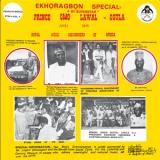
,Oru Ye Ye Ye" des nigerianischen Musikers Prince Omo Lawal-Osula ist ein herausragendes Werk des Edo-Highlife und verbindet traditionelle westafrikanische Rhythmen mit experimentellen Gitarrenklängen und mitreißenden Call-and-Response-Gesängen. Gemeinsam mit seiner Familienband erschafft er ausgedehnte, hypnotische Kompositionen voller Percussion und Energie. Aufgenommen im legendären Joromi Studio von Sir Victor Uwaifo, zeichnet sich das Album durch seinen innovativen Sound und seine kraftvollen Drum-Breaks aus, die weit über Nigeria hinaus bekannt wurden. Die Neuauflage wurde direkt von der Familie des Künstlers lizenziert und sorgfältig remastert.
In alten Zeiten, wenn sich Nebel um ein Schiff legte, war der einzige Weg nach vorne, langsamer zu werden und zuzuhören. Vögel, brechende Wellen, Schiffsklokken, Gongs und Hörner wurden zur neuen Sprache der Navigation, neben Tiefensondierungen, die den Meeresboden mit einer Bleileine abtasteten und seine verborgenen Formen enthüllten. Die Technik hat diese Methoden zwar weitgehend überflüssig gemacht, aber es hat immer noch etwas Faszinierendes, wenn man das Sehen gegen Hören und Fühlen eintauscht. Dieser Wandel steht im Mittelpunkt von AEAEA dem neuen Duo aus Patrick Higgins & Nicolas Jaar und ihrem Debütalbum Mist", einem Album, das fragt: Wie findest du dich zurecht, wenn die Welt um dich herum verschwimmt? Die Anfänge des Duos reichen zurück bis zum Le Guess Who?-Festival 2019, bei dem Higgins als Künstlerkurator fungierte. Benannt nach dem nebligen, mythischen Land der Eichen- und Buchenwälder, wurden die Insel und die sie umgebenden Geschichten zu einer Inspirationsquelle für beide Musiker, die schon lange eine Mischung aus altertümlicher Harmonie und elektronischem Experimentieren bevorzugen. Das Album entsteht aus der Erforschung einer neuen gemeinsamen Sprache durch das Duo, bei der Higgins' Gitarre und Percussion live durch Jaars Echtzeit- Effektketten geleitet werden, wodurch Sampling, Dubbing und Verarbeitung zu eigenständigen Musikinstrumenten werden. Aufgenommen über drei Jahre hinweg in Berlin und in Higgins' Studio im Bundesstaat New York, verwebt Mist" die neblige, intuitive Logik von Bearbeitungsketten und Improvisation in den Kern der Komposition. Die Platte entwickelt eine Reihe melodischer Themen, die aus Higgins' Gitarre hervorgehen und sich in ein Meer aus Elektronik, Percussion und schließlich einem volleren Ensemble aus Keyboards, Orgeln, Schlagzeug und den Cello-Improvisationen der Komponistin Judith Hamann brechen. Die Klanglandschaften von Mist" sind traurig und langsam, mit Tönen, die oft von einem blaugrauen Dunst umhüllt sind. Manchmal nehmen wir Strahlen fernen Lichts wahr, die die Unschärfe durchdringen, doch meist hören wir Echos ferner Ufer, deren Rhythmen es uns vielleicht endlich ermöglichen, ohne zu sehen zu sehen.
Initially recorded in 1996 and officially released February 1997, 2nd Family's Killaz from the Blackside tape is one of the most distinctive examples of unpolished, stripped-back & paranoid mid-90s Memphis rap. Recorded by King JC together with 2nd Family MCs Pistol Grip & Killa Chrome in a home-studio set up at the group's base in Southern Hills Apartments in Whitehaven, South Memphis (known locally as Blackhaven or the Blackside, a short trip from Graceland) the sparse, brooding and somewhat introspective production sets the record apart from the more raucous, overdriven precedent of the period. Pressed on vinyl for the first time via Death Is Not The End in an edition of 300 copies.
When Swingrowers released their debut in Sept 2012, electro swing was a bubbling cultural zeitgeist. This Italian band were among the earliest pioneers who helped shape the sound of the vintage-influenced genre. Their debut 12 track collection paved the way for the brilliant albums that followed and indeed for the ongoing popularity of the genre. A little rougher around the edges but with all the early promise on show, this album completes a 4 piece set for fans and collectors.
Swingrowers went on to release a further 3 studio albums, toured internationally, playing major festivals includingMontreux Jazz Festival, Glastonbury, Boomtown and Tokyo’s Blue Note Festival. Their music has to date amassedmore than 100 million streams worldwide on Spotify alonewith videos clocking up many millions more.
Pronounceditself is a revelation. It stood the test of time as one of the earliest complete and fully-realised Electro Swing albums that seamlessly blend 20’s and 30’s influences - violin, gypsy jazz guitar, saxophones and swing music - with polished contemporary production. Here, superb musicianship meets great songwriting meets a unique modern sound from Swing Hop to Drum n Bass with jazz-inflected vocals in English and Italian.
As we approach the 15 year anniversary, Pronounced is being released on wax for the first time.
This releasecompletes Swingrowers’ entire album discography on vinyl, joining existing editions of Remote, Outsidein and Hybrid.
For long-time fans, collectors and anyone who discovered electro swing through artists such as Caravan Palace and Parov Stelar, Pronounced is a chance to finally own the sound of a young band (and indeed an up-start young genre) at the very start of their career.
Amidst their illustrious presence in dance music, Âme have been - and seen - a tumultuous evolution in all that surrounds. Genres have splintered and sharpened, melodies reinvented.
Yet, Frank and Kristian continue to stay true to their own meticulously individual art form. The pair muse on all that's been in latest album, "Love Is The Dance", where they reflect on a multitude of sounds that have shadowed their career for 20 years and counting - presenting a collection of tracks that flicker between different worlds and feelings, whilst harmoniously paying tribute to icons such as Underground Resistance and Compass Point Studios.
Between slower gems such as "Water Be My Crown" and "Of Courage", where buttery chords melt into sleek solitude, comes catchy pop-leaning numbers like "Shadow Of Love" and "Pha Na Pha" that carve their own vibrancy; having already painted endless dance floors with endless memories following individual releases. Cemented with club-focused cuts "Asa" and "Love Is The Dance", the album also moves towards familiar Âme territory; and still, threaded through its DNA is the art of collaboration. A substantial essence to Âme's work throughout the years, the duo level-up, as they invite a curated list of friends and artists, including RY X, Henrik Schwarz, Curses and Busiswa. The result forms a curious, all-expansive record that sees Âme creating avenues bolder, stronger - and even more musically diverse.