Repress of the 1 st album of the fresh Afro funk sensation ! Recorded on analog equipment in Lyon in 2014 !
Peter Solo is a singer and composer born in Aného-Glidji, Togo, the birthplace of the Guin tribe and a major site of the Voodoo culture. He was raised with this tradition’s values of respect for all forms of life and the environment. With his new band, Vaudou Game, Peter Solo claims, and spreads this spiritual and musical heritage. Chants are at the heart of the Voodoo practice, but for times immemorial, harmonic instruments have never accompanied them. No balafon, no kora - only the “skins” support the singers. However, in 2012, Peter, along with his band based in Lyon, France, decided to explore and codify the musical scales that are found in sacred or profane songs of Beninese and Togolese Voodoo so they can be played easily on modern instruments. Peter composed the album Apiafo, using the two main musical scales of this tradition. The first musical scale on Apiafo leans towards raw Funk with a sound similar to the famous 70’s bands, L’Orchestre Poly Rythmo De Cotonou and El Rego. Funk, is the skeletal structure of this record, and provided the opportunity for Peter to invite his uncle, Roger Damawuzan - the famous pioneer of the 70s Soul scene - on two tracks. Their collaboration on “Pas Contente” is a highlight on this 100% analog album. Apiafo was entirely recorded, mixed and mastered with old tapes and vintage instruments. The second scale, which had never before been transposed for instruments, evokes deeper feelings and a sacred ambiance. The moving song Ata, an invocation to a supreme divinity is another highlight of this record. Even if some can recognize similarities between this scale and Ethiopian scales, they are in fact different. Peter, the only African band member, introduced the other musicians to the universal values of Voodoo and he taught them his native language. On the recording of Apiafo and during their live performances, the musicians all sing and answer Peter in the Mina language. The strive for authenticity, the analog sound and vintage looks don’t mean that Vaudou Game is looking backwards. This is Togolese funk, born in the post-colonial era but that never before explored its ancient roots so deeply and proudly.
Peter Karp gehört zu den unverwechselbaren Stimmen der amerikanischen Americana-, Blues- und Roots-Szene. Seine Musik verbindet kraftvolle Emotionen, feines Storytelling und eine tiefe Verwurzelung in den Klangtraditionen des amerikanischen Südens. Aufgewachsen zwischen New Jersey, New York City und Alabama, entwickelte er früh ein Gespür für die Energie urbaner Songkultur ebenso wie für die Ursprünglichkeit des Blues. Künstler wie Robert Johnson, Muddy Waters oder Howlin" Wolf prägten ihn ebenso wie die poetische Kraft von John Prine und die erdige Direktheit von Joe Ely. Karp schreibt Songs, die das Leben so zeigen, wie es ist: ehrlich, rau, humorvoll und voller beobachteter Details. Seine markante Stimme, sein expressives Gitarren- und Pianospiel und sein Gespür für melodische Hooks machen ihn zu einem der respektiertesten Songwriter seines Genres. Kritiker loben seine Fähigkeit, Blues, Folk, R&B und Americana zu einem eigenen, zeitlosen Stil zu verbinden. Peter Karp steht für authentische amerikanische Musik - tiefgründig, mitreißend und voller Charakter. Ein Künstler, der die große Tradition des Songwritings fortführt und gleichzeitig seine ganz eigene Handschrift setzt.
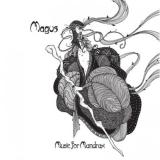
A magus is a wizard…a sorcerer. Magus, the band, is certainly interested in such things (who isn’t), but the name is especially apt due to the band’s approach to alchemy, the blending of rock, gothic, proto metal, and psychedelic styles to create a sound that is, ultimately, unique. Part of that uniqueness comes from the instrumentation. While guitar is often a dominant instrument of the rock oeuvre, the Fender Rhodes generally plays a supportive role. Not so here, where Jessica Weeks’ deft use of the keyboard dovetails with Greg Weeks’ more standard six-string approach. Not standard is the band’s sound. Doomy yet inspirational, dour yet vibrant, the duo’s tunes map sinister realms whose subjects span metaphysical creatures to enigmatic portals. You know, the typical stuff that rubs elbows with a magus.
Formed in late 2024, Magus sprung from a desire by both artists to experiment with darker, heavier sounds. Long enamored of artists like Flower Travelling Band,, Black Sabbath, and Deep Purple, the duo delved deeply into trance like riffs and euphoric solos to create the backbone of what has become their debut album, Music for Mandrax. This thirteenth Language of Stone offering features grounded, metronomic grooves, organic, lugubrious synth lines, and tandem vocals (supplied by both Weekses) that, in total, weave a heavy, trancelike spell sure to entice fans of bands as disparate as Sabbath is to Pink Floyd. Recorded at Weeks’ Hexham Head studio (to analog tape, of course), the band enlisted long-time counterparts Jesse Sparhawk (bass) and Ben McConnell (drums) to round out their sound and lock down the grooves that propel the album.
Mixed by Brian McTear and Amy Morrisey at Miner Street in Philadelphia, the band’s fully realized vision came to fruition, which left only the album art to contemplate. The band, wishing to further the gothic aesthetic of their sound, enlisted fashion designer and artist extraordinaire Hogan McLaughlin (Game of Thrones) to create the starkly beautiful line drawings of the front and back covers. The duo travelled to Salem, MA to complete the package with Courtney Brooke Hall, who shot the moody and evocative photographs that grace the gatefold release’s inner panels.
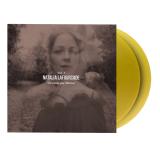
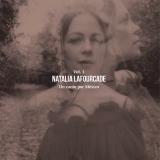
Un Canto por México, Vol. 1 is the eighth studio album by Natalia Lafourcade. The album was part of a project destined for the reconstruction of the Centro de Documentatión del Son Jarocho at Jáltipan de Morelos, a cultural building that was damaged after 2017 Puebla earthquake on 19 September 2017.
The album was a great success and gave Lafourcade three Latin Grammy Awards and the album also won the Best Regional Mexican Music Album at the 63rd Annual Grammy Awards.
Un Canto por México, Vol. 1 is available as a limited edition of 2000 individually numbered copies on yellow vinyl, packaged in a gatefold sleeve, with printed inner sleeves
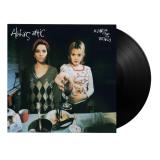
Alisha's Attic were one of the defining English pop duos of the late 1990s and early 2000s. Formed by sisters Shelly and Karen Poole, the pair first appeared in 1988 under the name Keren & Chelle, releasing their single "Sugar Daddy". In 1996 Alisha's Attic released their debut single "I Am, I Feel" which reached the #14 in the UK Singles Charts. Their debut album, Alisha Rules the World was released in November 1996, produced by Dave Stewart of Eurythmics. The album became a major success, achieving Platinum in the UK and generated a string of single "Alisha Rules The World", "Indestructible" and "Air We Breathe" all of which reached the UK Top 15.
With American idealism and societal unity in flames, the ethereal ambiance of Denver's ABRAMS has been permeated by vibrating, hair-trigger fury. On new album Loon, wistful melodies warp into dissonance and aggression, and crystalline beauty is inhabited by bitterness and rage. 2024's soaring and driving Blue City was a record full of arresting, nostalgic textures that Metal Hammer Magazine called "an upswell of positivity in the face of frustration that's sure to shake you from your existential slumber." But this is no longer the world of that album. The grinding hopelessness and chaos of these times have infused ABRAMS with the shattering intensity of Converge. Urgent and abrasive, Loon is acerbic, fed up, and riddled with pulverizing fury. Wistful melodies warp into dissonance and aggression. Crystalline beauty is inhabited by bitterness and rage. The band's instinctive hooks aren't gone, and hopeful moments do shine intermittently through. But it's clear that ABRAMS, like a lot of us, are pissed off. Desperate and seething, Loon is an irresistible, frenzied purge from a band refusing to give in. For fans of Torche, Converge, Cave-In, Failure, Quicksand and Hum. Coloured LP (white vinyl) & digipaked CD
When you name your band Prince Daddy & The Hyena, you sort of accept that chaos isn’t a chapter in your story – it’s the entire ethos. Since forming out of Albany, NY’s DIY scene, Prince Daddy & The Hyena have built a career out of reaching their breaking point and continuing forward anyway. Their first LP, produced by Joe Reinhart, captured a very young band figuring things out in real time; their massive conceptual undertaking Cosmic Thrill Seekers followed and pushed their ambition (and patience) to new extremes. Not long after, a serious van accident nearly took their lives, directly informing the intensity of their self-titled record.
Over the last decade, the band has lost close friends and collaborators, endured relationship struggles, and faced countless moments that would have ended most bands without question. But those experiences never slowed Prince Daddy & The Hyena down. On their upcoming fourth album, Hotwire Trip Switch, they recalibrate and reconnect with their roots while sounding more focused and self-aware than ever. Reuniting with Joe Reinhart for the first time in nearly a decade, the album pulls from the punchy lineage of Green Day, the hook-driven quirk of Weezer, the snarky urgency of Joyce Manor and Jeff Rosenstock – all through the distinctly bratty lens of songwriter and vocalist Kory Gregory.
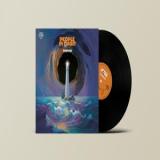
Leading outlet for forward-thinking Scandinavian jazz, April Records, proudly presents the new album from Malmö-based quintet People In Orbit. A followup to their critically acclaimed 2023 release Close/Away (Naxos Prophone), the group continues to explore Scandinavia"s jazz tradition through a contemporary lens, blending acoustic interplay with electronics and a focus on collective improvisation. Led by trumpeter and composer Adam Sass, People In Orbit were formed in late 2020 with the intention of reimagining the classic jazz quintet with a contemporary edge. The group prioritises space, interaction, and ensemble balance, allowing composed material and collective responsiveness to shape the music. Alongside Sass, the band features Edvin Ekman (tenor saxophone, effects), Niklas Bergström (piano, Moog, keyboards), Edvin Elmersson (double bass), and Frank William Reis (drums). Viewpoint is a concept-driven album centred on perspective; how different viewpoints influence the way events are interpreted, and how perspective can foster connection or distance. Much of the album is built around Cycles, a four-part suite composed from a graphic score, with each section representing a different human life and its relationship to the surrounding world. The album moves through shifting emotional and psychological states, from curiosity and tension to reflection and release. Perspective is explored not only through human experience, but also via non-human viewpoints - including music inspired by deep-ocean communication between whales and slow, drifting motion. Musically, Viewpoint continues People In Orbit"s blend of modern jazz-rock and electronics, while drawing influence from the Scandinavian jazz quintet tradition of the 1960s. The music balances structured composition with openness, allowing individual voices to exist within a clearly defined collective sound. With Viewpoint, People In Orbit presents a focused and cohesive statement - an album shaped by shared intent, conceptual clarity, and a continued commitment to collective expression.
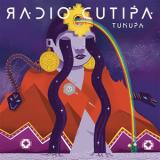
"Tunupa", the second album by Bolivian band Radio Cutipa is out now on Rey Record (Peru)! Radio Cutipa fuses native Bolivian music with electronic soundscapes, mixing past and present in a unique musical experience. Radio Cutipa's second album, "Tunupa," fuses Bolivian musical roots with electronic soundscapes, creating an experience that connects the past and present. Released under the Peruvian label Rey Records and distributed worldwide by Vampisoul (Spain), this independent project seeks to position electrofolk as one of the region's most innovative expressions. "Tunupa" represents the encounter between the ancestral and the contemporary. Inspired by Bolivia's sacred landscapes, the album narrates a spiritual and sonic journey through rhythms such as Andean cumbia, electronic huayño, Bolivian rap, and high-altitude soundscapes.
Wie Amerika selbst ist auch die Geschichte von Chess Records eine Geschichte von Chancen in neuen Ländern, in denen Grenzen zwischen Hautfarbe und Kultur überwunden wurden, um Rhythm and Blues-Musik
zu schaffen, die Zuhörer auf der ganzen Welt beeinflusste. Das beeindruckende Künstleraufgebot von Chess
– und seine Gründer – haben den Blues von Volksmusik zu populärem Sound weiterentwickelt und verändert.
Chess Records wurde 1950 von den polnischen Einwanderern Leonard und Phil Chess gegründet und entstand im Süden Chicagos, aber der Einfluss ist weltweit und über Generationen der Popmusik hinweg spürbar
– von Acts der British Invasion wie den Beatles, den Rolling Stones und Eric Clapton, die Chess-Künstler
als ihre Vorbilder nannten, bis hin zu den heutigen Stars wie Beyoncé, Jack White, Questlove und Bruce
Springsteen.
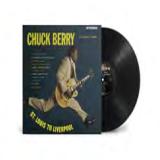
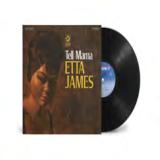
Am 17.04.2026 erscheinen die Alben von Chuck Berry ”St. Louis To Liverpool” und Etta James ”Tell
Mama” im Rahmen des 75.ten Bestehen von Chess Records
Wie Amerika selbst ist auch die Geschichte von Chess Records eine Geschichte von Chancen in neuen Ländern, in denen Grenzen zwischen Hautfarbe und Kultur überwunden wurden, um Rhythm and Blues-Musik
zu schaffen, die Zuhörer auf der ganzen Welt beeinflusste. Das beeindruckende Künstleraufgebot von Chess
– und seine Gründer – haben den Blues von Volksmusik zu populärem Sound weiterentwickelt und verändert.
Chess Records wurde 1950 von den polnischen Einwanderern Leonard und Phil Chess gegründet und entstand im Süden Chicagos, aber der Einfluss ist weltweit und über Generationen der Popmusik hinweg spürbar
– von Acts der British Invasion wie den Beatles, den Rolling Stones und Eric Clapton, die Chess-Künstler
als ihre Vorbilder nannten, bis hin zu den heutigen Stars wie Beyoncé, Jack White, Questlove und Bruce
Springsteen.
Am 17.04.2026 erscheinen die Alben von Chuck Berry ”St. Louis To Liverpool” und Etta James ”Tell
Mama” im Rahmen des 75.ten Bestehen von Chess Records
Un Canto por México, Vol. 1 is the eighth studio album by Natalia Lafourcade. The album was part of a project destined for the reconstruction of the Centro de Documentatión del Son Jarocho at Jáltipan de Morelos, a cultural building that was damaged after 2017 Puebla earthquake on 19 September 2017.
The album was a great success and gave Lafourcade three Latin Grammy Awards and the album also won the Best Regional Mexican Music Album at the 63rd Annual Grammy Awards.
Un Canto por México, Vol. 1 is available as a limited edition of 2000 individually numbered copies on yellow vinyl, packaged in a gatefold sleeve, with printed inner sleeves
Concert at Prades-le-Lez marks the origins of the Intercommunal Free Dance Music Orchestra. In 1974, François Tusques and his companions (Michel Marre, Jo Maka, Adolf Winkler and Guem), in the spirit of Don Cherry or Chris McGregor, playfully dismantle all borders and all styles of creative music.
On this second volume, the Intercommunal builds unprecedented soundscapes around a song of revolt, a dance tune, or a burst of dissonance. The journey is unforgettable, no question about it. On repeat listening, it even becomes… lunar!
“The music that we make is primarily meant to be listened to live,” warned a leaflet from the Intercommunal Free Dance Music Orchestra. This is precisely why the (restored!) reissue of the two volumes of Concert at Prades-le-Lez, recorded on January 25 and 26, 1974 by François Tusques and his comrades, is such an important event.
In 1971, after recording a series of albums that would leave a lasting mark on French jazz (Free Jazz, of course, with Michel Portal, François Jeanneau, Bernard Vitet, Beb Guérin and Charles Saudrais, but also Le Nouveau Jazz with Barney Wilen, or the solo Piano Dazibao), François Tusques founded the Intercommunal—a grouping whose very name called for the fraternization of the various communities making up the country: Our music will help, we hope, to resolve the contradictions that exist between workers be longing to different communities, by breaking down various forms of national chauvinism, and more particularly the chauvinism of certain French people toward the cultures of Third World countries… Long live the friendship between the peoples of the whole world!
Among the great records made by the Intercommunal Free Dance Music Orchestra, the two volumes of Concert at Prades-le-Lez come first, before L’Inter Communal, Vol. 4, Le Musichien, and Après la marée noire (four titles already reissued by Souffle Continu). François Tusques and his companions (Michel Marre and Jo Maka on saxophones, Adolf Winkler on trombone, and Guem on percussion) performed on January 25 and 26, 1974 at the Moulin de Prades-le-Lez, a few kilometers from Montpellier. It was thus in the southern region of Occitanie that the first echoes of this musical vision of a borderless brotherhood were recorded.
“We’re not among the Colonels,” the Intercommunal reassures us right away, performing a stride piano tune carried by African winds that the audience cannot resist for long. The energy is already striking and it never lets up throughout these two recordings, from start to finish: jazz, blues, traditional music, minimalism, even funk… The musicians of the Intercommunal have heard a lot of great music and now delight in reinventing it by mixing it all together.
“We want the song form to take its place as a weapon in the struggle against capitalist exploitation and all those who oppress us morally and materially,” declared an Intercommunal leaflet, quoting Jean-Baptiste Clément, author of the lyrics to “Le Temps des cerises.” The struggle was therefore serious—but it did not prevent François Tusques and his group from waging it in a festive spirit: each piece on Concert at Prades-le- Lez sends out a call for love and fraternity. Fifty years later, the message remains as relevant as ever—and once again, it is François Tusques who makes it heard.
Concert at Prades-le-Lez marks the origins of the Intercommunal Free Dance Music Orchestra. In 1974, François Tusques and his companions (Michel Marre, Jo Maka, Adolf Winkler and Guem), in the spirit of Don Cherry or Chris McGregor, playfully dismantle all borders and all styles of creative music.
On this first volume, the Intercommunal takes its audience from New Orleans to Brittany and on to North Africa. The journey was bold, without a doubt—and its memory remains unforgettable.
“The music that we make is primarily meant to be listened to live,” warned a leaflet from the Intercommunal Free Dance Music Orchestra. This is precisely why the (restored!) reissue of the two volumes of Concert at Prades-le-Lez, recorded on January 25 and 26, 1974 by François Tusques and his comrades, is such an important event.
In 1971, after recording a series of albums that would leave a lasting mark on French jazz (Free Jazz, of course, with Michel Portal, François Jeanneau, Bernard Vitet, Beb Guérin and Charles Saudrais, but also Le Nouveau Jazz with Barney Wilen, or the solo Piano Dazibao), François Tusques founded the Intercommunal—a grouping whose very name called for the fraternization of the various communities making up the country: Our music will help, we hope, to resolve the contradictions that exist between workers be longing to different communities, by breaking down various forms of national chauvinism, and more particularly the chauvinism of certain French people toward the cultures of Third World countries… Long live the friendship between the peoples of the whole world!
Among the great records made by the Intercommunal Free Dance Music Orchestra, the two volumes of Concert at Prades-le-Lez come first, before L’Inter Communal, Vol. 4, Le Musichien, and Après la marée noire (four titles already reissued by Souffle Continu). François Tusques and his companions (Michel Marre and Jo Maka on saxophones, Adolf Winkler on trombone, and Guem on percussion) performed on January 25 and 26, 1974 at the Moulin de Prades-le-Lez, a few kilometers from Montpellier. It was thus in the southern region of Occitanie that the first echoes of this musical vision of a borderless brotherhood were recorded.
“We’re not among the Colonels,” the Intercommunal reassures us right away, performing a stride piano tune carried by African winds that the audience cannot resist for long. The energy is already striking and it never lets up throughout these two recordings, from start to finish: jazz, blues, traditional music, minimalism, even funk… The musicians of the Intercommunal have heard a lot of great music and now delight in reinventing it by mixing it all together.
“We want the song form to take its place as a weapon in the struggle against capitalist exploitation and all those who oppress us morally and materially,” declared an Intercommunal leaflet, quoting Jean-Baptiste Clément, author of the lyrics to “Le Temps des cerises.” The struggle was therefore serious—but it did not prevent François Tusques and his group from waging it in a festive spirit: each piece on Concert at Prades-le- Lez sends out a call for love and fraternity. Fifty years later, the message remains as relevant as ever—and once again, it is François Tusques who makes it heard.
This 18- track selection spans Edith Piaf' s career from the years 1946 to 1961. It includes all of her big hits, such as 'La Vie en rose', 'Non, je ne regrette rien', 'Hymne a l'amour', 'Milord', 'La Foule', 'L'Accordeoniste', and 'Padam Padam', among many others. Regarded as France's national chanteuse, singer songwrite, and actress Edith Piaf (1915-1963), also became one of the country's greatest international stars. Her music was often autobiographical with her songs reflecting her own personal life. Piaf's specialties were the chanson and torch ballads, particularly those of love, loss, and sorrow.
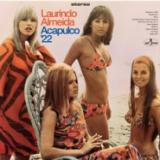
Brazilian guitarist Laurindo Almeida was the first artist to receive Grammy Awards for both classical and jazz performances. His discography encompasses more than a hundred recordings over five decades. On Acapulco '22, which includes two complete consecutive 1962 dates by the same formation, Almeida is accompanied by American jazz stars such as Bob Cooper , Jimmy Rowles, Don Fagerquist, Victor Feldman and Shelly Manne
"Frank Virgilio is a Neapolitan DJ who, since 1978, has performed exclusively with vinyl records, a format that has never replaced by other technologies CDs, USB sticks. His career began almost 50 years ago in a small private club in Parco Margherita, Naples, has expanded beyond his hometown to stunning places: Capri, Ischia, Porto Cervo, at the legendary "Music on the Rocks" in Positano, as well as abroad. Today, Frank is also an acclaimed record producer and DJ-remixer, collaborating with several European labels, where he has earned the nickname of "Visionary Remixer". This album, released later than expected, conveys profound emotions. Among the 7 tracks, fully remastered by the ever-present and historic Dom Scuteri, are some sumptuous covers that are absolute dance floor fillers, and thus a slice of Frank Virgilio' s musical paradise, beautifully represented by Gianni Somma's artwork."
out of Stock
Last delivered 4 months ago available to reorder, subject to availability
Shrunken Elvis ist ein Trio aus Nashville, bestehend aus Spencer Cullum, Sean Thompson und Rich Ruth - drei erfahrenen Musikern, die ihre Liebe zu genreübergreifender Instrumentalmusik verbindet. Die Gruppe entstand aus langen Autofahrten durch Europa, Winter-Jam-Sessions und dem gemeinsamen Bestreben, Musik eher aus dem Bauch heraus als aus Ambitionen heraus zu machen. Cullum, ein in East London geborener Pedal-Steel-Gitarrist, spielte bereits mit Angel Olsen, Lambchop, Miranda Lambert und Billy Strings gespielt und zwei Solo-Folk-Psych-LPs bei Full Time Hobby veröffentlicht. Thompson kam mit Gnarwhal und Promised Land Sound in der DIY-Szene von Nashville groß heraus und tourte später mit Margo Price und Skyway Man. Ruth schafft unter dem Namen Rich Ruth (Third Man Records) immersive Soloarbeiten, die spirituellen Jazz, Ambient und Post-Rock miteinander verbinden. Ihre Anfänge gehen auf eine Europatournee im Jahr 2022 zurück, die sie im Rahmen von Cullums Soloalbum unternahmen. Mit einem kompakten Setup aus Gitarren, Pedal Steel und Synthesizern in einem VW Passat zusammengepfercht, begannen sie unterwegs zu komponieren - und entwickelten eine gemeinsame musikalische Sprache, die sie in ihre Wintersessions in Nashville mitnahmen. Sie nahmen in einem Studio in einem Schuppen um einen Heizstrahler herum auf und fingen den Geist dieser Reisen mit Spontaneität und Vertrauen ein. Ihr Debütalbum zielt nicht darauf ab, individuelle Fähigkeiten in den Vordergrund zu stellen, sondern die Instrumente zu etwas völlig Neuem verschmelzen zu lassen. Mit der Einstellung ,keine Ziele, nur Ideen" schufen sie Musik, die sich ungezwungen, explorativ und lebendig anfühlt. Verwurzelt in den Traditionen von Kosmischer Musik, Jazz-Fusion, Elektronik und Ambient, lässt sich Shrunken Elvis von Alice Coltrane, Michael Rother, Pat Metheny, Ashra und KLF inspirieren lassen - zusammen mit visuellen Einflüssen wie ECM-Albumcovern und den Filmen von Kurosawa und Bergman. Gemischt von Jake Davis (William Tyler) und mit Artwork von Max Kinghorn-Mills (Hollow Hand) ist ihr Debüt ein leise drängendes, zutiefst kollaboratives Album - Musik, die ohne Erwartungen entstanden ist, aber voller Absicht.
out of Stock
Last delivered 6 months ago available to reorder, subject to availability
Die Montrealer Ikone Tiga kehrt mit seinem vierten Album HOTLIFE zurück und läutet damit eine neue Ära in seiner unsterblichen Techno-Reise hin zu absoluter geistiger Freiheit ein. Mit Beiträgen von Boys Noize, Matthew Dear, Fcukers, MRD, Gesloten Cirkel, Paranoid London, Maara und den neuen Studio-Experten seiner Heimatstadt Priori und Patrick Holland befindet sich Tiga mit HOTLIFE auf dem Gipfel des Musikbergs und versetzt die Zuhörer mit ansteckenden Dancefloor-Klängen in Begeisterung: ,Wenn ich die Catharsis Machine einschalte", sagt der berühmte Sänger und Produzent, ,spielt es keine Rolle, ob Sie reich oder arm sind, denn Sie werden ein freier Mensch sein ..." Die Rückeroberung seines Platzes an der Spitze des himmlischen Firmaments der zeitgenössischen Tanzmusik verlief nicht ohne eine fesselnde und nachvollziehbare Erzählung. Nach einem mühsamen Kampf mit einer neurologischen Erkrankung, die er entdeckte und ,Vibe Fog" nannte, befand sich Tiga an einem Scheideweg: ,An einem bestimmten Punkt hieß es entweder, das Exoskelett zu kaufen und meine Virgin Megastore-Aktien zu verkaufen, oder Tiga City von Grund auf neu aufzubauen, Stein für Stein, Wasserspeier für Wasserspeier." Das Ergebnis ist ein Tiga, den langjährige Tiga-Beobachter als ,engelsgleich" und ,furchteinflößend" bezeichnen, was zu einem Album geführt hat, das die destillierte Essenz eines Trendsetters einfängt, der über alle menschlichen Grenzen hinausgeht. ,Meine Ja/Nein-Reaktionszeit bei künstlerischen Entscheidungen ist außergewöhnlich", fügt Tiga hinzu. ,Wir haben jede Sekunde, die wir bei jeder kreativen Entscheidung eingespart haben, in die Laufzeit des Albums reinvestiert. 12 Songs. 60 Minuten. Bemerkenswert."
out of Stock
Last delivered 35 days ago available to reorder, subject to availability
With Dispersion, Loom & Thread return to the volatile architecture of the expanded piano trio - and quietly fracture it from within.
Daniel Klein (drums), Tobias Fröhlich (double bass) and Tom Schneider (keys, sampler) remain the sole agents on stage and in the final recording. The triangle holds. And yet, the field has expanded. For their second studio album, the trio fed their improvisations with the timbral signatures of guest saxophone and vibraphone players - not just as additional voices to be featured, but also as material to be absorbed, atomized and redistributed. The result is not augmentation but thorough refraction.
Where the debut album explored the recursive labyrinth of Schneider's live sampling of his own piano, Dispersion introduces an external grain into the feedback system. Breath and metal. Reed turbulence and struck resonance. The trio sampled extended improvisations by saxophone and vibes players: Victor Fox, Asger Nissen, Volker Heuken, and L&T's own Daniel Klein; dissected their attacks, overtones and decay curves, and integrated these fragments into the trio's internal circuitry. What emerges is a play of presences without bodies - instrumental ghosts circulating through the dense weave of rhythm and keys.
At first, one might hear the familiar relational tension: Klein's polyrhythmic elasticity interlocking with Fröhlich's tensile double bass figurations, Schneider poised at the hinge between tonal field and percussive impulse. But soon, the surface splinters - again. A vibraphone shimmer appears, yet no mallets are visible. A reed multiphonic surges through the texture, bending space between bass and drums. These events are neither quotations nor overlays; they are redistributed energies, dispersed across the trio's grammar. A digital multidimensional interplay ensues.
If the first album unfolded as a two-tiered game - live phrase and sampled reflection - Dispersion adds a further axis. The sampled materials from other improvisers are stripped of their erstwhile two-way interaction and reconstituted as malleable particles. Signifier detached from origin, resonance detached from gesture. The trio navigates a constantly shifting topology in which acoustic memory and electronic manipulation are indistinguishable.
Crucially, the album never abandons the physical urgency of three musicians reacting in real time. The additional timbral layers do not thicken the texture into opacity; rather, they introduce stark points and arrows of diffraction. Density opens into prismatic clarity. Lines splinter and regroup. What seems like a quartet or quintet collapses back into three bodies negotiating an expanded field.
Dispersion is not about addition but about distribution - of agency, of timbre, of temporal perspective. It is an album in which the trio setting becomes a site of multiplicity without surrendering its immediacy. A dissolution not only of the divide between present experience and memory, but between inside and outside, self and other.
Three musicians. Countless vectors. A music that fractures in order to cohere.
CREDITS:
Tom Schneider: piano & sampler
Tobi Fröhlich: double bass
Daniel Klein: drums & percussion
sample sources:
Victor Fox: tenor saxophone
Asger Nissen: alto saxophone
Volker Heuken: vibes
Daniel Klein: vibes
Recorded by Martin Dressler at Bauer Studios, Ludwigsburg.
Mixed & mastered by Martin Ruch.
Artwork by Viet Hoa Le.
out of Stock
Last delivered 6 months ago available to reorder, subject to availability
French duo Froid Dub keeps twisting its slow-motion dub DNA and hits hard with the release of Positive and Natural on Delodio— instant classic that grabs you from the very first spin with its “minimal maximal” drive. Hypnotic and raw, this eight-track manifesto glides across the holy trinity: 808, 303 and tape delays—colliding true-school dub synths, club culture and experimental twists. A masterclass of a record that flaunts its roots and stays deeply personal. Froid Dub once again proves its singular talent for pumping up a dance floor at an average of 85 BPM.
out of Stock
Last delivered 5 months ago available to reorder, subject to availability
There’s this feeling that House Music is sometimes diluted into a pleasant, non-offensive and conformist formula. Well, Jackie Gritness - you may have heard of her big bro Gary - is bringin’ all the sweat, the attitude and the filth down - take it or leave it.
Jackie introduces herself from both sides on this well-strapped debut 12” - the slick swingin’ & sangin’
on the bass-heavy A side, and the raw clave trax and cunty snarls of the acid-laced B side.
No trace of over-production or tired sampling here: this is just Jackie, her mic and her lil’ groovebox -
gettin’ raw in the studio just like she does onstage. Only thing added is some wall-shaking mastering by New York OG Dietrich Schoenemann.
This is the kinda House that’s supposed to make regular folks wanna turn it off. This ain’t rated E for Everyone, it’s rated F for Freaks.
It’s music from the underground, for the underground - as it was first revealed on the runway of Glastonbury’s infamous NYC Downlow last summer.
And if that’s more than you can take - it’s alright. It’s not like Jackie will hold it against you.
Jackie Gritness
“Gary’s little sister.” His studio session resume reads like a House music who’s who - from David Morales to Fred P. He’s also been rockin’ clubs with the Playin’ 4 The City and MLIU crews - but she’s also been seen on Gideon’s fierce Homo-Centric Records. See, this bitch’s true feelings about House are stripped-down, bare-bones, and unapologetically sexual. With a radical ‘live’ attitude, she’s serving the realness with an irresistibly acidic zing.
out of Stock
Last delivered 6 months ago available to reorder, subject to availability
releasing on digital + physical (Vinyl, CD & Cassette) 9th April 2026. Physical editions will feature a secret unlisted bonus track.
aloisius is a prolific, artist and producer, who recently produced a full length album for Pretty V, which released via life is beautiful records (and sold out at Big Love & Rough Trade). aloisius has also collaborated with artists such as: James Massiah, CTM, Nova Varnrable, DJ Spanish Fly, Cities Aviv, zukovstheworld, Kenichi Iwasa & many others.
‘vernacular’ is the debut studio album by improvisation-based artist, and founder of life beautiful, aloisius.
Built entirely from layers of improvised instrumentation recorded via laptop microphone, using various instruments such as guitar, piano, cello, trumpet, saxophone, drums & voice. vernacular is inspired by the spirit of collective improvisation, and embodies aloisius' instinctual & organic approach to musical composition.
Crafted solely by aloisius (except for track 6, which features a layer of piano by life is beautiful member, friend & collaborator Bianca Scout).
To celebrate the release of the album, a semi-improvised interpretation of the project will be performed live by ‘orchestra379’ (a collective improvisation project curated by aloisius, consisting of a fluctuating lineup that differs on each occasion of performance). Initially in London, then at a select few cities across Europe.
out of Stock
Last delivered 6 months ago available to reorder, subject to availability
»Music for Shared Rooms« is B. Fleischmann’s eleventh solo album and his first since 2018. It is also not an album, or at least not in the conventional sense of the word. These 16 instrumental pieces provide a kaleidoscopic glimpse of a forward-thinking musician at home in many different musical worlds, including experimental and abstract music, pop and more classically-minded compositional forms. These pieces were culled from an archive of roughly 600 compositions for theatre pieces and films written throughout the past twelve years. The Österreichischer Filmpreis-awarded composer, however, aimed for more than simply documenting his extensive work in and with different media. To do so, he edited and re-mixed the individual recordings for this release, taking them out of their contexts and reworking them for an audience who can experience them in a different setting. »Music for Shared Rooms« makes it possible for its listeners to engage with the sounds and to fill the spaces they open up with their own imagination.
Roughly speaking, music for theatre or film can serve two functions: it either takes the lead, or underscores what is happening on stage or screen. The marvelous thing about these pieces is that they manage to do both. Fleischmann’s work as a prolific producer has always drawn on contrasts, at times combining pop sentiment with rigid experimentation, the seemingly naive with the intricate and complex. This approach also marks the tracks collected here: bringing together acoustic elements and electronic sounds, at times working with conventional structures but always de- and re-contextualising them, Fleischmann constructs a vivid dramaturgy out of discrete singular compositions, letting them interact across the record.
Take, for example, the opener »Träumerei« and the following »Brenne«: after the soothing acoustic sounds of the former, the latter quickly picks up speed with hard-hitting drum machine rhythms. It’s a stark contrast sonically and stylistically, however both tracks are tied together by a certain harmonic sensibility. This sort of dramaturgical interconnectedness of varied musical materials is the thread that runs through »Music for Shared Rooms«. A droney piece for string instruments like »Sehnsucht« is followed by a trip-hop beat, before »Schock« lives up to its title with skittering beats and piercing high frequencies. The differences between the pieces may be striking, but the progression from one to the other is subtle. It goes on like this through different moods and tempos. There’s soothing-yet-eerie piano pieces like the »Für Elise«-inspired »Der Lärmkrieg«, gentle house grooves, joyful synthesizer excursions and, finally, »Die Erde ist mir fremd geworden«, a collage of abstract textures and concrete sounds.
All these pieces create distinct situations through the juxtaposition of diverse musical elements, but are also bound together by a single vision. Writing music for theatre pieces or film requires a composer and his pieces to engage with people and their movements in space, which is exactly what Fleischmann offers on this record. He breaks down the fourth wall and invites his listeners into his world, a wide-ranging musical panorama. »Music for Shared Rooms« is indeed not an album in the conventional sense of the word, but more like a photo album in which each page opens up a new space to get lost in; recreates different scenes in which you can immerse yourself. These are shared rooms indeed.
out of Stock
Last delivered 6 months ago available to reorder, subject to availability
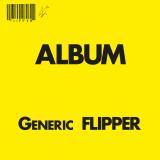
Generic Flipper, the debut album by Flipper, remains the most absorbing full-length LP to emerge from the early San Francisco punk scene. A constant source of imitation for so-called "noise rock" bands, it has yet to be surpassed in its nihilistic glee.
Recorded between October 1980 and August 1981 and released in 1982 on the indispensable Subterranean Records, this album functions as a chaotic, sticky mass of individual personalities: the magma-like bass eruptions and dual vocals of Will Shatter and Bruce Loose, Ted Falconi's icy guitar scraping and the relentless beat of drummer Steve DePace. At times playful and taciturn, paranoid and absurd, Generic charts a deliberate path that willfully chances destruction.
In early '80s punk, when the hardening default was "faster-shorter-louder," Generic subverts the nascent hardcore scene with a strictly applied regimen of turgid-slower-heavier. The lyrics are bleak, yet unnervingly beautiful. "Ever" sets the tone with trademark restraint – "Ever wish the human race didn't exist? And then realize you're one too?" – while closer "Sex Bomb" is a churning, 8-minute epic with looping bass, saxophone accompaniment and electronic effects of dropping bombs.
Tons of indie bands have attempted to recreate Flipper's mix of acidic guitar, metallic bass sludge and sardonically brilliant lyricism, using the seemingly effortless template they pioneered; however, the effect usually drives listeners right back to Generic. While most of their contemporaries wilt under direct comparison, No Trend, the Butthole Surfers, feedtime and Church Police are a few who can stand the frigid heat.
out of Stock
Last delivered 5 months ago available to reorder, subject to availability
BCUC – Bantu Continua Uhuru Consciousness – have been channeling the spirit of Soweto for over twenty years. Indigenous funk, hip-hop consciousness, and punk rock energy fused into something utterly original and deeply rooted. Their mantra: Music for the people, by the people, with the people. From humble beginnings rehearsing in a shipping container, a stone's throw from the church where Desmond Tutu organized the escape of the most wanted anti-Apartheid activists, they kept believing in their dream of self-empowerment. Today they command festival stages worldwide: Glastonbury West Holts, Roskilde, Afropunk Brooklyn, WOMAD, Fusion, Sziget, FMM Sines, Beaches Brew, Boomtown, Colours of Ostrava, Couleur Café – to name just a few. In 2023, BCUC were honoured with the prestigious WOMEX Artist Award, an accolade usually reserved for more established artists, in recognition of their fearless work and transcendent live performances.
THE ROAD IS NEVER EASY
The Road Is Never Easy is BCUC's fifth album and their debut on Outhere Records. On this new offering, BCUC take listeners on another Afro-psychedelic journey into the soul of Soweto. It feels like a gospel sermon colliding with a punk concert, "guaranteed to touch untapped corners of your soul" (OkayAfrica). BCUC's music is deeply rooted in history and echoes the voices of the ones who came before. The road was never easy for the people of Soweto who originally came to work in the mines of Egoli, the City of Gold, Johannesburg. When apartheid finally ended after a long struggle, it was hoped that life would improve. But more than 30 years later, many of those initial hopes and dreams are still waiting to be fulfilled. This album is about that struggle. The album contains 10 brand new songs – a record for BCUC, whose previous albums featured an average of 3 songs. It represents the culmination of more than two decades of performing together and building a reputation as a powerful live act. These ten songs encapsulate that same live energy, each one building gradually and drawing you into BCUC's Afro-psychedelic stream of consciousness. It's a seismic tour de force through life in Soweto today. Songs like Amakhandela (Breaking All the Chains) connect history to daily life: "How is this precious metal inflicting so much pain in us," sing BCUC, "this government has been telling us we are free, but we don't benefit from being free." The album also talks about all the hopes and dreams that remain: "I have too many wishes and dreams in my head," BCUC sing in Um duma khanda, "I think I am losing my mind". The album ends with the soothing Matla a rona ke Bophelo, "our strength is life", praising the spirits and thanking the elders for protection. The Road Is Never Easy is about the harsh reality of life in Soweto, where "people always carry heavy loads". BCUC are street poets trying to deal with that burden: sometimes revolutionary, sometimes soothing, but always hopeful and compassionate. "When you are from Soweto you can't retreat nor surrender." (Sebenzela)
RECORDING
The album was largely recorded in Munich, Germany during tour breaks over two sessions, each three days long. It took place in a small studio located in a German WW II bunker converted into rehearsal spaces. The songs were recorded in one take altogether in one room, with only a few overdubs added, mainly backing vocals, by BCUC at Fourways studio in Johannesburg. BCUC have created their own distinctive way of writing, or rather, finding and creating their songs. The recording process is like an improvised live performance. They bring their ideas into a zone where the music, the rhythm and the spirits take over until the song starts to form. In this Afro-psychedelic zone BCUC create their unique poetry that feeds on the dreams still dreamt, the hopes, the fears and the temptations lingering everywhere. BCUC's songs need to breathe and time to build. The right take was the one when the song took over, and just like their live performances, no one knew beforehand where the song would take them. During the recording, BCUC just let it all flow out: inner turmoil, cries of rebellion, but also resilience and a search for healing, love, unity and compassion. You don't have to be from Soweto to feel the deep meaning and impact of this music. In these times of so much hate and division, BCUC are like a campfire for people to gather around.
PRODUCTION & ARTWORK
"BCUC have a unique magic," says Outhere's Jay Rutledge, who produced the album. "It blew our minds. It's like punk and pure gospel at the same time. Their music can make you dance and it can make you cry, all at the same time. And when the song is over, you feel you're not alone in this world anymore. We felt compelled to do this." The album cover is based on a matchbox design, matches being a common household item in South Africa even today. "These were the matches people used to burn government buildings and cars," explain BCUC. Little messages, addresses, or phone numbers used to be scribbled on the back of these boxes; each one a reminder of the strength, resilience, and resistance that once drove the struggle for freedom in Soweto. BCUC keep this flame burning. The Road Is Never Easy is a heavy spiritual road trip, a deep dive into the subconscious of Soweto and a quest for truth, justice and sanity in this crazy world. BCUC tackle the harsh realities of the voiceless, guided by the spirit world of their ancestors. Rather than reinforcing stereotypes of poverty, BCUC's portrayal of Africa is one rich in tradition, rituals and beliefs. "We bring fun and Afro-psychedelic fire from the hood," says vocalist Kgomotso Mokone.
out of Stock
Last delivered 5 months ago available to reorder, subject to availability
First time reissue of JP free jazz rarity, pre-Seikatsu Kōjyō Iinkai group.
The single album self-released by the quartet Shūdan Sokai in 1977 is one of the most vital documents of mid-seventies Japanese free jazz, documenting Tokyo’s free scene at the precise moment when it began to shift to a handful of tiny venues on the western fringes of the city. In Free Jazz in Japan, Teruto Soejima identifies the extant venue Aketa no Mise in Nishi-Ogikubo as the pioneer of this decamping from the centre: a cramped basement beneath a rice shop, seating just 20 people. Musician-run, operated on a shoestring, these spaces offered a vital site for community, creativity, and a small measure of financial independence — “even though it was in a basement, in spirit it was a loft.”
Among the most active of the new venues was Alone in Hachiōji, nearly an hour from Shinjuku, in a district shaped by universities, lower rents, and a thriving counterculture. Originally opened in 1973 as a jazu kissa, Alone was unusually spacious and equipped with a stage, grand piano, and drum kit. Around 1974, Junji Mori and Yasuhiro Sakakibara began working there, booking free jazz players on weekends and establishing the venue as a crucial hub. Mori recalls early appearances by figures including Kazutoki Umezu, Toshinori Kondo, and others who would define the scene.
In early 1976, Umezu and pianist Yoriyuki Harada — recently returned from New York’s loft jazz environment, where they had played with musicians such as David Murray and William Parker — formed Shūdan Sokai with Mori and drummer Takashi Kikuchi. The name, meaning “mass evacuation,” pointed to their self-chosen exile in Hachiōji. With Alone as their home base, the quartet developed a music characterized by an infectious sense of enjoyment and a willingness to integrate free jazz with elements of song structure. Harada switched between piano and bass; the group experimented with rap-like vocal pieces, jabbering nursery rhymes over bass rhythms.
They returned to Alone on December 24 to record Sono zen’ya (Eve), releasing it on their own Des Chonboo Records, partially funded by advertisements from local businesses printed on the rear cover. The closing “Ballad for Seshiru,” dedicated to Harada’s newborn son, unfolds over a delicate piano melody that moves into emphatic chords as intertwining alto lines rise and spiral.
Alone closed in September 1977, and Shūdan Sokai soon dissolved, later morphing into the expanded Seikatsu Kōjyō Iinkai Orchestra. What remains is a recording rooted in a specific place and moment: a fiercely independent scene sustained by small rooms, close listening, and collective commitment.
out of Stock
Last delivered 6 months ago available to reorder, subject to availability
Sasha's collaborative hot streak continues with Manchester-based duo Cortese. The pair were last on Last Night On Earth in 2024.
A big 2025 saw electronic titan Sasha linking up with a mix of fellow pioneers and next-generation stars. He collaborated with the likes of Artche, Henry Saiz, and Joseph Ashworth, always pushing forward his signature sound, steeped in meticulous synth craft, built on transportive grooves, and packed with rare levels of universal emotion.
Cortese are new school artists with an emotionally rich mix of garage, breaks, and house. They head up their own Plaza Recordings and, as well as appearing on Sasha’s LUZoSCURA compilation, they dropped their 'All U Do' EP here in December 2024. Following gigs in support of mainstays like Bicep and Mike Skinner, they now hook up with one of dance music's most recognisable names.
The result is 'One', a deep and heavenly odyssey with warm, supple drums infused with subtle garage swing. Wordless vocals bleed into the mix, heightening the sensuality, as the majestic arps and shimmering chords light up the airwaves. It's an irresistible invitation for the dance floor to take off on a wave of cautious hope and optimism without ever losing sight of the grounding groove.
On the flip and the fantastic 'U Disappear' is an Ibiza anthem in the making - the synths are widescreen and sun-kissed, while the bass is dark and transportive. Balearic piano chords ripple through the mix alongside arching pads and soft, wordless vocals, lending a dreamy edge to what is a powerful track, both physically and spiritually.
out of Stock
Last delivered 39 days ago available to reorder, subject to availability
Seit fast 30 Jahren erweitern SUNN O))) - Stephen O'Malley und Greg Anderson - die Grenzen der Heavy-Musik und verbinden die Welten der Avantgarde und des Rock, um einen Stil zu schaffen, der sofort als ihr eigener erkennbar ist. Jetzt melden sich SUNN O))) mit ihrem ersten Album mit neuem Material seit dem gefeierten Pyroclasts aus dem Jahr 2019 zurück. Ihr zehntes Album - ihr Debüt bei Sub Pop - zeigt, wie gut das Duo mit Zeit und Raum, Licht und Dunkelheit umgehen kann und dass sie bereit sind, ihren unverwechselbaren Sound zu neuen, mutigen Formen weiterzuentwickeln. Das gleichnamige Album ,SUNN O)))" wurde in den Bear Creek Studios in Woodinville, Washington, mit Brad Wood (HuM, Tar, Sunny Day Real Estate, Liz Phair) aufgenommen. Dieser Ort erwies sich als entscheidend für den Aufnahmeprozess. ,Der riesige Aufnahmeraum hatte große Fenster mit Blick auf Bäume", sagt O'Malley. ,Wir konnten wandern gehen und draußen im Wald sein, Zeit im Freien verbringen. Das war ein wichtiger Teil davon." SUNN O))) haben schon lange Mitwirkende in ihre eigenständige Welt aufgenommen: In früheren Werken waren Attila Csihar (Mayhem), die Komponistin Hildur Gudnadóttir, der Multi-Instrumentalist Steve Moore, der Universalgelehrte Mark Deutrom, Tim Midyett von Silkworm und der legendäre Singer-Songwriter Scott Walker zu hören. Auf diesem Album haben O'Malley und Anderson jedoch neue Möglichkeiten im ursprünglichen Format des Duos entdeckt und alle Instrumente selbst gespielt. ,Was in den letzten Jahren mit unseren Auftritten zu zweit und ohne weitere Mitwirkende passiert ist, war wirklich neu und aufregend", sagt Anderson. Die Kompositionen auf SUNN O))) sind weitläufig und panoramisch, aber dennoch detailreich und spiegeln die baumreiche Umgebung wider, in der sie aufgenommen wurden. Inmitten von heulendem Feedback und eisigem Knirschen findet man überraschend zarte Momente: eine Feldaufnahme von plätscherndem Wasser im Hintergrund, Klavierzwischenspiele, die eine gedämpfte, feierliche Stimmung erzeugen. Dabei erreicht das Duo neue Höhen telepathischer Intensität, während es Musik formt, die die belebende, erdige Luft des pazifischen Nordwestens atmet. Visuell wird das Album von zwei Gemälden des verstorbenen amerikanischen Künstlers Mark Rothko eingerahmt. Die Liner Notes stammen vom preisgekrönten britischen Schriftsteller Robert Macfarlane, der für seine Werke über Landschaft und die Beziehung zwischen Mensch und Natur bekannt ist. Durch die Arbeit der Band, Macfarlane und Rothko verbinden sich Klang, Wort und Bild zu einem umfassenden Erlebnis, das unbestreitbar ganz und gar SUNN O))) ist.
out of Stock
Last delivered 6 months ago available to reorder, subject to availability
SELF-iSH is a quick but intensely dramatic concept album with dark psychedelic themes and nonstop experimental energy. Will Wood and the Tapeworms quickly grabbed attention in the punk scene following "Everything is a Lot" due to Wood's unique writing and refusal to break character even backstage and the band's dangerously high-energy shows. Face paint, confetti, and on-stage violence became the project's calling card, making SELF-iSH's dark and intense drama an inevitable direction for Wood. Mere months after the debut, producer Kevin Antreassian offered Wood a deal on his follow-up but only had a narrow time window, so Wood improvised. Bringing together a new lineup and with the help of guitarist Mike Bottiglieri, Wood wove scraps of discarded or unfinished songs together and created a tight yet abstract psychedelic concept album with the intent of taking every risk and trying every off-kilter idea he had. SELF-iSH began its highly conceptual production process during the holiday season in 2015, and the studio became littered with notepads, graphic charts, and teeth. The result was a manic little album featuring screaming, theremin, kazoo, power drills, the sound of breaking furniture, and an almost heavy-metal twist on Wood's off-kilter vision. By the time the album was finished, the piano was bloody, and the studio was wrecked. The album became what Wood described as the "bastard child" of his discography. Will Wood's early career can be primarily defined by his experimental vocal delivery, honky-tonk piano smashing, and darkly edgy songwriting. While his stylings have matured and taken on a more precise approach, his refusal to conform to expectations and constant shifts in the genre have continued to be hallmarks of his songwriting and production. In his "Will Wood and the Tapeworms" releases (Everything Is A Lot in 2015, SELF-iSH in 2016), audiences can see the first glimpses into what would eventually become his signature style, presented in a uniquely raw and chaotic state of potential.
out of Stock
Last delivered 44 days ago available to reorder, subject to availability
Longtime friend of the label Eraserhead returns after over a decade away from producing music due to his surreal MS Paint work as 'Jim'll Paint It' becoming an unexpected cultural phenomenon. With his debut full-length, 'Violence', Eraserhead presents a truly eclectic electronic LP featuring collaborations with established producers such as Om Unit, Enduser, and Brain Rays, as well as the vocal talents of Nadia Rose, Beans (of Antipop Consortium), and Cadence Weapon. An album held together by theme and tone rather than style or tempo, 'Violence' is the culmination of a bitter wave of inspiration, initially conceived in the wake of a personal tragedy that quickly grew into a broader polemic about the state of the world.
Originally linking up with Love Love in its breakcore netlabel infancy with his refined, breaks-heavy breakcore/gabba, Eraserhead's flair for tight, intricate productions was evident in his finely tuned tracks of controlled chaos. This time around, his work is a darker, more expansive evolution of his sound, with the scale upsized and the stylistic scope massively broadened, remaining unfaithful to any single genre, but with firm nods to Breakcore, Grime, Drum & Bass, Techno, Rave, Dubstep, and Footwork, all chewed up with a hard industrial edge and cinematically framed by a backdrop of apocalyptic synths.
Opening with the cold tech-noir of 'Shining Brainless Beacon' to set the tone, the album quickly locks in with the blistering spoken-word headrush of 'Hurricane With Teeth' alongside rapper Beans, before Om Unit lends his expertise on the sharp groove and clinical bass blasts of 'Operation Hardtack'. The album shifts and morphs constantly throughout the runtime, moving from the raw and urgent acid techno of 'Crowd Control' to the crunching military march of the Gore Tech collaboration 'No More Worlds' and the tribal sci-fi footwork of the Brain Rays collaboration 'Night Visions'. 'Monolith' provides a final burst of catharsis, channelling Underworld by way of Nine Inch Nails, complete with writhing screams from Amée Chanter of sludge-punk-noise-rock duo Human Leather, before the heart of the album is laid bare with the painfully bleak closing dirge of 'Animal'. In its final moments, 'Violence' leaves the listener suspended between devastation and awe - an unflinching portrait of an uncaring world.
out of Stock
Last delivered 6 months ago available to reorder, subject to availability
Always a dancefloor friendly act, The Remixes (originally issued 25 years ago) is the sound of the Roses biggest tunes revisited by many of the foremost names in UK dance music at that time – including legends such as Paul Oakenfold and Steve Osborne and fellow Mancunians 808 State and A Guy Called Gerald. With fully restored artwork, including notes from the remixers, this 2LP set features some tracks that have really stood the test of time. “808 State turns ‘Made of Stone’ into an aggressive, high-pitched piece of electro-pop. Rabbit in the Moon earns points simply for…. making over ‘I Wanna Be Adored’ into a slow acid house excursion. Elephant dares to twist ‘She Bangs the Drums’ into an echoing, spooky vocoder workout.”
out of Stock
Last delivered 6 months ago available to reorder, subject to availability
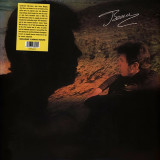
Leeds-born folk-rocker John Trevor Midgely, alias Beau, was known for his deft twelve-string guitar work, his poignant voice and distinctive song-writing, which brought him onto the roster of John Peel’s Dandelion label in 1969. His self-titled debut album is arguably his best and includes the outstanding single ‘1917 Revolution,’ said to have inspired America’s smash, ‘Horse With No Name,’ the LP ably demonstrating that all the artist needed was his voice, his guitar, and his individual approach to song writing, the work bearing his haunting hallmarks throughout. In short, an unjustly obscure release that is ripe for current reappraisal. Including 2 Bonus Tracks
out of Stock
Last delivered 6 months ago available to reorder, subject to availability
Like its cover, Nicolas Remondino's Hìeratico plays in the rich shades of crepuscular spaces. A night-tuned, percussion led album where prepared drums are accompanied by flickers of spoken word, acoustic instruments and muted electronics,
The title translates to 'hieratic', for Remondino a "black and gold" term laden with dualities and complex connotations. A sense of teetering between sparkling light and richly coloured darkness imbues the music, the compositions simulating a sense of heightened acuity as they convey us through a spooky elemental soundworld. The opening title track begins with a metallic shimmer, a drum skin activated in a way that sounds like it's being smelted. A cushioned rhythm enters, a smothered timbre akin to hearing something lurking around the garden. On "litho non-danse", percussion cracks like branches and dried foliage under foot.
Remondino recorded initial outlines for the pieces at Giuseppe Ielasi's studio in Milan, before fleshing out these ideas with his own additional instrumentation and contributions from a globe-spanning network of collaborators. On "blue hymne", chiming percussion equal parts jubilant and sinister heralds spoken word from Limpe Fuchs. "Tombal" opens with Massimo Silverio whispering in the Carnic dialect, a minority language from the Carnic Alps. Around, Marco Baldini, Pierre Bastien and Remondino construct a somber soundscape that cranks and sighs in the crevices.
Hìeratico is an album of hybrids. Diverse voices, accents and dialects deliver its lyrics, the instrumentation underpinning it crosses idioms. The drumkit at its core is modified to amplify its resonant tones and harmonics. Inspired by natural substances and phenomena: stone, wood, wind, earth, metal, grass, rain, clouds and bark, Remondino explores how percussion could evoke their materiality, treating drums as lucid textural instruments as much as rhythmic timekeepers. It gives the album a finely shaded depth and clarity as it conjures the vibrancies that reside in darkened corners. Hìeratico dwells in a sensation that crosses borders, the speckles of light in the oblique night sky. Listening is an aural equivalent to stepping into a pitch black forest and waiting for your eyes to adjust, a lightless void turning into a spectacular tableau of shadows and glows. Daryl Worthington
out of Stock
Last delivered 6 months ago available to reorder, subject to availability
Mr Bongo proudly presents, ‘AFIM’, the second solo album by one of Brazil’s most exciting new talents, Zé Ibarra. You may be familiar with the hypnotic, entrancing tones of Ibarra’s vocals through his work with the Latin Grammy award-winning, four-piece, Bala Desejo and the band Dônica. He has also toured with the musical titan, Milton Nascimento, performing guitar and vocals, which is quite the honour and a testament to Ibarra's craft. As a solo artist, he has performed headline solo shows in Japan, Portugal and the US, as well as recently completing a support tour with the great, Seu Jorge.
‘AFIM’ is comprised of eight tracks, featuring Zé’s own compositions as well as cover versions of tracks by contemporaries and friends, Sophia Chablau, Tom Veloso, and Dora Morelenbaum. It combines elements of MPB, jazz, pop and progressive rock in a bold, authoritative style. The album represents the intersection between different facets of the artist, from the stripped-down, intimate, guitar singer-songwriter, to dense arrangements with sweeping strings sections. Writing this album allowed Ibarra "to explore sides of myself that had not yet been organized in an album: a certain darkness, a more cinematic musicality, a desire for new soundscapes.
The album features the single, 'Transe', a song with an instantly comforting tone reminiscent of classic Brazilian songs of the past (think Caetano Veloso). It is built on a rhythmic guitar that supports dynamic sound layers, opening space for Ibarra's intense interpretation. Cinematic atmospheres that lend an air of mystery come courtesy of string arrangements by Jaques Morelenbaum.
His unique cover version of Sophia Chablau's 'Segredo' is equally compelling, taking Sophia's punky-indie original in a different direction and making it feel like his own. 'Essa Confusão', a song celebrating the intensity of love and co-written by Dora Morelenbaum, is steered into epic, 70's AOR, singer-songwriter territory with wind arrangements by Ibarra, Jorge Continentino and strings by Jaques Morelenbaum.
The album is the result of the collaboration of experienced musicians and long-time partners of Ibarra. Fellow Bala Desejo and Dônica member Lucas Nunes co-produced the album. The core band featured on the record consists of Lucas Nunes on organs, Alberto Continentino on bass, Daniel Conceição and Thomas Harres on drums and percussion, Rodrigo Pacato on additional percussion, Chico Lira on Fender Rhodes and Guilherme Lírio on guitar.
The overall feel of the record is archetypically quintessential without slipping into retro mode. It is a stunning album from one of the finest musicians of his generation. A true star of Brazil’s blooming contemporary scene.
out of Stock
Last delivered 6 months ago available to reorder, subject to availability
José González has delivered a new album, Against the Dying of the Light, a companion and further meditation on the themes of his critically acclaimed album, Local Valley. Where Local Valley turned inward toward place, language, and personal reflection, this new record widens its gaze, becoming an urgent call to preserve the light of humanity with all its flaws, at a moment when, technology increasingly shapes how we think, feel, and relate to one another.
While José has always embraced technological advancement, he questions the assumption that every new possibility must be pursued to its maximum potential, especially when progress comes at the expense of human flourishing, attention, and empathy.
Keeping in the tradition of folk music as protest, José’s new single — sharing its title with the forthcoming album — urges listeners to resist systems that dehumanize and divide: “Disconnect from every algorithm, every perverse incentive that drags you down. Let’s rebel against the replicators, against the dying of the light. Kill the codes that feed the hate, keep the codes that make you thrive, celebrate the **king fact that we’re alive.”
Across the album, González works within a deliberately minimal framework, pushing his familiar palette to new heights through subtle variation, restraint, and detail. Each song unfolds with its own distinct character, proving how much emotional and musical range can be achieved within self - imposed limitations. Written in English, Swedish, and Spanish, the record reflects his Swedish - Argentine roots and frames its humanist message as a global one rather than a purely personal or political statement.
José González is one of the most quietly influential artists of our generation. The Swedish - Argentine artist has built a singular musical world from hypnotic, minimal guitar work and his unmistakably gentle voice — a sound that has become deeply personal to millions of listeners worldwide. With billions of streams across platforms and hundreds of thousands of physical records sold, González’s songs often act as emotional landmarks. Ask almost anyone, and they can name at least one of his tracks tied to a defining moment in their lives.
out of Stock
Last delivered 6 months ago available to reorder, subject to availability
Lisa Decker returned with her second studio album "Soliloquise" one year after her debut album "Serendipity" in 2021 with Japanese Jazz trio Nautilus from Tokyo and a superb single remix of "Everytime" by Pat Van Dyke featuring rapper John Robinson.
For this project she worked on eight new songs. Half of the album is arranged by Nautilus and the other half is produced by SaturnVybz who is known for his works with/and projects like Slick Walk, The Ruff Cats and Jazzanova.
Getting a step forward and conceptually a bit different this release gets the "Oonops Drops" FLIP SERIES treatment which means: Side A and Side B are made by different artists or differentiate from each other like the first volume with Nautilus X Anna Sato & Toshiyuki Sasaki (OD006LP).
Songs like "Free", "Let's Wake Up" and "Summer Child" with their feel warm note of groovy, jazzy pop and the more swing-jazz tune "Rimy Whitewater" meet guitar-electronic touched songs like "Love And Hope", "On My Way" and "True Blue" or her dreamt away track "Stay With Me" with smooth bouncy beats and with an atmosphere for being the perfect soundtrack for a night ride on deserted streets.
Lisa is careful about the artwork and after working together with renowned artist Lindsey Kustusch from San Francisco on her first album she collaborates with local artist Sebastian Maria Otto who is known for his signature art style and exhibitions from Germany to Japan.
Lisa will perform live in Hanover, the 20th May at roof top of the Historical Museum together with Nautilus. Japan meets Germany. Lucky coincidence or: "Serendipity".
out of Stock
Last delivered 3 years ago available to reorder, subject to availability
Celebrating 20 years of Frank Turner’s solo debut EP ‘Campfire Punkrock’, Xtra Mile Recordings are excited to release a special anniversary extended edition of the seminal release. Featuring the original EP with two added songs (The Real Damage and The Ballad Of Me & My Friends, both of which were included on the US version in 2007), plus 7 further live tracks recorded from Frank’s 50th solo gig in London 2006 - taking listeners right back to where it all began at the very early days of Frank’s incredible solo career. The 12” LP features new reworked artwork with shiny gold campfire on matt black cover plus coloured vinyl.
The original EP was recorded by Frank's guitarist Ben Lloyd at the Oxford home of Turner's bass player Tarrant Anderson and mixed by Tristan Ivemy. If features fan favourites ‘Nashville Tennessee’, ‘The Real Damage’ and ‘Ballad Of Me And My Friends’. Throughout April, Frank will tour UK performing tracks from Campfire Punkrock and the early years of his solo career. All dates are sold out including two nights at London’s Scala.
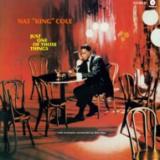
By the time Just One of Those Things was recorded, Nat "King" Cole was already considered by the general public as more of a singer and entertainer than a jazz pianist. Cole did his first sessions with the more jazz-oriented Billy May in 1951, but it wasn't until 1957 when they collaborated on this first LP - Just One of Those Things, a memorable album in which all 12 songs fit seamlessly together perfectly. It wasn't just May's arrangements that created such swinging music behind Cole's vocals though, it was also the band, which included many illustrious soloists: Harry "Sweets" Edison, Willie Smith, Pete Candoli, Jimmy Rowles and Lee Young, along with John Collins and Jack Costanzo, members of the celebrated Nat "King" Cole Trio.