Thrash, Prog, Power, Black, Death, reiner Heavy Metal und alles, was das Metalherz begehrt, in einem Album vereint- das ist MANTICORA. Die Band,
die 1997 (seit dem wurden neun Alben veröffentlicht) als Power-Metal-Band anfing, hat sich entwickelt und dabei ihren eigenen, einzigartigen Stil des
Heavy Metal kreiert. Sie vereinen in sich alles, was man als echter Metal-Fan hören möchte. Willkommen bei "Mycelium".Nach ihrem grandiosem,
von der Kritik gefeierten, Zwei-Alben-Konzept von 2018/2020, plus einem 334-seitigen Roman (geschrieben vom Sänger der Band, Lars F. Larsen), auf
dem die Alben basierten, haben die Dänen ein wenig heruntergeschraubt und ein weiteres majestätisches Konzeptalbum geschrieben. Dieses Mal mit
einer Gesamtlaufzeit von "nur" 48 Minuten."Mycelium" ist weniger symphonisch und schlägt einen wütenderen, raueren Weg ein, bei dem die
Aggression im Mittelpunkt steht. Manticora hat ein echtes DIY-Album geschaffen, bei dem der einzige äußere Einfluss das Mastern war (das von Jacob
Hansen in den Hansen Studios durchgeführt wurde). Alles andere wurde von der Band selbst produziert. Vom Konzept über die Texte, die Musik, die
Produktion bis hin zum Artwork - Manticora hat alles selbst gemacht. High-Octane-Metal, der nur für Hartgesottene zu empfehlen ist.
Early Life Forms is a new quartet fronted by Belgian guitarist and sound wizard Vitja Pauwels, and on the 26th January, they are set to release their self-titled debut album via W.E.R.F. Records; a stunning, one-off live show recorded with American guitarist Marc Ribot (Robert Plant, Tom Waits, Wilson Pickett, Marianne Faithfull, The Black Keys, John Zorn).
Having already earned his spurs as a sideman with artists including Naïma Joris, Bombataz and Lara Rosseel, rising Belgian star Pauwels released his debut album 'Day at Half Speed' in 2019, which explored the possibilities of acoustic guitar and live electronics. This experiment became a new artistic path for Pauwels and showcased his musical versatility, with second album 'Drift By, Sink In', released to critical acclaim in 2022.
The same year, Pauwels was invited as special guest by the BRAND! Festival, Mechelen, to showcase new material and he came up with the idea of putting together his 'dream' live band which included his hero Marc Ribot, one of world's most accomplished and acclaimed guitar players. Reaching out to him via videos and early demos for this new recording project, Ribot liked what he heard and agreed to perform with Pauwels and his new project Early Life Forms in what would be the band's first ever live show.
Joined by Frederik Leroux (baritone guitar), Laurens Dierickx (Hammond organ) and Casper Van De Velde (drums), during the lead up to the festival, Pauwels wrote a number of songs he felt would work for the live show, with the only agreement being that there would be no rehearsals ahead of the performance, only a brief soundcheck beforehand with Ribot. The music was stripped down to its essentials - compelling melodies, themes, and clear forms but with the possibility to change direction at any given moment. "The music was played and heard for the first time, and it felt like a birth of something that needed to be alive. We felt connected in the right state of mind - relaxed and focused - and it all happened in a rush of shared energy. No ego's or fear, only connection and the music", states Pauwels.
Drawing on latin, jazz, cuban, and rock with a touch of exoticism and cinematic explorations, 'Early Life Forms' cites Ry Cooder, Henry Mancini, Los Lobos, Ennio Morricone and of course Ribot, as heavy influences. There is something existential, primary, something epic and at the same time youthfully uncomplicated, which is strongly associated with the music. From the mischievous and imaginative 'My Little Renaissance' to the adventurous and hypnotic 'Latin Dancer', 'Early Life Forms' is overflowing with sharp twists and turns, with Ribot's heavily rhythmic, distorted guitar amplifying the cinematic feel to the sound. The on-stage relationship between each member of the band and Ribot is childishly uncomplicated, something primary but always epic. The music is left to the moment and the magic of their first encounter with their hero Ribot. "Marc's commitment in the music was better than I could have hoped for. What he played was with 200% intention, putting the rest of us in a state of hyperfocus. Given the fact that it was a one-time thing and a recording, we took risks without 'overplaying' or overthinking it. Right before the gig, we felt an urge to play, Marc said, "Let's rock!!" and we hit the stage", says Pauwels.
The MENZINGERS are an absolute institution. The Philadelphia punk legends’ multi-decade reputation as road warriors with an unbeatable catalog is cemented as hard truth—and their seventh album, Some Of It Was True , stands as their most immediate-sounding and energetic record to date. The follow-up to 2019’s sensational Hello Exile accomplishes the daunting task of capturing The MENZINGERS’ distinctive live energy in the confines of the studio, resulting in a sound that’s both rich, raw, and complementary to the group’s increasingly prismatic songwriting approach. More than 15 years in, the MENZINGERS are still holding their listeners square in the immediate present, and Some Of It Was True documents that power in thrilling fashion. “We wanted to make a fun record and write songs that we wanted to play live, and that’s exactly what we did,” co-vocalist/guitarist Greg Barnett says “We’ve always said that we want every album to sound live, but we never recorded an album live before. This was the first time we committed to that idea. We wanted to sound like how our band sounds onstage.” Making the process easier: Grammy-nominated producer Brad Cook (Bon Iver, the War on Drugs, Waxahatchee), who joined The MENZINGERS in El Paso’s legendary Sonic Ranch studios and lent his incredible ear for raw, immediate sound to help the band achieve Some Of It Was True‘s in-the-room live feel. “ T H E M E N Z I N G E R S are as real as it gets,” Cook says on his time in the studio with the band. “I had an absolute blast working with these guys and was moved to tears many times. They are truly dedicated to artistic growth, and to each other, in ways I found both refreshing and beautiful. I am now a lifer.”
The MENZINGERS are an absolute institution. The Philadelphia punk legends’ multi-decade reputation as road warriors with an unbeatable catalog is cemented as hard truth—and their seventh album, Some Of It Was True , stands as their most immediate-sounding and energetic record to date. The follow-up to 2019’s sensational Hello Exile accomplishes the daunting task of capturing The MENZINGERS’ distinctive live energy in the confines of the studio, resulting in a sound that’s both rich, raw, and complementary to the group’s increasingly prismatic songwriting approach. More than 15 years in, the MENZINGERS are still holding their listeners square in the immediate present, and Some Of It Was True documents that power in thrilling fashion. “We wanted to make a fun record and write songs that we wanted to play live, and that’s exactly what we did,” co-vocalist/guitarist Greg Barnett says “We’ve always said that we want every album to sound live, but we never recorded an album live before. This was the first time we committed to that idea. We wanted to sound like how our band sounds onstage.” Making the process easier: Grammy-nominated producer Brad Cook (Bon Iver, the War on Drugs, Waxahatchee), who joined The MENZINGERS in El Paso’s legendary Sonic Ranch studios and lent his incredible ear for raw, immediate sound to help the band achieve Some Of It Was True‘s in-the-room live feel. “ T H E M E N Z I N G E R S are as real as it gets,” Cook says on his time in the studio with the band. “I had an absolute blast working with these guys and was moved to tears many times. They are truly dedicated to artistic growth, and to each other, in ways I found both refreshing and beautiful. I am now a lifer.”
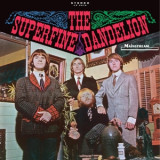
"Flower power psych pop that’ll blow you away! Exploring the jangly folk and garage sounds of the late ‘60s, the Superfine Dandelion picks a wide variety of colorful folk, country and jug band influences and puts a psychedelic tint on their all-original compositions. Our favored stereo mix, pressed on blue vinyl!
Formed in 1967, this Phoenix, AZ band would only last for a year before parting ways, leaving behind just one album – a fate many Mainstream artists ultimately faced, no matter how quality their style and sound was. The Superfine Dandelion features Mike McFadden (formerly of the garage rockin’ Mile Ends) and Rick Anderson (founding member of the Tubes) showcasing the sound of the Summer of Love – kaleidoscopic, sunny & groovy!
“While the cheeriest cuts have the sunny folk-pop/rock feel of, say, some of the L.A. folk-rock issued by the Dunhill label (‘Don't Try to Call Me’ recalls P.F. Sloan) or the Monkees, their self-titled LP had a good deal of sub-Jefferson Airplane folk-psych-rock, with plenty of minor chords, harmonies, and wistful lyrics. Then ‘Janie's Tomb’ and ‘It's Raining’ have a jokey jug band vibe, like a cross between the Charlatans and the Lovin' Spoonful.” – Richie Unterberger (AllMusic)"
FAZI are a post-punk band based in the ancient Chinese city of Xi'an. However, there is much more to their story than meets the eye_ With five immersive full-length records and a brief stint on peak-time commercial TV already establishing the four-piece at the forefront of a truly pioneering wave of alternative music in China, the Euro-pean re-release of their latest offering, `Folding Story', represents an incredible new beginning for a band who have already spent years honing their craft - transforming timeless traditions of love, life and death into a perpetual dance of fre- netic, krautrock energy and sprawling, shoegaze panoramas. Fittingly, `Folding Story' is itself a cyclic experience of rebirth, renewal and a return to origin. Album opener `Invisible Water' is a contemplative start as frontman Peng Liu's yearning vocals reach out across synthesisers reminiscent of sonar and the hypnotic lapping of water on an un- known shore. Described by Peng as an "artistic conception of amniotic fluid in the mother's body", this motif returns at the end of the album's final track, `Way to Atman', this time as a gentle tide washing away the ash of a spent funeral pyre. Just as the album and its protagonist is born at the beginning and dies at the end, by deliberately opening and closing `Folding Story' with the sounds of water, Fazi invite listeners to flow through the record on a never ending loop, to listen to a story without pause, one that rises from a whisper to a roar only to subside as quickly as it arrived. First released in 2022 on pioneering Chinese record label Space Circle, `Folding Story' is a collection of 10 tracks that serve as stories themselves as well as part of a universal narrative in constant flow. A phenomenal accomplishment, its forthcoming re-release in Europe via Pelagic Records will ensure that Fazi continue to blow as many minds and ruffle as many feathers as possible. Gatefold sleeve, silver offset ink, printed on special all-black cardboard. FFO Joy Division, Suicide, Savages, Cabaret Voltaire, Iceage, Gilla Band, Fontän
Punk Rock Isn't Dead... It Lives in South America! Das schreiben sich Los Problemas selbst auf die Fahne! Die chilenische Punk-Rock- und Oi!-Band "Los Problemas" hat ihr mit Spannung erwartetes Debütalbum herausgebracht. Die LP mit dem Titel "El Ultimo de su Especie" markiert einen Meilenstein in der Karriere der Band und festigt, was sie über mehrere Jahre hinweg, von der Veröffentlichung von Singles bis hin zu ihrer ersten EP "Malos Vecinos" (2020), gezeigt haben. Es ist ein energiegeladenes Album geworden, das Einflüsse von Punk und Oi! mit deutlichen Anklängen an Bands wie The Crack, Cock Sparrer, Sex Pistols und andere verwandte Gruppen vermischt. Das Album ist sehr melodisch, macht Spaß und ist durchzogen von scharfen Gitarren, die manchmal an den Glam-Rock der 1970er Jahre erinnern, aber mit einer Essenz und Haltung, die eng mit dem Punk verbunden ist, besonders im Bereich des Oi! oder "Reality Punk". Das Album enthält 11 neue Originalsongs und eine kühne Interpretation von David Bowies ikonischem Song "Héroes", in dem die Band ihr erzählerisches Können und ihre einzigartige Herangehensweise an den vergangenen Ruhm unter Beweis stellt. 180 gr. schwarz/grün marmoriert, weltweit 500 handnumerierte Exemplare. SPA "El Ultimo de su Especie" es un álbum enérgico, que fusiona influencias del punk y el Oi!, con claras resonancias de bandas como The Crack, Cock Sparrer, Sex Pistols y otros grupos afines. Este disco es altamente melódico, fácil de escuchar y está impregnado de guitarras afiladas que en momentos nos recuerdan al glam rock de los años 70, pero con una esencia y actitud ligada al punk y especialmente a la rama del Oi! o "reality punk."
As the BBE Music J Jazz Masterclass Series hits its 19th title, the milestone is suitably matched by a collaboration between two giants of jazz brought together to deliver an exceptional album, working with a band of the very best Japanese jazz musicians. ‘Reminicent Suite’ by American pianist Mal Waldron and Japanese trumpeter Terumasa Hino was originally released in 1973 on the famed Victor label and was one of several Japan-only albums recorded and released by Waldron over a thirty-year period, most of which have never been available outside Japan. ‘Reminicent Suite’ comprises two extended tracks, both taking up a side each. The title track on Side A is composed by Waldron, and is a dark, brooding heavy groove typical of his early 70s sound. ‘Black Forest’ on side B is written by Hino and is a vivid and energetic piece, layered and textured with dense percussion and Hino’s signature trumpet tone. Mal Waldron started out in the early 1950s working extensively on the Prestige label with notable figures such as Gene Ammons, Jackie McLean and Charles Mingus. Most famously, he worked with Billie Holiday before leaving the States in the mid-60s and relocating to Europe where he established himself as a major figure working across many countries including France, Italy, and Germany, where he made his home in Munich. In 1969, Waldron recorded the first releases for two major European jazz labels, ECM and Enja, before visiting Japan on tour for the first time in 1970. Waldron instantly fell in love with Japan and, over the next three decades, extensively toured and recorded there for numerous labels. Terumasa Hino is one of the towering figures of post-war modern jazz in Japan. Coming to prominence via the Hideto Shiraki and Sadao Watanabe bands in the mid-60s, Hino soon emerged as one of the prime movers in new jazz generation that changed the direction of jazz in Japan. He explored a more open, freer, and improvised sound, mixing psychedelic and rock elements with freeform and post-bop jazz. Hino recorded for many of the leading jazz labels of the era including Columbia, Three Blind Mice, and East Wind and would go on to relocate to the US in the mid-70s, immersing himself with the leading fusion players of the New York scene including Larry Corryell, Mtume, Al Foster, Dave Liebman and many more. In the early 80s, Hino’s jazz funk tracks were dancefloor smashes on the UK jazz dance scene. Joining Waldron and Hino on ‘Reminicient Suite’ is a band made up of the very best Japanese jazzman of their day: Takeo Uematsu on sax, Terumasa’s brother, Motohiko Hino, on drums, and the legendary bass master, Isao Suzuki. Together, they deliver one of the very best albums of the era, a richly articulated and dynamic session that exemplifies the very best that the Japanese jazz scene was doing in the early 1970s. ‘Reminicent Suite’ is pressed on 200g vinyl presented in a gatefold sleeve plus obi strip, with new photos by Tadayuki Naito; translated original sleeve notes; and a 7500-word essay including interview with Terumasa Hino from Tony Higgins, co-curator of the J Jazz Masterclass Series. This is the first time this album has been available outside of Japan
All true improvisation involves an element of chance: the coming together of a nexus of influences impulses and actions that result in spontaneous creation. Often in the world of jazz these creative sparks blaze briefly in performance, and then disappear as the sonic vibrations fade from the air, but sometimes chance intervenes again, and moments thought to be gone forever can resurface in unexpected ways. As master drummer Jeff Williams sorted through his archive of cassette tapes from his extensive international career, he had no idea that hidden within it would be a recording of a 1991 evening when he joined storied NYC legend David Liebman for a set of spontaneous performances. Reunited together fifteen years after the breakup of their seminal band Lookout Farm in 1976, the two players reaffirmed their deep musical bond with a set of free-flowing exploratory dialogues in front of a receptive audience. Believed lost for many years, these performances can now be experienced again, with all their fearless freshness and pure committed musicianship undimmed by the passage of time.
Jeff Williams has established a formidable reputation as a drummer, composer, educator and bandleader on both sides of the Atlantic. His relationship with Liebman was forged in the exciting, expansive atmosphere of the New York scene in the early 70s: the meeting of Williams, the laid back Midwesterner, and Liebman, the mercurial, quintessential New Yorker, was an inspired coming together of opposites that always made the creative sparks fly. Williams remembers the journey that led to the Bar Room 432 on that 1991 evening:
“Just as I was leaving my home town of Oberlin, Ohio to move to New York City in 1971, I was given David Liebman’s phone number by someone who told me that Dave had started an organisation for jazz musicians there. I knew of Dave, from Ten Wheel Drive and John McLaughin’s My Goals Beyond, but I couldn’t have imagined what a significant role he would play in my musical life. Shortly afterwards, Dave would leave Elvin Jones and Miles Davis to start his own band, with Richie Beirach, Frank Tusa, and myself, (later adding Badal Roy), naming it Lookout Farm. We released two albums on ECM and one on A&M to wide critical acclaim, and toured across Europe, Japan, India and the US.”
“Following the dissolution of Lookout Farm, Dave and I embarked on a short duo tour opening for Gary Burton. That would be the last time the two of us would play until the occasion of this recording, fifteen years later.”
“Fast forward to 1991 when I discovered an attractive bar located on the far West Side of 14th Street in Manhattan. Bar Room 432 would become a six night a week jazz club for a few years, providing me, and many others, with the opportunity to perform our music. Catching wind of this, Dave suggested we do a duo performance there.”
“Luckily, I recorded it.There was no preparation, no set music to be played - we simply improvised, picking up where we’d left off. David’s mastery of the soprano saxophone is in full bloom here, as well as his incredibly resourceful musical mind.”
The performances are revelatory, moving in pure improvisation from clear, songlike melody to furious density, from ambience to pulsing groove, from light into darkness and back again. Cleaned up and remastered by Alex Bonney, the sound of the tape captures the warm, wood-lined ambience of the room, allowing the full power and dynamics of William’s drums and the warmth and fullness of Liebmans’ soprano sax to sing out, engaging the contemporary listener just as it engaged the hip Manhattan crowd thirty three years ago.
Studio One was founded by Clement "Coxsone" Dodd1 in 1954, and the first recordings were cut in 1963 on Brentford Road in Kingston.1[2] Amongst its earliest records were "Easy Snappin" by Theophilus Beckford, backed by Clue J & His Blues Blasters, and "This Man is Back" by trombonist Don Drummond. Dodd had previously issued music on a series of other labels, including World Disc, and had run Sir Coxsone the Downbeat, one of the largest and most reputable sound systems in the Kingston ghettos.
In the early 1960s, the house band providing backing for the vocalists were the Skatalites[3] (1964–65), whose members (including Roland Alphonso, Don Drummond, Tommy McCook, Jackie Mittoo, Lester Sterling and Lloyd Brevett) were recruited from the Kingston jazz scene by Dodd. The Skatalites split up in 1965 after Drummond was jailed for murder, and Dodd formed new house band the Soul Brothers (1965–66), later named the Soul Vendors (1967) and Sound Dimension (1967-). From 1965 to 1968 they played 9 a.m. to 5 p.m., 5 days a week, 12 rhythms a day (about 60 rhythms a week) with Jackie Mittoo as music director, Brian Atkinson (1965–1968) on bass, Hux Brown on guitar, Harry Haughton (guitar), Joe Isaacs on drums (1966–1968), Denzel Laing on percussion, and on horns (some initially and some throughout): Roland Alphonso, Dennis 'Ska' Campbell, Bobby Ellis, Lester Sterling, among others on horns during the era of Rock Steady. Headley Bennett, Ernest Ranglin, Vin Gordon and Leroy Sibbles were included among a fluid line-up, to record tracks directed by Jackie Mittoo at Studio One from 1966-1968.
During the night hours at Studio One from 1965-1968, singers like Bob Marley, Burning Spear, The Heptones, The Ethiopians, Ken Boothe, Rita Marley, Marcia Griffiths, Judy Mowatt, Alton Ellis, Delroy Wilson, Bunny Wailer[4] and Johnny Nash, among others, would put on headphones to sing lyrics to original tracks recorded by the Soul Brothers earlier each day. These seminal recordings included "Real Rock" (by Sound Dimension), "Heavy Rock", "Jamaica Underground", "Wakie Wakie", "Lemon Tree", "Hot Shot", "I'm Still In Love With You", "Dancing Mood", and "Creation Rebel".
Jackie Mittoo, Joe Isaacs, and Brian Atkinson left Studio One in 1968, recorded drums and bass for Desmond Dekker's and Toots' biggest hits at other Kingston studios, then moved to Canada. Hux Brown stayed in Jamaica to record on the soundtrack The Harder They Come, The Harder They Fall, and toured in Nigeria with Toots and the Maytals and Fela Kuti. The Soul Brothers (a.k.a. Sound Dimension) formed the basis of reggae music in the late 1960s, being versioned and re-versioned time after time over decades by musicians like Shaggy, Sean Paul, Snoop Lion, The Clash, String Cheese Incident, UB40, Sublime, and countless other Billboard originals and remakes trying to emulate their original Rock Steady sound at Coxsone's Studio One.
The label and studio were closed when Dodd relocated to New York City in the 1980s.
Studio One was founded by Clement "Coxsone" Dodd1 in 1954, and the first recordings were cut in 1963 on Brentford Road in Kingston.1[2] Amongst its earliest records were "Easy Snappin" by Theophilus Beckford, backed by Clue J & His Blues Blasters, and "This Man is Back" by trombonist Don Drummond. Dodd had previously issued music on a series of other labels, including World Disc, and had run Sir Coxsone the Downbeat, one of the largest and most reputable sound systems in the Kingston ghettos.
In the early 1960s, the house band providing backing for the vocalists were the Skatalites[3] (1964–65), whose members (including Roland Alphonso, Don Drummond, Tommy McCook, Jackie Mittoo, Lester Sterling and Lloyd Brevett) were recruited from the Kingston jazz scene by Dodd. The Skatalites split up in 1965 after Drummond was jailed for murder, and Dodd formed new house band the Soul Brothers (1965–66), later named the Soul Vendors (1967) and Sound Dimension (1967-). From 1965 to 1968 they played 9 a.m. to 5 p.m., 5 days a week, 12 rhythms a day (about 60 rhythms a week) with Jackie Mittoo as music director, Brian Atkinson (1965–1968) on bass, Hux Brown on guitar, Harry Haughton (guitar), Joe Isaacs on drums (1966–1968), Denzel Laing on percussion, and on horns (some initially and some throughout): Roland Alphonso, Dennis 'Ska' Campbell, Bobby Ellis, Lester Sterling, among others on horns during the era of Rock Steady. Headley Bennett, Ernest Ranglin, Vin Gordon and Leroy Sibbles were included among a fluid line-up, to record tracks directed by Jackie Mittoo at Studio One from 1966-1968.
During the night hours at Studio One from 1965-1968, singers like Bob Marley, Burning Spear, The Heptones, The Ethiopians, Ken Boothe, Rita Marley, Marcia Griffiths, Judy Mowatt, Alton Ellis, Delroy Wilson, Bunny Wailer[4] and Johnny Nash, among others, would put on headphones to sing lyrics to original tracks recorded by the Soul Brothers earlier each day. These seminal recordings included "Real Rock" (by Sound Dimension), "Heavy Rock", "Jamaica Underground", "Wakie Wakie", "Lemon Tree", "Hot Shot", "I'm Still In Love With You", "Dancing Mood", and "Creation Rebel".
Jackie Mittoo, Joe Isaacs, and Brian Atkinson left Studio One in 1968, recorded drums and bass for Desmond Dekker's and Toots' biggest hits at other Kingston studios, then moved to Canada. Hux Brown stayed in Jamaica to record on the soundtrack The Harder They Come, The Harder They Fall, and toured in Nigeria with Toots and the Maytals and Fela Kuti. The Soul Brothers (a.k.a. Sound Dimension) formed the basis of reggae music in the late 1960s, being versioned and re-versioned time after time over decades by musicians like Shaggy, Sean Paul, Snoop Lion, The Clash, String Cheese Incident, UB40, Sublime, and countless other Billboard originals and remakes trying to emulate their original Rock Steady sound at Coxsone's Studio One.
The label and studio were closed when Dodd relocated to New York City in the 1980s.
tapetopia 007 Corp Cruid I was the only release of the planned tap series BleiBeil. The tracks were recorded over a longer period of time in 1988 – and in changing constellations that corresponded to the lineup of the East Berlin underground band Ornament & Verbrechen. 30 copies were circulated exclusively among friends. Concerts were not part of the plan, also due to the band’s rejection of a playing permit; there was no interest in being tolerated by the cultural apparatus, which treated projects like Corp Cruid with contempt or even hostility. Even before the GDR collapsed, in November 1989, almost half of the Ornament & Verbrechen musicians had left the country. Ensembles as remote from the state as Corp Cruid sounded like a faint scratch on the Wall of Sound of a hysterical system. The tape survived on a master tape and on a few copies; today the GDR is only its background noise.
The tapetopia series, using the original layouts and track lists, publishes cassette editions from the GDR underground of the 1980s, especially from the “walled-in” scene in East Berlin. More than three decades after their initial “release”, these tapes have yet to be heard on either vinyl or CD, even though they made an audible mark in the canon of GDR subculture. Despite the tiny original editions of the time, many of the bands were considered cult in countercultural circles, which made them highly suspect in informed circles
Finnogun’s Wake is the delightful portmanteau of a band fronted by Shogun (vocalist of Royal Headache, and later Shogun and the Sheets) and newcomer Finn Berzin. Decades apart in age but united in tutelage and outlook, they have mitigated the Joycean tome of What To Do Now, and crafted the four debut songs of the Stay Young EP from the inside out, sharing the spotlight for a riveting, deafening smear of melodic pop and buzzsaw guitars.
Mourning the departure of his best mate to a life overseas, Shogun started hanging out with his friend’s younger brother, Finn. The two of them started spending their free time together, one having seen a fair chunk of the world through music, the other just starting to figure it all out. They went through the essential lessons that could be gleaned from Definitely Maybe and Hüsker Dü, Finn got himself a guitar, and the songs simply fell out of both of them, with this initial batch as the result. Shogun sings on “Blue Skies” and “Strawberry Avalanche,” and Finn takes the lead on “So Nice” and “Lovers All,” and while there’s no mistaking Shogun’s striking delivery and fatalistic lyrics, Finn proves himself as a carousing foil, holding his ground like the natural he’s become.
Taking into account the fevered, quick-burning success of Royal Headache, this group is the most likely candidate to do it all again, giving the sense that some people can write bounding guitar leads that stick to you like burrs from the brush, and sing so effortlessly you’re embarrassed and a little mad about how great it all sounds. Backed on these recordings by keyboardist Gabrielle De Giorgio (a longtime collaborator of Shogun’s from back in the Sheets era), bassist Campbell Troy (who was in Shogun’s first hardcore band Nintendo Police back in the mid ‘90s), and DMA’s drummer Liam Hoskins (on some COVID-enforced boredom with no tour-dom), Finn and Shogun stare down a changed world from two very distinct poles, and aim to fill it with glorious songs just like these.
Bob Balch from FU MANCHU here. The idea for the SLOWER project started around four years ago. I was teaching a student how to play "South Of Heaven" by SLAYER but she was a beginner so we slowed it down. I thought that sounded cool so I tuned down to B standard and tried it. I added some drums and thought "someone in the doom community should do this and name it SLOWER." A few years later I befriended Steven "Thee Slayer Hippy" Hanford, best known for his work as the drummer in the influential Oregon punk band Poison Idea. He was backstage at a FU MANCHU show. Oddly enough I was wearing a POISON IDEA shirt and he told me that my shirt sucks. I asked who he was and why he was in our backstage. He told me and I felt stupid. We started drinking whiskey and talking about music. We stayed in touch over the next year or so and during Covid I told him about my SLOWER idea. He asked me to send him tracks. I waited too long because the day I sent the tracks he passed away. Totally tragic. I'm glad I got to know him even for a few years. He was a monster musician with a giant heart. He will be greatly missed. I shelved the project for a while after that. One day Esben from MONOLORD posted about musical collaborations. I love MONOLORD so I thought what the hell. I sent him some tracks and he killed it on drums. So I sent more. Then more. Shortly after that we started reaching out other musicians to get them involved. That's how we ended up with this lineup. Everyone that contributed completely knocked it out of the park and I can't thank them enough. This project has been a long time coming and I'm beyond stoked on how it turned out. Without all of the players involved, Steven Hanford and my baritone Reverend guitar it wouldn't have happened. Thanks to everyone involved and I hope you dig it! I'm a giant SLAYER fan so it's been a treat to dig into these classic songs. Hopefully we can do another record in the near future. Look out for shows because they will happen! Esben Willems - When Bob first approached me with the idea and I heard his scratch guitars, my first thought was "This is genius". Those iconic tracks we all know by heart suddenly unveiled an unexpected dimension. I'm really proud of how this turned out. Peder Bergstrand - "This might be blasphemous considering the circumstances, but when Bob reached out and asked if I'd want to play bass on sludged-out Slayer covers, I had to admit some of these tracks were brand new to me. That made the experience even more special though, hearing and playing on the Slower version first, and then comparing to the original. Bob has really transformed these songs into something totally their own, and on a personal level I feel the rest of the band's insane performances pushed me to my most inspired playing to date. So incredibly stoked for people to hear this album."
Neon Green Vinyl, limited to 500 copies. Bob Balch from FU MANCHU here. The idea for the SLOWER project started around four years ago. I was teaching a student how to play "South Of Heaven" by SLAYER but she was a beginner so we slowed it down. I thought that sounded cool so I tuned down to B standard and tried it. I added some drums and thought "someone in the doom community should do this and name it SLOWER." A few years later I befriended Steven "Thee Slayer Hippy" Hanford, best known for his work as the drummer in the influential Oregon punk band Poison Idea. He was backstage at a FU MANCHU show. Oddly enough I was wearing a POISON IDEA shirt and he told me that my shirt sucks. I asked who he was and why he was in our backstage. He told me and I felt stupid. We started drinking whiskey and talking about music. We stayed in touch over the next year or so and during Covid I told him about my SLOWER idea. He asked me to send him tracks. I waited too long because the day I sent the tracks he passed away. Totally tragic. I'm glad I got to know him even for a few years. He was a monster musician with a giant heart. He will be greatly missed. I shelved the project for a while after that. One day Esben from MONOLORD posted about musical collaborations. I love MONOLORD so I thought what the hell. I sent him some tracks and he killed it on drums. So I sent more. Then more. Shortly after that we started reaching out other musicians to get them involved. That's how we ended up with this lineup. Everyone that contributed completely knocked it out of the park and I can't thank them enough. This project has been a long time coming and I'm beyond stoked on how it turned out. Without all of the players involved, Steven Hanford and my baritone Reverend guitar it wouldn't have happened. Thanks to everyone involved and I hope you dig it! I'm a giant SLAYER fan so it's been a treat to dig into these classic songs. Hopefully we can do another record in the near future. Look out for shows because they will happen! Esben Willems - When Bob first approached me with the idea and I heard his scratch guitars, my first thought was "This is genius". Those iconic tracks we all know by heart suddenly unveiled an unexpected dimension. I'm really proud of how this turned out. Peder Bergstrand - "This might be blasphemous considering the circumstances, but when Bob reached out and asked if I'd want to play bass on sludged-out Slayer covers, I had to admit some of these tracks were brand new to me. That made the experience even more special though, hearing and playing on the Slower version first, and then comparing to the original. Bob has really transformed these songs into something totally their own, and on a personal level I feel the rest of the band's insane performances pushed me to my most inspired playing to date. So incredibly stoked for people to hear this album."
tapetopia 008 Der Expander des Fortschritts was founded in 1986. The “risk group” described itself as “pop musique concrète” or “abstract pop”. Der Expander des Fortschritts relied on disharmony and ruptures, which resulted in radio plays in a song format; the GDR as a realsocialist satire provided its material. Even the band’s name was a cultural appropriation of the superstructure by the substructure: “progress” was a fetishized word in the GDR, factory sports clubs would add it to their name, solidarity concerts would use it as a motto. The title “Urknall · Horde · Mensch” resulted from an Expander-typical translation of “Weltall, Erde, Mensch”, a compendium ceremoniously presented to each initiator on the occasion of their socialist youth initiation. In 1988, the band released the tape album on their own label Irrmenschkassette, a big bang in a tiny edition. The tapetopia series, using the original layouts and track lists, publishes cassette editions from the GDR underground of the 1980s, especially from the “walledin” scene in East Berlin. More than three decades after their initial “release”, most of these tapes have yet to be heard on either vinyl or CD, even though they made an audible mark in the canon of GDR subculture. Despite the tiny original editions of the time, many of the bands were considered cult in countercultural circles, which made them highly suspect in informed circles.
Today, less than two months following the final tour date of their As Long As You Are tour, Future Islands announce the details of their new album People Who Aren"t There Anymore which will be released January 26, 2024. The seventh album from the band - Samuel T. Herring (vocals, lyrics), William Cashion (bass, guitars), Gerrit Welmers (keyboards, programming), and Michael Lowry (drums) - follows 2020"s As Long As You Are. People Who Aren"t There Anymore heralds a new chapter for Future Islands who, despite having formed nearly two decades ago, continue to challenge themselves and each other. Where they"ve pursued ever-higher energy anthems in the past, they"ve turned inward this time, and unlocked a new level of ferocity, delivering some of their most inspiring and most heartbreaking tracks by doing the opposite: taking their time, making each breath, each syllable, each cymbal crash count. The result is a powerful, defining statement from a group of musicians that have made the best album of their career. People Who Aren"t There Anymore was co-produced by Future Islands and Steve Wright, and mixed by Steve Wright and Chris Coady (who returns to working with the band for the first time since 2014"s Singles).
Today, less than two months following the final tour date of their As Long As You Are tour, Future Islands announce the details of their new album People Who Aren"t There Anymore which will be released January 26, 2024. The seventh album from the band - Samuel T. Herring (vocals, lyrics), William Cashion (bass, guitars), Gerrit Welmers (keyboards, programming), and Michael Lowry (drums) - follows 2020"s As Long As You Are. People Who Aren"t There Anymore heralds a new chapter for Future Islands who, despite having formed nearly two decades ago, continue to challenge themselves and each other. Where they"ve pursued ever-higher energy anthems in the past, they"ve turned inward this time, and unlocked a new level of ferocity, delivering some of their most inspiring and most heartbreaking tracks by doing the opposite: taking their time, making each breath, each syllable, each cymbal crash count. The result is a powerful, defining statement from a group of musicians that have made the best album of their career. People Who Aren"t There Anymore was co-produced by Future Islands and Steve Wright, and mixed by Steve Wright and Chris Coady (who returns to working with the band for the first time since 2014"s Singles).
out of Stock
Last delivered 2 years ago available to reorder, subject to availability
Karl-Marx-Stadt (now Chemnitz) was one of the GDR’s subcultural hubs in the late 1970s and 80s. The industrial city in Saxony produced an impressively wide informal cultural programme beyond state structures. Bands such as Die Gehirne, Knut Baltz Formation, Die Arroganten Sorben, Kartoffelschälmaschine, AG Geige or the projects of cassette label klangFarBe created a complex artistic environment, in which Tropenkoller ran its spiritual exercises from 1986 to 1989. The “introverted experiment” remained distinct yet was exemplary of a KarlMarx-Stadt sound that considered dissonance a non-ideological form of harmonics. A first and only tape appeared in 1988. The extravagant packaging illustrated the edition’s exclusive nature; no more than twenty-five copies were released by Tropenkoller into the limited coterie of its open circle. tapetopia is a series of vinyl releases based on cassettes from East Germany’s 80s underground, particularly from the East Berlin "Mauerstadt" music scene, featuring original layouts and track lists. For over 30 years after their initial “release” the music on these tapes was neither available on vinyl nor CD, but they were important statements in the canon of the GDR subculture. Contrary to the small print runs of the time, many of the bands were considered cult in the underground,but suspect in the higher floors.
Das 2010 erschienene Album „Pyramid of the Sun“ ist der Meilenstein von Maserati. Es war die letzte Aufnahme der Band mit Schlagzeuger Jerry Fuchs, die ein Jahr nach seinem tragischen Tod fertiggestellt und veröffentlicht wurde. Es wurde zu einem der wichtigsten Alben der Band und ist nach wie vor der Grundstein von Maseratis legendärem Katalog. Als letzter Teil der Feierlichkeiten zum 20-jährigen Bestehen von Maserati kommt "Pyramid of the Sun - Anniversary Edition" neu verpackt, von den Original-Masterbändern von Josh Bonati neu gemastert und ergänzt um die Bonustracks "Pyramid of the Moon" und "Pyramid of the Moon (The Field Remix)" sowie ein grandioses Live-Set von der SXSW Music Conference 2009.
REISSUE ** Black Vinyl ** 500 Copies // The AK47's or the Tottenham AK47's formed in the late 80's / early 90's in North London. They turned up on the London squatting gig scene fully formed and ready to go, fusing punk, ska and reggae with a strong and simple political, socio-anarchist message. The band were instantly popular in London and sat very much next to Radical Dance Faction, Back to the Planet and Culture Shock. Their one and only release was the album "Don't call me Vanilla" which was originally released in 1991 by Rugger Bugger Discs. The album was recorded and produced at The Refuge studio in Reading by Jim Warren. Built around a solid dub-punk backdrop with some atmospheric flute squalls and FX's weaving in and out of the mix while lyrically remaining true to their anarcho roots. Over the years the album's legacy has grown and yet has never been reissued. Finally 32 years after its release the band, Sean from Rugger Bugger and Not Lost reissue this gem in an exact replica. No coloured vinyl - just black vinyl with the same Lyric Insert. This reissue has been remastered from the original tapes.
"Let’s take a trip to the zoo, in mono! Labeled as a part of the Bosstown Sound, these Boston psych rockers take listeners along for the ride - their freak-out arrangement of “Gloria” and a slew of outtasite originals showcase their intricate psych pop sound. Got your lava lamp bubbling yet?
Originally from Swansea, MA, the Tangerine Zoo formed just six months before writing and recording their first album. Once they turned down RCA and Atlantic for Mainstream, the group agreed to do one single and an album, one that’d take just 13 hours to complete. Inspired by Vanilla Fudge and the hippie scene in Greenwich Village, the band’s acid rock captured the same psychedelic sound bands like Orpheus, Ultimate Spinach, and Beacon Street Union were creating in Boston.
After a promotional tour, the band went on to make just one other album before dissolving at the end of the ‘60s, leaving a true Bosstown artyfact behind.
“Tangerine Zoo may be an orange happening, and have to be seen to be believed. They make the claim that ‘your eyes and ears will throw a party for your mind.’” – Fall River, Mass. Herald News Feb. 13, 1968"
Escape Music is delighted to announce the release date for the long-awaited Robert Hart fourth studio album title “Circus Life” (Bad Company / Manfred Man’s Earth Band / Diesel / The Jone’s). Limited Edition Vinyl in “Green Leaves” colour (500 all numbered 001 to 500), also will include hand signed postcard by Robert Hart! Produced by Steve Overland & Steve Morris / Robert Hart – Vocals (Solo / Bad Company / Manfred Mann / Diesel) / Featuring guests: Steve Morris - Guitars (Heartland / Lonerider / Ian Gillan) / Steve Overland Official - Backing vocals (FM / Lonerider / solo) / Robert Säll - Guitars (Work of Art / WET) / Steve Mann - Keyboards (MSG / Ousey Mann / Lionheart) / Chris Childs - Bass (Thunder / Lonerider) / Harry James - Drums (Thunder / Shadowman) / Keith Atack - Guitars (Atack / Bonnie Tyler / David Cassidy) - Robert Hart is a much-loved British vocalist and has been involved with many top acts over the years such as Manfred Mann’s Earth Band, Bad Company and The Jones Gang. He is also remembered for his fine solo albums, more recently “Pure” which was released by Escape music in 2020. Robert has such a versatile vocal range and can adapt his vocals to many types of rock music, such as AOR, Hard Rock and Blues rock and he has demonstrated this admirably on many occasions since the 1980’s. This is no exception. “Circus Life” also features many musicians and songwriters such as Steve Overland and Steve Morris who wrote the songs we have on show here. The style of “Circus Life” is an extension of what Robert gave us for the “Pure” album but this new recording tops even that. We have bags of melody and some excellent musicianship, as you would expect for such a line-up. If you like Bad Company then you are not going to be disappointed with these 12 tracks.
Blue Raspberry is Katy Kirby"s follow up to her renowned debut album Cool Dry Place, which came out in February 2021. Singer/songwriter Katy Kirby introduced her warm, articulate vocals, perceptive lyrics, and playful adult-alternative style on her debut album as she toured tirelessly supporting bands like Waxahatchee, Andy Shauf, Julia Jacklin and Alex G. That record was a tried-and-true folk collection, perfectly displaying the chops of a young songwriter and emanating the warm feel of a band in a room; Blue Raspberry, made with the same band and producers (Logan Chung and Alberto Sewald) , hits the gas and enters completely new territory as we see Katy truly step into her own as a songwriting force. She fearlessly leans far into baroque piano pop on tracks like "Redemption Arc" and the title track "Blue Raspberry", and lyrically she explores themes of loss and queer love. Very few are able to capture the same emotional, theatrical magic of artists like Fiona Apple, Tom Waits and Joanna Newsom but Katy pulls it off on this record; standout "Drop Dead".
Hiyo is a coming out party in a lot of ways for a band that has been a staple of the American Folk Music scene for over two decades. Co-Produced and engineered by Nashville's Rachael Moore and including performances by Jamie Dick (Drums), John Mailander (fiddle) and Maya de Vitry (vocals), the album Hiyo pushes the sound of CCL past anywhere it has been before. For a band that spent 15 years performing around a single microphone, CCL has found new inspiration in all of the sounds the world has to offer. "Synthesizers, drum machines, banjo...the world is really open right now to what constitutes folk music and we are grabbing on to that inspiration with both hands and not letting go," says leader Dave Wilson. Produced by Rachael Moore & Dave Wilson. Recorded & Mixed by Rachael Moore (George & Tammy) at Echo Mountain in Asheville, NC. Mastered by Nathan Dantzler at The Hit Lab in Nashville, TN.
Die 6-köpfige Londoner Band Tapir! veröffentlichen ihr multidisziplinäres Debütalbum via Heavenly Recordings.
Das Projekt ist eine fantastische Offbeat-Fabel, getragen von Grays kna-ckigem, herzlichem Gesang und den instinktiven, eigenwilligen Melodien der Band, und wirkt zuweilen wie das musikalische Äquivalent der Gemälde von Henry Darger, Henri Rousseau oder Philip Guston.
N.T.Ä. sind eine Melodic Streetpunk Band um Frontfrau und Bassistin Nadine Nevermore, Gitarrist Tommy Crack und Drummer Äxel Äxport. Seit ihrem Live Debüt im Sommer 2022 hat die Band neben Deutschland bereits in Tschechien, Polen und Belgien zahlreiche Shows und Festivals gespielt. Nach der Veröffentlichung eine EP und einer Single erscheint nun im Januar 2024 das Debutalbum "Stories That Pave The Road To Hell" als LP, CD und digital. Das Album enthält insgesamt 12 Songs, musikalisch von Hardcore-Punk bis melodiös, aber immer mit einer unverkennbaren Old School Note, gesanglich rotzig schreiend bis hin zu harmonischen Chorgesängen. Dadurch wirkt "Stories That Pave The Road To Hell" vielseitig, trotzdem straight. Textlich geht es in den Stücken des Albums um unterschiedliche Formen persönlicher Höllen, die Menschen begegnen. Armut, Drogen, falsche Freunde, übergriffiges Verhalten, Trockenheit... Beim Song MOLAR gibt es ein gesangliches Feature mit Alex von Pascow.
Nach über 30 Jahren erscheint die Complete Discography mit vielen Songs erstmalig auf Vinyl! Die Indie-Folk-Punk Band machte Anfang der 90er nicht nur regional auf sich aufmerksam in dem sie auf Studi-Parties und Hausbesetzungen spielte, auch bundesweit auf Festivals und Konzertbühnen waren sie gern gesehene und vor allem gehörte Gäste. Der Output der Band, die nur 3 Jahre existierte war beachtlich! Musikalisch bewegt sich der Sound zwischen Violent Femmes, den Go-Betweens und Hüsker Dü Riffs - eine doch eigenständige Mixtur, nicht zuletzt auch aufgrund der markanten Geige und dem unterschiedlichen Background der einzelnen Members. Enthalten auf dieser liebevoll aufgemachten LP sind die vier Tracks der "water" EP (1991), die 5 Songs der "nightingales in diving dresses" MC (1992) und "strong" von dem "mom, flight 13 to the moon, please" 2xEP Sampler (1993). Das Album kommt mit Foto- bzw. Lyric Beiblatt und wurde von Markus Heinzel (Liquid Studio) remastered.
Bandoleros is a concept album, intended as a modern spaghetti western soundtrack. The soundscapes are inspired and dedicated to Italian Western B Movies and his underrated music. Dusty guitars, crunchy drums, synthesizers, and horns, offer the perfect hip-hop background for Lynx and an inspired KK.
Aufbauend auf dem Fundament ihres Debütalbums "Sunyata", ein Titel, der frei übersetzt Leere oder Nichtigkeit bedeutet, präsentiert VIPASSI auf ihrem zweiten Album "Lightless" ihre außergewöhnliche Kunstfertigkeit, ein Album, das sich mit dem zeitlosen Thema von Licht und Dunkelheit beschäftigt.
Benannt nach dem zweiundzwanzigsten Buddha, charakterisiert VIPASSI treffend die Aura der absoluten Hellsichtigkeit der Band. Diese Qualität spiegelt sich in ihrer erstaunlichen technischen Musikalität wider, die sie als instrumentale Superstars auszeichnet. Lightless" ist ein Zeugnis ihrer Entwicklung und zeigt einen Grad an Reife, der im Bereich des instrumentalen Progressive Metal beeindruckend ist.
Was VIPASSI wirklich auszeichnet, ist ihre Fähigkeit, eine fesselnde musikalische Erzählung zu schaffen, die über Worte hinausgeht. Jedes Instrument in ihrem Arsenal ist nicht nur ein Werkzeug, um Töne zu erzeugen, sondern vielmehr ein fein abgestimmtes Instrument in der Sinfonie der Emotionen, die sie schaffen. Der Zuhörer wird in ein klangliches Universum eingeladen, in dem er zum Autor seiner eigenen Geschichte wird.
Die Töne des Fretless-Basses umspülen das Publikum wie sanfte Wellen, beruhigend und einhüllend. Die eklektischen Gitarrensätze, die mit einer Präzision ausgeführt werden, die an das Jenseitige grenzt, schaffen eine dynamische und sich ständig weiterentwickelnde Klanglandschaft. Diese Elemente werden durch das donnernde und komplizierte Schlagzeugspiel wunderbar ergänzt, das der Musik eine dynamische und kraftvolle Unterströmung verleiht.
VIPASSI's "Lightless" ist mehr als nur ein Album; es ist eine Reise, eine Erkundung von Emotionen und eine Einladung, tief in die Gefilde von Licht und Dunkelheit einzutauchen. Es ist ein Beweis für das außergewöhnliche Können der Band und ihre Fähigkeit, eine Leinwand zu schaffen, auf der der Hörer seine eigene lebendige und persönliche Geschichte malen kann. In der Welt des instrumentalen technischen Metals ist VIPASSI ein unübertroffenes Leuchtfeuer der Kreativität und musikalischen Meisterschaft.
Aufbauend auf dem Fundament ihres Debütalbums "Sunyata", ein Titel, der frei übersetzt Leere oder Nichtigkeit bedeutet, präsentiert VIPASSI auf ihrem zweiten Album "Lightless" ihre außergewöhnliche Kunstfertigkeit, ein Album, das sich mit dem zeitlosen Thema von Licht und Dunkelheit beschäftigt.
Benannt nach dem zweiundzwanzigsten Buddha, charakterisiert VIPASSI treffend die Aura der absoluten Hellsichtigkeit der Band. Diese Qualität spiegelt sich in ihrer erstaunlichen technischen Musikalität wider, die sie als instrumentale Superstars auszeichnet. Lightless" ist ein Zeugnis ihrer Entwicklung und zeigt einen Grad an Reife, der im Bereich des instrumentalen Progressive Metal beeindruckend ist.
Was VIPASSI wirklich auszeichnet, ist ihre Fähigkeit, eine fesselnde musikalische Erzählung zu schaffen, die über Worte hinausgeht. Jedes Instrument in ihrem Arsenal ist nicht nur ein Werkzeug, um Töne zu erzeugen, sondern vielmehr ein fein abgestimmtes Instrument in der Sinfonie der Emotionen, die sie schaffen. Der Zuhörer wird in ein klangliches Universum eingeladen, in dem er zum Autor seiner eigenen Geschichte wird.
Die Töne des Fretless-Basses umspülen das Publikum wie sanfte Wellen, beruhigend und einhüllend. Die eklektischen Gitarrensätze, die mit einer Präzision ausgeführt werden, die an das Jenseitige grenzt, schaffen eine dynamische und sich ständig weiterentwickelnde Klanglandschaft. Diese Elemente werden durch das donnernde und komplizierte Schlagzeugspiel wunderbar ergänzt, das der Musik eine dynamische und kraftvolle Unterströmung verleiht.
VIPASSI's "Lightless" ist mehr als nur ein Album; es ist eine Reise, eine Erkundung von Emotionen und eine Einladung, tief in die Gefilde von Licht und Dunkelheit einzutauchen. Es ist ein Beweis für das außergewöhnliche Können der Band und ihre Fähigkeit, eine Leinwand zu schaffen, auf der der Hörer seine eigene lebendige und persönliche Geschichte malen kann. In der Welt des instrumentalen technischen Metals ist VIPASSI ein unübertroffenes Leuchtfeuer der Kreativität und musikalischen Meisterschaft.
Tschechiens berühmt-maskierte Modern-Metal-Band veröffentlicht ihr neues Album "Five Angry Men". Der Name ist Programm! Tschechiens berühmt-maskierte Modern-Metal-Band veröffentlicht ihr neues Album "Five Angry Men". Der Name ist Programm! Dieses brutale Meisterwerk überrollt einen wie eine Dampfwalze und reiht sich in die Riege von Five Finger Death Punch, Disturbed und Stone Sour ein! Während DYMYTRY in den letzten Jahren mehrere Alben auf Tschechisch veröffentlicht haben, ist "Five Angry Men" ihr zweites Album mit englischen Texten und gleichzeitig Teil ihres Weges sich auf dem internationalen Markt zu etablieren. Produziert und gemixt wurde die Platte von Kristian "Kohl" Kohlmannslehner, der auch internationale Metal-Bands wie Powerwolf, Hämatom, Crematory oder Benighted produziert. Verpasse nicht deine Chance und schnappe dir das“ neue Album Five Angry Men" als limitierte Splatter-Vinyl, CD-Digipak oder digitale Version, welches am 26. Januar 2024 erscheint!
Mit mehr als 100 Millionen weltweit verkauften Alben zählt die Gruppe KISS zu den erfolgreichsten Rock-Bands. Mit ihrem Sound in den 70s & 80s
Jahren beeinflussten Kiss nachfolgende Generationen von Musikern. Noch heute sind die US-Amerikaner eine der beliebtesten Rock-Bands. Diese
strikt limitierte 12inch Schallplatte enthält Radio Broadcasts aus den USA, aufgenommen und übertragen im Jahr 1992.
Cam Cameron appears to be another one of those performers from an infinite list of Black American artists that cut a solitary 45 single and then disappear into obscurity never to be seen or heard from again. Couple this with the passing of any of the relevant protagonists from the time along with any of the surviving ones ever diminishing memories and the job of collating events and artists back stories from over 50 years ago becomes that much harder.
Cam Cameron appears to be one of those artists (although our investigations are ongoing). Therefore, from the information currently gleaned, the artist Cam Cameron was none other than Alvin Cameron the writer of the featured song “You Say”, with Cam being a kind of nickname. The string arrangements on both “They Say” and “I’m A Lonely Man” were provided by the late John Andrew Cameron a hugely respected arranger, producer and songwriter within the Chicago music scene of the 1960’s and early 70’s, more often credited as Johnny Cameron. Johnny’s credits can be found on many recordings of the time often working with fellow Chicago music scene producer Clarence Johnson, some of the highlights from this liaison being the song “I Really Love You” recorded by both Jimmy Burns (Erica) and Bobby James (Karol) and the girl group, ‘The Lovelites’, on their acclaimed album “With Love From The Lovelites” (Uni). Johnny’s involvement with the Scott Brothers goes as far back as 1965 when he provided the musical arrangements on The Howard Scott penned song “I’ve Got To Get Over” recorded by Syl Johnson for the TMP-Ting label. Although they share the same surname, Alvin (Cam) Cameron is believed to be of no relation to Johnny Cameron.
“You Say” would gain a release on the independent Capri label owned by Sephus Howard Scott who together with brother Walter Scott composed the 45’s flipside “I’m A Lonely Man”. Howard also featured as one of the songs producers alongside the mysterious Edgar Mullins (a name which has been found on a couple of other tape boxes, the investigations continue).
Musical accompaniment was provided by The Scott Brothers Band, with both songs being recorded at RCA Victor’s Chicago number 2 Recording Studio at 445 North Lake Shore Drive, in the Navy Pier section. on the 10th of August 1967 and released on Capri Records during the month of February 1968.
Cameron’s “You Say” was another 45 that was first introduced to UK Soul Collectors via those much lamented and fondly remembered soul packs, always regarded as a quality collector’s 45 the only regular turntable action remembered was provided by Northampton’s very own discerning DJ Cliff Steele at venues such as ‘Detroit Academicals’, ‘Bretby Country Club’ and later ‘Albrighton’ during the leaner days of the UK Rare Soul Scene?! Hopefully a wider appreciation of both sides of this soulful Windy City 45 beckons! The second release in Soul Junction’s Capri series.
Contradictory accounts of Miles Davis’ creation of the soundtrack to Louis Malle’s film noir Ascenseur pour l'Échafaud have all become part of its legend. Rarely has a soundtrack been so decisive. Nearly seventy years on, beyond the myth, this taut, feverish recording, imbued with extreme dramatic tension, remains one of the Miles’ finest records. The basic outline remains: Jean-Paul Rappeneau suggested to Malle asking Miles Davis to create the film's soundtrack who agreed to record the music after attending a private screening. Davis was performing at the Club Saint-Germain in Paris in November 1957 and on December 4, he brought his four sidemen to the recording studio without having had them prepare anything. Davis only gave the musicians a few rudimentary harmonic sequences he had assembled in his hotel room, and, once the plot was explained, the band improvised without any precomposed theme, while edited loops of the musically relevant film sequences were projected in the background. Bassist Pierre Michelot recalled in 1988 that “Miles just asked us to play two chords, D minor and C7, 4 bars of each, ad lib.” Typically, Miles planned very little but know exactly what he wanted. François Leterrier, the film’s Second Assistant Director picks up the story: “The session started at around ten o’clock and went on until dawn. The screen in the auditorium was showing the scenes for which Miles had devised some harmonies, and they were edited into a loop. And that’s what makes this music unique: it was entirely improvised in conditions that went back to the days of silent films, while watching frames shot in black and white by cinematographer Henri Decaë: tracking shots of Jeanne Moreau wandering down the Champs-Elysées at night, passing in front of lit window displays or going into bars, while looking for her lover/murderer alias Maurice Ronet … All of us there in the dark auditorium were aware that something extraordinary was taking place, something that had definitely never happened before. … In the small hours we all met up again at the Pied de Cochon in Les Halles, and Louis was looking at Miles with the disbelieving eyes of a child … as if he couldn’t believe the gift he’d just received. Even in his wildest dreams he had probably never imagined what his film would be like once it had been as if illuminated by the trumpet of Miles, incisive or wrapped softly in cotton.” The music was released on 10” by Fontana and received the Grand Prix from France’s Académie Charles Cros. It was released in the USA on Columbia as the A-side of the 12” LP Jazz Track, which received a 1960 Grammy nomination for Best Jazz Performance, Solo or Small Group. This beautiful re-issue of the original recording is pressed on 180g vinyl at GZ, and packaged in a deluxe gatefold tip-on jacket with Boris Vian’s original liner notes and Jean-Pierre Leloir’s iconic studio photo of Miles and Jeanne Moreau, and an essay on the circumstances that led to this out-of-the ordinary music by Franck Bergerot.
The Bronx in the 1970s, marked by the presence of notorious gangs, presented a complex and challenging urban landscape. Amidst the crumbling infrastructure and economic decline, neighbourhoods bore the scars of disinvestment, reflected in abandoned buildings and neglected public spaces. The prevalence of street gangs, such as the Ghetto Brothers, contributed to an atmosphere of heightened tension and occasional violence. Graffiti adorned subway cars and buildings, expressing both social unrest and the vibrant creativity of the community. Despite the challenges, there was a resilient spirit among residents, evidenced by grassroots efforts to address social issues. The Bronx during this era was a dynamic yet tumultuous mix of cultural expression, social struggle, and the determined spirit of a community facing adversity. The Ghetto Brothers, originating from the Melendez family who moved from Puerto Rico to the South Bronx in the 1950s, faced challenges involving violence and crime. Despite this, Benjy, a key figure, directed the group towards community improvement. The Ghetto Brothers embraced music, crafting a potent, NYC-flavored musical fusion that caught the attention of record mogul Ismael Maisonave (Salsa Records). Their collaboration resulted in the recording of eight tracks in a single electrifying day at Manhattan's Fine Tone Studios, skillfully produced by Latin studio maestro Bobby Marin (Harvey Averne, La Lupe, Brooklyn Sounds…). This musical odyssey showcases the band's ability to seamlessly blend genres, creating a NYC-flavored stew that captivates listeners with its authenticity. The hypnotic rhythms, infectious guitar riffs, and impassioned vocals reflect the Ghetto Brothers' commitment to expressing their unique experiences and uplifting their community through the universal language of music. "Power-Fuerza" is not just an album; it's a sonic testament to the Ghetto Brothers' fusion of resilience, cultural richness, and musical innovation. Each track is a vibrant tapestry, weaving together the
raw energy of the South Bronx streets and the soulful melodies born from the trio's Puerto Rican heritage. Embrace the timeless resonance of the Ghetto Brothers’ “Power-Fuerza”, one of the best Latin funk albums ever recorded…
Gruff Rhys is pleased to announce his new album "Sadness Sets Me Free" which will be released by Rough Trade Records on 26.01.2024. This incredibly will be the 25th album he has released in his 35 year career individually, collaboratively and as a member of various bands. "Sadness Sets Me Free" is also the follow up to 2021"s "Seeking new Gods", his first solo top ten record. The album will be available in a range of formats including a unique Dinked edition on "honeycomb neo-neapolitan" vinyl, an LP sleeve with "container doors" and a bonus 7" with exclusive audio for the first 1500 copies. A gatefold soft pack CD also includes a pull out poster. Lead-off single "Celestial Candyfloss" is a telling four minute glimpse of the forthcoming album, revealing the heady wonders and classic pop sounds within. Soaring strings carry the sweet melodies along, anchored by just enough necessary melancholy to add emotional ballast. The eye-popping video was created by long-time collaborator Mark James and compliments the scope and style of the song on a galactic scale. "Celestial Candyfloss" is, Gruff says, "an attempted pocket symphony about the cosmic lengths that people will travel in the pursuit of love and acceptance. Mark James has brought the Sadness Sets Me Free album cover to life & managed to place me watching TV interference in a shipping container that"s lost in space. For what is apparently the 25th album I"ve had a hand in writing I"ve reverted to a rich seam of inspiration relating to shedding some light on sadness and the general terror of cosmic loneliness." And so it was that Gruff and his band - Osian Gwynedd (piano), Huw V Williams (double bass) and former Flaming Lips drummer turned Super Furry Animals archivist Kliph Scurlock (drums) piled into a van driven by the late, legendary tour manager "Dr" Kiko Loiacono and raced from Dunkirk, where they had just played the final show of a tour of Spain and France, to the outskirts of Paris in the early hours of a March morning in 2022. There, in La Frette Studios, a recording facility installed in a 19th-century house, Gruff and his road-hardened group tracked "Sadness Sets Me Free" in just three days. Backing vocals were added along the way by Kate Stables from This Is The Kit along with additional strings and orchestration and it was mixed between Marseille and Cardiff. What finally emerged from these intense bouts of cross-continental activity was Gruff"s most accomplished and beautiful record to date. In a career that has taken him from the slate-mining towns of north-west Wales, down to the expat communities of Patagonia, up to the Mandan tribe of the Great Plains of North America and across to the Tuareg rock groups of the Saharan Desert, Gruff Rhys, one of Britain"s most beloved and successful singer-songwriters, has always been willing to follow an opportunity, wherever it may lead him. "At this point I quite like working with serendipity," he says. "Not in a cosmic way, but I try and leave things open to chance encounters and chance geography. As I"m around 25 albums in I"m always looking for ways to make a different-sounding record".
Gruff Rhys is pleased to announce his new album "Sadness Sets Me Free" which will be released by Rough Trade Records on 26.01.2024. This incredibly will be the 25th album he has released in his 35 year career individually, collaboratively and as a member of various bands. "Sadness Sets Me Free" is also the follow up to 2021"s "Seeking new Gods", his first solo top ten record. The album will be available in a range of formats including a unique Dinked edition on "honeycomb neo-neapolitan" vinyl, an LP sleeve with "container doors" and a bonus 7" with exclusive audio for the first 1500 copies. A gatefold soft pack CD also includes a pull out poster. Lead-off single "Celestial Candyfloss" is a telling four minute glimpse of the forthcoming album, revealing the heady wonders and classic pop sounds within. Soaring strings carry the sweet melodies along, anchored by just enough necessary melancholy to add emotional ballast. The eye-popping video was created by long-time collaborator Mark James and compliments the scope and style of the song on a galactic scale. "Celestial Candyfloss" is, Gruff says, "an attempted pocket symphony about the cosmic lengths that people will travel in the pursuit of love and acceptance. Mark James has brought the Sadness Sets Me Free album cover to life & managed to place me watching TV interference in a shipping container that"s lost in space. For what is apparently the 25th album I"ve had a hand in writing I"ve reverted to a rich seam of inspiration relating to shedding some light on sadness and the general terror of cosmic loneliness." And so it was that Gruff and his band - Osian Gwynedd (piano), Huw V Williams (double bass) and former Flaming Lips drummer turned Super Furry Animals archivist Kliph Scurlock (drums) piled into a van driven by the late, legendary tour manager "Dr" Kiko Loiacono and raced from Dunkirk, where they had just played the final show of a tour of Spain and France, to the outskirts of Paris in the early hours of a March morning in 2022. There, in La Frette Studios, a recording facility installed in a 19th-century house, Gruff and his road-hardened group tracked "Sadness Sets Me Free" in just three days. Backing vocals were added along the way by Kate Stables from This Is The Kit along with additional strings and orchestration and it was mixed between Marseille and Cardiff. What finally emerged from these intense bouts of cross-continental activity was Gruff"s most accomplished and beautiful record to date. In a career that has taken him from the slate-mining towns of north-west Wales, down to the expat communities of Patagonia, up to the Mandan tribe of the Great Plains of North America and across to the Tuareg rock groups of the Saharan Desert, Gruff Rhys, one of Britain"s most beloved and successful singer-songwriters, has always been willing to follow an opportunity, wherever it may lead him. "At this point I quite like working with serendipity," he says. "Not in a cosmic way, but I try and leave things open to chance encounters and chance geography. As I"m around 25 albums in I"m always looking for ways to make a different-sounding record".
tapetopia 010 FO 32 extra hart arbeitendes rastermaterial für kontakt did not emerge from the usual underground milieu – their setting was the base of the 4th Flotilla of the GDR People’s Navy! The propaganda unit PrK 18 had among its recruits some who turned the logistics for agitation against the intentions of the system. Inside a barracks, but under the state radar, the paramilitary music corps FO 32 boarded an NVA studio and recorded industrial tracks and dark ambient. The experimental military band gave an illegal concert; they had previously been heard on the radio programme “Parocktikum”, a pirate gig from the ranks of the People’s Navy on GDR radio. In 1989, a first FO-32 tape was shared among just a few friends. Shortly after, an abridged mix of material was released on the illegal Trash Tape label in an edition of no more than one hundred copies. The vinyl version on tapetopia is based on the original tape. The tapetopia series, using the original layouts and track lists, publishes cassette editions from the GDR underground of the 1980s, especially from the “walled-in” scene in East Berlin. More than three decades after their initial “release”, these tapes have yet to be heard on either vinyl or CD, even though they made an audible mark in the canon of GDR subculture. Despite the tiny original editions of the time, many of the bands were considered cult in countercultural circles, which made them highly suspect in informed circles.
Following Far Out’s reissue of Agustin Pereyra Lucena Quartet’s La Rana, the label continues its memorialisation of the late, great Argentinian guitarist’s music, with the first ever direct from tape, audiophile reissue of Pereyra Lucena’s self-titled debut album from 1970.
One of the outstanding South American guitarists, Agustin Pereyra Lucena commanded a unique position in Latin music history. He hailed from Buenos Aires, but was obsessed with the music of Brazil. A disciple of Antônio Carlos Jobim, Baden Powell and Vinicius De Moraes, the nature of Agustin’s Argentinian roots combined with the nurture of Brazil and its music to give Agustin a sound entirely his own.
After being scouted in a nightclub, by musician and guitar craftsman Jorge Demonte, Agustin was invited for an audition at Argenitinian label Tonodisc. Before he knew it, aged 22, he was in the studio recording his first album.
Agustin enlisted fellow Argentinian Brazilophiles Mario "Mojarra" Fernandez who played bass and drummer Enrique "Zurdo" Roizner. He had first heard the duo backing Vinicius de Moraes, Toquinho and Maria Creuza on their legendary La Fusa live album, also recorded in Buenos Aires. For vocals, Agustin brought in his old friend, a French teacher called Helena Uriburu, who at the time had (unbelievably) never sung in a studio before.
The atypical bossas and spiritual swinging sambas, composed by many of Agustin’s aforementioned heroes, were elevated to new heights by Agustin’s dazzling arrangements and phenomenal guitar playing. The almost cosmic reaches Agustin achieved with his sound are balanced against the stylish sophistication and breezy nature of the music.
Moments of calm serenity include Agustin’s own composition “Nina No Divagues”, Durval Ferreira and Pedro Camargo’s “Chuva” and the Brazilian bossa classic “Tristeza Nos Dois”, which feels like it draws equally upon exotica and early library records. Accompanied by Roizner’s shuffling samba jazz drums, opener “O Astronauta” is Agustin’s cover of the Brazilian guitar standard composed by Baden Powell. Another Baden Powell classic, “Consolacao” is an extended full-band set, which features Agustin’s crisp guitar dancing around a hypnotic rhythm section. Upright bass is swapped out for a big, round-sounding electric one, which sits loud in the mix for almost seven minutes of deep, groovy, distinctively early-seventies magic.
Agustin passed away in 2019, and it is only in recent years that he is starting to gain his plaudits as one of South America’s greats. On the liner notes of the album Vinicius De Moraes writes: “I think I never saw, with the exception of Baden Powell and Toquinho, anyone more linked to his instrument than Agustín Pereyra Lucena. It would give the impression that if the guitar were taken away from him, he would fade into music as one dies from the amputation of an arm.”
Agustin Pereyra Lucena will be released on audiophile vinyl LP, CD and digitally on the 26th January 2024 via Far Out Recordings.