Sunergy brings together synthesists Kaitlyn Aurelia Smith and Suzanne Ciani for the thirteenth installment of FRKWYS, RVNG Intl.'s intergenerational collaboration series. For this edition, a panorama of the Pacific Coast provides the place and head space for a musical appreciation and consideration of a life-giving form vast and volatile with change. Fortuitously (as is the freaky way), Smith and Ciani were discovered to be neighbors in the small coastal community of Bolinas, California. The two had become close friends, bonding over their experience as woman musicians and, more unusually, their shared passion for the Buchla synthesizer. The music of Sunergy embraces this kinship, with Ciani and Smith respectively performing on the Buchla 200 E and the Buchla Music Easel, two modern configurations of the innovative instrument developed in the '60s by Don Buchla.
Sunergy was recorded in the Bolinas home where Ciani has lived for the last twenty-four years. Her living room overlooks the Pacific Ocean from a cliffside perch, creating an idyllic, inspired setting for music making. Setting up their synths side-by-side, Ciani and Smith took turns keeping time and freely improvising for the album sessions. As a complete piece, Sunergy is shaped by slow, pulsing forms and sinuous, melodic sequences that conjure both an oceanic world and the unlimited sound made possible by modular processing.For her part, Ciani has long been a Buchla voyager. Suzanne proselytized the potential of Don's synthesizer instruments in the '60s and '70s, performing her own compositions before introducing synthesized jingles and sound effects to household audiences. Ciani then achieved wide recognition for her debut album Seven Waves, a collection of colorful, classical song-like melodies fluidly working with harmonic textures and sounds of the ocean shore. Since its 1982 release, Seven Waves has become an important chapter of the ambient canon within which contemporary artists like Smith have developed their own synth syntax. Smith was born just a few years after the appearance of Seven Waves, growing up in Orcas Island, Washington. A place of profound natural beauty, the islands would inform Tides, her first instrumental collection from 2014. Smith composed Tides as an accompaniment for Yoga classes, ultimately freeing her from conventional songwriting into the exploratory, synth-based compositions demonstrated in ecstatic variety on 2016's Ears. Despite the serene setting where Sunergy was realized, the album does not romanticize a complete oneness with nature. Smith and Ciani use their collaborative ground to reflect on the unstable forces at play across the Bolinas horizon. Sunergy takes stock of Bolinas in the 21st century, a once-thriving artist's refuge now vulnerable to real estate pressure extending from affluent San Francisco, and more irreparably, the specter of climate change erasing its many waterfront habitats.
A diametric dynamic is present in Sunergy, a somber meditation amidst the intense cultural and solar forces transforming the landscape, and a hopeful assertion of the surviving creative culture of Bolinas. Far from rehashing the gentle grace of the artists' seminal works, Sunergy instead seeks to awaken and bear witness, employing the Buchla waveforms to mirror the infinite rhythms of the ocean and our essential relationship to it.
Kaitlyn Aurelia Smith and Suzanne Ciani's Sunergy will be released on September 16, 2016 on LP, CD, and digital formats. An accompanying documentary by Sean Hellfritsch will be offered in tandem.
Cerca:the disco
This long-awaited inaugural release from DJ Fred Spider's Voom Voom Records visits an iteration of the legendary South African jazz funk ensemble of the 20th century. Spirits Rejoice recorded two incredible jazz fusion albums in the late 70’s with amble lashings of funk and soul. As the currents of popular music shifted in the 1980s, the group got behind a modern dance side project led by guitarist Paul Petersen and produced by the genius Patric Van Blerk.
The result was Doctor Rhythm and an album entitled I Feel It Rising from 1981. Based out of Cape Town's premier vintage vinyl emporium, Voom Voom presents the album's sultry slow-burner "I'm So Strong Now" (paired with a modern remix) and well as two versions of the disco-boogie swinger "Hook It Up" written by the pianist Mervyn Africa (the original track alongside a Fred Spider & Simbad edit and a crisp rework by DJ Turmix from NY to boot). The result is an essential dancefloor release documenting what is surely South Africa's best take on band-driven New York boogie from the disco years. Calum MacNaughton (Sharp-Flat Records/As-Shams-The Sun)
Following up from their smash collaboration with live band Cotonete, Dimitri From Paris and Heartbeat records shop boss Melik Bencheikh, team up once again to launch their new label, Le HeartBeat.
In an ongoing mission to champion the live side of dance music, they locked themselves up in a studio, with the ace players of new Parisian combo, Chatobaron. The first outing on Le HeartBeat draws from the cheekiness of London’s Punk Funk, meeting with New York’s Disco Not Disco. The all acoustic performance invokes the spirits of Ian Dury, Arthur Russell, bouncing on the walls of the Paradise Garage, to enter the soul of Chatobaron’s expert players, each at the top of their game.
Dimitri gets on mixing duties and makes sure the rhythm section keeps the dancefloor busy. In his signature roller coaster style, he provides vocal and dub versions, chock full of breaks and drops.
Working with seasoned players, using the best of vintage and modern recording techniques, Le HeartBeat Records aims to bring decades of record digging culture onto todays dance floors.
- A1: Garbage Day #3
- A2: Get-U-Now
- A3: What A N*Gga Know?
- B1: Sweet Premium Wine
- B2: Plumskinzz (Loose Hoe, God & Cupid)
- B3: Smokin’ That S*#%
- C1: Contact Blitt
- C2: Gimme
- C3: Black Bastards!
- D1: It Sounded Like A Roc
- D2: Plumskinzz (Oh No I Don’t Believe It!)
- D3: Constipated Monkey
- D4: F*#@ Wit’ Ya Head
- D5: Suspended Animation
Red Coloured Vinyl[41,60 €]
Before MF DOOM donned his mask and became one of the most prolific MC-producers of modern Hip-Hop, he was a member of KMD, an early ‘90s rap group whose work still goes criminally under-appreciated to this day.
Following their 1991 debut album, Mr. Hood, the former trio shed one member leaving only two remaining – Subroc and his brother, Zev Love X (better known today as MF DOOM). Originally scheduled for release in 1994, their sophomore album Black Bastards showed clear progression from their debut. It was a truly amazing record, both sonically and lyrically, full of youthful creativity and tinged with the stresses of growing up as Black men in urban America. Songs like the lead single “What A N*gga Know”, the slippery, bass-driven “Get U Now”, and the album’s title track explore Black consciousness viewed through young-but-experienced eyes. Musically alternating between bouncy and raw – many times both, concurrently – the tracks gave the MC’s the springboard they needed to express themselves clearly.
Sadly, Subroc would face a sudden and untimely death in 1993, just as the duo were finishing the album. Grief-stricken, his brother Zev Love X – now the sole remaining member of the group – was determined to carry the legacy of KMD onward, but Elektra Records unceremoniously shelved the project in the eleventh hour, due to controversy surrounding the album’s provocative cover art. Following the fallout with Elektra, Zev tried for years to release the album on other labels, but he was continually met with dead ends. Struggling through the pain of losing his brother, coupled with the inability to release their final project together, a discouraged Zev Love X quietly withdrew from the scene and began quietly plotting his revenge on an industry that had broken him spiritually. Thus, in order to understand the true origin story of the super-villain, MF DOOM, one must recognize and appreciate the evolution of his former group, KMD, and the backstory of their pivotal album, Black Bastards.
Travel, the 19th studio album by Australian improvisational trio The Necks, documents their recent practice of starting each day in the studio with a 20-minute trio improvisation.
The recordings offer some of their most ecstatic and captivating music cut to tape. As bassist Lloyd Swanton puts it: "It's a really nice communal activity to bring us together in focus each day, and some lovely music has resulted from it." Although a straight "live" improvisation has never been recorded in the studio by the band, these tracks (save for some light overdubs/post-production) feel closest to what they've been doing live for more than 30 years now.
In 2017 Stephen O'Malley's Ideologic Organ label released the band's lauded Unfold, which first offered up this uncharacteristic studio work: four sub-20-minute pieces - instead of the typical 60+ minute arc for which the band is known - along with an obfuscated track list which leaves play order to the listener's hand. The album quickly sold out, and persists as a treasure in collections or as a high-priced 'Want' on Discogs. Travel marks a return to this double-LP format, offered in a beautiful gatefold package that features photography by Traianos Pakioufakis and impeccable mastering by Doug Henderson.
Little Fritter returns to Hot Creations, delivering an energetic pair of house cuts across ‘My People’. Australian DJ/producer Little Fritter is on a roll of late, with the boisterous talent and Need2Freak boss serving up high-octane originals and remixes via Club Bad, elrow, Sola, &Friends and Thick As Thieves across a highly productive 2022. A previous signee to the label in August of 2020, April sees the Gold Coast artist return to Jamie Jones and Lee Foss’ iconic Hot Creations imprint with his two-track EP, ‘My People’.
Guided by a resonant vocal at the heart of the production, ‘My People’ is a vibrant and warm ride through funky bass licks, swirling synths and bright stabs, while ‘FLY HI’ harnesses disco-influenced loops and further vocal interludes above rolling percussion and sweeping melodies across almost seven-minutes of joy.
After the ambitious A Distant (Dark) Source (2018) and the subsequent artistic triumph of its live recording in 2021, French avant-garde metal outfit HYPNO5E return with their sixth studio album. Once more, these four visionary musicians and cinematographers take us back to the lost shores of the palaeolithic Lake Tauca, where we dive deeper into its dark source to fnd vibrant visions of a memory both distant and hazy as well as warm and evocative. Sheol shows HYPNO5E at the top of their game, revealing the epitome of their idiosyncratic sound while also exploring new and exciting aspects of their artistic identity. Since 2006 HYPNO5E have been taking grand strides in honing their brand of cinematographic metal, with each of their albums developing elements that would become essential building blocks to their sound. Their 2007 debut album Des Deux l'Une Est l'Autre harnessed a raw, chaotic energy, while the following Acid Mist Tomorrow (2012) saw them apply a hazy filter to their ferocious sound. On Shores of the Abstract Line (2015) HYPNO5E already transformed into the true modern metal grandmasters they are today, while the special soundtrack album Alba - Les Ombres Errantes explored a more subdued acoustic side of the band. Sheol sees the band sounding warmer and brighter than anywhere else in their storied discography, and the arrival of new drummer Pierre Rettien and bass player Charles Villanueva adds a fresh touch the classic HYPNO5E sound. The sweeping finales of «Lands of Haze» and «The Dreamer and His Dream» as well as the pastoral qualities of the quiet finger-picked parts on «Bone Dust» and «Lava From The Sky» hearken back to the old prog rock records of the seventies, albeit with an updated sonic palette and modern production parameters. Besides, these eight tracks also see the band carefully exploring new patterns, shapes, and forms within their own musical universe: from the alternating use of ritardando and accelerando on the aforementioned rim-clicks to the increased employment of string sections and vocal harmonies. With the addition of a whole new palette of warmer and brighter tones, HYPNO5E superbly bridge the sounds of the modern progressive metal and retro prog-movements creating an evocative sonic experience. FOR FANS OF Gojira, Opeth, Periphery, Uneven Structure, Steven Wilson Limited (100 copies ww) Single Colour (Gold Vinyl) Edition!
Released by Lisbon’s Welt Discos, Rafiki’s debut EP release The Source takes three decades of UK rave heritage — hardcore, breaks, house, garage and bass music — and throws it into the pot with the producer’s own Indian heritage, then gives it a healthy stir. Rafiki is the alter ego of Sohail Arora — a pioneering figure in the Indian music industry, who significantly shapes club culture as the founder of Krunk and Krunk Kulture.
To celebrate the 50th release of Visions Recordings, Alex and Stephane Attias present here a 3 track EP featuringSohan Wilson on keyboards.
Starting on the A side with a long deep slow disco vibe and a shifting bass line, “In My Mind” will take you on a journey, a repetitive groove, a long jam that simply celebrates the essence of Visions Recordings with a soulful vibe.
On the B side we have “Overtones” a crazy dancefloor jam with a simple beat based on a kik drum and some percussions. The key to the track lies in the sick bass line and haunting piano riff that builds to a peak reaching a higher state of moody funkyness.
Rounding out the B-side, “Skylite” is a funky disco house track with a healthy dose of sunshine, pads, and keyboards by the wizard Sohan Wilson.
Ever since the first white labels appeared at the end of Summer 2013, Emotional Especial has been putting out music that is slightly left of (club music) centre. Influenced as much by and including dub, electro, disco, proto-house, house and techno, guided more by a feeling than a sound.
This thinking has been that exemplified by every 10th release being a label sampler - a showcase of unreleased tracks or remixes of what has come before, plus the odd one off cut by an artist to watch. Some 4 years since the last Sampler, the label's 40th release presents new label heads Giraffi Dog, returning after their recent "live" Multiverse EPs, here teaming up with GF Rich for a breaks anthem. Sub bass rising, the persistent build leads to piano before drop and Acid mayhem ensues, highlight why G Dog are such a producer to watch.
Label mainstay Alphonse returns, with White Pepper from the "Stolen Sunrise EP", here remixed by House stalwart Toby Tobias. Having released for a who's who of labels including REKIDS, ESP Institute, Delusions Of Grandeur and Futureboogie, the illusion these past years of who is Alphonse can finally revealed as Toby himself. The remix of his alter ego takes the 'Balearics' of the original and adds breaks and 303, all retaining a laid back feeling for summers return.
On the flip, the label welcomes rising star, Remotif. With a series of EPs showcasing a growing talent, his recent Coymix release sealed the deal. Here, his comedically titled Beam Me Up Softwoiii belies a party anthem, where breaks and arps rise in unison before an Aphex sunrise burst, drops and heads down in pure dance.
Akio Nagase returns to close with another of his Japanese folk meets lilting 303 Acid House. An Okinawa traditional folk song, conveying a life lesson, here to Hosenka flower is laid across slo-mo acid bubbles to quirkily and perfectly complete another 10th release of the Especial path.
With the release of Piero Umiliani’s ‘Discomania (Jolly Mare Lifting)’ Four Flies launched RELOVED, a vinyl series where contemporary DJs and producers rework tunes from Italian golden age soundtracks and library music.
The aim of the series is to spark a conversation between past, present and future, joining the dots between Italy’s great film and library-music tradition and a global scene of forward-thinking producers - the names confirmed so far include Dengue Dengue Dengue, Free The Robots, Jolly Mare, Koralle (feat. Illa J), Fratelli Malibu, Mounika, Oké aka Deda, Luke Beats, Ollie Teeba of The Herbaliser
and Deca.
First in line is the 7” ‘Autumn 2001 / Autumn 2021’, with an original track from Italian jazz pianist and electronic music pioneer Gianni Safred and a rework from musician, DJ and beat maker Free The Robots.
‘Autumn 2001’ comes from the 1978 Italian library LP Futuribile (The Life To Come), a retro-futuristic masterpiece by Gianni Safred, one of the great pioneers of Italian electronic music.
Chris Alfaro, aka Free the Robots, is a musician, beat maker and DJ known for his ability to jump in and out of different sonic worlds, creating a unique signature sound blending electronic, hip hop, jazz and psychedelia.
A triple threat of signature Reflex Revisions for the third release on the fully licensed Discolidays. Bruise’s anthem ‘When Pianos Attack’ is first up for an expert reworking from the French maestro, before Lou Hayter’s cover of the Steely Dan classic ‘Time Out Of Mind’ gets Reflexed twice in a row in dub and vocal mix form.
DJ Support:
Dave Lee / Gilles Peterson / James Lavelle / François K / Glitterbox / Skream / The Blessed Madonna / Bill Brewster
Disco Segreta reissues another uber rare 70s Italian disco holy grail !
“Stripiz (Strapazzo)” – a made-up word meaning “Scramble” – was originally recorded in 1978 for the tiny Roman label SGR by Lele Pathà, moniker of musician Emanuele Degni, for what will be his only release, only issued on 45 in just a few hundred copies, specifically targeted to a clubbing environment.
“Stripiz” is a truly unique record in the panorama of Italian 1970s disco during its climax years and is nothing short of pure madness: a fully instrumental track made out of synthesizers, moog lines, bells, drums topped by a male voice that goes “Striiiipiiiiiz”, a picture perfect portrait of the immensely free Italian creative outpour in disco music at the end of the 1970s, not to mention the wonderfully lisergic cover art!
The first ever 12” reissue of “Stripiz” comes lovingly remastered, respectful of the actual tracks’ 70s vibe, and features the original 45 version plus a contemporary reintepretation by Italian mastermind Marcello Giordani DJ that turns “Stripiz” into a dark disco monster!
Note this is a strictly limited edition and – as with all of our 2023 releases – will NEVER be reissued again.
The first ever complete overview of Goth culture will be released in 2023.
Finally, after a decade of work, countless interviews and immersing himself into the culture, John Robb's definitive book is a journey far into The Art Of Darkness. The first in-depth book on Goth is a deep dive into the enduring culture and the social, historical and political backdrop that created the space for The Art Of Darkness to thrive.
680 pages with interviews with the likes of Andrew Eldritch, Killing Joke, Bauhaus, The Cult, The Banshees, The Damned, Einsturzende Neubauten, Danielle Dax, Johnny Marr, Trent Reznor, Adam Ant, Laibach, The Cure, Nick Cave and many others, this is a deep
dive and walk on the dark side and into the very heartland of Goth.
Every generation has got to deal with the blues - embrace the melancholy. Find a beauty in the darkness, a poetry in sex and death...Whether it’s the Roman love of ghost stories, European macabre folk tales of the Middle Ages, Romantic poets, or the original Gothic tribes sacking the Eternal City, a walk on the dark side has always had its attractions. In the post-punk period, Generation Xerox saw music, clothes and culture come together to create one of the most enduring pop cultures of them all that still resonates to this day..
Goth.
It may have been a retrospective term for a scene that was already thriving, but its back story goes back millennia. The book starts with the fall of Rome and ends with Instagram and Tik Tok influencers, taking diversions through Lord Byron, European folk tales, Indian sadhus, Gothic architecture, Romantic poets, philosophers and idealists before coalescing through the dark end of the Sixties’ youthquake, and then blooming like Baudelaire’s Les Fleurs Du Mal in the post-punk period.
Defying the broken heartland of the post-industrial cities, the semi-forgotten satellite towns and the grim real politic of the Thatcher years, this was a post-punk culture full of dark dance and a death disco. The music soundtracked the style and a Stygian obsidian soundtrack fused the many fragments of culture that had been flirted with in the post-war pop narrative; a darker culture that began to coalesce around the holy trinity of the Doors, the Velvets and the Stooges in the late Sixties before flirting with glam rock, being amplified by punk, exploding as Goth, and then splintering into electronic dance music, industrial, psychobilly and new Goth, before finally filtering through dystopian Hollywood blockbusters, modern literature and throughout the modern world.
In the late Seventies, Goth culture emerged around a clutch of bands who found a new form of beauty in the apocalyptic foreboding, as a new youth tribe took glam rock from the catwalk to the cobbles and onto their own dance floors, creating their own art of darkness.
- A1: Derrick L Carter - End Of The Line (Got Change For A $20)
- A2: Monolith - Something Wonderful (Club Mix)
- B1: Smoke City - Mr. Gorgeous (And Miss Curvaceous) (Mood Ii Swing Vocal Mix)
- B2: Armando - The Future (Cajmere's Vision)
- C1: Anneli Drecker - Sexy Love (Röyksopp Romantiske Sløyd)
- C2: A Man Called Adam - The Calling (Stay With Me - Vocal Mix)
- D1: Ten City - That's The Way Love Is (Underground Mix, Extended Version)
- D2: Freaks - Flywithme (Part 1)
Part 1[29,20 €]
A tribute to the late Kenny Hawkes, London's dark lord of house music. Lovingly selected and curated by Luke Solomon, Jonny Rock and Leon Oakey.
Running from 1995 to 2002, 'Space' was a Wednesday night founded by Kenny Hawkes and Luke Solomon. It inhabited the underground world of Bar Rumba right in the heart of London's West End and took place each and every week. Kenny and Luke had both been regular fixtures on infamous London Pirate Radio station 'Girls FM', and were seeking a suitable place to play the kind of music they supported on their respective radio shows. They were presented with a weekly opportunity at Bar Rumba and snapped it up.
'Space' was THE place for 7 solid years, hosting local and international guests from the house music community week in week out, to 200+ hardcore and dedicated followers. Regular guest bookings read like a 'who's who' of the music scene with sets from Derrick Carter, Andrew Weatherall, DJ Harvey, Tom Middleton, A Man Called Adam, Ralph Lawson and Huggy, Harri and Domenic, Francois Kevorkian, Salt City Orchestra, Carl Cox, Chez Damier and Ron Trent.... the list goes on and on and on! Music from seminal record labels such as Classic, Prescription, Cajual, Paper, Relief was played on rotation amongst a killer mix of Disco classics, alternative 80s music, left-field B-sides and techno. The night undeniably became a cauldron of amazing music and midweek hedonistic chaos.
As Soho changed beyond recognition and clubbing moved Eastwards, Kenny and Luke decided to call it a day. Sadly, Kenny Hawkes died in 2011, leaving a huge hole in the dance music community. Kenny was a legendary figure with an unmistakable sound and DJ style, he had a warped sense of humour and a huge personality and he continues to be dearly missed by all to this day.
As a tribute to Kenny, his musical partner in crime Luke Solomon alongside 'Space' regular and DJ / Editor supreme Jonny Rock, and former Classic Records label boss Leon Oakey have joined forces to celebrate his life through music. 3 years of tweaking, pooling music and clearing tracks have culminated in 2 very special double albums and a digital compilation. A collection of 'Space' classics, underground jams and the tracks that shook the Shaftesbury Avenue dance floor, shaping one of London's most revered midweek sessions.
All profits from the compilation will be donated to the British Liver Trust.
Daddario debuts at Ragoo Records with the 'Quinto Quarto' EP, a record that fuses beatmaking attitude with funk, disco and electro vibes. 'Quinto Quarto', which means entrails in Italian, is the result of his deep research about roots. From the broken funk of 'Shift' to the heavy percussions of 'Space Lou', each track is full of grooves and details that showcase Daddario's skills on the MPC as well as on synthesizers. The project is enriched by collaborations with percussionist JZP, guitarist Lorenzo Mantovani, bassist Michele Freguglia, trumpeter Matteo Pontegavelli, and two remixes from Astratto and The Mechanical Man.
Bizarro Records returns to its Australian roots for three functional tracks from Eora/Sydney local Eastern Distributor, alongside a remix from Montreal prodigy Maara. Drawing heavily from the psychedelic influences of our country’s bush doof scene, ‘State of Equilibrium’ alludes to trance and techno relics of the past whilst accelerating into a hybrid psy-tek sound.
‘Affinity’ delivers a functional, peak-time psychedelic motion, ebbing and flowing into dark resonant euphoria. ‘Balance’ sticks closer to the modern Australian scene; an upbeat, bubbling tech-house influenced track, presenting a futuristic psy take on a sound marking contemporary dance floors. The third track ‘Endorphin’ is a bouncing techno tool, infinitely ascending from powerful low-frequency buzz to progged-out elation. The EP comes to a close with a taste of Maara’s signature sound - characterizing her take on ‘Endorphin’ with an irresistible dancefloor oriented bassline, filled with the angelic pads that define her discography.
The incongruous, yet glorious, creative partnership between Nancy Sinatra and Lee Hazlewood was well underway when the two singular artists reunited to record 1972’s Nancy & Lee Again, a follow-up to their bestselling duet debut, Nancy & Lee. Nancy, the eldest daughter of Frank Sinatra, had been working with the Oklahoma-born songwriter since 1965, when she topped the pop charts with “These Boots Are Made For Walkin’.” Over the next five years, the two artists forged a prolific relationship in the studio, with Hazlewood writing and producing many of Nancy’s solo hits. Soon, the duo found success with a series of duets, including “Sand,” “Summer Wine,” and “Some Velvet Morning” – all of which appeared on their highly-influential 1968 debut.
Not long after the critical acclaim and chart success of Nancy & Lee died down, however, Hazlewood unexpectedly relocated to Sweden, leaving his musical partner in the proverbial dust. America, meanwhile, was in the midst of a cultural shift, as the Vietnam War waged on. By the turn of the decade, the musical landscape had changed significantly. “Trivial music and not profound music became unimportant,” recalls Nancy, speaking to Hunter Lea. “It was a tough time.” And yet, despite the circumstances, the stars somehow aligned for the duo to record some of their most magnificent music together.
Returning to Los Angeles for the project, Hazlewood – who reprised his role as producer – chose to take a new direction with the duo’s sophomore album. Nancy recalls, “It was more dramatic; it was more fun to do, more challenging to do…. It was more grandiose.” For the lush, orchestral arrangements, they collaborated with Larry Muhoberac (an original member of Elvis Presley’s TCB band, whose early ‘70s credits also included Barbra Streisand, Neil Diamond, and Lalo Schifrin) and Clark Gassman, who had worked on Hazlewood’s 1970 LP, Cowboy in Sweden. Backing vocals from brothers John and Tom Bahler, who remain two of the most recorded singers in history, added additional texture to several songs.
The big sound that Nancy describes above is exemplified in the album’s cinematic opener, “Arkansas Coal (Suite).” Clocking in at nearly six minutes long, the dynamic overture tells the tale of an ill-fated coal miner (sung by Hazlewood), while Nancy adjusts her vocals to sing as both the miner’s daughter and his wife. Hazlewood’s knack for vivid, nuanced storytelling shines throughout Nancy & Lee Again, particularly in “Paris Summer,” which details the conflict that a married woman faces, as she engages in a passionate affair. Another highlight is the country-inspired hit, “Did You Ever,” which was released as the album’s lead single. After it landed at No.2 on the U.K. pop charts, the song served as an alternate title track in several countries, including LP pressings in the U.K., Germany, and Canada.
One of the most emotionally-charged moments on Nancy & Lee Again is a cover of Dolly Parton’s “Down From Dover.” The heartbreaking tune tells the tale of a pregnant teenager, who has been abandoned by her lover and her family and ultimately gives birth to a stillborn baby. While Parton’s 1970 version was sung from the teenager’s point of view, Hazlewood and Sinatra transformed the country song into a duet. Hazlewood, who offers the man’s side of the story, sings in a notably deeper octave than his signature baritone.
Another poignant selection is “Congratulations,” which describes a soldier coming home from Vietnam. “His face has grown old and his eyes have grown cold/And they tell you of where he has been/Congratulations, you sure made a man out of him,” Hazlewood sings, pointedly. Nancy, who performs as the vet’s wife, argues that the song had a deeper meaning for her duet partner. “Lee started out a hawk, he was an army guy, so he was all for the war in the beginning. We didn’t talk about it, but at some point, he changed radically. ‘Congratulations’ was almost like an apology from him. I don’t want to put words in his mouth, but it was as though he was saying ‘I’m really sorry.’”
The song “Friendship Train” could also be interpreted as an apology of sorts – this time to Nancy. “You’ve been hurt and I’ve been hurt/Now we’re living pain,” the tune opens. When Hazlewood moved to Sweden without telling his longtime musical partner, Sinatra was understandably upset. “I felt pretty betrayed. I mean, who does that? Who just up and disappears like that? I’ll never understand it,” she reveals. But the uplifting duet – a slice of ‘70s pop perfection – offers reaffirming words of love between friends. “Lee felt things very deeply and tended to express his feelings in song instead of in real life,” explains Nancy.
The 10-track album closes with the stripped-down “Got It Together.” Backed by an acoustic guitar, the song is equal parts playful and candid, as the duo has an impromptu, spoken-word conversation about their lives. “I wish that we’d quit getting so old,” laments Nancy, who later shares her wish to have children (she would do so in the next few years). Hazlewood, meanwhile, attempts to remedy his past wrongdoings – this time asking his partner, “Can I go back to Sweden?” With that, Nancy gives her blessing.
This definitive reissue of Nancy & Lee Again also includes two bonus tracks. Both are stylistic departures for the duo – but fit right in with the psychedelic pop of the era. The first one, “Think I’m Coming Down,” is a harmony-filled reflection on a toxic relationship. “I think that was one of [Lee’s] drug things. I don’t mean that he used drugs; I mean that he was trying to be part of that culture. Trying to be hip,” explains Nancy, who delivers an emotive vocal performance on the solo track. Also included is “Machine Gun Kelly,” penned by a staple of the 70s singer-songwriter movement, Danny Kortchmar (James Taylor, Carole King, Linda Ronstadt). Recorded several months after the release of the album, the song found Nancy reuniting with Billy Strange, who arranged many of her solo albums, as well as Nancy & Lee. Sinatra and Hazlewood first performed “Machine Gun Kelly” during their residency at Las Vegas’ Riviera Hotel in February 1972 (later released as a concert documentary on Swedish television). While the recording has long remained a career favorite of Nancy’s, it would be decades before it was officially released.
Nancy & Lee Again remains a creative high point in the careers of Sinatra and Hazlewood and, upon its release, garnered rave reviews from Billboard, Record World, and Cash Box, among others. Yet, Nancy & Lee Again never received the spotlight it so utterly deserved. “We didn’t have label support at all in those days,” recalls Nancy. “Without the strength of a label, records die. We were old. We were old-fashioned. We were just not what was happening. It’s a very ageist kind of business.” Nevertheless, she adds, “I think it’s a very good album. I think it’s timeless.” Now, after years of being a sought-after rarity, this gem in the Sinatra-Hazlewood canon can finally get its due.
Five decades later, Nancy’s legacy only continues to grow, as new generations discover her impressive catalog (which boasts nearly 20 studio albums – her duets with Hazlewood among them – and dozens of charting singles, including the theme song to the 1967 James Bond film, You Only Live Twice). In 2020, Sinatra was recognized by her peers when “These Boots Are Made For Walkin’” was inducted into the GRAMMY® Hall of Fame. That same year, Sinatra partnered with Light in the Attic for Nancy Sinatra: Start Walkin’ 1965-1976, a definitive survey of her most prolific period. LITA has also reissued Sinatra’s classic debut, Boots, and her iconic, 1968 album with Lee Hazlewood, Nancy & Lee. The label looks forward to celebrating Nancy over the coming years with a variety of special releases, exclusive merchandise, and more.
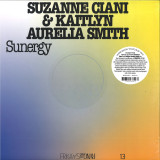
The incongruous, yet glorious, creative partnership between Nancy Sinatra and Lee Hazlewood was well underway when the two singular artists reunited to record 1972’s Nancy & Lee Again, a follow-up to their bestselling duet debut, Nancy & Lee. Nancy, the eldest daughter of Frank Sinatra, had been working with the Oklahoma-born songwriter since 1965, when she topped the pop charts with “These Boots Are Made For Walkin’.” Over the next five years, the two artists forged a prolific relationship in the studio, with Hazlewood writing and producing many of Nancy’s solo hits. Soon, the duo found success with a series of duets, including “Sand,” “Summer Wine,” and “Some Velvet Morning” – all of which appeared on their highly-influential 1968 debut.
Not long after the critical acclaim and chart success of Nancy & Lee died down, however, Hazlewood unexpectedly relocated to Sweden, leaving his musical partner in the proverbial dust. America, meanwhile, was in the midst of a cultural shift, as the Vietnam War waged on. By the turn of the decade, the musical landscape had changed significantly. “Trivial music and not profound music became unimportant,” recalls Nancy, speaking to Hunter Lea. “It was a tough time.” And yet, despite the circumstances, the stars somehow aligned for the duo to record some of their most magnificent music together.
Returning to Los Angeles for the project, Hazlewood – who reprised his role as producer – chose to take a new direction with the duo’s sophomore album. Nancy recalls, “It was more dramatic; it was more fun to do, more challenging to do…. It was more grandiose.” For the lush, orchestral arrangements, they collaborated with Larry Muhoberac (an original member of Elvis Presley’s TCB band, whose early ‘70s credits also included Barbra Streisand, Neil Diamond, and Lalo Schifrin) and Clark Gassman, who had worked on Hazlewood’s 1970 LP, Cowboy in Sweden. Backing vocals from brothers John and Tom Bahler, who remain two of the most recorded singers in history, added additional texture to several songs.
The big sound that Nancy describes above is exemplified in the album’s cinematic opener, “Arkansas Coal (Suite).” Clocking in at nearly six minutes long, the dynamic overture tells the tale of an ill-fated coal miner (sung by Hazlewood), while Nancy adjusts her vocals to sing as both the miner’s daughter and his wife. Hazlewood’s knack for vivid, nuanced storytelling shines throughout Nancy & Lee Again, particularly in “Paris Summer,” which details the conflict that a married woman faces, as she engages in a passionate affair. Another highlight is the country-inspired hit, “Did You Ever,” which was released as the album’s lead single. After it landed at No.2 on the U.K. pop charts, the song served as an alternate title track in several countries, including LP pressings in the U.K., Germany, and Canada.
One of the most emotionally-charged moments on Nancy & Lee Again is a cover of Dolly Parton’s “Down From Dover.” The heartbreaking tune tells the tale of a pregnant teenager, who has been abandoned by her lover and her family and ultimately gives birth to a stillborn baby. While Parton’s 1970 version was sung from the teenager’s point of view, Hazlewood and Sinatra transformed the country song into a duet. Hazlewood, who offers the man’s side of the story, sings in a notably deeper octave than his signature baritone.
Another poignant selection is “Congratulations,” which describes a soldier coming home from Vietnam. “His face has grown old and his eyes have grown cold/And they tell you of where he has been/Congratulations, you sure made a man out of him,” Hazlewood sings, pointedly. Nancy, who performs as the vet’s wife, argues that the song had a deeper meaning for her duet partner. “Lee started out a hawk, he was an army guy, so he was all for the war in the beginning. We didn’t talk about it, but at some point, he changed radically. ‘Congratulations’ was almost like an apology from him. I don’t want to put words in his mouth, but it was as though he was saying ‘I’m really sorry.’”
The song “Friendship Train” could also be interpreted as an apology of sorts – this time to Nancy. “You’ve been hurt and I’ve been hurt/Now we’re living pain,” the tune opens. When Hazlewood moved to Sweden without telling his longtime musical partner, Sinatra was understandably upset. “I felt pretty betrayed. I mean, who does that? Who just up and disappears like that? I’ll never understand it,” she reveals. But the uplifting duet – a slice of ‘70s pop perfection – offers reaffirming words of love between friends. “Lee felt things very deeply and tended to express his feelings in song instead of in real life,” explains Nancy.
The 10-track album closes with the stripped-down “Got It Together.” Backed by an acoustic guitar, the song is equal parts playful and candid, as the duo has an impromptu, spoken-word conversation about their lives. “I wish that we’d quit getting so old,” laments Nancy, who later shares her wish to have children (she would do so in the next few years). Hazlewood, meanwhile, attempts to remedy his past wrongdoings – this time asking his partner, “Can I go back to Sweden?” With that, Nancy gives her blessing.
This definitive reissue of Nancy & Lee Again also includes two bonus tracks. Both are stylistic departures for the duo – but fit right in with the psychedelic pop of the era. The first one, “Think I’m Coming Down,” is a harmony-filled reflection on a toxic relationship. “I think that was one of Lee’s drug things. I don’t mean that he used drugs; I mean that he was trying to be part of that culture. Trying to be hip,” explains Nancy, who delivers an emotive vocal performance on the solo track. Also included is “Machine Gun Kelly,” penned by a staple of the 70s singer-songwriter movement, Danny Kortchmar (James Taylor, Carole King, Linda Ronstadt). Recorded several months after the release of the album, the song found Nancy reuniting with Billy Strange, who arranged many of her solo albums, as well as Nancy & Lee. Sinatra and Hazlewood first performed “Machine Gun Kelly” during their residency at Las Vegas’ Riviera Hotel in February 1972 (later released as a concert documentary on Swedish television). While the recording has long remained a career favorite of Nancy’s, it would be decades before it was officially released.
Nancy & Lee Again remains a creative high point in the careers of Sinatra and Hazlewood and, upon its release, garnered rave reviews from Billboard, Record World, and Cash Box, among others. Yet, Nancy & Lee Again never received the spotlight it so utterly deserved. “We didn’t have label support at all in those days,” recalls Nancy. “Without the strength of a label, records die. We were old. We were old-fashioned. We were just not what was happening. It’s a very ageist kind of business.” Nevertheless, she adds, “I think it’s a very good album. I think it’s timeless.” Now, after years of being a sought-after rarity, this gem in the Sinatra-Hazlewood canon can finally get its due.
Five decades later, Nancy’s legacy only continues to grow, as new generations discover her impressive catalog (which boasts nearly 20 studio albums – her duets with Hazlewood among them – and dozens of charting singles, including the theme song to the 1967 James Bond film, You Only Live Twice). In 2020, Sinatra was recognized by her peers when “These Boots Are Made For Walkin’” was inducted into the GRAMMY® Hall of Fame. That same year, Sinatra partnered with Light in the Attic for Nancy Sinatra: Start Walkin’ 1965-1976, a definitive survey of her most prolific period. LITA has also reissued Sinatra’s classic debut, Boots, and her iconic, 1968 album with Lee Hazlewood, Nancy & Lee. The label looks forward to celebrating Nancy over the coming years with a variety of special releases, exclusive merchandise, and more.