The fourth chapter in the daring XTRICTLY ELEKTRO saga once again pushes the boundaries of the genre.
Volume 4 delivers six powerful cuts that move from timeless electro foundations to futuristic, experimental territories — achieving a perfect balance between precision and raw energy.
This release brings together familiar faces — Parand, ElektroTechnik, EC13, and X-Truder — alongside two new additions: Roi, a DJ and producer recognized for his sharp, detail-driven sound and modern take on electro; and DJ Overdose, the veteran force of Dutch electro.
A tight and cohesive mini-LP that embraces diversity while remaining faithful to the spirit of electro: sharp rhythms, dark atmospheres, and pure machine funk.
Limited to 150 copies. Don’t sleep on this one.
Suche:the rhythm
House and techno mainstay Steve Bug returns to Nu Groove with four-track EP ‘Let’s Work’, showcasing the sound of a true electronic pioneer on vinyl. Up first is title track ‘Let’s Work’, a bouncy club record with a cool, metropolitan feel. What follows are ‘Mr Wonders’ and ‘Not The First Time’, two tracks that highlight Steve Bug’s rhythmic expertise and mastery of tension. Closing out this vinyl collection of fresh house music is a collaboration with Los Angeles native and dance culture expert Juliet Mendoza; ‘Whispers In The Dark’ features Juliet’s magnetic spoken word over Steve’s brooding electronic groove.
Rob Clouth returns to Mesh with Cicada, a follow-up to his EP earlier this year and a continuation of his ever-curious approach to the outer limits of electronic music.
An artist who has spent much of his career committed to a dialogue between scientific phenomena and music built for big soundsystems, Bichillo signalled a segue into a more free-running idea of creativity - one that didn’t pander to unrealistic expectations and, essentially, brought the fun back to Rob’s production process. A theme also explored in a link-up with long-time collaborator and label boss Max Cooper on their recent joint EP 8 Billion Realities, out now on Mesh.
Cicada, he continues to expand on this universe, prioritising experimentation over concept, and arriving at some of the funnest music he’s ever made.
Like a field of insects, ‘Cicada’ opens with cross-rhythmic layers of animated glitches, soon joined by huge bass swells that gradually build into a maximal tranced out build-up and a swarm of vocal chops. ‘Core’ builds a quietly dramatic symphony of machinist built sound - a soothing polyphony of computers singing. Leaning into an off-kilter 2-step, ‘Gummy Clusters’ swirls into a hazy blur of distorted voices and acoustic rhythms. Closing things off, ‘Grefuser’ puts pedal to the metal with a high BPM storm of pointillist drums and melancholic leads.
Cicada is music that twitches and mutates, but most importantly, breathes fun into the circuitry.
‘Cicada’ lands Friday 20th March via Mesh.
Sudd WAX is a vinyl only label of Sudd Records. K'Alexi Shelby, considered one of the Chicago's true heroes and known as pioneer of Chi-town's sound. Deeply connected with Frankie Knuckles, Ron Hardy, Robert Owens, Larry Heard, Derrick May, Paul Johnson, names that prove his respect into the House Music Scene. Shelby's K.A.S. Sounds shows all those influences. Turn up the volume, and let the release gets into your mind.
- 01: Under The Silver Moon
- 02: 6 Years
- 03: Harap Dan Ragu
- 04: The More
- 05: Through The Changes
- 06: Di Hotel Malibu
- 07: What's On Your Mind
- 08: I'm Just A Girl
- 09: Selatan
- 10: I'd Be Lost
- 11: Di Dalam
- 12: Crazy Eyes
- 13: Boru
- 14: Rahasia
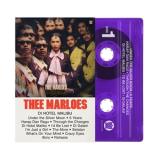
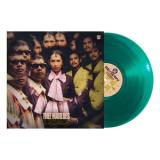
Big Crown freut sich, das zweite Album von Thee Marloes, ,Di Hotel Malibu", zu präsentieren. Es erweitert den Rahmen - ein selbstbewusster Schritt weg von den Grenzen, die ihren Sound einst klar definierten, hin zu etwas Durchlässigerem, Gesprächigerem und zutiefst Indonesischem. Zwei Jahre sind vergangen, seit ,Perak", das Debütalbum des Trios aus Surabaya bei Big Crown Records, ihren einzigartigen Sound vorstellte. Dieses neue Album bricht nicht mit dieser Tradition, sondern erweitert sie und zeigt, wie sehr sie als Band seit der Veröffentlichung ihres Debüts und all den damit verbundenen Erfahrungen gewachsen sind. Bestehend aus der Sängerin und Keyboarderin Natassya Sianturi, dem Gitarristen und Produzenten Sinatrya Dharaka und dem Schlagzeuger Tommy Satwick, haben Thee Marloes stets als Einheit gearbeitet, wobei ihre Songs von Satwick, haben Thee Marloes stets als Einheit gearbeitet, wobei ihre Songs von gemeinsamen Referenzpunkten und einem ausgeprägten Sinn für Groove geprägt sind.
Auf diesem Album erweitert sich diese gemeinsame Sprache. Die Arrangements bewegen sich über ein breiteres Spektrum, mit neuen instrumentalen Farben, unerwarteten rhythmischen Wendungen und einem lockereren Ansatz in Bezug auf die Struktur. Die Band beschreibt es als eine Reaktion auf die letzten zwei Jahre ihres Lebens: soziale Realitäten, Liebesleben in Der Album-Opener ,Under the Silver Moon" ist ein kühler Two-Stepper, der die bitteren und süßen Seiten von Fernbeziehungen vor einem luftigen musikalischen Hintergrund thematisiert. ,Six Years" ist eine Seite aus dem Leben der Sängerin Natassya Sianturi und ihrem Kampf, den Schritt zu wagen, einen bequemen und sicheren Tagesjob aufzugeben, um ihrem Traum von einem erfüllten Leben zu folgen.
Big Crown freut sich, das zweite Album von Thee Marloes, ,Di Hotel Malibu", zu präsentieren. Es erweitert den Rahmen - ein selbstbewusster Schritt weg von den Grenzen, die ihren Sound einst klar definierten, hin zu etwas Durchlässigerem, Gesprächigerem und zutiefst Indonesischem. Zwei Jahre sind vergangen, seit ,Perak", das Debütalbum des Trios aus Surabaya bei Big Crown Records, ihren einzigartigen Sound vorstellte. Dieses neue Album bricht nicht mit dieser Tradition, sondern erweitert sie und zeigt, wie sehr sie als Band seit der Veröffentlichung ihres Debüts und all den damit verbundenen Erfahrungen gewachsen sind. Bestehend aus der Sängerin und Keyboarderin Natassya Sianturi, dem Gitarristen und Produzenten Sinatrya Dharaka und dem Schlagzeuger Tommy Satwick, haben Thee Marloes stets als Einheit gearbeitet, wobei ihre Songs von Satwick, haben Thee Marloes stets als Einheit gearbeitet, wobei ihre Songs von gemeinsamen Referenzpunkten und einem ausgeprägten Sinn für Groove geprägt sind.
Auf diesem Album erweitert sich diese gemeinsame Sprache. Die Arrangements bewegen sich über ein breiteres Spektrum, mit neuen instrumentalen Farben, unerwarteten rhythmischen Wendungen und einem lockereren Ansatz in Bezug auf die Struktur. Die Band beschreibt es als eine Reaktion auf die letzten zwei Jahre ihres Lebens: soziale Realitäten, Liebesleben in Der Album-Opener ,Under the Silver Moon" ist ein kühler Two-Stepper, der die bitteren und süßen Seiten von Fernbeziehungen vor einem luftigen musikalischen Hintergrund thematisiert. ,Six Years" ist eine Seite aus dem Leben der Sängerin Natassya Sianturi und ihrem Kampf, den Schritt zu wagen, einen bequemen und sicheren Tagesjob aufzugeben, um ihrem Traum von einem erfüllten Leben zu folgen.
Big Crown freut sich, das zweite Album von Thee Marloes, ,Di Hotel Malibu", zu präsentieren. Es erweitert den Rahmen - ein selbstbewusster Schritt weg von den Grenzen, die ihren Sound einst klar definierten, hin zu etwas Durchlässigerem, Gesprächigerem und zutiefst Indonesischem. Zwei Jahre sind vergangen, seit ,Perak", das Debütalbum des Trios aus Surabaya bei Big Crown Records, ihren einzigartigen Sound vorstellte. Dieses neue Album bricht nicht mit dieser Tradition, sondern erweitert sie und zeigt, wie sehr sie als Band seit der Veröffentlichung ihres Debüts und all den damit verbundenen Erfahrungen gewachsen sind. Bestehend aus der Sängerin und Keyboarderin Natassya Sianturi, dem Gitarristen und Produzenten Sinatrya Dharaka und dem Schlagzeuger Tommy Satwick, haben Thee Marloes stets als Einheit gearbeitet, wobei ihre Songs von Satwick, haben Thee Marloes stets als Einheit gearbeitet, wobei ihre Songs von gemeinsamen Referenzpunkten und einem ausgeprägten Sinn für Groove geprägt sind.
Auf diesem Album erweitert sich diese gemeinsame Sprache. Die Arrangements bewegen sich über ein breiteres Spektrum, mit neuen instrumentalen Farben, unerwarteten rhythmischen Wendungen und einem lockereren Ansatz in Bezug auf die Struktur. Die Band beschreibt es als eine Reaktion auf die letzten zwei Jahre ihres Lebens: soziale Realitäten, Liebesleben in Der Album-Opener ,Under the Silver Moon" ist ein kühler Two-Stepper, der die bitteren und süßen Seiten von Fernbeziehungen vor einem luftigen musikalischen Hintergrund thematisiert. ,Six Years" ist eine Seite aus dem Leben der Sängerin Natassya Sianturi und ihrem Kampf, den Schritt zu wagen, einen bequemen und sicheren Tagesjob aufzugeben, um ihrem Traum von einem erfüllten Leben zu folgen.
UK-based producer Hurdslenk has quickly carved a niche as a genuinely one-of-a-kind artist in his sound. After much heralded releases on Key Vinyl, Frenzy, Hardgroove and Hayes amongst others, he's now joining the dolly TS family! Modern sound design meets timeless groove, a combination few execute with such precision. Tightly coiled rhythms and signature industrial elements, highlighted by the occasional, stark metallic synth stab define this monster of a 4 tracker for serious techno enthusiasts!
- 1: Annelie
- 2: Wild Palms
- 3: Drowning Man
- 4: Two Black Irises
- 5: Vagabond
- 6: Isn't This How The Story Always Begins?
- 7: Winter Says
- 8: Last Call For Karaoke
- 1: In A Room Like This
- 2: How To Talk To Your Man
- 3: Allegiances
- 4: Anniversary Song
- 5: Tough Love
Seit über 30 Jahren ist Simon Joyner eine Ausnahmeerscheinung - ein vollkommen unabhängiger Künstler, der sich ganz auf sein Handwerk konzentriert. Der in Omaha lebende Singer-Songwriter veröffentlichte Anfang der 90er Jahre erstmals Musik und ist seitdem seinem Weg treu geblieben. Joyners Songs voller stiller Freude und Herzschmerz haben verschiedene Generationen von Künstlerkollegen geprägt und zeigen sich als offensichtlicher Einfluss bei Acts wie Bright Eyes oder Kevin Morby sowie als Anklänge gemeinsamer Perspektiven bei den nachfolgenden Lenkers, Oldhams und Molinas. "Tough Love", Joyners 19. Studioalbum, setzt diesen Aufwärtstrend fort. Obwohl es untrennbar mit der persönlichen Trauer von "Coyote Butterfly" aus dem Jahr 2024 verbunden ist - dem autobiografischen Album, das Joyner nach dem Tod seines Sohnes aufgenommen hat - erforscht dieses neue Album das Konzept der ,tough love" als Dichotomie, die auf verschiedene fiktive Beziehungen angewendet wird, darunter romantische, familiäre und politische. Dieser Balanceakt zeigt sich in lebhaften Schilderungen alltäglicher Herzensschmerzen und in der Auseinandersetzung mit politischer Wut und dem Verrat am amerikanischen Traum. Eines der Wunder von Joyners Werk ist, dass sich seine Muster nicht wiederholen, sondern wandeln. Anspielungen auf Cohen, Dylan und die Velvets sind seit den frühen Lo-Fi-Tagen Teil seines Songwritings, doch die Art und Weise, wie diese Vorbilder einfließen, verändert sich ständig. Während Joyners raue Akustiksongs im Rampenlicht stehen, werden sie von E-Gitarren angestachelt und sind von experimentellen Tendenzen durchdrungen. Die Rocksongs bilden einen Mittelweg zwischen minimalistischen Grooves, die von Velvet Underground der Loaded-Ära übernommen wurden, und der ekstatischen rhythmischen Verrücktheit von Can. Wenn wir beim vorletzten Track, ,Anniversary Song", angelangt sind, haben die geisterhaften Vocals und die Scratches des mikrotonalen Synthesizers die Grenzen zwischen Joyners Folk-Sänger-Herz und seinem Avantgarde-Geist verwischt. All das mündet in den 20-minütigen Titeltrack, der "Tough Love" abschließt - ein erschütternder Sturz in einen scheinbar bodenlosen Abgrund aus Reue, Überlebensschuld und unverblümter Trauer. Er leiht sich eine repetitive Struktur aus Lou Reeds erzählter Suite ,Street Hassle" und kombiniert sie mit dem seitenfüllenden Zeugnis von Dylans ,Sad-eyed Lady of the Lowlands", Joyner erzählt dazu aus der Perspektive seines verstorbenen Sohnes, der zu seinem Vater spricht, all seine Fehler darlegt und schonungslos hervorhebt, dass nichts davon rückgängig gemacht werden kann. Bald jedoch öffnet sich diese Qual zu etwas Transzendentem, sowohl in ihrer eleganten Bildsprache als auch in ihrer ätherischen Atmosphäre. Die letzten Momente des Albums gewähren die Erlaubnis zur Selbstvergebung und hoffentlich eines Tages auch zum Verständnis. Dieses kathartische Ende bringt all die verworrenen Gefühle, die sich durch "Tough Love" ziehen, auf den Punkt. So wie Joyner das Songwriting aus ungewöhnlichen Blickwinkeln angegangen ist, die sich jedes Mal ändern, wenn er zur Gitarre greift, um ein neues Album aufzunehmen, so verändert sich auch auf "Tough Love" seine Beziehung zu Trauer, den alltäglichen Kämpfen und dem ewigen Streben nach etwas Besserem.
Berlin-based disco don Tobi Schwermann aka Jack Tennis strides into his tenth year making music with a seance on his Art Groupie label. 'Billy's Family' is a heart-sweeping disco sound with sweeping Philly strings and neat guitar lines, golden chords and a nice plump mid-tempo rhythm. 'Lonely Streets' channels Bill Withers gritty soul and moody basslines into an infectious groove, then 'Some Kind Of A Lady' gets lips pouted and hands in the air with unrestrained disco joy. 'VO' closes with a rich ecosystem of whistles, organic percussive sounds and a strident electronic groove with fiery Latin vocals. Eclectic excellence once more.
Masao Yagi’s memorable first leader date, by a musician active since the dawn of Japanese jazz and also known as a devoted Monk scholar. This album features Monk’s compositions throughout, including classics such as "’Round Midnight", "Straight, No Chaser", and "Blue Monk".
Masao Yagi (p)
Sadao Watanabe (as)
Akira Nakano (tp)
Masanaga Harada (b)
Teiichi Tabata (dr)
- 1: Sun Of Manes
- 2: Uraeus
- 3: Flaxstaff
- 4: Hexameter
- 5: Geush Urvan
- 6: Niut Shaes
- 7: Doubting Zurvan
- 8: Mithudrsa
- 9: Cloud Wolf
- 10: Perfumer
- 11: Ninefold
- 12: Mercurial Silence
TRANSPARENT CLEAR VINYL[31,72 €]
Seit mehr als drei Jahrzehnten bahnt sich David Eugene Edwards einen einzigartigen Weg durch die amerikanische Musikszene. Zunächst mit dem dunklen Folk-Dringlichkeit von 16 Horsepower, dann mit der andächtigen Intensität von Wovenhand und in jüngerer Zeit durch die reduzierte Klanglandschaft seiner Soloarbeiten. Auf seinem zweiten Soloalbum "Mercurial Silence" setzt Edwards den Weg fort, den er auf seinem Debütalbum "Hyacinth" aus dem Jahr 2023 eingeschlagen hat, und dringt gleichzeitig durch den erweiterten Einsatz elektronischer Produktion und vielschichtiger Texturen in neue Klangwelten vor. Auf dem Album kanalisiert Edwards die krasse Intensität, die einen Großteil seiner Karriere geprägt hat, und greift gleichzeitig auf eine breitere Klangpalette zurück, die sich zugleich uralt und modern anfühlt. Seine unverwechselbare Stimme bewegt sich durch die Schichten aus Streichern, perkussiven Drones und gespenstischer Elektronik und verleiht dem Album die Aura einer Welt außerhalb unserer Reichweite. Über seine 12 Songs hinweg verfeinert Edwards hier die thematische Ausrichtung, die erstmals auf seinem Debüt erkundet wurde, und erweitert gleichzeitig seinen Fokus, um die wiederkehrenden Geschichten zu betrachten, die verschiedene Kulturen über Himmel und Erde und deren stetes Miteinander erzählen. Musikalisch zeichnet sich das zweite Solowerk durch die bewusste Verschmelzung akustischer Instrumente mit ausgeprägten elektronischen Elementen aus. Synthesizer, programmierte Rhythmen und dichte Ambient-Texturen verbinden sich mit Edwards' eher traditionellen Arrangements und schaffen einen Klang, der zwar karg bleibt, aber gleichzeitig die räumliche Tiefe der Songs erweitert. Während frühere Projekte oft auf rohe physische Kraft setzten, wirkt "Mercurial Silence" mit einer anderen Art von Kraft. Das Album entfaltet sich geduldig, atmosphärisch und überwältigend.
Celebrating a decade since its live debut, Detroit-based artist Rebecca Goldberg announces the first-ever vinyl release of her original score for A Trip to the Moon, the iconic 1902 silent film by Georges Méliès. Composed in 2016, Goldberg’s reimagining of the groundbreaking film—originally titled Le Voyage dans la Lune—translates early cinema fantasy into a minimalist electronic soundscape shaped by synthesis, texture, and composed foley.
Goldberg’s approach honors the wonder and theatricality of Méliès’ vision while grounding it in Detroit’s lineage of forward-thinking electronic music. The score premiered in Paris in 2016 with live performances at Silencio, the club founded by David Lynch, and at Bar à Bulles, located above the legendary Moulin Rouge. The Paris events were produced by Why So Serious Productions and marked a rare convergence of experimental electronic performance and historic cinematic space. Goldberg also presented the live score in her native Detroit, reinforcing the transatlantic bridge that has long shaped her conceptual record projects.
Now, ten years later, the score will be released for the first time on vinyl in a limited edition of 300 copies. The pressing captures the nuance of the original live compositions while offering listeners a new way to experience the interplay between silence, rhythm, and sonic illusion. As with Goldberg’s previous conceptual 12" releases, the vinyl format serves not only as a medium but as an artifact that preserves and reframes cultural memory.
Gatefold Sleeve
M’Bamina – African Roll (1975)
The story of an album born between Africa, Italy, and the nightclub culture of the 1970s
In the heart of 1970s Italy — a country undergoing profound social change and a music scene just beginning to open itself to distant sounds and cultures — an extraordinary, almost improbable story took shape. It is the story of a group of young African musicians who found their way to Europe, of a Turin nightclub that became a crossroads for communities and experimenters, and of an album which, released in small numbers and largely unnoticed at the time, is now considered a rare jewel of Afro-fusion.
The band called themselves M’Bamina — an ensemble of musicians from Congo, Cameroon, and Benin, who arrived in Italy in the early Seventies. Settling between northern Italy and the Pavia area, they began performing in small clubs and community events, bringing with them a vibrant rhythmic heritage: African polyrhythms, call-and-response vocals, funk-infused bass lines, and Caribbean or Afro-Latin colours absorbed along their musical journeys. Their raw, contagious energy on stage quickly drew attention.
Meanwhile, in Turin, another story was unfolding. There was a venue becoming almost legendary: Voom Voom, one of the city’s liveliest nightclubs, run by Ivo Lunardi. The club attracted an eclectic crowd — students, artists, foreigners, night owls — and Lunardi quickly understood that the dancefloor wasn’t just a place for music, but a melting pot for a new kind of cultural energy. Out of this vibrant atmosphere came his idea: to turn the club’s name into a small independent record label, Voom Voom Music, capable of capturing the spirit of those years and giving voice to unconventional projects.
When Lunardi heard M’Bamina, he immediately sensed that this was the sound he had been searching for: fresh, different from anything circulating in Italy at the time, and capable of blending African tradition with funk and European sensibility. He brought them into the studio.
Production was handled by Lunardi along with Christian Carbaza Michel, while the engineering was entrusted to Danilo Pennone, a young sound technician with a sharp, intuitive ear.
The recording sessions — held in Turin in 1975 — produced a remarkably warm and direct sound. The music feels almost live: grooves rooted in African tradition, but open to funk-rock structures and modern arrangements. It is a natural fusion, never forced. Tracks move between tribal rhythms, funk basslines, light electric guitars, congas and Afro-Latin percussion, with call-and-response vocals and melodies that echo both Congolese tradition and the lineage of Latin jazz. Not by chance, one of the album’s most striking tracks, Watchiwara, reinterprets a Latin standard through M’Bamina’s own rhythmic language.
The album was titled African Roll — a name that was already a statement of intention. It is African music that “rolls,” that moves, adapts, transforms within a new geographic and cultural setting. It is not strictly Afrobeat, nor Congolese rumba, nor Western funk: it is a spontaneous, hybrid blend, shaped more by lived experience than by any calculated aesthetic program.
When African Roll was released, the world around it barely noticed. Distribution was limited, and 1970s Italy had yet to develop a cultural framework for receiving such music. The national music press rarely paid attention to African or “world” productions. The album slipped into silence — though the band’s own story did not.
M’Bamina continued performing across Europe and Africa, even sharing a stage in Cameroon with none other than Manu Dibango. By the late Seventies, they moved to Paris, signed with Fiesta/Decca, and recorded a second LP, Experimental (1978). Meanwhile, the peculiar record they had made in Turin began to resurface quietly among vinyl collectors, Afro-funk enthusiasts, and DJs hunting for forgotten grooves.
That is when the album’s fate began to shift.
Over the decades, African Roll emerged as an almost unique document: a snapshot of an intercultural Italy before the word “intercultural” even existed, a fragment of migrant history, a spontaneous experiment in musical fusion born far from major industry circuits but rich in authenticity. Original copies began commanding high prices on the collector’s market, and the album became recognized as one of the hidden classics of European Afro-fusion from the 1970s.
Today, more than fifty years later, this reissue finally restores visibility and dignity to a project that deserves to be heard, studied, and celebrated. It is not simply an album: it is the testimony of a rare cultural encounter, born in an Italy unaware of how fertile such exchanges would one day become.
It is the story of a visionary producer, an extraordinary band, and a fleeting moment in which music, migration, and nightlife came together to create something genuinely new.
African Roll is — now more than ever — the sound of a bridge: between continents, between eras, between cultures. A record that, after rolling far and wide, has finally come home.
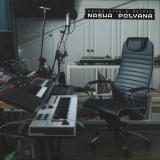
We present an EP from two house masters Artem Stan & Matpri on Analog Concept records.
This record was born like in the classic 90s from jam sessions in the studio, when musicians caught the groove and connected their deep universes, showing true love for house music. Everything is combined here - the sound of drum machines 909 and not only, atmospheric acid impulses of 303, classic pads that paint these paintings bright and filled with deep meaning, as well as much more. Amazing two sides and four compositions, each with its own story.
The Midnight Seduction track opens the telling of these stories on side A. From the first seconds, immersing in the atmosphere of synthesizer temptation, the analog bass line combined with the default drum section and elements of bright metal claps quickly gain the necessary energy and immerse in the images of a closed nightclub with long corridors and hidden dance floors. The light plume of the classic M1 organ and the accentuating Acid lead maintain balance. Secret nocturnal seduction, light ecstasy and an atmosphere of love.
French Kiss - everything is great here, as soon as you listen to the harmony of accordion-like synthesizers and deeply addictive pads, you are instantly transported to the image of Parisian streets. Elements of bells, a rhythm section filled with unpredictable percussion, acid inclusions and an unexpected immersion into a broken beat in the middle of the composition, a real deep French kiss.
Matpri is known for its sophisticated approach to music and is rightfully the guru of micro and minimal house. Having created the maximum sound quality of the rhythm section and the deep bass that was addictive from the first seconds, mixing old-school vibe, while not losing touch with his minimalistic sound image, he filled the House Template track with the smallest details and percussion, which is confidently based on the B-side.
Four certainly high-quality compositions were created in the studio of Artem Stan in the mountains of Krasnaya Polyana and one of the tracks on the B-side - "Nasha Polyana" - is dedicated to this location, it conveys a certain playful atmosphere of a mountain village with a vibe of complete freedom and daily carefree. A complete release with decent house music.
In a sharp-angled, fiercely inventive reflection on the nature of club culture and digital fatigue, Simo Cell and Abdullah Miniawy reunite to deliver their new album, Dying is the internet, to Dekmantel's UFO series.
French producer Simo Cell has blazed a singular path from his dubstep-influenced origins to become a leading light in contemporary leftfield club music, twisting up adventurous rhythms and flamboyant production in pursuit of a perpetual freshness for the floor. Egyptian singer, poet, producer and composer Abdullah Miniawy has become equally omnipresent in the past 10 years, straddling the arts world and leading with his piercing Arabic lyricism while maintaining an eternally curious spirit that leads into open-ended, experimental music from the abstract to the propulsive.
Following up on their 2020 EP for BFDM, Kill Me Or Negotiate, Miniawy describes their sharply focused new album as "a playful prophecy about the triggers of a new global revolution." Cell considers the title, Dying is the internet, to be a mantra about "how the internet lost its soul," becoming "less about sharing ideas and more about surviving in a digital business ecosystem." Deliberately at odds with the reel-ready two-minute attention span of the average social media surfer (i.e. everyone), the pair set out to make an album that takes its time to reveal nuanced ideas and expressions. Rather than one-note despair for the modern malaise, Cell and Miniawy offer a philosophical reminder that this present moment in the human experience is a temporary phase, no matter how overwhelming it feels.
Dying is the internet finds Miniawy experimenting with auto-tune across the record, while Cell has developed his voice design chops and compositional instincts, moving closer to fully realised song structures without losing the fundamental 'clubbiness' of each track. The result is a cohesive, wildly original kind of heavyweight dance music that slings out hooks left right and centre, from Miniawy's laconic trumpet looming through low-slung 'Reels in 360' and 'Travelling In BCC' to the persistent handclaps that bring 'Living Emojis' to life. Miniawy's poetry explores the power of insistent, repeated phrases in a break from his more typically structured form.
Kenyan powerhouse Lord Spikeheart adds extra snarl to stripped-back, slow-burn opener 'I See The Stadium', but otherwise Dying is the internet is purely the work of Miniawy and Cell casting their considerable chops out into unexplored territory. The results are electric, bound together by a consistent economy of sound that burrows into a shroud of bass-heavy minimalism barely masking Cell's incredibly detailed studio flex. Even the beatless flourish of the Miniawy-produced 'Tear Chime' comes loaded with physicality — a sensory rush at the mid-section of the album bookended by some of the most idiosyncratic club music in recent memory.
Both Simo Cell and Abdullah Miniawy have already proved themselves as fearless innovators across different fields. The strength of their partnership lies in their ability to make space for each other while letting their distinctive sonic identities ring loud and true. Dying is the internet has immediacy and physicality to translate over a soundsystem, but its intricacies are purpose-built for repeat visits and contemplation, unveiling hidden dimensions the deeper you dive into it.