
No en stock
Haga su pedido ahora y le encargaremos el artículo en nuestro proveedor.
Ültimo hace: 2 Años
14,50 €
Haga su pedido ahora y le encargaremos el artículo en nuestro proveedor.
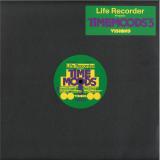
We are delighted to welcome back one of our most cherished artists, Life Recorder, for the third instalment of his remarkable Time Moods series on Visions Recordings.
This latest release delivers four vibrant and immersive tracks, blending deep techno textures with refined grooves, another strong statement in the series.
Far from the hype, French DJ and producer Kriss, aka Life Recorder, has been steadily shaping a distinctive sonic identity over the years. Deeply influenced by the heritage of Detroit and Chicago’s house and techno scenes, his sound travels effortlessly across genres while remaining rooted in soulful depth.
Born in the French suburbs of Geneva and now based in Marseille, he began his journey in the 1990s, connecting with music through record shops, DJing, and the evolving club culture of the time.
With this third chapter of Time Moods, Life Recorder continues to craft a timeless and introspective musical narrative.
Alex and Stephane Attias
El artículo ya está en camino a nosotros y se espera que sea enviado desde 30.09.2026.

VOL. 4[25,84 €]
Following the success of Denshi Ongaku No Bigaku Vol. 1 and Vol. 2, Cosmocities returns with the third instalment of its celebrated compilation series dedicated to the rich and ever-evolving world of Japanese electronic music. Compiled by label owner Matt Soulie, Denshi Ongaku No Bigaku Vol. 3 continues the journey through Japan’s diverse sonic landscape, bringing together pioneering artists, cult favourites and contemporary innovators across ambient, house, jazz-infused electronics and experimental sound design.
A carefully curated snapshot of Japanese electronic music past and present, Denshi Ongaku No Bigaku Vol. 3 showcases the depth, innovation and enduring influence of one of the world’s most inspiring musical cultures.
Since its inception, the Denshi Ongaku No Bigaku project has paid tribute to a musical culture that has profoundly influenced the Cosmocities vision. Where the first volume explored dreamy ambient textures and deep electronic moods, and the second shifted focus towards boogie-laden rhythms and jazz-fuelled dancefloor excursions, Volume 3 finds a natural balance between introspection and movement.
The compilation opens with Yosi Horikawa’s sublime “Bubbles”, an ambient masterpiece whose delicate organic textures gently set the tone. Chari Chari’s “Luna de Ritmos” follows with deep, ethereal house atmospherics before Force Of Nature’s hypnotic “Skyy High” guides listeners further into immersive territory.
The journey continues through the experimental electronics of XTAL’s “Skygazer” and the analogue warmth of Takuya Matsumoto’s “Jump Rope Music”, while regular Cosmocities contributor Yuu Udagawa delivers the sophisticated high-tech jazz house groove of “Little Secrets”.
On the second half of the collection, Kuniyuki’s remix of Slow Didi’s “Follow Me” brings rich jazz-inflected elegance, leading seamlessly into the futuristic techno-swing fusion of DJ Eiji Takehana featuring Yusuke Nakamura’s “Deep Track Jazz”. Tominori Hosoya’s “Summer Dreamers” adds a deeply emotional and dreamlike house moment before Azzurro’s “Just A Touch Of Love” shifts the focus firmly towards the dancefloor with a hypnotic late-night thumper.
Closing the compilation is AcidGelge’s “Fatality 4”, a beautifully spacey and atmospheric finale that leaves the listener suspended somewhere between the club, the cosmos and the imagination.
El artículo ya está en camino a nosotros y se espera que sea enviado desde 01.10.2026.
Ediciones Espectro Oculto returns with EOD003, its third release and the opening instalment of a new Split Series — a side each for two artists who deal in the shadows: Mick Wills & Blackmoon77.
Mick Wills handles the A-side in familiar territory, mining the margins of European DIY synth culture for cuts & edits. A1, “Six Six Six Sex”, resurrects a forgotten wave track laid down in 1983 by Venlo duo Carin & Henk, Carin Kollenbrander’s conspicuous, sexed-up vocals carrying the unmistakable spirit of the early-’80s minimal synth underground. A2 cuts “New York” by MCL a new beat staple first issued on German’s Boy Records, tightened into a playful, dancefloor-ready tool. Closing the side, Mick Wills turns to Folkvett’s “Kommando Kamprad” — originally out on Pater Noster Ltd. in 2012 — an ethereal, out-of-body drift that pulls the mood inward.
On the flip, Blackmoon77 doubles down on their signature across three originals: dark, raw and hypnotic wave built for bold & audacious DJs and fierce dancers.
All tracks mastered by Alden Tyrell.
As always, this is a one-time pressing of 250 copies — no repress, and no digital until the vinyl is gone.
debe ser publicado en 05.10.2026
South Asian super-producers Lapgan and Baalti – the former a Madlib-disciple spinning hip-hop grooves out of dusty desi samples, the latter duo purveyors of intricately tapestried dance music – holed up in the California desert in early 2024 for a songwriting session to blend their complimentary styles. They ended up with several albums worth of club material built upon decades of Indian music history – floor fillers that move like early Four Tet meets The Avalanches. They’ve been teasing this material around the world during live sets – from Paris Fashion Week to Glastonbury, London Clubs to BK Warehouse parties, sessions at Lot Radio and Karachi Community Radio, and anywhere else they find an aux. The result has been endless ID requests for unreleased gems like “Ipa Ma” and “Lime Tikka”, calls which should finally be answered with the release of Threads.
Lapgan Bio
Chicago-based archivist and producer Lapgan has become renowned for his signature style: unearthing rare and forgotten Indian & Pakistani sounds and recontextualizing them into hip-hop and dance beats that evoke J Dilla and Madlib. He has cultivated a reputation for quietly revolutionary sample-work across his beloved solo projects History and Duniya Kya Hai, as well as LAFANDAR, his critically acclaimed team up with Heems (of Das Racist / Swet Shop Boys). He has worked with a range of artists from both the West (Your Old Droog, Saul Williams, Cool Calm Pete, Kool Keith, Open Mike Eagle, Blue, Quelle Chris) and the East (EXCISE DEPT, Baalti, Sid Sriram, Sid Vashi, Dynoman), and has been featured in global media including Pitchfork, FADER, Stereogum, Passion of the Weiss, Mixmag, Homegrown, and Vinyl Me, Please. Over the past year he has headlined clubs and performed at festivals across the world from Chicago and New York to London and India, and was personally invited to soundtrack back to back Paris Fashion Week shows for the similarly norm-shifting designer Kartik Research. In 2026 he will soundtrack his third Kartik Research runway show, as well as reissue Duniya Kya Hai for its five-year anniversary alongside a companion EP featuring remixes from peers and supporters Arushi Jain, Loris, Mera Bhai, Malkfunktion, and Maral.
Baalti Bio
Baalti makes electronic music built around rhythm, pressure, and collective release – weaving through leftfield bass, dusty hip hop, tripped out dub and raw house all while maintaining a throughline rooted in South Asian culture seen through the lens of a sweaty dancefloor. In the last year they have experienced a whirlwind rise and growing global recognition: from their EP Mela vividly evoking West Bengal’s sound system culture to their Tamil-cinema-infused filter-house project with Anish Kumar Stunt Doubles, in addition to wide-ranging collabs and remixes alongside DJ ADHD, Naya Beat, and A.R. RahmanThey have also built a reputation for their frenetic live show, with appearances at international festivals like Glastonbury and MELT, headlining shows across Australia and Europe and supporting influences turned peers like Four Tet and Disclosure across North America. Their explosive, percussion-heavy sets have been platformed by Rinse FM, NTS, The Lot Radio, Beats In Space, and Refuge Worldwide, and their music has been renowned by publications including Pitchfork, Bandcamp Daily, RA, and MixMag. Their forward momentum continues into 2026 with slated headline tours in India, Australia, and Asia along with appearances at Coachella, Party in the Paddock, Fvded in the Park, and We Out Here festivals.
debe ser publicado en 09.10.2026

Futurismo proudly present a vital compilation born in the shadows of American punk; AMERICAN GRAVE Gothic Punk / Deathrock USA: 1978-1988, the third volume in their Altered Vision anthology series.
Drawing from darkest depths of the American spirit, American Grave is testament to a subculture spawned from late night savagery, graveyard hangouts and suburban isolation. Deathrock, post-punk, goth, whatever term you prefer, this compilation showcases the sounds and aesthetics of a tarnished golden era, an underground movement that took the DIY concepts of punk and the velocity of a burgeoning hardcore scene and immersed it in echoes, distortion, tribal rhythms and macabre vocals, thematically preying upon cult horror flicks, surrealism, and the manipulation of religious iconography. Whilst the UK had a counterpart scene many would hail as Goth, this was different, this was a truly American incarnation, a new breed of youth haunted by the ghosts of old blues, garage and glam, bleak theatrical imagery dressed up to evoke a response, smeared eyeliner, leather, bones…black. This was a backlash against a culture in decay, bucking against a puritanical oppression brought on by the archaic social standards set by their parents. It was aggression manifested as gloom, it was a ceremony, the celebration of death.
American Grave has been co-curated by Wesley Eisold (Cold Cave/American Nightmare/Heartworm Press) in collaboration with Futurismo head honcho Del Jae, to bring you a haunting tracklist ranging from the all important integral mainstays of the genre to those rarer and more elusive artists, including many recordings that have never been reissued before on any format. Featuring the music of Christian Death, T.S.O.L., The Cramps, Of A Mesh, The Gun Club, Twisted Roots, Kommunity FK, The Brainz, Theatre Of Ice, Burning Image, Fur Bible, PSI Com, Shadow Of Fear, Super Heroines, 45 Grave and more.
The music on this compilation is reinstated further from a visual perspective by an array of incredible images by famed punk photographer Edward Colver, and lovingly designed to the level you would expect from a Futurismo release.
2xLP on limited edition ‘Splintered Tomb’ coloured vinyl. It is housed in a gloss laminated outer sleeve with colour inner sleeves and contains a large fold-out poster with unseen photos by the great Edward Colver, words by Lisa Fancher and liner notes by Wesley Eisold of Cold Cave/American Nightmare.
debe ser publicado en 09.10.2026
"The third part of "The Nightstalker" Saga emerges from the depths of dystopia, the last part of a Childhood Intelligence original tale written/produced by Dan Piu & Gary Rich. After "The Tragedies Of A High-Tech World" (2020) and "Genetic Constitution" (2022), the final chapter "Flowers Of Agony" (2026) // Child 22 materializes through a 2x12 Lp. "Flowers Of Agony" presents yet another shade of the duo's analogue machine soul. Technoid brain dance electro from alien mysterious worlds. The album travels through various types of electro infused works, the live-arrangement dynamics and "The Nightstalker" Klangbild shines through each of the traxx, taking the listener through psychedelic cybernetic universes with strong techno force, bridging elements of the past works and taking them further into the future. Deep mind Influence intensifies the more listening time spent... This last chapter of a 3-Story Saga, is the essence, yet evolution of an analogue band, a 20 year friendship - the current zeitgeist & the partnership with Childhood Intelligence. For the future listener, we hope you might unravel the keys to this puzzle and find your own means to define and represent your true self in underground culture..."
debe ser publicado en 12.10.2026

Compiled onto one vinyl album for the first time, Landlocked (Numbers, 2026) presents Hallucinator’s 1999 debut album originally released under Mark Ernestus and Moritz von Oswald’s label Chain Reaction. Writing much surrounding the culture of what would be later considered ‘Dub Techno’ and its’ primary distribution center, Hard Wax, leads one down roads of shifting primary sources and decades old overheard smoke break recollections. Maybe brevity primes the listener to the paralinguistic to approach the sound on its terms; focusing on how things are uttered and not what.
This theory will remain unconfirmed. Hallucinator original press release left us with three or so gestures to consider over the years since:
“A new act on CHAIN REACTION”s distinct productional thesis. HALLUCINATOR are 3 people from he UK/London and this their first release ever- that’s all what the artists want to let us know…. This record is dedidacted to the memory of Stephen Lawrence!”
The first gesture is one of personnel. Since ’99, we’ve gotten to learn a bit more about the artists behind the Hallucinator project. All London-based, all writers, composers, and sound-designers— Anna Piva, Edward George, Trevor Mathison. These three seem to flow between parameters as aesthetic tactic and tacit structure to the work itself. For example, other collaborative shapes have come from this lineup including Flow Motion (Piva, George and Mathison) as well as the now defunct Black Audio Film Collective of which George and Mathison are founding members.
The second gesture is in the second line of the previous press release, “distinct productional thesis.” Much of Landlocked’s affect and sequencing seems to suggest an emotional study of entropy at the level of sediment. Rhythms play with space and capacity through polyvalence. The production chose subtractive vertigo, often switching and bringing back in elements that vanished from the track 6 minutes ago. Dubbing out so much of a track, one begins to associate sound akin to memories held in the experience of running your hand across a concrete block as a child. Felt (re)memberance in lieu of narrative tale. Using textures that flicker between colour and percussion, Hallucinator’s 12-tracker of loudspeaker perception music might be a mediation on the psychic wake of the Cold War. Intermittent strata of ambience and groove convects an active margin rifting event underneath a scorched geology of power in Western Europe. Again, this is all grapevine hearsay.
But it’s silence that voices the third gesture. The album’s sparse application of the written word touches on the ennui paradox of being landlocked on an island. Stuck. Trapped in the psychosis of occidental hypercentricism. A looping silence of Black British tragedy: “to the memory of Stephen Lawrence”. 18 year-old Lawrence was stabbed to death at a bus stop in southeast London by six white men in 1993. The rift of grief and implicit reiteration of modern subordination left by this hate act went legally silent for almost two decades until Lawrence’s killers were ultimately sentenced to virtually life in jail in 2012. Only six years removed at the time of Hallucinator’s initial invocation of rememory, the mind-numbing accretion of what Black Studies Professor Denise Ferreira da Silva might call “unpayable debt”, finds demonic ground across Landlocked, forming an aural sense of what continues to be refused.
The album ventures through spaces of overactive non-happenings: ‘Red Angel’’s factory floor dub flashes between smokestack and jungle visions, or the halfway mark’s stilted breath of ‘Dusk’ lending its mood to the sort of sedated dreams built from daily life under colony rule for instance. That linked rhythm links us back to our linked fates across Black and Brown folk is real, thus the syncopated signals through this work behave on the level of transnational radiotelegraphy, sounding out its windswept tension of a body negotiating a meat-grinder schema of linear production and wage for others to know that unspeakable thing can be broadcast in every drum tongue.
As the silence continues to reverb, we return to the sort of meaning-making that cannot be told but felt. Soothing to some, disturbing to others. Landlocked, a Rorschach test for a crumbled empire.
debe ser publicado en 19.10.2026

On their third album, FANGS, London collective HMLTD have created an entirely new genre: Götherdammerüng (or ÜberGöth). Predictably unpredictable, it could not be further away from their last outing, 2023 rock opera The Worm. The sixteen-piece orchestra has been traded in for Ableton, the timpani and violins replaced with side-chained four-to-the-floor and rave synths, and the gospel choir swapped for guttural gothic howling and black metal screams. The result is both unique and terrifying: a total reinvention and rehabilitation of the goth genre, through the looking glass of modern electronic and doomscroll-era dance music.
This new beginning was accompanied by a change in personnel, with Theo Spark and Andrei Martynchyk joining the fray alongside original members Henry Spychalski and Duc Peterman. Decamping to a ruined château in the Loire Valley, the quartet became obsessed with vampire lore, and the EBM and goth sound that inspired their early work: Fad Gadget, DAF, Nitzer Ebb, Suicide and Bauhaus. FANGS also points to more contemporary influences like Crystal Castles, German hardcore, 2000s blog-house a la Justice, and 2020s sleazepop.
The world crafted in FANGS is full of cosmic pessimism, glowing horror, imperceptible evil and digital dismemberment, ancient curses and ruined castles, Vampires. But it is also a thoroughly fun, and funny, record, as danceable as it is deep. Born of the club, some tracks would not sound out of place on Brat. Like a Smiths song which sounds happy and carefree until your brain tunes in to the misery of the lyrics, it can be listened to - and enjoyed - on two levels. One can get lost in the throb of bass and ludic synths, or tune into the horror of the lyrics which overlay them.
FANGS attempts to offer up a reflection to a culture that - like a Vampire - has lost its own. The result is something not only thoroughly modern, original, and inventive - but that feels genuinely dangerous and potent. FANGS delights in this ambiguity: simultaneously indicting decadence, decay, and moral rot, while luxuriating in its intoxication by it. Cacophonous sub-bass becomes a chthonic call of the void; seraphic rave synths become the screech of Valkyries; four-to-the-floor becomes a deathly funeral march. Vampire apocalypse.
debe ser publicado en 23.10.2026

Color Vinyl[28,15 €]
On their third album, FANGS, London collective HMLTD have created an entirely new genre: Götherdammerüng (or ÜberGöth). Predictably unpredictable, it could not be further away from their last outing, 2023 rock opera The Worm. The sixteen-piece orchestra has been traded in for Ableton, the timpani and violins replaced with side-chained four-to-the-floor and rave synths, and the gospel choir swapped for guttural gothic howling and black metal screams. The result is both unique and terrifying: a total reinvention and rehabilitation of the goth genre, through the looking glass of modern electronic and doomscroll-era dance music.
This new beginning was accompanied by a change in personnel, with Theo Spark and Andrei Martynchyk joining the fray alongside original members Henry Spychalski and Duc Peterman. Decamping to a ruined château in the Loire Valley, the quartet became obsessed with vampire lore, and the EBM and goth sound that inspired their early work: Fad Gadget, DAF, Nitzer Ebb, Suicide and Bauhaus. FANGS also points to more contemporary influences like Crystal Castles, German hardcore, 2000s blog-house a la Justice, and 2020s sleazepop.
The world crafted in FANGS is full of cosmic pessimism, glowing horror, imperceptible evil and digital dismemberment, ancient curses and ruined castles, Vampires. But it is also a thoroughly fun, and funny, record, as danceable as it is deep. Born of the club, some tracks would not sound out of place on Brat. Like a Smiths song which sounds happy and carefree until your brain tunes in to the misery of the lyrics, it can be listened to - and enjoyed - on two levels. One can get lost in the throb of bass and ludic synths, or tune into the horror of the lyrics which overlay them.
FANGS attempts to offer up a reflection to a culture that - like a Vampire - has lost its own. The result is something not only thoroughly modern, original, and inventive - but that feels genuinely dangerous and potent. FANGS delights in this ambiguity: simultaneously indicting decadence, decay, and moral rot, while luxuriating in its intoxication by it. Cacophonous sub-bass becomes a chthonic call of the void; seraphic rave synths become the screech of Valkyries; four-to-the-floor becomes a deathly funeral march. Vampire apocalypse.
debe ser publicado en 23.10.2026

Kick'n Dance Records strikes again with it's third release, "Vert Emeraude EP" by
parisian producer Lucas Moinet. Infused with nature sounds, deep atmospheres
and jazz elements, this four-tracker goes from spiritual jazz deep house to club
groove with a distinctive french signature. All tracks were composed and recorded
by Lucas Moinet at Studio 937, with a traditional 90's house music set up. "Vert
Emeraude" & "Dark Woods" are paying tribute to the sound of the infamous Dance
Culture party at Djoon and it's dancers community. On the other hand, "The Deep"
explores deeper territories while "Franklyn Avenue" brings more energy to the
record, with a faster and powerful track. For the ones into deep chords and
musical explorations
debe ser publicado en 30.10.2026
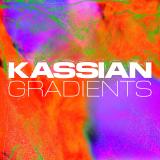
London duo Kassian trade darkness for daylight on Gradients, their third EP for !K7 Records
The EP arrives as a bridge between last year's debut album and a new live show and sophomore LP, due in 2027
As Kassian, Warren Cummings and Joe Danvers continue to sit apart from any one scene. Their fruitful relationship with !K7 has spanned eclectic and global club cuts, including the spatial breaks and bass of 2024's best-selling Supercontinent EP. 2025's debut album, Channels, emerged from lockdown so leaned slow, downtempo and introspective, but this new EP points toward a clubbier, more physical direction that will carry through into album two.
Crucially, the record was written and played live on an array of studio gear rather than assembled piece by piece in the box. It's a way of building towards their first fully live show in 2027 - a hands-on, jam-first approach that leads to "happy accidents" and the unpredictable textures that hardware throws up and no amount of in-the-box planning can replicate.
Gradients is built for the floor without playing to trends and marks some of the duo's most melodic work to date. Rather than sitting purely in heads-down territory, the EP folds in hooks and vocal fragments that lift you out of the smoke and the shadows of the club. The low ends are still rooted in techno with potent drums and bass, but deft vocal hooks and subtle melodies bring a brightness that deliberately steers away from the darker, meaner aesthetic dominating much of dance music right now.
Vocal touches throughout nod to what's going on in the wider underground without tethering to tried and tested tropes. Opener 'Blush' rides warm, soft yet bold melodic riffs, looping in arcs over a hunched, speedy tech house groove. 'Ritmo' is a muscular bouncer with spring-loaded bass, 'Inner Dance' has lurching drums and a cavernous rhythm with vocals that make a playful nod to sound system culture. Last but not least, 'Sweat' is the brightest and most bubbly cut on the EP, with a tight techno low end infused with a velvety whispered vocal.
The Gradients EP is a bright, hardware-built prelude to Kassian's next chapter and a typically well-crafted four-tracker that pairs physical weight with classy emotional release.
debe ser publicado en 30.10.2026

Soul Ex Machina continues the SEMPLATE series with its third installment, welcoming Sibla for a three-track EP rooted in the foundations of early dubstep and shaped by a strong jazz sensibility. Named after its opening track, "The Seekers" explores spacious arrangements, refined musicianship and carefully sculpted low-end, drawing a natural connection between soundsystem culture and contemporary harmonic language.
"The Seekers" opens the record with rolling jazz-inflected drums, deep dub weight and a dim, immersive atmosphere, unfolding with patience and quiet confidence. "Paper Bags" shifts the mood through harsh textures, subtle dissonance and restrained percussion, building tension without sacrificing space or balance. Closing the release, "Pace" settles into a driving stepper rhythm, where flowing grooves, precise basslines and understated melodies bring the EP to a focused, purposeful finish.
debe ser publicado en 30.10.2026

Legendary Children (All of Them Queer)" is a celebrated 1994 dance-pop track by former Frankie Goes to Hollywood frontman Holly Johnson. The song acts as an upbeat LGBTQ+ historical roll-call, honoring historical queer icons from Andy Warhol to Leonardo da Vinci, and was notably performed at London's Gay Pride in 1994. The song is based on the iconic Paris Is Burning and features the brilliant vocals of Helen Terry (Culture Club/2wo Third3).
Released on the album Soulstream, the song is famous for its spoken-word verses and euphoric chorus celebrating legendary figures like Oscar Wilde, Jean Cocteau, and Joe Orton. The overarching message is captured in its defiant lyric: "The answer is clear, they're all of them queer."
Now 2026 sees brand new versions by Luv Foundation (UK). George from the Sharp Boys, a dear friend of Holly's and Mark Loverush, mentioned to Holly that Luv Foundation (UK) should do the rework. Mark Loverush and Julian Napolitano wanted to capture as much of the original essence as possible, keeping that 90s flavor while giving the remix a big, classic feel reflective of how it would sound today.
This is a limited edition of 700 pink vinyl, including 2 of the original versions alongside 2 remixes by Luv Foundation (UK). It comes in brand new artwork by Philip Marshall.
debe ser publicado en 30.10.2026

2026 Repress
Techno mainstay Gary Beck drops hugely sought-after cut 'Hopper' on SHDW's Mutual Rytm sub-label Spectra, with remixes from KiNK.
Glasgow-born Gary Beck is a primary figure in techno and has been for well over a decade. Dropping seminal
underground classics and cultured full-lengths on an array of leading labels, as well as his own BEK Audio imprint,
he has also led the way as a revered DJ as his legacy continues to build. Now, adding to his standout 'Upside
Criminal' EP as well as his well-received track 'Fold' on the 'Federation Of Rytm III' VA, he returns with a record that
has often featured in both his and Mutual Rytm boss SHDW's sets, stepping out on the label's Spectra series with
a cut that has long been sought-after by those who know.
A spontaneous studio moment turned club weapon, the timeless 'Hopper' merges a syncopated disco bassline with
subtle nods to funk and classic dancefloor energy. It's one of those tracks that lingers in your head long after the
night ends - a pure embodiment of Beck's raw energy and production finesse built on an infectious groove full of
contrast and character.
Bulgarian synth wizard, hardware genius and tireless innovator KiNK delivered Spectra's inaugural release, so he
lands as the perfect person to remix. His first interpretation stays close to his roots with a house-leaning, slowed
down take that channels warmth and groove in equal measure. On the B2, however, he flips the script with a high
octane fusion of techno and UKG. It's a peak-time anthem engineered to ignite dancefloors and closes out a
standout EP with the third release in the Spectra catalogue.
Gary Beck 'Hopper' drops via Mutual Rytm Spectra on 20th June 2025.
En el almacen y preparando para el envío

First Word Records proudly present ‘One 4 Detroit’; the third single from Above The Clouds (aka kidkanevil & Magic Manfred), complete with a remix by 14KT.
This 7" vinyl release follows on from last Summer's MF DOOM cover 'Arrow Root', which received strong support from the likes of Japan's DJ Koco and Philadelphia's DJ Jazzy Jeff, and their recent cover of ‘Change’ which was originally by Shadez of Brooklyn, most notably appearing on DJ Premier's 1997 mix album 'New York Reality Check 101.
One of the original First Word roster, UK Producer/DJ and all-round laptop music geek kidkanevil has developed a distinctive and progressive sound over the years, gleefully exploring the beats and bleeps of the electronic music universe to international recognition. Leeds born, sound system bred and raised on a (un)healthy diet of video games and anime, his solo work inhabits the curious space between bass frequencies and otaku culture. But as a devoted teenage backpack rap nerd, somewhere in the back of kid's mind was a lingering desire to reconnect with his first love, hip hop.
Not long after moving to Berlin he joined a studio space in graffiti plastered Kreuzberg, where he met multi instrumentalist wizard Magic Manfred; a disciple of all things boogie, disco, funk and soul. Born and raised in Berlin, and currently a touring musician for many an act, Manfred's musical map joins the dots from piano lessons at four, to starting a band with his teenage friends, leading him to his true calling - the bass - via the club vibrations of his hometown, which introduced him to the world of DJing and production, and a stint studying in the explosive London jazz scene to finalise his Jedi training.
Bonding over their mutual love of '90s hip hop, a friendship and musical kinship developed, coupled with a desire to honour past eras but push things forward, Above The Clouds was born; named after their joint favourite Primo beat, with a touch of irony regarding their basement based studio of a windowless variety.
kidkanevil explains that “after we made a bunch of piano joints it felt like time for a switch up, I had these raw drums looped and Manfred started playing this simple synth line on the Prophet - it kind of happened in an instant. This one was really a case of capture a moment and let it be. It had this cold, industrial bounce to it that really felt ‘Detroit’ somehow, so it became something of a tribute to that sound. Obviously there’s a rich musical history there that’s beyond anything we could encapsulate, but I hope the respect comes across. From Berlin to the D with love!
We felt pretty strongly that if we’re gonna nod to Detroit, we needed a remix from someone who reps there directly. I’ve been a fan of 14KT since the early 2000s beat scene, and as he’d previously released music on First Word, it made perfect sense to approach him. We asked and did he oblige!! I’m very comfortable saying we got schooled! He really blessed us with an amazing remix that brought a life and soul to what was originally a pretty stark beat, we’re super honoured to have this as our first ever remix.
‘U3P1’ (named after a synth preset so we didn’t forget!) is on the flip - this also came about pretty fast. I was thinking Ummah-era Tribe with the drums, and Manfred once again put down this super nice riff and it grew from there. It kinda felt like it needed some trumpet and it's always nice to highlight some of the amazing musicianship lurking beyond the club systems here in Berlin, so we called up Berlin based trumpeter and composer Paolo de Jesus, who blessed us with a beautiful performance and arrangement. And that was that; we hope you enjoy!”
‘One 4 Detroit / U3P1’ is released on limited 7" vinyl & digital platforms, June 12th 2026.
b 02: One For Detroit (14KT Remix) feat. 14KT
b 02: One For Detroit (14KT Remix) feat. 14KT
[b] 02: One For Detroit (14KT Remix) [feat. 14KT]
[b] 02: One For Detroit (14KT Remix) [feat. 14KT]
[b] A2 | One For Detroit (14KT Remix) [feat 14KT]
En el almacen y preparando para el envío

Allein' by Quarks is a timeless piece of German electro-pop culture that captures the nostalgia of Berlin’s wild & spaced out 2000s like no other!
Originally released on the duo's third album "Trigger Me Happy", the single was later released as a 12" with two massive remixes that were only available on vinyl.
Whether it's Sascha Funke's haunting minimal techno masterpiece or Swayzak's colourful & electrifying banger - both remixes leave no doubt that this 12" will bring goosebumps & tears of joy to every dance floor until the end of time!
With all original masters & DATs lost, this reissue has been carefully restored & remastered from the original vinyl by Dubplates & Mastering. Sounding crystal clear & ready for the club in 2026!
goodbye.
En el almacen y preparando para el envío

May 2026 marks the arrival of TYGAPAW (aka Dion McKenzie)’s first full-length album on Tresor Records, entitled Together You Gather All Power Applied Worldwide. An acronym of its creator’s name, TYGAPAW’s third studio album is a deeply personal collection of music building worlds where Black queer and trans siblings can thrive, while unifying dancefloors worldwide. A proposition that collective wisdom liberates us from the matrix of domination we live within. The album unfolds as the latest chapter in TYGAPAW’s ongoing techno opera opus, continuing to center the voices of Black women, which surface as layered incantations rather than lyrics - powerful, haunting, sensual, activating.
With the process of creating the album starting in 2023, as TYGAPAW (Dion McKenzie) was in the first year of their transition, the music reflects the intensity of that period, where they were experiencing deplatforming as a response to the shift in their physical appearance: Tracks like ‘M32 Riddim’ and ‘Helicopter hovers over my Crown Heights Apartment’ feature high-paced rhythms intersecting with intense siren-like synths to form demanding compositions echoing a heightened sense of alert. Yet throughout the album, relief comes in the form of TYGAPAW’s vocal features, co-conspirators, and chosen family, whose voices are treated with reverb and echo, a sonic fingerprint that leads back to the pioneers in the legendary studios of TYGAPAW’s native land, Jamaica, an important reminder that the past will always inform the future. It is an album for dancers first and foremost, where joy, defiance, and integration with the natural body coexist, and every drop feels less like a climax than a transformation. Expect a bass that permeates your soul and melodic synthesized sequenced phrases echoing the dancehall eras of TYGAPAW’s youth, reshaped into hypnotic melodies that glow over industrial kicks designed to command attention, reasserting Jamaica's pioneering yet often overlooked contribution to electronic music.
In the opening track, ‘Can I Live’, Precious Okoyomon’s words feel like the beginning of a ritual; setting the intentions for the rest of the proceedings. As McKenzie puts it, their “work is about regeneration, resetting, getting integrated into nature, and about rebirth. That’s the tone I wanted to set at the outset of the album.” Ms Carrie Stacks continues this thread of support in ‘Don’t Panic’ with heavily processed vocals on top of a beat that takes inspiration from another important ingredient in the antidote to the oppression of isolation: Ballroom culture. “ I feel like I found my queerness in Ballroom, that’s why this track is very important to me.”
Echoes of NYC Black queer nightlife scene also permeate in the energetic drums of ‘Exorcise the Language of Domination’, in which Julianna Huxtable’s spoken performance complements the various movements and tones of the music. “My producer brain thought this was the one that Juliana’s vocals would be best suited for. I hinted: ‘what do you think of this one?’ She just went into her notes and picked some passages to go with the first section of the track. From there, it was a year-long process of development. It required time and space for this thing to evolve, but I think it’s one of the most powerful tracks on the album.” London’s SUUTOO contributes the album’s only musical collaboration on ‘B2B’, a track that emerged from sessions in McKenzie’s New York studio where the real objective was to connect and have fun; a time out from the demands of life outside.
The album closes out with a double hit of emotion in the form of ‘Effects of Resistance and Black Trans Masculine Experience’. The former features South African scholar Khanyisile Mbongwa drawing connections that exist between Africa and the Black diaspora, whilst looking to the future and calling for a shared sense of community.
The latter piece, an instrumental version of the piece which featured on the IMMIGRANT E.P. of 2025 is a gentle and deeply affecting end to the record, a place of peace and acceptance. This end-of-cycle tone is mirrored in the sleeve photography, which also ties back to IMMIGRANT by finally revealing what was hidden: a portrait of the artist fully self-actualized; a step towards true inner liberation. TYGAPAW is sonically defiant across this album; bass frequencies feel tactile — less heard than inhabited — infectious lead synth melodies remain with you long after the track ends. An overall sound that leaves asserting an urgent need for connection. From Detroit to New York to Berlin to Jamaica, despite geographic distance, this album reminds us that we remain in solidarity, recognising that meaningful world-building requires collective input and action, both personal and communal, if we are to move toward liberation.
En el almacen y preparando para el envío
DJ Support: Kerri Chandler, Folamour, Louie Vega, Jazzy Jeff, Dimitri From Paris, David Morales, Dave Lee, The Shapeshifters, Brian Tappert, Quentin Harris, Michael Gray, Terry Hunter, Hector Romero, Tedd Patterson, Dr. Packer, Marcel Vogel, Dj Pippi and many others
Groove Culture main men Micky More and Andy Tee are once again at the controls as the label presents its' Third collection of “Groove Is In The Heart”. As with the popular imprint's various EPs, the focus is on joining the dots between organic house, revivalist disco, uplifting dancefloor soul and colourful jazz-funk. There's much to admire from start to finish, a very strong bunch including MM & AT,Gianni Bini and Angela Johnson celebratory cover of EWF swirling disco-funk ‘In The Stone', a wonderfully rolling and funky-House joint titled ‘Let The Rhythm’ from Ralph Session & Djfudge, Memi P. And Gisele Jackson tasty Feel Good Classic-house Tune “Make It On My Own” and the soulful-house warmth of Audiowhores ‘Touch The Ground' Feat. Angela Johnson.
En el almacen y preparando para el envío

“Alle Sorgenti Delle Civiltà Vol. 3 - Africa, Australia, Nuova Zelanda” (1971) is the third and final chapter of a triptych of folk-based sound recordings released by Folkmusic. The album contains a total of fourteen tracks by Braen and Raskovich, i.e. the a formidable multi-instrumentalists Alessandro Alessandroni and Giuliano Sorgini, each grappling with seven different compositions characterised by a tribal mood. Among the grooves of this record, repressed on vinyl for the first time by Musica Per Immagini, it is possible to discern an in-depth study of one of those forms of popular culture referring to a specific geographic area, comprising the types of traditions often handed down orally and concerning knowledge, beliefs, fairy tales, legends, myths, narratives linked to the dimension of the fantastic, customs and traditions, namely music. Festivals and propitiatory rites, fights and dances, magical and sacred representations were all expressions of life whose sound and rhythm contributed to an appropriate description of the environment. Alessandro Alessandroni and Giuliano Sorgini have chosen some of the most significant musical characters that even belong to specific ethnic realities scattered across two distant continents, where the use of some of the typical instruments has favoured the realisation of sonorities of considerable interest.
En el almacen y preparando para el envío

With Stronger, her third EP, Mira Ló continues her rapid ascent within the French electronic scene. A cathartic project born from a period of personal upheaval, this EP is both a cry of resilience and a celebration of club culture as a space for healing. The Paris-based queer producer and DJ turns pain into creative force, and the dancefloor into refuge, release, and rebirth. Across four emotionally charged tracks, Stronger traces the contours of a club where one rises through the energy of the beat, the warmth of a caring community, and the affirmation of self through sound and movement. “This EP is my response to a very dark period in my life. I chose to turn pain into strength, to stand back up through music, and to reconnect with joy, intensity, and the collective. Each track follows a movement, of a body rising, a heart beating stronger, a soul regaining its light. Stronger is also a tribute to those who carried me when I could no longer stand on my own. It's proof that even in chaos, we can rebuild together.” Mira Ló The first chapter of this inner journey, “Riser” is a house track filled with enveloping melodies, ethereal pads, and organic chords that create a suspended sonic space. Its steady pulse and warm basslines evoke a rising from within. “I wanted this track to feel like a build-up, like breathing again. It's about that moment when you feel you're ready to rise once more, even after a fall, like a gentle but powerful wave,” says Mira Ló. With its R&B textures, pop-infused touches, and radiant production, “Brighter” glows with warmth. It captures the return of inner clarity, the rediscovery of joy and ease. Made to bring people together, it’s Instagram | Youtube | TikTok | SoundCloudboth immediate and heartfelt. “It’s a song about shining again, after the dark. I wanted something full of light and simplicity, a track that speaks to the heart and makes you want to dance without thinking.” A personal and introspective nod to the French Touch, “Higher” is driven by filtered basslines and hypnotic grooves. It channels a sense of euphoria that builds gradually, almost meditatively, like a joyful vertigo. “This track is about finding euphoria again, that moment when music lifts you beyond yourself. I grew up with the French Touch, and this is my way of coming back to it with my own voice.” Closing the journey, “Louder” is the most assertive track on the EP. Inspired by the UK bassline and garage scene, it bursts with percussive, punchy energy. This is where everything comes into full light, bold, unapologetic, and free. “I wrote Louder as a statement: I’m here, I exist, and I won’t stay silent anymore. It’s about partying as self-affirmation, as a joyful, powerful scream of identity. Meant to be played loud. Very loud.” Mira Ló, born Ana Lopez, is a queer producer and DJ based in Paris. Drawing from the full spectrum of club music, her sets and productions blend melancholic emotion with a unique, high-energy, euphoric touch - inspired by artists like Disclosure, salute, and Sammy Virji. From her early days playing in Parisian bars and intimate clubs, she quickly rose to the lineups of top French venues and festivals such as Peacock Society, Marvellous Island, and Lollapalooza - extending her reach across Europe and even to Chicago. She’s carved out a strong place for herself within the new wave of the French electronic scene, leaving a lasting impression with every appearance. In 2023, she released her debut EP Memories and was featured in Apple Music’s “Women In Electronic” series. That same year, she became a resident at Sacré in Paris, before unveiling her second EP Tribute To Chicago in 2024. She returns in 2025 with her third release, Stronger - once again proving she’s one of the most promising artists shaping the future of electronic music.
En el almacen y preparando para el envío

Childish Gambino is (and isn't) Donald Glover, a recording artist, writer, actor, director, producer and comic who was gifted his alias by an online Wu Tang-Clan name-generator. Originally hailing from Stone Mountain, Georgia - his Mum was a daycare provider and his Dad a postal worker, where TV was banned in the house - Glover first entered the spotlight as a member of sketch-troupe Derrick Comedy, via a stint working on The Daily Show and the invitation to join the '30 Rock' writing staff by Tina Fey before he'd even graduated from NYU. A succession of mini-albums and mixtapes surrounded all of this, parallel to acting roles ranging from The Muppets to NBC's cult hit comedy 'Community'. It was 2011's debut album 'Camp' - his first since signing to Glassnote Records - which marked a breakthrough for Childish Gambino, whose music explores everything from identity, race, and technology to hip-hop culture, class, and family. Follow-up 'because the internet' went top 10 on the Billboard chart, was nominated for 2 Grammy Awards and further assimilated Gambino's multiple disciplines (it was accompanied, for instance, by two films and a standalone 72-page screenplay). Around this time - and between roles in HBO's 'Girls' and movies like 'The Martian' - Glover also announced that he was working on his own TV show: a comedy-drama which he would star in, write and direct, 'Atlanta' premiered on FX this autumn to significant critical acclaim (it's already been described as "Twin Peaks with rappers"). The show was launched alongside the third Childish Gambino, 'Awaken, My Love!', this summer at 'Pharos', a series of secretive, audio-visual live performances which took place in a custom-designed dome in the middle of the desert in Joshua Tree. A second series of 'Atlanta' has already been commissioned, whilst Glover has recently been cast in the forthcoming Spider Man movie and has also been confirmed to play the iconic role of Lando Calrissian in the next Star Wars film (a Han Solo spin-off). His most vital artistic statement to date, Childish Gambino is expected to unveil further music from 'Awaken, My Love!' in the coming weeks.
En el almacen y preparando para el envío

'Find a Way' is the new album from Manchester-based pianist, composer, and producer Matt Wilde, released via his own imprint Hello World Records. The album serves as a reminder that creativity should be accessible and the importance of opening yourself to the unexpected as you 'Find a Way' through all endeavours. Digging into improvisation and jazz harmony on the LP, he crafts a sound that bridges jazz, hip hop, and electronic music, adding: "The creative act is not a matter of waiting for the perfect conditions, but of moving gently, insistently, through the imperfect".
Focus and title track "Find a Way" encapsulates this journey of process. Humans are known for adaptation and response when they face challenges, seeking solutions towards a better world. "Find a Way" leans into our instinctive reaction to improvise and reshape, taking the listener on an unexpected journey. The opening loop could as easily feel at home as part of an electronic soundscape, developing into a clock-like effect from the drums. This keeps time, allowing a duet between keys and trumpet to unfold, symbolising the individual, imperfect and non-linear paths we all carve out day to day.
The album was funded by Arts Council England and created in close collaboration with trumpeter and composer Aaron Wood, with the pair recording in Aaron's rural DIY studio in Huddersfield. Through improvising upright piano, Rhodes and trumpet over intricately programmed beats, the duo captured the spontaneity that makes jazz feel alive, but with the forward-facing touch of Ableton live production. "I actually had live drums recorded for this project and then deleted all of them and instead programmed intricate drums on Ableton live myself to create the kinds of drum sounds I could hear in my head," Matt adds, explaining the onerous process that truly made 'Find a Way' a labour of love.
Matt Wilde discovered jazz through an unconventional journey, and 'Find a Way' is an introspective map of this musical development. Starting out as a self-taught beatmaker, growing up Matt made tracks for friends in the grime scene before falling in love with jazz through the sample-heavy works of Madlib, J Dilla, and Pete Rock. Hints of this influence can be found on "Windup", driven by a deeper bass and a glitchy intensity not commonly associated with jazz. There are also nods to the weekly DJ residencies Matt had in his late teens, establishing a love for club music at iconic Manchester venues like Sankeys. "It's Ok, Feel it" incorporates pitched-up kicks and crisp, papery snares that pay tribute to UK dance culture and the foundation of connection in this world.
Guided by values of accessibility and creativity, Matt has become a key voice in the UK's boundary-pushing jazz and beats scene. His debut album 'Hello World' alongside EPs and single releases, have been championed by the likes of BBC Radio 1, Jamie Cullum and Soweto Kinch (BBC Radio 2), 'Round Midnight (BBC Radio 3), and across BBC 6Music, Jazz FM and Worldwide FM. He has performed headline shows at Band on the Wall (Manchester) and The Lower Third (London) and showcased his music at Brick Lane Jazz Festival and London's iconic Jazz Café.
A proud Mancunian with Polish roots, Matt's values-driven approach reflects his passion for community and empowering others through the arts. Matt founded the UK's first youth-led charity and is a trustee of Manchester music charity Brighter Sound. Driven by these values of equality and inclusion, Hello World Records strives to champion grassroots music with a backbone of fairness built into the business model. The imprint is named after Matt's debut album, released via Band on the Wall Recordings; simultaneously championing the music scene and global musical footprint of Manchester and highlighting the importance of artists reminding people: Hello World, I've made it. I'm still here.
- Martha Cleary, Glow Artists
En el almacen y preparando para el envío

DJ Support: Tim Sweeney, Idjut Boys, Unabombers, PBR Streetgang, Hot Toddy, DJ Dribbler, Leo Zero, Roller Boys, Craig Smith
Rayko is back with this third volume of the highly acclaimed 'Vadillo Vice' series on his long standing and well regarded label Rare Wiri.
Again its a quality collection of timeless discofied productions with the dancefloor in mind but with a firm nod to the leftfield corner of the room, with all three tracks quite frankly having some real 'WTF?' moments in there..
'More I Like It' is a killer euphoric groover with epic Italo/Cosmic touches that build and build.
'Napole' provides the end of night moment, carrying emotional and heartfelt vocals with a sexy Italian twist.
‘Towers’ and ‘Cosmic Boy’ are just two outstanding examples demonstrating the deep love he feels for the underground dance culture of the late 70s and early 80s, from Rock and Sci Fi Electronics to Funk and New Wave, Cosmic Italo and obscure NY Disco…
En el almacen y preparando para el envío

TAMIZDAT Records, the forward-thinking, club-driven stem of MixCult Records, returns with its third vinyl release — Panacea EP TMZ003, a potent compilation of cutting-edge Tech House crafted by rising prodigies: Caputi, Osman Öz & SUBMINIMAL, Dawn Gab and Nikdo.
Designed for the dancefloor yet rich in sonic nuance, Panacea EP strikes a delicate balance between raw bassline power and refined beauty. Each track showcases an evolutive approach to club music — immersive, rhythmic, and brimming with personality. The artists push boundaries while maintaining an irresistible groove that keeps the body moving and the mind engaged.
TAMIZDAT carves its own lane within the MixCult universe, channeling dub techno aesthetics into a club-forward format that feels both current and timeless. This EP is a declaration of intent: sleek, bold, and undeniably danceable.
Whether you're spinning late-night sets or deep-diving into thoughtful listening, Panacea EP delivers on all fronts. Don’t miss out on this essential slice of modern club culture — get your hands on TMZ003 VA – Panacea EP and feel the pulse of the future.
MixCult Records unveils TAMIZDAT, which in Russian TAM means “there” (as a reference of an aboard, western location), and IZDAT means “to publish”. It was the name for banned books and magazines published "there", that is, abroad.
Limited edition.
En el almacen y preparando para el envío

Red Pig Flower brings you her sensational debut album Practice Love, available on Sound Of Vast from 10th April. Her unique sound sits upon the apex of a three-sided pyramid. With Berlin, Tokyo and Seoul as the base, Red is a third culture kid, greater than the sum of her parts. The centre is filled with her incredible appreciation and knowledge of house and electronic music from every pin drop through history.
So taken with Red Pig Flower’s sound, Honey Dijon invited Red to her Southbank Centre show to play alongside her. Moxie loves her that much, that she invited Red to record a mix and to guest on her NTS show. Alan Fitzpatrick, and Just Her are amongst Red’s growing posse of followers.
Practice Love is a culmination of all of Red Pig Flower’s life experiences, brimming with her positive energy and an outlook on life of pure love. Red has collaborated with like-minded artists at every level: the music, the cover art and video all produced with talented friends, who get Red as the wonderful person she is and understand her vision. Her label partner and good friend, Knock in particular helped make Practice Love the incredible album it is. So intuitive is their musical symbiosis, they made 20 tracks and carefully curated and ordered nine of these, making an album of tracks that stand out on their own, yet flow perfectly as an album. Practice Love will make you feel joyous when you play it. By the end, you will feel like you know Red like a friend.
Practice Love kicks off with I don’t care, it makes you feel good: a dreamy, tribal mantra of a track that does exactly what it says on the tin. Next up is I Love To Dance. Red’s beautiful soft vocal is sweet yet poignant, leaving you in no doubt of her sincerity. Thirdly comes Feel Good Music. Are you getting a feel from the track names yet that this is an album of warmth and positivity? You can imagine this one at a Café Del Mar sunset, where those who get the spirituality of Ibiza come together, in the moment to appreciate the beauty of a sunset and understand that no matter how many you see, each is magical and unique.
The three tracks so far have taken you to twilight. The titular Practice Love takes you by the hand onto the dancefloor. There is a double meaning to ‘Practice Love’- The first is to make love your practice. The second is that you need to practice love to be able to become a practitioner of love. The video, shot by her friend Jelly, features Red Pig Flower in Brick Lane, London, wearing a little piggy mask and offering free hugs. The first passersby ignore her sign, but Red isn’t disheartened, spreading the right message, dancing with joy. Her optimism is rewarded, making peoples day better on a cold English afternoon.
Fifth track Sax and Drugs takes things a little sleazier, the beat is filthy and the synths are sexy. Your body starts to move to this one before your brain even realises. The incredible Declan McDermott joins on saxophone, the funkiest synths and Red’s sultry vocal washing your soul with Laurent Garnier inspired sunlight. On Thisiz House Music, again featuring Declan, Red takes you even further back. About Frankie Knuckles O’Clock, with a portal straight to 2025.
By now, you will agree with me that Practice Love flows so, so well. I Wanna Meet Somebody follows incredibly, continuing the feeling that if you close your eyes, you’re dancing with David Mancuso at the Loft. No Money completes this EP-within-an-album. Perfect vocal samples, valve synth riff and 808 drum patterns showing that producers as good as Red Pig Flower make it sound effortless. The best albums finish memorably and No Genre is one of those perfect finishers. Think Andrew Wetherall’s production on Screamadelica. The lights are up in the club, nobody wants to go home, arms in the air wanting more.
Red Pig Flower explains: Practice Love resonates deeply with me because house music has always been a sanctuary—a place for unity, joy, and self-expression. As a nomad and outsider, club culture and house music became my shelter. The cities I’ve lived in—Seoul, Tokyo, Berlin, and London and more—nurtured me and shaped who I am today. That’s why the cover, by the incredible Carlos Sulpizio features their skylines, and the album is multilingual, representing the diverse influences in my life.
Practice Love is like a meal that has been prepared lovingly. They always taste better. And there’s plenty more to come from Red Pig Flower. How was your appetizer?
En el almacen y preparando para el envío

Since the first releases of ECHT!, one question has been on everyone's lips: does this act belong on a live stage, or is their music best experienced through a set of powerful speakers in a packed, sweaty club? With their third album, 'Boilerism', the band finally settles the debate, diving headfirst into the heart of club culture and bringing the ecstatic energy of the dance floor to the live stage.
Since their debut with the EP DOUF (2019), followed by the full-length albums Inwane (2021) and Sink-Along (2023), ECHT! has consistently been building a reputation for redefining their musical standards, blending deep grooves and adding raw textures. With 'Boilerism', they pick up the pace, exploring genres like acid, drum & bass, footwork, and UK garage. all while retaining their signature love for the unexpected. The album features tracks filled with sudden shifts and twists that keep listeners on their toes. Known for transforming electronic, hip-hop, and jazz influences into live-performed compositions, ECHT! continues to deliver a fresh perspective on electronic music that feels both innovative and uncompromising.
The album's title, a nod to the underground club scene and its unifying energy, captures the album's spirit: music that challenges limits, encourages experimentation, and unites through its intensity.
Opening with tracks like Boilerbeek, Wacky Wave, and the single Highed, the band builds upon the foundations of their two previous albums. However, it's with Mtwk Parts 3 & 4, a direct continuation of earlier chapters, that the energy kicks into higher gear. Midway, the album ventures into harder, more intense territory, showcasing the band's confident evolution. A brief but intricate interlude, Black Sablon, offers a layered moment of respite before the intensity returns. From there, ECHT! fully embraces their club-oriented sound with acid-infused bangers like Klaas Rescue and the provocatively titled BK-hole. These tracks leave no doubt about their intent, delivering straight-up, relentless dancefloor energy that captures the essence of their live performances.
The album concludes with Penguin Alfred, a thoughtful and emotive finale that seamlessly transitions between ambient soundscapes and delicate breakbeats, highlighting the band's dynamic range and creative depth.
It's been three years since ECHT!'s debut album Inwane, followed by their second LP Sink-Along in 2023, both released on Sdban Ultra. Their music has garnered acclaimfrom notable outlets such as Mixmag, DJ Mag, and Tsugi while earning support from respected DJs including Lefto, Gilles Peterson, and Jamz Supernova on BBC Radio 6. ECHT! has performed at iconic venues such as the Jazz Café (London), AB (Brussels), Melkweg & Paradiso (Amsterdam), and Gretchen (Berlin). Their most recent tour spanned 14 countries, including Mexico and India.
En el almacen y preparando para el envío

From an artist in their seventies, you probably wouldn’t expect to hear an album like this. But Brazilian drumming legend Ivan ‘Mamão’ Conti has been experimenting and innovating for the last half a century. As one third of cult Rio jazz-funk trio Azymuth, Mamão was at the root of the group’s ‘samba doido’ (crazy samba) philosophy, which warped the traditional samba compass with jazz influences and space age electronics. Even with his lesser known jovem guardua group The Youngsters, Mamão was experimenting with tapes and delays to create unique, ahead-of-its-time sounds, way back in the sixties. More recently Mamão recorded an album with hip-hop royalty Madlib under the shared moniker ‘Jackson Conti’.
With his first album in over twenty years, and the first to be released on vinyl since his 1984 classic The Human Factor, Mamão shares his zany carioca character across eleven tracks of rootsy electronic samba and tripped out jazz, beats and dance music. Featuring Alex Malheiros and Kiko Continentino on a number of tracks, the Azymuth lifeblood runs deep, but venturing into the modern discotheque (as Mamão would call it), Poison Fruit also experiments with sounds more commonly associated with house and techno, with the help of London based producer Daniel Maunick (aka Dokta Venom).
Take a bite of Mamão’s psychoactive Papaya and join the maestro on a weird and wonderful stroll through the Brazilian jungle.
United by a love for the music of Mamão and Azymuth, the CD and digital edition also feature the previously released remixes and dubs from some of today’s most forward-thinking producers with a penchant for percussion, including IG Culture, the 22a crew, Max Graef and Glenn Astro.
En el almacen y preparando para el envío

Teranga Beat returns to its roots in West Africa and more precisely to Gambia, to present Galgi, the second album of Bai Janha’s groovy steamroller Karantamba on the label. The first album of Karantamba - Ndigal was a crucial one for the label as it was its third release, marking its identity: exploring cultural hybrids where traditional music is still present, in that specific region of West Africa in the beginning and later on to other parts of the continent and the Mediterranean.
Galgi was recorded 4 years after Ndigal in 1988 in Studio Wings in Dakar on reel tapes. An Afro-Mading jewel that remained unreleased until today and as an original ‘80s recording, guitars and synthesisers are thriving together with a killer groove throughout the entire album. The difference between Galgi and the previous recordings of Karantamba is not only the ’80s sound but also the female vocals of Ndey Nyang!
Galgi means “Slave ship” in Wolof, a track dedicated to the people who suffered during the Atlantic slave trade, and this is why the photo of the cover was shot in the emblematic House of Slaves in the Gorée island in Dakar. The song remains contemporary, as many people today take the risk of sailing through the maelstrom of the Atlantic Ocean towards unknown shores—a journey reminiscent of the historical immigration from the West Coast of Africa, where slave ships once set sail. This time though, it reflects an effort to escape the realities imposed on Africa by former colonisers since the continent gained independence.
This album was realised with the support of Eligo Audio Culture
En el almacen y preparando para el envío

Multi-talented, Ghana-born, UK-based sonic shaman K.O.G (Kweku of Ghana - the professional name of vocalist, composer and visionary Kweku Sackey) presents his third album on Pura Vida, the imprint of respected French label Heavenly Sweetness spearheaded by much-loved French DJ and producer GUTS.
Born and raised in Ghana, but having spent much of his adult life in the UK, for K.O.G this record can be seen as the culmination of a lifetime spent absorbing, combining and refining the diverse influences that have shaped his music and his character.
Kweku explains: This album is a very personal journey. I speak about three things: the soul of my community, where I found my inspiration. The roots, highlife, soul, going to church, being around traditional ceremonial setups. Taking people to the very origin of my voice, my soul, my impulses, my community, my culture.
And the next phase is cross-culture: living half of my life in UK and half of my life in Ghana. Putting myself at this crossroads to see the effect of the sonic consciousness, how awake I am with the music from Ghana, and also how living here, having children and family here has also influenced my music.
And thirdly, it’s mirroring my personal journey. Starting in Ghana, with my band in Ghana, and my roots, then moving up to UK, Going from Zone 6 all the way to Europe. Highlife - the syncopated fusion of local music and jazz which is at the core of Ghanaian music, and which from the 1930s spread like wildfire across anglophone West Africa - is one of the core building blocks of this album. But don’t be fooled by the catchy melodies and bright sonics. K.O.G is using it to speak about some topics that are anything but bright.
Highlife is absolutely dark. Most of the places you hear real highlife music, it’s funerals! And it’s part of the culture. Death is part of life. Seeds die for life to germinate. Art is just an emotive expression, when you can cause an emotion in somebody, and it’s not always happiness.
This theme of self-expression and vulnerability is a consistent one throughout the record. With special guests Pat Thomas, Dizraeli, Fameye, Ogunskele.
En el almacen y preparando para el envío

"LATZFONSER KREUZ / FELTUNER HÜTTE scheduled for release on September 20th 2024 is the third single to be lifted from Ulrich Troyer's TRANSIT TRIBE due later this year.
Mamadou Diabate, originally from Burkina-Faso and now resident in Vienna, who is also a world-famous virtuoso balaphon player, collaborates on "Latzfonser Kreuz" with fellow countryman Hamidou Koita to produce a remarkable percussion track, both singing and employing talking drum and djembe to come up with a sound that can only be described as dubbed-out Nyahbinghi-style electro-beats! The track references the little church at Latzfonser Kreuz, which is the highest pilgrimage spot in South Tyrol, one of the highest in Europe; every year in June, the Black Lord, a black carved Gothic wooden cross, is brought from the village church in Latzfons to thepilgrimage church, where it remains throughout the summer.
On the flip for "Feltuner Hütte" Ulrich Troyer is joined by co-producer Osman Murat Ertel, founding member of the electro-psych-folk group Baba Zula from Istanbul, who has worked internationally for many years collaborating with the likes of Jaki Liebezeit, Fred Frith and Mad Professor. But here Murat takes us on a dub psych-out trip with his favoured electric saz, with wha wha FX, delay and echo, like Link Wray meeting King Tubby on the old streets of Istanbul."
Steve Barker (DJ, Radio Presenter - On the Wire, BBC 1984 – 2023, now Slack City Radio & reggae/dub columnist and contributor to The Wire)
Credits:
Mamadou Diabate: vocals (A) & talking drum (A)
Osman Murat Ertel: electric saz (B)
Hamidou Koita: vocals (A), djembe (A)
Didi Kern: percussion (A), drums (B)
Flip Philipp: percussion (B)
Ulrich Troyer: analog synthesizers & drum-machines, sampler, field recordings, dub effects (A+B)
A written by Mamadou Diabate, Hamidou Koita & Ulrich Troyer
B written by Osman Murat Ertel & Ulrich Troyer
Recorded by Ulrich Troyer at 4Bit Studio & 4Bit Bungalow, Vienna - except electro saz on track B recorded by Osman Murat Ertel at Saniki Studio, Istanbul
Mixed & arranged by Ulrich Troyer at 4Bit Bungalow, Vienna
Produced by Osman Murat Ertel & Ulrich Troyer
Mastering & Lacquer Cut by Kassian Troyer at Dubplates & Mastering, Berlin
Cover Drawing by Ulrich Troyer
Special thanks to Steve Barker, Mamadou Diabate, Osman Murat Ertel, Diggory Kenrick, Eva Kelety, Didi Kern, Hamidou Koita and Flip Philipp
Kindly supported by the City of Vienna (MA7 - Kultur), Federal Ministry Republic of Austria (Arts, Culture, Civil Service & Sport), SKE-FONDS (AT) & Amt für Kultur, Bozen (IT
En el almacen y preparando para el envío

To be released on Ransom Note Records and marking the debut album of Wave Arising project , "(The) Rooted Sky" is an invitation to an initiatory journey where intuitions are channeled into grooves and otherworldly sonic landscapes . A sound where intense rhythms meet circular expansions .
From various improvisations, the experienced & avant-garde musician Sebastian Vaughan decided to take a fresh look and avoid the use of sampling third parties by crafting compositions. An approach to music as a spiritual path driven all the way long by psychedelic dubby vibes , acidic frequencies & hypnotic repetitions coming from his sound-system culture heritage .
While the tracks "It Comes and Goes" , "Ronde Cinétique" , "Electric Shrine" and "Golden Black" draw contemporary almost cinematic ambiences with vibrant and spacious feelings , "Monin Yiri" , "Sound Loves Dance" & "Grow with the Flow" represent a series of energetic deconstructed leftfields , with the omnipresence of a singular tribalism that emphases the african side of Wave Arising .
On its own "Music without chains" is , as the title underlines , a joyful jam free from any boxes or attempts at confinement .
Finally "Subconscience" arrives like a probe , a dreamlike piece full of endless reverbs from Kynsie's voice ; generating mysterious environments and resonating directly with "Soul Whispers" .
Taking on the challenge of fusion , "(The) Rooted Sky" asks the listener to open up through a collection of progressive tracks reflecting the core of Wave Arising’s spirit : Music & Body as a portal . Through this consciously chosen wide range of dynamics , the producer shows his musical ability to create an unique sonic palette yet staying true to his own personality .
Regarding the cover, the outside is a minimalist yet symbolic photograph of the duo’s hands. As for the interior, Wave Arising is very grateful to welcome primitive artworks by the talented artist Rapoon , one of the founder members of the legendary group Zoviet*France . Continuing with this global vision of intertwined arts, the videos accompanying this record are created by Wave Arising .
Ultimately , the recurrent animistic vibes of "(The) Rooted Sky" give to the album a spiritual ethos directly driven by the book of Nature reminding us that, we are all connected to the Source .
Whatever the "Source" means for each one . . .
En el almacen y preparando para el envío

Oceanvs Orientalis teases his highly anticipated album 'Portrait of the Obscure’ on Crosstown Rebels with the third and penultimate single ‘Neurality’, remixed by 8Bit and Cecile head honcho Nick Curly. Istanbul-based Safak Oz Kutle, aka Oceanvs Orientalis, is a producer and live act who blends the rich sonic cultures of Turkish, Kurdish, Armenian and Arabic music to curate his take on electronic music. The first two singles from his forthcoming album on Damian Lazarus’ legendary Crosstown Rebels have showcased his diverse sound at its fullest, and now the third offering and final single ahead of the LPs release confirms him once again to be a standout talent as he unveils the captivating sonics of ‘Neurality’.
An absorbing and stirring production, ‘Neutrality’ brings a darkly involving groove that is multi-layered and hypnotic, with several shimmering vocals, jangling percussive lines and ethereal pads all locking you in for an enthralling ride. A remixer who needs little introduction, Nick Curly is as integral to the tech house genre as anyone in the scene, heading up key labels such as 8Bit and Cecile while helping to define the genre as we know it today. His interpretation is deep and warm, with slinky drums carefully deployed amongst vocal whispers that bring human soul. An excellent final preview into what’s still to come, ‘Neurality’ delivers another exceptional production, leading perfectly into the release of the full-length project this April.
En el almacen y preparando para el envío

The third Mollono.Bass Album is dedicated to what we need most. We as inhabitants of the same planet, we as members of a free society, and we as a culture. We have to stick together more than ever, rather than drifting further and further apart. At the same time, Together brings together everything Mollono.Bass stands for since more than 20 years: Ritualist Afro-influences and acid loops, the sensual physicality of House, the laid-back boost of Dub Techno, analogue depth and digital highs, hope transcribed into groove and utopia set into rhythmic motion. It’s the dynamic novelty and pioneering spirit of the arrangements that reflect the unmistakable signature style of this producer. True to the traditional idea of an album, complete with previously unreleased tracks and special versions, Together is a highly immersive listening experience from start to end and works beautifully on the dancefloor and far beyond it.
En el almacen y preparando para el envío

Yellow Vinyl
The 11th release on "CCR - Club Culture Rarities" SUEÑO LATINO Derrick May Remix originally released on Creative Label 1992
Built around Manuel Göttsching’s astral classic E2-E4, Sueño Latino is, with no doubts, one of the most iconic records of the late 80's electronic music. Several remixes have followed the 1989 original release, but above all stands up Derrick May’s “Illusion First Mix” that adds his typical tribal motifs to the euphoric carpet of stars, tropical birds and cowbells. This reissue of Detroit genius’ version of Sueño Latino gives wings to our imagination making us fly on the most joyful nights of Ibiza.
En el almacen y preparando para el envío

Some records just stop you in your tracks. They resonate with you and feel instantly familiar like an old friend, even on the first listen. SOYUZ's third album ‘Force of the Wind’ is one of those records. It holds all the trademarks, beauty, and eccentricities of classic Brazilian recordings, from the 60s and 70s, that we have come to love. Think artists such as Milton Nascimento, Lô Borges, Burnier e Cartier, Arthur Verocai et al. But this record wasn’t made in Brazil and is in fact a brand-new release.
SOYUZ (which translates as 'union') is a creative collective from Minsk, Belarus, led by composer, arranger, and singer, Alex Chumak, multi-instrumentalist, Mikita Arlou, and drummer, Anton Nemahai. SOYUZ's previous albums explored and reimagined the legacy of jazz-oriented, non-English-language pop music of the 20th century. For their third album, there is a stronger focus, and it is influenced by 70s Música popular Brasileira and building bridges from it to present-day Belarus. Alex notes that from the moment he first encountered Brazilian music, he found in it a kind of concentrated emotion that felt as if it were familiar to him from his childhood. This non-verbal emotion and connection between the listener and musician echoes in the music, regardless of understanding of the language the album is recorded in.
‘Force of the Wind’ includes songs sung in Russian and Portuguese as well as instrumental compositions. Its musical palette is both acoustic and electroacoustic: rich warm Rhodes piano, soaring string arrangements, and a controlled drum swagger sounding both relaxed yet super tight. Alongside Alex's sublime vocals, that grace the majority of the tracks, the album features guest performances by multi-talented musician and vocalist Kate NV and rising Brazilian star, Sessa. Alex also recently arranged a number of tracks on Sessa's highly praised 2022 album 'Estrela Acesa'.
On the album, the trio is joined by a cast of friends; NY-based musician of Turkish origin percussionist, Cem Mısırlıoğlu, classically trained composer, Simon Hanes, who aided with string arrangements and conducting the string players, Netherlands-based Brazilian multi-instrumentalist, Gabriel Milliet, on flutes. With the collaboration of these friends SOYUZ have created nine songs/suites that are subtle and plenitude and like the best albums, leave you aching for more.
‘Force of the Wind’ is an enigma, Brazilian yet not Brazilian, vintage yet still contemporary, out of sync with modern culture yet completely relevant and necessary.
En el almacen y preparando para el envío

Dutch collective.multibeat return with OOO their third album and debut for Sonar Kollektiv. Rooted in Utrecht’s vibrant musical community, the trio of Boudewijn Pleij (keys), Thijs van Zutphen (bass) and Aron Smit (drums) blend hip-hop, jazz and beat culture into a groove-driven sound inspired by artists such as Robert Glasper, J Dilla and the contemporary UK jazz scene.
The three musicians first met while studying at the conservatoire in Utrecht, initially performing as a live backing band under the name Muddy Grease before evolving into a production-focused collective. Over the years they have built a reputation for connecting the worlds of jazz, hip-hop and contemporary beat music through an ever-expanding network of collaborators, while helping to foster a vibrant and experimental local scene around them.
Warm, collaborative and deeply groove-centred, OOO captures .multibeat at their most confident and expansive.
It is an album that honours the collective’s roots in jazz and hip-hop while continuing to push their sound into new and inspiring spaces, a fitting introduction to one of the most exciting young groups to emerge from the Dutch scene in recent years.
debe ser publicado en 25.09.2026
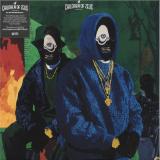
Transparent Aquamarine Vinyl[28,78 €]
Children of Zeus return with their third studio album ‘As The World Burns…’
Five years on from their highly-acclaimed sophomore album ‘Balance’, Manchester’s kings of hip hop soul, Tyler Daley and Konny Kon, bring us a brand new 16-track opus.
Sonically the duo continue their story where they left off; crafting an amalgamation of street soul, alternative r&b and boom bap hip hop, with a sprinkle of flavours taken from their original multi-genre pirate radio influences, and a dash of forward-thinking new sounds, ensuring all tracks are destined to become future classics.
The features are sparing but powerful, enlisting the talents of revered UK rapper Knucks (‘Before We Drown’), Colorado-native Young Old Soul (‘Dopamine’), MCR family K S R (‘Do You Want To Get High’, & Australian/Mauritian up & comer Anieszka (‘Water & Vibes’).
As with previous projects, this album is largely produced by the duo themselves, though there are guest productions from previous collaborators too, including Grammy Award-winner Beat Butcha, Grammy-nominated Teo, and broken beat pioneer K15, along with an assortment of new players making moves in the underground neo-soul & beats circuit.
Conceptually, this project continues on with the story to date. An eternal search for sunsets and soulfood, as a respite to the anxieties of the modern world; personally, professionally and globally. Assertive swagger is matched with brutal but sincere candidity. As ever, it encapsulates the rough with the smooth, with reflections on where they’ve been, where they’re at and where they’re headed. There’s no preaching to be found here; just an acceptance of things as they are, an embrace of the environment and people they were nurtured by, and a celebration of some of the finer things in life; slow jams, weed & rum, water & vibes. Raps for listeners, blunt heads, fly ladies and prisoners. All packaged together as another perfect sonic love letter to sound system culture. 50 minutes of big people music.
Since the release of their anthemic debut single ‘Still Standing’ a decade ago, to the subsequent EP ‘The Story So Far’, and their critically-lauded debut album ‘Travel Light’, the duo have received numerous accolades, including nominations for AIM Awards & Worldwide Awards both, along with tons of ‘Album of the Year’ nods care of Clash Magazine, Bandcamp, Complex, Wordplay and many more. This along with huge swathes of support from DJs, radio stations, press outlets, tastemakers, luminaries & fellow artists across the globe.
Children of Zeus have performed sessions for COLORS, Soulection (Apple Music), DJ AG, Boiler Room, BBC 6 Music and at the infamous Maida Vale studios for BBC 1Xtra as well as touring across Europe, Australia and South Africa. This is in addition to collaborating & touring with Mercury Award Winner’s Ezra Collective, including a Wembley Arena show. Other collaborations over the years have included Shy FX, Juls, Goldie, Black Milk, Kofi Stone and the late great Lenzman.
From the Broke ’n’ English / Hoodman-era, to the present day, Children of Zeus have been omnipresent in the fabric of British black music. Proud ambassadors of Manchester music, and of UK soul, it really is “Zeus to the world”.
Children of Zeus have been adorned with plenty of flowers over their career. The unbridled quality and poignance of the music and the message on display throughout this project will see the algorithmic needle move some more. It’s undoubtedly set to be a Zeus Summer. As the world burns…
Available on all digital platforms and physical formats, Friday September 4th 2026.
t 07: Do You Want To Get High? (feat. K S R ) - Children of Zeus03:26
t 07: Do You Want To Get High? (feat. [ K S R ]) - Children of Zeus03:26
[t] 07: Do You Want To Get High? (feat. [ K S R ]) - Children of Zeus03:26
[g] B3 | Do You Want To Get High? (feat [ K S R ]) - Children of Zeus03:26
Haga su pedido ahora y le encargaremos el artículo en nuestro proveedor.

Remastered limited edition double vinyl with double-sided screenprinted poster-cover (sleeve folds out to be one huge poster). A real collectors item!
When Off Off came out around June 1984, one couldn’t speak of an independent music scene in Portugal. Warm Records’ vague existence didn’t have any impact and Dansa do Som’s inaugural release appeared only in December. 10 years after the revolution, after two IMF interventions, a lot of political instability (not to say turmoil, in the first couple of years) and the natural excesses of a sudden burst of freedom, the Portuguese consumer had more choices but a generally poor standard of living. There was no entrepreneurial culture and serious second thoughts about investing private money in risky ventures.
After many complaints about the whole music scene (institutions, critics and record label executives, popular and classical music alike), something that would continue well beyond the end of the decade, Telectu decided to finance, record, produce, release and sell an album with complete independence from outside structures. Their karmic reward was profit. According to Vítor Rua, Off Off was the only album fully payed by the duo and the only one that really payed off. Not an easy accomplishment for a double LP housed in a large (also double-sided) screenprint with complicated cuts and folds. The artwork was conceived by António Palolo, a friend and multidisciplinary artist. It was based on a collage of heavily saturated and xeroxed polaroids framed in shocking pink and green. Palolo was considered the third member of Telectu, regularly producing slides, video and other visual support for their shows. The inspiration for the type of cover came from GRM’s Gramme series.
Off Off is divided in four distinct sides, each one corresponding to a “theme” or “function” related to Telectu’s manifold artistic interests and interactions. The titles are also gateways to influences and a small portion of Portuguese cultural life:
- Side 1 / “Diagonale” is dedicated to Egídio Álvaro, art critic and gallery director (he opened Diagonale in Paris). Performance art was arguably his main artistic concern over the years, so the music on this side is suggested for use by one or more performers in live or playback situations. The three tracks segue into each other, linked by a synth arpeggio much in the same way as Telectu’s previous “Belzebu” álbum (1983);
- Side 2 / “Anarké” is dedicated to the composer Filipe Pires, one of Jorge Lima Barreto’s recurring invocations when asked about worthwhile contemporary music in Portugal. It is subtitled “concert music”, proposing «a new form of listening». Three tracks also, and these are separated by “clap interludes”, which basically consisted in the following: JLB and VR each had a pair of headphones on, and they clapped their hands according to the rhythm of the music each one was listening. Both musicians were interacting with a different Steve Reich piece: Vítor with “Music for Mallet Instruments”, Jorge with “Six Pianos”. The result is disjointed clapping, an awkwardly deliberate celebration of their own music. Telectu applauded themselves.
- Side 3 / “Cornucópia” is subtitled “music for theatre” and dedicated to Luís Miguel Cintra and Luís Lima Barreto (JLB’s brother), both connected to the Cornucópia theatre company. The side consists of several short pieces previously used as interludes in the Cornucópia staging of “Mariana Espera Casamento” (1983). Field recordings, mood pieces, ambience and a numeric poem (“Soneto Soma 14x”, by E.M. de Melo e Castro) read by João Perry, a quite well-known stage actor. His voice is treated with a flanger effect;
- Side 4 / “Palolo” is “video music”. It’s a one-take mix recorded from cassette sources (Telectu studio experiences) and done live while watching António Palolo’s Om film (1978) projected on the living room wall. It’s a deep, immersive, quasi-mystical 20-minute piece perfectly suiting the meditative, abstract, fluid images created by Palolo by mixing paint and water inside a bathtub. One imagines the Cosmos, hardly suspecting the technique. The film is 90 minutes long, so the music on the LP is of course edited.
The six titles on sides 1 and 2 evoke demons, all of them with conflicting symbolism, since it varies from culture to culture, religion to religion. No explanation is given and Vítor Rua has no idea where this imagery comes from. During virtually the whole stretch of the 1980s, Jorge was the one in charge of titles and concepts, and Vítor didn’t bother too much even reading the liner notes :) In any case, when you synchronize the listening experience with the imagery, a powerful impression emerges, a feeling of being in the presence of these entities while placing yourself inside the sonic narrative.
Off Off is undoubtedly a seminal album in the history of electronic music, as much Heldon as Fripp & Eno, jazz and American minimalism, cosmic out-thereness, mantric miniatures. Telectu at the height of their powers, still very early on, delivering an album-manifesto advocating intermedia art and the fierce independence of Portuguese musicians «from the scum of capitalist music industry monopolies. It’s a path to follow, albeit one that requires enduring hardships and retaliation from music industry gangsters.» Despite a few journalists deemed «capable of being free», the media are «enslaved by the dominant and fascist imbecility of the speculators of light music.» Off Off is addressed to those journalists «and to an audience angry at the cultural misery imposed upon us ..., certain that this music will open new horizons of musical pleasure in the conception of Portuguese avant-garde music, and in the open consciousness of us all. OFF OFF repeats Freedom.»
Those two words are a direct lift from Alberto Arbasino’s 1968 book Off Off, the basis of which is a critical analysis of Theodor Adorno’s and Dwight MacDonald’s ideas concerning the stratification of culture in different levels (high, mid and low) and the pervasiveness of mass culture in the form of a culture industry. In very simplistic terms, and that is precisely the point that inspired Jorge, Arbasino argued that it was possible and desirable to effect a revolution from below, cultivating alternative circuits completely cut-off from what he termed the in-in reality. Telectu’s record was a deliberate demonstration that it could be done, displaying Freedom in the face of all the gatekeepers and other human obstacles.
debe ser publicado en 18.09.2026

2026 Edition, black vinyl
Released in 2012, *Rave Age* is Vitalic’s third studio album. With this album, the French producer returns to a more direct, club-oriented sound with some pop influences. Among the standout tracks are “Stamina” and “La Mort sur le Dancefloor,” featuring Rebeka Warrior. Rave Age is an album that pays homage to rave culture while retaining Vitalic’s powerful signature sound.
El artículo no se ha publicado. Tú puedes reservar ahora el artículo y después de ser pagado se te será enviado.
