pre-order now28.08.2026
expected to be published on 28.08.2026
27,94 €
expected to be published on 28.08.2026

expected to be published on 28.08.2026
Die späten 1990er Jahre waren eine fruchtbare Zeit in der amerikanischen Elektronik- Underground-Szene. Eine wachsende Zahl von Künstlern, verteilt über das ganze Land, beteiligte sich an der jüngsten Runde eines jahrzehntelangen transatlantischen musikalischen Dialogs. An der Schnittstelle von Hip-Hop, Elektronik und Soul versuchten diese Künstler, ihren eigenen Weg zu gehen. Im September 2001 schlossen sich Telefon Tel Aviv aus New Orleans, die Highschool-Freunde Joshua Eustis und der verstorbene Charles Cooper, schlossen sich diesem Dialog mit ihrem Debütalbum ,Fahrenheit Fair Enough" an, das bei Hefty Records erschien. Als Herzensprojekt war ,Fahrenheit" ein Versuch des Duos, ,etwas Sinnvolles beizutragen ", sagt Eustis heute, ,etwas eindeutig Amerikanisches und irgendwie auch Südstaatliches." Zum fünfzehnten Jahrestag der Veröffentlichung bringt Ghostly International ,Fahrenheit Fair Enough mit einer Vinyl-Ausgabe und zusätzlichem digitalem Bonusmaterial neu auf. Als sie Ende der 1990er Jahre in New Orleans lebten, standen Eustis und Cooper im Bann zweier musikalischer Strömungen: amerikanischer Klassiker - New Orleans' Bounce, Detroits Techno, Chicagos House - und britischer Electronica - Autechre, Aphex Twin, Jega. Aufgenommen im Laufe eines Jahres in Eustis' Kindheitszimmer im Stadtteil Riverbend in New Orleans, lotete ,Fahrenheit" das Potenzial amerikanischer elektronischer Musik in einer Zeit der Hoffnung aus. Die Tracks sollten ,sich ständig weiterentwickelnde Skulpturen" sein. Fasziniert von IDM, wollten die beiden ,etwas Schwung hineinbringen , es ein wenig lockerer gestalten, es aber auch hyperromantisch klingen lassen." Eustis und Cooper hatten sich ursprünglich eine ,harte Club-Platte" vorgestellt, doch stattdessen wurde ,Fahrenheit" von Fans und Kritikern, die seine stilistischen Wurzeln falsch interpretierten, als zartes Stück Electronica wahrgenommen. Die Musik klingt im Jahr 2016 umso relevanter, da der Weg, den Eustis und Cooper damals anstrebten, heute Realität ist. Und weil heute jeder darauf hört, was der Süden zu sagen hat." ,Wir wollten einfach nur sehen, ob wir es hinbekommen", erinnert sich Eustis. ,Wir wussten es nicht. Unser Ziel war es, etwas zu schaffen, auf das wir stolz sein konnten." Zum 25-jährigen Jubiläum dieser bahnbrechenden Elektronik-LP, einem Meilenstein der amerikanischen Elektronikmusik, erscheint eine Deluxe-Obi- Edition als Doppel-Vinyl in einer neuen Watercolor- Variante. Joshua Eustis und der verstorbene Charlie Cooper schufen einen Klassiker, der an der Schnittstelle von IDM, Experimental- und Bass-Musik ansiedelt und eine neue Generation von Künstlern (Loraine James, Kelly Moran u. a.) beeinflusste. Das Album kehrt nun endlich für eine neue Generation zurück.
Order now and we will order the item for you at our supplier.
2026 Repress
For the second release on 777Hz, ‘Hiss is Bliss’ teams up with the legendary singer ‘Linval Thompson’ who delivers an amazing vocal cut with his unique voice. Recorded in the heart of Kingston Jamaica at Caveman Studios the A side track takes it back to the roots! While on the B side the Dub version will send you straight back to Detroit.
Ein Album, das der Blütezeit der 90er Jahre entsprungen zu sein scheint. Subtil grungy, alternativ, voller Melancholie und Gelassenheit in den Gesangslinien. Mit »Glue« zeigen Daily Thompson vor allem, dass sie nicht nur meisterhafte Musiker sind, sondern auch ein tiefes Gespür für Atmosphäre und Emotion haben, vor allem aber für Songwriting.
Ein Ausnahme-Album, das zwischen Melancholie und purer musikalischer Freude den Hörer mitnimmt auf eine Reise vom Nordwesten Amerikas in den Nordwesten Dortmunds. Trotz aller musikalischen Vorbilder wird jedoch die bandeigene DNA niemals vergessen.
expected to be published on 21.08.2026

Taylor Hollingsworth aus Birmingham, Alabama, hat sich schon immer einer einfachen Einstufung widersetzt. Als er gebeten wurde, seine Musik zu beschreiben, tat er sich schwer - ein bisschen Folk, ein Hauch von Blues, eine Prise Rock 'n' Roll, aber nicht wirklich in eine einzige Schublade zu stecken. Schließlich prägte er den Begriff ,Folk n' Roll", um seinen Sound zu beschreiben. Jetzt bekennt er sich stolz zu diesem Sound mit seinem neuesten Album, das treffend den Titel ,Folk n' Roll" trägt. Fans von JJ Cale, Mississippi John Hurt, Chuck Berry, Richard Thompson, Jonathan Richman und John Prine werden große Freude an Hollingsworths Mischung aus zeitlosen Einflüssen haben. In den frühen 2000er Jahren tourte Hollingsworth ausgiebig mit seiner punkigen Rockband (stell dir eine Mischung aus Ramones, Chuck Berry und ZZ Top vor) und arbeitete als Session-Musiker, der auf Tour mit verschiedenen Künstlern Gitarre spielte (vor allem mit Conor Oberst und der Mystic Valley Band). Doch nach der Geburt seiner Tochter legte er eine Tourpause ein, um sich ganz seiner Familie zu widmen und sein Handwerk als Vollzeit-Musiker vor Ort in Birmingham, Alabama, zu verfeinern. In dieser Zeit perfektionierte er seine fesselnde Ein-Mann-Show, die er nun ,Folk n' Roll" nennt. Seine Auftritte sind ein unvergessliches Erlebnis - fingergepickte E-Gitarre, ein mit Mikrofonen ausgestattetes Fußstampfer-Pedal, das den rhythmischen Rückgrat bildet, und gelegentlich ein Looper-Pedal, um Gitarrensoli einzuflechten, während er seine charakteristischen erzählerischen Texte vorträgt - Texte, die von zahlreichen Künstlern gecovert wurden, vor allem von Conor Oberst und Phoebe Bridgers bei Better Oblivion Community Center. ,Folk `N Roll" ist sein zweites Album für das beliebte Indie-Label Dial Back Sound, nach dem von Kritikern gefeierten und geliebten ,Yahola" aus dem Jahr 2025.
expected to be published on 21.08.2026
There is something to be said about being both popular and prolific enough to be anthologized—it’s a space that soul music stalwart Kelly Finnigan and his latest release, B-Sides, Singles & Forgotten Gems, occupies with intent and fire. Serving as a mile marker pacing the 15 year collaboration between Finnigan and Colemine Records, B-Sides, Singles & Forgotten Gems is an easter egg moment for new and long-time fans to collect rare takes and flip sides in one spot, while unearthing Finnigan’s evolution as an artist, producer, and vocalist.
From his earliest explorations to one of the first tracks cut at his new studio in Ohio, this travelogue in sound both brings the listener forward to the present while laying out Kelly Finnigan’s road ahead.
“Colemine has grown so much, I've grown so much… I think this collection is a chance to take a little look back and share that with the people, the fans, the music lovers, the Colemine lovers,” says Finnigan.
expected to be published on 14.08.2026
There is something to be said about being both popular and prolific enough to be anthologized—it’s a space that soul music stalwart Kelly Finnigan and his latest release, B-Sides, Singles & Forgotten Gems, occupies with intent and fire. Serving as a mile marker pacing the 15 year collaboration between Finnigan and Colemine Records, B-Sides, Singles & Forgotten Gems is an easter egg moment for new and long-time fans to collect rare takes and flip sides in one spot, while unearthing Finnigan’s evolution as an artist, producer, and vocalist.
From his earliest explorations to one of the first tracks cut at his new studio in Ohio, this travelogue in sound both brings the listener forward to the present while laying out Kelly Finnigan’s road ahead.
“Colemine has grown so much, I've grown so much… I think this collection is a chance to take a little look back and share that with the people, the fans, the music lovers, the Colemine lovers,” says Finnigan.
expected to be published on 14.08.2026
There is something to be said about being both popular and prolific enough to be anthologized—it’s a space that soul music stalwart Kelly Finnigan and his latest release, B-Sides, Singles & Forgotten Gems, occupies with intent and fire. Serving as a mile marker pacing the 15 year collaboration between Finnigan and Colemine Records, B-Sides, Singles & Forgotten Gems is an easter egg moment for new and long-time fans to collect rare takes and flip sides in one spot, while unearthing Finnigan’s evolution as an artist, producer, and vocalist.
From his earliest explorations to one of the first tracks cut at his new studio in Ohio, this travelogue in sound both brings the listener forward to the present while laying out Kelly Finnigan’s road ahead.
“Colemine has grown so much, I've grown so much… I think this collection is a chance to take a little look back and share that with the people, the fans, the music lovers, the Colemine lovers,” says Finnigan.
expected to be published on 14.08.2026
![cv313 - Echospace [Detroit] Presents: "Altering Illusions" [1/3] REMASTERED (2x12")](https://www.deejay.de/images/l/3/8/1242238.jpg)
Nearly 15 years have passed since the original version of this LP was released (the first iteration as a 4X12" LMTD set back in 2012), and it has truly aged like fine wine! This release features five timeless cuts from the mind and soul of cv313 and a truly mesmerizing otherwordly dub of the illusive radius project, mixed and recorded near the heart of Detroit! (with nearly all of the tracks making their debut on wax) This entire project has been beautifully remastered by dub innovator and pioneer, Stefan Betke POLE @ scape mastering in Berlin, DE. You can just drop the needle and close your eyes for a near 20 minutes of fathomless sonic depth, massaging your brain and mind, a deep dive into an immersive analogue world. A new addition to this newly minted vinyl iteration of the "Altering Illusions" series now includes cv313's blistering analogue assault on the darkest radius bit in the interpolation tapes series. Expect sub-harmonic deep space exploration in some seriously out-there electronic quadrants, some of the deepest techno reductions ever captured to tape!
Thoughts:
"Altering Illusions Chapter One cv313 is every bit as strong and essential as the debut cv313 album it supplements and acts as a nexus between cv313 material old and new.It is quite unlike anything cv313 has released before or since, a beautiful hybrid of cv313 textures, dense, whirring drones from Alva Noto’s Xerrox series of ambient albums and Thomas Koner’s panoramic soundscapes." -IGLOO MAGAZINE
a A1. cv313 “isis” original mix 10:47
c B1. radius “interpolation tapes” cv313 rewire 20:06
e C2. cv313 “irradiate dub” 5:58
reduced 20:24
a A1. cv313 “isis” original mix 10:47
c B1. radius “interpolation tapes” cv313 rewire 20:06
e C2. cv313 “irradiate dub” 5:58
[reduced] 20:24
[a] A1. cv313 “isis” [original mix] 10:47
[c] B1. radius “interpolation tapes” [cv313 rewire] 20:06
[e] C2. cv313 “irradiate [dub]” 5:58
[reduced] 20:24
Order now and we will order the item for you at our supplier.
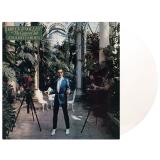
English Garden, by Bruce Woolley and the Camera Club, is an album steeped in British pop history. It is not only an amazing collection of new wave and power pop songs, but also the start of many fascinating careers. The first eye-catcher is the first recorded version of "Video Killed the Radio Star", written by Bruce Woolley, Trevor Horn and Geoffrey Downes (The Buggles).
The album also features none other than Thomas Dolby on keyboard and Matthew Seligman, who played bass in The Soft Boys. After the band broke up in 1983, Bruce Woolley enjoyed an impressive career in songwriting, with his songs being recorded by artists such as Grace Jones, Cher and Donna Summer.
English Garden is a limited edition on white vinyl and includes an insert.
expected to be published on 07.08.2026

Herbert von Karajans Aufnahme von Wagners „Die Walküre“ glänzt mit einer herausragenden Besetzung,
darunter die phänomenale Sopranistin Gundula Janowitz (Sieglinde), Bassbariton Thomas Stewart (Wotan),
Jon Vickers (Siegmund) und Régine Crespin als Brünnhilde. Gefeiert u.a. auch für ihre lyrischen Akzente,
entfaltet sich Wagners Werk in dieser Aufnahme mit dramatischer Kraft. Karajan lässt sein Orchester, die
Berliner Philharmoniker, gekonnt in den Hintergrund treten, um den großen Sängerinnen und Sängern die
Bühne zu überlassen. Wie das Klassikmagazin Gramophone treffend formuliert, hält seine Aufnahme auch
ein halbes Jahrhundert nach ihrer Veröffentlichung „noch immer Überraschungen bereit“.
Dieses außergewöhnliche Aufnahmeprojekt erscheint nun in der „Original Source Serie“ in höchster audiophiler Klangqualität. Zum ersten Mal nutzt die Reihe das originale Stereo-Masterband, ein ZweispurTonband, als Quelle.
Auf 180g Vinylplatten und als Deluxe-Edition im 5LP-Boxset veröffentlicht, mit dem Originalcover und
-texten, inklusive des vollständigen Librettos. Die Boxen sind limitiert und nummeriert, begleitet von zusätzlichen Fotos und Faksimiles der Aufnahmeprotokolle und Bandkartons. Karajans epochale ”Walküre” zur
Feier von 150 Jahren ”Der Ring des Nibelungen” in einer definitiven audiophilen Edition.
Die Vinyl-Serie The Original Source präsentiert herausragende Aufnahmen der 1960er und 1970er Jahre
in ganz neuer Klangqualität. Dafür haben die renommierten Emil Berliner Studios die originalen Zwei-
, Vier- und Achtspur-Bänder mit eigens für die Produktion der Serie entwickelten Technologien in 100%
analoger Qualität (AAA) neu gemastert und geschnitten. Die klanglichen Unterschiede zu den Originalveröffentlichungen sind beträchtlich: Größere Klarheit, mehr Feinheiten und Verbesserungen im Frequenzgang,
zugleich weniger Nebengeräusche, Verzerrungen und Komprimierungen ermöglichen ein audiophiles Hörerlebnis wie nie zuvor.
expected to be published on 07.08.2026

Lonely Man's Dream marks a milestone for Forager Records: our tenth release, and perhaps our most personal. More than a compilation, it is a self-portrait. A reflection of the musical obsessions, late-night discoveries, and restless digging that have defined this label from our first record to this latest one.
Spanning the dreamy psychedelic folk of the 1970s to the cool shimmer of 1980s synth pop, Lonely Man's Dream traces a decade of curatorial wandering. Eleven artists. Eleven songs. Each one rare, obscure, or otherwise lost to the margins of music history. Among them, two tracks surface here for the very first time: “Never Say Goodbye” by Cocktails and Dreams, a synth pop transmission from Norway, luminous and weightless as the skies on the cover. “True Love” by Keith Jones, a drum machine backed demo that pulses with a late night intimacy.
What unites these songs across genre and era is the same quality we have always chased; a transporting ache, the sound of someone searching, or the feeling of a memory you can't quite place. Like every record before it, this one asks nothing of you but your full attention and an open ear.
Ten releases in, we are still looking for the same thing we started with. We hope you feel it too.
* Featuring a selection of songs sourced from rare records of the 70s & 80s reissued for the first time.
* Includes 2 unreleased songs from the 80s
* Original artwork by Eric Thompson
* Very limited initial first pressing
Order now and we will order the item for you at our supplier.

Soul Music legend Candi Staton returns to her down-home Alabama roots on her 32nd album, Back to My Roots. The twelve-track Americana set features an array of Staton-penned originals and some well-chosen covers.
"These songs represent my roots," Staton adds as she reflects on her many trials and triumphs. "Even the new songs on some level represent something I've experienced and that's what real soul music is about." Back to My Roots was produced by Staton with her second eldest son, Marcus Williams, a professional drummer who has toured with the likes of Peabo Bryson, Isaac Hayes, and Tyler Perry. They brought in Mark Nevers of Lambchop fame, who produced three of Staton’s prior Americana albums for Honest Jon’s and Thirty Tigers, to sweeten certain tracks. “Some of the first songs I ever heard were songs like `Peace in the Valley’ and `It’s Gonna Rain,’” says Staton. “The new songs or cover songs are tracks that remind me of that era when I was growing up as a child and evolving as a young woman. That’s why I named the album Back to My Roots because I’m going back to the roots that made me who I am.”
Staton received the Americana Music Association UK’s highest honour, the International Lifetime Achievement Award, at the UK Americana Music Awards ceremony at Hackney Church in London last year for her southern soul work that stretches from her 1969 Muscle Shoals hits to her more recent collaborations with the likes of Americana kings Jason Isbell and John Paul White.
The album opens with a mid-tempo Bonnie Raitt-styled contemporary blues “I Missed the Target Again” that finds Harry Connick Jr.’s longtime guitarist Jonathan DuBose Jr. (aka the Prophesying Guitarist) showing off his skills that set the tone for the song and the album.
Staton’s older sister, Maggie Staton Peebles (who alongside Staton was a member of the Jewel Gospel Trio in the 1950s), joins her for two duets. The first, “It’s Gonna Rain,” features just a drum, steel guitar and vocals. “My mother used to sing that song to us all the time when I was a child,” Staton recalls. “It’s a really soulful kind of song I wanted to revisit.” They then take turns leading Thomas Dorsey 1939 gem “There Will Be Peace in the Valley” that Elvis Presley popularized in the 1950s.
“Hang on in There” is a new, mid-tempo song that has an old school gospel flavour and features vocals from veteran bluesman, Larry McCray.
While in Europe in 2023 for her farewell concert tour that took her to the Glastonbury Festival and Love Supreme, Staton and her British band, PUSH, went into a London studio to record a new version of The Rolling Stones’ 1972 gem, “Shine A Light.” “I love the way that came out,” Staton says. “We put a big choir on it and put our own twist on it.”
From there, Staton revives another Thomas Dorsey classic, “The Lord Will Make a Way Somehow,” with a bluesy vibe. When Al Green started recording gospel in the early 1980s, he re-introduced this song into the culture.
“God’s Gonna Use Me Anyway” is a new mid-tempo blues with subtle Caribbean influences.
The mood takes a turn on “1963.” It’s a poignant, spoken-word reflection on September 15, 1963, when four black girls were killed in the Birmingham Church bombing. “I was in the city that day and I remember the chaos and horror after the bombing,” Staton recalls. “Just thinking of how racism and hatred caused those men to kill those girls was so emotional for me that I could only do it in one take.”
It's a perfect segue into "Reach Down and Touch Heaven," a haunting, plea for divine intervention into the affairs of mankind. "That's straight Baptist," she says. "I used to be a church pianist back in the 1960s. I've never played piano on one of my records before so that's a unique song for me because I’m finally playing on one of my records. The message of that song is about the homeless. It came to me when a homeless person on the street asked me for $5. When God touches your heart to help somebody else that’s heaven to God’s hears. So, when we reach into our purse or wallet to help someone, we’re touching heaven."
Staton offers love as an antidote to hate on the bouncy, Motown-styled, “Love Breakthrough.”
Her publicist brought Aaron Frazer & the Flying Stars of Brooklyn NY’s 2017 cut “My God Has a Telephone” to Staton’s attention. She shifts the track from a retro 1960s groove to more of a 1980s Malaco Records arrangement, a subtle but distinct variation. Staton brought in her longtime friend and STAX Records legend, William Bell (“I Forgot to Be Your Lover” and “Trying to Love Two”), to add raspy seasoning to the track.
The album closes with the wistful, “In God’s Hands We Rest Untroubled,” that was originally written and recorded by the late country star, Lari White, who died in 2017 at the age of 52. “Lari sent me that song to consider at least ten years ago and I always loved it,” Staton says. “The record label didn’t want it on the album or something, so I just held it.”
Staton says, “I grew up hearing a lot of these old songs when they were new songs. I toured with the Jewel Gospel Trio in the 1950s and we got to know people like Mahalia Jackson, Sam Cooke and others who sang these types of songs. So, I’m sort of paying tribute to them and the influence they had on me by refreshing these songs and making new songs in the old style.”’
expected to be published on 31.07.2026
Classic early ’80s dancehall from one of the genre’s most distinctive voices. Reggae Feelings captures Anthony Johnson at his peak, backed by the legendary Roots Radics Band and produced by Jah Thomas at Channel One and mixed at King Tubby’s.
Originally released in the early 1980s, this album stands at the crossroads of roots reggae and emerging dancehall, pairing heavyweight rhythms with Johnson’s melodic, street wise vocal style. The Roots Radics’ stripped down, driving grooves — overseen by rhythm architects Errol “Flabba” Holt and Lincoln “Style” Scott — provide the perfect foundation for timeless cuts such as “Fussing & Fighting,” “Reggae Feelings,” and “Dread Locks.”
A key sound system album that helped define the mid period dancehall sound, Reggae Feelings remains as powerful today as it was on release — rough, raw and deeply authentic Jamaican music.This edition is pressed on 180 gram heavyweight vinyl and features extensive sleeve notes, making it essential for reggae collectors, sound system devotees and fans of classic Channel One productions.
Essential listening for fans of:
• Roots Radics Band
• Jah Thomas productions
• Early dancehall & Channel One sound
• Classic Burning Sounds releases
expected to be published on 31.07.2026
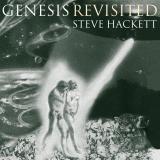
Das Originalalbum "Genesis Revisited" des legendären Gitarristen Steve Hackett erscheint zum ersten Mal seit zehn Jahren wieder auf Vinyl. Es enthält Genesis-Klassiker wie "Watcher of the Skies", "Dance on a Volcano" und weitere Titel, die von einer Besetzung aus einigen der besten Musiker neu interpretiert wurden, darunter John Wetton, Paul Carrack, Bill Bruford, Tony Levin, Chester Thompson, Colin Blunstone und viele mehr. Erhältlich als Gatefold-Ausgabe mit 180 g 2LP + LP-Booklet.
expected to be published on 31.07.2026

Futurismo are proud to present the iconic 1982 debut album, Only Theatre of Pain, by gothic legends CHRISTIAN DEATH. Available on deluxe 2xLP, CD digipak.
Hailed as a masterpiece of it’s genre, and considered by many as ground zero for Deathrock, Only Theatre of Pain is a seminal work of unholy power and pitch black emotion. Whilst this record may have it’s roots in punk - the origins of this true original version of Christian Death took place in Southern California during the early 80’s hardcore explosion - it cannot be overstated how important this record was in shaping the subsequent landscape. Emerging like an adrenaline shot into the heart of darkness, this unrestrained and mysterious recording still remains unclassifiable.
Featuring the late visionary Rozz Williams (then only in his teens) alongside punk luminary Rikk Agnew (guiding light in the Adolescents), James McGearty and George Belanger, Only Theatre of Pain’s musical exploration is adorned with psychosexual lyricism and an innate struggle with faith. Rozz’s vocals creep and possess, demonic and haunting, against the captivating, unmistakable guitar work of trailblazer Agnew. It’s a performance, but also a truth, perhaps Only Theatre of Pain is an art show, as much as it is an era defining record.
Aside from their spellbinding sound, it may have also been the lore of Christian Death that set them apart from other LA goth bands of the time. A near-nude Rozz Williams nailed to a cross at the Whiskey a Go Go may have played a part, but what it is apparent when you listen to the unhallowed musical stages on Only Theatre Of Pain is a depth of vision and orchestration that goes beyond the simple stance of brooding many of their contemporaries emulated, delving into the realms of pure unadulterated catharsis. The result is an eradefining statement that remains as unsettling, innovative, and resonant today as it was over four decades ago.
Only Theatre Of Pain is presented here in a new remastered deluxe pressing with a second disk containing early demo’s and rare material, further demonstrating why Christian Death stood alone in their sound and approach. This journey of religious depravity, recorded by the legendary producer Thom Wilson in a matter of days, harnesses the huge concepts of band projecting older than their years. Ahead of the curve in sonic artistry and visual aesthetics, this slab of sacrilegious American punk is nothing short of essential listening for the gothic inclined. A must for fans of The Misfits, Bauhaus and The Cramps.
This classic LP comes in deluxe super limited edition ‘California Hell’ coloured vinyl and contains a second disk of bonus material. It is packaged in a gloss laminated sleeve with metallic ink, containing printed inner sleeves, a large fold out poster, redux artwork featuring the photography of Edward Colver, and liner notes by Lisa Fancher of Frontier. Also available as CD digipak
expected to be published on 31.07.2026
“Released on Joe Boyd’s Hannibal label here was a band rooted in Thompson/Swarbrick Fairport but also a snatch of the Velvet Underground and a sprig of The Byrds. The Eighteenth Day Of May evoked a legendary era, and now they are a justifiably legendary band too.” – KLOF Mag
Beginning life as a trio in London, 2003, the original line-up consisted of Allison Brice (vocals, flute), Richard Olson (acoustic guitar) and Ben Phillipson (guitar, mandolin) before expanding the following year to include the rhythm section of Mark Nicholas (bass) and Karl Sabino (drums, autoharp) and finally Alison Cotton (viola).
This being the mid zeros, the independent music scene in the UK was reluctant to embrace a sun-dazed folk band but this, their sole album, has gradually feathered a bed of affection amongst international folk fans. Twenty years on, the album is now rightfully seen as a trailblazer for the myriad alternative/psych folk bands that emerged in its wake.
Andy Childs who signed the band originally takes up the story. “I first heard their music on a cover mounted CD with the much missed Comes With A Smile magazine and as far as I could tell no-one was making music like this anymore, certainly not with such panache and confidence. To my jaded ears it all sounded so uninhibited - old weird folk songs, Americana, original psych-folk, minimalist drones. Great melodies and all six of them could sing! A joyous, unfettered sound that could in one moment conjure up flashes of The Byrds and then effortlessly the spirit of Velvet Underground would drift through. They even covered a Spacemen 3 song. I loved the fact that they had the aplomb to tackle traditional folk songs like Lady Margaret and Flowers In The Forest and not be afraid to stamp their own identity on them.
Signing them to the Hannibal label was straightforward. If anything the album somehow sounds fresh and undated, even better than it did in the day when perhaps eclecticism was out of synch with the times; its subtleties have become more apparent.”
“Their rendition of Lady Margaret builds to a headswirling crescendo that challenges anyone who claims Shirley Collins, Buffy Sainte-Marie or Trees have recorded the definitive version and the hallucinatory The Waterman’s Song To His Daughter raises an already brilliant album to an unholy level” - IT’S PSYCHEDELIC, BABY Magazine
expected to be published on 31.07.2026

2026 marks a historic chapter in his musical journey as Ross prepares for the release of his twelfth studio album, Set In Stone, slated to drop in July 2026. The highly anticipated album rollout was ignited by the Top 10 radio single "Minks In Miami," an opulent track featuring French Montana and Max B. To further commemorate his enduring legacy, Ross is currently celebrating the twentieth anniversary of his debut number-one album, Port of Miami. Honoring the milestone, he is embarking on a grand 17-city orchestra tour, performing his timeless classics alongside the soaring live instrumentation of the Renaissance Orchestra and the powerful vocals of the Sainted Trap Choir. In addition to the new album Rick Ross' also released his 3rd book "Renaissance Of A Boss."
expected to be published on 31.07.2026
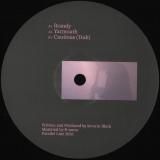
The third release for Parallel Line comes from Aberystwyth-born, Berlin-based, Severin Black. He works closely with woodwind, electronics, low-end and feedback, runs his own label Archaic Vaults, and has played everywhere from the ICA to a 460-year-old church with a giant pipe organ. The last album, Country Music, featuring Pavel Milyakov and Vanessa Bedoret, showed how far his Celtic-rooted improv style has reached across the experimental dub community.
The EP opens up with a flute loop leading the eerie track "Brandy", not quite like anything else. "Yarmouth" goes darker and more ritualistic, with haunted stepper vibes. Then the B-side is nine minutes of "Cautious (Dub)", a stretched-out live take that takes you on a slow, dreaded journey.
Mastered by E-mura, artwork by Zodiak. Photo by Thom Mac Gillavry.
Order now and we will order the item for you at our supplier.

Thoma Bulwer delivers a solo EP and part of his soul in this diverse 4 tracker with titles conceived in his studios at different points in his life and studio engineering career, all revamped or freshly written to this ‘mini-album’. The A1 kicks off with ‘Work It’ a 4×4 house n techno roller you’d be familiar hearing at Starlane Pizza Bar, something like Hackney Wick meets Perlon. A2 ‘Bit’s n Bobs, is an electro, 2Step garage deep roller inspired by his time at Freerotation festival and digging their at Template of Vinyl. B1 ‘Situation Escalation’ is exactly what is says on the tin and captures at intense night and time in his life. The EP rounds off with B2 ‘Home Wrecker’, a wonky garage and breaks track with dental vocal clicks from the past fused in to nasty UK bass n drums and write raw to the floor.
Order now and we will order the item for you at our supplier.

RICK is the new record label by Rick Howe, host of Riddim Yard on PBS 106.7 FM in Melbourne, Australia. The second release, Calling Mr Speaker, is a re-lick of Tristan Palma's Face The Struggle, originally produced by Linval Thompson in 1982, with a new riddim built by Naram in Whanganui, Aotearoa. The 12" is mixed to tape by Naram in the 80s Channel One rub-a-dub style. Featuring reggae legend Freddie Mcgregor on vocals recorded at Big Ship studios in Kingston, Jamaica (2022). Complete with full horns cut by Hard Rubbish Horns, and two dub versions mixed for sound system.
Order now and we will order the item for you at our supplier.

Berlin, späte 1960er Jahre: Eine geteilte Stadt wird zum Epizentrum einer musikalischen Revolution. Inmitten der Spannungen des Kalten Krieges trat eine Gruppe junger Klangforscher auf den Plan, um die Grenzen der Rockmusik neu zu definieren. Agitation Free, 1967 gegründet, war nie nur eine Band, sondern ein Labor für "Bewegung, Unruhe und Veränderung" - so die Definition des Wortes "Agitation", die ihr Mentor Folke Hanfeld in einem Lexikon gefunden hatte. Von Anfang an fungierte Agitation Free als Knotenpunkt der aufkeimenden "Berliner Schule" der elektronischen Musik. Ihre frühen Proben im Electronic Beat Studio unter der Leitung von Thomas Kessler wurden zum Anziehungspunkt für andere Legenden wie Tangerine Dream und Ash Ra Tempel. Gleichzeitig dienten sie als Sprungbrett für Ausnahmetalente wie Christopher "Chris" Franke (Tangerine Dream) oder den Gitarristen Axel "Ax" Genrich (Guru Guru). Während die Studioalben "Malesch" (1972) und "2nd" (1973) von Agitation Free Meilensteine des Genres sind, war die Bühne der Ort, an dem das "Free" in ihrem Namen wirklich zum Leben erwachte. Ihre Konzerte waren avantgardistische Erlebnisse, die Flüssiglicht-Shows und Experimentalfilme mit hypnotischen, langgezogenen instrumentalen Improvisationen verbanden. Ein Beispiel hierfür ist ihr neues Live-Dokument "Live in Berlin" vom 1. Dezember 2025 aus dem Berliner Kesselhaus, auf dem das aktuelle Line-up zu hören ist: die Gründungsmitglieder Lutz "Lüül" Graf-Ulbrich und Burghard Rausch sowie Michael Hoenig, der sich zwar vom Live-Betrieb zurückgezogen hat, aber "Spiritus Rector" der Band bleibt, zusammen mit Daniel Cordes, Axel Heilhecker und Tim Sund. Wie Michael Hoenig einmal feststellte, ist die Musik von Agitation Free eine "Zeitmaschine, die Vergangenheit und Zukunft verbindet". Die Magie lebt weiter.
expected to be published on 17.07.2026

Following the first two singles by Freiwillige Selbstkontrolle (later F.S.K) from 1980 and 1981, as well as their debut LP “Stürmer” and the 1982 EP “Magic Moments”, A-Musik is now releasing “Ça c’est le Blues,” another of their early works, all of which were released on Alfred Hilsberg’s legendary ZickZack label and have long since become rarities. “Ça c’est le Blues” was originally released in 1984 and marks nothing less than a milestone in F.S.K.’s already impressive discography. While numerous bands from the West German underground of the early 1980s, following the “Summer of Pop” of 1982 and the associated breakthrough of the “Neue Deutsche Welle,” either moved toward the mainstream or began singing in English, Justin Hoffmann, Thomas Meinecke, Michaela Melián, and Wilfried Petzi took a different path.
The songs became more elaborate, the production – influenced by bands like Gang of Four and Dexys Midnight Runners – more opulent, and the instrumentation now included wind instruments for the first time, which have since become an integral part of F.S.K.’s sound. At the same time, the Munich-based band’s music-historically motivated focus was directed more toward the US than was typical of the bands in the West German scene of that era. To their signature blend of post-punk and experimental music, as already evident on “Stürmer,” they now incorporated funk (on the opener “Faire Le Chicken”) and jazz (on the heartbreaking cover version of “My Funny Valentine”). From then on, this “transatlantic feedback” was an essential component of F.S.K.’s musical practice. The discursive twists and turns, the incorporation of references, and the insistence on German lyrics would influence bands in the coming decades, not just those of the “Hamburg School.” At the same time, the album features legendary hits by Freiwillige Selbstkontrolle – such as “Move Ahead” and “Fragen der Philosophie (Völkerball)”– which are still played at every concert to this day.
With the reissue of “Ça c’est le Blues,” one of the most impressive releases in 20th-century German avant-pop history is finally available again. The reissue includes a comprehensive booklet featuring an in-depth interview about the album with all band members, as well as numerous previously unpublished photos.
expected to be published on 17.07.2026

In 1982, at just 18 years old, Barrington Levy already held a solid reputation as a singer. We at Lantern Records appreciate his early work so much that it is a pleasure to reissue Poorman Style, just as it was originally released by Trojan Records in 1982. The album features the golden era's finest musicians, the Roots Radics, in fine form and produced by Linval Thompson. Recorded at Channel One, the album features expert in-house mixing by Scientist. This is yet another essential Barrington Levy release from Lantern Records, you simply cannot miss these hot Jamaican sounds.
expected to be published on 17.07.2026

*Repress*
From the slamming science of “Ricochet,” through the jittery ghost-rave of “Survival” and the outer-space lover’s rock of “Dubbing You,” to the manic magic of “Finest Illusion,” this collection of early EPs by rave legends Foul Play tracks an astonishing evolution across barely more than a year. Some of the top tunes to come out of the hardcore > jungle > drum & bass journey? Yes, but also some of the most thrilling and gorgeous music of the entire ‘90s.
Simon Reynolds, author of Energy Flash: A Journey Through Rave Music and Dance Culture.
Re-mastered by Beau Thomas of Ten Eight Seven Mastering and re-issued for your aural pleasure. Don't sleep on this one!
Order now and we will order the item for you at our supplier.
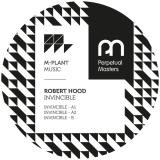
The next release in M-Plant's Perpetual Masters series is Robert Hood's "Invincible" EP, freshly remastered for 2026 by Thomas Heckmann.
Originally released in 2001, "Invincible" stands as another defining example of his stripped-back, approach to Techno while still radiating tough funk and groove. Released during a period when Hood was refining the minimalist aesthetic he helped pioneer, the record balances mechanical precision with emotional intensity. The tracks unfold through subtle shifts in percussion, looping synth patterns and driving basslines, to create a meditative momentum that sounds just as fresh today. "Invincible" draws its power from restraint, demonstrating Hood's belief that minimal elements can produce maximum impact on the dance floor.
Each track will be released digitally in May, followed by the full vinyl EP in July.
Order now and we will order the item for you at our supplier.

Linval Thompson - Wicked Man
Vocals: Linval Thompson
Drums: Eduardo Fernandez
Percussion: Aurel Cade
Bass: Amando “Gottafunker” Gottardi
Horns: Soothsayers
Guitars: Vinney Ellis
Backing Vocals: Chardel Rhoden
Label: Roots Renegade Records (RRR017)
Produced & Mixed by Vinney Satta at Ellis Studios, Spain
expected to be published on 13.07.2026

Frisch gekrönt mit ihrem ersten GRAMMY Award in der Kategorie ,Bestes R&B-Album" für ihren Beitrag zu Leon Thomas' MUTT kehrt die unverwechselbare Sängerin/Altistin mit "Yearnalism" zurück, ihrem dritten Studioalbum, das von Selbstbewusstsein, Fürsorge und befreiender Liebe durchdrungen ist. Die Singer-Songwriterin und Produzentin definiert ,Yearnalism" als den Prozess und die Dokumentation von Sehnsucht in ihren vielen Formen: ,Sehnsucht nach Freiheit, Sehnsucht nach Liebe, Sehnsucht nach dem, was man nicht haben kann, Sehnsucht nach Erweiterung." Diese kompakte LP mit 12 Songs, die bald zu Klassikern werden, zeichnet eine holprige Roadmap der Sehnsucht, frei von Ego. Baby Rose hat fast ein Jahrzehnt lang auf diesen Moment hingearbeitet. Aufgewachsen zwischen Washington D.C. und Fayetteville, N.C., geprägt von Künstlern wie Nina Simone, Donny Hathaway und Janis Joplin, ist die als Jasmine Rose Wilson geborene Musikerin seit ihrem Debüt ,To Myself" aus dem Jahr 2019 eine feste Größe im Alternative R&B. Damals waren es der rauchige Klang ihrer Stimme und eine für ihr Alter ungewöhnlich reife Ausstrahlung, die die Zuhörer zum ersten Mal in ihren Bann zogen. Seitdem hat sie sich auf Alben mit Ari Lennox, Big K.R.I.T., Q, BADBADNOTGOOD und J. Cole behauptet. Sie lieferte den Abspann-Song zum Hollywood-Blockbuster ,Creed III" und brachte ihr Talent sowohl vor als auch hinter der Kamera in A24s ,Materialists" ein, indem sie dem Soundtrack des Films zwei Songs von eindringlicher Textur schenkte und in einem Cameo-Auftritt als Hochzeitssängerin auftrat. Zu ihren Bewunderern in der Branche zählen Schwergewichte wie SZA, Alicia Keys, Kendrick Lamar, J. Cole, H.E.R., Kehlani, James Blake und Olivia Dean.
expected to be published on 10.07.2026

Welcome to the ROOTS REGGAE SOUND. A period in Reggaes history that followed the two year supremacy of Rocksteady, that began to tail off around the end of 1968. The Reggae sound many say did not come initially from the chop of the guitar but from the stabs from the Keyboard/Organ that produced that jeggae/jerking feel. The Roots element can be heard in the heartfelt lyrics and the stories told in the songs. So sit back and enjoy some Roots Reggae straight from the heart of Jamaica….
expected to be published on 10.07.2026

Lemon Vinyl. Black Screen Records and Kaizen Game Works have once again teamed up for the vinyl repress of About That_ Paradise Killer B-Sides, the follow-up release to Barry "Epoch" Topping's vibrant funky city pop/vaporwave soundtrack to the open world adventure game Paradise Killer, which has proven to be a true essential release for itself. The record is featuring three new songs, vocal tracks, instrumental versions, remixes and piano arrangements along with a number of amazing guests, which are Fiona Lynch, Kyle Murray-Dickson, Fabian Hernandez, Ged Cartwright, Thomas Temple, MEEBEE and Okumura. Now available on lemon coloured vinyl with gorgeous cover art by José Salot. The sounds of Paradise. The music of a cosmic dream. Tunes from another reality. The tempo of the crime to end all crimes. The beat of long dead alien gods. The playlist of the investigation freak. Let the music take you away to Paradise. Feel the sun scorching your skin. Smell unbearably hot concrete. Savour the sweet taste of crime committed on a tropical island in another reality. Remember when we danced along the beach? Along the streets of Paradise? You made me this mix tape on the roof of your apartment block. We stared at the moon. You said you'd kill the moon. I didn't believe you. I was wrong.
e 5TO THE HEART [VOCAL VERSION]
[f] 6HOUSE OF BLISS [VOCAL VERSION]
[h] 8LEAVING [PIANO ARR.]
[i] 9LADY BLUE [MEEBEE & OKUMURA. REMIX]
[k] 11ABOUT THAT... [INSTRUMENTAL]
[l] 12PARADISE (STAY FOREVER) [INSTRUMENTAL]
[e] 5TO THE HEART [VOCAL VERSION]
[f] 6HOUSE OF BLISS [VOCAL VERSION]
[h] 8LEAVING [PIANO ARR.]
[i] 9LADY BLUE [MEEBEE & OKUMURA. REMIX]
[k] 11ABOUT THAT... [INSTRUMENTAL]
[l] 12PARADISE (STAY FOREVER) [INSTRUMENTAL]
expected to be published on 10.07.2026

Fabienne Delsol ist mit ihrem fünften Soloalbum zurück! Seit der Veröffentlichung ihres ersten Soloalbums "No Time For Sorrows" im Jahr 2004 hat Fabienne ihren einzigartigen Mix aus Neo- und klassischem Psych, Ye-Ye und vom 60er-Jahre-Beat inspiriertem Pop immer weiter verfeinert. Jetzt steht sie kurz vor der Veröffentlichung ihres brandneuen Studioalbums "Indigo Red". Fabiennes Aufnahme von ,I'm Gonna Haunt You" (aus dem 2004er Album No Time For Sorrows) war in der zweiten Staffel der erfolgreichen BBC-Serie Killing Eve zu hören und machte ihre Musik einem breiteren Publikum zugänglich. Seit ihrem 2019er Album "Four" hat Fabienne an Tracks für ihr neues Album "Indigo Red" gearbeitet. Dies ist ihr erstes Album, das in den Gizzard Studios unter der Leitung von Ed Deegan (ehemals Toe Rag Studios) aufgenommen und von Delsol und Deegan gemeinsam produziert wurde. Mit dabei ist ein erstklassiges Team von Musikern, darunter Thomas Gardner, Carwyn Ellis, Bradley Burgess und Rupert Brown. Das Album vereint neue Originalsongs mit Coverversionen von Künstlern wie Silver Apples, The Count Five, Sharon Tandy und Francoise Hardy.
expected to be published on 10.07.2026

40 years after its creation, MOß GARTEN – Sekvensstyrd 1981–1986 arrives as a compelling double vinyl LP, diving deep into the early Swedish DIY electronic scene. Inspired by pioneers such as Kraftwerk, Cabaret Voltaire, John Foxx, and The Human League, Mikael Isaksson developed a distinct sound situated between minimal electronics, industrial, synth wave, and experimental sound art. At its core was the sequencer: pulsing, programmed structures forming the backbone of dense, often hypnotic compositions.
Working initially with his cousin Jan or friend Thomas and later evolving into a largely one-man project, recordings were made on cassette tapes and in improvised studios—often under time pressure, frequently recorded and mixed within just a few hours. These very limitations gave the tracks their raw and immediate character. Pieces like “Moderna Kvinnor,” “Soon Soon,” “Ensam,” and “Music From The Border” exemplify the uncompromising, sequence-driven (“sekvensstyrd”) approach that defined this era.
Using an arsenal of analog synthesizers, early sequencers, and drum machines, the project created music that feels at once cold, mechanical, and deeply emotional. Sekvenssytrd 1981–1986 is more than a collection of archival recordings—it is a vivid document of a time when electronic music was conceived as a radical and deeply personal form of expression.
Mastered by Martin Bowes. Graphic design by Steve Lippert.
2LP features: limited to approx. 200 copies, solid moss green vinyl, gatefold outer sleeve gloss lamination, polylined inner sleeves, hand-numbered silver foil paper insert with lyrics, download coupon)
expected to be published on 10.07.2026
In der Realverfilmung des Oscar®-nominierten Animationsabenteuers folgt Vaiana dem Ruf des Ozeans und
wagt sich zum ersten Mal über das Riff ihrer Heimatinsel Motunui hinaus. Gemeinsam mit dem berühmtberüchtigten Halbgott Maui begibt sie sich auf eine abenteuerliche Reise über die Weiten des Meeres, um
die Zukunft ihres Volkes zu sichern. „Vaiana“ entstand unter der Regie von Emmy®- und Tony Award®-
Gewinner Thomas Kail („Hamilton“). Zuschauer können die beeindruckenden Bilder, Klänge und Songs
von „Vaiana“ ab 9. Juli 2026 exklusiv in den Kinos erleben.
Die Vinyl erscheint am 10.Juli 2026
expected to be published on 10.07.2026

LTD PALE BEIGE VINYL[26,01 €]
French quartet Mourir are preparing to release their second full-length studio album, Nous, le venin, this summer via Pelagic Records. Their forward-thinking take on black metal and uncompromising approach to their work marks them out as ones to watch when they present this new material live at festivals across Europe including Hellfest, Rock In Bourlon and Resurrection festival in the months to come. With a demo, an album and an experimental EP to their name, the four-piece retreated to the studio at the end of 2025 to write the music for Nous, le venin. Recorded in January 2026 with Amaury Sauvé (Birds in row, Igorrr, Pneu) at The Apiary Studio in Laval, France, the six tracks are the very embodiment of Mourir's approach to black metal. Although they draw inspiration from many artists in the old-school black metal world, they opted to lean into a more modern sound - one that would allow the depth of their sonic choices to shine. Blending elements of sludge and post-metal to the rawness of their black metal sound, and combining this with a mix that gives space to both the low frequencies and the high-octane viscerality, Mourir have created something both distinctive and captivating. Thematically, the band turns their detached gaze towards an ever-more untethered modern society, one that is inhospitable to those seeking meaning in the cruelty and absurdity of a seemingly senseless world. Yet within these tracks exists slivers of light, of hope and of luminosity - a belief that something better is possible is woven throughout the melodic passages and most celestial, ecstatic elements of their sound. The evocative cover art by Thomas Davezac captures the feeling of disconnection that permeates the album. Mourir have recorded an album that cements their place among underground greats who deftly eschew the nostalgic trappings of black metal convention and breathe new life into the genre. Nous, le venin is imbued with raw emotion that is perfectly complemented by stylistic choices that echo the sentiment of being freed from the chains of the past. FFO Ultha, Fluisteraars, Envy and Neurosis
expected to be published on 10.07.2026

Black Vinyl[21,81 €]
French quartet Mourir are preparing to release their second full-length studio album, Nous, le venin, this summer via Pelagic Records. Their forward-thinking take on black metal and uncompromising approach to their work marks them out as ones to watch when they present this new material live at festivals across Europe including Hellfest, Rock In Bourlon and Resurrection festival in the months to come. With a demo, an album and an experimental EP to their name, the four-piece retreated to the studio at the end of 2025 to write the music for Nous, le venin. Recorded in January 2026 with Amaury Sauvé (Birds in row, Igorrr, Pneu) at The Apiary Studio in Laval, France, the six tracks are the very embodiment of Mourir's approach to black metal. Although they draw inspiration from many artists in the old-school black metal world, they opted to lean into a more modern sound - one that would allow the depth of their sonic choices to shine. Blending elements of sludge and post-metal to the rawness of their black metal sound, and combining this with a mix that gives space to both the low frequencies and the high-octane viscerality, Mourir have created something both distinctive and captivating. Thematically, the band turns their detached gaze towards an ever-more untethered modern society, one that is inhospitable to those seeking meaning in the cruelty and absurdity of a seemingly senseless world. Yet within these tracks exists slivers of light, of hope and of luminosity - a belief that something better is possible is woven throughout the melodic passages and most celestial, ecstatic elements of their sound. The evocative cover art by Thomas Davezac captures the feeling of disconnection that permeates the album. Mourir have recorded an album that cements their place among underground greats who deftly eschew the nostalgic trappings of black metal convention and breathe new life into the genre. Nous, le venin is imbued with raw emotion that is perfectly complemented by stylistic choices that echo the sentiment of being freed from the chains of the past. FFO Ultha, Fluisteraars, Envy and Neurosis
expected to be published on 10.07.2026

Straight out of Oakland, CA, Soeneido returns to Basics Records with 2 killer 8-bit protracker tunes: The Sandman & Remember Jah. Both tracks are rippers; sharp amen chops combined with deadly 808's. On the flip, Kazza delivers his "Off-Road Mix" of The Sandman, bringing heavy Bristol roll out vibes.
Mastered by the legendary Beau Thomas and limited to 250 copies worldwide, this release is not one to miss.
Order now and we will order the item for you at our supplier.

To celebrate the 10th anniversary of the "Surf Rider" EP (originally released in 2015 on Lumière Noire), Dialect Recordings publishes a limited vinyl edition featuring an exclusive edit of "Lies" by Blackjoy. For the occasion, Il Est Vilaine’s long time collaborator Apollo Thomas has designed a brand-new cover and created a mini comics included with the vinyl. A beautiful collector’s item to honor this classic!
Order now and we will order the item for you at our supplier.
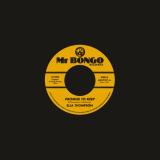
Mr Bongo are thrilled to have one of the leading lights in contemporary soul joining the label. Melbourne-based vocalist, musician, and songwriter Ella Thompson is an artist whose name is being championed by some of the best in the business. She’s been building a reputation as one to watch, with two standout releases on Hopestreet Recordings, Domino EP in 2023 and Ripple On The Wing LP in 2024, alongside a heavy touring schedule and a stacked list of support slots and collaborations.
For this new 7” single, Ella collaborates with a selection of artists at the forefront of Naarm/Melbourne’s soulful DIY community. Featuring members of Surprise Chef and Karate Boogaloo, Liam McGorry from Temporary Blessings (College Of Knowledge) joins Ella as co-writer and co-producer, with go-to Melbourne engineer Henry Jenkins also producing and recording the track.
Bridging the worlds of classic and contemporary soul, Ella’s songwriting is drenched in emotion and personal experience. With a timeless feel that is hard to tie to any particular period, she has crafted a sound that instantly hits deep. It’s warm, tasteful and distinctly Ella. That talent has also seen her tour with Mark Ronson, and support other contemporary greats like Jalen Ngonda, Lee Fields, and Thee Sacred Souls.
‘Promise To Keep’ is the first taste of Ella’s new material on this 7” single. An irrepressible upbeat groover that echoes mid-to-late-sixties vocal groups. That influence though never overpowers Ella’s own unique creative voice or distinct sense of self. She draws from it, but the colour is all her own. The song tells a story of being carried by the current that keeps us moving, giving us courage. A commitment to oneself that speaks to action shaped by vision, and the pull of following what feels correct even when the distance is far.
The flip side finds Ella in a different mood. ‘Change Of Heart’ is a heavy sweet-soul ballad. Rich in drama, Ella’s falsetto vocals build to a stunning climax in the final section, with triumphant horns that signal the release of letting go. The lyrics reflect on temporality and impermanence, and the way moments can be missed or arrive with synchronicity. It’s that bittersweet paradox of triumph and sadness, where everything contains its opposite: absence and presence, innocence and experience. The song is underpinned by a brooding production quality and atmospheric, beat-heavy flavour that Surprise Chef and cinematic soul fans will relish.
Mixed by Wayne Gordon (Daptone, Womack Sisters), ‘Promise to Keep’ and ‘Change of Heart’ are a glimpse of things to come from Ella. Keep an eye open for more new music incoming from this phenomenal artist at the top of her game.
Order now and we will order the item for you at our supplier.