Modi Bardo, an alumnus of Moonshine Recordings, is another who on the surface appears to be at the nascent era of their sound experiments, but in truth is a longtime explorer of outer realms of Dub.
There is much to mention here which can be uncovered with the correct keywords, but one of the early bright points would be Spacelings and Bassheads, the Detroit-based Psych duo Modi Bardo was half of, who although seemingly limited in the realms of recorded output (with only a compilation appearance each via the Electro visionaries Interdimensional Transmissions and Booty bass / Techno orientated Intuit-Solar) where in fact not-so-limited in the era in the way of public performance, even performing at the renowned Packard Plant renegades in the 90's with UR on occasion.
Forward to now, and Modi Bardo has created something that reaches for unknown territory in Dub. With an establishing A side that is deep and primordial in tone, a' la Challenger Deep and Babe Roots releases, this proves to be merely a fantastic tone setter for the B side, which seems to find a zone where Dub Techno, Half Time, and Autonomic DnB have not quite gleaned yet. Truly a record unlike any other, while somehow being an invaluable tool for DJ's exploring the links between the aforementioned sounds and even Dancehall and Jungle in the mix.
A must for all those chasing the evolution of dub reflective arts, and the adventurous DJ in general.
Montréal-based sound artist Steve Bates expands his strategies and stylistic influences on An Infinite Antenna, his second solo album for Constellation, giving freer reign to melodic components and textural dynamics: leftfield synth work, deconstructed drum machine, pointillist electric guitar, and radiostatic blur are all part of the new brew swirling around his bruitist signal-bending and field-recording sensibility. Arguably a more ambient album than his acclaimed 2022 Constellation debut, An Infinite Antenna is at the same time more densely packed with ideas, dynamics, evocations and earworms. Coming out of the anarcho-punk scene of the Canadian Prairies in the 1990s, Bates founded Winnipeg’s experimental sound festival Send + Receive in 1998 before moving to Montréal to become Sound Coordinator at Hexagram (Concordia University), delving further into sonic research and theory, tape-based composition, and installation work. Alongside the curatorial arc of his own sound art label The Dim Coast, Bates released several solo and collaborative albums on ORAL_records leading up to All The Things That Happen, the 2022 Constellation debut praised by Boomkat for its “grittily iridescent ambient billow rendering maximalist panoramas” and by Backseat Mafia as “extraordinary soundscapes of unstable, destructive cacophony and tender calm, echoes of the threat of power.” Where that album was noisier and single-minded, made with the self-imposed limit of a Casio SK-1, Bates plays more widely with instrumentation and atmospheres on An Infinite Antenna, also drawing on his post-hardcore roots in seeking a sort of track-by-track concision nonetheless driven by the album’s coherence as a seamless work. “I was trying to set durations I associate with punk rather than the longer, sprawling music coming from more ambient styles (that I very much love), and while I wasn’t able to quite pare it down to Minutemen durations, I had that reduction to essential elements as a sort of whisper over my shoulder.” Incorporating source recordings made throughout 2023-2025, including at artist residencies and site-specific sound installation visits in Bosnia and Herzegovina (the album’s cover photo was taken in Sarajevo), Austria, Greece, and Saskatchewan, An Infinite Antenna combines Bates’ “idea of slowly scanning a radio dial” with a soundworld of recurring timbral and textural touchstones that forge an integrated whole.
The album’s 12 tracks work effectively as stand-alone pieces, replete with shifting undercurrents, buried melody, and stuttering kinetics, and as a sequential flow where the brief interstitial silences between them are like short pauses to flip the next page in a sketchbook of perspectival studies of a wide but singular tableau. The glistening atonal synth expressionism of opener “Pink pink pink pink…pink pink” drifts gently toward submerged ambience, darkened by the noised rumble and static interference of “Green as a ghost”, which introduces broken beats and piano chords in its denouement. Tracks like “Battles and sieges and street trees” and “Easier sad than done” work the foundations of low-end field-recording resonance, but dappled with lovely melodic droplets of treated guitar and synth. “Waste, songs of the world” and “Disaster loans” are among the album’s most explicit stylistic references to posthardcore, with distorted ambient bass and gently abrasive drum sampling. Closing track “Swamps and factories”, the album’s longest piece, is perhaps most reminiscent of Bates’ previous record with its sustained dissonant glimmer-drone, but the journey An Infinite Antenna traces to get there is Bates at his most dynamic, diverse, distinctive, and engaging. Thanks for listening.
Montréal-based sound artist Steve Bates expands his strategies and stylistic influences on An Infinite Antenna, his second solo album for Constellation, giving freer reign to melodic components and textural dynamics: leftfield synth work, deconstructed drum machine, pointillist electric guitar, and radiostatic blur are all part of the new brew swirling around his bruitist signal-bending and field-recording sensibility. Arguably a more ambient album than his acclaimed 2022 Constellation debut, An Infinite Antenna is at the same time more densely packed with ideas, dynamics, evocations and earworms. Coming out of the anarcho-punk scene of the Canadian Prairies in the 1990s, Bates founded Winnipeg's experimental sound festival Send + Receive in 1998 before moving to Montréal to become Sound Coordinator at Hexagram (Concordia University), delving further into sonic research and theory, tape-based composition, and installation work. Alongside the curatorial arc of his own sound art label The Dim Coast, Bates released several solo and collaborative albums on ORAL_records leading up to All The Things That Happen, the 2022 Constellation debut praised by Boomkat for its "grittily iridescent ambient billow rendering maximalist panoramas" and by Backseat Mafia as "extraordinary soundscapes of unstable, destructive cacophony and tender calm, echoes of the threat of power." Where that album was noisier and single-minded, made with the self-imposed limit of a Casio SK-1, Bates plays more widely with instrumentation and atmospheres on An Infinite Antenna, also drawing on his post-hardcore roots in seeking a sort of track-by-track concision nonetheless driven by the album's coherence as a seamless work. "I was trying to set durations I associate with punk rather than the longer, sprawling music coming from more ambient styles (that I very much love), and while I wasn't able to quite pare it down to Minutemen durations, I had that reduction to essential elements as a sort of whisper over my shoulder." Incorporating source recordings made throughout 2023-2025, including at artist residencies and site-specific sound installation visits in Bosnia and Herzegovina (the album's cover photo was taken in Sarajevo), Austria, Greece, and Saskatchewan, An Infinite Antenna combines Bates' "idea of slowly scanning a radio dial" with a soundworld of recurring timbral and textural touchstones that forge an integrated whole. The album's 12 tracks work effectively as stand-alone pieces, replete with shifting undercurrents, buried melody, and stuttering kinetics, and as a sequential flow where the brief interstitial silences between them are like short pauses to flip the next page in a sketchbook of perspectival studies of a wide but singular tableau. The glistening atonal synth expressionism of opener 'Pink pink pink pink_pink pink' drifts gently toward submerged ambience, darkened by the noised rumble and static interference of 'Green as a ghost', which introduces broken beats and piano chords in its denouement. Tracks like 'Battles and sieges and street trees' and 'Easier sad than done' work the foundations of low-end field-recording resonance, but dappled with lovely melodic droplets of treated guitar and synth. 'Waste, songs of the world' and 'Disaster loans' are among the album's most explicit stylistic references to posthardcore, with distorted ambient bass and gently abrasive drum sampling. Closing track 'Swamps and factories,' the album's longest piece, is perhaps most reminiscent of Bates' previous record with its sustained dissonant glimmer-drone, but the journey An Infinite Antenna traces to get there is Bates at his most dynamic, diverse, distinctive, and engaging. Thanks for listening
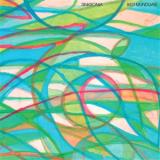
Iker is back with "Sinkronia". A gripping takes on Eastern and Western minimalist traditions influenced by the likes of Steve Reich, Suso Saiz or Midori Takada. Transcendental and esoteric rhythmic wonders that take time to unfold. A young percussionist and guitar player with electronic interests displaying a rich sonority and a great sense of structure and arrangements. This record shows the refinement of Iker's attributes, who initially worked in the noise/punk scene and now is part of the local Free Jazz/Improv landscape of San Sebastian, although he currently lives in New York where he has been playing several gigs including a rendition of Glenn Branca's Symphony No.13 at Lincoln center with 100 guitarists. For this new album he uses Xylophone, hand drums, electric guitar, synths and percussion instruments that guide us in an energetic way to territories somewhere between Italian avant-garde, Japanese New Age and American Minimalism. Iker Munduate Thusberg is a Basque multi-instrumentalist born and raised in San Sebastian and with strong ties to Mikkeli in Finland, where half of his family are from. A fine arts student at Bilbao's UPV (Basque university), his interest in sound, art and design has led him to combine all these different disciplines and convey them into his music and his work. "Iker Munduate is an artist and musician who brings a delicate sense of composition and design_ Inspired in part by new age music, Its rippling melodies and frictionless glide recall the futuristic utopias of Detroit Escalator Company and the interior reverie of Nobukazu Takemura (Derek Walmsley, The Wire Dec'24)"
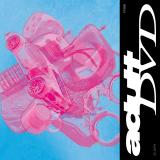
Leeds six piece, Adult DVD, announced their signing to Fat Possum this year, with standalone single ‘Real Tree Lee’, which landed the band on the BBC 6 Music A-List along with ‘Ones To Watch’ attention from the likes of The Rolling Stone, The Line Of Best Fit and more. On September 25th they release their much anticipated debut, self-titled album. Recorded and produced by the band at hometown The Nave Studios, the new album fuses Adult DVD’s love of hook laden indie, with pulsing groove, 90's acid house influence and an undeniable humour in their songwriting. Known for their electric live show, including their recent sold out London residency plus debut USA and Japan tours, Adult DVD is a festival favourite; hailed ‘Best Of SXSW’ (Rolling Stone), 'Best Of The Great Escape' (The Sunday Times, DIY and Dork). The band are continuously on the road with routing booked through to 2027, across UK/EU/US/JP.
Weezer founding member and original bassist, Matt Sharp, while working on a series of “lost-albums” from the cutting room floor of his creative-life, stumbled upon a curious multi-track reel of analog tape. This mysterious reel found at the bottom of a treasure chest of other master recordings just happened to contain Weezer's very first studio sessions. These were the very same recordings that were responsible for earning the band a record contract for their iconic debut “Blue” album. These newly discovered sessions feature raw, vividly emotional and ecstatic versions of the band's timeless hit songs Say It Ain’t So and Undone (The Sweater Song.) Sharp and legendary music producer Joe Chicarrelli took these recordings to Los Angeles’ famed East/West Studios to take a deeper look into this mythic reel of 1-inch Ampex tape. What the two men quickly discovered was the original lineup (with guitarist Jason Cropper) in an infectious, explosively joyful, feral form. Making the decision to honor the original intention of the music and the traditional technology of the era, the songs were remixed from top to bottom, from tape to vinyl, in a 100% analog process.With Sharp as producer and Chicarrelli on the mix, the result of these sessions makes up the entirety of “1192” (named after the month and year it was originally recorded.) The illuminating spirit of the performances on 1192 are guaranteed to turn the world upside down for blue album fans everywhere. This album stands on its own as an essential entry into the band’s discography and is crucial to understanding the first chapter in Weezer's storied history.
“Music for me, is rarely complete,” says GODFLESH mastermind Justin Broadrick, “but it has to reach a point where enough is enough. Creatively, there has to be self-discipline. One has to end it.” Broadrick is primarily referring to the nebulous process of writing and arranging songs into their various potential shapes, but he could just as easily be describing GODFLESH’s imminent conclusion. Just three years after the hypnotic crunch of Purge, 25 years after an uncertain hiatus that nearly scuttled the band, and 38 years since GODFLESH’s inception, Broadrick and bassist-at-arms Ben Green set out to mercilessly crush this cold world with their tenth and penultimate album, this year’s Decay. “Decay was born from the same sessions as Purge,” Broadrick declares of the new record’s six tracks. “It was one huge pool of songs. I picked what I felt was appropriate for what I wanted to achieve with Purge, with the intention of releasing the songs that didn't fit as a new album within a year of Purge being released. Unfortunately, two years passed whilst considering external labels, so that I didn't have to self-release GODFLESH anymore, but it took an awful lot of time to establish a comfortable home for me. The recordings were done, but as usual for me, I did change a lot of stuff once I came back to it.” Now, GODFLESH is ready to unleash an even bolder, bleaker series of sounds in Decay. These songs arrive shortly after Broadrick released a public statement about major abdominal surgery he underwent earlier this year.
BRUTAL TRUTH's defining 1997 album is one of Grindcore's most essential releases! Now fully remastered by Brad Boatright and available on vinyl for the first time in more than 20 years! "From startling exercises in savage brevity to disorientating psych-rock squalls, it’s grind with no brakes, no safety net and absolutely no fear." - Metal Hammer
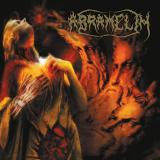
Abramelin’s self-titled 1995 debut is a landmark in the Australian Death Metal scene, featuring some of the heaviest riffs ever recorded Down Under and deranged lyrics brimming with unbridled brutality and violence! Australian Death Metal for the most part has been really solid. Abramelin does nothing to deter from that thought and “Abramelin” is known by many death metal fans as a classic. These Aussies laid forth a chunk of brutal death metal in 1995. Around that time, the established sound of the Florida scene and even in other areas such as Sweden had begun to morph into something else as bands attempted to prevent stagnation. One such new avenue of creativity was to simply get heavier, louder, and more punishing, and by those standards Abramelin’s self-titled debut delivers on every level. Now available again on CD and vinyl, this long overdue re-issue brings back a true underground classic from one of Australia’s most overlooked Death Metal bands.
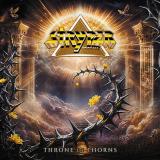
The legendary Christian metal pioneers Stryper return with a commanding new chapter in their storied career: Throne Of Thorns, set for release this September via Frontiers Records. Decades into their journey, Stryper continue to reaffirm their status as one of the most influential and enduring bands in classic metal, seamlessly blending their signature message with a sound that remains as powerful and relevant as ever. Throne Of Thorns showcases the band at the height of their creative powers, delivering a masterclass in songwriting and musicianship. The album is packed with grand, meticulously crafted arrangements, where thunderous rhythms, soaring guitar harmonies, and anthemic choruses come together in a style that is unmistakably Stryper. Each track is infused with both intensity and melody, capturing the essence of classic metal while pushing their sound forward with renewed energy and purpose. At the forefront stands the unmistakable voice of Michael Sweet, whose passionate, powerful, and instantly recognizable delivery continues to define the band’s identity. His vocal performance on Throne Of Thorns is nothing short of extraordinary, effortlessly moving between soaring highs and emotive depth, adding a timeless quality to every song. With Throne Of Thorns, Stryper not only honor their legacy but expand upon it, offering an album that will resonate with longtime fans and newcomers alike. It’s a bold, inspired statement from a band that refuses to stand still—proof that true metal greatness only grows stronger with time.
The legendary Christian metal pioneers Stryper return with a commanding new chapter in their storied career: Throne Of Thorns, set for release this September via Frontiers Records. Decades into their journey, Stryper continue to reaffirm their status as one of the most influential and enduring bands in classic metal, seamlessly blending their signature message with a sound that remains as powerful and relevant as ever. Throne Of Thorns showcases the band at the height of their creative powers, delivering a masterclass in songwriting and musicianship. The album is packed with grand, meticulously crafted arrangements, where thunderous rhythms, soaring guitar harmonies, and anthemic choruses come together in a style that is unmistakably Stryper. Each track is infused with both intensity and melody, capturing the essence of classic metal while pushing their sound forward with renewed energy and purpose. At the forefront stands the unmistakable voice of Michael Sweet, whose passionate, powerful, and instantly recognizable delivery continues to define the band’s identity. His vocal performance on Throne Of Thorns is nothing short of extraordinary, effortlessly moving between soaring highs and emotive depth, adding a timeless quality to every song. With Throne Of Thorns, Stryper not only honor their legacy but expand upon it, offering an album that will resonate with longtime fans and newcomers alike. It’s a bold, inspired statement from a band that refuses to stand still—proof that true metal greatness only grows stronger with time.
Die Neuauflagen von The Runaway Found (2004), Nux Vomica (2006) und Sun Gangs (2009) geben Fans und Sammlern die seltene Gelegenheit, diese einflussreichen Alben in hochwertiger Vinyl-Qualität neu zu entdecken. Die Re-Releases sind besonders bemerkenswert, da die Originalausgaben auf Schallplatte in den 2000er-Jahren nur in begrenzter Stückzahl erschienen. Zu einer Zeit, als Vinyl kommerziell noch eine untergeordnete Rolle spielte, waren die Veröffentlichungen nur schwer erhältlich. Die neuen Pressungen ermöglichen nun ein Hörerlebnis mit der Klangtiefe, Detailtreue und dem Artwork, die den atmosphärischen Kompositionen von The Veils besonders gerecht werden. Unter der Führung von Sänger und Songwriter Finn Andrews, der die Band bereits als Teenager gründete, entwickelten The Veils mit ihren ersten drei Alben einen unverwechselbaren Stil. Zwischen üppigem Indie-Rock, romantischer Melancholie und filmischer Dramatik schufen sie einen Sound, der von orchestralen Arrangements, eindringlichen Rhythmen und emotionaler Intensität geprägt ist. Mit The Runaway Found, Nux Vomica und Sun Gangs etablierte sich die neuseeländische Band als eine der eigenständigsten Stimmen der internationalen Indie-Szene. Die Alben verbinden weitläufige, cineastische Klanglandschaften mit intimen, persönlichen Momenten und zeigen eine beeindruckende kreative Entwicklung während der frühen Bandjahre. Finn Andrews freut sich über die Wiederveröffentlichungen: "Es ist eine große Freude zu sehen, dass diese Alben, die uns und vielen anderen so viel bedeuten, von dem Label, das uns von Anfang an unterstützt hat, erneut auf Vinyl veröffentlicht werden. Ich bin Rough Trade und den Songs dieser leidenschaftlichen, suchenden und wunderbar jugendlichen ersten Jahre sehr dankbar."
Das 1997 erschienene Album „Romanza“ verhalf Bocelli zum weltweiten Durchbruch: Es verkaufte sich
weltweit fast 20 Millionen Mal und wurde zu einem der meistverkauften Alben der modernen Klassik aller
Zeiten.
„Romanza (30th Anniversary)“ wird sowohl als Standard- als auch als Deluxe-Edition erhältlich sein. Das
Deluxe-Paket enthält zwei goldfarbene Schallplatten, eine von Bocelli signierte Lithografie sowie einen
Bildband mit eigens in Auftrag gegebenen Begleittexten des renommierten Journalisten Craig McLean, der
Bocellis außergewöhnlichen Aufstieg vom aufstrebenden italienischen Tenor zu einem der weltweit gefeiertsten Künstler nachzeichnet. Beide Editionen enthalten zudem bisher unveröffentlichte Fotos von den
Aufnahmen zum Album.
Die Sammlung vereint alle 16 Titel des Originalalbums, darunter die zeitlosen weltweiten Hits „Time
to Say Goodbye“ mit Sarah Brightman und „Vivo per Lei“ mit Giorgia sowie eine bisher unveröffentlichte
Extended Version von Bocellis Hit „Con te Partirò“.
Ein modernes Blue-Note-Werk mit ausgefeilten Beats, Grooves und harmonischer Raffnesse! Keyboarder
und Produzent Kiefer arbeitete unter anderem mit Dr. Dre, Drake, De La Soul, Pete Rock, KAYTRANADA
und Stanley Clarke zusammen. Für seine Arbeit mit Anderson .Paak erhielt er einen Grammy. Gerade erst
sorgte er als Mitglied des neuen Blue-Note Projekts FATHERS gemeinsam mit Nate Smith, CARRTOONS
und Kenny Beats für Aufmerksamkeit. Nun folgt der nächste Schritt: Der Kalifornier veröffentlicht mit
„Memory Bomb“ sein erstes Soloalbum für Blue Note.
Darauf verbindet er Jazz, Hip-Hop, Soul und elektronische Klangwelten zu einer organischen musikalischen
Sprache. Es entfaltet sich eine schwebende, cineastische Atmosphäre, in der improvisatorische Offenheit auf
präzise produzierte Beats trifft. Groove und harmonische Raffnesse stehen gleichberechtigt nebeneinander.
Zu den Album-Gästen zählen unter anderem Nate Smith, Walter Smith III, Erick the Architect, Planet
Giza, Tony Stone, Luke Titus, Amber Navran (Moonchild), Cisco Swank, Rae Khalil, Phil Beaudreau und
Gareth Donkin.
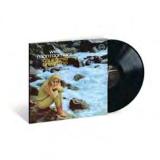
“California Dreaming”, im September 1966 aufgenommen, war das letzte Album, das Wes Montgomery
(1923-1968) bei Verve veröffentlichte. Seit er 1964 von dem Produzenten Creed Taylor bei dem Label
unter Vertrag genommen worden war, hatte sich der Gitarrist vom reinen Jazz immer mehr in Richtung
Pop bewegt - und “California Dreaming” bildete da keine Ausnahme. Obwohl das Album mit einem aktuellen Pop-Hit begann und neben Bobby Hebbs “Sunny” sowie drei Stücken aus dem Repertoire der damals
angesagten Band Herb Alpert & Tijuana Brass präsentierte, fand Montgomery reichlich Gelegenheit, seinen
charakteristischen, von Oktaven geprägten Jazz-Gitarrenstil zur Schau zu stellen. So kam es, dass Montgomery mit “California Dreaming” nicht nur Platz 4 der R&B-Album-Charts erreichte, sondern sich auch
erstmals an die Spitze der Jazz-Album-Charts von Billboard setzte.
Das wurde aber auch Zeit!
Wo andere Künstler es mit Best-of-Alben fast inflationär übertreiben, hielt sich Purple Schulz lange zurück.
Seine legendäre erste Kollektion „Die Singles ’84–’92“ wurde schon 1995 mit Gold geehrt und hat sich inzwischen fast eine halbe Million Mal verkauft. Auch danach folgten weitere erfolgreiche Singles, neun
vielseitige Alben und jährliche ausgedehnte Tourneen mit bisher über 2.000 Konzerten – nur eine neue
Werkschau fehlt seit 33 Jahren.
Selten kann man von einer Veröffentlichung also zu Recht sagen: Dieses Album ist lange überfällig!
Der 70. Geburtstag von Purple Schulz bietet nun endlich den passenden Anlass, dieses besondere Projekt
umzusetzen.
„Ich hab‘ nicht ewig Zeit!“ ist mehr als eine einfache Sammlung von Radiohits. Die Veröffentlichung
erscheint als umfangreiche 3CD-Edition sowie als exklusiv für Vinyl kuratierte, streng auf 1.000 Exemplare
limitierte 2LP-Ausgabe. Beide Formate bilden alle Schaffensphasen von den Anfängen bis heute ab und
enthalten von Purple Schulz persönlich ausgewählte Stücke, die er selbst als besonders wesentlich empfindet.
Die 3CD-Edition versammelt 57 Songs aus fünf Dekaden: die großen Hits sind lückenlos vertreten, ergänzt
um Songs aus fast jedem seiner 16 Alben, die musikalisch und erzählerisch noch tiefer gehen als die großen
Singles. Im letzten Drittel finden sich zudem mehr als ein Dutzend Titel, die noch nie auf einem Album von
Purple Schulz erschienen sind – darunter Live-Mitschnitte, Tributes, Soundtrack-Beiträge und „Heartsick“,
die englische Version seiner ikonischen Gold-Single „Sehnsucht“.
Für Vinyl-Liebhaber und Sammler ist die 2LP-Edition eine echte Besonderheit: 21 ausgewählte Stücke,
darunter zeitlose Klassiker, ausgewählte Live-Mitschnitte und erstmals auch neuere Songs auf zwei hochwertigen Schallplatten in passendem Lila. Ein unverzichtbares Sammlerstück für jede gut sortierte Musiksammlung.
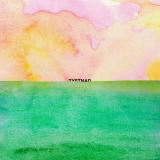
The word ‘Tystnad’ – literally translated – means silence. In this case, the Silence is less that of zen buddhism or that of John Cage, rather the name of the studio where Flowers Must Die – carriers of the torch of Swedish psychedelia for now nearly 20 years – retreated to make their most head-expanding album to date. Located near the Norwegian border in the verdant rural Värmland region, Silence Studios has been a countercultural hub for decades, attaining a legendary status as a residential outpost where bands can retreat to stretch out creatively and focus their psychic powers.
From just such origins, Flowers Must Die have crafted a collection of expansive and incandescent jams that maps out a lysergic trajectory between the idealistic, anything-goes mania of early ‘70s psychedelia and the 21st century. Tystnad is the sound of a band buoyed by the afterglow of their last Rocket release, 2017’s Kompost and its attendant touring, and expanding into extrapolations that marry the wildest free improv with haunting melody.
If Tystnad, as the band claim, is to be their last recording made in one room at the same time, then it displays a formidable escape velocity. Who’s to say whether Flowers Must Die have tapped into a Swedish continuum, one including the like of Pärson Sound, Dungen or Goat. What’s clear is that Tystnad is a timeless treatise, and a potent channeling of spirits –transcending genre in search of enlightenment anew.
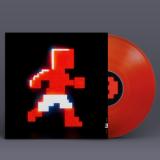
Featuring Nicholas Semrad (Empire of the Sun), Stu Brooks (Nine Inch Nails, Danny Elfman), Tim Lefebvre (David Bowie) and vocalist Gretchen Parlato, this new hardhitting, synth-fueled album distills Guiliana's vision into eight cinematic compositions that fuse retro production with futuristic playing. Transmitted through an original 8-bit visual universe created by artist and long-term collaborator Steve Wall, BEAT MUSIC 2.0 draws inspiration from early gaming culture and electronic music, looking both to the past and the future for answers. Guiliana's compositional voice is on full display alongside the energetic and precise grooves that define his singular approach. In an age increasingly shaped by automation, BEAT MUSIC 2.0 keeps its focus on human connection and collaboration.
Originally released in 1978. A Classic Reggae album re-released on 180 gram vinyl and produced by Linval Thompson with extensive sleeve notes.
Recorded at Channel One Recording Studio & Harry J's Recording Studio.
Cornell Campbell is one of an elite group of Jamaican reggae singers who has weathered the changes throughout the music's development - in his case, from the ska era to right up to date - whilst retaining their relevance. Witness his recent alliance with UK Afrobeat/reggae band The Soothsayers or Jazmine Sullivan's R & B hit Need U Bad, which sampled his classic 'Queen Of The Minstrel' -a song that still sounds fresh more than thirty years later.
Sweet Baby was pressed on bright red vinyl, which only added to the excitement when you saw the selector position it carefully on the deck.
On the LP cover was a painting of Cornell wearing an emerald green shirt and framed by a lurid sky, which might have left some people wondering if it was a soul album. It wasn't, although there is certainly soul in the grooves, and especially on R&B covers like Gonna Take A Miracle - first recorded by the Royalettes -and Darling You Send Me, which Sam Cooke had introduced to the US Billboard charts some twenty years earlier.
Both are among the highlights but then the whole album is good in truth, and a heartfelt I Need Somebody and My Sweet Baby, plus the two-step favourite Just Enough were regularly played on sound system. Blinded By Love, I Didn't Know and Can't Hide My Love are tinged with melancholy and like the seductive Whenever You Need Me, display all the hallmarks of a classic Cornell Campbell side -swooping vocals, a driving rhythm and seductive lyrics included.
Nearly forty years later, it is gratifying to know there is still no mistaking him when his records are played in a dance. That relaxed vocal style draws you in but it's his falsetto, quivering with understated emotion that hooks you and turns you into a lifelong fan.
A powerful new track arrives on 7-inch, marking a collaboration between MAJOR FORCE PRODUCTIONS and DJ KRUSH, featuring the gentle, soothing vocals of guest singer Kyoko Koizumi.
This joint production by MAJOR FORCE PRODUCTIONS-comprised of K.U.D.O and Kan Takagi, two key figures who have helped shape Japan’s music scene-and the internationally acclaimed DJ KRUSH results in a single that vividly captures everyday scenes and the deeper layers of human emotion through diverse beats and floating electronic textures.
Conceived as a sequel to Kan Takagi’s 1997 release “LOVE THEME,” the track unfolds with a memorable melody expressing a sincere longing for love and freedom. Refined yet warm, it stands as a timeless piece of electric folk blues.
For this 7-inch edition, the track has been given a single edit, making it a special and essential release.
Release description Chesster lands on Rutilance Recordings with a four-track EP rooted in classic deep house. Blending old-school influences with a modern touch, the project captures the essence of his sound: groove-led, warm, and true to its foundations. Originally from Italy and now based in Los Angeles, Chesster has been building strong momentum across the global house scene, with a run of standout releases and defining moments over the past year. This EP marks an important step in that journey - not only as his first on the label, but also as a more personal statement. After a run of highenergy, peak-time records, the project sees him step into a deeper, more refined lane. The EP also features a special contribution from Rutilance boss DJ Steaw, adding an extra layer of character and tying it closely to the label’s identity.
out of Stock
Last delivered 2 days ago available to reorder, subject to availability
'La Proyección' is the debut LP by Jose María Lluch, featuring 11 compositions developed between 2015 and 2024. Recorded and assembled in his home studio, the album combines fingerpicked guitar, field recordings, tape manipulation, and ethereal soundscapes into a deeply personal listening experience. A reflection on memory, imperfection, and the freedom to create without external expectations. 'La Proyección', the debut LP by Jose María Lluch, an architect and musician from San Sebastián, emerges as a transition-a gradual shift that unfolded over time. Intimate and innocent, disconnected and erratic at times, the 11 compositions presented here are drawn from recordings spanning nine years, between 2015 and 2024. Humbly assembled in his home studio, the music invites listeners to let their minds drift as the processes of composition, recording, and editing intertwine. Field recordings from everyday life, fingerpicked guitar, soothing harmonics, tape manipulation, and ethereal soundscapes are combined with a naïve openness. The album reveals the joy found in imperfection. Rarely do we have the chance to glimpse someone's work in its most unguarded form, without a specific context, after years spent making music simply as a way to break away-not for anyone else, but for oneself. The songs on 'La Proyección' reveal that very essence, shaped by a shared memory.
out of Stock
Last delivered 20 days ago available to reorder, subject to availability
Space Afrika, das in Manchester und Berlin ansässige Duo aus Joshua Tarelle Reid und Joshua Inyang, schafft rohe, detailreiche und eindringliche Musik mit Anklängen an Ambient, Trip-Hop, Techno und moderne Klassik, wobei es aus den Konturen seiner Stadt weitläufige urbane Dub-Landschaften entwirft. ,Quiet Storm" erweitert ihren Klang und ihre Bandbreite zu einer weitläufigen, kollaborativen Vision, die mit tiefer Geduld und Absicht geformt wurde und ihre eigene Coming-of-Age-Geschichte in eine bewegende Suite kathartischer Abstraktion einbettet. Die Songs spielen auf Spiritualität und die conditio humana an, auf die Spannung zwischen Kühnheit und Sanftheit, Ehrgeiz und hartnäckigen inneren Dämonen. ,Quiet Storm" ist eine Antwort auf den Werdegang des Duos seit der Veröffentlichung von ,Honest Labour" im Jahr 2021. ,Wir haben uns selbst und unsere eigenen Vorstellungen von Identität herausgefordert, insbesondere in Bezug auf Klasse und Diaspora, und wie dies in verschiedenen Musikgenres dargestellt wird. Wir wollten die Charakteristika unseres Projekts durch die Menschen zeigen, mit denen wir zusammenarbeiten wollten", sagt Reid. Inyang merkt an: ,Bei der Entstehung dieses Albums haben wir keine Kompromisse gemacht. Die Idee begann als eine Hommage an die Kunst der Schwarzen. Unsere Kooperationen waren sehr bewusst gewählt, als wir die Grundpfeiler der Geschichte entdeckten." Von der multidisziplinären Natur des Projekts zeugt die Beteiligung des gefeierten Künstlers Glenn Ligon, dessen Werk sich mit schwarzer Identität und Queerness befasst. Ligon, der zu Beginn der Aufnahmen eine zentrale Inspirationsquelle darstellte, stellte sein Werk ,Figure #30" (2009) für das Cover-Artwork zur Verfügung und erklärte sich nach Abschluss der Aufnahmen bereit, dem Projekt seinen Namen zu geben - eine beispiellose Geste dieses wegweisenden Künstlers. Beim Anhören der endgültigen Fassung dachte Ligon an ,Quiet Storm", das Radioformat der 1970er Jahre, das für seine sanfte Late-Night-Programmgestaltung mit Themen rund um Leben und Liebe bekannt war. ,Quiet Storm" führt den Hörer durch verschiedene Szenen, Zwischenspiele und Handlungsbögen, geprägt von dem Gefühl, dass seine Bewegung fließend und seine Figuren flüchtig sind. Monologe vor dem Spiegel setzen sich mit dem Existentiellen und dem Unmittelbaren auseinander: Überleben, Autonomie, Sinn. Das Album beginnt mit dem explosiven, von Streichern begleiteten ,Vanity", bei dem die Grammy-Preisträgerin Axelle Fanyo zu hören ist. Zunächst auf die Spalten eines stillen Raumes fixiert, entfaltet sich ,Vanity" unter Fanyos ausdrucksstarkem Sopran und durchläuft ein breites emotionales Spektrum von erhabener Kontemplation bis hin zu ergreifendem, herzzerreißendem Schmerz. Auf dem gesamten Album werden gesprochene und gesungene Worte sparsam eingesetzt, um eine kraftvolle Wirkung zu erzielen. Die Schönheit und Katharsis von ,MLN" ist ein kollektiver, langsamer Marsch, bei dem der britisch-nigerianische Künstler Tony Njoku mitwirkt, begleitet von Gabriel Evans an Gitarre und Lead-Bass, PIKE aus London am Schlagzeug und GB aus Kopenhagen an Keyboards und Streichern. Der letzte Satz verleiht ,Quiet Storm" seinen krönenden Höhepunkt. ,If This Is Hell" ist in einem einzigen Take als Bewusstseinsstrom des New Yorkers Deuén aufgenommen, dessen nachvollziehbare Spirale geistiger Aktivität von jazzigen, frenetischen Percussion-Klängen begleitet wird. Das Druckventil öffnet sich, als die phasenverschobenen Drums und die scharf beobachtenden, dialogartigen Phrasen abrupt nach der Zeile ,I wonder if that's what heaven's like?" abbrechen. Wir bleiben in der Behaglichkeit des Album-Closers ,Regards" zurück. Regentropfen treffen auf Orgel, Drone, Streicher und Keyboards, während das Nachladen von Waffen dem ruhigen Summen gegenübergestellt wird. Schwer und doch hoffnungsvoll erinnern Joshua Tarelle Reid und Joshua Inyang an ihre bisherige Reise. Als passend geheimnisvolles und mitreißendes Outro für ihr offenes Opus ist ,Quiet Storm" ein Meilenstein: selbst produziert, selbst finanziert und aus purer Tatkraft und Überzeugung entstanden. Durch verzerrte Zeit und schummrigen Dunst ist Space Afrika zweifellos angekommen
out of Stock
Last delivered 3 days ago available to reorder, subject to availability
Space Afrika, das in Manchester und Berlin ansässige Duo aus Joshua Tarelle Reid und Joshua Inyang, schafft rohe, detailreiche und eindringliche Musik mit Anklängen an Ambient, Trip-Hop, Techno und moderne Klassik, wobei es aus den Konturen seiner Stadt weitläufige urbane Dub-Landschaften entwirft. ,Quiet Storm" erweitert ihren Klang und ihre Bandbreite zu einer weitläufigen, kollaborativen Vision, die mit tiefer Geduld und Absicht geformt wurde und ihre eigene Coming-of-Age-Geschichte in eine bewegende Suite kathartischer Abstraktion einbettet. Die Songs spielen auf Spiritualität und die conditio humana an, auf die Spannung zwischen Kühnheit und Sanftheit, Ehrgeiz und hartnäckigen inneren Dämonen. ,Quiet Storm" ist eine Antwort auf den Werdegang des Duos seit der Veröffentlichung von ,Honest Labour" im Jahr 2021. ,Wir haben uns selbst und unsere eigenen Vorstellungen von Identität herausgefordert, insbesondere in Bezug auf Klasse und Diaspora, und wie dies in verschiedenen Musikgenres dargestellt wird. Wir wollten die Charakteristika unseres Projekts durch die Menschen zeigen, mit denen wir zusammenarbeiten wollten", sagt Reid. Inyang merkt an: ,Bei der Entstehung dieses Albums haben wir keine Kompromisse gemacht. Die Idee begann als eine Hommage an die Kunst der Schwarzen. Unsere Kooperationen waren sehr bewusst gewählt, als wir die Grundpfeiler der Geschichte entdeckten." Von der multidisziplinären Natur des Projekts zeugt die Beteiligung des gefeierten Künstlers Glenn Ligon, dessen Werk sich mit schwarzer Identität und Queerness befasst. Ligon, der zu Beginn der Aufnahmen eine zentrale Inspirationsquelle darstellte, stellte sein Werk ,Figure #30" (2009) für das Cover-Artwork zur Verfügung und erklärte sich nach Abschluss der Aufnahmen bereit, dem Projekt seinen Namen zu geben - eine beispiellose Geste dieses wegweisenden Künstlers. Beim Anhören der endgültigen Fassung dachte Ligon an ,Quiet Storm", das Radioformat der 1970er Jahre, das für seine sanfte Late-Night-Programmgestaltung mit Themen rund um Leben und Liebe bekannt war. ,Quiet Storm" führt den Hörer durch verschiedene Szenen, Zwischenspiele und Handlungsbögen, geprägt von dem Gefühl, dass seine Bewegung fließend und seine Figuren flüchtig sind. Monologe vor dem Spiegel setzen sich mit dem Existentiellen und dem Unmittelbaren auseinander: Überleben, Autonomie, Sinn. Das Album beginnt mit dem explosiven, von Streichern begleiteten ,Vanity", bei dem die Grammy-Preisträgerin Axelle Fanyo zu hören ist. Zunächst auf die Spalten eines stillen Raumes fixiert, entfaltet sich ,Vanity" unter Fanyos ausdrucksstarkem Sopran und durchläuft ein breites emotionales Spektrum von erhabener Kontemplation bis hin zu ergreifendem, herzzerreißendem Schmerz. Auf dem gesamten Album werden gesprochene und gesungene Worte sparsam eingesetzt, um eine kraftvolle Wirkung zu erzielen. Die Schönheit und Katharsis von ,MLN" ist ein kollektiver, langsamer Marsch, bei dem der britisch-nigerianische Künstler Tony Njoku mitwirkt, begleitet von Gabriel Evans an Gitarre und Lead-Bass, PIKE aus London am Schlagzeug und GB aus Kopenhagen an Keyboards und Streichern. Der letzte Satz verleiht ,Quiet Storm" seinen krönenden Höhepunkt. ,If This Is Hell" ist in einem einzigen Take als Bewusstseinsstrom des New Yorkers Deuén aufgenommen, dessen nachvollziehbare Spirale geistiger Aktivität von jazzigen, frenetischen Percussion-Klängen begleitet wird. Das Druckventil öffnet sich, als die phasenverschobenen Drums und die scharf beobachtenden, dialogartigen Phrasen abrupt nach der Zeile ,I wonder if that's what heaven's like?" abbrechen. Wir bleiben in der Behaglichkeit des Album-Closers ,Regards" zurück. Regentropfen treffen auf Orgel, Drone, Streicher und Keyboards, während das Nachladen von Waffen dem ruhigen Summen gegenübergestellt wird. Schwer und doch hoffnungsvoll erinnern Joshua Tarelle Reid und Joshua Inyang an ihre bisherige Reise. Als passend geheimnisvolles und mitreißendes Outro für ihr offenes Opus ist ,Quiet Storm" ein Meilenstein: selbst produziert, selbst finanziert und aus purer Tatkraft und Überzeugung entstanden. Durch verzerrte Zeit und schummrigen Dunst ist Space Afrika zweifellos angekommen
out of Stock
Last delivered 3 days ago available to reorder, subject to availability
Galaxy 2 Galaxy) on strings, and the return of STRIPPERTM (Sleeve) on the B side for some twisted bass work. Holding light and shade, and pushing out plenty of low end, this record has two cuts for different times of night…
The A side, "In Light," starts with a pulsing kick, bright chords, and shakers, with a string line that slowly builds towards a soaring conjunction with the massive bassline that drops underneath. Filled with bittersweet emotion, this collaboration represents a beacon of light, like the golden hour after sunrise.
On the B side, "In Darkness," gnarly bass textures come to the fore as a harbinger of the dark, turbulent night, dropping into a massive twisted groove. Shakers, tribal percussion, and pulsing sub-bass keep things in a tight rhythm, while Esteban’s strings arrive to guide us through the darkness to dawn.
out of Stock
Last delivered 21 days ago available to reorder, subject to availability
Pariter continues its acclaimed archive series with another essential London tech house reissue from the Strange Weather Studios catalogue. Produced by two of the scene's key figures, Timmy S and Justin Bailey, this release captures a defining moment in the evolution of the UK sound.
Originally released on Wiggle in 2001, the EP arrived during the golden era of Nathan Coles and Terry Francis's legendary Fabric residency, when Strange Weather was helping shape the future of London's underground tech house. More than twenty years on, these tracks have lost none of their impact.
Meticulously remastered from the original DAT masters, the EP features three deep, tripped-out, acid-tinged tech house cuts, now presented on heavyweight 180g vinyl for the first time. Gold.
out of Stock
Last delivered 22 days ago available to reorder, subject to availability
A well-timed remastered version of this killer jacking electro cut from Aaron Carl on the legendary Metroplex label, featuring none other than Juan "The Man" Atkins. The release includes four versions. Dirty, essential Detroit electro.
For its third release, Ambient Sans turns to one of the most quietly beloved works in Japanese ambient music.
Recorded at Biwa Studio in 1989, White Morning is the work of Fumio Miyashita — composer, arranger, and multi-instrumentalist whose output through the late 1980s and early 1990s occupies a singular space between healing music, environmental sound, and meditative ambient. Where his contemporaries were mapping the exterior world, Miyashita turned inward: his music was designed for the body as much as the ear, conceived explicitly for rest, focus, and presence.
White Morning distills that vision into its purest form. Two extended pieces — 目覚め (See The Light) and 朝の祈り (Morning Prayer) — built from soft synthesizer layers, delicate acoustic textures, and a stillness that feels less composed than discovered. Music that doesn't impose itself. Music that simply stays.
Originally released on CD in 1991 and circulated quietly ever since among devotees of kankyo ongaku and Japanese new age, White Morning has never appeared on vinyl — until now. Essential listening for anyone drawn to the environmental music of Hiroshi Yoshimura, the meditative depth of Satoshi Ashikawa, or the healing ambient of Klaus Wiese.
out of Stock
Last delivered 23 days ago available to reorder, subject to availability
Curses' dark, romantic take on electronic music is often linked to EBM, new beat, synth-pop, and the offshoots in between - but, as the artist states, it's feelings, not genres, that motivate his music. Especially the underground and its niche sounds, brimming with collective energy, drive and passion, make for a major impetus. It's no coincidence that he's drawn to the era when man turned to the machine, as a collaborative force, and a new kind of liveliness, timelessness, emerged. In Curses' practice, this synergy translates into an enticing mix of synthesisers and voices, electronic drums and guitars. Nostalgia operates as an influence rather than a motive, though: despite its affinities with the past, his music is stridently contemporary and idiosyncratic. On the "Perfect High" EP, this approach is rendered in a resolutely dancefloor-oriented selection. It's rich in detail and constantly evolving; each time a new element appears, it's treated with such delight and care that you could imagine the track to flit off and turn it into the main theme. This doesn't happen, however, as the sense of cohesion and momentum is paramount: there's a relentless forward drive that keeps engagement tight from start to finish. The detuned, chorus-heavy leads of title track "Perfect High" and the clockwork-tinged percussion of "Weapon Of Time" jell with lustrous hooks. The ominous choirs on "Dare To Dream" and the proto rolling-and-scratching squelches of "Killer Instinct" similarly fall into place. Bravado never stands in the way of flow. Everything is kept in check by gated R-50 rhythms, and in the vocal department, Curses finds the sweet spot between his own voice and a slew of off-kilter samples. On closer "Blasted" NYC royalty Andi joins for a slab of synth-driven groove. It's shiny and sensuous, like patent leather - a perfect distillation of club music channeled through pop aesthetics, and thus a right coda for ALT028.
out of Stock
Last delivered 23 days ago available to reorder, subject to availability
Deas joins the CROWD family with 'Silent Tension', a refined EP that channels the Polish producer's signature blend of hypnotic groove and hardware driven production. Known for his precise studio craftsmanship and deeply intuitive approach to groovy techno, Deas has steadily built a reputation as one of the standout figures of the contemporary Polish scene. Through years of releases and international touring, he has developed a sound that feels both timeless and unmistakably personal, as proven on the label's 12th record. Opening track 'I Won't Cry' immediately sets the tone with classy vocal sampling from Loleatta Holloway, warm chord progressions and rolling swung percussion anchored by Deas' characteristically rich bass. Following up, 'Waterfall' introduces bleepy modular sequences and chopped vocal fragments, with a sweeping drone synth cutting through the mix above the track's rolling bass. On the flip side, 'Silent Tension' continues deeper into minimal territory, combining crisp clap fills, subtle vocal chops and delayed chord repetitions into a slow burning groove. The vinyl's closing cut 'Where Do They Go' brings dense low end weight and fast dubby chord stabs, accompanied by sharply placed vocal cuts, creating a track that balances restraint and impact. The digital addition 'Here Again' is a classic Deas production, characterised by repetitive synth stabs that gradually transform the cut into a hypnotic hook, while stripped back percussion and a powerful kick give the track a commanding presence. Throughout CROWD012, Deas remains firmly focused on groove and subtlety, while retaining a strong impact. The tracks unfold patiently, with a focus on tension, repetition and gradual escalation, maintaining the hypnotic functionality that has become both Deas' trademark and a defining characteristic of the sound of the label founded by FJAAK and Ellie Acula. The 'Silent Tension' EP stands as a sophisticated and deeply effective club record that further cements Deas as one of the most distinctive voices in contemporary techno.
out of Stock
Last delivered 6 days ago available to reorder, subject to availability
Some recordings herald the future in ways that are impossible to see in real time. Teodros Makonnen With His Organ (ቴዎድሮስ መኮንን ከኦርጋኑ ጋር), by the artist Teodros Makonnen, also known as Teddy Mak, is one of those. Today, electronic sounds, synthesizers, and digital production are taken for granted in Ethiopian music, but in the early 1980s, they were novelties that polarized opinion. Even to this day, the story of Teodros Makonnen’s legacy has never been properly told. He played a decisive role in defining the sound of the digital era of Ethiopian music that emerged in the 1980s and beyond, both as a keyboard player and as a producer, songwriter, performer, and sound designer.
Ethiopian music was at a crossroads in the early 1980s. Much like music in the rest of the world, technology and automation heralded either a quantum leap in musical development or the annihilation of musicianship, depending on who you’d ask. The changes were incremental nonetheless, but with the benefit of hindsight one can clearly see that the changes meant different things in different contexts. Drum machines and electric organs came to replace many hotel bands because, all of a sudden, one musician could control drums, melody, and accompaniment. Teodros was one of the first musicians in Ethiopia to explore the possibilities this opened up.
Teodros’ father, Captain Makonnen Beri, was a chief pilot at Ethiopian Airlines and a music enthusiast at that. This would prove important to his development, as Makonnen brought back a piano from Germany, which would lead to the first steps in Teodros’ long musical career. Captain Makonnen’s work as Head of Flight Operations and as a pilot exposed him to the wider world that was far from commonplace for most Ethiopians. In a house where music captivated the whole family, the piano gave Teodros’ talent an outlet. Not only was a piano at home rare in Ethiopian households, his father also brought an Indian teacher to their home to teach Teodros and his brother, Captain Samuel Makonnen, music theory (solfeggio or ear training) and piano. Teodros and his youngest brother, the late great Dereje, a member of both the legendary Ibex Band and the Ethiopian reggae group Dallol, took up music from that point onward, with Teodros beginning to develop his proficiency at the age of eight. His father encouraged him to practice tirelessly at home, and Teodros later received musical schooling at the German School in Addis Ababa. His obvious talent led to studies and formal education at the Yared School of Music, followed by continued studies in American jazz at Northern Virginia Community College in Virginia. Teodros cut his teeth professionally in his mid-teens, not only as a keyboardist, but also as an arranger for the Wabi Shebelle and Dahlak bands in the 1970s. He mastered electronic sequencing early, rising to prominence through the midnight recording sessions held during the military curfew. The pressures imposed by the curfew required precise and disciplined recordings, and Teodros delivered just that. This, in turn, led to collaborations with iconic artists such as Mulatu Astatke, Aster Aweke, Menelik Wossenachew, Tilahun Gessesse, Mahmoud Ahmed, and Alemayehu Eshete. In those days, he sat in as a keyboardist with the Dahlak Band when Dawit Yifru took a hiatus to study in Russia, and also with the Ethiostar Band. He secured a residency at the Wabi Shebelle Hotel with the Shebele Band, together with Zelalem Tadese (drums), later succeeded by Elias Bekele, Mulugeta Hailu (bass), Teferi ‘Bibisha’ Mengesha (guitar), Kumelachew G/Selassie (trumpet), and Teshome Deneke (saxophone). A friendly competition developed between the bands associated with the Ras Hotel (the Ibex Band), Ghion Hotel (the Dahlak Band), and Wabi Shebelle Hotel (the Shebele Band). The music scene at Wabi Shebelle saw teenagers commanding the spotlight in an industry otherwise dominated by musicians of an older generation. At the Wabi Shebelle Hotel, Teodros met a diplomat from Saudi Arabia and later visited him at his home in Addis Ababa, a meeting that had unexpected musical consequences. The man owned a Yamaha double-deck keyboard. That evening, they recorded Teodros Makonnen With His Organ (ቴዎድሮስ መኮንን ከኦርጋኑ ጋር) in one take. This recording, a cornerstone in the early digital sound of Ethiopian music, came about almost by chance, simply because Teodros got the opportunity. Traditional Ethiopian songs were cast in a wholly electronic style. Once freed from backing duties, Teodros’ keyboards could explore dreamlike soundscapes that took Ethiopian music in new directions. Even though the cassette contained well-known Ethiopian songs, they were given highly original arrangements, performed on an electric organ with drum machine backing and rhythm patterns that left the listener with suggestive, lingering sounds. “Libesh Kabashen” (also known as “Anchi Bale Game”) and “Odu Gol Golesa” wrap you in the very stuff that dreams are made of. Originally released on cassette only, this recording exudes a mystique that surpasses even some of the most obscure Ethiopian recordings of the day. It remained more or less unknown outside of Ethiopia until now. Some of the tracks, like “Addis Fikir,” are permeated with an almost naive buoyancy, free-floating sounds that lost contact with the ground the moment they were conceived. Others, like “Meche New Hageren Yemayew” and “Lelitu Alnega Alegn,” carry a moodier, quirkier timbre, with pulsating rhythms in the background. Yet even the darker pieces contain an unmistakable wave, something essentially Ethiopian. If most recordings of Teodros’s contemporaries at the time were teeming with atmosphere, his songs seem instead at home in the stratosphere, almost ethereal. Some of the music here could be filed under “lullabies,” were it not for the recurring, almost brooding feeling that engulfs the listener on the aforementioned tracks. You could easily be forgiven for drifting into a blissful haze as the music washes over you.
Up to the advent of electronic music production, Ethiopia was totally dominated by big bands on the one hand, and small groups on the other. The former were tied to large institutions such as the military, the latter emerged from the entertainment industry, in hotel bars and nightclubs. These groups were commercially driven, and bands ultimately had to foster a mercenary approach to employment, albeit not to the passion for music. In the light of this, Teodros’ musical legacy can be seen in two ways. On the one hand, he is a key player in Ethiopian music from the 1970s onwards, leaving an indelible mark through hundreds of compositions and arrangements, including soundtracks for numerous documentary films and advertisements for different companies. On the other hand, the way he and others employed electronics brought Ethiopian music onto a fork in the road.
The replacement of traditional instruments with electronic equipment was seen as impending doom by some. Others, like Teodros, saw new avenues for performance, production, and creativity. Just as later producers like Abegasu Shiota of Admas, Teodros was a trailblazer who opened paths that it took Ethiopian music as a whole more than a decade to rush into. The hotel scene had already been pushed toward electronic music by financial necessity and cost-cutting. Today’s revived global interest in Ethiopian music from the seventies and eighties, alongside a broader resurgence, has changed the reasons for using digital means of music production. They have become tools for musical dreaming. This is where the dreaming began.
out of Stock
Last delivered 10 days ago available to reorder, subject to availability
The jaded daughter of a dead preacher-man caught in an exodus, Ethel Cain winds her way through a dizzying attempt at escape from her suffocating upbringing only to find herself crushed within its jaws in the end. Hayden Anhedönia, the woman behind the curtain, serves as the architect for the visceral and haunting world of Ethel Cain. After over four years of meticulously constructing her debut album and the graphic visual world that accompanies it, Preacher’s Daughter, was released in May 2022 to critical acclaim, catching fire with her reverent fanbase of daughters and the adoration of The New York Times, Vogue, NPR, Billboard, Vice, TheFADER, NYLON, Paper Magazine, Pitchfork, W Magazine, V Magazine and more.
out of Stock
Last delivered 24 days ago available to reorder, subject to availability
K-LONE returns to Wisdom Teeth with “Have a few days off” - a mini-LP of vivid, 4K club music that seeks out precious moments of release in an increasingly restless world.
The record marks his first outing on the label since 2023’s Swells, and in that time - once again - the world has changed. Thousand acre data centres. Multirotor drones. These long hot summers. K-LONE’s music has always played with escapism, but this time the question is: can music and creativity continue to provide escape when the world gets too loud to block out?
Stylistically the record absorbs the full range of K-LONE’s key musical touchstones - from swinging minimal house through to autonomic d’n’b and drifting ambient techno. Many of his established calling cards are on display here: his bright resounding chords, buoyant basslines, and fragmented vocal hooks. The record is full of joy and rapture, yet something feels off. Amongst the glowing melodies is a creeping dissonance. ASMR vocals float in and out of the mix like eerie audio hallucinations, and synths melt and detune as if warped from excessive heat. Amongst the idyll, life creeps in at the edges.
Colourful yet discordant; familiar yet strange. “You’re looking kinda sleepy. Have a few days off.”
out of Stock
Last delivered 9 days ago available to reorder, subject to availability
In the ever-evolving landscape of the underground music scene, few bands have made an impact quite like Selofan, an immensely talented duo of Joanna Pavlidou and Dimitris Pavlidis, has carved a niche for themselves within the international pantheon of darkwave, post-punk, and '80s synthpop, blending these influences to create a sound uniquely their own. Their journey, marked by a commitment to artistic integrity and evolution, has taken them from the cozy confines of local venues to the grand stages of international festivals, earning them a dedicated following and critical acclaim along the way. Their sixth album, Partners in Hell, released in October 2020, navigated the band through unprecedented times, testing their adaptability and resilience. Despite the hurdles to performing live and the global pandemic's challenges, Selofan emerged stronger, embarking on international tours with a newfound appreciation and connection with their global audience, during this period of introspection and isolation, Joanna Pavlidou embarked on a new venture, GIOVANNA, released under Selofan’s house label, Fabrika Records. GIOVANNA, which places Pavlidou at the helm of vocal and lyrical composition, represents a full on foray into synth-pop. showcasing a different facet of her artistic identity, with lyrics entirely in Greek. In 2023, Selofan hit the circuit hard, lighting up revered festivals with their presence. They stood shoulder to shoulder with heavy hitters like Molchat Doma and Lebanon Hanover at Grey Scale and performed with with the likes of The Sisters of Mercy, VNV Nation, and She Past Away at the Death Disco fest in their hometown of Athens. With each album they have released Selofan made significant strides in their evolution, deepening their engagement with their art. And their forthcoming seventh full length studio release, Animal Mentality, is poised to be their most compelling work yet. Animal Mentality unfolds as a labyrinthine journey through the elemental aspects of human emotion and experience, set against the backdrop of Selofan's signature darkwave sound. Each track on the album delves into different facets of the human condition, from the depths of desire to the pangs of isolation, encapsulating the duo's profound understanding of the intricate spectrum of human emotion and subjective experiences. The album kicks off with "Sticky Fingers," a track that melds cinematic scope with a haunting storyline, reminiscent of Jean-Michel Jarre's icy synths and a lyrical nod to Joy Division. This opening salvo revisits the tragic allure of classic car accident songs, weaving a tale of joy turned to sorrow amidst the snowy Alps. "Love's Secret Game" delves into the depths of forbidden desire, with vocals that echo the melancholy timbre of Xmal Deutschland, Lebanon Hanover, and Nico. It's a tale of passion and ephemeral connection, promising an enduring presence despite the inevitable fracture of time and distance. In "Lucille," sung by Dimitris Pavlidis, the plot is ensnared in the machinations of a tempestuous affair, with gothic undertones evoking the dramatic soundscapes of Ultravox and Clan of Xymox. The lyrics are steeped in danger and desire - a dance with the shadows. "Sacrifice Me" plunges into the abyss of despair, driven by a Bauhaus-esque bassline. It's a plea for release from the chains of alienation, a yearning for a final gesture of solace in the face of overwhelming darkness. "Bluebirds" offers a poignant reflection on solitude, with the fleeting imagery of bluebirds symbolizing the elusive quest for happiness. The song serves as a meditation on the internal struggle to maintain hope in a world shaded by sorrow. The narrative shifts with "Glassplitter," where German lyrics paint a portrait of deceptive allure and toxic entanglement. We are confronted with irresistible danger, masked by a veneer of beauty. "Ignoranz" continues the exploration in German, pondering the universality of misunderstanding. It's a reflection on the subjective nature of truth and the shared human experience of ignorance. "Behind My Eyelids" closes the odyssey, a contemplation on melancholy and metamorphosis. The phoenix rises from the ashes of betrayal to the brighter realm of renewal - a beautiful homage to the resilience of the human spirit amidst the often harrowing cycles of life. More than just an album, Animal Mentality is a milestone in Selofan's career, marking a decade of musical innovation and growth. It's a testament to their enduring spirit and a bold step into new realms of artistic expression. As Selofan continues to evolve, they remain at the forefront of their genre, pushing boundaries and exploring the depths of the human psyche through their haunting melodies and poignant lyrics.
In response to popular demand, Traumers « District » is finally getting a vinyl release –the Parisian mastermind's hit is accompanied by a new mega club tool, “At Lanta”,as well two beautiful deep techno pieces from one of today’s most prolific artists and BERG AUDIO’s roster essential elements, Kolter.
HANDSTAMPED LIMITED COPIES !
out of Stock
Last delivered 24 days ago available to reorder, subject to availability
Mr. K turns his attention to his hometown with a couple of deep underground NYC disco cuts that have never appeared on 7-inch before: the stomping ‘Hey Roots’ by Black Rock and Ahzz’s sought-after ‘New York’s Movin’’. Black Rock’s ‘Hey Roots’ was the band’s follow-up to their 1975 proto-disco single ‘New York City Bump’ and takes a similar four-on-the-floor approach while raising the tempo to match the energy of a standard 1977 dancefloor cut. Mr. K’s edit builds the track methodically, using a sparse sprinkling of the original vocals and focusing on the hypnotic, Bohannon-esque beat. On the flip, he tackles the Peter Brown-adjacent classic ‘New York’s Movin’’, this time dropping the vocals entirely in favour of working with the wicked instrumental take, a wild jam that layers handclaps, tambourine, slicing rhythm-guitar and perfectly cheesy synth strings to make an irresistible dancefloor banger. Adding a dubby breakdown and arranging the parts to get the maximum out of the limited 7-inch real estate (both cuts here top the five-minute mark), Mr. K has given us another powerful tool in an ever-growing arsenal of dancefloor weapons.
out of Stock
Last delivered 24 days ago available to reorder, subject to availability
Ein Gespräch mit Thee Sinseers kurz vor der Veröffentlichung ihres neuen Albums ,Love Stories" bei Colemine Records macht eines ganz deutlich: Dies ist kein Album, das eine glatte und ordentliche Liebesgeschichte erzählt. Es geht hier nicht um das Happy End. Es geht um alles, was davor, danach und trotz allem passiert. Auf dieser LP hat sich die Band auf eine erdigere Instrumentierung konzentriert - Kontrabass, Gitarren, die durch Verstärker laufen, um einen wärmeren, an die Sechziger angelehnten Klang zu erzielen - und sich von allem inspirieren lassen, wo es sich bot, selbst an den unwahrscheinlichsten Orten. Es ist dieses genreübergreifende Denken, das Sänger Joey Quiñones als das bestimmende Merkmal der Platte ansieht. "Es fühlte sich zu keinem Zeitpunkt so an, als würden wir Soul-Musik machen", sagt er. ,Es fühlte sich an, als würden wir einfach unsere Musik machen." Die Band wollte etwas Ehrlicheres einfangen als nur die Höhepunkte - sie wollte die Höhen und Tiefen romantischer Beziehungen zeigen und gleichzeitig den Rahmen erweitern, um auch das Familiäre, das Komplizierte und das Ungelöste einzubeziehen. Die Eltern der Bandmitglieder sind auf dem Albumcover zu sehen, ihre eigenen Liebesgeschichten sind in die visuelle Identität der Platte eingewoben, manche dieser Geschichten bestehen noch, andere nicht. ,Jeder einzelne Songtitel führt dich auf einen anderen Weg der Liebe - egal, ob du gewinnst oder verlierst." Quiñones wollte, dass die Zuhörer sich auf diese Mehrdeutigkeit einlassen. ,Liebe ist unendlich", sagt er. ,Sie reicht über ein Leben hinaus. Ich möchte, dass die Leute immer noch verwirrt sind - ich möchte, dass es wie ein offenes Buch bleibt." Doch eines bleibt durchgehend konstant: das Bekenntnis von Thee Sinseers zu ihrer Herkunft. Diese East-LA-Identität stellt sich nicht zur Schau - sie existiert einfach, eingewoben in das Gewebe der Musik, ohne als Abzeichen getragen zu werden. Hier wird kein Liebeskummer vorgetäuscht, sondern es ist das Echte.
Ein Gespräch mit Thee Sinseers kurz vor der Veröffentlichung ihres neuen Albums ,Love Stories" bei Colemine Records macht eines ganz deutlich: Dies ist kein Album, das eine glatte und ordentliche Liebesgeschichte erzählt. Es geht hier nicht um das Happy End. Es geht um alles, was davor, danach und trotz allem passiert. Auf dieser LP hat sich die Band auf eine erdigere Instrumentierung konzentriert - Kontrabass, Gitarren, die durch Verstärker laufen, um einen wärmeren, an die Sechziger angelehnten Klang zu erzielen - und sich von allem inspirieren lassen, wo es sich bot, selbst an den unwahrscheinlichsten Orten. Es ist dieses genreübergreifende Denken, das Sänger Joey Quiñones als das bestimmende Merkmal der Platte ansieht. "Es fühlte sich zu keinem Zeitpunkt so an, als würden wir Soul-Musik machen", sagt er. ,Es fühlte sich an, als würden wir einfach unsere Musik machen." Die Band wollte etwas Ehrlicheres einfangen als nur die Höhepunkte - sie wollte die Höhen und Tiefen romantischer Beziehungen zeigen und gleichzeitig den Rahmen erweitern, um auch das Familiäre, das Komplizierte und das Ungelöste einzubeziehen. Die Eltern der Bandmitglieder sind auf dem Albumcover zu sehen, ihre eigenen Liebesgeschichten sind in die visuelle Identität der Platte eingewoben, manche dieser Geschichten bestehen noch, andere nicht. ,Jeder einzelne Songtitel führt dich auf einen anderen Weg der Liebe - egal, ob du gewinnst oder verlierst." Quiñones wollte, dass die Zuhörer sich auf diese Mehrdeutigkeit einlassen. ,Liebe ist unendlich", sagt er. ,Sie reicht über ein Leben hinaus. Ich möchte, dass die Leute immer noch verwirrt sind - ich möchte, dass es wie ein offenes Buch bleibt." Doch eines bleibt durchgehend konstant: das Bekenntnis von Thee Sinseers zu ihrer Herkunft. Diese East-LA-Identität stellt sich nicht zur Schau - sie existiert einfach, eingewoben in das Gewebe der Musik, ohne als Abzeichen getragen zu werden. Hier wird kein Liebeskummer vorgetäuscht, sondern es ist das Echte.
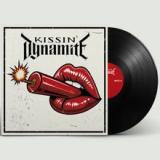
Kissin' Dynamite veröffentlichen ihr selbstbetiteltes 9. Studioalbum in kompletter Eigenregie. Doch nicht nur die Rahmenbedingungen zum Album zeugen von Ende und Neuanfang. Genau diese beiden Themen wurden auch inhaltlich in den neuen Songs aufgegriffen.
So ist die Single-Auskopplung »Glory Days« eine Stromgitarren-getriebene Reminiszenz an die glorreichen, vergangenen Tage, in der sich inhaltlich jeder einzelne wiederfinden kann. Sommer-Cabrio-Vibes garantiert!
Der Stampfer »I Salute You« kann als eigene Art und Weise des Frontmanns verstanden werden, sich von seinen Fans zu verabschieden. Musikalisch rollt der Titel schwer wie ein Panzer voran und bahnt sich mit triumphierend klingenden Dudelsäcken und prominenter Unterstützung von der Band Saltatio Mortis als Feature-Künstler seinen Weg in die Gehörgänge.
Die ausufernde Rockballade »The Good Goodbye« erzählt vom Schmerz der notwendig gewordenen Trennung, aber auch davon, dass es weitergeht, auch wenn es anders ist, als zuvor.
Im Arena-Rocker »I'll Be« wird ein Schwur geleistet, immer da zu sein, immer präsent zu sein. Der Titel ist wie gemacht für die ganz großen Bühnen.
Das zunächst düster daherkommende »Nothing Breaks Like A Heart« baut sich kontinuierlich auf, bis im Chorus die s.g. Hero-Kadenz ebendiesen zum perfekten Singalong-Refrain macht. Thematisch geht es um leere Versprechungen, die ein gebrochenes Herz nach sich ziehen.
Bei »The Night Is Calling« wird jedes Partyherz höher schlagen. Es ist die perfekte Rockhymne.
Auch optisch hat man bei diesem Langspieler Nägel mit Köpfen gemacht: Das Cover und seine Wirkung erschließen sich dem geneigten Betrachter unmittelbar. Zu sehen ist ein verführerisch roter Kussmund, der eine nicht weniger knallrote, Dynamitstange küsst. Es wurde der Bandname und somit auch gleichzeitig der Albumname bebildert! Das Cover wirkt dabei schon fast ikonisch. Man kann sich das Motiv jetzt schon auf T-Shirts, Taschen, Autos und co. vorstellen.
Zu den brandneuen 6 Songs gesellen sich weitere 7 Titel der ersten zwei Alben des Quintetts. Diese wurden neu aufgelegt und ins typische Kissin-Dynamite-Gewand gepackt. Hier wurde nicht gegeizt:
So bekam ein Song der ersten Stunde »Out In The Rain« prominente Unterstützung von der Band Amaranthe.
Für die geheime Schwabenhymne »Steel Of Swabia« wurde passenderweise Ralf Scheepers von Primal Fear verpflichtet. Außerdem wurde ein gigantisches Gitarrensolo von Dragonforce-Gitarrist Sam Totman beigesteuert.
Die Band versteht es wie keine andere, ihrer Musik einen übergroßen Pathos zu verleihen, der nicht Comedy ist, nicht Welt verbessernd, sondern einfach mitten ins Herz geht! Geile Hooks, knackige Riffs, eingängige Melodien!
Der ehemalige RSD-Botschafter und Hip-Hop-Legende Chuck D (Public Enemy) tut sich mit dem legendären Schlagzeuger der Doors, John Densmore, für ,do+pe = no country for old men" zusammen. Das Album, das eigens für den Record Store Day 2026 aufgenommen wurde, verbindet Spoken Word, Rhythmus und unverblümte gesellschaftliche Kommentare und schlägt damit eine Brücke zwischen Generationen der Rebellion und der Reflexion. Es enthält den RSD-Song des Jahres ,every tick tick tick". Bisher war es ein RSD-Exklusivtitel, wird nun aber in verschiedenen Formaten erhältlich sein, darunter schwarze Schallplatte, CD, Kassette und als digitaler Download. Die Verpackung zieren Originalillustrationen von Chuck D selbst.









![MAJOR FORCE PRODUCTIONS - LOVE THEME, Pt. 2 (7inch Edit) [feat. DJ Krush] (7")](https://www.deejay.de/images/l/5/9/1266359.jpg)