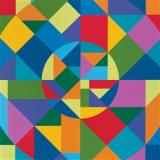
Eine Hommage an innovative mexikanische Musiker, die elektronische und indigene Instrumente mit Minimalismus, Ambient, Jazz und New-Age-Ästhetik verschmelzen Mit 13 visionären Künstlern, darunter Ana Ruiz, Oxomaxoma, Gerardo Bátiz, Antonio Zepeda und Airwaves, um nur einige zu nennen Enthält 4 bisher unveröffentlichte Titel Zusammengestellt und produziert vom mexikanischen Journalisten, Musiker und DJ Carlos ,Tropicaza" Icaza sowie dem Gründer von dublab radio und dem Creative Producer des LA Phil, Mark ,Frosty" McNeill Covergestaltung vom legendären Künstler Eduardo Terrazas, Design und Layout von D.Norsen Design Doppel-LP, gepresst bei Optimal, inklusive Booklet mit Liner Notes Audio remastert vom GRAMMYr-nominierten Toningenieur John Baldwin Limitierte Farbvinyl-Auflage auf gelbem und blauem Vinyl ///// ,A LA ALTURA" (zu Deutsch: ,Zu den Höhen") würdigt mexikanische Musiker, die sich in den letzten Jahrzehnten des 20. Jahrhunderts mit elektronischen und indigenen Instrumenten auf experimentelles Terrain wagten - im Dialog mit Minimalismus, Ambient, Jazz und New-Age-Ästhetik. Über ein Jahrzehnt in der Entstehung und liebevoll zusammengestellt vom mexikanischen Journalisten, Musiker und DJ Carlos ,Tropicaza" Icaza sowie dem Gründer von dublab radio und Creative Producer des LA Phil, Mark ,Frosty" McNeill, basiert A LA ALTURA auf Originalbändern und Masteraufnahmen mit unveröffentlichten, längst vergriffenen und privat gepressten Aufnahmen. Die Bände 1 und 2 präsentieren 25 visionäre Künstler, die sich aktiv für eine Form der Bewusstseinserweiterung einsetzten - sei es durch das Streben nach den Sternen mittels ihrer Musik oder durch die Weiterentwicklung der Kunstform selbst. Ebenso kühn setzen diese beiden Bände ein Zeichen dafür, dass mexikanische Künstler und Komponisten wie Luis Pérez, Arturo Meza, Jorge Reyes, Ana Ruiz und Antonio Zepeda in einem Atemzug mit Michael Rother, Terry Riley, Hiroshi Yoshimura und den vielen anderen Künstlern genannt werden sollten, die zu Recht für ihren Experimentiergeist gefeiert wurden.
Hailing from Sweden, Obergman operates somewhere in the space between deep electronics, Detroit-influenced machine music, and late-night dancefloor hypnosis. Since the mid 90’s, his unique explorations in sound and groove have seen him release on such esteemed labels as Skam, Börft, Abstract Forms and most recently Craigie Knowes and Orson Records.
For his debut release on Cyphon Recordings, Obergman delivers four cuts of atmospheric, machine-driven music under the suitably cosmic title Periodic Motion.
Jakob Bro, Brian Blade, Craig Taborn, Chris Cheek, Jesper Zeuthen, Anders Christensen, Larry Grenadier & Marcus Gilmore, playing compositions by Paul Motian and Jakob Bro.
The album was recorded in a single session at New York’s Power Station with engineer James Farber, following a week-long residency at the Village Vanguard.
‘Danish guitarist and composer Jakob Bro is celebrated for his pure reflective expression and penchant for celestial textures, effortlessly distilling and refining quiet sonics. At the Village Vanguard, he leads an impressive group – featuring two bassists and two drummers – for a nearly week-long residency.
‘The perfectly poised, ambient-leaning soundworld that characterizes Bro’s compositions was discomposed and distended by this octet, probing thrilling sounds and providing ample opportunity to create spontaneously. It was an exhilarating jazz night with some of the most esteemed players out there.’ ()
Wildweeds Volume II is the followup to Wildweeds (2021), Loren Connors’ first art book, and continues a series of limited artist’s books from Recital devoted to his work outside of music. Following Night of Rain, the book returns to the fragile flower forms of the original Wildweeds, but in a more expansive and varied collection of paintings, drawings, and haiku. Across 108 pages of full-color, hardbound printing, thin stems wander through enormous fields of white, blooming in eruptions of radiant yellow, blue, green, red, and violet. Some pages are nearly empty. Others retain stains, folds, shadows, and the physical disturbances of the original works. The result is a rare survey of Connors’ art, gathering years of paintings and drawings that have largely existed in isolation into one continuous sequence.
The haiku appear throughout the white space as small interruptions, sometimes nearly swallowed by the page. “wandering / into the sky / April mist.” They do not caption the paintings so much as drift alongside them, creating another kind of line, pause, and disappearance. The effect is deeply consonant with Connors’ music: the brief guitar poems of Airs, the shadowed miniatures of Lullaby, and the many other recordings and editions that have established his singular language across decades. A note from Connors’ guitar can hover on the edge of audibility, its beauty emerging through restraint and duration; the paintings possess the same fragility. A line bends, a flower appears. Colors pool and then recede into the surrounding white.
For this volume, Connors mailed hundreds of paintings and drawings as they were being made, arriving in folders with little concern for preservation or presentation. New drawings arrived often, another envelope every few weeks for a year. From this accumulation, the book was photographed, edited, sequenced, and arranged into its present form. In the preface, Yuko Otomo places Connnors’ work within the tradition of Haiga, the Japanese practice of bringing haiku and visual art together. She writes of Mujo, or impermanence, and Ku, or emptiness: the open, shifting space in which things appear and disappear. A flower blooms, a leaf falls, a line fades into the page. Francis T. Patnaude, Jr. describes Connors’ artistic impulse as an attempt to “give form to the formless.” Wildweeds Volume II is an opportunity to spend time inside his quietly accumulated body of visual work: a monograph giving sustained form to years of paintings and drawings. Portrait photograph by Suzanne Langille; art photography and design by Sean McCann.
“Trust me, you will pogo, skank, sing and possibly dance like your f*cking Dad on spice.” Party Eternal is the fourth studio album by the Brighton-based punk/ska band The Bar Stool Preachers. The album represents a massive turning point for the seven-piece, both creatively and structurally. It’s blisteringly good. Combining the best of brit-pop, ska, rock and indie ‘Party Eternal’ is exactly the tonic for the times. In parts scathing, and in others total escapism, this rowdy septet have written the greatest party punk album you’ll hear all year. Renowned for their relentless touring schedule, The Bar Stool Preachers have played stages around the globe, from grassroots venues to major festivals like Rebellion and Punk Rock Bowling. Their heartfelt lyrics and magnetic stage presence have earned them a reputation as one of the most engaging live acts in the punk scene today. Whether delivering politically charged messages or uplifting party anthems, The Bar Stool Preachers continue to inspire and unite audiences, carrying the torch of punk’s rebellious spirit into the modern era. Featuring the single ‘Pick A Side’ (the profits of which were donated by the band to Medical Aid for Palestinians), ‘This is Goodbye’ featuring Aussie Celtic Punk masters The Rumjacks and ‘Sick World’ which stars a guest turn from the genre-shattering and quite legendary Fishbone.
MALEDICTUS is a Portuguese metal band formed in Lisbon. Bringing together experienced musicians with a shared vision, the band creates dark, powerful and atmospheric heavy music. With a foundation of aggressive riffs, haunting melodies and emotional vocals, the band blends modern heavy metal with darker, more melodic influences.
The group was formed by musicians seeking to explore a heavier and more expressive sound, combining technical musicianship with compelling songwriting and a cinematic atmosphere. Their music strikes a balance between intensity and melody, moving between crushing guitar passages, dynamic rhythms, and dramatic vocal performances. ""Our music reflects who we are and how we process life and our own emotions. Music is life manifested through an artist's soul. We all process life with a sense of dark melancholy”, comments guitarist Ben Stockwell. As history has taught us, Portuguese metal bands are known for their melancholic sound, which reflects their cultural identity.
Since their formation, MALEDICTUS has been focused on creating music that reflects the darker and more emotional aspects of the metal genre. Drawing inspiration from classic and contemporary metal acts, the band aims to create a sound that feels familiar yet distinct, appealing to fans of powerful, atmospheric metal.
Boasting a line-up of seasoned performers and a clear artistic vision, MALEDICTUS is developing new material and establishing its presence in the Portuguese metal scene and beyond. Their debut album, „Lazarvs“, is set to be released on Friday 13th of November. The album title draws heavily on the biblical story of Lazarus in the Gospel of John, in which Jesus performs the great miracle of raising his deceased friend Lazarus from the dead after he had been in the tomb for four days.
With Rez on vocals, the band has an exceptional singer with a distinctive, powerful voice. „He is undoubtedly one of the best out there having power, soul, range and timbre. Everything fits perfectly with our sound. We couldn't have asked for a better voice or frontman"", says the guitarist. Rez’s lyrics are another perfect addition to the band's dark, epic and partly progressive sound. The lyrical themes focus on life's darkest moments. „Death brings an opportunity for renewal, as do our most difficult struggles, which require part of us to die in order to be overcome.
Originally released in 1990, as a triple album in box set with probably the best work THE KLINIK ever did. A selection of their musical works all recorded between 1984 & 1988 and never released before, the box came as a limited edition in 1990 and was sold out in no time, and therefor very rare and hard to find.
Now Antler Records has revisited the box, remastered into a sound experience like you never had before; 6 sides packed in newly designed inner sleeves with band photo's (by Inge Bekkers) that have never been published before. 6 sides, three heavy weight vinyl albums in one extra broadened single album sleeve. Cold electronics, shivering spheres, minimal and highly atmospheric, a soundtrack for a still to be made film. A sound experience like you never had before!
The Klinik is Marc Verhaeghen-Music & Dirk Ivens-Lyrics
All Tracks recorded in the Lab between 1984 & 1988
Digitally Remastered in 2026 by Pieter De Wagter(Equus)
With one foot in the Mexican underground rock scene and the other one in the global tape trading circuit, Las Ánimas del Cuarto Obscuro found themselves in the middle of a crossroad after their first LP. México wasn´t the same country as when the band first started. Even though access to non-commercial music still was a difficult task in the late eighties, the fringes of culture had way more resources thanks to the stubbornness of certain anonymous heroes: dwellers of El Tianguis Cultural del Chopo, niche record stores, illegal underground parties and hosts of late night Mexican public radio shows.
Ubiquitous social unrest expressed itself in every way possible. The aftermaths of the 1985 earthquake weren’t the only matters on the table. Protests erupted after a rigged presidential election and a student strike hit Mexico’s biggest public university. This was just the tip of the iceberg of issues PRI’s perfect dictatorship was or wasn’t addressing. The clash of the authoritarian regime against new and fresh ideas.
If the first record was about the loneliness of self-destructive youth and it’s urban phantasmagories, LACO’s second LP dealt with change as the axis of human existence. Las Ánimas is just the beginning of the sonic metamorphosis Toño Sánchez went through until this very moment.
The departure of former bandmembers set a different approach towards more experimental and atmospheric sounds. As the project’s only member, Toño Sanchez took an alchemical trip aiming for more mysterious horizons.
Despite the fact that we can still find conventional dark pop and catchy songwriting, the record rests on sound landscapes closer to Jorge Reyes or Tuxedomoon and This Heat than the orthodox ways of so called post-punk, seasoned of course with the lack of music gear and the economic reality prevalent in Mexico of those convulsed times.
Las Ánimas is a goodbye letter to underground but not because the next move is the mainstream. Far away from it, it’s a farewell to traditional rock and a the first steps down into the depths. From now on, Toño Sánchez will dedicate his musical efforts to weirder sounds and scarcer audiences in the search of the arcane, possessed by a mania of constant change that infects the soul after crossing the black door’s threshold.
Mit ihren ersten beiden Alben verwandelten Dream Unending die vertraute Architektur des Death Doom in einen eigenen Ort. Eine Sprache, in der tiefste Schwere mit Progressive Rock, Ambient-Musik, jazzinspirierter Improvisation und unverblümter emotionaler Offenheit koexistieren konnte.
Auf dem neuen Album 'Certain Uncertainties' bleibt dieser Ausdruck intakt, doch der Blick hat sich verändert. Wo frühere Werke oft nach oben und außen zu greifen schienen, kehrt dieses auf die Erde zurück: schlanker im Aufbau, rauere Kanten und von einer ausgeprägt nächtlichen Atmosphäre geprägt. Man könnte es vielleicht 'Adult Contemporary Doom' nennen; Musik von erheblichem Gewicht, die dennoch gelernt hat, wie viel gesagt werden kann, indem man bestimmte Dinge ungesagt lässt.
Aufgenommen mit weniger Schichten und einem bewusst unmittelbaren instrumentalen Ansatz, gibt 'Certain Uncertainties' den einzelnen Darbietungen Raum zum Atmen. Derrick Vellas Gitarren bewegen sich mit ungewohnter Freiheit durch Blues-, Jazz- und Progressive-Vokabular und tragen zuweilen den offen geführten Charakter amerikanischer Roots-Musik in Gefilde, die man im Doom selten antrifft. Justin DeTores Schlagzeug ist durchgehend präsent, verleiht dem Album eine physischere Dynamik und hilft den Kompositionen, ihre Ziele mit größerer Sparsamkeit zu erreichen. Dennoch hat die Prägnanz die Vorliebe von Dream Unending für Entladung nicht geschmälert: Insbesondere das Eröffnungs- und das Schlussstück steuern auf enorme Druckpunkte zu, während die Zwischenräume Vellas Spiel zum Wandern, Reagieren und gelegentlichen Unvollkommenheiten einladen. Jeder Song funktioniert als eigene Vignette – teils Wüsten-Träumerei, teils After-Hours-Noir – durchzogen von Spuren westlicher Landschaften, dämmrigen Räumen und leeren Straßen.
Diese erdgebundene Qualität passt zu einem Album, das sich im Kern mit Instabilität und Wiederaufbau beschäftigt. Entstanden in einer Phase, in der Vella sein eigenes Vertrauen ins Risikoeingehen neu aufbaute, trägt 'Certain Uncertainties' Zweifel in sich, ohne der Verzweiflung zu verfallen. Die versehrte Balladenhaftigkeit von 'I Carry Your Burden' (mit Gastgesang von Brendan Radigan), die improvisatorische Offenheit des Titeltracks und die hässlicheren Ausbrüche des Death Doom gehören alle zum selben emotionalen Terrain: Schönheit und Unbehagen dürfen denselben Rahmen einnehmen. Wenn das frühere Werk von Dream Unending eine andere Welt jenseits der Grenzen schwerer Musik imaginierte, findet 'Certain Uncertainties' etwas ebenso Seltsames in der Welt unter unseren Füßen. Ein Album voller trockener Luft, langer Schatten, ungelöster Fragen und dem sturen Impuls, sich weiter durch sie hindurchzubewegen.
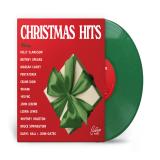
Celebrate the season with Christmas Hits, a festive collection of modern holiday favourites and timeless classics pressed on beautiful opaque green vinyl. Featuring tracks from Wham!, Mariah Carey, Kelly Clarkson, Whitney Houston, Bruce Springsteen, and more, this essential Christmas soundtrack brings warmth, joy, and holiday spirit to every gathering.
Cruise Music really does what it says on the tin - serve up the sort of grooves that are easy to slip into a ride along with, especially when the sun is out and the mood gets a little more playful than usual. Their 16th edition of this long-running series is another super fly collection of effective groove and classic house attitude. Makito opens with the funky licks and disco colour of 'Jailhouse Funk' while Mark Funk, Danny Cruz pull back and allow plenty of sunshine and jazzy sax warmth into 'The Vibe.' On the flip, Bonetti gets remixed by Vertigini for some filter-driven and dusty house goodness and Raffaele Ciavolino & FederFunk bring a little Latin heat and percussive texture. Classy stuff.
„Continue Here“ ist das Album, das es bisher noch nicht gab. „Continue Here“ schließt die Lücke zwischen „Begin Here“ und „Odessey & Oracle“ und enthält die bei den Fans beliebten Titel „I Love You“, „Leave Me Be“ und „I Want You Back Again“. Zum ersten Mal auf einem Album vereint, dokumentiert „Continue Here“ alle 18 Nicht-Album-Singles und B-Seiten aus den Jahren 1964 bis 1967 in ihrer ursprünglichen Mono-Mischung. „Continue Here (Mono Remastered)“ ist das nächste Kapitel in der Reihe der Zombies-Neuauflagen über das bandeigene Label Beechwood Park Records, mit demselben Team wie bei „Begin Here“ und „Odessey & Oracle“ – erneut unter der Leitung von Matthew und Jamie White, gemastert von Reuben Cohen bei Lurssen Mastering, mit brandneuem Artwork von Darren Evans und Liner Notes des legendären David Fricke. Die CD enthält einen Bonustrack: „I’m Going Home“.
Tracklist
A1 Daniel Bortz - I Met Her at the City Club
A2 Massimiliano Pagliara – Midnight Mirage
B1 Sam Goku - Unattached Voices
B2 Bostro Pesopeo & Tom Bioly – See You Again
B3 New Jackson – There Will Always Be This Love (OOPS POP Version)
Short Info
The third round of the Permanent Vacation XX series to celebrate the label's 20th anniversary brings together a lot of familiar faces and long-time vacationers. From Daniel Bortz, Massimiliano Pagliara and Sam Goku to New Jackson and the collaboration track between label head Tom Bioly and Bostro Pesopeo. Everyone brings his unique sound to the table, so that the EP offers a broad, yet cohesive variety of music that brings us to the essence of Permanent Vacation.
Wewantsounds is delighted to reissue Brigitte Fontaine’s landmark 1970 Saravah album Comme à la Radio, recorded with Areski Belkacem (who sadly died last June), Wadada Leo Smith and the Art Ensemble of Chicago. This deluxe 2-LP edition pairs the original album with a second LP of rare bonus material. The release is accompanied by a lavish 24-page bilingual booklet featuring an introduction by journalist Andy Beta, essays by Wadada Leo Smith, Brigitte Fontaine biographer Benoît Mouchart and Benjamin Barouh, plus a recent interview with Brigitte Fontaine and the late Areski Belkacem. The booklet also includes complete lyrics and a selection of rare archival photographs by Jean-Pierre Leloir and Philippe Gras. The reissue is announced alongside its companion, the deluxe 2-LP set Comme à la Radio "On Air", featuring previously unreleased ORTF live recordings and additional studio rarities.
Wewantsounds pursues its Brigitte Fontaine reissue program with Comme à la Radio, originally released in 1970 on Pierre Barouh’s cult Saravah label, fusing Fontaine’s radical lyricism with Areski Belkacem’s minimalist compositions and the fearless improvisations of the Art Ensemble of Chicago + Wadada Leo Smith. Its title track has since become a cult classic in jazz and groove circles.
The album has been newly remastered from the original tapes and is reissued in a deluxe 2-LP edition featuring 11 bonus tracks. The first LP presents the original album in restored clarity, while the second gathers rare non-album singles, English-language takes, alternate versions and previously unreleased instrumental recordings showcasing the Art Ensemble's artistry, including the elusive English version of Comme à la Radio, and a striking early version of L’été L’été.
Also included is a 24-page bilingual booklet featuring rare archival photographs by cult photographers Jean-Pierre Leloir and Philippe Gras, complete lyrics, and contributions by Andy Beta, Wadada Leo Smith, Benoît Mouchart and Benjamin Barouh, plus a recent interview with Brigitte Fontaine and the late Areski Belkacem. The reissue is announced alongside its companion Comme à la Radio "On Air", a deluxe 2-LP set presenting previously unreleased ORTF live recordings and additional studio rarities.
Comme à la Radio stands as a visionary landmark of French music and a defining statement in Brigitte Fontaine’s career. This expanded edition confirms its enduring influence more than fifty years after its original release.
a A1. Comme À La Radio 8.03
b A2. Tanka II 2.04
c A3. Le Brouillard [3.24]
[d] A4. J'ai 26 Ans [3.04]
[e] B1. L'été L'été [3.56]
[f] B2. Encore [1.34]
[g] B3. Léo [3.50]
[h] B4. Les Petits Chevaux [0.43]
[i] B5. Tanka I [1.45]
[j] B6. Lettre À Monsieur Le Chef De Gare De La Tour De Carol [6.04]
[l] C1. Comme À La Radio – English Version [8.08]
[m] C2. J’ai 26 Ans – English Version [3.56]
[n] C3. Le Goudron – 7’’ Single [4.12]
[o] C4. Le Noir C'est Mieux Choisi – 7" Single [5.03]
[p] D1. Les Beaux Animaux – 7’’ Single [3.16]
[q] D2. L'été L'été – Early version [4.38]
[r] D3. L'été L'eté – Instrumental Version [4.23]
[s] D4. Tanka I – Instrumental Version [1.47]
[t] D5. Tanka II – Instrumental Version with Flute [1.40]
[u] D6. Le Brouillard – Instrumental Version [3.57]
[v] D7. Lettre À Monsieur Le Chef De Gare – A Cappella English Version [2.46]
[a] A1. Comme À La Radio [8.03]
[b] A2. Tanka II [2.04]
[c] A3. Le Brouillard [3.24]
[d] A4. J'ai 26 Ans [3.04]
[e] B1. L'été L'été [3.56]
[f] B2. Encore [1.34]
[g] B3. Léo [3.50]
[h] B4. Les Petits Chevaux [0.43]
[i] B5. Tanka I [1.45]
[j] B6. Lettre À Monsieur Le Chef De Gare De La Tour De Carol [6.04]
[l] C1. Comme À La Radio – English Version [8.08]
[m] C2. J’ai 26 Ans – English Version [3.56]
[n] C3. Le Goudron – 7’’ Single [4.12]
[o] C4. Le Noir C'est Mieux Choisi – 7" Single [5.03]
[p] D1. Les Beaux Animaux – 7’’ Single [3.16]
[q] D2. L'été L'été – Early version [4.38]
[r] D3. L'été L'eté – Instrumental Version [4.23]
[s] D4. Tanka I – Instrumental Version [1.47]
[t] D5. Tanka II – Instrumental Version with Flute [1.40]
[u] D6. Le Brouillard – Instrumental Version [3.57]
[v] D7. Lettre À Monsieur Le Chef De Gare – A Cappella English Version [2.46]
[a] A1. Comme À La Radio [8.03]
[b] A2. Tanka II [2.04]
[c] A3. Le Brouillard [3.24]
[d] A4. J'ai 26 Ans [3.04]
[e] B1. L'été L'été [3.56]
[f] B2. Encore [1.34]
[g] B3. Léo [3.50]
[h] B4. Les Petits Chevaux [0.43]
[i] B5. Tanka I [1.45]
[j] B6. Lettre À Monsieur Le Chef De Gare De La Tour De Carol [6.04]
[l] C1. Comme À La Radio – English Version [8.08]
[m] C2. J’ai 26 Ans – English Version [3.56]
[n] C3. Le Goudron – 7’’ Single [4.12]
[o] C4. Le Noir C'est Mieux Choisi – 7" Single [5.03]
[p] D1. Les Beaux Animaux – 7’’ Single [3.16]
[q] D2. L'été L'été – Early version [4.38]
[r] D3. L'été L'eté – Instrumental Version [4.23]
[s] D4. Tanka I – Instrumental Version [1.47]
[t] D5. Tanka II – Instrumental Version with Flute [1.40]
[u] D6. Le Brouillard – Instrumental Version [3.57]
[v] D7. Lettre À Monsieur Le Chef De Gare – A Cappella English Version [2.46]
[a] A1. Comme À La Radio [8.03]
[b] A2. Tanka II [2.04]
[c] A3. Le Brouillard [3.24]
[d] A4. J'ai 26 Ans [3.04]
[e] B1. L'été L'été [3.56]
[f] B2. Encore [1.34]
[g] B3. Léo [3.50]
[h] B4. Les Petits Chevaux [0.43]
[i] B5. Tanka I [1.45]
[j] B6. Lettre À Monsieur Le Chef De Gare De La Tour De Carol [6.04]
[l] C1. Comme À La Radio – English Version [8.08]
[m] C2. J’ai 26 Ans – English Version [3.56]
[n] C3. Le Goudron – 7’’ Single [4.12]
[o] C4. Le Noir C'est Mieux Choisi – 7" Single [5.03]
[p] D1. Les Beaux Animaux – 7’’ Single [3.16]
[q] D2. L'été L'été – Early version [4.38]
[r] D3. L'été L'eté – Instrumental Version [4.23]
[s] D4. Tanka I – Instrumental Version [1.47]
[t] D5. Tanka II – Instrumental Version with Flute [1.40]
[u] D6. Le Brouillard – Instrumental Version [3.57]
[v] D7. Lettre À Monsieur Le Chef De Gare – A Cappella English Version [2.46]
[a] A1. Comme À La Radio [8.03]
[b] A2. Tanka II [2.04]
[c] A3. Le Brouillard [3.24]
[d] A4. J'ai 26 Ans [3.04]
[e] B1. L'été L'été [3.56]
[f] B2. Encore [1.34]
[g] B3. Léo [3.50]
[h] B4. Les Petits Chevaux [0.43]
[i] B5. Tanka I [1.45]
[j] B6. Lettre À Monsieur Le Chef De Gare De La Tour De Carol [6.04]
[l] C1. Comme À La Radio – English Version [8.08]
[m] C2. J’ai 26 Ans – English Version [3.56]
[n] C3. Le Goudron – 7’’ Single [4.12]
[o] C4. Le Noir C'est Mieux Choisi – 7" Single [5.03]
[p] D1. Les Beaux Animaux – 7’’ Single [3.16]
[q] D2. L'été L'été – Early version [4.38]
[r] D3. L'été L'eté – Instrumental Version [4.23]
[s] D4. Tanka I – Instrumental Version [1.47]
[t] D5. Tanka II – Instrumental Version with Flute [1.40]
[u] D6. Le Brouillard – Instrumental Version [3.57]
[v] D7. Lettre À Monsieur Le Chef De Gare – A Cappella English Version [2.46]
[a] A1. Comme À La Radio [8.03]
[b] A2. Tanka II [2.04]
[c] A3. Le Brouillard [3.24]
[d] A4. J'ai 26 Ans [3.04]
[e] B1. L'été L'été [3.56]
[f] B2. Encore [1.34]
[g] B3. Léo [3.50]
[h] B4. Les Petits Chevaux [0.43]
[i] B5. Tanka I [1.45]
[j] B6. Lettre À Monsieur Le Chef De Gare De La Tour De Carol [6.04]
[l] C1. Comme À La Radio – English Version [8.08]
[m] C2. J’ai 26 Ans – English Version [3.56]
[n] C3. Le Goudron – 7’’ Single [4.12]
[o] C4. Le Noir C'est Mieux Choisi – 7" Single [5.03]
[p] D1. Les Beaux Animaux – 7’’ Single [3.16]
[q] D2. L'été L'été – Early version [4.38]
[r] D3. L'été L'eté – Instrumental Version [4.23]
[s] D4. Tanka I – Instrumental Version [1.47]
[t] D5. Tanka II – Instrumental Version with Flute [1.40]
[u] D6. Le Brouillard – Instrumental Version [3.57]
[v] D7. Lettre À Monsieur Le Chef De Gare – A Cappella English Version [2.46]
Los Angeles-based producer, composer and multi-instrumentalist Dexter Story returns with his sixth album, T'som (pronounced sawm), a deeply personal work inspired by the spiritual practice of fasting. Meaning "fasting" in the Afro-Semitic languages Tigrinya and Amharic, as well as in Arabic, Tsom represents a time of prayer, reflection and discipline across northeast Africa. Guided by this tradition, Story draws on the musical heritage of the Horn of Africa and musical traditions of the Middle East to create a spiritual jazz album that reflects on devotion, transformation and the power of letting go. Working with frequent collaborators Carlos Nino, Sudan Archives, Kamasi Washington, Jimetta Rose and Kibrom Birhane, the album touches on themes of reflection, inner poise and a quest for deeper connections, bound by explorations of traditional rhythms from the Horn of Africa. Named after jazz saxophone legend Dexter Gordon, Los Angeles-based multi-instrumentalist, composer, arranger, music director and producer Dexter Story is one of the key figures in the city's vibrant creative music scene. Renowned for his genre-defying approach, he has collaborated with an extraordinary range of artists, including Carlos Nino, Madlib, Kamasi Washington, Build An Ark and Gaslamp Killer. His acclaimed solo albums Wondem and Bahir, released by Soundway, established him as a distinctive voice at the intersection of jazz, African music and contemporary production. Most recently, Story produced Mulatu Astatke's acclaimed studio album Mulatu Plays Mulatu, further cementing his reputation as one of today's most sought-after creative producers and musical collaborators.
Los Angeles-based producer, composer and multi-instrumentalist Dexter Story returns with his sixth album, T'som (pronounced sawm), a deeply personal work inspired by the spiritual practice of fasting. Meaning "fasting" in the Afro-Semitic languages Tigrinya and Amharic, as well as in Arabic, Tsom represents a time of prayer, reflection and discipline across northeast Africa. Guided by this tradition, Story draws on the musical heritage of the Horn of Africa and musical traditions of the Middle East to create a spiritual jazz album that reflects on devotion, transformation and the power of letting go.
Working with frequent collaborators Carlos Niño, Sudan Archives, Kamasi Washington, Jimetta Rose and Kibrom Birhane, the album touches on themes of reflection, inner poise and a quest for deeper connections, bound by explorations of traditional rhythms from the Horn of Africa.
Named after jazz saxophone legend Dexter Gordon, Los Angeles-based multi-instrumentalist, composer, arranger, music director and producer Dexter Story is one of the key figures in the city's vibrant creative music scene. Renowned for his genre-defying approach, he has collaborated with an extraordinary range of artists, including Carlos Niño, Madlib, Kamasi Washington, Build An Ark and Gaslamp Killer. His acclaimed solo albums Wondem and Bahir, released by Soundway, established him as a distinctive voice at the intersection of jazz, African music and contemporary production. Most recently, Story produced Mulatu Astatke's acclaimed studio album Mulatu Plays Mulatu, further cementing his reputation as one of today's most sought-after creative producers and musical collaborators
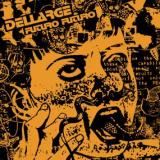
Hailing from Mexico City, Dellarge delivers L.I.E.S. a double lp jam packed with New Beat industrialized electro-wave on "Futuro, Futuro". These tracks go back to the days of the Belgium classics crossing over to the coast of Valenica crashing head on with the funkiness of something similar to Delgado's Delkom project. Don't worry, there is no trance cheeze within, head right to Mambo Especial for some latin New Beat piano anthem driven dance floor chug. Estado Alterado jumps into the 727 funk with some 101 acid leads and sleaze vocals, again making for a perfect floor filler. The album opener "Alien Body Music" is just that; a complete vocoder driven, slow beat acidic club burner. Dellarge hits all the angles perfect over these 15 tracks. Do not miss!
SELN Recordings is proud to present Sillons, the debut release from French musician Pierre François.
Straight from Nantes with love and sadness; Sillons is the soundtrack to being shut inside and sheltered from all the dread beyond your bedroom door. What may at first appear as a collection of abstract loops unravels into something much greater throughout its entirety.
Underneath a thick atmosphere of tape hiss and crackle, minimal synth explorations emerge and float away while the occasional guitar-esq riff ebbs in and out of the foreground like waves at the shore. Percussive refrains come through with perfect timing, their occasional rudimentary timbre all in the spirit of ‘do it yourself magique’.
Picture the following: it’s been decades and you’ve forgotten how to communicate with the world outside, all you have left are message-songs which leave behind a story of what it was like to be separated from everything you’d ever known during an existential sabbatical. This is very near to the audio experience that Sillons gives and thus makes it so real. On this merit alone François deserves his flowers.
Even the shortest of songs manage to conjure up visceral imagery. For example ‘Abouile’, with an impressive runtime of 51 seconds, dives straight into the eeriest corners of a Cold-War era ‘Numbers Broadcast’ being sent out from malfunctioning military personnel venturing off into the depths of their consciousness.
All in all there is something distinctly ambitious and positive within Francois’ work. It takes you to a place where little else matters except the mood and feeling the music provides, a hopeful and emotive landscape.
'AMEN is a word that moves between the sacred and the ordinary, across languages and cultures. An ancient, universal expression, born in prayer yet living beyond it - in daily life, especially in the Italian language, where it has become part of ordinary speech, used to accept, conclude, affirm, and let things be.
'The sixth release on e s p e r p e n t o opens a gateway into a timeless, transcultural dimension through a continuous, immersive sonic flow. While conceived as an intimate listening journey, this record emerged from a shared experience within the walls of Frequenze Studio (Monza). ESPER006 is the result of a three-hour improvised live session that brought together experimental music trio MYS and London-based producer Big Hands.'
Repress of 2024’s self titled masterpiece. ‘One More Death’ and ‘Goatbrain’ are spectacular curtain-raisers, embodying a hedonistic spirit driven by incisive funk and possessed by merciless fuzz/wah-drenched guitar. Yet elsewhere, the band’s love of hip hop is the fuel for the end-credits-epic album closer ‘Ourobourus’ which marries infectious chant to breathless Lalo Schifrin-style breakbeat action. And which also means ultimately, like the titular oldest allegorical symbol in alchemy, we’re right back where we started. As Brad Dourif’s character Hazel Moates intones in the 1979 movie Wiseblood, “Where you come from is gone; where you thought you were going weren’t never there. And where you are ain’t no good unless you can get away from it”; in Goat’s eternal now of renewal and revelation, there’s never been a more potent means of escape.
It's hard to pin down the age of chest's music, as it seems to be in a state of constantflux - a fusion of spontaneous energy and timeless electricity. The band didn't choose this name by chance: for years, its members have been breathing music through every pore of their bodies; they bonded amidst the darkness and vibrations of Supersonic, the heart of the independent music scene in Paris, where they met and have all worked. Even before releasing a single record,chest. were spotted by NME,which ranked them among the 100 to follow last year in 2025. A debut EP in February 2025, All Good Things End (Howlin Banana), further boosted the band's credibility and international popularity at breakneck speed. chest. opened for DITZ, Jehnny Beth, Heavy Lungs and KNIVES, who welcomed them with open arms onto a bustling Anglo-Saxon music scene. They're spotted at La Maroquinerie, Rock en Seine, ESNS and across the UK. chest. come of age without ever going through adolescence. In autumn 2025, chest. began recording their debut album at La Frette studio, known for having hosted sessions by Nick Cave and the Arctic Monkeys. The band, with a line-up featuring three sound engineers, self-produced the album there and opened themselves up to new inspirations without, however, straying from the powerful and melodic noise rock of their early days. Their sound becomes even more complex and personalised, revealing perfectly assimilated influences from industrial, techno and shoegaze. chest. embodies the future figurehead of a French rock scene that is no longer afraid of anything. A band capable of bringing people together without compromising their artistic standards.
„The Who By Numbers“, das Anfang Oktober 1975 erschien, ist das siebte Studioalbum von The Who
und stellte einen Wendepunkt für die Band dar, da die Songs größtenteils introspektiver und persönlicher
waren als ihre bisherigen Veröffentlichungen. Das Album war ein kommerzieller Erfolg und erreichte Platz
8 der US-Billboard-Charts sowie Platz 7 in Großbritannien, was zum Teil auf den Erfolg eines der leichteren
Stücke des Albums zurückzuführen war: „Squeeze Box“ wurde zu einem internationalen Hit und schaffte
es in Großbritannien in die Top Ten, in den USA in die Top 20 und in Kanada auf Platz 1.
50 Jahre später wird „The Who By Numbers“ im Oktober dieses Jahres als Super-Deluxe-Edition-Box
mit 5 CDs und 1 Blu-ray neu aufgelegt. Diese enthält ein 100-seitiges Hardcover-Buch mit Fotos, Erinnerungsstücken und exklusiven Anmerkungen von Pete Townshend und dem Who-Experten Andy Neill, 92
unveröffentlichte Titel und Mixe, brandneue Atmos-, 5.1- und Stereo-Mixe von Pete Townshend, 11 von
Petes Original-Demos für das Album, Aufnahmesessions aus den Ramport- und Shepperton-Studios, frühe
Mixe, Guide-Vocals, die bislang umfassendste Version von „Live At Vetch Field, Swansea, Wales, 12. Juni
1976“ sowie auf der Blu-ray Audio- und Videomaterial von einem bisher unveröffentlichten Who-Konzert,
das auf 2-Zoll-Videoband im Metropolitan Stadium in Pontiac, Michigan, aufgenommen wurde.
Agents Of Time return to Afterlife with two heartrending audio expeditions.
Italian act Agents Of Time have established a sterling reputation over the years. Their mesmerising approach to club music blends emotive melodies and transcendent rhythms, with dance floor-centred beats.
The Mirage EP begins with its title cut; enveloping the listener is a swathe of atmospheric synth and pad work from the off. Oscillating frequencies complement the sultry rhythms while a life-affirming riff forms the stirring centrepiece. On the flip ‘Northern Lights’ is a sensitive, emotive composition which gradually increases its emotional impact as it builds and evolves.
Little Green Men is the deep house music project of UK duo Chris Scott and Scott Bradford, best known for their acclaimed releases as New Phunk Theory on the legendary Paper Recordings, as well as on their own Forensic label.
Originally released in 1999, this rare holy grail has become a highly sought after collector's item, with original copies regularly selling for hundreds of euros on the second hand market.
A true double sided underground classic, this is Little Green Men's rarest and most coveted release, finally back on vinyl. Faithfully remastered and reissued by Endell Street. Essential.
Pariter continues its acclaimed archive series with another essential London tech house reissue from the Strange Weather Studios catalogue. Produced by two of the scene's key figures, Timmy S and Justin Bailey, this release captures a defining moment in the evolution of the UK sound.
Originally released on Wiggle in 2001, the EP arrived during the golden era of Nathan Coles and Terry Francis's legendary Fabric residency, when Strange Weather was helping shape the future of London's underground tech house. More than twenty years on, these tracks have lost none of their impact.
Meticulously remastered from the original DAT masters, the EP features three deep, tripped-out, acid-tinged tech house cuts, now presented on heavyweight 180g vinyl for the first time. Gold.
Finally a repress of one of the most selling club records of the late 90s and early 00s! Timeless 12 minute long Nalin & Kane remix. Number one of the German Dance Charts. Supported by Joris Voorn, M.I.K.E. Push, Paul Oakenfold, John Digweed, Dave Angel, Umek, Mark Knight, Paul Thomas and many more.
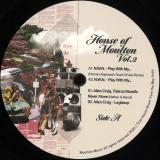
Moulton Music returns with House of Moulton Vol. 2, a four-track vinyl sampler featuring music from N.W.N., Homero Espinosa, Allen Craig, Nathan G, and Tobirus Mozelle.
Side A opens with Play With My... by N.W.N., a deep underground gem originally released on Bagira Ice Limited in 2018. After discovering the track last year, Homero Espinosa knew it deserved a vinyl release and reached out to N.W.N. to make it happen. Alongside the original, Homero delivers an exclusive remix that builds on the groove, adding his signature jazz-infused touch while staying true to the spirit of the record.
On Side B, Moulton digs into the vaults with two dancefloor favorites. Never Alone featuring Tobirus Mozelle gets the Nathan G treatment, delivering deep house at its finest with warm chords, soulful vocals, and timeless groove. Closing the sampler is Legbleep by Allen Craig, a deep, moody, techno-infused roller that perfectly rounds out the sampler.
Is this the greatest US Deep House track of all time? It's certainly a contender and arguably one of Kerri Chandler's finest productions.
A true Deep House classic, "You're In My System" has stood the test of time for more than 25 years, remaining a fixture in sets from the biggest DJs around the world. Now, Kerri Chandler brings this iconic release back to his own label in a deluxe edition featuring both beloved originals and previously unreleased vinyl versions.
Opening the A-side is a brand-new version featuring Mic Murphy, the legendary vocalist and songwriter behind The System, who co-wrote the original "You're In My System." It is followed by Kerri's timeless original mix featuring Troy Denari a staple for many in House music for over 25 years, a record that perfectly encapsulates the soul of house and Kerri’s distinctive sound.
The B-side opens with the previously vinyl-unreleased "623 Deluxe Vocal" featuring Mic Murphy. Driven by Kerri's signature soulful keys, rolling bassline, and expressive synth work, it offers a fresh perspective on a much-loved classic. Completing the package is the stripped-back Instrumental, delivering all the groove and energy of the original without the vocals.
Whether you're a longtime fan or discovering Kerri Chandler for the first time, this is an essential release for DJs, collectors, and House music lovers alike. A record that should never leave your bag!
Curses' dark, romantic take on electronic music is often linked to EBM, new beat, synth-pop, and the offshoots in between - but, as the artist states, it's feelings, not genres, that motivate his music. Especially the underground and its niche sounds, brimming with collective energy, drive and passion, make for a major impetus. It's no coincidence that he's drawn to the era when man turned to the machine, as a collaborative force, and a new kind of liveliness, timelessness, emerged. In Curses' practice, this synergy translates into an enticing mix of synthesisers and voices, electronic drums and guitars. Nostalgia operates as an influence rather than a motive, though: despite its affinities with the past, his music is stridently contemporary and idiosyncratic. On the "Perfect High" EP, this approach is rendered in a resolutely dancefloor-oriented selection. It's rich in detail and constantly evolving; each time a new element appears, it's treated with such delight and care that you could imagine the track to flit off and turn it into the main theme. This doesn't happen, however, as the sense of cohesion and momentum is paramount: there's a relentless forward drive that keeps engagement tight from start to finish. The detuned, chorus-heavy leads of title track "Perfect High" and the clockwork-tinged percussion of "Weapon Of Time" jell with lustrous hooks. The ominous choirs on "Dare To Dream" and the proto rolling-and-scratching squelches of "Killer Instinct" similarly fall into place. Bravado never stands in the way of flow. Everything is kept in check by gated R-50 rhythms, and in the vocal department, Curses finds the sweet spot between his own voice and a slew of off-kilter samples. On closer "Blasted" NYC royalty Andi joins for a slab of synth-driven groove. It's shiny and sensuous, like patent leather - a perfect distillation of club music channeled through pop aesthetics, and thus a right coda for ALT028.
Deas joins the CROWD family with 'Silent Tension', a refined EP that channels the Polish producer's signature blend of hypnotic groove and hardware driven production. Known for his precise studio craftsmanship and deeply intuitive approach to groovy techno, Deas has steadily built a reputation as one of the standout figures of the contemporary Polish scene. Through years of releases and international touring, he has developed a sound that feels both timeless and unmistakably personal, as proven on the label's 12th record. Opening track 'I Won't Cry' immediately sets the tone with classy vocal sampling from Loleatta Holloway, warm chord progressions and rolling swung percussion anchored by Deas' characteristically rich bass. Following up, 'Waterfall' introduces bleepy modular sequences and chopped vocal fragments, with a sweeping drone synth cutting through the mix above the track's rolling bass. On the flip side, 'Silent Tension' continues deeper into minimal territory, combining crisp clap fills, subtle vocal chops and delayed chord repetitions into a slow burning groove. The vinyl's closing cut 'Where Do They Go' brings dense low end weight and fast dubby chord stabs, accompanied by sharply placed vocal cuts, creating a track that balances restraint and impact. The digital addition 'Here Again' is a classic Deas production, characterised by repetitive synth stabs that gradually transform the cut into a hypnotic hook, while stripped back percussion and a powerful kick give the track a commanding presence. Throughout CROWD012, Deas remains firmly focused on groove and subtlety, while retaining a strong impact. The tracks unfold patiently, with a focus on tension, repetition and gradual escalation, maintaining the hypnotic functionality that has become both Deas' trademark and a defining characteristic of the sound of the label founded by FJAAK and Ellie Acula. The 'Silent Tension' EP stands as a sophisticated and deeply effective club record that further cements Deas as one of the most distinctive voices in contemporary techno.
Some recordings herald the future in ways that are impossible to see in real time. Teodros Makonnen With His Organ (ቴዎድሮስ መኮንን ከኦርጋኑ ጋር), by the artist Teodros Makonnen, also known as Teddy Mak, is one of those. Today, electronic sounds, synthesizers, and digital production are taken for granted in Ethiopian music, but in the early 1980s, they were novelties that polarized opinion. Even to this day, the story of Teodros Makonnen’s legacy has never been properly told. He played a decisive role in defining the sound of the digital era of Ethiopian music that emerged in the 1980s and beyond, both as a keyboard player and as a producer, songwriter, performer, and sound designer.
Ethiopian music was at a crossroads in the early 1980s. Much like music in the rest of the world, technology and automation heralded either a quantum leap in musical development or the annihilation of musicianship, depending on who you’d ask. The changes were incremental nonetheless, but with the benefit of hindsight one can clearly see that the changes meant different things in different contexts. Drum machines and electric organs came to replace many hotel bands because, all of a sudden, one musician could control drums, melody, and accompaniment. Teodros was one of the first musicians in Ethiopia to explore the possibilities this opened up.
Teodros’ father, Captain Makonnen Beri, was a chief pilot at Ethiopian Airlines and a music enthusiast at that. This would prove important to his development, as Makonnen brought back a piano from Germany, which would lead to the first steps in Teodros’ long musical career. Captain Makonnen’s work as Head of Flight Operations and as a pilot exposed him to the wider world that was far from commonplace for most Ethiopians. In a house where music captivated the whole family, the piano gave Teodros’ talent an outlet. Not only was a piano at home rare in Ethiopian households, his father also brought an Indian teacher to their home to teach Teodros and his brother, Captain Samuel Makonnen, music theory (solfeggio or ear training) and piano. Teodros and his youngest brother, the late great Dereje, a member of both the legendary Ibex Band and the Ethiopian reggae group Dallol, took up music from that point onward, with Teodros beginning to develop his proficiency at the age of eight. His father encouraged him to practice tirelessly at home, and Teodros later received musical schooling at the German School in Addis Ababa. His obvious talent led to studies and formal education at the Yared School of Music, followed by continued studies in American jazz at Northern Virginia Community College in Virginia. Teodros cut his teeth professionally in his mid-teens, not only as a keyboardist, but also as an arranger for the Wabi Shebelle and Dahlak bands in the 1970s. He mastered electronic sequencing early, rising to prominence through the midnight recording sessions held during the military curfew. The pressures imposed by the curfew required precise and disciplined recordings, and Teodros delivered just that. This, in turn, led to collaborations with iconic artists such as Mulatu Astatke, Aster Aweke, Menelik Wossenachew, Tilahun Gessesse, Mahmoud Ahmed, and Alemayehu Eshete. In those days, he sat in as a keyboardist with the Dahlak Band when Dawit Yifru took a hiatus to study in Russia, and also with the Ethiostar Band. He secured a residency at the Wabi Shebelle Hotel with the Shebele Band, together with Zelalem Tadese (drums), later succeeded by Elias Bekele, Mulugeta Hailu (bass), Teferi ‘Bibisha’ Mengesha (guitar), Kumelachew G/Selassie (trumpet), and Teshome Deneke (saxophone). A friendly competition developed between the bands associated with the Ras Hotel (the Ibex Band), Ghion Hotel (the Dahlak Band), and Wabi Shebelle Hotel (the Shebele Band). The music scene at Wabi Shebelle saw teenagers commanding the spotlight in an industry otherwise dominated by musicians of an older generation. At the Wabi Shebelle Hotel, Teodros met a diplomat from Saudi Arabia and later visited him at his home in Addis Ababa, a meeting that had unexpected musical consequences. The man owned a Yamaha double-deck keyboard. That evening, they recorded Teodros Makonnen With His Organ (ቴዎድሮስ መኮንን ከኦርጋኑ ጋር) in one take. This recording, a cornerstone in the early digital sound of Ethiopian music, came about almost by chance, simply because Teodros got the opportunity. Traditional Ethiopian songs were cast in a wholly electronic style. Once freed from backing duties, Teodros’ keyboards could explore dreamlike soundscapes that took Ethiopian music in new directions. Even though the cassette contained well-known Ethiopian songs, they were given highly original arrangements, performed on an electric organ with drum machine backing and rhythm patterns that left the listener with suggestive, lingering sounds. “Libesh Kabashen” (also known as “Anchi Bale Game”) and “Odu Gol Golesa” wrap you in the very stuff that dreams are made of. Originally released on cassette only, this recording exudes a mystique that surpasses even some of the most obscure Ethiopian recordings of the day. It remained more or less unknown outside of Ethiopia until now. Some of the tracks, like “Addis Fikir,” are permeated with an almost naive buoyancy, free-floating sounds that lost contact with the ground the moment they were conceived. Others, like “Meche New Hageren Yemayew” and “Lelitu Alnega Alegn,” carry a moodier, quirkier timbre, with pulsating rhythms in the background. Yet even the darker pieces contain an unmistakable wave, something essentially Ethiopian. If most recordings of Teodros’s contemporaries at the time were teeming with atmosphere, his songs seem instead at home in the stratosphere, almost ethereal. Some of the music here could be filed under “lullabies,” were it not for the recurring, almost brooding feeling that engulfs the listener on the aforementioned tracks. You could easily be forgiven for drifting into a blissful haze as the music washes over you.
Up to the advent of electronic music production, Ethiopia was totally dominated by big bands on the one hand, and small groups on the other. The former were tied to large institutions such as the military, the latter emerged from the entertainment industry, in hotel bars and nightclubs. These groups were commercially driven, and bands ultimately had to foster a mercenary approach to employment, albeit not to the passion for music. In the light of this, Teodros’ musical legacy can be seen in two ways. On the one hand, he is a key player in Ethiopian music from the 1970s onwards, leaving an indelible mark through hundreds of compositions and arrangements, including soundtracks for numerous documentary films and advertisements for different companies. On the other hand, the way he and others employed electronics brought Ethiopian music onto a fork in the road.
The replacement of traditional instruments with electronic equipment was seen as impending doom by some. Others, like Teodros, saw new avenues for performance, production, and creativity. Just as later producers like Abegasu Shiota of Admas, Teodros was a trailblazer who opened paths that it took Ethiopian music as a whole more than a decade to rush into. The hotel scene had already been pushed toward electronic music by financial necessity and cost-cutting. Today’s revived global interest in Ethiopian music from the seventies and eighties, alongside a broader resurgence, has changed the reasons for using digital means of music production. They have become tools for musical dreaming. This is where the dreaming began.
Riva Starr teams up with Australian duo Close Counters for a sun-soaked debut on Heist.
What do you get when you put an Italian house legend in the studio with 2 of the most talented artists from Melbourne? Have a listen to the newest release on Heist and you’ll find out. On their ‘Push your luck’ EP, Riva Starr, Close Counters and UK soul singer Andre Espeut bring a heavy dose of jazz & soul and most of all, upbeat dancefloor energy. Whether it’s the deep soulful vibe of the title track or the house meets jazz-funk energy of ‘Gearbox’, this EP brings together everything we love about house music.
‘Push your luck’ comes right in the middle of Close Counters’ world tour, just after Riva Starr’s album ‘Keep me on the dancefloor’ and is the follow up to their recent collab ‘Jinga’ on Riva Starr’s own Snatch Records. We all know Riva Starr from his 2013 Fatboy Slim collab ‘Eat sleep rave repeat’, his work with Groove Armada, and more recently his collab with Prunk on his PIV records debut album. Close Counters have already worked with Heist mainstays Fouk and had their breakthrough moment with their 2023 album ‘Soulacousta II’, which got wide support ranging from Gilles Peterson to Jyoto and Folamour.
Their ‘Push your luck’ EP kicks off with the title track featuring the silky vocals of Andre Espeut. When we first heard this song, we immediately got transported to the soulful sound of the mid 2000s led by Recloose’s unique track ‘Dust’ with Fat Freddy’s Drop singer Joe Dukie. It’s moody, stripped back, and bouncy at the same time. The lush chords, disco bassline, and vocal harmonies all make for a track that goes beyond genres and trends. This is a future classic.
‘Gearbox’ is a disco-tinged piano jam full of live elements, rolling congas and disco bleeps, where the musicality of the Close Counters boys comes in at full speed. This song takes its inspiration from the Brazilian jazz-funk of legends Marcos Valle and Azymuth, with a clear sense of modern-day dancefloors and a love for electronic noise. Also; 10/10 for creatively naming the track after the glitchy electronic sound that freaks & funks throughout the track.
On the flip, ‘Dizzy’ sees the trio go more into disco-house territory, again teaming up with Andre Espeut for a track that blends catchy vocal loops with a tight groove and lush chords. The EP finishes with a club dub of ‘Push your luck’ for those in favor of more groove and less vocals.
We’ve had Riva Starr and the Close Counters boys on our radar for a while, and they landed on Heist with the perfect combination of musicality and dancefloor power. We hope you like this release as much as we do!
‘I have always been drawn to those ambiguous territories between beauty and terror, and the Trinity test is their epitome: magnificent, sublime, terrifying, annihilating. A destructive power that, somehow, only love can compare with.’
The prescriptive art and performance of Berlin based, French producer, Julienne Dessagne, has concluded with a starkly beautiful reimagining of Chris Isaak’s Wicked Game.
As Fantastic Twins, her continuing creative manifestation for music and performance, has released an array of electronic art for the body and mind. A sonic exploration of dual characters shaped through experimental pop, cinematic electronics and the outer edges of techno.
First appearing on the cult Hippie Dance label, before establishing a long and warm collaboration with Keith McIvor aka JD Twitch and his inspiring Optimo Music label, as well as her own House Of Slessor label, this release comes full of mythology and symbolism.
Immersive sound design, narrative tension, and emotionally charged atmospheres, the origin of the project – Wicked Game (Trinity Version) – was composed for a live performance at the Beta Biennale Of Architecture Of Timișoara in September 2024 and given a limited digital release soon after.
The impact on the artist and the music was multi-layered:
‘While recording this cover, images of the Trinity nuclear test, as reimagined by David Lynch in Twin Peaks (Season 3 / Episode 8) kept resurfacing, almost on a subliminal level, suggesting another wicked game: humanity’s love affair with science and technology, driven by the same mix of desire fascination and inevitability that animates Chris Isaak’s original song.’
Approached by Emotional Response, this updated “vinyl” edition is re-recorded / remastered and comes with new interpretations by Julienne herself, as well as remixes by Aho Ssan and Optimo (Espacio).
Dessagne offers a spectrum of mixes and moods; the centrifugal ‘Trinity Version’ a sweeping cinematic masterpiece, between beauty and terror, the artist transmits the aesthetics of sublime; while ‘Thousand Suns Version’ fuses industrial and techno soundscapes for a beatdown reimagining; the melancholia ‘Atomic Love Version’, where the beautiful vocals are matched with a glitchy, clipping ambience; and the finale, the ‘Core Version’ shines a personal, drifting odyssey.
The accompanying remixes see Aho Ssan (Niamké Désiré), composer and sound artist, his remake merging a love of darkcore drone with moments of uplifting energy, the ‘Core Version Aho Ssan Remix’, a fusion of craft and Dessagne’s vocals.
To close, taking up the Optimo remix mantle, Jonnie Wilkes embraces the propulsion, his ‘Thousand Suns Version Optimo (Espacio) Remix’, offering brooding, electro-driven percussion that overflows with emotion and completes this stunning, evolving, organic and singular remake.
We are so excited to welcome back Tigerskin with a brand-new Album. This 12” is the vinyl version
showcasing six deep, euphoric and banging tracks taken from the full album.
The digital album features twelve brand new tunes by Alex Krüger and delivers his 3rd studio album as Tigerskin.
“Image” not only continues his search for the ultimate dance floor deepness, and contrary to just imitating his own “best selling” club grooves, it rather displays his ongoing artistic progress as a producer and composer of electronic music.
Opposed to his 2013 album “All Those Goodbyes”, which musically rooted in the early 90s and included a ton of collaborations with friends and long time partners, “Image” focuses more on Alex’s general musical roots and shows his compositional preferences. Apart from a few samples, this time around it doesn’t feature any co-productions at all nor did Alex use crazy or special gear to create the tunes. Many sounds are coming from natural and acoustic sources. Expect 80s New Wave references or spooky Wagner-esque bits to pop up next to dusty downbeat interludes. Euphoria next to relaxation. Tigerskin’s journey leads him from ironic comments on the present times via deep, occasionally melancholic or dark and hypnotic material up to the final tune, a homage to the infamous German brothers, Thomas and Klaus.
Tigerskin’s love for experimentation and cross-genre diversity on “Images” is more tangible than ever before.
Do Da Doo' Returns with New Life on Definitive Recordings
SPECIAL VINYL ONLY RELEASE
Definitive Recordings revisits one of its most iconic releases with a fresh reissue of Robotman feat. Marshall Jefferson - 'Do Da Doo', originally released in 1992. A cornerstone of the label's early catalogue, the track returns with newly re-recorded vocals by house legend Marshall Jefferson, bringing renewed energy to a timeless classic.
Robotman, a moniker of Richie Hawtin (aka Plastikman), represents an essential chapter in the evolution of house and techno. As one of the most influential figures in electronic music, Hawtin helped shape the sound of acid and minimal techno while co-founding the legendary Plus 8 label alongside John Acquaviva. His forward-thinking productions and groundbreaking DJ sets have defined generations of dance music culture.
On this release, the original Plastikman Acid House Mix stands as a true highlight. Spanning 12 minutes, it delivers a deep and hypnotic acid journey driven by classic TR-909 drums and a signature TB-303 bassline. The instantly recognizable vocal 'Got the Do Da Doo' sits prominently within the groove, creating a powerful and timeless club moment that defined an era.
On the flipside, Detroit's DJ Minx brings a fresh perspective with a groove-heavy house interpretation. Known as the 'First Lady of Wax' and a key figure in Detroit's scene, Minx reshapes the vocal into a rhythmic element, layering it into a shuffling and classic house framework. Her version adds warmth and swing while staying rooted in the track's original spirit.
With this reissue, Definitive Recordings celebrates a landmark release that continues to resonate across generations, combining legendary artists, timeless production, and the enduring energy of house music.
Or Kantor returns with his sophomore album Snake Island, a vivid and cinematic journey through imagined landscapes and lost love, for fans of Eden Ahbez and other seekers of sound and spirit.
Following the critical success of his 2024 debut Sarda Sarda, praised by BBC Radio 6 Music, FIP Radio, RRR Australia, WYEP, KCRW, and Songlines Magazine, Kantor continues to refine his distinctive sonic identity, grounded in instrumental storytelling.
With Snake Island, Kantor ventures deeper into what he calls Subterranean Music, an atmospheric fusion of Mediterranean ballads, desert blues, spiritual jazz, and psychedelic textures. Drawing inspiration from artists such as Gábor Szabó, Omar Khorshid, The Budos Band, Dorothy Ashby, and Tommy Guerrero, he crafts instrumentals that feel both timeless and cinematic.
"Snake Island was written as a soundtrack to a fictional film that disappeared from the world, one that most likely no one has ever seen," says Kantor. "It began as a tragic love story, imagined during my time on a remote island in the Cyclades. Every landscape felt like a scene waiting for music. Eventually, the story gave way to sound."
A respected tattoo artist and founder of the Love Light Studio, Kantor's musical path began after a chance encounter with Johnny Sharoni (Garden City Movement, A&R at Anova Records). During a tattoo session, Sharoni heard Kantor's demos and was immediately struck by their raw beauty.
Kantor now steps confidently into the next chapter of his creative journey. Snake Island is more than an album. It is a mythic, imagined soundtrack to a film that only exists in memory, rendered in tones that shimmer like heat on stone.
Jonah Ellis came to the Drifters as a guitarist but was soon singing with the group and acting as their musical director.
This multitalented musician/ songwriter hailed from DC where he was born on 25 August 1947 and grew up to graduate from Springarn, Senior High in Washington.
He went on to study further at Morris Town Junior College in Morris Town, Tennessee.
Then he received a BA degree in Music from Knoxville College in Knoxville, Tennessee, and a Master of Arts in Music from Michigan State University in East Lansing, Michigan.
His first move into recording came with his group Jonah and the Whales and ‘Savannah Sun’ which sold well locally by didn’t chart nationally.
Jonah’s second single ‘I Get Hot/ Popcorn Cellar’ on Viking Records in 1970 had similar results but he was writing great songs and creating a lot of interest. In addition to penning Yarbrough and Peoples big hit ‘Don’t Stop The Music’ in 1980 which hit platinum.
Jonah was writer/ producer at Total Experience Records where he found time to cut a single under his own name ‘Christmas Won’t Be Christmas Without My Baby’ and also wrote hits for the Gap Band the biggest hit being ‘Desire’. Jonah only stayed a Drifter for about a year between 1986-87.
A short time later he joined the Temptations as their lead guitarist but didn’t stop writing songs for other artists (sometimes in his pen name Lonnie Simmons) like Alicia Keys ‘Gangsta Lovin’, Puff Daddy ‘Soul Food’, Evelyn ‘Champagne’ King ‘Shame’, Billy Paul ‘Fire In Her Love’and so many more including Aretha and sister Carolyn Franklin, Esther Phillips, Rose Royce and Burt Bacharach.
Jonah continued to write and perform internationally until his untimely death from a stroke on 22 February 2010.
Space Ghost returns with Back From Reality, his first solo album since 2022. Blending ambient, downtempo and house, the LP explores themes of escapism, introspection and the search for moments of calm in an increasingly overwhelming world. Out October 9th, 2026 via Space Ghost’s own Peace World Records.
Drawing influence from late '90s and early 2000s ambient and electronic music, the record channels the nostalgic atmosphere of PS2-era video game soundtracks, console startup screens, and save menus. “I used to play games like Spyro, Crash, Ape Escape, Gran Turismo. It's fun for me to reimagine songs that could have lived in games from that era. ” The project reveals Space Ghost's interest in writing music for video games, with tracks such as "System Reset" reimagining an alternate PS2 startup screen or “VGM” visualizing a stage selection screen for an imaginary game.
Visually, the project emulates the minimalist design trends of album artwork from the same era: sparse industrial landscapes paired with minimal type. Space Ghost took the cover photo himself while driving around the quiet, empty Oakland ports at night. Tracks like “Sugar Cube” and “Back From Reality” mimic these late night environments and create a downtempo zone for listeners to get lost in. “One of my favorite things to do after writing songs, is to drive around Oakland listening to them. It's almost like the final test for the songs, to see if their emotion holds up.
”
Written over the course of five years, Back From Reality reflects Space Ghost’s experience of balancing everyday life with the desire to be creative. “This album is me coming home from my day job and returning back to the place where I feel the joy and freedom in making my music. If I could, I would work on my music full time, but for now it's part time and often a form of escapism. ” Beneath its calming surface, the LP quietly wrestles with larger questions. Against the backdrop of global conflict, environmental decline, and economic uncertainty, the album searches for small moments of optimism through creativity and introspection. Back From Reality holds a moment of space away from these overwhelming times, allowing listeners to pause and recharge.
Back From Reality releases on Peace World Records October 9th, 2026
“When the flesh gets cut off the soul, it’s not the end.”
More than forty years after hardCORPS emerged from a Brixton basement, ‘Metal & Flesh’ returns in a new expanded edition on double vinyl and CD, newly remastered with the full involvement of surviving members Rob Doran and Clive Pierce. Born from the collision of punk, analogue synthesisers, sequencers, disco, reggae and experimental studio techniques, hardCORPS created electronic music that was as physical and emotional as it was mechanical. The arrival of French vocalist Regine Fetet gave the group its defining identity, placing her raw, uncompromising voice against the dense machinery of Hugh Ashton, Clive Pierce and Rob Doran. Working mainly with a Roland System 100, several Roland MC4 sequencers and later an additional MC500 and Atari ST 1040 computers, etc. pp., hardCORPS always transformed limitations, accidents, distortion and human imperfection into part of the music itself. Although rooted in the early 1980s, ‘Metal & Flesh’ refuses easy nostalgia, retaining the tension, space and character that made hardCORPS unlike their contemporaries. Yet, shall we eventually mention Kraftwerk, maybe let’s quote Ian Shirley from Record Collector magazine: „’Je Suis Passée‘ was not only a love letter to Kraftwerk but penned with such verve, passion and precision that Ralf and Florian probably would have accepted a blind date at a Düsseldorf cocktail bar (…).“ And as Martin Rushent famously said in 1990: “Hard Corps were ignored in their time. Perhaps it is the burden of the adventurous and the innovative to be ignored in their time, which is sad. Don’t ignore them now.”
This new edition has been carefully remastered to preserve that character and dynamics rather than simply making the recordings louder or more ‘modern’, while the artwork has likewise been developed to reflect the band’s original identity. Metal & Flesh’ is not merely an artefact of the 1980s, but a rare and fiercely individual document of four people discovering what happens when human instinct and machines collide.
Remastered by Martin Bowes. Graphic design by hard CORPS and Steve Lippert.
Gatefold sleeve gloss lamination, printed inner sleeves with lyrics, two double-sided hand-numbered.
Deluxe LP features 140g virgin vinyl; heavy-duty board jacket, artwork by Art Rosenbaum + DL. RIYL: Bob Dylan, John Prine, Townes Van Zandt, Ry Cooder, Michael Chapman, Michael Hurley, The Youngbloods & Bonnie “Prince” Billy. Jake Xerxes Fussell’s 4th album finds the acclaimed folksong interpreter, guitarist, and singer navigating fresh sonic and compositional landscapes on the most conceptually focused, breathtakingly rendered, and enigmatically poignant record of his wondrous catalog. Produced by James Elkington and featuring formidable players both familiar (Casey Toll, Libby Rodenbough) and new (Joe Westerlund, Bonnie “Prince” Billy), it includes Jake’s first original compositions; atmospheric arrangements with pedal steel, horns, and strings. One of the most striking and strangely moving moments on Jake Xerxes Fussell’s gorgeous Good and Green Again an album, his fourth and most recent, replete with such dazzling moments arrives at its very end, with the brief words to the final song “Washington.” “General Washington/Noblest of men/His house, his horse, his cherry tree, and him,” Fussell sings, after a hushed introductory passage in which his trademark percussively fingerpicked Telecaster converses lacily with James Elkington’s parlor piano. That’s the entire lyrical content of the song, which proceeds to float away on orchestral clouds of French horn, trumpet, and strings, until it simply stops, suddenly evaporating, vanishing with no fade or trace, no resolution to its sorrowful minor-key chord progression, just silence and stillness and stark presidential absence. It feels like the end of a film, or the cold departure of a ghost, and is unlike anything else Jake has recorded. In all his work Jake humanizes his material with his own profound curatorial and interpretive gifts, unmooring stories and melodies from their specific eras and origins and setting them adrift in our own waterways. The robust burr of his voice, which periodically melts and catches at a particularly tender turn of phrase, and the swung rhythmic undertow of exquisite, seemingly effortless guitar-playing here he plays more acoustic than ever before pull new valences of meaning from ostensibly antique songs and subjects. On Good and Green Again, Jake not only ventures beyond his established mastery of songcatching and songmaking into songwriting, but likewise navigates fresh sonic and compositional landscapes, going green with lusher, more atmospheric and ambitious arrangements. The result is the most conceptually focused, breathtakingly rendered, and enigmatically poignant record of his wondrous catalog. It’s also his most deliberately premeditated album, representing his fruitful return to a producer partnership after two self-produced projects, What in the Natural World (2017) and Out of Sight (2019) (William Tyler produced his friend’s self-titled 2015 debut.) This time James Elkington produced and played a panoply of instruments, bringing to Jake’s arcane song choices his own peerless sense of harmony and orchestration, balance and dramatic tension. The pair enlisted a group of formidable players including regular bandmembers Casey Toll (Mt. Moriah, Nathan Bowles) on upright bass, Libby Rodenbough (Mipso) on strings, and Nathan Golub on pedal steel. They were joined by welcome newcomers Joe Westerlund (Megafaun, Califone) on drums, Joseph Decosimo on fiddle, Anna Jacobson on brass, and veteran collaborator and avowed Fussell fan Bonnie “Prince” Billy, who contributes additional vocals. Album opener “Love Farewell” (featuring some beautiful singing by Bonnie “Prince” Billy), an elliptical tale of the folly of war, set to the world’s most heartbreaking goodbye march for a lover left behind. “Carriebelle” and “Breast of Glass” each similarly concerns, in its own way, romantic love and leavings. All three songs highlight Jacobson’s diaphanous, understated brass parts, tying them together in a true lover’s knot. “Rolling Mills Are Burning Down,” with its distant keening strings and capacious sense of space, observes and mourns the loss of work and community in the wake of elemental disaster. Nine-minute tour de force “The Golden Willow Tree,” the sole explicitly narrative song herein, is a hypnotic, minimalist rendering of a tragic maritime ballad about scuttling an enemy ship in exchange for wealth and glory and a captain’s inevitable betrayal. “Fussell is creating his own legacy within the long lineage of traditional folk musicians and storytellers that have come before him.” The New York Times // “So elegant … It’s relaxing in the way that pondering a Zen koan is relaxing, and sweet in the way that the wounded, honey-voiced blues of Mississippi John Hurt are sweet.” Pitchfork // “Music that resides at the seams of Appalachia and the cosmos.”