Stone Temple Pilots roared on to the scene in 1992 with their raucous debut Core. A breakout success, the album peaked at No. 3 on the Billboard 200 chart, dominated radio waves with hits like "Sex Type Thing" and "Wicked Garden," and has been certified 8x platinum by the RIAA. The band also took home the 1994 Grammy Award for Best Hard Rock Performance for their smash single "Plush."
Although it faced initial criticisms for being derivative of other grunge bands, such as Pearl Jam and Alice in Chains, time has gained Core recognition as a classic of the 1990s alternative rock era and remains a pivotal album in the Stone Temple Pilot's discography. Critics praised the band's musicianship, Scott Weiland's charismatic vocals, and the album's songwriting.
Core showcases a diverse range of musical styles, blending elements of alternative rock, grunge, hard rock, and even psychedelic influences. The band's sound is characterized by powerful guitar riffs and a melodic bassline.
The album strikes a balance between heavy, grunge-infused tracks and more introspective, melodic compositions. Songs such as "Sex Type Thing" and "Wicked Garden" exemplify the band's heavier, hard rock side, while tracks like "Plush" and "Creep" showcase their ability to craft emotionally charged, radio-friendly ballads. The album's eclectic mix of styles contributed to its widespread appeal and longevity in the alternative rock scene.
The top-notch Analogue Productions reissue earmarks are all here: Mastered directly from the original master tape by Ryan K. Smith at Sterling Sound and cut at 45 RPM. Pressed on 180-gram vinyl at Quality Record Pressings, and housed in tip-on old style gatefold double pocket jackets with film lamination by Stoughton Printing.
out of Stock
Last delivered 2 years ago available to reorder, subject to availability
ScruScru is a name you might well recognise but it is fair to say you might not recognise his work on this first release from Talkbox. He shows a very different side off the back of plenty of top edits that bottle up plenty of disco and Bossanova vibes. Here he has teamed up with Russia's dubplate don BR Selecta for an EP full of energy and joy. 'YEAH YEAH' is happy-go-lucky garage with pitched-up vocals and lively drum, 'Get My Gruv' is a kinetic two-stepper and 'Cyberrave' is just that with its all-out synth madness and flurries of breaks, then 'Serious Talking' closes out on a darker jungle tip. A varied and vital 12' for sure.
out of Stock
Last delivered 2 years ago available to reorder, subject to availability
Several unique features set the debut studio album by folk rock supergroup Crosby, Stills & Nash, released in 1969 by Atlantic Records, apart. It's the only album by the band before adding Neil Young to their lineup. The album spawned two Top 40 singles, "Marrakesh Express" and "Suite: Judy Blue Eyes," which peaked respectively at No. 28 during the week of August 23, 1969, and at No. 21 during the week of December 6, 1969, on the U.S. Billboard Hot 100. The album itself peaked at No. 6 on the U.S. Billboard Top Pop Albums chart. It has been certified four times platinum by the RIAA for sales in excess of 4 million copies.
Instantly lifting the group to stardom, along with the Byrds' Sweetheart of the Rodeo and the Band's Music from Big Pink, the previous year, the album is cited by music reviewers for initiating sweeping changes in popular music. In 2021 the album held the rank of No. 161 on Rolling Stone's 500 Greatest Albums of All Time list.
Crosby, Stills & Nash was "the perfect blend of David Crosby's social conscience, Stephen Stills's virtuoso musicianship and Graham Nash's ability to craft the perfect pop melody for radio," writes Rolling Stone, in its review.
The band was brought together after Crosby was fired from The Byrds, Stills's band, Buffalo Springfield had broken up (a band which also featured later member, Neil Young) and Nash's departure from The Hollies. The three decided to form a band after an informal jam led them to discover how well their voices harmonized. Released in May 1969, the band would perform nine of the album's 10 songs at Woodstock, which was the second time they ever did, in August of the same year.
The album features some of CSN's most well known and iconic songs; "Suite: Judy Blue Eyes," "Marrakesh Express," "Guinnevere," "Wooden Ships," "Helplessly Hoping" and "Long Time Gone." This album saw a shift in sound to what was popular at the time — blues based rock, opting for a more folk rock, and sometimes jazz-based sound. It would lay the foundations for the California Sound that would be popularised out of Laurel Canyon in the ‘70s. Artists such as The Eagles, Jackson Browne and Fleetwood Mac would take inspiration from the sound of this record.
All the hallmarks of a top-notch Analogue Productions reissue are here for you to savor: Mastered directly from the original master tape by Bernie Grundman and cut at 45 RPM. Pressed on 180-gram vinyl at Quality Record Pressings, and housed in tip-on old style gatefold double pocket jackets with film lamination by Stoughton Printing.
Analogue Productions (Atlantic 75 Series) Celebrating the 75th Anniversary of Atlantic Records! Iconic musician and singer Ray Charles' classic 1957 album! Includes the hits "Hallelujah I Love Her So," "Ain't That Love" and "I Got a Woman" 180-gram 45 RPM double LP Mastered directly from the original master tape by Bernie Grundman Pressed at Quality Record Pressings Tip-on old style gatefold double pocket jackets with film lamination by Stoughton Printing Hybrid Mono SACD Mastered directly from the original master tape by Bernie Grundman Ray Charles' self-titled 1957 album was one of the first handful of LPs issued by Atlantic (and was later retitled Hallelujah I Love Her So). As AllMusic reviewer Bruce Elder notes, the album is weighted about three to one in favor of Charles' own compositions, with the hits "Hallelujah I Love Her So" and the pounding, soaring "Ain't That Love," which opens the LP, its raison d'etre. Charles does just as well with his interpretations of others' work, most notably the ominous, gospel-focused rendition of "Sinner's Prayer" (which offers a virtuoso piano performance, and comes courtesy of the pen of Charles' former mentor Lowell Fulson) and Henry Glover's wrenching ballad "Drown in My Own Tears," which is topped out on each verse by a gorgeous chorus. "Funny (But I Still Love You)" offers a guitar break played in such an understated fashion that it almost doesn't seem so much a part of R&B as it was usually being offered in 1957 as it does a part of Charles' early career output. The second side of the LP is even better, opening with the title track, a number that is almost too ubiquitous in its various cover versions — the original has a mix of urgency and playfulness that's absolutely bracing, and the album carries this mood forward with "Mess Around," an Ahmet Ertegun-authored piano- and sax-driven romp with Charles at his most ebullient as a singer. "This Little Girl of Mine" offers him in a surprisingly light, almost acrobatic vocal mode, while "Greenbacks" is a knowing, clever cautionary narrative that is almost a throwback to 1940s-style R&B. "Don't You Know" is as salacious a piece of R&B as one was likely to hear in 1957, and "I Got a Woman" closes the record out on a pounding, driving note. All the hallmarks of a top-notch Analogue Productions reissue are here for you to savor: Mastered directly from the original master tape by Bernie Grundman and cut at 45 RPM. Pressed on 180-gram at Quality Record Pressings and RTI, and housed in tip-on old style gatefold double pocket jackets with film lamination by Stoughton Printing.
1975 was a banner year for superstar Alice Cooper with the release of the groundbreaking concept album Welcome To My Nightmare. This album showcases Cooper's theatricality, storytelling prowess, and ability to create an immersive world of horror and fantasy.
From the opening notes of the title track, "Welcome to My Nightmare," listeners are transported into a dark and twisted dreamscape. Cooper's signature blend of rock, glam, and theatricality shines throughout the album. His gritty yet melodic vocals, combined with a richly layered musical backdrop, create an atmosphere of eerie enchantment. The album's production incorporates haunting orchestral arrangements, catchy hooks, and powerful guitar riffs, crafting a sonically diverse and captivating listening experience.
Teaming up again with his longtime producer Bob Ezrin, the duo assembled some of the greatest music to go along with the David Winter-produced TV special, and in doing so, created some of his best known songs like the huge hit single "Only Women Bleed." This Top 5 single carried Welcome To My Nightmare into multiple platinum territory and forever etched the word superstar to the name of Alice Cooper.
All the hallmarks of a top-notch Analogue Productions reissue are here for you to savor: Mastered directly from the original master tape by Chris Bellman at Bernie Grundman Mastering and cut at 45 RPM. Pressed on 180-gram vinyl at Quality Record Pressings and RTI, and housed in tip-on old style gatefold double pocket jackets with film lamination by Stoughton Printing.
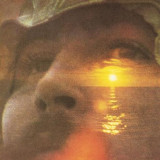
If I Could Only Remember My Name was the debut solo record from David Crosby. Recorded in 1970 after the passing of his girlfriend Christine and released in February of 1971, the album explores themes including loss and disorientation. The album features a who's who of contributors from the San Francisco Bay area including Paul Kantner and Grace Slick of Jefferson Airplane, Jerry Garcia of the Grateful Dead, and Santana, and his cohort from Los Angeles including Graham Nash, Neil Young, and Joni Mitchell.
The album has attained a cult status throughout the last 50 years, hailed for its spooky, psychedelic, and truly unique sounds.
AllMusic gave the album 4.5 stars, with reviewer Stanton Swihart writing: "With his ringing, velvety voice — the epitome of hippie crooning — and inspired songwriting, he turns If I Could Only Remember My Name into a one-shot wonder of dreamy but ominous California ambience."
All the hallmarks of a top-notch Analogue Productions reissue are here for you to savor: Mastered directly from the original master tape by Bernie Grundman and cut at 45 RPM. Pressed on 180-gram vinyl at Quality Record Pressings, and housed in tip-on old style gatefold double pocket jackets with film lamination by Stoughton Printing.
Released in 1960, Giant Steps was a watershed album for John Coltrane, solidifying the saxophone legend's reputation as one of the most influential and innovative musicians in jazz history, as well as delivering jazz to an increasingly mainstream audience, while garnering significant critical acclaim.
Although this was John Coltrane's debut for Atlantic, he was concurrently performing and recording with Miles Davis. Within the space of less than three weeks, Coltrane would complete his work with Davis and company on another genre-defining disc, Kind of Blue, before commencing his efforts on this one.
Coltrane (tenor sax) is flanked here by essentially two different trios. Recording commenced in early May of 1959 with a pair of sessions that featured Tommy Flanagan (piano) and Art Taylor (drums), as well as Paul Chambers — who was the only bandmember other than Coltrane to have performed on every date. When recording resumed in December of that year, Wynton Kelly (piano) and Jimmy Cobb (drums) were instated — replicating the alternate non-Bill Evans lineup featured on "Freddie the Freeloader" on Kind of Blue, sans Miles Davis of course. At the heart of these recordings, however, is the laser-beam focus of Coltrane's tenor solos.
All seven pieces issued on the original Giant Steps are Coltrane compositions. He was, in essence, beginning to rewrite the jazz canon with material that would be centered on solos — enabling the solo to become infinitely more compelling. This would culminate in a frenetic performance style using melodic phrasing that noted jazz journalist Ira Gitler accurately dubbed "sheets of sound."
The Giant Steps chord progression consists of a distinctive set of chords that create key centers a major third apart. Jazz musicians ever since have used it as a practice piece, its difficult chord changes presenting a "kind of ultimate harmonic challenge", and serving as a gateway into modern jazz improvisation. Several pieces on this album went on to become jazz standards, most prominently "Naima" and "Giant Steps."
The Penguin Guide to Jazz selected this album as part of its suggested "Core Collection" calling it "Trane's first genuinely iconic record." In 2003, the album was ranked No. 102 on Rolling Stone magazine's list of The 500 Greatest Albums of All Time, 103 in a 2012 revised list, and 232 in a 2020 revised list.
Undeniable music perfection deserves definitive sound and top-notch packaging. This reissue was mastered directly from the original master tape by Ryan K. Smith at Sterling Sound and cut at 45 RPM. Pressed on 180-gram vinyl at Quality Record Pressings, and housed in tip-on old style gatefold double pocket jackets with film lamination by Stoughton Printing.
Overall, Giant Steps is not only a critical triumph but also a defining moment in John Coltrane's career. Its innovative compositions, masterful performances, and profound influence on jazz make it an essential entry in Coltrane's discography and a timeless masterpiece in the history of the genre.
Originally released by the Norway Ramones fan club on cd only in 2004, this is the first time on vinyl for the hardest to find of all Ramones cover albums, recorded twenty years ago by a short lived spin off project from members of The Yum Yums and the Kwyet Kings. Mastered by the one and only Daniel Rey. Revised exclusive artwork by Dyna Moe.
Analogue Productions (Atlantic 75 Series) Celebrating the 75th Anniversary of Atlantic Records! 180-gram 45 RPM double LP Mastered by Bernie Grundman from the original analog tape Contains Otis Redding's posthumous hit "Sittin' On the Dock Of the Bay" Appeared on Rolling Stone's 500 Greatest Albums of All Time, rated 161/500! Pressed at Quality Record Pressings Gatefold old-style "tip-on" jacket by Stoughton Printing Hybrid Mono SACD Mastered directly from the original master tape by Bernie Grundman The guts of the story are this: While on tour with the Bar-Kays in August 1967, Otis Redding's popularity was rising, and he was inundated with fans at his hotel in downtown San Francisco. Looking for a retreat, he accepted rock concert impresario Bill Graham's offer to stay at his houseboat at Waldo Point in Sausalito, California. Inspired, Redding started writing the lines, "Sittin' in the morning sun, I'll be sittin' when the evening comes" and the first verse of a song, under the abbreviated title "Dock of the Bay." He had completed his famed performance at the Monterey Pop Festival just weeks earlier. While touring in support of the albums King & Queen (a collaboration with female vocalist Carla Thomas) and Live in Europe, he continued to scribble lines of the song on napkins and hotel paper. In November of that year, he joined producer and esteemed soul guitarist Steve Cropper at the Stax recording studio in Memphis, Tennessee, to record the song. Cropper remembers: "Otis was one of those the kind of guy who had 100 ideas. ... He had been in San Francisco doing The Fillmore. And the story that I got he was renting boathouse or stayed at a boathouse or something and that's where he got the idea of the ships coming in the bay there. And that's about all he had: 'I watch the ships come in and I watch them roll away again.' I just took that... and I finished the lyrics. If you listen to the songs I collaborated with Otis, most of the lyrics are about him. ... Otis didn't really write about himself but I did. Songs like 'Mr. Pitiful,' 'Fa-Fa-Fa-Fa-Fa (Sad Song)'; they were about Otis and Otis' life. 'Dock of the Bay' was exactly that: 'I left my home in Georgia, headed for the Frisco Bay' was all about him going out to San Francisco to perform." Redding and Cropper completed the song in Memphis on Dec 7, 1967 with tragedy, unknowingly, looming. Just two days later Redding lost his life on a routine commute to a performance when the small plane he was in crashed. The other victims of the disaster were four members of the Bar-Kays — guitarist Jimmy King, tenor saxophonist Phalon Jones, organist Ronnie Caldwell, and drummer Carl Cunningham; their valet, Matthew Kelly and pilot Fraser. Cropper and bassist Donald "Duck" Dunn completed the music and melancholic lyrics of "(Sittin' On) The Dock of the Bay' which was taken from the sessions — Redding's final recorded work. Cropper added the distinct sound of seagulls and waves crashing to the background. This is what Redding had wanted to hear on the track according to Cropper who remembered Redding recalling the sounds he heard when he wrote the song on the houseboat. One of the most influential soul singers of the 1960s, Redding exemplified to many listeners the power of Southern "deep soul" — hoarse, gritty vocals, brassy arrangements, and an emotional way with both party tunes and aching ballads. At the time of his tragic death he was 26. ‘(Sittin’ On) The Dock of the Bay’ was released just a month following Redding’s death and became his only ever single to reach number one on the Billboard Hot 100 in January 1968. The album, which shared the song's title, became his largest-selling to date, peaking at No. 4 on the pop albums chart. "Dock of the Bay" was popular in countries across the world and became Redding's most successful record, selling more than 4 million copies worldwide. The song went on to win two Grammy Awards: Best R&B Song and Best Male R&B Vocal Performance. With the album, Redding confirmed himself as a talent lost far too soon. All the hallmarks of a top-notch Analogue Productions reissue are here for you to savor: Mastered directly from the original master tape by Bernie Grundman and cut at 45 RPM. Pressed on 180-gram vinyl at Quality Record Pressings, and housed in tip-on old style gatefold double pocket jackets with film lamination by Stoughton Printing.
Analogue Productions (Atlantic 75 Series)
Celebrating the 75th Anniversary of Atlantic Records!
Bad Company's eponymous 1974 debut featuring "Ready for Love"
180-gram 45 RPM double LP
Mastered directly from the original master tape by Ryan K. Smith at Sterling Sound
Pressed at Quality Record Pressings and RTI
Tip-on old style gatefold double pocket jackets with film lamination by Stoughton Printing
From the wreckage of Free came Bad Company, the English hard rock supergroup fronted by singer Paul Rodgers and featuring his drummer bandmate Simon Kirke, Mott the Hoople guitarist Mick Ralphs, and King Crimson bassist Boz Burrell. Peter Grant, who managed the rock band Led Zeppelin, also managed Bad Company until 1982.
The group's eponymous 1974 album debut decidedly proves the band is proudly not progressive — the details make a difference, as do the pastoral acoustics of the closing "Seagull" — reducing their rock 'n' roll to a strong, heavy crunch; compare "Ready for Love," a tune Ralphs brought over from Mott the Hoople, to the original to see how these quartet members keep their heads down as they do their business. Appropriately enough given their name, there's a sense of slow, churning menace to Bad Company, writes AllMusic reviewer Stephen Thomas Erlewine.
Their first three albums, Bad Company (1974), Straight Shooter (1975), and Run with the Pack (1976), reached the Top Five in the album charts in both the U.K. and the U.S.. Many of their singles and songs, such as "Bad Company," "Can't Get Enough," "Good Lovin' Gone Bad," "Feel Like Makin' Love," "Ready for Love," "Shooting Star," and "Rock 'n' Roll Fantasy," remain staples of classic rock radio. They have sold 20 million RIAA-certified albums in the U.S. and 40 millon worldwide.
The self-titled debut album was recorded at Headley Grange, Hampshire, in Ronnie Lane's Mobile Studio. The album reached No. 1 on the Billboard 200 in the U.S, and No. 3 on the U.K. Albums Chart, spending 25 weeks on the U.K. charts. The album has been certified five times platinum in the U.S., and became the 46th-best-selling album of the 1970s. The singles "Can't Get Enough" and "Movin' On" reached No. 5 and No. 19 on the Billboard Hot 10.
All the hallmarks of a top-notch Analogue Productions reissue are here for your pleasure: Mastered directly from the original master tape by Ryan K. Smith at Sterling Sound and cut at 45 RPM. Pressed on 180-gram vinyl at Quality Record Pressings and RTI, and housed in tip-on old style gatefold double pocket jackets with film lamination by Stoughton Printing.
Gaucho — Steely Dan's Grammy-winning seventh studio album now on UHQR!
Definitive reissue Ultra High Quality Record, the pinnacle of high-quality vinyl!
45 RPM LP release limited to 20,000 numbered copies
Mastered by Bernie Grundman from a 1980 analogue tape copy originally EQ'd by Bob Ludwig
Pressed at Quality Record Pressings using 200-gram Clarity Vinyl®
Purest possible pressing and most visually stunning presentation and packaging!
Tip-on old style gatefold double pocket jackets with film lamination by Stoughton Printing
Gaucho — the iconic seventh studio album by Steely Dan, released in November 1980 — and Grammy-winner for Best Engineered Non-Classical Recording, was also Grammy-nominated for Album of the Year and Best Pop Performance by a Duo or Group with Vocals. The album represents the band's musical evolution towards a more polished and sleek sound, featuring a collection of meticulously crafted songs that blend jazz, rock, and pop music, while exploring themes of decadence, longing, and disillusionment.
Gaucho opens with the title track, a jazzy instrumental piece that sets the tone for the rest of the album. The standout tracks on the album include "Hey Nineteen," a catchy and upbeat tune that features a memorable saxophone riff and lyrics about an older man's attraction to a young woman, and "Babylon Sisters," a funky and groovy track that showcases the band's impeccable sense of rhythm and melody.
The sessions for Gaucho represented the band's typical penchant for studio perfectionism and obsessive recording technique. To record the album, the band used at least 42 different musicians, spent more than a year in the studio, and far exceeded the original monetary advance given by the record label. Still, the album features multiple layers of instrumentation, carefully crafted arrangements, and the use of top-notch session musicians to create a lush and sophisticated sound that is uniquely Steely Dan.
Despite its critical and commercial success, Gaucho was a challenging album to make. During the two-year span in which the album was recorded, the band was plagued by a number of creative, personal and professional problems. MCA, Warner Bros. and Steely Dan had a three-way legal battle over the rights to release the album. After it was released, jazz musician Keith Jarrett was given a co-writing credit on the title track after threatening legal action over plagiarism of Jarrett's song "'Long As You Know You're Living Yours."
Gaucho marked a significant stylistic change for the band, introducing a more minimal, groove- and atmosphere-based format. The harmonically complex chord changes that were a distinctive mark of earlier Steely Dan songs are less prominent on Gaucho, with the record's songs tending to revolve around a single rhythm or mood, although complex chord progressions were still present particularly in "Babylon Sisters" and "Glamour Profession." Gaucho proved to be Steely Dan's final studio album that Donald Fagen and Walter Becker would make together until the year 2000.
Gaucho reached No. 9 on the U.S. album chart and was certified platinum-selling. "Hey Nineteen" reached No. 10 on the U.S. Singles Chart and went to No. 1 in Canada. Pitchfork, in its review, describes the almost "pathologically overdetermined production" as elegant, arid and a little forbidding. "Every last tinkling chime sounds like it took 12 days to mix, because chances are, it did." The New York Times deemed Gaucho the best album of 1980, beating out Talking Heads' Remain in Light and Joy Division's Closer.
Founded by core members Walter Becker (bass) and Donald Fagen (vocals, keyboards), Steely Dan's popularity rose throughout the late 1970s on, and their seven albums throughout that period of time blended elements of jazz, rock, funk, R&B, and pop. Steely Dan created a sophisticated, distinctive sound with accessible melodic hooks, complex harmonies and time signatures, and a devotion to the recording studio. Becker and Fagen, with producer Gary Katz, gradually changed Steely Dan from a performing band to a studio project, hiring session musicians to record their compositions. The duo didn't perform live between 1974 and 1993. But their popularity nevertheless grew throughout the '70s as their albums became critical favorites and their singles became staples of Adult Oriented Radio and pop radio stations.
After a brief battle with esophageal cancer, Walter Becker died on September 3, 2017 at the age of 67. Steely Dan has sold more than 40 million albums worldwide and were inducted into the Rock and Roll Hall of Fame in March 2001. VH1 ranked Steely Dan at No. 82 on their list of the 100 Greatest Musical Artists of All Time. Rolling Stone ranked them No. 15 on its list of the 20 Greatest Duos of All Time.
This stereo UHQR reissue will be limited to 20,000 copies, with gold foil individually numbered jackets, housed in a premium slipcase with a wooden dowel spine.
Gaucho remains a testament to Steely Dan's enduring musical legacy and their ability to create timeless music that transcends genre and style.
Varhat unveils fresh music for his Up The Stuss debut ‘Breaking Out’, with Canadian favourite Paolo Rocco returning on remix duties.
When it comes to artists who have managed to carve out and command their own unique place within the modern minimal and house scene, French DJ/producer and live artist Varhat is a name you have to include at the top end of your list. The creative behind an endless list of aliases, plus multiple Unknown Artist projects and mysterious labels via Paris’ illustrious Yoyaku, he now readies an impressive outing on Chris Stussy’s Up The Stuss imprint, delivering an eclectic selection of house cuts for all hours and settings.
From the delicate electronics and hazy tones of the opener and title cut ‘Breaking Out’ to the acid-laced, driving rhythms of ‘Nobody’ and the slinking, signature sounds found within ‘Mopho’, the EP is a celebration of all things house music from one of its modern contemporaries. Add in a deep, dubby and cosmic trip from the returning Paolo Rocco on remix duties, and there’s a slice of genius here for everyone to enjoy. Tip!
out of Stock
Last delivered 2 days ago available to reorder, subject to availability
Bathed in a green haze, the crowd oozed to the mutant rock and roll roaring from the basement's dusty depths — everything and everyone was sweaty and sticky. But as Speedy Ortiz crammed into the back corner, their grins just inches away from ours, D.C.’s Dougout became a moshed-and-sloshed sauna of 20-somethings delirious on rock euphoria.
After spending much of the new millennium bored out of my skull by network soap indie, Speedy Ortiz — not to mention its pals in Pile, Ovlov, Grass is Green and the rest of New England’s burgeoning basement scene — was rock's wild howl. The songs were unpredictable, yet weirdly memorable, swaggering with a winky and wry sense of self. Riffs would twist with a topsy tenderness, then slam a ruptured discord. Sadie Dupuis' sphinxian-yet-sensitive lyrics were not only matched but accentuated by her coil-sprung vibrato. How could Speedy Ortiz not immediately become my new favorite band?
What began as a short-lived solo project recorded in Dupuis' off-hours as a rock camp counselor became a four-piece band in Northampton, Mass., by the end of 2011: Dupuis on guitar and vocals with drummer Mike Falcone, bassist Darl Ferm and guitarist Matt Robidoux. They made cool mixtapes, cracked inside jokes and gushed about teenagers that opened for them on tour. They freaked out (via LiveJournal) when they met the bassist from Polvo or Helium's Mary Timony, but also rolled their eyes at '90s indie-rock comparisons. The band's first single — the gender-bending got-laid grunge yowler "Taylor Swift'' — elicited that rare response of the simultaneous giggle and headbang. The Sports EP amped up the taut yet rubbery riffery.
Released July 9, 2013, Major Arcana is filled with wedding chapel exorcisms, oiled-down attractants and criminally twisted puny little villains — this is Dupuis' haunted lexicon as she scales the toxic Aggro Crag of a breakup. And while Dupuis wrote these songs, the band's convulsing arrangements and diverse influences sprawled the squigglier edges of feedbacked fuzz to mete out matters of the heart. Falcone — who, it's worth noting, has a knack for vocal harmony — swung as much as he smashed the drums. In easily tipoverable songs, Ferm's burly bass and percussive overdubs gave the unruly glee its momentum. Robidoux ripped skronky guitar solos and countered Dupuis' riffs with decorative splatter. Over a four-day marathon session at Sonelab in Easthampton, recording engineer Justin Pizzoferrato sparked the studio imagination of Speedy Ortiz — not only leaning into gritty tones but layer-caking dense dynamics that made these songs pop and pulverize.
For all her sweet-toothed seething, Dupuis was not easy on herself. Everyone's allowed the idiot growing pains of your 20s and the misery that follows, but I can only imagine the emotional exhaustion that playing these songs on the road, night after night, must have wrought. "But you left something on my lips: a mark so sick," she repeats over the doomy destruction that ends the album. Thinking back to the many Speedy Ortiz shows I caught in those early years, including an unofficial after-after party for my own wedding, "MKVI" often served as the noisy down-and-out closer — heads would bang in solidarity as the crowd became co-authors in the chaos, the biting phrase now a hex, Speedy Ortiz forever our coven. —Lars Gotrich
To celebrate the 10th Anniversary of Major Arcana, Speedy Ortiz release a remastered edition on Carpark Records.
Alan Abrahams aka Portable returns to the label in fine form with his latest full-length LP, Augmented Dreams. The title refers to the use of everyday technological advancements to achieve what were once
only dreams or visions of past generations, making this an explorative concept album that is equal parts not-too-distant science fiction, and about as topical as it gets.
From the gorgeous opening string layers of “The Pull of Time” to the classy 4/4 grooves of “Begin Again” or lead single “Guiding Me”, into the apropos and angular sci-fi broken beat feels of “Parallax” and “The Color of Static”, fitting Detroit-influenced love taps like “Beacon” and “The Mycorrhizal Network”, the politically-inspired “Are We Not Above It?” referencing the lingering effects of colonization featuring NiQ E from South Africa on vocals and L_cio from Brazil on flute, through to the futurist pop elegance of the dreamy duet recorded with Alexey Kochetkov “I Need You” and the conclusive titular track, it is clear that both the in-depth concept and immaculately-crafted musical content in Portable’s inimitable style are balanced in significance and expressive effect. This also functions as a timely statement in itself, as today’s iceberg-tip evolution of AI technology is currently impending over the arts and many of our existing realities.
This ten-song album serves as an imaginative yet hyperrealist narrative on how humanity’s fascination with and reliance on ever-advancing technology defines the times we find ourselves in, while the skillful sonic displays and present-era production techniques along with Abraham’s knack for timeless emotive songwriting offer up this solid soundtrack for the ages.
out of Stock
Last delivered 2 years ago available to reorder, subject to availability
Infekto aka Rico Tubbs aka Riku Pentti is a Finnish producer, from the city of Tampere. A long time figurehead of the Finnish dance scene, he first started releasing music under Infekto on Aquasky’s Passenger label in 2002, later launching his Rico Tubbs pseudonym on Jay Cunning’s Menu Music. And prior to all of that, he was part of the Mombfunk MC’s… you remember… Freestyler!
Here he goes back to his original musical love, hardcore rave. Four total destroyers that brings the warehouse feel… uplifting melodies with heavy bass and beats.
Teaming up with The Ragga Twins on one of the tracks and bringing in the heavy remix pressure from the one and only Marc Mac from Reinforced aka Manix and one half of 4-Hero. On top of that Nervous & Anxious also delivery a kickout punch with their remix, keeping things on that Finnish tip!
Pressed on 180g heavyweight vinyl and presented in a Amen Brother housebag with a black inner sleeve.
out of Stock
Last delivered 2 years ago available to reorder, subject to availability
But after collectively moving across the country from Burlington, VT to Seattle, WA, the scrapped tracks transformed substantially into florid, at times entrancing compositions.
The pulsating "Circles" opens the album with lilted reflections on empathy, breathing in midtempo syncopation with subdued guitar tip- toeing around melodic drumming. supernowhere's cast of Meredith Davey (bass, vocals), Kurt Pacing (guitar, vocals), and Matt Anderson (drums) share a collective ambition for maximum interplay and collaborative writing, materializing cleanly knotted compositions that evoke vivid dreamscapes and the profound epiphanies drawn from them ("The Hand", "Ecdysis"). On upbeat "Dirty Tangle" Davey's voice glides through Pacing's angular arpeggiations, carving her own rhythmic lane with her distinctive, descanting singing style.
"Skinless Takes A Flight" notably would not have come to fruition without the help of engineer Dylan Hanwright (mix. Gulfer, mem. Great Grandpa, I Kill Giants), whom the band met shortly after relocating to Seattle. Hanwright offered up the studio where the album was recorded as a temporary rehearsal and writing space during the pandemic, which in turn gave him intimate familiarity with the music, resulting in an album that was recorded as intimately as it was written. Hanwright helped make the little moments shine too, as heard in the fleeting vocal harmonies on "Augury", or the spiraling chaos in "Basement Window," a further testament to the collaborative, everyone's-input-matters nature that characterizes supernowhere's dizzying yet meditative sophomore record.
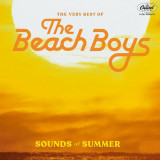
"To kick off the yearlong celebration and provide the perfect summer soundtrack, Capitol Records and UMe will release a newly remastered and expanded edition of The Beach Boys career-spanning greatest hits collection, Sounds Of Summer: The Very Best Of The Beach Boys, on June 17. Originally released in 2003, the album soared to no. 16 in the US and stayed on the chart for 104 weeks. Now certified 4x platinum for sales of nearly four and a half million albums, the collection has been updated in both number of songs and audio quality, expanding the original 30-track best of with 50 more of the band’s most beloved songs for a total of 80 tracks that span their earliest hits to deeper fan-favorite cuts and from their 1962 debut album, Surfin’ Safari through to 1989’s Still Cruisin’.
Assembled by Mark Linett and Alan Boyd, the team behind 2013's GRAMMY® Award-winning SMiLE Sessions and last year’s acclaimed boxed set, Feel Flows – The Sunflower and Surf's Up Sessions 1969-1971, Sounds Of Summer features nearly every US Top 40 hit of The Beach Boys’ incredible career, including “California Girls,” “I Get Around,” “Surfer Girl,” “Surfin’ U.S.A.,” “Fun, Fun, Fun,” “God Only Knows,” “Good Vibrations,” “Be True To Your School,” “Wouldn’t It Be Nice,” “Kokomo,” “Barbara Ann,” “Help Me, Rhonda,” “In My Room,” and many others. Fifty additional tracks showcase a broad mix of songs from across their wide-ranging catalog with some of the many highlights including “All Summer Long,” “Disney Girls,” “Forever,” “Feel Flows,” “Friends,” “Roll Plymouth Rock,” “Sail on Sailor,” “Surf’s Up,” and “Wind Chimes.”
The collection boasts 24 new mixes including two first-time stereo mixes, plus 22 new-and-improved stereo mixes, which in some cases feature the latest in digital stereo extraction technology, allowing for the team to separate the original mono backing tracks for the first time.
The expanded edition of Sounds Of Summer will be available in a variety of formats, including a 3CD softpack, and as a Super Deluxe Edition 6LP vinyl boxed set on 180-gram black vinyl in two options – a standard set or a numbered, limited edition version featuring a rainbow foil slipcase and four collectible lithographs. Both versions will feature color printed sleeves that replicate the original “Capitol Catalog” sleeves that highlight the entire Beach Boys discography, and all formats will include a booklet with new liner notes and updated photos. The original 30-track version will also be available in its newly remastered and upgraded form on single CD or double gatefold LP on standard weight vinyl or as a higher-end limited edition numbered version pressed on 180-gram vinyl with a tip-on jacket and a lithograph. "
Oscar Jerome & Oscar #Worldpeace and Franc Moody reimagine two Blue Note classics; Grant Green’s ‘Green With Envy’ and Donald Byrd's ‘Cristo Redentor’ for Blue Note Re:imagined II; a new 16-track compilation featuring fresh takes on music from the illustrious Blue Note vaults recorded by a heavyweight line-up of the UK jazz, soul and R&B scene’s most hotly-tipped rising stars. Arriving off the back of the widespread international success of the first volume, which topped jazz charts around the globe, Blue Note Re:imagined II once again infuses the spirit of the new UK jazz generation into the legendary label’s iconic catalogue, balancing the genre’s tradition with its future and reflecting the melting pot of talent and diversity within the current scene
How sad, if timely: this stunning reissue of the 1994 live album arrived in the very week that trumpeter Masekela passed away. One of the most successful ambassadors ever for African music, his fusing of the continent's rhythms and instruments with contemporary jazz and rock proved irresistible. Nearly every one of you has heard him, thanks to guess spots with The Byrds and Paul Simon. His breakthough hit from 1968 — the infectious "Grazing In The Grass" — is here, along with another 11 tracks recorded at Blues Alley, the U.S. club that gave us Eva Cassidy. Notably, despite its early-1990s origins, this is all-analogue." — Sound Quality = 90% - Ken Kessler, HiFi News, May 2018
"...Hope is one of those intensely visceral, large as life, and immediately present recordings that will make pretty much any system sound at least very good, and will cause better ones to raise goose bumps." - Wayne Garcia, The Absolute Sound, August 2008
"...The high quality original mix plus Analogue Productions' superb mastering has resulted in a terrific, very transparent sonic with great impact." - John Henry, Audiophile Audition
What more can be captured from the masterpiece that the late trumpet great Hugh Masekela left devoted fans, the effervescent Hope. Now cut at 45 RPM and spread over four 200-gram premium LPs, you're about to discover the answer to that question. The eight sides of vinyl reduce distortion and high frequency loss as the wider-spaced grooves let your stereo cartridge track more accurately. And this set is plated and pressed at Quality Record Pressings, Acoustic Sounds' own industry-lauded LP manufacturer. Virtually silent surfaces coupled with sharp delineation of musical detail are QRP pressing hallmarks.
Two Stoughton Printing old-style tip-on gatefold jackets house the four LPs, which are contained in a custom-designed slipcase reproducing the original artwork.
A longtime audiophile demonstration disc. Hope will show off your system's dynamic range as well as any record ever released. Hugh Masekela, the outstanding South African trumpeter, assembled a seven-piece group and recorded this great set live at Washington, D.C.'s Blues Alley. The songs stretch over a period of nearly five decades and serve as an informal guided tour of Masekela's life. The songs are honest and bare, and as for the sound — WOW!
Unlike a prior 45 RPM version that included seven songs, this 45 RPM reissue contains the full program as originally recorded with all 12 tracks included! Plus, as an added bonus, we've included a special insert — featuring an exclusive interview with Grammy/Emmy Award-winning engineer David Hewitt, who recorded Hope originally.
"Hugh's record is right up near the top for a lot of reasons," Hewitt says.
Hewitt and his team were afforded the time they needed, and they pulled out all the stops to pull off what's now recognized as an all-time great recording. They used better-quality microphones, they were mic-ing the room for ambient sound, and Masekela was performing for a sophisticated and appreciative audience.
"We used stuff from our stash of mics as opposed to what you'd find typically at a jazz club. We actually had control via the record label and producers, so we could take our time. We had the ability to mic the room for abient sound. ... you've got people that actually know and appreciate the music and respond accordingly. What you've got there is all the right stuff at the right time and the right people, and then something magical happens."
Listen to that magic unfold — put on this Analogue Productions 45 RPM 4LP reissue of Hope, and be transported.
"One Step Forward" is the debut album from Brighton based DJ and producer Cut La Vis aka David Lavis. Raised on a healthy diet of 90s hip hop, roots reggae and ska, Cut La Vis debut album for NICE UP! is a melting pot of exactly that - the sounds and culture he grew up around whilst learning his trade. Starting off as the DJ for a reggae band in his hometown of Hereford, he soon gravitated to the turntablist explosion of the mid 90s, competing in local competitions and B-Boy jams. At the same time, his love for dub and roots reggae led him into trying his hand at the fertile reggae mash-up scene, making a name for himself with an array of dancefloor shaking blends of classic hip hop tracks infused with a feel good skank, as well as remixes for for artists such as Blend Mishkin, Dreadsquad and Max Rubadub. Making the transition from mash-up maverick to original producer, you can still expect the same reggae infused bangers, dubwise hip hop and ska shakers complemented by an impressive array of guest vocalists plus a little help from a tight band of session musicians. Following their summer hit "Still Have The Love", London-based reggae/soul singer Maddy Carty appears on a number of tracks, as well as Bristol songstress Eva Lazarus who has been bothering the top 40 recently alongside Etherwood (Hospital Records). Roots Manuva collaborator and Speech Debelle's Mercury-winning producer Lotek blesses the mic on the bouncing "Rinse & Repeat" as well as UK Dancehall legend Tippa Irie who crops up on "Love My Music" pus an appearance from regular collaborator Mystro who opens the album with "Hit Me One Time". Rounding things off are JA dancehall MC Peppery and vocalist from Origin One, Parisa - giving the album a healthy balance of established artists and newer talent. With a cheeky nod to the classic Max Romeo track, "One Step Forward" also refers to this being Dave's debut album and making his first step into the future whilst retaining inspiration from the past.
The very definition of ‘70s soulful jazz, Where I’m Coming From has all the hallmarks of Prestige Records at its finest, with an all-star cast of sidemen (The legendary Idris Muhammad! Hello to Madlib’s uncle, Jon Faddis! Greetings to the funky flute of Hubert Laws!) recorded at Van Gelder’s studio and packed with down and dirty grooves top to bottom. From the opening cover of Stevie Wonder’s “Superstition” through to the low-slung original headnodder “Where I’m Coming From,” with stops along the way for dips into the catalogs of Curtis Mayfield (“Give Me Your Love”), Marvin Gaye (“Trouble Man”) and the Four Tops (“Keeper Of The Castle”), Leon Spencer’s rippling organ lines sear this prime example of groove jazz. This 180-gram reissue of Where I’m Coming From! was cut from the original analog tapes by Kevin Gray and pressed at RTI, and comes packaged in a tip-on jacket.
Japanese folk-rock legend Morio Agata stunned fans with this way-outta-left-field dispatch - a synthesizer-laden, new-wave/post-punk classic. Originally released by Osaka’s Vanity Records in 1980 and back on vinyl for the first time in nearly 40 years, this fully authorized reissue has been remastered from the original analog tapes. In tip-on sleeve, with double-sided insert.
50 years ago, Hokkaido-born singer-songwriter Morio Agata released his debut single, Sekishoku Ereji (Red Elegy), an emotive, shuffling piano ballad that (shockingly) sold half a million copies in Japan. While he would never have another Top-40 hit, Agata would spend the next half century issuing a series of idiosyncratic, experimental pop albums. Today, he’s a beloved cult figure, still actively touring and recording in his seventies.
In his first decade as a recording artist, Agata released a stream of classics right out of the gate — Otome No Roman (1972) melded American-styled folk rock with traditional Japanese melodies, Zipangu Boy (1976) was a sprawling, Haruomi Hosono-produced psychedelic opus, and Kimi No Koto Suki Nan Da (1977) saw Agata tackle slick, lightly funky AOR. While this sort of stylistic schizophrenia might sink your average artist, Agata’s singular voice and magnetic charisma elevates everything he touches, and subsumes it all into Morio Agata World — a joyous, playful and frequently unhinged world.
Arguably the biggest left-turn of Agata’s early career, however, came in 1979, when legendary experimental label Vanity Records’ Yuzuru Agi paired Agata with major players from his label’s roster and the Osaka punk scene for an impromptu recording session. An impressive list of musicians took part (SAB, Yukio Fujimoto (Normal Brain), Masahiro Kitada (INU), Taiqui (Ultra Bide), Jun Shinoda (SS), Chie Mukai (Che-Shizu), and others) and even though they all came from different wings of the underground music scene, together they built an arresting, minimalistic bedrock of synthesized and acoustic sounds for Agata to work his magic over. The recording sesssions were tense and it took a while for the collective to find their footing. But the hard work paid off — Norimono Zukan is a masterpiece of ramshackle new wave and droning dirges, topped off with Agata’s unmistakeable croon, at times delicate, other times twisted. It’s a relatively short album, but a deep one, and Mesh-Key is honored to introduce it to a new generation of music fans.
out of Stock
Last delivered 3 years ago available to reorder, subject to availability
McKinley Dixon calls the late Toni Morrison the greatest rapper of all time; and the way he tackles topics like survival, violence, and religion within the expansive landscape of the Black experience, evokes her novels. It is from the title of Morrison‘s Beloved trilogy where he finds the title of his new album with City Slang Records: Beloved! Paradise! Jazz!? Musically his household was defined by “artists whose first name was Mary,” including Mary J. Blige and gospel duo Mary Mary. Discovering Outkast was formative for Dixon, deepening his love for hip-hop while he also grew curious about the more theatrical rock of groups of the day, bands like My Chemical Romance and Panic! At The Disco that his Maryland friends introduced him to. “Those groups also helped me with my sense of longing, since their music reflected a sense of longing,” he says. Eventually he channelled these competing influences into a debut EP he released in 2013. With time, his music became his primary means of self-expression, whether discussing Blackness or his own relationship with healing. Across his next releases, his style evolved and his confidence grew, especially when it came to live instrumentation. His 2021 debut album For My Mama and Anyone Who Look Like Her was a game changer, as Dixon set his sights on heartache and grief. “I was making these really dense and chaotic songs, stuffing whatever thought I had into five and a half minutes,” Dixon says of that project. Beloved! Paradise! Jazz?! is an attempt at channeling different impulses. Sometimes rough and other times delicate, this record is a journey into is a journey into the psyche of McKinley Dixon, with all of the of the attendant peaks and valleys.
KNTXT signs hotly-tipped techno artist Indira Paganotto for a new EP that showcases her unique sound across four compelling tracks.
Indira's father was a DJ in the iconic Goa scene in India in the 90s, so she grew up surrounded by colourful, emotive techno and psytrance. She has brought that to her own DJ sets and productions ever since she moved to Madrid to pursue her career. Now Indira is coming out with her best EP to date.
“I got to know Indira Paganotto when we opened up for demo submissions earlier this year,'' says KNTXT label boss Charlotte de Witte. “She immediately caught my attention with her unique take on psy/techno music. It feels very good to have her on board and I'm curious to see what the future holds for her.”
Indira adds, "I understand music as a state of trance where each track develops a journey and a story. Himalaya EP is the reflection of everything I learned since my childhood until today, the heritage and passion for Psytrance, the experiences in India, the connection with nature, as well as the feeling of freedom and strength like the gallop of a horse, the synths of Goa music, the love and the truth, which is what fills my life. Thank you Charlotte for understanding my language in such a true way. Ours is a real connection in such a sincere mental embrace, and I am proud to be part of your KNTXT family and to be able to show everyone who I am."
The EP ́s opening track, 'Takeshi', is a slick techno roller that is rippled with psychedelic melodies and bright acid lines. They bleep and squeak up top to create a hypnotic effect as the drums march on. 'Sultans Of Mountains' contains intense psychedelic synths waning about the mix. The drums are stripped back and urgent, and crashing hits and smart filters bring real tension as this one unfolds in an arresting fashion. On the other hand, 'Himalaya' has a deep and sleek techno atmosphere where astral pads and heavenly vocal coos make for a cinematic sound that will cast a real spell on the crowd. Last, but certainly not least we have the edgy and heavily textured 'Cobra' with its unrelenting drums, slapping hits and futuristic, psytrance-tinged melodies all designed to mess with your mind.
This is an EP packed with fresh techno, straight from the breakout star Indira Paganotto.
out of Stock
Last delivered 3 months ago available to reorder, subject to availability
Hania Rani announces "On Giacometti" a tender meditation on the life and art of Alberto Giacometti and family. "On Giacometti" is a collection of beautiful recordings inspired by the renowned artist and family and features some of Rani's most profoundly delicate compositions to date. Invited by film director Susanna Fanzun, to score her forthcoming documentary on the legendary artist Alberto Giacometti, Hania Rani took herself to the Swiss mountains to compose in blissful isolation. As Rani explains eloquently below the compositions are based on improvised melodies, simple harmonies and structures and inspired by the silence of the mountains as Rani returns to her main instrument, the piano. The results are beguilingly reminiscent of her beloved debut album Esja, but with subtle extra layers of synthesiser, and on two tracks cello from friend and long-running collaborator Dobrawa Czocher.
'On Giacometti' is presented as a limited edition LP with bespoke packaging featuring Les Naturals - Chocolat (Gmund) sustainable recycled paperboard made from 100 % recovered paper with Foil Artwork by Łukasz Pałczyński. Plus Double sided printed insert and download code inside.
Hania Rani "On Giacometti":
‘When I was asked to compose a soundtrack for a movie about the family of Giacometti I didn't think twice.
Alberto Giacometti, a Swiss artist, who worked mainly as painter and sculptor has been one of my favourite artists for a long time. His individual style, aesthetics and the character of his creative process is still fascinating to me on many levels, so being able to dive even deeper into his universe, getting to know not only him but also his family was an opportunity that I couldn't miss. Little did I know how far this "yes" will take me - not only mentally and on a creative level but also physically. Thanks to the director of the documentary - Susanna Fanzun and by a stroke of luck and a couple of extra questions I decided to move for a couple of months to the Swiss mountains, not far away from the place where Giacometti was born and where the place he called home was, although he didn't live there. Susanna showed me a place close to her hometown where I could rent a studio and work on the soundtrack but also for my other projects. It was the middle of a winter, the area was full of ice and snow, just like only it can happen still in the mountains. The residency house was located in a valley surrounded by high mountains and the sun in the winter season was not coming up for too long during the day. I remember she told me about it and added "that not everyone is feeling well there, but I hope you will". I did.
Being almost separated from reality, the city and its entertainments, people rushing and everything that usually takes my attention I could fully concentrate on the music and soundtrack, spending most of the day with my own thoughts and having enough space to experiment and be free in a creative process. This soundtrack would probably be a very different thing if composed in a place that I am usually living in. I took this a chance to explore something new about myself as a composer and human being, taking the opposite direction that I would usually choose for myself.
The album "On Giacometti" includes the excerpts from the soundtrack, the most representative tracks and those which became a strong voice itself. Based a lot on improvised melodies, simple harmonies, structures and silence it reminds me of my debut album "Esja" which was partly composed and recorded in another chilly place - Iceland. All these components, both mental and physical, guided me back to my main instrument - piano, which I tried to redefine again with a language of the space that I was working in. The space is usually the key element that gives me the answer about the arrangement or character of the project. Space seems to be the first to appear and music is the invisible power which is changing its angels.’ Living surrounded by mountains makes you change the perspective and understanding of scale as Alberto Giacometti once famously wrote in a letter: It gives an impression that things that are actually far away, like mountains, are close and the other ones that are not so far away, like people, seem small, watched from a distance. You feel like touching the mountain top with your finger could be as easy as touching the tip of your nose. The snow additionally protects the whole area from the noise, each sound lands softly on the ground accompanied by echoes of immeasurable space. Each scratch or whisper is becoming an autonomic entity, opening the gate to the world of ghosts and lost spirits. It's easy to think that time stands still there, while nothing is moving and changing at the first sight. But the ubiquitous ice and snow reveal the passage of time, transforming frozen paysage into the wild stream of water - each day, hour and second. Melting and vanishing, clearing the space from white powder and noise consuming surface. Invisible process for a one night traveller, becomes painfully real for longer time settlers. Time flows with each new wave of sound coming through the river, reminding us that we are part of the cycle, which endlessly repeats itself.
out of Stock
Last delivered 2 years ago available to reorder, subject to availability
Now in its 14th year, the unique and constantly evolving Fire! Orchestra is back with their largest line-up so far, counting an international cast of no less than 43 members that includes mainstay singer Mariam Wallentin as well as newcomers David Sandström and Joe McPhee, both on vocals, McPhee also on tenor sax. The popular and widely praised Arrival is a highlight in both our and the band's catalogue, but this epic triple album ups the ante. While following in the great tradition of ensembles led by the likes of Carla Bley, George Russell and Keith Tippett, Echoes is firmly placed in 2022 and takes in elements of rock, jazz, folk, electronic, classical and contemporary music. Starting out with the working title Big Bang, the near two-hour piece had its concert premiere at Stockholm Jazz Festival in October to rapturous applause from a full house, with major national newspaper Dagens Nyheter calling it a feast for eyes and ears in their ecstatic review. The core elements of Echoes are the seven self-titled parts, each mostly over 10 minutes in duration, interspersed with shorter pieces where we find a string quartet, an "African" stretch and generally music of an exploratory and experimental nature. Considering the size of the orchestra and the somewhat intimidating working title, this is a very open, breathing, organic, detailed and dynamic recording with a lot of space. As previously, a defining base element in the music is the repetitive and hypnotic grooves from the main rhythm section of bassist Johan Berthling and drummer Andreas Werliin. Needless to say, the hand-picked musicians are all on a very high level and on top of their game, conducted by Mats Gustafsson but given free reign when it's called for. And Jim O'Rourke was given free reign when it came to the selections and the mix and is a big part in how the final album turned out. The album closes with a vigorous tribute from Joe McPhee to one of the late, great masters, McPhee being a pretty decent finger wiggler himself, to say the least. Echoes was mostly written by Fire! founders Mats Gustafsson, Johan Berthling and Andreas Werliin and recorded at the legendary Atlantis studio in Stockholm in March last year.It was mixed by Jim O'Rourke in Japan in the course of two autumn months. The mastering and vinyl cut was done by loop-o mastering in Berlin, making for a fantastic sounding album, especially the vinyl edition is a real treat.
Limited one time pressing of 1000. Raising the bar yet again, Night Owls' first single of 2023 lays yet another set of classic soul songs on you, flipped into the band's signature style. On Side A we find The Flamingo's beloved Doo-Wop/soul hit from 1959, "I Only Have Eyes For You," re-imagined to wind your waistline with Night Owls' longtime friend and collaborator - the one-and-only Chris Dowd from Los Angeles' legendary Fishbone on vocals. Known for tunes like "Pouring Rain" and "Everyday Sunshine" Dowd brings his signature soul drenched delivery with a hint of rude boy grit to match the rhythmic and tonal stylings of the group. Wanting to take things to the next level, producer Dan Ubick called in veteran underground Jamaican legend Tippa Lee (Stones Throw, Dub Club, Jammy's, Greensleeves, etc.) to sprinkle his magic rasta dust on top and deejay/toast on the track and the results are burning hot.
But wait, that's not all!! On Side B we find the beloved beat diggers classic "Live And Let Live," originally performed by Jimmy Jones in 1970 on Deke Records out of Chicago. For the Fender Rhodes-driven reggaefied version here, Night Owls roped in another longtime friend - Los Angeles kingpin and mover ’n' shaker, "Music Man" Miles Tackett to add his soulful vocals to the track and it's as buttery as cornbread from Cracker Barrel! Tackett is the mastermind behind globe-trotting funk/soul collective Breakestra (of which Night Owl Dan Ubick was a member) and legendary weekly L.A. dance parties like Funky Sole, Root Down and The Breaks. This side also includes Destani Wolf, who many will remember was featured on Night Owls’ version of “Let’s Stay Together”, providing the beautiful ‘verbed out backing vocals
out of Stock
Last delivered 3 years ago available to reorder, subject to availability
Junior Cat is one of reggae music's most prolific artists. An icon, Junior Cat"The Wild Indian," is known by reggae and hip hop fans across the globe for his dapper Bad Azz style that made the fellas crave and adoring ladies rave over his delivery of edgy lyrics that ricocheted through dancehalls and stages in the 90s with hit classics like “Iron Gloves”; “Top Dog”; “Anorexal Body”; and as featured in the mega-hit movie “Shottas”, “woulda let you go”. Junior Cat is the Don that lesser deejays imitate but never duplicate.
out of Stock
Last delivered 3 years ago available to reorder, subject to availability
On his third Blue Note album pianist McCoy Tyner assembled a quartet with vibraphonist Bobby Hutcherson, bassist Herbie Lewis & drummer Freddie Waits for an album rich in ethereal textures that delivers visceral performances of three expansive Tyner originals and three radically reinvented standards.
This stereo Tone Poet Vinyl Edition was produced by Joe Harley, mastered by Kevin Gray from the original analog master tapes, pressed on 180g vinyl at RTI, and packaged in a deluxe gatefold tip-on jacket.
Zum 10. Jubiläum des Debütalbums von Imagine Dragons erscheinen am 9.September erweiterte Ausgaben von „Night Visions“.
Das ursprünglich am 4. September 2012 in den USA mit 7-fachem Platin ausgezeichnete Album „Night Visions“ war der Startschuss für einen bedeutenden Rock-Act, der seitdem weltweit mehr als 75 Millionen Platten verkauft hat. „Night Visions“ hält sich seit mehr als sieben Jahren in den Billboard 200 Charts und beweist damit die außergewöhnliche Zeitlosigkeit des Albums. Alleine auf Spotify haben die Hit Singles „Radioactive“ und „Demons“ über 1 Milliarden Streams.
Das Album erscheint als 4CD+DVD, 2CD und 2LP. Die 2LP und die 2CD enthalten als Bonusmaterial neun zusätzliche Studiotracks und zwei nie zuvor gehörte Demos, während die 4CD+DVD zusätzlich
die bereits veröffentlichten Night Visions Live-CDs und -DVDs, eine komplette Disc mit gesammelten Night Visions-Remixen und zwei weitere Studiotracks enthält. Zusätzlich sind in der 4CD+DVD noch 4 Lithos, ein Tour Pass und eine Setlist enthalten.
out of Stock
Last delivered 16 months ago available to reorder, subject to availability
Light in the Attic Records is proud to present the next installment of the Nancy Sinatra Archival Series with the first ever reissue of the classic 1972 album Nancy & Lee Again. Recorded during a 1972 reunion between Nancy and the enigmatic Hazlewood, the album contains some of the pair's most enduring and ambitious duets including the epic "Arkansas Coal (Suite)," the sensual "Paris Summer" and the incredibly powerful Dolly Parton-penned "Down From Dover." Equal parts daring, psychedelic, cinematic, and sweet, Nancy & Lee Again reveals with each track a timeless, natural chemistry between two artists who would remain influential for generations to come. Nancy & Lee Again is available in a variety of formats, including vinyl and CD. The vinyl LP is presented in an expanded gatefold jacket and is accompanied by a 20-page booklet, featuring an array of photos from the legendary singer, actress, and activist's personal collection, as well as in-depth Q&A with Nancy Sinatra, conducted by the reissue's GRAMMYr-nominated co-producer, Hunter Lea (also available in the CD package). All formats have been beautifully designed by Darryl Norsen of D. Norsen Design, and include two bonus tracks, "Machine Gun Kelly" (first time on vinyl) and the previously unreleased "Think I'm Coming Down." Nancy, the eldest daughter of Frank Sinatra, had been working with the Oklahoma-born songwriter since 1965, when she topped the pop charts with "These Boots Are Made For Walkin'." Over the next five years, the two artists forged a prolific relationship in the studio, with Hazlewood writing and producing many of Nancy's solo hits. Soon, the duo found success with a series of duets, including "Sand," "Summer Wine," and "Some Velvet Morning" - all of which appeared on their highly-influential 1968 debut. Not long after the critical acclaim and chart success of Nancy & Lee died down, however, Hazlewood unexpectedly relocated to Sweden, leaving his musical partner in the proverbial dust. America, meanwhile, was in the midst of a cultural shift, as the Vietnam War waged on. By the turn of the decade, the musical landscape had changed significantly. "Trivial music and not profound music became unimportant," recalls Nancy, speaking to Hunter Lea. "It was a tough time." And yet, despite the circumstances, the stars somehow aligned for the duo to record some of their most magnificent music together. Returning to Los Angeles for the project, Hazlewood - who reprised his role as producer - chose to take a new direction with the duo's sophomore album. Nancy recalls, "It was more dramatic; it was more fun to do, more challenging to do_. It was more grandiose." Nancy & Lee Again remains a creative high point in the careers of Sinatra and Hazlewood and, upon its release, garnered rave reviews from Billboard, Record World, and Cash Box, among others. Yet, Nancy & Lee Again never received the spotlight it so utterly deserved. "We didn't have label support at all in those days," recalls Nancy. "Without the strength of a label, records die. We were old. We were old-fashioned. We were just not what was happening. It's a very ageist kind of business." Nevertheless, she adds, "I think it's a very good album. I think it's timeless." Now, after years of being a sought-after rarity, this gem in the Sinatra-Hazlewood canon can finally get its due.
VERVE ACOUSTIC SOUNDS SERIE: Stereo, komplett analog von Ryan K. Smith bei Sterling Sound von den Originalbändern gemastert, QPR-Pressung (180 g), stabiles Tip-On-Gatefold (Stoughton Printing),
wattierte Innenhülle.
Den Hungaro-Amerikaner Gábor Szabó konnte man mit Fug und Recht als einen wahren “Scorcerer”, also Zauberer oder Hexenmeister bezeichnen. Nicht nur wegen seiner Virtuosität an der Gitarre und seiner fantasievollen Improvisationen, sondern auch, weil er es verstand, Popsongs in echte Jazzschmuckstücke zu verwandeln.
Das zeigte er besonders eindrucksvoll 1967 auf “The Sorcerer”, live im Bostoner Jazz Workshop eingespielt. Das Repertoire reflektierte, was damals hip war: eine Bossa Nova von Roberto Menescal, ein
Top-10-Hit von Sonny & Cher und ein Stück des französischen Filmkomponisten Francis Lai.
Gábor Szabós ”The Sorcerer” erscheint am 14. April zeitgleich mit der verschobenen LP: Ahmad Jamal - The Awakening (Verve By Request).
Light in the Attic Records is proud to present the next installment of the Nancy Sinatra Archival Series with the first ever reissue of the classic 1972 album Nancy & Lee Again. Recorded during a 1972 reunion between Nancy and the enigmatic Hazlewood, the album contains some of the pair's most enduring and ambitious duets including the epic "Arkansas Coal (Suite)," the sensual "Paris Summer" and the incredibly powerful Dolly Parton-penned "Down From Dover." Equal parts daring, psychedelic, cinematic, and sweet, Nancy & Lee Again reveals with each track a timeless, natural chemistry between two artists who would remain influential for generations to come. Nancy & Lee Again is available in a variety of formats, including vinyl and CD. The vinyl LP is presented in an expanded gatefold jacket and is accompanied by a 20-page booklet, featuring an array of photos from the legendary singer, actress, and activist's personal collection, as well as in-depth Q&A with Nancy Sinatra, conducted by the reissue's GRAMMYr-nominated co-producer, Hunter Lea (also available in the CD package). All formats have been beautifully designed by Darryl Norsen of D. Norsen Design, and include two bonus tracks, "Machine Gun Kelly" (first time on vinyl) and the previously unreleased "Think I'm Coming Down." Nancy, the eldest daughter of Frank Sinatra, had been working with the Oklahoma-born songwriter since 1965, when she topped the pop charts with "These Boots Are Made For Walkin'." Over the next five years, the two artists forged a prolific relationship in the studio, with Hazlewood writing and producing many of Nancy's solo hits. Soon, the duo found success with a series of duets, including "Sand," "Summer Wine," and "Some Velvet Morning" - all of which appeared on their highly-influential 1968 debut. Not long after the critical acclaim and chart success of Nancy & Lee died down, however, Hazlewood unexpectedly relocated to Sweden, leaving his musical partner in the proverbial dust. America, meanwhile, was in the midst of a cultural shift, as the Vietnam War waged on. By the turn of the decade, the musical landscape had changed significantly. "Trivial music and not profound music became unimportant," recalls Nancy, speaking to Hunter Lea. "It was a tough time." And yet, despite the circumstances, the stars somehow aligned for the duo to record some of their most magnificent music together. Returning to Los Angeles for the project, Hazlewood - who reprised his role as producer - chose to take a new direction with the duo's sophomore album. Nancy recalls, "It was more dramatic; it was more fun to do, more challenging to do_. It was more grandiose." Nancy & Lee Again remains a creative high point in the careers of Sinatra and Hazlewood and, upon its release, garnered rave reviews from Billboard, Record World, and Cash Box, among others. Yet, Nancy & Lee Again never received the spotlight it so utterly deserved. "We didn't have label support at all in those days," recalls Nancy. "Without the strength of a label, records die. We were old. We were old-fashioned. We were just not what was happening. It's a very ageist kind of business." Nevertheless, she adds, "I think it's a very good album. I think it's timeless." Now, after years of being a sought-after rarity, this gem in the Sinatra-Hazlewood canon can finally get its due.
Raising the bar yet again, Night Owls' first single of 2023 lays yet another set of classic soul songs on you, flipped into the band's signature style. On Side A we find The Flamingo's beloved Doo-Wop/soul hit from 1959, "I Only Have Eyes For You," re-imagined to wind your waistline with Night Owls' longtime friend and collaborator - the one-and-only Chris Dowd from Los Angeles' legendary Fishbone on vocals. Known for tunes like "Pouring Rain" and "Everyday Sunshine" Dowd brings his signature soul drenched delivery with a hint of rude boy grit to match the rhythmic and tonal stylings of the group. Wanting to take things to the next level, producer Dan Ubick called in veteran underground Jamaican legend Tippa Lee (Stones Throw, Dub Club, Jammy's, Greensleeves, etc.) to sprinkle his magic rasta dust on top and deejay/toast on the track and the results are burning hot.
But wait, that's not all!! On Side B we find the beloved beat diggers classic "Live And Let Live," originally performed by Jimmy Jones in 1970 on Deke Records out of Chicago. For the Fender Rhodes-driven reggaefied version here, Night Owls roped in another longtime friend - Los Angeles kingpin and mover ’n' shaker, "Music Man" Miles Tackett to add his soulful vocals to the track and it's as buttery as cornbread from Cracker Barrel! Tackett is the mastermind behind globe-trotting funk/soul collective Breakestra (of which Night Owl Dan Ubick was a member) and legendary weekly L.A. dance parties like Funky Sole, Root Down and The Breaks. This side also includes Destani Wolf, who many will remember was featured on Night Owls’ version of “Let’s Stay Together”, providing the beautiful ‘verbed out backing vocals.
Big Red Balloon Swirl Edition! Light in the Attic Records is proud to present the next installment of the Nancy Sinatra Archival Series with the first ever reissue of the classic 1972 album Nancy & Lee Again. Recorded during a 1972 reunion between Nancy and the enigmatic Hazlewood, the album contains some of the pair's most enduring and ambitious duets including the epic "Arkansas Coal (Suite)," the sensual "Paris Summer" and the incredibly powerful Dolly Parton-penned "Down From Dover." Equal parts daring, psychedelic, cinematic, and sweet, Nancy & Lee Again reveals with each track a timeless, natural chemistry between two artists who would remain influential for generations to come. Nancy & Lee Again is available in a variety of formats, including vinyl and CD. The vinyl LP is presented in an expanded gatefold jacket and is accompanied by a 20-page booklet, featuring an array of photos from the legendary singer, actress, and activist's personal collection, as well as in-depth Q&A with Nancy Sinatra, conducted by the reissue's GRAMMYr-nominated co-producer, Hunter Lea (also available in the CD package). All formats have been beautifully designed by Darryl Norsen of D. Norsen Design, and include two bonus tracks, "Machine Gun Kelly" (first time on vinyl) and the previously unreleased "Think I'm Coming Down." Nancy, the eldest daughter of Frank Sinatra, had been working with the Oklahoma-born songwriter since 1965, when she topped the pop charts with "These Boots Are Made For Walkin'." Over the next five years, the two artists forged a prolific relationship in the studio, with Hazlewood writing and producing many of Nancy's solo hits. Soon, the duo found success with a series of duets, including "Sand," "Summer Wine," and "Some Velvet Morning" - all of which appeared on their highly-influential 1968 debut. Not long after the critical acclaim and chart success of Nancy & Lee died down, however, Hazlewood unexpectedly relocated to Sweden, leaving his musical partner in the proverbial dust. America, meanwhile, was in the midst of a cultural shift, as the Vietnam War waged on. By the turn of the decade, the musical landscape had changed significantly. "Trivial music and not profound music became unimportant," recalls Nancy, speaking to Hunter Lea. "It was a tough time." And yet, despite the circumstances, the stars somehow aligned for the duo to record some of their most magnificent music together. Returning to Los Angeles for the project, Hazlewood - who reprised his role as producer - chose to take a new direction with the duo's sophomore album. Nancy recalls, "It was more dramatic; it was more fun to do, more challenging to do_. It was more grandiose." Nancy & Lee Again remains a creative high point in the careers of Sinatra and Hazlewood and, upon its release, garnered rave reviews from Billboard, Record World, and Cash Box, among others. Yet, Nancy & Lee Again never received the spotlight it so utterly deserved. "We didn't have label support at all in those days," recalls Nancy. "Without the strength of a label, records die. We were old. We were old-fashioned. We were just not what was happening. It's a very ageist kind of business." Nevertheless, she adds, "I think it's a very good album. I think it's timeless." Now, after years of being a sought-after rarity, this gem in the Sinatra-Hazlewood canon can finally get its due.
The incongruous, yet glorious, creative partnership between Nancy Sinatra and Lee Hazlewood was well underway when the two singular artists reunited to record 1972’s Nancy & Lee Again, a follow-up to their bestselling duet debut, Nancy & Lee. Nancy, the eldest daughter of Frank Sinatra, had been working with the Oklahoma-born songwriter since 1965, when she topped the pop charts with “These Boots Are Made For Walkin’.” Over the next five years, the two artists forged a prolific relationship in the studio, with Hazlewood writing and producing many of Nancy’s solo hits. Soon, the duo found success with a series of duets, including “Sand,” “Summer Wine,” and “Some Velvet Morning” – all of which appeared on their highly-influential 1968 debut.
Not long after the critical acclaim and chart success of Nancy & Lee died down, however, Hazlewood unexpectedly relocated to Sweden, leaving his musical partner in the proverbial dust. America, meanwhile, was in the midst of a cultural shift, as the Vietnam War waged on. By the turn of the decade, the musical landscape had changed significantly. “Trivial music and not profound music became unimportant,” recalls Nancy, speaking to Hunter Lea. “It was a tough time.” And yet, despite the circumstances, the stars somehow aligned for the duo to record some of their most magnificent music together.
Returning to Los Angeles for the project, Hazlewood – who reprised his role as producer – chose to take a new direction with the duo’s sophomore album. Nancy recalls, “It was more dramatic; it was more fun to do, more challenging to do…. It was more grandiose.” For the lush, orchestral arrangements, they collaborated with Larry Muhoberac (an original member of Elvis Presley’s TCB band, whose early ‘70s credits also included Barbra Streisand, Neil Diamond, and Lalo Schifrin) and Clark Gassman, who had worked on Hazlewood’s 1970 LP, Cowboy in Sweden. Backing vocals from brothers John and Tom Bahler, who remain two of the most recorded singers in history, added additional texture to several songs.
The big sound that Nancy describes above is exemplified in the album’s cinematic opener, “Arkansas Coal (Suite).” Clocking in at nearly six minutes long, the dynamic overture tells the tale of an ill-fated coal miner (sung by Hazlewood), while Nancy adjusts her vocals to sing as both the miner’s daughter and his wife. Hazlewood’s knack for vivid, nuanced storytelling shines throughout Nancy & Lee Again, particularly in “Paris Summer,” which details the conflict that a married woman faces, as she engages in a passionate affair. Another highlight is the country-inspired hit, “Did You Ever,” which was released as the album’s lead single. After it landed at No.2 on the U.K. pop charts, the song served as an alternate title track in several countries, including LP pressings in the U.K., Germany, and Canada.
One of the most emotionally-charged moments on Nancy & Lee Again is a cover of Dolly Parton’s “Down From Dover.” The heartbreaking tune tells the tale of a pregnant teenager, who has been abandoned by her lover and her family and ultimately gives birth to a stillborn baby. While Parton’s 1970 version was sung from the teenager’s point of view, Hazlewood and Sinatra transformed the country song into a duet. Hazlewood, who offers the man’s side of the story, sings in a notably deeper octave than his signature baritone.
Another poignant selection is “Congratulations,” which describes a soldier coming home from Vietnam. “His face has grown old and his eyes have grown cold/And they tell you of where he has been/Congratulations, you sure made a man out of him,” Hazlewood sings, pointedly. Nancy, who performs as the vet’s wife, argues that the song had a deeper meaning for her duet partner. “Lee started out a hawk, he was an army guy, so he was all for the war in the beginning. We didn’t talk about it, but at some point, he changed radically. ‘Congratulations’ was almost like an apology from him. I don’t want to put words in his mouth, but it was as though he was saying ‘I’m really sorry.’”
The song “Friendship Train” could also be interpreted as an apology of sorts – this time to Nancy. “You’ve been hurt and I’ve been hurt/Now we’re living pain,” the tune opens. When Hazlewood moved to Sweden without telling his longtime musical partner, Sinatra was understandably upset. “I felt pretty betrayed. I mean, who does that? Who just up and disappears like that? I’ll never understand it,” she reveals. But the uplifting duet – a slice of ‘70s pop perfection – offers reaffirming words of love between friends. “Lee felt things very deeply and tended to express his feelings in song instead of in real life,” explains Nancy.
The 10-track album closes with the stripped-down “Got It Together.” Backed by an acoustic guitar, the song is equal parts playful and candid, as the duo has an impromptu, spoken-word conversation about their lives. “I wish that we’d quit getting so old,” laments Nancy, who later shares her wish to have children (she would do so in the next few years). Hazlewood, meanwhile, attempts to remedy his past wrongdoings – this time asking his partner, “Can I go back to Sweden?” With that, Nancy gives her blessing.
This definitive reissue of Nancy & Lee Again also includes two bonus tracks. Both are stylistic departures for the duo – but fit right in with the psychedelic pop of the era. The first one, “Think I’m Coming Down,” is a harmony-filled reflection on a toxic relationship. “I think that was one of [Lee’s] drug things. I don’t mean that he used drugs; I mean that he was trying to be part of that culture. Trying to be hip,” explains Nancy, who delivers an emotive vocal performance on the solo track. Also included is “Machine Gun Kelly,” penned by a staple of the 70s singer-songwriter movement, Danny Kortchmar (James Taylor, Carole King, Linda Ronstadt). Recorded several months after the release of the album, the song found Nancy reuniting with Billy Strange, who arranged many of her solo albums, as well as Nancy & Lee. Sinatra and Hazlewood first performed “Machine Gun Kelly” during their residency at Las Vegas’ Riviera Hotel in February 1972 (later released as a concert documentary on Swedish television). While the recording has long remained a career favorite of Nancy’s, it would be decades before it was officially released.
Nancy & Lee Again remains a creative high point in the careers of Sinatra and Hazlewood and, upon its release, garnered rave reviews from Billboard, Record World, and Cash Box, among others. Yet, Nancy & Lee Again never received the spotlight it so utterly deserved. “We didn’t have label support at all in those days,” recalls Nancy. “Without the strength of a label, records die. We were old. We were old-fashioned. We were just not what was happening. It’s a very ageist kind of business.” Nevertheless, she adds, “I think it’s a very good album. I think it’s timeless.” Now, after years of being a sought-after rarity, this gem in the Sinatra-Hazlewood canon can finally get its due.
Five decades later, Nancy’s legacy only continues to grow, as new generations discover her impressive catalog (which boasts nearly 20 studio albums – her duets with Hazlewood among them – and dozens of charting singles, including the theme song to the 1967 James Bond film, You Only Live Twice). In 2020, Sinatra was recognized by her peers when “These Boots Are Made For Walkin’” was inducted into the GRAMMY® Hall of Fame. That same year, Sinatra partnered with Light in the Attic for Nancy Sinatra: Start Walkin’ 1965-1976, a definitive survey of her most prolific period. LITA has also reissued Sinatra’s classic debut, Boots, and her iconic, 1968 album with Lee Hazlewood, Nancy & Lee. The label looks forward to celebrating Nancy over the coming years with a variety of special releases, exclusive merchandise, and more.
The incongruous, yet glorious, creative partnership between Nancy Sinatra and Lee Hazlewood was well underway when the two singular artists reunited to record 1972’s Nancy & Lee Again, a follow-up to their bestselling duet debut, Nancy & Lee. Nancy, the eldest daughter of Frank Sinatra, had been working with the Oklahoma-born songwriter since 1965, when she topped the pop charts with “These Boots Are Made For Walkin’.” Over the next five years, the two artists forged a prolific relationship in the studio, with Hazlewood writing and producing many of Nancy’s solo hits. Soon, the duo found success with a series of duets, including “Sand,” “Summer Wine,” and “Some Velvet Morning” – all of which appeared on their highly-influential 1968 debut.
Not long after the critical acclaim and chart success of Nancy & Lee died down, however, Hazlewood unexpectedly relocated to Sweden, leaving his musical partner in the proverbial dust. America, meanwhile, was in the midst of a cultural shift, as the Vietnam War waged on. By the turn of the decade, the musical landscape had changed significantly. “Trivial music and not profound music became unimportant,” recalls Nancy, speaking to Hunter Lea. “It was a tough time.” And yet, despite the circumstances, the stars somehow aligned for the duo to record some of their most magnificent music together.
Returning to Los Angeles for the project, Hazlewood – who reprised his role as producer – chose to take a new direction with the duo’s sophomore album. Nancy recalls, “It was more dramatic; it was more fun to do, more challenging to do…. It was more grandiose.” For the lush, orchestral arrangements, they collaborated with Larry Muhoberac (an original member of Elvis Presley’s TCB band, whose early ‘70s credits also included Barbra Streisand, Neil Diamond, and Lalo Schifrin) and Clark Gassman, who had worked on Hazlewood’s 1970 LP, Cowboy in Sweden. Backing vocals from brothers John and Tom Bahler, who remain two of the most recorded singers in history, added additional texture to several songs.
The big sound that Nancy describes above is exemplified in the album’s cinematic opener, “Arkansas Coal (Suite).” Clocking in at nearly six minutes long, the dynamic overture tells the tale of an ill-fated coal miner (sung by Hazlewood), while Nancy adjusts her vocals to sing as both the miner’s daughter and his wife. Hazlewood’s knack for vivid, nuanced storytelling shines throughout Nancy & Lee Again, particularly in “Paris Summer,” which details the conflict that a married woman faces, as she engages in a passionate affair. Another highlight is the country-inspired hit, “Did You Ever,” which was released as the album’s lead single. After it landed at No.2 on the U.K. pop charts, the song served as an alternate title track in several countries, including LP pressings in the U.K., Germany, and Canada.
One of the most emotionally-charged moments on Nancy & Lee Again is a cover of Dolly Parton’s “Down From Dover.” The heartbreaking tune tells the tale of a pregnant teenager, who has been abandoned by her lover and her family and ultimately gives birth to a stillborn baby. While Parton’s 1970 version was sung from the teenager’s point of view, Hazlewood and Sinatra transformed the country song into a duet. Hazlewood, who offers the man’s side of the story, sings in a notably deeper octave than his signature baritone.
Another poignant selection is “Congratulations,” which describes a soldier coming home from Vietnam. “His face has grown old and his eyes have grown cold/And they tell you of where he has been/Congratulations, you sure made a man out of him,” Hazlewood sings, pointedly. Nancy, who performs as the vet’s wife, argues that the song had a deeper meaning for her duet partner. “Lee started out a hawk, he was an army guy, so he was all for the war in the beginning. We didn’t talk about it, but at some point, he changed radically. ‘Congratulations’ was almost like an apology from him. I don’t want to put words in his mouth, but it was as though he was saying ‘I’m really sorry.’”
The song “Friendship Train” could also be interpreted as an apology of sorts – this time to Nancy. “You’ve been hurt and I’ve been hurt/Now we’re living pain,” the tune opens. When Hazlewood moved to Sweden without telling his longtime musical partner, Sinatra was understandably upset. “I felt pretty betrayed. I mean, who does that? Who just up and disappears like that? I’ll never understand it,” she reveals. But the uplifting duet – a slice of ‘70s pop perfection – offers reaffirming words of love between friends. “Lee felt things very deeply and tended to express his feelings in song instead of in real life,” explains Nancy.
The 10-track album closes with the stripped-down “Got It Together.” Backed by an acoustic guitar, the song is equal parts playful and candid, as the duo has an impromptu, spoken-word conversation about their lives. “I wish that we’d quit getting so old,” laments Nancy, who later shares her wish to have children (she would do so in the next few years). Hazlewood, meanwhile, attempts to remedy his past wrongdoings – this time asking his partner, “Can I go back to Sweden?” With that, Nancy gives her blessing.
This definitive reissue of Nancy & Lee Again also includes two bonus tracks. Both are stylistic departures for the duo – but fit right in with the psychedelic pop of the era. The first one, “Think I’m Coming Down,” is a harmony-filled reflection on a toxic relationship. “I think that was one of Lee’s drug things. I don’t mean that he used drugs; I mean that he was trying to be part of that culture. Trying to be hip,” explains Nancy, who delivers an emotive vocal performance on the solo track. Also included is “Machine Gun Kelly,” penned by a staple of the 70s singer-songwriter movement, Danny Kortchmar (James Taylor, Carole King, Linda Ronstadt). Recorded several months after the release of the album, the song found Nancy reuniting with Billy Strange, who arranged many of her solo albums, as well as Nancy & Lee. Sinatra and Hazlewood first performed “Machine Gun Kelly” during their residency at Las Vegas’ Riviera Hotel in February 1972 (later released as a concert documentary on Swedish television). While the recording has long remained a career favorite of Nancy’s, it would be decades before it was officially released.
Nancy & Lee Again remains a creative high point in the careers of Sinatra and Hazlewood and, upon its release, garnered rave reviews from Billboard, Record World, and Cash Box, among others. Yet, Nancy & Lee Again never received the spotlight it so utterly deserved. “We didn’t have label support at all in those days,” recalls Nancy. “Without the strength of a label, records die. We were old. We were old-fashioned. We were just not what was happening. It’s a very ageist kind of business.” Nevertheless, she adds, “I think it’s a very good album. I think it’s timeless.” Now, after years of being a sought-after rarity, this gem in the Sinatra-Hazlewood canon can finally get its due.
Five decades later, Nancy’s legacy only continues to grow, as new generations discover her impressive catalog (which boasts nearly 20 studio albums – her duets with Hazlewood among them – and dozens of charting singles, including the theme song to the 1967 James Bond film, You Only Live Twice). In 2020, Sinatra was recognized by her peers when “These Boots Are Made For Walkin’” was inducted into the GRAMMY® Hall of Fame. That same year, Sinatra partnered with Light in the Attic for Nancy Sinatra: Start Walkin’ 1965-1976, a definitive survey of her most prolific period. LITA has also reissued Sinatra’s classic debut, Boots, and her iconic, 1968 album with Lee Hazlewood, Nancy & Lee. The label looks forward to celebrating Nancy over the coming years with a variety of special releases, exclusive merchandise, and more.
Repressed again. On the West Coast, gangsta rap held sway in hip-hop as the 21st century began. The alternative and conscious rap music of the early-to-mid-90s had all but faded into the underground. The scene was set for a comeback, perhaps as a backlash to the perceived violence and misogyny of gangsta rap's content. Leading the resurgence of alternative hip-hop were groups like Jurassic 5, and recent signees to Capitol Records; a West coast trio that had been building steam underground since the early 90s called Dilated Peoples. Anticipation was high for the release of the debut album from Evidence, Rakaa, and DJ Babu. (Of the influential turntablist collective Beat Junkies.) When The Platform arrived in May of 2000 it was met with critical and underground acclaim, as well as affording Dilated Peoples their first Billboard chartings. It featured a back-to-basics sound with a heavy debt to the old-school hip-hop ethos, the kind of sound that harkened back to the early days of legends like De La Soul & A Tribe Called Quest. Hits like "No Retreat" and "The Platform" were bolstered by Evidence & Rakaa's subtle, abstract wit, and swift, adroit wordplay, while DJ Babu provided production chops and dextrous scratches. On The Platform the trio were joined by the likes of B-Real, Tha Alkoholiks, Everlast, Planet Asia, and many more providing guest vocals, while boasting guest production from The Alchemist & Kut Masta Kurt, among others. Since its 2000 release this influential record, which heralded the return of alternative hip-hop, has never seen a vinyl reissue. With that, Get On Down-always on top of giving the greatest hip-hop albums their due-is proud to present this re-release of The Platform. The rhymes are still fresh, the production is still pristine, and the album is now back on vinyl for the first time in 17 years.
out of Stock
Last delivered 2 years ago available to reorder, subject to availability
At the beginning of the eighties reggae music became increasingly in tune with what was happening in Kingston’s dance halls… probably more so than at any time since the sound system operators had started to make their own shuffle and boogie recordings in the late fifties. The international audience and the critics were too busy looking for a new Bob Marley to appreciate what was happening downtown and failed to acknowledge that this was a return to the real, raw roots of the music. Brash, confident, young record producers who were totally in tune with the youth audience stepped forward and seized the moment…
Oswald ‘Ossie’ Thomas began his apprenticeship in the music business at the age of
fourteen and served his time as a record salesman for Bunny ‘Striker’ Lee and Winston ‘Niney The Observer’ Holness before moving on to Miss Sonia Pottinger’s Tip Top Records.
“I ended up working in three record stores on Orange Street from 1976 to 1981… Yeah man! Me deh ‘pon me bicycle till I buy my motorcycle! Them days records were coming out left, right and centre… every day!” Ossie Thomas.
It was during his time with Miss Pottinger that Ossie began to produce records for
himself and in 1979 Ossie and Phillip Morgan began the Black Solidarity label based deep in the Kingston ghetto on Delamere Avenue. Phillip initially inspired Ossie to start the label and soon Triston Palma, Phillip Frazer and “a youth named Gary Robertson” joined in although Gary later left for Canada.
The Soul Syndicate rehearsed in the Delamere Avenue area and Tony Chin gave Ossie a cut of a rhythm that he used for Triston Palma’s ‘A Class Girl’… the label’s inaugural release. The record was a sizeable success and paved the way for hit after hit after hit on Black Solidarity. Ossie worked with just about everybody who was anybody during this critical period of the music’s development including vocalists Robert Ffrench, Little John, Sugar Minott, Frankie Paul and most notably Triston Palma.
For this release we have compiled some of the version sides to those releases. Dub still being an integral part of the Reggae Sound System Sound. So sit back and listen to what Black Solidarity, one of the most important and often overlooked labels were bringing to the dance, dubwise, back in those heady 1980’s times.
With grateful thanks to: Paul Coote, Nick Hodgson & Hasse Huss
Enter The Decagon assembles friends of the label - near and far - for further excursions into the abyss of industrial, folk, jazz and ambient music.
From Copenhagen hails Kristi Brud (Bride of Christ) extending us with a shimmering violin contemplation initially made for the short art film piece "The Abduction of Europa", absorbing a modal ambiance of harmonics rooted in central European renaissance. Recorded in Svalöv in rural Skåne comes a hillbilly folk jazz piece constructed by Joel and Ivar on equal parts violin, flute, upright bass and percussion, recorded somewhere in the misty era of of 2012-2015. Then, an interlude follows, reconstructed from the very early live sets of the label's own Inre Kretsen Grupp, laden with tuned metallic percussions and synthesized bow sounds. Following up, the idiosyncratic local talent Fai Ling offers a piece of Basinski/Hassel-esque horn repetitions in full deterioration. Concluding the A-side of the compilation is the band that never was - the only released material of Prins Emanuel and Golden Ivy's Börringe Kloster project - encapsulating their minimal maximal approach of low quality sound samples turned in to a wall of sound of rhythm of sorts.
The B-side picks up on different musings in the form of ambient cadence and carefully sculpted soundscapes signed Phillipp Otterbach, who gives us an unraveling journey into kalimba-hampered harmonies carried through a bed of industrial, synthesized sounds. Moonilena follows up with an eerie yet beautiful minimal composition of radio disturbances and repetitive, ear catching melodies.
Breaking the barrier of stillness, local producer and Catholic chant music fiend Digge Shim performs a rhytmical, tongue-in-cheek number that pulls widely from both the hymnal traditions of medieval Europe as well as the zonked out ambient trance sounds you'd meet in a mid nineties Goa chill-out room.
Near the tip of the decagon, we find the Cypriot producer, singer and lyricist Spivak presenting us with a feeling of the-familiar-but-never-heard in the form of an ambient pop breakbeat number with carefully crafted choirs oscillating on top - hauntingly beautiful and equally danceable.
Ending in the best of styles, well-mannered umarel and purveyor of drum-smitten metallic sounds shows us what Moisture is really about - the mental image of finding your true self dancing in purgatory in a never-released Kenneth Anger film set, encumbered with red lights and occult paraphernalia.
out of Stock
Last delivered 3 years ago available to reorder, subject to availability