Bosconi Records proudly introduces Neon Cyberwave, the first solo EP on the label by Italian electronic visionary Miguel Herrnandez, marking a milestone in the evolution of an artist who has consistently bridged Detroit-rooted aesthetics with the experimental pulse of the European underground.
Based in the Val d’Elsa region between Florence and Siena, Miguel has forged a unique sonic identity shaped by his devotion to vinyl, his deep connection to the techno capital the “Motor City”, and his passion for deeply rooted yet still futuristic electronic culture.
His productions and DJ sets—built on a seamless fusion of raw electro, deep house attitudes, new beat flavors, and timeless grooves—have appeared on respected labels such as Bosconi, Rawax, and Norm Talley’s Upstairs Asylum. With Neon Cyberwave, he now delivers his most complete and personal statement to date.
The EP opens with “Neon Cyberwave”, a powerful acid-driven stomper built around a rolling 303 bassline, warm melodies, and an emotional breakout moment that captures both the effectiveness and the sensitivity of Miguel’s approach. It flows naturally into “Italo FM”, a track infused with Italo disco spirit—choir-like harmonies, a punchy bassline, and a groovy, ecstatic progression that turns into a genuine dancefloor trigger.
The journey deepens on the flip, where “VHS Direct Drive” introduces a dystopian atmosphere characterized by constantly shifting, unusually toned bass movements—unpredictable yet catchy, fresh yet rooted in classic electro DNA. This is followed by “Electric Soul Stranger”, where Miguel navigates Drexciyan undercurrents and subtle Gigolo-era references, balancing between straight rhythmic propulsion and broken-beat twists to create a cold, mental, transportive electro experience.
The record closes with the epic “Punky Shift”, a dramatic and powerful finale echoing the spirit of artists like The Hacker. Dramatic strings, an intense acid bassline, and a massive groove come together to shape a timeless closing track—one designed for peak emotional moments, sunrise sets, and long-lasting memories.
With Neon Cyberwave, Miguel Herrnandez has crafted a work that feels fresh yet nostalgic, classic yet forward-facing, and deeply personal. It stands as a versatile DJ weapon, a tribute to electro’s past and future, and a defining chapter in the artistic evolution of one of Tuscany’s most intriguing electronic voices.
Suche:trans fusion
Newly remastered version of Oren Ambarchi’s long out-of-print classic Hubris originally released on Editions Mego in 2016. Expertly remastered by audio wizard Joe Talia who worked with the original mixes, highlighting the myriad details of the audio with forensic precision, previously unheard up until now.
From the 2016 press release:
Hubris continues the exploration of relentless, driving rhythms heard on Ambarchi’s Sagittarian Domain (2012) and Quixotism (2014). Where those records looked to Krautrock and techno for their starting points, the sidelong opening track here begins from the perhaps unlikely inspirations of disco and new wave, drawing particularly from Ambarchi’s love of Wang Chung’s soundtrack to William Friedkin’s To Live and Die in L.A. Leaving behind the song-forms of these reference points, Ambarchi weaves a sustained and pulsating web of layered palm-muted guitars from which individual voices rise up and recede, eventually setting the stage for some lush guitar synth from Jim O’Rourke. Arnold Dreyblatt collaborator Konrad Sprenger contributes overtone-rich motorized guitar, pushing the piece into a satisfying intersection of shimmering minimalism and rhythmic drive that smoothly builds up until the entrance of Mark Fell’s electronic percussion in its final section.
After a short second part, in which Ambarchi, O’Rourke and crys cole pay tribute to the skewed harmonic sense of Albert Marcoeur with a track built from layered guitar figures and abstracted speech, the long final piece pushes the concept of the first side into darker and denser areas. Joined by electronics from Ricardo Villalobos and the twin drums of Will Guthrie and Joe Talia, the layered guitars of the first piece are transformed into a raw and tumbling fusion-funk groove that calls to mind early Weather Report or even the first Golden Palominos LP. As this stellar rhythm section rides a single repeated chord change into oblivion, a series of spectacular events emerge in the foreground: first, aleatoric synthesizer burbles from Keith Fullerton Whitman, then slashing skronk guitar from Arto Lindsay, until finally Ambarchi’s own fuzzed-out harmonics take center stage as the piece builds to an ecstatic frenzy. Few artists could hope to include such an incredible variety of collaborators on one record and still hope for it to have a unique identity, but Ambarchi manages to do just that, crafting three pieces that emerge directly out of his previous work while also pushing ahead into new dimensions.
Players: Oren Ambarchi, crys cole, Mark Fell, Will Guthrie,
Arto Lindsay, Jim O’Rourke, Konrad Sprenger, Joe Talia, Ricardo Villalobos, Keith Fullerton Whitman.
Hiroshi Sato's masterpiece “Awakening” has been reissued for the fourth time in a new color “Pastel Blue Vinyl”. The album was cut by world-renowned engineer Bernie Grundman based on high-spec sound data digitally converted to 96KHz/24bit from the original master tapes. The pressing was done at Sony Music's factory in Japan. This is Hiroshi Sato's fourth original album released in June 1982 after his career in Los Angeles, and his first album for Alpha Records. Featuring Canadian female vocalist Wendy Matthews and using the most advanced drum machine at the time, “LinnDrum,” this mellow and soulful album is a perfect fusion of Sato's sound sense and the atmosphere of American West Coast, and has transcended generations, continues to influence many musicians. Guest guitarists include Tatsuro Yamashita, Tsunehide Matsuki, and Yuji Toriyama! Limited edition.
The long-overdue revival of Bim Sherman’s catalog begins here. These essential recordings will become widely available again for the first time in decades, opening a new chapter in the appreciation of one of Jamaica’s most distinctive voices and representing a major moment for reggae and dub aficionados around the world. This reissue series will not only preserve his legacy but will also offer listeners the chance to experience the depth and timeless resonance of Sherman’s work in its full glory.
Bim Sherman—born Jarret Lloyd Vincent, in Westmoreland, Jamaica—holds a unique place in reggae history. Emerging in the mid 70s, his ethereal, haunting vocal style quickly set him apart from his contemporaries. He was soon collaborating with the top producers and musicians of the era, including Adrian Sherwood and the On-U Sound collective, bridging the gap between roots reggae and experimental dub and laying the groundwork for the fusion of Jamaican sounds with the vibrant underground scene in the UK. His career, from Kingston to London to Mumbai, was marked by an artistic daring and spiritual intensity that has earned him enduring respect across generations.
The centerpiece of this reissue campaign is Ghetto Dub from 1988, a record that distills Sherman’s artistry into its most potent form. Originally released in a limited number, the album embodies the stark yet soulful beauty of dub production. With its reverb-drenched drums, cavernous basslines, and echo-laden atmospherics, Ghetto Dub transforms Sherman’s various tracks into spectral presences that drift in and out of the mix. The arrangement and production—minimal yet profoundly textured—captures both the raw urgency of Jamaican street culture and the forward-looking experimentation of the UK dub scene. Each track unfolds like a meditation, balancing grit with grace, density with space. Ghetto Dub is more than an album; it is an immersive soundscape that reaffirms Bim Sherman as one of reggae’s most otherworldly and visionary figures.
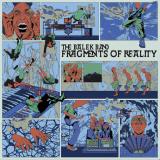
Some grooves don’t rush to the dancefloor — they crawl there, slow and heavy, like smoke wrapping around a bassline. With Fragments of Reality, The Balek Band sculpt an electronic funk that lives between shadow and light — an end-of-the-world fever dream, a Barjavel-style Ravage where chaos turns nihilistic.
No sequencer grid here — just four musicians sharing the same room, shaping air and tension together: drums locked tight with a slap bass, a guitar dripping with echo and heat, and a one-man orchestra behind his machines, weaving acid lines and synth arpeggios while mixing the band live — drenching it in delay, reverb, and saturation, like a dub producer in a Kingston studio, Lee Scratch Perry or King Tubby conjuring ghosts through smoke.
This isn’t fusion — it’s friction. A living ritual where the TB-303 hums, and machines don’t dominate but converse with the human pulse. Each track feels like a night that refuses to end — that humid in-between where trance slips into languor, and the body starts to think for itself.
The record recalls the cosmic jazz of Alain Mion or Eddy Louiss meeting the fiery energy of West African afrobeat musicians freshly arrived in a smoky Belleville basement in the mid-’80s. When The Balek Band summon ghosts, it’s only to reshape them — bending the past into something futuristic, alive, and strangely refreshing. Both disciplined and delirious, Fragments of Reality feels like a promise at dawn: dark funk for the late hours, slow acid for warm blood.
This EP isn’t nostalgic, though it remembers. It’s a transmission from a parallel past — a moment when jazz players met drum machines and decided never to stop playing. Each note sweats, each rhythm breathes. You can almost see the light cutting through the haze, faces half-awake, half-possessed.
The Balek Band aren’t recreating a moment — they’re keeping it alive.
Flesh and cables. Impulse and patience.
A band, not a loop.
A trip, not a format.
"K8A a.k.a. Kaethe Hostetter is a New York–based violinist. composer, and bandleader, whose work grew out of eleven years living and collaborating in Ethiopia. As a founding member of Debo Band and QWANQWA, Hostetter has been performing Ethiopian music for over two decades, and her solo debut, Woradj Alle, builds on this legacy by reimagining Ethiopian songs through live-looped violin and electronics.
"The album unfolds as a hypnotic, ritual-like performance that expands the instrument into an immersive sonic landscape, that refracts Ethiopian classics through dub, psych rock, and avant improvisation. It is not fusion, but transmission - music that blurs memory, place, and time.
"This collection of musical vignettes is based on my time in Ethiopia, the place I called home for 11 years", Kaethe explains. "The phrase 'Woradj Alle' is one of the first colloquial expressions I learned upon arriving in Addis Ababa, used on public transportation, simply meaning 'let me off right around here'. In choosing this name, I invite you to join me on the rickety minibus journey through my time in Ethiopia, and step off 'the bus' into scenarios, atmospheres, and soundscapes that describe moments I experienced, people I met, and other lasting impressions, striking and mundane."
Italian producer Gledd has been quietly carving out a reputation for groove-led house music that balances raw dancefloor energy with rich musicality.
Drawing on influences that span gospel, afrobeat, and classic deep house, his productions channel both heritage and forward-thinking club culture. My House Is Your Church marks his debut release on Delusions Of Grandeur - a fitting home for his expansive, souldrenched sound - and signals a bold new chapter in his evolution as an artist. The EP opens with On His Way, a percussion-heavy deep roller built for maximum dancefloor impact. Anchored by fat, heavyweight production and a massive low-end presence, the track surges forward with relentless energy. An incredible gospel vocal cuts through the mix, elevating the groove into something transcendent - equal parts spiritual and physical.
On It’s Not That Easy, Gledd leans further into his gospel house influences. Highimpact and rhythmically rich, the track weaves together organ fills and subtle tropical flourishes, creating a vibrant, sun-soaked energy while keeping the pressure firmly on the floor.
It’s a track that feels both uplifting and commanding. Flipping to the B-side, Habibi Gospel pushes into more “outernational” territory. A wild, expressive lead vocal takes center stage, riding atop a heavy, driving groove. Organ stabs punctuate the rhythm, locking dancers into a hypnotic flow that bridges cultures and styles with effortless confidence. Closing the EP, Can You Hear My Noise? brings things to a richly textured finale. Slightly more organic in feel, it blends echoing synth stabs, percussive melodic lines, and chopped vocals into a melting pot of sound. The result is a seamless fusion of gospel, afrobeat, and classic house - deep, emotive, and undeniably danceable. With My House Is Your Church, Gledd delivers a statement of intent: music as ritual, the dancefloor as sanctuary.
Italian producer Gledd has been quietly carving out a reputation for groove-led house music that balances raw dancefloor energy with rich musicality. Drawing on influences that span gospel, afrobeat, and classic deep house, his productions channel both heritage and forward-thinking club culture. My House Is Your Church marks his debut release on Delusions Of Grandeur - a fitting home for his expansive, souldrenched sound - and signals a bold new chapter in his evolution as an artist.
The EP opens with On His Way, a percussion-heavy deep roller built for maximum dancefloor impact. Anchored by fat, heavyweight production and a massive low-end presence, the track surges forward with relentless energy. An incredible gospel vocal cuts through the mix, elevating the groove into something transcendent - equal parts spiritual and physical. On It’s Not That Easy, Gledd leans further into his gospel house influences. Highimpact and rhythmically rich, the track weaves together organ fills and subtle tropical flourishes, creating a vibrant, sun-soaked energy while keeping the pressure firmly on the floor.
It’s a track that feels both uplifting and commanding. Flipping to the B-side, Habibi Gospel pushes into more “outernational” territory. A wild, expressive lead vocal takes center stage, riding atop a heavy, driving groove. Organ stabs punctuate the rhythm, locking dancers into a hypnotic flow that bridges cultures and styles with effortless confidence. Closing the EP, Can You Hear My Noise? brings things to a richly textured finale. Slightly more organic in feel, it blends echoing synth stabs, percussive melodic lines, and chopped vocals into a melting pot of sound. The result is a seamless fusion of gospel, afrobeat, and classic house - deep, emotive, and undeniably danceable. With My House Is Your Church, Gledd delivers a statement of intent: music as ritual, the dancefloor as sanctuary.
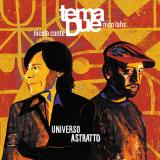
- A1: Intro
- A2: La Danse De L’esprit (Feat. Lalin St.juste)
- A3: Share Your Love (Feat. Nina Miranda)
- B1: Got To Find The Way (Feat. Siya Makuzeni)
- B2: Astral Vision Of Light
- B3: Africa Tribale
- C1: Galaxy Bloom
- C2: Praise To The Sunshine
- C3: Song Of Liberation (Feat. Siya Makuzeni)
- D1: The Shango Cult
- D2: Shaman’s Prophecy
- D3: Macumba De Oxala Ii (Feat. Toco)
Nicola Conte and Nico Lahs’ Tema Due project finally comes to full realization in a double LP entitled “Universo Astratto”,adding a wealth of new musical shades and ideas to the two EPs released on Schema Records in 2025. The albumrepresents not only the natural evolution of their artistic dialogue, but also a statement of intent in terms of sound.Fans of the most sophisticated and refined club music, elevated by the fusion of exquisite electronica with spiritual jazz (it isno coincidence that the opening track evokes the baseline of “A Love Supreme”), African-American rhythms and tribalpercussion, will be thrilled by this complex and multi-layered album, which unveils new hidden details upon each listen.A meticulous selection of exceptional musicians contributes in a distinctive and significant way to broadening the scope ofthe project: Giovanni Guidi, Pietro Lussu, and Dario Bassolino on keyboards, Gabriel Prado and Abdissa Assefa onpercussion, Magnus Lindgren on wind instruments and Hammond organ, and Pasquale Calò on saxophone. On vocals wehave Lalin St. Juste, Siya Makuzeni, Nina Miranda - for what is probably the best track on the album, “Share Your Love”- and Toco - for a new and previously unreleased version of the track “Macumba de Oxalà” featured on the first EP.In “Universo Astratto”, Tema Due’s vision is finally fulfilled: a world of ancestral grooves, cosmic jazz, and electronic musicconceived for clubs as a type of “active experience” in which one is transcended by music. This record is an invitation—tomove, to feel, to elevate—and a manifesto for those who see the dance floor not just as a location, but as a shared experience of awareness and rhythm
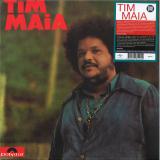
Tim Maia’s self-titled 1973 album is one of those records that hits you from the very first groove and doesn’t let go. Originally released on Polydor Brazil, this was the fourth in a series of Tim’s self-titled albums and many fans and critics still consider it the crown jewel. Packed with irresistible hooks, lush arrangements, and that unmistakable Tim Maia swagger, the album captures the singer at the peak of his creative powers.If you’re new to Tim Maia, here’s the quick story: born in Rio de Janeiro, Tim was a larger-than-life icon whose music married American soul and funk with Brazilian samba and pop long before “fusion” was a buzzword. A true musical polymath, he absorbed everything from Curtis Mayfield to Motown and translated it into a sound entirely his own, gritty, passionate, and full of groove.
He didn’t just introduce soul to Brazil; he made it Brazilian.On this 1973 release, Tim pushes everything up a notch. The arrangements are bigger, slicker, and surprisingly majestic, without losing the raw spirit that earned him a devoted following. From the moment ‘Réu Confesso’ opens the album, you know you’re in for something special—smooth, funky, and heartfelt in all the right ways. The bittersweet ‘Gostava Tanto de Você’ remains one of his most beloved classics, while ‘O Balanço’ bursts with Brazilian flavor that practically dares you not to move. And with tracks like ‘Do Your Thing, Behave Yourself’ and ‘Over Again,’ Tim shows just how naturally the soul idiom fit him, even when he switched to English.This record has everything: deep grooves, soaring strings, magnetic vocals, and that unmistakable sense of joy that Tim Maia carried into every session. It’s a front-to-back winner—one of those albums that deserves a spot not just in Brazilian music history, but in any collection that celebrates great soul, funk, and timeless grooves.If you’re a longtime fan, it’s a reminder of why Tim Maia is legendary. If you’re discovering him for the first time, this is the perfect place to start. Either way: press play, turn it up, and let Tim do his thing.
Gatefold Sleeve
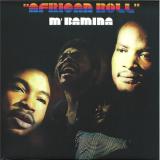
M’Bamina – African Roll (1975)
The story of an album born between Africa, Italy, and the nightclub culture of the 1970s
In the heart of 1970s Italy — a country undergoing profound social change and a music scene just beginning to open itself to distant sounds and cultures — an extraordinary, almost improbable story took shape. It is the story of a group of young African musicians who found their way to Europe, of a Turin nightclub that became a crossroads for communities and experimenters, and of an album which, released in small numbers and largely unnoticed at the time, is now considered a rare jewel of Afro-fusion.
The band called themselves M’Bamina — an ensemble of musicians from Congo, Cameroon, and Benin, who arrived in Italy in the early Seventies. Settling between northern Italy and the Pavia area, they began performing in small clubs and community events, bringing with them a vibrant rhythmic heritage: African polyrhythms, call-and-response vocals, funk-infused bass lines, and Caribbean or Afro-Latin colours absorbed along their musical journeys. Their raw, contagious energy on stage quickly drew attention.
Meanwhile, in Turin, another story was unfolding. There was a venue becoming almost legendary: Voom Voom, one of the city’s liveliest nightclubs, run by Ivo Lunardi. The club attracted an eclectic crowd — students, artists, foreigners, night owls — and Lunardi quickly understood that the dancefloor wasn’t just a place for music, but a melting pot for a new kind of cultural energy. Out of this vibrant atmosphere came his idea: to turn the club’s name into a small independent record label, Voom Voom Music, capable of capturing the spirit of those years and giving voice to unconventional projects.
When Lunardi heard M’Bamina, he immediately sensed that this was the sound he had been searching for: fresh, different from anything circulating in Italy at the time, and capable of blending African tradition with funk and European sensibility. He brought them into the studio.
Production was handled by Lunardi along with Christian Carbaza Michel, while the engineering was entrusted to Danilo Pennone, a young sound technician with a sharp, intuitive ear.
The recording sessions — held in Turin in 1975 — produced a remarkably warm and direct sound. The music feels almost live: grooves rooted in African tradition, but open to funk-rock structures and modern arrangements. It is a natural fusion, never forced. Tracks move between tribal rhythms, funk basslines, light electric guitars, congas and Afro-Latin percussion, with call-and-response vocals and melodies that echo both Congolese tradition and the lineage of Latin jazz. Not by chance, one of the album’s most striking tracks, Watchiwara, reinterprets a Latin standard through M’Bamina’s own rhythmic language.
The album was titled African Roll — a name that was already a statement of intention. It is African music that “rolls,” that moves, adapts, transforms within a new geographic and cultural setting. It is not strictly Afrobeat, nor Congolese rumba, nor Western funk: it is a spontaneous, hybrid blend, shaped more by lived experience than by any calculated aesthetic program.
When African Roll was released, the world around it barely noticed. Distribution was limited, and 1970s Italy had yet to develop a cultural framework for receiving such music. The national music press rarely paid attention to African or “world” productions. The album slipped into silence — though the band’s own story did not.
M’Bamina continued performing across Europe and Africa, even sharing a stage in Cameroon with none other than Manu Dibango. By the late Seventies, they moved to Paris, signed with Fiesta/Decca, and recorded a second LP, Experimental (1978). Meanwhile, the peculiar record they had made in Turin began to resurface quietly among vinyl collectors, Afro-funk enthusiasts, and DJs hunting for forgotten grooves.
That is when the album’s fate began to shift.
Over the decades, African Roll emerged as an almost unique document: a snapshot of an intercultural Italy before the word “intercultural” even existed, a fragment of migrant history, a spontaneous experiment in musical fusion born far from major industry circuits but rich in authenticity. Original copies began commanding high prices on the collector’s market, and the album became recognized as one of the hidden classics of European Afro-fusion from the 1970s.
Today, more than fifty years later, this reissue finally restores visibility and dignity to a project that deserves to be heard, studied, and celebrated. It is not simply an album: it is the testimony of a rare cultural encounter, born in an Italy unaware of how fertile such exchanges would one day become.
It is the story of a visionary producer, an extraordinary band, and a fleeting moment in which music, migration, and nightlife came together to create something genuinely new.
African Roll is — now more than ever — the sound of a bridge: between continents, between eras, between cultures. A record that, after rolling far and wide, has finally come home.
Wolfgang Haffner is one of Europe's most respected jazz drummers, known for his impeccable sense of timing, groove, and atmosphere. Though rooted in jazz, his musical language transcends genre boundaries, guided by pulse and subtle nuance rather than tradition alone. For Cocoon Recordings, he now enters an entirely new dialogue, offering warm, organic reinterpretations that honor the spirit of the source material while opening a fresh sonic horizon. The result is a meeting of two artistic worlds where Sven Väth's timeless energy and Haffner's refined touch flow naturally into a new musical form, an encounter between two artistic universes, merging into something both unexpected and deeply musical.
Fusion is a groove driven piece built around a clear, flowing melody, allowing Haffner to reinterpret it acoustically through a jazz lens. Its straight, driving pulse lets him explore the track's rhythmic and melodic interplay with clarity and nuance.
L'Esperanza, originally a dreamy, trance like track, envelops listeners in strings, filtered downbeats, and a playful synth melody, a perfect canvas for Haffner's warm, organic touch. Its ethereal layers and subtle tension allow him to explore the track's emotional depth while preserving its entrancing charm.
Barbarella, emblematic of Sven Väth's early 90s vision, carries the energy and innovation of a club classic. Haffner's reinterpretation transforms it into a rich, acoustic exploration that honors its hypnotic essence. By emphasizing the track's iconic motifs and underlying drive, and by drawing out the track's essential elements, he bridges its electronic origins with a new, organic perspective.
Together, these three reinterpretations form a cohesive journey that celebrates the timeless essence of Sven Väth's music while revealing a new dimension through Haffner's masterful touch, a release that invites listeners to experience familiar classics in a completely new light.
We Release JAZZ is very happy to announce the limited vinyl edition of Obad’s powerful new album Suspended, a vivid document of the Tehran ensemble’s endlessly evolving sonic universe — now available as a limited LP housed in a heavyweight sleeve with an Obi strip and featuring original artwork by Iranian painter Sadra Baniasadi.
Suspended is a superbly spontaneous, improvisational blend of exploratory jazz fusion, progressive funk-rock, and transcendental groove. Built from lived experience and shaped by Tehran’s pulse, Obad’s music is kinetic and intuitive — an ever-morphing dialogue between rhythm and texture, emotion and message.
With Farid Farzian Pour on drums, Siavash Karimi on electric guitar, Kiarash Radmehr on bass guitar, and Hamidreza Keshavrpajuh (aka Pajuh) on tenor saxophone, Obad creates a soundworld where hypnotic basslines meet thunderous, free-flowing percussion; where searing guitar motifs coil around saxophone phrases that move from whispered invocation to explosive catharsis. Suspended captures the quartet at full creative stretch: alive, unguarded, and deeply attuned to one another.
Sadra Baniasadi’s striking cover painting mirrors the album’s energy — bold, dreamlike, charged with movement, and extending Obad’s world into the visual realm.
Suspended stands as a major statement from one of Iran’s most compelling contemporary ensembles, marking Obad’s first release on We Release JAZZ and continuing the label’s commitment to boundary-pushing music born from profound listening, place, and collective intuition.
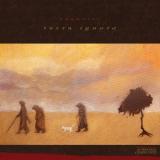
Elations Recordings presents "Terra Ignota", the long-awaited new full length album from elusive Melbourne-based fusion ensemble Krakatau. "Terra Ignota" marks a return and an epochal shift for the group, a deep exploration of possible sonic spaces and a portent of things to come.
In the years since 2016's cosmic jazz funk-prog-spiritual 12" "Tharsis Montes/Apogean Tide" Krakatau have worked on refining their craft as instrumentalists and writers, expanding further into the world of jazz and fusing influences from world folk musics, contemporary jazz and the European post-minimalist music of the 1980s and early 90s. "Terra Ignota", literally translated as "Unknown Land", takes its name from the cartographer's notation for uncharted territory, the blank spaces on maps where knowledge gives way to imagination and speculation, gesturing towards the group's studio explorations and search for new sonic worlds in the years spent developing the record.
The results are a diverse yet unified combination of sounds and influences across five tracks that see Krakatau drawing closer to the independent underground "world" jazz scene of the 1980s than anything contemporary. The album opens with the digi-minimalism and fourth world atmospherics of title track "Terra ignota", a percussion heavy latin fusion sound in "Birds of Passage", and melancholic ambient saxophone and synthesiser duo "In Memory". Three-part epic "Cosmetic Surgery" journeys through a long, complex post-minimalist arrangement into latin fusion and contemporary jazz, followed by the contemplative ECM-styled acoustic quartet closer "Trial in Absentia".
The album features significant contributions from saxophonist Rob Vincs, former Victorian College of the Arts head of Jazz and Improvisation and a collaborator with Australian musician Brian Brown; layered percussion and wordless vocals from Brazilian percussionist and esteemed songwriter Alcides Neto; and a guest performance from trumpet player Reuben Lewis on the title track.
Are You Alien's first vinyl missive, a compilation style affair showcasing the work of four label affiliated artists, is genuinely packed to the rafters with cuts designed to be played loud on "deep dancefloors and late-night transmissions". HearThuG kicks things off with 'Relax', a post-punk/dark disco inspired slab of early morning hedonism inspired by DFX's 'Relax Your Body' (which itself borrowed heavily from the KLF's 'What Time Is Love'), before Light Blue File charges towards darkened warehouses on the tactile tech-house/stab-happy rave fusion of 'Guante El En Mic'. Over on side B, Briki opts for squelchy acid bass, trippy vocal snippets and spacey sounds on 'Droppin The Pressure', before Ahmet Mecnun adds spoken word vocals and French Touch flourishes to a deep tech-house groove.
Two ultra-rare Peruvian gems that reimagine the international hits 'Do You Think I'm Sexy?' and 'Saturday Night Fever' through the lens of hypnotic Andean rhythms, full of vibrant winds and pounding percussion. Disco music, reworked with huayno and Andean cumbia flair! Once again, Peru manages to surprise us. From the heights of the Andes come two incredible recordings that show how local folklore has embraced international hits-resulting in fun, unexpected fusions with a distinct Andean twist. 'Do You Think I'm Sexy?', Rod Stewart's 1978 classic, is transformed into a powerful huayno anthem-complete with driving percussion and bold brass that almost echo the sound of a New Orleans street parade. Raw, energetic, and unmistakably Andean. On the flip side, we find a playful nod to 'Saturday Night Fever'-retitled 'El Travoltoso'-infused with infectious rhythms of huayno and cumbia. Once again, wind instruments take center stage in this track, just like in the flip-side cut. Both songs come from some of the rarest and most sought-after records among collectors of Peruvian music. Reissued for the first time ever.
Since first forming in 2016, London's High Vis have steadily polished their palette of progressive hardcore with shades of post-punk, Brit pop, neo-psychedelia, and even Madchester groove, mapping a middle ground between hooks and fury, melodies and mosh pits. Singer Graham Sayle describes their third album 'Guided Tour' as an axis of competing forces: "It's trying to be a hopeful record, while also being incensed." Rounded out by drummer Edward 'Ski' Harper, guitarists Martin MacNamara and Rob Hammaren, and bassist Jack Muncaster, the band's deep roots in the UK and Irish DIY hardcore scenes have kept them grounded but growing, inspired equally by restlessness and righteous anger. As Sayle puts it, "Everyone's scratching, everyone's working all the time, and their idea of relaxing is just getting fucked and avoiding reality. This album is an escape from that."From its opening seconds of a cab door slamming, a car revving away, and a baggy rhythm swinging to life, 'Guided Tour' sounds like a band reaching for new heights, bristling with energy. Recorded across a few weeks at Holy Mountain Studios in London with producer Jonah Falco and engineer Stanley Gravett, the results feel dynamic and dialed-in, like anthems burned into sense memory through sweat and repetition. Harper cuts to the chase: "We had a clear idea going in, every moment got used. Maybe when we're 60 we can sit around and get a drum sound right, but for now it's about getting things done."The album's 11 songs span the spectrum of contemporary guitar music, sharpened by experience, camaraderie, and societal frustrations. From swaggering street punk ("Drop Me Out," "Mob DLA") to jangling indie sneer ("Worth The Wait," "Deserve It") to heavy alt ("Feeling Bless," "Fill The Gap") to shoegazey spoken word ("Untethered"), the group's chemistry transmutes any style to their unique intensity. Sayle champions this evolving fusion: "For years coming from hardcore, we had pretty clear boundaries - other scenes were separate worlds. Now things are getting more blended, drawing from different places."Nowhere is this sentiment flexed more boldly than on "Mind's A Lie," a dance- punk anthem inspired by Harper's love of house, garage, and pirate radio. Stabs of sampled female vocals (by celebrated South London singer and DJ Ell Murphy) build into a razor wire rhythm of low-slung bass, tense drums, and sparkling guitar before Sayle's staunch voice starts barking harsh truths ("Face to face with all I've known / I can't call these thoughts my own"). After a sudden breakdown, the track regroups and takes off, cruising into the horizon in a haze of chiming guitars and Murphy's ascendant voice, from the streets to somewhere beyond.
Transamericas reissues Atom™’s Kraftwerk-goes-chachachá classic
After 25 years out of print, El Baile Alemán — the cult album by Señor Coconut (one of Atom™’s many aliases) — returns on vinyl via Transamericas. What began as a half-joke (“The only way I’d cover Kraftwerk is as chachachá or death metal…”) became a fever-born epiphany: Kraftwerk’s electronic minimalism recast through a tropical imagination — where chachachá, mambo, and cumbia intertwine with glitch, breakbeats, and distressed samples.
Long before reggaeton and trap filled stadiums and playlists, Señor Coconut was already mapping the fault lines between Latin rhythm and electronic form.
Originally released in Japan in 2000, El Baile Alemán caught the ear of Kraftwerk’s Florian Schneider, who unexpectedly championed the project. This reissue has been cut from Atom™’s 2022 remasters, preserving the album’s detail for a new generation of listeners. In the second half of 2026,
Transamericas will also reissue El Gran Baile (1997), his first outing — a rawer but equally idiosyncratic fusion of what Atom™ was going to frame as electrolatino.
As the so-called “Latin boom” becomes a new anchor for hard-swung club sounds, it is crucial to recognize that the region’s musical culture extends far beyond dembow edits and the pop-trap hybrids that have edged into the mainstream. Monterrey-born, New York City-based producer and DJ Delia Beatriz, aka Debit, returns to NAAFI with Potpourri, a generous and kinetic collection of dancefloor-oriented tracks filled with percussive flourishes, squelching 303 basslines, and rhythmic mutations that actively challenge the status quo. Rather than rebuilding “Latin sounds” as a fixed category, the album rethinks their internal logic, tracing the evolution of techno and house in cities like Detroit, Chicago, and New York alongside parallel innovations emerging in Mexico, Colombia, and across the wider Latin world. Positioned on the bridge between Mexico and the US, Potpourri does not seek synthesis as a gesture of smooth fusion, but as a site of disruption.
The album can be heard as a loose follow-up to System (2018), Debit’s NAAFI-released EP that expanded the sonic potential of tribal guarachero through triplet-driven rhythms, industrial pressure, and noisy reconstruction. Potpourri retains guaracha as a structural backbone while drawing further influence from veteran DJ and producer Javier Estrada—who also appeared on System—and particularly from his fast-paced, nonlinear style of mixing. That approach becomes a formal principle here: canonical structures are dismantled, repetition is avoided, and tracks evolve without sacrificing propulsion. Coming after the introspective temporal inquiry of Desaceleradas and the speculative historical acoustics of The Long Count, Potpourri arrives as a deliberate surge of energy. As Beatriz explains: “It’s a manifesto for rethinking form and sound in dance music. By stepping outside traditional structures and embracing the potpourri approach, I’m creating new meaning with familiar rhythms. I’ve also been applying this to my DJ sets, using it as a tool to break free from established norms and explore new narrative possibilities.”
Years in the making, Potpourri imagines an alternate timeline in which the psychedelic squelch of acid—echoing pioneers such as DJ Pierre and Mr. Fingers—and the dub-inflected atmospheres of Basic Channel entered into direct and sustained contact with Latin American club mutations. Those references are legible, but never merely quoted. Instead, they are folded into syncopated hi-hats, overdriven kicks, and unstable arrangements that absorb both the intensity of the parties Beatriz remembers from Monterrey and the abrasive edge she sharpened at DIY noise shows in New England. The result is unmistakably a dancefloor record—heard in tracks as forceful as “Pero like” and the peak-time pressure of “tuvesuerte”—but one saturated with grotesque, psychedelic atmospheres, where sounds dissolve into hoarse croaks, acidic smears, and anxiety-inducing growls. Here, the rave becomes not simply a site of release, but a platform for navigating identity, hybridity, and artistic formation across borders. Moving through peaks and ruptures, Potpourri reveals a party narrative that is not linear but multidimensional.
By folding together the fluidity of DJ culture, the experimental charge of acid, and the rhythmic vitality of guaracha, Potpourri proposes a space of formal and political innovation within Latin America’s rapidly expanding electronic music landscape. It is a record that refuses containment, pushing against the templates through which Latin electronic music is often consumed, and insisting instead on friction, instability, and transformation as generative conditions for the dancefloor.
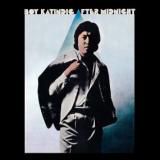
Jazz-fusion, disco-funk, Latin jazz and batucada rhythms get the Filipino treatment onAfter Midnight, the sublime second album from keyboardist Boy Katindig. Originally released in 1980, After Midnight draws heavy influence from soul and funk contemporaries in the US as well as Latin America, in particular the famed Brazilian percussionist Paulinho da Costa.
It’s a testament to his musical prowess that Katindig weaves effortlessly between styles and tempos. His reverence for Paulinho da Costa extends far, with covers of several songs from the latter’s 1979 Happy People album. This includes slow-burner ‘Déjà Vu’ written by Isaac Hayes originally for Dionne Warwick; on the Filipino instrumental version, local legends Jun Regalado and Roger Herrera (from Regalado’s ‘Pinoy Funk’ single) are reunited on drums and bass respectively.
But Katindig’s original compositions hold just as much weight and unique personality: title track ‘After Midnight’ opens with a sultry funk serenade reminiscent of The Isley Brothers, and quickly transforms into a catchy, blistering, saxophone chorus that brims with swagger. Hidden B-side gem ‘Got The Need’ is an uptempo tribute to batucada that would not be out of place in a jazzy house set, and boasts increasingly elaborate and psychedelic solos from Katindig on keys and Ben Concepcion on soprano sax.
Meanwhile, ‘Love Till the End of Time’ is a masterclass in instrumental disco funk, penned by the prolific Greg Phillanganes who at that same time was writing for many of the greats including Chaka Khan, George Benson, Stevie Wonder, The Jacksons and Cheryl Lynn.
This album is lovingly reissued by Sama Sama Records, a boutique label from DJ and collector Norsicaa, who ran the esteemed Soundway Records for 8 years and released the compilation Ayo Ke Disco in late 2024.
2026 Repress
When Guy J launched his new label, Early Morning, it was clear each release would carry his signature intensity. Now, with this third release, Guy J continues to prove that Early Morning is an intimately personal venture.
Comprising nearly 15 minutes of music, the material presents a hypnotic experience through two meticulously crafted tracks. The opener, Silver Lake, showcases the hallmarks of his style, building layer upon layer until the arrangement transforms into a dynamic fusion of deep emotion and unbridled energy. With a controlled balance of musical motifs, frequency shifts, and refined arrangements, the track oscillates between moods, culminating in an exhilarating high made to ignite the dance floor.
The second track, Evo, opens with a melody-infused bassline that nods to the 1980s, interwoven with synths reminiscent of early Frankfurt's electronic scene. Overlaid with vocal elements evoking meditative depth, Guy J uses every technique in his repertoire, shifting unexpectedly between structured sequencing and bursts of psychedelia. The track takes listeners on an immersive, unexpected journey.
This third release from Early Morning solidifies the label's vision, promising a bright future for dance floors worldwide.
Synaptic Cliffs is thrilled to welcome the synthetic humanoid Fleck E.S.C. to its neural family.
He is planet-wide known as a master of Electro Space Cookie productions and a legendary figure among 4D wanderers since his voluntary transmigration to the Tokyo Null Zone. This release is not merely a collection of tracks but a detailed, musically decrypted analysis of post-human consciousness. The pieces were extracted directly from the non-Euclidean circuits of his own, self-constructed Franck Collin Android body. Prepare your brainstems for a complete recalibration and enjoy this perfect fusion of French precision and the wild, uncontrollable energy of Neo-Shinjuku.
"It's like hearing the entire evolutionary history of humanity played backward in a single millisecond while a synthesizer scores the birth of a new star," says
pdqb.
Large Music is proud to announce the highly anticipated reissue of the iconic collaboration between Roy Davis Jr. and Jay Juniel: Transitions. Originally released in 1997, this seminal piece of Chicago house music has been remastered and is set to return to the world with the same raw energy and grit that made it a classic in the late '90s.
Coming on the heels of Roy Davis Jr.’s legendary hit Gabriel, Transitions captures the raw, emotional intensity of Chicago's underground house scene. Blending soulful melodies with thumping basslines, the EP brought forth an undeniable sound that resonated with house music fans globally. A testament to Davis’s versatile talent, Transitions also introduced Jay Juniel, who contributed his own dynamic flair to the project, creating a distinctive fusion of deep, experimental rhythms, intelligent spoken words and a vibrant club-ready pulse.
The reissue of Transitions offers fans both the original tracks and newly remastered audio to further elevate the listening experience. The gritty, hard-hitting vibe that defined the late '90s Chicago house movement is unmistakably present, from its throbbing basslines and kick drum to the smooth, haunting melodies. This release not only pays tribute to the timeless influence of Chicago House but also serves as a reflection of the ever-evolving nature of the genre itself.
- A1: Let It Go - Joaquin’s Sacred Rhythm Music Dance Version (Ft Kaidi Tatham)
- B1: Joint Purpose - Joaquin’s Teenage Music Version
- C1: In This Together - Joaquin’s Cosmic Arts Story For Bakki Sora
- D1: Joint Purpose - Joaquin’s Thee Artistic Vintage Lower East Side Nyc Squatters Dub Dub
- D2: In This Together - Joaquin’s Voices Of Innocence Version
Joe Claussell reimagines 3 tracks from Patrick Gibin's 2024 successful debut album 'Strength In Numbers' for Mother Tongue. These are not simple remixes but complete translations into the NYC legend's own language where the words Cosmic and Spiritual go hand by hand. The depth of these new versions is another testament of Joe's ability to always push the Sound to new heights!
'Let It Go' is manipulated into a dancefloor opus rich of sonic surprises and magnificent synth workouts.
'Joint Purpose' is present here in two versions, the deep and complex 'Teenage Music' mix and the thunderous 'Dub Dub' take which is exactly how it's called: an epic out of body bass experience.
'In This Together' comes in a full 15 minutes suite with tempo and mood changes which echoes the best 70's fusion and finally in a more ethereal form ('Voice Of Innocence Version') to close the double pack.
A breathtaking travel into Claussell's endless creative imagination where boundaries are won and Music is all that matters!
‘Let’s take a trip’ – with major names on the psytrance scene Avalon and GMS releasing on KNTXT for the first time, combining forces for a full-on attack, 4-track EP ‘The Underground’, out December 11th. Their joint mission? ‘Combining two worlds where psytrance meets techno, a fusion which will take you on a mind-expanding journey! Welcome to The Underground…you have arrived!
London DJ/Producer Avalon was recently awarded the number 1 top-selling psytrance artist on Beatport with over 30+ psytrance chart #1s and 5 top-selling LPs to his name, and performs at the likes of Tomorrowland, Boom, EDC Las Vegas, Glastonbury, Exit, Burning Man, Ultra, ASOT, Ministry Of Sound,... GMS (Growling Mad Scientists) was founded by Dutch Ibiza-based DJ/Producer Riktam with the sadly late Bansi, to establish pioneering psytrance label Spun Records and to have director Tony Scott no less, using GMS tracks on three of his films. A prolific producer with over 300K album copies sold, GMS holds the most psytrance records released overall.
‘I'm beyond honoured to release this stunning four tracker from psytrance legends Avalon and GMS. With this release, friendships were formed and worlds truly started colliding. I have massive respect for both these artists and their long standing impact on electronic music. This release feels like a bridge between generations and genres. It carries an energy that deserves to be heard, experienced, and felt on dancefloors around the world.’ Charlotte de Witte
Title track ‘The Underground’: hyperspeed trance beats support a wild variety of acid-dripping pulsations, spacey arps, otherworldly swoops, mind-teasing stabs, it’s like a lightshow in sound. That transports its listeners into another dimension. On ‘Horizen’, psytrance thrives, while ethereal vocals call, with intricate sound design painting a mythical soundscape. On ‘Machines’, it’s driven by hypnotic acid lines, pulsating Kick & Bass with sprinkles of techno infused percussion! Its choral notes and alien-like spoken lyrics, both gripping and disorientating as builds & breaks come thick and fast. ‘Rave to the Grave’: constant pulsing high synth and vocals with twanging acid together with frantic percussion create a sustained, agonizing build, build, build – until ‘On the 7th day, the Lord said ‘Let the beat drop!’’ Phew!
‘We are very excited about our debut release on KNTXT ‘The Underground’ and can’t wait to share this 4 track EP with you all. We hope you enjoy it as much as we did creating it. This fusion of techno/psytrance is brought together by all of our mutual love for acid & driving hypnotic dance music! Enjoy… Play it loud! Welcome to The Underground… You have arrived!’- Avalon & GMS
A mind-bending EP, with racing beats that give the ‘trance’ in psytrance a huge adrenalin shot. This is high energy reaching new altitudes; hold on to your brain cells, they’re going for a ride!
Transition features the inimitable Nathan Haines on saxophone and flute, and Laroye on remix duties
Written as a reflection on movement, change, and creative renewal, Transition captures the emotional landscape of an artist evolving through sound.
The original version is a warm and melodic six-minute trip through soulful house textures, layered keys, and Haines’ fluid, expressive sax, a record built for that moment when the dancefloor exhales and reconnects.
On the flip, Tom Laroye reimagines Transition with his signature jazz-tech fusion, fusing broken rhythms, deep house stabs, and afrobeat-inspired percussion into a sophisticated, floor-ready reinterpretation.
SUPPORT FROM:
Jimpster, Fouk, Peter Kruder, Craig Smith (6Th Borough Project), Pete Herbert, Mr Redley (Rinse), Louise Chen (NTS), Pete (BBE), Bill Brewster
SPTLP007 - ASC - Vanishing Point LP
Evolving further with each release, ASC delivers his latest monumental album on Spatial, a varied and memorable journey through stunningly realised fusion of modern and classic atmospheric breakbeats.
A1 - Mystic Street
Setting a murky tone with light cymbals and synthwork flecking the intro, Mystic Street calmly purrs and growls towards a drop of analogue kicks and a sparse, menacing drum pattern to kick off this incredible album. Enveloped by a dense cloud of darkly atmospherics, the track coils with tension, each element rippling through the mix like distant memories as the suitably enigmatic bassline rumbles beneath.
A2 - Convergence
Straight into the beats with a DJ-friendly two step intro, ASC utilises sparse, sci-fi hits and persistent danceable breakbeats with a melodic bassline. As the atmosphere builds, percussive tones punctuate the swirling pads, creating a luscious sense of forward motion with echoing samples and effects combining in the mix to create a dreamlike soundscape perfect for the dancefloor and headphones alike.
B1 - Invisible Borders
No ASC album would be complete without an amen workout, and we certainly have that here as Invisible Borders rushes into view with simmering intent, melodic samples tore from battlegrounds of yesteryear providing a truly epic atmosphere, rippling breakbeat trickery teasing the listener before crushing full contact amens arrive with panache and veracity - twisted across yearning bass with an unflinching fighting spirit.
B2 - Celestial Bodies
Up next a moment of calm as we soak up the charms of the dreamlike Celestial Bodies, a soothing journey of beats, breaks and atmosphere from Spatial's label head. Melodic notes ripple across the mix with old school breaks filtering to and fro, conjuring images of a cosmic journey unfolding, where old school breakbeat rhythms pulse like distant constellations, echoes shimmering in the vast expanse of ASC's versatility.
C1 - Losing Track Of Time
Into an absolute stunner next as ASC unleashes a modern classic which has a wonderfully instant familiarity to it - like it was lifted directly from the golden era of atmospheric drum & bass. The old school breaks have a distinctive feel while a variety of pads teaming with life swirl around above. A myriad of spirited melodies develop and maintain your attention with classic 808 basslines to complete this remarkable composition.
C2 - Slipstream
Switching up the vibe in style, ASC delivers an intense, cosmic intro to Slipstream which builds gradually with whooshing effects and long female vocals before a crisp, crunchy slice of Hot Pants breakbeat heaven tears through the mix, chock-full of excitable edits portrayed in a brilliant clarity. Warm sub bass punctuates the track while a reverberating earworm melody slowly etches itself into your mind.
D1 - Paradigm Shift
A good old fashioned roller up next as Paradigm Shift sees ASC blend a superb 2-step rhythm with a sumptuous smooth bassline - guaranteed to move the dancefloor. Atmospherics take no back seat either as elegant synthwork swirls and washes across the soundscape with subtly used vocal samples adding texture and warmth to an impressively layered mix that maintains its pace right through to an echoing conclusion.
D2 - Transmitter
Sending us back to interstellar space for an inspired mission through vast unexplored star systems, Transmitter sees ASC create a stunningly evocative, ethereal collage of atmospherics with sonar-like beeps punctuating and persisting throughout. Driving the track along are the superbly programmed drums, filtered and layered with twisted, distorted vocal samples to complete this exhilarating album in pure Spatial style.
- A1: Jancen - Voided Oasis
- A2: Arthur Robert - Dyson Sphere
- B1: Vinicius Honorio - Tundra
- B2: A-Sts - Transit
- C1: Len Faki - Stardancer
- C2: Jeroen Search & Decoder - Fiber
- D1: Iglo - Paraphrase
- D2: Glaskin - User Illusion
- E1: Scheermann - Elura
- E2: Obscure Shape - Träume Im Nebel
- F1: Roman Poncet - Icelander
- F2: Arkan - French Kiss
Figure is celebrating its 150th release with a loaded triple vinyl compilation, showcasing artists both old and new to the label – a testament to what the Figure sound is today. The cover art has been commissioned from Berlin-based graffiti artist Erik Winkler, whose spray-painted work is adorning the thick triple-pocket sleeve housing three colored records.
The compilation features some important recent additions to our growing roster: both Jancen and Arthur Robert deliver their unique take on tunneling techno, be it searing or psychedelic. And Brazilian shape-shifter Vinicius Honorio carves out his own gliding bass frequencies while A-STS relies classic drum machine bleep hypnosis.
Label head Len Faki’s own energetic appearance echoes his versatile style found on his recent album release. The all-out production featuring strings and quirky synths sits in contrast with Jeroen Search & Decoder - a pairing of veterans, whose minimal hardware sound slowly builds over trippy acid loops. The flipside belongs to a younger generation of producers, namely IGLO turning out a superb techno roller teeming with life and lush with details. The duo of Munich brothers Glaskin already remixed Faki for his Fusion album, their first original release on Figure comes a skillful blend of distorted stabs and deep grooves.
Equally refined but with a harder edge to it, Scheermann practices a dark, minimalist approach where each element gets time to shine for maximum effect. His bleak track is aptly paired with a rare solo release of Obscure Shape whose fractures of a dreamy, twinkly melody make for one of the most emotional moments of the compilation. The final side holds Roman Poncet’s seasoned understanding of groove, balancing perfectly the dubby stabs and vocal chops for a dazzlingly perfect loop. The final tones to this milestone release come courtesy of another of Figure’s bright new voices: Arkan manages to conjure up a powerful sense of progression, where colourful synths converge in harmonies over an effortlessly bouncing beat.
It is a rare moment for an independent label to make to number 150. But to keep finding new talent who help re-shape the signature sound while expanding the family roster, that’s a true blessing. This package shows how Figure is growing and adapting as a label, staying relevant as one of the leading voices in modern techno.
Molecular Recordings Presents "Structure Series 2" — Continuing a Legacy of Techno Innovation
Following the success of the first volume, Molecular Recordings returns with Structure Series 2, the next chapter in its celebrated vinyl series that honors the label’s enduring influence on underground techno.
This 12" release deepens the label’s exploration of forward-thinking sound, pairing iconic names from the Molecular archive with groundbreaking contributions from the new vanguard of producers. Each track reflects the uncompromising spirit and sonic evolution that have defined the label for over three decades.
Structure Series 2 is both a continuation and a progression — a curated fusion of past and future that underscores Molecular’s role as a pioneer and incubator of techno culture. It stands not only as a collector’s item but as a bold artistic statement.
With Structure Series 2, Molecular Recordings reaffirms its commitment to pushing boundaries while remaining rooted in the authenticity that has shaped its legacy since day one.
Side A takes us across the pond for a British funk-rock classic: “Give It To You” from UPP’s 1975 self-titled LP. Already sacred in sample lore, its breakbeat (written by drummer Jimmy Copley) has fueled Eric B. & Rakim, Gang Starr, Jeru, Del, DJ Shadow & more. This edit amplifies the raw pocket — drums, fills, transitions — pushing them forward w/o losing grit. Produced by Jeff Beck, UPP’s LP fused funk, fusion & rock, giving the break shimmer & weight beyond pure drum programming. For DJs, this is precision-built: roomy enough to drop hats, scratches, or vocals, yet solid enough to ride raw.
On the flip, the S.S.O. Orchestra’s 1977 gem “Faded Lady.” Lush, cinematic textures — strings, vocals, bass, pads — laced in funk/soul arrangements. Sample lineage runs deep: Diamond D (“I Went for Mine”), Busta Rhymes’ “New York Shit,” Nas’ “Something Foul.” This edit doesn’t destroy or over-chop — it finds the sweet spots, letting the horns, pads & mood breathe. Not a break tune but a vibe: atmosphere & weight for DJs to lean into.
Together, these 2 sides deliver a powerful juxtaposition:
Iptamenos Discos kündigt Houdini an, die neue EP der Labelgründer Local Suicide. Die Platte enthält drei ihrer dunkelsten und kraftvollsten Originaltracks bis heute, ergänzt durch markante Neubearbeitungen des französischen Electroclash-Pioniers David Carretta und der aufstrebenden griechischen EBM-Kraft Alpha Sect. Die Houdini EP entstand im Berliner Studio von Local Suicide während zahlloser nächtlicher Sessions mit Skelesys in derselben kreativen Phase, die auch ihren gemeinsamen Hit Moustache, die Surface Of The Sun EP und Faster Faster auf Curses’ Next Wave Acid Punx-Compilation hervorbrachte. Das Ergebnis ist ihr bisher düsterstes Material, das ihren Technodisco-Sound in noch härteres Terrain führt - mit hypnotischen Basslines, industriellen Texturen und analogen Vintage-Synths. Damit zählt es zu den mutigsten Releases im Katalog von Iptamenos Discos. Die EP eröffnet mit Obsessions, einem Track zwischen Darkwave und Techno, aufgebaut auf einer brutalen Bassline, analogen Synths und eindringlichen, mantraartigen Vocals. Die wiederholte Zeile „Obsessions, they come and go“ spiegelt den unerbittlichen Sog des Stücks wider und unterstreicht seine klaustrophobische, sich ständig wiederholende Energie. Submission, eine Zusammenarbeit mit Langzeitkollaborateur Skelesys, steht dem in nichts nach: ein düsterer Low-End-Sound, verzerrte, stark bearbeitete Vocals und der Sprechgesang „Resistance, no submission“ durchziehen den Track wie eine Trotz-Erklärung, die Spannung in Kraft verwandelt. Der Titeltrack Houdini ist etwas zugänglicher, behält aber die gleiche schattige Atmosphäre. Unheimliche Orgelmelodien und der Text „The great Houdini, the big escape“ beschwören Transformation und Befreiung herauf, zollen dem legendären Illusionisten Tribut und verleihen der Nummer eine theatralische Note. Der französische Kult-DJ und Produzent David Carretta interpretiert Obsessions neu mit seiner unverkennbaren retro-futuristischen Handschrift. Seit den 1990ern bekannt für die Fusion von industrieller Präzision mit Italo-inspirierten Synths, hellt er den Track mit glitzernden Disco-Melodien und einer erhebenden Stimmung auf – eine Version, die sich bewusst vom dunklen Original absetzt und sofort für die Tanzfläche taugt. Der in Straßburg ansässige Alpha Sect, das Projekt des griechischen Künstlers George McCall, führt Submission in kompromisslose Dimensionen. Verwurzelt in Electro und Body Music mit Punk-Einflüssen, beginnt sein Remix als wuchtiger EBM-Stomper und entwickelt sich zu einem clubtauglichen Track, der Intensität mit Katharsis in Balance bringt.
Following a string of acclaimed collaborations, including Agua Dulce with percussionist Laura Robles and Mapambazuko alongside Congolese guitarist Titi Bakorta, Peruvian artist Alejandra Cárdenas (aka Ale Hop) returns with her most personal work to date yet, A Body Like a Home. Marking her first album under her birth name, the project is a sonic memoir exploring the tangled realms of trauma, recovery, and love through autobiographical soundscapes.
A Body Like a Home is the artist at her most exposed. Comprising 13 songs and 15 poems, the album sees her set aside collaborative fusions for solo catharsis, channeling years of turbulence - intergenerational scars left by colonialism, racism, domestic violence, and alcoholism - into a work that oscillates between brutality and tenderness. Cárdenas states: “I grew up under Alberto Fujimori’s dictatorship, when a veil of hopelessness seemed to settle over everything. This is the backdrop of the album. The songs and poems trace the inevitable loop between private wounds - addiction, domestic violence, fractured intimacy - and Peru’s national scars, carved by colonialism. It’s not a straight story or a resolution. Writing and composing became a ritual of digging for meaning, into what’s buried, disguised, or renamed, until the body itself became a living archive.
” At the heart of the album is Cárdenas’s own voice - part witness, part confessor - reciting over layers of electric guitars, electronic textures, the haunting violin of Mexican musician Gibrana Cervantes, and a collage of field recordings, from rainfall, muffled whispers, broken glass, to archival protest footage from Peru. The result is a work that resonates like a diary written in sound.
The first single, "Motherland", is a searing testimony where Cárdenas voice cracks under the weight of history and personal loss. Amid a storm of distorted guitars, she traces the cyclical legacies of colonialism, from state massacres branding Indigenous bodies as “terrorists” to the spiral of addiction as an unavoidable future. The lyrics draw parallels between political and domestic violence: a mother’s drunken knife pressed to her chest, and a motherland where racism is currency. She utters: “sacrifice demands a body.” Yet, amid the wreckage, a willful grip on love and faith persists. Ultimately, A Body Like a Home is a document of transformation. Tracks like "Evangelina" and the title piece "A Body Like a Home" hold space for resilience, spirituality, and love, while "Early Road" and "Going South" thread subtle nods to Peruvian folklore, opening up bright vignettes into a sense of belonging.
The poetry chapbook accompanying A Body Like a Home (five of its pieces are also recited on the album) extends the work, building a parallel architecture. Oscillating between the documentary and the mythic, the intimate and the forensic, the profane and the oniric, these poems practice a theology of the ordinary, where everyday objects - cameras, knives, moth-eaten cotton - are charged withspiritual and historical weight. Here, the body is land, house, battlefield, collective pain, geological territory; and trauma is, in contrast, archival, cellular, ritualistic, inherited. Read alongside the music, the stories refract across two mediums: songs give them breath and poems give them bone.
Daniele Baldelli
Considered one of the first DJs in Italy, Daniele Baldelli began his career in 1969 mixing vinyl at the Tana Club in Cattolica (his hometown),
predating the birth of the modern DJ by several years. In the following years, he solidified his talent and technique at histor such as the Tabù Club, Baia degli Angeli, and Cosmic. From 1979 to 1984, Baldelli created his unique and eclectic style, blendi ic clubs ng seemingly distant sounds and musical styles, complementing them with tempo adjustments (bpm) and deliberately extreme equalization,
creating a truly distinctive sound, known as "Afro Disco." Soundscapes and tribal percussion blend with early electronic music experiments, and Baldelli's sets become truly mystical experiences, where, for the first time, the temples are replaced by the dance floor.
The documentary film "A Cosmic Life" has just been released, starring Daniele Baldelli alongside other illustrious guests from the nightclub scene, recounting the history and formation of this movement from the 1970s to the present.
Gaudi
A producer/musician among the most highly regarded on the international dub/electronic scene, over the past 30 years Gaudi, from his
London studio, has contributed significantly to expanding the boundaries of musical genres with high-profile releases and innovative
music production techniques. Recently nominated for a Grammy Award with 'Mass Manipulation', the album he produced for the reggae
band Steel Pulse, and also nominated for a World Music Award with his album 'Dub Qawwali' with Pakistani singer Nusrat Fateh Ali
Khan, Gaudi has collected a series of number 1s on the international charts: Billboard - with the album 'Heavy Rain' by Lee "Scratch"
Perry, 'Vessel of Love' by singer Hollie Cook and with 'Mass Manipulation' by Steel Pulse -, UK Chart n.1 with the album 'Prism' by the
band The Orb (with whom he has collaborated as a producer and keyboardist since 2008), with 'Blue Monday' - by Gaudi himself with
the band Dub Pistols -, UK Dance Chart n.1 with 'Jus Come rmx' produced with DJ Angelino for Cool Jack. He also reached no. 41 the UK charts with the album ‘Midnight Rocker’ by reggae singer Horace Andy (known to the general public for his hits with Massive in
Attack), no. 13 with the album ‘Dubwise 2’ by the band Dreadzone and no. 5 in the Italian charts with the song ‘Lasciala Andare’, written
by him for Irene Grandi. With 19 solo albums and 350 remixes and productions under his belt, Gaudi, with his artistic versatility, has
worked with Groove Armada, UB40, Simple Minds, Brian Ferry, Devo, Big Audio Dynamite, Damian Marley, Seun Kuti, Mad Professor,
Trentemøller, Grandmaster Flash ft KRS-One, Lamb, Don Letts, The Beat, Deep Forest, African Head Charge (in which Gaudi is a keyboardist and dubmaster), Elisa, Scientist, Dub FX, Roedelius, Caparezza, Caravan Palace, EMF, Sizzla, Jovanotti, Sly & Robbie, Piero Pelù, Youth of Killing Joke, and Maxi Priest, to name just a few. Capleton,
Daniele Baldelli & Gaudi
DJ Daniele Baldelli and producer Gaudi first met three years ago at the Jazz Cafe in London. Mutual respect and an innate need to
create new stylistic fusions were the catalysts for Baldelli and Gaudi, leading to a series of subsequent meetings that inevitably culminated in the need to create music together. The project began at Gaudi's Metatron Studio in London using analog equipment and later
moved to Baldelli's studio in Cattolica, where the two organically defined their sound, also inspired by Baldelli's precious record collection. The duo consolidated a powerful compositional symbiosis, and the project, born from a simple initial groove, later transformed
into an entire EP consisting of four original tracks and a highly innovative sound, featuring fusions of psychedelic-funk, tribal-dub,
electronic-disco, and, of course, "Afro-Cosmic"! Daniele Baldelli and Gaudi began their sonic collaboration without setting any stylistic
direction and with the intention of not creating pre-established goals to achieve; it is a project of pure artistic freedom guided by their
compositional instinct and their experience. Constantly active with their evenings and live concerts, Baldelli and Gaudi have performed
individually in many of the best international clubs and festivals.
Bringing together the elder statesman of the Zulu guitar Madala Kunene and internationally acclaimed Sibusile Xaba, kwaNTU pulls two generations of South African guitar mastery into a single point of focus. Under-represented on recordings outside of South Africa, Madala Kunene (b. 1951), the ‘King of the Zulu Guitar’, is revered as the greatest living master of the Zulu guitar tradition. Sibusile Xaba, whose collaboration with Mushroom Hour Half Hour reaches back to his first recording in 2017 (Open Letter To Adoniah/Unlearning), has garnered international acclaim for his unique voice and virtuoso guitar stylings, which bring together multiple South African guitar lineages in an original, spiritualised fusion. Collaborating with Mushroom Hour and New Soil for kwaNTU, the two players come together to weave a filigree sonic fabric which reaches down to the heartwood of Zulu guitar music but moves resolutely outward, building on the past to create a deeply rooted statement about present conditions and future travels. kwaNTU – which can be roughly translated ‘the place of the life-spirit’ – is also conclave of teacher and student, as Xaba has been taught by Kunene for the last decade. Meditative, rich and sonically sui generis, kwaNTU finds these two musicians linking up within the inimitable space of sound and spirit that they share through Kunene’s teaching.
The great masters of South African music have not all had equal exposure. For many years the generation of musicians who were exiled during apartheid took centre stage, as the regime made it very difficult for those at home to be heard. More recently, a new cohort of important voices, especially in jazz, has broken through to international consciousness. But for the generation of musicians in between – those who shone like beacons in the most difficult final years of apartheid and immediately afterward – international recognition has been slow in coming.
Madala Kunene, ‘the King of the Zulu Guitar’, is among this number. A revered figure for current generations of South African musicians, Kunene began his recording career in 1990, at the bitter end of apartheid, with a now classic self-titled LP for David Marks’ storied Third Ear imprint. Born in 1951 in Cato Manor, near Durban, he had determined to be a musician from early childhood, and by the time he first entered a recording studio he had already had a long career as a popular performer. His virtuoso absorption and transformation of the venerable Zulu maskanda guitar tradition and his richly spiritualised approach to music immediately marked him out as someone special, and in the years that followed, Kunene cemented his position as one of South Africa’s musical elders. He is without doubt the grand master of the Zulu guitar tradition, but his sound and sensibility ranges far beyond it into varied sonic terrain, and he has collaborated with a wide range of musicians both at home and abroad. Now in his mid-seventies, he remains a shining light for those that are making music in contemporary South Africa.
‘He is really an amazing person,’ says the guitarist Sibusile Xaba, who has been mentored by Kunene for over a decade, and now invites a collaboration with him on kwaNTU. ‘As a mentor, he's really powerful in showing us the way. For us to have this opportunity to make music together and have a project together is really a blessing to me.’
Xaba himself grew up in Newcastle, KwaZulu-Natal, where his mother had been in a band and his father sang in a church choir, and from early childhood Xaba played homemade tin guitars. He only later realised that music was his calling. ‘I just loved music. I was fortunate. My parents loved music. And when it was time for me to leave home and go to study outside Newcastle, I knew that music was what I wanted to do. There was no second option. It was just music.’ Moving to Pretoria to study music formally, Xaba committed himself to his craft, developing a unique style that draws on both US jazz masters such as Wes Montgomery and Jim Hall, and the rich and varied heritage of the South African guitar, from inspirational jazz players such as Allen Kwela and Enoch Mthalane, to the music of the Malombo groups and Dr. Philip Tabane (Xaba has previously collaborated with Dr. Tabane’s late son, Thabang), and the Zulu guitar tradition embodied by Kunene.
‘I was really in love with the jazz guitar, I really admired it, and I was digging a lot in that direction,’ says Xaba, recalling his first encounter with Kunene’s music, over a decade ago. ‘And then one day on my timeline, Kunene popped up, and I was like – “What's this sound?” I was so connected to it. It really touched me deep. I started checking out his records, and then I found out he's from the same region as I am, which is Zululand.’ After Kunene played a show at the Afrikan Freedom Station in Johannesburg, Xaba make contact with him, and visited him at home in Durban. They struck up a friendship, and Xaba became the elder’s student, as Kunene began to pass on his knowledge and his inimitable way of playing.
kwaNTU is a tribute to this relationship and the deep learning that has defined it. The album was recorded in Zululand in the town of Utrecht, at a cultural centre called Kwantu Village, which gives its name to the album. ‘It's such a broad word,’ Xaba says, ‘but the elders teach us that Ntu is basically an energy, almost chi, an energy, a force that all living beings have within them. It's a living energy, so kwaNTU is like, almost the place of this energy.’ The two men sequestered themselves for five days of jamming, improvising and planning, and then the session was recorded in one take over a single night, with Gontse Makhene joining on percussion and backing vocals and Fakazile on vocals. Other voices and overdubs were later added in the studio in Johannesburg.
The result is a rich and meditative recording that finds two generations in a deeply engaged dialogue. Teaching and passing on his knowledge, the elder Kunene has brought Xaba into a space of sound and knowledge that they now share; Xaba’s own practice of deep communion with nature and his dedication to his musical craft make him the perfect interlocutor for Kunene. The result is an album that foregrounds the two musicians engaged at the highest levels of responsive listening, sympathetic unity, and collaborative concentration. Bringing an elder statesman of South African music to an international listening audience for the first time in decades by pairing him with one of South Africa’s most important new voices, kwaNTU is a meeting of generations and a powerful demonstration of musical lineage and continuity.
‘Before music, there is sound,’ Xaba observes, speaking of Kunene’s unique approach to music. ‘And sound is like a common compartment…it's not restricted to particular people or particular geographic places, you know what I mean? It's sound. Everybody can hear it. So when he constructs that sound into music, I think everybody resonates with the energy behind his construction of sound into song. Here at home, we really love him for preserving our history through the guitar, through his stories as well the music, the songs that he writes. We really, really admire him.’

Belgian pop superstar Max Colombie, aka Oscar and the Wolf, announces new
album ‘The Shimmr’, on PIAS Recordings.
Enter Colombie’s world and you’ll discover a uniquely dazzling and shimmering
fusion of contemporary R&B and a more European electro-pop sensibility, uniting
shivery melody, shifting beats and vocals steeped in drama, sensuality and yearning.
Colombie hears, “a twilight zone where it doesn’t sound dark nor happy. It’s like the
name Oscar and the Wolf; it’s a balance between light and dark, this perfect
combination between the sun and the moon. It’s beautiful and scary at the same
time.”
Oscar and the Wolf’s official debut, the 2012 EP ‘Summer Skin’, showed his gifts
arrived virtually fully formed, but he truly came of age in 2014 with his debut album
‘Entity’. Balanced between dancefloor anthems and slow jams, ‘Entity’ went 4 times
Platinum in his native Belgium and quickly jettisoned Colombie to superstar status.
He sold out arenas in Belgium and the Netherlands, taking the penultimate
headlining slot (behind Muse) at 2016’s Lowlands festival before headlining
Belgium’s Pukkelpop festival, sharing the bill with Rihanna and LCD Soundsystem.
Released in 2017, the second Oscar and the Wolf album, ‘Infinity’, went Platinum at
home, whilst amassing a huge Middle Eastern fanbase across Turkey (where his
2018 tour sold out in minutes), Egypt, Israel and Iran. On stage, Colombie cut a
commanding and lithe performer, often garbed in shimmering outfits that interacted
with the dynamic lighting.
The new Oscar and the Wolf album, ‘The Shimmer’, distils the essence of Colombie’s
sound and vision in its title and the image of Colombie on the album cover, bathed in
starry light. The album is a benchmark of his transformation on record; whereas
‘Entity’ was recorded in a barn, “very lo-fi with no access to gear,” he recalls.
‘The Shimmer’’s bold, rich and layered dynamics were captured at ICP Studios in
Brussels, home to, “one of the best live rooms in Europe, with all this vintage gear.”
More intimate moments were added at Colombie’s house outside the city, “those
magic takes we made just after we’d written something, which are so hard to capture
again.”
By ‘we’, Colombie includes producer Jeroen De Pessemier and multi-instrumentalist
Ozan Bozdag, who had both worked on ‘Infinity’ (and Bozdag on ‘Entity’ too). “It’s a
magical trio,” Colombie says. “Everyone is allowed to be themselves, and to explore
themselves. I’m really happy with ‘The Shimmer’ because I hear a more mature
version of myself. I always want things to grow, and I’m proud that I allowed myself to
not follow people’s expectations and reproduce what had been successful before.
There are no four-to-the-floor clubby pop songs this time.”
Instead, ‘The Shimmer’ more accurately reflects Colombie’s personality. “My
emotions run from super-happy to super-melancholic in a split second,” he says. “To
me, ‘The Shimmer’ feels like the soundtrack to a blockbuster, with many types of
tracks and themes. It’s always changing."
In a fusion of science and sound, Kalocain's debut vinyl release, "Genetic Memory," unfolds an eerie tale. "W.N.G." opens a portal to an ancient world, where forgotten tongues unveil cryptic secrets. "Genetic Memory" weaves ethereal connections between ancestral recollections and the present, warping the fabric of time. "Ivermectin" delves into the surreal realms of molecular melodies, as if sonic DNA deciphers sound's enigmas. Remixes from Normal 4, Patricia Kokett, and Jacques Satre reshape the auditory cosmos with a dash of the bizarre.
To amplify the weirdness, Evaldas Bubinas aka Hermandrowning, concocts mind-bending artwork, beckoning listeners into a realm where sound and art meld in uncanny harmony.
But that's not all! The digital copy unveils an additional original track, "Groove Drift," along with a wild array of remixes by Henry Greenleaf, Frankfurt Bass, and Dogpatrol.
"Genetic Memory" isn't just music; it's a transcendent odyssey blending the past, present, and the surreal future, with a digital twist that will leave you questioning the boundaries of sonic exploration.
- A1: Brothers In Rhythm - Such A Good Feeling
- A2: Black Box – Ride On Time
- A3: C+C Music Factory - Gonna Make You Sweat (Everybody Dance Now)
- A4: Inner City - Good Life
- A5: Adventures Of Stevie V - Dirty Cash (Money Talks)
- A6: Grace – Not Over Yet
- A7: Billie Ray Martin – Your Loving Arms
- B1: S'express - Theme From S-Express
- B2: Kenny “Dope” Presents The Bucketheads - The Bomb! (These Sounds Fall Into My Mind)
- B3: Nightcrawlers - Push The Feeling On
- B4: Coldcut And Lisa Stansfield - People Hold On (Single Version)
- B5: Bomb The Bass - Beat Dis
- B6: Tony Di Bart - The Real Thing
- B7: Saint Etienne - He's On The Phone
- B8: D Ream – U R The Best Thing
- C1: Snap! - Rhythm Is A Dancer
- C2: Corona – The Rhythm Of The Night
- C3: Real Mccoy - Another Night
- C4: Dr. Alban - It’s My Life
- C5: Haddaway - What Is Love
- C6: K.w.s. - Please Don’t Go
- C7: Cappella - U Got 2 Let The Music
- C8: Opus Iii – It’s A Fine Day
- D1: Deee-Lite – Groove Is In The Heart
- D4: Urban Cookie Collective - The Key, The Secret
- D5: Oceanic - Insanity - Dream Tripper (Old Skool Radio Edit)
- D6: N-Trance – Set You Free
- D7: Felix - Don't You Want Me
- D8: Utah Saints - Something Good
- E1: Yazz & The Plastic Population - The Only Way Is Up
- E2: 49Ers - Touch Me
- E3: Baby D - Let Me Be Your Fantasy
- E4: Rozalla – Everybody’s Free (To Feel Good)
- E5: Strike - U Sure Do
- E6: Jx – Son Of A Gun
- E7: Blue Pearl - Naked In The Rain
- E8: Adamski & Seal - Killer
- F1: Soul Ii Soul, Caron Wheeler - Back To Life (However Do You Want Me)
- F2: Beats International - Dub Be Good To Me
- F3: Freak Power - Turn On, Tune In, Cop Out
- F4: The Prodigy – Charly
- F5: Guru Josh - Infinity
- F6: 808 State - Pacific - 707
- F7: The Beloved - The Sun Rising
- D2: Livin' Joy - Dreamer
- D3: Cece Peniston - Finally
NOW Music proudly presents the next release in our “NOW That’s What I Call An Era” series - Such A Good Feeling: 1988-1995 – a euphoric celebration of a truly transformative time in music.
This stunning 3LP set pressed on blue, white and yellow vinyl showcases 46 essential tracks that soundtracked the dancefloors, charts, and airwaves from the late ’80s through the ’90s — an era when dance culture reshaped the mainstream, soundtracked a generation, and lit up the charts across the UK and beyond
LP1 – Side A opens in style with ‘Such A Good Feeling’ from Brothers In Rhythm, this collection’s inspiring title…followed by Black Box with ‘Ride On Time’ — the best-selling UK single of ’89, and one of dance music’s defining tracks. Massive club classics continue with C+C Music Factory’s ‘Gonna Make You Sweat (Everybody Dance Now)’, house anthems from Inner City with ‘Good Life’, and ‘Dirty Cash (Money Talks)’ from Adventures Of Stevie V, plus dance-pop gems ‘Not Over Yet’ from Grace, and Billie Ray Martin with ‘Your Loving Arms’…Flip the LP over for the pioneering ‘Theme From S-Express’, a chart-topper from 1988, before dancefloor earworms from Kenny “Dope” Presents The Bucketheads with ‘The Bomb! (These Sounds Fall Into My Mind)’, Nightcrawlers with ‘Push The Feeling On’ and ‘People Hold On’ from Coldcut and Lisa Stansfield. The influential ‘Beat Dis’ from Bomb The Bass is up next ahead of Tony Di Bart’s #1 ‘The Real Thing’, Saint Etienne’s sophisticated dance-pop nugget ‘He’s On The Phone’, and LP1’s closer from D:Ream with the Perfecto radio remix of ‘U R The Best Thing’.
LP2 – kicks off with a run of electrifying Eurodance – all massive club anthems. ‘Rhythm Is A Dancer’ from SNAP! leads off; a UK No. 1 and another defining track of the decade – followed by smashes from Corona, Real McCoy, Dr. Alban, Haddaway, KWS and Cappella, before the side closes with the techno-pop of Opus III with ‘It’s A Fine Day’… The party continues on Side B with an irresistible lineup led by Deee-Lite with ‘Groove Is In The Heart’, their brilliant fusion of funk, house and pop that continues to be a massive floor-filler… as is ‘Dreamer’ from Livin’ Joy, a 1995 No. 1 smash, and vocal house classic ‘Finally’ from CeCe Peniston. Urban Cookie Collective scored a huge hit with ‘The Key, The Secret’, which is followed by the rave energy of Oceanic, N-Trance, Felix – and Utah Saints who sign-off LP2 with the epic ‘Something Good’.
Kicking off the final LP, Side A explodes into life with massive feel-good tunes:- Yazz & The Plastic Population’s ‘The Only Way Is Up’ – a 1988 No. 1 and landmark UK house hit ahead of 49ers with ‘Touch Me’ and Baby D with their #1 ‘Let Me Be Your Fantasy’. Another run of floor-fillers from Rozalla with ‘Everybody’s Free (To Feel Good)’, JX with ‘Son Of A Gun’, Blue Pearl’s ‘Naked In The Rain’ and ‘U Sure Do’ from Strike follows and the side closes with the electronic acid house of ‘Killer’ from Adamski that hit the top of the charts and introduced Seal… and over on the final side, the collection moves toward it's close with stunning and enduring tracks of the era – opening with Soul II Soul & Caron Wheeler’s #1 ‘Back To Life (However Do You Want Me)’ blending soul, R&B and club rhythms to perfection, while Beats International’s fusion of dub reggae and house: ‘Dub Be Good To Me’ (another chart-topper) follows with its iconic bassline and leads us into the stylish and smooth ‘Turn On, Tune In, Cop Out’ from Freak Power. The journey through this incredible era is completed with genre pioneers The Prodigy with ‘Charly’, ‘Infinity’ from Guru Josh, and closing with ambient house, ‘Pacific - 707’ from 808 State, and the timeless ‘The Sun Rising’ from The Beloved.
An unforgettable journey through the sounds that defined an era:- NOW That’s What I Call An Era - Such A Good Feeling: 1988-1995 — the definitive celebration of a golden age of dance music.
A new Memory Remains journey on Wax: A Four-Track Vinyl That Captivated Dancefloors
After months of exclusive testing across diverse club spaces and underground venues, this much-anticipated vinyl release is finally available for all. Four tracks, each carrying its energy and narrative, come together to form a singular listening experience—crafted for dance floors, yet timeless in their emotional depth.
A1: Unknown – Naha Naha
A vibrant, hypnotic opener that merges the ethereal with the rhythmic. The vocal, a fusion of Bambara influences, drifts over the playful pulse of bongo-driven percussion, while the sitar weaves an entrancing melody. The result? A high-spirited, kinetic groove that invites movement and joy.
A2: Unknown – Haciéndome Drogado
A deep, sun-kissed journey infused with the warmth of Spanish vocals and a breezy, immersive vibe. This track captures the essence of carefree summer nights, where music, movement, and emotion become one. A deep house gem with a magnetic pull.
B1: Unknown – Mom, You Make Everything Beautiful
No words are needed—only feeling—a heartfelt tribute to the transformative love of mothers, where every touch brings beauty. Melodic, evocative, and steeped in emotion, this track resonates deeply with the soul, making it a standout moment on the record.
B2: Unknown – Whispers
Closing the journey is an enchanting, introspective piece featuring a haunting female vocal and a spellbinding solo guitar. Drifting between melancholy and warmth, this deep house masterpiece leaves a lasting imprint, wrapping the record in an aura of mystery and elegance.
Now pressed on vinyl, this collection is ready to be discovered, shared, and cherished. The wait is over—the music is yours.
Music by Kirik
Acclaimed Swedish multimedia artist and electronic music visionary TOBIAS BERNSTRUP returns with his highly anticipated new 7th studio album, “Shadow Dancer”, on German indie label Nadanna Records.
Known for his fusion of visual art, retro-futuristic aesthetics, and Italo-inspired synthpop, BERNSTRUP’s latest offering dives deep into the shadows of the dancefloor—where desire, danger, and digital nostalgia collide. “Shadow Dancer” marks a bold evolution in BERNSTRUP’s sound, channeling pulsating analog synths, icy vocal hooks, and cinematic atmosphere into a darkly euphoric collection of tracks. The album explores themes of identity, transformation, and nocturnal seduction, blending BERNSTRUP’s signature 1980s stylings with a sharply contemporary edge.
“This album explores the tension between appearance and reality—how we perform identity, desire, and memory in a world flooded with simulation,” says BERNSTRUP. “It’s both a personal and cultural reflection, rooted in the shadowy edges of nightlife, surveillance, and performance.”
Standout single tracks like “Chiaroscuro”, “Legend”, “And The Smile” and “Jackie 60” showcase BERNSTRUP’s unique ability to fuse melancholic nostalgia with dancefloor-ready energy. The album’s visual aesthetic is just as striking, featuring dystopian glam imagery, gothic noir, and sleek, gender-fluid costuming.
‘Absurd Matter’ is a labyrinthine sonic conundrum that spirals around the two poles of extreme noise and hiphop. It's Berlin-based Italian producer Shapednoise's first album in four years and confidently advances his narrative into the next chapter, building on the groundwork of his prior abstractions to emerge with a coherent genre-warped fusion of urgent rap, crushing bass weight and idiosyncratic sound design. After spending years scrupulously deconstructing club music, Nino Pedone has rebuilt it brick by brick in his image.
The album is the first release on Pedone's brand new imprint WEIGHT LOOMING, a multidisciplinary label platform that's set to explore the depths of bass music, textured noise and abrasive transcendence. It follows a slew of acclaimed releases for Numbers,
Opal Tapes, Type and his own Cosmo Rhythmatic label, and forward thinking collaborations with Kenyan beat alchemist Slikback and Hyperdub-signed Angolan producer Nazar. Pedone's most ambitious project to date, ‘Absurd Matter’ taps into kinetic energy from a hand-picked selection of collaborators, including New York rap duo Armand
Hammer, French DJ/producer Brodinski, Bruiser Brigade's ZelooperZ and vanguard Philly poet, musician, and activist Moor Mother.
On ‘Family’, Billy Woods and Elucid weave a dismal, apocalyptic landscape with their razor-sharp anecdotes. The duo’s macabre imagery is given artificial life by Pedone's industrial scrapes and rattles that curl around their worlds like thick smoke. It's still rap, just about, but lodges itself in the back room of a factory, machines running themselves to an early death. Pairing with techno-rap trailblazer Brodinski, Pedone edges further towards the sound system, spatializing rhythms in four dimensions around Detroit rapper
ZelooperZ's playful expressions. This is the Italian producer's sci-fi tinged liquefaction of radio echoes, a way to fire familiarity into the void and sublime the human voice into weightless mist. When Moor Mother arrives shouting "me me me" on the aptly-titled 'Poetry', it sounds as if all of Pedone's loose threads are being tightened into a knot. His misshapen neo-grime beats sound like a broken jet engine, but smartly cede power to Moor Mother's resonant rhymes. "You can't cancel me" she assures. ‘Absurd Matter’ is a defining personal development for Pedone that not only appraises his career so far, but diverts its logic into frighteningly new sonic territory. From great loss, the producer has determined his work's cardinal themes, and sounds more strident and far heavier than ever before.