While brothers Simon and Robin Lee have kept themselves busy, both with EPs as Faze Action and numerous offshoot and solo projects, it's been almost 12 years since we last heard a fresh, full-length excursion from the long-serving duo - at least under their most famous moniker. Predictably, Distant Dreams was worth the wait, with the Lee siblings continuing their richly organic approach - think live bass, guitars, strings, keys, flute and percussion alongside synth sounds and drum machine beats. Musically, it draws on their now well-known influences - warming disco, jazz-funk and Balearica with nods to other musical cultures - and delivers eight impeccable tracks that undoubtedly sit amongst their classiest work to date. It's good to have them back.
out of Stock
Last delivered 4 months ago available to reorder, subject to availability
Presenting the remarkable second album by the Chinese musician, DJ and creative chef Yu Su. An evolution from her 2021 debut LP and two track single released last year, Foundry radiates a fresh, fully-fledged and far-reaching sound.
The nucleus of Foundry began with material penned for live performance at MUTEK in 2025, alongside a move to London which brought about new shifts in perspective. Searching for a style that was true both to her roots and progression as an artist, Yu ventured in a post-orientalist direction, and came upon a language of ‘in-between music’.
Mixing the eclectic influence of her DJ sets with genre-defying collaborators and newfound taste for minimal and ambient techno, a dusky, dub-inflected character began to emerge. This broad palette reiterates Yu’s prior form in making connections across disciplines, which have not only consisted of music, but also multisensory endeavors which incorporate taste and smell.
With cover art featuring hammered metalwork by the artist Brendan Ratzlaff, for Yu the foundry represents a nexus of creation; a shared workspace where collaborators combined their materials and skills. With the input of Seefeel, Dip In The Pool, and Memotone, together their broad spectrum of aural elements underwent a chemical transformation, and were forged into something new.
Well-designed, ergonomic yet occasionally amorphous, the effect is that of meticulous freedom, both controlled and free flowing. Using immersive sound design, Yu creates inspiring spaces to revel in, which are warm yet steeped in shadow, with flashes of silvery light.
Featuring Yu in with duet Miyako Koda of cult Japanese art pop duo Dip In The Pool, the record kicks off in swirling but poised fashion with ‘A Jewel’. The dusky, reverberant underwater minimalism of ‘Sunless’ follows, which features British composer Memotone, and was influenced by Chris Marker’s 1983 film Sans Soleil.
The dubby, sunkissed affirmation on ‘Cul De Sac’ leads to the thumping acid stomp of ‘Foundry’, and onto the hazy glow of ‘One Place After Another’, featuring lauded soundheads Seefeel, where Yu’s voice is joined by Sarah Peacock’s, alongside Mark Clifford’s seductively gauzy fuzz guitar.
Venturing into more ominous territory is the liminal ambient dub of ‘Wanli’, followed by the rich textured flutter of ‘Os Cionn’, which translates from Gaelic as ‘above’. The album ends with the reflective, processional pulse of ‘Ripe Fruits’, which was inspired by Frederic Leighton’s 1892 oil painting The Garden of the Hesperides.
The LP’s visual was art directed by Lucas Dupuy, whose approach perfectly encapsulates Yu’s spatial sonics: “We both think in layers”, she comments. “Not linear layering, but horizontal layering, like weaving metallic threads, where a bigger picture of a grainy sphere will occur at the end.”
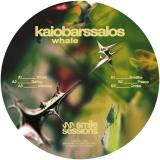
Berlin-based producer and DJ KaioBarssalos returns to Smile Sessions with his most visceral statement yet. 'Whale' is a six-track EP built for bodies in motion : obsidian grooves that pull you under, primal percussion that speaks directly to the hips, and a low-end surge that turns a dancefloor into a ritual.
Old-school in its bones, stripped back to what matters: the kick, the groove, the trance of it all. Repetitive, hypnotic, communal. The bark of a drum that doesn't ask permission. No distractions, just tools honed for the floor, weapons a DJ can reach for at peak time and trust completely.
“Tako” means “octopus”, “kite”, and even “bunion” in Japanese. Bald men or men with shaven heads, as well as red-faced, staggering drunks, are also referred to as “tako”. It’s a word that appears in a lot of slang and sayings. Taco is also the name of an 80s music and performance collective whose performances were like nothing before or since. The Japanese band Taco, formed at the beginning of the 80s, is a loose group/collective of varying members that belongs to the post-punk alternative music movement. The network of members were all friends and acquaintances of Harumi Yamazaki, ex-member of Gaseneta and Taco’s central member.
Taco can be described as a band of guerrillas who, over the years, continued to connect, collect, interrupt, and scatter while sending out into the world music and sounds that can best be described as transient. Taco also performed without Harumi, and so it is as though the band is an anonymous group of mercenaries. Taco’s first album was released in 1983 and had a huge impact on Japan’s underground music scene as an anomalous and collaborative album involving various participating artists (the stars of Japan’s underground music scene!) and Harumi, who provided the lyrics. Although each track represents a reverberating conglomeration of sounds created by this transient local network, common to all the tracks are Harumi’s expressive lyrics. This has the effect of transforming all the tracks into a single powerful force which, in turn, spawns an “incident” which spreads like a giant ripple. However, because of another incident in which the records were recalled due to the scandal caused by some of the lyrics, only a limited number of people actually own a copy of the album. Taco’s second album (a 12” EP), released in 1984, features a live recording of a performance that was held at the end of 1982. Taco is a band of indeterminate members which only ever played one-off performances, but this is an album that reveals a unit whose performance was unusually musically coherent. This is an album which effectively conveys the power of Taco’s astounding and legendary live performances, as well as Harumi’s inflammatory, sensational, and masochistic presence on stage. Her mutterings and screams, which practically ignore the detached beat, confront the audience like an overwhelming groundswell.
The following is a description of Taco by one of its members following one of its live performances: “Taco’s like a project where the indeterminate participants fan each other’s heightened emotions of wanting to wreak personal revenge and retribution. It’s an ecosystem of tangible and intangible mouldy slime which accumulates in order for emotions to be acted out, both indoors in the studio, or outdoors on stage. That’s why the avenger can often end up being the victim.”
Jede Band, die was drauf hat, hat ein Mitglied, das mal in einem Plattenladen gearbeitet hat. Bei METZ, dem mutigen Noise-Rock-Trio, das zwischen 2012 und 2024 fünf Alben bei Sub Pop rausgebracht hat, war das Sänger und Gitarrist Alex Edkins. Während seines Studiums verkaufte Edkins in seinem Heimatort Indie-Rock- und Hardcore-Platten und wurde zu einem begeisterten Schüler des Rock ,n` Roll, von den psychedelischen 1960er Jahren bis zu den DIY-1990er Jahren und darüber hinaus. Hoopla, das eingängige, melodische zweite Album aus Edkins' Soloprojekt Weird Nightmare, mischt und kombiniert diese Einflüsse auf unterhaltsame und mitreißende Weise und zeigt seine ausgefeilte musikalische Intelligenz. ,Hoopla" sprüht vor Hooks und Ohrwürmern und ist genau die Kassette, die nie aus dem Autoradio genommen wird, sondern immer wieder gespielt wird und den Sommer begleitet. ,Hoopla" ist neu und nostalgisch zugleich und wird deine Ohren erfreuen. Das selbst produzierte und ausgesprochen lo-fi Debütalbum von Weird Nightmare wurde während der Pandemie zu Hause aufgenommen und 2022 von Sub Pop veröffentlicht. Weird Nightmare zeigte Edkins' Indie-Rock-Sensibilität mit einer Vorliebe für unverkennbare Hooks und mitreißende Refrains zum Mitsingen. Auf dem neuen Studioalbum Hoopla, das gemeinsam mit Jim Eno von Spoon produziert und in Seth Manchesters Machines with Magnets aufgenommen wurde, erweitert Edkins die Dimensionen von Weird Nightmare noch weiter. Neue musikalische Texturen wie Klavier, Glocken und Kastagnetten verschmelzen mit Edkins' geradlinigem Songwriting und verleihen diesen Stücken einen glänzenden Schimmer. Es ist, als würde ein beliebter Indie-Regisseur mit seinem ersten Studiofilm einen Schritt nach vorne machen. Wenn das Debütalbum Weird Nightmare ein Underground-Publikumsliebling war, ähnlich wie Richard Linklaters Slacker, dann ist Hoopla Edkins' Dazed and Confused. ,Hoopla" glänzt mit sonnigem Gitarrenpop und wurde mit genau der richtigen Menge an Fuzz und Crunch produziert. Die unmittelbare, schnörkellose Aufnahme versetzt dich direkt ins Studio mit Edkins und seiner Rhythmusgruppe: Loel Campbell am Schlagzeug und Bassist Roddy Kuester. Das ist Power-Pop der Extraklasse; diese scharfen Adrenalinstöße könnten sich nahtlos in einen Radio-Rock-Block zwischen The Replacements und Elvis Costello & the Attractions einfügen. Oder passen genauso gut zu Sharp Pins, Ratboys und Alvvays. Im Kern ist dieses Album ein optimistischer, leuchtender Lichtblick in unserer seltsamen Zeit. Mit Weird Nightmare möchte Edkins euch wissen lassen, dass er die Welt immer noch liebt, und er lädt die Hörer von Hoopla ein, dasselbe zu empfinden. Nutzt diese Chance, um einen Funken der Magie des Pop in unserer verbrauchten alten Welt zu ergreifen. Ihr habt es verdient.
Wasteland is a record that is unafraid to plunge into the darkness of the modern world and embrace the weirder, edgier and more unnerving moments that come from doing so. It is an album that captures all the enormity of life from the micro to the macro, zooming in on the personal as well reflecting on broader societal issues.
“Wasteland is about the idea of a place once known or familiar that is now broken down and unrecognisable,” says Ghedi. “It’s about exploring the process of watching someone’s surroundings and environment collapse.” And within that you have a lot going on. “It also explores death, personal loss, grief, mental health and how the natural world provides solace and meaning for that loss and how these worlds blur into one another.”
Ghedi has always been an artist that in many ways perfectly encompasses folk music in its purest form but he is also someone that frequently pushes the boundaries of that label and no more so is that apparent than on this record. As like previous albums, such as 2018’s A Hymn for Ancient Land and 2021’s In the Furrows of Common Place, Ghedi uses traditional folk songs as a means to explore contemporary issues via modern and experimentally-leaning music. “With the traditional material on this album I wanted to find songs with content that resonated with me,” says Ghedi. “But also that were based roughly around the north of England.” This is a central underlying theme to the album for Ghedi. The feelings of loss, erosion, and degradation are often most pronounced in working class communities and this was something he wanted to weave in. “It was important to voice and choose material that represented or expressed issues that correlated with things going on around me.”
However, as remarkable as some of the traditional material is, some of the most arresting work on the album is Ghedi’s entirely original compositions. Lead single ‘Wasteland’ is a stunning piece of work that while rooted in an environment being corrupted and broken – “there’s violence on these hills” Ghedi sorrowfully sings, before claiming this is no longer somewhere that can be called home – it is also a stirringly beautiful composition that soars and glides as it opens up, as sweeping strings swoop and in and out of Ghedi’s twangy electric guitar.
The decision to incorporate more fuller sounds, such as electric guitar and huge drums, results in a notable shift and evolution in tone for Ghedi. “The lyrical content needed something more band-driven and loud to deliver them,” he explains. “Incorporating the electric guitar in my songwriting was also a big part of opening the sound up, using drop tunings pushed me to use my voice in a wider range, which forced me to use falsetto a lot which I haven’t previously done before. That then opened the sound up and gave me creative ideas for bigger arrangements and to sonically really push things.”
What Ghedi has done in creating his masterpiece is construct a remarkable space where deeply intimate and personal feelings coexist with reflections on environment, place and society, while also interweaving historical context via traditional songs. Wasteland is as much of a world to explore and exist in as much as it is an album, with Ghedi carving out his distinctly unique sonic language and voice to explore that singular environment.
Wasteland is a record that is unafraid to plunge into the darkness of the modern world and embrace the weirder, edgier and more unnerving moments that come from doing so. It is an album that captures all the enormity of life from the micro to the macro, zooming in on the personal as well reflecting on broader societal issues.
“Wasteland is about the idea of a place once known or familiar that is now broken down and unrecognisable,” says Ghedi. “It’s about exploring the process of watching someone’s surroundings and environment collapse.” And within that you have a lot going on. “It also explores death, personal loss, grief, mental health and how the natural world provides solace and meaning for that loss and how these worlds blur into one another.”
Ghedi has always been an artist that in many ways perfectly encompasses folk music in its purest form but he is also someone that frequently pushes the boundaries of that label and no more so is that apparent than on this record. As like previous albums, such as 2018’s A Hymn for Ancient Land and 2021’s In the Furrows of Common Place, Ghedi uses traditional folk songs as a means to explore contemporary issues via modern and experimentally-leaning music. “With the traditional material on this album I wanted to find songs with content that resonated with me,” says Ghedi. “But also that were based roughly around the north of England.” This is a central underlying theme to the album for Ghedi. The feelings of loss, erosion, and degradation are often most pronounced in working class communities and this was something he wanted to weave in. “It was important to voice and choose material that represented or expressed issues that correlated with things going on around me.”
However, as remarkable as some of the traditional material is, some of the most arresting work on the album is Ghedi’s entirely original compositions. Lead single ‘Wasteland’ is a stunning piece of work that while rooted in an environment being corrupted and broken – “there’s violence on these hills” Ghedi sorrowfully sings, before claiming this is no longer somewhere that can be called home – it is also a stirringly beautiful composition that soars and glides as it opens up, as sweeping strings swoop and in and out of Ghedi’s twangy electric guitar.
The decision to incorporate more fuller sounds, such as electric guitar and huge drums, results in a notable shift and evolution in tone for Ghedi. “The lyrical content needed something more band-driven and loud to deliver them,” he explains. “Incorporating the electric guitar in my songwriting was also a big part of opening the sound up, using drop tunings pushed me to use my voice in a wider range, which forced me to use falsetto a lot which I haven’t previously done before. That then opened the sound up and gave me creative ideas for bigger arrangements and to sonically really push things.”
What Ghedi has done in creating his masterpiece is construct a remarkable space where deeply intimate and personal feelings coexist with reflections on environment, place and society, while also interweaving historical context via traditional songs. Wasteland is as much of a world to explore and exist in as much as it is an album, with Ghedi carving out his distinctly unique sonic language and voice to explore that singular environment.
They Came Like Swallows is the first album-length collaboration between Thurston Moore and Kramer (now officially Bonner Kramer), two giants of alternative/ experimental music. The accomplishments and influence of these two artists in the world of independent music cannot be overstated and the result of their artistic union is a startlingly cohesive statement that burns through landscapes of primitive outsider rock, avant-garde composition, progressive ambient and further locales boldly and beautifully unnamable. “Kramer and I reconnected in Miami, Florida, a few years back, many many years after each of us had departed NYC on separate life adventures. It was only a matter of time before Kramer and I started making plans to record together and with his irrepressible due diligence he quickly set up a mobile recording contraption in the pad I was decamped in, the Florida sunshine flowing through the palm leaves, lithe lizards skittering across the windowsills, and we just went for it.
Kramer had the idea to cover a Joy Division tune, a left turn from the improvisations we had been tracking, though wholly in keeping with both our sensibilities of light and dark unifying in transcendent songwriting, both of us devotees of 'the song' as well as 'the freedom.’ What transpired is They Came Like Swallows, a session we immediately felt should exist as a prayer to the war-torn souls of the families of Palestine continually decimated by the brutality of genocide. We agreed beyond words to offer our music as a sonic activism and as a beneficent energy. This album is our duo exchange for human dignity, it is our soul music for any semblance of a peaceful planet.” ~ Thurston Moore “For the first time in our nearly 45 years of friendship, we had identical time windows open to make a record together,” recounts Kramer. After all this time not a moment is wasted as the duo immediately taps into the heightened core of improvisational tension across these seven offerings. Volcanic opener “Urn Burial” notches a similar historic union (John Cale and Terry Riley) to meet the circumstances of the moment, with swirling mists of organ and pounding toms over guitar that thickens the atmosphere with jagged, grimy dissonance.
Solemn strings open the second track, “The Redness In The West,” with Kramer’s cello and viola in dueling bow beneath the high tension drive and sustain of Thurston’s electric guitar, tapping out a Morse code of tension that mounts endlessly into a fog of inevitable war by the end. Moore and Kramer’s sense of experimentalism is in free and full grandeur throughout They Came Like Swallows, though the duo keep a strong and constant sideways eye on melody, composition and architecture, to the ends that any strict lines between song and improvisation are blurred beyond qualification.
As if to punctuate this point, Swallows closes with a nightwork cover of Joy Division’s “Insight,” a doleful coda that breathes out with a solemn inner grace under Thurston’s instantly stylistically recognizable guitar melodies as they weave into he and Kramer’s unison voices. As the lone vocal piece and only traditional ‘song’ form on the album, “Insight” is unique to this set and as a closing statement draws connective lines back to the kind of dynamic, electrified melodicism that wove deep, melancholy patterns into the untamed fire of Sonic Youth’s Sister and Daydream Nation. In the album’s final moments, the two voices repeat the lyric “I’m not afraid anymore” as mantra, underscoring the heavy, unsettled themes and methods that preceded it. Kramer describes the creative process of They Came Like Swallows: “I had composed and recorded a few pieces at my home studio over the course of a couple weeks. Thurston was spending the winter in South Florida, so I flew down and spent a few days recording his guitar parts in his home there. Watching him spontaneously compose his parts was pretty astonishing, to say the least. Once we'd finished working on those pieces, we began improvising and following wherever the music pointed us, and another few pieces were born. We got straight to it, without anything driving us other than the joy of finally working together.
My personal goal was to remain present and catch as many surprises as I could from Thurston's guitar work, and there were plenty during those few days. We had a fucking blast.” Thurston’s contributions here will be readily familiar to any acolytes of his other works, the through-line between his inspired playing, cradled in Kramer’s meticulous, solid arrangements. “If I had to make this record again, I'd do it all exactly the same way,” Kramer says. “It’s like jazz, you don't think about it. You just do it. It was miraculous, and you don't fuck with a miracle.”
They Came Like Swallows is the first album-length collaboration between Thurston Moore and Kramer (now officially Bonner Kramer), two giants of alternative/ experimental music. The accomplishments and influence of these two artists in the world of independent music cannot be overstated and the result of their artistic union is a startlingly cohesive statement that burns through landscapes of primitive outsider rock, avant-garde composition, progressive ambient and further locales boldly and beautifully unnamable. “Kramer and I reconnected in Miami, Florida, a few years back, many many years after each of us had departed NYC on separate life adventures. It was only a matter of time before Kramer and I started making plans to record together and with his irrepressible due diligence he quickly set up a mobile recording contraption in the pad I was decamped in, the Florida sunshine flowing through the palm leaves, lithe lizards skittering across the windowsills, and we just went for it.
Kramer had the idea to cover a Joy Division tune, a left turn from the improvisations we had been tracking, though wholly in keeping with both our sensibilities of light and dark unifying in transcendent songwriting, both of us devotees of 'the song' as well as 'the freedom.’ What transpired is They Came Like Swallows, a session we immediately felt should exist as a prayer to the war-torn souls of the families of Palestine continually decimated by the brutality of genocide. We agreed beyond words to offer our music as a sonic activism and as a beneficent energy. This album is our duo exchange for human dignity, it is our soul music for any semblance of a peaceful planet.” ~ Thurston Moore “For the first time in our nearly 45 years of friendship, we had identical time windows open to make a record together,” recounts Kramer. After all this time not a moment is wasted as the duo immediately taps into the heightened core of improvisational tension across these seven offerings. Volcanic opener “Urn Burial” notches a similar historic union (John Cale and Terry Riley) to meet the circumstances of the moment, with swirling mists of organ and pounding toms over guitar that thickens the atmosphere with jagged, grimy dissonance.
Solemn strings open the second track, “The Redness In The West,” with Kramer’s cello and viola in dueling bow beneath the high tension drive and sustain of Thurston’s electric guitar, tapping out a Morse code of tension that mounts endlessly into a fog of inevitable war by the end. Moore and Kramer’s sense of experimentalism is in free and full grandeur throughout They Came Like Swallows, though the duo keep a strong and constant sideways eye on melody, composition and architecture, to the ends that any strict lines between song and improvisation are blurred beyond qualification.
As if to punctuate this point, Swallows closes with a nightwork cover of Joy Division’s “Insight,” a doleful coda that breathes out with a solemn inner grace under Thurston’s instantly stylistically recognizable guitar melodies as they weave into he and Kramer’s unison voices. As the lone vocal piece and only traditional ‘song’ form on the album, “Insight” is unique to this set and as a closing statement draws connective lines back to the kind of dynamic, electrified melodicism that wove deep, melancholy patterns into the untamed fire of Sonic Youth’s Sister and Daydream Nation. In the album’s final moments, the two voices repeat the lyric “I’m not afraid anymore” as mantra, underscoring the heavy, unsettled themes and methods that preceded it. Kramer describes the creative process of They Came Like Swallows: “I had composed and recorded a few pieces at my home studio over the course of a couple weeks. Thurston was spending the winter in South Florida, so I flew down and spent a few days recording his guitar parts in his home there. Watching him spontaneously compose his parts was pretty astonishing, to say the least. Once we'd finished working on those pieces, we began improvising and following wherever the music pointed us, and another few pieces were born. We got straight to it, without anything driving us other than the joy of finally working together.
My personal goal was to remain present and catch as many surprises as I could from Thurston's guitar work, and there were plenty during those few days. We had a fucking blast.” Thurston’s contributions here will be readily familiar to any acolytes of his other works, the through-line between his inspired playing, cradled in Kramer’s meticulous, solid arrangements. “If I had to make this record again, I'd do it all exactly the same way,” Kramer says. “It’s like jazz, you don't think about it. You just do it. It was miraculous, and you don't fuck with a miracle.”
Past Due Records is thrilled to announce the release of Midnight Blue's "One Wish - South Carolina 1975-83," a compilation showcasing the legendary funk and modern soul band from Columbia. This limited edition double LP compilation is an exclusive collection highlighting the band's peak during the mid-1980s American boogie funk era. Formed in 1975, Midnight Blue blended the talents of local musicians Myron Alford, Robert Hoefer, Jr., Ronnie Amiker, and many others. Despite their underground status, their music left a lasting impact, performing alongside legends like Midnight Star and Prince. The compilation includes their debut single "Feel It and Groove Together," their powerful rendition of "I Who Have Nothing," and unreleased tracks recorded with Cameo's Larry Blackmon. Fan favorites such as "All Because of You" and "Coolin' Out" will also be featured. This double LP comes with a full story and many never-before-seen pictures of the band, making it a must-have for any fan of eighties funk, courtesy of Past Due Records.
out of Stock
Last delivered 16 days ago available to reorder, subject to availability
Oceanine, Jolanda Moletta’s third album and her first for Beacon Sound, is a powerful and ethereal statement of artistic community. Expanding on her previous work, each track represents a collaboration with a different female vocalist, with the foundational elements being generated entirely by her own voice. By turns haunting, enchanting, and inspiring, you won’t want to come up for air once you’ve been pulled under. Representing a musical practice that is distinctly feminist, this is an album with a longer view in mind, to an age when the altars were to goddesses and women were centered as powerful beings representing the earth’s cycles of regeneration and renewal. Oceanine then, in all its beauty, can be viewed as an album of survival. It is deeply transportive, accessing something that lies within all of us. As the late, great Lithuanian folklorist and archaeologist Marija Gimbutas noted, “We must refocus our collective memory. The necessity for this has never been greater as we discover that the path of 'progress' is extinguishing the very conditions for life on earth.”
Jolanda Moletta is a multimedia artist and one-woman electronic choir. She creates wordless compositions through extended vocal techniques, integrating wearable-controlled live processing, alongside symbolic visuals. Moletta considers her performances to be a collective ritual and creates her Sonic & Visual Spells following the cycles of nature and the moon. Jolanda's 2022 critically acclaimed album Nine Spells was released on the Ambientologist label, followed by Night Caves on Whitelabrecs in 2025. Moletta’s artistic practice is a radical and spiritual journey through sound art, ritual, and the symbolic archaeology of the feminine.
Oceanine is inspired by sirens, water nymphs, and the timeless call of the sea. At its core lies Jolanda’s deep, lifelong connection to the Mediterranean Sea and to the ancient and modern myths and folklore that have emerged from its waters. Growing up by the Mar Ligure, Jolanda was surrounded by stories carried by salt, wind, and waves: legends of sirens, echoes of ancient voices, and the sea as both origin and oracle. This intimate relationship with the Mediterranean is not merely a backdrop, but a living source that shapes Oceanine’s emotional, symbolic, and sonic world.
Each track features a different female vocalist, creating a rich tapestry of voices, styles, and perspectives. This artistic choice not only broadens the album’s sonic palette, but also deepens its narrative core: celebrating the power, beauty, and mystique of feminine energy through myth, history, and sound.
The entire album is built exclusively from the human voice, processed and layered, yet always remaining voice, and nothing else. For each piece, Jolanda invited every vocalist involved to contribute a raw stem: a short, unedited melodic fragment of just a few seconds, inspired by the album’s themes. These intimate vocal seeds became the foundation of each track: the guest artists’ voices appear as brief, melodic stems, while the entire surrounding “orchestral” fabric is created solely from Jolanda’s own layered and processed voice. In this way, Jolanda’s voice becomes the Ocean itself, embracing, absorbing, and carrying the sirens’ calls within a vast, immersive soundscape. Every song is a unique expression of the feminine experience, revealing its depth, complexity, and emotional range, echoing the call of the sea and the many faces of the siren archetype.
The figure of the siren has transformed across centuries. In myths of Ancient Greece and Rome, sirens were hybrid beings, part woman, part bird, whose irresistible songs lured sailors to their doom. During the Middle Ages, the image shifted toward the half-woman, half-fish figure, often associated with temptation and danger. Historically, the voice of women has often been feared. Sirens were considered harbingers of misfortune not simply because they seduced or destroyed, but because they were powerful liminal beings.
In Ancient Greek, sirens functioned as psychopomps: figures who existed between worlds and guided souls, especially between life and death. Their songs were believed to carry forbidden knowledge, including prophetic insight and the ability to reveal truths about fate and the future. The danger of the sirens lay in what they revealed: knowledge that humans were not meant, or ready, to hear.
Oceanine confronts this legacy head-on. The voices heard throughout the album are not merely beautiful: they are dark and luminous, wild and enchanting, magical, soothing, dreamy, and at times fractured or distorted. They whisper, lament, beckon, and enchant. Like sirens, they skim the surface of the water and sink into its depths, hovering on the edge between tenderness and danger, vulnerability and power. They rise toward the sky, dissolve into mist, and return as echoes charged with raw, elemental emotion: voices that seduce, warn, mourn, and remember. They refuse to be reduced to decoration.
Alongside the album’s release in May, Oceanine will also unfold as a visual and performative work through a short art film. The film includes a live session recorded inside a sea cave facing the Mar Ligure, the very coastline where Jolanda spent her childhood, dreaming of sirens and listening to the sea as if it were speaking directly to her. This site-specific performance reconnects the music to its place of origin, allowing the voice to resonate within stone, water, and air, and transforming the cave into both a sanctuary and a threshold between myth and reality.
What if the sirens’ songs were considered dangerous because they carried another truth, an ancient truth long forgotten?
Oceanine embraces the idea that we are still deeply woven into myth. Though we may see ourselves as rational and modern beings, our world is saturated with ancient symbols and archetypes, often distorted, simplified, or stripped of their original meaning. And if those symbols are allowed to shift, if the mirror once held by the siren becomes an invitation to look beyond appearances and into what has been obscured, then we may finally uncover a deeper truth and reclaim the voice that was always ours.
Oceanine is not just an album. It is a reclamation, a spell, and a call from the depths.
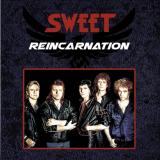
The year was 1985. The reformation of Sweet was under way. I had been hanging out with Mick Tucker and we’d talked about putting together a “new” Rock line-up of Sweet after the hiatus of the original band. I had recruited Phil Lanzon on keyboards and Mal McNulty on bass, now we needed the Voice! Paul Mario Day walked in and we looked no further. Paul was the original singer with Iron Maiden and had a stint with the band More before he joined Sweet. Our first dates were in Australia, total sell-outs which boded well for the future. Europe followed suit and 3 sold out nights at the original Marquee Club in London produced a live album, video and DVD. “Live at the Marquee” did well in various charts around the world and Paul’s vocal performance has stood the test of time. There were also tracks recorded at Pacific Studios in London which feature Paul’s incredible vocals. These recordings were meant to be the start of a new phase for Sweet but due to a management dispute only 4 tracks were released. Sadly Paul is no longer with us but the legacy is right here for everyone to appreciate.
The year was 1985. The reformation of Sweet was under way. I had been hanging out with Mick Tucker and we’d talked about putting together a “new” Rock line-up of Sweet after the hiatus of the original band. I had recruited Phil Lanzon on keyboards and Mal McNulty on bass, now we needed the Voice! Paul Mario Day walked in and we looked no further. Paul was the original singer with Iron Maiden and had a stint with the band More before he joined Sweet. Our first dates were in Australia, total sell-outs which boded well for the future. Europe followed suit and 3 sold out nights at the original Marquee Club in London produced a live album, video and DVD. “Live at the Marquee” did well in various charts around the world and Paul’s vocal performance has stood the test of time. There were also tracks recorded at Pacific Studios in London which feature Paul’s incredible vocals. These recordings were meant to be the start of a new phase for Sweet but due to a management dispute only 4 tracks were released. Sadly Paul is no longer with us but the legacy is right here for everyone to appreciate.
The year was 1985. The reformation of Sweet was under way. I had been hanging out with Mick Tucker and we’d talked about putting together a “new” Rock line-up of Sweet after the hiatus of the original band. I had recruited Phil Lanzon on keyboards and Mal McNulty on bass, now we needed the Voice! Paul Mario Day walked in and we looked no further. Paul was the original singer with Iron Maiden and had a stint with the band More before he joined Sweet. Our first dates were in Australia, total sell-outs which boded well for the future. Europe followed suit and 3 sold out nights at the original Marquee Club in London produced a live album, video and DVD. “Live at the Marquee” did well in various charts around the world and Paul’s vocal performance has stood the test of time. There were also tracks recorded at Pacific Studios in London which feature Paul’s incredible vocals. These recordings were meant to be the start of a new phase for Sweet but due to a management dispute only 4 tracks were released. Sadly Paul is no longer with us but the legacy is right here for everyone to appreciate.
The year was 1985. The reformation of Sweet was under way. I had been hanging out with Mick Tucker and we’d talked about putting together a “new” Rock line-up of Sweet after the hiatus of the original band. I had recruited Phil Lanzon on keyboards and Mal McNulty on bass, now we needed the Voice! Paul Mario Day walked in and we looked no further. Paul was the original singer with Iron Maiden and had a stint with the band More before he joined Sweet. Our first dates were in Australia, total sell-outs which boded well for the future. Europe followed suit and 3 sold out nights at the original Marquee Club in London produced a live album, video and DVD. “Live at the Marquee” did well in various charts around the world and Paul’s vocal performance has stood the test of time. There were also tracks recorded at Pacific Studios in London which feature Paul’s incredible vocals. These recordings were meant to be the start of a new phase for Sweet but due to a management dispute only 4 tracks were released. Sadly Paul is no longer with us but the legacy is right here for everyone to appreciate.
The year was 1985. The reformation of Sweet was under way. I had been hanging out with Mick Tucker and we’d talked about putting together a “new” Rock line-up of Sweet after the hiatus of the original band. I had recruited Phil Lanzon on keyboards and Mal McNulty on bass, now we needed the Voice! Paul Mario Day walked in and we looked no further. Paul was the original singer with Iron Maiden and had a stint with the band More before he joined Sweet. Our first dates were in Australia, total sell-outs which boded well for the future. Europe followed suit and 3 sold out nights at the original Marquee Club in London produced a live album, video and DVD. “Live at the Marquee” did well in various charts around the world and Paul’s vocal performance has stood the test of time. There were also tracks recorded at Pacific Studios in London which feature Paul’s incredible vocals. These recordings were meant to be the start of a new phase for Sweet but due to a management dispute only 4 tracks were released. Sadly Paul is no longer with us but the legacy is right here for everyone to appreciate.
No-one could have predicted the success of The 88, the first album from Minuit
(minwee), or how warmly it would be received. Equally no-one could have predicted that the band would return to the live arena a decade after their final fling or consider pressing their debut on vinyl for the first time.
Formed in Nelson, NZ in 1997, the trio cut their teeth playing regularly around the South Island’s underground club and festival scene. After a hiatus overseas, they began recording The 88 in 2002 in Ryan’s home studio. The lyrics were influenced by their travels around Europe and Ruth's time working for the UN in Kosovo and East Timor; the beats by The Prodigy, Portishead and the UK’s trip-hop and breakbeat scenes.
Signed to indie label Tardus, their tunes were eagerly picked up by the bNet student radio network, which then ballooned into high rotates on TV station C4, helped along by Alyx Duncan’s stunning video for Except You. A busy summer playing live every weekend for three months and seemingly universal praise from the music press led to them swiftly gaining gold sales.
Now 22 years later, with live shows looming, the trio have decided to revisit their debut, completing two previously unfinished tracks from the period to add a bonus to this inaugural vinyl release.
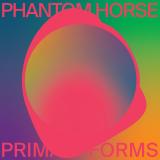
After their last album six years ago, "Primal Forms," the new album by Phantom Horse, finally arrives. The German duo of Ulf Schütte and Niklas Dommaschk have long established a reputation for expertly crafted, hypnotically slow-burning electronic music, and we do not hesitate to say that "Primal Forms" stands among the epitomes of their discography.
The sequencing of "Primal Forms" cannot be underestimated. It is an album in the classic sense. It demands to be listened to in its entirety, which also points to a closer affinity with Krautrock. Likewise, a touch of dub is perceptible, wafting around the songs, which, as usual, bear clandestine titles. It is not unreasonable to see in these compact compositions a clear statement against multitasking.
Phantom Horse are not trumpeters of dystopia. They present themselves resolutely, almost stoically, turned away from the world. This turning away is clearly a statement that can be contemplated in the Mariana Trench as well as in comet belts. In any case, it is best experienced in a space without any human beings. This does not mean that grumpy hermits are tinkering with synths behind closed shutters, armed with wooden walking sticks. This is still open minded music with a connection to current developments. The approach itself is what is audible, and with it, Phantom Horse proves once again that their main connection to time is timelessness.
In an age of all-encompassing distraction on every sensory, thematic, and semantic level, Phantom Horse explores the possibilities of reduction, searching for simplified melodic arcs without resorting to the vocabulary of classical minimalism. The overall impression is more electronic; the slowly shifting, polyrhythmic compositions repeatedly lead to a peculiar danceability. However, these are perhaps the dances of mechanical birds, undeterred by anything.
Written and produced in Hamburg, Nijmegen and Ojén by Niklas Dommaschk & Ulf Schütte
Mastering by Rafael Anton Irisarri at Black Knoll
Artwork by Daniel Castrejón
Iconic Atlanta quintet SEVENDUST is back with its 15th studio album, ONE, set for release on May 1, 2026 via Napalm Records. The upcoming full-length LP forges ten simultaneously lean and gut-punching tracks out of gargantuan riffs, seismic grooves, and signature soul-stirring hooks, once again produced by Michael “Elvis” Baskette (Alter Bridge, Falling In Reverse, Mammoth). The group, comprised of Lajon Witherspoon (vocals), Clint Lowery (lead guitar, backing vocals), John Connolly (lead guitar, backing vocals), Vince Hornsby (bass), and Morgan Rose (drums), busts down the door with the first single “Is This The Real You”. Its swaggering fretwork alternately wallops and gallops in lockstep with a pummeling rhythm anchored by thunderous drums. The riff rolls and seethes, and the vocals swing from guttural growls into the embrace of a jazz-y chantable chorus.
A hummable lead ties the bridge together. Echoes of a tensely picked single-note set the tone for “Threshold.” Lajon’s delicate delivery gives way to a contentious distortion-boosted refrain. Then, there’s “Unbreakable,” which has all the makings of a clarion call for the collective and a future live staple. Strains of soft piano slip into the undertow of a towering hook punctuated by a promise, “We were meant to be unbreakable… even when we’re at our lowest lows. And if it gets too cold, I’ll never let you go.” The title track succinctly sums up the record as a whole. Bellowing out of a maelstrom of roaring distortion, Lajon’s voice reaches heavenly heights. For over three decades, SEVENDUST have made countless fans feel a part of something special. The group’s community isn’t passive. Members of the “7D Army” make a very active commitment to being part of this family – as evinced by sold-out shows worldwide and innumerable tattoos of the band’s logo and lyrics. Since 1994, the band has quietly built a legacy without parallel, encompassing sales of nearly eight million albums, a GRAMMY® Award nomination for “Best Metal Performance,” three Top 15 entries on the Billboard 200, hundreds of millions of streams, and the fierce loyalty of millions of listeners in every corner of the globe.
Sugar, 1992 von Bob Mould (Hüsker Dü) zusammen mit Bassist David Barbe und Schlagzeuger Malcolm
Travis gegründet, feierte mit ihrem gefeierten Debütalbum „Copper Blue“ schnell große Erfolge. Das
Album gilt als eines der prägendsten der 90er-Jahre, dank seiner Mischung aus eingängigen Melodien und
kraftvollem Gitarrenspiel. Die Nachfolgealben „Beaster“ und „File Under: Easy Listening“ festigten den
Ruf der Band, bevor sie sich 1995 auflöste. Dreißig Jahre später sind Sugar nun wieder vereint und kündigen
neue Konzerttermine an, darunter drei Abende in der New Yorker Webster Hall und zwei im Londoner Off
Kentish Town Forum. Anlässlich dieses Jubiläums veröffentlicht die Band zwei brandneue Songs – „House
of Dead Memories“ und „Long Live Love“ – die nun erstmals auf schwarzem 7-Inch-Vinyl erhältlich sind.
On Layaway Plot, Pretty Baby weaves elements from turn of the century Dischord bands, the emotive Richmond punk scene, the cerebral experimental rock of Olympia, and angular post-punk revival. Piercing guitars, frenetic bass and chaotic drums pulse under layered unsettling synth pads and desperate, throaty vocals. At their apex, distorted walls of sound finally crash and from the dust emerge plaintive and melancholy instrumental sections.The resulting sound pays homage to the progenitors of post-hardcore while resisting the traps of nostalgia. Layaway Plot finds the band vulnerable, angry, sardonic, and at times defeated. But never without hope. Now fully realized, Pretty Baby is a band equally at home in art galleries, basements, and punk clubs alike.
Masterful composer- improviser DoYeon Kim is an unparalleled practitioner of the Korean gayageum (a silk-string zither), and is also in possession of a purposeful vocal intensity. This is her debut album as a bandleader, featuring fellow master musicians Tyshawn Sorey (drums), Mat Maneri (viola), Henry Fraser (bass). Armed with an unlikely traditional instrument, flanked by three extraordinary improvisers, radiating a brash, acoustic strategy that simultaneously invokes folk universalism and a No Wave battle- stance, the Brooklyn- based virtuoso will drop a volcanic sonic statement with grand humanist goals on May 1. Kim mingles Korean lullabies, fervent interactions between drums and strings, and pure instrumental expressions of musical self. At times, she sounds like she can halt armies. Wellspring is a call for society to come together.
How the Seoul, South Korea- born 34- year- old came to be the centuries- old zither's leading (only?) practitioner of contemporary improvised music, reflects an expansive embrace of her own culture, her place in modern society, and her ascending recognition of music's liberatory power. DoYeon Kim 's teachers at Seoul National University recognized that her roving musical mind - less interested in ancient repertoire than in speaking to the modern world - needed challenges. America beckoned, with the New England Conservatory offering a non- ethnomusicological pathway via its Contemporary Improvisation department. It set off a process of analysing, absorbing, digesting, and, most of all, listening. Under the guidance of NEC instructor and legendary guitarist Joe Morris, in came the methodologies of Ornette, Braxton and Derek Bailey, to name a few.
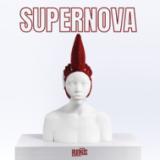
He's worked as an artist, producer, songwriter, and scorer for the past decade, "winning a MOBO (for his work on Bashy's Being Poor Is Expensive)", as well as being nominated for GRAMMY, Juno, and Ivor Novello Awards, along the way. Recently, Runkus felt a deeper calling towards the world of visual art, which has lead to working with Bahamian artist Tavares Strachan, whose multi- disciplinary output has earned him a MacArthur Genius Prize. With the new album, SUPERNOVA, which includes guest appearances by Sean Paul and Peter Tosh, they have reignited a seamless collaboration of music and art, following in the footsteps of pairings like The Velvet Underground & Andy Warhol, Kanye West & Virgil Abloh, and (closer to Runkus's home country of Jamaica) Bob Marley & Neville Garrick. Roots reggae, thumping bass, dancehall energy, and deep lyricism merge together to tell a story of life and death, the sheep and the wolf, the version of you that has to die for the next one to be born, all elements of SUPERNOVA
With Diving Inward, the first release under the alias Dziad, Aleksander Filipiak melds the frigid indifference of synthesised textures with exploratory re-imaginations of his first instrument as an industrial buzz saw of unpredictable metallic fluctuations. The sonic landscape is a tribute to a multiplicity of (once) cutting edge, experimental techniques from the golden age of electroacoustic composition, combined with the composer’s enduring love for organic and unpredictable textures, transportive folk motifs and hypnotic pads.
Recorded in the winter 2022, this amalgam of the tangible and imaginary, shudders and re-lives a sombre season of isolation and loneliness. The pieces stand as an ode to the optimistic acts of play and creativity; an antidote to a reality which, at times, feels tolerable at its best. With this release, Filipiak encapsulates emotions that are overdue to be left behind. Shelve them for another day.
The series, written and directed by Flo Van Deuren and Kato De Boeck, tells the story of Bibi and Ama, two lesbian girlfriends in their twenties.
Hoping to become a better version of themselves, they move in together at a flat in Brussels. Each in their own way, but under the same roof, they come to new insights: life has no manual, love even less and themselves even less so. The result is an intimate series full of humour and familiarity.
Musically the series is coloured by an exclusive soundtrack and homegrown songs: 7 female or non-binary artists from Belgium were asked to write a song. Lara Chedraoui & Patrix, Juicy, Miss Angel, Tessa Dixson, Oriana Ikoma, Ana Diaz, SPACEBABYMADCHA and Mick Lemaire crept into their musical pen. The series also features existing songs by artists such as Martha Da’ro, Aili, B1980 and Fatal Error to showcase a maximum of local musical talent.
SILENCER's merciless emotional firestorm "Death – Pierce Me" is one of the few albums truly deserving the designation ‘cult’. From humble beginnings in the extreme underground, it rose to become a widely acclaimed masterpiece with a massive following.
To celebrate the album’s 20th anniversary, Lupus Lounge reissues this pioneering depressive metal milestone in lavish editions worthy of its legacy. "Death – Pierce Me" will be available as a 48-page hardcover CD book edition including a bonus track, and as part of a complete box set featuring a gatefold vinyl edition, a 12" version of SILENCER’s 1998 demo, and additional bonus materials.
When SILENCER released their sole full-length album under the same title as their 1998 demo, the time seemed ripe for an emotionally devastating strain of black metal incorporating doom elements and expressing bleak emotions of bereavement, loneliness, and despair. This emerging subgenre became known as ‘depressive black metal’, sometimes more extremely labeled ‘depressive suicidal black metal’.
Around 1998, this movement coalesced around Swedish acts SILENCER and SHINING, alongside Quebec’s MALVERY and US band XASTHUR, drawing influence from earlier pioneers such as Norway’s STRID and Germany’s BETHLEHEM.
While SHINING gained notoriety, SILENCER faded into obscurity, surrounded by rumor and legend. With only one historical interview, no live performances, and no follow-up album, the band became mythic. Through word of mouth alone, "Death – Pierce Me" continued to grow in stature, culminating in an IMPALA Silver Award in 2021 for 20,000 verified European sales.
This is the age of post-factual lies, which is reflected in MESH's album title "The Truth Doesn't Matter" and a dark undertone that occasionally seeps into their new songs. What remains entirely true is the fact that the UK duo has a nearly uncanny knack for writing electronic hits that are as elegant as they are captivating. "The Truth Doesn't Matter" bursts out like a sparkling firework while subtly referencing three decades of electronic music spanning from GIORGIO MORODER, YAZOO, and DEPECHE MODE via GARBAGE and MASSIVE ATTACK to more contemporary artists. At the same time, MESH always maintain their easily recognisable and unique musical identity as well as the trademark sounds that they have cultivated since their beginnings in the early nineties. With "The Truth Doesn't Matter", MESH climb yet another rung on the ladder leading to electronic music heaven. Each song wriggles its way happily into the brain and sticks around leading to spontaneous whistling of melodies and the public singing of extremely catchy chorus lines. You have been warned: "The Truth Doesn't Matter" is highly infectious and leads to a happier life!"
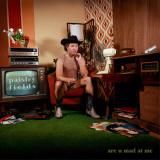
Are U Mad At Me marks a huge, cowboy boot-wearing step for the Brooklyn-based songwriter. Fields proves that genre is as fluid as sexuality, as the album saunters across country, pop, disco, grunge, and classical with ease. Across 12 tracks, Fields traverses bangers like power pop lead single “Party Girl” and two-stepping second single “Hands Off The Hat” (co-written with Grammy award-winning songwriter Melody Walker) all the way to tragic ballads like “Apalachicola to Tallahassee” (co-written with Karen Pittelman of Karen & The Sorrows) and the closing “Uncle Charlie’s.” He makes light of gender-neutral bathrooms marked with unicorns instead of stick figures in the guitar-driven “Pronoun Meltdown” and calls out a husband cheating on his wife with another man in the tragicomic ballad of “You Should Tell Your Wife.”
Are U Mad At Me arrives at a pivotal time in the roots music scene and the world at large. Fields, who is now rapidly becoming one of New York City’s queer country leaders — through his East Village residency at Lucinda Williams’ new honky tonk and dive bar and through his musical mentorship work through The Recording Academy — has been working tirelessly for this moment for more than a decade. Performing under this moniker since 2013, Fields has released three LPs and two EPs. He’s recorded on queer country pioneers Lavender Country’s 2022 reunion album, Blackberry Rose, and served as the band’s touring pianist. Additionally, his 2023 protest song duet with Mya Byrne, “Burn This Statehouse Down,” made it onto NPR music critic Ann Powers’ list of favorite songs of the year.
Call it soulful dream pop, proto-trip hop or downtempo jazz - "Tender Rain" is the follow-up LP to the successful "This Is" album and continues to deliver Ghia's unmistakable sonic magic. On this release, the band shares a selection of previously unreleased vocal songs alongside instrumental pieces, all carried by their trademark chilled and almost meditative atmosphere. Most of the recordings date from the early 1990s, while early demo versions of "New Love" and "Teardrops in Your Eyes" may reach back as far as the late 1980s.
The album opens with the title track "Tender Rain," where smooth vocal jazz harmonies merge effortlessly with soulful pop elements. The track originally appeared only on CD in 1993 on the small Mikado label run by renowned German guitarist Ulli Bögershausen. The band recalls that the piece was first pre-recorded using MIDI equipment and a Tascam 16-track recorder before being completed in the studio with drums by legendary drummer Mickie Stickdorn (Carsten Bohn's Bandstand, Cyklus, Elephant, Lake), percussion by Corinna Ludzuweit, and the final touch-Lisa Ohm's remarkable vocals.
At the time, Mikado was also looking for instrumental material for radio and synchronization use. They selected the track "Tropfstein" for a sampler CD and requested more pieces. In response, "und recken ihre schlanken Glieder" (roughly translated as "and stretching their slender limbs") was composed especially for the project, as Frank Simon remembers. Both tracks appeared on the now rare Mikado sampler CD under the alias z. Zt., short for "zur Zeit" ("at present" or "these days").
Several further pieces in a similar vein were created during this period, including the previously unissued "Auf unserm grünen Sofa," "Reise bei Nacht," and "Was ich Dir noch sagen wollte." These tracks are beautifully crafted downtempo pieces featuring smooth, jazzy piano lines combined with touches of ambient and New Age aesthetics. "Auf unserm grünen Sofa" stands out in particular and will likely resonate with all downtempo enthusiasts. Lutz Boberg recalls that many of these recordings were captured during a single afternoon in the studio, fueled by spontaneous ideas and creative momentum.
On tracks such as "Teardrops in Your Eyes," "New Love," and the haunting Dark Spirits Mix of Ghia's song "What's Your Voodoo?", singer Lisa Ohm delivers soulful pop performances with her clear and captivating voice. "Change Your Sex," the third track previously featured on the Mikado sampler, leans more toward late-1980s funk and was aimed at radio and DJs at the time. Its subject matter was relatively daring for the period, telling the story of someone contemplating a change of sex "to get rid of the troubles."
Together with "This Is" and "Curacao Blue", "Tender Rain" forms another essential chapter in the rediscovery of the band's work. More than thirty years after their creation, these recordings still sound strikingly fresh, reflecting a unique style that in many ways anticipated the rise of trip-hop in the early to mid-1990s.
"What if, alongside the mainstream history of music, with careers and discographies spanning ten or fifty years from album to album, there was an underground, minority history, that of artists and projects with only one record? A flash, a burst of brilliance, a gem, but no follow-up, no repetitions, no decline.
"This will most likely be the case for this album by Amarante-Cerisier, a duo formed by Mauricio Amarante (RadikalSatan, Équipage, travelling companion of Canan Domurcakli and Austin Townsend) and Marine Debilly Cerisier (dancer, performer, writer, co-founder of alternative cultural venues in Marseille and Brussels), with these eight poetic songs in French having more in common with the visionary essence of certain songs from the early 1970s (Brigitte Fontaine-Areski, for example) than with the post-modernism of the ‘nouvelle chanson française’ of the1990s and 2000s.
"But – and this is undoubtedly no coincidence – this is also the case for two unique albums, which had no immediate follow-ups but which, 50 and 20 years after their release, inspired Mauricio and Marine's album and discreetly found their way into it:
"At the very end of the 1960s, Tchékov Minosa (Marine's grandfather) embarked on a journey to the East with his partner Brigitte de Saint-Preux, during which they were married ten times, in ten different traditions (in Kurdistan, among the Kuchi people of northern Afghanistan, among the Kalash people of north-eastern Pakistan, in Rajasthan,etc.). This three-year journey was documented in numerous articles in the European press, in documentaries, in a book... and on a double LP of traditional music recordings released in 1973 by Le Chant du Monde. And sampled today by Mauricio Amarante at the end of the track ‘Parfois’.
"In the early 2000s, Austin Townsend, a tall, bony figure, washed up on the banks of the Garonne River near Bordeaux, arriving from New Zealand. With a voice that was sometimes very Bob Dylan-esque, at other times buried in the gravelly depths of the low frequencies, he strung together contemporary blues songs on his only album, Introvenus (Potagers natures, 2007), beautifully accompanied in subtle tones on banjo and double bass by Mauricio and Cesar Amarante (alias Radikal Satan). Beyond this unique record, Mauricio played extensively with Austin in concert. And when his friend died in the spring of 2024, he received his guitar, used the instrument for some of the tracks on the upcoming Okraïna record, and decided to dedicate the album to him.
"In our conception of music, fleeting appearances, unexpected reunions, and timeless records outside the dictates of current musical trends thrill us more than overly well-planned career paths."
Fresh from the success of his debut solo LP ‘How To Kill A Butterfly’ out last year on High Focus Records, Farma G returns with the anticipated full-length follow up ’Nearly Nothing’s Enough’.
An album anchored in his notorious musical adventures as 1/2 of Task Force, Bury Crew and Mud Family, but very much informed by the state of 2026 Britain and beyond, Farma’s new body of work is fuelled by equal parts venom and deep introspection across 12-tracks courtesy of Brighton based producer Relense.
With one eye on following ‘How To Kill A Butterfly’ with something of equal standing, Farma revisited the fundamentals in the hope of better understanding what he really wants to say with the music he makes. By channelling feelings of familiarity and seeking out emotional connections to his past he created a record that feels both concise and expansive.
With the help of Relense’s gritty analog instrumentals, Farma found himself journeying across subjects and bandwidths; from exploring the mind of a conspiracy theorist on ‘X-Files’, to being a zen master with a mountain on his back on ‘Sun Wukong’, before returning to earth for a typical day in the life on ‘Mr Moany’, ‘Nearly Nothing’s Enough’ is an album that took Farma home and he is delighted to welcome you on the journey.
Fresh from the success of his debut solo LP ‘How To Kill A Butterfly’ out last year on High Focus Records, Farma G returns with the anticipated full-length follow up ’Nearly Nothing’s Enough’.
An album anchored in his notorious musical adventures as 1/2 of Task Force, Bury Crew and Mud Family, but very much informed by the state of 2026 Britain and beyond, Farma’s new body of work is fuelled by equal parts venom and deep introspection across 12-tracks courtesy of Brighton based producer Relense.
With one eye on following ‘How To Kill A Butterfly’ with something of equal standing, Farma revisited the fundamentals in the hope of better understanding what he really wants to say with the music he makes. By channelling feelings of familiarity and seeking out emotional connections to his past he created a record that feels both concise and expansive.
With the help of Relense’s gritty analog instrumentals, Farma found himself journeying across subjects and bandwidths; from exploring the mind of a conspiracy theorist on ‘X-Files’, to being a zen master with a mountain on his back on ‘Sun Wukong’, before returning to earth for a typical day in the life on ‘Mr Moany’, ‘Nearly Nothing’s Enough’ is an album that took Farma home and he is delighted to welcome you on the journey.
Salon Records is proud to welcome Lil Mark & Jason Hodges for the single Wait. Pure house anthem with a strong focus on groove and funky drums declined also in an instrumental version. Stuttgart based producer Anneke Laurent, known for his production with Markus Schatz under Neverm!nd, delivers a classy deep house version of Wait, while Moritz Piske & Antislash, long label buddies joined their forces to produce a badass remix, slightly more funky, minimal and full of off beat humour.
Red Axes step into the fabric presents series with a release that feels both inevitable and deeply personal. Known for their hypnotic, psychedelic approach to club music, the Tel Aviv–based duo bring a narrative-driven sensibility that aligns seamlessly with fabric’s legacy of long-form storytelling and forward-thinking curation.
Across years of performances at fabric and other key global institutions, Red Axes have developed a reputation for sets that unfold patiently and unpredictably, drawing dancers into a world where groove, tension, and atmosphere take precedence over genre or trend. Their contribution to the fabric presents series reflects this ethos: a carefully sculpted journey that prioritises mood, momentum, and emotional depth, while remaining firmly rooted in the physical language of the dancefloor.
Formed by Dori Sadovnik and Niv Arzi, Red Axes emerged from Tel Aviv’s underground with a sound shaped by post-punk, acid, krautrock, and cosmic disco influences. Over the past decade, they have built a catalogue defined by raw textures, twisted melodies, and a distinctly human looseness, qualities that translate as powerfully in the club as they do on record. Their releases and remixes for labels such as Phantasy, Correspondant, Running Back, Dark Entries, and Permanent Vacation have established them as artists who consistently operate just outside the expected.
As DJs, Red Axes are celebrated for their ability to stretch time on the dancefloor, weaving obscure selections, unreleased material, and leftfield classics into slow-burning, trance-inducing narratives. This approach has seen them invited to venues and festivals including Panorama Bar, De School, Bassiani, Dekmantel, Sonar, and Primavera Sound, where their sets are defined not by peaks alone, but by the tension built between them.
With the forthcoming fabric presents Red Axes release, the duo deliver a statement that captures years of shared musical intuition and a deep respect for the club as a communal, transformative space. It is a mix that rewards close listening as much as physical immersion, a snapshot of Red Axes at their most focused, expressive, and uncompromising.
To mark the launch of their forthcoming fabric presents album, the duo unveil the lead single, “Hot Rod To Hell”, a bold reworking of Man Parrish and Roy Garrett’s 14-minute spoken-word electro epic, reimagined through Red Axes’ signature psychedelic lens.
Stripped back and refocused, the original’s narrative tension is transformed into a hypnotic, downtempo house track built for late-night immersion. A rolling, elastic groove anchors the track, while pulsing low-end, subtly warped synth lines, and tightly controlled percussion create a sense of slow, smouldering momentum. The spoken vocal elements drift through the mix like fragments of memory, lending the track a ritualistic, cinematic quality without overwhelming the dancefloor.
out of Stock
Last delivered 73 days ago available to reorder, subject to availability
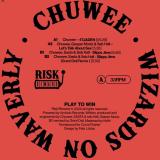
Risk/Reward’s third installment comes from Brooklyn-based California native Chuwee, a rising star with records in the bags of the scenes most discerning selectors. Teaming up with homies Sasta, Seb Hall and Gaspar Muniz to form the Wizards on Waverly, they deliver a wildly creative and versatile collection of funk-drenched floor fillers.
On the a side: 4TJADEN combines crunchy electro house drums with a twisting, monstrous analog bass lead and 80s synth pop strings, before euphoric chords and a killer acid line send this one in to the cosmos!
Let’s Talk About Sex is a big, bad, booty bouncing slice of West Coast electro funk. An ultra groovy and addictive bass line, naughty vocals, spooky synth lines and rays of acid sunshine straight from California, make for an infectious party cut that gets the floor rocking every time.
On to the b-side: Slippy Jim’s is a laid back, dubwise, chugger, perfect for warming up, day time sessions or late in the afters. Crunchy analog drums patter over a warm, playful bass groove, speckled with dubby stabs, an imposing synth lead and vintage Jamaican spoken word vocals transport you to Kingston after party where the rum and vibes flow in equal measure.
Pioneer of the dub tech house sound Grant Dell delivers a gargantuan remix, with enough weight to break even the sturdiest of scales. Chunky yet detailed drums, a sub-heavy & driving bass line, acid squelchs and dubbed out stabs create an absolute weapon of a track, with a truly epic breakdown featuring a legendary vocal that gets right under your skin and stays there.
Heavy support from Enzo Siragusa, Harry McCanna, Bushwacka!, Dyed Soundorom, Anna Wall, CHKLTE and more.
out of Stock
Last delivered 17 days ago available to reorder, subject to availability
Belgian electronic body-music pioneers A Split-Second deliver an expanded reissue of their influential 1987 debut Ballistic Statues, a landmark of the New Beat and EBM movement. Blending dark electronics, cold-wave tension and precision-driven sequencing, the album helped define a pivotal moment in the late-80s European underground.
This new edition brings together all tracks from the original album and enhances them with essential recordings from the same era, including the band’s complete 1986 debut EP (A Split-Second), the cult Smell of Buddha, and additional period material.
Pressed in a limited run of 500 copies (200 on clear blue and 300 on black vinyl) housed on a gatefold sleeve with a reproduction of the original lyrics insert, an exclusive poster and one postcard.
Ballistic Statues remains a defining statement—raw, innovative and far ahead of its time. This reissue brings together the core foundations of A Split-Second in one essential collection making it ideal for both long-time followers and new listeners discovering the band.
out of Stock
Last delivered 5 months ago available to reorder, subject to availability
From the depths of the most independent and revolutionary underground, a handful of tracks from the repertoires (often limited even to a single flexi disc) of some of the heroes who rode the wave, extracting from it—more for themselves and expressive necessity than for us—its most mystical and expressionist essence. New and No Wave, minimal and minimalist electronics, Avant Wave from the land where the sun still rises for now.
out of Stock
Last delivered 5 months ago available to reorder, subject to availability
Decka's first release on Semantica is one of the strongest contributions to date from a new signing. Relentless and refined material which we understand as new techno standard moving in between classic and contemporary approach.
out of Stock
Last delivered 28 days ago available to reorder, subject to availability
A true hidden gem from the early days of the internet, TRANCEFELD’s “Love Song” finally resurfaces more than twenty years after its creation.
Originally composed in 2002 by the underground German producer, this cult deep house track, defined by its unforgettable bassline, psychedelic vocals, and delicate violins, now receives a long-awaited official re-release. It arrives alongside a brand-new single, “Echoes Within Silence,” a hypnotic tech-house journey that immerses listeners in a world of rhythm and emotion. TRANCEFELD’s timeless, Berlin-infused sound is back.
out of Stock
Last delivered 25 days ago available to reorder, subject to availability