Reissued on vinyl for the first time since its original release in 2011.
Detroit underground hip hop heroes Black Milk and Guilty Simpson joined forces with Brownsville's finest Sean Price on this 2011 supergroup effort, with hard beats, harder rhymes, and A-list guest appearances including Danny Brown, Roc Marciano, and more.
Following the success of the "Out Of Luck" single, we're wrapping up the Ghia reworks chapter with "The Other Side" - a dynamic 12" vinyl loaded with three contemporary funk tracks and three instrumental cuts.
The release starts off with the title track on which we can hear another collaboration with vocalist Adriano Prestel. The song is built on the foundation of "Message From The Other Side," a synth-funk instrumental from last year's "Don't Stop" LP. Jim Dunloop has skillfully rebuilt the infectious grooves from scratch, and guitarist Lucy Liebe has contributed to the guitar elements. Interestingly, the 1985 original version contained vocals that were preserved on a demo tape. These original lyrics conveyed the idea that everyone should learn to listen to the other side. Adriano picked up this idea and wrote new verses and a new chorus, beautifully transforming the song into a soulful bliss. In today's world, the message remains relevant: without listening, understanding, and compromise, solutions are elusive.
Next up, DJ Friction takes "Out Of Luck" to new heights with a remix infused with electro-funk. The synth bass replaces the original, a punchier kick and a clap snare give it a classic boogie feel. Additional strings on the chorus and an extended build-up complete the transformation, making it a fantastic tune for any DJ set.
Marian Tone returns to remix "The Other Side" in the '85 rework, blending parts of the original song with replayed instruments from the studio sessions. He adds clav sounds and retains the original marimba keys by Ghia's Lutz Boberg. If you are into the 80s vibes, this rework will be your choice.
The flip side features instrumental versions that, even without vocals, are a special treat for all boogie and funk enthusiasts. Last but not least, the release includes the original mixdown of "Out Of Luck" from when the recording was finalized at Ed Longo's Soundrays studio - offering a different take from the instrumental version on the previously issued 45 single.
The 12" is presented in a full-picture sleeve designed by The Raincoatman, also known as label owner DJ Scientist.
out of Stock
Last delivered 2 years ago available to reorder, subject to availability
Stuntbike, fronted by Truls Haugland, were formed and based in Flekkefjord, Norway. They started as many of their peers with a handful of seven-inch releases wich gave them recognition in both the Norwegian and international pop underground. The debut album was later released on the local label Smalltown Supersound. A label run by Truls' brother Joakim, and that is now one of the most renowned labels for electronic music in the world. When the album came out in 1998, the press were quick to draw parallels to bands like Sebadoh, Seam and Sonic Youth. This is the first time is available on vinyl.
With two critically acclaimed albums and a swathe of award-winning production turns under their belt, Ana Frango Elétrico present their most confident and accomplished work to date: Me Chama De Gato Que Eu Sou Sua / Call Me They That I’m Yours. Gesturing to a tradition of Brazilian boogie music, but bouncing with modern pop ebullience, the album sees the Rio artist evolve from a captivating upstart into a surefooted scene leader in full stride.
At just 25, the prolific artist and producer has already garnered worldwide admirers. Ana’s sophomore Little Electric Chicken Heart was nominated at the 2020 Latin Grammys. Since then, standalone singles have received the WME ‘Best Music Producer’ Award, recognising Ana’s deep passion for music production – a passion which has led to collaborations with nascent Brazilian stars Dora Morelenbaum, Illy and Sophia Chablau. Most recently, Ana was hailed for their co-production of Bala Desejo’s 2022 Latin Grammy-winning album Sim Sim Sim.
The new album finds Ana at their most assured and full voiced. Album opener “Electric Fish”, with funky bass and shimmering backing vocals, sets a buoyant tone. “Boy of Stranger Things” is its bombastic counterpart. It’s the grooviest Ana has ever sounded. And the most brazen. Lyrically, where Ana was once oblique on personal matters, they are now forthright – lucidly exploring their gender identity, citing accessible cultural references, and often singing in English.
“I started this album in 2021 with the intention of showing, in means of sound, understandings and feelings about queer love, subjectively exposing myself,” the non-binary artist states – before qualifying that though “feeling was its driving force, the album is really about musical production.”
“There’s so many references to different decades,” Ana explains. “Seventies drums with eighties processing … Going back, getting beyond … Testing the limits of organic sounds”. Characteristically playful, on Me Chama, Ana takes vivid and rewarding detours through funk-inflected R&B (“Dela”) and art pop (“Dr. Sabe Tudo”). “Nuvem Vermelha” is a cinematic chanson with lush strings that recalls Arthur Verocai. Then, “Coisa Maluca” loafs with the indie insouciance of Canadian slacker Mac Demarco. Later, “Let's Go Before Again”, is a full-on drum machine workout evocative of Stereolab.
“Even if people don't find my own references here, they'll find theirs,” observes Ana. “Maybe that’s this record’s biggest goal.”
The Left Side is the latest body of work from the Iggy Pop-endorsed teens since the release of their acclaimed second EP We Aren’t Getting Out But Tonight We Might in summer 2022. With Saul at the creative helm, The Left Side is a mature and cerebral body of work with Saul once again writing and producing the entire EP (with co-production by Ali Chant (Yard Act, Katy J Pearson, Dry Cleaning) on ‘Conman’ and ‘ITSA’). Written in Saul’s bedroom, the EP is a retrospective insight into the young band’s journey so far as they tie up their teenage years.
A coming of age saga, the EP acts as a vehicle for Saul to dive into the psyche behind emotional evolution, and to unpack the complexities of maturity and the ability to say goodbye to the past. These themes present themselves not only in the songs, but right down to the title of the EP itself - which refers to the fact that the left side of the brain is responsible for comprehension.
Summarising the EP, Saul says: “It’s the closest we have been to knowing what picture we want to paint. It’s another window into the musical space we wish to explore, yet I think we’re closer to having our sound. I think the project signifies the end of a section in our lives, moving out from the haze of the moment and reflecting on our teenage years and all its chaos with more understanding.”
L’objectif have drawn instant acclaim across their two EPs to date with support coming from key tastemakers at 6 Music (where previous single ‘Feeling Down’ was daytime playlisted after being premiered by the station’s Steve Lamacq) such as Amy Lamé, Tom Robinson, and of course Iggy Pop, BBC Radio 1’s Jack Saunders (who made the band his Next Wave featured artist and featured
‘Burn Me Out’ and ‘Do It Again’ as Daily Delivery) and Gemma Bradley, Radio X’s John Kennedy, Apple Music 1’s Matt Wilkinson, and Australian national broadcaster triple j. The effervescent young band have already received ‘ones to watch’ tips from national media outlets NME (First On), The Line Of Best Fit (On The Rise), The Observer (One to watch), The Sunday Times Culture (Breaking Act), and more.
What Do We Do Now is the fifth solo studio LP recorded by J Mascis since 1996. This is obviously not a very aggressive release schedule, but when you figure in the live albums, guest spots, and records done with his various other bands (Dinosaur Jr., The Fog, Heavy Blanket, Witch, Sweet Apple, and so on), well, to paraphrase Lou Reed, "J's week beats your year." What Do We Do Now began to come together during the waning days of the Pandemic. Utilizing his own Bisquiteen Studio, J started working on writing a series of tunes on acoustic with a different dynamic than the stuff he creates for Dino. "When I'm writing for the band," he says, "I'm always trying to think of doing things Lou and Murph would fit into. For myself, I'm thinking more about what I can do with just an acoustic guitar, even for the leads. Of course, this time, I added full drums and electric leads, although the rhythm parts are still all acoustic. Usually, I try to do the solo stuff more simply so I can play it by myself, but I really wanted to add the drums. Once that started, everything else just fell into place. So it ended up sounding a lot more like a band record. I dunno why I did that exactly, but it's just what happened." Two guest musicians are playing this time out; Western Mass local Ken Mauri (of the B52s) plays piano on several tracks. Since J himself has some experience with keys, when asked why he needed a hired gun, he says, "Ken is great, and he plays all the keys. I tried playing some keyboards on the first Fog album, but I'm really only comfortable playing the white notes, so it's kind of limiting. laughs Nowadays, I could just turn the pitch on a mini Mellotron to play different sounds, but black keys just seem hard. For whatever reason, I just like banging on the white ones. Seems like it's harder to figure out how to stretch your fingers around the other ones." Mauri has no such qualms and plays all the keys very damn well. He sounds especially great on "I Can't Find You," where he is Jack Nitzsche to J's Neil Young, creating one of the album's loveliest tunes. The other guest musician, Matthew "Doc" Dunn, is also prominent on this track. Dunn's steel guitar manages to both widen and soften the musical edges of the music, giving it a full classicist profile. Dunn is an Ontario-based polymath who J met through Matt Valentine. After J played on Doc's great 2022 Sub Pop single, "Your Feel," he figured it was time for payback. Both Dunn and Mauri add beautifully to the songs here, helping to transform them from acoustic sketches into full-blown post-core power ballads. What Do We Do Now is the finest set of solo tunes J has yet penned, and the way they're presented is just about perfect. Asked if he would be touring to support the album, J says he'll be doing some weekend dates, but he probably won't be putting a band together. And I'm sure these songs will sound great solo and acoustic, but the arrangements on this album are truly great and put a cool, different spin on Mascis' instantly Recognizable approach to making music. So, what do we do now? Not sure. But apparently, what J does is to make one of his most killer records ever. Hats off to him. - Byron Coley
out of Stock
Last delivered 2 years ago available to reorder, subject to availability
Suffolk-based singer songwriter James Varda’s fourth and final album before his death from a long battle with cancer in 2015, Chance And Time, set for a vinyl only reissue on Unspun Heroes is an astonishing aural document of a creative, forward -thinking musician coming to terms with a life slowly evaporating away. There is hubris, melancholy and an undeniable weight of sadness in these ten songs but, miraculously, there is also a stoic realisation and acceptance from Varda that is both heart-wrenching and deeply affecting. On Chance And Time Varda reconnects the human spirit to the land, a heavy, fearful heart to an optimistic soul, and in a beautiful poetic flourish gives a real tangible sense of loving and hope to his family and friends offering genuine reassurance and even, at times, a green light for celebration.
Carrying a certain air of mystique, that same sense of a ‘other worldliness’ if you will of say a Karen Dalton or a Jeff Buckley, Varda’s delivery and tone carries huge emotional weight here and an unique ability to add an honest perspective and warmth to the starkest of realities. The hard hitting impact of the opening tracks is blunt and sharply defined. There is pain, hardship, and fear wrapped in these tales - ‘The Doctor Spoke, Two Hearts Broke” - made all the more hitting as this is a real life journey in the here and now being catalogued. As we move towards the second half of the record there is something even deeper and truly incredible at play. Varda’s whole demeanor is one of understanding and acceptance - hear the celebratory shamanic vibe of the extraordinary ‘Pass It On’ and the poignantly reflective, chokingly sad finale ‘We Won’t Dream’ - bringing to an end a record that will leave a mark on everyone who hears it. Real art is both timeless and omnipresent, these songs from James Varda will hang in the air forever and be there for those who look to find understanding, joy and a sense of hope. Chance And Time is both an extraordinary record and poignant study of life and living, of death and what comes after.
James Varda released four albums between 1988 and his death in 2015. A fledgling career beginning on the singer-songwriting folk scene where his arrival was met with both curiosity and critical acclaim as was his debut, the John Leckie produced Hunger. Any momentum was lost however as it would be ten years before the next, In The Valley was met with a ruffle of applause. Cancer took hold of the troubadour and for a number of years Varda lived life and wrote songs until The River And The Stars appeared like a phoenix from the flames as he began to wrestle with the realities of his situation. It’s a record that beautifully lays the ground for this his masterpiece that was to follow.
Unspun Heroes, a new label set up by Simon White, has the sole purpose of finding and reissuing albums that he considers both undervalued and seemingly ignored. All releases will be on vinyl only complete with Obi strip and extensive liner notes. Each will be individually numbered and limited.
One of the most successful and enjoyable debuts in history, The Cars' self-titled album doubles as a greatest-hits collection. That's because not one song here is unrecognized or unknown. A huge reason why the Boston quintet became America's most popular new-wave band, The Cars launched eight tracks still regularly heard on radio stations everywhere. Consider the hit list: "You're All I've Got Tonight." "Good Times Roll." "Just What I Needed." "Moving in Stereo." "My Best Friend's Girl." "Don't Cha Stop." If you're a fan of pop music, this album is mandatory. Just call it the best new-wave rock album ever made.
And now, The Cars sounds better than it has in any previous incarnation. Mastered from the original analogue tapes, Mobile Fidelity's numbered-edition LP allows the music's oscillating rhythms, futuristic keyboard passages, panned stereo images, and rippling textures to be experienced like never before. The songs take on a surreal quality, the Cars manipulating the vibrant music at will to mesmerize the listeners' senses and hold them at bay. Mobile Fidelity's pressing epitomizes the sensation of "moving in stereo."
Led by Ric Ocasek and Benjamin Orr, the Cars managed to unite then-disparate styles: bubblegum pop melodies, angular art rock, progressive arrangements, and terse minimalism. Orr's low, understated singing and Ocasek's cool, detached vocals lend shades of doubt and double meaning to the lyrics, which are further counterbalanced by orchestral keyboard flourishes and electronic beats. The brilliant arrangements also benefit from a laidback cool and understated irony that remain uncommon in the over-the-top world of mainstream music. Obsessed with incorporating the latest technologies and sounds into its palette, the band spiced its tunes with delightfully quirky accents — country-tinged guitar fills, echoing Syndrums, reggae splashes, hard-rock tones, robotic pulses.
The results are the sounds of a creative landmark. At once accessible and eccentric, edgy and catchy, The Cars explodes with emotion, energy, and hooks. It's impossible not to get caught up humming and singing along to every song, an appeal that comes courtesy of Roy Thomas Baker's stellar production. The legendary producer, best known for his work with Queen, ensured that the record seamlessly packed a smooth midrange, spacious imaging, and call-and-answer choruses in one tight package. Baker's trademark touches with harmony vocals abound.
"The MoFi disc is much better than the original in every way. It's more dynamic, much more natural on top, and all three dimensions have a lot bigger space. This disc is great from start to finish, but "Moving in Stereo" will blow you away on a great system in a big room."
—Jeff Dorgay, TONEAudio
Daniel Boeckner understands the grit and gravel that accumulates in the heart and that it takes an unwavering courage to crack through that clutter and burrow to the other side. And in Boeckner's hands, that quest comes via post-apocalyptic synth and guitar heroism, a rallying cry for those always coming home through the scorched clouds. Throughout his work with Wolf Parade, Handsome Furs, Divine Fits, Operators, Atlas Strategic, and more, the iconic Canadian indie rocker recognizes that few feelings are more gratifying-more memorable, more generative, more abundant-than hope. But it takes getting the hell out of your own way. A culmination of that deep library of musical reference, Boeckner is set to release his first album under his own name: Boeckner! No matter where his genre exploration has taken him, there's something about growing up in punk and DIY spaces that puts collaboration in Boeckner's blood. Composed of a collection of intimately familiar elements, Boeckner! elicits the same thrill of young passion and discovery. It's a jet-powered chase through a tech-noir cityscape-fueled by a dream and that special someone in the passenger seat. That urgency and passion have always been a trademark of Boeckner's, and writing on his own pushes those feelings further into the center of the scope. But while Boeckner may be the clear driving force behind the album, he's not without collaborators for his solo debut. After meeting producer Randall Dunn while contributing to the soundtrack to the Nicolas Cage-starring psychedelic horror film Mandy, Boeckner knew he'd found the perfect counterpart for his solo debut. "I'd been a fan of his forever, especially the Sunn0))) records he produced," Boeckner says. "Working with Randall really unlocked some suppressed musical urges, things that I enjoy in my private life but don't normally weave into what I'm releasing-like occult synth, pseudo-metal, krautrock, and heavy psych influences." That base allows Boeckner to thoughtfully weave between emotional imagism and more grounded storytelling. Throughout the record, his imagery delves into science fiction, but it's charged first and foremost by experience. The trio of Boeckner, Dunn, and drummer Matt Chamberlain (Pearl Jam, David Bowie, Fiona Apple) formed a sort of dark engine for the album, and Chamberlain's ingenious approach of triggering a vintage Arp synthesizer simultaneously with each drum track helped Boeckner shape the record's atmosphere. That tense futurism was influenced by Boeckner's time staying in Dunn's Circular Ruin studio, a dusky, electronic aura burned into every track. By the end of the album, Boeckner! eases from sci-fi epic into something more akin to a torched VHS copy of a John Cassevetes film, the chemtrails and nuclear fallout fading long in the distance. Like all good sci-fi, the emotion and pain hits home for the author and listener alike, and the genre flourishes bolster the human experience. In revealing more than ever before, Boeckner! ratchets up the musical intensity to unforeseen levels and hopes to find some peace at the end of the journey.
Rock & Roll, indeed. Ruth Brown’s sizzling full-length debut — also known by its eponymous title — symbolizes what was exciting, fresh, invigorating, and raw about the burgeoning style in its halcyon days. Originally released in 1957, and reissued here in audiophile quality for the first time in partnership with Atlantic Records’ 75th anniversary, the set remains a testament to one of the most pioneering and talented vocalists to ever command a stage.
Mastered on Mobile Fidelity Sound Lab's renowned mastering system in California, pressed at RTI, housed in a Stoughton jacket, and strictly limited to 2,000 numbered copies, Mobile Fidelity’s 180g mono LP of Rock & Roll plays with an immediacy, vibrancy, and fullness that showcase the reach, power, and emotionalism of Brown’s voice. The sound of her support musicians — brassy horns, swinging rhythm combos, echoing backing vocalists, rollicking pianists, jaunty guitarists — is made clear and vivid, helping the upbeat fare to jump, juke, and jive with newfound energy and exuberance. In a related manner, Brown’s slower, more understated material crackles with an intimacy and passion that let you know you're in the presence of a woman who has lived what she sings. The longtime Rock and Roll Hall of Fame member deserves nothing less.
In an era dominated by big-throated vocalists, few — if any — came grander than Brown. The singer, whose repeat million-selling ‘50s success with Atlantic Records led many to call the then-indie label “The House That Ruth Built,” charted two dozen R&B hits in the span of a decade for the fledgling imprint. Rightly coined “Miss Rhythm,” the extroverted Brown put Atlantic on the national map, became the best-selling female musician of the ‘50s, and established a precedent that would ultimately lead to Grammy and Tony Awards. Her early works have lost none of their fire or flair.
Akin to many full-length LPs of its era, Rock & Roll doubles as a collection. Its 14 tracks comprise some of the more famous sides Brown recorded for Atlantic, beginning in 1949 with the all-time-great rendition of the ballad “So Long,” and continuing through 1956. After the song caught the public’s ear, the Virginia native briefly became known for her smoldering style with lovelorn material and torch songs, approaching them (see “Oh What a Dream,” “Old Man River”) with a combination of pained sadness and hardened resilience that had no contemporary equal. Encouraged to pursue the style by Atlantic Records co-founder Ahmt Ertegun, her R&B-driven material soon made her a constant chart presence.
Demonstrating what fellow legend Bonnie Raitt deemed “sex with class and dignity,” Brown merges blues and jazz, swing and gospel in electrifying fashion. She dares you not to move, dance, and get on your feet. A majority of Rock & Roll explodes with uptempo runs and jaunty readings of hot-blooded R&B numbers. Sweaty and sultry, bawdy and bold, Brown eclipses the anthemic blare of the saxophones and joyful clatter of the 88s, singing with a slight catch in her voice and hurricane-gale force that threatens to blow the roof off whatever room her voice occupies.
Evidence abounds. Listen to her prod the band and encourage the band members to blow a fuse on a sizzling “Hello Little Boy,” complete with cries and wails; stretch her phrasing to the heavens on the swaying “Wild Wild Young Men,” laden with romp-and-stomp beats; plead and persuade on the snaking “5-10-15 Hours,” which flips the script on the age’s notions of dominance; use her raspy tones, high notes, and breath control to mesmerizing effect on the smash “Mama He Treats Your Daughter Mean,” recorded with a group led by Ray Charles; survey the scene and take charge on the steaming “As Long as I’m Moving”; and tap a classy albeit flirtatious vein on “Lucky Lips,” which dented the pop charts as her first crossover hit.
Throughout Rock & Roll, Brown knows the lyrical connotations and spirited architecture of the songs inside-out. Her assertive voice — never harsh, strident, or false — is the epitome of the passionate desires and sonic strains that turned into nascent rock ’n’ roll. Brown played a pivotal role in helping the style develop, the record a timeless reminder of a lasting legacy that will never be forgotten.
Dire Straits never made a big to-do about its final run. In classic understated British fashion, the band simply let its music speak for itself. And how. Originally released in September 1991, On Every Street became the group's swan song – a lasting testament to the influence, musicianship, and integrity of an ensemble whose merit has never been tainted by cash-grab reunions or farewell treks. It remains an essential part of the Dire Straits catalog and a blueprint of the distinctive U.K. roots rock the collective played for its 15-year career.
Sourced from the original master tapes, housed in gatefold packaging, and pressed at RTI, Mobile Fidelity's 180g 45RPM 2LP set of On Every Street presents the album like it has always been meant to be experienced: in reference-grade audiophile sound. Recorded at AIR Studios in London and produced by Dire Straits leader Mark Knopfler, it features all of the band's sonic hallmarks – wide instrumental separation, visceral textures, seemingly limitless air, broad soundstages, atmospherics that you can almost reach out and feel. Each element is made more vibrant, physical, and lifelike on this collectible reissue, which marks the first time this 60-minute work has been available at 45RPM speed.
Afforded generous groove space and black backgrounds, the songs from On Every Street burst with nuanced details and vibrant colors. Dire Straits' playing appears to float, their intricate performances organized amid hypnotic, fluid, three-dimensional arrangements. Mobile Fidelity's definitive-sounding set also brings into transparent view Knopfler's finely sculpted guitar lines, expressive tones, and laid-back vocals – as well as the balanced accompaniment from his band mates. Here's a record on which you can hear the full blossom and decay of individual notes, and imagine the size and shape of the studio. It is in every regard a demonstration disc. And it happens to be filled with timeless fare.
Remarkably, On Every Street almost never came to light. Dire Straits initially dissolved in September 1988 after touring behind its blockbuster Brothers in Arms and suffering the departure of two members. At the time, Knopfler professed his desire to work on solo material; bassist John Illsley also explored side projects. But Knopfler's decision in 1989 to form the country-leaning Notting Hillbillies reignited a spark to reconvene his primary band and craft a fresh batch of songs. Six years removed from Brothers in Arms, Knopfler, Illsley, keyboardist Alan Clark, and keyboardist Guy Fletcher teamed with A-list session pros – steel guitarist Paul Franklin, percussionist Danny Cummings, saxophonist Chris White, guitarist Phil Palmer included – to create what still stands as an unforgettable farewell.
The platinum record brings the band full circle in that it returns Dire Straits to a quartet formation; finds the group refreshingly out of step with the era's prevailing trends; and sees Knopfler and Co. knocking out song after song with the deceptive ease of a punter tossing back a pint at a pub. That subtle cool, clever poise, and innate control – signature traits that no other band ever matched – dominate On Every Street. Knopfler's clean, virtuosic six-string escapades unfurl with dizzying melodicism and economical efficiency. Led by his winding fills and focused solos, Dire Straits traverse a hybrid landscape of rock, jazz, country, boogie, blues, and pop strains with near-faultless prowess.
More than any other entry in the group's oeuvre, On Every Street welcomes quick detours down back alleys and into the depths of human souls. What makes it more brilliant is its staunch refusal to cater to commercial expectations or take advantage of prior successes; every passage feels true, every measure echoed in the service of song. It's evident in the humorous satire of "Heavy Fuel," closeted desperation of the witty "Calling Elvis," and shake-and-bake bounce of "The Bug." It pours from the album's darker corners, as on the high-and-lonesome melancholy of the title track and bruised emotionalism of "When It Comes to You."
Hinting at the open-minded approaches and boundless curiosity he'd embrace as a solo artist, Knopfler doesn't limit himself when it comes to style or subject matter. Look no further than "You and Your Friend," a shuffle whose all-inclusive lyrics encourage an array of interpretative meanings. Another of the album's deep cuts, "Iron Hand," comes on as one of the band's most memorable moments – the narrative addressing the abuses of power at the 1984 Battle of Orgreave during the U.K. miners' strike. Given cinematic heft by the expert production, the true-fiction account puts into perspective the richness, poetry, and depth of On Every Street.
"Every victory has a taste that's bittersweet," sings Knopfler on the title track. At least that bittersweetness seldom sounded so damn good on record.
"For a long time, I'd come across these discs without really understanding what connected them, apart from a button and that famous logo designed by René Dessirier. Then, with a little more digging, I discovered the "self-production" link. For choirs, schools, folk singers, young pop groups, popular homes and even great composers who engraved unique copies of certain recording sessions...
The French equivalent of the English "Derby Service", the Kiosque d'Orphée, formerly at 7 Rue Grégoire de Tours in the 6th arrondissement, was taken over by Georges Batard in 1967 and moved to 20 Rue des Tournelles in the 4th arrondissement of Paris. The adventure lasted until 1991. Georges Batard was a sound engineer who used a Neumann tube engraver to engrave acetates from the tapes he received, before printing the precious vinyls in the press factories of the day, where he was able to produce very small runs of between 50 and 500 copies.
Of course, there were other structures for releasing his records, such as Voxigrave or, later, FLVM, but none of them had so many records in their catalog. Le Kiosque d'Orphée was neither a label nor a publisher, but a structure that allowed you to press your own vinyl, at a time when it was quite an adventure to get your first 45 rpm or 33 rpm album released!
Georges Batard was described as passionate and conscientious. His son, bassist Didier Batard, wrote of him:
"Georges was passionate about recording and reproducing the stereo sound of his great passion, music. He paid close attention to distortion rates, signal-to-noise ratios, response curves, rise times and other damping factors in audio equipment. He was looking for the exact reproduction of concert hall sound in his living room (with the same sound level, if possible...). In the late '50s/early '60s, he found other sound enthusiasts in AFDERS (Association Française pour le Développement de l'Enregistrement et de la Reproduction Sonores). He became its honorary president. Every Saturday afternoon, its members met to test au- dio equipment. Their opinions were published in the monthly Revue du Son.
All you had to do was send in your tapes and choose the number of record copies you'd like to take home with you, so you could finally share your creations and, in a way, exist. You could opt for a generic sleeve, available in several colors, directly customizable with your name and credits, or you could design your dream sleeve yourself in your living room or at a printer's.
This "Do It Yourself" temple gave birth to some superb pouches. Stencilled, hand-written, illustrated with paintings, drawings, illustrations by friends or girlfriends of the time, photo prints hastily stuck in the middle of a blank, white sleeve, on which the traces of time would leave their imprints, so that collectors and the curious would come and buy them decades later, with the promise of a musical discovery, unfortunately not always fulfilled...
What most of these records have in common is the youth of their songwriters, whether or not they've had a career. Stories of buddies, of getting by and dreams of glory made up this catalog. Most of them were amateur productions, both in terms of the level of the musicians and the quality of the recordings, made on a two-track or, the ultimate luxury, a 4-track in a teenager's bedroom or parents' living room.
It was the beginning of the home studio, thanks to the advent of the Revox portable tape recorder. A bit of a shaky DIY system, but, in return, the luxury of setting no limits: one-sided tracks, no outside censorship, no artistic director, no manager, no Barclay or EMI/Pathé Marconi logos...
When you finally had your own record, you could give it away or sell it to friends, family or after concerts. You could also drop it off at the nearest record shop, with undisguised pride.
It was also a calling card that could be sent to radio stations or music labels, in the hope of launching a career...
Many of the protagonists in this story tried to sign with labels, but in those days, bridges were not so easy to build between one's hometown, or even one's village, and the major or more specialized label that might have released these records. At the time, the advertisements published in the press by the Kiosque d'Orphée opened up the field of possibilities for provincial composers. It was now possible to make their own record, without having to go through the process of signing with a label.
Some of the composers who have gone on to make a career have used this channel to release their first record or parallel projects (Claude Engel, Dominique A, Andy Emler, Michel Deneuve, Claude Mairet, Mick Piellard, Tristan Mu- rail...) and sometimes even single or very limited pressings of work or promotional copies (Bernard Parmegiani, Jef Gilson...).
This album is the conclusion of a long investigation, begun six years ago. It took a long time to find the records, scattered all over the place, in the homes of collectors and sometimes the musicians themselves, and then to listen to them, sometimes painstakingly, to unearth these moments of grace.
From this work, 23 tracks remain, but there are dozens of others that could have been included, so we had to choose, and the choice had to be as universal as possible. This selection is obviously not objective, but I hope you'll like it.
Introducing, the experimental violinist and performer Vanessa Bedoret.
The London-based French musician today announces that she’ll be joining, Scenic Route, a label renowned for selecting and nourishing rising stars for the release of her debut album, Eyes, due out on 8th of March 2024. Launching with a taste of what’s to come, today she also shares single “1/2”, a textural track that tells of the dichotomy between those who are selfless and those who are self-centred, and their need to merge as one. This duality is reflected in the industrial metallic echoes under Vanessa’s soaring vocals and the piercing strings of her chosen instrument, the violin.
Treating songwriting as an instinctive process, Bedoret transforms her deeply personal experiences into pure emotion. Not following any set narrative, Eyes takes the listener on a journey via their own experiences, prompting introspection through Bedoret’s hypnotic melodies.
Through the album, she awakens the audience's imagination, to open up their emotional response. On “Ballad”, a vague, loving lyrical letter to someone close, Bedoret’s heartbreakingly soft lament is barely audible over the dramatic atonal strings. She flips her narrative again in the titular track, “Eyes”, so the listener empathises through her isolated violin, and takes on her anguish, not needing to understand the full story.
Bedoret began her classical training at age 6 and on completion at 18 she embraced the thrill of playing guitar in punk bands, and like many at the turn of adulthood, was quickly captured by the allure of the dancefloor. Her far-reaching taste doesn’t stop there, she also counts black metal to opera and from eurodance to IDM as inspiration. Her deep understanding of musical form elevates her experimentation to a truly unique sonic experience, one that never strays too far from her original love of classical music.
With only a string of releases under her belt via independent labels like Laura Lies In and Archaic Vaults, her refined skillset has meant she’s been in high demand for both solo shows and collaborations. These accolades include playing violin with New York avant garde collective Standing On The Corner at The Serpentine, as well as a part of Kahil El’Zabar conducts MOKI at the ICA, and Linder: Another Music in a Different Arcadia at the Design Museum alongside artist Linder Sterling, Naima Cherry, Maxwell Sterling, Kenichi Iwasa & Ella Frears.
For her solo performances, she’s shared stages with Standing on the Corner, Ekaterina Bazhenova-Yamasaki, Philomème Pirecki, John T. Gast and Nexcyia to name a few. She’s also performed as a duo alongside musician Severin Black in support of their collaborative EP release, First Passage / Excommunicated.
Through the lens of a life lived to it’s fullest and one that does not shy from experiencing the rawest of emotions, it’s clear that Bedoret has a nack for translating personal observations into cinematic crescendoes. The field recordings throughout only heighten this feeling adding both a grounding and other worldy sensibility. Lyrically, she allows you to peek into her private world and for a fleeting moment letting you lock eyes with hers, asking what do you see?
This debut is a glowing experimental work that purrs with a distinctive narrative. Vanessa Bedoret is a promising new act, ready to take 2024 by storm.
The album "Folkhemmet" by Raa is a captivating musical journey that was released by Malmos Diskografiska. With its unique blend of folk and indie pop, this album offers a refreshing and soulful listening experience.
Raa, a talented Swedish singer-songwriter, showcases her exceptional storytelling abilities throughout the album. Her heartfelt lyrics delve into themes of love, loss, and self-discovery, resonating with listeners on a deep emotional level.
The melodies in "Folkhemmet" are beautifully crafted, combining acoustic instruments with subtle electronic elements. The arrangements are intricate yet understated, allowing Raa's enchanting vocals to take center stage. Her voice effortlessly glides over the melodies, conveying both vulnerability and strength.
Each track on the album has its own distinct personality. From the hauntingly beautiful ballad "Lost in Time" to the upbeat and infectious "Wanderlust," Raa showcases her versatility as an artist. The songs are expertly produced, creating a rich sonic landscape that draws the listener in from start to finish.
"Folkhemmet" is not just an album; it is an immersive experience that transports you to another world. Whether you're looking for introspective moments or catchy tunes to sing along to, this album has something for everyone.
With its thought-provoking lyrics, mesmerizing melodies, and impeccable production quality, "Folkhemmet" is a must-have addition to any music lover's collection. Immerse yourself in Raa's enchanting world and let her music touch your soul.
Bay Area post-punk outfit Topographies deliver their sophomore LP, Interior Spring, via Dark Entries. Formed in 2018 in San Francisco by Justin Oronos, Jeremie Ruest, and Gray Tolhurst, Topographies link the icy riffs and gloomy atmosphere of early coldwave with the textural depth and warmth of classic shoegaze, emerging with a style that’s both contemporary and timeless.
On Interior Spring, Topographies explore themes of guilt, inherited trauma, and recovery. The meaning of its title is triplicate: a submerged river carrying hope, an anxiously wound clock, and a season where wildflowers bloom on the graves of the past. While the work of Tolhurst’s father - Laurence Tolhurst from The Cure - provides a clear influence, Topographies expertly channel acts like Asylum Party or The Chameleons on anthemic pearls like “Night Sea” and “Chain of Days”. Tolhurst’s lyrics draw on his own experience in recovery from substance abuse to examine the cycle of use and hopelessness that characterizes addiction. Through these ten songs, the group hopes to present the idea that freedom is not an escape but an embrace of the quotidian beauty of human life.
out of Stock
Last delivered 17 months ago available to reorder, subject to availability
Jacob Lusk, Ryan Hope & Ari Balouzian; an acclaimed gospel singer and choir director, an established film director and a classically trained musician and soundtrack artist. This is the trio that fate brought together and now make up Gabriels.
Their debut EP ‘Love & Hate In A Different Time’ comprises five songs that sound instantly of another era without faltering into throwback territory. True masters of story-telling, their timeless take on vintage soul, new R&B and just a hint of ultra-contemporary altpop have seen them become firm favourites of Gilles Peterson, Off White’s Virgil Abloh, Benji B, Annie Mac, Elton John... the list goes on.
The lead track and new single, ‘Love & Hate In A Different Time’, showcases their sound perfectly. A soul-stirring song with elements of funk and that joyous gospel influence too. Jacob has one of those terrifically cavernous deliveries and understands the power of when to adopt restraint and when to let rip. It’s raw, show-stopping and combines to form a magical few minutes of cinematic sound, unlike anything else out there today.
In the song’s long-form video, directed by band member and British born musician Ryan Hope (himself a celebrated music video director), we’re taken through a history of the dancefloor in archive footage, culminating in Jacob singing Billie Holliday’s Strange Fruit to a rapt audience during a Black Lives Matter protest in LA last year. It’s an engrossing, moving watch and an evocative listen.
out of Stock
Last delivered 14 months ago available to reorder, subject to availability
Freezing cold and earth shattering in equal measure - LOST is back with ice in his veins on Deep, Dark & Dangerous, delivering a masterclass in dubstep production with his latest creation: Paranoidz EP.
Following 2018’s DDD debut The General, the Croydon dubstep veteran is showcasing his technical and musical ability on a whole new level with the latest release, flipping from uncomfortable atmospheres, to punishing bass and melodic introspection throughout.
Track 1 ‘Uh Ohh’ is the soundtrack to the trippiest slow moving nightmare you can imagine. The tune serves up a freezing cold slice of eerie atmospheric oppression, with its sparse mix haunting the listener while simultaneously delivering heat in the sub frequencies - ready to lend its weight when played out on a fat system.
Poison Spear moves to a tribal vibe, while being no less haunting - like you’re being stalked in the Amazon. Broken then picks up the pieces, a creation of ethereal beauty at 140bpm. Showcasing LOST’s depth of musical understanding and technical skill, rather than loading up the subs the producer focuses on intricate melancholic melodic flourishes, dark soundscapes and hypnotic percussion.
The release is wrapped up with Paranoidz, with its swag-filled beat slapping you round the chops as its shuffled bass throbs and hi-hats disorientate you into submission.
Come take your Paranoidz with LOST, you might regret it.
out of Stock
Last delivered 2 years ago available to reorder, subject to availability
The ever poignant yet exceedingly elusive Chorg Dorgon speaks on the new album by Charles Moothart, entitled Black Holes Don’t Choke: “For the sake of clarity, and its clarity that we seek, Charles has been a pillar of our musical experience since he began playing eons ago in the various projects and countless albums he has contributed to. Charles is a musician who has been constantly on the road for years playing in Ty Segall’s Freedom Band and Fuzz. When there has been a rare time away from those engagements especially in the post-pandemic scramble to catch up world of gigs and tours, he has been spending all of his time in his laboratory figuring out how to synthesize all of the info he has collected and musical ideas he has developed in the past few years since the last CFM record and subsequent shows for this new solo work. Just before the pandemic started, he was out playing solo shows in a project that revolved around an MPC sampler, just to give an example as to the wideness of his explorations. His result is Black Holes Don’t Choke. Love songs for the apocalypse. A prayer toward optimism amid chaos. A plea toward nature. The themes on this album are the themes of today. Charles appeals for us to visualize evolution. And with a signature, the music sounds exactly as you want it to. It sounds like Charles Moothart’s music only more evolved and with greater focus and direction. With greater textural dynamic and more sonic variation and realization, but never sacrificing the insane riff that he is clearly the master of. He gets to the point on this record. He is presenting a voice you can understand and rely on as you make your own journey into it. Create your own meanings. The record now belongs to the world. Because we all start a thought as that which is beginning-less and endless and at some certain point it becomes its own thought, takes it owns shape and becomes itself, separate from the thinker, separate from the observer. alive in the ether!”
From the cold corners of the Canadian soil, Illect's Newselph returns with some fiery furnace baked heat in the form of a remix album. On If It Ain't Broke, Remix It, Newselph carries on tradition in the spirit of Hip Hop legends like Pete Rock, Erick Sermon and Buckwild in the sacred art of remixing and refixing. Like the boom baptists before him, Newselph's ear hears transmissions reserved for angels and dolphins. He takes tracks that in their original incarnations are perfectly fine, banging even, and gets all up in the inner workings of said slaps to create something entirely different. For his latest release, he mines his backyard and reworks ten tracks from his Illect labelmates. The lead single, Those Were The Days, features the UK's Kinetik and BREIS. Newselph turns breezy into bluesy, and the track morphs into a makeshift teleportation device to a simpler time when fat laces, arcade games and handwritten letters reigned supreme. The Flowers remix features Jurny Big and Brand Nubian's most recognisable voice, Sadat X. The two emcees come together to the world and the roles they play within it. Newselph's push-and-pull guitar groove would fit perfectly as the backdrop for a campfire convo filled with nostalgic stories and witty anecdotes. Things get deeper than Atlantis on Matters Of Man, where Newselph again links up with his man, Sareem Poems, and one-third of the Ugly Heroes crew, Chris Orrick. Serving up a healthy slice of adult contemporary musings, the two rhyme writers break down this thing called life with the kind of knowledge, wisdom and understanding that would make King Solomon chill. Like watery clay in the hands of Sam Wheat and Molly Jensen, Newselph scrapes and shapes a rubbery bassline, dreamy droplets of keys and pensive melodies into a reassuring ode of optimism. Other guest appearances on the album include Sivion, Sojourn, MidCentury Modern, Ozay Moore, Dre Murray, DJ Because and many more. Like the classic TV show The Wire, all the pieces matter, and the sum of parts come together seamlessly to form something more meaningful.
With the fantastic 'Black Rabbit,' dub don Prince Fatty masterfully navigates the realms of dub and reggae, infusing each track with his signature vintage sound and infectious grooves. The single is a great trip through rich basslines, swirling echoes, and soulful melodies that all showcase Fatty's exceptional production skills and deep understanding of Jamaican music traditions. From the laid-back instrumentals to his lively vocal performance, this tune has timeless charm and undeniable authenticity so is a testament to Prince Fatty's enduring influence in the contemporary reggae scene.
out of Stock
Last delivered 19 months ago available to reorder, subject to availability
More Than Ten Years Since He First Emerged On Skull Disco, Appleblim Presents His Debut Album. The Label He Co-founded With Shackleton Was The First The World Heard Of His Productions, But Laurie Osborne's Innate Relationship With Electronic Music Culture Reaches Back Much Further Than Those Groundbreaking Early Days Of Dubstep. Early Days Spent Soaking Up Hardcore, Jungle, Techno And Plenty More Besides Were Fundamental Foundations From Which To Spring Into The Then-unknown Realms Of Sub-low Half-step Club Music. At That Time Fwd>> And Dmz Were The Church For This Ritualistic Sound, And Appleblim Was A Regular Fixture At Both.
As Dubstep Matured, Magnified, Mutated And Meandered, So Appleblim Moved Beyond Skull Disco To Explore Different Avenues Of Expression In The New Many- Layered Club Music Landscape. His Own Apple Pips Imprint Was A Natural Vessel On Which To Explore The Emergent Fusions Of Hardcore-derived Sounds And The Us-born House, Techno And Electro, While Labels Such As Aus Music Equally Provided A Home For His Work (often Alongside Komonazmuk). Meanwhile Long-standing Collaborations With Alec Storey (al Tourettes / Second Storey) Finally Manifested In The Hyper-modern Mind-twist Of Also, Captured As An Album On Legendary Rave Label R&s.
More Recently It's Been Possible To Hear Appleblim Delve Into Electro-acoustic And Ambient Production Alongside Bassweight Sounds On Tempa, One Of The Original Bastions Of Dubstep Culture. As The Existing Boundaries Between Genres, Cultures, Eras And Scenes Continue To Dissolve, On His Debut Album Appleblim Offers Up A Fresh Approach That Brings Some Of The Foundational Sound Ethics Of Rave Culture Into A Modern Framework.
Hardcore Breaks Are Still A Regular Sound Source In Contemporary Club Tracks, But On Life In A Laser It's Instantly Apparent That Appleblim Has Moved Beyond Choosing Popular Drum Samples To Truly Tap Into The Elusive Feeling Engendered By The Music Of The Era. It's A Tricky Feat To Manage, But In The Pie-eyed Chords Of ignite', The Subby 808 Tom Basslines On nci' Or The Mr. Fingers Synth Flex On manta Key' The Sonic Finish Sports The Same Understated Grit And Grime That Made Those Early Records So Timeless. There's Still Space For Modernism, Not Least On Snaking 2-step Killer i Think We'll Let The Gas Sort This One Out', But It's Offset By A Layer Of Dust, Not To Mention An Inherent Moodiness That Can't Be Faked.
This Fine Balance Of Rave Romanticism And Future-minded Approaches Binds Together In A Cohesive Conceptual Statement. First And Foremost It's Appleblim's Personal Reflection On The Music That Has Moved Him On Countless Dancefloors Since His First Flirtations With Soundsystem Culture. At The Same Time The Canny Influx Of Modern Ideas Into The Soundworld Of The 90s Genuinely Results In A New Proposition, Making For A Perfect Fit On The Modern-day 'ardcore Fetishists Label Of Choice, Sneaker Social Club. Many May Claim To Draw On Old-skool Influences In Their Modern Trax, But Take One Listen To flows From Within' And You'll Feel The Same Time-slipping Surge Of Future-shock As The Ravers At Lost, Dreamscape, The Dungeons, Clink Street, Blue Note And All Those Other Iconic Spots.
“Though seeing they do not see, though hearing they do not hear or understand.”
NYC-based producer/visual artist Nathaniel Young returns with the sophomore 12” under their techno-focused alias, Guilt Attendant. “A Flower Wilts Under The Heat Of The Son” is cut from the same cloth as 2020’s “Suburban Scum” where Young delves into overtly religious motifs and ideological critique of their cult-like upbringing. Here, though, Young challenges themself and the listener to seek hope and resolve rather than hatred and contempt.
Considering its sometimes-monolithic sound palette, the timeless sub-genre of dub techno has long stood as a versatile vehicle for exploring and expressing a wide range of emotions. From mourning those we’ve lost, to somber reflection, to hope and celebration–all united by warmth, soul, and perhaps most importantly, groove. This versatility has underpinned Young’s affinity for the dub techno framework, and this collection of tracks is the culmination of material that they’ve long aspired to manifest. Atop this foundation, Young explores the place of acceptance and understanding that they’ve ultimately had to reach in relation to their religious upbringing and the inherent dualities that plague dogmatic religious circles and our beloved dance-floor communities alike.
“A Flower Wilts Under The Heat Of The Son” places a heavy emphasis on groove and swing while attempting to stretch the limits of classic dub techno tropes. Through creative melodic layering, swung low-end, and syncopation, these tracks hope to offer a fresh take on the sound while remaining solely devoted to the dancefloor.
Through their design work for Dais Records and Hospital Productions, Young had the pleasure of crossing paths with the recently departed Juan Mendez (Silent Servant), who graciously contributed a striking, cacophonous, and noise-laden remix. Given Mendez’s expansive and diverse body of work, as well as his own affinity for dub techno, Juan’s contribution could not be more harmonious. A singular talent and an extremely kind, generous soul, Juan will be dearly missed.
Rest in peace Juan Mendez, 1977-2024
out of Stock
Last delivered 2 years ago available to reorder, subject to availability
The Pheromoans are tenants of an unruly domain. Over the last 18 years the group have evolved from garage rock primitivists to auteurs of their own curious sound; a frothy brew of loose electronics, refractory rock and humdrum musing. Their songs are mutable, capricious, unreliable narrations, often withholding as much as they reveal. Russell Walker’s understated vocal has always been the band’s unifying focus, it is wry, unsparing and wilfully honest. Walker’s lyrics are an observational tour de force, sometimes droll, yet often tipping over into unlikely pathos. With previous releases on Upset The Rhythm, Convulsive and Alter, 2024 will witness The Pheromoans return with lucky album number 13, entitled ‘Wyrd Psearch’ (out March 1st on Upset The Rhythm).
‘Wyrd Psearch’ was recorded in Lewes throughout 2023. This was undertaken by founding member James Tranmer, his keen instinct for how the band should sound shaping many of the creative decisions. Joined by new guitarist Henry Holmes, the five piece doubled down on a decidedly breezy, melodic approach. Scott Reeve’s drumming is ever brisk, whilst Daniel Bolger explores AOR peripheries on keyboard and bass. “Wyrd Psearch finds us on relatively zestful form” affirms Walker “whether it be merrily recalling the Jason Williamson / Tim Lovejoy Covid summit, or mentally bathing in the pleasures of lunch hours spent strapped to a listening post in Borders.” With The Pheromoans there is always a familiarity at play, only broken and reassembled, like a bygone sitcom gone rogue in your memory. This contributes to the group’s peculiarly British outsider perspective, one that shouts from the sidelines, but never goes unnoticed.
Subjects covered lyrically on ‘Wyrd Psearch’ include “mid-life crises, male pattern baldness, and thwarted artistic and personal ambitions” according to Walker himself. “Nothing is off limits for scrutiny, even rural arts communities” he concludes. Lead single ‘Downtown’ swings with chiming guitars and finds Walker mid-breakdown trying to persuade a loved one to accompany him into the town centre to collect controlled medication and wind back the clock to happier times. “I want to keep you in cotton wool until pay day” he confides. ‘Cropped to Death’ and ‘Father Austin’ are ruminative and more relaxed in nature, whilst ‘Twibbon Wife’ is a more energetic effort, all jabbed synth chords, circuitous basslines and rampant drum fills. ‘Faith in the Future’ similarly bounds along with reverie.
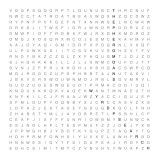
Walker claims that the album’s title is an expression of his frustration at the ubiquity of people claiming things are eerie or weird / wyrd in the present cultural milieu. The artwork for the record is designed as an actual word search too, a knowing nod to how we all grapple for meaning amongst the absurdity of each day. Leaning into ‘weird’ as a coping mechanism is not on The Pheromoans’ agenda however. This album holds little sway with the supernatural, it’s not enough. The overriding impression given by ‘Wyrd Psearch’ is of a band renewed with ideas. There’s no trouble finding the right words, they’re hitting their mark, keeping up with the commentary. ‘Wyrd Psearch’ is a document of The Pheromoans mastering their unquiet moment.
Few artists have done as much as Heinrich Dressel to rekindle the genre of soundtracks. Even fewer are as capable as the Italian at writing such silver screen scores. Yet, Valerio Lombardozzi is much more than just one style. He has shown this time and time again, doing so once more with The Obscure Cities. Works of fiction, rather than film, are the fount of inspiration with tracks drawing on the likes of J.G. Ballard, Francois Schuiten, Benoit Peeters and Valerio Mattioli. The listener is transported to worlds of Dressel’s own making, landscapes of melody, textures of bass punctuated by drums. “Galatograd” opens. From understated beginnings, the track expands into a symphony of strings as columns of warmth descend. Tempos rise for “Eden Olympia”. A different tone is set. Juddering arpeggios and clean snares are elevated by bright and hopeful keys that sparkle with an enthusiasm and innocence. Deep unctuous bass gives way to gliding notes for “Remoria”. A piece where melodies and memories melt in the morning dawn. “Mylos” is the last visit of the EP. Delicate, almost fragile, notes are buttressed by drum patterns in this hazy dreamlike finale.
out of Stock
Last delivered 17 months ago available to reorder, subject to availability
The cinematic opening track Inthenever starts off as a film >> somewhere on a desolate coast, where everything has already ceased. This is going to be an album with a story and depth, a fearless tour of the barren shores of our days // or is it possibly just a mirage conclusion of their razor-sharp sound brutalism? Tittingur's third album, Epiphany, is here, pounding with waves they had not done before.
It seems as though this dyad has disposed of all the genre confines that had locked them in, and have grasped the sound of new subject matters, for which the moniker of experimental techno is finally too narrow. With utter urgency and candid to their emblematic, thunderous sound, Dominik's and Matus's deafening mallets collide in beats which are now, more than ever, drenched in a mass of palpable gloom and anguish. As though we could touch the rising levels of the oceans, and smell the melting of the glaciers themselves.
In one way or another, the music of Tittingur has always been about nature, its fierce essence, and its stark contrast with the post-era that we have found ourselves living in. However, whereas before, it was the sound of old, weather-stained concrete, and the pounding of abandoned, overgrown buildings, now it is, unavoidably, their most direct and honest return to nature landscapes, and to human, age-old traditions, referenced in the Slovak folk motives, recordings and found sounds.
On Epiphany, Tittingur's sound becomes yet more abstract, in a sound world that is ambiguous but also unified, and works on its own. The duality of nature and technology, of inland human folklore and the trenches of deepest oceans, invite us to come closer and observe the volatile obliteration taking place. Can we even attempt to re-assess our position with nature, or is this whole experiment doomed to fail?
Unsurprisingly, in the echoes, all the ingredients of the classic Tittingur sound are still present, distilled into new forms >> the ever-present over-saturation, the exaggerated, maximalist approach and megalomania >> the sound of impending climate change, doom, and near-apocalyptic visions, the scent of borovička mixed with the wild North Sea, the agony of contemporary urban life, and the adventure of wilderness: ferocious synths, monumental beats, aggressive basslines and crumbling noise-scapes built of a found-sound, music concréte-like, collagist approach.
At moments, it seems the means have changed. Just until you realise that the sentences of this story are spoken in a new language. If you dive deep enough, and listen to the essence that the music of Tittingur articulates, it's surprisingly easy to understand >> although the notions and emotions are difficult to put into words. The profound narrative of Epiphany is that of an endless inner struggle of society, anxiety, crises, and ambiguously easy // difficult solutions in the post-modern global chaos. It is the calm before a storm. It is the storm. Is it the calm. It is all of it, in itself. credits
dog-rose is an exploration of musical articulation and vocalization. Its themes can be felt gnawing at the surface of the world: people's clumsy everyday intimacies, the neverending pursuit of self-knowledge, God. Of foremost interest was the unreliability of memory as a tool through which we experience life, yielding an attempt to dismantle it into its minute elements.
"I arrived at a combination of diary entries in the form of field recordings, various, mostly acoustic, instruments through which I invoke different modes of memory // its associative functions, and my own voice, more an agent of introspection than any conventional vocal. The lyrics were originally written as pop-songs, but committed to the form of contemporary music they appear as field recordings made to be sung. They are field-songs."
"To me, musicmaking is a dialogue with sounds where I seek to understand their character and how to handle them. This is a performative process and admittedly also a projection – what I am actually discussing is myself. The recording took place at a remote cabin in the forests of Tribeč. Most of my work is created in isolation, regardless of the social distancing and lockdowns of the outside world."
Tomas Pristiak is a member of Tante Elze, Pain Palace (FKA Weltschmerzen), and dog-rose is his first solo album and the 11th release by contemplative label Weltschmerzen.
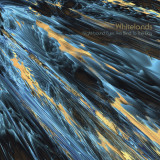
The eagerly awaited debut album from the London-based four-piece * At the forefront of the new generation of Black British guitar music with Big Joanie and Bob Vylan * Supporting Slowdive on their UK tour in February * Singles playlisted by BBC Radio 6 Music, Spotify and others Whitelands are Etienne, Jagun, Vanessa and Michael and they are ostensibly a shoegaze band ever since Etienne stumbled across Slowdive's KEXP session in his recommended videos on YouTube a few years ago. However, they come at the resurgent, Gen Z-soundtracking genre from a refreshingly different angle thanks to their mishmash of musical backgrounds. There's also the fact that their line-up is fully PoC in what is traditionally seen as a predominantly white genre. "There's an underlying narrative that it's OK for white men to be romantic, sensitive, emotional and make dreamy music and, by contrast, young Black men should be making angry music," says Vanessa. "We've all grown up with these stereotypes and therefore I think people are mystified when they see Whitelands." "I consume a lot of media," says Etienne of his wide range of influences. "Videogames, music, news, paintings, manga, animations and film are my go-to, especially anime. There is this drive to want to understand and feel the whole weight of an expression. So, the songs are based on other songs, pictures, aesthetics, 'vibes', an emotion someone else felt. Fundamentally, you are what you eat." As a result of this diet, the lyrics are stunning, dealing with everything from unbalanced relationships and vulnerability to depression, being diagnosed with ADHD and, on the new single 'Tell Me About It' (featuring vocals by Dottie from the band's Sonic Cathedral labelmates deary), trying to navigate love following that diagnosis. The album is bookended by two poetically political songs - 'Setting Sun' and 'Now Here's The Weather' - that deal with imperialism, racism and performative ignorance. "We've experienced tokenism, micro-behaviours, envy and resentment," concludes Vanessa. "So we feel we have to continually prove ourselves. We know we're making a positive impact, but I want Whitelands to really break some barriers."
Following his 2021 debut on the reverse label with Retreat Ites EP and a spot on the Molten Mirrors compilation, Jurango is back on Livity Sound with another four tracks of low-slung soundsystem pressure.
On An Amorphous Mass EP Jurango presents a particularly focused sound which draws on halftime D&B, dancehall and broken techno all filtered through the meditative pulse of low tempo club music. The measured pace of the tracks doesn’t detract from their weight, whether it manifests in the heavy roll of murky opener ‘Big Saver’, ‘Inner Seam’s mutant dembow rhythm or the heady breakbeat chops of the title track. The stripped-back subs and fractured percussion of ‘Muni Ce Boa’ close the record in potent yet understated style, proving minimal music doesn’t have to compromise on impact for the dance.
Livity Sound is a label set up by Peverelist in 2011 as a vehicle for a raw and exploratory strain of UK techno, rooted in the heritage of UK dance music and sound system culture. It has since become one of the UK's foremost protagonists for cutting edge underground electronic music.
out of Stock
Last delivered 23 months ago available to reorder, subject to availability
‘Wear Your Natural, Baby’ was a good seller when issued on Kent Harris’ Romark label in the late 60s – judging by the, at least, three pressings of it. Understandably so, as it is a captivating rhythm for a then very current political and fashionable message. Towana was in fact Ty Karim, singing under her young daughter’s name. On this flip, Ty recorded as herself on a cover of the CB Overton’s hit ‘If I Can’t Stop You’. However, Kent Harris decided to not go with this recording at the time and re-cut it with new lyrics as ‘Keep On Doin’ Whatcha’ Doin’’ as a duet with George Griffin issued in 1980 on Sheridan House. That record has become a modern soul classic over time and this alternate solo version, with the different lyrics, by Ty is sure to excite lovers of that genre.
Analogue Productions (Atlantic 75 Series) Celebrating the 75th Anniversary of Atlantic Records! Iconic musician and singer Ray Charles' classic 1957 album! Includes the hits "Hallelujah I Love Her So," "Ain't That Love" and "I Got a Woman" 180-gram 45 RPM double LP Mastered directly from the original master tape by Bernie Grundman Pressed at Quality Record Pressings Tip-on old style gatefold double pocket jackets with film lamination by Stoughton Printing Hybrid Mono SACD Mastered directly from the original master tape by Bernie Grundman Ray Charles' self-titled 1957 album was one of the first handful of LPs issued by Atlantic (and was later retitled Hallelujah I Love Her So). As AllMusic reviewer Bruce Elder notes, the album is weighted about three to one in favor of Charles' own compositions, with the hits "Hallelujah I Love Her So" and the pounding, soaring "Ain't That Love," which opens the LP, its raison d'etre. Charles does just as well with his interpretations of others' work, most notably the ominous, gospel-focused rendition of "Sinner's Prayer" (which offers a virtuoso piano performance, and comes courtesy of the pen of Charles' former mentor Lowell Fulson) and Henry Glover's wrenching ballad "Drown in My Own Tears," which is topped out on each verse by a gorgeous chorus. "Funny (But I Still Love You)" offers a guitar break played in such an understated fashion that it almost doesn't seem so much a part of R&B as it was usually being offered in 1957 as it does a part of Charles' early career output. The second side of the LP is even better, opening with the title track, a number that is almost too ubiquitous in its various cover versions — the original has a mix of urgency and playfulness that's absolutely bracing, and the album carries this mood forward with "Mess Around," an Ahmet Ertegun-authored piano- and sax-driven romp with Charles at his most ebullient as a singer. "This Little Girl of Mine" offers him in a surprisingly light, almost acrobatic vocal mode, while "Greenbacks" is a knowing, clever cautionary narrative that is almost a throwback to 1940s-style R&B. "Don't You Know" is as salacious a piece of R&B as one was likely to hear in 1957, and "I Got a Woman" closes the record out on a pounding, driving note. All the hallmarks of a top-notch Analogue Productions reissue are here for you to savor: Mastered directly from the original master tape by Bernie Grundman and cut at 45 RPM. Pressed on 180-gram at Quality Record Pressings and RTI, and housed in tip-on old style gatefold double pocket jackets with film lamination by Stoughton Printing.
Soul Jazz Records’ new 10th anniversary edition of their long-out-of-print Punk 45: There Is No Such Thing As Society. This is a one-off limited-edition heavyweight specialedition cyan coloured vinyl pressing + download code. The album charts the rise of underground punk and post-punk in the UK from 1977-81. This album is fully remastered and relicensed and includes five new tracks from 23 Skidoo, Notsensibles, Pretty Boy Floyd, The Astronauts and The Impossible Dreamers.
The album is a collection of seminal, classic, obscure and rare punk and post-punk singles from the likes of The Mekons, Johnny Moped, The Killjoys, The Rings and many more which all chart the rise of independent music and Do It Yourself culture that exploded in the wake of punk and during the years of Britain under Margaret Thatcher. The album comes complete with text, biographies on each of the bands, exclusive photos and original record artwork and is newly available as a limited-edition super-loud, super-heavy double gatefold-sleeve vinyl edition complete with full sleeve-notes plus download.
out of Stock
Last delivered 2 years ago available to reorder, subject to availability
- The Black Angels' classic sophomore album - Special color edition pressed on Metallic Silver Wax. - Triple LP housed in a Stoughton tri-fold gatefold jacket // "The Black Angels bring the aura of mid-1966 the drilling guitars of early Velvet Underground shows, the raga inflections of late-show Fillmore jams, the acid-prayer stomp of Austin avatars the 13th Floor Elevators everywhere they go, including the levitations on their second album, Directions to See a Ghost. Mid-Eighties echoes of Spacemen 3 and the Jesus and Mary Chain also roll through the scoured-guitar sustain and Alex Maas' rocker-monk incantations. But he knows what time it is. 'You say the Beatles stopped the war," Maas sings in `Never/Ever.' `They might've helped to find a cure/But it's still not over.' Even so, this medicine works wonders." - David Fricke, Rolling Stone Last time we met The Black Angels, they were staring into the desert sun somewhere outside of Austin, Texas. Two years later, night has fallen and the spirits have come out. It's time for The Black Angels to provide Directions On How To See A Ghost. If you're familiar with Passover, the band's 2006 debut, you'll know that The Black Angels's music alone is enough to invoke spirits. There's a name for the band's sound; they call it `hypno-drone 'n roll'. It's the sound of long nights on peyote, of dreams of a new world order, and of half-invented memories of the seamy side of '60s psychedelia. While the Iraq war is still a major influence on the band's lyrics, there are new forces at work here, including Eugene Zamyatin's dystopian novel We and in Christian Bland's words "psychic information from the past and future." See, The Black Angels really are in contact with ghosts. "Civil War battlefields are prime spots for seeing ghosts," says Bland. "One time at Kennesaw mountain in Georgia, I was climbing the mountain in the middle of June and it must have been close to 100 degrees, but in this one particular spot it was very cold. The hairs on my neck stood up and I knew something strange was happening. Then the wind whispered something like `retreat,' and I did. I later learned that the spot where I was on the battlefield was known as `the dead angle', the place where the fiercest fighting took place. The confederates ended up retreating from the mountain towards Peachtree Creek." The Black Angels formed in Austin, Texas, in 2004, comprising from six people (now five) from very different backgrounds. Singer/vocalist Christian Bland is the son of a Presbyterian Pastor and was raised in a devoutly religious household. Bassist / guitarist Nate Ryan was born on a cult compound and drummer Stephanie Bailey claims she's a descendent of Davy Crocket. She and Alex Maas (vocals/guitar) believe a little girl in a red linen dress haunts the group's home. The band released Passover in 2006 to critical acclaim for both the album and the song "The First Vietnamese War". Most of all, Passover established The Black Angels as a band with brains, balls and a strong message. And this time around, the message is there to read in a 16-page booklet that comes with the album. "Our central theme is that people need to open up their minds and let everything come through, and to learn from past mistakes," says Christian. "Only then will we understand the reality of this world and progress beyond where we are now as humans. We've built upon that theme with Directions to See a Ghost. We want people to study the booklet we are providing with the album in hopes that they will be able to relate each song to something in their life." _"War is Peace. Freedom is Slavery. Ignorance is Strength. Keep Music Evil."_
1966’s Look To The Rainbow is one of the jewels of Astrud Gilberto’s catalog and of the bossa nova canon. Teaming with arranger Gil Evans and producer Creed Taylor, the orchestral backing perfectly complements Astrud’s whispery, understated voice, especially on the title track and the sweet ballad, ‘I Will Wait For You’.
This Verve By Request title is pressed on 180-gram vinyl at Third Man in Detroit.
Since 2015, Berlin’s Cuntroaches have defiled countless venues across Europe and the UK, playing festivals and touring relentlessly. The trio’s influences range widely from metal to punk to hardcore to experimental noise. They aim to create a hybrid sonic experience within a dense wall of sound (often combined with some form of performative mischief - if they’re in the mood). Audiences have been subjected to spewing beer bra harnesses, diaper outfits, empty pet food containers or witnessed band members performing from inside of a trash bag. They’ve thrown a lot of trash on a lot of people. "Cuntroaches - a name inexplicably unused throughout the history of bands, orchestras... any grouping of people really...
As it is, the mantle’s (finally) been taken up by two women and a bloke making ferociously warped hardcore-flecked no wave. Mutating waves of feedback intoxicate and induce hangovers all at once, while David Hantelius gets a frankly obscene sound out of his bass - and the vocals - reverbed to an absurd degree - approach black metal levels of demonic witchery. As with New York’s no wave OGs, what it is definitely not is inept pissing around, ‘noise for noise’s sake’ - no matter how blown-out and violent Cuntroaches get, their interplay is lithe, their arrangements measured." - The Quietus “I want to make something clear: at this very moment, I think that Germany’s CUNTROACHES are the most important and life-affirming band on the planet. Period. The first demo blew me away, but this one... FUCK ME. Somehow they have become more in control and more chaotic at the same time, and the intensity borders on bleak / black metal darknes. I simply do not understand how this music exists, and how it can be so good... eternal hails.” - Maximum Rocknroll
The second album by F.K. Raeithel, just after the operetta DIE WURLITZERORGEL DES GEISTES, explores the realms of interlocked rhythm sample and hold music. On 16 tracks different setups of self generating modular synthesizer patches are gathered on this release.
The concept of Dance With Uncertainty is deeply rooted in philosophical, artistic, and cultural traditions. The notion of embracing uncertainty and change has been explored in various forms throughout history, often symbolizing the human experience and the impermanence of life. In the context of music and sound, Dance With Uncertainty could be seen as a reflection of the constant ebb and flow of life‘s uncertainties, captured and conveyed through sonic textures and evolving compositions.
Interlocked Rhythm Sample & Hold Music, this approach to sound creation weaves a mesmerizing tapestry of rhythm, texture, and sonic exploration, captivating listeners and defying traditional musical boundaries. At its core, Interlocked Rhythm Sample & Hold Music is a synthesis of technology, creativity, and a deep understanding of rhythmic intricacies. The foundation lies in the Sample & Hold circuit, a device that captures and freezes incoming voltages, creating distinct musical snapshots that evolve over time or an Linear Feedback Shift Register (eg. Rungler), a circuit used in electronic music synthesis and sound manipulation to create unique and evolving musical textures. The Rungler was created by Rob Hordijk. A more sophisticated use of a 8 bit shift register and by combining this with a typical sequencer design is the Klee Sequencer developed by Scott Stites. A cheap version of this design is the Turing Machine. Another tool is the Analog Shift Register. In the context of creating arabesque melodies, an analog shift register (invented by Fukushi Kawakami and later adapted by Serge Tcherepnin) can be a fascinating tool to generate intricate and ornamented musical patterns. Yet, it‘s the interlocking of these snapshots that sets this genre apart, infusing the compositions with an intricate dance of patterns and pulses. A fourth device is a pendulum or random addressed sequencer, that in the first case moves in a drunken unpredictable manner. Each of these devices for uncertainty becomes a rhythmic sculptor, freezing the dynamic interplay of melodies, beats, and textures. These frozen moments are then interwoven, each snapshot forming a unique thread in a sound tableau that stretches and contracts, pulses and breathes. The result is an auditory experience that challenges preconceptions of rhythm and structure. The interlocked rhythms give rise to complex grooves that ebb and flow in unpredictable ways, evoking a sense of perpetual motion and transformation. The music becomes a living organism, its heartbeats synchronized yet untamed, its evolution both deliberate and free-spirited. The juxtaposition of staccato bursts and fluid flows, of machine-like precision and organic unpredictability. As listeners delve into the world of Interlocked Rhythmic Sample & Hold Music, they embark on a sonic odyssey. The music becomes a companion, guiding them through a labyrinth of rhythmic landscapes that simultaneously challenge and invite them to the dance with uncertainty.
After a 6-year break, a poignant love affair between Life and Death and Marvin & Guy resumes with two catchy but effective tracks that breaks a two-year hiatus from releasing original music.Minimal and purposefully crafted for dancefloors, a departure from the usual emphasis on melodies we all get used to listen from them. This record emerges organically during playful experimentation with just a bass on a synthesizer, preserving its distinctive rhythmic and harmonic changes.The girlfriend's continuous request to play "Who Dis" underscores its contagious allure. Both songs incorporate sounds like shattered glass, opening doors, a whip, and an authentic Formula 1 engine roar – all meticulously recorded specifically for these ideas. There's not really specific creative process beside having fun with synthesizers; it's simply music crafted for the joy of dancing.
out of Stock
Last delivered 11 months ago available to reorder, subject to availability
French pianist Dorian Dumont is an exceptionally gifted, Brussels-based jazzman and member of electronic experimentalists, ECHT! In 2021, he released his debut solo album 'APHEXionS' - a challenging exercise of solo piano focussed entirely on the music of one of the most influential and important artists in contemporary electronic music, Richard James, aka Aphex Twin. Dumont's sophomore album, 'to the APhEX', released 23rd February via W.E.R.F. Records, continues that fascination with his musical hero and acts as a musical love letter of sorts - a groundbreaking experience, where the enchanting world of classical piano collides with the electronic brilliance of Aphex Twin. Richard James' music serves as a starting point for Dumont's musical developments which are sometimes composed and often improvised, letting him find his playing field around the concepts and the poetics of the genius of electro music. Contrary to what one would expect, there are no electronics involved but Dumont carefully transcribes a wide selection of Aphex Twin's music to the grand piano, giving the songs a whole new dimension. Dumont starts from the melody lines and rhythmic structures found in the original tracks but builds on them, deconstructing pieces and adding his own improvisations. Lovingly recreated, the songs take on a completely new dimension, and it exposes both the genius and musicality of Aphex Twin and Dumont himself. "Aphex Twin is a fascinating artist and character. At first, I started transcribing his pieces just to understand them. I then sat on my acoustic piano for the pleasure of hearing these pieces that I loved so much only to realize that in the end I was improvising, I was playing. In short: I was having fun. That's how this project was born: through pleasure and games. The challenge then was to develop the concept of this project to find my own playground and my own responses around the musical principles of Mr. Richard James, in order to make this project a celebration on my own terms."
Always curious about new sounds and cultivating eclecticism, 'to the APhEX' stays truthful to the minimalistic aesthetics from the original tracks. From the unruly, emotionally stirring '180db_ 130' to the simple beauty of 'Windowlicker', Dumont is part of a new generation of musicians who have no intention of sticking to the rules. Dumont dances across the keys, perfectly capturing the mood and feeling of Aphex Twin, where classical meets electronic. Elsewhere, 'PAPAT4 155[pineal mix]' is stripped to the core showcasing Dumont's ingenuity, while 'Avril 14th' and album finale '#3 (Rhubarb)', unfolds with delicate piano, evoking a sense of tranquil introspection.
Born in Montpellier where he studied classical piano at the Conservatory, in 2005, Dumont achieved the highest distinctions in piano and chamber music. With a broadening interest in jazz and improvised music, he moved to Brussels in 2008 and after studying in the Jazz sections at the Royal Conservatory of Brussels then at the Koninklijk Conservatorium van Brussel, he obtained his master's degree in 2013. In recent years, he has played an integral part of the critically acclaimed four-piece 'ECHT!' which breaks the boundaries between jazz, electronic music and hip-hop. In addition, Dumont also participates in numerous other projects across various genres including 'Edges' with Guillaume Vierset, Jim Black, and Anders Christensen or 'Easy Pieces' with Ben Sauzereau and Hendrik Lasure. He also collaborates with bands including Juicy, Vaague, Kuna Maze, and Pol Belardi's Force, among others.
LP black vinyl repress, standard single sleeve printed inner but note no download card. The Time Has Come’ is an absolute master class on words and guitar twisting into one another - the poetry goes beyond simple observation into deeply personal and profound lore. A timeless document of sweet and haunting melodies. My favourite record of all time.’ Ryley Walker. // "I've never written songs, regularly, because I never considered myself a songwriter. I've only ever really considered myself a ballad singer, which is what is most important to me. The stories... the ancient nature of the situations and the human condition. And obviously, it's changed so much over the centuries that those songs have been sung, but it always retains that essence of something that's universal... to humanity, and I've always wanted to touch that. I think I wanted to understand people; I think I wanted to understand myself. It's a way of finding the truth. I felt I belonged to that music.” Anne Briggs // Offering some of her first original compositions, ‘The Time Has Come’ was a break from tradition in more ways than one for Anne Briggs. Where previous recordings displayed the unaccompanied melodies of her voice, this album - originally released by CBS in 1971 - brings additional instrumentation in the form of guitar and bouzouki. The result is that her vocals are not submerged but heightened - the plucked strings providing the perfect foil for her crystalline inflection. ‘The Time Has Come’ is a mix of Anne’s own songs alongside some notable covers (Lal Waterson, Steve Ashley, Stan Ellison, Henry McCulloch). All are graced with the quietly self-assured elegance of Anne’s playing, with sounds ranging from the breezy ‘Clea Caught A Rabbit’ to the terrible beauty of ‘Wishing Well’ - each song typifying the bouzouki or guitar style. To say that Anne was an accomplished picker is to do her something of an disservice - the intricacy of her finger-work rivals - and more often than not eclipses - any number of her contemporaries.
World Of Echo are proud to announce the long-awaited reissue, on 17th February, of the self-titled debut album by Bristol’s Movietone. Originally released in 1995 by Planet Records and reissued on CD in 2003 by The Pastels’ Geographic Music imprint, this is the first time Movietone has been reissued on vinyl. An expanded double-LP edition, it includes the extra tracks from the 2003 CD (their first two singles, and an unreleased demo of “Chance Is Her Opera”), and adds three more unearthed gems: demos of “Alkaline Eye” and “She Smiled Mandarine Like”, and an early take of “Late July”, recorded in a garden by Dave Pearce (Flying Saucer Attack) in 1993. Taken together, this is the definitive collection of music from the first phase of one of Bristol’s most remarkable groups.
Movietone was the cumulation of a series of events, explorations, and discoveries, starting at secondary school – the group’s core membership of Kate Wright, Rachel Brook, Matt Elliott and Matt Jones met at Cotham School in Bristol. As for many other groups, their early years were all about experimenting, and finding ways to ‘make do’, a DIY sensibility that would inform Movietone through their decade-long lifespan. From formative rehearsals in a shed in the garden of Brook’s family home, to recording early material to four-track in Redland Library, and on into the Whitehouse and Mr Grin’s studio sessions for their debut album, Movietone’s music fell together in a creatively unpredictable, yet conceptually rigorous manner.
By the time they released Movietone, they’d found a home with Bristol’s Planet, run by author Richard King and James Webster, who had both released their first two singles, “She Smiled Mandarine Like” and “Mono Valley”. There was other music happening around them in Bristol, too, from the Jones brothers’ avant-rock outfit Crescent (who were Movietone’s closest conspirators), through Elliott’s jungle/electronica project Third Eye Foundation, and Brook and Elliott’s membership of Flying Saucer Attack. A closely knit community, Movietone are the centre of this nestling architecture of groups.
The vision in the music, mostly, belongs to Wright, but Movietone ran in democratic creative consort. Listening back to Movietone, you can hear this democracy in action through the wildness of the music, which is balanced by the poetics of Wright’s lyrics and melodies. Full of half-captured memories and entangled abstractions, there’s an elliptical, ruminative quality to much of the writing here that shows the deep influence of the Beat Generation writers, along with a twilight environment captured in the songs that’s pure third-album Velvets, Galaxie 500, early Tindersticks, Codeine. Unpredictable interventions – the crashing glass in “Mono Valley”, the sudden explosions of “Orange Zero” – point towards the noise blowouts of My Bloody Valentine, the unpredictability of Sonic Youth; Wright’s understated vocal cadence suggest a deep, embodied understanding of John Cage’s Indeterminacy.
Movietone would go on to make three fantastic albums for Domino – Night & Day (1997), The Blossom Filled Streets (2000) and The Sand & The Stars (2003) – and their Peel Sessions were released early in 2022 by Textile. Still held in high regard by artists like Steven R. Smith, and The Pastels, whose Stephen McRobbie once described them as “one of the great unknown English groups,” it’s an absolute thrill to listen to Movietone anew – still inspired, still seductive, still magic, still mysterious.
Musique Infinie is the collaborative project of Manuel Oberholzer a.k.a. Feldermelder and Noémi Büchi.Their album »Earth«, released through the Hallow Ground label, is based on a spontaneously composed live score for Alexander Dovzhenko’s groundbreaking 1930 silent movie »Zemlya« (»Earth«) created for the 24th edition of the VIDEOEX festival for experimental film.
Frequently cited as a masterpiece of early 20th century filmmaking, the movie deals with the collectivisation of Ukraine’s agriculture. The Swiss duo complemented it with atmospherically rich electronic soundscapes that are both deeply immersive and highly evocative. As a stand-alone music release, the two-piece »Earth« album captures the essence of Büchi and Oberholzer’s collaboration that is marked by mutual trust and musical versatility that puts them in a state of »togetherness trance,« as they call it.
Oberholzer has been highly productive as a composer, musician, sound designer, and installation artist in recent years, releasing a slew of solo albums as well as a variety of collaboration records with artists such as Sara Oswald and Julian Sartorius. Büchi has recently debuted as a solo composer and sound artist working with electroacoustic techniques to create a »symphonic maximalism for the end of the world,« as she dubs it.
Both are prolific and versatile artists with a penchant for working conceptually, however their collaboration as Musique Infinie is an improvisational and thus by design an intuitive one.
Their sessions start with an exchange on emotions and thoughts rather than theoretical questions or aesthetic debates. When they get to work—often for several hours—they rarely talk.
They approached »Earth« the same way, improvising freely together and using only a few select samples from the film’s original score in the process. Their open-ended approach is marked by an aesthetic ambivalence that perfectly corresponds with the movie’s own inherent contradictions.
Dovzhenko approached his socio-political subject with poetic imagery and philosophical rigour, juxtaposing notions of traditionality with the depiction of modernity.
Büchi and Oberholzer accordingly work with motives that at o ce seem anthemic and elegiac, working with sounds and musical motives that evoke a sense of familiarity in one moment before transforming into something futuristic and uncanny in the next. Their score for »Zemlya« is not to be understood as a mere interpretation of the movie, but rather a re-narration or even re-negotiation of its aesthetic and emotional qualities under their very own terms. »Earth« is an album that concisely depicts what is at the core of the duo’s musical partnership