Community Function’s debut release presents four raw, floor-focused cuts from Detroit’s Hood: three originals spanning high-energy breakbeats and atmospheric techno-house and a low-slung, chest-rattling remix from France’s Cruise Control.
Rooted in traditional Middle Eastern music with a percussive background, Hood channels a rhythm-centric mindset through machines to deliver fat grooves, funky basslines and drums that don’t quit.
ANEMOIA opens as a lean, late-night warehouse tool locking a sultry breakbeat over a driving 4/4 pulse, bridging raw machine funk and classic electro with a cheeky vocal sample, a dominant low-slung bassline, and constantly shifting top-end percussion for unvarnished, high-energy club material. XATION shifts into heavy, driving yet atmospheric territory that blurs the line between Detroit Techno and '90s Tech House, held together inside a deeply textured sonic environment that moves between rhythm-centric and melodic structures before a massive breakdown of lush pads and warm strings lifts the floor and grounds it back in groove. PLAYTEST tracks out live with the foundational 707 and SH-101 combo, relying on a single chord, a dystopian vocal sample, and raw, on-the-fly programming to deliver a relentless, hypnotic chugger for the purists. XATION (Cruise Control Remix) closes out with a low, heavy bassline that hits the chest first, dragging bodies into its sway and taking its time to build tension before releasing it.
Detroit techno visionary Keith Tucker returns through his acclaimed alter ego Optic Nerve with AUGMENTATIONS EP, a forward-thinking exploration of minimalist machine funk, futuristic sound design, and deep electronic movement.
Crafted with precision and unmistakable Detroit character, AUGMENTATIONS merges hypnotic analog sequences, mechanical rhythm structures, atmospheric synth textures, and driving electronic beats into a powerful sonic statement rooted in the city’s enduring techno legacy. Sparse yet immersive, the EP balances raw underground energy with cinematic futurism — designed equally for dark warehouse floors and deep headphone listening.
Pressed as a Limited Collector’s Edition Clear Vinyl 12-inch, PBX-38 captures the sleek, transparent aesthetic of the music itself: pure signal, machine emotion, and uncompromising Detroit innovation.
A1 — Augmented 1 (Optic Nerve Original Mix)
A deep, stripped down Detroit techno workout driven by pulsing drum programming, evolving synth modulation, and hypnotic minimalist sequencing. Functional futurism engineered for late-night motion.
B1 — Augmented 2 (Infinite Worlds Mix)
Built around a rolling funky bass line and eerie flowing string textures, this expansive composition moves through layers of atmospheric electronics and mechanical groove architecture. The track creates an immersive sense of drifting through endless digital landscapes while maintaining a sharp rhythmic intensity designed for the underground dance floor.
B2 — Augmented 3 (Visual Shapes Mix)
Abstract melodic fragments, and precision electronic rhythms collide to form a futuristic minimalist soundscape filled with movement, tension, and cinematic pulsed chords.
By the end of 1986, with Miles Davis’ career in resurgence, he was approached by the producers of the movie Siesta, based on the book by Patrice Chaplin and starring Ellen Barkin, Gabriel Byrne and Martin Sheen. Miles agreed to create the music for the movie and immediately asked Marcus Miller to help compose and produce.
As had taken place with Tutu, Miles looked to bassist Marcus Miller—working with keyboardist/programmer Jason Miles—to compose and construct the various tracks, over which he blew his trumpet parts. Matching the music to the mood and tempo of the film’s scenes lay on Miller’s shoulders. The soundtrack came together in early 1987 in Los Angeles, Miller and Jason Miles working in North Hollywood, and Miles driving in from Malibu to play his parts. Miller brought in a number of players to add solos and texture: guitarists John Scofield and Earl Klugh; flautist James Walker, and drummer Omar Hakim.
Dedicated to arranger Gil Evans, the music is greatly influenced by his style with Miller creating an electrified but very warm orchestra to accompany Davis' melodic solos. This was the first of several instances in which Miles Davis, in the twilight of his life, returned to his roots.
Siësta is available as a numbered limited edition of 1000 copies on gold vinyl.
Colorize presents Echoes, the highly anticipated debut album from Massachusetts songwriter, producer and musician Jack Willard, a richly melodic body of work.
Jack Willard blends organic songwriting with modern electronic production, cinematic storytelling and immersive sound design, an emotionally driven style that has earned support from Above & Beyond, Tritonal, Yotto, Nora En Pure and Bob Moses since debut single Celsius, alongside airplay on SiriusXM Chill and BBC Radio 1 and millions of streams worldwide. The Massachusetts native made his Colorize debut in 2023 with Big Sky, an instrumental favourite still in regular SiriusXM Chill rotation, before expanding his sound on the Patterns EP with his first larger scale vocal collaborations, including fan favourites Everything All At Once and Wanna Know. Following performances across both U.S. coasts, Echoes arrives as Willard’s most ambitious project to date.
Injury Reserve was originally a trio, consisting of rappers Ritchie With a T and Stepa J. Groggs and producer Parker Corey. Their mixtapes Live From The Dentist (released in 2015) and Floss (2016) earned them underground buzz, and they capitalized on the attention with their debut album in 2019, the eponymous Injury Reserve.
The group's momentum was put on hold when in June of 2020 Groggs tragically passed away. By the Time I Get to Phoenix was largely completed ahead of Groggs' passing with his contributions, and will be the first Injury Reserve music to be released since their eponymous debut album. Ritchie and Corey took the past year to complete the record, and the title has meaning past simply referencing Injury Reserve's hometown. It's an homage to a song that has been covered countless times, which is in line with Injury Reserve's ethos and approach when it comes to creating music. The group pulls from several styles and eras of hip hop, but runs each one through the Injury Reserve lens, putting their own distinct and cohesive sound across their references. Nowhere is that dynamic more present than on By the Time I Get to Phoenix.
John Diva & The Rockets of Love make a triumphant return with their explosive new album “Your Favorite Drug”, set for release via Frontiers Records. Bursting with attitude, swagger, and unapologetic energy, the band delivers a full-throttle hard rock experience that feels both timeless and electrifyingly fresh. Packed with massive hooks, soaring choruses, and razor-sharp riffs, “Your Favorite Drug” showcases the band at the peak of their songwriting power. Standout tracks like “Bigger Than America” and “The Devil’s Got My Back” emerge as true anthems, destined to ignite stages and thrill every hard rock fan with their infectious energy and sing-along choruses. Produced by Hannes Braun, the album captures a polished yet gritty sound that perfectly amplifies the band’s larger-than-life personality. This is more than a comeback — it’s a statement. John Diva & The Rockets of Love are back, louder, bolder, and more addictive than ever. One of the best hard rock releases of the year!
A new producer-led project from musician and composer Nitzan Dana, Islands on Tape arrives with Dust Conspiracy, a cinematic and deeply textured three-track EP balancing vintage exotica, library music, psychedelic groove and modern beat culture.
Previously known for his work with psychedelic post-rock outfit Meuban, Dana created Islands on Tape as a separate artistic identity, a space to explore instrumental composition and studio experimentation through a more personal lens. Across the EP, he draws on a wide palette of influences, from Sven Wunder and Maston to exotica pioneer Les Baxter, alongside the sample-driven worlds of Madlib and MF DOOM. The result is a record that feels loose and organic in spirit while remaining intricately arranged and carefully constructed throughout.
Recorded across just three sessions with a close circle of collaborators, Dust Conspiracy draws together live drums, flute, percussion, surf guitars, Farfisa organs and atmospheric textures into a sound equally indebted to 1960s soundtrack music, dusty hip-hop production and classic exotica records.
Opening track “Dust Conspiracy” began with a bassline inspired by late-night listening sessions and crate-dug hip-hop production. Initially built around sampled drums, the piece evolved into a fully live recording featuring drummer Lotan Yaish (El Khat, Şatellites) and percussionist Ron Avidan. Swirling organs, creeping rhythms and heavy cymbal work give the track the feel of a lost 1970s espionage soundtrack, smoky, hypnotic and cinematic.
Blending cinematic soul, psychedelic groove, exotica and rhythm-heavy instrumental production, Dust Conspiracy introduces Islands on Tape as a richly detailed new studio project, equally suited to late-night headphone listening, imagined film sequences and dusty, atmospheric dancefloors.
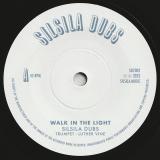
London’s Silsila Dubs crew triumphantly return with further explorations into the deeper recesses of sound system culture as a tool for spiritual enlightenment. The Hayes based collective – with close links to the Mya Hi-Fi family - are committed to the preservation of the long-standing ethics and methods of this culture, and the myriad cultural influences and flavours that a city such as London can present. This much anticipated second release mirrors these notions with style and grace.
The second release on the label ‘Walk in the Light’ has existed on dubplate since 2023, with the mighty Aba Shanti-I making it one of his selections at the Notting Hill carnival of that year. An uplifting and motivating digital dub track that boasts live instrumentation, echoing the mammoth influences and spirits of the late Jah Shaka, The Disciples, Conscious Sound, Aba Shanti-I and Nick Mannaseh respectively.
Featuring a beautiful master and cut from Music House alumni Chris Hanson, an inspiring trumpet performance from Silsila family Luther Vine, and a crucial Melodica, mix and version from label head and producer Govind Singh, ‘Walk in the Light’ is a sonic mantra, a vehicle of positive vibration and a means to step out of the shadows.
You've never played a game like Blippo+ before, and you've never heard a video game soundtrack quite like Greatest Hits from Planet Blip.
Composed by Rob Kieswetter and Jona Bechtolt from the LA-based trio YACHT, the soundtrack collects 71 tracks from the cult classic video game Blippo+, reworked and sequenced into a continuous listen for this special release —a TV static-speckled gatefold double LP, out Oct. 16 via Hologram Opera, marking the soundtrack’s physical debut.
Taking the form of a cable TV simulator, Blippo+ captures the magical feeling of seizing a mysterious signal from outer space and discovering the television programming of an alien culture. Soundtracking the game’s pastiche of programs is Rob and Jona’s genre-spanning score—synth-heavy, eccentrically electronic, with a skewed sensibility that pays homage to cable access, library music, video art, and the late-night margins of the 80s and 90s underground.
TV obsessives will find plenty to love in Greatest Hits from Planet Blip: with surreal theme songs, jangly jingles, zippystings, catchy kitsch, period-accurate menu music and even pop hits from the alien airwaves, this propulsively playful soundtrack will have channel-flippers tingling with nostalgia.
“Planet Blip is an alien planet where art and music are the only currency and ‘consciousness particles’ form the basis of all media. To capture the spirit of this world, we drew inspiration
from all the music we felt best embodied this ethos and ran it through our own utopian blender,” say Bechtolt and Kieswetter.
Blippo+ is an award-winning, experimental, live-action video game created by YACHT and Telefantasy Studios, along with developers Noble Robot and Dustin Mierau, and published by Panic Games. It was released for Steam, Playdate and Nintendo Switch in 2025 to widespread
critical acclaim and has earned a devoted fandom. A Mac version followed earlier this year, and was nominated for an Apple Design Award.
"Simultaneously nostalgic and futuristic, otherworldly yet
welcoming, Blippo+ is an absolute artistic triumph.
" —Deven McClure, Screen Rant
"Blippo+’s presentation might ape old traditions, but the collective impact of its content is richer, deeper, and more entertaining than any mere remembrance.
" —Garrett Martin, Paste/Endless Mode
"In the increasingly reactionary and prescriptive landscape of video games, it is remarkable to encounter something so distinctive, so hopeful, so celebratory, so devoted to expanding the possibility space of art beyond a single medium." —Sam Bodrojan
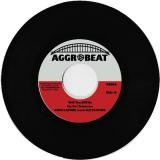
Boss Capone from The Upsessions teams up with Keith Rowe from the iconic Jamaican duo Keith & Tex. A love inspired rock steady gem on the A-side with a roots orientated banger at the flipside.
Boss Capone: "I recorded a song called 'My Girl Tomorrow'. I was in a fight with the song (.), I was looking for a voice full of soul. Keith was so nice to record his voice and that was the last piece of a beautiful puzzle". Two non-album tracks with insert.
The Dutch composer and conductor, born in 1993, has assembled a powerful collective with his "hugely inventive and fast- thinking" (UK Jazz News) Brainteaser Orchestra, uniting the vanguard of the current Amsterdam scene - including guitarist Teis Semey , saxophonist Kika Sprangers , drummer Jamie Peet , violinists George Dimitriu and Yanna Pelser , trombonist Nabou Claerhout , clarinetist Federico Calcagno, and bassist Alessandro Fongaro. This lineup has been making international waves, highlighted by invitations to major European festivals and a recent performance alongside Pat Metheny at the North Sea Jazz Festival. Now comes Tonepool Paradox, the orchestra's second album, commissioned to celebrate the 50th anniversary of Amsterdam's legendary BIMHUIS. Wybenga's compositional approach radically breaks with big band conventions. His process mirrors that of a hip- hop producer: he records solo improvisations by his musicians, chops the material into pieces, and uses these fragments as samples to build entirely new tracks. Wybenga layers jazz, electronics, and contemporary classical music without ever sounding academic or overintellectualized. For Tonepool Paradox , he expanded this concept internationally, bringing in guests such as Berlin-based saxophonist Otis Sandjo, Parisian violinist Theo Ceccaldi, singer Lizz Wright , and hip- hop vocalist Pink Oculus . Mixed by Grammy winner Nic Hard (Snarky Puppy), the sound brings together the diverse musical styles of everyone involved, juxtaposing the angular lines of the horns with sweeping, melodic string passages.
Marcus Gad, one of France's top reggae artists, hailing from the Pacific island of New Caledonia, returns with a powerful new album, FOR ALL Produced with his longtime collaborator Tamal, along with instrumental backing from his band Tribe, the record brings 12 new songs that continue Gad's thoughtful and catchy approach to modern reggae. Lush production, killer musicanship, along with modern vibes and riddims all make the album one of his best yet. Lyrically, Gad tackles many of the topics that have concerned him for years - liberty, equality, fighting against injustice and the problems of the world today.
In their own words, it's "more focussed, paced and thought-out." Over 13 tracks that explore the horrors of the outside world and the internal minefield of the brain, Mould's debut also hits with the thrills of a brilliant live band who've distilled that energy to tape. The title comes from a line taken from the time signature-warping 'Emotive Language' that distills what it means to be a band in 2026 down to one concise sentiment. "This has always been the dream, playing with your mates and making good songs and getting to tour and make records," says Kane. "But the realities of trying to start a band now, when you're 30 and also have other goals at the same time are hard. We'd be doing it regardless, but you have to learn a lot. " This duality runs throughout the record, where tracks like lead single 'Float' speak of "strolling through hellscapes" of social media yet surround their frustrations with the sort of barbed, visceral musicality that sounds like if Interpol had grown up in gloomy, rain- soaked Britain. "You're endlessly doom scrolling, past a funny video of a sausage, and then there's Farage and then there's an ad for something," Joe says of the track. "That mindnumbing flashy distraction turns you into idiots."
In their own words, it's "more focussed, paced and thought-out." Over 13 tracks that explore the horrors of the outside world and the internal minefield of the brain, Mould's debut also hits with the thrills of a brilliant live band who've distilled that energy to tape. The title comes from a line taken from the time signature-warping 'Emotive Language' that distills what it means to be a band in 2026 down to one concise sentiment. "This has always been the dream, playing with your mates and making good songs and getting to tour and make records," says Kane. "But the realities of trying to start a band now, when you're 30 and also have other goals at the same time are hard. We'd be doing it regardless, but you have to learn a lot. " This duality runs throughout the record, where tracks like lead single 'Float' speak of "strolling through hellscapes" of social media yet surround their frustrations with the sort of barbed, visceral musicality that sounds like if Interpol had grown up in gloomy, rain- soaked Britain. "You're endlessly doom scrolling, past a funny video of a sausage, and then there's Farage and then there's an ad for something," Joe says of the track. "That mindnumbing flashy distraction turns you into idiots."
"Fragments of Light" documents seven years of creative dialogue between Purl (Ludvig Cimbrelius) and Ecovillage (Emil Holmström & Peter Wikström). Their journey began with a spontaneous meeting in Los Angeles during October 2019, evolving into a transcontinental process where Ludvig refined ideas during Sri Lankan train journeys while Emil and Peter furthered their ambient dreaming in northern Sweden. Sonically, the album inhabits a space between pop ambient and new age—combining atmospheric textural depth with accessible melodies, while also carrying forward the contemplative nature central to the artists' work and personal lives. Ecovillage, who has collaborated with many revered artists (such as Laraaji, Carlos Niño, and Fennesz), here pour their own deep sensibilities into the ever widening river of Purl—this initial, ambient-rooted alias of Ludvig Cimbrelius. Featuring original, hand-painted artwork by Steven Jackson and delicate mastering work by Ludvig for a special limited physical edition released via his own LILA लीला imprint, “Fragments of Light” carries the hallmarks of an ambient classic-to-be. The album fits naturally alongside works by artists like Brian Eno, Harold Budd, and Hiroshi Yoshimura, as well as contemporary artists who bridge the ethereal with melodic sensibility.
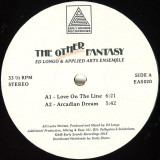
We Welcome Ed Longo And His Studio Project The Applied Arts Ensemble Debut On Early Sounds With the Other Fantasy', The Result Of Many Recording Sessions That Took Place In Different Places Around Europe.
Conceived With A Strong Jazz-funk, Fusion And Boogie Sound It Has Been Conceptualized Around The Idea That The Schizophrenia Of The Internet-age, The Visions Of Otherness (the Undiscovered Lands, The Primitive Happiness, The Impossible Love) Permeate The Collective Consciousness And The Idealized "other" Loses Any Correspondence With The Physical World.
out of Stock
Last delivered 2 years ago available to reorder, subject to availability
Reissue of Rudimentary Peni’s stunning debut 12-song 7”. Recorded in 1981 at Street Level Studios and originally released on their own Outer Himalayan label. From the first track Rudimentary Peni pull you in and aurally assault your ears. It’s abrasive, sharp with supreme musicianship. They created a perfect, demented universe of twisted, poetic and needle in the red punk that has never been bettered. This reissue comes with a fold out replica sleeve with the iconic Blinko foetus artwork and booklet.
After a savage summer of performing over 35 festival shows, COLLIGNON continue their journey with the release of Bicicleta.
Bicicleta was written and recorded right in the midst of the band's summer tour. Gino, Yves and Jori seized the moment, the album captures exactly where they currently stand as a band: thriving on the energy of their live performances, with the desire to dive deeper into their music.
The result is Bicicleta—a diverse and authentic album that stays true to COLLIGNON’s distinctive blend of wildly grooving beats, psychedelic guitars, and sharp keyboard riffs. The music transports listeners across many borders, all while maintaining their signature COLLIGNON sound.
This album was made with vinyl in mind, designed to be experienced as a complete journey. From the first Maloya rhythms of "Fonkér la Mér" (Kreol for 'fond du cœur de la mer', meaning ‘from the bottom of the heart of the sea’) to the Brazilian groove and cosmic crescendo of "Vai Vai Vai (Into the Stars)", Bicicleta is a trip that flows from track to track.
The album, recorded while Jori left his Portuguese studio for a year-long stay in the Netherlands, pays homage to what -without engine, exhaust or pollution- might be considered the finest emblem of Dutch culture: the bicycle.
The words of adventurer Nellie Bly, written in 1896, still ring true today: ‘In a frenetic era of expanding possibilities, cycling offers a journey into a landscape of dreams. The bicycle has always signified independence and freedom in steering one’s daily course and the byways of its occasional adventures.’
To truly experience this album, nothing compares to holding the vinyl sleeve in your hands and spinning the record on your turntable.
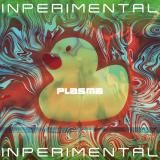
Inperimental is a bold return from Lithuanian electronic pioneers Plasma, presenting a meticulously crafted double LP that explores the intersections of techno, ambient, and forward-thinking electronic sound. Every element — sound, structure, and visual identity — is
intentional. This is not a collection of experiments, but a fully realized sonic architecture shaped by decades of experience and analog mastery. This vinyl edition is more than just an audio release — it's a multi-sensory experience.
The gatefold cover and packaging feature hidden artwork that can only be revealed using included red-lens glasses. This visual element isn’t just a gimmick — it reflects the same intentionality that defines the music. With no room for improvisation or trend-chasing, Inperimental is a precisely executed statement in both sound and form. The album blends ambient tones, analogue warmth, and dancefloor rhythms. It demonstrates a refined sound palette: humid techno grooves, cosmic textures, and cinematic depth.
Inperimental is described by the artist as a voyage where technology meets pure emotion — “a realm where warmth intertwines with technology, dreams blur into reality, and pure, authentic sound reigns supreme”. A digital download card is also included with each vinyl copy.
The Soft Chaos captures the essence of music “in the moment “ - the interaction of three musicians within the improvisation. It embodies the true spirit and essence of “jazz” - music created spontaneously, yet within the boundaries of an art form that has influenced the sound of modern music and many genres for nearly a century.
A collaborative, improvisational, and free-form trio project led, produced, and mixed by Nathan Haines with Joe Kaptein (keyboards) and Elijah Whyte (drums), recorded in just one day at Auckland Lab Studios.
The Soft Chaos showcases live, in-the-moment, top-quality musicianship with a vintage vibe reminiscent of classic 1970s experimental jazz rock, but with a modern jazz-house aesthetic, featuring live human lead drums and synthesisers rather than programmed beats.
Nintendo and Laced Records are linking up to bring the sweeping music of The Legend of Zelda™: Breath of the Wild to vinyl records with this 8LP box set featuring nearly four hours of music.
This collaboration marks the first time a Nintendo soundtrack has been commercially released on vinyl outside of Japan. This box set features heavyweight LPs that come in printed disc inners and spined inner sleeves, all housed in a rigid board dual slipcase. All packaging is adorned with archival artwork by the team behind The Legend of Zelda: Breath of the Wild. Each disc side is sequenced around a theme, reflecting players’ adventures in the game, whether exploring Hyrule, battling enemies, freeing the Divine Beasts from Calamity Ganon’s hold, or unlocking the mysteries of the Shrines. The unforgettable music of The Legend of Zelda: Breath of the Wild introduced bold new musical textures to the series, while embracing classic themes. From the first spine-tingling piano notes of “Main Theme” to the final choral-orchestral stirrings of “Epilogue”, the soundtrack follows the ups and downs of Link’s epic adventure. Each element of the game enjoys a distinct musical palette, including the iconic minimalist piano of the open world, the alien sounds of Sheikah technology, the tension-filled rhythms of enemy encounters, and the orchestral grandeur of the Divine Beast battles. The pieces were composed by Manaka Kataoka, Yasuaki Iwata, Hajime Wakai, and Soshi Abe. Along with this wonderful soundtrack on vinyl, fans can experience the full digital soundtrack for The Legend of Zelda: Breath of the Wild by downloading the Nintendo Music app.*
On his new album Chott, German-Tunisian producer and composer Taroug confronts his origins. Named after the Chott El Djerid, a vast salt lake in southern Tunisia, the ten-track album revolves around personal history and the search for identity. Chott is a conceptual work shaped by contrasting atmospheres, from minimalistic melancholy to raw, bass-heavy intensity. It blends traditional instruments with contemporary electronic text- ures, drawing lines between past and present.
Personal materials—such as vocal samples from family members—add layers of intimacy and cultural depth, most notably on the title track, featuring an original Arabic poem spoken by Taroug’s father, and on 1995,
a song reflecting on early childhood memories in Tunisia. Beyond these intimate dimensions, he works with sonic imagery that captures the sensory experience of heat and landscape in pieces like Saraab and Sirocco. In Nakhla, recordings of palm trees transformed into repetitive movements evoke scenes of southern Tunisia’s palm plantations, where organic and mechanical sounds converge.
For the artwork, Taroug once again collaborated with architect and designer Marie Brosius, assembling an experimental collage from old personal photographs of Tunisia that visually echoes the album’s themes of heritage and remembrance.
Ohm & Octal Industries made their mark on this label with their Northwest Passages album back in 2023, and now they return with more heavy but equally serene dub tech excursions. 'Blizzard' has none of the frenzy of that weather type but does have gentle synth winds swirling around the rooted drums. 'Fly Boy' is a delicate dub with the most subtle pads and effects marbling the airwaves, while 'Goodbye Sunshine' has more forward intent and beautifully hits that glide over the minimal drums. 'Jah Rule' then dials into a heads-down and more warehouse-ready dub techno sound built from the sort of perfect loops that could play for days and never get annoying.
Sadurn’s sophomore album The Underworld is a collection of heart-rendingly personal and instantly relatable songs, due out this fall on Run For Cover Records. Following years of lingering vocal issues for guitarist G DeGroot, the album is the culmination of an emotion- al and spiritual journey and a a deeply personal meditation on loss, healing, and transformation.
Sadurn began in 2017 as a solo project for G DeGroot, and from the start their approach to songwriting was informed more by emotional intuition than any kind of real ambitions to be heard. “I discovered songwriting as an outlet for processing my reality,” they explain. “A lot of times when something is hard to say, it flows more easily in songwriting. It’s a place where you can circle back to your own truth.” After moving to Philadelphia, DeGroot was joined by gui- tarist Jon Cox, drummer Amelia Swain, and bassist Tabitha Ahnert. The group recorded Radiator, a debut that immediately connected with listeners and was met with critical acclaim.
Throughout The Underworld, the rawness of DeGroot’s lyrics are matched by Cox, Ahnert, and Swain’s evocative playing. Stunning opener “the weight” describes the early stages of a relationship deteriorating, with brilliant soloing from Cox and DeGroot’s warm voice intertwining through its widescreen outro. Highlights like “mess,” “never tell me,” or “whole thing” strike a perfect balance be- tween lush arrangements and intimate performances, while tracks like “why does my heart” or “can’t stop” add unvarnished, single take moments of spontaneity, or GarageBand demo looseness that perfectly compliment the unabashed longing in the songwriting.
Sadurn’s sophomore album The Underworld is a collection of heart-rendingly personal and instantly relatable songs, due out this fall on Run For Cover Records. Following years of lingering vocal issues for guitarist G DeGroot, the album is the culmination of an emotion- al and spiritual journey and a a deeply personal meditation on loss, healing, and transformation.
Sadurn began in 2017 as a solo project for G DeGroot, and from the start their approach to songwriting was informed more by emotional intuition than any kind of real ambitions to be heard. “I discovered songwriting as an outlet for processing my reality,” they explain. “A lot of times when something is hard to say, it flows more easily in songwriting. It’s a place where you can circle back to your own truth.” After moving to Philadelphia, DeGroot was joined by gui- tarist Jon Cox, drummer Amelia Swain, and bassist Tabitha Ahnert. The group recorded Radiator, a debut that immediately connected with listeners and was met with critical acclaim.
Throughout The Underworld, the rawness of DeGroot’s lyrics are matched by Cox, Ahnert, and Swain’s evocative playing. Stunning opener “the weight” describes the early stages of a relationship deteriorating, with brilliant soloing from Cox and DeGroot’s warm voice intertwining through its widescreen outro. Highlights like “mess,” “never tell me,” or “whole thing” strike a perfect balance be- tween lush arrangements and intimate performances, while tracks like “why does my heart” or “can’t stop” add unvarnished, single take moments of spontaneity, or GarageBand demo looseness that perfectly compliment the unabashed longing in the songwriting.
Sadurn’s sophomore album The Underworld is a collection of heart-rendingly personal and instantly relatable songs, due out this fall on Run For Cover Records. Following years of lingering vocal issues for guitarist G DeGroot, the album is the culmination of an emotion- al and spiritual journey and a a deeply personal meditation on loss, healing, and transformation.
Sadurn began in 2017 as a solo project for G DeGroot, and from the start their approach to songwriting was informed more by emotional intuition than any kind of real ambitions to be heard. “I discovered songwriting as an outlet for processing my reality,” they explain. “A lot of times when something is hard to say, it flows more easily in songwriting. It’s a place where you can circle back to your own truth.” After moving to Philadelphia, DeGroot was joined by gui- tarist Jon Cox, drummer Amelia Swain, and bassist Tabitha Ahnert. The group recorded Radiator, a debut that immediately connected with listeners and was met with critical acclaim.
Throughout The Underworld, the rawness of DeGroot’s lyrics are matched by Cox, Ahnert, and Swain’s evocative playing. Stunning opener “the weight” describes the early stages of a relationship deteriorating, with brilliant soloing from Cox and DeGroot’s warm voice intertwining through its widescreen outro. Highlights like “mess,” “never tell me,” or “whole thing” strike a perfect balance be- tween lush arrangements and intimate performances, while tracks like “why does my heart” or “can’t stop” add unvarnished, single take moments of spontaneity, or GarageBand demo looseness that perfectly compliment the unabashed longing in the songwriting.
"Steve Watson's roots lie in Paramaribo, at that time the capital of the Dutch colony, where he won the 1975 Suriname Song Festival. This artist had a very strong connection with the music of his country, although unlike other artists - such as Max Nikman, for whom he acted as vocalist too - he performed his songs in English. Siegfried Boerleider, his real name, moved shortly thereafter to the Netherlands, where he also played in the groups The Backlot (with Laura Fygi and Rowan Moore) and Soul Conference. He released several singles on various labels, shaking off the "kaseko" music genre, which fused many different styles from Africa, Europe and the Americas, but considered rhythmically complex. He took time to move toward a simpler, yet well-structured, melodic genre in the recording studio, producing songs that were enjoyable to listen to on the radio and sensually danced to in the disco. With 1981's "Born To Boogie," we risk a seductive journey into the soul music of Suriname, which also possesses the fragrance of Dutch tulips. Then thanks to its charm, exploded in the Netherlands and subsequently in the world. Steve Watson - in addition to his personal style, rich in that simple and genuine expressiveness - also deserves recognition for his excellent songwriting, which led him to write for other Dutch artists, even though his two best songs are on this vinyl: "May Little One" and "Born to Boogie", ....the latter title has never been more fitting !!! Listen to it and go crazy !!!"
out of Stock
Last delivered 5 years ago available to reorder, subject to availability
2026 Repress
Originally released in South Africa in 1983, In The Music......The Village Never Ends is one of those holy-grail African records that barely needs any introduction. Featuring the enormous 'Nomalizo', it's a record that aficionados around the world have been waiting many years for. Now, Be With Records proudly presents the hugely anticipated vinyl reissue of this bonafied classic.
This release is officially licensed and has been lovingly mastered for vinyl by Simon Francis (Claremont 56 mastering engineer) It has been pressed on audiophile 180gram vinyl for the first time and features the original, rarely seen artwork.
South African singer Letta Mbulu possesses one of the most beautiful voices the world has ever known. Her immaculate voice emits a sweetness that radiates from deep within, brimming with a joy of life and inspiring a spirit of hope and happiness. On this album, her voice soars over a strident musical force that veers between disco, soul and pop music of the most incredible kind. The gleaming guitars recall disco's finest hours while the thump of the beats anticipate 80s British soul.
News of this limited reissue has already been causing a significant stir amongst those in the know so do not sleep on this - you have been warned!
out of Stock
Last delivered 17 months ago available to reorder, subject to availability
In Living Color proudly presents Wasi Wasi EP, the debut label release from
Kenyan-born, Berlin-based artist Emo Rugene.
A striking first statement from one of the most exciting emerging voices in African electronic music, Wasi Wasi introduces Rugene's distinctive sound while reflecting the bold, forward-thinking vision at the heart of Living Color. Blending deep cultural roots with contemporary electronic production, the EP marks the arrival of an artist helping shape the future of the genre.
Deeply rooted in African rhythm and musical heritage, Wasi Wasi is a body of work that embraces the past while looking confidently toward the future. Blending hypnotic grooves, organic percussion, and contemporary electronic production, the EP reflects a new generation of artists drawing inspiration from their roots while carving out their own unique artistic identity.
The release features two compelling vocal collaborations that enrich its storytelling. “Wasi Wasi (Vocal Mix)” features Alai K, whose deep ancestral vocal brings a powerful spiritual presence to the title track. “Sahara Dena” features Soukou, whose soulful vocal performance adds warmth, emotion, and depth, creating a beautiful dialogue between tradition and contemporary sound.
With Wasi Wasi EP, Emo Rugene stands among a new generation of African electronic music artists redefining the future on their own terms. His music is deeply connected to where it comes from, yet unafraid to explore new ideas, proving that heritage is not something to preserve behind glass, but something to carry forward with imagination and purpose.
More than a collection of tracks, Wasi Wasi EP is a celebration of movement, identity, and possibility, a record that honours the voices of those who came before while contributing to the sound of tomorrow.
The premise of this compilation is simple: music we’d like to hear at the airport.
The idea came after learning that Honolulu’s international airport has been playing AI-generated music over its speakers since November 2025. First reported by Civil Beat, the news has caused frustration and disappointment among residents and visitors, as well as within the local music community.
Everyone knows Hawaii is one of the most musically rich regions in the world — why then is the airport using AI music? 'Music For The Airport' is our response.
Located in the middle of the Pacific at the outskirts of one the most remote cities on the planet, Honolulu’s Daniel K. Inouye International Airport (HNL) is for most people the first place they encounter when they arrive in Hawaii. Warm sun, tropical tradewinds, playful palm trees and majestic mountains welcome every traveler, as do the sounds of birds, familiar music from Hawaiian artists like Aunty Genoa Keawe and Israel Kamakawiwo’ole, and—at least for now—seventeen “island-themed” AI-generated songs.
In late 1977, while sitting in Germany’s Cologne Bonn Airport on a Sunday morning, Brian Eno noticed how terribly uncomfortable he felt hearing the airport’s “muzak” overhead. For a harried, hurried place like the airport where travelers scramble to their gates, stand in long border control lines, and wait impatiently for their luggage at the carousels, music can create more anxiety than calm. Asking himself, "What should we be hearing here?", Eno soon created ‘Ambient 1: Music For Airports’, a sonic remedy aimed at reducing nervousness in public spaces.
When we heard the news that HNL airport is playing AI-generated “muzak”, we were immediately reminded of Eno’s genre-defying 1978 album. And we were similarly inspired to react. But how? Recreating an ambient masterpiece wasn’t in our wheelhouse. We started digging through our catalog of licensed music which we haven’t yet re-released. We quickly realized this was our chance to highlight some of favorite songs from the so-called CD era: the 1990s and 2000s (with a few exceptions). In less than 20 minutes, we pulled 17 original songs recorded by local artists between 1984 and 2017.
The speed at which this project came together surprised us; reactionary gut instinct often produces swift and lasting results. Ironically, our new compilation likely took less time than it did for the state Department of Transportation to commission its AI songs in question. But even though ‘Music for the Airport’ came together in less than one week, the truth is that this collection of 17 songs is the result of years of hard work, trust, sacrifice, patience, and understanding. Building relationships with and licensing music from artists doesn’t happen overnight, but more importantly: these songs are the result of people pouring their hearts and souls into something they believe in. This music wouldn’t exist today without the artists and their loved ones who supported them along the way.
As of this writing, the DOT states its intention in creating AI-generated songs is to “highlight different aspects of the islands, aviation and the airport” and that “no state funds were used to produce them”. Okay, but at what cost? Technology disrupting the music industry isn’t news to anyone. AI music in public spaces are cost-saving measures, since its users (airports, for example) don’t have to pay the licensing fees typically required, which can be a worthwhile source of revenue for artists. But what happens when a place like HNL airport, which hosts more than 21 million passengers annually, uses music created by machines instead of people to represent Hawaii? The identity of a place beings to erode, diluted by a language learning model’s conceptual summary of what a people and its culture sounds like. To echo Brian Eno: what should we be hearing here? In other words: what should the music of Hawaii sound like?
We believe in the power of music, especially when it comes from the soul. We believe in supporting artists, especially as AI disrupts our lives. We believe that Hawaii must be represented authentically, especially when it comes to song. And of course we believe in vinyl, especially since it was a record from 1978 (Mackey Feary Band’s debut LP) that inspired Aloha Got Soul’s origins in 2010.
We hope you find as much joy in this compilation as we have. Perhaps it’ll soundtrack your next journey to Hawaii. At the very least, we hope some people take a moment to hear these sounds: in your headphones for now‚ maybe someday overhead at the airport in Honolulu.
There is a hush most of us only knew as children, the warm drift between familiar household sounds and being carried to bed, a place that belongs to you and to some self you have not met yet. June McDoom’s debut full-length, Follow the Light, lives in that dream space and then keeps walking, slipping out of time and waking somewhere new, barely familiar enough to feel like home yet wholly your own. She came up in a Jamaican household on the edge of the Florida Everglades, an existence built of extended family, communal care, bass and harmonics. Her father, a carpenter and a student of sound, built his own speakers and kept three sound systems going across as many rooms. His low end would rise through her bedroom floor like some wayward cat while she lay above it with folk records, finding harmonies that were new and hers alone. Two musics in one room. Lushness as past and premonition. She found folk on her own, somewhere between the cast recording of The Sound of Music and Simon and Garfunkel, while everyone around her called it sleepy music. She did not mind being the only one. The solitude let her fall for harmony first, before words, before anything else, and harmony is still the thing she reaches for. Generationally speaking, the music was already in the air. Her grandfather, Colin Smith, is a distinguished mento man who played banjo and guitar and built his own rumba boxes, worked to keep Jamaica’s oldest acoustic folk form alive. Mento is the root of all of it: ska, rock steady, reggae, dub and everything after. He is the one who put a guitar in her hands. An inheritance, a gift and a map. Even her name is part of it, though she will tell you she landed on it more by feel than reason. She records as June McDoom, born Alyssa, June being a nickname one of her grandmothers, Joan, went by, a name she thought was cool to carry and simply liked the sound of. An etheric channel that reverberates all the same. A dub all its own.
Made slowly and by hand with her longtime partner Evan Wright, Follow the Light lays the harmony of folk over the rhythm of dub, with Dionne Warwick, Minnie Riperton, Pentangle and the washed guitars of Cocteau Twins haunting its outer edges. Voice and guitar seeking each other out first, then everything else stacked across long days in the studio they keep at home, restraint kept on purpose. The lead single “Without You” is the whole method surfacing, split open and sparkling like a geode in a creek bed. Angelic heroics, and nothing less.
At the heart is family. Her grandmother Aggie, the light behind “Memory,” guiding still. And underneath, the quieter truth the record keeps: none of us are only one person, but a continuum of selves, the ones who shaped us and the ones we have yet to meet. Future you is an ancestor your current self gets to greet. Press play and the same invitation is yours: A few minutes out of time, a place that turns familiar the longer you stay until you surface somewhere new and find it was yours all along
There is a hush most of us only knew as children, the warm drift between familiar household sounds and being carried to bed, a place that belongs to you and to some self you have not met yet. June McDoom’s debut full-length, Follow the Light, lives in that dream space and then keeps walking, slipping out of time and waking somewhere new, barely familiar enough to feel like home yet wholly your own. She came up in a Jamaican household on the edge of the Florida Everglades, an existence built of extended family, communal care, bass and harmonics. Her father, a carpenter and a student of sound, built his own speakers and kept three sound systems going across as many rooms. His low end would rise through her bedroom floor like some wayward cat while she lay above it with folk records, finding harmonies that were new and hers alone. Two musics in one room. Lushness as past and premonition. She found folk on her own, somewhere between the cast recording of The Sound of Music and Simon and Garfunkel, while everyone around her called it sleepy music. She did not mind being the only one. The solitude let her fall for harmony first, before words, before anything else, and harmony is still the thing she reaches for. Generationally speaking, the music was already in the air. Her grandfather, Colin Smith, is a distinguished mento man who played banjo and guitar and built his own rumba boxes, worked to keep Jamaica’s oldest acoustic folk form alive. Mento is the root of all of it: ska, rock steady, reggae, dub and everything after. He is the one who put a guitar in her hands. An inheritance, a gift and a map. Even her name is part of it, though she will tell you she landed on it more by feel than reason. She records as June McDoom, born Alyssa, June being a nickname one of her grandmothers, Joan, went by, a name she thought was cool to carry and simply liked the sound of. An etheric channel that reverberates all the same. A dub all its own.
Made slowly and by hand with her longtime partner Evan Wright, Follow the Light lays the harmony of folk over the rhythm of dub, with Dionne Warwick, Minnie Riperton, Pentangle and the washed guitars of Cocteau Twins haunting its outer edges. Voice and guitar seeking each other out first, then everything else stacked across long days in the studio they keep at home, restraint kept on purpose. The lead single “Without You” is the whole method surfacing, split open and sparkling like a geode in a creek bed. Angelic heroics, and nothing less.
At the heart is family. Her grandmother Aggie, the light behind “Memory,” guiding still. And underneath, the quieter truth the record keeps: none of us are only one person, but a continuum of selves, the ones who shaped us and the ones we have yet to meet. Future you is an ancestor your current self gets to greet. Press play and the same invitation is yours: A few minutes out of time, a place that turns familiar the longer you stay until you surface somewhere new and find it was yours all along
After 10 years of Andy Shauf"s The Party... it"s time for the afterparty. The Party (10th Anniversary Edition) adds nine never-before-released tracks to the original studio version of this essential indie album of the last decade, including two brand new songs plus alternate cuts and demo recordings. With The Party, Shauf masterfully creates a cast of memorable and unique characters. They show up "Early to the Party," reveal secrets ("To You") or try to reveal nothing ("The Magician"). In "a city the size of a dinner plate," everyone knew the guy who keeled over after smoking what he promised would be his last pack of cigarettes ("Alexander All Alone"). There"s the girl dancing by herself in the middle of the room, with the "Eyes of Them All" upon her. One moment you"re dancing with someone who bears an uncanny resemblance to your ex ("Martha Sways") and later slagging your best friend as way of endearing yourself to his recently dumped ex ("Quite Like You"). All of this is set to ornate arrangements of fuzzed-out guitars, string sections, clarinets and dreamy synths, all draped over delicate piano, acoustic guitars and rainy-day drums.
A collection of vinyl and limited digital releases, curated by Millsart, an alias of Jeff Mills, of his most eclectic and transcendent compositions that derive from his Every Dog Has Its Day project as well as new unreleased works. Vernacular creations that fall off from the "other side" of the Electronic Music tree, this project is designed for the experienced Techno music listeners, and its goal is to reflect upon the pure artistry of the craft of storytelling. A realization between music and life. Whereas "dancing" is the goal of Dance Music, the goal of this music is about "reflecting on the complexity and simplification of life".Soundtracks for people in their evolutionary process.
This release 'Drifter' is about 'Hype'.
Hype
An animal that prowls on the vulnerable - it excites those who might be looking the other way or with their eyes and minds wide shut.
What is life without hype?
As a transitional tool, hype can be most effective especially when impulse reactions are at play. Something of a psychological currency, there is a lot to gain by giving people what they want - the rush that comes with taking part in a process of making something bigger, more successful and more preferred. Even if there is nothing there.
What's wrong with getting exciting about something?
There are only a few rare masterclass cases that have lasted a lifetime.
As Andy Warhol proclaimed that "everyone will be World famous for 15 minutes" rings darkly true in an era when each one of us can be the talent scout, artist, critic, audience.......and then a revisionist, hoping to bring hype back again by reminding people how great the first round felt.
We are all free to use our attention and time anyway we please. This is the freedom we have, right?
In most cases, we wake up and at some point, the question of justification becomes a debate between those who found unconditional solace and those who re-discovered the subject of substance and "kicked the tires".
Should I care if others like or dislike something?
For some, the hype of something never ends. It hardens and becomes part of a foundation like a cement podium. Something to be stood on to speak over all dissenting voices.
Jen Cardini & Shonky revive their 20 year old anthem August In Paris with remixes from Kasra V, Jennifer Loveless and Jump Source.
Originally released on Mobilee Records in 2006, Jen Cardini and Shonky’s record ‘August In Paris’ remains a defining statement from the minimal era. Ahead of its time upon release, the record distilled the genre to its essentials, bleeps, hypnotic grooves and impactful vocals, unfolding with the kind of restraint that continues to resonate two decades on.
To mark its 20th anniversary, ‘August In Paris’ returns with three distinctive reinterpretations from Kasra V, Jennifer Loveless and Jump Source plus a re-release of the original coming out on Jen Cardini’s formidable label Correspondant. As well as this Jen Cardini and Shonky will be playing an All Night Long set at Paris nightlife institution Rex Club on 29th August. Look out for merch on the night too.
Speaking about the project Jen Cardini discussed: “It is crazy to think this was two decades ago and that Shonky and I are still touring and sharing our love for music. For the anniversary, we decided to bring this special track to light again’.’
Each remix approaches the source material from a different perspective while preserving the essence of the original.
UK DJ and producer Kasra V leans further into the track’s skeletal framework, blending his signature sultry sonics into this hypnotic chunky groove to produce something entirely new but familiar.
Jennifer Loveless, an unearthed gem when it comes to production, strips things back even further, delivering a rough and tough uncompromising club version primed for sweaty dark dancefloors, it perfectly encapsulates the original without overshadowing it.
Closing the EP, Montreal duo Jump Source, Priori and Patrick Holland, take the record into more left of centre territory. Their version stretches the original into a warped, slow-burning electro excursion, perfectly suited to the blurred edges of the after-hours.
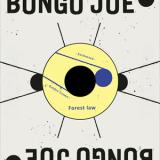
With Golden Crown and his interpretation of Prefab Sprout’s Enchanted, Forest Law brings together two songs that reflect both his songwriting and his musical influences. One is an original composition from 2018, rediscovered years later and revived almost unchanged, pairing bright pop melodies with a sharp meditation on power.
The other pays tribute to a song that became a personal obsession after his long-overdue discovery of Prefab Sprout. Together, these recordings highlight Forest Law’s gift for understated arrangements, memorable melodies and lyrics whose depth unfolds with every listen.
Another Day on Earth (2005) was Brian Eno’s first song-based album since Nerve Net in1992, and remains one of his most acclaimed solo records. It featured a young Jon Hopkins alongside long-standing collaborators Nell Catchpole, J. Peter Schwalm and Leo Abrahams, with lyrics co-written by Michel Faber and Danny Hillis. The album was launched with a public conversation between Eno and the writer Michael Bracewell at the Marble Palace in St Petersburg and its cover photograph was taken by Eno himself in Beijing, during his first Chinese audio installation in the city’s Ritan Park. Following Warner Bros’ purchase of Hannibal Records in 2006, the licence for Another Day on Earth lapsed in 2008 and the album has been unavailable outside Japan ever since.
“Grand, sweeping choruses ... that insinuate themselves deep into the memory, but also moments of whispering intimacy - a wistful, haunting record that runs warm with understated emotion. ★★★★★” - Matthew Collin, The Observer (2005)
Nach ersten limitierten Singles veröffentlicht The Operator Sound INC. sein Debütalbum "Esoteric Audio For Space Age Witchcraft" innerhalb der "21st Century Library Music"-Reihe des englischen Labels Library Of The Occult. Die Aufnahmen erfolgten direkt auf Tonband unter Verwendung modularer Synthesizer, einer alten elektronischen Orgel und einfacher Rhythmusmaschinen und liefern den klassischen Space-Age-Lounge-Vibe der 1960/70er Jahre, jedoch auf eine düstere und okkulte Weise verfremdet, die aus einem Planetarium der 70er Jahre zu stammen scheint.
There’s this feeling that House Music is sometimes diluted into a pleasant, non-offensive and conformist formula. Well, Jackie Gritness - you may have heard of her big bro Gary - is bringin’ all the sweat, the attitude and the filth down - take it or leave it.
Jackie introduces herself from both sides on this well-strapped debut 12” - the slick swingin’ & sangin’
on the bass-heavy A side, and the raw clave trax and cunty snarls of the acid-laced B side.
No trace of over-production or tired sampling here: this is just Jackie, her mic and her lil’ groovebox -
gettin’ raw in the studio just like she does onstage. Only thing added is some wall-shaking mastering by New York OG Dietrich Schoenemann.
This is the kinda House that’s supposed to make regular folks wanna turn it off. This ain’t rated E for Everyone, it’s rated F for Freaks.
It’s music from the underground, for the underground - as it was first revealed on the runway of Glastonbury’s infamous NYC Downlow last summer.
And if that’s more than you can take - it’s alright. It’s not like Jackie will hold it against you.
Jackie Gritness
“Gary’s little sister.” His studio session resume reads like a House music who’s who - from David Morales to Fred P. He’s also been rockin’ clubs with the Playin’ 4 The City and MLIU crews - but she’s also been seen on Gideon’s fierce Homo-Centric Records. See, this bitch’s true feelings about House are stripped-down, bare-bones, and unapologetically sexual. With a radical ‘live’ attitude, she’s serving the realness with an irresistibly acidic zing.
Fontaines D.C. announce their fifth studio album, Dopamine Chamber, released on 16th October via XL Recordings. Produced by James Ford, it is the follow-up to 2024’s UK platinum-certified Romance – and the sound of a band moving decisively away from the guitar language of their early records into something colder, stranger and more synthetic. It arrives today alongside lead single “Marianne” and its accompanying video, directed by Dave Meyers.
Dopamine Chamber arrives like a constellation behind undulating sighs of smog: potent balladry, anthemic melodies glinting through the murk. In a world tipping towards collapse, it asks how pleasure mutates amid peril—and what our pursuit of it reveals about us. Across the album, Fontaines D.C. – Grian Chatten, Carlos O’Connell, Conor Curley, Conor Deegan and Tom Coll – move between gratification and dread until the two meld together, reflecting the overwhelm of artificial intelligence, environmental collapse and political violence all riding the same algorithms as memes, jokes and celebrity culture. “The album itself is a dopamine chamber,” says Chatten. “You step inside and we test these different mind- or mood-altering pieces of music on you.”
Where Romance held its tension in balance, this record tips it. “I think Romance was maybe 60 per cent human and 40 per cent corrupted by automation, and a loss of feeling,” says Chatten, who spent time among the faded grandeur of Venice, Vienna and Sicily in search of lyrical inspiration. “This one feels more like 60 per cent corrupted — the mask is wearing the face a little more.” He resisted any pull towards easy optimism: “I felt it would be more powerful to leave the hope out and reflect the ugliness honestly. This one needed to feel more like a catastrophic warning.”
“Our albums have always questioned a sense of place,” says bassist Conor Deegan. “First Dublin, then being away from Dublin, and then trying to find the romance elsewhere. On this record, the question became: where do you escape to?” Into the self, perhaps – or hedonism, fantasy, cosmetic perfection, eternal youth or the endless refresh of a screen.
Fontaines D.C. have spent five albums refusing to repeat themselves – from Dogrel (2019) through A Hero’s Death (2020), the No. 1 Skinty Fia (2022) and the anarchic, kaleidoscopic Romance (2024). Dopamine Chamber is their most radical turn yet: cold synthesiser tones, marching drums, samples and triggers, several songs with no guitars at all, and the swooning strings of 1960s Italian pop pulled into something synthetic. For guitarist Conor Curley, the aim was to break from the band’s own reference points: “I was trying to find stuff that pointed into the future.” It was made with James Ford between London, the English countryside and Palermo, where Chatten recorded vocals in a makeshift booth built from mattresses and cushions.
“There’s a poignant sense of us being on the brink of some other kind of form of humanity, or non-humanity,” says Chatten. For their fifth album, Fontaines D.C. have built the chamber. What happens to the listener inside it will be the experiment.