Motel d'amour - A Lost Electro-Funk Gem from the NDW Era Resurfaces
When we first collaborated with Collage member Markus Kammann on the EP project "Mit den Puppen tanzen" at the end of last year, we never imagined what would follow: Kammann approached us with a completely unreleased full-length album by his former band. Upon receiving the first three preview tracks, we were floored. One of them was "Nachtcafé" - a track that kicks off with a funky bassline layered over the punchy rhythm of a Roland TR-808. Add shimmering synths and Katrin A. Kunze's sharp, distinctive vocals, and we instantly knew we were hearing something special.
For a label dedicated to rediscovering lost treasures, this was exactly what we'd been searching for. The next two tracks - "Rendezvous" and "Casanova" - were just as compelling. When Kammann sent us the full album, we realized we were holding an electro-funk grail from the late golden days of the German Neue Deutsche Welle (NDW). We were listening to "Motel d'amour".
"Motel d'amour" is a concept album, offering a sharp, vibrant perspective from a confident, intelligent, and radiant young woman eager to experience nightlife, love, and music. Kunze's lyrics paint vivid scenes of flirtation ("Nachtcafé", "Rendezvous"), encounters with men ("Casanova"), the pulse of nightlife ("Die Nacht ist noch jung"), love ("Rotes Licht für rote Liebe"), one-night stands ("Motel d'amour"), and more. Rarely has a German album from that era captured emotional nuance and social dynamics so insightfully. Without veering into the overly personal, Kunze's direct, daring lyrical style was groundbreaking at the time - and remains refreshingly bold today.
While German listeners will fully appreciate the lyrical depth, the music speaks volumes on its own. Kunze's words are masterfully complemented by the production of Markus Kammann and Jürgen Grah. As heard on the in-demand "Mit den Puppen tanzen", their creativity seemed boundless. Each track is tightly composed, catchy, and full of character. While many German bands at the time leaned into rock, Kammann drew from the deep grooves of Earth, Wind & Fire, The Isley Brothers, Brothers Johnson, The Commodores, and the electro-futurism of Afrika Bambaataa's "Planet Rock" and "Looking for the Perfect Beat". The result: tracks with unmistakable electro-funk flair, powered by the classic 808 drum sound.
Though primarily rooted in funk and electro, the album retains flashes of NDW aesthetics - "Wir haben getanzt heut' Nacht" being a prime example. The instrumentation is a dream list for vintage gear lovers: Yamaha keyboards, Roland Juno-60, vocoder, Micromoog, Hohner D6 Clavinet, Fender bass, and a Telecaster guitar all feature prominently.
Recorded in 1985 at the high-profile Delta Studio by Richard Rossbach, the album attracted interest from Polydor. However, the label proposed using the compositions for a solo project with singer Inga Humpe (of Neonbabies), who was already signed to their roster. This would have required replacing Kunze as the vocalist, an idea the group firmly rejected. As a result, "Motel d'amour" was shelved, and Kammann, Grah, and Kunze moved on to form Cold End.
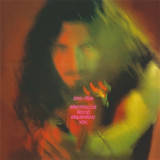
The album cover features a rare archival photo of Katrin A. Kunze - rediscovered by Kammann and now finally seeing the light of day, 40 years later.
We believe Motel d'amour deserves recognition alongside cult German classics like P!OFF?, 1. Futurologischer Congress' "Wer spricht?", Ami Marie's "Verrückt nach Glück", the funkier cuts of Cosa Rosa, or Piet Klocke's groove classic "Heute ist nicht sonst". It's a record that fits into adventurous DJ sets but also rewards a full, start-to-finish listen.
A note on audio quality: Sadly, the original master tapes were lost. The tracks were restored from a vintage TDK cassette. Thanks to modern digital tools, we were able to remaster them to a high standard - but in some songs light distortions remain. We appreciate your understanding and hope you enjoy this lost and undiscovered gem.
Search:vee
Motel d'amour - A Lost Electro-Funk Gem from the NDW Era Resurfaces
When we first collaborated with Collage member Markus Kammann on the EP project "Mit den Puppen tanzen" at the end of last year, we never imagined what would follow: Kammann approached us with a completely unreleased full-length album by his former band. Upon receiving the first three preview tracks, we were floored. One of them was "Nachtcafé" - a track that kicks off with a funky bassline layered over the punchy rhythm of a Roland TR-808. Add shimmering synths and Katrin A. Kunze's sharp, distinctive vocals, and we instantly knew we were hearing something special.
For a label dedicated to rediscovering lost treasures, this was exactly what we'd been searching for. The next two tracks - "Rendezvous" and "Casanova" - were just as compelling. When Kammann sent us the full album, we realized we were holding an electro-funk grail from the late golden days of the German Neue Deutsche Welle (NDW). We were listening to "Motel d'amour".
"Motel d'amour" is a concept album, offering a sharp, vibrant perspective from a confident, intelligent, and radiant young woman eager to experience nightlife, love, and music. Kunze's lyrics paint vivid scenes of flirtation ("Nachtcafé", "Rendezvous"), encounters with men ("Casanova"), the pulse of nightlife ("Die Nacht ist noch jung"), love ("Rotes Licht für rote Liebe"), one-night stands ("Motel d'amour"), and more. Rarely has a German album from that era captured emotional nuance and social dynamics so insightfully. Without veering into the overly personal, Kunze's direct, daring lyrical style was groundbreaking at the time - and remains refreshingly bold today.
While German listeners will fully appreciate the lyrical depth, the music speaks volumes on its own. Kunze's words are masterfully complemented by the production of Markus Kammann and Jürgen Grah. As heard on the in-demand "Mit den Puppen tanzen", their creativity seemed boundless. Each track is tightly composed, catchy, and full of character. While many German bands at the time leaned into rock, Kammann drew from the deep grooves of Earth, Wind & Fire, The Isley Brothers, Brothers Johnson, The Commodores, and the electro-futurism of Afrika Bambaataa's "Planet Rock" and "Looking for the Perfect Beat". The result: tracks with unmistakable electro-funk flair, powered by the classic 808 drum sound.
Though primarily rooted in funk and electro, the album retains flashes of NDW aesthetics - "Wir haben getanzt heut' Nacht" being a prime example. The instrumentation is a dream list for vintage gear lovers: Yamaha keyboards, Roland Juno-60, vocoder, Micromoog, Hohner D6 Clavinet, Fender bass, and a Telecaster guitar all feature prominently.
Recorded in 1985 at the high-profile Delta Studio by Richard Rossbach, the album attracted interest from Polydor. However, the label proposed using the compositions for a solo project with singer Inga Humpe (of Neonbabies), who was already signed to their roster. This would have required replacing Kunze as the vocalist, an idea the group firmly rejected. As a result, "Motel d'amour" was shelved, and Kammann, Grah, and Kunze moved on to form Cold End.
The album cover features a rare archival photo of Katrin A. Kunze - rediscovered by Kammann and now finally seeing the light of day, 40 years later.
We believe Motel d'amour deserves recognition alongside cult German classics like P!OFF?, 1. Futurologischer Congress' "Wer spricht?", Ami Marie's "Verrückt nach Glück", the funkier cuts of Cosa Rosa, or Piet Klocke's groove classic "Heute ist nicht sonst". It's a record that fits into adventurous DJ sets but also rewards a full, start-to-finish listen.
A note on audio quality: Sadly, the original master tapes were lost. The tracks were restored from a vintage TDK cassette. Thanks to modern digital tools, we were able to remaster them to a high standard - but in some songs light distortions remain. We appreciate your understanding and hope you enjoy this lost and undiscovered gem.
- A1: Ema Feud & B-Brain - Mi Lugar Favorito (Extended Mix) (5 54)
- A2: Peke - Shiver (Extended Mix) (4 52)
- A3: Tommy Vee, Danny Losito & Keller - I Can't Go For That (Extended Mix) (4 48)
- A4: Bohemoon & Bonura - Raya (Extended Mix) (3 25)
- B1: Berin - Crazy (Extended Mix) (6 06)
- B2: Roberto Tropea & Solarys - Let The Sunshine In (3 26)
- B3: Tr3Nacria & Roberto Tropea - Discodown (Leandro Da Silva Extende Mix Feat House Of Glass) (4 19)
- B4: Inner Mind - Mugeni (8 38)
- C1: Cecilia Krull - Agnus Dei (Ema Feud & B-Brain Extended Mix) (3 29)
- C2: Tr3Nacria - Free Now (Extended Mix Feat Bacon Popper) (3 53)
- C3: Just A Boy & Dvo - After Hours (Extended Mix) (5 22)
- C4: Coco De Sax - Lady (Hear Me Tonight) (Extended Mix) (5 01)
- D1: Sapienza - Stereo Love (Extended Mix) (4 22)
- D2: Tamborder - Hideaway (Extended Mix) (3 48)
- D3: Defreeze - Faded (Extended Mix) (4 07)
- D4: Flash & Dash & Andryx - Kiss (Extended Mix) (3 52)
- D5: Just A Boy & Kali Mija - Easier (Extended Mix) (5 02)
EGO IN MIAMI 2025 comes to life by showcasing current music trends through the most hyped EGO
tracks of the moment. Not only: it represents the beginning of the annual series of compilations signed
EGO, as a tradition for ten years. Again this year, at the Miami Winter Music Conference, we have
selected several tracks that will count down with you, accompanying you to the start of one of the most
anticipated EDM events of the year. The MMW brings together thousands of professionals and
enthusiasts who will participate in a series of events in Miami, concluding with the iconic “Ultra Music
Festival”.
The selection presented this year reflects current musical trends. Established names like TR3NACRIA,
Cecilia Krull and Tommy Vee with the talented emerging Defreeze, Bohemoon and just a boy, the great
returns of Sapienza, Solarys and Bacon Popper. The energy of Berin, the good vibes of Roberto Tropea
and the euphoric productions of Ema Feud and B-Rain. The ensemble takes place through the extended
version braid that creates a collection usable by both EDM fans and professionals: DJs and producers.
Lee Morgan war ein amerikanischer Jazztrompeter und Komponist. Als einer der wichtigsten Hard BopMusiker der 1960er Jahre wurde Morgan bereits in seinen späten Teenagerjahren bekannt. Er nahm mit Bandleadern wie John Coltrane, Curtis Fuller, Dizzy Gillespie, Hank Mobley und Wayne Shorter auf und spielte in Art Blakeys Jazz Messengers. Morgan blieb bis 1961 bei Blakey und begann in den späten 50er Jahren, als Leader Platten aufzunehmen. Seine Komposition „The Sidewinder“, die auf dem gleichnamigen Album enthalten ist, wurde 1964 zu einem überraschenden Crossover-Hit in den Pop- und R&B-Charts. Nach einem zweiten Engagement in Blakeys Band arbeitete Morgan bis zu seinem Tod 1972 sowohl als Leader als auch als Sideman weiter. Ursprünglich 1960 auf dem Vee-Jay-Label veröffentlicht, ist ”Here’s Lee Morgan” Lee Morgans 10. Album. Auf der Sammlung von 6 Hard Bop-Stücken wird Morgan von Clifford Jordan (Tenorsaxophon), Wynton Kelly (Klavier), Paul Chambers (Bass) und Art Blakey (Schlagzeug) unterstützt. Diese Neuauflage des Albums erscheint als Teil der Original Jazz Classics Series auf 180-Gramm-Vinyl, das bei RTI gepresst wurde, mit analogem Mastering von den Originalbändern bei Cohearent Audio und einem Stoughton TipOn Jacket.
- Sol Solet
- Es Fa Llarg Es Fa Llarg Esperar
- Cuatre Barres Blanc I Negre
- Brian A Clown
- Lluna Robada
- Maria
- Occident (Recepte De Cuina)
- Lluna Estimada
- Estrella De La Fortuna
Once again, Riba left everyone bewildered with a work that, on its own, gave early substance to what would eventually be known as roc català, of which Riba may well have been its most authentic representative. The album was recorded in the winter of 1975 with the help of the same group of musicians who had accompanied him a few months earlier at a concert at Zeleste to debut new songs: a mix of Valencian musicians from bands like Paranoia Dea and guitarist Eduardo Bort's group. "Electròccid àccid alquimístic xoc" marks a shift in Pau Riba's sound-now electrified and fully embracing rock with nods to Lou Reed, Ray Davies, and Kevin Ayers, but the core of "Electròccid_" is defined by Riba's own authorship. With lyrics that veer from poetic to absurdly ironic, Riba explores themes like the moon, the stars, death, love, women, the devil, and the bourgeoisie-fueling the originality that made him such a unique artist. It's striking how naturally and effortlessly Riba incorporated the Catalan language into the rock idiom-and vice versa. First vinyl reissue in over four decades!
After the explosive Comme à la radio, infused with the free jazz energy of the Art Ensemble of Chicago, Brigitte Fontaine and Areski Belkacem released six albums together or separately between 1972 and 1977. Their music, often stripped down to voice, guitar, and percussion-or performed a cappella-stood in stark contrast to the orchestrated French pop of the time. This minimalist and spontaneous approach highlighted the poetic power of the lyrics and the intimacy of the melodies, earning them recognition in the counterculture and underground scenes. By the end of the 1970s, Fontaine sought to make her work more visible without losing its originality. The Baraka album marked this transitional moment, initially recorded in a home studio without external musicians. Its title (meaning "blessing" in Arabic) hinted at a desire for success. Mixing introspection, absurd humor, and bold stylistic choices, the album was technically ambitious, featuring stereo duets and layered vocals, and lyrically rich, tackling everything from metaphysical themes to playful nonsense. However, the project ultimately veered off course. After moving the recordings to the massive Studio Davout and bringing in producer and guitarist Martial "Mimi" Lorenzini, the album lost its original intimacy. Overproduced arrangements clashed with the simplicity of Fontaine and Belkacem's initial intent, resulting in an album-renamed Les églantines sont peut-être formidables-that the artists later disowned, refusing to allow its commercial release. Recently rediscovered demo tapes, stripped of their bombastic layers, reveal the raw, emotional core of the songs-showcasing the duo's voices with a rare authenticity. These recordings bridge a missing link in their discography, between their experimental lo-fi years and their later, more accessible work. Decades on, Fontaine and Belkacem remain defiant originals, never settling into a formula, always evolving, and continuing to shake the foundations of French chanson.
- Oh, Boy!
- Not Fade Away
- You've Got Love
- Maybe Baby
- It's Too Late
- Tell Me How
- Rainin' In My Heart
- Heartbeat
- Rave On
- True Love Ways
- Everyday
- That'll Be The Day
- I'm Looking For Someone To Love
- An Empty Cup (And A Broken Date)
- Send Me Some Lovin
- Last Night
- Rock Me Baby
- Rock Around With Ollie Vee
- Blue Days, Black Nights
- You Are My One Desire
- Words Of Love
- Peggy Sue
Zig Zags have been an L.A. institution for over a decade, never veering from their hard-riffin punk/metal mission statement. They’ve gigged all over the globe with underground luminaries such Mike Watt, Neurosis, Pig Destroyer, Oh Sees and Feral Ohms and recorded collaborations with icons like Iggy Pop. Now the power trio is set to release their fifth incendiary full-length album, Deadbeat At Dawn, named in honor of the beloved B-movie, a no-budget action revenge flick set in the mean streets of suburban Ohio. Cult cinema is an enduring Zig Zags inspiration, with the band frequently calling out exploitation films in their lyrics, odes to teen-delinquent classics like “Over the Edge” and dystopian sci-fi such as, “Terminator” and “Total Recall”. The new album sticks to this obsession with the cultural underground, riffing on everything from demonic minions to apocalyptic visions and alien attacks. The result is the most focused, intense, and catchy Zig Zags album yet, with the timing perfect for their distinctly melodic and maniacal call to arms. Finalizing recording and mixing just as the catastrophic fires hit their hometown in L.A., Deadbeat At Dawn is the perfect soundtrack for a city rising up from the ashes of destruction. “I feel lucky that we got to put out this record when we did,” Maheu said, “It’s heavy and gnarly and kind of fucked up, but it’s also a lot of fun—which is how we feel about Los Angeles.”
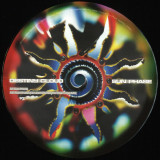
"Kindred spirits and loyal soldiers on the frontlines of the dub war Detroit's 2Lanes and Los Angeles' Cromie link up to present to the world, Destiny Cloud. With a project name inspired by a mystical vacant storefront in Cromie's neighborhood of Altadena (still standing after the fires, bless), the guys formed like a storm after being intro'd by a notorious LA promoter and hotboy producer matchmaker. Funnily enough, the first session was foiled by a missing cable, so it wasn't until the sexy summer of 2023 that the cloud seeds that went on to become Sun Phase/Moon Phase were planted. From the jump, their vision was lucid and their objective collective: lock in at the stu(s) to make the most jiggy, psychedelic, tripped out club shit they could muster. Fast forward to today, Destiny Cloud is proud to bring you the latest missive on 2Lanes' Auto Shop imprint.
On the A side, Sun Phase sets it off with searing stabs from the hands of session killer Ji Hoon on a heavenly Jupiter-8 (sorry not sorry, the real thing does sound better) before a bassline straight off the Adriatic's Argonaughty comes in to funk up the flow over a bed swung hi-hats and drum circle conga lines the Wickedest west coast house heads can appreciate (no hippy shit, but we ARE on Hipp-E's dick). A keep-it-simple-stupid *muah' organ line plays nice with a gang of embellishments to take this one through its duration (Joey pressed record and said "ooh-wah" into the vocoder; no lie, I was there). With his Toxic Love remix, NYC upstart DJ John Brooklyn injects the tune with the highest grade octane to up the revs. The aforementioned organ becomes a timeless trance lead, and new pipes are inserted reminding us all that house music is forever.
Day turns to night on the B Side with Moon Phase, where booming kicks let you know off the rip that this is some real deal late night trunk funk. We're talking dualities here y'all; Cromie's deep-as-the-Pacific bassline meets Joey's frozen-lake-cold Detroit stabs as the drums speak in tongues with those on the other side of the slab. Reverb ghosts and rhythmic acid have this one veering more psychedelic without losing the jiggy factor, while diving proggy synths will have the Global Underground saying, "yea this is our shit, for real." With a run time that allows for maximum fun time, the ambient outro gives you a kiss on the forehead to put that ass to sleep. The iconic DJ Miss Parker takes the wheel on the remix, taking this one straight down the Tunnel with new-school/true-school Tenaglia-isms that wouldn't sound out of place in 2000, 2005 or 2025.
Like all the work we do, this one's a team effort. Salar Ansari put's his deft touch on the mixdowns and Jack Anderson blesses the center of both sides of the disc. Out mid-May, just in time for when things start heating up
- The Static God
- Nite Expo
- Animated Violence
- Keys To The Castle
- Jettisoned
- Cadaver Dog
- Paranoise
- Cooling Tower
- Drowned Beast
- Raw Optics
The Oh Sees wasted no time in racing headlong into nightmarish battle with the mighty Orc, clawing even farther up the ghastly peak stormed so satisfyingly by their previous A Weird Exits. The band is in tour-greased, anvil-on-a-balance beam, gut-pleasingly heavy form, nimbly braining—with equal dashes of abandon and menace—on this fresh batch of bruisers and brooders, hypnotically stirred into to the cauldron of chaos you’ve come to expect. On Orc, fresh blood Paul Quattrone joins Dan Rincon to form a phalanx of interlocking double drums, alternately propelling and fleet-footing shifting ground to pinion John Dwyer’s cliff-face guitars to the boogie. Tim Hellman keeps it swinging like a battle-axe to the eyebrows. The tunes veer toward the violence of their live shows, with a few tasty swerves into other lanes: heavy to lush, groovy to stately. Throughout, it remains sinister in its swaggering skulk, manic in its fuzz-fried fugues. They hit all the sweet spots the heads foggily remember, and there’s plenty to sweat over if you just hopped into the sauna. More evil…more complex…more narcotic…more screech… more blare…more whisper…there’s even more Brigid. Less “Thee,” but more of everything else.
- A1: Brainwave Playground
- A2: Promised Land Utopia
- A3: Lucidity Gone
- A4: Life Out Of Balance
- B1: Satan's Waltz (Metamorphosis Stage 1)
- B2: Bambino Illuminatus
- B3: Bambino Criminale
- B4: Over The Rainbow
- B5: An Answer
- B6: V Day Baby
- B7: The Moaning Pyramid
- C1: Mind Splitting Lab (Metamorphosis Stage 2)
- C2: I Feel Seperated
- C3: Fascinating Child
- C4: 8-Bit Trauma
- D1: The Monarch's Pyramid
- D2: To You All Kids Will Come (Metamorphosis Complete)
Stylish, intelligent and cinematic, the second series of the cult UK TV series UTOPIA in 2014 reinforced the impact of Emmy Award winning
Series 1 and gained the show an even larger following. Integral to the action is Chilean composer Cristobal Tapia de Veer's original music
for the programme, recognised by the Royal Television Society who awarded it Best Music (Original Score), Record Collector who gave
it five stars and Mojo who placed it at No. 4 in their Top 10 Soundtracks of the year.
This record was originally released for Record Store Day 2015 and is repressed on a new colour by popular demand. Cristobal Tapia de Veer’s
music has more recently found a new audience with his soundtrack to HBO hit show The White Lotus and the film Babygirl (2024).
Ziúr lines up with The Tapeworm for an exclusive cassette-only release featuring Kenichi Iwasa, exploring the electroacoustic realms.
Invited to perform solo at Tarek Atoui's performance series at Kunsthaus Bregenz in October 2024, Ziúr decided to write a new piece for the occasion. This composition, 'Turn Liquid Into Dust', was then performed within the framework of Tarek Atoui's 'Waters' Witness' exhibition as an 8-channel spacial audio piece, transmitting sounds through the installation's structure – metal bars, stones, compost piles… Composed in London in autumn 2024, its principal source of sonic material is recordings of Atoui's instruments which Ziúr had recorded in his studio in Paris during the summer of 2024. In addition, she invited the Japanese woodwind player and virtuoso Kenichi Iwasa to join on all pieces, his contribution providing a binding element, tying the pieces together.
Opener 'A Cold Drip' consists solely of Iwasa's spectral squalls. The tense noir drone of 'Long Call' features a string instrument built by Atoui. For the airy yet dense title track, Ziúr recorded an organ named The Reed Box, with Iwasa floating atop its smoggy soundbed. Closer 'Chips 'n' Crumbles' echos and reverberates with the rattles of household items Ziúr found around her home.
Driven by a relentless appetite for boundless experimentation, Ziúr has been subverting expectations since she was a teenager, corkscrewing through hardcore, metal and punk before veering towards electronic music's turbulent fringes. She produces just like she DJs, gathering a wide variety of ingredients and figuring out the most intriguing, unexpected ways to simmer them into a coherent narrative that helps listeners synchronize the conflicting messages that surround them. Genre isn't a fixed point for Ziúr, but a colour in a vast palette that stretches across history and borders, helping illustrate music that's powerfully subversive. Her The Tapeworm edition follows acclaimed recordings for Planet Mu, PAN, Objects Limited and Hakuna Kulala.
Kenichi Iwasa is a London-based improviser and multidisciplinary artist from Japan, also known for his legendary Krautrock Karaoke night as well as collaborations with visual artists and musicians such as Beatrice Dillon, Maxwell Sterling and Linder Sterling. He currently performs with Naima Karlsson under the name Exotic Sin.
- Dat Erste Leed
- Dat Tweete Leed
- Aff Un To
- Dat Veerte Leed
- Dat Föffte Leed
- Dat Süsste Leed
- Dat Sövente Leed
- Dat Achte Leed
- Dat Negente Leed
- Dat Teihnte Leed
- Dat Ölvente Leed
- Dat Twölfte Leed
Mit seiner Band Santiano hat Hans-Timm „Timsen“ Hinrichsen nicht weniger als acht #1-Alben in den deutschen Charts platziert. Am 25. April erscheint das Solo-Album: „Vun Hier“
Und doch ist der Sänger ein unglaublich bodenständiger Typ. Die Gründe dafür sind vielfältig – und haben doch alle einen Ursprung: seine Herkunft. Timsen wuchs als Bauernsohn in einem kleinen Dorf auf der schleswig-holsteinischen Geest auf. Noch heute lebt er in einem Dorf in der Nähe von Schleswig.
Seine Heimatverbundenheit ist nicht nur geographisch:
Plattdeutsch ist Timsens Sprache des Herzens und ein wesentlicher Teil seiner Identität. Wenn er zählt, heißt es nicht „Zwei und Zwei ist Vier“ sondern „Twee un Twee sünd Veer“. Mit seinem Soloalbum „Vun hier“ geht Timsen neue Wege und doch zurück zu den Ursprüngen. Ein Album voller Heimatklänge, aber auch voller Offenheit. Timsen zeigt sich hier als eigenständiger Künstler, der Tradition mit neuen Einflüssen verbindet – echt, direkt und ganz vun hier.
'Sexy Tears' is a bold departure from Tristanne's (fka Tristan) critically acclaimed pop-jazz debut Wellif and lets you veer into uncharted territory, from the first tone, the bittersweet and haunting violin tones fade in on opener 'Steady Mouth'. In a split second, Tristanne lets you vanish in a dazzling matrix deep down a rabbit hole, a place where Piero Umiliani's 70s sleazy giallo era sensually resonates with Oneothrix Point Never goldwave frequencies. With a whisper of panting tension, her soothing voice and sonic subliminal temptation she unravels her own lush love secret domain, unlocking deeply hidden lost emotions and mutated feelings.
While mellifluous harp chords in 'If Only' set a scene for a tantalizing new world utopia the percussive clutter of 'Whordus' syncopes and mutate this future dream with a chiastic slide into a videodrome for a jilted generation.
With the help from her musician friends Elisabeth Klinck (violin), Indr? Jurgelevi?i?t? (kanklès), Kaat Vanstralen (flute) and Gert Malfliet (drums), Tristanne's 'Sexy Tears' will hit you straight in the heart, like a modern-day Cupido with a well aimed dazzling sonic arrow. Ready to stay there forever.
Under her stage name Tristanne (formerly known as Tristan), Isolde Van den Bulcke makes music she defines as sitting in a 'grey zone'. By valorizing self-reliance and learning as much as possible from the get-go, the musician and producer hasn't let hardship nor pursuing a niche genre hold her back. She studied jazz vocals for 8 years, released 2 ep's before her debut album 'Wellif' in 2022.
Recommended if you like Piero Umiliani on a Sunday morning, Broadcast on the beach, Oneohtrix Point Never in a romantic mood, Autechre on Ice, Ennio Morricone on LSD, and Pierro Piccioni popping perks.
It’s a decidedly busy time at INVINC HQ at the moment with the 10-year anniversary looming in May.
The six months preceding this date are peppered with a flurry of releases every couple of months, which started with the Mondo Ritmo EP that came in October, the Gamma Knife LP in December and now this brand new album by Sordid Sound System, which lands early March before a rather promising sounding 2xLP compilation lands in May to mark the occasion.
It’s been a good few years since something by Sordid Sound System aka Stuart Evans has been released on the label and it’s a welcome return. In our opinion it's some of Evans’ best work and so it’s a pleasure to have him back on board the good ship Inc.
Remarkably, this music is even harder to pigeon-hole than usual...even for Stu, who’s known for his raw, analogue, live takes that veer between dub and post-kraut this is definitely quite "different": part surf acid, part dub, part psych-exotica, part motorik...and that's just the A-side. The B-side leans more towards ambience but of the oddball experimental soundtrack variety...a thoroughly enjoyable ride.
Enjoy the trip.
On his Discrepant debut Memotone aka Bristolian Will Yates collects some unreleased recordings under a most aptly titled name - »Pruning« - following a healthy stream of releases for such esteemed labels as Black Acre, The Trilogy Tapes or Soda Gong.
Considering the process of pruning as a practice of selective removal, the album takes its name at face value never falling into a mere collection of tossed off material or random B-side assemblage, making it a cohesive listen throughout its disparate timeframe and evasions.
A statement about Memotone's vision itself, »Pruning« veers closer to his Fourth World/ECM/Exotica meets Sci-fi transmutations in alignment with what would be expected from a Memotone release on Discrepant. »Moss Zone« briefly sets the tone with a warm but queasy synth bedsheet that flows into the »Weird Figures« cyber- jungle, all small twinkling percussions and rainforest pads slowly rising. 'Riders' brings the synth-flute to an early Warp meets John Hassell's »City: Works of Fiction« scenario that pops up again in more disrupted form on »Wisdom MOTHER«. »Not What I Thought's« skewed tropical guitar gets going on lo-fi percussion and dissonant synth chords while »Jim Starling and The Inverse Church« bring to mind »Autoditacker« era Mouse on Mars going jazz-fusion. Or what we should expect from their Smalltown Supersound stint. »Beach Scene« is exactly it, as the sun sets into »Come In Don't Mind the Ghost« summer night's stars with all the allure of Stereolab.
Alluring, that's exactly it. Do come in.
- Dance In My Mouth
- Kroo
- Keydrum
- Forg
- Gritty Beat
- Hayai
- Secondhand
- Dollar In My Pocket
- Mindset
- Shrekosaurus
- Rockyobody
Haii Usagi is a two piece electronic/exerimental band from Columbia, MO
Members consist of Pete Hansen (Drums and Keyboards) and Eric Burch (Keyboards,
Synths, and Programming).
"Electro-thrash, calling up the ghost of Brainiac, sans vocals and guitar. Haii Usagi brings
the bleeps and blips that drives and veers as opposed to superficially just addressing
your need to dance the night away". - Beer and Pavement
"Haii Usagi approaches it with an emphasis on songcraft, focusing on the hook rather
than the tracks being simply a groove you can dance to. They also manage to hint at a
number of styles from rock to ambient while staying true to their electronic vision. I
know some of the more punk than thou types may find problems with Haii Usagi's
sound, but for those willing to open their minds you'll find a group who manages to make
their own vision of what the genre should be and proves that not all electronic dance
music has to sound generic". - TTWN
- In The Distant Travels
- I Want To Be With You
- Moments
- I Want To Be There
- You Dance Like The June Sky
- Somewhere
Its sound veers away from raw black metal intensity, opting for expansive, dreamy
atmospheres. Damian Anton Ojeda's signature approach tempers the harshness of
black metal's usual bleakness with a delicate sense of beauty and melancholy. The
album builds around shimmering guitars and lush soundscapes, creating a sense of
longing rather than the frostbitten aggression typically associated with the genre.
A key characteristic of "I Want to Be There" is how the screamed vocals--reminiscent
of depressive black metal--are mixed to blend seamlessly with the instrumental layers.
This intentional obscuring of vocals, pushed toward the back, transforms the vocals
into another textural element rather than a dominant force. This aesthetic decision
diffuses the emotional weight usually carried by extreme metal vocals, steering the
listener away from despair and toward introspection.
The balance between black metal's darker elements and post-rock's ethereal qualities
gives this record its emotional depth. The opening and closing tracks, "In the Distant
Travels" and the title track, lean more heavily on black metal structures but never fully
embrace the genre's typical harshness. Instead, the fuzzy guitars and crashing
cymbals are imbued with hope and uplifting energy. The post-rock influence becomes
more pronounced in tracks like "I Want to Be With You," which forgoes black metal
vocals entirely in favor of a choral atmosphere, evoking a serene and heavenly quality.
Ojeda also demonstrates his talent for creating immersive soundscapes, drawing
comparisons to *Sigur Ros*. Both artists employ sweeping melodies that evoke
feelings of transcendence. Still, where *Sigur Ros* tends to embrace more overtly
uplifting and sentimental tones, Sadness anchors these grand moments in
melancholy, avoiding overindulgence. The album is a delicate dance between light and
shadow, making the listening experience emotionally rich and layered.
While it may not have the raw emotional punch of *Deafheaven* or the nostalgic
charm of *Alcest*, *I Want to Be There* stands as a polished and thoughtfully
composed entry into the post-blackgaze genre. Ojeda's ability to fuse the weightless
hypnosis of black metal with the airy beauty of post- rock results in a sound that is
both familiar and new. Sadness offers a captivating and often beautiful exploration of
blackgaze, making the album a worthwhile listen for fans of atmospheric and
introspective metal.
Limited vinyl release for aya's 2021 Hyperdub-debut album, a one-time pressing on Ecomix random colour-mix recycled vinyl. Originally released in 2021 as a book and digital album, im hole is now presented on ecomix splatter-effect vinyl. A welcome reminder ahead of new aya music in 2025. On im hole, aya distilled the incisive sonic experimentation of her early run of releases, the tongue-in-cheek giggles of her DJ sets and edits, and the identity-fluxing lyricism of her live shows. The album was immediately championed from all corners, 'Best New Music' in Pitchfork to DJ Mary Anne Hobbs Album of the Year, followed by incredible live shows which drew new listeners further into the net. Contorting language, dialect, gender and sexuality between intermittently controlled bursts of rhythm, noise and aural goop, aya sculpted a set of autobiographical vignettes that challenge established norms, question supposed truths, and affirm a spectrum of interlocking experiences. But while it's wide open and personal, im hole also challenges queer art's tendency to veer towards repetitive solipsism. Even the title itself references the unwieldy mix of self-actualization and sexualization that bogs down cultural perceptions of the trans experience. It's neither one thing nor t'other, just as much a sly nod to dissociative afterparty sloppiness as it is any self-congratulatory pinkwashed grandstanding. The music follows suit, fragmenting familiar sounds, twinned with familiar words, assembled in unfamiliar ways, full of sharp humour, even in the middle of despair. Stories are muddled with phonetics just as dubstep is macrodosed with microtonal drone.
j B4. If [redacted] Thinks He's Having This As A Remix He Can Frankly Do One