
also available
Black Vinyl[28,36 €]
pre-order now02 Apr 2025
expected to be published on 02 Apr 2025
28,15 €
Black Vinyl[28,36 €]
expected to be published on 02 Apr 2025
expected to be published on 02 Apr 2025

expected to be published on 02 Apr 2025
Black Vinyl[29,83 €]
expected to be published on 02 Apr 2025
expected to be published on 02 Apr 2025
expected to be published on 02 Apr 2025
expected to be published on 02 Apr 2025

** Japanese Pressing **
The once thought impossible-to-reissue album a Japanese duo (Fumio Ichimura, Masao Hiruma) "Testpattern"s only album Apres-Midi (originally released on October 21, 1982) produced by Hosono Haruomi is finally set to be reissued on vinyl.
The original master was discovered in ALFA MUSIC’s warehouse, processed with top-tier digital technology, and cut for vinyl by Katsutoshi Kitamura (Warner Music Mastering).
The 55th Anniversary Project of ALFA MUSIC brings you a groundbreaking release.
Last delivered 17 months ago
available to reorder, subject to availability

HouseElectronicaPopWorld Music
Now and again, an album project with no home comes along out of the blue, demanding to be licensed and shared with the world.
It was unearthed on one of Paper's digging trips. BOM's album sounded like nothing else out there, only the future. Shrouded in mystery and country-of-origin unknown, Africa runs through its DNA, but sometimes mysteries are best left...
Ase - a Yoruba philosophy signifying the power that makes things happen and produces change; given to Gods, ancestors, spirits, humans, animals, plants, rocks, rivers, songs and prayers.
BOM takes influence from all corners of Africa and its diaspora, blending them with 25 years of Western electronic music into a melange of forward facing, leftfield afro futurism.
The album features one of Africa's brightest rising stars, Luka Productions (from Mali), cosmic poet Sirius Rush (UK) and master drummer & vocalist Felix Ngindu (DRC/Liverpool) for a journey into kaleidoscopic Afro-tech funk. Gqom, Shangaan electro and township funk rub shoulders with hip-hop, bass, deep house and dub for a psychedelic celebration of collaboration and possibility.
As geographical and musical barriers are broken down, BOM's 'Ase' album is leading the charge; London to Lagos, Lisbon to Sao Paulo, Bamako to Berlin, BOM captures the sound of the underground.
Last delivered 18 months ago
available to reorder, subject to availability
expected to be published on 01 Apr 2025

Vol 1[28,99 €]
Googling “paradise house”, the first results to pop up are an endless list of European b&b’s with whitewashed lime façades, all of them promising “…an unmatched travel experience a few steps from the sea”. Next, a little further down, are the institutional websites of a few select semi-luxury retirement homes (no photos shown, but lots of stock images of smiling nurses with reassuring looks). To find the “paradise house” we’re after, we have to scroll even further down. Much further down.
It feels like yesterday, and at the same time it seems like a million years ago. The Eighties had just ended, and it was still unclear what to expect from the Nineties. Mobile phones that were not the size of a briefcase and did not cost as much as a car? A frightening economic crisis? The guitar-rock revival?! Certainly, the best place to observe that moment of transition was the dancefloor. Truly epochal transformations were happening there. From America, within a short distance one from the other, two revolutionary new musical styles had arrived: the first one sounded a bit like an “on a budget” version of the best Seventies disco-music – Philly sound made with a set of piano-bar keyboards! – the other was even more sparse, futuristic and extraterrestrial. It was a music with a quite distinct “physical” component, which at the same time, to be fully grasped, seemed to call for the knotty theories of certain French post-modern philosophers: Gilles Deleuze, Félix Guattari, Paul Virilio... Both those genres – we would learn shortly after – were born in the black communities of Chicago and Detroit, although listening to those vinyl 12” (often wrapped in generic white covers, and with little indication in the label) you could not easily guess whether behind them there was a black boy from somewhere in the Usa, or a girl from Berlin, or a pale kid from a Cornish coastal town.
Quickly, similar sounds began to show up from all corners of Europe. A thousand variations of the same intuition: leaner, less lean, happier, slightly less intoxicated, more broken, slower, faster, much faster... Boom! From the dancefloors – the London ones at least, whose chronicles we eagerly read every month in the pages of The Face and i-D – came tales of a new generation of clubbers who had completely stopped “dressing up” to go dancing; of hot tempered hooligans bursting into tears and hugging everyone under the strobe lights as the notes of Strings of Life rose up through the fumes of dry ice (certain “smiling” pills were also involved, sure). At this point, however, we must move on to Switzerland.
In Switzerland, in the quiet and diligent town of Lugano, between the 1980s and 1990s there was a club called “Morandi”. Its hot night was on Wednesdays, when the audience also came from Milan, Como, Varese and Zurich. Legend goes that, one night, none less than Prince and Sheila E were spotted hiding among the sofas, on a day-off of the Italian dates of the Nude Tour… The Wednesday resident and superstar was an Italian dj with an exotic name: Don Carlos. The soundtrack he devised was a mixture of Chicago, Detroit, the most progressive R&B and certain forgotten classics of old disco music: practically, what the Paradise Garage in New York might have sounded like had it not closed in 1987. In between, Don Carlos also managed to squeeze in some tracks he had worked on in his studio on Lago Maggiore. One in particular: a track that was rather slow compared to the BPM in fashion at the time, but which was a perfect bridge between house and R&B. The title was Alone: Don Carlos would explain years later that it had to be intended both in the English meaning of “by itself” and like the Italian word meaning “halo”. That wasn’t the only double entendre about the song, anyway. Its own very deep nature was, indeed, double. On the one hand, Alone was built around an angelic keyboard pattern and a romantic piano riff that took you straight to heaven; on the other, it showcased enough electronic squelches (plus a sax part that sounded like it had been dissolved by acid rain) to pigeonhole the tune into the “junk modernity” section, aka the hallmark of all the most innovative sounds of the time: music that sounded like it was hand-crafted from the scraps of glittering overground pop.
No one knows who was the first to call it “paradise house”, nor when it happened. Alternative definitions on the same topic one happened to hear included “ambient house”, “dream house”, “Mediterranean progressive”… but of course none were as good (and alluring) as “paradise house”. What is certain is that such inclination for sounds that were in equal measure angelic and neurotic, romantic and unaffective, quickly became the trademark of the second generation of Italian house. Music that seemed shyly equidistant from all the rhythmic and electronic revolutions that had happened up to that moment (“Music perfectly adept at going nowhere slowly” as noted by English journalist Craig McLean in a legendary field report for Blah Blah Blah magazine). Music that to a inattentive ear might have sounded as anonymous as a snapshot of a random group of passers-by at 10AM in the centre of any major city, but perfectly described the (slow) awakening in the real world after the universal love binge of the so-called Second Summer of Love.
For a brief but unforgettable season, in Italy “paradise house” was the official soundtrack of interminable weekends spent inside the car, darting from one club to another, cutting the peninsula from North to centre, from East to West coast in pursuit of the latest after-hours disco, trading kilometres per hour with beats per minute: practically, a new New Year’s Eve every Friday and Saturday night. This too was no small transformation, as well as a shock for an adult Italy that was encountering for the first time – thanks to its sons and daughters – the wild side of industrial modernity. The clubbers of the so-called “fuoriorario” scene were the balls gone mad in the pinball machine most feared by newspapers, magazines and TV pundits. What they did each and every weekend, apart from going crazy to the sound of the current white labels, was linking distant geographical points and non-places (thank you Marc Augé!) – old dance halls, farmhouses and business centres – transformed for one night into house music heaven. As Marco D’Eramo wrote in his 1995 essay on Chicago, Il maiale e il grattacielo: “Four-wheeled capitalism distorts our age-old image of the city, it allows the suburbs to be connected to each other, whereas before they were connected only by the centre (…) It makes possible a metropolitan area without a metropolis, without a city centre, without downtown. The periphery is no longer a periphery of any centre, but is self-centred”.
“Paradise house” perfectly understood all of this and turned it into a sort of cyber-blues that didn’t even need words, and unexpectedly brought back a drop of melancholic (post?)-humanity within a world that by then – as we would wholly realise in the decades to come – was fully inhuman and heartless. A world where we were all alone, and surrounded by a sinister yellowish halo, like a neon at the end of its life cycle. But, for one night at least, happy."
Last delivered 3 months ago
available to reorder, subject to availability

Released in early 1976, the title track of Bad Company's third album Run With The Pack is, what one critic described as, "a male-bonding type of song" that frontman Paul Rodgers was inspired to write about the group's non-stop touring adventures.
"Run With The Pack" is notable for its string arrangement, which Rodgers said he had in mind from the outset. "I wrote that song on the piano, and when I played it to the guys they fell right in. In my head, strings were always part of the song."
The album was recorded in France using the Rolling Stones Mobile Truck in September 1975 with engineer Ron Nevison, and mixed in Los Angeles by Eddie Kramer.
The Run With The Pack album reached No. 5 on the Billboard 200 and No. 4 on the U.K. chart. It was also Bad Company's third consecutive platinum-selling album.
Rolling Stone, in its review, calls Run With The Pack Bad Company's third and best album, reiterating the raw, rowdy style of their debut, Bad Company.
Cut at 45 RPM, pressed on 180-gram vinyl at Quality Record Pressings, and housed in a tip-on old style gatefold double pocket jacket by Stoughton Printing.
expected to be published on 31 Mar 2025

Limited Edition 12"
Left Ear are delivering two previous unreleased Australian ‘experimental’ electronic tracks from the 80’s and honoring them with a split 12” release.
Side A: Features an unreleased full-length version of Tim Gruchy’s Jungles, a solo electro-percussive piece recorded in Tim’s Lab D’Avoid studio in Brisbane. The track is emblematic of his style during an era when he worked extensively in music, both as a percussionist and primarily with electronics, including early analog synths.
A shorter version was originally released on the Meanjin (Brisbane) art collective ZIP’s Eye Ear EP book package in 1986 and, more recently, on Left Ear’s Antipodean Anomalies 2 compilation.
This original version of Jungles was initially part of the soundtrack for the ZIP Performing Group’s infamous Ironing Board Dances. Footage of the performance was treated through a Fairlight synthesizer, mixed with hand-painted slides, and transferred to VHS for various film festivals.
Side B: Michael Krillich’s Arnhem Land began its journey in 1982 in a shared house in North Bondi. Inspired by Brian Eno and David Byrne’s My Life in the Bush of Ghosts, he experimented with tape loops, cut-ups, and samples, incorporating synthesizers, effects pedals, a drum machine, and an unknown sample from an Australian Aboriginal record. This creation became part of his cassette release, Thematic Variations.
In 2010, Krillich uploaded an unreleased extended version of Arnhem Land from Thematic Variations to YouTube, which was shared by record dealer Matt Bowden with Left Ear Records, who pursued to release it on vinyl. Their search to uncover the sample’s origins led them to Arnhem Land Vol. 1 (1957), recorded by Peter Elkin in the Daly River region.
After years of research and through the guidance of Professor Allan Marrett and local custodians, the sample was verified as a “Wangga” ceremonial song sung by George Morkai, an Emmiyangarl man. Rights to the song had passed through generations to Tobias Worumbu, who granted us permission for its use, bringing Arnhem Land full circle.
expected to be published on 31 Mar 2025

Foreigner's Double Vision album achieved success through a combination of well-crafted songs, strong songwriting, talented musicians, extensive radio airplay, and favorable timing within the music industry.
Double Vision, released in 1978, followed up the group's blockbuster debut with an album of FM mega-hits. Songs such as "Hot Blooded," "Double Vision," and "Blue Morning, Blue Day" became radio staples and resonated with a wide audience. Lou Gramm's powerful vocals and Mick Jones' guitar playing were key components of the band's sound, and their musical prowess was evident throughout the album.
The album peaked at No. 3 on the Billboard 200 chart and earned platinum-selling certification just a week after its release, and now has marked 7x platinum for sales in excess of 7 million units. "Hot Blooded," reached No. 3 on the Billboard Hot 100 chart. In September, it was followed by "Double Vision," which charted at No. 2. This was the highest position Foreigner had attained to that time. The third and final single, "Blue Morning, Blue Day," was released in December and climbed to No. 15 on the chart.
Foreigner was known for their energetic live performances, and they toured extensively to promote Double Vision. Their live shows helped to further connect with fans and promote the album.
Analogue Productions is proud to offer the definitive reissue deluxe 45 RPM 2LP of Double Vision. For Foreigner fans, this is a can't-miss addition to your album collection.
expected to be published on 31 Mar 2025

CSN was the trio's last fully realized album, and also the last recording on which the three principals handled all the vocal parts without the sweetening of additional voices. It has held up remarkably well, both as a memento of its time and as a thoroughly enjoyable musical work." — AllMusic
Crosby, Stills & Nash was a folk rock supergroup made up of American singer-songwriters David Crosby, Stephen Stills, and English singer-songwriter Graham Nash. CSN's 1977 self-titled album is a return to the harmony-soaked idealism with which the trio had been catapulted to popularity; it reached No. 2 on the charts, behind Fleetwood Mac's megasuccessful Rumours.
AllMusic says the songs on CSN show a "great deal of lyrical maturity and compositional complexity compared to those earlier albums (from a far more innocent time). "Just a Song Before I Go" was the latest of Graham Nash's radio-friendly acoustic numbers, and a Top Ten single. "See the Changes" and "Dark Star" ranked with the best of Stephen Stills' work, while David Crosby contributed three classics from his distinctive oeuvre: "Shadow Captain," "Anything at All," and the beautiful "In My Dreams."And Nash's multi-part "Cathedral," a recollection of an acid trip taken in Winchester Cathedral on his 32nd birthday, became a staple of the group's live repertoire.
Ground-breaking music perfection deserves definitive sound and top-notch packaging. This reissue was mastered directly from the original master tape by Chris Bellman at Bernie Grundman Mastering and cut at 45 RPM. Pressed on 180-gram vinyl at Quality Record Pressings, and housed in a tip-on old style gatefold double pocket jacket with textured stock by Stoughton Printing.
expected to be published on 31 Mar 2025

Kaum ein Ereignis hat die deutsche Gesellschaft im noch jungen Jahr 2024 so sehr bewegt, wie der Tod von Fußballlegende und Sportikone Franz Beckenbauer. Als einer der größten Namen ging „Der Kaiser“,
wie er oft genannt wird, sowohl als Spieler als auch später als Trainer und Funktionär in die weltweite Fußballgeschichte ein.
Unvergessen sind, im Angesicht seiner außergewöhnlich erfolgreichen Karriere, aber nicht nur seine Leistungen und Erfolge auf dem Platz oder seine Einflüsse als Funktionär, sondern auch im Bereich der Musik hinterließ Franz Beckenbauer seine Abdrücke in der deutschen Kulturlandschaft.
All diese Umstände ergeben in Summe eine regelrechte Aufforderung zur Neuauflage von Franz Beckenbauers größten Hits, oder besser gesagt: ”Des Kaisers schönste Lieder”. So lautet nämlich auch der
offzielle Titel der neuen 10“-Vinyl, die alle alten Titel aus der Zusammenarbeit mit dem Polydor-Label enthalten und pünktlich zum Fußball-Highlight des Jahres erscheinen wird. Universal Music wird diese feine Schatztruhe an Liedern zudem auch erstmals digital veröffentlichen und für Streaming verfügbar machen.
Die strikt auf 1.000 Stück limitierte Edition in transparentem 10”-Vinyl wird am 14.06.2024 erscheinen.
Last delivered 18 months ago
available to reorder, subject to availability

Recorded in 1967, Hank Mobley’s Third Season was a typically high-calibre hard bop outing by the tenor saxophonist with a 7-piece band featuring alto saxophonist James Spaulding, trumpeter Lee Morgan, guitarist Sonny Greenwich, pianist Cedar Walton, bassist Walter Booker and drummer Billy Higgins.
This stereo Tone Poet Vinyl Edition was produced by Joe Harley, mastered by Kevin Gray from the original analog master tapes, pressed on 180g vinyl at RTI, and packaged in a deluxe gatefold tip-on jacket.
Last delivered 18 months ago
available to reorder, subject to availability

Soul music has always been in Paul Weller’s blood from early Jam covers of Martha & the Vandellas 1963 classic ‘Heatwave’. Along with other forms of music, soul found its way into Paul’s record collection, nourishing his ears and informing his own songwriting
We don’t need to recap a questing musical career from the Jam to the Style Council and then blossoming into one of the most productive and revered careers of any UK solo artist. Paul has written anthems, standards and a songbook that have always developed from his own feelings.
Whilst Paul has talked about his love of soul music he has, before now, simply been too busy to sit down and curate a collection of his favourite tracks and get it into the record racks.
Ace Records are honoured and delighted to finally release that Paul Weller curated collection which he has aptly titled, “That Sweet Sweet Music”.
This 2-LP set and CD open the curtains on 26 tracks that are some of Paul’s favourite soul records most of which nestle on vinyl in his own collection. He can still recall paying £70 for his copy of Jon Lucien’s 1971 ‘Search For The Inner Self’ 7” at a record shop in Leicester in the 90s. Some of these tracks are soul classics like James Carr’s 1966 ‘Pouring Water On A Drowning Man’ and Brother to Brother’s brilliant take on Gil Scott Heron and Brian Jackson’s ‘In The Bottle’ from 1974. Others are deliciously obscure wonderous gems like the A-side of Blackrock’s sole 1971 single ‘Blackrock “Yeah, Yeah”’, ‘Life Walked Out’ from the same year by the Mist or Syl Johnson’s ‘Black Balloons’ taken from his 1970 album “Is It Because I’m Black?”.
There are plenty of big vocal hitters such as Darrell Banks, Spinners, Joe Simon, O.C. Smith, the Dells and Betty Davis. Whilst the core is vocal soul the music does branch out with Paul selecting a wicked instrumental from the flipside of the Isley Brothers’ ‘Twist & Shout’ from 1962 and the funky jazz of the Headhunters ‘God Made Me Funky’, the A-side of their first 1975 seven-inch.
expected to be published on 31 Mar 2025

Der weltweit gefeierte Musiker, Produzent und Songwriter Steven Wilson veröffentlicht sein achtes Studioalbum ”The Overview”. Das 42-minütige Werk, bestehend aus zwei epischen Tracks – ”Objects Outlive
Us” und ”The Overview” – ist inspiriert vom “Overview Effect”, einem transformativen Erlebnis, das Astronauten beim Blick auf die Erde aus dem Weltall erfahren.
Mit ”The Overview” kehrt Wilson zu seinen progressiven Wurzeln zurück, einem Genre, das er maßgeblich
mitgestaltet hat. Die beiden ambitionierten Stücke bestehen aus einzigartigen musikalischen Abschnitten, die nahtlos ineinander übergehen, und kombinieren klassische Prog-Elemente mit modernen Einflüssen
wie Elektronik und Post-Rock. Die Texte, teils von XTCs Andy Partridge, erzählen Geschichten über die
Schönheit und Herausforderungen des Lebens auf der Erde.
Das Album spiegelt 30 Jahre Wilsons Karriere wider, mit Anklängen an Porcupine Tree, The Raven That
Refused to Sing und The Future Bites. Wie immer liefert Wilson ein audiophiles Erlebnis: ”The Overview”
wird in Spatial Audio und als speziell gemastertes Half-Speed-Vinyl erhältlich sein.
”The Overview” ist ein einzigartiges Werk für 2025 – ein Erlebnis für offene Ohren und weite Gedanken.
Last delivered 18 months ago
available to reorder, subject to availability

Diese Sonderveröffentlichung feiert den 20. Jahrestag von The Grind Date. Die LP ist als Splatter-Vinyl
in limitierter Auflage erhältlich und enthält neben dem Originalalbum 4 Instrumentalversionen der Haupttitel. Die 2CD enthält außerdem 2 brandneue Titel, die während derselben Sessions wie The Grind Date
aufgenommen wurden. Diese noch nie zuvor veröffentlichten Titel mit den Titeln „Respect“ und „Bigger“
ergänzen dieses bereits bekannte Album perfekt.
De La Soul ist eine einflussreiche Hip-Hop-Gruppe, die Ende der 1980er Jahre gegründet wurde. Das
Trio, bestehend aus den Mitgliedern Kelvin Mercer (Posdnuos), David Jude Jolicoeur (Trugoy the Dove)
und Vincent Mason (Maseo), ist für seinen einzigartigen Sound und seine innovative Herangehensweise an
Hip-Hop bekannt. Ihnen wird oft zugeschrieben, dass sie mit ihrem eklektischen Stil, ihrer Verwendung
von Sampling und ihren positiven Botschaften die Landschaft des Genres mitgestaltet haben.
„The Grind Date“ ist das sechste Studioalbum von De La Soul und wurde 2004 veröffentlicht. Das Album markierte eine bedeutende Rückkehr der Gruppe nach einer Pause seit ihrem letzten Album im Jahr
2001. „The Grind Date“ zeigt De La Souls charakteristische Mischung aus cleveren Texten, innovativer
Produktion und einer Mischung aus verspielten und introspektiven Themen. Das Album enthält eine Fülle
spannender Gastauftritte von Künstlern, darunter MF Doom, Ghostface Killah, Flava Flav und Sean Paul.
Last delivered 18 months ago
available to reorder, subject to availability

“… it was dance music, it had lyrics, it had songs, it wasn’t all instrumental, it was basically uptempo soul music, to be exact.”*
This quote from Timmy Regisford already sums up everything you need to know about his remix of Basic Black’s “Don’t Make Me Fall In Love.” Signed to Motown during Regisford’s reign as vice president and A&R, their self-titled debut album from 1990 is a testament to the massive popularity of new jack swing at the time. In his remix, the co-founder, resident DJ, and key figure of Club Shelter reconfigures the song’s structure with the signature sounds of New York’s prime dance floor scene, while preserving the heartfelt storytelling of the lyrics and the group’s voices on top of an irresistible groove and a bassline to die for.
At the time, it was only available in the record crates of the Big Apple’s DJ elite and later on as a white label in specialist shops. This soulful, yet driving piece, however, never saw an official single release—until now. Lifted from a DAT tape in Tony Humphries’ archive and carefully and faithfully restored, it now even features a condensed, never-before-released instrumental version of the remix, as well as a bass-and-beats-only edit for mixing purposes by yours truly. New jack swing transformed into New York club music by a king. This remix is a testament to Timmy Regisford’s prowess in the studio, but also honors the roots of the music he loves and grew up on—serving as a perpetual piece of the city’s vast history in underground dance music.
Gerd Janson
Last delivered 13 months ago
available to reorder, subject to availability

If every significant artist has an underrated gem in its catalog, then Mirage is that album for Fleetwood Mac. An obvious return to relative simplicity after the dramatic tension of Rumours and experimental ambitions of Tusk, the 1982 album finds the band re-grouping after a brief hiatus and again climbing to the top of the charts. Extremely well-crafted, well-produced, and well-performed, the double-platinum effort distills the group’s hallmark strengths into a filler-free set that never runs short of addictive pop hooks or daft accents.
Sourced from the original analog master tapes, pressed at Fidelity Record Pressing in California, and housed in a Stoughton jacket, Mobile Fidelity’s numbered-edition 180g 45RPM 2LP set presents Mirage in reference sound for the first time. The efforts co-producers/engineers Ken Caillat and Richard Dashut went to capture the splintered albeit formidable band can be heard with stunning accuracy, range, depth, and detail.
Though Rumours understandably gets a permanent spot in the audiophile hall of fame, the smooth, clear, and dynamic sonics on Mirage confirm that the record that stood as Fleetwood Mac’s last effort for five years deserves a place in the same vaunted arena. The presence and imaging of Mick Fleetwood’s percussion alone on this reissue might have you wondering how this slice of soft-rock bliss has gone under-noticed for decades. Other prized aural aspects — separation, definition, impact, tonal balance — are also here in spades.
Like much surrounding Fleetwood Mac in the 1980s, arriving at Mirage was not easy. Caillat searched for studios located outside of Los Angeles on a mission to change up the vibe of the band’s prior recording sessions. Everyone settled on Le Chateau in France, where relations between some members remained icy — and cooperation with the producers strained. Battles with exhaustion, bitterness, and addiction further informed the proceedings at the 18th century complex in the French countryside, where even communal meals were allegedly eaten in silence.
Inevitably, the feelings that co-producer Lindsey Buckingham, Stevie Nicks, Christine McVie, and company harbored — as well as the situations in which they found themselves — drifted into the songwriting. In its rapid ascent to rock-star royalty status, Fleetwood Mac drifted apart, embarked on solo pursuits, and found it was lonely at the top. Emptiness, the illusion of dreams, the longing for love, the want to escape to bygone times of innocence and happiness: Such themes inform a majority of the narratives. Even if the lyrics regularly take a back seat to easygoing arrangements that allow Mirage to come on like a refreshing breeze on a sunny summer afternoon.
Home to three Top 25 singles in the U.S. and having occupied the pole position of the Top 200 album charts for five weeks, Mirage rightfully resonated with the mainstream and attracted listeners on both sides of the pond. And how, via a smart blend of sugary melodies, warm harmonies, interlaced notes, nimble rhythms, taut structures, and passionate vocals. Not to mention the presence of what arguably remains Nicks’ signature song, the biographical “Gypsy,” a meditation on the loss of her close friend Robin Anderson that teems with majesty, mystery, and mysticism — and which gets an assist from Buckingham’s shaded tack piano and richly strummed guitar chords.
Its ranking as an all-time classic aside, that No. 12 hit has plenty of company when it comes to brilliant pop turns on Mirage. On the subject of Nicks, the raspy singer gets a little bit country on “That’s Alright.” Its clip-clopping pace and two-stepping progression complement subtle vocal swells that emerge during the final verse of a tune that is ostensibly about leaving but still conveys forgiveness and grace. And what would a Fleetwood Mac record be without Nicks drawing on the tools of the supernatural — cards, dreams, wolves, and the like — on the twirling “Straight Back.”
Despite the potency of Nicks’ primary contributions, Mirage seemingly unfolds as a tight competition between Buckingham and McVie — and one that ultimately ends in a draw. Buckingham’s salvos include the contagious “Can’t Go Back,” a yearning to time-travel back to the past that’s complete with hall-of-mirrors backing vocals; “Oh Diane,” out-of- left-field ear candy sweetened with hiccupped vocals and salt-and-pepper-shaken grooves; the chiming “Eyes of the World”; and “Empire State,” a delightfully fluttering track whose high-range vocals, lap harp notes, and ringing xylophones hint at the galaxies of sound that would erupt on Tango in the Night.
Then there’s McVie. As elegant, understated, and coolheaded as she’s ever been on record, she pours her heart out on cuts that revolve around her inevitable split with Beach Boy Dennis Wilson. In the process, she punctuates Mirage with a characteristic not always associated with catchy pop music: emotional weight, and the sense of dreaded acceptance in the face of dreams deferred.
“I wish you were here/Holding me tight,” McVie sings over a delicate melody on the album-closing piano ballad “Wish You Were Here.” Though they hoped otherwise, for the members Fleetwood Mac, distance and separation were always close at hand. Believing otherwise, inviting nostalgia, and pretending everything was fine only amounts to a mirage.
expected to be published on 31 Mar 2025

Because Sound Matters' meticulous One-Step process creates the definitive sounding audiophile version of k.d. lang Ingénue. This all-analog release comes from the original first-generation master tapes for the first time. Vinyl guru and editor Michael Fremer says, "This k.d. One-Step is insane – It's otherworldly great!"
This One-Step version is strictly limited to 3,000 copies. The album is housed inside a top-quality, foil-stamped, uniquely designed numbered slipcase. The enclosed gatefold jacket will feature an "old style" tip-on jacket with the original artwork.
Special care has been taken to faithfully preserve the original sound with exceptional clarity and depth, capturing the recording's nuances and subtleties at every step to create the best sounding record possible.
The One-Step process is highly regarded among audiophiles and collectors for its unparalleled sound fidelity and represents the pinnacle of vinyl manufacturing craftsmanship.
Ingénue was originally released March 17, 1992 and is k.d. lang's second solo album.
Upon release, the album charted at #18 in the US, #13 in Canada, #3 in the UK and Australia and #1 in New Zealand. Nominated for six Grammy® Awards with the breakout single "Constant Craving" winning a Grammy® Award for Best Female Pop Vocal Performance. "Miss Chatelaine" and "The Mind of Love" were follow-up singles.
k.d. received universal critical acclaim for the album from publications like Mojo, Pitchfork, Rolling Stone, Uncut and dozens more! Today, Ingénue is a true classic album and considered one of the great audiophile recordings of the modern era. This One-Step version certainly proves that!
Notes for This Release:
Ingénue was originally recorded and mixed on analogue tape and produced by Greg Penny, Ben Mink and k.d. lang. The original analogue master tapes were directly used as the audio source for this One-Step pressing! This is the first time the analogue tapes have been used as a vinyl source for this brilliant recording. The results are stunning.
Because Sound Matters used the Neotech VR900-D2 180g High-Performance vinyl compound, which is the same as what is known as Super Vinyl – the best in the world.
Chris Bellman at Bernie Grundman Mastering cut the lacquers with meticulous care! He also did the original mastering of the CD release in 1992.
Dorin Sauerbier at Record Technology, Inc (R.T.I.) has been plating records for decades and is considered the best in the world – he also has done more One-Step processing than anybody. This is a vital step in the process to ultimately delivering the absolute best sounding version of Ingénue ever.
Record Technology, Inc did the pressing – using the exact pressing machine used for so many other One-Step releases. The QC team is constantly monitoring each copy as it comes off the press.
Because Sound Matters' slipcases and gatefold "old style" tip on original art jackets were printed by world-renowned Stoughton Printing Company.
This new all-analogue edition will draw you into the music as never before—at least it did me. The sonic picture is rich, well-textured, harmonically saturated, spatially deep and all the rest of the audiophile buzzwords that no doubt the producers (who include lang) intended to give listeners but until now couldn't fully deliver. The musical flow will have you swooning in your seat. Before the opener 'Save Me' concludes you may already feel overwhelmed and in need of lifting the stylus to catch your emotional breath...What a treat!
-Michael Fremer, Tracking Angle, Music 11/10, Sound 11/10
expected to be published on 31 Mar 2025

PopClassicsWorld MusicLatinClassics
Transport yourself to the vibrant streets of Havana with the Buena Vista Social Club's eponymous album, a captivating journey into the heart of Cuban music! Recorded in 1996 by acclaimed producer Ry Cooder, this timeless masterpiece celebrates the rich tapestry of Afro-Cuban rhythms and soulful melodies that have enchanted audiences for generations.
Buena Vista Social Club is both the name given to this extraordinary group of musicians and the album, recorded in just seven days in 1996 in Havana's 1950s vintage EGREM studios. From the infectious energy of "Chan Chan" to the heartfelt nostalgia of "Dos Gardenias," each track immerses listeners in the intoxicating blend of son, bolero, and guajira styles. Led by legendary musicians such as Ibrahim Ferrer, Compay Segundo, and Omara Portuondo, the Buena Vista Social Club ensemble delivers performances that are as exuberant as they are intimate, capturing the essence of a bygone era while igniting a passion for Cuban music that knows no bounds.
The acclaim of the original album has elevated the artists (including Ibrahim Ferrer, Rubén González and Omara Portuondo) to superstar status, inspired an award-winning film by Wim Wenders, and has contributed to popularizing Cuba's rich musical heritage. Produced by Ry Cooder for World Circuit, the timeless quality of the music and the sheer verve of the veteran performers have ensured that this will go down as one of the landmark recordings of the 20th century.
This 45 RPM Analogue Productions reissue pressed by Quality Record Pressings on four dead-silent LPs makes every note a transcendent experience. Meticulously crafted using the finest materials and exacting standards, this reissue pays homage to the golden age of vinyl, capturing the warmth and depth of the original recording in stunning detail. The package includes a 12-page booklet with lyrics and stunning studio images, topped off by a tip-on old style gatefold double pocket jacket made by Stoughton Printing.
Embark on a musical odyssey filled with warmth, joy, and the irresistible allure of Havana nights!
expected to be published on 31 Mar 2025

expected to be published on 30 Mar 2025

'It begins with a shoebox of mysterious provenance, full of recordings from the Vendée department on France’s western seaboard: songs of love and war, life and death, played out on land and sea. Songs passed down and sung by ordinary men and women, gracefully delivered with the poetic economy which unites the folk song of all peoples.
Next it takes a group of contemporary musicians to make selections from this treasure trove and sing these old songs anew; to sing them for their beauty, of course, and to reclaim the people’s tradition from those who would seek to exploit it for nefarious political ends. Who better for this task than Tartine de Clous, a singing trio from Vendée’s neighbouring department of Charente-Maritime, who burst into national and international consciousness with their debut album "Sans Folklore" in 2015? The result of their shoebox rummagings, the new album "Compter les dents", recorded in 2019 and finally seeing the light of day, is bound to delight old fans and win them many new ones.
Time makes many’s the alteration, and "Compter les dents" finds 'les garçons' - Geoffroy Dudouit, Thomas Georget and Guillaume Maupin - in a different state of being from their debut release. The trio, friends since youth, have certainly matured between albums, as one would expect; consequently the newer performances are more considered and poised, unfolding with a patient confidence. A relaxed domesticity prevails, something to do with the fact that the album was entirely recorded chez les amis, in contrast to the first album, which was mostly recorded at live performances in bars and night-spots across France.
Lending gravitas to the grain of their voices we mark a deepened richness, doubtless born of the various vicissitudes of daily existence which these gentlemen - and we too as citizens of this turmoiled globe - have weathered in the intervening years. Not too dissimilar, in fact,
from some of the vicissitudes detailed in those old Vendée songs. Plus 'ça change', right?
There’s a greater complexity and subtlety to their unique three-part harmonising, too. Their voices mesh in even stronger - almost telepathic - 'fraternité' than ever before: now commanding and mighty as a full-rigged counter-vessel, now gentle and lulling as a mother’s
cradle-croon, or as the whisper in a lover’s ear.
Three legendary figures of French traditional music, now sadly departed, preside as tutelary spirits over Compter les dents. They are: the late Claude Flagel, musician and ethnomusicologist; and the late Jean-Loup Baly of the well-known 1970s band Mélusine. Most of the album was recorded by Claude in the Brussels home he shared with his late wife Lou Flagel. The album is dedicated to the memory of Jean-Loup, Claude and Lou.
For the first time there are several guest instrumentalists working their magic to expand the Tartine de Clous sound. Jean-Loup plays a characterful accordéon on the song ‘La Veuve'. The other guests are: Maurice Artus (voice), Robert Thébaut (violin), Quentin Manfroy (piccolo, contrabassoon), Marceau Portron (cigar box guitar). Their contributions add even more conviviality to that which the trio of singers already share, a sensation which will doubtless be shared by those who happen to find a place in their lives for "Compter les dents".'
Liner notes by Alasdair Roberts.
expected to be published on 30 Mar 2025

HouseElectronicaBalearicPopWorld Music
Earthly Measures are very excited to bring to you 'Doroja', an album by Santiago Córdoba & The Bauls of Bengal. Different to past releases, EM explores another part of the world, introducing you to the traditional sounds of Bengal & its talented musicians.
Doroja, is the third album by Argentinian musician Santiago Córdoba, this time in collaboration with The Bauls of Bengal. Recorded at the Hansadhwani Studio in Calcutta, India, where Santiago arrived with only a synthesiser, some effects, and a Legüero Bass Drum (an Argentine percussive instrument used mostly in local folklore) - this album was first conceived in December 2017 during a residency in this mythical city, together with The Bauls of Bengal.
The Bauls believe the body and mind are the sources of all truths and that the expression of freedom cannot be restrained by the labelling of genres or religions, something which is evidently expressed in their music. This provides the perfect foundations for this album to develop without limitations and too effortlessly flow to whichever realms both Santiago and the Bauls of Bengal wish to take us too.
The album combines traditional songs of the Bauls, rhythmic Jhumar instrumental improvisations with the Argentinian legüero bass drum, and other compositions created together in the studio. The result is a melodic mixture/dialogue of cultures, folklore and ancestral sounds with modern influences that help create an experimental and addictive sound full of electronic textures.
Participating in these first recordings: Arpita Chakraborty (vocals), Chandan Ray (dotara), Pijush Baul (Vocals, Dubki) and Tanmoy Pan (percussion), who later, are joined by other artists from different latitudes to achieve a captivating fusion: Matías Romero on strings (Formosa, Argentina), Guilherme Peluci from Mineiro on winds and Daniel Guedes on percussion (Belo Horizonte, Brazil), Porteños Walter Broide on tabla and Cobra Rod on bass (both members of Poseidotica), and the Spanish Ángel Calvo on trumpet.
The album was mixed by Rodrigo Cursach at Delta Uno Estudio, mastered by Daniel Ovie, and the fascinating cover art is by Alejandro Sordi. It will be released on vinyl by the UK based label Earthly Measures, in addition to being available on all digital platforms.
‘Doroja’ means portal, and this album is indeed a magical portal to music, song and dance. Santiago's only means of communication with Bengali colleagues functioned as an astral portal to build the sounds of this journey through strange and unfathomable landscapes that captivate and surprise by building bridges between different cultures of our planet.
Santiago Córdoba is a multi-instrumentalist musician born in the city of Buenos Aires who has been developing his unique sound both with his solo project and with prominent bands from the Argentinian independent music scene. He has been developing his solo career through deep musical and spiritual searching, with the infinite journey as a primary objective.
In recent years, he has lived in places such as Madrid, Beirut and Berlin and has released two albums: ‘Corso’ (2015) and ‘En Other Places’ (2019).
Last delivered 4 years ago
available to reorder, subject to availability

LTD. BLACK & CLEAR SWIRL VINYL[24,79 €]
Was ist ein "Boogie"? In der Umgangssprache ist es ein Tanz oder eine Gelegenheit zum Tanzen. Da es sich hier um ein Destroyer-Album handelt und nicht um den allgemeinen Sprachgebrauch, sind die Implikationen eines Titels wie "Dan's Boogie" verführerischer und gefährlicher zugleich. "Ein Boogie ist ein Täuschungsmanöver, ein Betrug, der nicht ganz funktioniert, die Bewegungen, die wir machen, wenn wir damit konfrontiert werden", erklärt Dan Bejar. "Ich denke an Spionage, Doppelagenten, die mit einem offenen Auge schlafen und die Ausgänge im Auge behalten. Aber ich denke auch an kleine Siege und Niederlagen auf der Straße und an Improvisation". Um "Dan's Boogie" aufzunehmen, musste Bejar eine Reihe von gewollten und ungewollten Hindernissen überwinden, um die Songs zu schreiben. Die Monate nach der Fertigstellung von "LABYRINTHITIS" wurden zu einem Jahr und dann zu zwei Jahren, in denen Bejar sich selbst den Neujahrsvorsatz gab, jeden Tag eine Stunde lang Klavier zu spielen. Das hat ungefähr vier Tage gedauert, aber die Songs, die Bejar als Ergebnis dieses Vorsatzes bezeichnet - darunter "Cataract Time", "Hydroplaning Off the Edge of the World", "Bologna" und "Dan's Boogie" - sind allesamt Destroyer-Songs aus dem breiten Spektrum, das Bejar und seine Mitstreiter für sich selbst geschaffen haben: Spektakuläre Pop-Epen, persönliche Piano-Balladen und schwelende Stimmungsbilder, die die Grenzen zwischen Song, Roman und Kino verschwimmen lassen, jedes voll von der Dringlichkeit eines Staatsgeheimnisses im Kopf eines gequälten Spions. Die Leadsingle "Bologna" ist der radikalste Rahmen für diese Energie, denn es ist das erste Mal, dass Bejar einen Song schreibt, in dem er sich selbst als Nebenfigur vorstellt. In der Hauptrolle ist Simone Schmidt von Fiver zu hören, deren Stimme - hart und ausdrucksstark, durchdringend durch die Düsternis der Szene - ein Sirenengesang ist, der das ganze Album durchdringt. Die Schwere ihrer Stimme ordnet "Dan's Boogie" um ein Gefühl des drohenden Untergangs herum, so wie das Versprechen einer Fatale auf das Ungewöhnliche und Ekstatische die Hauptfigur eines erotischen Thrillers zum Verhängnis wird. "Hydroplaning Off the Edge of the World" ist ein köstlicher Widerspruch, ein schwungvoller Song, der aus der Verwüstung entstand, die Bejar absichtlich mit sich selbst anrichtete. "We are now entering a new phase", intoniert Bejar und führt Schichten von Gitarren und Synthesizern ein, die die Palette erheblich verdunkeln, während er zwischen Gesang und Sprache wechselt. Der Nebel, der Bejar umgibt, wird durch die Reibung zwischen konkurrierenden Wahrheiten und Geschmäckern erhellt, etwa wenn sein Interesse an jazzigen Balladen auf das Interesse des Produzenten und Bassisten John Collins an Bands wie Led Zeppelin und Scritti Politti trifft. Als Bejar Collins erzählte, dass er an Sammy Davis Jr. dachte, entstand der Titeltrack, in dem Bejar mit fast wahnhafter Freude einen Rat Pack-Swagger vor einer verträumten Klangkulisse aus schwebenden Gitarren, üppigen Bläsern, Jazz-Drumming, spacigen Synthesizern und - vielleicht am ehesten dem Selbstverständnis Bejars entsprechend - einem klimpernden Lounge-Piano annahm. Das Herzstück von "Dan's Boogie" ist vielleicht "Cataract Time", ein achtminütiges Epos, das zu den schwersten Texten gehört, die Bejar je geschrieben hat, und eine der musikalisch komplexesten Kompositionen von Destroyer ist. Getragen von einem lässigen Groove, sind Bejars Texte verklärt, ihre Melancholie schmeckt fast widersinnig nach Hoffnung. Es ist ein intimer Song, der Destroyers übliches urbanes Fabel-Milieu gegen eine erfrischende Innerlichkeit eintauscht, aber sein beschwingter Groove lässt eine Zukunft erahnen, der Bejar und seine Band entgegenfiebern. Wo frühere Destroyer-Alben mit der Welt kämpften, tanzt "Dan's Boogie" mit ihr, und seine neun Träumereien verschmelzen zu einem einzigen langen Treiben. Dan Bejar mag die Ausgänge im Auge haben, aber er wird nicht so bald abreisen.
e 5 BOLOGNA [FEAT. FIVER]
expected to be published on 28 Mar 2025
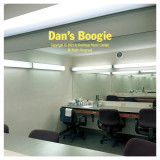
Was ist ein "Boogie"? In der Umgangssprache ist es ein Tanz oder eine Gelegenheit zum Tanzen. Da es sich hier um ein Destroyer-Album handelt und nicht um den allgemeinen Sprachgebrauch, sind die Implikationen eines Titels wie "Dan's Boogie" verführerischer und gefährlicher zugleich. "Ein Boogie ist ein Täuschungsmanöver, ein Betrug, der nicht ganz funktioniert, die Bewegungen, die wir machen, wenn wir damit konfrontiert werden", erklärt Dan Bejar. "Ich denke an Spionage, Doppelagenten, die mit einem offenen Auge schlafen und die Ausgänge im Auge behalten. Aber ich denke auch an kleine Siege und Niederlagen auf der Straße und an Improvisation". Um "Dan's Boogie" aufzunehmen, musste Bejar eine Reihe von gewollten und ungewollten Hindernissen überwinden, um die Songs zu schreiben. Die Monate nach der Fertigstellung von "LABYRINTHITIS" wurden zu einem Jahr und dann zu zwei Jahren, in denen Bejar sich selbst den Neujahrsvorsatz gab, jeden Tag eine Stunde lang Klavier zu spielen. Das hat ungefähr vier Tage gedauert, aber die Songs, die Bejar als Ergebnis dieses Vorsatzes bezeichnet - darunter "Cataract Time", "Hydroplaning Off the Edge of the World", "Bologna" und "Dan's Boogie" - sind allesamt Destroyer-Songs aus dem breiten Spektrum, das Bejar und seine Mitstreiter für sich selbst geschaffen haben: Spektakuläre Pop-Epen, persönliche Piano-Balladen und schwelende Stimmungsbilder, die die Grenzen zwischen Song, Roman und Kino verschwimmen lassen, jedes voll von der Dringlichkeit eines Staatsgeheimnisses im Kopf eines gequälten Spions. Die Leadsingle "Bologna" ist der radikalste Rahmen für diese Energie, denn es ist das erste Mal, dass Bejar einen Song schreibt, in dem er sich selbst als Nebenfigur vorstellt. In der Hauptrolle ist Simone Schmidt von Fiver zu hören, deren Stimme - hart und ausdrucksstark, durchdringend durch die Düsternis der Szene - ein Sirenengesang ist, der das ganze Album durchdringt. Die Schwere ihrer Stimme ordnet "Dan's Boogie" um ein Gefühl des drohenden Untergangs herum, so wie das Versprechen einer Fatale auf das Ungewöhnliche und Ekstatische die Hauptfigur eines erotischen Thrillers zum Verhängnis wird. "Hydroplaning Off the Edge of the World" ist ein köstlicher Widerspruch, ein schwungvoller Song, der aus der Verwüstung entstand, die Bejar absichtlich mit sich selbst anrichtete. "We are now entering a new phase", intoniert Bejar und führt Schichten von Gitarren und Synthesizern ein, die die Palette erheblich verdunkeln, während er zwischen Gesang und Sprache wechselt. Der Nebel, der Bejar umgibt, wird durch die Reibung zwischen konkurrierenden Wahrheiten und Geschmäckern erhellt, etwa wenn sein Interesse an jazzigen Balladen auf das Interesse des Produzenten und Bassisten John Collins an Bands wie Led Zeppelin und Scritti Politti trifft. Als Bejar Collins erzählte, dass er an Sammy Davis Jr. dachte, entstand der Titeltrack, in dem Bejar mit fast wahnhafter Freude einen Rat Pack-Swagger vor einer verträumten Klangkulisse aus schwebenden Gitarren, üppigen Bläsern, Jazz-Drumming, spacigen Synthesizern und - vielleicht am ehesten dem Selbstverständnis Bejars entsprechend - einem klimpernden Lounge-Piano annahm. Das Herzstück von "Dan's Boogie" ist vielleicht "Cataract Time", ein achtminütiges Epos, das zu den schwersten Texten gehört, die Bejar je geschrieben hat, und eine der musikalisch komplexesten Kompositionen von Destroyer ist. Getragen von einem lässigen Groove, sind Bejars Texte verklärt, ihre Melancholie schmeckt fast widersinnig nach Hoffnung. Es ist ein intimer Song, der Destroyers übliches urbanes Fabel-Milieu gegen eine erfrischende Innerlichkeit eintauscht, aber sein beschwingter Groove lässt eine Zukunft erahnen, der Bejar und seine Band entgegenfiebern. Wo frühere Destroyer-Alben mit der Welt kämpften, tanzt "Dan's Boogie" mit ihr, und seine neun Träumereien verschmelzen zu einem einzigen langen Treiben. Dan Bejar mag die Ausgänge im Auge haben, aber er wird nicht so bald abreisen.
expected to be published on 28 Mar 2025

The Crystal Hum is the debut vinyl release by Taiwan-based artist Yuching Huang and her first release for Night School.
A beguiling dreamscape of crackles, spluttering, love-struck Casios presided over by the the spectral vocal and guitar work of Huang, Yuching sings love songs at the end of this world and the beginning of the next. Recorded during a hiatus from her group Aemong (a duo with artist Henrique Uba) in Berlin, these songs elevate Huang’s unique vocal style and grasp of atmospherics. The Crystal Hum deconstructs balladry, Garage, guitar music and reforms it into a
unified ghostly otherworld version of these languages.
The Crystal Hum thrums with buried desire, trails of nocturnal reverb seeping out of apartment windows, diaristic vocal performances and deeply emotive, evocative Western-style strings. Formulated by Yuching Huang after periods of frustration and experimentation, the album is an exercise in minimalism and paring back, with some tracks like JohnJohn featuring little else than an elastic bass, spring reverb trails, an interjecting vocal and swelling, dislocated synths. The effect is spellbinding, the soundtrack to getting lost in the labyrinthine, closed streets of Venice, Taipei, Hong Kong, or mirror versions of them in the imagination.
On opener Fly! Little Black Thing, a subterranean funk bassline roots Huang’s singing, a rudimentary, unreliable beat floundering in whimsy underneath. Demure, dream Dance music, Huang references classic lo fi experimenters Suicide and Arthur Russell as well as Night School label mates The Space Lady and Ela Orleans. In fact, after the release of Aemong’s third album Crimson, Huang credits the direction of The Crystal Hum to being enchanted by The Space Lady’s Greatest Hits,
the landmark lo-fi recording made by Susan Dietrich Schneider in 1990. The new, minimalist approach to her sound world reveals and shrouds in equal measure. On the heart-melter Love, a sultry mid-tempo Casio + bass backing drops into the ether with Huang’s vocal swimming in preternatural void before emerging anew, in awe at the world. Every chord change heralds new perspectives, every guitar flurry swells and drips emotion, nothing is wasted and space billows out from between the grooves.
Huang never reveals more than necessary, making this an in-between love album: the right amount of mystery and darkened mirror shines wanely on The Crystal Hum while remaining fragile and vulnerable in the sweet spots. Turning over in pillowing smoke and night in the dark corners, Huang sings in both Mandarin and English. The songs speak of earthly matters seemingly at the edge of dissipating into nothing. Distorted, beguiling Sambas warble like sweating dancehalls in an imagined Lynchian 60s, as on Thoughts. Closer You, An Illusion warps a classic 60s Girlgroup bassline beloved of the likes of Les Rallizes
Denudes into a slight ballad on the edge of the void, held back by the teary-eyed, wistful and enveloping vocal cooed by Huang. Each song feels like a love song dedicated to the bits between worlds, between beats, the negative space between people where desires, feelings and loss hangs in the air, resolute and unresolved.
Last delivered 2 years ago
available to reorder, subject to availability

Roh, ungefi ltert und voller Energie fängt "Live SO36" den Punkrock in seiner schönsten Form ein. New Model Armys kompletter elektrisierender Auftritt vom 16. Juli 2022, im legendären Berliner SO36, erscheint erstmals als Audio- und Videoformat, mit 19 Songs, darunter Fan-Favoriten wie "The Hunt" und "Poison Street" sowie seltenen Stücken, welche die Band noch nie live gespielt hat. Das Album ist ein indirekter Nachfolger ihres Live-Albums "Sinfonia" von 2023, welches in Deutschland ein großer Charterfolg war (#1 Video Charts, #6 Album Charts). Nachdem die Band ein Konzert mit vollem Orchester im Tempodrom gegeben hatte, wollten sie nochmal das genaue Gegenteil tun und buchten zwei Abende im SO36, dem legendären Punk-Rock Schwitzkasten in Kreuzberg, um zur einfachsten Version von New Model Army zurückzukehren. An den beiden Abenden spielten sie 38 verschiedene Songs. Die Erstaufl age beider Formate enthält neben den 19 Songs auch einen exklusiven Audio-Download für die unveröffentlichte Show 2, die einenTag später, am 17. Juli 2022, aufgenommen wurde.
expected to be published on 28 Mar 2025

The Quireboys trafen 2022 auf ein kleines Orchester! Ein Abend, an dem klassischer Rock auf klassische Musik unter dem Dach des legendären O2 Forum Kentish Town traf. Bei diesem Meilenstein in der Geschichte der Quireboys wurde die Band von einem Streichquartett und einem Bläsertrio begleitet, die dem bewährten Sound der Gruppe eine neue Dimension verliehen. Gemeinsam interpretierte das erweiterte Ensemble der Quireboys Stücke aus dem umfangreichen Backkatalog der Band neu. Ein ziemlich einzigartiger Abend. Zum Glück haben The Quireboys die Erinnerung an dieses einzigartige Live-Erlebnis in ihrem neuen Konzertalbum mit dem Titel ,Orchestral Quireboys Live" festgehalten. Auf dem Album mit sechzehn Titeln spielt die fünfköpfige Band live Fan-Favoriten wie ,There She Goes Again", ,I Don't Love You Anymore" und ,7 O'Clock", aber auch versteckte Perlen aus dem Repertoire der Gruppe. Jeder der dargebotenen Songs wurde dank der Streicher und Bläser zu neuem Leben erweckt. Orchestral Quireboys Live funktioniert. 10-Song-Vinyl-LP & 14-Song-CD mit 16-Song DVD!
expected to be published on 28 Mar 2025
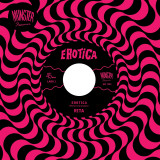
Two killer tracks of erotic psychedelia with a jazzy twist and touches of acid rock by the French cabaret star Rita and Chilean rock pioneers Aguaturbia. A perfect soundtrack to an imaginary sexploitation film, half-way between the classic sound of library records and a progressive and hypnotic musical journey driven by fuzzy guitars. French actress, model, dancer and singer Rita Cadillac, local star at well-known Parisian cabarets like Crazy Horse or Folies Bergère, recorded several 45s in the 1960s. In 1969, and most likely following the success of the Welsh band Man (from whom they "took inspiration" when recorded this 'Erotica'), released this song that could have easily worked as the perfect soundtrack for a sexploitation movie. Rita's sensual voice is wrapped in a piece of background music that could have been taken from a classic library record from the KPM, Chappell or Montparnasse 2000 catalogues. Hammond-driven prog jazzy passages, subtle fuzzy guitar solos and a contagious bassline all delivered by some anonymous studio band accompanied by Rita's provocative whispers and moans. This 7"-only rarity has been compiled many times over the years, but we thought it would be nice to have it reissued in its original format. What better than another song in a similar vein and identical title, 'Erotica' by Chilean rock pioneers Aguaturbia, to complete this single? Denise's alluring vocals dance harmoniously with Carlos' electrifying guitar loaded with fuzz and wah wah effects, building up a progressive and hypnotic musical journey. This song was included in their much sought-after debut LP and we present it here again as the perfect accompaniment to the sensual Rita.
expected to be published on 28 Mar 2025

This is the first reissue of the super rare 1968 Reggay anthem.
Originally released together on the Blue Cat label, this very much sought-after single features two exceptional tracks from the golden era of Jamaican music. "Belly Lick" by Dennis Walks and "The Game Song" by Drumbago & The Blenders exemplify the rich musical landscape of late 1960s Jamaica. Both tracks were written by Dennis Walks and produced by Joe Gibbs.
This reissue brings these two rare gems back to vinyl, allowing enthusiasts and collectors to experience their authentic sound. The original pressing has become highly collectible, with copies fetching big sums in the collectors' market.
This exceptional release will be available on our website and in select record shops worldwide from March 28, 2025.
expected to be published on 28 Mar 2025
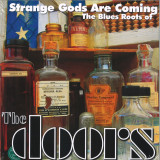
The Doors Californian kings of psychedelic-blues rock not only stood heads and shoulders above the peace and love hippy explosion of the sixties, but they were also proud to wear their influences on their sleeves by forwarding to the future by reconstructing the past.
The early live shows of the band performed in 1967 at the likes of the legendary Matrix Club in San Francisco would feature the group playing two sets, both featuring a mix of band originals and Blues covers done The Doors way.
Material such as 'I'm a King Bee' by Slim Harpo,'Who do you Love' by Bo Diddley,'Money (Thats what I want)' by Barrett Strong (a song that would stay in the live set for the duration of the bands life) and at The Winterland Ballroom over the Christmas festivites'Mannish Boy' by Muddy Waters were rolled out to an adoring local fanbase.
The classic 'Backdoor Man' by Howlin Wolf would also find a place on the group's debut album.
With all of the members of The Doors being long time blues fans more material was being worked up during rehearsals and added to the live shows along with new songs from The Doors forthcoming albums.
The Doors walked it like they talked it and sadly we will never see the likes of them again...a wonderful mixture of Blues and Psychedelic rock,they proved that in order to meet the future you must never forget the past..NO LIMITS,NO LAWS.................
Available to reorder, subject to availability

2025 Repress
"Hydroplane reinstate their formidable 1997 debut of sublime guitar atmospherics, fragile lyricism and droning incidentals with an overdue vinyl and digital reissue.
An offshoot of the now-féted The Cat’s Miaow, the trio formed after drummer Cameron Smith decamped to London, charting new territory with tape loops, manipulated samples and a borrowed Jupiter 4 in the wake of Endtroducing. Adopting a handle that Dean Wareham once considered calling Luna, Hydroplane intended to only ever release Excerpts From Forthcoming LP, a single-sided 7” sonic collage, before imploding in mystery. Their label however insisted they deliver their taunted album. From the comfort of a Brunswick flat, they continued to record soaring melodies and restrained song structures to 4-track, sculpting dramatic Radiophonic Workshop cues weighted in reverb and near-perfect dream pop lead by Kerrie Bolton’s empyrean vocals.
Bored of industry expectation and largely ignored by local audiences, the reluctant performers followed the way of The Cannanes and formed meaningful overseas alliances by mail and phone, securing releases on Michigan outpost Drive-In and Broadcast launching pad Wurlitzer Jukebox. Championed by John Peel with twenty spins on his converted Radio One slot and even polling in Festive Fifty of 1997, the humble three-piece still walked to their neighbourhood shops undetected.
Last delivered 9 months ago
available to reorder, subject to availability

That’s the Price of Loving Me marks Dean Wareham’s (Galaxie 500, Luna, Dean & Britta, ) evocative return, rekindling his partnership with producer Kramer for the first time since Galaxie 500's This Is Our Music in 1990.
Recorded in six days in Los Angeles, the album is steeped in lush, haunting soundscapes, driven by Wareham's signature reverb-soaked guitars and melancholic, dreamlike vocals. Britta Phillips joins on bass and harmonies, while Gabe Noel’s cello adds depth and tension. “Two takes yield more treasure than twenty,” notes longtime friend Matt Fishbeck, as Kramer's insistence on spontaneity infuses the project with raw immediacy.
Thematically, Wareham delves into the poetry of memory, set against a backdrop of wistful nostalgia and existential reflection. "Songs are in dialogue with other songs" Fishbeck writes. The lead single, “We’re Not Finished Yet,” is a playful, introspective meditation where Wareham drops his own name while relishing the tactile joy of the guitar. “You Were the Ones I Had to Betray” unfolds like a somber narrative, underpinned by Noel’s cello and crowned with a haunting bass harmonica by Kramer, encapsulating the emotional ambivalence of friendship and loyalty.
“That’s the Price of Loving Me” pulses with conga rhythms and Kramer’s vintage Moog, capturing Wareham’s musings on the life of a performer and the sacrifices it demands. Fishbeck describes “The Mystery Guest” as "an acrostic poem" and concludes by saying "We're not finished yet." 'Loving Me' also includes two covers, Mayo Thompson's 'Dear Betty Baby' and Nico's 'Reich der Träume.' The latter highlights his love for blending history and homage, sung entirely in German for a chillingly authentic touch.
Dean returns with his fourth solo album and his first album for Carpark Records. Inspired by the past yet resonant in its present-day relevance, the album’s sonic palette is reminiscent of Galaxie 500’s dream-pop roots, tempered with the matured introspection of Wareham’s later works. “Dean traffics in memory,” writes Fishbeck, reflecting on the record’s seamless blend of intimate recollections and catchy hooks. The result is a cohesive work encapsulating the duality of Wareham’s career: haunted by the past, yet steadfastly pushing forward. As Fishbeck poignantly puts it, “Imagination is nothing but the working over of what is remembered.”
expected to be published on 28 Mar 2025

Hip-HopHip-HopRapHouseUrban Dance
KEY POINTS
• Collector Crystal Clear LP deluxe packaged – the very First reissue of the cult 11 track EP – Street Album from year 2000 by DJ Mehdi collecting his Espionnage adventures
• “DJ MEHDI : Made in France” : an Arte 6 episode exclusive serie about DJ Mehdi from September 12th ! DJ Mehdi was the one building bridges between french hip hop and electro, and becoming a key composer,producer and DJ. He was a game changer in himself, helping both french rap & electro scenes to rise in the late 90’s & early 200’s . 13 years after DJ Mehdi’s sudden death, his long-time friend and Director Thibaut de Longeville imagined & directed the serie, with archives materials & exclusive interviews and words from big names from Rap & Electro about their collaborations & relationships with DJ Mehdi.
SHORT BIOG
“Rather than a compilation, this record is a summary of what Espionnage has done in the past two years, from the rap 12”s, the instrumental 12”s to the remixes I was given the opportunity to do. The members of The Espionnage Sound System, Yvan from Double Pact included (even if he only appears here on the interlude betweeen “Camille Groult Starr (rmx)” and “Si Tu Savais (rmx)”), have been essential to the label’s development as a whole. The Chronowax Distribution staff has been equally vital to a structure primarily dedicated to independent vinyl production. By the way, I have to thank Ulysse Genet who, on top of lending his name to a track title, suggested the name “Espionnage” instead of “Le Cirque Disques” (which was my initial idea) and drew the first logo. Many thanks to my team : Olivier Rosset, Charlotte Dutoit, Thibaut de Longeville, Alexander Wise, the 360 Creative & Marketing teams, as well as X2N, Tom Kan, DJ Gilb’R, Roulé, Crydamoure, Benoît Blue Boy and his daughters Ludella and Amadine ; who have all contributed on one level or another to what this record is. Of course I can’t forget my family: the Essadis, Faveris, Gassamas, Majira (and their many relations) as well as my other family, the 113 Clan and the whole African Mafia and most particularly my group, Idéal J, for the respect and freedom with which they’ve let me express the somewhat unusual ideas I had about all of this”.
Peace, DJ Mehdi, NYC, March 29th 2000.
Last delivered 18 months ago
available to reorder, subject to availability

Cactus Lee ist texanische Musik in ihrem Kern, eine Mischung aus Austin-Nachtclub-Vibes und staubiger Dancefloor-Energie. Cactus Lee ist ein Projekt des Austiner Songwriters Kevin Dehan und spiegelt eine tiefe Liebe zu texanischen Country-Songwritern wider, die mit dem kühnen Geist von Outlaw- und Outsider-Einflüssen verwoben ist. Mit einem Sound, der gleichzeitig kindlich, verträumt und scharfsinnig ist und an Ikonen wie John Prine und Tom T. Hall erinnert, hat sich Cactus Lee seit seiner Gründung 2019 eine unverwechselbare Nische in der Musikwelt geschaffen. Über sechs Alben, darunter zwei Veröffentlichungen im Jahr 2023, ein Live-Album und mehrere EPs, waren Dehans Songwriting und seine auf vier Spuren selbst aufgenommenen Bemühungen die Grundlage für ein sich ständig weiterentwickelndes Projekt. Auf dem neuen, selbstbetitelten Album Cactus Lee beschäftigen sich die Songs mit Themen wie Liebe, Verlust, Familie und Selbstfindung und bieten flüchtige Momentaufnahmen von Charakteren und Momenten, die von einem einladenden texanischen Charme durchdrungen sind. Das Eröffnungsstück "Rabbit" stellt einen verliebten, aber schwer fassbaren Protagonisten vor, der durch Bukka Allens Akkordeon und Adam Amrams ansteckenden Rhythmus zum Leben erweckt wird. "Sister" ist ein zartes Versprechen auf bessere Zeiten und gemeinsame Momente, perfekt für offene Straßen und luftige Tage. Roll Maggie" mit seinem Zusammenspiel von Saxophon und Steel-Gitarre erforscht das Glücksspiel der Liebe als ein aufregendes Glücksspiel. "Got A Heart Like Rainwater Blues" zelebriert die unnachgiebigen Bande einer Familie auf der Flucht, durchdrungen von einer bluesigen Unverwüstlichkeit. "Lorelei" zeichnet das rätselhafte Porträt einer fesselnden Figur, untermalt von Doo-Wop-Harmonien. "The Fiddler" fängt die hypnotische Magie einer Tanzfläche ein, untermalt von einem eindringlichen Bratschensolo. "Twenty Dollars", das das Album abschließt, ist eine zutiefst persönliche Ode an Dehans Tochter Jolene. Das selbstbetitelte Album von Cactus Lee unterstreicht die Fähigkeit von Kevin Dehan, die Essenz des texanischen Twang in Songs zu destillieren, die weit über den Lone Star State hinaus Anklang finden, und zwar durch eindrucksvolle Texte und eine durchdachte Instrumentierung.
expected to be published on 28 Mar 2025
A once shocking 1962 LP of love songs…by men, for men. A long lost treasure featuring the cool & sophisticated vocals of Gene Howard and a cast of prime studio jazz musicians, performing a set of standards sung to a male suitor. Ahead of its time in every way. Decades ago, JD Doyle, renowned LGBT music historian and archivist, happened upon a copy of Love Is A Drag. Doyle would often play cuts from it on his radio show, Queer Music Heritage. He remained intrigued by the lack of either artist or producer credited on the album. A vague line of jacket text ambiguously announced, “For Adult Listeners Only - Sultry Stylings by a Most Unusual Vocalist.” And, the facts behind the album would have most likely remained unclear if it were not for one Murray Garrett Out of the blue, Murray Garrett contacted JD Doyle and wanted to talk about the album. According to Garrett, through his photography career, he had forged a friendship and partnership with prolific big band vocalist, Gene Howard. The two worked together on projects, eventually teaming with Jack Ames, founder of Edison International Records. When queried for ideas for a potential Edison International release, Garrett recalled a performance he had once seen in Greenwich Village - a performance of a man singing love songs to another man, in serious fashion, i.e., not at all campy or overly-dramatic. Gene Howard (straight and happily married!) agreed to sing on the record, accompanied by a who’s-who of Los Angeles A-list session men. Upon release, the record sold well in Hollywood, with Frank Sinatra, Liberace, and Bob Hope among its biggest advocates.
expected to be published on 28 Mar 2025