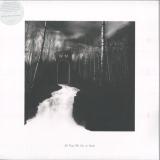
“Is all that we see or seem but a dream within a dream?” This quote from a poem by Edgar Allan Poe sums up the lamenting, primal work that is "All That We See or Seem"; a project conceived between Finland, England and Brazil. The self-titled album consists of two long-form pieces of droning mysticism hailing from the trio of Gruth (concept, production, electronics), Ellen Southern (vocals, field recordings, percussion) and Johanna Puuperä (violin, modular synthesizer, additional vocals).
The album opens straight into a thousand yard stare with “Myrskymielellä", adapted from a 1891 poem by the Finnish national poet, Eino Leino, who wrote it at the tender age of 13. Here a blank distant droning of synths and the sounds of flowing water hover underneath like a dark river observed from the air. This is a sound and feeling that will stay constant for the entirety of the piece´s thirty minute duration. It is a trance-inducing composition that slowly unfolds elements of pagan ancestry into its own life. At first, faint female vocals are introduced as distant spatial elements, which gradually advance into waves of cries and anguish as the piece progresses and moves further into the storm. The tranquility of the first half is slowly morphed into a full blown ceremony as driving ritualistic percussion and a foreboding witch-like presence shifts the piece into a Dead Can Dance-like territory. Here a constant enveloping mixture of violins, modular synths, field recordings and vocal screams creates the feeling of a grande finale. It is an astounding piece of music that develops like a drone symphony for the beginning of time.
With the second piece, “A Dream Within A Dream”, from Edgar Allan Poe´s 1849 poem, you are transported to the shores of an undisclosed island; a place where it´s only you, your thoughts and the endless emptiness. The continual sound of waves is soon brought together with a cloud of synths and mourning violins that will keep a steady dreamlike state during most of the piece´s duration. This time the wordless vocals feel almost angelic in their pageantry. The composition flows like a slow caress of the soul and feels like the spirit twin of Gavin Bryars' “The Sinking of the Titanic” with its lamenting slow movements towards the unknown.
Truly a ghost of a record, “All That We See or Seem” is an experience hard to shake and feels like entering sacred ground. We are in a place surrounded by earth, both ancient and present. "Let loose, Vanha, the rage of an earthly storm! Detach the elements, completely open the sky! In the Earth, let an incessant storm prevail, so that in my chest I would not feel the miserable pain” - Eino Leino
out of Stock
Last delivered 12 months ago available to reorder, subject to availability
END[GER] Die Band Wednesday aus Asheville, North Carolina errichtet im Laufe der zehn Songs von "Rat Saw God" einen Schrein voller aufregender Details: Halb lustige, halb tragische Botschaften aus den Südstaaten, die sich klanglich irgendwo zwischen dem wimmernden Skuzz von Neunzigerjahre-Shoegaze und klassischem Country-Twang entfalten - mit verzerrter Pedal Steel und Frontfrau Karly Hartzman, die mit ihrer Stimme, den Lärm durchschneidet. Ein Song von Wednesday ist wie ein Quilt. Eine Kurzgeschichtensammlung, eine verschwommene Erinnerung, ein Flickenteppich aus Porträts des amerikanischen Südens, der disparate Momente einfängt und als Ganzes doch irgendwie einen Sinn ergibt. Karly Hartzman, die Songschreiberin, Sängerin, Gitarristin und Leiterin der Band, ist eine Geschichtensammlerin als auch eine Geschichtenerzählerin: Eine aufmerksame Beobachterin von Menschen und witzigen Bemerkungen. "Rat Saw God", das neue und beste Album des Quintetts aus Asheville, ist ekphrastisch, aber ebenso autobiografisch und vor allem sehr einfühlsam. Es wurde in den Monaten unmittelbar nach der Fertigstellung von dem zweiten Album der Band, "Twin Plagues", geschrieben und innerhalb einer Woche im Drop Of Sun Studio in Asheville aufgenommen. Die Songs auf "Rat Saw God" erzählen keine Epen, sondern das Alltägliche. Sie sind lebensnah, erzählen vom wahren Leben, sie sind verschwommen und chaotisch und seltsam zugleich - was Hartzmans eigenem Ethos entspricht: "Everyone's story is worthy. Literally every life story is worth writing down, because people are so fascinating." A Wednesday song is a quilt. A short story collection, a half-memory, a patchwork of portraits of the American south, disparate moments that somehow make sense as a whole. Karly Hartzman, the songwriter/ vocalist/guitarist at the helm of the project, is a story collector as much as she is a storyteller: a scholar of people and one-liners. Rat Saw God, the Asheville quintet's new and best record, is ekphrastic but autobiographical and above all, deeply empathetic. Across the album's ten tracks Hartzman, guitarist MJ Lenderman, bassist Margo Shultz, drummer Alan Miller, and lap/pedal steel player Xandy Chelmis build a shrine to minutiae. Half-funny, half-tragic dispatches from North Carolina unfurling somewhere between the wailing skuzz of Nineties shoegaze and classic country twang, that distorted lap steel and Hartzman's voice slicing through the din. Rat Saw God is an album about riding a bike down a suburban stretch in Greensboro while listening to My Bloody Valentine for the first time on an iPod Nano, past a creek that runs through the neighborhood riddled with broken glass bottles and condoms, a front yard filled with broken and rusted car parts, a lonely and dilapidated house reclaimed by kudzu. Four Lokos and rodeo clowns and a kid who burns down a corn field. Roadside monuments, church marquees, poppers and vodka in a plastic water bottle, the shit you get away with at Jewish summer camp, strange sentimental family heirlooms at the thrift stores. The way the South hums alive all night in the summers and into fall, the sound of high school football games, the halo effect from the lights polluting the darkness. It's not really bright enough to see in front of you, but in that stretch of inky void - somehow - you see everything. The songs on Rat Saw God don't recount epics, just the everyday. They're true, they're real life, blurry and chaotic and strange - which is in-line with Hartzman's own ethos: "Everyone's story is worthy," she says, plainly. "Literally every life story is worth writing down, because people are so fascinating." But the thing about Rat Saw God - and about any Wednesday song, really - is you don't necessarily even need all the references to get it, the weirdly specific elation of a song that really hits. Yeah, it's all in the details - how fucked up you got or get, how you break a heart, how you fall in love, how you make yourself and others feel seen - but it's mostly the way those tiny moments add up into a song or album or a person.
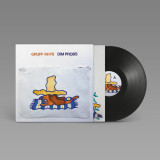
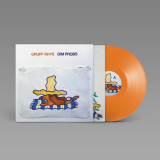
Der legendäre Gruff Rhys kehrt mit "Dim Probs" zurück, seinem neunten Soloalbum, dem vierten walisischen Longplayer und der ersten Veröffentlichung über Mogwais Rock Action Records.
Mit den walisischen Künstlerkollegen Cate Le Bon und H. Hawkline an den Backing Vocals und produziert mit seinem langjährigen Kollaborateur Ali Chant (Yard Act/PJ Harvey) in dessen Studio in Bristol, UK, erinnert "Dim Probs" an die Wärme und Nähe von Gruffs karrierebestimmendem ersten Soloalbum ("Yr Atal Genhedlaeth" von 2005) und die sternensuchende Melancholie von "Seeking New Gods" von 2021.
Auf „Dim Probs“, das komplett in Walisisch/Cymraeg geschrieben und eingesungen ist, sitzt der Hörer Seite an Seite mit einem der größten und nachdenklichsten Songwriter des Landes in einer Ecke des Studios, während die Songs sich aufbauen. Das Ergebnis ist eine intime und hypnotische Platte, die akustischen Folk mit dem Sound verkratzter, primitiver elektronischer Maschinen mischt.
"Dim Probs" ist Gruff Rhys' erstes komplett walisischsprachiges Album seit "Pang!" von 2019 und der Nachfolger seines gefeierten Albums "Sadness Sets You Free" von 2024, das bei Rough Trade Records erschienen ist und vom Mojo Magazine (UK) als eines der 20 besten Alben des Jahres bezeichnet wurde.
Der legendäre Gruff Rhys kehrt mit "Dim Probs" zurück, seinem neunten Soloalbum, dem vierten walisischen Longplayer und der ersten Veröffentlichung über Mogwais Rock Action Records.
Mit den walisischen Künstlerkollegen Cate Le Bon und H. Hawkline an den Backing Vocals und produziert mit seinem langjährigen Kollaborateur Ali Chant (Yard Act/PJ Harvey) in dessen Studio in Bristol, UK, erinnert "Dim Probs" an die Wärme und Nähe von Gruffs karrierebestimmendem ersten Soloalbum ("Yr Atal Genhedlaeth" von 2005) und die sternensuchende Melancholie von "Seeking New Gods" von 2021.
Auf „Dim Probs“, das komplett in Walisisch/Cymraeg geschrieben und eingesungen ist, sitzt der Hörer Seite an Seite mit einem der größten und nachdenklichsten Songwriter des Landes in einer Ecke des Studios, während die Songs sich aufbauen. Das Ergebnis ist eine intime und hypnotische Platte, die akustischen Folk mit dem Sound verkratzter, primitiver elektronischer Maschinen mischt.
"Dim Probs" ist Gruff Rhys' erstes komplett walisischsprachiges Album seit "Pang!" von 2019 und der Nachfolger seines gefeierten Albums "Sadness Sets You Free" von 2024, das bei Rough Trade Records erschienen ist und vom Mojo Magazine (UK) als eines der 20 besten Alben des Jahres bezeichnet wurde.
JayWood - the nom de plume of Jeremy Haywood-Smith - is embracing new pastures having moved his music-making from Winnipeg, Manitoba to Montreal, and his new album Leo Negro chimes with a different tone as it looks to reconnect the self and grapple with one's identity. Marking a moment of meaningful change where controlled chaos takes the lead, it philosophises on what it truly means to be an experimentalist building a multi-faceted world where genre is infinite through sounds braver, more playful, and truthful than he's dared deliver before. Despite its astute sampling with layers of twists and turns, Leo Negro doesn't showboat but roars in the presence of vulnerability as it considers one's absolutes as a way of navigating the identity crisis. "Always looking for attention, I admit it, I can't help it, I'm a Leo," he reasons between vintage hip-hop scrubs on `Pistachios,' recalling a childhood need to be the centre of attention then stepping out of the spotlight as a grown-up. "Leos are confident and sure about themselves, but this record isn't that; so really, when translated, the title inspires `black confidence.' It's an uncomfortable, weird, and surreal term which bends the truth and embodies everything within." Experimenting in both life and music, Leo Negro and its first cut, `Big Tings' (feat. California, art-pop duo Tune-Yards) couldn't be further from 2023's Grow On EP and the previous year's slick LP Slingshot. Moving with flow akin to D'Angelo with Toro Y Moi textures, its twinkling intro of whirling synth and playful approach circles back to Jeremy's adolescence when he'd reverse, slow down, and speed up his favourite songs through the media player on his computer. Encouraged by his musical squad Will Grierson, Arthur Antony, Brett Ticzon, and enlisting his stylist and thrifter friends to capture the Leo Negro aesthetic, JayWood's big `in' for 2025 is collaboration, with the tight-knit crew of likeminded musical colleagues captured in session photo grins beaming from his Instagram grid. Nominated for Canada's coveted Polaris Music Prize, it'd be easy to be the cowardly lion; to rinse and repeat what's worked up to this point. But for JayWood, leaning into his natural `what if?' curiosity to make up his own rules as he goes along ("I never really knew what they were to begin with") and venture into honesty's unsafe space to seek comfort, confidence and make even greater connections, really is the only option. After all, he can't help it; he's a Leo.
Connection is the new ten song LP from Los Angeles powerhouse Orgone featuring collaborations with Cyril Neville, Kelly Finnigan, Pimps of Joytime, and more. The album is the inaugural release on 3 Palm Records, distributed by Colemine Records and Secretly Distribution. A spiritual follow up to fan favorite Bacano, Connection is gritty, lean, and tight soul and funk at its best. It explores the invisible threads that bind us all, spiritually, emotionally, and artistically. Much like the collage that adorns the cover, this hard hitting collection of songs illuminates the essence of Orgone: a musical pastiche of different vocalists, heavy riffs, vintage production, and a core rhythm section that never disappoints. The synergy created in these songs demonstrates that the whole is truly greater than the sum of all the individual parts and players.
Amoul Bayi Records continues its mission of discovering and showcasing West African artists. After introducing talents such as Daba Makourejah and Saah Karim, the Dakar-based label returns with a new release from one of the most soulful
voices in Gambian reggae: Royal Philosopher.
"Thank You Jah" is a song of gratitude, carried by the emotive and distinctive voice of Royal Philosopher. With humility, he expresses his thankfulness for the talent he has received, the path he has walked, and the strength that has guided him along the way.
Built on a dynamic Digi Roots riddim produced by Yared and mixed by Rootical45, the track provides the perfect space for his voice to shine. The refrain – “Thank you Jah for giving I talent” – echoes like a personal prayer and a universal message, able to resonate beyond belief systems.
Royal Philosopher is a Gambian singer whose powerful and precious voice is shaped by spirituality, African heritage, and musical commitment.
Born in Banjul, he first discovered his vocal gift in a church choir, where he developed a heartfelt and sincere expression. He fell in love with reggae through the voice of Garnett Silk, whose intensity and devotion deeply influenced his path. He began his journey with the group The Royal Family, before pursuing a solo career, releasing music with consistency and authenticity.
Today, he presents "Thank You Jah", a single produced by Amoul Bayi Records, imbued with gratitude and faith, true to his artistic vision: sincere, elevated, and deeply connected.
Designed both for turntables and streaming platforms, the single will be released in digital format and on 7" vinyl. The artwork is by renowned Senegalese graffiti artist King Mow.
out of Stock
Last delivered 13 months ago available to reorder, subject to availability
Transparent violettes Vinyl, limitiert auf 350 Exemplare. Riffs wie eine Wand aus Wüstensand. Schweiß und Tränen im Gesicht. Der unbarmherzige Groove der 90er, violett blitzende Lichter und viel, viel Rauch.GIANT HAZE sind 4 Musiker aus der Kieler Stoner Rock / Hardcore Szene, die gemeinsam für KYUSS-Tribute Shows auf der Bühne standen. Schnell kristallisierten sich kreative Synergien innerhalb der Band heraus und es entstanden eigene Songs - Giant Haze war geboren. Im Spätsommer 2024 wurde das Debütalbum ,Cosmic Mother" im bandeigenen Studio aufgenommen und anschließend von Ulf Nagel gemischt und gemastert. Schlagzeug und Bass wurden an einem Tag live eingespielt, um den richtigen Groove einzufangen. Die Produktion erfolgte ganz oldschool ohne Amp-Modeling, Drum-Trigger oder sonstigem Schnickschnack. Es wurde lediglich sehr sorgfältig und detailverliebt mikrofoniert und aufgenommen.Das spacige Artwork stammt aus der Hand von Gitarrist Pete und steht symptomatisch für das Herzblut und die Hingabe, mit der alle Bandmitglieder bei Giant Haze am Werk sind. Die Texte erzählen persönliche Geschichten über die Irrungen und Wirrungen des Lebens, Drogen, verlorene Freunde sowie kritische Gedanken zu gesellschaftlichen Entwicklungen und nationalistischen Tendenzen.
On October 2 1958, after over 60 years of colonial rule, Guineans voted overwhelmingly for their independence, and Guinea was declared a Republic with Sékou Touré as President. Guinea was the first of West Africa’s Francophone colonies to gain independence. To free Guinea from its colonial legacy, president Touré sought to restore dignity to his nation and give cause for Guineans to take pride in their culture, history and newfound freedom. To achieve this, he instructed his government to implement new cultural policies that were intended to revitalise and celebrate indigenous culture. The focus of these new policies was on music.
In 1961, President Touré launched authenticité, the name of his new cultural policy for Guinea. One of its first acts was to assemble the best Guinean musicians into a new state-sponsored orchestras that were tasked with presenting traditional Guinean music in a new and modern style. All musicians in Guinea’s orchestras were officially designated as members of the public service. During the years of Sékou Touré’s presidency (1958 – 1984), the government’s cultural policy of authenticité was applied strictly to the creative arts. Guinea’s sole political party, the Parti Démocratique de Guinée exercised complete authority over artistic production. The scale of the Guinean government’s commitment and efforts to invigorate its indigenous musical cultures was unmatched in Africa, and it presented a clear contrast to the minimal endeavours undertaken by Guinea’s former colonial rulers.
From 1967 to 1983, Guinea’s government presented selections of songs from the Voix de la Révolution catalogue on its own recording label, Syliphone. These recordings were described as ‘the fruit of the revolution’. Syliphone was revolutionary in many aspects: it was the first recording label to feature traditional African musical instruments such as the kora and balafon within an orchestre setting; it was the first to present the traditional songs of the griots within an orchestre setting; and it was the first government-sponsored recording label of post-colonial Africa. Syliphone represented authenticité in action, and over 750 songs were released by the recording label on 12-inch and 7-inch vinyl discs. All are highly sought after by collectors worldwide.
This first volume of a two-volume series presents a selection of the best of early Syliphone recordings. The songs demonstrate not only the essence of Guinea’s authenticité policy and of its subsequent Cultural Revolution, but of a confluence of musical styles from Cuba, jazz, highlife and the diverse influences of Guinea’s cultural groups.
out of Stock
Last delivered 9 months ago available to reorder, subject to availability
RE:WARM Records are very pleased to announce their next release 'Rituals', a new compilation series from the curator and DJ, Josh Mason-Quinn, aka Somewhere Soul.
For Volume 1 Josh takes us on a journey through the various shades of his ritualistic listening habits across twenty-four hours. From rising first thing in the morning, radiating positive energy throughout the day, retreating into the evening before finally releasing your inhibitions on the dancefloor.
The compilation spans four sides of vinyl and is presented in a double gatefold sleeve. The release will also be available on CD and digital formats.
The album is a celebration of new and emerging talent from the underground Jazz, Soul, World and House Music spheres, sitting neatly alongside artists already carving their way into the collective conscience of those who have been curious enough to dig deep.
The record is due for release on 25th July 2025 with the pre-order available 23rd April 2025 via the Warm Agency Bandcamp and selected record stores.
out of Stock
Last delivered 13 months ago available to reorder, subject to availability
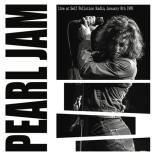
One month after releasing “Vitalogy” , Pearl Jam performed ten songs on a radio show hosted by Eddie Vedder on January 8th, 1995 in a Seattle home-studio. This recordings was also the live debut for their new drummer Jack Irons, one of the original found- ing members of Red Hot Chili Peppers.
Nach dem überwältigenden Erfolg seiner globalen Smash-Single "Ordinary", die auf Platz 1 der Global Charts landete, Platz 3 der Deutschen Single Charts erreichte und bislang über 650 Millionen Streams generierte, ist Alex Warren bereit, die Musikwelt erneut im Sturm zu erobern: Für den 18.07.24 kündigt er nun sein mit Spannung erwartetes Debütalbum "You'll Be Alright, Kid" an!
Neben den Titeln des ersten Album Parts, wie z.B. die Standout Tracks "Carry You Home" und "Before You Leave Me", enthält das neue Werk die Erfolgssingle "Ordinary" sowie seine neueste Single "Bloodline" mit Jelly Roll - und natürlich viele weitere brandneue Songs!
Originally released in 1989 on the band’s own Thwart Productions label, Tangle was the first vinyl release from Thinking Fellers Union Local 282. Coming after their debut cassette, Wormed, By Leonard, it shows the band leapfrogging stylistically into a more mature phase of their patented surreal compositional modus operandi. Tracks like the opener, "Sister Hell," foreshadow the band's later evolutionary mutations and was a minor hit in the underground circuit at the time. The rest of the album is a sleek maelstrom of crackpot dissonance, noise-rock power balladry, schizo-telepathic improv and some of the finest underground music of the era. In short, Tangle is a template and Proclamation of Intent that presages TFUL's classic 90s releases. Originally produced by their longtime engineer and thaumaturge, Greg Freeman, this reissue is impeccably remastered from the original master tapes by Mark Gergis. New and contemporary artwork ties a saucy bow around this astonishing reissue.
Spirituelle Musik mit tiefer Resonanz, übertragen durch Klavier, Orgel und Harmonium von der geliebten Komponistin und äthiopischen orthodoxen Nonne Emahoy Tsege Mariam Gebru. "Church of Kidane Mehret" versammelt das gesamte musikalische Werk von Emahoys gleichnamigem Privatpress-Album von 1972 sowie zwei zusätzliche unveröffentlichte Klavieraufnahmen mit Emahoys ,Äthiopischer Kirchenmusik". Die Aufnahmen entstanden in Kirchen in ganz Jerusalem. Zum ersten Mal hören wir Emahoy auf dem Harmonium und der massiven, dröhnenden Pfeifenorgel, neben einigen ihrer bewegendsten Klavierstücke. Bei ,Ave Maria" hallt ihr läutendes Klavier gegen alte Steinmauern. Ihre vertrauten melodischen Linien erhalten eine neue Resonanz, wenn sie in ,Spring Ode - Meskerem" durch das Harmonium gespielt werden. Zwei überragende Orgelstücke bilden die B-Seite, die Emahoys klassische europäische Ausbildung mit ihrem lebenslangen Studium der äthiopischer religiöser Musik kombinieren. Nirgendwo ist Emahoys einzigartige Kombination von Einflüssen deutlicher als bei ,Essay on Mahlet", einem meditativen Dauerbrenner, in dem Emahoy die freien Verse der orthodoxen Liturgie Note für Note auf dem Klavier interpretiert. Dieses aufschlussreiche Stück stammt, neben der dramatischen Klavierkomposition ,The Storm", von einem anderen selbstveröffentlichten Album, "Der Sang Des Meeres" von 1963. Eines der einzigen bekannten Exemplare wurde vor dem Müll gerettet und von einer Mitschwester aus Emahoys Kloster am Rande von Emahoys Beerdigung im März 2023 an Mississippi Records weitergegeben. Die Vinylausgaben kommen im Oldschool Tip-On-Jacket mit metallischer Silberfolienprägung und einem 12-seitigen Booklet mit ausführlichen Linernotes des Gelehrten und Pianisten Thomas Feng.
out of Stock
Last delivered 15 months ago available to reorder, subject to availability
Spirituelle Musik mit tiefer Resonanz, übertragen durch Klavier, Orgel und Harmonium von der geliebten Komponistin und äthiopischen orthodoxen Nonne Emahoy Tsege Mariam Gebru. "Church of Kidane Mehret" versammelt das gesamte musikalische Werk von Emahoys gleichnamigem Privatpress-Album von 1972 sowie zwei zusätzliche unveröffentlichte Klavieraufnahmen mit Emahoys ,Äthiopischer Kirchenmusik". Die Aufnahmen entstanden in Kirchen in ganz Jerusalem. Zum ersten Mal hören wir Emahoy auf dem Harmonium und der massiven, dröhnenden Pfeifenorgel, neben einigen ihrer bewegendsten Klavierstücke. Bei ,Ave Maria" hallt ihr läutendes Klavier gegen alte Steinmauern. Ihre vertrauten melodischen Linien erhalten eine neue Resonanz, wenn sie in ,Spring Ode - Meskerem" durch das Harmonium gespielt werden. Zwei überragende Orgelstücke bilden die B-Seite, die Emahoys klassische europäische Ausbildung mit ihrem lebenslangen Studium der äthiopischer religiöser Musik kombinieren. Nirgendwo ist Emahoys einzigartige Kombination von Einflüssen deutlicher als bei ,Essay on Mahlet", einem meditativen Dauerbrenner, in dem Emahoy die freien Verse der orthodoxen Liturgie Note für Note auf dem Klavier interpretiert. Dieses aufschlussreiche Stück stammt, neben der dramatischen Klavierkomposition ,The Storm", von einem anderen selbstveröffentlichten Album, "Der Sang Des Meeres" von 1963. Eines der einzigen bekannten Exemplare wurde vor dem Müll gerettet und von einer Mitschwester aus Emahoys Kloster am Rande von Emahoys Beerdigung im März 2023 an Mississippi Records weitergegeben.
out of Stock
Last delivered 15 months ago available to reorder, subject to availability
Sherlock Hound is the animated series from the masterpiece directed by Hayao Miyazaki and coproduced by TMS Entertainment and RAI, wich was broadcasted for the first time in 1984. The series was a success and remains to this day one a beloved classic in the world of Japanese animation.
To celebrate the recent 40th anniversary of the series, we are pleased to offer this sublime edition with its 2 discs gathering the soundtracks from the TV series and for the initial animated film (The Blue Ruby & Underwater Treasure), completed by a 8-page booklet, illustrated with beautiful artworks.
The soundtrack to the animated series was composed by Kentarô Haneda (well known for his work on the Space Adventure Cobra series) and includes the two signature songs performed by Da Capo. The anime film soundtrack is the work of Kunio Muramatsu, and also includes two songs performed by Haruko Kuwana. Immerse yourself in the fascinating atmosphere of this cult 80s anime!
"Chasing the funky symphonies that filled my head and my dreams..."
December 25th, 2023 - an Instagram post. Stimulator Jones shared half a dozen FIRE tracks from his beat tape archive. We were immediately drawn to the rough hewn boom bap.
"I'd release that", Rob commented.
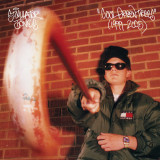
Hours of material was shared and the result is this: Cool Green Trees (1999-2005). A collection of beats and loops Stimulator Jones created between the ages of 14-20 at home in his basement, bedroom and computer room in Roanoke, Virginia.
You will not believe the profound soulful genius contained within these naive schoolboy melodies.
December 25th, 1998 - 25 years ago to the day and his much-coveted Yamaha SU10 sampler was finally bestowed upon young Stimmy AKA Sam Lunsford: "I immediately hooked up a CD Walkman to the input jack and looped the beginning two bars of Grover Washington Jr.'s "Mercy Mercy Me". I don't know what exactly was so thrilling about hearing two measures of music repeating over and over but it was so infectious and hypnotizing and enthralling to me. I'll never forget that ecstatic rush of making my first loop - an uncontrollable, gleeful smile plastered all over my face." When you hear the pocket breakbeat symphonies featured here on Cool Green Trees, you'll feel the same sense of frisson.
In the wake of his Stones Throw breakthrough - Exotic Worlds & Master Treasures - Stimulator Jones was pegged by many as a 90s throwback artist. However, he literally IS a 90s artist. He's been recording music most of his life and he's now 40. He created the bulk of Cool Green Trees as a teenager. Everything before 2004 was recorded when Sam was still in school. He was in 8th grade when he made the 1999 tracks - he didn't even have his learner's permit. This album is a snapshot of a young man in a simpler time. Things were still mysterious back then and he was flying blind, relying on his ears and having to figure things out for himself: "I had no road map for becoming a beatmaker. I have been collecting music since I was a kid, I am a lifelong digger and seeker of cool and interesting sounds. I was there in the golden age of Hip Hop, and while I may have been a suburban white kid in Roanoke, Virginia, I was tuned in and I bought so many classic albums when they came out. I was attracted to Hip Hop because of the musical and poetic quality. I was hypnotized by the rhythms, partially because I was a drummer. I didn't brag about collecting my breakbeat records or making beats - it was something I did in isolation. It wasn't something I generally wanted to bring attention to and it didn't really score me any cool points. I certainly wasn't flexing on social media about it."
Hell, he can do that now!
Opener "Pharoah Jones" was inspired by Yesterday's New Quintet and Madlib's ability to capture that classic 70s sound whilst playing all the instruments. Sam created this one stoned afternoon by laying down a 2 bar loop and a shaker loop on his Yamaha SU700 sampler. He hung a microphone from the ceiling and played his Yamaha Stage Custom drum kit over the top before adding ender Rhodes and playing his dad's Selmer tenor sax through an Electro Harmonix Memory Man echo pedal. Yes! Up next, "Ghost Gospel" utilises a dope loop from a gospel record and adds some soul-funk drums overtop, whilst working that filter knob. Says Sam: "The loop reminded me of something Ghostface would rap over. The sample was in 3/4 waltz time but I flipped it for a 4/4 groove, a technique I picked up from RZA. "Ill Feeling" uses sped-up pieces from a dusty old funk record and putting them over a classic NOLA drum loop; gain chopping up a slow, bluesy 3/4 time signature and bending it to a 4/4 groove. Classy shit. "Capital Punishment" features drums tapped in live, inspired by MF Doom's Special Herbs series. "Do Not Adjust" consists loops found on a compilation of 70s French music at Happy's Flea Market, a classic Roanoke digging spot.
The sublime, evocative title track, "Cool Green Trees" was created when Sam was still living at home. He dumped samples off his SU10 into the family desktop and arranged them in a demo version of Pro Tools: "This track was sort of my ode to the DJ Shadow style of sample based production. Super spacey, slow, and moody. The heavily filtered drums were inspired by Alec Empire's 'Low on Ice' album. I later added some scratches and sounds from a Spider Man storybook record." "Chill Scratch" snags the final bit of a bossanova record and pairs it with a drum loop before adding experimental scratching run through an Electro Harmonix Memory Man echo pedal. "Poisonous Fumes" was made using a sampler, mixer and a turntable; a kind of mixtape beat collage with added scratches and sounds from various records. Using dialogue from superhero records was a nod to Madlib. "Welcome Aboard The Starship" is dark, downtempo trip-hop with a spooky bent. Sam paired a slow, hard drum loop with a guitar sample grabbed off a psychedelic rock record. To finish, he added various backwards sounds and weird atmospheric effects and a little scratching. Swoon.
Side B opens with "Keep On Runnin", made on a borrowed Roland SP202 sampler. Having always loved the sound of the Lo-Fi filter on those machines, reminiscent of the Emu SP1200, Sam always imagined Del or another of the Hieroglyphics crew rapping over this beat. You can certainly hear why. "Sounds Impossible" sees Sam experimenting with layering multiple kick samples at different volumes to create patterns similar to those heard by Showbiz and Lord Finesse during their God-level 1995 period. "Painted Faces" was made by chopping up a REDACTED record which he had gotten from Happy's Flea Market and paired it with a REDACTED drum loop. By the time Sam recorded "The Knew Style", he had acquired a shitty old 1960s portable turntable off eBay. It didn't function properly when he bought it but his brother opened it up, cleaned it out and got it working: "I remember he told me that there was a bunch of sand inside of it when he opened it up, as if its previous owner had taken it to the beach. I would take that turntable on my Happy's Flea Market digs so I could preview records...that's how I found this loop."
"Chicken Wing Blues Sauce" loops up a classic blues joint and pairs it with some REDACTED drums. A bit of filtering and arranging et voilà! "Kool Breeze", from 1999, is one of Sam's oldest surviving beats, as is "Sexx Bullets". The Roots sampled the same record, leaving Sam frustrated yet vindicated. "Soul Child" was an early SU10 creation, looping a dusty old Soul Children 45 and pairing it with 70s rock drum loops to great effect. "Take Off Runnin" was another loop found digging with a portable turntable. Paired with some boom bap drums it makes for a hypnotic head-nod groove. "Centurian" was intended to be a little beat interlude a la Pete Rock. The sample is from a sun-dappled soft-psych record and it's paired with a Robin Trower drum loop that just happens to fit perfectly. Sometimes you slap things together kind of haphazardly and magic happens. "Bozack" was the first beat Sam made using Pro Tools, his first foray into using chopped sounds instead of loops, an exciting new world. "Church" is beat interlude using a Phil Upchurch loop with the "Long Red" drums - a favourite break of Dilla et al. Sam was really on a tear in late 2004, probably because he was unemployed and phoneless and able to just make beats all day. He made "Splash One" on a borrowed Yamaha SU700 and again was experimenting with tapping the drums in live with his fingers, instead of using a loop or sequenced pattern. Channeling 9th Wonder, Sam used a water splash sound effect from a Batman record as a percussive element, hence the title (also a 13th Floor Elevators reference). The main loop is a backwards portion of one of his favourite Roy Ayers songs.
"Hank" is another fun little beat interlude thing, created on a borrowed Roland SP202 sampler with the fantastic Lo-Fi effect that resembled the Emu SP1200 at a fraction of the price. "73 goatee", from 99, is another of his oldest surviving beats, created in his bedroom with his Yamaha SU10 and his brother's Vestax MR-300 4-track recorder: "This one will always feel special. I can remember having a feeling all the way back then on the night that I created it that this was a solid beat with a catchy loop. There was something in the Fender Rhodes melody that resonated with me emotionally, and I had never heard a producer sample that portion before. I felt like I had found my own unique sound, my own unique loop. It came from an Ahmad Jamal '73. I actually even recorded myself rapping and scratching over this beat way back then, I still have that version in all its imperfect sloppy glory."
Sam explains just how much these tracks mean to him: "They all have immense historical and sentimental value and I'm proud of them. These beats come from an innocent, simple time when I was just figuring out how to craft these sounds. They're something very personal to me. They are the initial part of a journey that I really was taking *alone*. There was no YouTube. I couldn't Google shit. I didn't even know any other beatmakers, producers or DJs in my town that could teach me anything. It was always just me, alone, in a room with some equipment - chasing the funky symphonies that filled my head and my dreams. What I was doing wasn't cool. Most of my peers thought I was a weirdo and couldn't care less. Creating these sounds was an anti-social endeavour. In a sense, I felt like it was me against the world, and all I had to instruct and assist me were the recordings produced by my heroes - RZA, DJ Premier, Erick Sermon, Beatminerz, Showbiz, Diamond D, Beatnuts, Prince Paul, The Bomb Squad, Pete Rock, Q-Tip, E-Swift, Mista Lawnge, DJ Shadow, Cut Chemist, Peanut Butter Wolf, El-P and so many more...I dedicate this collection to them, and to my older brother Joe who has always been a musical and technical guiding light for me.
This was a time before every kid was a self-described producer and beatmaker, before everyone had a DAW, before Kanye and "chipmunk soul", before Red Bull beat battles, before there was any social media beyond chat rooms and AOL Instant Messenger, before Soundcloud, before SP-404 mania, before lo-fi beats to study to, before Splice, before targeted ads for MIDI chord packs, etc. In 99 when I told people that I had a sampler and made beats I was mostly met with bewildered confusion and indifference. Kids and adults alike would wonder why I got this weird machine for Christmas instead of something worthwhile like a Playstation or a mountain bike or even a guitar for that matter because at least that could be used to make "real music". Back then, sampling was still not widely respected as an art form - it was seen as lazy, talentless and unoriginal at best and outright criminal theft at worst. I had gotten respect for playing drums and guitar and things of that nature but this was a step in the wrong direction in the eyes of many."
The cover photo is a picture of Sam standing on his back porch in the latter part of 1998, just before he got his first sampler. He was 13 years old, in 8th grade. His dad took the picture with his 35mm film camera: "I actually wanted to be pointing my dad's .22 pistol at the camera lens but he wouldn't let me. He gave me an old walking cane to use instead. The Tommy Hilfiger puffer jacket came from the lost and found at William Fleming High School where my mom worked as a secretary. I was thrilled when she brought it home because we never spent money on expensive name brand clothing like that - we were for the most part strictly a sale rack, bargain bin, thrift store, yard sale, flea market kind of family when it came to clothes. My watch is some cheap off-brand fake gold department store watch." Mastering for this vinyl edition was overseen by Be With regular Simon Francis and it was cut by the esteemed Cicely Balston at Abbey Road Studios to be pressed in the Netherlands by Record Industry.
out of Stock
Last delivered 15 months ago available to reorder, subject to availability
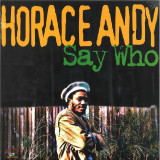
Horace Andy has always commanded a place high on the list of Reggae singers from Jamaica. His distinctive haunting vocal style stands strong on any rhythm,song or style he chooses to cover. Of the singers on that long list, he has managed more so than any other, to crossover to a new generation of listeners due to his individual style, helped also by his collaborations with the likes of Massive Attack. Horace Andy (b. Horace Hinds,1951,Kingston Jamaica) like many otherJamaican singers began his musical career at Coxsonne Dodd's Studio One. So impressed with the youth, Coxsonne decided on a name change for theyoung artist and called him after his top songwriter of the time Bob Andy. So Horace Hinds became Horace Andy. His first tune for Coxsonne 'Something On My Mind' was a slow burner in Jamaica, but his belief in his young protégé paid off when followed later by 'Skylarking' a tune that burst the singer all overthe radio and sound systems of Jamaica. After numerous singles and two albums worth of material, Horace moved on to work with many of the topflight Jamaican producers, among them Keith Hudson, Augustus Pablo and Niney the Observer, but it was his work with producer Bunny Lee in the 70's that he cut most of his hits for and from this stable of work, that we have compiled this set. Some of his late 60's classics were recut in the popular1970's style, working with the rhythm kings themselves, Sly Dunbar andRobbie Shakespeare. They have added some shine to the tracks, 'SomethingOn My Mind' and 'Skylarking' and made them hits all over again. Such wasHorace's delivery to the covers he sang like Delroy Wilson's version of theTams 'Riding For A Fall', the Heptones 'My Guiding Star', John Holts'Man Next Door' and Bill Wither's 'Ain't No Sunshine', that these finetunes were made his own. The roots end of his musical style was covered by
Andy originals such as 'You Are My Angel', 'Zion Gate','Money Money'and the cut which we have taken our edited title, the timeless 'Just SayWho'.A bass heavy cut to Bob Marley's 'Natural Mystic' works so well inthis style also. Another nickname Horace acquired was the affectionate title of Sleepy, as he was always hanging around the yards and studios of Jamaica waiting his turn, sometimes so long he would fall asleep. His enthusiasm to get back in the studio to work some more of his magic, to a catalogue of material that has developed into one of the finest in Jamaica. I hope you will agree, this fine set of 1970's classics will sit alongside.
O B8 | AIN'T NO SUNSHINE
out of Stock
Last delivered 13 months ago available to reorder, subject to availability
Ukrainian Riot Grrl Trio 'Death Pill' Return With 'Sologamy' Their Much Anticipated Second Album. Two years on from their sensational debut, Ukrainian 'Riot Grrls' Mariana, Anastasiia and Nataliia, aka Death Pill are back. And back in full force, locked and loaded with a mighty set of tunes, _ as they put it. 'A bold exploration of personal empowerment'. 'SOLOGAMY' is fierce, heavy and melodic. The album's 10 tracks mark a bold evolution in the band's sound and Death Pill really deliver with ferocity and belief through multiple gear changes and genres as if it were easy. Hardcore, punk, grunge, thrash, riot grrrl, emo, are just some of the touchstones this album moves through, and all with the accomplished ferocity and memorable melody the band introduced on their debut. There are cellos, piano's, sound effects and ornate arrangements that open out their sonic palette, there's a bit of pop and even a bit of prog. But rest assured _ It's all pure 'Death Pill'. Thematically 'Sologamy' is, at its core, a celebration of the self! DP says: "The title, inspired by the concept of marrying oneself, speaks to the importance of making a personal commitment to self-care, happiness, and emotional well-being. In an era where that can sometimes be misconstrued as selfishness, Death Pill pushes back against these misconceptions, inviting listeners to embrace the power of prioritizing their own mental and emotional health." "Each track on the album is quite different from the last, and we see this as a way of accepting and supporting yourself in any emotional state. You arrive in this world alone and you leave it alone. The bottom line is: You're the only person you've got. "Every song on the album is a story that happened to us. Maybe it'll happen to you too. But every story deserves to become a song." "Sologamy" is more than just an album-it's a call to action" The very special LP version is not only frosted clear vinyl, but comes w/ foiled sleeve art, poster, sticker and free dlc! CD is nice too.
I must admit to being a sucker for two-guitar bands. Ok, Hendrix pulled off a trio. But I don’t care what anybody says: The Yardbirds were a better band than anything that came out of them (Ok, maybe not Zep. But Cream?).
Maybe the reason I go back so far in my references is that, within the two-guitar band format, original new roles are difficult and rare. There’s the classic (socially problematic and often boring) “rhythm/lead” solution. There’s the JB’s or Nile Rodgers’ chicken pickin’ vs comping solution (which avoids chordal clashes by relegating one of the guitars to the role of single-note percussion instrument). There’s Ornette’s Prime Time division between Bern Nix’s rolled-off “jazz” tone and Charles Ellerbee’s trebly wah. Almost everything else is a variation on one of these.
In Ches Smith’s record Clone Row, each piece is built around a different concept for guitar interaction. The delightful and gifted weirdness of Mary Halvorson’s playing is counterpointed, contrasted, unisoned with, played off, juxtaposed (that is to say, enters every relationship possible) with Liberty Ellman’s equally amazing sound palette, chops, and imagination. This definitely ain’t your father’s guitar band.
The overall vibe of the record—despite Halvorson’s occasional noise outbursts or Ellman’s distorted guitar lines (see Mixed Fridge) is neither punk/funk, nor Zorn-ish metal—and certainly not the looser parameters of Ornette’s improvised harmolodics. Smith’s vibraphone playing, Halvorson’s guitar tone (whammy pedal squiggles aside), the brilliant electronics, and (most of all) the compositions themselves are somehow strangely West Coast cool. It’s as if I’m hearing a Jim Hall concert in which one of us did a lot of mushrooms, or (dare I write this?) some post-punk post-Dave Brubeck post-trip-hop experiment with classical form.
This recording is, most of all, about Ches as composer. He’s picked up a lot on his long, strange trip of the last few decades. The Haitian funkiness of his work with We All Break is audible—but deeply buried, encoded in the polyrhythms (check out Heart Breakthrough). His long-running side musician collaborations with John Zorn and Tim Berne are also evident but sublimated here into something new.
Not that improvising is absent. Check out the compelling collective statements in Sustained Nightmare and Ready Beat. Check out the brilliant interplay and bass soloing on Abrade With Me (a Weather Report for the age of extreme weather?) Nick Dunston is my favorite bassist of the new generation, and he plays brilliantly throughout. And Ches’ drumming here has all the groove, energy, and incredible range that have kept him in demand from Saturday night Vodou services to jazz and new music recording sessions (…the thinking man’s rock barbarian?).
The sus chords in Abrade With Me do build, for a moment, towards a fusion type of climax...but just at the moment I was gritting my teeth in anticipated defense against some horrible synth solo, the drums drop out, and we’re transported to the ambient lounge at the rave, and we suddenly understand we’re in the hands of a composer with the power to transport us just about anywhere.
So, this is a composer’s record most of all; a composer’s record performed by musicians who happen to be great improvisers. Ches Smith builds here on his reputation as a gifted new voice with an important vision, while showcasing some of the most creative musicians of our time.
RAWAX proudly presents the 4th release by Ricardo Villalobos on his own series: RV-04 - Richard Wolfsdorf - TIA (12") Re-issue from 2000!!!
Ricardo compiled for the 25 Yars Anniversary Edition a new tracklisting!
(Re-mastered, viny only)
out of Stock
Last delivered 12 months ago available to reorder, subject to availability
Hard Mental tribe, very influenced by the nederlandish school... except for the kick... Enjoy the first tune : Hypocrisie Générale. Very Sensory overload style (Number 07 please).
Not much is known about De Frank Kakra - let alone his birth name or where he is today. A few liner notes scattered across his records give a glimpse of his career as a backing vocalist and percussionist on the Ghanaian highlife scene of the 1970s, notably with Vis-A-Vis, K. Frimpong's band (Cubano Fiestas). He later formed his own bands, The Professionals and The Diggit Ways, alongside Sammy Copper, recording throughout West Africa. His recordings have now been unearthed, remastered and compiled in a triple LP anthology of his musical works. Although much remains unknown, RastaPastaRecords' goal is to ascertain several discoveries made about his life during the production of this record and to continue the research. "Call Me Frank" is a funky take on 1970s highlife set to a vintage Afro - rock fusion that evokes a time when West African dance floors vibrated with raw energy and relentless groove. "Psychedelic Man" is a full dive into the De Frank Kakra sound. With its hypnotic guitar riffs, cosmic organs and head- nodding drum rhythms, this infectious anthem will plunge you into a state of nostalgic psychedelia.
Spirituelle Musik mit tiefer Resonanz, übertragen durch Klavier, Orgel und Harmonium von der geliebten Komponistin und äthiopischen orthodoxen Nonne Emahoy Tsege Mariam Gebru. "Church of Kidane Mehret" versammelt das gesamte musikalische Werk von Emahoys gleichnamigem Privatpress-Album von 1972 sowie zwei zusätzliche unveröffentlichte Klavieraufnahmen mit Emahoys ,Äthiopischer Kirchenmusik". Die Aufnahmen entstanden in Kirchen in ganz Jerusalem. Zum ersten Mal hören wir Emahoy auf dem Harmonium und der massiven, dröhnenden Pfeifenorgel, neben einigen ihrer bewegendsten Klavierstücke. Bei ,Ave Maria" hallt ihr läutendes Klavier gegen alte Steinmauern. Ihre vertrauten melodischen Linien erhalten eine neue Resonanz, wenn sie in ,Spring Ode - Meskerem" durch das Harmonium gespielt werden. Zwei überragende Orgelstücke bilden die B-Seite, die Emahoys klassische europäische Ausbildung mit ihrem lebenslangen Studium der äthiopischer religiöser Musik kombinieren. Nirgendwo ist Emahoys einzigartige Kombination von Einflüssen deutlicher als bei ,Essay on Mahlet", einem meditativen Dauerbrenner, in dem Emahoy die freien Verse der orthodoxen Liturgie Note für Note auf dem Klavier interpretiert. Dieses aufschlussreiche Stück stammt, neben der dramatischen Klavierkomposition ,The Storm", von einem anderen selbstveröffentlichten Album, "Der Sang Des Meeres" von 1963. Eines der einzigen bekannten Exemplare wurde vor dem Müll gerettet und von einer Mitschwester aus Emahoys Kloster am Rande von Emahoys Beerdigung im März 2023 an Mississippi Records weitergegeben. Die Vinylausgaben kommen im Oldschool Tip-On-Jacket mit metallischer Silberfolienprägung und einem 12-seitigen Booklet mit ausführlichen Linernotes des Gelehrten und Pianisten Thomas Feng.
out of Stock
Last delivered 15 months ago available to reorder, subject to availability
"Kunst zu kreieren ist für mich ein ständiger Kampf den Fokus zu behalten; denn wir leben in einer Zeit voller Unterbrechung und Zerrüttung, äußert sich die Tune-Yards Sängerin Merrill Garbus über ihr sechstes Album "Better Dreaming". Mit einer klaren Haltung zu Antifaschismus, Befreiung und Anderssein präsentiert das neue Album einige der eingängigsten und funkigsten Pop-Momente von Tune-Yards bisher - und ja, tanzen kann man dazu auch. Die Songs entstanden für Garbus und ihren Bandkollegen und Partner Nate Brenner mit ungewöhnlicher Leichtigkeit - sie ließen die Musik einfach fließen und folgten jeder kreativen Spur, die sich ergab. Nach der Isolation in der Pandemie und der langen Pause von Tourneen und Live-Shows war das Bedürfnis, sich von Musik bewegen zu lassen, stärker denn je. Auch die einzigartige Erfahrung, ein menschliches Wesen heranwachsen zu sehen, prägte den Entstehungsprozess. Ihr gemeinsames Kind, heute drei Jahre alt, ist auf dem Song "Limelight" zu hören - ein Song, der aus gemeinsamen Tanzmomenten zur Musik von George Clinton entstand. Die Songs wurden als Duo aufgenommen und basieren - mit einer Ausnahme - auf Merrills Drum-Loops und Rhythmusstrukturen, ähnlich wie auf ihren frühen Alben_Ç»"Bird-Brains"_Ç»und_Ç»"W H O K I L L". Der Opener_Ç»"Heartbreak"_Ç»baut riesige Vokalharmonien um einen druckvollen Beat aus Klicks, Pops, Samples und gedubbten Snares. Garbus besingt darin Herzschmerz als Antrieb, als Herausforderung - Zeilen wie "Watch me survive another heartbreak"_Ç»wirken wie ein Aufruf zum Weitermachen. Das treibende_Ç»"How Big is the Rainbow"_Ç»setzt auf Four-on-the-Floor-Rhythmus und versprüht Disco-House-Energie - mit der Atmosphäre eines queeren Club-Hits voller Strobo und Intensität. "Better Dreaming"_Ç»ist ein kraftvolles Manifest für Selbstliebe, kollektives Handeln, Befreiung auf der Tanzfläche sowie die Hoffnung auf eine bessere Zukunft. Angesichts der Herausforderungen und Unsicherheiten der Gegenwart stellt sich Tune-Yards die Frage: Wie viel echte Energie und Freude lassen sich durch Musik überhaupt transportieren? Mit seinem mitreißenden, lebensbejahenden Art-Pop für eine Welt im Umbruch macht_Ç»"Better Dreaming"_Ç»genau das.
"Kunst zu kreieren ist für mich ein ständiger Kampf den Fokus zu behalten; denn wir leben in einer Zeit voller Unterbrechung und Zerrüttung, äußert sich die Tune-Yards Sängerin Merrill Garbus über ihr sechstes Album "Better Dreaming". Mit einer klaren Haltung zu Antifaschismus, Befreiung und Anderssein präsentiert das neue Album einige der eingängigsten und funkigsten Pop-Momente von Tune-Yards bisher - und ja, tanzen kann man dazu auch. Die Songs entstanden für Garbus und ihren Bandkollegen und Partner Nate Brenner mit ungewöhnlicher Leichtigkeit - sie ließen die Musik einfach fließen und folgten jeder kreativen Spur, die sich ergab. Nach der Isolation in der Pandemie und der langen Pause von Tourneen und Live-Shows war das Bedürfnis, sich von Musik bewegen zu lassen, stärker denn je. Auch die einzigartige Erfahrung, ein menschliches Wesen heranwachsen zu sehen, prägte den Entstehungsprozess. Ihr gemeinsames Kind, heute drei Jahre alt, ist auf dem Song "Limelight" zu hören - ein Song, der aus gemeinsamen Tanzmomenten zur Musik von George Clinton entstand. Die Songs wurden als Duo aufgenommen und basieren - mit einer Ausnahme - auf Merrills Drum-Loops und Rhythmusstrukturen, ähnlich wie auf ihren frühen Alben_Ç»"Bird-Brains"_Ç»und_Ç»"W H O K I L L". Der Opener_Ç»"Heartbreak"_Ç»baut riesige Vokalharmonien um einen druckvollen Beat aus Klicks, Pops, Samples und gedubbten Snares. Garbus besingt darin Herzschmerz als Antrieb, als Herausforderung - Zeilen wie "Watch me survive another heartbreak"_Ç»wirken wie ein Aufruf zum Weitermachen. Das treibende_Ç»"How Big is the Rainbow"_Ç»setzt auf Four-on-the-Floor-Rhythmus und versprüht Disco-House-Energie - mit der Atmosphäre eines queeren Club-Hits voller Strobo und Intensität. "Better Dreaming"_Ç»ist ein kraftvolles Manifest für Selbstliebe, kollektives Handeln, Befreiung auf der Tanzfläche sowie die Hoffnung auf eine bessere Zukunft. Angesichts der Herausforderungen und Unsicherheiten der Gegenwart stellt sich Tune-Yards die Frage: Wie viel echte Energie und Freude lassen sich durch Musik überhaupt transportieren? Mit seinem mitreißenden, lebensbejahenden Art-Pop für eine Welt im Umbruch macht_Ç»"Better Dreaming"_Ç»genau das.
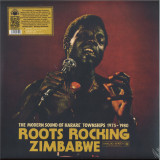
Analog Africa doesn't do anything other than special releases really, but this one tracing the label's origins back to Zimbabwe over 20 years ago is a real standout. A carefully curated collection of 25 tracks with a fine booklet proving plenty of extra context, it captures the birth of the country's modern music scene and brims with the creative sound explosion of the 70s and 80s. Before genres were fully defined, artists blended rock, rumba, soul and traditional rhythms in bold, experimental ways that still stand up and get diggers and dancers excited in 2025. Included are never-before-released tracks from Thomas Mapfumo, Oliver Mtukudzi and more and they all add up to rich and dynamic snapshot of Zimbabwe's peerless musical evolution during what was a transformative era.
out of Stock
Last delivered 15 months ago available to reorder, subject to availability