MEMORIALS jump off the waterslides and head above the clouds with their stunning second album proper, 'All Clouds Bring Not Rain'. The duo of Verity Susman and Matthew Simms (formerly of Electrelane and WIRE) locked themselves away in a studio in a barn secluded deep in the woods in southwestern France and re-emerged with a beautiful, unusual record that is both melodic and unconventional. For such an ambitious album it's striking that it was written, performed, recorded and mixed solely by the two of them. Sounding like an unearthed classic, MEMORIALS twist their influences into their own unmistakable sound. Imagine Nico singing with Can produced by David Axelrod and you're somewhere in the right ballpark. The record draws inspiration from a wide range of music including folk, dub, post punk, experimental tape music, 60s soul, garage rock, 70s spiritual jazz and Canterbury prog. Verity's distinctive, unadorned singing is a focal point of the record, moving from tender to wild. Her vocal melodies quickly become earworms, providing the tuneful heart around which the songs' more unorthodox elements are arranged, which is where Matthew's unconventional approach to recording and production comes to the fore. With their adventurous arrangements, classic songwriting skills and innovative production techniques, MEMORIALS have created another mesmerising listen that's accomplished and compelling in its unique approach yet remains dizzyingly immersive - just like their acclaimed live shows. "Exciting and unpredictable" The Guardian "Everything you'd expect from a duo adept in the strange and esoteric, while also in thrall to pop music's melodic bent." The Quietus "Stunning, kaleidoscopic tunes" Electronic Sound "Engagingly eclectic" UNCUT "Divinely tuneful yet confrontational" The Wire "Kaleidoscopic art-pop and adventurous psych-rock with an immersive, experimental aura." KEXP.
Mit Sexistential meldet sich Robyn mit ihrem bislang poppigsten Album zurück. Nach dem atmosphärischen Honey (2018) rückt sie wieder klar strukturierte Popsongs ins Zentrum - neun prägnante Tracks, entstanden an einem persönlichen Nullpunkt. Nach dem Ende einer langen Beziehung ordnete Robyn ihr Leben neu, entschied sich bewusst für eine alleinerziehende Mutterschaft und setzte sich intensiv mit Sexualität, Nähe, Unabhängigkeit und Identität auseinander. Die Arbeit am Album begann 2020 und wurde von der Pandemie geprägt. Aufgrund geschlossener Grenzen arbeitete Robyn ausschließlich mit schwedischen Weggefährten, allen voran Produzent Klas Âhlund. Ergänzt wird das Album durch Co-Writes mit Max Martin - die erste Zusammenarbeit seit Body Talk - sowie eine neu bearbeitete Version von Blow My Mind, ihrem Sohn gewidmet. Klanglich verbindet Sexistential klassische Popstrukturen mit einer hypermodernen Produktion. Thematisch kreist das Album um Lust, Verletzlichkeit und Kontrollverlust - und um das Spannungsfeld zwischen Emotion und Biologie. Die Single Dopamine beschreibt Verlangen zugleich als Gefühl und chemischen Prozess, geprägt von Robyns Erfahrungen mit IVF. Humor und Selbstironie durchziehen den Titeltrack, während Songs wie Sucker for Love romantische Liebe verteidigen, ohne naive Rollenbilder zu reproduzieren. Sexistential steht für künstlerische Integrität, bewusste Offenheit und einen selbstbestimmten Neubeginn - riskant, ehrlich und voller Hoffnung.
He rose to fame after appearing on the sixth series of Britain's Got Talent in 2012 as half of the classical duo Jonathan and Charlotte. He subsequently went solo and his debut album, Tenore, was released in the UK in 2014. Three subsequent albums followed and for 2026 comes his brand new album, Speaking To You. A magnificent collection of new recordings of some really well known favourite songs performed brilliantly
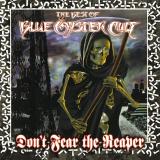
»Don't Fear The Reaper: The Best of Blue Öyster Cult« wurde im Jahr 2000 veröffentlicht und ist ein umfassendes Kompilationsalbum, das die bekanntesten Titel aus der legendären Karriere von Blue Öyster Cult präsentiert. Es umfasst ihre Anfänge in den frühen 1970er Jahren bis zu ihrem Erfolg in den 1980er Jahren und enthält Hits wie das legendäre »Don't Fear The Reaper«, das kraftvolle »Godzilla« und das eindringliche »Burnin' for You«.
Blue Öyster Cult sind bekannt für ihre Mischung aus Hardrock mit Elementen aus Metal und Psychedelic. Ihre komplexen Gitarrenriffs und geheimnisvollen Texte kommen in dieser Sammlung voll zur Geltung. Das Album unterstreicht den innovativen Sound der Band, der mit seiner einzigartigen Mischung aus schweren Riffs, komplexen Harmonien und düsteren Themen das Rockgenre mitgeprägt hat.
Sowohl für langjährige Fans als auch für neue Hörer ist »Don't Fear The Reaper: The Best of Blue Öyster Cult« ein Muss, das einen perfekten Einstieg in die einflussreichsten und zeitlosesten Titel der Band bietet.
»Don't Fear The Reaper: The Best Of Blue Öyster Cult« ist als limitierte Auflage von 2000 Exemplaren auf kristallklarem und schwarz marmoriertem Vinyl erhältlich.
Step back into the irresistible world of Dutch pop legends Gruppo Sportivo with Vinylly! (Selected Songs '78-'91). a vibrant, limitededition celebration of the band's most iconic tracks. This double LP is the ultimate collector's item for fans of clever pop, quirky humor, and timeless hooks.
Featuring standout songs like ''Beep Beep Love,'' ''My Old Cortina,'' ''Up to Date,'' and cult favorites from The Buddy Odor Stop, Vinylly! captures the band's golden era with crisp remastered sound and a beautifully designed sleeve and 4-page booklet. A complete overview of a group that defined an era with their playful lyrics, sharp arrangements, and unmistakable charm.
The band is touring throughout 2026 to celebrate the 50th birthday of Gruppo Sportivo.
This is the second studio album by American soul singer-songwriter and producer Bill Withers, released in 1972. The rhythmic music produced for the record features soul, funk, and blues sounds, backing lyrics that explore themes of human nature, emotion,
Mit 30 eindrucksvollen Tracks laden Svein Berge und Torbjørn Brundtland die Hörer:innen auf eine klangliche Reise ein, die tief in atmosphärische Klangwelten eintaucht. Das Album, eine Hommage an das Ambient-Genre, verbindet hypnotische Texturen, subtile Melodien und immersive Soundscapes, die den Geist beruhigen und gleichzeitig inspirieren. Als Erweiterung ihrer gefeierten Profound Mysteries-Reihe beweist Nebulous Nights einmal mehr Röyksopps unerschöpfliche Kreativität und ihr Gespür für emotionale Klangkunst. Röyksopp: "Analoge, rohe und immersive Klänge. Das ist „Nebulous Nights“ – eine ambient hafte Neuinterpretation unseres Albums „Profound Mysteries“. Live aufgenommen, fängt diese After-Hours-Session die Essenz von Nostalgie und Verweisen ein: Huldigungen und Anspielungen, die auf verschiedene Elemente des Röyksopp-Kosmos zurückgreifen. All das ist sorgfältig in eine esoterische Hülle gewickelt, durchzogen von analoger Wärme und voll kleiner Details, die aufmerksame Hörer:innen entdecken können. Doch „Nebulous Nights“ ist mehr als ein reines Hörerlebnis: Das Album möchte die Bedeutung von kritischem Denken und neugierigem Nachforschen hervorheben. Es lädt dazu ein, die eigene Vorstellungskraft und das Streben nach Erkenntnis nicht durch ein festgelegtes Weltbild oder starre Denkweisen einzuschränken, sondern offen für Wachstum und Erkundung zu bleiben. Diese Idee wird perfekt durch ein Zitat von Albert Einstein zusammengefasst: „Das Schönste, was wir erleben können, ist das Geheimnisvolle. Es ist die Quelle aller Kunst und Wissenschaft. Wer diese Empfindung nicht kennt, wer nicht mehr staunen und sich in Ehrfurcht verlieren kann, der ist so gut wie tot – seine Augen sind geschlossen.“
Für ein vollständiges, intensives Erlebnis empfehlen wir, das Album mit Kopfhörern zu hören. "
out of Stock
Last delivered 6 months ago available to reorder, subject to availability
WARNING: THIS IS FLATCORE AND HAS TO BE PLAYED LOUD !
Let's start by explaining what "FLATCORE" is; which is represented on this 3rd vinyl from this special serie on Flatlife Records: Flatcore is a cross between Hardcore, Progressive Trance, ACID and Hard Trance with a wink to the '90s. A concept from the mind of Jack Wax, who himself is incredibly fascinated and passionate about the more progressive hard trance movements of the '90s.
First track from Jack: "What The World Is Becoming To" is a serious question. AI, robots that do everything for you, wars, the internet; so much that has happening in the past 50 years, and where is it all becoming to?
Jack is supported on this release by "Dysistor"; this artist has also released music as DJ Hidden and Scorch and is also one half of "The Outside Agency." Then there's fresh talent on the B-side: TRIPHAZ from France. A fantastic, dark flatcore banger; he sent it as a demo, and Jack immediately jumped up and started screaming that he wanted it for this project.
So in total; a fantastic flatcore release, limited to 200 copies pressed on white vinyl. If you
like the harder stuff... check this one out.
out of Stock
Last delivered 6 months ago available to reorder, subject to availability
When you notice the cheerful mystery playing with the synths, the edges of this small world start to look slightly distorted. In any era, someone is always creating mysterious music on their own. (7FO)
----------------------------
Music in DNA is an album recorded in the early 1980s in New York City by Yasuhito Ohno, a young Japanese man breaking free from the constraints of his homeland. The album is a naive burst of outsider DIY enthusiasm, inspired by the multiple avant-garde movements of the era, in music, painting and performance, as well as the native energy of 80s NYC. Ohno channeled his youthful "edge" and zeal into open-minded lo-fi musical explorations using a mere two machines: the then-new technological glories of a four-track cassette recorder and that polyphonic synthesizer masterpiece, the Roland Juno-60; on several pieces he vocalizes. These seven tracks have a zestful, innocent, anything-goes charm, free from preciousness and self-consciousness: a raw and youthful human spirit at play in a new world. Ohno was also inspired by the humanistic promise of the general technological developments of the day, including DNA research, personal computing, and early computer graphics, an example of which can be found on the cover. Ohno later returned to Japan, becoming a renowned composer/producer. In an era of jaded cynicism, Music in DNA is a welcome taste of big-hearted innocence, a revival of a raw self. Available on CD/LP/Digital, with E/J liner notes.
Die limitierte 7"-Vinyl präsentiert einen der letzten Studio-Momente des verstorbenen David Johansen - eine intime, akustische Liebeserklärung voller Verletzlichkeit und Reife Seine Stimme trägt jene rauhe, unverwechselbare Tiefe, die ihn seit den Tagen der New York Dolls auszeichnete: ehrlich, ungeschönt, unmittelbar. "Gonna love you baby, till I lose my mind." An der akustischen Gitarre erschafft Earl Slick - bekannt durch seine Arbeit mit David Bowie und John Lennon - schwebende, fast sphärische Klangfarben, die Johansens erdigen Gesang umrahmen. Gemeinsam formen sie ein nuanciertes Zusammenspiel aus bluesiger Erdung und kosmischer Leichtigkeit. Der Track steigert sich in ein kraftvolles Mundharmonika-Finale, das Blues und Rock miteinander verschmilzt und den Song in eine spirituelle Intensität führt. Am Ende bleibt die Erinnerung daran, was uns Menschen am stärksten bewegt: L.U.V. - die Liebe.
Death Is Not The End present a further volume of Arja Kastinen's eerie amalgamations of 110 year old wax cylinders with her own meticulously transcribed takes, this time focussing in on Armas Otto Väisänen's field recordings of kantele player Iivana Mišukka (b. 1861 d.1919).
"Ivana Mišukka (1861–1919) was one of the Karelian kantele players recorded by the folk music researcher Armas Otto Väisänen on wax cylinders in 1916 and 1917. In the early 20th century, the remote areas of Border Karelia were undergoing the final phase of a transformation in musical culture, with the ancient runo song tradition giving way to newer forms of music. This transition is reflected in Mišukka's repertoire and choice of instrument. The ancient small kantele, hollowed out of a single piece of wood, was already rare at the turn of the century. Mišukka's kantele was a new type of instrument with 26 strings, constructed of several parts, but he played it using the traditional plucking technique. Like other Border Karelian kantele players, his repertoire consisted of music rooted in runosong culture, as well as newer dances and songs from the east and west. Most of the recorded material falls into the latter category.
Ivan Bogdanov Mišukka was born out of wedlock in Suursara village, Suistamo, on 1 May 1861. He began playing the kantele at the age of five or six, quickly mastering the instrument. In adulthood, he was considered one of the area's best master players. Mišukka was landless for most of his life and lived in different parts of the Suistamo parish. His first wife, Tekla Markintytär, died in 1897 at the age of 40, and his second wife, Jevdokia Filipintytär Jeminen, died in 1907 at the age of 50. Seven children were born from the first marriage, two of whom died young. The third wife, Maria Ignatintytär Gurnan (Kuurnanen), was a well-known master of lamentations. Together with Maria, Iivana Mišukka worked as a tenant farmer in the village of Suursara. Mišukka suffered from rheumatism, which prevented him from participating in physical work like Maria. This was apparently partly the reason why Iivana Mišukka went to earn extra money by playing the kantele on gig trips. He often had other traditional artists from Suistamo as his travelling companions, such as the runosingers Konstantin Kuokka and Iivana Onoila. Iivana Mišukka died in Leppäsyrjä village, Suistamo, on 18 May 1919 at the age of 58, and his kantele was donated to Teppana Jänis.
Mišukka only used 14 of the 26 strings on his kantele, playing the same tunes either a fourth higher or lower. He tuned his kantele to the major scale using fifths, except for a low seventh scale degree on the upper strings, but not below the fundamental. Since he did not use the seventh note of the scale on the upper strings at all, he could use the major scale both lower and a fourth higher with this tuning. According to Mišukka, the sound of higher, or 'finer', strings is 'more beautiful', while that of lower ones is 'greater'. Among runosingers, the size of the thirds varied, ranging from major to minor to neutral. A similar phenomenon can be observed in kantele tunings, where the third, sixth and seventh scale degrees vary in a comparable way.
During a meeting, Väisänen suggested that Mišukka play the smaller kantele belonging to Konstantin Kuokka. The idea was to bring it closer to the horn to improve the recording quality. However, the kantele was completely out of tune, and now Mišukka tuned it to the Lydian scale (track 18).
Using the old plucking technique, Mišukka placed his right middle finger on the fundamental tone, his right index finger on the second scale degree, his left middle finger on the third scale degree and his left index finger on the fourth scale degree, and his right thumb on the fifth. The thumb also played the notes above the fifth note of the scale. As Mišukka remarked to Väisänen: 'Peigaloll' tuloo enemb ruadoa' (the thumb has to do more work). However, he did not use the seventh note of the scale on the upper strings at all. Below the fundamental note, he played the seventh and sixth notes of the scale with his right middle finger of and the fifth note of the scale with his right ring finger. This fifth scale degree below the fundamental is almost always used as a drone. Sometimes, when the melody required it, Mišukka, like other players, also varied the fingering. He would also occasionally strike the same string with the side of his fingernail after plucking it.
The wax cylinder recordings of Karelian kantele players are kept in the archives of the Finnish Literature Society in Helsinki, Finland. Copies were made of them onto reel-to-reel tapes in both the 1960s and 1980s. The 1960s copies are mono and the 1980s copies are stereo. However, not all kantele recordings from these decades have survived.
The sound of the kantele is difficult to hear in wax cylinder recordings due to its low volume, and it occasionally becomes completely obscured by noise. During the copying process, the cylinder sometimes rotates unevenly, resulting in breaks or jumps in the music. Additionally, the rotation speed of the cylinder in the copies does not correspond to the performance speed of the original music, which alters the pitch. However, since Väisänen's precise notes are available in the archive, it is possible to deduce the melodies, their speed, and the tuning level of the kantele in the recordings. Of the copies of the original recordings from the 1960s and 1980s, I have selected the one that best met the requirements of this publication and adjusted the speed of the recording to align with Väisänen's notes. To enhance the listening experience, I have replayed the songs, which now partly overlap the old recordings on this release."
Anfang 1996 veröffentlichte The Wedding Present "Mini" über Cooking Vinyl Records, eine EP mit sechs Titeln, deren Songs alle einen Bezug zum motorisierten Fahren hatten. Fast dreißig Jahre später hat David Gedge dieses Konzept wieder aufgegriffen! "Maxi" enthält sechs weitere Stücke, deren Titel/Inhalte sich alle auf diese Thema beziehen. Maxi erscheint über Clue Records und folgt kurz nach der Veröffentlichung von 40 - der Zusammenstellung, die den komplexen und faszinierenden Katalog von The Wedding Present in einem Box-Set mit vier Vinyl- und/oder vier CDs widerspiegelt. Der letzte Titel der Compilation ist "Hot Wheels" - ein Song, der nun auch auf Maxi zu finden ist, zusammen mit fünf weiteren Stücken. Obwohl Maxi dem gleichen Konzept wie Mini (1996) folgt, klingt The Wedding Present 2025 deutlich größer. Dies ist wirklich eine Band in ihrer kreativsten Phase, die sowohl die Grenzen ihres eigenen Stils/Sounds als auch die Erwartungen der Zuhörer erweitert, während die Texte auf provokative Weise Bilder zeichnen, wie es nur David Gedge kann. "Wie ich in meinen Sleeve Notes zu 40 gesagt habe, wurden die Songs, die wir für Maxi aufgenommen haben, relativ schnell geschrieben, weil ich mich besonders inspiriert fühlte, sowohl textlich - durch Situationen in meinem Leben - als auch musikalisch - durch das Schreiben mit der damals neu hinzugekommenen Rachael. Die daraus resultierenden Tracks wirken größer angelegt und stimmungsvoller als alles, was wir seit langem gemacht haben ... und sie sind dank der neuen Rockqueen von The Wedding Present und ihrem Arsenal an Gitarren und Pedalen auf jeden Fall temperamentvoller!" (David Gedge). Transparente Vinyl-10" oder CD im Digipak.
A fantasy retelling of Sergei Prokofiev’s classic children’s tale ‘Peter and the Wolf’ in the form of hip hop. The restlessly poetic award winning billy woods as Peter. The gritty, charismatic gravitas of Detroit's Mickey Diamond as the Wolf. It’s an escape. The story, rhymes, and whimsical production from North London's Sam Seed will transport you away.
A fantasy retelling of Sergei Prokofiev’s classic children’s tale ‘Peter and the Wolf’ in the form of hip hop. The restlessly poetic award winning billy woods as Peter. The gritty, charismatic gravitas of Detroit's Mickey Diamond as the Wolf. It’s an escape. The story, rhymes, and whimsical production from North London's Sam Seed will transport you away.
"SAUDADE" (originally released September 10, 1982): 180g clear salmon pink vinyl Remastered and cut by Alex Wharton (Abbey Road Studios, London)
Produced by Narada Michael Walden and recorded at THE AUTOMATT in San Francisco, featuring T.M. Stevens on bass and Sheila E. on percussion.
A danceable, relaxed masterpiece where Takanaka’s ultimate resort-guitar sound truly comes alive.
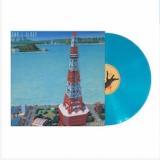
"CAN I SING?" (originally released October 5, 1983): 180g clear blue vinyl Remastered and cut by Alex Wharton (Abbey Road Studios, London)
Takanaka’s 10th original studio album, showcasing his signature “singing guitar.”
With guest appearances by Takao Kisugi (vocals), Yuji Toriyama (rhythm guitar), Yoshihiro Naruse (Casiopea; bass), and Daiji Okai (Yonin Bayashi; drums).
Blending techno-based sequencing with Takanaka’s warm, expressive guitar sound, the album radiates energy and melodic joy.
Mit Home Safe veröffentlicht der Pariser Produzent und Songwriter Crayon am 24. Oktober sein lang erwartetes Debütalbum auf Erased Tapes. Nach Jahren als gefragter Produzent für französische Rap-Größen wie Josman und Dinos tritt Crayon nun selbst ins Rampenlicht - mit einem Werk, das Soul, Folk, Jazz, Hip-Hop und Elektronik zu einem warmen, vielschichtigen Klangkosmos vereint. Die Entstehung des Albums begann in einer Pariser WG, wo Crayon und Jazzpianist Bastien Brison intime Jam-Sessions veranstalteten. Aus dieser kreativen Gemeinschaft entstand ein Sound, der orchestrale Größe mit der Intimität von Bedroom-Produktionen verbindet. Nach einer persönlichen Rückzugsphase in seinem Elternhaus verfeinerte Crayon über drei Jahre die Klangästhetik des Albums - inspiriert von Erinnerungen an das Zuhause und der Frage: Was bedeutet Heimat für dich? Das Ergebnis ist ein zutiefst persönliches, visuell geprägtes Album mit Gästen wie FKJ, ELIZA, Rhye, anaiis, Yamê und Arthur Teboul. Tracks wie Home Safe und Diamond Miner laden ein in eine Welt, in der Sound, Bild und Emotion verschmelzen.
During his time with the Yosuke Yamashita Trio, Nakamura poured his entire being into every note, weaving flashes of inspiration and raw impulses into powerful blows in the early 1970s. With this work, he undergoes yet another transformation. As Nakamura himself described: “Sharing space with everyone, feeling as if we’re flying freely like birds that’s the ideal.” Here, layers of sound and moments of silence expand the sonic space, and within it, Nakamura’s saxophone runs vibrantly and unrestrained.
Highlights include the exhilarating “Wolf’s Theme”, inspired by Kazumasa Hirai’s Wolf Guy series; the nostalgic melodies and relaxed groove of “Harappa”; elegant, richly textured interpretations of standards like “Body & Soul” and “I Can’t Get Started”; and the dynamic, liberating energy of “Viva Giappone”. In every track, Nakamura’s ideal is vividly realized. Featuring contributions from Toshiyuki Daitoku, Aki Takase, and Ryojiro Furusawa.
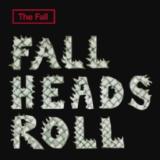
The Fall were an English post-punk band, formed in Manchester in 1976. The band existed in some form ever since, and was essentially built around its founder and only constant member Mark E. Smith. Initially associated with the punk movement of the late 1970s, the group's music went through several stylistic changes over the years, but is often characterised by an abrasive guitar-driven sound and frequent use of repetition, and was always underpinned by Smith's distinctive vocals and often cryptic lyrics. The band was noted for its prolific output: and released over 25 studio albums, and more than triple that counting live albums and other releases. They have never achieved widespread public success beyond a handful of minor hit singles in the late 1980s, but maintained a strong cult following. The band were long-associated with BBC disc jockey John Peel, who championed them from early on in their career and cited The Fall as his favourite band, famously explaining, "They are always different; they are always the same.
This is her first album in five years, she returns with a renewed sense of clarity and control, asserting herself as a generational songwriter with a sharpened perspective. While her early work chronicled the emotional turbulence of young love, Ricochet reveals a deeper fixation: time, mortality, and the quiet terror of watching the things you love slip away. The album"s 11 songs are steeped in introspection, anxiety, and acceptance - an acknowledgment that the world keeps turning regardless of what"s unfolding in your own small orbit.
This is her first album in five years, she returns with a renewed sense of clarity and control, asserting herself as a generational songwriter with a sharpened perspective. While her early work chronicled the emotional turbulence of young love, Ricochet reveals a deeper fixation: time, mortality, and the quiet terror of watching the things you love slip away. The album"s 11 songs are steeped in introspection, anxiety, and acceptance - an acknowledgment that the world keeps turning regardless of what"s unfolding in your own small orbit.
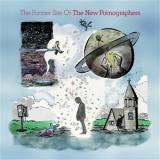
Eine Frau ist auf einem Kreuzfahrtschiff gefangen. Ein Prediger beschließt, mit seiner Stadt unterzugehen. Ein Mann im Blumenladen verliert sich in der Bedeutung eines Arrangements. Diese und andere Menschen an persönlichen wie gesellschaftlichen Grenzpunkten stehen im Mittelpunkt von zehn zeitgemäßen und zugleich zeitlosen Kurzgeschichten, die The New Pornographers auf ihrem kommenden Album The Former Site Of in Form sorgfältig komponierter Popsongs versammeln.Wie schon Continue as a Guest zeigt auch dieses Album The New Pornographers - Bandleader A.C. Newman, Neko Case, Kathryn Calder, John Collins und Todd Fancey - dabei, wie sie ihren ohnehin reichen Katalog auf überraschende Weise erweitern. Unterstützt vom legendären Session-Drummer Charley Drayton (Divinyls, Keith Richards, Fiona Apple) war der Raum innerhalb eines New-Pornographers-Songs noch nie so klar definiert und zugleich so reich texturiert. Das verleiht den Figuren, deren Leben sich in Newmans einfühlsamen, bildhaften Texten entfalten, einen unverwechselbaren Puls.The Former Site Of verleiht dem Sound, den Newman durch das Schreiben und Aufnehmen im Heimstudio entwickelte, zusätzliche Tiefe und verfeinert den kreativen Prozess der Band weit über die Notwendigkeiten der Lockdown-Ära und der damaligen Remote-Zusammenarbeit hinaus. ,Die Zeit in meinem Studio hat vieles geöffnet", erklärt er. ,Ich kann zuerst das Skelett eines Songs zusammenstellen - nur ein paar Elemente, das zentrale Gefühl, wirklich so wenig wie möglich - bevor ich ihn zur Band bringe und von dort aus weitermache."Zwei Alben nach dieser Veränderung erschaffen The New Pornographers Klanguniversen von komplexer Textur und erzählerischer Detailfülle, bei denen jede Ebene darauf abgestimmt ist, eine unerwartete neue Facette offenzulegen. Wie schon auf Continue as a Guest ist eine der deutlichsten Ebenen die Art und Weise, wie sich ein Song um ein hervorgehobenes Instrument formt. Auf The Former Site Of ist es die Mandoline, die - in Carl Newmans Händen - der Lead-Single ,Votive" ihr Gefühl von Beschleunigung verleiht, während sie sich vom atmosphärischen Synth- und Keyboard-Intro zu einer klassischen, weit offenen Jam-Nummer aufbaut.,Hände schützen ein Streichholz / Ich versuche nur, das Licht am Brennen zu halten", singt Newman in dem Stück. Diese Metapher - das Festhalten trotz der Unsicherheit des Lebens - zieht sich wie ein roter Faden durch The Former Site Of. ,Bonus Mai Tais" handelt im Grunde davon, wie die Flamme erlischt: Newman schreibt darin offen über ein Treffen mit einem Freund, der an fortgeschrittenem Krebs erkrankt ist, und über seine eigene Entwaffnung angesichts dessen Offenheit im Angesicht des Todes. Es ist ein brutal trauriger Song, dessen Schmerz in Newmans Stimme schwebt - und zugleich einer der schönsten der Band, wobei die Harmonien von Neko Case und Kathryn Calder wie ein ätherischer Spiegel der Szene wirken.The Former Site Of platziert viele seiner Figuren am Rand des Vergessens - ihre Zeit wird knapp, ihre Situation scheint aussichtslos -, und doch halten sie fest. Das gilt auch, wenn The New Pornographers den Blick nach innen richten, wie auf ,Pure Sticker Shock", in dem Newmans Texte um Selbstwert kreisen. Dass sie sich selbst unter dieser so unterschiedlichen Figurenriege wiederfinden können - sogar die Cassini-Huygens-Sonde aus ,Spooky Action" - verleiht dem Album Zusammenhalt, noch bevor die sich wiederholende Schlusszeile des Titeltracks erklingt, die den Weg ins Herz jedes einzelnen Songs warm erleuchtet und einladend macht.Weit davon entfernt, einfach das erwartbare nächste Kapitel von The New Pornographers zu sein, ist The Former Site Of ein Plädoyer gegen Erwartungen - von einer Band, die sich weiterentwickelt, statt sich auf ihren Lorbeeren auszuruhen. Selbst in den dunkelsten oder selbstironischsten Momenten liegt in dieser Musik eine unwiderstehliche Spritzigkeit: eine Bestätigung, dass der Kampf ihrer Figuren und der Hörer:innen - wie das Foto eines fernen Planeten - es wert ist.
Eine Frau ist auf einem Kreuzfahrtschiff gefangen. Ein Prediger beschließt, mit seiner Stadt unterzugehen. Ein Mann im Blumenladen verliert sich in der Bedeutung eines Arrangements. Diese und andere Menschen an persönlichen wie gesellschaftlichen Grenzpunkten stehen im Mittelpunkt von zehn zeitgemäßen und zugleich zeitlosen Kurzgeschichten, die The New Pornographers auf ihrem kommenden Album The Former Site Of in Form sorgfältig komponierter Popsongs versammeln.Wie schon Continue as a Guest zeigt auch dieses Album The New Pornographers - Bandleader A.C. Newman, Neko Case, Kathryn Calder, John Collins und Todd Fancey - dabei, wie sie ihren ohnehin reichen Katalog auf überraschende Weise erweitern. Unterstützt vom legendären Session-Drummer Charley Drayton (Divinyls, Keith Richards, Fiona Apple) war der Raum innerhalb eines New-Pornographers-Songs noch nie so klar definiert und zugleich so reich texturiert. Das verleiht den Figuren, deren Leben sich in Newmans einfühlsamen, bildhaften Texten entfalten, einen unverwechselbaren Puls.The Former Site Of verleiht dem Sound, den Newman durch das Schreiben und Aufnehmen im Heimstudio entwickelte, zusätzliche Tiefe und verfeinert den kreativen Prozess der Band weit über die Notwendigkeiten der Lockdown-Ära und der damaligen Remote-Zusammenarbeit hinaus. ,Die Zeit in meinem Studio hat vieles geöffnet", erklärt er. ,Ich kann zuerst das Skelett eines Songs zusammenstellen - nur ein paar Elemente, das zentrale Gefühl, wirklich so wenig wie möglich - bevor ich ihn zur Band bringe und von dort aus weitermache."Zwei Alben nach dieser Veränderung erschaffen The New Pornographers Klanguniversen von komplexer Textur und erzählerischer Detailfülle, bei denen jede Ebene darauf abgestimmt ist, eine unerwartete neue Facette offenzulegen. Wie schon auf Continue as a Guest ist eine der deutlichsten Ebenen die Art und Weise, wie sich ein Song um ein hervorgehobenes Instrument formt. Auf The Former Site Of ist es die Mandoline, die - in Carl Newmans Händen - der Lead-Single ,Votive" ihr Gefühl von Beschleunigung verleiht, während sie sich vom atmosphärischen Synth- und Keyboard-Intro zu einer klassischen, weit offenen Jam-Nummer aufbaut.,Hände schützen ein Streichholz / Ich versuche nur, das Licht am Brennen zu halten", singt Newman in dem Stück. Diese Metapher - das Festhalten trotz der Unsicherheit des Lebens - zieht sich wie ein roter Faden durch The Former Site Of. ,Bonus Mai Tais" handelt im Grunde davon, wie die Flamme erlischt: Newman schreibt darin offen über ein Treffen mit einem Freund, der an fortgeschrittenem Krebs erkrankt ist, und über seine eigene Entwaffnung angesichts dessen Offenheit im Angesicht des Todes. Es ist ein brutal trauriger Song, dessen Schmerz in Newmans Stimme schwebt - und zugleich einer der schönsten der Band, wobei die Harmonien von Neko Case und Kathryn Calder wie ein ätherischer Spiegel der Szene wirken.The Former Site Of platziert viele seiner Figuren am Rand des Vergessens - ihre Zeit wird knapp, ihre Situation scheint aussichtslos -, und doch halten sie fest. Das gilt auch, wenn The New Pornographers den Blick nach innen richten, wie auf ,Pure Sticker Shock", in dem Newmans Texte um Selbstwert kreisen. Dass sie sich selbst unter dieser so unterschiedlichen Figurenriege wiederfinden können - sogar die Cassini-Huygens-Sonde aus ,Spooky Action" - verleiht dem Album Zusammenhalt, noch bevor die sich wiederholende Schlusszeile des Titeltracks erklingt, die den Weg ins Herz jedes einzelnen Songs warm erleuchtet und einladend macht.Weit davon entfernt, einfach das erwartbare nächste Kapitel von The New Pornographers zu sein, ist The Former Site Of ein Plädoyer gegen Erwartungen - von einer Band, die sich weiterentwickelt, statt sich auf ihren Lorbeeren auszuruhen. Selbst in den dunkelsten oder selbstironischsten Momenten liegt in dieser Musik eine unwiderstehliche Spritzigkeit: eine Bestätigung, dass der Kampf ihrer Figuren und der Hörer:innen - wie das Foto eines fernen Planeten - es wert ist.
Nuevos Ríos ist das neue Projekt, das aus der Zusammenarbeit zwischen der legendären kolumbianischen Band Canalón de Timbiquí, angeführt von der unverwechselbaren Stimme von Nidia Góngora (Quantic, Ondatrópica, The Bongo Hop), und dem in Toulouse ansässigen Trio Reco Reco entstanden ist, das für seine Erkundungen tranceartigen Rhythmen aus Südamerika und darüber hinaus bekannt ist. Als neueste Kreation der pulsierenden kolumbianischen Szene, die sich durch vielfältige Hybridisierungen auszeichnet, bietet Nuevos Ríos einen atemberaubenden Einblick in die afro-kolumbianischen Traditionen der kolumbianischen Pazifikküste, ergänzt durch elektronische und verstärkte Elemente. Das Ergebnis ist beeindruckend: eine Odyssee, die nie von ihrem Kurs abweicht, Grenzen überschreitet und die Zuhörer auf die Entdeckung eines neuen Flusses voller gewundener Pfade mitnimmt. In dieser Musik spüren wir tropische Hitze, die verkörperte Kraft musikalischer Traditionen und den Schweiß europäischer Tanzflächen in einem einzigartigen Cocktail - sofort süchtig machend, manchmal introspektiv und immer unwiderstehlich tanzbar. Das Projekt entstand an den Ufern des Flusses Timbiquí und nahm durch die Begegnung zwischen Canalón de Timbiquí - der Gruppe, die von Maestra Nidia Góngora gegründet wurde, deren faszinierende und sofort erkennbare Stimme Projekte wie Quantic, Ondatrópica und The Bongo Hop geprägt hat - und Reco Reco, leidenschaftlichen Entdeckern tranceartiger Musik, insbesondere aus Südamerika, Gestalt an. Weit abseits der ausgetretenen Pfade, im Herzen der kolumbianischen Pazifikregion, fanden die beiden Gruppen auf natürliche Weise im Dorf Timbiquí zusammen, dem Ursprung der Musik von Canalón und von Nidia Góngora selbst. Durch eine Reihe von improvisierten Jam-Sessions im Erdgeschoss von Nidias Haus wurde die Verschmelzung ihrer Musik zu einem offensichtlichen Weg - geboren aus dem gemeinsamen Wunsch, aufmerksamen Zuhörern die Kraft dieser menschlichen und musikalischen Begegnung zu offenbaren. Dieses erste Kapitel, veröffentlicht bei ZZK Records - einem Label, das dafür bekannt ist, südamerikanische Juwelen zu entdecken (Son Rompe Pera, Nicola Cruz, La Yegros_) - wird von der einzigartigen Komposition und Klangfarbe von Nidia Góngora getragen. In den Tracks findet jedes Element des Ensembles seinen richtigen Platz: Die Kraft der kolumbianischen Pazifik-Percussion und die Poesie der Marimba de Chonta fesseln uns mit einem würzigen Gitarrenriff, das nie weit von Westafrika entfernt ist; die Stärke der Stimmen wird durch elektronische Texturen noch verstärkt, während sich Schlagzeug und Bass zu einem doppelten Motor für das gleichnamige Schiff Nuevos Ríos verbinden. Die Texte erzählen vom Alltag in enger Verbindung mit der Natur, rund um einen Fluss, der sowohl eine zentrale Verkehrsader als auch ein Kanal des Austauschs ist - ohne die harten Realitäten einer Region zu verschleiern, die von den internen Konflikten Kolumbiens gezeichnet ist. Und vielleicht ist diese Musik bereits eine erste Antwort auf einige dieser Wunden, in Form eines Rituals der kollektiven Feier. Das selbstbetitelte Debütalbum bietet eine einzigartige Perspektive auf das afro-stämmige Erbe der kolumbianischen Pazifikküste - ergänzt durch die Kraft verstärkter und elektronischer Musik. Man spürt die Wärme der Tropen, die Kraft der perkussiven und vokalen Traditionen und den Schweiß europäischer Tanzflächen, was zu einem unwiderstehlich hypnotischen und zum Tanzen animierenden Ergebnis führt.
Die Wiederveröffentlichung von Connie Converses How Sad, How Lovely auf Third Man Records erscheint fast 51 Jahre nach dem Verschwinden der Singer-Songwriterin und ist damit die erste Neuauflage dieses Albums seit beinahe zehn Jahren - und das in jedwedem Format. Die Veröffentlichung umfasst 20 Tracks (darunter eine Bonus-7"-Single mit dem bislang unveröffentlichten Stück ,House" sowie einem neuen Remix von ,Playboy of the Western World", beigesteuert von Dirick Cummins), die nichts von ihrer Eindringlichkeit und Kraft verloren haben. Sie präsentieren eine Künstlerin, die ihrer Zeit um Lichtjahre voraus war.
Die Wiederveröffentlichung von Connie Converses How Sad, How Lovely auf Third Man Records erscheint fast 51 Jahre nach dem Verschwinden der Singer-Songwriterin und ist damit die erste Neuauflage dieses Albums seit beinahe zehn Jahren - und das in jedwedem Format. Die Veröffentlichung umfasst 20 Tracks (darunter eine Bonus-7"-Single mit dem bislang unveröffentlichten Stück ,House" sowie einem neuen Remix von ,Playboy of the Western World", beigesteuert von Dirick Cummins), die nichts von ihrer Eindringlichkeit und Kraft verloren haben. Sie präsentieren eine Künstlerin, die ihrer Zeit um Lichtjahre voraus war.
You probably have at least one friend who is completely obsessed with Marnie Weber. Her dark, punk-infused humour and fearless embrace of eccentric feminine power archetypes combine with gut-punch viscerality and a strange beauty that is anything but pretty.” Village Voice “This neo-gothic fairytale wavers between happiness and sadness, amusement and tragedy, attraction and repulsion.” The White Review “Weber reaches a new scale for her work…The sentimentality and romance at its root fearlessly sets it apart.” BOMB “Wild multimedia works that often dwell on the ghostly and the monstrous. Think: Fairy tales gone seriously awry.” LA Times Acclaimed LA multidisciplinary artist and musician Marnie Weber collects highlights from a long and storied career on Returning Home: The Music of Marnie Weber, a collection of neo-goth art-pop that steers between kankyō ongaku pop songs, noise-rock, and haunted fairytale darkness. The career of Marnie Weber (b. 1959) began with gigs paid in beer at an LA trucker bar in 1977. Her band, Party Boys, formed when Weber was then 19 and had just left home. By the early 80’s, the band began regularly performing at LA’s fabled Al’s Bar, sharing the stage with generational talents that passed over its beer-drenched floors. L7, Beck, Arto Lindsay, Ry Cooder, The Fall, Fear, Hole, Hüsker Dü, Social Distortion, Nirvana, The Residents, Sonic Youth, Urge Overkill, Jesus Lizard, the Misfits, among plenty more, played to audiences that included Bret Easton Ellis, Steve Buscemi, Tommy Lee, Bill Murray, Al Pacino, Sean Penn, and Chloe Sevigny.
'Balconies' is an urgent, physical record shaped by momentum and heat. The album takes its title from a recurring metaphor: a balcony as a place of exposure and distance. Elevated, visible, yet removed from the action below. Throughout the record, Tin Fingers explore feelings of observation, displacement and restlessness, moving through places without fully belonging.
Musically, 'Balconies' marks a clear shift for the Antwerp band. Where earlier releases leaned into intimacy and melancholy, this album is louder, more direct and built for movement. Sharp, energetic songs are balanced by the band's continued attention to atmosphere and imagery.
The album was written instinctively over three months by frontman Felix Machtelinckx before being brought to the band, with arrangements coming together quickly thanks to years of shared experience. Recording took place over four hot summer days at The Old Carpet Factory on Hydra, Greece. The warmth, the sea and the island's isolation shaped both sound and mood, while limited time encouraged live recordings that capture the album's raw energy and immediacy. 'Balconies' was mixed by D. James Goodwin (The National, Kevin Morby, Whitney).
Following the release, Tin Fingers will present 'Balconies' live, with shows at De Roma (Antwerp), Mezz (Breda) and Supersonic (Paris).
Lo Recordings are very proud to announce the release of a beautiful collaborative project. A seamless sonic journey that guides us through the filmic landscape of a bygone era. Chiming in the past and resonating in the present.
Meg Morley and Haiku Salut combine their talents for the reimagining of a score for the 1930's silent film People on Sunday. Inspired by their live performance and screening of the classic at the Flatpack festival. The release was five years in the making as they set out to capture the compositions in the studio, blending Morley’s expressive piano with Haiku Salut’s textured electronics. The result has given rise to an album that belies its historic source with a fresh and clean sound and a complex ever moving series of compositions.. 'The Lost Score' is a vibrant contemporary album for our time.
Haiku Salut are an instrumental trio whose music blends electronica, neo-classical and folk into richly layered, cinematic soundscapes. Known for their enigmatic performances and live scores to silent films, they create immersive experiences that merge timeless visuals with modern experimental sound.
Meg Morley is a Melbourne-born London-based pianist, composer and improviser who pursues cross-cultural and interdisciplinary collaborations, focusing on storytelling. Her classically trained precision and jazz-inflected improvisations have brought her to prominence through her compositions for classical and jazz ensembles, accompaniment for dance companies (Pina Bausch, English National Ballet) and her internationally-acclaimed original scores for silent film.
2LP 180gm heavyweight 45 RPM Audiophile Edition, Featuring a half speed remaster by Miles Showell at Abbey Road Studios, Housed in polylined inners, Printed insert with sleevenote. The Alan Parsons Project"s million selling album Ammonia Avenue (1984), is re-issued in a variety of formats including this 2LP heavyweight, 45 RPM Audiophile edition. Expertly cut by Miles Showell at Abbey Road Studios on a customised Neumann VMS 80 lathe at half speed using a 1:1 archive transfer from the original SONY 1610 format digital mastertape recorded in 1984. Like other Alan Parsons Project albums, there were a variety of different lead vocalists employed including Chris Rainbow, Colin Blunstone, Lenny Zakatek as well as Eric Woolfson himself. Plus, a selection of session musicians such as guitarists Ian Bairnson and David Paton and drummer Stuart Elliott with arrangements by Andrew Powell.
Limited Edition 180gm heavyweight clear vinyl, Half-speed remaster by Miles Showell at Abbey Road Studios, Insert contains a sleevenote featuring quotes from Alan Parsons and Eric Woolfson The Alan Parsons Project"s million selling album Ammonia Avenue (1984), is re-issued in a variety of formats including a Limited Edition Clear vinyl LP, half-speed remastered by Miles Showell at Abbey Road studios. Like other Alan Parsons Project albums, there were a variety of different lead vocalists employed including Chris Rainbow, Colin Blunstone, Lenny Zakatek as well as Eric Woolfson himself. Plus, a selection of session musicians such as guitarists Ian Bairnson and David Paton and drummer Stuart Elliott with arrangements by Andrew Powell.
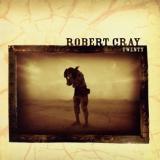
Not long after Strong Persuader became an unexpected crossover hit in 1986 - which was hard to imagine then and seems like a near impossibility now - Cray decided that he would rather pursue the sound of Stax and Hi soul than be a full-fledged bluesman. He punctuated his songs with stinging licks not dissimilar to Albert King, but the sound was closer to O.V. Wright. But what really separated Cray from his forefathers is that instead of getting dirty and gritty, he stayed classy and tasteful. After 25 years and 14 albums, Robert Cray has been mining the same low-key, mellow Memphis soul-blues groove for well over two-thirds of his career. He's found his sound and he's sticking to it. Now for the first time ever available on vinyl Twenty, his 14th album; a thoroughly pleasant listen indeed, it pack's a punch, and has just all the right ingredients. Twenty is available as a limited numbered edition of 750 copies on crystal clear 180 gram vinyl and includes an insert.
Die 15 Songs sind eine Reise und zaubern uns mit der klassischen Rock-Group (Gitarre, Bass, Schlagzeug) sowie mit Slideguitar, Geige, Nyckel-Harpa, Chor, Klavier- und Orgelsounds bunte Bilder in den Kopf. Eine Mischung aus erdigem Blues - Country und Folkrock mit prägnanten Lyrics auf deutscher und sorbischer Sprache.Die Musik öffnet mit ruhigen, tiefen, gospelartigen Passagen Räume und bewegt sich bis hin zum Punkrock.Textlich handelt das Album vom Weg, den du mit der Zeit gehst, von den damit verbundenen Sorgen, vom Ringen mit dem Guten und dem Bösen, von Liebe, von Freundschaft aber vor allem von Hoffnung. Der Sound von J.J.Cale, Neil Young und Ry Cooder verschmilzt mit modernem Postpunk und kreiert etwas ganz eigenes. Ein Album mit vielen Ecken, Kanten und Rundungen.Jacke selbst nennt seine Musik Lusitzana, was eine Anspielung auf den Begriff Americana ist. Hier gehts jedoch um das Leben in den langsam austrocknenden Sümpfen und Wäldern der Lausitz, rund um die Spree - Wo die Wölfe heulen und die Schafe ins Gras beißen. Aber die Hoffnung stirbt zuletzt und der Rock wird siegen! (Henne)
long content, you may need to expand row to see all... Mutant freut sich, in Zusammenarbeit mit Milan Records das offizielle Soundtrack-Album zu Edgar Wrights Sci-Fi-Action-Thriller The Running Man zu veröffentlichen.Das Album enthält die Original-Filmmusik des Oscar-Preisträgers Steven Price (Gravity, Last Night in Soho, Baby Driver). The Running Man, bei dem Wright als Co-Autor und Regisseur fungierte, handelt von einem Vater aus der Arbeiterklasse, der alles daran setzt, seine kranke Tochter zu retten. Er nimmt an einer tödlichen TV-Gameshow teil, in der die Kandidaten 30 Tage lang überleben müssen, während sie von Profikillern gejagt werden. Durch seinen Instinkt, seinen Widerstand und seine Entschlossenheit wird er zum unerwarteten Publikumsliebling – und zu einer Bedrohung für das gesamte System.Wir sind große Fans von Edgar und Steven und freuen uns sehr, dass sie uns erneut ein fantastisches Kinoerlebnis bescheren. Steven Prices Score für The Running Man ist eine schillernde Mischung aus treibenden Beats, brodelnden Synthesizern und traditionellen orchestralen Elementen, die vor Einfallsreichtum und Stil nur so sprühen. Das Hauptthema besitzt eine elegante, zeitlose Qualität mit üppigen, beruhigenden Streichern, die eine hypnotische Melodie weben. Im Gegensatz dazu stehen die Titel der Gameshow-Sequenzen, die wirklich unterhaltsam, bombastisch und im Retro-Stil gehalten sind – was wiederum einen Kontrast zu den düstereren, dystopischen Stücken bildet, die im gesamten Werk verteilt sind. Im Film wirkt die Musik wie ein weiterer Charakter, der die Geschichte vorantreibt. Als eigenständiges Hörerlebnis ist sie fesselnd, dynamisch, macht großen Spaß und fängt die vielen Facetten und Stimmungen des Films perfekt ein.Die Vinyl-Edition mit dem Artwork von Luke Preece ist auf zwei farbige 140g-LPs gepresst. Sie enthält ein „The Truth“-Zine als Replika aus dem Film mit exklusiven Liner Notes von Edgar Wright und Komponist Steven Price.Ebenfalls auf CD erhältlich.
Just east of Hollywood, Tommy Peltier"s made sweet music in the Echo Park hills for over sixty years. A jazzman first, he recast himself in 1970 as an LA troubadour, crafting a set of glitter-light pop tunes that somehow missed release "til now. Recorded "70-"76 all over town & mixed and mastered by Jim O"Rourke, Echo Park is an encompassing trip through a whole other time and place. Echo Park captures the smooth sounds, glamour "n free spirits to be found just down the street from Tinseltown in its golden day. Tommy has continued to play music, releasing new stuff with Plastic Theatre Art Band in 1996, and a number of releases under his own name, most recently in 2011. And at the ripe young age of 90(!), he"s still playing today!
"Nachpressung als limitiertes gelbes Vinyl! Das in Australien gegründete und in LA ansässige Duo VOWWS meldet sich mit „I'll Fill Your House With an Army“ zurück, ihrem bisher ehrgeizigsten und am besten umgesetzten Album.
„I'll Fill Your House With an Army“ (2025) ist der Höhepunkt der kühnsten Ideen der Band und zeigt, wie VOWWS, bestehend aus Rizz und Matt James, ihre charakteristische „Death-Pop“-Ästhetik vertiefen: eine genreübergreifende Mischung aus industrieller Elektronik, alternativem Rock, cineastischer Nostalgie und melancholischer Pop-Sensibilität. Co-produziert von Billy Howerdel (A Perfect Circle) und mit Gastauftritten von Josh Freese (A Perfect Circle, NIN, Devo) und James „Munky“ Shaffer (KORN), ist das Album eine Reise durch Sehnsucht, Entfremdung und die surreale Schönheit des Chaos.
Dieses Album zeigt perfekt die dynamische Bandbreite des Duos: von verzerrter Intimität bis hin zu gewaltigen Klangattacken reflektieren VOWWS ein zerbrochenes Spiegelbild des modernen Zustands - romantisch, aber desillusioniert, viszeral und doch seltsam erhebend.
Nachdem sie sich durch Touren mit den Deftones, Twin Temple und Poppy bereits eine kultige Fangemeinde erspielt haben und gerade einen bahnbrechenden Live-Auftritt im Golden Gate Park neben System of a Down und The Mars Volta absolviert haben, sind VOWWS bereit, ihr Vermächtnis mit dieser Veröffentlichung zu zementieren. Ihr künstlerisches Ethos, unbeugsam in einer Ära der Wegwerfbarkeit, hat sie auch in die Welt der High Fashion geführt, wo sie mit Comme des Garçons, Givenchy und Byredo zusammenarbeiten.
“If I never make it home, thank you for everything.” — “Ten Years” It’s hard to believe twenty years have passed since The Academy Is… released their breakthrough debut Almost Here, a record that quietly shaped an underground era. In the years since, the band grew up, lived full lives, and ultimately found their way back. Almost There serves as a conceptual companion to their debut, reexamining the past from the present with clarity, reflection, and experience. “Almost Here was about leaving home,” William Beckett reflects. “This album is about finding your way back.” The songs capture the bittersweet truth that time moves fast, carrying a quiet urgency to chase what matters before it slips away.