“My introduction to “noise” came from a record shop in Lake Worth, Florida ran by a musician named Kenny 5. Kenny had left Detroit sometime in the mid nineties and had begun selling used records and CD’s from the downtown strip of this tiny southern Florida city in a humble shop sandwiched between a deli and a dog grooming business. Kenny previously was on labels like Amphetamine Reptile and timeSTEREO, and the records and videotapes that would be on repeat at his shop were a vast sonic expanse that spoke to the eclecticism of his experience as a touring musician participating and adjacent to American noise culture through the early to late 90’s. In 1998, I was eleven years old and I would order a pizza with him and watch VHS tapes of Japanese noise and deathmatch bootlegs, as well as any other sonic and subcultural rarities that far outstripped my age to comprehend (notably the RRR “Journey Into Pain” compilation and various Vanilla Tapes videos). This widecast net of information formed an introduction to a reality that did not fall deaf on me, but it took many years later for me to reorient the specific freedoms of what this dense and cathartic sound culture had imparted on my life and would continue onward to.
What does this have to do with this selection of choice recordings from the Secret Boyfriend catalog for the enmossed label? For the uninitiated, Secret Boyfriend is the long running moniker of Ryan Martin, North Carolina musician and label proprietor of the Hot Releases imprint. For over a decade from this writing I have watched Secret Boyfriend, and Hot Releases by extension as a curatorial and archival effort, embodying the multiplanal capacity that noise loosely functions from as an umbrella ideology and formalist avenue for sound creation. For anecdotal purposes, from (before) 2006 until roughly 2023 the East Coast of the United States showcased a vibrant network of eclectic regional festivals that saw wide swaths of artists addressing and negotiating the notion of what qualified “noise” from a conceptual and ideological perspective. Some festivals honed in on particularities in aesthetics and tropes, and others had a kind of “catch-all” implementation that allowed for a salvation of the sort of alienated and singular artistry that was amassing throughout these territories. While clear guidelines had been set from regional predecessors as to how noise with a capital “N” should maneuver, Secret Boyfriend is emblematic in the spirit of fluidity that was either implicitly coupled to the notion of the genre, or grew to evolve towards or devolve from.
Within Secret Boyfriend performances, I have seen and admired a mirroring from a ravenous appreciator of this culture at large back towards itself. Typical of a Secret Boyfriend set is an interchangeable narrative arc wherein blistering feedback laden scrap metal improvisations are forayed into naive ambient or “pop” songs, or skipping CDs, or mixer feedback play, or delayed Roland 707 drum workouts all at once and in a unique hegemony. Secret Boyfriend's stylistic mastery of each endeavor is at once an homage to a history of loving listening and enacting, while a brave step into the realm of actualizing the unique fluidity of his own practice. In performance and the action of network engagement, Secret Boyfriend operates a survey of that which he sought to hear and that which he cultivates around his work. His operations are mirrors, and the project (alongside his other peers) is a reflection on the ethos of his time.
Conversely his recording practice narrows in on these moments and allows for a different kind of intimacy or alienation for the non live listener. This record of selected “pop songs” (let's call them that) is particularly poignant at a time when the culture Martin mirrors is at a strange crossroads with itself. The aforementioned festival networks necessarily change and shift. The onlookers become the artists, the artists find new horizons, and the spaces for these cycles fade into locales of a distant memory. It seems, from my perspective, that audiences currently yearn for a more bottlenecked experience, searching for some ontologically vetted manifestation of an idea, of a sound and less for an experience that functions in opposition to our collective banalities. This makes sense in the face of general global catastrophism that plagues us. We need certainty of what something is somewhere, don’t we? Noise as an idea has expanded and contracted to so many iterations of itself it is hard to tell what it even is, and it is particularly difficult to identify in the absence of solid network activations a moment to reflect on its own complexities and nuances. In the face of so much change, I argue that the language of noise culture at large has on one hand become increasingly didactic and predictable, and laughably inclusive and non linear on the other. Probably has always been this way, but now we are in the midst of a moment of extreme access and indexicality, which somehow cauterizes expansion and naivety and chance.
This record highlights the Secret Boyfriend that obscures didacticism by highlighting output that opens up for more challenging catharsis and emotive signal processing. It provides an entry to the materialism of a cultural field full of ecstatic complexity and beautiful inconsistency. In these muted moments Secret Boyfriend has given us over his career we have an argument for evolving languages that further challenge our notions of what is supposed to happen and how it is supposed to be presented. In his more song oriented expansiveness, we can punctuate the ability to think in new modalities. Listening to these recordings reminds me of the polarity of sitting in the record store as a kid and understanding that His Name Is Alive is on 4AD and (gasp!) timeSTEREO. This trite early impression that nothing is really as different as our imaginations might want them to be, and that we can do whatever we want mostly within the creative realms we work through is an important filter to look through Secret Boyfriend as a project and a vessel. If we can achieve abandon and vulnerability through our artistic endeavors, then we have a sound model for, maybe, new potentialities. If that’s too much projection, or just complete liberal bullshit, I am fine with that. Secret Boyfriend's oeuvre at best offers us moments of reprieve to ponder these complexities, or at least a moment to zone out on a drive through North Carolina Highway 54.
You have one pocket of life that you must do whatever you want to inside of. Secret Boyfriend does it affectionately, in a variety of forms, and always with deep sentimentality. These recordings are a wonderful set of songs to begin further investigation from. Thank you Ryan for allowing as many avenues as possible to continue a broad cultural exchange and conversation that intersect and refract while being the kind of artist that is brave enough to not phone in the effort.”
- Nick Klein , May 2024
Поиск:zone 6
Все
Following up on the Hayal EP in 2023, Dutch techno refractor Konduku makes a welcome return to Bitta with another four cuts of prismatic club fuel. Throughout his consistent output Ruben Uvez applies non-standard ideas to the techno formula, toying with rhythm and eliciting transcendental atmospheres from unusual patterns. This mode of exploration continues unabated on Gazoz, with the title track in particular leaning on a full-frequency, one-note synth pulse which dominates the mix and becomes truly hypnotic in its relentless presence. In the wrong hands it would come off garish, but ?vez knows how to weave subtlety around such forthright sonics to create a sublime sonic experience. 'Mikros' aligns with Konduku's more recognisable palette -- taut, bell-like rhythmic threads that balance delicacy and impact while tunnelling into mysterious, introspective zones. Aimed squarely at the heads-down section of the night, 'Luna' strides forth with a decisive dub techno palette and finds space for expression and progression in the most linear of arrangements. In true B2 style, 'Inici' rounds the EP out with a more fractured approach centred on reversed kicks and psychoactive arps riding wide and slow pitch bends for a mind-melting finish running at a formidable pace. As well as showcasing Konduku at his best, the sound on Gazoz serves as an extension of Bitta boss DJ Nobu's own particular tastes in techno -- brain-tweaking machine music crafted from supple parts, honed for the club without being limited by it.
Building on the promise of his standout Vacuum EP, Brendon Moeller returns to Samurai Music to dial his expert dub techno up to 170 for a full-length trip. Moeller is celebrated as a versatile operator applying cavernous sound design and decades-deep machine soul to a broad sweep of tempos and styles, and his pivot to D&B territory is as natural as it is original. It's a perfect fit on Samurai, where palettes, pressure and rhythms are continually yielding fresh results in this highly fertile zone of modern club music.
It's no secret Moeller is a prolific producer, and following his initial connection with Samurai he offered up a vast folder of tracks created in this latest furrow of his production. The label has since sifted through and puzzled out a sonic narrative, first realised on the Vacuum EP in June 2024 and now extended with Further. For anyone keyed into the deep, techno-informed innovations taking place at 170, there is a logical connection to Moeller's take on the sound, but at the same time these tracks stand apart from anything else out there right now. In the particular textures, the unfolding arrangements and monolithic reverbs Moeller threads together with hypnotic poise, his accomplished legacy shines through.
Whether it's the snarl of a delay feedback pushed a little further, a soaring synth swell sculpted into artful noise or a particular shuffle applied to a particular drum rack, Moeller's tracks unfold with a masterful poise, hitting the sweet spot between club-spirited physicality for the deepest of dance floors and introspective headphone trips. Teeming with detail, swathed in soul and engineered to perfection, the inspiration driving Moeller is palpable across the LP, and it's resulted in some of his finest work in a career studded with highlights.
Laserdance Album „Fire On Earth“ endlich wieder als LP erhältlich. Laserdance, eine der bekanntesten und einflussreichsten Bands im Bereich des Spacesynth, die maßgeblich zur Entstehung des Genres beitrug, hat mit diesem Werk die Dance- und Synthwave-Szene der 90er Jahre geprägt – und auch heute noch ist ihre Musik eine feste Größe im elektronischen Musikuniversum. Nun ist das Kultalbum „Fire On Earth“ endlich wieder als LP erhältlich. Es enthält eine perfekte Mischung aus futuristischen Klängen, treibenden Rhythmen und atmosphärischen Melodien, die den einzigartigen LaserdanceSound ausmachen.
Next up on MovetoneWax is Nick Beringer, a name that speaks for itself with a string of standout releases on labels like Raum…Musik, Mosaic, and Daydream, just to name a few. His Shortcut EP for the label steps out of his comfort zone while retaining his unmistakable signature sound. The two original tracks are dialing for some serious damage on the dance floor.
On remix duties, we’ve enlisted two heavyweight producers. Tommy Vicari Jnr offers a hypnotic journey, driven by a wobbly bassline that’s bound to keep the groove going strong. Pascal Benjamin's take brings his unique touch, offering a fresh interpretation while staying true to the original’s melodic elements.
This Incredible new EP by Fred P brings a definitive futurist vision of Dance floor mayhem of the late night variety. Singular Point of Focus is a ep packed with weapons of mass euphoria for the discerning selector and enthusiast alike. Incorporating augmented vocals by the Artist himself with a character that can’t be pinned to his natural rich deep voice yet an exact fit that represents the current moment in time. Fred P seems to be entering a zone most dare to tread boldly going beyond in service of the music that he so dearly loves to provide the everlasting sonic voyage for the people who understand there is more than meets the eye.
The Other Sound of Music is Edition Hawara’s first compilation of forgotten Austrian treasures from the 1980s. Plucked from dusty basements, flea markets and bespoke stores across the small Alpine country, it features eight quirky and charming pieces that afford a glimpse into largely unknown but surprisingly rich musical subcultures. The lovingly curated selection brings to light early soul, boogie and proto-house productions, as well as some of the most balearic tracks that have ever been made in a landlocked country. Finally giving this music the stage it deserves, The Other Sound of Music is the definitive guide to the outer limits of the Austrian underground.
"You're traveling through another dimension - a dimension not only of sight and sound but of mind. A journey into a wondrous land whose boundaries are that of imagination". This iconic introduction is from Rod Serling's timeless and influential television program, The Twilight Zone. Perhaps he would also apply this description to Can Con, the debut album by The Psych Fi's. The group is an offshoot of Canadian singer-songwriter Jerry Leger's rock 'n' roll side project, The Del Fi's. Just as The Psych Fi's describe themselves as "spontaneous psychedelic rock", The Del Fi's recorded two albums characterized by spontaneity, spirit, and trust. This time Leger brings his songs to a revolving door of musicians and singers (18 members, including Jerry, in the case of Can Con). Most of the performers have not heard these compositions before recording them. They have no chance to second-guess; they must be fearless and jump in with both feet and perform live in studio. Leger acts as a sort of loose conductor, allowing certain soloists to emerge from the musical collage. The group takes you on a hypnotic journey from the epic opening medley "Alone in a Room of Mirrors / James Cagney" to the groove of "You Know that I Love You, I Do" and the openness of "Song for Vultures". You'll get lost in "Summer's Right Around the Corner", which also features Don Stevenson (founding member of the legendary 60s psychedelic rock band Moby Grape) on backing vocals, alongside Kate Boothman (Katie Cruel) and Angie Hilts. This sound has evolved out of Del Fi performances, specifically when musicians Nichol Robertson, Jason Kenemy, Dave Clark (The Rheostatics, Woodshed Orchestra), and Michael Eckert were involved. Leger and these "Fi's" eagerly ventured down less-traveled roads to destinations unknown. Other Psych Fi's include Ken Yoshioka, Matthew Cooke, Les Armstrong, Chris Bennett, Shawn Clarke, Katie Methot, and members of "Jerry Leger & The Situation" (Dan Mock, Kyle Sullivan, Alan Zemaitis). Leger tells us at the beginning of the record, "I'm excited to live again", and by the end of Can Con, he's singing in his dreams and ours. This album will continue to grow, live, breathe, and expand as we share in each other's minds. It's a happening, and it's happening - you can hear it throughout the grooves. Here is your mantra: "I AM A PSYCH FI". File under: Psychrock, Crazy Horse, Electric Dylan.
- 1: Peach Blossom Paradise
- 2: Demon Cicadas In The Night
- 3: The Cold Curve
- 4: Saying Yes To Everything
- 5: Lighthouse
- 6: Revisionist Mystery
- 7: The Meander
- 8: The Wheel Of Persuasion
- 9: Another Tomorrow
- 10: Common Exotic
Prairiewolf make easy listening music for an age of fracture. They almost do it in spite of themselves. No one can seriously question the head music bona fides of the members of this Colorado-based trio.
Guitarist Stefan Beck has already assembled a formidable discography of jewel-toned guitar zone-outs under his Golden Brown moniker. And keyboardist and guitarist Jeremy Erwin and bassist Tyler Wilcox have both made their reputations as chroniclers of the vast world of out-music. Erwin helms the indispensable Heat Warps blog, a performance-by-performance archive of Miles Davis’s labyrinthine electric period. And Wilcox has been covering the ragged edges of psychedelia and experimental rock at Aquarium Drunkard and other publications, not to mention his own virtual basement for heads, the great bootleg blog Doom and Gloom from the Tomb.
These guys come by it honestly. And yet, given their backgrounds, Prairiewolf’s self-titled debut last spring was remarkably free of face-melters, brown acid blowouts, and ascendant spiritual jazz odysseys. Instead, they dropped a record of beautiful, elegant, low-key cosmic groovers that sounded like the piped-in background music to a resort hotel on Jupiter. It was an unlikely psychedelia, brocaded with mid-twentieth century sonic threading from the hi-fi era: vintage synthesizers, smears of spaghetti western, luxe tropical details, the faint schmaltz of space age pop. Imagine something like a Harmonia residency in the airport lounge. And yet somehow it all worked brilliantly. Prairiewolf became last summer’s cool-down standard. After a year woodshedding around Colorado’s Front Range region, the Prairiewolf boys have fired up their trusty Korg SR-120 drum machine for another outstanding collection of suborbital exotica. The appropriately titled Deep Time operates in its own chronology, unspooling at its unhurried pace. All its incongruous period and stylistic references—the new age pulses, Hawaiian steel, shaggy hippie rambles, lysergic guitar spirals, and orchestral synthesizer flourishes—float atop the album’s own singular temporality. Deep Time makes its own time.
From the moment Beck folds his slide guitar, origami-like, into a sound resembling the call of gulls on the tranquil album opener, “Peach Blossom Paradise,” there is a sense of departure from everyday life. The shimmering “Lighthouse” has a similar sunbaked nonchalance, like an afternoon passed day-drinking in a seaside bar. That they named their lush, kaleidoscopic downtempo track “The Meander” pretty much says it all. The ranging, propulsive “Saying Yes to Everything” seems like a nod in the direction of Rose City Band’s brand of wookie krautrock. And the motorik noir of “Demon Cicadas in the Night” also goes hard. Beck and Erwin’s intertwined guitar jam on the eerie album standout “The Cold Curve” evolves into something that sounds like primitive computer music. A genteel bassline from Wilcox on another album highlight, “Revisionist Mystery,” sets the stage for a loopy space jazz turn from guest clarinettist Matt Loewen of Rayonism. The title of post-rock cowboy tune “Another Tomorrow” might refer to the alternative future that so many critics heard in the music of Prairiewolf’s first album. Or it might simply refer to the persistence of time, however deep. Either way,
I’m thankful for the way Prairiewolf make each of their tunes a little oasis or sanctuary, each subsisting according to its own crystalline little logic for a few minutes. It is no simple task to filter out the omnipresent anger and anxiety of everyday life these days. But Prairiewolf are out here making it seem easy.
Brent S. Sirota
Located in a grey zone between ambient, post-natural sound design and hi-tech sacred music, the first long-form physical output from Milanese trio Cortex of Light, features two long compositions merging into one another without a specific beginning or end. This release marks also the first collaboration between A.R.X. and Krisis Publishing.
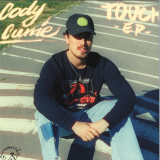
Toy Tonics presents a new EP by one of the label’s lead artists: CODY CURRIE. The London born talent comes with 4 new tracks that combine neo soul and jazz funk with uptempo house music
Cody usually plays all the instruments on his tracks working as the bassplayer, singer, guitar virtuoso and drummer and becoming one of the hot names in London's club scene as a DJ around 5 years ago at a young age.
His vibe is similar to his the soulful and extravagant sound as these his heros had. Not needing any help from anybody. Even mixing and engeenering all his music himself
Cody Currie’s sound is perfect for today’s DJ sets and fits with the current wave of funky house and groove oriented music coming from London that is taking over the clubs.
- A1: Storm Of Memories
- A2: No Drone Zone
- A3: Hard Days, Long Nights
- A4: Survive
- A5: Under The Gun
- B1: Dark Ages
- B2: 13 Arrows
- B3: Incitement Of Insurrection
- B4: Until The Heat Dies
- B5: Curse The Day
- B6: Midnight Avenue
Mit ihren bisherigen drei Alben ‚Rock Brigade‘ (2016), ‚Fahrenhater‘ (2018) und ‚9112‘ (2020) im Gepäck sind Fire Action alles andere als reine
Newcomer, sondern bereits fester Bestandteile der finnischen Metal-Szene. Dennoch wird ihre internationale Karriere mit der neuen Scheibe ‚Until
The Heat Dies‘ und der Vertragsunterzeichnung beim renommierten deutschen Metal-Label Steamhammer/SPV zweifelsfrei an Fahrt aufnehmen.
Dafür sprechen gleich mehrere Argumente, das wichtigste davon: Musikalisch hat das Quartett um Gitarrist Juri Vuortama und Sänger Pete Ahonen
einen wahren Quantensprung vollzogen. Elf traditionelle, zugleich abwechslungsreiche Metal-Songs, vom groovenden Opener ‚Storm Of Memories‘
bis zum hymnischen Finale ‚Midnight Avenue‘, unterstreichen die große Weiterentwicklung der Gruppe auf ‚Until The Heat Dies‘, das Vuortama kaum
zutreffender hätte beschreiben können: „It´s riffs, riffs and riffs, and great melodies on top of it!“, erklärt er das knappe Dutzend neuer Songs.
Veröffentlicht wird die Scheibe am 29. November 2024 auf CD und LP sowie als digitaler Download. Bereits vorher werden Fire Action drei Singles
auskoppeln: Am 20. September 2024 erscheint der Song ‚Hard Days, Long Nights‘ inklusive Lyric-Video, gefolgt von ‚No Drone Zone’ plus Video am 25.
Oktober 2024 und ‚Survive‘ (ebenfalls inklusive Video) am 22. November 2024.
FERMA third vinyl release lands just before the close of the year and it is a special one. Petros Spatharos leads with a set of bangers distilling perfectly the sound of the label. Athens-based artist is widely known for his dark, immersive industrial sound, so yeah expect nothing less.
Side A starts with ”Datura”, layering heavy drums with dark reeses and syncopations – solid stuff. ”Xorkia” is an eyes-down track which will keep you in the zone with stellar percussion and atmosphere. ”Vultures” closes the first side with higher energy levels and more distinct breakbeat elements.
On Side B, Randstad remixes ”Datura” and pumps up the tempo to create a mind-bending industrial electro track with aggressive synths. Boris Barksdale wrap-ups the physical release by remixing ”Xorkia” and changing the core to techno and reworking percussion to create an industrial heavy-hitter track.
Wie Phoenix - mit „Zu Asche, Zu Staub” - hat sich das MOKA EFTI ORCHESTRA 2018 und 2019 zu ungeahnten Höhenflug erhoben. Geboren aus dem Bauch der international erfolgreichen TV-Serie Babylon Berlin spielt das 14-köpfige Ensemble um die Komponisten Nikko Weidemann und Mario Kamien sowie Arrangeur/ MD Sebastian Borkowski vor ausverkauften Häusern in ganz Deutschland. HERZ / Wo ich geboren bin sind die ersten Beiden Singles seit geraumer Zeit und bietet ein erstes Lebenszeichen zu dem 2025 erscheinenden neuen Album der Band. Mit Christian Friedel hat man einen kongenialen Gesangspartner gefunden. Christian Friedel ist nicht nur aus Babylon Berlin bekannt, sondern zudem Sänger bei Woods of Birnam und mit "The Zone of Interest" gerade in aller Munde. Die Vinyl kommt in einer liebevollen 10" Grösse und hat mit 45RPM die bestmögliche Soundqualität.
Anything goes, everything is OK,’ is New Cool Collective’s free and easy creed. These eight jazz players are continually reinventing themselves, finding new inspiration and inspiring others. Brilliant as ever under a new spotlight, New Cool Collective excels on their 25th album Everything is OK, released by Dox Records this autumn on 25 October 2024.
Earlier this year, the band celebrated its thirtieth anniversary with a pocket-sized ode to their prolific past: 30 Years Live. Having played and partied, the group turned their attention to the future: what next for an ensemble that thrives on musical experiment and collaboration? Where to now? Which way to go to rekindle that creative spark and foster that flame?
New Cool Collective has met the challenge head-on, determined to surprise their audience, and themselves too. They spent a little time reflecting, considering suggestions, weighing up options – eight creative artists exploring, coalescing. Soon their ideas gelled into something special. They laid down a series of tracks that both build on the band’s thirty-year history and feed on a newfound freedom to simply be New Cool Collective. Everything is OK embodies that sense of a group which knows how to surpass expectations, to make music from the heart, to go back to their roots, back to the essence of those early years.
Anything goes, everything is okay on a record that features extensive brass arrangements and orchestral elements. There’s something magnificent about those seductively intimate tracks, something way beyond the traditional orchestral big band sound. New Cool love to experiment with alternative production techniques, developing the final mix themselves to create a unique, unmistakably recognizable sound – however surprising or unusual the music, you know you’re listening to New Cool Collective – like you’re there and the band is playing just for you.
Everything is OK is brimming with ideas, surprise and humour. The music is contemplative, yet it also leads straight to the dance floor: it gets you moving – body and soul. This is music for the intellect, to take you out of your comfort zone and to show you subtly, ironically: is everything really ok?
Deluxe Edition = "Queen's Tassel Pink" Vinyl + bonus 7". Video Age make breezy and timeless songs that are so ineable, they can only be the result of a decades-long friendship and songwriting partnership. Across four albums, Ross Farbe and Ray Micarelli have gleefully worn their influences on their sleeve, writing inviting tunes that reference sounds ranging from disco to pop and indie rock. On their latest LP, Away From The Castle, the New Orleans duo have strayed from nostalgia and instead have honed their own unique musicality, making songs that sound like themselves with a taste of inspiration from classic singer-songwriters of the 60s and 70s. The album is a testament to the possibilities that come from getting out of your comfort zone, the freedom of writing vulnerably and unselfconsciously, and the joys of getting to work with your closest companions. After releasing and eventually touring their critically-acclaimed third album Pleasure Line in 2020, Farbe and Micarelli sought inspiration for their next project through collaboration. They worked with Drugdealer on his album Hiding In Plain Sight, Micarelli gigged throughout New Orleans' jazz and blues scenes, and Farbe recorded local artists at his home studio, most recently producing Esther Rose's new album Safe to Run. Feeling refreshed, they rented a cabin in Eunice, Louisiana with touring members Nick Corson and Duncan Troast, where they spent eight days in August 2022 jamming, cooking and writing together. Through this process, Video Age have made their best collection of tracks to date by perfectly alchemizing their influences and experiences into a record still tinged with nostalgia, but moving towards a more succinct and authentic voice. Away From The Castle is a document of a band having fun and rediscovering their love for making music together, but it's also their most honest and personal work yet-Video Age distilled to its purest form.
- Thank You For Talking To Me (When I Was Fat)
- Ode To Mark White
- People's Free Food Program
- Barfighter
- Rainbow Of Gloom
- Devil Tongue
The "Great Escape Artist" is back! No, not THAT one - dude"s dead! We"re talking about Papa M. And HE"s talking "bout Harry Houdini - in the album title, anyway, not sure about anywhere else. So, six years since his last LP, the all-acoustic A Broke Moon Rises, Papa M rolls into the shred zone, buns glazing, with his fifth full length in 25 years of Papa M-itude! Six fat-assed songs - a couple ballads, yeah, but mostly real all-out groovers here.
Following on from the House-infused punch of her Peach Discs release in June, Bristol’s Daisy Moon treats us to a shapeshifting debut on Timedance - entering a new era with a splash sure to be felt in most abyssal zones.
‘Shadow Of Silhouettes’ showcases a singular exploration of tough yet scintillating sounds, between wiggy electro, bass-laden grooves and inspired bursts of FWD techno- pop.
In this diverse body of work, Daisy’s vocals are the glue tying things together. They appear like sonic silhouettes, abstracted through sound design and unveiling a taste for the experimental. In other moments they are stripped from their abstract form and float above the surface, revealing Daisy Moon’s blossoming talent for ear-worm melodies.
"In 1971, Dr Tree emerged as a highly innovative jazz-fusion ensemble from Auckland, formed by two of New Zealand's most seasoned session musicians, Frank Gibson Jr. and Murray McNabb - the pair had jammed together since grammar school. Drawing sizable crowds while working the Auckland circuit, the band caught the attention of EMI scout, Alan Galbraith, who wasted no time signing them up for an album. Galbraith, a trained musician and adventurous producer, brought in additional support from Julian Lee, an internationally acclaimed arranger and producer (who had recently returned to New Zealand after a decade Stateside on Frank Sinatra's insistence).
The album's an all-instrumental excursion into territory mapped out by the likes of Return To Forever, Weather Report and Tony Williams Lifetime - all acolytes of Miles Davis's late- 60s explorations. The session combines experimental studio techniques with blazing artistry, juxtapositioning trippy electronic textures and improvised jazz, creating a hypnotic kaleidoscope of sound."
Double LP featuring previously unreleased recordings and outtakes.
Restored and remastered at�Abbey Road Studios by Grammy award-winning engineer Sean Mage.
Heavyweight tip-on gatefold sleeve featuring archival band photography.
Restored and newly remastered at Abbey Road Studios.
Limited edition of 600 copies (300 in New Zealand, remaining 300 worldwide).