After a first release by a member of the crew, Love Reaction is proud and humbled to welcome on the label one of Geneva’s rising stars and longtime friend, Mirlaqi.
With this record, he offers a simple yet poetic groove : Disco and balearic in their broadest sense, tinged with his signature touch of Spatial House.
A very personal project, produced in collaboration with family and friends. He has known the instrumentalists on bassoon and sax since high school. The singer, with her spellbound voice, is now a recurring partner, featured on every record he released. He also brought his cousin into the equation, to help him on his journey back to his origins, as she translated parts
of the texts to Armenian.
A-side includes the most organic tracks of the record, that, while still suited to make you dance, will also fit perfectly as a soundtrack to end a shiny afternoon in front of the ocean. On the flip, the clubbier tracks : An original production, This Color, which is the track that inspired the cover art, and a remix by parisian italo-maestro LeonxLeon. Expect the most infectious grooves the balearic spectrum could offer and prepare to dance, not on the beach this time, but rather in orbit, on the red sand of Mars
out of Stock
Last delivered 19 months ago available to reorder, subject to availability
Antonin Appaix's songs oscillate between pop, acoustic experimentation and electronic ballads. After "???????????", his first EP released in April 2020 on Cracki Records, the singer from Marseilles returns with "????????".
A debut album of soft, hybrid, organic and strange productions, somewhere between Miel de Montagne, Domenique Dumont and Sébastien Tellier, evoking childhood, friendship, adventure, the intoxication of the deep and the wounds of the heart.
out of Stock
Last delivered 3 years ago available to reorder, subject to availability
Five years after the release of their last studio album, legendary UK musical institution, Soft Machine, return with a brand new CD/LP,
Other Doors. Boasting new material and two numbers drawn from their extensive historical repertoire, Other Doors finds the band on their usual fiery form.
Featuring John Etheridge (guitars), Theo Travis, (saxes, flutes, Fender Rhodes piano, electronics), Fred Thelonious Baker (Fretless bass),
John Marshall (drums), Other Doors also features two guest appearances from long-serving bassist Roy Babbington, who retired from the band in 2021.
Other Doors was recorded at Temple Music Studios, a facility owned by the late Jon Hiseman during July and August 2022.
It’s a location of which the band is particularly fond, explains John Etheridge. “Working at Jon Hiseman’s studio was special,
especially with Ru Lemer who is a brilliant engineer. He’s fantastically quick and that’s very good as we record mainly live in the studio. It’s come out really well and I think it sounds great.”
On Other Doors they’ve revisited the very first album, originally released in 1968, to include Kevin Ayers ‘Joy Of A Toy. Fred Baker, makes his studio debut with Soft Machine.
A well-known figure on the Canterbury Scene not only is he the perfect choice for the group but he’s also is a long-term fan of the repertoire.
“The way I look at it is that this is all great music which we’re continuing to preserve and keep alive as we play it but also we’re adding to it all the time,” he explains.
The idea for revisiting the number was Theo Travis’ he says and has been part of the band’s live setlist for a while.
The album also contains Penny Hitch, a track originally heard on 1973’s Soft Machine Seven.
If the album ushers in a new member in the shape of Fred Baker, it also acts as a fond farewell to drummer John Marshall, who joined Soft Machine midway through the recording of 1972’s Fifth.
At the age of 81 Marshall has decided to retire making Other Doors his final studio album with the group. “I’ve known John since 1975 when I first joined Soft Machine and of course,
we’ve worked through the years together intermittently ever since. His drumming always meant a lot to me,” says Etheridge.
“We worked over three days in the studio and John played great. It sounds terrific.”
Indeed, Marshall is on whip-cracking form throughout the album bringing his trademark musicality and decisive presence.
With Other Doors, he brings his distinguished career to a rousing conclusion.
Intense, celebratory, and consistently impressive. Other Doors is the sound of a group determined to press forwards with an
integrity and sense of purpose that’s quintessentially and definitively Soft Machine.
Triple LP box-set on coloured 180g vinyl. Includes 62x62cm poster. Artwork and remaster exclusive to Fuzz Club Bootlegs. This King Gizzard And The Lizard Wizard’s ‘Live In Milwaukee’ bootleg album was recorded when the prolific Australian group descended on the Riverside Theatre in Milwaukee, WI, USA on August 23rd.
The resulting 19-track triple LP sees King Gizz storm through tracks from ‘Nonagon Infinity’, ‘Murder of the Universe’, ‘Fishing for Fishies’, ‘Gumboot Soup’ and ‘Chunky Shrapnel’. This bootleg is remastered exclusively for Fuzz Club and arrives as a triple LP box set with new and exclusive artwork by Elzo Durt. Each box-set also includes a 62cm x 62cm poster
Blue Lake is the musical moniker of American born, Copenhagen based multidisciplinary artist and musician Jason Dungan, who signs to the Tonal Union imprint for the release of his new longform album ‘Sun Arcs’. It follows 2022’s release ‘Stikling’, earning a nomination for ‘Album of the Year’ at the Danish Music Awards plus warm praise from The Hum blog and musicians and DJs alike including Jack Rollo (Time is Away/NTS) and Carla dal Forno. A self taught player, Dungan began freely experimenting with self-built multi-string instruments, preferring to build his own hybrid 48-string zither and working in the realms of left-field ambient music, off kilter folk and improvised acoustic minimalism.
The starting point of ‘Sun Arcs’ saw Jason travel for a week alone to Andersabo, a cabin set in the idyllic Swedish woods just outside of Unnaryd, known also as the music project, festival and residency space which has been run by Dungan since 2016, hosting artists like Sofie Birch, Johan Carøe and Ellen Arkbro. Whilst writing 1-2 pieces per day, a conscious decision was made to leave behind everyday distractions and shut out the outside world to instead focus on the natural passage of time as Dungan recalls: “My only sense of time came from these daily walks out in the woods with my dog, and an awareness of the sun’s path as it moved across the sky each day.”
The album’s immersive world unfolds with the opener ‘Dallas’, an ode to his home state and a musical synthesis of these two disparate spaces (Texas and Denmark), the touchstones of Dungan’s life. A folk-esque single acoustic builds to a flowing arrangement of clarinets, organ and cello drones coupled with percussion. ‘Green-Yellow Field’ chimes in as the first of two solo oriented zither recordings twinned with the dreamlike title track ‘Sun Arcs’, both densely rich as cascading and overlapping harmonic tones resound. ‘Bloom’ emerges with a krautrock psyche before an eruption of cello drones, slide guitar and free-ranging zither playing, ushering in the anticipation of spring. With half of the recordings conceived in Andersabo, Jason returned to Copenhagen to form the album's centre piece ‘Rain Cycle’ which features a tempered Roland drum machine alongside shifting zither improvisations. ‘Writing’ explores the shimmering harp-like qualities of sweeping playing figurations with Dungan mapping out adjusted tuning “zones” on the zither for unconventional but creatively liberating effects. ‘Fur’ captures the feeling of openness and the momentum of time, seeing Dungan perform waves of solo clarinet, often in one takes and embellished with textural drones, a zither solo, and layers of guitar. ‘Wavelength’ the album's closer is fondly inspired by the film works of Michael Snow and Don Cherry’s seminal live album ‘Blue Lake’ (1974), as it builds out from a drone-generated zither chord and features an alto recorder solo. Dungan found a deep connection to Cherry’s stripped back performance ethos, focusing on the core beauty of minimal instrumentation creating a genre-less meeting between folk and jazz. A dialogue is formed between the solo and the bandlike performances, interlinked in a geographical duality with all finding a sense of commonplace as musical sketches of visited landscapes. The bountiful instrumentation ebbs and flows as further layers emerge with Dungan constructing his material much like an artist would, recording and reviewing, adding and subtracting.
Musically it portrays a form of double life led by an American-identifying person living in Scandinavia, and a new found presence in Denmark, seeking out underdeveloped marshlands and barren stretches of beach adrift from other rhythms and distractions. Highlighting their individual and potent importance Dungan concludes: “Both places feel like “me”, I think on some level the music is always some kind of self-portrait.” ‘Sun Arcs’ depicts the intricate balance of nature’s cycles and the paths outlined by the seasons, from a winter dormancy to a warm sun drenched scene. The album scales new glorying heights and further defines Dungan’s musical narrative, inhabiting a unique space in left-field, improvised and experimental music, borning his most accomplished compositions to date. A singular and visionary expression, drawing on an array of instruments and sound worlds with a renewed sense of joy and discovery.
The album's rich tapestry was mixed by Jeff Zeigler (Laraaji, Mary Lattimore, Kurt Vile /Steve Gunn) and mastered by Stephan Mathieu (Kali Malone, KMRU, Félicia Atkinson).
out of Stock
Last delivered 3 years ago available to reorder, subject to availability
Ravanelli Disco Club is a disco house label based in Marseille that was established 2019. Over its three short years they have worked with key artists including Ron Basejam, Jimpster, JKriv, Cody Currie, Retromigration, Joe Corti, and Scruscru, with releases in the wings by Prins Thomas and Pete Herbert.
Next up on Ravanelli Disco Club comes slick French duo Palavas who hail from the sun-drenched coast of the South of France, somewhere between Montpellier and Marseille. Named after the Pavalas resort - that was once the splendid queen of Mediterranean sandy beaches - the AZZUR Records founders are the epitome of the French dolce vita! With previous releases on Toucan Sound and Future Disco, their music is an intoxicating blend of nostalgia and cosmic futurism that dazzles discerning dancefloors every weekend with their shimmering solar odyssey.
On ‘Déesse D’été’ – which poetically translates to Summer Goddess - Palavas pay homage to the vibrant and infectious sound of the 80s, blending disco, funk, and new wave with a contemporary twist. This full-length journey provides us with a perfect summer soundtrack for the sunshine season, with upbeat rhythms and warm catchy melodies designed to get sun drenched bodies moving and grooving. Composed and sung in both French and English, the duo show case their tasteful aesthetic, versatility, and artistic flair effortlessly blending their musical influences resulting in a sound that is totally unique.
From the infectious beats of ‘We Are Strong Enough’ to the soulful ballad ‘One Night is Not Enough featuring Ryan Konline' or the new wave tribute ‘You Can't Get Away’, each cut is a beauty in its own right. Guaranteed to make you feel the warmth of the sun on your face and to lift your winter spirits.
out of Stock
Last delivered 3 months ago available to reorder, subject to availability
The Stoned Immaculate is the sixth studio album by American hip hop recording artist Curren$y. It was his major label debut, which was received well and remains his highest charting album to date. It debuted at #8 on the US Billboard 200 and #2 on the Rap/Hip Hop Album charts and features the singles "What It Look Like" and "Jet Life" with guests Big K.R.I.T. and Wiz Khalifa. The album features many more guest appearances, including Pharrell, Estelle, 2 Chainz, Marsha Ambrosius, Daz Dillinger, Corner Boy P, Young Roddy, and Smoke DZA amongst others.
Balearia series stunning with a more groove-driven tracks made for the dancefloor. Starting with four new dancefloor tracks, a combination of 90s underground energy with modern grooves, a summer feelings the sea spoils you just like good wine and lots of sun... Includes Ricky Montanari remix
out of Stock
Last delivered 12 months ago available to reorder, subject to availability
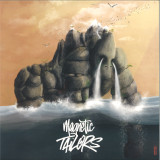
Introducing the freshest entry to our Little Beat More family with the very debut album by Magnetic Tailors out now!
The self-titled 'Magnetic Tailors LP' showcases the diverse influences that have shaped the style of this emerging project straight from Marseille's deepest underground, in a perfect blend of two unique sounds that represent the very soul of the group. Half hip hop and soul, half reggae the album features some of the most talented African artists such as Bhekiwe, Indigo Saint and Adam Raad, as well as leading exponents of underground hip hop such as Blurum13, DJ Vadim's partner in the Oneself project, and Blacc El, protagonist, among others, of an exceptional duet with the amazing voice of Giulietta Passera, from Sweet Life Society and Mangaboo.
A sound that reflects the influences and roots of the Magnetic Tailors and their city, a vibrant place of encounter and contamination for very different cultures and realities that come together in a unique and original artistic expression.
out of Stock
Last delivered 2 years ago available to reorder, subject to availability
Simoncino is back again on SKYLAX with the volume 2 of the Resurrection series ! The made in Perugia prodigy delivers us once again 3 titles paying homage to the sound of chicago, the fabulous triplet lost tape 1, 2 & 3. On A1, the aptly named Lost tape 1 us leads into the meanders of the jungle house in direct tribute to the great marshall Jefferson all sprinkled with some "detroit" sauce, this peaktime track will delight the most humid and demanding dancefloors. Lost tape 2 is more airy with these sparkling bells and its bass that lifts your guts, mental we tell you ! A bit as if paris gray was remixed in a hovering dub version. On lost tape 3, it is clearly the quintessence of the spirit of simoncino, his genius. This way of creating a universe that is both a tribute to the original chicago house and the italian dream house straight from the 90s. Completely trippy. And cherry on the cake on B2, we have a remix of the now classic "on the dancefloor", a title created in collaboration with Merwyn Sanders from Virgo Four (Chicago), from Detroit legend : Marcellus Pittmann ! 9 mn of pure madness. The Detroit - Chicago axis has never been so obvious. A must. Comes out on clear vinyl. Note that on the label's bandcamp, with the purchase of the vinyl, you can get 1 exclusive bonus track (& what a track !) : Simoncino & Merwyn Sanders of Virgo Four "On The Dance Floor" (Marcellus Pittman smooth remix).
out of Stock
Last delivered 20 months ago available to reorder, subject to availability
NOW Music is proud to present the next instalment in our ongoing ‘Yearbook’ series, NOW – Yearbook 1978; 85 tracks from a magical year in Pop! The 85 track special edition CD is housed in ‘hard-back-book’ packaging, including a 28-page booklet featuring a summary of the year, a track-by-track guide, a quiz, and original singles artwork. NOW – Yearbook 1978; 46 tracks on a 3LP set pressed on translucent pink vinyl - from a magical year in Pop!
out of Stock
Last delivered 3 years ago available to reorder, subject to availability
The Marshall Suite is the 1999 album by the Fall. The album builds on the techno-influenced beats of its predecessor Levitate, while also returning to a more rockabilly-influenced sound reminiscent of earlier Fall line-ups with songs such as the catchy “Touch Sensitive” and the strange, complex, thumping jungle beats of “The Crying Marshal”.
The Marshall Suite was made immediately after an American tour during which Mark E. Smith had an onstage fight with members of the band and was arrested following ongoing altercations at the hotel at which the group were staying. While the remaining band members quit and returned to England, leaving Smith in a cell in Manhattan, Julia Nagle chose to stay in the band, helping to assemble the group’s new line-up.
During the recording of the album, this new line-up was still taking shape and the album features two different bassists. None the less it was very well-received album at the time and highly collectible by now.
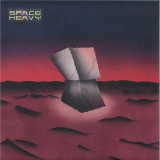
Nachdem seine intime Underplay-Show-Tour „SHHH“ im März binnen Sekunden ausverkauft war, kündigt Archy Marshall sein mittlerweile viertes Studioalbum „Space Heavy“ als King Krule an. Erscheinen wird es am 9. Juni bei XL Recordings. Zehn Jahre nach der Veröffentlichung seines umjubelten Debütalbums „6 Feet Beneath the Moon“ zeigen die 15 neuen Songs den britischen Songwriter auf der Höhe seines Schaffens.
Entstanden ist das Album zwischen 2020 und 2022, als Archy Marshall sowohl London als auch Liverpool seine Heimat nannte und viel Zeit auf den Reisen von einem zum anderen Ort verbrachte. Während diesen Trips entstand seine Faszination für „the space between“, wie er es nennt: die Orte, die von Träumen voller Liebe verfolgt werden, während sich Archy in seinen Texten mit persönlichen Verlusten befasst. Nachdem die Texte fertig waren, entstand die Musik gemeinsam mit dem Produzenten Dilip Harris sowie seiner langjährigen Band, bestehend aus Ignacio Salvadores (Saxophone), George Bass (Schlagzeug), James Wilson (Bass) und Jack Towell (Gitarre).
In den 15 Songs von „Space Heavy“ verbinden sich viele Elemente seiner bisherigen Karriere mit dem klanglichen Kosmos, der ihm das Attribut als eine der Stimmen seiner Generation einbrachte. Die dichten Lyrics seines Debüts, die Verschiebung seines Sounds bei „The OOZ“ (2017), die Ursprünglichkeit von „Man Alive!“ und die rohe Verletzlichkeit, die er auf „You Heat Me Up, You Cool Me Down“ zeigte, fließen in den Sound seines neuen Albums ein.
Mit der Albumankündigung erscheint die erste Single „Seaforth“ mitsamt Video, bei dem seine regelmäßige Kollaborateurin und Visual Artist Jocelyn Anquetil Regie geführt hat.
out of Stock
Last delivered 3 years ago available to reorder, subject to availability
The next chapter of the Natural Information Society is here. Since Time Is Gravity, credited to Natural Information Society Community Ensemble with Ari Brown, presents a newly expanded manifestation of acclaimed composer & multi-instrumentalist Joshua Abrams nearly 15 year, 7 albums &-counting flagship ensemble. Joining the core NIS of Abrams (guimbri & bass), Lisa Alvarado (harmonium) Mikel Patrick Avery (drums) & Jason Stein (bass clarinet) are Hamid Drake (percussion), Josh Berman & Ben Lamar Gay (cornets), Nick Mazzarella & Mai Sugimoto (alto saxophones & flute), Kara Bershad (harp) & Chicago living legend of the tenor saxophone Ari Brown. Recorded live to tape at Electrical Audio & The Graham Foundation, cover painting Vibratory Cartography: Nepantla, by Lisa Alvarado. 2xLP on Eremite USA, 2xLP & CD on Aguirre/Eremite Europe. Out 14-04.
Since first developing Natural Information Society in 2010, Joshua Abrams has been gradually expanding the group’s conceptual underpinnings, its musical references & the sheer number of the group’s members. Its music is, in a sense, an expansive form of minimalism, based in repeated & overlaid rhythmic patterns, ostinatos & modality. Its roots, its scale & its meaning become clearer in time. If time is gravity, it also allows us to carry more. Having begun as fundamentally a rhythm section with Abrams’ guimbri at its core, the version here can stretch to a tentet, including six horns.
Abrams has been expanding his minimalism gradually, but he has long understood a key to minimalism’s potential: the breadth of its roots in the late 1950s & early 1960s, ranging from the dissatisfaction of young European-stream composers with the limitations of serialism to the simultaneous dissatisfaction of jazz musicians with the dense harmonic vocabulary of bop & hard bop. The former began exploring rhythmic complexity & narrow tonal palates in place of harmonic abstraction (Steve Reich’s Drumming, Philip Glass’ Music with Changing Parts; perhaps above all Terry Riley’s In C & his late ‘60s all-night organ & loop concerts); the later reduced dense chord changes to scales (signally with Miles Davis' Kind of Blue, but rapidly expanding with John Coltrane’s vast project). In the 1950s the LP record opened the world with documentation of Asian & African musics, key influences on both minimalists & jazz musicians. If John Coltrane’s soprano saxophone suggested the keening shehnai of Bismillah Khan, the instrument was rapidly taken up by two key minimalists, LaMonte Young & Riley, similarly appreciative of its flexible intonation, the same thing that kept it out of big bands.
If the guimbri, the North African hide-covered lute that Abrams plays with NIS, involves a rich tradition of hypnotic healing music associated with the Gnawa people, Abrams’ music also touches on other musics as well — other depths, memories & healings, different drones, rhythms & modes. As the group expands on Since Time Is Gravity, he has made certain jazz traditions in the same stream more explicit as well. If there is a mystical & elastic quality involved in the experience of time, both in direction & duration, you will catch it here. The parts for the choir of winds expand on the roles of Abrams’ guimbri, Mikel Patrick Avery & Hamid Drake’s percussion & Lisa Alvarado’s harmonium: at times, the winds are almost looping in the tentet version, each hitting a repeating note in turn, at once drone & distinct inflection on temporal sequence. The brilliance of the work resides in Abrams’ compositions, the NIS’ intuitive execution & in Ari Brown’s singular embodiment of the great tenor saxophone tradition, including the oracular genius of Eddie “Lockjaw” Davis, & Yusef Lateef. The three pieces by the expanded NIS featuring Brown —the opening “Moontide Chorus” & “Is” & the ultimate “Gravity”— have an immediate impact, & togther might be considered a kind of concerto for tenor saxophone. Here Brown presses almost indistinguishably from composed melody to improvised speech, getting so close to language that he might have a text. Everything here is a sign. Note the tap of the Rhythm Ace that links “Moontide Chorus” to “Is”, the attentive heart always present, even when signed by a machine. There’s a link here to the methodologies & meanings of dub music & the linear & vertical collage of beats, textures & tongues: treated with reverence, a sample of a beat-box can be as soulful, as hypnotic, as a mbira or a tamboura. If those pieces with Brown are heard as a suspended concerto, the three embrace & enfold the other works, like the sepals of a flower. That placement will also touch on the mysteries of our perception of time.
Particularly in “Is”, but elsewhere as well, a phenomenon of transcendence arises in which time appears to be tripartite, at once moving backwards & forwards & standing still. This is an act of technical brilliance certainly, but also an illumination of music’s ability to represent temporal consciousness through polymetrics. This particular listener has only heard it before in a few places, including the horn shouts & bowed basses of Coltrane’s Africa, in moments of Charles Mingus’ The Black Saint & the Sinner Lady, in certain pieces where tapes were literally running backwards, & earlier still in Dizzy Gillespie’s Cubana Be, Cubana Bop, in which the composer George Russell & conguero Chano Pozo found a music that spoke at once in the voices of Stravinsky’s Rite of Spring & the vestigial rites, rhythms & songs of the Yoruba language & Santeria religion of inland Cuba.
In Joshua Abrams’ compositions & the realization of them by the NIS, in the time of one’s close listening & memory thereof, distinctions between the “natural” & the “social”, the “quotidian” & the “transcendent” are erased, suspended or perhaps irrelevant. Consider two of the ensemble pieces, one named for nature, the other social science. In “Murmuration” the repeated wind figures of flute & alto saxophone combine with the interlocking patterns of harp, guimbri & frame drum (tar) to create a perfect moving stillness, not an imitation but a witness to the miracle of the starlings’ astonishing collective art, a surfeit of beauty that might be the ultimate defense tactic.
“Stigmergy” takes its name & concept from the Occupy movement’s Heather Marsh, who proposes a social system based on a cooperative rather than competitive models, one in which ideas are freely contributed & developed as ideas rather than an individual’s property. In its form, Abrams’ “Stigmergy” is the closes thing to traditional jazz, a series of accompanied solos by each of the wind players. However, the composed accompaniment is a radically collectivist notion: a repeated rhythmic figure, call it ostinato or riff, in which the different winds each play only a note or two of the figure, a concept both more collectivist & individualistic in its conception than any typical unison figure. It suggests another of the underlying recognitions that propel the Natural Information Society, the group as social organism, the teleology of hypnotic anarchy, all parts in place, functioning systematically, evolving & expressing itself, its nature & society, as a transformative organism.
George Lewis has described music as “a space for reflection on the human condition”. This suggests that, rather than a “distraction”, at least some music might serve as a distraction from distraction. It’s a focus, a clarity, a awareness, an external invitation to interiority, as if music itself is a model for form & contemplation, an organism contemplating for us or as us. If that is a possibility, & I am sure I have heard such musics, than this music is among them. How many of our rhythms, melodies & harmonies (cultural, historical, biological, psychic) might such music carry, translate & transform in the particulate ecstasy of our own murmuration? (Stuart Broomer, April 2022)
out of Stock
Last delivered 3 years ago available to reorder, subject to availability
Nachdem seine intime Underplay-Show-Tour „SHHH“ im März binnen Sekunden ausverkauft war, kündigt Archy Marshall sein mittlerweile viertes Studioalbum „Space Heavy“ als King Krule an. Erscheinen wird es am 9. Juni bei XL Recordings. Zehn Jahre nach der Veröffentlichung seines umjubelten Debütalbums „6 Feet Beneath the Moon“ zeigen die 15 neuen Songs den britischen Songwriter auf der Höhe seines Schaffens.
Entstanden ist das Album zwischen 2020 und 2022, als Archy Marshall sowohl London als auch Liverpool seine Heimat nannte und viel Zeit auf den Reisen von einem zum anderen Ort verbrachte. Während diesen Trips entstand seine Faszination für „the space between“, wie er es nennt: die Orte, die von Träumen voller Liebe verfolgt werden, während sich Archy in seinen Texten mit persönlichen Verlusten befasst. Nachdem die Texte fertig waren, entstand die Musik gemeinsam mit dem Produzenten Dilip Harris sowie seiner langjährigen Band, bestehend aus Ignacio Salvadores (Saxophone), George Bass (Schlagzeug), James Wilson (Bass) und Jack Towell (Gitarre).
In den 15 Songs von „Space Heavy“ verbinden sich viele Elemente seiner bisherigen Karriere mit dem klanglichen Kosmos, der ihm das Attribut als eine der Stimmen seiner Generation einbrachte. Die dichten Lyrics seines Debüts, die Verschiebung seines Sounds bei „The OOZ“ (2017), die Ursprünglichkeit von „Man Alive!“ und die rohe Verletzlichkeit, die er auf „You Heat Me Up, You Cool Me Down“ zeigte, fließen in den Sound seines neuen Albums ein.
Mit der Albumankündigung erscheint die erste Single „Seaforth“ mitsamt Video, bei dem seine regelmäßige Kollaborateurin und Visual Artist Jocelyn Anquetil Regie geführt hat.
out of Stock
Last delivered 3 years ago available to reorder, subject to availability
You heard them first on Brown Acid “The Thirteenth Trip”. We are very excited to present to you the full unreleased recordings from this amazing band from Detroit. Master Danse was formed in late 1973 in Detroit, Michigan when drummer Tom Riss and bassist Cary Fletcher, formerly of the Detroit band Licking Stick, went looking for a new guitarist/lead vocalist and jammed with John Giaier, who had most recently played in the band Crawdad. The three musicians hit it off immediately, and a new power hard rock trio was born. In 1973, Detroit was clearly “Rock City”, featuring such local icons as Bob Seger, Alice Cooper, Grand Funk Railroad, Ted Nugent, and Mitch Ryder, and the high energy punch of Master Danse reflected this proud heritage. Unfortunately, this union would only last one year, and by the end of 1974 the power rock trio known as Master Danse had disbanded. What was left for posterity were only two live reel to reel recordings and one promo 45 single. Some forty-seven years later, the 45 found its way onto the internet and a small cult following of audiophiles was born, people who appreciate the raw power and high energy of early ‘70s rock. Bands like Master Danse and others from this era were riding the wave of transition from the pop rock sound of the ‘60s to an edgier sound that would eventually lead to metal and punk music. With the help of modern-day tape restoration techniques, the two live recordings were restored, and together with the 45, the best versions of the eight songs that have survived the decades are featured on this album. Although recorded live forty-eight years ago on a two-track stereo tape recorder, you can still feel the power of Giaier’s Marshall stack, Fletcher’s twin Acoustic 360 amps, and the relentless attack of Riss’ Ludwig drums. So, sit back and enjoy. Rock on!
3 Feet High and Rising is the debut studio album by hip hop trio De La Soul and was released on March 3, 1989
It marked the first of three full- length collaborations with producer Prince Paul, which would become the critical and commercial peak of both parties. Critically, as well as commercially, the album was a success. It contains the singles, "Me Myself and I", "The Magic Number", "Buddy", and "Eye Know".
The album title came from the Johnny Cash song "Five Feet High and Rising". It is listed on Rolling Stone's 200 Essential Rock Records and The Source's 100 Best Rap Albums. When Village Voice held its annual Pazz & Jop Critics Poll for 1989, 3 Feet High and Rising was ranked #1. It was also listed on the Rolling Stone's
The 500 Greatest Albums of All Time. Released amid the 1989 boom in gangsta rap, which gravitated towards hardcore, confrontational, violent lyrics, De La Soul's uniquely positive style made them an oddity beginning with the first single, "Me, Myself and I". Their positivity meant many observers labeled them a 'hippie' group, based on their declaration of the 'D.A.I.S.Y. Age' (Da. Inner. Soul. Yall).
Sampling artists as diverse as Hall & Oates, Steely Dan and The Turtles, 3 Feet High and Rising is often viewed as the stylistic beginning of 1990s alternative hip hop (and especially jazz rap).
GALLUS bottle that sense of anticipation, the idea that anything could
happen. Throwing back to the days when responsibilities were few, anticipation was high, and opportunity was around every corner. The band combine the energetic bounce of Sports Team with the tongue in cheek running commentary of life in 2022 of Yard Act and the introspection of contemporaries Fontaines D.C.
The band's reputation for electric, and at times chaotic, live shows grew quickly, and they soon took to filling rooms up and down the UK, Europe and beyond. Having supported the likes of Biffy Clyro and played to thousands at festivals and
showcases, including SXSW, The Great Escape and ESNS, in the last 12 months,
Gallus' reputation on the international stage is starting to grow in notoriety. This
was reflected in the band being crowned Best Rock/Alternative Category at the
Scottish Alternative Music Awards in 2022.
"Sunrise On Slaughter Beach" ist Clutch’s 13. Studioalbum, das im September 2022 veröffentlicht wurde. Es ist eine knallharte Zusammenfassung all dessen, was die Band großartig macht, und ein weiterer großer Sprung nach vorne in Richtung Langlebigkeit der Karriere.
Die hier vorliegende, limitierte Veröffentlichung besteht aus sechs hand gepressten 7" Vinyl jeweils in eigens hergestellten Jacken und hat drei zusätzliche Bonustracks: “Boogeyman Blues”, “Arts & Crafts”, und “Railroad Daisies”. Alle drei Songs wurden während der Aufnahmen von "Sunrise on Slaughter Beach" eingespielt. Ein 8-seitiges Booklet und eine 7" Plattenspieler Matte runden das Paket aus. Das Album wurde im The Magpie Cage Recording Studio, Baltimore, MD, von dem Grammy-nominierten Tom Dalgety (Ghost, Royal Blood, Pixies) produziert und gemischt, mit zusätzlicher Technik von J Robbins (Jawbreaker, Against Me!, The Sword).
Nucleus's Elastic Rock is undisputedly a milestone in Jazz-Rock. A beautiful and vital debut album, it was first released on Vertigo in 1970. Original copies are now very tricky to score and, like all the Nucleus records, it’s aged ridiculously well. This Be With re-issue, re-mastered from the original analogue tapes, shows off just why this deserves to be back in press.
Genius trumpeter and visionary composer Ian Carr was one of the most respected British musicians of his era. He was a true pioneer and saw the potential in fusing the worlds of jazz with rock, just as Miles Davis and The Tony Williams Lifetime did in the US. In late 1969, following the demise of the Rendell-Carr quintet, and tiring of British jazz, Carr assembled the legendary Nucleus. Regarding music as a continuous process, Nucleus refused to “recognise rigid boundaries” and worked on delivering what they saw as a “total musical experience”. We can get behind that.
Under bandleader Carr, Nucleus existed as a fluid line-up of inventive, skilled musicians. This constant evolution and revolution was all part of the continuous musical exploration and discovery that took jazz to new levels. And the music has kept relevant. To steal a line from a review of our re-issue of Roots, when it comes to anything Nucleus “it’s basically already hip-hop”.
The very title Elastic Rock could be regarded as the group's MO, describing a melting point between their rock and jazz impulses. Indeed, housed in a memorable gatefold jacket designed by Roger Dean, the die cut molten teardrop shape on the front sleeve opens to reveal a fiery volcanic crater. On the back, Dean's drawing has Carr with saxophonist Brian Smith, guitarist Chris Spedding, drummer John Marshall, bassist Jeff Clyne and sax, oboe and pianist Karl Jenkins in a circle, the central core of a movement and the basis for its activity.
Recorded over four days in January 1970, Elastic Rock didn't sound like any other British jazz album. Exploding out the gate, "1916" opens with Marshall's frantic pounding before melancholic horns enter. The smooth title track, "Elastic Rock" is just a gorgeous electric blues track. Light drums, gentle melodic horns, piano and a solid bassline serve as the perfect bed for Spedding's graceful bluesy guitar melodies. The serene "Striation", a Clyne and Spedding collaboration, is led by bowed bass and is the epitome of calm before the late night laid back vibe of "Taranaki" breezes along sweetly and smoothly with great trumpet and tenor.
The truly emotional "Twisted Track" is elegant with horns, while guitar is gently played with drums and bass. Initially deeply soothing, it gradually builds with various solos and duets. "Crude Blues (Part 1)" features an excellent oboe part by Jenkins with laconic guitar helping out. "Part 2" is livelier, with a heavy backbeat and great wind parts. "1916 (Battle Of Boogaloo)" features a steady bassline and great call and response parts from the horn section.
The highly-charged centrepiece of the record, the mesmeric epic "Torrid Zone" features an hypnotic bassline and hi-hat with some of the ensemble's best soloing. Brilliantly encapsulating the jazz fusion aesthetic so desired by the group, the rhythm section is rock-influenced but magically retains a laid-back jazz vibe. Just perfection. Spacey jazz in the style of In a Silent Way, the semi-ambient "Stonescape" features smooth, muted brass, warm, smokey keys and a barely-there rhythm section. Heavenly.
The bubbling, fragile restraint of "Earth Mother" partially utilises the "Torrid Zone" bassline but takes the energy in a different direction with Marshall's frenetic drumming and Spedding's unpredictable riffing. Next comes the very idiosyncratic drum solo track by Marshall in the appropriately-titled "Speaking for Myself, Personally, in My Own Opinion, I Think." The album closes with the raucous "Persephones Jive", a track that ends the album frantically, riotously, just as it began.
This Be With edition of Elastic Rock has been re-mastered from the original Vertigo master tapes, Simon Francis’ mastering working together with Cicely Balston's cut at AIR Studios to weave their usual magic with these wonderful recordings. The stunning die-cut gatefold sleeve has been restored in all its molten glory.
out of Stock
Last delivered 3 years ago available to reorder, subject to availability
Their masterpiece? With breaks for dayyyyyys and an almost ambient, heavy jazz atmosphere throughout, *this* is the apex of British jazz-rock fusion. We'll Talk About It Later was first released on Vertigo in 1971 and original copies are now very tricky to score. Like all the Nucleus records, it’s aged ridiculously well and this Be With re-issue, re-mastered from the original analogue tapes, shows off just why this deserves to be back in press.
Genius trumpeter and visionary composer Ian Carr was one of the most respected British musicians of his era. He was a true pioneer and saw the potential in fusing the worlds of jazz with rock, just as Miles Davis and The Tony Williams Lifetime did in the US. In late 1969, following the demise of the Rendell-Carr quintet, and tiring of British jazz, Carr assembled the legendary Nucleus. Regarding music as a continuous process, Nucleus refused to “recognise rigid boundaries” and worked on delivering what they saw as a “total musical experience”. We can get behind that.
Under bandleader Carr, Nucleus existed as a fluid line-up of inventive, skilled musicians. This constant evolution and revolution was all part of the continuous musical exploration and discovery that took jazz to new levels. And the music has kept relevant. To steal a line from a review of our re-issue of Roots, when it comes to anything Nucleus “it’s basically already hip-hop”.
We'll Talk About It Later is arguably Nucleus's best album. Not only that, it's in the top 5 of all fusion albums. By the time Nucleus entered Trident Studios in September 1970 to record Elastic Rock's successor, they had already won a best group award at the Montreux Jazz Festival. Once again presented in a Roger Dean designed die-cut gatefold sleeve it continued to demonstrate the chemistry and interplay that worked so brilliantly on Elastic Rock; Carr's sumptuous trumpet and flügelhorn lines, Karl Jenkins's funk-filled electric keyboards, Chris Spedding's wah-wah guitar, Brian Smith's sax and the rhythmic foundation of drummer John Marshall and bassist Jeff Clyne.
The group work and insane musicianship Nucleus were famed for is in evidence from the off. The intensely funky "Song for the Bearded Lady" is absolute FIRE, blasting out the speakers to leave listeners floored. Counterpoint riffing segues into a spacious groove and a Carr trumpet solo demonstrating the influence of electric Miles from the period. The stop-start funk of "Sun Child" would appeal to Soft Machine devotees whilst the genuinely touching "Lullaby for a Lonely Child" is a lovely downtempo ballad. Featuring an understated, reflective horn line from Carr and Smith and atmospheric, shimmering bouzouki from Spedding, there's an exotic flavour which contributes to the bliss. The ominous, sleazy title track retains a swaggering menace and is not the only track to lend a sort of heavy stoner rock atmosphere. The guitars and bass are deep and low throughout, conjuring heavy psych moments to go with the actual jazz and even funk. To say this album was in conversation with Bitches Brew would not be overstating the sheer brain-frying brilliance.
The Weather Report-adjacent "Oasis" opens Side B, a colossal track featuring nearly 10 minutes of steadily building melodic horns, keys and choppy guitar riffs. So ace, it could easily go on for another 10. Mesmeric. Spedding adds unique vocals to the undeniable groove of "Ballad of Joe Pimp" whilst saxophonist Smith's duet with drummer Marshall at the conclusion of "Easter 1916" - inspired by the Yeats poem about the Irish nationalist uprising in Dublin - adopts the wildness of the most incendiary free jazz.
This Be With edition of We'll Talk About It Later has been re-mastered from the original Vertigo master tapes, Simon Francis’ mastering working together with Cicely Balston's cut at AIR Studios to weave their usual magic with these wonderful recordings. The stunning die-cut sleeve has been restored with the original gatefold window pane depicting the Irish uprising in 1916. Incredible, timeless, guaranteed spine-chills.
out of Stock
Last delivered 3 years ago available to reorder, subject to availability
What a record! The outstanding Solar Plexus, the much-loved third album from Ian Carr and Nucleus, was first released on Vertigo in 1971. Inevitably, original copies are now very tricky to score and, like all the Nucleus records, it’s aged ridiculously well. This Be With re-issue, re-mastered from the original analogue tapes, shows off just why this deserves to be back in press.
Genius trumpeter and visionary composer Ian Carr was one of the most respected British musicians of his era. He was a true pioneer and saw the potential in fusing the worlds of jazz with rock, just as Miles Davis and The Tony Williams Lifetime did in the US. In late 1969, following the demise of the Rendell-Carr quintet, and tiring of British jazz, Carr assembled the legendary Nucleus. Regarding music as a continuous process, Nucleus refused to “recognise rigid boundaries” and worked on delivering what they saw as a “total musical experience”. We can get behind that.
Under bandleader Carr, Nucleus existed as a fluid line-up of inventive, skilled musicians. This constant evolution and revolution was all part of the continuous musical exploration and discovery that took jazz to new levels. And the music has kept relevant. To steal a line from a review of our re-issue of Roots, when it comes to anything Nucleus “it’s basically already hip-hop”.
We'll let Ian describe this one: "I wrote Solar Plexus' last year with the help of an Arts Council grant. It is based on two short themes which are stated at the beginning (Elements I & I1). The first theme is angular and has a slow, crab-like movement: the second theme is direct, simple and diatonic. CHANGING TIME and SPIRIT LEVEL explore the first theme and BEDROCK DEADLOCK and TORSO explore the second one. SNAKEHIPS DREAM tries to fuse both themes. (The title is a reference to the famous dancer 'Snakehips' Johnson)."
Solar Plexus features the same lineup as Elastic Rock and We'll Talk About It Later, but they're augmented by six guests, three of which play brass. Carr himself had almost full control of the writing and it does feel very different to the previous albums. It's more of a jazz record loosely based on a rock foundation rather than jazz fusion jamming.
The haunting synth-and-bass soundscape "Elements I and II" opens the album in dramatic, experimental fashion. It gives way to the bright, funky feel-good jazz of "Changing Times". An elegant onslaught of horns, courtesy of guests Kenny Wheeler and Harry Beckett, ride a solid groove for the duration. How the brass refrains have eluded samplers is beyond us. The melancholic "Bedrock Deadlock" features the brooding majesty of Jenkins' oboe and Clyne's mournful, skittering double bass. Wah wah guitar, drums and funky percussion then take over before the horns ride us out over frenetic beats. The dark, angular "Spirit Level" is a real highlight, by turns harmonic and beautiful then dissonant and wayward. Wonky jazz with no apparent structure or melodic bones. Regardless, it represents a great showcase for each virtuoso performer.
The breezy soul of "Torso" feels like a breath of fresh air, skipping along in the uptempo style with guitar, horns, drums and bass. A track which truly sounds scintillating, featuring sax solos, fantastic propulsive interplay from all the group around the halfway stage before Marshall gets his chance to really shine in closing out with a polyrhythmic drum solo. Final track "Snakehips' Dream" stretches cooly out over 15 minutes to round out a spellbinding album. An epic, suave groove, it's a relaxing piece with warm electric keys, laconic guitar and languorous horns. Truly sophisticated soulful jazz. An absolute masterclass. We could easily listen to this all day long.
This Be With edition of Solar Plexus has been re-mastered from the original Vertigo master tapes, Simon Francis’ mastering working together with Cicely Balston's cut at AIR Studios to weave their usual magic with these wonderful recordings. The stunning gatefold sleeve has been restored to complete this sensational package.
out of Stock
Last delivered 3 years ago available to reorder, subject to availability
‘Where is Agartha? What is the specific region in which it lies? Along what road, through what civilizations, must one walk in order to reach it?.’ Saint-Yves d’Alveydre in 1886
Agartha, the debut full-length album by Japanese producer Wata Igarashi, is a mysterious, divine thing. Named for the mythical secret kingdom, understood as a complex maze of underground tunnels, perhaps designed by Martians who colonised the Earth tens of thousands of years ago, it’s a similarly mystical, perhaps even cosmic trip – but this time, exploring an inner, deeply personal cosmos. Beautifully detailed and bustling with rich incident, it takes Igarashi’s music to new places, which still retaining his unique sonic imprimatur; in this respect, it’s perfectly at home with Kompakt, a label that’s always encouraged artists to make the visionary music they need to create, to take risks and make sideways steps into uncharted territory.
An eloquent producer and DJ, Igarashi has been releasing techno for eleven years now, appearing on such imprints as The Bunker NY, Delsin, Midgar, and Time To Express; he has also self-released his productions via his WIP net label. Throughout, Igarashi has consistently explored his unique approach to techno and electronic music, one that’s eloquent and poised, even when it shifts into more psychedelic terrain; he’s a master at balancing the sensual and the functional, and he has an unerring ear for the right texture, the right tone, at the right time. He brings all of this into Agartha, his most thorough-going expression of self to date.
For Agartha, Igarashi had a strong concept he wanted to explore. Visualising specific scenes from an imaginary film based on the titular secret kingdom, he created soundtracks for those scenes, spending time during the pandemic in his studio, working away carefully at the ten tracks here. Given his background in creating music for television and advertisements, Igarashi is well-placed to explore the marriage of the sonic and the visual in such intimate ways, but freed from commercial concerns, he let his imagination run riot. He also drew on a rich palette of musical influences – techno is in there, of course, but you can also hear the smoky, improvised jazz of the likes of Miles Davis (to whom the album’s title is an indirect nod), and the minimalism and systems music of Steve Reich.
The latter is particularly pronounced on the gorgeous, beatless drift of “Floating Against Time”, where an arpeggiated sequence lingers, lovingly, around your ears for nine blissful minutes, coasting across swooning drones and waves of ambient noise. “Ceremony Of The Dead”, originally composed as part of a Sony 360 Reality Audio spatial sound concert, is a deep pass into systems composition, with various patterns overlaid and interlocking, before a wordless vocal rises from the depths, a gorgeous counterpoint to the swarming textures that gather across the track. On the other hand, tracks like “Burning” and “Subterranean Life” nudge toward Fourth World territory, painting deluxe dreamscapes of uncertain provenance; the title cut is an abstract drift-world, Igarashi painting an alien tableau dotted by shape-shifting creatures.
Agartha’s conceptual framework means that everything on the album sits perfectly together; listening to it in one sitting is a dizzying, lush experience. Its imaginings of inner landscapes recall, in some respects, the nautical, aqueous mythologies of the Drexciyan universe, though from different perspectives. But the result is Igarashi’s own creation, a deluxe, enchanting trip through the visionary Agartha of this unique producer’s cinematic mind’s-eye.
Wo liegt Agartha? In welcher spezifischen Region liegt es? Auf welchem Weg, durch welche Zivilisationen muss man gehen, um dorthin zu gelangen?'
Saint-Yves d'Alveydre im Jahr 1886
Agartha, das Debütalbum des japanischen Produzenten Wata Igarashi, ist ein geheimnisvolles, göttliches Ding. Benannt nach dem mythischen, geheimen Königreich, das als ein komplexes Labyrinth unterirdischer Tunnel verstanden wird, die vielleicht von Marsmenschen angelegt wurden, die vor Zehntausenden von Jahren die Erde kolonisierten, ist es eine ähnlich mystische, vielleicht sogar kosmische Reise - aber dieses Mal erforscht es einen inneren, zutiefst persönlichen Kosmos. Wunderschön detailliert und voller reichhaltiger Begebenheiten, führt es Igarashis Musik an neue Orte, die dennoch seine einzigartige klangliche Handschrift bewahren. In dieser Hinsicht hat es bei Kompakt ein perfektes Zuhause gefunden - einem Label, das Künstler immer ermutigt hat, jene visionäre Musik zu machen, Risiken einzugehen und seitwärts Schritte in unbekanntes Terrain zu tun.
Der eloquente Produzent und DJ Igarashi veröffentlicht seit elf Jahren Techno auf Labels wie The Bunker NY, Delsin, Figure und Time To Express; außerdem hat er einige Produktionen über sein Label WIP net selbst veröffentlicht. Dabei hat Igarashi stets seinen einzigartigen Ansatz für Techno und elektronische Musik verfolgt, der kontrolliert und ausgeglichen ist, selbst wenn er sich in psychedelisches Terrain begibt; er ist ein Meister der Balance zwischen dem Sinnlichen und dem Funktionalen und hat ein untrügliches Gespür für die richtige Textur, den richtigen Ton zur richtigen Zeit. All das bringt er in Agartha ein, dem bisher umfangreichsten Ausdruck seiner selbst.
Für Agartha hatte Igarashi ein starkes Konzept, das er erforschen wollte. Er stellte sich bestimmte Szenen eines imaginären Films vor, der auf dem titelgebenden geheimen Königreich basiert, und schuf Soundtracks für diese Szenen. Während der Pandemie verbrachte er Zeit in seinem Studio und arbeitete sorgfältig an den zehn Tracks. Mit seinem Hintergrund als Komponist von Fernseh- und Werbemusik ist Igarashi prädestiniert dafür, die Verbindung von Klang und Bild auf solch intime Weise zu erforschen, aber frei von kommerziellem Dünkel ließ er seiner Fantasie freien Lauf. Er schöpfte auch aus einer reichen Palette musikalischer Einflüsse - Techno ist natürlich dabei, aber man hört auch den rauchigen, improvisierten Jazz von Miles Davis (an den der Titel des Albums eine indirekte Anspielung ist) und den Minimalismus und die Systemmusik von Steve Reich.
Letzteres ist besonders ausgeprägt in dem wunderschönen, beatlosen "Floating Against Time", wo eine arpeggierte Sequenz neun Minuten lang liebevoll um die Ohren fliegt und über schwelende Drones und Wellen von Umgebungsgeräuschen gleitet. "Ceremony Of The Dead", ursprünglich als Teil eines Sony 360 Reality Audio-Raumklangkonzerts komponiert, ist ein tiefes Eintauchen in eine Systemkomposition, bei der sich verschiedene Muster überlagern und ineinander greifen, bevor sich ein wortloser Gesang aus der Tiefe erhebt, ein wunderschöner Kontrapunkt zu den wimmelnden Texturen, die sich über den Track legen. Andererseits bewegen sich Tracks wie "Burning" und "Subterranean Life" in Richtung der Vierten Welt und malen luxuriöse Traumlandschaften ungewisser Herkunft; der Titeltrack ist eine abstrakte Scheinwelt, in der Igarashi ein außerirdisches Tableau malt, das von formwandelnden Kreaturen übersät ist.
Der konzeptionelle Rahmen von Agartha ermöglicht, dass alles auf dem Album perfekt zusammenpasst; es in einem Zug durchzuhören ist eine schwindelerregende, opulente Erfahrung. Wata's Vorstellungen von inneren Landschaften erinnern in gewisser Hinsicht an die nautischen, wässrigen Mythologien des drexciyanischen Universums, wenn auch aus einer anderen Perspektiven betrachtet. Aber das Ergebnis ist Igarashis ureigene Schöpfung, ein luxuriöser, bezaubernder Trip durch das visionäre Agartha dieses einzigartigen Produzenten mit seinem cineastischen Blick.
out of Stock
Last delivered 12 months ago available to reorder, subject to availability
Drop a needle on Psyché's debut album and you'll see visions, or rather Mediterranean visions, be they of waves of heat shimmering above dunes of sand, or of women dancing around a bonfire on a rocky plain, or of bushy cliffs overlooking emerald-green and turquoise sea. The name Psyché is of course ancient Greek for 'soul' or 'mind', signifying the band's love of psychedelic funk, but also the wide range of Mediterranean influences – from Southern Europe to the Balkan Peninsula, and from Anatolia to the Maghreb – that provide an endless source of inspiration for their hypnotic sound and minimalist style.
Psyché members Marcello Giannini (Guru, Nu Genea, Slivovitz), Andrea De Fazio (Parbleu, Nu Genea, Funkin Machine) and Paolo Petrella (Nu Genea) have been active in the Naples music scene for almost two decades, most notably during the first wave of the new Neapolitan Power movement (Slivovitz, Revenaz Quartet). Over the years they have often crossed paths and collaborated on side projects in various genres (math-rock duo Arduo and, more recently, synth-pop duo Fratelli Malibu), before working together as the rhythm section of Nu Genea's live band. Following their first tour with Nu Genea in 2018, they started Psyché with the intent of exploring more minimalist styles and making music with just a few elements.
A unique combination of psychedelia, groove and improvisation, the music of Psyché goes back to the roots of our future; it evokes visions of a mythical past, blending centuries-old music traditions and mixing them with modern genres. Like a warm Mediterranean breeze, it travels across lands, seas and eras, distilling essential rhythms and cosmic pulsations.
The album's opener "Kuma" (titled after the first ancient Greek colony on the Italian mainland, now an archeological site near Naples) is like a vibrant, magical wave. With its deliberately simple harmony and sharp guitar riffs, it travels across the Mediterranean from Italy to North Africa, first lapping gently on Greek and Turkish shores – with some compositional elements reminiscent of Italian pop legend Lucio Battisti – and then speeding up and landing on the driving, syncopated rhythms of afrobeat. While listening to it your eyes fill with images of small white houses shining in the sun, of fig trees heavy with fruit, of spice bazaars and colourful medinas, and you can almost feel the desert wind blowing in your hair.
The journey continues with two examples of Psyché's bold and elegant approach to contemporary afrobeat and cumbia fusion: "Cumbia Mahàre" and "Amma". The former combines minimal synths and exhilarating rhythmic patterns of drums, percussion, guitar and bass, drawing us into the movements of an imaginary ritual dance (the term mahàre was used in Southern Italian dialects to indicate witches). Next is the cinematic and mysterious ambiance of "Angizia" (a snake goddess worshipped by the Marsi in ancient Italy), another fascinating mixture of different sonic traditions and cultures where hip-hop/funk drums are blended with Maghreb influences, Balkan echoes, and hypnotic, Theremin-like synths that have sort of a sci-fi movie quality to them.
The title track "Psyché", with its uptempo afro-rhythms, ethereal vocalizations and refined percussion, is almost a manifesto of the band's style and confirms the freshness of their minimalism, which is not afraid of taking in the sun of lands confined between the sea and the desert. The following "Manea" (named after the Roman-Etruscan goddess of the dead) is an afro-funk number with smooth and introspective dreamy jazz touches, and with an arrangement dominated by a guitar that, dripping notes like drops of water, creates a delicate, cinematic sound. Next, we come to "Hekate" (the Greek goddess of magic, witchcraft and crossroads), a track that fuses psychedelia, spacious Latin guitars and a fast, tight groove. The album comes to a close with the exquisite melodic ballad "Kelebek", which seamlessly combines hip-hop drums and dreamy guitars, and whose warm, flowing sonorities and evocative atmospheres conjure the image of a butterfly (which is what kelebek means, in Turkish) floating over the Mediterranean and, from there, the world.
out of Stock
Last delivered 2 years ago available to reorder, subject to availability
• A globe spanning (France, Italy, Germany, USA, Belarus, Sweden, Russia, Australia, Canada) covers album of the late great Marc Bolan songs starting with the earliest cover in 1965 • Covering a huge range of genres and styles • A response to the U.S Hit album Angel Headed Hipster which opened up the songs of Bolan to a new American audience by using big names and TV advertising…this concentrates on quality recordings by lesser known artists • Presented in deluxe gatefold sleeve. • Reviews in Record Collector, Vive le rock R2, Shindig, Classic Rock.
Angetrieben von brillianten, eindringlichen Melodien, wurzelt Blondshells Songwriting im Konkreten: jeder Vers ist wörtlich zu nehmen, eine anektdotische Verarbeitung von Traumata und der Suche nach Selbstvertrauen, Selbstbeherrschung und Entlastung. Mit ihrem Debüt liefert sie einen neuen Indie-Sound voll verträumter Gitarren und 90iger Alternative Rock Einflüssen. Der Geheimtipp am Indiehimmel 2023.
Gatefold Green Vinyl Double LP with design by Dian Vandermeulen, the popular Canadian visual artist
(limited edition cassette version will be released by Not Not Fun).
Between December 2018 and 2019, Stefana Fratila embarked on a series of research trips across North America (including to NASA Jet Propulsion Laboratory and NASA Goddard Space Centre), meeting with astronomers and scientists in order to address a complex question: “If each planet in our solar system were a different room, what would each room sound like?”
Her ongoing creative research culminated in Sononaut, eight open-source VST plug-ins created for digital audio workstations (DAWs) that emulate the atmospheric conditions of the planets in our solar system (made in collaboration with artist and coder Jen Kutler, using calculations by NASA astronomer and planetary scientist Dr. Conor Nixon).
Her forthcoming album I want to leave this Earth behind is the sonic extension of her creative research.
In her own words: “The album is conceptual, in that it centres on outer space exploration and my understanding of 'Crip futurity'. My vision is for the album to engage listeners in an exercise of imagining the sounds of interplanetary atmospheres– conditions which are inherently unlivable, unbreathable, converting all human body-minds into disabled-bodied-ness. Since I identify as Crip, or disabled, this idea deeply resonates with me. I am the first artist (a disabled producer/musician, no less) to have worked with NASA researchers on a sonic imagining of the solar system’s atmospheres that incorporates real scientific data. If we are all 'disabled' in (or by) outer space, my music is concerned with propelling all listeners into space, leaving Earth behind them, through my music.”
The solar system’s planetary bodies are inherently prohibitive even in regards to Earth’s most ‘able-bodied’ subjects. Her project seizes upon a form of radical agency and science-fictive ambition, placing all human subjects within new worlds, into the interplanetary bodies of our solar system, through her own sonic imaginings.
The album will be released by Toronto-based label Halocline Trance (Casey MQ, myst milano, ACT!).
During a 2019 residency at CMMAS (Centro Mexicano para la Música y las Artes Sonoras) in Morelia, Mexico, Fratila began writing the album on an octophonic sound system (8 planets = 8 speakers).
Afterwards, from her home studio in Toronto, she recorded additional synthesizer parts, finalized arrangements, and incorporated Sononaut (her 8 solar system VST plug-ins) into the album’s production. The album was recorded, written, and produced by Fratila. She worked with mixing engineer Jeremy Greenspan (Jessy Lanza, Caribou, Junior Boys), as well as mixing engineer Lisa Conway and mastering engineer Sage Kim.
Underlining each track is a five-minute soundscape representing the weather on that planet, based on Fratila’s research at NASA. The weather patterns are interwoven with layers of synths and time-stretched samples.
There are very few disabled femme electronic artists gaining exposure in Canada today.
Ascended Dead kehren zurück wie ein Sturm aus dem neunten Kreis der Hölle in den Himmel! Das neue Album "Evenfall of the Apocalypse" läutet den finalen Marsch in die Vernichtung durch gerade noch kontrolliertem Death Metal und formzerstörende Nekromantie ein.
Ascended Dead spielen Death Metal auf die uralte Art und Weise, mit inhärent bösartigen Wurzeln und einer methodischen Grausamkeit, die man heutzutage kaum noch hört. Fleischschälende Intensität in Überschallgeschwindigkeit, technisch rasende Leads, die direkt durch Knochen schneiden und eine unerbittliche, vernichtende Kraft, die selten lange genug pausiert, um Luft zu holen. Doch inmitten dieser flammenden Feuersbrunst ist eine ganz bewusste und fanatische Liebe zum Detail und zum Handwerk nicht zu leugnen, die dem Pandämonium klare Struktur und Einprägsamkeit verleiht.
Während die Band mehr als genug Fähigkeiten und Fertigkeiten besitzt, um ein düsteres Akustikstück wie "Passage to Eternity", einen seltenen Moment der Ruhe, zu spielen, dienen wiederholte Durchläufe von "Evenfall of the Apocalypse" nur dazu, Ascended Dead's unaufhaltsamen Platz an der Spitze des brutalen, wahren Death Metal zu verewigen und dessen Banner in die Zukunft zu tragen.
- Das erste neue Album von Ascended Dead seit 2017
- US- und Europa-Touren für 2023 geplant
- Gemischt und gemastert von Stevie D (Worm, Evoken)
- Schlagzeuger Charlie Koryn sitzt derzeit auch auf dem höchsten Drum-Thron des Death Metal und spielt für Morbid Angel
- FFO: Possessed, Sadistic Intent, Necrovore, Force of Darkness, Black Curse, Morbid Angel, Immolation, Angelcorpse, Sarcofago, Triumvir Foul, Concrete Winds, Ruin Lust, Degial
Ascended Dead kehren zurück wie ein Sturm aus dem neunten Kreis der Hölle in den Himmel! Das neue Album "Evenfall of the Apocalypse" läutet den finalen Marsch in die Vernichtung durch gerade noch kontrolliertem Death Metal und formzerstörende Nekromantie ein.
Ascended Dead spielen Death Metal auf die uralte Art und Weise, mit inhärent bösartigen Wurzeln und einer methodischen Grausamkeit, die man heutzutage kaum noch hört. Fleischschälende Intensität in Überschallgeschwindigkeit, technisch rasende Leads, die direkt durch Knochen schneiden und eine unerbittliche, vernichtende Kraft, die selten lange genug pausiert, um Luft zu holen. Doch inmitten dieser flammenden Feuersbrunst ist eine ganz bewusste und fanatische Liebe zum Detail und zum Handwerk nicht zu leugnen, die dem Pandämonium klare Struktur und Einprägsamkeit verleiht.
Während die Band mehr als genug Fähigkeiten und Fertigkeiten besitzt, um ein düsteres Akustikstück wie "Passage to Eternity", einen seltenen Moment der Ruhe, zu spielen, dienen wiederholte Durchläufe von "Evenfall of the Apocalypse" nur dazu, Ascended Dead's unaufhaltsamen Platz an der Spitze des brutalen, wahren Death Metal zu verewigen und dessen Banner in die Zukunft zu tragen.
- Das erste neue Album von Ascended Dead seit 2017
- US- und Europa-Touren für 2023 geplant
- Gemischt und gemastert von Stevie D (Worm, Evoken)
- Schlagzeuger Charlie Koryn sitzt derzeit auch auf dem höchsten Drum-Thron des Death Metal und spielt für Morbid Angel
- FFO: Possessed, Sadistic Intent, Necrovore, Force of Darkness, Black Curse, Morbid Angel, Immolation, Angelcorpse, Sarcofago, Triumvir Foul, Concrete Winds, Ruin Lust, Degial
Album features legendary AC/DC frontman BON SCOTT on lead vocals.His work with FRATERNITY put Scott on the radar of George Young, AC/DC co-producer and older brother of Angus and Malcolm, eventually leading to Scott replacing then frontman Dave Evans in 1974
For the first time since its initial release in 1972, the sophomore album by Australian psych band FRATERNITY is released again on vinyl, fully sanctioned by the surviving band members and their management since the album’s original release in 1972
Collection includes the original 10-track album plus a bonus second disc featuring three rare maxi-single tracks and two obscure live tracks making their debut vinyl appearance, all newly remastered.
Deluxe package includes gatefold jacket packed with original press clippings and previously unpublished period band photos plus extensive liner notes by original band co-manager Victor Marshall.
Essential UK experimental composer Richard Skelton returns to Phantom Limb for new album selenodesy, interweaving his newfound love of electronics and synthesis with mastery of gritty organic texture.
Skelton’s music has always been rooted in landscape, in the loam and grit of the earth: from his 2009 Pennine Moors-inspired modern classic Landings to his more recent Moraine Sequence of geological excavations, his work has been bound inexorably with the stark and untended wilderness of northern landscapes. With this new album, however, Skelton shifts his gaze skyward — in part the result of a move in 2017 to the countryside near the Kielder Observatory, and to a so-called ‘dark sky’ region of the UK. In this remote landscape, light pollution is minimal, allowing the austere majesty of the night sky to be seen with greater clarity.
The resulting album, selenodesy, reveals a new, reverberant spaciousness to Skelton’s use of electronics. It marries the twin worlds of his previous Phantom Limb release - 2020’s These Charms May Be Sung Over A Wound, and its abandoned-factory threnody - with the landscape-revering arcana of his earlier work, which saw him bury instruments in the soil to return months later to recover and record with them, newly imbued with the land they occupied. selenodesy was prefigured by a period of insomnia and the relief found
in stargazing, during which Skelton tried to transcribe his hypnagogic visions: “much of this music came to me in the early hours, in that nowhere state between dreaming and waking. I’d look out the window and the night sky would be swirling with stars. Mars or Venus would be hovering in the corner of the room. I’d lie there and watch the Aurora Borealis dance across the ceiling.”
In selenodesy, we find the lingering, distorted sine waves of album opener “Albedo” that thrum and fizz with an icy, foreboding moonlight, rays of subtle movement that illuminate and darken alternately. Next follows lead single “The Plot of Lunar Phases”, whose passive shrieks echo about a cold, yawning space, reaching an ecstatic crescendo of hissing sonics and swirling celestial drone. Its dynamic range acts like the light of a lunar passage, from utmost darkness to radiant luminosity. Elsewhere, the pulsing, precessional bass of “Faint Ray Systems” gradually opens to reveal mournful, elegiac synthesis that reaches high into the night sky with an unearthly beauty. It is as if, during those long months of lockdown in the Scottish countryside, Skelton tapped into a series of sidereal electromagnetic transmissions, and transposed them into musical form.
out of Stock
Last delivered 3 years ago available to reorder, subject to availability
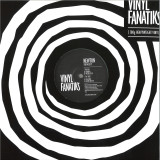
Chalke aka Life On Mars aka Forces Of Nature is a bit of a mystical legend in the drum & bass circles. An old school friend of LTJ Bukem, the two of them grew up together in North London and it is down to him that Bukem started to DJ, with Chalke as his original MC!
This is the second release Chalke has done with Vinyl Fanatiks – his first was VFS002 which has long since sold out and already a collectable repress on Discogs.
Chalke was so far ahead of the curve in his production and ability to create tracks that surprisingly these two tunes were written in 1993 and 1994 and pre-date the whole ‘intelligent’ drum and bass movement that took over the globe in the mid-90s!
Both tracks were never released and have sat on DAT for 30 years… until now. ‘Moonbase Alpha’ is a cult track in the drum and bass world as it was played by Bukem during the mid-90s, both in his sets and on his Kiss show. Deep, rolling and beautifully progressive for the era. ‘Quosh Up’ is equally as stunning, musical and rolling… like one of Bukem’s DJ sets during the Good Looking era.
Limited pressing on 180g heavyweight black vinyl, presented in a black inner sleeve with a Vinyl Fanatiks 3mm spined housebag.
out of Stock
Last delivered 2 years ago available to reorder, subject to availability
A lot can happen in 15 years. Few things manage to thrive for a decade and a half, especially in music. But a scrappy, left of center, Bay Area house music label, Dirtybird, has managed to do just that. Claude VonStroke, Dirtybird’s founder, is marking this 15-year milestone the only way he knows how… working. This year, VonStroke will throw two dozen-plus parties, three festivals (including the famous Dirtybird Campout), host his traveling Dirtybird BBQ series in major cities across the US, publish a coffee table book, release a seasonal clothing line, stage art shows, produce a fly on the wall docu series...and kick it all off by releasing a new album, out February 21st.
What began as a free party, turned basement record label, has morphed into a truly thriving community whose familial, fun and welcoming vibe has won over hearts and minds across the world. And while Dirtybird has grown and evolved, VonStroke’s core focus on music remains unwavering. The new album ‘Freaks & Beaks’ is a celebration of quirky innovation and a relentless pursuit of something new and fresh, while hearkening back to the freewheeling spirit that inspired the launch of his label. This is a project that draws upon the inspirations of family, old friends, new fans and proper dancefloors.
Claude will let his flock wet their beaks while they wait in anticipation of the new album with two new singles demonstrating the breadth of the dance music landscape explored on the record. Youngblood touches on the deeper sides of Claude VonStroke, a throwback to the label’s early days, featuring local LA music house talent Wyatt Marshall, while All My People in the House is a dancefloor heater that is sure to unite new and old Dirtybird fans together.
Today, Claude also delivers fans part one of an intimate video series, shot by his sister Emily (an accomplished filmmaker), documenting the creation of ‘Freaks and Beaks’, celebrating this historic milestone and taking a deeper dive into the day to day life of Claude VonStroke on the road.
‘Freaks and Beaks’ is the fourth artist album and sixth full-length project from Claude VonStroke. He approached the album with a new process, including committing to daily creative time, experimenting with a lot of new hardware and having fun creating a huge amount of sketches. He made music on many levels of gear all the way from complex modular synths to simple drum apps on his iPad. Keeping it all DIY, he sampled his own voice and his two children on several tracks as well. He allowed himself to breathe while creating over 130 ideas, which were whittled down to the finished 11 album tracks.
Freaks & Beaks nods at the inspirations that underpin VonStroke’s world, inside jokes between him and Justin Martin (FlubbleBuddy), unused experimental live sessions (Session A), playful noodling on synths (Alpine Arpline), obscure French producers (Frankie Goes To Bollywood), championing new talent (Youngblood), irreverent self-aware humor (Birthday Messages) and genre inspirations that range from ghetto tech and drum n bass to hip-hop and breaks. This is VonStroke’s love letter to the vibrancy and genre diversity that have made Dirtybird such a singular label.
out of Stock
Last delivered 19 months ago available to reorder, subject to availability
Recorded with a who's who of fusion titans including trumpeter Eddie Henderson, bassist Stanley Clarke, and keyboardist Herbie Hancock, Dance of Magic channels the lessons drummer Norman Connors learned in the employ of Pharoah Sanders, Sam Rivers, and Sun Ra, marshalling Latin rhythms, electronic textures, and cosmic mysticism to create non-denominational yet deeply spiritual funk-jazz. The sprawling 21-minute title cut spans the entirety of the record's first half, capturing a monumental jam session that explores the outer edges of free improvisation but never steps past the point of no return.
Connors' furious drumming is like a trail of bread crumbs that leads his collaborators back home. The remaining three tracks are smaller in scale but no less epic in scope, culminating with the blistering "Give the Drummer Some." by Jason Ankeny
Îlot, an isolated element within a different whole. For his new album, Sheldon, emblematic rapper of the 75e Session collective, continues his work of introspection on organic compositions, filled with the multiple references that build the musical universe of the artist.
Produced by Epektase and mixed by Sheldon himself at Winslow Studio, the project leaves a lot of room for the guitar and the rapper's 60/70s rock influences such as Bowie and the Beatles. There are also influences from Soul, R&B, Lo-Fi and Jazz, pushing the meeting of rap with other musical genres even further.
A nod to Böcklin's painting Isle of the Dead, a work of multiple interpretations that obsessed the painter himself, the island echoes feelings of isolation and solitude, but also the need to escape and introspect. We thus find the themes that haunt Sheldon: his childhood and his relationship with others, his questions about his place as a human being, which he poses head-on or through lighter notes of humour, and his dismay at a world for which he "knows the problems, not the solutions". His texts, unique and personal, reveal his most intimate thoughts. Like a conversation, they resonate within each of us and create a strong bond, a deep sense of understanding, against the backdrop of all the sweetness and melancholy of the images he conjures up: "One more day on my islet, watching the sailboats go by."
The metaphor of the islet continues in the visual universe built around the album, where the central element is a monolith used to represent isolation and emptiness. Made up of four mirrored sides, this imposing artefact represents both the island and the subject of the album: the central element is not the main subject, Sheldon, but rather what he tells us about the world around him.
Over the course of a 19-year career, Marshall Watson has released all manner of musical treats for a similarly wide array of labels, yet it’s the effortless beauty of his downtempo works – and particularly his ambient and Balearic excursions – that have often left a lasting impression.
It certainly caught the attention of NuNorthern Soul founder Phil Cooper, who brought the West Coast producer to the label in the summer of 2021. That EP, Sunsets on Larkin Parts 1 & 2, was undeniably special. The same can be said about his belated return to the label, Foothills, an EP packed to the rafters with slow-burn melodies, sustained chords, becalmed textures and gently unwinding grooves.
Watson’s distinctive take on Balearic naturally comes to the fore on EP opener ‘High Desert’, a soft-focus delight where languid electric guitars, starry electric piano lines, echoing chords and gently pulsing electronics stretch out across a shuffling groove. While tailor-made for watching the sun set off his beloved Pacific Coast – and over the Mediterranean Sea – ‘High Desert’ offers a dose of hazy sonic sunshine that can brighten up even the greyest of days.
Fittingly, the accompanying remix comes from long-time friends of the label Seahawks, whose textured, layered and atmospheric productions similarly blur boundaries between Balearic, ambient, pitched-down dancefloor grooves and glassy-eyed psychedelia. Employing opaque, shape-shifting pads, effects-laden guitars, subtle spoken word snippets and yearning, almost melancholic chords – all atop a crunchy, head-nodding beat and toasty bassline – the duo deliver a remix that’s as emotive and sonically stunning as Watson’s original mix.
The EP’s three other tracks amply demonstrate the subtle variety within Watson’s downtempo output. Vocalist Julie Childe makes her mark on ‘Sweet Sounds’, a brilliant blend of warming deep house and laidback Balearic nu-disco that sports subtle hints to his work as one half of synthwave duo Causeway, while ‘Open Sky’ brilliantly wraps undulating TB-303 acid lines and echoing Spanish guitars around a hypnotic, locked-in dancefloor groove.
Then there’s ‘The Landscape’, a deliciously saucer-eyed slab of breakbeat-powered, TB-303-sporting genius that evokes the immersive, early morning waviness of the ambient house era, the beach party psychedelia of San Francisco’s free party movement, and the bleeping wonder of turn-of-the-90s UK dance music. Like the rest of the EP, it’s an enveloping, head-soothing and mind-expanding treat.
e B2 High Desert Seahawks High Sky Remix
out of Stock
Last delivered 8 months ago available to reorder, subject to availability
There’s writing on the wall that speaks of time immemorial, where symbols exist on the edge of language and abstraction.
It’s upon this precipice that Dominic James Marshall makes his mark, at the helm and on the keys of Cave Art - a slate of scintillating digital sounds, spontaneously arranged, etched in wax. The project is a thoughtful and inventive response to a long tradition of musical sampling.
Familiarity is a vessel through which Marshall channels a fierce artistry and selection is at the heart of what moves it. The trio build upon what makes beat music burrow into us so deeply, maxing out their offerings of giant synths, splintering chords and impactful beats to soul-shifting degrees.
Marshall plunges into the uncanny valley and frolics in it, inventing a fresh path for the genre with irreverent wit and divine grace.