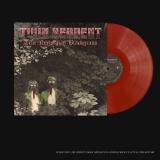
Veniceberg Records returns with its eleventh installment. After a series of remarkable releases featuring some of the biggest names in the Italian and international underground scene, the label has chosen not to look too far afield for this EP. Instead, it proudly presents a very promising young talent and current resident of the club: Banjo.
With productions characterized by catchy vocals, this is an excellent blend of house, electro, breakbeat, and techno sonorities. He doesn’t fail to deliver a 4-track EP that's ready to ignite the sweatiest moments on the dancefloor.
Love Never Sleep.
Поиск:banjo
Все
In the summer of 2014, producers Frankie Valentine and Thomas 'T-Ash' Sciurpa bumped into each other in a London shoe shop. Over a fine selection of brogues and loafers, the conversation drifted onto music. The duo quickly realized they had much in common, and a plan began to form: they would get together and make music as Vitruvians, using the alias as a vehicle for their collaborative work.
Some 18 months and numerous recording sessions in England and Italy later, the first Vitruvians record is ready for release. Dropping on Paul Murphy and Simon Purnell's Leng Records imprint, 'Spaghetti Saloon' is a banjo-pickin' hoedown at the last drinking hole in the Milky Way. Propelled forwards by a restless drum machine rhythm, the duo's original version expertly combines winding synthesizer melodies, wild honky-tonk piano solos, clanging 'closing time' bells, and the most loved-up banjo player in the galaxy. Ennio Morricone, eat your heart out.
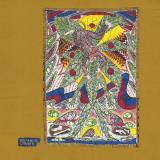
The flipside of the 12' features a pair of tasty, DJ-friendly revisions. There's the chugging Banjo Dub, where delay-laden bells and undulating banjo lines rub shoulders with a throbbing, space disco groove, and the even more psychedelic and alluring Piano Dub. As the title suggests, this pushes the duo's distinctive keys work to the fore, stretching out the life affirming solos in a bid to incite even greater dancefloor abandon. Down a glass of bourbon, grab a partner, and get dancin
Multi Culti seasonal balance returns with Equinox III Kicking things off Guadalajara-based Bofo Dab (known for their blog 'Drops a Banger') does what their name suggests. This one has been getting caned by the Keinemusik crew, legions of phone-holders' shazam-prayers will only now be answered. It's a restrained big-room horn-loaded banger. Mehmet Aslan slides in to the proceedings with an awesome FM-sounding heads-down slice of clubby introspection. Long-time cult-hero Gilb'R of Versatile records fame spaces out the side with a deep, sparkly, live synth jam. On the flip, Mytron brings a fun stripped-back cover of a stone-cold classic with Higher (state of consciousness, that is). Brazillian hotboy Niev sounds right at home on the label with the aptly titled 'Professor Banjo.' Yuki Miyauchi lends an ethereal 90s bleep-inflected chunk of vibe with 'Donkey Conga.' Finally, fellow Japanese but London-based DJ Himitsu drops the deep, rollicking 'Waterfall.'
- 1: Amidst Things Uncontrolled (2026 Remaster) 05:00
- 2: Pigeon Hurt (06 Remaster) 03:3
- 3: Roots Growing (2026 Remaster) 04:42
- 4: From Verse To Verse (2026 Remaster) 03:9
- 5: Refrain From (2026 Remaster) 01:13
- 6: Tentative Growth (202 Remaster) 04:28
- 7: Across From Golden (Remix) (2026 Remaster) 05:08
- 8: Standing On A Hummingbird (2026 Remaster) 04:54
- 9: Pattern For A Pillow (2026 Remaster) 07:14
- 10: Difficult To Light (2026 Remaster) 05:00
Originally released on Ezekiel Honig's Anticipate label in 2007, Standing on a Hummingbird is the debut album by Canadian sound artist Mark Templeton, now appearing for the first time on vinyl, newly remastered by Giuseppe Ielasi and cut by LUPO. Working at the intersection of post-glitch, electroacoustic ambient, and textural minimalism, Templeton composes through restraint and erosion, building patient and richly tactile pieces primarily from acoustic sources - fingerpicked guitar, plaintive banjo, muted accordion tones - subjected to careful processes of granulation, filtering, and environmental masking. These gestures never overwhelm the source material; instead, they wonderfully destabilize it. Melodies appear briefly, only to dissolve into dense atmospheres of field recordings: distant streets, birds, water, air. Sounds hover, vibrate, and vanish, much like the wing beating latent in the album’s title.
Tracks such as “Pattern For a Pillow” and “Amidst Things Uncontrolled” articulate this approach with particular clarity, setting languid acoustic figures against churning granular backdrops that feel at once sheltering and unstable. Elsewhere, moments of fragile clarity - fluttering guitar lines, reedy accordion tones - briefly break the surface before being absorbed back into the field.
Heard today, the record offers a clarion, almost spartan strain of textural ambient music: intricate yet unforced, shaped by human touch rather than automated excess. Its refusal of spectacle feels especially vital in a landscape saturated with maximalist digitalia - a reminder that electronic music’s most enduring gestures often occur where sound is allowed to tremble and hold itself just long enough to be felt before disappearing once again. (Alex Cobb, 2026)
- A1: Overlay Of Evil (Main Title)
- A2: Banjo Travelin
- A3: Alice Goes To The Lake (Parts 1 And 2)
- A4: Back Up To Annie Alone
- A5: Mrs V Watches
- A6: Ralph In The Pantry
- A7: Don't Smoke In Bed
- A8: Bill Plays Guitar
- A9: Not Tonight, I've Got A Headache
- A10: Brenda In Lights
- A11: The Bed Axe
- B1: Alice Runs To Cabin
- B2: Mrs V Comes Clean
- B3: Alice Runs To Light
- B4: The Last Fight/The Chop To The End
- B5: The Boat On The Water/Closing Theme 1/ Jason In The Lake
- B6: Closing Theme
- B7: Sail Away Tiny Sparrow
"It has a death curse! Waxwork Records is thrilled to release FRIDAY THE 13TH Original Motion Picture Score by Harry Manfredini!
We went back to Crystal Lake to bring you a deluxe repress complete with a fresh vinyl cutting master of the classic 1980 score, pressed to “Silver with Black, Red and Metallic Gold splatter colored vinyl, with liner notes from director Sean Cunningham and composer Harry Manfredini, inserts, and art by Jay Shaw and Jacqui Oakley!"
VHF debut and second widely-available LP by Liam, part of a new generation of underground “American primitive” guitar players serving the traditions and smashing them up simultaneously. Prodigal Son is a portrait of an artist on the road, changing fast, recording things as they spring from the fountain. The sound here is raw – grass and dirt instead of pre-fab; homemade/handmade instead of high-tech, etc. There’s a visceral quality and immediacy of culture that’s being lost every day in modern life – Prodigal Son is a chance to grab some of it back. “Palmyra” has Liam on weissenborn-style lap steel, the sound fuzzed out and distorted by the guerilla recording technique. “Salmon Tails Up The River” stretches out to nearly 13 minutes, a dense meditation on 12 string that sustains a dark and heavy mood for the entire duration. On the B side, “Insult to Injury” reverses the mood, with an elegant and unhurried 12 string sequel of deep beauty. Liam’s unexpected take on Loren Conners’ “A Moment at the Door” is a perfect translation of Loren’s reverb-heavy electric drift to unadorned acoustic (and tape hiss) – a frozen moment of absolute grace. Wrapping things up is a take on “Old Country Rock,” with fiddle and banjo, just a brief taste of the barnstorming old-time sound of Liam’s touring trio.
Jack Cutter is a songwriter and guitarist based in the San Francisco Bay Area in California. He started with a $5 banjo just after finishing high school. In University, during the late 60's, he performed with bar bands in Buffalo, New York. After completing University and a year as an Aerospace Engineer, he decided that attack helicopters were not really what the world needed and so
he headed off to California in pursuit of music and mystic times.
Fast forward to Fall 2014: Jack is playing his quintessential tune, 'Gift of Our Fathers' in the SF BART subway to an onslaught of morning commuters when he was spotted by 40 Thieves. Eureka! Love at first sight and in the next few months, two of Jack's original acoustic pieces were given the 40 Thieves
treatment.Enter David Sanderson aka David Harks, a singer, songwriter, producer and label curator from the East Sussex region of the UK. 'Having fallen in love with the cosmic boogie (of 40 Thieves classic 'Backward Love') I really felt I would
love nothing more than to write a tune with them. Layne got back in touch with a track he was working on entitled Serpent Strut with Jack Cutter and we worked via email over a few months to brew up that misty soul.' Deep, stony, psychedelic, drawing from the well of Hawkwind, Joni Mitchell, David Crosby, Baffo Banfi and Tolkien-tinged acoustic Led Zep, the proof of
concept is now complete and in the capable and loving hands of Claremont 56.
Written and recorded in singer-poet Karsyn Henderson, guitarist-banjoist Paul Lecours and percussionist Ryley Klima’s basement alongside bassist Chris Clegg, then mixed and mastered by longtime collaborator Noah Baxter, this self-produced introductory effort from the Montréal four-piece stylishly amalgamates elements from hardcore, punk, shoegaze, sludge, and folk.
Violence is a brazenly poetic homage to small town roots, a mashing of modern Western Canadian hardcore and folk. Extensive in scope, this debut full-length by Truck Violence takes the listener through wide-ranging dynamics, from solemn acoustic ballads to wrathful electric anthems. Deftly fractured rhythms and breakdowns, complex harmonic entanglements, emphatic screams of discontent, are met with hopeful, melodic tracks musing about the steady grip of a tight-knit community.
From somber, deceivingly happy banjo sequences to crashing noise and cries, Violence uses expression as a mirror, looking upon oneself with clarity, aiming to attain a sense of unadulterated truth of the matter. There is little modern music taking an honest look at the Western Canadian countryside, tackling themes such as addiction, abuse and dysfunction.
Truck Violence’s first album does just that, uniquely capturing this involuted setting through a wide lens to both contextualize and emphasize what it means to be overwhelmed, to feel shame, to struggle with self-destructive ways, to thrust oneself into art as an escape.
Over three years in the making, Needle Mythology Records is delighted to announce a super deluxe, expanded remastered reissue of The Lilac Time’s 1991 masterpiece, Astronauts. Released as a triple vinyl, triple CD or single vinyl, only 1000 copies of each format will be produced, there will be no further pressings. Both the 3LP and 3CD editions will come with an extensive 11,000 word oral history of Astronauts and liner notes by Needle Mythology co-founder and longtime Stephen Duffy fan, Pete Paphides.
All three albums including a 2024 remaster, a collection of works in progress entitled‘Softened By Rain The Making Of Astronauts’ and a live compilation ‘Any Road Up The Lilac Time Live 1990/91’ have been mastered for vinyl by Miles Showell at Abbey Roadand will be housed in a triple gatefold sleeve with a colour inner sleeve and new artwork for each disc, which has been especially created by designer Mike Storey. The main sleeve for Astronauts itself will replicate the original artwork but with the four distinctive “blobs” rendered in a red “foil” texture. In addition to these three disc sets, 1000 single vinyl remastered copies of Astronauts will also be made available, in a cherry red vinyl edition to match the outer sleeve.
With the shoegaze and baggy movements at their zenith, The Lilac Time’s fourth album was released at a moment when the left-field music zeitgeist was shaped by the nascent shoegaze, baggy and grunge movements. Whilst Astronauts conformed to none of those trends, neither was it the record Stephen had in his head when he finally finished working on it. We’ll never know how that record would have sounded, but it’s hard to imagine a better version of the album he did end up making. The songwriter who brought ‘A Taste of Honey’ and ‘Hats Off, Here Comes The Girl’ into the world envisaged the sort of choruses that would jump from the single speaker of your favourite transistor and lodge themselves into the collective memory bank.
But while he really was writing some of his most beautiful melodies, Astronauts is a family of songs that demands to be kept together in the sundazed cloud of inspiration that created it. It constitutes a partial retreat from the outwardfacing utopianism of its predecessors, choosing instead to dwell on the journey taken to get to this point. That this is an audibly different band to the pastoral expeditionaries of the group’s previous releases is almost entirely down to the departure of Nick Duffy and the arrival of Sagat Guirey. Suddenly, accordions, banjos and mandolins are out; jazz guitar is in. Sagat’s filigree work on the outro of ‘A Taste for Honey’ acts as a sublime parting shot to a lyric which acts as a wiser, wistful companion piece to Stephen’s 1985 solo hit ‘Kiss Me’, something tantamount to the camera retreating to reveal the years elapsed between the time depicted and the present day. The distance between the carefree youth of pop stardom and the first intimations of mortality can be measured between the first and second verses of the quietly devastating ‘Madresfield’; from the depiction of the deserted cricket pavilion obscured by fresh snowfall to the sudden shift in perspective from subject to protagonist: ‘No one ever told me/That killing time is harmful/For time cannot recover/What soon the ground will offer.’ For all of that, however, the resulting album didn’t correspond to the vision its creator had for it. At a loss as to what to do with it, Stephen surrendered Astronauts to Creation with no plans to promote or draw attention to it. The consciousness shift of which Stephen had hoped The Lilac Time might be a precursor hadn’t happened. Or, rather, it had – but it had happened elsewhere, in the Haçienda and Shoom and in Ibiza. Not on the hills of Herefordshire. In a nod to that sea change, Stephen handed over one song, ‘Dreaming’ to Hypnotone, who
- A1: Casper, Favorite, Kollegah - Mittelfinger Hoch 3 36
- A2: Kollegah - Halbautomatik 4 06
- A3: Casper - Elefant (Ich Bleib Stehen) 3 51
- A4: Favorite, Olli Banjo - Krieg 4 39
- A5: Kollegah, Favorite, Farid Bang - Westdeutschlands Kings 2 50
- B1: Shiml - Unter Null 2 58
- B2: Favorite - Superman 3 55
- B3: Selfmade Records - Skit 0 32
- B4: Slick One, Edo Maajka - Bruderkrieg 3 28
- B5: Casper, Favorite - 2X Mehr Wie Du 4 10
- C1: Kollegah, Sun Diego - G's Sterben Jung 4 24
- C2: Shiml, Montanamax - Er & Ich 2009 3 32
- C3: Favorite - Lebenswerk 3 30
- C4: Casper - Vatertag 3 38
- D1: Shiml - Mit Jedem Atemzug 4 33
- D2: Kollegah, Favorite - Jebiga 2 58
- D3: Casper, Marteria - Rock 'N' Roll 3 44
- D4: Casper, Favorite, Kollegah, Shiml Dampfwalze - 6 19
Nach den ersten Charterfolgen von Kollegah, Favorite und Shiml folgt der zweite Labelsampler von Selfmade Records, "CHRONIK II", auf dem auch Selfmade-Neuzugang Casper erstmals vertreten ist.Auf 18 Tracks erlebt man die vier höchst unterschiedlichen Rapper Casper, Favorite, Kollegah & Shiml in Höchstform, sowohl solo, als auch auf gemeinsamen Songs. Nachdem die erste Hälfte des Samplers in erster Linie nach vorne geht und Spaß macht, werden gegen Ende auch sanftere Töne angeschlagen.Mit Olli Banjo, Marteria, Edo Maajka, Farid Bang, MontanaMax & SunDiego konnte man sich außerdem erstklassige Features an Land ziehen, die "CHRONIK II" endgültig zur Pflicht für jeden Deutschrap-Fan machen!Produziert wurde der Sampler zum Großteil vom mehrfachen Gold- und Selfmade-Hausproduzenten Rizbo, sowie von Newcomerproducer TiKay One. Weitere Produktionen stammen von Bjet, Alper, Joshimixu & Mauvais Garcon."CHRONIK II" macht die Ausnahmestellung von Selfmade Records im Deutschrap eindrucksvoll deutlich. Wer glaubt, deutsche Rapmusik sei nicht mehr interessant, wird hier vom Gegenteil überzeugt. Nie war ein Labelsampler vielseitiger und musikalisch hochwertiger.Neben der CD liegt "CHRONIK II" als besonderer Bonus die DVD "Selfmade Vol.1" bei. Diese DVD ist keineswegs nur Beilage, sondern ein vollwertiges, eigenständiges Produkt mit 2 Stunden Material. Sie enthält neben einer ausführlichen Tourdokumentation, Studioimpressionen und nie gesehenem Making Of-Material exklusive Einzelbeiträge aller Künstler. So sieht man etwa Casper als Reporter auf der Berlinale oder Favorite bei einem außergewöhnlichen Konzert in einer JVA.
Appalachian style old-time banjo and guitar player Nora Brown joins with award winning fiddler Stephanie Coleman (of Uncle Earl) to present their new EP, Lady of the Lake, featuring two tight-harmony songs and two instrumental duets.
Brought together by Brooklyn’s tight-knit old-time music community, Nora Brown and Stephanie Coleman share a rich musical partnership. Nora is a singer/banjo player, and has released 3 albums on Brooklyn based Jalopy Records. Stephanie is an award winning old-time fiddler, and has recorded with and toured with celebrated artists such as all-women string band Uncle Earl, Watchhouse’s Andrew Marlin, and more.
Lady of the Lake is the first time Nora and Stephanie have recorded together since Nora’s 2019 debut album Cinnamon Tree, and portends more exciting developments to come.
The EP will be released on vinyl and via streaming and digital download.
The special edition vinyl is available as a 10” 45rpm record, in a beautiful custom printed chipboard jacket and sleeve with liner notes by the artists.
After his international debut #1 in 2018, the north Ghanaian Kologo (a two stringed proto-banjo) master Guy One is back with his brand new band, consisting of Kumasi's finest young talents, plus Florence Adooni and Tenni Akagam as his choir voices.
So La Ma La has a straight forward Highlife rhythm which melts together with some funky articulated afrobeat-a-like bass line. To Kale Na'nabala is instead in the traditional Kete rhythm, a bouncy poly-rhythm in 12/8. But both songs are mostly defined through Guy One's Kologo lines and his soulful interpretation of the typical north-ghanaian vocal style.
Seit nun fast drei Jahrzehnten erfindet die Amsterdam Klezmer Band Klezmer-Musik von Grund auf neu und verbindet Tradition mit frischer und verspielter Energie. Mit ihrem neuesten Album "Diaspora" kehrt die Band zu ihren akustischen Wurzeln zurück, formt diese jedoch subtil um und fängt die Musik in ihrer unmittelbarsten und fröhlichsten Form ein, wobei Schlagzeuger Mischa Porte eine neue herausragende Rolle einnimmt. Das Album wurde fast vollständig in einer einzigen Aufnahme in der Singelkerk in Amsterdam am 26. November 2025 aufgenommen und strahlt die rohe Energie einer authentischen Live-Performance aus. Keine Overdubs, keine Elektronik und keine Tricks: nur die Band, ihre Instrumente und die Spannung des Augenblicks. Das Ergebnis ist warm und lebendig, ein Sound, der die Amsterdam Klezmer Band wieder mit den Roots der Klezmer-Musik verbindet und befreienden Raum für Improvisation und Entdeckungen lässt. Rumänische und türkische Rhythmen verflechten Klezmer-Songs und Originalkompositionen und schaffen eine musikalische Reise, die sich sowohl geerdet als auch expansiv anfühlt. Diaspora markiert auch einen bewegenden Moment in der Geschichte der Band: Es ist die letzte Aufnahme mit dem Trompeter und Mitbegründer Gijs Levelt, dessen Klang und musikalische Vision die Amsterdam Klezmer Band fast 28 Jahre lang geprägt haben. Auf Diaspora fließen traditionelle Melodien und Eigenkompositionen nahtlos ineinander, geprägt von den unterschiedlichen Stimmen innerhalb der Band. Düstere, melancholische Tänze stehen neben treibenden Sirba- und Cocek-Rhythmen, von Motown inspirierten Grooves, türkischen 9/8-Impulsen und jazzigen Improvisationen. Spoken Word und Rap-Momente sind eine Anspielung auf die Badchen Tradition, während unerwartete Instrumentierungen wie Gitarre-Banjo, die eine traditionelle Melodie anführen, für eine frische Textur sorgen. Jedes Originalstück trägt die Handschrift seines Komponisten, doch alle dienen dem gleichen Zweck: Körper in Bewegung zu bringen, Verbindungen zu schaffen und Klezmer als lebendige, atmende Gemeinschaftssprache zu erhalten. Diaspora ist kein nostalgischer Rückblick, sondern eine lebendige Momentaufnahme dessen, wo die Amsterdam Klezmer Band heute steht: verwurzelt, rastlos und unwiderstehlich lebendig!
Inspiriert von den schattigen Cabarets und verrauchten Jazzclubs des Weimarer Berlins der späten 1920erJahre, präsentiert Bryan Ferry mit seinem Orchester auf „Bitter-Sweet“ sein Solo- und Roxy-MusicRepertoire in neuem Gewand – mit einer raffnierten Jazz-Sensibilität. Das Album besticht durch elegante
Bläserarrangements, gedämpfte Trompete, Klarinettenklänge und eine Atmosphäre urbaner Melancholie,
die Klassiker wie „Alphaville“, „Reason or Rhyme“ und „While My Heart Is Still Beating“ neu interpretiert.
Ferry selbst steuert auf acht Titeln den Gesang bei, während die übrigen Stücke als instrumentale Neuinterpretationen präsentiert werden, arrangiert mit dem Können von Colin Good und gespielt von einem
Ensemble erfahrener Jazzmusiker. Das Konzept des Albums entstand aus Ferrys Tätigkeit als Musikberater
für die gefeierte deutsche Fernsehserie „Babylon Berlin“, in der einige Titel ursprünglich verwendet wurden
und die filmisches Drama mit authentischem Jazz verbindet. Perfekt für langjährige Fans, Jazzliebhaber
und Sammler: „Bitter-Sweet“ bietet eine neue Perspektive auf Ferrys Songwriting und ist damit ein herausragendes Album zum Ausstellen, Entdecken und Verschenken.
Das Album erscheint erstmals seit 2012 wieder als limitierte rote LP und CD.
Tauchen Sie ein in eine Welt, in der klassischer Art-Pop auf die wilden 20er Jahre trifft. „The Jazz Age“
interpretiert Bryan Ferrys Roxy Music- und Solo-Katalog als elegante Jazz-Instrumentals neu, präsentiert
vom Bryan Ferry Orchestra. Von „Virginia Plain“ und „Do the Strand“ bis hin zu „Love Is the Drug“ und
„Avalon“ – jeder Titel erstrahlt in authentischen Arrangements im Stil der 20er Jahre mit Banjo, Klarinette,
gedämpfter Trompete, Baritonsaxophon und Kontrabass, komponiert vom renommierten Arrangeur Colin Good. Britische Jazz-Größen wie der Trompeter Enrico Tomasso und der Saxophonist Alan Barnes erwecken
diese zeitlosen Melodien zum Leben, während die Mono-Produktion den Charme alter 78er-Schallplatten
heraufbeschwört. Ferry selbst verzichtet auf den Gesang und fungiert als Dirigent und Produzent. Dieses
innovative Projekt entstand aus seiner Liebe zum Jazz und seiner Neugier, wie seine Songs ohne Gesang
klingen würden. Perfekt für langjährige Fans, Jazzliebhaber und designorientierte Sammler: „The Jazz
Age“ bietet eine neue Perspektive auf Ferrys Werk und ist damit ein herausragendes Sammlerstück zum
Entdecken, Ausstellen und Verschenken.
Das Album erscheint erstmals seit 2012 wieder als limitierte Edition auf waldgrünem Vinyl (1LP) und
als CD.
Inspiriert von den schattigen Cabarets und verrauchten Jazzclubs des Weimarer Berlins der späten 1920erJahre, präsentiert Bryan Ferry mit seinem Orchester auf „Bitter-Sweet“ sein Solo- und Roxy-MusicRepertoire in neuem Gewand – mit einer raffnierten Jazz-Sensibilität. Das Album besticht durch elegante
Bläserarrangements, gedämpfte Trompete, Klarinettenklänge und eine Atmosphäre urbaner Melancholie,
die Klassiker wie „Alphaville“, „Reason or Rhyme“ und „While My Heart Is Still Beating“ neu interpretiert.
Ferry selbst steuert auf acht Titeln den Gesang bei, während die übrigen Stücke als instrumentale Neuinterpretationen präsentiert werden, arrangiert mit dem Können von Colin Good und gespielt von einem
Ensemble erfahrener Jazzmusiker. Das Konzept des Albums entstand aus Ferrys Tätigkeit als Musikberater
für die gefeierte deutsche Fernsehserie „Babylon Berlin“, in der einige Titel ursprünglich verwendet wurden
und die filmisches Drama mit authentischem Jazz verbindet. Perfekt für langjährige Fans, Jazzliebhaber
und Sammler: „Bitter-Sweet“ bietet eine neue Perspektive auf Ferrys Songwriting und ist damit ein herausragendes Album zum Ausstellen, Entdecken und Verschenken.
Das Album erscheint erstmals seit 2012 wieder als limitierte rote LP und CD.
Tauchen Sie ein in eine Welt, in der klassischer Art-Pop auf die wilden 20er Jahre trifft. „The Jazz Age“
interpretiert Bryan Ferrys Roxy Music- und Solo-Katalog als elegante Jazz-Instrumentals neu, präsentiert
vom Bryan Ferry Orchestra. Von „Virginia Plain“ und „Do the Strand“ bis hin zu „Love Is the Drug“ und
„Avalon“ – jeder Titel erstrahlt in authentischen Arrangements im Stil der 20er Jahre mit Banjo, Klarinette,
gedämpfter Trompete, Baritonsaxophon und Kontrabass, komponiert vom renommierten Arrangeur Colin Good. Britische Jazz-Größen wie der Trompeter Enrico Tomasso und der Saxophonist Alan Barnes erwecken
diese zeitlosen Melodien zum Leben, während die Mono-Produktion den Charme alter 78er-Schallplatten
heraufbeschwört. Ferry selbst verzichtet auf den Gesang und fungiert als Dirigent und Produzent. Dieses
innovative Projekt entstand aus seiner Liebe zum Jazz und seiner Neugier, wie seine Songs ohne Gesang
klingen würden. Perfekt für langjährige Fans, Jazzliebhaber und designorientierte Sammler: „The Jazz
Age“ bietet eine neue Perspektive auf Ferrys Werk und ist damit ein herausragendes Sammlerstück zum
Entdecken, Ausstellen und Verschenken.
Das Album erscheint erstmals seit 2012 wieder als limitierte Edition auf waldgrünem Vinyl (1LP) und
als CD.
- 1: Here (With Chris Stapleton)
- 2: Rubber Band Man (With Hozier)
- 3: The Banjo Song
- 4: Run Together
- 5: Conversation With My Son (Gangsters & Angels)
- 6: Alleycat
- 7: Prizefighter
- 8: Begin Again
- 9: Icarus (With Gigi Perez)
- 10: Stay
- 11: Badlands (With Gracie Abrams)
- 12: Shadow Of A Man
- 13: I'll Tell You Everything
- 14: Clover
Die Grammy- und BRIT-Award-Gewinner Mumford & Sons kehren mit ihrem sechsten Studioalbum „Prizefighter“ zurück, das am 20. Februar 2026 veröffentlicht wird. Ihr letztes Album „Rushmere“ erschien
Anfang 2025 und landete in Großbritannien auf Patz #1 der Album Charts und in Deutschland auf Platz
#5. „Prizefighter“ wurde von Mumford & Sons und Aaron Dessner (The National) gemeinsam produziert
und enthält unter anderem ihre Single „Rubber Band Man“ mit Hozier und weitere Features von Gracie
Abrams, Gigi Perez und Chris Stapleton.
- A1: Excerpt
- A2: Living With The Law
- A3: Big Sky Country
- A4: Kick The Stones
- A5: Make The Dirt Stick
- A6: Poison Girl
- A7: Dust Radio
- B1: Phone Call From Leavenworth
- B2: I Forget You Every Day
- B3: Long Way Around
- B4: Look What Love Has Done
- B5: Bordertown
In 1991, Chris Whitley made his debut with the beautiful album Living with the Law, which immediately showcased his brilliant songwriting and unique guitar playing. Blending blues, roots and folk, the debut was positively received by critics and aficionados of these more traditional genres. Growing up, Whitley listened to Southern radio, which played artists such as Muddy Waters, Howlin' Wolf, Bob Dylan and Jimi Hendrix. His career started by playing with artists like Arto Lindsay and Michael Beinhorn. Interestingly, Whitley lived in Belgium for a short time in the 1980s, where he started his career playing guitar for 2 Belgen and Nacht und Nebel. In the 1990s, he started his solo career at Kingsway Studio in New Orleans, owned by none other than Daniel Lanois. The result was an album characterized by the use of traditional instruments such as the slide guitar and banjo. All of this is accompanied by his splendidly timbred voice and honest lyrics exploring themes such as freedom, desire and human struggle. Sadly Chris Whitley passed away in 2005, but his influence on contemporary songwriters and blues artists remains strong. a_Living with the Law is available as a 35th anniversary edition of 1000 individually numbered copies on gold coloured vinyl and includes an insert.
'In 2023, sound artist and composer Weston Olencki toured across the American South. Beginning in their hometown in South Carolina, they snaked a circuitous path from the mountains of West Virginia to the banks of the Mississippi River. As the miles accumulated, so did the initial seeds of new work.
'Instruments and artifacts they acquired hitched a ride in the backseat, while songs and sounds filled their portable recorder: water in its various states, the familiar insectoid buzz of those summer nights, trains cutting through the landscape, the traditional music that lived alongside the communities that kept it. Olencki took it all in, and over time, found ways that these experiences coalesced into a bramble-like perspective of time, where past, present, and future intersect in ways both barbed and beautiful.
'Broadsides, Olencki’s newest solo full-length is the multilayered result of this journey. The album follows their landmark release Old Time Music from 2022, which presented radical interpretations of traditional tunes from Appalachia and throughout the South alongside original compositions that drew significantly on archival recordings. On Broadsides, Olencki rejects delineations between the unmoored avant-garde and the rootedness of one’s cultural heritage, revealing their porous and intertwined nature. “My mother was a quilter. Her mother before that,” they write in the album’s liner notes. “Quilting, like music, is a practice of embedding knowledge and remembrance into the very core of the thing you are making. It’s not just about the materials, but how they’re reassembled, recontextualized, stitched, woven to form new patterns - the minutiae of craft holding significance to those looking to find it. Stories woven from stories, never told the same way twice.”
'Like all great road trips, Broadsides unfolds slowly and continuously, with moments of dramatic reverie punctuating the endless melt of highway in the rearview. We’re immediately confronted by the uncanniness of revisiting old haunts, as Southern storms break through the initial churn of the freight locomotives of Alabama. Olencki’s interpretation of the bluegrass standard “Foggy Mountain Breakdown” captures the euphoria of melancholy in motion. The permutational plucks of banjo are bounced around the frame by a computer, its pitches determined within algorithmic sequences and transcriptions of classic three-finger licks. The tonalities of old-time are smeared and stretched until all that’s audible is the insistence that Heaven might be real.
'In the album’s second half, “Omie Wise,” a murder ballad made famous by Doc Watson, follows an interlude recorded on the river in North Carolina in which the titular character’s body was laid. Ghostly echoes of a dozen other renditions float through the substrata as Tongue Depressor’s Henry Birdsey accompanies them on the pedal steel guitar. The album’s central composition, “all my father’s clocks,” is a profound meditation on entropy and impermanence. The sound of their father’s extensive clock collection ticks away as Olencki pulls a bow across the length of an autoharp sourced from a rural strip mall. The instrument was left as detuned as it was found, the resonance of its deep bass drone and clanging high-end the result of years of neglect and the warping effects of Southern humidity.
'Historically, broadsides were an early form of broadcasting, an often- musicalized telling of current news pasted in the public square. The name was later taken up by Sis Cunningham and Gordon Friesen in the 1960s, whose Broadside magazine published songs and social commentary when American folk music resurfaced as an urgent way of communicating the multifaceted politics of its time.
'Olencki borrows the phrase to recall both this old form of songmaking and that later prominent reexamination of traditional music’s role in modern life, but also to draw attention to the fragmented and machine- mediated way heritage is diffused in this very different, but no less pivotal, moment.
'As a sanitized past is used as justification for current violence and domination, we can turn to these artifacts to better understand the history of ourselves, but only if they are consciously pushed to evolve. Broadsides represents one personal, striking vision of what far-flung futurisms could be respun from = these high, lonesome sounds: a reflection of the unbridled joy and deep sorrow inherent to living together through time, and a desire to push further into the untold and unknown.'
- 1: Magic Accident
- 2: My Own Highway
- 3: Family Tree
- 4: I Compare Everyone To You
- 5: Nothing At All
- 6: Out Run 'Em
- 7: Lifeline
- 8: Little Bird
- 9: What You're Looking For
- 10: Takes All Kinds
With a GRAMMY nomination and years of touring experience, this female- forward string band releases a career- defining album with Magic Accident . Longtime supporters of women in roots music, Della Mae teamed up with producer Alison Brown for this new release, their first on Nashville-based Compass Records. Magic Accident showcases the band's range of talents, from Americana songs that evoke early Chicks to energetic bluegrass and dreamy indie folk-inspired tunes.
The band's vocal power and instrumental skill shine throughout this mostly original collection, with standout tracks including "Out Run 'Em," written by guitarist Avril Smith and featuring champion fiddler and band founder Kimber Ludiker, "Lifeline," sung by bassist Vickie Vaughn, and the title track, written and sung by Celia Woodsmith. Guest artists on the project include Mary Bragg (vocals) and Jen Gunderman (accordion), with Brown playing banjo and guitar throughout. Since forming in Boston in 2010, Della Mae has proved to the roots music world that an all-women band is no novelty. Their 2013 Rounder Records release, This World Oft Can Be, earned them their first GRAMMY nomination for Best Bluegrass Album. That same year, the International Bluegrass Music Association named them Emerging Artist of the Year. Della Mae has performed in over 30 countries on behalf of the U.S. State Department. They are favorites on the roots music circuit, where their highenergy performances always get audiences on their feet, inspired by the power of their music and message. Available on turquoise coloured vinyl with 4-page folder and digipak CD editions
**2010 Grammy Award Winner: Best Traditional Folk Album **
‘Marvelous…exuberant’ - Rolling Stone
Nonesuch Records releases a fifteenth anniversary edition of Carolina Chocolate Drop’s 2010 Grammy Award-winning album Genuine Negro Jig, featuring founding band members Dom Flemons, Rhiannon Giddens, and Justin Robinson. The reissue includes the original album and nine bonus tracks: seven previously unreleased tracks plus a 2025 remaster of ‘City of Refuge’ and a 2025 mix of ‘Memphis Shakedown’. This release marks the album’s first time on vinyl since its original pressing in 2010.
Genuine Negro Jig was released on February 16, 2010, reaching the top ten on the Billboard Folk chart and the top of the Bluegrass chart. It won the 2011 Grammy Award for Best Traditional Folk Album. Produced by Joe Henry, it was the first of three releases on Nonesuch followed by The Carolina Chocolate Drops/ Luminescent Orchestrii EP (2011) and the Grammy nominated album Leaving Eden (2012), produced by Buddy Miller. Widely acclaimed as one of 2010’s best, Genuine Negro Jig appeared in year-end lists of NPR, Paste, and more, and was featured in Rolling Stone’s 25 Best Country-Soul Albums in 2024.
“Genuine Negro Jig remains fresh fifteen years later not only because of the Carolina Chocolate Drops’ influence on American popular culture but also because it’s an excellent record in itself,” says Dr. Dwandalyn Reece and Dr. Steven Lewis of the Smithsonian National Museum of African American History and Culture in the album’s liner notes.
Carolina Chocolate Drops formed after band members Dom Flemons, Rhiannon Giddens, and Justin Robinson met at the Black Banjo Gathering in Boone, NC in 2005. All three trained in the Piedmont banjo and fiddle musical tradition under the tutelage of Joe Thompson, who was one of the last musicians of his era and his community to carry on the southern Black string band tradition. While old-time Southern string music is often associated with Caucasian musicians from Appalachia, Giddens pointed out in an NPR interview that “it seems that two things get left out of the history books. One, that there was string band music in the Piedmont, period. And that Black folk was such a huge part of string tradition.” Carolina Chocolate Drops sought to not only correct this misunderstanding but also to keep the centuries-old string music tradition alive and developing.
The members of Carolina Chocolate Drops, who came from diverse musical backgrounds, shared singing duties and swapped instruments throughout their sets. The band recently reunited for a single show at Rhiannon Giddens’ Biscuits and Banjos festival in Durham, North Carolina in April 2025. In celebration of the 20th Anniversary of the Black Banjo Gathering, the documentary Don’t Get Trouble In Your Mind: The Carolina Chocolate Drops’ Story by Filmmaker John Whitehead was released on Amazon Prime, Apple TV, and YouTube Free4all streaming platforms.
Old-time and traditional music stay exciting for their contrasts. Exacting instrumentation honed through mentorships and late-night jams at fiddler's conventions tangles with a community-sourced inventiveness that influences variants and new sounds. Joseph Decosimo is a master of this genre for this very reason, blending deep technique with an openness and curiosity that keep his music crackling with life. A "marvelous fiddler" (No Depression) and banjo player who braids "exultation and veneration" (INDY Week) into his music, on his third solo album Fiery Gizzard Decosimo gathers a close-knit ensemble of friends from his musical career to infuse his interpretations of fiddle and banjo pieces with a contagious communal joy. As an artist working with traditional music from the South and Appalachia, Decosimo chooses songs based not only on historical significance and lineage but also his own sensory approach. For Fiery Gizzard, his ear was tuned to otherworldly tones and mystery, sourcing from field recordings such as Virginia fiddler Luther Davis' hypnotic version of "Shady Grove" while amping up the music's psychedelic potential. On the middle Tennessee banjo composition "Flowery Girls," a VHS of bluesman Abner Jay inspired Decosimo to rig up a pickup inside a fretless banjo and play it thr ough a tube amp to capture some of Jay's edge and funkiness. But to round out the sound and keep it kinetic meant galvanizing a genre-eschewing crew to jam out - and not in a "spaced-out drooly" kind of way, he laughs, but as a sort of "responsive conversation." Decosimo has always been a community-minded artist. He began playing as a seventh graderin Tennessee, fostering relationships with older players at jams and in homes, a learning mode natural to his inquisitive nature and desire for musical connection. A folklorist by intuition, he later became one by profession, studying with old-time legend Clyde Davenport, teaching in East Tennessee State University's renowned bluegrass program, and receiving his PhD at the University of North Carolina with a dissertation titled "Catching the `Wild Note': Listening, Learning, and Connoisseurship in Old-Time Music." In North Carolina, Decosimo kicked about in the verdant environment of Durham and Chapel Hill's folk and indie scenes, collaborating with artists including Alice Gerrard, Hiss Golden Messenger, and Jake Xerxes Fussell. This community has influenced his own music, including his "sublime and strangely heartening" (Bandcamp Daily) 2022 release While You Were Slumbering and Beehive Cathedral, Decosimo's 2024 "Appalachian mountain music treasury" (New Commute) trio album with Luke Richardson and Cleek Schrey for Dear Life Records. Continuing on this path, Fiery Gizzard is home base for a loose outfit of mostly Tarheel-based musicians from within and beyond traditional music. Inspired by a tour with fiddler Stephanie Coleman (Nora Brown), guitarist Jay Hammond, and synth builder and multi-instrumentalist Matthew O'Connell, Decosimo assembled studiomates based on close friendships and comfort. Coleman, O'Connell, and Hammond contribute to Fiery Gizzard, along with bassist and producer Andy Stack (Helado Negro, Wye Oak), horn player Kelly Pratt (Beirut, David Byrne), Mipso and Fust's Libby Rodenbough, Joseph O'Connell (Elephant Micah), and trad/experimental artist Cleek Schrey. Decosimo's fiddle and banjo work is virtuosic, intricate and simple simultaneously, a testament to his many years of study. On some tracks, his playing or lovely, plain-hearted singing is the centerpiece, such as on his interpretations of Texan street preacher Washington Phillips' 1929 recording "I Had a Good Father and Mother" or the Eastern Kentucky fiddle barn-burner "Glory in the Meetinghouse," famously played by Luther Strong for Alan Lomax. But there's also a trusting open-door policy, like where Southern Appalachian tune "Ida Red" relaxes into Coleman's sweet, confident fiddling and Hammond's loping guitar. As a bandleader, Decosimo's confidence and enthusiasm for the music reveal the heart of traditional music and how it can come to life through community. Fiery Gizzard is Joseph Decosimo as a powerful champion of traditional music - a sponge who soaks up as much as he squeezes out, a responsive artist who makes his genre accessible, and a magnet who can bring musicians of all sorts into his orbit with his same passion.
- The Sleep That Dragged You Away
- Weltschmerz
- All This Sadness
- All This Sadness Will Be Gone
- Your Pieces Scattered
- Nincs Szennyezettlen Szép
- Idegen Minden
SCATTERED Vinyl[24,79 €]
Dávid Makó began The Devil's Trade in 2014. His early solo work, often performed with only an acoustic guitar or banjo, quickly garnered attention for its emotional depth and stark beauty. Drawing on Appalachian folk, dark Americana, and Hungarian folk traditions, Makó's music has been praised for its haunting vocals, minimalist arrangements, and profound emotional honesty. Recently, and especially in this new release, elements of post-metal and doom have taken Makó's sound into new, exciting territory, whilst retaining his unique intimacy. `Nincs Szennyezetlen Szép', translated as "there is no uncontaminated beauty", is a record forged in grief and the unflinching confession. Fans of The Devil's Trade will immediately recognize Makó's signature elements: the deep, rugged baritone, the uncanny ability to transmit raw emotion and melodies drenched in melancholia. With his fifth studio album however, Makó reclaims the heaviness of his early years, pushing his sound into new, atmospheric territory. "Nincs szennyezetlen szép is much darker and heavier and more complex than anything I have done", says Makó. Working within a larger, more dynamic canvas, Mako's confessional power is met with metal-wrought anguish, reborn as an intimate, haunting journey toward authenticity. Makó has woven percussive muscle and electric weight in which archaic drums feature prominently as a driving, emotional force. The result is a soundscape of swinging moods: eruptions of doom, passages of plaintive lament _ the volatility of grief itself captured. FOR FANS OF Neurosis, Pallbearer, Bellwitch, Amenra, Yob, Monolord, Steve Von Till, Der Weg Einer Freiheit
- A1: Tuesday Paper Club
- A2: Vicar Street Days
- A3: Friday On My Mind
- A4: Lady Madonna
- A5: Turn And Walk Away
- A6: Scarlett Red
- A7: Dippin’ N Divin’ Wooer Street
- B1: One For The Ditch
- B2: Draw The Line
- B3: Racing Track
- B4: Apples And Leaves
- B5: Stuck Inside
- B6: Go Home To Your Bed
- B7: Lonesome Boatman
Black Vinyl[24,79 €]
Die schottische Folk-Punk-Indie-Band Brògeal veröffentlicht am 17. Oktober das Debütalbum „Tuesday Paper Club“ über Play It Again Sam. „Tuesday Paper Club“ vermischt Romantik, Verlust, Nostalgie und Unfug und kreiert einen Genre-Mix der kurz vor dem Siedepunkt steht. Das Album ist vollgepackt mit Instrumenten wie Akkordeon, Banjo, Bouzouki, Mandoline und einer flotten Penny Whistle. Es verbindet alte Folk-Traditionen mit dem Indie-Gefühl der Gen Z und kreiert einen Sound, der angesichts der Dunkelheit des 21. Jahrhunderts lacht, singt und tanzt.
Das Album wurde im Black Bay Studio, in einer ehemaligen Fischverarbeitungsfabrik auf der Isle of Lewis aufgenommen, mit einem atemberaubenden Blick auf die Bucht. Aufgenommen haben die fünf Bandmitglieder das Album zusammen mit dem irischen Produzenten Richie Kennedy, der schon mit Künstler*innen wie The Libertines, The Last Dinner Party, Interpol, Dua Lipa und U2 gearbeitet hat.
Die schottische Folk-Punk-Indie-Band Brògeal veröffentlicht am 17. Oktober das Debütalbum „Tuesday Paper Club“ über Play It Again Sam. „Tuesday Paper Club“ vermischt Romantik, Verlust, Nostalgie und Unfug und kreiert einen Genre-Mix der kurz vor dem Siedepunkt steht. Das Album ist vollgepackt mit Instrumenten wie Akkordeon, Banjo, Bouzouki, Mandoline und einer flotten Penny Whistle. Es verbindet alte Folk-Traditionen mit dem Indie-Gefühl der Gen Z und kreiert einen Sound, der angesichts der Dunkelheit des 21. Jahrhunderts lacht, singt und tanzt.
Das Album wurde im Black Bay Studio, in einer ehemaligen Fischverarbeitungsfabrik auf der Isle of Lewis aufgenommen, mit einem atemberaubenden Blick auf die Bucht. Aufgenommen haben die fünf Bandmitglieder das Album zusammen mit dem irischen Produzenten Richie Kennedy, der schon mit Künstler*innen wie The Libertines, The Last Dinner Party, Interpol, Dua Lipa und U2 gearbeitet hat.
- A1: I've Never Been There
- A2: Cascade Street
- A3: Not That Simple
- A4: Summer Nursery Rythm N°2
- A5: Summer Nursery Rythm N°3
- B1: Already Gone
- B2: The Room
- B3: Introductory Movement
- B4: The Mute Girl
- B5: Naomi
- C1: Evening Party
- C2: The Old Man Still Wants It
- C3: Still Here
- C4: It Was There
- C5: Prayer N°2
- D1: Summer Nursery Rythm N°1
- D2: The Window
- D3: Prayer N°3
- D4: The Empty Room
- D5: Everyday Life
Seit langem fragen Leute, ob sie diese Alben erstehen könnten und bisher lautete die Antwort: Nein. Bisher! Wir sind begeistert, die Re-Issues dieser vier unglaublichen Alben mit verbessertem Artwork bekannt zu geben. Alle Alben wurden remastered und ist zum ersten Mal überhaupt auf Englisch erhältlich (eine englische CD-Version wird später auch noch erscheinen). Als die ursprünglichen Versionen veröffentlicht wurden, wurden die meisten Exemplare in Frankreich verkauft. Aber Yann wurde, nicht zuletzt durch den Soundtrack von ,Die fabelhafte Welt der Amelie auf der ganzen Welt bekannt. Für sein internationales Publikum hat er nun höchstpersönlich seine Titel mit größter Sorgfalt ins Englische übersetzt, um sicher zu stellen, dass die Originalinhalte beibehalten bleiben. Im Januar folgen die nächsten beiden Alben. ++ Auf "Rue Des Cascades" bedient sich YANN TIERSEN einer ganzen Armada an spannenden und mutagen Instrumenten: einiger sehr rare Instrumente, aber auch Klaviere, Kinderklaviere, Cembalo, Geigen, Akkordeon, Mandoline, Glockenspiel, Melodica und Banjo zusammen mit menschlichen Stimmen. Zusammen sorgt das für eine äußerst angenehme, entzückende und wunderschöne Musik mit einer warmen Atmosphäre. Einige der Stücke auf "Rue Des Cascades" tauchen auch auf TIERSENs "Amelie"-Soundtrack auf, so dass jeder, dem die Musik des Soundtrackes gefiel, auch hieran gefallen finden wird.
- Chicago
- Mohawk River
- Monster Truck
- Feed My Monkey
- Esther
- Waynesboro
- Spinnin' On This Rock
- Alligator's Lament
- Heaven's Toll
- Grass'll Grow
- Fisherman's Friend
- Dreary Life
Ramsay Midwoods Debütalbum "Shoot Out At The OK Chinese Restaurant" erscheint erstmals auf Vinyl - über 25 Jahre nach der ursprünglichen CD-Veröffentlichung bei Glitterhouse Records im Jahr 1999. Labelchef Reinhard Holstein beschreibt das Werk als seinen persönlichen Favoriten unter rund 800 Veröffentlichungen. Midwoods Musik verbindet traditionelle amerikanische Klänge mit einer eigenwilligen, lakonischen Erzählweise. Sein Gesang erinnert an Woody Guthrie und Levon Helm, seine Texte an die poetische Schrulligkeit eines Leon Redbone. Die Songs sind geprägt von Banjo, alten Klavieren und weiteren klanglichen Relikten, die eine Atmosphäre zwischen Folk, Blues und Americana schaffen. Inhaltlich bewegt sich das Album zwischen romantischen Rückblicken ("Feed My Monkey"), aphoristischen Lebensweisheiten ("Grass"ll Grow") und skurrilen Beobachtungen ("Alligator"s Lament"). Besonders hervorzuheben ist "Spinnin" on a Rock", ein Song über die Fantasie eines entlassenen Hafenarbeiters, erzählt in kindlich anmutenden Versen. Die limitierte Vinylauflage richtet sich an Fachhändler mit einem Faible für Außenseiterkunst und musikalische Unikate. Midwoods Werk ist kein Mainstreamprodukt, sondern ein eigenständiges, zeitloses Album mit Tiefgang und Charakter.
Colour Vinyl[28,53 €]
"Album Blurb:
Robert Plant's ""Saving Grace"", sein erstes Album mit einer neuen, hochkarätig besetzten Band, ist, wie er es nennt, ""ein Liederbuch der Verlorenen und Gefundenen"". Es entstand während der Lockdowns in „The Shire“, als Plants übliches Umherwandern fast verboten war. Auf dem englischen Land fand er engen Kontakt zu einer Gruppe von Musikern - der Sängerin Suzi Dian, dem Schlagzeuger Oli Jefferson, dem Gitarristen Tony Kelsey, dem Banjo- und Streicherspieler Matt Worley und dem Cellisten Barney Morse-Brown -, die alle eine gemeinsame Vorliebe für seine stimmungsvollen Lieder hatten. Saving Grace wurde von Plant und der Band produziert und über sechs Jahre hinweg in den Cotswolds und an den walisischen Grenzen aufgenommen. Das Album haucht einem Schatz von Songs von Memphis Minnie, Bob Mosley (Moby Grape), Blind Willie Johnson, The Low Anthem, Martha Scanlan, Sarah Siskind und Low neues Leben ein."
Black Vinyl[26,85 €]
"Album Blurb:
Robert Plant's ""Saving Grace"", sein erstes Album mit einer neuen, hochkarätig besetzten Band, ist, wie er es nennt, ""ein Liederbuch der Verlorenen und Gefundenen"". Es entstand während der Lockdowns in „The Shire“, als Plants übliches Umherwandern fast verboten war. Auf dem englischen Land fand er engen Kontakt zu einer Gruppe von Musikern - der Sängerin Suzi Dian, dem Schlagzeuger Oli Jefferson, dem Gitarristen Tony Kelsey, dem Banjo- und Streicherspieler Matt Worley und dem Cellisten Barney Morse-Brown -, die alle eine gemeinsame Vorliebe für seine stimmungsvollen Lieder hatten. Saving Grace wurde von Plant und der Band produziert und über sechs Jahre hinweg in den Cotswolds und an den walisischen Grenzen aufgenommen. Das Album haucht einem Schatz von Songs von Memphis Minnie, Bob Mosley (Moby Grape), Blind Willie Johnson, The Low Anthem, Martha Scanlan, Sarah Siskind und Low neues Leben ein."
RELEASE INFO: Robert Plant's "Saving Grace", sein erstes Album mit einer neuen, hochkarätig besetzten Band, ist, wie er es nennt, "ein Liederbuch der Verlorenen und Gefundenen". Es entstand während der Lockdowns in „The Shire“, als Plants übliches Umherwandern fast verboten war. Auf dem englischen Land fand er engen Kontakt zu einer Gruppe von Musikern - der Sängerin Suzi Dian, dem Schlagzeuger Oli Jefferson, dem Gitarristen Tony Kelsey, dem Banjo- und Streicherspieler Matt Worley und dem Cellisten Barney Morse-Brown -, die alle eine gemeinsame Vorliebe für seine stimmungsvollen Lieder hatten. Saving Grace wurde von Plant und der Band produziert und über sechs Jahre hinweg in den Cotswolds und an den walisischen Grenzen aufgenommen. Das Album haucht einem Schatz von Songs von Memphis Minnie, Bob Mosley (Moby Grape), Blind Willie Johnson, The Low Anthem, Martha Scanlan, Sarah Siskind und Low neues Leben ein. MARKETING: Umfassende Marketingkampagne mit Print-Anzeigen in MINT, Classic Rock, ROCKS, Slam Magazine und GoodTimes. Begleitend Digitalmarketing mit Fokus auf Onlineversandhändler.
- 1: Islands In The Stream
- 2: Rhinestone Cowboy (Remastered 003)
- 3: When You're In Love With A Beautiful Woman
- 4: Stand By Your Man
- 5: Take Me Home Country Roads
- 6: Lucille
- 7: The Most Beautiful Girl
- 8: Don't It Make My Brown Eyes Blue
- 9: Annie's Song
- 10: Crazy
- 11: Always On My Mind
- 12: Me And Bobby Mcghee
- 13: Ode To Billy Joe
- 14: Dueling Banjos
- 15: Ring Of Fire
- 16: King Of The Road (Single Version)
- 17: Blue Bayou
- 18: The End Of The World
- 1: Man! I Feel Like A Woman!
- 2: The Devil Went Down To Georgia
- 3: Achy Breaky Heart
- 4: Foggy Mountain Breakdown
- 5: I Can Help
- 6: Snowbird (1994 Remaster)
- 7: Angel Of The Morning (Album Version)
- 8: How Do I Live (From 'Con Air')
- 9: Rocky Mountain High
- 10: Here You Come Again
- 11: Rose Garden
- 12: Blanket On The Ground
- 13: Mississippi
- 14: Every Which Way But Loose
- 15: Talking In Your Sleep
- 16: Desperado
- Distant Seas
- Provence
- Intersection Blues
- Family Tree
- J's Theme
- In The Course Of The Day
- Dream River
- Golden Years
- The Little Galliard
- Up Above Somewhere
- Curls And Swirls
- Pyramidology
- Lost For Words
- Winter, 2Nd Movement
- Solar Winds
- Your Move
- Disillusion
- To Be Over
18 acoustic guitar tracks from Steve Howe (Yes/Asia), features Yes classics "Your Move", "Disillusion" & "To Be Over" `Natural Timbre' features Howe, joined by his son Dylan on drums, in an acoustic setting with an array of instruments including acoustic guitar, banjo, mandolin, dobro, lap steel guitar, mandocello and koto across a range of original instrumental compositions and Classical interpretations to produce a deeply intimate collection of moving, atmospheric and stunningly beautiful music. Steve Howe: The idea behind `Natural Timbre' was to show that the beauty of acoustic instruments is universal" He goes onto say: "I really set about it, putting the electric guitar away wanting to do another kind of exploration, because like the piano, you can't get away from the tonality of acoustic sound. It's one of those beautiful, harmonising, soothing things"
- A1: Floodbound
- A2: Cure Your Ills
- A3: ? | I'm No Good Without You
- A4: For A While
- A5: Golden Vanity
- A6: Rainmaker, Sunseeker
- B1: The House On The Hill
- B2: Ruby Red
- B3: She Never Sleeps
- B4: The Hanging Stars
- B5: Hang Me High
- B6: Crippled Shining Blues
- B7: Running Waters Wide
*Long overdue reissue of the first album by The Hanging Stars to coincide with their tour support slot with Edwyn Collins – initial 300 copies come with 12 x 12 print*
“In late-Sixties California, the Byrds and Flying Burrito Brothers combined traditional country music with hippy rock to great success. The influence lingered and whatever cultural relevance it has this is a delightful, transporting listen” – The Times 4/5
London-based psych-folk outfit The Hanging Stars re-release their much-loved debut album Over the Silvery Lake on Crimson Crow. Blending folk pastoralism with swampy 60s Americana, they sound like the missing link between the California desert sun and the grey skies of London Town. The album was recorded between LA, Nashville and Walthamstow, with each of these vastly different places leaving an indelible mark on the songs.
Now signed to the Loose Records label and fronted by London-based songwriter, singer and guitarist Richard Olson (The See See, Eighteenth Day of May), The Hanging Stars are essentially a loose collective of people who weave together a blissed-out psychedelic tapestry. The rest of the core band is made up of Sam Ferman on bass and Paulie Cobra on drums, Horse on pedal steel and Patrick Ralla on banjo, guitar. They jam rather than write and hang out rather than rehearse, harnessing a kind of tipsy euphoria resplendent with luscious arrangements and glorious vocal harmonies.
During 2015, prior to this album’s original release the band released two critically acclaimed singles via The Great Pop Supplement (both of which also appear on the album). “Golden Vanity” was premiered by The Line of Best Fit who said; “you'd be forgiven for thinking you'd just unearthed a rare deep cut from the late 60s/early 70s boom of psychedelia infused Americana” and “The House on The Hill” was described by The Guardian as; "a hazy, desert-dream of a song, nicely sharpened with steely-eyed guitars, Mersey-laced harmonies and just a whiff of the Gun Club”.
There are a number of allusions to nature and the weather on the album, borne in part out of the contrasting surroundings in which it was produced. The band’s fascination with Americana led them to record some of the material Stateside, laying down some of the parts at Battle Tapes Studios in Nashville (Lambchop, Paperhead), as well as at Vision Quest Studios in Los Angeles with Rob Campanella. His work with The Quarter After, The Brian Jonestown Massacre, Beachwood Sparks The Tyde, and GospelbeacH was a perfect match to capture their sound and they even had San Franciscan legend Chrystof Certik step in on lead guitar for a couple of tracks.
Following the LA recordings, a trip to the Californian desert provided the core notion of what they wanted to produce - a shard of light that they clung on to whilst recording the rest of the album in the significantly more rain-soaked atmosphere of Walthamstow, London, under the watchful eye of Brian O'Shaughnessy at Bark Studios (The Clientele, Comet Gain). As the band explained at the time: “Ultimately we hope you can hear both the sand and the rain in this record.”
The Hanging Stars place themselves firmly as part of a long folk tradition encompassing European and North American influences – as a continuation rather than a pastiche of these styles. This is the sound of a band really coming in to their own, fully formed and in no doubt of their vision. With Over the Silvery Lake they succeeded in producing a record, which has the country, blues and folk traditions at its heart.
Acclaimed Belgian duo Poor Isa - comprising banjoists Ruben Machtelinckx and Frederik Leroux - returns with their third album, marking a significant evolution in their musical journey. Departing from their established duo format, this release introduces collaborations with two luminaries of the improvisational music scene: British saxophonist Evan Parker and Norwegian percussionist Ingar Zach. Known for their minimalist aesthetic, characterized by prepared banjos, Poor Isa continues to explore these textures while blending traditional and experimental approaches.
Evan Parker, a pivotal figure in European free improvisation, brings his distinctive soprano and tenor saxophone sound to the collaboration. Renowned for pioneering extended techniques, Parker's dynamic and energetic improvisations introduce a compelling contrast to Poor Isa's introspective sound world.
Ingar Zach contributes his innovative percussion work, using the Gran Cassa and vibrating speakers to create resonant textures. His approach adds depth and color, enhancing the album's exploratory nature.
Poor Isa provides a flexible framework, allowing Parker and Zach to imprint their unique voices while maintaining the duo's core identity.
Das zweite Album von Runnner, A Welcome Kind of Weakness, entstand aus einem gleichzeitigen Riss im Körper und im Leben des Songwriters Noah Weinman. Während der Monate, die er im Bett verbrachte, um sich von einem Achillessehnenriss und dem drastischen Umbruch einer Trennung zu erholen, schrieb er die 11 Songs auf diesem Album, die Weinmans stärkste sind und die vermeintliche Verletzlichkeit des Albumtitels bereitwillig aufnimmt. Aber zur gleichen Zeit sind diese Songs die präsentesten von Runnner, trotzig und selbstbewusst, eine Erinnerung an die Entschlossenheit, die aus der anmutigen Unterwerfung entstehen kann. Langjährige Fans von Weinman haben sich wahrscheinlich in seinen unverkennbaren Indie-Rock verguckt, der fast ausschließlich in Schlafzimmern und Heimstudios aufgenommen wurde, wo seine ergreifenden und selbstironischen Texte über Banjos, Gitarren und hallenden Bläsern schweben, die sich zu kathartischen Gipfeln steigern. Aber auf A Welcome Kind of Weakness erhebt sich Weinman zum ersten Mal in High Fidelity. Das erste richtige Studioalbum von Runnner erinnert an die überlebensgroßen Höhen des Rocks der frühen achtziger Jahre, mit dem Weinman aufgewachsen ist, an Bands wie Coldplay, Radiohead und Snow Patrol, mit ihrer unverfälschten stimmlichen Präsenz, ihren schillernden Gitarrenriffs und ihrem astralen Synthesizer-Glanz. Das ist Rockmusik in ihrer köstlichsten Form, Musik die Weinman etwas gab, worauf er sich freuen konnte, als er endlich wieder live spielen konnte. Aber so hoch die klanglichen Höhen auf A Welcome Kind of Weakness auch sein mögen, wir sehen Weinman auch, wie er anmutig mit den Fragen kämpft, die sich aus Momenten des körperlichen und emotionalen Verderbens ergeben. Es erfordert eine gewisse Tapferkeit, lange genug in der trüben Mitte zu sitzen, um darüber zu schreiben. Und in seiner Bereitschaft, diesen transitorischen Raum zu bezeugen, scheint Weinman uns zu beruhigen: Du magst denken, dass du nicht mehr laufen wirst, aber mit der Zeit, könntest du es.
- Monk Time
- Shut Up
- Boys Are Boys And Girls Are Choice
- Higgle-Dy Piggle-Dy
- I Hate You
- Oh, How To Do Now
- Complication
- We Do Wie Du
- Drunken Maria
- Love Came Tumblin' Down
- Blast Off!
- That's My Girl
Released exclusively in Germany in March 1966, "Black Monk Time" by The Monks has become a cult classic -praised as a groundbreaking forerunner to punk and krautrock. Though the album was overlooked at the time, its bold sound and sharp lyrics have earned it lasting influence and critical acclaim. The Monks were five American G.I.s stationed near Heidelberg, West Germany. Originally performing as a typical beat group under the name the 5 Torquays, they evolved into something far more radical. After discovering guitar feedback by accident and embracing a raw, percussive approach, they caught the attention of two German ad men-Walther Niemann and Karl Remy-who became their managers and helped reinvent their identity. Dressed in monks' robes with tonsured hair and noose neckties, the band developed a confrontational, rhythm heavy sound. Nowhere is this clearer than in the album's opening track, 'Monk Time,' which captures their entire aesthetic in under three minutes. A pounding, repetitive groove of bass and drums anchors the track, layered with distorted guitar bursts, percussive electric banjo, chaotic organ stabs, and unrestrained, shouted vocals. It's a declaration of intent-urgent, jarring, and unforgettable. Their sole studio album, produced by Jimmy Bowien and recorded in Cologne in late 1965, defied musical norms. From the explosive opener 'Monk Time' to the fierce 'Complication,' "Black Monk Time" rejected flower power for something more urgent-anger, humor, and innovation. At the time, Polydor Records deemed the music too radical for American audiences, delaying its U.S. release. Despite its initial commercial failure, the album is now seen as a pivotal moment in rock history-loud, strange, and unapologetically ahead of its time. The Monks' story is as unlikely as their sound: five ex-soldiers and two ad executives creating one of the most daring records of the '60s. The band never sparked the revolution they hinted at, but decades later, "Black Monk Time" still resonates. This is your chance to experience the album that dared to be different - don't miss it. Remastered sound from the tapes, pressed on 180g vinyl.
- Ida Red
- Glory In The Meetinghouse
- Flowery Girls
- I Had A Good Father And Mother
- Shady Grove
- Pretty Fair Maid
- Billy Button
- Puncheon Camps
- The Queen Of Rocky Ripple
- Boatsman
SEAWEED GREEN VINYL[22,27 €]
Old-time and traditional music stay exciting for their contrasts. Exacting instrumentation honed through mentorships and late-night jams at fiddler's conventions tangles with a community-sourced inventiveness that influences variants and new sounds. Joseph Decosimo is a master of this genre for this very reason, blending deep technique with an openness and curiosity that keep his music crackling with life. A "marvelous fiddler" (No Depression) and banjo player who braids "exultation and veneration" (INDY Week) into his music, on his third solo album Fiery Gizzard Decosimo gathers a close-knit ensemble of friends from his musical career to infuse his interpretations of fiddle and banjo pieces with a contagious communal joy. As an artist working with traditional music from the South and Appalachia, Decosimo chooses songs based not only on historical significance and lineage but also his own sensory approach. For Fiery Gizzard, his ear was tuned to otherworldly tones and mystery, sourcing from field recordings such as Virginia fiddler Luther Davis' hypnotic version of "Shady Grove" while amping up the music's psychedelic potential. On the middle Tennessee banjo composition "Flowery Girls," a VHS of bluesman Abner Jay inspired Decosimo to rig up a pickup inside a fretless banjo and play it thr ough a tube amp to capture some of Jay's edge and funkiness. But to round out the sound and keep it kinetic meant galvanizing a genre-eschewing crew to jam out - and not in a "spaced-out drooly" kind of way, he laughs, but as a sort of "responsive conversation." Decosimo has always been a community-minded artist. He began playing as a seventh graderin Tennessee, fostering relationships with older players at jams and in homes, a learning mode natural to his inquisitive nature and desire for musical connection. A folklorist by intuition, he later became one by profession, studying with old-time legend Clyde Davenport, teaching in East Tennessee State University's renowned bluegrass program, and receiving his PhD at the University of North Carolina with a dissertation titled "Catching the `Wild Note': Listening, Learning, and Connoisseurship in Old-Time Music." In North Carolina, Decosimo kicked about in the verdant environment of Durham and Chapel Hill's folk and indie scenes, collaborating with artists including Alice Gerrard, Hiss Golden Messenger, and Jake Xerxes Fussell. This community has influenced his own music, including his "sublime and strangely heartening" (Bandcamp Daily) 2022 release While You Were Slumbering and Beehive Cathedral, Decosimo's 2024 "Appalachian mountain music treasury" (New Commute) trio album with Luke Richardson and Cleek Schrey for Dear Life Records. Continuing on this path, Fiery Gizzard is home base for a loose outfit of mostly Tarheel-based musicians from within and beyond traditional music. Inspired by a tour with fiddler Stephanie Coleman (Nora Brown), guitarist Jay Hammond, and synth builder and multi-instrumentalist Matthew O'Connell, Decosimo assembled studiomates based on close friendships and comfort. Coleman, O'Connell, and Hammond contribute to Fiery Gizzard, along with bassist and producer Andy Stack (Helado Negro, Wye Oak), horn player Kelly Pratt (Beirut, David Byrne), Mipso and Fust's Libby Rodenbough, Joseph O'Connell (Elephant Micah), andtrad/experimental artist Cleek Schrey. Decosimo's fiddle and banjo work is virtuosic, intricate and simple simultaneously, a testament to his many years of study. On some tracks, his playing or lovely, plain-hearted singing is the centerpiece, such as on his interpretations of Texan street preacher Washington Phillips' 1929 recording "I Had a Good Father and Mother" or the Eastern Kentucky fiddle barn-burner "Glory in the Meetinghouse," famously played by Luther Strong for Alan Lomax. But there's also a trusting open-door policy, like where Southern Appalachian tune "Ida Red" relaxes into Coleman's sweet, confident fiddling and Hammond's loping guitar. As a bandleader, Decosimo's confidence and enthusiasm for the music reveal the heart of traditional music and how it can come to life through community. Fiery Gizzard is Joseph Decosimo as a powerful champion of traditional music - a sponge who soaks up as much as he squeezes out, a responsive artist who makes his genre accessible, and a magnet who can bring musicians of all sorts into his orbit with his same passion.