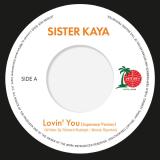
A highly anticipated collaboration with Taiwan’s rising star Andr, released on vinyl for the first time with newly shot cover artwork! REJAY, a singer from Niseko, Hokkaido, joins forces with Andr, one of Taiwan’s most exciting emerging singer-songwriters in the alternative pop scene, for their first-ever collaboration, now available as a 7-inch vinyl release. REJAY, a 20-year-old singer whose voice captivated Nulbarich’s JQ, who also serves as his overall producer, released the A-side track “Hangover feat. Andr” in April 2026. The song is an ambitious work in which REJAY portrays a deep immersion into the emotions of a romantic relationship, while Andr offers a more detached and rational perspective. Their vocals and lyrics, spanning three languages, intertwine to create a unique musical experience. The B-side features “Meant to Be,” a fan-favorite track originally released in 2024, making this a must-have record for music lovers.
First run of limited black and white vinyl versions of this huge cold war themed classic. Includes Devil's Dancers amongst other tracks. Huge!!
Minimal Wave proudly presents a newly remastered deluxe double album of archival material by pioneering 80s minimal electronic duo Oppenheimer Analysis. Oppenheimer Analysis formed in London, England in 1982 by Andy Oppenheimer and Martin Lloyd. Their first meeting though was at the 1979 World Science Fiction Convention in Brighton. They quickly became good friends, sharing an interest in the work of David Bowie, electronic music and early synthesizer bands such as the Human League and Soft Cell. They also shared a love of old science fiction movies, 1950s graphics and comic book imagery and a fascination with post-World War II propaganda, the politics and aesthetics of the Cold War, and the social impact of the atomic bomb. Over the next few years Andy and Martin frequented the growing club scene, including Studio 21 on Oxford Street, and became involved in the developing Futurist and New Romantic style sub-cultures. During this period Martin recorded as Analysis, both alone and with David Rome of Drinking Electricity. They released their first single, 'Surface Tension/Connections' on David's Survival label in 1981. In 1982, Oppenheimer Analysis began writing and recording together at Feedback Studio in Battersea, and performed several times at The Bell, Islington, the 1983 World David Bowie Convention in Hammersmith, the Starzone Birthday Party at Camden Palace, the 1984 European Science Fiction Convention in Brighton and other live venues. Their first demo tape and twelve song 'New Mexico' cassette were sold at gigs and by mail-order, and were reviewed in Melody Maker, Sounds and Soundmaker.
For the years to follow, Oppenheimer Analysis became recognized among electro-music aficionados as a pioneering duo who influenced countless other bands during the club and home-recording era of the early 1980s and beyond. Their cassettes became massively collectible. In 2005 they re-formed with the release of a self-titled four song 12' EP of selections from the New Mexico cassette, including 'Cold War' and 'The Devil's Dancers'. This marked the first release on Minimal Wave. Now in 2015, we're happy to present the entire New Mexico collection, newly remastered and cut to vinyl for the first time ever, to celebrate our 10 year anniversary. This first edition of 1000 copies is pressed on deluxe 'nuclear' style black and white 160 gram vinyl, housed in a glossy gatefold silver and black printed sleeve, featuring all the song lyrics on the inside of the sleeve. Release date: May 16th, 2015. This quintessential reissue has been produced in loving memory of Martin Lloyd.
Dich lieb ich, Erde! trauerst du doch mit mir! Und unsre Trauer wandelt wie Kinderschmerz In Schlummer sich und wie die Winde Flattern und flüstern im Saitenspiele
The third stanza of Friedrich Hölderlin’s poem ‘Dem sonnengott’ evokes a narrator who is tortured by Spleen until slumber makes his childlike gloom disappear with music. Although today’s readers might judge these nineteenth century musings of the Imagination as mere stylistic platitudes, they also still speak beyond the grave as universal truths. A mere two hundred years later similar anxieties and hopes are still channeled through various art forms, with changing success and reverberation. Brannten Schnüre are one of those neo-romantic music experimentalists who add to a long tradition of celebrating folk tale and exoticism. Their meticulously crafted loops, hesitant melodies and heavily nostalgic lyricism could easily be translated to what the late philosopher and music critic Mark Fisher called ‘hauntology’, a postmodern longing for a lost future. To describe the beauty of ‘Geträumt hab’ ich vom Martinszug’, however, the term seems somewhat dissatisfying. Romanticism is a hard nut to crack in the Anthropocene, and Brannten Schnüre’s realms of the cerebral are too deeply ingrained in a German tradition of story telling to define them within popular paradigm.
‘Geträumt hab’ ich vom Martinszug’ was recorded in 2014 in Würzburg and functions as the autumn part of the band’s seasonal cycle quadrilogy (the other segments being ‘Aprilnacht’ (SicSic), ‘Sommer im Pfirsichhain’ (Aguirre) and ‘Durch unser zugedecktes Tal’ (Youdonthavetocallitmusic)). It deals with the Saint Martin’s parade, a mostly European tradition to celebrate the medieval spirit of Saint Martin of Tours, friend of children and patron of the poor. Around 11 November children come out on the streets with lanterns and sing ancient songs in exchange for sweets. It’s a period of snugness and expectation, of yearning and dreaming, and therefore a consummate subject for the duo to scrutinize.
To the adult’s ear the dream of the Saint Martin’s parade isn’t all that consolatory. The dark and slow loops of Christian Schoppik rather sound like motifs for a welcome paralysis. Sometimes as a gentle backdrop for vocals by Katie Rich and Schoppik himself, the repetitive structures serve as tricksters that trade innocence for the uncanny. The dream becomes a fever dream which quickly absorbs the listener into a vacuum, an eternal post-panic attack semi-relief. Maybe that’s the amazing paradox of Brannten Schnüre. The space they occupy is never comforting – as if being locked up inside a Carl Grossberg painting – but it’s also a subliminal aural zone you do not want to leave. It’s music as being, as a stream, devoid of climax or catharsis. And because it is flux and being, and exists to be taken, it speaks in art’s purest form. ‘In place of a hermeneutics we need an erotics of art’ Susan Sontag famously concluded her essay ‘Against Interpretation’ with. Well, look no further …
Balaise was the original title of Vers le Nord’s debut album. In French slang, balaise means something in between badass and flamboyant. The word keeps popping up throughout the record, like a teenager’s graffiti scrawled on a bus shelter after a few drinks. Balaise robots. Balaise ghosts lurking in the shadows. Balaise is the barfly who fantasies about becoming a street vigilante. In many ways, Matthieu Pellerin's new solo project is entirely contained within that word: a gigantic piece one man against the world cobbled together, a monument shaped by hand using layers of synthesizers sounding like cathedral organs cast in concrete.
Stitching this type of freak together took time. Five years, or what sounds like forever in an age obsessed with career trajectories and content strategies. But for Matthieu Pellerin, it was never about career plans or taking the easy road. Or he would have dug up the rotting corpse of Oi Boys, his now-defunct band, whose brief existence and explosive popularity once united sullen skinheads, gothic street punks, and old school punks alike. Or he would have fully embraced the Metz scene, now that the Great International Triple Alliance of the East (Noir Boy George, The Dreams, The Feeling Of Love...) and rising solo acts like Tune Zitoune, Josy Bazar, Fantôme Josepha, and Tony Gerrano have somehow transformed this sprawling open-air heroin camp into an unlikely capital of cool. But Vers le Nord doesn't point East, and it is as a lone rider that Matthieu Pellerin can fully reveal his songwriting scope.
With Le Seul Élément, his first solo project, the Lorraine native had already shown a rare gift for crafting worlds. Picture vast sonic masses stretching like industrial zones, noise-filled fog pierced by pale neon lights and landscapes caught somewhere between the gnarliest dive bar and a doomsday bunker. And slipping through the soul-crushing slowness and fractured blackened atmospheres, one could perceive a throwback to his years plotting in black metal-tinged Loth and Bishop.
Vers le Nord populates those landscapes that once were rough sketches. Damaged characters reign supreme, with a plethora of exquisite mutts brought to life, rather than outcasts committed to the cause. Where Nuits Blanches —his new supergroup featuring members of Rixe, Lion's Law, Headbussa and La Femme— pulls no punches with raw confessions, Pellerin switches gear for tales of robot apocalypses, vagrants and fam-seeking school shooters, delivered with William Sheller-esque rhymes and striking images. Yet even within fiction, he manages to create something deeply intimate, almost defining, showing very little effort: he is a natural. All in all, à l’aise (at ease). Songs resonate deeply with the listener, perhaps because of Pellerin’s odd way or always addressing someone without ever really naming them, a floating, obsessive and inescapable “you” calling us out.
Despite all of the darkness, Vers le Nord stirs deep emotions. There is something of Type O Negative or Anna von Hausswolff in its constant collision of the ludicrous and the epic gothic, its bleak romanticism that never tells a sordid tale. While the vocals remain rooted in a distinctly French punk lineage—think No Class, La Souris Déglinguée and OG Bérurier Noir—the reactor core is hidden somewhere else. Oneohtrix Point Never feels like a closer relative with his ultra-emotional music made of cold synths and disembodied anthems, swallowing and regurgitating forty years of icy, contemplative new wave across ten songs. It comes as no surprise that Lila Ehjä and Aimable, two rising specialists in lowering the temperature below seasonal norms, appear on “Enterrez-moi bordel” (“Bury Me, for fuck's sake”), a grandiose, spectral and magnificently arrogant finale. And in the end, Vers le Nord starts where the original idea was hiding all along: somewhere amid the ruins, definitely balaise and yet somehow, completely à l'aise.
Raw and unfinished. Never released, for various reasons. DAT and compact cassette tapes forgotten in home studio drawers, then boxed away in the basement for decades. After modern mastering, sounding solid and fresh — so why not release them after all?
Kilotoni drops its sixth vinyl-only round of radioactive techno findings. Be prepared for the meltdown and fallout.
A1 Banging acid techno in the Public Energy vein, mixed with the minimal Landstrumm-style funkiness of the 1990s. Raw and minimal, but dialed in just right.
A2 Simple acid house with shuffling beats and romantic chords. Perfect for setting the mood at a club night or an outdoor sunrise.
B1 Tech house from the 90s — or perhaps from outer space. A bouncing bassline and funky drum machine programming are joined by unidentified bleeps.
B2 Wild but unconventional acid techno with shuffling beats and throbbing basslines. Midwest acid and ghetto techno shake hands on a nuclear wasteland.
FORT is launching a sub-label, NOCOWALNYA, and introducing its debut release.
The new label's guiding principles are authenticity, the personal taste of its founders, and a synergy of opposing sensibilities: melancholic romanticism and raw, uncompromising rhythm. The first release is the EP NOCOWALNYA 001, recorded by three key figures of the label: Nocow, Valentin Fufaev, and DJ Designer.
NOCOWALNYA deliberately steers away from the canons of classic techno, trance, or house. The label is built as a space for artists ready for unconventional forms and bold experiments, a place to express their individuality.
The sub-label's visual symbol, a logo of two young men standing on an anvil, sums up the idea perfectly. It's a manifesto of duality: fragile sensitivity set against a cold, industrial beat, romantic motifs joined with dense, hard-hitting sound.
It's fitting that the sub-label takes its first step with its three founders, who stood at the origins of FORT. NOCOWALNYA 001 distills their shared vision and shows how different creative approaches can come together as a single monolith.
The result is a techno-trance hybrid where driving energy meets sincere musical drama. This release doesn't just open the new label's catalogue, it sets the direction for every single and mini-album to follow. The release will come out in two formats: digital and vinyl.
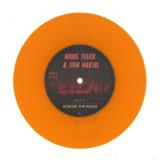
“Across The Room” brings together the elegance of contemporary R&B and the infectious groove of Nu-Funk. With music composed by Midas Touch, arranged by Ivan Makvel, and led by Ivan’s smooth vocal performance, the track captures the chemistry of an instant connection across the room. Warm synth textures, tight rhythmic movement, and a sensual late-night atmosphere make it a refined yet danceable Modern Funk/R&B crossover.
“Stay With Me” captures the romantic side of Modern Funk and Nu-Disco, blending smooth talkbox vocals with a polished late-night groove. Composed by Midas Touch, with lyrics written and performed by Ivan Makvel on talkbox, the track carries a warm, nostalgic, and cinematic feel, perfect for night-drive moments. Emotional but still groove-driven, it connects classic synth-funk sensibility with contemporary R&B and Nu-Disco elegance.
The Temptations Get High on Psychedelic Soul: Cloud Nine Soars with Ambitious Arrangements and Production, Features Standout Vocal Performances and Instrumentation by the Funk Brothers
The Temptations’ Cloud Nine announced that Motown — and “The Sound of Young America” — would never be the same. Influenced by the emergence of cutting-edge rock and pop currents, as well as increasing sociopolitical turmoil, the album broke down barriers between rock, psychedelia, and soul while heralding the arrival of visionary arrangements and production techniques. Bookended by traditional R&B numbers, the 1969 record sent the Temptations in bold new directions and signaled the advent of psychedelic soul.
Sourced from the original master tapes, strictly limited to 3,000 numbered copies, pressed at Fidelity Record Pressing, and housed in a Stoughton gatefold jacket, Mobile Fidelity’s 180g 45PM 2LP set presents Cloud Nine in audiophile sound for the first time on a domestic pressing. This collectible reissue bestows Norman Whitfield’s extraordinary production with the grand-scale dynamics, natural tonality, expansive openness, and low-end weight it deserves. The timbre of each of the five members’ voices is readily identifiable — even within the group harmonies — bestowing a realism never experienced outside the recording studio.
Making its debut on 45RPM, the album further benefits from the wide groove space by playing with greater separation and more realistic presence than prior editions. Everything from the brassiness of the horns to the dry snap of the snare comes across with reference-grade clarity and positioning. And since Motown’s renowned Funk Brothers backing band plays on many of the cuts, you’ll want to savor every note. The imaging, soundstaging, and organic bloom-and-decay of the notes make that possible.
Amid Cloud Nine, the instrumentation and architecture stand out as much as any element. Never before had a Motown album contained such ambitious patterns and complex passages. Seemingly conscientious of the departure from their past methods, the Temptations and Whitfield bunched together the tracks that mark a deep dive into psychedelic territory and counterbalance them with seven sterling soul cuts that dovetail with Motown tradition drenched with heartfelt vocals, swelling strings, and finger-snapping beats.
On the original 33RPM release, traditional Motown soul — laden with heartfelt vocals, swelling strings, and finger-snapping beats — occupies Side Two. These songs reveal an ensemble still very much on top of delivering pristine pop-soul material graced with romantic sweetness, persuasive insistent, and soaring highs. Re-energized after the departure of lead singer David Ruffin, who was fired for a variety of reasons in June 1968, the Temptations seamlessly meld with his replacement, Dennis Edwards, on one melodic gem after another.
The collective tackles five songs co-written by the legendary Motown team of Barrett Strong and Whitfield. Not the least of which are the smooth, shuffling “Why Did She Have to Leave Me (Why Did She Have to Go)” and deceptively simple, horn-spiked “Gonna Keep on Tryin’ till I Win Your Love.” On these tracks, as well as on a lush rendition of the ballad “Love Is a Hurtin’ Thing” and pleading, tender send-up of the Gerry Goffin-Carole King classic “Hey Girl,” Edwards and Paul Williams take turns on the lead with the estimable Eddie Kendricks, Melvin Franklin, and Otis Williams providing backing support.
All five vocalists trade-off leads on the simmering title track, a groundbreaking composition shot through with wah-wah-pedal effects, liquid funk, deep bass lines, Cuban percussion, saturated reverb, and gang choruses. Whitfield mines each member’s natural vocal range with spectacular results, keeps time with cymbals, and channels both the heated temperatures and escapist desires of a society embroiled in war, conflict, and experimental drugs.
Amazingly, the Temptations top themselves on the similarly revealing “Run Away Child, Running Wild.” Nearly 10 minutes in length, the song explodes R&B parameters and harbors a cinematic scope. Urgent pianos, distorted guitars, stripped-down percussion, steamy Hammond organs, minimal bass motifs, five distinct voices narrating the tale of a boy who fled home and now finds himself amid the scary, unforgiving external world: They combine to give the urgent tune a walls-closing-in atmosphere where fear and desperation reign. Bolstered by an extended instrumental section that precedes a climactic return of the singers’ voices, “Run Away Child, Running Wild” equaled the success of the record’s title track, with both reaching No. 6 on the pop charts.
How enduring is the signature song from Harry Chapin’s Verities & Balderdash? So timeless that it became the subject of a 2025 documentary in which artists from multiple generations weigh in on its impact on their lives and craft. “Cat’s in the Cradle” doubtlessly remains the main event on the singer-songwriter’s 1974 album. The legendary opening track also serves as a guidepost for the bold personal and social material that follows — as well as the gorgeous folk-rock arrangements that underpin the New York native’s most commercially successful work.
Sourced from the original master tapes, pressed at Fidelity Record Pressing, housed in a Stoughton jacket complete with a four-page insert, and strictly limited to 3,000 numbered copies, Mobile Fidelity’s 180g 33RPM LP of Verities & Balderdash presents Chapin’s fourth full-length in audiophile quality for the first time on vinyl. Captured during a golden era for sonics and production, the Top 5 effort features remarkable tonal balance, instrumental separation, and organic naturalism. Those valued aspects come into supreme focus on this reissue, which plays with dead-quiet surfaces and a low noise floor.
The newfound clarity, openness, and imaging underscore the lasting appeal of Chapin’s tender deliveries, soulful timbre, and careful phrasing. Every word comes across with incredible realism, while his underrated guitar playing occupies its own distinctive space. Also notable: The extension of the tasteful string accents; airiness of the backing vocals; depth and shape of the spare bass lines; and width and depth of the soundstaging. When on “Six String Orchestra” Chapin calls out names of instruments, they appear like magic, the band performing feet from you. Chapin has never sounded so lifelike on record.
Certified double platinum, Verities & Balderdash resonated with the times and public. “Cat’s in the Cradle” reached No. 1 on the chart on its way to being inducted into the Grammy Hall of Fame. The romantic ballad “I Wanna Learn a Love Song” flirted with the Top 40 and wrapped listeners in the equivalent of a cozy blanket. The record’s other single, the mini-epic “What Made America Famous?,” helped establish Chapin as one of the country’s most incisive and insightful commentators.
Verities & Balderdash teems with situational devices and topical matters. Chapin observes everything from the polarization of the nation to changes in moral standards and cultural priorities. He investigates pressing themes without ever turning preachy or elevating himself above the matters at hand. On “Halfway to Heaven,” whose coda races to the finish and ranks as the most urgent moment on the record, Chapin inhabits the mind of his frustrated protagonist akin to an eagle-eyed novelist.
Conveying emotions that range from melancholic to carefree, Chapin is as much of a singer as a storyteller. He assumes the voice of multiple characters within a single narrative. During the quirky “30,000 Pounds of Bananas,” a tale based on a delivery-truck accident in 1965, Chapin alters his delivery, pronunciation, and diction to become an old man reflecting on the mishap and mess. The tempo, too, adjusts to match the speed of the vehicle Chapin describes.
Adorned with timely laugh tracks to reinforce the bittersweet humor, the stripped-down “Six String Orchestra” takes everything up another notch, with Chapin intentionally missing guitar notes or playing a broken passage to illustrate the failures of the hopeful protagonist who doesn’t have what’s required to make it as an artist.
Chapin, of course, did not have any such problem. The lynchpin of a career cut short by a tragic traffic incident, Verities & Balderdash is Exhibit A of the savvy craft, feeling, and perspective he lent to American music.
The moment the instantly recognizable intertwined guitar passage on the title track to the Eagles' Hotel California begins, the record's genius becomes obvious all over again. Ranked the 118th Greatest Album of All Time by Rolling Stone, certified by RIAA as the third best-selling LP in history, and considered the foundation on which the Golden State's mid-‘70s music scene was built, the 1976 landmark is a music staple immune to shifts in trends, eras, and styles. Fearlessly addressing the chaos and consequences of American life, its songs remain strikingly prescient and gain creedence with each passing day.
Mastered from the original analogue master tapes, pressed on MoFi SuperVinyl, and limited to 17,500 numbered copies, Mobile Fidelity's UltraDisc One-Step 180g 45RPM 2LP vinyl box set ensures you will want to permanently check into and never leave this particular Hotel California. Up to the herculean task of standing head and shoulders above all prior reissues, this collectible edition plays with extreme clarity, organic richness, tube-like warmth, massive dynamics, and microscopic levels of detail. You'll be able to practically smell the colitas and feel the breeze in your hair. Songs come across with an epic sweep and feature immersive, front-to-back soundstages that allow the music unprecedented air, roominess, and separation. As for the noise floor? It's basically as invisible as the spirits that waft in the corridors of the unforgettable title song.
Aesthetically, the premium packaging and presentation of the UD1S Hotel California pressing befit its esteemed status. Housed in a deluxe box, it features gorgeous foil-stamped jackets and faithful-to-the-original graphics that illuminate the splendour of the recording. From every angle, this UD1S reissue exists as a curatorial artefact meant to be preserved, touched, and examined. It is made for discerning listeners that prize sound quality and production, and who desire to fully immerse themselves in the art – and everything involved with the album, from the renowned cover art to the meticulous finishes.
Indeed, the opportunity to zero in on all the particulars of the 26-million-selling Eagles record dubbed "a legitimate rock masterpiece" by vaunted Los Angeles Times scribe Robert Hilburn has never been better. A global phenomenon that marked the band debut of guitarist-singer Joe Walsh, Hotel California continues to resonate and connect with listeners of all generations taken by its narrative depth, stark directness, picturesque melodies, daring majesty, and ardent emotionalism. Adorned with a breathtaking exterior photograph of the Beverly Hills Hotel that serves as the simultaneously haunting and alluring cover art, and rounded out by a rear-cover shot of the Lido Hotel lobby that reinforces a notion that teeters between permanence and transience, Hotel California is brilliantly tied to a specific place that functions as a universally understood metaphor for the American Dream.
Confronting the darker undercurrents and oft-ignored constructs attached to that romantic notion, the record's songs revolve around a host of shared themes: excess, mobility, stability, illusion, fame, destruction, and idealism included. Notably, Hotel California appeared at a crucial junction in American history: During the country's bicentennial and amid escalating controversies related to the Vietnam War, energy crisis, and governmental corruption. That the Eagles manage to channel such cultural, social, and economical matters into a cohesive, stately, big-picture statement is alone a stupendous feat. That the album's reach, boldness, vitality, accessibility, and understated intensity have never waned make it a marvel.
Reflecting on Hotel California 40 years after its original release, and indirectly explaining its enduring appeal and increasing relevance, singer-songwriter Don Henley confirmed the record pertains to the "loss of innocence, the cost of naiveté...the difficulties of balancing loving relationships and work, trying to square the conflicting relationship between business and art; the corruption in politics, the fading away of the Sixties dream of ‘peace, love and understanding.'"
It can be argued that Henley and company squarely hit on and drove home those ideas in the surreal title track, chart-topping "Life in the Fast Lane," and grand "The Last Resort" alone. But that would miss the forest for the trees. Experienced as an unbroken whole, complete with the pristinely shot imagery and physical grooves, Hotel California unfolds like a geography-conscious saga by James Michener and plays like colour-saturated movie shot on 70mm film by Martin Scorsese. It's about our collective and individual decisions – and the shape of our past, present, and future. And, just like that conjured by our imaginations, Hotel California continues to take on a life of its own.
More About Mobile Fidelity UltraDisc One-Step and Why It Is Superior
Mobile Fidelity Sound Lab's UltraDisc One-Step (UD1S) technique bypasses generational losses inherent to the traditional three-step plating process by removing two steps: the production of father and mother plates, which are created to yield numerous stampers from each lacquer that is cut. For UD1S plating, stampers (also called "converts") are made directly from the lacquers. Since each lacquer yields only one stamper, multiple lacquers need to be cut. Mobile Fidelity's UD1S process produces a final LP with the lowest-possible noise floor. The removal of two steps of the plating process also reveals musical details and dynamics that would otherwise be lost due to the standard multi-step process. With UD1S, every aspect of vinyl production is optimized to produce the best-sounding vinyl album available today.
MoFi SuperVinyl
Developed by NEOTECH and RTI, MoFi SuperVinyl is the most exacting-to-specification vinyl compound ever devised. Analogue lovers have never seen (or heard) anything like it. Extraordinarily expensive and extremely painstaking to produce, the special proprietary compound addresses two specific areas of improvement: noise floor reduction and enhanced groove definition. The vinyl composition features a new carbonless dye (hold the disc up to the light and see) and produces the world's quietest surfaces. This high-definition formula also allows for the creation of cleaner grooves that are indistinguishable from the original lacquer. MoFi SuperVinyl provides the closest approximation of what the label's engineers hear in the mastering lab.
The super rework magician Scruscru has been cooking up more goodness for Volume two of Blur's ReWax EP, and it's packed with disco-meets-jazz house class. First up, he tackles Sweet Fruity Brunch's 'Red Parrot' and makes it into a rolling jam with lush pads. Elsewhere, 'Rhythm Roulette' has punchy drums but plenty of piano euphoria, 'Matine' becomes a coy and funky number and 'Gift Of Love' is a romantic heart 'WalkToWalkIN' is a shuffling and jazzy vibe and 'Empyrean Jazz' closes with some spiritual percussion and gentle horns that will always seduce once the lights go low.
WRWTFWW Records is ecstatic to announce a limited edition vinyl release of the remarkable PONYBOI (Original Motion Picture Soundtrack) by Chilean-born composer, arranger, music producer, and multi-instrumentalist Cristobal "Cristo" Tapia de Veer (The White Lotus, Utopia, Smile, Black Mirror, and many more).
This collector's edition presents Tapia de Veer's complete original score for the critically acclaimed feature film PONYBOI - a bold, genre-defying neo-noir tale directed by Esteban Arango and and starring filmmaker, actor, screenwriter, model, and intersex rights activist River Gallo who also wrote the movie. The soundtrack arrives as a deluxe audiophile vinyl LP, housed in a luxurious 350gsm gold cardboard sleeve, cut with utmost precision by Sidney Claire Meyer at the legendary Emil Berliner Studios, home to Deutsche Grammophon's world-renowned legacy.
Vivid, seductive, gritty, dreamy, tender, and sometimes heart-pounding in its tension, the PONYBOI soundtrack is a sinuous creature of its own - an emotional, atmospheric, and deeply textural listening experience. Tapia de Veer fuses shimmering electronics with haunting melodies, raw rhythms, shadowy ambience, and surges of romantic intensity, perfectly embodying the film's world of danger, desire, identity, and survival on a single wild New Jersey night. It's daring, intimate, stylishly noir, and unmistakably Cristo: music that refuses boundaries and speaks directly to the pulse.
The LP showcases Cristobal Tapia de Veer's uncanny ability to blend experimental sound design with narrative emotion - a talent that has earned him global acclaim and numerous awards, including four Primetime Emmy Awards for The White Lotus.
This new WRWTFWW edition celebrates his artistry in its purest form: warm, rich, analog, and physically stunning. A must for soundtrack fanatics, ambient and experimental music lovers, and rare memorabilia collectors.
Between 2023 and 2025, L.F.T. split his time between Hamburg and Berlin, slowly piecing together what would become his most ambitious work to date. The result is Hell Was Boring - a double album that plays like a fever dream, unfolding as a dark, mythical tale about life, death, and the strange spaces in between.
L.F.T. - the alias of German producer and multi-instrumentalist Johannes Haas - has always thrived on tension: between punk urgency and electronic precision, between raw emotion and mechanical repetition. On Hell Was Boring, those tensions are amplified. Drawing on the spectral drama of Bauhaus, the melancholic minimalism of Linear Movement, the futuristic romanticism of Gary Numan, and even the sly swagger of Falco, the album feels at once deeply personal and part of a much older musical lineage.
The sound is stripped down to its bones: drums snap and rattle from a Roland TR-808, TR-707 and Korg KR-55; basslines growl from a Roland SH-101 and Korg MS-20; shards of guitar cut through clouds of tape hiss. Everything was tracked to a Teac Tascam 80-8 reel-to-reel, giving each track a lived-in, imperfect warmth. Nothing is overpolished - L.F.T. wanted the listener to hear the edges, the grit, the moments when the music almost comes apart.
Along the way, he invited friends and long-time collaborators into the fold - Das Kinn, Rosaceae, Felix Kubin, Children Of Leir, and Konstantin Unwohl - each leaving their own fingerprints on the record’s world of shadows and static.
Hell Was Boring isn’t a mere collection of songs; it’s a narrative that drags you into its orbit and doesn’t quite let go. It’s music for the late hours when reality feels porous, and for those moments when you’re not sure if you’re waking up or still dreaming.
LORD PARAMOUR IS BACK!
After their first big break, the duo returns with "Doom", a second album as daring as it is captivating.
At the helm are DJ Marrrtin, graffiti artist, beatmaker, Stereophonk label captain, member of Funky Bijou, Aktshun, Tino & Marrrtin… & Ajax Tow, DJ-cosmonaut and all-round musician, known for his unpredictable and eclectic sets.
DOOM is a true sonic odyssey: edgy breakbeats, hallucinatory psychedelic vibes, oriental grooves in the style of post-Bollywood library music, a hint of 70s krautrock… and always that downtempo, post-punk, and space groove that is their signature style.
An album like a journey through a cosmic mixtape—retro, futuristic, romantic, and radically free. DOOM isn't just a record. It's a sonic adventure. An imaginary soundtrack. A stylish slap.
Edition of 300 ex - Hand mande Screen printed cover - Hand numbered.
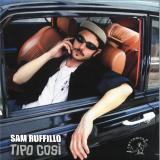
Italian producer, musician, DJ, and groove architect Sam Ruffillo drops his long-awaited debut album Tipo Così on Toy Tonics – a sun-drenched, genre-blurring statement that blends classic house with Mediterranean flair, romantic funk, and tongue-in-cheek Italo vibes. Over 11 expertly crafted tracks, Ruffillo delivers a dancefloor-ready, emotionally rich LP that connects deep musicality with irresistible rhythm and light-hearted elegance.
After three acclaimed EPs and collaborations with revered artists such as Barbara Boeing, Kapote, and Fimiani, Ruffillo has firmly cemented himself as a core artist on the Berlin-based label. Known for his unmistakable signature sound — a warm mix of vintage disco, 90s house, and Italian vocals — Sam’s music has garnered widespread DJ support from tastemakers like Gerd Janson, Palms Trax, Seth Troxler, and DJ Tennis, while becoming a staple on Italian airwaves. His infectious summer anthems like Danza Organica and Perfetta Così have soundtracked countless club nights and festivals, creating a loyal following that eagerly awaited this full-length debut.
Tipo Così is the natural culmination of a musical journey that’s both playful and profound — a travel diary written in grooves, synth stabs, and melodies that feel like postcards from a parallel Mediterranean universe. The album expands and deepens Ruffillo’s world into a fully immersive experience: lush emotional chords meet tight syncopated grooves, vintage synth textures collide with irresistibly catchy pop refrains, and the boundary between sincerity and playful irony is exquisitely blurred.
Entirely written, produced, and recorded in Italy, in his beloved hometown of Bologna, the album finds Ruffillo at the helm on keys, drum machines, and production, supported by a talented cast of musicians contributing live bass, guitar, and other organic elements — further enriching his trademark fusion of electronic grooves and natural instrumentation. There’s a tactile warmth in these tracks, a hands-on feel that adds soul and depth to every beat.
This album also marks Ruffillo’s heartfelt return to singing in Italian, with standout tracks like House Tipo Così, Mi Fa Volare, Ancora, and Dentro Di Me, where romantic naïveté meets pulsing club energy in a way that feels both timeless and refreshingly new. The vocal performances add an intimate, human touch to the music, reinforcing the personal stories woven into each song. There’s poetry in the casual, a bittersweet elegance in the way the lyrics float over groove-heavy production.
Having toured extensively across Europe, Australia, Indonesia, New Zealand, and Mexico — with sets at iconic venues like Panorama Bar and festivals such as Sónar Barcelona — Ruffillo has fine-tuned much of this album in front of live audiences. The real-world testing ground infused the record with a dynamic energy and immediacy that only comes from genuine crowd interaction. These songs weren’t just made in the studio — they were lived on dancefloors around the world.
Tipo Così is not just a collection of tracks. It’s a philosophy — playful, stylish and unmistakably personal. A modern club album bursting with heartfelt emotion and sophistication. Music for dancers with taste; for lovers of beauty, rhythm, and the little imperfections that make things feel real.
But what exactly is Tipo Così? More than just a phrase, it’s a way of being. It’s about embracing elegance without effort, mixing irony with sincerity, and letting nostalgia slip into the room without taking over the party. It’s Sam Ruffillo’s signature language: relaxed, confident, meticulous yet never rigid — where a chord progression can say as much as a lyric, and every beat carries intention.
The album’s visual identity complements this vision perfectly. The artwork and promotional materials lovingly reference Italian design from the ’80s and ’90s, combining bold graphic elements with playful pop culture nods. This aesthetic mirrors Ruffillo’s music — a fusion of vintage warmth and contemporary freshness, delivered with authenticity and charm.
Sam Ruffillo belongs to a new generation of European artists who are reshaping electronic music by blending past and present, analog and digital, groove and emotion — without nostalgia or pose. His artistic universe is coherent, vibrant, and alive; a rich tapestry of sound, images, and stories that coexist with lightness, precision, and a distinctive voice.
Reflecting on his artistic journey, Sam describes music as a vital, deeply human impulse — a tribal connection to rhythm and body that has driven him since he was a teenager. His creative process balances meticulous planning with room for spontaneity, usually sparked by clear melodic ideas that evolve naturally. Collaborations with close friends, especially vocalists like Ninfa, add warmth and authenticity, exemplified in tracks like “House Tipo Così.” For Sam, music is honest self-expression — crafted for listeners who crave memorable melodies and rhythms imbued with genuine feeling.
While technical perfection is tempting, Sam prioritizes emotion, knowing that what truly resonates is the soul behind the sounds. His long-standing partnership with Toy Tonics has been key in nurturing his vision, offering a blend of creative freedom and professional support. Looking ahead, Sam Ruffillo is excited to broaden his live performances, and release new projects that continue to blend electronic grooves with organic, heartfelt sounds — maintaining the delicate balance between playful irony and sincere emotion that defines Tipo Così.
Kurzversion:
Italian DJ, producer and musician Sam Ruffillo drops his debut album Tipo Così on Toy Tonics - a sunny blend of house, funk, Italo and pop, full of groove and emotion. Written and recorded in Bologna with live instruments and Italian vocals, it’s a playful, elegant journey shaped on dancefloors worldwide. A stylish, sincere club album where nostalgia, irony and rhythm meet in perfect harmony.
- Mi Fa Volare
Road-tested across continents and now finally released, “Mi Fa Volare” channels 90s uplifting euphoria with big breakbeats, lush chords, and Italian vocals built to stick. Somewhere between balearic bliss and piano house nostalgia, it’s a feel-good club weapon made for peak-time moments - already sung back by crowds after just one listen.
- Ancora
“Ancora” is a vibrant hi-NRG track inspired by 80s Italo disco, sung entirely in Italian. It blends driving rhythms with dreamy melodies, capturing the radiant spirit of the decade. This fresh yet nostalgic song delivers euphoric vibes and timeless energy, making it a perfect fit for both dancefloors and reflective listening moments worldwide.
- Dentro Di Me
“Dentro Di Me” channels ‘90s sensuality through a fast-paced, UK house-inspired lens. Entirely in Italian, it’s a bold and contemporary dance track where hypnotic vocals meet high-energy grooves. Blending nostalgic textures with forward-thinking production, the result is a seductive and euphoric trip - equal parts emotional and club-ready.
- Amigo
“Amigo” blends Latin groove, acoustic guitar-driven rhythm, and Mediterranean flair into a warm, magnetic, cross-cultural dance anthem. Sung in Spanish and Italian, it celebrates connection, inclusivity, and the joy of moving together - whether stranger or friend. With its unstoppable rhythm and vibrant energy, it’s a feel-good track with a unifying spirit.
- Ma Sei Fuori
“Ma Sei Fuori” is a tongue-in-cheek dancefloor bomb blending raw house energy with catchy vocal phrases and a nod to classic French touch. Driven by hypnotic vocal lines and a playful attitude, it doesn’t take itself too seriously - while still proving serious club impact. Built for late-night moments, it’s bold, bouncy, and impossible to ignore.
Demon Music group in conjunction with the Hughes family are proud to present the first official compilation of music
from the movies of legendary filmmaker John Hughes, covering the classic eighties period 1983 – 1989.
For anyone growing up in the 1980s, the films of John Hughes are some of the most iconic of the decade and have
created a lasting cultural impact still felt and referenced across TV, film and music. As well as the characters and
stories created in these iconic movies, what made John Hughes’ movies different from the rest was the symbiotic
relationship between scene and music. Whether Cameron Frye staring at the painting in Ferris Bueller’s Day Off set to
The Dream Academy’s “Please, Please, Please Let Me Get What I Want (Instrumental)”, Duckie and Andie from Pretty
In Pink at prom set to Orchestral Manoeuvres In The Dark’s “If You Leave”, or even Neal and Del’s classic “Those aren’t
pillows” scene from Planes, Trains and Automobiles set to Emmylou Harris’ “Back In Baby’s Arms”.
“Music was a huge part of filmmaking for him, it was a thing he seemed to like the most.” Matthew Broderick
Curated by John Hughes’ music supervisor Tarquin Gotch, this 6LP vinyl boxset includes 73 tracks from the movies
National Lampoon’s Vacation, Sixteen Candles, The Breakfast Club, Weird Science, Pretty In Pink, Ferris Bueller’s Day
Off, Some Kind Of Wonderful, Planes, Trains And Automobiles, She’s Having A Baby, The Great Outdoors and Uncle
Buck.
“Back when we were working on these movie soundtracks, the best way to send music around the world was the
cassette, by Fedex. We sent John cassettes of newly released music, of demos, of just finished mixes (and in return he
would send VHS videos of the scenes that needed music).” Tarquin Gotch
The films of John Hughes spawned many classic tracks, some licensed for the films, some commission specifically, and
many going on to become huge international hits from acts such as Simple Minds, Kate Bush, Furniture, Yello, and
The Psychedelic Furs.
“It serves as a reminder not just to the musicians he championed in the 1980s, but to how intensely his search for
music expanded beyond this era. Until his final days, he was still collecting outrageous amounts of music from around
the world, galaxies removed from the New Romantic and new wave sounds that, to many, still define him.” James
Hughes
Also includes an extensive 24-page booklet including memories from Matthew Broderick, James Hughes, Tarquin
Gotch, Ron Payne, plus track-by-track sleeve notes.
“John said he only made movies so he could choose what music to put in them, so as his success at the Box Office
grew, and thus his power with the studios, the number of tracks in his films, by up and coming UK bands, steadily
grew.” Tarquin Gotch
Billy Idol - "Catch My Fall" (From The 1987 Movie 'Some Kind Of Wonderful')
The Association - "Cherish" (From The 1986 Movie 'Pretty In Pink')
Penguin Cafe Orchestra - "Music For A Found Harmonium" (From The 1988 Movie 'She's Having A Baby')
Zapp - "Radio People" (From The 1986 Movie 'Ferris Bueller's Day Off')
Blue Room - "Cry Like This" (From The 1987 Movie 'Some Kind Of Wonderful')
Ray Charles - "Mess Around" (From The 1987 Movie 'Planes, Trains & Automobiles')
Joe Turner - "Lipstick, Powder & Paint" (From The 1989 Movie 'Uncle Buck')
Darlene Love - " (Today I Met) The Boy I'm Gonna Marry" (From The 1984 Movie 'Sixteen Candles')
Marvin Gaye - "How Sweet It Is (To Be Loved By You)" (From The 1988 Movie 'She's Having A Baby')
Perry Como/Mitchell Ayres & His Orchestra/The Ray Charles Singers - "Juke Box Baby" (From The 1989 Movie 'Uncle Buck')
The Chordettes - "Mr Sandman" (From The 1989 Movie 'Uncle Buck')
Ray Anthony & His Orchestra - "The Peter Gunn Theme" (From The 1984 Movie 'Sixteen Candles')
Lindsey Buckingham - "Holiday Road" (From The 1983 Movie 'National Lampoon's Vacation')
Emmylou Harris - "Back In Baby's Arms" (From The 1987 Movie 'Planes, Trains & Automobiles')
Hugh Harris - "Rhythm Of Life" (From The 1989 Movie 'Uncle Buck')
Spandau Ballet - "True" (From The 1984 Movie 'Sixteen Candles')
Propaganda - "Abuse" (From The 1987 Movie 'Some Kind Of Wonderful')
The Dream Academy - "The Edge Of Forever" (From The 1986 Movie 'Ferris Bueller's Day Off')
Yello - "Lost Again" (From The 1987 Movie 'Planes, Trains & Automobiles')
Bryan Ferry - "Crazy Love" (From The 1988 Movie 'She's Having A Baby')
The Rave-Ups - "Positively Lost Me" (From The 1986 Movie 'Pretty In Pink')
Los Lobos - "Don't Worry Baby" (From The 1985 Movie 'Weird Science')
Steve Earle - "Continental Trailways Blues" (From The 1987 Movie 'Planes, Trains & Automobiles')
The Revillos - "Rev Up" (From The 1984 Movie 'Sixteen Candles')
Boston - "More Than A Feeling" (From The 1988 Movie 'She's Having A Baby')
Balaam & The Angel - "I'll Show You Something Special" (From The 1987 Movie 'Planes, Trains & Automobiles')
The Rave-Ups - "Rave Up/Shut Up" (From The 1986 Movie 'Pretty In Pink')
Pop Will Eat Itself - "Beaver Patrol" (From The 1988 Movie 'The Great Outdoors')
The Vapors - "Turning Japanese" (From The 1984 Movie 'Sixteen Candles')
Silicon Teens - "Red River Rock" (From The 1987 Movie 'Planes, Trains & Automobiles')
out
Demon Music group in conjunction with the Hughes family are proud to present the first official compilation of music
from the movies of legendary filmmaker John Hughes, covering the classic eighties period 1983 – 1989.
For anyone growing up in the 1980s, the films of John Hughes are some of the most iconic of the decade and have
created a lasting cultural impact still felt and referenced across TV, film and music. As well as the characters and
stories created in these iconic movies, what made John Hughes’ movies different from the rest was the symbiotic
relationship between scene and music. Whether Cameron Frye staring at the painting in Ferris Bueller’s Day Off set to
The Dream Academy’s “Please, Please, Please Let Me Get What I Want (Instrumental)”, Duckie and Andie from Pretty
In Pink at prom set to Orchestral Manoeuvres In The Dark’s “If You Leave”, or even Neal and Del’s classic “Those aren’t
pillows” scene from Planes, Trains and Automobiles set to Emmylou Harris’ “Back In Baby’s Arms”.
“Music was a huge part of filmmaking for him, it was a thing he seemed to like the most.” Matthew Broderick
Curated by John Hughes’ music supervisor Tarquin Gotch, this 6LP vinyl boxset includes 73 tracks from the movies
National Lampoon’s Vacation, Sixteen Candles, The Breakfast Club, Weird Science, Pretty In Pink, Ferris Bueller’s Day
Off, Some Kind Of Wonderful, Planes, Trains And Automobiles, She’s Having A Baby, The Great Outdoors and Uncle
Buck.
“Back when we were working on these movie soundtracks, the best way to send music around the world was the
cassette, by Fedex. We sent John cassettes of newly released music, of demos, of just finished mixes (and in return he
would send VHS videos of the scenes that needed music).” Tarquin Gotch
The films of John Hughes spawned many classic tracks, some licensed for the films, some commission specifically, and
many going on to become huge international hits from acts such as Simple Minds, Kate Bush, Furniture, Yello, and
The Psychedelic Furs.
“It serves as a reminder not just to the musicians he championed in the 1980s, but to how intensely his search for
music expanded beyond this era. Until his final days, he was still collecting outrageous amounts of music from around
the world, galaxies removed from the New Romantic and new wave sounds that, to many, still define him.” James
Hughes
Also includes an extensive 24-page booklet including memories from Matthew Broderick, James Hughes, Tarquin
Gotch, Ron Payne, plus track-by-track sleeve notes.
“John said he only made movies so he could choose what music to put in them, so as his success at the Box Office
grew, and thus his power with the studios, the number of tracks in his films, by up and coming UK bands, steadily
grew.” Tarquin Gotch
Unspecified Enemies, the project led by Louis Digital (Numbers, Counterattack, Arcola) present their debut album Romance in the Age of Adaptive Feedback.
Written and produced by Louis Digital, the album incorporates fragments of music data generated by long-time collaborator CiM (Ann Aimee, Delsin). Describing the title track, Louis Digital states:
“It’s the microelectronic sound of a city playing strange light games with itself, evoking bitcrushed desires and floating images, an urban phantasy stored on the broken circuits of an Ensoniq ASR-10.”
The origins of Romance in the Age of Adaptive Feedback trace back to 2006, when Louis Digital launched Diamond Sea, a series of events at London’s ICA that introduced the Unspecified Enemies project and a label called City of Quartz. The vision was to merge the hi-tech electronic textures of contemporary R&B with the sampling and sequencing techniques of pioneers like Anthony Shakir and Soundhack. However, the music was lost in time, and City of Quartz never released a single record.
Yet, the story took an unexpected turn. At one of these events, Spencer from Numbers received a CD containing early recordings. Years later, Numbers encouraged Louis Digital to reconstruct the lost music for an album. The result is a work resurrected from the past and reimagined for the future—retrieved in fragments from a broken Iomega Jazz SCSI Drive.
Expanding on the album’s themes, Louis Digital reflects:
“By the late ’90s the cinematic image of Los Angeles and the sound of Detroit techno had crystallised a new style of living in time and space. In 1997 Mike Davis — the political activist, urbanist, writer and historian of Los Angeles — suggested that it all had “something to do with a microelectronic aesthetic of very transient and decaying states”. It was a romantic vision — one where the city’s glass surfaces reflected a musical desire for futurity not yet dominated by data-driven corporate life. These were strange days to live through. This album evokes the embers of this fibre-optic moment, when urban revolution in an age of digital reification still felt possible.”
The album features full sleeve artwork and a poster designed by Ben Drury. In support of the release, an NTS show titled Romance and Reification will explore the cinematic and electronic music influences behind the album.
A sonic portal to a parallel universe where neon-soaked dreamscapes transform the stark realities of a post-pandemic world. Music for a forgotten future, where echoes of the 80s cast long, enigmatic shadows through a rich tapestry of emotion that charts a journey from isolation and fear towards healing and hope. This is the journey of Season One and Season Two, the debut companion albums for the solo project of Italian composer Battaglia, both out this fall on Four Flies Records.
In 2020, as the world retreated onto itself due to the COVID-19 pandemic, Battaglia entered the recording studio. Driven by a desire for experimentation, she decided to focus on the classic synths that have made history to create a sonic and emotional alchemy that reimagines the 80s to resonate with our current experiences and sensibilities.
Drawing inspiration from the cinematic magic of iconic early-80s films, and especially the haunting soundtracks of Tangerine Dream and John Carpenter, she crafted a soundscape that goes beyond nostalgia to capture the spirit of a generation navigating uncertain times.
Season One and Season Two explore the complexities of a world grappling with lethal pandemics, climate catastrophes, and nuclear disasters through themes such as longing, fear, and hope, set against a scenario that blends elements of dystopian and post-apocalyptic science fiction and, at times, horror.
Season One delves deeper into the darker aspects of this new reality, evoking a sense of unease and uncertainty, occasionally interspersed with soothing flashes of light. In Season Two, while darkness still lingers, the sonic landscape is infused with a sense of optimism and determination, offering glimpses of a possible salvation.
With Battaglia's signature blend of dark wave, synth-pop, suspenseful electronica, and cinematic vibes, Season One and Season Two create a sonic world that is at once hauntingly familiar and utterly captivating -- the perfect soundtrack, one is tempted to say, for the countless sci-fi/horror-fantasy series that have been flooding streaming platforms in the last decade.
The covers of both albums were designed by Eric Adrian Lee, who conceived them as two sides of the same image, two versions of a world in crisis but whose ruins contain the potential for rebirth.
Battaglia's Season One and Season Two will be available on black vinyl LP starting from October 25th. Digital versions of both albums will also be released on the same date, featuring five bonus tracks (two on Season One and three on Season Two).
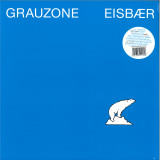
WRWTFWW Records is very honored to announce the official reissue of Grauzone's essential 1981 maxi single with timeless classic "Eisbär", proto-techno beast "FILM 2", and romantic synth ballad "Ich Lieb Sie", just in time for the 40th anniversary of the Swiss band's formation. The three-track vinyl is sourced from the original reels, cut at 45rpm, and comes with its iconic artwork on a 350gsm sleeve.
Ich möchte ein Eisbär sein...Written by Martin Eicher after a nightmare in which he saw talking polar bears on the walls, and with music by the Grauzone crew consisting of Martin and his brother Stephan Eicher, Marco Repetto, Christian "GT" Trüssel, and Claudine Chirac (on saxophone), "Eisbär" is the most recognizable title from the band, a sublime mix of ingredients reflecting the transitional era it comes from - the raw energy of punk music still palpable, combined with the audacity of early electronics, the warm groove of a disco gem, beautifully fragile lyrics, and one of the best basslines ever. It became a mega hit, totally unplanned, but how could you resist such a track
"FILM 2" is the ultimate b-side monster, a menacing all-instrumental pre-techno masterpiece, slowly building to a magnetizing frenzy. An instant underground favorite, it was famously heard played at both speeds depending on the scenes and DJs you were frequenting, 45rpm as it was first intended, and 33rpm for the cosmic experience (search Daniele Baldelli's Cosmic C75 1982 mixtape online for a great example of this).
The maxi single ends with "Ich Lieb Sie", a synth-pop meets doo-wop ballad, a true love song oozing with innocence. Simple, stylish, and just right.
At the crossroads of post-punk, new wave, pop, and electronic experimentation, the Eisbär maxi offers three songs that are technically different but hold the same spirit, the perfect embodiment of Grauzone's music - wild, unpredictable, and youthful, yet sophisticated, catchy, and ingenious. The magic recipe for the good stuff.
Stephan Eicher went on to be, arguably, the most successful Swiss musician ever, with an international career extending from pop chanson to experimental escapades and collaborations with Moondog, artists Sophie Calle and John Armleder, and author Martin Suter among many other luminaries. Marco Repetto flourished as a techno and ambient producer, releasing multiple projects including releases on Aphex Twin's Rephlex label.
Grauzone and WRWTFWW will continue to collaborate on the band's 40th anniversary reissue campaign, with numerous projects planned for the year, including a vast selection of music, visuals, and literature never available before.
One of the most interesting publishing events of the 1980s were special British editions of Italian, French or German productions containing PWL remixes. Behind PWL name were producers associated with the hit trio Stock/Aitken/Waterman, which promoted a number of great artists, including Dead Of Alive, Banarama and Kylie Minogue to name a few. PWL’s remixes for London Boys and Blue System became evergreens.
And since the group of artists associated with DISCO NOSTALGIC included those who sounded like Blue System, the label decided to refer to the events of 1989 and prepared an EP with remixes inspired by the mixture of German and British euro disco.
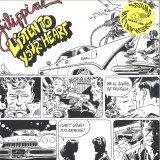
This EP could arguably be the peak expression of Filippini's, (aka Enrico “Big City” Filippini) career in Italo-Disco. Without doubt a more polished pinnacle within the genre, elegantly and efficiently conceived, with less grammar mistakes than many of its contemporaries. Downtempo paced in the low 100's, Enrico takes his time with the nostalgic lyrics in confident efforts of mending some questionable past romantic affairs. A production with melancholic nuances that would very deservingly find its place in a mix by the late visionary DJ Zecky for example. The kind of track that could be played 3 times in a row before offending anyone, very digestible to the ear, a delightful pleasure for the less sober soul, to be served with cocktails and high SPF sunscreen, just cruising along.
Nuira is the joint project of Italian producers Giovanni Petruzzelli and Michele Lamacchia.
The 6-track strong mini LP called "For Unconventional Ears LP" is a homage to old school drum and bass and breakbeat, while also taking influences from more modern breakcore, culminating in beautiful and blissful breaky bassiness.
Hard-hitting yet romantic tracks invite you on a dreamy ride into the past, present and futu-re! A record to brighten any listener's horizon…
To describe an album as "electronic music" has long been an understatement. "Romanticismo siempre" is a good example. Recorded mainly using synthesizers, the album travels a territory that borders on the experimental and the dancefloor, entering at times in both fields.
Andrés Téllez, Delone, states in its title a clear commitment: "an ode to life, to never lose that passion that is the engine that pushes everything, no matter how many obstacles there are along the way, such as love, madness or death". The need to express this is at the origin of the record.
His musical language is rich and varied. Among synthesizers, analog experimentation, drones and psychedelia, many of the subcultures that have shaped what was once called "electronic music" appear. Flashes of trip hop, new age and proto-electronics are amalgamated throughout the album, together with hints of mutant house, breakbeats, IDM and trance. Other genres peripheral to club sounds, such as post-rock or kraut, also appear.
The idea of creating something that could almost be considered a soundtrack is present, but Delone's singularity has taken the album down a different path, using his own musical vocabulary to articulate a narrative that leads him towards his desired destination, keeping experimentation and dance culture, constants in his career, very much in mind.
In 2014 and together with his partner and friend Carlos Trujillo, Andrés created Riverette, a record label that became a record store in the center of Madrid, with his studio in the basement. From there he unleashed his productions as Dos Attack and his first works as Delone. Riverette quickly became a key creative pole in the Spanish electronic underground, and the label has released records by Legowelt, Kornel Kovacs or HAAi.
Throughout the eleven tracks of "Romanticismo siempre", a story materializes in which the protagonism falls on the adrenaline of passion. Through a very personal sound, with a certain introspective vocation, Andrés tells us a wonderful tale with the help of exquisite arrangements and a rich expressiveness.
"Romanticismo siempre" is a polyhedral album that can change with every listen, with every track, and reinterpret itself almost with every playback. It is a complex record, delicate and full of nuances, at the same time charged with a powerful and primitive energy.
Jack's House Recordings favourite (Alex Arnout), is back with another 4 track solid EP. This is the 3rd EP with Alex signed to the label. Alex was the first artist to release on the imprint back in 2016 with sell out Confirmation Bias ep followed by the Sync Jam release and further productions on some of the Jacks Tracks VA series. This latest offering with the new Burn EP does not disappoint
This limited vinyl press offers 4 distinctive tracks showcasing Alex's ability and talent to seamlessly blend influences from different genres making his production unique creating his staple sound.
First up is Burn which kicks of with tough tech beats quickly followed by some punchy chords before it develops into a beautiful fusion of an energetic original tech house sound merged with what can only be described as a pure soulful touch with the vocal snippet which occasionally and simply sings the the title track lyric (Burn). You could describe it as Tech soul if that were a thing. Punchy, warm and energising with a touch of a romantic notion in there while maintaining the techy roots, you will have this on repeat.
2nd up is Tribespeople, which takes you into Alex's tougher side. Leading with a full on kick and rounded sound, it is perfectly suited for true underground dance floors at the height of their energy, or to wake it up, this track is made for the committed clubber that really likes to go for it ! The track is laced with subtle fills that will jog your memory and take you back to the original days of rave. This is pure underground bliss.
On the flip side, is the popular Punkadelic. This was originally released back in 2022 on Jacks Tracks VA Vol 5 alongside tracks from Terry Francis, Lex & Legit Trip. It was always intended to be a vinyl release, so by popular demand, it is finally going onto wax, where it deserves to be. Punkadelic is dark with a real techno vibe, but even in here, if you have a good ear, you can hear subtle touches of Jazz in the percussion, which yet again showcases Alex Arnout's unique talent to fuse elements of different genres in an especially classy way.
Last but by no means least, is a slightly different flavour with the track Recall. This is a slightly more laid back number, but still punchy with a good chug to it, and keeping within the sounds of the underground. Vocal snippets are spoken and broken throughout the track laced over some ghostly chords accompanied by swinging hats, claps and a fierce bassline.
Shake The Feeling: Outtakes & Rarities 2015-2021, Iceage's second full length for Mexican Summer, is a collection of non-LP cuts (or “misfit children,” as lead singer Elias Bender Rønnenfelt describes them) from the seven years during which Iceage made Plowing Into the Field of Love (2014), Beyondless (2018), and Seek Shelter (2021). As with all of Iceage’s albums, whether it be the sensual daring-do of their dark-hardcore masterpiece debut, the Flying Nun-dappled “Oi!!!!” of You’re Nothing, the shift to cowpunk gothic romanticism on Plowing Into the Field of Love, or the space truckin’ gospel-rock of their most recent albums, Elias Bender Rønnenfelt, Johan Suurballe Wieth, Jakob Tvilling Pless and Dan Kjær Nielsen make the impossible seem effortless.
Adinda Dwimadasari and Dea Barandana take you on another dancefloor oriented voyage (to the Moon?) of originally written and produced contemporary disco wellness. Precious Bloom continues to carve out a sound of their own with 4 beautifully executed tracks. A selection of hand picked instrumentalists in addition to Dea's multi-instrumental studio prowess, the scene is set for Adinda's vocals to unravel in dreamy cosmic nuances from mysterious soft spoken word style voices to romantically sung lyrics in astrophysics. Truly refreshing in today's dance floor sound dominated by synthetic/digital convenience. Recorded in Jakarta and mastered in Berlin.
"We entered the shadowy mouth of a new space, descending into a realm that precedes the underworld, the arcane, far from our time. We met beasts that gave us lessons about their language which we started learning without grammar."
'The animal world is a constant in the work of Milan improvisational duo Rosso Polare. If Cani Lenti was guided by the diaphanous birdsong integrated into their sparkling mix of folklore, ambiences and occasional humming, on Bocca D’ombra the themes go darker, textures are harder to pin down and the animal presence takes on new connotations.
Instead of an anonymous, patchworked outdoors we enter a cavernous space that invokes the collective unconscious with bestial and funereal undertones, as the animals take on the role of the psychopomps, ancient guides through the shadow realm.
The album is influenced by Timothy Morton’s Dark Ecology, a thinker who sees the constant exchange between the human and natural world as an ongoing dialogue, the two influencing each other, in a series of reverberating loops. This looping is also reflected in their compositions, where improvisations with traditional instruments like electric and acoustic guitars, monophonic synths, horns or flutes meet natural noise-making tools like branches, rocks or nuts that amount to lugubrious, often dissonant textures. Bocca D’ombra is built on a series of whispers, breaths, panting and rustling, creating a feeling of closeness sometimes verging on the claustrophobic, ingeniously set against sounds evoking space – fireworks crackling, crows echoing, church bells reverberating, indistinct cries from a children’s playground.
Distance and repetition are deeply ingrained in their own understanding of sound and their surroundings, becoming the building blocks of their practice. Just like Gregory Bateson in the ‘70s, the duo believes in a more romantic approach to ecology, seeking a porous border between self and environment, human and animal, internal monologue and external ambient hum.
If earlier releases were noisier and denser, Bocca D’ombra is tight and focused - every sound and melody is given room to breathe and develop on its own, enhancing the haunting, otherworldly aspect of the music. The result is heady, intoxicating mix which sublimates chaos into sparkling compositions of contemporary animism.'
Franco Esse is the moniker of Francesco Semproni, who in the late 60s began working as a music and recording assistant in major recording studios in Rome, Italy. He started out at Dirmaphone (then located in Via Pola) under sound engineer Gianni Fornari, before following him to the Emmequattro studios in Viale Mazzini, which at the time were the headquarters of Edipan, the record label founded by composer and conductor Bruno Nicolai after parting ways with friend and fellow composer Ennio Morricone.
Semproni tried to become a singer-songwriter in the early 80s, when he recorded a number of demos with the session musicians who gravitated around the studios. None of these demos was ever released though, for reasons that are still unclear today – his thorny and stubborn personality may have been a factor, since it apparently made him reluctant to compromise with the major record labels of the time.
The unsuccessful efforts to launch his solo artist career led to a personal crisis, and Franco Esse eventually quit music to go to work as a sales assistant in a toyshop in Rome's Prati neighbourhood.
Today he seems to have vanished without a trace, but after extensive research, we managed to dig some of his demos out of an abandoned archive and miraculously bring back to life two semi-instrumental tracks he recorded in 1983.
Both of them reveal Franco Esse as a refined musician with a reserved personality, an almost minimalist approach to lyric-writing, and a strongly cinematic synth-pop style that is in line with the musical trends of the time and gives a nod to the soundtracks of Fabio Liberatori, falling somewhere in between slow-wave and new-romantic.
These two ballads would have been the perfect soundtrack to cold winter nights in the early 80s, with snowflakes floating down on ski slopes, people clad in puffy down jackets, and music pouring into headphones from walkmans kept in back jean pockets.
The Tel-Aviv centered Yotam Avni officially joined forces with Stroboscopic Artefacts last year, turning in a sensual an invigorating entry for the Monad series. Thanks to his personalized fusion of esoteric and worldly sound elements, Avni immediately made a case to deliver more work to the label, and now he has done so with 'Perlude to Dybbuk,' the second in a new series of S.A. releases to feature the Oblique Artefacts visual team's distinct, elegant portrayals of scanned foliage. As with Avni's previous Monad contribution, the new Perlude to Dybbuk makes references - both in title and in sonic content - to the ancient Hebrew folklore of his homeland (a 'dybbuk' being a kind of limbonic spirit attaching itself to the body of a living human until it has successfully reached its final destination). However, the atmospheric, rather than overt, use of these references gives this record a level of dignity and quality as well as a premonitory feeling that hovers over the proceedings.The opening 'Avka (New Life)' opens with the twin stimuli of chthonic, rolling percussion and ambience that has become a modern Stroboscopic tradition, but ever so gradually deviates from the realm of the easily anticipated. Some of the surprises to be found here are sharp, organic drum fills and sighing strings that have an uncanny vocal quality to them. By the time a surgically clipped acid synth sample comes into the mix, the track has reached a simmering level of excitement and the listener's imagination will have license to reside in a virtual world seamlessly combining elements both ancient and futuristic.Dybbuk' temporarily situates listeners back in brutal modernity, with the first sounds heard being something like insistently slicing helicopter blades. Avni merely uses this as the foundation, though, for a genuinely unique construction whose shamanic beats, throttled horn and undertow of frenzied electronics combine to give the feeling of being menaced and eventually overtaken by a spirit entity. This piece shows just what Avni is capable when operating in a more aggressive, 'post-industrial' mode, and the result stands up with some of the best exponents of that genre.The finale 'Modern Matters' is the most readily club-friendly selection from the disc. This potent, floor-shaking and perspiration-inducing number superimposes resonant vocals from traditional Middle Eastern folk song onto this alchemical mixture of machine oil and sweat, and provides a romantic flair without resorting to naïve, touristic 'ethno-techno.' Avni's skillful dedication to counterpoint, and determination to make a finished form is more than the sum of its parts, shines through here and throughout the duration of this record.
Based on the Irvine Welsh novel of the same name, the film version of 'Trainspotting' directed by Danny Boyle became a cult sensation. Focused on the heroin subculture of Edinburgh in the 1980s, the film is occupied with surrealism, black comedy and features a great soundtrack. This album includes tracks from Iggy Pop, New Order, Blur, Underworld and many more.
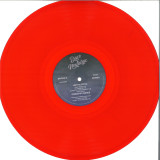
To celebrate the 20th anniversary of the iconic drama, the original soundtrack is being reissued on CD and vinyl. Having been out of print for a long time, the 180g vinyl features replica original artwork that includes special silver spot finishes throughout - front, back, booklet and picture labels, as well as bright pantones. There will be a limited run on orange vinyl before moving to black once sold out.
Mihail A. Popov is a Russian with two decades in the game behind him, partly under his given name, but half of that time has also seen him work as I Gemin. Now he lands on Deeppa Records with a conceptual EP "built around depth, patience and underground exploration." The aim is to explore all new musical ground and follow newly emerging paths, and the result is a fine four-tracker. 'Like The Star' is a lush, deep nu-disco jam, 'Love Undercover' has a seductive slide to the live-sounding drums and playfulness in the horns, while 'Terra Incognita' brings jazzy chords and a balmy late-night warmth. 'Melancholy' gets more heavy and roughed up with smudged neo-soul and r&b samples, making it a romantic affair. Kid Sublime and 6th Borough Project drop remixes that bring more club-ready grooves and complete a superb EP.
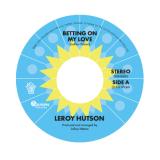
Drop the needle on this latest dispatch from the tape vaults, and we are back in Chicago at The Curtom Studios in 1977. For instalment number five in the "Hutson Sevens" series, Home of The Good Groove Records are so very honoured to deliver this previously unreleased cut from Leroy Hutson—a true titan of soul music and an absolute master of his craft.
"Betting On My Love" carries that signature smooth orchestration we have come to expect from Hutson’s finest hours. It moves with a wonderful, breezy optimism. Hutson’s joyful, velvet lead tones skip effortlessly across the groove, wrapped in lush backing harmonies that instantly evoke the feel of the Hutson II
classic, "I Think I’m Falling in Love".
Now, a brief confession of pure, crate-digging indulgence: if tailored strictly for the dancefloor, the track arguably hits its logical peak and fade just past the three-minute mark. But to cut it there would strip away the raw human magic of the session. If you let the wax ride to the very end, the arrangement dissolves into a wonderful, lingering instrumental outro, culminating in the studio players purposely "clattering" their instruments in a moment of pure creative release. It is a brilliant, candid studio artifact that was fortunately preserved on the original master recording. Essential listening for the global soul family—do not sleep on this debut pressing.
For the flip we present Leroy Hutson’s 1979 cut “ So Nice”, a masterclass in late-70s soul music. A stand out track from the “Unforgettable” album and a vital reminder of Hutson’s unmatched ability to inject sophisticated romanticism into the bleeding edge of that disco era.
Slightly edited for the 7-inch pressing, up steps our remastering and editing maestro Mr Phil Ward. Phil always has the utmost respect when remastering and editing original content, ensuring that every second of the groove is fully respected and preserved. His stellar work here includes the studio recording of the three-count drum intro, never heard before now, leading into that meditative smooth groove layout.
It is an exquisite arrangement of simmering electric keys, nimble basslines courtesy of the legendary Keni Burke, and subtle bongo accents that collectively deliver a timeless masterpiece. Now available on 7-inch vinyl for the first time.
Rod Bartlett
Home of The Good Groove Records
out of Stock
Last delivered 4 days ago available to reorder, subject to availability
For over 25 years, David Madson (aka Odd Nosdam) has been stationed away from the light of the mainstream, diligently working the nightshift. Every so often, we awake to find another of his bleary and beautiful missives slung into the waking world – albums whose assemblages of sampled grooves, atmospheres and voices are unified by a hallucinatory sense of melody, like disparate visions strung together through ribbons of sleep-talk. From his earliest days as a member of the seminal group cLOUDDEAD, through his remixes for artists such as Boards of Canada and Black Moth Super Rainbow, Nosdam has been reporting back from his rounds upon the perimeters of culture and consciousness, forging a musical language all of his own.
On Patrol is the second Odd Nosdam LP to be released on The Notwist’s imprint Alien Transistor – following on from the 2019 album Mirrors – and continues a collaborative history that begun with a 2008 remix of The Notwist song, “Sleep”. It’s a love letter to the vinyl format, produced with the aim of optimizing for a single LP. This objective permeated every aspect of the album’s production, from the duration of each side through to the vinyl mastering (Jessica Thompson) and lacquer-cutting (Dubplates & Mastering, Berlin). As we've come to expect, the album is built almost entirely from found sounds, many of which were taken from obscure and second-hand vinyl gathered during Nosdam’s ceaseless crate-digging escapades. Other sources include field recordings made in 2022 at the Catalonia summer home of artist Salvador Dalí, which are baked into the swirling sci-fi glide of “Here to Know (Adéu Mix)”, and a sumptuous clunking bass line courtesy of Organi’s Mike Walti, which runs like an infinite highway through the fuzzy, sunbaked sprawl of “Deepsimple”.
Odd Nosdam’s work has always swept the entire atmospheric spectrum, from rhythmic vigour to levitational beauty. On Patrol is perhaps his finest assimilation of these extremes. “Sgt. Pepsi” is the perfect case in point: a formidable slow groove capsizes into vinyl crackle after a mere minute, before the song resurrects itself through sweeping strings and vocal harmonies, sliding against each other like the overlain romantic denouements to a dozen Hollywood films from the 1940s. Elsewhere, “Get You In (Belong Mix)” drapes shoegaze guitar over a trundling funk backbeat, straddling the physical world and the outer realms, while hushed voices point toward the song's implied themes of cultural cliques, critical consensus and the plight of the eternal outsider: “Sure, I can get you in... these people are my friends, I’m one of them - I belong.”
This is music that both endures and disappears. Odd Nosdam has always wielded a strange relationship with time, scrambling association with any specific era, weaving together numerous tempos simultaneously. There is no master clock. Each track could happily hold up as an infinite loop, yet Nosdam clearly favours the potency of the gone-too-soon, applying the fadeout just as hypnosis starts to crest. Indeed, the songs are both the product of meticulous long-term construction and spontaneity. While the foundations of On Patrol have come together over several years, the recording process involved channeling vibes through a vintage Roland Space Echo and bouncing song fragments back and forth from hard disk to cassette 8-track, gifting a phased permanence to creative decisions made on the fly – a hat-tip to the production processes of Nosdam's longtime hero, Lee ‘Scratch’ Perry. Like a recurring dream, On Patrol appeals to both the plains of momentary ephemera and the long-established backchannels of the unconscious, equal parts revelation and deja vu.
Text by Jack Chuter
Artwork by Ian Ferguson
out of Stock
Last delivered 4 days ago available to reorder, subject to availability
The Veils' first three albums are returning to vinyl thanks to Rough Trade Records.
The Runaway Found (2004), Nux Vomica (2006) and 2009's Sun Gangs established the New Zealand band as purveyors of lush, romantic indie, able to sweep through cinematic vistas into intimate emotional corners, via gothic orchestration and atmospheric driving rhythms.
Founded and fronted by singer-songwriter Finn Andrews while still a teenager, over their first three albums, The Veils carved out a musical landscape of their own that was in turn deep and enveloping yet emotionally raw and direct.
Having only enjoyed a limited vinyl run on their releases, due to the format's neglected commercial status during the 2000s, the repressing of The Runaway Found, Nux Vomica and Sun Gangs, offers audiences a fresh opportunity to enjoy these records with the full depth, fidelity and artwork they deserve, and reminding listeners of the musical secrets The Veils revealed to the world.
“It is a sincere joy to see these records that are so important to us and to so many others reissued on vinyl by the label that nurtured us right from the start. I remain hugely grateful to them and to all the songs on these searching, impassioned, and magnificently youthful first attempts.” - Finn Andrews, The Veils
A superb Japanese lovers’ cover of Minnie Riperton’s classic track is now available on 7"!
SISTER KAYA, who has released numerous tracks as a reggae singer, covers Minnie Riperton’s classic ‘Lovin’ You’! The A-side features a ‘Lovers’ version sung with heart-warming Japanese lyrics, whilst the B-side includes a bossa nova version with the original lyrics. Built upon a romantic reggae rhythm, this superb track features SISTER KAYA’s powerful and warm vocals that truly resonate. A must-have for all reggae fans!
When Drop Nineteens disbanded in the mid-'90s, singer Greg Ackell decided he would never make music again. He wouldn't noodle around on a guitar in his basement. He wouldn't get a group of friends together just to jam. He was done with music entirely. Following the release of the shoegaze masterpiece Delaware in 1992, and the intricate experimentations on National Coma in 1993, the group disbanded. They shared stages with Radiohead, Hole, Blur, PJ Harvey and Smashing Pumpkins. They went from being teenagers in Boston to mid-twenty-somethings with a few MTV videos, a couple BBC sessions and numerous festival appearances under their belt. So when Drop Nineteens ceased to be, Ackell felt content. He had the rest of his life in front of him to figure out what he wanted to do. Music was a closed chapter.That was until 2021, when a friend from the band's early days got Greg on the phone to suggest making some music together, just to see how it felt. Instead of shutting it down like he had been doing over the years, he decided to entertain the prospect. For the first time in nearly 30 years, he picked up a guitar with intent. He immediately called up Steve Zimmerman, the band's bassist and fellow guitarist, and the two got writing. It felt effortless for Ackell, like he never stopped writing music. "We were off to the races," he says, "But also the question came up: what does a Drop Nineteens song sound like today?" Enter Hard Light, the band's stunning third record. It's the band's proverbial follow up to Delaware, a modern Drop Nineteens record that is completely singular in its sound and vision. The first task making Hard Light was, of course, getting the rest of the band back together. Drop Nineteens is an inherently collaborative project. Ackell writes the lyrics, and he works with band members Steve Zimmerman, Paula Kelley, Motohiro Yasue, and Peter Koeplin to create the sonic world. The record came together over the course of a year, recording at a patchwork of studios all around the country: Boston, Brooklyn, San Francisco, Los Angeles. When Kelley and Ackell first heard their vocals recorded together on the opus album closer "T", the chemistry was undeniable. Making music together felt natural, fluid, exciting.Hard Light is a romantic record in the literary sense. Beauty from longing; longing from beauty. You put the album on and want to be clad in a velvet dress sprawled across a fainting couch. You want to be holding someone's hand while you sit back in the tall grass. The guitars are expansive and expressive as ever. Ackell and Kelley's vocals are cool, crystalline, and luminous. "Gal" comes on like a dream. The vocals pour in when you least expect them, once in the middle, where Ackell delivers one of the strangest (and best) lyrics on the record, "And there were snakes/with cats at the wheel." Hard Light's first single, "Scapa Flow" is triumphant and an excellent example of what a modern day Drop Nineteens song sounds like. The guitars glide cloud-like, floor toms shuffle and rumble in the background, searching. Ackell and Kelley's vocals are as toned as they are bound. Hard Light is every bit the ride that Delaware was, diverse in its sounds, with surprises at every turn. Drop Nineteens have brought clarity and cool in 2023 to the genre they helped create. A portrait of a band 30 years later, as talented and dedicated to their craft as ever. To put it more bluntly, they're at the top of their game.
Die auf orangefarbenem Vinyl erhältliche LP von Marcus 5 dokumentiert erstmals offiziell remasterte Archivaufnahmen einer slowenischen Band, deren Ursprung in den frühen Achtzigern liegt. Die LP versammelt neun Stücke, die zwischen 1982 und 1985 aufgenommen wurden und nun in 24-bit/48kHz-Downloads sowie als physische Pressung vorliegen. Die Veröffentlichung bringt frühe Demos und seltene Studioaufnahmen in eine kohärente Edition und richtet sich an Sammler und Freunde der regionalen Alternativszene. Musikalisch verbindet Marcus 5 alternative Funkelemente mit einem ausgeprägten Rhythmusfundament, zugleich sind Anklänge an New-Romantic- und Coldwave-Ästhetik spürbar. Charakteristisch für die Gruppe waren prägnante Basslinien, synkopierte Gitarren und eine ausgeprägte Bühnenpräsenz, die der Band in Ljubljana schnell lokale Aufmerksamkeit brachte. Diese stilistische Mischung sowie die knappen, melodisch orientierten Arrangements zeichnen den Sound aus und geben dem Material eine eigenständige Spur in der damaligen Szene. Die Credits nennen Vinci Vogue AnPlovar als Sänger, Borut KrPisnik und Zvone Kukec an den Gitarren, Jani Hace am Bass sowie Friderik Vargazon an Schlagzeug und Xylophon; sämtliche Stücke entstanden unter dem Bandnamen Marcus 5. Für die Neuauflage zeichnet Mastering-Ingenieur Simon Pensek (Studio Siska, 2025) verantwortlich; das Artwork stammt von Zvone Kukec, Fotografie von JoPe Suhadolnik. Die Edition erschien auf Matrix Music Arhiv und präsentiert damit ein wichtiges Dokument der slowenischen Alternativmusik aus den frühen Achtzigern. Orangen farbige Vinyl LP