
pre-order now29.06.0009
expected to be published on 29.06.0009
25,63 €
expected to be published on 29.06.0009

Repress!
Having been brought up as much on albums as singles, it is a natural progression for Kent to make a 12' version of our 'Masterpieces Of Modern Soul' CD series. The Modern soul fan is used to wielding 12' of plastic in various forms and our latest Kent LP is aimed squarely at them.
We have lifted a fantastic LP-only track from theSpring album by Act 1, 'It's The Same Old Story', one of the most catchy, melodious songs of the era and as a Ray Godfrey Spring production it is high quality. The same source provides the Millie Jackson LP track 'If That Don't Turn You On'; inevitably raunchy - but clean!
The Mayberry Movement were on sister label Event and we have their smooth and addictive 'Two Wrongs Don't Make A Right', unreleased until Kent issued it. On the pricey side we feature Eddie Billups' anthem 'Shake Off That Dream'. Scarce is more the word for Gail Anderson's Doré release 'Just A Little Ugly' which is anything but and stablemates Natural Resources have a recently discovered find, 'If There Were No You': it would have been the buzz of the Mecca a few decades earlier. Into the 80s we go with a 60s legend: Dave Hamilton, whose later recordings are proving to be as highly admired as his tracks from the golden era of 60s soul. Nightchill's 'I Don't Play Games' sounds like a hit to me and the New Experience's pleading 'I've Never Felt This Way Before' is one for those who like to sympathise with a bit of anguish. Darondo provides another gem of west coast soul from his own special perspective.
The Hesitations' GWP recording is as polished and professional as ever and there is more top harmony from Street People with a previously unissued track from their first recording session.
There had to be a teaser. After reissuing Herman Davis' 'Gotta Be Loved' we discovered a brilliant unissued Part 2 to the highly collectable single. It had been abandoned before the 45s' pressing but now rounds off an LP that will grace those large and overburdened LP shelves of the modern soul Kent fans.
Order now and we will order the item for you at our supplier.

Order now and we will order the item for you at our supplier.

'Ska never stopped you know! From its Jamaican music if the piano's not playing ska or the guitar....any music you have...Reggae...even the computer music..the piano's playing Ska Ska Ska...it leads the music so Ska is still the backbone of Jamaica music, Right'..Bunny Lee
The music of Jamaica has had a profound and lasting influence all around the world and Reggae is the name by which it has become universally known.
Although the term Ska is often used to describe all Jamaican music before Dub,Dee Jays and Dread in the mid 70's the real Jamaican Ska was made in Kingston between 1961/62 to 1966.
Order now and we will order the item for you at our supplier.

2026 Repress
Tapper Zukie was high on a list of artists that Richard Branson in 1978 had in mind to sign to his new Reggae label Front Line.
The mission was to sign the cream of the reggae crop when the Virgin record boss went down to Jamaica with a group of Reggae minded people,included in that group was one Johnny Rotten,singer of the very recently disbanded group The Sex Pistols.
The result of which would be a two album deal between Tapper and the label.
The first release also in 1978 was the album Peace in the Ghetto(Kingston Sounds KS052) and this release Tapper Roots.
For the cd issue of this release,Tapper has picked two tracks that he feels hapy to put alongside the album.
'Make Faith' cut with the band Knowledge and' New Star'..
This is a very important album from the Tapper Zukie catalogue...Respect
expected to be published on 09.10.2026
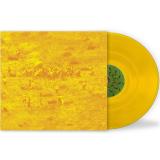
2026 Repress
December 2012 I showed up totally exhausted in Vancouver BC after touring stupidly and relentlessly for however many straight months and got a job at a call centre raising money for the Red Cross. It was a scent free office but one time this woman cooked a piece of fish in the microwave for 10 minutes on low and hot boxed the whole office - we got sent home early no pay. There was the other woman I named the Call Centre Coltrane because her pitch and routine usually involved improvised flights of fancy that went off in both directions at once somehow landing back down with a credit card number and a donation. I used to sleep under the desk. I was there a few months and at the time I reconnected with John Brennan who I had played with briefly in Montreal at the Mutek Festival. In Montreal John was running an experimental music night at a burrito shop downtown called Garbage Night. While in Vancouver I began connecting with the music scene there and would go hang out with the Shearing Pinx lads who I think lived with Sydney the bass player at the time. I knew Nic and Jer from an AIDS Wolf Tour and was so stoked to get to know them both better. I really fell in love with that era of Vancouver's music scene.
Fast Forward to today. 2024
Actually it was the dying days of 2023 but you get it and John asks if I'll sit in with Earth Ball and I keep thinking about Earth Balance, the vegan butter everyone eats here. I brought my aching bones and my ipads on the beautiful ferry named the Queen of Oak Bay and out to Nanaimo BC, home of the nanaimo bar (a dessert treat - special to this region - that seems to be more popularly found under the weird glass sneeze guards in office building deli's out east in Ontario.... anyhoops ). No one in Nanaimo wants to talk to me about the famous treat. I asked a couple of people. Silence. Nanaimo is like London, Ontario but more fried and by the sea. The town is filled with blown out old sea dawgs with tin coffee pots and loose leaf tobacco, then there's the usual streetfolk you find in this part of the Canadian Pacific Northwest and a bunch of bohemians who I guess have left Vancouver behind - that fine city having become uninhabitable for those not making over 100k a year. And then up the way are all the retirees.
Yup Nanaimo is a strange one. They mined the shit out of this region and Nanaimo is surely haunted by those buried in mining shafts or maimed by the heavy machinery or blown up by accident in the explosives store house. And when Earth Ball fire up the amps in Izzy and Jer's basement you can hear the voices of the ghosts hum through electrical lines and out the speakers, Kellen's hued feedback, Izy's sturdy basslines, Jer's paperbag guitar tone and rumble pack zaps, Liam's (aka the Kid) sheets of sound and Brennen's multidirectional drums.
You wouldn't guess Earth Ball was auto-composing and from what my rat brain can tell - the lyrics are improvised too...Improvising lyrics and singing them is the hardest thing to do in all of music.. Izzy and Jer are pros. And their attitudes are pro too.
The live show is scorched and without naming names they've been known to make headliners nervous. Lucky ones will get to see them live as they tour this beast of a record entitled ‘It’s Yours’ (out May 17th on Upset The Rhythm) and I hope I'm one of them.
But now you, fan of fun but totally fucked up music, have the opportunity to Ball with them thanks to Upset The Rhythm. Enjoy
-Alex Moskos, Montreal QC, Feb 2024
expected to be published on 09.10.2026
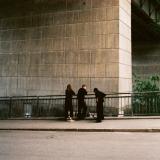
A space is often described by its dimensions. The height of the ceiling, the expanse between walls. Division into functional elements of varying density follows. We have ideas of how such dimensions should be balanced to work well for sound — the classical concert hall, a Northward mastering room.
It’s tempting to try and use this idea of space to understand Space the group (Lisa Ullén, Elsa Bergman, Anna Lund). To calculate their cartesian co-ordinates: dynamics that run from whisper soft to punishing, shaking force; Ullén’s piano running the full expanse of the frequency spectrum; the mix of sudden, surprising and suggested variations in density (the space) that generates their musical structures.
But (a) space is a social phenomenon where meaning is accumulated and possibilities created by and through a constantly shifting set of social relations and their histories and entanglement inside and beyond the physical structures of a room or building. Reduced to its raw dimensions, Cafe OTO shouldn’t sound good: the low ceiling, the hollow void underneath the stage-not-stage, the hard glass windows out onto the street. But OTO as a social space — for gathering close to listen; the serious pursuit of a convivial good time (its productive mythology that an OTO audience is both up for it but also expects more); and then the idea of all that has happened before and what will come; that this is also part of ‘the music’ and changes what sounds to the point that none of those cartesian co-ordinates matter.**
It’s less of shock that Space sound good. Lisa Ullén is easily the most singular pianist in Sweden right now and Elsa and Anna’s ability to reroute in realtime reaffirms just how well they function as a group. The trio might have got their shit together holding down the rhythm section for the first incarnation of Anna Högberg Attack — but much like Högberg’s ongoing pursuit of artistic renewal, the trio avoid being shackled to any ideas about what a piano trio should be and there is something that happens (happened) in that room, on that night, with those people that made for something beyond just good.
It’s a gift that the sound of every concert at OTO gets recorded. A choice handful of these transcend their decoupling from that social space and radiate the room’s attendant energies. This record is one of them.
** See Jack Halberstam in Fred Moten & Stefano Harney, The Undercommons (2013): “…we must refuse the idea that music happens only when the musician enters and picks up an instrument; music is also the anticipation of the performance and the noises of appreciation it generates and the speaking that happens through and around it, making it and loving it, being in it while listening."
expected to be published on 09.10.2026
Thursday, 2025. Philadelphia. South Philly, to be precise. A basement, to be even more precise. And not just any basement, but the subterranean headquarters of Zillas On Acid.
Which is where Roman Flügel found himself, presumably with good intentions. Some time before that, he had decided to wake Sister Midnight from its slumber.
But rather than simply carrying on where things had left off, a new idea was needed. Enter Sister Midnight Special Products: a new series dedicated to collaborations, chance encounters and other musical situations that deserve to become records.
No grand manifesto, no five-year plan. Just making music with people you like, in places you happen to find yourself, and seeing what happens. Special Product 01 is “Conga Dream,” born from a basement jam with Zillas On Acid and apparently unwilling to behave itself ever since.
Three musical free spirits meet somewhere between the basement, the dancefloor and the more pleasantly confused corners of the mind. Club music is involved, certainly, but functionality has been politely asked to wait outside. Instead: pocketprotector synthesizers, a little E-mu Proteus 3, assorted electronic activity and, as advertised, congas.
The result is less a tool than a small trip. Or perhaps a tool for taking small trips.
Either way, it works.
Zillas On Acid put it like this:
“A basement jam deep beneath the streets of Zilladelphia yields surprising results: pocket protector synths, a dash of E-mu Proteus 3, and yes of course the aforementioned congas.”
And with that, Sister Midnight Special Products is officially open for business.
Dream on.
Mastered by Mike Grinser at Man Made Mastering.
Artwork by Saskia Randt.
expected to be published on 09.10.2026
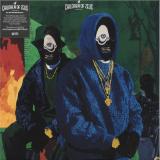
Transparent Aquamarine Vinyl[28,78 €]
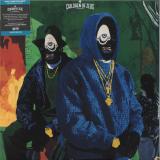
Children of Zeus return with their third studio album ‘As The World Burns…’
Five years on from their highly-acclaimed sophomore album ‘Balance’, Manchester’s kings of hip hop soul, Tyler Daley and Konny Kon, bring us a brand new 16-track opus.
Sonically the duo continue their story where they left off; crafting an amalgamation of street soul, alternative r&b and boom bap hip hop, with a sprinkle of flavours taken from their original multi-genre pirate radio influences, and a dash of forward-thinking new sounds, ensuring all tracks are destined to become future classics.
The features are sparing but powerful, enlisting the talents of revered UK rapper Knucks (‘Before We Drown’), Colorado-native Young Old Soul (‘Dopamine’), MCR family K S R (‘Do You Want To Get High’, & Australian/Mauritian up & comer Anieszka (‘Water & Vibes’).
As with previous projects, this album is largely produced by the duo themselves, though there are guest productions from previous collaborators too, including Grammy Award-winner Beat Butcha, Grammy-nominated Teo, and broken beat pioneer K15, along with an assortment of new players making moves in the underground neo-soul & beats circuit.
Conceptually, this project continues on with the story to date. An eternal search for sunsets and soulfood, as a respite to the anxieties of the modern world; personally, professionally and globally. Assertive swagger is matched with brutal but sincere candidity. As ever, it encapsulates the rough with the smooth, with reflections on where they’ve been, where they’re at and where they’re headed. There’s no preaching to be found here; just an acceptance of things as they are, an embrace of the environment and people they were nurtured by, and a celebration of some of the finer things in life; slow jams, weed & rum, water & vibes. Raps for listeners, blunt heads, fly ladies and prisoners. All packaged together as another perfect sonic love letter to sound system culture. 50 minutes of big people music.
Since the release of their anthemic debut single ‘Still Standing’ a decade ago, to the subsequent EP ‘The Story So Far’, and their critically-lauded debut album ‘Travel Light’, the duo have received numerous accolades, including nominations for AIM Awards & Worldwide Awards both, along with tons of ‘Album of the Year’ nods care of Clash Magazine, Bandcamp, Complex, Wordplay and many more. This along with huge swathes of support from DJs, radio stations, press outlets, tastemakers, luminaries & fellow artists across the globe.
Children of Zeus have performed sessions for COLORS, Soulection (Apple Music), DJ AG, Boiler Room, BBC 6 Music and at the infamous Maida Vale studios for BBC 1Xtra as well as touring across Europe, Australia and South Africa. This is in addition to collaborating & touring with Mercury Award Winner’s Ezra Collective, including a Wembley Arena show. Other collaborations over the years have included Shy FX, Juls, Goldie, Black Milk, Kofi Stone and the late great Lenzman.
From the Broke ’n’ English / Hoodman-era, to the present day, Children of Zeus have been omnipresent in the fabric of British black music. Proud ambassadors of Manchester music, and of UK soul, it really is “Zeus to the world”.
Children of Zeus have been adorned with plenty of flowers over their career. The unbridled quality and poignance of the music and the message on display throughout this project will see the algorithmic needle move some more. It’s undoubtedly set to be a Zeus Summer. As the world burns…
Available on all digital platforms and physical formats, Friday September 4th 2026.
t 07: Do You Want To Get High? (feat. K S R ) - Children of Zeus03:26
t 07: Do You Want To Get High? (feat. [ K S R ]) - Children of Zeus03:26
[t] 07: Do You Want To Get High? (feat. [ K S R ]) - Children of Zeus03:26
[g] B3 | Do You Want To Get High? (feat [ K S R ]) - Children of Zeus03:26
On Stock and ready to ship
Black Vinyl[28,78 €]
Children of Zeus return with their third studio album ‘As The World Burns…’
Five years on from their highly-acclaimed sophomore album ‘Balance’, Manchester’s kings of hip hop soul, Tyler Daley and Konny Kon, bring us a brand new 16-track opus.
Sonically the duo continue their story where they left off; crafting an amalgamation of street soul, alternative r&b and boom bap hip hop, with a sprinkle of flavours taken from their original multi-genre pirate radio influences, and a dash of forward-thinking new sounds, ensuring all tracks are destined to become future classics.
The features are sparing but powerful, enlisting the talents of revered UK rapper Knucks (‘Before We Drown’), Colorado-native Young Old Soul (‘Dopamine’), MCR family K S R (‘Do You Want To Get High’, & Australian/Mauritian up & comer Anieszka (‘Water & Vibes’).
As with previous projects, this album is largely produced by the duo themselves, though there are guest productions from previous collaborators too, including Grammy Award-winner Beat Butcha, Grammy-nominated Teo, and broken beat pioneer K15, along with an assortment of new players making moves in the underground neo-soul & beats circuit.
Conceptually, this project continues on with the story to date. An eternal search for sunsets and soulfood, as a respite to the anxieties of the modern world; personally, professionally and globally. Assertive swagger is matched with brutal but sincere candidity. As ever, it encapsulates the rough with the smooth, with reflections on where they’ve been, where they’re at and where they’re headed. There’s no preaching to be found here; just an acceptance of things as they are, an embrace of the environment and people they were nurtured by, and a celebration of some of the finer things in life; slow jams, weed & rum, water & vibes. Raps for listeners, blunt heads, fly ladies and prisoners. All packaged together as another perfect sonic love letter to sound system culture. 50 minutes of big people music.
Since the release of their anthemic debut single ‘Still Standing’ a decade ago, to the subsequent EP ‘The Story So Far’, and their critically-lauded debut album ‘Travel Light’, the duo have received numerous accolades, including nominations for AIM Awards & Worldwide Awards both, along with tons of ‘Album of the Year’ nods care of Clash Magazine, Bandcamp, Complex, Wordplay and many more. This along with huge swathes of support from DJs, radio stations, press outlets, tastemakers, luminaries & fellow artists across the globe.
Children of Zeus have performed sessions for COLORS, Soulection (Apple Music), DJ AG, Boiler Room, BBC 6 Music and at the infamous Maida Vale studios for BBC 1Xtra as well as touring across Europe, Australia and South Africa. This is in addition to collaborating & touring with Mercury Award Winner’s Ezra Collective, including a Wembley Arena show. Other collaborations over the years have included Shy FX, Juls, Goldie, Black Milk, Kofi Stone and the late great Lenzman.
From the Broke ’n’ English / Hoodman-era, to the present day, Children of Zeus have been omnipresent in the fabric of British black music. Proud ambassadors of Manchester music, and of UK soul, it really is “Zeus to the world”.
Children of Zeus have been adorned with plenty of flowers over their career. The unbridled quality and poignance of the music and the message on display throughout this project will see the algorithmic needle move some more. It’s undoubtedly set to be a Zeus Summer. As the world burns…
Available on all digital platforms and physical formats, Friday September 4th 2026.
t 07: Do You Want To Get High? (feat. K S R ) - Children of Zeus03:26
t 07: Do You Want To Get High? (feat. K S R ) - Children of Zeus03:26
[t] 07: Do You Want To Get High? (feat. [ K S R ]) - Children of Zeus03:26
[t] 07: Do You Want To Get High? (feat. [ K S R ]) - Children of Zeus03:26
[g] B3 | Do You Want To Get High? (feat [ K S R ]) - Children of Zeus03:26
On Stock and ready to ship

Psyché is an eclectic project rooted in the Neapolitan music scene. Conceived in 2018, the project includes Marcello Giannini (Nu Genea Live Band, Guru, Bassolino, La Famiglia), Andrea De Fazio (Nu Genea Live Band, Parbleu, The Funkin Machine), and Paolo Petrella (Nu Genea Live Band, Fratelli Malibu). They were recently joined by Roberto Porzio (Parbleu, Fitness Forever, 24 Grana, The Funkin Machine).
"Hurriya (We Must Resist)" is a sonic bridge crossing the Mare Nostrum, connecting the shores of Naples and Tunisia.
At the heart of this fusion is the voice and soul of Tunisian musician Ziad Trabelsi, whose Arab roots intertwine with the psychedelic, Mediterranean sound of Psyché.
In this track, Afrobeat and Arabic sonorities meet to create a hypnotic journey, one where Ziad's oud weaves an evocative groove that gallops like horses in the desert.
The song carries the echo of the ancient dominations and cultural exchanges that have shaped Naples—a millennia-old crossroads of civilization—where traces of Arab and North African influences continue to resonate in its streets and, most notably, in its music.
"Hurriya"—the Arabic word for freedom—is an anthem of resistance and resilience, a dialogue between East and West that dissolves the rigid boundaries of geography and politics. It is a collective song for the freedom of all peoples, against oppression, abuse, and injustice everywhere in the world. As Psyché emphasize: "Even if life tests us severely, and we often feel like giving up in the face of injustice, we must resist. We must refuse to disappear."
The single is available digitally and physically, on January 23rd, as a 7" vinyl. The B-side of the physical release includes an exclusive, extended version of "Hurriya (We Must Resist)", available only in this format.
On Stock and ready to ship
“Cue Blue”, the latest and fifth studio recording from Australian down under, gritty jazzfunk grooves ensemble Kerbside Collection sees a return to a more classic, stripped back, meat-and-potatoes, home-cooked, quartet formation sound of guitar, bass, drums and brass.
A sound formed on previous, recent recordings (incl. Golden Rules compilation tune “Fleet Streak” etc), seemingly harking back to the approach of the group’s first recordings (2013’s “Mind The Curb”, “Night in Tunisia” etc), whilst embodying inspirations from more ‘true school’, classic, bluesy New Orleans funk and soul groove flavours à la early Meters, Boogaloo Joe Jones, Melvin Sparks, Billy Butler etc. But it’s not all completely ‘retro’ and ‘looking back’, the album definitely taps into some of the current exponents and leaders of the contemporary deep funk sound – The Greyboy Allstars, Eddie Roberts, The New Mastersounds, The Mighty Mocambos, Breakestra and fellow Aussie funksters Cookin’ on 3 Burners, Lance Ferguson and The Bamboos etc.
The lead single and first tune “Shivers” gives us a clear, picture and definitive opening statement to the record with all the characteristics you’ve come to expect from the Kerbside gritty jazzfunk sound: silky guitar line phrasing, rubbery bass-lines, tight crusty drum breaks, and sweet brass arrangements. Then it’s straight into a frenetic, jangly, mod-funk workout complete with Northern Soul & Motown inflections in the surging B sections. “City Park Avenue” conjures up classic New Orleans funk flavours with its strutting brass, slinky guitar and swinging tambourine groove. There’s classic, b-boy funk territory covered in “Coffee Grinder” (a breakdance move) with its razor-sharp drum break groove and chunky riff complete with sizzling trombone solo. Before the pace of the record changes up with the finger-clicken’, hand-clappin’ boogaloo, reminiscent of early 60s Harlem x Puerto Rican Bronx sounds (à la Willie Bobo, Mongo Santamaria, Ray Barretto) loaded with a scintillating baritone sax solo from long standing part of the collection ‘Papa Joe’ Roberts.
“Sittin’ On The Porch” cools the temperature down even more, delving into slight Southern Louisiana Delta blues territory, while suggesting some of the hot and muggy atmosphere and imagery of their home town location in suburban Brisbane Australia, complete with kooky Casio percussion representing familiar yard sounds such as sprinklers (spinning lawn watering devices) and ‘mozzies’ (mosquitos), passing cars indicated by trombone, and guitarist TC Tyler, channelling some bluesy John Lee Hooker, R.L. Burnside guitar flavours - you can almost feel the humidity on your skin.
Then it’s time for a stroll down memory lane, with their version of a People Under The Stairs hip hop classic “San Francisco Knights”, bringing the tune full circle back into band mode, also with another tasty guitar solo. The album then enters its final stages with a mesmerising, soulful, jazz ballad “Shimmer”, complete with Elliott Parker’s sultry upright double bass, and trombone taking the melody for a gentle stroll down the street. The album finally closes and arrives at its title “Cue Blue”, a classic blue-eyed soul number (penned by bassist Parker), emitting the scent of true school, vintage R&B and soul (à la Donny Hathaway, Marvin Gaye).
An album of funky arrangements and refined compositions, mostly penned by recent new-ish member, guitarist Tyler (for fans of Tower of Power & John Scofield guitar playing) taking the ensemble through their paces with all the usual characteristics of the Kerbside sound, on top a groove that will take you round-the-block-and-back :P Gritty jazzfunk and rustic soul grooves with definite bluesy overtones, some classic 60s, 70s flourishes and down-home funk flavours.
expected to be published on 30.10.2026
Synth driven perpetual punk rock, darkened by atmospheric touches in its production and songwriting, yet uplifted by its intention to distill that darkness into light. Pop music from France on either side of the punk explosion has never shy’d away from electronic elements and on Nuits Blanche’s Helás LP there is plenty to remind us of that legacy. The sounds we are given rub against neither pop or dance, but instead absorbs the impact of quite tough sounding street punk. Four on the floor drums, like Disco’s ghost stamped across the face by the weight of the electric guitar run with songs not out of place if “A Country Fit For Heroes” got shoved inside the sleeve of “Wanna Buy A Bridge” and the two became one. Helás has the heft and the violence of boots treading across concrete en masse but within that is the lightness and the style of a dark smokey room filled with people wearing dark glasses and considering the inevitability of the pointlessness of existence…off the dance floor anyway. (Jonah Falco)
expected to be published on 30.10.2026

New York-based Japanese jazz and electronic music polymath Takuya Nakamura presents his debut album Shape The Future - almost 35 years into his storied musical journey.
An expansive double album, the album’s first LP documents a spellbinding live performance by Nakamura recorded at fabric. A hybrid set combining DJing, live electronics, vocals, and trumpet, the set also features studio versions of special collaborations with Shigeto, Currency Audio and Tim Reaper. The second LP complements the first by assembling studio recordings of select album tracks. Altogether the two volumes make for a definitive display of Nakamura’s exceptional musicianship across jazz, DnB, jungle, broken beat, deep techno and more.
Across his career, Nakamura has played Brazilian music, merengue, salsa and straight-ahead jazz. He’s opened for Sun Ra Arkestra, performed with David Byrne, Laurie Anderson, Lee “Scratch” Perry, Wu-Tang Clan, and Arto Lindsay, appeared on sessions with Terry Riley, ASAP Rocky, Goldie, and TV On The Radio, and remixed the likes of Quincy Jones, Sun Ra, Billie Holiday, and The Streets. He’s also played under director and playwright Robert Wilson.
Although the musical past and present of the Tokyo-born, New York-based DJ and trumpet player is undoubtedly eclectic, Nakamura is abidingly steeped in the sounds of jazz and jungle. This’ll be obvious to casual observers who may have seen any viral videos of him. But there’s more to this. The depth of Nakamura’s engagement with these kinds of music, the way they’ve made him into the person he is, the decades-long path they’ve taken him on; to now arrive at the summit of a solo album is all truly remarkable. Shape The Future resonates with every chapter in this story.
In high school, Nakamura’s friends started listening to jazz and jazz fusion, which piqued his interest, especially when they started going to clubs to see it live, where they managed to see US legends like Sonny Rollins play. Eventually he began to play jazz every day and his musical skill emerged early. He soon became obsessed with getting closer to the source of this music, which led to his studies at the New England Conservatory of Music in Boston with George Russell, an influential figure who had taught Miles Davis and John Coltrane. Nakamura drank it in: not only the technical aspects but the sense of a direct connection to “a music culture where Russell and his friends changed harmony forever. I wanted to know how that was possible!”.
This was a radical experience in itself, but then another revolution happened for Nakamura. He was playing in a venue called The Western Front, near Boston and discovered that the elderly owner had his own soundsystem and was playing what was then - in 1992 - only just becoming known as jungle. This was as freeing a musical revelation as his proximity to the giants of jazz was, and in that instant the two things fused. He understood that using technology to fill a dancehall with sound and a jazz musician’s reflexes are all working to the same ends: “You’re always making decisions,” he says, “but it doesn’t have to be really difficult. It’s the truth of the frequencies, and how they’re affecting people’s minds.”
From that moment on, his life path was set. Moving to New York City, he sought out jungle and its offshoot sounds wherever he could find them, gigging and collaborating relentlessly, and gradually developing his own live and hybrid live/DJ shows. Through regular appearances at New York fixtures Zebulon and CBGBs, and continual shows elsewhere in the city, Nakamura developed his live performance and DJing and it was in these environments that he gradually weaved together his twin loves without compromising either, building an international reputation in the process.
It’s only fitting then that his first album, almost 35 years after he first found his musical direction, should be a live one: a window into this never-ending process. Even here, he had to be persuaded that he should make a record. A member of the fabric team got turned on to his music after their daughter saw him play. Of course, as a jungle lover, Nakamura knew fabric – which has a special place in the history of jungle and drum’n’bass – and “had wanted to play there since I was very young.” You can hear the club in the record: this isn’t just a live show, in keeping with his jungle roots, it’s Nakamura duetting with the soundsystem, and you can feel how the emotions in the room would have ebbed and flowed.
This dynamic translates to a transfixing record. Setting the tone with lushly textured ambient and reverberant jazz, Nakamura segues into cinematic breakbeat and stellar fusion, infusing it all with intoxicating low end and hypnotic rhythms. The LP’s midway point locks into mesmeric percussion heightened by resonant echoes of piano and trumpet. There’s an endless pull to this music. Nakamura adjusts the levels for maximum impact throughout, and the overall effect begins to evoke some harmonious hybrid between a jazz ensemble, a classic Metalheadz 12” and a Theo Parrish DJ set. His electric form continues through surreal jazz, intricate electronics and rolling sub-bass velocity, right up to the subtly devastating final cover of Peter Gabriel and Kate Bush’s ‘Don’t Give Up’, with Nakamura’s fragile vocal sitting in the heart of a huge sound.
From Tokyo jazz nights to formative studies and encounters in Boston to his artistic development in New York, Nakamura reaches another milestone with his monumental debut album. It’s a release that happened just the way a Takuya Nakamura record should. In the same way his instincts led him to musical revelations, taking his own sweet time has led him to make one of the most extraordinary debut albums imaginable, all executed in his own singular style. In Nakamura’s world, the universe finds a way.
expected to be published on 30.10.2026

Transparent Ocean Blue Vinyl[27,86 €]
Ezra Collective's Here Because Of Hope is the most ambitious and personal record of their career - conceived as a body of work split into three spiritual and geographical movements, the album traces the movement of Black people across continents and decades, from the music of Africa to the rhythms of the Caribbean, and home to the streets of London. Formed in the youth clubs of London, Mercury Prize and BRIT Award-winners Femi Koleoso, TJ Koleoso, Joe Armon-Jones, James Mollison and Ife Ogunjobi have now spent over a decade making jazz joyful, urgent and undeniable. On Here Because Of Hope, they push that vision further than ever, asking a simple but profound question: why does so much Black music born out of pain sound so joyful? Their answer is hope: the belief, carried across generations and oceans, that something better is possible. Anchored by collaborations with Pa Salieu, Lila Iké, Leona Lewis, and reaching across the full breadth of the global African diaspora (including America, where those same African and Caribbean roots gave birth to jazz itself) Here Because Of Hope is a record of remarkable warmth, ambition and humanity, and the sound of Britain's most vital band at the peak of their powers.
On Stock and ready to ship

Translucent White Vinyl[28,15 €]
Ezra Collective's Here Because Of Hope is the most ambitious and personal record of their career - conceived as a body of work split into three spiritual and geographical movements, the album traces the movement of Black people across continents and decades, from the music of Africa to the rhythms of the Caribbean, and home to the streets of London. Formed in the youth clubs of London, Mercury Prize and BRIT Award-winners Femi Koleoso, TJ Koleoso, Joe Armon-Jones, James Mollison and Ife Ogunjobi have now spent over a decade making jazz joyful, urgent and undeniable. On Here Because Of Hope, they push that vision further than ever, asking a simple but profound question: why does so much Black music born out of pain sound so joyful? Their answer is hope: the belief, carried across generations and oceans, that something better is possible. Anchored by collaborations with Pa Salieu, Lila Iké, Leona Lewis, and reaching across the full breadth of the global African diaspora (including America, where those same African and Caribbean roots gave birth to jazz itself) Here Because Of Hope is a record of remarkable warmth, ambition and humanity, and the sound of Britain's most vital band at the peak of their powers.
On Stock and ready to ship
Long before streaming services, podcasts, or even the compact disc, there was Tellus—a radically ambitious publication that imagined recorded sound as an exhibition space. Founded in 1983 in downtown New York, Tellus transformed the humble audio cassette into a magazine, commissioning and publishing new works by musicians, composers, visual artists, poets, writers, choreographers, and performers who were reshaping the boundaries of contemporary art. Each issue invited listeners into a world where no wave, industrial music, spoken word, Fluxus performance, electroacoustic composition, downtown pop, conceptual art, and avant-garde experimentation could coexist on equal footing. More than forty years later, Earth Libraries proudly presents TELLUS: The Audio Cassette Magazine Anthology Vol. 1, the first comprehensive anthology devoted to the groundbreaking publication. The story of Tellus begins, fittingly, at the Rum Runner Bar on Canal Street. There, in 1983, visual artist Joseph Nechvatal, curator Claudia Gould, and composer Carol Parkinson conceived an entirely new kind of publication. Portable cassette players were transforming how people experienced music, and the trio saw an opportunity to use the cassette itself as a curatorial medium—one capable of circulating work that traditional record labels, galleries, and magazines simply couldn't accommodate. Early recordings by Sonic Youth and Liquid Liquid sit alongside works by James Tenney, George Brecht, Takehisa Kosugi, Carol Parkinson, Y Pants, Live Skull, Shelley Hirsch, Lenny Pickett, Paul Dresher, Gregory Whitehead, and dozens of other artists whose work helped define one of the most fertile creative communities of the era. For Earth Libraries, restoring Tellus represents a continuation of the label's commitment to preserving overlooked musical histories. Working from the original cassette masters, every recording on TELLUS: The Audio Cassette Magazine Anthology Vol. 1 has been carefully restored and newly mast
expected to be published on 06.11.2026

2026 Repress in White Vinyl
There are few people across the globe, who will have not been touched by the work of Frankie Knuckles. Forever regarded as ‘The Godfather of House’. A Grammy Award winner, Frankie had a street in Chicago named after him where the old Warehouse once stood to commemorate the first ever Frankie Knuckles Day on 25th August 2004. Five years ago, Frankie passed away in Chicago on 31st March 2014 leaving behind one of the greatest house music legacies spanning almost four decades.
Now he is commemorated once again by long time writing and production partner Eric Kupper who will release part II of the special commemorative album on vinyl around this date. Eric, himself a seasoned DJ producer and writer, working side by side with Frankie on many his seminal classics, as well as personally working on over 116 Billboard #1 Dance Records. Having both worked together for many years they established themselves at ‘Director’s Cut’ from 2011 and set about producing original releases and remixes based on the classic ‘Def Mix’ sound while sharing equal credits for their creations.
The album features some of Directors Cut’s best works with the Re-Directed version of the seminal classic ‘Baby Wants To Ride’ plus their re rubs of Inaya Day, Sybil, Hardsoul and Lou Rawls - You’ll Never Find Another Love Like Mine (Kenny Summit, Frankie Knuckles & Eric Kupper Unreleased Anthem).
This album is to be released in collaboration with The Frankie Knuckles Foundation who work to continue Frankie’s legacy whilst focusing on music in schools, LGBTQ youth homelessness, AIDS research / prevention & diabetes research / education.
On Stock and ready to ship

The free folk/jazz sound of modern Los Angeles. Featuring a heavy bunch of musicians and vocalists including Moor Mother.
"Fearlessly Accessing the Divine Spirit From Here on Out" is the vinyl debut from pianist, composer, and producer Diego Gaeta. He has previously released projects as Club Diego and with the trio Human Error Club (whose members Mekala Session and Jesse Justice helped produce this record). He has quickly become a fixture in a number of Los Angeles musical environments, working with Lionmilk, The Pan Afrikan Peoples Arkestra, Carlos Niño, Black Nile among others. This album is a synthesis of these many LA environments, and carries chamber, jazz, ambient, and folk influences, ultimately giving it an uncategorizable feel similar to works by Arthur Verocai or David Axelrod.
Gaeta recorded the initial ideas for the album by himself after experiencing a burst of creativity during the lockdown of 2020, in the aftermath of a season of protests in Los Angeles, on a piano at his home in El Sereno. "I was constantly not in tune with myself, always awaiting outrage and tragedy in a very unstable world. However, hitting the streets in support of various ongoing pandemic community actions felt necessary and it marked a point in time that ushered in large societal changes. The weight of that era made me feel allergic to making art at the time. All of these ideas came after that period, expressing my reflections subconsciously. I remember that the ideas came in a short amount of time, and then they developed."
Once he had created the tracks as Ableton sessions, he realized the gravity and context of how he was processing his ideas so he, as he puts it, "felt like taking them outside the hands of midi and into the hands of friends." Gaeta was able to assemble his dream band, which ended up being a 9-piece ensemble, or a nonet. "I felt that at some point I was channeling the geometrical balance of that nonet...it's almost as if I had a sextet and then the three of the sextet that's not the rhythm section were doubled. It's a really dense sextet, that's how I see it."
The recording process began the following summer in June 2021 as the musicians were all adjusting to the newfound dynamic of getting tested for COVID, waiting a few days, and then meeting up to record. "We were eating Indian food, some of us were smoking, it was a nice memory, but I felt a little stressed, because I was the bandleader, and I felt the emotional weight of my music."
The title track and single, featuring vocals by Jimetta Rose, begins with a speech by Gaeta delivered when playing with Black Nile in 2019 at the Levitt Amphitheatre in MacArthur park. Gaeta provides the following account: "Even though it was in 2019, socio-political tensions and issues were at the forefront for me at that time. I wrote a speech that was intended to be critical of the US but it ended up becoming a collage inspired by different women that had messages of freedom that spoke to me the most. I quoted Nina Simone and Georgia Anne Muldrow, it wasn't something that I read but something that she said "kicking it with consciousness and style" that phrase stuck with me, so I used it in that speech. Although critical, the speech had a positive feeling to it, and it was hopeful. I gave that speech while fireworks were going off."
Moor Mother & Zeroh are found on their respective tracks, Memory Screen & Eccolo - both delivering a distinct, commanding vocal performance. Low Leaf colors the track Soft Spot with harp, a beautiful ballad nestled in the center of the album. Other players include Gregory Uhlmann on guitar, Jon Kaye on violin, Devin Daniels on alto saxophone, Caleb Buchanan on bass, Dante Luna on vibraphone, Patrick Behnke on viola, Bryan Baker on tenor saxophone/flute, and Mekala Session on drums.
"I’d like for us tonight to embody a freedom oriented life. Freedom isn’t just a dream, it’s a place we must all arrive at together, as one by one the people of the Earth help each other to be Free of power, hate, and insecurities. Let’s kick it with consciousness and style. Can y’all dig that? YEAH. I can too. So now we’d like to present to you a spiritual transmission I like to call: 'Fearlessly Accessing the Divine Spirit of Freedom From Here On Out.' YEAH" - Diego Gaeta
On Stock and ready to ship
Beaubien is the name of the street I lived on in downtown Detroit in the late ’90s. Sometimes people forget how much trance influence was in that early techno from the area. I made this string patch back in 1999 in my loft above Nikki’s Pizza, and it’s been sitting on my hard drive with that title ever since. I never imagined I’d be playing it at Panorama Bar in Berlin one day, and that it would work. That track went off!
On Stock and ready to ship

Ataxia return to Planet E with two club-optimized cuts that capture their rolling, characterful approach to the authentic roots of Detroit's electronic culture. Marking the duo's return to Planet E following 2020's Oblivion EP, both tracks deliver energy tapped from a fundamental understanding of house and techno, equally charged with their punk and DIY background.
Immediately establishing a deep, hypnotic beat, 'The Whistles' expands into a collage of unruly samples that tour the club, the street and the true characters between. Playfully hinting at the tension between Detroit's party people and those who would like the music turned down, the track is a steamrolling club cut that finds Ataxia going wild with their most psychedelic studio trickery.
'Hocus On Pocus' is a tightly wound, punchy psychedelic wormhole of analogue FX and rubbery basslines, adding layers of pressure and surprising sonic twists. The result is an offbeat banger in the spirit of Planet E's wildest moments; primed for the dancefloor but with personality to spare.
On Stock and ready to ship

On Stock and ready to ship
On Stock and ready to ship
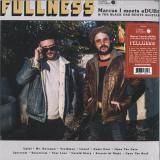
There’s a special kind of feeling when everything falls into place - when the drums bounce easy, the bassline rolls steady, and a bright guitar line cuts through the warmth of tape. That feeling became the heart of the FULLNESS, from Marcus I meets aDUBta. The sound of FULLNESS is built on simple, living elements: real drums, deep bass, a warm sound, and melodies that leave space to breathe. It moves between Early Reggae, Rocksteady, and Roots - sometimes straight and solid, sometimes stretching out into Dub and Echo. With its voice, from singer and lyricist Marcus I, FULLNESS carries the message about gratitude, love, freedom, and the small moments of everyday life. While Marcus’s singing style nods to the great singers, he stays grounded in his own experience, which perfectly complements aDUBta’s production, giving him space to shine. This LP is a complete, warm, balanced, and uplifting experience from start to finish.
FULLNESS grew from a steady musical exchange between Marcus I and aDUBta - two people on different sides of the Alps (Marcus I in France and aDUBta in Germany), finding a shared rhythm. What began in early 2022 with a few Riddims sent back and forth soon turned into a regular flow of songs. Every week brought new ideas, new words, and new melodies. When they finally met in person at aDUBta’s Attic Roots Studio in Bavaria, Germany, it all fell naturally into place. Most of the instruments were played by aDUBta, and the whole LP was mixed live on his Tascam 388, keeping that raw, handmade feel. With several friends helping bring even more color into the music, aDUBta brought in Viti Sanchez to lend his expressive saxophone and horn lines, Michael Salvermoser with his warm trombone tones, and members of the Black Oak Roots Allstars - King HuHa and Jannis Klenke on bass and guitars, along with Morry 'Da Baron' (Dub Inc.) on bass. FULLNESS means the fullness of music, of life, of friendship, of gratitude. It’s what happens when music becomes more than a project - when it turns into a shared space where things just flow.
On Stock and ready to ship

2026 Repress
After the promo version flew off the sleeves, now comes the full picture sleeve, yellow vinyl version of French live trio, Oden & Fatzo’s chart topping, house smash hit, ‘Lauren’ limited to 1000 copies. A bootleg experiment that got out of hand, Oden & Fatzo’s Radio 1 A-listed single is the accidental hit that everyone is talking about.
So how do you go about making an ‘accidental hit’, by accident of course... The track came about when French DJ Fatzo tried to demonstrate the difference between an edit and a remix to his dad, “... I took a song from the band Men I Trust, sped it up and added a drum beat and violin. After playing it to Oden, they loved it, and in turn, added their secret ingredients.”
Unlike the name might suggest, Oden & Fatzo consists of three people: The Parisian underground collective are a powerful fusion of the electronic live duo Oden, and house DJ Fatzo. Back in 2020 a bootleg version of ‘Lauren’ was uploaded to the YouTube channel of the electronic label Novaj, kicking off an unforeseeable wave of enthusiasm. That video is now approaching 3 million views. Enthralled listeners begged for a commercial release, a year later Ministry of Sound/B1 cleared the sample and the track started its march across the airwaves and up the charts.
With its captivating beat and nostalgic catchiness, ‘Lauren’ makes up for the party nights lost to the pandemic lockdowns, and sees people dancing in their homes and on the streets, as concerts, parties, and live sets are finally making a return. As the trio put it: “This song was all about hope, freedom and a party atmosphere at a time when you couldn't go anywhere. We think it gave everyone who heard it a little bit of an escape, including us.”
Meanwhile in the UK, the track has seen early support, not only by names like Franky Wah, Danny Howard, Pete Tong, Annie Mac, Jax Jones, Jodie Harsh, HUGEL, Bakermat, Cut Snake, Salomé Le Chat, Piem, David Gausa and many more, but also by the incredibly ecstatic party crowds.
Press:
6th week A List at Radio 1
Plays from Radio 2 and added to Hits Radio Pride playlist
Airplay up +3% week on week
#1 Cool Cuts Chart
#1 Upfront Club Chart
#1 Pop Club Chart
#5 UK Shazam Chart
Holding at #12 on Shazam – over 200k tags for the track in the UK to date
Over 8.6m+ streams WW now across all platforms
Over 200k+ views for the music video
Averaging 50k daily streams in the UK
47k+ sales across UK OCC to date
#1 on Beatports Deep House for 16 consecutive weeks
On Stock and ready to ship
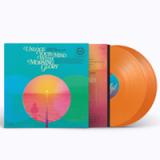
Yellow / Pink Vinyl[49,37 €]
Crate digger and music enthusiast James Endeacott compiles ‘Unlock Your Mind With Morning Glory’ for Two-Piers Records – A glorious heady mix of the weird and wonderful eclectic music from his radio show ‘Morning Glory’
“One weekday afternoon towards the end of 2017 I sat in The Lyric pub on Great Windmill Street, Soho with my dear friend Raf. I’d just finished another of my weekly Soho Radio shows and was starting to think about the next one. Raf had been on as a guest playing some of his favourite tunes of the day. We had a few drinks, told a few stories and started to plot and scheme. It was always a dream of mine to have a daily radio show. Radio had always informed and excited me from my early teens listening to John Peel under the blanket when I should’ve been either sleeping or revising right up to the present-day musical excursions of NTS, WFMU and numerous internet based stations.
We decided to speak to Adrian and Dan who ran Soho Radio to see if they’d be up for us doing a daily morning show. To our surprise they were into the idea and within 5 minutes Adrain came up with the name Morning Glory. We all liked it. We were all excited. It was all systems go. In December 2017 Raf and myself started a daily 2 hour show. We did the show together, got guests in and the musical policy was whatever we felt like that day. After several months Raf found the mornings too much. Off he went into the distance occasionally coming back with a smile, and a bag of new music. I carried on alone and then suddenly in March 2020 the world stopped, and we went into lockdown.
We set up in my house in Catford, Southeast London and carried on. The show became 3 hours a day and I started to invite friends, record labels, record shops, bands etc.. to supply me with hour long mixes that I played every day. The show took off during this time. My musical tastes expanded as I spent all day long searching for new sounds from around the globe. People started to send me more and more music. I became obsessed with the show. The audience started to take to social media and ask for certain tracks or artists to be played. I got listeners to make me mixes to play on the show and I did several phone interviews with musicians while playing some of their favourite tunes.
I was grateful that Soho Radio left me to my own devices. They never told me what to do or what to play – they trusted ma and I trusted my instincts.
The music on this compilation is not a ‘best of’ it’s just how I felt when I compiled it at the start of 2025. Apart from a couple of tracks they are all things I’ve come across since the show started in December 2017. If I did a list of tracks now I’m sure it would be completely different. Surely that’s the point. We never stick in one place. We are always moving and searching. Always trying to unlock our minds. Put it on. Take your time and let it take you somewhere” James Endeacott 2025
On Stock and ready to ship

Various Small Whistles and a Song, the new album by Chicago-based artist Lia Kohl, incorporates notions of space, social relations, and humor. As the title suggests, the album responds to Ed Ruscha’s 1964 photographic artist book Various Small Fires and Milk, which Kohl sees as a wondrous celebration of ordinariness, one that reveals Ruscha’s trademark deadpan humor and depth. In the spirit of that publication, Kohl created her own series of sonic vignettes, with guest appearances from her close community of collaborators including claire rousay, Macie Stewart, Patrick Shiroishi, and others, reflecting the same sense of humor and mundanity.
The structure of the album—16 one-minute tracks—directly mirrors Ruscha’s book, which comprises 15 photographs of fire and one of a glass of milk. Ruscha’s “small fires” are represented here by recordings of whistles—mostly human whistling, with occasional appearances by train whistles, emergency whistles, and a woman selling penny whistles on the street in Guangzhou, China. About this choice of material, Kohl writes: “I’ve always been captivated by whistling—it’s musical but often a bit unconscious; usually solo but often done in public places. There’s something tender and human about hearing someone whistle, a socially acceptable version of hearing their mind wander.” As with Ruscha’s photographs, the whistles are not random snapshots but windows into social situations, narratives, or spaces.
The “milk” of the title — the 16th photograph in Ruscha’s book — is interpreted here as a single recording: a group of people singing together in Barcelona around 6 a.m. on New Year’s morning, captured through the floor of an Airbnb. Kohl describes this as a social, collective sound that contrasts with the solitary nature of whistling. The song functions as a counterbalance—a quiet celebration of shared experience.
Lia Kohl is a composer and sound artist based in Chicago. Her wide-ranging practice includes composition and performance, installation, improvisation, and collaboration. She tours nationally and internationally, working in theater, jazz, rock, and experimental contexts. Her work centers curiosity and patience, an exploration of the mundane and profound possibilities of sound.
On Stock and ready to ship
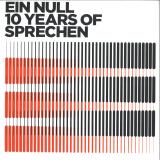
10 years ago in 2015, The Golden Lion in Todmorden opened its doors under the guidance of Gig & Waka, Cloudwater brewed their first ever beers, the dance floors of Manchester got introduced to the world of Supernature Disco and from his spare room at home in Bolton Chris Massey started Sprechen.
What followed over the next decade has been a wild ride of amazing people, memorable (though fuzzy!) parties, creativity, art, expression, performance and at the centre of it all of course, the music.
Sprechen has never been one style or sound. A reflection of varied musical tastes without any limitations of style or genres, just a passion to share good music.
Over the last decade, Sprechen has been lucky enough to both work with and meet many like-minded cosmic creatives that share this mindset and that have all played a major role in the story.
Ein Null is a collection of original tracks from some of Sprechen's nearest & dearest who, for the last 10 years, have helped shaped the label via releases, remixes or performing at events.
It's wonky & weird, banging & beautiful, cosmic & consciousness-expanding and it continues to connect the invisible dots of club music and more abstract listening experiences.
From basements & beyond to sunsets & psychedelic socials...we are pleased to present this electronically charged selection of soundscapes courtesy of like-minded musical humans including; The Utopia Strong, A Certain Ratio, Lena C., Gina Breeze, Low Pulse, Psychederek, Lindstrøm, Supernature Disco, PBR Streetgang and of course Chris Massey.
Limited to a run of 300 vinyl with double-sided screen-printed sleeve.
On Stock and ready to ship

2025 Repress
More than once Jay Richford and Gary Stevan’s Feelings has been described as the greatest library record ever released. Of course Be With can’t be seen to be playing favourites, but we have to admit, it’s pretty good. Insanely rare and immensely sought-after, it’s a tough funk, street jazz masterpiece coveted for many years by collectors of all musical genres.
Since its original release on Italian label Carosello in 1974, Feelings has appeared on several labels with different sleeves and even under a different artist. Indeed cult library label Conroy put it out in one of their iconic red sleeves in 1976 and yes, Feelings has indeed had more than one modern re-issue since these “original” releases. But a record this special deserves to be kept in press and we think it deserves the Be With treatment.
No, Jay Richford and Gary Stevan aren’t two of the most Italian sounding names. As the story goes these were the pseudonyms adopted by Stefano Torossi and Giancarlo Gazzani who wrote the album but couldn’t use their real names on the original release for legal reasons. But Stefano Torossi himself later both clarified and confused the tale further by explaining that Feelings was the work of four people not just Gazzani and himself. Fellow composers and musicians Sandro Brugnolini and Puccio Roelens also worked on the album and as Torossi himself explained “we all worked together”, with all four gents “dividing the royalties in equal parts… that’s the story.” Right, so, with that all sorted out let’s get back to talking about the music. And what music it is.
Long hailed as a holy grail of library music, Feelings is the epitome of the sort of cinematic orchestral jazzy funk that is “that 70s library music sound”. Infectiously funky, deliciously melodic and with impeccible, elegant production, this record is the showcase for a stunning set of compositions and arrangements and with performances that are nothing short of virtuoso.
The record’s first side lifts off with “Flying High”, soaring brilliant and shimmering. Funk licks, menacing strings and swaggering horns combine for an ice-cold intro groove that Isaac Hayes would surely have envied, before the steady-paced drums deliver the slo-mo TKO. The string-drenched cop-funk of “Going Home” raises the tempo. All funky quick-fire bass lines and killer electric guitar soloing. A real thriller.
“Walking In The Dark” positively drips in blaxploitation-funk drama strings and horn struts, all laced with delicate drums, velvet piano and more filthy wah-wah. “Fighting For Life” is another funk-fuelled workout built around an effortlessly relentless drum track that refuses to give up until even the stiffest-necked head is nodding.
The loping, open drum break that guides the much-loved “Feeling Tense” through its early stages would be good enough on its own. The heavy bass gloss, swirling strings and ominous horns that follow take things to the next level.
The second side opens with another favourite “Running Fast”, and the track does precisely that. This is one fine rollicking chase theme underpinned by frenetic (yet funky) Fender Rhodes and skipping bass and drums. Those sweeping strings are a gorgeous extra. It’s a deliciously feel-good groove that sets the heart racing.
“Loving Tenderly” envelops us in warm, velvety night-time vibes with easy listening horns and slinky strings dialing up the seduction. Definitely one for the lithe lovers out there. The pace picks up on the electrifying “Fearing Much” where strings dart around deep bass, buzzing guitars and another funky drum break. The lush, melancholic “Being Friendly” is another easy beauty, all warm Rhodes and strings. Majestic stuff that puts an aural arm around you. The climactic “Having Fun” rides a pulsating, bass-heavy drum break with snatches of a funky guitar refrain, some luxurious keys, sweeping strings and triumphant horns. Sensational.
On Stock and ready to ship

Back in the early 1990s as Acid Jazz began a period of extraordinary commercial success where acts like the Brand New Heavies and Jamiroquai sold millions of records, and US groups such as A Tribe Called Quest, The Roots and Digable Planets were actively influenced by what was being played in London, the whole scene was being fuelled by a small number of clubs, led by Gilles Peterson’s Sunday afternoons at Dingwalls but taking in nights in Leeds, Bari, Munich, Tokyo, Stockholm and New York. In those clubs funky jazz, latin boogaloo and 70s soul soundracks competed for time on the dance floor with import records from New York, and the latest sounds coming out of bedrooms and makeshift basement studios that created contemporary sounds out of the past.
Acid Jazz’s Eddie Piller and Dean Rudland have put together this compilation of the sort of sounds that we were playing at the time. They are releases on Acid Jazz and other label’s that surrounded the scene and they were mainly made by people we knew from either around the club scene, behind the counters of our favourite record shops, or from trips to New York or Europe. They range from The Ballistic Brother anthem ‘Blacker’ to the jazz house of A-Zel - a Roger Sanchez mix that still sounds fresh today. We have the Humble Soul’s instrumental version of ‘Beads Things And Flowers’ which at the time was only available as a DJ special on Acetate. There is the presence of A Man Called Adam before they went to Ibiza, and the early Mo’ Wax (before they went Trip Hop) single by Marden Hill ‘Come On’.
These records could fill a dance floor in seconds and we feel that they are today largely forgotten, as they were non-album, underground club records. It’s time to celebrate them!
On Stock and ready to ship

Rocksteady took over Orange Street ,Kingston, Jamaica around 1966,the same time that an extreme heat wave hit the Jamaican Island.
Some say the previous jerky Ska Rhythms proved too strenuous of an activity to partake in during the all night Sound Systems.
So it proved a winning formula to slow the beat down to a more leisurely pace.
Whatever the reasons were this two year period that ran until 1968 would see some of the power escape from the big three producers,Clement 'Coxonne 'Dodd,Prince Buster and Duke Reid...who up to that period ruled the airwaves. It was time to make room for a new wave of up and coming producers that also had something to offer the people.
So sit back and enjoy some Rocksteady straight from the dances of Jamaica...Hope you enjoy the set...............
On Stock and ready to ship

Having carved out a place in the contemporary club scene with releases on Glitterbox/Defected, Boogie Angst & Lovemonk Records amongst others, Madrid's Casbah 73 recently shed his skin and is now ready to introduce The Jade, a live ensemble that prioritises emotion, excitement and the art of the song. Led by Oli Stewart (Casbah 73), the project brings together a remarkable group of players. At its core, this is about people: musicians in dialogue, shaping rhythms and melody, singing songs from the heart, that shared pulse based on a timeless musical vocabulary.
Opening with the exuberant 'Let The Light In', this is sizzling hi-jazz and sunny soul, shot through with a dose of funky Afro-Latin rhythms for good measure. Josh Hoyer leads the charge, delivering a powerhouse vocal performance, while Nia Martin and Deborah Ayo bring that gospel glow. As, indeed, they continue to do so throughout, especially on the deep, soulful standout 'When Love Left' or the shimmering, street soul meets Brit-funk feel of 'Change!' Experience the spontaneity and playful nature of tracks like 'Si No Me Quieres Esperar' (with Cuban maestro Ale Gutiérrez on vocals) infused with funky Latin and Brazilian rhythms, as well as sparkling, alien disco dub in the form of 'Space Lines'. There's no-holds, hands-in-the-air, fluid disco club grooves on 'What It Takes' and driving, riotous soul-jazz on 'Being Seen'. Just when you think you've got it figured out, the band change it up and stretch out with beautiful jazz-funk instrumentals like 'At The Queensboro' or lush sonic gem 'On That Strange', a track that feels like a long, blissful afternoon fading into evening, with things left unspoken in the air and mystery in its kinky grooves.
The Jade's sound is post-pout, studs up, raw soul, free from modern dancefloor tyranny.It's intimate disco, dead-selfie freedom, Afro-Latin jazz-dance and Iberian funk all rolled into one, rooted in emotion and shot through with a healthy dose of funky bad ass groovism. Genres that blend and bleed into each other following one simple idea: songs and the expressive power of live instrumentation.
On Stock and ready to ship

When the people just gotta dance right now, Turbo Recordings will drop everything to fast-track the hottest, rawest music the moment the download links hit our Hotmail. Such is the case with rising Lithuanian superstar DJ JM’s moov EP, which contains five tracks so good they needed to hit today's streets today. To ensure the mind-churning efficiency and logistical brilliance needed to pull off this kind of turnaround, label life-giver Tiga slept and tried to bathe at the office for five straight days* before being hospitalized for "caring too much.”
On Stock and ready to ship

We are delighted to welcome DJ Sneak to Industry Standard. An artist that needs very little introduction in the House scene… Since being the forefather of the filtered disco house sound in the early 1990’s with his releases on Cajual, Relief, Henry Street & Strictly Rhythm, and his production credits with Daft Punk, he has been a mainstay in the underground scene with his unwavering style. Little has changed in Sneak’s music in this time, as he always delivers his jackin’ signature sound on his productions or in his DJ sets. So we are delighted to have him on the label.
There’s no point is going into the usual track descriptions, these are just straight up DJ Sneak… Real House Music made for Real House People on Real House Music Dancefloors. Enjoy!
On Stock and ready to ship

South Street Soul are on a roll with another fantastic re-issue, this time championing two singles by US Funk band Father's Children. Originating from Washington DC, the band rose to prominence in the mid-to-late 70's, releasing a debut album on Mercury Records, which Wayne Henderson of The Crusaders produced. Notice to collectors and diggers; this takes the two killer tracks from the album nicely replicating the 1979 original 45, which would set you back over £100.
On the A-side, 'Hollywood Dreaming’, is a laidback revivalist soulful groover that will undoubtedly give your hips and shoulders a shuffle. On the flip, feel the funk with ‘Shine On’. A commanding slap bassline runs throughout the track with harmonised vocals and stabbing horns. Lace them up people, it's time to cut some rug!
On Stock and ready to ship
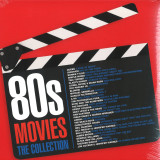
"30 unforgettable hits from the decade that brought movie classics from The Breakfast Club to Back To The Future.
There was no greater era for movie soundtracks than the 80s! Featuring some of the most iconic and memorable soundtrack moments including the title track from Ghostbusters, ‘Holding Out for a Hero’ from Footloose, ‘I’ve Had The Time Of My Life’ from Dirty Dancing, ‘A Kind Of Magic’ from Highlander, ‘Eye Of The Tiger’ from Rocky III, Gladys Knight’s classic Bond theme from Licence To Kill plus many more. This epic double vinyl will have you reminiscing on those beloved 80s film classics and their amazing music."
On Stock and ready to ship

To coincide with its 20th anniversary, Clint Mansell's haunting score to Darren Aronofsky's 2000 film, Requiem for a Dream, performed by Kronos Quartet, returns to vinyl. This was Mansell’s second of several collaborations with Aronofsky, following 1997’s π, and features arrangements by David Lang of Bang on a Can. The film stars Academy Award-winner Ellen Burstyn, Jared Leto, Jennifer Connelly and Marlon Wayans, and was adapted from the 1978 novel by Hubert Selby, Jr. (Last Exit to Brooklyn), who also wrote the screenplay with Aronofsky. Set on the rusted mean streets of Coney Island, Brooklyn, Requiem for a Dream tells the parallel stories of four people pursuing their dreams of better lives. The reissue features the original soundtrack, plus two bonus tracks.
Clint Mansell, a musician, composer, and founding member of the band Pop Will Eat Itself, first worked with Darren Aronofsky on the score for his 1998 film π. Also released by Nonesuch are Mansell’s scores for Aronofsky's The Fountain (2006), nominated for a Golden Globe, and Noah (2014). His other scores include The Wrestler (2008), Moon (2009), Black Swan (2010), Filth (2013), Stoker (2013), High Rise (2016), for which he received an Ivor Novello nomination, and Loving Vincent (2017).
For more than 40 years, San Francisco’s Kronos Quartet – David Harrington (violin), John Sherba (violin), Hank Dutt (viola), and Sunny Yang (cello) – has combined a spirit of fearless exploration with a commitment to continually re-imagining the string quartet experience. In the process, Kronos has become one of the world’s most celebrated and influential ensembles, performing thousands of concerts, releasing more than 50 recordings, collaborating with many of the world’s most eclectic composers and performers, and commissioning over 850 works and arrangements for string quartet. A Grammy winner, Kronos is also the only recipient of both the Polar Music Prize and the Avery Fisher Prize. Most recently, in 2019, Nonesuch released Kronos’s ground-breaking collaboration with composer Terry Riley, Sun Rings, and, in 2017, Folk Songs, featuring Sam Amidon, Olivia Chaney, Rhiannon Giddens and Natalie Merchant.
On Stock and ready to ship

Late-night jams in their new studio sees Jazzbois return to their beat-tape roots on Still Blunted
Having established themselves as one of the leading live bands in Europe grooving in improvised jazz motifs and hip-hop beats, Budapest trio Jazzbois return with their fourth LP Still Blunted that sees them touch base with their beat-tape roots.
Now situated in the heart of Buda at their new studio above a club, the Hungarian trio of Bencze Molnár (Rhodes/synth), Viktor Sági (bass) and Tamás Czirják (drums) take a more considered approach to Still Blunted and offer a snapshot into the jams, sessions, and shows they have played over the past year. The new album comes after performing at the legendary Montreux Jazz Festival this summer and will be followed by a European tour in October.
Inspired by contemporaries Domi and JD Beck, Kiefer, Nala Sinephro, and the sounds of Radio Juicy, Jazzbois have been more critical of their track selection for the sequel to their Goes Blunt albums. They’ve ripped up their playbook of producing records in a matter of days and took their time to approach the record through reworking their favourite tracks recorded over the past year.
“We’re trying to keep the same formula but there was a lot of thought gone into the process of making an improvised jam sound like a song. It has to be good in the moment, and we chose the ones we felt were expressive and resonated the most with us musically. We focus on our feelings in the moment and have trust in our own taste and music visions.”
The trio’s new studio has offered them the space and time to get the best out of their creativity. “This new spot is a Jazzbois headquarters. It’s above this club, sometimes there's a DJ playing outside on the street – everyday there's something on and lots of people coming and going. We hang out for the whole day and just record anything or edit.”
Jazzbois are a part of the rich, underground jam scene in Budapest, and those improvised-led sessions have fed into Still Blunted. One of their late-night jams turned after-parties produced sketches for tracks they selected for the album.
“It was the end of a wild night celebrating getting the album done. We’re having a jam and we looked around while we were recording and there was twenty people smoking and drinking around us – half of them we didn't even know who they are. It turned into an open after-party where people were coming to ours from the club. It was very spontaneous and unexpectedly, we made five or six new songs we ended up using for the album.”
The ethos of those unplanned, open jams is something they carry through into their live shows, as they never rehearse so their music can develop freely. Their trusted fourth ‘live’ member DomBeats joins them on Still Blunted adding saxophone to some of the psychedelic-tinged beats, such as on singles Shangri La and Chrome. After recently digging back into 70s and 80s jazz, discovering more hip-hop sampled tracks, and absorbing the breaks and high-energy of footwork and juke, these influences come through strong across Still Blunted.
The footwork sound is replicated in the shuffling, busy drums of Shangri La, with the echoing guitar twang reminiscent of a sample you may hear on an MF Doom beat. “Shangri La was a catalyst for the new album. It reflects on our trip to America and SXSW. We played at this venue Shangri La. The Texan air and sun are in that track.”
Chrome takes on a much more furious style of playing that allows for the drums to cascade and flow along with the pulsating, chromatic bass line, with the synths and saxophone spiralling into an engrossing frenzy. The liquidy keys and synths glides over the bass on Flute Thang, creating a 70s jazz-funk vibe that stands out from the rest of the album.
With hundreds of thousands of monthly listeners across Spotify and Apple Music, they have become a playlist staple that has earned them millions of streams since their debut release Jazzbois Goes Blunt in 2019. As more live dates are booked for the Hungarian trio, Jazzbois continue to transform the traditional jazz trio sound into deep, groove-led beats on Still Blunted.
On Stock and ready to ship

Hardcover Book which includes a 208-page book documenting Louisville's rich Black Gospel music legacy and access to a comprehensive digital archive.
In the mid-20th century, Louisville gospel music was occasionally recorded when members of the local gospel community pressed 45rpm records and LPs, and released them through grassroots record labels such as Sensational Sounds, Grace, Blessed, and D.J.S. Over the years, a substantial body of work was produced in our city, but those recordings are in danger of being lost forever.
The Louisville Story Program has been working with dozens of people in the local gospel music community to locate, digitize, and preserve hundreds of these recordings and to develop a book that documents and honors the legacies of the people and communities that produced them.
For decades, the passion, hard work, and support of countless people across dozens of Black church communities in Louisville have nurtured and sustained a rich gospel music ecosystem. This music has served as a central part of people's religious practice and as an expression of Black pride, joy, affirmation, love, dignity, determination, and hope. This legacy continues to this day.
With support from The Owsley Brown II Family Foundation and Owsley Brown III Philanthropic Foundation, LSP has partnered with members of the gospel community and a local advisory group of local gospel historians and luminaries:
To locate, clean, and digitize gospel records of local artists released by small local labels
To accompany the local Black gospel music community in developing a 4 CD box set that includes a 200+ page hardcover book with first-person documentation of their rich history
To create an accompanying double LP featuring 26 of those songs
To create and maintain a public-facing digital archive of 1,000 songs and 1,000 photographs
To celebrate the final release with a large concert at the Brown Theatre (September 28, 2024)
On Stock and ready to ship

Unrecognisable” is a story about a city where buildings are used as weapons in a war between the government and the people. The initial chapter, “Eiffel Shard”, was published as an online graphic novel with an interactive soundtrack. It depicts a phone call between Paris Hell and Geneva Heat, two members of the resistance group Unrecognisable. During the call, Paris informs Geneva that a deadly building, The Shard, is now under the authorities’ control. What’s worse — the government also got hold of a secret building transformation plan developed by the resistance. Paris tells Geneva that the Unrecognisables decided to abandon the plan due to the number of civilian casualties it would inevitably cause. A series of intricate explosions would force the building’s glass surface to rip through the surrounding areas, destroying everything in its path and leaving only a pointed metal structure standing: an Eiffel Shard.
The second chapter, “Paris’ Dream”, was performed by Lolina as an improvised gig. Samples from the soundtrack to chapter one accompanied a video showing the protagonist sneaking into The Shard at night. The narrative continues with Paris’ anxiety dream of her time working on the Eiffel Shard project alongside another Unrecognisables member who she fears has betrayed them by handing over their dangerous plan to the government.
The third chapter is now being released as an album of new music. In a declining city, Paris and Geneva are tour guides to be followed at your own risk. Lies and petty crimes, mistrust, betrayal and, inevitably, war are the setting in which they seek to devise a plan for resistance. As members of a secret group, they hide their identities and meet after dark. Under dim lights of city streets and closed-down clubs, it’s hard to tell a dodgy detective from an eager philosophy student, friends are enemies in disguise, and it’s advised to park your car sideways for a fast getaway.
On this concept album, Lolina performs the role of both characters, her own voice often made unrecognisable by pitch-shifts and distortion. It was recorded almost exclusively on a Casio SK-200 sampling keyboard boasting 1.62 seconds total sampling time. No beat preset (total of 20) is left untouched, unchopped or unlooped. Not one of the 49 mini keys is idle. Retains samples when turned off.
On Stock and ready to ship