'You are Nowhere' is the epic metallic hardcore collaborative effort
between hardcore stalwart front man extraordinaire Rob Fusco (One King
Down, Most Precious Blood, Recon) and Rafe Holmes (Insvrgence)
Take Life is the focus of decades of metal/hardcore songwriting experience and
unbridled expression boasting the feral, frenetic musical energy of bands like Kiss
It Goodbye and Burnt By The Sun and the scathing lyrical content and emotive
vocal performances which have been Fusco's trademark.
'You are Nowhere' was produced, mixed, and mastered by legendary metalcore
mastermind Randy Leboeuf (The Acacia Strain)
Cerca:take life
Reloading, revamping, reinstalling - we've peered under the hood of last year's singles, Your Life and Take It, and decided they required the peak-time-remix-alignment. While Your Life's refix was self-inflicted by Patrick, Take It required the expertise of frequent collaborator Physical Therapy. Both reworks maintain the originals' essence, while bringing higher BPMs, weightier subs, and jacked up percussion to the table. Test driven during the summer of '24, this package is ready to rip.
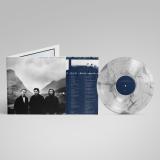
Take That, eine der erfolgreichsten Bands Großbritanniens, veröffentlicht ihr neuntes Studioalbum „This Life“. Nach 45 Millionen verkauften Alben, 12 UK #1 Singles und insgesamt 2,5 Milliarden Streams über alle Streaming Dienste kehren die britischen Pop-Royals mit diesem Album zurück. „Windows“, die brandneue Single von Take That, kennzeichnet die erste Eigenkomposition der Band seit über fünf Jahren.
Take That sind bekannt für ihre großen Produktionen und unglaublichen Liveshows. Im Jahr 2019 feierte die Band ihr 30-jähriges Bestehen mit der ausverkauften Odyssey-Tour. Die musikalische Ausgestaltung des Albums ”This Life” ist geprägt von wunderschönen Melodien, eingängigen Refrains und eleganten Harmonien, die die Stimmen des Trios wunderbar miteinander verbinden. „Windows“ und das kommende Album „This Life“ setzen somit das Erbe einer der talentiertesten Bands der britischen Chartgeschichte fort
Take a Trip was born of a love of Acid House and wanting to explore my mates 909 & 303!! The way they sing when programmed is mind blowing. There’s magic inside of them that creates something special. From Chicago’s Warehouse to London’s Shoom and Hedonism, Manchester’s Hacienda’s Hot and Nude nights, parties such as R.I.P., Spectrum, Zoo, The Trip, Apocalypse Now, Legends, the State, Rage an Sunrise. It’s a sound that will never fade.
Alan Dixon is back with his first ever acid track and it’s instant love. The disco producer hits the target with no compromise.
We’re proud to welcome Robert Owens and Queer On Acid to Takeout, who present a ‘double-A side’ release. 2 sublime pieces of vocal-house and techno which will make the hairs stand up on the back of your neck.
Robert’s hypnotic vocals weave between QoA’s beautiful production with both tracks enticing remixes from none other than in demand Fear-E, Polymod and MASC (Mark Archer & Shadow Child).
The music does the talking here, and with a limited vinyl run (which excludes the MASC remix) to support a huge digital package, we’re excited to have such quality on the new label.
Enjoy !
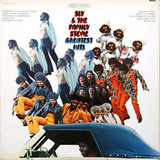
- A1: I Want To Take You Higher
- A2: Everybody Is A Star
- A3: Stand!
- A4: Life
- A5: Fun
- A6: You Can Make It If You Try
- B1: Dance To The Music
- B2: Everyday People
- B3: Hot Fun In The Summertime
- B4: M'lady
- B5: Sing A Simple Song
- B6: Thank You (Falettinme Be Mice Elf Agin)
- A1: New Order - Blue Monday
- A2: A-Ha - Take On Me
- A3: Duran Duran - Hungry Like A Wolf
- A4: The B52S - Love Shack
- A5: Bananarama - Venus
- B1: Tina Turner - The Best
- B2: Simply Red - Holding Back The Years
- B3: The Cars - Drive
- B4: Pretenders - Don't Get Me Wrong
- B5: Aztec Camera - Somewhere In My Heart
- C1: The Smiths - There Is A Light That Never Goes Out
- C2: Joy Division - Love Will Tears Us Apa
- C3: Talking Heads - Road To Nowhere
- C4: Stranglers - Golden Brown
- C5: Talk Talk - Its My Life
- D1: Chaka Khan - I Feel For You
- D2: Diana Ross - Chain Reaction
- D3: Fleetwood Mac - Everywhere
- D4: Spandau Ballet - True
- D5: Brother Beyond - The Harder I Try
Celebrating a monumental decade for music, birthing numerous timeless classics that pushed music to new heights Smash Hits The 80s takes the very best tracks from the decade across 2LPs providing the soundtrack to the era. This must-have collection contains hits from artists of all genres, featuring New Order, Duran Duran, Spandau Ballet, The Smiths & Talk Talk.
- A1: Nailing Honey To The Bee
- A2: That Girl Suicide
- A3: Nevertheless
- A4: Evergreen
- A5: Starcleaner
- A6: Let Me Stand Next To Your Flower - Live
- B1: Hide & Seek - Live
- B2: In My Life
- B3: Mary Please
- B4: Talk-Action=Shit
- B5: Oh Lord
- B6: This Is Why You Love Me
- C1: Not If You Were The Last Dandy On Earth
- C2: Swallowtail - Live
- C3: Feel So Good
- C4: Fucker
- C5: #1 Hit Jam
- D1: Ballad Of Jim Jones
- D2: Free & Easy - Take 2
- D3: Stolen
- D4: Mansion In The Sky
- D5: Sue
Vol.1[28,99 €]
This comes for the first time on 180g vinyl in a gatefold sleeve. Re-mastered for vinyl.This 22 track compilation spans the years 1995 - 2004 featuring key tracks from all their albums as well and live recordings and many unreleased tracks.BJM has been essential in the development of the modern U.S. garage scene, and many LA and SF musicians got their start playing with Newcombe, including Peter Hayes of The Black Rebel Motorcycle Club. Originally Newcombe was heavily influenced by The Rolling Stones' psychedelic phase - the name comes from Stones guitarist Brian Jones combined with a reference to cult leader Jim Jones, but his work in the 2000s has expanded into aesthetic dimensions approximating the UK Shoegazing genre of the 1990s and incorporating influences from world music, especially Middle Eastern and Brazilian music.
- 1: Dirty Computer (Feat. Brian Wilson)
- 2: Crazy, Classic, Life
- 3: Take A Byte
- 4: Jane's Dream
- 5: Screwed (Feat. Zoë Kravitz)
- 6: Django Jane
- 7: Pynk (Feat. Grimes)
- 8: Make Me Feel
- 9: I Got The Juice (Feat. Pharrell Williams)
- 10: I Like That
- 11: Don't Judge Me
- 12: Stevie's Dream
- 13: So Afraid
- 14: Americans
Black[42,82 €]
Das Grammy-nominierte Album von Janelle Monae ist auf Crystal Clear Vinyl gepresst und enthält die Hits "Pynk", "Make Me Feel" und "I Like That".
- A1: P Lion - Happy Children
- A2: Duke Lake - Do You
- A3: 50 & 50 Brothers - Red Man
- A4: Anthony's Games - Sunshine Love
- A5: Flexi Cowboys - Domination
- A6: Jimmy & Suzy - Come Back
- A7: Spy 71 - Take Me...mr Love
- A8: Koto - Dragon's Legend
- B1: Valerie Dore - The Night
- B2: Radiorama - Vampires
- B3: Brian Ice - Talking To The Night
- B4: Scotch - Pictures
- B5: One System - Life Is Very Short
- B6: Dario Diviacchi - Waiting For Heaven
- B7: Arm - Number One
- B8: Ken Laszlo - Hey Hey Guy
Der legendäre Italo Boot Mix ist zurück !!
ZYX Italo Disco Boot Mix Vol. 1 knüpft an die großen Zeiten dieser Kult-Serie an. Zuerst gibt es die beiden Mixe als CD, einige Wochen später veröffentlichen wir die Boot-Mixe für alle Vinyl-Liebhaber als LP.
Auf Vol. 1 vertreten sind P. Lion, Duke Lake, Koto, Valerie Dore, Radiorama uvm.
Fourth Kind the self titled mini album on Omniverse Records. It's hard to pinpoint a genre with records like this; produced by Marc Mac of 4hero and similar to some of the 4hero output, it defies genre and fits somewhere in-between many. The production is heavily reliant on synthesisers and vintage drum machines in places but is full of real life and organic movements, this is partly down to the signature drums played by Luke Parkhouse. The only other guest spot is filled by Nu Jazz Funker Pascal Strauss aka Luman Child who plays bass guitar on "Take Me To Your Sky" which along with "Afterglows" are the closest we get to dance tracks, in most parts a 70s fusion feel is present. The short interlude type tracks tie the journey together and I would go as far as to say vital to telling the story. Moogs, Arps and Solina strings weave patterns throughout, all in all, across the 10 tracks the album is a journey of mood and emotions. 180g Pressing. Released 28th September 2018.
- A1: Vacuum Boots
- A2: Who
- A3: Oh Lord
- A4: Caress
- A5: (David Bowie I Love You) Since I Was Six
- B1: Straight Up And Down
- B2: Monster
- B3: Take It From The Man
- B4: B.s.a
- B5: Mary, Please
- C1: Monkey Puzzle
- C2: Fucker
- C3: Dawn
- C4: Cabin Fever
- C5: In My Life
- D1: The Be Song
- D2: My Man Syd
- D3: Straight Up And Down
- A1: Beyond Our Control
- A2: Early Days
- A3: Drone Control
- B1: Energy Absorbing Energy
- B2: By Any Means
- B3: Below The Ice
- C1: Intelligence, Rival
- C2: Lost Contact (Malfunction)
- C3: Holding The Key
- D1: The Smallest Voice
- D2: Expansion Of Free Thought
- D3: The Life Of Life
- D4: The Long Way Home
- E1: All It Takes Is A Spark
- E2: Engineering (The Impossible)
- E3: Take The Step
- F1: Normality
- F2: The Grand View
- F3: Invading Mind Space
- F4: A New Beginning
- A1: Intro 02 Ghettomusick (Club Mix)
- A3: Unhappy
- A4: Bowtie
- A5: The Way You Move (Club Mix)
- B1: The Rooster
- B2: Bust
- B3: War
- B4: Church (Main)
- C1: Bamboo (Interlude)
- C2: Tomb Of The Boom
- C3: E-Mac (Interlude)
- C4: Knowing
- C5: Flip Flop Rock
- D1: Interlude
- D2: Reset
- D3: D-Boi (Interlude)
- D4: Last Call
- H1: Dracula's Wedding
- H2: My Favorite Things
- H3: Take Off Your Cool
- H4: Vibrate
- H5: A Life In The Of Benjamin Andre (Incomplete)
- F1: Prototype
- F2: She Lives In My Lap
DJ Support: Garnier, Opolopo, Worldwide FM, Marcia Carr, Bill Brewster, Timeout Moscow, Craig Smith, Delfonic, Tony Nwachukwu, Marcel Dettmann, DJ Rocca, Shuya Okino, Borrowed Identity, Titonton Duvante, Alex Attias, Rainer Truby, Sol Power All-Stars, Kyri R2, Robert Luis, Severino Panzetta, Lars Behrenroth, Kassian, Alkalino, Getdown Edits, Moodymanc, Gerd, Lea Lisa, Young Pulse, Mark de Clive-Lowe, Mark Grusane, Alex Barck….
International dance music heavyweight, producer and DJ Alexander Lay-Far returns with a powerful new chapter - Lay-Far Dance Orchestra (LFDO) - a fully-fledged live band project that reconnects him with his jazz-funk and fusion DNA while pushing dance music forward with unmistakable groove, musicianship and emotional weight. Formed in early 2024, LFDO is no nostalgia exercise. With Lay-Far at the helm as bassist, bandleader, composer, arranger and sound engineer, the orchestra has already been turning heads with explosive live performances, reinventing classic Lay-Far cuts, and now unveil their first album “Skybreak” with all new and original material written and produced by Lay-Far together with his bandmates and star guests, including Lipelis, Antoha MC and Seven Davis Jr. This work shows the departure from the predominantly electronic sound of Lay-Far's previous solo albums in favour of live instrumentation recorded to analogue tape and effortlessly bridging the gap between Jazz, Library Music, Disco-Funk, House, Broken Beat and Drum’n’Bass. “Skybreak” is dynamic, passionate, spiritual, cinematic, playful, heartfelt, life-affirming, dreamy and deeply romantic. Ultimately, there’s something profoundly romantic in recording and releasing such music in this day and age!
“Take Flight (Part 1)” is opening the album with style. It takes us on a beautifully orchestrated journey, blending the sensuality of Library Music with high-octane Jazz-Funk and raw b-boy breaks, propelled by breathtaking flute and Rhodes solos of Timur Nekrasov and Maxim Glonti. This aural symbiosis of “beauty and the beats” will become more and more prominent as the album unfolds.
It’s time for “Aquarius Love” created with the inimitable artist and vocalist Seven Davis Jr. (Secret Angels, Ninja Tune). In this composition cinematic soul and heavy jazz meet the restless energy of live drum & bass with deep and heartfelt vocals - timeless sound combined with a timeless message about love and life!
Next is “Head In The Clouds” - a theme for an imaginary rom-com, an ode to all the dreamers - sweet, light, naive and heartwarming. Space-Disco-Funk at its best!
“Where You From” is a fiery Soulful House number with heavy Afro-Latin influences recorded in collaboration with Lipelis. It’s full of Sun, joy and passion. Its irresistible rhythm is emphasised by funky octave bass, wah-wah guitar, catchy piano riffs, guitar solo by Lipelis and seemingly light conscious message delivered by Lay-Far and Maryag. Summer is here!
Now the album takes an unexpected twist in the form of “The Harp of Boom” which at first glance appears to be a classic-sounding Boom-Bap banger. Yes, It’s loud, raw, and gritty, yet it gradually evolves into something delicately-touching and deeply-soulful thanks to a memorable flute melody and lush string arrangement. Definitely recorded with tongue in cheek.
Next is “Feel The Moment” a remarkable collaboration with one of the most recognisable and distinctive Russian artists, singer, trumpeter and cultural icon Antoha MC. It’s a feel-good song, hopeful, life-affirming and bittersweet. A stylish excursion into Brit-Funk and Soviet Jazz-Fusion sound, drawing inspiration from the likes of Atmosfear, Light Of The World or Soviet Jazz bands like Allegro and Arsenal, but reimagining the influences through the modern West London broken beat lens.
The spectacular music journey continuous with “Take Flight (Part 2)” - it’s all about the deep infectious jazz-funk groove, heavy beats, rolling percussion and the glory of the soloing instruments - saxophone and flute by Timur Nekrasov, demonstrating the wide range of emotions from thoughtful and lyrical to restless and borderline vicious. One for freestyle dancing!
As the album draws to an end a vibrant musical triptych “Soul Constant” awaits, mixing together the deep and sensual mood of spiritual jazz with heavy syncopated drum’n’bass rhythms by Michail Fotchenkov, lush orchestration, expressive saxophone solos and the ending which can simply be described as “aural bliss”. It’s breath-taking!
A pleasant bonus is the exclusive version of “Where You From” by Lipelis himself, who is taking it into dub territories, further enhancing the rhythm section and enriching the song with his trademark playful synth flourishes and dreamy guitar solos for maximum effect (and appeal).
The album “Skybreak” by Lay-Far Dance Orchestra is the work of real artistry and craftsmanship with timeless sound that’s not only deeply-rooted but also forward-thinking.
- A1: Chris Liebing - Unfold
- A2: Chris Liebing, Charlotte De Witte - Symphonie Des Seins
- A3: Chris Liebing, The Advent - Subjective Immortality
- B1: Chris Liebing - Roy Batty
- B2: Chris Liebing - Evolver
- B3: Chris Liebing - John Connor
- B4: Chris Liebing, Luke Slater - Double Split
- C1: Chris Liebing, The Alte Stuben Modular Ensemble - Entangled Circuits
- C2: Chris Liebing - Higher Things
- C3: Chris Liebing, Speedy J - Shaping Frequencies
- D1: Chris Liebing - Brooks Ave
- D2: Chris Liebing - Eye C
- D3: Chris Liebing - Endtrack
Chris Liebing's first full solo techno LP, 'Evolver' is released on 27th March 2026, via his own CLR imprint. The German techno don's LP features a host of collaborators across music, images, and artwork. Luke Slater, Charlotte De Witte, Speedy J, The Advent, Terence Fixmer, Pascal Gabriel, Daniel Miller contribute to the music, while long-time collaborators Studio Bergfors deliver design, and legendary photographer Anton Corbijn shot Liebing for the project.
The Evolver LP is the sum total of Chris Liebing's three decades at the beating heart of techno. It's the record only someone whose first break as a techno DJ was playing five hours at Sven Väth's infamous Omen in Frankfurt - and who has ridden out every twist and turn of life and subcultures since, while remaining rooted in the true school, dark, sweaty techno sweat pits of the world - could have made. It's the result of deep introspection, but it's about utter immediacy. It's the sound of someone previously driven along by compulsion and happenstance at last finding the confidence to be utterly intentional about their practice, allowing them to take the most classic, familiar, proven elements from the past and render them completely new.
Evolver is also Liebing's first completely solo album. There are collaborations, yes: with old friends from the OG techno generation, Luke Slater, Speedy J, and The Advent, all on uncompromising form, and with new generation figurehead Charlotte De Witte, who provides a thrilling narration of total surrender to the moment on acid clarion call "Symphonie des Seins". But unlike all Liebing's albums to date, there's no co-pilot. Every structure, every mixdown, every choice serves his singular vision of how his untold immersion in the surging currents of the world's greatest clubs should sound. The elements are all those forged in the white heat of Omen and Tresor in the mid 90s - brutal repetition, titanium kick drums, industrial atmospherics, but also dark rave euphoria, ever present surging acid lines just on the cusp of trance, and just enough human voices to remind you of bodies on the dance floor - but rendered with all the extraordinary accumulated skill and technological developments since then.
It's Chris's vision entirely, his musings on sound, technology, and life birthing tracks like "Roy Batty." Inspired by thoughts of AI becoming sentient and hungering for more life like Rutger Hauer's titular Blade Runner character, it was one of the first tracks to emerge and a foundation stone for the album. And in pursuit of that vision, it's built like a "proper album". The anticipation and menace of intro "Unfold" tip over into the glowing hot high drama psychedelia of "Symphonie…" then the breathless headlong rush of The Advent collab and on through an unfolding narrative that goes deep, goes dark, opens out into grand vistas, takes strange turns before finally landing on the alien landscape of… well… "Endtrack".
Not everything is pummelling on Evolver - the dazzling title track feels like you've been welcomed into the courtly dance of a higher dimension civilisation, and the audacious Speedy J collab "Shaping Frequencies" is a beatless flow that tests the boundaries between signal and noise. But for all its complexity, conceptualism, and stylistic branching out, every last part unmistakably powered by that dark techno-cavern energy above all else. All of it positively radiates the qualities of Liebing's greatest work and sets to date - but somehow even more so than before. Whether you're listening for aesthetic inspiration, cerebral stimulation or just that raw physical power, this album will sweep you up into its momentum and won't let go of you until it's done.
- A1: Abay
- A2: Tew Ante Sew
- B1: Mengedegna
- B2: Kahn
- C1: Sew Argen
- C2: Nafekeñ
- D1: Abet Wubet
- D2: Guramayle
- D3: Gud Fella
- D4: Guramayle (Slight Return)
180g Heavy double vinyl LP with liner notes by Tyran Grillo. Limited Japanese Obi for the first pressing. Original artwork by Russell Mills and photography by Jean-Baptiste Mondino.
The third Time Capsule is a body of dub reinterpretations by celebrated producer Bill Laswell of Ethiopian singer Gigi. Curated by Tokyo record collector, music researcher and seasoned reissue supervisor Ken Hidaka, it is the first time Illuminated Audio is pressed to vinyl after its CD release in 2003.
Ejigayehu Shibabaw was born in 1974 in Chagni, northwestern Ethiopia and by pursuing a career as a singer, went against her father’s strict, traditional gender roles. As Gigi, she embraced the same musical freedom she had strived for in her personal life, incorporating the Ethiopian church, funk, hip-hop, West and South African music into her work. She first settled in Nairobi, then Addis Ababa, where she quickly established herself as one of the city’s leading singers. A move to San Francisco in 1998 led to a long and fruitful creative partnership with bassist and producer Bill Laswell.
Around the same time, Chris Blackwell had stepped away from Island Records to start the art house film company and label Palm Pictures. He took an interest in Gigi and together with Laswell, pulled together an all-star cast of musicians for her self-titled US debut album, including Herbie Hancock, Pharoah Sanders and Wayne Shorter. It won international critical acclaim, not just for its musicianship but for making Gigi a “defining voice for the Ethiopian expatriate community”, as journalist Tyran Grillo praises in his Time Capsule liner notes. From the nation-defining 1896 victory over Italian invaders to the quiet revolutionaries who wear simple shemma garments, Grillo believes the themes in Gigi make it “a shower of sunlight on her homeland for those ignorant of its struggles.”
After its success, Blackwell encouraged them to go back into the studio to rethink the album and Illuminated Audio was born. “Anyone can make a voice sound worldly”, Grillo remarks, “but rare are those who can make one sound inner-worldly.” Gigi was clear with Laswell to give her vocals a minor role “because it’s already been done.” Instead her Amharic verse is fleeting, exhaling through the textures like ghostly fragments; soaring yet muted. Yet the album is still titled under her name, an assertion by Laswell of her central role in the album’s creation. Not only was it a fully endorsed project by Gigi, but she would be present throughout its development, giving feedback on half-finished ideas as Laswell played them back in the studio. “It works perfectly”, she reflected after the album’s release. “We wanted to capture the whole spirit of each track, and Bill’s remixes create a different music language that really puts you in a pleasant place”.
This new vocabulary takes its lead from a technical approach that Laswell had been perfecting during a furtive creative period at the turn of the millennium. Much like his ambient interpretations of Miles Davis (Panthalassa, 1998), Bob Marley (Dreams of Freedom, 1997), and Carlos Santana (Divine Light, 2001), Laswell approached Illuminated Audio by returning to the original multitrack masters. Gigi wasn’t just reworked, but recomposed into an expansive lattice of instruments, submerged in a watery ambience of dub and trance undercurrents.
Sonically, this new language that Gigi refers to, is manifested by the original album’s more understated parts being pushed to the fore. Explaining his contrasting methods, Laswell saw Gigi as being “put together in a way that fits”. Contrastingly, in Illuminated Audio, “a lot of things that I featured in the remix weren’t as audible in the original.” Instrumentation laying near-dormant, deep in the mix, are brought to the fore: the acid rock guitar and Wayne Shorter’s saxophone on ‘Tew Ante Sew’, Graham Haynes’ flugelhorn on ‘Nafekeñ’, Laswell’s bass on ‘Kahn’, the melodica in Mengedegna or the floating synths and talking drums in ‘Gud Fella’.
Brought to his attention by mentor DJ Nori, Hidaka describes Illuminated Audio as a “masterful sonic exploration into ethereal ambience and dub” and made sure this reissue also contained a full remaster to give its “deep musicality” much better dynamics and density in the overall sound. Hidaka admits that Laswell's music “is sometimes so out-there, it is often misunderstood” and, indeed, to dub album non-believers this might seem like a prolific producer imposing himself on another artist’s work; eternally developing rearrangements that never quite get to its destination. But that’s missing its true power and triumph. This is more than the reissue of a remix, but “a wholly unique musical entity”, as Hidaka describes. Illuminated Audio refers to the illuminated manuscripts that comprise the major part of Ethiopian art and its new compositions stand in proud solitude as a rare body of reworks that both informs and enhances their originals.
- 1: The Knife, The Knife, The Knife
- 2: Bad Bite
- 3: Nickels And Diamonds
- 4: What You Feed
- 5: What You Starve
- 6: The Silence, The Silence, The Silence
- 7: Life And Debt
- 8: Lovers In Death
- 9: Nervous Passenger
- 10: The Storm, The Storm, The Storm
- 5: Nickels And Diamonds
- 6: Nervous Passenger
- 7: What You Feed
- 8: The Storm, The Storm, The Storm
- 9: What You Starve
- 10: The Silence, The Silence, The Silence
Restock
Collateral Intelligence's Butterflies in Funerals is widescreen, sometimes dark, often hopeful electronica with one eye on the stars, but grounded in the sheer cathartic necessity of its creation.
The new moniker from Maltese wunderkind Neil "Acidulant" Hales, the album was formed during a turbulent period in the artist's life, when his father was seriously ill in hospital. Butterflies in Funerals is his way of expressing the complexity of emotion he was going through at the time.
"To me it all looked like a very dark movie," he says. "That's why the tracks are are at times cold or have a sad, emotional, or hopeful feeling."
Drawing on his impressive background in acid house and electro – with releases on Balkan Vinyl and Jack Trax – the album takes in mutant breakbeat, battle-scarred ambient, and tripped out 303 grooves, but pushes his sound further and deeper than ever before.
The album cover features specially designed artwork by rising star Fei Meng, who will be exhibiting at the Royal Society of British Artists later this year.
So in 2021 join Collateral Intelligence on a journey into the recesses of the soul, and emerge, purified, and ready for the rest of the trip.
Taking place in the Paras district, Cangallo province, in the Ayacucho region of the Central-South Sierra of Peru - this is a recording of a ritual held on February 5th 2020 for the one year anniversary of the death of Mrs. Sofía Miranda de Bellido, recorded by her grandson Hánkel Bellido.
At noon the coffin of "Mamay Sofía" was presented, so that her relatives could say goodbye for the last time. Following tributes from family members, these songs dedicated to her life and her passing were sung.
The townspeople were notified of the events by the sound of bells that produce a peculiar and powerful sound, and that can be heard in the other nearby towns of Paras. It is said that these bells were greased with human fat, and brought from the Cerro de Pasco region during colonial times. The bells must be played all morning until the change of mourning takes place.
At midnight the songs of the Almakunapaq (also known as San Gregorios) mass began. These are unique to the Andean peoples - a fusion of Andean and Christian syncretic traditions - and are said to help the dead to enter the eternal Kingdom.
It was 4am when the change of mourning took place, and in accordance with traditions, the friends & family announce the presence of harp and violin players, to liven up the proceedings with songs of joy and merriment until the next day.
"Mamay Sofia, manan wañukunkichu, kawsakuchkankim sunquykupi; sichus qunqarusqaykiku, chaymi ichaqa wañukunki!"
"I have not died, I will die on the day that you forget me!"
Repress.
Step into a journey through time with Lapa Dula's debut album "Agua", proudly presented by the Early Sounds team. “Agua” is a sonic and aesthetic collage, a tribute to the sounds and memories of Naples and its surroundings in the vibrant cultural and social scene of the mid 1980s, not just a reflection of producer’s Alessandro La Padula childhood memories, but also a nod to the myths and legends of Partenope. Written between Rome and Naples and co-produced by label head Pellegrino, "Agua" is the latest addition to the imprint’s distinctive "Mediterranean sound" blending funk, Latin, world music, and disco, with songs like the balearic title track "Agua" and the nostalgic ode to rural life "Sibilla", also inspired by the myth of the Sibyl of Cumae, this album takes you on a journey of emotions and experiences.
From vernacular "Scemanfu", a fun play on the French expression "je m'en fous" (I don't care), to the contemplative "Navigante", dedicated to those who have found solace in the sea or in the virtual world, and the final track "Baibai", inspired by the adventurous and licentious affairs of English nobleman Sir Nathaniel Thorold, who lived on the island of Capri, each song tells a story and adds a piece to this mosaic of sounds, images, and places.
- A1: You Came Thru
- B1: Hurry Up Tomorrow
The Nu’rons were a family group consisting of two sets of brothers and cousins, the four young men in question being brothers Daryl Howard and Raymond Gibson (Daryl’s mother registered him under his father’s surname of Howard and Raymond under her maiden name of Gibson) together with Otho Bateman and Charles Bateman. They were all born and raised in Salem, New Jersey and from the age of ten and eleven began singing with a fifth member and Gibson brother Rudolph as a group called The Gospel 5. They eventually decided to crossover to secular music and as a group known for their energetic dance routines they came up with the new performing name of ‘The Nu’rons’ (taken from the word ‘Neuron’ which is a cell that transmits nerve impulses). However Rudolph was soon to leave the group due to physical illness. Also Daryl Howard and Charles Bateman had also been part of a working group known as The Devotions prior to becoming The Nu-Ron’s.Following hours of practice The Nu’rons eventually felt confident enough to put their own shows together and began to perform at local dances and parties around New Jersey and Philadelphia, often being used as a non-paid warm up act for bigger named artists. They moved between several different managers including Jimmy Bishop (Duo Dynamic Productions) until they came under the tutelage of WDAS radio DJ Georgie Woods (his wife Gilda, being the owner of the Philadelphia Gil, Dion and Top & Bottom record Labels). It was Georgie who introduced them to Manny Campbell who in turn invited them to an audition at his and partner Charles Bowen’s Emandolynn Music studio in Chester P.A. The song The Nu’rons chose to audition with was the self penned “I’m A Loner”, the audition went well, as during late January/early February of 1970 Manny and Charles took The Nu’rons into the Sigma Sound Studio’s with Tom Bell and the TSOP musicians to record “I’m A Loner” and “All My Life” which was released on the Nu-Ron label in April of the same year. The two studio takes presente don this release came short after the band moved on from the collaboration with producer Emanuel Campbell to take music matters in their own hands. Beside recording "Disco Hustle" to be part of the disco boom in Philly of the times, they recorded also “You Came Thru”, a rough yet beautiful heavy bassline driven soul funk recording, and the just amazing “Hurry Up Tomorrow”, here presented in one of the original Studio takes.
- A1: Ocean Side
- A2: Shadow Surfer
- A3: Blind Curve
- A4: Summer Eyes
- A5: Futari No Night Dive
- B1: Seishun No Ijiwaru
- B2: Evening Break
- B3: So Many Dreams
- B4: I Will
WRWTFWW Records is very excited to announce the first release from its new City Pop Series with Japanese singer, actress, entertainer, scholar and all-around legend Momoko Kikuchi’s sun-drenched classic Ocean Side album, available now as a limited-edition transparent vinyl LP in a heavyweight sleeve with obi.
A cult classic among Japanese music collectors, Ocean Side was originally released in 1984 by mythical label VAP and features lush compositions and arrangements by J-Pop icon Tetsuji Hayashi (Mariya Takeuchi, Miki Matsubara, Omega Tribe, Junichi Inagaki, Urusei Yatsura anime, soundtrack…). Momoko Kikuchi’s city pop gem is a flawless mix of heartwarming beachside funk, breezy grooves, and silky-smooth vocals - the feel-good music we all need in our life right now.
The 9-track summer-is-forever adventure notably includes the ultra-funky megahit “Blind Curve”, the fan-favorite title song, and the insanely romantic ballad “Futari No Night Drive”. A vibrant reflection of summer in 1980s Japan, Ocean Side masterfully balances nostalgia and elegance, and provides part of the origin story for revered modern music genres such as chillwave, and future funk, and vaporwave.
The official reissue licensed from VAP, Inc. is sourced from the original masters with an audiophile-cut by Sidney Meyer at Emil Berliner Studios.
WRWTFWW’s City Pop Series and its Lopetz/Büro Destruct-designed logo also includes jazz-fusion-AOR-mellow-funk treasure Safari (1984), a limited capsule collection of merch, and much more to come in the near future.
The Pink Satin is the Greaser Man. This is a homage to the early sounds of house music. TPS Gears up with his Yamaha PSS-780 and PSS-580 and fires FM basslines to spread the whimsical word of disinformation and minor truths. The world is full of hate today. Try not to take everything so serious.
- A1: Escalier
- A2: L'ile Perdue
- A3: Le Bal
- A4: Sur Le Chemin De L'école
- A5: L'ile La Nuit
- A6: Holidays(S)
- B1: Robot Rêveur
- B2: Dernier Vol
- B3: Pas De Côté
- B4: Cavalière De L'aube
- B5: Idésia
- B6: Balayeur De L'espace
The duo’s debut album sets off on an airy, groovy odyssey.
Recorded at the legendary La Frette studio (Parcels, Fontaines D.C.), the album follows an extensive period of demo development.
Immersed alongside outstanding musicians, the team worked in a relaxed, old-school spirit: a handful of takes, tape recording, and analog gear. Plenty of space was left for ideas to emerge organically in the studio. The arrangements—synthesizers, flute, backing vocals, percussion—were then carefully refined over many months.
"Idésia" stands out for its delicate production, brought to life by Maxime Kosinetz on recording (Oracle Sisters, Bon Voyage Organisation), Stan Neff on mixing (Andrea Laszlo de Simone, Polo & Pan), and Chab on mastering (Daft Punk, La Femme).
The record unfolds across changing sonic landscapes, with Will’s voice gliding over melodies rooted in a bright, warm groove. A subtle blend of pop and Californian warmth runs throughout the album.
The album explores themes of childhood (Sur le Chemin de l’École, L’Île Perdue), ecstatic escapes (Holiday(s), Pas de Côté, Escalier), and simple pleasures (Le Bal, Cavalière de l’Aube). It also casts a poetic eye on the evolution of the world (Dernier Vol, Robot Rêveur, Balayeur de l’Espace). Will & Paul play with contrasts, shifting perspectives along the way.
"Idésia" is the imaginary world in which Will & Paul gracefully lose themselves - a suspended place between nostalgia and science fiction, as if their silhouettes were drifting from a bright, carefree past toward a place suspended in time.
Le Futur c’est la drogue, which should here be translated as The Future Is the Drug, is not to be read as a promise, but as a statement of fact. The present is no longer an experience, but pure consumption. Life itself has taken the form of a dependency.
With this sixth album, Christophe Clébard goes straight to the point, driven by a free and repetitive form of writing, stripped of any syntactic rigidity. Words strike like balls against a wall, revealing darker zones of his mind where guilt, fear, and existential anxiety coexist.
The sound composition, equally minimal, sustains a dense and obsessive mental space, a vortex in which trance appears as the only escape. Driving drum machines, relentlessly hammered electronic loops, and a battered synthesizer, his music unfolds within a physical, strangely hypnotic synth-punk aesthetic that hits viscerally.
The Future Is the Drug is his sixth album.
- A1: Chairman Of The Board - Life And Death In G&A (Part 2)
- A2: Curtis Mayfield - (Don't Worry) If There Is A Hell Below, We're All Going To Go
- A3: The Temptations - Psychedelic Shack
- A4: The Chambers Brothers - Time Has Come Today - Single Version
- A5: Brutal Force - The Number For Groove
- B1: Isaac Hayes – Hyperbolicsyllabicsesquedalymistic **
- B2: Bobby Womack - California Dreamin
- B3: The Five Stairsteps - Dear Prudence
- B4: Ebony Rhythm Band - Drugs Ain't Cool
- B5: Doris - You Never Come Closer
- C1: Terry Callier -You Goin' Miss Your Candyman
- C2: Rodriguez - Sugar Man
- C3: Patti Drew - Hard To Handle
- C4: Marlena Shaw - Liberation Conversation
- C5: El Michels Affair - Murkit Gem
- C6: Janko Nilovic - Drug Song
- D1: Kylie Auldist - Nothin' Else To Beat Me **
- D2: Khruangbin - Maria También
- D3: Christian Madden & The Enemy Chorus - Twice As Thick
- D4: Gabriels - Love And Hate In A Different Time
- D5: Michael Kiwanuka - Black Man In A White World
- D6: Mrcy – Purple Canyon
‘Soul Psychédélique’, released on Two-Piers, takes you on a journey into the world of Psychedelic Soul & Funk, from its early beginnings in the 1960s and 1970s to the current crop of artists championing the more Psychedelic, Trippy end of the Soul sound today.
‘Soul Psychédélique’ brings together legends of the Soul Psych scene, such as Curtis Mayfield, The Chambers Brothers, Marlena Shaw, The Temptations, and the brilliant ‘Sugar Man’ by Rodriguez. Place alongside Soul Titans like Isaac Hayes, Bobby Womack, Chairman of the Board, Terry Callier all delivering stunning Psychedelic Nuggets for your Listening pleasure. Throw in some covers like ‘Dear Prudence’ by The Five Stairsteps, ‘Hard to Handle’ by Patti Drew and ‘California Dreamin’’ Bobby Womack and finish with some brilliant modern-day exponents of the scene like Khruangbin, Gabriels and Michael Kiwanuka. The result is a crazy ride through the world of Psychedelic Soul and Funk. If you ain’t dancing and smiling by the end - what the hell is wrong with you!
‘Soul Psychédélique (The Best of Lounge & Exotica 1954-2022)’ is the fourth instalment in the ‘Psychédélique’ Compilation series on Two-Piers, following the critically acclaimed ‘Pop Psychédélique (The Best of French Psychedelic Pop 1964-2019)’, ‘Garage Psychédélique (The Best of Garage Psych and Pzyk Rock 1965-2019)’ and ‘Lounge Psychédélique (The Best of Lounge & Exotica 1954-2022)’ and is available on 2LP Coloured Vinyl
- 01: Maanitus &Amp; Tšiižik
- 02: Markka
- 03: Melkutus
- 04: Letška
- 05: Kuuen Parin Hoirola
- 06: Brišatka
- 07: Tšiižik
- 08: Kirkonkellot
- 09: Kirkonkellot Korkea
- 10: Hoirola, 3 Parin
- 11: Lippa
- 12: Kyngäkiža
- 13: Ristakondra
- 14: Vanha Polkka
- 15: Viistoista
- 16: Vanha Valssi
- 17: Kiberä
- 18: Maanitus Kuokan Kanteleella
- 19: Tuuti Lasta Nukkumahe
Vinyl[22,65 €]
Death Is Not The End present a further volume of Arja Kastinen's eerie amalgamations of 110 year old wax cylinders with her own meticulously transcribed takes, this time focussing in on Armas Otto Väisänen's field recordings of kantele player Iivana Mišukka (b. 1861 d.1919).
"Ivana Mišukka (1861–1919) was one of the Karelian kantele players recorded by the folk music researcher Armas Otto Väisänen on wax cylinders in 1916 and 1917. In the early 20th century, the remote areas of Border Karelia were undergoing the final phase of a transformation in musical culture, with the ancient runo song tradition giving way to newer forms of music. This transition is reflected in Mišukka's repertoire and choice of instrument. The ancient small kantele, hollowed out of a single piece of wood, was already rare at the turn of the century. Mišukka's kantele was a new type of instrument with 26 strings, constructed of several parts, but he played it using the traditional plucking technique. Like other Border Karelian kantele players, his repertoire consisted of music rooted in runosong culture, as well as newer dances and songs from the east and west. Most of the recorded material falls into the latter category.
Ivan Bogdanov Mišukka was born out of wedlock in Suursara village, Suistamo, on 1 May 1861. He began playing the kantele at the age of five or six, quickly mastering the instrument. In adulthood, he was considered one of the area's best master players. Mišukka was landless for most of his life and lived in different parts of the Suistamo parish. His first wife, Tekla Markintytär, died in 1897 at the age of 40, and his second wife, Jevdokia Filipintytär Jeminen, died in 1907 at the age of 50. Seven children were born from the first marriage, two of whom died young. The third wife, Maria Ignatintytär Gurnan (Kuurnanen), was a well-known master of lamentations. Together with Maria, Iivana Mišukka worked as a tenant farmer in the village of Suursara. Mišukka suffered from rheumatism, which prevented him from participating in physical work like Maria. This was apparently partly the reason why Iivana Mišukka went to earn extra money by playing the kantele on gig trips. He often had other traditional artists from Suistamo as his travelling companions, such as the runosingers Konstantin Kuokka and Iivana Onoila. Iivana Mišukka died in Leppäsyrjä village, Suistamo, on 18 May 1919 at the age of 58, and his kantele was donated to Teppana Jänis.
Mišukka only used 14 of the 26 strings on his kantele, playing the same tunes either a fourth higher or lower. He tuned his kantele to the major scale using fifths, except for a low seventh scale degree on the upper strings, but not below the fundamental. Since he did not use the seventh note of the scale on the upper strings at all, he could use the major scale both lower and a fourth higher with this tuning. According to Mišukka, the sound of higher, or 'finer', strings is 'more beautiful', while that of lower ones is 'greater'. Among runosingers, the size of the thirds varied, ranging from major to minor to neutral. A similar phenomenon can be observed in kantele tunings, where the third, sixth and seventh scale degrees vary in a comparable way.
During a meeting, Väisänen suggested that Mišukka play the smaller kantele belonging to Konstantin Kuokka. The idea was to bring it closer to the horn to improve the recording quality. However, the kantele was completely out of tune, and now Mišukka tuned it to the Lydian scale (track 18).
Using the old plucking technique, Mišukka placed his right middle finger on the fundamental tone, his right index finger on the second scale degree, his left middle finger on the third scale degree and his left index finger on the fourth scale degree, and his right thumb on the fifth. The thumb also played the notes above the fifth note of the scale. As Mišukka remarked to Väisänen: 'Peigaloll' tuloo enemb ruadoa' (the thumb has to do more work). However, he did not use the seventh note of the scale on the upper strings at all. Below the fundamental note, he played the seventh and sixth notes of the scale with his right middle finger of and the fifth note of the scale with his right ring finger. This fifth scale degree below the fundamental is almost always used as a drone. Sometimes, when the melody required it, Mišukka, like other players, also varied the fingering. He would also occasionally strike the same string with the side of his fingernail after plucking it.
The wax cylinder recordings of Karelian kantele players are kept in the archives of the Finnish Literature Society in Helsinki, Finland. Copies were made of them onto reel-to-reel tapes in both the 1960s and 1980s. The 1960s copies are mono and the 1980s copies are stereo. However, not all kantele recordings from these decades have survived.
The sound of the kantele is difficult to hear in wax cylinder recordings due to its low volume, and it occasionally becomes completely obscured by noise. During the copying process, the cylinder sometimes rotates unevenly, resulting in breaks or jumps in the music. Additionally, the rotation speed of the cylinder in the copies does not correspond to the performance speed of the original music, which alters the pitch. However, since Väisänen's precise notes are available in the archive, it is possible to deduce the melodies, their speed, and the tuning level of the kantele in the recordings. Of the copies of the original recordings from the 1960s and 1980s, I have selected the one that best met the requirements of this publication and adjusted the speed of the recording to align with Väisänen's notes. To enhance the listening experience, I have replayed the songs, which now partly overlap the old recordings on this release."
— Arja Kastinen
- 01: Maanitus &Amp; Tšiižik
- 02: Markka
- 03: Melkutus
- 04: Letška
- 05: Kuuen Parin Hoirola
- 06: Brišatka
- 07: Tšiižik
- 08: Kirkonkellot
- 09: Kirkonkellot Korkea
- 10: Hoirola, 3 Parin
- 11: Lippa
- 12: Kyngäkiža
- 13: Ristakondra
- 14: Vanha Polkka
- 15: Viistoista
- 16: Vanha Valssi
- 17: Kiberä
- 18: Maanitus Kuokan Kanteleella
- 19: Tuuti Lasta Nukkumahe
Tape[16,39 €]
Death Is Not The End present a further volume of Arja Kastinen's eerie amalgamations of 110 year old wax cylinders with her own meticulously transcribed takes, this time focussing in on Armas Otto Väisänen's field recordings of kantele player Iivana Mišukka (b. 1861 d.1919).
"Ivana Mišukka (1861–1919) was one of the Karelian kantele players recorded by the folk music researcher Armas Otto Väisänen on wax cylinders in 1916 and 1917. In the early 20th century, the remote areas of Border Karelia were undergoing the final phase of a transformation in musical culture, with the ancient runo song tradition giving way to newer forms of music. This transition is reflected in Mišukka's repertoire and choice of instrument. The ancient small kantele, hollowed out of a single piece of wood, was already rare at the turn of the century. Mišukka's kantele was a new type of instrument with 26 strings, constructed of several parts, but he played it using the traditional plucking technique. Like other Border Karelian kantele players, his repertoire consisted of music rooted in runosong culture, as well as newer dances and songs from the east and west. Most of the recorded material falls into the latter category.
Ivan Bogdanov Mišukka was born out of wedlock in Suursara village, Suistamo, on 1 May 1861. He began playing the kantele at the age of five or six, quickly mastering the instrument. In adulthood, he was considered one of the area's best master players. Mišukka was landless for most of his life and lived in different parts of the Suistamo parish. His first wife, Tekla Markintytär, died in 1897 at the age of 40, and his second wife, Jevdokia Filipintytär Jeminen, died in 1907 at the age of 50. Seven children were born from the first marriage, two of whom died young. The third wife, Maria Ignatintytär Gurnan (Kuurnanen), was a well-known master of lamentations. Together with Maria, Iivana Mišukka worked as a tenant farmer in the village of Suursara. Mišukka suffered from rheumatism, which prevented him from participating in physical work like Maria. This was apparently partly the reason why Iivana Mišukka went to earn extra money by playing the kantele on gig trips. He often had other traditional artists from Suistamo as his travelling companions, such as the runosingers Konstantin Kuokka and Iivana Onoila. Iivana Mišukka died in Leppäsyrjä village, Suistamo, on 18 May 1919 at the age of 58, and his kantele was donated to Teppana Jänis.
Mišukka only used 14 of the 26 strings on his kantele, playing the same tunes either a fourth higher or lower. He tuned his kantele to the major scale using fifths, except for a low seventh scale degree on the upper strings, but not below the fundamental. Since he did not use the seventh note of the scale on the upper strings at all, he could use the major scale both lower and a fourth higher with this tuning. According to Mišukka, the sound of higher, or 'finer', strings is 'more beautiful', while that of lower ones is 'greater'. Among runosingers, the size of the thirds varied, ranging from major to minor to neutral. A similar phenomenon can be observed in kantele tunings, where the third, sixth and seventh scale degrees vary in a comparable way.
During a meeting, Väisänen suggested that Mišukka play the smaller kantele belonging to Konstantin Kuokka. The idea was to bring it closer to the horn to improve the recording quality. However, the kantele was completely out of tune, and now Mišukka tuned it to the Lydian scale (track 18).
Using the old plucking technique, Mišukka placed his right middle finger on the fundamental tone, his right index finger on the second scale degree, his left middle finger on the third scale degree and his left index finger on the fourth scale degree, and his right thumb on the fifth. The thumb also played the notes above the fifth note of the scale. As Mišukka remarked to Väisänen: 'Peigaloll' tuloo enemb ruadoa' (the thumb has to do more work). However, he did not use the seventh note of the scale on the upper strings at all. Below the fundamental note, he played the seventh and sixth notes of the scale with his right middle finger of and the fifth note of the scale with his right ring finger. This fifth scale degree below the fundamental is almost always used as a drone. Sometimes, when the melody required it, Mišukka, like other players, also varied the fingering. He would also occasionally strike the same string with the side of his fingernail after plucking it.
The wax cylinder recordings of Karelian kantele players are kept in the archives of the Finnish Literature Society in Helsinki, Finland. Copies were made of them onto reel-to-reel tapes in both the 1960s and 1980s. The 1960s copies are mono and the 1980s copies are stereo. However, not all kantele recordings from these decades have survived.
The sound of the kantele is difficult to hear in wax cylinder recordings due to its low volume, and it occasionally becomes completely obscured by noise. During the copying process, the cylinder sometimes rotates unevenly, resulting in breaks or jumps in the music. Additionally, the rotation speed of the cylinder in the copies does not correspond to the performance speed of the original music, which alters the pitch. However, since Väisänen's precise notes are available in the archive, it is possible to deduce the melodies, their speed, and the tuning level of the kantele in the recordings. Of the copies of the original recordings from the 1960s and 1980s, I have selected the one that best met the requirements of this publication and adjusted the speed of the recording to align with Väisänen's notes. To enhance the listening experience, I have replayed the songs, which now partly overlap the old recordings on this release."
— Arja Kastinen
- A1: Lonely Town Lonely Street
- A2: Let Me In Your Life
- A3: Who Is He (& What Is He To You)?
- A4: Use Me
- A5: Lean On Me
- B1: Kissing My Love
- B2: I Don't Know
- B3: Another Day To Run
- B4: I Don't Want You On My Mind
- B5: Take It All In & Check It All Out
black vinyl[34,41 €]
Yellow Vinyl
Blue Lake reveals his most ambitious album yet, which finds its visionary creator Jason Dungan harnessing the collective alchemy of his band, with ten spirited tracks that resonate with a powerful directness, evoking an ecological connection to the wider world.
The solo project (Blue Lake), now on its fifth album, found its name and inspiration via Don Cherry's 1974 live album, sparking a creative epiphany in Dungan, who set off on a path into his own untapped sonic world, guided by what he cited as the emotional potential found within non-lyrical composition. With a newly inspired ethos aimed toward creating direct and simple instrumental music imbued with a deep sense of feeling, Jason began combining an array of musical elements that gave rise to his highly revered album 'Sun Arcs' (2023), with its "ornate, zither-led lattices" (Pitchfork, Best New Music). Conceived in the blissful isolation of a Swedish cabin set in the woods, this was music that soundtracked spring in full bloom. Then, in contrast to the solitary approach of 'Sun Arcs', the highly lauded mini-album 'Weft' (2025) began to set the tone for a more band-oriented approach to delivering the Blue Lake sound. Jason had by this time experienced a special collective energy with his band during a swathe of live performances, which he then sought to harness and distill on 'The Animal', leading him to take the project into a traditional recording studio (The Village) and its limitless potential along with his gifted cohorts.
'The Animal' at its core vividly celebrates human collaboration and is deeply rooted in a sense of community and non-hierarchical connectivity. The group's creative alchemy transcends outwards and beyond the musicians performing together, to summon an inclusive, existential and ecological connection to the wider world and its inhabited spaces. The album contemplates the idea of the human as an animal as Dungan explains: "I'm quite fascinated in thinking about humans more as part of the animal environment and not as something that's so separated into a "human" realm, or sitting on top of a hierarchical pyramid. So the Animal is also me, or us - that we are just living, existing, in the same way as a piece of moss or a sparrow or a cow.
'The Animal' is a form of musical metamorphosis, still acoustic, yet more amplified, elevating it to new dimensions. The Blue Lake project takes on a new lease of life to encompass collaboration with Jason Dungan bound in a universal connectivity, resulting in his most ambitious album to date. A harmonious rejoicing that cements his reputation as a transformative presence in contemporary music.
- 1: Brand New Heartache
- 2: Long Ride
- 3: The Lie
- 4: Barroom Feather (Radio Edit)
- 5: Blind
- 6: Nothing New
- 7: One To One Another
- 8: Always Almost
- 9: Barroom Feather
Good As True (2026), the 12th studio album from Yonder Mountain String Band, leans into a warm, expressive sound — bluegrass shaped with an indie edge, rock undertones, and a hint of country. Recorded live in the studio, its eight original tracks trace romantic, personal, and societal relationships and the work it takes to stay connected. The lead single “Brand New Heartache” pairs rock-driven verses with a bluegrass-lifted chorus as it follows the fallout of a breakup and the uneasy hope of starting again, while “Blind” opens with a striking instrumental riff that lingers long after the song ends, while its lyrics confront regret, mental health struggles, and the pull to become something better. “Long Ride” delivers a sharp, sarcastic look at life in a touring band; “Nothing New” and “The Lie” confront political rigidity and division; “One to One Another” and “Always Almost” pull toward quieter emotional corners; and “Barroom Feather” drifts into indie-folk terrain with one of the album’s most atmospheric jams. Across Good As True, Yonder moves between high-tempo runs, layered harmonies, and moments that breathe — a reminder that nearly three decades in, they’re still charting new ground.
2026 Repress
For all those who relate “maybe to the wind, because they can feel it, or dirt, because they can touch it. But nothing else.” Like Bobby Cornett (aka Shane), we are all trying to find where we belong.
Belong To The Wind marks Forager Records’ debut release: A lovingly curated collection of crooning psychedelic folk and soul songs gathered from American 45s of the 1970s. The compilation features 10 songs from 10 different acts, each with an indelible story of love, loss, loneliness, and an unrelenting desire to shed the confines of routine existence.
Meet a man named Denny Fast, perched behind a tobacco stained piano in a smokey Michigan lounge. He’s singing of the faded memory of distant hope and better times past. Listen to a portrait of the heartless Texan, told in arrestingly angelic prose by Connie Mims of St. Elmo’s Fire. Contemplate with Snuffy, the honest musings of a failed and misunderstood outsider, daring to hope for change.
Belong To The Wind aims to shed light on the more opaque cuts of these brooding artists. Many of these songs were recorded at the early stages of a career, at a time when experimenting and searching are pursued with reckless abandon. As a result, these songs are aggressively honest and uncompromising. Many have a distinct sense of the lo-fi DIY variety. Others are polished in production. Some are minimal, tentative and vulnerable. What all of these songs share, is a transportive quality. An uncanny ability to take a captive listener on a search for the soul, and a journey into the bellowing fields of easy reflection.
Sit back and enjoy a soft trip through the hazy milieu of a loner’s mind.
- 1: Adhd
- 2: Worry Days
- 3: Crying Song
- 4: Fuck U
- 5: Bastard State
- 6: Mania
- 7 3: Sides Touching
- 8: Canned Coffee
- 9: Babymusicc
As collaborative projects often do, 33 has in time found a more fixed form, a kind of structure that turned it from a loose collection of collaborators gravitating around founders Bill John Bultheel and Alexander Iezzi into something resembling more of a traditional band. Not that there is anything conventional in their creative process tho, nor in the music itself… Nontheless Tripolar - their second album and first for Haunter - seems to take them closer to song territory than ever before.
The (progressive) graduation of multi-instrumentalist Cem Dukkha and vocalist/clarinet player Ivan Cheng from collaborators to full-time members has brought 33 to a more refined awareness of their possibilities as a creative unit, although their compositional process has retained a high level of spontaneity and musical madness. Tripolar was in fact assembled by editing hours of improvisation that Bultheel, Iezzi and Dukkah recorded with no specific endgame in mind. The sessions saw them exchange a variety of acoustic, electronic and electric musical instruments: percussions, guitars, strings, piano, hurdy gurdy, synthesizers and even CDJs as a tool of live sampling manipulation.
By molding the pieces into what they are now, the band managed to concoct some beautiful vignettes of contradictory mental and emotional states, as sonically playful as a renaissance fair happening within a broken timestream. Cheng’s lyrical and vocal contributions helped them coalesce even further into proper songs, adding a melodic presence that’s at once seductive and uncanny. But vocal duties are often ceded to guests, namely Danish pop-neoclassicist Astrid Sonne, Kenyan metal guru Lord Spikeheart, Irish goth raconteur Olan Monk and Japanese body-poet Golin.The amount of different sounds arranged into each of the tracks produces a unique sense of awe and bewilderment, a testament to the incredible talent and craft the musicians have employed into putting together such a broad range of influences and approaches into a coherent and extremely effective musical journey.
An equally erratic thematic thread seems to run through all the tracks, one ultimately preoccupied with mental health and its ramifications. Without turning the project into a concept album, 33 and their collaborators have sprinkled it with references to personality disorders and mental conditions that are all too relevant to the contemporary age, reflecting on the lineage of human inner life. A wide display of lyrical and musical tools is employed to explore these themes, ranging from Sonne’s expressionist depiction of ADHD in the opener, to Cheng’s queer-themed reinvention of an Irish murder ballad in closing track ‘Babymusicc’. Tracing lateral trajectories for introspection, Tripolar is not only highly captivating, but it ultimately sounds esoteric in the best possible way: progressively revealing layer after layer of incredible aural magic, its true meaning living in the form and in its manic scope of energies.
High Cube is the beat-focused brainchild of Brian Foote (Peak Oil, Leech) and Paul Dickow (Strategy, Community Library), two low-key legends of the American experimental underground. After some 30-odd years of making music separately and together, Foote and Dickow are collaborating in earnest for the first time as a duo. For this debut, the pair enforced a simple, stringent set of rules: five instruments, a one-hour timer, and a total ban on overthinking.
The result is a record that is the sound of two old friends unplugging the usual levers and letting the "accident" of their chemistry take the wheel. It is drier, sparser, and decidedly "chunky"—a fictional band stepping into a suit to drive around for a while. It is neither dance nor chill-out, but a moody, complex trajectory defined not by the gear used to make it, but by the narrative mood it compels.
"Volcano Snail” starts things off in a disheveled shuffle, locking into gear with blurred and bubbling effluence. The shimmering dimness is lit low, with a woozy gait that recalls the headiest highs and luminescent lows of Jan Jelinek. “Underwater Welder” is a foggy, neon-lit cruise of skittering low-ends suspended in a permanent fall of color, while “A Dragon’s Treasure is its Soul” offers blown-apart, low-end city pop fragmented into an array of rhythmic detritus. Chordal textures hover in the air as a percussive loop takes its beguiling and frolicking shape.
B-side opener “Yonaguni” shapeshifts in real time, drifting with the grace of a glacier before bobbing in a frigid pool of vibrating clatter, static, and synth stabs. “Ofid+wor” offers a tried and true blitz of braindance, nodding to an endless list of 20th and 21st-century electronic body music. Buoyant closer “Mother of Thousands” holds a gravity-defying tenderness, pirouetting on a breeze with the elegance of effervescent longing. Woven together, the six extended tracks of High Cube are tethered to nothing but the ether—a giant sonic leap of peripheral absurdity from two artists with a lifetime of shared rhythm.
- A1: Here I Am Baby (Come And Take Me)
- A2: Everything I Own
- A3: Green Grasshopper
- A4: Play Me
- A5: Children At Play
- B1: Sweet Bitter Love
- B2: Gypsy Man
- B3: There’s No Me Without You
- B4: The First Time Ever I Saw Your Face
- B5: I Just Don’t Want To Be Lonely
- C1: Mark My Word
- C2: The First Cut Is The Deepest
- C3: Melody Life
- C4: Work And Slave
- C5: Working To The Top (My Ambition) (Part 1)
- C6: Don’t Let Me Down
- C7: Band Of Gold
- D1: Put A Little Love In Your Heart
- D2: I See You, My Love
- D3: It’s Too Late
- D4: Baby If You Don’t Love Me
- D5: Love Walked In
- D6: When Will I See You Again
- D7: Play Me (Part 2)
2025 Repress
140g vinyl, remastered, double LP with the original LP along with a second record of 14 rare tracks
Sweet And Nice is the vital debut album from Jamaica’s undisputed first lady of song Marica Griffiths. It’s reggae at its most soulful. Slinking through a tight ten tracks of R&B and pop-sourced material, it became an instant best seller. 45 years after its initial release the LP is available again on vinyl, now as a double LP, with an extra record collecting 14 rare tracks.
Sweet And Nice has appeared over the years with a revised running order and under different titles. But the original’s opening sequence of loping soul is legendary, even beyond reggae circles. These songs are now returned to how they were presented on that first Jamaican release, and under their intended album title. Be With doesn’t mess with magic.
Marcia’s version of “Here I Am (Come and Take Me)” has long been lusted after, played by genre-hopping selectors to snapping necks for decades now. It’s followed by the sophisticated, rollicking wah-wah funk of “Everything I Own” and the slice of smooth lovers soul par excellence that is “Green Grasshopper” and her ace, lilting Neil Diamond cover “Play Me”.
The thundering, humid funk of “Children At Play” “sounds uncannily like a precursor of Massive Attack”, as FACT Mag astutely noted when they put Sweet And Nice at number 16 in their list of the 100 best albums of the 1970s. Otherworldly, moody and essential.
Side two keeps the fire burning. “Sweet, Bitter Love” should leave you swooning, and is also one of the album’s alternate titles. Curtis Mayfield’s already-eternal “Gypsy Man” is up next, recast as proto-lovers rock.
“There’s No Me Without You” is elevated to canonical status by the majestic, forlorn horns of the Federal Soul Givers and Marcia’s heartbreaking delivery. And if this doesn’t get you then surely the next track will: arguably the definitive version of Ewan MacColl’s “The First Time Ever I Saw Your Face”. Yes, seriously.
“I Just Don’t Want To Be Lonely” re-takes its rightful place at the end of the LP’s second side… but we couldn’t leave it at that. So we added an entire second record of rare material recorded around the same time as Sweet And Nice, much of it unavailable since it was originally released. Some of these songs have only ever been found on now unattainable 7" singles and no, rarity doesn’t always correspond with quality, but in this case we’re talking about some seriously jaw-dropping music.
Amongst 14 extra tracks you’ll find the exquisite late-60s singles “Melody Life” and “Mark My Word” which, along with the sumptuous reading of “Band Of Gold”, are now £100 records, if you can find them! Just sayin’. There‘s also a fantastic version of “The First Cut Is the Deepest” and an alternate take of “Play Me” with producer Lloyd Charmers adding his own vocals.
Everything’s been remastered of course, including the original LP, so Sweet And Nice now sounds even sweeter, and even nicer.