Pink Vinyl
Die Wahl-New-Yorkerin Yaeji hat sich in den letzten Jahren als Produzentin, Sängerin und DJ mit ihren introspektiven Dance-Floor-Hymnen eine ganz eigene Nische geschaffen. Nach der Veröffentlichung ihrer Debüt-EPs, sowie den Singles "Raingurl" und "Drink I"m Sippin On" in 2017, war sie auf Charli XCXs 2019er Album "Charli" zu hören, remixte Songs für Dua Lipa oder Robyn, kollaborierte mit dem Seouler-Künstler OHHYUK, verkaufte weltweite Headline-Touren aus und eröffnete ihren eigenen Lifestyle Webstore JI-MART. Ihr Sound und ihre Einflüsse sind dabei so vielschichtig wie ihre Herkunft. Geboren im Jahr 1993 in New York reicht ihr Stammbaum von Seoul über Tokyo bis nach Atlanta - Einflüsse die sich in ihrer Musik in Form von koreanischem Indie-Rock und Electronica, 2000er Hip-Hop, sowie Leftfield Bass und Techno wiederfinden. Mit ihrem 2020er Mixtape "WHAT WE DREW“ schärfte Yaeji noch mal ihre Vision als Musikerin, die kreativ losgelöst von Sprachen Genre-Grenzen zu sprengen vermag - kein Wunder, dass sie daraufhin von Pitchfork 2022 zu einer der "25 Artists Shaping the Future of Music" ernannt wurde. Die nahe Zukunft wird sie ebenfalls prägen. Schließlich erscheint am 7. April nun endlich das Debütalbum "With A Hammer" bei XL Recordings. Entstanden innerhalb von zwei Jahren in New York, Seoul und London kurz nach der Veröffentlichung des Mixtapes und während den Lockdowns ist es eine Ode an die Erforschung ihrer selbst, setzte sie sich doch dabei mit ihren eigenen Emotionen auseinander - besonders mit ihrer eigenen, in ihr brodelnden Wut. Während sie textlich zwischen englisch und koreanisch springt, nutzt sie erstmals auch Live-Instrumente, sei es in Form von einem Ensemble an Musikern oder auch zum ersten Mal sie selbst an der Gitarre. "With A Hammer" beinhaltet darüber hinaus auch Features der Produzenten und engen Verbündeten K Wata und Enayet, sowie Gast-Vocals der Londonerin Loraine James und von Nourished by Time aus Baltimore.
Buscar:âsan
Heels & Souls Recordings’ fifth reissue sees them reach across the Atlantic to Vancouver, pressing up Pilgrims Of The Mind’s 'What’s Your Shrine?' for the first time ever on vinyl, 25 years since its CD-only release on Map Music. A departure from the label’s previous releases, the LP is a beautiful smorgasbord of styles - progressive house, downtempo, ambient, tech house and trance all nestle together, a wiggling journey of sonic delight from the mind of Stéphane Novak.
Turn the dial back to ‘97 and Vancouver's underground had a distinctive buzz to its rumblings, an amalgamation of scenes and styles gave rise to a cohort of producers that were unconstrained by genre, offering up a heady mix of sounds to expand the mind. ‘Welcome To Lotus Land’ the key 1996 compilation on Robert Shea’s seminal Map Music, championed much of this output including two cuts from POTM. Stéphane then released his first and only full-length album, ‘What’s Your Shrine?’ on the same label the following year.
Picking out choice moments from an album as considered and complete as this is tough. Those horizontally inclined will be drawn to the ambient dwellings of ‘Sandcastle’ & ‘Following the Sofuto Kuriimo’, tracks like ‘Nothing Can Pull Us Apart’ and ‘L’Amour? Encore?!’ are perfectly suited to warming up limbs on the dancefloor, ‘My Baby Likes Rum’ and ‘Loosejaw’ prime for one in full swing. Yet to pick individual tracks misses the stunning sum of its parts that this 70+ minute cruise is, surely one of the finest albums from the American West Coast during its halcyon days of the ‘90s.
Digging deep in his vaults, Stéphane managed to uncover the original unmastered DATs that have been given a fresh mastering by Justin Drake at the Bakehouse Studios. This beautiful, double-disc gatefold comes complete with liner notes from Ciel, words from Stéphane himself, plus never-before-seen photography - the complete package this music always deserved.
Denver producer and visual artist John T. Hastings aka RUMTUM returns to Bastard Jazz for his second album on the label, "Arcadian Daze". The album is a contemplative drive down a nostalgic highway, reflecting on a period of his late adolescence growing up in Ohio, spending time at Arcadia Beach on Lake Erie and discovering the likes DJ Shadow, Madlib, Fila Brazilla, early Four Tet, the original Ninja Tune roster and more. Revisiting these coming of age memories, John purchased an older MPC 2000XL and set out to musically capture the excitement of putting his first nascent loops together, inspired by this pivotal era of electronic music that has since birthed movements like such as Lo-Fi/Chillhop, Vaporwave, LA's mid-2000s Beat Scene / Low End Theory, etc.
The end result of "Arcadian Daze" is indeed filled with that nostalgic spirit paying homage to those aforementioned sounds, but also presents a forward thinking musical palate that's very much grounded in RUMTUM's sensibilities as a producer and time spent learning to program new & vintage outboard gear. The album moves away from the warm, dreamy sounds of last year's "Isles in Indigo" LP, and touches more into a mystical, pensive vibe with elements of darkness and light.
"Hungarian guitarist Gabor Szabo (1936-82) issued only three live recordings during his lifetime. Significantly, the first of these, The Sorcerer (1967), remains the most popular album in the guitarist’s all-too abbreviated discography. But there were also More Sorcery (1968) and Gabor Szabo Live with Charles Lloyd (1974), offering Szabo totally in his element and at his bewitching best.
Several more of Szabo’s concert recordings have surfaced in the intervening years, including this one, superbly captured for radio broadcast live in 1976 at the 600-seat Agora Ballroom in Cleveland, Ohio. It is a revelation. There is a sense here that concert patrons may have been hearing an altogether different Gabor Szabo than record buyers.
For one thing, Szabo is heard fronting what is likely his own group, rather than an army of studio musicians. In 1976, Szabo was leading a tremendous quartet with George Cables (or Joanne Grauer) on piano, Tony Dumas on bass and Sherman Ferguson on drums. Szabo had not had a band with this much jazz clout since his famed quartet with Jimmy Stewart in 1967-68 – and it is a union worth savoring: Szabo’s records during this period were light, at best, on jazz.
It’s unclear if any of these musicians are on the Agora date, but as Dumas’s “It Happens” opens the program, it’s a good bet, at least, that the bassist is on board here. But as Szabo’s ’76 quartet is not known to have recorded a studio record, Live in Cleveland is the closest thing to what a mid-seventies Szabo jazz album would sound like.
Gone, are the strings, vocals and concessions to commercial consideration so prevalent on so many of Szabo’s studio records at the time. What is present, though, is fine craftsmanship, tremendous interplay, and the exciting improvisation that good jazz always yields.
This particular concert was part of Sansui’s “New World of Jazz,” a series of 13 hour-long jazz concerts recorded at Cleveland’s iconic Agora Ballroom and broadcast over 40 FM radio stations. The series was sponsored by Sansui Electronics, a Japanese manufacturer of audio and video equipment, which previously sponsored a similar series of rock concerts recorded at the Agora as well.
Sansui was promoting its matrix QS 4-channel sound system – offering, what was considered at the time, superior diagonal separation and stereo compatibility. The firm, partnering with Agora Ballroom and Agency Recording Studio owner Hank LoConti (1929-2014), was looking to take advantage of what they rightly felt was the then-current jazz renaissance.
Each show’s 16-track master tape was mixed through the Sansui QS 4-channel encoder,” according to an August 1976 Billboard article detailing the arrangement, “for distribution to the 40 FM stations throughout the United States that bought the series” – allowing for three commercial spots for local dealers to advertise."
The recording is available for the first time on CD and VINYL. Mastering by grammy-nominated Jessica Thompson.
Limousine has returned to this experimental ground where simplicity of composition, haunting loops and a sense of release are combined, but now voices come to dress their tracks and propel the vehicle into a new dimension.
Vocals in Limousine: a revolution for a quartet whose concept was precisely to do without them, so much so that they have often defined themselves as a band for singers who don't exist. From then on, the mission was to find that these singers, or singers, exist.
A cast that alternates iconoclastic figures and young hopefuls for a certified Grand Tourism trip: Malik Djoudi, Amber Burgoyne, Lucas Santtana, Victor Solf and Akhenaton take part in this new adventure. Rappers, singers or vocalists, these five performers slip naturally into Limousine's saps, as if each of the tracks had been specially cut for them.
Tropical stroll for the Brazilian Lucas Santtana, hip hop aside with AKH, soulful and intimate nocturne with the revelation from Brighton Amber Burgoyne or melancholic wandering with Malik Djoudi, Limousine purposely gathers a beautiful international French style.
For the rest, the quartet keeps its iconoclastic line and confirms its ability to create weightless themes.
In the end, Hula Hoop is an authentic Limousine album, whose elegance it perpetuates while constituting its expanded version.
- A1: The Revolution Will Not Be Televised – Gil Scott-Heron
- A2: Just In Time To See The Sun - Leon Thomas
- A3: Head Start - Bob Thiele Emergency
- A4: See Saw Affair - Cesar
- A5: Peaceful Man - Esther Marrow
- B1: Expansions – Lonnie Liston Smith & The Cosmic Echoes
- B2: Bolivia - Gato Barbieri
- B3: Friends And Neighbors - Ornette Coleman
- C1: 125Th St & 7Th Ave - Oliver Nelson
- C2: Mama Soul - Harold Alexander
- C3: Heavy Soul Slinger - Pretty Purdie
- C4: Soulful Strut – Steve Allen
- D1: Whitey On The Moon - Gil Scott-Heron
- D2: Lament For John Coltrane (Take 1) – Bob Thiele Emergency
- D3: Peaceful Ones – Lonnie Liston Smith & The Cosmic Echoes
- D4: Echoes - Leon Thomas
• Bob Thiele is one of the great producers. For his work with John Coltrane alone, where he gave free reign to the saxophone great's wildest musical visions including “A Love Supreme”, ignoring the usual cost consciousness of a major label, he deserves to be lauded. In addition to this, his eight years at Impulse! saw him recording seminal works by scores of musicians including late-blooming masterpieces by Duke Ellington and Johnny Hodges, and a whole wave of 'new thing' jazzers such as Archie Shepp and Pharoah Sanders. He didn't stop there and when he launched his own label, Flying Dutchman in 1969, he continued to innovate and record music that reflected its times, but that also resonates down through the ages. It is to Flying Dutchman that we are paying tribute on this compilation.
• Gil Scott-Heron's recordings for the label ran to three records, which sold well but not spectacularly at the time. They have since taken on a resonance that makes the album "Pieces Of A Man" in particular one of the most important recordings of the last century, and its opening track 'The Revolution Will Not Be Televised' an anthem. Pianist Lonnie Liston Smith had been on Thiele's final important Impulse! Recording, Pharoah Sanders’ "Karma", and continued to appear on Flying Dutchman, first as a sideman and then as a leader. His 1975 album "Expansions" was the perfect encapsulation of his 'cosmic jazz' and the title track is a moment of near perfection which has become one of the foundation pieces of modern dance music.
• Flying Dutchman's other great discoveries are here. Vocalist Leon Thomas found a new route for jazz vocals in the early 70s, which made him a star and earned him a place in Santana. Gato Barbieri became one of the major saxophone stars of the era, after Thiele enabled him to meld his free jazz leanings to the rhythms of South America. The label also made important recordings with Tom Scott (featured on Thiele's own 'Head Start'), Ornette Coleman and Oliver Nelson, whilst interesting records appeared by Esther Marrow, Harold Alexander and many more.
• This is Flying Dutchman is a considered tribute to the label, and features in depth and fully illustrated sleeve notes. In the year when Bob Thiele's son is gearing up to release the first new music on the label since 1976, it is an apt and timely reminder of the power of the music.
AZMLP01COR[19,29 €]
Part 31[19,71 €]
Part 6[14,92 €]
Part 4[14,92 €]
Part 15[14,92 €]
Part 43[14,92 €]
Part 17[14,92 €]
Part 26[14,92 €]
Part 27[14,92 €]
Part 12[14,92 €]
Part 9[19,71 €]
Part 3[19,71 €]
Part 2[19,71 €]
Part 7[19,71 €]
Part 41[19,71 €]
Part 40[19,71 €]
Part 37[19,71 €]
Part 39[19,71 €]
Part 44[19,71 €]
Part 38[19,71 €]
Part 29[19,71 €]
Part 20[19,71 €]
Part 19[19,71 €]
Part 33[19,71 €]
Part 42[19,71 €]
Part 45[22,06 €]
Part 21 Standard[22,06 €]
Part 22[22,06 €]
Part 5[29,79 €]
Part 8[29,79 €]
Part 18[29,79 €]
Part 35[29,79 €]
Part 16[29,79 €]
White/Purple Vinyl[26,01 €]
Part 21 Edition Or[26,01 €]
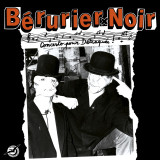
Concerto Pour Détraqués" was ranked 52nd best French rock album by Rolling Stones magazine in 2010.
Eleven tracks like so many vitriolic pictures of a sick society: rape, extreme right-wing, psychiatric confinement, security paranoia, alcoholism and all the other crap that the future seems to hold. Loran and François express more than ever their rage and their refusal of the adult world in a recital with three chords: more aggressive guitars, more incisive lyrics and voices while an armada of chorus members and a saxophone come to heckle or underline this darkness.
"Concerto Pour Détraqués" is the band's reference album, with a string of hymns to insubordination and freedom: Petit Agité, Vivre Libre ou Mourir, Les Rebelles, Porcherie, Hélène et le Sang...
The band's name alone evokes the epic of alternative rock: rebellious and committed.
Born by mistake on a February evening in 1983, Bérurier Noir soon found itself the driving force behind a vast "Youth Movement", determined to take control of its life in the face of a society that was ultra conservative at the time. Times have hardly changed.
From the first self-produced records distributed by hand to the creation of self-managed labels, from concerts in squats and wild appearances in demonstrations, on the street or in the metro to endless tours, from interviews given to fanzines and free radio stations to unclassifiable appearances in the mainstream media, Bérurier Noir has waged the most exciting war of independence in the history of French rock, with only a microphone, a guitar, a drum machine, a few red noses and patched-up theatre masks.
The last finger of honour of this turbulent and irrecoverable raia, François, Loran and their "Troupeau d'Rock" commit hara-kiri, at the peak of their glory, during three last concerts in the heart of Paris in November 1989.
Forty years after its birth, Bérurier Noir's work still resonates, whether in demonstrations or free parties, nourishing the hopes of those who wish to overthrow this world to build a truly libertarian, united and fraternal society.
The label Archives de la Zone Mondiale reminds those who missed this unprecedented adventure, 8 discographic parts of the group Bérurier Noir in the form of reissues on particularly original colour vinyls (crown finish), in a limited series and distributed throughout the year.
Born in Milan to a Cameroonese father and a Polish/Lithuanian mother, Nathan Dawidowicz moved at the age of 6 to Jerusalem. He was spending his childhood in a Jewish ultra-orthodox environment playing the piano and dreaming of being a Fashion designer and musician. After waking up from the reality he was raised in, he moved to Venice and started to explore the "outside world" of the mental barriers of religion. Music and fashion were his medicine, and he quickly became addicted to musical textures and vinyl. His love for music brought him quickly to Berlin, where he currently lives and loves.
Sanctuary Of Ideas is a very personal and optimistic journey by Nathan Dawidowicz. His first solo album is a spiritual path, as cosmic and adventurous as Nathan`s trajectory, with beautiful twists and psychedelic twirls into Dawidowicz personal rabbit hole. A record full of memories and positive affirmations, filled with Jazzy yet psychedelic Cosmic and Krautrock elements. A fusion of inspiration - and a perfect reflection of Dawidowicz heritage.
Idea`s Eve is a stargate to our ancestral power. The source of our inspiration is connected to our past - to the spirits of our ancient memories. Dawidowicz leaves a lot of space to breathe in this magical opener. Enchanting melodies and bubbling sounds surround the listener while his voice keeps repeating a mantra of an ancient love spell. A track where you feel your DNA spiraling up the ladder of evolution. Yet so natural and healing.
Full Moon Dance is the spiritual continuation of the first track. A swirl of magical melodies, yet jazzy but truly cosmic walking up the ladder to another dimension, where warm moon rays and fluffy clouds surround love. The synth lines represent the playful and smooth moon rays reflected on a rhythmical heart-beating ground where tears can be joyfully spent to honor the emotions we usually oppress.
To close the EP, Nathan Dawidowicz worked a half a year to finalize the last track in full detail. 23 Minutes and 18 Seconds long is the Capricorn Rising Over Jerusalemite Temple. This story is where the listener is brought to a higher level of consciousness. Against the rules of our consumerist world, Nathan Dawidowicz focuses on a dramaturgy full of patience for our own lifetime. Acidic lines come and go, powerful synth solos trigger unknown brain parts, and an epic melody accompanies the listener and lets dark emotions melt in a brass-filled part where a voice tells us that time is on our side. The song ends with an epic twist and promises a new start, where our most lovely memories stay in a vortex of light. Beam me up Nathan.
Für viele Musiker ist der Schritt aus dem Kollektiv ein riskantes Manöver: Wie nämlich nehmen Band und Publikum die Entscheidung auf? Hendrik Otremba, Sänger der Gruppe Messer, stellt nun sein Soloalbum vor. Er hat es Riskantes Manöver genannt - aber nicht aus dem genannten Grund. Längst hat er sich als eigenständiger Künstler etabliert, hat als Maler, Autor und Performer stets auch zur Identität von Messer beigetragen, die gerade obendrein an einem neuen Album arbeiten - dieses Soloalbum kündet also nicht von Zwist. Wenn etwas verblüfft, dann vielleicht eher, dass Otremba nicht erneut in ein neues Medium aufbricht, sondern dorthin zurückgeht, wo alles anfing: zu den eigenen Songs, die bisher im Verborgenen lagen. Riskantes Manöver ist dabei kein Aufguss des Bekannten, aus Ennui oder Eitelkeit. Viel eher tritt der Songwriter Hendrik Otremba an die Öffentlichkeit, der sich parallel zu Messer entwickelt hat. In den vergangenen zwölf Jahren nimmt er Demos auf, experimentiert, geht intuitiv vor und findet zu einer eigenen Sprache, aus der er nun mit zwei engen Freunden ein Album ausgearbeitet hat: Multi-Instrumentalist Alan Kassab, ein Schulfreund Otrembas, und Kadavar-Schlagzeuger Christoph 'Tiger" Bartelt, schon Produzent des Messer-Debuts. Gemeinsam nähern sie sich den Demos wie einem Skript und schaffen so eine Art auditiven Autorenfilm. Im Zentrum steht eine kreative Vision, die von virtuosen Technikern und begnadeten Darstellern umgesetzt wird - neben der Kern-Crew gehören dazu Stella Sommer, Alex Zhang Hungtai (Ex-Dirty Beaches), der Otremba überhaupt erst dazu inspirierte, ein eigenes Album zu schreiben), Gregor Schwellenbach, Friedrich Paravicini, Dominik Otremba (aka Performance) - aber auch Tochter Hedi und mehr als ein Dutzend weitere Kreative zwischen Indie-Adel, Hochkultur-Bagage und Jugendfreunden. Doch nicht nur durch sein Casting-Gespür und weitere direktive Entscheidungen überzeugt Otremba, sondern vor allem mit Musik, die durch ihre Weite und einen eigensinnigen erzählerischen Ansatz gar filmisch wirkt: Als zarter Chansonier schleicht Otremba durch die Streicherschluchten von New York II, geifert als Apokalyptiker in Nektar Nektar vor Blastbeat und heulendem Saxofon, findet in der sinophilen Klavierballade Bargfeld aber auch zu Ruhe und Intimität. Brachialen Proto-Industrial und dröhnenden Goth meistert Otremba ebenso wie epischen Pop oder Großstadt-Country; hier öffnet ein Musik-Enthusiast sein vielseitiges Portfolio, in dem er als Sänger und Performer zugleich eine neue Bandbreite entwickelt. In sein Rollen-Inventar führt Otremba zudem die Figur "66 ein, ein "Zeuge des zivilisatorischen Niedergangs" und eine Art Erzählstimme, durch deren Perspektive wir auf das von Katastrophen und Verlassenheit geprägte Geschehen des Albums blicken. Otremba tritt als "66 maskiert auf, zu sehen etwa auf dem Cover der Riskantes Manöver Doppel-10-Inch. Was die Bandagen bedeuten, bleibt unklar - ein weiterer, rätselhafter Eintrag in Otrembas Privatmythologie, bestehend aus Namen, Zeichen, Bildern, die sich durch sein gesamtes Werk erstrecken. Riskantes Manöver öffnet darin nicht nur eine neue Facette, der Titel fasst zugleich das Ethos eines Arbeitens zusammen, "das nicht auf Relevanz oder Erfolg gepolt ist". Gerade, wenn dabei immer wieder Gegensätze vereint werden müssen, die an dem Menschen dahinter zerren: "Das riskante Manöver ist mit den Widersprüchen zu leben und sie im eigenen Schaffen stattfinden zu lassen. Lust und kreative Ambition als was Positives zu begreifen in einer Situation, wo das, was ich sehe, eigentlich für das Gegenteil spricht, abgründig, negativ, dämonisch ist." In diesem Sinne ist hier ein Monolith von einem Album geschaffen, der sich zugleich machtvoll und zart aufstemmt, wie es im Untertitel der Platte heißt: "gegen die Verachtung der Gegenwarth"! - Sebastian Berlich
- A1: Jj's Powerhouse ? Running For The Line
- A2: Storm Queen ? Raising The Roof
- A3: Jameson Raid ? It?S A Crime
- A4: A.r.c. ? Homemade Wine
- A5: Metropolis ? The Raven
- B1: Prowler ? Temporary Insanity
- B2: Christian Steel ? Need Your Love
- B3: Black Rose ? Sidewinder
- B4: Dark Age ? Star Trippin?
- B5: Sorcery - Whales
If you were smart enough to get your grubby paws on the first Scrap Metal compilation, you probably have a pretty good idea of what you’re in for with our second installment. Featuring long-lost gems from ultra-rare 45s and private press singles—plus one previously unreleased banger—Scrap Metal 2 maintains a steady NWOBHM course. Packed with infectious outliers and supremely talented one-and-done metal warriors from the crucial British movement of the late ’70s and early ’80s (and some killer American obscurities inspired by them), this collection delivers all the fist-pumping, riff-mongering and flashy solos of heavy metal’s golden age. As always, every track has been officially licensed and every artist gets paid. As a late entry into the NWOBHM sweepstakes, JJ’s Powerhouse was formed in Merseyside, England, by guitarist Jon “J.J.” Cox with members of his previous band, Quad. Much like the opener to the original Scrap Metal comp, you can hear early Metallica coursing through this legendary ripper. Coincidentally, this ultra-rare 45 was released in ’83, the same year as Kill ’Em All. Taking their name from a 1978 sci-fi novel by Marion Zimmer Bradley, Welsh super troopers Storm Queen reveled in animal-print clothing and flying Vs. The Motörhead-meets-Priest anthem “Raising the Roof” is the flipside to their only single, which the band self-released in 1982. Led by guitarist Dave Morse, Storm Queen’s earliest lineup included bassist Bryn Merrick (RIP), who would go on to join The Damned. Roaring out of Birmingham, England, in 1975, Jameson Raid palled around with fellow Brummies Black Sabbath and named themselves after a failed 19th century attack that helped kick off South Africa’s Second Boer War. Their three-song 1979 debut featured the infectious “It’s a Crime,” which comes across like a deadly hard-glam version of Budgie. Still fronted by vocalist Terry Dark, they’re going strong as of 2022. A.R.C., a punky proto-metal group from the UK, released the boozy single “Home Made Wine” b/w “The Chase” in 1979 and—as far as we know—were never heard from again. They’re not to be confused with a gang of Tolkien enthusiasts also called A.R.C., who released two NWOBHM singles in the early ’80s and actually were heard from again. Nonetheless, the A.R.C. we have here was led by a thirsty lad named Klaus Brunnenkant, who liked to rock n’ roll all night and party every day. Both sides of Metropolis’ sole single bear the legend, “Unauthorized duplication shall result in getting your ass beat.” This San Jose metal squad released their only single in 1986 and dedicated it to Metallica bassist Cliff Burton, who had recently been killed in a bus accident. “The Raven” is the serpentine NWOBHM- and Edgar Allan Poe-influenced flipside to “Time Heals Everything,” and yeah, you can hear the guitars going out of tune on the solo, but that’s part of the charm. Of the two dozen or so metal bands that have called themselves Prowler over the years, we’re pretty sure this particular Prowler is the only one from San Diego. These dudes take a thrashier approach than most of the bands here on Scrap Metal 2: “Temporary Insanity” strikes a deft balance between early Anthrax and early Testament, with just enough hard rock swing to keep it from getting overly staccato. Self-released in ’86 as the band’s only single, the song is the flip to “I Love It.” Not much is known about Christian Steel beyond this: They put out their only single in 1983, which boasted “Need Your Love” as the flip to “I Don’t Want To.” The former, included here, sounds kinda like a dizzy, more metallic version of ’70s Jersey rockers Starz, who famously influenced the likes of Mötley Crüe, Poison and Twisted Sister. Ohio guitarist/vocalist Marty Soski’s career dates back to at least 1969 with the Inside Experience track “Be On My Way,” which we unearthed for our own Brown Acid: The Third Trip. This time, we’ve got a monster Soski cut that he recorded under the name Black Rose. Released in 1982, the absolutely smokin’ “Sidewinder” was the A-side on the band’s sole single. The main riff isn’t far off from Y&T’s major-label banger “Mean Streak,” which was released the following year. When Dark Age titled their 1987 album The Youngest Metal Band in the World, they weren’t even sort of kidding. Legend has it that “Star Trippin’,” which was released as a single a year earlier, was written by guitarist CJ Rininger when he was just 12 years old. His brother Dave, the vocalist, was two years younger. Old photos of the band—complete with pineapple haircuts—seem to bear this story out. Either way, the song is pure flash metal, conjuring Sunset Strip sleaze all the way from Ohio. By now, all you heads know Los Angeles magic men Sorcery from their storied appearance in—and soundtrack for—the death-defying Ozploitation flick Stunt Rock. What we have here in “Whales” is a previously unreleased track from the same 1978 recording sessions. It’s a little bit Zeppelin, a little bit prog, and a whole lotta thundering riffage. Why this languished in the vaults for so long is anyone’s guess. Better late than never!
- A1: Jj's Powerhouse ? Running For The Line
- A2: Storm Queen ? Raising The Roof
- A3: Jameson Raid ? It?S A Crime
- A4: A.r.c. ? Homemade Wine
- A5: Metropolis ? The Raven
- B1: Prowler ? Temporary Insanity
- B2: Christian Steel ? Need Your Love
- B3: Black Rose ? Sidewinder
- B4: Dark Age ? Star Trippin?
- B5: Sorcery - Whales
If you were smart enough to get your grubby paws on the first Scrap Metal compilation, you probably have a pretty good idea of what you’re in for with our second installment. Featuring long-lost gems from ultra-rare 45s and private press singles—plus one previously unreleased banger—Scrap Metal 2 maintains a steady NWOBHM course. Packed with infectious outliers and supremely talented one-and-done metal warriors from the crucial British movement of the late ’70s and early ’80s (and some killer American obscurities inspired by them), this collection delivers all the fist-pumping, riff-mongering and flashy solos of heavy metal’s golden age. As always, every track has been officially licensed and every artist gets paid. As a late entry into the NWOBHM sweepstakes, JJ’s Powerhouse was formed in Merseyside, England, by guitarist Jon “J.J.” Cox with members of his previous band, Quad. Much like the opener to the original Scrap Metal comp, you can hear early Metallica coursing through this legendary ripper. Coincidentally, this ultra-rare 45 was released in ’83, the same year as Kill ’Em All. Taking their name from a 1978 sci-fi novel by Marion Zimmer Bradley, Welsh super troopers Storm Queen reveled in animal-print clothing and flying Vs. The Motörhead-meets-Priest anthem “Raising the Roof” is the flipside to their only single, which the band self-released in 1982. Led by guitarist Dave Morse, Storm Queen’s earliest lineup included bassist Bryn Merrick (RIP), who would go on to join The Damned. Roaring out of Birmingham, England, in 1975, Jameson Raid palled around with fellow Brummies Black Sabbath and named themselves after a failed 19th century attack that helped kick off South Africa’s Second Boer War. Their three-song 1979 debut featured the infectious “It’s a Crime,” which comes across like a deadly hard-glam version of Budgie. Still fronted by vocalist Terry Dark, they’re going strong as of 2022. A.R.C., a punky proto-metal group from the UK, released the boozy single “Home Made Wine” b/w “The Chase” in 1979 and—as far as we know—were never heard from again. They’re not to be confused with a gang of Tolkien enthusiasts also called A.R.C., who released two NWOBHM singles in the early ’80s and actually were heard from again. Nonetheless, the A.R.C. we have here was led by a thirsty lad named Klaus Brunnenkant, who liked to rock n’ roll all night and party every day. Both sides of Metropolis’ sole single bear the legend, “Unauthorized duplication shall result in getting your ass beat.” This San Jose metal squad released their only single in 1986 and dedicated it to Metallica bassist Cliff Burton, who had recently been killed in a bus accident. “The Raven” is the serpentine NWOBHM- and Edgar Allan Poe-influenced flipside to “Time Heals Everything,” and yeah, you can hear the guitars going out of tune on the solo, but that’s part of the charm. Of the two dozen or so metal bands that have called themselves Prowler over the years, we’re pretty sure this particular Prowler is the only one from San Diego. These dudes take a thrashier approach than most of the bands here on Scrap Metal 2: “Temporary Insanity” strikes a deft balance between early Anthrax and early Testament, with just enough hard rock swing to keep it from getting overly staccato. Self-released in ’86 as the band’s only single, the song is the flip to “I Love It.” Not much is known about Christian Steel beyond this: They put out their only single in 1983, which boasted “Need Your Love” as the flip to “I Don’t Want To.” The former, included here, sounds kinda like a dizzy, more metallic version of ’70s Jersey rockers Starz, who famously influenced the likes of Mötley Crüe, Poison and Twisted Sister. Ohio guitarist/vocalist Marty Soski’s career dates back to at least 1969 with the Inside Experience track “Be On My Way,” which we unearthed for our own Brown Acid: The Third Trip. This time, we’ve got a monster Soski cut that he recorded under the name Black Rose. Released in 1982, the absolutely smokin’ “Sidewinder” was the A-side on the band’s sole single. The main riff isn’t far off from Y&T’s major-label banger “Mean Streak,” which was released the following year. When Dark Age titled their 1987 album The Youngest Metal Band in the World, they weren’t even sort of kidding. Legend has it that “Star Trippin’,” which was released as a single a year earlier, was written by guitarist CJ Rininger when he was just 12 years old. His brother Dave, the vocalist, was two years younger. Old photos of the band—complete with pineapple haircuts—seem to bear this story out. Either way, the song is pure flash metal, conjuring Sunset Strip sleaze all the way from Ohio. By now, all you heads know Los Angeles magic men Sorcery from their storied appearance in—and soundtrack for—the death-defying Ozploitation flick Stunt Rock. What we have here in “Whales” is a previously unreleased track from the same 1978 recording sessions. It’s a little bit Zeppelin, a little bit prog, and a whole lotta thundering riffage. Why this languished in the vaults for so long is anyone’s guess. Better late than never!
Limitierte Neuauflage im Originalcover von 1979! Aufgenommen im Channel One Studio und abgemischt im King Tubbys Studio von Prince Jammy & Scientist. Weitere Credits: Backing Band: Roots Radics, Bass: Errol "Flabba" Holt, Drums: Carlton "Santa" Davis, Guitar: Earl "Chinna" Smith, Bo-Pee Bowen, Keyboards: Gladstone Anderson, Percussion: Sky Juice, Producer: Henry "Junjo" Lawes.
Der Bestseller von 1982 endlich wieder auf Vinyl erhältlich! Der Titelsong "Big Ship" gehört zu den bekanntesten Liedern des renommierten Sängers, u.a. hat er sein eigenes Studio und Label danach benannt, und der Longplayer wurde im Harry J und Channel One Studio mit den Roots Radics aufgenommen, von Scientist abgemischt, und als Produzent fungierte Linval Thompson. Weitere Top-Tunes des Albums sind "Roots Man Skanking", "Stop Loving You", "Peaceful Man", das auch als 2009-CD Remaster erhältlich ist: Katalog-Nr. GREWCD39
- Unsafe Building (Electric)
- Up For Murder (Acoustic)
- Reason 41 (Emi Demo Session)
- The Deceiver (Emi Demo Session)
- Lie Of The Land (Emi Demo Session)
- Sixty Eight Guns (Illegal Records Demo Version)
- What Kind Of Hell (Illegal Records Demo Version)
- Marching On (Ep Version)
- Across The Border (Ep Version)
- The Stand (Single Version)
- For Freedom (Live Version)
- Reason 41 (Live Version)
- The Deceiver (Live Version)
- Third Light (Live Version)
- Lie Of The Land (Live Version)
- Legal Matter (Live Version)
- Marching On (Live Version)
- The Stand (Long Version)
- Blaze Of Glory (Single Version)
- Sixty Eight Guns (Single Version)
- Thought Of A Young Man (Part One)
- Sixty Eight Guns (Part Two)
Doppelalbum mit den ersten 4 Singles samt B-Seiten sowie der selbstbetitelten, nordamerikanischen Debüt-EP (1983) der legendären, britischen Alternative-Rock-Band The Alarm. Remastered von den Original Tapes unter Aufsicht des Sängers Mike Peters. Ausführliche Sleevenotes mit Beiträgen sämtlicher Bandmitglieder, Original-Artwork und bislang unveröffentlichtem Fotomaterial. Beide Formate wurden jeweils mit unterschiedlichen, exklusiven Bonus-Live- oder Live-Versions ihrer Klassiker erweitert.
Néo-Romance ist das klangmalerisches Debüt-Album der kanadischen Pianistin und Komponistin Alexandra Stréliski bei XXIM Records (Sony Music). Inspiriert von den Geschichten ihrer Vorfahren in Europa und einer neuen Liebe in Rotterdam, findet die Musikerin mit polnisch-jüdischen Wurzeln darin einen neuen, romantischen Zugang zum Leben und ihrer Musik. In ihrer Heimat Kanada ist Alexandra Stréliski seit ihrem Album Inscape (2018) mit dem sie offen ihren Burn-Out thematisierte, mit über 140.000 verkauften Alben und 300 Millionen Audiostreams weltweit ein gefeierter Medienstar und erhielt 2020 den renommierten JUNO Award.Néo-Romance ist inspiriert von großen persönlichen Veränderungen im Leben von Alexandra Stréliski. Es ist die Geschichte ihrer Öffnung für die Liebe und neue Erfahrungen nach dem Rückzug durch ihren Burn-Out, verstärkt durch die Pandemie. So ist Alexandra Stréliski während der weltweiten Gesundheitskrise nach Rotterdam gezogen, um dort mit ihrer Lebenspartnerin zusammen zu leben. Ihr Weg nach Europa führte sie damit zu den Wurzeln ihrer Familie. Sie besuchte die Wohnhäuser in Amsterdam, in denen ihre Vorfahren einst lebten, und entdeckte in einer Bibliothek in Paris Kompositionen von einem ihrer Vorfahren, der Lehrer und Komponist in der Zeit der Romantik war.Die Vorstellung einer kollektiven Identität und gemeinsamen Geschichte fand in Alexandra Stréliski einen tiefen Widerhall, der durch die erzwungenen Trennungen und das Gefühl der Isolation infolge der pandemischen Abriegelungen noch verstärkt wurde. Entsprechend entstammen ihre Kompositionen für Néo-Romance "einem sehr tiefen, sehr persönlichen Raum". Diese Erfahrung versucht Alexandra Stréliski auf ihrem Album mit anderen Menschen zu teilen. Sie erklärt: "Bei Néo-Romance geht es um Geschichten gegen Einsamkeit und Isolation. Wir sollten uns daran erinnern, wie universell unser emotionales Spektrum als Menschen ist, im Gegensatz zu einer Polarisierung. Wir alle machen die gleichen Traumata durch - Leben, Tod, Trennungen - wir können also hoffnungsvoll bleiben und von unserer eigenen, wunderbaren Existenz träumen. Wir können uns verlieren und in unseren Gefühlen leben - es ist alles in uns, und darin sehe ich Hoffnung. Die Prämisse und das Setting für das Album ist: Wie kann man in dieser desillusionierten, beängstigenden Zeit, in der wir leben, einen positiven, inneren Zugang im Sinne der Romantik zur Welt finden", erklärt Alexandra Stréliski.Auch musikalisch lässt sich Alexandra Stréliski von der Romantik inspirieren und versucht ihr kompositorisches Spektrum zu erweitern. Insbesondere von Frédéric Chopin lässt sie sich beflügeln, mit dessen Musik sie aufgewachsen ist. Das Label der "Neo-Klassik" möchte sie hinter sich lassen. Für die 14 Stücke des Albums arbeitet sie strikt melodieorientiert und gibt den Themen Zeit sich zu entwickeln. Die Kompositionen sind jeweils als eine in sich geschlossene Idee und entsprechend farben- und kontrastreich zeigt sich das Album: So stehen etwa den sanften und ruhigen "Rêveries" und "Border" die bewegten Stücke "The Hills" und "The Breach" gegenüber, die von schnell auf- und absteigende Klavierarpeggien geprägt sind. Für Néo-Romance arbeitete Alexandra Stréliski auch erstmals mit einem Streichtrio zusammen, das sie in Paris aufgenommen hat. Vereinzelt setzt sie auch eine Kirchenorgel als subtile Begleitung für ihre Klavierlinien ein.
The new album! One of reggae's emerging masters of Reggae / Dancehall & Dubwise production, Alborosie has honed his craft through the creaton of six studio albums (five for Greensleeves). Along the way, he has become the biggest selling European roots reggae artist. His latest album, "Freedom & Fyah" demonstrates his production skill and depth of feel with strong contemporary and authentic reggae jams. All tracks are produced by Alborosie, with most of the songs mixed by the high renown James "Bonzai" Caruso. Featured guests include Ky-Mani Marley on the ballad and first single/video "Life To Me" and Protoje, who have been just voted as best international artist by the Riddim magazine readers, on the track "Strolling" and reggae legends, the Roots Radics band with Flabba Holt on the track "Everything" feat. Pupa Avril. Stand out tracks include "Poser" (which has chalked up already over 1 million YouTube views) and "Rocky Road" which is up to 500K views. "Freedom & Fyah" is availlable as CD-digipak with additional 12-page booklet with printed lyrics and also as LP-vinyl edition.
— Als Digipak CD oder 180g schwarzes Vinyl
— Der „Sänger des Cellos, Akrobat des Kontrabass und
Meister des geschmackvollen Anspruchs“ (Jazzthing) mit
Quintett und dem Gothenburg Symphony Orchestra
— Traumhaftes Zusammenspiel zwischen Orchester, Band
und Solisten
Seit über 10 Jahren kulminiert Danielssons Kunst in der Liberetto-Band, die internationale Erfolge feiert. Jetzt hat er die bekanntesten Stücke dieser Formation in ein symphonisches Gewand gekleidet, federleicht und atmosphärisch dicht: Eleganz, Verve, Drive und musikalische Frische versprühen die Orchesterversionen, die der Schwede mit dem Gothenburg Symphony Orchestra und seinem Quintettinterpretiert.
Im zweiten Teil des Albums erklingt Danielssons Concerto für Kontrabass und English Horn.
- A1: Time? One Of The Most Complex Expressions?
- A2: Ian Fish U.k. Heir (Moonage Daydream Mix 1)
- A3: Hallo Spaceboy (Remix Moonage Daydream Edit)
- A4: Medley: Wild Eyed Boy From Freecloud
- A5: All The Young Dudes
- A6: Oh! You Pretty Things (Live)
- A7: Life On Mars? (2016 Mix - Moonage Daydream Edit)
- A8: Moonage Daydream (Live)
- B1: Medley: The Jean Genie / Love Me Do / The Jean Genie (Featuring Jeff Beck)
- B2: The Light (Excerpt)
- B3: Warszawa (Live Moonage Daydream Edit)
- B4: Quicksand (2021 Mix - Early Version)
- B5: Medley: Future Legend / Diamonds Dogs Intro / Cracked Actor
- C1: Rock ?N' Roll With Me (Live)
- C2: Aladdin Sane (Moonage Daydream Edit)
- C3: Subterraneans
- C4: Space Oddity (Moonage Daydream Mix)
- C5: V-2 Schneider
- D1: Sound And Vision (Moonage Daydream Mix)
- D2: A New Career In A New Town (Moonage Daydream Mix)
- D3: Word On A Wing (Moonage Daydream Excerpt)
- D4: Heroes? (Live Moonage Daydream Edit)
- D5: J. (Moonage Daydream Mix)
- D6: Ashes To Ashes (Moonage Daydream Mix)
- E1: Cygnet Committee/Lazarus (Moonage Daydream Mix)
- E2: Memory Of A Free Festival (Harmonium Edit)
- E3: Modern Love (Moonage Daydream Mix)
- E4: Let's Dance (Live Moonage Daydream Edit)
- E5: The Mysteries (Moonage Daydream Mix)
- E6: Rock ?N' Roll Suicide (Live Moonage Daydream Edit)
- E7: Ian Fish U.k. Heir (Moonage Daydream Mix 2)
- F1: Word On A Wing (Moonage Daydream Mix)
- F2: Hallo Spaceboy (Live Moonage Daydream Mix)
- F3: I Have Not Been To Oxford Town (Moonage Daydream A Cappella Mix Edit)
- F4: Heroes": Iv. Sons Of The Silent Age (Excerpt)
- F5: ? (Moonage Daydream Mix Edit)
- F6: Ian Fish U.k. Heir (Moonage Daydream Mix Excerpt)
- F7: Memory Of A Free Festival (Moonage Daydream Mix Edit)
- F8: Starman
- F9: You're Aware Of A Deeper Existence?
- F10: Changes
- F11: Let Me Tell You One Thing?
- F12: Well You Know What This Has Been An Incredible Pleasure?
- D7: Move On (Moonage Daydream A Cappella Mix Edit)
- D8: Moss Garden (Moonage Daydream Edit)
Nach der Veröffentlichung der 2CD-Version des Albums Moonage Daydream im letzten Jahr, wird der Soundtrack nun am 31. März als 3LP Vinyl veröffentlicht.
"Moonage Daydream" beleuchtet das Leben und Genie von David Bowie, einem der produktivsten und einflussreichsten Künstler der jüngeren Musikgeschichte.
Auf Spielfilmlänge nimmt uns Brett Morgen mit in die Welt Bowies, erforscht anhand von großartigem, vielfältigem und nie zuvor gesehenem Filmmaterial, Live-Auftritten und Musik (Morgen sichtete vier Jahre die Archive des David Bowie Estates) seine kreative, musikalische und spirituelle Reise.
Durch den Film führt uns dabei die Erzählerstimme von David Bowie selbst.
Das Begleitalbum zu "Moonage Dream" enthält Songs aus Bowies gesamter Karriere, darunter bisher ungehörtes Material, speziell für den Film und dieses Album angefertigte Mixe und Gesprächspassagen Bowies.
Zu den Highlights des Tracklistings zählen ein bisher unveröffentlichtes Live-Medley von "The Jean Genie / Love Me Do / The Jean Genie", aufgenommen beim berühmt-berüchtigten letzten Ziggy-Stardust-Konzert im Londoner Hammersmith Odeon 1973 und mit Jeff Beck an der Gitarre. Weitere Raritäten sind eine frühe Version
des Hunky-Dory-Favoriten "Quicksand" und eine bisher unveröffentlichte Live-Version von "Rock 'n' Roll With Me", mitgeschnitten bei der legendären "Soul Tour" 1974.
- A1: Jazz Is Merely The Negroes Cry Of Joy & Suffering
- A2: Introit- Joy N’ Suff’rin
- A3: Jazz Is The Musical Expression Of The Triumph Of The Negroes Spirit
- A4: Kyrie Eleison- Lawd Hav’ Merci
- B1: This Endless Repetition Is Like A Chain Around The Spirit. And Is A Reflection Of The Denial Of A Future To The Negro In The American Way Of Life
- B2: Dias Ire- Chain Around The Spirit
- B3: Another Restraining Factor In Jazz Are The Changes
- B4: Tuba Mirum- The Changes
- C1: The Negro Experiences The Endless Daily Humiliation Of American Life Which Bequeaths Him A Futureless Future
- C2: Rex Tremendae –Futureless Future
- C3: The Negro Transforms America’s Image Of Him Into A Transport Of Joy!
- C4: Recordare-Recall The Joy 02:06
- C5: Jazz Reflects The Improvised Life Thrust Upon The Negro
- C6: Confutatis-Repression
- C7: Through Spirituals, Through The Blues, Then Through Jazz We Made A Memory Of Our Past And A Promise Of All To Come
- C8: Lacrimosa- Weeping Our Lady Of Sorrow
- D1: Because Jazz Is The One Element In American Life Where Whites Must Be Humble To The Negro
- D2: Offerturium-Hostias-Humility
- D3: Only When Whites Have Paid The Price In Suffering To Be The Negroes Equal
- D4: Sanctus- Holy, Holy, Holy
- D5: The Jazz Body Is Dead But The Spirit Of Jazz Is Alive
- D6: Agnus Dei-Jazz Is Dead!
- D7: Lux Aeterna – Eternal Light (Angel Bat Dawid) / My Rhapsody (Severson-Leist) Feat. Marshall Allen & Knoel Scott
- D8: Long Tone For Rayna Golding (A Binti Zawadi Our Future)
Requiem for Jazz is a 12-movement suite composed and arranged by Angel Bat Dawid, inspired in part by dialogue from Edward O. Bland’s 1959 film “The Cry of Jazz.”
The original form of the music was premiered at the 2019 edition of the Hyde Park Jazz Festival in Chicago, where Angel conducted a multigenerational fifteen-piece instrumental ensemble (all Black musicians from Chicago’s creative music community) alongside a four- person choir (featuring singers from Black Monument Ensemble), dancers, and visual artists in performance.
Angel mixed and post-produced recordings from the performance – adding interludes, vocals and additional sounds, as well as transcribing a piece from “The Cry of Jazz” film. The final movement of Requiem for Jazz features Marshall Allen and Knoel Scott of the Sun Ra Arkestra. Their contributions were recorded remotely at the historic Arkestral Institute of Sun Ra in Philadelphia in late 2020.
The final Requiem for Jazz work in album form is an immersive 24-track, double LP experience. The physical package is a deluxe, heavyweight gatefold jacket with liner notes by South African writer Nombuso Mathibela, artwork by Damon Locks, and a large fold out poster designed by Jeremiah Chiu, featuring poetry written by Angel Bat Dawid in dedication to all of her collaborators on the project. Additionally, there is a limited Thy Kingdom Come purple color vinyl edition of Requiem for Jazz available for the first pressing only.
Neuauflage des Debütalbums der amerikanischen Experimental-Rock-Band Tomahawk von 2001.
Das Album wurde nach einem Treffen zwischen Sänger Mike Patton und Gitarrist Duane Denison aufgenommen. An dem Album waren Mitglieder von Faith No More, The Jesus Lizard, Helmet und Melvins beteiligt.
- Ltd. Col. LP: (Opaque Brown Vinyl)