Originally released in 2005, Supernature was Goldfrapp’s era-defining masterpiece, a multi-layered sonic-pop thriller that shattered the electronic rulebook, replacing it with a radical, high-gloss vision of pop music at its most seductive and strange.
Supernature catapulted Goldfrapp into the pop stratosphere, spawning now-classic singles like “Ooh La La”, “Number 1”, and “Ride A White Horse”. The album topped charts worldwide, earned multi-platinum sales, garnered multiple BRIT and GRAMMY nominations.
Now reissued for its 20th anniversary, the deluxe edition offers fans the classic original album alongside B-sides, classic & brand new remixes, unreleased live radio session recordings and an Audio Blu-ray 5.1 surround mix. The release is presented across 3 CDs (2CD + Audio Blu-Ray) in deluxe packaging, alongside a stunning peacock-coloured double vinyl edition (the second disc being a remix 12” single EP), with everything cut at half speed for enhanced sound quality.
The new edition includes two brand new Goldfrapp remixes by Alison Goldfrapp & Will Gregory, with exclusive reinterpretations from Richard X, Sun’s Signature (Elizabeth Fraser (Cocteau Twins) & Damon Reece (Massive Attack, Spiritualized).
With the release of this deluxe edition, Goldfrapp don’t just revisit Supernature, they reaffirm its enduring influence in 2025’s musical landscape and beyond.
out of Stock
Last delivered 6 years ago available to reorder, subject to availability
"PROG-ROCK LEGENDS SPOCK’S BEARD ARRIVE ON MADFISH WITH NEW ALBUM THE ARCHAEOPTIMIST. GATEFOLD 2LP VERSION, PRESSED ON RED VINYL. “mad time signatures, impossible harmonies, intense arrangements…sensational”
THE PROG REPORT “a true heir of the legacy of bands as Yes, Gentle Giant, Pink Floyd & old Genesis…a truly fascinating voyage.” METAL TEMPLE If Spock’s Beard have taught us anything over their 30+ years in the business, it’s that they have no interest in becoming their own tribute act. The Archaeoptimist - their latest offering & first release on Madfish - is not a retreat into old habits, but a recalibration. Just when you think they’re settling in, they kick the walls out instead. At the centre of this particular storm is Ryo Okumoto, whose fingerprints are all over the album - not just as a performer, but as a driving creative force. Teaming up with co-writer Michael Whiteman (I Am the Manic Whale) & longstanding bandmembers Alan Morse & Ted Leonard, Ryo has helped shape an album that is undeniably Spock’s Beard with a characteristic wry smile to boot. The album was produced by Okumoto & recorded at each band member’s respective home studios. Esteemed producer Rich Mouser (Dream Theater/Weezer) takes up the mixing & mastering duties. Over more than 30 years, Spock’s Beard have established themselves as one of modern progressive music’s most exciting & consistent acts, with live shows as renowned as their studio work & tours that draw sold-out audiences across the globe. Their albums regularly chart worldwide, with 2018’s Noise Floor reaching #3 on the UK Official Rock & Metal Chart & #6 on the Official Progressive Albums Chart.
Old-time and traditional music stay exciting for their contrasts. Exacting instrumentation honed through mentorships and late-night jams at fiddler's conventions tangles with a community-sourced inventiveness that influences variants and new sounds. Joseph Decosimo is a master of this genre for this very reason, blending deep technique with an openness and curiosity that keep his music crackling with life. A "marvelous fiddler" (No Depression) and banjo player who braids "exultation and veneration" (INDY Week) into his music, on his third solo album Fiery Gizzard Decosimo gathers a close-knit ensemble of friends from his musical career to infuse his interpretations of fiddle and banjo pieces with a contagious communal joy. As an artist working with traditional music from the South and Appalachia, Decosimo chooses songs based not only on historical significance and lineage but also his own sensory approach. For Fiery Gizzard, his ear was tuned to otherworldly tones and mystery, sourcing from field recordings such as Virginia fiddler Luther Davis' hypnotic version of "Shady Grove" while amping up the music's psychedelic potential. On the middle Tennessee banjo composition "Flowery Girls," a VHS of bluesman Abner Jay inspired Decosimo to rig up a pickup inside a fretless banjo and play it thr ough a tube amp to capture some of Jay's edge and funkiness. But to round out the sound and keep it kinetic meant galvanizing a genre-eschewing crew to jam out - and not in a "spaced-out drooly" kind of way, he laughs, but as a sort of "responsive conversation." Decosimo has always been a community-minded artist. He began playing as a seventh graderin Tennessee, fostering relationships with older players at jams and in homes, a learning mode natural to his inquisitive nature and desire for musical connection. A folklorist by intuition, he later became one by profession, studying with old-time legend Clyde Davenport, teaching in East Tennessee State University's renowned bluegrass program, and receiving his PhD at the University of North Carolina with a dissertation titled "Catching the `Wild Note': Listening, Learning, and Connoisseurship in Old-Time Music." In North Carolina, Decosimo kicked about in the verdant environment of Durham and Chapel Hill's folk and indie scenes, collaborating with artists including Alice Gerrard, Hiss Golden Messenger, and Jake Xerxes Fussell. This community has influenced his own music, including his "sublime and strangely heartening" (Bandcamp Daily) 2022 release While You Were Slumbering and Beehive Cathedral, Decosimo's 2024 "Appalachian mountain music treasury" (New Commute) trio album with Luke Richardson and Cleek Schrey for Dear Life Records. Continuing on this path, Fiery Gizzard is home base for a loose outfit of mostly Tarheel-based musicians from within and beyond traditional music. Inspired by a tour with fiddler Stephanie Coleman (Nora Brown), guitarist Jay Hammond, and synth builder and multi-instrumentalist Matthew O'Connell, Decosimo assembled studiomates based on close friendships and comfort. Coleman, O'Connell, and Hammond contribute to Fiery Gizzard, along with bassist and producer Andy Stack (Helado Negro, Wye Oak), horn player Kelly Pratt (Beirut, David Byrne), Mipso and Fust's Libby Rodenbough, Joseph O'Connell (Elephant Micah), and trad/experimental artist Cleek Schrey. Decosimo's fiddle and banjo work is virtuosic, intricate and simple simultaneously, a testament to his many years of study. On some tracks, his playing or lovely, plain-hearted singing is the centerpiece, such as on his interpretations of Texan street preacher Washington Phillips' 1929 recording "I Had a Good Father and Mother" or the Eastern Kentucky fiddle barn-burner "Glory in the Meetinghouse," famously played by Luther Strong for Alan Lomax. But there's also a trusting open-door policy, like where Southern Appalachian tune "Ida Red" relaxes into Coleman's sweet, confident fiddling and Hammond's loping guitar. As a bandleader, Decosimo's confidence and enthusiasm for the music reveal the heart of traditional music and how it can come to life through community. Fiery Gizzard is Joseph Decosimo as a powerful champion of traditional music - a sponge who soaks up as much as he squeezes out, a responsive artist who makes his genre accessible, and a magnet who can bring musicians of all sorts into his orbit with his same passion.
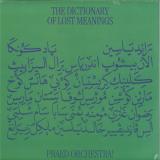
PRAED return to Discrepant, after their 2017’s entry Fabrication of Silver Dreams (CREP44)
Known for their signature blend of Egyptian Shaabi, free jazz and improvisation, the Lebanese duo behind PRAED - Raed Yassin and Paed Conca - now assemble a full orchestra for the second time taking the music to a deeper, rooted level.
Following their 2020 release Live in Sharjah, also under the PRAED Orchestra! moniker, the duo now revisit their unique blend of Arabic heritage and free jazz sensibilities with an album that keeps pushing further into strange and unexpected directions.
The Dictionary of Lost Meanings is just that, seven fully composed pieces and large-scale improvisations, performed by an expanded ensemble of musicians from across the globe. The result is dense and playful, unpredictable but familiar, a record where Arabic rhythms and microtonal melodies collide playfully against electronics, warped vocals and orchestral textures.
It’s less about genre than about memory — like tuning into a radio station broadcasting from somewhere between the past and the future.
PRAED continue to blur the line between popular culture and experimental music in ways that feel both grounded and completely their own.
PRAED ORCHESTRA! are
Raed Yassin: Synthesisers, Vocals, Beats
Paed Conca: Clarinet, Electric bass
Alan Bishop: Alto saxophone, Electric bass, Vocals
Andreas Bral: Harmonium, Electronics
Elisabeth Klinck: Violin
Christian Kobi: Soprano and Tenor Saxophones
Hans Koch: Bass Clarinet
Martin Küchen: Alto and Sopranino Saxophones
Maurice Louca: Synthesizer, electronics
Stan Maris: Accordion
Radwan Ghazi Moumneh: Buzuk, Vocals, Modular Synth
Youmna Saba: Electric Oud, Vocals
Sam Shalabi: Oud, Electric Guitar
Els Vandeweyer: Vibraphone
Khaled Yassine: Drums, Percussion
Michael Zerang: Drums, Percussion
Recorded by Jasper Jan Peeters at the Summer Bummer Festival, DE Studio,
Antwerp August 26, 2022
Mixed by Adham Zidan
Mastered by Mark Gergis
Produced by PRAED
Photos by Geert Vandepoele
out of Stock
Last delivered 4 months ago available to reorder, subject to availability
When we did the first ever vinyl reissue of this 1972 masterpiece back in 2012 it sold out so fast and so many lost the chance to grab a copy has translated into continuous messages asking us to do a repressing of this marvel - which we did and, again, it sold like hot bread. So here is a new edition of this UK jazz masterpiece, this time with a twist :
- Silk-screened cover art : we respect the original design, but have upgraded the printing from regular offset to silk screen to give it an artistic touch!
- In adition to the limited black vinyl edition (400 copies), we offer an ultra limited clear vinyl version (100 copies-only!)
One of the big names in UK Jazz, Neil Ardley was offered the leadership of the seminal New Jazz Orchestra in 1964. Under his direction the Orchestra moved though different styles and changes of personnel, bringing in musicians such as Mike Gibbs (trombone), Harry Beckett andHenry Lowther (trumpets) or even Jack Bruce (bass), some of them also contributed with the writing of some original compositions, making the NJO the root from which the UK's 70's jazz scene was to blossom.
By 1972 the NJO was already defunct, but his legacy remained in the works of its members. Ardley's 'A Symphony Of Amaranths' is a perfect example of what was boiling in the UK jazz scene. It was Ardleys tribute to his idols Duke Ellington and Gil Evans, and featured the skills of some great musicians of the scene including Don Rendell,Stan Tracey, Henry Lowther, Harry Beckett, Jeff Clyne & Jon Hiseman. Side B is inspired by the words of Edward Lear, W. B. Yeats, James Joyce and Lewis Carroll that are musicated by Ardley and feature, among other highlights, Ivor Cutler's narration of 'The Dong With A Luminous Nose' and Norma Winstone's vocals on 'Will You Walk A Little Faster'.
Musicians that participated in the recording session :
- Derek Watkins, Nigel Carter, Henry Lowther, Harold Beckett (trumpets)
- Derek Wadsworth, Ray Premru (trombones)
- Dick Hart (tuba)
- Barbara Thompson, Dave Gelly, Don Rendell, Dick Heckstall-Smith (woodwind, saxes)
- John Clementson (oboe)
- Bunny Gould (bassoon)
- Dave Gelly (glockenspiel)
- Neil Ardley (prepared piano)
- David Snell, Sidonie Goossens (harp)
- Stan Tracey (piano, celeste)
- Karl Jenkins (electric piano)
- Alan Branscombe (harpsichord)
- Frank Ricotti (vibraphone, percussion)
- Chris Laurence, Jeff Clyne (bass)
- Jon Hiseman (drums, percussion)
- Eric Gruenberg, Jack Rothstein, Kelly Isaacs (violin)
- Ken Essex (viola)
- Charles Tunnell, Francis Gabarro (cello)
- Ivor Cutler (narrator)
- Norma Winstone (vocal)
- Jack Rothstein, Neil Ardley (conductors)
out of Stock
Last delivered 12 months ago available to reorder, subject to availability
Can a self-portrait be a collage? Can empathy be autobiographical? What's the point of living if we're not trying to understand all the horror and humor that surrounds everything? These are a few of the questions lurking under the bleachers of Wednesday's new album Bleeds, an intoxicating collection of narrative-heavy Southern rock that_like many of the most arresting passages from the North Carolina band's highlight reel so far_thoughtfully explores the vivid link between curiosity and confession. Bleeds is not only the best Wednesday record_it's also the most Wednesday record, a patchwork-style triumph of literary allusions and outlaw grit, of place-based poetry and hair-raising noise. Karly Hartzman_founder, frontwoman, and primary lyricist_credits Wednesday's tightened grasp on their own identity to time spent collaborating on previous albums, plus a tour schedule that's been both rewarding and relentless. "Bleeds is the spiritual successor to Rat Saw God, and I think the quintessential `Wednesday Creek Rock' album," Hartzman said, articulating satisfaction with the ways her band has sharpened its trademark sound, how they've refined the formula that makes them one of the most interesting rock bands of their generation. "This is what Wednesday songs are supposed to sound like," she said. "We've devoted a lot of our lives to figuring this out_and I feel like we did." Just like Rat Saw God, one of the defining rock & roll records of the 2020s so far, Bleeds came together at Drop of Sun in Asheville and was produced by Alex Farrar, who's been recording the band since Twin Plagues. Hartzman again brought demos to the studio, where she and her bandmates _X andy Chelmis (lap steel, pedal steel), Alan Miller (drums), Ethan Baechtold (bass, piano), and Jake "M.J." Lenderman (guitar) _ worked as a team to bulk-up the compositions with the exact right amounts of country truth-telling, indie-pop hooks, and noisy sludge. More than ever, the precise proportions were steered by the lyricism_not only its tone or subject matter, but also the actual sound of the words, as well as Hartzman's masterfully subjective approach to detail selection. Every image or scene is filtered through Hartzman's agile, writerly brain. The particulars deemed essential all contain revelations about Hartzman's specific obsessions and vulnerabilities, about the fragmented way she processes the world. Maybe sometimes the best way to locate truth or pain or dignity within your own life story, Bleeds suggests, is by crawling into someone else's.
Can a self-portrait be a collage? Can empathy be autobiographical? What's the point of living if we're not trying to understand all the horror and humor that surrounds everything? These are a few of the questions lurking under the bleachers of Wednesday's new album Bleeds, an intoxicating collection of narrative-heavy Southern rock that_like many of the most arresting passages from the North Carolina band's highlight reel so far_thoughtfully explores the vivid link between curiosity and confession. Bleeds is not only the best Wednesday record_it's also the most Wednesday record, a patchwork-style triumph of literary allusions and outlaw grit, of place-based poetry and hair-raising noise. Karly Hartzman_founder, frontwoman, and primary lyricist_credits Wednesday's tightened grasp on their own identity to time spent collaborating on previous albums, plus a tour schedule that's been both rewarding and relentless. "Bleeds is the spiritual successor to Rat Saw God, and I think the quintessential `Wednesday Creek Rock' album," Hartzman said, articulating satisfaction with the ways her band has sharpened its trademark sound, how they've refined the formula that makes them one of the most interesting rock bands of their generation. "This is what Wednesday songs are supposed to sound like," she said. "We've devoted a lot of our lives to figuring this out_and I feel like we did." Just like Rat Saw God, one of the defining rock & roll records of the 2020s so far, Bleeds came together at Drop of Sun in Asheville and was produced by Alex Farrar, who's been recording the band since Twin Plagues. Hartzman again brought demos to the studio, where she and her bandmates _X andy Chelmis (lap steel, pedal steel), Alan Miller (drums), Ethan Baechtold (bass, piano), and Jake "M.J." Lenderman (guitar) _ worked as a team to bulk-up the compositions with the exact right amounts of country truth-telling, indie-pop hooks, and noisy sludge. More than ever, the precise proportions were steered by the lyricism_not only its tone or subject matter, but also the actual sound of the words, as well as Hartzman's masterfully subjective approach to detail selection. Every image or scene is filtered through Hartzman's agile, writerly brain. The particulars deemed essential all contain revelations about Hartzman's specific obsessions and vulnerabilities, about the fragmented way she processes the world. Maybe sometimes the best way to locate truth or pain or dignity within your own life story, Bleeds suggests, is by crawling into someone else's.
out of Stock
Last delivered 13 months ago available to reorder, subject to availability
"Ethio Jazz" is an album released by the Ethiopian master musician Mulatu Astatke in 1974 on his homeland Ethiopia's Amha Records.
It stands as a milestone not only in his career but also in the history of contemporary Ethiopian music, continuing to shine brightly.
With melancholic melodies played by wind instruments, a polyrhythmic rhythm section creating robust waves, sultry vibes from the vibraphone, and smoky
organ tones, the album is enveloped in the sounds of jazz inherited from the States. This work, where various musical elements are miraculously fused in
perfect balance, undoubtedly reigns at the pinnacle of Ethio Jazz, showcasing Mulatu's ambitious creativity in seeking out new sounds.
Nicolás Ibarburu is a prominent figure in Uruguayan music. Renowned for his exceptional guitar skills since his teenage years, he has also established himself as a talented songwriter. In La Ruta de la Seda, he showcases a unique blend of personal songwriting, Latin fusion rhythms, pop sensibility, and deep-rooted Uruguayan musical influences. From his teenage years, Nicolás Ibarburu has become a prominent figure in Uruguayan music. Renowned for his exceptional guitar skills, he quickly gained recognition, performing alongside his brothers, Martín and Andrés, in various projects. Ibarburu's mastery of the guitar has led to collaborations with legendary figures from both Argentina and Uruguay, including the iconic Luis Alberto Spinetta, Jaime Roos, Fito Páez, and Rubén Rada. As his career evolved, Ibarburu expanded his influence beyond performance, establishing himself as a talented songwriter with a captivating solo career. His latest album, La Ruta de la Seda, showcases his unique blend of personal songwriting, Latin fusionrhythms, pop sensibility, and deeprooted Uruguayan musical influences. With his signature guitar sound and lyrics that explore the magic of artistic creation and the poetic depths of the subconscious, Ibarburu continues to push the boundaries of his artistry.
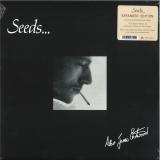
First time vinyl reissue, expanded and deluxe double gatefold 140g double vinyl, remastered audio with restored artwork and fresh liners written by Paul Hillery (Folk Funk & Trippy Troubadours)
Alan James Eastwood's glorious Seeds is a certified folk-funk lost-classic.
But who was Alan James Eastwood? He had never hit the big time and commercial success eluded him. By the mid-1970s, his musical career was pretty much over and he was almost unknown except among deep heads, amongst whom he would gain cult status.
Original copies of the 1971 vinyl release of Seeds exchange hands for high sums, if you can find one. This expanded 2LP contains an extra record, collecting 9 rare non-album singles and is presented in a gatefold sleeve complete with freshly commissioned liner notes courtesy of Paul Hillery (Folk Funk & Trippy Troubadours).
With the long overdue deluxe reissue of this prized artefact, we hope to finally shine a light on the unheralded genius of Alan James Eastwood. RIYL Nick Drake, Rodriguez, Richie Havens.
Alan James ‘Bugsy’ Eastwood was a renowned musician and singer who came to prominence in the late 1960s with The Exception, an unsung but excellent band from Birmingham. The Exception released many singles, the first featuring friend Robert Plant on tambourine, before an album, The Exceptional Exception. However, by this time, Bugsy was feeling constrained and restless; he left the band within weeks of the release.
Having vanished from the scene, he was honing a deeper, introspective edge to his songwriting. His demos found their way to the sound engineer and producer Mike Cooper at Pan Music Studios in Denmark Street. Loving what he heard, Eastwood soon entered a recording session with Cooper. The session was just Alan, his guitar and harmonica and - by all accounts - it was remarkable. With the songs, the voice and such an exceptional talent, it was hard to go wrong. Says Mike: "We had John Hawkins do the big string arrangements and Richard Hewson arranged the string quartet. We overdubbed the orchestrations on Alan's original session recordings, adding Chris Karan on tabla and various percussion. We considered re-recording the vocals but found that the magic on that original session was so exceptional overdubbing would not be as good as the atmospheric 'live' performance."
Mike and Alan viewed each track as a different entity, giving the album a diverse sonic palette. Assessing each song individually, they decided which would be suitable for each arranger. Top-flight session musicians were added to the roster to complete the sound, with Byron Lye Fook (father of musician Omar) on drums, bassist Mike Ward, Brian Pickles on marimba and jazz drummer Chris Karan on tabla and percussion. Recorded in a matter of days in Pan's small 8-track studio, they carefully added overdubs, rhythm sections and four string sessions arranged by Hawkins, with Hewson's arrangements recorded at Trident Studios.
Seeds was Alan James Eastwood's debut solo album – indeed, his only solo album - and was originally issued on President in 1971. It melded Eastwood’s impressive rock sensibilities with a folk thread to superb effect. His arresting voice - its deep, rough-hewn soulfulness - coupled with gorgeous string-drenched backing, make this a phenomenal listen. It really is a great 70s singer-songwriter record - with touches of acid-folk and folk-funk throughout.
It opens with "She's Getting Married In August", a mellow tune with Richard Hewson's strings arranged around Alan's straightforward guitar structure. Up next, the joyous, sun-dappled guitar and strings workout "Evenin' Rain" glides by before the fragile, accordion-enhanced "Les Papillons" breezes out of the speakers. The bluesy "Zeena" follows, featuring vocals and acoustic guitar and showcasing Eastwood's effortless harmonica. Starting out as a ballad, "Virgin Morn" builds with soaring strings and gospel-tinged backing vocals from Marilyn Powell and jazz singer Josephine Stahl. The A-side closes with the title track, "Seeds". With a chugging mid-tempo beat, soulful vocals and a beautiful Bacharach-esque string arrangement, it truly is stop-you-in-your-tracks spectacular.
Side B opens with "Crystal Blue", gilded by Lye Fook's marimba, lush gospel-esque backing vocals and handclaps. Eastwood's acoustic guitar begins "Lady Carole", which starts as a bluesy ballad and builds with more string arrangement, lifting the track to another height. A towering highlight of epic proportions, "Lotus Child" is a true masterpiece of arrangement. It opens with simple yet stunning do-do-dah vocal harmonies blended with John Hawkins's strings, bass lines and rhythmic beats, forming a vibe very much in conversation with the sounds coming from LA's Laurel Canyon. Next up, the heartwarming "Last Prayer", dedicated to Alan's first and last love, contains a melancholic vocal with a wistful string-drenched arrangement that would sit comfortably in a Federico Fellini score. Bringing the album to a close, "Hymn For Today" is a melodic raga with tabla, strings and a soft-psych feel. Eastwood's prophetic whisper - "I am real. At last, I am real" - profoundly hits home.
Kicking off the extra disc is the sparsely funky and country-tinged "Boston", released as the flip to the astonishing "Seeds". Next up are the two tracks that comprised Alan’s debut solo 7" single from 1968. The laconic, Bobby Charles-esque "Blackbird Charlie" evidences a real depth and charm in Eastwood's songwriting whilst the starkly brilliant flip, "My Sun", was a horizontal, atmospheric folk-tinged soundtracky precursor to his later work on Seeds.
In 1972, two further standalone singles followed. The first was the evergreen flute-driven folk-funk bomb, "Closer To The Truth", backed by the funky blues of "Strange News". The second, a deeply moving Havens-inspired "Moonchild" - rightly fawned over to this day - was flipped with "Red Shoe Truckin'", a groove-infused track. Eastwood also paired up with Marilyn Powell for a single produced by Powell's partner, Mike Cooper. Under the name Eastwood & Powell, they released their staggering rendition of "Beautiful", a rock-blues-pop song arranged by Ivor Raymonde and written by Carole King. Over on the flip, a funky Eastwood original "Opal Blue Sunday" lurked. This is not to be overlooked.
Over the years, Alan remained active on the music scene, but problems with alcohol and health complications from diabetes severely impacted his career. He spent his latter years living in London until his untimely death from heart failure on 25 October 2007, just one day before his 62nd birthday and without his music having received the real acclaim it so dearly deserved.
This deluxe reissue, spellbinding from beginning to end, should hopefully go some way to rectifying this tragic fact. Mastering for this special double vinyl edition was overseen by Be With regular Simon Francis and it was cut by the esteemed Cicely Balston at Abbey Road Studios to be pressed in the Netherlands by Record Industry. The original artwork has been lovingly brought back to life at Be With HQ, with the addition of passionately written liner notes specially for this landmark reissue by none other than Paul Hillery.
out of Stock
Last delivered 13 months ago available to reorder, subject to availability
When we did the first ever vinyl reissue of this 1972 masterpiece back in 2012 it sold out so fast and so many lost the chance to grab a copy has translated into continuous messages asking us to do a repressing of this marvel - which we did and, again, it sold like hot bread. So here is a new edition of this UK jazz masterpiece, this time with a twist :
- Silk-screened cover art : we respect the original design, but have upgraded the printing from regular offset to silk screen to give it an artistic touch!
- In adition to the limited black vinyl edition (400 copies), we offer an ultra limited clear vinyl version (100 copies-only!)
One of the big names in UK Jazz, Neil Ardley was offered the leadership of the seminal New Jazz Orchestra in 1964. Under his direction the Orchestra moved though different styles and changes of personnel, bringing in musicians such as Mike Gibbs (trombone), Harry Beckett andHenry Lowther (trumpets) or even Jack Bruce (bass), some of them also contributed with the writing of some original compositions, making the NJO the root from which the UK's 70's jazz scene was to blossom.
By 1972 the NJO was already defunct, but his legacy remained in the works of its members. Ardley's 'A Symphony Of Amaranths' is a perfect example of what was boiling in the UK jazz scene. It was Ardleys tribute to his idols Duke Ellington and Gil Evans, and featured the skills of some great musicians of the scene including Don Rendell,Stan Tracey, Henry Lowther, Harry Beckett, Jeff Clyne & Jon Hiseman. Side B is inspired by the words of Edward Lear, W. B. Yeats, James Joyce and Lewis Carroll that are musicated by Ardley and feature, among other highlights, Ivor Cutler's narration of 'The Dong With A Luminous Nose' and Norma Winstone's vocals on 'Will You Walk A Little Faster'.
Musicians that participated in the recording session :
- Derek Watkins, Nigel Carter, Henry Lowther, Harold Beckett (trumpets)
- Derek Wadsworth, Ray Premru (trombones)
- Dick Hart (tuba)
- Barbara Thompson, Dave Gelly, Don Rendell, Dick Heckstall-Smith (woodwind, saxes)
- John Clementson (oboe)
- Bunny Gould (bassoon)
- Dave Gelly (glockenspiel)
- Neil Ardley (prepared piano)
- David Snell, Sidonie Goossens (harp)
- Stan Tracey (piano, celeste)
- Karl Jenkins (electric piano)
- Alan Branscombe (harpsichord)
- Frank Ricotti (vibraphone, percussion)
- Chris Laurence, Jeff Clyne (bass)
- Jon Hiseman (drums, percussion)
- Eric Gruenberg, Jack Rothstein, Kelly Isaacs (violin)
- Ken Essex (viola)
- Charles Tunnell, Francis Gabarro (cello)
- Ivor Cutler (narrator)
- Norma Winstone (vocal)
- Jack Rothstein, Neil Ardley (conductors)
out of Stock
Last delivered 13 months ago available to reorder, subject to availability
Old-time and traditional music stay exciting for their contrasts. Exacting instrumentation honed through mentorships and late-night jams at fiddler's conventions tangles with a community-sourced inventiveness that influences variants and new sounds. Joseph Decosimo is a master of this genre for this very reason, blending deep technique with an openness and curiosity that keep his music crackling with life. A "marvelous fiddler" (No Depression) and banjo player who braids "exultation and veneration" (INDY Week) into his music, on his third solo album Fiery Gizzard Decosimo gathers a close-knit ensemble of friends from his musical career to infuse his interpretations of fiddle and banjo pieces with a contagious communal joy. As an artist working with traditional music from the South and Appalachia, Decosimo chooses songs based not only on historical significance and lineage but also his own sensory approach. For Fiery Gizzard, his ear was tuned to otherworldly tones and mystery, sourcing from field recordings such as Virginia fiddler Luther Davis' hypnotic version of "Shady Grove" while amping up the music's psychedelic potential. On the middle Tennessee banjo composition "Flowery Girls," a VHS of bluesman Abner Jay inspired Decosimo to rig up a pickup inside a fretless banjo and play it thr ough a tube amp to capture some of Jay's edge and funkiness. But to round out the sound and keep it kinetic meant galvanizing a genre-eschewing crew to jam out - and not in a "spaced-out drooly" kind of way, he laughs, but as a sort of "responsive conversation." Decosimo has always been a community-minded artist. He began playing as a seventh graderin Tennessee, fostering relationships with older players at jams and in homes, a learning mode natural to his inquisitive nature and desire for musical connection. A folklorist by intuition, he later became one by profession, studying with old-time legend Clyde Davenport, teaching in East Tennessee State University's renowned bluegrass program, and receiving his PhD at the University of North Carolina with a dissertation titled "Catching the `Wild Note': Listening, Learning, and Connoisseurship in Old-Time Music." In North Carolina, Decosimo kicked about in the verdant environment of Durham and Chapel Hill's folk and indie scenes, collaborating with artists including Alice Gerrard, Hiss Golden Messenger, and Jake Xerxes Fussell. This community has influenced his own music, including his "sublime and strangely heartening" (Bandcamp Daily) 2022 release While You Were Slumbering and Beehive Cathedral, Decosimo's 2024 "Appalachian mountain music treasury" (New Commute) trio album with Luke Richardson and Cleek Schrey for Dear Life Records. Continuing on this path, Fiery Gizzard is home base for a loose outfit of mostly Tarheel-based musicians from within and beyond traditional music. Inspired by a tour with fiddler Stephanie Coleman (Nora Brown), guitarist Jay Hammond, and synth builder and multi-instrumentalist Matthew O'Connell, Decosimo assembled studiomates based on close friendships and comfort. Coleman, O'Connell, and Hammond contribute to Fiery Gizzard, along with bassist and producer Andy Stack (Helado Negro, Wye Oak), horn player Kelly Pratt (Beirut, David Byrne), Mipso and Fust's Libby Rodenbough, Joseph O'Connell (Elephant Micah), andtrad/experimental artist Cleek Schrey. Decosimo's fiddle and banjo work is virtuosic, intricate and simple simultaneously, a testament to his many years of study. On some tracks, his playing or lovely, plain-hearted singing is the centerpiece, such as on his interpretations of Texan street preacher Washington Phillips' 1929 recording "I Had a Good Father and Mother" or the Eastern Kentucky fiddle barn-burner "Glory in the Meetinghouse," famously played by Luther Strong for Alan Lomax. But there's also a trusting open-door policy, like where Southern Appalachian tune "Ida Red" relaxes into Coleman's sweet, confident fiddling and Hammond's loping guitar. As a bandleader, Decosimo's confidence and enthusiasm for the music reveal the heart of traditional music and how it can come to life through community. Fiery Gizzard is Joseph Decosimo as a powerful champion of traditional music - a sponge who soaks up as much as he squeezes out, a responsive artist who makes his genre accessible, and a magnet who can bring musicians of all sorts into his orbit with his same passion.
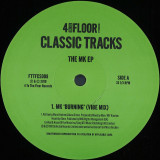
4 To The Floor continues to champion heritage tracks with Volume 7 of the Classics 12” series, ‘The MK EP’. As one of the most in demand producers of the halcyon period of house in the early 90s, this special delivery features three gems from MK’s early career.
Opening the A-Side with vocal house masterpiece ‘Burning’, on the flip are two of MK’s most loved collaborations with Alana, first the deep and piano-lined ‘Always’ (Club Mix), before the soulful club anthem ‘Love Changes’. This release highlights the timeless quality of MK’s catalogue, with three cuts that truly stand the test of time.
out of Stock
Last delivered 3 months ago available to reorder, subject to availability
After a storied first year as a band releasing and touring behind their critically acclaimed debut album Today, Galaxie 500 closed out 1988 with a quintessential performance at New York City’s famed CBGB with every bit of their signature intimacy and autumnal bombast on display. The unusual bill which also included Sonic Youth, B.A.L.L. and Unsane was a benefit show for the zine shop See Hear.
Captured here in a raw but inspired board mix by Kramer and restored and mastered from the analog source by Alan Douches at West West Side Music, CBGB 12.13.88 is a live snapshot of a Galaxie fully formed, punctuating the end of their first chapter while poised to step into their next with On Fire the following year.
After a storied first year as a band releasing and touring behind their critically acclaimed debut album Today, Galaxie 500 closed out 1988 with a quintessential performance at New York City’s famed CBGB with every bit of their signature intimacy and autumnal bombast on display. The unusual bill which also included Sonic Youth, B.A.L.L. and Unsane was a benefit show for the zine shop See Hear.
Captured here in a raw but inspired board mix by Kramer and restored and mastered from the analog source by Alan Douches at West West Side Music, CBGB 12.13.88 is a live snapshot of a Galaxie fully formed, punctuating the end of their first chapter while poised to step into their next with On Fire the following year.
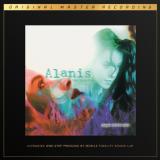
Alanis Morissette Delivers the Equivalent of a Spiritual Awakening on Supposed Former Infatuation Junkie:
Introspective Themes and Compassionate Emotions on Eastern-Tinged Album Have Grown More Relevant
1998 Smash Plays with Enhanced Detail, Rich Textures, and Sharp Focus on Mobile Fidelity’s 180g 33RPM 2LP Set:
First-Ever Audiophile Edition Strictly Limited to 3,000 Numbered Copies
1/2" / 30 IPS analogue master to DSD 256 to analogue console to lathe
Alanis Morissette refuses to adhere to convention on Supposed Former Infatuation Junkie. While most artists follow-up their breakthrough with an album that closely parallels the approaches that helped make them famous, the maverick singer-songwriter stayed true to herself and drew inspiration from travel to India before she began the recording sessions. As much as the preceding Jagged Little Pill put her on the global radar, Supposed Former Infatuation Junkie confirmed her role as a vital generational voice — and proved her blockbuster success was no fluke. Having set a mark for most sales of an LP in its debut week by a female artist, the 1998 smash remains a pop-rock staple.
Sourced from the original master tapes, strictly limited to 3,000 numbered copies, housed in a Stoughton jacket, and pressed at Fidelity Record Pressing, Mobile Fidelity’s 180g 33RPM 2LP set of Supposed Former Infatuation Junkie presents the triple-platinum LP in audiophile sound for the first time. Benefitting from defined grooves that befit the album’s nearly 72-minute length, this pressing plays with enhanced detail, refined clarity, sharper focus, and broader dynamics than prior versions.
Those traits are key given Morissette’s use of more textured and atmospheric soundscapes, not to mention her evolution into a more nuanced and controlled singer. Similarly, the scale and reach of David Campbell’s string arrangements come across as orchestrations should. Ditto the synth-based architecture shaped by producer and principal Morissette collaborator Glen Ballard. All in all, Mobile Fidelity’s collectible edition simply delivers more information via transparent means.
Notable for its balance, sophistication, and richness, Supposed Former Infatuation Junkie at heart finds Morissette pausing, taking a breath, and learning how to navigate life in a healthy manner after enduring one of the most exhausting and rocket-to-fame stretches any musician ever experienced. It’s the sonic equivalent of a spiritual awakening, a call to betterment, a brave assessment of the self and humanity as a whole. As such, the tunes on her second international (and fourth Canadian) release teem with gratitude, compassion, love, empathy — emotions that lend themselves to the largely mellow, contoured scope and Eastern-tinged melodies of the songs themselves.
“How ‘bout how good it feels to finally forgive you,” Morissette sings on the lead single “Thank U.” “How ‘bout grieving it all one at a time.” Those sentiments, and the vocalist’s embrace of concepts such as divinity and acceptance, not only provide a foundation on which Supposed Former Infatuation Junkie rests. They also reflect the personal maturation she gained from her embrace of Buddhist culture in India and a mindset bent toward notions of reconciliation, peace, and sensuality that were nearly absent in popular music in the late ‘90s.
Those themes continue on “That I Would Be Good,” a confident reflection that takes stock of one’s mental, physical, and emotional state in the face of both changing and unpleasant circumstances — and concludes with Morissette performing a flute solo, further exposing the raw intimacy of the introspective tune. She channels relatable simplicity and joy on “So Pure,” with her invocations of “dance” and “freestyle” speaking to the freedom of expression that courses throughout Supposed Former Infatuation Junkie. And perhaps no song finds Morissette showcasing her refreshed attitude toward life and opening up more than the relationship-themed “Unsent,” whose unconventional structures and lack of a chorus only add to its directness.
Akin to many albums that were ahead of their time, and despite the critical and commercial accolades afforded it upon release, Supposed Former Infatuation Junkie attracted new appreciation and perspective as it got older. Issued during an era where its ideas of serenity, absolution, tranquility, and contentment seemed largely alien, the record — akin to the ways its predecessor foreshadowed a movement — now functions as a visionary beacon that foretells of way to maintain sanity, dignity, and goodness amid a contemporary landscape filled with constant distractions, polarizing views, and incessant calls to purchase, promote, and produce without questioning the what-for purpose.
Supposed Former Infatuation Junkie dares to ask the questions and, at its best, supplies meaningful answers and alternatives that lead to longed-for enlightenment, healing, and laughter. For these reasons alone, it’s a record that never goes out of style.
Compiled by Philip King
“And then came the rise of synth pop : blokes with dodgy haircuts hunched over keyboard-operated
machines stuffed with wires and do-it-yourself tone oscillators making sounds like a brood of geese
passing gas in a wind tunnel. Whoopee! This is the way the ‘70s ended : not with a blood-curdling bang
bang but with a cheap, synthesized, emasculating whimper.”
NICK KENT, NME.
All The Young Droids: Junkshop Synth Pop 1978-1985 is a new compilation that charts the
underbelly of the epoch-defining sound of the synthesiser in 80s popular music. Compiled by Philip
King (previously seen compiling All The Young Droogs, Glitterbest and Boobs - The Junkshop
Glam Discotheque), the music here connects the dots between DIY synth enthusiasts grappling with
new, cheap synthesisers at the tail-end of punk and wannabe, jobbing songwriters enthral to the new
music pioneered by Gary Numan, Depeche Mode and Daniel Miller’s Mute Records. Featuring rare
tracks of auto-didactic progressive pop music, proto-techno punk, shoot-for-the-stars-land-in-the-gutter
chart flops and heralded, underground synth classics, School Daze paints a picture of beautiful failure.
Complete with extensive sleeve notes written by King and never before seen imagery, all 24 tracks
were remastered by RPM in-house engineer Simon Murphy, many from vinyl copies due to lost master
tapes. The story told on All The Young Droids is one of the dawning opportunity presented by both the
emergence to the market of cheaper analog synthesisers and the distribution networks plus indie labels
that exploded with the advent of punk music in 1976. While the music that sprouted out all over the
globe in the wake of these factors was decried as fake, plastic, a refutation of punk’s guitar-led
revolution, it’s telling that much of the music on All The Young Droids.. was created in bedrooms,
ramshackle studios and home-made set ups with often borrowed equipment. In the era of record labels
jumping to capitalise on the success of The Sex Pistols, The Clash (both on major labels, of course)
these artists struggled to stand out from a new gold-rush with next to no budget or PR team. With radio
and labels desperate for the new Yazoo, what resulted was a testament to necessity being the mother
of invention.
At the time, the synthesiser was the music of the future, a shiny new machine that could paint like an
orchestra with a single finger and a 4-track. In the hands of Manchester avant-pranksters Gerry & The
Holograms it’s a pulsing, sardonic weapon.. the only instrument on the Messthetics classic lampooning
of New Wave fashion. In Hamburg, a 16 year old Andreas Dorau used it to write and record (with his
female classmates on vocals) a global smash in Fred Vom Jupiter (later licensed to Mute Records).
The hard-to-find English version (Fred From Jupiter, natch) is included here. Many artists with alreadystoried careers caught the bug and recorded synthesiser-fuelled peons to space, computers, the future
and, of course, love-interests. Harry Kakoulli, late of Squeeze, recorded a solo album in 1979 that
included the incredible power-synth-pop smash-that-never-smashed I’m On A Rocket. Similarly, Ian
North of Neo and American Power Pop stalwarts Milk ’n’ Cookies bought a Korg MS20 and used a
tape machine to record We’re Not Lonely, an absolute lost-classic of minimal synth pop. We’re Not
Lonely also features on the Junkshop Synth Pop sampler 7” twinned with John Howard unreleased
track You Will See, released April 12th 2025.
There are plenty of compilation debuts in evidence. Sole Sister were a mysterious trio who were
featured on the Scaling Triangles compilation of female-fronted, queer-adjacent post-punk /
underground music that also featured The Petticoats. Selwin Image were from San Francisco and
featured members of the recently defunct power pop/punk group The Pushups. Their stupidly catchy
The Unknown fizzes with New Wave energy - think XTC to Sparks but remains unreleased until now.
Dream Unit’s A Drop In The Ocean is an early synth wave cut, positively teaming with Joy Division
instrumentation, previously only released on a long-forgotten and super rare, self-released EP.
Incandescent Luminaire’s Famous Names belies an archetypal struggle of a small-town trying to
make it in a cruel industry but is a thrilling New Romantic-Synth Wave cross over with a OMD
gloominess that’s a joy to hear. Feminist Minimal Wave track I Am A Time Bomb by performance artist
Peta Lilly and Michael Chance is a revelation destined for new found cult status. It was released on 7”
and lost until now.
The flipside to the subterranean, never-made-it synth pop mentioned above are the ambitious, even
fruity attempts at success that have a perennial elegance to their confidence. New Jersey-ite Billy
London (real name Ed Barth) tried to cash in on the synth boom with Woman, released by a major
label, a lurching new wave track built on the Louie Louie rhythm and a wonderfully camp Lou Reedstyle sleazy vocal before exploding in the synthesised chorus. The song bombed but with a chorus like
this, you have to wonder why? Ex-Glitter Band member John Springate’s My Life is truly epic, with
doomed chord progressions and massive sounding drums turning into at least 3 different songs in the
course of the track. Before you wonder what’s going on the song resolves with a glorious return to the
main refrain.
The dry-ice-dressed dance floor is well catered for too. Design’s Premonition and Vision’s Lucifer’s
Friend are stone-cold minimal synth bangers, well loved but given a new lease of life here. The
Warlord’s The Ultimate Warlord was released in 1978, a homespun proto Hi NRG banger that was
later re-recorded by The Immortals in Canada who had a club hit with it. One-man- band Disco
Volante’s No Motion was re-issued by Synth wave label Medical in 2012 but makes its first vinyl
compilation appearance here. Close your eyes and you can imagine what Lawrence of Felt would have
sounded like with some cheap Korgs a little earlier in his career. Gibraltar-based trio The Microbes
imagined a computer programming people to dance - how prescient - and ended up with a propulsive,
robo-funk track with splendid rubbery bass playing over a tectonic drum machine. Previously picked up
by Belgian label Stroom TV, Dee Jay Bert & Eagle’s heavily Euro-accented I Am Your Master
demands the listener to “come to paradise!” In a frankly terrifying manner.
All The Young Droids is the first compilation to peel away from the narrative that dour, Minimal Synth
and Cold Wave were the only musical children of the first rush of synth pop. Philip King and School
Daze Records describe a much more complicated world: along with the austere, Brutalist children of
Daniel Miller (who produced Alan Burnham’s Bowie-Low-influenced Science Fiction here) was a
plethora of desperate cash-ins, accidental mainstream hits, ambitious pop dramas and major label
punts that went nowhere. Crucially, the compilation blurs the line between junk and treasure. What if the
two things are interchangeable. What if it’s all science fiction?
out of Stock
Last delivered 14 months ago available to reorder, subject to availability
When Alanis Morissette took direct aim at an ex who wronged her on the eviscerating “You Oughta Know” in 1995, everything about the Top 10 song communicated it wasn’t the usual narrative about love gone south. Or the typical wounded singer wallowing in self pity. Morissette, and both the lead single from and her entire American major-label debut — the profoundly personal Jagged Little Pill — represented a sea change. They kickstarted a movement, one whose impact continues to echo throughout the mainstream nearly three decades later.
Ranked the 69th Greatest Album of All Time by Rolling Stone, included on the Rock and Roll Hall of Fame’s list of 200 Definitive Albums, and featured in several books about essential albums, Jagged Little Pill remains more than a blockbuster that has sold more than 17 million copies in the U.S. and 33 million units worldwide. It’s a statement, an attitude, a soundtrack for anyone seeking inspiration, an outlet, or permission to be themselves.
Sourced from the original master tapes, pressed at Fidelity Record Pressing on MoFi SuperVinyl, and strictly limited to 4,000 numbered copies, Mobile Fidelity’s UltraDisc One-Step 180g 45RPM 2LP box set of Jagged Little Pill presents the landmark effort in audiophile-grade sound for the first time. A key part of the record’s appeal and accessibility — Glen Ballard’s smooth production, touches that help Morissette’s exposed-nerve fare seem more accessible and melodic — comes through on this special 30th anniversary edition with an openness, presence, and dynamic explosiveness that make the vocalist’s songs that much more real and visceral.
The singer’s distinctive mezzo-soprano deliveries — the octave-rippling highs, dark-hued lows, dramatic crescendos, belted choruses, wispy reflections, occasional yodels — resonate with full-range ardor and depth. As crucial as anything on the record, Morissette’s confessional words take center stage like never before. Ditto the instrumentation and atmospherics that form the magnetic backgrounds of the songs. Key in on the contributions from Red Hot Chili Peppers Dave Navarro and Flea on “You Oughta Know” to Tom Petty & the Heartbreakers' co-founder Benmont Tench’s organ playing on six tracks.
The deluxe packaging of Mobile Fidelity’s Jagged Little Pill UD1S set underscores the work’s distinguished status. Housed in a slipcase, the LPs come in special foil-stamped jackets with faithful-to-the-original graphics that illuminate the splendor of the recording. Benefitting from an ultra-low noise floor, superior groove definition, and dead-quiet surfaces, this UD1S reissue is for listeners who prize sound quality and desire to engage themselves in everything involved with the album, including the now-iconic cover art that juxtaposes two portraits of the then-21-year-old singer-songwriter and features typewriter font.
That script — which suggests a raw, blood-on-the-floor document created without modern aids like spell check or language correction — hints at the heightened level of unvarnished intimacy, honesty, and catharsis Morissette offers throughout Jagged Little Pill. Named after a phrase uttered on the astute “You Learn,” the album explores the frank emotions, inherent contradictions, and wishful desires people feel everyday but are often too afraid to express. Morissette displays no such fear or shyness.
Akin to a woman reading from a diary, Morissette leaves nothing to the imagination as she skewers hypocrisy during the poignant “Forgiven,” seeks recompense on the vengeful “You Oughta Know,” and spills her guts on the soul-purging “All I Really Want.” For all the anger and bile ascribed to the singer and record, Jagged Little Pill is incredibly healthy and upbeat. Morissette uses the catchy pop-rock frameworks and moody ambience to suss out situations, to learn, to give hope. There’s the clever yearning of “Hand in My Pocket”; wry contrarianism of “Ironic”; kind-heartedness of “Hand over Feet”; the live-and-let-live spirit of “You Learn” – all positive and amiable.
Throughout Jagged Little Pill, the ever-approachable Morissette connects with listeners who recognize themselves in her — and has an intelligent conversation with anyone who wants to participate. It seemed almost everyone did. In addition to the mammoth sales that make the effort the 17th-best-selling album in American history, Jagged Little Pill collected four Grammy Awards, two American Music Awards, three Billboard Music Awards, and eight Juno Awards. In 2018, the record became the basis for a musical that netted 15 Tony nominations on Broadway.
Ironic? Anything but. Jagged Little Pill transcends generations, gender, and trends. As Morissette sings on the opening “All I Really Want,”, the album represents “deliverance” — “a place to find common ground.”
Compiled by Philip King
“And then came the rise of synth pop : blokes with dodgy haircuts hunched over keyboard-operated
machines stuffed with wires and do-it-yourself tone oscillators making sounds like a brood of geese
passing gas in a wind tunnel. Whoopee! This is the way the ‘70s ended : not with a blood-curdling bang
bang but with a cheap, synthesized, emasculating whimper.”
NICK KENT, NME.
All The Young Droids: Junkshop Synth Pop 1978-1985 is a new compilation that charts the
underbelly of the epoch-defining sound of the synthesiser in 80s popular music. Compiled by Philip
King (previously seen compiling All The Young Droogs, Glitterbest and Boobs - The Junkshop
Glam Discotheque), the music here connects the dots between DIY synth enthusiasts grappling with
new, cheap synthesisers at the tail-end of punk and wannabe, jobbing songwriters enthral to the new
music pioneered by Gary Numan, Depeche Mode and Daniel Miller’s Mute Records. Featuring rare
tracks of auto-didactic progressive pop music, proto-techno punk, shoot-for-the-stars-land-in-the-gutter
chart flops and heralded, underground synth classics, School Daze paints a picture of beautiful failure.
Complete with extensive sleeve notes written by King and never before seen imagery, all 24 tracks
were remastered by RPM in-house engineer Simon Murphy, many from vinyl copies due to lost master
tapes. The story told on All The Young Droids is one of the dawning opportunity presented by both the
emergence to the market of cheaper analog synthesisers and the distribution networks plus indie labels
that exploded with the advent of punk music in 1976. While the music that sprouted out all over the
globe in the wake of these factors was decried as fake, plastic, a refutation of punk’s guitar-led
revolution, it’s telling that much of the music on All The Young Droids.. was created in bedrooms,
ramshackle studios and home-made set ups with often borrowed equipment. In the era of record labels
jumping to capitalise on the success of The Sex Pistols, The Clash (both on major labels, of course)
these artists struggled to stand out from a new gold-rush with next to no budget or PR team. With radio
and labels desperate for the new Yazoo, what resulted was a testament to necessity being the mother
of invention.
At the time, the synthesiser was the music of the future, a shiny new machine that could paint like an
orchestra with a single finger and a 4-track. In the hands of Manchester avant-pranksters Gerry & The
Holograms it’s a pulsing, sardonic weapon.. the only instrument on the Messthetics classic lampooning
of New Wave fashion. In Hamburg, a 16 year old Andreas Dorau used it to write and record (with his
female classmates on vocals) a global smash in Fred Vom Jupiter (later licensed to Mute Records).
The hard-to-find English version (Fred From Jupiter, natch) is included here. Many artists with alreadystoried careers caught the bug and recorded synthesiser-fuelled peons to space, computers, the future
and, of course, love-interests. Harry Kakoulli, late of Squeeze, recorded a solo album in 1979 that
included the incredible power-synth-pop smash-that-never-smashed I’m On A Rocket. Similarly, Ian
North of Neo and American Power Pop stalwarts Milk ’n’ Cookies bought a Korg MS20 and used a
tape machine to record We’re Not Lonely, an absolute lost-classic of minimal synth pop. We’re Not
Lonely also features on the Junkshop Synth Pop sampler 7” twinned with John Howard unreleased
track You Will See, released April 12th 2025.
There are plenty of compilation debuts in evidence. Sole Sister were a mysterious trio who were
featured on the Scaling Triangles compilation of female-fronted, queer-adjacent post-punk /
underground music that also featured The Petticoats. Selwin Image were from San Francisco and
featured members of the recently defunct power pop/punk group The Pushups. Their stupidly catchy
The Unknown fizzes with New Wave energy - think XTC to Sparks but remains unreleased until now.
Dream Unit’s A Drop In The Ocean is an early synth wave cut, positively teaming with Joy Division
instrumentation, previously only released on a long-forgotten and super rare, self-released EP.
Incandescent Luminaire’s Famous Names belies an archetypal struggle of a small-town trying to
make it in a cruel industry but is a thrilling New Romantic-Synth Wave cross over with a OMD
gloominess that’s a joy to hear. Feminist Minimal Wave track I Am A Time Bomb by performance artist
Peta Lilly and Michael Chance is a revelation destined for new found cult status. It was released on 7”
and lost until now.
The flipside to the subterranean, never-made-it synth pop mentioned above are the ambitious, even
fruity attempts at success that have a perennial elegance to their confidence. New Jersey-ite Billy
London (real name Ed Barth) tried to cash in on the synth boom with Woman, released by a major
label, a lurching new wave track built on the Louie Louie rhythm and a wonderfully camp Lou Reedstyle sleazy vocal before exploding in the synthesised chorus. The song bombed but with a chorus like
this, you have to wonder why? Ex-Glitter Band member John Springate’s My Life is truly epic, with
doomed chord progressions and massive sounding drums turning into at least 3 different songs in the
course of the track. Before you wonder what’s going on the song resolves with a glorious return to the
main refrain.
The dry-ice-dressed dance floor is well catered for too. Design’s Premonition and Vision’s Lucifer’s
Friend are stone-cold minimal synth bangers, well loved but given a new lease of life here. The
Warlord’s The Ultimate Warlord was released in 1978, a homespun proto Hi NRG banger that was
later re-recorded by The Immortals in Canada who had a club hit with it. One-man- band Disco
Volante’s No Motion was re-issued by Synth wave label Medical in 2012 but makes its first vinyl
compilation appearance here. Close your eyes and you can imagine what Lawrence of Felt would have
sounded like with some cheap Korgs a little earlier in his career. Gibraltar-based trio The Microbes
imagined a computer programming people to dance - how prescient - and ended up with a propulsive,
robo-funk track with splendid rubbery bass playing over a tectonic drum machine. Previously picked up
by Belgian label Stroom TV, Dee Jay Bert & Eagle’s heavily Euro-accented I Am Your Master
demands the listener to “come to paradise!” In a frankly terrifying manner.
All The Young Droids is the first compilation to peel away from the narrative that dour, Minimal Synth
and Cold Wave were the only musical children of the first rush of synth pop. Philip King and School
Daze Records describe a much more complicated world: along with the austere, Brutalist children of
Daniel Miller (who produced Alan Burnham’s Bowie-Low-influenced Science Fiction here) was a
plethora of desperate cash-ins, accidental mainstream hits, ambitious pop dramas and major label
punts that went nowhere. Crucially, the compilation blurs the line between junk and treasure. What if the
two things are interchangeable. What if it’s all science fiction?
out of Stock
Last delivered 10 months ago available to reorder, subject to availability
2025 Record Store Day title - now available for general sale. A selection of top quality tracks from some of reggae’s legendary singers backed by some of the best musicians - Tyrone Taylor, Joseph Cotton, Errol Dunkley, Gregory Isaacs,Frederica Tibbs, J Nile featuring his son J Nile, Cornell Campbell, Jimmy James (of Jimmy James and the Vagabonds fame, one of the first Jamaican recording artists), Winston Reedy (Mr Dim The Lights – lovers rock king) , The Heptones - top Jamaican group who recorded countless hits for Studio One, and BB Seaton (one of Jamaicas best songwriters). Recorded at the Room in the Sky Studio, Tuff Gong Jamaica, Music Lab Jamaica, and Ariwa,. Musiciams: Sly Dunbar, , Winston Horseman Williams, Michael ""Megahbass"" Fletcher, Flabba Holt, Alan Weekes, Vin Gordon,,Noel Fish Salmon, ,Ashanti Selah, Bongo Herman.
Available 13 June 2025 on double translucent orange vinyl, Trios captures the magic of Buddy Rich's legendary three- man jam sessions-- performances that have never been officially released until now. Recorded live during international concerts in 1976 and 1977, Trios showcases Rich alongside extraordinary talents: bassists Jon Burr and Tom Warrington, and young piano prodigy Barry Kiener. These trio interludes--recorded by Rich's alto saxophonist Alan Gauvin--feature Rich playing with brushes in an intimate setting, spotlighting his dynamic range and nuance. "These trio sets were often played to give the brass section a break," says Gauvin. "But what Buddy did with those moments was extraordinary. It was a masterclass in restraint, creativity, and musical interplay." Among the album's ten tracks are beautifully reimagined standards such as "Just Friends," "Stella by Starlight," and "My Romance." Each performance highlights Rich's desire to step back and allow the piano and bass to shine--something unheard of for a drummer of his stature. The release also serves as a tribute to Barry Kiener, the immensely gifted pianist who tragically passed away at 30. "Barry had been like a son to him," remembers Buddy's daughter Cathy Rich, who serves as an Executive Producer. "This album is a rare glimpse into Barry's brilliance and the deep musical bond he shared with my father." Trios was recorded and produced by Alan Gauvin, mastered by Tom Swift, with cover art by Michael Patterson, the award-winning visual artist and USC professor known for his work on a-ha's iconic "Take on Me" video.
"Connect is the latest and sixth album by world famous Dutch DJ Ferry Corsten. Connect represents a culmination of over 30 years of ground-breaking contributions to electronic dance music that has shaped the global music scene. The album is a sweeping journey through Ferry's career-spanning exploration of genres—trance, house, progressive, and techno—brought together by his signature sound and masterful emotional storytelling. Connect features a host of contemporary artists including producers Marsh, 22Bullets, Silva City (Alan Fitzpatrick & Reset Robot), and more. It also features vocalists Chris Howard, Diandra Faye and MERYLL amongs others. The album pushes the boundaries with features like AI-generated vocals, showcasing the evolution of electronic music in both artistry and technology. Every track on Connect resonates with Ferry Corsten’s unmistakable trance roots, yet each forges its own distinctive path. Connect is a testament to Ferry Corsten’s artistry, weaving a rich tapestry of progressive, house, breakbeat, and trance into a cohesive journey that celebrates the power of music to connect and inspire. Connect is available as a limited edition of 1000 individually numbered copies on purple marbled vinyl and includes an insert with notes by Ferry for each track."
out of Stock
Last delivered 16 months ago available to reorder, subject to availability
A Floor-Killer Cover by a UK Soul/Jazz Unit Now on 7-Inch!
The legendary mellow break classic Lowrell - "Mellow Mellow Right On" and the female free-soul masterpiece Gloria Scott - "(A Case Of) Too Much Love Makin'" are now available as covers on their first-ever 7-inch release. Formed in 1993, Paprika Soul is a unit led by Alan Barnes and Andrew Spiller, leaving their mark on the UK soul/jazz scene. Side A features a stunning cover of Lowrell's "Mellow Mellow Right On" (1979), with Christine Glen Cousee and Tim Whitnal delivering a smooth rendition titled "Mellow Mellow." Side B brings a soulful cover of the timeless masterpiece Gloria Scott's "(A Case Of) Too Much Love Makin'"(1974) performed passionately by Jacqui Hicks. This 7-inch is a must-have, guaranteed to set the dance floor alight on both sides!
out of Stock
Last delivered 16 months ago available to reorder, subject to availability
Als Watchtower im Jahre 1985 ihr Debütalbum "Energetic Disassembly" veröffentlichen, stellen sie die Metal-Welt auf den Kopf. Das Material setzt völlig neue Maßstäbe. Innovativer (und extremer) geht zu dieser Zeit niemand zu Werke. Unbeholfene Stilbeschreibungen wie "Jazz Metal" oder "Techno Thrash" werden kreiert. Ursprünglich werden Watchtower im Mai 1982 in Austin, Texas, aus der Taufe gehoben. In jenem Monat schließt sich Sänger Jason McMaster Bassist Doug Keyser, Schlagzeuger Rick Colaluca sowie Gitarrist Billy White an. In ihrem frühen Stadium zeigen sich Watchtower stark von der NWOBHM inspiriert und spielen Songs von Iron Maiden, Angel Witch und Raven nach - dazu natürlich etliche Nummern der kanadischen Prog-Götter Rush. In der Folge entwickelt die Band sukzessive ihren individuellen Stil und nimmt Demos mit eigenen Stücken auf. Aber die Plattenfirmen wollen nicht anbeißen. Aus diesem Grunde entschließt man sich dazu, auf dem eigenen Label Zombo Records das wegweisende Album "Energetic Disassembly" zu veröffentlichen (gepresst werden 3.500 LPs und 1.000 Kassetten).
"Ich kann mich noch lebhaft daran erinnern, wie ich Demokassetten an Fanzines verschickt habe und nahezu täglich Briefe mit Tapetradern ausgetauscht wurden," erinnert sich Sänger Jason Mc Master heute. "Ich erhielt u.a. Briefe von Gene Hoglan, Mike Portnoy, Jason Newsted und sogar Alan Tecchio Die Reaktionen waren fantastisch, aber wir klangen einfach so andersartig. Die Labels wussten nicht, wie sie uns seinerzeit hätten vermarkten sollen. Waren wir zu extrem? Ich denke schon." Pünktlich zum 40. Jubiläum von "Energetic Disassembly" erscheint über High Roller Records nicht nur eine De-Luxe-Edition des originalen Albums, sondern auch eine neue Abmischung. Die Re-Mixes wurden im Jahre 2009 von Jared Tuten, einem engen Freund von JasonMcMaster, in den Top Hat Studios angefertigt. Als Sahnehäubchen gesellen sich dazu vier Bonus-Stücke: eine Art Drum-Soundcheck namens "Rick On Parade", das kurze Gitarren-Instrumental "BW115" sowie frühe Fassungen von zwei Songs, die später auf dem zweiten Watchtower-Album landen sollten, hier aber noch mit Jason McMaster am Gesang - "Instruments Of Random Murder" und "The Eldritch". Jason McMaster verließ Watchtower im Jahre 1988 in Richtung Dangerous Toys. Sein Nachfolger war Alan Tecchio (von Hades). Zusammen mit ihm wurde 1989 in West-Berlin das zweite Album "Control And Resistance" für Noise Records aufgenommen.
Als Watchtower im Jahre 1985 ihr Debütalbum "Energetic Disassembly" veröffentlichen, stellen sie die Metal-Welt auf den Kopf. Das Material setzt völlig neue Maßstäbe. Innovativer (und extremer) geht zu dieser Zeit niemand zu Werke. Unbeholfene Stilbeschreibungen wie "Jazz Metal" oder "Techno Thrash" werden kreiert. Ursprünglich werden Watchtower im Mai 1982 in Austin, Texas, aus der Taufe gehoben. In jenem Monat schließt sich Sänger Jason McMaster Bassist Doug Keyser, Schlagzeuger Rick Colaluca sowie Gitarrist Billy White an. In ihrem frühen Stadium zeigen sich Watchtower stark von der NWOBHM inspiriert und spielen Songs von Iron Maiden, Angel Witch und Raven nach - dazu natürlich etliche Nummern der kanadischen Prog-Götter Rush. In der Folge entwickelt die Band sukzessive ihren individuellen Stil und nimmt Demos mit eigenen Stücken auf. Aber die Plattenfirmen wollen nicht anbeißen. Aus diesem Grunde entschließt man sich dazu, auf dem eigenen Label Zombo Records das wegweisende Album "Energetic Disassembly" zu veröffentlichen (gepresst werden 3.500 LPs und 1.000 Kassetten).
"Ich kann mich noch lebhaft daran erinnern, wie ich Demokassetten an Fanzines verschickt habe und nahezu täglich Briefe mit Tapetradern ausgetauscht wurden," erinnert sich Sänger Jason Mc Master heute. "Ich erhielt u.a. Briefe von Gene Hoglan, Mike Portnoy, Jason Newsted und sogar Alan Tecchio Die Reaktionen waren fantastisch, aber wir klangen einfach so andersartig. Die Labels wussten nicht, wie sie uns seinerzeit hätten vermarkten sollen. Waren wir zu extrem? Ich denke schon." Pünktlich zum 40. Jubiläum von "Energetic Disassembly" erscheint über High Roller Records nicht nur eine De-Luxe-Edition des originalen Albums, sondern auch eine neue Abmischung. Die Re-Mixes wurden im Jahre 2009 von Jared Tuten, einem engen Freund von JasonMcMaster, in den Top Hat Studios angefertigt. Als Sahnehäubchen gesellen sich dazu vier Bonus-Stücke: eine Art Drum-Soundcheck namens "Rick On Parade", das kurze Gitarren-Instrumental "BW115" sowie frühe Fassungen von zwei Songs, die später auf dem zweiten Watchtower-Album landen sollten, hier aber noch mit Jason McMaster am Gesang - "Instruments Of Random Murder" und "The Eldritch". Jason McMaster verließ Watchtower im Jahre 1988 in Richtung Dangerous Toys. Sein Nachfolger war Alan Tecchio (von Hades). Zusammen mit ihm wurde 1989 in West-Berlin das zweite Album "Control And Resistance" für Noise Records aufgenommen.
Als Watchtower im Jahre 1985 ihr Debütalbum "Energetic Disassembly" veröffentlichen, stellen sie die Metal-Welt auf den Kopf. Das Material setzt völlig neue Maßstäbe. Innovativer (und extremer) geht zu dieser Zeit niemand zu Werke. Unbeholfene Stilbeschreibungen wie "Jazz Metal" oder "Techno Thrash" werden kreiert. Ursprünglich werden Watchtower im Mai 1982 in Austin, Texas, aus der Taufe gehoben. In jenem Monat schließt sich Sänger Jason McMaster Bassist Doug Keyser, Schlagzeuger Rick Colaluca sowie Gitarrist Billy White an. In ihrem frühen Stadium zeigen sich Watchtower stark von der NWOBHM inspiriert und spielen Songs von Iron Maiden, Angel Witch und Raven nach - dazu natürlich etliche Nummern der kanadischen Prog-Götter Rush. In der Folge entwickelt die Band sukzessive ihren individuellen Stil und nimmt Demos mit eigenen Stücken auf. Aber die Plattenfirmen wollen nicht anbeißen. Aus diesem Grunde entschließt man sich dazu, auf dem eigenen Label Zombo Records das wegweisende Album "Energetic Disassembly" zu veröffentlichen (gepresst werden 3.500 LPs und 1.000 Kassetten).
"Ich kann mich noch lebhaft daran erinnern, wie ich Demokassetten an Fanzines verschickt habe und nahezu täglich Briefe mit Tapetradern ausgetauscht wurden," erinnert sich Sänger Jason Mc Master heute. "Ich erhielt u.a. Briefe von Gene Hoglan, Mike Portnoy, Jason Newsted und sogar Alan Tecchio Die Reaktionen waren fantastisch, aber wir klangen einfach so andersartig. Die Labels wussten nicht, wie sie uns seinerzeit hätten vermarkten sollen. Waren wir zu extrem? Ich denke schon." Pünktlich zum 40. Jubiläum von "Energetic Disassembly" erscheint über High Roller Records nicht nur eine De-Luxe-Edition des originalen Albums, sondern auch eine neue Abmischung. Die Re-Mixes wurden im Jahre 2009 von Jared Tuten, einem engen Freund von JasonMcMaster, in den Top Hat Studios angefertigt. Als Sahnehäubchen gesellen sich dazu vier Bonus-Stücke: eine Art Drum-Soundcheck namens "Rick On Parade", das kurze Gitarren-Instrumental "BW115" sowie frühe Fassungen von zwei Songs, die später auf dem zweiten Watchtower-Album landen sollten, hier aber noch mit Jason McMaster am Gesang - "Instruments Of Random Murder" und "The Eldritch". Jason McMaster verließ Watchtower im Jahre 1988 in Richtung Dangerous Toys. Sein Nachfolger war Alan Tecchio (von Hades). Zusammen mit ihm wurde 1989 in West-Berlin das zweite Album "Control And Resistance" für Noise Records aufgenommen.
"An undisputed Canterbury Scene classic for the first time in Half-Speed Mastered Edition. This 1978 critically acclaimed debut album from the supergroup National Health fused Progressive Rock with Jazz-oriented melodies to create the complex signature sound of one of the Canterbury Scene"s finest bands! The album features the outstanding talents of keyboardists extraordinaire Dave Stewart and Alan Gowen, virtuoso drummer and lyricist Pip Pyle, vocalist Amanda Parsons, guitarist Phil Miller and bassist Neil Murray. The music is essentially a fusion of contemporary classical sounds expertly performed by top-drawer rock and modern jazz players, aspiring to the highest level of musical curiosity and creativity. This half-speed mastered edition offers an unprecedented clarity and depth to the album"s already rich sound. The intricate details of each composition will shine, allowing long-time fans and newcomers alike to appreciate the technical prowess and inventive spirit that made National Health a Canterbury Scene milestone. First official vinyl reissue".
Katagory V sind eine Progressive-Power-Metal-Band aus Salt Lake City in Utah. Anfang 1999 gegründet, sind bis dato fünf Studioalben erschienen: Auf "Present Day"(2001) folgten "A New Breed Of Rebellion" (2004), "The Rising Anger" (2006), "Hymns Of Dissension" (2007) und schließlich "Resurrect The Insurgence" (2015). Nun hat die Gruppe einen Vertrag mit High Roller Records unterschrieben, dessen erstes Resultat das brandneue Werk "Awaken A New Age Of Chaos" ist. Die Platte wurde von Dustin Mitchell (Bass), Curtis Morrell (Gitarre) und Matt Suiter (Schlagzeug) eingespielt, allesamt Teil der Originalbesetzung, plus Sänger Albert Rybka sowie Neuzugang Dan Coxey an der zweiten Gitarre. Das Album ist im Streamline Studio in Salt Lake City aufgenommen und von der Band selbst produziert worden. Für das Mastering zeichnete Alan Douches (Fates Warning, Cannibal Corpse) verantwortlich. Mit Riffmonstern wie "Empire Of Ignorance" und "Blood Siphon" oder melodischen Stücken wie "Absolute Divide" oder "Through Fate's Eyes" entpuppt sich "Awaken A New Age Of Chaos" als Meisterwerk des modernen Progressive Power Metal. In der Vergangenheit wurden Katagory V gerne mit Fates Warning, Queensryche, Hades, Sanctuary und Lethal verglichen. Laut Bassist und Gründungsmitglied Dustin Mitchell durchaus zutreffend: "Die genannten Bands haben uns ganz ohne Zweifel beeinflusst. Aber auch eine Menge Speed-, Thrash- und Doom-Bands der späten Achtziger und frühen Neunziger. Dazu Thrash-Metal-Gruppen der alten Schule - Realm, Death Angel, Helstar, Flotsam & Jetsam sowie Atrophy - und ferner auch härtere Melodic-Hardrock-Formationen, speziell aus Deutschland, da denke ich an Bonfire oder Jaded Heart." Das sollte all denjenigen, die mit Katagory V noch nicht vertraut sind, einen guten Eindruck davon geben, wie die Band klingt. Alles in allem ist das neue Werk "Awaken A New Age Of Chaos" von einer überraschend dunklen Grundstimmung geprägt: "Oh ja, dem stimme ich ausdrücklich zu", bestätigt Dustin Mitchell. "Diese Platte ist viel düsterer und auch zorniger als alles, was wir in der Vergangenheit gemacht haben, vielleicht mit Ausnahme unseres zweiten Albums. Im Verlauf unserer Karriere haben wir einige Tiefschläge einstecken müssen, weswegen die Band die letzten zehn Jahre auf Eis gelegen hat. Es ist also nur natürlich, dass sich die Wut darüber auch in unser neuen Musik Ausdruck verschafft hat."
Katagory V sind eine Progressive-Power-Metal-Band aus Salt Lake City in Utah. Anfang 1999 gegründet, sind bis dato fünf Studioalben erschienen: Auf "Present Day"(2001) folgten "A New Breed Of Rebellion" (2004), "The Rising Anger" (2006), "Hymns Of Dissension" (2007) und schließlich "Resurrect The Insurgence" (2015). Nun hat die Gruppe einen Vertrag mit High Roller Records unterschrieben, dessen erstes Resultat das brandneue Werk "Awaken A New Age Of Chaos" ist. Die Platte wurde von Dustin Mitchell (Bass), Curtis Morrell (Gitarre) und Matt Suiter (Schlagzeug) eingespielt, allesamt Teil der Originalbesetzung, plus Sänger Albert Rybka sowie Neuzugang Dan Coxey an der zweiten Gitarre. Das Album ist im Streamline Studio in Salt Lake City aufgenommen und von der Band selbst produziert worden. Für das Mastering zeichnete Alan Douches (Fates Warning, Cannibal Corpse) verantwortlich. Mit Riffmonstern wie "Empire Of Ignorance" und "Blood Siphon" oder melodischen Stücken wie "Absolute Divide" oder "Through Fate's Eyes" entpuppt sich "Awaken A New Age Of Chaos" als Meisterwerk des modernen Progressive Power Metal. In der Vergangenheit wurden Katagory V gerne mit Fates Warning, Queensryche, Hades, Sanctuary und Lethal verglichen. Laut Bassist und Gründungsmitglied Dustin Mitchell durchaus zutreffend: "Die genannten Bands haben uns ganz ohne Zweifel beeinflusst. Aber auch eine Menge Speed-, Thrash- und Doom-Bands der späten Achtziger und frühen Neunziger. Dazu Thrash-Metal-Gruppen der alten Schule - Realm, Death Angel, Helstar, Flotsam & Jetsam sowie Atrophy - und ferner auch härtere Melodic-Hardrock-Formationen, speziell aus Deutschland, da denke ich an Bonfire oder Jaded Heart." Das sollte all denjenigen, die mit Katagory V noch nicht vertraut sind, einen guten Eindruck davon geben, wie die Band klingt. Alles in allem ist das neue Werk "Awaken A New Age Of Chaos" von einer überraschend dunklen Grundstimmung geprägt: "Oh ja, dem stimme ich ausdrücklich zu", bestätigt Dustin Mitchell. "Diese Platte ist viel düsterer und auch zorniger als alles, was wir in der Vergangenheit gemacht haben, vielleicht mit Ausnahme unseres zweiten Albums. Im Verlauf unserer Karriere haben wir einige Tiefschläge einstecken müssen, weswegen die Band die letzten zehn Jahre auf Eis gelegen hat. Es ist also nur natürlich, dass sich die Wut darüber auch in unser neuen Musik Ausdruck verschafft hat."
Compiled by Bob Stanley to document the acid folk scene, “Gather In The Mushrooms” was first issued in 2004 on Sanctuary as a CD-only release; it proved popular enough for a sequel entitled “Early Morning Hush” two years later.
This new edition of “Gather In The Mushrooms” contains the cream of both long-deleted compilations with a few additions – COB, Roy Harper, Fotheringay – that weren’t available to Sanctuary at the time. Though they aren’t traditional, these songs have an authenticity of their own, an autumnal atmosphere and a naivety which proved influential in the 00s neo-folk boom (Devendra Banhart, Joanna Newsom, Alasdair Roberts, Tuung et al) but impossible to replicate. For many of these acts at the end of the 60s, folk music and the hippy world that surrounded them was a way of life, a way of opting out from the Vietnam war, Angry Brigade and three-day-week early 70s. Anne Briggs lived in a caravan in Suffolk, Shelagh McDonald lived in a tent, Vashti Bunyan eschewed electricity; they weren’t part-timers. Listening to “Gather In The Mushrooms”, we are transported to a time when no one used the term post-modernist.
It may not have resonated with dyed-in-the wool political folkies, but over five decades later this music sounds very evocative of an England of yore – not necessarily one of poachers and pedlars, but one of long-haired youths in tie-dye T-shirts, bikers and hippies, acoustic guitars played in white stone cottages. Groups such as Stone Angel, Midwinter and Oberon made primitive, privately recorded folk albums; today they sound as distant and mystical as the field recordings of Alan Lomax. The sincerity and folk knowledge of a group like Forest becomes irrelevant once you hear something as eerie and evocative as ‘Graveyard’. Home-made, homely, warm as soup or chilling as a hoar frost, this is music of innocence and rare beauty.
Vibraphone and keyboard player, master arranger and bandleader, Mulatu Astatke is one of the all-time greats of Ethiopian music and the creator of his own original music form, Ethio jazz. Through the acclaimed Ethiopiques album series and through featuring on the soundtrack to the Jim Jarmusch film Broken Flowers, his music has belatedly reached a global audience and a new, younger generation of fans. In November of last year, he recorded an inspired new album with London psych jazz band The Heliocentrics for Strut's 'Inspiration Information' studio collaboration series. Now, Strut are proud to present, for the first time anywhere, the definitive Mulatu career retrospective covering his landmark 60's and 70's recordings.
Mulatu is a true pioneer of African music. He was the first Ethiopian musician of his generation to travel extensively and to record abroad - he studied in the UK in Wales and at Trinity College Of Music in London, cutting his teeth on the buoyant London jazz scene of the early 60's. He became the first African student to attend Harvard and he lived and recorded in New York, developing a unique sound that fused Western jazz with traditional Ethiopian melodies.
Tracing the progression of his Ethio jazz experiments with full access to all of the labels for whom he recorded, Mulatu Astatke: New York-AddisLondon is the essential Mulatu. Covering his first recordings in the UK during 1965, his groundbreaking fusions for the small Worthy label in New York and his key '70s recordings back in Addis on Amha, Phillips and Axum, the album features comprehensive sleeve notes by Miles Cleret, boss of the excellent Soundway Records imprint, and rare, previously unseen photos from Mulatu's personal archive.
2LP 180gm 45 RPM audiophile edition, printed insert, polylined inners, gatefold sleeve, numbered Obi strip. The Alan Parsons Project "Pyramid" is re-issued in a variety of different formats including this 2LP heavyweight, 45 RPM Audiophile edition. The first pressing comes with a numbered Obi-strip. This edition was expertly cut by Miles Showell at Abbey Road Studios, October 2023 on a customised Neumann VMS 80 lathe at half speed using high-resolution archive transfers taken from the original 1978 mastertapes. As with other The Alan Parsons Project albums, the focus was on very high-quality studio sound production, and they recorded the album at Abbey Road Studios in London. There were a variety of different lead vocalists employed including John Miles, Colin Blunstone, Lenny Zakatek, David Paton, Jack Harris and Dean Ford. Plus, a selection of session musicians such as guitarist Ian Bairnson and drummer Stuart Elliot with arrangements by Andrew Powell.
The Invisible Road: Original Recordings, 1985–1990 compiles an unheard, previously unreleased body of recordings by Sussan Deyhim and Richard Horowitz, dissidents from diametric backgrounds who met during the heady days of Downtown New York in the 1980s. This collection reveals the creative and life partners’ radical shared vision of avant-garde pop in all of its boundary pushing freedom, combining Deyhim’s singular approach to vocalization, Horowitz’s invention of new musical languages, and touchstones of traditional music from around the world, creating a new music that ultimately retains a voice entirely its own. Despite their difference in backgrounds and respective journeys, at the time of their meeting in the early 1980s in New York City, Sussan Deyhim and Richard Horowitz were both products of the search for freedom and understanding (and resultant awakenings) that swept the globe and helped culturally define the late 1960s and 70s. Deyhim, born and raised in Tehran, spent her teens dancing with Iran’s Pars National Ballet company, performing weekly on Iranian national television, and travelling her home country studying with master folk musicians and dancers, before relocating to Belgium and joining Maurice Béjart’s prestigious Béjart Ballet of the 20th Century. Horowitz, born and raised in Buffalo, New York, had spent much of the decade before abroad, first departing for Paris under the shadows of the Vietnam War, where he studied piano, Eastern philosophy, and became entrenched the city’s free jazz scene, playing with the likes of Steve Lacy, Anthony Braxton, and Alan Silva, before embarking south to Morocco where his friendship with Paul Bowles helped cultivate a deep passion for the country’s musical traditions and a shift in his musical practice.
The pair met by chance sometime in 1981 at Noise New York, a small studio on West 34th Street founded by the musician and recording engineer, Frank Eaton, as a utopian creative laboratory that beckoned artists and bands like Arthur Russell, Christian Marclay, Liquid Liquid and Butthole Surfers into its orbit. Both artists had recently relocated to the city, Horowitz having recently released his debut album, Oblique Sequences (Solo Nai Improvisations), on the legendary Paris based imprint Shandar, and fallen in with members of New York avant-garde like La Monte Young, Jon Hassell, David Byrne, and Brian Eno, and Deyhim having begun to more actively incorporate singing into her practice, notably recording a vocal score for choreography she was doing at La MaMa Experimental Theatre.
Initially bonding over a cassette tape of field recordings made by Paul Bowles that had been given to mutual friend and writer Brian Cullman (seeking answers for Ornette Coleman’s question “what is the sound of sound”), their earliest collaboration was documented on Horowitz’s 1981 album, Eros In Arabia, with Deyhim contributing vocals to the track “Queen Of Saba.” Over the coming years, their deep connection would routinely gravitate them into the studio, culminating in the body of recordings that would appear on their 1986 album for Crammed Discs, Desert Equations: Azax Attra. Unknown to nearly all but the artists, laying in wait over the decades on numerous multi-track and stereo reels, DAT tapes, and reference cassettes, were a vast array of recordings made by Deyhim and Horowitz bookending Desert Equations. The 13 pieces represented on The Invisible Road: Original Recordings, 1985–1990 were recorded largely between Noise New York and Daylight Studio in Brussels, during a period that Deyhim describes the partnership between herself and Horowitz’s as seeking a music “free of any specific cultural reference, with a personal musical signature,” blossoming into a body of sonority that embraced the energy of contemporary boundary pushing pop and the avant garde, filtered through their mutual love and study of various musical traditions from across the globe and deep engagement with the ideas and tactics of experimental music.
Undeniably rooted in Horowitz’s study of the North Africa ney and the music of the Berber and Gnawa cultures during his time in Morocco, Deyhim’s deep engagement with the folk traditions of Iran, and the couple’s immersion in the interconnected Downtown underground music scenes, each piece on The Invisible Road offers its own vision creative and cultural hybridity. Deyhim sings in both English and Farsi, as well as a composite tongue that she developed by drawing upon numerous indigenous vocal techniques from around the world, intuitively responding to Horowitz’s simultaneous sound syntax forming and combining a wide range synthetic and acoustic instrumentation, and experimental tape techniques, within a visionary series of free-standing expressions.
out of Stock
Last delivered 19 months ago available to reorder, subject to availability
Michał Martyniuk, who lives in New Zealand, may be known from the band After 'Ours, whose double album was recently released by Funky Mamas and Papas Recordings.
His single was supposed to be released a moment earlier, but as it happens in the vinyl world - we had to wait a while for this wax.
Two of Michał's original songs, which he recorded with a great line-up: Jakub Mizeracki - guitars, Alan Wykpisz - bass, Tymek Papior - drums and of course Michał Martyniuk on keyboards.
The album is released in a super small edition of 200 copies, of which only 50 go on sale. The whole thing is being released by the reactivated Funky Mamas and Papas Recordings.
A real seven-inch rarity on gold wax.
A1 "3202" - This is one of those things that just happened. In his quest to discover something new in jazz, Michal combines and experiments with jazz harmony and groove club vibes, all performed using acoustic instruments. The aim is to encourage jazz audiences to get up and groove, and possibly introduce young people who like more upbeat music to discovering jazz. This Fender Rhodes based track is complemented by warm analog synths, a rock inspired guitar sound and tasteful drums that keep the groove going throughout the track. Recorded live in Poland late last year.
B1 "From The Planet Of The Hunters" - This track, as the title suggests, is a tribute to the great master Herbie Hancock. Michal has always been influenced by the sound of the Fender Rhodes and The Head Hunters. Without trying to copy anything, Michal based the song on a nice groove played by Alan Wykpisz on bass guitar and Tymek Papior on drums. While the groove takes us on a journey through time, Kuba Mizeracki on guitar adds beautiful melodies and rhythmic parts to complement the rest of the band. Michal Martyniuk, again with his Fender Rhodes, plays a simple but tasty and groovy solo, while adding some analog synths. This song is funky and rich in its simplicity.
out of Stock
Last delivered 20 months ago available to reorder, subject to availability
15 stunning group soul tracks (including 3 previously unreleased tracks never before issued in any format.
Sussex recordings licensed courtesy of 43 North Broadway LLC
York & Unreleased recordings licensed courtesy of Fred White and The Decisions
Sleeve Notes edited by Alan Kitchener (Soul Direction)
Sleeve & Label design by Jordan Wilson
Inner sleeve notes by Brian Poust
Mastering by Swift Mastering Ltd
Kreaturen der Nacht sehnen sich in die 80er Jahre des letzten Jahrhunderts zurück. Post-Punk und New Wave stiegen zu glorreichen Höhen auf und diese epische Erforschung dunkler Klangwelten auf der Basis von harten Gitarren und treibender Elektronik fand auf allen alternativen Tanzflächen statt. Klangvolle Namen wie SISTERS OF MERCY, FIELDS OF THE NEPHILIM, DEPECHE MODE, JOY DIVISION, THE HUMAN LEAGUE, ULTRAVOX und viele andere funkeln noch immer in einem magischen Glanz. Zum Glück sind all die subtile Erotik, elektrisierende Spannung und die düstere musikalische Leidenschaft nicht für alle Zeiten verloren gegangen: Die Rettung naht mit SOROR DOLOROSA auf schwarzen Schwingen. Das vierte Album der Franzosen mit dem vielsagenden Titel "Mond" hat musikalische Reißzähne, die schon beim ersten Durchgang köstliches Klangblut sprudeln lassen. Der klassisch-dunkle Post-Punk findet sich ebenso wieder wie Wave-Elemente und ein überwältigender Drang, die Füße in ekstatischen Tänzen unter dem namensgebenden Mond bewegen zu müssen. Doch SOROR DOLOROSA gehen dabei keineswegs mit abgestandenem Nostalgie-Schlangenöl hausieren. Die nach Paris umgezogenen Veteranen haben das klassische Feeling mit dem massiven Sound des neuen Jahrtausends für einen neuen Höhenflug aufgerüstet. Die Idee, den Mix und das Mastering von "Mond" James Kent anzuvertrauen, erweist sich als hervorragender Schachzug. Der PERTURBATOR-Vordenker hat die üppige Produktion dieses epischen Albums mit einer vibrierenden Power und wohltuenden ätherischen Kühle aufpoliert. Textlich bleiben SOROR DOLOROSA dem seit ihrer Gründung im Jahr 2001 in der südfranzösischen Stadt Toulouse eingeschlagenen Weg treu. Die erstmals mit der "Severance" (2009) Debüt-EP manifestierten dunkel-romantischen und kathartischen Gefühlslandschaften lassen noch immer das Herz der Band schlagen. Die Inspiration für "Mond" stammt unter anderen aus den Federn von Dichtern und Schriftstellern wie William Blake und Edgar Alan Poe.
The Petersons’ were a vocal trio from Waycross, GA, their performing name came from their founder, lead vocalist and drummer Kenneth Peterson, along with Keyboard player Salem Chatman and vocalist/bassist Johnny Members. The trio regularly performed shows along America’s East Coast, and it was while working in Philadelphia during early 1973 that the group answered an advertisement in Billboard Magazine quote “Masters Turned Down? We Are Looking for New Acts to Sign, Contact Omega Sound Productions, Philadelphia, PA”.
Omega Sound was a fledgling independent Recording Company formed by Frank Fioravanti a budding songwriter and former Encyclopedia Britannica Salesman for the initial purpose of find some extra work for the musicians of The Philadelphia Orchestra who were looking to earn some side money. As a result of answering the Billboard advertisement ‘The Petersons’ found themselves booked into Frank Virtue’s recording studio to record two Fioravanti and the late Alan Felder penned songs, the up-tempo “What’s It Gonna Be” backed by the melodic “Just What I’ve Been Looking For” Mel Omega (1833). With the release failing to make much noise, The Petersons returned to their native Georgia where they continuing to perform and record but under the group name of ‘Toll Darkness’. Fast forward circa 30 years and a couple of copies of this obscure Mel Omega 45 was introduced into the UK by Soul Bowl’s John Anderson where they gained belated recognition initially at the Soul Essence Weekenders through resident DJ Steve Guarnori with “Just What I’ve Been Looking For” being his chosen side. These initial copies had a paper sticker on them crediting the Artist as ‘Toll Darkness’ but the subsequent find of further copies with no sticker coverings, revealed the real artist to be ‘The Petersons’, intriguing? The reason behind the differing artist names is reputedly assumed to be that Ken Peterson took some copies of the Mel Omega 45 back to Georgia and pasted the ‘Toll Darkness’ group name stickers over the Petersons label credits to enable him to sell them at shows with his other ‘Toll Darkness’ 45 “Party/Love Makes Me Do Foolish Things on Alpha Records. The up-tempo backing track of The Peterson’s “What’s It Gonna Be” was a Frank Virtue arrangement that he had great faith in, hence it’s usage on plethora of other Philly artists recordings, i.e. Fred Mark, Liza Mae, Michael Christian, Cody Michaels etc over different record labels, Melomega, Concept, Fox Century Plaza and Merben.
Frank Fioravanti also founded the Sound Gems label which brought us the timeless classic “Your My Main Squeeze” recorded on the New Beford, MA group ‘Crystal Motion’. Omega Sound’s most notable achievement would be William DeVaughn’s 1974 hit “Be Thankful For What You Got”.
out of Stock
Last delivered 3 years ago available to reorder, subject to availability
UNSURPASSED SPACIOUSNESS, IMAGING, AND TRANSPARENCY: MASTERED FROM THE ORIGINAL TAPES, MUSIC EMERGES WITH NEW DETAILS AND TONES
1/2" / 30 IPS analogue master - Plangent Processed - to DXD to analogue console to lathe
Love Over Gold is all about contrast, tension, and crafty composition. Dire Straits' fourth album finds the band continuing to evolve by welcoming increasingly bold arrangements and exploring moody variations. Parts edgy and sharp, and part seductive and relaxed, the five lengthy songs on Love Over Gold sprawl out like a long, winding road cutting through a pastoral landscape. The addition of a new rhythm guitarist, Hal Lindes, encourages deeper atmospheric interplay while the presence of engineer Neil Dorfsman – his first appearance in what would be a long string of collaborations with Mark Knopfler – ensures stunning sonic properties that now come to life like never before.
Mastered from the original master tapes and pressed at RTI, Mobile Fidelity's 180g 45RPM 2LP version of Love Over Gold teems with superb balances, front-to-back soundstages, and crystalline purity. The dead-quiet surfaces and extra-wide grooves bring forward previously obscured details, extra information, and mastering-studio-quality transients. The distinctive textures of a host of instruments – marimbas, acoustic and electric guitars, vibes, synthesizers – further enhance the ambitiousness of the 1982 album.
On this audiophile pressing, everything Knopfler does seemingly turn to gold. Gearheads will hear the unique characteristics afforded by his use of a Mesa Boogie Mark II guitar amplifier (soon again employed on Brothers in Arms) and carefully chosen selection of Schecter Stratocasters, 1937 National steel guitar, and Ovation six- and twelve-string models. Reference-level separation and lifelike imaging place Knopfler and company in your room, while tube-like warmth, spaciousness, and airiness causes the music to breathe anew. This LP will be in your rotation for months.
It doesn't take long to realize Love Over Gold is like no other Dire Straits album – and a staunch proclamation of independence from a band that continued to take longer creative strides with each successive project. Fearlessly extending over metaphoric hills, valleys, and plains for nearly 14-and-a-half minutes, the opening "Telegraph Road" is a guitar hero's dream and exhilarating showcase for Lindes' give-and-take capabilities. In tandem with keyboardist Alan Clark, Lindes provides the ideal foil for not only Knopfler but the long-time rhythm section of bassist John Illsley and drummer Pick Withers.
Taking its time to arrive at destinations, the quintet paints evocative musical and lyrical portraits steeped in patience, drama, and, often times, sadness. Desolate emotions colour the sweeping "Telegraph Road" and barren "Private Investigations," which finds Knopfler in the role of a tired private eye contemplating the emptiness and scars of his profession. Vocally, the Dire Straits leader remains in top form throughout, his whiskey-coated rasp conveying romantic ache, ongoing frustration, and what Rolling Stone beautifully deemed "wracking schizophrenia between the heart and the heartless, the loving and the pain."
Called Dire Straits' prog-rock statement, Love Over Gold is a classic that defies labelling and avoids ageing.
180 Gram, Tip On Sleeve RSD version of this classic. One of the rarer records of the mythical Strata East albums is finally reissued for the first time on Heavenly Sweetness!
The recording of Earth Blossom, the John Betsch Societys one and only album, seems something of an enigma nowadays. For even though Nashville is clearly one of the towns in the US with the highest number of recording studios, who would have thought that the capital of country music would give birth to one of the forgotten masterpieces of 1970s spiritual jazz. The path leading to the album starts in 1963 when John Betsch, originally from Jacksonville in Florida, arrives in Nashville to study at Frisk University. He is a young drummer and joins Bob Holmes trio. Holmes is one of the towns major jazz organists and pianists; he becomes Betschs mentor and, over the space of two years, John will play alternately with him and with the trumpeter Louis Smiths group. However, in 1965, John leaves town to go to the prestigious Berkeley University in Boston and do a two-year course along with his fellow debutants with names like John Abercrombie, Ernie Watts and Alan Broadbent. Two years later, he is invited by a pianist friend, Billy Chilf, to join the legendary singer/songwriter Tim Hardins group. Just after Woodstock, John Betsch and Tim record a psychedelic album Columbia will never release together with the members of the future group Oregon: Colin Walcott, Glen Moore, Paul McCandles and his friend Billy Chilf. But he soon leaves this group to return to Nashville where he hooks up again with his friend Bob Holmes. Two years later, he is accepted on Archie Shepp and Max Roachs famous course at the University of Massachusetts Amherst (UMASS) and for the next four years he participates in this collective of intellectuals and musicians under the aegis of the two masters.
During this period he returns to Nashville to form his Society whose music is obviously influenced by the Afrocentric ideas of the UMASS student and political movement. However, the album, recorded in one day and in one take, also bears the hallmark of their generations psychedelic experiences, and in the themes and playing of the musicians we can hear a less violent form of music than the radical free jazz of New York or Chicago. Nature and environmental themes are the inspiration behind tracks touched by the spirit of Coltrane but also of Flower Power.
After Amherst, John Betsch joins Marion Browns group in 1976, leaves Tennessee for good and makes his home in New York over the next ten years or so. He plays and records with Dollar Brand, Kalaparusha Maurice McIntyre and many others, before heading off to France. He has lived in Paris for the last twenty years and played in Steve Lacy, Mal Waldron and Archie Shepp bands, as well as forming groups of his own. He now lives in Paris and plays with many musicians/bands.
The opening track to the Alan Parsons Project’s Eye in the Sky remains the most recognized instrumental in sports—fanfare inseparably tied with introducing NBA legend Michael Jordan and his six-time world-champion Chicago Bulls mates before games, and still used by many teams as an energy-raising prelude. Indeed, the subdued grandiosity, cosmic bluster, and lights-out wonder of “Sirius” sets the table for the band’s smash 1982 album, whose hallmark smoothness, lushness, and balance extend to the music’s exquisite song writing, dreamy emotions, and underlying orchestral scope. Credit for the record’s craft, cohesiveness, and accessibility also falls to Alan Parsons and creative partner Eric Woolfson’s knack for recruiting session pros that translate their visions with unquestioned feeling—particularly, vocalists who include former Zombie leader Colin Blunstone and soul singer Lenny Zakatek.
Mastered from the original master tapes, Mobile Fidelity’s RTI pressed 180g 45RPM 2LP version of Eye in the Sky features succulent warmth, magnificent balance, low-end heft, and see-through transparency that take you into the studio with Parsons at Abbey Road Studios. Each note seems perfectly placed, every sequence painstakingly considered. Boasting front-to- back depth, concert-hall-level separation, realistic presence, and bang-on accuracy. This release will test the capabilities of the world’s finest stereo systems. There’s more information, more texture, more nuance— more of everything to be experienced. British progressive rock would never again sound so sophisticated, suave, or steady.
out of Stock
Last delivered 2 years ago available to reorder, subject to availability