Die wegweisenden Alternative-Rocker von Wolf Alice melden sich mit ihrer brandneuen Single „Bloom Baby Bloom” zurück. Gleichzeitig verkündet die britische Formation Einzelheiten ihres ungeduldig erwarteten, vierten Studioalbums „The Clearing”, dessen Release für den 29. August 2025 angekündigt wurde und das weltweit auf ihrem neuen Label Sony Music erscheint.
Alle Songs wurden im Nord-Londoner Stadtteil Seven Sisters geschrieben und im vergangenen Jahr mit Grammy-Gewinner und Hauptproducer Greg Kurstin (Adele, Miley Cyrus, Beyoncé) in Los Angeles aufgenommen.
Mit „The Clearing“ legen Wolf Alice eine maximal selbstbewusste Songsammlung vor, die vor Ehrgeiz, ungewöhnlichen Ideen und Emotion nur so zu strotzen scheint und die eindrucksvoll veranschaulicht, wo sich das UK-Quartett im Jahr 2025 soundtechnisch verortet.
Mit "I Hope We Can Still Be Friends", seinem Einstand bei Saddle Creek, geht Dean Johnson einen Pakt mit den Hörern ein: Er wird Ihnen seine Wahrheit auf die herzlichste und charmanteste Art und Weise singen, die möglich ist, wenn sie versprechen, unvoreingenommen zu bleiben. Der Titel rührt von der spielerischen Art her, mit der der Singer/Songwriter/Gitarrist aus Seattle mit seinem Livepublikum kommuniziert. Im Mittelpunkt steht der Archetyp des 'Energievampirs', der nervtötende Schwätzer, dem wir alle schon mal begegnet sind, und die Texte sind zugleich intellektuell bissig und unverkennbar urkomisch. Seine zarte Stimme klingt wie der Geist von Roy Orbison oder ein Everly Brothers-Außenseiter.
Im Alter von 50 Jahren gelang Dean mit dem Debüt "Nothing For Me Please" 2023 der Durchbruch. "I Hope We Can Still Be Friends" ist im Wesentlichen eine Anthologie - von den Anfängen bis zur heutigen Reife. Jeder Track enthält scherzhafte Gesellschaftskritiken oder liebevoll wiedergegebene Herzensangelegenheiten. Wie der Country-angehauchte Sound von John Prine oder Kris Kristofferson, der umwerfende Humor und die ökonomische Tiefgründigkeit, gebrochen durch den Dunst einer Kneipe, ist das Album voller lässigem Twang, trauriger Charaktere, universeller Wahrheiten und der Absurdität des Alltags. Mit scharfen Beobachtungen und bewegenden persönlichen Einsichten bieten die 11 Songs Raum für intensive Reflexion und emotionale Befreiung. Man kann lachen, weinen oder beides.
"Ephemeral Memory" ist das Debütalbum von Hip-Hop-Produzent, Komponist und Multi-Instrumentalist Braths, aka Thomas Horeczko, bei Sony Music. Darauf präsentiert der für seine Zusammenarbeit mit Hip-Hop Stars wie Apache 207, reezy, Nimo und Olexesh, Chapo102, oder Ezhel bekannte Musiker eigene instrumentale Kompositionen. Miniaturen für Soloklavier verbindet er mit gelayerten Streicherklängen und melancholischen Orchesterarrangements zu einer eigenen, atmosphärischen Klangwelt. Viele Instrumente hat Braths dabei selbst eingespielt, als Special Guests sind Esther Abrami und das ORF Radio-Symphonieorchester Wien auf dem Album zu hören. "Ephemeral Memory" ist für den 1998 in Paris als Sohn einer sudanesischen Mutter - einer Cellistin - und eines ukrainischen Vaters - einem Komponisten - geborenen Braths eine Hommage an die Geschichte seiner Familie und Vorfahren. Das Album thematisiert die Migrationserfahrung seiner eigenen Familie und die damit verbundenen, latenten Erinnerungen und komplexen Emotionen, die über Generationen fortbestehen. Erfahrungen wie Sklaverei und die Mühe Grenzen und Nationalitäten zu überwinden, spielen dabei eine Rolle. Braths wurde 1998 in Paris als Sohn einer sudanesischen Mutter, einer Cellistin, und eines ukrainischen Vaters, einem Komponisten, geboren und war von klein auf von Musik umgeben. Sein vielfältiger kultureller Hintergrund, bereichert durch jüdische und muslimische Wurzeln, hat seine mehrsprachige Identität als europäischer Weltbürger geprägt. Als klassisch ausgebildeter Geiger und versierter Musiker begann Braths seine musikalische Reise im Alter von vier Jahren und beherrscht sieben Instrumente, darunter Geige, Gitarre, Saxophon, Fagott und Klavier. Nach seinem Umzug nach Berlin, um Tontechnik und Jazzkomposition zu studieren, machte er sich schnell einen Namen in der europäischen Hip-Hop-Szene und arbeitete mit einigen den größten Künstlern des Genres zusammen, wie Apache 207, reezy, Nimo und Olexesh. In "Ephemeral Memory" kombiniert Braths seine facettenreichen Einflüsse zu einzigartigen, atmosphärischen Instrumentalkompositionen, die die Zuhörer dazu einladen, über ihre eigenen Geschichten und Emotionen nachzudenken.
Canadian singer-songwriter Marissa Burwell creates moments of warm musical tones featuring thick harmonies wrapped around gentle guitars and drums, while other moments showcase cathartic bursts of energetic alternative rock. Burwell"s sophomore album "Before the Hour"s Up" was born from a push and pull from within. The record is titled after the closing track, which explores the hopeless desire for all of life"s issues to be solved by the end of a therapy session. The creation and release of this album echoed this sentiment; there was a hope that by the time it was released, Marissa"s questions would be answered and her feelings resolved. Instead, she is humbled (yet unsurprised) by the reality that no matter how many topics you address in the hour, they do not simply disappear.
Suburban Architecture are pleased to announce the sixth instalment in their 'Architecture Dubs' series of limited edition 10" vinyl releases. While previous editions have seen some of the most revered names active during the mid 90s golden era of Drum & Bass deliver remixes of Suburban Architecture material, this final release from the series sees the remix duties handled by the duo themselves.
Following on from the now sold out release of Architecture Dub #001 to #005 (featuring remixes from Peshay, Blame, Nookie, Ray Keith and 4Hero among others), edition #006 features a pair of VIP versions, previously only heard in Suburban Architecture DJ sets.
The A-Side features a rework of the track that started it all, 'Visions '96', the title cut from the duo's 2019 debut EP. The familiar pitched Rhodes pads, ominous vocals and intricately chopped Apache breaks of the original are all present, but new layers of atmospherics, tougher drum programming and a full, deep bass all serve to elevate the track in this 2025 rework.
On the flip, 'Future Jazz '95', originally featured on the duo's 2020 sophomore EP 'Alternative Futures', gets a musical rework. Maintaining much of the structure of the popular original, the original vocals and some of the drums remain while, Rhodes, Bass, Atmospherics and more are all replaced, delivering a cut which manages to feature largely new material while retaining the feel of the original.
Pressed on 10" vinyl and housed in brown Kraft paper sleeves, the series makes visual reference to the exclusive dubplate pressings which introduced so many classic cuts to the UK's dancefloors in the 90s.
out of Stock
Last delivered 5 months ago available to reorder, subject to availability
Die Alternative Rocker Pinkshift aus Baltimore, inspiriert vom Grunge der 90er, Pop-Punk der 2000er, Riot Grrl, Punkrock und Post-Hardcore, sind mit ihrem zweiten Album zurück. Aufgenommen von Sänger*in Ashrita Kumar (they/them), dem Gitarristen Paul Vallejo (he/him) und dem Schlagzeuger Myron Houngbedji (he/him) ist "Earthkeeper" konzeptionell aufgeladen und warnt: "The year is 2025. We are living in the mass surveillance state, where they are watching you. They are watching everything you do. They know where you live, they know who you talk to, they know what you like -they know what you look like. You better not slip up." Nach mehr als zwei Jahren unermüdlichen Tourens an der Seite von Bands wie Mannequin Pussy, PUP, The Linda Lindas, Jigsaw Youth, Pussy Riot und Origami Angel, sind Pinkshift nicht mehr dieselben Menschen, die sie waren, als sie 2022 ihr Debüt Love Me Forever veröffentlichten. Sie sind gewachsen, gereift und haben sich durch ihre Erfahrungen verändert. Pinkshift stehen für Einigkeit, Kollektivität, Gemeinschaft und Aktion, aber vor allem hofft das Trio aus Maryland, dass ihre neuen Songs auch eine persönlichere, emotionale Resonanz haben werden. Ice Blue LP oder Digipak-CD
After a two-year hiatus from recording, the OC based band reconvened in 2023, returning to where it all started: drummer Lucas Ovalle"s garage. It was in this familiar environment that Ovalle, guitarist lead singer Josiah, guitarist Corbin Jacques,and bassist Seth Thomson learned how to be friends again and shared all the anxieties and revelations they"d endured on hiatus through crafting songs. The 13 songs that make up Big Smile are the band"s emotional champions that track the tumultuous period between the start of their break and the peace they found on their way back to each other. In the studio with fellow California legends Rob Schnapf (The Vines, Beck) and Matt Schuessler (Kurt Vile, Cat Power), GREER grew up again, taking more ownership over their sound and learning to speak producer-ese. Big Smile is the sound of a band exorcising their demons, learning to trust themselves, and asserting themselves with newfound earnestness and maturity. It"s the sound of a band that"s fallen in love with rocking out again. It"s the sound of friends rediscovering each other and the magic that they can create together when they embrace each other"s vulnerable side. With Big Smile, GREER has arrived as a serious, and seriously fun, alt rock band with diversity of sound and unity of vision.
Lard’s Pure Chewing Satisfaction is the second landmark album of the industrial-hardcore collision between vocals of Jello Biafra with the patented wall of noise assault and studio wizardry of Ministry founders Paul Barker and Al Jourgensen!
Originally released in 1997, Pure Chewing Satisfaction is a dark, frightening look at everything wrong in America, and it rings as true now as it ever has. Lyrically its pessimistic and apocalyptic, tackling topics like looking for work, the legacy of the Me Generation and their failures, to environmental disasters. Sonically, the album is an avalanche of both real and electronic drums, menacing effects galore, and layers of machine gun guitars. Not quite punk rock, nor completely industrial—this is Lardcore for the people!
A must have for fans of Jello Biafra’s work and of Ministry, the result remains another classic release from this legendary collaboration. This long awaited repress now features in addition to the wide release on black vinyl, a limited solid-pink vinyl edition!
Praise The Lard!
Raw & Alive – The Seeds In Concert“ ist möglicherweise das beste „Live“-Album, das es je gab. Das Album wurde 1968 gegen Ende der Karriere des ursprünglichen Quartetts veröffentlicht und war ein Versuch, die Live-Begeisterung, für die diese Garagenlegenden bekannt waren, auf Vinyl zu übertragen. Das Album wird von Seeds-Fans hoch geschätzt, da es spannende Versionen von Bandklassikern wie „No Escape” und „Up In Her Room” sowie hervorragende neue Originalsongs wie das punkige „Satisfy You” enthält, wobei letzteres eine klare Rückkehr zur alten Form nach dem blumigen Longplayer „Future” darstellt. Die meisten wissen jedoch nicht, dass die Aufnahmen tatsächlich live im Studio gemacht wurden und der Applaus erst nachträglich hinzugefügt wurde. Ursprünglich war geplant, eine Seeds-Show vor Publikum aufzunehmen. Im Februar 1968 wurde eine Live-Studioaufnahme vor dem Fanclub der Band aufgenommen, die jedoch in letzter Minute verworfen wurde. Die zweite CD unserer Deluxe-Vinyl-Neuauflage enthält dieses geplante Album in der Form, in der es für die Veröffentlichung vorbereitet wurde, direkt vom bisher unveröffentlichten Masterband. Die frühe Version enthielt den seltenen Titel „Hubbly Bubbly Love“, der für „Raw & Alive“ nicht neu aufgenommen wurde. Die neue 2LP „Raw & Alive“ ist die vierte Ausgabe der erweiterten Seeds-Reihe und enthält ein 8-seitiges Booklet mit Anmerkungen des Herausgebers Alec Palao, der die Geschichte des Abgesangs der ursprünglichen Seeds-Besetzung detailliert beschreibt, illustriert mit bisher unveröffentlichten Fotos des Quartetts auf der Bühne in ihrer Blütezeit Mitte der 60er Jahre.
"Excelsior" is defined as “ever upward”, a fitting title that describes the trajectory of Benny The Butcher‘s career to this point. Excelsior builds upon the success of Benny’s earlier releases, with the signature sound he has cultivated, mixing luxury and underground rap, at the forefront of this project. With features from industry heavyweight’s Boldy James and Styles P and new comers from Benny's B$F family Sule and Fuego Base, plus production from the likes of Harry Fraud and Daringer,the album’s 7-tracks pack a serious punch. Now
available on vinyl featuring alternate artwork used exclusively for the physical release, this is a limited pressing that fans won’t want to miss.
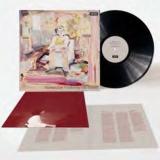
Released in 1989 by the noted audiophile label Chesky Records, Portraits is a testament to the prodigious talent of the legendary trumpeter, flugelhornist, and jazz educator Clark Terry.
The first of four albums for the Chesky label, Portraits was recorded when the St. Louis-born hornblower, then 68 years old, was a much-venerated jazz elder. By then, he had 35 albums under his belt and boasted a resume that included stellar collaborations with Duke Ellington, Charles Mingus, Quincy Jones, and Dizzy Gillespie.
For Portraits, produced by David Chesky, Terry assembled a quartet comprising pianist Don Friedman, bassist Victor Gaskin, and drummer Lewis Nash. With Terry alternating between flugelhorn and muted trumpet while also showing off his chops as an occasional vocalist, the quartet breezes through a blend of familiar jazz standards, like 'Pennies From Heaven,' and Terry's hard-driving original tune, 'Finger Filibuster,' where he shows off his athletic scat singing.
Other highlights include the Louis Armstrong favorite 'When It's Sleepy Time Down South' and 'Sugar Blues,' a nostalgic nod to New Orleans jazz. The album is reissued on 180g One Step Pressing Vinyl LP and SACD Hybrid Stereo.
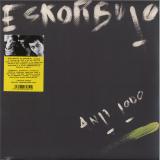
"Anti Todo" is Eskorbuto's most celebrated album, recorded in the shortest time imaginable and released in 1985. It shows what the Spanish punk band did best: hitting the studio with as much raw energy, provocation, inspiration, and natural talent as possible. A new remastering for this edition has given the album the richer, more vibrant sound it always deserved. We can once again enjoy the urgency, simplicity, and rage of this refreshed "Anti Todo", a true classic recorded at Eskorbuto's peak of their creativity and energy. It includes a large poster and insert with notes. DESCRIPTION 1985 was a landmark year for punk rock in the Basque country, and possibly for the whole of Spain. Punk merged with the Basque Radical Rock (Rock Radikal Vasco or RRV) movement, although this was not necessarily always the case. For instance, Eskorbuto invariably kept their distance from the movement and everything related to it. Hardship was part and parcel of Eskorbuto's life and musical career. All their albums were recorded in the shortest time imaginable, partly due to tight budgets (studios were expensive, labels were close-fisted), and partly because Josu and Jualma needed to spend the money on other things_ When it came to recording "Anti Todo", Eskorbuto stuck to what they did best: hitting the studio with as much raw energy, provocation, inspiration, and natural talent as possible. It was their best record and we have to ask: what would Eskorbuto have been capable of if they had more time, a bigger budget, and tighter control? The song 'Tamara' was practically composed on the spot in the studio in less than two recording days, as was much of 'Ha llegado el momento'. The experienced sound technician did an outstanding job, but a new remastering for this rerelease has given the album the richer, more vibrant sound it always deserved. We can once again enjoy the urgency, simplicity, and rage of this refreshed "Anti Todo", a true classic in our musical history, originally released in 1985 at Eskorbuto's peak of their creativity and energy. This edition of the album includes a large poster and insert with notes.
out of Stock
Last delivered 13 months ago available to reorder, subject to availability
Slowly yet firmly blooming into focus, An Unfinished Rose is the new album from Australian duo Troth.
This is their first since relocating to Hobart, Tasmania and their introduction to Night School Records. With a detailed web of past releases on labels A Colourful Storm, Mammas Mysteriska Jukebox, Knekelhuis and Bowman’s own Altered States Tapes imprint, An Unfinished Rose is the group’s most realised and composed work thus far. While still drawing on the improvisatory and DIY practices that informed Troth’s beginnings, it points to a new incarnation of the duo’s music; an intentional language emerging from the fog of obfuscation and mists of uncertainty.
Over these 9 meditations on change, acceptance, renewal and rebirth, An Unfinished Rose finds Amelia Besseny and Cooper Bowman peeling back some of the roughhewn architecture that defined their earlier releases to reveal a masterful - if auto-didactic - use of space and melody. Composition and improvisation compliment and feed each other throughout, with locked-loop earworms providing the springboard for lines of clarinet or synth melody, and the negative space between chord clusters giving ample room for Besseny’s most confident vocal performances to date. Shaving off a little of the defining dissonance and tape compression of old reveals Troth’s music in radiant daylight, humbly accepting of its place in the world while yearning for better, more sympathetic modes of living. Leaning more heavily on acoustic instrumentation and post-production processes than previously, the result is a transcendent body of work infused with an almost zen-like presence.
Troth’s music exists in the border between forming and becoming, its goal to project a kind of preternatural beauty, leaving interpretation open to the listener. Field recordings, happenstance and improvisation may provide seeds for the duo’s compositions, particularly on Side A, but there is a deft touch of songcraft on show. Loam Loom Leaf Litter opens An Unfinished Rose, directly referencing natural cycles of life, death and regeneration, before the blissed-out drum machine groove of Gold Plum continues a discussion concerning the totality of nature and one’s place in it. Besseny’s vocal, swelling like an ocean churn in duet with itself is adorned with synthesised harp and a revolving synth pattern, conjuring plumes of medieval smoke. Thistle’s rounded, bass-heavy drums, nodding to the vast echo of dub, is a relatively new terrain for Troth. It’s propulsive and thumping, pulsing with a meaning and symbolism consistent with Troth’s past work, referenced overtly in Bessey’s lyrics - “Say it too much and it loses its meaning…”. Similarly, the sprawling modern-classical suite, Tides Reflected In Her Eyes, is intentional in its lyrical themes while traversing new ground, revelling in layers of bowed cello and vocal intonations. Side B’s 4 tracks feel like Troth’s most thoroughly accessible and affecting music to date. Leaning into their own detoured version of Synth Pop, Cocoonist explores downtempoisms via a crunchy low frequency synth, and dream-like, fuzzy trip-hop modalities, not unlike Besseny and Bowman’s other group, Th Blisks. Following on, Myrtle Mystes is an open and searching DIY pop song, forged out of drum machine, bass guitar and cello. (An) Unfinished Rose’s title-track is a clear stand-out, built upon an evocative rhythm sample that appears to change emotional resonance with each undulating repetition. Its cascading waves of affect, interjected with a subtle breeze of synth, bowed instrumentation and soaring, densely-layered vocals.
An Unfinished Rose is enveloping, warm, forgiving. Difficult, yet retaining a unique beauty. Troth’s music aims to celebrate the duo;s shared experiences of being in the world, despite the complexity often surrounding us all. Theirs is a message of hope and perseverance, learning and patience.
out of Stock
Last delivered 13 months ago available to reorder, subject to availability
TOPS - die Musiker David Carriere, Jane Penny, Marta Cikojevic und Riley Fleck - schreiben zeitlose Musik, die zuverlässig Unmittelbarkeit und Tiefe miteinander verbindet. "Bury the Key", ihr erstes komplettes Album seit 2020, erscheint auf ihrem neuen Label Ghostly International und ist eine fesselnde Wiedereinführung für die Band aus Montréal: immer verfeinert, zweifellos Meister ihres melodischen Handwerks, aber ohne Angst, sich weiterzuentwickeln und sich an anderen, manchmal dunkleren Tönen zu versuchen. Das Album stellt sich den Gefühlen, die einst unter Verschluss gehalten wurden, beschäftigt sich mit dem Hin und Her zwischen Glück, Hedonismus und Selbstzerstörung. Während oft von fiktiven Figuren bevölkert, schöpfen ihre leuchtenden, groovenden, selbstproduzierten Songs aus persönlichen Beobachtungen: Intimität (sowohl innerhalb als auch außerhalb der Band), toxisches Verhalten, Drogenkonsum und apokalyptische Angst. Als die Aufnahmen begannen, bemerkten sie eine Verschiebung und lehnten sich an etwas, das sie scherzhaft als "böse TOPS" bezeichnen, so Penny. "Wir werden immer als weiche Band gesehen oder wie naiv oder freundlich auf eine kanadische Art, aber wir haben es zu einer Herausforderung gemacht, die Welt um uns herum wirklich zu kanalisieren." Durch die Linse einer sich abzeichnenden Epoche und der Klarheit, die mit dem Alter kommt, tauchen TOPS mit "Bury the Key" in eine düsterere Disco-Welt ein und geben ihrem weichen Sophisti-Pop eine schärfere Kante.
Im Jahr 2018 war Case Oats so etwas wie eine nebulöse Idee. Die Bandleaderin Casey Gomez Walker hatte bereits in Bands gespielt, und ihr Projekt Case Oats hatte eine selbst veröffentlichte Single, aber war keine Band, bis ein auswärtiger Freund sie fragte, ob Case Oats eine Show in Chicago headlinen könnten. Casey bluffte - ja, sie hatte eine Band, ja, sie waren bereit, eine Show zu spielen - und machte sich an die Arbeit. "Es war ein bisschen wahnhaft von mir", sagt sie, "aber ein bisschen wahnhaft zu sein hat ja auch etwas für sich." "Last Missouri Exit", das Debütalbum von Case Oats, ist ein bemerkenswert sicheres Album, bei dem sich die Band - Spencer Tweedy (Schlagzeug), Max Subar (Gitarre, Pedal Steel), Jason Ashworth (Bass), Scott Daniel (Fiddle) und Nolan Chin (Klavier, Orgel) - um Gomez Walkers Stimme und Gitarre gruppiert. "Last Missouri Exit" ist eine Sammlung scharf gezeichneter Charakterstudien. Gomez Walkers Hintergrund im kreativen Schreiben drückt sich in ironischen Beobachtungen und einem entwaffnend leichten Sinn für Lyrik aus, das Tiefgründige und Profane purzelt aus Songs wie "Bitter Root Lake" mit dem Gewicht eines Bekenntnisgedichts und der Leichtigkeit eines Gesprächs unter Freunden. Der rote Faden von Case Oats' erstem Auftritt bis zu ihrem Debütalbum ist Vertrauen, in die Songs und in ihre Spieler. "Last Missouri Exit" klingt aus den chaotischsten Kammern des Herzens und die Band schwillt um Gomez Walker herum an, die das Erwachsenwerden in Bezug auf die Loyalität zu verzweifelt fehlerhaften Menschen und schließlich, mit etwas Abstand von zu Hause, die Treue zu sich selbst beschreibt. Die Songs entstanden live, und die ersten Aufnahmen fanden, wie sich Gomez Walker erinnert, im Keller eines Hauses statt, das Ashworth, Subar und Tourmitglied Chet Zenor gemeinsam bewohnten. "Wir nahmen die Songs an drei heißen Augusttagen mit unseren Freunden auf und versuchten einfach, die Energie zwischen uns einzufangen". Tweedy, der die Session mit Ashworth und Subar aufnahm und das Album produzierte, sagt dazu: "Wir brachten gerade so viel Material mit in den Keller, dass wir es aufnehmen konnten. Wir hatten das Glück, in den Monaten vor der Session viele Konzerte gespielt zu haben, so dass wir einfach so spielten, wie wir gespielt hatten, ohne jede Wertigkeit." Diese anfängliche Kellersession ist das Zuhause, in dem "Last Missouri Exit" aufwuchs, und diente sowohl als Ursprungs- als auch als Zielort, da Gomez Walker und Tweedy den Gesang in getrennten Sessions zu Hause aufnahmen. Texte, die sich so wahrhaftig lesen wie "Your brother was the golden boy and you were your mother's pup / The safety of her guiding arms kept you from fucking up", heißt es in einem Couplet aus "Buick Door", das durch die Distanz zwischen Gomez Walker und den auslösenden Ereignissen ihrer Songs gestärkt wird. Ihre Stimme ist selbstbewusst und zart, sie fängt den Nervenkitzel eines Schlagzeugs oder die schmerzende Weite der Pedal Steel ein und kanalisiert den Schwung in die Hoffnungen und den Herzschmerz des Kleinstadtlebens im Mittleren Westen. Auf der Fahrt von Gomez Walkers Heimatstadt auf dem Freeway nach Chicago in Richtung Norden steht auf dem Schild kurz vor der Grenze zu Illinois unter anderem "Last Missouri Exit". Es ist ein Punkt auf der Landkarte und für sie ein Punkt, an dem es kein Zurück mehr gibt. Als sie ihn eines Tages überquerte, bedeutete das das Ende ihrer Kindheit und den Beginn ihres restlichen Lebens. Das Album ist ein Scharnier zwischen diesen beiden Zuständen, in dem sich die Schmerzen des Heimwehs mit dem Nervenkitzel des Aufbruchs zum Horizont überlagern. "In a Bungalow" betrachtet diese Überschneidung im Licht der goldenen Stunde, ein Lied, dessen leidenschaftliche Sehnsucht nach der Heimat - ihren süßen Quellen und langsamen Tagen und alten Freunden - nur möglich ist, weil sie einen Ort verlassen hat, der sich einst wie das Zentrum des Universums anfühlte. Wenn "Last Missouri Exit" ein Coming-of-Age-Album ist, dann deshalb, weil es um Wachstum und Perspektive geht, und weil es von einer Band gemacht wurde, die bereits jenseits des Horizonts lebt, nach dem das Album benannt ist. Es ist ein Album, das sich danach sehnt, gehört zu werden, während man den Sonnenuntergang von seiner Veranda-Schaukel aus beobachtet, aber seine wehmütige, idyllische Sicht auf den Mittleren Westen ist keine Nostalgie für die Vergangenheit - es ist das, was Case Oats einen Sommer lang im Keller auf einer Ad-hoc-Bühne gezaubert haben, ein Dokument einer Band, die um diese Songs herum zusammengewachsen ist, auf einem neu entdeckten Höhepunkt ihrer gemeinsamen Kräfte. Was sie geschaffen haben, ist warm und einladend, ein Album, das sich beim ersten Durchlauf offenbart und mit jedem Hören tiefer wird. Dies ist ihre Einführung; man fragt sich, was ihr Horizont noch bereithält.
White LP. Born out of the early 1980's Austin noise punk scene, Scratch Acid deliberately eschewed the loud, fast rules of hardcore as everything they didn't want to be and embraced a weirder, artier sound. Prior to the release of their 1984 debut S/T EP, someone gave Touch and Go Records owner Corey Rusk a cassette of the recording, and he was instantly a huge fan. Rusk was immediately interested in releasing the EP and contacted the band to express his admiration. At the time, Scratch Acid had already committed to working with Rabid Cat Records, who released the band's debut release S/T EP (1984) and their only full-length album, Just Keep Eating (1986). The group quickly developed a riveting performance aesthetic, and, as the debut S/T EP made its way around the country via fanzines, college radio, and word-of-mouth, the band mounted short tours to the Midwest and the East Coast. After playing a total of 146 shows, Scratch Acid broke up after the long tour that followed the release of the Berserker EP (Touch and Go Records, 1987). Since that time, the band have had many imitators, and many alternative bands have cited Scratch Acid as one of their influences.
For many bands, having all their gear stolen would be catastrophic. For Third Ear Band, this unfortunate 1968 incident opened a portal to beneficial change. Leader/percussionist Glen Sweeney viewed the heist as a sign to alter Third Ear Band's approach, and they switched to exclusively using acoustic instruments. With electrified psychedelia in full bloom, Sweeney, Paul Minns (oboe, recorder, whistles, flutes) and Richard Coff (violin, viola) struck out on an individualistic path, blending Indian raga with chamber music – without plugging in.
Third Ear Band's 1969 debut album, Alchemy, established them as a solemn, powerful force in the global underground. On Alchemy, Sweeney laid down a steady pulse on hand drums, while Minns and Coff wove in melismatic patterns on oboe, recorder, violin and viola. This approach carried over to Third Ear Band's self-titled sophomore album, often called Elements due to its track titles being named after the four basic components of medieval European alchemists' doctrines.
On this 1970 LP, Third Ear Band sounded at once ancient and contemporary, yet they turned on the hippies with their epic, trance-inducing jams that suggested secret knowledge of infinity. Although Third Ear Band flourished during the West's countercultural zenith, they were peculiarly estranged from it on a sonic level. Even outré contemporaries such as Comus and Jan Dukes De Grey sounded like pop groups compared to TEB. Having no traditional front person or electric instruments, Third Ear Band forged a singular path that flowered most vividly on Elements.
The long songs here stream forth from their skilled hands, evoking a communal transcendence in sound – a hypnotic swirl that doesn't swing, but rather wafts and undulates with cloistered beauty. TEB's music exists in an eternal now, a perpetual wow. It is an ouroboros of organic textures, seemingly magicked into the air spontaneously, yet possessing a rigor that suggests long hours in the lab. Without electricity, it somehow burrowed deeper into your consciousness.
Chickasha, Oklahoma is not a place known for producing a lot of original proto-punk bands. In fact, there is, to our knowledge, only one: Debris'. Formed in 1975 by bassist Chuck Ivey, guitarist Oliver "Rectomo" Powers and drummer Johnny Gregg, the trio created some of the most art-damaged outsider rock 'n' roll this side of MX-80 Sound.
When a local studio offered the package deal of ten hours for recording and mixing as well as pressing 1,000 LPs and two-color jackets, Debris' came in well-rehearsed – nailing all eleven of their songs in just one take. In April 1976, the same month as Ramones' debut album, Debris' would release their lone record onto the world.
Opener "One Way Spit" could easily be mistaken for a lost KBD single – from Chuck's bizarre count-in to the band's trashy start-stop rhythms, unfurling a Dadaist flag around Johnny's visceral vocals. On "Tricia," a reference to the then-current Patty Hearst trial, Oliver's gruesome groans are sardonically juxtaposed with an electric saw. These LSD-tinged tunes are a potent mix of Beefheart-ian controlled chaos and the genuinely weird avant-rock associated with the mid-'70s Cleveland scene.
Enhanced by analog synthesizers and electronic effects, the album sounds like Eno-era Roxy Music or Stooges' Fun House buried deep in the red Oklahoma dirt. While punk would spark a handful of bands who boldly straddled the line between the primal and the experimental, the relatively unsung Debris' were one of the first to do so.
Debris' had a standing invitation to play New York at Max's Kansas City and CBGB in 1976, although they never made it out of Oklahoma. The private-press edition of their self-titled album (also known as Static Disposal, which was actually the label name printed on the original front cover) has since become a collector's item and is even namechecked on the infamous NWW list.
Im Jahr 2018 war Case Oats so etwas wie eine nebulöse Idee. Die Bandleaderin Casey Gomez Walker hatte bereits in Bands gespielt, und ihr Projekt Case Oats hatte eine selbst veröffentlichte Single, aber war keine Band, bis ein auswärtiger Freund sie fragte, ob Case Oats eine Show in Chicago headlinen könnten. Casey bluffte - ja, sie hatte eine Band, ja, sie waren bereit, eine Show zu spielen - und machte sich an die Arbeit. "Es war ein bisschen wahnhaft von mir", sagt sie, "aber ein bisschen wahnhaft zu sein hat ja auch etwas für sich." "Last Missouri Exit", das Debütalbum von Case Oats, ist ein bemerkenswert sicheres Album, bei dem sich die Band - Spencer Tweedy (Schlagzeug), Max Subar (Gitarre, Pedal Steel), Jason Ashworth (Bass), Scott Daniel (Fiddle) und Nolan Chin (Klavier, Orgel) - um Gomez Walkers Stimme und Gitarre gruppiert. "Last Missouri Exit" ist eine Sammlung scharf gezeichneter Charakterstudien. Gomez Walkers Hintergrund im kreativen Schreiben drückt sich in ironischen Beobachtungen und einem entwaffnend leichten Sinn für Lyrik aus, das Tiefgründige und Profane purzelt aus Songs wie "Bitter Root Lake" mit dem Gewicht eines Bekenntnisgedichts und der Leichtigkeit eines Gesprächs unter Freunden. Der rote Faden von Case Oats' erstem Auftritt bis zu ihrem Debütalbum ist Vertrauen, in die Songs und in ihre Spieler. "Last Missouri Exit" klingt aus den chaotischsten Kammern des Herzens und die Band schwillt um Gomez Walker herum an, die das Erwachsenwerden in Bezug auf die Loyalität zu verzweifelt fehlerhaften Menschen und schließlich, mit etwas Abstand von zu Hause, die Treue zu sich selbst beschreibt. Die Songs entstanden live, und die ersten Aufnahmen fanden, wie sich Gomez Walker erinnert, im Keller eines Hauses statt, das Ashworth, Subar und Tourmitglied Chet Zenor gemeinsam bewohnten. "Wir nahmen die Songs an drei heißen Augusttagen mit unseren Freunden auf und versuchten einfach, die Energie zwischen uns einzufangen". Tweedy, der die Session mit Ashworth und Subar aufnahm und das Album produzierte, sagt dazu: "Wir brachten gerade so viel Material mit in den Keller, dass wir es aufnehmen konnten. Wir hatten das Glück, in den Monaten vor der Session viele Konzerte gespielt zu haben, so dass wir einfach so spielten, wie wir gespielt hatten, ohne jede Wertigkeit." Diese anfängliche Kellersession ist das Zuhause, in dem "Last Missouri Exit" aufwuchs, und diente sowohl als Ursprungs- als auch als Zielort, da Gomez Walker und Tweedy den Gesang in getrennten Sessions zu Hause aufnahmen. Texte, die sich so wahrhaftig lesen wie "Your brother was the golden boy and you were your mother's pup / The safety of her guiding arms kept you from fucking up", heißt es in einem Couplet aus "Buick Door", das durch die Distanz zwischen Gomez Walker und den auslösenden Ereignissen ihrer Songs gestärkt wird. Ihre Stimme ist selbstbewusst und zart, sie fängt den Nervenkitzel eines Schlagzeugs oder die schmerzende Weite der Pedal Steel ein und kanalisiert den Schwung in die Hoffnungen und den Herzschmerz des Kleinstadtlebens im Mittleren Westen. Auf der Fahrt von Gomez Walkers Heimatstadt auf dem Freeway nach Chicago in Richtung Norden steht auf dem Schild kurz vor der Grenze zu Illinois unter anderem "Last Missouri Exit". Es ist ein Punkt auf der Landkarte und für sie ein Punkt, an dem es kein Zurück mehr gibt. Als sie ihn eines Tages überquerte, bedeutete das das Ende ihrer Kindheit und den Beginn ihres restlichen Lebens. Das Album ist ein Scharnier zwischen diesen beiden Zuständen, in dem sich die Schmerzen des Heimwehs mit dem Nervenkitzel des Aufbruchs zum Horizont überlagern. "In a Bungalow" betrachtet diese Überschneidung im Licht der goldenen Stunde, ein Lied, dessen leidenschaftliche Sehnsucht nach der Heimat - ihren süßen Quellen und langsamen Tagen und alten Freunden - nur möglich ist, weil sie einen Ort verlassen hat, der sich einst wie das Zentrum des Universums anfühlte. Wenn "Last Missouri Exit" ein Coming-of-Age-Album ist, dann deshalb, weil es um Wachstum und Perspektive geht, und weil es von einer Band gemacht wurde, die bereits jenseits des Horizonts lebt, nach dem das Album benannt ist. Es ist ein Album, das sich danach sehnt, gehört zu werden, während man den Sonnenuntergang von seiner Veranda-Schaukel aus beobachtet, aber seine wehmütige, idyllische Sicht auf den Mittleren Westen ist keine Nostalgie für die Vergangenheit - es ist das, was Case Oats einen Sommer lang im Keller auf einer Ad-hoc-Bühne gezaubert haben, ein Dokument einer Band, die um diese Songs herum zusammengewachsen ist, auf einem neu entdeckten Höhepunkt ihrer gemeinsamen Kräfte. Was sie geschaffen haben, ist warm und einladend, ein Album, das sich beim ersten Durchlauf offenbart und mit jedem Hören tiefer wird. Dies ist ihre Einführung; man fragt sich, was ihr Horizont noch bereithält.
Die wegweisenden Alternative-Rocker von Wolf Alice melden sich mit ihrer brandneuen Single „Bloom Baby Bloom” zurück. Gleichzeitig verkündet die britische Formation Einzelheiten ihres ungeduldig erwarteten, vierten Studioalbums „The Clearing”, dessen Release für den 29. August 2025 angekündigt wurde und das weltweit auf ihrem neuen Label Sony Music erscheint.
Alle Songs wurden im Nord-Londoner Stadtteil Seven Sisters geschrieben und im vergangenen Jahr mit Grammy-Gewinner und Hauptproducer Greg Kurstin (Adele, Miley Cyrus, Beyoncé) in Los Angeles aufgenommen.
Mit „The Clearing“ legen Wolf Alice eine maximal selbstbewusste Songsammlung vor, die vor Ehrgeiz, ungewöhnlichen Ideen und Emotion nur so zu strotzen scheint und die eindrucksvoll veranschaulicht, wo sich das UK-Quartett im Jahr 2025 soundtechnisch verortet.
With his honeyed falsetto, Horace Andy has long been considered one of roots reggae's most inimitable voices. His signature tune, "Skylarking," is one of a handful of songs that can be instantly recognized by even the most casual of reggae fans. Making his debut with producer and mentor Phil Pratt at the age of sixteen, Andy's expressive vocal style is immediately distinctive, bearing the soulful influence of American artists Otis Redding and Smokey Robinson as well as fellow countryman Alton Ellis.
1975's Get Wise collects a series of singles produced by Pratt including versions of hits "Money, Money" ("Root Of All Evil") and "Zion Gate" ("I Don't Want To Be Outside"). Recorded between 1972 and 1974, these sides were captured at legendary studios Channel One, Black Ark, Dynamic Sound and Randy's Studio 17 with house engineers Ernest Hoo Kim, Lee Perry, Carlton Lee and Errol Thompson at the helm.
Originally released on Pratt's Sunshot label, the album doubles as a showcase for The Soul Syndicate Band, a typically ad-hoc session group which featured Sly & Robbie, Aston "Family Man" Barrett and Earl "Chinna" Smith, among others.
Get Wise delivers ten tracks of Andy's finest material and should be in the collection of any aficionado of the classic '70s Kingston sound. Liner notes by JR Gonne.
Dass Hamburg eine gute Adresse für Streetpunk ist, beweisen nun auch BOLANOW BRAWL mit ihrer ersten Langrille ,First Shots!", die auf die bereits knapp neun Jahre zurückliegende Debüt-EP ,Total Escalation" folgt. Man lässt es halt ruhiger angehen im Norden - will's jetzt aber auch noch mal wissen. Der Bandname - eine Kombination aus der Billig-Wodka-Marke BOLANOW und dem englischen BRAWL für Rauferei oder Handgemenge - verweist auf ambivalente Erfahrungen, die die Bandmitglieder unter Alkoholeinfluss im jugendlichen Leichtsinn sammelten. Flotte Gitarrenriffs, treibende Drumbeats und ein rauer, oft rotziger Gesang bilden das musikalische Gerüst der Hanseaten - das im Kontrast zu den eingängigen Leadgitarren-Melodien steht. Singalongs verleihen dem Sound einen bierseligen Touch. Die Mischung aus englischen, amerikanischen und Buxtehuder Stilelementen gibt den zwölf Songs das gewisse Etwas, das den Stil von BOLANOW BRAWL ausmacht. Die alte Plattitüde von den ,Texten, die das Leben schrieb" trifft auch auf die Songs von BOLANOW BRAWL zu. Eigene Erlebnisse, Beobachtungen und Erfahrungen aus Arbeitswelt, Subkultur und Gesellschaft fließen in die Texte ein - ohne erhobenen Zeigefinger, dafür gern mit gehobener Bierflasche. Die Covergestaltung stammt von Alteau, einem frankobelgischen Skinhead und Comiczeichner, der schon mit 14 erste Arbeiten im Spirou-Comic-Magazin veröffentlichte. Seit Ende der Achtziger hat er etliche Plattencover für Punk- und Oi!-Bands gestaltet - darunter Klasse Kriminale, Rancid, Bérurier Noir und The Herberts, bei denen er auch selbst als Sänger aktiv war.
A“This album is about what it means to be human, and its creation is my offering. I attempt to tell a tale of the human experience in the reflection of my own.”
‘In the Andean mythology, condors are believed to be immortal. It is said that once they feel old, without energy, and useless, they climb to the highest peak and let themselves fall to death.’
The Allegorist is a visionary, enigmatic, transmedia, and boundary-pushing artist known for crafting deep, immersive dark sonic tales. Embracing a wide array of influences, weaving together the mysteries, art and spirituality, the art project defies categorisation, resonating with those who seek the unconventional.
From Birth Until Death is an introspective and immersive concept album that reflects on the essence of the human experience. Crafted over six years by The Allegorist (aka Anna Jordan), the album traces the arc of life—from its fragile beginnings to its inevitable end—using sound art to explore existential and philosophical terrain. Inspired by the Andean mythology of the condor – a symbol of immortality – the album blends electronic soundscapes with raw field recordings, evoking a deep sense of connection between the natural world and human existence.
The album’s progression mirrors the stages of life, starting with the birth of new beginnings and culminating in death, with each track offering a unique reflection on the moments in between. From the dynamic energy of Momentum, to the ethereal, illusionary world of Fata Morgana, the tracks guide the listener through emotions, perceptions, and experiences that shape the human condition.
A distinctive feature of From Birth Until Death is its intricate production. The album incorporates field recordings from Grunewald Forest, a distant roar of a jet, barking dogs, blending the sounds of nature – footsteps in the snow, birdsong, ocean waves – with layered synthesisers and electronic beats. The bass and ambient textures are crafted using an array of analog hardware, while all vocals, both lead and backing, are performed and recorded by Jordan. Some of the vocal takes were intentionally left raw, capturing the spontaneous energy of early recordings, while others were re-recorded to balance the album’s organic yet polished feel. Each element is meticulously crafted, revealing its deeper meaning as the album unfolds like a multidimensional, living sculpture.
At its core, From Birth Until Death is a meditation on the full spectrum of life. The album’s title track, From Birth Until Death, encapsulates this journey, reflecting on the passage of time and the unique experience of being human. The final track, Death, offers a melancholic yet beautiful exploration of endings, not as finalities, but as moments in the grand cycle of life. With its combination of evocative sound design and deeply personal themes, From Birth Until Death invites listeners to contemplate their own lives, offering a moving experience of reflection, growth, and transformation.
About From Birth Until Death
Words By Robin Rimbaud (Scanner)
From Birth Until Death is a deeply personal and reflective album and beautifully crafted. A detailed listen reveals that Jordan was in search of a profoundly human and authentic expression. In an era when so much around us seems defined by speed, Anna Jordan, aka The Allegorist, stands apart – aware that skimming the surface of life is neither sufficient nor rewarding. She reminds us of the value of deep, authentic listening.
The track Andean Condor seductively draws us into a smoky, blurred rhythmic soundscape, capturing the essence of the darkest Berlin nightclub, while Birth pulses with an almost shamanic transformation of sound, moving from the organic to the musical. It features a recording of Jordan’s footsteps in the snow in Grunewald Forest, Germany.
At times, the music feels almost sculptural in shape and tone – lifting, pushing, lilting, opening, and closing – where each piece is given room to fully develop. Many of the works blend synthetic sound with the natural, incorporating the human voice alongside environmental recordings: the wild waves of the ocean, a jet flying overhead, and barking dogs.
With From Birth Until Death, Jordan, like an alchemical architect revealing in the process of getting lost and relinquishing control, leaves us with a taut, immersive soundtrack in which to lose ourselves.
About the album ‘From Birth Until Death’
words by The Allegorist
“The album From Birth Until Death did not come easily to me. I started working on it in 2019, and it underwent many alterations over the years. I produced multiple versions of the tracks each year, but the album name, the track titles, and the album cover art stayed the same for 6 years. Not everything I did fit into the album’s final form, but I hope the heavy selection just made it better. I played this piece live in my techno live set between 2019 and 2020, and in the years after, I performed different art, ambient, and vocal versions of it, most notably the one at the church St. Marienkirche in Berlin in 2022. It just wanted to live and didn’t want to be finished. As I aged, this album aged with me. And now I’m ready to let it go.”
out of Stock
Last delivered 13 months ago available to reorder, subject to availability
Zwei erfolgreiche Independent-Musiker auf gleicher Wellenlänge: Kurt Vile, Alternative-Music-Gitarrist und
Singer/Songwriter aus Philadelphia, tut sich für seine neue Verve-EP mit Folk-Musiker Luke Roberts aus
Nashville zusammen. Unter den fünf Titeln findet sich mit Slow Talkers ‘22” die neue Version eines Titels
von Kurt Viles 2008er LP “Constant Hitmaker”, “Classic Love” ist ein neuer Track von Luke Roberts,
“Wildflower” ein Beach-House-Cover.
Als Yunchan Lim im Jahr 2022 im Alter von 18 Jahren der jüngste Gewinner der Van Cliburn International
Piano Competition aller Zeiten wurde, begann ein kometenhafter Aufstieg zu weltweitem Ruhm. Nun
präsentiert er seine bisher persönlichste und nachdenklichste Arbeit - The Seasons - eines der intimsten
Klavierwerke Tschaikowskys. Live aufgenommen in England, betrachtet Lim die zwölf Stücke nicht nur in
der klassischen Reihe von Monaten - sondern als eine Geschichte, die das letzte Lebensjahr eines Menschen
beschreibt.
Jedes Stück spiegelt einen anderen Moment oder ein anderes Gefühl wider, von Traurigkeit und stillen
Gedanken bis hin zu Freude, Liebe und Frieden. Die Musik beginnt mit einem Mann, der am Feuer sitzt
und an die Vergangenheit denkt, und endet mit einem friedlichen Abschied.
In der Konzertsaison 2023 bis 2024 erhielten seine Live-Aufführungen des Werks sowohl von der Kritik als
auch vom Publikum begeisterte Kritiken.
„Ich habe mir vorgenommen, mein Leben nur der Musik zuliebe zu leben, und ich habe beschlossen,
alles für die Musik aufzugeben... Ich möchte, dass meine Musik tiefer wird, und wenn dieser Wunsch
das Publikum erreicht, bin ich glücklich.“ - sagt der junge Koreaner - und stellt es auf diesem Album
eindrucksvoll unter Beweis.
Das von Lims gutem Freund Ho-yeon Choi gestaltete Albumcover mit dem Titel ”How Much Do the
Petals Weigh?” spiegelt die Gefühle und Fragen wider, die der Musik zugrunde liegen.
Reissue, 2LPs, black and purple colored. Limited to 500 copies. Fläsket Brinner means Burning Flesh and is a suitabel name for this group that started in 1970 playing music with influences from the time, like kind of jazzrock, psychedelia, folkmusic and long improvisations that often ended in extacy. Bo Hansson did not often play his music live, but he often joined Fläsket Brinner in concerts, sometimes he played the Hammond but also guitar or cow bell. This, their debut album, has been long awaited for different reasons but is now finally released including a lot of bonus material on a second LP. Side A and C plus "Bosses låt" on side B are recorded at The Concert Hall in Stockholm December 1st 1970 (on 2-channels) when Fläsket Brinner was warm up for Frank Zappa and Mothers of Inventiom. Bo Hansson was participating in that concert on Hammand Organ alternativ Cow Bell when Sten Bergman played the organ. B 6 is recorded at Liljevalchs Hall of Art during the 3rd Gärdetfest that was held indoors November 20th 1970 (on 8-channels) B 1, 2, 4, 5 are recorded in the newly started Studio Decibel January 17th and 18th 1971. Sides A, B and C are recorded and mixed by Anders Lind. D-side "Gulan" is recorded at Pistolteatern in Stockholm (on 2 channels) February 14th by Claes-Göran Flodén.
Oath’s latest release features renowned producer Kreggo, founder of Art-Aud and Secret Rave, known for his genre-defying sound and deeply atmospheric productions. Active since 2014, Kreggo’s music spans IDM, Acid, Breaks, Bass, and Techno, continually evolving with each release. His label Art-Aud is celebrated for its forward-thinking output. His new EP ‘Altro Mood’ includes three original tracks and a remix by Gilb’R, blending energetic rhythms with rich, emotive layers. Tracks like ‘Sensor’, ‘Labi Inside’, and ‘Obabi’ explore intricate sonic textures, while ‘Taylor Bottle’ and Gilb’R’s remix add further depth. The EP showcases Kreggo’s signature warmth, innovation, and ever-expanding sonic world.
out of Stock
Last delivered 13 months ago available to reorder, subject to availability
New York painter and musician exploratory industrialist Tor Lundvall initially envisioned his 14th album, Beautiful Illusions, as an entirely instrumental affair, "inspired by memories of sitting in a church or cathedral watching the shifting sunlight through stained glass." Although he ultimately chose to wreath the majority of the tracks with hushed, poetic vocals, his original muse still resonates. These are certainly songs of shadowplay and vaulted skies, the quiet grandeur of dusk deepening on the horizon. Lundvall characterizes the lyrical subject matter, too, in ways both specific and surreal, exploring "the doubts, the anxieties and even the bleak fantasies the mind spirals into during moments of isolation, separation and distance." Tricks of the eye, mind, and ear, magnified by silence and the looming long winter. Shivering pulses and muted bass lines tread the twilight while icicle synths and wiry guitar map the melody until the voice enters, narrating oblique moods of essence and absence, tenderness and truth. Glimpses of dark humor flicker in the wordplay but the greater sonic landscape is one of falling leaves and failing light, small gestures rendered as revelation, cloaked in reverb and spatial fog. Lundvall's mastery of nuance and negative space continues to heighten, whispered brushstrokes of the invisible and the unsaid, what lies beneath and what lies beyond: "Behind the shields and false fronts is usually a sadness. The heartbreaking reflections of what might have been."
out of Stock
Last delivered 13 months ago available to reorder, subject to availability
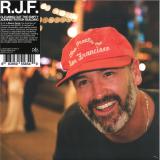
Cleaning Out The Empty Administration Building ist Ross Farrars neuestes Werk aus rohem, gesprochenem Wort und experimentellem Sounddesign, hier präsentiert unter dem Namen R.J.F.. Der Frontmann der amerikanischen Bands Ceremony und SPICE begann dieses Soloprojekt zunächst als persönliche Herausforderung: Songs von Grund auf selbst zu schreiben, sich mit Instrumenten vertraut zu machen und dabei zugleich sein Unterbewusstsein freizulegen. Dabei ging es weniger um musikalische Virtuosität als um Verletzlichkeit - darum, etwas Ehrliches aus einem ungeschützten, unbearbeiteten, unpolierten Moment zu ziehen, kompromisslos amateurhaft und rein.Diese Sammlung zeigt Farrar im offenen, poetischen Dialog: mit Drumloops und gefundenen Klängen, durchbrochen von Gitarren, Bass und Tasteninstrumenten. Nach über zwanzig Jahren in der vertrauten wie chaotischen Welt von Band-Kollaborationen, legt Farrar all das ab - als Experiment. Das Ergebnis ist unverwechselbar und bewegend.Farrars Punk-Pathos ist in Spuren vorhanden, doch seine deutlichsten Einflüsse stammen von repetitiven Musikformen: Drone, No-Wave, Avant-Jazz und darüber hinaus. Seine nüchternen Texte erinnern an Lou Reed, Rowland S. Howard und andere große Exzentriker. Farrars Texte kreisen um Liebe, Sucht, Vaterschaft und das Leben in der heutigen Welt. ,Ich wollte Bilder schaffen, die die Menschen klar vor sich sehen können", sagt er. Farrar unterrichtete früher Schreiben und Literatur - und wendet hier ein einfaches Prinzip an, das er auch seinen Schülern mitgab: Nicht zu viel nachdenken. ,Ich habe mir einfach gesagt: Diese Songs sollen Spaß machen. Sie sollen nicht stressig sein. Zwei, drei Takes aufnehmen und dann gut ist. Nicht über jedes Geräusch den Kopf zerbrechen. Mach einfach das, was natürlich aus dir herauskommt - und wenn es sich gut anfühlt, dann nimm es."Aus hunderten freier Songs, die Farrar in den letzten Jahren mit geliehenem Equipment aufgenommen hat, kristallisierte sich dieses Album langsam heraus. ,Es kam einfach immer wieder."Der Ton von Cleaning scheint die Zeit zu verbiegen, versetzt die Hörer in eine Art Gang voller Songs, bei denen jede Tür in einen neuen Raum führt - Räume, die oft auf unheimliche Weise vertraut wirken. Der gurgelnde Bass des Openers ,Advance" taucht auch in anderen Stücken wieder auf, etwa im gespenstischen ,Ovidian", benannt nach Ovids Metamorphosen, in dem Farrar über das Wunder der Veränderung sinniert - begleitet von fernen Glockenklängen. Instrumentalstücke wie ,Gravity Hill" - ein Flattern aus Synth-Brummen und statischem Rauschen - oder ,Frogs", mit Saiteninstrumenten und perkussivem Topfschlagen, wirken wie tranceartige Zwischenspiele und verstärken die Wirkung der Texte drumherum.,Exile" blickt zurück auf Verluste, die sich nicht mehr reparieren lassen: ,So much of your heart caught in my exile", singt Farrar mit sanfter Resignation - über einer einsamen Klaviermelodie und schlingernden Gitarrenakkorden. Es ist das strukturierteste Stück der Sammlung und erinnert daran, dass Farrar ein Gespür für melodische Linien besitzt.Das Album endet mit ,Traveling Light From Afar", deutlich schneller als alle vorherigen Songs. Hier, über einem stoischen Motorik-Beat, spricht Farrar das zentrale Thema des Projekts direkt an:,I've been so young in my old age / Selfish & self-pitying / But that's just narcissism - man."Genau dieser Balanceakt - zwischen schonungsloser Selbstbefragung und der Klarheit, die mit dem Älterwerden kommt - schafft Raum für Entwicklung. Farrar leert das Gebäude - Zeile für Zeile.
out of Stock
Last delivered 13 months ago available to reorder, subject to availability
Love From San Francisco – 'Keep Rockin' (+ Unreleased mixes)
A true underground classic returns via Mint Condition — 'Keep Rockin' by Love From San Francisco (aka Charles Webster) is back on wax in this freshly remastered 2025 edition. Originally released in the mid-'90s and long out of print, this deep house essential defined a generation of smoky after-hours and West Coast groove.
This deluxe 12" reissue stays true to the original deep, dubby sound but adds extra value for crate diggers and collectors alike with two previously unreleased mixes, recovered from the original DATs. These alternate takes give a new dimension to an already timeless track — stripped-down, hypnotic, and primed for modern floors. Pure vinyl heat from the golden era of deep house.
out of Stock
Last delivered 30 days ago available to reorder, subject to availability
When they performed a handful of concerts as a duo in the summer of 1998, Kristen Noguès and John Surman had already worked a lot on the interweaving of genres: Noguès had confronted traditional Breton music with contemporary music and Surman had changed his jazz into atmospheric numbers that would be amongst the finest recording on the ECM label. As a duo, the harpist and the saxophonist would go on to invent something different: free folk, traditional ambient, modal ‘fest- noz’ … it is difficult to label, because the duo Noguès / Surman is one of a kind.
Diriaou, means “Thursday” in Breton. It is also the title of the first piece that Kristen Noguès and John Surman played together in 1991. Noguès learned the Breton language as a child, at the same time as the Celtic harp, – taking lessons with Denise Mégevand, who would go on to teach others, notably Alan Stivell. At the beginning of the 1970s, Noguès discovered Breton singing (soniou and gwerziou) At the beginning of the 1970s, she discovered the Breton song tradition (soniou and gwerziou) and became involved in Névénoé, a cooperative of traditional expression founded by Gérard Delahaye and Patrick Ewen. She recorded a single with the two musicians in 1974, then her first album, two years later.
Everyone who has listened to Kristen Noguès debut Marc’h Gouez, is now aware of her mysterious plucked strings. Her art, leaving Brittany, would go on to take in all landscapes and folklores, in the same as that of John Surman, conceived a little further north including vernacular jazz, international fusion with Chris McGregor or Miroslav Vitouš, and exploring more personal territory. Remember the Cornish landscapes in one of the best albums on the ECM label : Road To Saint Ives.
Kristen Noguès and John Surman thus shared an ‘extra-Celtic’ inspiration infused with free improvisation. On this recording, made in 1998 by Tanguy Le Doré at the Dre Ar Wenojenn festival, the duo uses original compositions which refer back to traditional songs (Maro Pontkalek, Le Scorff). The musicians then create fantastic impressions: Baz Valan, on which Noguès and Surman have a heavenly exchange; Kernow, on which the shared theme slowing disappears into the mist; Maro Pontkalek and Diriaou which move from the storm to the calm. Elsewhere, there is singing, first with Surman (Kleier) and then moving on to Noguès (Kerzhadenn and her signature song Berceuse). On a canvas of traditional music, the two musicians weave countless memorable landscapes.
out of Stock
Last delivered 13 months ago available to reorder, subject to availability
Death Is Not The End release a second part collecting pre-partition film music, compiled by Gary Sullivan of Bodega Pop.
As the 1940s began, South Asian cinema entered a transformative phase. Playback singing, still a new idea in the previous decade, quickly became standard practice. Actors no longer had to sing, and singers no longer had to act, opening the door to a wave of dedicated vocal talent that redefined the sound of the industry.
Voices like Noor Jehan, Shamshad Begum, and Suraiya rose to prominence, becoming household names across the subcontinent. Behind them, composers like Naushad, Anil Biswas, and Ghulam Haider were expanding the sonic palette of film music, blending ragas with Western orchestration, folk tunes with jazz-era instrumentation. Harmoniums, sarangis, violins, accordions, and clarinets filled out increasingly complex arrangements, while ghazals and qawwalis continued to influence mood and structure.
Although the post-Partition years are often considered to be Bollywood's "Golden Age," thanks to filmmakers like Raj Kapoor, Bimal Roy, and Guru Dutt, the music started its peak just before the divide. By 1947, Naushad and others were producing some of the most emotionally rich and musically intricate work in the industry's history, compositions that would prove challenging to surpass in the decades that followed.
Yet this high point came during a time of immense upheaval. The Second World War, the Bengal famine, and the crumbling of colonial rule all loomed large. Film songs often reflected the uncertainty, sometimes mournful, sometimes romantic, sometimes defiant. And when the Partition finally came, it fractured the world that had created this music. Artists became refugees, studios were split, and careers were thrown into flux. Noor Jehan, who would go on to become Pakistan's most iconic singer, recorded many of her most beloved songs in Bombay. Khursheed, another major star, faded from public life after migrating. K.L. Saigal, a towering figure of the 1930s and '40s, died in Lahore just months before the split.
This collection spans those final years before Partition, a time of creative flowering and looming catastrophe. Like Part 1, these songs were sourced from immigrant-run music shops in New York and New Jersey. They are fragments of a vanishing world, each one a snapshot of the art, longing, and resilience that defined this extraordinary era.
out of Stock
Last delivered 11 months ago available to reorder, subject to availability
Welcome to a whole new stage from Akasha Records, introducing the label into the analog world.
To begin with, Delazar brings us three delightful dancefloor dishes together with an ambient mix from the timeless gem "Memory Access", released in the first Akasha's digital appearance.
Monkey Slayer, this new EP, brings us so much flavour with acid touch, funny percussive bounces and synth sounds. A1 brings the perfect mood. It's remix version from master Deep Mariano takes us to an intense and happy trip, so that alter on, "Reincarnation" makes us close the stadium. "After" well... You already know when to play this one. And to come back to Earth at some point, as dessert, you can delight with an ambient masterpiece.
out of Stock
Last delivered 13 months ago available to reorder, subject to availability
Cleaning Out The Empty Administration Building ist Ross Farrars neuestes Werk aus rohem, gesprochenem Wort und experimentellem Sounddesign, hier präsentiert unter dem Namen R.J.F.. Der Frontmann der amerikanischen Bands Ceremony und SPICE begann dieses Soloprojekt zunächst als persönliche Herausforderung: Songs von Grund auf selbst zu schreiben, sich mit Instrumenten vertraut zu machen und dabei zugleich sein Unterbewusstsein freizulegen. Dabei ging es weniger um musikalische Virtuosität als um Verletzlichkeit - darum, etwas Ehrliches aus einem ungeschützten, unbearbeiteten, unpolierten Moment zu ziehen, kompromisslos amateurhaft und rein.Diese Sammlung zeigt Farrar im offenen, poetischen Dialog: mit Drumloops und gefundenen Klängen, durchbrochen von Gitarren, Bass und Tasteninstrumenten. Nach über zwanzig Jahren in der vertrauten wie chaotischen Welt von Band-Kollaborationen, legt Farrar all das ab - als Experiment. Das Ergebnis ist unverwechselbar und bewegend.Farrars Punk-Pathos ist in Spuren vorhanden, doch seine deutlichsten Einflüsse stammen von repetitiven Musikformen: Drone, No-Wave, Avant-Jazz und darüber hinaus. Seine nüchternen Texte erinnern an Lou Reed, Rowland S. Howard und andere große Exzentriker. Farrars Texte kreisen um Liebe, Sucht, Vaterschaft und das Leben in der heutigen Welt. ,Ich wollte Bilder schaffen, die die Menschen klar vor sich sehen können", sagt er. Farrar unterrichtete früher Schreiben und Literatur - und wendet hier ein einfaches Prinzip an, das er auch seinen Schülern mitgab: Nicht zu viel nachdenken. ,Ich habe mir einfach gesagt: Diese Songs sollen Spaß machen. Sie sollen nicht stressig sein. Zwei, drei Takes aufnehmen und dann gut ist. Nicht über jedes Geräusch den Kopf zerbrechen. Mach einfach das, was natürlich aus dir herauskommt - und wenn es sich gut anfühlt, dann nimm es."Aus hunderten freier Songs, die Farrar in den letzten Jahren mit geliehenem Equipment aufgenommen hat, kristallisierte sich dieses Album langsam heraus. ,Es kam einfach immer wieder."Der Ton von Cleaning scheint die Zeit zu verbiegen, versetzt die Hörer in eine Art Gang voller Songs, bei denen jede Tür in einen neuen Raum führt - Räume, die oft auf unheimliche Weise vertraut wirken. Der gurgelnde Bass des Openers ,Advance" taucht auch in anderen Stücken wieder auf, etwa im gespenstischen ,Ovidian", benannt nach Ovids Metamorphosen, in dem Farrar über das Wunder der Veränderung sinniert - begleitet von fernen Glockenklängen. Instrumentalstücke wie ,Gravity Hill" - ein Flattern aus Synth-Brummen und statischem Rauschen - oder ,Frogs", mit Saiteninstrumenten und perkussivem Topfschlagen, wirken wie tranceartige Zwischenspiele und verstärken die Wirkung der Texte drumherum.,Exile" blickt zurück auf Verluste, die sich nicht mehr reparieren lassen: ,So much of your heart caught in my exile", singt Farrar mit sanfter Resignation - über einer einsamen Klaviermelodie und schlingernden Gitarrenakkorden. Es ist das strukturierteste Stück der Sammlung und erinnert daran, dass Farrar ein Gespür für melodische Linien besitzt.Das Album endet mit ,Traveling Light From Afar", deutlich schneller als alle vorherigen Songs. Hier, über einem stoischen Motorik-Beat, spricht Farrar das zentrale Thema des Projekts direkt an:,I've been so young in my old age / Selfish & self-pitying / But that's just narcissism - man."Genau dieser Balanceakt - zwischen schonungsloser Selbstbefragung und der Klarheit, die mit dem Älterwerden kommt - schafft Raum für Entwicklung. Farrar leert das Gebäude - Zeile für Zeile.
On their last trip to Silberland, Bureau B hurtled along the chrome highways and glass skyways of the kosmische landscape, powered ever onwards in perpetual motorik motion. This time, however, the Hamburg imprint opt for an unhurried itinerary, coasting far beyond the familiar rhythmic terrain to explore crystal caverns and emerald pastures, immersing listeners in the ambient side of this alternative Allemagne. Building on the tape loops, tone poems, and minimalist compositions of the 60"s avant-garde, these musicians utilised the sweeping scope of the synthesiser to create expansive meditations on outer-planetary escapism, human connection, and the natural world. This compilation offers a survey of this singular era, blending pioneering voices with lesser-known artists for an immersive sonic experience.
out of Stock
Last delivered 13 months ago available to reorder, subject to availability
"For the first time, A Rush of Blood to the Head by Coldplay will be manufactured on EcoRecord. EcoRecord sounds and looks as great as a traditional vinyl record, but it’s been manufactured using 100% recyclable PET, instead of PVC. EcoRecords are also produced using injection moulding technology, with energy savings of up to 85% compared to the traditional vinyl process.
A Rush of Blood to the Head includes the singles In My Place, Clocks, The Scientist and God Put a Smile Upon Your Face. Produced by Coldplay and Ken Nelson, the album earned the band three Grammy Awards, including Best Alternative Album and Record of the Year (for Clocks)."
One of the absolute classics from the Swedish prog-rock scene, for the first time ever on vinyl! The Hemulic Voluntary Band (2007) is the fourth studio album by Swedish progressive rock band Ritual. Its title references a fictional brass band from Tove Jansson's Moomin universe, but the music leans more toward folk, symphonic rock, and '70s-style prog, resulting in a richly imaginative sound. Although not a concept album, it's thematically tied by literary influences and a sense of childlike wonder. Drawing on Jansson's work, the lyrics explore imagination, nature, and the fantastical. Ritual's songwriting focuses on storytelling and emotional depth, creating an immersive experience. Critics praised the album's inventive arrangements and emotional range. It's mix of complexity and accessibility appeals to both prog fans and casual listeners, with a strong balance of technique and feeling. In short, The Hemulic Voluntary Band showcases Ritual's skill at crafting intricate yet heartfelt music. Its fusion of folk, rock, and prog, paired with thoughtful lyrics, makes it a standout in the genre.
Formed in 2010, Magic In Threes is a Nashville, Tennessee based instrumental combo specializing in psychedelic cinematic-soul. Heavy on atmosphere and quite smoked out.
Dave Singleton - guitar, bass, keys, percussion
Nick DeVan - Drums, keys, percussion, horn arrangements
Featuring:
Joe D Douglas - flute, alto sax
Mikie Martel - trumpet, flugelhorn
Andrew Muller - Guitar
Kirk Donovan - trumpet flugelhorn
Formed in 2010, Magic In Threes is a Nashville, Tennessee based instrumental combo specializing in psychedelic cinematic-soul. Heavy on atmosphere and quite smoked out.
Dave Singleton - guitar, bass, keys, percussion
Nick DeVan - Drums, keys, percussion, horn arrangements
Featuring:
Joe D Douglas - flute, alto sax
Mikie Martel - trumpet, flugelhorn
Andrew Muller - Guitar
Kirk Donovan - trumpet flugelhorn