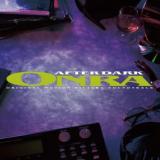
AFTER DARK is the latest project from French producer Onra, conceived as the soundtrack to an imagined late-night film. Entirely self-produced, the album continues the sophisticated R&B and Modern Soul direction explored since his 2010 classic Long Distance and 2018's accomplished Nobody Has To Know, focusing on late 80's / early 90's inspirations.
Structured like a film unfolding between dusk and dawn, After Dark moves through themes of intimacy, urban solitude, distance, and quiet indulgence. Analog synthesizers, tight drum programming, understated basslines, and selective live saxophone textures shape a cohesive body of work that favors mood and narrative over excess. The sequencing reinforces its cinematic intent, opening and closing with intro and outro pieces that frame the record as a cohesive night-time narrative album.
Over 20 years since emerging in the mid-2000s from the beat scene, Onra has steadily evolved from sample-based Hip-Hop production toward polished, song-oriented projects rooted in contemporary R&B and Funk. With After Dark, he delivers one of his most focused and refined statements to date: a mature, immersive album built for late hours, and attentive listening.
out of Stock
Last delivered 3 months ago available to reorder, subject to availability
Pure, Distilled Dub. Upholding Jamaica's Legacy As Well As Germany's Unequivocally Influential Dub Techno Spirit, Moonshine Recordings Proudly Welcomes Their Next Addition To The Roster. On The Controls For The 9th Full-length Album Release, A True-to-the-roots, All-analogue Musician: Another Channel. Having Put Himself On The Map With Releases On Soukah's Blacksoil Records, Bristol's Transient Audio As Well As On Australian Imprint Modern Hypnosis, It's Now Time For The Album Release, We've All Been Waiting For. No Computer Involved As Impeccable Arrangements And Analogue Reverberations Unfold. Live And Direct In The Original Dub Mixing Fashion, The Augsburg-based Artist Uniquely Transports The Sonic Characteristics Of Rhythm & Sound Into The Present Time.
Subtle Vinyl Crackles Gently Introducing Meditative Beats, 'run Dub' Sets The Pace. Keen Listeners Find Themselves Embedded In Lively Echoes And Reverbs, Left To Bask In Smooth, Sonic Contemplation. Engineered To Soothe The Soul, Timeless Foundation Sound. Intensified Groove Meets Low-frequency Pressure In 'amir Dub' Among Haunting Melodica Fragments. '(yes!) Badness' Unsheathes Its Off-kilter Swing, Vocal And Foley Samples Musing In The Distance - Further Showcasing Another Channel's Technical Prowess. Heavy Chord Stabs And Delicate Overdrive Counterpoint The Immense Scope Of Conjured Space In 'ael Na Dub', Concluding A Beautiful A-side.
Lush Chords Lure Us To The Flip-side - 'solid' Kicks Off With A Staccato Bass-line In The Midst Of Lavish White Noise Surges And Minimal Drums. Rooted In Endless Feedback Trails, Steadily Kept In Check. Previously Teased, The Mighty 'ethiopian Dub' Steps Through In Full Glory, Carried By Militant Drum Motion And Forceful Low-end. On A More Spacious Excursion, 'uranus' Takes A Brightly Lit Stroll Through The Analogue Dub Universe, Led On By Another Channel's Signature Groove Propulsion. Pointing Back Towards A-side, Prolific Dub Proponent Babe Roots Presents His Musical Qualities In A Monumental Remix Of 'run'.
out of Stock
Last delivered 3 months ago available to reorder, subject to availability
Ten years ago, Anderson .Paak didn't just release an album; he staged a full-scale takeover of the soul and hip-hop landscape. Released on January 15, 2016, Malibu served as the definitive arrival of an artist who had spent years grinding in the underground before a star-making turn on Dr. Dre’s Compton. While his previous work hinted at his potential, Malibu was the moment the world met the "Cheeky Andy" persona in full—a virtuosic drummer, a raspy-voiced crooner, and a sharp-witted rapper all rolled into one. The album is a sprawling, sun-drenched journey through the Southern California coast, blending 1970s funk, church-reared gospel, and gritty boom-bap into something that feels both nostalgic and entirely futuristic. With a heavyweight production lineup including 9th Wonder, Madlib, Kaytranada, and Hi-Tek, the record maintains a warm, analog texture that was a breath of fresh air in an increasingly digital era. It’s an album that breathes, full of intentional imperfections and the kind of "in-the-pocket" groove that can only come from a seasoned live performer. Beyond the infectious, dance-floor-ready energy of tracks like "Am I Wrong" and "Come Down," the album is a deeply autobiographical masterwork. .Paak uses the 65-minute runtime to unpack his life story with startling clarity, touching on his mother’s gambling addiction, his father’s incarceration, and his own brushes with homelessness with a sense of resilience that never feels heavy-handed. He weaves these heavy themes through a lens of triumph, grounded by vintage surfing documentary samples that give the project its cinematic, coastal atmosphere. It’s a celebratory record born out of struggle, anchored by his impeccable technicality on the drums and a guest list—featuring ScHoolboy Q, Rapsody, and The Game—that feels hand-picked to complement his specific brand of West Coast swagger. A decade later, Malibu stands as a modern classic and the blueprint for the soulful revivalism that would eventually lead .Paak to global superstardom and Grammy-winning heights. It remains a testament to the idea that the most profound music often comes from the most personal places, proving ten years on that the best way to move forward is to stay rooted in the groove.
out of Stock
Last delivered 31 days ago available to reorder, subject to availability
4-track EP from Milan-based producer Michele Manzo. Deep, driving cuts for the floor. Manzo’s commitment to analogue gear ensures a raw, tactile warmth, offering listeners a sonic journey that feels personal yet universal. Capturing the richness and depth of classic house while maintaining a minimalist, modern edge.
out of Stock
Last delivered 43 days ago available to reorder, subject to availability
Kronstad 23 returns with Dodehavet, the Norwegian quartet"s third album and first release on Batov Records. Continuing their instinctive, analogue-led approach, the record sits between cinematic jazz and psychedelic rock, threaded with Scandinavian folk and wider global influences. Recorded live to tape with minimal preparation and no modern studio intervention, Dodehavet captures a band working on feel, interaction and momentum rather than polish or precision.
A Side
Amadeo 85 delivers a powerful, modern funk track crafted for dancefloor lovers, driven by an uptempo drum machine groove, a catchy analog Moog bassline, and vibrant synths , all beautifully contrasted by the classy, sophisticated vocals of Ivan Makvel.
B Side
The mighty Ceeofunk Band is back with a brand new single, featuring the smooth Zackey Force Funk on vocals and the icy Amadeo 85 on vocoder.
Dive into this mellow boogie groove—made for everyone out there spreading love and funk in these troubled times.
out of Stock
Last delivered 4 months ago available to reorder, subject to availability
OH! is the powerhouse production duo of Massimo Paramour and Gianluca Pighi. Their
debut album, We Come In Peace (Huldigung Records), is a 19-track odyssey that fuses
the grit of post-punk with the neon hooks of classic Synth-Pop. Recorded entirely on
analog hardware at Italy’s Elfo Studio, the record features a global cast of vocalists
including Local Suicide, Sarah P, and iDA fLO. It is a love letter to the era of Tangerine
Dream and The Human League, reimagined for the modern dancefloor.
We Come In Peace is a masterclass in analog synthesis. Eschewing VSTs and samples for
the tactile power of the Moog Subharmonicon and Sequential Prophet Rev 2, OH! has
crafted a record that is musically audacious yet undeniably radio-friendly. From the dark
disco pulse of "Crush" to the shimmering pop of "Falling," this is a project built on
production flair and collaborative magic.
Miles Davis's Kind of Blue was the number-one jazz album in history. It totaled five songs. There are four more songs from that same historic group, recorded in the same time period and at the same studio. And here they are. These songs deserve to stand on their own with artwork to highlight the quality of the music and that matches the time period of the recording. This is a rare opportunity to have a smash follow-up to what many consider the greatest jazz record ever!
Through the years, these four remarkable performances — all from a single recording session in 1958 and all exemplary of the sound of Miles Davis' legend-loaded sextet of that year — have not been served well. They have been largely treated as add-ons for other compilations. Now, for the first time, Analogue Productions, the audiophile in-house reissue label of Acoustic Sounds, Inc., together with Quality Record Prssings, has deservedly given these tracks a stellar stand-alone release for jazz fans to savor!
The once-in-a-generation lineup that recorded these tunes is the very same that would be immortalized for the enduring classic they would record almost a year later, Kind of Blue. Davis played trumpet sublime with his ensemble sextet featuring pianist Bill Evans, drummer Jimmy Cobb, bassist Paul Chambers, and saxophonists John Coltrane and Julian "Cannonball" Adderley.
Undervalued since their recording, the tunes on this album reflect historial and musical significance. They offer early glimpses into the modal jazz that Kind of Blue would bring to the forefront. Using modes common in modern classical music, rather than the chords of popular songs, Miles had begun to experiment with the new approach on the Milestones recording sessions previously.
Analogue Productions is proud to present Birth of the Blue in an exclusive first-of-its-kind stand-alone release that reflects our reputation for meticulous production, capturing authentic sound with clarity, depth and fidelity that exceeds the audiophile standard. 180-gram 45 RPM double LP pressed at Quality Record Pressings.
Features:
• Pioneering Ensemble: Captured the same rare and short-lived alignment of jazz legends including Miles Davis, John Coltrane, Cannonball Adderley, Bill Evans, Paul Chambers, and Jimmy Cobb, as heard on the historic Kind of Blue.
• Innovative Sound: The session represented a crucial transition in jazz, blending elements of hard bop with early modal jazz influences, showcasing the ensemble's experimentation and forward-thinking approach.
• Undervalued Legacy: Despite its historical and musical significance, the session's recordings have been historically overlooked, often relegated to being add-ons in compilations rather than recognized as standalone masterpieces.
• Modal Jazz Precursor: Offered early glimpses into the modal jazz that would later be fully realized in Davis's groundbreaking album "Kind of Blue," laying the groundwork for future jazz innovation.
• Impact on Artists: Served as a critical point of development and confidence for the musicians involved, particularly Bill Evans, who noted the significant impact of this experience on his own identity and style.
• Historical Context: Occurred at a peak moment in Miles Davis's career, following his signing with Columbia Records and his critical and commercial successes with albums such as ‘Round About Midnight and Miles Ahead.
Moving Images is a collaborative album by composers Frank Maston and Greg Foat, and marks the inaugural release on Magic Hollow, the new imprint founded by Daniel O'Sullivan. Rooted firmly in the tradition of classic library music, the album draws from the deep, elegant end of the form: vintage keyboards, analogue synthesis, drum machines, and melodic economy, realised with clarity, warmth, and restraint. Recorded in February 2025 at Ritmo Studios in Leysin, Switzerland, high in the Alps, Moving Images unfolds as a suite of finely balanced cues, defined by restraint, texture, and a discerning sense of tone.Swiss bassist Elie Ghersinu features prominently throughout the album, his rich and fluid bass tone providing a continuous anchor. The record draws inspiration from the golden age of European library music, channeling the spirit of De Wolfe and Bruton releases such as Alan Hawkshaw's Frontiers Of Science, the Push Button albums by Karl Jenkins and Mike Ratledge, Edmondo Giuliani's refined orchestrations, and Alessandro Alessandroni's Romance and Drama for Coloursound. Rather than pastiche, Moving Images internalises the discipline and elegance of these recordings, translating their grammar into a contemporary context. Maston Frank Maston's work occupies a space where pop sophistication, orchestral writing, and library traditions intersect. His seminal album Tulips established a distinctive voice defined by melodic confidence and meticulous arrangement, while Panorama, composed for the KPM library, placed him firmly within the lineage of modern composers revitalising the classic library form.Maston's music is characterized by melodic generosity and meticulous arrangement, resulting in work that is elegant, florid, and richly detailed. Greg Foat Greg Foat is a central figure in the contemporary resurgence of library-influenced music, known for his prolific output and deep engagement with the form. A virtuoso pianist, his work bridges jazz, soundtrack composition, and classic library aesthetics, often favouring analogue warmth, strong melodic identities, and ensemble interplay. Foat approaches library music as both a craft and a living language, practical, expressive, and open ended. Moving Images Together, Maston and Foat treat Moving Images as a shared vocabulary rather than a showcase. The album prioritises mood, utility, and suggestion, music designed to serve images and narratives while remaining richly satisfying in isolation. Magic Hollow Magic Hollow is a London based record label founded by composer Daniel O'Sullivan. The imprint is dedicated to contemporary works that engage with library music as a creative practice rather than a fixed genre.Magic Hollow represents a parallel compositional practice in which the sonic self-portrait gives way to openness, economy, and concision.
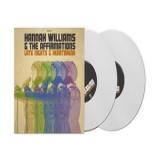
Record Kicks freut sich, die Vinyl-Neuauflage zum 10-jährigen Jubiläum von ,Late Nights & Heartbreak" zu präsentieren, dem Durchbruchsalbum von Hannah Williams & The Affirmations, auf dem der Song zu finden ist, der zum emotionalen Rückgrat von Jay-Zs wegweisendem Album ,4:44" wurde. ,Late Nights & Heartbreak" kam 2016 raus und wurde von Kritikern gelobt. Seitdem ist es ein moderner Soul-Klassiker. Sein Vermächtnis wurde besiegelt, als Jay-Z den Titelsong von ,4:44" komplett um Hannah Williams' Originalaufnahme herum aufgebaut hat. Der Song, der als unverfälschtes Geständnis der Untreue genutzt wurde, war Jay-Zs Antwort auf ,Lemonade" von seiner Frau Beyoncé und machte Hannahs unverwechselbare Stimme einem weltweiten Publikum bekannt. Aufgenommen im Quatermass Studio in London - der Heimat der Kulthelden The Heliocentrics - zeigt ,Late Nights & Heartbreak" Hannah, begleitet von ihrer neu gegründeten Band The Affirmations. Produziert wurde das Album von Malcolm Catto, der für seine Arbeit mit Künstlern wie Mulatu Astatke, Orlando Julius, Floating Points, Quantic, DJ Shadow und Madlib. Das Album wurde komplett analog gemischt und auf Band gemastert und bietet einen rohen, druckvollen und zutiefst eindringlichen Sound. Auf 13 Tracks erkundet ,Late Nights & Heartbreak" viszeralen, kraftvollen Soul mit einem subtilen psychedelischen Touch. Von der eindringlichen ersten Single ,Tame in the Water" bis zum unerbittlichen achtminütigen Groove von ,Still in My Head" zeigt das Album die schiere Kraft und Kontrolle von Hannahs Stimme in ihrer elektrisierendsten Form. ,Woman Got Soul" liefert fünf Minuten mitreißenden, kraftvollen Funk, während tiefgründigere Stücke wie ,Another Sunrise" und ,Your Luck Can Change" einen üppigen, emotionalen Hintergrund für Themen wie Liebe, Lust, Sehnsucht, Wut und Verletzlichkeit bieten. Alle Songs sind Originalkompositionen, die von dem in Bristol ansässigen Kollektiv um The Affirmations unter der Leitung von Musikdirektor James Graham geschrieben wurden - mit Ausnahme einer atemberaubenden, psychedelisch-souligen Neuinterpretation von ,Dazed and Confused", die stark von der Originalversion von Jake Holmes inspiriert ist. Hannah Williams, die schon früh von der verstorbenen Sharon Jones gesegnet wurde, eroberte 2012 mit ihrem Debütalbum ,A Hill of Feathers" die Soul-Szene. Die Single ,Work It Out" wurde ein Indie-Radiohit und ebnete den Weg für eine Karriere, die von moderner Soul-Mythologie geprägt ist. Aufgewachsen in einem musikalischen Haushalt, sang Hannah ab dem Alter von sechs Jahren im Kirchenchor und konnte Noten lesen, bevor sie richtig lesen konnte. Heute ist sie eine unaufhaltsame Kraft - eine Künstlerin mit einem seltenen Talent, wie es nur einmal in einer Generation vorkommt. Zehn Jahre später kehrt ,Late Nights & Heartbreak" in dieser speziellen Jubiläumsausgabe auf Vinyl zurück und bestätigt erneut, warum Hannah Williams & The Affirmations nach wie vor zu den kraftvollsten Stimmen des zeitgenössischen Soul gehören.
Ten years ago, Anderson .Paak didn't just release an album; he staged a full-scale takeover of the soul and hip-hop landscape. Released on January 15, 2016, Malibu served as the definitive arrival of an artist who had spent years grinding in the underground before a star-making turn on Dr. Dre’s Compton. While his previous work hinted at his potential, Malibu was the moment the world met the "Cheeky Andy" persona in full—a virtuosic drummer, a raspy-voiced crooner, and a sharp-witted rapper all rolled into one. The album is a sprawling, sun-drenched journey through the Southern California coast, blending 1970s funk, church-reared gospel, and gritty boom-bap into something that feels both nostalgic and entirely futuristic. With a heavyweight production lineup including 9th Wonder, Madlib, Kaytranada, and Hi-Tek, the record maintains a warm, analog texture that was a breath of fresh air in an increasingly digital era. It’s an album that breathes, full of intentional imperfections and the kind of "in-the-pocket" groove that can only come from a seasoned live performer. Beyond the infectious, dance-floor-ready energy of tracks like "Am I Wrong" and "Come Down," the album is a deeply autobiographical masterwork. .Paak uses the 65-minute runtime to unpack his life story with startling clarity, touching on his mother’s gambling addiction, his father’s incarceration, and his own brushes with homelessness with a sense of resilience that never feels heavy-handed. He weaves these heavy themes through a lens of triumph, grounded by vintage surfing documentary samples that give the project its cinematic, coastal atmosphere. It’s a celebratory record born out of struggle, anchored by his impeccable technicality on the drums and a guest list—featuring ScHoolboy Q, Rapsody, and The Game—that feels hand-picked to complement his specific brand of West Coast swagger. A decade later, Malibu stands as a modern classic and the blueprint for the soulful revivalism that would eventually lead .Paak to global superstardom and Grammy-winning heights. It remains a testament to the idea that the most profound music often comes from the most personal places, proving ten years on that the best way to move forward is to stay rooted in the groove.
out of Stock
Last delivered 4 months ago available to reorder, subject to availability
AFTER DARK is the latest project from French producer Onra, conceived as the soundtrack to an imagined late-night film. Entirely self-produced, the album continues the sophisticated R&B and Modern Soul direction explored since his 2010 classic Long Distance and 2018's accomplished Nobody Has To Know, focusing on late 80's / early 90's inspirations.
Structured like a film unfolding between dusk and dawn, After Dark moves through themes of intimacy, urban solitude, distance, and quiet indulgence. Analog synthesizers, tight drum programming, understated basslines, and selective live saxophone textures shape a cohesive body of work that favors mood and narrative over excess. The sequencing reinforces its cinematic intent, opening and closing with intro and outro pieces that frame the record as a cohesive night-time narrative album.
Over 20 years since emerging in the mid-2000s from the beat scene, Onra has steadily evolved from sample-based Hip-Hop production toward polished, song-oriented projects rooted in contemporary R&B and Funk. With After Dark, he delivers one of his most focused and refined statements to date: a mature, immersive album built for late hours, and attentive listening.
Ten years ago, Anderson .Paak didn't just release an album; he staged a full-scale takeover of the soul and hip-hop landscape. Released on January 15, 2016, Malibu served as the definitive arrival of an artist who had spent years grinding in the underground before a star-making turn on Dr. Dre’s Compton. While his previous work hinted at his potential, Malibu was the moment the world met the "Cheeky Andy" persona in full—a virtuosic drummer, a raspy-voiced crooner, and a sharp-witted rapper all rolled into one. The album is a sprawling, sun-drenched journey through the Southern California coast, blending 1970s funk, church-reared gospel, and gritty boom-bap into something that feels both nostalgic and entirely futuristic. With a heavyweight production lineup including 9th Wonder, Madlib, Kaytranada, and Hi-Tek, the record maintains a warm, analog texture that was a breath of fresh air in an increasingly digital era. It’s an album that breathes, full of intentional imperfections and the kind of "in-the-pocket" groove that can only come from a seasoned live performer. Beyond the infectious, dance-floor-ready energy of tracks like "Am I Wrong" and "Come Down," the album is a deeply autobiographical masterwork. .Paak uses the 65-minute runtime to unpack his life story with startling clarity, touching on his mother’s gambling addiction, his father’s incarceration, and his own brushes with homelessness with a sense of resilience that never feels heavy-handed. He weaves these heavy themes through a lens of triumph, grounded by vintage surfing documentary samples that give the project its cinematic, coastal atmosphere. It’s a celebratory record born out of struggle, anchored by his impeccable technicality on the drums and a guest list—featuring ScHoolboy Q, Rapsody, and The Game—that feels hand-picked to complement his specific brand of West Coast swagger. A decade later, Malibu stands as a modern classic and the blueprint for the soulful revivalism that would eventually lead .Paak to global superstardom and Grammy-winning heights. It remains a testament to the idea that the most profound music often comes from the most personal places, proving ten years on that the best way to move forward is to stay rooted in the groove.
out of Stock
Last delivered 30 days ago available to reorder, subject to availability
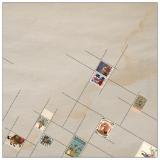
The concept for this one is as wonderfully odd as we have ever heard: Argentinian Federico Durand draws on his collection of Cinderella stamps and looks to translate their modest scale into sparse arrangements and carefully spaced notes. Small motifs drift across analogue synth tones, all shaped with tape hiss and soft saturation. Pieces move slowly, often built from repeating figures that shift in pitch and melody, feel tentative, sometimes dissolving into low drones or faint harmonic clouds. There is little percussion, with rhythm implied through looping patterns and subtle timing changes. Tracks favour brevity and minimalism and the result leans into a darker mood than his earlier work, with a muted, slightly worn character that makes it all the more real.
„Ihr erstes Solo-Recital, und es ist ein Triumph!“, lautete das Fazit der Tageszeitung The Times in ihrer
5-Sterne-Rezension eines der 20 besten Klassikalben des Jahres 2024.
Die Künstlerin hat es sich zur Aufgabe gemacht, ein vollständigeres Bild der englischen Renaissancemusik
zu zeichnen. Mishka Rushdie Momen beschreibt ihre Erfahrung beim Spielen von Werken für Tasteninstrumente der Tudorzeit als „Begegnung mit einem Palast voller Reichtümer“. Von diesen Werken ist hier eine
vielfältige Auswahl zu hören. Das chartstürmende Debütalbum ist ein starkes Plädoyer dafür, diese frühen
Klavierwerke mit der ganzen Ausdruckskraft eines modernen Steinways zu spielen.
Der Titel erscheint als limitierte 180-g-LP in einer vollfarbigen Gatefold-Hülle und enthält umfangreiche
Begleittexte. Erstmals innerhalb dieser Reihe wurden die Aufnahmen von Sidney Claire Meyer in den Emil
Berliner Studios (EBS) gemastert – dem renommierten Team hinter den Serien „Original Source“ (DG)
und „Pure Analogue“ (Decca).
Despite its tragic breakup, Yugoslavia as a political, social and cultural phenomenon still inspires generations, especially those who were born or lived at the time of this utopian land of South Slavs. Those who didn’t enjoy the privilege are still amazed by its 1970s and ’80s music scene and the number of very modern, high quality acts that were so often ahead of their time. Two such acts were Data and The Master Scratch Band, both founded by Zoran Jevtic and Zoran Vracevic, who introduced synth-pop, breakbeat, and hip-hop music in Yugoslavia in 1984 with their releases: SP Neka Ti Se Dese Prave Stvari/Ne Zovi To Ljubavlju and miniLP Deogut (Jugoton). Our latest release, “It Was Ridiculous, It Was Amazing!” gathers their earliest unreleased material from 1981-1983, showcasing a broader range of genres – alongside synth-pop and breakbeat/hip-hop, they also experimented with industrial, EBM, minimal synth, and electro-funk!
The whole record is divided into two parts: on A side there are 7 previously unpublished songs by group DATA, and on B side there are 4 previously unreleased recordings by The Master Scratch Band.
The Data side opens with two unexpected “shocker” tracks: Ja Nisam Kao Ti” (eng. I am Not Like You) and “Izumi” (eng. “Inventions”) from 1981, where they sound like early Deutsch-Amerikanische Freundschaft with unusual vocal pan sound effects on Serbian lyrics and uncompromising synth-based sound. Equally unpredictable are the next two songs: atmospheric “España” and dusty “Damage In My Head,” where Zoran Jevtić boldly steps into the lead vocal role. But the surprises don’t end there. The next two songs, France and Strahovi (eng. “Fears”), bring a mysterious and nostalgic atmosphere, elevated by the irreplaceable sound of the modular Roland System-100M. At the end comes the greatest surprise of all: Data covers YMO-Ballet in a song called Ne Zelim Da Tako Zive (eng, I Don’t Want Them Living Like That) and puts some extra energy in rhythm without losing the original song’s sensibility. Like in the original, the lyrics are tender and yet mysterious and provocative.
The Master Scratch Band side contains the very first versions of the songs Break War, Jailbreak, and Computer Break, originally recorded in studio Druga Maca in Belgrade in 1983. These versions were not released on their mini-LP album Dégout (Jugoton, 1984), and they are actually the first ever hip-hop/Breakbeat recordings in Yugoslavia. With great enthusiasm, every sound was uniquely crafted from scratch using the finest analog gear available in the early ’80s. The two young artists, aiming for international success, chose to write their lyrics in English. The album’s final track, “Mad Scratch,” showcases their talent for creating impressive sound effects, which would be a delight for contemporary DJs and producers who specialize in sampling and scratching old-school hip-hop.
This release is truly a “100% digger’s gem” – 11 previously unreleased tracks from legendary pioneers of electronic, hip-hop, and breakbeat. A collection to discover, enjoy, play, and treasure forever!
out of Stock
Last delivered 5 months ago available to reorder, subject to availability
Verve Vault ist die preisgünstigere LP-Serie des legendären Verve-Labels. Alle Titel werden von Ryan K.
Smith bei Sterling Sound von den analogen Originalbändern geschnitten und gemastert, bei Optimal auf
180-Gramm-Vinyl gepresst. Faksimiles der ikonischen Artworks, je nach Original in Gatefold- oder SingleSleeve-Hüllen.
Marcos Valle - Samba ’68
Obwohl der brasilianische Sänger, Songwriter, Pianist und Gitarrist Marcos Valle oft der zweiten Generation der Bossa Nova zugerechnet wird, hat er sich auch einen Namen als einer der besten modernen
Samba-Komponisten gemacht. Internationale Bekanntheit erlangte Valle 1968 durch sein einziges VerveAlbum “Samba ‘68”, auf dem er elf seiner groovenden Songs präsentierte, darunter natürlich auch sein wohl
bekanntestes Stück “Samba de Verão” aka “So Nice (Summer Samba)”. Das Album ist längst ein RareGroove-Klassiker und laut AllMusic “eines der besten brasilianischen Crossover-Alben der 1960er Jahre”.
Die luftigen Arrangements schrieb der ebenfalls aus Brasilien stammende legendäre Eumir Deodato.
Superonda’s debut release, Aurora Spectralis, introduces the latest project from Mahatmos, a duo emerging from long-established practices in electronic music, sound design and composition for moving images. Released on 12” vinyl and digitally, the EP unfolds across four tracks of electronic ambient music shaped by atmosphere, con1nuity and restrained propulsion. Ambient textures open a broad emotional and spa1al field, while slow, insistent rhythms provide steady forward motion.
Superonda has created a space for Mahatmos to sharpen their focus on sound as material. Modular synthesis, analogue instruments and live processes techniques are balanced with precision and restraint, resulting in music that moves between progressive and hypnotic forms, informed as much by underground club culture as by cinematic composition.
Mahatmos is a Rome-based duo with complementary and deep-rooted practices. Gianluca Meloni brings a long-standing presence in techno and experimental music scene, with international releases and performances (as Laertes and as part of Modern Heads). Maurizio Loffredo contributes an extensive background in composition, production and sound engineering across popular music and film, with a refined sensitivity to timbre, structure and sonic narrative.
Superonda is a Rome-based label founded by artists engaged in deep sonic research and advanced technical exploration. Operating as an open platform, it connects collaborators working across recording, synthesis and composition, approaching music as a process-driven practice rather than a fixed genre. Each release stands as a distinct exploration, linked by shared sensibilities rather than formal constraints.
The physical edition of Aurora Spectralis is conceived as an extension of the work itself. Alongside a standard black vinyl pressing, a limited run of color and marbled copies has been produced, each one unique. Variability and tactility are embraced as part of the object’s identity, reinforcing the record as something to be experienced gradually, over time.
out of Stock
Last delivered 5 months ago available to reorder, subject to availability
Antônio Carlos & Jocafi, das legendäre Duo aus Bahia, dessen Musik seit über fünf Jahrzehnten den Soul Brasiliens verkörpert, kehrt mit einer kühnen neuen Zusammenarbeit zurück: Jazz Is Dead 026. Beto Barreto von Baiana System stellte Adrian Younge und Ali Shaheed Muhammad vor, und die Begegnung war sofort von Magie geprägt. ,Als wir uns zum ersten Mal trafen, war es wie bei einer Familie", erinnern sie sich. Diese Verbundenheit veranlasste Younge und Muhammad, das Duo nach Los Angeles einzuladen, wo sie eine Handvoll Ideen mitbrachten und vor Ort neue Songs schufen - ein intuitiver, improvisatorischer Prozess, der die Philosophie von Jazz Is Dead ausmacht. Mit dieser Veröffentlichung bekräftigen Antônio Carlos & Jocafi ihre kreative Vitalität und bringen gleichzeitig einer neuen Generation ihren zeitlosen bahianischen Geist näher. ,Adrians Liebe zu Brasilien ist größer als die vieler Brasilianer", sagen sie und betonen, wie aufmerksam er zuhört, studiert und die Rhythmen, Geschichten und Gefühle ihrer Kultur vermittelt. Das Ergebnis ist ein Album, das eine Brücke zwischen dem Mercado Modelo in Salvador und der globalen Bühne schlägt und die folkloristischen Traditionen Bahias mit der analogen Seele von Jazz Is Dead verwebt.
out of Stock
Last delivered 5 months ago available to reorder, subject to availability
Psychedelic MasterpieceOriginally released on Capitol Records in 1969, Euphoria’s debut album A Gift From Euphoria is an unsung album; one with incredible sonic radiance, masterful songwriting, and everlasting harmonies—with their fantastical combination of psychedelic, folk, country, and hard rock. The 15 songs set up a journey through the best of what had been happening within modern music by 1969. Comparisons to The White Album are apt as it leaps from genre to genre with shocking confidence, as if they knew this was their only chance to say it all on a record. But it was too good to last as this was the only album Euphoria made, one that is critically championed in hindsight and highly sought after nowadays, and it is Jackpot Records honor to be able to bring it to you. Now reissued from the original analog master tapes with the original cover artwork exclusively for RSD 2026.
Repress of the 1 st album of the fresh Afro funk sensation ! Recorded on analog equipment in Lyon in 2014 !
Peter Solo is a singer and composer born in Aného-Glidji, Togo, the birthplace of the Guin tribe and a major site of the Voodoo culture. He was raised with this tradition’s values of respect for all forms of life and the environment. With his new band, Vaudou Game, Peter Solo claims, and spreads this spiritual and musical heritage. Chants are at the heart of the Voodoo practice, but for times immemorial, harmonic instruments have never accompanied them. No balafon, no kora - only the “skins” support the singers. However, in 2012, Peter, along with his band based in Lyon, France, decided to explore and codify the musical scales that are found in sacred or profane songs of Beninese and Togolese Voodoo so they can be played easily on modern instruments. Peter composed the album Apiafo, using the two main musical scales of this tradition. The first musical scale on Apiafo leans towards raw Funk with a sound similar to the famous 70’s bands, L’Orchestre Poly Rythmo De Cotonou and El Rego. Funk, is the skeletal structure of this record, and provided the opportunity for Peter to invite his uncle, Roger Damawuzan - the famous pioneer of the 70s Soul scene - on two tracks. Their collaboration on “Pas Contente” is a highlight on this 100% analog album. Apiafo was entirely recorded, mixed and mastered with old tapes and vintage instruments. The second scale, which had never before been transposed for instruments, evokes deeper feelings and a sacred ambiance. The moving song Ata, an invocation to a supreme divinity is another highlight of this record. Even if some can recognize similarities between this scale and Ethiopian scales, they are in fact different. Peter, the only African band member, introduced the other musicians to the universal values of Voodoo and he taught them his native language. On the recording of Apiafo and during their live performances, the musicians all sing and answer Peter in the Mina language. The strive for authenticity, the analog sound and vintage looks don’t mean that Vaudou Game is looking backwards. This is Togolese funk, born in the post-colonial era but that never before explored its ancient roots so deeply and proudly.
Italy’s own L.D.F. makes his debut on Shadow Pressings with a fresh slab of raw, analog funk—pressed strictly to wax and destined for selectors who still worship the turntable altar. With contributions from Detroit icons, Javonntte, Gary Romalis, & European groove architects Tilman & Böhm, the EP threads classic motifs through a modern underground sensibility—never nostalgic, always alive.
out of Stock
Last delivered 7 days ago available to reorder, subject to availability
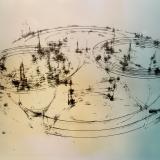
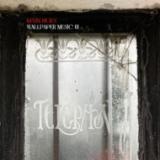
The album presents a distinctive artistic statement built around song, texture and collective exploration. Opening tracks such as 'Fair Weather' and 'The Big Flood' draw on the oblique lyricism of Henry Cow and the surreal songcraft of Robert Wyatt, with Beraha's voice at the centre of a sound world shaped by analogue radio collage and drifting, delayed saxophone lines. Punk-inflected rhythms emerge on 'Modern Times', while the reflective 'Into the Woods' blends lyrical song with collective improvisation, highlighting the ensemble's dynamic range. Across the album, tightly composed material sits alongside free improvisation, cinematic writing and storytelling. Tracks including 'February' and 'I the King' explore contemporary jazz, humour and surreal narrative, while groove- led pieces such as 'Dorian Gray's Bathroom Cabinet' and Morricone- inspired 'Same Time Next Week' showcase rhythmic drive and playfulness. The album closes with 'Strangers on a Train', where scripted text gives way to improvised spoken dialogue over a relentless pulse, uniting the record's themes of collaboration, narrative and spontaneity. Reflecting on the recording process, Kevin Figes describes Wallpaper Music III as "a joy to make", marking a return to Rockfield Studios and a collaborative experience with musicians whose sensitivity, imagination and improvisational skill shaped the music at every stage
Ol' June & The Ashburns deliver timeless soul with a modern edge. Their new single "What's her Name?" is a slow-burning groove in 6/8, built on lush instrumentation, warm analog textures, and heartfelt storytelling.Inspired by the golden era of Soul, the track captures the mystery of a fleeting moment — the glance of a woman who lingers in memory long after the nightfades.A soulful, cinematic journey for fans of vintage grooves and contemporary soul alike new single release "What's her Name?"
"Can't Let Go" by Ol' June & The Ashburns is a modern soul ballad with a timeless 70s feel. Driven by a steady groove and heartfelt vocals, the song tells the story of a man torn between leaving and holding on to a love that's both beautiful and destructive. Nostalgic yet raw, it's soul music that lingers long after the last note
Drawing influence from the likes of CAN, Faust, Mahavishnu Orchestra, and David Vorkhaus, Shakti Soundsystem traverses the borderlands of psychedelic rock, Krautrock, jazz fusion, and ritual improvisation. But this isn't a retro trip—this is future folklore.
Each track is a trance in motion, built on hypnotic basslines, spiraling melodies, and moments of ecstatic dissonance. The instrumentation is as unconventional as the process: Bulbul Tarang, modular synths, guitars, drums, and vocals that oscillate between invocation and surrender.
Their first singles have already made waves across tastemaker blogs and listener-curated Spotify playlists, includingNeo-Psychedelia, Psych Rock Melting Pot, Rock for when 26 King Gizzard albums aren't enoug and Psychedelic & Space Rock.
"Wonderin',"described by Analogue Trash (UK) as "an absorbing, psychedelic jam that thrives on hypnotic repetition and a raw, live energy,"introduced their trance-infused sound to a wider audience.
"Silver," hailed by RMAS (Mexico) as"a hypnotic journey between Krautrock and spoken word... a sonic delirium that recalls CAN and the free spirit of the European underground," cements their place in the modern psych scene.
Here comes the first appearance on vinyl of Elf Bagatellen, a 1990 FMP classic from the legendary Schlippenbach Trio where the group achieved fever-dream beauty through self-imposed temporal limitations. The trio deliberately shaped the music, opting for more concise pieces rather than concert-length performances that had become standard practice. Those durational limitations clearly inspired them, bringing a jewel-like, compositional flow to many of the works, although even when the trio seems to be playing a tune in a piece like "Analogue: Scaled" the performance moves so rapidly into the next event any such notion is banished. And yet some of Schlippenbach's older themes resurface in abstracted ways, whether it's Pakistani Pomade's "Sun-Luck Night-Rain" appearing as quicksilver line in "Sun-Luck: Revisited" or Globe Unity's "The Forge" sneaking into "The Forge: Rebellowed." The concision of shorter pieces, including several solo works, arrive as a kind of fever dream in the usual context of free jazz. Schlippenbach Trio soon snapped back into its working methodology on its follow up album, Physics, in 1993, which further elevates the singularity of Elf Bagatellen. The album captured a different side of the trio and helped inform the modern classical tilt in European improvised music. Cien Fuegos is delighted to reissue this undeniable classic, making it available on vinyl for the first time ever, freshly remastered by Martin Siewert. Evan Parker - soprano & tenor saxophone - Alexander von Schlippenbach - piano - Paul Lovens - selected drums and cymbals This album was released as a cd on FMP 1990, remastering for vinyl by Martin Siewert 2025
DJ Support: Garnier, Opolopo, Worldwide FM, Marcia Carr, Bill Brewster, Timeout Moscow, Craig Smith, Delfonic, Tony Nwachukwu, Marcel Dettmann, DJ Rocca, Shuya Okino, Borrowed Identity, Titonton Duvante, Alex Attias, Rainer Truby, Sol Power All-Stars, Kyri R2, Robert Luis, Severino Panzetta, Lars Behrenroth, Kassian, Alkalino, Getdown Edits, Moodymanc, Gerd, Lea Lisa, Young Pulse, Mark de Clive-Lowe, Mark Grusane, Alex Barck….
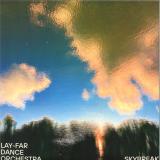
International dance music heavyweight, producer and DJ Alexander Lay-Far returns with a powerful new chapter - Lay-Far Dance Orchestra (LFDO) - a fully-fledged live band project that reconnects him with his jazz-funk and fusion DNA while pushing dance music forward with unmistakable groove, musicianship and emotional weight. Formed in early 2024, LFDO is no nostalgia exercise. With Lay-Far at the helm as bassist, bandleader, composer, arranger and sound engineer, the orchestra has already been turning heads with explosive live performances, reinventing classic Lay-Far cuts, and now unveil their first album “Skybreak” with all new and original material written and produced by Lay-Far together with his bandmates and star guests, including Lipelis, Antoha MC and Seven Davis Jr. This work shows the departure from the predominantly electronic sound of Lay-Far's previous solo albums in favour of live instrumentation recorded to analogue tape and effortlessly bridging the gap between Jazz, Library Music, Disco-Funk, House, Broken Beat and Drum’n’Bass. “Skybreak” is dynamic, passionate, spiritual, cinematic, playful, heartfelt, life-affirming, dreamy and deeply romantic. Ultimately, there’s something profoundly romantic in recording and releasing such music in this day and age!
“Take Flight (Part 1)” is opening the album with style. It takes us on a beautifully orchestrated journey, blending the sensuality of Library Music with high-octane Jazz-Funk and raw b-boy breaks, propelled by breathtaking flute and Rhodes solos of Timur Nekrasov and Maxim Glonti. This aural symbiosis of “beauty and the beats” will become more and more prominent as the album unfolds.
It’s time for “Aquarius Love” created with the inimitable artist and vocalist Seven Davis Jr. (Secret Angels, Ninja Tune). In this composition cinematic soul and heavy jazz meet the restless energy of live drum & bass with deep and heartfelt vocals - timeless sound combined with a timeless message about love and life!
Next is “Head In The Clouds” - a theme for an imaginary rom-com, an ode to all the dreamers - sweet, light, naive and heartwarming. Space-Disco-Funk at its best!
“Where You From” is a fiery Soulful House number with heavy Afro-Latin influences recorded in collaboration with Lipelis. It’s full of Sun, joy and passion. Its irresistible rhythm is emphasised by funky octave bass, wah-wah guitar, catchy piano riffs, guitar solo by Lipelis and seemingly light conscious message delivered by Lay-Far and Maryag. Summer is here!
Now the album takes an unexpected twist in the form of “The Harp of Boom” which at first glance appears to be a classic-sounding Boom-Bap banger. Yes, It’s loud, raw, and gritty, yet it gradually evolves into something delicately-touching and deeply-soulful thanks to a memorable flute melody and lush string arrangement. Definitely recorded with tongue in cheek.
Next is “Feel The Moment” a remarkable collaboration with one of the most recognisable and distinctive Russian artists, singer, trumpeter and cultural icon Antoha MC. It’s a feel-good song, hopeful, life-affirming and bittersweet. A stylish excursion into Brit-Funk and Soviet Jazz-Fusion sound, drawing inspiration from the likes of Atmosfear, Light Of The World or Soviet Jazz bands like Allegro and Arsenal, but reimagining the influences through the modern West London broken beat lens.
The spectacular music journey continuous with “Take Flight (Part 2)” - it’s all about the deep infectious jazz-funk groove, heavy beats, rolling percussion and the glory of the soloing instruments - saxophone and flute by Timur Nekrasov, demonstrating the wide range of emotions from thoughtful and lyrical to restless and borderline vicious. One for freestyle dancing!
As the album draws to an end a vibrant musical triptych “Soul Constant” awaits, mixing together the deep and sensual mood of spiritual jazz with heavy syncopated drum’n’bass rhythms by Michail Fotchenkov, lush orchestration, expressive saxophone solos and the ending which can simply be described as “aural bliss”. It’s breath-taking!
A pleasant bonus is the exclusive version of “Where You From” by Lipelis himself, who is taking it into dub territories, further enhancing the rhythm section and enriching the song with his trademark playful synth flourishes and dreamy guitar solos for maximum effect (and appeal).
The album “Skybreak” by Lay-Far Dance Orchestra is the work of real artistry and craftsmanship with timeless sound that’s not only deeply-rooted but also forward-thinking.
out of Stock
Last delivered 4 months ago available to reorder, subject to availability
Benefit compilation with exclusive tracks from live performances & installations at eavesdrop festival 2024. All revenues go to charities providing medical aid and food sovereignty in Gaza.
In november 2024, eavesdrop festival presented its 3rd edition of contemporary electronic music and sound art, taking place in the striking architectural setting of silent green’s Betonhalle in Berlin. ”to eavesdrop” - is invoked as a mode of listening intently, attentively and with curiosity. With its ongoing commitment to adventurous listening cultures, the festival brought together a top-notch line-up of Berlin based and international artists, who share a common practice in electronic sound composition whilst spanning a diversity of inter-related contemporary tendencies. Whether it’s multi-award winning Mariam Razaei’s exceptional turntablism, Ilpo Väisänen’s legendary DIY analogue electronics, Jasmine Guffond’s generative sound installation, Nina Garcia’s extraordinary electric guitar manipulations, Lottie Sebes’ AI voice synthesis or Rashad Becker’s idiosyncratic synthesizer explorations, to name a few, eavesdrop invited listeners to consider, from multiple perspectives, new social and technical developments in international music and sound cultures.
This compilation documents those 2 nights with 9 exclusive tracks - 7 live performances and 2 stereo mixes from multi-channel installations, edited by the festival’s curator / organizer Jasmine Guffond, with a total running time of approx. 78 minutes. All revenues will go to charities providing medical aid and food sovereignty in Gaza: Medical Aid For Palestinians & Thamra.
out of Stock
Last delivered 6 months ago available to reorder, subject to availability
Limited to 300 copies. Yellow Vinyl. Approaching Doom is the third album by Monsternaut, a darker and heavier representation of the band's established devotion to groovy riffs and to the point compositions. The songs took shape over several years, during which the arrival of a new drummer opened the door to more adventurous rhythms and riff ideas, pushing the band into new territory while staying true to their roots. Sonically, the album leans toward the grit and weight of early 90s metal rather than polished modern production, giving it a raw and immediate edge. Its lyrics and atmosphere follow a naturally darker direction as well, adding an extra layer of tension beneath the grooves. Recorded entirely the old fashioned way, straight to analog tape with no digital editing, it captures the band playing as they are, relying on performance, chemistry, and feel rather than correction. The result is a record that hits harder, feels more focused, and marks a confident new chapter in Monsternaut's evolution.
Spectral Bounce’s latest offering comes direct from Norway, courtesy of Anders Hajem — co-founder of Boring Crew Records. To date, the Oslo producer’s previous releases have been vessels for the exploration of myriad dance musics, seeing the artist fluently turn his hand to soulful house, dub techno and 2-step.
SPEC07 — the Myr EP — is a much more focused affair, finding Hajem in techno mode across 4 potent cuts typified by undulating drums and swelling echoes. Despite its emphasis on percussion, atmosphere has not been sacrificed for rhythm: vivid FX and meticulous attention to detail bring these tracks to life beyond the context of the dancefloor. This is music that can be stepped into and explored, productions that reward repeat listens.
Opening at full throttle, “Myr” is a jackin’ percussive workout, harnessing punchy drums for maximum effect. Its pulsating low-end runs in tandem with trembling synths that perpetually reflect and refract in the stereo field. Atop its rolling drums, hardgroove-inflected “Sprett” utilizes timestretched vocals, cavernous reverb and ecstatically quivering tones, elevating this 2000s-era framework to new heights. “Existence” brings things to a deeper and more hypnotic place: delays are turned up, siren calls reverberate and timbres ebb and flow. Hajem goes more chasmic still on “Concussion”, hitting the brakes for a much slower cadence and allowing space for a truly expansive listening experience. Heady and mystical, entrancing and otherworldly — listen close enough; beneath the dizzyingly shifting pulses and rattling drums you’ll hear incantations, while bass tones pulse in the depths.
SPEC07 — immerse yourself!
Credits:
Art by Susanne Janssen
Mastering & Cut by Marco Pellegrino @Analogcut
Words by Cameron Leaf
out of Stock
Last delivered 3 months ago available to reorder, subject to availability
Red Motorbike hits the road in '26 with an original production from Berlin's master of boogie funk LJ Simon!
Givin' Up is a soulful modern funk 7" steeped in warm '80s analogue production and classic groove.
The OG version blends vintage synth textures with a deep, understated rhythm section. Known for his love of fat-sounding vintage gear, LJ Simon begins every song with no blueprint, working purely from sound, instinct, and feel, tuning in to receive what the moment brings. The influences are unmistakable, yet the result feels fresh, intuitive and alive.
Vocals are delivered by Denice Brooks, a formidable singer from Austin, Texas, now based in Berlin. Denice built her solo career while performing with an exceptional list of artists including Tina Turner, Roy Ayers, David Bowie, Nancy Wilson, Natalie Cole, and many others. She is notably the only singer to receive Prince's blessing to record an official cover of 'Purple Rain' - a distinction that speaks volumes about her artistry.
Her career has taken her across Germany, Europe, the Middle East, and South Africa, where she even once performed for Nelson Mandela. Her continued experience across stage, studio, television, and musical theatre shines through in a vocal performance rich in depth and soul.
Label head Eddie C offers up his Disko Mix and reframes the track through a '90s street soul lens; stripped-back, dusty, and perfectly tuned for late-night selectors and heads-down dancefloors.
out of Stock
Last delivered 4 months ago available to reorder, subject to availability
Grad_U returns to his legendary Redscale imprint with a re-press of one of the label’s most sought-after 12-inches. Originally released as part of the series that helped define modern dub techno, Redscale 02 showcases the Lithuanian artist’s unmistakable sound, deep, analog, and endlessly evolving.
Both sides carry Grad_U’s signature weight: hypnotic low-end movement, rolling chords, and perfectly balanced textures that blur the line between club tool and meditative listening piece. Once again, Redscale reminds us why it stands as one of the most respected labels in the global dub techno scene: no hype, no compromise, just deep, timeless sound.
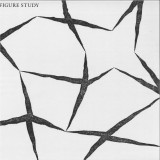
Figure Study is the Manhattan-based duo of Nathan Antolik and April Chalpara. They formed in 2009, after meeting through the Wierd Records weekly party, where they would play their first concert soon after. While their debut 7" contained two songs recorded in 2009, this full length contains all new material recorded throughout the past year.
For their debut self-titled album, Figure Study utilizes a carefully tailored set up of vintage analog synthesizers and drum machines. Figure Study creates a lush sound where haunting vocals echo over dark melodies that reflect an isolated and disintegrating world. Songs flux between dissonant dance numbers and more sparse, somber compositions, each carrying a sense of urgency and modernism. Figure Study's sound includes influences from such early underground artists as Kirlian Camera, Nine Circles, and The Actor.
The album was recorded in their small Chinatown studio using a sparse set-up of analog synthesizers, drum machines and sequencers. It was mixed at The Wave Lab in Brooklyn by AJ Tissian and mastered for vinyl at Fantasy Studios in Berkeley by George Horn. Each LP is packaged in a specially designed jacket and includes an insert with lyrics. Figure Study draw their own model using shapes and forms from the synthetic landscape.
Clear Vinyl in limitierter Auflage von 1500 Stück. Die renommierte US-niederländische Gospel-Soul-Künstlerin Michelle David & The True-tones läuten mit ihrem neuen Album ,Soul Woman", das am 27. Februar 2026 bei Record Kicks erscheint, ein neues Kapitel ein. Aufbauend auf dem von Kritikern gefeierten Album ,Brothers & Sisters" aus dem Jahr 2024, das die Komplexität der Welt widerspiegelte, wendet sich die neue LP ,Soul Woman" nach innen - eine zutiefst persönliche Auseinandersetzung mit Identität, Heilung und spiritueller Widerstandsfähigkeit. ,Wie kann ich andere bitten, sich Zeit zu nehmen, um über ihr Leben nachzudenken, wenn ich das selbst nicht tue?", fragt Michelle David. Dieser Geist der Selbstreflexion und Erneuerung steht im Mittelpunkt von ,Soul Woman" - einem Album, das Verletzlichkeit zulässt und gleichzeitig Stärke ausstrahlt. Musikalisch verfeinert ,Soul Woman" die charakteristische Mischung der Band aus Gospel, Soul und Vintage-Rhythm & Blues und schöpft dabei aus einer breiteren Palette von Einflüssen. Anklänge an Curtis Mayfield, Bobby Womack und The Four Seasons pulsieren durch die Grooves, während das Gospel-Feuer der Blind Boys of Alabama und die fröhliche Ausstrahlung von Diana Ross & The Supremes dem Album sowohl Schwere als auch Glanz verleihen. Im Mittelpunkt steht Michelle Davids unverwechselbare Stimme - rau, warm und voller Entschlossenheit -, umhüllt von reichhaltigen, analog geprägten Arrangements ihrer langjährigen Mitstreiter Paul Willemsen (Gitarre, Bassgitarre), Onno Smit (Gitarre, Bassgitarre) und Bas Bouma (Schlagzeug). Gemeinsam stehen Michelle David & The True-tones an der Spitze der Retro-Soul-Szene - sie verbinden zeitlose Grooves mit moderner Dringlichkeit, unerschütterlicher Authentizität und herzlicher Leidenschaft. Eine Stimme, geboren in der Kirche, geschliffen auf der Straße. Michelle David wurde in New York geboren und wuchs in der Kirche auf. Mit nur vier Jahren begann sie zu singen und trat mit fünf Jahren ihrer ersten Gruppe, The Mission of Love, bei. Ihre kraftvolle Stimme führte sie um die ganze Welt, wo sie in gefeierten Broadway-Produktionen wie Mama, The Sound of Motown, Glory of Gospel und Mahalia mitwirkte und mit Legenden wie Diana Ross und Michael Bolton Aufnahmen machte - alles bevor sie ihre gefeierte Reise mit The True-tones begann. Gemeinsam haben Michelle David & The True-tones sieben von der Kritik gefeierte Alben veröffentlicht und die Bühnen Europas erobert, von Pinkpop über North Sea Jazz bis hin zum London Jazz Festival. Die Band ist bekannt für ihre mitreißenden Live-Auftritte, hat von Spanien bis Skandinavien Standing Ovations erhalten, ist in großen Fernseh- und Radiosendungen aufgetreten und hat sogar bei den Olympischen Winterspielen 2022 gespielt. Ihre Aufnahmen wurden ebenso gelobt: The Gospel Sessions wurde für einen Edison Award (das niederländische Pendant zum Grammy) nominiert, während Truth & Soul aus dem Jahr 2020 von Craig Charles' BBC Radio 6 Music zum Album des Jahres und von FIP (Radio France) zum Album des Monats gekürt wurde. Ihr jüngstes Album, Brothers & Sisters (2024), markierte ihr Debüt bei Record Kicks und wurde zu einem Durchbruch - gefeiert von Rolling Stone France, KEXP, Jazzthing Magazine (Deutschland), De Volkskrant (Niederlande) und BBC 6 Music. Ein Zeugnis der zeitlosen Kraft des Soul: Mit ,Soul Woman" bieten Michelle David & The True-tones mehr als nur eine neue Platte - es ist ein musikalisches Zeugnis der Widerstandsfähigkeit, eine Feier des spirituellen Wachstums und eine Bekräftigung der Fähigkeit der Soulmusik, zu heilen, zu verbinden und zu inspirieren. Gleichzeitig in klassischen Traditionen verwurzelt und neue Wege beschreitend, ist dies zeitgenössischer Soul vom Feinsten. Für Fans von Durand Jones & The Indications, Thee Sacred Souls, Jalen Ngonda, Sharon Jones & The Dap-Kings, Lee Fields, Mavis Staples.
Nach weltweit über einer Million verkaufter Einheiten erscheint das legendäre SCORPIONS-Debüt-Album
„Lonesome Crow“ pünktlich zum 60-jährigen Bandjubiläum am 27.02.2026 als komplett neu gemixte Auflage in transparentem Vinyl, als Digisleeve-CD und digital als Dolby Atmos-Mix. Unter der Aufsicht von
Stephan Plank, dem Sohn der 1987 verstorbenen Studioikone, wurden die Analog-Tonbänder in einem
modernen State-Of-The-Art-Verfahren von der Patina der letzten fünf Dekaden Jahre befreit und von
Grammy-Gewinner Hans-Martin Buff (Peter Gabriel, Prince etc.) in einen brandneuen Mix umgesetzt,
zusätzlich wurde das Original-Artwork um zahlreiche unveröffentlichte Fotos sowie jede Menge spannender
Making-Of-Anekdoten ergänzt. Ein Kultalbum erstrahlt in neuem Glanz!
„Es ist spannend, nochmal zurückzuschauen und sich daran zu erinnern, wie unsere verrückte Reise damals
angefangen hat“, erklärt Klaus Meine. „‘Lonesome Crow‘ ist eine Liebhaber-Platte für Die-Hard-Fans, die
tief in die Vergangenheit dieser Band eintauchen und unsere Wurzeln erkunden wollen. Die meisten sind
sehr überrascht, weil sie die Scorpions, die man heute kennt, darauf nur in Ansätzen wiederfinden. Trotzdem ist das Album ein wichtiger Punkt in unserer Geschichte, von dem aus wir uns immer weiterentwickelt
haben. Es ist eine irre Sache, nach 53 Jahren in die alten Bänder einzutauchen, neu zu remixen und neue
Klangfenster im Dolby Atmos-Sound aufzumachen.“
After a series of successful outings alongside sidekicks Ofofo and Zongamin, studio wizard MYTRON turns in his debut solo full-length for Multi Culti World Records. With contributions on Invisible Inc, Calypso, Bongo Joe, Kalahari Oyster Cult, LYO, Codek Records and Earthly Measures, Mytron has carved out a name for himself in a carefully-curated left-field quadrant of the indie-dance galaxy. Tuning his oscillators to myriad sounds — from dub and disco to krautrock — the London-based producer perhaps most notably channels the pristine compositional style of Kraftwerk. While most apparent in the use of vocoder, there’s a consistent efficiency of arrangement that recalls the man-machine in effervescent, idealistic fashion. Mytron manages to keep it simple, funky and musical — whimsical tunes that bop along with analog grit, wilderness, and wonk. There’s a warmth and wit that shine through every synth line, an understated confidence that speaks of years spent tangled in wires and waveforms, with an inclusive sonic eclecticism that flattens hierarchies between genres, geographies, and generations. Each influence is invited to the table, treated not as pastiche but invited to dine and dance in a space where kosmische dub disco and Afro rhythms can coexist without borders. The sleeve design echoes this philosophy: video-feedback patterns hinting at our modern screens, both portals and filters — coloured, distorted intermediaries through which we perceive the world. In the trippiest sense, the record is both reflection and refraction — a sonic mirror held up to an interconnected, glitchy reality. Tailored equally for DJ use and home-listening head trip, the album is meticulous, mischievous and merry.
BanBanTonTon review:
On Mytron’s debut long-player for Multi Culti groovy 21st Century leftfield house gear collides with Daniele Baldelli and Beppe Loda’s hugely influential `80s afro / cosmic. The 9 tracks are chunky, chugging and full of funky, funny noises. Old school B-lines mixing with eccentric electronics. Spinning, spiralling sounds.
Sugar is an electro-pop, vocoder confection, cut from the same sonic cloth as cult classics like Codek’s Tam Tam. Created from tough trap drums, splashing effects and a mutant Giorgio Moroder bass arpeggio. The title track, Propellor, pits Kraftwerk-esque hardware harmonised vocals against a bongo loop and a whistling hook. Playground has simian shrieks surround tumbling tom-toms. Highway Maintenance adds kosmische synths to a dance of woodblocks and buzzing bottom end. Keep On Dubbing is an organ-led, clip clopping percussive canter.
Tracks such as Speaker Can Talk, shot through with disco lasers blasts and recalling Curt Cress’ Dschung Tek, also lift the tempo up, but the bulk of the music here is a mid-tempo, techno drum circle. Squelchy sequences gurgling in and out of programmed percussion. On Quasar, spiky acid edges in and slowly takes over.
Key references that come to mind are Baldelli’s own turn-of-the-2000s Cosmic Sound Project productions, and Wolf Müller’s scene shaking sides on Themes For Great Cites, from around a decade later.
Finnish dub-techno craftsman TM Shuffle, head of Vuo Records, resurfaces with a deep and distilled EP that goes straight for the late-night heart of the dancefloor. Rooted in Tampere’s raw, analog dub sound, his productions have long balanced weight and warmth, smoked-out chords, rolling low-end and subtle shuffle that keeps the groove in constant motion.
The lead track “Kellari” dives into basement mode: pressure-cooker drums, slow-burning stabs and a humid, lived-in atmosphere that feels equally at home on a huge system or in headphones at 4 a.m. On the second original cut, TM Shuffle links up once again with long-time collaborator Monoder, the alias of Jussi-Pekka Parikka, known for his dubbed-out explorations on labels like Statik Entertainment and Pakkas-Levyt since the early 2000s. Their joint track stretches time, letting echo, tape hiss and distant melodic fragments float around a rock-solid groove, channelling years of shared studio language into one focused, hypnotic flow.
On the flip, Anton Kubikov (SCSI-9) steps in with a lush reinterpretation of Kellari. A true Russian techno veteran with a catalog that spans Kompakt, Force Tracks, Mayak and beyond, Kubikov melts the original into a widescreen, dream-state trip, soft-focus pads, gentle yet insistent percussion and that unmistakable rolling pulse that made his work so enduring. The remix doesn’t just extend the track; it opens a new dimension, turning the basement pressure into a slow-rising, celestial drift.
Pressed on limited coloured vinyl, this EP is built for selectors who like their dub techno deep, human and timeless, a record that will quietly live in bags for years and keep resurfacing whenever the room calls for true late-night elevation.
out of Stock
Last delivered 38 days ago available to reorder, subject to availability
Robohands, das Projekt des Londoner Schlagzeugers/Komponisten Andy Baxter, gilt mit seiner experimentellen Erkundung des Jazz, Krautrock, Ambient und cineastischer Soundscapes als aufstrebender Name der internationalen Jazz/Ambient-Szene - mit über 10.000 verkauften LPs seiner fünf Alben und Auftritten bei den London Jazz, Montreal Jazz und Waking Life-Festivals. Die neue LP "Oranj" ist eine Hommage an die Pioniere der analogen Aufnahmetechnik mit Röhrenverstärkern, einem 1960er Fender Jazz-Bass, Fender Twin Reverb-Verstärkern und einer Vintage-Hammond-Orgel. Die Tracks vereinen die Wärme der 1960er/70er Jazz-Fusion und Soundtracks der Spät-1970er/80er mit modernen Einflüssen von Boards Of Canada bis Robert Glasper. Frenetische Uptempo-Nummern balancieren mit besinnlichen und experimentellen Momenten. Teils auf Tonband für zusätzliche Klangsättigung aufgenommen, ist es das bisher rohste und spontanste Album von Robohands.
out of Stock
Last delivered 4 months ago available to reorder, subject to availability
Produced by Josephine ''Jo'' Bridges and signed to her We Produce imprint, The Temprees were a Memphis soul vocal trio powered by one of the great falsettos in pop music, that of Jasper ''Jabbo'' Phillips. Their 1972 debut Lovemen is aptly named; this is one of the greatest make-out R&B albums ever made, with one smoldering slow jam after another. Their take on ''Dedicated to the One I Love'' is rightly considered the greatest version ever made, but ''If I Could Say What's on My Mind,'' ''Love... Can Be So Wonderful,'' and ''I Love You, You Love Me,'' will get you and your partner's hips swaying (and patch up any lovers' quarrels tout suite, too). Stax didn't really know what to do with soul this sweet (We Produce was a Stax imprint), so Lovemen languished commercially, but nowadays it's recognized as a model of its kind. For its first-ever LP reissue, we've cut Lovemen ALL-ANALOG straight from the original two-track album master, and pressed it up in two versions, one in black vinyl, the other in eco-friendly, sonically superior valentine red PET plastic. The heart on the front cover sums this one up...
Kein zeitgenössischer Italiener war in der Zeit nach dem Ersten Weltkrieg als Instrumentalkomponist so erfolgreich wie Ottorino Respighi mit seinen vierstimmigen symphonischen Gedichten „Fountains Of Rome”,
„Pines Of Rome” und „Feste Romane”. In diesen Werken erlebte die Programmmusik eine großartige
Wiederbelebung. Besonders bemerkenswert ist Respighis Kunst der Instrumentierung, mit der er Orchestermusikern wie Richard Strauss und Maurice Ravel Konkurrenz machte. Er bediente sich einer aus
vielen Quellen destillierten Musiksprache, einer Art „Euro-Impressionismus“, der modernistische Einflüsse
nicht ausschloss.
Die audiophile Vinyl-Serie The Original Source präsentiert herausragende Aufnahmen der 1970er Jahre
in ganz neuer Klangqualität. Dafür haben die renommierten Emil Berliner Studios die originalen Vier- und
Achtspur-Bänder mit eigens für die Produktion der Serie entwickelten Technologien in 100% analoger Qualität (AAA) neu gemastert und geschnitten. Die klanglichen Unterschiede zu den Originalveröffentlichungen sind beträchtlich: Größere Klarheit, mehr Feinheiten und Verbesserungen im Frequenzgang, zugleich
weniger Nebengeräusche, Verzerrungen und Komprimierungen ermöglichen ein audiophiles Hörerlebnis wie
nie zuvor.
Auf 180g Vinylplatten und in einer Deluxe-Gatefold Edition mit Originalcovers und -texten werden die
Exemplare dieser Serie limitiert und nummeriert veröffentlicht, begleitet von zusätzlichen Fotos und Faksimiles der Aufnahmeprotokolle und Bandkartons.