Following hot on the heels of the Frequency Damage EP, DJ Quest returns to Cyberfunk with Squeaks / Snake Style— a two-track release that dives deep into the unmistakable sound that made Quest’s productions stand out during the early 2000s.
Rather than simply recreating the past, both tracks tap directly into the DNA of the original Cyberfunk sound: rolling breakbeats, huge basslines, twisted analogue synths and the kind of distinctive production that became synonymous with DJ Quest at the height of the Bassline Breaks era.
Built around original analogue synth work throughout, Squeaks / Snake Style is a deliberate throwback to the raw, futuristic sound of the early 2000s, produced with the weight and clarity needed for today’s sound systems.
It’s classic Quest, strange noises, big bass, rolling drums and plenty of attitude.
A. Squeaks
Everything DJ Quest became known for rolled into one track. Squeaks is an unapologetic throwback to the classic Quest sound of the early 2000s, driven by heavyweight breaks, deep bass and original analogue synth work throughout.
Twisted electronic squeaks and evolving analogue sounds weave their way around the drums, giving the track that instantly recognisable combination of funk, darkness and futuristic weirdness that characterised so many of Quest’s early productions.
Raw, energetic and built firmly for the dancefloor, Squeaks takes the spirit of the original Bassline Breaks era and brings it straight back onto a modern sound system.
AA. Snake Style
On the flip, Snake Style takes the same analogue-driven approach but moves into deeper rolling territory.
A more hypnotic, heads-down breaks roller, the track develops around a heavyweight bass groove, rolling drums and constantly shifting analogue synth lines. There’s less emphasis on the immediate impact of the A-side and more on building a groove that locks into a DJ set and keeps moving.
Still unmistakably Quest, Snake Style combines the rawness and character of early-2000s breakbeat with modern low-end weight and production, proper rolling Cyberfunk business.
Special Vinyl Edition
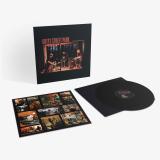
Making this release particularly special for collectors, the 12” vinyl comes with an exclusive book showcasing the artwork from some of DJ Quest’s biggest and most memorable releases.
The book looks back through Quest’s extensive catalogue and the visual identity that accompanied the records, bringing together a selection of classic release artwork from across his career plus photo collages of memories made across his journey.
It turns Squeaks / Snake Style into more than just a new DJ Quest 12”, it’s also a celebration of the music, artwork and history surrounding one of the original pioneers of the Bassline Breaks sound.
For long-time followers it offers a piece of Quest history alongside two brand-new productions, while newer listeners get an introduction to the catalogue and imagery behind the sound
Tiki for the Atomic Age feels like a mid-century transmission intercepted from a parallel timeline—one where hi-fi futurism, Polynesian fantasy, and postwar optimism never lost their sense of wonder. Kava Kon isn’t recreating exotica so much as reviving its original promise: escape, elegance, and possibility, rendered in warm, widescreen stereo.
Built on shimmering vibraphones, reverb-drenched guitars, analog organs, and ritual-leaning percussion, these tracks move at an unhurried pace. This is oceanic music—designed for dim lights, glowing glassware, and time stretched just enough to breathe. The lineage is clear: lounge exotica, bachelor-pad modernism, space-age pop. But this isn’t pastiche or museum work. It’s retro-futurism with intention, imagined from the future looking back.
The “Atomic Age” isn’t just aesthetic shorthand. It speaks to contrast—leisure in the shadow of anxiety, beauty alongside uncertainty, fantasy as a necessary technology. Kava Kon understands that tiki was never about geography; it was about psychology. A constructed elsewhere. A permission slip to slow down.
Pressed on vinyl, Tiki for the Atomic Age comes fully alive: tactile, immersive, and meant to be lived with. For listeners drawn to mid-century dreamscapes and modern exotica that honors the past without freezing it, this is an invitation—step sideways out of the present and into something more elegant.
Produced by François Tétaz and Luke Howard and recorded primarily at Melbourne's Synth Temple, Tina Arena's Way Of The World reimagines “True Faith” (New Order), “Way of the World” (Max Q / Michael Hutchence), “Enjoy the Silence” (Depeche Mode), “Ordinary World” (Duran Duran), “Torno Bambina” (Ada Mori) and “Cayendo” (Frank Ocean) through stunning orchestral arrangements, prepared piano, analogue synthesis and electronic textures.
Rather than traditional cover versions, these are complete artistic reimaginings that reaffirm Tina Arena as one of Australia's most expressive and enduring vocalists. Of first single “True Faith”, Tina says: “Making the deliberate choice to focus on the lyric of true faith was musically revelatory for me. It presented a blank musical canvas with endless vulnerability and space for me to explore.”
François Tétaz, a Grammy and ARIA-winning producer known for his work with Gotye, Kimbra and Architecture in Helsinki, contributes synthesisers, Rhodes, prepared piano and drum machines throughout, while pianist and composer Luke Howard shapes the EP's restrained, cinematic language. The pair are joined by an ensemble including the Budapest Art Orchestra, Peter Knight, James Rushford, Mindy Meng Wang and orchestrator Felix Watson, giving the collection its rich, orchestral backbone.
The EP announcement lands amid a landmark 50-year career anniversary for Tina — one of Australia's highest-selling artists of all time, having sold more than 10 million albums worldwide.
Swivel inaugura su nuevo sello Swivel Traxx produciendo cinco tracks originales recién salidos del horno.
Swivel Traxx steps up with ‘Out of Circle EP’, a 5-track trip delivered by label head Swivel. Blending raw 90s vibes with modern hypnotic soundscapes, the EP shifts gears from tense ambient to direct, Birmingham-influenced techno and high-energy cosmic madness. Built for both deep head-trips and pure dancefloor mayhem:
A1. Out of Circle (Prelude): A beatless atmospheric opener setting a mystical vibe for the whole record. A hypnotic, bell-like arpeggio glides over a warm Moog bassline and thick tension, teasing the concept behind the EP.
A2. Out of Circle: The title track drops straight into club territory while keeping things dark and mysterious. Massive cavernous pads, a driving rhythmic base, and a relentless sequenced synth loop pay homage once again to classic Birmingham techno.
A3. The Black Knights: A dark, dystopian trip. Driven by a hypnotic groove and sharp triplet hi-hats, this one brings a combat-ready energy made for peak-time dancefloor moments.
B1. Starlight: The fastest joint on the record (140 BPM). Equal parts melodic and club-focused, it locks TR-909 drums, Moog bass, and lush pads together for an astral trip into the unknown.
B2. Roundtable: A heavy, mental, and dark closer. Packed with raw analog-filtered synths, broken beats, and a relentless interplay of open and closed hi-hats, it delivers pure energy for the floor.
Drei Jahre nach ihrem von der Kritik gefeierten Album „On The Inside“ kehren Gotts Street Park mit ihrem neuen Album „Somewhere Between“ zurück. Mit dabei sind Celeste, Matt Maltese, Rosie Lowe, Pip Millett, Sofia and the Antoinettes, anaiis und Olive Jones.
Das neue Album markiert einen stilistischen Aufbruch und schlägt im Vergleich zu früheren Veröffentlichungen neue Wege ein. Inspiriert von emotionalem Folk und Americana – mit Künstler:innen wie Blaze Foley, Jessica Pratt und Big Thief, die während der Entstehung des Albums in Dauerschleife liefen – verbindet „Somewhere Between“ die charakteristische Produktionskunst des Trios mit einer neuen, spürbar wärmeren Klangästhetik. Klassisches Songwriting trifft dabei auf die außergewöhnlichen Stimmen einer hochkarätigen Gästeliste.
Ihre Vorliebe für analoge Produktionsweisen übertrugen Gotts Street Park ganz selbstverständlich auf den modernen Americana-Sound des Albums. Die stilistische Entwicklung war dabei keine bewusste Entscheidung, sondern ergab sich organisch aus ihren gemeinsamen Hörgewohnheiten – allen voran Josh, der sich intensiv mit Neil Young und weiteren Künstlern der frühen 1970er-Jahre beschäftigte.
Für „Somewhere Between“ versammelte sich das Trio gemeinsam mit den Gastvokalist:innen in einem Raum und ließ die Songs in einem intuitiven kreativen Prozess entstehen. Inspiriert von der Musik von Gotts Street Park entwickelten die Sänger:innen ihre Texte ganz organisch. „Mit GSP zu schreiben, ist immer eine große Freude“, sagt Rosie Lowe. „Ihre Musik ist so emotional, dass die Songs scheinbar wie von selbst entstehen.“
Building up from his multiple appearances on the label, one of our closest producers, Luca Durán, makes his full studio album debut on TraTra. This work is meant to showcase the vast world of influences the diasporic experience comes with: his rhythm-driven tracks coexist in high contrast, but fluidly, with the experimental and textures of his european school of sound. The title itself works amongst these two edges of Luca's aesthetic existence, the softness from the flight of a Mariposa with the harsh hit of a death blow.
Killing Mariposas is filled with seemingly clashing techniques, field recordings, acoustic instruments, and analogue synthesis, which converge with modern and forward-thinking production tools to build heavily layered music. Constructing an emotional narration from the contemplative to the euphoric. A sort of contextual shapeshifter, with hints of cumbia, grasps of reggaetón and dembow, but always submerged deeply in a windy and fragmented memory.
This whole project gets rounded up by the packed lineup of collaborators, both vocal features and production partners. Astute minds from distinct internet niches: Kelman Durán, Gavsborg, Iceboy Violet, Debit, Rosa Pistola, BEBE YANA, Kamohelo & Kacha.
One true reflection of Luca's production abilities and sonic poetry.
“When the flesh gets cut off the soul, it’s not the end.”
More than forty years after hardCORPS emerged from a Brixton basement, ‘Metal & Flesh’ returns in a new expanded edition on double vinyl and CD, newly remastered with the full involvement of surviving members Rob Doran and Clive Pierce. Born from the collision of punk, analogue synthesisers, sequencers, disco, reggae and experimental studio techniques, hardCORPS created electronic music that was as physical and emotional as it was mechanical. The arrival of French vocalist Regine Fetet gave the group its defining identity, placing her raw, uncompromising voice against the dense machinery of Hugh Ashton, Clive Pierce and Rob Doran. Working mainly with a Roland System 100, several Roland MC4 sequencers and later an additional MC500 and Atari ST 1040 computers, etc. pp., hardCORPS always transformed limitations, accidents, distortion and human imperfection into part of the music itself. Although rooted in the early 1980s, ‘Metal & Flesh’ refuses easy nostalgia, retaining the tension, space and character that made hardCORPS unlike their contemporaries. Yet, shall we eventually mention Kraftwerk, maybe let’s quote Ian Shirley from Record Collector magazine: „’Je Suis Passée‘ was not only a love letter to Kraftwerk but penned with such verve, passion and precision that Ralf and Florian probably would have accepted a blind date at a Düsseldorf cocktail bar (…).“ And as Martin Rushent famously said in 1990: “Hard Corps were ignored in their time. Perhaps it is the burden of the adventurous and the innovative to be ignored in their time, which is sad. Don’t ignore them now.”
This new edition has been carefully remastered to preserve that character and dynamics rather than simply making the recordings louder or more ‘modern’, while the artwork has likewise been developed to reflect the band’s original identity. Metal & Flesh’ is not merely an artefact of the 1980s, but a rare and fiercely individual document of four people discovering what happens when human instinct and machines collide.
Remastered by Martin Bowes. Graphic design by hard CORPS and Steve Lippert.
Gatefold sleeve gloss lamination, printed inner sleeves with lyrics, two double-sided hand-numbered.
UK experimental multi-instrumentalist Oli Heffernan (aka Ivan The Tolerable) returns to independent label Riot Season Records on October 23rd, 2026, with The Planets, a fierce, tension-fuelled reinterpretation of Gustav Holst’s iconic orchestral suite tailored for the modern age.
Originally composed over a century ago to capture the astrological characters of the cosmos, Holst's masterpiece receives a radical, uneasy update. Where the original composition leaned on grand symphonic sweeps, Ivan The Tolerable strips away the comfort of the orchestra, replacing it with fracturing analog synthesisers, claustrophobic tape loops, and the hypnotic, nervous pulse of modern kosmische music and avant-garde noise.
The Planets is an album forged in the specific dread of 2026—a year defined by geopolitical instability, climate weariness, and pervasive societal tension. Rather than looking up at the stars in awe, Heffernan turns the telescope back toward a fractured Earth. From the staggering, industrial-tinged dread of "Mars" to a hollow, melancholic take on "Jupiter," the album transforms familiar motifs into an immersive exploration of collective psychological fatigue.
Recorded in isolation by Heffernan, the project captures the signature solo vulnerability seen on his recent landmark releases like Psychogeography. It balances moments of deep, meditative stillness with sudden, jarring eruptions of noise, offering listeners a space to both confront and process the overwhelming static of the everyday world.
Die lang erwartete, auf 1.000 Exemplare limitierte Neuauflage des begehrten Debütalbums auf durchscheinendem lila ,Ritual Wine"-Vinyl - zum ersten Mal seit über 8 Jahren erhältlich. Erstmals wieder mit dem Original-Cover kehrt die ,Original Messe Noire" zurück. Zum ersten Mal seit ihrer unheiligen Geburt erhebt sich "Twin Temple (Bring You Their Signature Sound... Satanic Doo-Wop)" erneut aus der Gruft. Das Debütalbum von Twin Temple ist ein brillantes, blasphemisches Meisterwerk, das die Grenzen des modernen Rock 'n' Roll neu definiert. Durch die nahtlose Verschmelzung der klassischen amerikanischen Klänge der Girlgroups der 1950er- und 1960er-Jahre mit einem unerbittlich kompromisslosen, zeitgenössischen satanischen Ethos schafft das Duo ein Hörerlebnis, das zugleich schockierend originell und zeitlos ist. Das Album wurde unter Verwendung traditioneller analoger Techniken aufgenommen, unter anderem durch eine Live-Aufnahme auf Band in nur zwei Tagen, die die Essenz der Live-Qualitäten von Twin Temple brilliant einfängt.
Killer Groove Records presents a new 7" by Electric Circus, pairing "High Fever" and "Ogres": raw, hypnotic funk built on obsessive bass lines, sharp horns, dub delays and wah-wah guitars.
Both tracks are taken from Rites, the band's second studio album, out November 27 on limited-edition LP, CD and digital. The 7" is limited to 500 copies worldwide and is out September 25.
On the A-side, "High Fever" maps Electric Circus's territory: '70s funk, Afrobeat and psychedelia meet in a steady build toward a climax of synths and groove. The track grew from a bass line written over one feverish weekend and runs as a single continuous rise in tension.
The groove takes its cue from The Meters, locking syncopated accents into place while a punchy horn section cuts through from the opening bar. Dub delays and layered textures then open the arrangement out, trading space with wah-wah guitars and a treated clavinet that sounds vintage without dating the mix. After a darker, nocturnal passage, the saxophone rises over percussion and synths for the climax.
On the B-side, "Ogres" was the first track conceived for the album and the last to be completed. It began as a bass-and-percussion ostinato in an Ethiopian pentatonic scale, modelled on a war march, and grew into a dense groove with psychedelic and trip-hop textures. Its rhythm conjures a twilight bestiary of dark, menacing or perhaps merely curious creatures, building to a tense climax before resolving into a smooth, dreamlike finale that suggests awakening, or re-emergence.
Like the rest of Rites, both tracks started in jam sessions and were recorded in stages: live takes of the core arrangements first, then dedicated sessions for synths, horns and overdubs. Marco Sirio Pivetti engineered at Metrò Rec Studio in Riva del Garda, Gio Solo at Sberdia Studio in Turin. Overdubs were reamped through tube amplifiers and analog outboard. The band co-produced with Pivetti, who also mixed; Riccardo Ricci mastered at Velvet Room Mastering Studio in Brighton.
Electric Circus are based in Turin. They released their debut album, Canicola, in 2018 and have toured the U.S. Scoring Contrecourant (2021), a documentary series shot in Senegal and Mali, led them to Sahel Roots, a duo from the north of the country. The two groups recorded On est ensemble (Mieruba, 2023) remotely between Turin and Bamako, each writing two pieces for the other to finish.
For fans of The Heliocentrics, Calibro 35, BADBADNOTGOOD.
In January 2016, a 21-year-old Jacquees confidently stepped into the spotlight and officially shifted the climate of modern R&B. Released as a mixtape hosted by DJ Spinz, Mood wasn't just a collection of songs—it was a bold sonic manifesto. Merging classic, unbridled Southern R&B vocals with the heavy, localized bounce of Atlanta’s dominant trap scene, the project gave a generation of fans their definitive late-night soundtrack. Now, a decade after its initial release, the foundational classic is finally making its official debut on all major streaming services, as well as arriving on CD and vinyl for the very first time.
Produced primarily by Nash B, Mood captured an artist on the precipice of superstardom. Backed by executive support from Birdman and the Cash Money Records family, the project features a powerhouse lineup of mid-2010s royalty, including standout guest verses from Kevin Gates, DeJ Loaf, Rich Homie Quan, Kirko Bangz, and Young Scooter.
For years, Mood lived in the digital underground of mixtape websites and YouTube rips, passed around by R&B purists like a treasured secret. Whether you're streaming it on the go, spinning the rich analog grooves of the vinyl, or popping the CD into your car, this release honors the timeless body of work that cemented Jacquees as the King of R&B.
Pure loveliness. Proper music-making,
DIY Classical, but nothing slapdash or posey. Intimate and tentative, seamed with risk, occasional mis-steps, dodgy tuning, minor technical fuck-ups; but driven by gripping, stilled dedication and deep musical understanding.
Double bass, electric guitar, flute, melodica, singing; recorded at home in NYC, on dodgy gear, with snug, woody, shhshh-ing, analogue-style ambience.
The trio hovers between cheerful relish - who’s that giggling at the back - and hushed, humble reverence, basking in the processes of musical communion and learning. They play like they are gingerly passing on a precious, fragile gift; but without prissy conceit.
Luminous selections from the last six hundred years - John of Dunstable meets Friedrich Nietzsche - are lovingly arranged by the group, with a bent for stripped-to-the-bone, emotionally restrained sublimity, steady as she blows.
Very warmly recommended. Soul food.
"Surface Noise Isn’t A Crime" continues NOREPRESS’ exploration of texture, pressure, and imperfect sound as core elements of underground electronic music. Across four tracks, the release moves through Deep Tech House, Dub Techno, Electro, and Breakbeat without settling into fixed genre boundaries, balancing functionality with experimentation throughout.
A1. Tvardovsky feat. Andrey Zverev – Flute Meditation opens the record with a dense, slowly unfolding trip built on dub space, electro tension, and hypnotic Tech House movement. Organic flute phrases drift through layered percussion, evolving bass pressure, and spacious analog textures, creating a strange collision of futurism and nostalgia. The track resists obvious peak-time formulas, choosing gradual transformation over immediate impact and rewarding deeper immersion with every transition.
A2. Osman Öz – Regrets moves into softer territory without losing rhythmic weight. Warm breakbeat structures, airy melodic fragments, and fluid low-end movement give the track a calm but persistent momentum. Osman Öz keeps the arrangement restrained and precise, allowing groove and atmosphere to carry the emotional core of the composition naturally.
On the B-side, Kirill Matveev appears under his Natural Piece Of Aloe alias with two contrasting interpretations of the project’s dub-informed language.
B1. Salto Mortale is playful, unstable, and constantly mutating. Rhythms stretch and reorganize themselves around shifting tonal fragments, while the arrangement moves with the loose unpredictability of an improvisation session. Despite its complexity, the track never loses control, maintaining a strong forward pull through every unexpected turn.
Closing the record, B2. Columbo Beat, Kirill Matveev - Sundub pushes deeper into darker territory. Acid sequences slice through heavy dub atmospheres while rugged drums and saturated low-end pressure drive the track forward with raw physical energy. Distortion, space, and movement interact continuously, turning the track into a hypnotic late-night tool designed for more adventurous dancefloors.
"Surface Noise Isn’t A Crime" captures NOREPRESS at its most confident: raw textures, deep space, broken edges, and timeless club influences reconstructed into a modern dub-driven framework.
Immersive, roots-infused dub-reggae power from Jamaica meets heavyweight instrumentation from Denmark on a landmark collaborative album out now via Recall Reality.
Rooted in the rich traditions of classic Jamaican sound yet pulsing with a hypnotic, contemporary organic weight, Signs of the Time brings together the evocative vocal artistry of rising roots talent Azizzi Romeo and the master craftsmanship of Denmark's formidable instrumental 11 piece band Guiding Star Orchestra. Built for sound systems and vinyl purists alike, featuring lush tape saturation, spring reverbs, and spacious dub mixes.
Released on Recall Reality, the album is a masterclass in modern roots reggae and deep dub dynamics. Rather than relying on rigid digital presets, Signs of the Time champions warm analogue textures, sprawling horn arrangements, and rolling basslines that echo the golden age of Studio One, Joe Gibbs, Bunny Lee and Channel One while carving out an entirely fresh, meditative space for the listener.
Azizzi Romeo carries forward a legendary musical lineage as the son of the late roots icon Max Romeo, bringing a captivating blend of spiritual urgency, conscious lyricism, and soulful conviction to the microphone. His delivery cuts straight through the mix, offering profound reflections on modern society, unity, and resilience in a changing world.
Backing him are the Guiding Star Orchestra, renowned for their authentic analog production ethos, deep-crate sensibilities, and musicianship that treats the mixing board as an instrument in its own right. The result is a seamless symbiotic project where every bubbling organ skank, hypnotic drum drop, and reverberating tape delay serves the song's core message.
To bring the record home, producer CHLLNGR spent a week in the spring working alongside UK dub maestro in his London studio - Prince Fatty, who mixed the entire album. Fatty invited legendary drummer Winston "Horseman” Williams into the sessions, and Horseman percussion added the final glue to the record.
Track highlights:
"Signs of the Time": Azizzi is joined by his late father, the legendary Max Romeo, on a prophetic warning of what awaits the world if we don't soon unite in peace and love.
"Thanks and Praises": An anthem of gratitude for everything life brings, and of rising up even when others want to see us fail.
"Jah Jah Disciples": A meditation on following Jah, and the strength that faith gives in the midst of adversity.
Signs of the Time is available now on Vinyl LP and Digital streaming platforms via Recall Reality.
DJ Support: Danny Krivit, Dj Spen, Tony Humphries, Simon Dunmore, John Morales, Dr Packer, Cj Mckintosh, Kevin Yost, Groovy P, Hector Romero, Souldynamic,
Micky More & Andy Tee are back on wax with Analog Dreams, an exceptional 4-track EP that bridges the gap between classic club heritage and modern dancefloor sophisticated heat. Far from a simple collection of loops, this release delivers four fully realized, 100% original compositions crafted alongside top-tier collaborators.
The title Analog Dreams says it all. In a digital world dominated by sterile, point-and-click production, this EP feels like a vivid, living dream for vinyl purists. It is a sonic love letter to the warmth, depth, and texture that only real studio hardware, live instrumentation, and analog mixing can provide.
Symbol Of The Land marks Dialog's first beat-driven album, broadening the duo’s vision of dubwise electronic music into a long-player shaped by collaboration and global exchange.
Over the last two years, Helsinki-based producers Samuel van Dijk and Rasmus Hedlund have been refining their voice within modern dub techno, testing their material on the road and inviting kindred spirits to their studio for real-life feedback loops. During these sessions, they built the album around live mixing, repeatedly re-recording elements as they work, committing effects and modulation before pushing digital processes back out into analogue voltage.
Across the record, the smoky tones of their regular collaborator, Jamaican singer Benji, plus the original voice of dub techno Paul St. Hilaire (aka Tikiman) fold into an open exchange of rhythm, space and sound. Their musings are housed by warm, patient grooves across a range of tempos and moods; from the blissed-out, reggae style on “Mellow Mood” to the wispy and esoteric “Constellation Of Stars”.
The album, which follows a string of well-loved releases on the duo’s own DOT Records, lands via Richard Akingbehin’s Kynant imprint, a label regularly dialling into the transcendent qualities of vocal dub techno.
Analoge Eleganz trifft auf urbane Gelassenheit. Jeder Track auf diesem Album fängt die Magie des Moments ein - perfekt für urbane Nächte, fokussiertes Arbeiten oder den stilvollen Ausklang des Tages. Ein musikalischer Zufluchtsort, der sanfte Melancholie mit beruhigender Wärme verbindet und die Vielseitigkeit in ein modernes, elektronisch angehauchtes Gewand kleidet. Jetzt die limitierte Edition sichern und den perfekten Soundtrack für die ruhigen Stunden des Lebens nach Hause holen
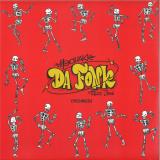
Four years after its original release, Mochakk's breakout anthem 'Da Fonk' featuring Joni continues to define a generation of house music. Originally released via Nervous Records in 2022, the record has surpassed 60 million Spotify streams alone, becoming Mochakk's signature track and one of the most recognizable records in modern dance music.
Fronted by fellow Brazilian artist Joni's soulful vocals, "Da Fonk" bridges classic house and contemporary club energy. Its stripped-back bassline and timeless groove have made it a fixture on stages and dancefloors around the world, while also marking a turning point for Mochakk, who has since become one of electronic music's defining artists, widely praised for his vibrant live sets in which "Da Fonk" has remained a staple. To celebrate the track's continued success, Nervous Records releases the 'Da Fonk' Remix Pack today across all streaming platforms, alongside a limited edition three-vinyl release available during Mochakk's long-awaited New York City takeover from August 28, 29 and 30.
Spanning three parts, the remix pack brings together a wide range of artists, each offering a different take on one of house music's most enduring records of recent years.
The first vinyl features Mochakk’s Original Mix and OG Dub of “Da Fonk”, in addition to a new Bass Mix from Marco Carola, whose signature rolling grooves and understated approach bring fresh weight to the original without losing its unmistakable feel. The second vinyl moves across a broad spectrum of club sounds. Australian duo Confidence Man inject their playful, high-energy style into the track, while Berlin's DJ Gigola delivers a sleek, club-focused interpretation. Cinthie, known for her deep-rooted house sound and analogue production style, offers a warm and driving remix, with Brazil’s Bronka rounding out the record on a fresh, contemporary rework. The third vinyl shines a light on Brazil's electronic music scene with an all-Brazilian lineup. Solarce Brothers contribute a soulful reinterpretation that nods to the original's house roots, alongside remixes from DJ Fuzil, Classmatic, and Deekapz & kLap, each bringing their own perspective to one of Brazil's all-time most influential electronic releases on global stages.
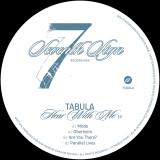
Scottish producer and label owner Graham Wilson signals a new phase for Seventh Sign Recordings with a four-track EP that blends Detroit techno roots with bright European electronic colours. Across the release, Wilson moves between pulsing four-on-the-floor rhythms, analogue basslines, crisp drum-machine percussion and shimmering synth work. "Mode" opens with an energetic, uplifting drive with steady kicks, pulsing bass and bright synth leads shaped with clean, modern production and side-chained pads. "Oberheim' follows with warm analogue textures, arpeggiated lines and optimistic pads, carrying a classic synth-wave feel while keeping a tight, Detroit-leaning groove. "Are You There" pushes into tense, atmospheric territory: rising pads, crisp hi-hats and a pumping bassline build momentum, giving the track a spacious, late-night techno edge. Closing cut "Parallel Lives" shifts into retro-futurist mode, neon-lit and melodic, evoking 80s energy and nocturnal late night drives. All in, a strong, forward-looking EP that connects machine-soul heritage with modern electronic clarity, ushering a fresh chapter for Seventh Sign.
Francesco Messina is perhaps best known for his split album with fellow composer Raul Lovisoni, Prati Bagnati del Monte Analogo, originally released on the seminal Italian label Cramps in 1979. Along with contemporaries Franco Battiato, Juri Camisasca and Giusto Pio, Messina helped reshape the world of modern composition with an organic rawness and haunting beauty.
In November 2023, Messina performed Prati Bagnati live for the first time in Milan, Italy – along with pianist Michele Fedrigotti, who appeared on the original LP. The concert was a tremendous success and led the composer to further reflect upon the music he made over 40 years ago. From his home piano – a hundred-year-old Schimmel with magnificent resonance – new pieces began to emerge out of these meditative sessions.
As Messina says in the liner notes, "The idea of making a new album wasn't the driving force at all; what mattered was trying to reconnect with the 'freedom' I had experienced back then while creating that music. I started over without haste or deadlines, simply trying to find a deeper, inner connection."
W.25TH / Superior Viaduct is honored to present Le api dell'invisibile. From the hazy drone of "For Florian" and the title track to the gentle swells of "Letter for an Absent Friend," the album is a lush amalgam of new age and ambient minimalism that is vividly reminiscent of Messina's earlier work.
The title draws inspiration from a famous reflection by Austrian poet Rainer Maria Rilke: "We are the bees of the invisible. We ceaselessly gather the honey of the visible, to store it in the great golden hive of the Invisible." It is a phrase that has long shaped the way Messina looks at his music – transforming lived experience into sound, making audible what normally eludes the eye.
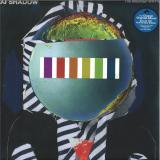
Celebrate a decade of a modern masterpiece. Originally released to critical acclaim, DJ Shadow’s The Mountain Will Fall gets a definitive reissue for its 10th Anniversary. Featuring the explosive, Gold-certified hit "Nobody Speak" featuring Run The Jewels, this album remains a towering achievement in instrumental hip-hop and experimental electronic production. This special anniversary edition is pressed on 2 x 140g classic black vinyl, delivering the rich, warm analog sound the album deserves. The release is housed in a stunning gatefold jacket showcasing brand-new artwork by the renowned artist Paul Insect, complete with premium spot gloss hits that make the visual design pop.
Proto Exotica notches its third release with The Infinite Hum EP , the debut project from Melbourne producer Mateo Torres Rodriguez under his new alias: Cerro.
Cerro is a personal and transportive collection of recordings owed to four months in Colombia, where Mateo returned to the neighbourhood he grew up in. On a table in his childhood home, he set up a modest travelling studio with a small collection of analogue hardware. At times, he'd pack individual pieces of
gear to travels within his travels, working without a fixed room or routine.
And so from a drum machine, a monophonic synth, a polyphonic synth, a laptop, and a pair of headphones (but no speakers) came five tracks of dub-inflected house and cosy Balearica.
The EP opens with 'The Bright Side' , dub bass, warm analogue pads, housey tempo. 'Unending Journey' slows things down, its deep low-end holding space beneath a synth that drifts in and
out.
'Power Of The Small' brings a dreamy house melody alongside a dubbed-out analogue lead, the filter opening and closing as the track breathes. On the B-side, Andras remixes 'The Bright Side' , keeping the bounce and weaving a jazzy lo-fi Rhodes solo through it. The EP closes with 'Indubitably' , dubbed-out vocal samples and floating pads settling into a downtempo Balearic lilt.
Curió Curió came to flight by chance. Two artists, Rio-born, Austria-based singer and actress Luiza Monteiro and German producer Dustin Braun, had separately reached a fork in their journeys. An opportune encounter soon blossomed into an uplifting, heartfelt Brazilian MPB-groove project shaped by psychedelic disco and studio experimentation. In their own words Curió Curió’s sonic vision “is not straight disco, not straight samba, not strictly old-school but inspired by all of them, creating something contemporary but still nostalgic”.
A modern fusion influenced as much by Gal Costa and Jorge Ben Jor as Say She She and Bala Desejo, their sound deftly plots a course all of its own. A celebration of freedom, movement, love and life, intertwined with introspective moments of reflection. Treating tradition as something alive, migratory and unresolved, the album is not simply bound by a shared love of Brazilian music, but by a deeper question that runs through every track; where does one belong when home becomes plural? As a Brazilian living in Europe, Luiza's lyrics explore themes of identity, culture, and existence. The tracks move between cities and emotional registers without settling, tracing a sense of identity that shifts rather than resolves. Songs like ‘Amor Doente’ and ‘Mar sem Dar Pé’ circle around relationships that resist clarity, while ‘Menina Passarinho’ captures the fear and necessity of committing to music as a path. For Luiza, deepening her commitment to music alongside years in theatre was both inevitable and difficult. Braun’s production follows a similar logic. Initial ideas were often built without obvious reference points, only later incorporating rhythmic and vocal elements that hint at Brazil without reproducing it. Analogue techniques, tape, ribbon microphones and live ensemble recording bring a tactile quality that reflects the duo’s interest in process as much as outcome. Highlights include ‘Bem Querer’, built on an authentic samba street vibe with a super-catchy sing-along chorus, and ‘Vem pra Casa’ with its cosmic-tinged Brazilian boogie flavour. The album closes with ‘A Cor do Meu Sonho’, a quiet act of insistence. A refusal to shrink in unfamiliar environments, and a belief in the strength of difference. It is less a conclusion than a continuation, leaving the central question open. “I started to understand that I can belong to many places at once”, Luiza reflects. “And that can be something to embrace”. Lyrics from the song ‘Raiz’ translate in English to “I value a burning sun and the cold in the air. Constant change is my companion”. With Curió Curió, that idea is lived through sound, story and collaboration. A debut that feels both searching and assured, grounded in heritage yet shaped by distance.
Curió Curió came to flight by chance. Two artists, Rio-born, Austria-based singer and actress Luiza Monteiro and German producer Dustin Braun, had separately reached a fork in their journeys. An opportune encounter soon blossomed into an uplifting, heartfelt Brazilian MPB-groove project shaped by psychedelic disco and studio experimentation. In their own words Curió Curió’s sonic vision “is not straight disco, not straight samba, not strictly old-school but inspired by all of them, creating something contemporary but still nostalgic”.
A modern fusion influenced as much by Gal Costa and Jorge Ben Jor as Say She She and Bala Desejo, their sound deftly plots a course all of its own. A celebration of freedom, movement, love and life, intertwined with introspective moments of reflection. Treating tradition as something alive, migratory and unresolved, the album is not simply bound by a shared love of Brazilian music, but by a deeper question that runs through every track; where does one belong when home becomes plural? As a Brazilian living in Europe, Luiza's lyrics explore themes of identity, culture, and existence. The tracks move between cities and emotional registers without settling, tracing a sense of identity that shifts rather than resolves. Songs like ‘Amor Doente’ and ‘Mar sem Dar Pé’ circle around relationships that resist clarity, while ‘Menina Passarinho’ captures the fear and necessity of committing to music as a path. For Luiza, deepening her commitment to music alongside years in theatre was both inevitable and difficult. Braun’s production follows a similar logic. Initial ideas were often built without obvious reference points, only later incorporating rhythmic and vocal elements that hint at Brazil without reproducing it. Analogue techniques, tape, ribbon microphones and live ensemble recording bring a tactile quality that reflects the duo’s interest in process as much as outcome. Highlights include ‘Bem Querer’, built on an authentic samba street vibe with a super-catchy sing-along chorus, and ‘Vem pra Casa’ with its cosmic-tinged Brazilian boogie flavour. The album closes with ‘A Cor do Meu Sonho’, a quiet act of insistence. A refusal to shrink in unfamiliar environments, and a belief in the strength of difference. It is less a conclusion than a continuation, leaving the central question open. “I started to understand that I can belong to many places at once”, Luiza reflects. “And that can be something to embrace”. Lyrics from the song ‘Raiz’ translate in English to “I value a burning sun and the cold in the air. Constant change is my companion”. With Curió Curió, that idea is lived through sound, story and collaboration. A debut that feels both searching and assured, grounded in heritage yet shaped by distance.
Curió Curió came to flight by chance. Two artists, Rio-born, Austria-based singer and actress Luiza Monteiro and German producer Dustin Braun, had separately reached a fork in their journeys. An opportune encounter soon blossomed into an uplifting, heartfelt Brazilian MPB-groove project shaped by psychedelic disco and studio experimentation. In their own words Curió Curió’s sonic vision “is not straight disco, not straight samba, not strictly old-school but inspired by all of them, creating something contemporary but still nostalgic”.
A modern fusion influenced as much by Gal Costa and Jorge Ben Jor as Say She She and Bala Desejo, their sound deftly plots a course all of its own. A celebration of freedom, movement, love and life, intertwined with introspective moments of reflection. Treating tradition as something alive, migratory and unresolved, the album is not simply bound by a shared love of Brazilian music, but by a deeper question that runs through every track; where does one belong when home becomes plural? As a Brazilian living in Europe, Luiza's lyrics explore themes of identity, culture, and existence. The tracks move between cities and emotional registers without settling, tracing a sense of identity that shifts rather than resolves. Songs like ‘Amor Doente’ and ‘Mar sem Dar Pé’ circle around relationships that resist clarity, while ‘Menina Passarinho’ captures the fear and necessity of committing to music as a path. For Luiza, deepening her commitment to music alongside years in theatre was both inevitable and difficult. Braun’s production follows a similar logic. Initial ideas were often built without obvious reference points, only later incorporating rhythmic and vocal elements that hint at Brazil without reproducing it. Analogue techniques, tape, ribbon microphones and live ensemble recording bring a tactile quality that reflects the duo’s interest in process as much as outcome. Highlights include ‘Bem Querer’, built on an authentic samba street vibe with a super-catchy sing-along chorus, and ‘Vem pra Casa’ with its cosmic-tinged Brazilian boogie flavour. The album closes with ‘A Cor do Meu Sonho’, a quiet act of insistence. A refusal to shrink in unfamiliar environments, and a belief in the strength of difference. It is less a conclusion than a continuation, leaving the central question open. “I started to understand that I can belong to many places at once”, Luiza reflects. “And that can be something to embrace”. Lyrics from the song ‘Raiz’ translate in English to “I value a burning sun and the cold in the air. Constant change is my companion”. With Curió Curió, that idea is lived through sound, story and collaboration. A debut that feels both searching and assured, grounded in heritage yet shaped by distance.
Enter the debut LP of the now Spatial regular Chronicle - Expect a joyous, varied blend of old school brand new atmospherics from one of the scene’s most talented producers. A1 - 20th Century Man Straight into the beats for the deliciously cheery opening, 20th Century Man encapsulates so much of what Chronicle does best - old school breakbeat sensibilities delivered with an inimitable atmospheric charm, strongly reminiscent of that peak Good Looking era we all adored. Incredible synthwork and analogue drums layered with danceable 2-step breaks and melodies take your mind exactly where you want to be. A2 - Terraformers Seminal synths and birdsong effects prepare us for an impossibly crisp breakbeat and 808 bassline to drive this track along, coloured by a myriad of subtle blips and bleeps, delicately flecked across a detailed and optimistic soundscape. Very DJ-friendly from the first to the final bar, the purity of Chronicle’s approach to atmospheric drum & bass is once again at its best here on Spatial. B1 - Boundless Space Playful twittering birds, gentle hi-hats and panning synths introduce Boundless Space, a blissful, serene treat for the senses which soon kicks into flourishing life with the timeless Circles break. Vocal samples punctuate the soothing breakdown with exquisitely programmed effects dotted here, there and everywhere, completing a stunning composition that both reflects on the past and looks forward in equal measure. B2 - Ephemeral Style A light, delicately calming pad-laden intro with echoing melodies opens Ephemeral style, soon punctuated by a sublime 808 bassline preceding the drop. Chronicle showcases his dancefloor breakbeat prowess with an energetic 2-step break pattern, expertly programmed and riddled with detail and density, creating a wonderful collage of sound and a perfect addition to any era-spanning atmospheric set. C1 - Modular Expansion Eerily reminiscent tones harking back to the golden, ultra-classic Good Looking era introduce us to Modular Expansion, a track which quickly adds layer upon layer of original identity to the vibe with crisp breaks, a wonderful metallic backdrop snare and subtle vocal samples. The joyously retrospective breakdown complements the energy of the track beautifully, capping off another gem for the record box. C2 - Limbic System Chronicle introduces Limbic System with swathes of swirling pads and synths, straddled with a subtle yet enigmatic melody carrying us through the drop, where we are treated to a lusciously constructed old school break pattern with a modern twist. Enter the breakdown and the keen ear will spot sampled quotes from Total Recall, which fit the vibe perfectly. “You went to Recall?” - yes, we sure did. And we enjoyed the trip! D1 - Non-Euclidian Continuing the blissful retrospective atmospheric tone of the album, Chronicle serves up Non-Euclidian which opens with a wonderfully synthy intro flecked with old school break samples and an earworm melody, before the onslaught of layered breaks provides variety as well as a thoroughly danceable pattern to unleash on the discerning dancefloor. Trademark dotted effects punctuate the track throughout. D2 - Deep Thought Capping off the LP we have Deep Thought, setting a calming and quietly brooding vibe before impossibly crisp beats kick in and elevate proceedings nicely. Chronicle effortlessly leads the listener through the drop with an analogue punch, earthy basslines and fluttering effects with the kind of flair we’ve come to love from such a vastly experienced and talented producer - perfectly complementing the vibe here at Spatial. Words by Chris Hayes (Spatial / Red Mist)
Bristol's Sam Binga & Addison Groove have been friends and collaborators since their 2013 'BS3' EP, released on Modeselektor's '50 Weapons' imprint. This project, the third full-length on Binga’s Pineapple Records, is born from an intense 72-hour session at the legendary Devon Analogue Studios, where the pair were able to explore their mutual love of uptempo machine funk - whether that be Detroit Jit, Chicago
Boxjams or Turbo Electro.
Three days of intense creativity across classic drum machines, vintage analogue synths and rare hardware effects resulted in a collection of raw but powerful audio building blocks - and over the past two years, the pair have been gradually shaping them into what is now a complete project - the BAGS INC album. Across 12 tracks, Binga & Addison explore that exciting space between 140 and 150 bpm - but while it's fast, it's not 'hard'; as you'd expect from the creators, it's still got that wiggle, and the all-important cheekiness for which they're known.
Mastered by Bob Macc @ SC Mastering and cut at the Sony plant in Europe,, the album has immersive and musical detail to warrant deep listening, while maintaining that essential club energy.
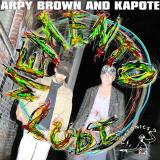
Arpy Brown & Kapote Announce Collaborative Album Memento Ludi via Toy Tonics
A sun-drenched fusion of yacht rock, house and modern indie dance energy – out June 26, 2026
BERLIN, GERMANY — Toy Tonics is proud to announce Memento Ludi, the first collaborative album by label founder Kapote and multi-instrumentalist producer Arpy Brown, arriving June 26, 2026.
The album is a funk-driven journey that bridges the warmth of 1970s analog recordings with the pulse of contemporary dance music. Blending neo-soul grooves, yacht rock harmonies and modern house rhythms, Memento Ludi captures the spirit of classic musicianship within a forward-looking club context.
But Memento Ludi is more than a typical house record. The album moves fluidly between dancefloor tracks and fully developed songs. Every instrument was performed live by the artists themselves: guitars, bass, keyboards and percussion recorded in the studio by Arpy and Kapote. After jamming and recording the basis of every song in a live procedure they carefully resample the parts to create the organic, human touch that defines the Toy Tonics sound.
The title Memento Ludi — Latin for “remember to play” — reflects the album’s philosophy: bringing joy, spontaneity and musicality back into dance music at a time when many club tracks feel increasingly mechanical and formulaic.
The collaboration arrives during a particularly busy moment for both artists. While spending countless hours in the studio, Kapote and Arpy Brown have also maintained intensive international touring schedules with the Toy Tonics crew, road-testing many of the tracks as “secret weapons” in their DJ sets from Melbourne to Los Angeles via their homebase Berlin.
“We wanted to make a record that felt like a lost studio session from 1978 — resampled and synthesised in 2026,” says Kapote.
It's time to get back to real Electrofunk, Breakbeat and Hip-Hop.
This vinyl bridges the gap between old school and modern sound design, delivering the rawest Funk Architecture.
Two decades of music production by DJ 33 condensed into one monumental 12-inch record.
Eight essential bangers, released as a strictly limited edition of pure, analog-driven vintage sonic art. Here we go.
Funk Architecture is a division of MixCult Records
LP,180g, 2027 REISSUE - REMASTERED FROM ORIGINAL TAPES, CAREFULLY REPRODUCED ORIGINAL ART
Veteran library musician Alan Parker recorded with session vocalist Madeline Bell for his Themes International Music label and the result was 1976's The Voice of Soul.
The sensational uptempo dancer 'That's What Friends Are For' is probably the most well known track on the record, and is a big hit on the rare groove scene, but it is by no means an anomaly. The Voice of Soul is essentially a perfect, sophisticated soul album with heaps of swagger and sass from beginning to end.
Its once generic-sounding title is now deservedly defnitive.
And the whole LP oozes sex. It oozes sex so much that it could have soundtracked a period porn flm. Indeed, parts of it did. 'Love Is All' and 'You've Got What It Takes' both featured on the infamously banned Pretty Peaches from the same year.
As is usual with library records, The Voice of Soul was hard to get even when it was frst released. It's next to impossible now. So here's your opportunity to own what is in our opinion one of the fnest rare soul LPs of the late 70s, and a superb example of Madeline Bell's superlative vocal talents.
But that's not the whole story. As well as pitching the record as 'a varied selection of modern female vocal features which are equally suitable for background or radio programme usage', the original release notes go on to explain that 'the corresponding backing tracks are issued on TIM 1022 The Sound of Soul. Therefore it is possible to edit from vocal to instrumental version and vica versa where commentary or scene changes occur.'
So yes, all of the backing tracks from The Voice of Soul were released as The Sound of Soul, and we couldn't re-issue one without re-issuing the other.
As with all ten re-issues, the audio for The Voice of Soul comes from the original analogue tapes and has been remastered for vinyl by Be With regular Simon Francis. We've taken the same care with the sleeves, handing the reproduction duties over to Richard Robinson, the current custodian of KPM's brand identity.
'Electronic lullabies and folk songs from Ethiopia! A landmark recording from Ethiopia’s vibrant cassette era of the 1980s, Resonance of Time features pioneering composer Wesenyeleh Mebreku reimagining Ethiopian folk melodies through the humble circuitry of an early Casiotone keyboard.
'Historically, the works featured on Resonance of Time (የጊዜ ቃና Yegizie Kana) stand as quiet documents of Ethiopian musical memory. Many of the original songs included in this release emerged during important moments in Ethiopian history when music carried the collective emotion of the nation - love, loss, resistance, dignity, and hope. By arranging these pieces from Ethiopia’s musical heritage instrumentally, Wesenyeleh Mebreku aimed to preserve their essence while protecting them from being confined to a single era or performance style. In doing so, his preservation of Ethiopia’s musical heritage became a contribution to his country’s musical legacy itself, as Resonance of Time serves as an important musical milestone of this composer’s innovative recordings and musical developments in the prolific era of Ethiopia’s 1980s cassette tape culture.
'On Resonance of Time, Wesenyeleh made use of the first Casio electronic keyboard - the Casiotone CT-201 - to arrange and perform Ethiopian folk songs in his own unique style. Implementing the soulful, lo-fi character of the keyboard, Wesenyeleh’s interpretations of these works take on a life of their own. Charming analog tones interpret swirling sounds of organ and piano in kignit modality to the beat of a nostalgic rhythm machine while twinkling synthesizer sounds carry the melodies drifting out of time. The recordings reflect a watershed moment in Ethiopian musical history - when traditional melodies started being interpreted on electronic keyboards, and the advent of cassette tape recording allowed for music to be transmitted more accessibly than centuries-old oral traditions. During this time, Ethiopian musical modes were syncretized with new technology and budding musical experimentation, and Wesenyeleh’s interpretations on Resonance of Time are a landmark recording of this era, following in the tradition of reflecting upon and re-interpreting historical Ethiopian music for a new generation.
'Featured on the release are timeless Amharic folk songs and lullabies, Tigrinya love songs, Gurage and Oromifa popular songs, and even works closely associated with performers from Ethiopia’s 1970s popular music era such as Tiz Alegne Yetintu (ትዝ አለኝ የጥንቱ) which was famously performed by Tilahun Gessesse. Each piece, thoughtfully chosen by Wesenyeleh, is beautifully transformed into instrumental music of his own style - allowing these worlds of song to echo into the future while they are synthesized with the electronic innovations of the 1980s and Wesenyeleh’s own musical history.
'Wesenyeleh says this about his musical approach - ”Instrumental music, for me, is a space of reflection. Without words, the listener is invited to remember, imagine, and feel freely. In Resonance of Time, I hear my own musical philosophy: respect for Ethiopian kignit, careful dialogue with Western harmony, and a deep trust in melody as a storyteller.”
'Each piece performed on Resonance of Time speaks to a time when Ethiopian music was shaped by oral transmission through live performance and communal listening. In today’s fast-moving musical environment, revisiting these works is an act of cultural responsibility. These works remind us that melody once traveled slowly, settling deeply in the listener’s heart. The instrumental format allows these works to cross linguistic and generational boundaries, making them accessible to audiences who may not know the original lyrics but can still feel their spirit.
'Resonance of Time also reflects a broader historical dialogue: the meeting of tradition and adaptation. Ethiopian music has always evolved while holding onto its core identity. These arrangements affirm that evolution does not mean abandonment. Instead, it can be a form of safeguarding - ensuring that the musical wisdom of the past continues to resonate in the present and inspire the future.
'In this sense, the album is both personal and collective. It carries Wesenyeleh Mebreku’s own musical fingerprint, shaped by decades of practice, but it ultimately belongs to a wider cultural continuum. It is the artist’s contribution to keeping time audible so that memory, history, and sound may continue to speak to one another.'
SUPREME STRIKER returns with its second release following the breakthrough success of Quasar — Ritmo Love, widely supported on dancefloors and notably played by James Zabiela, igniting crowds and confirming the label’s direction: uncompromising underground music built on culture, not trends.
The new chapter comes from Italian producer John De La Noise, delivering a powerful and deeply authentic EP entirely co-produced by Michele Lamacchia, the mind behind Rhythm Of Paradise (ROP), Love Island, 34th Floor Experience, Nu-Cleo, Qubrique, Soulvibe Inc. and many other essential projects tied to the extended SKYLAX universe. A true architect of sound, Lamacchia brings his unmistakable analog finesse and musical intelligence into every detail of this record. From the opening track, A1 — Just With U (Special Skylax Edit) sets the tone with a refined filtered house approach — balancing French touch heritage with modern underground precision. Warmth, control, and elegance without excess. A2 — Tributo Al Maestro operates as a direct transmission — a respectful and elevated nod to the legacy of Soichi Terada and Larry Levan, where rhythm becomes language and space becomes emotion. A3 — 1986 (Special Skylax Edit) pushes deeper into the source code — merging old school Italo disco, proto-Chicago house and early European electronics. With strong melodic identity and raw analog textures, the track echoes the spirit of Klein & MBO while feeling immediate and alive.
On the B side, the journey expands with Piacere D’Estate, a fluid and luminous house track built for open air systems and extended sets, followed by Città Di Frontiera, where darker tones and hypnotic structures meet urban tension. Vecchio Ritmo Italiano closes the record as a statement — rhythm as memory, rhythm as identity, reprojected forward. Across the entire EP, the production carries the aura of early ‘90s Italian and New York house — not as a reference, but as a living system. Every element is intentional. Every frequency serves a purpose. SUPREME STRIKER continues to define its path: records made for the dancefloor, for DJs, for those who understand that music is not content, but structure.
Pappenheimer – Stolen Memory Pt. 1 + Pt. 2 (Vinyl) bringt die rohe Energie und kompromisslose Klangästhetik des deutschen Techno-Acts Pappenheimer auf den Punkt. Diese Vinyl vereint beide Teile der Stolen Memory-Reihe und liefert treibende Beats, düstere Atmosphären und präzise produzierte Sounddesigns für den Club und darüber hinaus.
Mit druckvollen Rhythmen und hypnotischer Intensität steht diese Veröffentlichung für modernen, kraftvollen Techno – ideal für Sammler und alle, die elektronische Musik am liebsten analog und in voller Tiefe erleben
ORANGE - Limited Edition! SPANDAU20 returns, bridging Berlin and UK lineage, with new material from Mr. G, Elli Acula, FJAAK and Dajusch, continuing to showcase the many shades of contemporary club music through its forward-facing approach. On its 12th release, the Berlin label presents a record that reflects individual artistry as much as the unmistakable identity of the SPANDAU20 sound. Opening the release is Mr. G with 'I Came To See You'. The track is a true embodiment of his distinctive production style, unfolding through bouncing basslines, swinging percussion and hypnotic looping vocals and capturing the raw spirit of old-school dance music with fresh spirit. Sitting somewhere between house and techno, it sets the tone with a particular kind of hypnosis, taking the listeners deep into the endlessly circling groove. Elli Acula follows with 'Take One Higher', a fierce and uncompromising techno track that perfectly reflects the label's hallmark aesthetic. She channels the raw energy of the 90s through a modern lens, pairing rough edged stabs, cavernous kicks and gritty percussion programmed with unfiltered dancefloor intensity in mind. The result is a high-pressure track designed to fully consume the room. On the flip side, FJAAK unleash 'Drip Code', showcasing the duo's signature blend of powerful low-end pressure and analogue grooves. Having spent over a decade shaping Berlin's techno landscape through their machine-driven approach, the pair deliver crisp percussion, huge open hi-hats and teeth-rattling drum machine combinations, while racing chords and looping vocals propel the track forward. It is a direct and highly effective example of the energy that has come to define the SPANDAU20 universe. Closing the release is Dajusch with 'Tongue In Cheek'. Deeply influenced by the foundational sounds of Detroit and Chicago, the classically trained producer leans into warmer, more uplifting territory. The track combines grooving basslines, saturated 909 percussion and piano-led melodies with disco-tinged vocal loops that glide effortlessly across the arrangement. This closer highlights Dajusch's refined understanding of groove, texture and atmosphere, rounding off the release with a distinctly euphoric touch. SPANDAU20 012 is another example of classy production skills merged with genuine dancefloor purpose. As ever, the label lets the music speak for itself. The many shades of sound are on full display, bound together by the singular identity that has made SPANDAU20 one of Berlin's most distinctive voices in the electronic music landscape.
SPANDAU20 returns, bridging Berlin and UK lineage, with new material from Mr. G, Elli Acula, FJAAK and Dajusch, continuing to showcase the many shades of contemporary club music through its forward-facing approach. On its 12th release, the Berlin label presents a record that reflects individual artistry as much as the unmistakable identity of the SPANDAU20 sound. Opening the release is Mr. G with 'I Came To See You'. The track is a true embodiment of his distinctive production style, unfolding through bouncing basslines, swinging percussion and hypnotic looping vocals and capturing the raw spirit of old-school dance music with fresh spirit. Sitting somewhere between house and techno, it sets the tone with a particular kind of hypnosis, taking the listeners deep into the endlessly circling groove. Elli Acula follows with 'Take One Higher', a fierce and uncompromising techno track that perfectly reflects the label's hallmark aesthetic. She channels the raw energy of the 90s through a modern lens, pairing rough edged stabs, cavernous kicks and gritty percussion programmed with unfiltered dancefloor intensity in mind. The result is a high-pressure track designed to fully consume the room. On the flip side, FJAAK unleash 'Drip Code', showcasing the duo's signature blend of powerful low-end pressure and analogue grooves. Having spent over a decade shaping Berlin's techno landscape through their machine-driven approach, the pair deliver crisp percussion, huge open hi-hats and teeth-rattling drum machine combinations, while racing chords and looping vocals propel the track forward. It is a direct and highly effective example of the energy that has come to define the SPANDAU20 universe. Closing the release is Dajusch with 'Tongue In Cheek'. Deeply influenced by the foundational sounds of Detroit and Chicago, the classically trained producer leans into warmer, more uplifting territory. The track combines grooving basslines, saturated 909 percussion and piano-led melodies with disco-tinged vocal loops that glide effortlessly across the arrangement. This closer highlights Dajusch's refined understanding of groove, texture and atmosphere, rounding off the release with a distinctly euphoric touch. SPANDAU20 012 is another example of classy production skills merged with genuine dancefloor purpose. As ever, the label lets the music speak for itself. The many shades of sound are on full display, bound together by the singular identity that has made SPANDAU20 one of Berlin's most distinctive voices in the electronic music landscape.
Who, or, what, exactly is a Matured Sinner? In this case it's the result of a meeting of both minds and bodies between Swedish producer Johan Blende, freshly relocated to Athens, and fellow Eskimo artist and native Athenian NTEIBINT. Between the decidedly weak minds of succumbing to night time activities and day time regret an idea was born to create the best Greco-Norse creation since ABBA stole a bouzouki and used it shamefully for the best part of Mamma Mia (OST ?).
"I took one of my half-baked beats to George (aka NTEIBINT) to see what he could add to it and voilà - Mist 9000 was born!" explained Johan. Now complete with pulsating analogue arpeggios, a throbbing bass line and increasinglydistressed synths all writhing together in composed ecstasy that dance floors are made for, the track that emerged from George's studio left them hungry for more.
Returning to the studio, it isn't long before the song that would give this new project its name emerged. Created with the help of a friend Olga on backing vocals and an unnamed, equally sinning, young lad, Matured Sinner paired hypnotic disco beats, sinuous synths, squawking sine waves and almost queasily blissful sighs with a cautionary tale of drugs, flying saucer cults and a spiral deeper and deeper into sin and moral ruin.
Was it enough? It was. But then the third one came around, mainly by sheer want to continue, lingering like the third child of a marriage running out of ideas. Shall we keep going? "Of course we shall, this is our gift to the world!" Like a modern day cult, Bright Bum was conceived in a non-sexual context from leftover sounds after a nightof confusing creations and not necessarily tender compliments in an equal manner, chugging synths squelching their way over a mesmerising guitar loop as bright stabs cut through the humid funk of the track's insistent rhythm which, like all good nights out, increasingly fray at the edges as it rolls towards oblivion. Nobody requested it but like the nature of humanity itself, it must keep going.
2026 repress
Special Characters, the acclaimed deep house project hailing from New York, comes to uswith "Subsurface Incantations"-a sonic journey that pays heartfelt tribute to the classicgrooves and textures that defined house music's golden eras. This latest record is astatement piece for the Based Faith imprint, and features a captivating remix from Berlin'sIron Curtis, a favorite among DJs and collectors for his deep, analog-driven interpretations.Blending evocative pads, intricate drum programming, and his signature in transforming abassline, Iron Curtis's take on the B-side seamlessly bridges the timeless with the modern,making this EP an essential addition to any discerning selector's crate.
Committed to the art of vinyl culture, "Subsurface Incantations" will be pressed strictly as avinyl-only release, with no represses planned.
ALERT: BIG 90s ITALIAN RAVE COMP - a lot of very in demand tunes on here.
Navigators
Franco Falsini and the Interactive Test Universe
There are musicians who follow their time.
And then there are those who seem to move along a different trajectory—like navigators crossing sonic eras without ever truly belonging to any one of them. The story of Franco Falsini belongs to the latter. It is a story that begins long before raves, before techno, before the word “electronic” had even become a recognizable musical genre. A story that moves across continents, technologies, and sonic visions, eventually arriving at a small creative laboratory born in Italy in the early 1990s: Interactive Test. This compilation is a fragment of that universe. But as often happens with the hidden histories of music, understanding it requires going back. Far back.
The Beginning: Machines, Tape and Space
In the late 1960s Franco Falsini leaves Italy and moves to the United States. It is not merely a geographical journey—it is also a journey into a new idea of music. At the time, synthesizers are only just emerging from research laboratories. Multitrack tape recorders allow musicians to build entire sonic worlds on their own. Technology is still far from standardized: every studio is almost an experimental workshop. In Virginia, Falsini builds one of his own. Among cables, oscillators, electric guitars and reels of magnetic tape, a kind of music begins to take shape that resembles nothing else being made at the time. It is not simply rock, and it is not yet truly electronic. It moves somewhere in the space between the two. Out of these explorations emerges Sensations' Fix, the project through which Falsini releases a series of albums during the 1970s. Records that seem to come from a parallel dimension: cosmic landscapes, electronically treated guitars, synthesizers drifting like satellites. Many years later those albums would be rediscovered as visionary works. But at the time they were simply the result of relentless curiosity. A curiosity that would never fade.
The City That Never Sleeps
In the 1980s Falsini’s trajectory leads him to New York. The city is a sonic organism in constant transformation. In its clubs and recording studios something entirely new is beginning to take shape: music built from drum machines, sequencers, and samplers, created for the body before the living room. It is the dawn of modern dance culture. Falsini works as a sound engineer, producer and experimenter. From close range he observes electronic music transforming into a global language. Machines become more accessible, computers begin entering studios, and rhythm takes on an increasingly central role. Yet even in this phase Falsini does not simply follow what is happening. He absorbs. Observes. Reimagines. When he eventually returns to Italy, he brings back not only technical experience but also a clear vision: the conviction that electronic music is an open space, a territory still waiting to be explored.
Tuscany, Early 1990s
At the beginning of the 1990s something is happening in Italy as well. In clubs, abandoned industrial warehouses and clandestine parties, a new scene is beginning to form. It is rave culture: a spontaneous movement bringing together DJs, producers and listeners in a collective experience driven by rhythm, technology, and creative freedom. It is within this context that Franco Falsini, together with his brother Riccardo, creates Interactive Test.
The name almost sounds like a scientific experiment. In many ways, it is. Interactive Test does not emerge as a traditional record label. It begins as a laboratory—a place where ideas, sounds and musical identities can be tested and explored. Around the Falsini studio in Tuscany a small constellation of artists and DJs begins to gather, helping to shape the sound of Italy’s emerging electronic scene. Among them are Andrea Giuditta, Francesco Farfa, Gabry Fasano, Roby Mastelloni, Roby J and many others. Each brings a different musical sensibility. But they all share the same intuition: electronic music is not a genre. It is a language.
The Laboratory of Identities
One of the most fascinating aspects of the Interactive Test universe is its constant play with identity. Franco Falsini releases music under several different names: Open Space, Youth Wave, Agent Fylfoyt, Man Myth Magic. These are not simply pseudonyms.
They are different sonic perspectives, as if each project were a window opening onto a parallel musical universe. Open Space, for example, explores more atmospheric and visionary territories. Youth Wave moves between electronic groove and club-oriented rhythms. Other projects experiment with digital psychedelia or hypnotic techno textures. Interactive Test becomes something more than a label. it becomes an ecosystem.
Domestic Machines, Infinite Worlds
Looking back today at the technology used in those productions, one might almost smile. Many tracks were created on Amiga computers, MIDI sequencers and analog synthesizers wired together in home studios—tools that appear modest when compared to today’s digital possibilities.
Yet precisely these limitations became a creative force. Every sound had to be built, shaped and reinvented. Sequences developed slowly, almost like living organisms. The tracks did not always follow traditional dance music structures; often they felt like genuine sonic journeys. Music built from space.
A Hidden Constellation
Many of the records released by Interactive Test in the 1990s remained for years almost invisible objects, circulating quietly among DJs, collectors, and devoted listeners. Yet it is precisely this underground existence that helped preserve them. Listening again today, one perceives something rare: the feeling of music that does not fully belong to its own time. Music suspended between different eras. Perhaps because it comes from a vision that both precedes and transcends trends.
Continuing the Journey
Looking at Franco Falsini’s entire path—from the electronic psychedelia of Sensations’ Fix to the rave culture of the 1990s—a surprisingly coherent line emerges.
A line defined by exploration.
Each project, each pseudonym, each record appears as a new route within the same great sonic voyage.
Interactive Test was one of its stations.
A laboratory.
A community.
A creative platform.
This compilation gathers some of its traces.
Not as a simple archive of the past, but as a map of a musical territory that continues to expand even today.
Zero Idea makes a resounding debut on AnalyticTrail with The Rush, a sprawling six-track EP (plus digital bonus) that captures the high-velocity spirit of the modern underground. Following in the footsteps of the label's Neapolitan heritage, this release is a masterclass in tension and groove, blending raw analog energy with sophisticated, peak-time precision.
As AnalyticTrail continues its relentless evolution, The Rush serves as a bridge between the classic warehouse aesthetic and the future of the genre. Zero Idea delivers a versatile toolkit for the dancefloor, further bolstered by two high-profile reinterpretations that elevate the EP into an essential piece of wax for the 2026 season.
The A-side opens with the title track, The Rush, a driving, percussion-led anthem designed for maximum impact. Italian duo Fireground take the reins for the A2, injecting their signature soulful yet industrial flair into a masterful rework, followed by the syncopated, high-energy rhythms of Funk Is Back.
On the flip, On Sight plunges into deeper, hypnotic territory before Mezer The Architect provides a sophisticated, architectural remix that reconstructs the original into a brooding, late-night weapon. The vinyl journey concludes with Body Language, a rhythmic workout of sharp hi-hats and undulating bass, while the digital-exclusive Go Higher offers a final, soaring peak-time moment.
A comprehensive exploration of modern techno, The Rush is a definitive statement from Zero Idea and a powerful addition to the AnalyticTrail legacy.
Bailen Records presents “Planet Juno EP” by Rene Sandoval, a vinyl release where the swing and energy of tech house define the character of the record.
Raw drum machines and analogue sounds build a direct and functional sound designed for the dancefloor.
There is something cosmic in the momentum of the EP: mechanical rhythms moving with precision, bright sounds expanding into space, and a constant sense of motion. The result is tech house that feels elegant yet physical, deep yet direct.
The energy recalls certain golden moments of European 90s house: hypnotic grooves, warm harmonies and that perfect balance between club functionality and timeless musicality.
French producer Berzingue appears with a remix that pushes the material into a more modern club territory, reinforcing the harmonies of the original track and the overall dynamics of the EP.