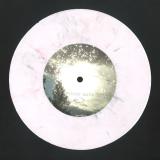
Originally released via the Leipzig-based underground label Minor in 2017 the two tracks on this super limited 7" vinyl release see the Japanese producer providing a glimpse into the deeper, more intriciate and surely more intimate side of his work throughout his now 25 years spanning career. Both tracks on this release are based on fragile, fluttering, sparse yet playful rhythmatic signatures evoking memories of late 90s / early 2000s Electronica x IDM releases and backed by most beautiful, icy and glistening atmospheres reminiscent of autumnal morning dew or calm iridescent glacial reflections caused by a rising sun in absolutely unscathed wilderness.
Never officially distributed before and only known and recognized by a few well informed selectors out there this is the first time ever this unrecognized gem is available to a wider audience, albeit in highly limited quantities.
Limited pressing of 100 single copies on white marbled vinyl.
Dich lieb ich, Erde! trauerst du doch mit mir! Und unsre Trauer wandelt wie Kinderschmerz In Schlummer sich und wie die Winde Flattern und flüstern im Saitenspiele
The third stanza of Friedrich Hölderlin’s poem ‘Dem sonnengott’ evokes a narrator who is tortured by Spleen until slumber makes his childlike gloom disappear with music. Although today’s readers might judge these nineteenth century musings of the Imagination as mere stylistic platitudes, they also still speak beyond the grave as universal truths. A mere two hundred years later similar anxieties and hopes are still channeled through various art forms, with changing success and reverberation. Brannten Schnüre are one of those neo-romantic music experimentalists who add to a long tradition of celebrating folk tale and exoticism. Their meticulously crafted loops, hesitant melodies and heavily nostalgic lyricism could easily be translated to what the late philosopher and music critic Mark Fisher called ‘hauntology’, a postmodern longing for a lost future. To describe the beauty of ‘Geträumt hab’ ich vom Martinszug’, however, the term seems somewhat dissatisfying. Romanticism is a hard nut to crack in the Anthropocene, and Brannten Schnüre’s realms of the cerebral are too deeply ingrained in a German tradition of story telling to define them within popular paradigm.
‘Geträumt hab’ ich vom Martinszug’ was recorded in 2014 in Würzburg and functions as the autumn part of the band’s seasonal cycle quadrilogy (the other segments being ‘Aprilnacht’ (SicSic), ‘Sommer im Pfirsichhain’ (Aguirre) and ‘Durch unser zugedecktes Tal’ (Youdonthavetocallitmusic)). It deals with the Saint Martin’s parade, a mostly European tradition to celebrate the medieval spirit of Saint Martin of Tours, friend of children and patron of the poor. Around 11 November children come out on the streets with lanterns and sing ancient songs in exchange for sweets. It’s a period of snugness and expectation, of yearning and dreaming, and therefore a consummate subject for the duo to scrutinize.
To the adult’s ear the dream of the Saint Martin’s parade isn’t all that consolatory. The dark and slow loops of Christian Schoppik rather sound like motifs for a welcome paralysis. Sometimes as a gentle backdrop for vocals by Katie Rich and Schoppik himself, the repetitive structures serve as tricksters that trade innocence for the uncanny. The dream becomes a fever dream which quickly absorbs the listener into a vacuum, an eternal post-panic attack semi-relief. Maybe that’s the amazing paradox of Brannten Schnüre. The space they occupy is never comforting – as if being locked up inside a Carl Grossberg painting – but it’s also a subliminal aural zone you do not want to leave. It’s music as being, as a stream, devoid of climax or catharsis. And because it is flux and being, and exists to be taken, it speaks in art’s purest form. ‘In place of a hermeneutics we need an erotics of art’ Susan Sontag famously concluded her essay ‘Against Interpretation’ with. Well, look no further …
Reissued on Pascal Pinkert's new label 'Phantom Sounds'. Originally release 2019, now remastered with bonus track included! TIP!
Excerpt from the original release text
"On the album, you’ll find a touch of the old and a great deal of new material. ‘Geen Genade’, ‘Wat Voel Je Nou’ and ‘Verloren’ still stand strong in pride of place, reminding us why we love De Ambassade so much in the first place. The opener and title track, ‘Duistre Kamers’ has a dark industrial vibe that is a perfect introduction of what is to come. Somehow ‘Zo Hoog Als De Bogen’ feels warm and cold simultaneously, it maintains an almost spooky tone; ‘Malefica’ in comparison sounds raw, uncut and almost upbeat. ‘Niet Van Mij’ is one of the reasons the album is so special. Its unexpected wavering synths create another contrast of the melancholic and the joyful in one, and the heavy percussion and echoing vocals tie it in with the rest. ‘Laatste Uur’ kicks you in the face, again with this industrial, moody feel and beautifully handled synths. The closing track ‘Wapengekletter’ is elegant, and a new favourite here. The dark vocals, haunting melody and cleverly tempoed percussion conclude the album wonderfully. Overall, De Ambassade has hit the nail on the head and produced this autumn’s must have Amsterdam album."
It's hard to pin down the age of chest's music, as it seems to be in a state of constantflux - a fusion of spontaneous energy and timeless electricity. The band didn't choose this name by chance: for years, its members have been breathing music through every pore of their bodies; they bonded amidst the darkness and vibrations of Supersonic, the heart of the independent music scene in Paris, where they met and have all worked. Even before releasing a single record,chest. were spotted by NME,which ranked them among the 100 to follow last year in 2025. A debut EP in February 2025, All Good Things End (Howlin Banana), further boosted the band's credibility and international popularity at breakneck speed. chest. opened for DITZ, Jehnny Beth, Heavy Lungs and KNIVES, who welcomed them with open arms onto a bustling Anglo-Saxon music scene. They're spotted at La Maroquinerie, Rock en Seine, ESNS and across the UK. chest. come of age without ever going through adolescence. In autumn 2025, chest. began recording their debut album at La Frette studio, known for having hosted sessions by Nick Cave and the Arctic Monkeys. The band, with a line-up featuring three sound engineers, self-produced the album there and opened themselves up to new inspirations without, however, straying from the powerful and melodic noise rock of their early days. Their sound becomes even more complex and personalised, revealing perfectly assimilated influences from industrial, techno and shoegaze. chest. embodies the future figurehead of a French rock scene that is no longer afraid of anything. A band capable of bringing people together without compromising their artistic standards.
“Carl layers willowy guitar arpeggios, foggy keyboards, and chimes over Windy’s murmured intonations and rippling basswork. Everything sounds fresh and unaffected in the careful hands of these two gentle souls. Pick it up, lie back, and allow it to lull you into an undisturbed reverie.” Big Takeover
At the time of original release it was written that the album "will transport the listener to other plains of reality.” (Acid Test). Meanwhile, Alternative Press called it “alluring and addictive.” and CMJ called it "expansive, daydream enhancing music.”
The pair have also recently released their collaborative album with Optigan Conservatory, which can be revisited here. A beautiful and hermetic energy larger than the sum of its parts was captured in the collaborative process of making this album. There are echoes of the earliest releases from Windy & Carl as well as refractions of the same opacity that surfaced in the early kranky catalog.
A fine time to be shining a light on these label stalwarts as the dark Autumn evenings roll in
The Easy Way Out is the first proper release from London's THE EASY EIGHT, sometimes shortened to just EZ8, because why the hell not?
They might be a new band, but feature familiar faces from a some of the best London hardcore punk bands of the last ten years, including THE CHISEL, ARMS RACE, STINGRAY and LAST AFFRONT to name a few. This time around they are going for a more melodic approach. Think of the more melancholic moments of the 80's RAMONES records with a touch of MISFITS and you're on the right track.
This LP compiles the first two recording sessions. Side A features the first session, originally released online last autumn while Side B is rounded out with four brand new songs. It's a great snapshot of the band finding and perfecting their sound during their first year and these songs are guaranteed to be stuck in your head for days.
The 2018 album Igor Stravinsky’s The Soldier’s Tale is the adaptation by Roger Waters (co-founder of Pink Floyd) on the 1918 same-titled theatrical work. Waters recorded this version with members of the Bridgehampton Chamber Music Festival at Bridgehampton Presbyterian Church.
The original theatre work is one “to be read, played, and danced” by three actors (the soldier, the devil, and a narrator) and dancers, accompanied by a septet of instruments. The libretto relates the parable of a soldier who trades his fiddle to the devil in return for unlimited economic gain. The music is scored for a septet of violin, double bass, clarinet, bassoon, cornet or trumpet), trombone, and percussion. The libretto is adapted by Roger Waters from the translation by Michael Flanders and Kitty Black, based on the original text by Charles-Ferdinand Ramus.
The Soldier's Tale is available as a limited edition of 1000 individually numbered copies on green vinyl and comes in a gatefold sleeve with linen laminate finish. The vinyl package includes a 4-page booklet with lyrics and pictures.
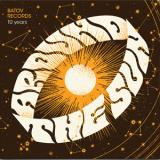
Around The Sun is a 23-track anniversary compilation marking ten years of Batov Records, featuring artists including Mulatu Astatke & Hoodna Orchestra, Sababa 5, Satellites, Boom Pam, MOMO. and Mamman Sani. The collection reflects the label's catalogue across Ethio-jazz, Anatolian psych, Mediterranean disco, contemporary jazz, instrumental music and other globally influenced styles. The release includes two Batov edits, several tracks appearing on vinyl for the first time.
The first new material from Krash Slaughta since last autumn finds our man dropping a tuff 45 featuring two dope ATCQ remixes. And what else to call that but ATCK a.k.a. ‘A Tribe Called Krash’! First up is Scenario which gets a gritty guitar-led new beat making it sound closer to something by Gravediggaz at their noisiest (or even DMX) than the Afro-centric jazz-hope vibes of Native Tongues. Over on the flip, a co-production with, and tribute to, the now sadly departed Del the Soul Condor, takes Low End Theory’s Buggin’ Out and sticks with the jazzy vibes but swaps Buggin’s minimal double-bass dominated shenanigans for something rather more Latinate and Bonita Applebum-esque. Naturally these are as cheeky as they come so it’s a strickly limited affair. Don’t sleep…
Tara Cunningham’s guitar glitch miniatures draw patterns in negative space on new mini-album Warm Ground. Operating predominantly within improvisational and experimental music, guitarist Tara Cunningham has developed a discrete sonic language that reveals the full textural and timbral range of her instrument.
Marking a new chapter for Cunningham that builds on her solo debut, Almost – Not Exactly, released on Non Classical in 2025, Warm Ground unfolds across seven compelling instrumental dialogues - each a conversation of rhythms and found sounds, syncopated and juxtaposed, open to encounter.
Implied by the title of first single ‘Following a Thought’, Cunningham weaves an exploratory melody into the spaces between field recordings. At once introspective and highly relational, each track ushers the listener into a world of different scales, seeking beauty and meaning in the everyday, from the discrete mechanisms of ‘Fridgelight’ to the delicately unhinged organism of ‘Flying Ant Day’.
Cunningham finds a natural home on Odda’s roster of artists sensitive to the details of their materials and surroundings, finding kinship alongside the intimate songcraft of Kirk Barley and Fohn in the gaps between composition and improvisation.
In 2026 she released a self-titled LP as The Sleeves with Jack Cooper, performing at Cafe Oto ahead of a US tour in the autumn. She continues to pursue a range of projects as collaborator and side person with Modern Nature, Sebastian Rochford, Red Snapper, Liam Noble, Laura Jurd and Caius Williams.
For over three decades, Berlin-based DJ, producer, and curator Marcel Dettmann has remained a central force in electronic music, continuously pushing the boundaries of the craft. Deeply rooted in early influences ranging from post-punk and industrial to synth-pop, his dynamic DJ sets and expansive discography, including seminal releases on Ostgut Ton and Dekmantel, effortlessly weave together raw techno, Chicago house, electro, and avant-garde soundscapes.
Far beyond club booths and releases on his own imprints, MDR and Bad Manners, Dettmann’s multidisciplinary ethos has led him into artistic territories spanning gallery soundscapes, ballet compositions, and cinematic film scores. This relentless creative curiosity defines a career built at the intersection of dancefloor functionality, collaborative experimentation, and perpetual sonic evolution.
Dettmann introduced My Own Shadow last year, a project where music, visual art, and photography converged in two EPs, Approaching (2025) and Faultline (2026) prior to the release of the full album this coming Autumn. More than just a name, this project lets sound, image, and vision blend organically, reflecting his intuitive process of deconstruction, resonance, and emotional discovery.
Speaking about the project Marcel says “My Own Shadow wasn’t born from a big concept. I simply liked the idea of working under another name and started following it. Different things I was doing - music, photography, visual work - slowly began to connect.
It happened quite naturally. My Own Shadow is me - just seen from another perspective.” Neither an alter ego nor a departure, My Own Shadow: Album is an intimate reflection of the artist; a transient, ever-shifting form that dances with the light and subtly reshapes its contours to reveal new depths.
My Own Shadow: Album is built with textural minimalism through rhythm, tension and release, embarking on a path through the recollections and experience of the dancefloor. This space remains the ultimate proving ground where history, instinct, and transcendence collide, guiding Dettmann through his musical interests.
My Own Shadow - Album is driven by rhythm, texture, space and tension. Across tracks such as ‘Gravitational Scar’ and ‘Resolution Vector’, these elements are constantly reshaped, connecting Dettmann’s past with a sound that remains firmly in motion.
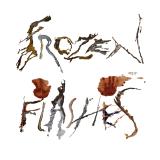
Frozen Flashes is the new album by Okvsho, the Zurich-based project of brothers Christoph and Georg Kiss.
Recorded through sessions in Zurich and London, the album begins with musicians playing together in the room. Improvisations, rhythms, textures and small spontaneous moments are captured, then sampled, cut and rearranged into nine carefully shaped tracks.
Featuring collaborations with Azekel, Melodiesinfonie, FloFilz, Tenderlonious and Hadel, Frozen Flashes is built around the moments that are impossible to plan — brief flashes that appear in a session, disappear again, and sometimes become the starting point for an entire song.
Catch Okvsho +experience live across Europe this autumn — bringing Frozen Flashes on the road.
This autumn sees the release of ‘En de stilstaande tijd voor (elektro-)akoestisch ensemble’ (And Stationary Time for (electro-)acoustic ensemble), the new album by composer and musician Sietse van Erve. With this release, Van Erve marks a definitive turning point in his artistic career: bidding farewell to his long-standing pseudonym Orphax to continue under his own name.
From Rewire to the Studio
The foundations for this album were laid during a memorable live performance at the Rewire Festival 2025 in Den Haag (The Hague). There, Van Erve presented the composition for the first time with an ensemble featuring Anne La Berge (flute), Gareth Davis (bass clarinet), and Dario Calderone (double bass). The leading Dutch newspaper De Volkskrant praised the performance as "incomprehensibly still", drifting on a single, drone-like tone through which the instruments softly float.
Van Erve recalls the intensity of that debut: “I don’t think I’ve ever been as nervous for a performance as I was for Rewire. A packed hall in Amare, during such a major festival”. Following a second successful performance at Festival Musica in Strasbourg, the decision was made to capture the work permanently in the studio.
A New Vision of Nostalgia
The composition originates from Van Erve’s fascination with time and nostalgia, inspired by a 1960s postcard of a Spanish village where time seemed to freeze. While based on a solo piece from 2020, the (electro-)acoustic instrumentation provides a completely new interpretation. The transition from solo electronics to an ensemble brought unique challenges. Van Erve explains: “Certain effects can be triggered with a single knob on a synthesizer, but they result in almost unplayable parts for other instruments. In those situations, I presented the challenge to the group and we searched for a solution together.’’
Identity and Evolution
The album also marks a personal transition for the artist. Regarding the departure from his moniker, he states: “I was looking for the right moment, and now it feels right. With this project, I have finally been able to do what I’ve had in my head for a long time... I feel I have achieved something, and that is why I think it is a good time to initiate the name change."
Realisation through Crowdfunding
Recorded in the spring of 2026 at Studio 150—located in a former church in Amsterdam-Noord known for its exceptional acoustics—the album was captured by Joeri Saal. The production of the deluxe vinyl LP and CD was made possible through a successful crowdfunding campaign via Dutch platform Voordekunst, where supporters contributed to the studio and production costs.
Sakro, Brandub, Rhythm Box, and Nomad lock horns for the next transmission on Facing Realities. Following the runaway success of their inaugural drop last year, the imprint returns with a heavy-hitting, four-track V/A engineered strictly for the dancefloor. Expect a potent brew of hazy, dreamscape textures, raw 909 workouts, and relentless groove—primed to fuel those dark autumn/winter club sessions.
*Limited edition (500) reissue of The Orchids second album – originally released on Sarah Records in 1991- remastered with the 7” and E.P tracks from the time. Translucent pink*
“The Orchids have a lightness of touch, an autumnal and mellow fruitfulness, a clear-eyed pop nous. Imagine some nexus that takes in Felt, Orange Juice, The Beach Boys and The Go-Betweens”
-Stuart Maconie
“The Orchids can come on like esoteric angels high on Felt and Massive Attack”
– John Mulvey, NME
The early summer bloom of 1992 felt like it had been pollinated by a lot of sunshine-loving records from the year before, optimistic headrushes that embraced hedonistic bliss or at least a sweeter ride. There was still an element of bedroom wistfulness to singles like Higher Than The Sun, Nothing Can Stop Us and even Paris Angels’ Perfume but there was no denying the appeal that techno, rave and Bleep held, especially when it was microdosed. Bands were more willing to experiment with technology and producers, if not necessarily going for all whistles-blazing club bangers.
The Orchids, hailing from the suburbs of Glasgow were unlikely to ever emerge from their hood as contenders for a deal on Soma Records (which had begun in 1991 in that city) but they evidently wanted to stretch their boundaries beyond their introverted debut. Unholy Soul is somewhat breezier than Lyceum. It’s still laced with a Scottish melancholy but there’s more breathing space within the production. They’d hinted as much on their 12” ‘Penetration’ EP from 1991 and lovelorn songs such as Waiting For The Storm and Peaches are now spiked by absent-minded cherubs with an ear for the 3.a.m comedown.
As lead singer James Hackett says today: “Unholy Soul was the first time we had spent more than a couple of days in the studio, doing so after work. It was a thrilling period of creativity and we had most of the songs written but not enough. We didn’t worry about that too much though because with Ian Carmichael there was a new opportunity for studio generation. Also this was the first time we had heard Pauline (Hynds) singing with One Dove so we asked her to sing on some of the songs. We were obviously influenced by a lot of the music of the time but you can still hear it’s The Orchids at heart”.
The next year of course One Dove (with Carmichael programming) released their debut album - produced by Andrew Weatherall - on the Boy’s Own label. It felt like there was a lot of ideas being spun back and forth between artists and producers in the early 90s. If some of the records also sound very much of that time that’s no bad thing either. There was a lot of loved-up nostalgia for the 60s then so it’s no surprise that many of the records have a youthful exuberance coupled to a technological innocence, that’s the charm.
Autumn of 2022 marked 20 years since the initial release of Metro Area's first and only album, Metro Area. Environ had already remastered and re-released this essential LP for its 15th anniversary. So this time around, we're doing something a bit different.
To celebrate two decades of Metro Area, Environ has partnered with renowned mastering engineer Matt Colton (Metropolis Studios) to remaster and recut the first four Metro Area 12"s: Metro Area, Metro Area 2, Metro Area 3 and Metro Area 4. Unlike the album reissue, these records include the original, extended 12" versions of all songs, including some which have never been re-released.
Metro Area is the duo's first 12" EP, originally released in 1999.
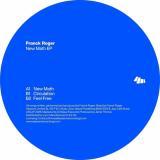
Classy Frenchman Franck Roger is one of the most consistent performers in the deep house game and he is back with another MVP performance on Seasons Limited this Autumn. This all-new trio of tunes opens with a delightfully airy, light-footed blend of Afro drum patterns and buffed metal melodies that have a lovely late-night glow to them. It's a persuasive rhythm that will infect your hips in no time, while 'Circulation' is more humid and bouncy, with nods to the deep and smoky foundations of house but still one foot in the here and now. 'Feel Free' closes with an elastic groove and the sort of introspective melodies that mean more than most throwaway synth lines in the modern scene. Tasteful and timeless as always from Roger.
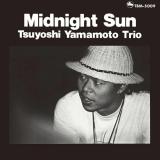
TBM’s 9th title, newly recorded by Tsuyoshi Yamamoto with renewed energy after his time training in the U.S. Featuring a lyrical touch on "Autumn Leaves", a bold and swingin’ Tsuyoshi-style take on "Wave", and the superbly tasteful "Blue Manhattan" in both performance and composition—an exquisite piano trio album.
Jungle cemented their status as a major global force with their 2023 album ‘Volcano’ - a record that earned them their first BRIT Award and featured their worldwide smash hit single ‘Back On 74’. The trio - J Lloyd, Tom McFarland and Lydia Kitto - return with their eagerly anticipated new album ‘Sunshine’ set for release on August 14th. The album is launched alongside the new single ‘Carry On’, which was premiered as BBC Radio 1’s Hottest Record. Along with the single release and album announcement, Jungle have also confirmed details of their forthcoming global headline tour this autumn, which includes arena shows spanning three continents. 'Sunshine' will be available digitally and across a range of physical formats: standard black vinyl, 'desert peach' vinyl, translucent brown marble vinyl — all as single gatefold LPs — plus a digipak CD.
Arguably one of Get Physical’s most influential tracks, ‘O Superman’ sees a new release with remixes from Man Power and SIS alongside the 2008 version from Robag Whrume and a remaster of the now classic original. Man Power kicks off the new interpretations with an epic, ten and half minute version that patiently stretches the original’s melodies into pads and held bass tones across crisp, micro-house styled beats before unleashing loose, clattering breakbeats after a striking, extended breakdown. SIS’s dreamy, percussive version sees the German producer in hypnotic, and tracky form, focussing on the ebb and flow of the original’s tuneful vocoder and synth work that drift across his perfect groove. Robag’s Pumper-Nikkel remix, for those that missed it some years back, is yet another funky, chopped, sliced and diced piece of work from the playful producer and still sounds as fresh as ever. M.A.N.D.Y. vs Booka Shade feat. Laurie Anderson - O Superman Remixes are released on Get Physical 12” in late July with a digital release following in the Autumn.
There’s no direct English translation for the word “hiraeth”. In the Welsh language, it describes a form of longing for an intangible something, somewhere or someone that no longer exists. Sofie Birch and Antonina Nowacka draw on the concept to guide their second collaborative album, a suite of vulnerable, open-hearted improvisations and reflections that attempt to grasp an image of the past that’s chimeric, dissolving almost as soon as it materializes. The duo’s process follows the same distant beacon; unlike Languoria, their critically acclaimed debut, Hiraeth is, at heart, an acoustic record, informed by in-person improvisations with voices and string instruments that gesture to an era before computers, AI and DAWs. It’s just as lush, but Hiraeth is warmer and more muted than its predecessor.
Nowacka and Birch conceived the album in the wake of a slew of collaborative live concerts, spurred on by serendipitous improvisations and an interest in paring down their setup. Unsound arranged a retreat in Sokołowsko, an idyllic village nestled in the verdant hills of Southern Poland, close to the Czech border. Sokołowsko surrounds a large ruined sanatorium that’s rumored to have inspired Thomas Mann’s 1924 novel The Magic Mountain, and has long been a magnet for artists. The two took the opportunity to rethink their approach completely, arriving with just a guitar, a zither and a portable Nagra reel-to-reel machine. Recording directly to tape, they sketched out ideas with just their voices and instruments, reflecting their surroundings without being distracted or mediated by modern technology.
“We wanted to get away from screens as much as possible,” says Birch, “to bring to the world something vulnerable and honest. Without advance preparation, every day we went out into the open air, finding places to sit, during sunset or the midday sun. We discovered new tunings on our instruments, picked up a melody, and started the machine, playing over
and over till we got a take.” In the autumn, they met again in a Copenhagen studio, sparingly and carefully layering old synths and organs to add more depth without muddying the mix.
Both Nowacka and Birch sing throughout, their voices threading the acoustic instruments and tangling with each other, almost becoming one. But it’s the environment of Sokołowsko, “the birds and the light, even the wind playing against the harps,” that’s woven into the music’s lining. Affected by time spent meditating and in nature, as well as the fact that Birch was pregnant whilst recording, the album feels alive and remarkably present. Even the sound quality of the tape machine gives Hiraeth a tactile, organic quality, as Nowacka puts it, “like being in a warm bath.”
They still have the raw recordings from Sokołowsko on old reels, physical souvenirs of their time spent making music in a “habitat for intuitive songs, a little ecosystem, alive and spirited.” The outmoded gear and remote setting helped the duo disengage from the modern world for a few moments and imagine an existence that’s been lost to time and nominal progress. With digital technology receding into the background, Nowacka and Birch had space to make “intuitive connections with frequencies and people,” as Birch explains. Hiraeth is a testament not to nostalgia, but to the power of kinship.
Neuauflage des Lambchop-Albums "Is A Woman" aus dem Jahr 2002 auf schwarzem Vinyl, inkl. "The Daily Grows" und "Is A Woman".
Two years later Kurt Wagner conceived an album of almost painful accuracy and precision in his eternal quest for artful intimacy. The ever-modest Lambchop boss presented the album to us with these words: "Here's my new album. I hope you'll like it.
Following their 2023 LP Presents, Nathan Nelson's American Cream Band bring the Twin City heat back to Quindi with an album rooted in duality. From the yin and yang party-starting A side and meditative B side to the dual-attack boy-girl vocals, the nature of opposites and equals steer the expansive, artful strain of rock n' roll that spill out of this wholly unique Minnesotan export. For the ever intriguing Quindi, it's a strident step into Spring after the frosty introspection of Roudi Vagou & Läuten der Seele's Taghelle Nacht. While the world burns and injustice prevails, Twin is a celebration of unity and radical expression-all the more urgent against the backdrop of authoritarian overreach and righteous protest that has whipped through Minneapolis in recent times.
Twin continues Nelson's drive at the helm of American Cream Band to draw in a colourful cast of players to feed into his orgiastic sound, meshing the trance-induction of krautrock with the irrepressible funk of the post-punk-new-wave explosion. But principal among the cast of characters and forming a central tenet to the identity of this album is Liz Buhmann, lead vocalist and a formidable, playful foil to Nelson's own Midwestern twang. Around the electric spark between Buhmann and Nelson, a heavy duty ensemble wrangle guitar, bass, sax, a cornucopia of synths and a battery of percussion into all manner of sonic forms.
The double-sided concept manifests throughout Twin. On 'Call Me' Buhmann sings in French to contrast Nelson's English, while the strident strut of the NYC disco groove is offset by an inherent dreaminess that turns the track into a more cosmic kind of dancefloor workout. 'Ethical Vampire' is a spiky cut with a garage rock patina that spirals into a psychedelic, synth-soaked get-down. 'Don't Burn The House Down' is a loose and limber roller that captures Can at their funkiest along with the hypnotic vibe of other such esteemed long format jammers, but American Cream Band boils that energy into a hook-laden art pop sensibility before a gentle, drawn out landing.
Even the more pensive moments on Twin find space for friction. For all its tender, smoky temperament, 'Leda and the Swan' lets the electric piano and guitar fray at the edges and bleed into the red while Mat Heinrich's tumbling drums lurch with pent-up intensity on the one. 'No Funeral Necessary' skirts around the mellow pools of new age but prefers to let liberally doused Tape Echo tweak out Alex Meffert's honeyed sax inflections and Buhmann and Nelson's disparate sermons.
Nelson describes Twin as "an oppositorum coincidentia" - a reference to the mystical Latin concept of the coincidence of opposites that suggests contradictory ideas 'fall together' in a higher reality. Beyond the sound of the album, this idea also manifests in the cover photography by Sho Nikado and the swans on the LP labels by Autumn Garrington. As freewheeling and wide-open as American Cream Band feels, nothing appears by accident. The end result feels like a nourishing whole - rich with substance and nuance, deep enough to be explored and absorbed yet also so brazen and immediate you can't help but feel its surface charms from the first thrusts of 'The Hive Is Pissed' to the last ripples of 'We're Not So Sinister'.
Guests is the home recording project of Jessica Higgins and Matthew Walkerdine. Vaguely named as such to avoid any problems with the poster if they pull out of a gig (which has only happened once, about a year and half before any songs were actually written to be fair) but also to capture a sense of reverse hospitality. That is, arriving at your door with a bottle of good wine (can’t turn up empty handed) or a fist full of savoury or sweet snacks (time of day dependant); oversharing at the afters (and then passing out on your couch); reading to your toddler while you make their lunch or put everything back where it was meant to go (only to get torn apart again). So, something about what happens when private worlds meet each other, making or having been made a space for. But at times, it’s a different kind of intimacy, a temporal or material one, like the feeling of crisp fresh sheets, and abundant and soft, body-part appropriate towels in a hotel in a city you’ve been to before and love to go back to.
Their debut record, “I wish I was special”, was variously described as “a collage of concrète experiments and outerzone pop gestures, music that sounds as if it’s been written from the depths of a dream”; “music for people who love music but also hate it too”; “something like chasing ghosts or befriending a wild animal”; “pulling apart nervous sensations with haphazard ease and requisite humour”; and “a melody of refusal, of being all-in (…) finding the exact right WRONG sound to express the discontent”. Common Domestic Bird continues in this vein, layering synthesiser, keyboards and samples over rudimentary drum rhythms and field recordings, which are in turn sung or spoken with to create nine new songs.
Written and recorded between autumn 2024 and summer 2025 in Reading, Berkshire, the music has matured since its last outing, in a way, leaning less into collage and more toward structured composition and melodic depth, yet retains a healthy dose of indeterminacy and off-kilter rhythms for the forever-amateur. The songs on Common Domestic Bird hint at some “about”-ness through a series of discrete vignettes which sound a bit like architecture or end of year lists, gossip or over-thinking subjectivity, like disappearances and impressions, the support structure of the spine, letters and signs offs, things you could really do without and where they should go, hoping you’ll see something that isn’t there, pretences and performance. At times they feel kind of funny, others kind of sad or a bit angry and annoyed, a bit like you really.
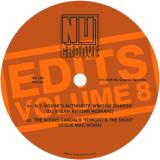
Nu Groove spotlights the artists that made this cult NYC label a favourite of crate diggers then and now with this special vinyl release of their vital tracks revisited by leading selectors of today. The label, born in 1988 by Frank and Karen Mendez as an outlet for the experimental works of the Burrell Brothers, quickly became a home for up-and-coming genre pioneers. ‘Nu Groove Edits, Vol. 8’ opens with DJ Steaw’s Autumn Reshape of ‘Window Guards’, originally by N.Y. House’n Authority - a moniker of Rheji Burrell. Next up is Steve Mac’s remix of NYC favourites The Sound Vandals’ ‘Tonight’s The Night’, followed by another seminal N.Y. House’n Authority record, ‘APT. 3B’ remixed by Dazzle Drums. A third track from the mind Rheji Burrell closes out this vinyl collection of future record box staples, with Seamus Haji reworking The Utopia Project’s ‘File #1’.
WRWTFWW Records is very happy to announce the release of Nighthawks, the new collaborative album from composer Azumi Okamura and musician / sound designer Andrea Esperti, available on limited edition LP (300 copies worldwide!) cut at 45rpm, and housed in a heavyweight sleeve with inside-out print.
A sublime convergence of Japanese piano poetry and Swiss sonic craftsmanship, Nighthawks brings together Azumi Okamura's intimate, emotionally resonant compositions with Andrea Esperti's refined approach to sound design. Esperti is known for his work alongside ambient legend Takashi Kokubo, and here he extends that sensibility into an intimate and immersive space.
Echoes of dreams from an imaginary world drift through the album: forgotten memories rising gently, only to fade again. The music unfolds like a series of inner scenes - reflective, rich with atmosphere - where minimal piano motifs meet organic textures and subtle electronic detail.
Rooted in the emotional solitude of Edward Hopper's urban landscapes, Nighthawks balances stillness and warmth. Gentle, simple melodies glow softly, wrapped in environmental music that evokes autumn air and walks by the beach.
Resisting excess and spectacle, the record embraces poetic minimalism and emotional clarity. Each piece feels suspended in time, offering quiet moments that linger long after the sound has faded...a drifting, cinematic journey shaped by sensitivity and restraint.
Companion 10" to the recent, superb LP Sampler from The Belfast duo...
After showcasing their broad and boisterous tastes on a series of super limited Edits 12's, plus original releases on labels like Touch Sensitive, Hoga Nord, Duca Bianco and Optimo Music, we finally have a fully formed suite of original cuts which take us on a journey through their varied and vivid vibrations...
On Barrios & Barricades, BB deliver two powerful Dark Disco delights...
The kind of peak-time industrial funk-outs that have soundtracked infamous, strobe-lit joy factories over the decades from Chicago's Medusa's, Ghent's Boccaccio or Optimo's legendary Sundays at The Sub Club.
Yes, it's that good !
An incising snare marks the return of Luxus Varta to Shipwrec. Since his last appearance, Aquamarine Puzzle in 2017, the Frenchman has been honing his craft with releases on a spread of stellar imprints. Noise Figure is the culmination of that refining process, his sound and style being forged and framed within the parameters of electro. And these parameters are immediately tested. From the warbling bass and tight percussion of The Resetter, crystalline chords cascade before a shimmering string of wintery warmth. Terse beats introduce Building Peaks, wraith-like rinses offering space for playful forms to take hold. Fudgey basslines are unsettled by sci-fi synths, a touch of the otherworldly balancing this unique cut. The warm current of Lizardous penetrates the frostier funk of the EP, delicate and fragile notes thawing the cold rhythms and glacial undertones. Silver Girl contrasts autumnal shades with brittle harmonies, angles and lines curved by sheer musical craftsmanship. Shifting into electronica, the close is a complex composition that demonstrates Luxus Varta's breadth of ability. Gentle melodic ebbs are countered by echoes of the factory floor, the human touch coming to the surface with understated radiance.
This autumn, on the occasion of his fortieth birthday, Ibrahim Maalouf will release his 12th studio album named "40 Melodies". Maalouf has teamed up with his longtime friend and collaborator Belgian guitarist François Delporte for an intimist duet album. The duet revisits Ibrahim's most memorable melodies, through his albums, to the soundtracks, including a few exclusive new tracks.
This album includes many renowned surprise guests (Sting, Matthieu Chedid, Alfredo Rodriguez, Richard Bona, Trilok Gurtu, Hüsnü Senlendrici, Jon Batiste, Arturo Sandoval, and others). Ibrahim gets back to his roots, and to the basics: a trumpet, a guitar, and 40 melodies to celebrate his fortieth anniversary.
The fourth episode of the Barbatus odyssey comes from Torrent, a Barcelona-bred pirate, who translates an intricate story of a malicious time loop that Captain Barbatus and his fellow pirates get stuck in.
From sorrow and remorse, to acceptance and hope, the four tracks are packed with emotion. Bouncing between Progressive house to Breaks, but cleverly stitching it together with Electro, 80s drums, and melodic synths, Torrent describes a voyage of pirate captain and his crew across the seas of the New World.
The new chapter on Barbatus D. Wreckords is out this Autumn.
‘Get A Life, Listen To Autumns’ is a statement that tells you everything you need to know about the quality and attitude of the Irish producer’s latest EP. His DNO debut presents five tracks of steel-studded EBM and industrial run through with his trademark dub aesthetics.
A1 ‘100 Ways To Get Fucked’ — another bold title — struts its stuff to a methodical stomp; strained vocals pulled out of shape and fed back into macabre forms; low-end chugging like some smoke-billowing, grease-slicked machine.
‘Let It Melt’ picks up the pace, making judicious use of the reverse function, while subtle acid chirps and woozy arpeggios provide a chaotic, though not unpleasant, dissonance that induces a feeling of headrush.
‘Petted’ swaggers like sex incarnate, alongside snatches of diva vox and the kind of sweeping space-age pads that Holst might have used had he been born a century later, seemingly taking cues from the hot and sweaty nights of ’80s Chicago.
Over on the B-side, ‘LDRO’ sets its kicks and snares thrusting at full tilt over an inexorable bassline; Autumns’ favourite effect, delay, keeping things squelching like the jellified flesh of a ballistics dummy.
And to finish, ‘God’s Gift’ drops down to a sludgy rhythm — though with surprisingly spritely percussion — to match its tortured guitar, shrieking horns, and deadly subs. A fever dream of twisted metal and hot breath, like the gradual slowing after the climax of debauchery.
Marking a sultry new route for DNO, Autumns’ first for the label is confident, confrontational, and
not to be missed.
Rhythms of postmodern realism at the very bottom of the DNO.
Tóxico and Subject To Restrictions Discs present a retrospective on Switzerland’s hidden analogue gear scene from 2017 and 2018. A vibrant yet undocumented chapter in the country’s music history. The 10 tracks, originally released exclusively on cassette and heard only by a small circle of listeners, are now compiled for the first time on vinyl as “Tóxico Tapes”. The collection captures the scene’s raw, hands-on energy through off-kilter rhythms, low-key EBM, ominous wave and free-form synth excursions.
Founded and curated by the former DJ and producer Narco Marco, the Tóxico label became a hub for Switzerland’s analogue gear enthusiasts. Between 2016 and 2020, it released a series of 10 tapes – albums and compilations – that now stand as a blueprint of the DIY, machine-driven underground of the time. Narco Marco is a key figure in Swiss electronic music. As a long-time clerk at “Oldiesshop” record store in Bern, he has championed eclectic sounds across decades. His in-depth knowledge of 1980s music, combined with his work as a musician, avid record collector, and founder of the “Hot Jam” label, influenced an entire generation of musicians and DJs in Switzerland at the time.
Subject To Restrictions Discs joins forces with Narco Marco to present a selected set of 10 songs as a tribute to Tóxico and this creative era. The material draws primarily from the Autumn Tape and Winter Tape compilations, which spotlighted artists from Zurich and Bern – two cities at the heart of this analogue revival.
Reintroducing Soar - the alias of Christian Aebi, serial DIY taper and one-man orchestra from Langenthal, a fog-shrouded town in the Swiss provinces. Krautophobia, ambient lo-fi agriculture, analogue soul balm and slowspeed psych gelati-blitz cardboard pop only gesture towards the sound world he coaxed from his broken Tascam four-track recorder, in attics, churches, junkyards and at the kitchen table.
The spark for Soar was likely time and space, somewhere in the autumn of 1994. Armed with a cable salad of Sixties guitar/bass, fairground drums, mould-speckled organs and toy instruments, Aebi coaxed five albums, an unverified run of 25 cassettes, and a handful of gigs. Mostly issued through Zurich label Corazoo, the records arrived in hand-pasted sleeves, rough-cut reproductions of his teddy bear-fixated artwork that carried the same imperfect immediacy as the music. With Rudi Steiner, performances in galleries, clubs and halls bent into live sound-image happenings - part installation, part film, part flea-market-instrument theatre - invariably leaving the house engineers bewildered.
At the time of his untimely death in 2021, Aebi remained a village secret, his music passed quietly between friends and local ears. Now, Swiss graphic designer and Ghost Riders compiler Ivan Liechti has pieced together a portrait from the afterglow, gathering tangled audio formats, paintings, illustrations, photographs and notebooks with his family, former label and peers. What emerges is a first glimpse of Soar's intimate cosmos - brushing against Füxa, Spectrum, Dump, Stereolab and King Crimson, but orbiting a dimension entirely his own.
'Transplant Rejection’ is the work of Estonian artist and IDA Radio co-founder Robert Nikolajev, this collection of seven ‘almost’ dark ambient tracks embody the melancholy of autumn whilst hinting at the forthcoming eternal winter. A man with many hats, Nikolajev operates on the fringes of the leftfield house underground for labels such as Incienso, Collect-Call and Sad Fun as well as being one half of the sporadic DIMA DISK act with Ragnar Rahouja. Eschewing the more rhythmic side of his productions for this Muscut tape, Nikolajev taps into the fictional soundtrack atmospheres the label is known for and brings his own brand of wistful, introspective world-building by way of machine harmony to the now Tallinn based imprint.
There’s a lo-fi, grainy quality running throughout the collection, a kind of sepia-toned nostalgia that envelops the listener and disorientates any perception of time or place. Buried vocal fragments sit in the mix on ‘Stifled’ alongside decaying synthesiser drones whilst ‘DDM’ channels an edgy post-rock dirge with its use of sagged bass guitar. Overall, an inspired look into the more ‘at home’ side of this increasingly prolific Estonian artist.
Celebrated DJ, producer, and sonic explorer Auntie Flo (aka Brian d’Souza) — described by The Guardian as “one of global club culture’s most vital voices” — returns this autumn with ‘Birds of Paradise’: a rhythmically rich, emotionally resonant, and ecologically grounded new album, out 23 October via his A State of Flo imprint. The album will be launched with a special live show at London’s Jazz Caféon the same day.
‘Birds of Paradise’ draws on d’Souza’s global club experience while deepening his connection with the natural world. Built around classic Roland drum machines and iconic vintage synths, the record is a joyful, body-driven celebration of rhythm and movement, but one grounded in ecology and place. The album’s spiritual centre lies in Saligao, Goa, near d’Souza’s maternal homeland where his Auntie Florie (where the name is derived from) is buried. Where he found his ‘paradise’ nearby, staying in a converted fisherman’s hut and recorded dawn choruses from a riverside studio overlooking mangrove-lined waters. Environmental textures from Japan also make their way into the music, creating a sonic map rooted in lived experience.
“Birds of Paradise is about finding beauty and rhythm in a chaotic world. It’s about listening, to nature, to our bodies, to what’s real. It’s a reminder that dance music can be both joyful and grounded.” The album blends Afro-Latin polyrhythms with Western 4/4 patterns, fusing instinctive, dancefloor energy with field recordings that anchor the music in the earth. Described by d’Souza as “tropical with a few deeper edges, a balance of light and dark.”
The new record follows the acclaimed ‘In My Dreams, I’m A Bird and I’m Free’, which earned 4 stars and Global Album of the Month from The Guardian, featured in Disco Pogo’s Albums of the Year, and received support from Luke Una, Resident Advisor, Juno, Bandcamp, Mixmag, DJ Mag, Electronic Sound, The Skinny, Beatport, Ban Ban Ton Ton, and more. The album’s launch show at Omeara London sold out. Other recent projects include the ‘Outernational Dance’ EP on cult label Multi Culti, event series ‘Plants Can Dance (and Mushroom’s Sing)’ which explore plant and fungi bioelectricity as a means of live composition, and ‘Black Beacon’, a haunting cassette release and soundwalk series recorded on the abandoned military island of Orford Ness. There, d’Souza explored the eerie intersection of nature, decay, and deep time, gaining special access to restricted buildings to capture long-form soundscape compositions.
Alongside his production work, d’Souza has emerged as a leading voice at the intersection of sound and science. He curated music for Imperial College’s groundbreaking psychedelic therapy trials, developing six-phase playlists to guide participants through psilocybin-assisted sessions treating conditions such as fibromyalgia and gambling addiction. His five-hour ambient set at Watching Trees Festival, selected as Resident Advisor’s Mix of the Day, continued this exploration into the therapeutic potential of sound in altered states. He also spent six months collaborating with BBC producer Tom Raine on a documentary for BBC World Service, centred on a two-week journey through Kenya and Goa. There, he performed live, led plant music workshops, and joined a deep listening retreat rooted in field recording. “I realised my studio isn’t just four soundproofed walls filled with instruments — it’s the journey itself. It’s the people I meet, the natural world I listen to, and the connections I feel.”
This same commitment to deep listening fuels his live concept Plants Can Dance, a project that combines the biosonification of plants and fungi with modular synthesis. The next event, on 14 September at Hideout Hackney Wick, will feature performances by Stella Z and Lapalace, with d’Souza and resident Lamine playing live alongside responsive plants in collaboration with Repot Hackney Wick and the label Music To Watch Seeds Grow By. “I’ve spent years exploring how electronic music can connect us, not just to each other, but to the natural world. Whether it’s translating mushroom data into melody or capturing birdsong at dawn, it’s about finding resonance across bodies, ecosystems, and machines.”
Rooted in his Goan and Kenyan heritage and shaped by years of travel and collaboration, d’Souza’s creative mission is simple: to reconnect the electronic world with the natural one. Through A State of Flo, he continues to blur the boundaries between club culture, sound art, and ecological awareness.
Since the 1940s, Library Music has lurked in the shadows, peripherally touching our lives through TV and film. Among the stalwarts of the industry was UK's Studio G, with cues heard on Doctor Who, and sampled by the likes of The Chemical Brothers, and Tyler, the Creator. Jazz Dispensary's Dream a Dream with Studio G: Cratedigger's Archive (1970–2009) culls some of their most sought-after cuts, with liner note commentary from Saint Etienne’s Bob Stanley, and illustrations by Ivan Minsloff.
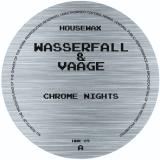
Some of the finest contemporary electric artists come together on one compilation and given that unique Yage remix treatment under the direction of The Future Sound Of London, and including one track by FSOL themselves on this instalment.
STRANGER STILL was Julian Cator (guitar), Paul Cator (piano, organ, synthesizer), Tim Warnes (bass), Frank Warnes (vocals, drums) and Ian Johnson (vocals, drums) from King’s Lynn, Norfolk, UK. The two sets of Cator and Warnes siblings had been playing together in bands since 1974, with Ian joining in 1979, and with their musical style evolving from glam influenced rock to punk/new wave (punk came late to Norfolk) and finally post-punk, influenced by Ultravox!, Magazine, Joy Division, Bauhaus and Killing Joke. Their first gig together was in September 1979 with John Peel being in the audience. The Solitude/Survivor single was recorded in July 1981, released in November and sold well locally. John Peel played Solitude, between singles by Winston and Screen 3. When Julian left in autumn 1981 the others continued, later changing their name to Nothing Sacred. Ex-members have since played in a number of other bands, most notably Paul and Tim in Shine!, and Julian and Paul in Ivy.
Solitude opens in a perfect analogue way with a ‚primitive’ rhythm machine pattern and a dark synth sound fading in. We shall be glad for the band’s move towards electronics while knowing „given the negative reaction we got from some of the local bands when we got the synth a Moog Satellite“, quoting Julian. When the real drums, guitar, bass and vocals also come in, you’re in for one of the most perfect post-punk songs, yet playful but ultimately bleak. “And then I can feel nothing more. Alone again, with no sensation.“ Survivor is more uptempo and bass-driven, reminiscent of early Death In June (who came later though). Lyrics like “4 minute warning warning – the sound of today. Our new dream world – Enola Gay.“ set the mood there.
The band composed a dozen of songs, demos to get gigs, which were unfortunately never recorded properly in a studio. So these are demos or rehearsal tracks, never released to the public and presented here for the first time ever as an additional 15 tracks download-only (due to the poor sound quality). You’ll find fantastic tracks like Brave New Berlin or Cardiac Arrest, which is reminiscent of Death In June’s In The Nighttime, and then, there is a demo of Solitude too!