High Roller Records präsentieren zum 10. Jahrestag von Frank Blackfires erstem Soloalbum "Back on Fire" eine remasterte Neuauflage mit neuem Artwork und zum ersten Mal auch eine Vinyl-Edition. Frank Blackfire als lebende Legende zu bezeichnen ist keine Übertreibung. Sein bahnbrechendes Gitarrenspiel bei den frühen Sodom und Kreator war für die Entwicklung des deutschen Thrash-Metal-Sounds maßgeblich. Während er nach der Jahrtausende in Brasilien lebte, gründete er die Band Mystic und nahm mit ihr zwei Demos auf, die den Grundstein für ein vollständiges Album legten, das allerdings lange auf sich warten ließ. "Es war eine Menge harter Arbeit, bis wir es veröffentlichten", sagt Blackfire rückblickend, während er tatsächlich an einem zweiten Soloalbum arbeitet. Die zehn Tracks von "Back on Fire" - darunter eine thrashige Interpretation von Henry Mancinis ‚Peter Gunn'-Titelmelodie als Intro und ein Gastauftritt von Sodom-Frontmann Tom Angelripper - zeichnen sich durch Franks charakteristische Gitarre und raue Stimme aus. Mit seinen etlichen Killer-Riffs in herausragenden Stücken wie ‚Victims of Society', ‚Warmonger' und ‚Valley of Suiciders' bleibt die Platte ein ein zeitloses, aber vergessenes Thrash-Juwel, das es wert ist, (wieder-)entdeckt zu werden.
High Roller Records präsentieren zum 10. Jahrestag von Frank Blackfires erstem Soloalbum "Back on Fire" eine remasterte Neuauflage mit neuem Artwork und zum ersten Mal auch eine Vinyl-Edition. Frank Blackfire als lebende Legende zu bezeichnen ist keine Übertreibung. Sein bahnbrechendes Gitarrenspiel bei den frühen Sodom und Kreator war für die Entwicklung des deutschen Thrash-Metal-Sounds maßgeblich. Während er nach der Jahrtausende in Brasilien lebte, gründete er die Band Mystic und nahm mit ihr zwei Demos auf, die den Grundstein für ein vollständiges Album legten, das allerdings lange auf sich warten ließ. "Es war eine Menge harter Arbeit, bis wir es veröffentlichten", sagt Blackfire rückblickend, während er tatsächlich an einem zweiten Soloalbum arbeitet. Die zehn Tracks von "Back on Fire" - darunter eine thrashige Interpretation von Henry Mancinis ‚Peter Gunn'-Titelmelodie als Intro und ein Gastauftritt von Sodom-Frontmann Tom Angelripper - zeichnen sich durch Franks charakteristische Gitarre und raue Stimme aus. Mit seinen etlichen Killer-Riffs in herausragenden Stücken wie ‚Victims of Society', ‚Warmonger' und ‚Valley of Suiciders' bleibt die Platte ein ein zeitloses, aber vergessenes Thrash-Juwel, das es wert ist, (wieder-)entdeckt zu werden.
SAISEI founder Junki Inoue continues his vital archival work uncovering the riches of Japan’s distinctive electronic music scene and bringing them to new audiences around the world.
HERO U.D.A. aka Hiroyoshi Udaka is not someone you can easily google, but he’s sure lived a life worth retelling. His story starts back in the late 80s when, inspired by the acid house emanating from the UK — during what was fondly christened the Second Summer of Love — he picked up DJing and made the move from Japan to London. Throughout the 90s he DJed at underground techno institutions like London’s The End, CLUB UK and Silver Fish, as well as at the infamous Tribal Gathering raves, periodically returning to Japan to support techno greats like Colin Dale, Mad Mike, Suburban Knight and D. Wynn on tour.
The tracks on this EP, previously unreleased except for one, were all recorded after Udaka moved back from London to Tokyo, between 2002 and 2005. Yet they sound strikingly modern, drawing on a rich range of sounds that have come back round again two decades later: broken beat, acid jazz, dub and breaks. Deceptively simple grooves are given depth by layers of textures and micro samples, for example the surface noise on ‘On The Way’ that glues together an otherwise sparse skeleton of dubby pads and body popping drums. ‘Mature Missile’, ‘So Good’ and ‘Night Driver’ employ raw broken beat templates with acid accents, whimsical melodies and vocal interjections for a playful mood. ‘Sin City’ takes a darker turn, off-key piano hits and plunging bass adding to the wonkiness. The EP closes with a wiggly vignette, ‘222AM’, reminiscent of early 00s contemporaries like Mouse On Mars. Now these hidden treasures from Udaka’s archive gain a new life on SAISEI.
———
SAISEI is a Japanese word which translates to ‘reproduction’ and ‘to play’ (as in playing records). Japanese culture is widely known for its traditional nature just as much as it is for being forward into the future and this label’s concept does justice to exactly that. Having started digging for records as early as 16 years old, Junki Inoue delved into productions from 1990s Japan to uncover these native gems. SAISEI’s core concept is to recapture and reintroduce unique pieces of Japanese electronic music onto vinyl, to an audience it never reached before as most of this music was only released in Japan.
b A2. So Good Acid Funk
out of Stock
Last delivered 5 months ago available to reorder, subject to availability
Darkest Days is an album by American industrial rock band Stabbing Westward, originally released in 1998. It followed their second album "Wither Blister Burn & Peel" (1996) and marked a more refined sound for the band, blending industrial rock elements with darker, more introspective lyrics. The album features some of the band's most iconic tracks, including the single "Save Yourself". It also features the singles "Haunting Me" and "Sometimes It Hurts". The album remains a fan favourite and for many, a defining release in its genre. Darkest Days is available as a limited edition of 1500 numbered copies on gold & black marbled vinyl and includes a 4-page booklet.
A mix of metallic doomgaze, epic gothic soundscapes and post punk attitude. Loud and crushing, yet sharp enough to stick in your head for days. There are two kinds of heavy bands: the ones that make a lot of noise and the ones that drag you somewhere you didn't know you needed to go. Cwfen (pronounced 'Coven') are the latter, and Sorrows is a record that doesn't just crush - it haunts long after the final note. The allure of Cwfen's sound lies in contrasts: the glacial ferocity of Amenra, with the velvet-and-razor vocals of King Woman, and the rotting grandeur of Type O Negative. It's as hypnotic as it is harrowing, but somehow even better than the sum of those parts. Since emerging from Glasgow's underground just 18 months ago, Cwfen's reputation is growing, selling out shows and pulling growing audiences into their doom-laden fever dream. Released in October, the band's debut single 'Reliks' was a hit with fans and critics, landing a spot on Kerrang!'s release of the week playlist. And rightly so. Their sound devours and delights in equal measure. "Cwfen have emerged from the darkest depths of the Caledonian underground with a beguiling blend of doom metal and gothic post-punk for those who like to live deliciously." Kerrang! Sorrows lives in the space around doom where the weight of the riffs is matched by the weight in your chest, where the lyrics and the songwriting are as important as the music itself. Loud and crushing, yet sharp enough to stick in your head for days. It builds, burns, collapses, resurrects. Big on riffs, bigger on feeling. The kind of songs you carry with you. Singer and rhythm guitarist Agnes Alder bears her claws one minute, then whispers the next, as the band follows like a storm front, rising, breaking, drowning you in the weight of it. From the guttural Penance to the lush Whispers, to the feral Wolfsbane and the insurrectionist Rite. It includes a long reworking of Embers and Bodies, the two self-recorded demos that launched them into the scene with a bang and their growing legion of fans already adore. Intricate vocal arrangements, heavy and harsh guitars, a mix of atmosphere and heft, it undoubtedly punches above its weight for a debut. As Agnes says: "When we stopped trying to fit into any one space, what came out was this beautiful mix of dark and light. Something visceral and cathartic." This is a band that sits right in the boundaries between the heavy genres, pulling in everyone from the young goths and to the die-hard metalheads alike and 'Sorrows' truly does deliver in spades. Make no mistake, Cwfen are set to be one of the names to watch in 2025. FFO: Chelsea Wolfe, Zetra, King Woman, Type O Negative, Alcest, Faetooth, Liturgy. Limited vinyl pressing, 500 copies in transparent red vinyl. Full colour Gatefold outer sleeve, with a full colour printed inner sleeve, Full download included as well.
Galletas Calientes Records, french label settled in Colombia, proudly present their new 7-inch vinyl label, Galletas Bailables. These delicious cookies to dance to will take you to a journey into Colombian, latin american and european modern folklore :
Champeta, Cumbia, Balkanica, Porro, Currulao, Bullerengue, Salsa, Charanga, Descarga, Pachanga, blended with electronic music and Hip hop are among the genres we’ll try to compile for you.
First volume, by SYSTEMA SOLAR, includes the already well-known Champeta hit “El Boton Del Pantalon” and “El Piko Electriko”, an unreleased electronic Gaita tune, inspired by Eddy Grant’s “Electric Avenue”.
Presented here on solid white vinyl, Small Faces is the second studio album by Small Faces, released through Immediate Records on 23 June 1967. The Immediate album shares its name with their 1966 Decca debut album, which has led to some confusion regarding the titles and as a result, this album has been unofficially dubbed The First Immediate Album by fans.
Considered to be the artistic breakthrough for the group in terms of songwriting and composition, and marks their transition from a mod-influenced blue-eyed soul/R&B band to a psychedelic studio group. It was the band’s first LP to contain solely original compositions and includes ‘Green Circles’, ‘Talk To You’ and ‘(Tell Me) Have You Ever Seen Me’.
The album reached number 12 on the UK charts, becoming their only original studio album to chart outside the top-10, but is considered by many fans to be the groups best album.
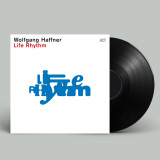
»Ich denke immer wieder aufs Neue darüber nach, wie ich mich als Schlagzeug-spielender Bandleader so positionieren kann, dass das Instrument eine tragende Funktion einnimmt, dies aber auf eine musikalische Weise geschieht und auf keinen Fall als Zurschaustellung von Virtuosität«, sagt Wolfgang Haffner. Diese Haltung zieht sich als roter Faden durch seine gesamte Karriere - und auch durch »Life Rhythm«, sein zehntes Album auf ACT.
Und obwohl Haffners Musik gängigen Vorstellungen virtuoser Schlagzeug-Leader ganz bewusst widerspricht, steht das Instrument diesmal besonders im Fokus. Ausgangspunkt dafür war Wolfgang Haffners allererstes Solokonzert im Jahr 2022 auf Schloss Elmau. Er erinnert sich: »Das war eine Wahnsinns-Herausforderung bei der ich auch vor der Entscheidung stand: Spiele ich jetzt eine Stunde Schlagzeugsolo? Natürlich nicht! Also habe ich habe eine Menge melodisch klingender Perkussionsinstrumente eingebaut, Passagen live geloopt, mit Echos und Delays gearbeitet – im Grunde wie im Studio, nur eben auf der Bühne.« All dies brachte Haffner dazu, sich noch einmal auf ganz intensive Art mit dem Thema mit dem Instrument zu beschäftigen, welches ihn sein Leben lang begleitet. Und so haben alle Stücke auf »Life Rhythm« diesmal ihren Ursprung, nicht wie sonst bei Haffner, am Piano, sondern am Schlagzeug.
Das Ergebnis dieses Prozesses kann man gleich zum Auftakt von »Life Rhythm« auf dem Titeltrack erleben: Das Stück basiert auf einem hypnotischen Groove, bei dem nicht die Becken, wie sonst im Jazz üblich, die Time angeben, sondern vor allem die Trommeln. Das dieser Groove direkt Phil Collins und besonders an dessen Stück »Take Me Home« erinnert, ist kein Zufall: Collins' Art, Drum-Parts zu elementaren Teilen des Songwritings zu machen, ist bis heute eine von Haffners größten Inspirationen. Und auch jedes weitere der elf sehr kompakten, Song-haften Stücke auf »Life Rhythm« öffnet eine eigene Welt des musikalischen Schlagzeugspiels: Mal mal trocken-reduziert mit Besen wie auf »Balance«, poppig bei »Joy of Life«, mit filigranen Becken-Grooves, dezenter Elektronik und Percussion auf »Eternity« oder minimalis-tisch bis kurz vor der Stille in »Silence and Sound«.
Das aus all diesen Stilistiken ein so stimmiges Ganzes ent-steht liegt daran, das Wolfgang Haffner diese im Laufe seiner Karriere bis in die Tiefe durchdrungen hat - an der Seite von stilbildenden Charakteren wie Al Jarreau, Chaka Khan, Pat Metheny, Jan Garbarek, Esbjörn Svensson, Nils Petter Molvaer, Albert Mangelsdorff, Ricardo Villalobos und vielen, vielen mehr. All diese Kollaborationen haben Wolfgang Haffners Voka-bular am Instrument und auch als Komponist geprägt und die da-mit verbundenen, unterschiedlichsten Stile sind gleichermaßen Teil seiner musikalischen Persönlichkeit.
Vielseitigkeit und höchste Musikalität sind auch die Eigen-schaften, die Wolfgang Haffner und seine Mitmusiker auf »Life Rhythm« verbinden. Die Basis bildet ein bestens einges-pieltes Trio zusammen mit Keyboarder Simon Oslender, selbst auch Drummer und Bandleader, und Thomas Stieger, einem der gefragtesten deutschen Bassisten in Pop wie Jazz. Dazu kommen Trompeter Sebastian Studnitzky, Mitstreiter Haffners seit seinem ACT-Debüt »Shapes« und der Finne Arto Mikälä, eine echte Entdeckung in Sachen Klangvielfalt an der Gitarre. Diese Band herausragender Allrounder erweitert Haffner um eine Reihe musikalischer Charaktere, die der Musik ihre ganz eigene Farbe verleihen: Nils Landgren, Freund und Weggefährte seit mehr als 20 Jahren, Saxofon-Ikone Bill Evans, Sting-Gitarrist Dominic Miller, Balkan-Beat-Star Shantel, Bass-Feingeist Nicolas Fiszman, Oud-Virtuose Thomas Konstantinou und Bruno Müller, einer der besten deutschen Jazzgitarristen.
»Life Rhythm«, sagt Wolfgang Haffner, »ist für mich eine Fortsetzung, keine Wiederholung«. Die Musik trägt mit ihrer Wärme, Kraft und Klarheit die charakteristische Handschrift, die Haffner mit seinen Alben und auf tausenden von Konzerten in mehr als 100 Ländern zum wohl populärsten Schlagzeug-spielenden Leader Europas gemacht hat. Und gleichzeitig ist es eine Evolution seiner Musik. Gut möglich, dass Haffners Erfolg genau darin begründet ist, dass seine Musik immer etwas Ver-trautes und etwas Neues beinhaltet und dass Haffner sein Publikum so immer »mitnimmt« im Fluss seiner Ideen - und in einem gemeinsamen »Lebensrhythmus«
With releases on Brooklyn’s Major Records and UK imprints Non Stop Rhythm and Indulgence, DJ Split is a breakthrough producer putting his own stamp on the classic Chicago house sound. For his Shadow Pressings debut he has conjured up five original club cuts that will work their magic on any dance-floor worth it’s salt.
Last Night Baby sets the tone with taught 909 beats, punchy bassline stuttering vocal hits. Piano chords and a smattering of melodic chimes and just the right amount of musicality without taking away any of the raw energy and turbo-charged grunt. Treading a similar path but upping the BPM’s, XNXX goes for the jugular with gnarly FM bassline and frenetic groove.
Flip over for Can I Tell You? which goes a little deeper with a rolling bassline, filtering Detroit pads and strings whilst Step For brings touches of acid, banging 909 toms and vocal chops. Closing out the EP we have One In A Life Time which turns up the jack factor with snappy 808 snares, mechanical bass line and deep stabs. DJ Split is a man on a mission to bang the party and has come prepared with his piñata fully loaded with big, fat beats n basslines.
out of Stock
Last delivered 5 months ago available to reorder, subject to availability
Seit 2020 vereinen Sea Fever Kunstfertigkeit, Handwerk und Bühnenerfahrung der beiden New Order-Mitglieder Tom Chapman und Phil Cunningham mit dem Johnny Marr-Bassisten Iwan Gronow (ex-Haven), Sängerin Beth Cassidy (Section 25) und Schlagzeuger Elliot Barlow (Brix, The Extricated). Ermutigt durch kollektive Widerstandskraft kündigt die Band aus Manchester ihr neues Album "Surface Sound" an, Nachfolger ihres 2021er Debüts "Folding Lines". Der britische Musikblog Louder Than War beschreibt Sea Fever als "eine Band aus Manchester, die eine wunderbare Mischung aus fast westküstenartigen Sixties-Psych-Melodien und -Harmonien mit einem Post-Factory-Electropop-Kern spielt".
Sechzehn Jahre und fünf Alben nach der Gründung der Band aus Pennsylvania legen die Progressive-Death-Metal-Urgesteine Rivers of Nihil mit ihrem 2025 erschienenen, selbstbetitelten Album Rivers of Nihil einen Zahn zu. Traditionell kann ein selbstbetiteltes Album eine Rückbesinnung auf das Wesentliche und/oder einen Neuanfang signalisieren, und in den 10 kraftvollen Songs wird deutlich, dass diese beiden Faktoren im Spiel sind. Gründungsbassist Adam Biggs wurde 2023 zum neuen Leadsänger/Bassisten der Band; im selben Jahr kam der zusätzliche Gitarrist Andy Thomas (Ex-Black Crown Initiate) hinzu, dessen Gesang auch auf Rivers of Nihil eine wichtige Rolle spielt. Die Produzenten Carson Slovak und Grant McFarland von Atrium Audio haben die neue Dynamik in mehr als 50 Minuten Musik eingefangen.Rivers of Nihil tracklisting CD/Digital:1. The Sub-Orbital Blues2. Dustman3. Criminals4. Despair Church5. Water & Time6. House of Light7. Evidence8. American Death9. The Logical End10. Rivers of Nihil Lineup:Adam Biggs Bass Guitar, VocalsAndy Thomas Guitar, VocalsBrody Uttley Guitar, Piano, Keys, ProgrammingJared Klein Drums, Vocals
Sechzehn Jahre und fünf Alben nach der Gründung der Band aus Pennsylvania legen die Progressive-Death-Metal-Urgesteine Rivers of Nihil mit ihrem 2025 erschienenen, selbstbetitelten Album Rivers of Nihil einen Zahn zu. Traditionell kann ein selbstbetiteltes Album eine Rückbesinnung auf das Wesentliche und/oder einen Neuanfang signalisieren, und in den 10 kraftvollen Songs wird deutlich, dass diese beiden Faktoren im Spiel sind. Gründungsbassist Adam Biggs wurde 2023 zum neuen Leadsänger/Bassisten der Band; im selben Jahr kam der zusätzliche Gitarrist Andy Thomas (Ex-Black Crown Initiate) hinzu, dessen Gesang auch auf Rivers of Nihil eine wichtige Rolle spielt. Die Produzenten Carson Slovak und Grant McFarland von Atrium Audio haben die neue Dynamik in mehr als 50 Minuten Musik eingefangen.Rivers of Nihil tracklisting CD/Digital:1. The Sub-Orbital Blues2. Dustman3. Criminals4. Despair Church5. Water & Time6. House of Light7. Evidence8. American Death9. The Logical End10. Rivers of Nihil Lineup:Adam Biggs Bass Guitar, VocalsAndy Thomas Guitar, VocalsBrody Uttley Guitar, Piano, Keys, ProgrammingJared Klein Drums, Vocals
Multi-instrumentalist producer and songwriter Barney Keen makes music for the long drive and nature"s embrace; influenced by a dynamic range of styles including Brazilian MPB, experimental electronic music, folk and soul. Harbinger, his 10-track debut album, is a cinematic journey exploring imagination, revelations of the day-to-day and life itself; landing via London"s Touching Bass.
This authorised vinyl reissue of the ultimate Finnish death metal cult LP comes with the original cover art and all the lyrics. In the late days of the early life of death metal in the early nineties, the death metal "community" had strayed from an appreciation of the majestic possibilities of sound, and were making a mundane product instead. They wanted the most "brutal" sound so the largest crowd could hear it, consider themselves "extreme," and go back to work with a hangover. This made the music escape its tiny audience, but killed off exploration as well. In addition, it was defensive and under-confident, feeling its chops lagged behind the rock, blues and jazz genres. Stagnation struck even as the genre accelerated. Enter the dark horse, Demilich. These inventive Finns reintroduced amazement at the possibilities of music. Where most people look at a forest and see wood for sale, a death metal fan after Demilich sees an intricate organism in itself, with the smallest details corresponding to the broadest concepts. The labyrinthine riffs of Demilich corresponded to a worldview that saw the connection between details as a design, and a design as conferring a purpose to life, cycling between birth and death as it spelled out the cryptic intricacies of ancient mysteries. Demilich was like finding a submerged city, or discovering a new path through the mountains, or even confronting a glowering enemy on the open plain. It brought risk, uncertainty, ambiguity and a sense of sublime beauty back to death metal, pulling it away from the slump in which it treated itself as a hammer and every listener as a nail.
This authorised vinyl reissue of the ultimate Finnish death metal cult LP comes with the original cover art and all the lyrics. In the late days of the early life of death metal in the early nineties, the death metal "community" had strayed from an appreciation of the majestic possibilities of sound, and were making a mundane product instead. They wanted the most "brutal" sound so the largest crowd could hear it, consider themselves "extreme," and go back to work with a hangover. This made the music escape its tiny audience, but killed off exploration as well. In addition, it was defensive and under-confident, feeling its chops lagged behind the rock, blues and jazz genres. Stagnation struck even as the genre accelerated. Enter the dark horse, Demilich. These inventive Finns reintroduced amazement at the possibilities of music. Where most people look at a forest and see wood for sale, a death metal fan after Demilich sees an intricate organism in itself, with the smallest details corresponding to the broadest concepts. The labyrinthine riffs of Demilich corresponded to a worldview that saw the connection between details as a design, and a design as conferring a purpose to life, cycling between birth and death as it spelled out the cryptic intricacies of ancient mysteries. Demilich was like finding a submerged city, or discovering a new path through the mountains, or even confronting a glowering enemy on the open plain. It brought risk, uncertainty, ambiguity and a sense of sublime beauty back to death metal, pulling it away from the slump in which it treated itself as a hammer and every listener as a nail.
Yesterday's Children emerged from the vibrant mid-60s Connecticut music scene, evolving from a garage-based instrumental outfit into one of the era's most compelling proto-heavy rock acts. As they evolved, they embraced the psychedelic and hard rock influences of the late 60s, crafting a heavier, more dynamic style. Under the determined management of brothers Dennis (vocals) & Richard (guitar) Croce's father, Dominic, the band gained regional popularity. Their 1970 self-titled album, recorded in New York with producer Warren Schatz, showcased a mix of ferocious originals like "Hunter's Moon" and "Sad Born Loser" alongside inspired covers. Though the album failed to achieve commercial success at the time, it has since been rediscovered as a cult favorite, celebrated for its raw energy and ahead-of-its-time heaviness. Known for their immersive live shows-complete with custom-built light and sound systems-the band toured the East Coast in vintage hearses, leaving a lasting impression on audiences. Despite their eventual breakup in 1972, Yesterday's Children's legacy endures, with their sole LP standing as a landmark in the transition from garage rock to the heavier sounds of the 70s. A true hidden gem, their music continues to resonate with fans of psychedelic, hard rock, and proto-metal.
Fit for Consequences: Original Recordings, 1984–1987 is the first ever archival release from Repetition Repetition, the “two-man electric minimalist band” consisting of Ruben Garcia and Steve Caton hailing from Los Angeles in the mid 1980’s. Repetition Repetition’s unique blend of cosmic art-rock minimalism / maximalism was self-released across a series of cassettes produced in micro editions, and while garnering the attention and participation of luminaries such as Harold Budd, remained under the radar during the band’s existence. Fit for Consequences: Original Recordings, 1984–1987 collects select material from across the duo’s catalog.
It was over a plate of Mexican breakfast food when Ruben Garcia and Steve Caton first told Harold Budd of Repetition Repetition and the worlds they intended to explore by respective way of synthesizers and guitars --- a rendezvous instigated by the former’s fan mail to the legendary composer. If the upstarts entered this restaurant from a one-way street of admiration, they would leave with not only Budd’s interest but, sometime later, a blessing in the wake of many hours shared by the three in Garcia’s Los Angeles home recording studio: “This is going to be difficult, but God help them, I think they’re great,” noted Budd in a USC lecture in 1985. Now several degrees removed from prior rock music aspirations, the real game was afoot.
Between 1984 and 1988, Repetition Repetition operated within something akin to the underground of the experimental underground, although even that designation perhaps overstates the case. The duo’s sparse output consisted of three cassettes self-released on Garcia’s Third Stone Music label: Repetition Repetition (1985), Lakeland (1987), and The Machinist (1987). Their songs would also be included during this period on Trance Port Tapes’ vital scene-scanning compilations assembled by A Produce. Live performances occurred with similar infrequency, but Garcia and Caton counted converts in quality over quantity, numbering among them the aforementioned Budd, a Chambers Brother, and, judging by a memorably drop-jawed reaction following a rare Repetition Repetition gig, Jackson Browne.
Likewise, critical support materialized in the form of KCRW deejays Brent Wilcox and Dean Suzuki, whose steady airplay positioned Repetition Repetition’s music amidst fearless company like Jon Hassell, Hiroshi Yoshimura, and Richard Horowitz. Yet, to hear fellow Trance Port featured players like Tom Recchion and Bruce Licher of Savage Republic tell it, Garcia and Caton moved as ghosts --- a notion more vexingly endorsed by the silence of record companies that failed to come knocking --- and therein lies an overarching truth to the work itself.
Journey to the heart of Repetition Repetition and one discovers a collective ear impossibly attuned to the hypnotic possibilities of stylistic convergence, the resulting music possessed of seamless multimodalities which beckon to a glimmering plane of the disembodied. Where Caton sought his artistic fixes at an intersection of popular genres, Garcia zoned in on the sonically spare, drawing from the same wellspring as the Enos and Rileys of his personal avant-garde pantheon, and in their coming together the two tapped into a deeper cosmic source. Synthetic walls of keyboard sound in forever states of reprise met waves of shimmering --- and at times even punishing --- guitar in reply, their soundscapes hovering convincingly between, as suggested in fittingly dualistic fashion in a press kit assembled by Garcia, such disparate sensations as bird flight in one song and oil drilling in the next.
But don’t call it a push-pull dynamic, as this was a creative partnership founded upon fluidity and organicism by way of, naturally, repetition. In contrast to, say, the Bressonian ideal of repetitive motion as a great stripping away, the concept in the hands of Garcia and Caton equated to ascendancy via continuous unfolding, a maximal route to minimalism. To be sure, their recording philosophy morphed over the course of the act’s short history, and what started as a process defined by consistent in-person interplay developed into a more isolated method formulated by Garcia, who eventually took to his own one-man bedroom-studio sessions in order to fully chart any and all potential ostinato-loaded paths which he could travel down, the Tascam-captured resonances subsequently provided to Caton as blueprints from which to take flight himself, adding layer upon layer of steel to the proceedings.
If the practice and execution changed, however, the evidence certainly didn’t rest in the results: The seamlessness remained, and, despite the brevity of their time together, so has Repetition Repetition. With this finely calibrated collection of songs in Fit for Consequences: Original Recordings, 1984–1987, Freedom To Spend sees to it that the private worlds of Garcia and Caton can now be visited by all rather than just the count-‘em-on-both-hands lucky few whose musical endeavors or collector vocations carried them into this once-distant dimension.
Repetition Repetition’s Fit for Consequences: Original Recordings, 1984–1987 will be released on Freedom To Spend in vinyl and digital editions on May 30, 2025. The collection includes extensive liner notes from Bill Perrine, and wil be offered alongside Over & Over, a supplemental collection of music available exclusively as a mail order cassette from Freedom To Spend and RVNG Intl.
In an ever-expanding musical universe, Azymuth have long existed as a celestial giant, drawing countless artists, musicians and followers into their orbit. Marking fifty years since their 1975 debut album Azimuth, their new album Marca Passo proves that the band’s alchemic brew of Brazilian jazz-funk and cosmic samba soul remains as vital as ever, as the group honours the profound legacy of their departed founders.
Recorded in Rio de Janeiro, Marca Passo is the first full-length release since the passing of founding drummer Ivan "Mamão" Conti in 2023, following the earlier loss of keyboardist José Roberto Bertrami in 2012. Alex Malheiros, the sole remaining original member, sees his stewardship of the band’s musical legacy as his spiritual duty. He is joined by the equally devoted Kiko Continentino (Milton Nascimento, Djavan) on keyboards, who has been with the group since 2016, and new recruit Renato Massa (Marcos Valle, Ed Motta) on drums.
Yet since their earliest recorded music, Azymuth have always been far greater than the sum of their parts. The "three-man orchestra’s" unmistakable sound is rooted in Brazil's MPB studio scene of the 1970s and early 1980s—a time when artists blended traditional Brazilian rhythms with global jazz, rock, and emerging psychedelic and progressive elements. Marca Passo continues this legacy, seamlessly fusing Brazilian musical traditions with global influences while showcasing the exceptional musicianship that powers Azymuth's distinctive, multi-dimensional sound.
The album is produced by studio mastermind Daniel Maunick, responsible for Azymuth’s two previous studio albums, Fênix in 2016 and Aurora in 2011. Daniel’s credits also include albums by Marcos Valle, Sabrina Malheiros and Terry Callier. Azymuth also invited Daniel’s father, British jazz-funk royalty Jean Paul “Bluey” Maunick, of Incognito, to play guitar on a new version of Azymuth’s eighties classic “Last Summer In Rio”, in tribute to the song’s composer, José Roberto Bertrami. Equally, “Samba Pro Mamao” is a new composition dedicated to Azymuth’s beloved original drummer, Ivan “Mamão” Conti.
Produced, Engineered, Mixed & Arranged by Daniel Maunick
Co-Produced & Arranged by Alex Malheiros
Executive Producer: Joe Davis
Recorded by:
Daniel Maunick & Leonardo Vieira @ Estúdio Nos Trilhos, Santa Teresa, Rio, Brazil
Daniel Maunick & Amadeu Signorelli @ Sigstudio, Niterói, Rio, Brazil
Daniel Maunick & Alex Malheiros @ Estúdio Basslab, Piratininga, Rio, Brazil
Mixed by Daniel Maunick @ The Sugar Shack, Carluke, Scotland
Olsvangèr joins Craigie Knowes with ‘The Core’ EP. 4 sophisticated club tracks spanning the spectrum of the Olsvangèr sound. From bumping house on the title track ‘The Core’ to darker club atmospherics on ‘Goldman’s Propeller’ and outright techno bounce on ‘Lunar Kiss Baby Whale’. The record is rounded out with the blissed-out breaks of ‘Lava Luva’. A truly spectacular and versatile record to cover all points in the night, get some!
out of Stock
Last delivered 5 months ago available to reorder, subject to availability
David Lowery (Cracker, Camper Van Beethoven) to release his new 28-track solo album. "Fathers, Sons and Brothers" is David"s musical autobiography, celebrating his youth, family, friends and the highs and lows of his lengthy 40-year career in the music business. The album combines three of David"s previously online-only released autobiographical solo albums "In The Shadow of the Bull", "Leaving Key Member Clause", and "Vending Machine", and also includes four new previously unreleased songs, as well as four newly re-recorded tracks: He"s been writing songs about people on the fringe for damn near a lifetime. 40+ years of detailing the idiosyncrasies of outcasts, losers, freaks and outliers in society in his two acclaimed, if not totally different, bands - Cracker and Camper Van Beethoven.
Singer James Ambrose Johnson, born on February 1, 1948, in Buffalo, New York, fled to Toronto, Canada, to avoid the draft. There, he started The Mynah Birds, a rhythm & blues band and changed his name to Rick James. In 1966, Neil Young joined the band, but their journey ended when James was exposed as a draft dodger and jailed. After serving his time, Rick James joined several bands, including The Great White Cane, and developed his unique funk style. In 1978, Motown signed him to their Gordy Records, releasing his debut solo album Come And Get It! featuring the hits “You and I” and “Mary Jane.” The album climbed to number 13 on the U.S. charts. Rick released multiple successful albums, such as Bustin’ Out Of L Seven and Fire It Up, with hits like “High On Your Love Suite' and “Bustin’ Out (On Funk).” His 1981 album Street Songs marked his internationally breakthrough, blending funk, rock, and new wave. It produced hits like “Ghetto Life,” the massive “Give It To Me Baby,” and “Super Freak,” earning gold records and Grammy nominations.
His follow-up albums included Throwin’ Down, featuring “Dance Wit’ Me” and "Standing On The Top" with The Temptations, and Cold Blooded, with “Ebony Eyes”a collaboration with Smokey Robinson. Furthermore Rick wrote and produced “Party All The Time” for Eddie Murphy, reaching number 2 on the Billboard charts. Also included on this Collected album are the hits “Glow”, “Loosey’s Rap” featuring the queen of hip hop Roxanne Shanté and his collaboration with Busta Rhymes of “In The Ghetto”
Rick James Collected includes most of his hits and early songs and the 2LP, is available on black vinyl and includes liner notes.
Über die letzten zwei Jahrzehnte hat sich Papa Roach als echter Trendsetter im Heavy-Genre etabliert: Sie wurden für zwei Grammys nominiert, tourten weltweit mit allen von Eminem bis Marilyn Manson und erschufen die Nu-Metal-Hymne »Last Resort«, die siebzehn Jahre nach Erscheinen noch immer auf Heavy Rotation in den Rock-Radios läuft.
Dennoch markiert das neunte Album der Band »Crooked Teeth« die Rückkehr zu ihren ursprünglichen – hungrigen – Wurzeln. Aufgenommen wurde das Album mit den aufstrebenden Produzenten Nicholas »RAS« Furlong und Colin Brittain in einem kleinen Studio in North Hollywood. Furlong und Brittain sind mit der Musik von Papa Roach aufgewachsen und haben die Band dazu inspiriert, sich auf einige der Tugenden zu besinnen, die sie an Papa Roach immer besonders gemocht hatten – allen voran die bemerkenswerte Rap-Technik von Frontmann Jacoby Shaddix.
out of Stock
Last delivered 16 months ago available to reorder, subject to availability
Die malische Ethnie der Dogon sind für ihre Tier-Masken und rituellen Tänze weltweit berüchtigt. Auch ihr unglaubliches astronomisches Wissen - wichtige Feste orientieren sich an der Laufbahn von Sirius B, einem mit bloßem Auge nicht zu erkennenden Planeten - lassen westliche Forscher seit über hundert Jahren rätseln. Aber hat man schon jemals von der Musik dieses Mythen-umrankten Volkes gehört? Petit Goro hat als erster Musiker die traditionellen Dogon-Rhythmen für ein junges, modernes Publikum aufbereitet, ja er ist der erste Popstar der Dogon überhaupt. Wenn er sich auf einer der Freiluftbühnen von Bamako seine Gitarre umhängt, dann wirbeln tausende von Tänzern den Staub auf. Es ist ein Sound, der bisweilen so klingt, als hätte es Junior Kimbrough, R.L. Burnside und die One-Chord-Vamps des Mississippi Hill Country Blues an den Niger verschlagen. Pentatonische Akkorde. Dogon-Chants. Und der Sog seiner Band - die mit Bass, Gitarre und traditioneller Perkussion Richtung Trance reitet. Petit Goro besingt dabei den Kampf um die eigene Kultur und Identität. Der Popstar ist das Aushängeschild einer neuen Bewegung : Die jungen Dogon haben angesichts der Bedrohung, - fast jede Woche wird ein Dogondorf von Dschihadisten attackiert - ihre gefährdeten animistischen Traditionen wiederentdeckt. Überall in Bamako sieht man Jugendliche stolz ihre Dogon-Tracht tragen. Petit Goro aber trägt ihre Botschaft in die Welt hinaus, rockt archaische Traditionen mit einem nie gehörten Dogon-Blues
Salsa Verde is the latest release from artist, Tom Caruana and, the newest instalment of Def Pressé’s series of projects made in partnership with KPM (and associated music libraries).
In 2021 Def Pressé entered into a deal with KPM whereby the deeper KPM and associated libraries can be used, exclusively, by Def Pressé. Sampled, replayed and reimagined, this vast catalogue has provided music for TV and Cinema for decades. Sampled, often illegally, by practically every Hip Hop producer ever, the library is available to select Def Pressé artists to utilise in order to create new pieces of music. This music is then fed back into the KPM/Sony AVI library for use in TV and Cinema, and the Def Pressé artist in question is then a KPM Artist in their own right. Completing the circle and hopefully providing music to inspire the new generation of beat makers/sample-based producers.
With several titles in the series, notable names like Blockhead, Damu the Fudgemunk and Stro Elliot since its inception in 2021, the Def Pressé Editions x KPM series, Crate Diggers continues into the seventh episode.
Producer & multi-instrumentalist Tom Caruana has been producing Hip Hop for over 25 years. Incorporating both samples and instruments in his production has helped him create a signature sound which covers a wide range of moods. He has produced quirkier and more humorous material for the likes of Dr Syntax & Professor Elemental, live production for his band Son Of Sam,
sample heavy material in a range of projects with MCs as well as notoriously remixing Wu-Tang Clan with The Beatles and Jimi Hendrix.
Moon Beams wurde 1962 veröffentlicht und ist das erste Album des Bill Evans Trios mit Chuck Israel am
Bass nach dem Tod von Scott LaFaro. Mit den Titeln „Re: Person I Knew“ und „Very Early“ wird das
Trio aus Evans (Klavier) und Israel (Bass) durch Paul Motion (Schlagzeug) ergänzt. Diese Neuauflage
des Albums erscheint als Teil der Original Jazz Classics Series auf 180-Gramm-Vinyl, das bei RTI gepresst
wurde, mit analogem Mastering von den Originalbändern bei Cohearent Audio und einem Stoughton Tip-On
Jacket
Ende Mai 2025 veröffentlicht das schwedische Powerhouse Caregah sein mit Spannung erwartetes Debütalbum »Osmium«. Nachdem es 2023 von der Band noch in Eigenregie erschien, war die Nachfrage nach diesem Metal-Juwel im Untergrund so massiv angewachsen, dass sich ROAR der Band und dem Album angenommen hat.
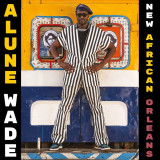
In his sixth and latest album “New African Orleans”, released by ENJA and Yellow Bird, bass guitarist and composer Alune Wade explores the multiple junctions between his native West African rhythms, the Afrobeat and juju rhythms from Lagos and the brass band repertoire immortalized in New Orleans. “I’m exploring a world that goes from my roots to the lost branches on the other side of the Atlantic,” explains the musician from Senegal. He has whittled down around 50 compositions – both original and standards - to a dozen which Alune recorded in Paris, Dakar, Lagos and New Orleans. “The idea first came to me during the Jazz à Gorée festival I organized back in 2014,” he explains. “It had me reflect on the notion of reversing the musical trip most people take from the United States to the African continent. I wanted to set out westward and begin a musical conversation with the best artists, both in Nigeria and the US.”
To achieve this, Wade has invited top artists from both sides of the Atlantic, including the Nigerian talking drummer Olaore Muyiwa Ayandeji, the percussionist Weedie Braimah and the jazz drummer Herlin Riley from New Orleans. The musical inspirations are equally transatlantic, ranging from Dr. John to Manu Dibango and Charlie Parker. But the 45-year-old also pays homage to his father who was a brass band star in his native Senegal back in the Sixties.
BACKGROUND
We only have a partial idea of the birth and remarkable development of the music born of the transatlantic slave trade. From Malinke ballads to Cuban son, from call-and-response patterns to field hollers and hip-hop, Yoruba rhythms to Argentinian tango, from Angolan percussions to the New Orleans brass band sounds… all have roots in Africa and a shackled migration that lasted four centuries. No more so than Congo Square in the Louisiana capital. In 2024, we mark the 300th anniversary of the implementation of the Code Noir which “gave enslaved Africans Sundays off to dance”. A drop in the ocean, but one which shows the importance of culture as a lifebuoy against this barbaric trade. As the Guadeloupian writer Daniel Maximin once claimed: “Our music guided us from the scream to the song, from dragging our chains to dancing.”
Not much is known about De Frank Kakra - let alone his birth name or where he is today. A few liner notes scattered across his records give a glimpse of his career as a backing vocalist and percussionist on the Ghanaian highlife scene of the 1970s, notably with Vis-A-Vis, K. Frimpong's band (Cubano Fiestas). He later formed his own bands, The Professionals and The Diggit Ways, alongside Sammy Copper, recording throughout West Africa. His recordings have now been unearthed, remastered and compiled in a triple LP anthology of his musical works. Although much remains unknown, RastaPastaRecords' goal is to ascertain several discoveries made about his life during the production of this record and to continue the research. "Call Me Frank" is a funky take on 1970s highlife set to a vintage Afro - rock fusion that evokes a time when West African dance floors vibrated with raw energy and relentless groove. "Psychedelic Man" is a full dive into the De Frank Kakra sound. With its hypnotic guitar riffs, cosmic organs and head- nodding drum rhythms, this infectious anthem will plunge you into a state of nostalgic psychedelia.
Vita est Morte est Vita is the band’s debut full-length; recorded, mixed, and mastered by Wayne Adams at Bear Bites Horse Studio, London. The four tracks of the album are a dynamic and richly textured journey through the human psyche – inviting the listener to Discover, Enter, Understand, and Become.
In addition to the cover artwork by the band’s own Stuart Hodgkinson, each track is accompanied by individual artworks by Steve Burns, Justin Fink, Eduardo Canalejo, and Lauren McIvor.
In May 1981 B-Movie and Soft Cell went into Advision Studios in London with the same producer, Mike Thorne (Wire, Bronski Beat, China Crisis, The Communards) to record singles for the label they were both signed to. Phonogram had really wanted to sign B-Movie but had also committed to Soft Cell, having been coerced into it by Stev0, who managed both artists and wouldn’t let them have one without the other. B-Movie commenced recording the dark moody anti-fame anthem ‘Marilyn Dreams’, whilst Soft Cell got underway on a cover of an obscure Northern Soul classic. When both songs were released in July 1981, ‘Tainted Love’ became a worldwide hit and shot Soft Cell to international fame, making them the biggest stars of 1981. B-Movie had formed in 1979, in Mansfield, a typical northern town in the middle of the Nottinghamshire coalfield. Originally a three piece featuring, vocal / bass, guitar and drums, they expanded by adding a keyboard player to broaden their initial post punk sound. Local Lincoln independent record label, Dead Good Records, firstly put them on the compilation LP ‘East’, followed by 7" inch EP and then a mini-album releases, which led to an appearance on the legendary Some Bizarre label (alongside the likes of Blancmange, Depeche Mode, Soft Cell and The The)
Major label interest followed, from which came the deal with Phonogram, B-Movie initially re-recording the track ‘Remembrance Day’, which reached No61 in the UK chart in early 1981 and, more importantly, was played by BBC Radio 1 DJ John Peel, and appearing in his Festive 50 for that year. All of the recordings the band made during their Phonogram period have been consigned to the Universal Music vault for several decades, with the band finally managing to have these returned in 2024. The various tapes have been digitised and restored, resulting in the creation of what would have been their 1982 debut LP ‘that never was’. Ten tracks including the three singles plus seven previously unreleased recordings. The CD version contains a further seven recordings including the 12” versions, single B-sides and the track “Moles’” from the Some Bizarre compilation.So “Hidden Treasures” from B-Movie, is only four decades late but still able to sit seamlessly alongside contemporaries like The Chameleons and The Sound. The LP is a darker, more brooding and psychedelic affair, more akin to the gothic elements of the Bunnymen or Joy Division, than the ‘pop sensations’ Phonogram wanted them to become. By both opening and closing this chapter of B-Movie, it puts them firmly in the same bracket as their new wave and post-punk contemporaries, which is the least they deserve, as one of the great ‘lost’ bands of the early 1980’s. "It’s nice to hear B-Movie are finally getting a chance to release their forgotten gems’” Matt Johnson (The The) Vinyl
This new anniversary edition from London's the Duke Spirit marks 20 years since their adrenaline-charged debut roared onto the UK indie scene. Originally released in 2005, it's now remastered and paired with a second LP of B-sides, demos and rarities, pressed on heavyweight yellow and red splatter vinyl. It's a suitably bold presentation for a record that remains as full-throttle and emotionally raw as ever. Built around the magnetic presence of vocalist Liela Moss and the jangling, distorted interplay between guitarists Luke Ford and Dan Higgins, this is a sound forged in post-punk grit and heavy rock swagger. Tracks like 'Lion Rip' and 'Love Is An Unfamiliar Name' still land with venom, but it's the depth and tension of songs like 'Fades The Sun' and 'Hello To The Floor' that show their full range. The bonus material only adds to the mythology i 'Boot Hill (demo)' and 'Scratching Around (demo)' offer glimpses of the band's early energy in the raw, while 'Souvenir' and 'Now Be Still' stand strong on their own. It's a beautiful document of a band at full force, and a reminder that sometimes the most exciting sounds are the ones that never tried to fit the moment.
Wilson Tanner come to shore with a new album of floating melodies, lightly salted. Throwing electroacoustic conventions overboard, Andrew Wilson (Andras) and John Tanner (Eleventeen Eston) recorded this new work aboard a 1950s riverboat with a resourceful array of weatherproof electronic instruments and a long extension lead. These eight compositions pull in a by-catch of maritime folklore; of Siren and Selkie, Seagull and engine oil slick. A change of course from their debut album 69 (Growing Bin Records, 2016), the ambient temperature drops as II casts out to sea in uncertain weather and returns to the safe harbours of Port Phillip Bay.
The seafarers head out to My Gull's poised optimism. The birds watch but do they listen? By the arrival of Loch and Key, the shoreline has dissolved completely, the boat floating in serene infinity as the rest of the world spins. Conditions soon take a treacherous turn on Killcord Pts I-III - a 12 minute odyssey that battens down the hatches as these sailors eye merciless waves and blinding ocean spray, jointly channelling Berlin-school electronics and sea legs. In the aftermath, the waterlogged bleeps of Idle survey the damage as our parched crew sound the distress signal and ultimately descend into delirium.
Known for navigating individual courses as solo musicians, Wilson and Tanner's collective storytelling is saturated in detail, buoying between tension and harmony. II modestly stands as some of both artists' most accomplished material.
out of Stock
Last delivered 5 months ago available to reorder, subject to availability
Un auténtico monstruo si hablamos de discos privados USA de hard–rock 70s. Bolder Damn provenían de Florida y editaron esta barbaridad en 1971. Potente y crudo sonido con devastadora guitarra ultra–distorsionada, apabullante sección rítmica y poderosa voz. En la onda de Sabbath, Blue Cheer, MC5, Pentagram, Sainte Anthony’s Fyre...Descubierto por el legendario sello Rockadelic en los 90, "Mourning" se ha convertido en estos últimos años en un disco de culto para amantes del hard–rock oscuro y proto–doom.
Después de años descatalogado, presentamos la reedición definitiva: arte original, sonido remasterizado e insert de 4 páginas con notas y entrevista a uno de los músicos.