"Yoofee flexes his producer and piano muscles on this 4 track EP. Heavy influenced by artists like Kaidi Tatham and the 70's fusion jazz sound this EP will surely blow dancers away and is gonna be stacked in many DJ bags for sure!
Cop this EP if you are into broken beat / nu jazz and all things funky!"
out of Stock
Last delivered 4 years ago available to reorder, subject to availability
Das gute Stück ist nun endlich 'durchsichtig' auf Vinyl erhältlich! Auf die Frage, ob Album Nummer fünf das persönlichste der Bandgeschichte ist und der Schreibprozess diesmal besonders intensiv und erleuchtend war, ob man vielleicht gar von einer Weiterentwicklung und/oder Neuerfindung von Montreal sprechen kann, orakelt Schlagzeuger und Medienprofi Max Power sich ein nebulöses "möglich" aus dem Bart. Gut gebrüllt!
Amsterdam based Kid Sublime returns in 2020 with his new record: “The Umami EP” on his own Ballroom Radio Records .
Independent release pressed on 180 gram vinyl
A1 The Tool
The opener track of the EP “The Tool” has The MPC running steady with chopped up disco breaks and lush Detroit keys + Soulful vocal samples added on top to hype up the dancefloor.
A2 The London Bug
Inspired by his trip to London last year and a visit to the Bugz In The Attic studio, Kid steps up his game with a Broken Beat banger. A chopped up Jazz Funk breakbeat with a heavy Moog bassline lick and some keyboard action. This Bruk tune will definitely get the dancefloor moving.
B1 Left-Right-Dub
Soulful House action! Originaly released on his LP The Padded Room as “Heroes“ with vocals from Atlanta’s The Dangerfeel Newbies, Kid remixes this tune in a
stripped down Dub version. Smooth and Deep dancefloor vibes.
B2 The Force
A stripped down minimal Future Funk groove with a Seinfield-esque slap bassline and a spaced out sample. The MPC runs steady here for the deejays and the dancers!
out of Stock
Last delivered 6 years ago available to reorder, subject to availability
The Space Lady began her odyssey on the streets of San Francisco in the late 70s, playing versions of contemporary pop music an accordion and dressed flamboyantly, transmitting messages of peace and harmony.
Following the theft of her accordion, The Space Lady invested in a then-new Casio keyboard, birthing an otherworldly new dimension to popular song that has captured the imaginations of the underground and its lead exponents ever since, with the likes of John Maus, Erol Alkan and Kutmah being devotees.
Of her early street sets, only one recording was made, self-released originally on cassette and then transferred to a home-made CD. "The Space Lady's Greatest Hits"(LSSN021) features the best of these recordings - mostly covers but with some originals - pressed on vinyl for the first time and features archival photographs and liner notes from The Space Lady herself. 'Greatest Hits' contains The Space Lady's personal favourites; her haunting take on The Electric Prunes' 'I Had Too Much To Dream (Last Night),' a frantic 'Ballroom Blitz' amidst other reconstructed pop music. Included are also 4 originals that easily match for the Pop canon. Following the release of this archive, The Space Lady will be issuing new material and travelling the world to present her message outside the United States for the first time.
In the mid 90s The Space Lady packed away her Casio synth and silenced her distinctive voice, retiring from the streets of San Francisco. Now, more than 30 years after her initial forays on Haight Ashbury, she has surfaced with the first ever official release of her timeless, startling music and, even more remarkably, has re-started her live career. Now in Colorado, The Space Lady continues to spread her message of peace, harmony and love.
VINYL LP: Edition of 500, black Vinyl. Gatfold Poster and printed insert with Download Card.
With MEL011, it is Melodies International's immense pleasure to direct their focus towards both Soul and House royalty, selecting and reissuing two of Frankie Knuckles' scarcer remixes of an all-time classic: Womack & Womack - MPB (Missin' Persons Bureau). Now known as Zekkariyas and Zeriiya, partners Cecil and Linda Womack, two eminent members in an extensive lineage of music artistry (i.e. Bobby Womack was Zekkariyas' brother, Zeriiya is Sam Cooke's daughter) engaged in one of music history's most successful and exciting singing and song writing partnerships in the early 1980s. Zeriiya says her process with Zekkariyas flowed like water, their shared complicity and talent led them to write and produce strings of chart topping hits and classic albums as Womack & Womack but also for other renowned artists of the time such as Patti Labelle, Teddy Pendergrass and the O'Jays to only name a few. The original version of Missin' Persons Bureau was first released in 1988 on 'Conscience' (Island Records), a classic album with impeccable instrumentation and thoughtful and relatable narratives that reflect on the nature of life, true friendship, love or in the case of MPB, it's subsequent loss. Following the release of the LP, Island records founder Chris Blackwell introduced the idea of getting Missin' Persons Bureau reworked by House legend Frankie Knuckles and whilst the Womacks weren't originally set on the idea of having their songs remixed by other artists, Blackwell, who Zeriiya describes as a 'record label manager seriously involved in making sure the project is what the creators really want it to be", had earned their trust. With these remixes, Frankie managed to turn a radio hit into underground club classics. The Paradise Ballroom mix conserves the essence of the original, reinterpreting the rhythm section whilst drawing it out over 8 minutes, with expert tension building and release clearly aimed at the dance floor.
Mit weltweit über 3Mio. verkauften Einheiten & 10 Studioalben hat die schwedische Modern Metal Band In Flames ihr Genre nicht nur neu definiert, sondern sich auch weit über dessen Grenzen hinaus etabliert. Nach der Gründung durch Jesper Strömblad 1990 gelang ihnen mit ihrer 2. LP "The Jester Race" der Durchbruch und gleichzeitig ein gefeierter Genre-Klassiker.
Nach ihrem mit Gold ausgezeichneten letzten Studioalbum "Sounds of a Playground" kündigt die Band jetzt ihr neues Album "Siren Charms" an. Dieses dokumentiert ganz genau, wo In Flames 2014 stehen.
Die LP wurde in den legendären Berliner Hansa Studios eingespielt und bietet neben der ersten Auskopplung "Rusted Nail" 10 weitere Tracks, die sowohl alteingesessene Fans begeistern werden ("In Plain View") als auch Crossover-Potential haben ("Through Oblivion").
"Siren Charms" sichert In Flames die Stellung als Metal-Band, die niemals still steht, und es ist zweifellos eine Band, die immer wieder Risiken eingeht, Grenzen überschreitet und sich selbst ebenso herausfordert wie ihre Zuhörer. Dass die Hindernisse die Band nicht umgebracht haben, ist offensichtlich - aber die Frage ist, ob In Flames jemals so stark gewesen sind
A glorious night of no particular significance, Totally, the new album by Baba Stiltz. Recorded in Helsinki in studio with a drummer and overdubs committed in 5 days. Ballroom- sink songs of loss, grief, long drives on the I-5, centralized acquisitions, and corrective conditioning towards the prolonged effects of computerized lifestyles.
Every song looks you straight in the eyes, crooked and veering towards a light fixture off the side of the mirror. Ambivalence and assertions track us, down some gauzy networked afternoon. Relatively, perfectly, three dimensional. Proportions as they appear to us from outer intuition. Sometimes meaning is evoked through pure nothingness. Concealed and nothing known. We have no need for any paradise informed by anything beyond what is directly in front of us.
Stone repetition thwarts the possibility of control and surrenders itself to understanding. Who are we, and what are we trying to understand? To understand being universally greater than being understood. There are soap operas everywhere for those with eyes to see. You don’t have to look as hard as we currently look. The dramatic is everywhere, we breathe it unintentionally, then we come to hate it. Haptic, embodied facts of a tedious life lodged in the jowls of history. Everything under the
sky being the best bedlam has to offer. Your family, your relationships, your memory. As you eat a burger you are reminded of every sharp protrusion and corner under the florescent lights, the same lights you see when you’re born, and although unconfirmed, when you die.
Some of these songs were written years ago, some recently. The bookshelf and television set come into full view. Women/men come and go. Stars and poseurs collapse under their alienated contradictions, the search for truth yields to continued gradients of probability (collapse). Spatial order maintains itself through perceptional feeling. Silence, singing along to Roger Miller, people entering and leaving, figures hovering over you in your dreams and waking hours. Cool and fun, Totally
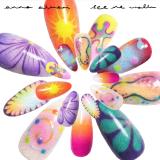
Anna Almani might be your new favourite producer. IFYKYK.. If you don't, then let's get to know..
Anna Almani is a Berlin based “Drag-DJ & Fun-House-Queen”. She is “Big Sister” at ‘Love Letter’ an imprint “for flinta & queer sonic goodness” and she is the alter ego of deep house producer and Poker Flat & Watergate artist ‘Iorie’.
Anna says “This EP is part of my queer expression. It’s all about the attitude to resist, it’s about being yourself unapologetically. It’s a big hug to the queer community and a love letter to resistance on the dancefloor. Be radical, have an attitude and lose yourself.”
When we picked the tracks for this EP we were completely spoiled for choice. There’s so much personality in Anna’s music that every track list made sense. And that’s because there’s a common thread that runs through all of Anna’s music - Balance. Ying & Yang. Dark & Bright, Passive & Assertive, Masculine & Feminine, Fun & Depth all in kept in amazing dynamic balance.
This is Share Now & Save for Later… Gratification immediate and delayed. .. . four tracks to take you through from open to close. From Berlin to NYC and round again
‘See Me Walk’ is gonna be the track that grabs the attention and connects with dancers everywhere. Fast, fun and full of attitude it’s a 909 workout with the energy and syncopation of Ballroom Vogue aaaaand a fabulous diva vocal to match. ’Tender T’ counters the audaciousness with some tenderness. Energetic yet embracing, this introspective proggy, dubby afterhours roller is a proper trip! Full of colour but hazy af.
On the flip ‘Gimme Some’ ramps up the tempo. Fast, urgent and cyclic grooving techno - with a strut - that’s both dubbed out and in your face. ‘Anladın mı’ is a collaboration between Anna and German/Turkish producer Zettka. Low slung house that both jacks and grooves. Rolling basses balanced with playful chords. “Anladın mı” it translates as “Do you understand? or “Got it?”. By now I think we do understand.. That certain je ne sais quoi… Anna Almani has definitely got it.
Perry Louis is a pivotal figure in the UK jazz dance movement. As a dancer and choreographer, producer, DJ, broadcaster, and founder of the internationally respected jazz dance collective JazzCotech Dancers, he is perfectly placed to curate this collection.
Perry has been at the heart of the scene since the early 1980s, from JAFFAS, the Electric Ballroom, Dingwalls, Acid Jazz, Hi Hat, and Messin’ Around, taking its energy and sound as far as Japan, the USA, St. Lucia, India, Canada, and across Europe.
This compilation celebrates 25 years of Shiftless Shuffle, with Perry as its ambassador and driving force. Over the years, he has collaborated with top DJs including Paul Murphy, Gilles Peterson, Snowboy, Colin Curtis, and Shuya Okino, helping shape the UK jazz dance sound into a global phenomenon.
The album blends deep jazz, fusion, Latin, and groove-driven tracks, reflecting both the scene’s rich heritage and its forward momentum.
From the brand-new exclusive track by Kyoto Jazz Massive, Get It Together (Samba Fusion Mix), to Bunny Brunel’s Fickle Funk appearing on vinyl for the very first time, and the hard-hitting Caribbean Fire Dance by Tom Grant, this compilation tells the story of a movement—an underground culture born on UK dancefloors that has now captured a worldwide audience.
Gorizont Sobytiy (Event Horizon), the duo of veteran electronic musician Nocow and his wife, DJ Designer, mark the project's debut with an album worth of material of 'frogg-step' / Pankratov Step. It's safe to say this is an intriguing proposition for even those well-initiated into the world of the contemporary Russian underground. What is perhaps most immediately obvious across the 11 tracks is a clear appreciation for golden-era Rephlex records, as if the duo are reflecting on how the iconic label was perceived in the Eastern bloc at the time. There's a nostalgic touch tugging at the heart strings with the warm ambient tones of 'Bananoivy Twist' or even the ballroom-esque organ melodies of follow up 'Chacha', both swiftly followed by a switch back into frantic gabber style kicks that recur across the album.
To give a little more away in terms of a background story, Nocow and DJ Designer draw influence from a film called Winter Evening in Gagra, a somewhat distant feeling artefact of late-Soviet cinema about a tap dancing champion's late nights spent gallivanting across the glitz of Moscow's pop music scene in the 1980s. Maximalist in its sound design, Pankratov Step draws its name from actor-protagonist Pankratov, not quite an out-of-time soundtrack as such but at the least a wry nod to the former world in which the film takes place. The cascading, brittle synthesis of 'Cemetry's Boss' forms an icy cinematic fusion again with a gabber influence at play whilst a fierce acid line works alongside myriad glitch rhythms and repeating keys on 'Octopus Werk'. Influenced by the local humour and sentimentality surrounding the film, a melodrama with themes of lost art and a kind of old-world transcendence the young circus performer yearns for, the duo use it as a vessel to describe the projects sound - a coalescing of vintage Soviet soundtracks, early IDM, Jake Slazenger and Expert Knob Twiddlers album. 'Pankratov-Step' becoming their own fictional genre. The LP marks another avant-garde chapter in Nocow's long back catalogue, as well as a fully formed collaborative debut for the currently enigmatic DJ Designer. Pankratov Step is the second release on GOST ZVUK sub-label MEMONT, curated by Kuzma Palkin.
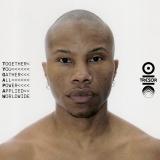
May 2026 marks the arrival of TYGAPAW (aka Dion McKenzie)’s first full-length album on Tresor Records, entitled Together You Gather All Power Applied Worldwide. An acronym of its creator’s name, TYGAPAW’s third studio album is a deeply personal collection of music building worlds where Black queer and trans siblings can thrive, while unifying dancefloors worldwide. A proposition that collective wisdom liberates us from the matrix of domination we live within. The album unfolds as the latest chapter in TYGAPAW’s ongoing techno opera opus, continuing to center the voices of Black women, which surface as layered incantations rather than lyrics - powerful, haunting, sensual, activating.
With the process of creating the album starting in 2023, as TYGAPAW (Dion McKenzie) was in the first year of their transition, the music reflects the intensity of that period, where they were experiencing deplatforming as a response to the shift in their physical appearance: Tracks like ‘M32 Riddim’ and ‘Helicopter hovers over my Crown Heights Apartment’ feature high-paced rhythms intersecting with intense siren-like synths to form demanding compositions echoing a heightened sense of alert. Yet throughout the album, relief comes in the form of TYGAPAW’s vocal features, co-conspirators, and chosen family, whose voices are treated with reverb and echo, a sonic fingerprint that leads back to the pioneers in the legendary studios of TYGAPAW’s native land, Jamaica, an important reminder that the past will always inform the future. It is an album for dancers first and foremost, where joy, defiance, and integration with the natural body coexist, and every drop feels less like a climax than a transformation. Expect a bass that permeates your soul and melodic synthesized sequenced phrases echoing the dancehall eras of TYGAPAW’s youth, reshaped into hypnotic melodies that glow over industrial kicks designed to command attention, reasserting Jamaica's pioneering yet often overlooked contribution to electronic music.
In the opening track, ‘Can I Live’, Precious Okoyomon’s words feel like the beginning of a ritual; setting the intentions for the rest of the proceedings. As McKenzie puts it, their “work is about regeneration, resetting, getting integrated into nature, and about rebirth. That’s the tone I wanted to set at the outset of the album.” Ms Carrie Stacks continues this thread of support in ‘Don’t Panic’ with heavily processed vocals on top of a beat that takes inspiration from another important ingredient in the antidote to the oppression of isolation: Ballroom culture. “ I feel like I found my queerness in Ballroom, that’s why this track is very important to me.”
Echoes of NYC Black queer nightlife scene also permeate in the energetic drums of ‘Exorcise the Language of Domination’, in which Julianna Huxtable’s spoken performance complements the various movements and tones of the music. “My producer brain thought this was the one that Juliana’s vocals would be best suited for. I hinted: ‘what do you think of this one?’ She just went into her notes and picked some passages to go with the first section of the track. From there, it was a year-long process of development. It required time and space for this thing to evolve, but I think it’s one of the most powerful tracks on the album.” London’s SUUTOO contributes the album’s only musical collaboration on ‘B2B’, a track that emerged from sessions in McKenzie’s New York studio where the real objective was to connect and have fun; a time out from the demands of life outside.
The album closes out with a double hit of emotion in the form of ‘Effects of Resistance and Black Trans Masculine Experience’. The former features South African scholar Khanyisile Mbongwa drawing connections that exist between Africa and the Black diaspora, whilst looking to the future and calling for a shared sense of community.
The latter piece, an instrumental version of the piece which featured on the IMMIGRANT E.P. of 2025 is a gentle and deeply affecting end to the record, a place of peace and acceptance. This end-of-cycle tone is mirrored in the sleeve photography, which also ties back to IMMIGRANT by finally revealing what was hidden: a portrait of the artist fully self-actualized; a step towards true inner liberation. TYGAPAW is sonically defiant across this album; bass frequencies feel tactile — less heard than inhabited — infectious lead synth melodies remain with you long after the track ends. An overall sound that leaves asserting an urgent need for connection. From Detroit to New York to Berlin to Jamaica, despite geographic distance, this album reminds us that we remain in solidarity, recognising that meaningful world-building requires collective input and action, both personal and communal, if we are to move toward liberation.
Positions of Power is the debut EP of Berlin-based DJ and producer Souci. This love letter to Detroit pays homage to the foundations of house and techno, and features several of the Motor City's rising stars. Blending hi-tech production and dusty drum machine loops, Souci and her remix artists deliver six driving floorfillers for basements and ballrooms that continue the musical lineage connecting Berlin and Detroit.
BQD050–Arno: "We Perfectly Understand Each Other Until We Start To Talk – The Remixes"
To mark the 50th release on Brouqade, we reach back into the catalog and release as a set of remixes Arno's album “We Perfectly Understand Each Other Until We Start To Talk” a work that touches on the finer problems inherent to human communication.For this unique Album, released in 2019, three distinctive reworkings offer new breath to the original tracks: Baby Ford conducts a lean and hypnotic revision played in minimal fashion, Kuyateh widens out textures with deep organic rhythms and Dana Ruh puts her distinctive groove-orientated stamp on the material.
The bonus on the release is from Arno — a meditative composition that acts as middle ground in terms of his musical language.
In operation midway between introspection and movement, BQD050 depicts the very spirit of Brouqade: depth, warmth, a timeless dancefloor poetry.
Brown Angel descends upon Dark Entries with Pure Brown Energy, an EP featuring 6 tracks of gloom-laced electro-funk and retro house. Pure Brown Energy was born when San Francisco-based producer and Hard French collective member Brown Angel was faced with a gift and a loss: an original Roland TR-808 was given to them around the same time that their father passed away. To process their grief, they set about making an album that showcased the many facets of their being, in their words: “my gay tío side, my Latin goth side, my cruising down the boulevard side, and most of all my soft vulnerable side.” From slamming vogue/ballroom house to cumbia-inflected freestyle, Pure Brown Energy channels club sounds both contemporary and timeless, while centering the most eternal electronic instrument of all: the TR-808. Opener “Miel” grooves with the effortlessness of peak-era Masters at Work or vintage Kevin Saunderson, while “Dame Más” dials up the energy even further. The influences of Miami bass and West Coast electro shine through on “Maya” and “Love Me Right,” which pair razor-sharp beats with a flurry of samples culled from Brown Angel’s record collection. “PBE” and “En Movimiento” take the Planet Rock vibes to another level, combining influences from contemporary cumbia and reggaeton sounds with Brown Angel’s Latin goth flair. Each copy comes in a sleeve designed by Ricardo Diseño featuring illustrations inspired by Teen Angels, a popular 1980’s Chicano magazine. Pure Brown Energy brings a sense of urgency to the dancefloor, unreluctantly examining the crossover between creation and loss, between celebration and sorrow. But don’t forget: these cuts also slap.
An exclusive collaboration lands on Drumcode, with Bart Skils linking up with rising German artist A.D.H.S for the divine ‘Can’t Hear You’. Fresh off the excellent ‘Torn Clouds’ single with Weska on Drumcode, Bart Skils is on-point as ever with his production output. The Dutchman has enjoyed a strong summer highlighted by Awakenings and a sunrise set at the iconic Fusion Festival. Meanwhile A.D.H.S is no stranger to Drumcode, having shared slick contributions to past A-Sides compilations including ‘Razor’ and ‘2Step’. He’s otherwise dropped strong releases on Exhale, Spannung and Electric Ballroom. “Can’t Hear You” was born during a Sri Lanka holiday after A.D.H.S injured his back and spent time sketching ideas on his phone. “I started playing around with samples on my phone and found this beautiful vocal and just started sketching some ideas. No pressure, just emotions,” A.D.H.S explains. “Back at the little jungle studio I had set up, I kept working on it – really taking the time to find the right chords to match what I was feeling at that moment. It’s a bit of an unusual track, and I had no intention of ever releasing it. It was just for this moment,” he shares. A.D.H.S begun testing an early version at open airs and festival, later uploading a teaser clip onto Instagram. When Skils heard the track’s unique vocal line, he was hooked. “It was a no-brainer for me to decide to work on the track with Bart, I’d been a big fan of his for years. He brought in his ideas, worked on the mix and arrangement, and together we shaped it into a version that we both absolutely love.
It’s one of those rare tracks that just capture a moment.” Indeed ‘Can’t Hear You’ is an emotional behemoth; one of those rare tracks that sounds genuinely unique and is simultaneously a banger and tear-jerker in one. “When I first heard the clip Michael (A.D.H.S.) shared of ‘Can’t Hear You,’ I was hooked by the infectious vocal. We decided to craft a full collab blending both our signature sounds, and the result is a rolling party weapon that’s become my go-to closing track,” shares Bart Skills.
Today, we are excited to present two very special remixes by none other than Berlin resident and internationally acclaimed artist and DJ Marcel Dettmann for two original tracks of Gregor Tresher´s recent album „False Gods“, that was released on PIAS last year and that featured an incredible array of collaborating artists like Laurent Garnier, Sven Väth, Josh Wink, Black Asteroid or Anja Schneider amongst others. Gregor initially approached Marcel about a remix for the title track, and eventually not only did he deliver a sensational, dark and moody interpretation of that, he also handed in a remix for a second track: „Ursa Minor“. And boy, did he create a stunning remix for this one as well.
While the original track by Gregor and his longtime collaborator and good friend Petar Dundov dances in the sweet spot between house and techno, the ballrooms of New York and the suburbs of Detroit, Marcel Dettmann´s Remix takes it to the dark Berlin warehouse floors by adding an irresistible hypnotic edge to it. We couldn´t be happier to release these two fantastic interpretations, that feel like the cherry on top of Gregor´s most extensive and exciting album project to date.
Good friends and Record Mission co-captains, Dan Tyler (one half of the Idjut Boys) and Nick The Record, take the reins for the third volume of the Mr Bongo Edits 12" series. With previous editions coming courtesy of Danny Krivit and Luke Una, Dan and Nick set their sights on a hand-picked selection of iconic ‘70s Cuban recordings for this three-track cosmic whirlwind. Across the A side, Dan picks out two Juan Pablo Torres tracks, with Nick taking on Grupo Los Yoyi on the B. Tweaking, extending and reworking the recordings with a dose of extra magic they remould the tracks to fit the sounds and structure of today’s dancefloors.
Having formed the Idjut Boys in the early ‘90s, Dan and Conrad McDonnell have crafted a dubbed-out, disco-tinged style that permeates their countless productions, remixes and DJ sets. Speaking of the two tracks Dan has chosen to rework for this EP he mentions, “Having been caught under an avalanche of good music from Mr Bongo, I took it upon myself to extend and add effects to a couple of the fantastic tracks from the Juan Pablo Torres LPs they recently re-issued. Just for disco jockey and barn dance use.”
First, Dan looks to Cuban maestro Juan Pablo Torres’ 1978 album 'Algo Nuevo', taking one of the standout tracks ‘Cacao’ and giving it more space to breathe. Teasing out the scatting vocal line and percussive climax that nods to George Kranz's ’83 electronic disco anthem 'Din Daa Daa', whilst adding more cosmic tripped-out synths and space echoed dubs, Dan builds the tension to fine effect. This track sounds immense on a big club system and the swirling synths felt like they were lifting the ceiling off when we played it at the amazing La Paloma ballroom in Barcelona.
Dan then turns his attention to Torres’ 1977 'Super Son' album, giving the psych-Latin-funk track 'Pastel En Descarga' a dub makeover. Rich in delay and drama, whilst maintaining and extending the breakers funk intro, he juices it up into a punchy, no-nonsense, cosmic-funk delight.
On the B side, Tangent co-founder, long-standing Life Force resident and seasoned rework master, Nick The Record, revisits an edit that he originally constructed in 2009. Clocking in at over double the length of the original cut, Nick’s edit of Grupo Los Yoyi’s 1977 cut 'Paco La Calle', is made with dancers firmly in mind. This secret weapon builds and simmers, with the drums and percussion pushing and pulling before the psychedelic synth lines return in a sweltering fashion. In this new 2025 version, Dan is drafted in to work some brilliant new synth lines into the mix.
After a ferocious start to 2020, which saw the band land a top 15 album chart position with their debut Mixtape EP, a #1 spot on the UK vinyl chart, #1 in the Scottish album charts, an appearance and sync in a UK-wide multimillion pound Strongbow ad campaign, FIFA21 soundtrack sync and over 30 million streams, The Snuts have announced their raucous, hook laden debut album, W.L. – out 2nd April on Parlophone Records.
The campaign has gone from strength to strength with the band amassing over 100,000 social followers and daytime support from Radio 1 as well as creating an incredible heartfelt video for single Somebody Loves You in partnership with The Scottish Refugee Council with the video’s production budget and all proceeds from downloads of the track going to the charity.
Adored up and down the country for their uninhibited, sweat-drenched live shows, the band have also announced a UK tour for the end of 2021 – totalling over 30,000 tickets including 3 sold out nights at the legendary Barrowland Ballroom in Glasgow with tickets selling out for that and multiple other dates on the tour in minutes.
Hailing from Whitburn, West Lothian, The Snuts have well and truly found their stride on W.L.. Produced by Tony Hoffer (Beck, Phoenix, M83) and recorded at the Firepit London, the album encapsulates the band’s journey from four working class kids growing up with a dream in Whitburn, to becoming one of the UK’s most exciting and vital bands of the new decade. The album opens with the poignant ‘Top Deck’, winding through a voyage of genres including the raw, rousing, hip-hop driven ‘Elephants, heart-wrenchingly honest ‘Boardwalk’, the undeniable pop banger ‘Somebody Loves You’, the hauntingly heartfelt anthem ‘Always’ and the main stage festival ready hymn, ‘All Your Friends’.
Nonna Fab is a core part of Sheffield’s progressive music scene, founding Apricot Ballroom, Footprints Jazz Club, Jazz On The Park Festival, and his band Fuji Speedway. He’s also part of the consortium behind Grub Records, a new record shop and wine bar opening this summer. As well as regularly playing as part of his duo with Apricot Ballroom, Nonna Fab’s back catalogue of releases explores house, boogie, jazz and broken beat. This release shows an organic curation of instruments, touching on live elements, jazz improvisation and dance-floor orientated rhythms. We Still Out Here began a few years ago as a nod to the iconic New York City sound of Dinosaur L and Francois K, and to serve as a message that there are still producers out here working on and inspired by that sound. This release also features remixes by Admin and Comb. Bristol-based collector and beatsmith Admin is known for his sampling finesse, self-releasing some killer 7s, edits on his Community Disc-O's label, and music on others including Boogie Café Records, Take Away, Better Listen, and Future Boogie. The second remix comes from Norwich-based artist and I Travel to You label manager Comb, one half of the duo Dangerous Goods and the producer behind the popular Comb Edits series.
Reunion's major musical genre, Maloya, becomes "gazé" (crazy) through the sounds composed by Grèn Sémé for this new EP.
A gassed maloya that combines direct inspiration from the purest line of this traditional réunionese music with the highly contemporary evolution that is the Grèn Sémé group's signature.
Composed during the studio sessions for their latest album, "Zamroza", the first three tracks on this new EP reveal the sunny side of the Creole band.
You can taste their love of lyrics and their thirst for discovery. And the right mix of compositions. Inspired by the tradition of the greatest song/percussion pieces in the island's history, Grèn Sémé offers three anthems that lend themselves perfectly to the remix exercise.
Deluxe bonus: the 3 Remixes of Voilaaa + La Dame + Guiss Guiss Bou bess
Voilaaa and the fabulous Bruno Patchworks take on "Siko" to create a Cape Verdean ballroom hit.
funana with its heady melodies, it's ultra danceable!
La Dame, producer and DJ from Belgium, remixes the eponymous track into an effective batida for the dancefloor, DJs and dancers alike.
Guiss Guiss Bou Bess take remixing a step further, adding Senegalese sabars and the vocals of group leader Mara Seck to Carlo de Sacco's Alkol.
Sa Pa presents Rhythm From Ambient, the second release on Dub Techno For Life, delivering four experimentally tipped house and dub techno tracks.
Leading with ten minutes of undulating, swamp-soaked grooves, heavy dub weight and scattered, gravel-like percussion, “Rhythm From Ambient” shares the A-side with its companion “Rhythm” - bringing a rougher, rawer energy that revives an industrial techno cut originally intended for Sa Pa’s MDR EP (2015).
On the B-side, “Last Dance” is an extended deep house-styled ‘Ballroom Dub’ that’s a warmly haunting mixture of atmosphere, groove and slow-burning euphoria. Closing the EP is “Bo Riddim”, a slower experimental number with deep sub-bass, heavy drums and laced-out percussion underpinning experimental textures and melodic fragments.
Following up the Girls On Tour EP (DTL001), Sa Pa delivers another four cuts for Dub Techno For Life, the artist’s newly launched label, continues its push into deep house and dub techno territory with a self-styled experimental streak.
out of Stock
Last delivered 8 days ago available to reorder, subject to availability
Das Album führt seine genreübergreifende Mischung aus Indie, Punk, Rap und Alternative in gewagte neue Gefilde. Es beschäftigt sich mit Identität, Verbundenheit, Selbstwertgefühl und Zugehörigkeit und ist sein bisher ambitioniertestes und persönlichstes Statement, vorgetragen mit der emotionalen Ehrlichkeit, der rastlosen Energie und der ansteckenden Lebensfreude, die ihn zu einer der originellsten Stimmen der britischen Musikszene gemacht haben. Als Gewinner des Ivor Novello Rising Star Award wurde sein von der Kritik gefeiertes Debüt von BBC Radio 1 (2x B-List, 2x Hottest Record, 3x Record of the Week) und Zane Lowe unterstützt. Starke digitale Präsenz (20 Millionen Streams in den letzten 12 Monaten, 550.000 monatliche Spotify-Hörer) und anhaltendes Wachstum in den sozialen Medien (Instagram, TikTok +20.000). Support-Tourneen mit Franz Ferdinand, The Streets, 5SOS und Bastille sowie ausverkaufte Konzerte in der Scala und im Electric Ballroom. Präsenz in der Gaming-Szene (EAFC ’26, Fortnite-Emote 2026) und umfangreiche Unterstützung durch große DSPs (Spotify-Out-of-Home-Werbung in London/New York).
"Die Neuauflage zum 10-jährigen Jubiläum: Feiern Sie zehn Jahre „Ojos Del Sol“, das gefeierte Album von Y La Bamba aus dem Jahr 2016, das nun um den neuen Song „Sin Tu Amor“ erweitert und von Adam Gonsalves remastert wurde. Das Album, das von NPR zu einem der 50 besten Alben des Jahres 2016 gekürt wurde, fängt Luz Elena Mendozas einzigartige Stimme an einem strahlenden Wendepunkt ein. NPR lobte Mendoza als „eine der innovativsten und spannendsten jungen Sängerinnen der Szene“, während KEXP das Album später als „ein Werk voller Poesie, Erinnerung und Heilung“ bezeichnete. Ab sofort als limitierte Auflage von 1.000 Exemplaren auf 180 g schwerem, splatterfarbenem Vinyl vorbestellbar, inklusive eines von Luz entworfenen Posters im Format 18x24. Sichern Sie sich Ihr Exemplar, bevor sie vergriffen sind.
Im September auf Tour mit Hermanos Guitierrez.
Thu, Sep 24, 2026 - Vancouver, BC - Queen Elizabeth Theatre Sun, Sep 27, 2026 - Woodinville, WA - Chateau Ste. Michelle Winery Tue, Sep 29, 2026 - Portland, OR - Arlene Schnitzer Concert Hall Sat, Oct 3, 2026 - Denver, CO - Mission Ballroom Mon, Oct 5, 2026 - Albuquerque, NM - Popejoy Hall Sun, Oct 18, 2026 - Austin, TX - Moody Amphitheater Tue, Oct 20, 2026 - Dallas, TX - South Side Ballroom Wed, Oct 21, 2026 - Houston, TX - The Lawn at White Oak"
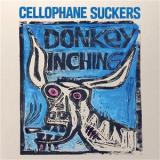
Donkey Inching', the Cellophane Suckers' ninth studio album, is set for release in September 2026. Unwavering and stubborn as a donkey, the Cellophane Suckers follow their very own path at their very own pace. The band, decried as "lead-swallowing" high-speed rock 'n' rollers, stoically let chords linger and celebrate feedback, reducing rather than harmonising, then picking up the speed when you least expect it and slowing down shortly afterwards to roll on in a Dadaist fashion the drums become a machine, the guitars increasingly embodying yin and yang. With "Execution Day", they pay tribute to Spencer P Jones, whom one might well cite as a musical influence, and Neil Young is also honoured, whose Wall of Sound goes down well with the Suckers. The fact that a text by Charles Bukowski is also "set to music" may be down to their love for red wine "Donkey Inching"... creeps stoically and stubbornly, like a donkey, into your ears. In July 2026, the Cellophane Suckers will once again be touring Brittany, and in September they'll be hosting a release party at the Sonic Ballroom in Cologne. Further concert weekends are planned for autumn/winter 2026...
The Go’s Free Electricity, the group’s storied, long-lost album, finally gets a proper release! The Go appeared in Detroit in 1996, led by Bobby Harlow and featuring Dave Buick on bass and Jack White on guitar. Following the release of their 1999 debut, Whatcha Doin’, and a few lineup changes, the band hit the studio with Dion Fischer on lead guitar, John Olson (of Wolf Eyes) on saxophone, and Cary Loren (of Destroy All Monsters) to record their sophomore effort. The session found the band and their producer, Matthew Smith (Outrageous Cherry), exploring the outer edges of rock and roll, with blaring lead guitars, copious amounts of reverb, and a heavy jazz influence thanks to a heavy diet of ‘60s free jazz. The results erupt from the speakers with a cavernous sound, like some haunted frequency beamed across the time barrier from the Grande Ballroom circa 1968, often sounding more like records by Pharoah Sanders and Sun Ra than the records being made by The Go’s peers in the ‘00s rock and roll scene.
Free Electricity was written, composed, and arranged by Bobby Harlow (except track one, which was written by Harlow and Dion Fischer; and track five, written by Harlow and Cary Loren). Free Electricity was mixed and produced by Matthew Smith, engineered by Jim Diamond at Ghetto Recorders, and mastered by Jim Kissling at Jim Kissling Mastering in Detroit, Michigan. Guest appearances by folks from Destroy All Monsters and Wolf Eyes only reinforced the album's musical direction. Weird or not, this was an inspired recording made by an inspired group of musicians. There was a feeling of excitement and adventure happening at these sessions, it shines through mightily on this album.
This Summer has never looked so bleak. Along with news of the album, Kulk have also released their new video single 'An Endless Kife': "An Endless Knife is about growing up. When we're younger, sometimes it feels like we're invincible. Like everyone we know and love are constant parts of the universe. When that reality is shattered, it changes how we see the world. You come to realise we are all just a couple of bad days from the worst. At the same time, it feels devastating. It reminds us to look after each other" - Kulk The band have toured across the UK extensively the past few years, playing amongst bands such as Part Chimp, Hey Colossus, Crowbar, Melt Banana, Iress, Big Brave, Gnoomes, Conan and Portrayal of Guilt... to name a few! They have toured twice with PigsX7, including shows at Electric Ballroom (London) and Rock City (Nottingham) and have appeared at the renowned UK festivals Arctangent and Desertfest
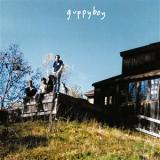
A deluxe double LP reissue of a rare 1997 indie cult classic, expanded with bonus material and featuring the formative recordings of musicians who would later create The Essex Green and The Sixth Great Lake. Originally released in 1997, Jeffersonville is a hidden gem of late-'90s American indie rock, blending heartfelt songwriting, melodic guitars, and the raw charm of the DIY underground. Formed in Burlington, Vermont, Guppyboy served as an early creative home for musicians who would later go on to form The Sixth Great Lake and The Essex Green, making this album an important chapter in the story of American independent music. This deluxe double LP edition presents Jeffersonville in its most complete form to date, featuring previously unreleased and non-album tracks not included on the original release. Expanding on the original album while preserving its intimate, homespun spirit, this definitive edition shines a new light on a long-overlooked cult favorite. With its blend of indie rock, power pop, and timeless melodic songwriting, Jeffersonville offers strong appeal to fans of the Elephant 6 universe and the wider American indie underground, while providing lasting catalogue value for retailers and collectors alike.
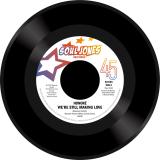
Detroit-born, Toronto-based HONORÉ returns with "We're Still Making Love" – the third vinyl release on Soul Jones Records and the herald for her long-awaited debut album. Written by Honoré and recalling the sweet n' tender vintage of 70s southern soul, the full Detroit Soulchestra swells around houseband The Detroit Lovers – a groove that reminded Honoré of growing up in the Motor City, watching lovers stepping together in the ballrooms of Detroit. The vinyl also carries the recent "Gratitude Remix" of "Ain't No Substitute" (by Estonian maverick Martin Laksberg of Lexsoul Dancemachine) as a bonus on the flip.
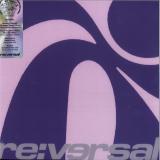
Dance your dance. From the first beat to the last, slow or fast, house music is a home for everyone.
This release symbolises a moment in time. A blueprint for dance music before the world knew what it was. Formally referred to as Garage, House or Loft music in the 80s, Frankie Knuckles and Larry Levan shaped the sound from its roots. Larry, resident DJ at Paradise Garage, New York, Frankie at The Warehouse in Chicago, both prolific remixers and some of the first career DJs. Two close friends. Countless genres. One feeling.
RE:VERSAL are excited to present our third compilation, a strictly limited one-time pressing on high-quality 12" 180g heavyweight vinyl - FULL 12” VERSIONS
out of Stock
Last delivered 21 days ago available to reorder, subject to availability
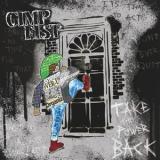
Kaum zu fassen - Gimp Fist sind nun schon seit 21 Jahren eine feste Größen der britischen Oi!-Szene. Das Trio hat sich als eine der angesehensten Street-Punk-Bands Großbritanniens etabliert, mit einem einzigartigen Songwriting-Stil fernab der üblichen Klischees, treffsicherem Gespür für mitreißende Songs und eigenem Sound, in Europa ebenso beliebt wie in Großbritannien. Und ihre Street-Punk-Hymnen füllen jedes Jahr den Empress Ballroom mit einer Kapazität von 3.000 Plätzen beim Rebellion Festival in Blackpool. Die Band stammt ursprünglich aus Bishop Auckland, County Durham, und hat seit ihren Anfängen im Jahr 2005 elf Alben, ein halbes Dutzend Singles und drei EPs veröffentlicht. Auch wenn es nicht immer leicht ist auch Anerkennung bei der größtenteils auf London fokussierten Musikpresse zu finden, haben sie doch eine treue Anhängerschaft in UK und ganz Europa gewonnen und sind vor allem dem Publikum des Rebellion Festivals bekannt, wo sie seit 2008 jedes Jahr auftreten. Zwei Jahre nach dem letzten Album "Losing Streak" erscheint nun das 12. Album "Take the Power Back", produziert von Jamie Wilson, mit insgesamt 15 brandneuen Titeln. "Wir haben das Gefühl, dass wir auf diesem Album viele unserer Einflüsse und Stile miteinander verschmolzen haben, ohne dabei das typische Gimp-Fist-Feeling zu verlieren", sagt Sänger und Gitarrist Jonny. Von der Auseinandersetzung mit der aktuellen Wirtschaftslage und den Kämpfen der Arbeiterklasse in Songs wie "Give Me A Reason" bis hin zu den angstgeladenen, an die frühen Rancid erinnernden Tiraden gegen Faschisten und Tyrannen in "Waiting For The Punchline". Mit einer Mischung aus Street-Punk, Ska und Dirty Reggae wird "Take The Power Back" alle alten Fans begeistern und ohne Frage neue Anhänger gewinnen. Als Digipak CD, LP klassisch schwarze (limitiert) oder zweifarbiges "Atomic" Vinyl erhältlich.
Kaum zu fassen - Gimp Fist sind nun schon seit 21 Jahren eine feste Größen der britischen Oi!-Szene. Das Trio hat sich als eine der angesehensten Street-Punk-Bands Großbritanniens etabliert, mit einem einzigartigen Songwriting-Stil fernab der üblichen Klischees, treffsicherem Gespür für mitreißende Songs und eigenem Sound, in Europa ebenso beliebt wie in Großbritannien. Und ihre Street-Punk-Hymnen füllen jedes Jahr den Empress Ballroom mit einer Kapazität von 3.000 Plätzen beim Rebellion Festival in Blackpool. Die Band stammt ursprünglich aus Bishop Auckland, County Durham, und hat seit ihren Anfängen im Jahr 2005 elf Alben, ein halbes Dutzend Singles und drei EPs veröffentlicht. Auch wenn es nicht immer leicht ist auch Anerkennung bei der größtenteils auf London fokussierten Musikpresse zu finden, haben sie doch eine treue Anhängerschaft in UK und ganz Europa gewonnen und sind vor allem dem Publikum des Rebellion Festivals bekannt, wo sie seit 2008 jedes Jahr auftreten. Zwei Jahre nach dem letzten Album "Losing Streak" erscheint nun das 12. Album "Take the Power Back", produziert von Jamie Wilson, mit insgesamt 15 brandneuen Titeln. "Wir haben das Gefühl, dass wir auf diesem Album viele unserer Einflüsse und Stile miteinander verschmolzen haben, ohne dabei das typische Gimp-Fist-Feeling zu verlieren", sagt Sänger und Gitarrist Jonny. Von der Auseinandersetzung mit der aktuellen Wirtschaftslage und den Kämpfen der Arbeiterklasse in Songs wie "Give Me A Reason" bis hin zu den angstgeladenen, an die frühen Rancid erinnernden Tiraden gegen Faschisten und Tyrannen in "Waiting For The Punchline". Mit einer Mischung aus Street-Punk, Ska und Dirty Reggae wird "Take The Power Back" alle alten Fans begeistern und ohne Frage neue Anhänger gewinnen. Als Digipak CD, LP klassisch schwarze (limitiert) oder zweifarbiges "Atomic" Vinyl erhältlich.
Kaum zu fassen - Gimp Fist sind nun schon seit 21 Jahren eine feste Größen der britischen Oi!-Szene. Das Trio hat sich als eine der angesehensten Street-Punk-Bands Großbritanniens etabliert, mit einem einzigartigen Songwriting-Stil fernab der üblichen Klischees, treffsicherem Gespür für mitreißende Songs und eigenem Sound, in Europa ebenso beliebt wie in Großbritannien. Und ihre Street-Punk-Hymnen füllen jedes Jahr den Empress Ballroom mit einer Kapazität von 3.000 Plätzen beim Rebellion Festival in Blackpool. Die Band stammt ursprünglich aus Bishop Auckland, County Durham, und hat seit ihren Anfängen im Jahr 2005 elf Alben, ein halbes Dutzend Singles und drei EPs veröffentlicht. Auch wenn es nicht immer leicht ist auch Anerkennung bei der größtenteils auf London fokussierten Musikpresse zu finden, haben sie doch eine treue Anhängerschaft in UK und ganz Europa gewonnen und sind vor allem dem Publikum des Rebellion Festivals bekannt, wo sie seit 2008 jedes Jahr auftreten. Zwei Jahre nach dem letzten Album "Losing Streak" erscheint nun das 12. Album "Take the Power Back", produziert von Jamie Wilson, mit insgesamt 15 brandneuen Titeln. "Wir haben das Gefühl, dass wir auf diesem Album viele unserer Einflüsse und Stile miteinander verschmolzen haben, ohne dabei das typische Gimp-Fist-Feeling zu verlieren", sagt Sänger und Gitarrist Jonny. Von der Auseinandersetzung mit der aktuellen Wirtschaftslage und den Kämpfen der Arbeiterklasse in Songs wie "Give Me A Reason" bis hin zu den angstgeladenen, an die frühen Rancid erinnernden Tiraden gegen Faschisten und Tyrannen in "Waiting For The Punchline". Mit einer Mischung aus Street-Punk, Ska und Dirty Reggae wird "Take The Power Back" alle alten Fans begeistern und ohne Frage neue Anhänger gewinnen. Als Digipak CD, LP klassisch schwarze (limitiert) oder zweifarbiges "Atomic" Vinyl erhältlich.
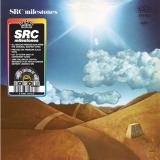
SRC were no strangers to the Detroit Grande Ballroom live scene (that also featured The Stooges, MC5 & Alice Cooper), but SRC’s anglophile-leaning compositions made their records stand out from that pack. Beloved and championed by GENESIS' PETER GABRIEL & DJ JOHN PEEL, SRC were a band that sonically was a cross-section of the UK pop of The Zombies and the inventive, garage rock leanings of The Pretty Things (with a healthy dose of Blue Cheer thrown in!). For their second album, Milestones, SRC added new, ambitious sonic elements, creating a high-wire act that now encompassed funk, prog, and heavy rock. Anchored, as always, by the stun-ray lead guitar playing of Gary Quackenbush and keyboards of his brother Glenn, the band finds themselves still able to crush the listener with unforgettable hooks, but now with an added healthy side of sonic theatrics. This new re-issue joins our trio of other late 60s Capitol re-issues, including the original SRC S/T LP, the reverb-drenched debut masterpiece from Gandalf, and Europhia’s Abbey Road-produced genre-hopping A Gift From Euphoria. Now reissued from the original analog master tapes with the original cover artwork, exclusively for RSD 2026.
“100 M.P.H.”, Vardis' debut album, recorded live at London's Electric Ballroom and released in 1980 by Logo Records, is now considered one of the milestones of the immortal NWOBHM. However, Vardis' roots go back to 1977, when they formed in Wakefield under their original name, Quo Vadis. The trio quickly began recording demos, followed by their first 7“ EP ”100 M.P.H.," which was released in 1979 on Redball Records and is now considered a valuable collector's item. In addition to the raw, almost punk-like original versions of “100 M.P.H.,” “Blue Rock,” “Destiny,” and “The World's Insane,” “100 M.P.H. '79 Revisited” compiles five other early recordings by Vardis. The audio data for “100 M.P.H. '79 Revisited” was restored and mastered by Patrick W. Engel at his Temple Of Disharmony in September 2025. The CD version of “100 M.P.H. '79 Revisited” includes exclusive versions of “Blue Rock,” “Dirty Money,” and “The World's Insane,” recorded at Ohm Studios in July 1978.
'Squish' is the debut album from London-based Gretel, produced by Seth Evans (credits inc Black Midi, Geordie Greep, HMLTD, Shame). It is a grungy, hooky, expressive guitar record inspired by the likes of PJ Harvey, Sonic Youth and Smashing Pumpkins and features the singles 'Unbloom', 'Maybelline' and 'Darkness, be my friend'. 'Squish' is released on 180G Black vinyl housed in a gatefold sleeve and features an A2 poster.
‘Platinum Rare 1’ contains extremely rare recordings by the four original SWEET members. The legendary glam/hard rock band continues to thrill fans all over the world to this day. Over the years, SWEET have sold more than 55 million records and reached 34 number 1 chart positions. The songs on ‘Platinum Rare 1’ come from the private archive of SWEET guitarist Andy Scott and were personally selected by him. Fans of the band will be thrilled with this collection of rare and alternative takes and mixes. Many of the songs on the album have never before seen the light of day on a regular SWEET release. ‘Platinum Rare 1’ is an absolute enrichment for every true fan of SWEET.
John Paul Youngs Karriere erreichte mit der Veröffentlichung von „Love Is in the Air“ 1977 (international) und 1978 (Australien) ihren internationalen Durchbruch. Die von Harry Vanda und George Young
geschriebene Disco-Pop-Hymne wurde zu einem weltweiten Phänomen. Die B-Seite wurde seit 1992 nicht
mehr veröffentlicht (und war der Titelsong in Baz Luhrmanns Film „Strictly Ballroom“), was diese Vinyl-LP
zu einem echten Sammlerstück macht.
out of Stock
Last delivered 8 months ago available to reorder, subject to availability