Black Dot duo returns to Kri Records with six tracks ranging from EBM club domination to electro after-hours relaxation. Duo's signature futuristic melancholia on Lust EP is laced with melodic synth lines, a haunting Slavic vocal, and spiced with club-ready remixes by Innershades and Charlie.
Both CDG Rouge tracks feature duo's trademark mesmerizing electro mood that works both, on the dancefloor and the Autobahn. The darkly playful atmosphere and lyrics might evoke a memory of early Miss Kittin and The Hacker collaborations. The Innershades remix sees the Belgian producer at his top New Beat game, while Charlie reworked the sleazy No Harm Lust into a leather ripper. AI Climax is a self-explanatory EBM club stomper, while What Will It Be Boy rounds the release with a cheeky nod to the 80s.
Christian Kroupa & Le Chocolat Noir (Black Dot) return to Kri 3 years after their debut, picking up the thread where it all began. Since their first release, and outings on Mechatronica and Italo Moderni in between, the duo continues to refine their stripped, nocturnal electro sound— sharp, eclectic, and built for late hours.
This limited edition of 100 white label 12” vinyls presented by the BLACK INDUSTRIAL RESEARCH GROUP is released to coincide with shows at London’s Ormside (November 19), Bristol’s Arnolfini (November 21) and Cardiff’s Chapter (November 29), ahead of the 2026 publication of the project’s extensive vinyl boxset. One-sided and hand-stamped with hidden reverse insert, the record features an original composition by DUBMORPHOLOGY (TREVOR MATHISON + GARY STEWART) reworking the words of JOHN AKOMFRAH (from an interview by APPAU JNR BOAKYE-YIADOM and OLIVER FUKE).
We are thrilled to announce that as we welcome the year 2026, we have the talented duo Horsemen joining us to kick off the year with four incredible house tracks. Their unique sound and creativity promise to make a significant impact, and we can't wait for you to experience their music.
Perro Bueno is back with a sixth volume of edits that will only heighten his reputation in underground circles. Side A's 'BLRF' brings big but raw jazz-funk energy thanks to the blazing horn and that unmistakable Bueno swing. Flip it over, and 'NFSA' unearths a long-lost Afro groove that has been lovingly reimagined with deep respect for its roots and a sharp ear for the dancefloor. The art here is merging crate-digger nostalgia with fresh club energy that cuts through contemporary dance floors. Bueno's groove is also a defining factor and unstoppable as ever as his edit story keeps on rolling and keeps it thrilling.
International DJ and collector Elado is well known to edit lovers for his work on the likes of Funkyjaws Music, Razor N Tape and Eddie C's Red Motorbike. He has been digging in his vaults again, this time for Scruniversal, and turns out a pair of blazing Brazilian edits. First up is 'Sabor' ,which is a tight, funky sound that sways low with lush claps and wandering basslines, but the vocal harmonies are what make it, and your heart, soar. 'Debbie' then follows off with some soft, honours Portuguese soul vocals and instrumental disco-funk grooves that are super sophisticated and perfect to go with a cocktail at sundown somewhere nice.
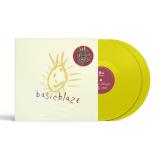
Seminal New Jersey producers, Blaze are recognised as one of the greatest production outfits in House Music. Formed in 1984 and with over 100 releases to their name, undoubtedly one of the highlights of their rich and expansive discography is their 1997 LP, Basic Blaze. Containing some of their best work to date across eight tracks, it’s an essential listen for any house music fan. With the only copies available selling on the second market for £60+, now for the first time since the initial release, Defected & Slip N Slide present an exclusive reissue for RSD. Pressed on transparent yellow vinyl, housed in a replica artwork sleeve this is a much-needed reissue for all House Music fans!
Cold Crush Blue Ice vinyl… what other colour could Tuff City possibly give fans for this seminal early Hip Hop masterpiece on RSD?! The Cold Crush Brothers hold the distinction of being the first-ever Hip Hop group, blazing the trail in the culture’s formative years and opening the door for countless acts to follow. Fresh, wild, fly, and bold, this is true old-school rap at its finest — a nod to the scene’s earliest days, recorded not long after their appearance in the now-cult-classic Wild Style movie. Newly remastered and pressed on a dinked 7” in an original Tuff City branded sleeve, this special-edition colourway brings a legendary moment in Hip Hop history back to life.
Laurie Torres is a Canadian musician and composer raised in Montréal, Québec by Haitian parents. Since 2008, she has been a trusted stage and studio performer for Julia Jacklin, Pomme, and Land of Talk, as well as being a founding member of Folly & The Hunter, with whom she recorded four studio albums and toured Canada, Europe and the UK.
In 2023, Laurie shifted focus to work on her own creations, a process of making time - the will and the need becoming omnipresent. Drawing creative inspiration from contemporary artists like Tirzah, Gia Margaret, Valentina Magaletti, Tara Clerkin Trio and ML Buch, 'Après coup' finds Torres intersecting at a pivotal moment where artists whose marginalized identities are at the forefront in creating a beautiful array of "other options".
"Being othered and tokenized as a woman who plays music, as well as a queer and black person, takes a toll, while also positively feeding a strong urge to push and be seen."
Centering around piano, drums and synthesizer with interweaving field recordings, 'Après coup' follows the precursor ep 'Correspondances' in the form of a sprawling 11-track album. Translating directly from French - afterwards, after the event - its title subliminally points at something deeper between the lines. Recorded in 2023 between tours in a small window of time where 'normal' life hadn't quite recommenced, Torres meticulously crafted her debut solo material in view of surrounding nature, all providing the perfect nourishment for long streams of improvisation. Built right up to the edge of a lake, Studio Wild in St-Zénon, Québec offered an unparalleled location and set up for her freeform creativity.
Instrumental music seemed like a natural response and evolution for Torres who had long basked in the world of "pop music" as she elaborates: "I had an urge to use creativity as a sort of resting place, a place where things can unfold slowly and take time to reveal themselves. In other worlds words, I felt the need to make something slower, more elusive"
The immediacy of Torres' recorded takes doubled with minimal overdubs create a fiercely direct, intimate and unpolished lo-fi beauty. 'Après coup' then is self-reflective, open and inclusive with Torres allowing herself to be fully seen. An album to be felt at close distance with unrivalled authenticity. This album stands as a testament to Laurie's artistic evolution and serves as a beacon, inspiring her to continue nurturing her own creative pursuits and finding exhilarating freedom.
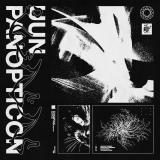
Fresh off an EP on Semantica and an album on MORD, Uun returns to his imprint Ego Death with the Panopticon EP. Uun showcases his range on these 6 tracks, running the gamut from dissonance to chord driven grooves.
The A side focuses on intensity. “Aesthetic Descent” features dual synth lines, slipping between melody and atonality. The straightforward percussion allows the listener to focus on the everchanging dynamics in the leads. “Structural Obedience” begins with a chugging groove, out of which a buzzsaw synth emerges. This track is a display of Uun’s ability to walk the line between minimalism and maximalism.
The B side focuses on the interplay between melody and groove. “Ralph’s Track” channels the dub chords of Basic Channel while applying a modern edge. “The Hidden System” features the lone vocal on the EP, sampled from the work of the late great David Lynch. The interplay between the 7⁄8 lead synth and 4/4 percussion creates a feeling of anticipation, where the patterns develop in unpredictable ways.
The digital exclusive tracks go into more experimental territory. “Queen’s Chamber” is a broken beat dirge, consisting of reverb drenched percussion and synths reminiscent of Dead Can Dance. The final track, “Shokunin”, is the counterpoint to Aesthetic Descent, closing out the release on a crushing yet hopeful note.
Pressed onto a unique custom turquoise and black hand poured color mix record inside a full printed jacket. The evocative artwork was created by Minneapolis based graphic designer Ryote.
"Morning Star" zeigt Kekht Aräkh auf dem Weg zu einer authentischeren, verfeinerten Version seiner selbst. Das Album wurde in Berlin und Stockholm aufgenommen und entstand in einer Phase intensiven persönlichen und künstlerischen Wachstums. Es verbindet aggressive Black-Metal-Passagen mit immersiven, strukturierten Klanglandschaften, die sowohl intim als auch weitläufig wirken. Seit seinen Anfängen in Mykolajiw, Ukraine, hat Dmitry (alias Crying Orc), der alleinige Kopf hinter dem Projekt, einen unverwechselbaren Weg innerhalb des Black Metal gesucht. Diese Vision entfaltete sich durch sein Debütalbum "Through the Branches to Eternity EP" (2018) und die Alben "Night & Love" (2018) und "Pale Swordsman" (2021), die eine charakteristische Spannung zwischen wildem, viszeralem Black Metal und zarten, introspektiven Balladen etablierten. Auf "Morning Star" erreicht diese Dynamik eine neue Tiefe. Das Album entstand in einer Phase künstlerischer Klarheit und erkundet eine rauere, persönlichere Gefühlspalette, geprägt von Stress, Angst und langen Phasen der Schreibblockade, was ihm eine seltene Unmittelbarkeit und Verletzlichkeit verleiht. Dmitry nahm fast alle Instrumente selbst auf, das Schlagzeug stammt von Jonathan (Spira Me, Vanskapth, Olycka). Bladee steuerte den Gesang bei und war Co-Autor der Texte zu "Eternal Martyr", eine unerwartete Zusammenarbeit, die eine intuitive Chemie offenbart. VS--55 und Varg2Ö fügen abstrakte Samples und subtile Texturdesigns hinzu, die "Morning Star" seine unverwechselbare Körnigkeit und analoge Wärme verleihen, während James Ginzburg (Emptyset, Osmium) sich um das finale Mastering kümmerte und die dynamische Tiefe und atmosphärische Fülle verstärkte. Mehrere Tracks greifen früheres Material mit neuen Perspektiven wieder auf. ,Wänderer" und ,Drömsang" wurden teilweise neu aufgenommen oder komplett neu interpretiert. Intensive, treibende Passagen kollidieren mit spärlichen, kontemplativen Zwischenspielen und erzeugen eine Landschaft, die sowohl viszeral als auch eindringlich ist. Themen wie Isolation und Wanderschaft tauchen in "Wänderer" auf, traumhafte Melancholie in ,Drömsang", existenzielle Kämpfe in "Angest" und Reflexionen über Zeit und Transformation in "Three winters away". Mit "Morning Star" verbindet Kekht Aräkh vergangene Erkundungen mit neuer kollaborativer Energie und produziert ein Album, das die Black-Metal-Tradition der 90er Jahre würdigt und gleichzeitig Lo-Fi-Wärme, melancholische Melodien, klangliche Experimente und emotionale Offenheit umfasst. Das Ergebnis ist ein zutiefst persönliches Statement - ein Album, das sowohl eine Ankunft als auch eine Fortsetzung seiner künstlerischen Reise darstellt.
Ten years after Marcos Valle’s debut long player (Samba Demais) introduced Brazilian music lovers to the immense talents of the Valle brothers, a new direction and backing band helped the singer expand his musical palette. Showcasing a groovy funk and jazz-fusion influence with help from then current backing band Azimuth (later known as Azymuth), synthesizers, Fender Rhodes, and electronic sounds took Valle’s samba, bossa nova, baião (a rhythmic beat from the rural northeast of Brazil), along with the inspiration of black American music and psychedelic rock from prior albums, to dimensions unheard. While not a complete departure, the vocals, grooves, and engaging songs of Previsão Do Tempo are guaranteed to make you feel free and think deep.
DJ Support: Ashley Beedle, Phil Mison (Ibiza legend), Nick The Record, Kenneth Bager (Music For Dreams), Ross Allen (NTS, Worldwide FM), Simon Dunmore, Cedric Woo (Beauty & the Beat), Ban Ban Ton Ton, The Mighty Zaf (Love Vinyl), Femi Fem (Young Disciples), Jay Negron (NYC legend), Bruce Forest (Better Days, NYC), Bruce Tantum (NYC), Colleen “Cosmo” Murphy, Mr Shiver, Hugh Mane, Eccentrics Disco, Eclectics Disco, Fannoire Ge, Percebes Records (Lisbon), For Mankind (Pikes, Ibiza), S/A/M (Cafe Del Mar, Ibiza).
Winner of the 2020 Bob James “Black Lives Matter” remix competition on François Kevorkian’s World Of Echoes Facebook page, Love For Black Lives is available on vinyl for the first time, alongside 2 brand new mixes, on this 4-track EP. It is the debut release on Hobbes Music’s new sub-label Noetic Rhythm, dedicated to releasing music that brings people together on the dancefloor.
Leonidas debuted in 2012 with Sequential EP on Kay Suzuki's Round In Motion label, gaining praise from industry legends. He has collaborated with Hobbes on several releases, including the Balearic hit Web of Intrigue, which topped Bill Brewster’s 2017 DJ poll. His music has appeared on compilations like DJ Harvey’s The Sound of Mercury Rising Vol II, as well as BBC Radio 1 & 6 music.
Dave Wallace is one third of Aquasky, as well as a founding member of Mad Dog and Fugitive. He also released his own EP’s on Moving Shadow and R&S in the 90’s and more recently an EP on TeeBee’s Subtitles label as well as a return to the rave with various Fugitive tracks and remixes on Vinyl Fanatiks over the past few years.
But one track has always alluded a release, there was always something that prevented it from being released. Originally written in 1995, it wasn’t until 1996 that he sent it to LTJ Bukem who went nuts for it, advising Dave to speed it up from its original 156bpm so he could play it. Upon doing so, it was also sent to Fabio and the pair of them played it on Kiss, Radio 1 and various gigs and festivals across the world. Dave was just in discussions to release it when Dillinja made a Bladerunner track using the same samples. In light of that and how the hierarchy worked in the 90’s drum and bass scene, Dave decided to pull the release and the track went back into the DAT draw… for 26 years!
This track has been requested by many to be pressed since Vinyl Fanatiks started as it had such a huge fanbase, so many people loved the track after hearing it either back in the day or on copies of mixes uploaded in recent years to the internet. An extremely desired track! But there was never a B-side to it… until Dave stepped into his Fugitive guise and brought the track up to date with one of the baddest basslines we have released on the label.
Join us as we take you on a ride from the smooth to the ruff!
Having played Sold Out tours and supercharged festival appearances across the UK & Europe, It's no wonder that Jim Jones All Stars were personally selected by The Black Crowes on their 'Happiness Bastards' UK & European dates in 2024.The band also recently joined The Wildhearts on their Spring 25' tour dates.The band's debut album, 'Ain't No Peril', was released in September 2023 to universal praise. Their sophomore studio album 'Cat Fight', produced by Chris Robinson (The Black Crowes) is due on April 3rd 2026 via the Black Crowes 'Silver Arrow' Imprint. But, not ones to rest on their laurels, the band just completed a Sold Out tour of the U.K in support of their brand new Live Album 'Get Down - Get With It - Jim Jones All Stars Live (Released October 24th Via Assai Recordings) 'Get Down & Get With It! Is an unvarnished document of a deep, immersive, and mind- bending journey, a transcendent and hypnotic rock and roll experience. It highlights the band's gritty, unapologetic sound, brimming with raw authenticity and attitude. Visceral and uncompromising, it is an electrifying live performance that true believers will never forget
For the first time on LP vinyl, Come Ahead: The Remixes Vol.2 (Dubs) brings Primal Scream’s club-ready reinventions into full analog glory. Originally released in FLAC format in 2025, this second volume dives deep into dub territory, reimagining tracks from Come Ahead with hypnotic grooves and spacious textures. Featuring reinterpretations by Lovefi ngers, Black Science Orchestra, Radio Slave, and Pet Shop Boys (in dub mode), each track pulses with low-end warmth and rhythmic experimentation. From the acid-drenched swirl of “The Centre Cannot Hold” to the narcotic haze of “Innocent Money,” this is Primal Scream at their most psychedelic and dancefl oor-minded. Specially mastered for vinyl, the sound is immersive and tactile — perfect for DJs, collectors, and audiophiles alike.
Eight tracks, nearly an hour of music, and a sleeve that nods to rave-era design make this a must-have for fans of dubwise house and experimental club culture. Limited pressing. Maximum impact. Come Ahead: The Remixes Vol.2 (Dubs) is available as 2LP Black Vinyl.
Newly remastered version of Oren Ambarchi’s long out-of-print classic Hubris originally released on Editions Mego in 2016. Expertly remastered by audio wizard Joe Talia who worked with the original mixes, highlighting the myriad details of the audio with forensic precision, previously unheard up until now.
From the 2016 press release:
Hubris continues the exploration of relentless, driving rhythms heard on Ambarchi’s Sagittarian Domain (2012) and Quixotism (2014). Where those records looked to Krautrock and techno for their starting points, the sidelong opening track here begins from the perhaps unlikely inspirations of disco and new wave, drawing particularly from Ambarchi’s love of Wang Chung’s soundtrack to William Friedkin’s To Live and Die in L.A. Leaving behind the song-forms of these reference points, Ambarchi weaves a sustained and pulsating web of layered palm-muted guitars from which individual voices rise up and recede, eventually setting the stage for some lush guitar synth from Jim O’Rourke. Arnold Dreyblatt collaborator Konrad Sprenger contributes overtone-rich motorized guitar, pushing the piece into a satisfying intersection of shimmering minimalism and rhythmic drive that smoothly builds up until the entrance of Mark Fell’s electronic percussion in its final section.
After a short second part, in which Ambarchi, O’Rourke and crys cole pay tribute to the skewed harmonic sense of Albert Marcoeur with a track built from layered guitar figures and abstracted speech, the long final piece pushes the concept of the first side into darker and denser areas. Joined by electronics from Ricardo Villalobos and the twin drums of Will Guthrie and Joe Talia, the layered guitars of the first piece are transformed into a raw and tumbling fusion-funk groove that calls to mind early Weather Report or even the first Golden Palominos LP. As this stellar rhythm section rides a single repeated chord change into oblivion, a series of spectacular events emerge in the foreground: first, aleatoric synthesizer burbles from Keith Fullerton Whitman, then slashing skronk guitar from Arto Lindsay, until finally Ambarchi’s own fuzzed-out harmonics take center stage as the piece builds to an ecstatic frenzy. Few artists could hope to include such an incredible variety of collaborators on one record and still hope for it to have a unique identity, but Ambarchi manages to do just that, crafting three pieces that emerge directly out of his previous work while also pushing ahead into new dimensions.
Players: Oren Ambarchi, crys cole, Mark Fell, Will Guthrie,
Arto Lindsay, Jim O’Rourke, Konrad Sprenger, Joe Talia, Ricardo Villalobos, Keith Fullerton Whitman.
We are extremely excited to share with you this wonderful piece of old skool hardcore. Created in Bristol in 1993 and released on a limited white label back then, this record has become a holy grail over the past 30 years. Very rare, very sought after and 100% original West Country vibes.
Written by Rich Williams, who emigrated to LA many years ago and James Towler – producer for John Lydon these days! These guys were on some next level vibes when they wrote this ultimate slice of darkcore rave!
Pressed by the mighty Phil ‘The Vinylman’ East on 180g heavyweight vinyl. This release is a bespoke product as no one record is the same. Designed to look like the planet Jupiter and part of a 4 vinyl Cosmik series.
In the spring of 1977, Millie Jackson was in Muscle Shoals, Alabama, laying down tracks for what became “Feelin’ Bitchy” with co-producer Brad Shapiro. Released in August 1977, the album reached #4 and #34 in America’s Billboard’s R&B and Hot 100, going gold with over 500,000 copies sold. Jackson’s cover of ‘If You’re Not Back In Love By Monday’ – already a hit for Merle Haggard in March 1977 – also reached #5 R&B and #43 in the Hot 100 in August. Although the album did not chart in the UK, “Feelin’ Bitchy” sold strongly to a dedicated fanbase who had voted her the #1 female singer in the Blues & Soul magazine annual poll. Jackson also performed much of the material on her sold-out UK dates in early 1978.
“Feelin’ Bitchy” was not only a commercial success, cementing Jackson’s no-nonsense reputation, but is now considered an all-time classic. Her rap on Benny Latimore’s ‘All The Way Lover’ stretched the original out like chewing gum to 10 minutes. “’Back In Love By Monday’ is a great song an’ that,” she told Black Echoes, “but it didn’t sell the album. ‘All The Way Lover’ sold the album.” Indeed it did, but other tracks like ‘A Little Taste Of Outside Love’ ‘Lovin’ Your Good Thing Away’, ‘Cheatin’ Is’ and ‘Feelin’ Like A Woman’ show that while Jackson’s tongue – front and centre on the LP cover – was always ready to hand out a lashing, it also helped her sing beautifully.
Ace are delighted to reissue “Feelin’ Bitchy’ on vinyl and Millie Jackson spoke to Ian Shirley about the recording of the album. This interview runs on an inner sleeve along with classic photographs of Jackson from this period.
Following Parnell March’s Back Bar Grooves EP in February and November’s release of the Dust Tears (lead song from Sarah/Shaun’s debut) remixes, Edinburgh’s Hobbes Music label returns with a second EP of dream pop from husband-and-wife duo Sarah/Shaun (pronounced simply Sarah Shaun), alias Sarah and Shaun McLachlan (pronounced McLochlun), who wooed hearts and wowed critics with debut EP ‘It’s True What They Say?’ last year.
‘It’s True What They Say?’ attracted fans across the board: Artist Of The Week in The Scotsman, rapturous reviews from The Skinny and Tokyo's Ban Ban Ton Ton blog, BBC 6Music airplay courtesy of Nemone (Mary Anne Hobbs' Morning Show), more radio play from Radio Scotland's Roddy Hart & Vic Galloway, plus Simone Butler (Primal Scream) and Jim Sclavunos (Bad Seeds) via their respective Soho Radio shows, not forgetting ringing endorsements from the likes of David Holmes, Youth, Kevin Bales (Spiritualized), Brent Rademaker (Beachwood Sparks) and Julian Corrie (Franz Ferdinand).
They played gigs supporting Glasgow's huge Glasvegas, at festivals (Kendall Calling, Dunbar Music, Hidden Door), plus a slew of venues across the Scottish capital, ending the year with a trio of shows supporting Glaswegian 80s pop legends The Bluebells at Aberdeen’s Tunnels, Dunfermline’s PJ Molloys and Edinburgh’s Liquid Rooms, while The List magazine tipped them among their Ones To Watch For 2025, with journalist Fiona Shepherd suggesting they were “blending the starry-eyed pop of Sonny & Cher with the electronic experimentation of Chris & Cosey.”
Very much the companion piece to the debut EP but arriving a full twelve months later, Someone’s Ghost is emblematic of the duo’s desire not to rush things or release anything half-baked.
“I’ve always wanted to create the perfect pop record and I do really feel that we’ve achieved that with this one,” says Shaun. And he’s clearly not the only person who thinks so.
REVIEWS, FEEDBACK ETC:
"I LOVE that! Dreamy dreamy pop." ROY MOLLOY (Marvellous Crane/Alex Cameron) on BLAST RADIO, Sydney
“the Scottish music scene’s cream of the cool... buzzy drum beats, high, distant chimes, and heavenly electronics…. very ethereal.” THE SKINNY
"Listening to Sarah/Shaun is like eavesdropping on a noir dreampop, long-distance phone call between them both, across two separate sonic locations. On this stunning 4-song EP, Sarah’s voice, effortlessly mesmerising, draws you into these big beautiful and haunting passages of perfect dream-pop. All beautifully produced in a multi-layered-scape of low-fi analogue textures, epic cinematic crescendos, intense electro-pulse grooves and warped psycho-pop guitar riffs. Within the songs lurk a sense of unresolved emotions, longing and pathos. There are shades of classic Lee Hazelwood & Nancy Sinatra but also Post-Punk Electronica and Beach House. But what a unique sound they’ve created of their own. I love it" DAVID MCCLUSKEY (The Bluebells)
"Absolutely beautiful" SEAN JOHNSTON (A Love From Outer Space)
"Lovely stuff here! Total quality." MARTYN 'MASH' HENDERSON
"Ooooh. Everything the last record promised is here. Well done" GEORGE T aka George Demure (Accident Machine)
"Vince clark Era Depeche Mode in places" KEVIN BALES (Spiritualized)
"Sounds cool. Well done" PETE KEMBER (Sonic Boom, Spacemen 3)
"Glorious, it (Debbie Harry) grabs hold of you and doesn't let go." IAIN DAWSON aka RAVECHILD (Everyone Wants To Play The Hits Podcast)
SOMEONE’S GHOST
Born out of an incredibly anxious, stressful time, the songwriting process for these recordings has been something of a personal tonic for Shaun…
“There was a period when I was having nightmares,” he reveals. “Apparently I was saying there was someone in the room, I was talking to that person and Sarah was seeing all this while I was still asleep.
So, I was thinking that this was my ghost. I started writing songs because I was going through something and I was dealing with something and writing songs was a comfort. My ghost was a comfort, whether it was real or not. The idea of it was a comfort.”
“I firmly believe that everyone has someone who watches over them but all of the songs are essentially about being there for someone,” he says. “Everybody needs someone but also everyone needs to stay real and keep what you have, keep it close, never let it go. If you don’t have it, continue to tell people you’re there for them. It’s about loving and hoping people will be good to you in return.”
While Shaun took the songwriting lead on Filter Of Love and EP closer The Sound Which Stresses The Sound Of My Ears, Debbie Harry was originally instrumentally conceived by producer Jaguar Eyes, alias Ali Chisholm, later lyrically completed by Shaun, and the EP’s lead track, Anhedonia, and one of its stand-outs (much like Starbed on the debut) was conceived by Sarah, as a result of experiencing a bit of a spiritual epiphany of her own.
“When I first heard the word Anhedonia, I didn't know what it meant but when I found out I thought about it quite a bit. How sad it would be to have no enjoyment in anything,” she explains. “This song is really about my own personal beliefs. When I have been down, that's one of the things that helps me the most. It talks about trying to make amends but realising, for some things, you can't. But I think with any kind of faith comes hope… which is always a good thing.”
A record about hope, truth, honesty, a belief in something bigger than oneself… and all set to a soundtrack that wouldn’t feel out of place in a David Lynch or Eighties feature film. What more could anyone ask for, really?
There’s equally a desire to offer something universal and positive to anyone who tunes in. The labels for the 12” edition reveal the dual mantras “Who just wants to survive?” and “It’s about time to live a little”, with both messages also engraved in each record’s run-out grooves. T-shirts accompanying debut EP It’s True What They Say? bore the slogan “Kill Them With Kindness” - leading caps intentional. Shaun carries the acronym KTWK everywhere he plays, as a reminder: it’s stitched into his guitar strap. And this particular wee pebble has already caused a few ripples: people have been approaching him at gigs to acknowledge their appreciation and respect for it.
"We feel we have made an honest, open, colourful, body of work,” say the duo. “We hope to go out and play the songs with the guys (our band) and then potentially make more records. We are taking things as they come. Everything has been organic so far, after all. We are looking forward to whatever this brings."
Six track 12" collecting all the cuts of Wayne's first recording for Wackie's, from 1976. A classic of raw underground vibes from the Sounds Unlimited studio early days of Wackie's productions. This 12" contains: the original NY 45 vocal & dub cuts, the second mix of the vocal from the first 'Reggae Goodies' LP, the rare horns cut by Baba Leslie & Mark, the dub cut from the very rare 'Dub Unlimited' LP, a finally a previously unreleased raw rhythm drum & bass dubplate cut (NB: this last cut is taken from a 50 year old acetate and is appropriately crunchy!)
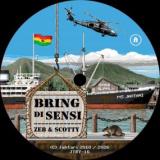
Zeb & Scotty without a doubt belong to the unsung heroes of the Jamaican-Caledonian underground, running tings during sound system nights all over Scotland in the 2010s – most notoriously for Mungo’s Hifi in Glasgow and Big Toe’s Hifi in Edinburgh. Wherever a heavy bass could be heard through wet nights, you could be sure the duo was tearing the place down inside.
Always getting the vibes best on a small stage next to a blasting rig, their vinyl releases remained scarce however. Luckily one of their magic moments, “Bring Di Sensi” on a Jahtari 8bit chip hop jam, was captured on tape in 2008 at the Glasgow School of Art during a Mungo’s Hifi session.
Now pressed to fine 7″ wax with an all new Dub cut on B and alongside beloved oddball reggae outro “Roll That Shit“, this heavyweight delivery is scheduled to arrive at all sound systems shortly!
Massive VA with Seclusion's eclectic style, including techno, electro, and ghetto house.With a solid artistic selection: DJ Deeon, DJ Shufflemaster, DJ T-1000, Anné...
Pete Blaker returns to RNT with 2 glorious long-play sides of edit mastery. On side A, Miami Sax is a bit of funky 80s fusion for the jazz Uncs, teased out and looped up to dizzying perfection, with the blissful soul of Must Be Love on the flip, for the disco spinners . Both extended loopy journeys of dancefloor euphoria, already getting big support from Harvey, Hunee and company!
Mechatronica proudly presents "Ants" by UK Producers Mani Festo & K-65.
A six-track electro EP shaped by heavy basslines, sharp transitions, and broken rhythmic structures. The tracks unfold with precise sound design and evolving melodic patterns, creating constant motion and tension throughout the release.
"Ants" is focused, mechanical, and immersive - music designed to be felt through rhythm and movement.
A strong statement from Mani Festo and K-65, delivering forward-thinking electro with weight, edge, and purpose.
Loud Ambient 2 picks up directly from where Loud Ambient left off. After picking the drum machines back up, we returned to the colourfield ideas that shaped the first record. Rothko remained a key reference, along- side a strong recommendation to spend time with the work of Josef Albers. We did exactly that, and it paid off.
Alongside the music, we created 50 new pieces of artwork for Loud Ambient 2. These became tools rather than decorations. Working this way felt open and rewarding, and brought a real sense of play back into the process. We already understood what a Loud Ambient track could be, so slipping back into that headspace felt natural. The tracks came together quickly, full of energy, movement and that familiar noodle quality.
The creative side landed easily this time. There is some- thing about working with colourfields that frees you up and pushes you further into abstraction. It removes hesitation and keeps the focus on instinct and response.
With the drum machines and synths loaded, we kept our heads down and made the kind of music we want to hear on a dance floor. Loud Ambient 2 is the result.
The long-overdue revival of Bim Sherman’s catalog begins here. These essential recordings will become widely available again for the first time in decades, opening a new chapter in the appreciation of one of Jamaica’s most distinctive voices and representing a major moment for reggae and dub aficionados around the world. This reissue series will not only preserve his legacy but will also offer listeners the chance to experience the depth and timeless resonance of Sherman’s work in its full glory.
Bim Sherman—born Jarret Lloyd Vincent, in Westmoreland, Jamaica—holds a unique place in reggae history. Emerging in the mid 70s, his ethereal, haunting vocal style quickly set him apart from his contemporaries. He was soon collaborating with the top producers and musicians of the era, including Adrian Sherwood and the On-U Sound collective, bridging the gap between roots reggae and experimental dub and laying the groundwork for the fusion of Jamaican sounds with the vibrant underground scene in the UK. His career, from Kingston to London to Mumbai, was marked by an artistic daring and spiritual intensity that has earned him enduring respect across generations.
The centerpiece of this reissue campaign is Ghetto Dub from 1988, a record that distills Sherman’s artistry into its most potent form. Originally released in a limited number, the album embodies the stark yet soulful beauty of dub production. With its reverb-drenched drums, cavernous basslines, and echo-laden atmospherics, Ghetto Dub transforms Sherman’s various tracks into spectral presences that drift in and out of the mix. The arrangement and production—minimal yet profoundly textured—captures both the raw urgency of Jamaican street culture and the forward-looking experimentation of the UK dub scene. Each track unfolds like a meditation, balancing grit with grace, density with space. Ghetto Dub is more than an album; it is an immersive soundscape that reaffirms Bim Sherman as one of reggae’s most otherworldly and visionary figures.
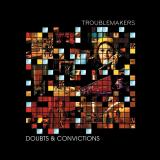
To mark the 25th anniversary of its release, Doubts and Convictions by Troublemakers is officially reissued, more than twenty years after its original release in 2001.
Never reissued until now, this emblematic French Touch album—originally signed in Chicago, USA—captures a moment when French electronic music opened up to jazz, soul and transatlantic grooves.
This first-time reissue of Quinteplus’ 1971 album revives a key moment in Argentine jazz, featuring crisp trumpet and tenor sax, electric piano-driven funk and modal grooves, and a tight, spacious rhythm section. It showcases prominent figures like Jorge Anders and “Pocho” Lapouble.
==================================
Quinteplus was born in Buenos Aires at the end of the 1960s, emerging directly from the ideas and experiments of the legendary Agrupación Nuevo Jazz. Founded in the early ’60s, this collective brought together some of the most forward thinking figures in Argentine jazz functioned as a creative lab where musicians questioned where jazz could go next. Among the key ideas discussed was the fusion of jazz with Argentine folk styles such as zamba, chacarera, malambo, cueca, and candombe, as well as a deeper look into African rhythms as a bridge between musical worlds.
Two members of that collective, keyboardist Santiago Giacobbe and bassist Jorge “Negro” González, carried those ideas forward when they formed Quinteplus in 1969. The group came together naturally: all the musicians already knew each other and had played in different projects around the Buenos Aires scene. They shared a strong admiration for Julian “Cannonball” Adderley’s quintet, along with a clear goal—to develop a modern jazz language grounded in local Argentine rhythms.
From the start, Quinteplus stood out for its openness and adventurous spirit. Rhythm was central, and so was experimentation. The band belonged to a generation of Argentine jazz musicians eager to explore electric instruments and new textures, anticipating what would soon be known as jazz-rock. This was happening in Buenos Aires at the very same time Miles Davis was opening new doors with “In a Silent Way” and “Bitches Brew”. Giacobbe introduced one of the first Fender electric pianos in Argentina, while González pioneered the amplification of the upright bass and even developed a hybrid electric, boxless version of the instrument. Trumpeter Gustavo Bergalli, meanwhile, maintained close ties with the emerging Argentine rock scene, collaborating with Luis Alberto Spinetta and appearing on Almendra’s first album.
In 1971, Quinteplus recorded its first and only studio album for EMI. The original lineup featured Jorge Anders on tenor saxophone, Bergalli on trumpet, Giacobbe on keyboards, González on upright and electric bass, and Norberto “Pocho” Lapouble on drums and percussion—who also illustrated the album’s iconic sleeve. The record is a refined showcase of the band’s musical vision: original compositions, fluent jazz language, folk-derived rhythms, funky electric textures, tight ensemble playing, and standout brass solos. Though critically praised, the album received little label support and sold modestly, eventually becoming a sought-after collector’s item.
Quinteplus disbanded in 1973, their music was perhaps too bold and unconventional for its time.
Münchenbuchsee, a suburb of Bern, Switzerland. Stephan Eicher is the youngest of three children. His father, a radio and TV repairman, is also a jazz violinist and a sound tinkerer in his spare time. In the family home's converted fallout shelter turned studio, Mr. Eicher experiments with homemade sequencers, tortures handcrafted drum machines, and abuses reel-to-reel tape recorders—all under the fascinated gaze of young Stephan.
The boy quickly develops a musical curiosity, exploring sound through various experiments and wanderings. Alongside his younger brother Martin, Stephan crafts audio plays on a homemade multi-track recorder (essentially several cassette decks hooked together!), which they write, record, add sound effects to, and perform for family and friends. Just a couple of nice kids, really...
Then comes 1972, and Lou Reed's Transformer album changes everything for the Eicher kids. For 13-year-old Stephan, it's a revelation—especially "Vicious", the opening track, which he plays on repeat for months. He convinces his father to buy him an electric guitar. Not stopping there, his father also builds him a tube amp using an old radio.
Then comes adolescence. A rough one. Stephan leaves home at 16 and moves to Zurich. With obvious artistic talent, he persuades his art teacher to help him get into F+F, a radical, alternative art school—despite his young age. Accepted, he starts learning video techniques, determined to become a filmmaker.
At F+F, Stephan organizes Dada-style happenings and concerts with a group of friends known as the Noise Boys. Among them: one of his teachers on bass, Veit Stauffer on drums (who would later found ReR/Recommended Records), his girlfriend Sacha on vocals, and Stephan on guitar. In one of their early performances, they release a remote-controlled mouse covered in dull razor blades into the audience to create panic and chaos. Keeping with this aggressive, confrontational spirit, they once played a concert while wearing headphones blasting Tristan and Isolde, trying to perform their own songs simultaneously—to maximize the cacophony. The goal was always the same: clear the room.
Their “songs,” if you can call them that, followed suit. Take "Hungeriges Afrika", for instance—performed entirely with power drills and some drum feedback.
To make ends meet, Stephan returns to Bern on weekends to work as a waiter at the Spex Club, the city’s main punk venue. On September 16, 1980, during a show by proto-electro group Starter, the police raid the club and arrest everyone. Stephan, who manages to avoid arrest, seizes the opportunity to “borrow” Starter’s gear left behind. He suddenly finds himself in possession of a Roland Promars synth, a Korg MS20, and a gorgeous CR78 drum machine, which he runs through a Big Muff distortion pedal to get that perfect gritty sound.
He then sets out to reinterpret some Noise Boys tracks, reworking them during impromptu sessions recorded on a dictaphone (yes, a dictaphone—now the lo-fi sound makes more sense, doesn’t it?). He ironically titles the resulting cassette "Stephan Eicher spielt Noise Boys" ("Stephan Eicher plays Noise Boys"). This gem features seven tracks, which are the ones reissued here.
Back in Zurich, he visits his friends Andrew Moore and Robert Vogel, who have a DIY cassette duplication setup. They make 25 copies of Stephan Eicher spielt Noise Boys for Stephan and his friends. Robert encourages him to visit Urs Steiger of Off Course Records and play him the tape.
Without much hope, Stephan shows up at Urs’s office. But Urs is instantly hooked and suggests releasing a 7” single. Due to space constraints, they reluctantly drop two of the seven tracks ("Hungeriges Afrika" and "One Second"). As for the musical score featured on the cover—it was randomly chosen and remains a mystery to this day. Calling all music theory nerds!
The 7-inch is pressed in 750 copies and released in the first week of December 1980—a date Stephan remembers well, as it’s the same week John Lennon was killed. Smartly, Urs sends a promo copy to François Murner, Switzerland’s answer to John Peel, who hosts a show on alternative station Sounds. Murner falls in love with the record and starts giving it airtime. To Stephan’s surprise, sales follow—and people actually seem interested in his music.
Even this modest underground success scares Stephan a bit. He stops making music for a year and moves to Bologna, where he works as a programmer at Radio Città, a feminist radio station.
Meanwhile, Stephan’s younger brother Martin, who’s also involved in the punk scene, joins the band Glueams as a singer and guitarist. Glueams, named after the fanzine run by two of its members (drummer Marco Repetto and bassist GT), eventually rebrands as Grauzone. Stephan is invited to their shows to project hacked Super 8 visuals live on stage.
Urs Steiger, now working on a compilation titled Swiss Wave – The Album, asks Grauzone to contribute alongside bands like Liliput, Jack and the Rippers, The Sick, and Ladyshave (Fall 1980).
For the album, Martin tasks Stephan with producing their recording sessions. Under Stephan's artistic direction, two tracks emerge: "Raum" and "Eisbär". During "Eisbär", Martin plays a minimalist bass line borrowed from post-punk band The Feelies (just an open string). Drummer Marco Repetto struggles to keep time. Later that evening, unhappy with the takes, Stephan builds a four-bar drum loop from a ¼-inch tape and uses it instead of the flawed original. He then adds bleepy synths and wind sounds to complete the track’s icy vibe before handing it over to Urs.
The Swiss Wave – The Album compilation is released quietly at first, but things snowball thanks to "Eisbär", which eventually becomes a smash hit—selling over 600,000 singles.
Meanwhile, Stephan plays in a rockabilly band called SMUV (named after Switzerland’s social security agency) and begins producing artists, including the debut album of Starter (1981), which includes a more pop-oriented version of "Minijupe".
By early 1982, Stephan starts spending time with the post-punk girl band Liliput (formerly Kleenex). They’re older than him, and he happily drives them around in his Renault Major, acting as their roadie.
By 1983, Grauzone—signed to the major label EMI, which turned out to be a misstep—is falling apart. Stephan begins to pivot toward a more mainstream pop sound with his debut solo album Les Chansons Bleues.
Cory Wong's eagerly awaited new studio album, Lost In The Wonder! The collection spotlights Wong's remarkable gifts as a producer, writer, arranger, band leader, and master of modern pop craftsmanship, while of course never losing sight of his trademark guitar virtuosity. Lost In The Wonder further affirms Wong's enduring love of musical collaboration, boasting a truly eclectic range of guest artists that includes Taylor Hanson, Devon Gilfillian, Stephen Day, Cody Fry, Yam Haus, Louis Cato, Ellis, Elysia Biro, Benny Sings, Theo Katzman, and Magic City Hippies.
This album brings together some of the finest music ever released on Black Jazz Records which in its short four-year history, between 1971 and 1975, released over 20 superlative albums which all successfully blending spiritual jazz, funk and soul jazz of the highest calibre. Similar to other independent jazz labels at the time, including Strata-East Records and Tribe Records, Black Jazz focussed on a number of key artists, most of whom first established their career during this period, and all of whom are featured here. Featuring The Awakening, Doug Carn, Walter Bishop, Chester Thompson, Kellee Patterson and more. Black Jazz Records was founded in Oakland, California, by pianist Gene Russell and percussionist Dick Schory.
The label released twenty albums between 1971 and 1975. Artists who recorded for Black Jazz Records included Cleveland Eaton (bassist for Ramsey Lewis), keyboardists Doug Carn and Chester Thompson, vocalist Kellee Patterson, saxophonist Rudolph Johnson, bassist Henry Franklin, and spiritual fusion group The Awakening. The label was distributed and financed by Ovation Records, based in Chicago. Schory founded Ovation in 1969, shortly after leaving RCA. Schory was a Grammy-nominated percussionist who was also known for his development of the stereo recording techniques including Dynagroove and RCA Victor’s Stereo Action. Schory also pioneered quadrophonic sound, and a number of Black Jazz Records were in quadrophonic and other formats such as ¼” tape and 8-track.
Black Jazz launched in 1971 with Gene Russell’s ‘New Direction’. Russell was the creative force behind the label, acting as producer, engineer and A&R and focussed on developing new solo artists. The most successful of these was Doug Carn, who released four albums featuring his wife, Jean Carn, as vocalist. She later changed her name to Jean Carne and became a successful soul singer signed to Gamble and Huff’s Philadelphia International empire.