DJ Support: Axel Boman, Coyote, Rune Lindbaek, Dr Rob (Ban Ban Ton Ton), Lefto, Johan Blende, Feel Fly, Marco Gallerani and many more
Secret Soul Society, aka South Wales's Cal Gibson, continues his red-hot streak of form with four original jams for Hell Yeah that effortlessly weave decades of influences into intimate, unusual sounds that go from Balearic daydreams to after-hours soul burners.
Gibson was one-half of Nottingham's deep house and downtempo outfit Neon Heights back in the 2000s, a collective that label head Marco has long admired. He has landed here before with the superb Keep The Mystique in 2023, a 15-track collection of brand new curveball cuts built from lovingly sourced samples. Since then, he has continued to collide jazz, funk, Afro, beats, dub, soul and reggae on Paper Wave and Magic Wand.
'To Be Happy' opens with gentle, sun-soaked grooves, swirling keys and dreamy pads that evoke a hazy Mediterranean sunset. Nostalgic soul samples tug at the heart while the track’s laid-back vibe is perfect for golden-hour moments. 'Orange Surprise' is a magical slice of downtempo bliss with hints of romantic vocals. It's built on soft broken rhythms and drifts between ambient soul and laid-back electronica, perfect for introspective moments or late-night winding down.
'Keep On Trying' flips the script with more texture. The synths are crystalline, the pads are sugary, and the meandering bassline unfolds in wonky fashion while soft male vocals bring a steamy edge. Last but not least, 'What You Do To Me' is funky and slow motion disco with 80s synths and reverb that drowns you in good vibes.
This EP is Secret Soul Society at his most expressive and emotive.
out of Stock
Last delivered 4 days ago available to reorder, subject to availability
Blazing with raw energy and searing guitar riffs, the second album from Blues Creation—the legendary rock band led by guitarist Kazuo Takeda—is a cornerstone of Japan’s hard rock legacy. Drawing heavy inspiration from the likes of Black Sabbath and Led Zeppelin, this record delivers a powerful, riff-driven sound that helped shape the dawn of Japanese hard rock. What sets it apart is its hypnotic blend of British-style heavy rock with vocals sung in English tinged with a distinctly Japanese flavor—creating a one-of-a-kind psychedelic atmosphere that continues to mesmerize rock enthusiasts across the globe.
Debütalbum der australischen Post-Punk-Band dust. Mit einer Mischung aus kantigen Instrumenten und melancholischen Klanglandschaften, die eine viszerale, genreübergreifende Identität schaffen, haben Schlagzeuger Kye Cherry, Bassist Liam Smith, Saxophonist Adam Ridgway und die beiden Sänger/Gitarristen Justin Teale und Gabriel Stove einen Sound entwickelt, der sowohl kathartisch als auch konfrontativ ist. Ihre Debüt-EP ,et cetera, etc", die Anfang 2023 veröffentlicht wurde, fängt einen rohen und spontanen Ausschnitt aus der frühen Entwicklung der Band ein. Der Schwung, den sie durch die Veröffentlichung gewonnen haben, führte zu ausverkauften Shows im ganzen Land und Festivalauftritten bei Laneway, Pitchfork und London Calling. Ihre Auftritte bei BIGSOUND, The Great Escape in Brighton und SXSW Austin, TX erhielten auf der internationalen Bühne hervorragende Kritiken. Gegen Ende 2023 tourte die Band durch Australien als Support von Interpol und Bloc Party und stand gemeinsam mit den Shoegaze-Pionieren Slowdive im Enmore Theatre in Sydney und trat gemeinsam mit Protomartyr in Antwerpen auf. Ihre kraftvolle Live-Präsenz brachte ihnen eine weitere Einladung ein, gemeinsam mit Interpol zum 20-jährigen Jubiläum von Antics aufzutreten, wobei sie die Bühne einiger der renommiertesten Veranstaltungsorte in Großbritannien und Europa betraten. Im Jahr 2024 begann dust, ihren Sound neu zu definieren, indem sie Free-Jazz-Einflüsse und halllastige Gitarrenklänge in ihre Singles einfließen ließen und damit Anleihen bei Shoegaze und Experimentalismus machten. dusts Entwicklung setzt sich auf ihrem Debütalbum ,Sky Is Falling" fort. Ihr Sound, der auf Genre-Defiance und Neuerfindung basiert - Shoegaze und elektronischer Experimentalismus Seite an Seite mit schwer fassbaren Saxophonarrangements und abrasiven Gitarrenlinien - ist fest in Melancholie und Selbstreflexion verwurzelt. Anarchischer Drive, der an Geese bis Double Virgo erinnert, mit glückseligen Anspielungen auf Klassiker wie Sonic Youth und My Bloody Valentine.
Fire of God's Love ist das legendäre Album der australischen Nonne Schwester Irene O'Connor aus dem Jahr 1973 - eine aufrichtige, gefühlvolle und unbewusst psychedelische Songfolge, die der Selbstreflexion und dem Erwachen des inneren Geistes gewidmet ist. Das Album ist eine Sammlung von originellen spirituellen Folksongs, die von O'Connor geschrieben und mit Gitarre, E-Orgel, Drumcomputer und ihrer engelsgleichen Stimme interpretiert wurden. Es wurde von ihrer Mitschwester und Toningenieurin Sister Marimil Lobregat auf erstaunlich futuristische Weise aufgenommen und abgemischt. Freedom To Spend bietet die erste autorisierte Neuauflage dieses heiligen Grals seit 1976; das Album wurde mit Sorgfalt und Bedacht aus den besten verfügbaren Quellen restauriert und remastered. Als junge römisch-katholische Nonne im Orden der Franziskanerinnen von Maria begann Schwester Irene 1953 ihre musikalischen Aktivitäten, als sie von Sydney in ein Kloster in Singapur zog und begann, Kinder mit Lernschwierigkeiten zu unterrichten. Nachdem sie sich eine Akustikgitarre zugelegt und drei einfache Akkorde gelernt hatte, blühten Irenes Lieder dank der Begeisterung der Kinder auf. Durch einen glücklichen Zufall arbeitete ein Elternteil eines Schülers bei einem kommerziellen Radiosender in Singapur, und Irene wurde eingeladen, im Studio des Senders aufzutreten und aufzunehmen. Sie ging hin, trug ihre Ordenstracht und hatte ihre Gitarre dabei, und nahm dort 1965 ihren ersten eigenen Song auf. Unter dem Pseudonym Myiriam Frances, um innerhalb ihres Ordens anonym zu bleiben (,Nonnen machten so etwas nicht", bemerkte O'Connor), veröffentlichte Phillips Ende der 1960er Jahre eine Reihe von Platten von Schwester Irene. Im Kloster in Singapur lernte Schwester Irene Schwester Marimil Lobregat kennen, eine Mitbrüderin aus dem Franziskanerorden, die Anfang der 1960er Jahre von den Philippinen auf die Insel gezogen war. Mehr als ein Jahrzehnt später trafen sie sich, wie durch göttliche Fügung, in einem anderen Kloster in Point Piper in Sydney wieder. Marimil, ebenfalls Musikerin und Klangenthusiastin, arbeitete als Audio- und Videotechnikerin beim Catholic Radio and Television Centre in Homebush im Westen Sydneys. Schwester Irene, die treu an ihren musikalischen Fähigkeiten feilte, und Schwester Marimil schmiedeten den Plan, sich an mehreren Sonntagnachmittagen im Zentrum zu treffen und die Lieder zu komponieren, die später auf ,Fire of God's Love" erscheinen sollten. Die Lieder von ,Fire of God's Love" werden von Schwester Irene mit ihrer engelsgleichen Sopranstimme gesungen (mit Texten in Englisch, Latein und Malaiisch) und von Schwester Marimil produziert und auf einem Teac 3340S 4-Spur-Tonbandgerät aufgenommen. Marimil trug maßgeblich dazu bei, die unheimliche Jenseitigkeit zu zaubern, die das Album durchzieht. Die kristallklare Stimme von Schwester Irene wird exquisit von einem schimmernden Mosaik aus Hall und analogen Synthesizer-Klängen umhüllt, während sie wie eine Glocke in der Dunkelheit erklingt und so lange nachhallt, bis die Wahrheit oder das Göttliche erscheint. Themen wie Barmherzigkeit, Gnade, Licht und Geheimnis werden von sanften Akustikgitarrenklängen und ewigen Pianotönen untermalt, die sich langsam auf vibrierenden Fäden drehen. Bei den Songs mit Keyboards spielte Schwester Irene alle Parts live in Echtzeit, einschließlich der Basspedale. Die Drum Machine wurde von derselben Orgel erzeugt, die sie spielte, und gleichzeitig ausgeführt. All dies trägt zu einer Atmosphäre erhöhter Präsenz bei, einem organischen Blitz, der tief aus dem Unterbewusstsein kommt. Entstanden aus Ideen, die in einem ruhigen Kloster und abgeschieden von weltlichen Einflüssen entstanden sind, wird der liturgische Rahmen des Albums durch die innige Hingabe zweier Schwestern gefiltert - ihre eigene Interpretation von Popmusik, befreit von Anmaßung und oberflächlichem Glamour. Der Titel des Albums stammt, wie viele seiner Songs, aus einem Bibelvers, in diesem Fall Lukas 12:49. Aber Schwester Irene und Schwester Marimil haben ihn in einen Raum gebracht, in dem alle spirituell Suchenden die Übertragung oder: ungewöhnliche Hermeneutik schätzen können. Die Texte sprechen universelle Bedürfnisse, Wünsche und Sehnsüchte an: ewige Liebe und Zuneigung, ein Ende der Einsamkeit, eine neue Form der Erleichterung, Befreiung von der Angst vor dem Tod. Anstelle von Hymnenformeln bedient sich Schwester Irene, vielleicht unbeabsichtigt, der damals modischen Folk- und Psychedelic-Musik, um eine Predigt zu halten, die sich wie Liebesbriefe an eine göttliche Präsenz liest und über jede formale Religion hinaus zur Seele spricht. ,Fire of God's Love" ist ein inspirierendes Archiv früher elektronischer Experimente zwischen zwei befreundeten Frauen und Mystikerinnen, eine Dokumentation ihrer göttlichen Energie, die auf disziplinierte Weise kanalisiert wurde. Bei seiner Erstveröffentlichung war es weder ein durchschlagender Erfolg noch ein Misserfolg, sondern wurde vor allem mit Neugierde aufgenommen. Die beiden haben nie wieder gemeinsam Musik gemacht, und in den 50 Jahren seitdem zieht ihre einmalige Zusammenarbeit weiterhin Zuhörer an, die sie in Plattenläden entdecken (sei es die Originalpressung von Phillips oder die klanglich überlegene Neuauflage von 1976 bei Alba House Communications) oder eher über YouTube, als zufällig entdeckter und heiß diskutierter Kultklassiker. Heute lebt Schwester Irene in Sydney, Australien, und freut sich, dass ein neues Publikum in ihrer Musik mit Schwester Marimil einen Sinn findet. Ihre Geschichte ist ein Beweis dafür, dass man nicht viel braucht, um ein visionäres, zeitloses Album zu schaffen: ein Tonbandgerät, Freundschaft und ,The Fire of God's Love", um den Weg in die Zukunft zu ebnen. Das kann ein spiritueller Freund sein oder ein irdischer Begleiter direkt neben einem. Sister Irene O'Connors ,Fire of God's Love" wird am 14. November über Freedom To Spend auf Vinyl, CD und als digitale Ausgabe veröffentlicht.
Fire of God's Love ist das legendäre Album der australischen Nonne Schwester Irene O'Connor aus dem Jahr 1973 - eine aufrichtige, gefühlvolle und unbewusst psychedelische Songfolge, die der Selbstreflexion und dem Erwachen des inneren Geistes gewidmet ist. Das Album ist eine Sammlung von originellen spirituellen Folksongs, die von O'Connor geschrieben und mit Gitarre, E-Orgel, Drumcomputer und ihrer engelsgleichen Stimme interpretiert wurden. Es wurde von ihrer Mitschwester und Toningenieurin Sister Marimil Lobregat auf erstaunlich futuristische Weise aufgenommen und abgemischt. Freedom To Spend bietet die erste autorisierte Neuauflage dieses heiligen Grals seit 1976; das Album wurde mit Sorgfalt und Bedacht aus den besten verfügbaren Quellen restauriert und remastered. Als junge römisch-katholische Nonne im Orden der Franziskanerinnen von Maria begann Schwester Irene 1953 ihre musikalischen Aktivitäten, als sie von Sydney in ein Kloster in Singapur zog und begann, Kinder mit Lernschwierigkeiten zu unterrichten. Nachdem sie sich eine Akustikgitarre zugelegt und drei einfache Akkorde gelernt hatte, blühten Irenes Lieder dank der Begeisterung der Kinder auf. Durch einen glücklichen Zufall arbeitete ein Elternteil eines Schülers bei einem kommerziellen Radiosender in Singapur, und Irene wurde eingeladen, im Studio des Senders aufzutreten und aufzunehmen. Sie ging hin, trug ihre Ordenstracht und hatte ihre Gitarre dabei, und nahm dort 1965 ihren ersten eigenen Song auf. Unter dem Pseudonym Myiriam Frances, um innerhalb ihres Ordens anonym zu bleiben (,Nonnen machten so etwas nicht", bemerkte O'Connor), veröffentlichte Phillips Ende der 1960er Jahre eine Reihe von Platten von Schwester Irene. Im Kloster in Singapur lernte Schwester Irene Schwester Marimil Lobregat kennen, eine Mitbrüderin aus dem Franziskanerorden, die Anfang der 1960er Jahre von den Philippinen auf die Insel gezogen war. Mehr als ein Jahrzehnt später trafen sie sich, wie durch göttliche Fügung, in einem anderen Kloster in Point Piper in Sydney wieder. Marimil, ebenfalls Musikerin und Klangenthusiastin, arbeitete als Audio- und Videotechnikerin beim Catholic Radio and Television Centre in Homebush im Westen Sydneys. Schwester Irene, die treu an ihren musikalischen Fähigkeiten feilte, und Schwester Marimil schmiedeten den Plan, sich an mehreren Sonntagnachmittagen im Zentrum zu treffen und die Lieder zu komponieren, die später auf ,Fire of God's Love" erscheinen sollten. Die Lieder von ,Fire of God's Love" werden von Schwester Irene mit ihrer engelsgleichen Sopranstimme gesungen (mit Texten in Englisch, Latein und Malaiisch) und von Schwester Marimil produziert und auf einem Teac 3340S 4-Spur-Tonbandgerät aufgenommen. Marimil trug maßgeblich dazu bei, die unheimliche Jenseitigkeit zu zaubern, die das Album durchzieht. Die kristallklare Stimme von Schwester Irene wird exquisit von einem schimmernden Mosaik aus Hall und analogen Synthesizer-Klängen umhüllt, während sie wie eine Glocke in der Dunkelheit erklingt und so lange nachhallt, bis die Wahrheit oder das Göttliche erscheint. Themen wie Barmherzigkeit, Gnade, Licht und Geheimnis werden von sanften Akustikgitarrenklängen und ewigen Pianotönen untermalt, die sich langsam auf vibrierenden Fäden drehen. Bei den Songs mit Keyboards spielte Schwester Irene alle Parts live in Echtzeit, einschließlich der Basspedale. Die Drum Machine wurde von derselben Orgel erzeugt, die sie spielte, und gleichzeitig ausgeführt. All dies trägt zu einer Atmosphäre erhöhter Präsenz bei, einem organischen Blitz, der tief aus dem Unterbewusstsein kommt. Entstanden aus Ideen, die in einem ruhigen Kloster und abgeschieden von weltlichen Einflüssen entstanden sind, wird der liturgische Rahmen des Albums durch die innige Hingabe zweier Schwestern gefiltert - ihre eigene Interpretation von Popmusik, befreit von Anmaßung und oberflächlichem Glamour. Der Titel des Albums stammt, wie viele seiner Songs, aus einem Bibelvers, in diesem Fall Lukas 12:49. Aber Schwester Irene und Schwester Marimil haben ihn in einen Raum gebracht, in dem alle spirituell Suchenden die Übertragung oder: ungewöhnliche Hermeneutik schätzen können. Die Texte sprechen universelle Bedürfnisse, Wünsche und Sehnsüchte an: ewige Liebe und Zuneigung, ein Ende der Einsamkeit, eine neue Form der Erleichterung, Befreiung von der Angst vor dem Tod. Anstelle von Hymnenformeln bedient sich Schwester Irene, vielleicht unbeabsichtigt, der damals modischen Folk- und Psychedelic-Musik, um eine Predigt zu halten, die sich wie Liebesbriefe an eine göttliche Präsenz liest und über jede formale Religion hinaus zur Seele spricht. ,Fire of God's Love" ist ein inspirierendes Archiv früher elektronischer Experimente zwischen zwei befreundeten Frauen und Mystikerinnen, eine Dokumentation ihrer göttlichen Energie, die auf disziplinierte Weise kanalisiert wurde. Bei seiner Erstveröffentlichung war es weder ein durchschlagender Erfolg noch ein Misserfolg, sondern wurde vor allem mit Neugierde aufgenommen. Die beiden haben nie wieder gemeinsam Musik gemacht, und in den 50 Jahren seitdem zieht ihre einmalige Zusammenarbeit weiterhin Zuhörer an, die sie in Plattenläden entdecken (sei es die Originalpressung von Phillips oder die klanglich überlegene Neuauflage von 1976 bei Alba House Communications) oder eher über YouTube, als zufällig entdeckter und heiß diskutierter Kultklassiker. Heute lebt Schwester Irene in Sydney, Australien, und freut sich, dass ein neues Publikum in ihrer Musik mit Schwester Marimil einen Sinn findet. Ihre Geschichte ist ein Beweis dafür, dass man nicht viel braucht, um ein visionäres, zeitloses Album zu schaffen: ein Tonbandgerät, Freundschaft und ,The Fire of God's Love", um den Weg in die Zukunft zu ebnen. Das kann ein spiritueller Freund sein oder ein irdischer Begleiter direkt neben einem. Sister Irene O'Connors ,Fire of God's Love" wird am 14. November über Freedom To Spend auf Vinyl, CD und als digitale Ausgabe veröffentlicht.
Colemine Records freut sich, eine spezielle 10-Jahres-Jubiläumsausgabe von ,Sound of Sinning", dem bahnbrechenden Studioalbum von Monophonics, zu präsentieren. Seit ihrer Gründung im April 2015 tragen Monophonics stolz die Fackel der reichen Musikgeschichte und -kultur San Franciscos durch die Generationen bis in die heutige Musiklandschaft. Sie halten an Traditionen fest, sind aber keineswegs Puristen, sondern spielen ihre eigene Musikrichtung, die als ,Psychedelic Soul" bekannt ist. Auf ihrem vorherigen Album ,In Your Brain" ließ sich die Band von Acts wie den frühen Funkadelic, Sly and The Family Stone und den von Norman Whitfield produzierten Platten der Temptations beeinflussen. ,Sound of Sinning" markierte den Beginn des Wachstums der Band in allen Bereichen. Mit Einflüssen aus Northern Soul, Doo-Wop, Rock ,n` Roll, Psych Pop und Filmmusik zeigen Monophonics ihre Vielseitigkeit, bleiben aber ihren Wurzeln treu. Insgesamt ist es herzliche Musik mit Old-School-Vibes, ohne dabei die Gegenwart aus den Augen zu verlieren. Diese Musik ist geprägt von dem zeitlosen Gefühl, als man noch Songs schreiben und produzieren konnte, die man sich immer wieder anhören konnte. ,Sound of Sinning" wurde von Kelly Finnigan & Ian McDonald produziert und auf einem alten Tascam-Acht-Spur-1/4-Zoll-Bandgerät in den Transistor Sound Studios in San Rafael, Kalifornien, aufgenommen. Seit ,Sound of Sinning" hat die Gruppe das von Kritikern hochgelobte Album ,It's Only Us" (2020) und das Konzeptalbum ,Sage Motel" (2023) veröffentlicht, das sich über 10.000 Mal verkauft hat. Die Band tourt weiter, hat kürzlich eine Reihe von Shows mit dem legendären Lee Fields absolviert und steht vor einer internationalen Tournee für 2025.
"Die unangefochtenen Könige des Garage Rock" sind wieder da! Zwei Jahre nach ihrem Album "Irregularis (The Great Hiatus)" aus dem Jahr 2023 melden sich Thee Headcoats mit einer neuen Platte zurück, die sich nahtlos in die Reihe ihrer besten Alben aus den 1990er Jahren einreiht. Wir präsentieren Ihnen stolz "The Sherlock Holmes Rhythm ,n` Beat Vernacular". Mit 12 fantastischen Stücken (oder Liedchen, wenn Sie so wollen), die letztes Jahr in den Ranscombe Studios in Rochester aufgenommen wurden. "The Sherlock Holmes Rhythm 'n' Beat Vernacular" erscheint am selben Tag wie "Man-Trap", das brandneue Album von Thee Headcoatees, auf dem die Jungs als Backing-Band fungieren. Thee Headcoats ist eine der vielen Musikgruppen unter der Leitung von Billy Childish und (soweit wir wissen) seine bislang produktivste. Kein Wunder, wenn man Billys unermüdliche Kreativität und seinen vollen Veröffentlichungsplan bedenkt. Thee Headcoats spielen harten R&B, Rock 'n' Roll und Punk Rock, beeinflusst von den frühen Kinks, Pretty Things und vor allem The Downliners Sect, mit einem zusätzlichen Sinn für Humor, der durch Bruce, die Vorliebe des Schlagzeugers für Deerstalker-Hüte, geprägt ist. Thee Headcoats etablierten ihren Stil auf ihrer ersten LP "Headcoats Down" Hangman, 1988 und setzten ihn mit "The Earls of Suavedom" [Crypt, 1989] und "Heavens to Murgatroyd, Even! It's Thee Headcoats! (Already)" [SubPop, 1990] fort. Auf späteren Alben wie "The Messerschmitt Pilot's Severed Hand" aus dem Jahr 1998 kam ein schlankerer, punkigerer Sound zum Vorschein, doch die Jungs blieben ihrem rauen, von den 60ern inspirierten R'n'B treu und klangen auf ihrem Comeback-Meisterwerk "Irregularis (The Great Hiatus)" aus dem Jahr 2023 im Wesentlichen unverändert. "The Sherlock Holmes Rhythm 'n' Beat Vernacular" setzt da noch einen drauf und ist beeindruckenderweise eines der absolut besten Billy Childish Alben der letzten 25 Jahre. Das glauben Sie nicht? Dann kaufen und hören Sie es und lassen sich eines Besseren belehren_
A new chapter emerges within Organic Signs.Conceived as a vessel dedicated to a single frequency, Monolith 45 is born to trace the lineage of progressive trance — that tribal, hypnotic, and ceremonial sound that carved its path during the early 2000s, and which today we reclaim with reverence.
Each release stands as a stone marker along this continuum: timeless signals that resonate equally with memory and vision. As with the broader work of Organic Signs, this new line will follow a dual path: rescuing forgotten gems from the past while also curating new music that embodies the same spirit.
Monolith 45 becomes the place where past and present intertwine, shaping a narrative that honors tradition while opening new doors for exploration.
The first monolith in the series carries with it two totems of the genre:
On the A-side, Magnetrixx – Intraferences, originally released in the year 2000 on the legendary Tatsu Records. Behind this moniker stands Stefan Lewin, not only a key architect of the progressive trance sound but also the mind behind ACL (Audiophile Circuits League), one of the most special modular synthesizer brands..
His work bridges eras: from shaping the trancefloor at the turn of the millennium to designing instruments that define modern electronic creation.On the B-side, Ticon – Lo Mi Hi, a track that saw the light in 2001 on Digital Structures, one of the most influential labels of that era.
Ticon are nothing short of mythical within this universe — pioneers whose sound blurred borders between deep grooves, psychedelic textures, and progressive structures, leaving an indelible mark that still resonates with dancers and producers worldwide.
With Monolith 45, we seek not only to preserve these transmissions but to project them into the present: to reawaken a sound that was always more than music, a tribal pulse, a ritual language that invited bodies and minds into collective trance.
This is our homage, our offering, and our way of extending the path forward.
out of Stock
Last delivered 6 months ago available to reorder, subject to availability
Old-time and traditional music stay exciting for their contrasts. Exacting instrumentation honed through mentorships and late-night jams at fiddler's conventions tangles with a community-sourced inventiveness that influences variants and new sounds. Joseph Decosimo is a master of this genre for this very reason, blending deep technique with an openness and curiosity that keep his music crackling with life. A "marvelous fiddler" (No Depression) and banjo player who braids "exultation and veneration" (INDY Week) into his music, on his third solo album Fiery Gizzard Decosimo gathers a close-knit ensemble of friends from his musical career to infuse his interpretations of fiddle and banjo pieces with a contagious communal joy. As an artist working with traditional music from the South and Appalachia, Decosimo chooses songs based not only on historical significance and lineage but also his own sensory approach. For Fiery Gizzard, his ear was tuned to otherworldly tones and mystery, sourcing from field recordings such as Virginia fiddler Luther Davis' hypnotic version of "Shady Grove" while amping up the music's psychedelic potential. On the middle Tennessee banjo composition "Flowery Girls," a VHS of bluesman Abner Jay inspired Decosimo to rig up a pickup inside a fretless banjo and play it thr ough a tube amp to capture some of Jay's edge and funkiness. But to round out the sound and keep it kinetic meant galvanizing a genre-eschewing crew to jam out - and not in a "spaced-out drooly" kind of way, he laughs, but as a sort of "responsive conversation." Decosimo has always been a community-minded artist. He began playing as a seventh graderin Tennessee, fostering relationships with older players at jams and in homes, a learning mode natural to his inquisitive nature and desire for musical connection. A folklorist by intuition, he later became one by profession, studying with old-time legend Clyde Davenport, teaching in East Tennessee State University's renowned bluegrass program, and receiving his PhD at the University of North Carolina with a dissertation titled "Catching the `Wild Note': Listening, Learning, and Connoisseurship in Old-Time Music." In North Carolina, Decosimo kicked about in the verdant environment of Durham and Chapel Hill's folk and indie scenes, collaborating with artists including Alice Gerrard, Hiss Golden Messenger, and Jake Xerxes Fussell. This community has influenced his own music, including his "sublime and strangely heartening" (Bandcamp Daily) 2022 release While You Were Slumbering and Beehive Cathedral, Decosimo's 2024 "Appalachian mountain music treasury" (New Commute) trio album with Luke Richardson and Cleek Schrey for Dear Life Records. Continuing on this path, Fiery Gizzard is home base for a loose outfit of mostly Tarheel-based musicians from within and beyond traditional music. Inspired by a tour with fiddler Stephanie Coleman (Nora Brown), guitarist Jay Hammond, and synth builder and multi-instrumentalist Matthew O'Connell, Decosimo assembled studiomates based on close friendships and comfort. Coleman, O'Connell, and Hammond contribute to Fiery Gizzard, along with bassist and producer Andy Stack (Helado Negro, Wye Oak), horn player Kelly Pratt (Beirut, David Byrne), Mipso and Fust's Libby Rodenbough, Joseph O'Connell (Elephant Micah), and trad/experimental artist Cleek Schrey. Decosimo's fiddle and banjo work is virtuosic, intricate and simple simultaneously, a testament to his many years of study. On some tracks, his playing or lovely, plain-hearted singing is the centerpiece, such as on his interpretations of Texan street preacher Washington Phillips' 1929 recording "I Had a Good Father and Mother" or the Eastern Kentucky fiddle barn-burner "Glory in the Meetinghouse," famously played by Luther Strong for Alan Lomax. But there's also a trusting open-door policy, like where Southern Appalachian tune "Ida Red" relaxes into Coleman's sweet, confident fiddling and Hammond's loping guitar. As a bandleader, Decosimo's confidence and enthusiasm for the music reveal the heart of traditional music and how it can come to life through community. Fiery Gizzard is Joseph Decosimo as a powerful champion of traditional music - a sponge who soaks up as much as he squeezes out, a responsive artist who makes his genre accessible, and a magnet who can bring musicians of all sorts into his orbit with his same passion.
Natacha Atlas ist eine international gefeierte Künstlerin mit einer der markantesten Stimmen der Welt. Die anglo-ägyptische Sängerin verbindet seit mehr als zwei Jahrzehnten elektronische Beats mit nordafrikanischer und arabischer Musik, entdeckt Verbindungen zwischen scheinbar gegensätzlichen Musikgenres, erforscht neue klangliche Welten und arbeitet dabei mit zahlreichen gleichgesinnten Künstler:innen aus aller Welt zusammen. The Best Of Natacha Atlas wurde ursprünglich im Mai 2005 veröffentlicht und ist jetzt erstmals als Vinyl erhältlich. Als dieses Best-of damals erschien, wollte Natacha nicht einfach nur eine Sammlung von Albumtiteln herausbringen. Mehrere Stücke wurden neu gemischt oder überarbeitet, was Natacha selbst in die Hand nahm. Damals sagte sie: "Ich habe beschlossen, ein paar Titel neu aufzunehmen, von denen ich fand, dass sie eine Überarbeitung oder Aktualisierung brauchten." Ebenfalls enthalten sind ihre atemberaubenden Versionen des Françoise-Hardy- Klassikers , des James-Bond-Themes , und James Browns.
Born in Buenos Aires in 1934, Hector 'Costita' Bisignani is one of the leading figures in Latin American jazz. Settling in São Paulo in the late 1950s,
he quickly established himself as one of Brazil's most renowned flutists and saxophonists, collaborating with major artists such as Sérgio Mendes, Elis Regina,
Hermeto Pascoal, João Donato, and Gato Barbieri. His career also led him to play alongside Michel Legrand, Lalo Schifrin, Burt Bacharach, and Ray Conniff,
demonstrating his international influence. A founding member of Sérgio Mendes' Sexteto Bossa Rio, he contributed to the rise of Brazilian jazz by incorporating
local rhythms and bold compositions. He is also renowned as a teacher, making him a respected figure for several generations of musicians. With a career
spanning more than 70 years, he remains a pioneering figure in the history of Latin American jazz. 1981, now reissued, perfectly illustrates this creative freedom.
Recorded in the exuberant spirit of the 1970s and 1980s, it blendsbaião, jazz-funk, and Braziliansoul. Ledbyhissaxophone, flute,and clarone,andbackedbyhisGalleryClubband,
thisrarerecordingembodies the vibrant energy of a scene where experimentation and virtuosity went hand in hand.
Released here for the first time on vinyl, Science-Fiction is one of Mazalda's early albums, originally released in 2008 on CD only. Mazalda is a legendary band for anyone who's been to French venues and festivals in the last 20 odd years ; the Lyon-based collective have played – literally – thousands of shows, always with a high level of breathtaking musicianship, sensitivity and energy.
Although mostly known for their fruitful collaboration with raïsinger Sofiane Saidi in the late 2010's, Mazalda started off as a street brass-band circa 2001. Soon, they integrated specific modern elements to their sound : 70's analog synths, psychedelic guitars, electric mandoline, Wurlitzer piano, Ewi electronic saxophone.
Stéphane Cézard, Mathieu Ogier, Lucas & Adrien Spirli, Gilles Poizat and Julien Lesuisse were influenced by numerous styles of instrumental music from across the Eurasian continent since their teenage years ; yet with Science-Fiction they broadened their field of inspiration to both pop and experimental horizons. Gilles Poizat (Orchestre Tout-Puissant Marcel Duchamp) and Julien Lesuisse (Crimi)'s clear and melodic vocals pair with a great sonic depth created by the countless possibilities of instrumental combinations.
Mazalda chose to record a handful of cover versions such as the majestic opener " Thu Og Eg " by Icelandic prog musician Gunnar Thordarson, or a funk-fuelled version of a 1920's protest song by Neapolitan singer Alfredo Bascetta. A majority of the selection, though, is masterfully penned by members of the band.
Science-Fiction captures the fresh and boundless creativity of a young band of mates who, as well as being top-rank interprets, draw unique inspiration from timeless musical wells. It just wasn't fair that this album never got released on vinyl or online. Meanwhile, Mazalda are still alive and well, as they released their latest album Special Key in 2023 (Airfono) and are currently playing shows across France and Europe with Franco-Egyptian singer Hend Alrawy (Orange Blossom) as "Zerzura".
Following the success of his acclaimed debut album Natural, Massano announces the release on vinyl. Originally released digitally in April 2025, Natural marked a defining chapter in Massano’s artistic evolution and now fans can experience the project in a new tangible format.
A collection of 15 tracks that capture five years of growth, Natural showcases Massano’s ability to craft hard-hitting sonic stories that balance power, depth and emotion. This vinyl features a private edit of fan favourite “The Feeling,” alongside “Angel In The Dark” with Anyma, “Oblivion” with CamelPhat, and “Healing” with Stephan Bodzin. Digging deeper into the album, you'll find long-awaited tracks like “Welcome To The Underworld,” “Fade Away,” and “Over The Edge”, the vinyl release offers an analogue immersion into the full narrative arc of Natural.
out of Stock
Last delivered 13 days ago available to reorder, subject to availability
Madar fängt das einzige dokumentierte Zusammenkommen dreier Meister ihrer charakteristischen Instrumente ein: Shaukat Hussain an der Tabla, Anouar Brahem an der Oud und Saxophonist Jan Garbarek.
„Es war Manfred Eicher, der vorschlug, dass wir Shaukat zu einer Session mit Anouar einladen könnten“,
erinnerte sich Jan Garbarek im Zusammenhang mit der Entstehung des Albums, während Anouar Brahem
die Spontaneität der Aufnahme in der Einstellung des Produzenten seinerzeit verbildlicht sah: „Lasst es uns
mal probieren und sehen, was passiert.“ Was passierte? Kulturelle Hintergründe verschmolzen nahtlos und
fließend miteinander – musikalisch übersetzt in eindrucksvolle, einzigartige improvisierte Klanglandschaften,
die auch heute noch frisch und von der Zeit unberührt klingen. In den Worten des Jazztimes-Magazins
aus dem Erscheinungsjahr des Albums: „Das Ergebnis ist eine wundersame, losgelöste Atmosphäre, in der
sich die unverwechselbaren ethnischen Prägungen der Musiker verweben, ohne das interkulturelle Thema
zu erzwingen oder die Eigenständigkeit der einzelnen Teile zu verwässern. Hier klingen Norwegen und der
Nahe Osten wie Nachbarn mit einem gemeinsamen Anliegen.“ Das Album, ursprünglich 1992 aufgenommen
und 1994 veröffentlicht, wurde von Manfred Eicher produziert. Es erscheint zum ersten Mal überhaupt auf
Vinyl im Rahmen der Luminessence-Serie, in einer 2-LP-Tip-on-Gatefold-Ausgabe.
out of Stock
Last delivered 11 months ago available to reorder, subject to availability
For our ninth offering we have ventured out of our small but fertile swamp in search of another source of magick. Meandering across boggy pastures new, we crossed paths with Steevio, who sat hovering serenely in the fern covered shade of a nearby valley. Instantly recognising the singular vision of this fabled artist, we hastily gathered our nets and cast them under Steevio’s branches, capturing four beautiful offerings as they wriggled towards us. Upon the return to our mulch, it became clear that we could not contain Steevio’s creations, so willful was their vitality. It was therefore all we could do to release them back to the universal dance from whence they came.
The dance germinates with the writhing polyrhythmic ‘Apricity’. Hearing the crunch of frost laden grass beneath our webbed toes, we look above us to search for the sun. Angular beams of light escape over the horizon, as the warmth of Steevio’s machines coalesce. A glistening hi hat breaks through the membrane to bind his creation and anchor its ever shifting arms.
‘Octopus’ glides gracefully through a sun-dappled kelp forest. Sub frequencies rumble up from the shadowy darkness below, rippling along the fronds as they ascend. As the ocean begins to churn, a wriggling melodic tentacle parts the foliage, gleaming with primordial energy. Its joyful visit to the surface realm leaves us with a brief yet powerful reminder of the mystery beneath.
The glow of the midwinter sun warms our bones on ‘Apricity (Sunrise Mix)’. Percussive elements bubble out of the depths, forming intricate cascading patterns as they grow over the perfectly formed kicks. The moog filter tames the brew with Steevio’s intuitive restraint , until he releases its mighty power upon the gleeful forest dwellers, to their rapturous gratitude.
With ‘Adref’ we return home. The sedate tempo provides oceanic space for a melody which inhales and exhales over a familiar landscape of perfectly tuned percussion. With each breath the melody seems to increase its reach, until it’s buried deep within our bones, its memory resonating on long after it’s gone.
Steevio’s music reflects the universal moments where seemingly chaotic and disparate elements are suddenly revealed to be perfectly harmonious. Of course examples of this are always universally present in nature, and have been eternally, but we have to be reminded to appreciate them. In the same way that a wave deposits a perfect line of shells on a beach, dew freezes on grass, or individual strands of mycelial hyphae bind together to form incredible patterns, Steevio’s music is likewise; effortlessly considered. For us, it has more in common with the unrelenting flow of a river than it does with dance music. It is psychedelic music in the same sense that nature is intuitively psychedelic; without ever leaning into any tried tropes of what is culturally considered ‘psychedelic’ music.
out of Stock
Last delivered 10 months ago available to reorder, subject to availability
Seit etwas mehr als zwanzig Jahren gehören die Schwestern Bianca und Sierra Casady zur musikalischen Avantgarde der experimentellen Popmusik und haben die Liebe, die Härte und die Ekstase ihrer Schwesternschaft in eine der gewagtesten, gefährlichsten und originellsten Musiken verwandelt, die unsere zunehmend hygienisierte Kultur kennt. CocoRosie war ein Projekt, das stets an der musikalischen Spitze stand, zahllose Musiker beeinflusste und zugleich Inspiration und wichtiger Teil der "Queer Culture"-Bewegung und vor allem aber ein Kanal für eine unbändige künstlerische Selbstverwirklichung gewesen ist. "Little Death Wishes" ist so offen und zärtlich wie alles, was sie je geschaffen haben. Die Songs erzählen eine kaleidoskopische Geschichte über die generationsbedingte Härte von Frauen und die zerrütteten Realitäten ihres Lebens, über die prekäre und kostbare Natur des Menschseins, darüber, dass die Liebe Unrecht tut, und über einen letzten Wunsch, ungebrochen zu sein. CocoRosie bringt alles auf den Punkt: Schmerz wird zu Wissen, Schwesternschaft zu Polemik und Kitsch und Klischees werden zu neuen Wahrheiten. Der 8. Longplayer des Duos existiert in seinem eigenen musikalischen Lexikon und ist ein reichhaltiges Sammelsurium an verstaubten Signifikanten der Popkultur, die die Schwestern zu ihrem eigenen Sinn für Zeitlichkeit verdrehen. CocoRosie tragen zur Avantgarde bei, halten sich aber nicht an zeitgenössische Trends und sammeln musikalische Überbleibsel aus anderen Zeiten, die sie zu ihren eigenen barocken, theatralischen Kreationen verarbeiten. Jeder Song auf "Little Death Wishes" fühlt sich transportativ und transformativ an. "CocoRosie ist nun schon so lange der Mittelpunkt unseres Lebens", sagt Bianca. In diesen Jahren wurden die Schwestern infantilisiert und verehrt, fetischisiert und gespiegelt, misogynisiert und verehrt; manchmal absichtlich missverstanden von der Presse, die es nicht geschafft hat, die Gruppe auf eine perverse Laune zu reduzieren. Trotz alledem haben CocoRosie immer wieder die mutigsten und kühnsten Wege beschritten, indem sie die rohesten, unverhülltesten und zärtlichsten Stränge der Menschheit zum Vorschein brachten.
out of Stock
Last delivered 11 months ago available to reorder, subject to availability
Mardi Gras Marble Coloured Vinyl Sao Paulo, Brazil's Blind Pigs are excited to give an essential record in their renowned discography - 2006's Heróis ou Rebeldes (Heroes or Rebels) - the re-issue it deserves. Considered by many in the band's home country as their finest release, many fans around the world have yet to hear it. It was originally released only on CD in Brazil, with the lyrics written entirely in Portuguese. Consequently, the band released it under their Portuguese name: Porcos Cegos. However, when it was released, many fans did not realize it was the same band! On top of that, it has never had a release outside of Brazil_until now! Nevertheless, within Brazil, the album was an instant sensation that bridged the gap between punk, streetpunk, and Oi! - exposing the country to sounds influenced by contemporary US streetpunk bands such as Reducers SF, Dropkick Murphys, and the bands on TKO Records. In particular, the title track, for which the band made a music video, became a shout along anthem for the band's fans, AKA "The Legion of the Unconformed." After a 10" vinyl pressing quickly sold out in 2013, the album has been tragically out of print. The new edition on 12" Mardi Gras Marble Vinyl from Pirates Press Records has been remastered by Dan Randall (Subhumans, The Slackers, Fucked Up), bringing new life to a master that the band was never quite satisfied with. With the addition of a song cut from the original tracklisting - "Tiros No Escuro" ("Shots in the Dark") - this is truly the record the band have always wanted fans to hear. And with it finally bearing the name "Blind Pigs" on the cover, there will be no more confusion_and as the band's frontman Henrike Baliu proudly puts it, "the world can finally witness a record that was so important to the Brazilian punk rock scene."
Manteca’s 2014 album, first time on vinyl. Manteca, the London Latin jazz/salsa funk combo, are back with a first-time vinyl release of their brilliant digital album “Oye” from 2014. “Oye” is a collection of heavy-duty Latin music that reaches well beyond the standard salsa or Cuban dance-band style, appealing to anyone and everyone, from mambo dancers to B-boys, jazz brothers to soul sisters! Led by Colombian singer Martha Acosta and bassist Javier Fioramonti, who have played with everyone from Roberto Pla and Candela, to Alex Wilson’s groups and Salsa Celtica, as well as backing Latin legends such as Joe Bataan, Jack Costanzo, Henry Fiol and Azuquita, this band really cooks! “Que Pasa” is smoking Latin funk, this will get your head nodding and foot tapping for sure.“Oye”, a lovely mid-tempo Afrobeat/Latin jazz fusion number with punching brass and super-funky kit playing. There are three cover versions on the album: Horace Silver’s “The Jody Grind”, a 1960s Blue Note Records soul jazz classic. Manteca does it justice, taking the original and turning it into a heavy Mongo Santamaria style funky Latin soul belter. Sergio Mendes’s “Groovy Samba” is also given the 1960s Mongo “Watermelon Man” style Latin soul jazz treatment. Very hip arrangement, and some fantastic brass soloing in there too. The last one is a brave choice. It’s the timeless bolero standard “Como Fue”, which the band plays beautifully. “Para Pello” (“For Pello”), a conga-style big percussive beat that evolved from Afro-Cuban street carnivals. Secondly, “Bomba Chevere”, a blend of Puerto Rican bomba and Colombian cumbia. The big Afro-Cuban track of the album is “Descarga China”, which has two different mixes. One is a descarga funk mix with some heavyweight kit playing and smoking trumpet soloing, while the other is a more straight-ahead Latin jam with Javier’s upright bass playing underpinning the whole number in a very Cachao way. Big shouts to the whole band, which features some of the best musicians from the London Latin music scene of the last three decades. These cats are as good as you’ll get in Latin music from anywhere across the world.This London Latin music gem has been crying out for a vinyl release for over a decade. At last, it's here. Slap it on the turntable, drop the needle on track one, turn the volume up, press play and be ready to dance. Standing still is NOT an option! DJ Lubi (One Jazz / Totally Wired Radio)
Akhira Sano is a Tokyo-based artist working across sound, drawing, installation, and video. His practice finds generative potential for music in life's fleeting incidents, etching meaning from unassuming spaces and resonances. With releases on 12k, LAAPS, IIKKI, and The Trilogy Tapes, Sano has steadily carved out a distinctive voice within minimal and experimental music - one that privileges attentiveness and patience over spectacle.
"To Material Past", Sano's debut for SWIMS, carries this thread with a single 30-minute work built solely using glockenspiel tones and field recordings from his local neighbourhood. This is a night walk with no map or end point; Sano follows irregular, coiling fragments that extend to form a tessellating luminous whole - like a subliminal mass of tree roots quietly shifting the concrete slabs beneath our feet.
Under this faded gauze of gestures and interactions, Sano's glockenspiel interjects like a grandfather clock, softly marking the partitions that make up a day's collected experience; clicking and chiming like the sleeping brain, as it sifts and catalogues a lifetime's ephemera of thoughts, faces and puzzles.
Grim days call for fierce love. And Mavis Staples, one of the most enduring figures in American music, is laying it down. Sad And Beautiful World is the latest solo album from a national treasure and multigenerational talent. Produced by Brad Cook, Sad And Beautiful World spans seven decades of the American songbook - a range nearly as vast as Mavis" career - and includes reinventions of timeless songs by Tom Waits, Sparklehorse, Gillian Welch, Frank Ocean and more. Cook imagined an album in the tradition of Nitty Gritty Dirt Band"s Will the Circle Be Unbroken, a group of artists coming together to celebrate community - in this case, one centered on Mavis. Collaborators include Buddy Guy, Bonnie Raitt, Jeff Tweedy, Derek Trucks, Katie Crutchfield, MJ Lenderman, and Justin Vernon. Inducted into several halls of fame (Blues, Rock, and Gospel), a Kennedy Center Honoree, a winner of multiple GRAMMYs (including a Lifetime Achievement Award), Mavis is musical history. She"s collaborated with nearly every major figure of her era(s), from Bob Dylan to Prince, Aretha Franklin, and Willie Nelson - not to mention countless stars from subsequent generations.
Grim days call for fierce love. And Mavis Staples, one of the most enduring figures in American music, is laying it down. Sad And Beautiful World is the latest solo album from a national treasure and multigenerational talent. Produced by Brad Cook, Sad And Beautiful World spans seven decades of the American songbook - a range nearly as vast as Mavis" career - and includes reinventions of timeless songs by Tom Waits, Sparklehorse, Gillian Welch, Frank Ocean and more. Cook imagined an album in the tradition of Nitty Gritty Dirt Band"s Will the Circle Be Unbroken, a group of artists coming together to celebrate community - in this case, one centered on Mavis. Collaborators include Buddy Guy, Bonnie Raitt, Jeff Tweedy, Derek Trucks, Katie Crutchfield, MJ Lenderman, and Justin Vernon. Inducted into several halls of fame (Blues, Rock, and Gospel), a Kennedy Center Honoree, a winner of multiple GRAMMYs (including a Lifetime Achievement Award), Mavis is musical history. She"s collaborated with nearly every major figure of her era(s), from Bob Dylan to Prince, Aretha Franklin, and Willie Nelson - not to mention countless stars from subsequent generations.
Später, in den Tagen der funkelnden weißen Overalls, erreichte Elvis einen Höhepunkt, als die Musik ihn so tief bewegte, ihn in solche Höhen hob, dass es nur noch eines zu tun gab: "die umgekehrte Klaue". Wenn Musik dich dazu bringt, ist das ein wirklich großartiges Gefühl. "Die umgekehrte Klaue" ist das, worum es bei Deerhoof geht. Ihre jubelnde Musik zieht dich in den Moment hinein, und dort freust du dich. Auf dem transzendenten Album ,Friend Opportunity" überrascht die Musik immer wieder: Songs wie ,Perfect Me" haben drei oder vier Abschnitte mit atemberaubenden Offenbarungen des Erhabenen; ,Matchbook Seeks Maniac" zieht in der Mitte einen ,99 Luftballoons"-Breakdown-Move durch, rockt ein Brahms-Intervall im pop-narkotischen Refrain, und die Beach Boys und The Who sind überall im Mix zu hören - es ist eines der glorreichsten Dinge, die man je hören wird. Auf früheren Alben war eine der Hauptwaffen von Deerhoof der negative Raum - die atemberaubenden Stille zwischen den Beats und Akkorden schlugen härter zu als jedes Klirren und Klirren von Gitarren und Becken. Deerhoof waren wie Maler, die leere Stellen auf der Leinwand ließen, um ihre Pinselstriche hervorzuheben; jetzt neigen sie dazu, jeden Quadratzentimeter auszufüllen und laden uns ein, jeden brillanten Winkel zu genießen. Und Songs wie ,Perfect Me", ,Believe in E.S.P." und ,Choco Fight" sind weitaus groove-orientierter - und ja, auch sexier - als alles, was sie bisher gemacht haben. Das alles ist in Gegenüberstellungen integriert, die eigentlich irritierend sein müssten, aber einfach nur erstaunlich klingen. ,Believe E.S.P." beginnt mit Deerhoofs Interpretation von funkiger Slinkopation, aber der nächste Abschnitt klingt wie etwas aus Palestrina; wie so viele dieser Songs ist es eine malerische Fahrt, die von einer erstaunlichen Aussicht zur nächsten führt, von weiten, schimmernden Wüsten über neblige Schluchten bis hin zu atemberaubenden, schneebedeckten Berggipfeln. Wie Mike Watt einmal über seine Band The Minutemen sagte, schreiben Deerhoof keine Songs, sondern Flüsse. Woher kommt dieses Zeug? Da ist das hoch aufragende, ungerade getaktete Gitarrenriffarama von Chavez, der Heavy-Metal-Donner von Strawinsky, die beschädigten Schnörkel von Gastr del Sol, der Klang und Stomp von Led Zeppelin, Japans illustre Reihe atemberaubend innovativer, von Frauen dominierter Bands wie Ex-Girl und Melt Banana. Und jetzt gibt es diese Mensch-Maschine-Beatbox-Rhythmen, bei denen der titanische Schlagzeuger Greg Saunier die Technologie übertrifft wie ein John Henry mit zwei Holzstiften in den Händen anstelle eines Vorschlaghammers. Manchmal erinnern sie an The Who - wie ,Underture" aus Tommy oder die großartige Live-Version von ,A Quick One", eine Rockband, die die Arbeit eines Orchesters leistet, fesselnde Träumereien im Wechsel mit kraftvollen Ausbrüchen gewundener Melodien, lyrischen Machtspielen und Inverted Claws, die überwältigende Freude hervorrufen. Aber es gibt noch eine weitere wichtige Quelle: Seit mindestens 20 Jahren hat der Hip-Hop die ausgefallenste und experimentellste Musik hervorgebracht, die die Popmusik je gesehen hat. Warum kann Rockmusik nicht das Gleiche tun, auf ihre eigene Weise? Während ,Friend Opportunity" also tangential den Hip-Hop (und verschiedene Epochen des Rock in seiner abenteuerlichsten Form) zitiert, wendet es meist nur die gleiche Denkweise an - was wäre, wenn wir einfach unserer Fantasie freien Lauf lassen würden? ,Friend Opportunity" ist eine Meisterleistung der Neuerfindung, die nur von Künstlern kommen konnte, die bereit waren, alles zu überdenken. ,Es ist, als wäre man wieder ein Kind", sagte Saunier einmal zu Pitchfork, ,denn das ist es, was Kinder die ganze Zeit tun. Jeden Tag lernen sie neue Dinge, von denen sie nicht wussten, dass sie sie tun können." Mann, wenn man von Sonic Youth spricht - Deerhoofs Frühling ist ewig. - Michael Azerrad
Tristen stammt aus der lebhaften Roots-Rock-Szene von Nashville, Tennessee, und hat sich in den letzten zwei Jahrzehnten als produktive und vielseitige Musikerin etabliert. Ihr Talent für das Komponieren fesselnder Melodien und scharfsinniger Texte hat ihr hochkarätige Kooperationen eingebracht. Sie war Co-Autorin von ,Love is an Art", dem neuesten Album von Vanessa Carlton, und tourte mit Jenny Lewis als Teil ihrer Band Voyager. Ihr folkiges Debütalbum ,Charlatans at the Garden Gate" aus dem Jahr 2011 brachte ihr das Lob als ,Nashvilles bestgehütetes Geheimnis" (The Boston Globe) ein, während sie sich mit ,CAVES" aus dem Jahr 2013, das von Stephen Hague co-produziert wurde, als hypnotische ,Synth-Pop-Sirene" (SPIN) neu erfand. Sneaker Waves erschien 2017 und markierte ihren Übergang zur vollständigen Produktion ihrer Musik und Musikvideos in ihrem Heimstudio zusammen mit ihrem langjährigen Kollaborateur und Ehemann Buddy Hughen. Rolling Stone beschrieb es als ,Nilsson-würdige Powerballade", während Ann Powers von NPR es als ,voller großartiger Melodien und eingängiger Arrangements, die das Ohr kitzeln und nicht mehr aus dem Kopf gehen" bezeichnete. 2021 erschien Aquatic Flowers, woraufhin Talkhouse verkündete: ,Sie ist eine dieser Songwriterinnen und Performerin, die von anderen Musikern absolut geliebt werden, und das aus gutem Grund. Sie ist eine Risikofreudige im Studio, wagt sich in unbekanntes Terrain vor und findet fast immer etwas, das zumindest interessant und oft unglaublich ist." Ihr fünftes Studioalbum ,Unpopular Music" erscheint im Oktober und enthält Beiträge von Pat Sansone von Wilco, Vanessa Carlton, Becca Mancari, Erin Rae und Natalie Prass. Damit kehrt sie auch endlich wieder auf die Bühne zurück und setzt ihre Karriere fort, in der sie bereits mit Robyn Hitchcock, Television, Ezra Furman und den Mountain Goats aufgetreten ist.
Unfassbar! Cosmic Psychos kehren mit erstaunlichem Geständnis zurück: "I Really Like Beer"! Über 40 Jahre albern-schlauer Punkrock werden mit einem brandneuen "Konzeptalbum" über Bier fortgeführt, obwohl jedes frühere Album der Jungs auch irgendwie ein Konzeptalbum darüber war. Die Bierväter des australischen Punks klingen wie die Ramones mit Crocodile Hunter als Frontmann und schreiben Songs in einem unverkennbaren Down-Under-Stil über's Saufen, Raufen, Roadkill und die beste Zeit des Lebens. Die knallharte Herangehensweise der Jungs an den Punk hat sich als nachhaltig erwiesen und viele andere beeinflusst, von L7 und The Meanies bis hin zu The Chats und Amyl & The Sniffers. Das lärmende Punk-Trio wurde ursprünglich um 1985 von Bill Walsh, Peter Jones und Ross Knight in Melbourne gegründet. Robbie Watts ersetzte Jones 1990/91 an der Gitarre, und nach einer zwischenzeitlichen Pause gingen die Psychos 2005 zurück ins Studio, um ein neues Album aufzunehmen, wobei der neue Schlagzeuger Dean Muller (ex-Voodoo Lust) Bill Walsh ersetzte. Nach dem Schock über den tragischen Verlust von Robbie Watts im Jahr 2006 stand die Option im Raum, "Cosmic Psychos" zu begraben. Aber Knight war überwältigt von der Trauer und der Unterstützung der Fans, sodass er mit voller Unterstützung von Robbies Kindern beschloss, dass doch noch mehr Bier getrunken werden muss. John McKeering (von The Onyas) war bereits seit geraumer Zeit mit der Band befreundet und wurde Ende 2006 ausgewählt, von diesem Zeitpunkt an mit Knight & Muller Gitarre zu spielen. Mit einer legendären Debüt-EP, fast einem Dutzend Studioalben, einer Handvoll Live-Alben und einer von Fans finanzierten Dokumentation mit einer ziemlich prominenten Besetzung aus der Alternativ-Szene, liefern the blokes you can trust, wieder 12 neue Tracks mit geradlinigem, bierdurchnässtem Punkrock für Fans von Celibate Rifles, Radio Birdman, den frühen Saints, den Ramones aus ihrer mittleren Schaffensphase, Hard-Ons, C.O.F.F.I.N. und Stiff Richards. Das neue Album ist Classic Psychos, australischer Punkrock, so roh, laut und herrlich dumm wie eh und je - mit gelegentlichen Lebensweisheiten, die unter einem Haufen Riffs versteckt sind. Als CD (mit Bierschutzhülle aka Jewelcase) oder auf klassisch schwarzem Vinyl oder in farbigen LP-Versionen.
Unfassbar! Cosmic Psychos kehren mit erstaunlichem Geständnis zurück: "I Really Like Beer"! Über 40 Jahre albern-schlauer Punkrock werden mit einem brandneuen "Konzeptalbum" über Bier fortgeführt, obwohl jedes frühere Album der Jungs auch irgendwie ein Konzeptalbum darüber war. Die Bierväter des australischen Punks klingen wie die Ramones mit Crocodile Hunter als Frontmann und schreiben Songs in einem unverkennbaren Down-Under-Stil über's Saufen, Raufen, Roadkill und die beste Zeit des Lebens. Die knallharte Herangehensweise der Jungs an den Punk hat sich als nachhaltig erwiesen und viele andere beeinflusst, von L7 und The Meanies bis hin zu The Chats und Amyl & The Sniffers. Das lärmende Punk-Trio wurde ursprünglich um 1985 von Bill Walsh, Peter Jones und Ross Knight in Melbourne gegründet. Robbie Watts ersetzte Jones 1990/91 an der Gitarre, und nach einer zwischenzeitlichen Pause gingen die Psychos 2005 zurück ins Studio, um ein neues Album aufzunehmen, wobei der neue Schlagzeuger Dean Muller (ex-Voodoo Lust) Bill Walsh ersetzte. Nach dem Schock über den tragischen Verlust von Robbie Watts im Jahr 2006 stand die Option im Raum, "Cosmic Psychos" zu begraben. Aber Knight war überwältigt von der Trauer und der Unterstützung der Fans, sodass er mit voller Unterstützung von Robbies Kindern beschloss, dass doch noch mehr Bier getrunken werden muss. John McKeering (von The Onyas) war bereits seit geraumer Zeit mit der Band befreundet und wurde Ende 2006 ausgewählt, von diesem Zeitpunkt an mit Knight & Muller Gitarre zu spielen. Mit einer legendären Debüt-EP, fast einem Dutzend Studioalben, einer Handvoll Live-Alben und einer von Fans finanzierten Dokumentation mit einer ziemlich prominenten Besetzung aus der Alternativ-Szene, liefern the blokes you can trust, wieder 12 neue Tracks mit geradlinigem, bierdurchnässtem Punkrock für Fans von Celibate Rifles, Radio Birdman, den frühen Saints, den Ramones aus ihrer mittleren Schaffensphase, Hard-Ons, C.O.F.F.I.N. und Stiff Richards. Das neue Album ist Classic Psychos, australischer Punkrock, so roh, laut und herrlich dumm wie eh und je - mit gelegentlichen Lebensweisheiten, die unter einem Haufen Riffs versteckt sind. Als CD (mit Bierschutzhülle aka Jewelcase) oder auf klassisch schwarzem Vinyl oder in farbigen LP-Versionen.
Unfassbar! Cosmic Psychos kehren mit erstaunlichem Geständnis zurück: "I Really Like Beer"! Über 40 Jahre albern-schlauer Punkrock werden mit einem brandneuen "Konzeptalbum" über Bier fortgeführt, obwohl jedes frühere Album der Jungs auch irgendwie ein Konzeptalbum darüber war. Die Bierväter des australischen Punks klingen wie die Ramones mit Crocodile Hunter als Frontmann und schreiben Songs in einem unverkennbaren Down-Under-Stil über's Saufen, Raufen, Roadkill und die beste Zeit des Lebens. Die knallharte Herangehensweise der Jungs an den Punk hat sich als nachhaltig erwiesen und viele andere beeinflusst, von L7 und The Meanies bis hin zu The Chats und Amyl & The Sniffers. Das lärmende Punk-Trio wurde ursprünglich um 1985 von Bill Walsh, Peter Jones und Ross Knight in Melbourne gegründet. Robbie Watts ersetzte Jones 1990/91 an der Gitarre, und nach einer zwischenzeitlichen Pause gingen die Psychos 2005 zurück ins Studio, um ein neues Album aufzunehmen, wobei der neue Schlagzeuger Dean Muller (ex-Voodoo Lust) Bill Walsh ersetzte. Nach dem Schock über den tragischen Verlust von Robbie Watts im Jahr 2006 stand die Option im Raum, "Cosmic Psychos" zu begraben. Aber Knight war überwältigt von der Trauer und der Unterstützung der Fans, sodass er mit voller Unterstützung von Robbies Kindern beschloss, dass doch noch mehr Bier getrunken werden muss. John McKeering (von The Onyas) war bereits seit geraumer Zeit mit der Band befreundet und wurde Ende 2006 ausgewählt, von diesem Zeitpunkt an mit Knight & Muller Gitarre zu spielen. Mit einer legendären Debüt-EP, fast einem Dutzend Studioalben, einer Handvoll Live-Alben und einer von Fans finanzierten Dokumentation mit einer ziemlich prominenten Besetzung aus der Alternativ-Szene, liefern the blokes you can trust, wieder 12 neue Tracks mit geradlinigem, bierdurchnässtem Punkrock für Fans von Celibate Rifles, Radio Birdman, den frühen Saints, den Ramones aus ihrer mittleren Schaffensphase, Hard-Ons, C.O.F.F.I.N. und Stiff Richards. Das neue Album ist Classic Psychos, australischer Punkrock, so roh, laut und herrlich dumm wie eh und je - mit gelegentlichen Lebensweisheiten, die unter einem Haufen Riffs versteckt sind. Als CD (mit Bierschutzhülle aka Jewelcase) oder auf klassisch schwarzem Vinyl oder in farbigen LP-Versionen.
Unfassbar! Cosmic Psychos kehren mit erstaunlichem Geständnis zurück: "I Really Like Beer"! Über 40 Jahre albern-schlauer Punkrock werden mit einem brandneuen "Konzeptalbum" über Bier fortgeführt, obwohl jedes frühere Album der Jungs auch irgendwie ein Konzeptalbum darüber war. Die Bierväter des australischen Punks klingen wie die Ramones mit Crocodile Hunter als Frontmann und schreiben Songs in einem unverkennbaren Down-Under-Stil über's Saufen, Raufen, Roadkill und die beste Zeit des Lebens. Die knallharte Herangehensweise der Jungs an den Punk hat sich als nachhaltig erwiesen und viele andere beeinflusst, von L7 und The Meanies bis hin zu The Chats und Amyl & The Sniffers. Das lärmende Punk-Trio wurde ursprünglich um 1985 von Bill Walsh, Peter Jones und Ross Knight in Melbourne gegründet. Robbie Watts ersetzte Jones 1990/91 an der Gitarre, und nach einer zwischenzeitlichen Pause gingen die Psychos 2005 zurück ins Studio, um ein neues Album aufzunehmen, wobei der neue Schlagzeuger Dean Muller (ex-Voodoo Lust) Bill Walsh ersetzte. Nach dem Schock über den tragischen Verlust von Robbie Watts im Jahr 2006 stand die Option im Raum, "Cosmic Psychos" zu begraben. Aber Knight war überwältigt von der Trauer und der Unterstützung der Fans, sodass er mit voller Unterstützung von Robbies Kindern beschloss, dass doch noch mehr Bier getrunken werden muss. John McKeering (von The Onyas) war bereits seit geraumer Zeit mit der Band befreundet und wurde Ende 2006 ausgewählt, von diesem Zeitpunkt an mit Knight & Muller Gitarre zu spielen. Mit einer legendären Debüt-EP, fast einem Dutzend Studioalben, einer Handvoll Live-Alben und einer von Fans finanzierten Dokumentation mit einer ziemlich prominenten Besetzung aus der Alternativ-Szene, liefern the blokes you can trust, wieder 12 neue Tracks mit geradlinigem, bierdurchnässtem Punkrock für Fans von Celibate Rifles, Radio Birdman, den frühen Saints, den Ramones aus ihrer mittleren Schaffensphase, Hard-Ons, C.O.F.F.I.N. und Stiff Richards. Das neue Album ist Classic Psychos, australischer Punkrock, so roh, laut und herrlich dumm wie eh und je - mit gelegentlichen Lebensweisheiten, die unter einem Haufen Riffs versteckt sind. Als CD (mit Bierschutzhülle aka Jewelcase) oder auf klassisch schwarzem Vinyl oder in farbigen LP-Versionen.
Originally a cover of track by iconic New York duo Suicide, ‘Ghost Rider’ has been recorded for the first time with brand new vocals from Marc, guest vocals from Jim Thirlwell from Foetus and saxophone from long term Soft Cell collaborator Gary Barnacle. Previously ‘Ghost Rider only existed live as part of the setlist of the band’s live shows during ‘The Art of Falling Apart’ era in 1983. It was performed for the first time in nearly 40 years at Soft Cell’s show at New York’s legendary Beacon Theatre in 2022, with Jim Thirwell duetting with Marc once again. This exclusive 12″ features bonus mixes not featured on The Art of Falling Apart re-issue via Universal.
out of Stock
Last delivered 11 months ago available to reorder, subject to availability
Camp Trash ist das Ergebnis von zwei Freundschaften: 1. Friendship America, die kurzlebige Band aus Sarasota, die von den Brüdern Keegan und Levi Bradford und Bryan Gorman gegründet wurde, und 2. die jahrzehntelange Freundschaft und Zusammenarbeit beim Songwriting zwischen Keegan und Bryan. Nachdem Keegan Florida verlassen hatte, blieben er und Bryan in Kontakt, indem sie an Musik arbeiteten und sich Song-Demos per E-Mail schickten. Obwohl sie in verschiedenen Bundesstaaten lebten, beschlossen die drei Freunde, dass es Zeit war, mit den Songs, die sie geschrieben hatten, ein neues Projekt zu starten. Sie gründeten Camp Trash, ohne einen Plan zu haben, wie sie aufnehmen oder auf Tour gehen würden, nur mit einer Handvoll Songs und der Freude, gemeinsam mit Freunden etwas zu schaffen. Camp Trash unterschrieb 2020 bei Count Your Lucky Stars Records, veröffentlichte 2021 ihre Debüt-EP ,Downtiming" und 2022 ihr erstes Album ,The Long Way, The Slow Way". Ihr neues Album ,Two Hundred Thousand Dollars" wurde von James Palko aufgenommen, produziert und gemischt, von Zach Weeks bei God City Studios gemastert und enthält einen neuen Beitrag von Kyle Meggison (ehemals Worst Party Ever) am Schlagzeug. Die zweite LP der Band ist das Ergebnis jahrelanger Begeisterung für Fountains of Wayne und Guided by Voices und dem Wunsch, kurze, laute und eingängige Songs zu schreiben. Die Songs sind lose miteinander verbundene Charakterskizzen, die unglücklichen Betrügern, Spielern, Sektenmitgliedern und kleinen Gangstern folgen, die von etwas Größerem träumen und sich narrensichere Pläne ausdenken, um dorthin zu gelangen, aber feststellen, dass der Weg dorthin komplizierter ist, als sie sich jemals vorgestellt haben.
Beloved for their cinematic songwriting and atmospheric blend of folk, rock, and psychedelia, MIDLAKE returns with their sixth studio album, A Bridge To Far—a sweeping, soul-stirring meditation on resilience and hope. Lead singer Eric Pulido describes the record as a reminder that, regardless of circumstance, there is a place—“not made of stone”—where one can find solace and strength. It’s a call to persevere, to “go bravely arm in arm and climb upon,” inviting listeners to transcend the darkness through connection and belief. This is MIDLAKE at their most inspired and intentional, weaving together mythic storytelling and emotional clarity with the signature textures that have made them a touchstone in modern independent music. Recorded in the band’s hometown of Denton, TX at The Echo Lab with acclaimed producer and mixer Sam Evian, A Bridge To Far captures the warmth and wildness of the band's earliest recordings while pushing into luminous new territory. The first single, “The Ghouls,” arrives as a haunting and propulsive introduction to the record’s themes—equal parts spectral and cathartic.
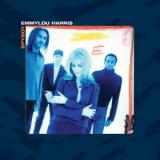
“A good song can survive and shine in different ways in the hands of different musicians,” says Emmylou Harris. “It can have different meanings at different times in your life. A good song can travel with you anywhere.” That philosophy has guided her fifty-year career in country music, during which she has covered countless songs across countless genres and put her own indelible stamp on each one. More specifically, it’s the philosophy that animates both Spyboy, her touring band in the late 1990s, and Spyboy, the 1998 live album that demonstrates how these musicians made her songs shine. Sequencing old songs alongside new ones, the album tests the tensile strength of each one, pushing them into wilder and more psychedelic territory while remaining grounded in earthy country music. It’s completely unique in her catalog, a crucial document of an important chapter in her career, and it’s finally getting reissued after years of being unavailable. “It’s such a special record,” she says. “Well, they all are, but this one is really, really special. That was such a fantastic band and such an amazing time.”
Spyboy grew out of Wrecking Ball, Harris’ groundbreaking 1995 collaboration with producer Daniel Lanois. In 1996 and 1997 together with Buddy Miller, Brady Blade and Daryl Johnson, The band, also named Spyboy, toured America and Europe together, never playing a song the same way twice. Buddy Miller brought along his recording gear and recorded nearly every show on the tour. When their time on the road ended, Miller and Harris sat down together and they culled through hundreds of tracks to choose the ones that best represented the Spyboy ethos of endless possibility. They whittled the original release down to 14 tracks and in 1998 Eminent Records released Spyboy on CD.
With effortless cool, Moriah Plaza blend Brazilian samba, cinematic Latin jazz and psychedelic 60s pop on new EP "Propolis". Moriah Plaza"s self-titled debut album, released on Batov Records in 2023, garnered critical acclaim and widespread airplay, positioning the group as one to watch in the worlds of global pop and contemporary jazz.
Bradford-born singer-songriter Daisy Dooks presents her powerful debut, a collection of six songs recorded live at The Albany in Deptford, London, in 2024. Recommended for fans of Nick Cave, PJ Harvey, Good Sad Happy Bad.
Martin Denny returns with his loyal crew of multi-instrumentalists that had previously performed on
Forbidden Island, Primitiva, Hypnotique & Quiet Village: stand up bass player Harvey Ragsdale, vibe player Julius Wechter (also a member of the legendary recording unit The Wrecking Crew) and percussionist Augie Colon who was called the “Grandfather of Hawaii Percussion”. And of course, the famous cover girl on Martin Denny’s albums, Sandy Warner, otherwise known as “The Exotica Girl”, returns as well. Although Denny was recording his output at an astonishingly brisk rate, there’s something about Exotica Vol. III, which makes it one of his best and most sought-after with collectors and listeners. Of course, the brilliance of the lead-off track of Les Baxter’s “Jungle River Boat”, with its tight vibe-and-percussion workout intertwined with Colon’s iconic bird calls and other worldly sounds, only makes the sweet, lazy water sounds of the following track “Harbor Lights” all the more delightfully mysterious. So pour your drink of choice, dim the lights, open the windows, and let Exotica Vol. III roll across you.
“His last volume is a no-brainer. The material is simply too good to avoid.” – AMBIENT EXOTICA
Jesse Harris’ Freund und Arrangeur Maycon Ananias hatte zusätzliche Aufnahmezeit mit einem estnischen Orchester und lud Harris ein, ein Stück beizusteuern. Das erste Experiment, Dolores, entfachte eine neue kreative Richtung. Obwohl Harris – Grammy-Preisträger und langjähriger Wegbegleiter von Norah Jones, Willie Nelson und Cat Power – bereits mehr als zwanzig Alben veröffentlicht hatte, war es seine erste Aufnahme mit Orchester. Beflügelt von dieser Erfahrung schrieb Harris innerhalb von nur fünf Wochen acht weitere Songs – detailreiche Kompositionen, die von Beginn an für symphonische Arrangements gedacht waren. Entstanden ist ein Album, das zwischen New York, Rio und Talinn aufgenommen wurde und hochkarätige Gäste wie Norah Jones, den brasilianischen Gitarristen Guilherme Monteiro, Jake Sherman sowie Marine Quéméré von Nouvelle Vague vereint.Mit seinen opulenten, zugleich feinfühligen Arrangements taucht If You Believed In Me in Themen wie Erinnerung, Sehnsucht und imaginierte Möglichkeiten ein – in die „Was-wäre-wenns“, die jeden Träumer begleiten. Herausgekommen ist orchestraler Pop voller Wärme, Melancholie und leiser Überraschungen – ausgelöst durch eine einzige Einladung.
Acclaimed electronic musicians, producers and sound architects Max Cooper and Rob Clouth team up for a new collaborative EP; a dark, playful four-track dive into ambient, breakbeat and techno’s subconscious flow, featuring a standout vocal performance from South London rapper FLOHIO.
Recorded over a series of spontaneous London sessions, “8 Billion Realities” channels years of creative exchange between two of the genre’s most quietly innovative artists and is a result of a decision between the longtime friends to refrain from conceptual overthinking in favour of instinct and joy.
As long-time admirers of each other’s audio/visual work, Cooper and Clouth collaborated in London together after both emerging from intense, idea-heavy album cycles. What followed was a series of exploratory sessions, half-improvised, half-built around half-formed thoughts.
The result is a club-ready EP that feels alive and human: imperfect and hypnotically rich.
“Rob Clouth has been one of my favourite electronic music producers since I first heard his work in 2011,” says Cooper. “His work is more full of ideas and structure than anyone else.” “We were both coming from extensive conceptual studio albums and both in the mood for simplifying things and having some fun with the music, so that’s what we did”.
For Clouth, no stranger to Max Coopers Mesh label having previously released an array of EP’s plus his 2020 debut album “Zero Point” this record marks a new chapter, both creatively and personally.“Something pretty new for me is collaborating,” he says. “You kind of have to when to stop, because if you develop an idea all the way to its endpoint, the other person has nowhere to jump in.”
The first “A Moment Set Aside” began as a break from another idea, a live, unplanned improvisation based around arps and ambience. “The track was written in about as long as it took to play it,” says Cooper. “It was pulled from a 1 hour recording session, more or less as you hear it… the energy and excitement grew as the unplanned moment bore some magic.”
“The lesson being that sometimes it’s helpful to set aside a moment without forcing results, and let the subconscious have something to say.” What followed was darker, heavier. “Asymptote” is detuned techno. Subversive and euphoric in its descent. “We found a sort of brain mangling, half consonant, half wandering detuned techno pulse, which we started chatting about being a sort of pit of spiralling body parts we were falling into,” says Cooper. “It was a lot of fun to work on and let loose with bigger kicks than I usually ever get to unleash.”
Then came “8 Billion Realities”, featuring a standout rap performance from FLOHIO; an emerging figure in the UK grime and rap scene. The track was inspired by conversations about algorithmic echo chambers and hyper-personalised online worlds. Frantic, direct, and South London to the core, FLOHIO brings this tension to life. Her sharp, intense flow cuts through distortion and rhythm, landing the track somewhere between chaos and control instantly making it one of the most striking moments in either artist’s catalogue. “A different reality for all 8 billion of us,” says Cooper. “We weren’t sure if it would work… but there was something about the energy of the percussive idea and the story which felt like it might fit.” “Then FLOHIO had a play with it and straight off the bat absolutely killed it, not just with the lyrics and energy, but the harmonising too, it was a beautiful process.”
The final piece on the EP “Candeleda” originated from Clouth’s solo experiments with a live rig made entirely of vocals and keys, using his self-developed “cheatbox” system. “He put forward a beautiful stumbling melodic sequence which we bounced back and forth adding harmonies and synth layers,” says Cooper. “It rounds off a collection covering some of the breadth of music that we both love.”
out of Stock
Last delivered 10 months ago available to reorder, subject to availability
Downwards present Alexander Tucker in metamorphosis from psych folk to techgnostic bard, aided by notable guests – Justin K Broadrick, Regis, Phew, Karl D’Silva, JJOWDY, and Elvin Brandhi – in a quest for disordered convention and new thrills. One up to Tucker’s outings for Alter and The Tapeworm, and spiritual successor to his »Nonexistant« trio on Downwards, »Clear Vortex Chamber« is an enigmatic take on the brownfield edgelands where the eldritch intersects electronic heck. Decades of work spread between hardcore punk, psych rock, folk, and drone — including work with Stephen O’Malley (Ginnungap) and Neil Campbell (Astral Social Club, ESP Kinetic) — feed forward into this album’s unsteady machine rhythms and cranky junkyard atonalities, where Tucker panel-beats aspects of his previous sound with a newfound industrial thrust and cyber-punky lust that suits him dead well.
A crafty example of how to mutate without losing sight of yourself, the album’s eight parts feel like a cyborg patching itself into modernity. On opener »Udug« Tucker’s signature falsetto peals from a A Scanner Darkly-style scramble suit of stereo-strobing electronics, setting a melodramatic, neo-gothic tension that riddles the album thru the knotted, fractured industrial dancehall bullishness of »Mallets« with Yeah You’s feral gob Elvin Brandhi, via a pair of standout »Fedbck« parts with Tucker’s personal idol, Justin K Broadrick (Godflesh, Jesu, and the rest), featuring the Brum deity’s claw-handed riffs and howl on the first, and smeared with Karl D’Silva’s brass in its noctilucent second part.
Regis also proves a staunch foil for the album’s most robust, club-ready cut »Zona«, hammered out from buzzing metallic drums and monotone bass drones, and pitting his severed vox against Tucker’s own androgynous harmonies to recall aspects of The Ephemeron Loop via British Murder Boys, whilst scene legend, Can and Ryuichi Sakamoto spar Phew (aka Aunt Sally) ideally tempers the flow in a relatively soothing »Sansu«, sharing more cyber-romantic, recombinant sentiments with the channelling of Robert Wyatt gone Funk Bruxaria on »Folded«.
out of Stock
Last delivered 9 months ago available to reorder, subject to availability
Elations Recordings presents "Depois do Silêncio", an intimate, forward-looking acoustic bass, digital keyboard and synthesiser recording by Brazilian avant-garde jazz luminaries Zeca Assumpção and Lelo Nazario. This release celebrates almost fifty years of the duo's friendship and musical affinity, continuing a musical dialogue between long-time collaborators. The duo began working together with Hermeto Pascoal's "Grupo Vice Versa" in the mid 1970s before forging one of Brazil's most adventurous experimental jazz groups "Grupo Um" in 1976; releasing three albums with a shared avant-garde and lateral, exploratory approach to sound fusing jazz and contemporary synthesis with expanded and prepared acoustic playing.
"Depois do Silêncio" reflects the duo's long development of a shared conception of music, resulting in a work that is both timeless and modern. The music on the album was primarily recorded in Nazario's UTOPIA Studio, São Paulo, in 1994, featuring Assumpção on acoustic bass and Nazario on his newly acquired Ensoniq TS-12; these recordings were supplemented with acoustic bass for "Quintal da Memória" in 2018 and completed with an additional layer of rich, complex analog and virtual synthesis following their rediscovery of the material in 2022.
Assumpção's deeply expressive acoustic bass playing forms the backbone of these compositions, augmented by Nazario's expansive and exploratory approach to synthesis, its constantly shifting timbres "making music a living organism, which adapts to situations as they appear." Nazario explains that "although the themes are written, much of the music is improvised based on an organic development of ideas, all intertwined and interrelated exactly as happens in a living organism".
The album title "Depois do Silêncio" (After Silence) references a phrase by the writer Aldous Huxley; "after silence, that which comes nearest to expressing the inexpressible is music". Assumpção and Nazario continue a search for new forms of musical expression, and here they succeed in creating music that "expands the sound of musical instruments, so opening new horizons in the minds of listeners".
out of Stock
Last delivered 11 months ago available to reorder, subject to availability
Marcel Dettmann's 'My Own Shadow' is the latest chapter in the Berlin-based legend's illustrious career. The live project is, in his own words, "a space where all of my artistic expressions meet," blending techno with film, sketches and photography. The shows are less club sets and more immersive experiences, where the audience gets lost in a "full sensory narrative." "My solo work has always been open, evolving across records and remixes," Dettmann added.
My Own Shadow's first official release, Approaching, is a five-track EP landing on !K7 Records in November. Complemented by his own photography on the artwork, the music spans techno and ambient, fizzing with a madcap funk and energy quite unlike any of his previous productions.
VITAL SALES POINTS
Renowned Berghain resident and contemporary techno stalwart Marcel Dettmann introduces his brand new project and alias My Own Shadow - after his latest releases on Running Back and Dekmantel. EU, UK and US tour dates during the campaign.
out of Stock
Last delivered 4 months ago available to reorder, subject to availability
CENTRAL's new release is already here! On the B-Side, DJ KAWASAKI has edited the extra-hit “Samurai” to make it an even hotter dance track!
Both sides of the album are perfect for the field!
CENTRAL, a salsa band that has suddenly gained attention after releasing two singles and a full-length album last year, but is actually a group of seasoned salsa veterans, has already released a new single! This time around, CENTRAL has released a cover of “Brazilian Rhyme,” one of Earth, Wind & Fire's many classic songs that still remains a dance floor favorite, with a Latin arrangement that is full of CENTRAL's signature style. The groovy bass, shimmering electric piano, percussion, and outstanding horn arrangement make you want to dance and scream, “This is CENTRAL! The B-Side features DJ KAWASAKI's edit of “Samurai,” a definitive mellow salsa track that has now become a WANT-requested item from all over the world, sublimated into an even hotter dance track!
This summer, dance hard to CENTRAL's salsa!
out of Stock
Last delivered 11 months ago available to reorder, subject to availability