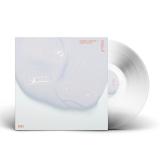
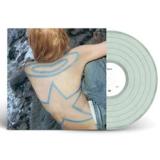
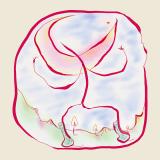
Anushka Chkheidze + Robert Lippok continue their collaboration with »The Sky Was Out of Tune«. Its eight movements form a long-form ambient piece in constant flux: soundscapes emerge from electronic synthesis and layered textures, while small melodies, rhythmic patterns, metallic noises, or distortions drift through like clouds across the sky. But a sky that is out of tune is still a sky. What shifts is the register in which it speaks.
»The Sky Was Out of Tune« emerges from a live performance for »Festival of Future Nows« at Berlin’s Neue Nationalgalerie. Its organically tangled sounds mirror the artists’ attention to nature as a system that is never quite in equilibrium. Ecosystems lean, compensate, tip, and recover—balance, in the natural world, is not a fixed state but a perpetual negotiation. Chkheidze and Lippok take this as both subject and method. Their sounds shift weight between one another, approach resolution and then withdraw from it, hold tension without release—they find form in the unstable. »Preparing something unstable completely changed the method of how we would normally split our skills or roles,« Chkheidze says. »I think in this one looong piece you feel how much we listen to each other.«
Anushka Chkheidze + Robert Lippok continue their collaboration with »The Sky Was Out of Tune«. Its eight movements form a long-form ambient piece in constant flux: soundscapes emerge from electronic synthesis and layered textures, while small melodies, rhythmic patterns, metallic noises, or distortions drift through like clouds across the sky. But a sky that is out of tune is still a sky. What shifts is the register in which it speaks.
»The Sky Was Out of Tune« emerges from a live performance for »Festival of Future Nows« at Berlin’s Neue Nationalgalerie. Its organically tangled sounds mirror the artists’ attention to nature as a system that is never quite in equilibrium. Ecosystems lean, compensate, tip, and recover—balance, in the natural world, is not a fixed state but a perpetual negotiation. Chkheidze and Lippok take this as both subject and method. Their sounds shift weight between one another, approach resolution and then withdraw from it, hold tension without release—they find form in the unstable. »Preparing something unstable completely changed the method of how we would normally split our skills or roles,« Chkheidze says. »I think in this one looong piece you feel how much we listen to each other.«
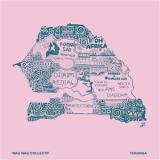
,Teranga", das letzte Album der Wau Wau Collectif-Trilogie - dieser verträumten, kulturübergreifenden Zusammenarbeit -, zeigt, wie die Band endlich zu einer Einheit zusammenwächst. Der Name leitet sich vom Wolof-Wort ,Teranga" ab, das für Herzlichkeit, Gastfreundschaft gegenüber anderen und - ganz allgemein - für ein gemeinsames Zusammentreffen steht - ein passender Titel für das Album, das selbst Ausdruck einer solchen Begegnung ist. Das Projekt begann 2018 im Dorf Toubab Dialaw, wo die beiden Musiker Arouna Kane und Karl-Jonas Winquist die Idee erstmals hatten. In den folgenden Jahren entwickelte sich das Projekt weiter: Die beiden Produzenten tauschten über WhatsApp Dateien aus und bezogen ihr Netzwerk aus Freunden und Kollegen in das ein, was später zum Wau Wau Collectif werden sollte - was schließlich in ihren ersten Alben ,Yaral Sa Doom" (2021) und ,Mariage" (2022) gipfelte. Ihr neuestes Album, ,Teranga", ist der dritte und letzte Teil dieser Trilogie, der während der ersten Live-Tour der Band fertiggestellt und abgemischt wurde - eine fünfwöchige, weitreichende Reise quer durch Europa mit ,drei Schweden, drei Senegalesinnen und einem französischen Fahrer, ein herrliches Sprachengewirr", wie Karl-Jonas erklärt. Das Herzstück von Wau Wau Collectif ist ein starkes musikalisches Fundament, das nicht nur auf dem breiten kulturellen Spektrum beruht, aus dem sich das Kollektiv inspirieren lässt, sondern auch auf den äußerst talentierten Musikern - komponiert und eingespielt von sage und schreibe 26 verschiedenen Songwritern und Musikern, die eine beeindruckende Bandbreite an Instrumenten spielen, darunter Balfon, Ngoni, Calabasse, Violine, Cello, Saxophon und Omnicord. Der daraus resultierende Sound lässt sich nur schwer einordnen, hat aber klanglich zweifellos seinen Platz in Teranga gefunden. Mal verträumt und meditativ, aber durchdrungen von einer organischen Seele - ein völlig einzigartiger Sound, der zugleich anachronistisch und zukunftsweisend ist. ,Oh, Africa" könnte auf einer klassischen Neuauflage zu Hause sein, mit einem fast türkisch anmutenden Gitarrenriff, während ,100 ans" (ihre erste Live-Studioaufnahme) an Amadou et Mariam aus den frühen 2000er Jahren erinnert. Mit Wurzeln in der Avantgarde (Karl-Jonas hat Barney Wilens ,Moshi" als Inspiration genannt), während Wau Wau sich von diesen Experimenten inspirieren lässt, auch wenn sie in ihrem Bekenntnis zum Gemeinschaftsgeist davon abweichen - ein Projekt, das durch Handys, WhatsApp und im Internet kursierende MP3s ermöglicht wird -, was leicht ironisch wirkt, wenn man bedenkt, wie akustisch, bodenständig und menschlich es sich anfühlt. Während wir das Kapitel der Trilogie abschließen, betont Karl-Jonas, dass dies vielleicht erst der Anfang ist: ,In gewisser Weise haben wir gerade erst angefangen", sagt er. Für das nächste Jahr zeichnen sich Pläne ab, die ganze Band zusammenzubringen, und es stehen weitere Tourneen bevor - mehr Hoffnung, mehr Menschlichkeit und mehr Zusammenhalt.
Zuhause ist kein fester Ort. Es ist ein sich wandelnder Begriff, der in der Geborgenheit des Mutterleibs beginnt und sich dann in die Sicherheit der elterlichen Arme verlagert. In der Kindheit erweitert er sich auf Klassenzimmer und Freundschaften. Im frühen Erwachsenenalter entdecken wir unsere Unabhängigkeit und fangen an, Räume zu schaffen, die nur uns selbst gehören. Bei der Vorstellung eines ,Zuhauses für immer" geht es weniger um Beständigkeit als vielmehr um einen Rückzugsort. Dort fallen alle Masken ab, und wir finden zu unserem wahren Selbst. HOME ist ein Album, das auf der einzigartigen Chemie zwischen den Outer-World-Mitgliedern Kenneth Close (Positive No) und Tracy Wilson (Dahlia Seed, Ringfinger, Positive No) basiert - eine farbenprächtige Liebessprache, die synthetische Klänge und Samples mit Schlagzeug, Gitarre, Bass, Keyboards und Gesang überlagert und so die Grenze zwischen moderner Technologie, einer gemeinsamen Geschichte und einer einheitlichen emotionalen Wahrheit verschwimmen lässt. Zwei Jahre nach der Veröffentlichung ihres Albums ,Who Does the Music Love?" hat sich Outer World von einem Duo zu einer sechsköpfigen Band entwickelt, wobei ,HOME" sich wie der Soundtrack zu einem imaginären Spionagefilm anhört: hochdramatisch und spannungsgeladen, mit verhedderten Bettlaken als Höhepunkt. Hier gibt es keine Grenzen zwischen den Genres, es findet ein Dialog statt zwischen: ,Outernational"-Grooves, italienischen Western-Soundtrack-Komponisten, Hazlewoods Twang-Gitarren, Spectropop-Beat-Girls der 60er, Lagos-Highlife, zeitgenössischen klassischen Chorarrangements, isländischer Avantgarde, Bond-Bösewichten, Kunstobjekten aus der ersten Punk-Ära, östlicher Philosophie und der Kunstschule in Athens, Georgia, in den 80ern - all das ist darin enthalten, verwoben zu einer einzigartigen Stimme.
Musique Domestique marks the debut full-length from French duo Adiciatz, a project that emerges from the shared musical curiosity of Manon Nogier and Guillaume Lespinasse. Living near Lyon and making music together since before the pandemic, the pair developed their sound during lockdown improvisations at home — a creative process that quickly revealed a unique musical chemistry rooted as much in folk tradition as in experimental exploration.
Drawing on a wide palette of influences — from Occitan poetry, delicate folk to drone and spontaneous sound exploration — Adiciatz makes music that feels both intimate and expansive. Nogier’s voice and amplified taisho koto weave through Lespinasse’s keyboards, machines and percussive touches, forming a sonic world where ritualistic soft folk melodies coexist with subtle electronic textures.
Their live performances, including an appearance at the Meakusma Festival, where their set blurred the line between concert and séance, have already shown how this blend comes to life in front of audiences, with hypnotic vocals, spiralling chords and slow, trance-like rhythms inviting listeners into a space that is both meditative and evocative.
On Musique Domestique, those live-rooted sensibilities are distilled into recorded form. The album moves fluidly between rich pastoral folk and instrumental meanderings. Musique Domestique announces Adiciatz as a compelling new voice at the intersection of folk, experimental and electronic music crafted with care and intuition.
Spiral code is the second album released on An’archives by the Japanese trio archeus, after 2023’s Kusōzu: Nine Death Stages, and their seventh release altogether. It’s also the most staggering evidence yet of the single-minded pursuit of group-sound explored by Keiko Higuchi (voice, drums, percussion, trombone), Shizuo Uchida (4 strings), and TOMO (hurdy gurdy). For two tracks, “awakening, beyond recurrence” and “where points and lines intersect”, they’re joined by Kiyotaka Moriuchi, an improviser who’s played with the likes of Shoko Numao and Ensemble Shippolly, on percussion and darbuka (a goblet-shaped drum played widely across South East Asia).
Always able to scour magic from both their relationships with their instruments, and their non-idiomatic interplay, on spiral code they’ve widened their net further; the results oscillate from humid and claustrophobic blocks of noise to rivulets of tone coursing across post-volcanic landscapes, and on into simple gestures suspended in arctic space. Spiral code was recorded in a single day, on March 20 th 2025, at a studio in Koenji, Tokyo, the morning session with the original trio, and afternoon and evening session with Moriuchi – the first time archeus have played with a guest musician.
When asked about the music archeus makes together, TOMO is quick to isolate the singular characteristics of their collaboration: “we are trying to explore some new, unknown musical vocabulary every time we play. And what we are trying to achieve from every session is something unique, an interesting chemistry or, I should say, alchemical reaction among the three of us.” You can certainly hear that alchemy in the dynamic arc of their performances, the way they seem to be able to switch on a dime and push the music into unexpected terrain, all while sounding intimately archeus. “We have been playing for many years,” TOMO continues, “so I think that among three of us, we can telepathically sense, feel and understand what each of us is trying to express while we are playing.” It’s telling that guest musician Moriuchi fits so effortlessly into the archeus soundworld, able to hitch a ride on the intimate telepathy of Higuchi, Shizuo and TOMO; “I think he gave us some fresh air to our music,” the latter smiles. But that telepathy extends, even, to the name of the album itself, with all members pointing toward spiral imagery when naming the title track, whether TOMO’s evocation of Kundalini serpent imagery and Caduceus, to the spiral shape of DNA, what TOMO calls “the code of life.” It’s certainly deeply entwined music: spiral code is a helix of sound, a cylindrical coiling of possibility.
Liam Hayes is an acclaimed American musical artist known for his songwriting and uncompromising approach to making records. He started cassette multitracking while a preteen and made his first real studio recording at twenty one. This started an obsession that ultimately led to his releasing a 7” single (Found A Little Baby/Three Quarters Blind Eyes) on a small US indie label. Those tracks garnered the attention of the UK music press, and on the strength of those songs a career was launched. The follow up was highly anticipated by critics and listeners alike, but rather than playing to expectations he delivered a highly personal album of solo piano/vocal songs (More You Becomes You). Not one to repeat himself, Hayes started off the millennium by serving up the extravagant pop/soul opus (Fed). Both records are now considered to be masterpieces.
Hayes’ songs are recognised for their exquisite melodies, poetic lyrics and distinctive vocals. He’s released seven albums, two singles and a soundtrack, and applies his craftsmanship to a variety of genres from orchestrated pop to stripped down rock. Comparisons to Brian Wilson, Laura Nyro, Carole King, Harry Nilsson, Badfinger (and even Prince) are numerous. His music takes the best of radio and stellar classic pop records of the 60’s and 70’s and brings it into the present.
Along with making records Hayes has appeared on screen performing his music in High Fidelity (directed by Stephen Frears) and A Glimpse Inside the Mind of Charles Swan III(directed by Roman Coppola) which he also wrote the soundtrack for.
In this, their first production for Hayes, are (executive producer) Terrence Washington and (multi-instrumentalist/producer/arranger) Vincent Carlo with additional contributions from Terrence’s father, legendary arranger TOM TOM 2084 (Chi-Lites, Phil Collins, Plush).
His latest album, Dancing Backwards, sees Liam stepping through the shadows in his life and into a new musical day.
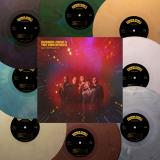
Following the “immaculate and eternal soul” (The Guardian) of The Indications’ 2019 album, American Love Call, Private Space unlocks the door to a wider range of sounds, boldly launching the band into a world of synthy modern soul and disco beats dotted with strings. Anchored by the high-low harmonies of Aaron Frazer (drums/vocals) and Durand Jones (vocals), and rounded out by Blake Rhein (guitar), Steve Okonski (keys), and Mike Montgomery (bass), The Indications are true masters at melding revival sounds with a modern attitude. The ten tracks across Private Space provide for both an escapist fantasy and a much-needed recentering after a tumultuous 2020.In conjunction with today’s announcement, they share Private Space’s lead single/video “Witchoo.” Reflective of the track’s vibrant, playful energy, the Weird Life-directed video features the five band members and close friends, transitioning from a live performance to an electric backstage soirée.“At the end of the day, I just want people to close their eyes and forget where they are. Just the way a Stevie Wonder album does for me,” says Jones. Developed after being apart for much of the year, Private Space is creatively explosive and delights in upending expectations. Throughout, The Indications highlight a collective resiliency – as well as the power of a good song to be a light in the darkness. From an Indiana basement (where the band recorded their 2016 self-titled debut LP as college students), The Indications have catapulted into the soul limelight and an international stage. Following their sophomore album American Love Call — a dreamy but pensive record of big string arrangements and sweet soul stylings — The Indications became revered by vintage music fans, the lowrider community and late-night television.
Mit „That’s Just Me“ veröffentlicht Riley Green sein viertes Studioalbum. Entstanden während einer prä-
genden Zeit und seiner bislang größten Tour, zeigt sich Green darauf so persönlich und vielseitig wie nie
zuvor.
Der Song „Think As You Drunk“ würdigt die Country-Legende Toby Keith, unterstreicht Greens unverwechselbaren Sound sowie seinen bodenständigen Charme und erweitert das Album um ein weiteres Beispiel
für sein meisterhaftes, generationenübergreifendes Erzähl- und Songwriting-Talent. Geschrieben wurde der
Titel von Green, Jessi Alexander, Erik Dylan, Wyatt McCubbin sowie – posthum – von Scotty Emerick
und dem unvergessenen Toby Keith, den Schöpfern des Hits „Ain’t As Good As I Once Was“. Ein Teil der
Einnahmen aus dem Song kommt der Toby Keith Foundation zugute.
Produziert wurde das Album von Dann Huff und Riley Green selbst und bleibt dabei seinem authentischen
Storytelling und Country-Sound treu. Nach sechs Nummer-1-Hits, fünf ACM Awards und vier CMA Awards
unterstreicht „That’s Just Me“ einmal mehr seinen Status als eine der prägendsten Stimmen des modernen
Country.
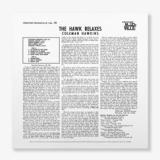
Ursprünglich 1961 veröffentlicht, erscheint diese neu remasterte Ausgabe von „The Hawk Relaxes“ des
Tenorsaxophonisten Coleman Hawkins nun im Rahmen der neuen Moodsville Acoustic Sounds Reihe. Mit
Ronnell Bright (Klavier), Kenny Burrell (Gitarre), Ron Carter (Bass) und Andrew Cyrille (Schlagzeug) gilt
das Album als eines der besten Alben aus Hawkins’ später Schaffensphase. Diese Neuauflage erscheint auf
180-Gramm-Vinyl, gepresst bei QRP, mit vollständig analogem Mastering von den Originalbändern und in
einer Tip-On-Hülle.
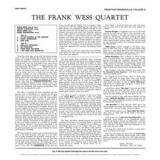
Diese neu remasterte Ausgabe des Albums „The Frank Wess Quartet“ des Tenorsaxophonisten Frank Wess
erscheint im Rahmen der neuen Moodsville Acoustic Sounds Reihe. Das Album, das ursprünglich 1960
veröffentlicht und in den berühmten Studios von Rudy Van Gelder in New Jersey aufgenommen wurde,
umfasst außerdem Tommy Flanagan (Klavier), Eddie Jones (Bass) und Bobby Donaldson (Schlagzeug).
Diese Neuauflage erscheint auf 180-Gramm-Vinyl, gepresst bei QRP, mit vollständig analogem Mastering
von den Originalbändern und in einer Tip-On-Hülle.
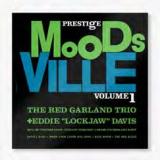
Diese neu remasterte Ausgabe von „The Red Garland Trio + Eddie ‚Lockjaw‘ Davis“, auch bekannt als
„Moodsville Volume 1“, erscheint im Rahmen der neuen Moodsville Acoustic Sounds Reihe. Auf dem
Album, das ursprünglich 1960 veröffentlicht und in Rudy Van Gelders Studio in New Jersey aufgenommen
wurde, sind Red Garland (Klavier), Eddie „Lockjaw“ Davis, Sam Jones (Bass) und Art Taylor (Schlagzeug)
zu hören. Diese Neuauflage erscheint auf 180-Gramm-Vinyl, gepresst bei QRP, mit vollständig analogem
Mastering von den Originalbändern und in einer Tip-On-Hülle
Released in 1983, "En la guía, en el listín" remains a permanent anomaly in the history of Spanish pop music, with few clear predecessors and even fewer descendants. It is an imperfect yet fascinating catalog of the many faces Derribos Arias could reveal. Its sound combines odd electric rock, leftfield proto-hip-hop, and dark, immersive songs that simply defy categorization. An essential album. Includes liner notes and the artwork of the original insert. By late 1981, the San Sebastián-based group La Banda sin Futuro had already transformed into Derribos Arias. Their first two singles dazzled critics eager for new ideas capable of placing Spanish pop alongside the contemporary music increasingly arriving from abroad in real time. 'Branquias bajo el agua', the standout track from the band's debut single, topped the list of Best Songs of 1982 as voted by listeners of Diario Pop on Radio 3 (Spanish National Radio). With an expanded four-piece lineup and a larger budget than they had enjoyed for their earlier singles, the band entered the prestigious Kirios Studios to record their album, with Paco Trinidad serving as producer. The electric intensity of 'Intima decoración' and 'Crematorio' -angular, off-kilter reinterpretations of a strain of rock descended from The Velvet Underground and The Stooges, a style with virtually no precedent in Spain-are excellent examples of the band's sound. To aberrate was the key term Poch used to describe his ineffable working method: a fearless creative freedom without which songs such as 'Lo que hay' could never have existed. The track stands as a leftfield proto-hip-hop number, later reworked as 'Disco pocho,' demonstrating both his admirable lack of prejudice and his complete disregard for any commercial ambitions the album might have had.Unfortunately, this album would never have a follow-up.
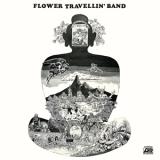
Originally released in 1971, "Satori" is Flower Travellin' Band's groundbreaking masterpiece and one of the most visionary albums of the early heavy rock era. It fused hard rock, psychedelia, progressive music and Traditional Eastern influences into a sound unlike anything heard before. Originally released in 1971, "Satori" is Flower Travellin' Band's groundbreaking masterpiece and one of the most visionary albums of the early heavy rock era. It fused hard rock, psychedelia, progressive music and traditional Eastern influences into a sound unlike anything heard before. Unlike many rock albums of the era, "Satori" is structured as a continuous musical journey, with its five tracks presented as interconnected movements rather than conventional songs. The band's powerful rhythm section, extended guitar passages, and the commanding vocals of Joe Yamanaka create an atmosphere that feels both intense and hypnotic. Recorded during a period when Japanese rock was developing its own identity, "Satori" drew inspiration from Western hard rock and psychedelia while incorporating a unique sense of space, improvisation, and spiritual exploration. Over the decades, the album has gained international recognition among collectors, musicians, and fans of vintage heavy rock, often cited as an overlooked classic that anticipated elements of later hard rock, stoner rock, and heavy metal. Created for an international audience and revered by generations of musicians and collectors, more than fifty years after its release, "Satori" remains as one of the most influential and forward-thinking records in Japanese rock history. LP includes insert.
After enjoying two major hits with the singles “Maybellene” and “Roll Over Beethoven” in 1955 and 1956, it was not until May of 1957 that Chuck Berry released his debut studio album and masterpiece, After School Session. The second album ever released on the legendary Chess Records, After School Session offered a new sound to audiences, nodding to teenagers with its title and including a mix of “rockers” that set the blueprint for the rise of rock ‘n’ roll. Includes “School Day (Ring Ring Goes The Bell),” “Brown Eyed Handsome Man,” and “Too Much Monkey Business.” Bring home the sound of America’s greatest blues label in high fidelity with the Chess Records Acoustic Sounds Series. These audiophile reissues of classic albums and compilations from the Chess discography are remastered from the original analog tapes and pressed on 180-gram vinyl at Quality Record Pressings (QRP). Each disc is packaged in tip-on gatefold sleeves printed on high-grade board.
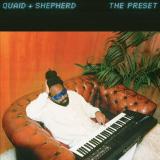
Quaid + Shepherd’s “The Preset” 12” is a multi-mix single/release pushing and evolving the confines of the present funk sound. This London duo, which is composed of producer Quaid and vocalist Shepherd (who have been long-time collaborators), dives especially deep with these four banging club mixes of “The Preset”, channeled through the lens of 80s boogie-funk. Quaid explains that “early 80's boogie funk has always been a massive inspiration and a huge part of my day-to-day listening experience”, and these 4 mixes of “The Preset” serve to honor a “drum machine soul” tradition, while keeping the production and feel fresh for the dance-floor and the context of today. This release is stacked full of epic alternate mixes for listeners and DJs to experience: Most notably, there is a “Sysex” Mix from Atlanta’s elusive abstract boogie-funk producer Moon B (his first new production to release after a multi-year hiatus), which delves into his intangibly unique slanky-funk sound. Also included on the B side are the hypnotic and more uptempo “Wet Dreems” Mix and a “Dirty Dub” Mix from Quaid that truly leans into the quirky synth leads, crispy drum programming and heavy rolling bass.
"Formed in 1967 as a psychedelic electronic duo featuring Dan Taylor on drums and Simeon on a homemade synthesizer consisting of 12 oscillators (and an assortment of sound filters, telegraph keys, radio parts, lab gear and a variety of second hand electronic junk), Silver Apples quickly gained a reputation as New York's leading underground musical expression. Their pulsating rhythmic beats with the use of electronics laid the groundwork for what would become 'Krautrock'. Silver Apples was released in 1968 and still remains an innovative and revolutionary album. Their highly influential sound has influenced countless bands from Stereolab, Beastie Boys, Blur and more. 'Silver Apples... a beautiful and mysterious artifact.' - New York Times.
Sales points
- New 24 bit /96 kHz transfer taken from the original master tapes.
- Limited Blue Sky Colored Vinyl
- First Reissue from Original Tapes
- Currently Touring in the US and Europe
- 'Oscillations' featured in Pitchforks Top 200 songs from the 60's.
“A lush, heatwave-friendly piece of dancefloor innovation…” Clash Magazine
First Word Records is delighted to bring you the debut EP from Ships of the Pharaohs.
Ships of the Pharaohs are a London-based collective led by producer Last Nubian, who’s had releases in his own right on labels like CoOp Presents, Eglo Records & Touching Bass. Blending jazz, soul, bossa nova, d&b and house-influenced grooves, the band also consists of vocalist Achanté, keys player Goldbar & bassist, Dougan.
The 7-track EP kicks off with the high-energy, vitamin D-saturated lead single ‘Sun is Rising’, featuring the guest vocals of brilliant Berlin-based singer Red Bird, who appears on three tracks on this project (‘For You’ and ‘Seasons’). ‘Can’t Quit’ follows on a smooth soulful house/bruk tempo, and invites in the thought-provoking spoken word prose of AKEEM. ‘Seasons’, ‘For You’ and recent single ‘Joys’ add another element to the band’s eclectic take on fusion, leaning heavily into the bossa side of the quartet’s influences. The latter track sees Achanté’s soulful harmonies gracefully float across a warm bed of keys, percussion, guitar picks & synth strings. We take a short jazzy breather on the ‘Interlude’ cut, featuring the resplendent sax of multi-talented Norwegian artist, Bror Havnes, who also features on the outro cut ‘One’ - this one seeing the crew ride out with a sonic salute to jungle/d&b, closing this first opus from the group with the energy levels remaining high.
Tre Wright (aka Last Nubian) explains “Our debut EP is a reflection of who we are, both individually and as a collective. Drawing inspiration from jazz, jungle, bossa nova, house, r&b and the music that's shaped us, we've explored our own interpretation of these sounds and how they come together in a way that feels true to us. It gave us the space to experiment without boundaries, trust our instincts, and create something that genuinely reflects where we are creatively right now.”
Originally conceived to perform Last Nubian material live for a Touching Bass showcase at We Out Here festival in 2023, the project soon took on a life of its own, as the group effort unleashed a unique chemistry & sound of its own merit. Thereafter followed numerous sessions in a studio-converted bedroom of a Brixton flat, developing this new sound. The finishing touches were taken care of at the infamous Total Refreshment Centre in North London, resulting in the formation of captivating new original material, which appears across this first extended release.
Ships of the Pharaohs have additionally performed live across London at Brick Lane Jazz Festival, House of KOKO, Jazz on Wick Festival, Peckham Levels, 91 Living Room & GROW in Hackney. Developing their powerful stage presence has gone hand in hand with the creation of their own material.
The initial singles from this project received praise & support from a variety of DJs, press outlets & tastemakers from the worlds of jazz, soul and clubland, including Shy One (NTS), Tony Minvielle (Jazz FM), Rohan Rakhit (Worldwide FM), Somewhere Soul & Clash Magazine to name a few.
With sonics somewhat reminiscent of Acid Jazz legends Incognito, merged with the class of Nuyorican Soul, and the dynamic fluidity of 4Hero, the 4-piece have cooked up a set of style & flavours uniquely their own, fresh for modern dances, incorporating organic improvisation with more contemporary club sounds.
The Ships of the Pharaohs are about to set sail for what is sure to be an exciting journey ahead.
‘Part 1’ will be released on 12” vinyl & all digital platforms on September 18th 2026.
Drums und eine Bassline. Das Rückgrat eines Grooves. Das Fundament der Tanzmusik. Drum & Bass ist
ein Genre, das die elektronische Musikproduktion in neue Sphären geführt hat. Hier präsentieren wir eine
Auswahl einiger der größten Künstler*innen, die diesen Sound jemals geprägt haben.
Calibre interpretiert die Songs von Totally Enormous Extinct Dinosaurs und Bo Saris neu – mit einer
Geduld, Präzision und einer federleichten Hand, die ihn zu einem der angesehensten Produzenten der elektronischen Musik gemacht haben.
Blu Mar Ten interpretiert Erykah Badus zeitlosen Klassiker „On & On“ neu und hebt dessen spirituelle
Essenz auf ein neues Niveau. Tiefe trifft auf filigrane Percussion und Sounddesign und haucht einem
berühmten Klassiker neues Leben ein.
Zum Abschluss präsentieren wir die 7“-Version von Adam Fs „Circles“, einem Musikstück, das nach wie
vor zu den prägenden Werken der britischen Tanzmusik zählt. Limitierte Auflage. Folge dem Sound.
out of Stock
Last delivered 7 days ago available to reorder, subject to availability
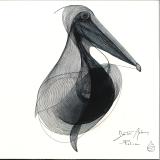
Like a pelican spotting its moment, Dimitri Andreas returns with a collection shaped by patience, precision and instinct.
Pelican marks a new chapter for a respected figure in underground electronic music. While recent years saw Andreas immersed in theatre productions, immersive audio experiences and multidisciplinary artistic projects, his fascination with rhythm, space, tension and emotion never left. It simply found different forms.
On Pelican, those worlds converge.
Across five original productions, Andreas distills the elements that have long defined his sound: hypnotic grooves, organic percussion, tribal influences, rich atmospheres and a deep sense of movement. The title track glides on suspense and anticipation, while Omenica and Mahu explore the groove driven territory that has become synonymous with his name. Cambolisa delivers a powerful melodic payoff, and Ember closes the journey with vintage synth warmth and restless energy.
The release is completed by three outstanding remixes from artists whose influence on contemporary electronic music is undeniable. Deetron reshapes Pelican into a deep and sophisticated techno excursion, Extrawelt transforms it into a cinematic and evolving voyage, while Petar Dundov expands Cambolisa into an emotional and atmospheric journey of his own.
Following a series of acclaimed MOVE Recordings releases supported by DJs including Sven Väth, Timo Maas, Jamie Jones and Fedele, Pelican arrives as a body of work shaped by years of exploration beyond the confines of club culture.
Rather than revisiting the past, Andreas brings those experiences back to the dance floor: music with patience, depth and perspective. Pelican is the sound of an artist returning not to where he started, but with everything he discovered along the way.
Already Supported by Laurent Garnier, Alexi Delano, Âme, Ilario Alicante, Just Her, Adriatique, Karotte, Danny Howells, Drumcomplex, Paco Osuna, Steve Parry, Marco Bailey, Alex Neri, Pole Folder, Amand, Calao, Neon, Gay Barone, ….
NEIL ARDLEY – KALEIDOSCOPE OF RAINBOWS The Definitive 2LP Reissue of a Landmark in British Jazz Fusion
Analogue October Records proudly presents the long-awaited reissue of Kaleidoscope of Rainbows, Neil Ardley’s 1976 masterpiece, originally released on Gull Records. Produced by Neil Ardley and recorded at London’s famed Morgan Studios, the sessions were engineered and mixed by Martin Levan, capturing one of the most ambitious and beloved works in British jazz. Following the acclaimed reissues of Courtney Pine’s Journey to the Urge Within (AOR-001-ST) and Neil Ardley’s Harmony of the Spheres (AOR-002-ST)—both praised by the audiophile press including The Tracking Angle—this third release confirms Analogue October as one of today’s most meticulous and exciting reissue labels.
A Suite of Sound and Colour
Commissioned for the 1975 Camden Jazz Festival, Kaleidoscope of Rainbows is structured as a seven-part suite, each movement reflecting a colour of the spectrum. Ardley’s composition weaves together jazz improvisation, progressive rock energy, and orchestral elegance in one of the most imaginative British jazz recordings of the era. Featuring Ian Carr, Barbara Thompson, Tony Coe, Trevor Tomkins, and Geoff Castle, the album is a who’s who of the UK’s vibrant 1970s jazz scene.
Cut at Abbey Road, Pressed at Record Industry
For this definitive edition, Analogue October worked directly from the original Gull master tapes. Mastering was entrusted to Miles Showell at Abbey Road Studios, using his renowned half-speed process to extract every detail and dynamic from Ardley’s score. To give the music the headroom it deserves, the reissue has been expanded to a deluxe 2LP set, pressed on the highest-quality vinyl at Record Industry in Haarlem, Netherlands. The result is a presentation that finally does justice to the scope and brilliance of Ardley’s vision.
Deluxe Package – Restored from the Source
The artwork has been meticulously restored from the original film elements, ensuring a sleeve of unmatched vibrancy and fidelity. Inside, a 12-page booklet printed on heavyweight card features an in-depth essay on Neil Ardley and the making of Kaleidoscope of Rainbows, written by Jazzwise magazine editor Mike Flynn, alongside rare photographs from the period.
Curated and Produced by Craig Crane
As with every Analogue October release, Kaleidoscope of Rainbows has been curated and produced by label founder Craig Crane with a collector’s eye for detail and a deep respect for the music’s legacy. This reissue is not only the definitive vinyl edition of one of the great British jazz fusion albums—it also continues the label’s mission to restore and celebrate the most vital recordings of the era.
Neil Ardley’s Kaleidoscope of Rainbows—vivid, expansive, and timeless—returns as the essential edition for audiophiles and jazz lovers alike.
Retail-ready product description (short form):
Produced by Neil Ardley and recorded in 1976 at London’s Morgan Studios, engineered and mixed by Martin Levan, Kaleidoscope of Rainbows is a cornerstone of British jazz fusion. This definitive 2LP reissue, mastered at Abbey Road by Miles Showell from the original Gull master tapes and pressed at Record Industry (NL), finally gives the music the dynamic headroom it deserves. The deluxe edition includes restored artwork and a 12-page booklet featuring an in-depth essay by Jazzwise editor Mike Flynn.
Meeting vulnerability with persistence, Lucerne-based musician Remo Helfenstein presents Spite, his first solo album on Präsens Editionen. Whereas his 2022 debut EP, Comforting Katharina, traced raw, devotional impulses, Spite expands the terrain—balancing psychedelic drift with sudden moments of clarity, wounded grandeur with flashes of pop transcendence.
The record thrives on contradiction: oscillating between the no wave austerity of Suicide and the meditative (and dadaist) expanses of Bitchin Bajas and Bonnie “Prince” Billy’s collaborative work, while opening into passages of gospel-infused spaciousness. At times intimate and porous, at times expansive and ecstatic, Helfenstein shapes a sound world that fuses analog and digital processes—both deeply personal and insistently collective. This duality comes to life most strikingly in recordings with fellow musicians Klara Germanier (background vocals and guitar), Raphael Loher (k
The Homesick sind ein abenteuerlustiges niederländisches Trio, das Stile wie Post-Punk, Krautrock, New Wave und experimentellen Pop mit furchtloser Neugier und Hingabe meisterhaft miteinander verschmilzt. Frei von Dogmen und doch rastlos romantisch, haben sich THE HOMESICK über mehrere Alben hinweg immer wieder neu erfunden - vom mitreißenden Debütalbum *Youth Hunt* bis hin zum barock angehauchten Durchbruchsalbum *The Big Exercise*, das bei Sub Pop erschien. Auf ihrem dritten, unabhängig veröffentlichten selbstbetitelten Album - entstanden in der Zeit nach der Pandemie - verschmolz das Trio sein breites Referenzspektrum zu einem schlankeren, pulsierenden Sound. Nun, auf ihrem vierten Album (und dem ersten bei Siluh Records), haben The Homesick in zehn Tracks ihre ganz eigene, höchst einfallsreiche und durchweg unterhaltsame Version von Clubmusik geschmiedet. Dabei schaffen sie einen mitreißenden Fluss zwischen den Stücken und pendeln mühelos zwischen der eingängigen, von City-Pop inspirierten Lead-Single ,Esperanto", dem von 808-Beats getragenen Herzschmerz-Song ,Policelessness" und der märchenhaften Disco-Nummer ,The Bees". Um diese funktionale und zugleich fantastische Tanz-Odyssee zu realisieren, holten sich The Homesick ein viertes Paar Ohren zur Unterstützung ins Boot. Der in Amsterdam ansässige Produzent und Künstler Rimer London - eine Schlüsselfigur sowohl im Mainstream als auch im Underground - verlieh dem Material seine eigene, markante und pop-orientierte Note, nachdem das Trio seine Tüfteleien im Studio abgeschlossen hatte. Dieser frische kreative Schub half der Band, sich an pop-geschukten Vorbildern zu orientieren, etwa beim sinnlichen ,Love off the Leash" oder dem wehmütigen West-Coast-Pop von ,Hey". Indem sie stärker auf clubbige, von den 80ern inspirierte Sounds setzten als auf den disharmonischen Post-Punk früherer Tage, ließ sich das Trio oft von einer Lawine aus Ideen mitreißen - so etwa beim treibenden Electro-Pop von ,Sway the Needy". Letztlich ging es darum, jedem Track einen ganz eigenen klanglichen Charakter zu verleihen: ,Humdrum" wagt die Nähe zu den Talking-Heads-Klassikern, während der hektische Dub von ,Street Cyst" in unwiderstehliche Hyperpop-Anleihen mündet. Ihren Ruf als eigenwillige Scenesters untermauern The Homesick zudem mit dem mitreißenden Synth-Pop-Marsch ,Horse Alone". Und eines ist sicher - es gibt noch weitaus mehr eklektische Grandezza auf "What's Up With All These Shangri-Las" zu entdecken. Lass The Homesick der Soundtrack zu deinen offenen Fragen sein - es lohnt sich wirklich.
The Homesick sind ein abenteuerlustiges niederländisches Trio, das Stile wie Post-Punk, Krautrock, New Wave und experimentellen Pop mit furchtloser Neugier und Hingabe meisterhaft miteinander verschmilzt. Frei von Dogmen und doch rastlos romantisch, haben sich THE HOMESICK über mehrere Alben hinweg immer wieder neu erfunden - vom mitreißenden Debütalbum *Youth Hunt* bis hin zum barock angehauchten Durchbruchsalbum *The Big Exercise*, das bei Sub Pop erschien. Auf ihrem dritten, unabhängig veröffentlichten selbstbetitelten Album - entstanden in der Zeit nach der Pandemie - verschmolz das Trio sein breites Referenzspektrum zu einem schlankeren, pulsierenden Sound. Nun, auf ihrem vierten Album (und dem ersten bei Siluh Records), haben The Homesick in zehn Tracks ihre ganz eigene, höchst einfallsreiche und durchweg unterhaltsame Version von Clubmusik geschmiedet. Dabei schaffen sie einen mitreißenden Fluss zwischen den Stücken und pendeln mühelos zwischen der eingängigen, von City-Pop inspirierten Lead-Single ,Esperanto", dem von 808-Beats getragenen Herzschmerz-Song ,Policelessness" und der märchenhaften Disco-Nummer ,The Bees". Um diese funktionale und zugleich fantastische Tanz-Odyssee zu realisieren, holten sich The Homesick ein viertes Paar Ohren zur Unterstützung ins Boot. Der in Amsterdam ansässige Produzent und Künstler Rimer London - eine Schlüsselfigur sowohl im Mainstream als auch im Underground - verlieh dem Material seine eigene, markante und pop-orientierte Note, nachdem das Trio seine Tüfteleien im Studio abgeschlossen hatte. Dieser frische kreative Schub half der Band, sich an pop-geschukten Vorbildern zu orientieren, etwa beim sinnlichen ,Love off the Leash" oder dem wehmütigen West-Coast-Pop von ,Hey". Indem sie stärker auf clubbige, von den 80ern inspirierte Sounds setzten als auf den disharmonischen Post-Punk früherer Tage, ließ sich das Trio oft von einer Lawine aus Ideen mitreißen - so etwa beim treibenden Electro-Pop von ,Sway the Needy". Letztlich ging es darum, jedem Track einen ganz eigenen klanglichen Charakter zu verleihen: ,Humdrum" wagt die Nähe zu den Talking-Heads-Klassikern, während der hektische Dub von ,Street Cyst" in unwiderstehliche Hyperpop-Anleihen mündet. Ihren Ruf als eigenwillige Scenesters untermauern The Homesick zudem mit dem mitreißenden Synth-Pop-Marsch ,Horse Alone". Und eines ist sicher - es gibt noch weitaus mehr eklektische Grandezza auf "What's Up With All These Shangri-Las" zu entdecken. Lass The Homesick der Soundtrack zu deinen offenen Fragen sein - es lohnt sich wirklich.
Ipecac freut sich, Cor de Lux in der Familie willkommen zu heißen. Das Quartett aus North Carolina kreiert eine grenzenlose und lebendige Mischung aus Post-Hardcore, Shoegaze und experimentellem Gitarrenrock, die sich lebendig anfühlt und nicht hastig zusammengeschnitten wirkt. Sie lassen sich von Acts wie Fugazi und Blonde Redhead inspirieren und standen bereits mit Pile, Superchunk, Archers Of Loaf und anderen auf der Bühne. Das Quartett aus North Carolina hat seine Identität auf altmodische Weise aufgebaut: laute Proben, instinktive Zusammenarbeit und Live-Auftritte, die neugierige Einheimische zu treuen Anhängern machten. Sie haben einen eigenen Sound entwickelt, der in Spannung und Bewegung verwurzelt ist: die Dringlichkeit des Post-Hardcore, die Atmosphäre des Shoegaze und die Unberechenbarkeit des gitarrenorientierten Sounds. Das von J. Robbins produzierte Album vermittelt die Intensität der Live-Auftritte, ohne dabei an Schärfe einzubüßen.
The album title, Bachar Mar-Khalifé Plays Christophe, inevitably comes as a surprise: the Lebanese composer, singer, and multi-instrumentalist ventures into the world of the pop dandy who escaped the yé-yé era… From the very first notes, one thing becomes clear: splendor flows effortlessly from melodies restored to their fragility and simplicity. Bachar Mar-Khalifé explores the hypnotic melancholy of a world that is both sophisticated and crystal clear. A fascinating plunge “into this collapsing luxury,” as the lyrics of Paradise Lost say. Seven tracks with his collaborators Dogan Poyraz on drums and Aleksander Angelov on bass, seven narratives unfolding the musical richness of Christophe’s songs as much as that of Bachar Mar-Khalifé’s playing and singing. A captivating journey, both on record and on stage. It all started there, in fact. In April 2025, BMK dared to pay tribute to Christophe at the Fragile Festival, at the Cirque Zingaro, five years after his death. At first glance, it wasn't his familiar world. "I haven't idolized him my whole life," he explains. "I really knew Christophe personally before I knew his work in detail." During his childhood in Lebanon, and then after arriving in France in 1989 at the age of six, the music played at home left little room for Christophe's pop. "We listened more to Brassens, Brel, Ferré, Barbara. I hardly knew anything more than 'Les Mots bleus.' Then we met. Christophe loved the night, young musicians, exploring together..." In 2018, Bachar and Christophe recorded a Unik session for FIP, which involved recording a 45 rpm single live, followed by a concert at the Maison de la Radio. The younger brother has the opportunity to discover a legend, but also how it works: “His melodies allow you to go very far—even him, who seems to be searching for a new version with each interpretation, as if he wanted to return to the organic aspect of the song. A researcher who, out of a need for freedom, wants to escape the image people have of him.” So there was no question of overproducing these covers as one might do with the stage fright of tackling an intimidating work. “I tried to go very fast to deliver each song, as if I had composed it myself.” Working instinctively, very spontaneously, the bulk of the album comes from the trio's rehearsals and the concerts that followed. “I chose songs that moved me. Very beautiful melodies and very beautiful lyrics.” Whether the lyrics are by Jean-Michel Jarre or Alain Kan, “they often speak of love in danger.” “I like to hear this quote from Paradise Lost: ‘Dandy, a little cursed, a little aged / In this crumbling luxury.’ Here and there, he pruned the lyrics, as if to make them more audible, in Les Mots bleus, ‘The winter wind blows in April / I love the still silence’ – an evocation of the month of Christophe’s death. And he chose a little-known song from the yé-yé era, Les Amoureux qui passent, in which we hear the young trumpeter Siméon Petrov, who further expands the play on the archetypes of vintage romantic song. Between accepted fragility and the vertigo of feeling, between virtuosity of lightness and unfathomable depths, Bachar Mar-Khalifé unfolds an unexpected kinship with Christophe.” A kinship of silences and sonic surprises (a synthesized zurna sound in "Emporte-moi," for example) that will continue on tour. He is also preparing an album of original songs, his first since 2020, after many compositions for film and collaborations with other artists. He writes songs of love and dance, at a time when Lebanon and the world are experiencing such dark times. Perhaps this is yet another lesson from Christophe: to love and sing "in this crumbling luxury."
You have to wonder why Railcard took so long to be born: their debut album feels like it should have been in your collection for years.
But it wasn’t until 2025 that Rachel Love (Dolly Mixture), Ian Button and Peter Momtchiloff (both Heavenly) met at a gig, realised that they were exactly the same age, and decided that this was an excellent reason to form a new band. The shared history, the same pop references, the parallel lives… Railcard had to happen, and there was no time to lose. Two Steps At A Time - the album title and theme song - express exactly how quickly Railcard have worked since then - jumping over pavement cracks and whistling past graveyards to get these songs written, recorded and released while they are still sweet and fresh.
The band released three digital EPs in early 2026, which were then gathered onto a CD and released by Skep Wax and Slumberland. They sold out very quickly. The critical response to a mail-order-only CD was far greater than anyone expected.
Railcard made their live debut in December 2025 and had by then recruited their fourth member: Allison Thomson (Trash Can Sinatras, The Love Band), whose flawless trumpet and swirly keyboard-playing complete the Railcard sound, allowing the band to fulfil the significant ambition and range of the songs, which are mostly co-written and often co-sung by Love and Button. “Flannelette” and “Sunday Sun”, delicate and swoony, could almost be Slapp Happy at their most Bacharach. “Foxy”, mysterious and charming, has more than a hint of Kate Bush December magic. The raucous duet “I’m A Disaster” is The Kinks meets deadpan Shangri-Las. The title track could have been an alternative theme tune for Whatever Happened To The Likely Lads. “Runaround” is like a school choir doing The Raincoats. “Unstable Neighbour” is mesmerising and insistent: it might make you think of Stereolab; we might imagine an indiepop Hawkwind. Peter Momtchiloff also contributes two wonderful songs on the album: the fragile and hallucinatory “Paper Thin” and the Love-meets-Undertones rush of “Hillman Minx”.
As with the first EPs, Railcard enlisted the sonic services of Medway psych expert Allan Crockford (of The Prisoners, James Taylor Quartet and many more) who has delivered mixes that pump with vintage valve energy and reverby depth.
Railcard have a string of UK dates through the summer and Autumn.
Limited White Vinyl edition of ‘Car Button Cloth’, featuring Lemonheads classics ‘If I Could Talk I’d Tell You’ and ‘The Outdoor Type’. Celebrating the album’s 30th anniversary, this reissue includes the original record + a collection of rarities and unreleased cuts (download only), continuing Fire Records in-depth series of reissues from the legendary band.
‘Car Button Cloth' is an extraordinary affair of musical and emotional extremes, a soundscape spanning “the most beautiful piano-led mourning in the history of the broken heart” that switches into perky jangle-pop for fleeting moments and contains the ultimate self-deprecating classic ‘The Outdoor Type’, penned by Smudge cohort Tom Morgan, as well as a cover of the bluegrass standard ‘Knoxville Girl’ and ‘If I Could Talk I’d Tell You’ co-written with The Vaselines’ Eugene Kelly. All bases are covered.
Shaped in the shadows and sounds of the legendary Topanga Canyon, California. The debut album from Biita Houdei is buoyed by a magic that feels wildly and beautifully untamed; wild-hearted sentiments that are shaped by the world around it, fascinated by the enchantment of it all, and delivered via a collective (harmony layered) voice that understands the complex nature of what it means to be alive in the here and now.
Produced by Haley Heynderickx, 'This Bed Was Made For Me' is a striking collection of stirring, signature folk songs animated by subtle instrumentation and orchestral flourishes. It feels lived in: vocals weave together in a beautiful harmonic dance, seasons shift, sunshine appears and bold psychedelic colours warm the horizon.
In the early stages of making her debut album, Biita Houdei knew two things: that she wanted the recordings to feel distinctly and palpably warm, and that she would sew a unique patch for every song on the album. The first of those things is subjective, though brightness pours in from all corners of This Bed Was Made For Me. The second became a laborious task she undertook throughout the process, the completion of which is testament to the slow process of it all, to the physical commitment and patience required to make a full work of art.
The patches she crafted during the making of This Bed Was Made For Me became a full quilt, one that now adorns the album’s front cover. Beneath it sits a striking collection of Houdei’s stirring, signature folk songs, brought into fruition with the help of fellow songwriter Haley Heynderickx, in her first lead production role, and the album’s producer/engineer Sahil Ansari. It’s also the first release Biita (pronounced “bee-tah”) is releasing under her newly-taken name, one that was gifted to her by her auntie and means "unique" in the Farsi language. “I proudly take this name,” Biita says of the change. “It makes me feel that much closer to my Persian heritage.”
Recorded across ten back-to-back and full days, the album touches on themes of love and heritage, of taking chances, the preciousness of time and the impact we all have on the world around us. A number of the songs were written in Topanga, California, while Biita settled into a new home as wild fires raged, and as she adjusted to a life which no longer held distinct seasonal changes, far from the Ozark Mountain home she felt so attached to. Such themes reveal themselves in a variety of ways across the album’s fourteen songs, that key sense of warmth retained in the bones of the album whether they are stepping into darkness or seeking out light.
The album feels lived in and alive; dust swirls, seasons shift, sunshine appears and is held. Biita calls it ‘psychedelic’ and there is indeed a sense of that in the world building, in the way the bold colours are always shifting. Formed of fourteen songs, and filling nearly forty-five minutes, This Bed Was Made For Me not only builds a whole world for listeners to inhabit but also implores you to stay a while. This was deliberate, indeed it’s Biita’s wish that listeners give the album dedicated time; to learn its shape, to explore it fully, away from the instant grab of playlists and skewed algorithms.
“Many of my favourite albums didn’t reveal themselves instantly to me,” Biita, now based in the Catskill Mountains of New York, explains. “Some did, of course, but I had to work to understand the full scope of the piece as a whole. I encourage people to dive deeper into everything that they choose to consume. It is not my intention to sound pretentious, but instead, I am trying harder to explain the gratitude I have for being able to craft every part of this album— using my hands, my brain, my voice, my visions. To me, it is an all encompassing work of art,” she continues. “Making the quilt was laborious. Taking the cover photo was laborious. No shortcuts, but rather a manual and tangible approach. I am thankful for the time it took.”
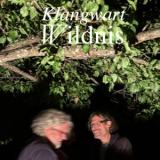
With the release of "Wildnis" in autumn 2026, Klangwart celebrate 30 years of the group"s existence. During numerous sessions in their own Inkiek studio in Unna/Germany and a residency in Montoriol/France in 2025, Klangwart have created their new work "Wildnis" ("wilderness"), inviting Sébastien Del Grande to add tenor and alto saxophone, drums, marimba and other various percussion instruments to their electronic textures. Catalan composer and performer Ivan Chin aka Ivan Telefunken also participated in the recording sessions by contributing to a Catalan version of Swiss group Grauzone"s famous new wave hit "Eisbär" under the title "Os Polar". Timo Reuber"s arrangements, production and mastering gave the album its final touch. Klangwart started their musical expedition into for them unknown territories already in 2014 when they went to Bogotá/Colombia in order to record with protagonists of the local music scene: Damián Ponce (drums), César Quevedo (bass) and Eblis Alvarez (violoncello), members of The Meridian Brothers, and singers Juanita and Valentina Añez Rothmann a.k.a. Las Añez. The result, released on Markus Detmer"s Staubgold label in 2019, was Klangwart"s trademark sound permeated by a Latin American pulse and pitch. With "Wildnis" the story continues: field recordings from Latin America are interwoven with delicate electronic structures, Del Grande"s iconoclastic approach to the saxophone meets Klangwart"s familiar organ drones, Catalan folk meets German Krautrock.
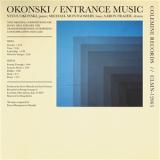
Nach fast zwei Jahren meldet sich Okonski mit "Entrance Music" zurück - ein Album, auf dem sich das Trio auf dem Höhepunkt seines improvisatorischen Könnens befindet und das Spontane und Meditative zelebriert. Nach dem Debüt "Magnolia" von 2023 hat der Pianist und Bandleader Steve Okonski seine langjährigen musikalischen Mitstreiter (Durand Jones & The Indications-Bandkollege Aaron Frazer am Schlagzeug und Bassist Michael Isvara "Ish" Montgomery) für eine weitere Session im Geiste von Künstlern wie The Bad Plus, Gerald Clayton und The Breathing Effect wieder zusammengebracht. Letztendlich ist "Entrance Music" eine Einladung zu frühen Stunden, in denen die Songs in der Tür verweilen und ihre Anwesenheit ankündigen, bevor sie in die Luft zurückkehren, um sorgfältig in die nächste Runde zu treiben. "Entrance Music" wurde in einer fünftägigen Session aufgenommen und war eines der ersten Alben, die in Portage Lounge, dem Studio von Terry Cole in Loveland, OH, auf Band gebannt wurden. "Es war ein neues Setup, aber mit Terry hinter den Reglern war es sehr vertraut", sagt Okonski. "Ich kann nicht genug betonen, wie sehr sich Terry wie ein viertes Mitglied der Band fühlt, wegen des Raums, den er kuratiert, der Energie, die er einbringt, und den Produktionsideen." Die Energie und der Sound, die mit dem Colemine-Labelchef am Ruder entstanden sind, sorgen für ein Hörerlebnis, das sich mit den Katalogen von ECM oder Stones Throw messen kann. Während ein Großteil des Debüts auf seine Zeit in New York zurückgeht, fühlt sich "Entrance Music" "ein bisschen weniger wie ,auf den Straßen um 2 Uhr morgens' und ein bisschen mehr auf der Natur basierend an - ein bisschen mehr ätherisch", sagt Okonski. "Es ist definitiv das Alter, die Umgebung und die Familie - all das kommt in der Musik durch."
Tiffany Day has quickly emerged as one of the most compelling voices in hyper-digital pop, blending emotional chaos, internet-born edge, and forward-thinking production into a sound entirely her own. Born in Toronto and raised in Kansas, Tiffany first broke through with a viral cover of “Hallelujah,” building a YouTube audience of over 500,000 subscribers before graduating high school. She began releasing original music in college, quickly developing a devoted fanbase drawn to her wit, vulnerability, and genre-fluid instincts.
A self-directed creative force, Tiffany has made her live show a defining pillar of her artistry, fusing choreography, visuals, and electronic-driven transitions that push her beyond traditional pop performance. In 2024, she independently funded and sold out several headline shows across a North American tour. She later expanded into the DJ scene, launching BASSFLUFF, a series of standalone events that generated viral moments DJing everywhere from gyms to nail salons.
Her 2025 releases marked a sharp sonic evolution, leaning into electroclash and hyperpop textures. Singles like “BREAKUP,” “TELL ME WHAT I DID,” and “START OVER” generated millions of views across platforms and earned coverage from NME, Ones to Watch, On The Radar, and beyond, positioning her at the forefront of a new wave of digital-native pop artists.
That momentum culminates in her album HALO, released April 3, 2026 via Broke Records. The project debuted at #1 on the Apple Music Electronic chart and #25 on the Billboard Electronic/Dance Albums Chart, drawing early co-signs from artists like Laufey and Yunjin (LE SSERAFIM) alongside coverage from Pitchfork, The FADER, NYLON, LA Times, and more. To mark the release, Tiffany staged three headline shows—each of which sold out in under five minutes. With her production across nearly every track, HALO marks Tiffany's most cohesive and ambitious work to date, solidifying her not just as an artist to watch, but as a defining voice in the next era of hyperpop.
Tiffany Day has quickly emerged as one of the most compelling voices in hyper-digital pop, blending emotional chaos, internet-born edge, and forward-thinking production into a sound entirely her own. Born in Toronto and raised in Kansas, Tiffany first broke through with a viral cover of “Hallelujah,” building a YouTube audience of over 500,000 subscribers before graduating high school. She began releasing original music in college, quickly developing a devoted fanbase drawn to her wit, vulnerability, and genre-fluid instincts.
A self-directed creative force, Tiffany has made her live show a defining pillar of her artistry, fusing choreography, visuals, and electronic-driven transitions that push her beyond traditional pop performance. In 2024, she independently funded and sold out several headline shows across a North American tour. She later expanded into the DJ scene, launching BASSFLUFF, a series of standalone events that generated viral moments DJing everywhere from gyms to nail salons.
Her 2025 releases marked a sharp sonic evolution, leaning into electroclash and hyperpop textures. Singles like “BREAKUP,” “TELL ME WHAT I DID,” and “START OVER” generated millions of views across platforms and earned coverage from NME, Ones to Watch, On The Radar, and beyond, positioning her at the forefront of a new wave of digital-native pop artists.
That momentum culminates in her album HALO, released April 3, 2026 via Broke Records. The project debuted at #1 on the Apple Music Electronic chart and #25 on the Billboard Electronic/Dance Albums Chart, drawing early co-signs from artists like Laufey and Yunjin (LE SSERAFIM) alongside coverage from Pitchfork, The FADER, NYLON, LA Times, and more. To mark the release, Tiffany staged three headline shows—each of which sold out in under five minutes. With her production across nearly every track, HALO marks Tiffany's most cohesive and ambitious work to date, solidifying her not just as an artist to watch, but as a defining voice in the next era of hyperpop.
To be far ahead of your time sometimes means that you have to wait a while for the right moment to be understood. The visionary approach of multi-instrumentalist Johnny Lamas led him to experiment with a world of hybrid jazz-funk, ambient and electronic sounds while keeping the rhythms of Venezuelan traditional music alive. From 1993 to today, small recognition has grown into true admiration for this so specific sound and his "Danza Cósmica" masterpiece.
TrueClass Records are pleased to present as their second release a complete restoration of this gem, beautifully remastered and redesigned, making it available now for the first time in fine audio quality on vinyl and digital formats.
out of Stock
Last delivered 31 days ago available to reorder, subject to availability
…Wenn der Sturm die Stille zerreißt…
Drei Jahre sind vergangen seit dem Doppel-Release Kapitel 10: Wilde Augen und Kapitel 11: Barrikaden. Drei Jahre, in denen die Welt nicht stillstand und die Band die Zeit nutzte, um einen Wirbelwind zu brauen, der nun mit voller Wucht losbricht: »Sturm zieh auf«.
Ein atmosphärischer Energieaustausch
Ein Sturm ist mehr als nur Wind. Er ist eine rohe, unkontrollierbare Kraft. Er bringt Zerstörung, ja – aber er schafft den zwingend notwendigen Platz für Neues. Er ist der atmosphärische Energieaustausch, der Altes wegfegt, um Raum für Veränderung zu geben. Kärbholz vertonen auf ihrem neuen Album genau diesen Moment der Transformation.
Mit 13 Titeln voller Leidenschaft und Emotion fängt die Band die gesamte Bandbreite eines Sturms ein: von der bedrückenden »Ruhe davor« über die Angst und Unruhe bis hin zur grenzenlosen Freiheit, die entsteht, wenn der Druck nachlässt.
Authentisch, kantig, kompromisslos
»Sturm zieh auf« schert sich nicht um Konventionen oder Kompatibilität. Das Album nährt sich aus den härteren Spielarten der Bandgeschichte und erschafft einen in sich geschlossenen Kosmos, der nicht um jeden Preis gefallen will – und vielleicht gerade deshalb so tief berührt. Es ist ein Werk für jene, die bereit sind, ihre Hörgewohnheiten infrage zu stellen.
• Kein Jammern, kein Fingerzeig: Kärbholz prangern nicht die äußeren Umstände an.
• Das eigene Ich im Fokus: Es geht um die Macht des Individuums, sich über das Gegebene hinwegzusetzen.
• Unbändige Positivität: Inmitten des Chaos findet die Band das Glück in den kleinen, wesentlichen Dingen des Lebens.
Das »Wozu« bestimmt das »Wie«
Frei nach Nietzsche transportiert das Album eine klare Botschaft: »Wenn ich ein Wozu kenne, dann kann ich fast jedes Wie ertragen.« »Sturm zieh auf« ist der Soundtrack für diesen Weg. Es ist die musikalische Manifestation der Resilienz – eine Einladung, sich dem Sturm entgegenzustellen, ihn zu genießen und gestärkt aus ihm hervorzugehen.
Kärbholz sind zurück. Lauter, härter und reflektierter als je zuvor.
…Wenn der Sturm die Stille zerreißt…
Drei Jahre sind vergangen seit dem Doppel-Release Kapitel 10: Wilde Augen und Kapitel 11: Barrikaden. Drei Jahre, in denen die Welt nicht stillstand und die Band die Zeit nutzte, um einen Wirbelwind zu brauen, der nun mit voller Wucht losbricht: »Sturm zieh auf«.
Ein atmosphärischer Energieaustausch
Ein Sturm ist mehr als nur Wind. Er ist eine rohe, unkontrollierbare Kraft. Er bringt Zerstörung, ja – aber er schafft den zwingend notwendigen Platz für Neues. Er ist der atmosphärische Energieaustausch, der Altes wegfegt, um Raum für Veränderung zu geben. Kärbholz vertonen auf ihrem neuen Album genau diesen Moment der Transformation.
Mit 13 Titeln voller Leidenschaft und Emotion fängt die Band die gesamte Bandbreite eines Sturms ein: von der bedrückenden »Ruhe davor« über die Angst und Unruhe bis hin zur grenzenlosen Freiheit, die entsteht, wenn der Druck nachlässt.
Authentisch, kantig, kompromisslos
»Sturm zieh auf« schert sich nicht um Konventionen oder Kompatibilität. Das Album nährt sich aus den härteren Spielarten der Bandgeschichte und erschafft einen in sich geschlossenen Kosmos, der nicht um jeden Preis gefallen will – und vielleicht gerade deshalb so tief berührt. Es ist ein Werk für jene, die bereit sind, ihre Hörgewohnheiten infrage zu stellen.
• Kein Jammern, kein Fingerzeig: Kärbholz prangern nicht die äußeren Umstände an.
• Das eigene Ich im Fokus: Es geht um die Macht des Individuums, sich über das Gegebene hinwegzusetzen.
• Unbändige Positivität: Inmitten des Chaos findet die Band das Glück in den kleinen, wesentlichen Dingen des Lebens.
Das »Wozu« bestimmt das »Wie«
Frei nach Nietzsche transportiert das Album eine klare Botschaft: »Wenn ich ein Wozu kenne, dann kann ich fast jedes Wie ertragen.« »Sturm zieh auf« ist der Soundtrack für diesen Weg. Es ist die musikalische Manifestation der Resilienz – eine Einladung, sich dem Sturm entgegenzustellen, ihn zu genießen und gestärkt aus ihm hervorzugehen.
Kärbholz sind zurück. Lauter, härter und reflektierter als je zuvor.
Nicole McCabe und Savannah Harris tun sich für ihre allererste Zusammenarbeit bei "All Together Now" zusammen. Ihr Album im Vollformat ist eine raffinierte, kraftvolle Interpretation des modernen Jazz im Jahr 2026. Das Album wurde über einen Zeitraum von zwei Monaten im Sommer 2025 aufgenommen und entstand sowohl in Los Angeles als auch in Brooklyn beide Orte haben die allgemeine Stimmung und den Sound der Musik geprägt. McCabe und Harris haben sich stetig einen Ruf als zwei der besten Musikerinnen auf ihren jeweiligen Instrumenten erarbeitet. McCabe am Altsaxophon und Harris am Schlagzeug werden in der Jazzwelt gleichermaßen als virtuose Instrumentalistinnen und Komponistinnen gefeiert. All Together Now" bringt diese Elemente besonders gut zur Geltung. Jeder ihrer musikalischen Stimmen ist unverwechselbar individuell und ergänzt dennoch die musikalische Gesamtrichtung des Albums. Beide finden ihre Momente, in denen sie die Führung übernehmen, während sie sich zu anderen Zeiten gegenseitig unterstützen, um einen wirklich bemerkenswerten Einblick in das Schaffen dieser beiden Künstler zu schaffen. Der Eröffnungstrack des Albums, Monstera", entführt den Hörer in eine Welt aus wirbelnden Saxophonmelodien und hellen, akzentuierenden Schlagzeugklängen. McCabe und Harris legen sofort den Grundstein für das, was auf dem Album noch kommen wird. Im Verlauf des ersten Songs offenbart sich immer mehr von jedem der Künstler als würde man in einer Kunstgalerie von Raum zu Raum schlendern. Textur, Farbe und die gesamte Ästhetik der Welt dieses Albums nehmen Gestalt an. Wenn der zweite Song All Together Now" einsetzt, steigt die Energie und der Dialog zwischen den beiden Musikern erreicht seinen Höhepunkt. Lonely People" zeigt McCabes unglaubliches Gespür für Melodien, während Harris den dynamischen Bogen des Stücks prägt und vorantreibt. Jeder Song auf All Together Now" hat seine ganz eigene Persönlichkeit, was insgesamt zu einem wunderschön intimen und ungemein kraftvollen Album führt.
Orangefarbenes Vinyl, limitert auf 200 Exemplare. Wer diese Doris ist, die winzige? Sie weiß Bescheid, sie scheut sich nicht; haut dir Worte um die Ohren, scharfkantig mit einem Lächeln. Beleuchtet auf dem Weg Bilder, von denen du nicht weißt, wie sie dahin gekommen sind; sie wirken so vertraut, weil sie nachts im Fernseher liefen, wenn du ihn vor dem Einschlafen nicht ausgeschaltet hast. Jetzt bist du da gelandet wo es weh tut und sich dennoch gut anfühlt: Im süßen Wasser des Debütalbums der Tiny Doris "In den Dosen". Im Zusammenkommen vieler musikalischer Einflüsse, zelebriert die Tiny Doris ein fragmentiertes Musikerlebnis mit Fokus auf scharfer Artikulation und verführender Melodik, in Bewegung zwischen Dada, Noise, Art-Pop, Garage und dem, was nach Punk kam. Während ihre Texte genauso überzeugen wie verwirren, während das Schlagzeug in stoischer Schlacksigkeit die Basis für schräge Gitarre und einem ausgefeilten Bass liefert und der Gesang mit Überzeugung Gefühle von Nostalgie und Verlangen vermittelt, zementiert sich ein einzigartiger Sound wie ihn dir nur eine winzige Doris liefern kann.
My fourth album begins and ends in nature, a space that has continually shaped and inspired my artistic work. I spend much of my time in forests and landscapes, listening, observing, and absorbing the subtle rhythms and structures of the natural environment. These impressions do more than accompany my music; they become an integral part of it, influencing its atmosphere, form, and sonic character. As a result, this has become my most emotional and profound album to date. The journey begins with captured moments from a Mediterranean island. Fragments of distant church bells, the ticking of a clock, and the hum of insects in the sun are gently joined by my piano... In this way, the opening piece, “Time,” serves as an introduction to the central idea behind Ellipsis. The term derives from the Ancient Greek word λλειψις (élleipsis) and refers to the deliberate omission of ἔ words or parts of a sentence.
What remains unsaid can carry just as much meaning as what is spoken. This idea runs like a thread throughout the entire album. A reduction to the essential, yet enriched with the necessary details that continually create space for imagination, personal interpretation, and those emotions that are not prescribed but emerge through the act of listening. Ellipsis exists within this tension between presence and absence, between acoustic and electronic sounds, between nature and the studio, between memory and perception. It is a place where meaning arises not only from what is audible, but also from what remains unspoken.
Stone Music returns with Into the Cosmic Forest, a deep and patient journey into open-air improvisation. The group was founded in 2022 by Tokio Hasegawa, a core member of the legendary Taj Mahal Travellers, and brings together a wide circle of musicians from Japan’s ambient and experimental scenes.
While the name is new, the spirit continues. Stone Music extends the free-form, site-responsive approach that defined Taj Mahal Travellers — music shaped by environment, duration, and collective awareness rather than fixed structure.
Into the Cosmic Forest consists of two long-form pieces, each exceeding 20 minutes, both recorded live outdoors. Side A was captured at Japan’s Off-Tone Festival. It unfolds slowly and organically — layers of voice, strings, electronics, wind instruments, and percussive textures gradually forming a shifting sonic landscape.
Side B was recorded on the grounds of Mithila Museum in the mountains of Niigata, an art space managed by Hasegawa himself. More intimate in atmosphere yet equally immersive, the piece centers on voice and subtle interplay, allowing space and silence to become part of the composition.
What you hear is direct and unpolished: air moving, sound resonating, musicians responding to each other and to their surroundings in real time.
Following tours in India during 2023–24, with performances in national museums and universities, Stone Music continues to explore music as shared space rather than spectacle.
Into the Cosmic Forest invites listeners into that space — unedited, unhurried, and fully alive.