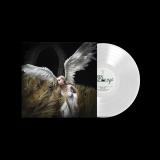
Robert Pettersson, die kraftvolle Stimme hinter zwei der größten schwedischen Rockbands, Takida und Stiftelsen, tritt nun mit seinem ersten Soloalbum ins Rampenlicht. Bekannt für seine rohe Emotion und seinen unverwechselbaren Sound, hat Robert mehr als zwei Jahrzehnte damit verbracht, Charts anzuführen, Arenen auszuverkaufen und den modernen schwedischen Rock zu prägen. Sein Solodebüt zeigt eine persönlichere Seite und verbindet tiefgehende Texte mit elektronischen Klangwelten. Produziert wurde das Album von Roberts langjährigem Songwriting-Partner Chris Rehn. So habt ihr Robert Pettersson noch nie gehört - intim, mutig und unverkennbar authentisch.
Belgian minimalist, Dutch-language new wave/synth pop, since 1981! The historic album ‘Jonge Helden’ (1981) brought them instant eternal fame, the single ‘Lekker Westers’ (1983) a Belpop classic & the line-up changed wildly with icons such as Luc Van Acker (Revolting Cocks), Dani Klein (Vaya Con Dios), Willy Willy (The Scabs) or Andrew Chi Claes (Stuff) ...
However, MARCEL VANTHILT (lyrics & music) continues to rock the anarcho-Dadaist-electro-super-tronica scene to this day. Side note: Vanthilt often strayed into TV land (BRT, VPRO, MTV-EUROPE, BBC) and is now a DJ at Radio WILLY with the alternative ‘De M-Show’.
AA! is once again performing frequently in the best clubs (Depot, Casino, Macca) and on major stages (Pukkelpop, Villa Pace, Paulus Oostende). This will also be the case in 2026! This is due to the fresh and spicy new album ‘AA!PKPP’ in collaboration with PARKAPARAPLU.
PARKAPARAPLU: New dark wave duo from Antwerp. With ...
> EMMA ROTSAERT, singer and actress. She plays the lead role in the Ensor-nominated TV drama series ‘How To Kill Your Sister’ (2025). And comes from the same absurd planet as Vanthilt.
> GEERT VANBEVER, veteran of Wizards Of Ooze, Rudy Trouvé Septet, Dead Man Ray, Tuff Guac, among others... worked with Hugh Cornwell (The Stranglers) and Budgie (The Banshees), among others. Together, Emma & Geert also have a Sisters Of Mercy tribute band: Body Electric.
Isella doesn’t flinch from the horror stitched into the fabric of the feminine experience. Citing writers like Plath Margaret Atwood, and Mona Awad as germinal influences on her lyricism, Isella plunges into the underbelly of expectations of good-girlhood, of valiant womanhood. In her songs she splays out the stakes of it all, plumbing the viscera, unearthing the blood, guts, dirt, and decay lurking beneath. By the time she hit fifteen, Isella’s taste had expanded and grown darker and more mature. Artists like Nine Inch Nails and Tom Waits became a conduit for the kind of raw intensity she’d always been drawn to, and gave her permission to push herself to new depths of expression. This is evidenced on her latest EP; That freedom that Reznor et al. endowed to the songwriter are evidenced on her latest EP; Something is a shell . Isella’s vocals swing from coolly detached to emotional detonation, often in the span of the same song. She brings listeners into a world colored by feminist hyper-realism, challenging listeners to re-define ideas of femininity, and safety; to see that things are not okay.
Niels Orens is an electronic producer and live performer working at the intersection of acoustic instrumentation and immersive electronic sound design, creating deeply textural compositions that prioritize atmosphere, space, and emotional weight overtraditional song structures. "Never Again EP" expands on the introspective tone of slow night/s, pushing further into rhythm and sonic detail while exploring themes of alienation, loneliness, and quiet internal violence.
After successful collaborations with Max Cooper, the new EP marks a pivotal moment in Orens' evolution. "Never Again EP" forms the foundation of a new live chapter currently unfolding across Europe, while signaling a deeper dive into experimentation, texture, and the evolving dialogue between acoustic sound and electronic manipulation.
Anlässlich des 20-jährigen Jubiläums im Jahr 2025 ist das gleichnamige Debütalbum der besten Band aus Staten Island endlich wieder erhältlich! Mit einem luxuriösen Cover im „old style“ und einer vollständig analogen (AAA) Remastering-Version der Originalbänder – von Ryan Smith (Sterling Sound) – sieht diese legendäre LP besser aus und klingt besser denn je. Mit „Up From the South” und „Ghost Walk” ist dieses Album ein Muss für Fans von Daptone und den Budos!
Anlässlich des 20-jährigen Jubiläums im Jahr 2025 ist das gleichnamige Debütalbum der besten Band aus Staten Island endlich wieder erhältlich! Mit einem luxuriösen Cover im „old style“ und einer vollständig analogen (AAA) Remastering-Version der Originalbänder – von Ryan Smith (Sterling Sound) – sieht diese legendäre LP besser aus und klingt besser denn je. Mit „Up From the South” und „Ghost Walk” ist dieses Album ein Muss für Fans von Daptone und den Budos!
Repress of the 1 st album of the fresh Afro funk sensation ! Recorded on analog equipment in Lyon in 2014 !
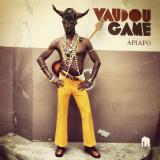
Peter Solo is a singer and composer born in Aného-Glidji, Togo, the birthplace of the Guin tribe and a major site of the Voodoo culture. He was raised with this tradition’s values of respect for all forms of life and the environment. With his new band, Vaudou Game, Peter Solo claims, and spreads this spiritual and musical heritage. Chants are at the heart of the Voodoo practice, but for times immemorial, harmonic instruments have never accompanied them. No balafon, no kora - only the “skins” support the singers. However, in 2012, Peter, along with his band based in Lyon, France, decided to explore and codify the musical scales that are found in sacred or profane songs of Beninese and Togolese Voodoo so they can be played easily on modern instruments. Peter composed the album Apiafo, using the two main musical scales of this tradition. The first musical scale on Apiafo leans towards raw Funk with a sound similar to the famous 70’s bands, L’Orchestre Poly Rythmo De Cotonou and El Rego. Funk, is the skeletal structure of this record, and provided the opportunity for Peter to invite his uncle, Roger Damawuzan - the famous pioneer of the 70s Soul scene - on two tracks. Their collaboration on “Pas Contente” is a highlight on this 100% analog album. Apiafo was entirely recorded, mixed and mastered with old tapes and vintage instruments. The second scale, which had never before been transposed for instruments, evokes deeper feelings and a sacred ambiance. The moving song Ata, an invocation to a supreme divinity is another highlight of this record. Even if some can recognize similarities between this scale and Ethiopian scales, they are in fact different. Peter, the only African band member, introduced the other musicians to the universal values of Voodoo and he taught them his native language. On the recording of Apiafo and during their live performances, the musicians all sing and answer Peter in the Mina language. The strive for authenticity, the analog sound and vintage looks don’t mean that Vaudou Game is looking backwards. This is Togolese funk, born in the post-colonial era but that never before explored its ancient roots so deeply and proudly.
Peter Karp gehört zu den unverwechselbaren Stimmen der amerikanischen Americana-, Blues- und Roots-Szene. Seine Musik verbindet kraftvolle Emotionen, feines Storytelling und eine tiefe Verwurzelung in den Klangtraditionen des amerikanischen Südens. Aufgewachsen zwischen New Jersey, New York City und Alabama, entwickelte er früh ein Gespür für die Energie urbaner Songkultur ebenso wie für die Ursprünglichkeit des Blues. Künstler wie Robert Johnson, Muddy Waters oder Howlin" Wolf prägten ihn ebenso wie die poetische Kraft von John Prine und die erdige Direktheit von Joe Ely. Karp schreibt Songs, die das Leben so zeigen, wie es ist: ehrlich, rau, humorvoll und voller beobachteter Details. Seine markante Stimme, sein expressives Gitarren- und Pianospiel und sein Gespür für melodische Hooks machen ihn zu einem der respektiertesten Songwriter seines Genres. Kritiker loben seine Fähigkeit, Blues, Folk, R&B und Americana zu einem eigenen, zeitlosen Stil zu verbinden. Peter Karp steht für authentische amerikanische Musik - tiefgründig, mitreißend und voller Charakter. Ein Künstler, der die große Tradition des Songwritings fortführt und gleichzeitig seine ganz eigene Handschrift setzt.
Mit "Ach, die Menschen" legt Keimzeit ihr mittlerweile 14. Studioalbum vor - ein Werk, das die Band erneut als souveräne, eigenständige Größe innerhalb der deutschen Musiklandschaft bestätigt. Unbeeindruckt von Trends setzt Keimzeit auf Kontinuität, poetische Beobachtungen und musikalische Gelassenheit. Im Zentrum stehen die charakteristischen Texte von Norbert Leisegang, die Alltagsmomente, Menschlichkeit und feine Zwischentöne mit liebevoller Präzision einfangen. Zwischen Reggae-Anklängen ("Bummelzug"), chansonhaftem Erzählen ("Fasching im Februar"), folkrockigen Elementen ("Gute Fee") und rockig-psychedelischen Momenten ("Stern") zeigt das Album die stilistische Bandbreite der Band. Auch persönliche Themen wie in "Therapie" und humorvolle Miniaturen wie "Sultan tanzt Samba" fügen sich zu einem warmen, lebensnahen Gesamtbild. "Ach, die Menschen" ist ein durch und durch typisches Keimzeit-Album - poetisch, geerdet, musikalisch frei atmend und voller liebevoller Alltagsparabeln.
SIMPLETON, the third album from multi-platinum indie-rock singer/songwriter YOT CLUB, dismantles the utopian view of the American suburbs, treating finely manicured life as a mirage. Across its 13 tracks, the LP wrestles with how curated feeds and predictable routines can blur, and even erase, empathy and responsibility, creating a world where difficult questions and harsh realities are easy to ignore. In 2019, Ryan Kaiser started Y ot Club in his college dorm, crafting a lo-fi, classically cool indie rock sound grounded under a dreamlike haze. Two years later, his breakthrough single “YKWIM?” quickly reached viral status on TikTok (today, it’s been streamed more than 1 billion times) and has since taken him around the world at festivals like T reefort, Kilby Block Party and Pitchfork Paris
Dead Finks melden sich mit ihrem vierten Album zurück, das ihre charakteristische Mischung aus hysterischem Zynismus und schriller Ernsthaftigkeit beibehält. Der treibende, oft aggressive Sound ihrer früheren Alben wurde nun etwas gemildert durch schimmernde Gitarren, hypermelodische Gesangslinien und eine verstärkte Betonung von Klarheit und Dynamik, die klassisches Pop-Songwriting, Shoegaze-Texturen und avantgardistische Kunstmusik in ihren Kanon aufnehmen.
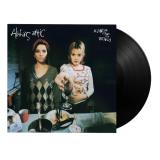
Alisha's Attic were one of the defining English pop duos of the late 1990s and early 2000s. Formed by sisters Shelly and Karen Poole, the pair first appeared in 1988 under the name Keren & Chelle, releasing their single "Sugar Daddy". In 1996 Alisha's Attic released their debut single "I Am, I Feel" which reached the #14 in the UK Singles Charts. Their debut album, Alisha Rules the World was released in November 1996, produced by Dave Stewart of Eurythmics. The album became a major success, achieving Platinum in the UK and generated a string of single "Alisha Rules The World", "Indestructible" and "Air We Breathe" all of which reached the UK Top 15.
With American idealism and societal unity in flames, the ethereal ambiance of Denver's ABRAMS has been permeated by vibrating, hair-trigger fury. On new album Loon, wistful melodies warp into dissonance and aggression, and crystalline beauty is inhabited by bitterness and rage. 2024's soaring and driving Blue City was a record full of arresting, nostalgic textures that Metal Hammer Magazine called "an upswell of positivity in the face of frustration that's sure to shake you from your existential slumber." But this is no longer the world of that album. The grinding hopelessness and chaos of these times have infused ABRAMS with the shattering intensity of Converge. Urgent and abrasive, Loon is acerbic, fed up, and riddled with pulverizing fury. Wistful melodies warp into dissonance and aggression. Crystalline beauty is inhabited by bitterness and rage. The band's instinctive hooks aren't gone, and hopeful moments do shine intermittently through. But it's clear that ABRAMS, like a lot of us, are pissed off. Desperate and seething, Loon is an irresistible, frenzied purge from a band refusing to give in. For fans of Torche, Converge, Cave-In, Failure, Quicksand and Hum. Coloured LP (white vinyl) & digipaked CD
Geboren im Sommer '96/'97 - dem Jahr des Höllenschweins - brannten Mustang als soziales Experiment aus der Innenstadt Tasmaniens heraus. Sie kamen mit ziemlich viel davon, andere hätten für weniger wohl nicht mehr gleich ausgesehen.Sie sauf-ten, machten Sachen kaputt und brachten dieses Chaos in das Schreiben von Banger-Songs - während sie sich bei den ,Proben" XXX Ales reinzogen und bei sehr wichtigen ,Bandmeetings" Protokolle führten.Mustang schütteten Benzin über ihre tasmanische Ödnis, bevor sie 7,69 Millionen Quadratkilometer Landmasse der Erde in sich aufsogen und dort ,dominierten", auf die einzige Art, die sie kannten: laut, wütend und zu ihren eigenen Bedingungen - und nahmen dabei Horden williger Partygänger mit auf die Reise.Über drei Non-Studio-Alben und eine Handvoll kleiner Veröffentlichungen hinweg bauten Mustang einen Katalog auf, der von Bier, Speed und störrischer Unabhängigkeit geprägt war. Kein Glanz. Kein Trendgehechel. Kein Buckeln vor dem Mann. Sie ritten ein, tranken, was da war, und hinterließen klingelnde Köpfe.Cut Up Rough (2015) war ihr Schwanengesang - geboren in einer Heuscheune am ausgefransten Rand von Tasmaniens Rock-Hochburg. Aufgenommen über zwei schlaflose, bierselige Tage wurde das Album mit improvisierten Drum-Takes, aufgedrehten Gitarren und purem Instinkt in die Existenz gerissen. Die Band lebte während der Aufnahmen buchstäblich in der Scheune - schiss ins Gras, schlief zwischen leeren Dosen, und ließ Isolation und Absurdität direkt in billige Mikrofone bluten.
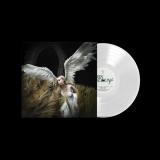
To celebrate the year anniversary of its first release, Erin LeCount launches a limited edition transparent vinyl of her 2025 EP I Am Digital, I Am Divine. The tracklist includes viral hit Silver Spoon which amassed 300K Soundcloud streams before it had even been released, since amassing 21M streams in less than 12 months.
Available for pre-order on the 24th March and set for release on the 17th April 2026.
Erin LeCount is a 23-year-old self-taught artist and producer. A visionary sonic architect and the sole writer and producer of her music, her sound ranges from luscious baroque-pop arrangements to alluring gothic-pop.
At the foreground of her music are diaristic lyrics and captivating synths which offer an enchanting interplay of vulnerability and power. The themes within her music explore everything from identity to relationships and the meaning of life. Erin’s influences include Fiona Apple, Kate Bush, Lorde, Imogen Heap, Charli xcx, and Sampha.
In May 2026, Erin LeCount will embark on her biggest run of shows to date with her new UK tour, entitled the ‘PAREIDOLIA Tour’, which will see her play dates in Manchester, Glasgow, Bristol, and London, the latter of which will take place at the Roundhouse in what is Erin’s largest headline show so far.
This month, Erin was also announced on the line-up for Lorde’s All Points East date on Saturday 22nd August.
After making their mark as a hugely successful band with a #1-charting album - 2023’s Blackout, From Ashes To New are set to release their highly anticipated follow-up, Reflections. The band returns with their high-energy fusion of rap, nu metal, electronic, and alternative rock. Reflections has 12 tracks and will be available Digital, CD and different colored vinyl variants.
Naive Melodies is a bold and visionary tribute to the music of Talking Heads, reinterpreted through the lens of Black musical innovation. Curated by Drew McFadden — the creative mind behind BBE’s acclaimed Modern Love (David Bowie tribute album) — this new collection dives deep into the Afro-diasporic rhythms and experimental soul roots that helped shape Talking Heads’ unmistakable New Wave sound. Inspired by artists like Fela Kuti, Parliament, and Al Green — whose influences loomed large in the band’s rhythmic DNA — Naive Melodies shines a light on the Black music traditions that underpinned their artistry. Far from a conventional tribute, Naive Melodies reframes the band’s catalog through the voices and visions of a new generation of genre-defying artists. These interpretations illuminate the foundational grooves and sonic textures that fueled Talking Heads’ rhythm-forward aesthetic, bringing them full circle with authenticity. “With Naive Melodies, I wanted to spotlight the deep and often overlooked influence of Black music on the sound of Talking Heads, drawing from the rhythmic foundations of Afro-diasporic traditions, soul, gospel, Latin, and spiritual jazz. This project is a chance to reimagine Talking Heads’ legacy through the lens of the very innovations that helped shape it, bringing those influences to the forefront through the voices of today’s most forward-thinking artists.” — Drew McFadden The album features a globally minded lineup, including Liv.e, Bilal, Rogê, Miguel Atwood-Ferguson, Aja Monet, Georgia Anne Muldrow, Theo Croker, Kenny Dope, Rosie Lowe, Pachyman, W.I.T.C.H., and more — spanning Afrobeat, jazz, soul, funk, gospel, dub, electronica, orchestral, and Latin styles. It reflects not only the boundary-pushing ethos of Talking Heads, but also the influence of Black music as a cultural force that helped shape it. This is not just a tribute album — it’s a recontextualization. A cultural conversation. A rhythmic reawakening.
When you name your band Prince Daddy & The Hyena, you sort of accept that chaos isn’t a chapter in your story – it’s the entire ethos. Since forming out of Albany, NY’s DIY scene, Prince Daddy & The Hyena have built a career out of reaching their breaking point and continuing forward anyway. Their first LP, produced by Joe Reinhart, captured a very young band figuring things out in real time; their massive conceptual undertaking Cosmic Thrill Seekers followed and pushed their ambition (and patience) to new extremes. Not long after, a serious van accident nearly took their lives, directly informing the intensity of their self-titled record.
Over the last decade, the band has lost close friends and collaborators, endured relationship struggles, and faced countless moments that would have ended most bands without question. But those experiences never slowed Prince Daddy & The Hyena down. On their upcoming fourth album, Hotwire Trip Switch, they recalibrate and reconnect with their roots while sounding more focused and self-aware than ever. Reuniting with Joe Reinhart for the first time in nearly a decade, the album pulls from the punchy lineage of Green Day, the hook-driven quirk of Weezer, the snarky urgency of Joyce Manor and Jeff Rosenstock – all through the distinctly bratty lens of songwriter and vocalist Kory Gregory.
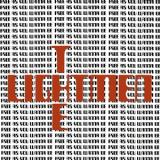
Free As You Wanna Be", the first album by drummer Bubbha Thomas and his band The Lightmen, predates the deep-set, maverick jazz issued by the likes of Tribe and Strata East: This album is a harbinger of the collective voice of resistance to the musical and cultural status quo that emerged in the 1970s jazz underground. Drummer, bandleader and activist Bubbha Thomas had toured America with R&B revues, served as a session musician for peacock and back beat records, and played straight ahead jazz with legends before the political and social upheaval of the late 1960s led him to a path first charted by Coltrane. Most of the tracks remain strongly groove-based with a clear sense of cohesion, but a few of the performances push further out than you might expect from later Lightmen releases, revealing the band's deep roots in avant-jazz. This lineup includes a very young Ronnie Laws sounding noticeably removed from the jazz-fusion style he'd adopt in the late '70s. Alongside Thomas on drums, the ensemble is rounded out by Doug Harris on tenor sax, Carl Adams on trumpet, Kenny Abair on guitar, and Joe Singleton on trombone.
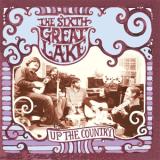
Originally released in 2001, Up The Country is the debut album by The Sixth Great Lake and a quietly revered title within the late-'90s / early-2000s indie scene. Rooted in jangly guitars, melodic songwriting, and a distinctly pastoral sensibility, the album sits at the intersection of indie pop, folk-rock, and classic guitar-driven pop. Although initially released with modest exposure, Up The Country steadily developed a loyal following, earning cult status among fans of understated, melody-focused indie. Its charm lies in its simplicity: clean arrangements, memorable hooks, and an unforced warmth that has allowed the record to age exceptionally well over the past 25 years. This 25th anniversary reissue presents an opportunity to reintroduce an overlooked catalogue gem to today's market, appealing both to original fans and to a new audience drawn to timeless, guitar-led indie records. With renewed interest in archival and heritage releases, Up The Country offers strong long-term catalogue potential beyond initial anniversary demand. A timeless, understated record with strong appeal for fans of melodic, guitar-driven indie.
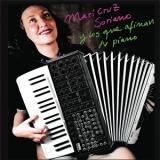
At the genesis of one of the most essential bands in Spanish pop-rock of the 1980s, this rarity presents early versions of what would later become some of the most chanted songs in Siniestro Total's repertoire: 'Matar jipis en las Cíes' and 'Las tetas de mi novia,' along with Germán Coppini's original composition 'El Vaticano va a arder.' With limited resources but plenty of energy and humor, a three-song demo was recorded in August 1981, now available here on vinyl for the first time. The songs came first, and only later did the band take a name-initially Mari Cruz Soriano y los que afinan su piano, and shortly after, Siniestro Total. 'Matar jipis en las Cíes' is an original composition by the band's founding members Alberto Torrado, Julián Hernández, and Miguel Costas, while 'Las tetas de mi novia' is a loose version of the song 'I'm a Rocket' by the Dutch band Gruppo Sportivo. 'El Vaticano va a arder' was contributed by Germán Coppini, the mysterious fourth member of this singular lineup, inspired by 'Religion,' the anti-religious rant included on Public Image Limited's debut album. This single is an essential document for both Siniestro Total fans and Spanish-language punk enthusiasts. First-ever vinyl edition.
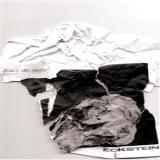
Mit "Alles und Nichts" veröffentlichen Eckstein am 17. April ihre erste EP - eine Sammlung, die das bisherige Schaffen des Wiener Duos bündelt und zugleich neue Kapitel aufschlägt. Die EP vereint die vier bereits erschienenen Singles "Einbruch","Reigen", "Ein Ganzes Leben" und "Zinnober" sowie die bisher unveröffentlichten Songs "Tyrann" und"Kirchenglocken". Ergänzt wird das Werk durch eine intime Akustik-Live-Session des Stücks "Hund". "Alles und Nichts" zeigt Eckstein in ihrer ganzen Spannweite: existenzielle Dringlichkeit, zarte Melancholie, eruptive Emotionalität. Sänger Hagen Eckstein verbindet poetische Bildsprache mit einer Stimme, die zwischen Verletzlichkeit und Wucht changiert. Multiinstrumentalist Jannik Rieß erschafft detailreiche Klangräume, die organisch, atmosphärisch und zugleich präzise komponiert sind. Eckstein stehen für eine spezielle Form deutschsprachiger Musik, die Ambiguität nicht auflöst, sondern zelebriert. "Alles und Nichts" ist mehr als eine EP - es ist ein Manifest ihres künstlerischen Selbstverständnisses und ein eindrucksvoller Beweis dafür, dass dieses Duo zu den aufregendsten neuen Projekten im deutschsprachigen Raum zählt.
Wie Amerika selbst ist auch die Geschichte von Chess Records eine Geschichte von Chancen in neuen Ländern, in denen Grenzen zwischen Hautfarbe und Kultur überwunden wurden, um Rhythm and Blues-Musik
zu schaffen, die Zuhörer auf der ganzen Welt beeinflusste. Das beeindruckende Künstleraufgebot von Chess
– und seine Gründer – haben den Blues von Volksmusik zu populärem Sound weiterentwickelt und verändert.
Chess Records wurde 1950 von den polnischen Einwanderern Leonard und Phil Chess gegründet und entstand im Süden Chicagos, aber der Einfluss ist weltweit und über Generationen der Popmusik hinweg spürbar
– von Acts der British Invasion wie den Beatles, den Rolling Stones und Eric Clapton, die Chess-Künstler
als ihre Vorbilder nannten, bis hin zu den heutigen Stars wie Beyoncé, Jack White, Questlove und Bruce
Springsteen.
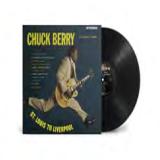
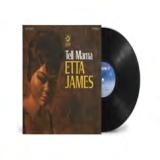
Am 17.04.2026 erscheinen die Alben von Chuck Berry ”St. Louis To Liverpool” und Etta James ”Tell
Mama” im Rahmen des 75.ten Bestehen von Chess Records
To celebrate the year anniversary of its first release, Erin LeCount launches a limited edition transparent vinyl of her 2025 EP I Am Digital, I Am Divine. The tracklist includes viral hit Silver Spoon which amassed 300K Soundcloud streams before it had even been released, since amassing 21M streams in less than 12 months.
Available for pre-order on the 24th March and set for release on the 17th April 2026.
Erin LeCount is a 23-year-old self-taught artist and producer. A visionary sonic architect and the sole writer and producer of her music, her sound ranges from luscious baroque-pop arrangements to alluring gothic-pop. At the foreground of her music are diaristic lyrics and captivating synths which offer an enchanting interplay of vulnerability and power. The themes within her music explore everything from identity to relationships and the meaning of life. Erin’s influences include Fiona Apple, Kate Bush, Lorde, Imogen Heap, Charli xcx, and Sampha.
In May 2026, Erin LeCount will embark on her biggest run of shows to date with her new UK tour, entitled the ‘PAREIDOLIA Tour’, which will see her play dates in Manchester, Glasgow, Bristol, and London, the latter of which will take place at the Roundhouse in what is Erin’s largest headline show so far. This month, Erin was also announced on the line-up for Lorde’s All Points East date on Saturday 22nd August.
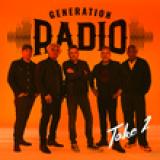
GENERATION RADIO return with "Take Two", the eagerly awaited follow-up to their acclaimed debut, delivering another masterclass in AOR/West Coast rock infused with just the right touch of the Nashville sound. Produced by founding members Jay DeMarcus (Rascal Flatts) and Jason Scheff (former Chicago), the band features an all-star lineup: Steve Ferrone (Tom Petty & the Heartbreakers, Average White Band) joins on drums, replacing the formidable Deen Castronovo (who returned to Journey as full-time member), while Tom Yankton (guitar, vocals) and Chris Rodriguez (guitar, vocals) round up the powerhouse ensemble. “Take Two” is rich with pristine harmonies, unforgettable hooks, and timeless songwriting—hallmarks of the genre delivered with class and authenticity.
Tracks like the widescreen, harmony-laden “Montana Sky,” the hook-filled “The Melody,” and the emotionally charged ballad “Hate This Heart” showcase the band’s signature blend of melodic precision and heartfelt performance. Adding depth to the album’s appeal, Generation Radio also offers reimagined versions of timeless classics that shine in their live sets: Whitesnake’s “Here I Go Again,” Chicago’s “You’re the Inspiration,” Kenny Loggins’ “I’m Alright,” and a rock version of Rascal Flatts’ classic “These Days.” With "Take Two," Generation Radio not only honors the legacy of AOR and West Coast rock—they elevate it, combining elite musicianship and genre-crossing influences into a record that’s as fresh as it is nostalgic.
Hailing from the birthplace of Hip-Hop, this 3-Man Crew (Natural Elements) have been a Staple in the NYC Hip-Hop scene for among those who seek authentic lyricism and organic flows given off by this amazing group. On their highly anticipated NEw album “ALIGNMENT” on the legendary Fat Beats they are continuing this tradition of sharp, thought-provoking bars and songs that their cult following (worldwide) has become accustomed to over the years. This 17 Song piece of art features robust production by their longtime original producer and founder of NE “(The Real) Charlemagne”, as well as UK producer “I.G Nexus”, Harlem producer ‘Le Grand Mohyay aka Bearfakts’ & producer ‘Real6’ on the title track. As a quote from one of their previous releases goes "Fat Beats, Lyrics and Skills Natural E is coming with it."
Hailing from the birthplace of Hip-Hop, this 3-Man Crew (Natural Elements) have been a Staple in the NYC Hip-Hop scene for among those who seek authentic lyricism and organic flows given off by this amazing group. On their highly anticipated NEw album “ALIGNMENT” on the legendary Fat Beats they are continuing this tradition of sharp, thought-provoking bars and songs that their cult following (worldwide) has become accustomed to over the years. This 17 Song piece of art features robust production by their longtime original producer and founder of NE “(The Real) Charlemagne”, as well as UK producer “I.G Nexus”, Harlem producer ‘Le Grand Mohyay aka Bearfakts’ & producer ‘Real6’ on the title track. As a quote from one of their previous releases goes "Fat Beats, Lyrics and Skills Natural E is coming with it."
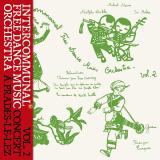
Concert at Prades-le-Lez marks the origins of the Intercommunal Free Dance Music Orchestra. In 1974, François Tusques and his companions (Michel Marre, Jo Maka, Adolf Winkler and Guem), in the spirit of Don Cherry or Chris McGregor, playfully dismantle all borders and all styles of creative music.
On this second volume, the Intercommunal builds unprecedented soundscapes around a song of revolt, a dance tune, or a burst of dissonance. The journey is unforgettable, no question about it. On repeat listening, it even becomes… lunar!
“The music that we make is primarily meant to be listened to live,” warned a leaflet from the Intercommunal Free Dance Music Orchestra. This is precisely why the (restored!) reissue of the two volumes of Concert at Prades-le-Lez, recorded on January 25 and 26, 1974 by François Tusques and his comrades, is such an important event.
In 1971, after recording a series of albums that would leave a lasting mark on French jazz (Free Jazz, of course, with Michel Portal, François Jeanneau, Bernard Vitet, Beb Guérin and Charles Saudrais, but also Le Nouveau Jazz with Barney Wilen, or the solo Piano Dazibao), François Tusques founded the Intercommunal—a grouping whose very name called for the fraternization of the various communities making up the country: Our music will help, we hope, to resolve the contradictions that exist between workers be longing to different communities, by breaking down various forms of national chauvinism, and more particularly the chauvinism of certain French people toward the cultures of Third World countries… Long live the friendship between the peoples of the whole world!
Among the great records made by the Intercommunal Free Dance Music Orchestra, the two volumes of Concert at Prades-le-Lez come first, before L’Inter Communal, Vol. 4, Le Musichien, and Après la marée noire (four titles already reissued by Souffle Continu). François Tusques and his companions (Michel Marre and Jo Maka on saxophones, Adolf Winkler on trombone, and Guem on percussion) performed on January 25 and 26, 1974 at the Moulin de Prades-le-Lez, a few kilometers from Montpellier. It was thus in the southern region of Occitanie that the first echoes of this musical vision of a borderless brotherhood were recorded.
“We’re not among the Colonels,” the Intercommunal reassures us right away, performing a stride piano tune carried by African winds that the audience cannot resist for long. The energy is already striking and it never lets up throughout these two recordings, from start to finish: jazz, blues, traditional music, minimalism, even funk… The musicians of the Intercommunal have heard a lot of great music and now delight in reinventing it by mixing it all together.
“We want the song form to take its place as a weapon in the struggle against capitalist exploitation and all those who oppress us morally and materially,” declared an Intercommunal leaflet, quoting Jean-Baptiste Clément, author of the lyrics to “Le Temps des cerises.” The struggle was therefore serious—but it did not prevent François Tusques and his group from waging it in a festive spirit: each piece on Concert at Prades-le- Lez sends out a call for love and fraternity. Fifty years later, the message remains as relevant as ever—and once again, it is François Tusques who makes it heard.
Concert at Prades-le-Lez marks the origins of the Intercommunal Free Dance Music Orchestra. In 1974, François Tusques and his companions (Michel Marre, Jo Maka, Adolf Winkler and Guem), in the spirit of Don Cherry or Chris McGregor, playfully dismantle all borders and all styles of creative music.
On this first volume, the Intercommunal takes its audience from New Orleans to Brittany and on to North Africa. The journey was bold, without a doubt—and its memory remains unforgettable.
“The music that we make is primarily meant to be listened to live,” warned a leaflet from the Intercommunal Free Dance Music Orchestra. This is precisely why the (restored!) reissue of the two volumes of Concert at Prades-le-Lez, recorded on January 25 and 26, 1974 by François Tusques and his comrades, is such an important event.
In 1971, after recording a series of albums that would leave a lasting mark on French jazz (Free Jazz, of course, with Michel Portal, François Jeanneau, Bernard Vitet, Beb Guérin and Charles Saudrais, but also Le Nouveau Jazz with Barney Wilen, or the solo Piano Dazibao), François Tusques founded the Intercommunal—a grouping whose very name called for the fraternization of the various communities making up the country: Our music will help, we hope, to resolve the contradictions that exist between workers be longing to different communities, by breaking down various forms of national chauvinism, and more particularly the chauvinism of certain French people toward the cultures of Third World countries… Long live the friendship between the peoples of the whole world!
Among the great records made by the Intercommunal Free Dance Music Orchestra, the two volumes of Concert at Prades-le-Lez come first, before L’Inter Communal, Vol. 4, Le Musichien, and Après la marée noire (four titles already reissued by Souffle Continu). François Tusques and his companions (Michel Marre and Jo Maka on saxophones, Adolf Winkler on trombone, and Guem on percussion) performed on January 25 and 26, 1974 at the Moulin de Prades-le-Lez, a few kilometers from Montpellier. It was thus in the southern region of Occitanie that the first echoes of this musical vision of a borderless brotherhood were recorded.
“We’re not among the Colonels,” the Intercommunal reassures us right away, performing a stride piano tune carried by African winds that the audience cannot resist for long. The energy is already striking and it never lets up throughout these two recordings, from start to finish: jazz, blues, traditional music, minimalism, even funk… The musicians of the Intercommunal have heard a lot of great music and now delight in reinventing it by mixing it all together.
“We want the song form to take its place as a weapon in the struggle against capitalist exploitation and all those who oppress us morally and materially,” declared an Intercommunal leaflet, quoting Jean-Baptiste Clément, author of the lyrics to “Le Temps des cerises.” The struggle was therefore serious—but it did not prevent François Tusques and his group from waging it in a festive spirit: each piece on Concert at Prades-le- Lez sends out a call for love and fraternity. Fifty years later, the message remains as relevant as ever—and once again, it is François Tusques who makes it heard.
Metaphon is pleased to present this première edition, which brings together a near-complete collection of the acousmatic works of Liliane Donskoy, recorded in the 1970s and 1980s.
Liliane Donskoy (*1933) is a French, classically trained pianist, music teacher, and composer of both instrumental and acousmatic music. She began her musical training at an early age, undertaking private piano studies with Yves Nat at the age of thirteen, shortly after the Second World War. During the 1960s and 1970s, she pursued advanced studies with prominent figures of twentieth-century music, including Darius Milhaud, Olivier Messiaen, Pierre Schaeffer, and Guy Reibel, and participated in courses led by Karlheinz Stockhausen, Luciano Berio, György Ligeti, and Iannis Xenakis.
Despite this extensive and diverse training, Donskoy encountered limited institutional and professional opportunities to fully realize her artistic vision. A decisive turning point occurred in 1977, when she gained access to the facilities of the Institute of Psychoacoustics and Electronic Music (IPEM) in Ghent. There, she realized and completed the majority of her acousmatic compositions.
Donskoy’s oeuvre is characterized by a high degree of structural complexity, precision, and expressive intensity. Her work reflects a pronounced and distinctive artistic temperament, manifested through a rigorous exploration of sound material and form. Notwithstanding its artistic significance, her music has remained largely unknown, as her compositions were neither widely circulated nor formally released, leading to their relative obscurity until the present publication.
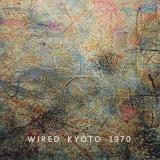
Wired was an ephemeral improvisational music project formed by Michael Ranta, Karl-Heinz Böttner, and Mike Lewis. On 28 April 1970, the trio recorded an extended studio session of approximately 140 minutes, in collaboration with Conny Plank, who engineered and mixed the recording in real time, incorporating elements of live electronics. This session was subsequently edited to album length and released in 1974 as part of the Free Improvisation 3LP box set issued by Deutsche Grammophon, alongside recordings by Iskra and New Phonic Art.
Owing to its exploratory electric sound world and Plank’s distinctive spatial production techniques, the Wired recording acquired a degree of underground cult status, particularly among listeners associated with krautrock and psychedelic improvisation.
Shortly after the studio session, Ranta and Böttner travelled to Japan, where they spent approximately six months performing with Karlheinz Stockhausen at Expo ’70 in Osaka. In addition to these activities, they engaged in various independent musical projects and performances.
The present release, sourced from the personal archive of Michael Ranta, documents a live duo performance by Ranta and Böttner, recorded on 27 July 1970 in an outdoor setting in Kyoto (the exact location remains unknown), before an audience of approximately 200 music teachers. The recording exhibits sonic and aesthetic characteristics closely aligned with the previously recorded studio material, retaining the distinctive “Wired” sound while situating it within a live, site-specific context.
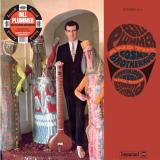
Welcome to the mind-expanding 1968 jazz recording of Bill Plummer and The Cosmic Brotherhood—where Eastern and psychedelic influences meld together to produce one of the trippiest jazz albums on Impulse Records. This LP is a much-sought-after sonic travelogue, with the pop-psych spoken-word sitar freakout of “Journey To The East” to Bill Plummer’s swinging, rapid fire/cool jazz compositions, to his covers that go straight to the heart of any 60’s genre-crossing jazz fans. Featuring an incredible who's who of the high-caliber talent bubbling over in the Los Angeles music scene at the time: Carol Kaye (legendary bass player of The Wrecking Crew), Maurice Miller (drummer in The Jazz Corps), Dennis Budimir (guitarist with Chico Hamilton Quintet, Ravi Shankar & Frank Zappa), Mike Lang (Piano with Flamin’ Groovies & Hal Blaine), Tom Scott (Saxophone with Gabor Szabo & Thelonious Monk), Ray Neopolitan (Bass for The Doors & Leonard Cohen), Milt Holland (Percussionist with The Wrecking Crew &
Captain Beefheart), Bill Goodwin (Drums for Mose Allison & Tom Waits).
Housed in a beautiful gatefold sleeve with iconic liner notes by Frank Kofsky, who comes out swinging hard in favor of the album, while shaking the dust off any jazz snobs left in the '60s who still were not ready to embrace the future of jazz. Produced by Bob Thiele who produced everyone from John
Coltrane, Art Blakey to Charles Mingus, this sonic rarity is yet another impressive vinyl reissue from the folks at Jackpot Records.
"Weejuns is all about interplay,"erklärt Gitarristin Mollestad. ,Bitches Blues besteht aus sechs Instrumentalstücken oder Musikabschnitten mit einer extremen Bandbreite an Dynamik. Einige basieren auf kräftigen Beats, während andere Stücke weitaus lyrischer und rubato sind. Die Bandbreite reicht von riffbasierten rockigen Stücken über lautes Chaos bis hin zu melancholischen Balladen und sogar völlig freien Improvisationen." Mit einem kultivierten und dennoch erfrischend instinktiven Ansatz, Instrumente und Einflüsse miteinander zu verflechten, wechselt Bitches Blues (ein ironischer Verweis auf Miles Davis' Album Bitches Brew) unvorhersehbar zwischen langsamen und sanften, klar gegliederten Songs mit disziplinierten Akkordfolgen und explosiven Ausbrüchen kathartischer und komplexer Strukturen. Weejuns (eine Slang-Abkürzung für ,Norwegians") stellten sich 2023 mit einem selbstbetitelten Doppel-Live-Album vor. Ursprünglich von Mollestad für das Kongsberg Jazz Festival zusammengestellt, wo sie mit dem renommierten Musicians Prize ausgezeichnet wurde, hat sich die Chemie innerhalb von Weejuns als dauerhaft und verlockend erwiesen, auch als Gegenpol zum bisher härtesten Album des Hedvig Mollestad Trios, Bees in the Bonnet aus dem Jahr 2025. Mollestad hat mit ihrem gleichnamigen Trio acht gefeierte Alben veröffentlicht. Das Markenzeichen ihrer 15-jährigen Karriere ist die Verschmelzung von ernsthaftem Können mit einem offensichtlichen Fokus darauf, Spaß am Klang zu finden. Als Tochter eines Jazzmusikers vertiefte sie sich in dessen Plattensammlung und studierte klassische Werke von Miles Davis, Charlie Parker, Joe Pass und Jim Hall, bevor sie in ihren 20ern Riff-gewaltige Titanen wie Led Zeppelin, Black Sabbath und Mahavishnu Orchestra entdeckte. Dies führte zur Gründung des Hedvig Mollestad Trios, dessen unermüdlicher Aufnahme- und Tourneeplan seit Anfang der 2010er Jahre der Gitarristin eine Reihe von Auszeichnungen einbrachte, darunter zwei norwegische Grammys (Spellemannprisen) und die Ernennung durch das DownBeat-Magazin zu einer der 25 Künstlerinnen, die ,den Jazz für Jahrzehnte prägen könnten". Ståle Storlokken (Bass, Synths) ist Gründer und langjähriges Mitglied von Supersilent und Elephant9, seit Mitte der 90er Jahre die ,rechte Hand" von Terje Rypdal und hat mit Motorpsycho auf Platte und auf der Bühne sowie mit unzähligen anderen zusammengearbeitet. Ole Mofjell (Drums) ist das jüngste Mitglied und spielt bei Krokofant, Signe Emmeluths Amoeba und seinem eigenen Free-Jazz-Trio 3 Days Of Maceration.
"Weejuns is all about interplay,"erklärt Gitarristin Mollestad. ,Bitches Blues besteht aus sechs Instrumentalstücken oder Musikabschnitten mit einer extremen Bandbreite an Dynamik. Einige basieren auf kräftigen Beats, während andere Stücke weitaus lyrischer und rubato sind. Die Bandbreite reicht von riffbasierten rockigen Stücken über lautes Chaos bis hin zu melancholischen Balladen und sogar völlig freien Improvisationen." Mit einem kultivierten und dennoch erfrischend instinktiven Ansatz, Instrumente und Einflüsse miteinander zu verflechten, wechselt Bitches Blues (ein ironischer Verweis auf Miles Davis' Album Bitches Brew) unvorhersehbar zwischen langsamen und sanften, klar gegliederten Songs mit disziplinierten Akkordfolgen und explosiven Ausbrüchen kathartischer und komplexer Strukturen. Weejuns (eine Slang-Abkürzung für ,Norwegians") stellten sich 2023 mit einem selbstbetitelten Doppel-Live-Album vor. Ursprünglich von Mollestad für das Kongsberg Jazz Festival zusammengestellt, wo sie mit dem renommierten Musicians Prize ausgezeichnet wurde, hat sich die Chemie innerhalb von Weejuns als dauerhaft und verlockend erwiesen, auch als Gegenpol zum bisher härtesten Album des Hedvig Mollestad Trios, Bees in the Bonnet aus dem Jahr 2025. Mollestad hat mit ihrem gleichnamigen Trio acht gefeierte Alben veröffentlicht. Das Markenzeichen ihrer 15-jährigen Karriere ist die Verschmelzung von ernsthaftem Können mit einem offensichtlichen Fokus darauf, Spaß am Klang zu finden. Als Tochter eines Jazzmusikers vertiefte sie sich in dessen Plattensammlung und studierte klassische Werke von Miles Davis, Charlie Parker, Joe Pass und Jim Hall, bevor sie in ihren 20ern Riff-gewaltige Titanen wie Led Zeppelin, Black Sabbath und Mahavishnu Orchestra entdeckte. Dies führte zur Gründung des Hedvig Mollestad Trios, dessen unermüdlicher Aufnahme- und Tourneeplan seit Anfang der 2010er Jahre der Gitarristin eine Reihe von Auszeichnungen einbrachte, darunter zwei norwegische Grammys (Spellemannprisen) und die Ernennung durch das DownBeat-Magazin zu einer der 25 Künstlerinnen, die ,den Jazz für Jahrzehnte prägen könnten". Ståle Storlokken (Bass, Synths) ist Gründer und langjähriges Mitglied von Supersilent und Elephant9, seit Mitte der 90er Jahre die ,rechte Hand" von Terje Rypdal und hat mit Motorpsycho auf Platte und auf der Bühne sowie mit unzähligen anderen zusammengearbeitet. Ole Mofjell (Drums) ist das jüngste Mitglied und spielt bei Krokofant, Signe Emmeluths Amoeba und seinem eigenen Free-Jazz-Trio 3 Days Of Maceration.