African visions, Middle Eastern mirages, and cosmic pulsations: the map of Giuliano Sorgini’s sonic universe continues to expand, revealing new, uncharted territories.
Set for release on 10 July, the 7-inch Savana Selvaggia brings together two extraordinary, previously unreleased tracks, shedding light on one of the most visionary facets of Sorgini’s library music aesthetic. On Side A, “I misteri del mondo” (The Mysteries of the World) transports us to an imagined, ancestral Africa suspended between endless horizons, elegiac wilderness, and analogue electronics.
On Side B, “Arabian Safari” opens the door to a mystical, Arabic-tinged soundscape where African imagery blends with Middle Eastern influences and kosmische futurism. Driven by a potent mix of electronic drums, hypnotic sequencing, and fiercely inventive synths, it strikes a sonic kinship with the finest European Krautrock.
The dialogue between these two tracks perfectly highlights the composer's artisanal, experimental approach. Here, the Solina, Minimoog, modular circuits, pulsating synth lines, and suspended melodies intertwine to form a fascinating, enigmatic, and deeply personal sonic world—one built entirely by Sorgini in his Cat & Fox Studio in Rome, located a mere stone's throw from the RAI headquarters.
Two forgotten tracks. Two cinematic journeys whose original visuals have been lost to time. Two missing puzzle pieces in the ongoing recovery of the work of a composer who sounds more modern today than ever before. A magnificent sonic transmission from a bygone era that lands with the force of a contemporary revelation.
Foreign Tongues, the new album from The Rolling Stones, is an incredibly vibrant 14-track collection arriving less than three years after the band’s universally acclaimed, GRAMMY-winning album Hackney Diamonds, which topped charts worldwide and achieved multi-platinum status. The new album is introduced by the upbeat and infectious lead single In The Stars.
Leading up to the announcement, the band subtly built anticipation around the project, including the limited white label release of the track Rough and Twisted, issued exclusively on vinyl under the name The Cockroaches. Circulating among fans and collectors, the release has already sparked excitement and speculation about the sound and direction of Foreign Tongues, offering an early glimpse into the album’s raw and experimental energy. Recorded during an exceptionally creative period, Foreign Tongues was brought to life in under a month at Metropolis Studios in West London, with Mick Jagger, Keith Richards and Ronnie Wood reuniting with GRAMMY-winning producer Andrew Watt, who also helmed Hackney Diamonds. The result is a dynamic and forward-looking record that captures the band’s unmistakable sound while venturing into new sonic and lyrical territory—further cementing their unmatched legacy.
The album showcases standout performances from Jagger, Richards and Wood, alongside their long-time collaborators, including Darryl Jones, Matt Clifford and Steve Jordan. It also features a special guest appearance from Charlie Watts, recorded during one of his final studio sessions before his passing in 2021. Additional contributions come from an impressive lineup of guest artists, including Steve Winwood, Paul McCartney, Robert Smith of The Cure, and Chad Smith from Red Hot Chili Peppers.
Speaking about the recording process, Mick Jagger said: “I love doing these recording sessions in London at Metropolis. It was a very intense few weeks recording Foreign Tongues. We had 14 great tracks, and we worked as quickly as we could. I like the room there because it’s not too big, so you can really feel the passion in the room from everyone.”
Keith Richards added: “The album Foreign Tongues has a connection to Hackney Diamonds, and it was great to be working in London again and to have that London vibe around us. It was a month of concentrated punch. For me, it’s all about the joy of it. I’m blessed to be able to do this—may it continue for a long time.”
Ronnie Wood commented: “The atmosphere in the room was so creative, and the whole band was in top form throughout the process. Very often, we nailed it on the first take. I hope everyone will love it.”
The album’s striking cover artwork is a painting created by the acclaimed American artist Nathaniel Mary Quinn
o Standard Edition black heavyweight vinyl
o 44 tracks from the 2025 sci-fi RPG
o Each disc covers one of the game's major factions
o Art Nouveau-inspired artwork
o Widespined outer sleeve
o Printed inner sleeves
Obsidian Entertainment, Xbox, and Laced Records present the official vinyl release of The Outer Worlds 2 Original Soundtrack, a sanctioned audio record of Arcadia's most influential systems, ideologies, and approved listening experiences.
The specially mastered tracks span three LPs presented in deluxe Art Nouveau-inspired packaging. The collection captures daily life in the colony-where progress is monitored accordingly, optimism is responsibly distributed, and deviation is resolved through established channels.
Volume 001: Truth, Justice, & Dispute Resolution introduces the sound of arrival of the Earth Directorate. Sweeping orchestral themes and restrained electronic textures underscore exploration, investigation, and the reassuring sense that Arcadia's instability is both anticipated and accounted for.
Volume 002: Wireless Free Arcadia represents Auntie's Choice at peak efficiency. Bright melodies, big band swing, and relentlessly cheerful compositions promote comfort, productivity, and sustained consumer confidence. Freedom is included. Continued satisfaction indicates proper use.
Volume 003: Mental Enlightenment & Refreshment pairs the Protectorate and the Order of the Ascendant. The Protectorate asserts control through ceremonial authority, rigid rhythms, and formal arrangements devoted to discipline, doctrine, and public order. The Order of the Ascendant follows with colder, more abstract compositions focused on empirical certainty, controlled experimentation, and outcomes unburdened by sentiment.
Composed by Oleksa Lozowchuk, Antonio Gradanti, and Jim Bonney, the soundtrack of The Outer Worlds 2 blends cinematic scoring, period-inspired styles, and sanctioned cultural messaging to reflect a colony guided by ambition-and the systems entrusted to manage it.
Nach der Veröffentlichung von „idea 1“, kündigt Kelela ihr neues, drittes Album an, das am 10. Juli bei Warp Records erscheint – und veröffentlicht die zweite Single „linknb“, produziert von Oscar Scheller.
Der Track entstand in einer Phase der Schreibblockade und begann als Mantra, das Kelela schrieb, um sich wieder an die Arbeit zu bringen. Angeführt von einem labyrinthischen Gitarrenriff über treibenden Metal-Drums ist „linknb“ ein Song über Selbstvertrauen, das man sich durch Schwierigkeiten erarbeitet hat, darüber, sich nicht klein machen zu lassen. „Es ist nicht schwer, mutig zu sein / Es ist leichter, zu viel preiszugeben / Ich weiß nur, dass ich den Weg geebnet habe, unterbezahlt.“
Das von Mischa Notcutt inszenierte Video versetzt Kelela in die Mitte einer urbanen Traumlandschaft. Als enger Freund und Kelelas ehemaliger Kreativdirektor war Notcutt die naheliegende Wahl. Das Video lässt Realismus und Abstraktion ineinanderfließen und verwandelt eine einsame Reise in eine Meditation über Selbstfindung und Erneuerung.
Mit „new avatar“ rückt alles, worauf Kelela hingearbeitet hat, in den Fokus. Sie begann ihre ersten Songs in der Indie-Szene von Washington, D.C. zu schreiben, bevor die Clubmusik und die elektronische Produktion, die ihre frühe Karriere prägten, die Oberhand gewannen. Mit „new avatar“ schließt sie den Kreis: R&B, unterlegt mit verzerrten Gitarrenklängen, trifft auf neue Schnittstellen in der Tanzmusik und gipfelt in einem Sound, der aus all den musikalischen Einflüssen schöpft, die sie je geprägt haben. Das Album enthält zudem Kollaborationen mit PinkPantheress, A. K. Paul und Fousheé.
„Dieses Album findet Trost in der Konfrontation“, sagt Kelela. „Ich möchte nicht, dass die Musik von dem ablenkt, was wirklich in der Welt vor sich geht; ich möchte, dass sie in dieser verrückten Zeit Sinn ergibt und den Menschen gleichzeitig hilft, mit der Schönheit und Freude in Kontakt zu kommen, die sie ebenfalls erleben.“
Das Album setzt sich mit einer Welt auseinander, die aus allen Nähten auseinanderfällt, und mit der Klarheit, die das Überleben erfordert.
„Die Leute sollten auch wissen, dass meine Freunde und ich ständig lachen und dass Humor kein Abwehrmechanismus ist; er ist Ausdruck dafür, wie scharfsinnig wir die Dinge einschätzen und wie klar wir die Welt sehen.“
Im Kern schildert „new avatar“ eine vielschichtige Erfahrung, und obwohl die Außenwelt präsent ist, schwächt sie Kelelas Entschlossenheit zu keinem Zeitpunkt.
About Kelela: Throughout her globally revered, boundary-pushing career, Kelela has established a lane of her own in R&B and electronic music. On her long-awaited third album, new avatar, the singer/songwriter (through the versatility of the guitar) challenges perceptions of these genres, while weaving together fragments of lived experiences to shape a world of connection and resilience during times of unrest.
The songs journey through Black femme rage, joy as resistance, Gotham City-esque dystopia, misogynoir, romantic tension, and more. It’s anchored by production that demands a broader rethink about alternative, rock and indie music.
Kelela’s defiant nature has propelled her so far already — from her hometown of Washington, D.C to world stages. In 2013, she released her debut mixtape, Cut 4 Me. She continued solidifying her revolutionary R&B sound with 2015’s Hallucinogen EP, with The New York Times naming its single, “Rewind,” one of the “25 Songs That Tell Us Where Music Is Going”. By 2017, she released her electric debut album Take Me Apart (which was followed by 2018’s TAKE ME A_PART, THE REMIXES), building upon her intimate storytelling.
After a nearly five-year hiatus, she returned in 2023 with her groundbreaking second album, Raven, and its critically-acclaimed counterpart, RAVE:N, The Remixes in 2024. Raven has been hailed as one of the ‘Best Albums of 2023’ by Pitchfork, Billboard, Vulture, Variety, and more, while the remixes solidified her as a leader in the dance music space.
In 2025, Kelela showcased yet another innovative side of her artistry with her live album In The Blue Light, which hit #5 on the Contemporary Jazz chart and #20 on the Jazz Albums chart. Now, with new avatar, Kelela displays the masterful intention she puts into forming new sonic cityscapes. But don’t confuse it with escapism: “I don't want the music to be a distraction from what's really going on in the world; I want it to help you get into it.”
out of Stock
Last delivered 60 days ago available to reorder, subject to availability
These days – on the new, ninth Fink album – Greenall is operating within a lineage of authentic, quietly revolutionary artists from England’s verdant southwestern toe. Artists like Michael Chapman. In 1970, the elusive acoustic guitar wizard released an album called Fully Qualified Survivor. The cult-classic served as a lodestar for Greenall – along with bandmates Tim Thornton and Guy Whittaker – as he began jigsawing together The City Is Coming to Erase it All, the follow-up to 2024’s Beauty In Your Wake. He even considered covering a song from it, but in the process, inadvertently stumbled into what became the album’s opener. ‘Wishing For Blue Sky’ circles a universal teenage ache: waiting for life to start. “No point dying of patience” goes the first lyric as crunching footsteps cue a resonant, open-tuned acoustic swaying into view. By 18, Greenall was fed up with waiting, so he left suburban Bristol and saw the world, sending postcards from the edge, waiting tables, squirreling away tips for the next flight. Thornton had similar experiences when the guitarist/drummer busked across Eur
This is nowstalgia more than nostalgia, though; there’s a parallel between these 18-year-olds and Fink’s autumn-aged family men. “You’re expected to be boring and settling down at this age,” Thornton says. “But we’ve still got this tremendous wanderlust. We want to go and discover, and also achieve things. It’s a nice life – home and family – but fuck, I can’t wait to get back out there.” City is a product of this hunger for discovery, and idolatry of the album as a form – like we had in 1974. City’s cover mirrors its interior, the first song is the greeting, the instrumental closer the conclusion. It’s a story. It’s a record for people who, like its creators, are curious. People who happily face a little cold for music, who light a crackling fire back home, who sit with these songs until they’re ready to chase after their own blue sky
out of Stock
Last delivered 3 months ago available to reorder, subject to availability
The Reflex has been back remixing on his multitracks again and if you have been out anywhere decent in recent times you might already have heard this one as it has been a favourite of those DJs in his inner circle. Finally, the unrelated rework of a legendary disco diva arrives on wax and dazzles from front to back. 'Lolita' has it all - the deft hi hats sliding above funky bass, a rhythm driven by busy piano chords and lung-busting vocal full of burning soul. 'Camels' rides funky, chunky drums and has more expressive tones this time in unison with an off-balance chord sequence and fluttering sax. Lovely stuff.
out of Stock
Last delivered 3 months ago available to reorder, subject to availability
Ever since the late 1950s bossa-nova revolution, Brazil’s influence on French music has been undeniable. Pierre Barouh, Georges Moustaki and a vast array of lesser known artists, all made the Musica Popular Brasileira (MPB) an axis of promotion at the service of a cool and metaphysical, modern and mixed Brazilian lifestyle. Some were seduced by the poetic languors of the bossa, some were looking for fun, and others just loved the American hybridization of jazz-bossa, jazz-samba.
What is bossa nova? One of its creators, Joao Gilberto said: "Its style, cadence, everything is samba. At the very start, we didn't call it bossa nova, we sang a little samba made up of a single note - Samba de uma nota so .... The discussion around the origins of bossa nova is therefore useless”. It is nevertheless useful to remember that these magnificent Brazilian songs, which the guitarist describes as samba, were shifted and balanced around improbable chords. "I like things that lean, the in-betweens that limp with grace," said Pierre Barrouh, quoting Jean Cocteau.
With emotion, arrangements for violin and supple guitar licks, bossa nova rapidly changed. A transformation that can be heard in the Tchic, tchic, French Bossa Nova 1963-1974 compilation, the result of a cultural reappropriation, which traveled through the United States and supplemented itself in France.
A musical revolution that has remained significant, bossa nova was born in Rio. From 1956 to 1961, Brazil lived through its golden years. In five years, the country had invented its modernist style. Elected president in 1956, Juscelino Kubitschek de Oliveira, an elegant man with a broad forehead, brandished a promising slogan: "Fifty years of progress in five years". He quickly got to work. Not worried about increasing debt, he launched the project for a new federal capital, Brasilia, designed by the communist architect Oscar Niemeyer. Volkswagen opened state-of-the-art factories and created the “fusquinha”, the Beetle. In Rio, the Vespa made its first appearance. The Arpoador Surf Club crew run into the “girl” from Ipanema, Helô Pinheiro - the tanned garota ("chick"), between a flower and mermaid, who at 17 walked by the Veloso bar, where the fiery author and composer, Tom Jobim and Vinicius de Moraes, were getting drunk on whiskey. From then on, bossa symbolized cool.
In 1958, Joao Gilberto recorded Chega de Saudade, which the directors of Philips denied, calling it "music for fagots". The marketing director, who believed in it, secretly pressed 3000 78-inch vinyls and distributed them at schools around Rio, creating a tidal wave.
American jazzmen then took over. In particular, trumpeter Dizzy Gillespie and guitarist Charlie Byrd. In November 1962, the Brazilian Ministry of Foreign Affairs funded a "Bossa-Nova" concert at Carnegie Hall in New York, inviting the genre’s pioneers. Unprepared, the show soon turned to disaster. But the troupe was invited to the White House by Jackie Kennedy. The first lady loved "the new beat" and in particular Maria Ninguem, a song by Carlos Lyra, later covered by Brigitte Bardot.
In Brazil, the 1964 military coup quickly ended this euphoria. The destructive atmosphere that ensued pushed many Brazilian musicians to leave, if not to exile. Thus, Tom Jobim, Sergio Mendes and Joao Gilberto arrived to the United States. In New York, Joao Gilberto met saxophonist Stan Getz. At the time, he was married to the Bahianese Astrud Weinert Gilberto, who had a German father. She had never sung before, but she knew how to speak English. Getz therefore asked her to replace her husband on The Girl From Ipanema. The Getz/Gilberto record with Tom Jobim on piano, was released in March 1964. Phil Ramone, the "pope of pop" was in charge of sound.
Bossa nova arrived in Paris through the classic “guitar-voice” channel (Pierre Barouh, Baden Powell, Moustaki…) But France loved jazz and Paris had already welcomed its American contributors. All these good people were to pass through Saint-Germain-des-Prés. The cabaret l'Escale became the Mecca of Latin American sound where one could find Pierre Barrouh and his friends, such as the Camara Trio, samba-jazz aces, whose only record was published by the Saravah label. With a band strangely called Les Masques (a band that included Nicole Croisille and Pierre Vassiliu, among others), the Camara Trio recorded an interesting Brazilian Sound, including the track Il faut tenir which is present on this tasty compilation of rarities.
Other enlightened musicians can also be found on the compilation, such as Jean-Pierre Sabar (songwriter for Hardy, Auffray, Leforestier ...) and the French pop rock organist Balthazar. In 1975, Sabar recorded Aurinkoinen Musiikkimatka on a Finnish label, which featured the crazy Vai, Vai, included on this record. We are now following the footsteps of Brazilian electronic musicians such as Sergio Mendes, Eumir Deodato or Marcos Valle who created funk and disco sounds on their keyboards and synthesizers. A style that influenced Véronique Sanson when she wrote Jusqu’à la Tombée de la nuit in 1969 for Isabelle de Funès, the niece of Louis and a great friend of Michel Berger - Sanson did end up singing this track on her 1992 Sans Regret record.
The pinnacle of exoticism and travel, Sylvia Fels’ Corto Maltese includes bongos, sea mist and ocean sounds. The title was taken from Jacky Chalard’s concept album written in 1974, Je suis vivant, mais j’ai peur (I am alive, but I am scared), based on Gilbert Deflez’s science fiction novel.
However, bossa nova extended the scope of popularity. "In the 1970s, I was a fan of Sergio Mendes, Getz / Gilberto. I fell in love with this music that I knew because I had been an orchestral singer, " explained Isabelle Aubret, who in 1971 delivered a composite record of covers by the very funky Jorge Ben, Orfeu Negro, Tom Jobim, Vinicius de Morais and Jean Ferrat. "I recorded this album for Meys Records in Paris, far from Brazil, with wonderful musicians, François Raubert, Roland Vincent, Alain Goraguer...". The latter wrote the arrangements for Casa Forte, a very percussive title borrowed from Edu Lobo, one of the initiators of the bossa who spent time in California. "Jazz and bossa came together and produced very rhythmic music. I love singing, it allows me to dream, to have fun, to feel a high on stage, and these songs brought me joy, made me swing, my singing felt like a dance.”
The world tours of French singers and their desire for the tropics, often brought them to Rio with its hills, forests, caipirinhas and tanned bodies. There are surprises though, like this Iemenja (Iemenja is the goddess of the sea in the Afro-Brazilian candomblé religion). Not unlike the composer and musician Jean-Pierre Lang, based in Sao Paulo, Claire Chevalier taught Brazil to Brazil. In 1970, the singer and painter published a 45-inch vinyl, Mon mari et mes amants (My husband and my lovers), under the improbable pseudonym of Clarinha (little Claire). She was then living in Rio, with her husband, Joël Leibovitz, who founded a band called Azimuth, and who owned a record label specialized in "sambas enredos" songs for samba school parades.
For its B side, she asked Pierre Perret to come up with lyrics for a song composed by Carlos Imperial: "Oh goddess of the sea, o goddess Iemenja, I bring a white rose to adorn your long hair ..." . "Perret came to see us, and we had fun, remembers Joël Leibovitz. We wrote Lemenja for fun, we recorded it at the Havaí studio, behind the Central do Brasil the central station. Erlon Chaves, the arranger who worked with Elis Regina, joined us" adding his share of Afro-Brazilian percussions and funky brass to the mix.
There is a common misunderstanding in Franco-Brazilian history: that bossa, admittedly hedonistic, is perceived as funny, even though the poets who wrote the texts are often philosophizing on the human condition. Its French interpreters pull it towards a carnival inspired universe, far removed from its fundamental essence. Thus, Jean Constantin covered the famous Samba da minha terra, an ode to the art of samba written by the classic Bahian composer Dorival Caymmi, renaming it with the enticing title of Pas tant de tchi tchi pompon: "On your pier there is no tchi tchi / when you arch your back, you know everything is alright ”(lyrics by Gérard Calvi). This expedited bossa aims for the absurd, but retains a certain elegance.
Indeed, Jean Constantin was not an idiot, the rather large man had a huge mustache and liked fantasy, (Les pantoufles à papa, Le pacha, inspired by cha-cha-cha-cha, salsa and jazz) but he was also the lyricist of Mon manège à moi interpreted by Edith Piaf, the composer of Mon Truc en plume by Zizi Jeanmaire and the soundtrack of François Truffaut’s 400 Blows. Le Poulpe, published in 1970, from which this bossa is extract, was arranged by Jean-Claude Vannier, an accomplice of Serge Gainsbourg’s Melody Nelson. In short: "There is enough of samba / By looking at the parasol / Because my poor cabeza / Is going to die in the sun".
Even the American actress Marpessa Down, who was at the heart of the bossa nova revolution with her role as Euridyce in Marcel Camus’ film Orfeu Negro, winner of the 1959 Cannes Palme d'or, fed the clichée with Je voudrais parler au petit cuica - "Tell me how you manage to always make people want to dance / It's true, I must admit that I cannot resist your magic" - in consequence, once can hear the cuica, a little drum inherited from the Bantu.
But bossa nova had many angles. Societal, of course, pushing actresses who were symbols of women's liberation like Brigitte Bardot, Jeanne Moreau, or Sophia Loren to engage in the exercise of accelerated bossa. In February of 1963, Sophia Loren made a record in French in Rome, Je ne t'aime plus, featuring the song De jour en jour, a bossa written by two Italians, Armando Trovajoli and Tino Fornai, which was released a little later by Barclay. Bossa accompanied the 1960s, a decade of moral liberation. Ann Sorel, who interpreted La Poupée des favellas, caused a sensation with L’amour à plusieurs, a provocative song written by Frédéric Bottom and Jean-Claude Vannier. As for the actress Andrea Parisy, she displayed her bourgeois cheekiness in Marcel Carné's Les Tricheurs before interpreting Les mains qui font du bien. And Magalie Noël, the friend of Boris Vian, who sung Johnny fais-moi mal, was hired to sing Une énorme Samba, composed by Alain Goraguer (arranger to Gainsbourg, Bobby Lapointe and Jean Ferrat) with lyrics by Frédéric Botton.
But in the end, of what wood is bossa nova made of? The answer is given by Christianne Legrand, daughter of Raymond the conductor, and sister to Michel the composer: "With me, with jà" - jà means "immediately" in Portuguese. In 1972, the singer, an expert in vocal jazz and a member of the Double Six, published Le Brésil de Christianne Legrand. Two songs included on the Tchic Tchic compilation that demonstrate how bossa, jazz, funk, rock, etc. work like a swiss army knife: the music is used to denounce broken systems, or miracles, HLM et ciné roman, Cent mille poissons dans ton filet, two songs from the O Cafona soundtrack, a successful telenovela broadcast, at the time in black and white, on TV Globo. The first was adapted in French by the fighter and friend of the Legrand tribe, Agnès Varda. The second is content with a play on words, jostling them into a summer fun.
Véronique Mortaigne
out of Stock
Last delivered 3 months ago available to reorder, subject to availability
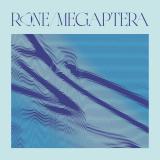
MEGAPTERA, the scientific name of the humpback whale, is also the title of the new album by French producer and composer Rone.
Born from an ambitious film project, the record was largely composed at sea, off the coasts of Brittany and Réunion Island, using a modular synthesizer and melodic sketches developed for an almost unreal proposition: attempting to resonate with whales through music.
Following Room With a View—a soundtrack to a performance created with the alternative dance company La Horde, exploring collapse and rebirth—Rone continues his investigation into new imaginaries. If that earlier work emerged from reflections on ecological, social, and technological tipping points, MEGAPTERA marks a shift: away from the city, toward the sea.
Gradually, he moved away from performance toward a more craft-based approach, extending his practice beyond the studio into a wider space of listening, exchange, and fieldwork. Early footage of sailors broadcasting his work into open water—seemingly answered by whale presence—circulated online, generating fascination, but also a growing unease for the artist regarding what these projections might imply.
This tension became the starting point for a longer period of field experimentation, developed in dialogue with scientists, environmentalists, sailors, and bioacousticians. The resulting 15-track album reflects this open-ended inquiry — not only into whether human-made sound can reach whales, but also into how this process can shape a new form of electronic music, and open it towards new deep-sea soundscapes.
Rather than seeking imitation, Rone works with reduction. Drawing on research into cetacean vocalisation, he pares back his language—focusing on frequency bands, repetition, and suspended structures. Minimalism appears less as reference than as natural convergence.
out of Stock
Last delivered 3 months ago available to reorder, subject to availability
Die großen Hitalben von den Black Eyed Peas erscheinen neu auf Doppel-Vinyl. Mit dabei sind die Alben
”The E.N.D” und ”Behind The Front”, ”Monkey Business” und ”Elephunk”. Hier sind unter anderem die
Chartsürmer-Singles ”Boom Boom Pow”, ”I Gotta Feeling” sowie frühe Singles wie „The Way U Make Me
Feel“ zu finden.
out of Stock
Last delivered 82 days ago available to reorder, subject to availability
„Olivia Rodrigo veröffentlicht ihr mit Spannung erwartetes drittes Studioalbum! „you seem pretty sad for
a girl so in love“ folgt auf die mit Gold und Platin ausgezeichneten Vorgänger „GUTS“ und „SOUR“. Das
neue Album der dreifachen Grammy-Preisträgerin erscheint am 12. Juni 2026.“
out of Stock
Last delivered 3 months ago available to reorder, subject to availability
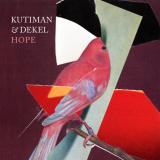
Acclaimed composer, producer, and multi-instrumentalist, Kutiman and psych-soul singer/musician Dekel reunite for a stunning showcase of lush modern grooves on album “Hope”.
Long-time collaborators, the duo present an album that is a masterclass in heartwarming, positive cinematic soul, contemporary jazz, deep grooves and rich, lush psychedelia. With contemporary indie-grooves alongside soft, hazy instrumentals, the release will appeal to fans of Michael Kiwanuka, Khruangbin & SAULT.
out of Stock
Last delivered 3 months ago available to reorder, subject to availability
This tidy joint release between Future Rootz and Luchando Music compiles rare recordings from 1970s and 80s Cuba, all sourced from private archives and reel-to-reel tapes. This is the sort of selection to get serious diggers hot under the collar as it explores funk-driven arrangements, jazz-informed horn sections and rhythm-led compositions contoured with Afro-Cuban percussion. There is plenty of tape saturation and analogue noise present throughout that reinforces the archival origins of the music and instrumentation centres on brass, keys and layered percussion, with grooves built from syncopated patterns and live ensembles. Alongside the music, restored credits and contextual research foreground the musicians and recording histories behind these previously unavailable works. Do not sleep on this one.
out of Stock
Last delivered 3 months ago available to reorder, subject to availability
Winner of the 2026 César Award for Best Original Music, the Arco soundtrack is composed by Arnaud Toulon.
Blending sweeping orchestral passages with delicate electronic textures, Toulon’s music accompanies Arco’s temporal wanderings in an expansive sonic journey. An immersive, sensitive, and luminous soundtrack that echoes the great works of Joe Hisaishi while asserting a distinctly contemporary identity. Balancing poetry and dramatic tension, the score stands as a fully-fledged experience in its own right, emerging as a striking cinematic work.
Directed by Ugo Bienvenu, Arco won the César Award and the European Film Award for Best Animated Feature in 2026. It also won the Cristal for Best Feature Film at Annecy in 2025, and was presented at the 2025 Cannes Film Festival and selected for the 2026 Oscars.
Film:
Best Animated Film and Best Original Score at the 2026 César Awards / 2026 European Film Awards / 2025 Cristal Award for Best Feature Film at Annecy
Screened at the 2025 Cannes Film Festival
Nominated for the 2026 Academy Awards
Distributed in over 40 countries
VOD already available in France
Music:
Nearly 1.5 million streams
1,000 vinyl records sold
Over 177,000 views on the live session of “Clouds Away” by Arnaud Toulon x November Ultra
CD released in Japan in April 2026
International releases (movie)
2025
October: France + Belgium
December: Netherlands
2026
January: Portugal, Czech Republic, Spain, China
February: Latin America, Taiwan, Turkey, India
March: Greece, South Korea, Italy, Australia, Estonia, UK, Hungary, Romania
April: Latvia, Germany, Hong Kong, Bosnia & Herzegovina, Austria, Poland, Japan, Switzerland
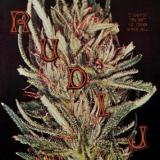
Straight from the weedy fields of swampville Bruxelles we bring you 8 ‘tranches de vie’ of deep zone-hall by weirdtronic bass veteran Michael Crabbé’s best fitting sound costume to date: the mighty Rudi J! You might know him from earlier outfits but that’s not the main issue here. Rudi J is!
When this swamp thing touches the pads, it’s off-road after three seconds, even if you’re in the middle of Europe’s capital. Mixing analog dirt and digital sound bits in a very loose and personal take on dancehall, we’re pretty far away from the dance floor but definitely swinging. It’s a trippy affair wandering around concrete flowers with a deep ambient flavor, but it’s edgy.
A hot summer fever dream following his own lusty path, full of life and wonder but with something sinister hiding around every corner. Often reaching for the stars, a deeper shade of bass keeps things nicely grounded. These sounds are built with a sound system in mind and bass culture at heart. Even if you can definitely surf on it from your couch, picking out all of its ear-pricking details, it will very much come alive on a big sound.
A layered affair with almost jazzy and orchestral elements peeping through the stereo-field, spectral and dissonant but also playful. Like early dubstep, some of these tunes can destroy a clubsound, keeping you skunking out in pedestrian mode and snorting up the atmospherics, finally forgetting about that damn phone.
out of Stock
Last delivered 3 months ago available to reorder, subject to availability
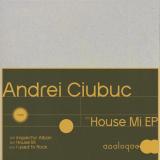
analoque records returns with its third release, welcoming Andrei Ciubuc for a tightly crafted 3-tracker. True to the label’s timeless character, the record moves through rolling grooves, old-school energy and deep-rooted aesthetics.
High-quality mastering and cut, pressed on 180g black vinyl.
out of Stock
Last delivered 3 months ago available to reorder, subject to availability
Following releases of the UFO and Supercar soundtracks, Thunderbirds is the third in the series from Gerry and Sylvia Anderson’s iconic TV shows. It is newly compiled, mastered and designed by the creative team at Fanderson (The Official Gerry and Sylvia Anderson Appreciation Society), who have access to Barry Gray's original studio tapes.
The album features 37 tracks from 19 episodes (series 1 and 2), including the Thunderbirds main theme and closing titles. The tracks were not programmed to follow the episode order but to achieve an integrated listening experience. The best bits of the sixties’ soundscapes are here. The Thunderbirds soundtrack is an effective time capsule as Gray’s music veers into British spy genre, Latin pop, exotica, urban jazz and military marches. Beautifully composed and conducted, the score reflects the moods of the scenes, from dangerous to romantic and no-nonsense to silly.
Barry Gray was a classically trained composer and a versatile musician, and was amongst the first composers to use electronic instruments in music for television. Best known for creating the music for most of the Gerry & Sylvia Anderson television series in the 1960's and 70's (Fireball XL5, Thunderbirds, UFO, Space:1999), Barry Gray’s complete musical opus is still not commercially available in its entirety.
H- side is etched
The American cable-television industry exploded in the 1980s, pushing broadcasts of diverse programming and emissions of low-laying cultures into homes. Community stations piggybacked on the digital developments of the time, extending their existence through telephony and broadcast a iliates. For those growing up in this time, in locations such as New York City, the localized communications beamed into their homes exposed them to an impressionable array of disparate sounds and visions.
Move into the 1990s and New York was filled to the brim of emergent cultures drawing from this ebullition of communication. From Rammellzee’s shapeshifting to the late Judy Russell and Frank and Karen Mendez’s Nu Groove imprint fusing reggae, poetry and house, nascent ideas emanated from the city walls, from within stores such as Sonic Groove store and on VHS releases such as Stakker’s The Evil Acid Baron Show, a legendary technicolor psychedelic trip along the wildest frontiers of acid house. As scenes expanded and identities developed, such individuals weather the events of the visceral now, expressing themselves right into an unpredictable future.
Function’s long career has seen him uncover a vast range of sonic identities, a mainstay through house, techno and industrial with collaborations with the likes of Regis, Damon Wild alongside his highly influential Infrastructure imprint. With influences deeply tied to pop art, rave and gay scenes, and early memories of block-parties emitting Kraftwerk and Strafe, he found himself seeking out the undercover illegal nights of the 90s on a quest of sexual unearthing, mixing the ever-yearning escapology mission of disco with the influential DJ sets of Jeff Mills.
For his new album Existenz, he marks a clear step away from the corporeal techno of his recent releases. Pivoting around themes of religion, sexuality, trauma and healing, it is a work expansive and celebratory, a clear liberation from a deeply internalized past. Formed from a collection of recordings made in a period from late 2016 to mid 2019, Existenz takes the form of a creative outburst in reaction to a number of traumas - recent, childhood and throughout Function’s life. Life partner Stefanie Parnow assisted the production process in its entirety, providing inspiration, spiritual healing and featuring vocal contributions.
Cosmic synths soar and swoop in ‘Pleasure Discipline’ through towering stacks of rhythm that stutter and creak to a halt before rebooting, a firm robotic response to human intervention. ‘Zahlensender’ reflects a spatial tetris of urban life, as digitalization set within an XYZ matrix confronts the sprawling city. Constant arpeggiated meditations echo synaptic transmissions, e ecting a dissolution of boundaries. ’The Approach’ recalls the unification of the self, a state of delirium non-subjective and smooth, as all connections and functions give way to simple intensities of feeling, crossing the threshold into spirituality. ’Golden Dawn’, featuring Stefanie Parnow, marks a further elevation of dubbed-out euphoria, as once more positive rays emerge. His ode to the effortless short-trip urban navigation 'Kurzstrecke' finds Function in motion, upfront and bold, snapshots of conversation and flickers of light. 'Ertrinken' finds metallic bass jabs swamping snipped synthetic voices, with hidden stores of emotion set as a nod to the history of vocoders as a tool for encrypted military communication. House icon Robert Owens features on 'Growth Cycle' and 'Be', entrenching a celebratory atmosphere over Function's clubwise leanings. Closing track 'Downtown 161' reflects the unmistakeable filtered and squashed interjections of television, and sampled dance vocals - a sound for the curious, dreamers and dancers.
With Existenz, Function reveals an essential body of work, spread over 4LP - thought experiments on the role of identity and spirituality after a lifetime of upheaval and trauma. Leading up until the release date, Function will undertake an album promo tour with select dates - A/V shows at Berlin Atonal and Rural festival in Japan, and three dates as part of his Bassiani residency.
out of Stock
Last delivered 35 days ago available to reorder, subject to availability
Parisian label Chuwanaga announces the upcoming release of Inner Circle Vol. 1, the first installment in a series of house music releases bringing together artists from the label’s close circle. Available on limited 12" vinyl (300 copies) and digital.
The VA opens with “We All Got To Feel” by Argentine producer J. Koen (Nervous Records / Nite Grooves), a track that encapsulates the essence of deep house. Classy, colorful stabs, refined melodies, and a warm, funky bassline come together in a club-ready cut. It's exactly what you expect when you need a track that delivers — just drop it.
It is followed by “Sunny California” from French producer Kaffe Crème (Floors Records), an ode to the sun — both a celebration and a form of incantation recalling the spiritual energy of Ron Trent and Joe Claussell. The track builds toward a break filled with deep, jazz-inflected harmonies before returning with an electrifying melody carried by layered percussion, leading to an emotional climax.
On the flip side, “It’s A Feeling (House Music)” by the French duo Milk & Honey (Chuwanaga) draws clear inspiration from the Chicago lineage, in the vein of Boo Williams. A looping bassline, deep silky chords, and steady drums create a hypnotic, flowing texture with a myriad of ear candy. It's a feeling, it's a vibe!
The record closes with “The Gatekeeper” by French producers Saint-James (Chuwanaga) & KX9000 (Pont-Neuf Records), a track influenced by the London boogie sound and its broken beat scene. Fans of Dego and Kaidi Tatham will recognize its syncopated grooves and percussive depth, bridging house and broken beat aesthetics.
out of Stock
Last delivered 76 days ago available to reorder, subject to availability
'I live in a gentrified part of Brooklyn, I eat out several times a week, I travel the world sampling the best that cities across the globe have to offer. Do I live in a penthouse loft Am I dinning in five stars restaurants Can you only find me in the most exclusive areas Do I own a jet The answer to all the above is most certainly no. I'm just a regular man from Prince George's county, Maryland that figured shit out. I discovered that I can make a career in an arena dominated by artists that sell false dreams. I realized that although the masses may not know of my body of work, it doesn't take the whole world to have the world I want. Tangible Dream is a mix-tape dedicated to the deconstruction of our traditional ideas of success & shedding light on the possibility of a sustainable rap life. These rhymes were written in economy class seats, these beats were produced on long bus trips & these songs were recorded in airbnb apartments. All I want to do is make music for a living so that I can live to make music. The only dreams I'm interested in are the ones I can grasp. It just so happens that anything you want bad enough can be obtained. Perhaps the world may never know of my accomplishments but accomplishments they are nonetheless.
Auf seinem neuen Solo-Klavieralbum „Stephen Hough’s Piano Postcards“ erkundet Sir Stephen Hough die
Welt aus der Perspektive eines reisenden Pianisten, der musikalische Botschaften nach Hause schickt. Er
wählt beliebte Lieder und Melodien aus aller Welt aus und interpretiert sie auf raffnierte Weise neu. Diese
neuen Arrangements sind eine Hommage an die Länder, die er im Laufe seines Lebens auf Reisen und bei
Auftritten lieben gelernt hat – musikalische Souvenirs, die er seinem Publikum mitbringt.
Die asiatische Musik ist vertreten durch „Spring Breeze Prelude“ des taiwanesischen Komponisten Deng
Yu-Hsien sowie durch eine zarte Klavierversion von „Aka Tombo“, einem in Japan sehr beliebten Kinderlied,
das sogar im landesweiten „5-Uhr-Glockenspiel“ zu hören ist. Folklore und populäre Traditionen kommen in
„Cielito lindo” und „Nature boy” zum Ausdruck, während sich die letzte Gruppe von Stücken mit Werken
von MacDowell, Schumann und Sinding der Natur zuwendet. Neben diesen musikalischen Reisetagebüchern
streut Stephen Hough funkelnde neue Transkriptionen von Liedern aus beliebten Filmen ein.
„Piano Postcards“ spiegelt vor allem die Tradition der Pianisten-Komponisten wider: Musiker, die ihr
eigenes Repertoire mit Freiheit und Individualität aufführten, arrangierten und kuratierten. Hough fasst
den Geist des Albums so zusammen: „Der musikalische Appetizer kann tiefgründige Poesie oder Witz und
Laune enthalten, ob subtil oder laut. Alles auf einer handlichen Speisekarte.“
Joa Joys (Joaquín Ledesma) is a visual artist and musician from Santa Fe, Argentina, now based in Buenos Aires. Since 2015, he has released solo and collaborative works on labels across Argentina, Japan, Belgium, and France — and now with Discrepant — while also composing for documentaries and installations. His music approaches sound as a habitable space, closely intertwined with a visual sensibility, creating cinematic soundscapes that oscillate between everyday observation, dream states, and surreal fantasy.
His new album Alivie explores the experience of physical pain, its different phases, and the ways we cope with it. Built from a palette that merges analog synthesizers (some hand-built by the artist) with flute, mandolin, guitar, and other textures, the record shifts between atmospheric passages, folk-like elements, and moments of energy and abstraction. Alivie is not confessional but poetic — an attempt to translate the weight of pain into images, sounds, and atmospheres that also carry humor, joy, and relief.
HARTHBALL are an avant/noise/rock wrecking ball of a band from Nanaimo, Canada. Rooted in total improvisation, free expression, and a deeply psychedelic sensibility, EarthBall operate on pure instinct.
They hurtle onwards in a combustion of spontaneous composition, shooting from the hip, as they fall out of the sky ablaze. The group encompasses Isabel Ford (vocals, bass), John Brennan (drums, percussion), Jeremy Van Wyke (vocals, guitar, trumpet), Kellan Maclaughlin (guitar, talkbox), and Liam Murphy (saxophone). Each member brings a rich and varied musical history, with past and present projects including Shearing Pinx, Plan Your Future, Kamikaze Nurse, Eschatons, and Psychedelic Dirt. Collectively and individually, they have collaborated with artists such as Deerhoof, Raven Chacon, Chris Corsano, and William Hooker, deepening the band’s exploratory reach and collective language.
Since forming in 2021, EarthBall have released six cassettes and three fervently received LPs on Upset The Rhythm, including November’s widely acclaimed Outside Over There. Their latest release, Actual Earth Music - Volume 3 & 4, follows the first instalment in the series and captures two mind-quaking highlights from last winter’s European tour. This is EarthBall plunging to full fathom five, transforming into something rich and strange - channeling the fleeting moment as it fractures, erupts, and dissolves into the unknown.
Side A captures a thumping performance at Cave12 in Geneva. Frazzled from a white-knuckle alpine descent, the group settles into a hypnotic sprawl, stretching time and form across a colossal 53-minute set (with the first 22 minutes presented on the LP; the full performance appears on the CD edition). The Cave12 recording is a study in tension and release; ruminative, volatile, and barely contained. Drums stumble and surge, saxophone howls cut through the air, and Ford and Van Wyke’s voices briefly pull together the circle twice, before the tumult lapses into a spinning maelstrom.
Side B meanwhile presents a scorched excerpt from EarthBall’s crushing performance at Le Guess Who? Festival. As Van Wyke reflects: “Having the most excellent Dwarfs of East Agouza play before us only heightened our intention to bring the noise. Listening back, the thing that strikes me most is how we truly were operating in the ever-elusive but always sought-after ‘group mind’. Ninety-degree changes are super tight. Izzy and I are finishing each other’s sentences. Liam’s horn is cradling our outer and inner space. Kellan’s talk box rains down like the voice of a reawakened spirit, and all this havoc is safely stowed in the rumbling ox-cart of John’s solid drumming”.
Actual Earth Music - Volume 3 & 4 marks another ascent in EarthBall’s ever-expanding, totemic discography, an ecstatic storm of raw immediacy and unfiltered expression.
On their third studio full-length, Charmer, Tigers Jaw went into the legendary Studio 4 in Conshohocken, PA with Will Yip (Title Fight, Circa Survive, La Dispute) to record 12 new songs that make up their most cohesive release to date.
Under the moniker Trace Mountains, Dave Benton writes music that asks large questions in quietly profound ways. On the project’s earliest release, the 2014 compilation Buttery Sprouts & Other Songs, these thoughts appeared as lo-fi scraps of wit andtenderness. But by the time A Partner to Lean On, Trace Mountains’ debut full-length, arrived in 2018, Benton’s perceptive indie rock had matured into more existential meditations about identity, existence, and finding sense in an increasingly chaotic world.
In the two years since A Partner to Lean On, Benton’s life has undergone several large changes, namely the dissolution of LVL UP, the indie rock quartet he co-founded in college, and a move to Kingston, a small city in New York’s Hudson Valley. Composed during—but not directly inspired by—this transition, Trace Mountains’ second record, Lost in the Country, reflects Benton’s need toreconnect with his inner world.
Prompted by an urge to access a more authentic voice, Lost in the Country finds Benton digging deeper into candid songwriting. “I wanted to open myself up and write lyrics that are a little bit more direct,” he explains. “I write a lot of songs that are about myself and a lot of songs that aren’t, but on this record, the focus is turned inward either way.” The result is Trace Mountains’ strongest and most assured record yet, 10 songs driven by a desire for introspection and self-discovery. The backdrop for this insularity is an expanse of wide blue skies, seas of trees, and winding roads, ideal locales for thoughts to blossom into greater reflections of the outer world. The slow-burning “Absurdity,” which Benton modestly says is about “hiking and standing in the country,” uses the sublimity of the wilderness to comment on technology’s inescapable presence. Similarly, the driving opener “Rock & Roll” transforms the premise of a “simple song about being a rocker” into a stream-of-consciousness, apocalyptic poem about delusions, regrets, and getting lost in your own limited perspective. This self-examination culminates with the record’s ambitious and anthemic title track. Channeling the cosmic sprawl of the War on Drugs or Kurt Vile, Benton recalls a moment of deep loneliness and depression outside a concert venue in the Netherlands, and how an unexpected moment of compassion led to a moment of awakening.
Despite its frequently bucolic setting, Lost in the Country’s underlying current is an urgent commitment to Trace Mountains and “finding a creative process that requires me to be honest with myself.” “I know I sing to forget, I sing to hold my breath, to feel the thumping in my chest,” Benton sings on “Cooper’s Dream.”This line is “rooted in the importance of music in my life, it’s definitely a reflection on that and how I can keep it in my life, because if I’m not careful and I don’t nurture it, I could lose it.” The self-imposed pressure has been empowering for Benton. “I really like having full control in making a record, deciding what songs are going to be on it, as well as shaping the vibe or narrative of the whole thing,” he says. “It brings a peace of mind knowing that I am responsible for just my voice.”
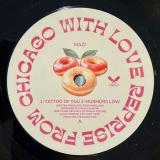
Fresh Meat Records is proud to present the vinyl re-release of From Chicago With Love, a record originally produced and released by Mazi Namvar (aka Audio Soul Project) in 2004. Though it may have flown under the radar upon its initial release, the record has recently gained a cult following, with prices on the secondhand market steadily climbing. A single copy now fetches as much as $170, with a recent test pressing selling for $100. Recognizing the demand, Fresh Meat Records has gone to work offering a beautiful repress of the record—one that truly does justice to the original while adding something special for long-time fans and newcomers alike.
From Chicago With Love Reprise is a celebration of a classic with a new dimension. The record includes a fresh fourth track, “Murmurs Low,” which features the saxophonist Jimmy Tripp and a spoken word performance by Mazi. Together, they add a soulful and atmospheric touch to the original, expanding the sonic palette while retaining the deep, intimate energy of the original release.
The tracklist remains faithful to the original with the standout “Tattoo Of You” leading the way on the A1 side, sounding better than ever thanks to an impeccable re-cut by Lawrie Dunster at Curve Pusher. The deep grooves of “Tattoo Of You” still deliver their deep and mesmerizing house vibes, setting the tone for the rest of the release. In the A2 position, “Murmurs Low” provides a captivating, subdued moment, with the saxophone adding a melodic layer to the evolving rhythm that makes this track truly memorable.
On the B-side, “Down” takes its rightful place as the first track, maintaining a dubby soulful drive and emotional call to action. Closing out the record is “Let Me Know,” a track that brings the journey full circle, providing the perfect outro for the reissue and reminding us why this record is still beloved.
In creating From Chicago With Love Reprise, Mazi Namvar has ensured that every detail is accounted for, from the masterful cutting by Lawrie Dunster to the selection of 8 different color sleeves, offering something for both collectors and music lovers alike. The reissue ensures that this classic can now be enjoyed at a reasonable price, far more accessible than the inflated prices on Discogs. This new pressing is a labor of love, showcasing not only the timelessness of the original tracks but also the care that has gone into its revival.
Whether you’ve been following Mazi Namvar’s work for years or are just discovering this release for the first time, From Chicago With Love Reprise is a powerful reminder of the depth and beauty of house music’s rich history, as well as the enduring passion that drives artists to continue creating for the dancefloor. Get ready to experience this iconic record in a whole new way—one that honors the past while looking forward.
Written, produced, performed, mixed, and arranged by Maziar Namvar.
Additional keys on A1 by Joshua Collins.
Saxophone on A2 by Jimmy Tripp.
Vocals on B1 by Lori Reigler.
Copyright Control
2025 Fresh Meat Records
out of Stock
Last delivered 46 days ago available to reorder, subject to availability
NU-S3RVO Vol. 2 is the second compilation released by NU-S3RVO. In this release, we continue our exploration of the sounds of modern East Asia, shifting our focus toward female creators within the local scene. This album features works from seven producers based in Beijing, Shanghai, Hong Kong, Guangzhou, and Chengdu, spanning genres from Ambient and Bass to IDM and Techno.
The juxtaposition of “Eastern” and “Female” is not intended to annotate a specific identity, but rather to present an entirely autonomous field. For too long, the “East” has been constructed as a feminine, mysterious, and sensory-indulgent mirror of the “Other.” Such aesthetic norms act not only as gendered shackles but as extensions of colonial logic, forcing both women and the East to share a fate of being “spectacularized” for the gaze. Electronic music, as a creative medium, derives its radical freedom precisely from its departure from this destiny of “spectacle.” It represents the oscillator’s transcendence of physical acoustics and functions as a liberatory technology, offering creators a sanctuary to dismantle traditional constraints and reconstruct the self. In fact, since the inception of modern sound, women have been at the very core of inventing and defining the technologies, interfaces, and expressive techniques of the craft.
Stripping away the romanticized and semioticized cultural shells, each local artist in this compilation is a master of diverse technical crafts. Through their unique logic and emotional resonance, we aim to establish a decentralized acoustic language within the fissures of modern civilization.
out of Stock
Last delivered 3 months ago available to reorder, subject to availability
ORANGE - Limited Edition! SPANDAU20 returns, bridging Berlin and UK lineage, with new material from Mr. G, Elli Acula, FJAAK and Dajusch, continuing to showcase the many shades of contemporary club music through its forward-facing approach. On its 12th release, the Berlin label presents a record that reflects individual artistry as much as the unmistakable identity of the SPANDAU20 sound. Opening the release is Mr. G with 'I Came To See You'. The track is a true embodiment of his distinctive production style, unfolding through bouncing basslines, swinging percussion and hypnotic looping vocals and capturing the raw spirit of old-school dance music with fresh spirit. Sitting somewhere between house and techno, it sets the tone with a particular kind of hypnosis, taking the listeners deep into the endlessly circling groove. Elli Acula follows with 'Take One Higher', a fierce and uncompromising techno track that perfectly reflects the label's hallmark aesthetic. She channels the raw energy of the 90s through a modern lens, pairing rough edged stabs, cavernous kicks and gritty percussion programmed with unfiltered dancefloor intensity in mind. The result is a high-pressure track designed to fully consume the room. On the flip side, FJAAK unleash 'Drip Code', showcasing the duo's signature blend of powerful low-end pressure and analogue grooves. Having spent over a decade shaping Berlin's techno landscape through their machine-driven approach, the pair deliver crisp percussion, huge open hi-hats and teeth-rattling drum machine combinations, while racing chords and looping vocals propel the track forward. It is a direct and highly effective example of the energy that has come to define the SPANDAU20 universe. Closing the release is Dajusch with 'Tongue In Cheek'. Deeply influenced by the foundational sounds of Detroit and Chicago, the classically trained producer leans into warmer, more uplifting territory. The track combines grooving basslines, saturated 909 percussion and piano-led melodies with disco-tinged vocal loops that glide effortlessly across the arrangement. This closer highlights Dajusch's refined understanding of groove, texture and atmosphere, rounding off the release with a distinctly euphoric touch. SPANDAU20 012 is another example of classy production skills merged with genuine dancefloor purpose. As ever, the label lets the music speak for itself. The many shades of sound are on full display, bound together by the singular identity that has made SPANDAU20 one of Berlin's most distinctive voices in the electronic music landscape.
out of Stock
Last delivered 81 days ago available to reorder, subject to availability
SPANDAU20 returns, bridging Berlin and UK lineage, with new material from Mr. G, Elli Acula, FJAAK and Dajusch, continuing to showcase the many shades of contemporary club music through its forward-facing approach. On its 12th release, the Berlin label presents a record that reflects individual artistry as much as the unmistakable identity of the SPANDAU20 sound. Opening the release is Mr. G with 'I Came To See You'. The track is a true embodiment of his distinctive production style, unfolding through bouncing basslines, swinging percussion and hypnotic looping vocals and capturing the raw spirit of old-school dance music with fresh spirit. Sitting somewhere between house and techno, it sets the tone with a particular kind of hypnosis, taking the listeners deep into the endlessly circling groove. Elli Acula follows with 'Take One Higher', a fierce and uncompromising techno track that perfectly reflects the label's hallmark aesthetic. She channels the raw energy of the 90s through a modern lens, pairing rough edged stabs, cavernous kicks and gritty percussion programmed with unfiltered dancefloor intensity in mind. The result is a high-pressure track designed to fully consume the room. On the flip side, FJAAK unleash 'Drip Code', showcasing the duo's signature blend of powerful low-end pressure and analogue grooves. Having spent over a decade shaping Berlin's techno landscape through their machine-driven approach, the pair deliver crisp percussion, huge open hi-hats and teeth-rattling drum machine combinations, while racing chords and looping vocals propel the track forward. It is a direct and highly effective example of the energy that has come to define the SPANDAU20 universe. Closing the release is Dajusch with 'Tongue In Cheek'. Deeply influenced by the foundational sounds of Detroit and Chicago, the classically trained producer leans into warmer, more uplifting territory. The track combines grooving basslines, saturated 909 percussion and piano-led melodies with disco-tinged vocal loops that glide effortlessly across the arrangement. This closer highlights Dajusch's refined understanding of groove, texture and atmosphere, rounding off the release with a distinctly euphoric touch. SPANDAU20 012 is another example of classy production skills merged with genuine dancefloor purpose. As ever, the label lets the music speak for itself. The many shades of sound are on full display, bound together by the singular identity that has made SPANDAU20 one of Berlin's most distinctive voices in the electronic music landscape.
out of Stock
Last delivered 81 days ago available to reorder, subject to availability
Mit Künstlern wie Bellaire, Tour-Maubourg, Folamour, Kings Of Tomorrow, The Mighty Bop, Motor City Drum Ensemble, St Germain, Kazam und DJ Deep entfaltet sich auf "Jazz House Vibes - The Finest Selection Of..." ein facettenreicher Sound zwischen soulful Deep House, warmen Jazzharmonien und eleganten, organischen Arrangements. Ob sanfte Piano-Melodien, feine Bläserstrukturen oder pulsierende Beats - Jazz House Vibes vereint Klassiker und moderne Produktionen zu einem stimmigen Gesamtbild voller Atmosphäre und musikalischer Tiefe. Eine hochwertige Vinyl-Compilation für alle, die House nicht nur als Clubmusik, sondern als stilvolles, emotionales und zeitloses Klanguniversum erleben wollen. Rediscover the perfect balance between jazz and house, captured on a brand-new vinyl release that is as elegant as it is timeless ! INCLUDING : Bellaire - Tour-Maubourg - Folamour - Kings Of Tomorrow The Mighty Bop - Motor City Drum Ensemble - St Germain Kazam - DJ Deep...
out of Stock
Last delivered 13 days ago available to reorder, subject to availability
BERLINCIAGAY launches its first vinyl release, welcoming DJ Beluga92 for a dreamy and twisted journey through house, tech and electro. Rooted in analog textures and emotions,
BCG001 captures a driving and cinematic side of Berlin nightlife while still carrying enough tension for the late-night hours.
Mastered and lacquer cut by Mike Grinser at Manmade Mastering and pressed by Matter Of Fact, the EP feels intentionally physical and warm, embracing the depth and movement of analog sound.
DJ Beluga92 recently delivered a live set at Rex Club Paris, which can also be heard through the BERLINCIAGAY #10 mix series. We are very excited to finally present this release on vinyl.
A1 “Rip Meine Maschine” is Labelheads Tom Peters’ absolute favorite from the EP. A twisted roller driven by a distinctive male vocal, hypnotic groove and restless energy. The track became a closing moment during Tom’s latest US tour, where he played BASEMENT’s Studio in NYC, Vice Underground’s warehouse party in Los Angeles and Midnight Service in Miami.
A2 “System Effect” moves into a more dreamy and emotional direction. Floating vocals repeating “this is the sound” drift through housy pads and spacious textures, creating a track that feels both euphoric and trippy at the same time.
B1 “GA_Entry after 7AM” rounds off the record beautifully with spacey atmospheres, analog synth work, echoes and reverbs. It feels like the afterglow of a long night, designed for the early morning hours on the dancefloor or the journey home afterwards.
BERLINCIAGAY is a statement. A different perspective on Berlin club culture. Less aggressive, less functional, more emotional, dreamy and intimate.
out of Stock
Last delivered 11 days ago available to reorder, subject to availability
Originally self-released in 2023, Stella Kola, the debut album from Beverly Ketch (Jow Jow, Weeping Bong Band) and Robert Thomas (Sunburned Hand of the Man, Dalthom), now returns in a renewed edition—bringing wider attention to a record that already felt like a quietly essential artifact from the moment it first appeared.
Given the pair’s respective roots—and the presence of collaborators drawn from across the Northeast experimental underground—one might expect “a brutal blast of acid swirl.” Instead, what emerges is something far more unexpected. The album is “steeped, not in noise and dissonance, but in the fragrant, captivating folk of Linda Perhacs, Judee Sill, Karen Dalton, and Bridget St John.”
From the opening moments, especially on “Rosa,” the record reveals its core sensibility: “a ballad that digs deep into the psychedelic-folk tradition until it takes root in a freshly sporous permaculture.” What follows is a set of songs that feel both carefully assembled and organically grown—delicate structures held together by a wide circle of contributing musicians, including Wednesday Knudsen (flute), P.G. Six (harp, guitars, keys), Gary War (synth), Jen Gellineau (viola, violin), Willie Lane, L. Gray, and others.
Rather than functioning as studio additions, these collaborators form a genuine collective presence. “The family affair feeds into the album’s charms,” and the feeling is unmistakably communal. Like many of the ‘60s folk records it echoes, Stella Kola carries “the feeling of community and camaraderie” at its core, shaping a warmth that runs through the entire release.
The album’s emotional palette leans toward a quiet, persistent melancholy: “the best records from that era also carried with them an inherent sadness and Stella Kola’s songs wash over the listener with a beautiful woe.” Its sound edges into the terrain of Fairport Convention and Pentangle, with references to “Beggar’s, Kings, Dark Damsels, and Tarot,” yet never settles into revivalism. Instead, Ketch and Thomas extend the tradition outward, refracting it through their own distinctly American, underground language.
As one early description of the album notes, “the masterful restraint of ‘Rosa’ and the rest of Stella Kola’s shimmering debut evokes Anne Briggs, C.O.B., Pentangle and similar ancestors that knew the best way to honor traditions was to widen the heritage even further.”
Even among a prolific and unpredictable network of underground musicians, Stella Kola stands apart. “It’s early in the year, but it’s hard to see an album, especially a debut, capturing the heart as hard as this one.” With its return in reissue form, the album reasserts itself not just as a hidden gem, but as an essential document of contemporary folk experimentation—an intimate, collective work that continues to unfold with time.
Unit Nine is a The Hague-based musical collective weaving together soulful melancholy, minimalist composition and soft grooves. Their debut album, Disaster Jester, will be released digitally and on 12?? vinyl on The Hague imprint PIP Records on November 14th, 2025, celebrated with a release show at Paard, Den Haag. The album was recorded under guidance of renowned producer Tijmen van Wageningen, at The Womb Studio. Disaster Jester revolves around the archetype of the jester, the trickster who embodies both chaos and wisdom, humour and tragedy. Across the album, music video and cover artwork, he appears as a clown in a shadowy crime narrative and as a weary detective who eventually dons the fool?s hat himself. The image becomes a mirror for the artist: observing, stumbling, laughing & fooling. The track ?Afgesproken Plek? features rap artists KC and MC Lost, who provided an imaginary crime skit playing on the detective persona central in the story telling of the album. While their universal and timeless sound could travel anywhere, there?s something distinctly The Hague about Unit Nine; a mix of irony, unpolished charm, and understated design sensibility. Their city?s blend of rough edges and refined aesthetics runs through their work and places the debut album within a historical tapestry of not-so-mainstream culture and art that the sea town is known to embody.