American glam metal band Warrant released their second studio album Cherry Pie in 1990, which became their best-known and highest-selling release. It peaked at #7 on the Billboard 200 and featured two hit singles, “Cherry Pie” and “I Saw Red”. The title track contains a guitar solo performed by Poison’s guitarist C.C. DeVille. The album features more guest performers, including Dio’s Scott Warren, Bruno Ravel and Steve West from Danger Danger. Besides well-known guest performers, the album was produced by Beau Hill (Alice Cooper, Europe) and mastered by Grammy Award winner Ted Jensen, who also mastered the Eagles’ Hotel California and Norah Jones’ Come Away With Me.
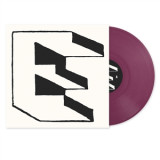
Cherry Pie is available as a limited edition of 3000 Individually numbered copies on cherry coloured vinyl and includes an insert.
Die Südlondoner Sängerin Jaz Karis präsentiert mit 'Favourites' ihren ersten Tonträger mit 15 Songs aus ihren bisherigen, digital erschienenen EPs. Jaz' stilistische Vielfalt reicht von R&B über Reggae bis Afrobeats, als Gäste sind TINYMAN, Blue Lab Beats und Afronaut Zu & Sillkey vertreten, als Producer u.a. P2J (bekannt für seine Arbeiten mit Beyoncé, Wizkid, Stormzy, FKA Twigs, Tems, Doja Cat) und Juls (Mr Eazi, Stonebwoy, Goldlink, Wanda Coal, Burna Boy).
Solid gold previously unreleased Junior Murvin Album produced by King Jammy finally sees the light of day. Rare non-album singles plus a trailer load of previously unreleased make ‘Cool Down The Heat’ a must have companion to Junior Murvin’s iconic Lee ‘Scratch’ Perry recordings. Among the newly discovered gems Junior Murvin revisits his two signature songs ‘Police and Thieves’ & ‘Cool Out Son’ and locks them down in true Waterhouse style.
"After the success of his album Le Bal des Crocodiles in 2023, the Parisian label Teenage Kicks Production has announced the imminent release of the new album by the artist Homme Bleu, titled Dark Matter. Recorded at Garage Studio in Montpellier, this album will feature 12 tracks in English. The mixing was done in New York by Alex Conroy, except for the track The Life in Me, which was mixed by Steve Lyon (Depeche Mode, The Cure, etc.). A resolutely rock album that highlights guitars with modern arrangements. Introspection, existential questions, human relationships, and the passage of time are the artist's favorite themes, with a distinctly pop-rock influence infused with an electro whirlwind. Three singles have already been released from the album: The Life in Me, a high-energy rock track dominated by guitars; I Ride: a groovy mid-tempo ballad reminiscent of Radiohead's universe, an ode to inner freedom and resilience; titletrack Dark Matter, an eponymous track, a piano-vocal ballad. The album cover was designed by Frank Loriou (Manu Chao, Miossec, etc.), with whom Homme Bleu has collaborated since the beginning of his career." Double-LP in gatefold sleeve, blue vinyl.
2025 has been a big year for Drop Nineteens. They finally officially released their long lost pre-curser to 1992's Delaware, the demo collection 1991. These releases comprise the band's early run and as Pitchfork noted in their review of both albums earlier this year, "established Drop Nineteens' reputation as leading lights of U.S. shoegaze." Along with the band's 2023 album Hard Light, the band is back and as much of a presence in 2025 as they ever were. The band follows up 1991 with their first ever 7", White Dress b/w White Dress (demo). The song features the band's cover of the Lana Del Ray classic in two versions. It comes on the anniversary of the band's digital release of "White Dress." This is an edition of 500 7"s and is sure to be a collectable item for fans of shoegaze and Drop Nineteens alike.
The Populists—the alias of Yan Wagner—are about to unleash their latest assault on the dancefloor with the hotly anticipated EP, Extrême Intensité. This drops on Deadbeat Records in July and comes equipped with a dark, dusty, electro-infused remix from Mr. Ho.
When these demos landed in our inbox, we instantly knew that we needed to release it. This couldn’t be more Deadbeat if it tried; ravey, playful, banging. Expect this to be on heavy rotation throughout summer.
Produced in the vibrant heart of Marseilles, France, Extrême Intensité is a raw, unapologetic salute to UK rave, early dubstep, electro, and acid - the sounds that make your head spin and your jaw shake. Yan describes the project as “probably the most heavy and ‘brainless’ (in the best way) bunch of tracks I’ve ever created; the most UK sounding too.”
This new EP was produced in Yan’s home studio in Marseilles in March 2025, amidst a fierce USBJ digging craze and emerged as a most welcome breath of fresh air as he was immersed in the production process of another, more sombre, project. It’s packing hallmark breakbeats, gritty samples, and vintage Roland synths, all wrapped up in a playful, confident package designed to obliterate the dancefloor.
And to cap things off, Mr Ho, one of the current scene’s biggest producers and close friend of the label, has delivered a dark and warehousey remix that’s guaranteed to keep dance floors ablaze. As a big fan of his, we’re buzzing to finally land him on Deadbeat.
c B1. Extrême Intensité vinyl only
out of Stock
Last delivered 13 months ago available to reorder, subject to availability
Vines, the solo project of New York-based multi-instrumentalist and composer Cassie Wieland, offers a window into her inner world through expansive swaths of sound. She pieces together a celestial mix of synths, percussion, strings, and vocoded voice, making music that is at once deeply personal and cinematic in scope. This diaristic approach first took shape with her 2023 EP Birthday Party, and is crystallized on her debut LP, I’ll be here. With the sweeping and vulnerable I’ll be here, Vines arrives fully formed as an artist who crafts deeply resonant and open music–the kind that invites listeners in to listen, reflect, and share in the journey of learning through living.
“It was through making music that I was able to meet myself,” Wieland said. “Anything I’m going through or feeling is something that somebody else out there can relate to, and that’s really special to me.”
I’ll be here is both a culmination of years spent creating gossamer soundscapes and an opening to a new journey for Wieland as an artist. The album grew out of her years as a composer and songwriter, and builds on the language she developed on Birthday Party, which transformed the tumultuous feelings of the passing of time into minimalist meditations. It was just a start, though–a prologue, a development of the kind of language and ideas she wanted to express. With I’ll be here, she digs deeper and writes music that feels more sprawling, further solidifying her singular voice.
Wieland’s musical composition process is similar to journaling, lending itself to the music’s honesty. When she writes, she makes room for all the ideas she has; in these sessions, there are no wrong ideas, and she allows the music to be attuned to the experiences she’s having at the time. With I’ll be here, Wieland zeroes in on themes of anxiety, loneliness, navigating human connection, and having to grow up from a young age, ultimately coming to a place of acceptance. And though it began as a journal written in solitude, her collaborators shape the music with her.
Working with friends, in fact, was a crucial part of bringing the record to life. “Everything that was supposed to happen came together so easily because of the people involved,” Wieland said. I’ll be here was co-produced and recorded with Wieland’s longtime collaborator Mike Tierney, a four time Grammy-nominated engineer who has worked with artists across the contemporary classical and experimental scene like minimalist pioneer Steve Reich, LA’s preeminent classical ensemble Wild Up, and various bands on Bang on a Can’s Cantaloupe Music label. Percussionist and composer Adam Holmes and violinist Adrianne Munden-Dixon are two other longtime collaborators who are frequent fixtures of her live show. Holmes plays synths, drums, and banjo; in live settings, his kit is loaded with elements of the songs that are then triggered by MIDI, making the music an interactive, evolving experience. The album’s gentle, filamented edges are colored by Munden-Dixon, whose poignant string melodies elevate Wieland’s introspective compositions, as well as cellist Helen Newby, saxophonists Julian Velasco and Jordan Lulloff, and bassist Pat Swoboda.
Wieland takes an economic approach to writing music, building the swirling and immersive landscapes of Vines through short melodies, lyrics, and phrases. As each element layers and interweaves, they grow into sprawling webs of ghostly sound. Prior to Vines, Wieland composed pieces for other people to play using a minimalist’s sensibility, writing slowly unfolding melodies for instruments like violin and saxophone. In recent years, she sharpened her solo style across a variety of singles and covers which have garnered significant attention on social media for their emotional resonance (“being loved isn't the same as being understood” in particular went massively viral on TikTok in 2024). Birthday Party, her debut as Vines, brought her writing to a much more intimate space, centering on her vocoded voice cloaked in feathery reverb. A series of recent singles, meanwhile, including “I am my home,” showcase the way that Wieland’s music is born from the story of her innermost feelings, extending far beyond just the self.
Though Wieland’s music often deals with dark themes, it unfolds with tender melancholy, the kind that feels like a warm embrace. On “Evicted,” Wieland wonders if she’s getting sick or moving on, if she’s lost or found. Her vocals expand with each lyrical repetition, as the instrumentals slowly encircle and the music’s rhythm grows and bursts into a heart-wrenching, yet radiant wave reminiscent of post-rock bands like Explosions in the Sky. “Tired” follows a similar trajectory, building from a looping, melancholy rhythm and floating lyrics into a solemn resignation. Elsewhere, Wieland takes a more ruminative approach: “Omw” begins with twinkling piano and melancholy strings that gradually transform into an undulating mass. It is a song born out of the warm feeling of reminiscence, the slight return of hope that comes with nostalgia.
With any searching journey, there is also a point of understanding. The title track closes the album with the freedom of acceptance. A marching drum beats steadily beneath Wieland’s open vocals, moving forward, ever onward as it flies into the ether. In Wieland’s delicately textured music, there is room to come into yourself, and learn to love whomever that is. I’ll be here is a special space that can be all your own, one in which to feel what needs to be felt. “This is music for your story,” Wieland said. “I want you to use it how you need it.”
“Rob wanted the world of The Northman to feel harsh and uncomfortable, and for everything to feel like it was caked in mud and dry blood, so it was crucial for the score to mirror that.” Composers Robin Carolan (Tri-Angle Records) and Sebastian Gainsborough (Vessel) were given a task of epic proportions when director Rob Eggers (The VVitch, The Lighthouse) asked them to create the score for his ambitious and highly anticipated new film The Northman, releasing on April 22nd. They needed to make a score that both honored the immense research that had gone into the authenticity of this Viking era period piece and complimented the cinematic maximalism of the film for a modern audience. The artists stretched themselves to the depths of their creativity and the resulting album is a gorgeous sonic tableaux that places the listener right in the center of the film.
While arranging the score the composers consulted musician and ethnographer Poul Høxbro for inspiration and insight into the history of Viking music. Having backgrounds in left field electronic music, Robin and Sebastian felt liberated by the constraint of using a small selection of musical tools for this piece. “Electronic music has almost limitless potential when it comes to making sounds and that’s obviously an incredible thing, but you can also go down the wormhole and get lost in it sometimes. There’s no risk of that happening when you only have a few primary instruments to draw upon.” Robin remarked.
They utilized traditional instruments such as the tagelharpa, langspil, kravik lyre, and säckpip to build the cinematic world of The Northman but they also took creative freedoms in adding instruments likes drums, which some academics believe wouldn’t have played a big part in Viking musical culture, simply due to the lack of archaeological evidence of actual drums. “One of the pieces we wrote was intended to emulate the sound of a bullroarer; an ancient instrument used in sacred rituals or in battle to intimidate enemies. It makes a really disorienting roaring vibrato sound and low frequencies capable of traveling insane distances.” Robin says when asked about one of the more unique aspects of the score. Everyone involved put so much effort into both their research and their creativity and this richness is evident in every track. The album as a whole is a cinematic masterpiece of sound and ambiance, both gorgeous and disturbing, like the film it so beautifully accompanies.
Car Button Cloth' is an extraordinary affair of musical and emotional extremes, a soundscape spanning “the most beautiful piano-led mourning in the history of the broken heart” that switches into perky jangle-pop for fleeting moments and contains the ultimate self-deprecating classic ‘The Outdoor Type’, penned by Smudge cohort Tom Morgan, as well as a cover of the bluegrass standard ‘Knoxville Girl’ and ‘If I Could Talk I’d Tell You’ co-written with The Vaselines’ Eugene Kelly. All bases are covered. “One of the most distinctive voices of the ‘90s” The New York Times. To further unravel where Evan’s head was at during the period of its creation, this deluxe double album comes with a record of exquisite and typically eclectic scene setting covers that occupied B-sides and alternative format versions, plus other super rare offcuts, live takes and remixes. A diet of Volcano Suns, Glen Campbell, The Jacobites, The Sir Douglas Quintet and Whitney Houston influenced Evan’s thinking and added further colour to an album that remains something of a Dorian Gray-style masterpiece. The first side of extras is rounded off with the never before released ‘Arise’, originally set for the remake of Great Expectations and later realised as Rancho Santa Fe on solo album ‘Baby I’m Bored’.
If anyone knows how to roll with the punches, it’s Travis Roberts. At 24, the Texas songwriter has already battled addiction, buried friends, and been so broke he couldn’t put a roof over his head. Hell, he even joined an underground fight club just to pay for studio time.
“Whoever won the fights took home the lion’s share of the money,” he explains, “but even if you lost, you made something. I lost a lot, but I got what I needed out of it.”
It should be no surprise, then, that Roberts comes out swinging on his blistering debut, Rebel Rose. Recorded with Roberts’ longtime live band, The Willing Few, the album fuses earnest country storytelling with rowdy rock and roll energy as it blurs the lines between roots, punk, folk, and power pop. The writing is raw and visceral here, built on gritty portraits of working-class underdogs just trying to get by, and the performances are nothing short of explosive, propelled by a relentless rhythm section, searing guitars, and infectious melodic hooks. The result is an exhilarating album that defies easy categorization, an alternately bruising and triumphant reflection on growing up, getting clean, and giving it your all from an artist who’s taken more than his fair share of hits.
Every fighter knows, it doesn’t matter how many times you get knocked down. All that matters is how many times you get back up
GIMP FIST feiern ihr 20jähriges Bestehen und hier ist ihr Geburtstagsgeschenk: seit über 10 Jahren ausverkauft, sind jetzt die Alben #2, #3, und #4 als spezielle Sammler-Editionen wieder erhältlich: "Your Time Has Come", "The Place Where I Belong" & "Marching On And On" enthalten jetzt jeweils einen zusätzlichen, seltenen Bonustrack und kommen als 180gr farbiges Splatter-Vinyl! Jede farbige Ausgabe ist auf nur 233 Exemplare limitiert! Spätestens mit Album Nummer 4 (Marching on and on, 2013), einem weiteren absoluten Hit mit Songs wie ,First in Line" und ,Battered & Bruised", war klar: Gimp Fist sind eine Ausnahmeband und haben das gewisse Etwas, das sich die Band aus Norwich bis heute erhalten hat. Ein dreifaches Prost auf Jonny, Mike & Chris!
Brown/Black smoke vinyl. Hex; Or Printing in the Infernal Method is the fourth full-length studio album by Earth. Contains a special vinyl only bonus track. Comes with 18"x24" poster exclusive to this release. Marking a new direction the band would follow in years to come, Hex stands in stark contrast to Earth's previous works. While retaining the extremely heavy doom/drone metal song structure of epic riffs over simple repetitive drum beats, the guitar was inflected with country influences that favored a cleaner reverb-heavy tone layered with acoustic instruments over the band's previous predilection for distortion. The press release cited diverse influences such as Ennio Morricone, Billy Gibbons, Neil Young's soundtrack to the movie Dead Man, country musicians Duane Eddy, Merle Haggard, and Roy Buchanan.
The discovery of Doris Dennison's score represents a genuine musicological breakthrough—what once would have been "a tree falling in the woods" thirty years ago now holds the potential to render "a thunderous clap in our minds." While researching Anna Halprin's lesser-known collaborators, scholar Tom Welsh uncovered the archives of AA Leath, one of Halprin's principal dancers. Buried within these materials was Dennison's handwritten score for Earth Interval, dated May 1956. Born in Saskatchewan, Canada, in 1908, and raised near Seattle, Dennison (1908-2009) encountered John Cage while teaching Dalcroze eurythmics at the Cornish College of the Arts. She joined Cage's earliest percussion quartet—alongside Margaret Jansen, the composer and his wife Xenia—in the group widely regarded as having performed the first complete concert of percussion music in the United States. This historic December 1938 concert was followed by tours and the landmark May 1941 performance at the California Club, comprising Cage and Lou Harrison's Double Music, the premiere of Cage's Third Construction, and Harrison's 13th Simfony.
As Bradford Bailey observes in his extensive liner notes, Earth Interval demonstrates "an extraordinary balance of elements that imbues the piece with a sense of clarity, directness, and constraint that is both distinct and ahead of its time." The work's most remarkable innovation lies in its approach to extended techniques, particularly Dennison's notation for the central movement: "In 2nd movement, 1st player lowers + raises a gong into a tub of water while beating." This technique, absorbed from Cage's experimental vocabulary, generates what Bailey describes as "fields of acoustic abstraction that bend and warp time through sustained resonances, beat, and space." The temporal sophistication of these manipulations anticipated Karlheinz Stockhausen's Mikrophonie I (1964) and Annea Lockwood's water-based sound investigations by over a decade. After joining Mills College as dance accompanist, Dennison maintained crucial connections to the Bay Area's experimental scene, collaborating with figures like Merce Cunningham and programming Cage's music throughout the 1950s.
Comprising three movements—Land Form, Air Tide, and Earth Play—Earth Interval is scored for recorder, drums, gongs, maracas, muted gongs, and bowl gongs. In total, the piece is just under eight minutes: "a fleeting glimmer of moment in time, a life spent at the cutting edge, and a singular creative vision that packs a powerful punch." When viewed in historical context, placed in contrast to roughly contemporaneous avant-garde percussion works by Cage, Harrison, Louis Thomas Hardin (Moondog), and Harry Partch, or important precursors like Edgard Varèse's Ionisation (1931) and Henry Cowell's Ostinato Pianissimo (1934), it's clear that Dennison was following her own path. Earth Interval is not derivative. It is a precursor to what was yet to come, alluding to developments of avant-garde and experimental music that wouldn't begin to appear on the cultural landscape until the 1970s and '80s, with the emergence of Post-Minimalism and more idiosyncratic artists and ensembles like Midori Takada, Ros Bandt, Peter Giger, Frank Perry, Christopher Tree, Michael Ranta, Gamelan Son of Lion, and Niagara.
This recording by Chicago's Third Coast Percussion, captured in March 2022, represents the first complete documentation of this pioneering work. The ensemble's interpretation reveals the piece's remarkable contemporaneity while maintaining its historical specificity. Where Cage, Harrison, and Partch employed "self-consciously off-kilter polyrhythms," Dennison's rhythmic sensibility anticipates minimalist developments by nearly a decade, yet integrates "forceful rests, as well as sharp shifts in sonic character, tempo, and meter, that break the momentum and breathe a sense of life into the piece's structure." This positions her work closer to Post-Minimalism decades before its emergence. The architectural approach demonstrates Dennison's understanding that "the composer almost entirely disappears" in favor of phenomenological listening experience, creating what might be called an egoless music that places its realities and meaning entirely in the ear of the beholder. The present recording, realized by Chicago's distinguished Third Coast Percussion ensemble, represents a significant achievement in experimental music scholarship and performance practice. As specialists in the Cage tradition and contemporary percussion repertoire, Third Coast Percussion approached Earth Interval with the historical sensitivity and technical precision required to illuminate Dennison's subtle compositional innovations. The March 2022 recording sessions, engineered by Colin Campbell, capture both the work's intimate chamber music qualities and its bold exploration of extended techniques. The ensemble's interpretation reveals the piece's remarkable contemporaneity—its ability to speak directly to current musical concerns while maintaining its historical specificity.
This recording serves multiple scholarly functions: it provides the first complete documentation of Dennison's compositional voice, offers insight into the broader network of experimental music practitioners surrounding Cage and Harrison, and demonstrates the sophisticated level of compositional thinking that was occurring within the Bay Area's dance-music collaborations of the 1950s. The work's emphasis on phenomenological listening—what might be called an "egoless" approach to musical experience—places it within a lineage of American experimental music that prioritizes perceptual process over compositional personality. The work's original obscurity—limited to AA Leath's performances at venues like the 1957 Pacific Coast Arts Festival at Reed College—paradoxically allowed it to remain "entirely on its own terms," free from the constraints of historical categorization. Drawing on Jacques Derrida's Archive Fever, the argument emerges that "the archive can acknowledge, celebrate, and resurrect" overlooked voices, transforming our understanding of experimental music history. The present Blume edition, featuring Third Coast Percussion's authoritative interpretation, includes a lavishly illustrated 16-page booklet designed by Bruno Stucchi / dinamomilano, containing complete scholarly apparatus, historical photographs, and detailed production notes. This recording enables "cross-temporal intersectionality," allowing Dennison to "belong to a newly formed and more dynamic understanding of the present and past," demonstrating how forgotten voices can reshape entire historical narratives when given proper scholarly attention and performance advocacy.
This new "Experimental Chapter" by DJ Narciso comes as no surprise, really. Autonomous in the motorization of his music, pushing for progress within the framework of an undeniable (inescapable?) heritage. Twisting and bending sound every step of the way, Narciso definitely keeps in touch with the dancefloor, offering the always much needed transcendence through distinctive, non-linear melodies and patterns. The artist pursues a direct link with bodies in motion but seldom in the expected, institutionalized way club culture is being largely promoted.
This is challenging dance music, proud statements of difference. Narciso's previous record was named "Diferenciado". Now we get "Dificuldades", a track that simultaneously carries the weight of being somewhat odd and the difficulties of life. Check how the piano is venting, freestyle, communicating a feeling, and then lets itself get stuck in a loop, but that's exactly when the groove really starts flowing. And then another layer. It's like direct speech.
A common assertion of pride is found in the origin of the artists. The ghetto as a place where any transformation projects more power precisely because of... inherent difficulties. As others (including himself) did in more or less obvious ways, Narciso clearly states "I come from the ghetto" ( "Não Sabes" ). Twice the value. At least. Almost every segment of music in this album ends up sounding heavily emotional, reaffirming what may be - perversely - a well-known characteristic of Portuguese music: melancholy.
"Não Quero" begins side B as a march maybe more significant than a thousand words, such is the ominous tone of its texture. Next track is another lunar tarraxo, pulling down the shades. Then, "Dor de Barriga" lets things loose again, steering clearly off road, shouting this way and that until a peaceful resolution comes. In "Livra-me Desta", vocal snippets blend into synth snippets, disembodied voices abandon all traces of humanity and finally mutate into different entities that, towards the end, again sound vaguely human but now we find ourselves doubting. Closer "Bob" is a rather classic percussion track with plenty of echo, reverb and an unconscious nod to dodecaphonic music. Unlikely? No, the structural ADN of this music is made up of elements western and eastern, southern and northern. To say all-over-the-place is usually not flattering but in this case the expression translates as wonder, surprise, The Unexpected, and reveals Narciso perfectly at ease inside the nucleus of creation.
In neuer Auflage wieder lieferbar: das erste Studioalbum des begnadeten Singer/Songwriters William Fitzsimmons aus 2009 als LP mit dem zusätzlichen Non-CD-Bonustrack "Maybe Be Alright".
Remasterte 15-Jahres-Jubiläumsedition des 2008er Studioalbums »The Sparrow And The Crow« von US-Singer / Songwriter William Fitzsimmons, mit dem ihm der Durchbruch gelang (u. a. iTunes US Best Singer / Songwriter Album 2008). Erweitert um die Vinylerstveröffentlichung der »Derivates« EP (2010) mit 7 elektroakustischen Bearbeitungen von »The Sparrow And The Crow« Albumtracks sowie dem Kate-Perry-Cover »I Kissed A Girl«. Farbiges (Crystal Clear & Yellow) Doppelvinyl im Gatefold.
An adversarial network of ideas, electronic post-punk trio The Wants welcome the possibility that embracing friction can give rise to something cathartic and unexpected. Formed by Madison Velding- VanDam and Jason Gates in 2017, and with the addition of Yasmeen Night in 2021, The Wants' sound is defined by the push and pull of its members' processes: floating rhythms upheaving grounded songwriting, pulsing synths overwhelming live instrumentation. Their new record, Bastard, is an evolution of many of the seeds planted in their debut record, Container (2020), with a refined sense of acerbic emotional urgency and sonic experimentation. Drawing from a deep well of influences across decades and genres, The Wants forge an unlikely alliance of sounds that feels both radical and inevitable. Velding- VanDam channels both the raw power and snark of Public Image Ltd. and The Smiths' romance, while Gates draws intensity from bands like Bauhaus and Throbbing Gristle, and inspiration from experimental techno. Night's sound bridges inspiration from '90s alternative rock like Smashing Pumpkins and Garbage between the nocturnal trip-hop atmosphere of Massive Attack. The result sits in its own category—too raw to be pure electronic music, too mechanised to be straight rock— drawing favorable comparisons to early PIL and contemporaries like Model/Actriz while remaining distinctly their own beast.
out of Stock
Last delivered 14 months ago available to reorder, subject to availability
The extroverted blend of attitude, energy, and ostentatiousness that spills from the New York Dolls’ self-titled debut can be seen in full view on the album cover. Depicting the quintet in its hallmark flash-and-trash apparel and in drag appearance, the 1973 album scared away a considerable amount of potential listeners while capturing the attention of a sizable audience that recognized the band for what it was: zeitgeist pioneers who helped develop the punk and glam rock movements.
Named by Rolling Stone the 301st Greatest Album of All Time and by Mojo the 49th greatest album of all time, New York Dolls receives long-overdue audiophile treatment on Mobile Fidelity’s numbered-edition 180g 45RPM 2LP set. Sourced from the original master tapes, pressed at Fidelity Record Pressing in California, and housed in a Stoughton gatefold jacket, this collectible version marks the first time the group’s career-making statement is available to be experienced in audiophile quality.
Far from harboring the crude elements that became associated with the punk scene, New York Dolls benefits from keen production overseen by none other than Todd Rundgren. Though more accustomed to working far higher-caliber musicians, Rundgren — taken by the New York Dolls’ charisma and cool, if not their instrumental approach — fully understood the ensemble’s aesthetic. He captured what went down at New York City’s Record Plant with an astute blend of live-on-the-floor feel, raw authenticity, and professional acumen.
On Mobile Fidelity’s definitive-sounding reissue, you can hear those facets as well as key details, dynamics, and textures with previously unimaginable insight. Rundgren preserved generous degrees of grit, grime, and grease while bestowing the raucous music with elevated levels of separation, solidity, and impact every landmark recording deserves. His vision extends to introducing choice accents — barroom piano notes, Moog synthesizer passages, Buddy Bowser’s honking saxophones — that add to the songs’ appeal without interfering with the primary architecture.
Afforded extra groove space on this pressing, the tenor, presentation, and attack of both vocalist David Johansen and now-iconic guitarists Johnny Thunders and Sylvain Sylvain come across with stunning vibrancy and vitality. The New York Dolls often seem headed off the rails and into the red, but somehow, the strut, swagger, and sloppiness — and the associated sleaze and scruff, scrape and snarl, frenzy and feverishness those characteristics entail — remain together as a whole that shakes its collective fist at the frustrations, isolation, disarray, and disillusionment of youth chaos and urban decay.
Kicking off its debut with “Personality Crisis,” cited by Rolling Stone as one of the 500 Greatest Songs of All Time, the band makes obvious its grasp of alienation, deviance, displacement, and suburban disaffection — as well as its capacity to play hanging-by-a-thread boogie, noisy rock ‘n’ roll, and Brill Building-inspired pop. The lipstick-kissed New York Dolls possesses traits many of its harsher predecessors would overlook: joyfulness and melody, topped with a knack for knowing how and where to take a song inside of three-and-a-half minutes.
Dive and dash with the belligerent “Looking for a Kiss”; stomp your feet and clap your hands to the big choruses of “Jet Boy”; surrender to the demands and provocations of the coded “Vietnamese Baby”; decide whether “Bad Girl” yearns to explode or implode. It’s one of several tunes here that allude to the world coming to end. Of course, that doesn’t mean there isn’t time for a fling before everything burns. “There’s no place I gotta go,” yowls Johansen. And he means it.
Adorned with tonal crunch, glitter, and gristle, New York Dolls takes pride in its brashness and brattiness. The rambunctious effort, which earned the band the distinction of being voted both “Best New Group of the Year” and “Worst New Group of the Year” in the pages of Creem, displays knowing reverence for the blues without calling attention to the style. The folk-laden “Lonely Planet Boy” is nothing if not a collision of heart-on-the-sleeve emotions and the desire in the face of challenges to maintain a tough-skinned exterior. An interpretation of Bo Diddley’s “Pills,” complete with shivering harmonica and clattering rhythms, announces there’s no cure for what infects this band. It’s that contagious. And how.
His deliveries gushing with campy fun, playful irreverence, and sheer decadence, Johansen doubles as the equivalent of an open fire hydrant that spouts at will. He’s at once tender and vicious, serious and tongue-in-cheek. On arguably his finest hour on the album, Johansen’s phrasing, passion, and lyrical ambiguity alone turn “Trash” into an insistent glam-rock gem whose echoing harmonies and girl-group references stamp it a pop classic.
Too much, too soon? Only for those averse to some of the finest rock ‘n’ roll ever put on tape.
Alanis Morissette Delivers the Equivalent of a Spiritual Awakening on Supposed Former Infatuation Junkie:
Introspective Themes and Compassionate Emotions on Eastern-Tinged Album Have Grown More Relevant
1998 Smash Plays with Enhanced Detail, Rich Textures, and Sharp Focus on Mobile Fidelity’s 180g 33RPM 2LP Set:
First-Ever Audiophile Edition Strictly Limited to 3,000 Numbered Copies
1/2" / 30 IPS analogue master to DSD 256 to analogue console to lathe
Alanis Morissette refuses to adhere to convention on Supposed Former Infatuation Junkie. While most artists follow-up their breakthrough with an album that closely parallels the approaches that helped make them famous, the maverick singer-songwriter stayed true to herself and drew inspiration from travel to India before she began the recording sessions. As much as the preceding Jagged Little Pill put her on the global radar, Supposed Former Infatuation Junkie confirmed her role as a vital generational voice — and proved her blockbuster success was no fluke. Having set a mark for most sales of an LP in its debut week by a female artist, the 1998 smash remains a pop-rock staple.
Sourced from the original master tapes, strictly limited to 3,000 numbered copies, housed in a Stoughton jacket, and pressed at Fidelity Record Pressing, Mobile Fidelity’s 180g 33RPM 2LP set of Supposed Former Infatuation Junkie presents the triple-platinum LP in audiophile sound for the first time. Benefitting from defined grooves that befit the album’s nearly 72-minute length, this pressing plays with enhanced detail, refined clarity, sharper focus, and broader dynamics than prior versions.
Those traits are key given Morissette’s use of more textured and atmospheric soundscapes, not to mention her evolution into a more nuanced and controlled singer. Similarly, the scale and reach of David Campbell’s string arrangements come across as orchestrations should. Ditto the synth-based architecture shaped by producer and principal Morissette collaborator Glen Ballard. All in all, Mobile Fidelity’s collectible edition simply delivers more information via transparent means.
Notable for its balance, sophistication, and richness, Supposed Former Infatuation Junkie at heart finds Morissette pausing, taking a breath, and learning how to navigate life in a healthy manner after enduring one of the most exhausting and rocket-to-fame stretches any musician ever experienced. It’s the sonic equivalent of a spiritual awakening, a call to betterment, a brave assessment of the self and humanity as a whole. As such, the tunes on her second international (and fourth Canadian) release teem with gratitude, compassion, love, empathy — emotions that lend themselves to the largely mellow, contoured scope and Eastern-tinged melodies of the songs themselves.
“How ‘bout how good it feels to finally forgive you,” Morissette sings on the lead single “Thank U.” “How ‘bout grieving it all one at a time.” Those sentiments, and the vocalist’s embrace of concepts such as divinity and acceptance, not only provide a foundation on which Supposed Former Infatuation Junkie rests. They also reflect the personal maturation she gained from her embrace of Buddhist culture in India and a mindset bent toward notions of reconciliation, peace, and sensuality that were nearly absent in popular music in the late ‘90s.
Those themes continue on “That I Would Be Good,” a confident reflection that takes stock of one’s mental, physical, and emotional state in the face of both changing and unpleasant circumstances — and concludes with Morissette performing a flute solo, further exposing the raw intimacy of the introspective tune. She channels relatable simplicity and joy on “So Pure,” with her invocations of “dance” and “freestyle” speaking to the freedom of expression that courses throughout Supposed Former Infatuation Junkie. And perhaps no song finds Morissette showcasing her refreshed attitude toward life and opening up more than the relationship-themed “Unsent,” whose unconventional structures and lack of a chorus only add to its directness.
Akin to many albums that were ahead of their time, and despite the critical and commercial accolades afforded it upon release, Supposed Former Infatuation Junkie attracted new appreciation and perspective as it got older. Issued during an era where its ideas of serenity, absolution, tranquility, and contentment seemed largely alien, the record — akin to the ways its predecessor foreshadowed a movement — now functions as a visionary beacon that foretells of way to maintain sanity, dignity, and goodness amid a contemporary landscape filled with constant distractions, polarizing views, and incessant calls to purchase, promote, and produce without questioning the what-for purpose.
Supposed Former Infatuation Junkie dares to ask the questions and, at its best, supplies meaningful answers and alternatives that lead to longed-for enlightenment, healing, and laughter. For these reasons alone, it’s a record that never goes out of style.
Mobile Fidelity's UltraDisc One-Step 180g 45RPM 2LP Set Plays with Authoritative Tonality, Airiness, and Clarity:
Pressed on MoFi SuperVinyl and Strictly Limited to
3,000 Numbered Copies
1/4” / 15 IPS Dolby A analogue master to DSD 256 to analogue console to lathe
Joni Mitchell is the only artist who could’ve made Hejira. The legendary singer-songwriter said as much when discussing the album decades after its release. Yet that fact seemed obvious from the moment the gold-certified effort streeted in fall 1976. An adventurous travelogue, probing narrative, and offbeat homage to freedom, Hejira remains an inimitable entry in the catalog of recorded music — a spare, gorgeous, meditative series of sonic vignettes comprised of floating harmonic pop, cool jazz, soft rock, and sensitive vocal elements that beckon feelings of motion, discovery, and self-examination.
Sourced from the original analog master tapes, pressed at Fidelity Record Pressing on MoFi SuperVinyl, and strictly limited to 3,000 numbered copies, Mobile Fidelity's UltraDisc One-Step 180g 45RPM 2LP set presents the record ranked the 133rd Greatest of All Time by Rolling Stone with definitive detail, richness, accuracy, and directness. Marking the first time the revered LP has received audiophile treatment, it's one of six iconic 1970s Mitchell records Mobile Fidelity is reissuing on vinyl and SACD.
Playing with a virtually nonexistent noise floor, dead-quiet surfaces, and superior groove definition, this collectible reissue reproduces in enveloping fashion the tones, textures, and craftsmanship that help Hejira function as the equivalent of a liberating trip down an open road with nothing but blue sky, natural landscape, and fresh air in the immediate vicinity. Passages bloom, carry, decay as they do amid an acoustically optimized environment. Soundstages extend far, wide, and deep, with black backgrounds and pinpoint images adding to the realism.
The reference-grade immediacy, airiness, and presence put in transparent perspective Mitchell’s dense strings of words, stream-of-conscious-like phrasing, and unhurried albeit forward momentum. Likewise, the instrumental contributions of her A-list support musicians — a cast that includes L.A. Express members John Guerin, Max Bennett and Tom Scott, plus Neil Young, Victor Feldman, and Abe Most — emerges with breathtaking clarity and dimensionality.
While Mitchell, whose intimate vocals and abstract guitar parts center everything, Mobile Fidelity's restoration of Hejira further reveals the visionary breadth of guitarist Larry Carlton and bassist Jaco Pastorius. Though heard on only four tracks, Pastorius' fretless bass epitomizes the fluid, subtle, flexible, roomy, and shape-shifting characteristics of songs that often appear to transpire out of nowhere akin to the formation of a puffy cumulus cloud overhead. In sync with Mitchell’s voice, Pastorius’ fusion hovers and floats, suspended in a fog you want to deeply inhale. The "grace notes" Mitchell desired on Hejira can now be heard in full. Ditto the luxurious tapestries of alinear lines, fills, and supplements unreeled on Carlton’s six-string.
Visually, the packaging of this UD1S set complements its identity as the copy to own. Housed in a deluxe slipcase, the LPs come in foil-stamped jackets with faithful-to-the-original graphics. This version is for listeners who desire to become immersed in everything about Hejira, including the unforgettable album cover — a pastiche of 14 different photos Mitchell used a Camera Lucida to assemble into one image that’s anchored by a portrait of her in a stoic pose — and the interior shots of Mitchell skating on a frozen Wisconsin lake wearing a pair of black skates, black shirt, and fur cape.
The notion of skating, feeling an awakening wind whipping against your face, and losing yourself to the surroundings are extremely apt for Hejira, which Mitchell wrote after a sequence of trips and relationships prompted her to reflect on the complicated conflicts between independence and marriage, success and satisfaction, duty and desire — and, more specifically, “the cost of being a woman.” The Canadian native delved into such themes before. But never as she does on Hejira, whose liberating, running-away aura doubles as another of Mitchell’s rejections of tradition as well as a suggestion of a better alternative.
At once observational and personal, expansive and insular, cheerful and poignant, Hejira spans a sea of human conditions, emotions, and circumstances. It addresses drifting, isolation, pleasure, place, time, and surroundings with strikingly poetic discourse matched with music that, save for the crooned ballad “Blue Motel Room,” forgoes conventional structures and choruses.
The jazz-based arrangements, marked by scaled-down percussion and all manner of bent, rounded, and unsettled notes, hint that Mitchell has no exact destination in mind. Excursions such as the moody “Furry Sings the Blues,” funky “Coyote” and edgy “Black Crow” throw open previously locked doors to possibility and journey. They signal it’s time for a welcome departure from norms and the past, one that leads to a heightened sense of clarity and perspective. Or, as Mitchell said upon choosing the album title, it’s time for “leaving the dream, no blame.”
Berlin, Summer 2025 - A raw, hypnotic, and deeply conceptual collaboration is about to make waves. Austrian DJ and producer duo Foehn & Jerome, residents of Berlin's iconic Club Der Visionaere and founders of the Perfumed Freedom label, team up with Ukrainian artist and producer Sonya Zlo to present "Macho Madness" - a wild and genre-bending release born from an unfiltered studio jam that spiralled into something bigger. In addition to their experimental project Space Curls, with which the three artists also perform live shows, Sonya, Fabian, and Jerome have been working on their new techno/house project.
In a world where stereotypes wrestle for power, "Macho Madness" challenges everything we thought was normal. Overblown masculinity, the illusion of strength, and staged rituals of dominance – that is what we call the "Macho Madness".
Foehn & Jerome, known for their electrifying DJ sets, have been shaping Berlin's underground scene for over a decade. Sonya Zlo, who moved to Berlin from Kyiv in 2022, stumbled upon their gig by chance - and what started as a conversation about track ID's turned into a full-on collaboration.
"Working with Foehn & Jerome has taught me so much," says Sonya. "I come from a jazz background, so this was completely new territory for me - but bringing my melodic instincts into this heavy, industrial sound was crazy exciting".
Following Perfumed Freedom's recent releases "The Frisbee of No Return" and "Hermanngirl", the new record "Macho Madness" will be released in summer 2025. Play it, stream it, or pick up the limited vinyl - just don't expect anything ordinary.
out of Stock
Last delivered 3 months ago available to reorder, subject to availability
2025 Repress
L.F.T. returns to Mechatronica with his unique, signature blend of new wave and breakbeat influenced electro for the mind, body and floor. Boldly shaped by distorted drum machines, gut-wrenching grooves and haunting vocal chops, the KeyGenerator EP comes backed by an explosive IMOGEN remix and an occult collaboration with Cardinal & Nun. A spellbinding record on its own, and another crystal clear testament to L.F.T.s razor sharp sonic vision and ability to generate new styles from the past, present and future.
out of Stock
Last delivered 6 months ago available to reorder, subject to availability
Hidden Folder returns with its fourth transmission – HDF004 – featuring three original cuts and standout remixes from bullet tooth and K-LONE.
The EP further refines the label’s distinctive blend of UK-rooted club music and stripped-back dancefloor aesthetics.
Opening with ‘Matter of Time’, the title track is a peak-time speed garage weapon – driven by a menacing reese bassline, swing-heavy drums, and deep atmospheric pads.
‘Blurred Line’ follows with a more melodic, emotive touch, already turning heads with early support across the scene.
On the flip, ‘Can’t Get Over’ taps into classic UK Garage sensibilities, pairing housey drum grooves with lush Rhodes chords, chopped vocals, and a warm, rolling low-end.
Remix duties come courtesy of bullet tooth and Wisdom Teeth’s own K-LONE.
bullet tooth flips ‘Can’t Get Over’ into a modern house banger – punchy drums, a snarling peak-time bassline, and undeniable floor energy.
K-LONE takes a more minimalistic route, layering intricate percussion, loopy vocal cuts, and Rhodes stabs with his signature swing and subby finesse.
A forward-facing entry in the Hidden Folder archive – continuing the imprint’s streak of genre-fluid, system-ready club gear.
out of Stock
Last delivered 14 months ago available to reorder, subject to availability
Friction’s best-selling album "Afterdark" just got even bigger.
Back by popular demand, the legendary Drum and Bass pioneer returns with a brand-new deluxe edition featuring 4 exclusive remixes from some of the scene’s most cutting-edge producers.
From high-energy reworks to deep, atmospheric flips, these fresh takes breathe new life into the tracks you love, while staying true to the pulse-pounding spirit of the original.
Whether you're a longtime fan or new to the world of Friction this is a must-have addition to your collection.
out of Stock
Last delivered 75 days ago available to reorder, subject to availability
This USB key bring the Dysbiosis Album as Wave & MP3. A 1 hour long hard break/drum crazyness collection of tunes chained as alive-set.
Then comes 2 folders with the tunes as WAVE and MP3 one-by-one.
One folder countains the Trailer Video.
One folder brings a collection of 80 Flyers images.
One folder with Radio Bomb cultissims' logos declinaisons.
NOTICE it's also possible to ask RADIO BOMB in person to get 2 tunes as dubplate for 30 euros Shipment included !!!
a 1. Better in Hell [Dysbiosis]
[b] 2. World Control [Dysbiosis]
[c] 3. War Against the Machines [Dysbiosis]
[d] 4. Cut Me Up - 2020 mix [Dysbiosis]
[e] 5. Sold my Soul to the Devil [Dysbiosis]
[f] 6. New Tek 2020 [Dysbiosis]
[g] 7. Maybe he Sold himself to the Devil [Dysbiosis]
[h] 8. Lazy-arse Soundboy - Tormented Souls mix [Dysbiosis]
[i] 9. Back in the Day [Dysbiosis]
[j] 10. 195 Hardcore Beats [Dysbiosis]
[k] 11. Crossbreed 2020 [Dysbiosis]
[l] 12. Metal Connection 1 - InFlames Remix [Dysbiosis]
[m] 13. Metal Connection 2 - Slipknot Remix [Dysbiosis]
[a] 1. Better in Hell [Dysbiosis]
[b] 2. World Control [Dysbiosis]
[c] 3. War Against the Machines [Dysbiosis]
[d] 4. Cut Me Up - 2020 mix [Dysbiosis]
[e] 5. Sold my Soul to the Devil [Dysbiosis]
[f] 6. New Tek 2020 [Dysbiosis]
[g] 7. Maybe he Sold himself to the Devil [Dysbiosis]
[h] 8. Lazy-arse Soundboy - Tormented Souls mix [Dysbiosis]
[i] 9. Back in the Day [Dysbiosis]
[j] 10. 195 Hardcore Beats [Dysbiosis]
[k] 11. Crossbreed 2020 [Dysbiosis]
[l] 12. Metal Connection 1 - InFlames Remix [Dysbiosis]
[m] 13. Metal Connection 2 - Slipknot Remix [Dysbiosis]
Following the release of Ghibli Jazz and Ghibli Reggae comes a brand new compilation of Ghibli covers from underground hip-hop producer Grey October Sounds.
Lofi Ghibli is the definitive Ghibli cover album - a 10-track record containing covers of Carrying You (Castle in the Sky), a Town with an Ocean View (Kiki’s Delivery Service),
Yasashisa Ni Tsutsumareta Nara (Kiki’s Delivery Service), and other iconic Ghibli songs. Grey October Sounds’ deft production takes classic Ghibli melodies and melds them
with hip-hop instrumentation, adding an all new dimension of chill to Joe Hisaishi’s compositions. With homages to both Ghibli and the aesthetics of lo-fi hip-hop, the artwork
by illustrious illustrator Rika Nagatani is the cutest thing to ever grace P-VINE’s catalog! With one of our iconic obi-strips attached, this is sure to be one for the collectors!
So put this on your turntable, take a deep breath, and chill out.
odh Teri is back with a brand-new chapter.
The Return of Neela Devi kicks off a vinyl-only series where the iconic characters from Deep In India finally take center stage. With the Sampadan era behind us, a bold new sound is rising.
Leading the way is Neela Devi herself, across three genre-spanning tracks that cover everything from vintage disco to spaced-out synths and slow-burning indie dance. There’s something here for every kind of listener – the groover, the dreamer, and the deep digger.
We open with “Maalgaadi 54” – a relentless disco heater drenched in ’70s glam, trippy layers, and hands-in-the-air energy.
Next comes “Cosmic Dirt” – dusty, mysterious, and dripping with attitude. Think desert synths, dark disco grooves, and a mood straight out of an Indian spaghetti western.
Closing the record is “Beauty Blues” – a dubby slow-burner that gently builds before locking into a bouncing, blissed-out groove. A cheeky take on a classic that’ll leave you smiling from start to finish.Those who dig a little deeper into the wax will uncover a secret locked groove Visually, the record is a stunner. The artwork is helmed by Soju Aduckathil, with creative direction by Manoj Kurian, the visionary behind Masala Movement.
Marking the sixth release on the Masala Movement label, this vinyl-only beauty is just the beginning – with plenty more surprises lined up for 2025.
The new era has arrived. Ready to dive in?
out of Stock
Last delivered 14 months ago available to reorder, subject to availability
While the drama continues and we keep fighting the demons of our daily struggle,.. a man from another place locked himself down in a black lodge, conceiving new material to share with the world. 214 isn't just a number, it's music from an extradimensional place, high up the North Bend mountains. Frequencies coming from a red room, filled with electronic circuitry parallel connected to our inner soul. Lyle At Dawn is Chris Romans third offering for the Frustrated Funk familia. Setting the pace for more to come, as we connect to the Shipwrec multiverse for a full album release to follow shortly after this mind bending EP. You have been warned..
out of Stock
Last delivered 4 months ago available to reorder, subject to availability
"Back For Good" ist das siebte Studioalbum und das erste Comeback-Album des deutschen Duos Modern Talking, das 1998 erschien, nachdem das Duo nach einer Pause von über 10 Jahren wieder zusammengefunden hatte.
Classic Muller material comes in a totally new mix, and mastered by the great Sultana Engineering from Nice / France. Accompanied by 4 new trax from Frank Muller. Pure Techno in a colourful Analog Masking. Recorded 100% on Reel to Reel Tape, so play it loud.
out of Stock
Last delivered 10 months ago available to reorder, subject to availability
The Mighty Rootsmen features the unparalleled talents of Reggae superstars
Toots Hibbert, Luciano, Gregory Isaacs, Michael Rose, and the rhythmic prowess of Sly & Robbie, Mikey Chung, Robbie Lyn, and Sticky Thompson, alongside Zap Pow Horns members David Madden, Calvin ‘Bubbles’ Cameron, and Glen DaCosta. A groundbreaking collaboration – it is a celebration of reggae’s iconic artists, seamlessly blending the genre’s rich rhythms with rock and soul classics.
Brought together by producer Ralph Spall (Paul McCartney, Billy Joel, Cat Stevens) and recorded at the famous Anchor Studios in Jamaica. The album’s unique sound comes from the decision to let the musicians’ instincts drive the creative process, striking a balance between homage and innovation. Featuring classic tracks from the likes of Tom Petty, The Steve Miller band, The Eagles and Fleetwood Mac. It is produced with a reverence for authenticity and musical mastery. This once-in-a-lifetime project brings together a dream team of Jamaican legends, paying tribute to their artistry and the art of collaboration.
This is Timeless classics with a reggae supergroup. Tracks like “Fly Like an Eagle” showcase Steve Miller’s unexpected, soulful guitar work layered over a reggae groove. Meanwhile, Mike Campbell’s guitar on “I Won’t Back Down” deepen the album’s connections to rock royalty. Yet, the project remains firmly rooted in reggae. "My intention was to try to do something that hadn’t been done in reggae before by putting these giants of the genre together to make a record that leaves you with good feelings, they’re very recognisable as the songs they are but have a distinct reggae feel and stamp.” reflects Ralph.
The Mighty Rootsmen stands as a tribute to the enduring power of reggae music—an album that brings joy, good vibes, and a profound connection to musical history.
Compiled by Philip King
“And then came the rise of synth pop : blokes with dodgy haircuts hunched over keyboard-operated
machines stuffed with wires and do-it-yourself tone oscillators making sounds like a brood of geese
passing gas in a wind tunnel. Whoopee! This is the way the ‘70s ended : not with a blood-curdling bang
bang but with a cheap, synthesized, emasculating whimper.”
NICK KENT, NME.
All The Young Droids: Junkshop Synth Pop 1978-1985 is a new compilation that charts the
underbelly of the epoch-defining sound of the synthesiser in 80s popular music. Compiled by Philip
King (previously seen compiling All The Young Droogs, Glitterbest and Boobs - The Junkshop
Glam Discotheque), the music here connects the dots between DIY synth enthusiasts grappling with
new, cheap synthesisers at the tail-end of punk and wannabe, jobbing songwriters enthral to the new
music pioneered by Gary Numan, Depeche Mode and Daniel Miller’s Mute Records. Featuring rare
tracks of auto-didactic progressive pop music, proto-techno punk, shoot-for-the-stars-land-in-the-gutter
chart flops and heralded, underground synth classics, School Daze paints a picture of beautiful failure.
Complete with extensive sleeve notes written by King and never before seen imagery, all 24 tracks
were remastered by RPM in-house engineer Simon Murphy, many from vinyl copies due to lost master
tapes. The story told on All The Young Droids is one of the dawning opportunity presented by both the
emergence to the market of cheaper analog synthesisers and the distribution networks plus indie labels
that exploded with the advent of punk music in 1976. While the music that sprouted out all over the
globe in the wake of these factors was decried as fake, plastic, a refutation of punk’s guitar-led
revolution, it’s telling that much of the music on All The Young Droids.. was created in bedrooms,
ramshackle studios and home-made set ups with often borrowed equipment. In the era of record labels
jumping to capitalise on the success of The Sex Pistols, The Clash (both on major labels, of course)
these artists struggled to stand out from a new gold-rush with next to no budget or PR team. With radio
and labels desperate for the new Yazoo, what resulted was a testament to necessity being the mother
of invention.
At the time, the synthesiser was the music of the future, a shiny new machine that could paint like an
orchestra with a single finger and a 4-track. In the hands of Manchester avant-pranksters Gerry & The
Holograms it’s a pulsing, sardonic weapon.. the only instrument on the Messthetics classic lampooning
of New Wave fashion. In Hamburg, a 16 year old Andreas Dorau used it to write and record (with his
female classmates on vocals) a global smash in Fred Vom Jupiter (later licensed to Mute Records).
The hard-to-find English version (Fred From Jupiter, natch) is included here. Many artists with alreadystoried careers caught the bug and recorded synthesiser-fuelled peons to space, computers, the future
and, of course, love-interests. Harry Kakoulli, late of Squeeze, recorded a solo album in 1979 that
included the incredible power-synth-pop smash-that-never-smashed I’m On A Rocket. Similarly, Ian
North of Neo and American Power Pop stalwarts Milk ’n’ Cookies bought a Korg MS20 and used a
tape machine to record We’re Not Lonely, an absolute lost-classic of minimal synth pop. We’re Not
Lonely also features on the Junkshop Synth Pop sampler 7” twinned with John Howard unreleased
track You Will See, released April 12th 2025.
There are plenty of compilation debuts in evidence. Sole Sister were a mysterious trio who were
featured on the Scaling Triangles compilation of female-fronted, queer-adjacent post-punk /
underground music that also featured The Petticoats. Selwin Image were from San Francisco and
featured members of the recently defunct power pop/punk group The Pushups. Their stupidly catchy
The Unknown fizzes with New Wave energy - think XTC to Sparks but remains unreleased until now.
Dream Unit’s A Drop In The Ocean is an early synth wave cut, positively teaming with Joy Division
instrumentation, previously only released on a long-forgotten and super rare, self-released EP.
Incandescent Luminaire’s Famous Names belies an archetypal struggle of a small-town trying to
make it in a cruel industry but is a thrilling New Romantic-Synth Wave cross over with a OMD
gloominess that’s a joy to hear. Feminist Minimal Wave track I Am A Time Bomb by performance artist
Peta Lilly and Michael Chance is a revelation destined for new found cult status. It was released on 7”
and lost until now.
The flipside to the subterranean, never-made-it synth pop mentioned above are the ambitious, even
fruity attempts at success that have a perennial elegance to their confidence. New Jersey-ite Billy
London (real name Ed Barth) tried to cash in on the synth boom with Woman, released by a major
label, a lurching new wave track built on the Louie Louie rhythm and a wonderfully camp Lou Reedstyle sleazy vocal before exploding in the synthesised chorus. The song bombed but with a chorus like
this, you have to wonder why? Ex-Glitter Band member John Springate’s My Life is truly epic, with
doomed chord progressions and massive sounding drums turning into at least 3 different songs in the
course of the track. Before you wonder what’s going on the song resolves with a glorious return to the
main refrain.
The dry-ice-dressed dance floor is well catered for too. Design’s Premonition and Vision’s Lucifer’s
Friend are stone-cold minimal synth bangers, well loved but given a new lease of life here. The
Warlord’s The Ultimate Warlord was released in 1978, a homespun proto Hi NRG banger that was
later re-recorded by The Immortals in Canada who had a club hit with it. One-man- band Disco
Volante’s No Motion was re-issued by Synth wave label Medical in 2012 but makes its first vinyl
compilation appearance here. Close your eyes and you can imagine what Lawrence of Felt would have
sounded like with some cheap Korgs a little earlier in his career. Gibraltar-based trio The Microbes
imagined a computer programming people to dance - how prescient - and ended up with a propulsive,
robo-funk track with splendid rubbery bass playing over a tectonic drum machine. Previously picked up
by Belgian label Stroom TV, Dee Jay Bert & Eagle’s heavily Euro-accented I Am Your Master
demands the listener to “come to paradise!” In a frankly terrifying manner.
All The Young Droids is the first compilation to peel away from the narrative that dour, Minimal Synth
and Cold Wave were the only musical children of the first rush of synth pop. Philip King and School
Daze Records describe a much more complicated world: along with the austere, Brutalist children of
Daniel Miller (who produced Alan Burnham’s Bowie-Low-influenced Science Fiction here) was a
plethora of desperate cash-ins, accidental mainstream hits, ambitious pop dramas and major label
punts that went nowhere. Crucially, the compilation blurs the line between junk and treasure. What if the
two things are interchangeable. What if it’s all science fiction?
out of Stock
Last delivered 14 months ago available to reorder, subject to availability
Grisline is a fresh-born label exploring the balance between light and shadow — a sonic playground where genres blend, bend, and collide. Rooted in the pulse of electro, techno, and house, we’re drawn to contrasts, emotions, and movement, always in search of unexpected harmony.
Our first release comes from Fabrega & Christian, delivering four original tracks that chart a dynamic journey across the dancefloor. The title track, Dark Chai Bowl, opens with a groovy electro cut full of harmonic twists and crisp synth work, setting the tone for the ride ahead. Onda Vampiresca dives into darker territory, layering driving rhythms with flickers of brightness — a hypnotic blend for losing yourself in the moment. On the flip, Lilac Lebal ramps up the intensity with a percussive, floor-focused tool built for peak-time energy. Finally, Lampin’ (featuring Ku$h) winds things down with a smooth, atmospheric break — perfect for the after-hours or sunrise sets.
out of Stock
Last delivered 13 months ago available to reorder, subject to availability
With this new EP called "Last Night A Bassline Saved My Life", again released on Unsure, Stefan Schwander further refines the philosophy and sound of his latest concept While My Sequencer Gently Bleeps. Following his idea of reduction Schwander used only the Elektron Monomachine to shape four amazing tracks, beautifully balanced, searching for the perfect groove, stripped of all unnecessary.
"Compromise", the first track, may even be a reminiscence to Schwanders legendary releases as Antonelli Electr, supertransparent and supercrisp, yet still warm, deep and human, an understated wonder of a track! "Persona" and the title track got those dubby chords and effective synths, an inimitable tightness and basslines that can save your life indeed. And on "Escalator" Schwander comes up with extraordinary rolling and twisting rhythms and some sonic essentials that only the master of the sequencer can deliver. Distinguished.
out of Stock
Last delivered 14 months ago available to reorder, subject to availability
Relay For Death is the noise project of the twin sisters Roxann and Rachal Spikula. Their hermetic works consistently reflect a bleak nihilism, all the while carving an autonomous space for survival as the rest of the existence crumbles. Previous works have been published by Hanson, No Rent, Total Black, and RRRecords.
The twins offered the consideration that "Mutual Consuming comes from a concept in the philosophies that underpin traditional Chinese medicine theory, where the two opposing states (yin and yang) are 2 states on a continuum and their interactions produce an infinite possible number of states of aggregation. Within this interplay, there is a dynamic balance that is maintained by a constant adjustment of their relative levels. So an excess of yin consumes yang and vice versa." We asked if this has anything to do with the concept of the Ouroboros, to which they responded, "we hadn't thought about Ouroboros, but the eternal cycle of things makes sense too. The gorge fest of existence." Does this relate to previous works? The twins concisely respond to that question in a rare interview in Untitled, "No."
Mutual Consuming is a dire piece of isolationist thrum, spectral caterwaul, and heavy gloom through an oblique and abstracted coupling of electronics, noise, and ominous field recordings. As immersive as Thomas Köner’s haunting ambience but fully entrenched in the industrial meditations of MB. Originally published as part of the instantly out of print boxset, On Corrosion - a 10 cassette anthology from 2019 that was housed in a handcrafted wooden box and featuring full albums from Kleistwahr, Neutral, Pinkcourtesyphone, Alice Kemp, She Spread Sorrow, G*Park, Relay For Death, Francisco Meirino, Fossil Aerosol Mining Project, and Himukalt. The collection stood as the 50th release for The Helen Scarsdale Agency.
Editrix is a Massachusetts-rooted trio known for their wild, gnarly take on experimental rock. Blending jagged guitar riffs, unpredictable rhythms, and bursts of cartoonish eccentricity, the band creates a sound that's both chaotic and compelling. Composed of singer and guitarist Wendy Eisenberg, drummer Josh Daniel, and bassist Steve Cameron, Editrix thrives on musical risk-taking, often veering into noise-rock territory with a playful edge. On their latest release, The Big E, Editrix unleashes their fangs, resulting in a demonic wall of scuzz. But for as intense as Editrix sounds, the act is convivial and easygoing _ ingrained in deep friendships and speedy, yet jovial recording sessions. Editrix's most pummeling moments seem to be founded on a heartfelt connection, adding emotional resonance to their most feral noise. In the three years since their second LP Editrix II, Eisenberg, Daniel, and Cameron have thrived in individual states of motion _ in and away from music. New York City-based Eisenberg is an accomplished solo artist in the avant-garde realm, receiving recent acclaim for their album Viewfinder (released by American Dreams in 2024). They are also a prolific collaborator, performing in a handful of projects alongside the likes of romantic partner more eaze, Bill Orcutt, David Grubbs, and others. Cameron relocated from Massachusetts to New York City around the same time Editrix II came out, taking a slight step away from music to return to school. Daniel is the only member of Editrix left living in Massachusetts, and performs with the eclectic bands Landowner, Hot Dirt, and The Leafies. Due to Editrix being scattered, the band's new album, The Big E, found them toying with a fresh process. Editrix was quick to write off the idea of collaborating remotely, as the act relishes the warmth of happy accidents that only happen in person. The Big E sparked with Eisenberg, Daniel, and Cameron compiling a list of albums they each admire to establish a self-professed "vibe" up front. King Crimson, My Disco, and Horse Lords were a few key touchstones that shine through, their grounded grooviness balancing erraticism. Eisenberg also found themself infatuated with `70s outlaw country and Van Dyke Parks production. The Big E is titled after a comedic bit between band members, sharing its name with a prominent regional fair in Western Massachusetts, although the title-track aptly features massive E chords. When held up alongside Editrix II _ which found the act toying with Finnish death metal and harsh noise _ The Big E feels settled in its skin. Editrix recorded The Big E with legendary tech death producer Colin Marston (Krallice, Behold_, Dysrhythmia) at his soon-to-be-shuttered studio in Queens. Though these tracks sound toiled over and technical, they are very spontaneous. The majority of The Big E was captured live, with a handful of overdubs added after the fact and came to life over the course of four focused, but rewarding days. Eisenberg uses zen words like "meditative" and "evocative" to describe Editrix's methods, but the end result is crunchy, intricate, and impressively baffling. Easygoing as the band's operation may be, The Big E is a strong jump forward for Editrix inching them towards the center of the avant-rock constellation.
When you’re immersed into something you never actually realize if the essence will project as bright as the efforts, as deep as the process and as loud as the intentions. WOW, the Roma Est duo of China and Leo Non, have never had to create magic or delve into mystique along their meandering path, it’s just been a long solemn wait for what life throws at them and actually sticks. Cause and reaction, because the essence is quietly there when the clamour fades away. Their new album ‘Rosa di Luce’ is as pure as they come, a crystalline documentation of a new family, new meanings and new languages where the only rule is to gently adapt and just let things flow.
Welcoming Mina Wow, a tiny creature, into the fold was never going to be easy for a life lead on the road and for a band as radical as WOW where nothing is sugar-coated or constructed behind the scene, a different approach was desperately wanted, needed and searched. Almost total disarm, doing the small things, undress, get rid of the unnecessary feedback. That’s why ‘Rosa di Luce’ more than ever showcases WOW’s other-worldy spectral capability of creating songs that contain immense and minimal emotions, raw but welcoming, sincere but cutting and could play out to be a career defining album. Loosely recorded between their house in Rome and a campsite in Southern Puglia (where WOW organizes their yearly Shawala Festival) these songs are masqued my a minimalist entendre that leaves space for China’s stellar vocal delivery, a haunted range with frequencies to tickle a soul and pierce hearts, with Leo’s resolute guitar playing leading a timeless revolution.
The center-piece ‘Le Montagne E Noi’ is a perfect example of their stripped-back nakedness hiding complex arrangements (the beautiful sax played by Ryan Spring Dooley and celestial flutes by Alessandra Lazzarini) that sound effortless and imperative. Spiritual orchestrations that match our times and most importantly their new family and definition of space. Peaks that can always be reached, forests that need crossing (La Radura) in order to find a sound. There is no pretension or conceit to WOW’s style, it is entrancingly vibrant yet melancholy, taking notes from the most visceral strand of Italian traditional music, yet, still, walking down a trail that is very much their own. A planet where Branko Mataja and Alice Coltrane are backed by Emahoy Tsege Mariam Gebru and Mina on a perennial quest for the ethereal. Music to remember the essence, this is what we are, like the ocean. “
As part of Ace 50 BGP has hooked up with our old friends at Concord Music to reissue one of the most important albums in our story. In 1987 as the dance jazz scene morphed into acid jazz Billy Hawks ‘Oh Baby (I Believe I’m Losing You)’ was filling the dance floors where either Gilles Peterson or Baz Fe Jazz were playing.
The Prestige Records album, “Heavy Soul!”, that featured the track, was impossible to find, and frustrated DJs were desperately trying to find a copy. BGP - the Ace label that the two DJs helmed - reissued the album and put the in-demand track onto a 12 inch single. With supply sufficient it became a club smash, crossing over to become a mod classic and one of the most important cuts from our scene.
In the ensuing years the track's status has remained undimmed and the album has never turned up in significant numbers, and yet it has never been reissued since. With an attention to detail that has always been the Ace way, we have carefully mastered the record to be as close as possible to the sound of the original Van Gelder mastering of 1967, and created and accurate representation of the album and label cover art.
Hawks never lived to be rediscovered, but through our musical detective work we tracked down his brother and found out as much of his story as feasible and we also unearthed a couple of pictures. The Virginian born organist with the amazing voice was a fixture on the North-Eastern lounge bar circuit, which was the entertainment backbone off Black American music at the time, and his full story is told on the illustrated inner sleeve that comes with this release
Sometimes when artists from different musical worlds come together, they create something that feels revolutionary. SAMANTHA E ADRIAN, the collaborative album by Brazilian actress and singer Samantha Schmütz and American composer ADRIAN YOUNGE, captures that magic by blending musical influences from Brazil and the United States with a deep, soulful take on the '70s. Produced and recorded at Younge's Linear Labs, one of the last analogue studios in Los Angeles, the album represents a new chapter in the musical dialogue between Brazil and the United States-an exchange that is celebrated by record DIE-C collectors around the world.