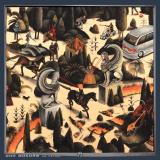
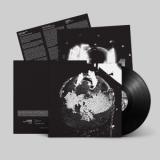
We are so happy and proud to embark Ambient Noise Level on the Mfd Ship for the 5th release! A.N.L. is a project from our dear friend Daniel Sanchez, who has recently been exploring new sonic territories, fetching sounds from the deepest corners of his universe. He produced a masterpiece of an EP/mini album with seven ambient, dub infused tracks, ear candy all the way. Enjoy!
Six years after their last standalone release, TESTE return in full raw power!
Following their 2020 double 12" on L.I.E.S. - which marked a renewed phase after years of silence - David and Martin (TESTE) now open a new chapter.
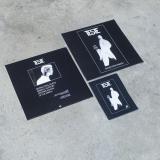
ERASED FROM MEMORY is a 4-track EP developed between 2023 and 2026, continuing their exploration of sharp, unconventional sound design - suspended between chaos and decadence.
The visual direction features a key contribution from the late Juan Mendez // Silent Servant via his SILENT EDITIONS imprint, combining archival TESTE materials with his legendary punk vision.
He completed the cover and zine before his passing in January 2024.
This release is dedicated to TESTE and their three decades of legacy, and to Juan Mendez - one of our greatest heroes.
Back to Pennsylvania, started (as so much great art does) in the beginning stages of a breakup in Brooklyn. Anna was weighted down by a sense of stagnation that required the kind of restart only returning home—to your childhood bed and bedroom, your parents backyard—can provide. So she went back to Pennsylvania. She sat at her hometown bar with her dad and his friends. She walked the sidewalks of her childhood. She spent time with her friends whose paths never quite diverged from that traditional, tale-as-old-as-time children’s chant—love, marriage, babies in a baby carriage. Despite all the shakeups of her life—no more New York, no more boyfriend, an impending nationwide tour with Joe P, frequent writing trips to L.A.—Anna still felt static. But it was on one of those fateful writing trips to L.A. that she regained a sense of motion, writing the record’s titular single. And what was supposed to be a single songwriting session with producer Gab Strum spun itself into 10 tracks reckoning with her new phase of life.
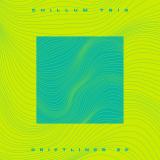
fter 25 years of exploring music from different angles, Chillum Trio lands on Faith In Truth with his third EP on vinyl. Driftlines is a cinematic, multicultural trip through the deeper and dubbier corners of house music, moving freely between hazy atmospheres, broken rhythms, acid lines and warm instrumentation. Across four tracks, eclectic influences blur together and settle into a club-oriented frame.
The EP opens with Dustfire, a deep night-drive cut that slowly draws its scenery around a low-slung beat. A cinematic breakdown gives way to a restless yet understated percussive acid groove, before a Rhodes hook emerges through the dust, carrying a touch of desert heat into the night.
Keeping things mellow and midtempo, Deepskin heads somewhere warmer: a humid tropical beach after midnight, all body heat and salt in the air. What begins loose and sensual gradually turns into ass-shaking garage house, surrounded by cosmic layers, drifting pads and spacious atmospheres.
On the flipside, the tempo picks up while the story continues with Thin Air. A long, lush, phase-soaked horn intro settles into a melancholic dream state, slowly pulling you under. The slow-burning build eventually breaks into a memorable piano line and fractured drums. After a trippy bridge, gentle acid lines lock into place and hold the dancefloor until the wistful finale.
Closing the record, Serotone slips back into downtempo territory with a jazzy, trip-hop-infused groove. Soft vocal fragments, piano and rising arpeggios keep the tension suspended through the middle, before the track mutates into something reminiscent of early-2000s dubby, acid-tinged future jazz and Latin fusion.
Like patterns drawn by wind across desert sand, Driftlines traces the points where different currents meet, overlap and interfere. Rhythms, places and memories crossing paths, briefly forming shapes before drifting somewhere else.
out of Stock
Last delivered 2 days ago available to reorder, subject to availability
For over 25 years, David Madson (aka Odd Nosdam) has been stationed away from the light of the mainstream, diligently working the nightshift. Every so often, we awake to find another of his bleary and beautiful missives slung into the waking world – albums whose assemblages of sampled grooves, atmospheres and voices are unified by a hallucinatory sense of melody, like disparate visions strung together through ribbons of sleep-talk. From his earliest days as a member of the seminal group cLOUDDEAD, through his remixes for artists such as Boards of Canada and Black Moth Super Rainbow, Nosdam has been reporting back from his rounds upon the perimeters of culture and consciousness, forging a musical language all of his own.
On Patrol is the second Odd Nosdam LP to be released on The Notwist’s imprint Alien Transistor – following on from the 2019 album Mirrors – and continues a collaborative history that begun with a 2008 remix of The Notwist song, “Sleep”. It’s a love letter to the vinyl format, produced with the aim of optimizing for a single LP. This objective permeated every aspect of the album’s production, from the duration of each side through to the vinyl mastering (Jessica Thompson) and lacquer-cutting (Dubplates & Mastering, Berlin). As we've come to expect, the album is built almost entirely from found sounds, many of which were taken from obscure and second-hand vinyl gathered during Nosdam’s ceaseless crate-digging escapades. Other sources include field recordings made in 2022 at the Catalonia summer home of artist Salvador Dalí, which are baked into the swirling sci-fi glide of “Here to Know (Adéu Mix)”, and a sumptuous clunking bass line courtesy of Organi’s Mike Walti, which runs like an infinite highway through the fuzzy, sunbaked sprawl of “Deepsimple”.
Odd Nosdam’s work has always swept the entire atmospheric spectrum, from rhythmic vigour to levitational beauty. On Patrol is perhaps his finest assimilation of these extremes. “Sgt. Pepsi” is the perfect case in point: a formidable slow groove capsizes into vinyl crackle after a mere minute, before the song resurrects itself through sweeping strings and vocal harmonies, sliding against each other like the overlain romantic denouements to a dozen Hollywood films from the 1940s. Elsewhere, “Get You In (Belong Mix)” drapes shoegaze guitar over a trundling funk backbeat, straddling the physical world and the outer realms, while hushed voices point toward the song's implied themes of cultural cliques, critical consensus and the plight of the eternal outsider: “Sure, I can get you in... these people are my friends, I’m one of them - I belong.”
This is music that both endures and disappears. Odd Nosdam has always wielded a strange relationship with time, scrambling association with any specific era, weaving together numerous tempos simultaneously. There is no master clock. Each track could happily hold up as an infinite loop, yet Nosdam clearly favours the potency of the gone-too-soon, applying the fadeout just as hypnosis starts to crest. Indeed, the songs are both the product of meticulous long-term construction and spontaneity. While the foundations of On Patrol have come together over several years, the recording process involved channeling vibes through a vintage Roland Space Echo and bouncing song fragments back and forth from hard disk to cassette 8-track, gifting a phased permanence to creative decisions made on the fly – a hat-tip to the production processes of Nosdam's longtime hero, Lee ‘Scratch’ Perry. Like a recurring dream, On Patrol appeals to both the plains of momentary ephemera and the long-established backchannels of the unconscious, equal parts revelation and deja vu.
Text by Jack Chuter
Artwork by Ian Ferguson
out of Stock
Last delivered 2 days ago available to reorder, subject to availability
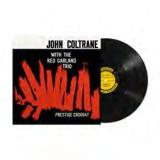
John Coltrane with the Red Garland Trio ist das dritte Studioalbum von John Coltrane und entstand 1957
im legendären Van Gelder Studio. Gemeinsam mit Red Garland, Paul Chambers und Art Taylor zeigt es
Coltrane in einer entscheidenden Phase seiner musikalischen Entwicklung. Das Album erschien 1958 bei
Prestige Records und wurde 1961 unter dem Titel Traneing In neu veröffentlicht.
Anlässlich Coltranes 100. Geburtstags erscheint der Klassiker nun als Teil der Original Jazz Classics-Reihe
neu – auf 180-Gramm-Vinyl, vollständig analog von den Originalbändern gemastert und im hochwertigen
Tip-On-Cover.
"Back in 2022, Ban Ban Ton Ton raved about George T’s then digital-only release, “Roll On, Kings Cross”. We described it as a “dynamite dose of poetry and digidub.” Likening the prose – which describes a train journey from the coast to the city – to Michael Smith and Joe Duggan, while comparing the production to Dennis Bovell’s remixes of Jarvis Cocker’s “Swanky Modes”, and The Sabres Of Paradise’s “Wilmot”. Melodica-led with a hefty post-punk flavour, its dub, which focuses on manipulating and morphing the bass-line, we called “hollowed out house.”
These tracks have now been pressed to vinyl for the second release on new imprint Noetic Rhythm, where they’re joined by Leonidas’ “Great Northern” mix. Eschewing his usual futuristic ethno techno jacking, here he drops into roots reggae. Creating something more skanking, more stepping. An extended “discomix” showered in filtered, Mutron Bi-phased percussion, ghostly horns and peppered with the odd syndrum pop. Washes of sampled surf appropriately accompanying George informing us that “to the left there’s the sea.”
The 12 also features, “Dr Doctor”, a fresh collaboration with Yas Mine, The singer / guitarist’s French vocals countering George’s Matt Johnson-esque delivery, and a John Barry / “Midnight Cowboy”-like melodica melody serenading the song’s slow, squelchy, electronic skanking. The dub, instead, showcasing Yas’ fine fretwork." BAN BAN TON TON review
-
"These tracks are massive! I love Roll On King's Cross the best" KAY SUZKI (Time Capsule)
"I played the dub (Dub On, King's Cross) at a club in Oslo alongside some Maurizio and it sounded great. Bit of an oddball." Also played on NTS Radio and in Mixmag mix. JONNIE WILKES // OPTIMO
"Really digging Mr Demure when he drops into dubwise" DR ROB // BAN BAN TON TON
"Yes. Nice" NICK THE RECORD
"Awesome" JONNY ROCK
"I really like this EP... Love the Leonidas dub!" CEDRIC WOO (Beauty & The Beat, LDN)
"Love the blend of Augustus P vibes with a post punk dub feel. Bingo!" DICKY TRISCO
"I love it and will be playing" TREVOR FUNG (Ibiza Legend)
"Yes this is dark but kinda friendly.... brilliant...It's like ghost town ...I love Leo's mix" FOR MANKIND (Pikes Ibiza)
"Love the release and LOVE LOVE LOVE Dr Doctor!!!! Psyched to play this one out all weekend." ZILLAS ON ACID // James Weissinger (Philadelphia, US)
"This is amazing. Dub on kings cross is a banger - really love this one" ARVEENE
"Loving the Leonidas dub" ATEMI (Blackbush Orchestra / Abstrack)
+
PREVIOUSLY
"Melodica heaven" JD TWITCH/OPTIMO (RIP)
"I love this" IVAN SMAGGHE
"It's hot!!" JONNY ROCK
+ plays/support from:
DON LETTS (BBC 6Music)
TOM RAVENSCROFT (BBC 6Music)
HARRI (Sub Club)
[f] Roll On, King's Cross [Leonidas' Great Northern Mix] 06:54
[g] Dr Doctor [Instrumental Mix] 03:25
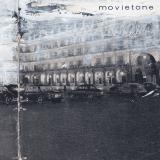
World Of Echo are proud to announce the long-awaited reissue of the self-titled debut album by Bristol’s Movietone. Originally released in 1995 by Planet Records and reissued on CD in 2003 by The Pastels’ Geographic Music imprint, this is the first time Movietone has been reissued on vinyl. An expanded double-LP edition, it includes the extra tracks from the 2003 CD (their first two singles, and an unreleased demo of “Chance Is Her Opera”), and adds three more unearthed gems: demos of “Alkaline Eye” and “She Smiled Mandarine Like”, and an early take of “Late July”, recorded in a garden by Dave Pearce (Flying Saucer Attack) in 1993.
Taken together, this is the definitive collection of music from the first phase of one of Bristol’s most remarkable groups. Movietone was the cumulation of a series of events, explorations, and discoveries, starting at secondary school – the group’s core membership of Kate Wright, Rachel Brook, Matt Elliott and Matt Jones met at Cotham School in Bristol. As for many other groups, their early years were all about experimenting, and finding ways to ‘make do’, a DIY sensibility that would inform Movietone through their decade-long lifespan. From formative rehearsals in a shed in the garden of Brook’s family home, to recording early material to four-track in Redland Library, and on into the Whitehouse and Mr Grin’s studio sessions for their debut album, Movietone’s music fell together in a creatively unpredictable, yet conceptually rigorous manner.
By the time they released Movietone, they’d found a home with Bristol’s Planet, run by author Richard King and James Webster, who had both released their first two singles, “She Smiled Mandarine Like” and “Mono Valley”. There was other music happening around them in Bristol, too, from the Jones brothers’ avant-rock outfit Crescent (who were Movietone’s closest conspirators), through Elliott’s jungle/electronica project Third Eye Foundation, and Brook and Elliott’s membership of Flying Saucer Attack. A closely knit community, Movietone are the centre of this nestling architecture of groups. The vision in the music, mostly, belongs to Wright, but Movietone ran in democratic creative consort. Listening back to Movietone, you can hear this democracy in action through the wildness of the music, which is balanced by the poetics of Wright’s lyrics and melodies.
Full of half-captured memories and entangled abstractions, there’s an elliptical, ruminative quality to much of the writing here that shows the deep influence of the Beat Generation writers, along with a twilight environment captured in the songs that’s pure third-album Velvets, Galaxie 500, early Tindersticks, Codeine. Unpredictable interventions – the crashing glass in “Mono Valley”, the sudden explosions of “Orange Zero” point towards the noise blowouts of My Bloody Valentine, the unpredictability of Sonic Youth; Wright’s understated vocal cadence suggest a deep, embodied understanding of John Cage’s Indeterminacy.
Movietone would go on to make 3 fantastic albums for Domino: Night & Day (1997), The Blossom Filled Streets (2000) and The Sand & The Stars (2003) and their Peel Sessions were released earlier this year on Textile. Still held in high regard by artists like Steven R. Smith, and The Pastels, whose Stephen McRobbie once described them as “one of the great unknown English groups,” it’s an absolute thrill to listen to Movietone anew – still inspired, still seductive, still magic, still mysterious.
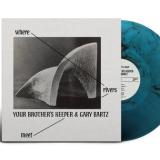
Gary Bartz und das neue Londoner Ensemble Your Brother’s Keeper präsentieren mit "Where Rivers Meet" ein tiefgründiges und intuitives Studioalbum, das die seltene Begegnung zweier Generationen von Jazzmusikern einfängt. Das Album, das pünktlich zum 20-jährigen Jubiläum von Brownswood erscheint, vereint Bartz' Tradition mit der jungen, pulsierenden Szene Londons. Das Ergebnis ist Musik, die sich mit Offenheit und Intensität entfaltet, getragen von tiefem Zuhören und gemeinsamer Improvisation.
Im Zentrum des Projekts steht Bartz, eine der einflussreichsten Vertreter des modernen Jazz. Der Saxophonist, dessen Karriere sich über mehr als fünf Jahrzehnte erstreckt, machte sich einen Namen durch Auftritte mit Charles Mingus, Max Roach und Art Blakey, bevor er sich Miles Davis in dessen elektrisierender Phase der frühen 1970er-Jahre anschloss. Mit seinen gefeierten Aufnahmen mit der NTU Troop wurde er schnell zu einer prägenden Figur des Spiritual Jazz und schuf ein Werk, das Generationen von Musikern und Zuhörern gleichermaßen begeistert. Sein Spiel – lyrisch, tiefgründig und unverkennbar gefühlvoll – zählt nach wie vor zu den markantesten Stimmen des Jazz.
Das Album markiert zudem die Gründung von Your Brother’s Keeper, einem neuen Kollektiv um Schlagzeuger und Produzent Jake Long (Maisha), dessen musikalischer Dialog und die Improvisation tief in der Musik verwurzelt sind. Mit Ali MacSween (Piano, Synthesizer, modulare Effekte), Axel Kaner-Lidstrom (Trompete), Twm Dylan (Kontrabass), Tim Doyle (Percussion) und Chelsea Carmichael (Tenorsaxophon) sowie Long am Schlagzeug spiegelt die Gruppe eine Szene wider, die den Sound des zeitgenössischen Jazz im letzten Jahrzehnt maßgeblich geprägt hat.
out of Stock
Last delivered 11 days ago available to reorder, subject to availability
Vocalist, producer and musical visionary Jimetta Rose announces the release of solo album MettaSun, via our dub label Day Dreamer. Inspired by the interplanetary mythologies of Sun Ra, MettaSun reimagines a selection of the cosmic jazz pioneer"s most iconic recordings through Jimetta"s unique lens - a powerful expression of the female imaginary and a positive vision of radical hope and Black joy amid the chaos of contemporary America.
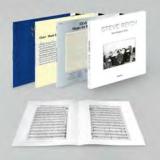
Recordings on ECM vereint, wie Pitchfork es formuliert hat, „einige der herausragendsten Werke des
Minimalismus-Komponisten Steve Reich, darunter die maßgebliche Aufnahme seines unbestrittenen Meisterwerks Music for 18 Musicians“. Die Sammlung umfasst die drei Steve-Reich-Alben, die zwischen 1978
und 1982 auf dem Label veröffentlicht wurden. Sie erscheinen als originalgetreue Faksimile-Ausgaben in
einem hochwertigen Kartonschuber mit einem Booklet, das Fotos aus dem Archiv sowie Manuskriptseiten
und Liner Notes von Paul Griffths enthält. Direkt von den originalen analogen Masterbändern gefertigt
(AAA) lassen die drei Vinyl-Ausgaben diese wegweisenden Aufnahmen, die längst zum Kanon der zeitgenössischen Musik gehören, in ihrer ursprünglichen Klangqualität neu strahlen. Die drei Alben enthalten
die Werke Music for 18 Musicians, Octet, Music for a Large Ensemble, Violin Phase und Tehillim und
dokumentieren somit die einflussreiche frühe Schaffensphase des Komponisten sowie seine künstlerische
Entwicklung über einen Zeitraum von fünfzehn Jahren. Die Box erscheint anlässlich des 90. Geburtstags
von Steve Reich im Oktober 2026.
“About the famed ECM Recordings, much has already been written. Suffce to say that they confirm
that Reich could convey the pulse and spirit of American urban life as brilliantly as Gershwin did 30 years
earlier. Even the unity that arises from out of phase quasi-chaos is revelatory. Recorded 1976–1981, the
works’ emphasis on percussive sounds makes for anything but soothing background listening. It’s all fabulous stuff. Although listening to multiple works in one sitting could possibly induce numbness – taken one
at a time, they are as exhilarating as they are essential.” – Jason Victor Serinus, Stereophile Magazine
Twenty-five years after his debut album I’m Serious permanently altered the DNA of Southern hip-hop, Tip "T.I." Harris is officially closing this chapter with KILL THE KING, his twelfth and final studio album. For a man who has spent over two decades as the self proclaimed “King," the project’s title speaks volumes. This is not a surrender of the crown to a rival, but rather a symbolic death of the ego. T.I. is choosing to dismantle the moniker on his own terms, trading the battlefield for peace, legacy, and the freedom to step out of the booth and into the next phase of his life as an actor and family man.
Rather than leaning on pure nostalgia, KILL THE KING proves T.I. is walking away while his pen is still razor-sharp. The project is anchored by the certified gold lead single "LET 'EM KNOW," produced by long-time collaborator Pharrell Williams, which sets an immediate tone of veteran-level precision and polished bravado. Across the 18-track album, T.I. pulls together a masterclass of multi-generational talent that bridges the gap between his trap origins and modern dominance. The album boasts heavy-hitting Southern anthems like "DOPE BOYS ACADEMY” featuring 2 Chainz, Jeezy, and T-Pain, alongside soulful reflections from the Dr. Dre produced track "WHERE I’M FROM" with Anderson .Paak, Atlanta eloquence with Usher on "GORGEOUS," and moody, atmospheric cuts featuring Summer Walker and YoungBoy Never Broke Again.
Ultimately, KILL THE KING is designed to leave nothing unsaid, directly addressing the trials, tribulations, triumphs, and the undeniable imprint he’s left on global hip-hop culture. To mark the end of this historic era, T.I. isn't just letting the music speak for itself; he will be taking his final bow on the road with The King Succession Tour, bringing his sons Domani and King along to officially pass the musical torch. With this final statement, T.I. ensures that the trap music foundation he helped lay the framework for what will endure long after he sets down the mic. The King is dead; long live the legacy.
Die stärksten PERKELE-Songs auf einem Album gebündelt? Mit „Best from the past“ wird dieser Wunsch Wirklichkeit, das Album versammelt 20 PERKELE-Hymnen aus allen Phasen auf einem Tonträger (Vinyl kommt sogar als Doppel-Album). Von Sänger Ron höchstpersönlich zusammengestellt und im beiliegenden Booklet mit Liner-Notes versehen. Die Story hinter dem Text. Alle Klassiker sind an Bord: Von „Cowards“, „Hang’em high“, „Yellow & blue“, „Heartfull of pride“ bis „Göteborg“, „Längtan“, „Moments“, „A way out“ etc. Erscheint nun in 2026 erneut auf Vinyl. Und weil doppelt besser hält: Als Doppel-Vinyl.
Limitiert: 500er Auflage in transparent rotem Vinyl.
Interdance returns in 2026 with its fourth vinyl release, continuing a journey that began in 2023 and further strengthening a distinct sonic identity rooted in hypnotic club experimentation and meticulous sound design. This time, the spotlight falls on Dani Labb, a true architect of sound, delivering four original tracks, including one reimagined by Z@p. The EP is deeply focused on repetition as a language of its own, building groove through carefully layered textures and surgical precision. Music designed to be fully experienced on sound systems capable of embracing the entire frequency spectrum, where every detail reveals its purpose.
The journey begins with Phase Two, a restrained yet immersive acid cut that slowly draws the listener into Dani Labb’s universe. Its progressive structure unfolds gradually, revealing tranceinfused nuances and vocal passages that feel like moving through levels inside a parallel dimension. A2 brings Nordark, following the narrative established by the opening track. Heavy low-end pressure, resonant highs, and a sonic architecture where drums retreat into the background, sketching rhythmic contours while the synth work takes full command. The B-side opens with Enbad, where tension rises and the energy becomes more forceful. The drums gain weight and the sound leans further into techno territory, while acid remains the guiding thread throughout. Closing the record, Z@p reshapes Enbad with his unmistakable signature of mystery, tension, and hypnotic arpeggios that push the experience to the edge. A producer who needs no introduction.
out of Stock
Last delivered 17 days ago available to reorder, subject to availability
The Go-Betweens zählen zu den beliebtesten und einflussreichsten australischen Bands aller Zeiten und galten als die Kultband schlechthin. Während ihrer vielfach gefeierten Karriere bewahrten sie eine außergewöhnliche künstlerische Konstanz und schufen Jahr für Jahr Musik auf dem Niveau der besten zeitgenössischen Künstler. Gegründet wurde die Band 1978 in Brisbane von Grant McLennan und Robert Forster, zwei Studenten der University of Queensland mit einer Leidenschaft für Filme, Bob Dylan der mittleren Sechzigerjahre und die New Yorker Punk-Szene. Beide sangen, spielten Gitarre und schrieben Songs. Die Konstellation mit zwei eigenständigen Singer-Songwritern an der Spitze war ungewöhnlich, funktionierte hier jedoch hervorragend. Roberts kantige, düster-romantische Kompositionen wurden perfekt ergänzt durch Grants hochmelodische, poetische Popsongs. Für ihr fünftes Album holte die Band die Multiinstrumentalistin Amanda Brown hinzu, die den Klang der Gruppe erweiterte und ihm mehr Dramatik verlieh. Das Album nimmt eine Schlüsselstellung in ihrer Diskografie ein und bildet die Brücke zwischen ihrer frühen Phase und den opulenter arrangierten späteren Werken. Das Paste Magazine führte das Album in seiner Liste der besten New-Wave-Alben und hob hervor, dass es "mehrere Schlüsselwerke der beiden Hauptsongwriter enthält, insbesondere McLennans mitreißende, zu Unrecht unterschätzte Songs 'Right Here" und 'Bye Bye Pride" sowie charakteristisch kantige Forster-Kompositionen wie 'House That Jack Kerouac Built" und 'The Clarke Sisters", eine eindringliche Charakterstudie über unverheiratete Schwestern, die den Blick ihres Autors für Details perfekt einfängt."
Die in London lebende schwedische Künstlerin Josefin Öhrn (Ex-Mitglied der Grammy-nominierten Band Josefin Öhrn & The Liberation) veröffentlicht mit "Cherry" ihr Solodebütalbum, das sie mit den Gastsängern Bobby Gillespie (Primal Scream) & Anton Newcombe (The Brian Jonestown Massacre) sowie Andy Bell (Ride) an der Gitarre aufnahm. "Cherry" ist Josefins bislang persönlichstes und eigenständigstes Album. Es widmet sich Themen wie Neuanfang, Begehren, Liebe und Trauer und reiht sich so in eine neue musikalische Strömung ein – ähnlich Robyn ("Sexistential") und Lykke Li ("The Afterparty") -, in der weibliche Erfahrungen offen und ohne Scham in farbenfroher Aufrichtigkeit geschildert werden. Solche Alben zeugen von einer faszinierenden Phase roher, intensiver und tiefgreifend transformativer Selbstverwirklichung. Obwohl "Cherry" musikalisch an den hypnotischen Psychedelic-Rock ihrer Ex-Band erinnert, sind die Arrangements, Strukturen und der Mix weniger avantgardistisch und orientieren sich eher an der entspannten Atmosphäre von Künstlern wie Kurt Vile, Lana Del Rey oder Natalie Bergman. Klare Melodiebögen und Josefins Stimme – intim, magnetisch und unerschütterlich – stehen im Vordergrund und verleihen dem Album seine eindringlich-emotionale Unmittelbarkeit. Josefin bat persönlich Kalle Jerneholm Gustavsson (Soundtrack Of Our Lives), mit dem sie bereits früher zusammenarbeitete, das Album zu produzieren.
Die zweifache BRIT Award Gewinnerin Becky Hill wird am 25. September ihr mit Spannung erwartetes
drittes Album „REBECCA“ veröffentlichen.
„REBECCA“ wurde während einer Phase intensiver persönlicher und künstlerischer Reflexion geschrieben
und zeigt Becky dabei, wie sie sich mit Ehrgeiz, Identität, Sichtbarkeit und den Widersprüchen ihres Lebens
auseinandersetzt. Dies geschieht aus einer Haltung größerer Offenheit und kreativer Freiheit heraus. Im
Verlauf des Albums untersucht sie mit Klarheit, Humor und schonungsloser Ehrlichkeit die Spannung zwischen Verlangen und Selbstschutz. Das Ergebnis ist ihr bislang mutigstes und emotional aufgeladenstes
Werk.
Von Becky als „kuratiertes Chaos“ beschrieben, markiert „REBECCA“ außerdem eine bedeutende Weiterentwicklung ihres Sounds. Das Album zeigt, wie sie sich wieder mit den vielfältigen Einflüssen verbindet, die
ihre frühe musikalische Identität geprägt haben, und dabei Inspiration aus Gitarrenmusik ebenso aufgreift
wie aus den Dance und Drum & Bass Grundlagen, die ihre Karriere definiert haben. „REBECCA“ verbindet
diesen Zusammenprall unterschiedlicher musikalischer Welten mit kraftvoller Electro Produktion, alternativen Einflüssen und euphorischen elektronischen Sounds zu einem Album, das sich zugleich weitläufig und
unvorhersehbar anfühlt.
Space Afrika, das in Manchester und Berlin ansässige Duo aus Joshua Tarelle Reid und Joshua Inyang, schafft rohe, detailreiche und eindringliche Musik mit Anklängen an Ambient, Trip-Hop, Techno und moderne Klassik, wobei es aus den Konturen seiner Stadt weitläufige urbane Dub-Landschaften entwirft. ,Quiet Storm" erweitert ihren Klang und ihre Bandbreite zu einer weitläufigen, kollaborativen Vision, die mit tiefer Geduld und Absicht geformt wurde und ihre eigene Coming-of-Age-Geschichte in eine bewegende Suite kathartischer Abstraktion einbettet. Die Songs spielen auf Spiritualität und die conditio humana an, auf die Spannung zwischen Kühnheit und Sanftheit, Ehrgeiz und hartnäckigen inneren Dämonen. ,Quiet Storm" ist eine Antwort auf den Werdegang des Duos seit der Veröffentlichung von ,Honest Labour" im Jahr 2021. ,Wir haben uns selbst und unsere eigenen Vorstellungen von Identität herausgefordert, insbesondere in Bezug auf Klasse und Diaspora, und wie dies in verschiedenen Musikgenres dargestellt wird. Wir wollten die Charakteristika unseres Projekts durch die Menschen zeigen, mit denen wir zusammenarbeiten wollten", sagt Reid. Inyang merkt an: ,Bei der Entstehung dieses Albums haben wir keine Kompromisse gemacht. Die Idee begann als eine Hommage an die Kunst der Schwarzen. Unsere Kooperationen waren sehr bewusst gewählt, als wir die Grundpfeiler der Geschichte entdeckten." Von der multidisziplinären Natur des Projekts zeugt die Beteiligung des gefeierten Künstlers Glenn Ligon, dessen Werk sich mit schwarzer Identität und Queerness befasst. Ligon, der zu Beginn der Aufnahmen eine zentrale Inspirationsquelle darstellte, stellte sein Werk ,Figure #30" (2009) für das Cover-Artwork zur Verfügung und erklärte sich nach Abschluss der Aufnahmen bereit, dem Projekt seinen Namen zu geben - eine beispiellose Geste dieses wegweisenden Künstlers. Beim Anhören der endgültigen Fassung dachte Ligon an ,Quiet Storm", das Radioformat der 1970er Jahre, das für seine sanfte Late-Night-Programmgestaltung mit Themen rund um Leben und Liebe bekannt war. ,Quiet Storm" führt den Hörer durch verschiedene Szenen, Zwischenspiele und Handlungsbögen, geprägt von dem Gefühl, dass seine Bewegung fließend und seine Figuren flüchtig sind. Monologe vor dem Spiegel setzen sich mit dem Existentiellen und dem Unmittelbaren auseinander: Überleben, Autonomie, Sinn. Das Album beginnt mit dem explosiven, von Streichern begleiteten ,Vanity", bei dem die Grammy-Preisträgerin Axelle Fanyo zu hören ist. Zunächst auf die Spalten eines stillen Raumes fixiert, entfaltet sich ,Vanity" unter Fanyos ausdrucksstarkem Sopran und durchläuft ein breites emotionales Spektrum von erhabener Kontemplation bis hin zu ergreifendem, herzzerreißendem Schmerz. Auf dem gesamten Album werden gesprochene und gesungene Worte sparsam eingesetzt, um eine kraftvolle Wirkung zu erzielen. Die Schönheit und Katharsis von ,MLN" ist ein kollektiver, langsamer Marsch, bei dem der britisch-nigerianische Künstler Tony Njoku mitwirkt, begleitet von Gabriel Evans an Gitarre und Lead-Bass, PIKE aus London am Schlagzeug und GB aus Kopenhagen an Keyboards und Streichern. Der letzte Satz verleiht ,Quiet Storm" seinen krönenden Höhepunkt. ,If This Is Hell" ist in einem einzigen Take als Bewusstseinsstrom des New Yorkers Deuén aufgenommen, dessen nachvollziehbare Spirale geistiger Aktivität von jazzigen, frenetischen Percussion-Klängen begleitet wird. Das Druckventil öffnet sich, als die phasenverschobenen Drums und die scharf beobachtenden, dialogartigen Phrasen abrupt nach der Zeile ,I wonder if that's what heaven's like?" abbrechen. Wir bleiben in der Behaglichkeit des Album-Closers ,Regards" zurück. Regentropfen treffen auf Orgel, Drone, Streicher und Keyboards, während das Nachladen von Waffen dem ruhigen Summen gegenübergestellt wird. Schwer und doch hoffnungsvoll erinnern Joshua Tarelle Reid und Joshua Inyang an ihre bisherige Reise. Als passend geheimnisvolles und mitreißendes Outro für ihr offenes Opus ist ,Quiet Storm" ein Meilenstein: selbst produziert, selbst finanziert und aus purer Tatkraft und Überzeugung entstanden. Durch verzerrte Zeit und schummrigen Dunst ist Space Afrika zweifellos angekommen
out of Stock
Last delivered 5 days ago available to reorder, subject to availability
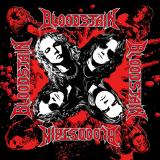
Bloodstain gehört zu den vielversprechendsten jungen Heavy-Metal-Bands, die in den letzten Jahren aus Schweden hervorgegangen sind. Die Ende 2023 in Stockholm gegründete Band hat sich schnell einen Namen gemacht, indem sie die Grundlagen des klassischen Metal und Hard Rock mit der Dringlichkeit, dem Selbstbewusstsein und dem Bühneninstinkt einer modernen Live-Band verbindet. Anstatt sich auf einen eng gefassten Revivalismus zu verlassen, schöpft Bloodstain aus einer breiteren Heavy-Metal-Tradition – kraftvolle Riffs, einprägsame Hooks, dynamisches Songwriting und ein klares Verständnis dafür, wie Songs sowohl auf Platte als auch auf größeren Bühnen rüberkommen müssen.
Ihr selbstbetiteltes Debütalbum „Bloodstain“ ist das erste umfassende Statement zur Identität der Band. Es präsentiert eine junge Band mit klarer Ausrichtung: diszipliniertes Songwriting, ein unverwechselbares visuelles Profil und ein Ehrgeiz, der bereits über die Clubebene hinausreicht. Während das Material die Wucht und Direktheit klassischer Heavy-Musik in sich trägt, verleihen die Entscheidungen bei Produktion und Arrangement der Platte eine zeitgemäße Kraft, die sie fest in der Gegenwart und nicht in der Vergangenheit verankert.
Das von Alex Hellid, Per Aldeheim und der Band selbst produzierte Album erscheint mit einer Geschichte, die in Presse, Handel und Exportkanälen großen Anklang findet. Bloodstain ist nicht einfach nur eine Band mit starken Songs, sondern eine Band mit Schwung. Frühe Veröffentlichungen sorgten sofort für Aufmerksamkeit, ihre visuelle Identität ist bereits klar definiert, und ihre Live-Präsenz wächst durch immer präsentere Auftritte und strategisch gewählte Vorgruppen-Slots weiter. Beim Sweden Rock Festival und beim Hellfest reagierte das Publikum bereits auf unveröffentlichtes Material, was unterstreicht, dass die Musik der Band in Echtzeit ankommt und sich nicht allein auf ihre Positionierung verlässt.
Was Bloodstain in dieser Phase auszeichnet, ist die Kombination aus Jugend, Klarheit und Bereitschaft. Die Band wirkt frisch, agiert jedoch mit einem Maß an Organisation und Zielstrebigkeit, das das Vertrauen der Branche weckt. Es entwickelt sich bereits eine Sammlermentalität rund um das Projekt, ein wachsender Direktkanal zu den Fans und eine klare Fähigkeit, zu skalieren, ohne dabei die Identität zu verlieren.
Damit ist „Bloodstain“ nicht nur ein starkes künstlerisches Debüt, sondern auch ein strategisch bedeutendes Album, das ein Publikum aus den Bereichen Hard Rock, Heavy Metal und moderner, riffgetriebener Metal-Musik erreichen kann, ohne durch eine enge Genre-Schublade eingeschränkt zu sein.
Bloodstain gehört zu den vielversprechendsten jungen Heavy-Metal-Bands, die in den letzten Jahren aus Schweden hervorgegangen sind. Die Ende 2023 in Stockholm gegründete Band hat sich schnell einen Namen gemacht, indem sie die Grundlagen des klassischen Metal und Hard Rock mit der Dringlichkeit, dem Selbstbewusstsein und dem Bühneninstinkt einer modernen Live-Band verbindet. Anstatt sich auf einen eng gefassten Revivalismus zu verlassen, schöpft Bloodstain aus einer breiteren Heavy-Metal-Tradition – kraftvolle Riffs, einprägsame Hooks, dynamisches Songwriting und ein klares Verständnis dafür, wie Songs sowohl auf Platte als auch auf größeren Bühnen rüberkommen müssen.
Ihr selbstbetiteltes Debütalbum „Bloodstain“ ist das erste umfassende Statement zur Identität der Band. Es präsentiert eine junge Band mit klarer Ausrichtung: diszipliniertes Songwriting, ein unverwechselbares visuelles Profil und ein Ehrgeiz, der bereits über die Clubebene hinausreicht. Während das Material die Wucht und Direktheit klassischer Heavy-Musik in sich trägt, verleihen die Entscheidungen bei Produktion und Arrangement der Platte eine zeitgemäße Kraft, die sie fest in der Gegenwart und nicht in der Vergangenheit verankert.
Das von Alex Hellid, Per Aldeheim und der Band selbst produzierte Album erscheint mit einer Geschichte, die in Presse, Handel und Exportkanälen großen Anklang findet. Bloodstain ist nicht einfach nur eine Band mit starken Songs, sondern eine Band mit Schwung. Frühe Veröffentlichungen sorgten sofort für Aufmerksamkeit, ihre visuelle Identität ist bereits klar definiert, und ihre Live-Präsenz wächst durch immer präsentere Auftritte und strategisch gewählte Vorgruppen-Slots weiter. Beim Sweden Rock Festival und beim Hellfest reagierte das Publikum bereits auf unveröffentlichtes Material, was unterstreicht, dass die Musik der Band in Echtzeit ankommt und sich nicht allein auf ihre Positionierung verlässt.
Was Bloodstain in dieser Phase auszeichnet, ist die Kombination aus Jugend, Klarheit und Bereitschaft. Die Band wirkt frisch, agiert jedoch mit einem Maß an Organisation und Zielstrebigkeit, das das Vertrauen der Branche weckt. Es entwickelt sich bereits eine Sammlermentalität rund um das Projekt, ein wachsender Direktkanal zu den Fans und eine klare Fähigkeit, zu skalieren, ohne dabei die Identität zu verlieren.
Damit ist „Bloodstain“ nicht nur ein starkes künstlerisches Debüt, sondern auch ein strategisch bedeutendes Album, das ein Publikum aus den Bereichen Hard Rock, Heavy Metal und moderner, riffgetriebener Metal-Musik erreichen kann, ohne durch eine enge Genre-Schublade eingeschränkt zu sein.
„Ride Lonesome“ – das erste Album mit völlig neuem Material von Beck seit dem Grammy-prämierten
Album „Hyperspace“.
Das neue Album verdankt seine zugleich neue und doch vertraut-warme Atmosphäre der Zusammenarbeit
mit jenen Musikern, mit denen Beck bereits „Sea Change“, „Morning Phase“ und „Mutations“ aufgenommen hatte – Smokey Hormel, Joey Waronker, Justin Meldal-Johnsen, Roger Joseph Manning Jr. und Jason
Falkner –, die sich im „Room B“ der United Studios in Hollywood wieder zusammenfanden. Godrich, der
bereits an „Sea Change“ und „Mutations“ mitgewirkt hatte, übernahm erneut den Mix des Albums. In
dem Jahrzehnt seit der Aufnahme von „Morning Phase“ (Gewinner des Grammy für das Album des Jahres
2015) erlebten Beck und die Band eine spürbare Weiterentwicklung und Vertiefung ihres Zusammenspiels
und ihrer Chemie – verfeinert durch jahrzehntelange Zusammenarbeit.
Singer-Songwriterin, Multiinstrumentalistin und Produzentin Agnes Obel kehrt mit dem mit Spannung
erwarteten neuen Album ”The Meaning of Flowers” zurück, das auf die gefeierte Veröffentlichung von
”Myopia” (2020) folgt.
Die aus Dänemark stammende Wahlberlinerin hat das neue Werk vollständig in ihrem Berlin Studio
geschrieben, arrangiert, aufgenommen und produziert. Auf 12 atmosphärischen, genreübergreifenden
Tracks fängt ”The Meaning of Flowers” eine Phase tiefgreifender persönlicher und kreativer Transformation ein.
Inspiriert von der Geburt ihres ersten Kindes erkundet Obel Themen wie Neubeginn, Verbundenheit und
Metamorphose und reflektiert darüber, wie neues Leben den Körper, den Geist und die eigene Beziehung
zur Welt verändert.
Ihre neue Musik schöpft dabei aus vielen Quellen – von der Dichtung Enheduannas (der ersten namentlich
bekannten Autorin der Welt) und den philosophischen Ideen von Hannah Arendt und Emanuele Coccia bis
hin zur dänischen Popszene der 80er- und 90er-Jahre.
Die Vorzeige-Band des irischen Städtchens Dundalk, The Mary Wallopers, veröffentlicht ihr drittes Album, produziert von James Skelly (The Coral). "Paddywhackery" folgt auf den hochgelobten Vorgänger "Irish Rock'n'Roll" (2023) und präsentiert eine Band voller musikalischer Geschlossenheit und Kraft, die derzeit in der Musikszene ihresgleichen sucht. Aufgenommen in einer intensiven, zweiwöchigen Phase in Liverpool gemeinsam mit Produzent James Skelly und Tontechniker Chris Taylor, lässt "Paddywhackery" die großartige, wilde Natur von The Mary Wallopers voll zur Geltung kommen. Die Songs strömen mit einer solchen Verve und Wucht aus den Lautsprechern, dass man als Hörer nicht umhin kommt, immer und immer wieder auf Play zu drücken.
Proudly partnering with the globally acclaimed Forza Horizon gaming series for the fifth time, Hospital Records once again bring their D&B A-game to the world of racing & gaming with a whopping 24-track soundtrack that's getting pressed to a pristine 3x12 triple gatefold vinyl product. For both Forza & Hospital fans alike, this is a physical piece of both D&B and gaming history.
out of Stock
Last delivered 31 days ago available to reorder, subject to availability
Frazer Ray lands on Time Is Now with Masha EP. Four tracks of killer, stripped back FWD facing proto/future garage effortlessly pushing the sound into a new direction.
FACTS:
1. Frazer Ray knows how to make a dance. IYKYK…. Recently he’s been shelling Live UKG cooked right in front of you on a custom modular rig. Mad energy. 100% party business.
2. Frazer Ray knows a thing or two about making UK soundsystem music. The artist FKA Soundbwoy Killah is now a decade deep in his discography. And first as ‘Soundbwoy Killah’ and now as ‘Frazer Ray’ he is 2 for 2 with aliases that never miss.
3. New Frazer Ray is always something to get excited about. For 10+ years he’s kept it super tight. Quality over quantity. Always holding dubplates. When releases have landed they drop on only the best labels; including both Rinse and Rinse’s new INGRAM imprint, Ninja Tune’s Technicolour imprint, Sneaker Social Club, Interplanetary Criminal’s Locked On and IPC & Main Phase’s ATW Records. (side note - his Soundbowy Killah - ‘Halcyon Daze’ LP on Sneaker is IMO an all time classic - do not sleep on that one). Aaaannd… if the dubplates got too heavy he’s also occasionally dropped weight on his own U-Phorix label.
Also…..what has always struck me about Frazer’s music is that it’s simultaneously integral in the hardcode continuum while also pushing it forward. It’s always complete. Fully formed. You never bristle. There’s no failed experiments. Just a firm nod to the future for anyone looking.
OK… Run the tracks.
Masha’s vocal licks tell it straight, this one is “Fire”. Proper club business to test the stacks. The drums roll steady in front of a wall of sub bass. A killer mix of post dubstep era goodness, techno sound design and the shuffle & swing of proto dubstep.
Settle Down There’s something 90’s tek step about this one. Dark and moody with a wall of bass. It bristles with texture and atmosphere before – a moment of reprieve in this absolute weapon – Frazer opens up into a dubwise oasis before skittering back into the darkness.
Syren Song is exactly what it says on the tin, alluring Dancehall vocals chatter and roll. Who knew auto-tune and Garage paired so well… Frazer did that’s who.
No Reasons Left is an ethereal closer for the end of the night / start of the morning after. Gliding warm & introspective dubwise breaks with a Reese bassline that hangs in the space between garage and hardcore.
Frazer says…
“This EP feels like I've finally nailed integrating my modular setup (and VCV rack for all you nerds out there) into my productions. I wanted to create deeper production while still ensuring the tracks translate well in the club.”
If this is only the beginning then strap in.
out of Stock
Last delivered 33 days ago available to reorder, subject to availability
There is a pivotal scene in “August in the Water” (dir. Sōgo Ishii, 1995) where the surface of a pool turns into a stone wall. The water that gave the protagonist's life its meaning becomes a threat. As you fall through this stone wall, you appear in a set of underwater coral-reef corridors, and one of the most beautiful musical themes begins to play: Aquatic Ambience, composed by David Wise for Donkey Kong Country (1994). It's a theme that represents the weightless vibe of your new deep-sea life, where you go about your mundane errands, collecting bananas while driving on a swordfish, or, as HerzMayhem put it: "Poor monkey... always swimming, never going anywhere..."
Synthetic Water Music is the second of three compilations, following Synthetic Bird Music and timed to mappa's 10th anniversary. As with the birds, it gathers friends of the label, artists who have released with mappa or played our shows. Most of the music is new, made to measure for this compilation, much of it from Central and Eastern European hands. Birds and water mix well, so please feel invited to play them together, creating your own environments.
Where the birds were in one flock, water is dispersed across four chapters. You live your life as a droppity drop: vapour in the heavens, condensing in clouds, falling into a swamp, trickling into the deepest sea.
Tlālōcān (Cassette 1, Side A)
A place of eternal spring, of aquatic energy that nourishes everything and allows all things to bloom. Bubbly and splishy-sploshy, it is full of dripping sounds and moist caverns (“Emerald Pool” by Pauline Anna Strom), a landscape filled with living fountains (“Oh, to be a Fountain” by Eva Sajanová) and winding streams that flow through the area, forming part of its organic architecture. It is also a paradise reserved for those whose deaths were water-related, where the aquatic and terrestrial beings live in symbiosis and perspectives shift rapidly, from observing a single droplet (Shakali, Lau Nau) to dew (Feronia Wennborg & Lucy Duncombe) and on to flowing currents (Visible Cloaks) that gradually transform into river music (Ursula K. Le Guin & Todd Barton).
Nephelora (Cassette 1, Side B)
A celestial anti-gravity sound world made of evaporation, steam and the formation of clouds, as if looking at “The Sky At The Bottom of the Well” (by Natalia Beylis) or at “The Cloud That Never Rains” (by Henrique Vaz).
If a cloud never rains,
it is not a cloud at all, but a veil that parches the earth with its gaze.
It generates only its own shadow —
a looming mass of suspended longing,
a sky that hoards but never yields,
a reservoir that swallows every river and returns nothing but echoes.
The water in this world is often invisible but sometimes all the more present, as Bint Mbareh describes it: “Recently been obsessed with invisible waters because I come from a place where you have to imagine the water is there even though you cannot see a river, a sea, usually no rain, so water is in the air, the voice and the imaginal realm, drought is imagined to be negotiable.”
Žaboglach Zha-bo-glahch (Cassette 2, Side A)
A fusion of Scottish lochs and Slovak ponds: a misty, foul-smelling, swampy realm, the kind of place that swallowed Artax from The NeverEnding Story. Stagnant waters full of decay become a blooming habitat for sirens (“thereby losing the weightless delight of being swept along with it” by Adam Badí Donoval) and beings straddling the line between fauna and flora, inventing their own communication systems (“Water-lily phase” by Action Pyramid).
R'lyeh (Cassette 2, Side B)
A brooding sunken city at the bottom of the ocean. It’s a journey to get there. Let this chapter guide you, from the shore down to the depths, to the gates of an unexplored world that is inherently dark, unfathomable, and beyond the limits of human perception: starting with seasickness ("Seasick" by Nikolaienko), passing through a classic Poe-esque maelstrom ("Flurry at the Whirl-pull" by Atte Elias Kantonen), a gateway into the darkness and emptiness of the ocean floor, and finally traversing the city itself (“last waves of 2025” by Jules Reidy).
But what is pulling you to a place like this that only a few explore and even fewer leave? Maybe “the darkness that water can contain, the expanse of things we don't know and that can trigger fear instincts even as we try to rationalise them and think we are in control of the rest of nature” (“supercritical fluids” by Diane Barbé).
Dive in and surface wherever you like. Always swimming, never going anywhere. Just don’t forget to take water breaks.
P.S. Birds, then water, can you guess what comes next? Synthetic Soil Music, an elegy for insects and worms? Synthetic Glaciers, or maybe Pollinators? Which sounds would you miss the most if they disappeared? Or what if the third one never comes at all, and somebody, or something, makes Synthetic mappa Music instead. Don't you worry, with the right training data, it can all be replicated, better than the real thing.
Das 2017 veröffentlichte Album *Under Cöver* vereint Motörhead-Aufnahmen von Songs, die die Band
geprägt haben, darunter Versionen von Titeln von Künstlern wie David Bowie, The Rolling Stones, Sex
Pistols und Judas Priest. Die Sammlung umfasst Aufnahmen aus verschiedenen Phasen der Bandgeschichte
und bietet eine neue Perspektive auf die musikalischen Einflüsse von Motörhead, ohne dabei den unverwechselbaren Sound von Lemmy, Phil Campbell und Mikkey Dee zu verlieren.
Mit Ich bin eine Bewegung legt Philip Bradatsch sein erstes neues Album nach einer Phase des kreativen Rückzugs vor und knüpft dabei an seinen Ruf als außergewöhnlicher Songwriter, Gitarrist und poetischer Erzähler an. Die Veröffentlichung erscheint bei Trikont als Vinyl-Only-Edition und präsentiert einen Künstler, der seine musikalische Sprache neu fokussiert hat. Zentrales stilistisches Element des Albums ist eine seltene Recording King-Gitarre aus dem Jahr 1936, deren charakteristischer Klang die Atmosphäre der Aufnahmen maßgeblich prägt. Zwischen Folk, Americana und deutschsprachiger Liedkunst entstehen intime, zeitlose Songs, die Themen wie Orientierung, gesellschaftliche Umbrüche und persönliche Erneuerung aufgreifen. Bradatsch zählt seit Jahren zu den markanten Stimmen der deutschen Independent- und Songwriter-Szene. Ich bin eine Bewegung unterstreicht seine künstlerische Relevanz und ergänzt das Trikont-Programm um ein hochwertiges Album mit nachhaltigem Publikumspotenzial.
It is virtually impossible to describe with mere words how emotionally powerful this work of art is. Just listen. Listen, listen, listen...
A blissed-out 80-minute epic, Hatchback's Phaser For The Ocean, Chorus For The Moon is his magnum opus, a sprawling masterwork that encompasses ambient, new age and environmental music to wondrous effect. Moving, hypnotic and deeply meditative, it's FFO Mike Brooks, Deuter, Klaus Weiss, Innovative Communication, Harmonia, Cluster, Ashra's New Age of Earth, Stomu Yamashta, Haruka Nakamura, Yoshimura, Hosono, the works.
A record truly deserving of the deluxe Be With treatment, the vinyl was specially cut at Abbey Road Studios whilst the original stunning artwork has been pleasingly expanded. Now, an eye-catching holographic-foil layer moon is set against the original tones, wrapped up in a sumptuous double-gatefold jacket.
Soaked in Californian consciousness and limited to a run of just 500 copies for the world, this release is a treasured balm like no other for these troubled times.
Hatchback is the atmospheric, melodious ambient alias of California-based artist Samuel Milton Grawe. Sam creates music that sings of the Cosmos, full of deep resonant tones, glistening arpeggios, lush pads and harmonic motifs.
"When I first was getting into the creative side of music making in my teens, I was heavily influenced by concept albums like Quadrophenia and The Lamb Lies Down on Broadway, as well as epic pieces that took up an entire side of a record: Pink Floyd’s Echoes, Yes’ Close To The Edge, Klaus Schulze’s Nowhere Now Here, Miles Davis' Shhh/Peaceful and He Loved Him Madly. In the extreme, these ideas coalesced in double albums where each side of each record is occupied by a single title - Yes’ Tales From Topographic Oceans and Tangerine Dream’s Zeit being primary examples. When I returned to making music after moving back to Northern California in 2020, the first piece I recorded landed around the 20-minute mark, and the idea of creating three other long pieces to realize a full album felt like a natural - if indulgent - goal. From there, each new piece followed sequentially. Four songs. My fourth album." - Sam Grawe
Phaser For The Ocean Chorus For The Moon is a pure expression, informed by a lifetime of deep listening unbound by algorithms or AI. These are songs for the sunrise and the sunset - and every colour in between.
out of Stock
Last delivered 15 days ago available to reorder, subject to availability
Jennifer Herremas Black Bananas melden sich mit "Bad Bunch" zurück - dem ersten Album der Band seit "Electric Brick Wall" aus dem Jahr 2014 und Herremas erster Veröffentlichung seit "White Stuff" von Royal Trux (2019). Das Album erscheint bei Fire Records und markiert die lang erwartete Rückkehr von Herremas ikonischem Gesang an der Seite ihrer langjährigen Mitstreiter Brian McKinley und Kurt Midness. Von Royal Trux über RTX bis hin zu Black Bananas - Jennifer Herremas Schaffen hat sich nie wirklich in separate Phasen unterteilt, sondern sich stets weiterentwickelt. Wie Pitchfork feststellte, sind Black Bananas "RTX aus einem Paralleluniversum", das Einflüsse aus Synth-Pop, Hip-Hop, French-Touch-House und Dancehall in ihren ganz eigenen, einzigartigen Sound einfließen lässt. Ursprünglich vor über 20 Jahren unter dem Namen RTX gegründet, haben sich Herrema, McKinley und Midness zu einem dynamisch verbundenen, schrägen Kollektiv entwickelt. Auf "Bad Bunch" präsentiert das Trio einen spacigen, jazzigen Rock-Groove, geprägt von Improvisation und neuen Aufnahmetechniken, die im Laufe des letzten Jahrzehnts entwickelt wurden. Das Album entstand vor mehr als zehn Jahren und nahm über verschiedene, zeitlich nicht zusammenhängende Phasen hinweg Gestalt an, unterbrochen durch die Royal-Trux-Reunion und die Turbulenzen der Pandemie. Das Ergebnis ist ein Album, das die innovativen Tendenzen von Black Bananas noch weiter vorantreibt und dabei unverkennbar ihr eigener Stil bleibt.
Jennifer Herremas Black Bananas melden sich mit "Bad Bunch" zurück - dem ersten Album der Band seit "Electric Brick Wall" aus dem Jahr 2014 und Herremas erster Veröffentlichung seit "White Stuff" von Royal Trux (2019). Das Album erscheint bei Fire Records und markiert die lang erwartete Rückkehr von Herremas ikonischem Gesang an der Seite ihrer langjährigen Mitstreiter Brian McKinley und Kurt Midness. Von Royal Trux über RTX bis hin zu Black Bananas - Jennifer Herremas Schaffen hat sich nie wirklich in separate Phasen unterteilt, sondern sich stets weiterentwickelt. Wie Pitchfork feststellte, sind Black Bananas "RTX aus einem Paralleluniversum", das Einflüsse aus Synth-Pop, Hip-Hop, French-Touch-House und Dancehall in ihren ganz eigenen, einzigartigen Sound einfließen lässt. Ursprünglich vor über 20 Jahren unter dem Namen RTX gegründet, haben sich Herrema, McKinley und Midness zu einem dynamisch verbundenen, schrägen Kollektiv entwickelt. Auf "Bad Bunch" präsentiert das Trio einen spacigen, jazzigen Rock-Groove, geprägt von Improvisation und neuen Aufnahmetechniken, die im Laufe des letzten Jahrzehnts entwickelt wurden. Das Album entstand vor mehr als zehn Jahren und nahm über verschiedene, zeitlich nicht zusammenhängende Phasen hinweg Gestalt an, unterbrochen durch die Royal-Trux-Reunion und die Turbulenzen der Pandemie. Das Ergebnis ist ein Album, das die innovativen Tendenzen von Black Bananas noch weiter vorantreibt und dabei unverkennbar ihr eigener Stil bleibt.
For 10 years, the Austin, Texas- based experimental avant- pop/ electronic musician, born Roger Sellers, has been creating atmospheric soundscapes brimming with layers, texture, and deep emotional resonance. On his fourth and most immersive album to date, 'Filters', Sellers picks up where he left us on 2023's mournful yet popminded 'Temporary Time'. With its elegantly constructed melodies, silken synth-work, a sprinkle of field recordings, and an upbeat yet blissful blend of piano and percussion, Filters finds Sellers entering a new phase of existence as he works through the grief around losing his father and into a place of acceptance.
This is a concept record that reflects on events that have had a calculable effect on a generation:
‘’By 83 and 84, it felt that nuclear war was going to happen. Not could happen but was going to.’’
Stephen Brotherstone
"What would you do in the event of a Nuclear war?"
I remember having discussions about what we would do when we heard the four minute warning siren. We would raid the sweet shop. I was 8 or 9 years old. The absurdity of this vivid memory encapsulates the concept of the record. It would take at least four minutes to get to the shop!
The record starts with an early memory of circling a church on a Raleigh Budgie (the smaller lesser known iconic Chopper bicycle) in 1981 and ends with staring up at a clear sky on Oldham Lows in 1990.
The record identifies and plays with the effects of an underlying fear of oblivion on a generation of children, but also society as a whole: The pieces take in media and government propaganda. Machinery (nuclear submarines) and buildings (nuclear bunkers) but also everyday activities of the civilian population, activities such as shopping, clubbing and staring at the sky. Thematically, the record is made up of personal memories mixed with historical events.
Instruments are mainly from 1980s. DX7 and 808 feature predominantly. The pieces feature numerous melodic motifs that develop and intertwine underlying ideas of espionage and layers of secret messaging. It also mirrors the ways in which governments and civilians interact. Decisions being made in the name of defence whilst people go about their daily lives. I am exploring the everyday experiences of the masses whilst major political decisions are taking place. For example, shopping on a Saturday afternoon versus heated Cold War tensions in 1983.
Although taking place conceptually in the years 1979-1991, this record mirrors current events. History repeating. It also mirrors the helplessness or maybe some oblivious everyday normality state that we adopt as a community whilst major political decisions are being made.
The idea that life goes on oblivious to larger scale politics, or on the other hand, the idea that we are all very aware but in a state of unreal normality. Adam Curtis goes into great detail about such things in his film 'Hyper Normalisation'.
American experimental composer Stephen O’Malley releases Avaeken, two sides of immense, immersive, self-annihilating music via Dais Records.
The record preserves site-specific work: O’Malley installed Avaeken as part of Wish You Were Here, the exhibition by renowned American artist Banks Violette, underscoring the tension between presence and absence, life and loss.
O’Malley and Violette have developed a distinct language of sound, space, and sculpture over the past two decades, reverberating through the walls of world-class institutions from The Guggenheim and Centre Pompidou to prominent galleries such as Maureen Paley in London, Gladstone Gallery in NYC, and Antwerp’s TICK TACK, the brutalist space where Wish You Were Here unfolded in early 2026.
Emerging now as an LP, Avaeken presents power and phenomena: low-frequency vibrations, deep oscillations, and phase cancellations that translate as innately effective in any environment. Violette’s visual expression — the impossibility of locating yourself within the loss of a friend and the broader decay of culture — now fills the LP sleeve and feels inextricable from O’Malley’s sound, both still without resolution.
“Natural harmonic tone coloured by the valves of the amplification is the one desired characteristic,” reads the initial notes.
“At first I asked, why would I write for another guitar player?” he says. “I realized how amazing it is to be a listener on the other side of the music; together we were able to try all these precisions with intonation, harmonics, specific microtonal ideas.”
The quartet performed Avaeken several times before O’Malley joined them for a recording session at Muziekcentrum De Bijloke, a 13th-century former hospital with modern acoustics in Ghent.
Nichts ist so beständig wie der Wandel. Kaum eine Band verkörpert diesen Gedanken derzeit so konsequent wie Musa Dagh. Die Formation um Aren Emirze bewegt sich seit dem selbstbetitelten Debüt von 2021 durch die Zwischenräume von Noiserock, Alternative und Post-Hardcore - laut, sperrig, emotional aufgerissen und zugleich getragen von einem feinen Gespür für Dynamik, Atmosphäre und Melodie. Der Bandname verweist dabei auf den historischen Kontext des armenischen Genozids und bildet einen leisen, aber prägenden Resonanzraum im Selbstverständnis der Gruppe. Von Anfang an wirkt Musa Dagh weniger wie eine klassische Band als ein offener Prozess. Keine feste Konstruktion, sondern ein Zustand permanenter Bewegung. Unterschiedliche musikalische Erfahrungen, Persönlichkeiten und Energien treffen hier aufeinander, verschieben sich gegenseitig und erzeugen genau daraus jene Spannung, die zum Kern dieser Musik geworden ist. Schon die ersten Aufnahmen entstanden aus dieser Offenheit heraus. Begegnungen und Arbeitsphasen mit Thomas Götz, Sascha Madsen und Aydo Abay wirkten dabei weniger wie klassische Kooperationen, sondern eher wie Reibungsflächen, die den Sound immer wieder neu ausrichten. Musa Dagh klangen nie nach Stillstand - jede Verschiebung öffnete neue Räume. Mit "Endurance" tritt die Band nun in eine neue Phase ein. Die Veränderung wirkt nicht wie ein Bruch, sondern wie eine Erweiterung dessen, was Musa Dagh immer ausgemacht hat: Bewegung, Offenheit und Transformation.
Silbernes Vinyl, limitiert auf 500 Exemplare. Nichts ist so beständig wie der Wandel. Kaum eine Band verkörpert diesen Gedanken derzeit so konsequent wie Musa Dagh. Die Formation um Aren Emirze bewegt sich seit dem selbstbetitelten Debüt von 2021 durch die Zwischenräume von Noiserock, Alternative und Post-Hardcore - laut, sperrig, emotional aufgerissen und zugleich getragen von einem feinen Gespür für Dynamik, Atmosphäre und Melodie. Der Bandname verweist dabei auf den historischen Kontext des armenischen Genozids und bildet einen leisen, aber prägenden Resonanzraum im Selbstverständnis der Gruppe. Von Anfang an wirkt Musa Dagh weniger wie eine klassische Band als ein offener Prozess. Keine feste Konstruktion, sondern ein Zustand permanenter Bewegung. Unterschiedliche musikalische Erfahrungen, Persönlichkeiten und Energien treffen hier aufeinander, verschieben sich gegenseitig und erzeugen genau daraus jene Spannung, die zum Kern dieser Musik geworden ist. Schon die ersten Aufnahmen entstanden aus dieser Offenheit heraus. Begegnungen und Arbeitsphasen mit Thomas Götz, Sascha Madsen und Aydo Abay wirkten dabei weniger wie klassische Kooperationen, sondern eher wie Reibungsflächen, die den Sound immer wieder neu ausrichten. Musa Dagh klangen nie nach Stillstand - jede Verschiebung öffnete neue Räume. Mit "Endurance" tritt die Band nun in eine neue Phase ein. Die Veränderung wirkt nicht wie ein Bruch, sondern wie eine Erweiterung dessen, was Musa Dagh immer ausgemacht hat: Bewegung, Offenheit und Transformation.
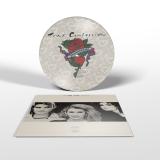
Originally released in 1986, True Confessions captured Bananarama at the height of their global success, blending their infectious pop hooks with the sleek production of Jolley & Swain and the newly discovered dance floor energy of Stock Aitken Waterman.
Featuring the international hit 'Venus' (Top 10 in 20 countries, #1 in 6 countries including the US Billboard Top 100) alongside fan favourites including 'More Than Physical', 'Do Not Disturb' and 'A Trick of the Night,' the album remains one of the defining releases of the 80s.
True Confessions saw Bananarama's transformation from DIY ingenues to MTV superstars. It would begin their imperial phase of peerless hit singles and introduction into the Guinness Book of Records for the highest number of chart entries for an all-female group.
To celebrate 40 years of True Confessions London Records is re-issuing True Confessions across a multitude of formats.
Originally released in 1986, True Confessions captured Bananarama at the height of their global success, blending their infectious pop hooks with the sleek production of Jolley & Swain and the newly discovered dance floor energy of Stock Aitken Waterman.
Featuring the international hit 'Venus' (Top 10 in 20 countries, #1 in 6 countries including the US Billboard Top 100) alongside fan favourites including 'More Than Physical', 'Do Not Disturb' and 'A Trick of the Night,' the album remains one of the defining releases of the 80s.
True Confessions saw Bananarama's transformation from DIY ingenues to MTV superstars. It would begin their imperial phase of peerless hit singles and introduction into the Guinness Book of Records for the highest number of chart entries for an all-female group.
To celebrate 40 years of True Confessions London Records is re-issuing True Confessions across a multitude of formats.
Es gibt eine unbestreitbare Verbindung zwischen dem Süden und Ereignissen außerirdischen Ursprungs. Vom eklektischen Jazz-Guru Sun Ra bis zum deutschen Raketenwissenschaftler Wernher von Braun - Alabama hatte schon immer mehr als nur einen reißenden Anteil an Verbindungen zum Weltraum und zu Dingen außerirdischen Ursprungs. So war es auch bei ,Man or Astro-Man?", die vor einigen Jahren in einer kleinen Universitätsstadt in Alabama ankamen bzw. dort eine Bruchlandung hinlegten. Als sie ihre Plattensammlungen wiederentdeckten, die lange Zeit auf vergessenen Dachböden verstaut oder hinter Regalen mit alten Zeitschriftenausgaben in zahlreichen heruntergekommenen Secondhand-Läden in Alabama versteckt waren, verliebten sich die Mitglieder von ,Man or Astro-Man?" in die verkratzten Klänge von Link Wray, The Ventures, Dick Dale, The Shadows und Duane Eddy - also in Instrumental-Gitarren- und Surf-Musik der späten Fünfziger und frühen Sechziger. Gleichzeitig hatten bizarre Bühnenbilder und Auftritte von Kraftwerk, Sun Ra, Devo, Frank Zappa, The Sputniks und natürlich den Residents großen Einfluss auf die sich rasch entwickelnde Truppe. Dennoch war es das erzwungene Leben in einer hoffnungslos konservativen Kleinstadtumgebung, das Man or Astro-Man? dazu brachte, das Offensichtliche hinter sich zu lassen und sich viel stärker von dem beeinflussen zu lassen, was sie hassten, als von dem, was ihnen eigentlich gefiel. Im Grunde könnte man sagen, dass Man or Astro-Man? weitaus stärker von College-Football und muskelbepackten Verbindungs-Spinnern beeinflusst waren als von Science-Fiction. Die Band trieb es, besonders bei Live-Auftritten, auf die Spitze, so lächerlich wie möglich zu sein, und verspottete dabei ernsthafte ,alternative" Acts und mit ihnen die Musikindustrie selbst. ,Experiment Zero" (1996) war ihr Debütalbum bei Touch and Go. Es wurde in drei Tagen im eigenen Studio von Man or Astro-Man?, dem ,Zero Return" in Alabama, zusammen mit Steve Albini aufgenommen und gilt als eines der großartigen modernen, vom Surf-Stil beeinflussten Gitarren-Instrumentalalben. Da Man or Astro-Man? ,Experiment Zero" als ihr Meisterwerk der langen Entwicklung der Surf-Musik etablieren wollten, begannen sie, sich schneller als je zuvor weiterzuentwickeln. Sie veränderten ihren Sound weiter und erweiterten den Einsatz von Samples, Computerprogrammierung, Keyboards, elektronischen Spielereien sowie experimentellem analogem Schneiden und Einfügen von Tonband. Obwohl das Album von der Kritik weithin gelobt wurde, mussten sich langjährige Fans erst einmal daran gewöhnen. Wo die meisten Bands müde geworden wären oder einfach immer wieder dasselbe Album im Kreis gedreht hätten, erfanden sich Man or Astro-man? und ihre Live-Auftritte immer wieder neu.
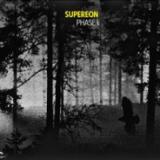
Phase I marks the recorded debut of Supereon , a Norwegian trio formed in August 2024 and rooted in the ever- evolving Scandinavian jazz scene. Consisting of Alexander Hoholm on double bass, Martin Gjerde on piano, and Raymond Lavik on drums, the ensemble brings together three distinct musical voices in a collective pursuit of sound, texture, and rhythmic interplay. Recorded in June 2025 at Studio Martin in Roros, the album was produced by Hoholm in close collaboration with David Aleksander Sjolie .
The result is a recording that captures both clarity and immediacy, allowing the trio's intricate interplay to unfold with a natural sense of space and depth. At the core of Phase I lies a process rather than a set of compositions. The music is entirely improvised, shaped in real time from short rhythmic ideas that serve as points of departure. From these concise impulses, the trio develops expansive sonic landscapes where repetition, variation, and subtle transformation create a sense of forward motion. Drawing on influences ranging from the minimalism of Steve Reich to the textural sensitivity of Nils Frahm and Olafur Arnalds, Supereon crafts a sound that is at once rhythmic, meditative, and hypnotic. As its title suggests, the album stands as the first chapter in an ongoing journey - one that will continue to unfold in future phases.