Cluster was the pioneering German duo of Hans-Joachim Roedelius and Dieter Moebius. Formed on the cusp of the 1970s, they were a part of West Germany's nascent Kosmische Musik scene. The group would use restrained improvisational techniques similar to Gruppo Nuova Consonanza, working with both electric and acoustic instruments (organ, guitar, tone generators, cello, etc.) to create a singular sound that Julian Cope called "a huge beating heart, planet-sized and awesome."
Originally released in 1972 on Brain, Cluster II features six pieces of atmospheric, proto-ambient drones – a step forward from Cluster's 1971 self-titled debut, which had all untitled songs. On "Im Suden," hypnotic bass pulsations and repetitive guitar patterns flow serenely, while side two opener "Live In Der Fabrik" dives deep into Roedelius and Moebius' foreboding industrial soundscapes and synergistic textural interplay.
As Roedelius told Uncut magazine in 2022, "This feels like a breakthrough? Well, we were just getting more into it, and getting more experienced at being able to elaborate it. Conny (Plank) was working with us again – as well as being a multi-talented artist, he was a very experienced sound master and great human being. He contributed as a fellow musician, adding sounds with his mixing table such as reverb, delay and other effects enriching the whole pieces so that they finally became somehow unique."
It's no surprise that when Neu! guitarist Michael Rother first heard Cluster II, he suggested a collaboration with the band – resulting in the supergroup Harmonia who would make their first album together the following year.
Suche:de effect
Following well-received collaborative outings for us as 1/2 of the SF dynamo duo Moniker whose classic “Billy D” anthem and respective Patrice Scott remix graced the early catalog, followed by the galactic
flex Straylight EP with Cali brethren Dave Aju on velvet vocoder vox b/w a stellar Kai Alcé remix on the Another offshoot imprint, and of course his indelible contributions to the arrangements/derangement of the wondrous KAMM LP Cookie Policies, Kenneth Scott is essentially an extended family household name for our camp and so we’re beyond proud to present his initial solo release for the Circus Company label proper. Schooled as always in the deepest of electronic music roots and classiest of track traditions, the three pieces that form the Light Blooming EP puzzle display all the prized synth wizardry and production ingenuity we’ve come to expect from the Berlin-based veteran.
“Firesound” kicks us off in fine form, with a glistening array of pads and tight arpeggios that give way to a soulful funk strut that any fan of Detroit-style electro flavors will enjoy to the fullest. We then move to
the stylized 4/4 pulse of the aptly-titled “Lost Sonar”, an extended live set for Lost Sonar Collective skillfully condensed and finessed into a smooth-as-silk true deep house cut, where warm synth tones set the sound bed while shards of sharper percussion and angular textures flash and fizz throughout, creating an ultra-fresh contrasting feel while a rock-solid groove grinds us along faithfully. Scott then finally closes out the set with the powerful and titular “Light Blooming” which begins with a similar rising pad intro before unleashing fierce and raw overdriven drum programming, teasing us out to the two minute mark when the mighty sub bass line and multi-layered arps drop in to devastating effect, bubbling and building to a bold harmonic apex, before eventually bringing us down softly and somehow with ease
after such a glorious rise.
Filled with early-Warp feels and futurist sci-fi hopes in equal measure, the Light Blooming EP is three tracks of pure funk precision and expressive musical class from the man Kenneth Scott
Second VA for ISSUES is a limited copy and special edition yellow vinyl and its big one as all the tracks included on the vinyl are the top selling tracks of the past few months.
First track on the A side is by Detlef. “Back2back” is simple but effective, with a strong kick, subby bassline, technical effects and a massive captivating vocal in the breakdown, creating tension using effects that leads to a massive drop. On the same side Just Jake’s “Sphinx” has a unique Ancient Egyptian vibe, with a funky Sitar and traditional Arabian singing driving the breakdowns, the track has a quick thumping, wobbly bass line groove with solid percussion.
On the B side there is Nicola d’Angella’s “Kill vibe” which is a dancefloor weapon with a quick bass that creates a unique groove and a massive breakdown with full vocals. On the same side there is also Chicks Luv Us with their popular track “Look so fun” which is extremely groovy and catchy with a big bassline and vocals that create a playful groove.
Following her 2021 debut, ‘Save My Day’, remixed by DJ Python, PYTKO returns to Phantasy with ‘Silent’, experimental and introspective electronic songwriting this time radically reworked by beloved pop-experimentalist, Bullion.
On ‘Silent’, PYTKO invites listeners to lean in closer than before. Seemingly untangling the frustrations of a faltering love affair, it’s vulnerable lyrics arrive buried beneath a sophisticated arrangement that, with bit-crushed electronics and rumbling bass notes, seems to decay with haunting effect. In contrast, the austere ‘Orchids & Limes’ mines an equally original sound, a striking sort of cyber-balearica sculpted around PYTKO’s intricate guitar work, conjuring an even darker sense of romance.
In radical contrast, Bullion proves a perfect fold to PYTKO’s vision with his positively high-spirited flip of ‘Silent’. The man behind DEEK Recordings and cult hits such as Blue Pedro keeps PYTKO’s perspective front-and-centre, while performing an alchemy of magic and melancholy that results in one the most memorable remixes in Phantasy’s fifteen-year history.
Belgium's Ahl Iver has become synonymous with the Lenske name since founder Amelie Lens singled out one of his demo submissions back in 2018. Since then, the young DJ/producer has dropped two EPs on Lenske whilst holding down a busy international touring schedule including regular appearances at Amelie's revered Exhale party series. 'Paradox' contains four dance-floor orientated cuts with the typical Ahl Iver sound that's steadily become a Lenske staple.
Opening the record is 'Reverse Psychology', featuring a thunderous kick drum, whirring sonics and industrial slams. Ahl includes a stripped back rave synth and siren combo with sharp stabbing sequences. Next up is 'Paradox', kicking off with a distant alarm, wicked keys and another blistering kick drum. The elements build together to form the foundation for the jacking vocal sample that dominates and drives the track onward, always with a singular acid line buzzing menacingly in the background.
On the flip is 'Rumble In The Jungle', kicking off with twisted and devilish effects that snicker and shoot across the hurried pace of the roaring kick. The track develops into a battlefield, with the initial mischievous sounds mimicking a frenetic laser fight, before stripping back the focus onto the main kick drum and singular percussive slap. Rounding off the record is 'No Salvation'. The track builds on the initial kick drum combo as well as an ever-present melody that gradually rises to the forefront of the track in a powerful takeover. There's a cinematic feeling to the cut created by airy elongated pads as the hook of the track, gliding and ascending under the harsher elements.
- A1: Allegretto For A Lady/Allegretto Per Signora
- A2: Belinda May
- A3: Dream Inside A Dream/In Un Sogno Il Sogno
- A4: Poetry Of A Woman/Poesia Di Una Donna
- A5: Sestriere
- B1: Fashion (No 2)/La Moda (No 2) (No 2)
- B2: Like When It Rains Outside/Come Quandofuori Piove
- B3: A Bit Of An Acid Irony/Un Po' Di Ironia Acida
- B4: Faith/U-Pa-Ni-Sha
- B5: Listen, Let's Make Love/Scusi, Facciamo L'amore? (The Big One)
- C1: Fashion/ La Moda (No 3) (No 3)
- C2: The Alibi/L'alibi (Shake No 2) (Shake No 2)
- C3: Slalom (Un Caffe Sulla Banchina) (Un Caffe Sulla Banchina)
- C4: The Doll/La Bambola
- C5: To Lydia/A Lidia
- D1: The Alibi/L'alibi (Shake No 3) (Shake No 3)
- D2: Slalom (Una Sera In Albergo) (Una Sera In Albergo)
- D3: Steal To Your Next/Ruba Al Prossimo Tuo (Seq 9) (Seq 9)
- D4: Definitive Turning Point/Svolta Definitiva
- D5: Little Cat Lady/La Donna Cattina (#2) (#2)
180 GRAM AUDIOPHILE VINYL
PVC PROTECTIVE SLEEVE
GATEFOLD SLEEVE WITH VELVET SPOT VARNISH ON THE OUTSIDE AND IMAGES OF ICONIC MOVIE POSTERS ON THE INSIDE
4-PAGE INSERT
A SELECTION OF DEFINING MORRICONE SONGS, FEATURED IN CLASSIC MOVIES AND SERIES “VERUSCHKA”, “SLALOM”, “ALIBI”, “VIOLENT CITY”, “MACHINE GUN MCCAIN”, AND MANY MORE
LINER NOTES BY CLAUDIO FUIANO
PART OF THE MORRICONE THEMES COLLECTION
THE SPINES OF THE FIVE TITLES FORM ONE IMAGE TOGETHER
MORE INFORMATION ABOUT THE SERIES ON MORRICONEONVINYL
BLACK VINYL
Lounge is the third in a series of five double vinyl releases that bring together some of Ennio Morricone’s greatest soundtrack music. Each collection centres on a different movie genre, together they allow the listener to rediscover the unmatched genius of the greatest movie composer of all time. The Maestro. This collection was announced before Ennio Morricone passed away on July 6, 2020. We’ll continue to release the series to honour this great composer.
The term Lounge Music is not one that Ennio Morricone would have heard at the time he was composing these pieces for the movies that they enhanced, but it is one has been retrospectively applied to a certain type of music, and it is a style that Morricone has contributed a great deal towards.
Lounge refers to a type of easy listening music that began to be popular in the 1950s and developed right through the 1960s and into the 1970s. This was sophisticated music for an adult audience. Lounge music combined its American influences with music that was popular outside the USA such as Latin, Hawaiian, Polynesian, French , and many others. This was an era that was inspired by new inventions. Lounge mimicked the space-age sound effects of the time and the advent of stereophonic technology allowed spatial audio techniques to be used to full effect.
This collection is not about a specific genre of music for film, it is a celebration of Lounge style pieces by Morricone that are capable of evoking in the listener thoughts of easy living, sophistication, romantic moods, and the excitement of a 1950s cocktail lounge or a 1960s nightclub.
Starting 70 years ago as an arranger for the piece Mamma Bianca, Ennio Morricone is the emperor of scores and soundtracks. Morricone has always been a huge influence for the likes of Hans Zimmer, Danger Mouse, Muse, Metallica and many more musicians. He was one of the most successful composers of all-time, selling over 70 million records and winning dozens of awards.
Lounge on black vinyl includes a 4-page insert with liner notes written by Claudio Fuiano. The gatefold sleeve contains a velvet spot varnish on the outside and images of iconic movie posters on the inside.
If you find the time, please come and stay a while in abracadabra’s beautiful neighbourhood; a magically wonky wonderland where strangers leave as friends to a block party soundtrack as eclectic as it is infectious. The California duo’s album shapes & colors is a dazzling collage of psych-fuelled synthscapes and contemporary Baroque-pop of anti-capitalist movements and escapism, precisely pieced around their own working lives in a blue-collar town.
In the heart of Oakland’s industrial Jingletown above a former auto-repair shop in what was once a mechanics’ break room where poker rounds ensued, Hannah Skelton (Vocals, Synthesizers) and Chris Niles, (Bass, Synthesizers) constructed the angular 80s-tinged anthems (think John Hughes montages to Talking Heads) of their new album, to positively offset the pandemic’s amplification of dysfunctional society. “It reflects our current reality: a huge mess that is systematically broken but isn’t entirely lost,” Hannah tells. “We’re inviting listeners to conjure up every drop of hope and willpower left inside them, pour that into the giant vat of anger and frustration bubbling inside us all, and with this potion collectively enact the necessary change to bring love and light into this dark space.”
When Covid forced Hannah from her salon in San Francisco to become a backyard mobile hairdresser, what she saw inspired them both and the lyrical foundations for their new record. “I’d drive to mansions and people would complain about how hard the pandemic had been next to their swimming pool and tennis courts.” First meeting after the album’s co-producer Jason Kick (Mild High Club, Sonny and the Sunsets) recruited the pair for a Halloween band covering Eurythmics’ art-rock debut ‘In The Garden,’ the pair hit it off and shapes & colors is a product of the years that followed. It combines Chris’ own rhythmic demos following years on the road touring and opening for Amon Tobin, Matthew Dear and Generationals in Maus Haus with Hannah’s lyrical musings honed from project Cassiopeia, so even when topics are as heavy as the beats, they’re met with luminously positive arrangements of hope and warmth.
The by-product of a psychedelic New Year’s Eve escaping a monotonous 2020 reality, the title track itself captures fireworks over East Oakland as viewed from the pair’s couch whilst listening to Mort Garson’s Plantasia for 6 hours straight. The daydream collage of ‘inyo county’ is “a little souvenir taking me back into the bottled-up essence of a slow lazy morning, waking up in bed far from home,” Hannah tells recalling those enforced stay-at-home days. “It fell out of me because I was craving that blissful flavour.” Meanwhile ‘dawn of the age of aquarius’s new parallel reality evolved from a happy accident when their demos had reset to a drone which Jason reworked into a Laurie Anderson-esque breathy vocoder effect. Even bloops and beeps from a forgotten recording session at the Vintage Synthesizer Museum in Emeryville can be heard, where the pair used Mini Moog, Fairlight EMI and ARP 2600 to arrange their sound into shapes whilst distortion and dirt from mixing on 1979 Neve 5313 Console added to the recordings’ color.
Casting a brighter rainbow still, in all its pastel-hued glory, Hannah, also illustrated a self-portrait of the band for the album artwork. “It reflects our makeshift recording studio to encapsulate all aspects of that time and space,” she shares of their abode where, over an intense two-week period and fuelled by the aroma of fermenting vino from the winery below, their single chord, bass and drum-heavy, groove-first momentum took them on an unexpected journey whilst the next-door couple would fire pizzas in their yard and a grandfather across the road would sweep the street clean. “We’d drink coffee and start the day, consistently working, without interruption,” Chris tells of finding their flow. “The loft is a cool space with skylights, tall ceilings and no shared walls so we could be as loud as we wanted to be.”
Just as well. Diving into decades of electronica and crunchy sound effects, field recordings and animal sounds, blended with an infectious Latin influence, shapes & colors is bolstered by live percussionists Greg Poneris (drums), K. Dylan Edrich (Vocals, Percussion: congas, bongos, chimes, cow bells and wood blocks, tone drum and tri-tone whistle) and Tom Smith (Guitar, Synthesizers, Vocals).
NIMBY crews grab those earplugs now. abracadabra is your new noisy neighbour, and there’s no turning this party down.
Donato Dozzy, Marco Shuttle and Ultrastation are among the names on these great remix package on the trustworthy SoHaSo label. After two well received EP's -Laren and ZL2- Bas Dobbelaer and Vand asked a few like-minded spirits to reset the dials of some of their best work. With their melancholic, melodic and highly detailed techno-infused productions, the two Dutch producers carved a name for themselves over the last four years. Italian producer Donato Dozzy takes Transit (a track from 2019) into a lush, green forrest. Where dew water is still dripping from the trees while string-like melodies slowly swirl around them. Beautiful stuff. Gal Tsadok-Hai takes a similar path, though his take on Gateway to Gaia is a bit gloomier. Dusk is setting in and so is melancholia. Same goes for Marco Shuttles version of Reflect, a track from 2021. The London-based Italian producer left out kickdrums and basslines, settling instead for a feverish percussion-infused meditation. Once on the flipside, the club vibe truly kicks in. With a minimalist, bassline heavy remix by Shoal of Story of Blade and an equally effective techno remake from Ultrastation, who turns Runner into a hypnotic peak time monster.
Lifted From Hubbard's Lauded 1979 Lp 'the Love Connection', This Sublime Piece Of Melodic, Deep, Soul/Jazz Will Have Ears And Minds Open With It's Instantly Recognisable Opening String Sequence.
Used To Devastating Effect On Pepe Bradock's All-time 1999 Deep-house Classic 'deep Burnt', Those Sweeping Strings Capture Us And Lead Us Into A Epic Journey With The Wondrous Vocal Stylings Of The Legendary Singer Al Jarreau.
This Is Prime Early Morning Music, Pushing All The Right Buttons & Spreading Light Wherever It Is Played, A Beautiful Beautiful Record Indeed! What Is Essentially An Extended And Rearranged Version Of Hubbard's 1967 Original, The '79 Version Of 'little Sunflower' Boasts A Sumptuous Arrangement & Production From The Mighty Claus Ogerman (Ben E King, Mel Torme, Bill Evans, Antonio Carlos Jobim & More).
A Truly Wondrous Piece Of Music, Reissued On A Single Side In It's Full 12" Length Of 9+ Minutes From The Source Archive Audio. Fully Legit, Licensed And Reissued With Love By Above Board Distribution And Columbia Records/Sony Bmg For Record Store Day, 2019.
The first LP by Bloedneus & de Snuitkever, MILLI MILLE. Finally on wax, it’s Lukas De Clerck’s musical vehicle for his explorations with the aulos, that ancient reed instrument that mainly satyrs and archeological enthusiasts found beguiling. Equipped with his handmade pipes and the artful sense of devotion of a true modern-day aulete, De Clerck has dug deep into the technical and cultural peculiarities of this long-silenced instrument, paying it the kind of attention and mindfulness that Marsyas the satyr so lacked when he challenged Apollo and his lyre to that ill-fated musical match. But beyond merely resuscitating an ancient cult, De Clerck as Bloedneus gives the aulos a different kind of renaissance where its penetrating qualities are expanded and expounded to effects worth every nosebleed, paving new grounds in these practices of old.
MILLI MILLE hints at mysteries universal to humans of yore, present and morrow, like a Joseph Campbellesque recounting of transcendental journeys through drones and extra reverb. Elegiac modes encounter pastoral vibes that are punctuated by sly baroque flourishes, all pointing to the timelessness of the aulos’s sound - one can easily imagine its power of enlightenment through many ages. Yet in MILLI MILLE, an insistence on the fickleness of the instrument surfaces through disorienting, perception-shifting blasts and a compulsion to push the aulos to its fullest and most destabilizing potential. This is the flavor that Bloedneus & de Snuitkever imbues into that dormant canon, one that permeates the atmosphere long after the last note puts an abrupt end to these vibrations. The satyr’s song rings on, leaving the air abuzz with a timeless pulse that holds the promise of sounds still to be unearthed.
Debut album by Ani Zinc, member of the Spanish experimental duo Diseño Corbusier and co-founder of the iconic record label Auxilio de Cientos. - First time reissue of this much sought-after record on the highly collectable Spanish experimental label Auxilio de Cientos. Formed in 1981, NEO ZELANDA was the way of expression of a woman, Ani Zinc, who since then began to experiment with vocal music, manipulated tapes or sound collages. As a child, radio had been her only contact with music. She received her first shock listening to 'Remember Love', the repetitive song by Yoko Ono. She later found out about Llorenç Barber, Spanish experimental music pioneer. After recording a single ("Paso Hambre") and several cassettes ("Radio-Sabotage", "Ese Lenguaje"), which helped her to gain international recognition, and the inclusion of her work in various contemporary cultural centers (Juan March Foundation, among others), her first LP saw the light of day in 1986 on her own label, Auxilio de Cientos (also home to Diseño Corbusier, pioneer Belgian EBM/Industrial band The Klinik, and the amazing compilations "Pas De Deux" and "Terra Incognita"). "Mix Zelanea" brings together part of her experimental work with voices and sound effects ('Si Esto Es Amor' or 'Il Drama'), together with new compositions, in which she is accompanied by some friends and welcomes the use of conventional instruments such as drum machines, keyboards, etc, resulting a richer and more diverse outcome ('Alemana Mix', 'Extenso Mundo Brillante', etc).
2023 Repress
* Tales of the Inexpressible” was released on Twisted Records in 2001.
It was a much anticipated and well loved successor continuing in the pioneering spirit of the debut album and in this exceptional follow up they gave us plenty more multi-dimensional surprises and new sonic realities to explore and immerse ourselves in.
From the opening sounds on “Dorset Perception”, the first track featuring flamenco guitar and Latin percussion, we can tell we are in for some incredible planetary as well as interplanetary trips on this musical voyage as Si & Raj take us for a spin though their musical worlds, full of influences garnered on their travels to the 4 corners of the earth.
As the Star Shpongled Banner unfurls, the immeasurable beauty of the album is illustriously illustrated with blissful cascades of Indian Flute washing over the minds ear and achingly beautiful synths rippling with dimensional dub effects throughout. As the Shaman’s voice resonates through the digital dream, the Shaman’s drum begins to beat leading us to a vedic celtic crescendo.
By the time Room 23 emanates from the loudspeakers, Shpongle have confirmed their position as the true pioneers once again, shining a light on the deeper development of the Psybient and Psychill sound and unmistakably elevating the consciousness of the listener to previously unheard of heights by bringing the eddying currents of Raj’s magical flute lines and Simons mellifluous keyboard riffs and genius production style together in an extraordinary hallucinogenic mix.
The album holds 9 gems glistening in hyperspace, gems of unmistakable brilliance and radiant beauty in which every composition contains worlds within worlds, as explored by Raja and Simon on their epic voyages into the depths of musical exploration and recounted in these tales.
They have been the soundtrack to innumerable visionary voyages for the neuronaut cognoscenti, because of the multi layered sounds, shapeshifting focus and awe inspiring depths of the advanced Shpongle production techniques. Tales of the inexpressible is quite literally, beyond description and has been a part of creating so many beautiful moments that its absence from our lives is unimaginable.
Kampana debut for Brazilian edit maestro Bernardo Pinheiro.
The A-side sees him modernise a classic with dancefloor delicious effect, bringing a hypnotic mid-tempo disco groove.
The B-side is a deep dig of a totally unknown record. Bernardo turns it into a peak-time Brazilian disco house monster, with driving carnival percussion and infectious bassline and vocals. This was an unexpected surprise for the Kampana crew and will turn heads and twist legs on the dancefloor!
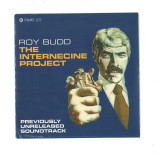
This almost unheard score holds some never before heard Budd gems. Dynamite Cuts release for the first time a 7' 45 with a selection of original cues and dialogue taken from the Film. How, James Coburn as Professor Robert Elliot creates a masterful plan to get four people, who know too much, to kill each other is a fine example of a classic British thriller with a superb twist at the finale. This 45 is a journey through the film that includes some never before heard tracks. A must have!
THE INTERNECINE PROJECT Musicians
Roy Budd - Piano, Clavinet, Rhodes, EMS AKS
Paul Fishman - ARP 2600 Electronic programmed and effects
Daryl Runswick - Double Bass and Bass
Tristian Fry - drums
Frank Riccotti - Percussion
Judd Proctor - Guitar
Ronnie Scott - Alto sax
Tubby Hays - Sax
Kenny Baker - Trumpet
String orchestral parts led by Sidney Sax: 1974 The National philharmonic
John Richards - Sound engineer
Roy Budd - Arranger
Recorded at CTS Wembley
NuNorthern Soul may be Ibiza-based, but the label’s connections with Nottingham run deep. Over the years, Phil Cooper’s imprint has offered up countless releases and remixes from some of the East Midlands’ city’s most Balearic-minded residents, including Crazy P’s Jim Baron, Is It Balearic? chiefs Coyote and, most recently, Constellations Workshop associates Brown Fang.
You can also add to that list Torn Sail, a collaboration between Brown Fang members Jon Thompson and Henry Scott, and another Notts-based NuNorthern Soul contributor, Huw Costin. The trio’s mesmerising ‘Disconnected’ recently featured on the label’s deluxe 10th anniversary vinyl box set and now they return with a single credited to both Brown Fang and Torn Sail – the first such occurrence of that happening.
Those who heard Brown Fang’s brilliant mini-album, Sherwood Pines, will immediately feel at home. Both ‘Exit’ and ‘Endless’, the two tracks showcased on this fine single release, feature the same gorgeous, slowly shifting fusion of sun-kissed electric guitar textures, ambient atmospherics and immersive, sunset-friendly sound design.
First up is ‘Exit’, an undulating, slow burning delight where rising and falling electronic melodies and yearning, gently jazzy electric guitar motifs rise above a sparse, shuffling, subtly Latin-tinged drum machine rhythm and warming bass. Endearing, enveloping and endlessly attractive, the track seemingly blossoms in slow motion throughout its’ three-and-a-half-minute duration, with additional musical elements presenting themselves as it progresses. Even by the trio’s high standards, it’s a magical composition.
On ‘Endless’, the long-time collaborators explore their love of mind-soothing ambient soundscapes. Doffing a cap to the 1970s new age ambience of Steve Hillage – whose distinctively languid, stretched out, effects-laden electric guitar solos were undoubtedly an inspiration –Thompson, Scott and Costin deliver a becalmed and brilliant dream-scape full of hazy aural textures, drifting chords and gentle, eyes-closed vocalisations. It feels like a loved-up, smile-inducing evocation of the most visually stunning dawn you’ve ever ushered in after a night dancing under the stars.
- A1: Atomic Plant 1 (3:13)
- A2: Atomic Plant 2 (3:16)
- A3: Atomic Plant 3 (1:02)
- A4: Fusion Point 1 (2:45)
- A5: Fusion Point 2 (1:34)
- A6: Fusion Point 3 (1:00)
- A7: Nuclear Radiation 1 (2:46)
- A8: Nuclear Radiation 2 (2:30)
- A9: Nuclear Radiation 3 (1:06)
- B1: Regulators 1 (3:30)
- B2: Regulators 2 (1:54)
- B3: Data Load (2:11)
- B4: Modem (1:07)
- B5: Robot Masters (4:26)
- B6: Digiheart 1 (3:21)
- B7: Digiheart 2 (2:01)
Heads have been after Otakar Olšaník and Jan Martiš's Advanced Process for a long time. That's because "coincidentally-cosmic disco" packed with spaced-out, smacky-synth dynamite tends to become sought-after. Originally slipping out on the mighty Coloursound in 1986, the label described the sound as "contemporary synthesizer underscores played by computers; depicting future technologies in today's process." If they'd just added "acid-drenched", they'd have been closer to nailing it.
The A-Side is totally beatless. It's also totally perfect. "Atomic Plant 1" is a pulsing synth epic and could've easily soundtracked a stylish 80s thriller such as Thief or To Live And Die In LA. It's a narcotically enhanced meeting between John Carpenter and Steve "Lovelock" Moore. "Atomic Plant 2" adds extra squelch and proper early computer synth squiggles. This stuff is addictive and truly ace. The 3 part "Fusion Point" showcases a dramatic and insistent industrial mood via a gripping sequencer pattern mixed with effects and accents. Menacing and magnificent. The trio of "Nuclear Radiation" tracks veer majestically from a hypnotic sequencer pattern with a heavy dramatic tune to hectic patterns without much of a tune, managing nevertheless to maintain a hold on the listener.
The drums enter proceedings on Side B and they're absolutely outstanding. Coming on like a slicker, heavier Johnny Jewel production, 20 years before Italians Do It Better, "Regulators 1" marries the smoothest head-nod beat you can wish for, with a murky mechanical rhythm and phasing effects. After the stunning beatless version ("Regulators 2") the suuuupppper slo-mo "Data Load" sounds like its wading through the heaviest K-Hole and is all the more thrilling for it. "Modem" is a brief and breezy funky bass and synth squiggle wonder, of the beatless variety. "Robot Masters", would you believe, actually sounds like something those Daft Parisians would've sampled on Discovery, over 15 years later. An uptempo, optimistic track with a real strut; propulsive rhythms with dramatic synths, what can only be described as "very-80s sounds" and digi-handclaps. The breathless "Digiheart" double bill rounds things out, one with a dynamic driving rhythm and more slick-as-hell beats and the other without drums. Mental, brilliant and completely essential.
As David Hollander, in Unusual Sounds: The Hidden History of Library Music, states, Coloursound was "founded in 1979 by composer, music lawyer, and vibraphonist Gunter Greffenius. A Munich-based library with a reputation for releasing innovative and ambitious music, it catered largely to the market for experimental sounds, its first release was 1980’s Biomechanoid, an abstract synthesizer excursion by Joel Vandroogenbroeck, of the pioneering kosmische band Brainticket. The record — complete with imposing, anonymous title and unearthly H.R. Giger cover art — set the tone for the label’s progressive leanings. The label’s catalogue stands as a tribute to the unfettered creative license that libraries were able to provide to forward-thinking musicians who, frustrated by the whims and constraints of the commercial scene, found complete freedom in the world of production music."
As with all our library music re-issues, the audio for Advanced Process comes from the original analogue tapes and has been remastered for vinyl by Be With regular Simon Francis. Richard Robinson has brought the original Coloursound sleeve back to life in all its metallic silver glory.
- A1: Branislave Zivkovic - Morning Light (2:30)
- A2: B Zivkovic - Sundown (2:44)
- A3: B Zivkovic - Pastoral Walk 1 (0:45)
- A4: B Zivkovic - Pastoral Walk 2 (1:31)
- A5: B Zivkovic - Pastoral Walk 3 (2:11)
- A6: B Zivkovic - In The Garden 1 (1:25)
- A7: B Zivkovic - In The Garden 2 (1:35)
- A8: B Zivkovic - Soft Thoughts 1 (0:47)
- A9: B Zivkovic - Soft Thoughts 2 (0:36)
- A10: B Zivkovic - Soft Thoughts 3 (0:43)
- A11: B Zivkovic - Soft Thoughts 4 (0:38)
- A12: Andre Tschaskowski - Grief (1:20)
- A13: A Tschaskowski - Personal Mood 1 (1:45)
- A14: A Tschaskowski - Personal Mood 2 (1:10)
- B1: A Tschaskowski - Woodland Mood (1:40)
- B2: A Tschaskowski - Reminiscence (3:20)
- B3: A Tschaskowski - Sentimental View 1 (1:30)
- B4: A Tschaskowski - Sentimental View 2 (1:47)
- B5: A Tschaskowski - Sentimental View 3 (1:10)
- B6: A Tschaskowski - Sentimental View 4 (0:40)
- B7: A Tschaskowski - Moonset 1 (4:46)
- B8: A Tschaskowski - Moonset 2 (1:43)
- B9: A Tschaskowski - Emotional Tension 1 (0:33)
- B10: A Tschaskowski - Emotional Tension 2 (0:56)
Emotionally, crafted by Brainislave Zivkovic and Andre Tschaskowski in 1986 for Coloursound, is arguably the most beautiful library album ever produced. A start-to-finish masterpiece of powerfully melodic music for reflection and introspection. It is, indeed, deeply emotional.
Branislave Zivkovic handles the majority of Side A. Opener "Morning Light" evokes exactly that feeling, with a gorgeous and plaintive acoustic guitar solo combining with alto flute to stunning effect. Its immediate counterpoint, "Sundown", in no less arresting but brings with it an after-dark drama of almost Lynchian proportions, again drawing upon guitar and flute but with a slightly more melancholic, even sinister edge, also calling to mind Ry Cooder's score for Paris, Texas. It truly captivates when the strings arrive. Remarkable.
The reflective cello solo with swelling strings at the heart of "Pastoral Walk 1" ensure this track is aptly titled, with parts 2 and 3 adding more agitation - via keys and percussive elements - to great effect. "In The Garden 1" presents an elegiac cello solo whilst its second part elevates the romance. The four-part "Soft Thoughts" suite invites further introspection via reflective alto flute and guitar. Fans of The Durutti Column will need to seek this.
Andre Tschaskowski enters proceedings with three tracks at the end of the Side A. All of them aces in the pack. "Grief", whilst sorrowful, uplifts in its second half through beautiful keys. Equally hopeful are the two-part "Personal Mood" sketches, both dreamy exercises in optimistic ambience.
Tschaskowski controls the entirety of Side B. "Woodland Mood", with its pastoral flute and cor anglais and "Reminiscence", with its classical, emotional strings, both beguile. The piano and strings-heavy "Sentimental View" suite is one of the most beautiful, atmospheric things you will ever hear, particularly its second part. "Moonset 1" with it's wonderful Joe Pass-esque guitar is tense yet easy, the beauty elevated further with the introduction of strings and horns. The more restrained "Moonset 2" is pared back to its divine, sweeping essence and should surely have been sampled by now. To close out an album of almost impossible refinement, the brief 2-part "Emotional Tension" salvo brings both increased stress before resolving itself and the LP with a piano motif and atmosphere of serenity. Blessed relief.
As David Hollander, in Unusual Sounds: The Hidden History of Library Music, states, Coloursound was "founded in 1979 by composer, music lawyer, and vibraphonist Gunter Greffenius. A Munich-based library with a reputation for releasing innovative and ambitious music, it catered largely to the market for experimental sounds, its first release was 1980’s Biomechanoid, an abstract synthesizer excursion by Joel Vandroogenbroeck, of the pioneering kosmische band Brainticket. The record — complete with imposing, anonymous title and unearthly H.R. Giger cover art — set the tone for the label’s progressive leanings. The label’s catalogue stands as a tribute to the unfettered creative license that libraries were able to provide to forward-thinking musicians who, frustrated by the whims and constraints of the commercial scene, found complete freedom in the world of production music."
As with all our library music re-issues, the audio for Emotionally comes from the original analogue tapes and has been remastered for vinyl by Be With regular Simon Francis. Richard Robinson has brought the original Coloursound sleeve back to life in all its metallic silver glory.
This 40 year anniversary collection traces Brother Culture's career and includes some of his biggest hits, with remastered versions of these classics. The album includes his hits Jump Up Pon It (25 million streams), Supanova (15 million streams), My Selecta (2 million streams), and some of his most listened-to tracks ever released on vinyl.
A composition simply means things being put together. In music, we usually think of composition as a classical idea. But in recent years, the possibilities of what ‘composing’ can be, have dramatically increased. Based in Oslo, Norway, Deathprod (aka Helge Sten) has been making his own forms of music with no compromise since the early 90s. His specialty is a deeply atmospheric, grainy minimalism that slows time down and explores the very particles of sound itself. This music can sound forbidding and alien at first, but compared to his more brutal output, it’s an extraordinarily close and intimate experience. The first new Deathprod studio project since 2019’s OCCULTING DISK, Compositions is the result of an intense period at his legendary Audio Virus Lab studio in central Oslo. All tracks are released in chronological order – in other words, the order in which they were recorded. Helge used a personal, unique combination of obsolete digital audio processors and sound generators, combined with his own secret-sauce tuning system. Like gazing at the wonders revealed by an electron microscope with Helge compositional control directs your attention to a succession of ever more spellbinding details and textures. Helge adopted the Deathprod alias in 1991. A complex array of homemade electronics, samplers, sound processing and analogue effects – cumulatively known as the ‘Audio Virus’ – combined with obsolete samplers and playback devices, to distort and transform sounds into unrecognizable relatives of their former selves. On the new album Compositions, the virus has evolved into even more fascinating and kaleidoscopic new strains. Electronically generated sounds vibrate and tremble like undiscovered metals ringing and resonating together. Sonic forms attract or repel each other as if under the influence of a strange magnetism. None of the tracks are over four minutes, but no way are these ‘miniatures’. Each one contains its own fully-formed galaxy of tones and clusters, while all tracks audibly belong in the same universe. These are 17 compositions in search of a sonic ideal. His off-grid audio control centre created a parallel acoustic universe which he filled with mutated samples and electronic textures. Even the gaps between the tracks are part of that universe. Helge left the almost silent, twitching crackles of his snoozing analogue gear intact, ensuring a smoother transition between them. Helge is continually striving to find new parameters and possibilities for what music can be – what you can affect with the medium of sound. From the intricate homemade miniatures of Treetop Drive to the bonecrushing electronic barrage of Morals and Dogma and OCCULTING DISK, the different sides of Deathprod are all products of the same obsessive focus and self-discipline in pursuit of sonic exploration. His Compositions are private rather than public music: like introspective chamber or solo compositions instead of the more strident, outward-looking tones of a symphony. Helge is a founder of Norwegian improvising group Supersilent and has produced records by Motorpsycho, Susanna, Jenny Hval, Arve Henriksen and others. He recently composed music for Harry Partch’s legendary instruments, which can be heard on Sow Your Gold in the White Foliated Earth, released in 2022 on Smalltown Supersound.
In the midst of a wave of hybridizing ambient, drone, folklore and experimental electroacoustic music, Roxane Métayer has gained a cult following with only a couple of releases to date. Following her debut album (Éclipse Des Ocelles) for Morc with a split EP and a limited cassette for Wabi-Sabi, Roxane now turns to Marionette with her intimate narrative based multi-instrumental recordings, a match made in the heavens if you ask us. With her violin, woodwind, voice and various effect pedals, Métayer takes the listener on a newfound journey into the ancient, medieval, and primordial.
Perlée de sève is Métayer’s second full length, a sophomore to the critically acclaimed Éclipse Des Ocelles, where Métayer continues to sonically realize the map of the fictional habitats that inhabit her mind. Coming from a background of studying narration and different animation mediums, it’s no surprise that her recordings evoke vivid imagery and carry a trace of the environment they were conceived in. The instruments morph as extensions of her body and ultimately become new organs, a means of communicating these bio-memetic stories and creating a dialogue between herself and her surroundings. Meandering melodies intertwine with accompanying drones, mantra-like fragments and a handfeel percussion lend themselves as living and breathing elements in Roxane’s beguiling and spellbinding anecdotes.
Roxane is an observer of the world, her projects conceived from elements that inform her reality, such as the organic imagery and sounds of nature, then transforming that into a strangely familiar parallel universe that would not exist otherwise. Whether it's active research or taking her instruments to the forest, Métayer opens up her imagination by taking this mental journey to discover locations, creatures, and time periods then channeling that into her own fairy tales. The album and track titles act as a portal into those worlds, like chapters in a book where the protagonists are animalia, plantae, and fungi. As Métayer wrote in an interview: “Stories are a privileged way to create an awareness of a specific subject.”
"Deining" is the first full album by bassist and composer Dries Laheye. We know Dries as a composer and bass player for bands such as STUFF., Hoera. and Lucid Lucia. He is widely referred to as one of the better Belgian bass players of his generation and now comes forward with a solo-repertoire on this debut-EP.
His intention was to create music that feels like it keeps moving. The result is a dreamy universe that flows through concrete elements and improvised passages. The compositions of this repertoire were written for solo bass guitar with effects as tools. The tracks are recorded live in the studio and some overdubs with voice, bansuri flute and synthesizer were added to create a more layered sound.
Recommended to people who love Taylor Deupree, Bibio, Bill Frisell, Skuli Sverrisson, etc.
Mint Condition - A record label focused on excavating the outer fringes of classic House and Techno. Unreleased mixes, classics, overlooked gems and never heard before material, mined from the last 30+ years of contemporary dance music are the order of the day. From Chicago, Detroit and New York to London and beyond. Mint Condition have got their digging hats on to bring you exclusive heat and those rarer than rare jams that have been in your wants list for years. Dig in....
With acclaimed releases on Strictly Rhythm under his belt, much lauded Californian DJ and producer Safar followed up his early success on L.A. based Aqua Boogie. Originally released in 1996, 'Tangerine Train' would become his most sought after release, rightly garnering the attention of the most discerning DJs, record collectors and music heads alike as the eye watering Discogs prices will attest. 4 complimentary mixes of 'Tangerine Train' feature here, so get ready to jump on board.
The 'Absolute Runaway Train Mix' opens proceedings with driving beats and railroad bells. An undulating acid line builds and builds, adding chords that lead to a dramatic breakdown, train FX and strings add to the tension, reaching a mesmeric peak when a killer breakbeat kicks in and the acid line returns. Next up the 'Train Beats Mix' cuts the track back to the percussion and FX for those wanting to get creative in the mix. 'Lost In A Tunnel Of Dub' has all the classic elements of its predecessors, although programmed in a slightly more subtle way, the percussion remains as crisp as ever and a classic organ riff lightens the mood without ever losing the dancefloor energy. Last, but by no means least the 'Last Acid Train To Euphoria Mix' goes on a deeper hypnotic trip, losing the train FX, but adding an ethereal vocal to devastating effect.
Whichever mix you choose to play you can't go wrong, all are worthy of your attention and hard earned cash. The sound design and execution are second to none and what's more your dancefloors will shudder. "Tangerine Train' has been legitimately re-released with the full involvement of Safar, lovingly remastered by London's Curve Pusher from the original DATs especially for Mint Condition. 100% legit, licensed and released. Dug, remastered, repackaged and brought to you by the caring folks at your favourite reissue label -
Mint Condition!
A sleek, stripped down groove slowly takes shape as radioactive effects fizzle away and philosophers discuss the probability of the existence of God... That'll be the inaugural release on Audiomutz - a label founded to use electronic music as a vehicle for telling stories - then, from the hitherto unknown Turturu. Herck turns in a remix, that adds its own twist courtesy of deftly employed live drum edits, while 'Ratting Club Stories' completes the package with whispered vocals and a neat meshing of a chugging electro b-line and jazzy percussion. Mysterious but enticing, we want to know more.
Infinite Machine is proving again it's a label that refuses to sonically sit still. Having released everything from code-based compositions to bass-heavy techno in 2022, the imprint is readying the release of the black metal-tinged Ehkta by BOLT RUIN later this month. A musician whose work has been described as 'apocalyptic' more than once, on this new mini-album, the Belgian producer blends field recordings, twisted samples and rave signifiers with an eerie tonality born out of his nocturnal production sessions and time spent absorbing the silence of his studio garden.
Bridging the gap from his previous record to this one, 'Sktone' is a cinematic opener that unfolds like a bad dream in slow motion. Warped samples of Bulgarian choirs glide over synths wired in closed-circuit loops which feed back on themselves, degrading for infinity. Texture and space is added via field recordings of waves crashing over the ruins of Brighton West Pier. This track exemplifies the unexpected influence BOLT RUIN took from the wildlife he witnessed in the garden of his urban studio when working on Ehkta. Adapting to the material at their disposal, weasels and blackbirds create nests from organic waste and human trash - an astute metaphor for the Belgian producer's compositional approach.
Next up, BOLT RUIN drives up the tempo with the rave-ready 'Nehng', where a frenzy of trance arpeggios and frantic drum programming builds and intensifies over its 5-minute duration. Inspired by Yves Klein's 'Leap Into a Void', 'Nehng' definitely evokes that bodily rush of freefalling into the unknown. 'Nehng''s driving rhythm is switched out for the brooding 'Tzarhk' - an ode to the soundtracks of B-movies composed on a vintage Roland SH-2 (a prominent character of the Stranger Things soundtrack). BOLT RUIN runs thick, syrupy synth slabs and punishing drum patterns through a rain-soaked limiter the producer found lying on the street by chance.
Another master-class in self-destructive arrangements comes in the form of 'Rfohmdrá' as delicate pianos and synth tones atrophy through daisy chained pedals which erode the signal. Valgeir Sigurðsson's mastering skills shines through here, taking BOLT RUIN's sci-fi-meets-metal sonics and amping them up to a scale on par with the Björk or Ben Frost records he's previously worked on.
Conceived of as the mirror reflection of the LP's opener, 'Maevr' pushes the approach of 'Sktone' to an even more nightmarish extreme. Embracing chance, the clattering layers of beats are sampled of a knocked mic on a window as BOLT RUIN attempted to capture a recording of rain from his studio. A happy and very effective accident for the foreboding mood of the track!
BOLT RUIN rounds off Ehkta with 'Ekztamnh'; an ode to that specific sensation of entering through a corridor to a rave and hearing the rumble of a soundsystem from afar. Snarling melodies are run through a reverse granular delay effect which fragments the signal, reverses it and plays them back in irregular order; much like the shattered memories of a late night in a warehouse.
A musical magpie who finds inspiration in the most unlikely of sources, Ehkta is a restless exploration of salvage-punk aesthetics where doom-laden black metal melodies, amen breaks and an experimental approach to sound design sit in an irregular and uneven musical apocalypse. For fans of Blanck Mass or Caterina Barbieri - this is a must-listen material from a fresh producer establishing himself with a singular musical voice.
Following a hugely successful inaugural release, Sangiuliano’s forthcoming “Sound Of Space” EP was quickly circulated across the festival scene, with the title track becoming one of the most hotly-tipped Track IDs of the summer. Continuing the label’s strong undercurrent of evanescence, Sangiuliano’s second chapter explores the effects of space and physical surroundings on our experience of music. Space is a concept we continuously interact with in music, whether we live it subconsciously or not. It’s a vital component in our perception; altering the expression of the music to the listener’s surroundings and functioning as an interactive field. Before the development of recording equipment & technology, music’s environmental characteristics were defined by the space in which it was performed, and as such, Enrico’s latest offering aims to revive this practice in music. To wholly pervade the senses and demonstrating this concept first hand, the 2-tracker will be also available in spatial audio, giving listeners a 360-degree infiltration of sound
Hot Jams Straight out the 330XX !!
In collaboration with his Ritmo Astral label, Belters is pleased to introduce Orion Agassi from the Asturias region of Spain! Remastered for vinyl, this one has been a while in the making and seems to be reaching the right ears so far. It's very exciting to now share with yours too.
Who knew that classic house and boogie had been missing some reggaeton vocals?? Each track has been very effective on dancefloors around the world and counts support from people you've heard of. 'Dos Blokes' even got a notable mention in the New Yorker.
“a fluorescent EP that fuses reggaeton house and electro into unexpected but undeniably effective club tracks” - Resident Advisor
Swedish outsider anti-folk: Embedded in the ever exciting Swedish underground scene Enhet För Fri Musik continues the quest for innovation numerous legendary Swedish bands started during the 70s, Pärson Sound, Trad Gras Och Stenar, Arbete Och Fritid. Taking the ideas of communal music craft and experimentation, on this album the group comes to a unique combination of Jandek-like atonal guitar, organ, tape effects, field recordings, saxophone and Sofie Herner's amazing loner voice running over it.
Blue Vinyl
After Psychiatre's previous electro-focused Lost Palms release proved his artistic malleability, his latest sees him return to his signature sound. NMAV EP radiates warmth; music that sits back into itself, and invites its listener to do just the same.
It begins with three deep house soothers, the first taking disco as its springboard, and the rest stripping it right back to a minimal, soul-caressing effect.
On the B-side the sun doesn't stop shining, except this time Psychiatre injects a healthy dose of acid and the groove of a breakbeat. But far from the rave connotations of each style, Psychiatre teases out the most gentle facets of each, bringing the EP to a suitably laid-back close.
- A1: Suahn - Glowsticks 03 23
- A2: Chark - Athame 04 57
- A3: Kryptt - Fourfold (Berserk) 03 09
- A4: Phydra & Tobacco Rat - Rabid 03 14
- A5: Flix - Click Clack 03 14
- A6: Moniker - Solitude 03 13
- B1: Styl & Niceotope - Demolition 03 24
- B2: Low Poly - Whiplash 02 51
- B3: Unitled
- B4: Mahsiv - Coast 03 09
- B5: Dead End - Grind 03 39
- B6: Subtle - Don't Play 02 28
HALFTONE The future of heavy bass music has always found its portal via SATURATE! Records, and now alongside WAVECRAFT, we have another glimpse into infinity in the form of HALFTONE! From the onset of this compilation, you can feel the ominous bass ballast even before it first hits you…. Swelling up like a tsunami to engulf your brain with grinding terror. The heaviness is abundant across these tracks, with contributions from synth destroyers like Suahn, Kryptt and Low Poly melting your speakers and eardrums alike. Dark atmospherics rule the day here, which effectively sets the tone for the rabid roughness on display when the bass morphology takes hold of each track so mercilessly. Slow knuckle draggers and upbeat head bangers both hold dominion in this realm, leaving no sonic stone unturned. Always at the crest of the future music wave, HALFTONE shows you just how deep this rabbit hole can get.
- A1: The Pitts
- A2: Lad Life
- A3: 92
- A4: Rave Slave
- A5: Rbb
- B1: Lust Forevermore
- B2: Glamour
- B3: Gabbertron
- B4: Warrior
- B5: Crash
2023 repress of Low Life's second album from 2019 on coloured vinyl, in a single LP sleeve with insert. Colour effect is a seafoam green smear with a transparent base. Arriving with an aura of anticipation, 'Downer Edn' (read: Edition) feels like a collective document of the band's timeline since their unforgettable debut `Dogging'. Recorded over two years and mixed in 2018 by Mikey Young (Total Control / Eddy Current Suppression Ring), `Downer Edn' sees the core trio of Mitch Tolman, Cristian O'Sullivan and Greg Alfaro expand their ranks to a five piece. Dizzy Daldal and Yuta Matsumura of Oily Boys & Orion were brought in to reinforce the thick wall of guitars, freeing Tolman up as a dedicated front man for live duties. The hours of studio work have resulted in the band sounding more confident and fully realised, reaching and finding a sound that was perhaps unattainable 5 years prior. However, lurking behind the bigger vision and polished production, `Downer Edn remains a dark blast of an album. Expansive and cohesive, yet shimmering and rough; something they can be proud to call a definitive statement. As far as Australian punk is concerned, Downer Edition not only shatters the boundaries applied by that descriptor, it does so with the lushest attack conceivable. The visceral pounding of melodies throughout the album transforms their inspirations; desperation, neuroses, trauma, survival, hooliganism, violence, hope, rejuvenation, and their hometown of Sydney's full architectural and social scope - from a realm of intangibility to the very, very tangible. Unified on `RBB,' ruminating on `92', chasing the escape on `Rave Slave,' and unwillingly defiant on `Warrior,' Downer Edition reaches past the wild ride of Dogging - this truly is the album that Low Life have been threatening to make for nearly a decade. Released in conjunction with Goner Records in the USA and Cool Death in Australia.
Purple Vinyl
London’s abundant waterways and parks provide an oneiric muse for Cucina Povera and Ben Vince’s resounding debut full-length collaboration, an engrossing suite of weightless sax, synth and disklavier-bedded soundscapes that land somewhere between Grouper and Terry Riley.
As a newcomer to London, Rossi was caught up in a sort of wondrous reverie - a feeling that seeps through every movement of thia almost hour long album. Vince's plasmic echoes and Rossi's aerial delivery form a poetic union, twisting and painting each sound in pearlescent shades, finding a musical confluence between Rossi's words - fluid, dreamy, hazy ideations - and Vince's shadowy renditions.
Rossi's folk roots shine through like cracks of dawn sunlight on 'Sumu Puistossa' ("fog in the park"), reverberating over organ and dream-zone sax; her words tip into muted surrealism thanks to the controlled chaos of Vince's bleak treatments. His grasp of jazz is transfixing: bending sax motifs like ghostly memories of music from another timeline, smudging them into the soundfield. It’s most effective on the title tracx, where sickly, dissonant notes flicker like an almost-extinguished candle alongside motorised furniture music courtesy of a Disklavier.
From the Terry Riley-esque transcendence of '∞' to the sacred incantation of long-form closer 'Pikku Muurahaiskeko' ("little anthill"), the pair expose a new layer of creativity with each turn, gradually zooming out from discreet, vulnerable beauty to encompass a gently orchestrated chaos of sustained, sublime tension
[b] 02. [_]
OME from Berlin, Germany is one of the latest signings to Wheel & Deal with an awesome catalogue of music, rich in vibe, sound design, groove and weight. OME’s vibe has all the essence of the original Dubstep sound but with a fresh take and swagger. This EP is full of Bass & Space with a underbelly of Dread.
NADA EP has had continued support from N-TYPE, YOUNGSTA, MALA, CHEFAL, D FUSE, ROKLEM & SEBALO, TERNION SOUND + more.
The lead track ‘NADA’ is a tripped out, psychedelic stepper, full of creativity and sound design. The ‘clock ticking’ effect in the groove and the scattering percussion is infectious, making this stand out as something different in the Dubstep world. OME shows off his attention to detail and confidence in taking you on a journey from the into to the outro with an almost organic master piece.
‘NADA (PHOTOM REMIX)’ - If you thought OME’S masterpiece was creative then this pushes the boundaries of his sound even further. The PHOTOM remix is built for the dance floor with thick pulsating bassline and Dubbed beats and Dub Echoes. The percussion effects get even more crazy throughout the track and really pick up the pace in places. This is the perfect combo of Sound system and Sound design that keeps you listening to the end. As the Vocal samples says this is fire!
‘IN MY STYLE’ is a more minimal, dubbed out stepper with an ominous ‘dread’ vibe. The bassline is dark and gritty, built to rock a Dance floor or radio show. Once again OME shows off his attention to detail with a track rich in atmosphere, textures and edits. This is a staple in N-TYPE sets and recently featured on his DEEP, DARK & DANGEROUS guest mix.
‘TRIGGERED’ is a dance floor smasher! The juddering bassline and shuffling beats give this an infectious groove. Dark atmospheres and vocal stabs lace the track taking you deeper. This is another OME track that featured on N-TYPE’S DEEP DARK AND DANGEROUS mix.
‘BETWEEN THE LINES’ is a DIGITAL ONLY track finishing off the EP in fine style with swinging percussion groove and subbed out bass. This is reminiscent of a COKI style wobbler with a fresh approach and Dubbed out vibe. Watch out for more OME releases this year, he is on fire!
Landing on Cosmocities right on cue for the summer season ahead, Japanese producer Masumi Nishimura alias Inner Science deals out a new entry into his shimmering, shape-shifting mindset. Flying us off to a soothingly dreamy and colourful headspace, bristling with vibrant sound design minutiae to wrap your ears around, Inner Science exhibits the elevating power of his music through three original joints, complemented by two exquisite remixes from multi-faceted British genius Joe Goddard and Giegling staple, Map.ache. The acid-infused glitter of “Unfold” paves the way with understated bravura; a piece of squelchy yet dazzling nature, organically making the rounds between propulsive club music territories and exotica-laced cascades of sound. “Quiet Track 3” follows a similar course with its phantasmagoric landslides of chimey melodies and driving bass traction on stealth mode, all scudding and mingling with haiku-esque spiritual balance, while “Never Fade Away” blows the winds of poetic transcendence through a finely engineered mix of forward-racing groove and a honey-dripping, rainbow-like shower of elementally lush textures and envelopes.
Flip it over and here’s Joe Goddard taking “End of the Beginning" for a slower, slightly less sign-busy jaunt across sun-soaked clearings and pastures. Laying further focus and emphasis on the synth work and build-up here, Goddard channels Inner Science's many facets and wildland-like exuberance through a more directed, further orchestrated pathway. Tackling “Momentary Spread”, map.ache treats us to a further dynamic, floor-friendly approach, routing its listener onto proper functional, gridlocked tracks. Bleached-out pads evaporating into aether as the bass etches into your mind with durable effect, it’s a proper oneiric roller that engulfs you down its gushing throat of faded escapism and brittle, post-discoid melancholy
Cassette[12,56 €]
Originaire de Mongolie, The HU ne ressemble à aucun autre groupe de rock dans le monde. Depuis leur sortie, le groupe s'est hissé à la première place du Billboard World Albums Chart, à la première place du Top New Artist Albums, et au Top 5 mondial du Hard Rock Music Album Chart. Ils ont effectué de nombreuses tournées dans le monde avec des spectacles à guichets fermés en Europe, au Royaume-Uni et aux États-Unis. Après le succès de l'album The Gereg, qui a non seulement débuté à la première place, mais dont les succès rock viraux «Wolf Totem» et «Yuve Yuve Yu» ont atteint le Top 10 des radios rock. The Hu sont de retour avec un nouvel album, Rumble of Thunder. Cet album relie le monde à la culture mongole et à ses valeurs fondamentales uniques de préservation de la nature et de connexion spirituelle avec la terre.
- 1: Anthem
- 2: I Like That - Janelle Monáe
- 3: Outernet
- 4: Spider
- 5: Ballet Memory
- 6: I Got 5 On It (Feat. Michael Marshall) - Luniz
- 7: Beach Walk
- 8: First Man Standing
- 9: Back To The House
- 10: Keep You Safe
- 11: Don't Feel Like Myself
- 12: She Tried To Kill Me
- 13: Boogieman's Family
- 14: Home Invasion
- 15: Once Upon A Time
- 16: Run
- 17: Into The Water
- 18: Spark In The Closet
- 19: Escape To The Boat
- 20: Femme Fatale
- 21: Silent Scream
- 22: News Report
- 23: Zora Drives
- 24: Death Of Umbrae
- 25: Somber Ride
- 26: Immolation
- 27: Down The Rabbit Hole
- 28: Performance Art
- 29: Human
- 30: Battle Plan
- 31: Pas De Deux
- 32: They Can't Hurt You
- 33: Finale
- 34: Les Fleurs - Minnie Riperton
- 35: I Got 5 On It (Feat. Michael Marshall)
Waxwork Records is proud to present the Us Original Motion Picture Soundtrack featuring a score by composer Michael Abels. Us, released in March 2019, is an original nightmare written, directed and produced by Academy Awardr-winning visionary Jordan Peele (Get Out). Set in present day Santa Cruz on the iconic Northern California coastline, the film, starring Oscarr winner Lupita Nyong'o and Black Panther's Winston Duke, pits an ordinary American family against a terrifying and uncanny opponent: doppelgängers of themselves. A blockbuster that earned raves from critics and audiences alike, Us earned more than $250 million at the worldwide box office to become one the highest grossing R-rated horror films of all time, buoyed by an unexpected and innovative soundtrack and by a groundbreaking, terrifying original score by Abels. Us marks the second collaboration between composer Abels and Peele, who first worked together on Peele's 2017 Oscar-winning horror film, Get Out. For the Us score, Abels explored themes of duality and discord. "Sonically, what defines 'scary' is the unfamiliar," Abels says. "It is the things that we can't place, and that we don't expect, that take us to that place of fear. We wanted to really strike terror into the audience." Central to the score was the opening track, an anthem for the doppelgängers, known in the film as The Tethered. Abels hit on the idea of using choral elements. "Jordan really loves the sounds of voices, and the human voice is an incredibly expressive instrument that anyone can relate to," Abels says. "The anthem sounds a little like a march of people preparing for battle, like an uprising maybe, but the sounds are not in a recognizable language. In other parts of the film there are vocal effects, just these strange sounds. They're designed to really freak people out." Abels featured a 30 person choir, a third of them children, in the "Anthem," and implemented Eastern European instruments, violins, percussion and a virtual instrument called a Propanium drum. "It makes this trashy metal sound, but you can also play melodies on it," Abels said. "The Propanium drum has a sound that's both otherworldly but not electronic or like science fiction. It's a sound you can't quite put your finger on, which is why it works well in this film." Also included on the soundtrack is the 1995 hip-hop hit "I Got 5 On It" by Luniz and the stand-out track "I Like That" by Janelle Monáe. Abels also helped with a new arrangement of the Luniz hit, which is featured on the soundtrack as the 'Tethered Mix from Us'.
[xi] 35 I GOT 5 ON IT (FEAT. MICHAEL MARSHALL) [TETHERED MIX FROM US] - LUNIZ
- A1: Logic System - Unit
- A2: Kraftwerk - Computerwelt (2009 Remastered
- B1: Whodini - Magic's Wand
- B2: Rocker's Revenger - Walking On Sunshine (Feat Donnie Calvin
- C1: Klein & Mbo - Dirty Talk (European Connection
- D1: Liaisons Dangereuses - Los Niños Del Parque
- D2: Yello - Bostich
- E1: The The - Giant
- F1: The Residents - Kaw-Liga
- G1: Clan Of Xymox - Stranger
- G2: A Split - Second - Flesh
- H1: Severed Heads - Dead Eyes Opened
- H2: The Weathermen - Poison!
- I1: New Order - Blue Monday
- J1: Anne Clark - Our Darkness
- J2: 16 Bit - Where Are You?
- K1: Phuture - We Are Phuture
- K2: Model 500 - No Ufo's (Vocal
- L1: Frankie Knuckles Feat Jamie Principle - Your Love
- L2: Quest - Mind Games (Street Mix
- M1: Jasper Van't Hof - Pili Pili
- N1: Guem Et Zaka Percussion - Le Serpent
- N2: Hugh Masekela - Don't Go Lose It Baby
- O1: Sly & Robbie - Make 'Em Move
- Q1: The Ecstasy Club - Jesus Loves The Acid
- R1: Foremost Poets - Reason To Be Dismal?
- S1: Lhasa - The Attic
- S2: A Guy Called Gerald - Voodoo Ray
- T1: M/A/R/R/S - Pump Up The Volume - Usa 12" Mix
- T2: Bobby Konders - Nervous Acid
- U1: Meat Beat Manifesto - Helter Skelter
- V1: Raze - Break 4 Love
- W1: Sueño Latino With Manuel Goettsching Performing E2-E4 - Sueño Latino (Paradise Version
- X1: Off - Electrica Salsa
- O2: Brian Eno - David Byrne - Help Me Somebody
- P1: Primal Scream - Loaded (Andy Weatherall Mix
For this uniquely personal retrospective spread over twelve vinyl discs, Sven Väth takes us back to the early days of his DJ career. On What I Used To Play we meet great pioneers of electronic music, gifted percussionists, obscure wave bands, and innovative producers of a bygone 'new electronic' era. Rough beats and irresistible grooves from the identification stage of house, techno, and acid remind us not just how far electronic music has evolved over the past four decades, but how great it was to dance to EBM, techno, and house for the very first time.
If there is one protagonist of the electronic music scene who has remained curious, innovative and at the very cutting edge of music for over four decades, it's Sven Väth. His multi-layered artist albums and Sound of the Season mix compilations have been defining the genre for over two decades, and even today, he is constantly on the lookout for the next top tune to add to the highlights of his next set. At least, that's the case when he's not producing them himself as an artist or remixer. "Actually, it's always been part of my DNA to think ahead," and nothing had been further from his mind than looking back at his past, but when in spring of 2020 the international DJ circuit had to be scaled down to virtually zero, the 'restless traveler' suddenly had time. Time to stop and reflect on "how it actually was back then, at the very beginning of my career..."
"It was a great trip and with every track, beautiful memories came flooding back".
In the London apartment, he had just moved into, Sven has set up a "little music room", where he cocooned himself for several days, "to look way back for the first time and review my musical journey through the eighties, so to speak."
The interim result was six thematically oriented playlists with a grand total of 120 tracks from 'early 80s' to 'Balearic late 80s', together with excursions into afrobeat, European new wave, and EBM sounds and a few epochal techno/house tracks from the USA in between. From these 'Best of Sven Väth's favorites', the project What I Used To Play crystallized. Sven remembers how the Cocoon team reacted to his proposal: "They found the idea of making a compilation out of it MEGA from the beginning and everyone said 'Sven, go for it', but then, of course, the work really started, namely, to clear the rights and to get clean sounding masters of the up to 40-year-old tracks. There was also disappointment, of course. We couldn't clear certain titles because the rights holders in the USA had fallen out with each other or simply disappeared from the scene. In short, it wasn't easy, but now I can safely say we got the most important tracks."
Finally, after two years of research, curation, design, and administrative fine-tuning, the "little retrospective" from 1981 to 1990 is available. The exquisitely packaged, and three-kilo heavy box set is not only physically impressive, WIUTP is also the definitive record of Sven Väth's musical development. On each of the twenty-four sides of vinyl, you can trace track by track, what influenced him during which phase, and how he took off as a DJ from his parents' Queen's Pub straight into the spotlight at Dorian Gray. There and at Vogue (later OMEN), Sven became the style-defining player in the DJ booth that he still is today.
1981 - 1990: Future Sounds of Now
In the early eighties, the crowd in clubs like Vogue and Dorian Gray danced to what nowadays we call 'dance classics' - mainly disco, funk, soul, and chart pop. It was up to a new generation of DJs, including Sven Väth, the youngest protagonist in the Rhine-Main area at the time, to create their own club-ready music mix. Good new tracks and potential floor-fillers were rarities that had to be sought out and found, in order to prove oneself worthy.
Without MP3s, internet streaming, or other digital download possibilities, music didn't just gravitate to the DJ, instead, it had to be tracked down. In well-stocked record stores in Frankfurt and Wiesbaden or even in Amsterdam, London, or New York, Sven and friends sourced the material for countless magical nights. On WIUTP we can follow Sven's very personal journey through this wild, innovative era in which synth-pop, funk, hip-hop, and disco were successively replaced as 'club music' by house, techno, acid, and breakbeat. By the end of the decade, it was clear to see that these once exotic 'fringe' phenomena would soon become 'mass' phenomena.
Early 80s
Dirty Talk by the Italian-American duo Klein & M.B.O. represents the most innovative phase of the Italo-disco genre in the early eighties like no other track. Mario Boncaldo (I) and Tony Carrasco relied entirely on the original synthetic drum and percussion sounds of the Roland TR-808, coupled with the raunchy vocals of Rossana Casale and guitar accents of Davide Piatto. Of course, other tracks from this period were also influential in style, most notably Unit by Logic System, which worked as the perfect soundtrack to the laser lighting system at the legendary Dorian Gray club. With stomping beats and robotic rap interludes, Bostich by Yello also belongs on Sven's eternal playlist - after all, it caught the attention of Afrikaa Bambaataa, who invited the Swiss duo to perform at the Roxy in New York in 1983.
EBM Wave - Mid 80s
From today's point of view, the almost ten-minute-long, downtempo track Giant by Matt Johnson's band project The The, would probably not be considered an obvious club classic. However, a closer (re)listen reveals the rhythmic intricacies of the percussion overdubs by JG Thirlwell (aka Foetus) on Johnson's composition, and it becomes clear why this exceptional piece of music is one of Sven's absolute favorites. Other classics from this phase include Kaw-Liga by the mysterious The Residents, the hypnotic-synthetic Our Darkness by Anne Clark (and David Harrow), and last but not least, the somber, monotonous anthem Where Are You? by 16Bit, one of Sven Väth's projects together with Michael Münzing, Luca Anzilotti from 1986.
US House - Late 80s
You certainly can't talk about Chicago house without mentioning Frankie Knuckles. The resident DJ at the Warehouse not only gave the name to an entire genre, but also produced epochal floor fillers on the Trax label like the timeless Your Love, sung (and moaned) by Jamie Principle. Acid house protagonists Phuture also hail from Chicago, and on We Are Phuture (also released on Trax) we hear the chirping acid sounds of the legendary Roland TB-303 in full effect. Another featured classic is No UFO's by Detroit's Model 500 aka Juan Atkins, who is rightly considered the 'Godfather of Techno' even if the genre-defining track from 1985 still breathes with the spirit of hip-hop and electro from the first breakdance era.
Afrobeat
Le Serpent, by Algerian-born Abdelmadjid Guemguem, is a track that sounds completely different from everything else on WIUTP. Made in 1978, it's a monumental, rousing groove created without bass or synths, just with five congas! Even though Guem sadly passed away in 2021, his immortal, acoustic beats are understood all over the world and will continue to enrich many thousands of DJ sets for years to come. Another classic that not only Sven appreciates beyond measure is Hugh Masekela's Don't Go Lose it, Baby. In addition to being one of the most important jazz pioneers, the trumpeter and freedom fighter from Johannesburg was very experimental, integrating electronic sounds into his music in later years, in a similar vein to Miles Davis and Herbie Hancock. Dutch jazz pianist Jasper van't Hof's afrobeat project Pili Pili has also aged well. The trance-like, almost sixteen-minute-long track of the same name, manages to fill a whole side on the seventh of twelve vinyl discs in the WIUTP box.
UK-US-Euro - Late 80s
Time for a change of scene, in the truest sense of the word, and from a musical perspective, this section is like landing on another planet. First up is Andrew Weatherall's classic remix of Primal Scream's Loaded, featuring the iconic Peter Fonda sample (lifted from the 1966 biker film Wild Angels) that came to personify the mood triggered by the British Second Summer of Love in the late eighties: "We wanna be free to do what we wanna do, and we wanna get loaded...". This period also saw the emergence of M/A/R/R/S whose only single, 1987's Pump Up The Volume, became a club classic with support from DJ legend CJ Mackintosh. In this most eclectic of sections, we also encounter New York house and reggae producer Bobby Konders and his seminal Nervous Acid.
Balearic - Late 80s
Those who know him, know that Sven had already lost his heart to the 'magic island' of Ibiza as a teenager, so with that in mind, the WIUTP project couldn't end without a Balearic chapter. Inspired by Manuel Göttsching's E2-E4, the immortal, eponymously titled Sueño Latino belongs in there without question. Equally popular on the island was, and still is Break 4 Love by Raze, which thinking about it, would also fit perfectly into the house chapter. Last, but not least, there's an overdue reunion with Sven Väth himself, in his role as frontman of the successful Frankfurt trio OFF. Together with Michael Münzing and Luca Anzilotti (later of Snap!) this 'Organization For Fun' created the off-the-wall club hit Electric Salsa in 1986 which incidentally turned into an international chart smash, putting Sven in the enviable position of having to decide between pop stardom and a DJ career. Well, we all know how that decision turned out and the rest, as they say, is history. A not insignificant part of his story is What I Used To Play. Enjoy!
After two fiery albums, ‘Silence Slowly And Madly Shines’
in 2017 (Alter K), and ‘Private Meaning First’ in 2019
(Vicious Circle / FatCat Records), The Psychotic Monks
have never ceased to impress with their maturity and
determination to offer a singular stage and discographic
presence.
Although radical, ‘Pink Colour Surgery’ is truly accessible
to those who immerse themselves in its in depth. One is
unceasingly hypnotised, shaken as their soul flirts
dangerously with a furious and oppressive trance. Then
the journey becomes addictive, letting yourself slide from
one track to another, sometimes struck, sometimes set
ablaze with an unexpected epiphany, because its light
irradiates us.
Live, their music is an intimate, sensory experience, the
effects of which continue to be felt for a long time
afterwards.
Recorded and produced by Daniel Fox of Gilla Band, ‘Pink
Colour Surgery’ is composed, in part, of improvisations,
and is presented as an act of resistance to the ambient
violence. Disconcerting at first sight, this new opus
operates in the dark, a surgery of ethics which is fleshed
out of pink for a staggering metamorphosis. Its very
structure takes the listener on an initiatory trip full of secret
corners, provided they are prepared to dive into it, to
plunge into it.
‘Pink Colour Surgery’ is like a hidden room in a house that
we have never entered before, and the possibility of
feeling good there is not excluded.
Support from KEXP, Northern Transmissions, Kerrang,
Loud & Quiet.
UK and EU tour dates to be announced for early 2023.
The second instalment from London Odense Ensemble digs deeper into the group's vision of what modern psychedelic jazz should sound like. Cut from the same sessions as Jaiyede Sessions vol. 1, released last summer, vol. 2 presents a more nuanced approach to the material. On this set the ensemble focuses on shorter, layered pieces - travelling from deep spiritual jazz grooves to gorgeous free-flowing minimalism to full-on acid jazz. There's echo-drenched flutes being absorbed into layers of analog synth pads and guitars, bossa beats and double bass sequences merging with electronics. It's an intoxicating mélange of sounds and styles, spanning wide temporal and geographical distances. London Odense Ensemble came together when two of the finest exponents of London's flourishing jazz scene, flautist and saxofonist Tamar Osborn and keyboard specialist Al MacSween, came over to Denmark to explore new sounds with Causa Sui's Jakob Skott and Jonas Munk, as well as local bass player Martin Rude. For two days the group laid down grooves and ideas and experimented in the studio, and later the best segments were edited and mixed by Jonas Munk, who took a somewhat liberal approach to the mixing process, often dyeing the material with external effects and synthesizers. Jaiyede Sessions are the kinds of records that defy genre-terms, yet have its own instantly recognizable fingerprint. It carries a unique shared vision between the players of what modern psychedelic jazz sounds like. bios: Tamar Osborn: Saxophonist, composer and multi-wind instrumentalist is the creative force behind modal jazz ensemble Collocutor (On The Corner Records). She is a member of the Dele Sosimi Afrobeat Orchestra, performs and collaborates regularly with Sarathy Korwar, Jessica Lauren, Emanative, Ill Considered and DJ Khalab. Al MacSween: Keyboard player & founding member of Kefaya. Collaborations include American jazz legend Gary Bartz, Syrian qanun master Maya Youseff, London Community Gospel Choir, Palestinian jazz singer Reem Kelani & kora player Kadialy Kouyate. Martin Rude: Multi-string instrumentalist & lead singer in Sun River & Edena Gardens with members of Papir & Causa Sui. Jakob Skott: Drummer in Causa Sui with a slew of side projects on El Paraiso, including Chicago Odense Ensemble, Jonas Munk: Guitarist in Causa Sui & studio wizard on most releases on El Paraiso.
Techno trailblazer Amelie Lens presents her new EP 'In My Mind' on her own Lenske imprint, containing three explosive techno tracks.
Belgium's Lenske Records presents its next EP from label head Amelie Lens. The release marks a considerable high point of Lens' career, hot on the heels of the launch of her radio show and dropping just before her debut Ibiza residency with sister label EXHALE. 'In My Mind' will mark Amelie's first solo release on the label since 2020 and follows her collaboration with Airod on 'Raver's Heart' EP late last year. The EP also was inspired by electrifying visuals that Amelie takes on the road and showcases at selected gigs.
Title track 'In My Mind' opens proceedings with blasts, bangs and heavy reverbs whilst Amelie's voice swirls above. The build-up gives way to furious claps, and spiking synths that continue to dance around the vocal sample in a ruthless march. The beat is unrelenting with a venomous, pulsing bassline that creates this raw and atmospheric techno cut, while bubbling keys maintain vitality and lightness with their careful arrangement.
Multiple elements come into play for subsequent track 'First Light'. A stripped back kick synchronizes with distorted pads for the opening, soon accompanied by a heavier kick-drum counterpart and lick of acid to inject some sharpness. The true DNA of the track is the programmed claps and dark pads that rise and fall menacingly throughout, as splashes of effects are thrown into the mix.
Final track on the record 'Trippin'' undoubtedly packs a punch. Blasting off with a dominant kick and oscillating spring reverb that swipes through Amelie's wistful vocals, the harder elements gradually succumb to the softness of her voice. The listener's focus is momentarily shifted during an early breakdown before the kick returns with more vigor accompanied by hurried hi-hats and distortion that sends you into a frenzy.
Almost annually Peletronic releases a record on Fortunea. And this time he gives us a summer anthem that will transform festival and club goers into a frenzy!
‚Sanguine‘ is the title-track of this EP. And thats exactly the message he wants to get across.
Looking forward! Never stop believing! And celebrate life no matter how crazy the world around us is! Simple and effective thanks to an unbelievable hypnotic hookline that is building up tension and excitement every single minute, while still being true to its
underground roots.
A different but also powerful approach can be heard on the B-side. ‚Reflections‘ steeps into 909 infused techno and house patterns. More raw and analogue then he was ever before. A piece that has the capability to be the next serious dancefloor-weapon on abandoned
warehouse parties.
Both compositions will come out this july in its digital form and on limited 10“ vinyl record later this year. And yet again with the mastering expertise by Patrick Pulsinger.
_____
LIMITED TO 300 COPIES! THERE WILL BE NO REPRESS!
Support by Laurent Garnier, COEO, Glenn Underground, Manuel Sahagun, Alexi Delano, Fred P, Sune, Roman Rauch, Orlando B, Pawas, Tiptoes, Severino, Makossa, Lars Berenroth
If your new EP has already been getting dropped by top dogs like Upsammy, Batu, Call Super, Ben Ufo and Bruce, you know it's a winner. And that's exactly what Lurka's first release on his brand new Make Your On Meaning label is - four tracks of red hot and brilliantly weird minimal. 'Powers' is razor-sharp hi-hats cutting up a scintillatingly smooth and militant tech house groove. 'Re Speak' has jumbled percussion and more wonky rhythms while 'String' layers up toms, tin pot hits, clattering sound effects and an undulating liquid baseline into something super seductive. The closer 'Mystick Crystal' is the busiest of the lot with its densely layered sound fx and samples underpinned by minimal funk.
2020. The year of the corona-pandemic, when the music world was forced into a standstill, five old friends put in motion an old idea that had been lingering - and what eventually was to become a new band and powerhouse: The Halo Effect.
The members of The Halo Effect are not only masters of their domain, but also some of the pioneers of the Gothenburg melodeath scene; Lead guitarists and melodic deathslingers Niclas Engelin and Jesper Strömblad, lead singer and raging growler and lyricist Mikael Stanne, further on adding to this mix is the solid backbone and foundation of power bassist Peter Iwers, and his partner in crime since twenty plus years, hard-hitting drummer Daniel Svensson.
Knowing each other from an early age during the late 80’s and then playing together in different constellations during the 90’s, they came to dominate the Metal scene in Gothenburg - mainly being part of the two major bands and metal exports In Flames and Dark Tranquillity, also two of the pioneers and major forces behind the melodeath monicker: The Gothenburg Sound. A sound that would echo far and wide across the world and influence countless of metal bands during the 90’s and early 2000’s.This was also the initial thought behind The Halo Effect - to go back to the roots and
explore what the groundbreaking metal sounded like then. And add the experience and skills of what the members could bring to the table now. The result is an exceptional album and real tour de force to fans of melodeath where the echoes of the Gothenburg Sound is evident. The Halo Effect delivers the goods in a brutally efficient display of heart pounding beats, melodic mayhem and furious growling at its best. Raw, yetmelodic, and in your melted face.Buckle up and remove your ear plugs. The restrictions are being lifted, the pandemic is over, and The Halo Effect is finally ready to meet its audience all over the world.
Hailing from Brussels, Bandler Ching is a creation of musical ideas from composer and saxophonist Ambroos De Schepper (Kosmo Sound, Azmari and Mos Ensemble).
Flawlessly blending contemporary jazz, electronics, trap, hip-hop and global beats, the sound is based around the freedom of expression and improvisation and performed with astounding conviction. With the help of Alan Van Rompuy (Azertyklavierwerke), Federico Pecoraro (ECHT!) and Olivier Penu (Kel Assouf), the four idiosyncratic artists come together to express their musical identity to dazzling effect.
After a period of exploration, the quartet are set to release their debut album 'Coaxial' on the 27th January, via the groove-obsessed Sdban Ultra label. A hypnotic trip through each band members' musical fantasies, the band have their roots in jazz. "We start from Jazz and we give it our own attitude with improvisation and a lot of freedom and eventually mix it with influences such as electronics, beats, hip-hop etc," says De Schepper.
From the free-spirited beauty of 'You Call It' and pulsating, loose beats of 'Awpril' to the luminous 'Dag na Naamdag' inspired by warm winter memories and wild summer dreams, De Schepper gives the sax a new place in its musical sphere. The album title refers to the band members' various musical influences that coalesce around one artistic centre. That centre is 'Coaxial' - a distinct sound with a clear identity, yet versatile and difficult to catergorise.
Elsewhere, the bass-heavy 'RoodGroen' features Vieze Meisje (performer Maya Mertens) while the sonoric mayhem of 'Smooch' mutates without border - mischievous, dynamic and unpredictable at the same time. 'Rave Fever' is rich cataclysm of sound and rhythm while the intriguing 'You Have Got Me' and album closer 'Kitsune' showcase the magnetic soundings of Bandler Ching.
- A1: Bloodhunt Main Theme
- A2: Prague
- A3: Fight Night
- A4: Chasing Shadows
- B1: Theme Of Brujah
- B2: Theme Of Nosferatu
- B3: Theme Of Toreador
- B4: Theme Of Ventrue
- C1: Targeted For Bloodhunt
- C2: Vampire Blues
- C3: The Entity
- C4: Next Time
- C5: The Ultimate Predator
- D1: Bloodhunt Main Theme (Classical Version)
- D2: Elysium
- D3: Ambient Threa
Born of the overarching World of Darkness and the tabletop phenomenon Vampire: The Masquerade, Bloodhunt is Sharkmob’s thrilling spin on the multiplayer action genre that sees players take part in a ruthless war between vampire factions.
Bloodhunt boasts a sonically rich score sired by acclaimed Polish-Bulgarian composer Atanas Valkov, and featuring the Sofia Session Orchestra & Choir. The city of Prague provided much of the aesthetic inspiration for Bloodhunt’s soundscape: classical and romantic, yet with many a shadowy corner in which a vampire might secrete themselves. Valkov enjoyed creating contrast between modern
electronic musical elements and old world ones, as well as layering guitars and using irregular rhythmic structures. The overall soundtrack is both cinematic and brutal.
This deluxe double LP set features a deluxe gatefold sleeve (individually inkjet numbered) and printed inners dripping with stylish artwork by Sharkmob. 16 tracks have been mastered specially for vinyl, and pressed onto heavyweight, red and transparent LPs with a cloudy effect. Also included are composer liner notes.
- A1: Where Were You? – The Mekons
- A2: Violence Grows – Fatal Microbes
- A3: The Terraplane Fixation – Animals & Men
- A4: Work – Blue Orchids
- A5: Small Hours – Karl’s Empty Body
- A6: Somebody – Frankie’s Crew
- B1: Confidence – Scritti Politti
- B2: Drink Problem – Thin Yoghurts
- B3: Low Flying Aircraft – Anne Bean & Paul Burwell
- B4: Brow Beaten – Performing Ferret Band
- B5: No Forgetting – The Manchester Mekon
- B6: Fairytale In The Supermarket – The Raincoats
- C1: Can’t Cheat Karma – Zounds
- C2: Bored Housewives – Androids Of Mu
- C3: In My Area (Take 2) – The Fall
- C4: The Sideways Man – The Digital Dinosaurs
- C5: Attitudes – The Good Missionaries
- C6: The Window’s Broken – Human Cabbages
- D1: King And Country – Television Personalities
- D2: In The Night – Exhibit ‘A’
- D3: Nudes - Performing Ferret Band
- D4: Different Story – Tarzan 5
- D5: The Red Pullover – The Gynaecologists
- D6: Production Line – The Door And The Window
• There was plenty of genuine discontent in Britain at the tail end of the 1970s, and it had little to do with bin strikes or dark rumours about overflowing morgues. In the world of popular music, the most liberating after-effect of the Sex Pistols was that anyone with something to say now felt they could make a 7” single. “Winter Of Discontent” is the sound of truly DIY music, made by people who maybe hadn’t written a song until a day or two before they went into the studio. It’s spontaneous and genuinely free in a way the British music scene has rarely been before or since.
• “Winter of Discontent” has been compiled by Saint Etienne’s Bob Stanley and Pete Wiggs, the latest in their highly acclaimed series of albums that includes “The Daisy Age”, “Fell From The Sun” and “English Weather” ("really compelling and immersive: it’s a pleasure to lose yourself in it" - Alexis Petridis, the Guardian). The era's bigger DIY names (Scritti Politti, TV Personalities, the Fall) and the lesser-known (Exhibit A, Digital Dinosaurs, Frankie’s Crew) are side by side on “Winter Of Discontent”. Mark Perry’s Sniffin’ Glue command – “Here’s one chord, here’s another, now start a band” – was amplified by the Mekons and the Raincoats, whose music shared a little of punk’s volume, speed and distortion, but all of its obliqueness and irreverence.
• The discontent was with society as a whole. No subject matter was taboo: oppressive maleness (Scritti Politti); deluded Britishness (TV Personalities); gender stereotypes (Raincoats, Androids of Mu); nihilistic youth (Fatal Microbes); alcoholism (Thin Yoghurts); self-doubt and pacifism (Zounds). The band names (Thin Yoghurts!) and those of individual members (Andrew Lunchbox!) had enough daftness to avoid any accusations of solemnity.
• “Winter Of Discontent” is the definitive compilation of the UK DIY scene, and a beacon in grim times.
Limited Cerulean Blue Vinyl LP. RIYL: Amen Dunes, Adrienne Lenker & North Americans. Numün, the NYC psychedelic instrumental trio Pitchfork dubbed as 'savvy navigators of paths less traveled', is releasing its second album Book of Beyond on the legendary Shimmy Disc label. With this record, the band, which includes Joel Mellin and Christopher Romero of Gamelan Dharma Swara and ambient country pioneer Bob Holmes of SUSS, continues to stretch their exploration of the inner and outer astral worlds of their first release Voyage au Soleil – voted one of the Best Ambient Releases of 2020. Dave Segal of Pitchfork called that album a "blending of the opiated psychedelia of the music territory staked Brightback Morning Light with a loose-limbed minimalism that privileges subtle effects and incremental chord changes" and Chris Ingalis from PopMatters called it "a trippy, ambient ride and ambitious debut that pulls off the neat trick of creating music that evokes space travel while also sounding refreshingly grounded to Earth's atmosphere." The new album, mastered by Kramer (Galaxie 500, Butthole Surfers, Bongwater, Low, Bill Frisell, etc.) features a unique mixture of Eastern and Western musical stylings and instrumentation including Balinese gamelan, gender wayang, and cumbuz (a 12-string fretless banjo) alongside the classic Americana instrumentation of slide guitar, baritone, mandolin and violin. The instrumental music charts new territories as it explores themes that are sometimes deeply personal, spiritual and otherworldly, including new fatherhood, sleep deprivation, loss and rebirth with titles that include Steps, Vespers, Eyes Open & Lullaby. Guests on the album include Trina Basu (Brooklyn Raga Massive), Tori Lo Mellin (Dharma Swara), and Willa Roberts (Black Sea Hotel). With their new album, Book of Beyond, Numün creates music that provides a star map to help us all navigate the inner constellations of our daily lives.
The album’s seemingly brief tracklisting belies a work of great beauty and depth, and one which turned into a one-man crusade for singer/guitarist Lars Andersson, intertwining deeply personal stories with his love for the era of Romanticism. “Every time I go to a museum and I’m about to pass through the era of Romanticism I stop in awe,” says Lars of the enduring appeal of the 18th century artistic movement. “Whatever it is – stories, paintings, music – it triggers something deep within me, something profoundly human. It really hits a nerve, and it utterly immerses me to a point where I can’t move.” The album replicates this feeling; a gloriously over-the-top blend of Slowdive and Sigur Rós, mixed with the single-mindedness of Daniel Johnston and the noisiness of Nirvana, it’s as bold and beautiful and every bit as ornate as the art that inspired it. Unlike their acclaimed debut, 2019’s All That Ever Could Have Been, which gradually came into focus with a 15-minute opening track, Picturesque hits home from the very first note of the short and sweet opener, ‘Ballerina’. That’s not to say there aren’t epics here – ‘Metamorphosis’ is essentially a 12-minute suite of three movements; blistering closer ‘The Lot’ is 11 minutes of Swans-inspired heaviness – but everything is much more direct and focused. This isn’t an album to lose yourself in, it’s one to get swept away by. “‘More is more’ was definitely the credo when making this record,” agrees Lars. “A big inspiration were bands like Pond and the way they manage to fill their songs up with stuff to the absolute maximum. While I definitely tried to give the listener some room to breathe at certain points and while, in good old post-rock fashion, it still builds up and breaks down, it relies much more on simple melody and harmony as opposed to noisy experimentation to transport feeling.” Never more so than on the first single, ‘The Golden Age’, which is the album’s centrepiece; a soaring slice of über-shoegaze that is so stunning you can’t take your eyes or ears off it. Like all the songs on the album, it’s based around a fairy-tale from the Romantic era. In this case, it’s Heinrich von Ofterdingen by the German poet, author and philosopher Novalis (other influences are: The Steadfast Tin Soldier by Hans Christian Andersen; The Seven Ravens and Hans in Luck by the Brothers Grimm; Undine by Friedrich de la Motte Fouqué and The Golden Pot by E.T.A. Hoffmann), with Lars drawing parallels between the titular character’s mystical and romantic searchings and his own personal quest. This is apt as the album has been an overriding obsession for Lars for the past two-and-a-half years; as well as writing and recording the songs (bandmate Phillip Dornauer played drums), he also mixed and mastered them at his Alpine Audio studio and Picturesque is very much his Brian Wilson or Kevin Shields moment. MOLLY were in the middle of their European tour when Covid hit in early 2020, forcing Lars to retreat back to his home outside Innsbruck and giving him time and space to think about every detail of the record. “Well, I was on a quest I guess,” he admits. “Like everyone, I was stranded at home and at some point I just said to myself, ‘If not now, then when?’ It was an intense process. I’ve worked on music from other bands and artists before but producing and mixing your own music is an utterly different animal. It was probably the most intense thing I’ve ever done, but it was also incredibly rewarding and the feeling of it all coming together piece by piece is incomparable.” The artwork is just as effective. “I think of Radiohead’s OK Computer – what you hear on the record is what you see on the cover,” explains Lars. “We were inspired by what we call ‘wimmelbilder’ hidden pictures in German, a very specific style in art where there are a lot of little things happening. When you see it from further away, it looks organic like a lost painting from the area of Romanticism, but the closer you look the more digital it gets. It’s a nice analogy.” He’s right, it perfectly sums up the conflict between Romanticism and 21st century life. “Romanticism was basically an answer to the Industrial Revolution as well as the social and political norms of the Age Of Enlightenment,” concludes Lars. “Now, we all live in a much more industrialised, materialistic, individualistic and sterile society than any early Romanticist could have ever possibly imagined. Over 200 years later the Romanticists have lost the battle.” With the divine and downright pulchritudinous Picturesque, MOLLY begin the fightback.1.Ballerina 2.Metamorphosis 3.The Golden Age 4.Sunday Kid 5.So To Speak 6.The Lot
Mysticisms keeps the Dubplate series moving, welcoming one of the seminal Dub producers of all time in Scientist. His unique studio techniques and understanding of rhythm are exalted and present on Step It Up, an enlightening example of his genius and matched with a widescreen remix by label associate DJN4, aka DJ Normal 4, teaming up with fellow Dusseldorf producer AKI AKI, to offer a dreamland breaks-steppers anthem.
The fact that Hopeton Overton Brown aka Scientist is one of the true pioneers of Dub music is undisputed. His productions, first as an apprentice at Studio One, then breaking through whilst teamed at King Tubby's studio, led to Channel One and a series of seminal Dub masterpieces throughout the 1980s, mixing engineer Henry 'Junjo' Lawes' productions with the Roots Radics, alongside vocalists Barrington Levy, Jonny Osbourne and Jah Thomas.
Step It Up precedes, taken from the period of seminal Tubby's work with Bunny Lee and in this instance, with Barry Brown classic vocals and Lee's house band, The Aggravators, backing. As often with Reggae's history, much is disputed, however, this unmistakable Scientist production showcases Brown's high pass filters in effect, the trademark riding 4/4, utilising the 4 track mixing desk to create a joyous bounce.
Working on the license from the outset, Tim Schumacher aka DJN4, waited in the wings to dive in the desk for a modern-day remix. Partnering with up-and-coming producer Aki Vierboom (Phaserboys / Candomble), the Digi-Dance MixX is bass-quaking histrionics, a steppers meets rave culture overdose that will be heard from festivals to dancehalls, a righteous dub-breaks riddim y'all.
Step the Mystery
"Just when you thought it was safe to go back in the bassbins, Mysticisms brings the latest in its Dubplate series. After the success of his first digital dubb excursions on the version, Persian returns with a second 10” of reggae inspired electronics, covering Bass, Breaks, Digidub and now also, Jungle.
Taking no prisoners with the massive opener Survival Dub, Persian marries classic breakbeats and toasting to bouncing, dance floor effect. THE party starter. This is followed by Smoke Mari, a looping steppas of FX and breaks to lay down the Dubplate clash.
As ever the link between rave, breaks and sound system culture is explored, this time with the Roots’n’Lovers opening of There Is No Love giving way to a Junglist drop, before risin’ to a beautiful soul sermon.
Finally, taking it all down, tings wrap with the deep, sampledelic dub of Zatoichi’s Troubles. With a bass to destroy many a speaker, it’s lanquidity morphs from the EP’s hedonism of sound clash styles to a gliding “tokers delight”.
Smoke the Mystery. "
(Lauer rmx)
500 copies only !
The boston duo, the mighty Soul Clap, international stars goes balearic with one of their biggest track to date, the fabulous SUENO HEBREO ! It is a great pleasure to welcome them on Skylax Records. This track is like no other, unidentified sound object in sight, imagine the happy and improbable collision of sueno latino & the ibizenco spirit & sound popularized by alfredo and you can imagine the devastating effect this 12 inch will have on the dancefloor. As a bonus, an atomic remix crafted by the master Lauer which adds an early house touch (cece peniston finally atmosphere). Close your eyes you are in 1989. No in fact you are in 2022 & these madmen compile 35 years of music in the space of 6 minutes 40 seconds. The circle is complete.
James Curd presents the fourth instalment from his already essential PRONTO label, delivering a hyper-infectious original alongside a bumper pack of top-drawer remixes on ‘I Am One, I Am Many’.
First up, Curd’s original version of ‘I Am One, I Am Many’ bursts from the blocks with its lively tempo and feel-good groove. Built around an empowering spoken word vocal and pitched somewhere in the fertile soil between disco and house, the funk-laden jam rolls over thick bass, dramatic strings and jaunty guitar licks, with irresistible horn motifs lifting spirits as the dance-ready arrangement unfolds.
Next, renegade UK collective Adelphi Music Factory maintain the uncompromising approach that has seen them garner universal tastemaker heat thanks to impactful releases on Shall Not Fade, Nervous, and their own Beat Factory label. Adding weight to the drums, they stay true to the intention of the original, retaining the track’s key parts while tastefully reforming them as an unfettered main room banger.
The UK remix flavour extends into the third iteration, with notorious party-starters Make A Dance continuing their club-focused manifesto with their brilliantly atmospheric revision. Here, M.A.D. carry on the fine work they’ve been manifesting on their eponymous label, constructing an almost entirely new track around the iconic vocal. A contagious organ hook drives the energy as saucer-eyed sweeps and off-kilter synths meander across the panorama, the sturdy house rhythm expertly powering the kinetically charged groove.
Tel Aviv’s Nenor rounds off the remixes, the esteemed producer and DJ showing the kind of sparkling form that has seen his work appear on benchmark labels including Mahogani, Strictly Rhythm, Heist, and Razor N Tape among many others. Transposing the track into deeper territory, Nenor strips back the instrumentation to serve a mesmerising heads-down roller. The vocal soars over brooding bass and syncopated chords, with loose rhythms and subtle textures combining to hypnotic effect.
2023 re-issue, 140g vinyl, reproduction of the classic Tele Music sleeve, full colour insert with liner notes and archive photographs
Wow! Tonio Rubio's Rhythms is a stone-cold killer, a heavyweight library breaks LP and the inaugural release in Be With's new partnership with legendary French library label Tele Music. Yes, you lucky people, there's lots to come. For this extremely special 50 year anniversary re-issue, we've reproduced the classic Tele Music sleeve with a full colour insert featuring rare photographs, fresh liner notes and personal memories of Tonio from the likes of Jean-Claude Vannier, Jean-Claude Petit and Janko Nilovic.
Sumptuous opener “Latin Leitmotiv” is all funky phasing effects and a killer montuno, with what sounds like piano and bass in tandem, stoking straight up Latin fire. The gritty hard funk of blaxploitation groove "Red Medium" is dripping in wah-wah attitude and head-nod oddness. The atmospheric, exotica-tinged "Dead Slow" emulates the languid, sensual afro groove of Quincy Jones’ wild masterpiece “Gula Matari” whilst the proggy, electric jazz fusion epic "Rock 73" is 9+ minutes of moody, rolling menace.
But the *real* highlight of this cult classic - and why it has long been *so* desirable - is the devastating, deep, hypnotic minimalist groove of "Bass In Action N°1". Very much in conversation with Quincy's rendition of "Hummin'", the loping, rumbling bassline and sweet electric piano over clean, crisp drums making it one of those tracks that sounds like a hip-hop beat 20 years ahead of time. Sensational. “Bass In Action N°2“ features Tonio's own vocal scat performance. Remarkable.
Antonio "Tonio" Rubio Garcia got his start playing the double bass in jazz clubs. In 1962, Tonio joined the Golden Stars, the first backing band of France’s teenage idol Johnny Hallyday. A genius musician with a unique guitar sound, he played on standards of French chanson including Serge Gainsbourg and Brigitte Bardot’s "Bonnie and Clyde", Françoise Hardy’s "Tous les Garçons et les Filles", Gainsbourg and Jane Birkin’s "Je T’aime, Moi Non Plus" and Serge and Charlotte Gainsbourg’s infamous "Lemon Incest". Tonio also lent his brilliance to such legendary figures as Janko Nilovic, Jean-Claude Petit, Hervé Roy, and Jean-Claude Vannier. The latter remembers Tonio as “a secretive, mysterious man, with an endearing personality, albeit difficult to reach out to. His virtuosity as a bass player allowed me to write very innovative basslines, because he was able to play any of my eccentricities!”
The audio for Rhythms has been remastered by Be With regular Simon Francis whilst Christopher Stevenson has brought the original and iconic Tele Music sleeve back to life in all its striking glory as the finishing touch to this long overdue re-issue.
Espen Friberg’s solo album debut. Sun Soon is Espen Friberg´s solo album debut, consisting of eleven compositions made up of synthesizer and field recordings. The album is formed as a collage, with compositions patched on a Serge modular synth and field recordings. The patches portray the mood and wandering in mountains and forests – while at the same time meditating on the area of the Norwegian valley Hallingdal´s local history. The collage technique is something Friberg uses in both his musical and visual art. The album is meditative and exploratory, and at the same time playful and immediate. Trucks, trash cans, flowing streams, lemon soda, horses and wandering mountains, find its place between slow melodies, scratching, sinus tones and bass lines. Dissonances and harmonies come together in gliding transitions and abrupt stops, while an electronic willow flute sings and the sun is rising. The recording is done at Leveld Kunstnartun in Ål in Hallingdal, later mixed and produced in collaboration with Jenny Berger Myhre. The project captures the ambiance in the valley around Leveld, through Espen´s experiences in nature, but also from the paintings of Marianne Røthe Arnesen and Gøsta Munsterhjelm. Espen Friberg is known as an artist, designer, illustrator, cartoon creator and musician, and has received numerous awards and stipends for his work. In the beginning of 2000 he was a part of establishing the design studio Yokoland, but later started his own studio. In addition to his visual practice he has built a sound studio consisting of complex synthesizer systems and a variety of obscure electronical instruments and effect processors. He has been a central person in experimental and electronic music in Norway. He started and runs the record company Take It Easy Policy in collaboration with Emil Høgset, and has been a curator for the concert series Rett Ned. Since 2005 he has participated in a long line of sample albums under different artist names, before releasing his first EP under his own name in 2015. After this he has released six different albums with Øivind Olsen, André Borgen and Marianne Røthe Arnesen. Friberg has been active on the concert stage, both as a solo artist and in different collaborations. 1.Lazy cobweb 2.Wandering mountain 3.Gøsta Munsterhjelm 4.Foggy glow 5.Pasture patch 6.Motor sunup 7.Thirteen paintings 8.Marianne Røthe Arnesen 9.Sinuous river (part one) 10.Sinuous river (part two) 11.Orange moss bridge
Red Vinyl
Adrian Borland and Graham Bailey might be better known as members of legendary post-punk group The Sound, but the two were childhood friends and had been playing together even earlier in The Outsiders, and continued their deep musical rapport as a duo, creating these intense and engaging songs as Second Layer at the same time as their higher profile band output.
Combining their early recordings, including the 1979 Flesh As Property EP and 1980 State Of Emergency EP, Courts Or Wars takes its title from the first song that served as the pair’s introduction to listeners. Right from the beginning you are enveloped in what The Quietus described as, “a monochrome worldview morbidly obsessed with the dehumanizing effect of war, nuclear weapon annihilation, and the fracturing and negation of the self within an increasingly distorted and technologically mediated society.” Where The Sound fit snugly next to Echo And The Bunnymen, Second Layer had far more in common with the pulsing menace of Suicide.
Borland’s familiar vocals and sense of melody hold a connection to his other songwriting, but within these songs he takes far more risks in his guitar work to suit the subject matter. What really drives everything is Bailey’s propulsive bedrock, formed by his homemade pre-drum machine rhythm generators, creating an innovative mechanical approach that somehow inserts a jittery neurotic touch that merges perfectly with his electronic layers driven by the wasp synth, various unique effects boxes or tape loops. Adding in Bailey’s own distinctive bass playing, the results feel personal and experimental, pointed and harsh, while also bracingly accessible and covered in dark manic energy.
Over forty years later, these recordings feel shockingly appropriate. In painting a bleak reality and frightening future, there is real desperate beauty here.
Dividing Lines ist eine Sammlung emotional starker Denkmäler des ewigen Aufruhrs der Menschheit und mag eine düstere Platte für dunkle Zeiten sein, aber in seinem Herzen liegt eine Botschaft der Hoffnung auf bessere Zeiten.
Wenn die Zukunft dieses Planeten düster aussieht, wird zumindest der Soundtrack spektakulär sein. Dividing Lines ist ein Album voller Schatten und Licht, Verzweiflung und Hoffnung; die menschliche Erfahrung, gerendert in schillernden Breitbildfarben und mit all der Intensität und Leidenschaft aufgeführt, die Thresholds mehr als drei Jahrzehnte aktiven Dienst geprägt haben. Die britischen Könige des Prog Metal sind zurück und bereit, die Welt erneut zu erobern.
Während "Legends Of The Shires" eine in sich geschlossene Erzählung darstellte, die es THRESHOLD ermöglichte, ihrer Fantasie freien Lauf zu lassen, verzichtet "Dividing Lines" auf diesen konzeptionellen Ansatz zugunsten einer traditionelleren Gruppe von Songs, die durch ein verschwommenes, aber unverkennbares gemeinsames Thema verbunden sind.
Gold Vinyl
Dividing Lines ist eine Sammlung emotional starker Denkmäler des ewigen Aufruhrs der Menschheit und mag eine düstere Platte für dunkle Zeiten sein, aber in seinem Herzen liegt eine Botschaft der Hoffnung auf bessere Zeiten.
Wenn die Zukunft dieses Planeten düster aussieht, wird zumindest der Soundtrack spektakulär sein. Dividing Lines ist ein Album voller Schatten und Licht, Verzweiflung und Hoffnung; die menschliche Erfahrung, gerendert in schillernden Breitbildfarben und mit all der Intensität und Leidenschaft aufgeführt, die Thresholds mehr als drei Jahrzehnte aktiven Dienst geprägt haben. Die britischen Könige des Prog Metal sind zurück und bereit, die Welt erneut zu erobern.
Während "Legends Of The Shires" eine in sich geschlossene Erzählung darstellte, die es THRESHOLD ermöglichte, ihrer Fantasie freien Lauf zu lassen, verzichtet "Dividing Lines" auf diesen konzeptionellen Ansatz zugunsten einer traditionelleren Gruppe von Songs, die durch ein verschwommenes, aber unverkennbares gemeinsames Thema verbunden sind.
Felicity is an Australian sound artist, composer and educator based in Berlin and her latest effort "Train Tracks Recorded And Edited By Felicity Mangan" will be out world wide on tape and digital December 9.
"Train Tracks Recorded And Edited By Felicity Mangan" composed of field recordings was made during a Green Tour, while traveling only by train and ferry through Denmark, Sweden, Finland and Norway in June 2022.
For this release Felicity utilised raw and sampled field recordings to create a sense of slow travel by train, train networks, train delays and the moments in between waiting for trains or missed train connection in cities and small towns.
Felicity has presented projects in many different settings from galleries, gardens, clubs, festivals and online platforms throughout Europe, including National Gallery Denmark, Technosphärenklänge CTM/HKW, Sonic Acts Academy, RIVERSSSOUNDS.org and recently sound design for 100 Climate Conversations , Powerhouse Museum, Sydney, Australia.
““Stations In Between” establishes a pulse early, recreating the initial excitement that turns to tedium. Four minutes in, the drums disappear, swept away by chimes; no longer stuck, the passenger is moving forward again. The station comes to life: another radio, a street musician, a bicycle, a cough ~ the last sound bearing a reminder of the last two years.”
Richard Allen — A Closer Listen
“the elements of sound are manipulated for effect, and the performance nature of Mangan’ work tends to be an effects driven construction of collated and improvised sounds.”
INNERVERSITYSOUND — Cyclic Defrost
“Throughout the album, it sounds rather as if Mangan had written elaborate electronic music permeated by discreet rhythms and pulsating drones equipped with a whole range of devices. The fact that this is not the case is as impressive as the actual music itself.”
— Fieldnotes Berlin
French pianist Vanessa Wagner collects solo piano studies of graceful minimalism and rare finesse for new album Mirrored.
Quickly following March 2022’s Study of the Invisible album, Vanessa Wagner returns with a new collection of work that paints in many colours. The application of shadow in Mirrored evokes haunting poignancy; the care and delicateness of its negative space leaves room for undulating melodic motifs to ebb and flow; its bold splashes of luminescence are striking and rich. And while the album collates re-interpretations of works by composers as varied as Philip Glass, Nico Muhly, Moondog, Leo Ferré and Camille Pepin, the potency and effect of the collection as a whole reflects only Vanessa Wagner and the extraordinary breadth of her abilities.
Performing solo, exposed to timbre, tempo and clarity, many of the pieces here - such as “Sea Horses” by (Vanessa’s one-time mentor) Moondog or Philip Glass’ “Etude 4” - demand virtuosic abilities as a performer and interpreter. But in Vanessa Wagner’s hands, they are not only made her own, but made mesmeric and magical by the sensitivity of her touch.
Repress! Little Barrie And Malcolm Catto Team Up For Seven Tracks Of Breaks And Sci-Fi Fuzz For Maverick Producer Madlib's Label
Quatermass Seven, the meeting of minds between guitarist Barrie Cadogan, bassist Lewis Wharton and drummer Malcolm Catto represents a re-birth of sorts for Little Barrie, with these their first recordings since 2017’s Death Express and the untimely passing of their gifted drummer and friend Virgil Howe. As Lewis explains, the sessions played a part in the healing process, a way to re-connect through music without any intentions to necessarily come away with a finished record. “It was good to get in the studio again after such a long break especially as we didn’t go in with any agenda or expectations,” he explains. There was no preconceptions that we would make a new Little Barrie record, it was just an opportunity to work on some things Barrie had written for fun with zero pressure.” With most tracks recorded live with minimal overdubs, and produced by Malcolm at his Quatermass studios, The Heliocentrics’ main man brings new flavour to the band’s rhythm section by blending his power behind the drum kit and his expansive skills behind the mixing desk to take Little Barrie’s music forward into new territories. Recorded on Catto’s treasure trove of analogue gear, and mastered onto ¼” tape, the overall effect is guitar, bass and drums finding a sweet spot where genres collide, delivering a record that takes the influences of the past and pushes them towards somewhere more contemporary. “I definitely hear in Barrie’s songs a lot of common musical ground’” explains Malcolm. “It felt like a great thing to do, work with Malcolm while we’re figuring out what we wanna do,” Barrie concludes, “let’s just go in and do some playing and see what happens, and we came out with more than we ever intended.” Quatermass Seven delivers a dark, deep and expansive set of grooves, layered with frazzled and flawless guitar and flowing melodies, as well as pointing toward a future of exciting new musical opportunities. “Still here, so fine, just a little darker state of mind” sings Cadogan on ‘Steel Drum’, words which sum up hope in times of uncertainty, whilst unintentionally offering a perfect description of Quartermass Seven.
Producer and multi-instrumentalist Ben Marc, who's emerged as a key figure of London's cutting edge jazz scene, has just announced his debut full length, a follow up to last September's widely acclaimed Breathe Suite EP (heralded by NPR, Pitchfork, The Wire, The Guardian, and more)
Glass Effect is an assured and accomplished 13-track realization of a singular vision that unifies a multitudinous profusion of influences (free-jazz, broken beat, hip-hop, electronica and beyond) into a sublime whole, underscoring the evolution of his quest for a distinctive sound: lambent, low-key, and yet dizzyingly intricate.
It's a rare talent that can link Radiohead's Jonny Greenwood, Ethio-jazz pioneer Mulatu Astatke, Afrofuturists Sun Ra Arkestra, and grime legend Dizzee Rascal, but Marc has long blurred musical worlds and criss-crossed boundaries. One of the reasons that he started writing Glass Effect, says Marc, was going to nightclubs in Ibiza and experiencing the heady sun- dappled euphoria of a summery dancefloor, as well as the beat-driven production of artists like Four Tet, Bonobo, Machinedrum, DJ Shadow, and Madlib.
In 2021, nyMusikk's annual festival of sound, "Only Connect", commissioned an interpretation from I LIKE TO SLEEP of the first movement of Olivier Messiaen’s Turangalila symphony. A project which initially led to a 15-minute piece performed at the festival, with the trio re-writing the music of Messiaen, but also rewriting the music of their own. Messiaen as a reference and compositional tool may be heard in the album for those really listening for references. With “Sleeping Beauty” the trio also explore even heavier riffs than before, seasick grooves and tempi, and deeper ambient soundscapes. Through extensive improvisation, the effects and processing of the sounds are way more extreme than before, almost awakening the sleeping beauty. During the pandemic, the band also had to find new ways to write music without the presence of every member, introducing the vibe-samples from the old Mellotron sound gallery to the band. Quarantillity, one of the themes which appears several times throughout the album - almost used in a similar way as the flower theme in the Turangalila symphony - is a direct result of sitting alone in quarantine, playing the Mellotron while listening to vibraphone extraordinaire Bobby Hutcherson. This theme could also be seen as a continuation of the previous album tracks named Pause I & Pause II from “Bedmonster” (2017) and “Daymare” (2020). Like “Daymare”, “Sleeping Beauty” was recorded in Duper Studio in Bergen, co-produced with the band’s all-time favourite sound wizard Jørgen Træen. It is also mixed and mastered by Træen, making the music sound as brutal, intense and intimate as experiencing I LIKE TO SLEEP in a live setting. “Infernal, scrotum-shrivelling energy sorely missing in today's music” said Jazzwise about their previous album, mentioning King Crimson, Magma, Tony Williams Lifetime, electric Miles and 60s free energy jazz as possible references. But that’s only one side of the story, there are plenty of quieter moments at work here, and the dynamic range is wide. Nicolas and Øyvind first met in high school in Trondheim before they joined up with Amund in a youth big band. It soon became apparent that they shared the same musical background centered around 70s progressive rock, classical music, jazz and improvisation. Taking their name from a Thelonious Monk quote, I LIKE TO SLEEP was formed, first for fun, but soon with higher ambitions, winning the prestigious "Young Jazz Musicians of the Year" award in 2018. Still only in their early 20s and still studying jazz at NTNU in Trondheim, they are also active as composers, freelancers and in other projects and are among the most promising on Norwegian scene. Amund Storløkken Åse – vibraphone and Mellotron Nicolas Leirtrø - baritone guitar, bass-VI and Mellotron Øyvind Leite – drums Tracks
- 1: The Rocks And The Water
- 2: Wild Theme
- 3: Freeway Flyer
- 4: Boomtown (Variation Louis' Favourite)
- 5: The Way It Always Starts
- 6: The Rocks And The Thunder (I)
- 7: The Ceilidh And The Northern Lights
- 8: The Mist Covered Mountains
- 9: The Ceilidh: Louis' Favourite, Billy's Tune
- 10: Whistle Theme
- 11: Smooching
- 12: Stargazer
- 13: The Rocks And The Thunder (Ii)
- 14: Going Home (Theme Of The Local Hero)
Mastered from the original master tapes and pressed at RTI on dead-quiet 180g vinyl, Mobile Fidelity's numbered-edition 180g LP of Local Hero gives the beloved effort audiophile-grade sound on a par with the reference-quality sonics afforded Dire Straits' Mobile Fidelity reissues. In each arrangement, Knopfler's methodical guitar lines emerge with supreme transparency and multi-hued textural detail. The intricate notes, finger-picked passages, and cosmopolitan lines come across as if they're transmitted just feet away from you in real time.
Ditto the diverse accompaniment, including the Celtic-themed effects, supplemental jazz accents, and folk inflections. The keys to the nearly 44-minute effort's success and continuity relate not only to Knoplfer's laidback style and low-key approach, but his ear for uncanny melody and blues traces. Woven acoustically and electrically, his tapestries benefit from the newfound airiness, openness, and balance that live on this reissue. No matter the instrument or treatment, the music arrives with pinpoint imaging and vibrant liveliness. Close your eyes, and the Mobile Fidelity version of Local Hero projects movies in your head.
For instance, take the closing "Going Home," a cherished instrumental whose proud spirit resonates with English football fans and features saxophone playing by the late, great Michael Brecker. Heard before every Newcastle United F.C. home game, it has become an anthem on both sides of the Atlantic. Or, look to "The Ceilidh: Louis' Favorite Billy's Tune" on which Scottish-flavored vibes and dance tempos conjure a festive jig until a transition gives the number a more subdued, romantic feel. Then, the pattern repeats. Seeking to expand beyond the parameters of Dire Straits, Knoplfer taps into a global economy of structures and sounds, and takes anyone with a sense of adventure along for the ride.
Not that his hallmark six-string is absent from the proceedings. It frames the lovely tin-pan whistle motif of the aptly titled "Whistle Theme," acts as a beacon for the elegant, vibraphone-kissed "Smooching," and pushes forward the jovial, top-down momentum of "Freeway Flyer," among other highlights. Knopfler also receives assistance from session pros Mike Mainieri, Steve Jordan, and Terry Williams, as well as vocalist Gerry Rafferty on the set's sole vocal tune, "That's the Way It Always Starts."
The story of Del cuarto rojo (From The Red Room) began in March 2020, when the Peruvian composer and percussionist Manongo Mujica received a call notifying him that the visual artist Rafael Hastings, his friend of almost half a century, had passed away. Since then, and in the midst of the pandemic, Manongo Mujica began a personal journey searching for sounds, which has resulted in a new set of pieces that evoke the memory of a friendship. Del cuarto rojo (From The Red Room), subtitled Homenaje sonoro escuchando la pintura de Rafael Hastings (Sound Tribute Listening To Rafael Hastings' Paintings), is Manongo Mujica's new album, and it has also motivated the preparation of a new show by the dancer and choreographer Yvonne von Mollendorff, wife of Hastings. The history of this friendship dates back to 1974, when a young Manongo returned to Lima, after ten years living in London, while young Rafael Hastings and Yvonne von Mollendorff settled in Peru after a long period in Europe. Since then, the collaborations between these artists have been continuous, always marked by an experimental impetus. The attitude of listening to images and painting sounds was more than a metaphor and became a code that identified them and a way of working, where the crossing of disciplines set the tone, both in video works and in unusual visual / conceptual scores, works of dance and experimental music, in the context of a creative effervescence that renewed the arts and music in Lima in the 70s. Del cuarto rojo is an album that integrates many of the musical resources developed by Mujica. It is an amalgam that well sums up his own language: from the creation of environments with extended techniques and objects, to experiments in jazz fusion; from the use of field recordings and sound montages to compositions with string arrangements: everything around the hypnotic pulse of percussion and drums, which oscillate between moments of subtlety and explosive improvisation. The album features the participation of outstanding musicians such as Pauchi Sasaki (violin), José Quezada (cello), Terje Evensen (electronic effects), Jean Pierre Magnet (Saxophone), Cristobal, Daniel and Gabriel Mujica (sons of Manongo Mujica, on percussion, string and wind arrangements). It is published in vinyl LP and includes a full color 12-page booklet with a sample of Rafael Hastings' visual art, which also illustrates the album cover.
At last, ‘In the Shadow of the Bomb’, the pummelling new single from Rat Cage is back in print after a limited lathe run on Lughole Records last year. The A side is a Burning Spirits style ripper, inspired by a trip Hiroshima and witnessing the devastating long lasting effects that nuclear war has on a city and country. ‘In the Shadow’ sonically nods to classic Japanese hardcore, but still maintains the typical Rat Cage blend of Scandi/UK punk. On the flip side, ‘Scared Of The Truth’, is a political mid pace stomper that rumbles with power in a State Violence, State Control fashion, while somehow also sounding like Out Cold at their most rocking. A glimpse through the cracks as to what’s coming next from Rat Cage in 2023.
Today, Toronto-based producer Sven Lochenhoer releases his quirky two-track ‘It Knows’ EP, out now via Dirtybird.
Since 2017, Sven Lochenhoer has been a consistent character among the flock, popping up on various Dirtybird compilations and sub labels over the years. Diving into the depths of house music, Sven Lochenhoer’s ‘It Knows’ EP is reminiscent of Dirtybird’s 2005 origins. Thoughtfully produced, the EP consists of its edgy, club-centered title track and experimental downtempo companion ‘Rain Check’. Each layered with gentle piano melodies, warm basslines, and wonky vocal effects, Lochenhoer has crafted an intricate duality through this two-track project.
The rising Canadian producer first appeared on the scene six years ago. Since then, Lochenhoer has gone on to release records with such labels as Dirtybird, Trippy Ass Technologies, and Dumb Fat. Through his original productions and Splice sample packs, Sven Lochenhoer continues to earn the favorable regard of artists and aural aficionados alike.
Mennie heads to LOCUS for his label debut, delivering four slick productions across his ‘Jack & Jane’ EP.
Florence-based DJ and producer Mennie has been a fixture within the European house scene for years now, yet he’s still on the rise with plenty more on the horizon. A smooth operator when it comes to weaving rolling percussion with alluring basslines, the Italian’s outings via Deeperfect, Moscow Records, and Infuse have showcased his ability to deliver cuts that pack a punch yet are filled with subtle nuances. Heading into the peak summer months in style, early June brings a LOCUS debut as he drops his four-track ‘Jack & Jane’ EP.
‘Jack & Jane’ opens things with the title track bringing loopy, swinging drums alongside cosmic melodies, while ‘Space Rocket’ sees regimented drums shoulder emotive pads and zipping synths. On the flip, ‘What Happened’ buzzes into action armed with zigzagging leads and smooth rolling grooves, before ‘Just Like That’ turns up the heat with squelchy basslines, wonky, off-kilter effects and resonant vocals throughout.
The Belgian minimal synth band's three releases – a cassette and two vinyl EPs – were all titled »Against The Dark Trees Beyond«. This compilation collects the songs from these records.
"They were interesting times, the early eighties. Against a backdrop of cold war and economic crises, the DIY attitude of the earlier punk movement had spawned near countless new genres where artists and bands broke the three-chord guitar mould and experimented with new content matter, singular song structures and – in many cases – new instruments. Synthesizers became affordable and were no longer the sole privilege of rock millionaires. All around the globe, musical creativity boomed as never before, and Belgium was no exception: Digital Dance, Snowy Red, The Names, Pseudocode, Marine, 1000 Ohm, De Kommeniste, M.Bryo & D.M.T., De Brassers, Struggler, Siglo XX are but a few legendary names of bands and artists who started making a name for themselves.
In Leuven, things were happening as well. Until then, the music scene in this rather provincial town had been dominated by straightforward rock and blues acts. Not for much longer, though: in places like Arno'z and (later) The Gladhouse, where young budding artists met with kindred spirits, bands were often formed on the spot and, more importantly, started to make ripples.
Ludo Camberlin and Karel 'Bam' Saelemaekers already had a certain track record in Leuven's burgeoning music microcosm. But what they shared would become the cornerstone of A Blaze Colour (Against The Dark Trees Beyond): a fascination for new forms and instruments, a penchant for sonic adventure and a profound love for gripping songs. The full band name, by the way, was inspired by a phrase from the Irish-American novelist J.P. Donleavy, a writer who belongs in the definitely-worth-checking-out section.
After appearing on the first No Big Business LP (1981) with the instrumental 'Fisk', A Blaze Colour's first proper release, as was so often the case in those days, was a self-produced cassette. The music – which would later be dubbed 'minimal' – was characterized by the use of basic rhythm machines (Boss Dr. 55, mainly) and analog synthesizers (for the synth geeks: Korg Delta and MS20, Roland SH-2 and Jupiter IV, and the infamous Casio VL-1). Camberlin’s vocals, meanwhile, displayed an aloofness totally in sync with the zeitgeist. Equally important, though: all five tracks on this cassette were bona fide songs with a clear sense of structure, aided by a sonic mastery that demonstrated a high level of experience: 'Means To An End' started out as a proto-industrial track before bursting out into a moroderesque finale. The remix of 'Fisk' was as sprightly as the next river salmon, while 'Or Lie Again' proved the perfect soundtrack to a nightly walk through wet deserted streets. On the other hand, 'Through With Life', rife with disturbing sound effects countered by a slow portamento, could have been a prize track on a post punk 'Lamb Lies Down On Broadway'. And in true dramatic fashion, 'Follow The Signs' was the perfect ending of this five-song cycle: a driving sequencer and gripping chord progression coupled with a simple but powerful vocal line. Considering the limited technical means the duo was working with, this was no less than a triumph.
A few months later, the band released a seven-inch single on its own ABLACO label. 'Dark Trees Beyond', a quirky pop song, was coupled with 'Addict Of Time', a dark and brooding spoken word piece. Not the kind of single to storm hit parades, but it didn't go unnoticed. The Minny Pops' Wally van Middendorp, who had founded the Plurex label in 1978, invited A Blaze Colour to his studio in the Netherlands, to record an EP. It would prove to be a massive step forward: recording in a semi-professional studio offered great possibilities, the recently acquired TR-808 drum machine allowed for a broader rhythm palette, and the three new tracks (next to the re-recording of 'Through With Life') showed a band on the top of their game: 'The New Ones' was a wry and haunting song built around a live drum loop and an ominous bass pattern, while 'Nowhere Else' was a near-pop track with very un-minimal vocal harmonies. And it's a mystery why 'Altitude' – another instrumental – was never used in a stylized, high-profile detective soundtrack.
Another song from these sessions, the revved-up 'Cold As Ever' turned up on the high-profile Plurex "Hours" compilation, where it shone brightly, next to songs of a.o. X-Mal Deutschland, Nasmak, Minny Pops and Section XXV.
Meanwhile, Camberlin had already carved out a bit of a reputation for himself as a producer, while Saelemaekers was a respected graphic designer. It remains uncertain if this played a big part in the end of A Blaze Colour, but the fact remains: as studio recordings go, 'The Ultimate Fight' on the "No Big Business 2" compilation, was to be their swan song. What a way to go, though: maybe their best song ever, this was a synthetic bastard funk groove, complete with shout-out chorus and punch-drunk middle-eight. It shut a door, for sure, but it did so with a resounding bang.
So there it is and there it was. Short, sweet, visionary, pioneering and highly influential. And as anybody listening to this first ever compilation will be able to assess probably one of the most colourful electronic acts of its time.
On a more a personal note, A Blaze Colour proved to be instrumental in my own coming of age as a lyric writer, when Ludo and Bam graciously adopted some of my earlier writings, warts and all. To hear them translated into songs was no less than magic, and it certainly gave me the confidence to start our own band a bit later. And the magic continued when Ludo became our producer and Bam designed our record sleeves. But that’s another story, obviously. Because this is the place and the time to dive back into the wondrous world of A Blaze Colour!"
Bart Azijn (Aimless Device)
repress !
Cécille continues in fine form with the brothers Nick Curly & Steffen Deux's presenting a single track each on
this EP. Steffen Deux shows with his track „Spaceman' original, classic house vibes condensed to ultra-effective,
club bumpers. Nick's with „Mavis' steps back to his old sound he did in his early days a raw-edged and strippeddown house track for your pleasure....
For whatever reason, the new Detroit label Choose Better Friends is dropping three brand-new and red-hot EPs all at the same time. We're fine with that because this trio of 12"s is quality US house direct from the source. Gino is behind this one and serves up four tunes for heady dance floors. There is a sense of intrigue to the scurrying toms and muted chords of 'Rawhide'. They unfurl over pinging kicks and clouds of sub-bass to great effect. 'Gitteshouse' is more romantic, with jazzy motifs drifting up top over a slick deep house beat that pings back and forth, and 'Truffaut' then picks up the pace for an edgy mix of unique synth sounds and chunky drum funk. 'Frontandback' gets raw and to close down with rock-solid kicks set to rattle walls.
Kebu’s debut album “To Jupiter and Back” is celebrating its
10 year anniversary this year, and is finally getting its long
awaited release on vinyl. 90 million views later Kebu has
become a big YouTube phenomenon and a household name
among synthesizer enthusiasts. The album was a tribute
to Kebu’s original influences for his music, namely Jean
Michel Jarre, Vangelis and Mike Oldfield. The album contains
eleven tracks, of which “Le Carnaval des Étoiles”, “Pulsar”
and the title track are among Kebu’s most popular songs. It
established his trademark sound, being produced using only
analog synthesizers and mixed with an analog mixer. The
vinyl edition comes on a 180 g vinyl in a gatefold sleeve, and
contains a poster of the original cover art, painted by Kebu’s
wife Heidi Väisänen.
"Meat. The story needs meat. (And blood ... coagulated blood (Gore)). The substance we are seeking here lies beyond the bare bones of fact, thewhen and the where (founded in 1988, Mülheim an der Ruhr) or personneland instruments (a trio since 2016, built around keyboards, saxophone, bass & drums). The story is more than the sum of its facts. Mysteries may very well lurk here or there along the way. What keeps the final two foundermembers going after all this time Do Morten Gass and Robin Rodenberg have skeletons locked in their closets How dearly we would we love to know the answer to that one, alas the most beautiful puzzles tend to remain unsolved.Including their debut Gore Motel' (1994), BOHREN & DER CLUB OF GORE have amassed an impressive eight longplayers. Four album titles allude to the night - their debut was followed by Midnight Radio' (1995), Sunset Mission' (2000), and Black Earth' (2002), whilst the most recent instalment carried the name Piano Nights' (2014). The nocturnal quartet was punctuated by Geisterfaust' (2005), Dolores' (2008) and a mini-album entitled Beileid' (2011), adding rather eerie overtones to the after hours ambience. The BOHREN & DER CLUB OF GORE legend has grown stronger both at home and abroad with every record they have released and every show they have played. Strange as it may seem, there is a uniform consistency to their reception. Whatever the band does, critiques are unfailingly positive, yet repetitious. References, links and associations recur almost word for word. Consider the arrival of Christoph Clöser in 1997, by way of illustration. When he joined the group, his saxophone replaced the departing Reiner Henseleit's guitar as one of the defining instruments in the band. This was arguably the sharpest break in their sound to this day and a significant marker in terms of the band's reverence for Dutch instrumentalists GORE (the clue is in the name), whose repetitive riffs paved the way for how the guitar would be deployed in a post-everything future. Nevertheless, this fissure in the BOHREN continuum has barely merits a mention in the greater scheme of things. Similarly conspicious by their absence in the BOHREN chronicles are the numerous instruments which they added to the mix - vibraphone, organ, tuba, bass trombone to name just a few. The introduction of choirs at least had a clear visual impact. Since Thorsten Benning left at the end of 2015, the band has continued as a trio, sharing shifts on the drums (although they have equipped themselves with mechanical brushes). A decrease in personnel was conversely accompanied by quantum leaps forward in the group's musical development - or more precisely, minor adjustments triggered major effects. Such changes may not get any easier to spot in the future, such is the intensity of internal imagery sparked by the music, a maelstrom of distractions so powerful that its promises are too sweet and too dangerous in equal measure. The music of BOHREN & DER CLUB OF GORE opens up remarkable rooms of association, from a warm burrow to a pristine secret lodge, from a
dusky woodland tavern to a smoky quayside dive. Individual and collective floods of images rush forth irresistibly. Loneliness is not at all problematic: empty multi-storey car parks, nighttime drives, remote bridges to nowhere. All in your mind. This is the temptation, a sweet, guilt-free addiction. It's all in your mind - and only there. These sinister crackling songs are invitations to secrete oneself in darkness. With track titles such as 'Maximum Black', 'Zombies Never Die' or 'Dandys Lungern Durch Die Nacht', the mind wanders inexorably into filmic spaces.
Echoing the masters of midnight cinema, stories evolve all by themselves. As the American Film Noir Foundation observed so smartly: 'the vivid co-mingling of lost innocence, doomed romanticism, hard-edged cynicism, desperate desire, and shadowy sexuality.' Their definition of Film Noir serves just as well as an appraisal of the group, 'Bohren For Beginners'.
Which says it all really, doesn't it A final word of warning! Sources close to the band describe the double CD
released in October 2016 as a gateway drug to the Bohren universe. Enter at your own risk, some have never found their way out again."(by Lars Brinkmann)
To confuse parts for the whole is inevitable with Palm. Drummer Hugo Stanley, bassist Gerasimos Livitsanos and guitarists/vocalists/high school sweethearts Eve Alpert and Kasra Kurt started making music together as teenagers, and spent much of their twenties in the kind of proximity unusual for adults, outside of touring bands and the International Space Station. For a number of years the band consumed the lives of its members to a point of exhaustion: “To be honest I think we got a little burnt out. There were times where it wasn’t clear if we’d make another record,” says Alpert. It was only after multiple freak injuries followed by a pandemic, forced a pause - from touring but also from writing, rehearsing, even seeing each other- that the four were able to regroup and see a way forward again.
On their latest effort, Nicks and Grazes, Palm embrace discordance to dazzling effect. “We wanted to reconcile two potentially opposing aesthetics,” Kurt says. “To capture the spontaneous, free energy of our live shows while integrating elements from the traditionally gridded palette of electronic music.” In order to avoid what Kurt refers to as “Palm goes electro,” the musicians spent years educating themselves on the ins and outs of production by learning Ableton while also experimenting with “the percussive, textural, and gestural potential” of their instruments. To this end, the band continued the age-old tradition of instrument-preparation, augmenting guitars with drumsticks, metal rods and, at the suggestion of Charles Bullen (This Heat, Lifetones), coiling rubber-coated gardening wire around the strings. The unruliness of the prepared guitar on songs like “Mirror Mirror” and “Eager Copy” contrasts with the steadfast reproducibility of the album’s electronic elements.
While Palm cite Japanese pop music, dub, and footwork as influences on this album’s sonic palette, they found themselves returning time and again to the artists who inspired them to start the group over a decade ago. “When we were first starting out as a band, we bonded over an appreciation of heavy, aggressive, noisy music,” Alpert reflects. “We wrote parts that were just straight-up metal.” Kurt adds, “I found myself rediscovering and re–falling in love with the visceral, jagged quality of guitars in the music of Glenn Branca, The Fall, Beefheart, and Sonic Youth, all important early Palm influences.” Returning to the fundamentals gave Palm a strong foundation upon which they could experiment freely, resulting in their most ambitious and revelatory album to date.
Pique-nique Recordings is proud to present People’s Dream, the latest solo release from NYC-based vibraphonist and electronic producer Will Shore.
Inspired by Francis Bebey and Don Cherry’s electronic music from the 70s and 80s, People’s Dream draws heavily from modal jazz, minimalism, and dance music. It blends tightly composed percussive phrases with freely moving melodic improvisations that feel as much at home in a DIY loft space as they do on a custom-built sound system at Nowadays.
Shore says: “The vibraphone is the thing that I know best, but I’ve always found the instrument quite limited. Its pure bell-like tone can seem too pretty to evoke a wide range of feelings. I normally find ways to obscure that pure sound: I distort it, pitch it down, or layer rougher textures over it. But for People’s Dream and Lucid, instead of obscuring the sound quality, I decided to embrace it.
I used the vibraphone for not only melodic parts but also as a driving rhythmic element. I let the entrances and exits of melodies appear and disappear in a dream-like way, and added electronics and percussion as texture, to create a more cinematic atmosphere.”
On the B-side, UK producer and label-head Tom Blip (Blip Discs) flips Lucid into a driving, bass-oriented club track, fit for vibrant dancefloors this summer. On the back of successful collaborations with East African artists Swordman Kitala and Mubashira Mataali Group, Blip unleashes a trademark peak-time drum track designed to elude any dream-like state.
People’s Dream is the seventh release on NYC/Sydney label Pique-nique Recordings, which worked with Shore in 2019 on their signature event, Take Two. Shore led a nine-piece band through a reinterpretation of Albert Ayler’s Spiritual Unity for the occasion, utilizing his mentor Butch Morris’ conduction technique to rapturous effect.
Der lang vergriffene Longplayer als Vinyl-Wiederveröffentlichung im Original Cover von 1981! Ein Klassiker im DeeJay Genre - Toyan liefert hier sein bestes Album ab mit exzellentem Toasting über Riddims wie "Gunman", "Ice Cream Love", "Jacqueline", "Another One Bites The Dust". Die LP wurde im Channel One Studio mit den Roots Radics aufgenommen und bei King Tubby's von Scientist abgemischt!
Vinyl re-issue in the original LP artwork! - Classic DeeJay set from 1981 with the ranking Toyan riding a crucial selection of 'Junjo' rhythms including "Gunman", "Ice Cream Love", "Jacqueline", "Another One Bites The Dust". Housed in it's original cinematic Tony McDermott illustrated cover this crucial album showcases the Roots Radics at Channel One in full effect and was expertly mixed at King Tubby's by Scientist. Here are the ultimate DeeJay cuts to tunes by Clint Eastwood & General Saint, Michael Prophet, Johnny Osbourne, Hugh Mundell, a.o. and this recordings are the perfect addition to the much missed Scientist Dub albums series from 1980 to 1982.
Classic DeeJay set from 1981 with the ranking Toyan riding a crucial selection of 'Junjo' rhythms including "Gunman", "Ice Cream Love", "Jacqueline", "Another One Bites The Dust". Housed in it's original cinematic Tony McDermott illustrated cover this crucial album showcases the Roots Radics at Channel One in full effect and was expertly mixed at King Tubby's by Scientist.
- A1: I Don't Know Anyone, I Am
- A2: Stones Pull Out Heart
- A3: I Don't Want To Ask Your Father Or Anything
- A4: Melanchole/Diary (Part 1)
- A5: I Was All Over Her
- B1: Like You Know I Get Old
- B2: Post-Traumatic All-Night-Long
- B3: Voice Vi
- B4: Reprise
- B5: (Dream) (Dream)
- B6: Needs No Progress, I Will Lie
- B7: Girl
- B8: Te Aroha
Melanchole is a collection of ambitious lo-fi pop songs recorded by Daniel Johann in the winter of 2012 in Wellington, New Zealand, when Johann was only 15 years old. The songs deal with the awkwardness of growing up, the pains of being apart, and the anxieties of being alive and real. Originally self-released on bandcamp, the album became a viral internet sensation, garnering over 100 million streams on Spotify and a large TikTok following. In 2018, Danger Collective remastered Melanchole and reissued it on vinyl with a new track listing; the first pressing sold out within the first 24 hours it was released. This third pressing will be released on doublemint green vinyl with a brand new album cover, packaged with an OBI strip and a 12x12 insert. Johann continues to remain somewhat of an enigma, rarely performing live or giving interviews. After almost a decade since his debut, Johann is currently in the midst of recording a follow-up album. “Really just the first of its kind. A study in experimental music and conceptualizing sounds that not many else would have a vision for.” // “The echoing soundtrack of loneliness in my head.” // “One of my favourite lo-fi records finally gets remastered and released on vinyl. I daresay that the changes to the track listing make this version of the album even better than the original.” // “I didn’t think it was possible for home to feel so melancholy.” // “Amazing amazing AMAZING lo-fi album.” // “This album habis a hazy, dreamily sedating effect on the careful and passionate listener. Simply put this album is entrancing with weeping, wistful melodies synchronized with Picasso’s blue period.” // Track Listing: 1. I Dont Know Anyone, I Am 2. Stones Pull Out Heart 3. I Dont Want To Ask Your Father Or Anything 4. Melanchole / Diary Pt. 1 5. I Was All Over Her 6. Like You Know I Get Old 7. Post-Traumatic All-Night-Long 8. Voice Vi 9. Reprise 10. (Dream) 11. Needs No Progress, I Will Lie 12. Girl 13. Te Ahora
“A rather gorgeous and engrossing collection, that borrows stealthily from a rich history of sound effect and soundtrack to build a tender poem to the night time.” - CLASH
“The plan was to make twenty 90-second tracks designed as TV themes,” says Arab Strap’s Aidan Moffat, of the initial thought behind his new instrumental album as Nyx Nótt “But it wasn't a satisfying listen, it was too gimmicky and silly.”
So instead, Moffat decided to stretch the idea out, plunge deeper, and expand the music into full tracks, “making some of them quite long and dramatic, with the odd swift turn here and there.” In fleshing these tracks out into more fully realised songs he began sourcing samples from professional TV and film music libraries. “The focus then turned to making a proper album out of these modern library sounds,” he says. “I decided to stick with the Themes From title and named the tracks after the sorts of shows they made me think of when I listened back.”
The result is a record that explores genre themes such as: ‘Thriller, ‘Porno’, ‘Caper’ and Swashbuckler’, and acts as an audio equivalent of channel hopping through a unique TV station programmed by Moffat. “I still wasn't sure about all this until I did the album cover, which brought it all together,” he says, of the artwork that places an old smashed TV unit front and centre with a woman perched on top. “It has echoes of old TV compilations but is pretty cheeky and slightly sexy in that old 70s compilation style. I wanted this one to look a bit more fun than the last one, as well as hopefully sound a bit more fun too.”
Aside from being a fun experience, it is also a stirring and immersive listen, one that allows the listener to imagine their own accompanying visual scenarios to each musical theme. The opening ‘Docudrama’ marries a gently creeping beat with strings that glide from tense to sweeping, while ‘Porno’ is all seedy smoky jazz that feels plucked right out of Travis Bickle’s late night trips to porn cinemas in Taxi Driver.
Touches of jazz pop up in other places too, on ‘Hardboiled’ this merges with subtle pulses and gargles of electronics that build to a rousing crescendo of horns and bleeps, and on ‘Caper’ there’s a vivacious full jazz band skip to the lively swinging rhythms. “There's a few more jazzy elements here,” Moffat says. “Although I'm not quite sure where that came from. Although, like everyone else, I've had plenty of time to be introspective recently, so I decided the next Nyx Nótt album should be more upbeat and encourage some occasional foot-tapping.”
However, what becomes apparent, the longer you spend in the world of Themes From, is how singular and unique the tone of each composition is. “Each track has its own individual feel,” says Moffat. “The idea was to sound like a different composer and band throughout.” It’s a stylistic leap that continues Nyx Nótt’s trajectory as one that shares no direct link to Moffat’s other projects. “I approach them in completely different ways and with a different purpose in mind,” says Moffat. “I don't think Nyx has ever heard of Arab Strap, and certainly doesn't own any of their albums.” It’s also a notable shift from the debut album under this moniker, and suitably given the theme, Moffat has created a visual comparison between these two sonic worlds. “If the first Nyx Nótt album was like looking out on dark prairies before dawn, this is more like a walk through a neon Soho after a few cocktails.”
- A1: Do You Like It
- A2: Brutal And Effective
- A3: Love Me In Black
- A4: Pain
- A5: Tausend Mal Gelebt
- A6: Terrorvision
- B1: I Don`t Care
- B2: Kiss Me Good-Bye
- B3: I Want You Back
- B4: Long Way Home
- B5: Barracuda
- C1: Poison Arrow
- C2: Prisoner Of Love
- C3: Like An Angel
- C4: Terrorvision (Desert Storm Remix)
- C5: Love Me In Black (Elec-Trick Radio)
Purple Vinyl Limited
Nach dem großartigen Erfolg ihres Best Of-Albums „Magic Diamonds“, das auf ihrem eigenen Label „Rare Diamonds Productions“ veröffentlicht wurde und auf Anhieb Platz 8 der Deutschen Charts erreichte, kündigt Metal-Queen DORO Pesch nun eine Neuauflage ihres 1998er Werks „Love Me In Black“.
Das Album erscheint als Doppel-LP in violetter Farbeund birgt – neben den 14 ursprünglich enthaltenen Songs – zudem mit „Terrorvision (Desert Storm Remix) und der Elec-Trick Radio Version des Titelsongs „Love Me In Black“ zwei Bonus Tracks.
Hot Hot Heat’s classic debut album, ‘Make Up The
Breakdown’, filled with smart, energetic, dancepunk hits, returns to vinyl with this fully remastered
LP edition.
AllMusic called the album “an addictive, densely
packed pop gem that ranks among 2002’s best
albums,” and Pitchfork agreed, including it on their
list of The Best Albums Of 2002.
Following closely on the heels of their critically
acclaimed ‘Knock Knock Knock’ EP, ‘Make Up the
Breakdown’ is Hot Hot Heat's first full length,
recorded with Jack Endino at Vancouver, BC’s
Mushroom Studios (with engineering help from
Chris Walla of Death Cab for Cutie).
SPIN Magazine had this to say about ‘Knock
Knock Knock’: “Some retro new wavers hang
themselves on their own skinny ties. While their
peers lip-synch to Cure 45s, these Canucks take
subtler cues from early ‘80s synth disco. It’s not
new-wave worship, it’s the sound of punk teaching
itself to dance.”
‘Make Up The Breakdown’ delivered on the
promise hinted at on the EP. ‘Hot Hot Heat’ (along
with peers like Radio 4 and The Rapture) blended
angular post-punk twitch with danceable pop,
effectively (and finally) persuading white dopes on
punk to get on the good foot in the early 2000s.
Opaque yellow vinyl.
- A1: Grave Of The Fireflies Drama
- A2: Grave Of The Fireflies Setsuko And Seita ~ Main Title
- A3: Grave Of The Fireflies Burned Field
- A4: Grave Of The Fireflies Mother's Death
- A5: Grave Of Fireflies Early Summer
- A6: Grave Of The Fireflies By The Pond
- A7: Grave Of The Fireflies To The Sea
- A8: Grave Of The Fireflies Beach
- A9: Grave Of The Fireflies Parasol
- B1: Grave Of The Fireflies Drama
- B2: Grave Of The Fireflies Under The Cherry Blossoms
- B3: Grave Of The Fireflies Drops
- B4: Grave Of The Fireflies Moving
- B5: Grave Of The Fireflies Brothers
- B6: Grave Of The Fireflies Firefly
- B7: Grave Of Fireflies Grave Of Fireflies
- B8: Grave Of The Fireflies Sunset
- B9: Grave Of The Fireflies Shura
- B10: Grave Of The Fireflies Elegy
- B11: Grave Of The Fireflies Futari ~ End Title
Album Collection[44,16 €]
Directed by Isao Takahata, "Grave of the Fireflies" is now available in the analogue edition series of the popular ""Studio Ghibli"" works! !
Image album collection and soundtrack collection of the movie
"Grave of the Fireflies" released in 1988, two titles
A precious analogue board with the latest remastering and a complete reprint of the jacket, obi,
commentary, roundtable discussion, score, script (excerpt), etc.
Grave of the Fireflies Soundtrack Collection (Original LP release date 1988.6.25) All 20 tracks
Music: Yoshio Mamiya
Yoshio Mamiya is in charge of the music for the main part of the movie.
This album is literally a soundtrack board that contains not only the music but also
the dialogue and sound effects of the movie. Select and record famous scenes.
* Saddle-stitched 16 liner notes (includes the script of the part recorded on the LP) included.
For their sixth instalment, Lowlife Cartel follow up to their last two compilations (“Pimps Improvisations” in 2018 and “Omnia Vanitas” in 2020) with a new six-track VA named “Kodoku”; a vortical release, both bold and forward-looking, while fully geared for the club environment. Taking its title from a poisonous magic from the medieval Japanese era obtained by placing several venomous insects in a jar and letting them kill one another until only one survives, “Kodoku” - which interestingly also translates as “solitude” - features a cast of producers old and new to the fold including Saverio Celestri, the faceless △, Prince de Takicardie, Tundramane & Ko$te, Solar Alliance and Shampoo.
A staple element of the Lowlife Cartel bunch, Saverio Celestri paves the way and dishes out one of his signature jagged, EBM-informed weapons in “Sundays”. Through this hotchpotch of acid-steeped bass entangled with a frantic newbeat-ish swing and razor-sharp synthwaves, the Italian producer shows off the raw and playful facets of his craft to optimal effect. Unknown contributor △ clocks in with “Crachats de Lune”, a proper ominous banger going straight for the jugular with its clever mix of dusty, drum-laden churn, processed vox stabs and sci-fi-indebted laser bursts flashing by unrelentingly. Tailored for hi-octane action at the defunct Boccaccio or Hacienda, Prince de Takicardie “Jam’on’Acid (House Mix)” blows the winds of euphoria across the club like it was done in 1995. Vibing to a pulsating mix of rabid snares, 303-vehicled charges and mangled vocal samples on a classic free rave tip, throwback material that packs a punch.
Flip it over and here is North-American duo Tundramane & Ko$te shifting the scope to Memphis chopped-and-screwed in true hardcore fashion. Straight-out aggression, “Brick To The Face” lives up to its title, so expect leaving the place with a few teeth out your mouth and a good concussion, though more side effects could appear over repeated listens. A radical U-turn from the previous, Ute.- related triplet Solar Alliance - alias Ekkel, Oprofessionell and Mikkel Rev - bring their dashing trance touch to the comp with “Quest for Kiba”, an uptemp maelstrom for the senses, swirling and whirling up until space and time make no damn sense any more. Topping off that versatile tour de force, Japanese producer Shampoo adds his delectably sensuous spin on the record with the lush, sample-heavy lo-fi appeal of “四季ノ歌”. Unpolished feelgood vibes, sun- streaked soulfulness and deft-handed MPC wizardry are on the menu for this ultimate ride and jolly finale.
- A1: La Danza Delle Foglie (The Dance Of Leaves)
- A2: Flauti (Flautes)
- A3: Osso D’aquila Per La Danza Degli Spettri (Eagle Bone For The Ghost Dance)
- A4: Rombi Volanti (Flying Rhombs)
- A5: Il Corno, La Tartaruga, L’arco E La Selce (The Horn, The Tortoise, The Bow & The Flintstone)
- A6: Le Pietre Sonore Della Caverna (Sonorous Stones In The Cave)
- B1: Le Pietre Del Fiume (River Stones)
- B2: I Semi Vegetali Voci Della Jungla (Vegetable Seeds: Jungle Voices)
- B3: Lo Spirito Della Palude (The Spirit Of The Marshed)
- B4: Il Linguaggio Del Mare (Sea Language)
- B5: Reperti Amazzonici (Amazonian Finds)
Art Of Primitive Sound is a sensational journey to the origin of Music. In his crucial research chapter on the Paleolithic, Walter Maioli between 1986 and 1991 investigates the soundscape of different geographical, climatic and botanical environments, in which the mystery of the ancient human-nature relationship resides. What emerges is an expanded and unprecedented Paleorganology, with a range of acoustic and natural instruments from all over the World. Rubbing of fossils, animal artefacts, plant elements of all sorts, everything becomes sound and each object opens up forms of imaginary communication, psychic effect and unexplored languages. Whistles, flutes, leaf and shell rattles, rhombuses, horns, bone pipes, slate slabs, bamboo arches, stones, vertebrae, seeds, stalagtites etc...how great can be the Natural Orchestra inherent in the spirit of forests, rivers, caves, seas, swamps or Amazon jungles? Thanks to an interdisciplinary partnership (Anthropology, Archaeology, Botany, Ethnomusicology) of collaborating friends, Maioli directs an Opera of universal character inspired by the archaic essence of sound and infrasonic dimension.
Running Back regular Feater aka Daniel Meuzard puts his newly-transplanted studio through its paces for the first time since relocating from Vienna, swapping out the bustle of the city for the fresh mountain breeze of the West Alps. The Positive People EP proves that a change is as good as a rest, as the wide open nature not only had some rejuvenating effects on the creative process - it also gave Feater some room in his head to ponder questions about nature, nurture, and whether our inner morality is externally programmed.
The taut jazz funk of opening track Coding springs into action like the montage music of a lost ‘70s TV show, while the title track Positive People plays on the ambiguity of its title, with cascading synth notes, tastefully dubby 303 stabs, and an afro-cuban drum figure that forms the foundation for a spaced-out dancefloor workout. It's a combo of tracks that should appeal to chat room moderators and serotonin programmers alike.
Expensive Zeit kicks off sounding like grime maverick XTC had been brought up on Murder Capital electro rather than East London garage - before it morphs into a bumpin electrofunk and percussion session, with its sights set firmly on an aquatic worm hole. The EP rounds out with Decline All Cookies, which breaks out of a flanged-out half-time drum 'n' effects intro to reveal a lush chord progression, flipping a soul jazz piano mood into a trippy slice of modern instrumental funk.
Can man be the master of his own destiny? It seems with this change of location and musical direction, Feater might just have figured out the answer.
2022 Repress
.For this from that will be filled is the debut album by Clarice Jensen, artistic director of the American Contemporary Music Ensemble (ACME). The album explores the variable differences between acoustic and electronic sound as well as depiction of the simulated and the unconscious. It was originally conceived as a collaboration between Jensen and the artist Jonathan Turner as an audio-visual work, but is here presented in it´s pure audible form.Building on a long and romantic tradition of solo cello repertoire, Jensen expands and confuses the familiar sound of the cello through the use of effects pedals, multi-tracking, and tape loops recorded at variable speeds, presented in works she has written for herself as well as a piece she conceived together with Icelandic composer Jóhann Jóhannsson. Also featured is Michael Harrison's Cello Constellations for multi-tracked cello and sine tones, written for Jensen, which meditates on long, sustaining tones.With For this from that will be filled, Jensen has made an incredibly strong first album that feels like a surreal and futuristic journey through an alternate timeline.
To Move is a new project by the trio of Anna Rose Carter (Moon Ate the Dark), Ed Hamilton (Dead Light) and Alex Kozobolis. Four-handed piano meets analogue manipulations to absolute wondrous effect from the London based friends.
We´re carried into a time and place not afraid to embrace a sense of optimism - even if it comes wrapped in a certain distorted shape. Transporting, blissful tones emanate free of concerns from the unifying keys; at least until the melodies are pulled and dragged from purity to become something wholly else – their own lived life; fitted with obstructions and unpredictability. The intertwining pianos linger like lovers in unison, full of drift, rhythm and life; all while analogue electronics and tape manipulations degrade and move them from their original form and closer towards earth itself.
The album came to light while Anna and Ed were temporarily residing in the English countryside between 2016 and 2019. Musical weekend visits from Alex turned into the fruitful collaboration presented here. 'To Move' is a compelling musical storyboard with a name that captures the essence of their music better than any written essay could do. This is music to resonate to, music to dance to, music to engulf your being. As for fans of the Sonic Pieces sound – if there is one – this record hits as close to home as it could do.
RELEASE OF THE CLASSIC 1996 SWEDISH BLACKENED DOOM METAL
MASTERPIECE OF MELANCHOLY 'FOR SNOW COVERED THE
NORTHLAND'.The roots of Ancient Wisdom trace back to 1992 when the
project was formed by Marcus E Norman (Throne of Ahaz/Bewitched) in
Ume, Sweden as Pain', then Ancient'
After the release of the first demo 'In The Eye Of The Serpent' in 1993, the name
was updated to Ancient Wisdom' & the recording of the second demo, 'Through
Rivers Of The Eternal Blackness' swiftly followed in December of 1993. On the
back of this, a deal was signed with Italian label Avantgarde Music, leading to the
recording of the full- length debut album,For Snow Covered The Northland'. The
studio sessions took place in December of 1994, though the album did not see
the light of day until 1996.
'For Snow Covered The Northland' was a triumphant journey of atmospheric &
melodic blackened doom metal, with sombre & hypnotic guitar leads permeating
the album to great effect amid the anguished screams. Also utilising acoustic
guitar & piano/keyboard passages, the opus overall exudes an ambience of deep
melancholy & despair. The album was recorded at The Garageland Studio &
produced by Henrik Kjellberg, plus drum programming was made by Fredrik
Thorendal, founding member of Swedish legends, Meshuggah.
' For Snow Covered The Northland' has been remastered for this release &
contains a bonus disc featuring extensive rare material from the early years of the
band, including the 'In The Eyes Of The Serpent' & Through Rivers Of The Eternal
Blackness' demos, plus rare promo & rehearsal tracks.
Given the respective outputs of committed ambient explorers and sound designers zake (best known for releasing no less than five fine albums in 2019) and 36 (most recently seen on A Strangely Isolated Place with the superb album "Fade To Grey"), you'd expect this trip into aural deep space to be rather good. It is of course, with the four tracks mixing echoing sonic tones and drifting sound effects with slow-burn electronic melodies and the kind of immersive, sustained chords that were once the preserve of German maestro Pete Namlook. The third track in the suite, appropriately titled 'Stage 3', is little less than stunning, in part because of its grandiose, almost classical intent. No surprise to discover, then, that after a stretch of being out of print it's back via a reissue, this version being a limited clear vinyl edition.
Special 10th Anniversary Edition In Brown Card Artboard Sleeve With Additional Lyric Print Insert
Slowdive singer and songwriter’s third solo album, which was originally released in November 2012. It is a stunning record and one which, upon its release, underlined the claims that Neil was one of the finest and most underrated British songwriters of recent times. It’s also a very special release in the Sonic Cathedral catalogue; the shoegaze label licensed the record from Jack Johnson’s Brushfire imprint for the UK and Europe and it was the start of a relationship that also gave us the Black Hearted Brother album in 2013 and, ultimately, brought about the reformation of Slowdive in 2014. But Palindrome Hunches is a very different beast. Both stately and understated, this moody and mesmerising collection of peculiarly British folk songs was made with the Band of Hope, a Wallingford, Oxfordshire based collective consisting of Ben Smith (violin), Drew Milloy (double bass), Paul Whitty (piano) and Tom Crook (guitar). Together with producer Nick Holton, banjo player Kevin Wells and backing singer Aimee Craddock, they recorded the album to tape over a few weekends in the music room of their local junior school. “At first we were going to record in a studio, but everything seemed too clean,” said Neil at the time. “We just went through the songs and recorded them live without very much rehearsal. We wanted to be spontaneous and simple and to keep the little mistakes that sneaked in.” This goes a long way to explaining the album’s humanity and intimacy, and also why it has had a quiet life of its own over the past decade, gradually growing in stature alongside Neil’s more high-profile activities with Slowdive; copies of the 2012 original and even the 2017 repress currently fetch up to triple figures on Discogs. The stunning opener ‘Digging Shelters’ was used to devastating effect in the posthumously released James Gandolfini movie Enough Said – a fitting home for a song that rubs shoulders here with ruminations about love and loss such as ‘Tied To You’ and ‘Spin The Bottle’ and, on ‘Wittgenstein’s Arm’, an Austrian pianist who had his right arm amputated in World War I and lost three of his brothers to suicide. The wordplay of the title track is almost light-hearted in comparison; “I wanted to write a song that was the same forwards and backwards, but it didn’t quite work out,” explained Neil, adding that he also chose ‘Palindrome Hunches’ for the album’s title because “I like the idea of things being reversible”. A couple years later, by reforming his old band, he proved that. And now, ten years on, it’s the perfect time to rewind to this understated, underrated classic. Side A 1 Digging Shelters 2 Bad Drugs and Minor Chords 3 Wittgenstein’s Arm 4 Spin The Bottle 5 Tied to You Side B 1 Love Is a Beast 2 Palindrome Hunches 3 Full Moon Rising 4 Sandy 5 Hey Daydreamer 6 Loose Change. Praise for Palindrome Hunches on its original release: ““Nope, it ain’t shoegaze as it's been codified and re-codified. But why be disappointed in someone following his muse to a logical conclusion when that path was always the one he walked on?” – Pitchfork An exquisite set of dark folk music” – The Times “Draws from the same understated, reflective well as John Martyn” – MOJO “‘Tied To You’ doesn’t merely evoke Nick Drake but withstands the comparison – evidence of the songs’ quality” – Financial Times “Halstead’s songs breathe the sort of honesty and goodness that’s harder and harder to find in the iTunes age” – The Independent “Given the chance, they could be songs that continue to enchant for many years to come” – The Line Of Best Fit
Before he co-founded the legendary Sunday afternoon event Body & Soul with fellow New York DJs Danny Krivit and Francois Kevorkian in 1996, Joaquin "Joe" Claussell was the driving force behind Instant House, an eclectic production outift who released a series of uplifting deep house records, several of which were spun by David Mancuso at the 90s iteration of his influential Loft parties.
In 1993, Instant House released their deepest single, Lost Horizons, through Jungle Sounds Recordings. The A-side, ‘Lost Horizons (The Mind Travel Saturday Night Sunday Morning Mix)’ is a seventeen-minute and twenty-second sojourn into the vibrant club sounds of early 90s NYC. Driven by a Latin-accented man-machine beat that marches into infinity, it comes backed by two shorter mixes, ‘Lost Horizons’ and ‘Lost Horizons (Percussion Bonus)’. Twenty-nine years later, Isle of Jura presents an official vinyl and digital reissue of this slow-burning deep cut.
The Instant House story begins in the late 80s at Dance Tracks, an East Village record store established by the businessman, DJ, and graphic designer Stan Hatzakis. Patronised by New York trendsetters like Frankie Knuckles and Larry Levan, Dance Tracks was considered one of the world's best underground dance music retailers.
During the winter of 1991, Stan got together with one of his best customers, Tony Confusione, to make music. A wall street guy by day and a keyboardist by night, Tony was also a serious DJ. Not long after their first recording sessions, they invited another Dance Tracks fixture, Joaquin "Joe" Claussell, to join them in Tony’s state-of-the-art home studio in Long Island. He brought a vibrant, percussive edge to the sample-based tracks Stan and Tony were cooking up. Emboldened, the three DJs began recording together as Instant House. That year, they released the Dance Trax EP.
In 1992, after Instant House had dropped two certified classics, 'Over' and 'Awade', for Jungle Sounds Records, Stan exited the group and sold Dance Tracks to Joe and his business partner, Stefan Prescott. Following Stan's departure, Joe and Tony headed into the studio for a special recording session. “I just remember how powerful the connection was while we were making that record,” explains Joe, recalling the creation of ‘Lost Horizons (The Mind Travel Saturday Night Sunday Morning Mix)’. “It was a very spiritual encounter in the studio.”
While laying out the drum patterns, sound effects, and arrangement, Joe explained the vibe to Tony, who played the lush cosmic chords and an effortless keyboard saxophone line over the top. “That was Tony completely feeling himself,” Joe reflects. “He performed majestically.”
After the release of the Lost Horizons 12”, Joe received a phone call from Cisco International Corp. A plane flight later, he was sitting in their label offices in Tokyo, talking to a senior record executive who wanted to introduce Lost Horizons to Japan. “What they were primarily doing at the time was pressing classical records - we’re talking thousand dollar plus classical reissues - and they wanted to license and distribute Lost Horizons,” Joe remembers. Three years later, Joe and Tony released 'Asking Forgiveness', their final 12” as Instant House, before parting ways with full hearts.
In the context of his career as a DJ, remixer, and producer, Joe is known for long songs and compositions. As Lost Horizons illustrates, he’s carried that impulse with him since his foundational days. “When I produce, I don’t believe in the beginning or endpoint of anything,” Joe explains. “I really despise the rules. To me, that’s not true to the art of creation. I just believe there is a flow in creation. When we were making music in the 90s, we were restricted by format, but that record could have gone on forever.”
The 12” is housed in a full sleeve jacket by Bradley Pinkerton based on the original release design.
Re-mastered from the original master tapes.
180 gr vinyl pressed by Optimal in Germany using the Metal Mothers from Pallas.
Facsimile reissue using the original photo by Jean-Pierre Leloir.
Double insert using an original color photo by JP Leloir.
Each record has been visually checked to prevent defects.
Recorded October 22, 1958, Olympia hall, Paris.
Original LP issue: Brunswick 87 903.
“They’d been living in Europe for months. They’d appeared in Cannes and at Knokke (…) yet the only thing missing was the consecration that a great concert in Paris would bring. They won that last battle with astounding brio, in front of an audience of connoisseurs. There were many there who thought modern jazz had never been so well- served in Paris.” (Jazz Magazine). Hard bop had arrived! Hallelujah! On its first French appearance, in July ‘58 at the Cannes Festival – the first and only Cannes jazz festival – the Donald Byrd Quintet had brought the house down. Yet four of its five members were relatively unknown in France… The French knew that the leader had replaced Kenny Dorham in the Jazz Messengers, that Doug Watkins was the Messengers’ bassist, and that pianist Walter Davis Jr. was still only 18 when he’d played with Charlie Parker. As for Art Taylor, even if his name meant something to fans, it was still difficult for people to have a more precise idea of his musical qualities. Only Bobby Jaspar was well-known to Paris audiences, and the tour marked the return of the prodigal son, the musician who’d decided, after setting the Club St. Germain on fire, to try his luck in the States early in 1956 – J.J. Johnson had hired him, and then Miles Davis (for a short spell) before Donald Byrd brought him into the group he was taking to Europe. This new tour would climax at the Olympia theatre during one of the “Jazz Wednesdays” that were organised there, ever since the Jazz At Carnegie Hall” tour – Zoot Sims, JJ. Johnson, Lee Konitz, Phineas Newborn – had inaugurated the series a little earlier. Byrd and his band took pains not to disappoint a Paris audience they knew to be particularly fickle, and they astutely varied the public’s pleasures throughout the evening. The complicity that united the rhythm section – Walter Davis Jr., Doug Watkins and Art Taylor – was much in evidence on Ray’s Idea; mistrusting the traps of the spectacular at all costs, Donald Byrd, producing brilliant inventions on the trumpet, took the lion’s share of the honours on a theme that was then much in fashion, Dear Old Stockholm, adapted from a Swedish traditional song; on Flute Blues, Bobby Jaspar proved he was still a specialist on that instrument, and Paul’s Pal showed that, on tenor, the playing of Sonny Rollins hadn’t gone unnoticed. It must be said that it didn’t have much effect on the discreet lyricism underlying the choruses he played during his “St. Germain” period. The Olympia spectators weren’t sparing in their applause for the five musicians. How else could they have reacted, faced with the fire the band showed during a tune like The Blues Walk? It wouldn’t take much for us to applaud, too, even if it is fifty-five years later…
Text – Alain Tercinet
Bill Nace"s Through a Room represents a seismic progression from Both, his startling 2020 debut solo LP for Drag City. Nace"s career has been defined by a relentless probing of ways to frame the complex menu of human emotions, and that the guitar has been his primary tool for exploring this terrain is of little consequence. On this new release, he also employs tapes, hurdy gurdy, doughnut pipe, quelle est belle, as well as his latest instrument of choice, taishogoto. This is also, ultimately, insignificant. What matters is the discerning spirit which animates his work. The tracks are carefully built from loops and phrases that talk to each other, subsume one another, overlapping and crashing and diving and expanding and emerging into unimagined vistas. On the whole, the record offers a fascinating and engrossing chronicle - a sequence of interrelated stories told by a temporally dislodged narrator. You think you"re here, then you"re there, and then you go through trapdoors and along tunnels, into cellars and secret rooms, and you find that actually you"re back where you started. But it"s not hard to follow. Trust me. Nothing this enticing can be hard to follow. The record was recorded and edited in Philadelphia during the uncertain summer of 2021 with engineer and co-producer Cooper Crain. Where Both was a chiseling down of spontaneous live performance, Through a Room, while obviously the work of the same artist, treats its sounds as building blocks, combining them to mesmerizing effect. What"s striking is the poise, the degree of authorial intensity. The false dichotomy of composition and improvisation is thoroughly and rightfully abolished. Bill"s interests range from post-punk to post-industrial to hip-hop to free jazz to avant-garde composition, and every area between such unhelpful labels. From the inscrutable, evocative track titles to the enticingly baffling cover art by his longtime compatriot Daniel Higgs, Nace is guided by an ineffable, internal muse, a persistently personal stormcloud of ideas that, ultimately, comprise that thing we call art. Here"s the real deal. - Matt Krefting, Holyoke, 2022
After almost a year waiting for the records, we finally present to you our new 7”, a new collaboration between Ojah and Hada Guldris.
The A side contains the track “Time To Be Ready”, featuring jazz singer Hada Guldris on vocals, who delivers wonderful melodies and harmonies paired with a strong message in the lyrics. It was recorded a few years ago at the same time as their previous collaboration “Life Is Better When You Smile” that came out on this label in 2017 (ALDBS7004).
On the B side we find the track “Dub To Be Ready”, a trippy and introverted instrumental dub version full of effects and modulations, mixed live by Ojah on his analog board.
(orange+black marbled in gatefold)
LP Special Packaging/Limited Edition/ Limited Qty/ Packaging Type/Vinyl Colour: 140gm Coloured Vinyl
(orange+black marbled in gatefold)
LP Special Packaging/Limited Edition/ Limited Qty/ Packaging Type/Vinyl Colour: 140gm Coloured Vinyl
Super deep n’ rolling ambient junglist mutations from hyped cloakroom attendent Florian T M Zeisig and mysterious XPQ? operator PVAS, uniting under the NUG moniker for a highly atmospheric session beamed directly from that short-lived, elusive sweetspot in the mid 90’s when Omni Trio and DJ Crystl collided with Mo Wax’s Some Scientific Abstract Type Shit! and Gescom’s Disengage, all red lights dappling thru a dense fog of smoke.
Rinsed out under the timeless influence of “bong & sterni” - who sound like a legendary Berlin ambient duo, but are just weed and beer - Zeisig and PVAS collide in midair for a stereo-swirled recollection taking us back to 1995 - that Autechre radio show on Kiss FM, peak Mo Wax, Kodwo Eshun’s ‘club trax’ column, just before everything went fully tasteful. Throwing links to more contemporary refractions found on various J. Albert workouts as much as Skee Mask’s most vapourised breaks, the NUG sound keeps toes and heads off the ‘floor with a rugged but lush suite of rave suspension systems making critical use of negative space and recoiling dub dynamics.
One for the early hours of the club, ‘Not Many People Here yet’ gives acres of room to bounce off the walls, while the ruder ‘Filthy Club’ sounds like the backroom heard from ceramic tiled bogs, and you’re already healthily zonked for the zombie float of ‘Is Under The Blanket.’ The radiant pads and swingeing breaks of ‘Morpheus’ dial up Skee Mask’s most pendulous rave visions, and ‘Napping Under God’ rolls out on 9 minutes of webbed breakbeat for the locked-in steppers, with Florian’s ambient texturing fully coming into effect on the blurry-eyed flex of ‘Lite.’
On the album Opening, Tord Gustavsen reveals a fresh angle to his
particularly unique trio investigations into Scandinavian folk hymns,
gospel, chorale and jazz, as he introduces a different voice on bass
With a new fellow- traveller on board and its recording premiere in Lugano's
Auditorio Stelio Molo, the trio discovers inspired new ways to interact with each
other, using innovative approaches to sound and technique in the process. Made
up in equal parts of intricately textured improvisations and understated melodic
hooks, the group's conversations bring an enticing unfamiliarity to the language
the Norwegian pianist has developed over almost two decades of collaboration
with ECM.
Tord Gustavsen: piano, electronics
Steinar Raknes: double bass, electronics
Jarle Vespestad: drums
Press:
"Vibrates between the introspective and the dramatic in rich and singular ways.
Scene-setting opener 'The Circle' sees Gustavsen exploring a modal melodic line
of beguiling simplicity, with the trio's sotto voce approach creating an atmosphere
of hushed intimacy." - **** Jazzwise (Editor's Choice)
"The focus of Opening remains the playing from Gustavsen and the rich
accompaniment from his fellow musicians, creating an atmosphere perfect for a
walk by a cabin at dawn, with the sun peeking in through the trees." - Pitchfork
"Norwegian piano star Tord Gustavsen's long-honed recipe of low-key folk songs,
gospel, classical music and jazz gets a graceful makeover on Opening - with new
bassist Steinar Raknes, a player of uncannily responsive precision alongside
regular percussionist Jarle Vespestad, while subtle electronics sometimes create
ghostly horn-player effects." - The Guardian
"For Gustavsen, pieces such as Floytelat and Vaer Sterk, Min Sjel are routes into
the sort of cerebral mysteries that the former church pianist has made his own.
The first is a funereal theme where the notes he sprinkles like raindrops build into
a fatalistic flood. The second, from the Norwegian Hymnal, is played with an
innocent simplicity. Both are equally powerful...Remarkable music, Norwegian
blues." - The Times
"Quietly beguiling release...With lesser artists the uniformity of mood and
reluctance to turn up the volume would pall. But there's an artistry to Gustavsen's
compositions, a skill in their execution, and a warmth to their spirit that keeps the
listener engaged." - LondonJazz News
Freestyle Records drop an unmissable LP of foundational UK dance music made between 1982 to 1984, in the form of the collected output of Contact-U - aka Rick de Jongh and Andy Sojka's stripped-back electro boogie project.
At the turn of the 1980s Challenge Records was founded on North London's Holloway Road - formed by Andy Sojka & Rick de Jongh to act as a sister-label to Sojka's seminal soul & boogie-focused Elite imprint. Initially releasing a smattering of lovers rock singles, Challenge would quickly begin to focus-in on the emerging sounds of Hi-NRG & electro - with Contact-U, an alias for Rick & Andy's own stripped-back productions, becoming Challenge's first act in this vein.
Recording the sublimely wonky spaceage funk of 'Inside You' in November of 1982, de Jongh & Sojka followed this up over the next 2 years with three 12" releases for Challenge before hanging up the moniker. Providing infectious synth-based melodies & basslines with killer drum-machines & minimal but effective live percussion - and in a couple of instances (see "Inca Sacrifice" and "Breaking Point') crucial dub re-versions on their B-sides - these tracks are some of the strongest electro-funk records to come out of the UK during this period. Dig in!
Renude19’s debut single Blah Blah Blah is a Synthpop protest song; an original piece of music sampling Greta Thunberg’s famous Blah Blah Blah speech from the Youth4Climate Conference in Milan, in September 2021.
The feel of the track is reminiscent of Kraftwerk, Cabaret Voltaire and early Human League, a dark marble slab of electro, sat on a mid-tempo break beat and underpinned by classic synths that give the piece a beautiful retro feel. The track has the vibe of a house record, a slow builder that reaches a subtle climax and makes a hard hitting point about climate change.
The song itself is powerfully delivered by Brighton based vocalist Christabel, who has recorded with artists such as the Freemasons and Skylab 9. The piece has an unusual song structure with Greta Thunberg sampled in the chanted chorus, and her speech used to dramatic effect.
Recorded in Brighton UK by producer Ash Huntington; engineered by veteran techno artist Iain Rive (Cydonia, Semsis, Universal Sound); mastered by the wonderful Walter Coelho; and the sleeve design was created by the world class album sleeve designer Pete Hayward, who has designed for Paul McCartney, Kylie Minogue, Simon Cowell, Universal Music, Sony and Wham!
The single is being promoted with Facebook and Youtube campaigns, has already had over 65’000 plays on Youtube, and is gaining radio support from 6music DJs.
Pumpin South France sound...
With A collab between Uzi and Keja for the opening, creative drops and mental effects.
Then comes a Jarotek and Trizia Moth versus with a Old School inspiraly sound... And a deep drop. tribe is tribe...
The Flip starts with a Keja long 145 BPM tune. Mental Twirler at a sweet tempo... boostable.
Last tune is a superb ragga jungle banger from Uzi. A master piece... Short but wicked !!
Record comes with an Insert and a sticker.
- A1: Breathe (Feat Lily James)
- A2: Coconut Grove (Feat Homeboy Sandman)
- A3: Don't Even Try It (Feat Liam Bailey)
- A4: Lesson 1956 (Feat Jamie Cullum & Dj Woody)
- A5: My Energy (Feat Eva Lazarus)
- B1: Feel Like Home (Feat The House Gospel Choir)
- B2: Airplane Mode (Feat Lily James & Choosey)
- B3: Harder I Rock (Feat Choosey)
- B4: Way Home (Feat O Love)
- B5: Don't Mean A Thing (Feat Beardyman)
Dressed in a powder blue suit with the frilly shirt to match, DJ Yoda invites you to be his +1 for ‘Prom Nite’, his new album promising retro Americana full of daydreaming reverie, international megastar guests, trip hop acknowledging the likes of Morcheeba and Nightmares on Wax, and the turntable extraordinaire’s bread and butter of cuts, beats and rhymes.
Certainly no stranger to retro sounds having famously peppered his DJ and AV sets with the unexpected the world over, and his ‘How to Cut n Paste’ mix series going all the way back to the 30s, Yoda’s harp-laden puppy love vibe spreads from the sweet and mellow sound of 2019’s ‘Home Cooking’, an album described as ‘boundary-breaking’ by Mojo upon slotting nicely into the UK’s blooming jazz canon. Think deliciously harmonised doo-wop murmuring ‘Goodnight Sweetheart’ with an eye for dreamboats en route to Makeout Point – on ‘My Energy’, Eva Lazarus takes the form of an earth angel, with Yoda on jukebox cut-ups, taking it back to starry-eyed, clean cut days of wonder (or more recently, Little Mix’s ‘Love Me Like You’).
Beginning enigmatically with the assistance of Hollywood A-lister (and former next-door neighbour) Lily James, ‘Breathe’ demonstrate Yoda’s continued evolution as a musician (not to mention shrewd decision maker), with James’ vocal confidence - a little Lana del Rey to her breathiness - returning on the velvet-smooth ‘Airplane Mode’. It’s a smartly executed soundclash accentuated by LA rapper Choosey, the star of the album’s straightest hip-hop shooter ‘Harder I Rock’. Homeboy Sandman adds some kick to the prom punch with typical wordplay sent down ‘Coconut Grove’, and Liam Bailey is perfectly cast for the darkly cinematic sway of ‘Don’t Even Try It’.
On an album of many talking points, the LP’s crowning glory is opening single ‘Feel Like Home’: featuring the vocal comforts of the House Gospel Choir, it’s your go–to pick-me-up when the chips are down, targeting the hairs on the backs of necks like a softer focus version of Jamie xx’s ‘Loud Places’. Extended into an alternative, equally uplifting form by Beardyman’s ‘Don’t Mean Thing’, summer festival season already has its homecoming anthem.
With tongues wagging, the twists and turns step away from Heartbreak Ridge when O Love tucks into the mouthwatering shopping list funk of ‘Way Home’; and ‘Lesson 1956’, featuring Jamie Cullum and DJ Woody, jauntily pays homage to classic Cut Chemist alchemy, Yoda’s celebrated turntable tomfoolery back in full effect and extending the flavours found in ‘Home Cooking’.
Again maximising the experience and enjoyment gained from recording live instruments and prioritising songs over beats, Yoda continues to progress with a mixture of risk-taking, elite musicianship, nostalgia brought bang up to date, and ultimately, good clean fun capable of stirring your soul, making ‘Prom Nite’ a date to remember.
Magpie artwork supplied by London’s ENDLESS, whose signature style has tagged Liberty and Lagerfeld as but two high profile clients, Yoda again maximises the experience and enjoyment gained from recording live instruments and prioritising songs over beats. His continued progress mixes risk-taking, elite musicianship, nostalgia brought bang up to date, and ultimately, good clean fun capable of stirring your soul, making ‘Prom Nite’ a date to remember.
Featured 7” Vinyl singles:
Feel Like Home (feat. The House Gospel Choir)/ Don’t Mean A Thing (feat. Beardyman)
My Energy (feat. Eva Lazarus)/Lesson 1956 (feat. Jamie Cullum & DJ Woody)
new pressing on red & black swirl vinyl. RIYL: New Order, Drab Majesty, The KVB, Black Marble, The Soft Moon. Layering synths, guitars, electronic percussion and live drums, Houses of Heaven fuses early industrial and techno rhythms with the melodicism of shoegaze and a heavy dose of dub-influenced effects on their first full-length album titled 'Silent Places.' Written against the backdrop of the Northern California wildfires, ever-growing tent cities and the continued rise of empty luxury housing in the Bay Area, the album explores the intimate experiences that transpire within the chaotic confines of modern living. Opener "Sleep" basks in the tension surrounding the album's inception with blown-out kick drums, claustrophobic verses, and deteriorating vocal effects. Sharp arpeggiated synths and woozy strings neutralize the track's subterranean anxiety with texture and sensuality. Produced by Matia Simovich (Inhalt) and with engineering credits that include Monte Vallier (Weekend) and John McEntire (Tortoise), it's a potent introduction to the muscular sound design underpinning the album. Booming taiko drums sound the beginning of "Dissolve the Floor," the album's most club-ready track. A pulsing arpeggio gives the song its industrial heartbeat while disintegrating tape delay throws menace into the hazy atmosphere. The undulating techno beat breaks and repairs itself with seductive and satisfying timing. "In Soft Confusion" doesn't stray from the album's obsidian narrative as it envisions and ponders the aftermath of human extinction. Sonically speaking, though, it's the album's most uptempo offering with Tecon's supremely infectious chorus vocal hook and Beck's dizzying guitar riffs. The intricate electronic drum programming is elevated by Ott's live drumming, which lends a refreshingly human touch to the potentially icy, and often mechanical, sonic territory of synthdriven music. Adding density to the album's shadowy allure are the unusual sounds and vintage outboard effects that Tecon and Simovich impressively maneuver into the album's tonal palette. Great care has been taken to finesse familiar pop structures with an inventive edge. It's this mindfulness of past and present that is sure to secure Silent Places as a standout album in the new decade. Also Available From Houses Of Heaven: Remnant 12" EP
- A1: Ataxia - Detroit Gospel
- A2: Ataxia & Andres - Pine Island
- A3: Ataxia - Language
- B1: Ataxia & Dj Minx – Maxia
- B2: Ataxia - Spit In Your Percolator
- B3: Ataxia - 98 Degrees
- C1: Ataxia - Number Streets
- C2: Ataxia - The Formulator
- C3: Ataxia - The Pusher
- D1: Ataxia & Mister Joshooa - Feels Like
- D2: Ataxia – Wm
- D3: Ataxia - Dance The Bridge
Having torn up raves for well over a decade, the Detroit duo Rickers and Ted Krisko AKA Ataxia present their debut longplayer ‘Out Of Step’. Featuring guest spots from close peers DJ Minx, Andrés and Mr Joshooa, they twist house, techno, electro, breakbeat and rave into revitalized new shapes; embellished with a touch of soul, funk and hip hop. With backgrounds in hardcore and punk, Ataxia’s debut is suffused with that energy, attitude, and approach; this is raw, lean and unashamedly no-nonsense dance floor tackle that goes straight for the jugular. Heavily analogue, the album experiments with tape saturation, which harks back to the duo’s formative years in bands, recording demos to cassettes. These straight-up, in-the-red tracks give preference to overdriven drum machines, rather than generic polished sheen, but conversely, it’s all deceptively well-crafted too; ‘Out Of Step’ is a standout record that’s big in character, bringing to mind the renegade spirit of Underground Resistance, and the bombastic brilliance of The Prodigy and Chemical Brothers.
Defiantly optimistic despite the state of the world, a “life is good” vocal sample meets minor chords sliding over 808 hats on the exemplary house/techno pumper ‘Detroit Gospel’, before a lighter moment on the album, but no less impactful with its hefty low-end thump, is ‘Pine Island’ featuring Motor City hero Andrés. Together they cook up a Motown-inspired house cut awash with horn swells and backup singers, bouncing to wide swung funk bass, in classic 313 style. ‘Language’ turns the club on its head – busting out one of the most distinct basslines in recent times, and bristling with buzzy, undulating chords, whilst ‘Maxia’ features influential Detroit royalty DJ Minx. Inspired by her classic ‘A Walk In The Park’, with a fat distorted kick and stealthy bass groove, this is low-slung, stripped-back, heads-down coolness. The high-tech funk of ‘Spit In Your Percolator’, is laser-guided in its efficiency, with a strobe-like, increasingly intensifying energy, peppered with clever, tripped up vocal chops. With the next cut, conveyor belt noises and fast churning low-end gives way to a dubbed-out breakdown, on the deep breakbeat roller ‘98 Degrees’. Charged with a blistering, rave intensity, ‘Number Streets’, is a futuristic distorted techno workout that booms through the subs, whilst ‘The Formulator’ mixes filtered snippets, abstract synth noises and melodic bleeps with a bassline echoing Paperclip People’s ‘The Floor’. Closer to the UK definition of hardcore, combining 4/4 and breakbeat, ‘The Pusher’ evokes the spirit of late 80s orbital raves, adding a natty keys solo, and deadly bass used sparingly, for even deadlier effect. ‘Feels Like’ sees Rickers and Ted team up their studiomate and fellow TV Lounge resident and club booker, Mister Joshooa. Inspired by Photek but also almost UKG in style, this breakbeat session is stamped with MJ’s signature chopped vocals and intricate rhythmic interplay. The bubbling, wobbly loose swing of ‘WM’ is constructed around a classic chopped-up MTV cribs sample, with a filtered vocal creating a far out psychedelic effect – all of which is propelled apace by a huge bruising LFO. The LP concludes in fine style with ‘Dance The Bridge’, where bouncy beats and wigged-out keys meet bright, gently uplifting synth chords that bring a clear-skied mood; ending the record as it began, on an optimistic note.
‘Out Of Step’ marks another chapter in the ongoing relationship between Life and Death co-founder DJ Tennis and Ataxia. Their connection goes back to the earliest days of the label, where they played gigs together on some of Tennis’ initial visits to Detroit. It’s a friendship that’s blossomed organically over the last decade through their shared love of punk and hardcore, and led to the fruition of one of Ataxia’s most compelling projects to date. Labels to release Ataxia’s output include legendary Detroit techno imprints Planet E and KMS, plus the seminal American house label Nervous Records. Their catalogue also includes music for Visionquest, Leftroom, 20/20 Vision and Seth Troxler’s Play It Say It.
- 1: Hello From The Spirit World (Instrumental)
- 2: The Gates (Instrumental)
- 3: Button Masher (Instrumental)
- 4: Dog At The Door (Instrumental)
- 5: Gauze (Instrumental)
- 6: Pizza Alley (Instrumental)
- 7: Crystal Sword (Instrumental)
- 8: Boot Soup (Instrumental)
- 9: Coveralls (Instrumental)
- 10: Jumping Coffin (Instrumental)
- 11: Holy Waterfall (Instrumental)
- 12: Flies (Instrumental)
- 13: Salt (Instrumental)
- 14: Sleeper Car (Instrumental)
- 15 1: To 10 (Instrumental)
- 16: Attaboy (Instrumental)
- 17: Kodokushi (Instrumental)
- 18: Fixed And Dilated (Instrumental)
- 19: Side Quest (Instrumental)
- 20: Marble Cake (Instrumental)
- 21: The Four Winds (Instrumental)
Following the success of Aesop Rock's most recent solo album, Spirit World Field Guide, he returns to deliver the instrumental version of those interdimensional adventures. Aesop has long been celebrated for his talents as a lyricist, but he has continually grown and evolved as a producer as well. While the original Spirit World Field Guide was packed with insightful chapters of firsthand know-how into the terrain, wildlife, and social customs of our parallel universe, the Spirit World Field Guide Instrumentals not only set the tone but also provide the roadmap for you to take your own journey. Welcome to the Spirit World. Explore with intention. "He's never before been such a commanding presence behind the boards. The beats here are the best of his career, full of torque and life." - Pitchfork "The strongest collection of beats he's ever produced." - Passion of the Weiss Official instrumentals from Aesop Rock's critically acclaimed album, Spirit World Field Guide, available for the first time. Album produced entirely by Aesop Rock, except for "Sleeper Car" produced by Hanni El Khatib. Additional album instrumentation provided by Grimace Federation and Hanni El Khatib Vinyl packaging includes 12" matte gatefold jacket, printed record sleeves, and one each of transparent cloudy effect green/blue double-vinyl, plus free digital download card. Album artwork illustrated by renowned artist Justin "Coro" Kaufman
Charbel Haber is Lebanese musician, performer, visual artist and composer from Beirut. His work has seen him collaborate with artists from a wide range of disciplines - film, video art, visual art, theatre, dance - both in Lebanon and abroad.
As a solo artist and as a member of post-punk band Scrambled Eggs, he has composed music for directors Khalil Joreige and Joana Hadjithomas, Ghassan Salhab, Mohamad Malas, video artists Lamia Joreige and Akram Zaatari, Maqamat dance company and playwrights Rabih Mroueh and Lina Saneh, to name but a few. His prolific and collaborative career includes free improv group Johnny Kafta Anti-Vegetarian Orchestra, psychedelic Arabic music ensembles Malayeen and Orchestra Omar, cold wave band The Bunny Tylers and minimal ambient duo Good Luck In Death. He is the founder of Those Kids Must Choke and co-founder of Johnny Kafta's Kids Menu - two experimental record labels - and he has recorded and collaborated with notable artists from the fields of free rock and improv such as Oiseaux-Tempête, Radwan Moumneh, Tarek Atoui, Jean Francois Pauvros, The Ex, Michael Zerang, Mats Gustafson, Eddie Prevost, Xavier Charles and Tony Buck.
And once again, here I am telling you to go look for the truth and its beauty in the words of dead poets, in the little tales of ravaged cities, in aborted dreams, in the melancholy of the ruins of tomorrow, in meaningless plastic totems, in the enigmatic end of restless fools.
I'll be here long after you all disappear.
These are the first and last sentences from Charbel Haber's latest offering, A Common Misunderstanding of the Speed of Light: a multi-media musing on the chronic and the chronological, the subversive nature of time. This combination of a record and book observes the slow passing of life and the illusion of retrogradation in his every day. Simply by documenting - via image, text and tune - Haber assigns value to everything that is cast in amber by this project. There's an acceptance and appreciation of the destitution he witnesses, it is an homage given in overlapping forms.
ACMOTSOL has two parts. The book, hardcover in an embossed orange, features photographs and texts taken from Haber's personal digital diary spanning from 2020 to the start of 2022. Broken into six chapters - named for the six tracks on the record - the entries are an artist's log of sorts during a peculiar period of global hyper stagnation and navigating the aftermath of the Beirut explosions. The 96 pages highlight Haber's interest in decay, negative space and the temporality of the human condition. Instead of presenting the images and texts as they were originally paired online, they're reordered and recontextualized in the book. New connections are formed, as tenuous and fleeting as the content they surround. The images interrupt the texts in many instances, forcing pauses and inviting distraction.
At the center of the book is a sudden burst of orange pages, with stylized pluckings of the text framing a QR-code that grants access to the record. With the brilliant orange covers and matching innards, pregnant with the music at the core, it's almost as if these central pages act as a way to turn the book inside out. There, the book's purpose is altered, fixated on a mirror image of itself. It forms a self-completing arc for the project, a loop.
ACMOTSO's second half is that mirrored album. Six tracks totalling just under 52 minutes. The music could be a continuation of his solo albums Of Palm Trees and Decompositions (2016) and It Ended Up Being a Good Day Mr. Allende (2012), an exploration into the expansiveness of seemingly simple loops of a lilting guitar. Careful electronic effects add dimensions or reground the listener. There's a swelling of sound, the illusion of the push of space before it retracts back into itself or fades into the distance. Much like the images and texts the music complements, the songs challenge the purity of cycles. Endings are beginnings, beginnings are endings or is everything just the middle? Haber is quietly and elegantly grappling with the troublesome act of place-making. In music, in words and in visual storytelling.
ACMOTSOL is a work that can be calming or disorienting, depending on what is requested of it. Similar to the way loops and cycles can signify both meditation and mania. The tendrils of Haber's past - his home of Beirut, fictional and real characters encountered, authors read, films watched, composers listened, walks taken - knit themselves together for a presentation of our immediate present. An evidence of a happening. A considered project of time.
All photographs, texts and music by Charbel Haber. Album mixed by Radwan Ghazi Moumneh. Design by Maziyar Pahlevan. Printed by Albe De Coker in Belgium.
This dual-part project will be released on XX XXX 2022 on 'Other People.'
Description by Nereya Otieno.
New progressive thrash/hardcore group Skin Failure are overjoyed to announce their out-of-this-world debut album Radillac, to be released 11th November via Small Pond. This is not your everyday album, then. A full-throttle, high-psychedelia record, Radillac is the sound of a band having as much fun as is inhumanly possible. Elements as disparate as Every Time I Die, Mastodon, and Slayer clash and combine to thrilling effect, with a bonus guest feature from UK comedy legend Ed Gamble on track four's 'Remy LeBeau's Big Pile of Bones'.
Robert Groslot's Concerto for Bass Guitar and Orchestra represents the
next step in the evolution of the bass guitar
Groslot's composition pushes the instrument to its technical limits, while creating
a unique symbiosis between the soloist and the orchestra. Although he may not
be the first composer to write for the bass guitar in a symphonic setting, Groslot
brings a level of artistry and sophistication to the composition that will continue
and accelerate the legitimation of the bass guitar within contemporary classical
music. "The idea of a concerto for bass guitar is something that I have been
dreaming of for decades. Since its invention, the bass guitar has firmly
established itself as an essential and integral part of practically every genre of
music. The bass guitar, as we now know it, was invented and produced by Leo
Fender starting in 1951. The more portable bass guitar, in comparison to the large
and unwieldy double bass, was capable of playing at higher volumes via
amplification and satisfied the new sonic demands created by the widespread
use of electrification in popular music. By increasing the overall scale of the
electric guitar and only using the lowest four strings (E, A, D, G), Fender gave birth
to a new instrument. Traditional double bassists could quickly adapt, with the
added benefit of more accurate intonation due to the frets. Hence the original
name: The Precision Bass. At the same time, guitarists could also become bass
players when called upon. As a result, many of the early bass guitarists began
their musical life as guitar players, with the most well-known example being Paul
McCartney of The Beatles.
The fact that the bass guitar had no direct lineage like the evolution of the piano
or violin over time, led to a variety of disparate playing styles without any
fundamental methodology. Unlike the more traditional instruments, the bass
guitar does not sit upon a foundation of centuries of proven methods and
established schools of playing. The evolution of the bass guitar has been a
patchwork of trial and error by active musicians. This has led to a plethora of
personal approaches and hybrid-styles, effectively leading to the rapid evolution
of bass guitar technique. Given its relatively young history, it is remarkable how
the bass guitar has grown from being an instrument taken up out of necessity, or
as an afterthought, to being as respected and vital to modern music as any of the
older, more established instruments." - Thomas Fiorini
Beatservice Records are thrilled to present the hotly-anticipated third album from Oslo-based production maestro, Third Attempt. 'The Novel Sound' follows on from the widely acclaimed 'Beats From The Quarantine' album released in April 2021, and further compliments the young artist's deserved reputation as one of the dance underground's most exciting talents to emerge in recent years.
Third Attempt (aka Torje Fagertun Spilde) has been dazzling us with his far-reaching music since arriving in the Beatservice fold with 'Shoreline' back in 2018, and since then his ever-evolving repertoire has continued to serve up immaculate sonic surprises. The fast-rising 23-year old artist has wasted no time making his indelible mark, displaying a frenetic work rate alongside an impeccable ear for constructing compelling leftfield grooves.
'The Novel Sound' opens with the rolling deviance of 'Freak Out', where a dusty string sample makes way for vocal samples, scratches, and searing sirens permeating a bass-heavy groove, setting the tone magnificently for the music that's primed to unfold. Next, we arrive in the mid-tempo chug of 'Age Of Steam'. Evolving over a crisp, club-ready rhythm, heavy funk guitars, dancing keys and distant vocal stabs cascade over driving bass before soaring strings herald the arrival of a slick breakdown section. The icing on the cake arrives as bubbling acid joins sensational horn motifs, breaking down once again for a starry-eyed beatless passage that leaves us yearning for a reprise.
'My Girl' features amorous vocal samples hovering over an irresistible disco beat, with alluring rhythm guitars and dreamy e-piano chords setting the scene for rousing horns to blast off into blissful summer skies. Before we've found time to catch our breath, 'Nu Funk' arrives with snappy hip hop samples scratched over tight beats and a delectable bass guitar hook. The groove pauses for dubbed-out space delays to echo into the night before a singing lead guitar joins the rhythm elements to burst back into life, with flute motifs, elegant strings, and otherworldly sweeps elegantly meandering across the panorama.
Set over a groove that arrives like a cool summer breeze, 'Sunbeam Symphony' drifts over soul-soothing chords, weighted bass and slick, rolling beats. Hypnotic keys guide us into position as the drums build energy and the bass notes power us forward. Third Attempt's dextrous keyboard solo dazzles momentarily before subsiding for a dub-infused break, with spaced-out vocal chops and rising sweeps building tension before the groove resumes and the virtuoso solo once again majestically soars. Maintaining the sun-kissed meditations, 'Definite' effortlessly floats through waves of thick bass, funk guitar chops and elegantly fused samples, with seductive chords, hypnotic horns and laser-tight drums combining to create a near overpowering dream state.
The heavy trip-hop rhythms of 'Nightfall' enrapture the listener as rich chords discreetly beckon, with cascading congas, mysterious melodies and exotic refrains building before the glorious lead vocal appears like a hyper-luminous flash of light. The chords disappear into the nothingness, before the carefully selected sample of 'Working Man' drifts in to fill the empty space. Smokey drums soon arrive, joined by weighted bass, foggy chords and an enigmatic whistle lead, fusing to conjure a half-lit world lifted from the pages of an evocative film noir novel.
The enlivening tablas, glitchy effects and saucer-eyed sweeps of 'Greed' hide subliminal messages casting a knowing eye over the consumer-driven society and self-help culture that pervade our society, before we arrive at the album's charmed finale. 'Last Winter Of My Childhood' yet again manages to transport the listener into a gently hallucinatory realm, with drowsy bass notes, tripped out pads and emotive strings building to a profound and rush-inducing crescendo.
'The Novel Sound' once again sees Third Attempt dextrously merging expansive musical aesthetics that fuse trip-hop, funk, soul and disco to deliver a sound that – although endowed with vintage sensibilities – feels proudly up to date. Continuing his breathtaking development in dazzling style, the album feels destined to echo over blissed-out sunsets, back-room excursions and twilight skies for many years to come.
Formed in 2018, Brooklyn’s Gustaf have built a kind of buzz that feels like it comes from a different era. The art punk 5 piece rapidly established a reputation and early excitement about their danceable, ESG-inspired post punk expanded outside of their city with remarkable effect despite having released no recorded music and barely having an online presence. As a result of their magnetic live show the band found unlikely early champions, catching the attention of luminaries like Beck – who had the band open for him at a secret loft party he played around the release of his latest album – the New York no wave legend James Chance, and shared stages with buzzing indie acts like Omni, Tropical Fuck Storm, Dehd and Bodega, while word of mouth led to sell out shows when they played their first LA headline dates in late 2019. They finally released recorded music in the form of their debut 7 inch at the end of 2020, which only furthered the growth of their reputation, earning them comparisons to acts like Television, The Talking Heads, The B-52s and LCD Soundsystem. Now, the band release their debut LP, the magnificently titled Audio Drag For Ego Slobs, on Toronto’s Royal Mountain Records (Wild Pink, Alvvays, Mac DeMarco).
6 face-melting gurners for the 21st Century’s, wilted and jilted generation.
Glasgow’s Lady Neptune follows her New Gorbals Gabber cassette E.P. with her debut vinyl release NOZ. Over the course of 23 bloody fisted minutes, Lady Neptune’s – aka Moema Meade - hyper destructed take on Gabber and Happy Hardcore breaks down the genre tropes before rebuilding them as a new pop music. If 2020’s New Gorbals Gabber showed an artist building their own language from fragments of different genres, 2022’s NOZ goes harder into the cyberpunk-ass future and takes no prisoners. Recorded and mixed at Glasgow’s legendary Green Door Studios and mastered by Rashad Becker, here Lady Neptune evolves into a monster.
With the classic weapons of Dutch Gabber – distorted 909 kick drums, bursts of noise and world-eating Rave-O- Matic hoovering synth riffs, Lady Neptune’s 6 tracks constantly threaten to careen off the speaker into the sweatiest, most gibbering, messy corners of the club. The two years since her debut has seen Meade destroying festival dancefloors, training for the full assault that is NOZ. Live performances have seen foam guns, tequila-pistols, neon stage dancers and a full, maxed-out orgy of fast-as-hell BPM, rave music burning up the cones. The experience reaps rewards from the outset on recorded form here. APOCOLYPS begins with monstrous vocals and the all-consuming kick, pulled back and taut for launch. The arsenal builds; warbling synths and high-pitched synth-strings before dropping into Bald Terror-sized hoovers and stuttering 4/4s. It quickly bleeds into MASTERER, with a looped, pitched up vocal intersecting with the synth riff. The aesthetics might be Happy Hardcore but the dynamic feels like a synthetic, evil Nu Metal-influenced Industrial music. Constantly evolving and twisting with its own natural drama, the drop at 2:15 is pure ecstatic release. fusing Meade’s inclination for pop hooks with the first out-and-out 180BPM (ish, who’s counting?) anthemic melter of the E.P., TELL ME has THE big catchy chorus, used sparingly and sung by Meade with angelic devilishness, coming at you in waves of XTC. It’s a repeater.
It’s then massive fists in the air for the ruthless Side B opener WIT. In the Welsh-Brazilian artist’s adopted home of Glasgow it translates directly as WHAT!? Itt makes sense. g. Sharp, weaponised, rhythmic punishment abounds before OH responds. Pitched up vocals and another mid-frequency synth hook wipes the slate clean. Like the best Gabber, the tension and release dynamic is used to full effect by Meade, with the thunderous low end kick -expertly tweaked in the mastering by Rashad Becker – slipping into the ghostly cavern. Industrialized 4/4 and noise-snares propel onwards to be utterly squashed by that bloody synth, stinging and horribly brilliant. Proving her genius for a ridiculous A-N-T-H-E-M, TIME 2 MAKE U FEEL GOOD closes the 23 minutes of ragged, drugged glory with a festival-slamming chorus built from the wreckage. It’s a song that does that thing we all know and love but can’t put our finger on. Sad, happy, tragedy, ecstasy, joy, horror...There’s big, minor chord changes (yes there’s some CHORDS on this slammer), the kick is submerged in layers of pads and Meade’s actual secret weapon: her vocal and knack for writing a chorus line. In the listener’s mind it’s over before it’s begun, a track destined for the big rewind.
NOZ is a breathless, E-number riddled eternal ecstasy.
A Cocktail D'Amore resident - Trent - also a busy producer and mixing engineer based in Berlin, brings us some of his latest creations fresh from the studio. Heavy on the percussive side, the A-side distills a collage of disco samples overlayed with tripped out synth effects and bass lines under trance inducing vocals. At just under 130BPM Trent takes the foundations of dancefloor music and re-constructs a highly effective DJ tool that will set the tone for new things to happen on any dancefloor. On the B-side “Equinox” at 110BPM brings things down a notch with a darker tripped out chugger that might serve as a mild DMT trip soundtrack or a Monday morning session in the Cosmic Hole. Mastered by Man Made Mastering.
Einstürzende Neubauten producer Boris Wilsdorf, Karl O’Connor aka Regis and MY DISCO's Liam Andrews assemble as EROS, bottling no-wave/industrial lightning with a tight set of pulverized, widescreen torched-songs that rasp, grate and throb somewhere between This Heat, The Cure, Cabaret Voltaire, Alva Noto x Pan Sonic.
An industrial fantasy of flesh and steel, ‘A Southern Code’ is the stunning continuation of the trio’s work at Wilsdorf’s pivotal Anderesbaustelle studio on Regis’ watershed album, ‘Hidden In This Is The Light That You Miss’. Rejoined by another key muse, Anni Hogan, and Einstürzende Neubauten’s Jochen Arbeit, they effectively galvanised a new band, EROS, during long days and nights in the studio across 2020 and into 2021. The sound they make is fiercely lean, shaped by Wilsdorf’s manacled mixing and anchored in the frankly sexy as f#ck swerve of Regis vocals and his snake-hipped rhythm section.
The first songs issued from those sessions form a lustrous new high point of contemporary industrial and dance music, one porous to Kurdish dabke as much as archetypal goth, pulsing with a metallic bloodlust and spatialized by Wilsdorf’s genre-forming tekkerz in a way that seriously rewards with proper amplification. Judged on its immediate merits, it’s the sort of record that could have feasibly come out at any point between the ‘80s and now, but closer inspection reveals a discreet framework of sculpted subbass and sleekly rolling traction that betrays the modernity of minimalist D&B physics and up-to-the-second sound design that places ‘A Southern Code’ in a timeless echelon.
Registering the venomous drums and over-the-shoulder whispers of its title track, plus the incendiary middle eastern horns of ‘The Crawling Man’ - a real parallel dimension take on The Cure’s ‘The Top’ - to the post-apocalyptic lounge lizard styles of ‘In This Place’, and the unheimlich creep to ‘Nature Unborn (From Sun to Sun)’, the band’s first album plants a vital stake in the ground for industrial musick at the crest of a new decade.
Wganda Kenya was ahead of its time, anticipating current contemporary Afro-Latin-funk trends in a prescient way that has inspired a legion of fans across the globe. As part of that legacy, "Africa 5.000" (1975) has a legendary reputation as one of Discos Fuentes' best hard-to-find Afro Caribbean funk records and is a highly prized collector's piece. This LP features several classic dance floor gems as well as some lesser-known nuggets and a non-album bonus cut, plus informative notes. "Africa 5.000" (1975) has a legendary reputation as one of Colombia's best hard-to-find Afro-funk records and is a highly prized collector's piece today. The epic 'La torta' ('The Cake') kicks things off with a lively Colombian interpretation of Haitian compas. The tune is still remembered as a big picó (amplified sound system) hit at the verbenas (outdoor dance parties). 'Fiebre de lepra' ('Leprosy Fever') was also released as a 45 single and is certainly one of Wganda Kenya's wilder tracks. Funky wah-wah guitar, makossa style bass, manic organ, and feverishly insane vocals (from Wilson "Saoko" Manyoma and Joe Arroyo) indicate that Fruko and his pals were having a ball goofing around in the studio. If for no other reason, "Africa 5.000" is sought after for being the album containing Fruko and Javier García's outrageously funky and off-kilter 'Tifit hayed', which has become a tropical dance floor favorite in recent years. Again the "kitchen sink" approach is employed, including massive Latin bass lines, tasty Farfisa organ stabs, a bluesy, jazzy piano solo, and plenty of humorous vocal sound effects (including animal noises and lip burbling). However, it's the stomping break beats and cowbell counterpoint that has kept dance floors busy. Side B leaps out of the speakers with the heavy, strutting 'El caterete', which was the flip side to the 'Fiebre de lepra' single and is based on the 1970 song 'Cateretê' by Brazilian singer/songwriter Marku Ribas. Like its sibling Fuentes studio band Afrosound, Wganda Kenya was ahead of its time, anticipating current contemporary Afro-Latin-funk trends in a prescient way that has inspired a legion of fans across the globe, and this reissue of "Africa 5.000" will only serve to further cement the band's growing reputation amongst today's diggers of tropical psychedelia. First time reissue.
Damian Schwartz makes a welcome return to Pulp for his third full-length album, La Sal De Tu Especie. The 11 track record was written over the last three years as a way of coping with some tough experiences and features remixes
from K15 and Gifted & Blessed. It once again finds the Madrid producer serving up the sort of richly musical house that has always stood him apart.
Schwartz has been away for a while but emerged in the early 2000s with an artful take on house music. As a student of jazz, composition and bass, his intricate grooves have always been embellished with real melodic craftsmanship. In the past, they have come on this label, Esperanza and A Harmless Deed which he co-runs with Jose Cabrera. He has put out two albums before now and also works under the Epiphany alias as a producer and live act. He is a real master of his analog machinery and someone who never fails to bring fresh ideas. This superbly adventurous and widescreen new album proves that once again and shows off diverse influences such as 90s broken beat by acts like Hanna and 4 Hero, the early IDM of LFO and Aphex Twin and the Detroit house and electro styles of greats such as Juan Atkins, Teknotika, Marcellus Pittman and Kyle Hall.
It kicks off with Renacido which is a cinematic synth opener that places you into orbit. La Elipa is expansive and jazzy house with cosmic chord work over the tight, punchy kicks and Lopp then gets physical with broken beat drums and funky bass dancing around each other to uplifting effect. The superb Zwei Danke is another masterclass in off-grid beat programming and soulful machine sounds that captures the essence of early Detroit house.
It is remixed by K15, a vital London beatmaker with credits on labels like Eglo and Wild Oats. His version showcases rugged, lo-fi and dusty drums softened by heart-melting chords and angelic vocal coos.
Schwartz's 'Morro Da Urca' is a suspensory ambient interlude that makes way for the crisp electro-funk and starry-eyed pads of 'Rufo,' then 'Meco' cuts loose
with boogie bass and glistening drums and perc that voyage through a whole eco-system of bright, nebulous synths. 'Mika' is another out of this world house composition with majestic leads and pixelated pads that bring warmth and future soul. There is real electricity in the freeform keys and corrugated drums of Coney Island that will ensure any dance floor takes off.
Final remixer Gabriel Reyes-Whittaker aka GB (Gifted & Blessed) is a composer and sound artist whose music is a constant exploration of the bridge between the technological and the ancestral. He flips 'Loop' into an Afro-future jazz dance with infectious percussion and expressive chords that never rest.
La Sal De Tu Especie is a timeless fusion of jazz freedom and house grooves that takes you into a magical new dimension.
Like the flower from which he takes his name, which is very rare and only grows once a year in one region of the world, the music of Rose Noir cultivates a form of dark and fascinating elegance. Traces of its genesis can be found in the sampling practice of the golden age of hip hop dear to the musician, but it also manages to retranscribe the total aesthetics of the culture of the 60s and 70s, when the stars aligned to give birth to a music bathed in cinematographic influences in the wake of Marc Moulin, Brian Bennet, Azymuth, Janko Nilovic or David Axelrod. Assembled with the help of instruments, Rose Noir’s music has nonetheless benefited from the hybrid background of its creator, an unrepentant digger with a wide-ranging and curious musical culture.
Rose Noir embodies a new phase in the development of a master craftsman, the sound of the French producer is halfway between beat making and majestic arrangements. Though the tracks of this new project Bloom EP wouldn’t be out of place in the soundtrack of a suspense film from the past, they are the reflection of a man in complete control of his art, guided by the same instinctive and passionate searching that has allowed him to evolve from his first starts, by following a trajectory that belongs to him alone. Rose Noir’s compositions are lush and varied, using as much space as they do sound for dramatic and dynamic effect.
The French musician and producer Rose Noir appears to float across different musical time periods, as if touched by grace. But it’s thanks to his iron will, combined with a highly personal and creative approach to music, that he has managed to define new territories and reinvent himself constantly.
- A1: Two Steps From Hell / Thomas Bergersen - Empire Of Angels - 6 : 40
- A2: Two Steps From Hell / Thomas Bergersen - Cannon In D Minor - 3 : 04
- A3: Two Steps From Hell / Nick Phoenix - After The Fall - 2 : 27
- A4: Two Steps From Hell / Thomas Bergersen - Unbreakable - 4 : 12
- A5: Two Steps From Hell / Nick Phoenix - Master Of Shadows - 3 : 05
- B1: Two Steps From Hell & Nick Phoenix - Fire Nation - 5 : 00
- B2: Two Steps From Hell / Thomas Bergersen - Evergreen - 3 : 02
- B3: Two Steps From Hell / Nick Phoenix - Am I Not Human? - 4 : 30
- B4: Two Steps From Hell / Thomas Bergersen - Blackheart - 4 : 26
- B5: Two Steps From Hell / Thomas Bergersen - Star Sky - 5 : 31
- C1: Two Steps From Hell & Thomas Bergersen - Wings For Ukraine - 5 : 05
- C2: Two Steps From Hell / Thomas Bergersen - Strength Of A Thousand Men - 4 : 11
- C3: Two Steps From Hell / Thomas Bergersen - Victory - 5 : 31
- C4: Two Steps From Hell / Nick Phoenix - Wolf King - 4 : 04
- C5: Two Steps From Hell & Thomas Bergersen - Flight Of The Silverbird - 3 : 22
- D1: Two Steps From Hell / Nick Phoenix - Titan Dream - 4 : 03
- D2: Two Steps From Hell / Nick Phoenix - Dragon - 3 : 44
- D3: Two Steps From Hell / Thomas Bergersen - Remember Me - 5 : 38
- D4: Two Steps From Hell / Thomas Bergersen - El Dorado - 4 : 14
- D5: Two Steps From Hell / Nick Phoenix - Fall Of The Fountain World - 4 : 39
- E1: Two Steps From Hell / Thomas Bergersen - Impossible - 9 : 07
- E2: Two Steps From Hell / Thomas Bergersen - Little Star - 4 : 33
- E3: Two Steps From Hell / Thomas Bergersen - New Life - 4 : 38
- F1: Two Steps From Hell / Thomas Bergersen - Never Give Up On Your Dreams - 5 : 12
- F2: Two Steps From Hell / Nick Phoenix - Rise Up - 4 : 50
- F3: Two Steps From Hell & Thomas Bergersen - Protectors Of The Earth - 2 : 45
- F4: Two Steps From Hell / Nick Phoenix - Stormkeeper - 2 : 55
- F5: Two Steps From Hell / Thomas Bergersen - Heart Of Courage - 3 : 07
Auf ihrem Sony Classical Doppel-Album Two Steps From Hell: Live - An Epic Music Experience definieren Two Steps From Hell - aka Thomas Bergersen und Nick Phoenix - die Schöpfer des "epischen Sounds", ihre fantastische Musik mit dem Odessa Opera Orchester, Chor und Rockband neu. Das Album enthält über zwei Stunden Musik und 28 der bekanntesten Titel der Gruppe, die im Rahmen ihrer erfolgreichen Europa-Konzerte im Sommer 2022 neu-arrangiert und aufgenommen wurden. Genre-Hits wie "Heart of Courage", "Victory", "Star Sky", "Protectors of the Earth" oder "Strength Of A Thousand Men" verbinden die in Kalifornien ansässigen Komponisten und Produzenten Thomas Bergersen und Nick Phoenix - die Masterminds hinter Two Steps From Hell - zu episch-akustischen Klangwelten zwischen Klassik, Filmmusik und Rock. Bei ihren Aufnahmen wurden die Multiinstrumentalisten von einer Reihe herausragender Solist*Innen begleitet wie Esther Abrami (Violine), Skye Emanuel (Gitarre), Elaine Correa (Keyboards), Saulius Petreikis (Windwoods) oder Greg Ellis (Drums) und den Sängerinnen Merethe Solvedt, Úyanga Bold und Kamila Nývltová. Two Steps From Hell sind eine der weltweit erfolgreichsten Produzenten für epische Musik und gehören zu den Vorreitern des "epischen Sounds". Seit ihrer Gründung im Jahr 2006 haben Thomas Bergersen und Nick Phoenix diverse Filmtrailer für Blockbuster (Avengers, X-Men, Star Trek, Harry Potter, Indiana Jones), Fernsehserien (Doctor Who, Breaking Bad, The Walking Dead) und Videospiele (Mass Effect, Resident Evil, League of Legends, Kill Zone) vertont. Ihr Song "Heart of Courage" leitete die Spiele der Fußball-EM 2012 und das Finale der Olympischen Spiele 2012 in London ein. Die Musik, die Thomas Bergersen und Nick Phoenix für Film, Fernsehen und Videospiele produzierten, löste euphorische Reaktionen bei den Zuhörern aus und sie begannen ganze Alben aufzunehmen und ihre Musik bei Musikportalen selbst zu veröffentlichen. Two Steps From Hell, ein Internet-Phänomen, war geboren und eine treue internationale Fan-Base sorgte für über fünf Milliarden Streams auf YouTube und anderen Plattformen, vier Platin-Alben, zwei Nummer 1 Alben in den Billboard Classical Charts ("Battlecry" und "Unleashed") und insgesamt 10 Platzierungen in den Top 10 der Billboard Classical Albums Charts.
Bristol has always been a hotbed of innovative producers within the UK's sound system and rave cul-tures. One of these music makers is without a doubt Lamont, whose massive hit Titanic came out on Loefah's influential Swamp 81 imprint in 2016. With a style sitting in between classic 808-driven electro and instrumental grime, his productions are authentic dancefloor slayers: minimal and effective, yet pro-duced with musical sophistication. Just listen to his drum programming and feel the funk. Lamont's latest 4-track EP on Version is his second release on the label. These are certified bangers, rinsed by the likes of Loefah. All tracks are 130 bpm, sub-heavy and fun to mix - translating the darker side of early dubstep into a unique, contemporary club sound. This one from Lamont and Version is not just deadly DJ ammuni-tion. It is also a testament to the label's longtime bonds with the UK's cutting edge. Out on vinyl and digital.
- 1: Aomawa
- 2: Birth / Speed / Merging - Part 1
- 3: Birth / Speed / Merging - Part 2
- 4: Birth / Speed / Merging - Part 3
- 5: Birth / Speed / Merging - Part 4
- 6: Reaffirmation - Part 1
- 7: Reaffirmation - Part 2
- 8: Reaffirmation - Part 3
- 9: Reaffirmation - Part 4
- 10: Jamaican Carnival - Part 1
- 11: Jamaican Carnival — Part 2
- 12: Black Man And Woman Of The Nile
Strut present 3 separate reissues of the 1970s album trilogy from Idris Ackamoor & The Pyramids. As students at Antioch ollege, Ohio, alto saxophonist Idris Ackamoor, flautist Margaux Simmons and bass player Kimathi Asante created three lasting monuments in sound — Lalibela, King of Kings, and Birth / Speed / Merging, a trio of albums produced without any label backing or distribution between 1972 and 1976. Their music is unique among the varied canon of avant-garde and experimental music of 1970s America: high intensity African-styled percussion topped with songs, chants, and horns, laced with African instruments and arranged into long, flowing suites that surge and roll.
Birth/Speed/Merging was recorded in 1976 after the band's move to San Francisco. The album closes the Pyramids' 70s trilogy and makes more use of studio technology: adding overdubs and other effects, a marked departure from the previous two releases, though at no cost to the urgent message and energy of their earlier works.
Incredible New Beat / Industrial project from USA, analogue equipment in full effect.
'Mysticisms' prides itself on finding the groove, but with a nod (and wink) to discerning ears. However, sometimes it's right to just let it all out and go route one. Berlin based producer Daniel Scholz aka (DJ) Leinad was all about the dancefloor, releasing a series of simple but highly effective EPs of cut up, looped house music that summed up that late 90s Chicago-NYC-London-Paris influenced bombs.
The jack that house built the "heroes" with the "touch" Souvenirs embodies Leinad's sound. Moving from high-school DJ, to computer programmer to professional producer, DJ and soundtrack artist, remixing for the likes of Yellow and Peter Gabriel's Real World, moving from early classic mid-90s German techno and trance releases on to his 'Leinad' moniker (Daniel spelt backwards), the series of releases on JXP can now go for dizzing sums. In Souvenirs, taken from the Disco Part's III EP, Mysticisms found the source - elastic bass, filtered loops, watertight kick and twisted disco'n' strings, all cut back and forth 'for the party' to abandon.
Present day remixes come from Lewie Day's 'Deep Dean' project, offering a wonderful example of an artist at work, a laid back groove, pushing all the right dancefloor buttons, all presented with respect to the past, but with acres of modern day swing; Mysticisms' own cohort Piers Harrison, side stepping his edit school as one of Soft Rocks, to produce a literal peak time acid banger; and to close the 'DJ' returns, Leinad offers a bumping 2022 remake to show he's still a teacher.
Guru The Mystery.
Anyone who's cast even the most casual eye over their ever expanding catalogue will have realised that one thing Past Inside The Present do best is bring artists together for unexpected and inspired collaborations. Departing in Descent is the first collaboration between James Bernard and Bvdub but their creative conversation effectively started as far back as 1994 when the latter bought Bernard's Atmospherics album in 1994 when it was "mistakenly stocked" in his local house music store. He says it was and remains his favourite ambient album, so when the pair found themselves crossing paths for one night in LA years later, a collaboration was the only logical conclusion. The results are more organic and friendly on the ear than some ambient offerings, with real instrumentation meshed with walls of woozy synths and delays, but no less fantastical and ambitious for it.
Freedom is both an integral and multi-layered topic for improvised music, describing its mechanics, aesthetics, and values and often an underlying political dimension as well. In the case of free jazz specifically, the word carries additional weight given the music's deep connection to the black liberation movement of the 1960's and 70's.
The passionate and unclassifiable work of Calgary-based improviser Jairus Sharif embraces each of these definitions of freedom and others, albeit strictly on its own personal and idiosyncratic terms. Since early 2020, the 34 year-old autodidact has been generating a steady stream of homespun solo recordings that forge unprecedented connections between hip-hop abstraction, cosmic skronk, outsider jazz, and staunch post-punk DIY ethos.
Leading up to the pandemic, Sharif's immersion in spiritual and exploratory jazz had culminated in him deciding to purchase an alto saxophone. Unbeknownst to him this instrument would be a catalyst for him to discover his own ardently individualistic artistic voice.
Prior to that point, he had always been somewhat of a solitary musical traveler. In 2002, he acquired his first instrument—a pair of Technics 1200s — but struggled to find local collaborators that had equal investment in hip hop culture. Ultimately, Sharif picked up the guitar, turning to the resilient local punk community, that had also nurtured both of his mothers some time earlier.
As Black Lives Matter gained momentum in the wake of George Floyd's murder, Sharif was suddenly flooded with an acute awareness of his own identity. It compelled him to zealously plunge headlong into open-ended spontaneous solo creation. Water & Tools, his strange and stirring debut for Toronto's Telephone Explosion Records (home to full-lengths from the likes of Brodie West's Eucalyptus, Mas Aya, and Joseph Shabason), offers a glimpse into this ongoing hermetic journey.
As Sharif dedicated himself to uncovering his own deeper musical truths, he assembled a home studio in his basement, cobbling together a drum kit from bits his bandmate had left at his house pre-pandemic, chaining effects together and outfitting the entire space with microphones. Somewhere between the chaos of child's treehouse and the tidy import of a shrine, this space (pictured on the album's back cover) consecrated his own imagination. He laid it out to maximize access to any and every tool in his arsenal, providing him a freedom to explore that he had never permitted himself to consummate before.
Within this cozy private universe, his recent purchase—the saxophone—assumed new meaning. It furnished a tangible connection to the black radicalism that mobilized free jazz, but also something far more personal. From a technical standpoint, the instrument was completely unfamiliar to him, yet rather than this being a hindrance to Sharif, his inexperience opened fruitful path forward, unencumbered by preconceptions. Resolving to shirk formal training, convention, and build his own understanding of it from scratch, allowed him to access his most raw, fundamental creative impulses. The Saxophone's inseverable bond with breath compounded this effect, echoing revelatory discoveries he had been making about breathing through yoga, research, and psychotherapy. Of course, the parallels with BLM's harrowing rallying cry—“I can't breathe”—were not lost on him either.
Water & Tools is a dense, contradictory statement with a blustery surface that shelters a soulful heart. It's generous music, exuding profound vulnerability—grappling with the loss of one his mothers, Lisa—all the while brimming with electric wide-eyed wonder. Almost every one of the nine pieces seems to carry some semblance of a groove, while remaining completely untethered from pulse. For Sharif, this collection is an expression of newfound lucidity, however for the listener his sonic concoctions act as powerful psychotropics. At points, there's a timelessness that's conveyed through the music's processional, ritualistic tenor, and yet there's an endless amount of wild, futuristic detail waiting to unspool at any given moment. Similarly, while this recording emerges from Sharif's private pilgrimage and personal emancipation, he also leaves room for collaboration. Woven throughout Sharif's one-man-ensemble textures, one finds Maxmilian Turnbull (of Badge Epoque, U.S. Girls, and Cosmic Range infamy) providing sundry keyboards and treatments, as well as his mixing skills.
Whether conjuring effusive psychedelia or plumbing introspective depths, the music that Jairus Sharif produces is singular, visceral, and wondrously unpredictable. Water & Tools sketches a raw, firsthand account of his nascent explorations within his own unbridled imagination.
Following the Kota Motomura and Exterior debuts earlier this year, it’s another first from Hobbes Music. Maastricht Research is a brand new project from Scottish artist Jonathan Hunter producing ambient/drone style material. Jonathan was part of the quartet behind the much-loved Slabs Of The Tabernacle parties at Glasgow's now-legendary La Cheetah club back in the late 00s/early 10s. He's also one half of The Three Lives, whose debut EP, Mud & Flame and follow-up Across & Beyond were released recently by Glasgow's Full Dose label.
Written and recorded over a number of years, whilst living in Amsterdam, Glasgow and Dublin, the Maastricht Research vibe is about as horizontal as it gets and is the perfect soundtrack to long, lazy days and balmy eves in the park, by the pool, in the bath etc! There are zero beats. It's proper ambient / drone music and could well have been beamed in from another dimension, planet or century altogether, including field recordings, atmospheric fx, lush and eerie pads, with the occasional snatch of a weird vocal and generally other-worldly sounds.
The record owes a debt to the likes of Manuel Gottsching, Cluster, Susumu Yokota, Detroit Escalator Company, Astral Industries and Alessandro Cortini, among others…
Mastered by Keith 'Radioactive Man' Tenniswood, Idle Animation will now be out at the end of October on extremely limited edition 12" vinyl, with CMYK printed labels, contained in a plain white sleeve with 3mm spine (reverse board for natural finish) including full colour artwork plus titles* printed using a Risograph on 135gsm ‘Context Natural’ A3 paper and finally all packaged in a polyurethane bag. *printed on the ‘Obi flap’ - excess paper folded around the spine.
"Loving it. Beautiful stuff here - all tracks doing it for me" ROLANDO (UR)
"This is great! Will use in on Ambient Flo" AUNTIE FLO
"Really diggin the MaastrichtResearch release" INTERGALACTIC GARY
"Love this, thanks for sending" DOMENIC (Sub Club)
"This sounds fantastic!" NICK CRADDOCK (Gateway To Zen)
"Really liking the sound of the record. Dublin air tugging on his emotive side by the sounds :)" JOHN HECKLE
"Mesmerizing music, something we all need to listen to because of so much chaos and stress in the world...with this, just sit back and zone out for a bit and regain balance...." DAN CURTIN
"This is nice music, thank you for sharing it with me. A3 is the one for me, really nice vibe" ARIO (Astral Industries)
"More emotive and soulful ambience and drone from this red hot label. Maastricht Research have been reviving the Poolside revellers at Pikes morning sessions this summer" DRIBBLER (Pikes, Café del Mar, Ibiza)
Two of the biggest names in the game join forces & the results do not disappoint!Straight out of Le Havre, Djar One's beat-heavy productions have been demanding attention on dancefloors and radio stations worldwide via his Beats House imprint. We couldn't be more delighted to have him on board the good ship Soul Flip for our eleventh 45 release. First up for the Djar One treatment is Mary Wells' Northern-leaning stomper, "Can't You See (You're Losing Me)". Already a dancefloor bomb, Djar One ramps up the energy still further to devastating effect. On the flip, he takes on the seldom-heard original 1965 version of "Uncle Willie Good Time" by The Astors with similarly superb results.
Originally released in 1965 and unavailable on vinyl since 1967, Frost and
Fire, A Calendar Of Ritual and Magical Songs,was the debut album from
the then new group on the folk scene
Originally from Hull, two sisters, Norma and Elaine (or 'Lal'), their brother, Mike
and cousin, John Harrison, had been singing family songs all their lives and as a
new folk group had been attracting attention for their powerful and exciting
performances. They were taken into the studio by Bill Leader to record an album
for Topic Records and what came out of the sessions was incredible. Frost and
Fire was essentially a concept album, the songs following the passage of the
year. It's effect was seismic, standing the folk scene on it's head and influencing
not just folkies but the ever growing and eclectic rock scene as well, particularly
Traffic whose magnificent "John Barleycorn Must Die" came directly from Frost
and Fire.
Sympathetically and carefully re- mastered from the original master and cut at
45rpm for optimal quality, the resulting sound on this new release of Frost and
Fire is nothing short of a revelation. Belying it's years, the power and sonority of
he voices hits the listener just as hard now as it did in 1965.
Ground Zero for anyone discovering English folk song and culture" - Tradfolk.co
A NEW, STELLAR & ECLECTIC JOURNEY OF OLD METAL IN THE
DARKTHRONE ODYSSEY
From their formation back in 1986, to becoming one of Norway's finest musical
exports (with a number of highly revered black metal masterpieces released in
the early 90's helping to solidify their legacy), Darkthrone has continued to evolve
& challenge in equal measure, throughout their illustrious recording career
spanning over three decades. And now, the ever- productive duo of Nocturno &
Fenriz continue their own metallic saga with a new selection of fine, vintage
sounding headbanging classics in the making. 'Astral Fortress' is itself a swift
follow- up to 2021's 'Eternal Hails' opus, because of Darkthrone's consistent &
ongoing writing process, which has been in force for some years now. For
Darkthrone does not sleep - it only waits.
Carried on the brisk wind of eager rock, with foundations in black, thrash, doom &
heavy metal, 'Astral Fortress' is the latest album of stellar, eclectic old metal in the
Darkthrone odyssey. With a seemingly endless dungeon full of heavy metal
influences channelled through Darkthrone's dynamic riff-machine, plus also with
many increasing inspirations taken from their own past catalogue, Darkthrone
has truly become its own beast within the metal world. Even though sprinkled
with atmospheric touches such as synthesizers & mellotron on 'Astral Fortress' to
great effect, the Darkthrone sound remains stripped down to the core; always
primitive & organic.
'Astral Fortress' was recorded at Chaka Khan Studios in Oslo, the same location
used for the 'Eternal Hails' album, with Ole Øvstedal & Silje Høgevold.
Since first forming in 2014, New York trio THICK have triumphed at
turning the harshest truths into wildly exhilarating punk songs
On their second album Happy Now, vocalist/guitarist Nikki Sisti, vocalist/bassist
Kate Black, and vocalist/ drummer Shari Page deliver their most complex and
confessional work yet, exploring everything from self-sabotage and insecurity to
victim-blaming and destructive relationships. Raw, irreverent, and brutally honest,
Happy Now ultimately offers both joyful catharsis and much-needed instruction
for living well in turbulent times.The follow-up to 5 Years Behind (a 2020 release
praised by Under the Rader as a "dazzling debut album…laced with anger, humor,
killer guitar riffs, and soaring punk melodies"), Happy Now finds THICK working
again with producer Joel Hamilton (Iggy Pop, Juiceboxxx) and recording at Studio
G Brooklyn. In a profound evolution of their previous work, the 11- track album
encompasses sharper arrangements and stickier hooks and a more explosive
energy — an effect often achieved through the sheer force of their three voices
singing in unstoppable unison.
Watford born indie rock goddess Connie Constance announces
her new album, ‘Miss Power’, a bold collection of songs imbued
with high voltage drums, snarling guitar riffs, and anthemic feminist
rage.
On ‘Miss Power’, Connie takes us on a joyride through dramatic,
passionate and empowering scenes with hooks aplenty and lyrics
that excitedly unpick heartbreak, Connie’s strained relationship
with her father and her struggles with mental health.
Connie’s titular and much acclaimed first single from her new
album, ‘Miss Power’ earned itself a spot on the BBC Radio 1 C list,
as well as being named Hottest Record by Radio 1’s Clara Amfo,
with plays from Jack Saunders, Ricky, Melvin and Charlie and Vick
and Jordan.
The album announcement comes alongside the release of a new
single, ‘Till the World’s Awake’, a life affirming indie dance track
that twinkles with bright, layered guitars atop driving basslines and
powerful drums. Connie Constance’s dynamic yet delicate vocals
swell to a thrilling, cathartic chorus: “When we are young and
when we get older / I want to feel like loving, feel like loving you.”
Connie’s venture into the world as her authentic self is palpable.
“A strikingly effective combination of disparate strains of British
pop: the quasi spoken verses bristle with the barked beauty of
Paul Weller; the cathartic chorus reaches Florence worthy heights”
- The Guardian
“Brand new music from the brilliant Connie Constance. She’s real
fun, I rinsed ‘Kids Like Us’ on this show, and I love this one. Just
instantly catchy and empowering. empowering.” - Clara Amfo
“She is one of the most exciting artists around at the moment. I
saw her live and just knew she was going to be special” - Arielle
Free
“This indie pop banger ‘Miss Power’ is an instant confidence
booster” - The Fader
From their masterfully titled, anthemic Shit Opus, to their growling,
distorted guitar, Shutups could be effectively described as a group of
anti-establishment California indie punks with a vested interest in
encouraging capitalism's implosion
Leaving it there would also be a disservice to the deliberation, complexity, and
artistry in their music. The groups' new album holds true to the distinctive niches
they carved out to begin with, from bedroom pandemic production to postisolation DIY maximalism. I can't eat nearly as much as I want to vomit presents a
very human expression of reality in spite of what is, overwhelmingly, a bad time--
serving us a sort of seething, technicolor alternative sound that's both intimate,
furious, and inarguably cool. Pressed on Green color vinyl.
Vargmal Records is an independent record label and multidisciplinary platform founded by Gent Gjonbalaj. Operating from Prishtina, Kosovo, the imprint publishes hypnotic compositions of various forms, exploring the realms of electronic music and beyond. The label's debut release marks the birth of an initiative started several years ago, reflecting on a process of growth, research and refinement.
Conceived as a foundation record, the 'Classics' EP demonstrates Vargmal's concept and overall spirit. The Italian pioneer Leo Anibaldi inaugurates the label featuring two cuts on the A-side, originally produced in the early 1990s--'Muta 5' and an as yet unheard version of 'Endurance 4'--replete with Anibaldi's signature sound programming and high-octane output. On the flip, the torch is passed to another Italian master, Donato Dozzy, who takes them to another level with his peculiar and precise remix treatment. Where Anibaldi paves the way for a possible future, Dozzy applies a modern touch to the same fundamental approach--a balancing act that shows a spectrum within the conceptual framework from two different points in the continuum, transcending any individual style or place in time.
Selected by their ability to extract the full potentiality of the sound, the tracks on this release reflect a minimalist approach that is inherently resourceful and discerning, whilst maximizing effect and impact. The efficiency of the sound can be heard in the stripped-back elements, practical arrangement and execution of the creative idea. 'Muta 5' opens the EP, a throbbing mass of pressure cooker action, continuously building tension with rippling percussion lines and syncopated beats. Ahead of its time in 1993, 'Muta 5' has a raw, driving energy and commanding authority. Dozzy reworks it into a tighter, linear forma--whilst retaining the angst of the original, he applies new synth motifs and notches the speed down for extra poise. 'Endurance 4' (Version II) is a tribal workout with hallmarks of the classic Italian deep techno sound. With arching drones, chugging rhythms and dramatic narratives, 'Endurance 4' presents an idiosyncratic style and emotive character which later became the model for this sound. Dozzy's hypnotic faculty shines through on the remix, a polished re-run that elaborates on the ominous melodic theme, and lifts the sound majestically to a gliding altitude--marking the end of this record and the beginning of Vargmal's journey.
crystal clear vinyl / limited
Vargmal Records is an independent record label and multidisciplinary platform founded by Gent Gjonbalaj. Operating from Prishtina, Kosovo, the imprint publishes hypnotic compositions of various forms, exploring the realms of electronic music and beyond. The label's debut release marks the birth of an initiative started several years ago, reflecting on a process of growth, research and refinement.
Conceived as a foundation record, the 'Classics' EP demonstrates Vargmal's concept and overall spirit. The Italian pioneer Leo Anibaldi inaugurates the label featuring two cuts on the A-side, originally produced in the early 1990s--'Muta 5' and an as yet unheard version of 'Endurance 4'--replete with Anibaldi's signature sound programming and high-octane output. On the flip, the torch is passed to another Italian master, Donato Dozzy, who takes them to another level with his peculiar and precise remix treatment. Where Anibaldi paves the way for a possible future, Dozzy applies a modern touch to the same fundamental approach--a balancing act that shows a spectrum within the conceptual framework from two different points in the continuum, transcending any individual style or place in time.
Selected by their ability to extract the full potentiality of the sound, the tracks on this release reflect a minimalist approach that is inherently resourceful and discerning, whilst maximizing effect and impact. The efficiency of the sound can be heard in the stripped-back elements, practical arrangement and execution of the creative idea. 'Muta 5' opens the EP, a throbbing mass of pressure cooker action, continuously building tension with rippling percussion lines and syncopated beats. Ahead of its time in 1993, 'Muta 5' has a raw, driving energy and commanding authority. Dozzy reworks it into a tighter, linear forma--whilst retaining the angst of the original, he applies new synth motifs and notches the speed down for extra poise. 'Endurance 4' (Version II) is a tribal workout with hallmarks of the classic Italian deep techno sound. With arching drones, chugging rhythms and dramatic narratives, 'Endurance 4' presents an idiosyncratic style and emotive character which later became the model for this sound. Dozzy's hypnotic faculty shines through on the remix, a polished re-run that elaborates on the ominous melodic theme, and lifts the sound majestically to a gliding altitude--marking the end of this record and the beginning of Vargmal's journey.
blue marbled vinyl
Blissful atmospherics wash behind heavy amens on Spacewalk, tightly constructed old school style breaks thump along with subtle effects create a vibe that will take you to a world beyond ours.
A distinctive crisp unorthodox beat pattern opens Oceans and sets the tone for this beautiful composition of smooth pads and earthy bass-lines, a dreamy treat which builds the vibe as the track progresses.
Messages from Space opens with a mellow, eerie intro that washes in before the Spectrum breaks - heavy on the ride cymbals - take centre stage in this lunar-inspired composition.
Energetic rapid-fire break work punctuates Quiet Storm with drum funk vibes that sound immense at this BPM - playfully filtered, surrounded by delicate atmospherics and an understated vocal sample - a treat for the breaks fans.
Words by Chris Hayes (Spatial / Red Mist)
We like the idea that if someone were new to us and they played this record it would convey everything that we are about.
To convey the almost 20-year career of the band is to take a deep dive into all forms of electronic music - from pop to house to disco to acid - along with nods to 1970s Germany, psychedelia, funk and art pop. And that's exactly what this record does, while also capturing the duality of a band who can craft meticulously constructed studio music as seamlessly as they can lock into unpredictable yet infectious grooves on stage.
A true love letter to house music, Larson presents his account of the ubiquitous dance music genre diving deep into its origins. Connecting the dots with some of the genre’s most beloved innovators such as Larry Heard, Boo Williams, Ron Trent, Chez Damier or Chris Brann, the Belgian producer pays tribute by adding his own emphases. Setting a bright mood, at times aiming for the dance floor, at others comforting the listener into a casual vibe, Larson is not seeking, but spontaneously drawing attention with his graceful sounds, stripped to the bone and built on an intuitive factor.
Larson hails from Liège, the South Belgian city known for its meat balls and the mighty river La Meuse, and works as a sound editor in movie production. Recognised by those-who-know as one of the most quintessential figures of Liège’s burgeoning underground nightlife scene, the time is now for Larson to step forward. His 2x12” debut release dubbed ‘Interlace Joy Motions’ is one for the house heads, shifting between 121 and 130 BPM and showcasing the diverse sounds the producer has in store.
Opening track Our Inner Sun has smiles written all over. A simple yet effective piano loop, warm strings and a delicately running acid baseline are all Larson needs to set the standard for the beauty that is yet to come. Effortlessly entertaining for close to seven minutes, here is the essence of timeless house music at work.
Pushing up the speed up to 129 BPM, A2 brings the brand new label’s title track, Larson’s take on the many meanings the name may represent. Designed for jubilant dance floor action, Hi Scores is punchy and elegant at the same time.
On the flip side, Slack Breeze is an eleven-minutes-long breezy electro trip paying homage to Detroit music pioneer Juan Atkins and offers two mixes, nicely manufactured as one auditive whole on the vinyl record with a useful visual marker in between. Be aware of the slight tempo drop between the bold Club mix and the more laid back Sensual mix.
In a cultured and charming manner, Lethal Dance opens the second 12”. Driven by a fab bassline and soft as silk string arrangements, here is a slow burner for moments lost track of time. High Jazz Travel on C2 continues this trip to lofty spaces, speeding up the pace but holding on to Larson’s well crafted dream universe, with its mellow aura almost turning into a debonair lullaby for grown-ups.
Adding another layer to the cake is Chris ‘Funk’ Ferreira, the C12 resident DJ and ½ Senga Ferreira. Also active as the mixing engineer of this double 12”, on the D1 the Brussels based producer takes up the role as remixer with his stomping and energy building ‘Magic Force’ version of Hi Scores, contributing the single vocal sample to the EP. Things come to an end with Souvenir d’Enfance, a playful and innocent conga driven house track, cherished as a safe and sound childhood memory, forever in our hearts just as this excellent debut by Larson.
On his debut album producer and Squama co-founder Martin Brugger hovers through Ambient, (upbeat) Downbeat and unfulfilled build-ups.
Conceptualized as a blank soundtrack, the music was sent to fellow artists who shared their visual and verbal associations which became the source for the artwork and tracktitles, effectively making the album a collective effort.
Evident in all of his recent projects is Brugger's passion for working and thriving within closely set limits.
The only audio sources in the process of making the album were his record player and a Dave Smith Prophet 08 synthesizer. In an antithesis to most sample-based music, Brugger takes the more ephemeral moments of recorded music and uses pitching tools as a magnifying glass to dive deeper into the sound and bare layers that normally remain unheard.
'The Arbitrary Dimension of Dreams' is Cate Kennan's oblique exploration of memory, nighttime, and narrative. The resulting 12 compositions are brisk, evocative, and lingering. Kennan's sonic palette is vast yet harmonized, deftly matching spectral synthesizers to hazy lap steel guitars and watery analog effects. Existing in the sparsely occupied world of early melodic electronic music, her songs call to mind the sonic landscape's of Malcolm Cecil, Hans-Joachim Roedelius, and Deux Filles. Each individual track sculpts a setting, constructing an amorphous landscape of surreal musical vignettes. Picture a boat tied to a dock, bobbing with the waves, wisps of fog refusing the complete vision. This is the nebulous space of 'The Arbitrary Dimension of Dreams,' an enveloping, insistent realm that feels both intimately familiar and profoundly otherworldly.
We’d spent our whole life in a dance of fear. And when we examine that, we realise that very often the thing we were frightened of wasn’t nearly as frightening as the fear.
Eira Haul returns to Edition Akasha to launch us into the ether by way of the “Star Vertigo” EP. Moving across a luminous range of otherworldly atmospheres, five tantalising original cuts strike a spellbinding balance between body-shaking euphoria and meditative mind-healing.
On the A-side, the garage shuffle and ultra-deep bass wobbles of “Ceramics” corrode beneath its hypnotic strings, while the fast-paced acid lines of “Anthracite” bubble and squeak over a choir of fallen angles. “Memory Rush” captures a similar tension as the engulfing dub chords at its centre ebb and flow on-top a muscular four-to-the-floor pulse to illuminate the darkest of nights.
The B-side is equally captivating: Like a gravitational collapse, the stellar melodies of “Incense Trip” break down into a void of razor-sharp percussion only to shine again in full effect thereafter. Lastly, Eira Haul sheds the black holes to ascend to catharsis with “Star Vertigo”: “We wanted to try to understand what the fear is ... and whether that energy is something we can transform – is it our friend, is it our foe?” muses the voice on-top the tender bounce of the title-track’s lush framework, leaving us with a lofty sense of hope transcending this exceptional sophomore EP.
David Gedge says: "With its 1950s theremin and science-fiction sound effects, `Astronomic' sounds a bit like a cross between a psychedelic pop song and a television theme. It's also The Wedding Present's job to be educational as well as entertaining, of course, and who knew that `hypersonic speed' is actually defined as one that exceeds five times the speed of sound? Certainly not me. But I know now! Oh, and wait until the very end of the track to hear another of those occasional Wedding Present references to Status Quo, too. Meanwhile, `Whodunnit' no question mark because it's referring to the literary genre rather than asking a question is a much more melancholy affair, which is what we've come to expect from songs which are primarily Melanie Howard co-creations. It might win the prize for the most powerful chorus of the series, though" Tenth release in this monthly series, in 2022 The Wedding Present will be releasing a new 7" single every month, #9 is available for indie record stores only soonThis fascinating project - which goes under the name of 24 Songs - comes thirty years after the band's similar Hit Parade series of 7"s in 1992 and features two brandnew recordings of the current WP incarnation. Each of the records comes in a beautifully designed sleeve featuring brutalist photography by Jessica McMillan
(Late Nite Tuff Guy & Farley 'Jackmaster' Funk Remixes)
An ‘80s dance classic from the legend John Rocca, gets a fresh new take from Aussie edit king Late Nite Tuff Guy alongside a remastered reissue of Chicago house royalty Farley 'Jackmaster' Funk’s 1987 Hot House Piano Remix.
The main man behind jazz funk favourites, Freeez, John Rocca took to the studio in ’84 and whipped up an electro-fied steamer in the form of ‘I Want It To Be Real’. Tantalizing synthwork, beefed up basslines, gated snares and pure ‘80s vocals, it’s a melting pot of influences with a catchiness that caused a serious stir.
This special double header of remixes kicks off with a brand new mix from Late Nite Tuff Guy. He builds up the brilliance with masterful effect, keeping the vocal in the back pocket till the final frontier whilst adding in some buttery new synth magic and deft filtering to the mix.
On the flip, Chicago house don Farley 'Jackmaster' Funk’s 1987 remix homes in on those blissful piano and vocal stabs for a dubbed out ‘Hot House Piano Mix’. Spiritual keys laid down with passion that will be sure to get any dancefloor hot under the collar.
DJ Feedback:
OPTIMO/ JD TWITCH
Nice! The Farley mix is an all time classic. Lovely version from LNTG.
GERD JANSON
I have love for this.
GRAEME PARK/ THE HACIENDA
I vividly remember playing this record the day it was released while working at Selectadisc in Nottingham like it was yesterday. I played it the same night at The Garage club not long after I started DJing there. It brings back some great memories and this superb remix is just wonderful. Its made me get all bleary eyed and tingly. Absolutely tremendous stuff.
AXEL BOMAN
Love this
KAI ALCE / NDATL
This is a HOT EDIT from Late Nite Tuff Guy!
A LOVE FROM OUTER SPACE/ SEAN JOHNSON
Killer - love it
NORM TALLEY
I love this!
CROSSTOWN REBELS
Nice one!!
JACQUES RENAULT / LETS PLAY HOUSE
LOVE the classic Farley piano mix and the LNTG version is a fun take too!
OSUNLADE/ YORUBA
LOVE THIS!!
DANIELE BALDELLI
Love this classic, and now more love for both new remixes
DANNY TENNAGLIA
I really like this remix
DANNY KRIVIT/ BODY & SOUL
Nice
DJ KEMIT/ ARRESTED DEVELOPMENT
An incredible beefed up edit of an international dance floor classic. 10/10
HELENA STAR / NTS
Amazing record, those chords!!
LOUISE CHEN/ NTS
I’d love to play this.
ERIC DUNCAN/ RUB N TUG
This ones cool.
MAKE A DANCE / BEN
Yes yes yes pease love the original so much.
HOT TODDY/ CRAZY P
The Farley mix is a total winner which is a new one on me, LNTG mix is pretty tasty also
TERRY FARLEY
Yes please. A big early House lesson for me BITD
SUB CLUB HARRI
Realy diigin this.
GROOVE ARMADA / TOM FINDLAY
Love this, production is so good!
- A1: Science (Intro)
- A2: Flashlight
- A3: Birth Night
- A4: Fire
- A5: Darkness Bout Ya (Flashlight Ii)
- A6: Shit Hot
- A7: All John Travolta
- A8: Nuff Imports
- A9: Chillin In The Morning
- A10: Pure Niceness (Flashlight Iii)
- A11: Shockout Business
- A12: Pure Wicked Tune
- A13: Work To Do
- A14: Sweetback (No Poll Tax)
- A15: Canning Town Posse
- A16: Hello Stranger (Flashlight Iv)
- A17: Special Birthday Request (Find A Partner)
- A18: Set Speed Operator
- A19: For All Those Who Never Hear It Proper (Outro Chop)
Pure Wicked Tune is a mixtape-style collection of extracts & cut-ups, taken from DIY cassette recordings featuring rare groove and "soul blues" soundsystems playing at early morning house parties and blues dances - mostly in South & East London - between the mid 1980s & early 90s.
Sounds like Funkadelic, Touch of Class, Latest Edition, JB Crew, Manhattan, 5th Avenue (and the many more featured on this tape) originally began to form in the mid-1980s. With lovers rock dwindling, and the reggae scene becoming dominated by harder digital-style dancehall, these sounds provided a tight but loyal crowd with a potent alternative - playing a mixture of killer rare soul, funk and boogie records in an inimitably reggae soundsystem style, complete with toasting, sirens and effects aplenty.
They were most well-known for playing at house parties and blues dances, typically in small flats or warehouses, with timing of such events generally running from the early morning hours until late the next afternoon. Though the popularity of the sounds faded following the dance music explosion of the early 1990s, there has been continued demand for revival sessions ever since. Whilst the influence of key British reggae & dancehall soundsystems on subsequent UK sounds like hardcore & jungle is relatively well documented, a similar line can just as easily be drawn from these sounds and the aforementioned styles' tendency toward sampling popular rare groove cuts, particularly well evidenced in the work of Tom & Jerry, 4hero, Reinforced & LTJ Bukem among others.
This represents the first outing in a series of collections exploring the sounds of UK soundsystem culture, via extracts from archival DIY cassette recordings of blues parties, dances & clashes made between the late 70s and early 90s. Often duplicated and shared widely, these ruff and ready "sound tapes" provided keen ears with music that wasn't otherwise readily available on the airwaves or in the record shops, and would go on to leave a deeply-rooted but too often overlooked influence on the UK's musical landscape.
- A1: Rock This Mother
- A2: Talk To Me Girl
- A3: You Can Find Me
- A4: Check This Out
- A5: Jesus Going To Clean House
- A6: Hope You Understood
- A7: Is It What You Want
- A8: Love Is Everlasting
- A9: This Is Hip-Hop Art
- A10: Opposite Of Love
- A11: Do You Know What I Mean
- B1: Saving All My Love For You
- B2: Look Out Here I Come
- B3: Girl You Always Talking
- B4: Have A Great Day
- B5: Take My Hand
- B6: I Need Your Love
- B7: Your Town
- B8: Talk Around Town
- B9: Booty Head/Take A Little Walk
- B10: I Love My Mama
- B11: I Never Found Anyone Like You
Vinyl LP[23,49 €]
As the sun sets on a quaint East Nashville house, a young man bares a piece of his soul. Facing the camera, sporting a silky suit jacket/shirt/slacks/fingerless gloves ensemble that announces "singer" before he's even opened his mouth, Lee Tracy Johnson settles onto his stage, the front yard. He sways to the dirge-like drum machine pulse of a synth-soaked slow jam, extends his arms as if gaining his balance, and croons in affecting, fragile earnest, "I need your love… oh baby…"
Dogs in the yard next door begin barking. A mysterious cardboard robot figure, beamed in from galaxies unknown and affixed to a tree, is less vocal. Lee doesn't acknowledge either's presence. He's busy feeling it, arms and hands gesticulating. His voice rises in falsetto over the now-quiet dogs, over the ambient noise from the street that seeps into the handheld camcorder's microphone, over the recording of his own voice played back from a boombox off-camera. After six minutes the single, continuous shot ends. In this intimate creative universe there are no re-takes. There are many more music videos to shoot, and as Lee later puts it, "The first time you do it is actually the best. Because you can never get that again. You expressing yourself from within."
"I Need Your Love" dates from a lost heyday. From some time in the '80s or early '90s, when Lee Tracy (as he was known in performance) and his music partner/producer/manager Isaac Manning committed hours upon hours of their sonic and visual ideas to tape. Embracing drum machines and synthesizers – electronics that made their personal futurism palpable – they recorded exclusively at home, live in a room into a simple cassette deck. Soul, funk, electro and new wave informed their songs, yet Lee and Isaac eschewed the confinement of conventional categories and genres, preferring to let experimentation guide them.
"Anytime somebody put out a new record they had the same instruments or the same sound," explains Isaac. "So I basically wanted to find something that's really gonna stand out away from all of the rest of 'em." Their ethos meant that every idea they came up with was at least worth trying: echoed out half-rapped exhortations over frantic techno-style beats, gospel synth soul, modal electro-funk, oddball pop reinterpretations, emo AOR balladry, nods to Prince and the Fat Boys, or arrangements that might collapse mid-song into a mess of arcade game-ish blips before rallying to reach the finish line. All of it conjoined by consistent tape hiss, and most vitally, Lee's chameleonic voice, which managed to wildly shape shift and still evoke something sincere – whether toggling between falsetto and tenor exalting Jesus's return, or punctuating a melismatic romantic adlib with a succinct, "We all know how it feels to be alone."
"People think we went to a studio," says Isaac derisively. "We never went to no studio. We didn't have the money to go to no studio! We did this stuff at home. I shot videos in my front yard with whatever we could to get things together." Sometimes Isaac would just put on an instrumental record, be it "Planet Rock" or "Don't Cry For Me Argentina" (from Evita), press "record," and let Lee improvise over it, yielding peculiar love songs, would-be patriotic anthems, or Elvis Presley or Marilyn Monroe tributes. Technical limitations and a lack of professional polish never dissuaded them. They believed they were onto something.
"That struggle," Isaac says, "made that sound sound good to me."
In the parlance of modern music criticism Lee and Isaac's dizzying DIY efforts would inevitably be described as "outsider." But "outsider" carries the burden of untold additional layers of meaning if you're Black and from the South, creating on a budget, and trying to get someone, anyone within the country music capital of the world to take your vision seriously. "What category should we put it in?" Isaac asks rhetorically. "I don't know. All I know is feeling. I ain't gonna name it nothing. It's music. If it grabs your soul and touch your heart that's what it basically is supposed to do."
=
Born in 1963, the baby boy of nine siblings, Lee Tracy spent his earliest years living amidst the shotgun houses on Nashville's south side. "We was poor, man!" he says, recalling the outhouse his family used for a bathroom and the blocks of ice they kept in the kitchen to chill perishables. "But I actually don't think I really realized I was in poverty until I got grown and started thinking about it." Lee's mom worked at the Holiday Inn; his dad did whatever he had to do, from selling fruit from a horse drawn cart to bootlegging. "We didn't have much," Lee continues, "but my mother and my father got us the things we needed, the clothes on our back." By the end of the decade with the city's urban renewal programs razing entire neighborhoods to accommodate construction of the Interstate, the family moved to Edgehill Projects. Lee remembers music and art as a constant source of inspiration for he and his brothers and sisters – especially after seeing the Jackson 5 perform on Ed Sullivan. "As a small child I just knew that was what I wanted to do."
His older brother Don began musically mentoring him, introducing Lee to a variety of instruments and sounds. "He would never play one particular type of music, like R&B," says Lee. "I was surrounded by jazz, hard rock and roll, easy listening, gospel, reggae, country music; I mean I was a sponge absorbing all of that." Lee taught himself to play drums by beating on cardboard boxes, gaining a rep around the way for his timekeeping, and his singing voice. Emulating his favorites, Earth Wind & Fire and Cameo, he formed groups with other kids with era-evocative band names like Concept and TNT Connection, and emerged as the leader of disciplined rehearsals. "I made them practice," says Lee. "We practiced and practiced and practiced. Because I wanted that perfection." By high school the most accomplished of these bands would take top prize in a prominent local talent show. It was a big moment for Lee, and he felt ready to take things to the next level. But his band-mates had other ideas.
"I don't know what happened," he says, still miffed at the memory. "It must have blew they mind after we won and people started showing notice, because it's like everybody quit! I was like, where the hell did everybody go?" Lee had always made a point of interrogating prospective musicians about their intentions before joining his groups: were they really serious or just looking for a way to pick up girls? Now he understood even more the importance of finding a collaborator just as committed to the music as he was.
=
Isaac Manning had spent much of his life immersed in music and the arts – singing in the church choir with his family on Nashville's north side, writing, painting, dancing, and working various gigs within the entertainment industry. After serving in the armed forces, in the early '70s he ran The Teenage Place, a music and performance venue that catered to the local youth. But he was forced out of town when word of one of his recreational routines created a stir beyond the safe haven of his bohemian circles.
"I was growing marijuana," Isaac explains. "It wasn't no business, I was smoking it myself… I would put marijuana in scrambled eggs, cornbread and stuff." His weed use originated as a form of self-medication to combat severe tooth pain. But when he began sharing it with some of the other young people he hung out with, some of who just so happened to be the kids of Nashville politicians, the cops came calling. "When I got busted," he remembers, "they were talking about how they were gonna get rid of me because they didn't want me saying nothing about they children because of the politics and stuff. So I got my family, took two raggedy cars, and left Nashville and went to Vegas."
Out in the desert, Isaac happened to meet Chubby Checker of "The Twist" fame while the singer was gigging at The Flamingo. Impressed by Isaac's zeal, Checker invited him to go on the road with him as his tour manager/roadie/valet. The experience gave Isaac a window into a part of the entertainment world he'd never encountered – a glimpse of what a true pop act's audience looked like. "Chubby Checker, none of his shows were played for Black folks," he remembers. "All his gigs were done at high-class white people areas." Returning home after a few years with Chubby, Isaac was properly motivated to make it in Music City. He began writing songs and scouting around Nashville for local talent anywhere he could find it with an expressed goal: "Find someone who can deliver your songs the way you want 'em delivered and make people feel what you want them to feel."
One day while walking through Edgehill Projects Isaac heard someone playing the drums in a way that made him stop and take notice. "The music was so tight, just the drums made me feel like, oh I'm-a find this person," he recalls. "So I circled through the projects until I found who it was.
"That's how I met him – Lee Tracy. When I found him and he started singing and stuff, I said, ohhh, this is somebody different."
=
Theirs was a true complementary partnership: young Lee possessed the raw talent, the older Isaac the belief. "He's really the only one besides my brother and my family that really seen the potential in me," says Lee. "He made me see that I could do it."
Isaac long being a night owl, his house also made for a fertile collaborative environment – a space where there always seemed to be a new piece of his visual art on display: paintings, illustrations, and dolls and figures (including an enigmatic cardboard robot). Lee and Issac would hang out together and talk, listen to music, conjure ideas, and smoke the herb Isaac had resumed growing in his yard. "It got to where I could trust him, he could trust me," Isaac says of their bond. They also worked together for hours on drawings, spreading larges rolls of paper on the walls and sketching faces with abstract patterns and imagery: alien-like beings, tri-horned horse heads, inverted Janus-like characters where one visage blurred into the other.
Soon it became apparent that they didn't need other collaborators; self-sufficiency was the natural way forward. At Isaac's behest Lee, already fed up with dealing with band musicians, began playing around with a poly-sonic Yamaha keyboard at the local music store. "It had everything on it – trumpet, bass, drums, organ," remembers Lee. "And that's when I started recording my own stuff."
The technology afforded Lee the flexibility and independence he craved, setting him on a path other bedroom musicians and producers around the world were simultaneously following through the '80s into the early '90s. Saving up money from day jobs, he eventually supplemented the Yamaha Isaac had gotten him with Roland and Casio drum machines and a Moog. Lee was living in an apartment in Hillside at that point caring for his dad, who'd been partially paralyzed since early in life. In the evenings up in his second floor room, the music put him in a zone where he could tune out everything and lose himself in his ideas.
"Oh I loved it," he recalls. "I would really experiment with the instruments and use a lot of different sound effects. I was looking for something nobody else had. I wanted something totally different. And once I found the sound I was looking for, I would just smoke me a good joint and just let it go, hit the record button." More potent a creative stimulant than even Isaac's weed was the holistic flow and spontaneity of recording. Between sessions at Isaac's place and Lee's apartment, their volume of output quickly ballooned.
"We was always recording," says Lee. "That's why we have so much music. Even when I went to Isaac's and we start creating, I get home, my mind is racing, I gotta start creating, creating, creating. I remember there were times when I took a 90-minute tape from front to back and just filled it up."
"We never practiced," says Isaac. "See, that was just so odd about the whole thing. I could relate to him, and tell him about the songs I had ideas for and everything and stuff. And then he would bring it back or whatever, and we'd get together and put it down." Once the taskmaster hell bent on rehearsing, Lee had flipped a full 180. Perfection was no longer an aspiration, but the enemy of inspiration.
"I seen where practicing and practicing got me," says Lee. "A lot of musicians you get to playing and they gotta stop, they have to analyze the music. But while you analyzing you losing a lot of the greatness of what you creating. Stop analyzing what you play, just play! And it'll all take shape."
=
"I hope you understood the beginning of the record because this was invented from a dream I had today… (You tell me, I'll tell you, we'll figure it out together)" – Lee Tracy and Isaac Manning, "Hope You Understand"
Lee lets loose a maniacal cackle when he acknowledges that the material that he and Isaac recorded was by anyone's estimation pretty out there. It's the same laugh that commences "Hope You Understand" – a chaotic transmission that encapsulates the duality at the heart of their music: a stated desire to reach people and a compulsion to go as leftfield as they saw fit.
"We just did it," says Lee. "We cut the music on and cut loose. I don't sit around and write. I do it by listening, get a feeling, play the music, and the lyrics and stuff just come out of me."
The approach proved adaptable to interpreting other artists' material. While recording a cover of Whitney Houston's pop ballad "Saving All My Love For You," Lee played Whitney's version in his headphones as he laid down his own vocals – partially following the lyrics, partially using them as a departure point. The end result is barely recognizable compared with the original, Lee and Isaac having switched up the time signature and reinvented the melody along the way towards morphing a slick mainstream radio standard into something that sounds solely their own.
"I really used that song to get me started," says Lee. "Then I said, well I need something else, something is missing. Something just came over me. That's when I came up with 'Is It What You Want.'"
The song would become the centerpiece of Lee and Isaac's repertoire. Pushed along by a percolating metronomic Rhythm King style beat somewhere between a military march and a samba, "Is It What You Want" finds Lee pleading the sincerity of his commitment to a potential love interest embellished by vocal tics and hiccups subtlely reminiscent of his childhood hero MJ. Absent chord changes, only synth riffs gliding in and out like apparitions, the song achieves a lingering lo-fi power that leaves you feeling like it's still playing, somewhere, even after the fade out.
"I don't know, it's like a real spiritual song," Lee reflects. "But it's not just spiritual. To me the more I listen to it it's like about everything that you do in your everyday life, period. Is it what you want? Do you want a car or you don't want a car? Do you want Jesus or do you want the Devil? It's basically asking you the question. Can't nobody answer the question but you yourself."
In 1989 Lee won a lawsuit stemming from injuries sustained from a fight he'd gotten into. He took part of the settlement money and with Isaac pressed up "Saving All My Love For You" b/w "Is It What You Want" as a 45 single. Isaac christened the label One Chance Records. "Because that's all we wanted," he says with a laugh, "one chance."
Isaac sent the record out to radio stations and major labels, hoping for it to make enough noise to get picked up nationally. But the response he and Lee were hoping for never materialized. According to Isaac the closest the single got to getting played on the radio is when a disk jock from a local station made a highly unusual announcement on air: "The dude said on the radio, 107.5 – 'We are not gonna play 'Is It What You Want.' We cracked up! Wow, that's deep.
"It was a whole racist thing that was going on," he reflects. "So we just looked over and kept on going. That was it. That was about the way it goes… If you were Black and you were living in Nashville and stuff, that's the way you got treated." Isaac already knew as much from all the times he'd brought he and Lee's tapes (even their cache of country music tunes) over to Music Row to try to drum up interest to no avail.
"Isaac, he really worked his ass off," says Lee. "He probably been to every record place down on Music Row." Nashville's famed recording and music business corridor wasn't but a few blocks from where Lee grew up. Close enough, he remembers, for him to ride his bike along its back alleys and stumble upon the occasional random treasure, like a discarded box of harmonicas. Getting in through the front door, however, still felt a world away.
"I just don't think at the time our music fell into a category for them," he concedes. "It was before its time."
=
Lee stopped making music some time in the latter part of the '90s, around the time his mom passed away and life became increasingly tough to manage. "When my mother died I had a nervous breakdown," he says, "So I shut down for a long time. I was in such a sadness frame of mind. That's why nobody seen me. I had just disappeared off the map." He fell out of touch with Isaac, and in an indication of just how bad things had gotten for him, lost track of all the recordings they'd made together. Music became a distant memory.
Fortunately, Isaac kept the faith. In a self-published collection of his poetry – paeans to some of his favorite entertainment and public figures entitled Friends and Dick Clark – he'd written that he believed "music has a life of its own." But his prescience and presence of mind were truly manifested in the fact that he kept an archive of he and Lee's work. As perfectly imperfect as "Is It What You Want" now sounds in a post-Personal Space world, Lee and Isaac's lone official release was in fact just a taste. The bulk of the Is It What You Want album is culled from the pair's essentially unheard home recordings – complete songs, half-realized experiments, Isaac's blue monologues and pronouncements et al – compiled, mixed and programmed in the loose and impulsive creative spirit of their regular get-togethers from decades ago. The rest of us, it seems, may have finally caught up to them.
On the prospect of at long last reaching a wider audience, Isaac says simply, "I been trying for a long time, it feels good." Ever the survivor, he adds, "The only way I know how to make it to the top is to keep climbing. If one leg break on the ladder, hey, you gotta fix it and keep on going… That's where I be at. I'll kill death to make it out there."
For Lee it all feels akin to a personal resurrection: "It's like I was in a tomb and the tomb was opened and I'm back… Man, it feels so great. I feel like I'm gonna jump out of my skin." Success at this stage of his life, he realizes, probably means something different than what it did back when he was singing and dancing in Isaac's front yard. "What I really mean by 'making it,'" he explains isn't just the music being heard but, "the story being told."
Occasionally Lee will pull up "Is It What You Want" on YouTube on his phone, put on his headphones, and listen. He remembers the first time he heard his recorded voice. How surreal it was, how he thought to himself, "Is that really me?" What would he say to that younger version of himself now?
"I would probably tell myself, hang in there, don't give up. Keep striving for the goal. And everything will work out."
Despite what's printed on the record label, sometimes you do get more than one chance.
On the 19th of October 2021 Random Numbers invited Bear Bones, Lay Low and Polonius to play at the Circolo Dev. The show was recorded now here it is in a beautiful cassette edition (Limited copies available).
Side A is a shamanic potion cooked by improvisation artist Bear Bones, Lay Low. 45 minutes of slow brewing of hypnotic sounds originated from tapes, synths and various effects. A meditating process that slowly morphs into a tribal dance that ends with estatic liberation.
On side B 37 minutes of the magical improvisation of Polonius, that after a slow spelling brings you in to his world of samples and repetition, in a schizophrenic representation of modern world. A live composition on a laptop and a keyboard where every sample is played live.
Dimi Angelis presents the 11th release on his ANGLS label - four timeless, heavily saturated,and straightforward tools decorated with minimalistic and highly effective sequences.
On the A-side, "Warp Drive" opens with an impactful 909 groove interrupted by a sharp and manic percussive sequence - the energy is driven by the interplay between these elements. "Hidden Spider" offers a driving, polyrhythmic bass line plotted against two psychedelic sequences interlocked in a call-and-response pattern.
On the B-side, "Cyberman" is direct and persistent - FM synthesis and highly focused hi-hats create an insistent and unrelenting rhythm. "Axonite" closes out the EP with a dense low-end and patiently evolving sci-fi-influenced sequences that fluctuate in intensity - effective weapons for any dancefloor.
DUBFIRE ANNOUNCES HIS DEBUT SOLO ALBUM ON HIS SCI+TEC IMPRINT
With a career spanning over 3 decades, Dubfire has achieved global success as an artist with relentless drive, talent, and intuition. Pioneering commercial notoriety came initially as one half of the Grammy award (2001) winning duo Deep Dish, before embarking on a truly groundbreaking solo career in 2007. A career filled with timeless tracks include his early works ‘Ribcage’ (2007), ‘Emissions (2007), ‘Roadkill’ (2007) and the highly acclaimed ‘Exit’ (2014) a debut collaboration with Kiss Kitten. Collaborative work highlights include Luke Slater, Moscoman, Oliver Huntemann, Chris Liebing, Tiga and co-producing two tracks on the legendary Underworld’s ‘Barking’ album. A true artist, he has always been heavily invested in exploring boundaries or audio and visual technologies, which he displayed more than ever with his HYBRID show. A two-year world tour with a goal to reinvent the concert experience in 2015, also became his muse for his retrospective album ‘A Decade Of Dubfire’. A collection of all his biggest tracks and remixes from the last decade, released in 2017. It may come as a surprise to many, with so many landmark releases, that Ali ‘Dubfire’ Shirazinia hasn't yet released a totally solo album, until now.
EVOLV is an 11-track visionary into the mind of Dubfire to be released on his long-standing label SCI+TEC. It’s concept? The journey of the ‘hybrid’ being and its evolution, which kicks off with ‘Dark Matter’ and ‘Dust & Gas’ set a brooding atmosphere. The rougher percussion, and eerie lead in ‘Dark Matter’ is accompanied by a stripped back sound and glitchy vocals sitting in a spaced-out atmosphere in ‘Dust & Gas’. Its deep and minimal drum work is exceptional. ‘Escape’, a deep, dark and pulsating track that sets the tone for the body of work on the album. Coupled with ‘Elevation’ and it’s understated arpNew Release Information and crisp percussion for the second single. ‘Bottom Dweller’ give you two different versions, the original is straight forward, yet effective for a late-night head down cut, where the ‘Meltdown Mix’ takes a minimal path, and faster pace. ‘Swerve’ sees Dubfire return to that stripped back sound with heavy swinging
percussion, a landmark and much-loved element in his music. Sonically, the journey so far has been like a dystopian landscape, but ‘Decent’ brings a kaleidoscope of colour and sound before dropping into the ‘CHALLNGR’ duo. ‘CHALLNGR 1.1’ is perhaps the most contemporary track on the album. Dubfire picks up the rhythm for a full-on dancefloor focused track. It’s no-nonsense techno at its best, with heaps of pure energy. Two versions appear on the album, ‘CHALLNGR 1.2’ retains the BPM but reigns in the percussion with a snappier approach and a more euphoric warped effect. Closing out, is a special digital only track ‘The Bells Tolls’. This one drives the energy back to ground level, into a more unsettling and mysterious end to a killer 11 track debut album. The music will also be accompanied by a new audio-visual show from the revered DubLab team based in Portugal. Test shows at DGTL (Amsterdam),
Caprices (Crans-Montana) and in Sofia between 2018 and 2019 had created lots of buzz just before the COVID-19 pandemic shut the world down for two years. But now the stage is firmly set for the new album
and live shows. As music evolves, so does Dubfire. EVOLV is a special project from this pioneering producer showing his interpretation of techno in his own unique vision.
To confuse parts for the whole is inevitable with Palm. Drummer Hugo Stanley, bassist Gerasimos Livitsanos and guitarists/vocalists/high school sweethearts Eve Alpert and Kasra Kurt started making music together as teenagers, and spent much of their twenties in the kind of proximity unusual for adults, outside of touring bands and the International Space Station. For a number of years the band consumed the lives of its members to a point of exhaustion: “To be honest I think we got a little burnt out. There were times where it wasn’t clear if we’d make another record,” says Alpert. It was only after multiple freak injuries followed by a pandemic, forced a pause - from touring but also from writing, rehearsing, even seeing each other- that the four were able to regroup and see a way forward again.
On their latest effort, Nicks and Grazes, Palm embrace discordance to dazzling effect. “We wanted to reconcile two potentially opposing aesthetics,” Kurt says. “To capture the spontaneous, free energy of our live shows while integrating elements from the traditionally gridded palette of electronic music.” In order to avoid what Kurt refers to as “Palm goes electro,” the musicians spent years educating themselves on the ins and outs of production by learning Ableton while also experimenting with “the percussive, textural, and gestural potential” of their instruments. To this end, the band continued the age-old tradition of instrument-preparation, augmenting guitars with drumsticks, metal rods and, at the suggestion of Charles Bullen (This Heat, Lifetones), coiling rubber-coated gardening wire around the strings. The unruliness of the prepared guitar on songs like “Mirror Mirror” and “Eager Copy” contrasts with the steadfast reproducibility of the album’s electronic elements.
While Palm cite Japanese pop music, dub, and footwork as influences on this album’s sonic palette, they found themselves returning time and again to the artists who inspired them to start the group over a decade ago. “When we were first starting out as a band, we bonded over an appreciation of heavy, aggressive, noisy music,” Alpert reflects. “We wrote parts that were just straight-up metal.” Kurt adds, “I found myself rediscovering and re–falling in love with the visceral, jagged quality of guitars in the music of Glenn Branca, The Fall, Beefheart, and Sonic Youth, all important early Palm influences.” Returning to the fundamentals gave Palm a strong foundation upon which they could experiment freely, resulting in their most ambitious and revelatory album to date.
Trouble’s 2013 comeback album (feat. Kyle Thomas on vocals) is 100% quality Doom/Heavy Metal! Trouble’s last studio offering (from 2013) has proven to be quite extraordinary. After putting out the “Simple Mind Condition” and replacing Eric Wagner with Kory Clarke, Trouble looked like they were to reinvent themselves. After trying out Kory, Bruce Franklin and Rick Wartell decided to call Kyle Thomas of Exhorder and Alabama Thunderpussy fame to reprise his role as vocalist for Trouble since he had acted as their vocalist for 4 shows during the late 90’s but had never recorded with them. With Kyle Thomas, Trouble was able to truly reinvent themselves, and in a very positive manner. Obviously the first notable topic of interest is the mentioned Kyle Thomas. As this was the first album to not feature long-time vocalist Eric Wagner (who sadly passed away in 2021). With that said, Kyle does a stellar job. He possesses an incredible vocal range, and delivers his vocals in a powerful way. Many of his vocal melody’s soar over nicely layered chords, and a lot of Kyle’s harmonies mesh nicely with the music. Kyle certainly deserves credit for stepping into the lead vocalist position and delivers a stellar performance. Musically, the album sits between Trouble’s classic doomy metal sound and their psychedelia/rock infused material. Some Trouble fans do not like that era of Trouble too much while others embrace and love it moreover Trouble’s classic releases. “The Distortion Field” manages to effectively mesh Trouble’s classic sound and their psychedelic rock nods in a very balanced way. The song writing is more straightforward as far as arrangements go, and the album is full of powerful riffs; Bruce Franklin and Rick Wartell once again prove that they are the undisputed champions of heavy doomy riffing. Their powerful lead work can be heard throughout the album, and as always adds to the Trouble vintage sound. Upon its release in 2013 everybody gave Trouble the credit they deserve, and the album aged really well.
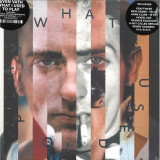
TOWNES VAN ZANDT STUDIO SESSIONS FROM 1974 AVAILABLE ON VINYL FOR THE FIRST TIME EVER In 1974, Townes Van Zandt recorded what would have been his seventh album, ‘Seven Come Eleven’. Business issues prevented its release until the recordings surfaced two decades later as ‘The Nashville Sessions’. To commemorate the 50th anniversary of the beginning of Van Zandt’s turbulent musical career and launch of a major catalogue reissue programme, Charly has restored and re-mastered ‘The Nashville Sessions’ to present a stunning document of the folk-blues master at his absolute peak. “These are songs that tap into the timeless myth of the American troubadour, a place where wandering souls tramp the byways of their homeland...” Restored and mastered to vinyl from the original tapes provided by producer and manager Kevin Eggers. Full colour LP sleeve with original Milton Glaser portrait cover. Fully illustrated inner with detailed sleeve notes by Uncut magazine journalist Rob Hughes. Part of Charly’s 50th anniversary programme celebrating the start of Van Zandt’s career. All original Poppy and Tomato albums which Townes Van Zandt recorded at the peak of his career will be newly re- mastered, restored and lavishly repackaged and available on CD & limited edition 180g heavyweight vinyl. The death of Townes Van Zandt in 1997 at age 52 robbed the world of a troubled genius as well as one of America’s finest songwriters. His reputation and popularity has grown greater by the year inspiring books, a documentary and renewed interest from the media, passionately loyal fans and contemporaries such as Willie Nelson, Merle Haggard and Emmylou Harris who have covered his songs to the upper-reaches of the American charts. “From Neil Young and Willie Nelson, Bono and Bob Dylan (who reportedly once said that Townes was “in some ways the better writer”) to Tindersticks and Mudhoney, songwriters and musicians speak of Townes with reverence.” MOJO MAGAZINE “He was the best songwriter and most riveting solo performer I’ve ever seen.” STEVE EARLE “An effortless masterclass in emotionally effecting Americana”.
Heady with hooks and unforgettable melodies, gliding on deeply danceable grooves, always with Air Waves’ innate compassion, concision and uncanny pop sense shining throughout. A masterpiece that’s beautifully simple, instantly accessible and entirely addictive. Featuring Cass Mccombs, Skyler Skjelset (Fleet Foxes, Beach House), Luke Temple, Brian Betancourt (Hospitality, Sam Evian), Rina Mushonga, Frankie Cosmos, Lispector, David Christian, Ethan Sass, and Ben Florencio. ‘The Dance’ has waited three years to see the light of day and it comes to us now, blinking, smiling in the widening light of 2022 feeling more needed and necessary but also more joyous than ever before. It’s both a snapshot of these songs as they were recorded but crucially, in the intervening time those songs have had additional arrangements crafted by Nicole, created remotely and virtually, with a few like-minded collaborators. The result is simultaneously Air Waves freshest, most spontaneous yet finessed album yet. Nicole Schneit released their first independent album in 2009 under the Air Waves moniker, a name inspired by a Guided By Voices song - subsequent albums like 2010’s ‘Dungeon Dots’ (which featured a guest vocal from fellow Brooklynite Sharon Van Etten), 2015’s ‘Parting Glances’ and 2017’s stunning ‘Warrior’ crystallised Schneit’s vision of loose-but-focused, convivial but startling pop. ‘The Dance’ continues that trajectory but finds Schneit opening up their music to a more fluid sense of space and movement, while keeping their lyrical eye between the personal and the political, from the specific to the universal with a haiku-like directness and suggestion. You won’t find a better soundtrack for the solidarity, strength, romance and movement we all need right now than ‘The Dance’ - Air Waves’ best album yet // “There is a rawness, both musical and emotional, proving that the simplest ways to communicate feelings are sometimes the most effective” Pitchfork // “More varied and ambitious than ever” Stereogum // Track List A1 The Roof (feat. Luke Temple & Rina Mushonga) A2 The Dance A3 Star Earring (feat. Lispector) A4 Alien (feat. Cass McCombs) B1 Black Metal Demon (feat. Frankie Cosmos & Merce Lemon) B2 Treehouse B3 Wait B4 The Light B5 Peer Peer
Mando Diao is back on full effect having played all the major rock-festivals across Europe in summer 2022 including Southside and Novarock. Just before the summer-season they rolled out the first in a series of volumes with sizzling hot and high octane ROCK fresh of the studio. Vol 1 produced the radio-success "Frustration" that managed to climb all the way to No 2 at rock-radio in Germany. Now we are happy to announce Vol 2 to drop 23rd of September having parts of the band in Hamburg for an exclusive and personal 20 YEARS OF MANDO DIAO panel during Reeperbahn Festival. The lead-track "Primal Call" is a hippie-like sounding one that draws inspiration from Led Zeppelin and King Crimson, a much punkier version. No logic whatsoever in the changes throughout the track but hey, that's how the band likes it. Full of surprises. As if the producer was a total lunatic out of control. "Fire in the hall" is a short, intense song written by Björn and Jens. Once again, a blend of primitive rock'n'roll feel and electronics. For example, the drums are based on samples of Patso's drumming. The lyrics are simple and almost trivial, with a "La Vida Loca" vibe: start a great fire, for yourself and others. Most things can be solved with a cleansing dance - both in reality and in lyrics. "If you write the lyrics together with someone, it's easier to avoid becoming pretentious and over-analytical," they summarize. Finally, "Charlie", about their current producer (Charlie Storm). One of the greatest there is having worked with so many big releases (Roxette, In Flames, Hurl etc). At least partly. They were excited about him and felt that he deserved a song. Or maybe they didn't have anything else to write about. Everyone had different inputs, but it ended up being a pure rock'n'roll song. And a real banger.
Stratton returns to Of Paradise for the label’s 20th release. Chalking up a hat-trick of EP’s on the imprint, with the impeccably effective ‘Never Bettered Always Battered’. Arguably his most accomplished and significant release to date, this 4-tracker effortlessly showcases the London-based producers expertly distilled and patented style of evocative and headstrong UK hardcore.
The A-side launches with the anthemic ‘Badboy’, a true floor melter, loaded with tunnelling drums, an electric bassline and a criminally infectious chopped vocal. Following that is ‘Double Happiness (Bludclot Mix)’, a lethal dose of no nonsense proto-rave goods, emanating from the streets of North London. The product of a truly skilled operator who fully understands the inner workings of the kick, hoover and piano.
‘Bless’ kicks off the flip side with effortless momentum. The impetus clearly focused on rupturing bassbins and rewiring brains, with its weapons grade drums, growling bassline, lethal Amen break, euphoric melody and rabid hoover.
Closing out the release is ‘Vapour Trail Hurricane’ another system-rushing slice of hardcore mastery that pulls no punches in its pursuit of dance floor dominance. Fuelled by a hammering kick, sharp sirens and swirling acid lines, these are the final moments before imminent self destruction.
This is true peak-time pressure from one of the UK’s most exciting and inimitable talents.
Fabrice Lig has melody running through his veins. On his quest to explore his deep love for the bitter-sweet yearning of Motor City techno, his tracks transcend trends. Over his three-decade spanning career he has refined his blend of soul-infused dance music to striking effect. His gift for a catchy hook is unmatched. His new studio album "The Mental Bandwidth" shows his musical range as a producer once again. On the album's twelve tracks, he effortlessly traverses, cosmic house, funkified techno and electronica, combining his trademark quirky melodies with playful songwriting and dance floor focused beats. The album format is giving Lig enough space to explore his musical ideas from different directions while staying true to the overall atmosphere. "The idea for the album was to go back to the fundamentals of the original Detroit sound and to find new ways of expressing that soul in my music - as I've been doing for years", explains Lig. With Ann Saunderson and the former Kraftwerk-member Wolfgang Flur, the album features two heavy-weight collaborations that connect the "The Mental Bandwidth" to Detroit's musical legacy, too. Slikk Tim aka Garry Grittness also has a cameo in the form of a funky bassline on "Healing", the pop-infused Ann Saunderson collaboration. The title of the album is inspired by Lig's lecture of Sendhil Mullainathan and Eldar Shafir book "Scarcity: Why Having So Little Means So Much" which explores new approaches to reduce poverty. "The authors discovered that the mental bandwidth of poor people is sometimes really low because of short term issues they are facing and are forced to solve", explains Lig. Those issues are reducing the mental bandwidth for long term thinking capacities, which in turn has consequences for the decision making process. An example: before the quality of education of poor kids is increased, the quality of life they have must be increased. This increases the capacities of the kids to learn more than solely better educational programs.
DJ, Edit entrepreneur - Record Mission Records & Record dealer extraordinaire Nick The Record continues to deliver the goods via his Natural House label...
Joining forces on this one with Jaime Read to beautifully remake an underappreciated mid-80's jam.
The A Side is all about that Natural House sound, a solid 4/4 core, hooks galore and an atmospheric vibe for maximum effect on the floor.
Over on the B, Nick turns out a classic Disco interpretation, full of tension and release it's a big, big sound & absolutely guaranteed to be a staple across the coming summer & beyond...
On his fourth solo album, much as in Oh! (2020), the French composer, pianist and vocalist follows his ongoing exploration of the crossroads between poetry and songs, piano and synth, old-time verses and contemporary sounds. Inspired by the rhythms, effects and speech patterns of urban music, he also delivers, with a warm and moving voice, the texts of three poetesses from the past.
Since 2013, Ezéchiel Pailhès has been crafting a unique French synth pop. On his first three albums, he switched between songs inspired by poetry, instrumental ballads and electronica with hummed
choruses. This latest record is a collection of eleven new songs, two of which he wrote: "Opaline" and "Ni toi, ni moi" (neither you nor me). The others are adaptations of poems written in the 16th, 18th and
19th centuries by French poetesses Louise Labé (1524-1566), Marceline Desbordes-Valmore (1786- 1859) and Renée Vivien (1877-1909).
Poetesses from the past...
From classical music to songs, poetry adaptation is an old French tradition. "My universe has always embraced the musicality of this literary genre," the artist recalls. He actually started this project in 2017 with poems and sonnets by William Shakespeare, Pablo Neruda, Victor Hugo and above all Marceline Desbordes-Valmore, who can be heard again on songs such as "Dors-tu?" (Are you sleeping?),
"Élégie" or "L'attente" (The wait). A figure of romanticism, the author left her mark on the early 19th century through the quality of her texts and her formal inventions, particularly praised by Balzac, and
apparently a decisive influence on Verlaine and Baudelaire. "Marceline's poetry is very musical," says Ezéchiel admiringly. "Her use of rhythm and repetition sounds great and takes on a new perspective when set to music. In fact, she wrote some of her texts with singing in mind.”
“Ces longs secrets dont l'amour nous accuse, Viens-tu les rompre en songe à mes genoux ? Dors-tu, ma vie ! ou rêves-tu de moi ?”
“These long secrets for which love accuses us, Do you come to my knees to break them in a dream?
Are you sleeping, my life! or do you dream of me” (“Dors-tu ?”, after “Les pleurs” (the tears), 1833)
Besides her, we find the more famous, and rebellious, Renée Vivien, whose texts inspired three songs, "Regard en arrière" (Looking backwards), "Mélopée" (Melopoeia) and "La fille de la nuit" (The
night girl). Sometimes nicknamed "Sapho 1900", this figure of lesbian culture and, more broadly, of female genius, combined in her work the themes of desire, dreams, melancholy and the relationship with nature.
“Ta forme est un éclair
Ton sourire est l’instant Tu fuis, lorsque l’appel
T’implore, ô mon Désir !”
"Your shape is a spark of lightning
Your smile, the very moment
You flee, when the calling
Begs you, O my Desire!"
(After “Parle-moi, de ta voix pareille à l’eau courante” (Speak to me, with a voice like flowing waters) and “Ta forme est un éclair” (Your shape is a spark of lightning), Renée Vivien, 1901)
Lastly, with "Tant que mes yeux" (As long as my eyes), Ezéchiel was inspired by a 1555 poem by Renaissance poet Louise Labé, whose main topic explored female love, physical and spiritual desire,
and the torments and pains they generate.
" At the start of the project ", Ezéchiel continues, " I was interested in many poets, men and women, past and present, before my selection was narrowed down to these three female authors. Their works,
often written in difficult or secret conditions, express a raging romanticism, a passionate soul, fuelled by desperate and tormented love. I found it interesting, as a man coming from another world and time, to face this otherness, to trade viewpoints. Obviously, I could loudly claim that the album was the result of a concept, that it reflects today's world, and that it allows me to explore the notion of gender,
giving visibility to the work of a few women, while at the same time pairing these ancient texts with a more modern and rhythmic music, and obviously, there is some truth in that. But more than anything, I
wanted to serve the text itself, to express the emotion and connection I felt with these works.”
Today's rhythms and prosody...
Ezéchiel Pailhès combines texts from French literature with electronic music, its effects and rhythms, as well as a form of scansion that echoes rap, R&B or the current fusion between hip hop and pop,
which is part of our musical background and that of younger generations. "I wanted to cross-reference texts from the beginning of the century with this type of music. I wanted to use today’s techniques to tell the tale of different daily lives and experiences.
The album is thus marked by contemporary electronic orchestrations, in which he drops his favourite instrument, the piano, and his digital collage technique to use more extensive synth melodies, enhanced by drum machines, bringing a gentle and bright vibe to the romantic texts. Lastly, we can hear slight digital tones of Auto-Tune, which Ezéchiel uses sparingly and inventively.
Beyond its sophistication, the term "melopoeia" means a "sung declamation", a "recitative song", sometimes interpreted in a monotonous way. On this album, it could also refer to a sense of phrasing, which does not come from rap, but rather from jazz, Ezéchiel's first love. " In the past, I tried to hide my jazz culture, but it naturally came back on this new album, as can be heard, for instance, in Regard en arrière.” With its verses anchored in our literary memory, the following track "Mélopée", perfectly illustrates the album's vision. It manages to transcend eras, mixing past romanticism with a modern
prosody, fuelled by the nonchalance of hip hop and the warm chords of jazz.
“Qu’un hasard guide enfin mon désespoir tranquille
Vers l’eau d’une oasis ou les berges d’une île,
Où je puisse dormir, mon voyage accompli,
Dans la sécurité profonde de l’oubli”
"May chance guide my quiet sorrow, at last
To the water of an oasis, the shores of an island,
Where I may sleep, having traveled my way,
In the safe depths of oblivion".
(After “Sillages” (Trails), René Vivien, 1908)
2022 Repress
LP+MP3 - Carefully ReEdited, 100% Original
Lady of Mine is the 1989 debut LP by self-made Italian-American Joe Tossini. An astoundingly honest, passionate record of cosmopolitan lounge music, he willed this charming suburban oddity into existence without any formal musical training.
Special remarks : LP with digital download card
Lady of Mine is the 1989 debut LP by self-made Italian-American Joe Tossini. An astoundingly honest, passionate record of cosmopolitan lounge music, he willed this charming suburban oddity into existence without any formal musical training.
Sicilian by birth, Tossini drifted around the world between Italy, Germany and Canada, before finally settling in New Jersey. After the passing of his mother and the breakdown of a second marriage, an anxious and depressed Tossini took to songwriting as a form of therapy, crafting disarmingly candid lyrics from his extraordinary life and loves. Whatever industry savvy or musical virtuosity he lacked was made up for by unflinching resourcefulness and infectious charisma. Befriending bandleader Peppino Lattanzi at local club The Rickshaw Inn, he was encouraged to animate his singular songs with an ambitious cast of 9 players and 5 backing vocalists, sincerely credited as his Friends.
The Atlantic City basement sessions are a low budget, high romance testament to Tossini's character and the power of positive thinking. From the defiant, Casiotone samba of If I Should Fall In Love, to Wild Dream's dizzying escapism and the native tongue croons of Sulla Luna and Sincerita, Lady Of Mine hums with the inimitable magic of a true original. Piercing the heart with an effectively sparse combination of humming keys, CompuRhythm drums, horn flourishes and backing divas, ample room was left for Tossini to frankly deliver his much-needed life lessons.
Underperforming commercially at the hands of short lived label IEA Records, Lady Of Mine has since earned a place in the outsider music canon. Recently peaking interest as a cornerstone of the Sky Girl compilation, the private press trades for inordinate sums, typically with no financial benefit to its creator. Lady Of Mine is now finally reissued on the artist's own terms via Joe Tossini Music, in partnership with Efficient Space, restored from original master tapes with unseen photos, extensive liner notes and Tossini's trademark wisdom.
Devoutly independent, Tossini has previously self-released the 2015 instrumental album When You Love Someone as well as two books - a new fiction novel The Devil In White and his autobiography The Account of My Life.
Bay Area Thrash Metal legend Blind Illusion returns after 34 years with a follow-up to “The Sane Asylum”, featuring Doug Piercy (ex-Heathen) and Andy Gallon (ex-Death Angel)! Thrash as a primitive, earthy genre has given us many greats: Metallica, Slayer, Exodus, Death Angel, Heathen and the like. But the more calculated, technical, and ultimately colorful inventors of progressive Thrash, a genre that blossomed handsomely after Watchtower’s debut in 1985, are what truly push the limits of Thrash and test its creative bandwidth. Blind Illusion on their new album “Wrath of the Gods”, achieve this to a degree that has seldom been approached, let alone passed, in the rest of Thrash history, just as they did 34 years ago on “The Sane Asylum”. What is most impressive and revealing about this album, however, is not the technical ability of the musicians involved (although there is nothing wrong with their ability). It’s the pure brilliance that shapes every song, and the demonstration of how focusing on the art of songwriting will work wonders for a band. “Straight as the Crowbar Flies” introduces us first to the astral energy this album exudes, with catchy riffing and Marc Biedermann’s raspy, growling vocals. The screeching guitar solos and the abrupt rhythm changes keep the song fresh, but the band’s incorporation of technical Thrash elements crossed with extremely catchy riffing and drum arrangements proves to be the strong attributes of this album. There are numerous instances where the band finds its virtue in slowing down, letting a power chord ring out, and then letting the drums restart and propel the song once again. When the band decides to let their guard down and get cagey or manic with the rhythm, it’s done so with precision and doesn’t come at the expense of the song structure. When they get technical, the notes still vibrate with emotion, and the song doesn’t just become a vacuum for skills to be shown off. This message is most evident in every song, which all feature catchy guitar licks and great guitar riffs. What Blind Illusion does best on this new masterpiece is deliver cleverly-written and fun songs with catchy riffs. At the heart of Thrash, that’s really all you can ask for. The effects of how masterfully composed this album is has lend the production a unique ethos that makes it feel human. This is a group of guys who know what die-hard Thrash fans want to hear, and they know how to put it on their 2022 album “Wrath of the Gods”.
2022 Repress !!
2x12" 180g Vinyl LP w/ Download Card.
The dub master Radikal Guru returns to the trusted Moonshine Recordings to deliver his third album, which highlights his refreshing take on the beloved, dub sound of 2016. A selected few of the cuts involve exciting collaborations that are not to be missed.
Similar to King Yoof's recent album endeavour called 'Homage To The King', Radikal Guru exerts his speciality in various tempo ranges with the 'Dub Mentalist' LP. The result is just as exciting as his existing back catalogue; all mastered to meet the requirements of the true Moonshine vibration.
The polish producer once again shows appreciation to both the dancefloor fans and the more meditating listeners. Fusing his compelling sound in dub, reggae and dubstep with timeless, old school samples makes every release a reminiscing journey. The amount of dread and energy will most definitely spark a riot across the globe.
Radikal Guru executes his mix-up of dub by incorporating a dose of happiness and psychedelics. The effects take over the mixes in wild fashion; delays spin off the tasty spring reverberation tails, delivering a comfortable setting. Radikal's horns, including the trumpet, saxophone and trombone joined the Radikal Guru's live melodica to complement each other in rhythm and sound.
The collaborations featuring Moonshine familiars Jay Spaker, Echo Ranks, Solo Banton, Violinbwoy and Earl 16 bless the righteous sound waves, as the bassweight, immersive vocals and tight arrangements speak for themselves. Whether it is the bass weight, vocal parts or simply the rhythms, you know exactly when Radikal Guru's music is being played on a true sound system.
The contribution of the polish dub genius, to the healing of the nations and to global dub culture trembles, as he immediately reveals why his 'Dub Mentalist' LP forms an important chapter in our history of Moonshine Recordings material.
The ‘Fantasy’ EP saw Jacques Greene push further
into his downtempo and ambient influences than ever
before. Now he returns with a special club-tested
extended edit of key EP track ‘Relay’, alongside an
incredible Skee Mask remix.
Since releasing his last studio album, ‘Dawn Chorus’,
in 2019, Jacques Greene has scored the short film
‘Exhaust’ starring Jimmie Fails (‘The Last Black Man in
San Francisco’), Glenn Kaino’s installation piece
‘Tidepools’ (alongside Nosaj Thing), and videogame
‘Homeschool’. He released remixes for artists such as
Para One, DC Salas, Amtrac, Kllo, Elohim, Kacy Hill
and Montreal disco legends Lime.
In 2020 he made headlines for creating ‘Promise’ - the
first single released with associated NFT that staked
the owner to music publishing. In 2021 Greene
released ‘ANTH01’, a reissue compiling his first few
years of releases across various labels, alongside
unheard tracks from the era.
Fresh off a US / European tour in 2022 in support of
his ‘Fantasy’ EP, as well as a high profile support slot
on the recent Bonobo tour.
“Immaculately produced and mixed, and profoundly
effective - both for the pleasure centers it fires, and
also for the associations it triggers. It feels like a
genetic memory passed down across generations of
ravers, encoded in their very DNA.” - Pitchfork
“An exercise in restless soul-searching, striking a
delicate balance between struggle and serenity as if
one necessitates the other.” - Resident Advisor
Seventh candy delivery from Bardouin Music with an atmospheric and euphorythmic EP by Lyon-based producer Hyas. This new chapter presents a dreamy and acid story with 5 vault gems - going through electro, speed garage and breakbeat with cloud-grazing synthesizers and echoing effects in the ocean’s depths. Welcome to the unexplored Angel Island Zone.
Double LP documenting a realtime collaboration between Terrence Dixon (Metroplex/Tresor/Rush Hour) and Jordan GCZ (Off Minor/Minimal Detroit/Rush Hour). Finally the full results of these special sessions see the light of day (a ltd edition 12" of exclusive tracks owas released in 2020).
BIG TIP!
"In September 2019, Motor City techno legend Terrence Dixon made a rare trip to Europe. He was introduced to Jordan Czamanski AKA Jordan GCZ, a serial collaborator and electronic music improviser best known for his work as part of Juju & Jordash and, alongside David Moufang and Gal “Juju” Aner, as Magic Mountain High.
The pair hit it off immediately, so Czamanski powered up his studio and the pair began to jam. Over the following five days, the pair improvised extensively, stopping only periodically to drink coffee and discuss music, life and much more besides. While in the studio, they barely uttered a word to each other, instead responding almost psychically to the rhythms, grooves, riffs and musical motifs the other was spinning into the mix.
The results of these surprisingly magical 2019 studio sessions are showcased on Keep In Mind, I’m Out of My Mind, the pair’s first joint album and Dixon’s most significant musical collaboration since the Detroiter’s 2018 hook-up with German techno and ambient veteran Thomas Fehlmann.
In keeping with the project’s improvised roots, the six-track set is notable for its immediacy, pleasing looseness – it was mostly created using outboard equipment including synthesizers, drum machines and effects units – and sonic fluidity. It offers a neat, symmetrical blend of the two producers’ trademark styles, with Czamanski’s attractive chords, melodies and jazz-flecked motifs rising above hypnotic, cymbal-heavy rhythms that have long been the hallmark of Detroit’s sci-fi-fuelled techno sound.
This unique and appealing, dancefloor-focused sound ripples through album opener ‘Fretless’, an ultra-deep chunk of heady liquid techno, and the breathless bustle of ‘Operation Delete’, where bubbly synthesizer motifs, cascading ambient electronics and urgent bass cluster around a killer broken techno groove.
It’s there, too, throughout the surging, deliciously percussive ‘Space Chime’, an alien-sounding concoction that sounds like it was beamed down from some distant galaxy, the warming-but-intoxicating minor key swirl of ‘Axis Mundi’ – a two-part slab of techno psychedelia full of trippy electronics, dystopian jazz riffs and intergalactic intent – and the pitched-down, mind-altering oddness of closing cut ‘Above Ground’, when the pair goes all-out in pursuit of leftfield techno perfection.
Created from scratch in a few days by two of electronic music’s most accomplished improvisers, Keep In Mind, I’m Out of My Mind is an exemplary meeting of musical minds and sonic sensibilities."
Matt Annis
Comes with insert with photographs by Atelier Fantasma (Jop Verberne).
"Layers Of Lies", aufgenommen im Winter 2004/2005, war das erste selbst produzierte DARKANE-Album. Ein neues Studio war gebaut worden und die Band verbrachte Abende und Wochenenden dort, um ihr viertes Album fertigzustellen.
Das Ziel war es, eine Mischung aus den früheren drei Alben mit einem brutaleren und futuristischeren Sound zu schaffen. "Wir wollten unseren Sound weiterentwickeln und dabei unserem Stil treu bleiben", erklärte Christofer in vielen Interviews.
Es wurde viel Arbeit in die Gesangsarrangements gesteckt und Andreas Sydow klang mit seinem aggressiven Gebrüll besser als je zuvor. Für das bombastische und doch eindringliche Intro "Amnesia Of The Wildoerian Apocalypse" wurden wieder einmal ein Chor und ein Orchester engagiert.
Blabbermouth schrieb in einem Review zu "Layers Of Lies":
"Songwriting-mäßig hält DARKANE die Dinge relativ einfach im Sinne von Strophe-Refrain-Verse, lässt aber nicht die Intensität für irgendwelche Flüster/Crooner-Strophen oder Crossover-Tracks sinken. Songs wie "Fading Dimensions" und "Secondary Effects" enthalten rasante Thrash-Tempi und einprägsame Refrains in diesem völlig synthetischen, aber seltsam ansprechenden melodischen Robotergeschrei... Letztendlich ist "Layers Of Lies" ein eingängiger, ansteckender, unwiderstehlicher, charismatischer Arschtritt von einem Album!"
Nach der Veröffentlichung von "Layers Of Lies" im Herbst 2005 produzierten DARKANE ein Video für den Track "Secondary Effects" und gingen anschließend auf ihre erste abendfüllende US-Tournee mit Fear Factory, Strapping Young lad und Soilwork, die für die Band sehr erfolgreich war.
- A1: Another Sketch
- A2: Be Cool (Feat Little Dragon)
- A3: Vera (Judah Speaks) (Judah Speaks)
- A4: Leave It (Feat Charlotte Day Wilson)
- A5: September
- A6: To The Floor (Feat Badbadnotgood)
- B1: Backwards (Feat Sampha)
- B2: What If? (Feat Skiifall)
- B3: Colours
- B4: About Us (Feat Elmiene)
- B5: Still (Feat Sampha & Ghetts)
- B6: Ends Now (Feat Serpentwithfeet)
One of the UK’s most consistently inventive production minds of recent times, Lil Silva has perhaps one of the most varied resumes in the world. Causing a seismic effect on the world of club music with smashes such as ‘Seasons’ and releases with the likes of Night Slugs, production credits for a diverse range of artists such as Adele, BANKS, Mark Ronson and serpentwithfeet, and a collaborative project with George FitzGerald as OTHERLiiNE even before factoring stellar solo releases under the Lil Silva moniker using his own vocal, he has continuously combined a broad range of influences to create a transformative, varied discography. After the release of ‘Backwards’ last month alongside Sampha, today Lil Silva announces his long awaited debut album, Yesterday Is Heavy.
Over 10 years in the making, ‘Yesterday Is Heavy’ is a cumulative product of an already remarkable career filled with highlights. An album about stepping out: outside of a comfort zone, and, for Lil Silva, outside of himself. It’s a debut album of heft and heart, but most of all hope – and trusting the process. Buoyed on by the encouragement of long-time collaborators like Jamie Woon and Sampha early in his career (they both implored him to commit his own voice to record), and bolstered by incomparable session experience working with Mark Ronson, Adele and more, the Lil Silva story that started aged 10 in Bedford is beginning full circle. Created primarily in the town he grew up in (and continues to live now), the pervading solace of home courses through the project, while providing the thrilling moments of sleight of hand that Silva has always been capable of.
As he so often does, Lil Silva shares the spotlight with an astonishing international cast of guests. He fuses well-versed modern legends in the shape of Sampha, Ghetts, and Little Dragon with rising stars serpentwithfeet, Charlotte Day Wilson and Skiifall to thrilling effect, the whole time never allowing his deftly dynamic yet considered touch to be outshone throughout. The album has also been created with musical direction from Louis Vuitton musical director and BBC Radio 1 tastemaker Benji B, as well as creative direction from award winning visual artist BAFIC. It’s with the opening track ‘Another Sketch’ however, where his singular talent introduces itself.
With a visual directed by UKMVA Award winner Fenn O’Meally, ‘Another Sketch’ is a prime example of the vast array of talents that Lil Silva possesses. A video that transcends generations of Black Britons (featuring Lil Silva’s own family as well as Sampha), ‘Another Sketch’ focuses on the subject of time. Looking at generations of black britons as monuments, the visual centres on the idea that despite time being able to wear down your appearance, what’s inside of you can never depreciate. The main centrepiece of this is heritage, with archive and newly recorded footage showing Silva’s family and friends enjoying the same activities they did generations ago, spliced with footage and voice notes from one of the lands of his dual heritage, Jamaica. The track itself focuses on a central theme of actions, their consequences and changing our inevitable future, with Lil Silva’s stunning falsetto shining alongside background vocals from serpentwithfeet and an instrumental that initially opens minimalistically before gradually unfurling to unveil elements of his electronic beginnings; a thumping hip hop infused beat and swelling melodic embellishments.
With ‘Yesterday Is Heavy’, Lil Silva reaps the rewards of over a decade of influence to create the debut album he’s always imagined. Simultaneously riding the line between pertinent storytelling and virtuosic production, ‘Yesterday Is Heavy’ charts the story of one of UK music’s unsung heroes taking his time to build something that is truly timeless. Yesterday Is Heavy, but tomorrow is forever.
- 1: Por La Mañana
- 2: Oda A La Gente Mediocre
- 3: Hay Un Extraño Esperando En La Puerta
- 4: Si La Guerra Es Buen Negocio, Invierte En Tus Hijos
- 5: Reflejos De Olla
- 6: Historia De Un Loto Que Floreci En Otoño
- 7: Niños
- 8: No Como Antes
- 9: La Banda Le Hace Ud. Caer En Cuenta Que
- 10: Nosotros, Nuestra Arcadia, Nuestra Hermanita Pequeña
- 11: Un Sueño MGico
- 12: Psalmo Siglo Xx, Era De La DestrucciN
Last album recorded by Colombian rock pioneers Los Speakers in 1968 after leaving behind its affinity with yéyé and go-go music. One of the most brilliantly whacked-out psych LPs to emerge from South America. Originally self-released on their own Producciones Kris label, this is an almost impossible to find cult record. Officially reissued for the first time. By 1968, Colombian rock had left behind its affinity with yéyé and go-go music. In Medellín, Discos Fuentes had terminated its contract with Los Yetis, whose farewell record "Olvídate" set a strong anti-establishment tone. While the fire of protest that had spread rapidly among students in Paris was dying out, young people in Bogotá voiced their discontent. Aware of the effervescent political climate across the world, Los Speakers wrote their last record between June and September of the convulsive year of 1968. In order to give shape to these new songs they needed a space where they could experiment freely with sound. The music historian and critic and sound engineer, Manuel Drezner, made a providential appearance and offered the innovative Ingeson studios to the trio under one condition: that his company's name was included in the title of the record. For four months, Rodrigo, Manuel and Roberto created a record that was completely different to anything on the Colombian rock scene at that time. Los Speakers used cutting-edge equipment to record and mix "El maravilloso mundo de Ingeson", It was the first time local musicians had access to a multichannel mixing desk where they could experiment with all kinds of bold sound effects. The silences between songs were replaced with brief intervals of sound including the noise of a train running over a passer-by, a bomb exploding_ Although it's often labelled a conceptual record, the four compositions that each of the band members contribute reveal different aesthetic personalities. From the strong influence of Renaissance and Baroque poetry and music to the virulent social critique and pacifist statements, suffused with religiosity and mysticism. Armed with the demo tape, Los Speakers presented the project to CBS, Philips, Sonolux and Bambuco. The labels' verdict was unanimous: not very commercial and very costly. The group reacted to this negative response by pooling their personal savings, inventing a fictious record label called Kris and released the record just as they had imagined it. This led to the creation of a graphic concept unheard of in Colombia: the record included a booklet containing photos, texts and illustrations. Although there was a big media roll out, which included TV appearances and features in newspapers and magazines, as predicted the album was a commercial failure_ "El maravilloso mundo de Ingesón" is one of the most brilliantly whacked-out psych LPs to emerge from South America.