quête:dee sub

Genres
Tout
Inon Zur - Starfield (Original Soundtrack) (Ltd. LP 6x12")
  • A1: Into The Starfield (Main Theme)
  • A2: Planetrise
  • A3: First Flight
  • A4: New Atlantis
  • A5: The Sol System
  • A6: Go Steady, Go Safe
  • B1: Peaks And Valleys
  • B2: Triumvirate
  • B3: Field Of Vision
  • B4: Starlight Far From Home
  • B5: Exploration I - Home Planets
  • C1: The Mountain Builders
  • C2: The Red Land
  • C3: Ancient Forces
  • C4: Constellations
  • C5: Navigator Corps
  • D1: The Last Explorers
  • D2: Within The Walls
  • D3: Long Shadows
  • D4: A Home Among The Stars
  • D5: Exploration Ii - The Hills And The Mountains
  • E1: Death And Crimson
  • E2: The Rock
  • E3: The New Old Frontier
  • E6: Moonbase
  • F1: The World Machine
  • F2: Deep Time
  • F3: Akila City
  • F4: Field Agent
  • F5: Hardness Scales
  • F6: Exploration Iii - Explorers Club
  • G1: Stars And Sacrifice
  • G2: Heliosphere
  • G3: Core Sample
  • G4: Chamber
  • G5: Tenacity Of Life
  • H1: Cydonia
  • H2: Wrecked Tech
  • H3: In Silent Orbit
  • H4: Tectonics
  • H5: Snowball
  • H6: Exploration Iv - Vulcanism
  • I1: Weapons To Bear
  • I2: Supra Et Ultra
  • I3: Abandoned
  • I4: Decay Heat
  • I5: Roughneck High-Tech
  • I6: Exploration V - Evergreen
  • J1: Sublevels
  • J2: The Eye
  • E4: The Safety Of The Citizens
  • J3: Under A Distant Sun
  • J4: Echo Marker
  • J5: Exploration Vi - Strange Sands
  • K1: Understory
  • K2: Badlanders
  • K3: Canopy
  • K4: Neon
  • K5: Exploration Vii - The Ice Lands
  • L1: Aurora
  • L2: Deep Freeze
  • L3: You Make Your Cut, You Get Your Cut
  • L4: Exploration Viii - The Far Reaches
  • L5: Nobody's Home
  • L6: A Home In The Galaxy
  • E5: Freestar

Bethesda Game Studios und Laced Records haben sich zusammengetan, um die Musik von 'Starfield' auf Deluxe-Vinyl zu bringen.

In allen Titeln der Bethesda Game Studios ist die Musik ein wesentlicher Bestandteil der Reise des Spielers und ein ständiger Begleiter während seines Abenteuers. Die langjährige Zusammenarbeit zwischen dem Komponisten Inon Zur und dem Studio begann bereits 2008 mit der Veröffentlichung von Fallout 3. Die Musik zu 'Starfield' sollte sowohl die Weite des Weltraums als auch die Neugier der Menschen auf das Unbekannte zum Ausdruck bringen. So verwob Zur traditionelle und nicht-traditionelle orchestrale und elektronische Klänge zu einem Klangteppich aus Organischem und Synthetischem.

Während der Entwicklung hat das Team ein eklektisches Spektrum an Referenzpunkten durchlaufen: Es begann bei den Sci-Fi-Grundsäulen von John Williams und Jerry Goldsmith, durchquerte einen klassischen Nebel von Debussy, Ravel und Prokofiev, flog an Vangelis' überragendem Synthesizerwerk vorbei und warf einen Blick auf die experimentellen Arbeiten der Einstürzenden Neubauten und von John Cage.

In den Orchesterstücken von Starfield, die vom Budapester Filmorchester eingespielt wurden, beschwören verschiedene Instrumentalgruppen oft imaginäre Aspekte des Weltraums herauf. Schnelle, sich wiederholende Sequenzen in den Holzbläsern stellen Partikel dar. Streicher, die wellenförmige Akkorde spielen, imitieren lange Wellen interstellarer Energie. Die Blechbläser werden zum Leuchtfeuer der Melodie, das über die Galaxie hinaus strahlt. In ähnlicher Weise erhalten die eher elektronischen Cues ein Gefühl von Erhabenheit durch schwere Synthesizerflächen, die kryptische, sich wiederholende Muster und ungewöhnliche perkussive Schläge untermauern.

Aeralie Brighton (DEATHLOOP, Ori-Serie) ist auf dem Soundtrack als Sängerin zu hören.

pré-commande04.04.2025

il devrait être publié sur 04.04.2025

146,18
Inon Zur - Starfield (Original Soundtrack) (Ltd. LP 6x12")
  • A1: Into The Starfield (Main Theme)
  • A2: Planetrise
  • A3: First Flight
  • A4: New Atlantis
  • A5: The Sol System
  • A6: Go Steady, Go Safe
  • B1: Peaks And Valleys
  • B2: Triumvirate
  • B3: Field Of Vision
  • B4: Starlight Far From Home
  • B5: Exploration I - Home Planets
  • C1: The Mountain Builders
  • C2: The Red Land
  • C3: Ancient Forces
  • C4: Constellations
  • C5: Navigator Corps
  • D1: The Last Explorers
  • D2: Within The Walls
  • D3: Long Shadows
  • D4: A Home Among The Stars
  • D5: Exploration Ii - The Hills And The Mountains
  • E1: Death And Crimson
  • E2: The Rock
  • E3: The New Old Frontier
  • E4: The Safety Of The Citizens
  • E5: Freestar
  • E6: Moonbase
  • F1: The World Machine
  • F2: Deep Time
  • F3: Akila City
  • F4: Field Agent
  • F5: Hardness Scales
  • F6: Exploration Iii - Explorers Club
  • G1: Stars And Sacrifice
  • G2: Heliosphere
  • G3: Core Sample
  • G3: Chamber
  • G3: Tenacity Of Life
  • H1: Cydonia
  • H2: Wrecked Tech
  • H3: In Silent Orbit
  • H4: Tectonics
  • H5: Snowball
  • H6: Exploration Iv - Vulcanism
  • I1: Weapons To Bear
  • I2: Supra Et Ultra
  • I3: Abandoned
  • I4: Decay Heat
  • I5: Roughneck High-Tech
  • I6: Exploration V - Evergreen
  • J1: Sublevels
  • J2: The Eye
  • J3: Under A Distant Sun
  • J4: Echo Marker
  • J5: Exploration Vi - Strange Sands
  • K1: Understory
  • K2: Badlanders
  • K3: Canopy
  • K4: Neon
  • K5: Exploration Vii - The Ice Lands
  • L1: Aurora
  • L2: Deep Freeze
  • L3: You Make Your Cut, You Get Your Cut
  • L4: Exploration Viii - The Far Reaches
  • L5: Nobody's Home
  • L6: A Home In The Galaxy

Bethesda Game Studios und Laced Records haben sich zusammengetan, um die Musik von 'Starfield' auf Deluxe-Vinyl zu bringen.

In allen Titeln der Bethesda Game Studios ist die Musik ein wesentlicher Bestandteil der Reise des Spielers und ein ständiger Begleiter während seines Abenteuers. Die langjährige Zusammenarbeit zwischen dem Komponisten Inon Zur und dem Studio begann bereits 2008 mit der Veröffentlichung von Fallout 3. Die Musik zu 'Starfield' sollte sowohl die Weite des Weltraums als auch die Neugier der Menschen auf das Unbekannte zum Ausdruck bringen. So verwob Zur traditionelle und nicht-traditionelle orchestrale und elektronische Klänge zu einem Klangteppich aus Organischem und Synthetischem.

Während der Entwicklung hat das Team ein eklektisches Spektrum an Referenzpunkten durchlaufen: Es begann bei den Sci-Fi-Grundsäulen von John Williams und Jerry Goldsmith, durchquerte einen klassischen Nebel von Debussy, Ravel und Prokofiev, flog an Vangelis' überragendem Synthesizerwerk vorbei und warf einen Blick auf die experimentellen Arbeiten der Einstürzenden Neubauten und von John Cage.

In den Orchesterstücken von Starfield, die vom Budapester Filmorchester eingespielt wurden, beschwören verschiedene Instrumentalgruppen oft imaginäre Aspekte des Weltraums herauf. Schnelle, sich wiederholende Sequenzen in den Holzbläsern stellen Partikel dar. Streicher, die wellenförmige Akkorde spielen, imitieren lange Wellen interstellarer Energie. Die Blechbläser werden zum Leuchtfeuer der Melodie, das über die Galaxie hinaus strahlt. In ähnlicher Weise erhalten die eher elektronischen Cues ein Gefühl von Erhabenheit durch schwere Synthesizerflächen, die kryptische, sich wiederholende Muster und ungewöhnliche perkussive Schläge untermauern.

Aeralie Brighton (DEATHLOOP, Ori-Serie) ist auf dem Soundtrack als Sängerin zu hören.

pré-commande04.04.2025

il devrait être publié sur 04.04.2025

145,34
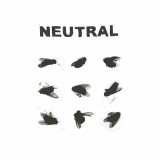
Neutral - Lågliv

Neutral

Lågliv

12inchHMS050-A-LP
The Helen Scarsdale Agency
04.04.2025

Neutral is the no wave / anti-rock duo of Dan Johansson (Sewer Election, Ättestupa, Amateur Hour, etc.) and Sofie Herner (Leda, Enhet För Fri Musik), both with deep connections to the Swedish noise scene. As Neutral, the two smear voice, guitar, organ, and smoldering noise into narcoleptic songs that rewire the strategies of Dome by way of Gate and Mars. Lågliv translates to ‘lowlife,’ an apt metaphor for neutral’s subterranean murk and shambolic discontent that they languidly manifest as a punk dourness emptied of all rock ’n’ roll theatrics. Desperate, demolished, and dejected.

Lågliv was originally published as part of the instantly out of print boxset, On Corrosion - a 10 cassette anthology from 2019 that was housed in a handcrafted wooden box and featuring full albums from Kleistwahr, Neutral, Pinkcourtesyphone, Alice Kemp, She Spread Sorrow, G*Park, Relay For Death, Francisco Meirino, Fossil Aerosol Mining Project, and Himukalt. The collection also stood as the 50th release for The Helen Scarsdale Agency.

pré-commande04.04.2025

il devrait être publié sur 04.04.2025

22,65
Various - Q1#1EP

Various

Q1#1EP

12inchQ1E2012
Q1E2 RECORDINGS
04.04.2025

Electronic music at its best offers a tantalising glimpse of the future, capturing the moment of conception where new worlds and genres are brought into being. Amsterdam-via-Berlin label Q1E2 (standing for “quality first, ego second”) embodies this expansive promise on their new various-artists compilation, a thrilling speed-run through the cosmic outer-reaches of contemporary club sounds that highlights the work of essential emerging producers from around the globe.

Milan producer Jack Bags opens the proceedings with “Natural Thing”, an astral deep-dance immersion with zero-gravity synthesizer pads and skeletal dub percussion that echo out through the void, sensuous vocal samples arriving like scattered transmissions from the stereo of some long-lost spacecraft. datSIM’s “Influx” races through kaleidoscopic sci-fi spacescapes, presenting a futuristic reimagining of UK bass sounds with dextrous organ melodics and widescreen atmospherics. Mike Riviera and Marco Ohboy bring us back down for a more earthly kind of ecstatic experience, cranking up the humidity and coaxing out the endorphins with the appropriately-titled “Euphoria” - a rugged, rave-adjacent heater that cleverly rearranges elements of classic house and garage into a decidedly modern club workout.

Elsewhere there’s a distinctive undercurrent of jazz flowing through the compilation, mapping out thrilling new evolutions of the music on and off the dancefloor. Dr Sud’s mesmeric rhythm excursion “Zaffiro” unfurls like the coils of a cosmic serpent, tessellating percussion and slinking subs tracing intricate beat geometries. A Soft Mist Production’s “Upside Down Rainbows” settles in for the afters with smoked-out soulful atmospherics, syrupy vocals curling and turning in the air like smoke vapors from the last vestiges of a still-lit cigarette. The Rabbit Hole’s “Tail Groove” closes out the proceedings with a surprising bait-and-switch - opening on lustrous lounge piano that could have been comped straight from a Bill Evans record, the track quickly gives way to interstellar bass ‘n’ breaks. The producer’s canny use of cello licks adds a grounded, organic feel, jazz futurism that recalls Photek or LTJ Bukem’s sampling experiments.

Taken together, the label’s new compilation provides a snapshot of a scene in constant evolution, taking the temperature of the modern electronic scene and finding it to be in rude health.

Written by Matthew Fidler

pas en stock

Commandez maintenant et nous commanderons l'article pour vous chez notre fournisseur.

12,56

Last In: 12 months ago
HxH - STARK PHENOMENA

Hxh

STARK PHENOMENA

12inchOF04LP
OFNOT
03.04.2025

Chris Ryan Williams (trumpet & electronics) and Lester St. Louis (cello & electronics) work together as HxH (H by H). Their skills have seen them move smoothly across various situations, constantly carving out new terrain and working in new configurations of musicians at a rapid pace. While worth reading, their biographies capture only a part of their complex rhizome.

HxH started about three years ago. The project is a direct response to all their activity with others and more importantly all their future leaning sonic desires. Their debut album STARK PHENOMENA is both their first studio recording and their first physical release. The album is appropriately set to be released by KMRU on his growing label OFNOT. It’s an ideal introduction to their sound world and their approach.

HxH describe their music as “electroacoustic,” but until recently the presence of Black musicians in this field has been greatly overlooked and largely ignored, making this phrase only partially appropriate. What HxH do really is to always be unpredictable. Every gig is a new soundscape. Sometimes you might hear echoes of Autechre or Robert Hood but then the sound-field will open up into a new terrain all their own. Chris and Lester bring together techniques from across the sound spectrum of electronic music and also draw on their deep backgrounds in Jazz, Improvisation, Classical and Noise scenes to create a sound that is true to them. After all, these two have worked with the likes of Bennie Maupin and the music of Black Fluxus artist Ben Patterson. Their rhizome is deep.

One of the ways that their unique approach manifests is in their merging of both acoustic instruments and electronic instruments in real time. This is something few have managed to do – but their spontaneous leanings work in both complex and accessible ways because of their deep understanding of landscape crafting. You can hear this clearly on the track “Pyrex Vision.” Their approach makes it tempting to compare their music to Sun Ra jamming with Laurel Halo – a comparison that would be only partly accurate.

Chris and Lester note that the sounds on STARK PHENOMENA are “imbued with such hopeful, gracious care; one that is far flung from obsessive carefulness or fuck the world carelessness, but more a caring embrace without the fuzziness of nostalgia.”

They note that when they began working together, they would “always come back to speaking on our concepts of an architecture of the expanse,” noting that their live sets often take on the joyfully noisy task of “dreaming big.” For HxH it was essential that STARK PHENOMENA have a quality that is “almost sculptural.” They consider the album “an object to be viewed from all sides.” This kind of thinking has resulted in them directly engaging with numerous sculptors and artists including Torkwase Dyson. Shape wise HxH’s sound fields work in a parallel to Dyson’s black architectural works.

They also note that the opening cut “BEACH” (the opening and longest track from the album) was “written weeks after our first gig in a studio session donated to us by our dear friend jaimie branch.” And that Pyrex Vision “was continually being edited months after sending our ‘final mixes’ to KMRU.” Their sound sources and samples come from studio sessions, live gigs, durational installations, 3am improvised downloads and more.

KMRU notes: "I think there is an in-between layer on this record. I was first caught by the Pyrex Vision track which organically flows between monologue, subtle field recording, and instrumentation. It's such a beautiful track, evoking deep emotion through simplicity. STARK PHENOMENA effortlessly glides in between imaginative mosaics of sounds — free yet complex — unlocking memories within its layers."

pas en stock

Commandez maintenant et nous commanderons l'article pour vous chez notre fournisseur.

22,27

Last In: 5 months ago
Various - ECHOES OF ITALY – THE BIRDS OF PARADISE – EARLY 90S HOUSE VIBES VOL.2 (2x12")

Googling “paradise house”, the first results to pop up are an endless list of European b&b’s with whitewashed lime façades, all of them promising “…an unmatched travel experience a few steps from the sea”. Next, a little further down, are the institutional websites of a few select semi-luxury retirement homes (no photos shown, but lots of stock images of smiling nurses with reassuring looks). To find the “paradise house” we’re after, we have to scroll even further down. Much further down.

It feels like yesterday, and at the same time it seems like a million years ago. The Eighties had just ended, and it was still unclear what to expect from the Nineties. Mobile phones that were not the size of a briefcase and did not cost as much as a car? A frightening economic crisis? The guitar-rock revival?! Certainly, the best place to observe that moment of transition was the dancefloor. Truly epochal transformations were happening there. From America, within a short distance one from the other, two revolutionary new musical styles had arrived: the first one sounded a bit like an “on a budget” version of the best Seventies disco-music – Philly sound made with a set of piano-bar keyboards! – the other was even more sparse, futuristic and extraterrestrial. It was a music with a quite distinct “physical” component, which at the same time, to be fully grasped, seemed to call for the knotty theories of certain French post-modern philosophers: Gilles Deleuze, Félix Guattari, Paul Virilio... Both those genres – we would learn shortly after – were born in the black communities of Chicago and Detroit, although listening to those vinyl 12” (often wrapped in generic white covers, and with little indication in the label) you could not easily guess whether behind them there was a black boy from somewhere in the Usa, or a girl from Berlin, or a pale kid from a Cornish coastal town.

Quickly, similar sounds began to show up from all corners of Europe. A thousand variations of the same intuition: leaner, less lean, happier, slightly less intoxicated, more broken, slower, faster, much faster... Boom! From the dancefloors – the London ones at least, whose chronicles we eagerly read every month in the pages of The Face and i-D – came tales of a new generation of clubbers who had completely stopped “dressing up” to go dancing; of hot tempered hooligans bursting into tears and hugging everyone under the strobe lights as the notes of Strings of Life rose up through the fumes of dry ice (certain “smiling” pills were also involved, sure). At this point, however, we must move on to Switzerland.

In Switzerland, in the quiet and diligent town of Lugano, between the 1980s and 1990s there was a club called “Morandi”. Its hot night was on Wednesdays, when the audience also came from Milan, Como, Varese and Zurich. Legend goes that, one night, none less than Prince and Sheila E were spotted hiding among the sofas, on a day-off of the Italian dates of the Nude Tour… The Wednesday resident and superstar was an Italian dj with an exotic name: Don Carlos. The soundtrack he devised was a mixture of Chicago, Detroit, the most progressive R&B and certain forgotten classics of old disco music: practically, what the Paradise Garage in New York might have sounded like had it not closed in 1987. In between, Don Carlos also managed to squeeze in some tracks he had worked on in his studio on Lago Maggiore. One in particular: a track that was rather slow compared to the BPM in fashion at the time, but which was a perfect bridge between house and R&B. The title was Alone: Don Carlos would explain years later that it had to be intended both in the English meaning of “by itself” and like the Italian word meaning “halo”. That wasn’t the only double entendre about the song, anyway. Its own very deep nature was, indeed, double. On the one hand, Alone was built around an angelic keyboard pattern and a romantic piano riff that took you straight to heaven; on the other, it showcased enough electronic squelches (plus a sax part that sounded like it had been dissolved by acid rain) to pigeonhole the tune into the “junk modernity” section, aka the hallmark of all the most innovative sounds of the time: music that sounded like it was hand-crafted from the scraps of glittering overground pop.

No one knows who was the first to call it “paradise house”, nor when it happened. Alternative definitions on the same topic one happened to hear included “ambient house”, “dream house”, “Mediterranean progressive”… but of course none were as good (and alluring) as “paradise house”. What is certain is that such inclination for sounds that were in equal measure angelic and neurotic, romantic and unaffective, quickly became the trademark of the second generation of Italian house. Music that seemed shyly equidistant from all the rhythmic and electronic revolutions that had happened up to that moment (“Music perfectly adept at going nowhere slowly” as noted by English journalist Craig McLean in a legendary field report for Blah Blah Blah magazine). Music that to a inattentive ear might have sounded as anonymous as a snapshot of a random group of passers-by at 10AM in the centre of any major city, but perfectly described the (slow) awakening in the real world after the universal love binge of the so-called Second Summer of Love.

For a brief but unforgettable season, in Italy “paradise house” was the official soundtrack of interminable weekends spent inside the car, darting from one club to another, cutting the peninsula from North to centre, from East to West coast in pursuit of the latest after-hours disco, trading kilometres per hour with beats per minute: practically, a new New Year’s Eve every Friday and Saturday night. This too was no small transformation, as well as a shock for an adult Italy that was encountering for the first time – thanks to its sons and daughters – the wild side of industrial modernity. The clubbers of the so-called “fuoriorario” scene were the balls gone mad in the pinball machine most feared by newspapers, magazines and TV pundits. What they did each and every weekend, apart from going crazy to the sound of the current white labels, was linking distant geographical points and non-places (thank you Marc Augé!) – old dance halls, farmhouses and business centres – transformed for one night into house music heaven. As Marco D’Eramo wrote in his 1995 essay on Chicago, Il maiale e il grattacielo: “Four-wheeled capitalism distorts our age-old image of the city, it allows the suburbs to be connected to each other, whereas before they were connected only by the centre (…) It makes possible a metropolitan area without a metropolis, without a city centre, without downtown. The periphery is no longer a periphery of any centre, but is self-centred”.

“Paradise house” perfectly understood all of this and turned it into a sort of cyber-blues that didn’t even need words, and unexpectedly brought back a drop of melancholic (post?)-humanity within a world that by then – as we would wholly realise in the decades to come – was fully inhuman and heartless. A world where we were all alone, and surrounded by a sinister yellowish halo, like a neon at the end of its life cycle. But, for one night at least, happy."

pas en stock

Commandez maintenant et nous commanderons l'article pour vous chez notre fournisseur.

28,99

Last In: 6 months ago
MADRONAS - EROGENOUS BIOME

Madronas

EROGENOUS BIOME

12inchIMPTNC10
IMPATIENCE
01.04.2025

Madronas’ debut LP Erogenous Biome is an amorphous, murky, cathartic offering. A duet of modular synthesizer and winds that’s equal parts doom and ecstasy, it’s the sound of a majestic butterfly emerging from it’s slimy chrysalis just in time to catch the sun setting on the end of days, a bewitching, heavy ceremony, a power-wash of both mind and spirit.

Tracked in one continuous take at Brooklyn’s Heavy Meadow studio, individual tracks were gleaned from the purge and eschew predictable structures, making for a dense, fluid suite of improvisation, like dancing smoke ribbons in the dark. The duo's chosen sound sources are seemingly opposite - Ry Fyan’s modular’s coming from electronic oscillators, Isaiah Barr’s saxophone and various flutes originating with the breath - but the visceral, imprecise, alive quality to the sound of both lends the record a thrilling combination of rapturous harmony and gritty, intense friction.

Opening the session in ritualistic, foreboding fashion, Voluntary lurches to life with rattles and wandering, bassy arpeggios before a suona’s cry signals the seance has officially begun. Ostraca Loam spits explosive modular rhythms and eerie shrieks for the flute to float above, while Detritus Harp smudges mechanical whirring, pensive horn and wind chimes for an untethered drift. Petrified Microdot swells with menacing sci-fi sequences and breathtaking sax runs until they both run out of breath, and Negative Lingam starts out in a panic of breathy riffing before exhaling into one of the most sublime passages on the record. Rhythmic pounding and undulating flutes punctuate Lenticular Shroud, before The Preparation Of The Novel sets the winds aside for a synthesized dual fit for electric dreams. The title track dominates the B-side, it's shimmering levity slowly unfurling to reveal itself as a kind of post-apocalyptic devotional music, deep space drifting grounded by earthly flutes, and Vale Of Cashmere offers an ascetic, contemplative closure, sparse flute and chiming rhythms organic or electronic - by this time it’s hard to know, it doesn’t matter either way.

Erogenous Biome is a world of it’s own, and one Impatience is honored to offer a window into.

RIYL - Senyawa, witchcraft, Colin Stetson , Civilistjavel, Mars (the planet), Finis Africae, raga, Stephen O’Malley, modular synthesizer, Anthony Braxton, Shabaka.

Madronas is Ry Fyan and Isaiah Barr. Fyan is a painter and tattoo artist, this is his first release. Barr is a prolific instigator of the downtown New York scene, producing and playing saxophone in jazz circles with his group Onyx Collective, as a player and/or producer on records by Nick Hakim, David Byrne and Wiki, performing live with William Parker and as part of his projects Universal Space Jam and Cafe Dewanee.

Erogenous Biome was recorded and mastered by Griffin Jennings at Heavy Meadow, Brooklyn.

Vinyl was cut by Beau Thomas at Ten Eight Seven Mastering, Berlin.

Artwork is by Ry Fyan, typography and layout by Nicolas Turek.

pas en stock

Commandez maintenant et nous commanderons l'article pour vous chez notre fournisseur.

23,49

Derniere entrée: 57 jours
K.D. Lang - Ingenue One-Step LP

K.d. Lang

Ingenue One-Step LP

12inchSIRLPO83564
IMPEX Records
31.03.2025
  • Save Me
  • The Mind Of Love
  • Miss Chatelaine
  • Wash Me Clean
  • So It Shall Be
  • Still Thrives This Love
  • Season Of Hollow Soul
  • Outside Myself
  • Tears Of Love's Recall
  • Constant Craving

Because Sound Matters' meticulous One-Step process creates the definitive sounding audiophile version of k.d. lang Ingénue. This all-analog release comes from the original first-generation master tapes for the first time. Vinyl guru and editor Michael Fremer says, "This k.d. One-Step is insane – It's otherworldly great!"

This One-Step version is strictly limited to 3,000 copies. The album is housed inside a top-quality, foil-stamped, uniquely designed numbered slipcase. The enclosed gatefold jacket will feature an "old style" tip-on jacket with the original artwork.

Special care has been taken to faithfully preserve the original sound with exceptional clarity and depth, capturing the recording's nuances and subtleties at every step to create the best sounding record possible.

The One-Step process is highly regarded among audiophiles and collectors for its unparalleled sound fidelity and represents the pinnacle of vinyl manufacturing craftsmanship.

Ingénue was originally released March 17, 1992 and is k.d. lang's second solo album.

Upon release, the album charted at #18 in the US, #13 in Canada, #3 in the UK and Australia and #1 in New Zealand. Nominated for six Grammy® Awards with the breakout single "Constant Craving" winning a Grammy® Award for Best Female Pop Vocal Performance. "Miss Chatelaine" and "The Mind of Love" were follow-up singles.

k.d. received universal critical acclaim for the album from publications like Mojo, Pitchfork, Rolling Stone, Uncut and dozens more! Today, Ingénue is a true classic album and considered one of the great audiophile recordings of the modern era. This One-Step version certainly proves that!

Notes for This Release:

Ingénue was originally recorded and mixed on analogue tape and produced by Greg Penny, Ben Mink and k.d. lang. The original analogue master tapes were directly used as the audio source for this One-Step pressing! This is the first time the analogue tapes have been used as a vinyl source for this brilliant recording. The results are stunning.

Because Sound Matters used the Neotech VR900-D2 180g High-Performance vinyl compound, which is the same as what is known as Super Vinyl – the best in the world.

Chris Bellman at Bernie Grundman Mastering cut the lacquers with meticulous care! He also did the original mastering of the CD release in 1992.

Dorin Sauerbier at Record Technology, Inc (R.T.I.) has been plating records for decades and is considered the best in the world – he also has done more One-Step processing than anybody. This is a vital step in the process to ultimately delivering the absolute best sounding version of Ingénue ever.

Record Technology, Inc did the pressing – using the exact pressing machine used for so many other One-Step releases. The QC team is constantly monitoring each copy as it comes off the press.

Because Sound Matters' slipcases and gatefold "old style" tip on original art jackets were printed by world-renowned Stoughton Printing Company.

This new all-analogue edition will draw you into the music as never before—at least it did me. The sonic picture is rich, well-textured, harmonically saturated, spatially deep and all the rest of the audiophile buzzwords that no doubt the producers (who include lang) intended to give listeners but until now couldn't fully deliver. The musical flow will have you swooning in your seat. Before the opener 'Save Me' concludes you may already feel overwhelmed and in need of lifting the stylus to catch your emotional breath...What a treat!
-Michael Fremer, Tracking Angle, Music 11/10, Sound 11/10

pré-commande31.03.2025

il devrait être publié sur 31.03.2025

162,14
Tartine de Clous - Compter Les Dents

Tartine De Clous

Compter Les Dents

12inchOKRAÏNA#18
Okraïna
30.03.2025

'It begins with a shoebox of mysterious provenance, full of recordings from the Vendée department on France’s western seaboard: songs of love and war, life and death, played out on land and sea. Songs passed down and sung by ordinary men and women, gracefully delivered with the poetic economy which unites the folk song of all peoples.

Next it takes a group of contemporary musicians to make selections from this treasure trove and sing these old songs anew; to sing them for their beauty, of course, and to reclaim the people’s tradition from those who would seek to exploit it for nefarious political ends. Who better for this task than Tartine de Clous, a singing trio from Vendée’s neighbouring department of Charente-Maritime, who burst into national and international consciousness with their debut album "Sans Folklore" in 2015? The result of their shoebox rummagings, the new album "Compter les dents", recorded in 2019 and finally seeing the light of day, is bound to delight old fans and win them many new ones.

Time makes many’s the alteration, and "Compter les dents" finds 'les garçons' - Geoffroy Dudouit, Thomas Georget and Guillaume Maupin - in a different state of being from their debut release. The trio, friends since youth, have certainly matured between albums, as one would expect; consequently the newer performances are more considered and poised, unfolding with a patient confidence. A relaxed domesticity prevails, something to do with the fact that the album was entirely recorded chez les amis, in contrast to the first album, which was mostly recorded at live performances in bars and night-spots across France.

Lending gravitas to the grain of their voices we mark a deepened richness, doubtless born of the various vicissitudes of daily existence which these gentlemen - and we too as citizens of this turmoiled globe - have weathered in the intervening years. Not too dissimilar, in fact,
from some of the vicissitudes detailed in those old Vendée songs. Plus 'ça change', right?

There’s a greater complexity and subtlety to their unique three-part harmonising, too. Their voices mesh in even stronger - almost telepathic - 'fraternité' than ever before: now commanding and mighty as a full-rigged counter-vessel, now gentle and lulling as a mother’s
cradle-croon, or as the whisper in a lover’s ear.

Three legendary figures of French traditional music, now sadly departed, preside as tutelary spirits over Compter les dents. They are: the late Claude Flagel, musician and ethnomusicologist; and the late Jean-Loup Baly of the well-known 1970s band Mélusine. Most of the album was recorded by Claude in the Brussels home he shared with his late wife Lou Flagel. The album is dedicated to the memory of Jean-Loup, Claude and Lou.

For the first time there are several guest instrumentalists working their magic to expand the Tartine de Clous sound. Jean-Loup plays a characterful accordéon on the song ‘La Veuve'. The other guests are: Maurice Artus (voice), Robert Thébaut (violin), Quentin Manfroy (piccolo, contrabassoon), Marceau Portron (cigar box guitar). Their contributions add even more conviviality to that which the trio of singers already share, a sensation which will doubtless be shared by those who happen to find a place in their lives for "Compter les dents".'

Liner notes by Alasdair Roberts.

pré-commande30.03.2025

il devrait être publié sur 30.03.2025

22,27
ASC - Next Time You Fall  2x12"

Asc

Next Time You Fall 2x12"

2x12inchSPTLP005
Spatial
28.03.2025

SC returns with a full length LP showcasing his vast armoury of musical ability in a controlled, contemplative reflection of his inner self, laid bare in breaks-driven form for the enjoyment of Spatial fans new and old - continuing the ongoing celebration and evolution of classic atmospheric drum & bass.

A1 - Fear of the Deep

Curious, high twinkling bells cautiously introduce Fear of the Deep, reminiscent of classic sci-fi movies building atmosphere and intrigue, before the hi-hat heavy, snappy break previously used in Spatial classic Essence (also by ASC) makes a welcome return. The 2-step - occasionally broken - beat pattern drives the track along with a darkly, investigative energy, while a typically deep bassline rumbles beneath, setting the scene perfectly.

A2 - Concentric Circles

A change of pace for ASC here with Concentric Circles, exploring a jazzier spectrum of influences not often broached in his production adventures, with broken scattershot beats toying and playing around a wealth of reverberating brass samples to create a minimal yet quietly imposing undertone. Double bass props up the composition wonderfully, completing an exquisitely quirky entry to the LP.

B1 - Say It

Opening with rousing strings and quietly ominous effects, ASC utilises a unique fusion of melancholic atmospherics, jazzy basslines and a classic old-school breakbeat to form Say It. Dense, purposeful kicks stomp across the mix as the strings and synthwork wash in the foreground, developing a sombre, contemplative tone to the track throughout, before a wonderful outro ending with those delightful strings.

B2 - Virtual World

Filtered Hot Pants breaks gently ease their way to the forefront of a beautifully constructed intro to Virtual World, trademark crispness and intricacy etched onto the beats effortlessly, as we've come to expect from ASC. Delicately nuanced vocal samples combine with an intense concoction of synths and micro-melodies, dancing over the sharp breaks and a suitably earthy undertone bassline.

C1 - Eons

The classic, intense atmospherics continue with Eons, a spacey piece introduced by a memorable melody, tinged with purpose and allure. This melody continues through sci-fi computer FX reminiscent of early 720, and persistent backdrop synths as we are treated to a gentle flurry of perfectly edited amens leaping and falling over subtle, juddering basslines creating that elusive blend of both headphone and dancefloor appeal.

C2 - Timeslides

ASC flexes the timeless Hot Pants break again - crisply edited with a sharpness in the mix which is simply to die for - in Timeslides, a track which continues the brooding, introspective tone of the LP. Utilising a varied array of samples and effects which will transport you straight back to that unmistakable era of 90's atmospheric heaven with several nods to forefathers of this wonderful sound - just how we like it at Spatial.

D1 - Lightspeed

Take a moment to appreciate the bells tolling, glimmering and colliding during an enchanting intro, freely crafting layered melodies without a care as ASC presents us with an immensely memorable piece in Lightspeed. Long, elongated vocals drift and swirl through the airy soundscape, all punctuated by finely tuned and arranged Circles breaks, energetically deployed for the discerning breakbeat aficionado.

D2 - Nightvision

Intensity is dialled up to 11 in Nightvision, a deeply atmospheric track which showcases a perfect, symbiotic combination of melancholy, drama and raw energy. The lively breaks take center stage over a heavy, consistent 808 bassline with enveloping masses of atmospherics circling, gripping your attention, joined by dreamy vocal samples deployed subtly in an ever-changing tone to close the LP in style.

Words by Chris Hayes (Spatial / Red Mist)

pas en stock

Commandez maintenant et nous commanderons l'article pour vous chez notre fournisseur.

26,85

Last In: 5 months ago
Yuching Huang - The Crystal Hum

The Crystal Hum is the debut vinyl release by Taiwan-based artist Yuching Huang and her first release for Night School.
A beguiling dreamscape of crackles, spluttering, love-struck Casios presided over by the the spectral vocal and guitar work of Huang, Yuching sings love songs at the end of this world and the beginning of the next. Recorded during a hiatus from her group Aemong (a duo with artist Henrique Uba) in Berlin, these songs elevate Huang’s unique vocal style and grasp of atmospherics. The Crystal Hum deconstructs balladry, Garage, guitar music and reforms it into a
unified ghostly otherworld version of these languages.

The Crystal Hum thrums with buried desire, trails of nocturnal reverb seeping out of apartment windows, diaristic vocal performances and deeply emotive, evocative Western-style strings. Formulated by Yuching Huang after periods of frustration and experimentation, the album is an exercise in minimalism and paring back, with some tracks like JohnJohn featuring little else than an elastic bass, spring reverb trails, an interjecting vocal and swelling, dislocated synths. The effect is spellbinding, the soundtrack to getting lost in the labyrinthine, closed streets of Venice, Taipei, Hong Kong, or mirror versions of them in the imagination.

On opener Fly! Little Black Thing, a subterranean funk bassline roots Huang’s singing, a rudimentary, unreliable beat floundering in whimsy underneath. Demure, dream Dance music, Huang references classic lo fi experimenters Suicide and Arthur Russell as well as Night School label mates The Space Lady and Ela Orleans. In fact, after the release of Aemong’s third album Crimson, Huang credits the direction of The Crystal Hum to being enchanted by The Space Lady’s Greatest Hits,
the landmark lo-fi recording made by Susan Dietrich Schneider in 1990. The new, minimalist approach to her sound world reveals and shrouds in equal measure. On the heart-melter Love, a sultry mid-tempo Casio + bass backing drops into the ether with Huang’s vocal swimming in preternatural void before emerging anew, in awe at the world. Every chord change heralds new perspectives, every guitar flurry swells and drips emotion, nothing is wasted and space billows out from between the grooves.
Huang never reveals more than necessary, making this an in-between love album: the right amount of mystery and darkened mirror shines wanely on The Crystal Hum while remaining fragile and vulnerable in the sweet spots. Turning over in pillowing smoke and night in the dark corners, Huang sings in both Mandarin and English. The songs speak of earthly matters seemingly at the edge of dissipating into nothing. Distorted, beguiling Sambas warble like sweating dancehalls in an imagined Lynchian 60s, as on Thoughts. Closer You, An Illusion warps a classic 60s Girlgroup bassline beloved of the likes of Les Rallizes

Denudes into a slight ballad on the edge of the void, held back by the teary-eyed, wistful and enveloping vocal cooed by Huang. Each song feels like a love song dedicated to the bits between worlds, between beats, the negative space between people where desires, feelings and loss hangs in the air, resolute and unresolved.

pas en stock

Commandez maintenant et nous commanderons l'article pour vous chez notre fournisseur.

21,81

Last In: 23 months ago
TRIO DA KALI - BAGOLA

Trio Da Kali

BAGOLA

12inchTDKONEV25
One World Records
28.03.2025
  • Bagola
  • Dadunkan
  • Cela Sigui
  • Tulunke
  • Orpaillage
  • Dissa
  • Wara
  • Nana Triban
  • Fakoly
  • Latege
  • Deme

In their new album Bagola, Trio Da Kali present newly composed songs accompanied on balafon and ngoniba, that provide a rich accompaniment to the spectacular voice of Hawa Kasse Mady Diabaté. She inherits her singing style from her father, the late Kasse Mady Diabaté, who was widely recognized as one of Africa"s all-time greatest singers and won a Grammy nomination in 2004. Hawa"s voice has an exquisite purity and expressiveness, with a wide emotional range. She is equally at home in the lively, 9/8 rhythms of the title track Bagola, a light-hearted critique of men in Malian society, to the soulful Orpaillage, a song that laments the destruction of land from gold-panning. Orpaillage was in fact composed on the spot in the studio, reflecting the creative chemistry between these three musicians. The musical director of the trio is balafon (xylophone) player Lassana Diabaté, born in Guinea into a well-known family of balafon musicians. His remarkable dexterity on the balafon earned him a place in Toumani Diabaté"s Symmetric Orchestra, and later on in the group Afrocubism (featuring Eliades Ochoa). He has collaborated with many musicians, including bluesman Taj Mahal on the album Kulanjan. With two balafons of 22 rosewood keys each, tuned to play chromatic scales, Lassana Diabaté achieves a perfect balance of rhythm, melody, harmony and virtuosic embellishment. David Harrington, leader of Kronos Quartet, compares him to none other than JS Bach. Underpinning the balafon with compulsive groove, is the large ngoniba, played with brilliant musicality by Madou Kouyaté (son of Bassekou Kouyaté and member of his group Ngoniba). Madou, the youngest member of Trio Da Kali, also adds rich harmonies with his deep breathy voice to the songs. Trio Da Kali were founded in 2013 under the initiative of the Aga Khan Music Programme, with the help of three-times Grammy-nominated music producer Lucy Durán. The Trio first rose to international fame with their sublime album Ladilikan (World Circuit Records 2017), featuring an unprecedented and multi-award-winning collaboration with Kronos Quartet, the legendary classical string quartet from San Francisco. Bagola is a showcase of Trio Da Kali"s entrancing and unique sound, only equaled by their magical performances on stage.

pré-commande28.03.2025

il devrait être publié sur 28.03.2025

23,49
SAM WILKES - DRIVING - SUNSET EDITION

Sunset edition - 300 copies

Driving is Sam Wilkes’ Indie Rock record. Iit is the first release on Wilkes Records, an imprint borne of the artist’s emergent need to self-release. The songs presented here exist comfortably within the ever-expanding Wilkesian cosmos, characterized as they are by virtuosity, torqued experimentalism, and collaboration with a range of talented musicians. But Driving’s influences, its sincerity, and its allegiance to a certain pop sensibility reflects a departure for an artist who has primarily staked his claim within the experimental jazz idiom.

Take the first track, “Folk Home,” which inaugurates the album’s fecundity—a bright, green, humid, summer feel. A swirling, freakout coda of reversed vocals gives way, in no short order, to a caterwaul of flute work that conjures Van Morrison’s (in)famous Astral Weeks sessions. Standing beside Morrison, the usual suspects are all present, if somewhat abstractedly. Dylan, The Dead, Joni, the Fab Four. Wilkes has developed a reputation as an experimental jazz luminary, but his deep affinity for the pop/rock/folk idiom of the latter twentieth century rings clear throughout Driving. More so than any Wilkes release to date, Driving is a collection guided by and dedicated to the man’s attention to songcraft.

Written and recorded during a period of rain-damage induced renter’s itinerance (and the attendant desire to produce a kind of therapeutic, self-soothing, home-feeling music), Driving loosely charts the trajectory/experience of “a protagonist,” both Wilkes and not, “who has figured out how to live an enlightened and fulfilled life, but is unable to do so because he thinks about it too much.” This friction is surely relatable — a symptom of our compulsively self-aware present. But Wilkes avoids the obvious pitfalls of public hand-wringing. Rather, Driving’s nine tracks evince a genuine, and mature searching-ness, both sonically and lyrically. The ending refrain of “Own” serves like something close to a thesis— “Letting go // isn’t a concept // it’s an action.” In an attempt to beat back ego, hyper-cogitation, language itself, Wilkes arrives at an axiom that feels so true and familiar, you’d swear you’d heard it one hundred times before.

Driving’s final third is, fittingly, its most emotive and cathartic. Tracks seven and eight, “Again, Again” and “And Again,” form a diptych, joined most obviously by the jangling, recursive grooves of guitarist Daryl Johns. Wilkes is said to have encouraged Johns to go “full Lindsey Buckingham” (clearly a welcome and resonant prompt), but one also catches stray Knopfler vibes, some intermittent Fripp, and (perhaps more-so in tone than technique) the spirit of DIY prophet and jangling man himself, Martin Newell (the Cleaners from Venus). Wilkes has stated that he finds joy in creating musical environments suitable to the contribution and flourishing of his favorite musicians. Throughout Driving, and in these two tracks especially, he has more than succeeded.

The record closes with the titular track: a story-song that, according to Wilkes, poured out of him (melody, composition, and lyrics) in a single sitting. The tale is told plainly, bravely, starkly; a mistake was made, regrets have been had, and all is wrapped up in the recollection of a deeply felt adolescent heartsickness—a time when the narrator was first afire with music and automotive freedom. The song captures the moment when meaning inexplicably falls into place, when a long-nagging memory suddenly assumes narrative form, and the subsequent sense of lightness and unburdening. It is fitting that Driving, a record conceived as a form of self-therapy, should culminate with a sense of humble revelation. That Wilkes is plainly eager to share the vulnerable fruits of this labor constitutes Driving’s joyful offering.

Words by Emmett Shoemaker

pré-commande28.03.2025

il devrait être publié sur 28.03.2025

32,14
Gin Tonic Orchestra - Let The Children House

After a year-long creative process fueled by collective composition and live jam sessions, Gin Tonic Orchestra returns with "Let The Children House" on Floors Records. The EP is a testament to their ever-evolving sound, deeply rooted in live improvisation and the spirit of club music.

Recorded in the heart of the Alps at "Maison des Artistes" in Chamonix, the band surrounded themselves with legendary analog synthesizers—ARP 2600, ARP Odyssey, Clavinet D6, Fender Rhodes MKII, Jupiter 4, Jupiter 8, JX-8P, Korg M1, Moog Subsequent 37, OB-X, Oberheim SEM, Roland MV8000, Wurlitzer—to sculpt a sound pulsating with the hypnotic grooves, euphoric synths, and raw underground spirit of '90s house music. Each track was shaped with care, influenced by the group's diverse influences and their shared vision of an immersive dancefloor experience, embracing the hypnotic trance of repetitive music that blurs the line between consciousness and surrender.

Much like children lost in play, Gin Tonic Orchestra embraced chaos, letting their creativity flow freely, drawing inspiration from their mentors, and the stories passed down through club culture. The result is an EP that not only embodies their musical identity but also carries a bold statement: "Let The Children House" is a call to let artists create without constraints, a message of artistic freedom in an industry often driven by formulas.

With a background that includes a debut EP on Mother Tongue, a standout performance at Nuits Sonores ranked in Resident Advisor's Top 5, and collaborations with UK jazz-funk legend Kaidi Tatham, deep house master Ron Trent, and the H2H project led by Chez Damier & Ben Vedren, Gin Tonic Orchestra continues to push boundaries between live music and electronic culture. Their new release is both a tribute to the past and a step into the future—a journey where house music is not just played, but lived

pas en stock

Commandez maintenant et nous commanderons l'article pour vous chez notre fournisseur.

13,40

Last In: 4 months ago
Connective Zone - Palm Palm (Remastered Edition)

Bristol label-turned-blog Innate launches a new sub-label, Innate Editions, which it says is dedicated to timeless UK techno, IDM, electro and ambient music, and it will all come on heavyweight vinyl. The first release revives Connective Zone's Palm Palm, a millennium-era cult classic and Ben UFO favourite that first came out on Mark Broom and Dave Hill's Unexplored Beats in 2001. Now, this long-out-of-print, expensive and hard to find gem has been remastered by Jamie Anderson and so sounds superb with many lavish electronic layers, richly emotive melodies and dynamic drums that lean on UK techno, IDM, and deep electro. Sounds as good now as it ever did.

DJ Feedback

Dan Curtin (Metamorphic):
"This sounds fantastic. I don't think I ever got it back when it came out but I'm glad I do now, it's really nice. Every track is the standout track!"

Dj Harri (Sub Club):
"Lovely stuff here, will be playing and supporting."

Laurent Garnier (COD3QR):
"Awesome 4 tracker, thanks a million times for this. Beautiful way to start a new label."

Midland:
"Thanks for sending this over. Really in to it, Function especially."

Mr Scruff (Ninja Tune):
"Thanks for this! Didn’t know this release. Function is great. Quite like Returned too."

pas en stock

Commandez maintenant et nous commanderons l'article pour vous chez notre fournisseur.

15,92

Last In: 12 months ago
Krystian Shek feat. Milly James - PROMISE

Krystian Shek feat. Milly James

PROMISE

12inchGREYSCALE12
GREYSCALE
21.03.2025

A heavyweight lineup of dub techno talent comes together for a deep and textured journey. Krystian Shek and Milly James join forces on Promise, delivering two original productions alongside with reworks from Yagya and grad_u. As a bonus, this collection expands even further with digital-exclusive remixes from Raytek and Noosa Sound System that come with the original purchase.

'Glow & Shine' locks into a hypnotic groove from the outset, its analog warmth and weighty percussion forming a solid foundation. A crisp snare and hi-hat pattern provide an irresistible swing, while chords and vocals land together in perfect sync, draped in a rich layer of delay. Spacey breakdowns allow the ride cymbal to subtly emerge, giving the track an evolving energy. The closing moments strip things back, with the chords guiding everything to a natural finish. 'Better That Way' shifts into a more melodic space, balancing intricate drum programming with an emotive vocal delivery. The initial rhythmic stutter adds a unique touch before settling into a flowing beat. As layers build, the chords and voice intertwine seamlessly, evoking a deep, contemplative feel. The breakdown smooths everything out, allowing the track to breathe before a striking bassline shift in the final section brings fresh momentum. The last ambient passage is particularly stunning, offering a moment of reflection.

The legendary Icelandic producer Yagya creates his interpretation of 'Glow & Shine' sees it drifting into dreamlike territory, wrapping the original's elements in a lush, aquatic atmosphere. More of a song than a club tool, it glides effortlessly, capturing a serene, almost weightless mood. On the flip side, grad_u reshapes 'Better That Way' into a crisp, rolling dub excursion. Airy chords swirl above a commanding groove, with well-placed melodic flourishes adding an elegant touch. The arrangement continuously morphs, deepening its hypnotic pull.

Raytek's remix of 'Glow & Shine' injects a sharper rhythmic intensity, pushing the track into darker, more driving territory. The vocal treatment becomes a focal point, cleverly reshaped to make the singing the true hook. Meanwhile, Noosa Sound System takes 'Better That Way' into stripped-down, immersive terrain. The off-kilter drum work and layered percussion create a mesmerizing flow, while the winding structure makes it a DJ-friendly tool.

This well-rounded collection that explores multiple shades of dub techno, this release has both dancefloor energy and introspective depth. With a strong roster of contributors, it delivers a blend of classic textures and fresh perspectives.

pas en stock

Commandez maintenant et nous commanderons l'article pour vous chez notre fournisseur.

11,72

Last In: 6 months ago
Tifra - Terra Incognita

Tifra

Terra Incognita

12inchHAWS028
Haws
21.03.2025

What lies on the terrain for which no map exists? Tifra has volunteered to take the plunge and find out. For the 28th record on Haŵs, the Dutch DJ/producer steps up to the frontline with ‘Terra Incognita’ - a primitive force to be reckoned with that reveres the hypnotising, ominous unknown. Four investigational tracks unify the checkpoints, wandering through themes of 00s/90s leftfield house, prog, and continuous, undulating grooves.

The EP sets sail with ‘Invoke Hysteria’, scavenging through malevolent, hostile waters and a caution of pad synths, drums and agitated melodies.

Relenting onwards, ‘Serpent’ slinks into a mellow respite, moving slowly and deliberately like a snake in the moonless dark. Deep, resonant synths coil around the percussive heartbeat of the track, weaving together velvet layers of bass, wind instruments and steady, surrendering exhalations of breath.

The titular ‘Terra Incognita’ hoists up the anchor and yields to the trance of the summoning liquid night. Repetitive melodies form the contours of its shifting course, moulding a ritualistic rhythm under the dissolving face of the sky.

Admo steps up to the wheel for the remix, smoking out the initial perfume of the atmospherics into a new, tough brutality. Hauling the track out of its initial spacey orbit, he re-embellishes it with dour synths, drums and a primal, subterranean growl.

Some say that there is no worse poverty than that of connection, so why not be the first to take the risk, break the divide and find out what lies beyond the veil? Otherwise, make your own guesses, and then let them guess who you are.

pas en stock

Commandez maintenant et nous commanderons l'article pour vous chez notre fournisseur.

11,98

Derniere entrée: 9 jours
Submorphics & Zar - Another Level Of Love (ft. aya dia) / Western Times

DJ support: Lenzman, Redeyes, Trail, Satl, Flight, Doc Scott

Rosebay Music presents its 5th release: a collaborative effort from Submorphics & Zar. These 2 producers linked up in Manchester for an inspired afternoon in the studio before playing at iconic club night @hitandrunuk 'Another Level Of Love' is a timeless piece of D&B magic. Classic 90s strings, melancholic piano and a live bassline set the tone for aya dia’s grainy vocals to cut through the mix and straight into your soul. 'Western Times' is a deeper and subtler moment. A chopped-up Rhodes sample glides over woeful guitars and beautiful pads creating a hypnotic, cinematic atmosphere. Visionary music written for your deep winter nights.

En stock du30.04.2026

14,08

Last In: 3 months ago
Dead Bandit - Dead Bandit LP

Capturing phantom drones behind dusty beats and haunted twangs, Ellis Swan and James Schimpl return for their third album as Dead Bandit. Locked into a musical language unique to their collaboration, the duo once again put us out to pasture across broad sonic plains, drums flapping like loose fence panels in the prairie breeze and bass rumbling like distant thunder. True to their previous two records, Swan and Schimpl keep the strung out guitars at the front of what they do, whether playing a naked, desolate strum or running six strings through disruptive effects processing until they're barely recognisable.
But while there are details of disturbance when listening to Dead Bandit's self-titled record up close, the wider impression is a smoother, more direct affair that toys with post-rock complexity and matches it with the emotional weight of melodic simplicity, gentle grooves and conscious arrangements. 'Weeds' offsets its languid fuzz guitar with shimmering sustained notes before settling into a patient, heavy-hearted composition charged with heartbreak leads pealing out in the middle distance.
By comparison, 'Glass' has a smoky, half-hidden backroom quality. Its brushed whisper of a beat, lingering guitar drones and subtle sub bass come on like a dub wise flip of a sad-eyed country ballad. The mood maintains on 'Half Smoked Cigarette', which captures the grey sky sullenness of post-punk and reframes it in the seductive isolation of rural America. While there's a thickness to the sound on these most direct of tracks on the album, there's also fragility inherent to the sound world Dead Bandit have been shaping out over these past few years.
'Buttercup' swaps sadness for sinister undercurrents, once more drawing on fulsome low end to fill out the sparse threads of instrumentation up top. 'Pink' finds a steady momentum for its own brand of brooding mystery, the sharp end of the beat bringing focus to the many-layered approaches to the guitar which roundly define the Dead Bandit sound. There's an even clearer direction mapped out in the vintage drum machine pulse of 'Koyo', all the better to carry swirling effects treatments and moody melodic figures. Even in these ominous climes there's space for plaintive, endearing hooks which land as the most direct phrases in Dead Bandit's musical lexicon to date.
The fundamental sound across this album holds true, but Dead Bandit are never bound to a singular practice. 'Lucien's Bitters' strikes up a pronounced drum machine beat which comes on like 90s downtempo, and it feels like a natural vessel for the heavy, shoegaze tinted lament of the guitars. At every turn, Swan and Schimpl prove their affinity for all kinds of approaches, and yet the end product is a deeply cohesive, immediate listen that shows just how clear their creative vision really is.

pas en stock

Commandez maintenant et nous commanderons l'article pour vous chez notre fournisseur.

22,27

Last In: 11 months ago
Articles par page:
N/ABPM
Vinyl